Visual abstracts
New randomized trials and meta-analyses from leading journals at a glance: who was studied, what was compared, and what was found. Every paper is free to read in full.
All specialtiesCardiology 4877Oncology 4138Gastroenterology & Hepatology 1942Infectious Disease 3837Neurology 1905Psychiatry & Mental Health 2273Pulmonology 2143Critical Care 1365Endocrinology & Diabetes 2580Pediatrics 2980Surgery 2559Orthopedics & Sports Medicine 931Neurosurgery 537Cardiothoracic & Vascular Surgery 674Plastic & Reconstructive Surgery 591Nephrology 1133Rheumatology 823Hematology 1109Dermatology 621Ophthalmology 543Obstetrics & Gynecology 1686Public & Global Health 1058Radiology & Imaging 648Anesthesiology 986Urology 764ENT (Otolaryngology) 503Emergency Medicine 511Allergy & Immunology 313Geriatrics 981Family Medicine & Primary Care 562Medical Genetics & Genomics 676Pathology & Laboratory Medicine 159Physical Medicine & Rehabilitation 757Palliative Care 444Nutrition 1588Digital Health & AI 2201General Medicine 321
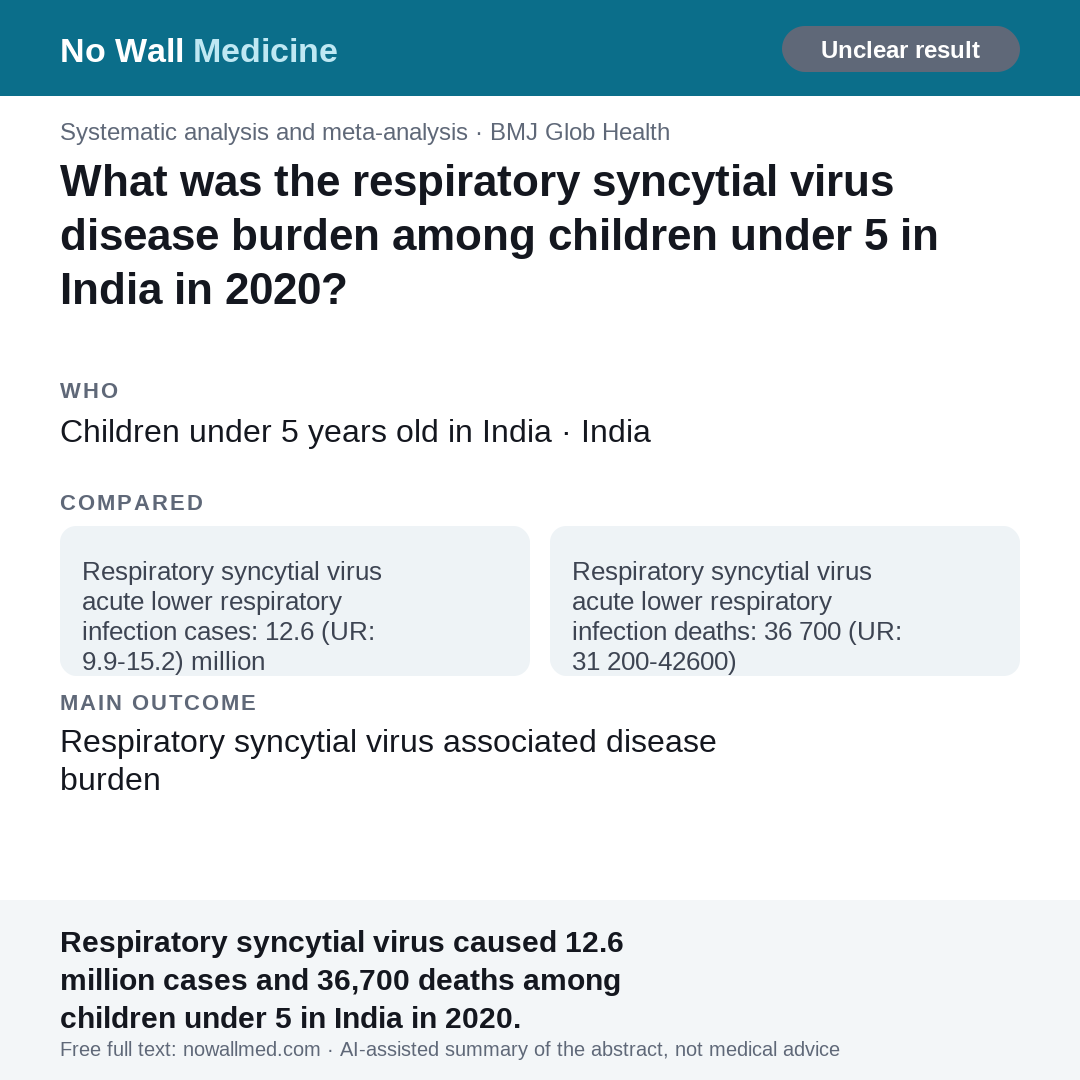
Disease burden due to respiratory syncytial virus infection among under-5 children of India for 2020: a multiplicative model using meta-estimates
Systematic analysis and meta-analysisUnclear result
What was the respiratory syncytial virus disease burden among children under 5 in India in 2020?
Who
Children under 5 years old in India · India
Compared
Respiratory syncytial virus acute lower respiratory infection cases: 12.6 (UR: 9.9-15.2) million
Respiratory syncytial virus acute lower respiratory infection deaths: 36 700 (UR: 31 200-42600)
Main outcome
Respiratory syncytial virus associated disease burden
Bottom line: Respiratory syncytial virus caused 12.6 million cases and 36,700 deaths among children under 5 in India in 2020.
Limitation: Limited data availability for early infancy, high-risk groups, and poor geographical representativeness.
BMJ Glob Health · 2025-11-23Download image
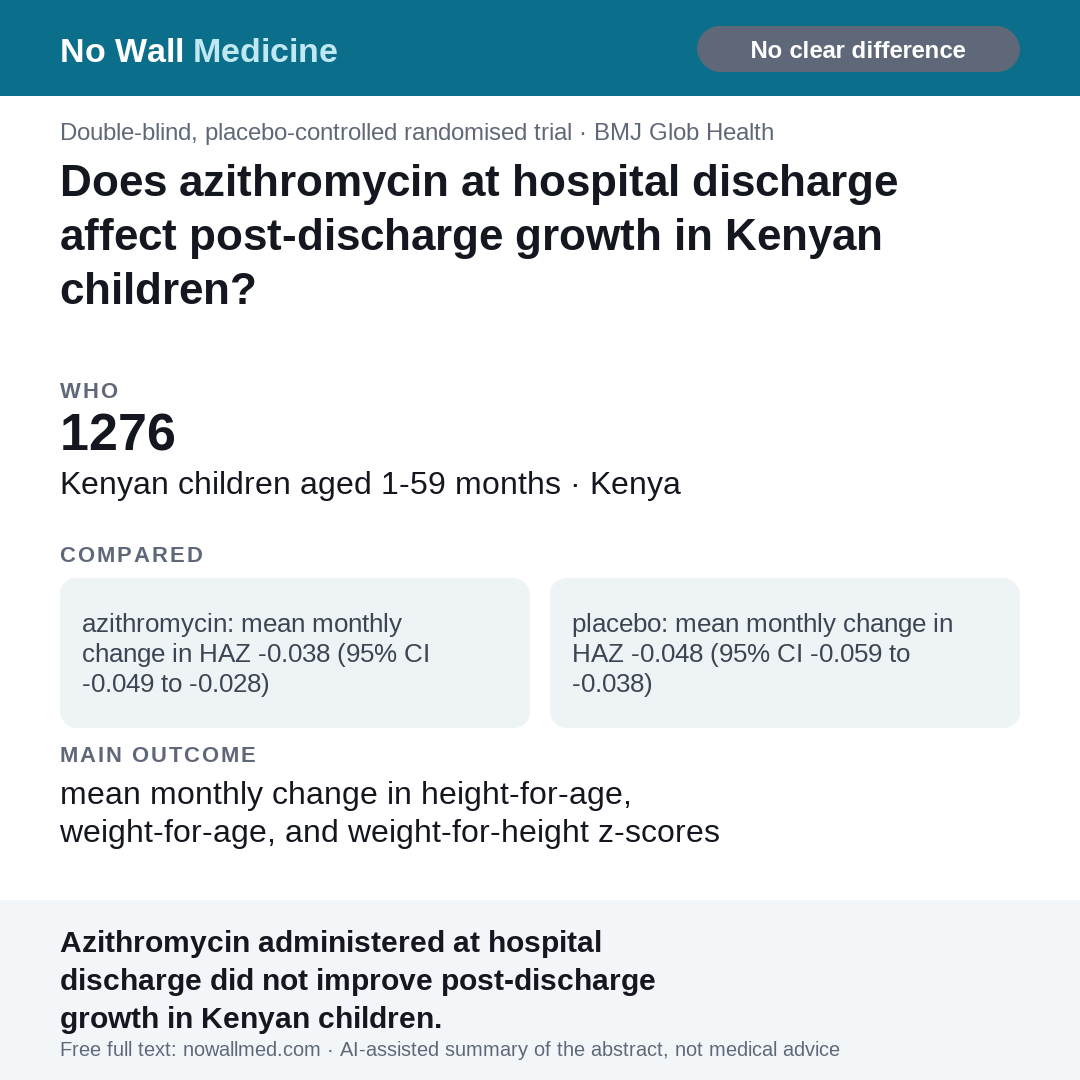
Effect of azithromycin on post-discharge growth in Kenyan children
Double-blind, placebo-controlled randomised trialNo clear difference
Does azithromycin at hospital discharge affect post-discharge growth in Kenyan children?
Who
1276
Kenyan children aged 1-59 months · Kenya
Compared
azithromycin: mean monthly change in HAZ -0.038 (95% CI -0.049 to -0.028)
placebo: mean monthly change in HAZ -0.048 (95% CI -0.059 to -0.038)
Main outcome
mean monthly change in height-for-age, weight-for-age, and weight-for-height z-scores
Result: mean difference: HAZ, 0.010 (95% CI -0.005 to 0.025)
Bottom line: Azithromycin administered at hospital discharge did not improve post-discharge growth in Kenyan children.
BMJ Glob Health · 2025-11-23Download image
Mortality effect of higher versus lower blood pressure targets in vasodilatory shock: an updated systematic review and meta-analysis
Systematic review and meta-analysis of randomized controlled trialsHarm found
Do higher versus lower mean arterial pressure targets affect mortality in vasodilatory shock?
Who
3,873
Adult patients with vasodilatory shock
Compared
Higher mean arterial pressure target: 10% increase in 28-day mortality
Lower mean arterial pressure target
Main outcome
all-cause mortality
Result: risk ratio 1.10 (95% CI 1.01-1.19)
Bottom line: Higher mean arterial pressure targets are associated with increased mortality compared with lower targets in patients with vasodilatory shock.
Crit Care · 2025-11-23Download image

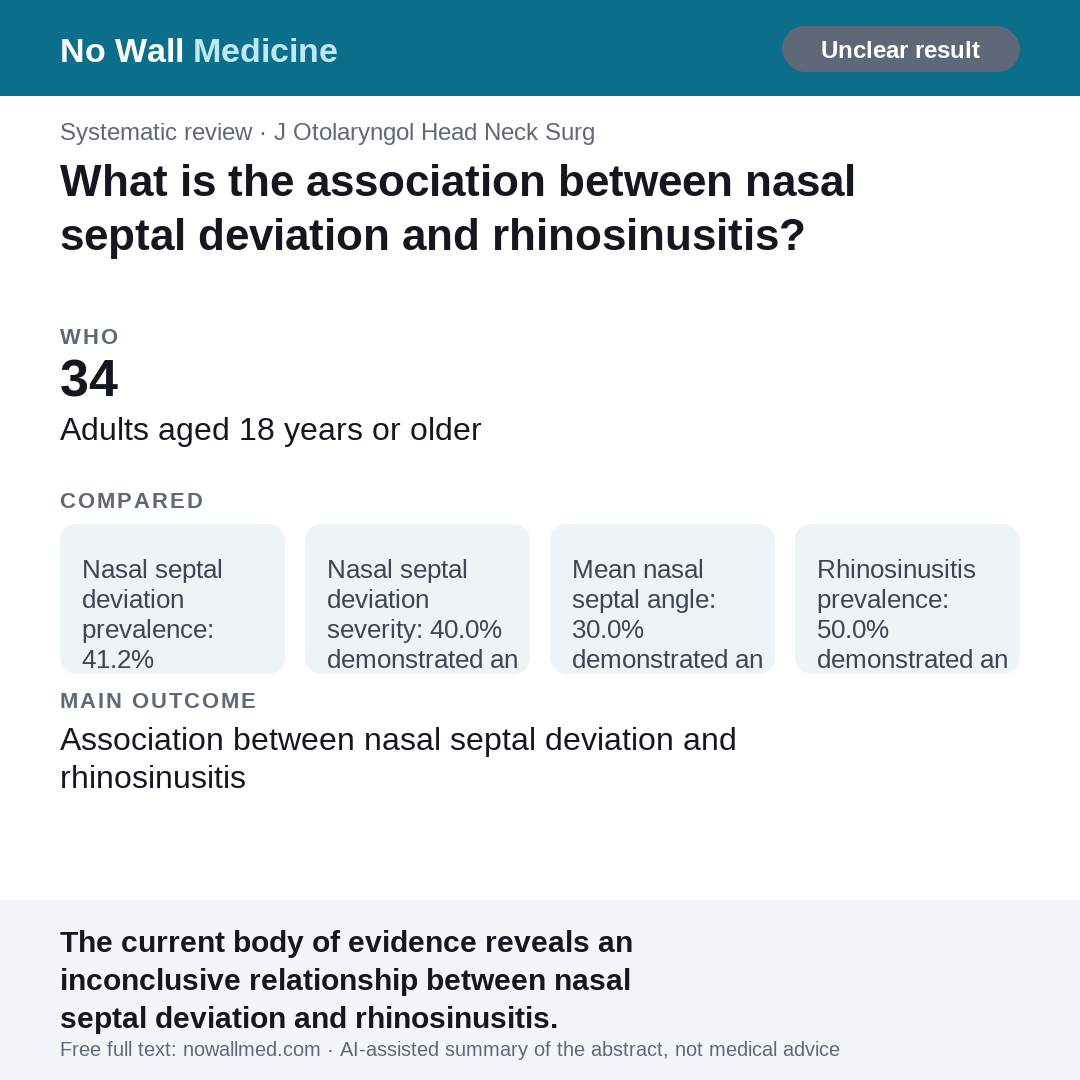
The Relationship Between Nasal Septal Deviation and Rhinosinusitis: A Systematic Review
Systematic reviewUnclear result
What is the association between nasal septal deviation and rhinosinusitis?
Who
34
Adults aged 18 years or older
Compared
Nasal septal deviation prevalence: 41.2% demonstrated an association with rhinosinusitis
Nasal septal deviation severity: 40.0% demonstrated an association with rhinosinusitis
Mean nasal septal angle: 30.0% demonstrated an association with rhinosinusitis
Rhinosinusitis prevalence: 50.0% demonstrated an association with nasal septal deviation
Main outcome
Association between nasal septal deviation and rhinosinusitis
Bottom line: The current body of evidence reveals an inconclusive relationship between nasal septal deviation and rhinosinusitis.
Limitation: Variability in definitions, diagnostic criteria, and outcome measures, combined with insufficient control for bias.
J Otolaryngol Head Neck Surg · 2025-11-23Download image
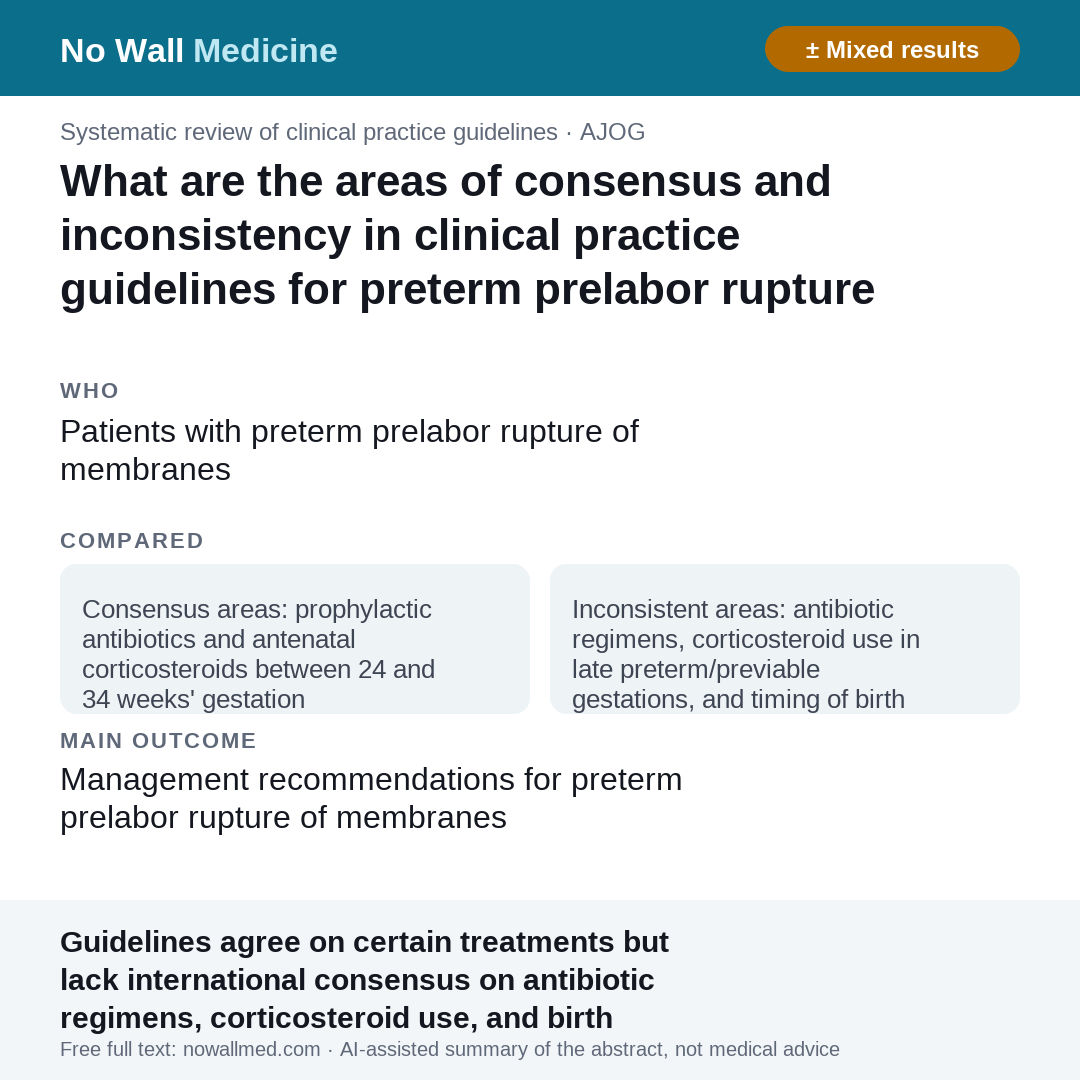
Systematic review of national and international clinical practice guidelines for management of preterm prelabor rupture of membranes
Systematic review of clinical practice guidelinesMixed results
What are the areas of consensus and inconsistency in clinical practice guidelines for preterm prelabor rupture of membranes?
Who
Patients with preterm prelabor rupture of membranes
Compared
Consensus areas: prophylactic antibiotics and antenatal corticosteroids between 24 and 34 weeks' gestation
Inconsistent areas: antibiotic regimens, corticosteroid use in late preterm/previable gestations, and timing of birth
Main outcome
Management recommendations for preterm prelabor rupture of membranes
Bottom line: Guidelines agree on certain treatments but lack international consensus on antibiotic regimens, corticosteroid use, and birth timing.
AJOG · 2025-11-22Download image
Endoscopic Response to Subcutaneous Infliximab by Disease Location: A Post Hoc Analysis of the LIBERTY-CD Study
Post hoc analysis of a randomized trialBenefit found
Is subcutaneous infliximab effective for Crohn's disease based on disease location?
Who
329
Patients with moderately to severely active Crohn's disease
Compared
Subcutaneous infliximab
Placebo
Main outcome
Endoscopic response at week 54
Bottom line: Subcutaneous infliximab maintenance therapy was effective regardless of disease location, including the terminal ileum.
Clin Gastroenterol Hepatol · 2025-11-22Download image

Global and regional knowledge of antibiotic use and resistance among the general public: a systematic review and meta-analysis
Systematic review and meta-analysisMixed results
What is the global and regional knowledge of antibiotic use and resistance among the public?
Who
227
The general public · 98 countries
Compared
73.2%Correct understanding antibiotics effective against bacteria (95% CI, 70.2-76.0)
42.1%Recognized antibiotics ineffective against viral infections (95% CI, 39.2-44.9)
72.5%Aware unnecessary use reduces effectiveness (95% CI, 69.9-75.0)
39.1%Aware resistant bacteria can spread person to person (95% CI, 33.7-44.6)
Main outcome
Public knowledge of antibiotic use and resistance
Bottom line: Public understanding is insufficient regarding antibiotic ineffectiveness against viruses and the transmission of antibiotic-resistant bacteria.
Clin Microbiol Infect · 2025-11-22Download image

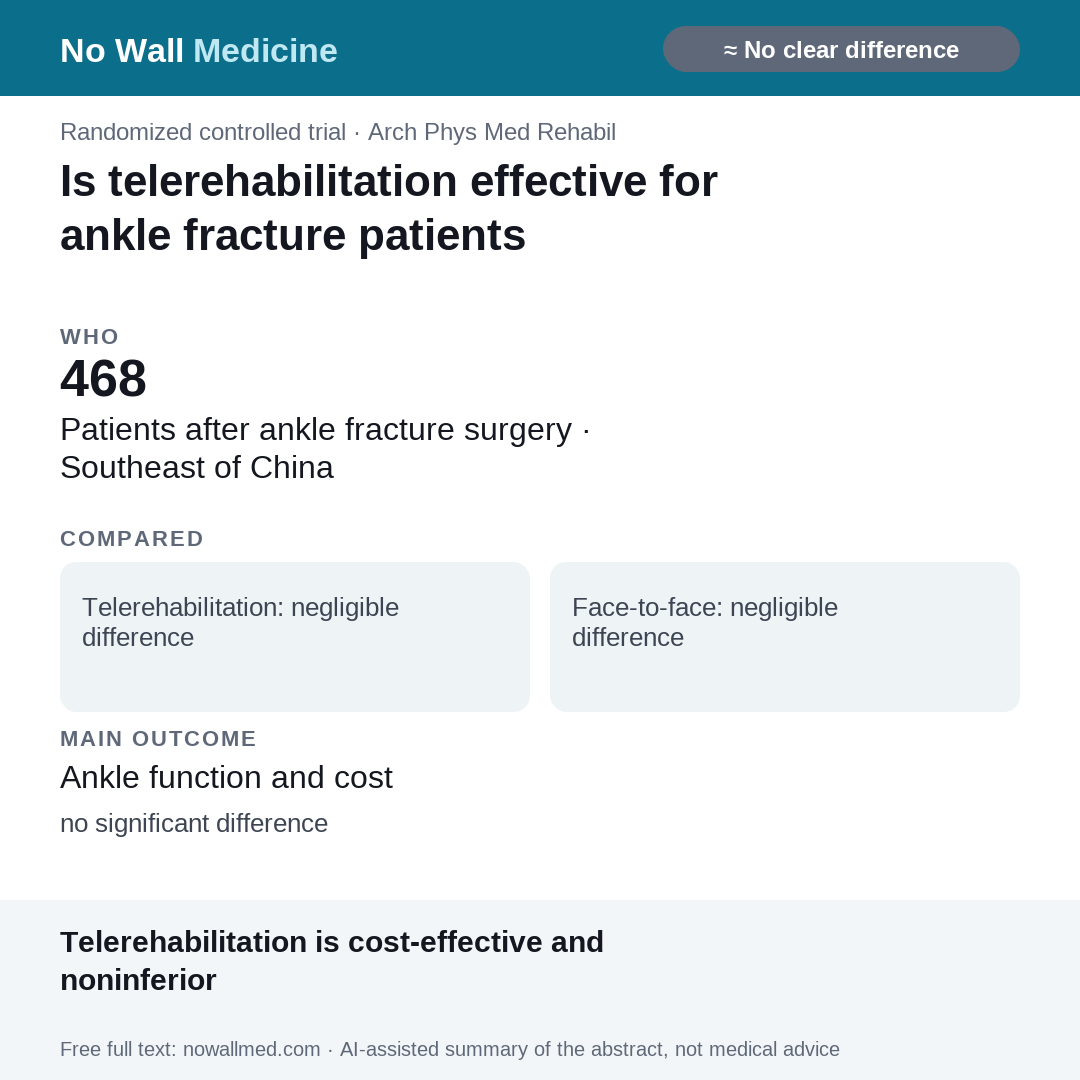
Telerehabilitation for Patients After ORIF for Ankle Fracture: A Noninferiority Randomized Controlled Trial
Randomized controlled trialNo clear difference
Is telerehabilitation effective for ankle fracture patients
Who
468
Patients after ankle fracture surgery · Southeast of China
Compared
Telerehabilitation: negligible difference
Face-to-face: negligible difference
Main outcome
Ankle function and cost
Result: no significant difference
Bottom line: Telerehabilitation is cost-effective and noninferior
Arch Phys Med Rehabil · 2025-11-22Download image
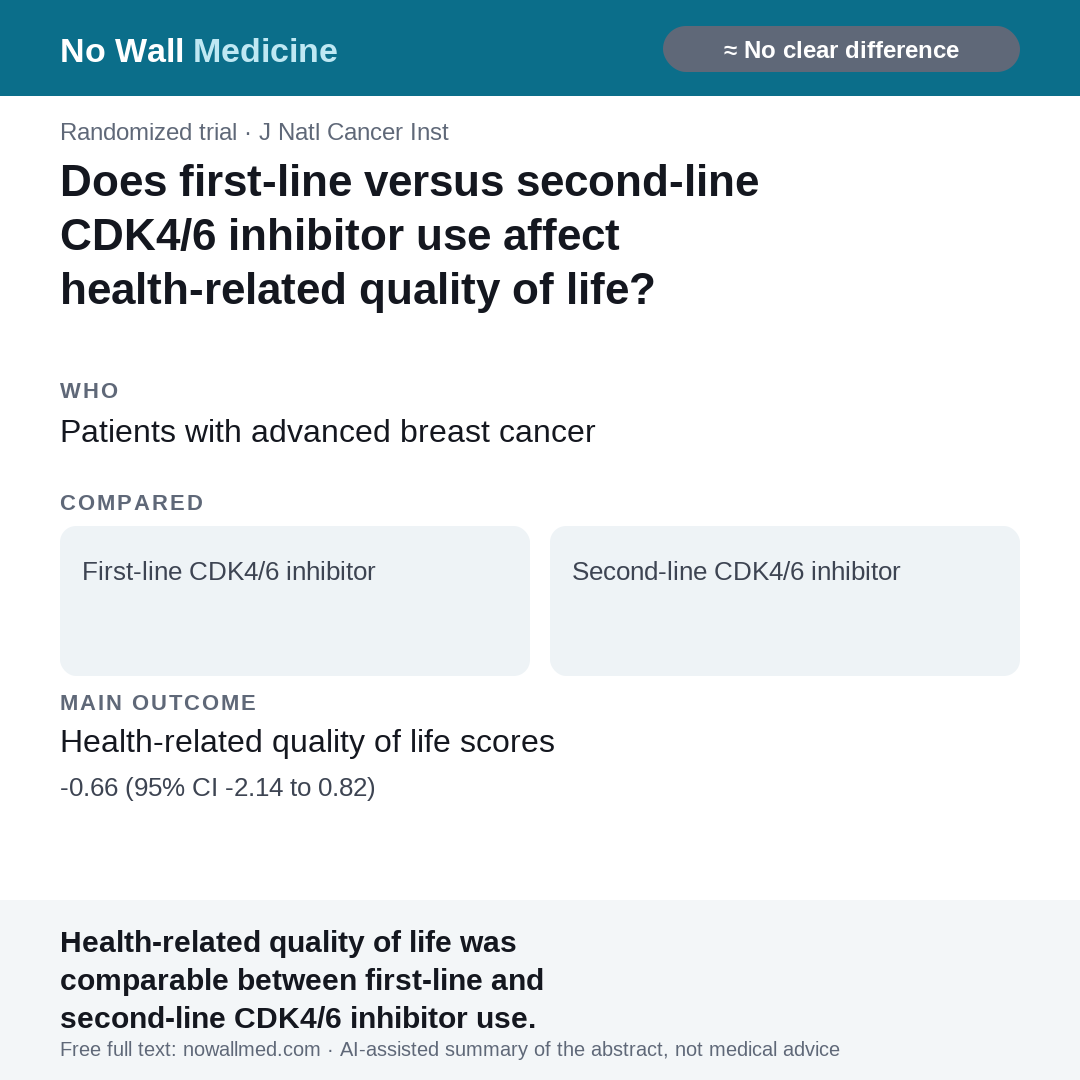
Health-related quality of life with first- vs second-line CDK4/6 inhibitor use in advanced breast cancer: results from the SONIA trial
Randomized trialNo clear difference
Does first-line versus second-line CDK4/6 inhibitor use affect health-related quality of life?
Who
Patients with advanced breast cancer
Compared
First-line CDK4/6 inhibitor
Second-line CDK4/6 inhibitor
Main outcome
Health-related quality of life scores
Result: -0.66 (95% CI -2.14 to 0.82)
Bottom line: Health-related quality of life was comparable between first-line and second-line CDK4/6 inhibitor use.
J Natl Cancer Inst · 2025-11-22Download image
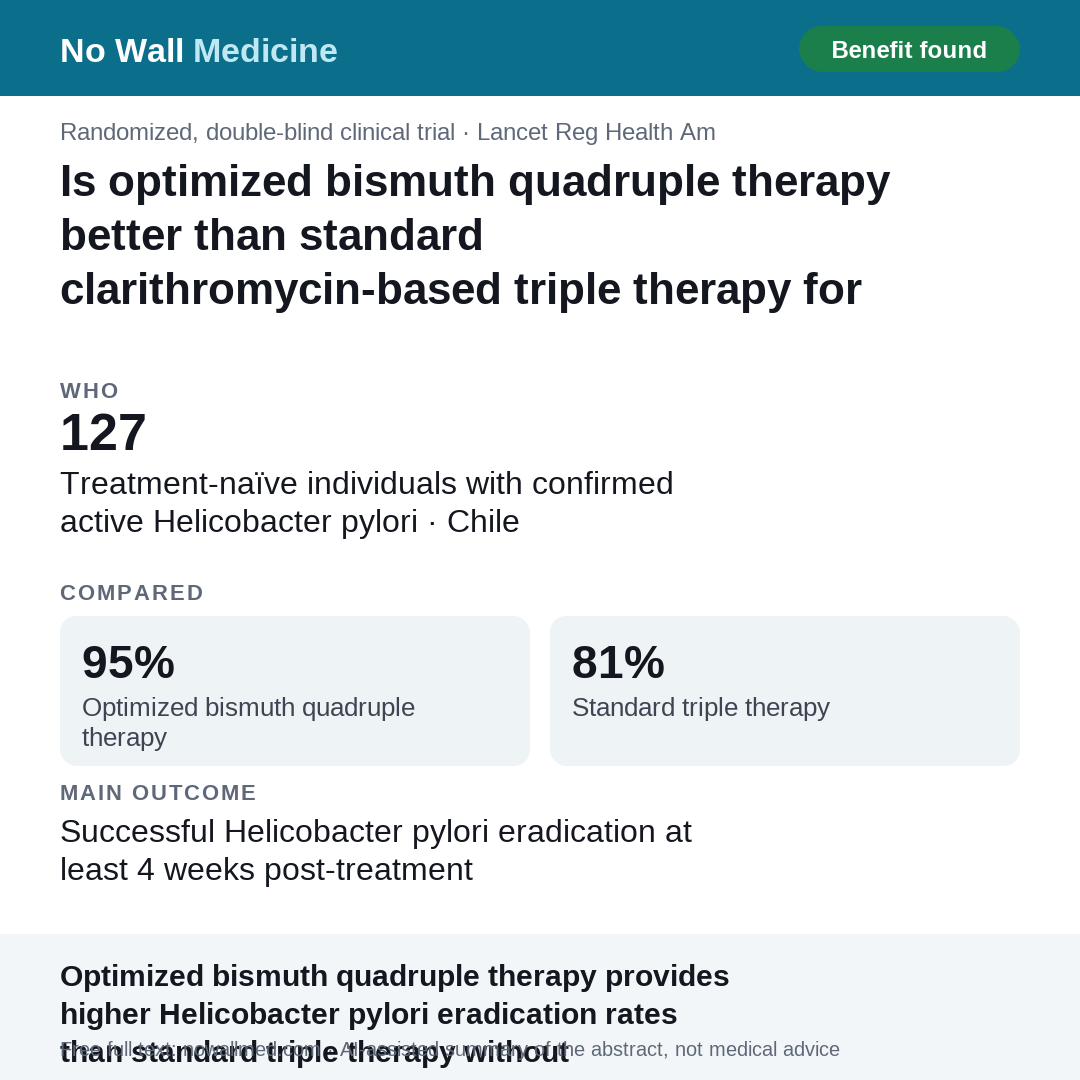
Comparison between optimized bismuth quadruple therapy and standard clarithromycin-based triple therapy for first-line Helicobacter pylori eradication: a double-blind randomized controlled trial
Randomized, double-blind clinical trialBenefit found
Is optimized bismuth quadruple therapy better than standard clarithromycin-based triple therapy for Helicobacter pylori eradication?
Who
127
Treatment-naïve individuals with confirmed active Helicobacter pylori · Chile
Compared
95%Optimized bismuth quadruple therapy (60/63)
81%Standard triple therapy (52/64)
Main outcome
Successful Helicobacter pylori eradication at least 4 weeks post-treatment
Result: 95% CI 86%-99% vs 81% (52/64) [70%-89%], p = 0.033
Bottom line: Optimized bismuth quadruple therapy provides higher Helicobacter pylori eradication rates than standard triple therapy without increasing adverse events.
Funded by: FONDECYT, ANID-FONDAP, and Horizon 2020 program
Lancet Reg Health Am · 2025-11-22Download image
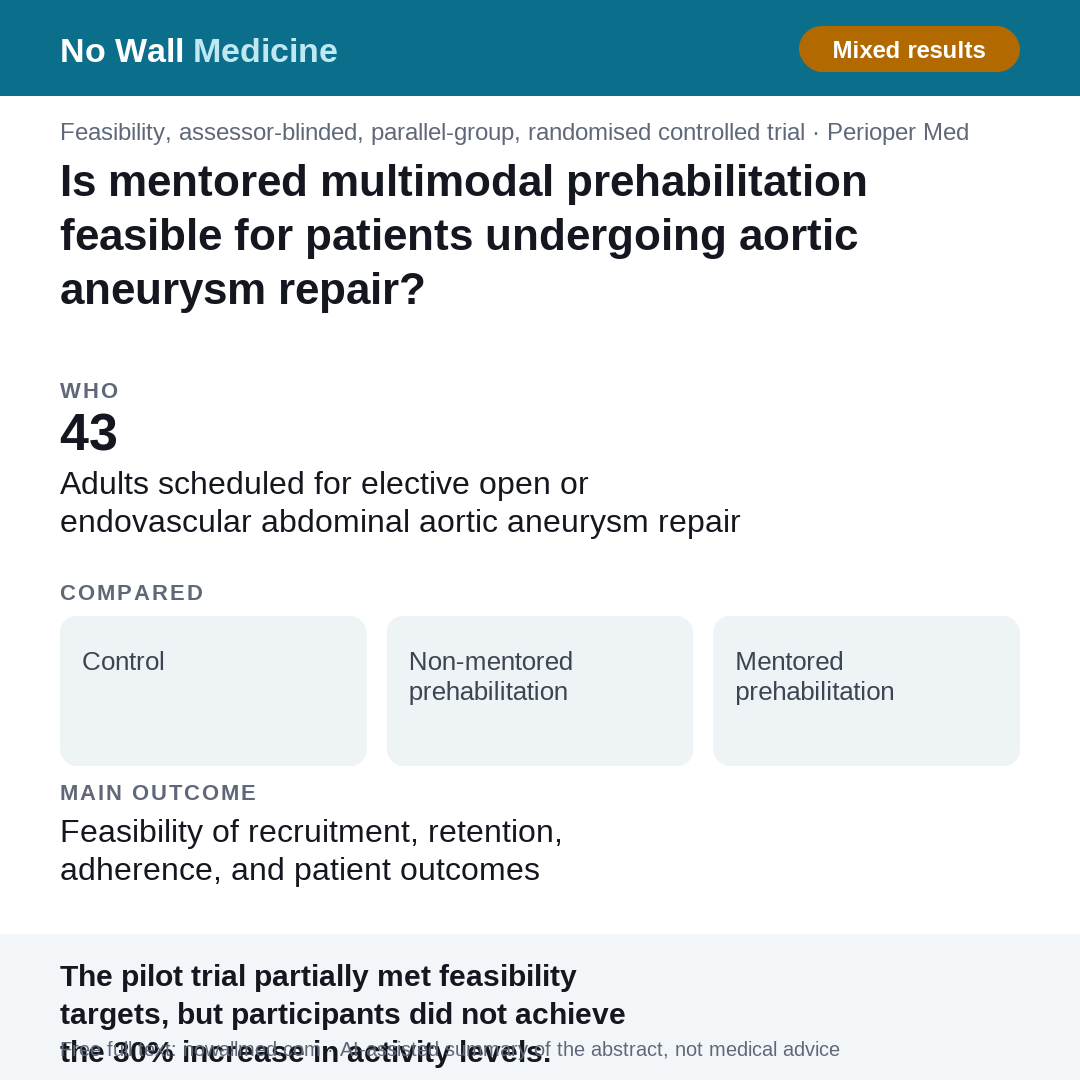
Mentored multimodal prehabilitation for aortic aneurysm surgery: a pilot randomised controlled trial
Feasibility, assessor-blinded, parallel-group, randomised controlled trialMixed results
Is mentored multimodal prehabilitation feasible for patients undergoing aortic aneurysm repair?
Who
43
Adults scheduled for elective open or endovascular abdominal aortic aneurysm repair
Compared
Control
Non-mentored prehabilitation
Mentored prehabilitation
Main outcome
Feasibility of recruitment, retention, adherence, and patient outcomes
Bottom line: The pilot trial partially met feasibility targets, but participants did not achieve the 30% increase in activity levels.
Limitation: Low tracker adherence (53.5%) was usually due to device failure.
Perioper Med · 2025-11-22Download image
Association of physical activity and sedentary behavior with urinary incontinence in adult women: a systematic review and meta-analysis of observational studies
Systematic review and meta-analysis of observational studiesBenefit found
Are physical activity and sedentary behavior associated with urinary incontinence in adult women?
Who
295,513
Adult women aged 18 years or older
Compared
Higher physical activity: odds ratio=0.70 (95% confidence interval, 0.60-0.82)
Sedentary behavior: odds ratio=1.02 (95% confidence interval, 0.87-1.20)
Main outcome
Urinary incontinence prevalence and incidence
Result: odds ratio=0.70 (95% confidence interval, 0.60-0.82)
Bottom line: Higher levels of physical activity are associated with lower odds of urinary incontinence in adult women.
Limitation: Robust longitudinal and intervention studies using objective measures are warranted.
AJOG · 2025-11-21Download image

Outcomes of Penetrating Keratoplasty and Boston Type 1 Keratoprosthesis in Aniridia-Associated Keratopathy: A Systematic Review and Meta-Analysis
Systematic review and meta-analysis of individual patient dataMixed results
What are the surgical outcomes of penetrating keratoplasty versus Boston type 1 keratoprosthesis in aniridia-associated keratopathy?
Who
325
Patients with aniridia-associated keratopathy
Compared
0.38%Penetrating keratoplasty (95% CI: 0.13 to 0.72)
0.82%Boston type 1 keratoprosthesis (95% CI: 0.65 to 0.92)
Main outcome
Anatomical success and graft survival
Result: hazard ratio 2.92 (95% CI 1.24 to 6.84)
Bottom line: Boston type 1 keratoprosthesis shows superior anatomical success, but visual acuity improvement and complication rates are similar to penetrating keratoplasty.
Limitation: Small sample size, limited follow-up duration, and heterogeneity of study designs.
Am J Ophthalmol · 2025-11-21Download image

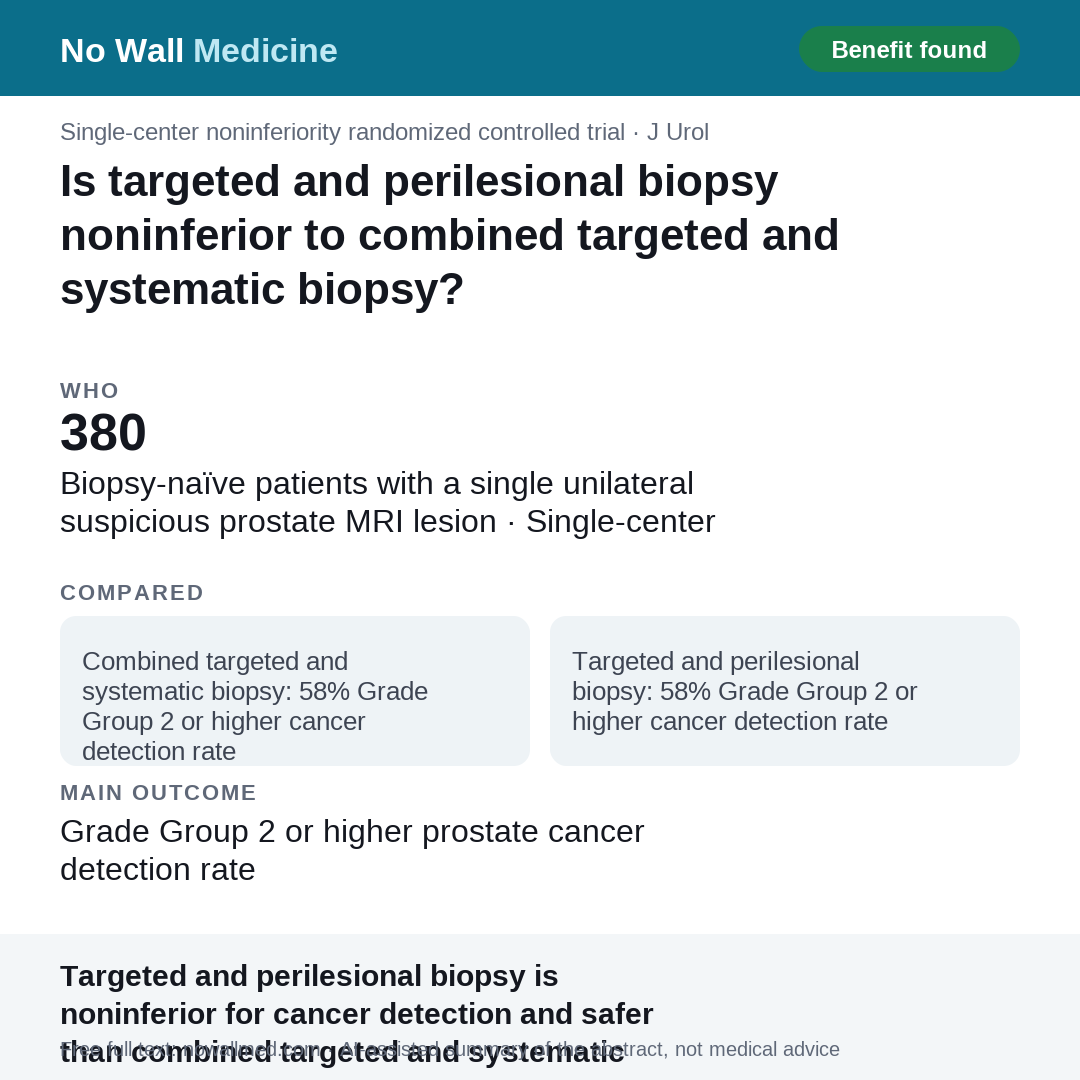
Comprehensive Evaluation of Targeted and Perilesional Biopsy in Biopsy-Naïve Patients With Prostate Positive Magnetic Resonance Imaging: PERI-PRO Noninferiority Randomized Controlled Trial
Single-center noninferiority randomized controlled trialBenefit found
Is targeted and perilesional biopsy noninferior to combined targeted and systematic biopsy?
Who
380
Biopsy-naïve patients with a single unilateral suspicious prostate MRI lesion · Single-center
Compared
Combined targeted and systematic biopsy: 58% Grade Group 2 or higher cancer detection rate
Targeted and perilesional biopsy: 58% Grade Group 2 or higher cancer detection rate
Main outcome
Grade Group 2 or higher prostate cancer detection rate
Result: risk difference 0.53% (95% CI -9.4% to 11%)
Bottom line: Targeted and perilesional biopsy is noninferior for cancer detection and safer than combined targeted and systematic biopsy.
J Urol · 2025-11-21Download image
Effect of Postdiagnosis Diet and Lifestyle on Clinical Outcomes in Prostate Cancer Survivors: A Systematic Review
Systematic reviewBenefit found
Do postdiagnosis diet and lifestyle patterns affect prostate cancer clinical outcomes?
Who
Adult men diagnosed with prostate cancer
Compared
Healthy dietary and lifestyle patterns: potentially lower risk of prostate cancer progression and prostate cancer-specific mortality
Western dietary pattern and high insulinemic potential foods: associated with increased risk of all-cause mortality
Main outcome
Prostate cancer progression, recurrence, mortality, and prostate specific antigen kinetics
Bottom line: Healthy dietary practices and lifestyle behaviors may reduce prostate cancer progression and all-cause mortality.
J Urol · 2025-11-21Download image

Tracheostomy in Flap-Based Head and Neck Cancer Surgery: A Meta-Analysis of Indications and Adverse Outcomes
Systematic review and meta-analysisMixed results
What are the tracheostomy rates, predictors, and complications in flap-based head and neck cancer surgery?
Who
27029
Adult patients undergoing free or pedicled flap reconstruction
Compared
54.6%All included studies
42.4%Excluding routine tracheostomy studies
Main outcome
Tracheostomy rates and complication rates
Bottom line: Tracheostomy rates are influenced by tumor, surgical, and patient factors, with an overall complication rate of 16.3%.
Head Neck · 2025-11-21Download image

Challenges in evaluating whole genome sequencing for newborn screening: series of systematic reviews and roadmap for evidence generation for policy advisers
Series of systematic reviewsHarm found
Are current systematic review approaches feasible for evaluating whole genome sequencing for newborn screening?
Who
76268
200 conditions in Genomics England's Generation Study
Compared
Five selected conditions: 268 papers included
Two hundred conditions: over 20 years
Main outcome
Feasibility of evidence synthesis for policy advisers
Bottom line: Current evidence synthesis methods are neither feasible nor fruitful for evaluating whole genome sequencing for newborn screening.
BMJ Med · 2025-11-21Download image

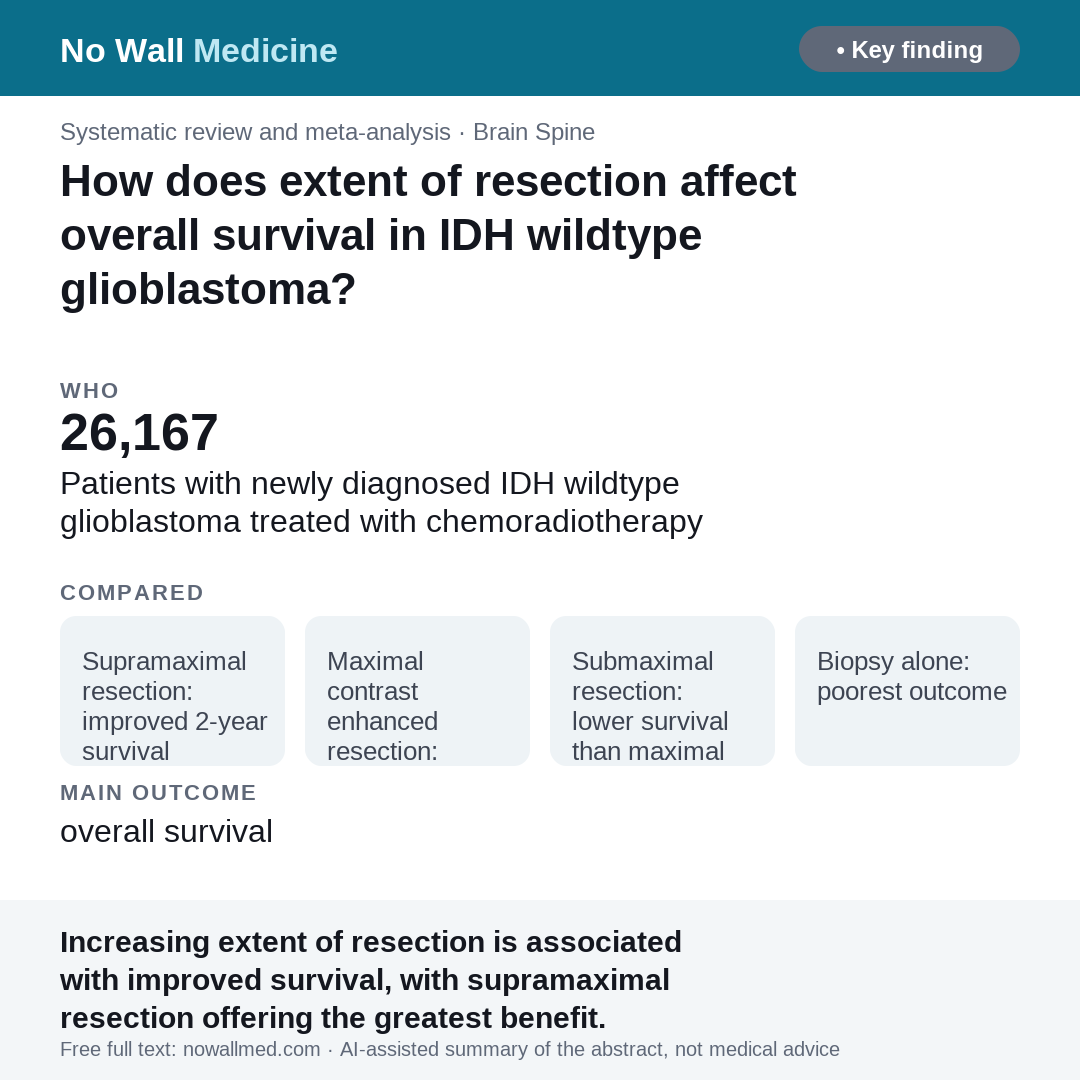
Extent of resection and its association with overall survival in newly diagnosed IDH wildtype glioblastoma treated with concomitant radiochemotherapy: a systematic review and meta-analysis
Systematic review and meta-analysisBenefit found
How does extent of resection affect overall survival in IDH wildtype glioblastoma?
Who
26,167
Patients with newly diagnosed IDH wildtype glioblastoma treated with chemoradiotherapy
Compared
Supramaximal resection: improved 2-year survival
Maximal contrast enhanced resection: higher 1-year and 2-year survival
Submaximal resection: lower survival than maximal resection
Biopsy alone: poorest outcome
Main outcome
overall survival
Result: RR 0.70 (95 % CI 0.55-0.88) for 2-year survival
Bottom line: Increasing extent of resection is associated with improved survival, with supramaximal resection offering the greatest benefit.
Limitation: Need for prospective studies with standardized resection classifications
Brain Spine · 2025-11-21Download image
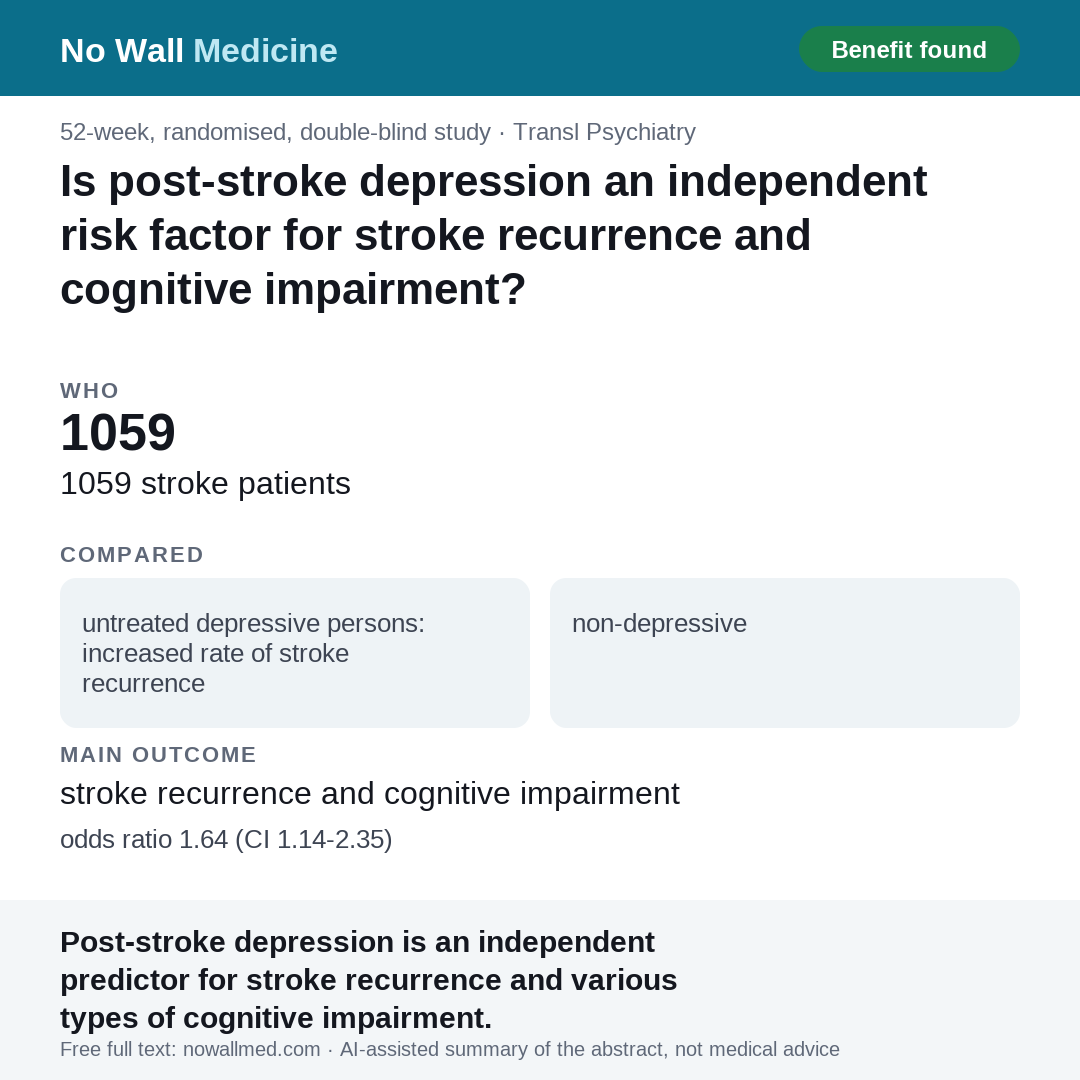
Depression is an independent risk factor for stroke reccurence and cognitive impairment in stroke patients
52-week, randomised, double-blind studyBenefit found
Is post-stroke depression an independent risk factor for stroke recurrence and cognitive impairment?
Who
1059
1059 stroke patients
Compared
untreated depressive persons: increased rate of stroke recurrence
non-depressive
Main outcome
stroke recurrence and cognitive impairment
Result: odds ratio 1.64 (CI 1.14-2.35)
Bottom line: Post-stroke depression is an independent predictor for stroke recurrence and various types of cognitive impairment.
Limitation: further research is needed to demonstrate the efficacy of treatment on stroke recurrence.
Transl Psychiatry · 2025-11-21Download image
Common neural dysfunction in psychiatric disorders: Insights from a meta-analysis of resting-state fMRI studies
Transdiagnostic meta-analysisBenefit found
Are there shared neural mechanisms across different psychiatric disorders?
Who
Patients with psychiatric disorders and healthy controls
Compared
Patients: elevated ALFF/fALFF in lateral orbitofrontal cortex, anterior insula, and caudate
Healthy controls
Main outcome
Spontaneous brain activity measures (ALFF/fALFF and ReHo)
Bottom line: Patients across psychiatric disorders show shared neural aberrations in brain regions related to cognitive and emotional processing.
Transl Psychiatry · 2025-11-21Download image