Visual abstracts
New randomized trials and meta-analyses from leading journals at a glance: who was studied, what was compared, and what was found. Every paper is free to read in full.
All specialtiesCardiology 4763Oncology 4043Gastroenterology & Hepatology 1903Infectious Disease 3756Neurology 1872Psychiatry & Mental Health 2216Pulmonology 2044Critical Care 1319Endocrinology & Diabetes 2544Pediatrics 2889Surgery 2480Orthopedics & Sports Medicine 917Neurosurgery 525Cardiothoracic & Vascular Surgery 656Plastic & Reconstructive Surgery 574Nephrology 1107Rheumatology 810Hematology 1090Dermatology 611Ophthalmology 532Obstetrics & Gynecology 1645Public & Global Health 1037Radiology & Imaging 619Anesthesiology 958Urology 745ENT (Otolaryngology) 494Emergency Medicine 481Allergy & Immunology 309Geriatrics 972Family Medicine & Primary Care 534Medical Genetics & Genomics 659Pathology & Laboratory Medicine 156Physical Medicine & Rehabilitation 734Palliative Care 421Nutrition 1560Digital Health & AI 2137General Medicine 318
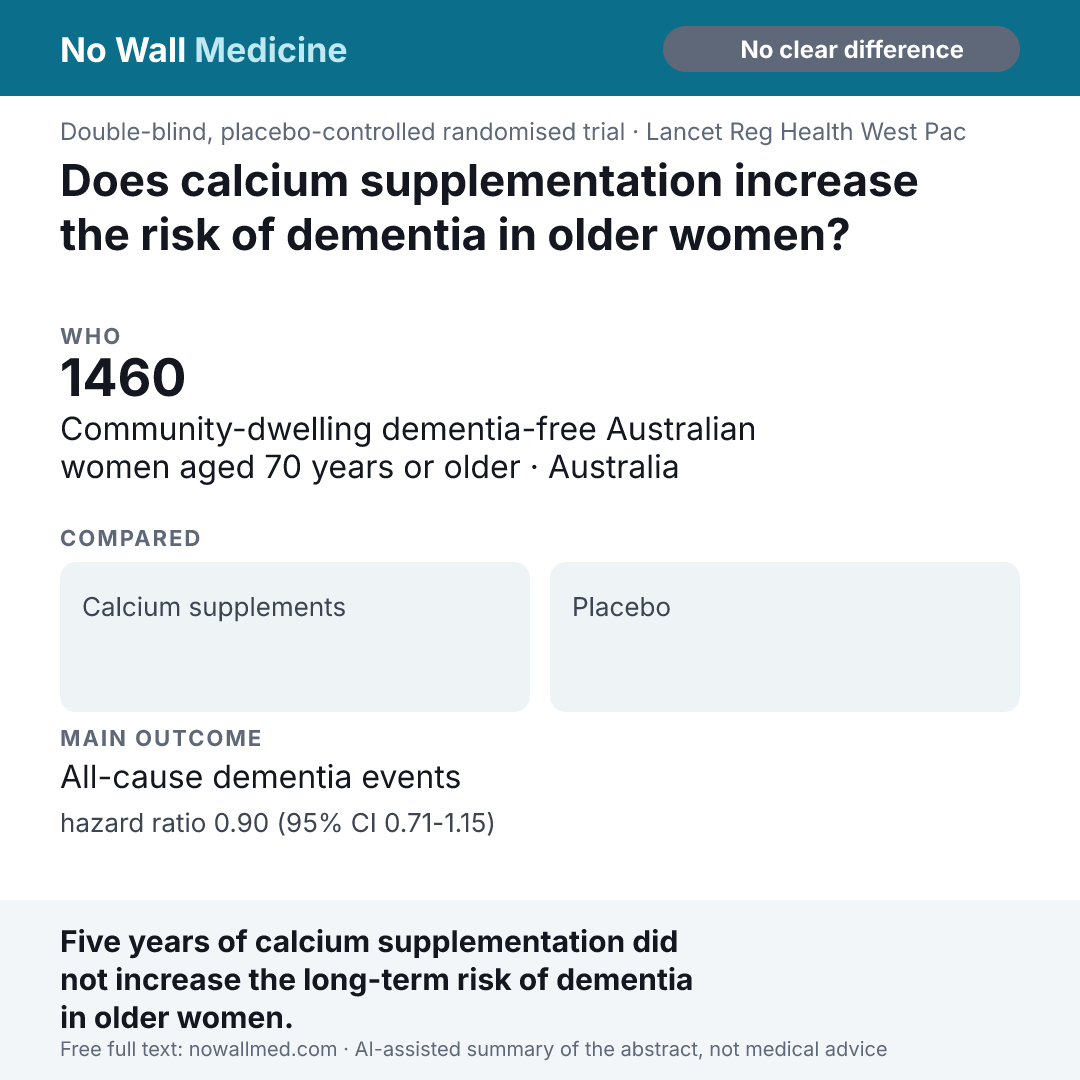
Calcium supplementation and the risk of dementia in the Perth Longitudinal Study of Aging Women: a post-hoc analysis of a randomised clinical trial for fracture prevention
Double-blind, placebo-controlled randomised trialNo clear difference
Does calcium supplementation increase the risk of dementia in older women?
Who
1460
Community-dwelling dementia-free Australian women aged 70 years or older · Australia
Compared
Calcium supplements
Placebo
Main outcome
All-cause dementia events
Result: hazard ratio 0.90 (95% CI 0.71-1.15)
Bottom line: Five years of calcium supplementation did not increase the long-term risk of dementia in older women.
Funded by: National Health and Medical Research Council of Australia
Lancet Reg Health West Pac · 2025-10-06 · Save PNG
Mental health service coverage and gaps among adults in Europe: a systematic review
Systematic reviewHarm found
What are the mental health service coverage and treatment gaps among adults in Europe?
Who
Adults in the World Health Organization European Region · World Health Organization European Region
Compared
Psychotic disorders coverage: often exceeding 90% in some countries
Major depressive disorder treatment: below 10% in Bulgaria, Tajikistan and Turkmenistan to over 35% in Germany and Czechia
Anxiety disorder coverage: 7% in Bulgaria to 47% in Sweden
Substance use disorder coverage: under 15%
Main outcome
Mental health service coverage and treatment gaps
Bottom line: Significant mental health service gaps exist across Europe, particularly for substance use, ADHD, and marginalized populations.
Lancet Reg Health Eur · 2025-10-06 · Save PNG

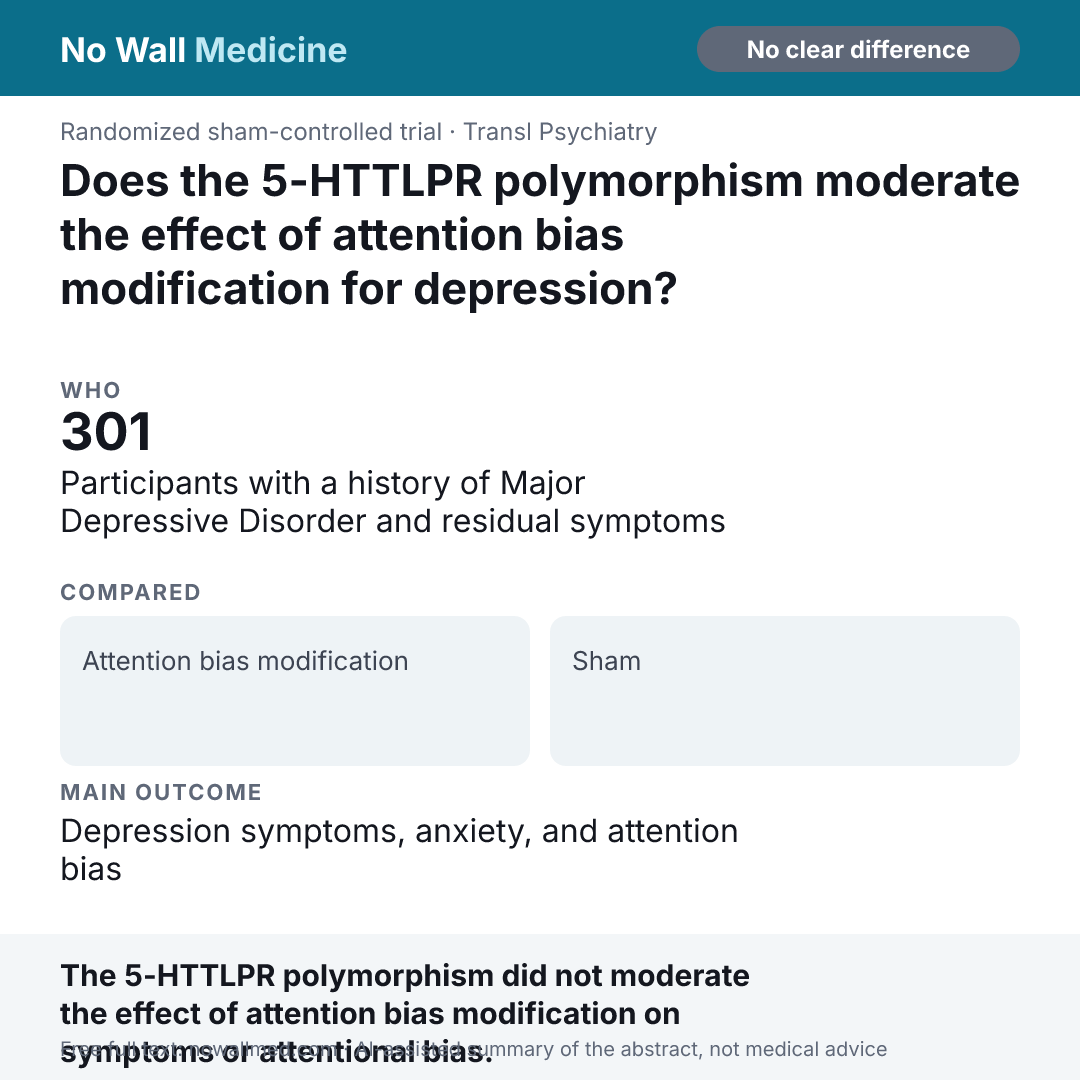
5-HTTLPR does not moderate the effect of attention bias modification for depression: a randomized sham-controlled trial
Randomized sham-controlled trialNo clear difference
Does the 5-HTTLPR polymorphism moderate the effect of attention bias modification for depression?
Who
301
Participants with a history of Major Depressive Disorder and residual symptoms
Compared
Attention bias modification
Sham
Main outcome
Depression symptoms, anxiety, and attention bias
Bottom line: The 5-HTTLPR polymorphism did not moderate the effect of attention bias modification on symptoms or attentional bias.
Limitation: Low level of depressive symptoms, lack of ethnicity data, and missing stress or trauma history.
Transl Psychiatry · 2025-10-06 · Save PNG
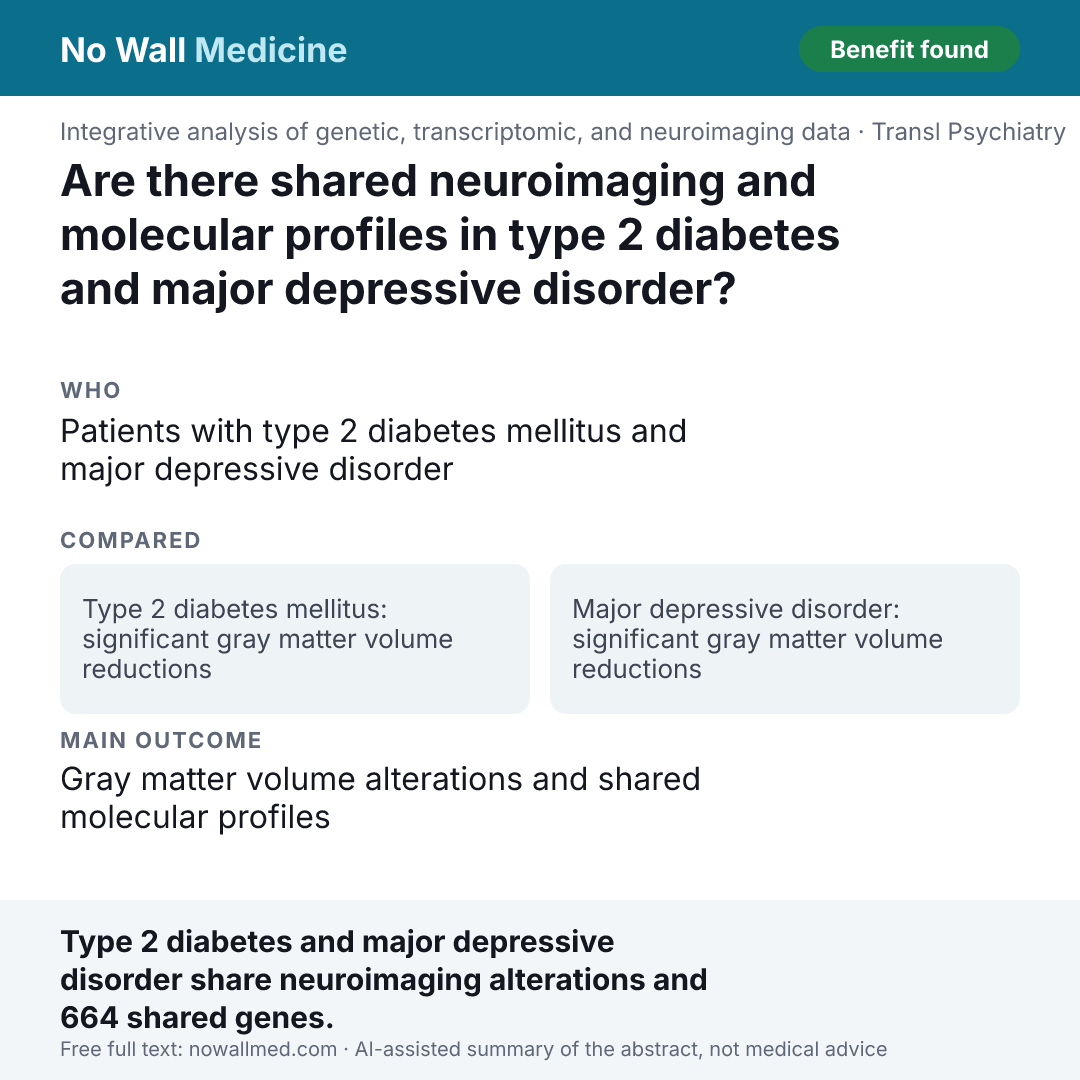
Shared neuroimaging and molecular profiles in type 2 diabetes mellitus and major depressive disorder: an integrative analysis of genetic, transcriptomic, and neuroimaging data
Integrative analysis of genetic, transcriptomic, and neuroimaging dataBenefit found
Are there shared neuroimaging and molecular profiles in type 2 diabetes and major depressive disorder?
Who
Patients with type 2 diabetes mellitus and major depressive disorder
Compared
Type 2 diabetes mellitus: significant gray matter volume reductions
Major depressive disorder: significant gray matter volume reductions
Main outcome
Gray matter volume alterations and shared molecular profiles
Bottom line: Type 2 diabetes and major depressive disorder share neuroimaging alterations and 664 shared genes.
Transl Psychiatry · 2025-10-06 · Save PNG
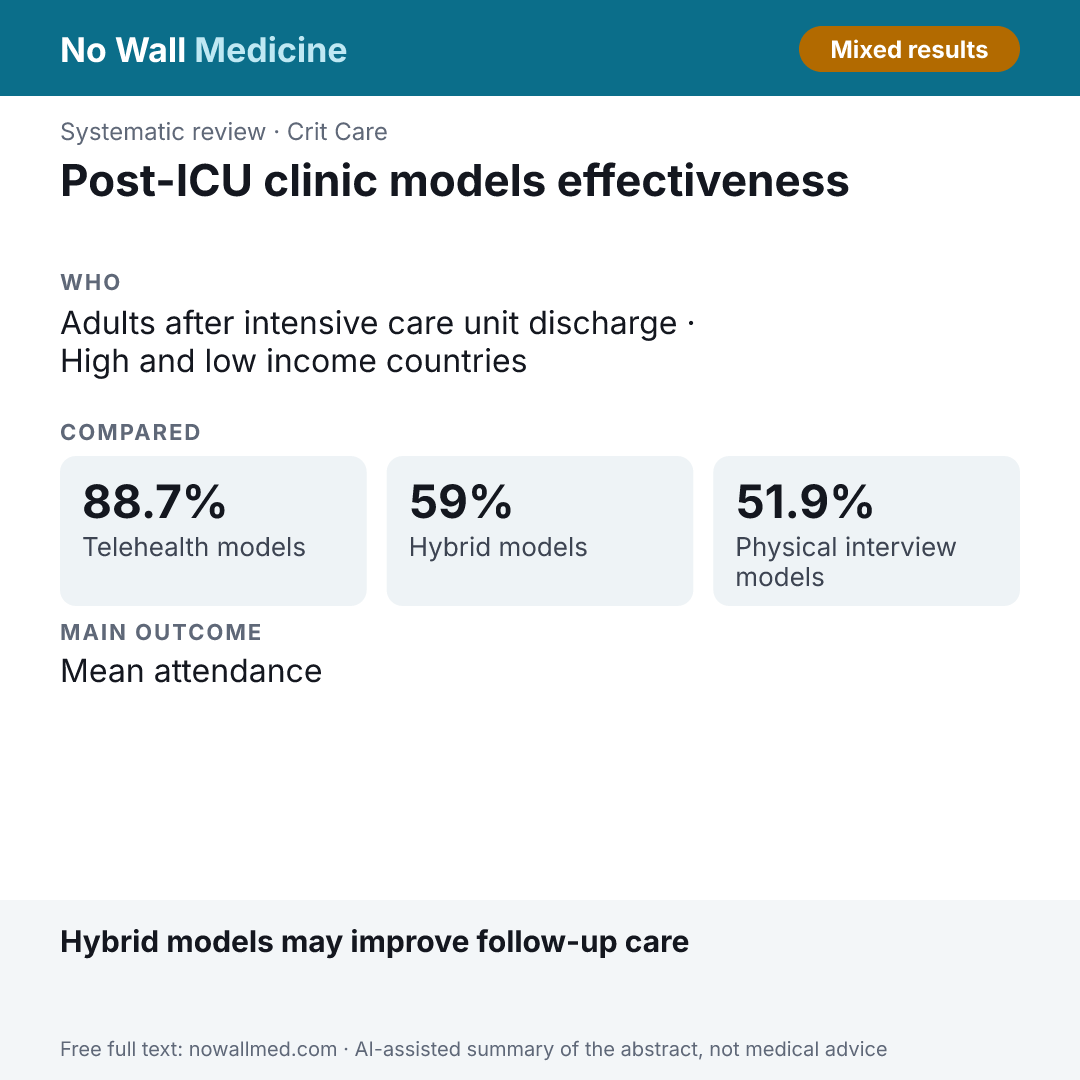
Post-intensive care unit clinics: models and implementation - a systematic review
Systematic reviewMixed results
Post-ICU clinic models effectiveness
Who
Adults after intensive care unit discharge · High and low income countries
Compared
88.7%Telehealth models
59%Hybrid models
51.9%Physical interview models
Main outcome
Mean attendance
Bottom line: Hybrid models may improve follow-up care
Limitation: Evidence on long-term outcomes limited
Crit Care · 2025-10-06 · Save PNG
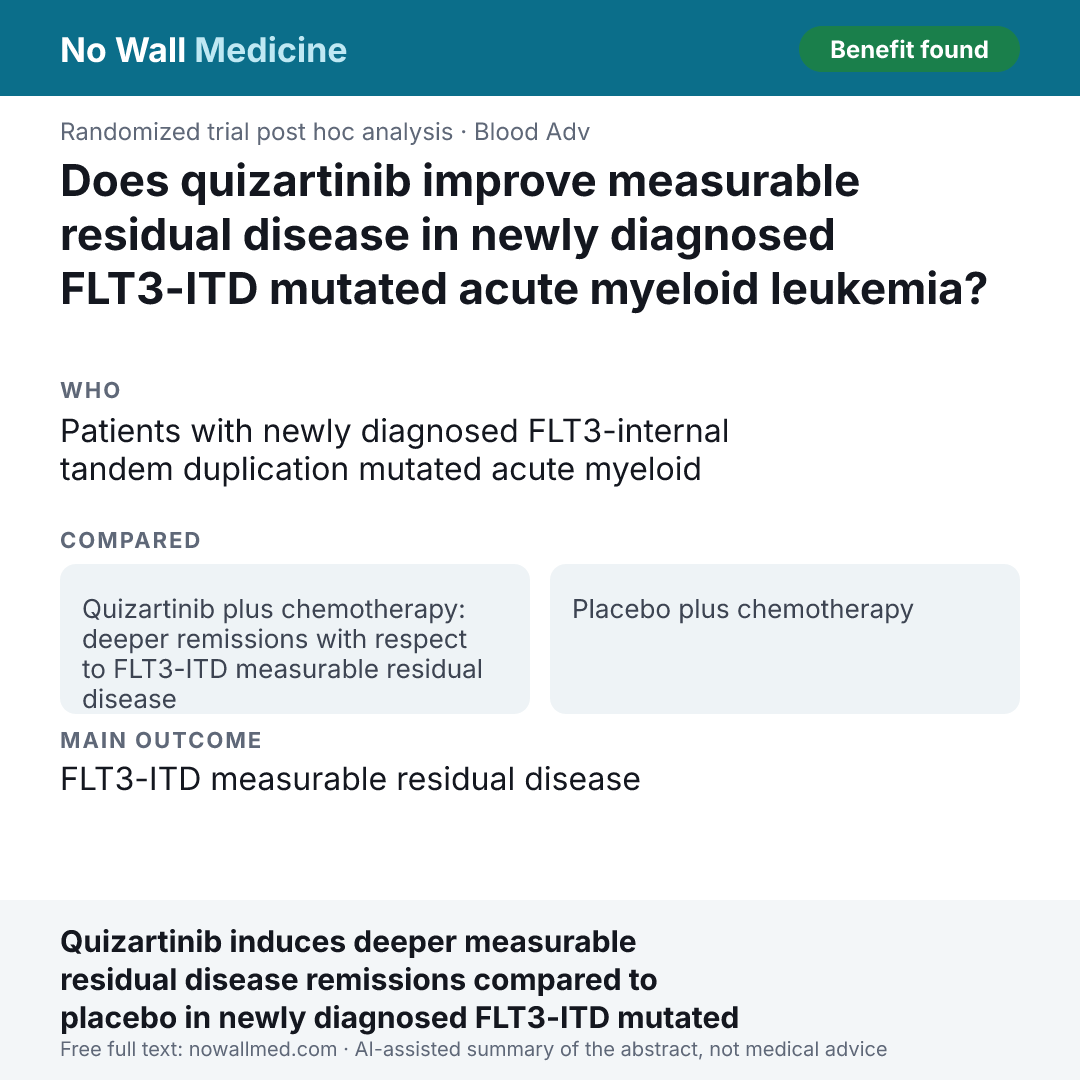
FLT3-ITD measurable residual disease from the QuANTUM-First trial
Randomized trial post hoc analysisBenefit found
Does quizartinib improve measurable residual disease in newly diagnosed FLT3-ITD mutated acute myeloid leukemia?
Who
Patients with newly diagnosed FLT3-internal tandem duplication mutated acute myeloid leukemia
Compared
Quizartinib plus chemotherapy: deeper remissions with respect to FLT3-ITD measurable residual disease
Placebo plus chemotherapy
Main outcome
FLT3-ITD measurable residual disease
Bottom line: Quizartinib induces deeper measurable residual disease remissions compared to placebo in newly diagnosed FLT3-ITD mutated acute myeloid leukemia.
Blood Adv · 2025-10-06 · Save PNG
The association between preoperative anxiety and chronic post-surgical pain after general anaesthesia, a systematic review and meta-analysis
Systematic review and meta-analysisBenefit found
Is preoperative anxiety associated with the incidence of chronic post-surgical pain?
Who
Adult patients undergoing surgical procedures under general anaesthesia
Compared
Patients with preoperative anxiety: increase in numeric rating scale pain of 0.34
Control group
Main outcome
Chronic post-surgical pain incidence and numeric rating scale pain
Result: standardised mean difference of 0.31 (95% confidence interval 0.20-0.41)
Bottom line: Increased preoperative anxiety is positively associated with an increased incidence of chronic post-surgical pain.
Limitation: High heterogeneity was observed, which was attributed to several possible confounding factors.
BJA Open · 2025-10-06 · Save PNG

The impact of very-low-calorie ketogenic diets on gut microbiota in individuals with obesity: a systematic review and meta-analysis
Systematic review and meta-analysisMixed results
How do very-low-calorie ketogenic diets affect gut microbiota in individuals with obesity?
Who
Individuals with obesity
Compared
Very-low-calorie ketogenic diets: increased Shannon index (SMD: 0.54, 95% CI: 0.03 to 1.04)
Control
Main outcome
Gut microbial diversity and relative abundance of key taxa
Result: Shannon index SMD: 0.54 (95% CI: 0.03 to 1.04)
Bottom line: Very-low-calorie ketogenic diets improve microbial diversity and Akkermansia but reduce Bifidobacterium abundance in individuals with obesity.
Limitation: Bidirectional effects on microbial ecology warrant caution and long-term safety requires further investigation.
Gut Microbes · 2025-10-06 · Save PNG

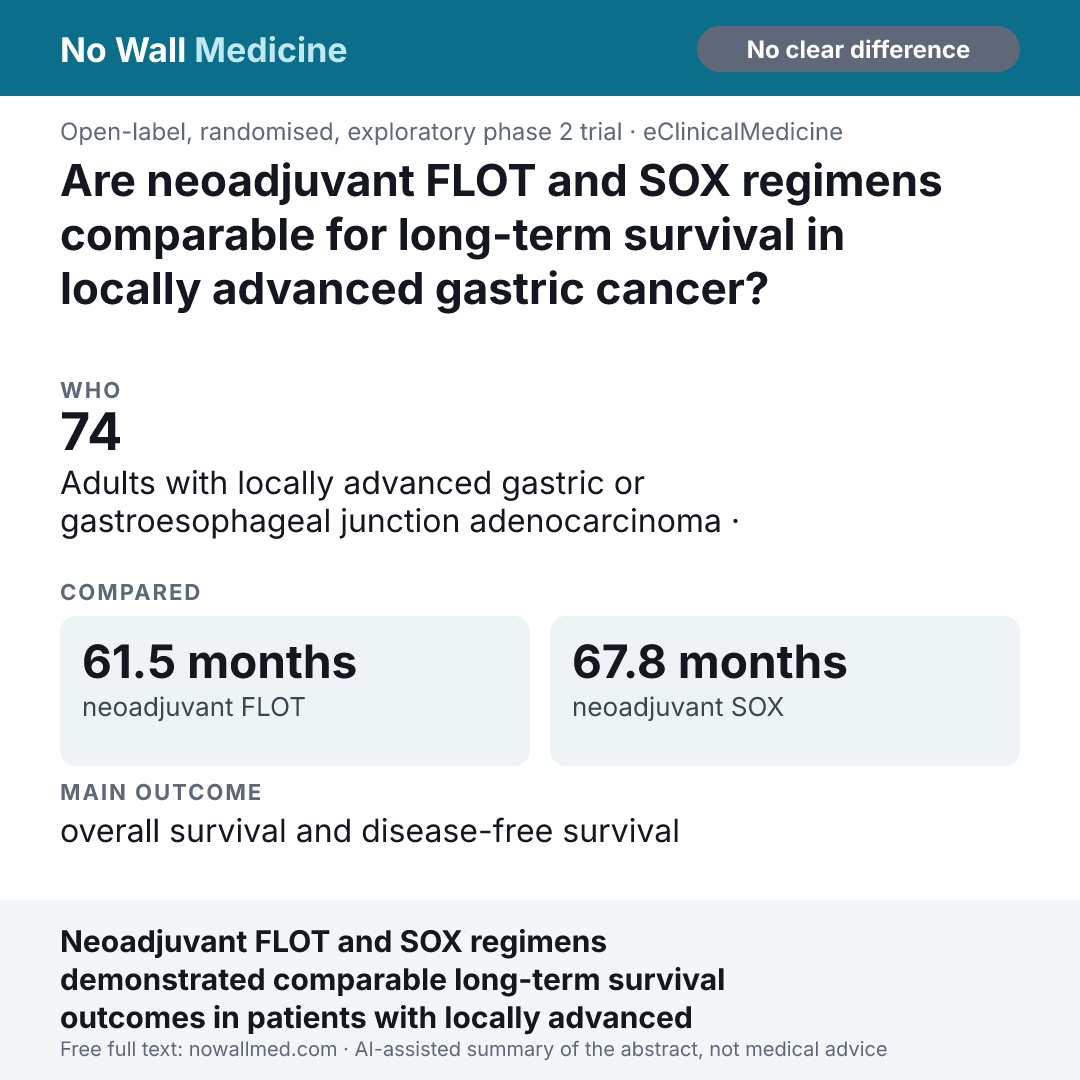
Neoadjuvant FLOT versus SOX chemotherapy in locally advanced gastric cancer: secondary outcomes of a single-centre, open-label, randomised, exploratory phase 2 trial
Open-label, randomised, exploratory phase 2 trialNo clear difference
Are neoadjuvant FLOT and SOX regimens comparable for long-term survival in locally advanced gastric cancer?
Who
74
Adults with locally advanced gastric or gastroesophageal junction adenocarcinoma · Single hospital in China
Compared
61.5 monthsneoadjuvant FLOT
67.8 monthsneoadjuvant SOX
Main outcome
overall survival and disease-free survival
Result: hazard ratio 1.101 (95% CI 0.595 to 2.036)
Bottom line: Neoadjuvant FLOT and SOX regimens demonstrated comparable long-term survival outcomes in patients with locally advanced gastric cancer.
Limitation: Small sample size, single centre, and lack of formal power calculations for survival endpoints.
eClinicalMedicine · 2025-10-05 · Save PNG
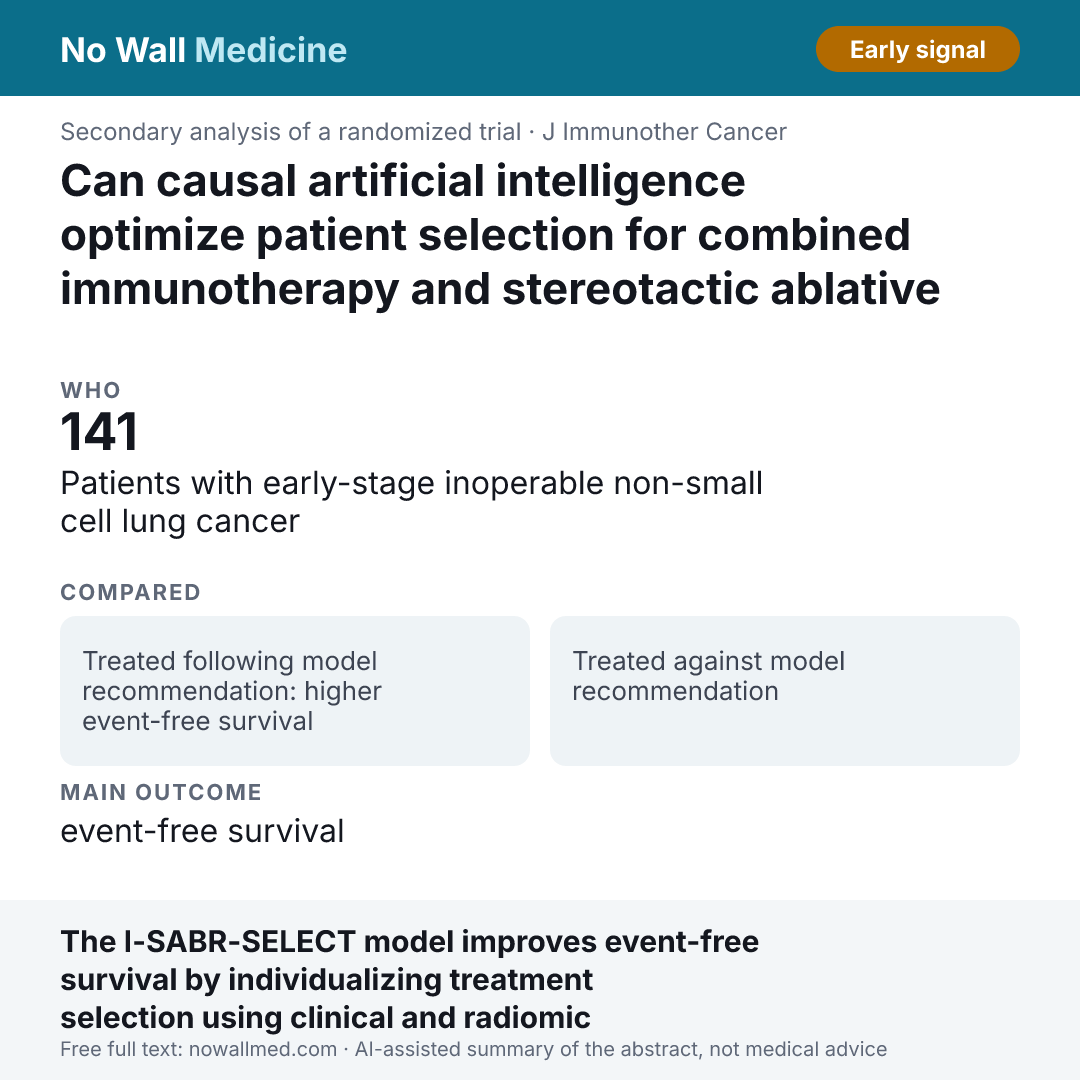
Causal AI-based clinical and radiomic analysis for optimizing patient selection in combined immunotherapy and SABR in early-stage NSCLC: a secondary analysis of the phase II I-SABR trial
Secondary analysis of a randomized trialEarly signal
Can causal artificial intelligence optimize patient selection for combined immunotherapy and stereotactic ablative radiotherapy?
Who
141
Patients with early-stage inoperable non-small cell lung cancer
Compared
Treated following model recommendation: higher event-free survival
Treated against model recommendation
Main outcome
event-free survival
Result: hazard ratio 0.06 (p<0.001) in I-SABR arm
Bottom line: The I-SABR-SELECT model improves event-free survival by individualizing treatment selection using clinical and radiomic factors.
Limitation: The model requires further validation to serve as a foundation for digital twins.
J Immunother Cancer · 2025-10-05 · Save PNG
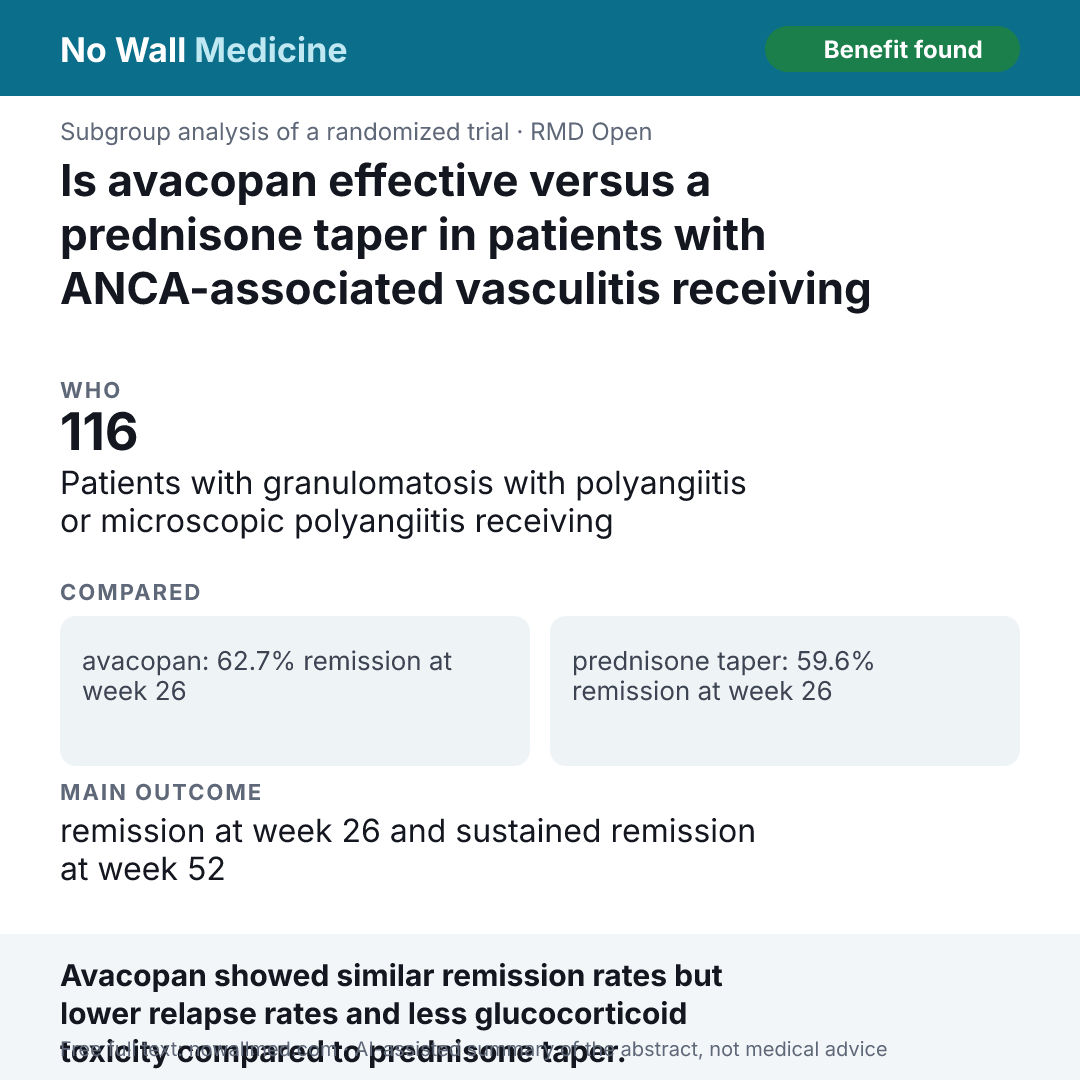
Efficacy and safety of avacopan for treatment of patients with ANCA-associated vasculitis receiving cyclophosphamide
Subgroup analysis of a randomized trialBenefit found
Is avacopan effective versus a prednisone taper in patients with ANCA-associated vasculitis receiving cyclophosphamide?
Who
116
Patients with granulomatosis with polyangiitis or microscopic polyangiitis receiving cyclophosphamide
Compared
avacopan: 62.7% remission at week 26
prednisone taper: 59.6% remission at week 26
Main outcome
remission at week 26 and sustained remission at week 52
Bottom line: Avacopan showed similar remission rates but lower relapse rates and less glucocorticoid toxicity compared to prednisone taper.
RMD Open · 2025-10-05 · Save PNG
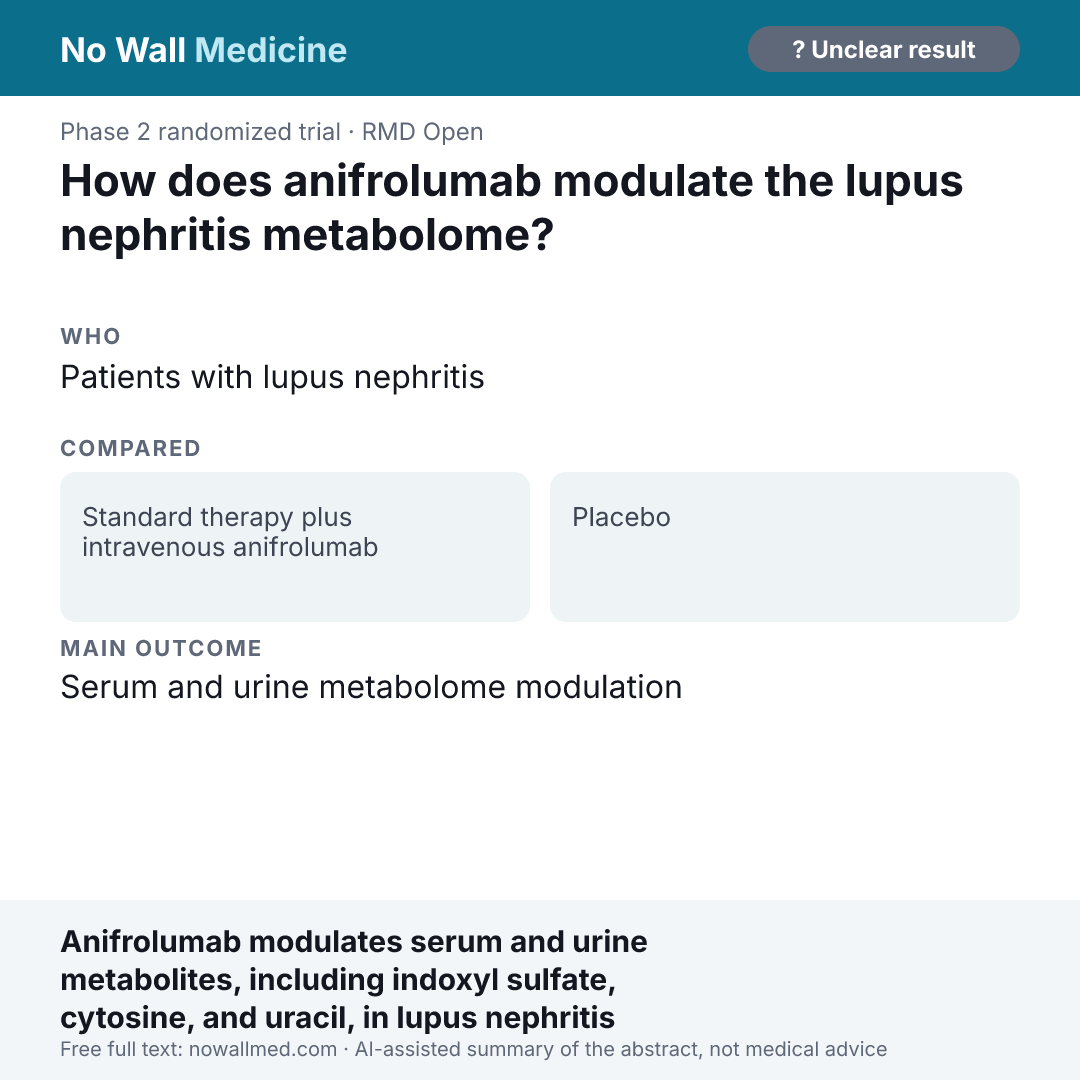
Metabolomic profiling of patients with lupus nephritis reveals unique metabolites that are modulated through type I interferon inhibition by anifrolumab treatment in a phase 2 trial
Phase 2 randomized trialUnclear result
How does anifrolumab modulate the lupus nephritis metabolome?
Who
Patients with lupus nephritis
Compared
Standard therapy plus intravenous anifrolumab
Placebo
Main outcome
Serum and urine metabolome modulation
Bottom line: Anifrolumab modulates serum and urine metabolites, including indoxyl sulfate, cytosine, and uracil, in lupus nephritis patients.
RMD Open · 2025-10-05 · Save PNG
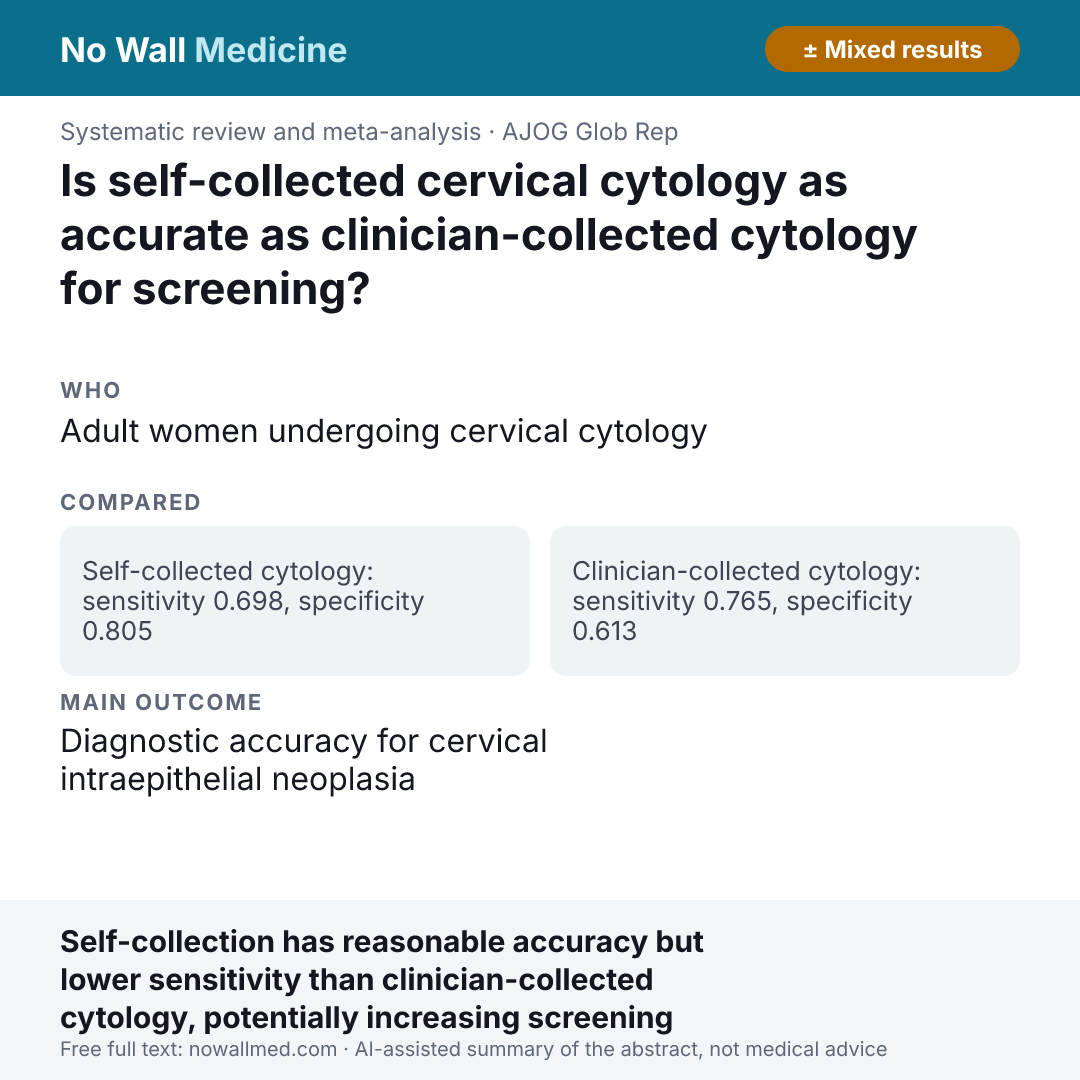
Patient vs. clinician-collected cervical cytology for screening for CIN: a systematic review and meta-analysis
Systematic review and meta-analysisMixed results
Is self-collected cervical cytology as accurate as clinician-collected cytology for screening?
Who
Adult women undergoing cervical cytology
Compared
Self-collected cytology: sensitivity 0.698, specificity 0.805
Clinician-collected cytology: sensitivity 0.765, specificity 0.613
Main outcome
Diagnostic accuracy for cervical intraepithelial neoplasia
Bottom line: Self-collection has reasonable accuracy but lower sensitivity than clinician-collected cytology, potentially increasing screening uptake.
Limitation: Methodological concerns in patient selection and wide variation in self-collection methods.
AJOG Glob Rep · 2025-10-05 · Save PNG
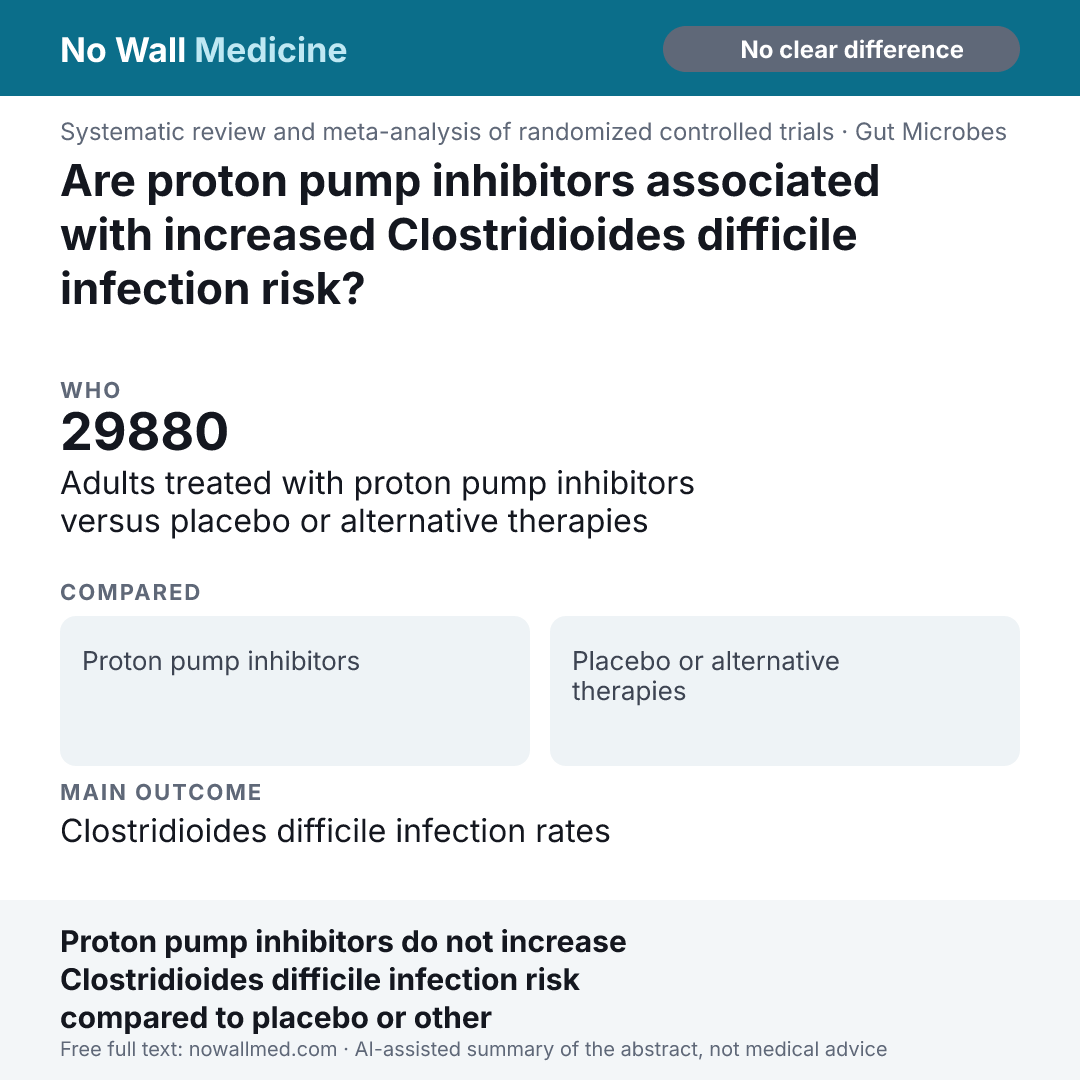
Proton pump inhibitors are not associated with an increased risk of Clostridioides difficile infection: a systematic review and meta-analysis of randomized controlled trials
Systematic review and meta-analysis of randomized controlled trialsNo clear difference
Are proton pump inhibitors associated with increased Clostridioides difficile infection risk?
Who
29880
Adults treated with proton pump inhibitors versus placebo or alternative therapies
Compared
Proton pump inhibitors
Placebo or alternative therapies
Main outcome
Clostridioides difficile infection rates
Result: risk ratio 1.19 (95% CI 0.75 to 1.89)
Bottom line: Proton pump inhibitors do not increase Clostridioides difficile infection risk compared to placebo or other acid-suppressive medications.
Gut Microbes · 2025-10-05 · Save PNG
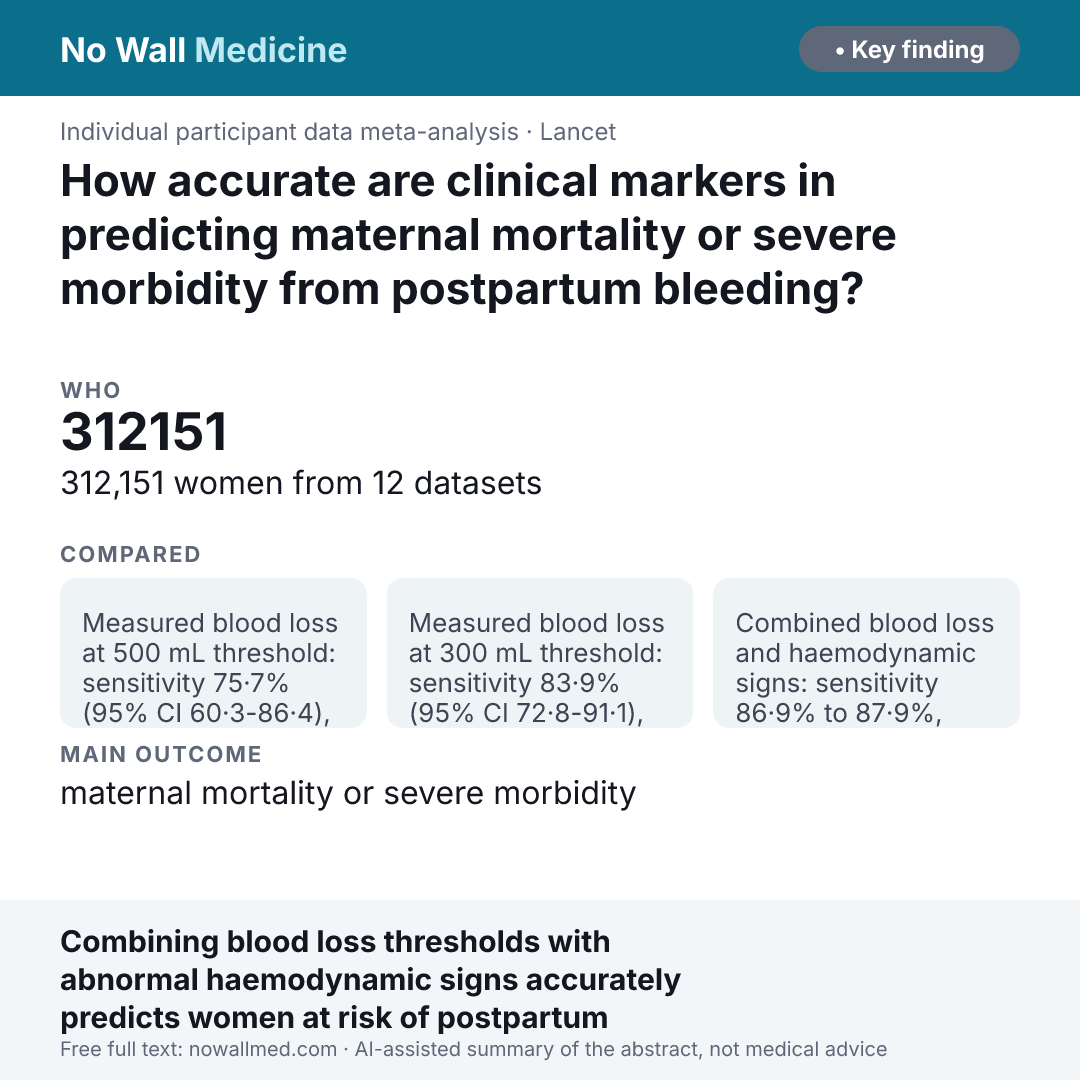
Prognostic accuracy of clinical markers of postpartum bleeding in predicting maternal mortality or severe morbidity: a WHO individual participant data meta-analysis
Individual participant data meta-analysisKey finding
How accurate are clinical markers in predicting maternal mortality or severe morbidity from postpartum bleeding?
Who
312151
312,151 women from 12 datasets
Compared
Measured blood loss at 500 mL threshold: sensitivity 75·7% (95% CI 60·3-86·4), specificity 81·4% (95% CI 70·7-88·8)
Measured blood loss at 300 mL threshold: sensitivity 83·9% (95% CI 72·8-91·1), specificity 54·8% (95% CI 38·0-70·5)
Combined blood loss and haemodynamic signs: sensitivity 86·9% to 87·9%, specificity 66·6% to 76·1%
Main outcome
maternal mortality or severe morbidity
Bottom line: Combining blood loss thresholds with abnormal haemodynamic signs accurately predicts women at risk of postpartum bleeding complications.
Funded by: Gates Foundation and WHO Special Programme
Lancet · 2025-10-04 · Save PNG
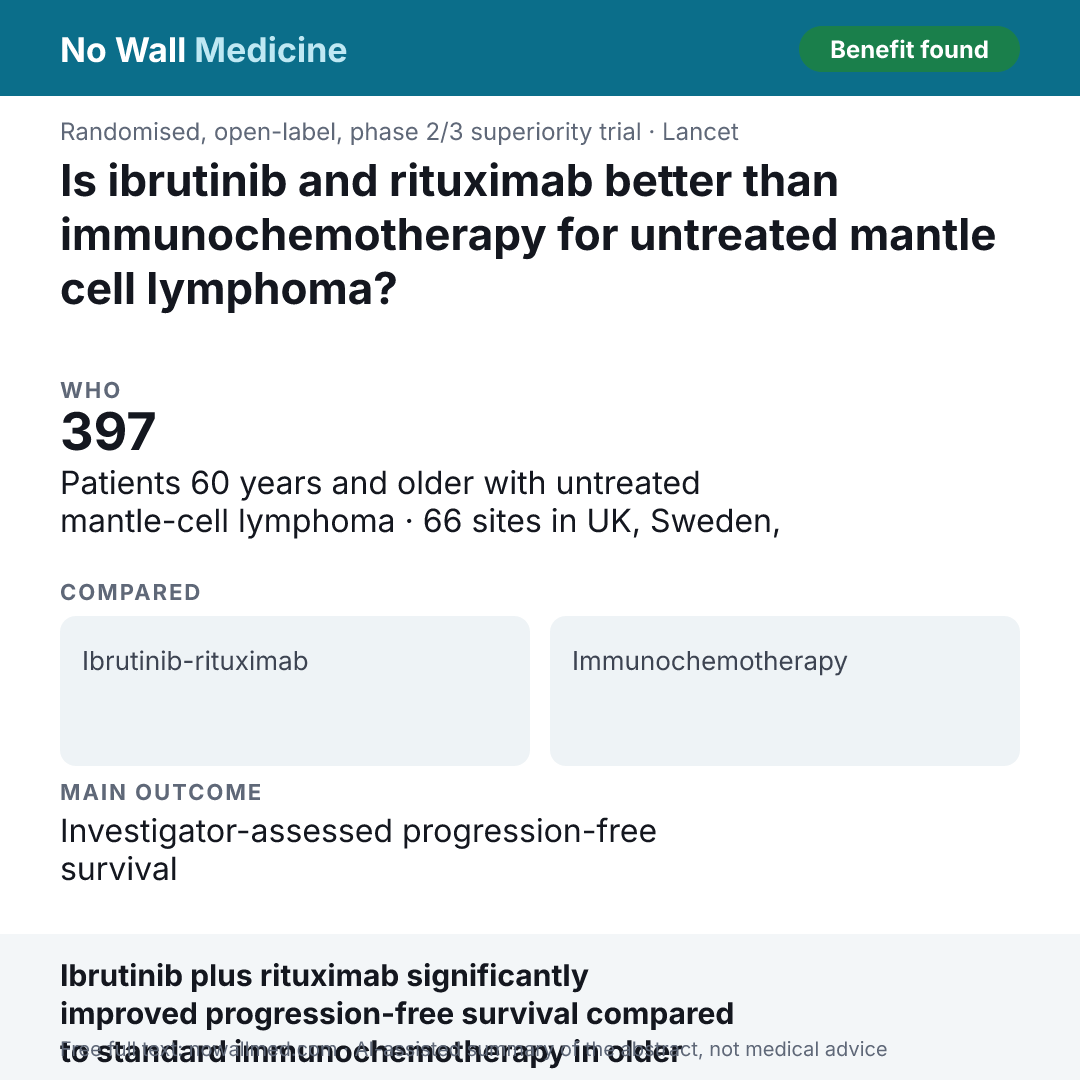
Ibrutinib and rituximab versus immunochemotherapy in patients with previously untreated mantle cell lymphoma (ENRICH): a randomised, open-label, phase 2/3 superiority trial
Randomised, open-label, phase 2/3 superiority trialBenefit found
Is ibrutinib and rituximab better than immunochemotherapy for untreated mantle cell lymphoma?
Who
397
Patients 60 years and older with untreated mantle-cell lymphoma · 66 sites in UK, Sweden, Norway, Finland, and Denmark
Compared
Ibrutinib-rituximab
Immunochemotherapy
Main outcome
Investigator-assessed progression-free survival
Result: hazard ratio 0·69 (95% CI 0·52-0·90)
Bottom line: Ibrutinib plus rituximab significantly improved progression-free survival compared to standard immunochemotherapy in older patients with untreated mantle-cell lymphoma.
Funded by: Cancer Research UK and Johnson and Johnson Pharmaceuticals
Lancet · 2025-10-03 · Save PNG
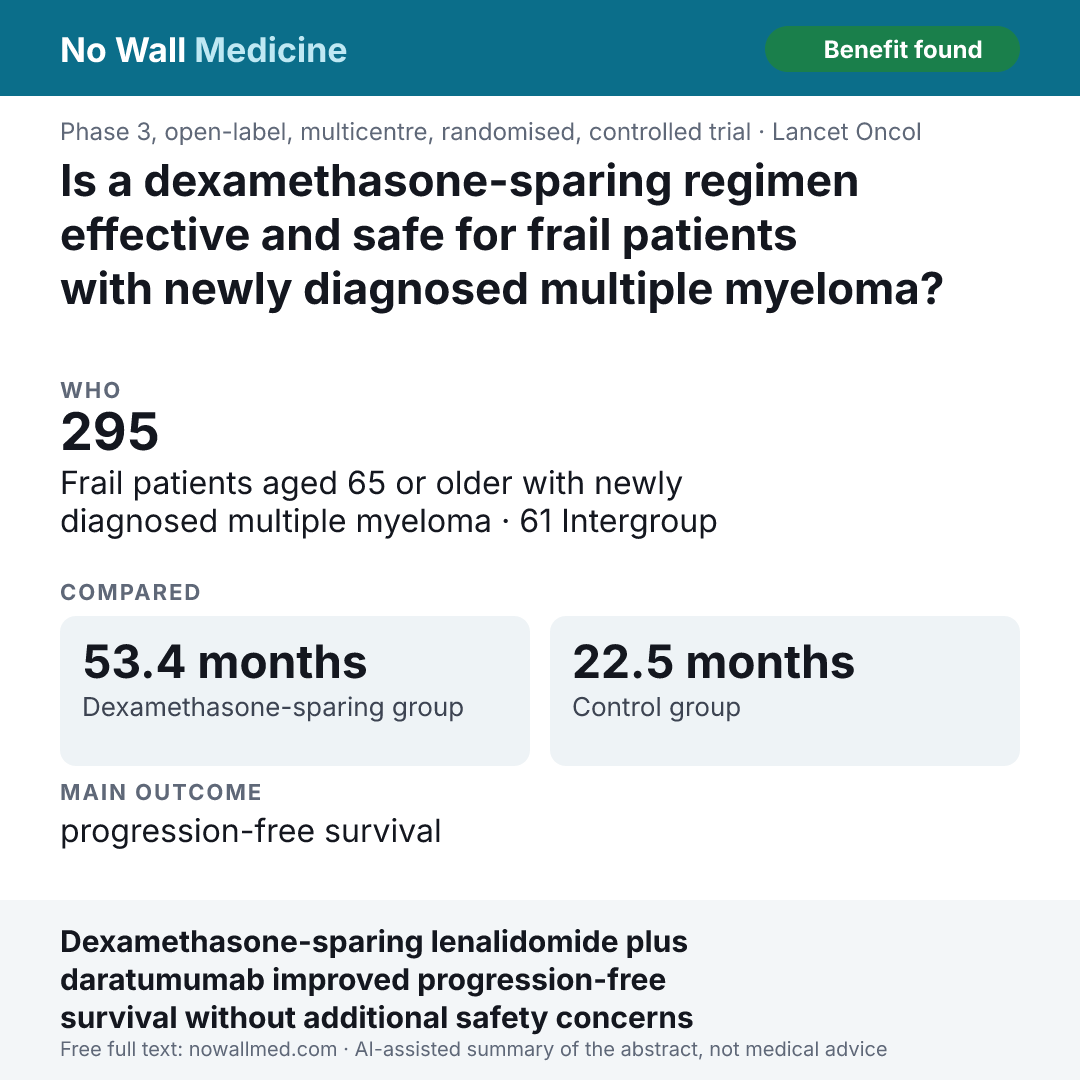
Safety and efficacy of a dexamethasone-sparing regimen with daratumumab and lenalidomide in patients with frailty and newly diagnosed multiple myeloma (IFM2017-03): a phase 3, open-label, multicentre, randomised, controlled trial
Phase 3, open-label, multicentre, randomised, controlled trialBenefit found
Is a dexamethasone-sparing regimen effective and safe for frail patients with newly diagnosed multiple myeloma?
Who
295
Frail patients aged 65 or older with newly diagnosed multiple myeloma · 61 Intergroup Francophone of Myeloma centres
Compared
53.4 monthsDexamethasone-sparing group
22.5 monthsControl group
Main outcome
progression-free survival
Result: hazard ratio 0.51, 95% CI 0.37-0.70
Bottom line: Dexamethasone-sparing lenalidomide plus daratumumab improved progression-free survival without additional safety concerns in frail patients.
Funded by: Johnson & Johnson
Lancet Oncol · 2025-10-03 · Save PNG
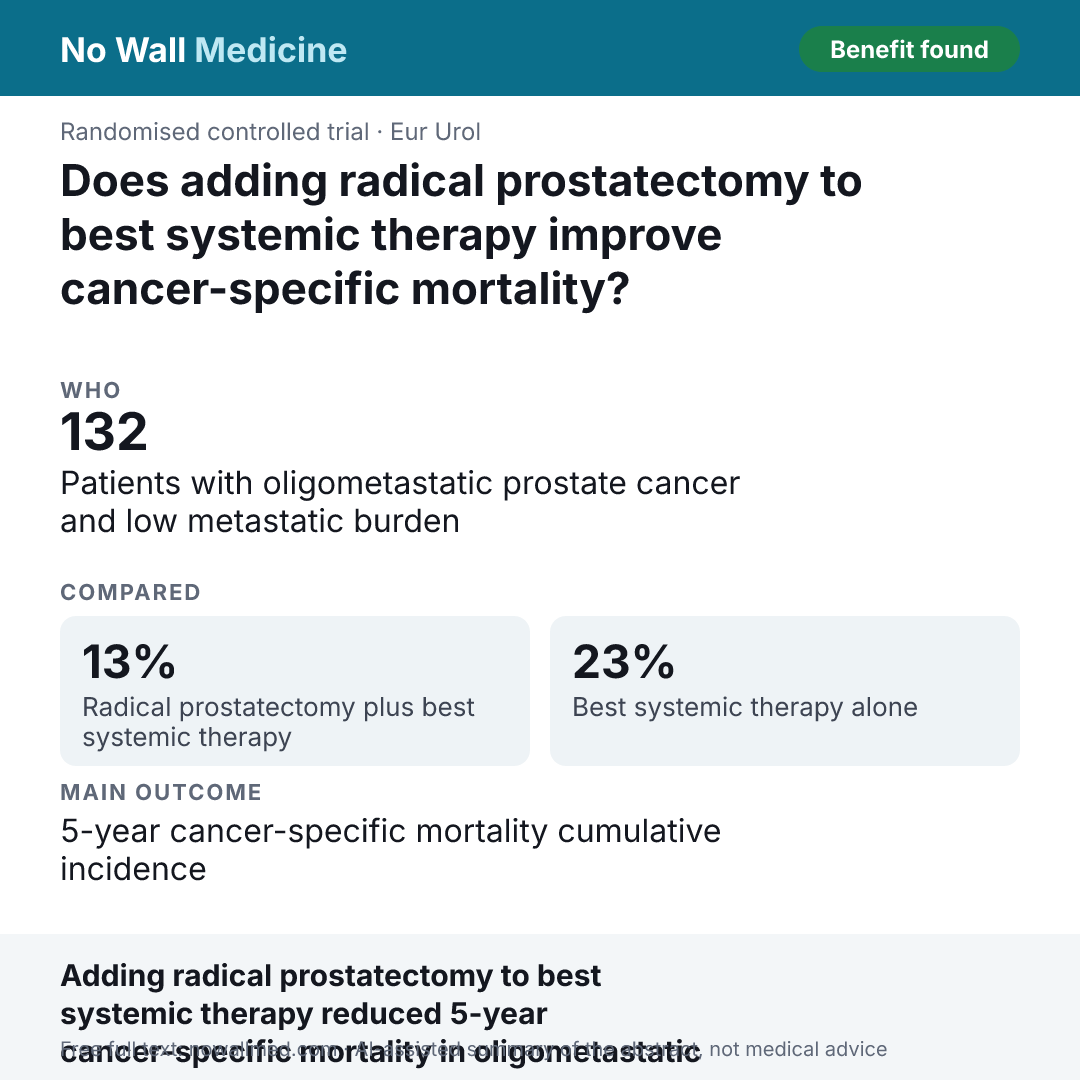
Best Systemic Therapy With or Without Radical Prostatectomy in the Management of Men With Oligometastatic Prostate Cancer: The RAMPP Randomised Controlled Trial
Randomised controlled trialBenefit found
Does adding radical prostatectomy to best systemic therapy improve cancer-specific mortality?
Who
132
Patients with oligometastatic prostate cancer and low metastatic burden
Compared
13%Radical prostatectomy plus best systemic therapy
23%Best systemic therapy alone
Main outcome
5-year cancer-specific mortality cumulative incidence
Result: hazard ratio 0.39 (95% confidence interval 0.16-0.98)
Bottom line: Adding radical prostatectomy to best systemic therapy reduced 5-year cancer-specific mortality in oligometastatic prostate cancer.
Limitation: Early discontinuation of study accrual and lack of statistical significance for overall survival benefit.
Eur Urol · 2025-10-03 · Save PNG
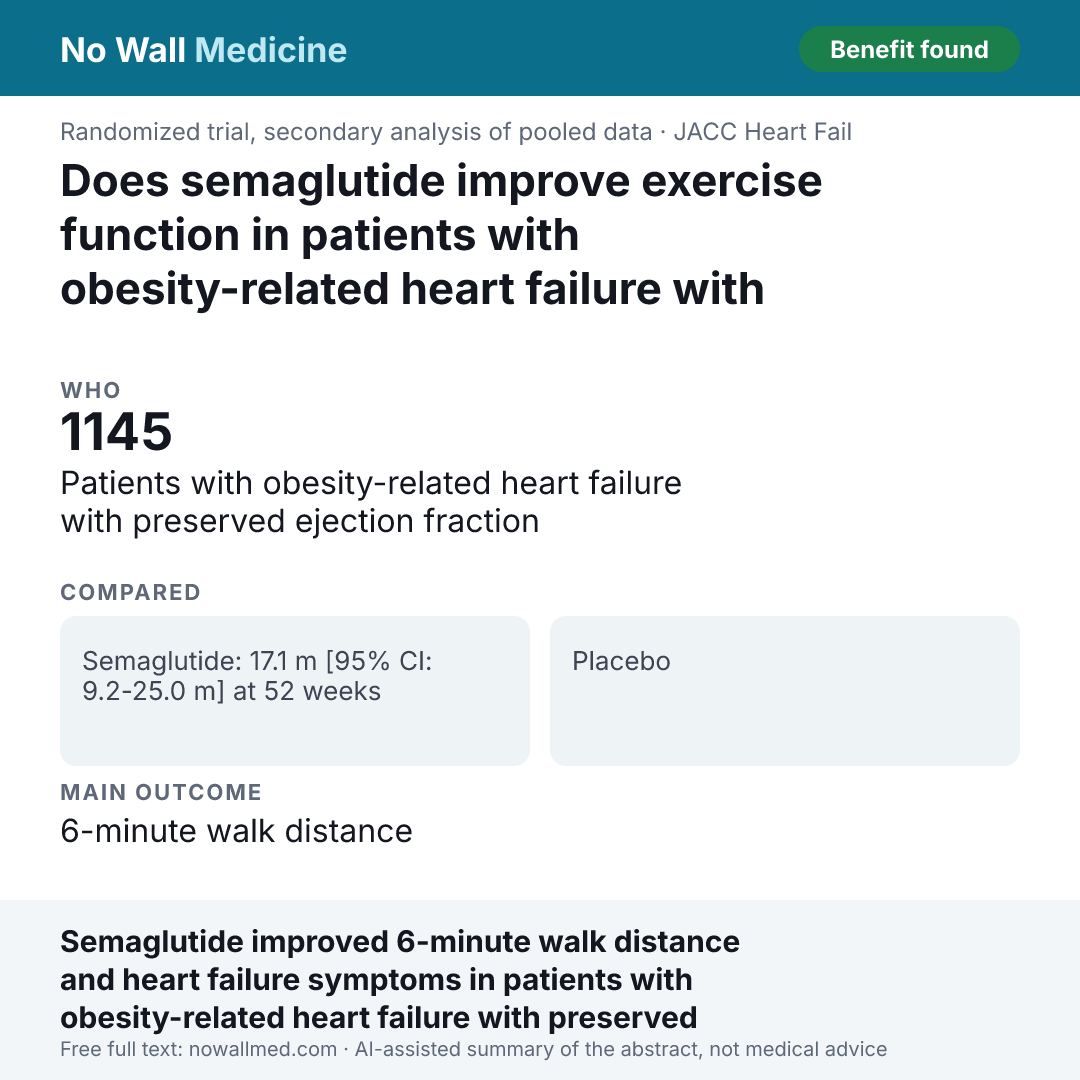
Semaglutide and Exercise Function in Obesity-Related HFpEF: Insights From the STEP-HFpEF Program
Randomized trial, secondary analysis of pooled dataBenefit found
Does semaglutide improve exercise function in patients with obesity-related heart failure with preserved ejection fraction?
Who
1145
Patients with obesity-related heart failure with preserved ejection fraction
Compared
Semaglutide: 17.1 m [95% CI: 9.2-25.0 m] at 52 weeks
Placebo
Main outcome
6-minute walk distance
Result: treatment difference 17.1 m (95% CI 9.2-25.0 m)
Bottom line: Semaglutide improved 6-minute walk distance and heart failure symptoms in patients with obesity-related heart failure with preserved ejection fraction.
JACC Heart Fail · 2025-10-03 · Save PNG
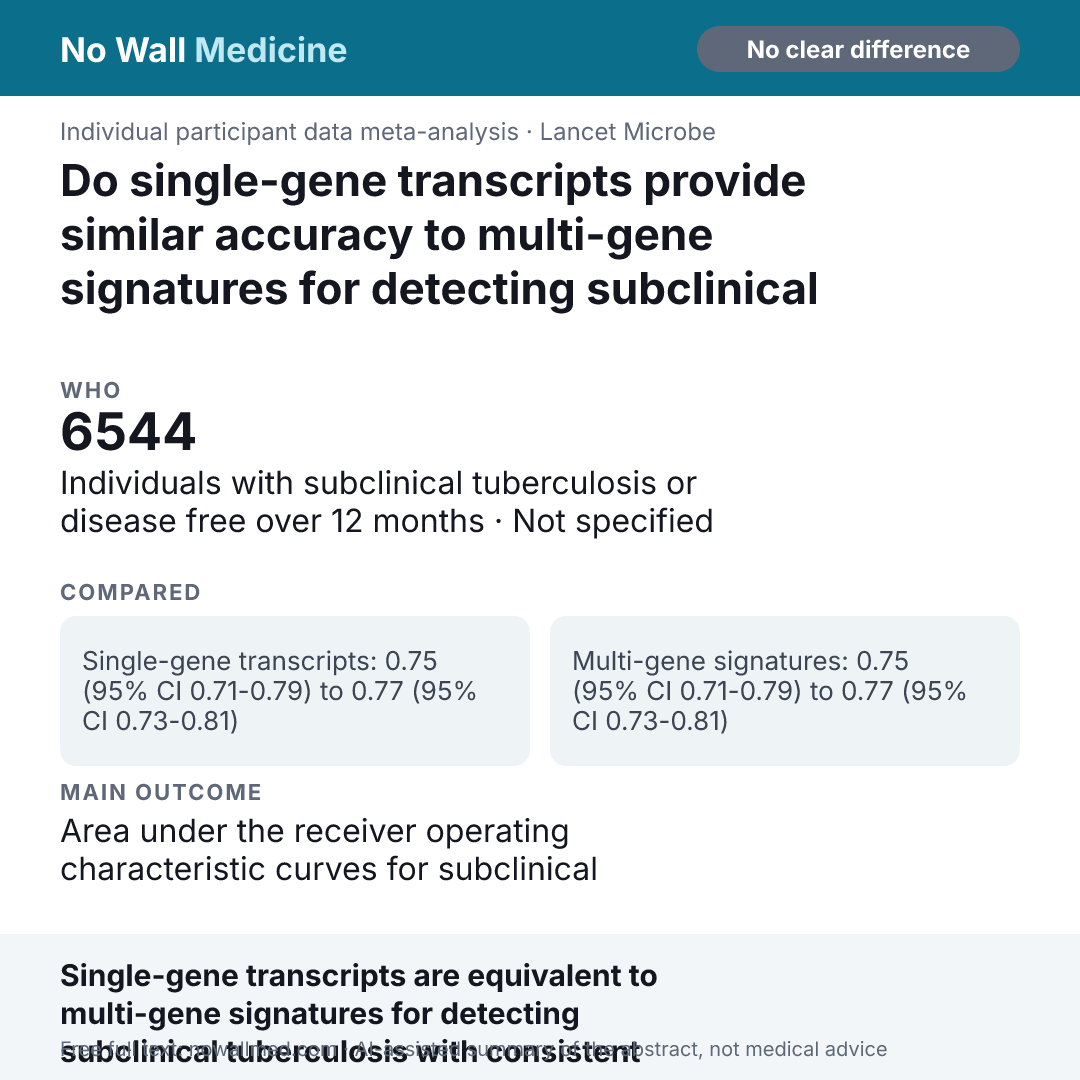
Single-gene transcripts for subclinical tuberculosis: an individual participant data meta-analysis
Individual participant data meta-analysisNo clear difference
Do single-gene transcripts provide similar accuracy to multi-gene signatures for detecting subclinical tuberculosis?
Who
6544
Individuals with subclinical tuberculosis or disease free over 12 months · Not specified
Compared
Single-gene transcripts: 0.75 (95% CI 0.71-0.79) to 0.77 (95% CI 0.73-0.81)
Multi-gene signatures: 0.75 (95% CI 0.71-0.79) to 0.77 (95% CI 0.73-0.81)
Main outcome
Area under the receiver operating characteristic curves for subclinical tuberculosis
Bottom line: Single-gene transcripts are equivalent to multi-gene signatures for detecting subclinical tuberculosis with consistent performance across settings.
Funded by: National Institute for Health Research, Wellcome Trust
Lancet Microbe · 2025-10-03 · Save PNG