Visual abstracts
New randomized trials and meta-analyses from leading journals at a glance: who was studied, what was compared, and what was found. Every paper is free to read in full.
All specialtiesCardiology 4763Oncology 4043Gastroenterology & Hepatology 1903Infectious Disease 3756Neurology 1872Psychiatry & Mental Health 2216Pulmonology 2044Critical Care 1319Endocrinology & Diabetes 2544Pediatrics 2889Surgery 2480Orthopedics & Sports Medicine 917Neurosurgery 525Cardiothoracic & Vascular Surgery 656Plastic & Reconstructive Surgery 574Nephrology 1107Rheumatology 810Hematology 1090Dermatology 611Ophthalmology 532Obstetrics & Gynecology 1645Public & Global Health 1037Radiology & Imaging 619Anesthesiology 958Urology 745ENT (Otolaryngology) 494Emergency Medicine 481Allergy & Immunology 309Geriatrics 972Family Medicine & Primary Care 534Medical Genetics & Genomics 659Pathology & Laboratory Medicine 156Physical Medicine & Rehabilitation 734Palliative Care 421Nutrition 1560Digital Health & AI 2137General Medicine 318
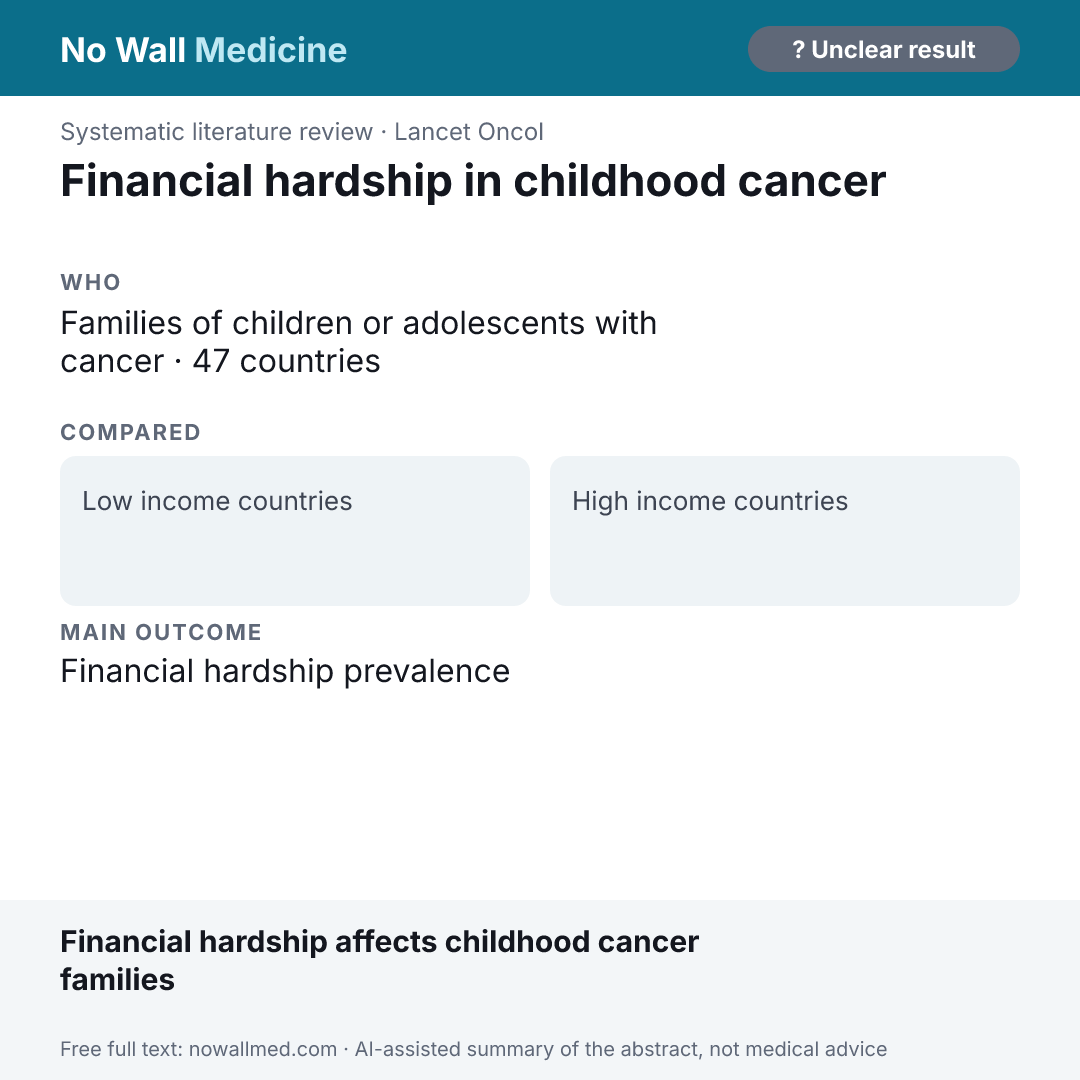
Financial hardship in families of children or adolescents with cancer: a systematic literature review
Systematic literature reviewUnclear result
Financial hardship in childhood cancer
Who
Families of children or adolescents with cancer · 47 countries
Compared
Low income countries
High income countries
Main outcome
Financial hardship prevalence
Bottom line: Financial hardship affects childhood cancer families
Limitation: Heterogeneity in study methodologies
Lancet Oncol · 2023-09-02 · Save PNG
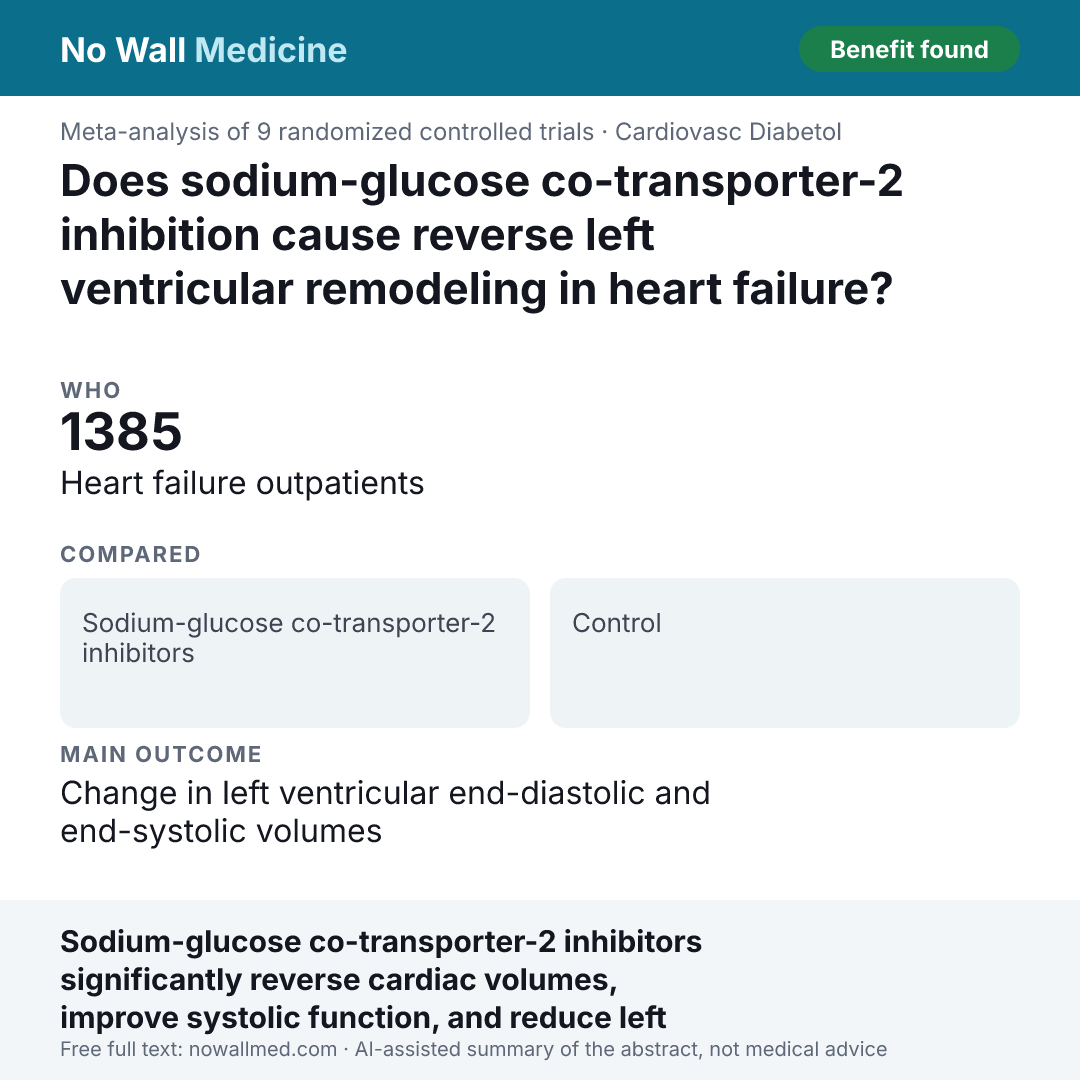
Left ventricular remodeling response to SGLT2 inhibitors in heart failure: an updated meta-analysis of randomized controlled studies
Meta-analysis of 9 randomized controlled trialsBenefit found
Does sodium-glucose co-transporter-2 inhibition cause reverse left ventricular remodeling in heart failure?
Who
1385
Heart failure outpatients
Compared
Sodium-glucose co-transporter-2 inhibitors
Control
Main outcome
Change in left ventricular end-diastolic and end-systolic volumes
Result: LVEDV MD= -10.59 ml (-17.27; -3.91), LVESV MD= -8.80 ml (-16.91; -0.694), LVMi MD= -5.34 gr/m2 (-9.76; -0.922), LVEF MD= +1.98% (0.67; 0.306)
Bottom line: Sodium-glucose co-transporter-2 inhibitors significantly reverse cardiac volumes, improve systolic function, and reduce left ventricular mass in heart failure.
Cardiovasc Diabetol · 2023-09-02 · Save PNG
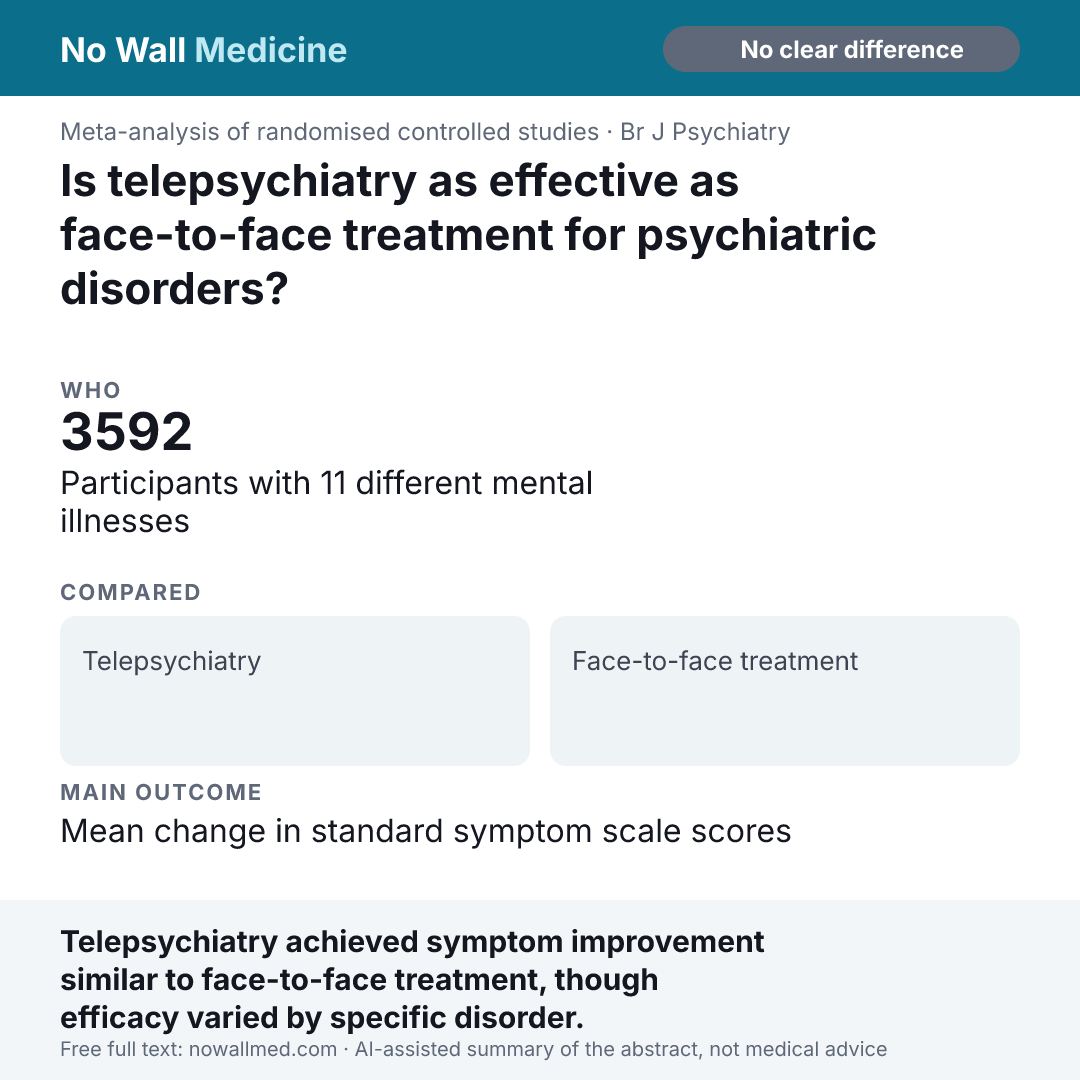
Telepsychiatry versus face-to-face treatment: systematic review and meta-analysis of randomised controlled trials
Meta-analysis of randomised controlled studiesNo clear difference
Is telepsychiatry as effective as face-to-face treatment for psychiatric disorders?
Who
3592
Participants with 11 different mental illnesses
Compared
Telepsychiatry
Face-to-face treatment
Main outcome
Mean change in standard symptom scale scores
Result: No significant difference (P = 0.248)
Bottom line: Telepsychiatry achieved symptom improvement similar to face-to-face treatment, though efficacy varied by specific disorder.
Br J Psychiatry · 2023-09-01 · Save PNG
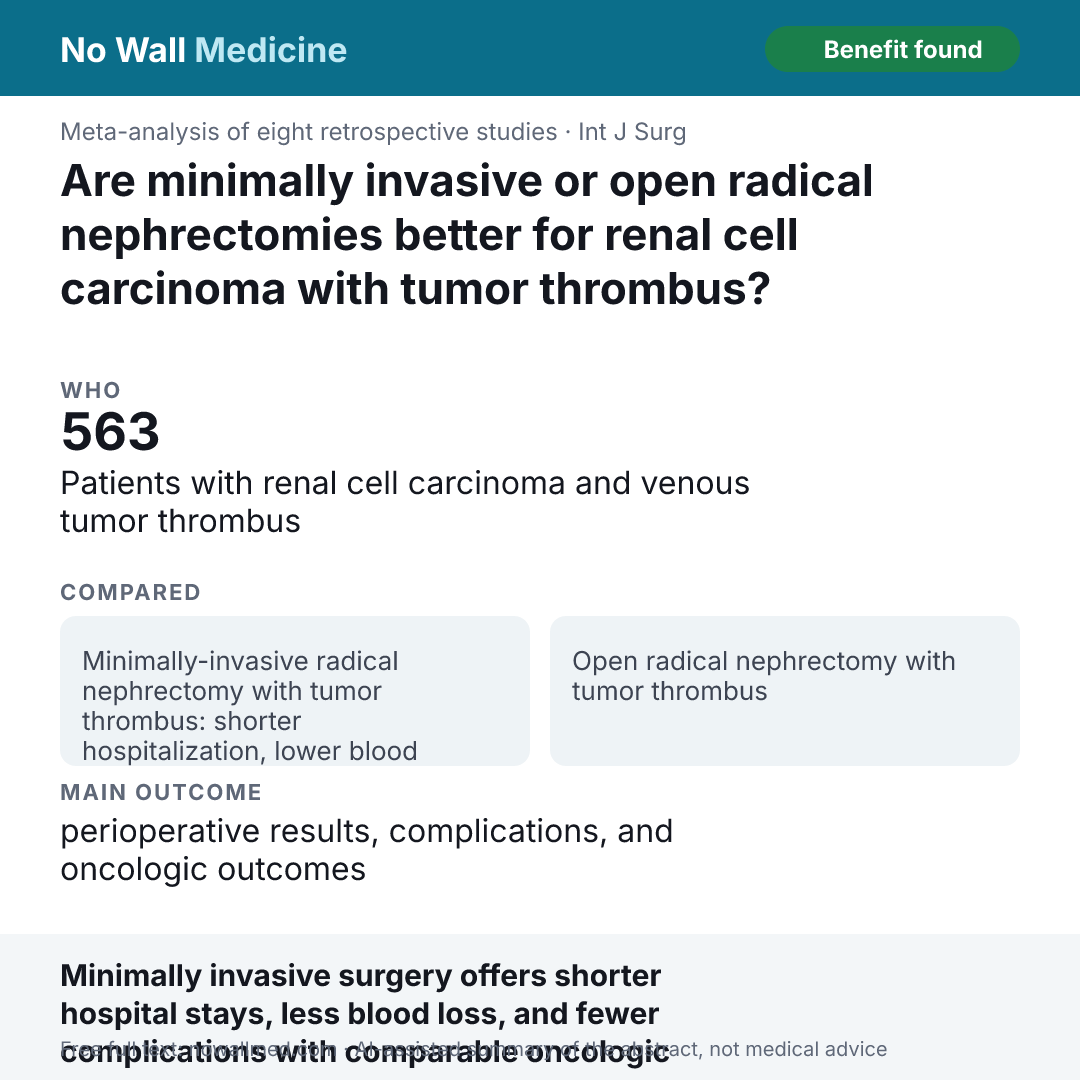
Perioperative and oncologic outcomes of minimally-invasive surgery for renal cell carcinoma with venous tumor thrombus: a systematic review and meta-analysis of comparative trials
Meta-analysis of eight retrospective studiesBenefit found
Are minimally invasive or open radical nephrectomies better for renal cell carcinoma with tumor thrombus?
Who
563
Patients with renal cell carcinoma and venous tumor thrombus
Compared
Minimally-invasive radical nephrectomy with tumor thrombus: shorter hospitalization, lower blood loss, fewer transfusions and complications
Open radical nephrectomy with tumor thrombus
Main outcome
perioperative results, complications, and oncologic outcomes
Result: hospitalization WMD -3.58 days (95% CI -4.56 to -2.59); blood loss WMD -663.32 ml (95% CI -822.22 to -504.42); transfusion OR 0.18 (95% CI 0.09-0.35); complications OR 0.33 (95% CI 0.22-0.49)
Bottom line: Minimally invasive surgery offers shorter hospital stays, less blood loss, and fewer complications with comparable oncologic outcomes.
Limitation: Requires larger sample size and data from high-volume medical centers.
Int J Surg · 2023-09-01 · Save PNG
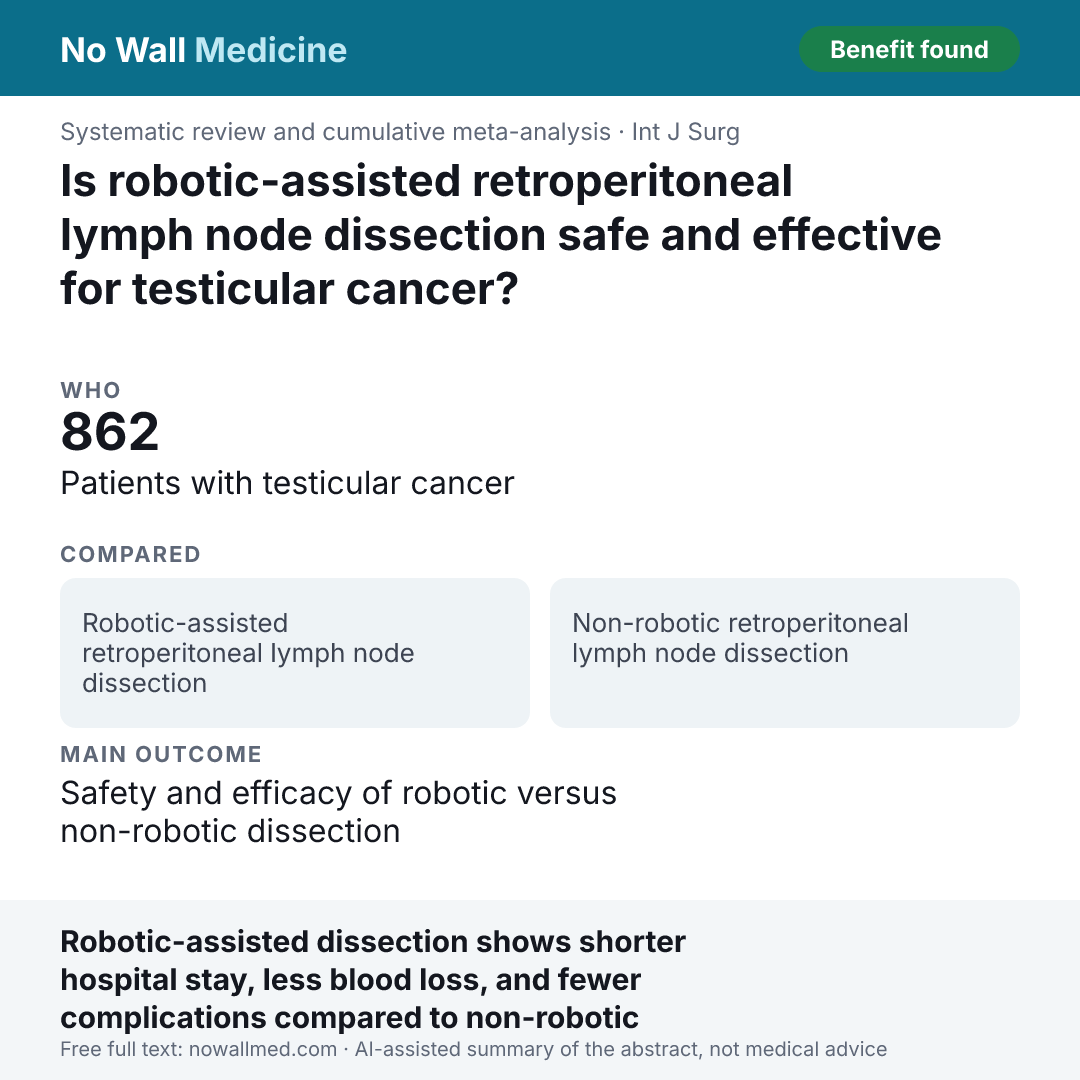
The role of robotic retroperitoneal lymph node dissection in testicular cancer: a systematic review and meta-analysis
Systematic review and cumulative meta-analysisBenefit found
Is robotic-assisted retroperitoneal lymph node dissection safe and effective for testicular cancer?
Who
862
Patients with testicular cancer
Compared
Robotic-assisted retroperitoneal lymph node dissection
Non-robotic retroperitoneal lymph node dissection
Main outcome
Safety and efficacy of robotic versus non-robotic dissection
Result: odds ratio=0.45 (95% CI 0.28, 0.73) for overall complications
Bottom line: Robotic-assisted dissection shows shorter hospital stay, less blood loss, and fewer complications compared to non-robotic methods.
Limitation: Longer follow-up and more studies are needed to confirm findings.
Int J Surg · 2023-09-01 · Save PNG
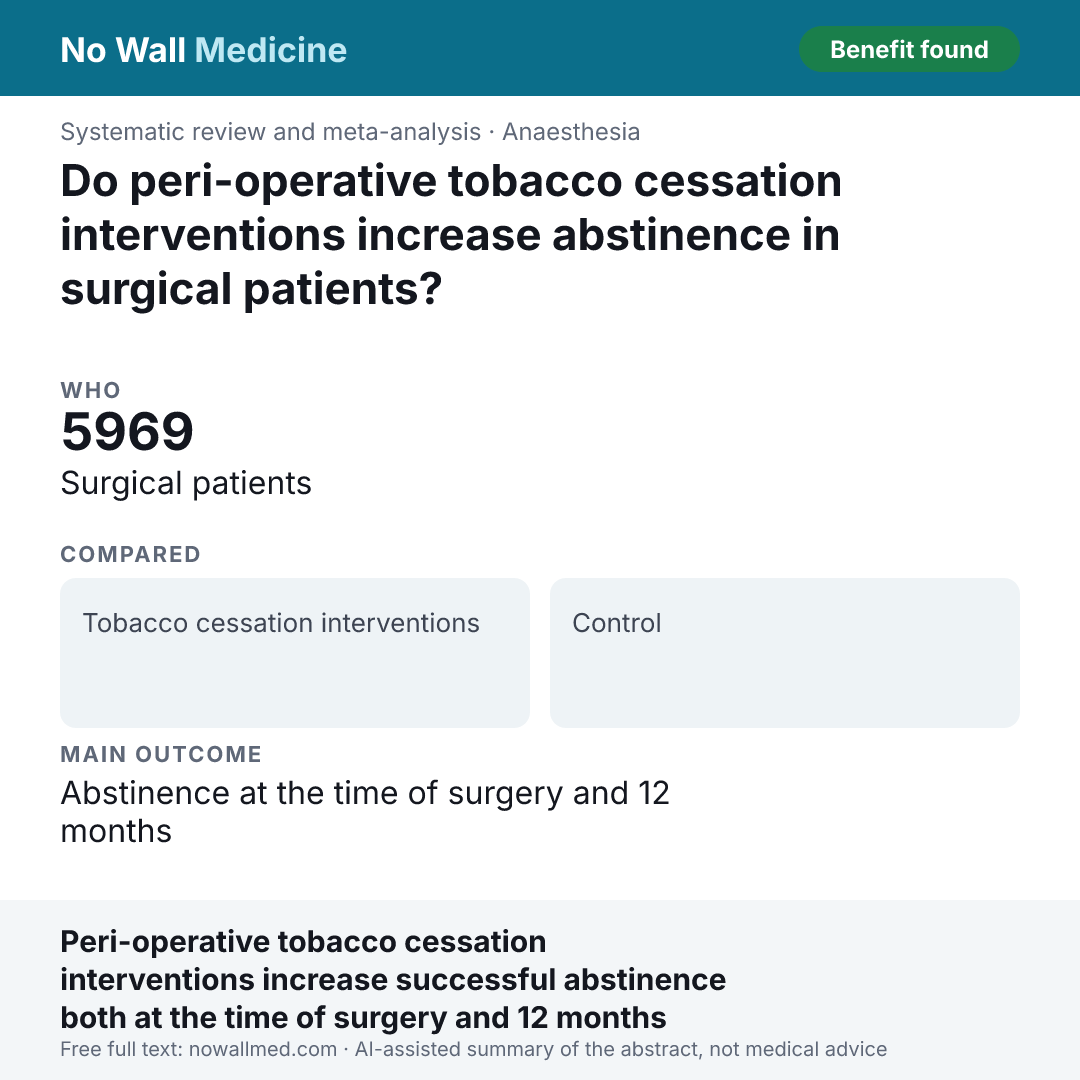
Peri-operative tobacco cessation interventions: a systematic review and meta-analysis
Systematic review and meta-analysisBenefit found
Do peri-operative tobacco cessation interventions increase abstinence in surgical patients?
Who
5969
Surgical patients
Compared
Tobacco cessation interventions
Control
Main outcome
Abstinence at the time of surgery and 12 months
Result: risk ratio 1.48 (95%CI 1.20-1.83) at surgery; risk ratio 1.62 (95%CI 1.29-2.03) at 12 months
Bottom line: Peri-operative tobacco cessation interventions increase successful abstinence both at the time of surgery and 12 months after surgery.
Limitation: Moderate quality of evidence due to heterogeneity and high risk of bias.
Anaesthesia · 2023-09-01 · Save PNG
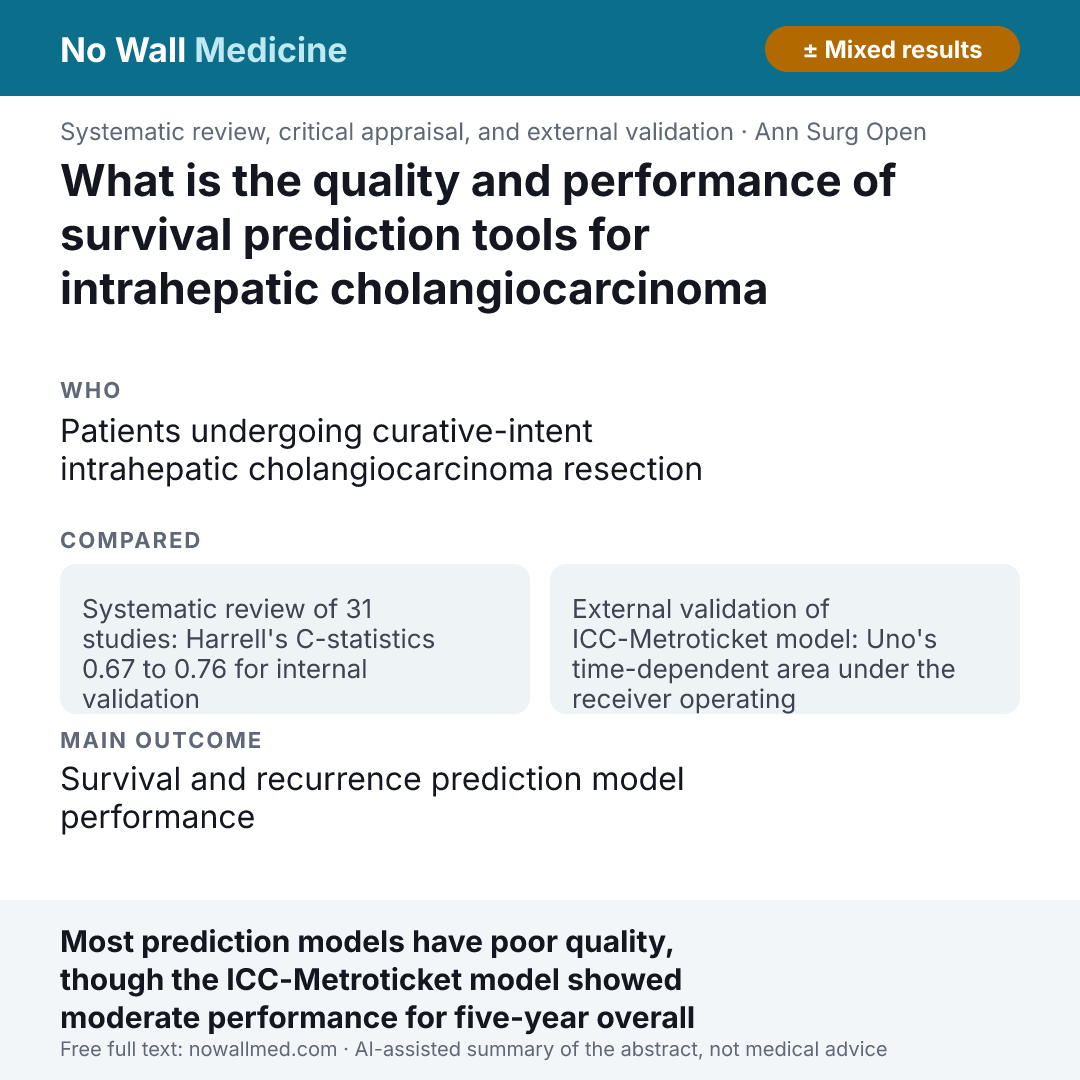
Call to Improve the Quality of Prediction Tools for Intrahepatic Cholangiocarcinoma Resection: A Critical Appraisal, Systematic Review, and External Validation Study
Systematic review, critical appraisal, and external validationMixed results
What is the quality and performance of survival prediction tools for intrahepatic cholangiocarcinoma resection?
Who
Patients undergoing curative-intent intrahepatic cholangiocarcinoma resection
Compared
Systematic review of 31 studies: Harrell's C-statistics 0.67 to 0.76 for internal validation
External validation of ICC-Metroticket model: Uno's time-dependent area under the receiver operating characteristic curve 0.71
Main outcome
Survival and recurrence prediction model performance
Result: Uno's time-dependent area under the receiver operating characteristic curve 0.71 (95% CI 0.53 to 0.88)
Bottom line: Most prediction models have poor quality, though the ICC-Metroticket model showed moderate performance for five-year overall survival prediction.
Limitation: Only 1 study scored a low risk of bias.
Ann Surg Open · 2023-09-01 · Save PNG
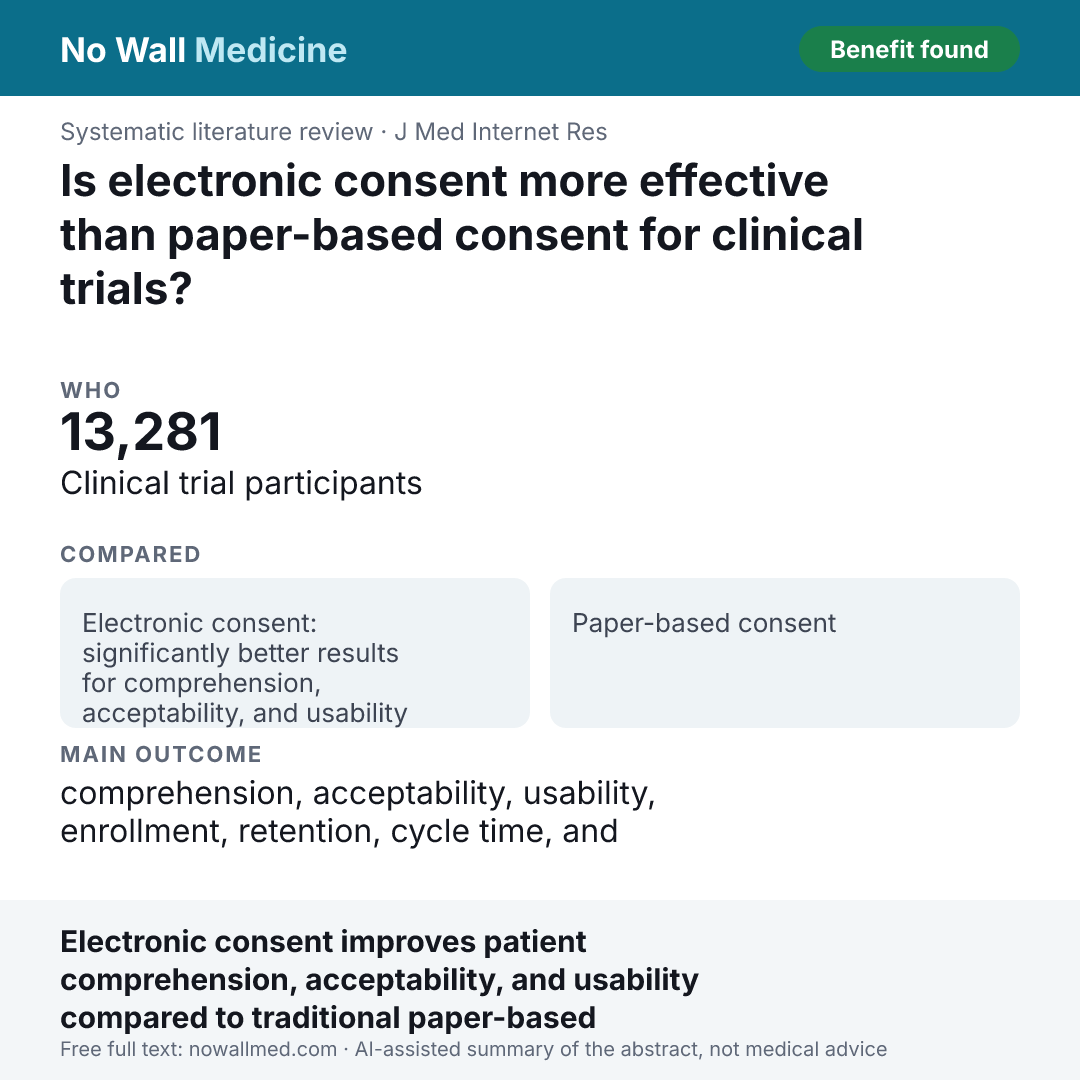
Comparative Effectiveness of eConsent: Systematic Review
Systematic literature reviewBenefit found
Is electronic consent more effective than paper-based consent for clinical trials?
Who
13,281
Clinical trial participants
Compared
Electronic consent: significantly better results for comprehension, acceptability, and usability
Paper-based consent
Main outcome
comprehension, acceptability, usability, enrollment, retention, cycle time, and workload
Bottom line: Electronic consent improves patient comprehension, acceptability, and usability compared to traditional paper-based consenting processes.
Limitation: Data on enrollment and retention were limited.
J Med Internet Res · 2023-09-01 · Save PNG
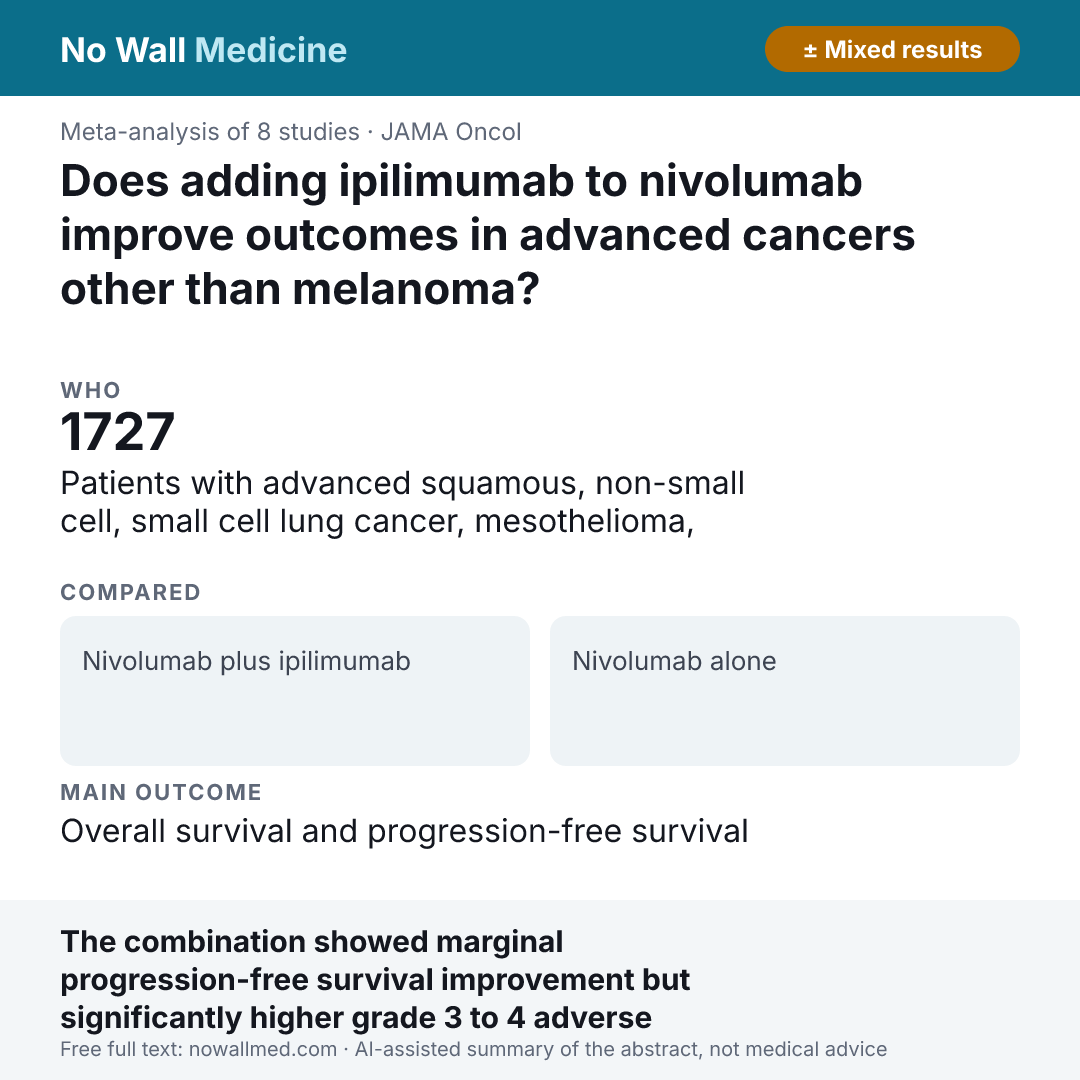
Nivolumab Plus Ipilimumab vs Nivolumab Alone in Advanced Cancers Other Than Melanoma: A Meta-Analysis
Meta-analysis of 8 studiesMixed results
Does adding ipilimumab to nivolumab improve outcomes in advanced cancers other than melanoma?
Who
1727
Patients with advanced squamous, non-small cell, small cell lung cancer, mesothelioma, urothelial, esophagogastric, sarcoma, or glioblastoma
Compared
Nivolumab plus ipilimumab
Nivolumab alone
Main outcome
Overall survival and progression-free survival
Result: hazard ratio 0.95 (95% CI 0.85-1.06) for overall survival
Bottom line: The combination showed marginal progression-free survival improvement but significantly higher grade 3 to 4 adverse events and discontinuations.
JAMA Oncol · 2023-08-31 · Save PNG
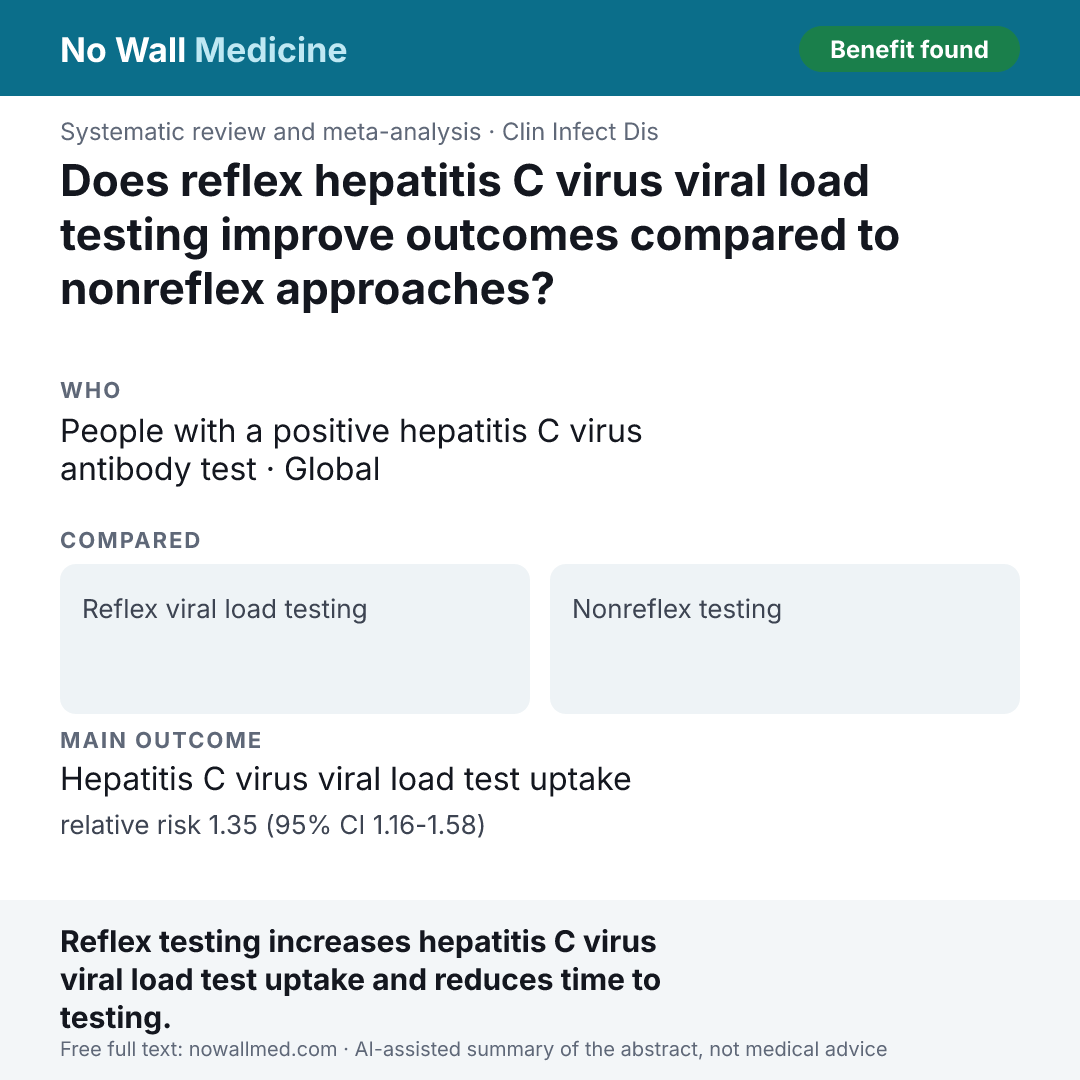
Reflex Hepatitis C Virus Viral Load Testing Following an Initial Positive Hepatitis C Virus Antibody Test: A Global Systematic Review and Meta-analysis
Systematic review and meta-analysisBenefit found
Does reflex hepatitis C virus viral load testing improve outcomes compared to nonreflex approaches?
Who
People with a positive hepatitis C virus antibody test · Global
Compared
Reflex viral load testing
Nonreflex testing
Main outcome
Hepatitis C virus viral load test uptake
Result: relative risk 1.35 (95% CI 1.16-1.58)
Bottom line: Reflex testing increases hepatitis C virus viral load test uptake and reduces time to testing.
Clin Infect Dis · 2023-08-31 · Save PNG
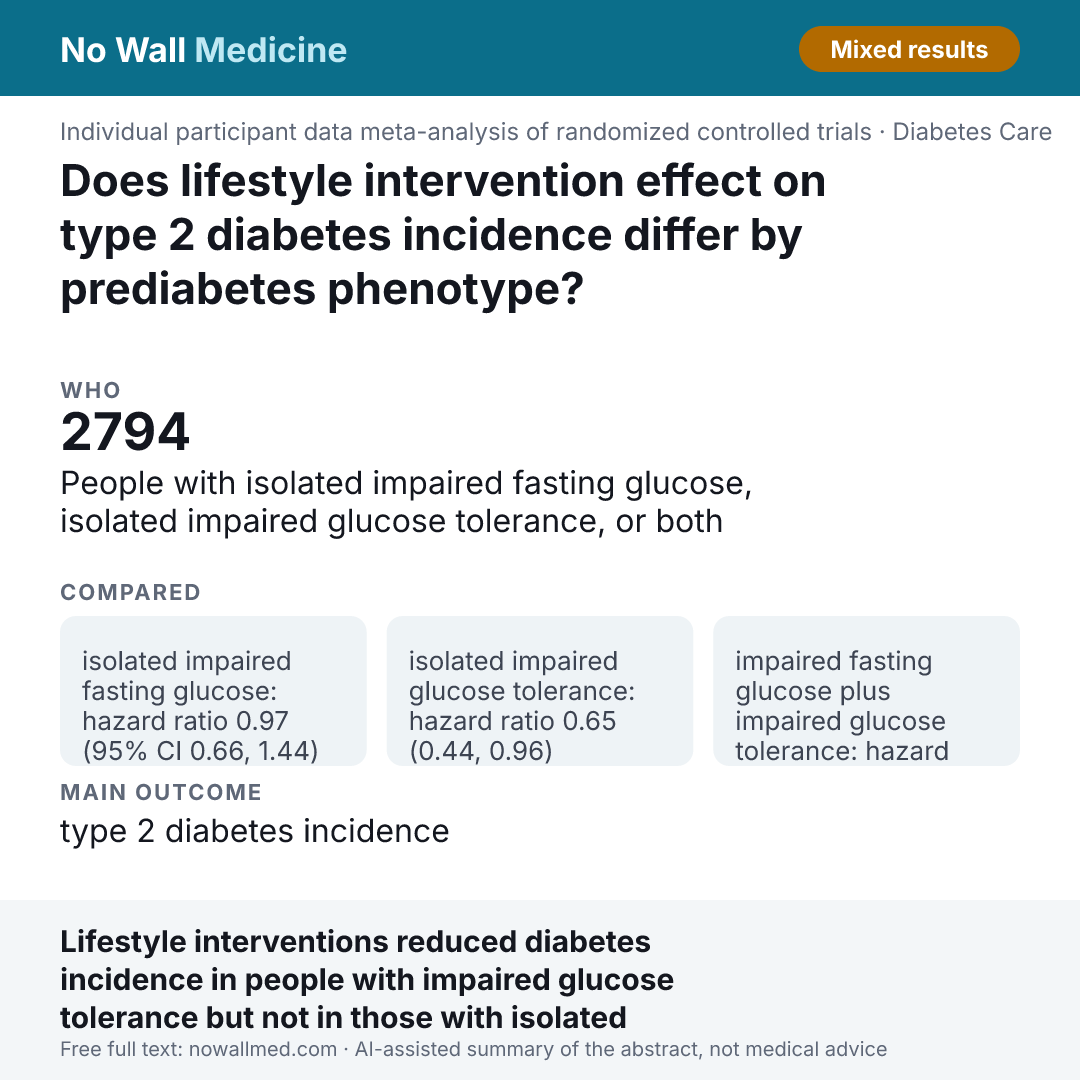
Effect of Conventional Lifestyle Interventions on Type 2 Diabetes Incidence by Glucose-Defined Prediabetes Phenotype: An Individual Participant Data Meta-analysis of Randomized Controlled Trials
Individual participant data meta-analysis of randomized controlled trialsMixed results
Does lifestyle intervention effect on type 2 diabetes incidence differ by prediabetes phenotype?
Who
2794
People with isolated impaired fasting glucose, isolated impaired glucose tolerance, or both
Compared
isolated impaired fasting glucose: hazard ratio 0.97 (95% CI 0.66, 1.44)
isolated impaired glucose tolerance: hazard ratio 0.65 (0.44, 0.96)
impaired fasting glucose plus impaired glucose tolerance: hazard ratio 0.51 (0.38, 0.68)
Main outcome
type 2 diabetes incidence
Result: Pinteraction = 0.01
Bottom line: Lifestyle interventions reduced diabetes incidence in people with impaired glucose tolerance but not in those with isolated impaired fasting glucose.
Diabetes Care · 2023-08-31 · Save PNG
Primary care micro-teams: an international systematic review of patient and healthcare professional perspectives
Systematic reviewUnclear result
Micro-teams in primary care
Who
24
Patients and healthcare professionals · International
Compared
Micro-teams
Traditional care
Main outcome
Patient care and outcomes
Bottom line: Micro-teams have opportunities and challenges
Br J Gen Pract · 2023-08-31 · Save PNG

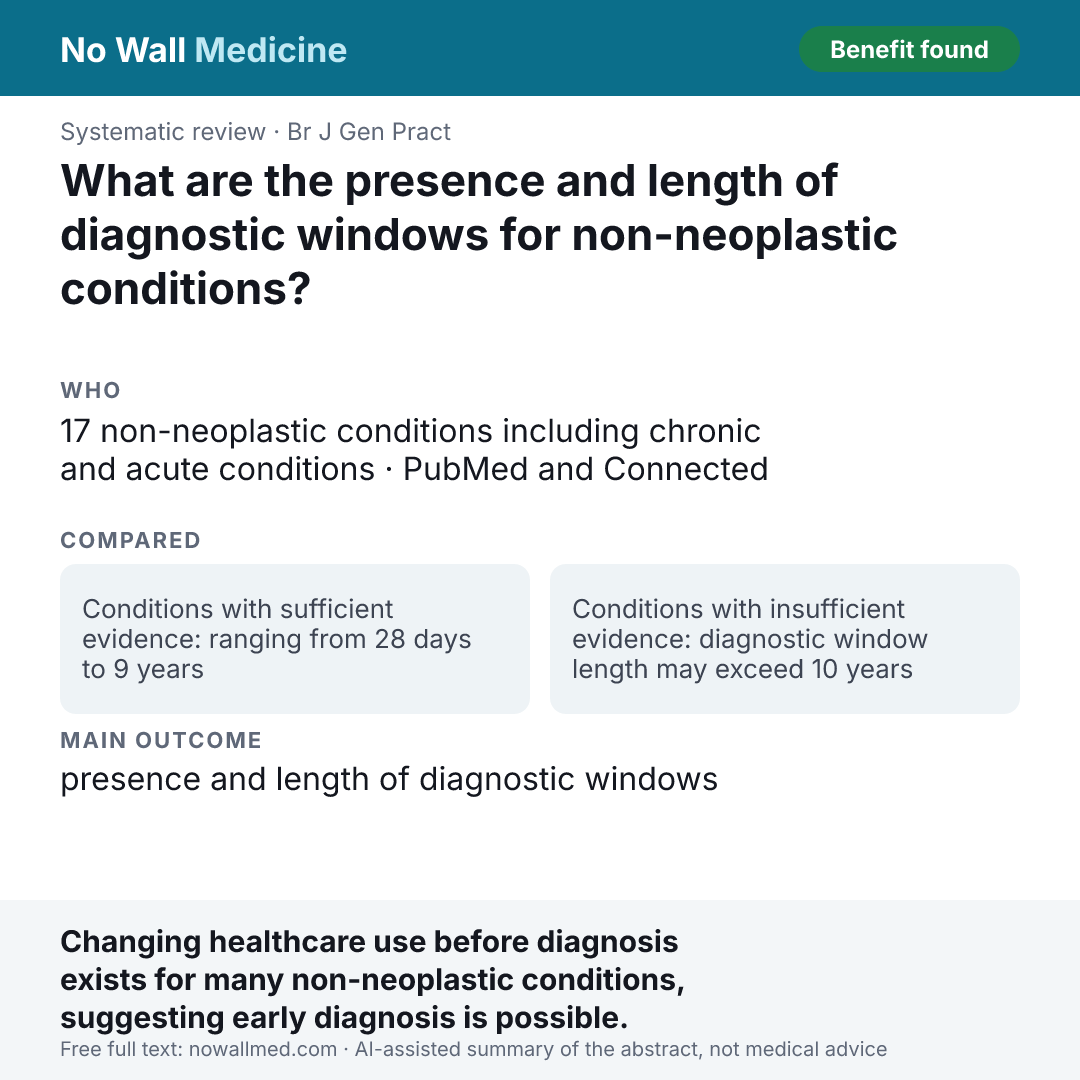
Diagnostic windows in non-neoplastic diseases: a systematic review
Systematic reviewBenefit found
What are the presence and length of diagnostic windows for non-neoplastic conditions?
Who
17 non-neoplastic conditions including chronic and acute conditions · PubMed and Connected Papers
Compared
Conditions with sufficient evidence: ranging from 28 days to 9 years
Conditions with insufficient evidence: diagnostic window length may exceed 10 years
Main outcome
presence and length of diagnostic windows
Bottom line: Changing healthcare use before diagnosis exists for many non-neoplastic conditions, suggesting early diagnosis is possible.
Br J Gen Pract · 2023-08-31 · Save PNG
Systematic Review of Nutrient Profile Models Developed for Nutrition-Related Policies and Regulations Aimed at Noncommunicable Disease Prevention -An Update
Systematic reviewUnclear result
Nutrient profiling models for policies
Who
151
public health strategies · worldwide
Compared
93newly identified
28originally excluded
30additional online
Main outcome
nutrient profile models
Bottom line: Twenty-six models met inclusion criteria
Adv Nutr · 2023-08-31 · Save PNG

Balancing risks and benefits of cannabis use: umbrella review of meta-analyses of randomised controlled trials and observational studies
Umbrella review of meta-analysesMixed results
What are the risks and benefits of cannabis, cannabinoids, and cannabis based medicines?
Who
People with various conditions, healthy people, pregnant women, and drivers
Compared
Cannabis based medicines: increased adverse events related to the central nervous system 2.84 (95% confidence interval 2.16 to 3.73)
Cannabidiol: 50% reduction of seizures 0.59 (0.38 to 0.92)
Cannabis in general population: worsened positive psychotic symptoms 5.21 (3.36 to 8.01)
Main outcome
efficacy and safety of cannabis, cannabinoids, or cannabis based medicines
Bottom line: Cannabis based medicines show benefits for epilepsy, chronic pain, and multiple sclerosis, but carry significant psychiatric and physical risks.
BMJ · 2023-08-30 · Save PNG

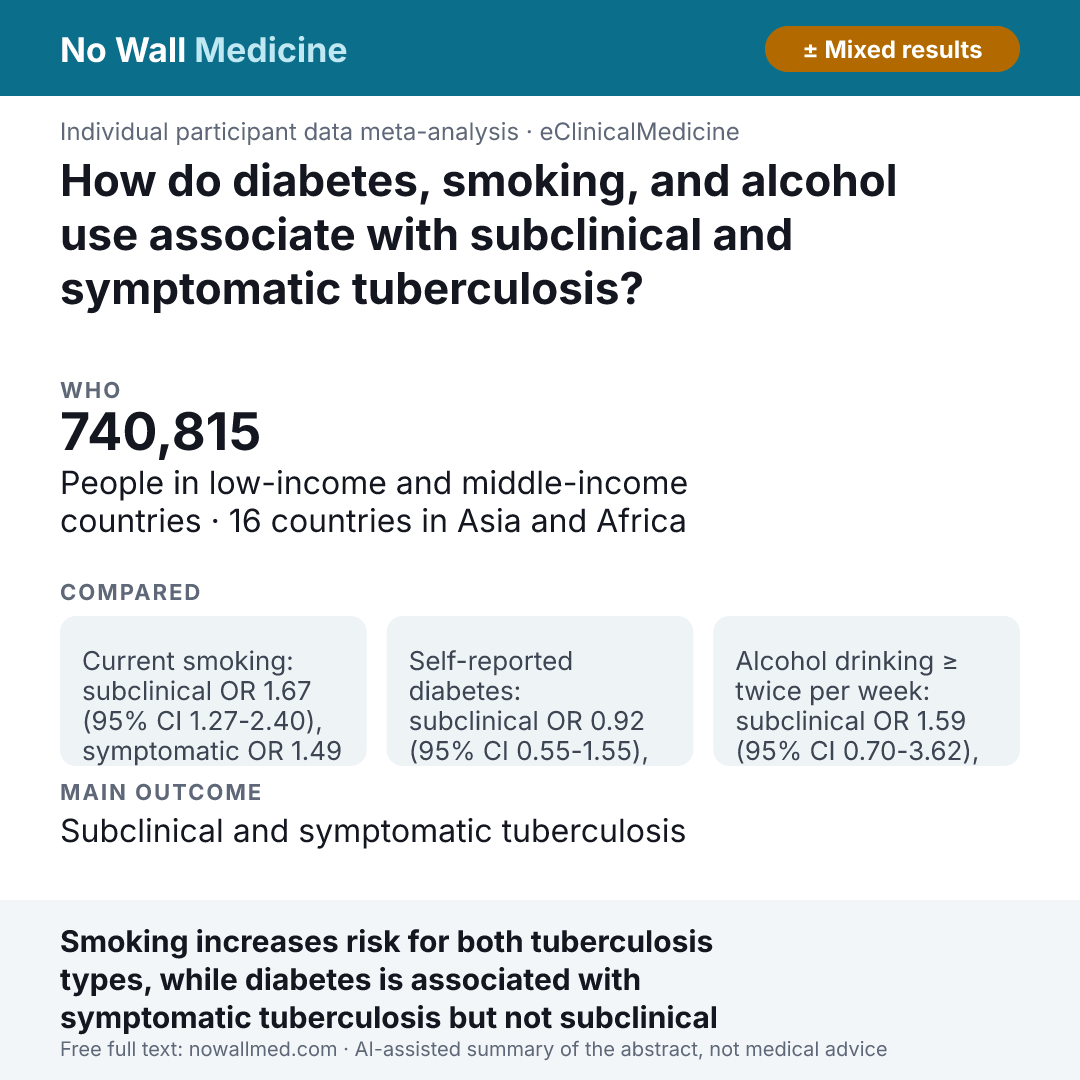
Association of diabetes, smoking, and alcohol use with subclinical-to-symptomatic spectrum of tuberculosis in 16 countries: an individual participant data meta-analysis of national tuberculosis prevalence surveys
Individual participant data meta-analysisMixed results
How do diabetes, smoking, and alcohol use associate with subclinical and symptomatic tuberculosis?
Who
740,815
People in low-income and middle-income countries · 16 countries in Asia and Africa
Compared
Current smoking: subclinical OR 1.67 (95% CI 1.27-2.40), symptomatic OR 1.49 (95% CI 1.34-1.66)
Self-reported diabetes: subclinical OR 0.92 (95% CI 0.55-1.55), symptomatic OR 1.67 (95% CI 1.17-2.40)
Alcohol drinking ≥ twice per week: subclinical OR 1.59 (95% CI 0.70-3.62), symptomatic OR 1.43 (95% CI 0.59-3.46)
Main outcome
Subclinical and symptomatic tuberculosis
Bottom line: Smoking increases risk for both tuberculosis types, while diabetes is associated with symptomatic tuberculosis but not subclinical tuberculosis.
eClinicalMedicine · 2023-08-30 · Save PNG
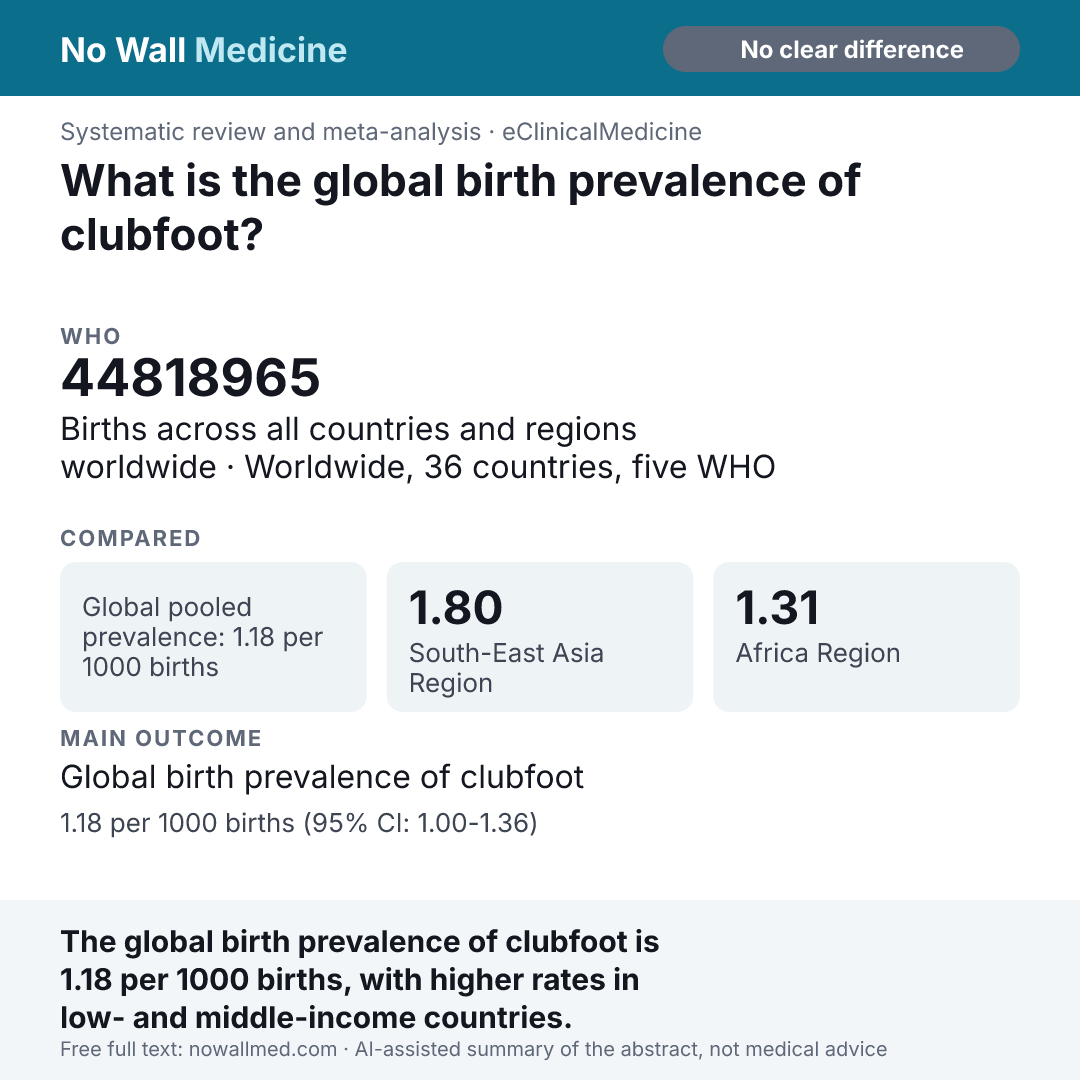
The global birth prevalence of clubfoot: a systematic review and meta-analysis
Systematic review and meta-analysisNo clear difference
What is the global birth prevalence of clubfoot?
Who
44818965
Births across all countries and regions worldwide · Worldwide, 36 countries, five WHO regions
Compared
Global pooled prevalence: 1.18 per 1000 births
1.80South-East Asia Region
1.31Africa Region
Main outcome
Global birth prevalence of clubfoot
Result: 1.18 per 1000 births (95% CI: 1.00-1.36)
Bottom line: The global birth prevalence of clubfoot is 1.18 per 1000 births, with higher rates in low- and middle-income countries.
Funded by: Global Clubfoot Initiative and the Rhodes Trust
eClinicalMedicine · 2023-08-30 · Save PNG
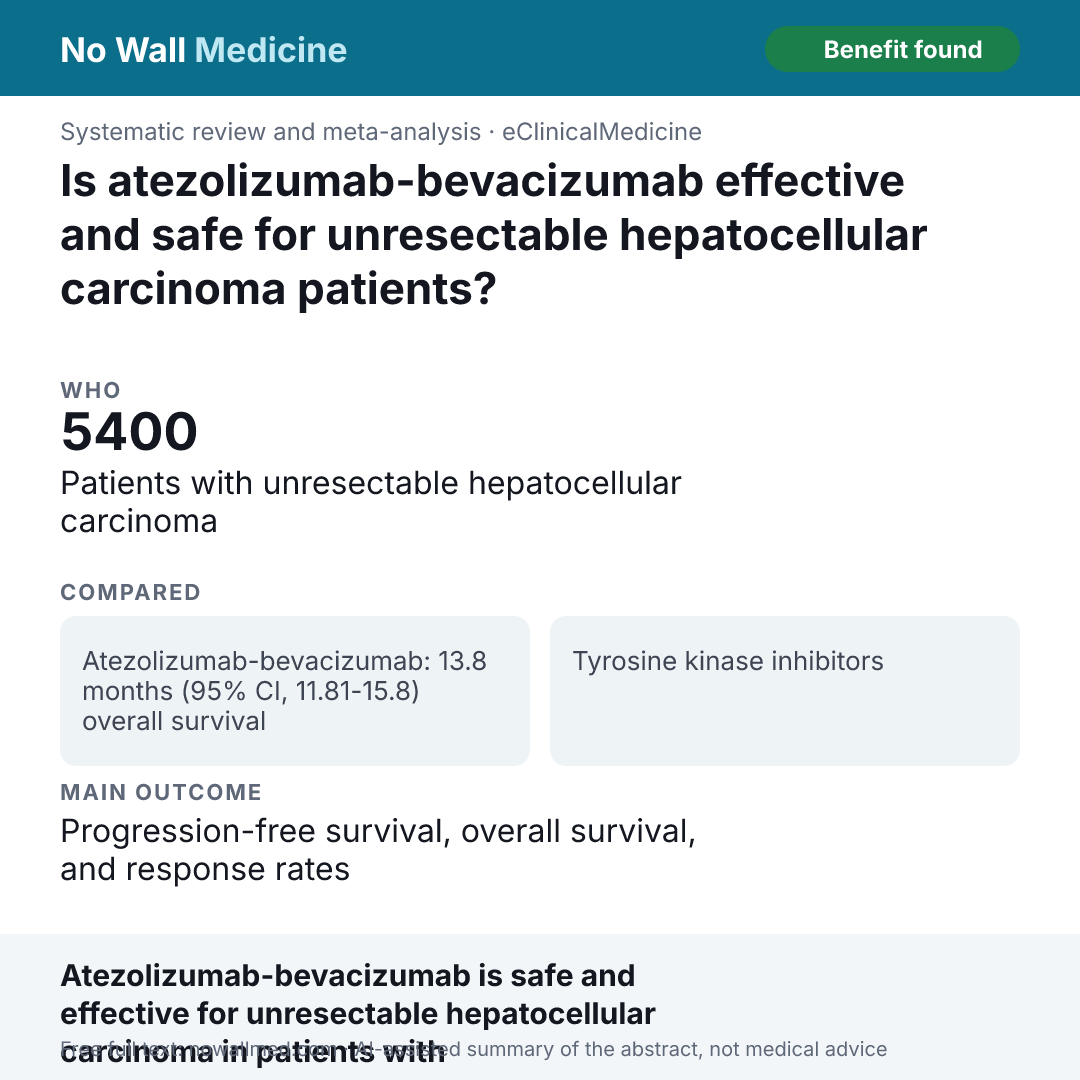
Effectiveness and safety of atezolizumab-bevacizumab in patients with unresectable hepatocellular carcinoma: a systematic review and meta-analysis
Systematic review and meta-analysisBenefit found
Is atezolizumab-bevacizumab effective and safe for unresectable hepatocellular carcinoma patients?
Who
5400
Patients with unresectable hepatocellular carcinoma
Compared
Atezolizumab-bevacizumab: 13.8 months (95% CI, 11.81-15.8) overall survival
Tyrosine kinase inhibitors
Main outcome
Progression-free survival, overall survival, and response rates
Result: MD: 2.27 months [0.94-3.5] progression-free survival vs tyrosine kinase inhibitors
Bottom line: Atezolizumab-bevacizumab is safe and effective for unresectable hepatocellular carcinoma in patients with Child-Turcotte-Pugh class A or B cirrhosis.
Funded by: ROCHE Products India Pvt Ltd.
eClinicalMedicine · 2023-08-30 · Save PNG
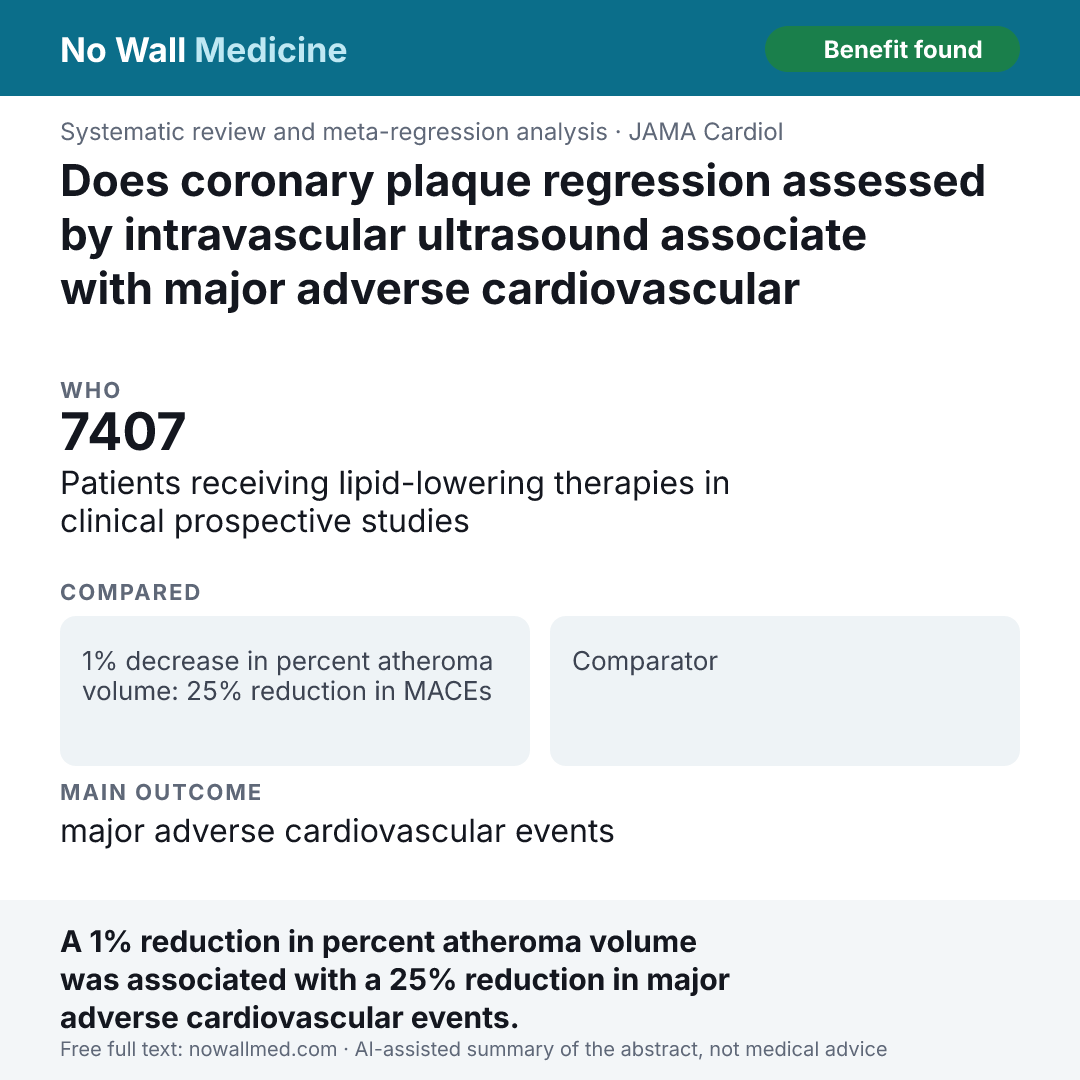
Atherosclerotic Coronary Plaque Regression and Risk of Adverse Cardiovascular Events: A Systematic Review and Updated Meta-Regression Analysis
Systematic review and meta-regression analysisBenefit found
Does coronary plaque regression assessed by intravascular ultrasound associate with major adverse cardiovascular events?
Who
7407
Patients receiving lipid-lowering therapies in clinical prospective studies
Compared
1% decrease in percent atheroma volume: 25% reduction in MACEs
Comparator
Main outcome
major adverse cardiovascular events
Result: odds ratio 0.75 (95% CI 0.56 to 1.00)
Bottom line: A 1% reduction in percent atheroma volume was associated with a 25% reduction in major adverse cardiovascular events.
JAMA Cardiol · 2023-08-30 · Save PNG
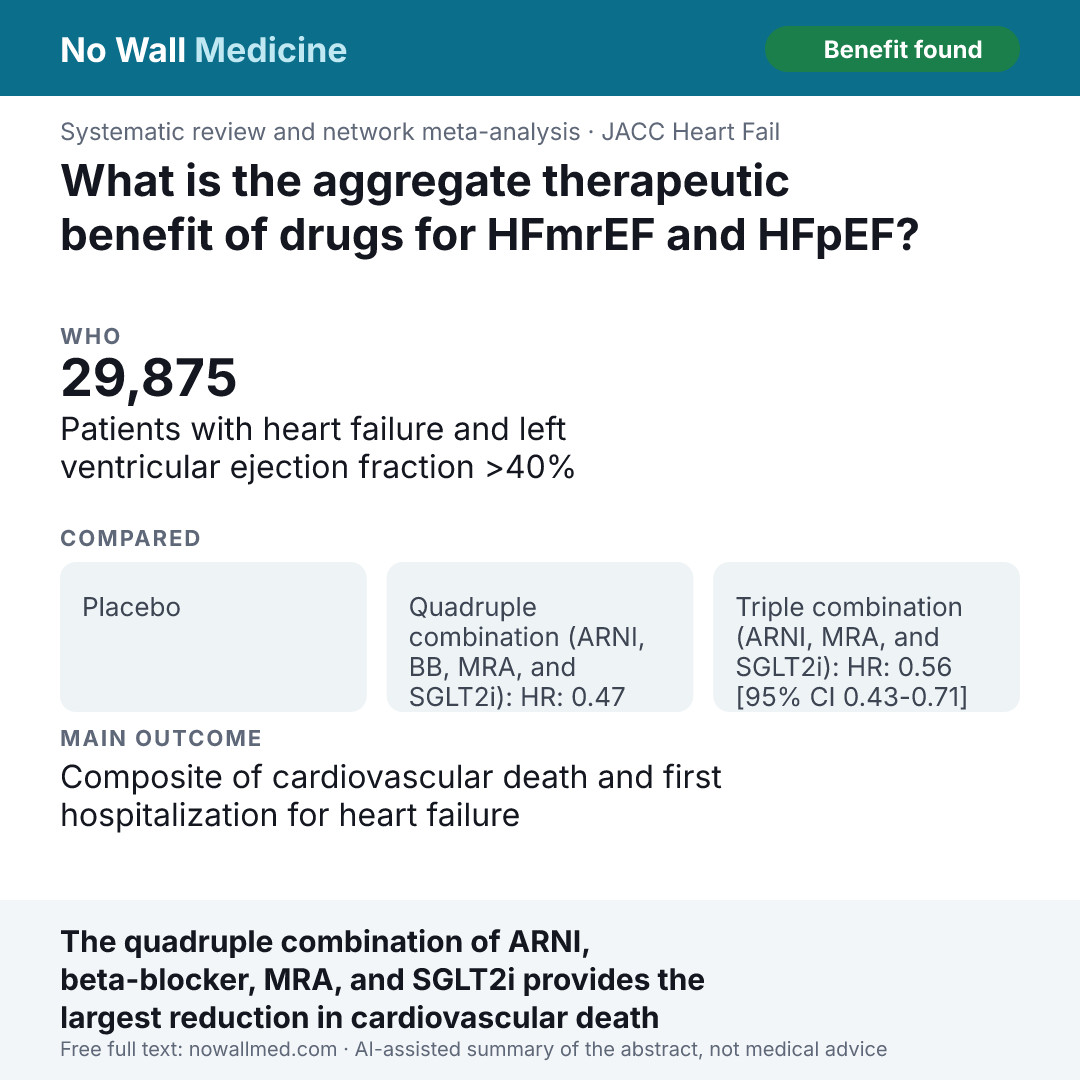
Pharmacological Treatments in Heart Failure With Mildly Reduced and Preserved Ejection Fraction: Systematic Review and Network Meta-Analysis
Systematic review and network meta-analysisBenefit found
What is the aggregate therapeutic benefit of drugs for HFmrEF and HFpEF?
Who
29,875
Patients with heart failure and left ventricular ejection fraction >40%
Compared
Placebo
Quadruple combination (ARNI, BB, MRA, and SGLT2i): HR: 0.47 [95% CI: 0.31-0.70]
Triple combination (ARNI, MRA, and SGLT2i): HR: 0.56 [95% CI 0.43-0.71]
Main outcome
Composite of cardiovascular death and first hospitalization for heart failure
Result: HR: 0.47 [95% CI: 0.31-0.70]
Bottom line: The quadruple combination of ARNI, beta-blocker, MRA, and SGLT2i provides the largest reduction in cardiovascular death and hospitalization.
JACC Heart Fail · 2023-08-30 · Save PNG