Visual abstracts
New randomized trials and meta-analyses from leading journals at a glance: who was studied, what was compared, and what was found. Every paper is free to read in full.
All specialtiesCardiology 4763Oncology 4043Gastroenterology & Hepatology 1903Infectious Disease 3756Neurology 1872Psychiatry & Mental Health 2216Pulmonology 2044Critical Care 1319Endocrinology & Diabetes 2544Pediatrics 2889Surgery 2480Orthopedics & Sports Medicine 917Neurosurgery 525Cardiothoracic & Vascular Surgery 656Plastic & Reconstructive Surgery 574Nephrology 1107Rheumatology 810Hematology 1090Dermatology 611Ophthalmology 532Obstetrics & Gynecology 1645Public & Global Health 1037Radiology & Imaging 619Anesthesiology 958Urology 745ENT (Otolaryngology) 494Emergency Medicine 481Allergy & Immunology 309Geriatrics 972Family Medicine & Primary Care 534Medical Genetics & Genomics 659Pathology & Laboratory Medicine 156Physical Medicine & Rehabilitation 734Palliative Care 421Nutrition 1560Digital Health & AI 2137General Medicine 318
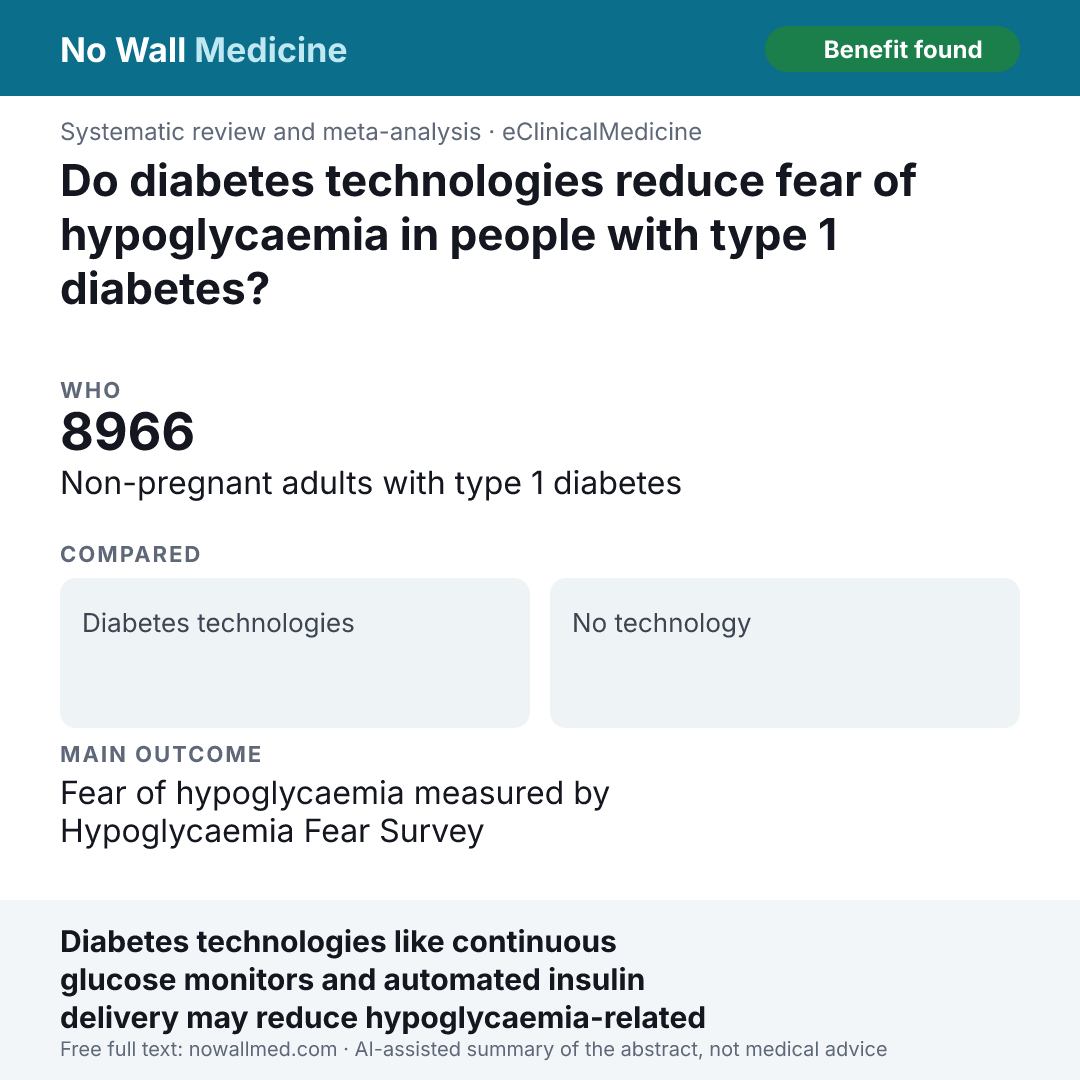
Effect of diabetes technologies on the fear of hypoglycaemia among people living with type 1 diabetes: a systematic review and meta-analysis
Systematic review and meta-analysisBenefit found
Do diabetes technologies reduce fear of hypoglycaemia in people with type 1 diabetes?
Who
8966
Non-pregnant adults with type 1 diabetes
Compared
Diabetes technologies
No technology
Main outcome
Fear of hypoglycaemia measured by Hypoglycaemia Fear Survey
Result: standard mean difference -0.14 (95% CI -0.23 to -0.05) for rtCGM in RCTs
Bottom line: Diabetes technologies like continuous glucose monitors and automated insulin delivery may reduce hypoglycaemia-related worries in adults with type 1 diabetes.
Limitation: Discrepancies in baseline characteristics and limited, mainly descriptive, statistical analysis.
Funded by: Canadian Institutes of Health Research, Juvenile Diabetes Research Foundation Ltd.
eClinicalMedicine · 2023-08-04 · Save PNG
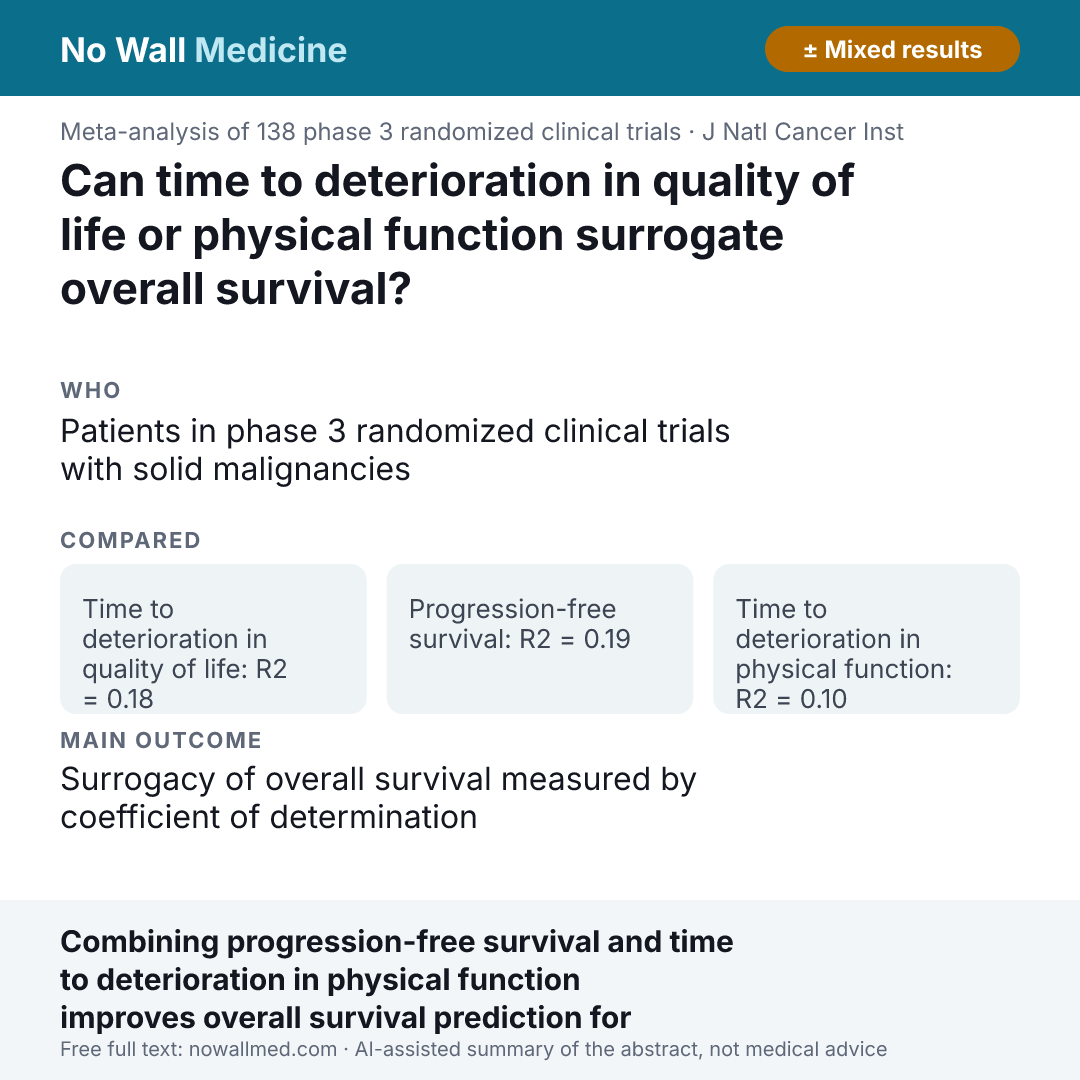
Time to deterioration of patient-reported outcomes as a surrogate of overall survival: a meta-analysis
Meta-analysis of 138 phase 3 randomized clinical trialsMixed results
Can time to deterioration in quality of life or physical function surrogate overall survival?
Who
Patients in phase 3 randomized clinical trials with solid malignancies
Compared
Time to deterioration in quality of life: R2 = 0.18
Progression-free survival: R2 = 0.19
Time to deterioration in physical function: R2 = 0.10
Main outcome
Surrogacy of overall survival measured by coefficient of determination
Bottom line: Combining progression-free survival and time to deterioration in physical function improves overall survival prediction for immune checkpoint inhibitor studies.
J Natl Cancer Inst · 2023-08-04 · Save PNG
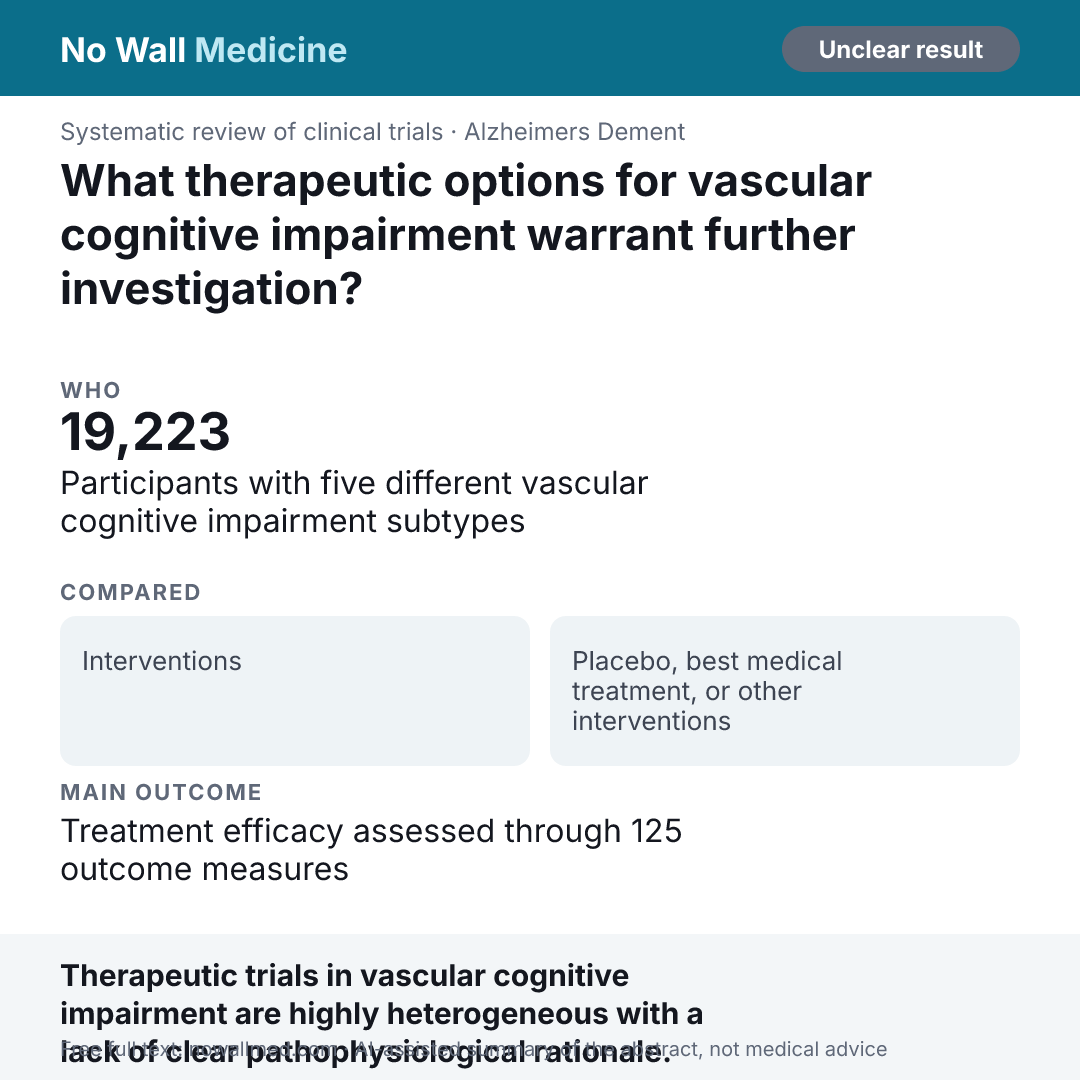
Therapeutic strategies in vascular cognitive impairment: A systematic review of population, intervention, comparators, and outcomes
Systematic review of clinical trialsUnclear result
What therapeutic options for vascular cognitive impairment warrant further investigation?
Who
19,223
Participants with five different vascular cognitive impairment subtypes
Compared
Interventions
Placebo, best medical treatment, or other interventions
Main outcome
Treatment efficacy assessed through 125 outcome measures
Bottom line: Therapeutic trials in vascular cognitive impairment are highly heterogeneous with a lack of clear pathophysiological rationale.
Alzheimers Dement · 2023-08-04 · Save PNG
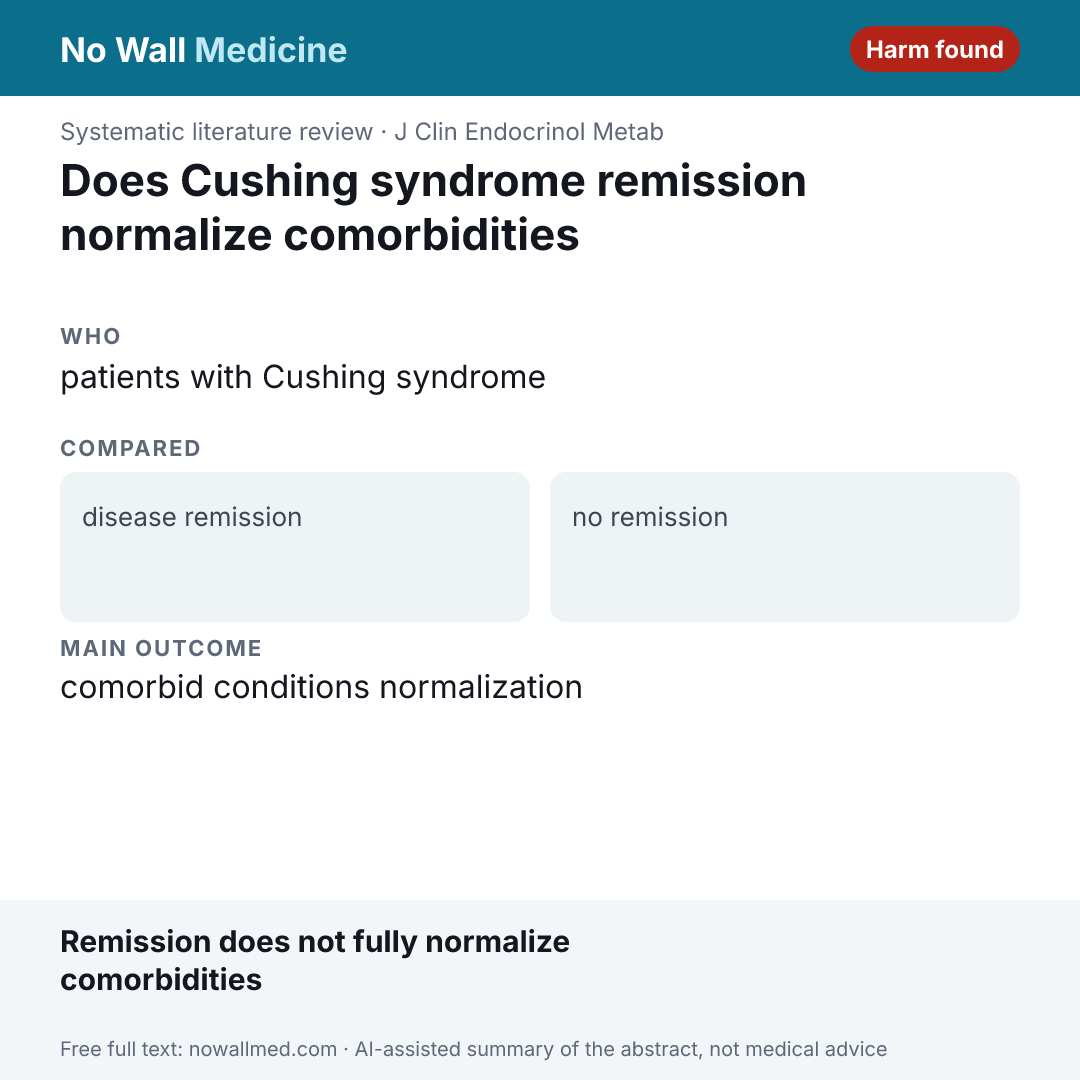
Long-Term Consequences of Cushing Syndrome: A Systematic Literature Review
Systematic literature reviewHarm found
Does Cushing syndrome remission normalize comorbidities
Who
patients with Cushing syndrome
Compared
disease remission
no remission
Main outcome
comorbid conditions normalization
Bottom line: Remission does not fully normalize comorbidities
Limitation: limited patient numbers in many studies
J Clin Endocrinol Metab · 2023-08-04 · Save PNG
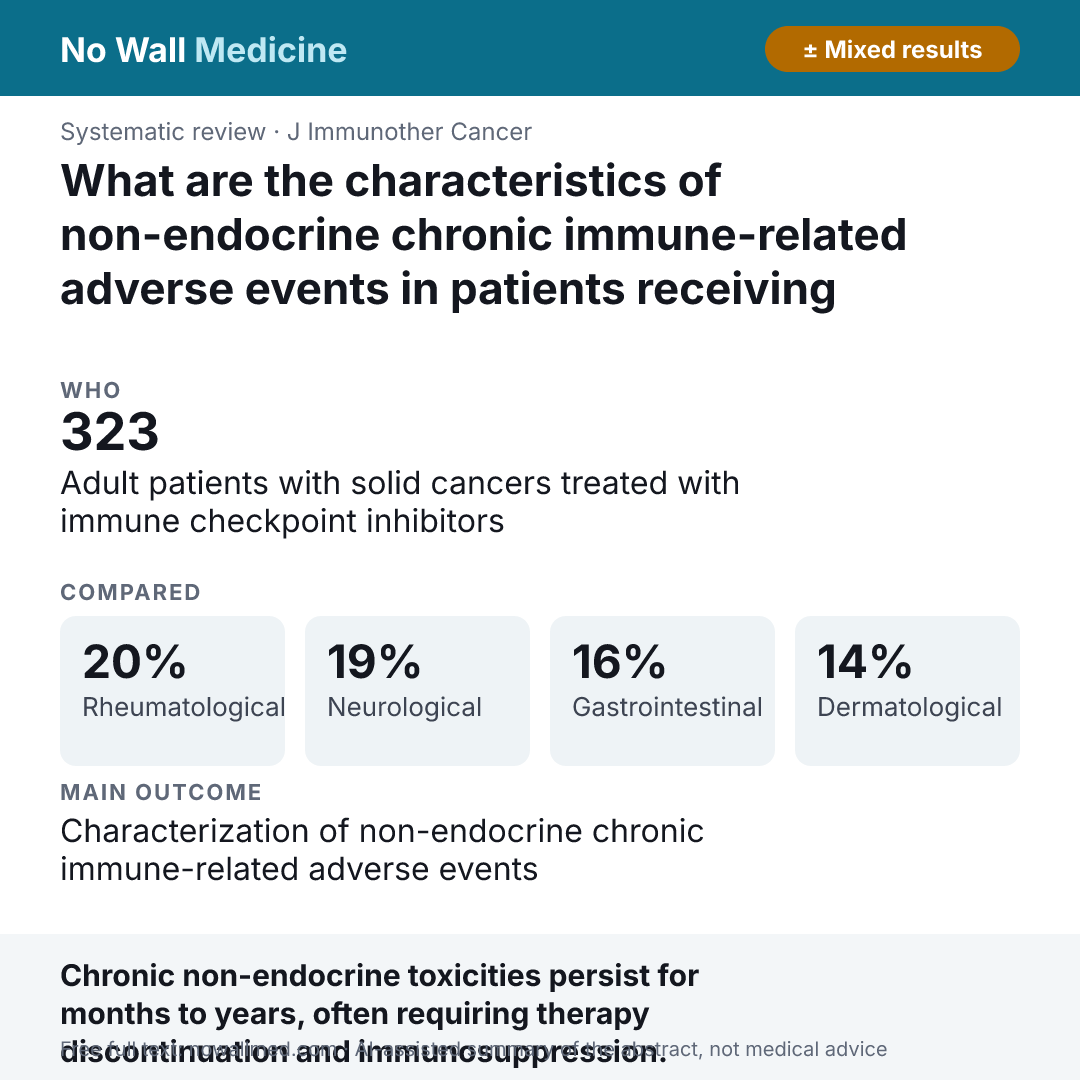
Chronic immune-related adverse events in patients with cancer receiving immune checkpoint inhibitors: a systematic review
Systematic reviewMixed results
What are the characteristics of non-endocrine chronic immune-related adverse events in patients receiving immune checkpoint inhibitors?
Who
323
Adult patients with solid cancers treated with immune checkpoint inhibitors
Compared
20%Rheumatological
19%Neurological
16%Gastrointestinal
14%Dermatological
Main outcome
Characterization of non-endocrine chronic immune-related adverse events
Bottom line: Chronic non-endocrine toxicities persist for months to years, often requiring therapy discontinuation and immunosuppression.
J Immunother Cancer · 2023-08-04 · Save PNG
Mindfulness-Based Mobile Apps and Their Impact on Well-Being in Nonclinical Populations: Systematic Review of Randomized Controlled Trials
Meta-analysis of 28 trialsMixed results
Do mindfulness apps improve well-being?
Who
nonclinical populations
Compared
Mindfulness app
Control
Main outcome
well-being
Bottom line: Most studies reported small positive effects
Limitation: high risk of bias and limited comparability
J Med Internet Res · 2023-08-04 · Save PNG

The Characteristics, Uses, and Biases of Studies Related to Malignancies Using Google Trends: Systematic Review
Systematic reviewMixed results
What are the characteristics, uses, and biases of Google Trends studies related to malignancies?
Who
Studies using Google Trends to analyze searches related to malignancies
Compared
22%Prophylaxis (19/85)
20%Awareness events (17/85)
11%Celebrity-related (9/85)
13%COVID-19 (11/85)
Main outcome
Characteristics, utilities, and sources of bias in oncology Google Trends studies
Bottom line: Oncology Google Trends studies show increasing volume but exhibit concerning topics, search strategies, and statistical methodologies.
Limitation: The review only included studies written in English.
J Med Internet Res · 2023-08-04 · Save PNG

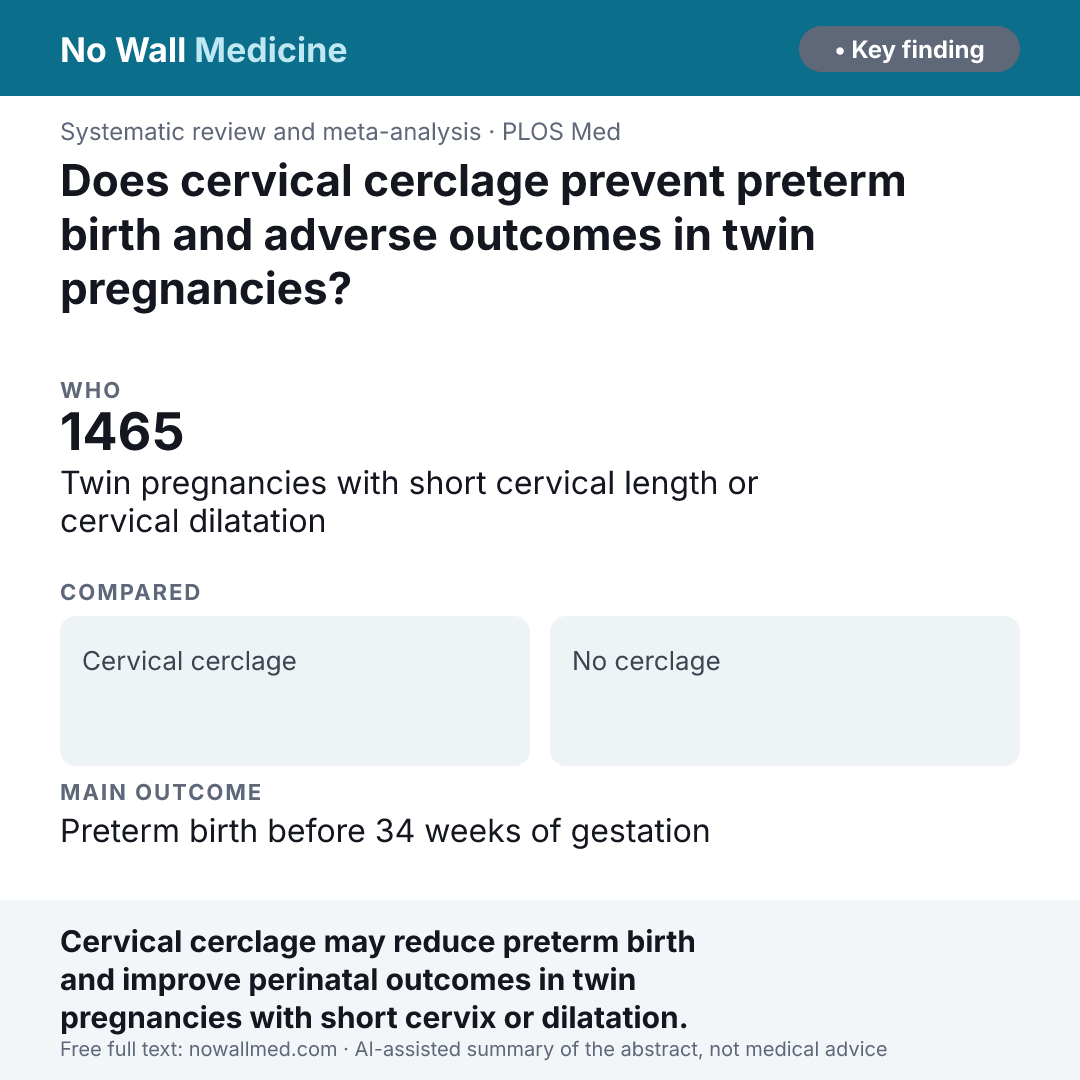
Cervical cerclage for prevention of preterm birth and adverse perinatal outcome in twin pregnancies with short cervical length or cervical dilatation: A systematic review and meta-analysis
Systematic review and meta-analysisKey finding
Does cervical cerclage prevent preterm birth and adverse outcomes in twin pregnancies?
Who
1465
Twin pregnancies with short cervical length or cervical dilatation
Compared
Cervical cerclage
No cerclage
Main outcome
Preterm birth before 34 weeks of gestation
Result: risk ratio 0.73 (95% CI 0.59 to 0.91)
Bottom line: Cervical cerclage may reduce preterm birth and improve perinatal outcomes in twin pregnancies with short cervix or dilatation.
Limitation: Findings are mainly based upon observational studies and require confirmation in large randomized controlled trials.
PLOS Med · 2023-08-03 · Save PNG
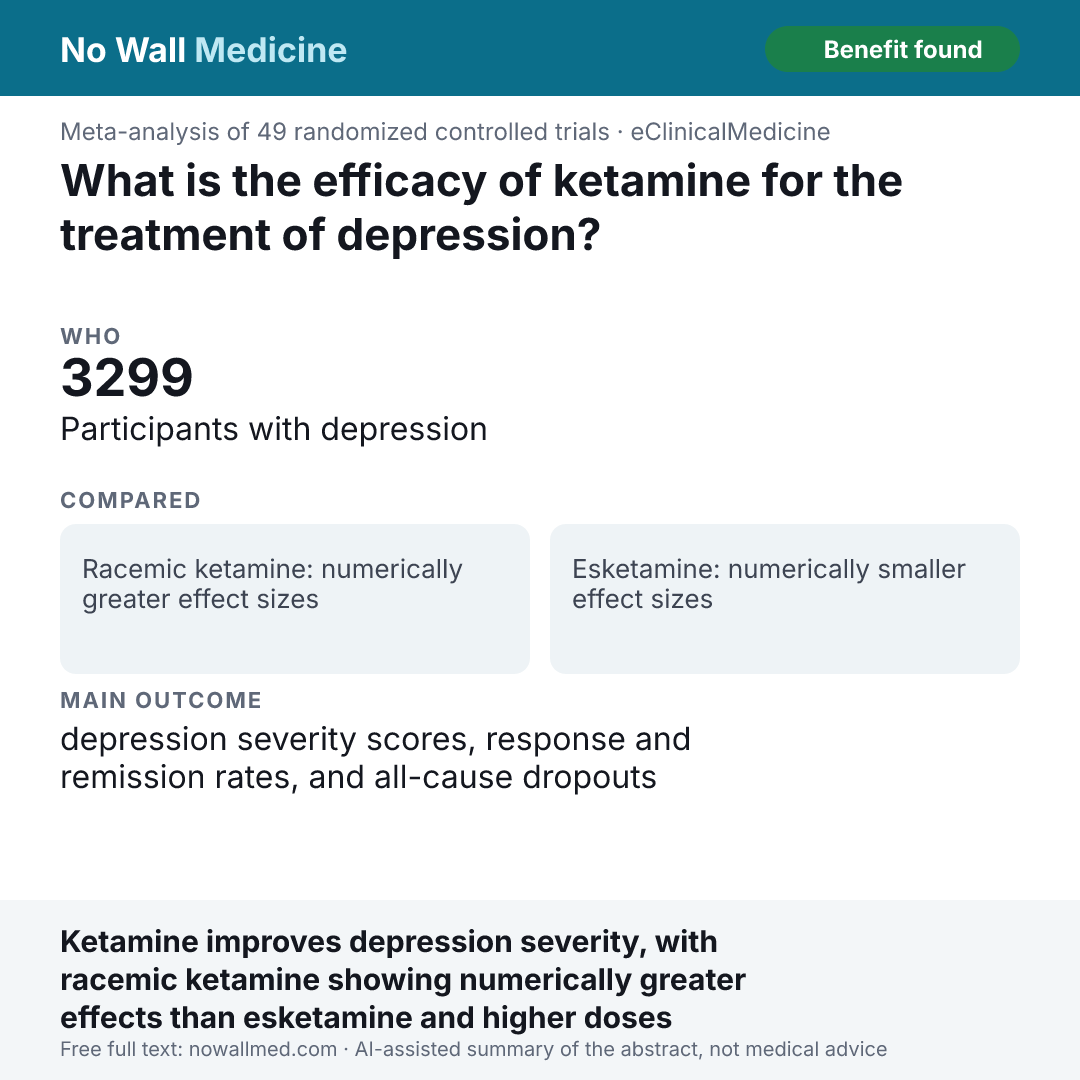
Ketamine for the treatment of major depression: a systematic review and meta-analysis
Meta-analysis of 49 randomized controlled trialsBenefit found
What is the efficacy of ketamine for the treatment of depression?
Who
3299
Participants with depression
Compared
Racemic ketamine: numerically greater effect sizes
Esketamine: numerically smaller effect sizes
Main outcome
depression severity scores, response and remission rates, and all-cause dropouts
Bottom line: Ketamine improves depression severity, with racemic ketamine showing numerically greater effects than esketamine and higher doses being more effective.
Limitation: Overall heterogeneity varied from 5.7% to 87.6%
eClinicalMedicine · 2023-08-03 · Save PNG
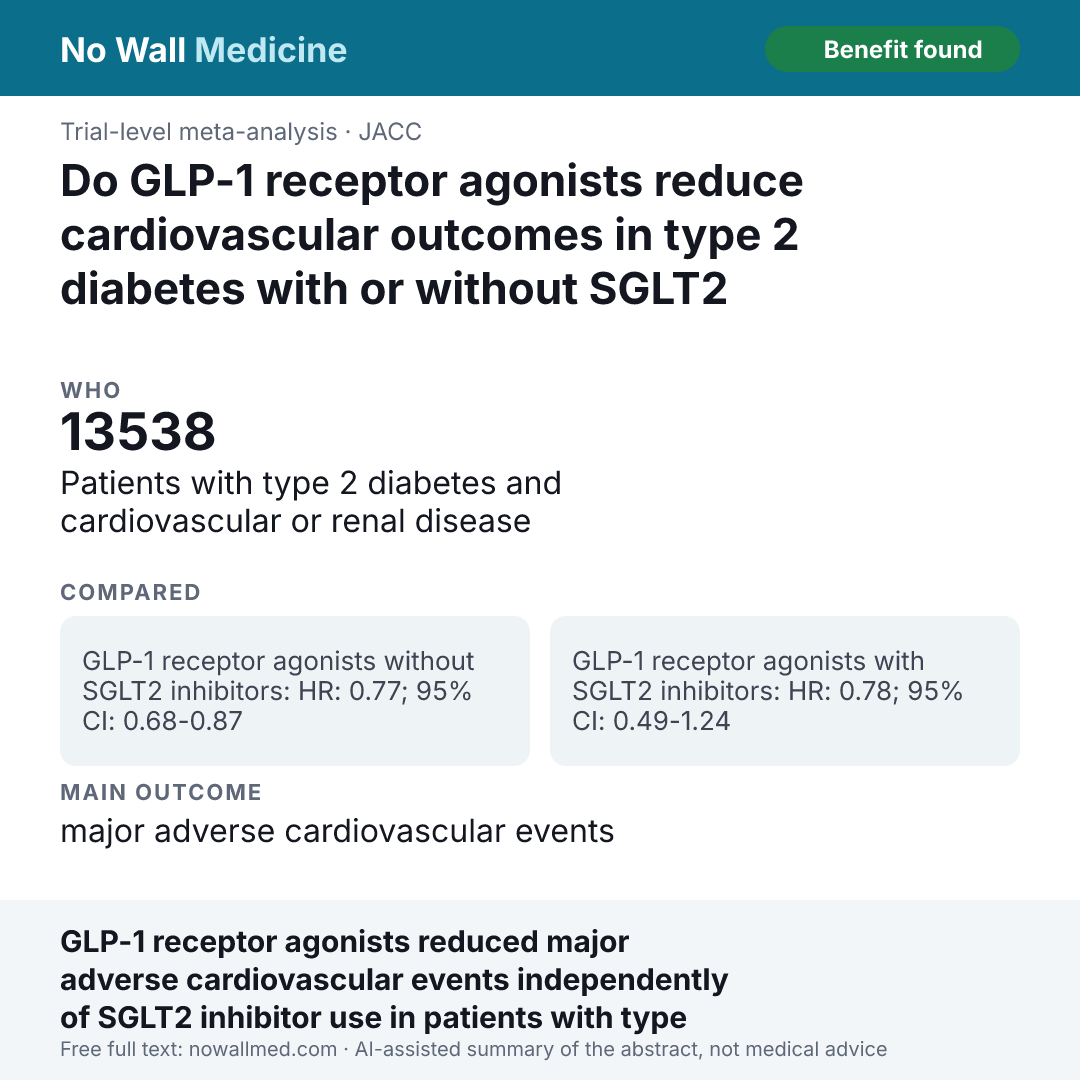
GLP-1 Receptor Agonist Therapy With and Without SGLT2 Inhibitors in Patients With Type 2 Diabetes
Trial-level meta-analysisBenefit found
Do GLP-1 receptor agonists reduce cardiovascular outcomes in type 2 diabetes with or without SGLT2 inhibitors?
Who
13538
Patients with type 2 diabetes and cardiovascular or renal disease
Compared
GLP-1 receptor agonists without SGLT2 inhibitors: HR: 0.77; 95% CI: 0.68-0.87
GLP-1 receptor agonists with SGLT2 inhibitors: HR: 0.78; 95% CI: 0.49-1.24
Main outcome
major adverse cardiovascular events
Result: HR: 0.77; 95% CI: 0.68-0.87 without SGLT2 inhibitors; and HR: 0.78; 95% CI: 0.49-1.24 with SGLT2 inhibitors
Bottom line: GLP-1 receptor agonists reduced major adverse cardiovascular events independently of SGLT2 inhibitor use in patients with type 2 diabetes.
Limitation: Clinical trials with combination therapy are needed.
JACC · 2023-08-03 · Save PNG
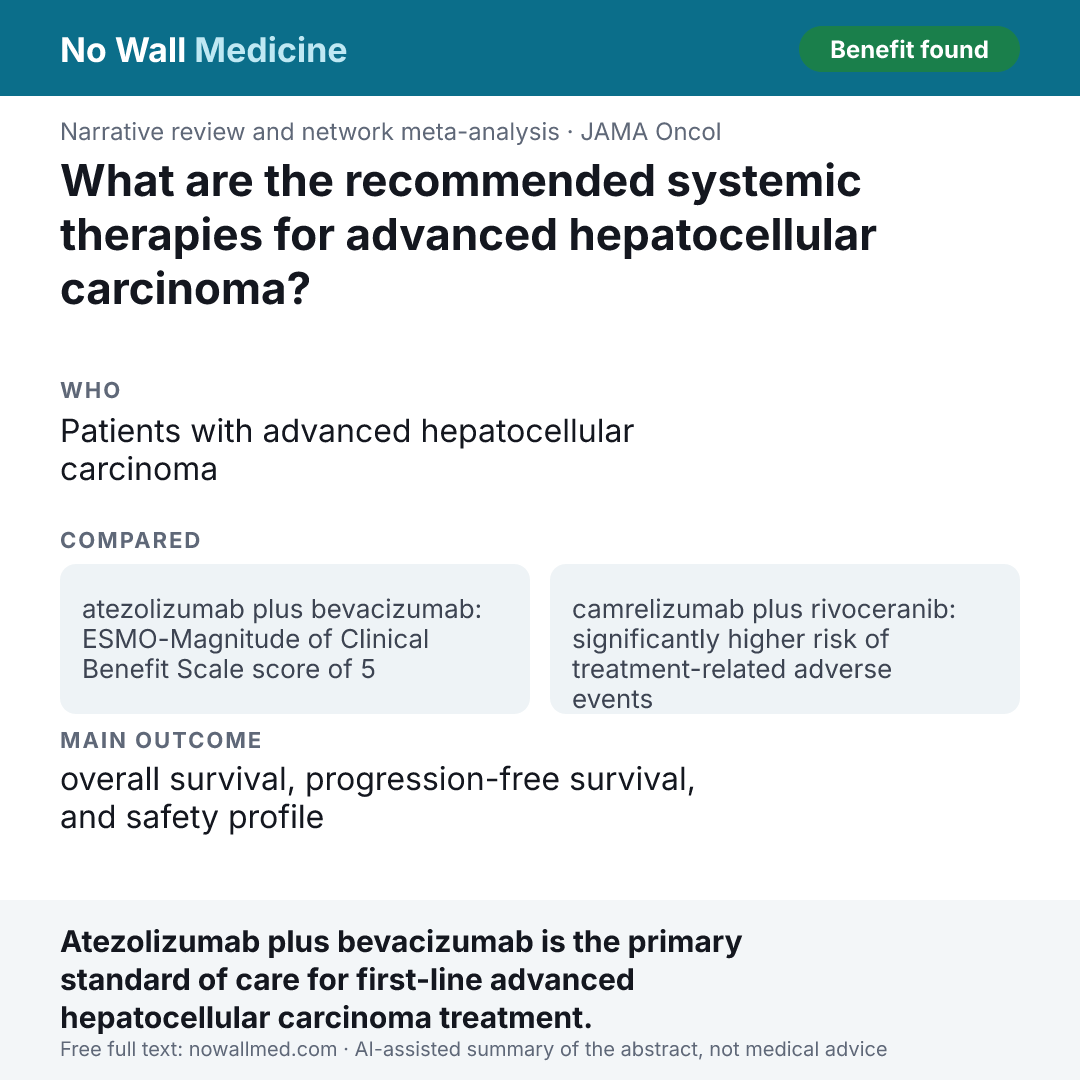
Critical Appraisal of Guideline Recommendations on Systemic Therapies for Advanced Hepatocellular Carcinoma: A Review
Narrative review and network meta-analysisBenefit found
What are the recommended systemic therapies for advanced hepatocellular carcinoma?
Who
Patients with advanced hepatocellular carcinoma
Compared
atezolizumab plus bevacizumab: ESMO-Magnitude of Clinical Benefit Scale score of 5
camrelizumab plus rivoceranib: significantly higher risk of treatment-related adverse events
Main outcome
overall survival, progression-free survival, and safety profile
Result: relative risk 1.59 (95% CI 1.25-2.03)
Bottom line: Atezolizumab plus bevacizumab is the primary standard of care for first-line advanced hepatocellular carcinoma treatment.
JAMA Oncol · 2023-08-03 · Save PNG
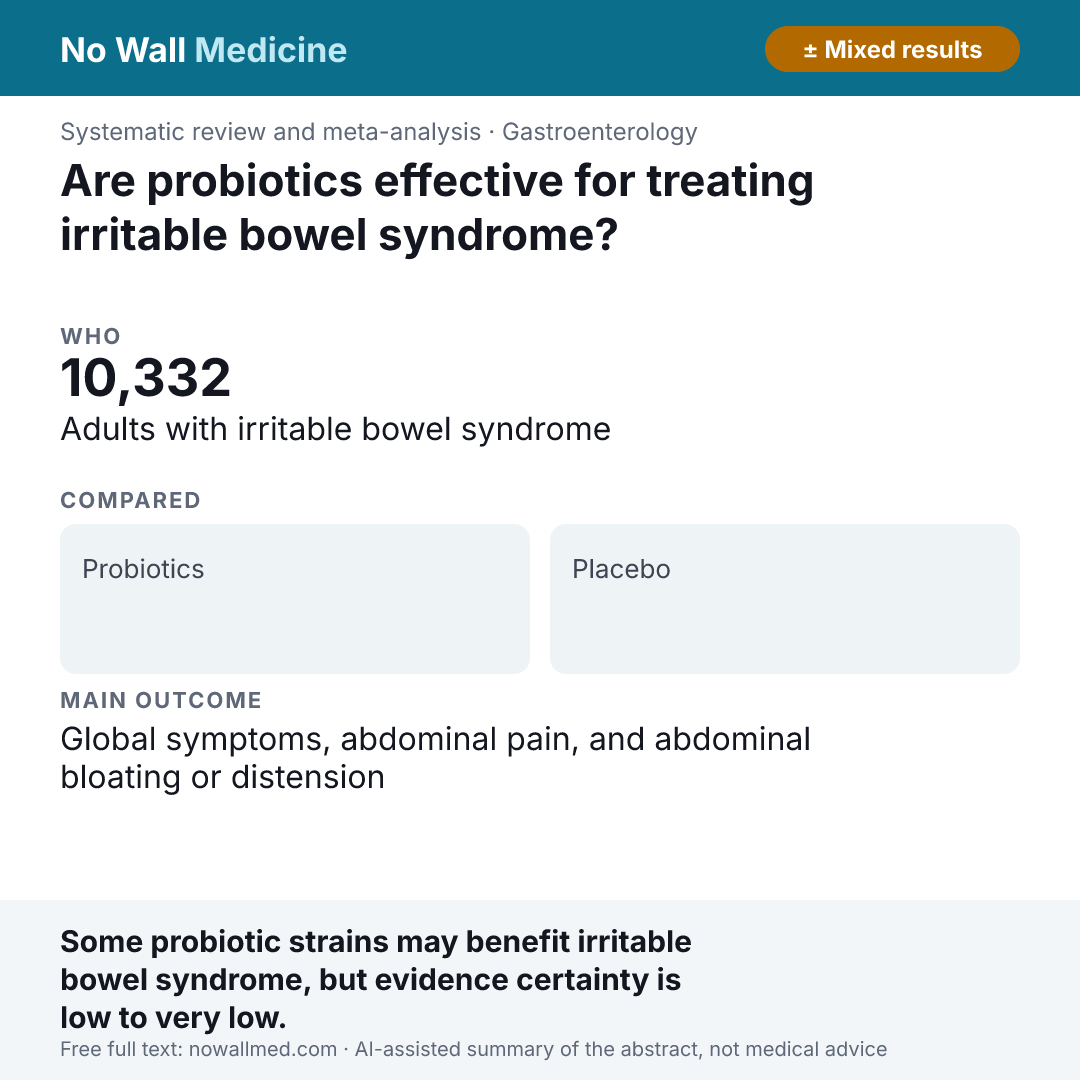
Efficacy of Probiotics in Irritable Bowel Syndrome: Systematic Review and Meta-analysis
Systematic review and meta-analysisMixed results
Are probiotics effective for treating irritable bowel syndrome?
Who
10,332
Adults with irritable bowel syndrome
Compared
Probiotics
Placebo
Main outcome
Global symptoms, abdominal pain, and abdominal bloating or distension
Bottom line: Some probiotic strains may benefit irritable bowel syndrome, but evidence certainty is low to very low.
Limitation: Certainty in the evidence for efficacy was low to very low across almost all analyses.
Gastroenterology · 2023-08-03 · Save PNG
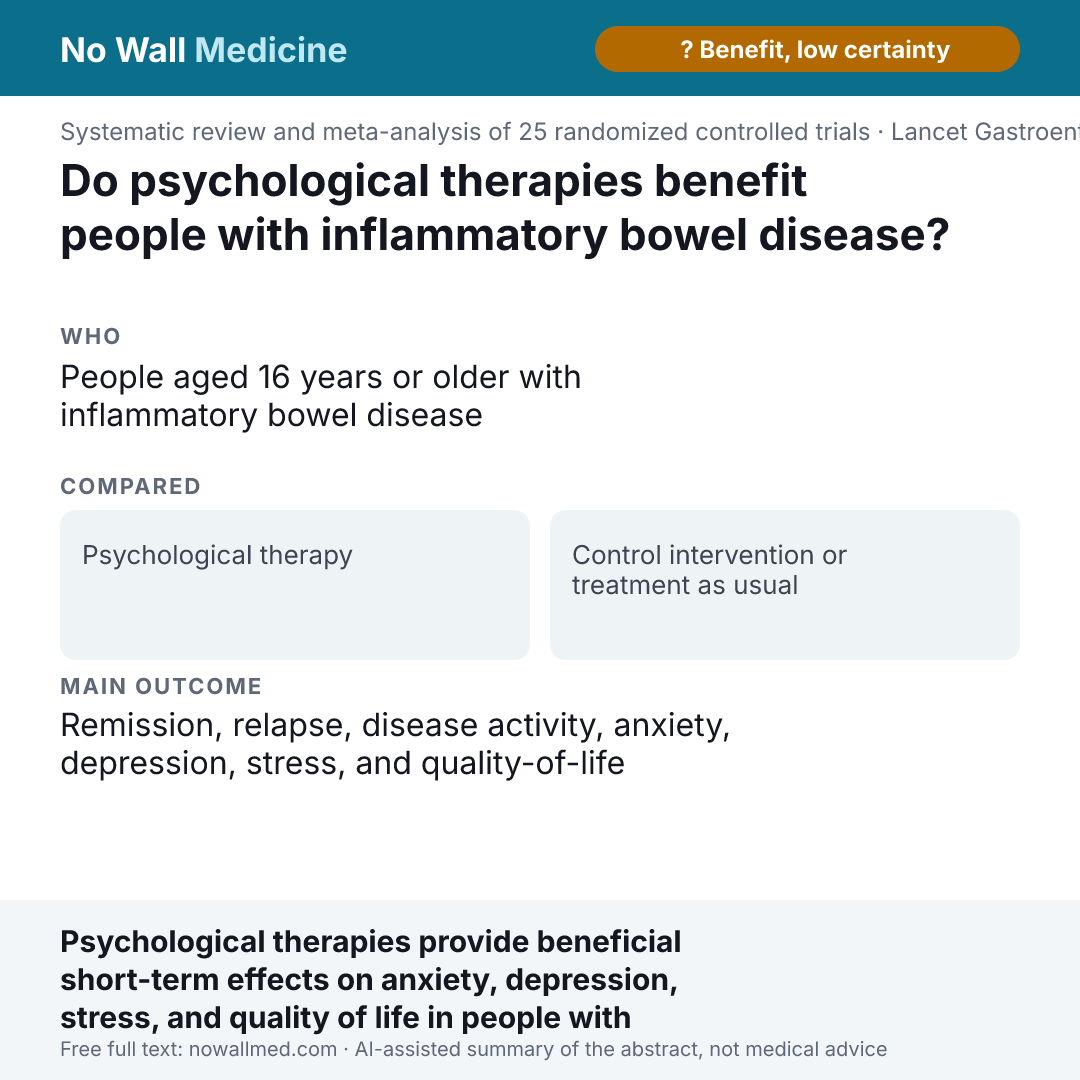
Efficacy of psychological therapies in people with inflammatory bowel disease: a systematic review and meta-analysis
Systematic review and meta-analysis of 25 randomized controlled trialsBenefit, low certainty
Do psychological therapies benefit people with inflammatory bowel disease?
Who
People aged 16 years or older with inflammatory bowel disease
Compared
Psychological therapy
Control intervention or treatment as usual
Main outcome
Remission, relapse, disease activity, anxiety, depression, stress, and quality-of-life
Bottom line: Psychological therapies provide beneficial short-term effects on anxiety, depression, stress, and quality of life in people with quiescent inflammatory bowel disease.
Limitation: All included randomized controlled trials were at high risk of bias.
Lancet Gastroenterol Hepatol · 2023-08-03 · Save PNG
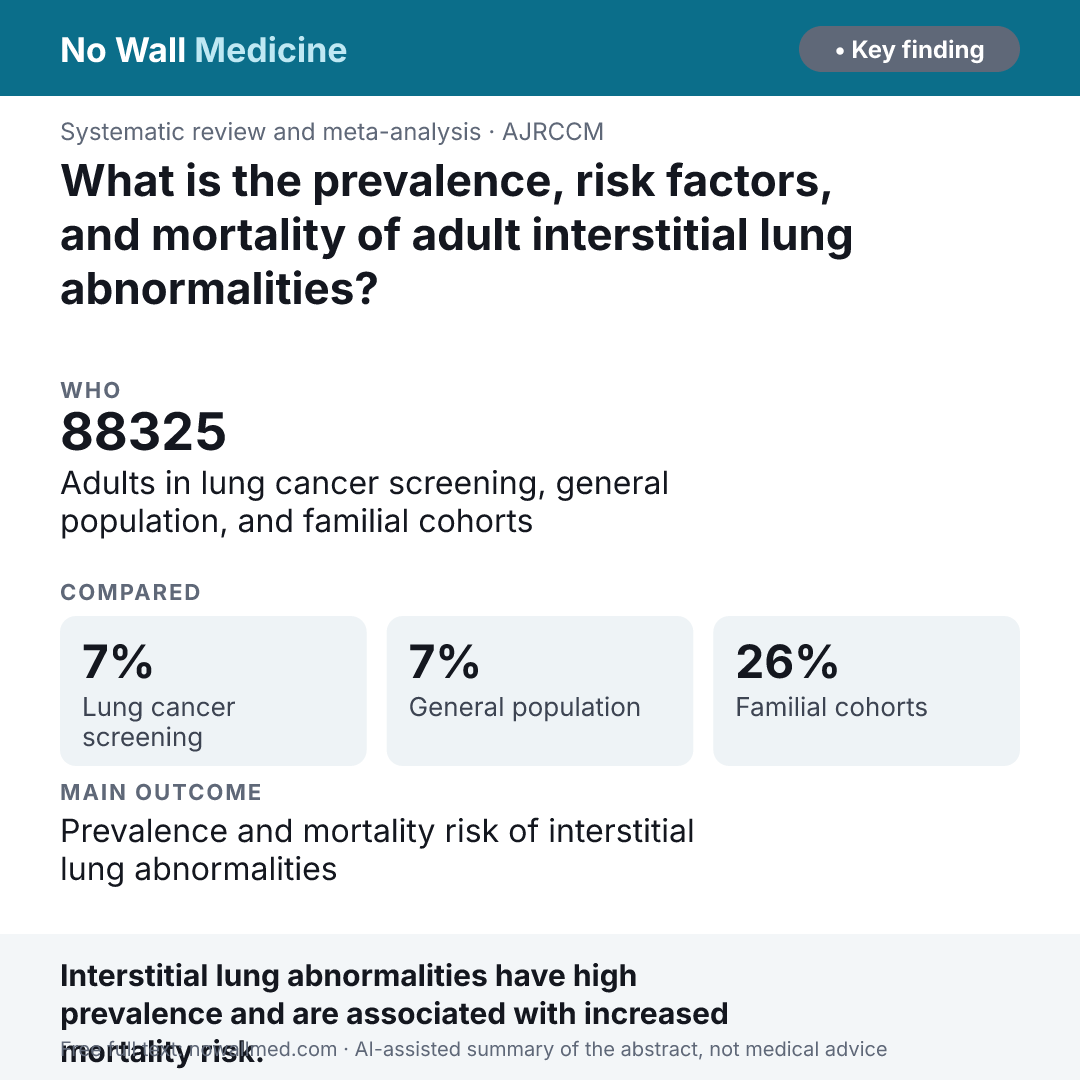
Prevalence, Risk Factors, and Outcomes of Adult Interstitial Lung Abnormalities: A Systematic Review and Meta-Analysis
Systematic review and meta-analysisKey finding
What is the prevalence, risk factors, and mortality of adult interstitial lung abnormalities?
Who
88325
Adults in lung cancer screening, general population, and familial cohorts
Compared
7%Lung cancer screening (95% confidence interval 0.01-0.13)
7%General population (95% confidence interval 0.04-0.10)
26%Familial cohorts (95% confidence interval 0.20-0.32)
Main outcome
Prevalence and mortality risk of interstitial lung abnormalities
Result: odds ratio 3.56 (95% CI 2.19-5.81)
Bottom line: Interstitial lung abnormalities have high prevalence and are associated with increased mortality risk.
AJRCCM · 2023-08-03 · Save PNG
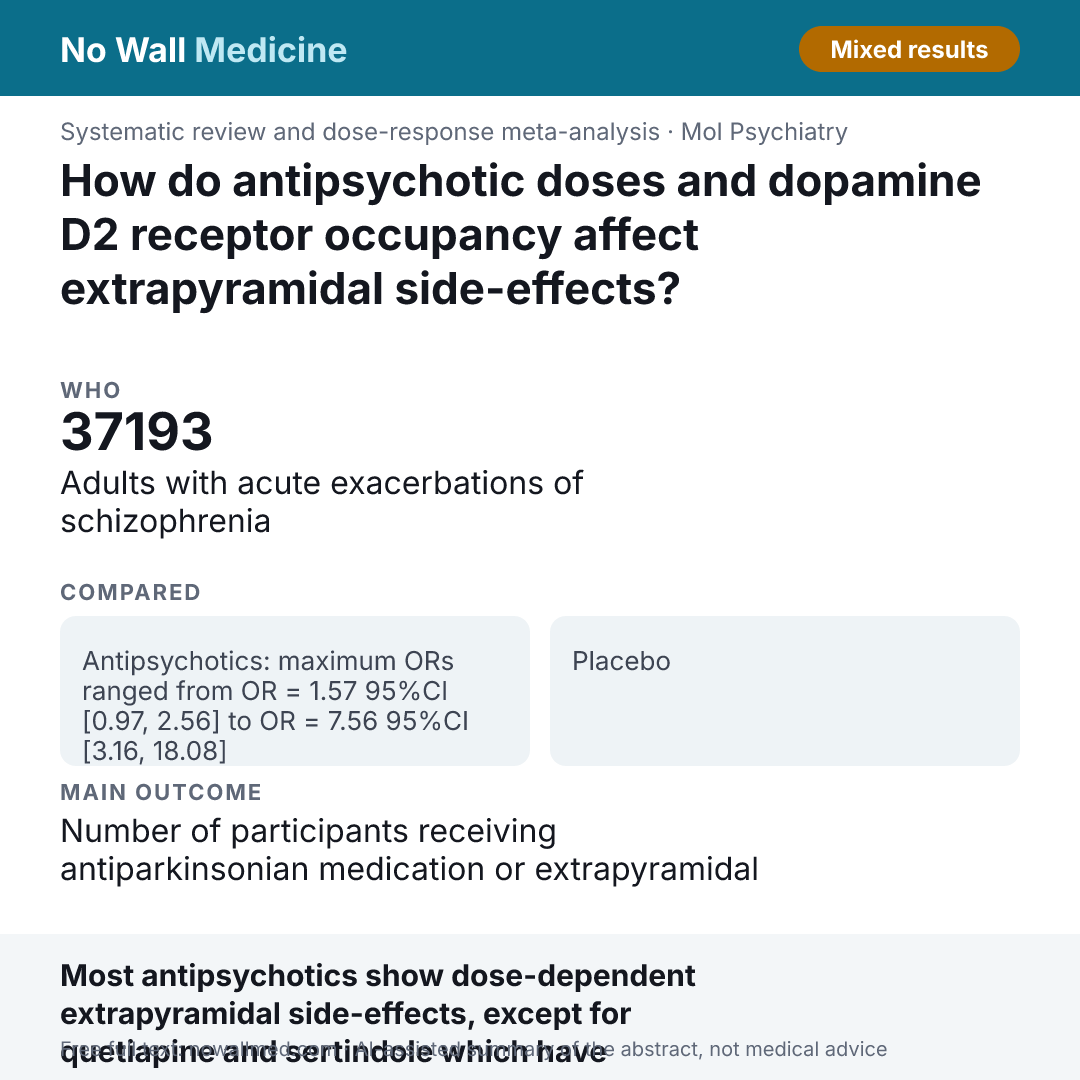
Antipsychotic dose, dopamine D2 receptor occupancy and extrapyramidal side-effects: a systematic review and dose-response meta-analysis
Systematic review and dose-response meta-analysisMixed results
How do antipsychotic doses and dopamine D2 receptor occupancy affect extrapyramidal side-effects?
Who
37193
Adults with acute exacerbations of schizophrenia
Compared
Antipsychotics: maximum ORs ranged from OR = 1.57 95%CI [0.97, 2.56] to OR = 7.56 95%CI [3.16, 18.08]
Placebo
Main outcome
Number of participants receiving antiparkinsonian medication or extrapyramidal side-effects
Bottom line: Most antipsychotics show dose-dependent extrapyramidal side-effects, except for quetiapine and sertindole which have negligible risks.
Mol Psychiatry · 2023-08-03 · Save PNG
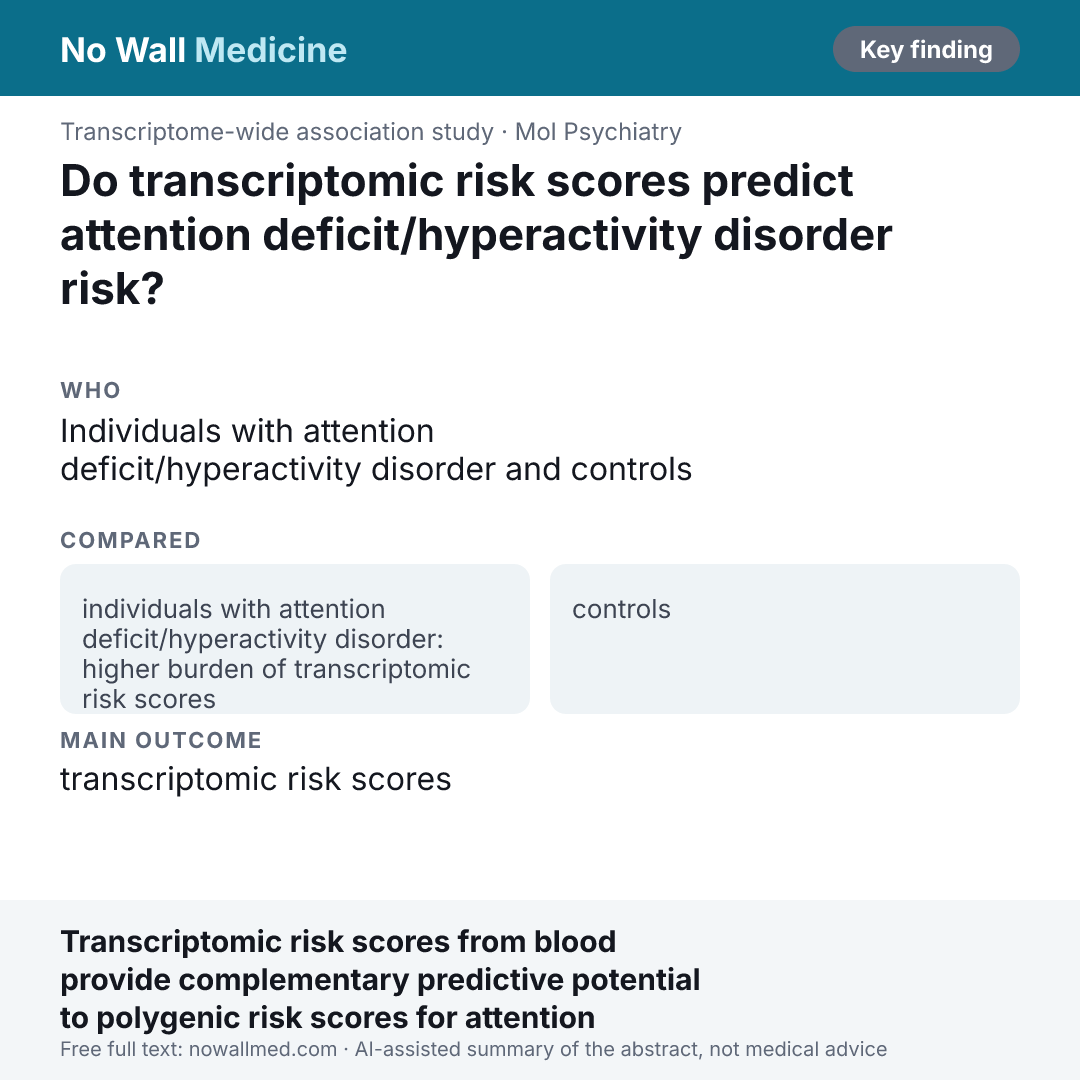
Transcriptomic risk scores for attention deficit/hyperactivity disorder
Transcriptome-wide association studyKey finding
Do transcriptomic risk scores predict attention deficit/hyperactivity disorder risk?
Who
Individuals with attention deficit/hyperactivity disorder and controls
Compared
individuals with attention deficit/hyperactivity disorder: higher burden of transcriptomic risk scores
controls
Main outcome
transcriptomic risk scores
Bottom line: Transcriptomic risk scores from blood provide complementary predictive potential to polygenic risk scores for attention deficit/hyperactivity disorder.
Mol Psychiatry · 2023-08-03 · Save PNG
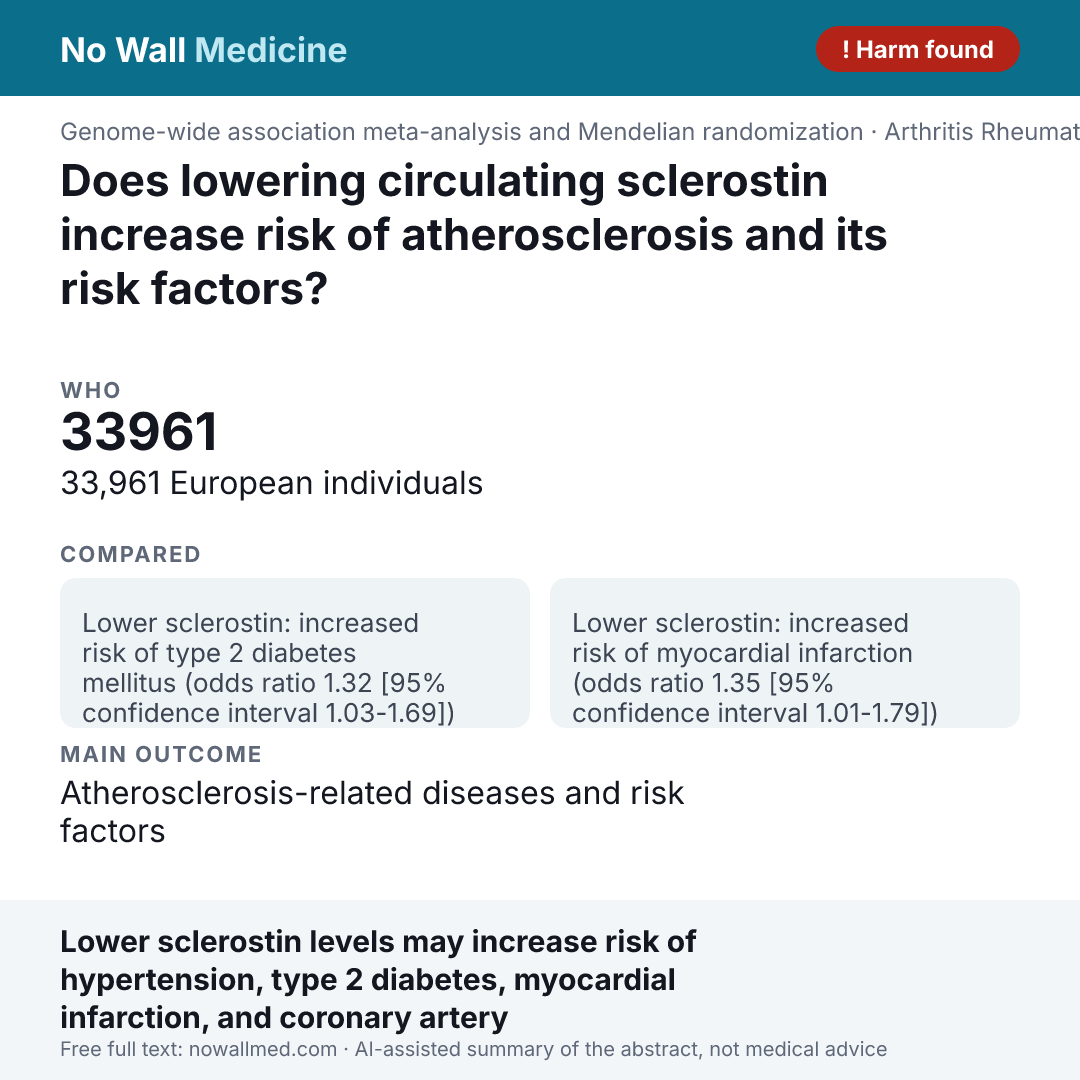
Lowering of Circulating Sclerostin May Increase Risk of Atherosclerosis and Its Risk Factors: Evidence From a Genome-Wide Association Meta-Analysis Followed by Mendelian Randomization
Genome-wide association meta-analysis and Mendelian randomizationHarm found
Does lowering circulating sclerostin increase risk of atherosclerosis and its risk factors?
Who
33961
33,961 European individuals
Compared
Lower sclerostin: increased risk of type 2 diabetes mellitus (odds ratio 1.32 [95% confidence interval 1.03-1.69])
Lower sclerostin: increased risk of myocardial infarction (odds ratio 1.35 [95% confidence interval 1.01-1.79])
Main outcome
Atherosclerosis-related diseases and risk factors
Result: odds ratio 1.32 (95% CI 1.03-1.69) for type 2 diabetes mellitus
Bottom line: Lower sclerostin levels may increase risk of hypertension, type 2 diabetes, myocardial infarction, and coronary artery calcification.
Arthritis Rheumatol · 2023-08-03 · Save PNG
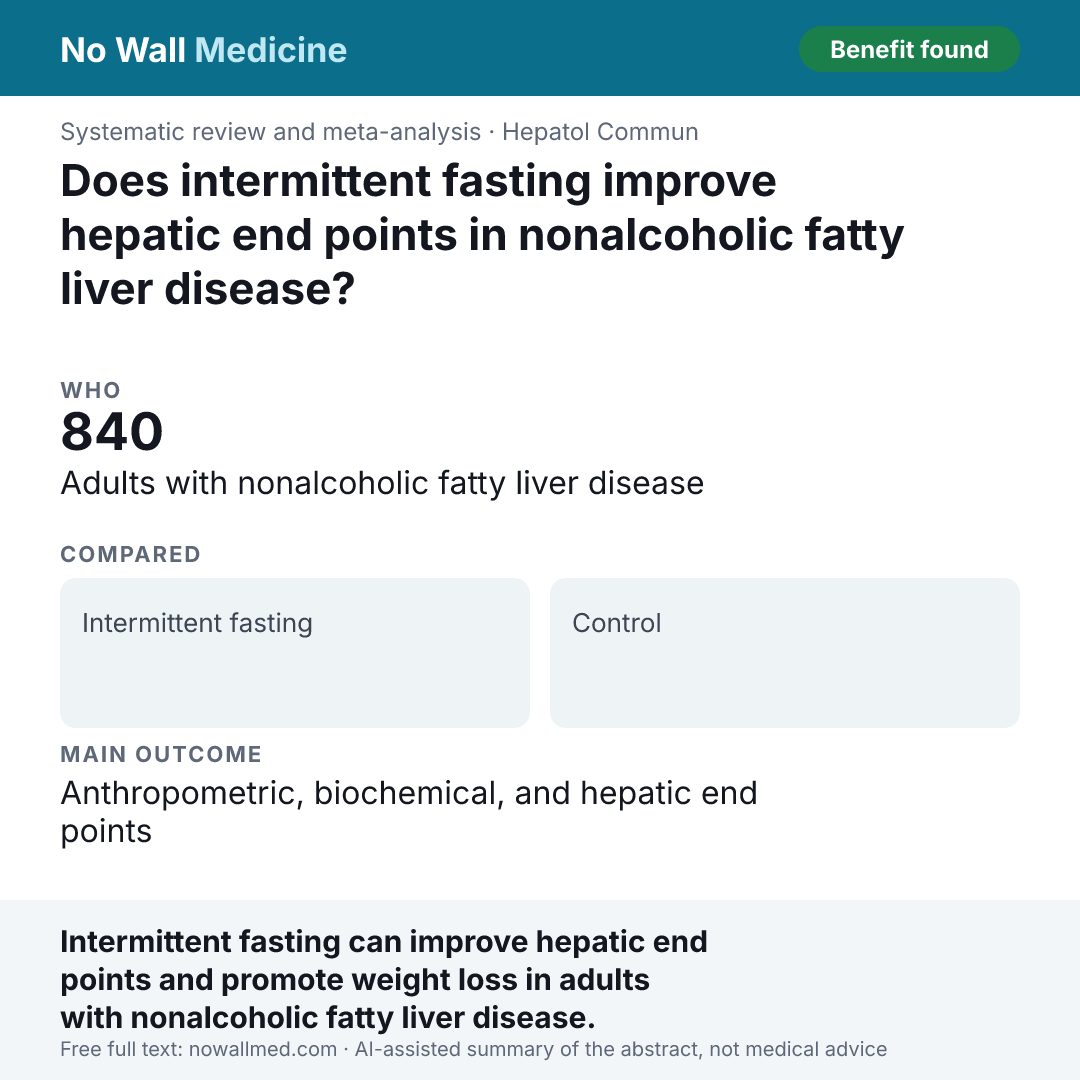
Intermittent fasting improves hepatic end points in nonalcoholic fatty liver disease: A systematic review and meta-analysis
Systematic review and meta-analysisBenefit found
Does intermittent fasting improve hepatic end points in nonalcoholic fatty liver disease?
Who
840
Adults with nonalcoholic fatty liver disease
Compared
Intermittent fasting
Control
Main outcome
Anthropometric, biochemical, and hepatic end points
Bottom line: Intermittent fasting can improve hepatic end points and promote weight loss in adults with nonalcoholic fatty liver disease.
Limitation: Larger randomized controlled studies with extended duration are needed.
Hepatol Commun · 2023-08-03 · Save PNG
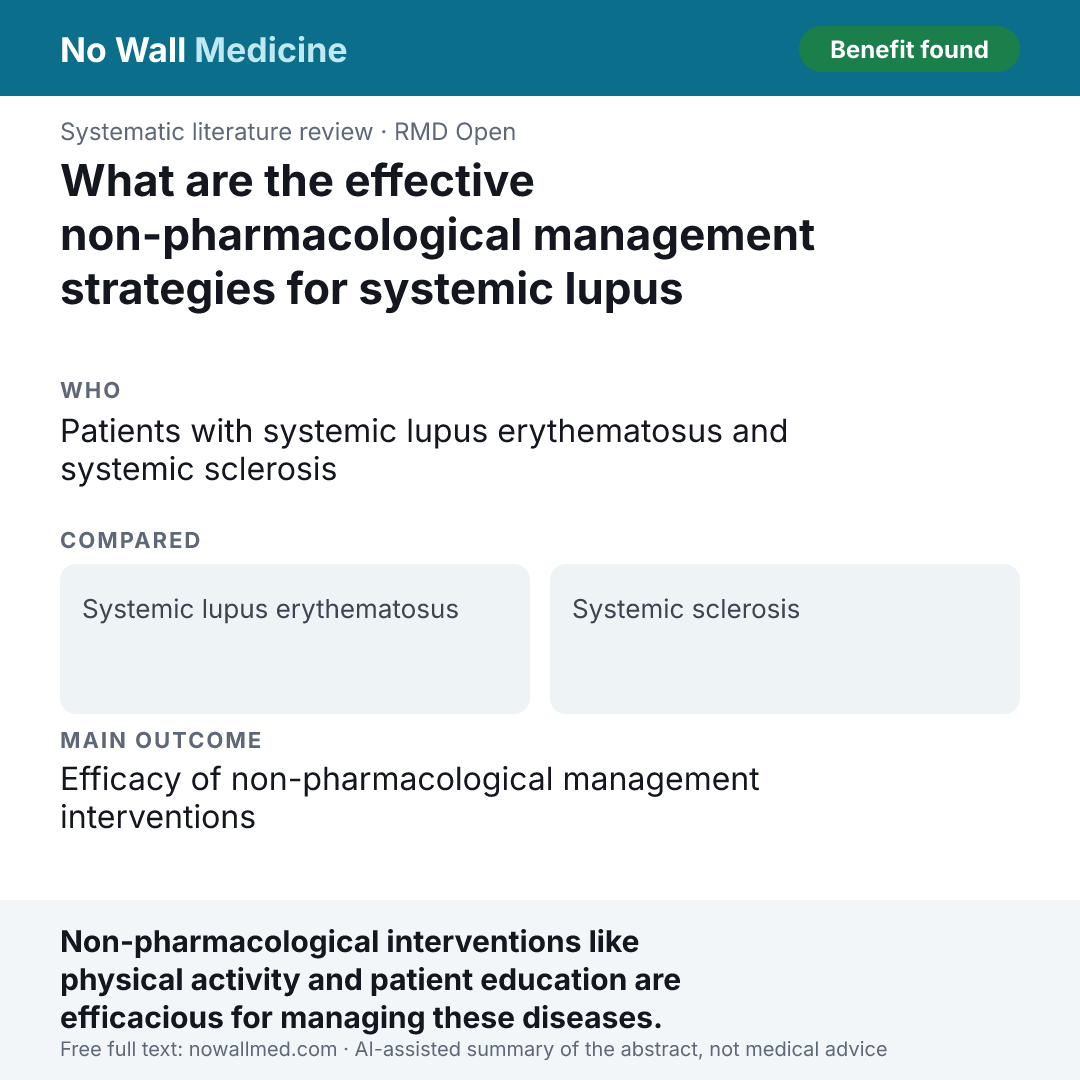
Systematic literature review informing the EULAR recommendations for the non-pharmacological management of systemic lupus erythematosus and systemic sclerosis
Systematic literature reviewBenefit found
What are the effective non-pharmacological management strategies for systemic lupus erythematosus and systemic sclerosis?
Who
Patients with systemic lupus erythematosus and systemic sclerosis
Compared
Systemic lupus erythematosus
Systemic sclerosis
Main outcome
Efficacy of non-pharmacological management interventions
Bottom line: Non-pharmacological interventions like physical activity and patient education are efficacious for managing these diseases.
RMD Open · 2023-08-03 · Save PNG
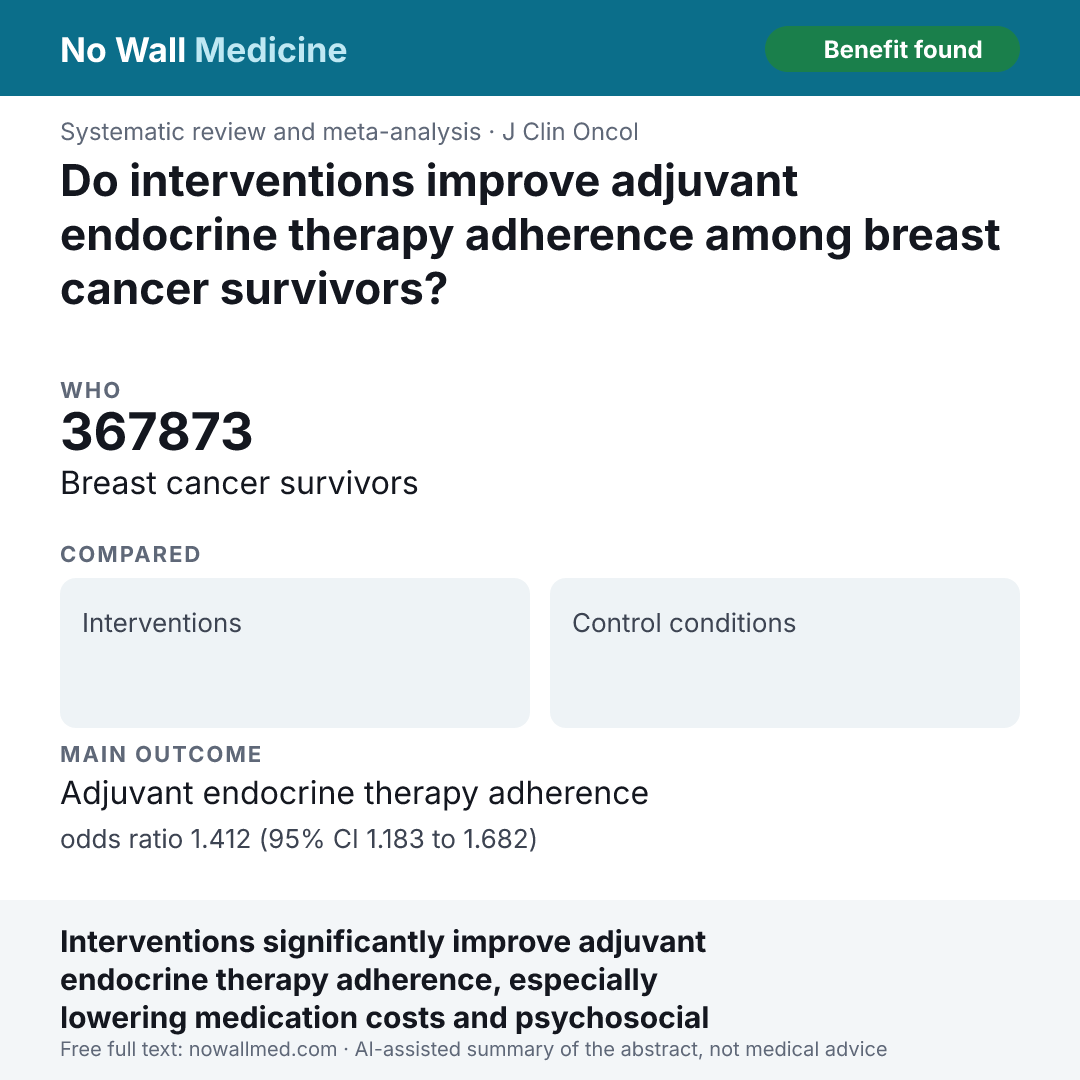
A Systematic Review and Meta-Analysis of Interventions to Promote Adjuvant Endocrine Therapy Adherence Among Breast Cancer Survivors
Systematic review and meta-analysisBenefit found
Do interventions improve adjuvant endocrine therapy adherence among breast cancer survivors?
Who
367873
Breast cancer survivors
Compared
Interventions
Control conditions
Main outcome
Adjuvant endocrine therapy adherence
Result: odds ratio 1.412 (95% CI 1.183 to 1.682)
Bottom line: Interventions significantly improve adjuvant endocrine therapy adherence, especially lowering medication costs and psychosocial or reminder strategies.
J Clin Oncol · 2023-08-02 · Save PNG