Visual abstracts
New randomized trials and meta-analyses from leading journals at a glance: who was studied, what was compared, and what was found. Every paper is free to read in full.
All specialtiesCardiology 4832Oncology 4114Gastroenterology & Hepatology 1934Infectious Disease 3824Neurology 1899Psychiatry & Mental Health 2256Pulmonology 2082Critical Care 1345Endocrinology & Diabetes 2572Pediatrics 2940Surgery 2525Orthopedics & Sports Medicine 926Neurosurgery 534Cardiothoracic & Vascular Surgery 671Plastic & Reconstructive Surgery 591Nephrology 1124Rheumatology 823Hematology 1104Dermatology 620Ophthalmology 543Obstetrics & Gynecology 1684Public & Global Health 1056Radiology & Imaging 641Anesthesiology 962Urology 754ENT (Otolaryngology) 503Emergency Medicine 489Allergy & Immunology 313Geriatrics 981Family Medicine & Primary Care 541Medical Genetics & Genomics 675Pathology & Laboratory Medicine 157Physical Medicine & Rehabilitation 751Palliative Care 424Nutrition 1580Digital Health & AI 2195General Medicine 321
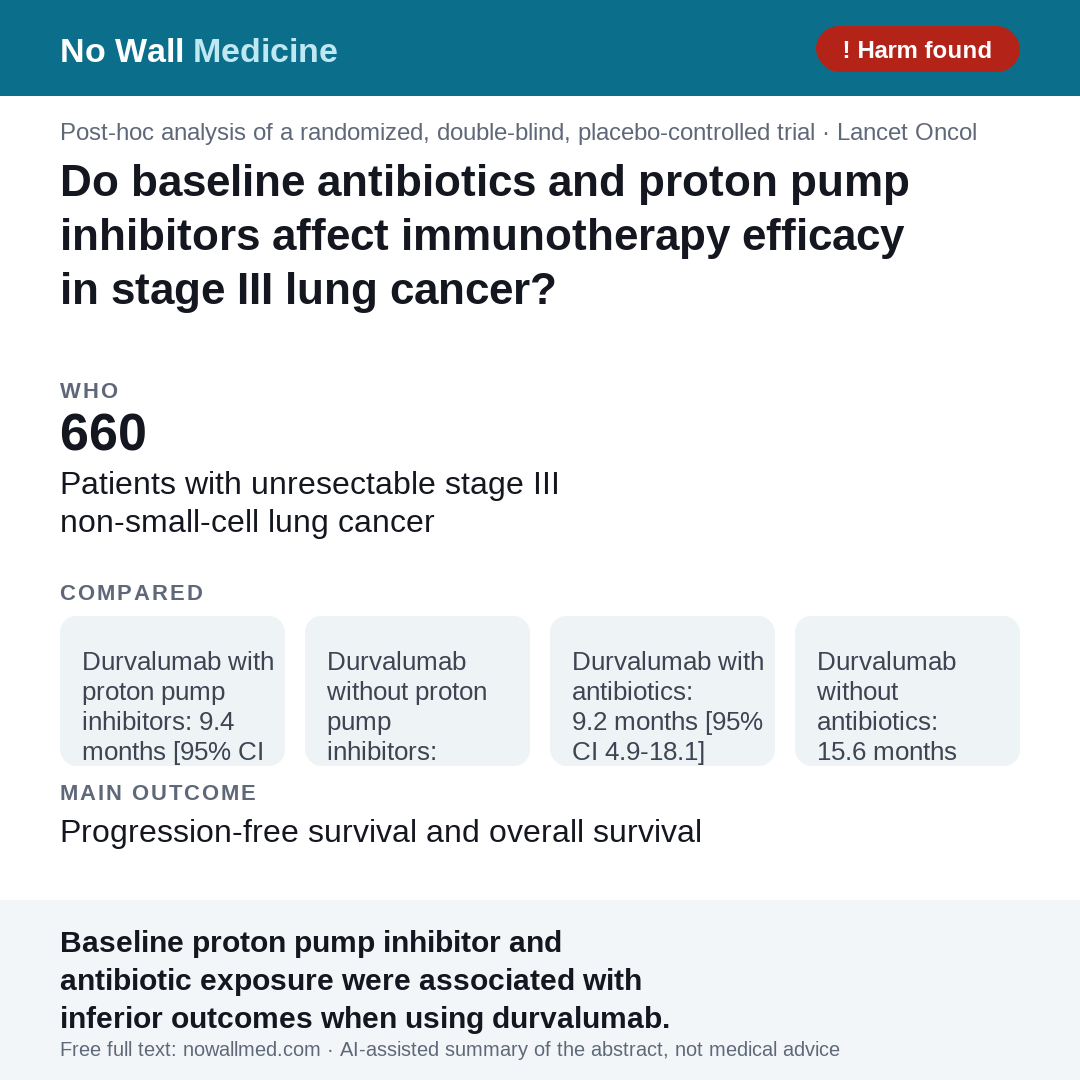
Differential impact of proton pump inhibitors and antibiotics on immunotherapy efficacy after chemoradiotherapy in locally advanced non-small-cell lung cancer: a post-hoc analysis of the PACIFIC trial
Post-hoc analysis of a randomized, double-blind, placebo-controlled trialHarm found
Do baseline antibiotics and proton pump inhibitors affect immunotherapy efficacy in stage III lung cancer?
Who
660
Patients with unresectable stage III non-small-cell lung cancer
Compared
Durvalumab with proton pump inhibitors: 9.4 months [95% CI 7.6-13.7] progression-free survival
Durvalumab without proton pump inhibitors: 17.2 months [15.4-23.2] progression-free survival
Durvalumab with antibiotics: 9.2 months [95% CI 4.9-18.1] progression-free survival
Durvalumab without antibiotics: 15.6 months [13.6-17.6] progression-free survival
Main outcome
Progression-free survival and overall survival
Result: hazard ratio 1.57 (95% CI 1.28-1.93) for proton pump inhibitors
Bottom line: Baseline proton pump inhibitor and antibiotic exposure were associated with inferior outcomes when using durvalumab.
Lancet Oncol · 2026-07-03Download image
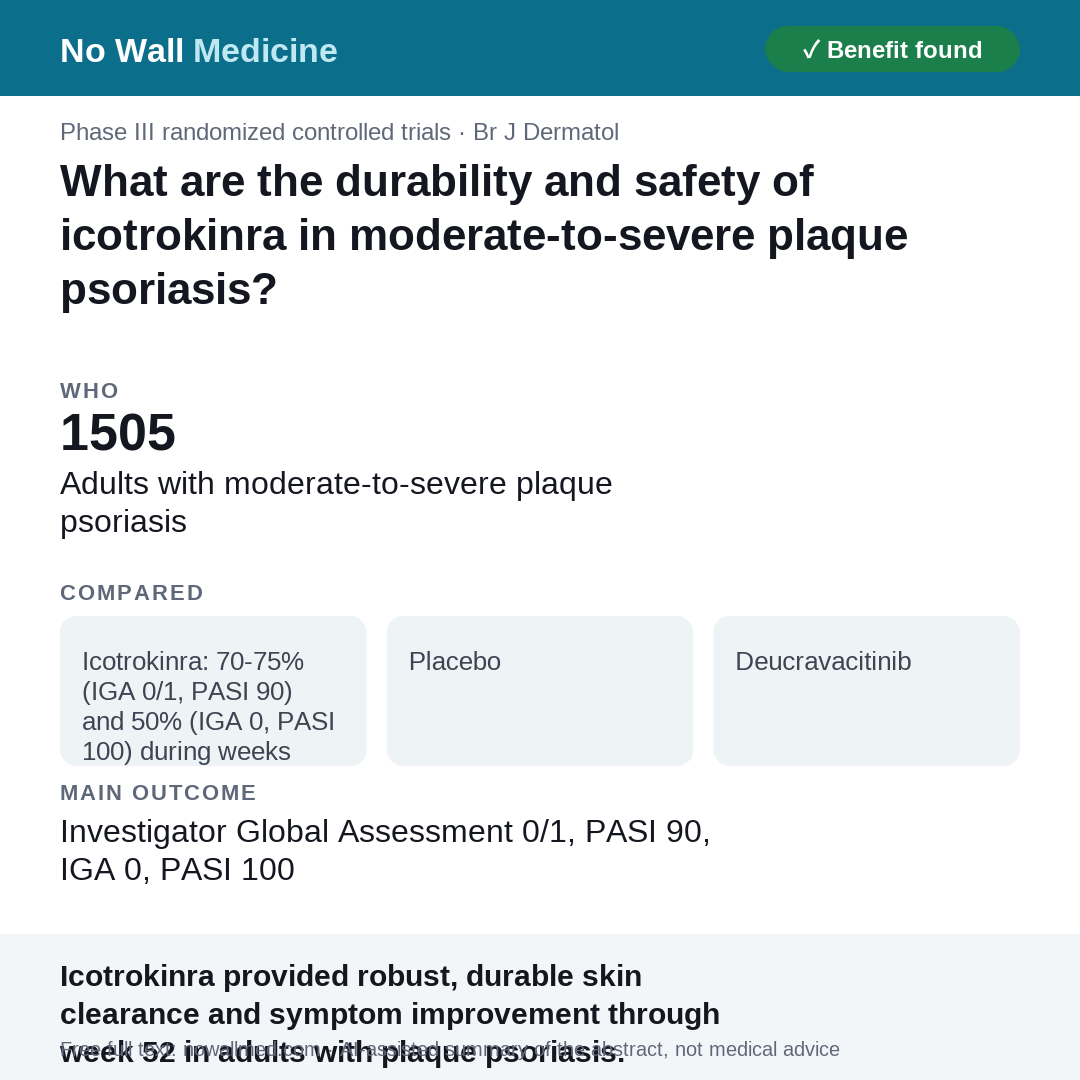
Durability of response to icotrokinra in adults with moderate-to-severe plaque psoriasis: 1-year results from the phase III, placebo- and active comparator-controlled ICONIC-ADVANCE 1 and ICONIC-ADVANCE 2 trials
Phase III randomized controlled trialsBenefit found
What are the durability and safety of icotrokinra in moderate-to-severe plaque psoriasis?
Who
1505
Adults with moderate-to-severe plaque psoriasis
Compared
Icotrokinra: 70-75% (IGA 0/1, PASI 90) and 50% (IGA 0, PASI 100) during weeks 24-52
Placebo
Deucravacitinib
Main outcome
Investigator Global Assessment 0/1, PASI 90, IGA 0, PASI 100
Bottom line: Icotrokinra provided robust, durable skin clearance and symptom improvement through week 52 in adults with plaque psoriasis.
Br J Dermatol · 2026-07-03Download image
A review of the randomized clinical trial results from the Staphylococcus aureus network adaptive platform (SNAP) meticillin-susceptible (MSSA) and penicillin-susceptible (PSSA) domains and CloCeBa
Review of randomized clinical trialsBenefit found
Is cefazolin a safer and equally efficacious treatment for Staphylococcus aureus bacteraemia?
Who
Patients with meticillin-susceptible Staphylococcus aureus bloodstream infection
Compared
flucloxacillin
cefazolin
Main outcome
acute kidney injury and efficacy in Staphylococcus aureus bacteraemia
Bottom line: Cefazolin provides a safer and equally efficacious treatment for Staphylococcus aureus bacteraemia compared to flucloxacillin.
J Antimicrob Chemother · 2026-07-03Download image

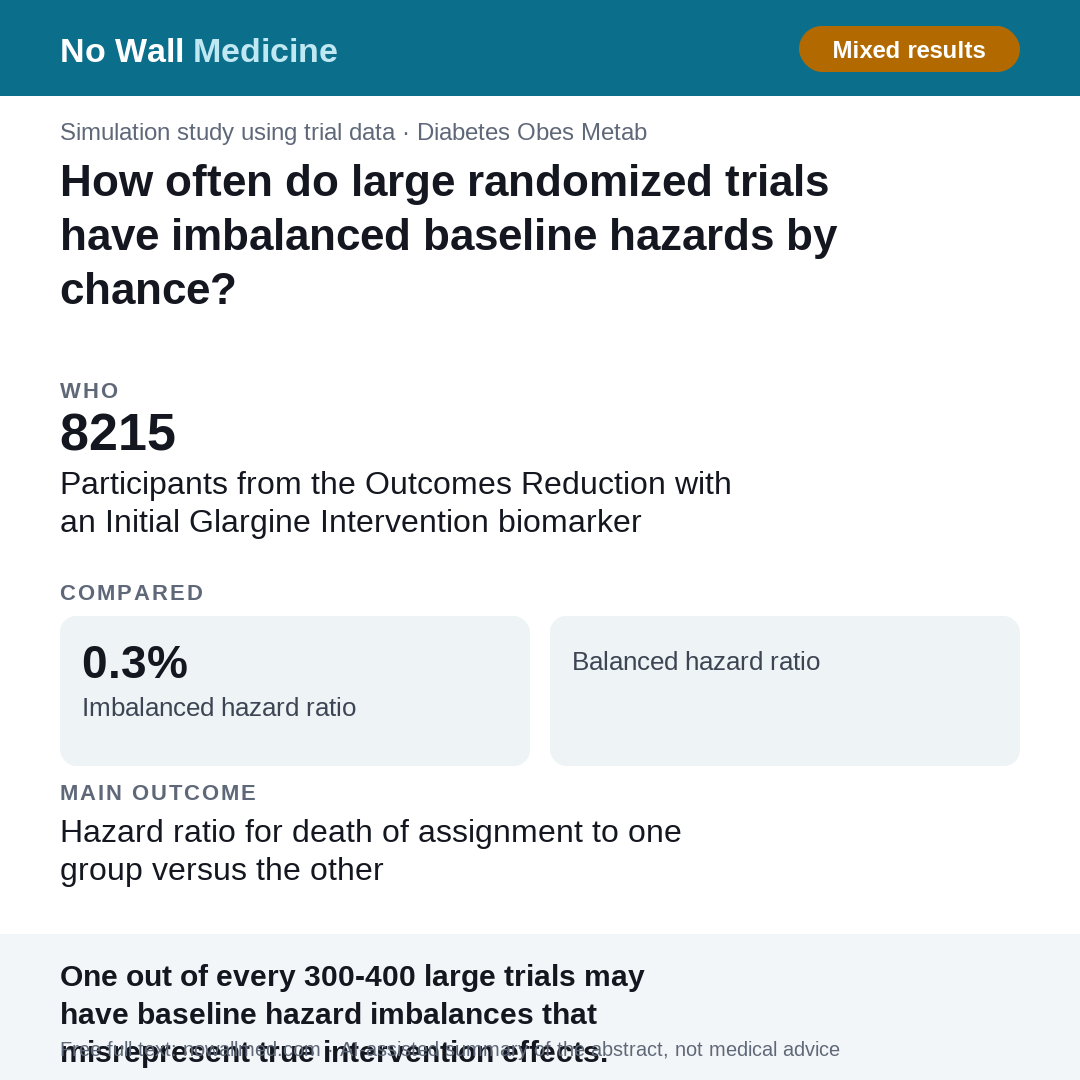
A Highly Powered Large Outcomes Randomised Controlled Trial Will Usually, but Not Always, Have Balanced Groups at Baseline
Simulation study using trial dataMixed results
How often do large randomized trials have imbalanced baseline hazards by chance?
Who
8215
Participants from the Outcomes Reduction with an Initial Glargine Intervention biomarker study
Compared
0.3%Imbalanced hazard ratio
Balanced hazard ratio
Main outcome
Hazard ratio for death of assignment to one group versus the other
Result: median of 3 (IQR 2, 4) of 1000 randomisations had hazard ratio < 0.85 or > 1.18
Bottom line: One out of every 300-400 large trials may have baseline hazard imbalances that misrepresent true intervention effects.
Diabetes Obes Metab · 2026-07-03Download image
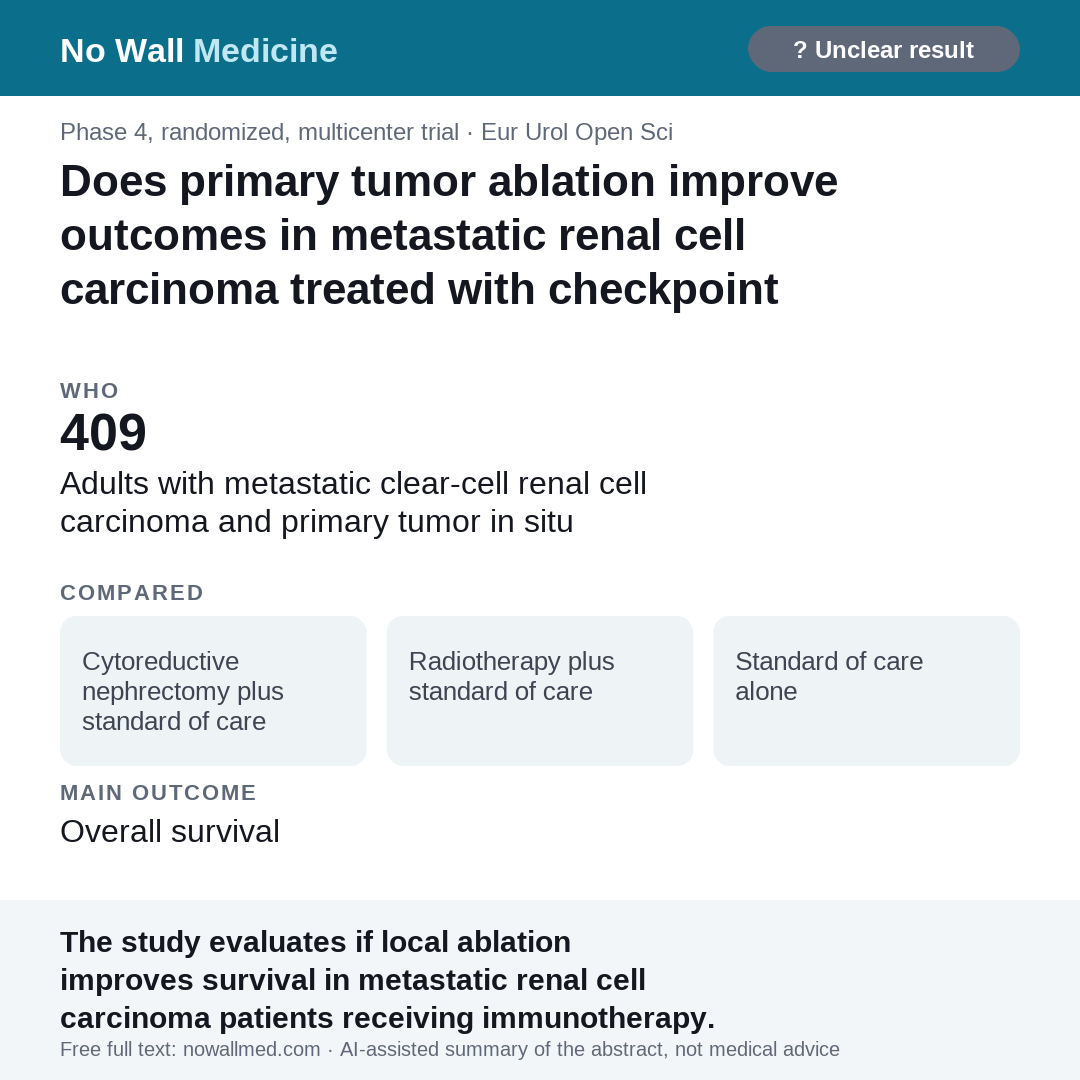
The ITALIC-RCC: A Randomized Trial on Clinical and Humoral Impact of Primary Tumor Ablation by Surgery or Radiotherapy in Metastatic Renal Cell Carcinoma Treated with Checkpoint Inhibitors
Phase 4, randomized, multicenter trialUnclear result
Does primary tumor ablation improve outcomes in metastatic renal cell carcinoma treated with checkpoint inhibitors?
Who
409
Adults with metastatic clear-cell renal cell carcinoma and primary tumor in situ
Compared
Cytoreductive nephrectomy plus standard of care
Radiotherapy plus standard of care
Standard of care alone
Main outcome
Overall survival
Bottom line: The study evaluates if local ablation improves survival in metastatic renal cell carcinoma patients receiving immunotherapy.
Eur Urol Open Sci · 2026-07-03Download image
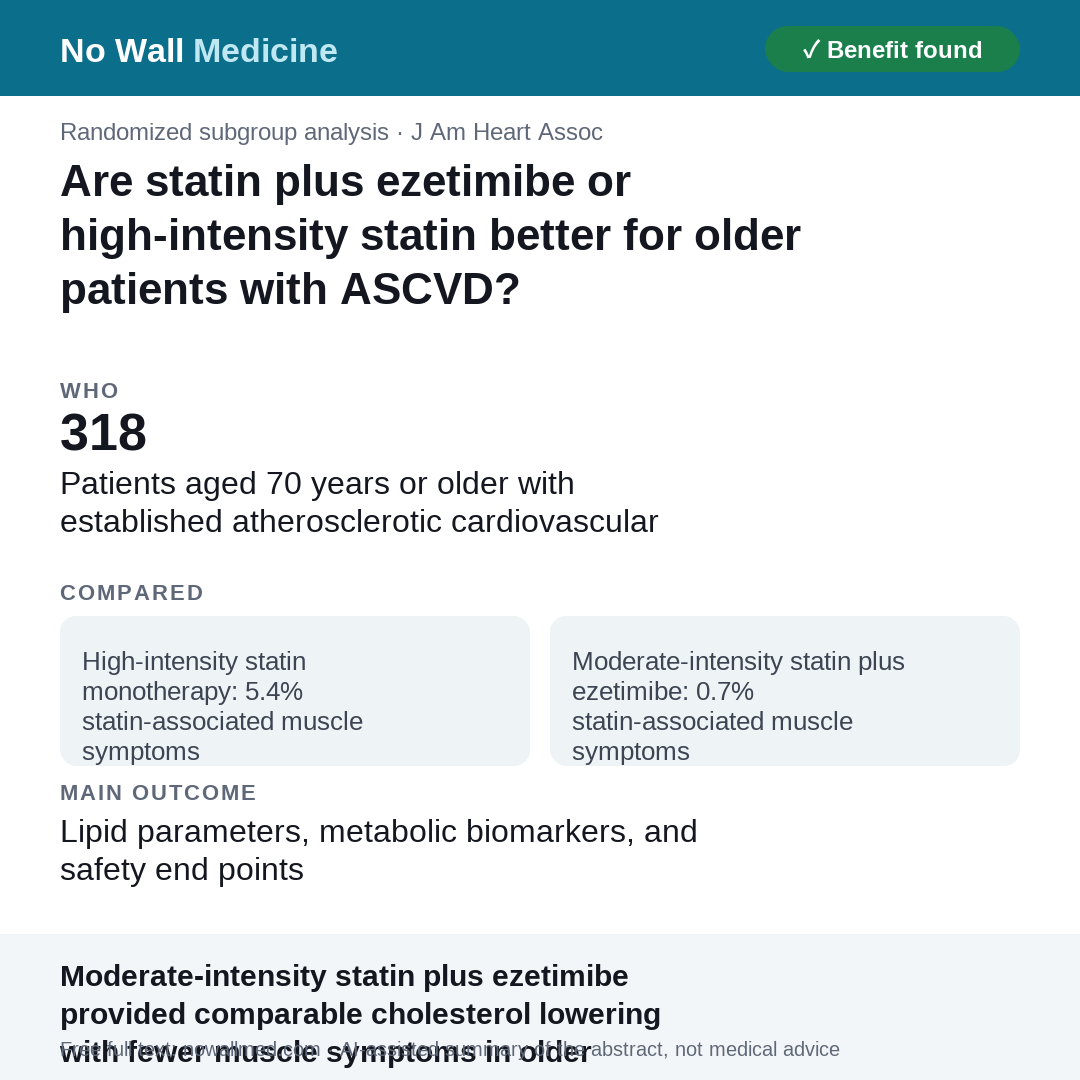
Metabolic and Safety Outcomes of Statin-Ezetimibe Versus High-Intensity Statin in Older Patients
Randomized subgroup analysisBenefit found
Are statin plus ezetimibe or high-intensity statin better for older patients with ASCVD?
Who
318
Patients aged 70 years or older with established atherosclerotic cardiovascular disease
Compared
High-intensity statin monotherapy: 5.4% statin-associated muscle symptoms
Moderate-intensity statin plus ezetimibe: 0.7% statin-associated muscle symptoms
Main outcome
Lipid parameters, metabolic biomarkers, and safety end points
Bottom line: Moderate-intensity statin plus ezetimibe provided comparable cholesterol lowering with fewer muscle symptoms in older patients.
J Am Heart Assoc · 2026-07-03Download image
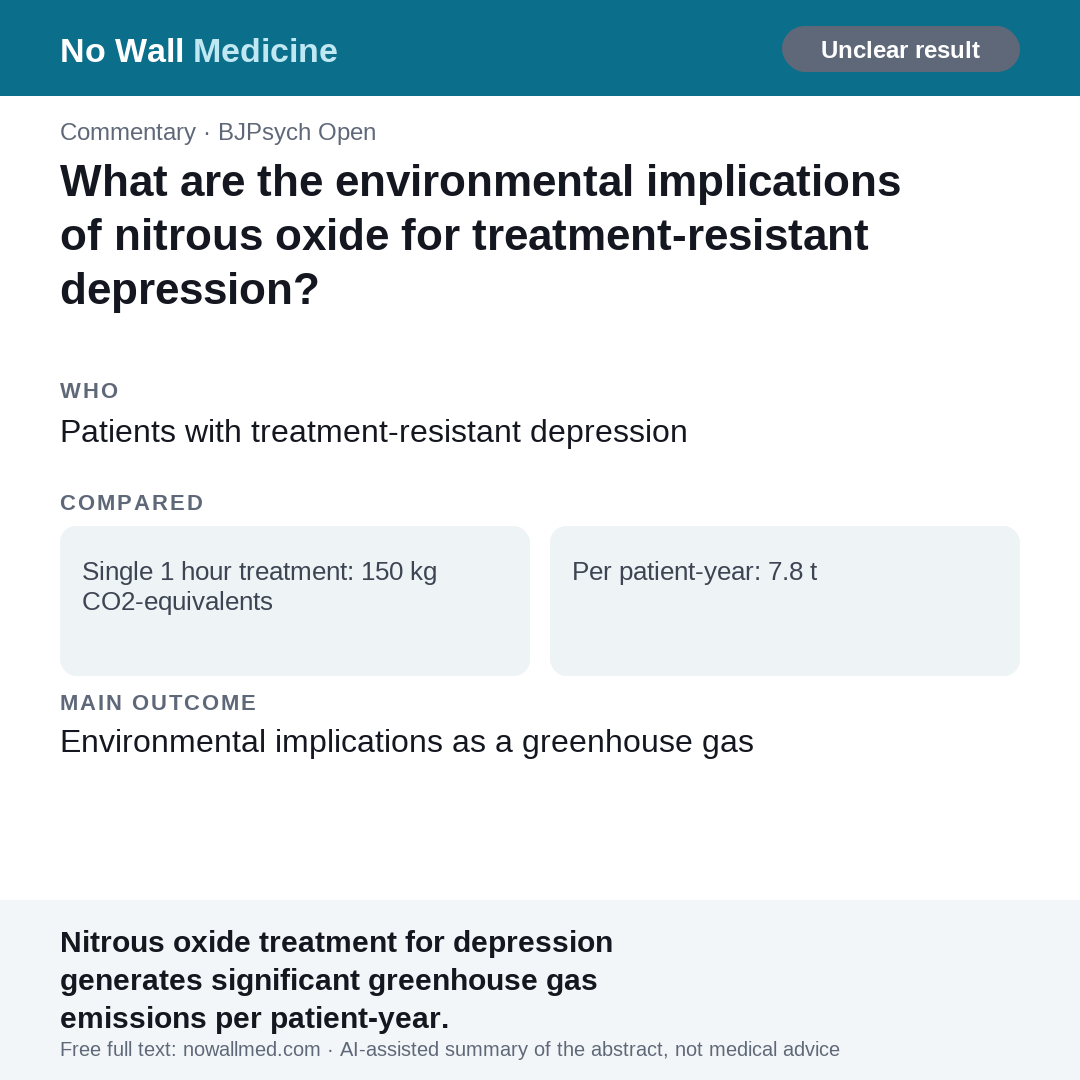
Sustained mood improvement with laughing gas exposure (SMILE): a randomised, placebo-controlled pilot trial of nitrous oxide for treatment-resistant depression: commentary, Kalmar et al
CommentaryUnclear result
What are the environmental implications of nitrous oxide for treatment-resistant depression?
Who
Patients with treatment-resistant depression
Compared
Single 1 hour treatment: 150 kg CO2-equivalents
Per patient-year: 7.8 t
Main outcome
Environmental implications as a greenhouse gas
Bottom line: Nitrous oxide treatment for depression generates significant greenhouse gas emissions per patient-year.
BJPsych Open · 2026-07-03Download image
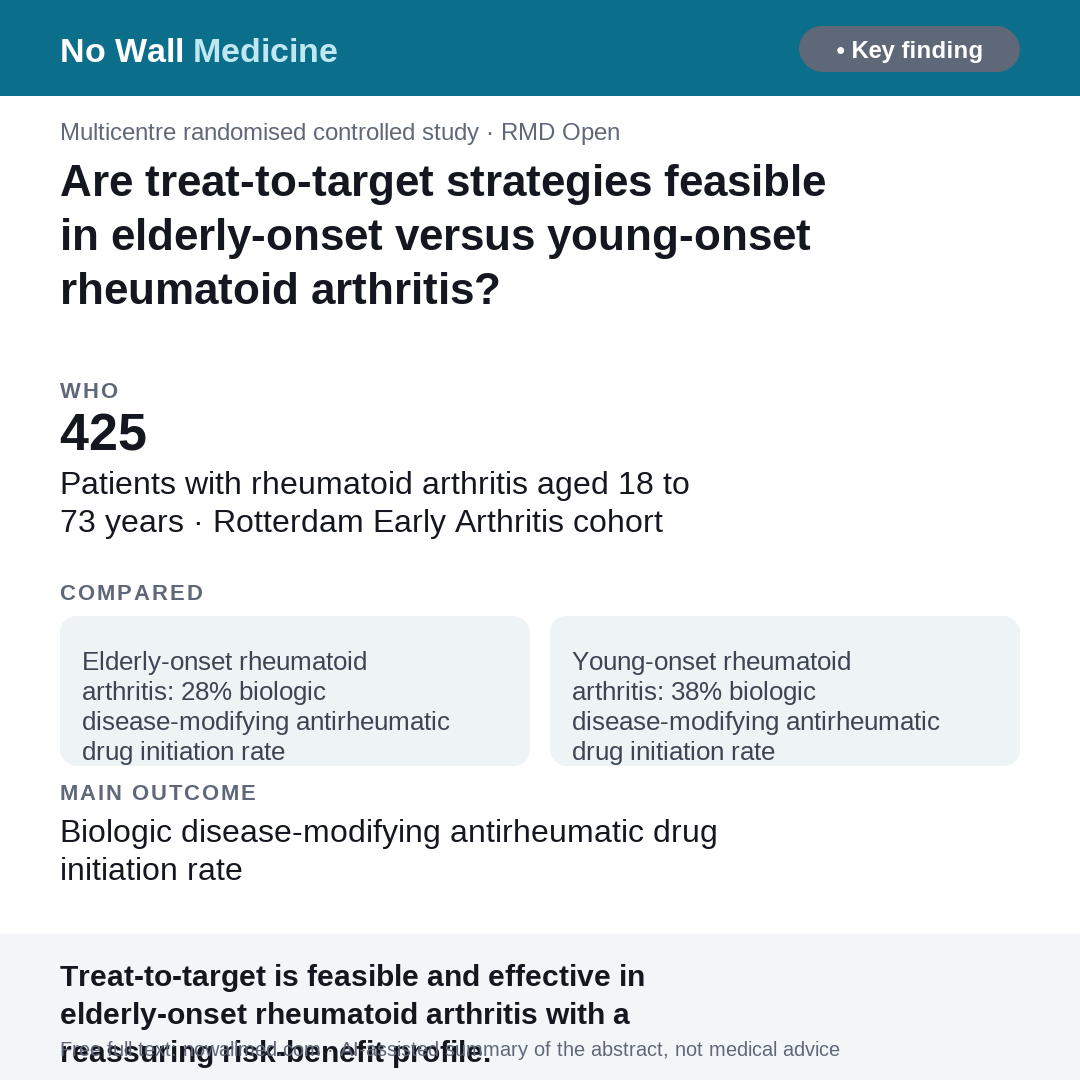
Treat-to-target strategies are feasible in elderly-onset rheumatoid arthritis given its reassuring risk-benefit profile
Multicentre randomised controlled studyBenefit found
Are treat-to-target strategies feasible in elderly-onset versus young-onset rheumatoid arthritis?
Who
425
Patients with rheumatoid arthritis aged 18 to 73 years · Rotterdam Early Arthritis cohort
Compared
Elderly-onset rheumatoid arthritis: 28% biologic disease-modifying antirheumatic drug initiation rate
Young-onset rheumatoid arthritis: 38% biologic disease-modifying antirheumatic drug initiation rate
Main outcome
Biologic disease-modifying antirheumatic drug initiation rate
Result: hazard ratio 0.7 (95% CI 0.4 to 1)
Bottom line: Treat-to-target is feasible and effective in elderly-onset rheumatoid arthritis with a reassuring risk-benefit profile.
RMD Open · 2026-07-03Download image
Polypill for heart failure with reduced ejection fraction: the POLY-HF randomized trial
Open-label randomized trialBenefit found
Does a polypill strategy improve cardiac function in heart failure with reduced ejection fraction?
Who
212
Adults with heart failure and left ventricular ejection fraction ≤40% · Two centers
Compared
Polypill
Enhanced usual care
Main outcome
Ejection fraction assessed by cardiac magnetic resonance imaging
Result: between-group difference, 3.3 percentage points, 95% confidence interval, 0.2-6.4
Bottom line: A polypill strategy improved ejection fraction and reduced heart failure hospitalizations or emergency department visits compared to enhanced usual care.
Nat Med · 2026-07-02Download image

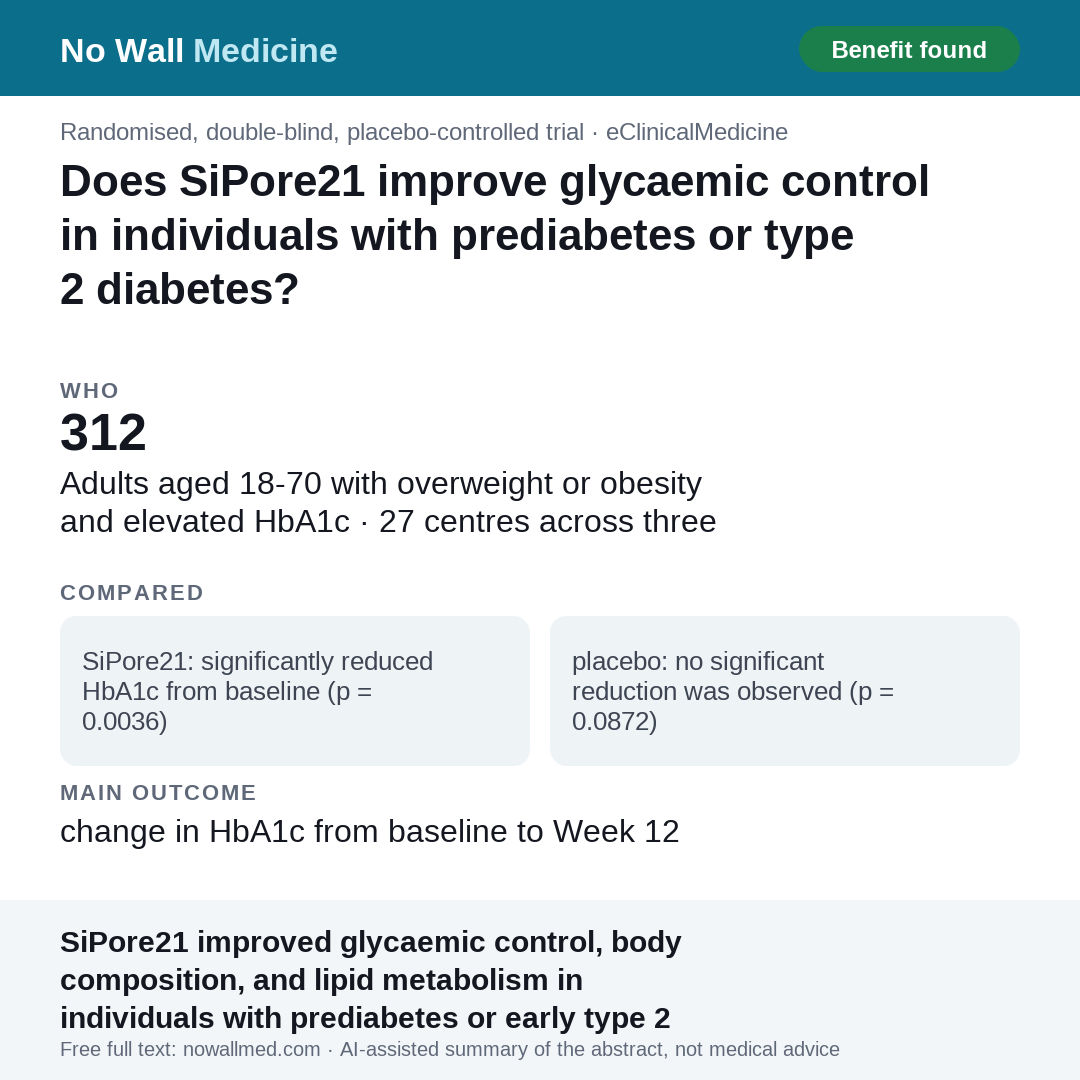
Effect of engineered mesoporous silica particles with tailored pore size on glycaemic control in individuals with prediabetes or type 2 diabetes: a randomised, double-blind, placebo-controlled SHINE trial
Randomised, double-blind, placebo-controlled trialBenefit found
Does SiPore21 improve glycaemic control in individuals with prediabetes or type 2 diabetes?
Who
312
Adults aged 18-70 with overweight or obesity and elevated HbA1c · 27 centres across three European countries
Compared
SiPore21: significantly reduced HbA1c from baseline (p = 0.0036)
placebo: no significant reduction was observed (p = 0.0872)
Main outcome
change in HbA1c from baseline to Week 12
Bottom line: SiPore21 improved glycaemic control, body composition, and lipid metabolism in individuals with prediabetes or early type 2 diabetes.
Funded by: Sigrid Therapeutics AB
eClinicalMedicine · 2026-07-02Download image
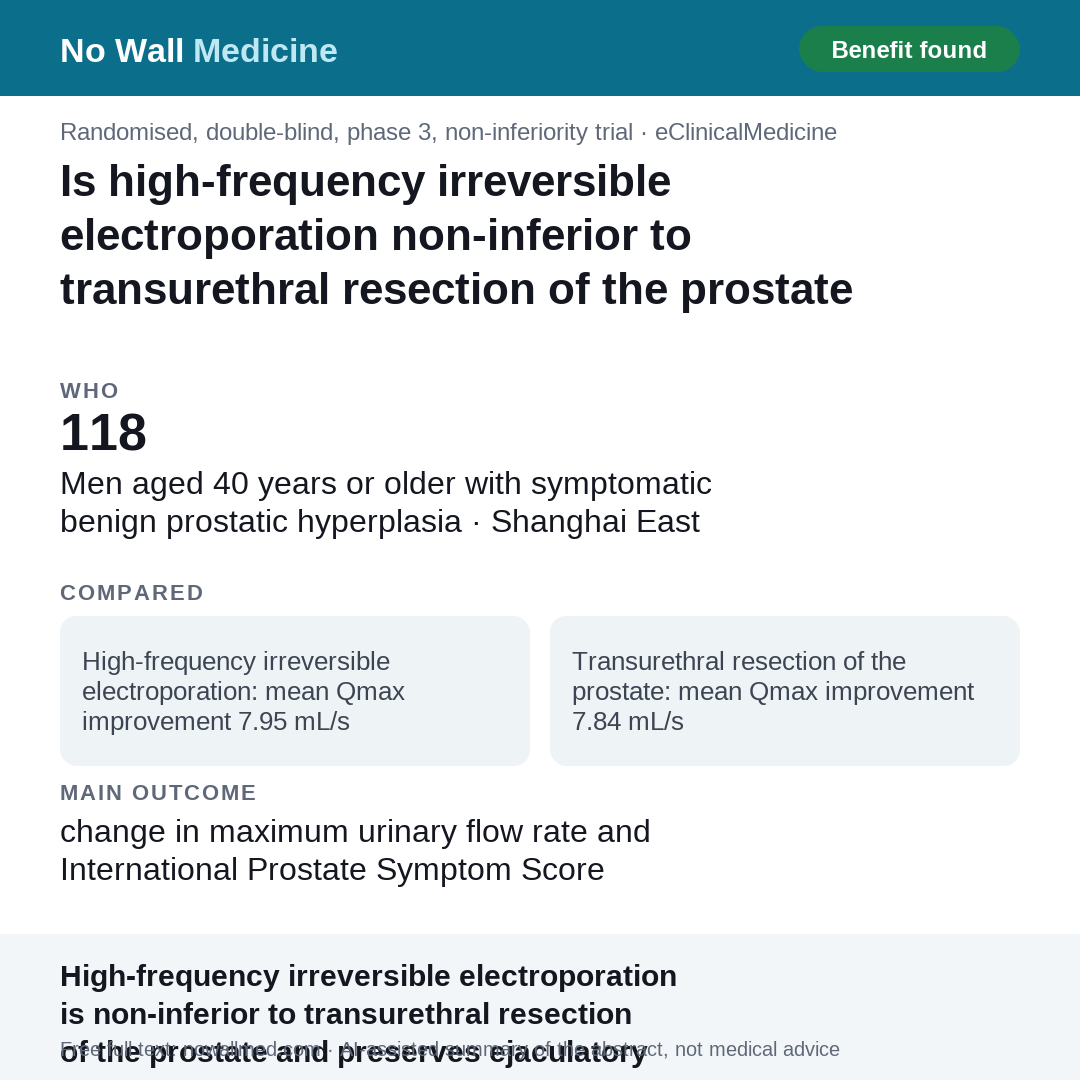
High-frequency irreversible electroporation versus transurethral resection of the prostate for benign prostatic hyperplasia (GIANT): a single-centre, randomised, double-blind, phase 3, non-inferiority trial
Randomised, double-blind, phase 3, non-inferiority trialBenefit found
Is high-frequency irreversible electroporation non-inferior to transurethral resection of the prostate for benign prostatic hyperplasia?
Who
118
Men aged 40 years or older with symptomatic benign prostatic hyperplasia · Shanghai East Hospital, China
Compared
High-frequency irreversible electroporation: mean Qmax improvement 7.95 mL/s
Transurethral resection of the prostate: mean Qmax improvement 7.84 mL/s
Main outcome
Change from baseline in maximum urinary flow rate and International Prostate Symptom Score
Result: adjusted difference 0.11 mL/s, 95% CI -2.52 to 2.73
Bottom line: High-frequency irreversible electroporation is non-inferior to transurethral resection of the prostate and preserves ejaculatory function.
Funded by: National Natural Science Foundation of China
eClinicalMedicine · 2026-07-02Download image
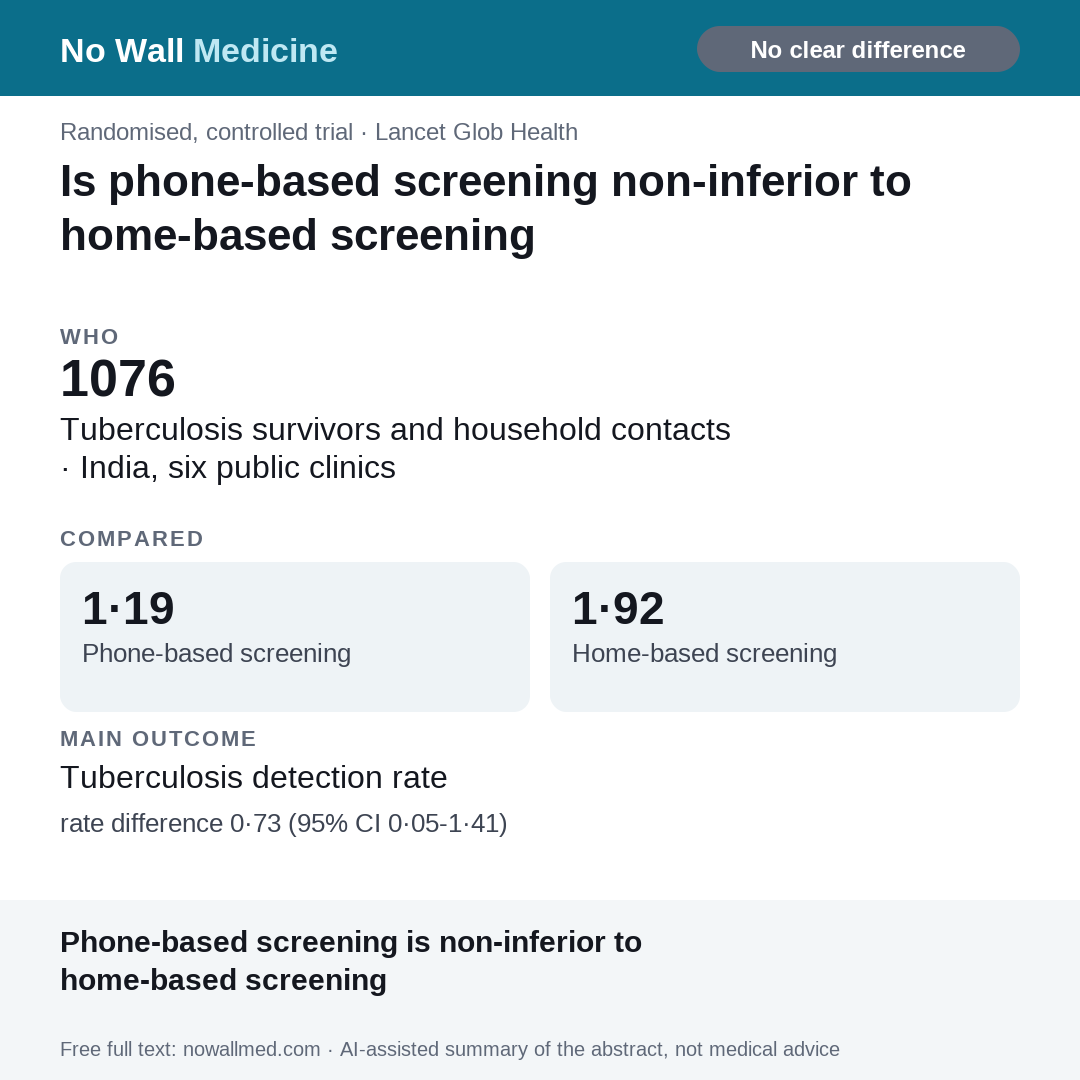
Phone-based screening versus home-based screening after tuberculosis in India (TB Aftermath): a multicentre, open-label, randomised, controlled, non-inferiority trial
Randomised, controlled trialNo clear difference
Is phone-based screening non-inferior to home-based screening
Who
1076
Tuberculosis survivors and household contacts · India, six public clinics
Compared
1·19Phone-based screening (95% CI 0·82-1·71)
1·92Home-based screening (1·37-2·45)
Main outcome
Tuberculosis detection rate
Result: rate difference 0·73 (95% CI 0·05-1·41)
Bottom line: Phone-based screening is non-inferior to home-based screening
Funded by: US National Institute of Allergy and Infectious Diseases
Lancet Glob Health · 2026-07-02Download image
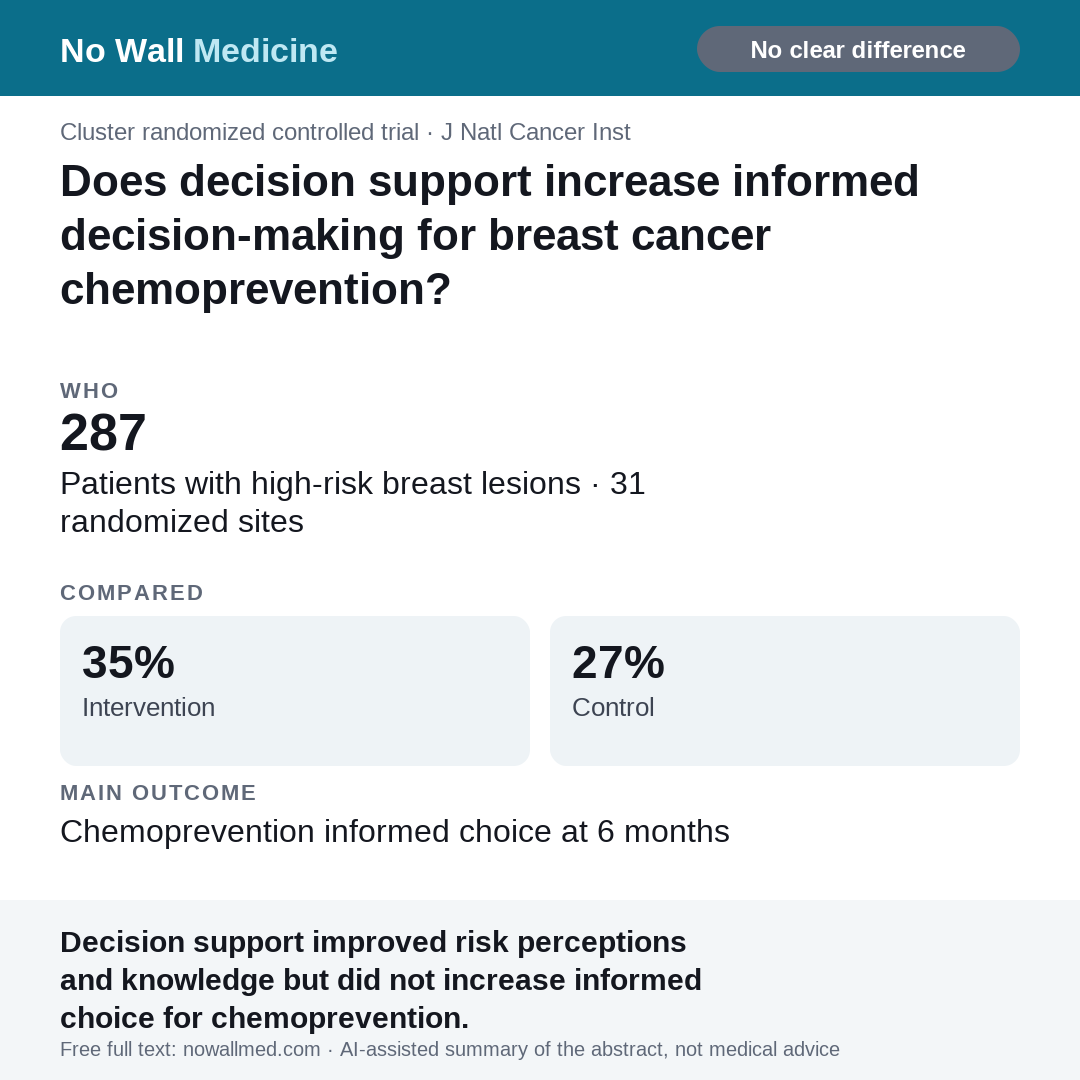
Cluster randomized controlled trial of decision support for breast cancer chemoprevention, MiCHOICE
Cluster randomized controlled trialNo clear difference
Does decision support increase informed decision-making for breast cancer chemoprevention?
Who
287
Patients with high-risk breast lesions · 31 randomized sites
Compared
35%Intervention (at 6 months)
27%Control (at 6 months)
Main outcome
Chemoprevention informed choice at 6 months
Bottom line: Decision support improved risk perceptions and knowledge but did not increase informed choice for chemoprevention.
J Natl Cancer Inst · 2026-07-02Download image
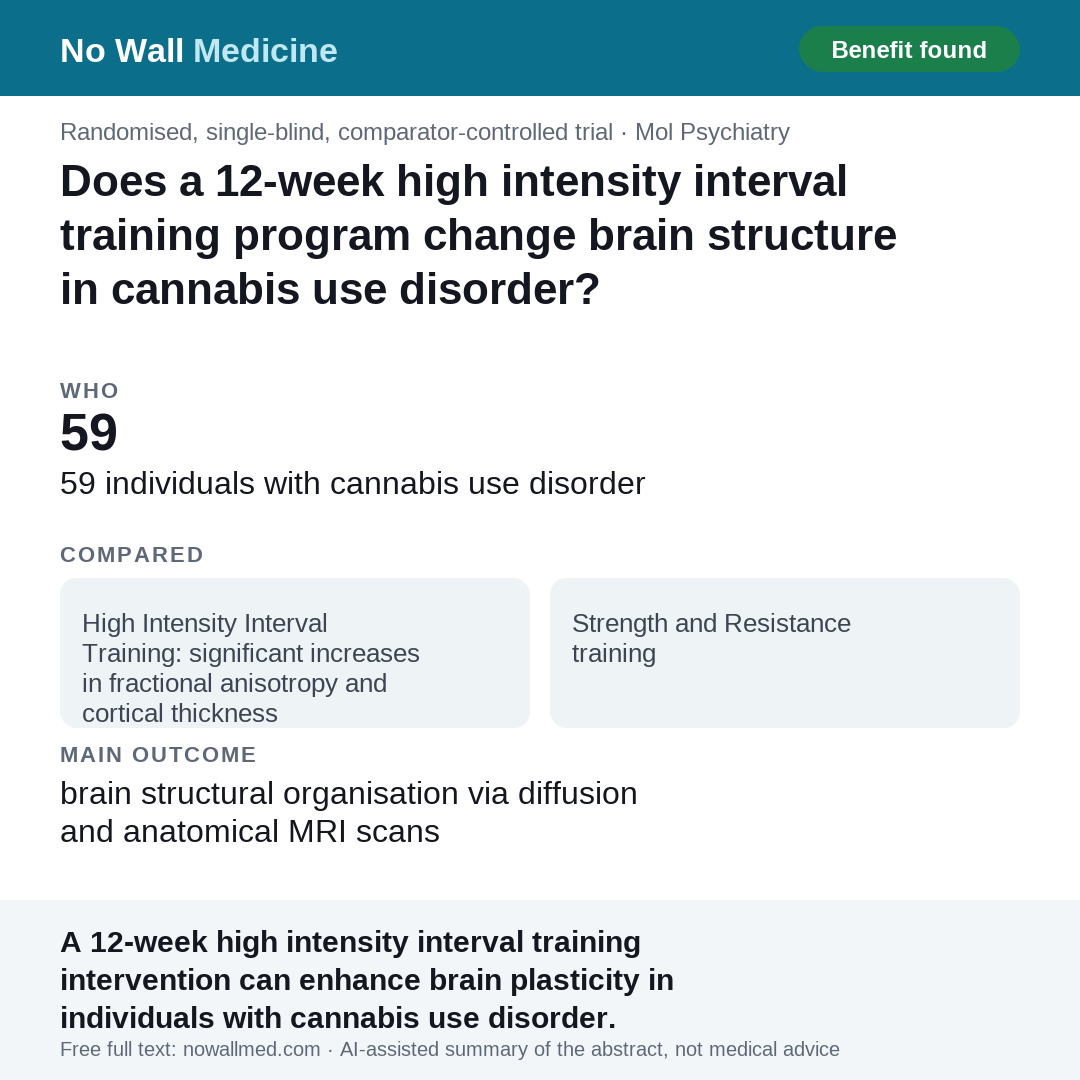
Exercise-induced brain changes in cannabis use disorder: a longitudinal MRI study of a 12-week supervised HIIT program
Randomised, single-blind, comparator-controlled trialBenefit found
Does a 12-week high intensity interval training program change brain structure in cannabis use disorder?
Who
59
59 individuals with cannabis use disorder
Compared
High Intensity Interval Training: significant increases in fractional anisotropy and cortical thickness
Strength and Resistance training
Main outcome
brain structural organisation via diffusion and anatomical MRI scans
Bottom line: A 12-week high intensity interval training intervention can enhance brain plasticity in individuals with cannabis use disorder.
Mol Psychiatry · 2026-07-02Download image
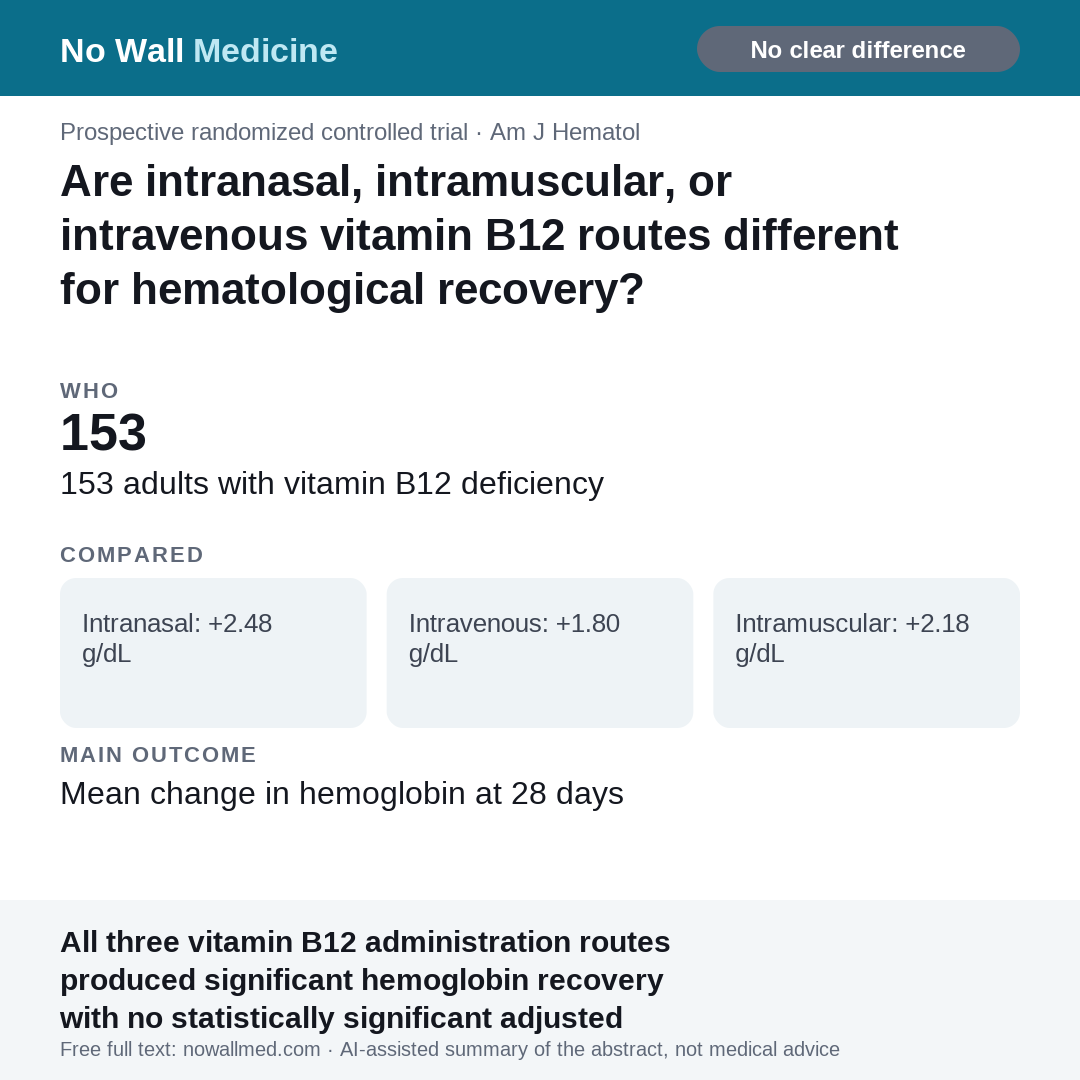
Comparative Efficacy of Intranasal, Intramuscular, and Intravenous Vitamin B12 Therapy for Hematological Recovery in Vitamin B12 Deficiency Anemia: A Randomized Controlled Trial
Prospective randomized controlled trialNo clear difference
Are intranasal, intramuscular, or intravenous vitamin B12 routes different for hematological recovery?
Who
153
153 adults with vitamin B12 deficiency
Compared
Intranasal: +2.48 g/dL
Intravenous: +1.80 g/dL
Intramuscular: +2.18 g/dL
Main outcome
Mean change in hemoglobin at 28 days
Bottom line: All three vitamin B12 administration routes produced significant hemoglobin recovery with no statistically significant adjusted differences.
Limitation: All conclusions are restricted to short-term hematological outcomes.
Am J Hematol · 2026-07-02Download image
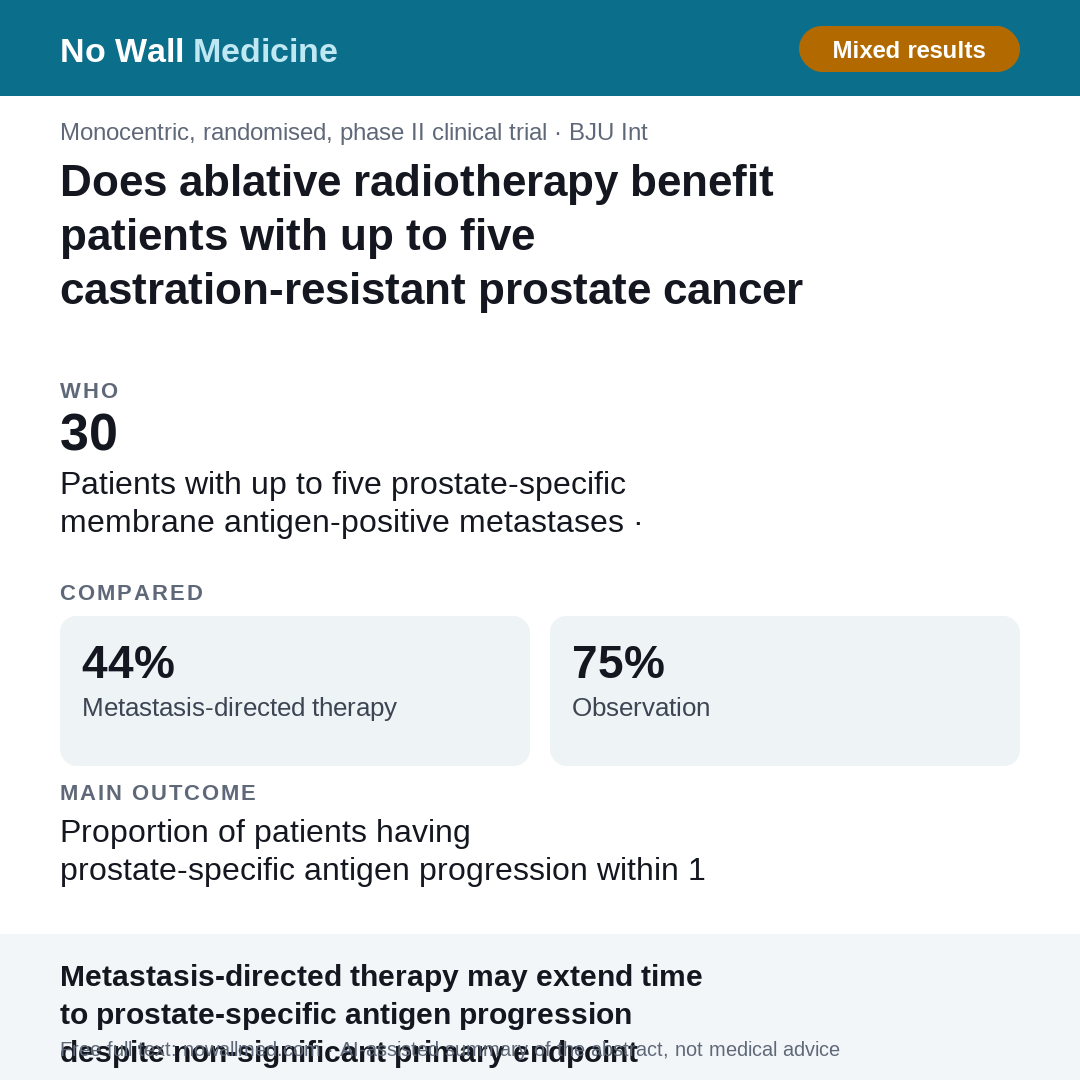
Ablative radiotherapy in castration-resistant prostate cancer
Monocentric, randomised, phase II clinical trialMixed results
Does ablative radiotherapy benefit patients with up to five castration-resistant prostate cancer metastases?
Who
30
Patients with up to five prostate-specific membrane antigen-positive metastases · Single-centre
Compared
44%Metastasis-directed therapy
75%Observation
Main outcome
Proportion of patients having prostate-specific antigen progression within 1 year
Bottom line: Metastasis-directed therapy may extend time to prostate-specific antigen progression despite non-significant primary endpoint results.
Limitation: Single-centre design and small sample size at interim analysis
Funded by: TU Dresden
BJU Int · 2026-07-02Download image
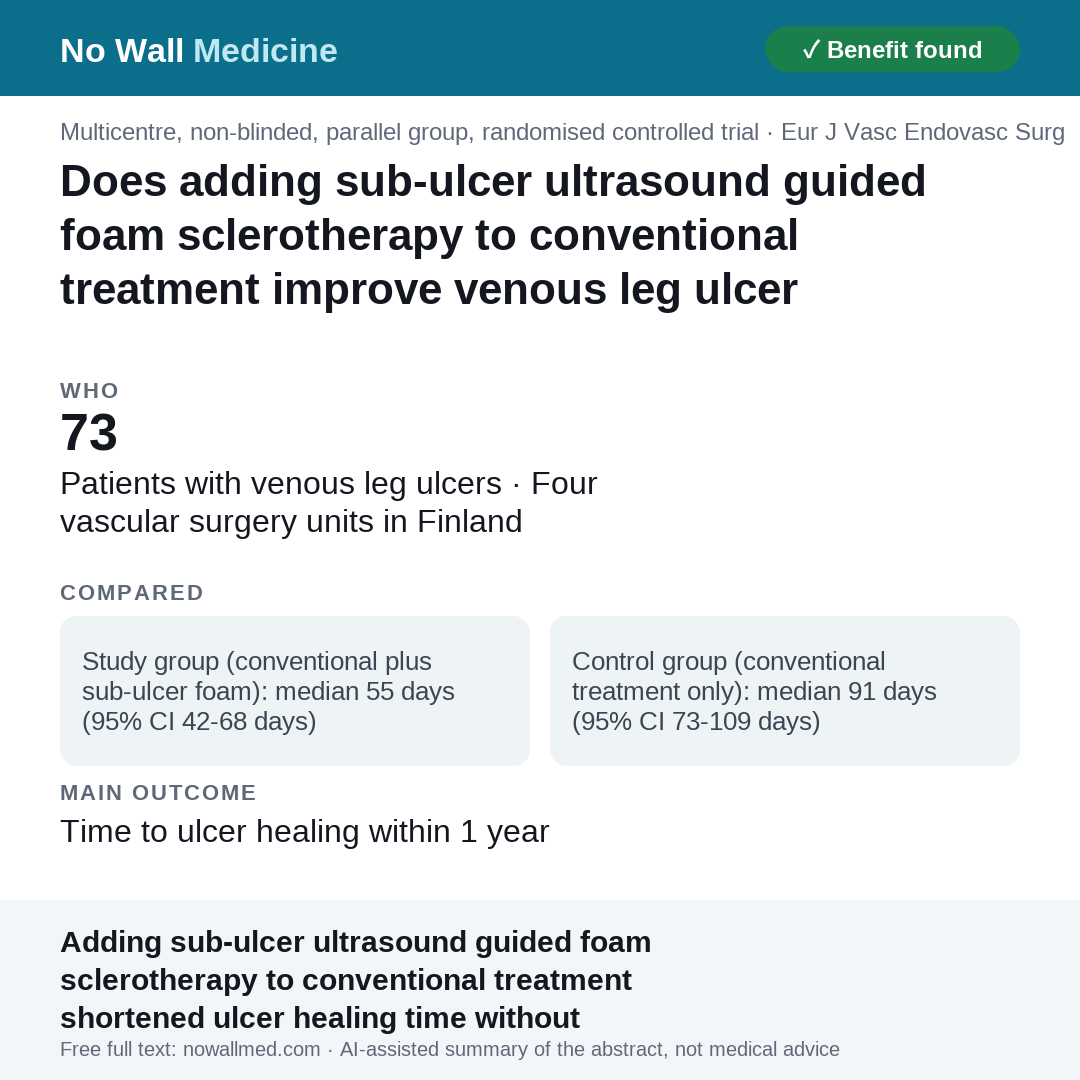
Sub-ulcer Ultrasound Guided Foam Sclerotherapy for Venous Leg Ulcers: Results of the FINNULCER Randomised Controlled Trial
Multicentre, non-blinded, parallel group, randomised controlled trialBenefit found
Does adding sub-ulcer ultrasound guided foam sclerotherapy to conventional treatment improve venous leg ulcer healing?
Who
73
Patients with venous leg ulcers · Four vascular surgery units in Finland
Compared
Study group (conventional plus sub-ulcer foam): median 55 days (95% CI 42-68 days)
Control group (conventional treatment only): median 91 days (95% CI 73-109 days)
Main outcome
Time to ulcer healing within 1 year
Result: hazard ratio 1.81 (95% CI 1.10-2.96)
Bottom line: Adding sub-ulcer ultrasound guided foam sclerotherapy to conventional treatment shortened ulcer healing time without increasing complication rates.
Eur J Vasc Endovasc Surg · 2026-07-02Download image
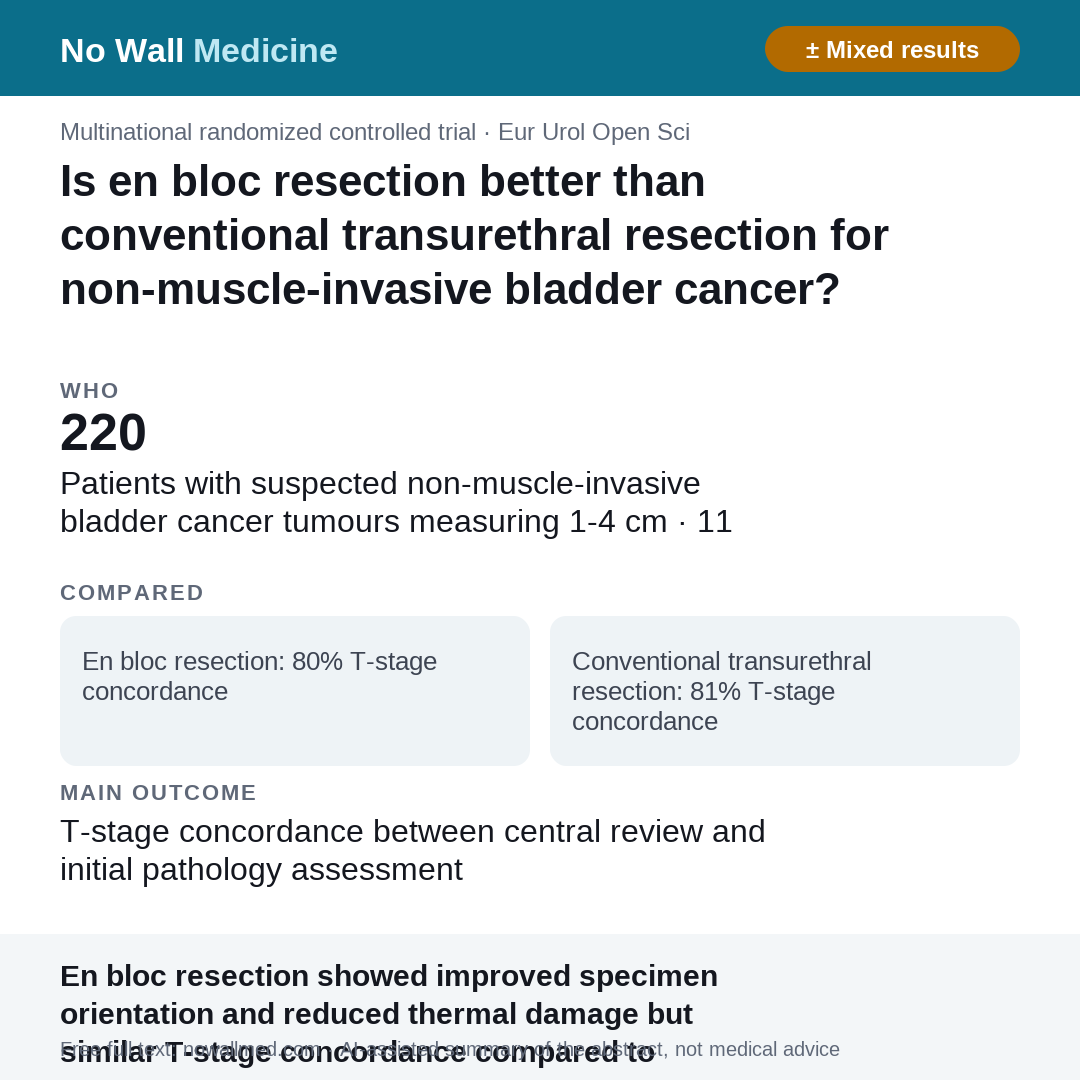
Histopathological Advantages of En Bloc Resection in Non-muscle-invasive Bladder Cancer: A Multinational Randomised Controlled Clinical Trial
Multinational randomized controlled trialMixed results
Is en bloc resection better than conventional transurethral resection for non-muscle-invasive bladder cancer?
Who
220
Patients with suspected non-muscle-invasive bladder cancer tumours measuring 1-4 cm · 11 sites in five countries
Compared
En bloc resection: 80% T-stage concordance
Conventional transurethral resection: 81% T-stage concordance
Main outcome
T-stage concordance between central review and initial pathology assessment
Result: -1.5% (95% CI, -12 to 9.3)
Bottom line: En bloc resection showed improved specimen orientation and reduced thermal damage but similar T-stage concordance compared to conventional resection.
Limitation: Lack of standardised specimen-handling procedures across sites leading to suboptimal preparation of some specimens.
Eur Urol Open Sci · 2026-07-02Download image
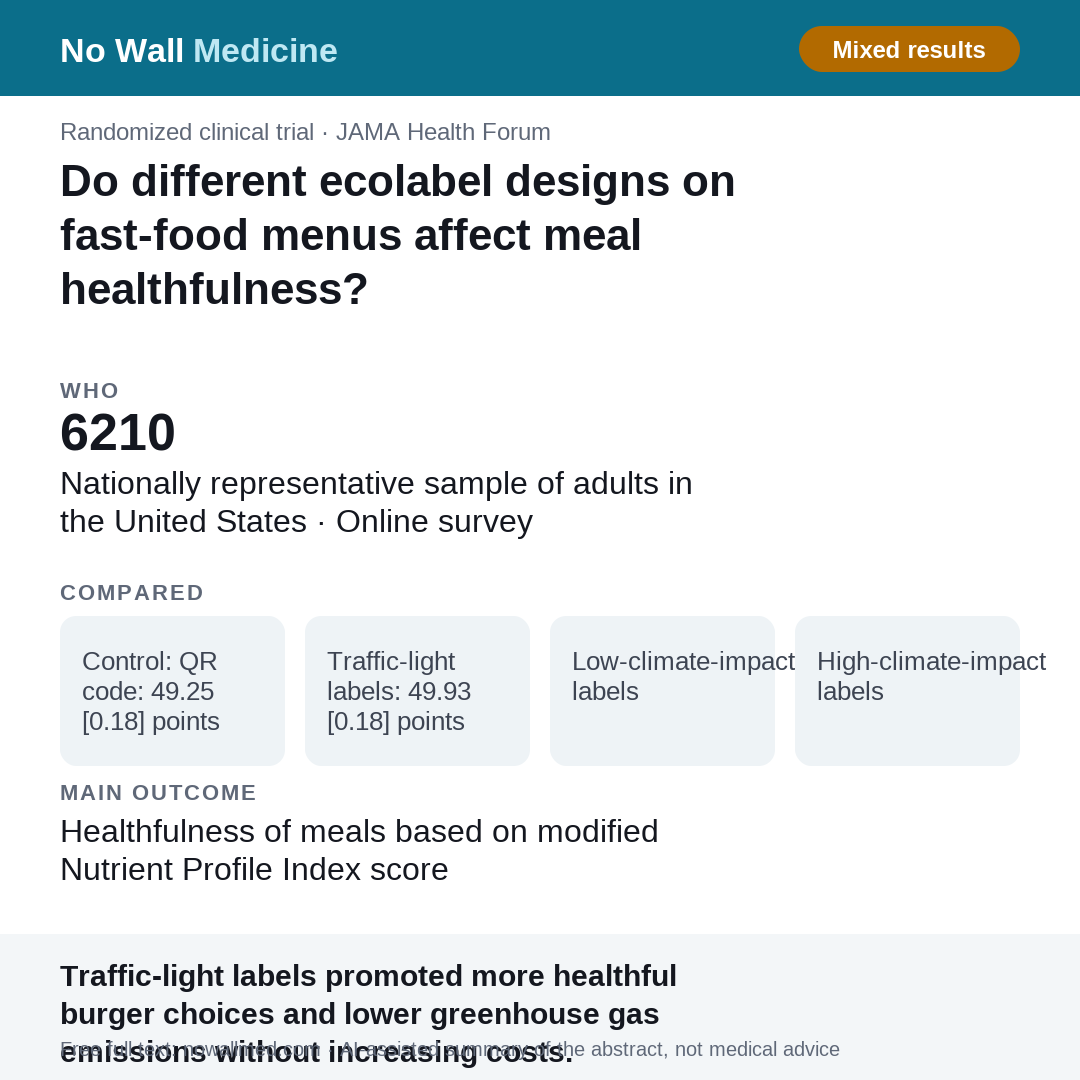
Eco-Focused Menu Labels on Full Meal Orders From Fast-Food Restaurants: A Randomized Clinical Trial
Randomized clinical trialMixed results
Do different ecolabel designs on fast-food menus affect meal healthfulness?
Who
6210
Nationally representative sample of adults in the United States · Online survey
Compared
Control: QR code: 49.25 [0.18] points
Traffic-light labels: 49.93 [0.18] points
Low-climate-impact labels
High-climate-impact labels
Main outcome
Healthfulness of meals based on modified Nutrient Profile Index score
Bottom line: Traffic-light labels promoted more healthful burger choices and lower greenhouse gas emissions without increasing costs.
JAMA Health Forum · 2026-07-02Download image
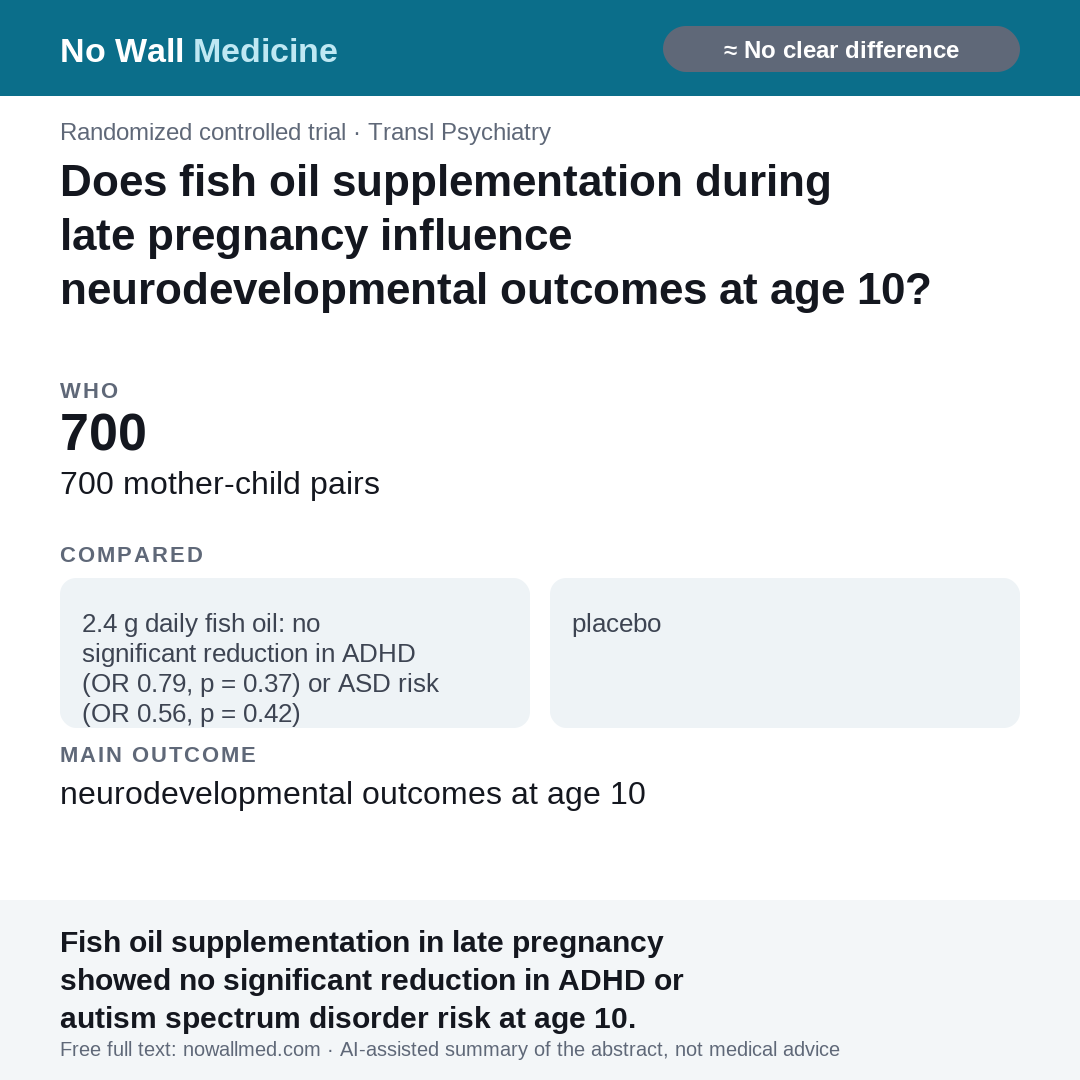
Fish oil-derived fatty acids during pregnancy and risk of neurodevelopmental disorders in children at age 10 - A randomized controlled trial
Randomized controlled trialNo clear difference
Does fish oil supplementation during late pregnancy influence neurodevelopmental outcomes at age 10?
Who
700
700 mother-child pairs
Compared
2.4 g daily fish oil: no significant reduction in ADHD (OR 0.79, p = 0.37) or ASD risk (OR 0.56, p = 0.42)
placebo
Main outcome
neurodevelopmental outcomes at age 10
Bottom line: Fish oil supplementation in late pregnancy showed no significant reduction in ADHD or autism spectrum disorder risk at age 10.
Limitation: Potential effects on inattentive ADHD symptoms did not hold significance after correction for multiple testing.
Transl Psychiatry · 2026-07-02Download image