Visual abstracts
New randomized trials and meta-analyses from leading journals at a glance: who was studied, what was compared, and what was found. Every paper is free to read in full.
All specialtiesCardiology 4763Oncology 4042Gastroenterology & Hepatology 1902Infectious Disease 3756Neurology 1872Psychiatry & Mental Health 2214Pulmonology 2042Critical Care 1319Endocrinology & Diabetes 2544Pediatrics 2889Surgery 2479Orthopedics & Sports Medicine 917Neurosurgery 525Cardiothoracic & Vascular Surgery 656Plastic & Reconstructive Surgery 574Nephrology 1107Rheumatology 810Hematology 1090Dermatology 611Ophthalmology 532Obstetrics & Gynecology 1645Public & Global Health 1037Radiology & Imaging 617Anesthesiology 957Urology 745ENT (Otolaryngology) 494Emergency Medicine 481Allergy & Immunology 309Geriatrics 972Family Medicine & Primary Care 533Medical Genetics & Genomics 659Pathology & Laboratory Medicine 156Physical Medicine & Rehabilitation 734Palliative Care 421Nutrition 1560Digital Health & AI 2133General Medicine 318
Strength Training of the Nonhemiplegic Side Promotes Motor Function Recovery in Patients With Stroke: A Randomized Controlled Trial
Single-blinded randomized controlled trialBenefit found
Does strength training of the nonhemiplegic side promote motor function recovery in stroke patients?
Who
139
Patients with first stroke · A tertiary hospital rehabilitation center
Compared
Trial group
Control group
Main outcome
Balance, mobility, and muscle strength
Result: adjusted mean difference: 6.83 (95% CI 4.71-8.94) for Berg Balance Scale
Bottom line: Strength training of the nonhemiplegic side promotes recovery of balance, mobility, and muscle strength in stroke patients.
Arch Phys Med Rehabil · 2022-10-17Download image

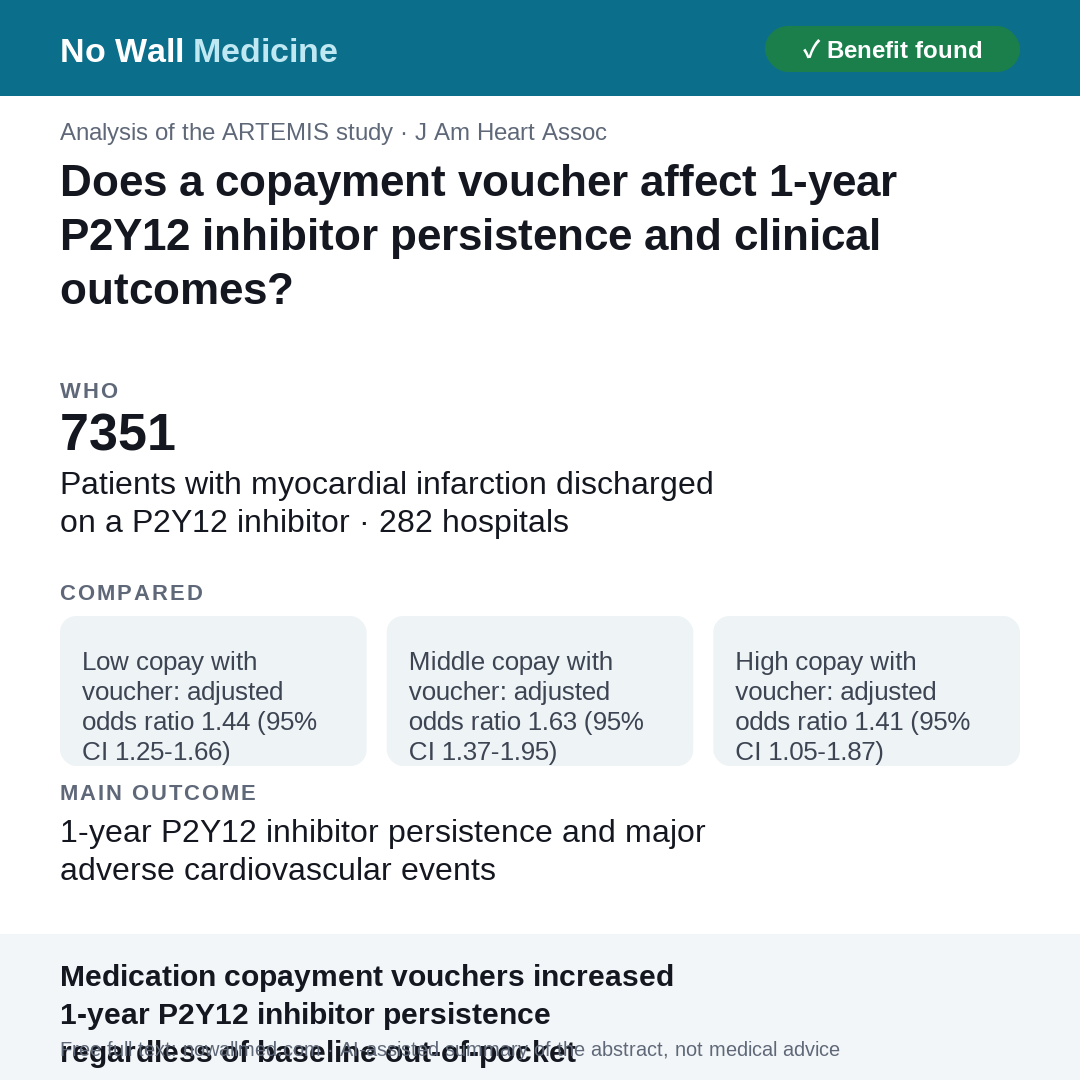
Does the Effectiveness of a Medicine Copay Voucher Vary by Baseline Medication Out-Of-Pocket Expenses? Insights From ARTEMIS
Analysis of the ARTEMIS studyBenefit found
Does a copayment voucher affect 1-year P2Y12 inhibitor persistence and clinical outcomes?
Who
7351
Patients with myocardial infarction discharged on a P2Y12 inhibitor · 282 hospitals
Compared
Low copay with voucher: adjusted odds ratio 1.44 (95% CI 1.25-1.66)
Middle copay with voucher: adjusted odds ratio 1.63 (95% CI 1.37-1.95)
High copay with voucher: adjusted odds ratio 1.41 (95% CI 1.05-1.87)
Main outcome
1-year P2Y12 inhibitor persistence and major adverse cardiovascular events
Result: adjusted odds ratio 1.44 (95% CI 1.25-1.66)
Bottom line: Medication copayment vouchers increased 1-year P2Y12 inhibitor persistence regardless of baseline out-of-pocket medication burden.
J Am Heart Assoc · 2022-10-17Download image
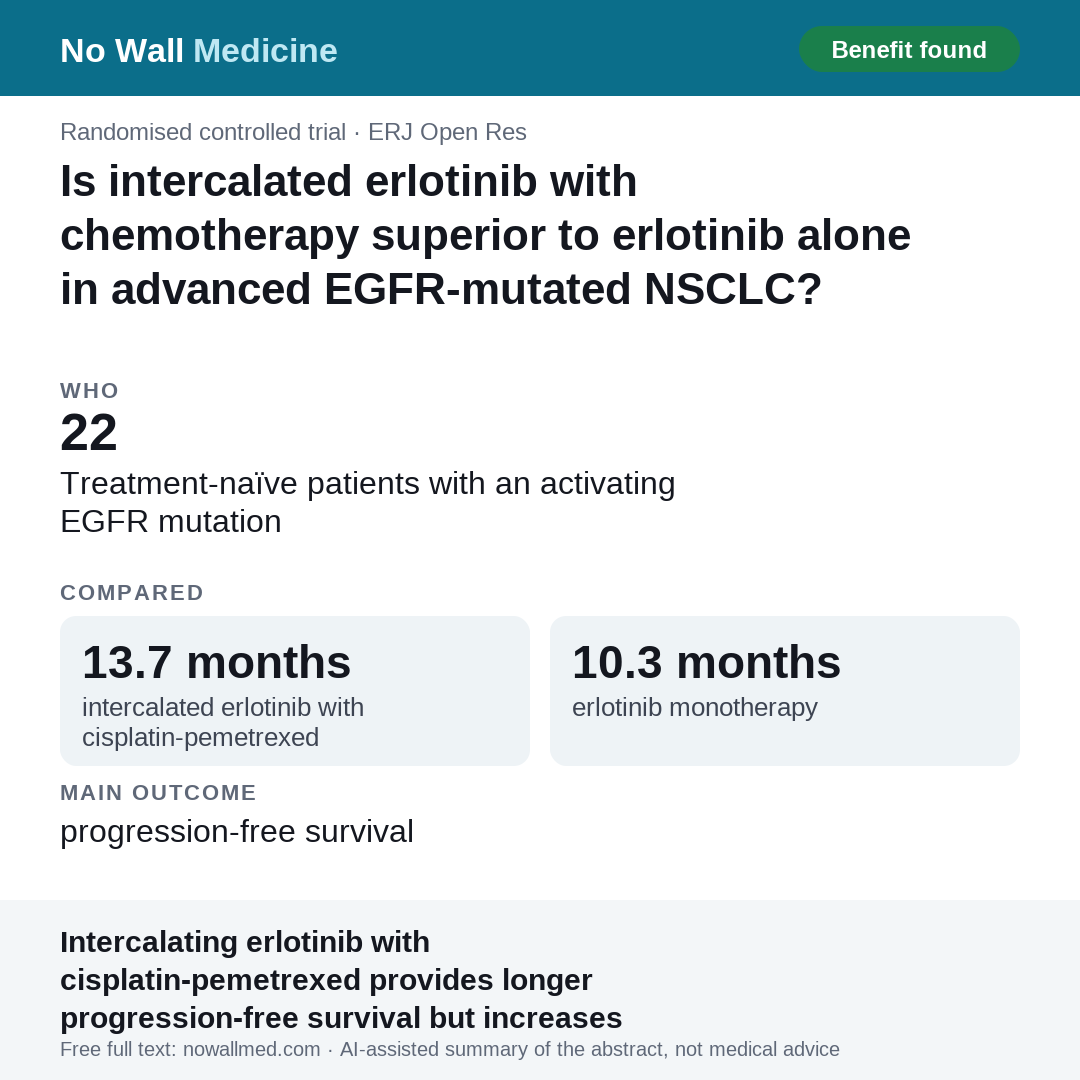
Randomised controlled trial of first-line tyrosine-kinase inhibitor (TKI) versus intercalated TKI with chemotherapy for EGFR-mutated nonsmall cell lung cancer
Randomised controlled trialBenefit found
Is intercalated erlotinib with chemotherapy superior to erlotinib alone in advanced EGFR-mutated NSCLC?
Who
22
Treatment-naïve patients with an activating EGFR mutation
Compared
13.7 monthsintercalated erlotinib with cisplatin-pemetrexed (95% CI 5.2-18.8)
10.3 monthserlotinib monotherapy (95% CI 7.1-15.5)
Main outcome
progression-free survival
Result: hazard ratio 0.24 (95% CI 0.07-0.83; p=0.02)
Bottom line: Intercalating erlotinib with cisplatin-pemetrexed provides longer progression-free survival but increases treatment-related toxicity.
ERJ Open Res · 2022-10-17Download image
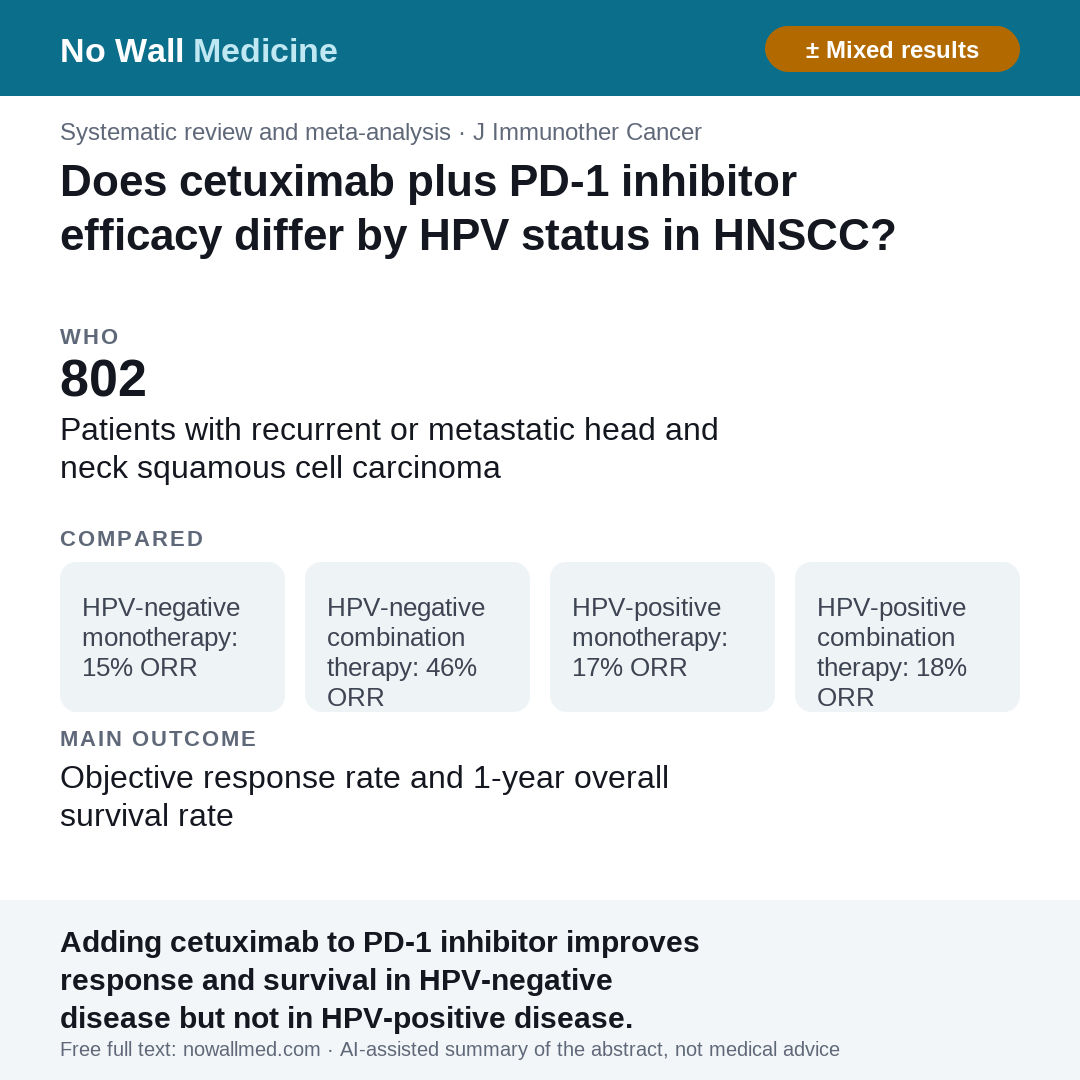
Efficacy of cetuximab plus PD-1 inhibitor differs by HPV status in head and neck squamous cell carcinoma: a systematic review and meta-analysis
Systematic review and meta-analysisMixed results
Does cetuximab plus PD-1 inhibitor efficacy differ by HPV status in HNSCC?
Who
802
Patients with recurrent or metastatic head and neck squamous cell carcinoma
Compared
HPV-negative monotherapy: 15% ORR
HPV-negative combination therapy: 46% ORR
HPV-positive monotherapy: 17% ORR
HPV-positive combination therapy: 18% ORR
Main outcome
Objective response rate and 1-year overall survival rate
Result: odds ratio: 0.29
Bottom line: Adding cetuximab to PD-1 inhibitor improves response and survival in HPV-negative disease but not in HPV-positive disease.
Limitation: Retrospective nature of this meta-analysis
J Immunother Cancer · 2022-10-17Download image
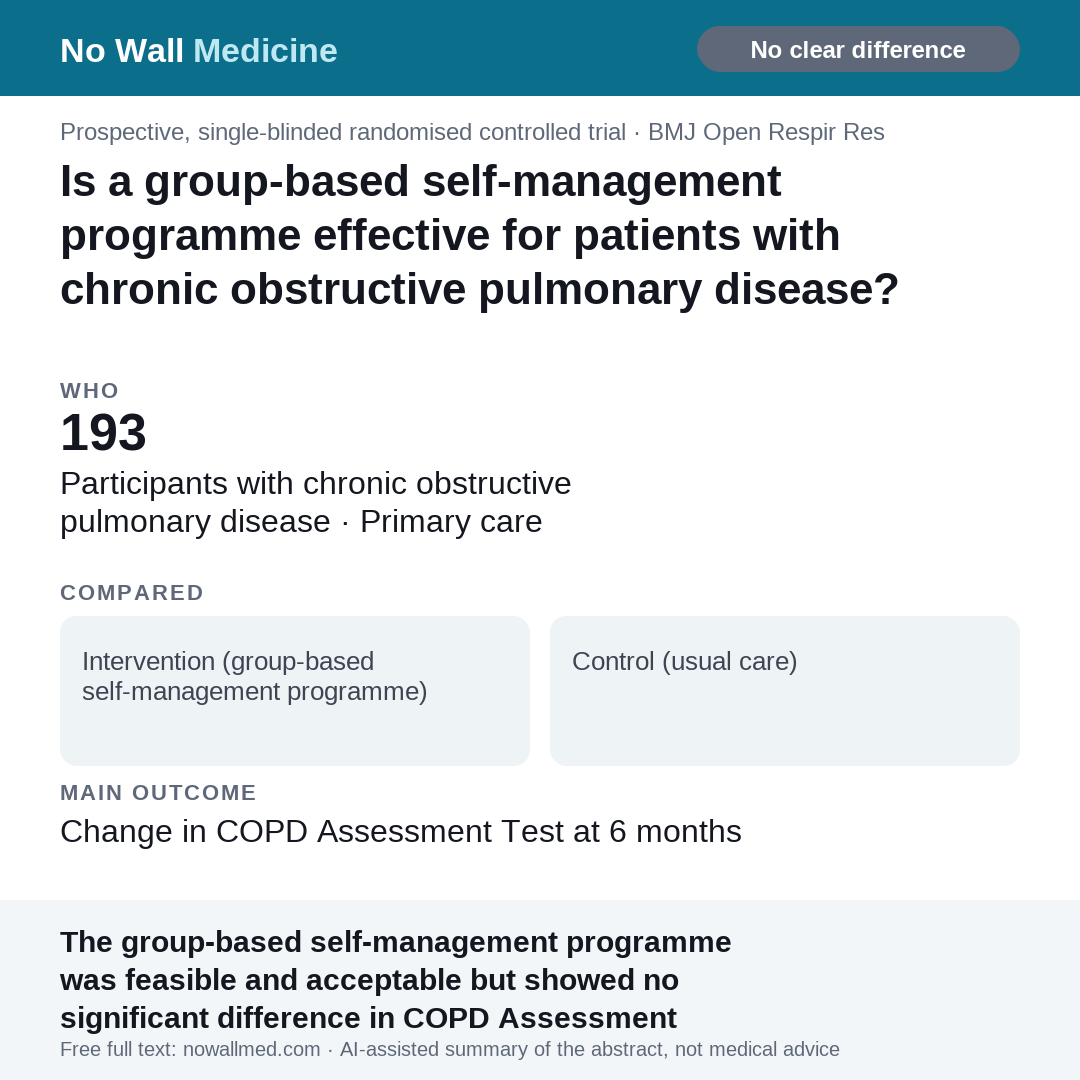
Self-management programme of activity coping and education-SPACE for COPD(C)-in primary care: a pragmatic randomised trial
Prospective, single-blinded randomised controlled trialNo clear difference
Is a group-based self-management programme effective for patients with chronic obstructive pulmonary disease?
Who
193
Participants with chronic obstructive pulmonary disease · Primary care
Compared
Intervention (group-based self-management programme)
Control (usual care)
Main outcome
Change in COPD Assessment Test at 6 months
Bottom line: The group-based self-management programme was feasible and acceptable but showed no significant difference in COPD Assessment Test scores.
BMJ Open Respir Res · 2022-10-17Download image
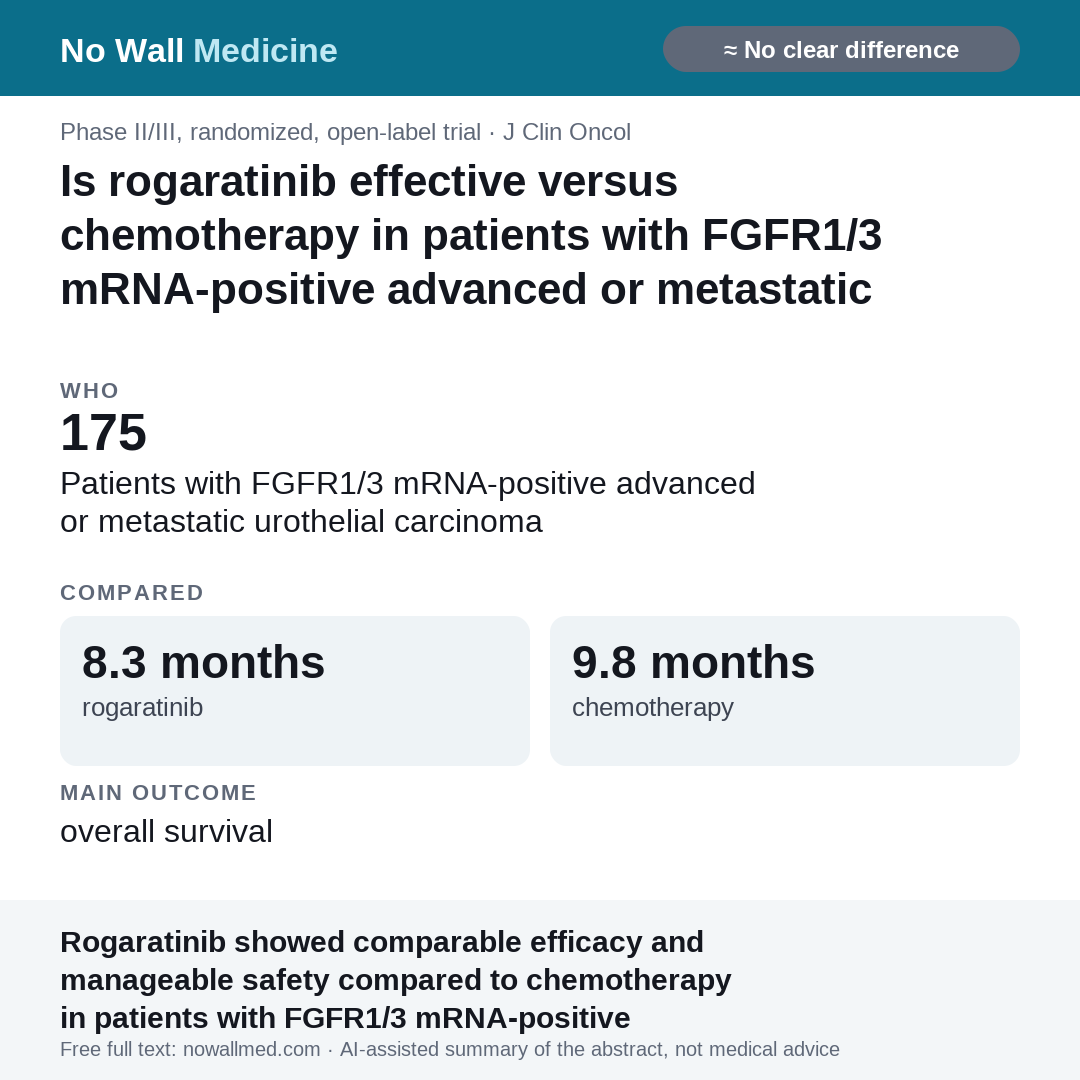
Criterion validity of ActiGraph monitoring devices for step counting and distance measurement in adults and older adults: a systematic review
Systematic reviewMixed results
What is the criterion validity of ActiGraph devices for step counting and distance estimation?
Who
637
Adults and older adults
Compared
GT3X+/wGT3X+ and wGT3X-BT: better criterion validity for step counting
7164, wGTX+, and GT1M
Main outcome
Criterion validity for step counting and distance estimation
Bottom line: ActiGraph wGT3X-BT and GT3X+/wGT3X+ show good criterion validity for step counting under certain conditions.
J Neuroeng Rehabil · 2022-10-17Download image
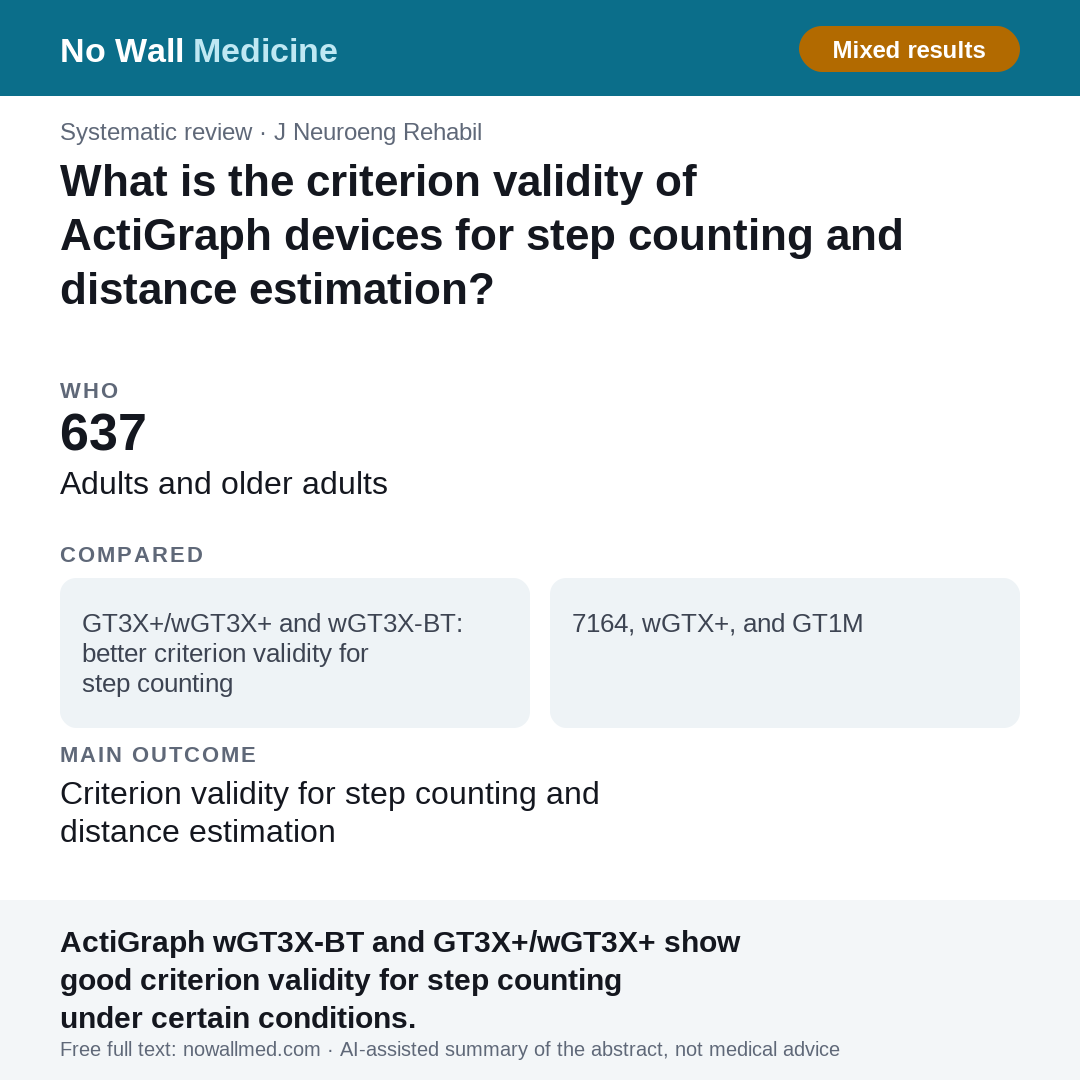
Tranexamic Acid Dosing in Craniosynostosis Surgery: A Systematic Review with Meta-analysis
Systematic review with meta-analysisNo clear difference
Does high dose tranexamic acid improve outcomes compared to low dose in craniosynostosis surgery?
Who
398
Patients receiving tranexamic acid for craniosynostosis surgery
Compared
High dose tranexamic acid (>10 mg/kg)
Low dose tranexamic acid (10 mg/kg or less)
Main outcome
operative time, blood loss, and transfusion requirement
Bottom line: High dose tranexamic acid showed no statistical difference from low dose regarding operative time, blood loss, or transfusion requirement.
Plast Reconstr Surg Glob Open · 2022-10-17Download image
Neural substrates of reward anticipation and outcome in schizophrenia: a meta-analysis of fMRI findings in the monetary incentive delay task
Coordinate-based meta-analysisMixed results
Which brain regions are implicated in reward anticipation and outcome in schizophrenia?
Who
Patients with schizophrenia and healthy controls
Compared
Schizophrenia
Controls
Main outcome
Brain activation during reward anticipation and reward outcome
Bottom line: Schizophrenia involves hypoactivation in several regions during anticipation and mixed activation patterns during reward outcome.
Transl Psychiatry · 2022-10-16Download image

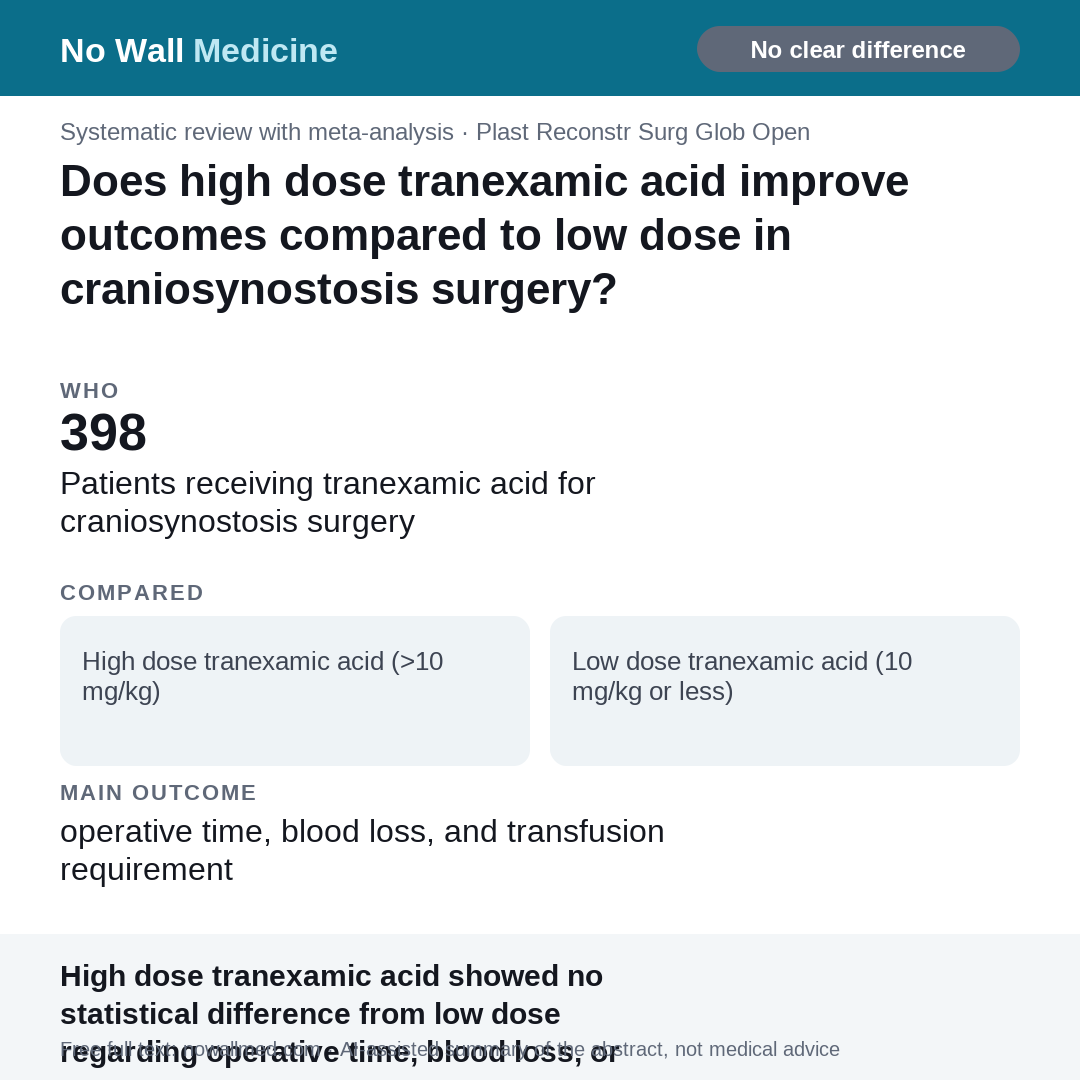
Ketone Body Infusion Abrogates Growth Hormone-Induced Lipolysis and Insulin Resistance
Randomized, single-blinded crossover trialBenefit found
Does beta-hydroxybutyrate infusion increase insulin sensitivity by suppressing growth hormone-induced lipolysis?
Who
8
8 healthy men
Compared
beta-hydroxybutyrate infusion: significant increase in glucose disposal and energy expenditure
saline infusion
Main outcome
insulin sensitivity and free fatty acid levels
Bottom line: Beta-hydroxybutyrate infusion increases insulin sensitivity by suppressing growth hormone-induced lipolysis and free fatty acid levels.
J Clin Endocrinol Metab · 2022-10-15Download image
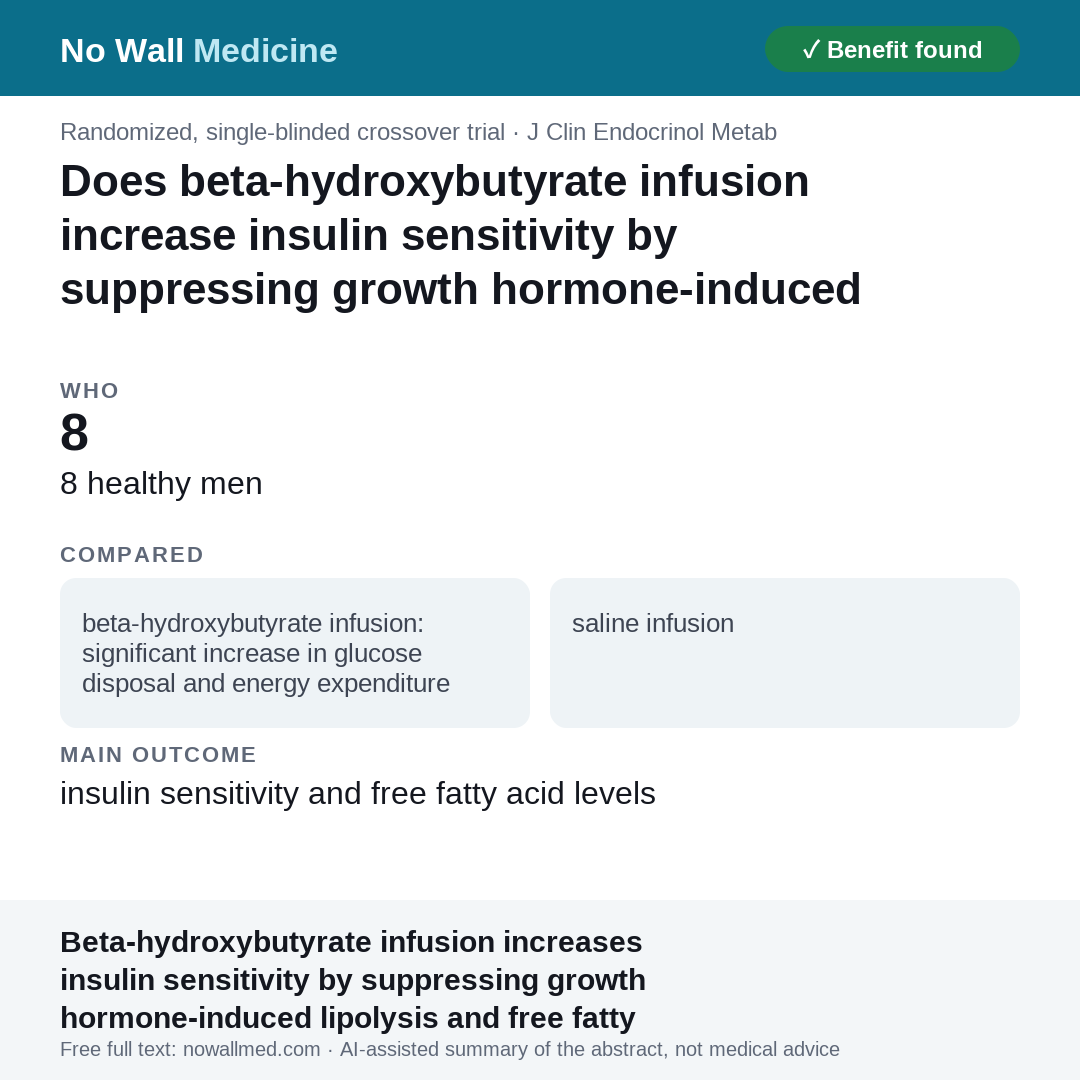
FORT-1: Phase II/III Study of Rogaratinib Versus Chemotherapy in Patients With Locally Advanced or Metastatic Urothelial Carcinoma Selected Based on FGFR1/3 mRNA Expression
Phase II/III, randomized, open-label trialNo clear difference
Is rogaratinib effective versus chemotherapy in patients with FGFR1/3 mRNA-positive advanced or metastatic urothelial carcinoma?
Who
175
Patients with FGFR1/3 mRNA-positive advanced or metastatic urothelial carcinoma
Compared
8.3 monthsrogaratinib (95% CI, 6.5 to not estimable)
9.8 monthschemotherapy (95% CI, 6.8 to not estimable)
Main outcome
overall survival
Result: hazard ratio 1.11 (95% CI 0.71 to 1.72)
Bottom line: Rogaratinib showed comparable efficacy and manageable safety compared to chemotherapy in patients with FGFR1/3 mRNA-positive urothelial carcinoma.
J Clin Oncol · 2022-10-14Download image
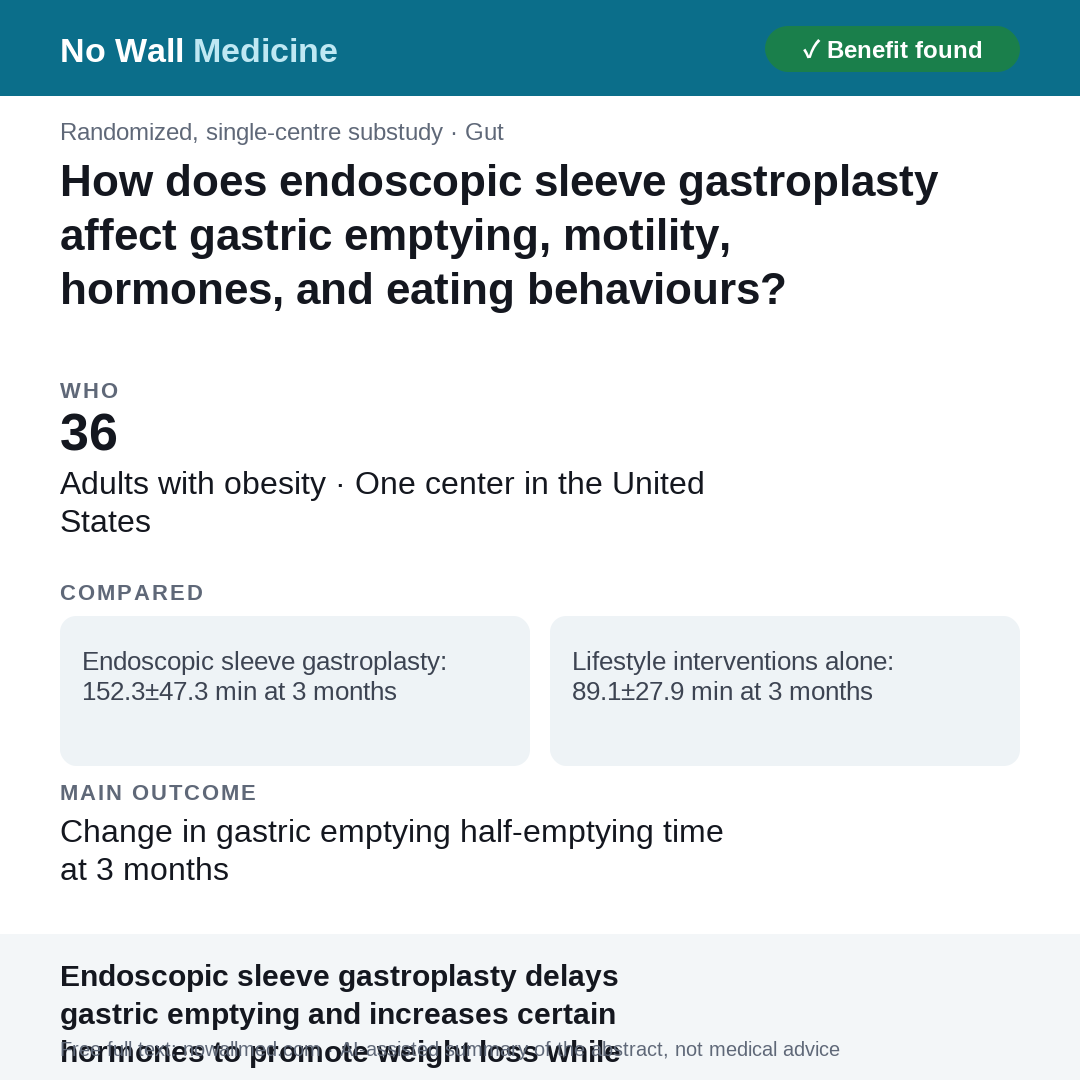
Effect of endoscopic sleeve gastroplasty on gastric emptying, motility and hormones: a comparative prospective study
Randomized, single-centre substudyBenefit found
How does endoscopic sleeve gastroplasty affect gastric emptying, motility, hormones, and eating behaviours?
Who
36
Adults with obesity · One center in the United States
Compared
Endoscopic sleeve gastroplasty: 152.3±47.3 min at 3 months
Lifestyle interventions alone: 89.1±27.9 min at 3 months
Main outcome
Change in gastric emptying half-emptying time at 3 months
Bottom line: Endoscopic sleeve gastroplasty delays gastric emptying and increases certain hormones to promote weight loss while preserving gastric motility.
Gut · 2022-10-14Download image
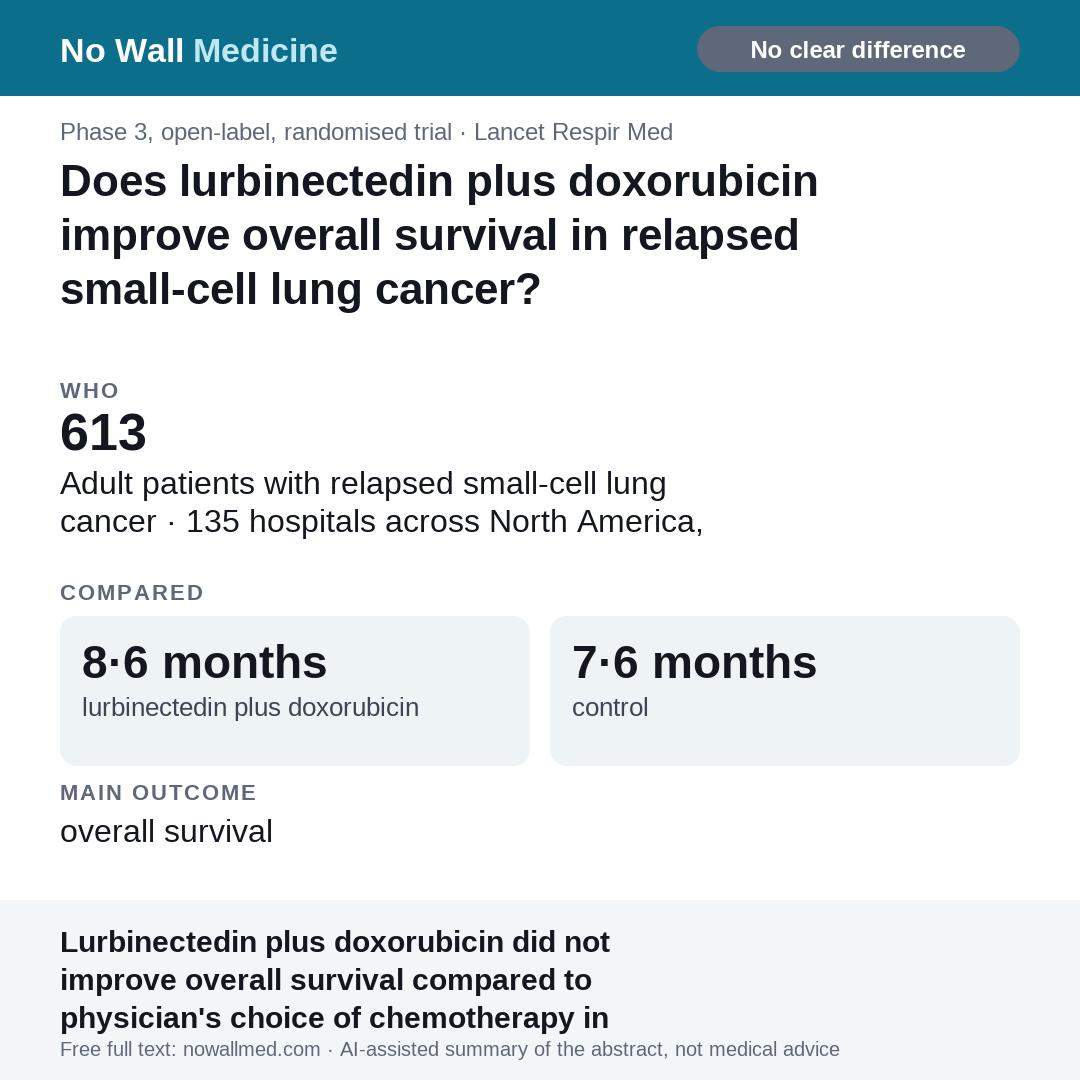
Combination lurbinectedin and doxorubicin versus physician's choice of chemotherapy in patients with relapsed small-cell lung cancer (ATLANTIS): a multicentre, randomised, open-label, phase 3 trial
Phase 3, open-label, randomised trialNo clear difference
Does lurbinectedin plus doxorubicin improve overall survival in relapsed small-cell lung cancer?
Who
613
Adult patients with relapsed small-cell lung cancer · 135 hospitals across North America, South America, Europe, and Middle East
Compared
8·6 monthslurbinectedin plus doxorubicin (95% CI 7·1-9·4)
7·6 monthscontrol (6·6-8·2)
Main outcome
overall survival
Result: hazard ratio 0·97 (95% CI 0·82-1·15)
Bottom line: Lurbinectedin plus doxorubicin did not improve overall survival compared to physician's choice of chemotherapy in relapsed small-cell lung cancer.
Lancet Respir Med · 2022-10-14Download image
Global epidemiology of systemic lupus erythematosus: a comprehensive systematic analysis and modelling study
Systematic analysis and modelling studyMixed results
What are the global, regional, and country-specific estimates of systemic lupus erythematosus epidemiology?
Who
Global population · Global
Compared
Women: incidence 8.82 (2.4 to 25.99) per 100 000 person-years
Men: incidence 1.53 (0.41 to 4.46) per 100 000 person-years
Main outcome
Incidence and prevalence of systemic lupus erythematosus
Bottom line: Systemic lupus erythematosus epidemiology varies by sex, age, and region, with higher frequency in high-income countries.
Ann Rheum Dis · 2022-10-14Download image

Systematic review of surveillance systems for AMR in Africa
Systematic reviewMixed results
What are the gaps in antimicrobial resistance surveillance and reporting in Africa?
Who
Antimicrobial resistance surveillance systems in Africa · Africa
Compared
National surveillance systems: 23 met inclusion criteria
Transnational surveillance systems: 11 identified
Main outcome
Gaps in reporting and implementation of antimicrobial resistance surveillance
Bottom line: Antimicrobial resistance surveillance exists in 23 of 47 African countries but faces significant reporting and quality limitations.
Limitation: Lack of external quality assessment and limited reporting of infection origin and pathogen types.
J Antimicrob Chemother · 2022-10-14Download image

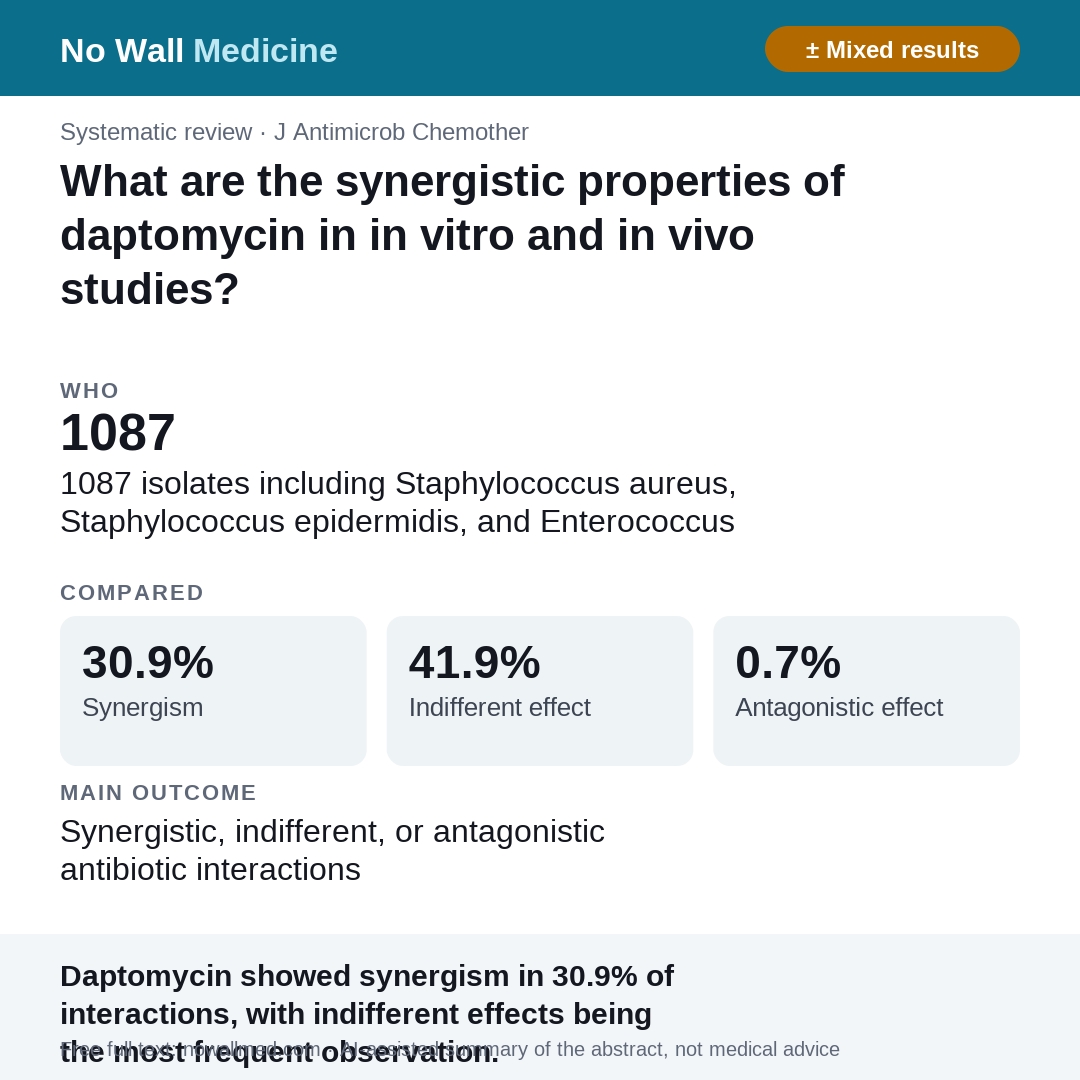
Daptomycin synergistic properties from in vitro and in vivo studies: a systematic review
Systematic reviewMixed results
What are the synergistic properties of daptomycin in in vitro and in vivo studies?
Who
1087
1087 isolates including Staphylococcus aureus, Staphylococcus epidermidis, and Enterococcus species
Compared
30.9%Synergism
41.9%Indifferent effect
0.7%Antagonistic effect
Main outcome
Synergistic, indifferent, or antagonistic antibiotic interactions
Bottom line: Daptomycin showed synergism in 30.9% of interactions, with indifferent effects being the most frequent observation.
J Antimicrob Chemother · 2022-10-14Download image
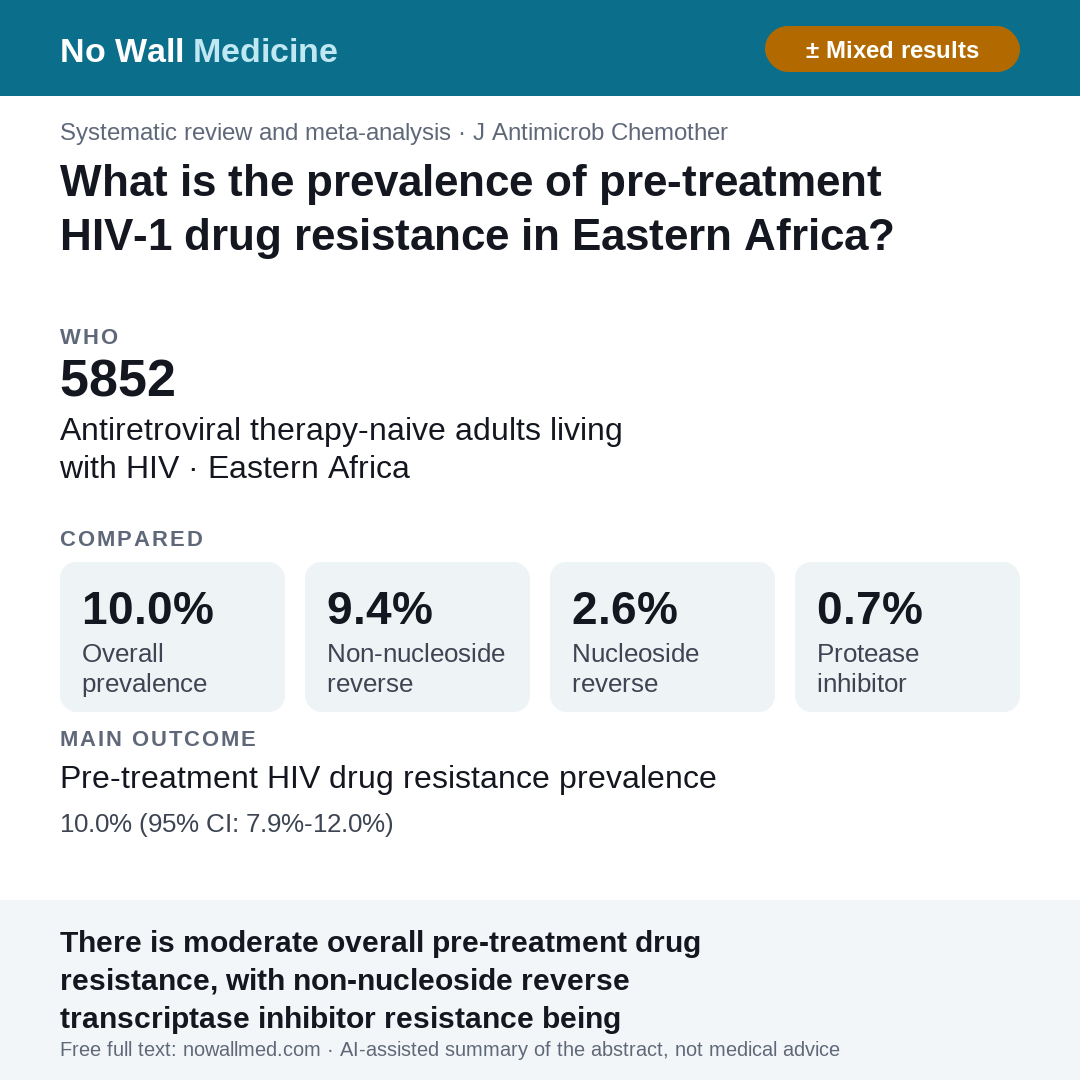
Pre-treatment HIV-1 drug resistance in antiretroviral therapy-naive adults in Eastern Africa: a systematic review and meta-analysis
Systematic review and meta-analysisMixed results
What is the prevalence of pre-treatment HIV-1 drug resistance in Eastern Africa?
Who
5852
Antiretroviral therapy-naive adults living with HIV · Eastern Africa
Compared
10.0%Overall prevalence
9.4%Non-nucleoside reverse transcriptase inhibitor resistance
2.6%Nucleoside reverse transcriptase inhibitor resistance
0.7%Protease inhibitor resistance
Main outcome
Pre-treatment HIV drug resistance prevalence
Result: 10.0% (95% CI: 7.9%-12.0%)
Bottom line: There is moderate overall pre-treatment drug resistance, with non-nucleoside reverse transcriptase inhibitor resistance being more prevalent.
J Antimicrob Chemother · 2022-10-14Download image
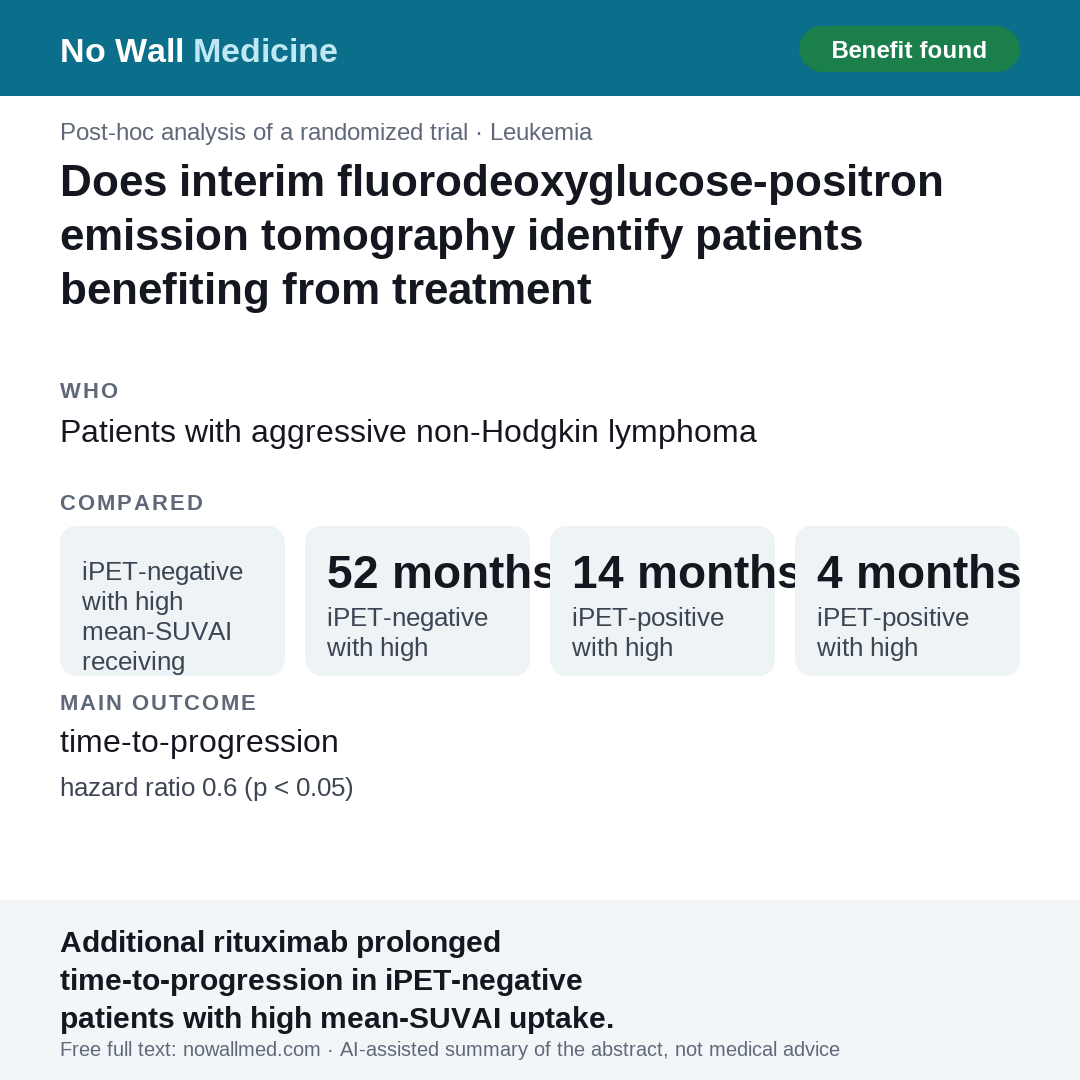
Interim FDG-PET analysis to identify patients with aggressive non-Hodgkin lymphoma who benefit from treatment intensification: a post-hoc analysis of the PETAL trial
Post-hoc analysis of a randomized trialBenefit found
Does interim fluorodeoxyglucose-positron emission tomography identify patients benefiting from treatment intensification?
Who
Patients with aggressive non-Hodgkin lymphoma
Compared
iPET-negative with high mean-SUVAI receiving 6xR-CHOP + 2R: not reached
52 monthsiPET-negative with high mean-SUVAI receiving CHOP plus rituximab
14 monthsiPET-positive with high mean-SUVAI receiving (R-)CHOP
4 monthsiPET-positive with high mean-SUVAI receiving Burkitt protocol
Main outcome
time-to-progression
Result: hazard ratio 0.6 (p < 0.05)
Bottom line: Additional rituximab prolonged time-to-progression in iPET-negative patients with high mean-SUVAI uptake.
Leukemia · 2022-10-14Download image
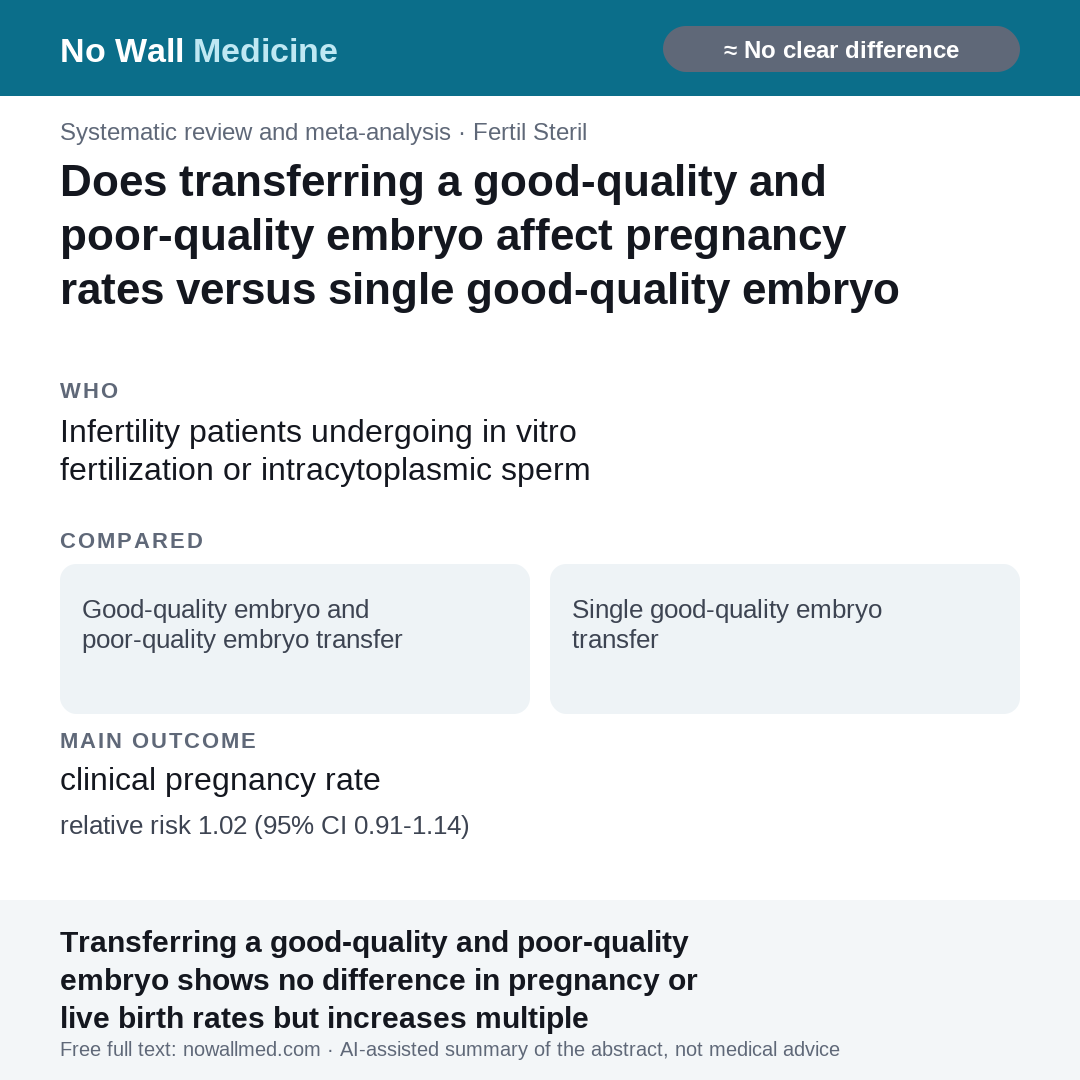
Transfer of a poor-quality along with a good-quality embryo on in vitro fertilization/intracytoplasmic sperm injection-embryo transfer clinical outcomes: a systematic review and meta-analysis
Systematic review and meta-analysisNo clear difference
Does transferring a good-quality and poor-quality embryo affect pregnancy rates versus single good-quality embryo transfer?
Who
Infertility patients undergoing in vitro fertilization or intracytoplasmic sperm injection
Compared
Good-quality embryo and poor-quality embryo transfer
Single good-quality embryo transfer
Main outcome
clinical pregnancy rate
Result: relative risk 1.02 (95% CI 0.91-1.14)
Bottom line: Transferring a good-quality and poor-quality embryo shows no difference in pregnancy or live birth rates but increases multiple pregnancy rates.
Fertil Steril · 2022-10-14Download image
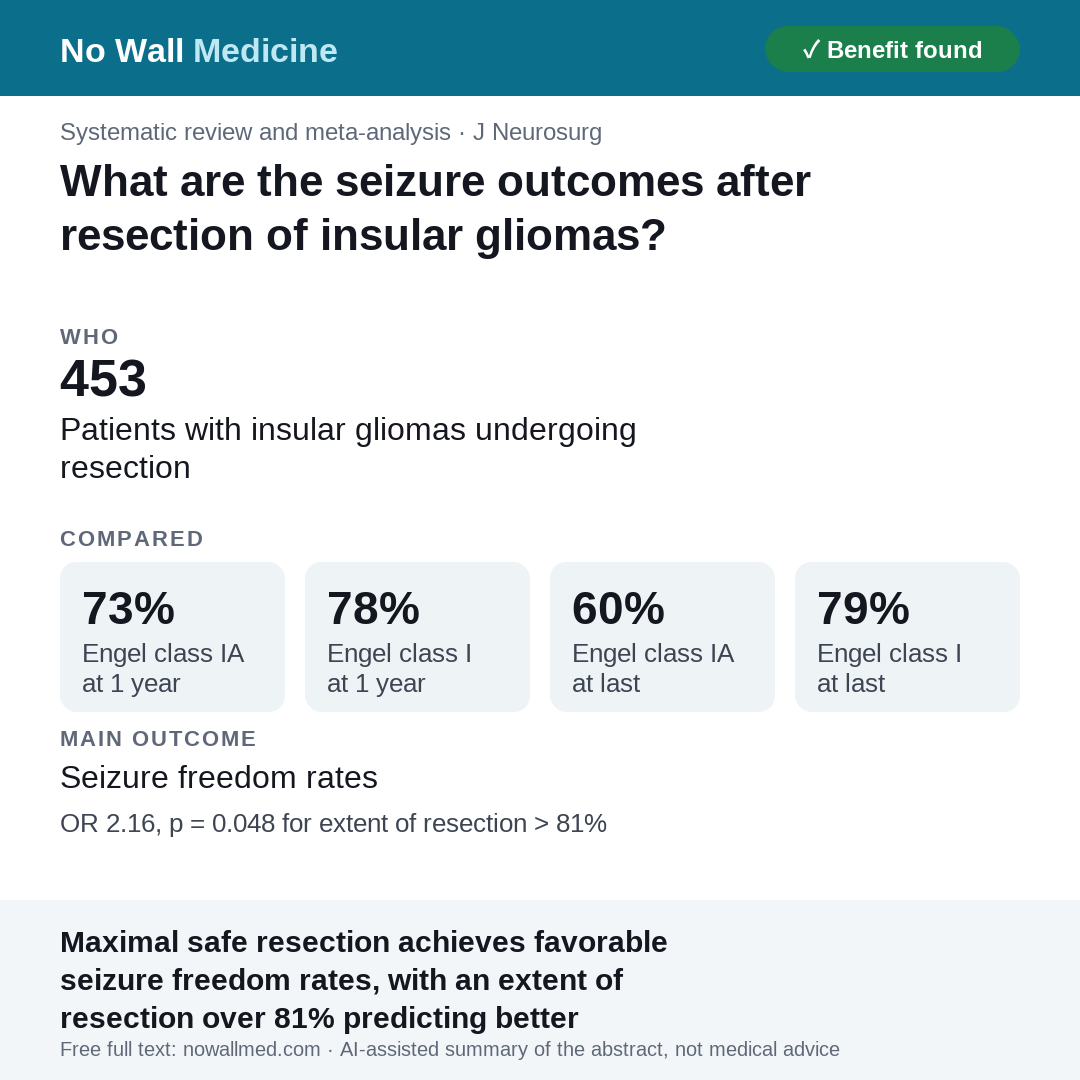
Seizure outcome after resection of insular glioma: a systematic review, meta-analysis, and institutional experience
Systematic review and meta-analysisBenefit found
What are the seizure outcomes after resection of insular gliomas?
Who
453
Patients with insular gliomas undergoing resection
Compared
73%Engel class IA at 1 year
78%Engel class I at 1 year
60%Engel class IA at last follow-up
79%Engel class I at last follow-up
Main outcome
Seizure freedom rates
Result: OR 2.16, p = 0.048 for extent of resection > 81%
Bottom line: Maximal safe resection achieves favorable seizure freedom rates, with an extent of resection over 81% predicting better outcomes.
J Neurosurg · 2022-10-14Download image
A Systematic Review of Stakeholder Perspectives of Dignity and Assisted Dying
Systematic reviewUnclear result
Relationship between dignity and wish to hasten death
Who
patients, healthcare professionals, lawmakers
Compared
For assisted dying
Against assisted dying
Main outcome
dignity in assisted dying debate
Bottom line: Dignity concepts evolve during end of life journey
J Pain Symptom Manage · 2022-10-14Download image