Visual abstracts
New randomized trials and meta-analyses from leading journals at a glance: who was studied, what was compared, and what was found. Every paper is free to read in full.
All specialtiesCardiology 4877Oncology 4138Gastroenterology & Hepatology 1942Infectious Disease 3837Neurology 1905Psychiatry & Mental Health 2273Pulmonology 2143Critical Care 1365Endocrinology & Diabetes 2580Pediatrics 2980Surgery 2559Orthopedics & Sports Medicine 931Neurosurgery 537Cardiothoracic & Vascular Surgery 674Plastic & Reconstructive Surgery 591Nephrology 1133Rheumatology 823Hematology 1109Dermatology 621Ophthalmology 543Obstetrics & Gynecology 1686Public & Global Health 1058Radiology & Imaging 648Anesthesiology 986Urology 764ENT (Otolaryngology) 503Emergency Medicine 511Allergy & Immunology 313Geriatrics 981Family Medicine & Primary Care 562Medical Genetics & Genomics 676Pathology & Laboratory Medicine 159Physical Medicine & Rehabilitation 757Palliative Care 444Nutrition 1588Digital Health & AI 2201General Medicine 321
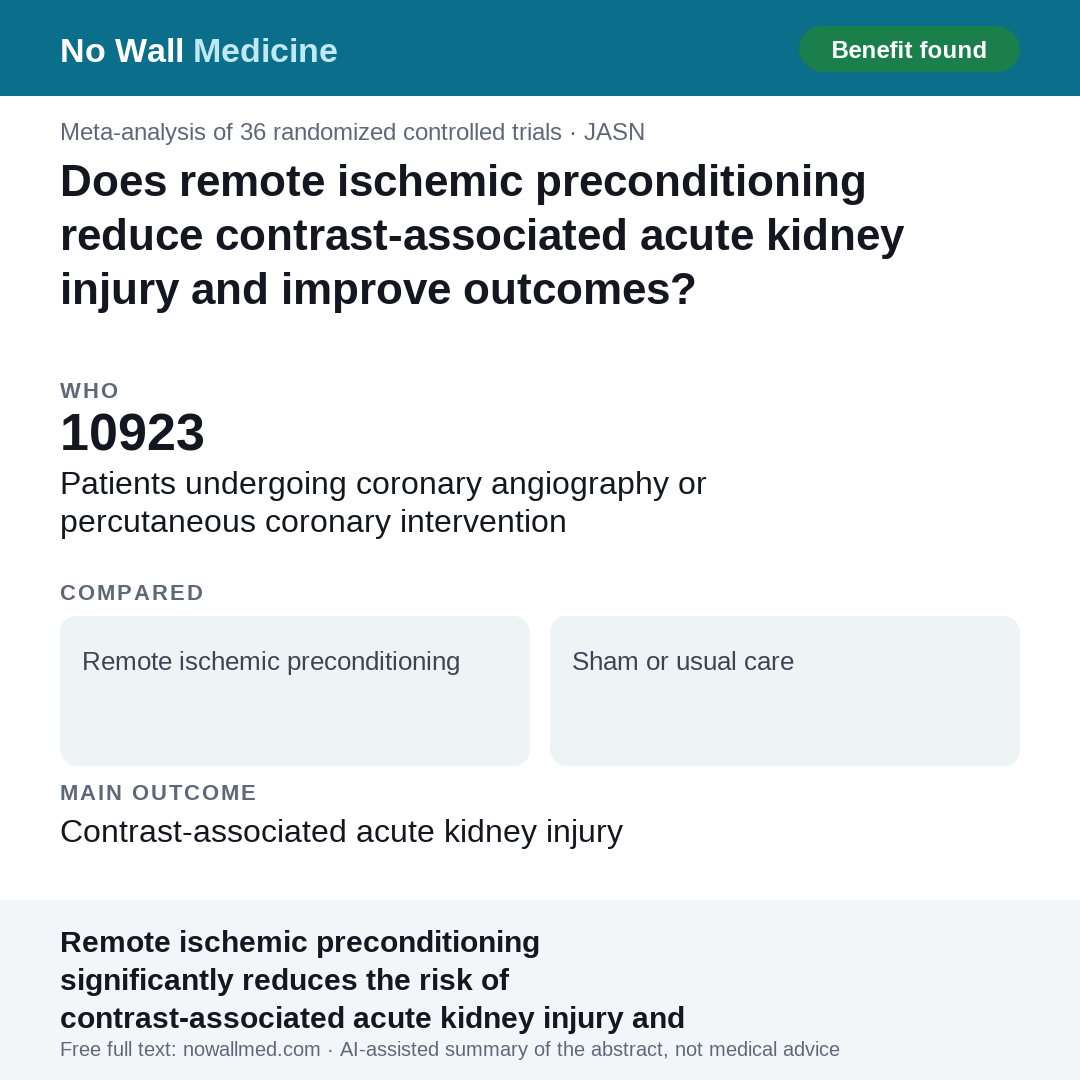
Remote Ischemic Preconditioning for Prevention of Contrast-Associated Acute Kidney Injury following Coronary Angiography or Percutaneous Coronary Intervention
Meta-analysis of 36 randomized controlled trialsBenefit found
Does remote ischemic preconditioning reduce contrast-associated acute kidney injury and improve outcomes?
Who
10923
Patients undergoing coronary angiography or percutaneous coronary intervention
Compared
Remote ischemic preconditioning
Sham or usual care
Main outcome
Contrast-associated acute kidney injury
Result: risk ratio 0.54 (95% CI 0.45 to 0.65)
Bottom line: Remote ischemic preconditioning significantly reduces the risk of contrast-associated acute kidney injury and in-hospital major adverse cardiovascular events.
JASN · 2026-05-27Download image
Synaptic biomarkers in Alzheimer's disease dementia and mild cognitive impairment: A systematic review and meta-analysis
Systematic review and meta-analysisMixed results
Are cerebrospinal fluid and blood-based synaptic biomarkers altered in Alzheimer's disease?
Who
Patients with Alzheimer's disease dementia, mild cognitive impairment, and healthy controls
Compared
Alzheimer's disease dementia and mild cognitive impairment
Healthy controls
Main outcome
Cerebrospinal fluid and blood-based synaptic biomarkers
Bottom line: Several cerebrospinal fluid and blood-based synaptic biomarkers are altered in Alzheimer's disease dementia and mild cognitive impairment.
Alzheimers Dement · 2026-05-27Download image

Beyond fear circuits: multiscale neurobiological architecture of panic disorder
Meta-analysis of functional neuroimaging experimentsMixed results
What is the multiscale neurobiological architecture of panic disorder?
Who
Patients with panic disorder
Compared
Panic disorder: increased activity in a prefrontal-hippocampus-brainstem axis
Control
Main outcome
Patterns of altered brain activity
Bottom line: Panic disorder involves widespread neural alterations across a prefrontal-hippocampus-brainstem axis beyond traditional fear circuitry.
Mol Psychiatry · 2026-05-27Download image

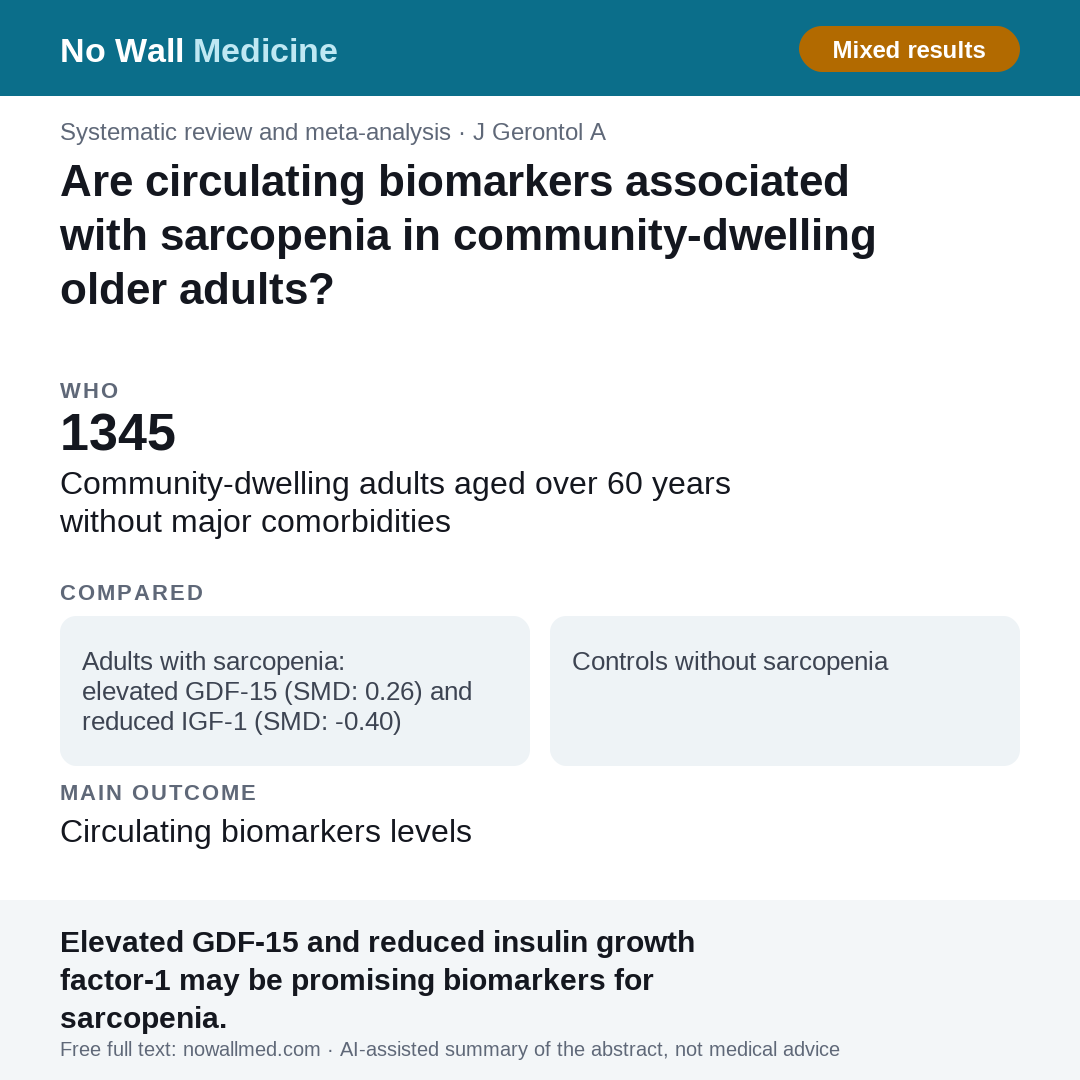
Circulating biomarkers in older adults with and without sarcopenia: a systematic review and meta-analysis
Systematic review and meta-analysisMixed results
Are circulating biomarkers associated with sarcopenia in community-dwelling older adults?
Who
1345
Community-dwelling adults aged over 60 years without major comorbidities
Compared
Adults with sarcopenia: elevated GDF-15 (SMD: 0.26) and reduced IGF-1 (SMD: -0.40)
Controls without sarcopenia
Main outcome
Circulating biomarkers levels
Result: GDF-15 SMD: 0.26 (95% CI 0.03 to 0.50); IGF-1 SMD: -0.40 (95% CI -0.54 to -0.27)
Bottom line: Elevated GDF-15 and reduced insulin growth factor-1 may be promising biomarkers for sarcopenia.
Limitation: Larger, longitudinal studies are needed to address heterogeneity and causality.
J Gerontol A · 2026-05-27Download image
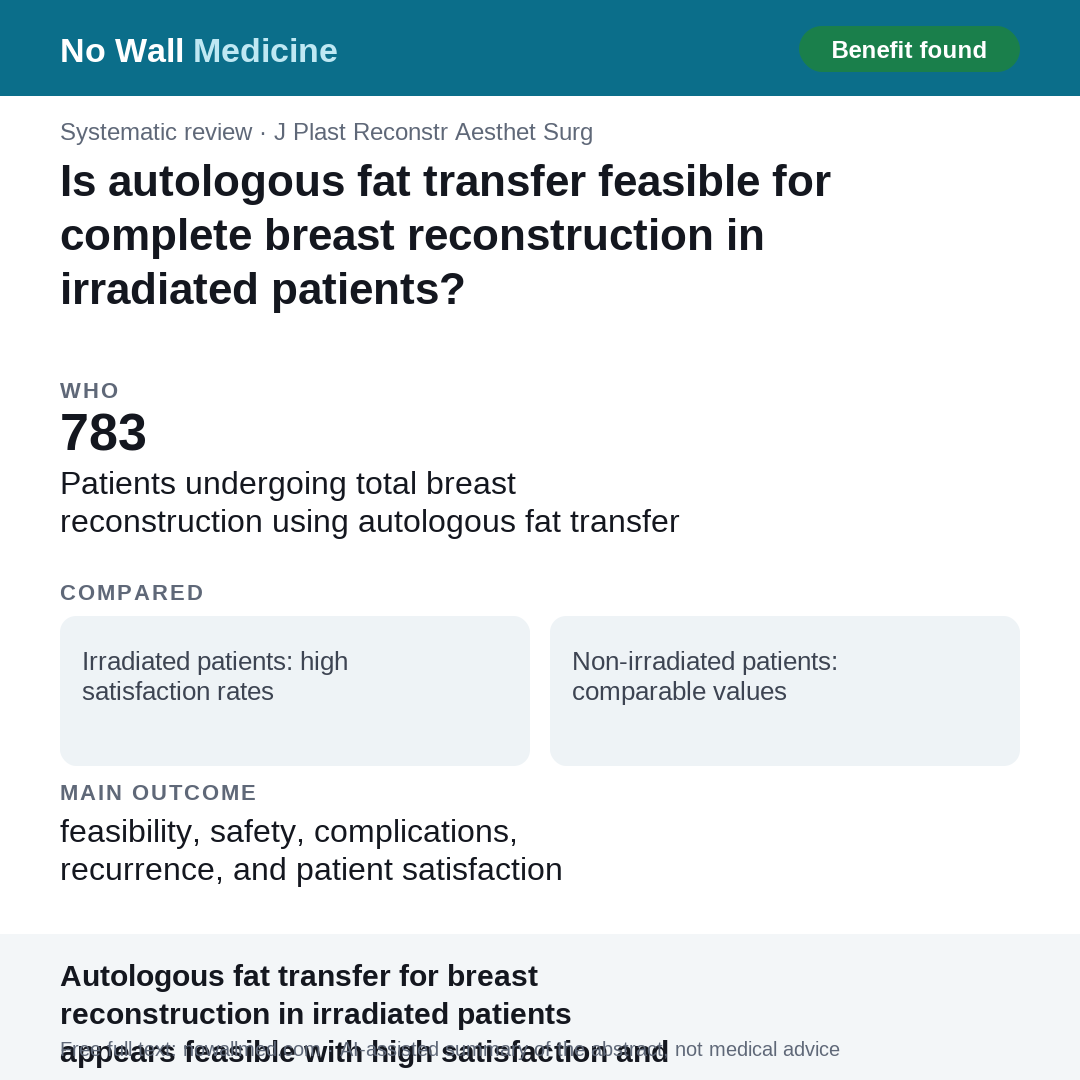
Autologous fat transfer for complete breast reconstruction in irradiated breast cancer patients: A systematic review
Systematic reviewBenefit found
Is autologous fat transfer feasible for complete breast reconstruction in irradiated patients?
Who
783
Patients undergoing total breast reconstruction using autologous fat transfer after radiotherapy
Compared
Irradiated patients: high satisfaction rates
Non-irradiated patients: comparable values
Main outcome
feasibility, safety, complications, recurrence, and patient satisfaction
Bottom line: Autologous fat transfer for breast reconstruction in irradiated patients appears feasible with high satisfaction and acceptable complications.
Limitation: The available evidence is predominantly retrospective and heterogeneous.
J Plast Reconstr Aesthet Surg · 2026-05-27Download image
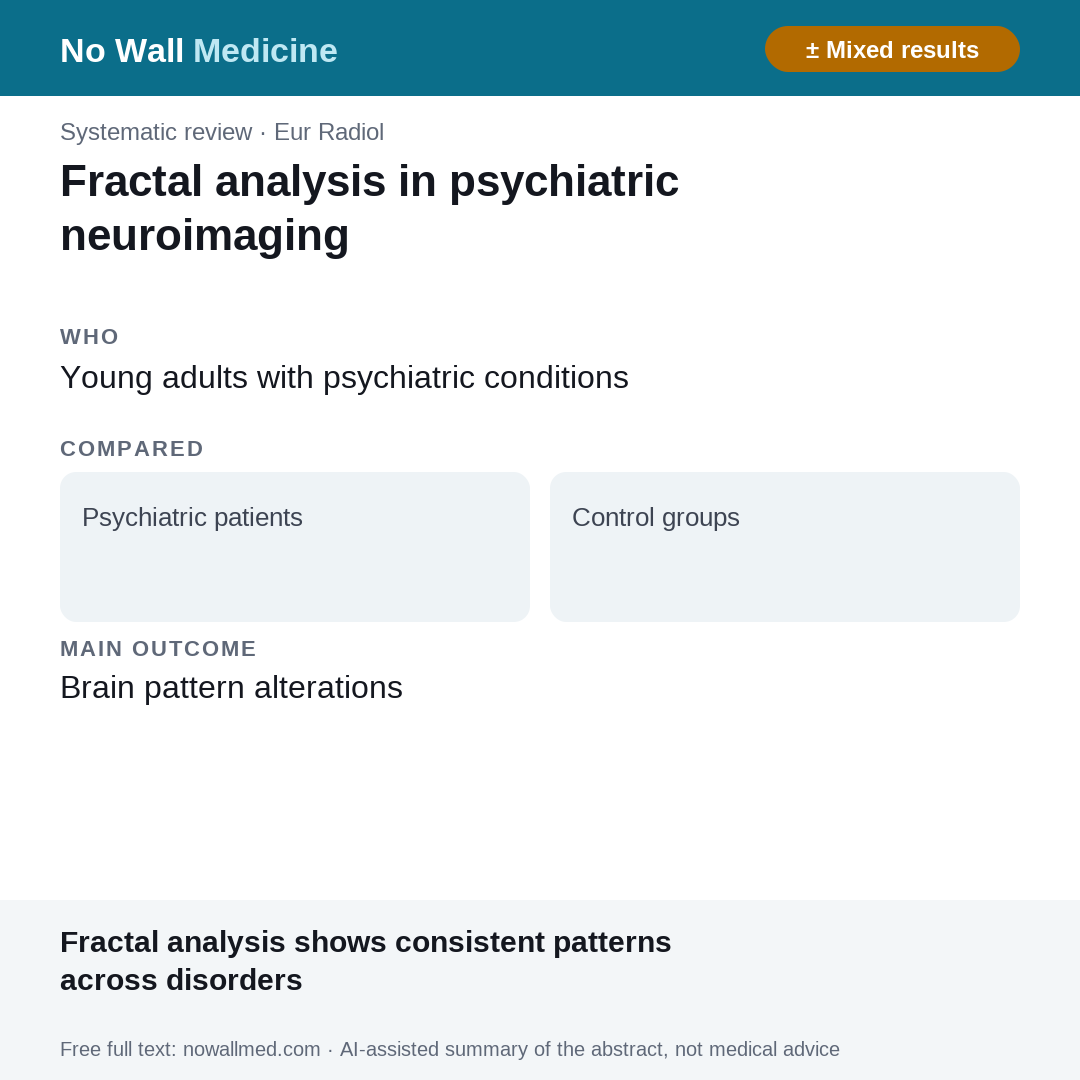
Genome-wide association study reveals a novel tuberculosis susceptibility locus in multiple East Asian and European populations
Genome-wide association studyMixed results
Genetic factors for tuberculosis susceptibility
Who
12736
East Asian and European populations · multiple
Compared
East Asians
Europeans
Main outcome
pulmonary tuberculosis susceptibility
Result: odds ratio 1.098 (95% CI 1.068 to 1.129)
Bottom line: Novel locus found for tuberculosis susceptibility
Limitation: unexplained heritability remains
Genome Med · 2026-05-27Download image
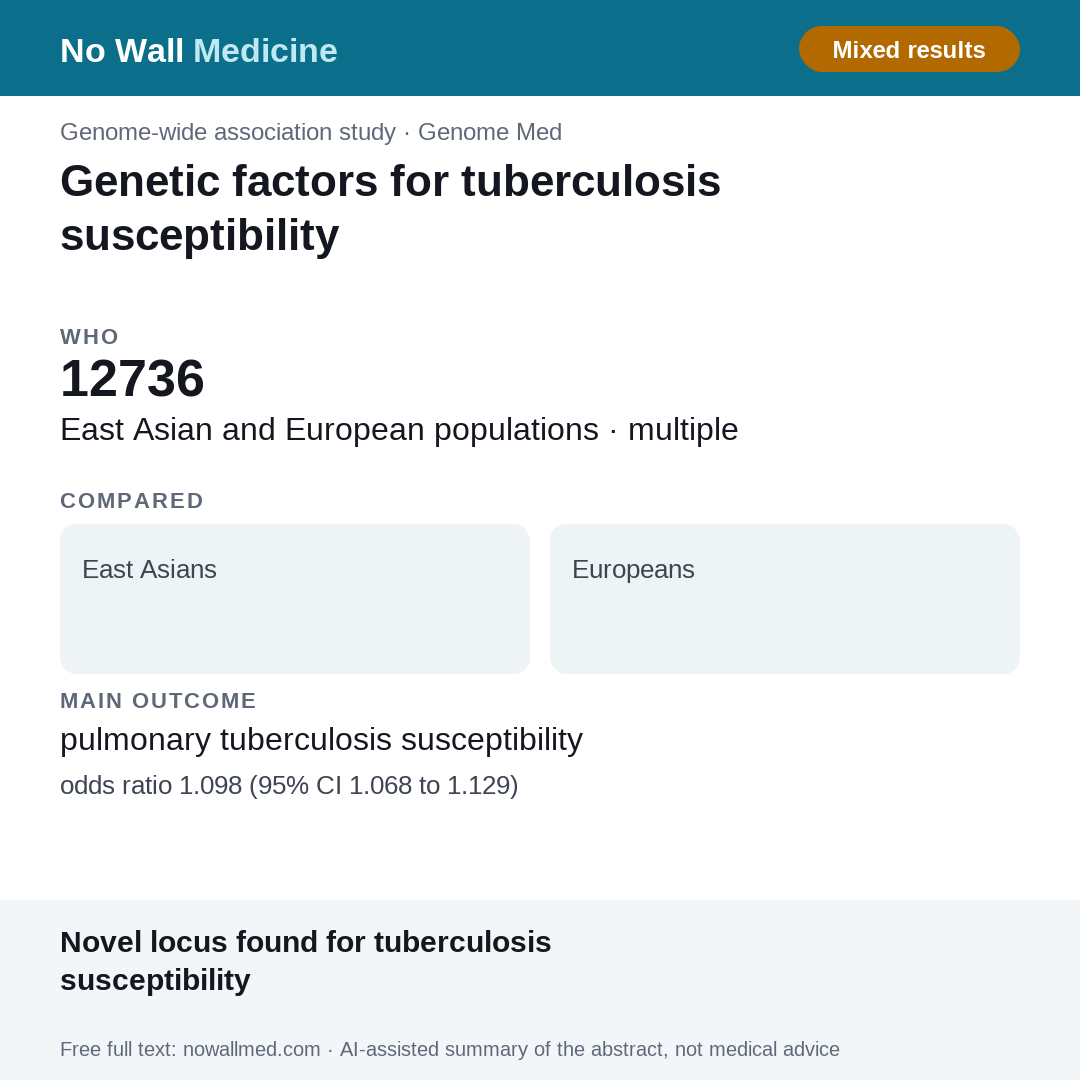
Efficacy of phytosterols for reduction of cardiometabolic risk factors: An umbrella review of systematic reviews and meta-analyses and updated dose-response meta-analyses of randomized trials
Umbrella review of systematic reviews and meta-analysesBenefit found
Do phytosterols reduce cardiometabolic risk factors across different doses and populations?
Who
Adults of mixed health statuses
Compared
Phytosterols: LDL-C reduction (MD range: -0.36 to -0.26 mmol/L)
Control
Main outcome
Cardiometabolic risk factors including lipids, glycemia, blood pressure, and adiposity
Bottom line: Phytosterols moderately reduce LDL-C and total cholesterol, with small improvements in apoB, hs-CRP, and blood pressure.
Limitation: Certainty of evidence was downgraded for inconsistency, imprecision and/or publication bias.
Clin Nutr · 2026-05-26Download image
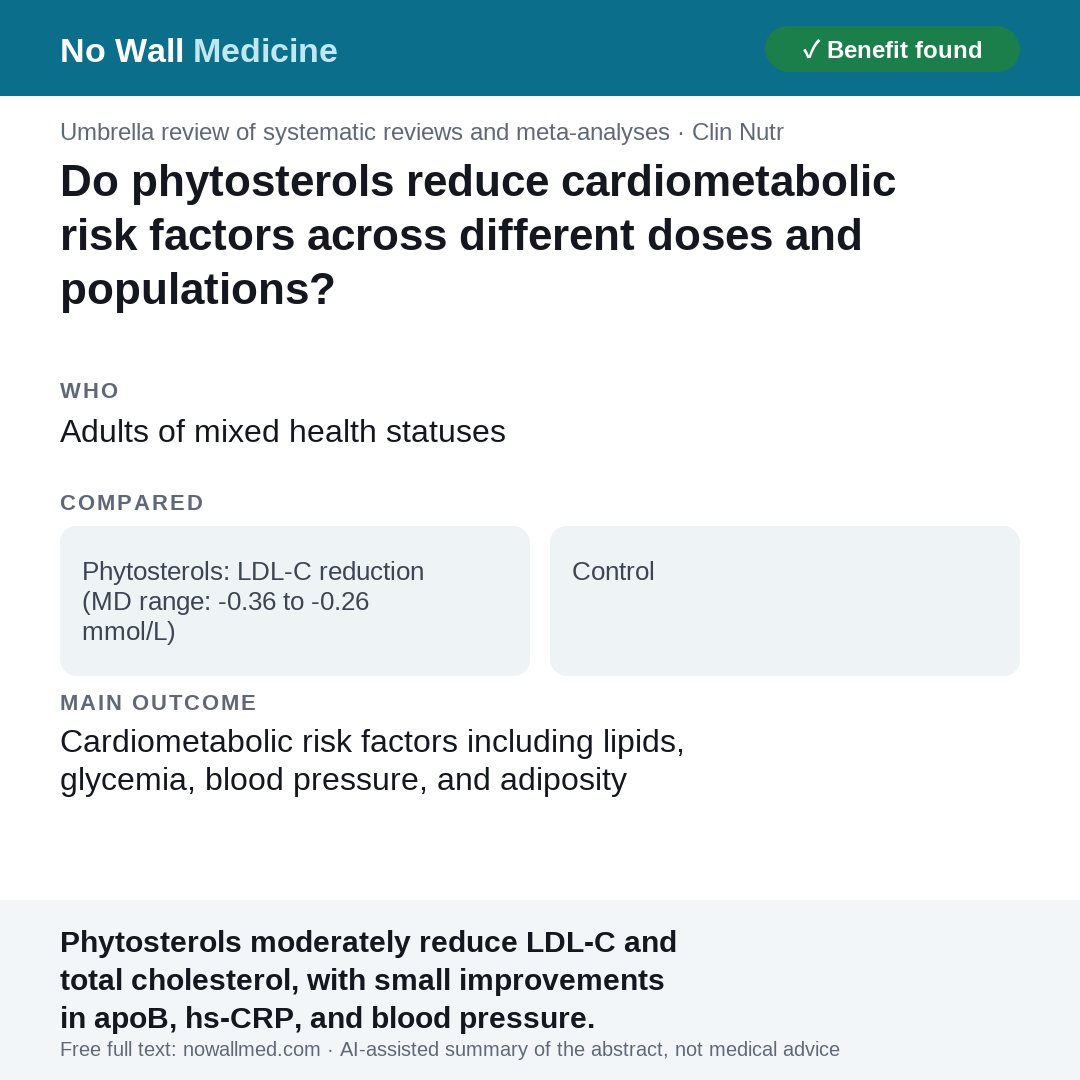
Airway management with a supraglottic airway device during resuscitation by basic life support providers: a systematic review
Systematic reviewNo clear difference
Does supraglottic airway device use improve clinical outcomes compared with bag-valve-mask ventilation?
Who
Basic Life Support providers during adult cardiac arrest · In-hospital or out-of-hospital
Compared
Supraglottic airway device
Bag-valve-mask ventilation
Main outcome
Survival to hospital discharge or 30 days
Result: relative risk 1.28 (95% CI 0.46-3.55)
Bottom line: Supraglottic airway devices showed no evidence of benefit compared with bag-valve-mask ventilation by basic life support providers.
Limitation: Considerable heterogeneity among studies and lack of data for first rescuers or first responders.
Resuscitation · 2026-05-26Download image
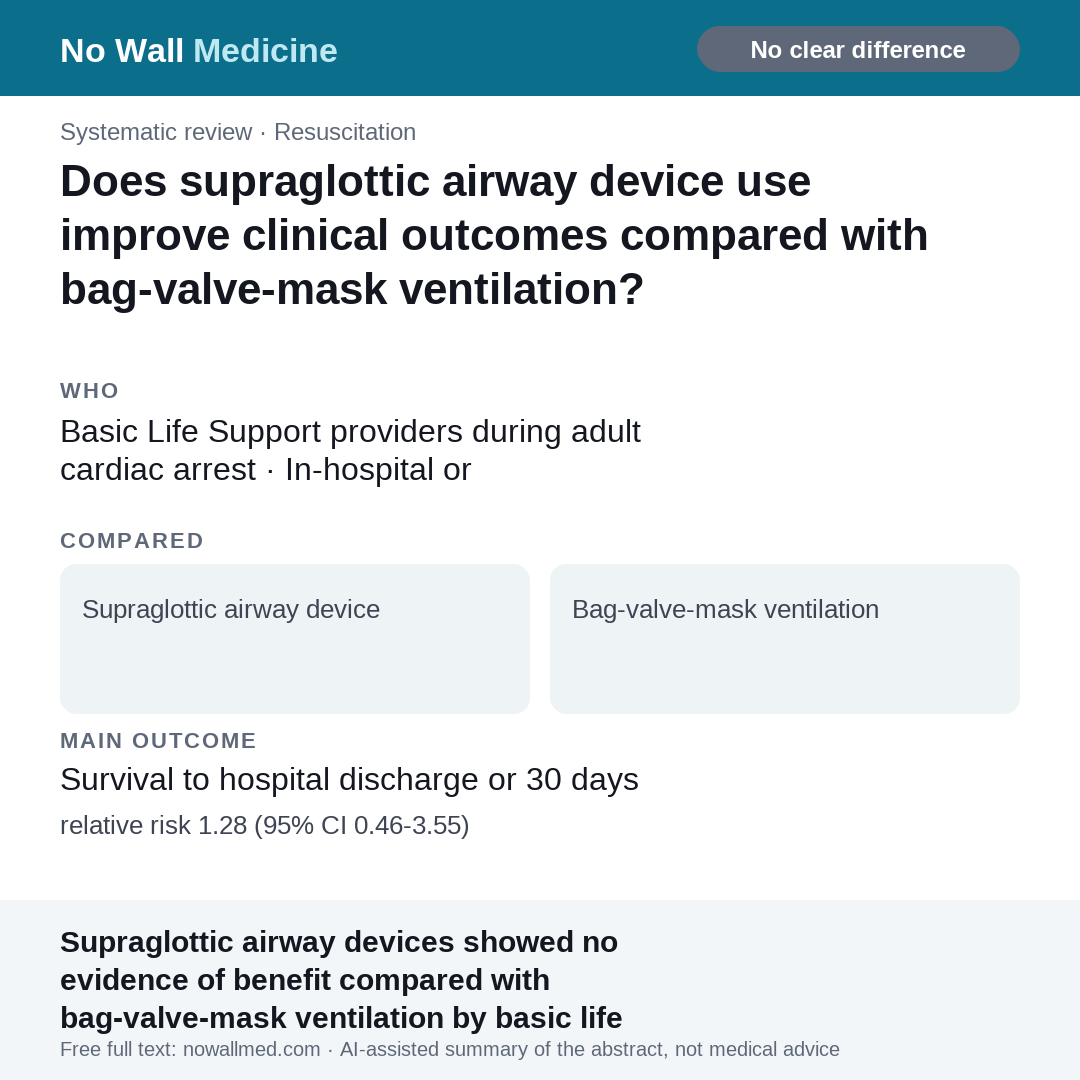
Complexity in disguise: a systematic review of fractal analysis in psychiatric neuroimaging
Systematic reviewMixed results
Fractal analysis in psychiatric neuroimaging
Who
Young adults with psychiatric conditions
Compared
Psychiatric patients
Control groups
Main outcome
Brain pattern alterations
Bottom line: Fractal analysis shows consistent patterns across disorders
Limitation: Lack of standardized protocol
Eur Radiol · 2026-05-26Download image
Association of Advanced Access With Primary Care Performance: A Systematic Review
Systematic review and narrative synthesisBenefit found
Does advanced access improve primary care performance compared to traditional scheduling?
Who
Patients in primary care settings · Universal and non-universal health care systems
Compared
Advanced access
Traditional scheduling
Main outcome
Wait time, continuity of care, emergency department use, and patient satisfaction
Bottom line: Advanced access improves appointment timeliness, continuity of care, and patient satisfaction across diverse health care systems.
Ann Fam Med · 2026-05-26Download image

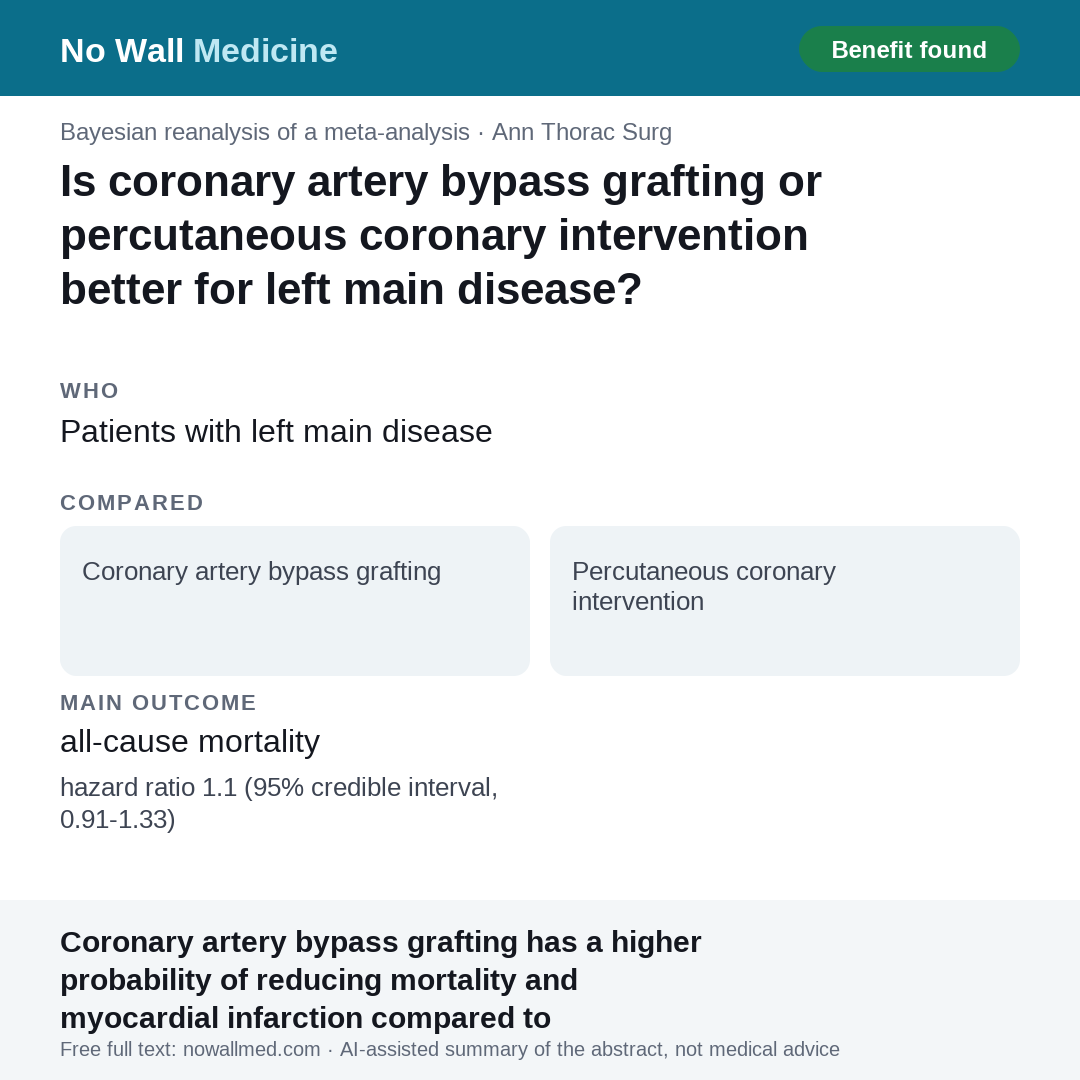
Bayesian Reanalysis of Revascularization Strategies for Left Main Disease: Coronary Artery Bypass Grafting vs Percutaneous Intervention
Bayesian reanalysis of a meta-analysisBenefit found
Is coronary artery bypass grafting or percutaneous coronary intervention better for left main disease?
Who
Patients with left main disease
Compared
Coronary artery bypass grafting
Percutaneous coronary intervention
Main outcome
all-cause mortality
Result: hazard ratio 1.1 (95% credible interval, 0.91-1.33)
Bottom line: Coronary artery bypass grafting has a higher probability of reducing mortality and myocardial infarction compared to percutaneous coronary intervention.
Ann Thorac Surg · 2026-05-26Download image
Prevalence of chronic kidney disease in people with severe mental illness: systematic review and meta-analysis
Systematic review and meta-analysisHarm found
What is the prevalence, incidence, and risk of chronic kidney disease among people with severe mental illness?
Who
People with severe mental illness
Compared
8%People with severe mental illness (95% CI 5%, 18%)
People without severe mental illness
Main outcome
Prevalence, incidence, and risk of chronic kidney disease
Result: odds ratio 2.33 (95% CI 1.70, 3.21)
Bottom line: People with severe mental illness have a significantly higher risk of chronic kidney disease compared to those without.
Limitation: The drivers of this inequality, such as psychiatric medication and diabetes, are under-researched.
Br J Psychiatry · 2026-05-26Download image

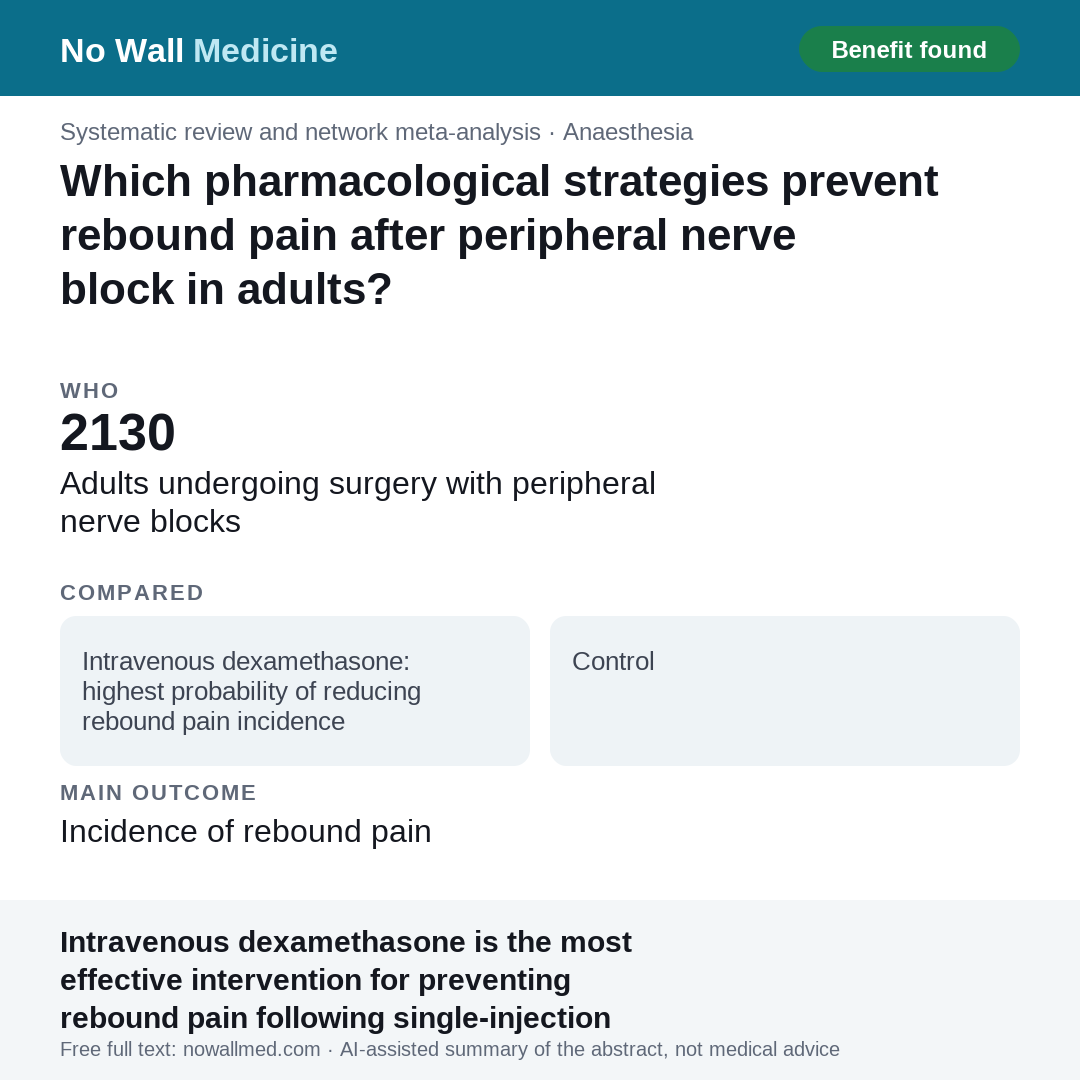
Prophylactic interventions to prevent rebound pain after peripheral nerve block in adults: a systematic review and network meta-analysis of randomised controlled trials
Systematic review and network meta-analysisBenefit found
Which pharmacological strategies prevent rebound pain after peripheral nerve block in adults?
Who
2130
Adults undergoing surgery with peripheral nerve blocks
Compared
Intravenous dexamethasone: highest probability of reducing rebound pain incidence
Control
Main outcome
Incidence of rebound pain
Bottom line: Intravenous dexamethasone is the most effective intervention for preventing rebound pain following single-injection peripheral nerve blocks.
Anaesthesia · 2026-05-26Download image
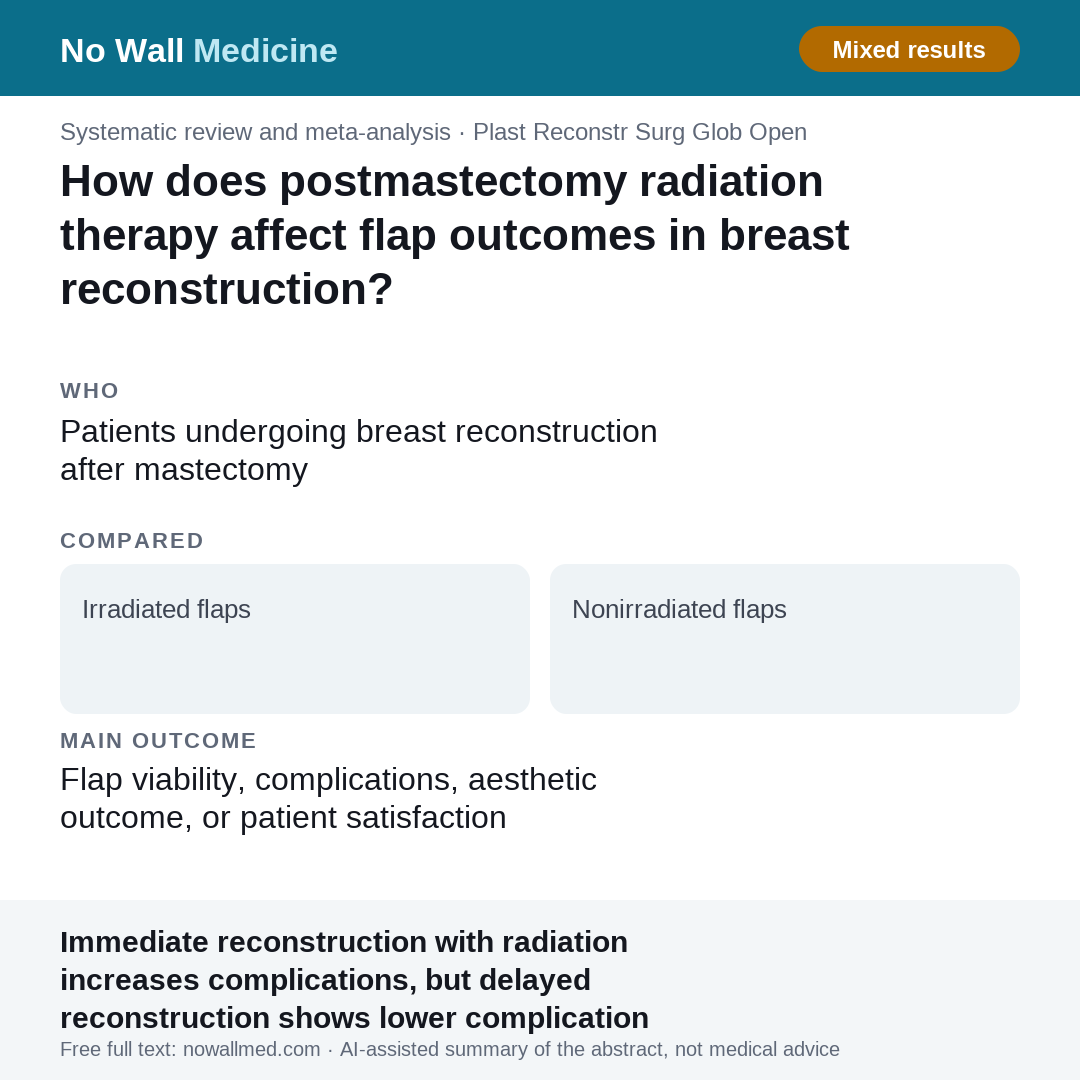
Postmastectomy Radiation Therapy on Flap Outcomes in Breast Reconstruction: A Systematic Review and Meta-analysis
Systematic review and meta-analysisMixed results
How does postmastectomy radiation therapy affect flap outcomes in breast reconstruction?
Who
Patients undergoing breast reconstruction after mastectomy
Compared
Irradiated flaps
Nonirradiated flaps
Main outcome
Flap viability, complications, aesthetic outcome, or patient satisfaction
Bottom line: Immediate reconstruction with radiation increases complications, but delayed reconstruction shows lower complication rates and better cosmetic results.
Plast Reconstr Surg Glob Open · 2026-05-26Download image
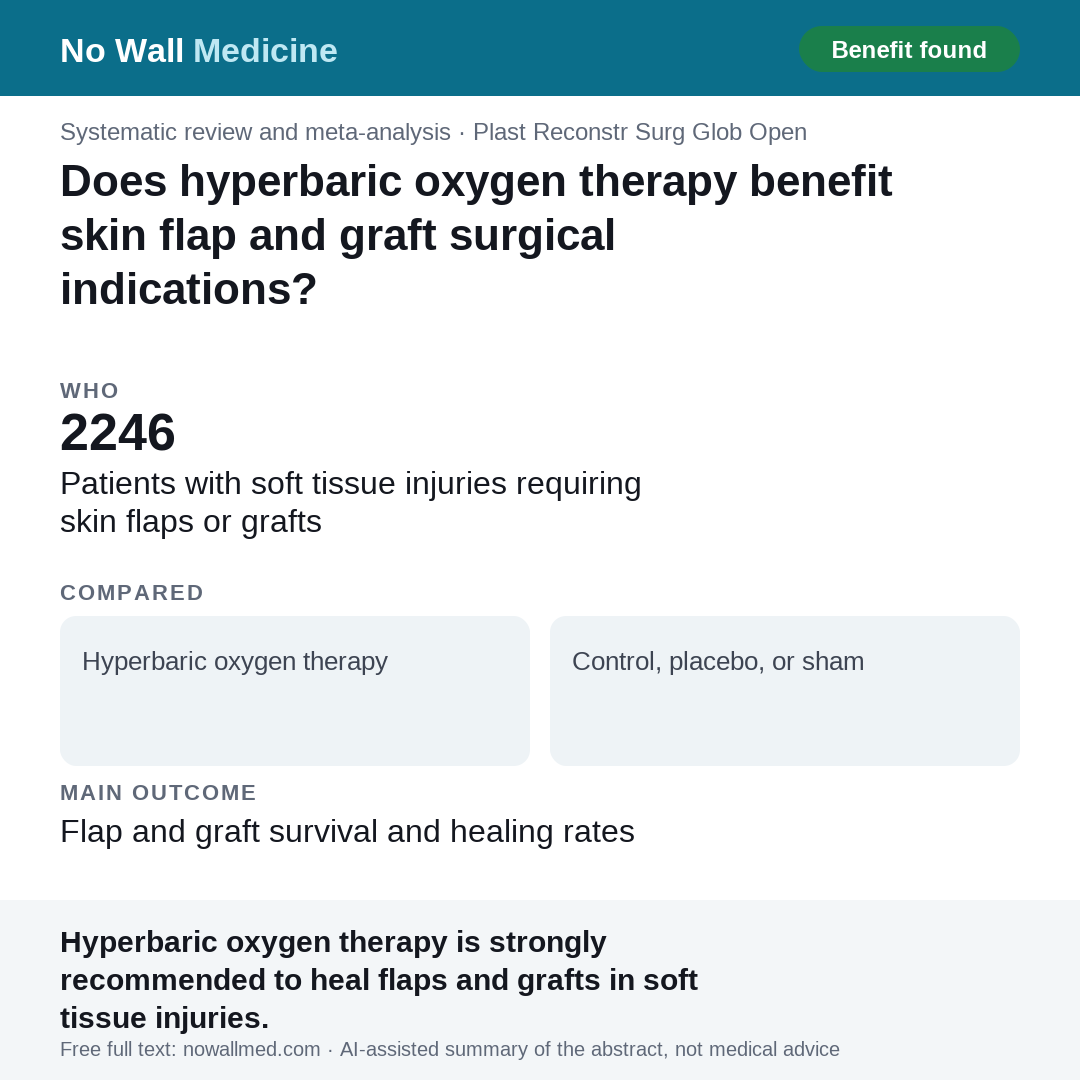
Systematic Review of Comparative Studies Evaluating Hyperbaric Oxygen Therapy on Skin Flap and Graft Surgical Indications
Systematic review and meta-analysisBenefit found
Does hyperbaric oxygen therapy benefit skin flap and graft surgical indications?
Who
2246
Patients with soft tissue injuries requiring skin flaps or grafts
Compared
Hyperbaric oxygen therapy
Control, placebo, or sham
Main outcome
Flap and graft survival and healing rates
Result: log odds ratio 1.045 (95% confidence interval, 0.44-1.65)
Bottom line: Hyperbaric oxygen therapy is strongly recommended to heal flaps and grafts in soft tissue injuries.
Limitation: Evidence levels were very low to moderate.
Plast Reconstr Surg Glob Open · 2026-05-26Download image
Systemic associations of pyoderma gangrenosum: a systematic review
Systematic reviewMixed results
What are the systemic disease associations of pyoderma gangrenosum in adults?
Who
Adults with pyoderma gangrenosum
Compared
Inflammatory bowel disease: n = 13
Haematological disorders: n = 6
Solid organ malignancy: n = 3
Arthritis: n = 3
Main outcome
Systemic disease associations and related clinical features
Bottom line: Pyoderma gangrenosum is associated with diverse conditions, most frequently inflammatory bowel disease, haematological disorders, malignancy, and arthritis.
Limitation: Larger prospective studies are needed to clarify causality and optimize management.
Skin Health Dis · 2026-05-26Download image

Evidence-Based Cognitive Rehabilitation for Persons With Multiple Sclerosis: An Updated Systematic Review 2016 to 2024
Systematic reviewBenefit found
Does cognitive rehabilitation help multiple sclerosis patients
Who
persons with multiple sclerosis
Compared
cognitive rehabilitation
control
Main outcome
cognitive function
Bottom line: Cognitive rehabilitation helps multiple sclerosis patients
Arch Phys Med Rehabil · 2026-05-25Download image

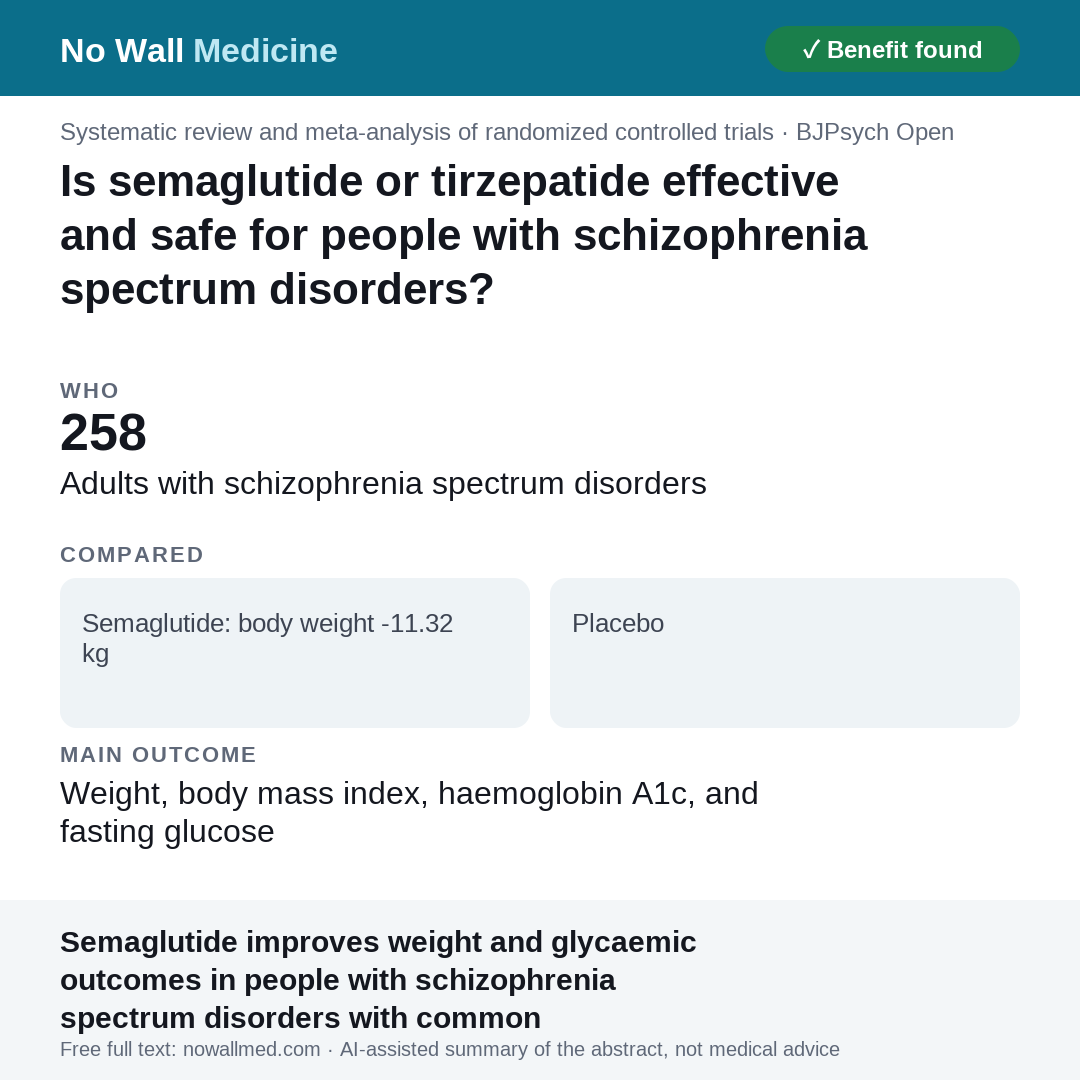
The safety and efficacy of semaglutide in people with schizophrenia spectrum disorders: systematic review and meta-analysis of randomised controlled trials
Systematic review and meta-analysis of randomized controlled trialsBenefit found
Is semaglutide or tirzepatide effective and safe for people with schizophrenia spectrum disorders?
Who
258
Adults with schizophrenia spectrum disorders
Compared
Semaglutide: body weight -11.32 kg
Placebo
Main outcome
Weight, body mass index, haemoglobin A1c, and fasting glucose
Result: body weight reduction -11.32 kg (95% CI -15.35 to -7.29)
Bottom line: Semaglutide improves weight and glycaemic outcomes in people with schizophrenia spectrum disorders with common gastrointestinal side effects.
Limitation: Larger and longer trials are needed to characterize heterogeneity and long-term safety.
BJPsych Open · 2026-05-25Download image
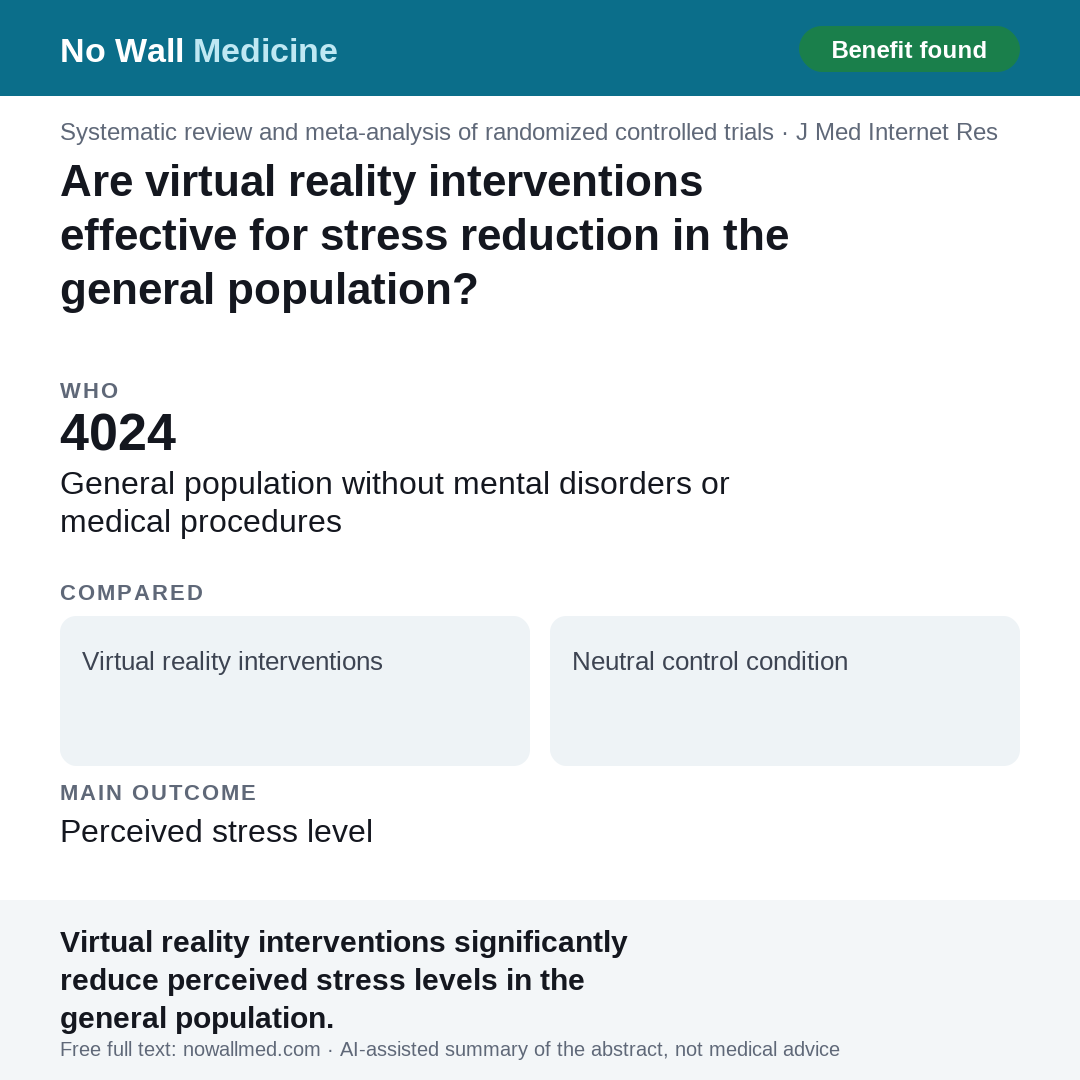
Virtual Reality Interventions for Stress Reduction in the General Population: Systematic Review and Meta-Analysis of Randomized Controlled Trials
Systematic review and meta-analysis of randomized controlled trialsBenefit found
Are virtual reality interventions effective for stress reduction in the general population?
Who
4024
General population
Compared
Virtual reality interventions
Neutral control condition
Main outcome
Perceived stress level
Result: standardized mean difference -0.55 (95% CI -0.70 to -0.40)
Bottom line: Virtual reality interventions significantly reduce perceived stress, anxiety, depression, and systolic blood pressure in the general population.
J Med Internet Res · 2026-05-25Download image
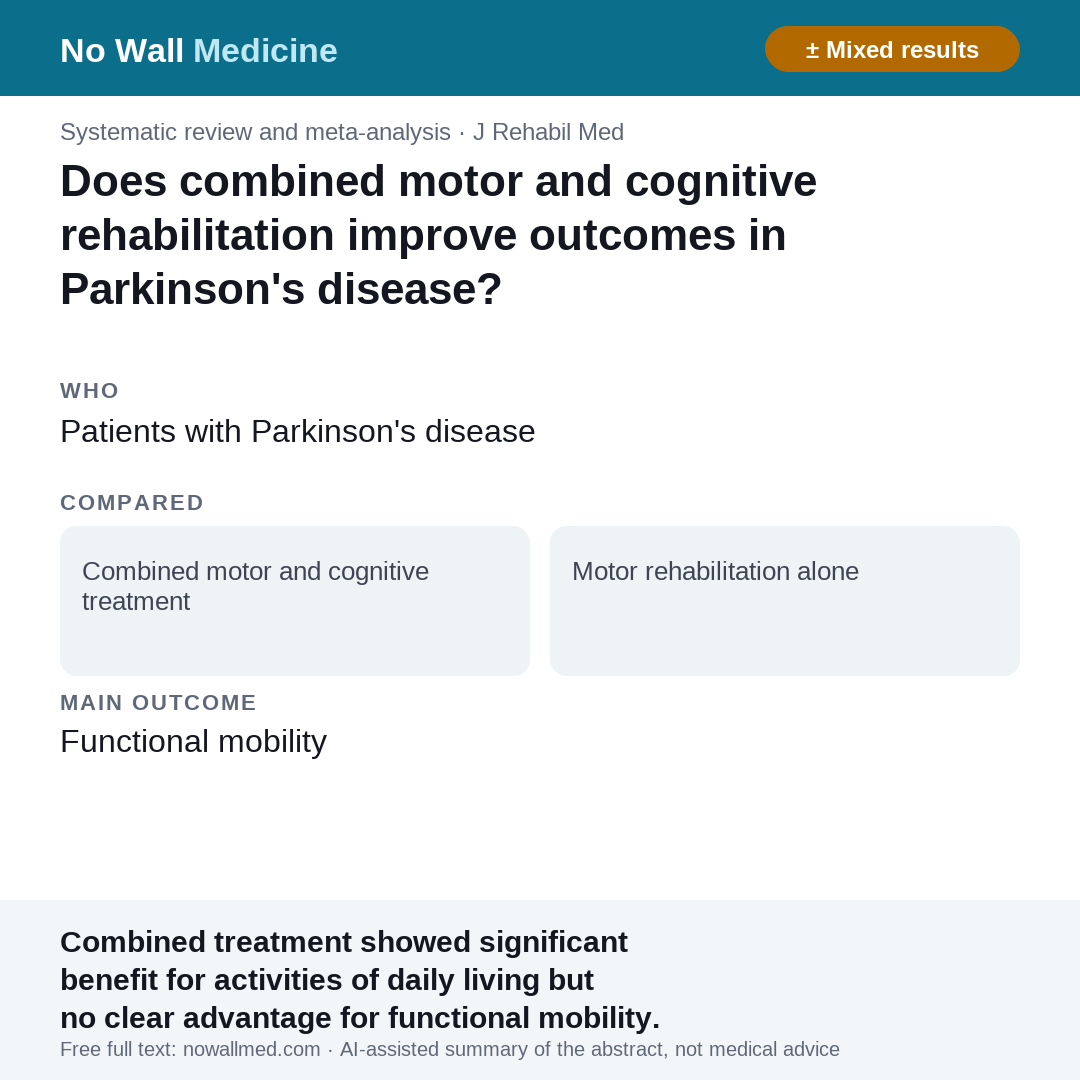
The effect of combined motor and cognitive rehabilitation on motor performance in Parkinson's disease: a systematic review and meta-analysis
Systematic review and meta-analysisMixed results
Does combined motor and cognitive rehabilitation improve outcomes in Parkinson's disease?
Who
Patients with Parkinson's disease
Compared
Combined motor and cognitive treatment
Motor rehabilitation alone
Main outcome
Functional mobility
Bottom line: Combined treatment showed significant benefit for activities of daily living but no clear advantage for functional mobility.
J Rehabil Med · 2026-05-25Download image