Visual abstracts
New randomized trials and meta-analyses from leading journals at a glance: who was studied, what was compared, and what was found. Every paper is free to read in full.
All specialtiesCardiology 4763Oncology 4042Gastroenterology & Hepatology 1902Infectious Disease 3756Neurology 1872Psychiatry & Mental Health 2214Pulmonology 2042Critical Care 1319Endocrinology & Diabetes 2544Pediatrics 2889Surgery 2479Orthopedics & Sports Medicine 917Neurosurgery 525Cardiothoracic & Vascular Surgery 656Plastic & Reconstructive Surgery 574Nephrology 1107Rheumatology 810Hematology 1090Dermatology 611Ophthalmology 532Obstetrics & Gynecology 1645Public & Global Health 1037Radiology & Imaging 617Anesthesiology 957Urology 745ENT (Otolaryngology) 494Emergency Medicine 481Allergy & Immunology 309Geriatrics 972Family Medicine & Primary Care 533Medical Genetics & Genomics 659Pathology & Laboratory Medicine 156Physical Medicine & Rehabilitation 734Palliative Care 421Nutrition 1560Digital Health & AI 2133General Medicine 318
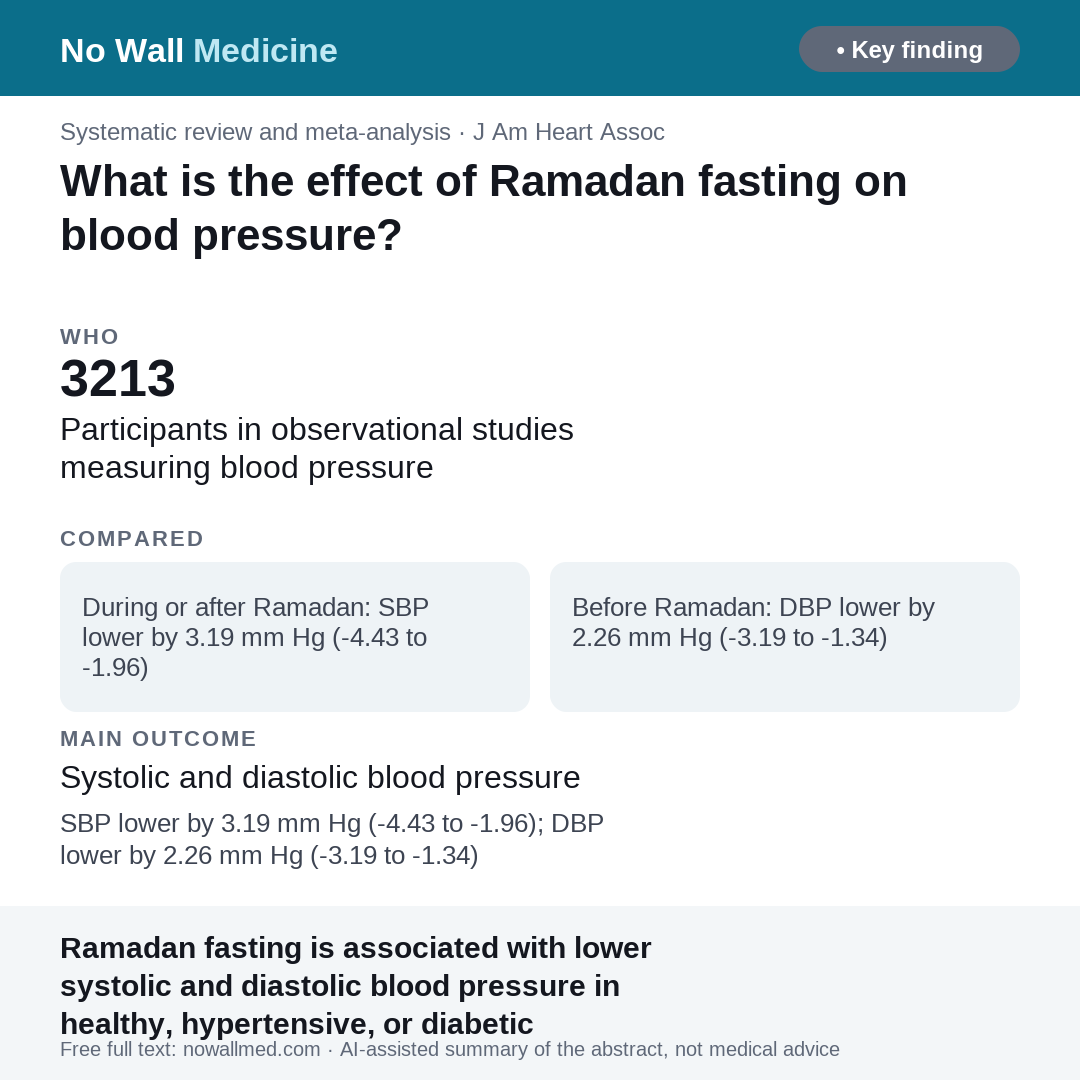
Effect of Religious Fasting in Ramadan on Blood Pressure: Results From LORANS (London Ramadan Study) and a Meta-Analysis
Systematic review and meta-analysisKey finding
What is the effect of Ramadan fasting on blood pressure?
Who
3213
Participants in observational studies measuring blood pressure
Compared
During or after Ramadan: SBP lower by 3.19 mm Hg (-4.43 to -1.96)
Before Ramadan: DBP lower by 2.26 mm Hg (-3.19 to -1.34)
Main outcome
Systolic and diastolic blood pressure
Result: SBP lower by 3.19 mm Hg (-4.43 to -1.96); DBP lower by 2.26 mm Hg (-3.19 to -1.34)
Bottom line: Ramadan fasting is associated with lower systolic and diastolic blood pressure in healthy, hypertensive, or diabetic individuals.
Limitation: No beneficial effect was observed in patients with chronic kidney disease.
J Am Heart Assoc · 2021-10-08Download image
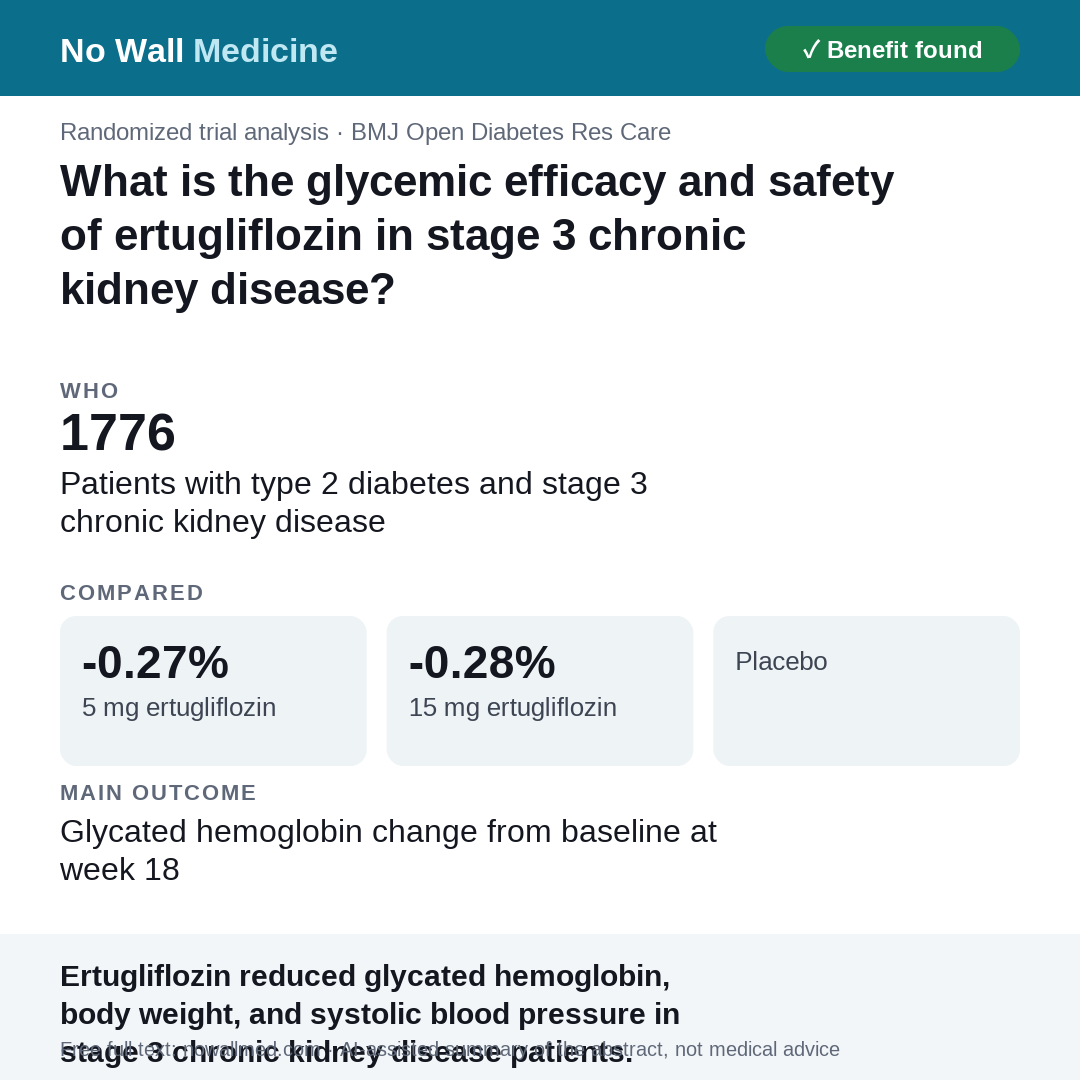
Glycemic efficacy and safety of the SGLT2 inhibitor ertugliflozin in patients with type 2 diabetes and stage 3 chronic kidney disease: an analysis from the VERTIS CV randomized trial
Randomized trial analysisBenefit found
What is the glycemic efficacy and safety of ertugliflozin in stage 3 chronic kidney disease?
Who
1776
Patients with type 2 diabetes and stage 3 chronic kidney disease
Compared
-0.27%5 mg ertugliflozin (-0.37% to -0.17%)
-0.28%15 mg ertugliflozin (-0.38% to -0.17%)
Placebo
Main outcome
Glycated hemoglobin change from baseline at week 18
Bottom line: Ertugliflozin reduced glycated hemoglobin, body weight, and systolic blood pressure in stage 3 chronic kidney disease patients.
BMJ Open Diabetes Res Care · 2021-10-08Download image
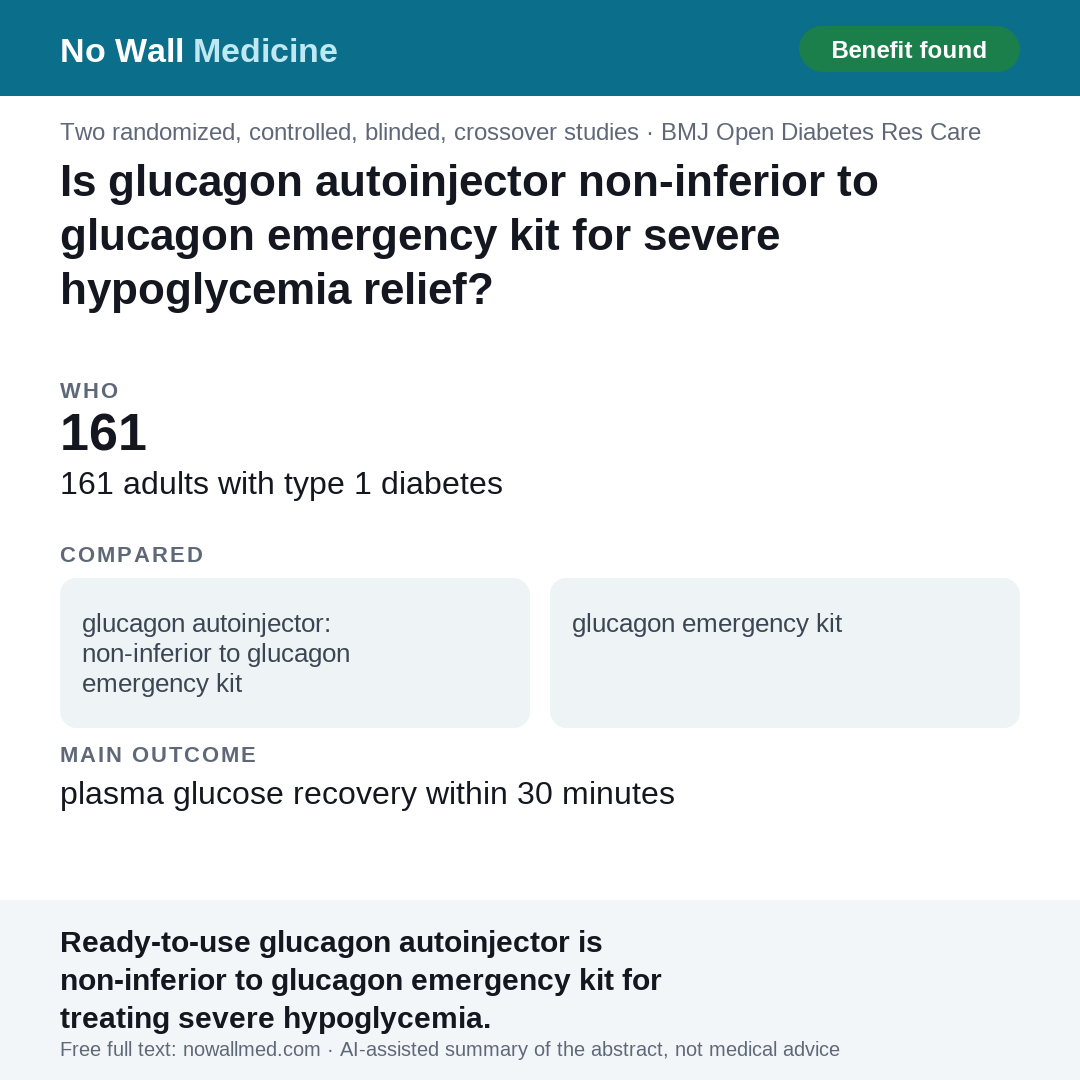
Comparison of a ready-to-use liquid glucagon injection administered by autoinjector to glucagon emergency kit for the symptomatic relief of severe hypoglycemia: two randomized crossover non-inferiority studies
Two randomized, controlled, blinded, crossover studiesBenefit found
Is glucagon autoinjector non-inferior to glucagon emergency kit for severe hypoglycemia relief?
Who
161
161 adults with type 1 diabetes
Compared
glucagon autoinjector: non-inferior to glucagon emergency kit
glucagon emergency kit
Main outcome
plasma glucose recovery within 30 minutes
Bottom line: Ready-to-use glucagon autoinjector is non-inferior to glucagon emergency kit for treating severe hypoglycemia.
BMJ Open Diabetes Res Care · 2021-10-08Download image
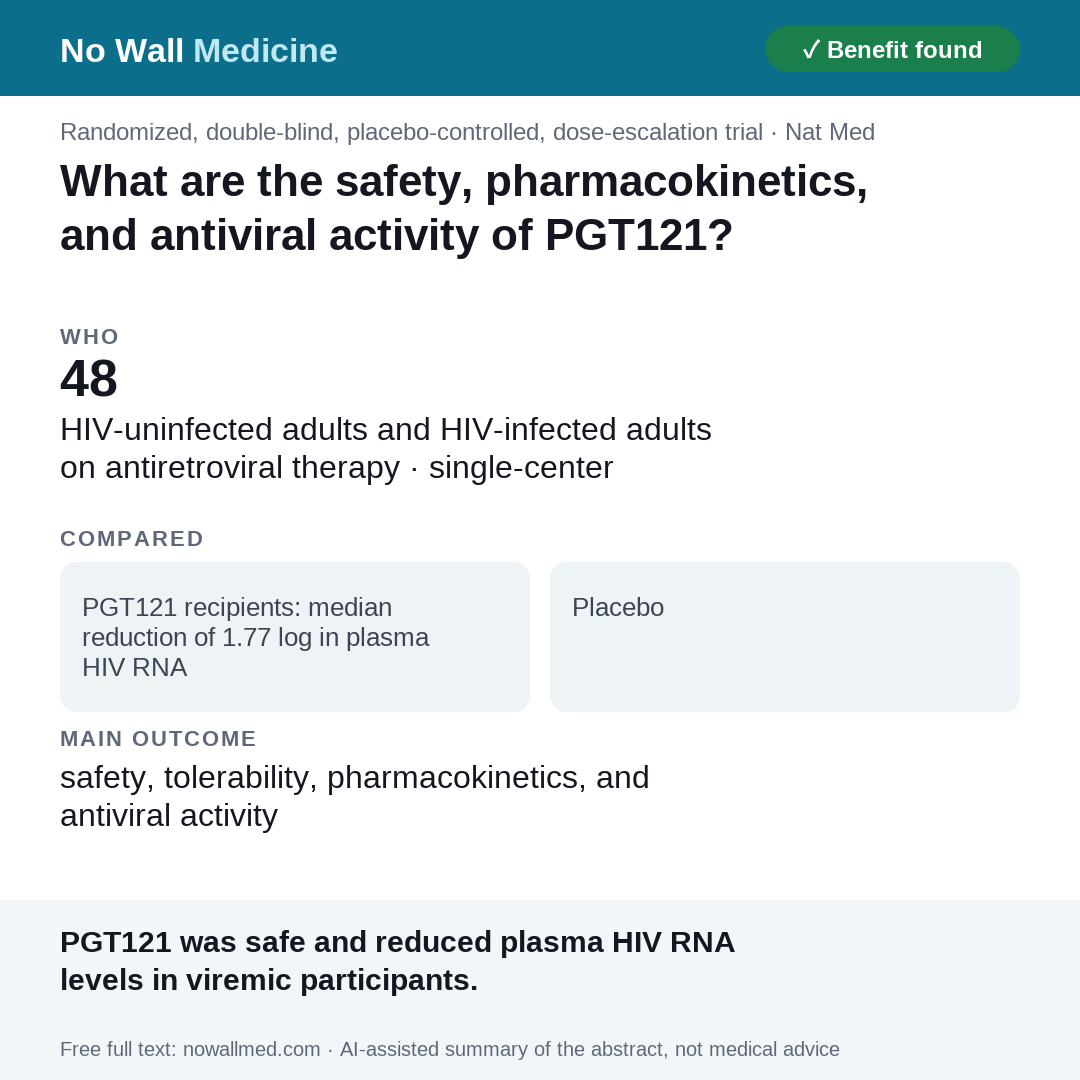
Safety, pharmacokinetics and antiviral activity of PGT121, a broadly neutralizing monoclonal antibody against HIV-1: a randomized, placebo-controlled, phase 1 clinical trial
Randomized, double-blind, placebo-controlled, dose-escalation trialBenefit found
What are the safety, pharmacokinetics, and antiviral activity of PGT121?
Who
48
HIV-uninfected adults and HIV-infected adults on antiretroviral therapy · single-center
Compared
PGT121 recipients: median reduction of 1.77 log in plasma HIV RNA
Placebo
Main outcome
safety, tolerability, pharmacokinetics, and antiviral activity
Bottom line: PGT121 was safe and reduced plasma HIV RNA levels in viremic participants.
Nat Med · 2021-10-07Download image
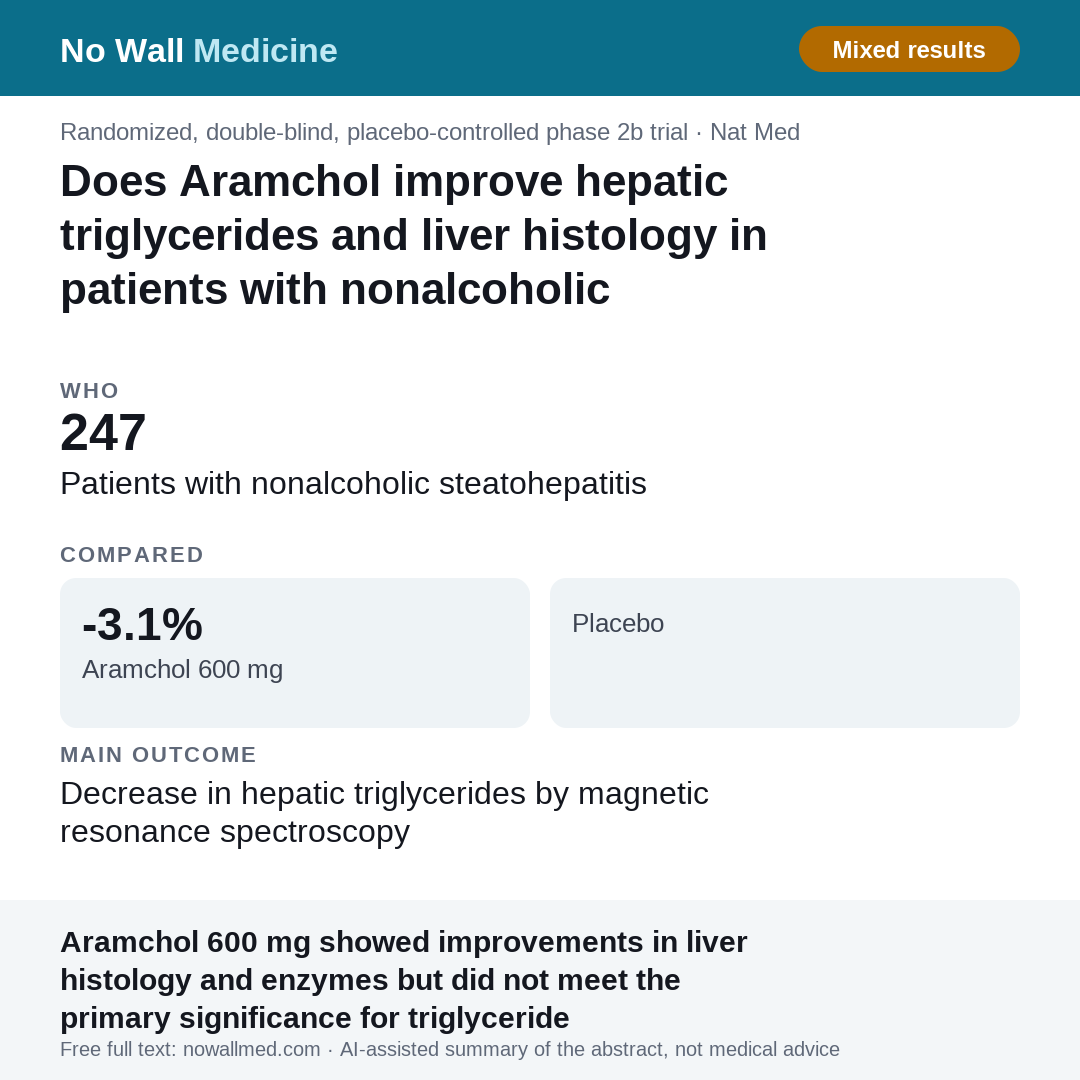
Aramchol in patients with nonalcoholic steatohepatitis: a randomized, double-blind, placebo-controlled phase 2b trial
Randomized, double-blind, placebo-controlled phase 2b trialMixed results
Does Aramchol improve hepatic triglycerides and liver histology in patients with nonalcoholic steatohepatitis?
Who
247
Patients with nonalcoholic steatohepatitis
Compared
-3.1%Aramchol 600 mg (95% CI -6.4 to 0.2)
Placebo
Main outcome
Decrease in hepatic triglycerides by magnetic resonance spectroscopy
Result: odds ratio 4.74 (95% CI 0.99 to 22.7) for NASH resolution
Bottom line: Aramchol 600 mg showed improvements in liver histology and enzymes but did not meet the primary significance for triglyceride reduction.
Nat Med · 2021-10-07Download image
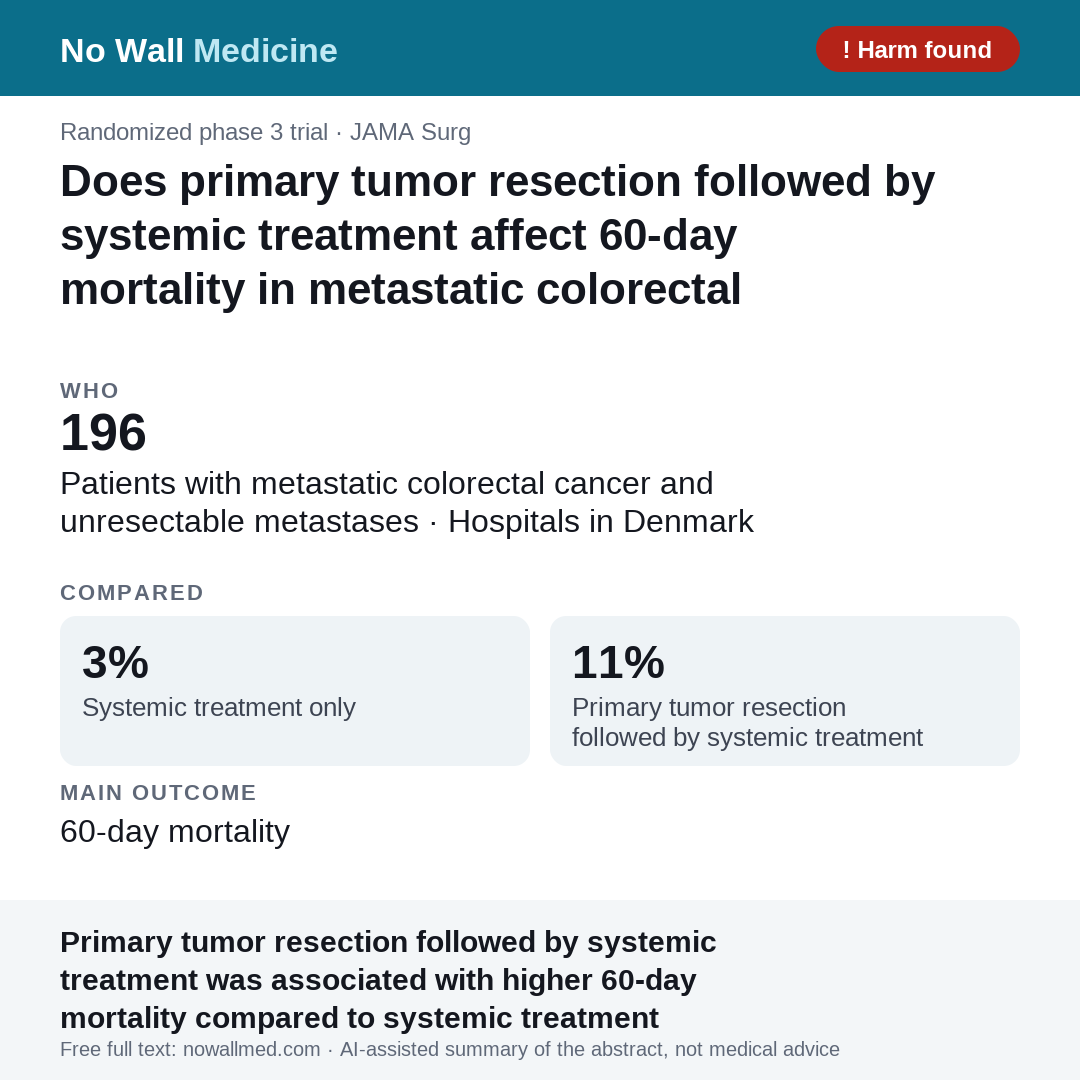
Sixty-Day Mortality of Patients With Metastatic Colorectal Cancer Randomized to Systemic Treatment vs Primary Tumor Resection Followed by Systemic Treatment: The CAIRO4 Phase 3 Randomized Clinical Trial
Randomized phase 3 trialHarm found
Does primary tumor resection followed by systemic treatment affect 60-day mortality in metastatic colorectal cancer?
Who
196
Patients with metastatic colorectal cancer and unresectable metastases · Hospitals in Denmark and the Netherlands
Compared
3%Systemic treatment only (95% CI, 1%-9%)
11%Primary tumor resection followed by systemic treatment (95% CI, 6%-19%)
Main outcome
60-day mortality
Bottom line: Primary tumor resection followed by systemic treatment was associated with higher 60-day mortality compared to systemic treatment alone.
JAMA Surg · 2021-10-07Download image
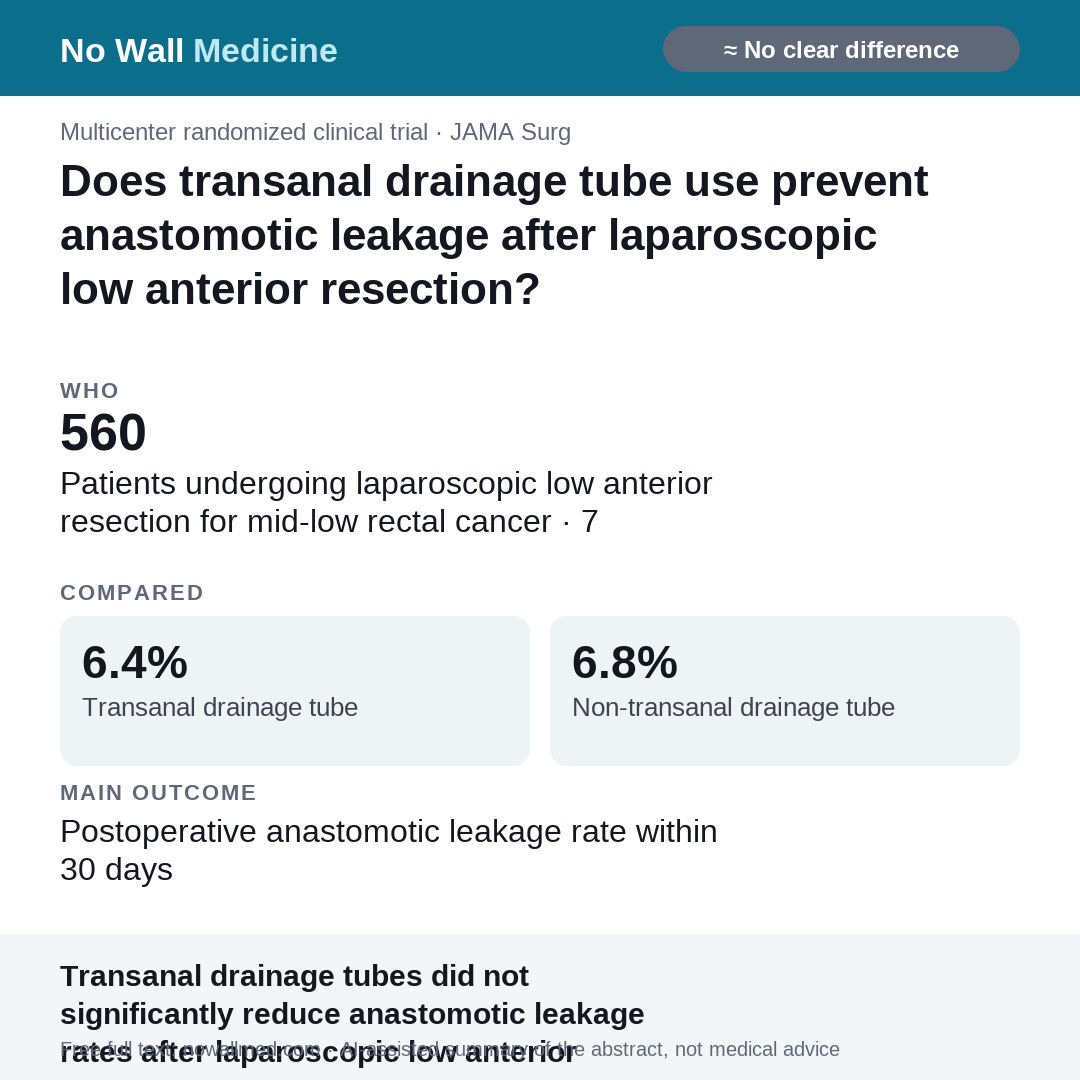
Transanal Drainage Tube Use for Preventing Anastomotic Leakage After Laparoscopic Low Anterior Resection in Patients With Rectal Cancer: A Randomized Clinical Trial
Multicenter randomized clinical trialNo clear difference
Does transanal drainage tube use prevent anastomotic leakage after laparoscopic low anterior resection?
Who
560
Patients undergoing laparoscopic low anterior resection for mid-low rectal cancer · 7 different hospitals in China
Compared
6.4%Transanal drainage tube
6.8%Non-transanal drainage tube
Main outcome
Postoperative anastomotic leakage rate within 30 days
Result: relative risk 0.947 (95% CI 0.508-1.766)
Bottom line: Transanal drainage tubes did not significantly reduce anastomotic leakage rates after laparoscopic low anterior resection for rectal cancer.
JAMA Surg · 2021-10-07Download image
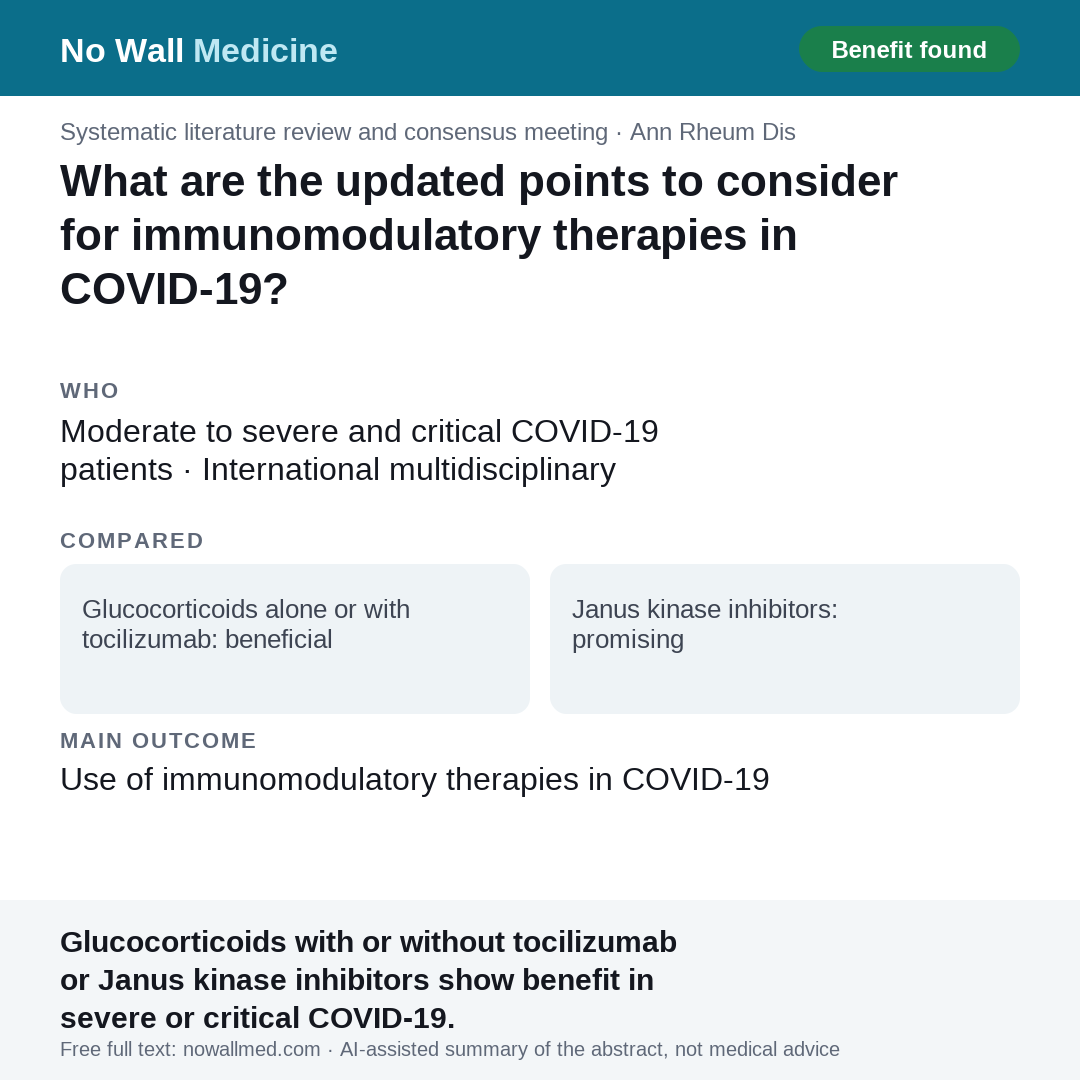
2021 update of the EULAR points to consider on the use of immunomodulatory therapies in COVID-19
Systematic literature review and consensus meetingBenefit found
What are the updated points to consider for immunomodulatory therapies in COVID-19?
Who
Moderate to severe and critical COVID-19 patients · International multidisciplinary task force
Compared
Glucocorticoids alone or with tocilizumab: beneficial
Janus kinase inhibitors: promising
Main outcome
Use of immunomodulatory therapies in COVID-19
Bottom line: Glucocorticoids with or without tocilizumab or Janus kinase inhibitors show benefit in severe or critical COVID-19.
Ann Rheum Dis · 2021-10-07Download image
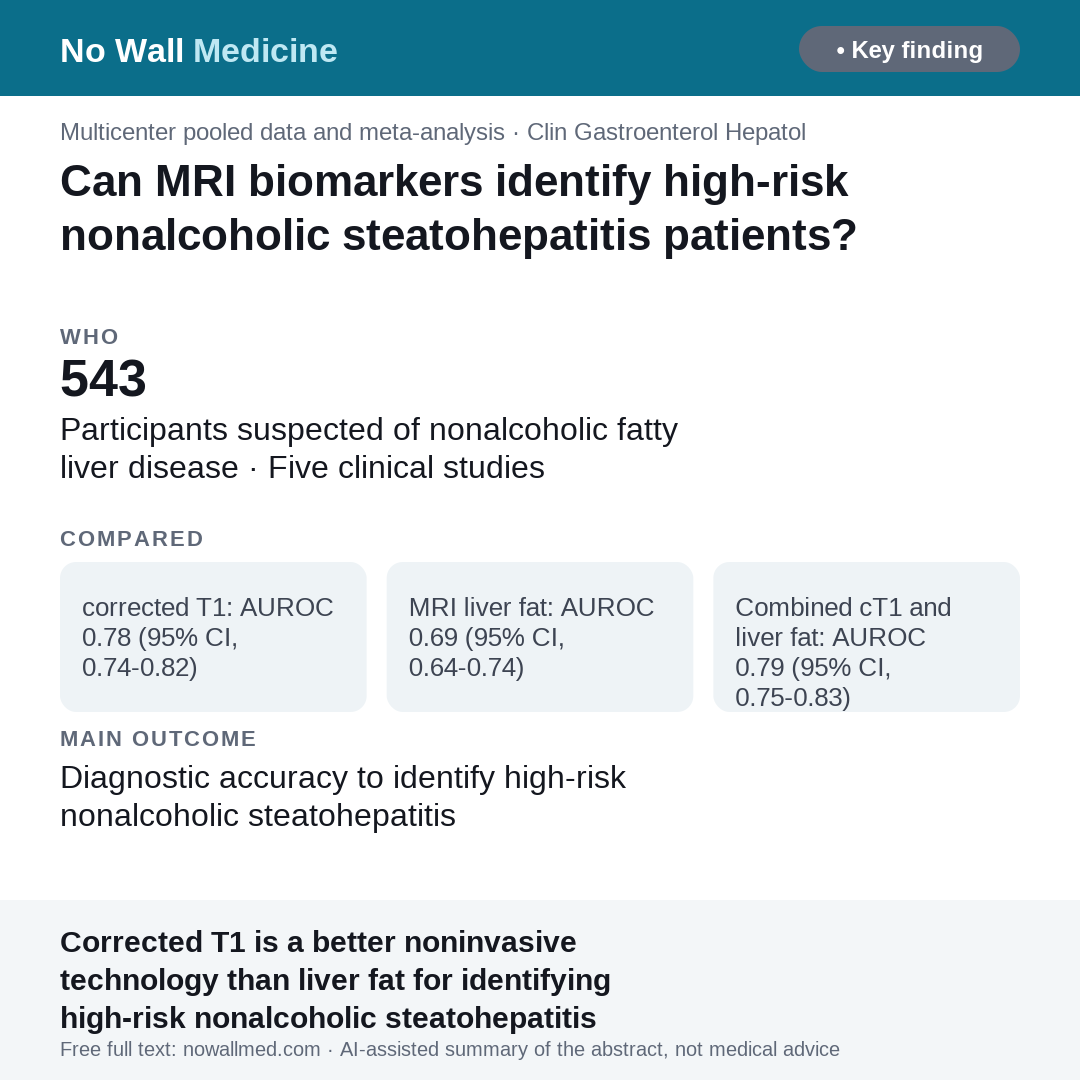
Clinical Utility of Magnetic Resonance Imaging Biomarkers for Identifying Nonalcoholic Steatohepatitis Patients at High Risk of Progression: A Multicenter Pooled Data and Meta-Analysis
Multicenter pooled data and meta-analysisKey finding
Can MRI biomarkers identify high-risk nonalcoholic steatohepatitis patients?
Who
543
Participants suspected of nonalcoholic fatty liver disease · Five clinical studies
Compared
corrected T1: AUROC 0.78 (95% CI, 0.74-0.82)
MRI liver fat: AUROC 0.69 (95% CI, 0.64-0.74)
Combined cT1 and liver fat: AUROC 0.79 (95% CI, 0.75-0.83)
Main outcome
Diagnostic accuracy to identify high-risk nonalcoholic steatohepatitis
Result: AUROC 0.78 (95% CI, 0.74-0.82) for corrected T1
Bottom line: Corrected T1 is a better noninvasive technology than liver fat for identifying high-risk nonalcoholic steatohepatitis patients.
Clin Gastroenterol Hepatol · 2021-10-07Download image
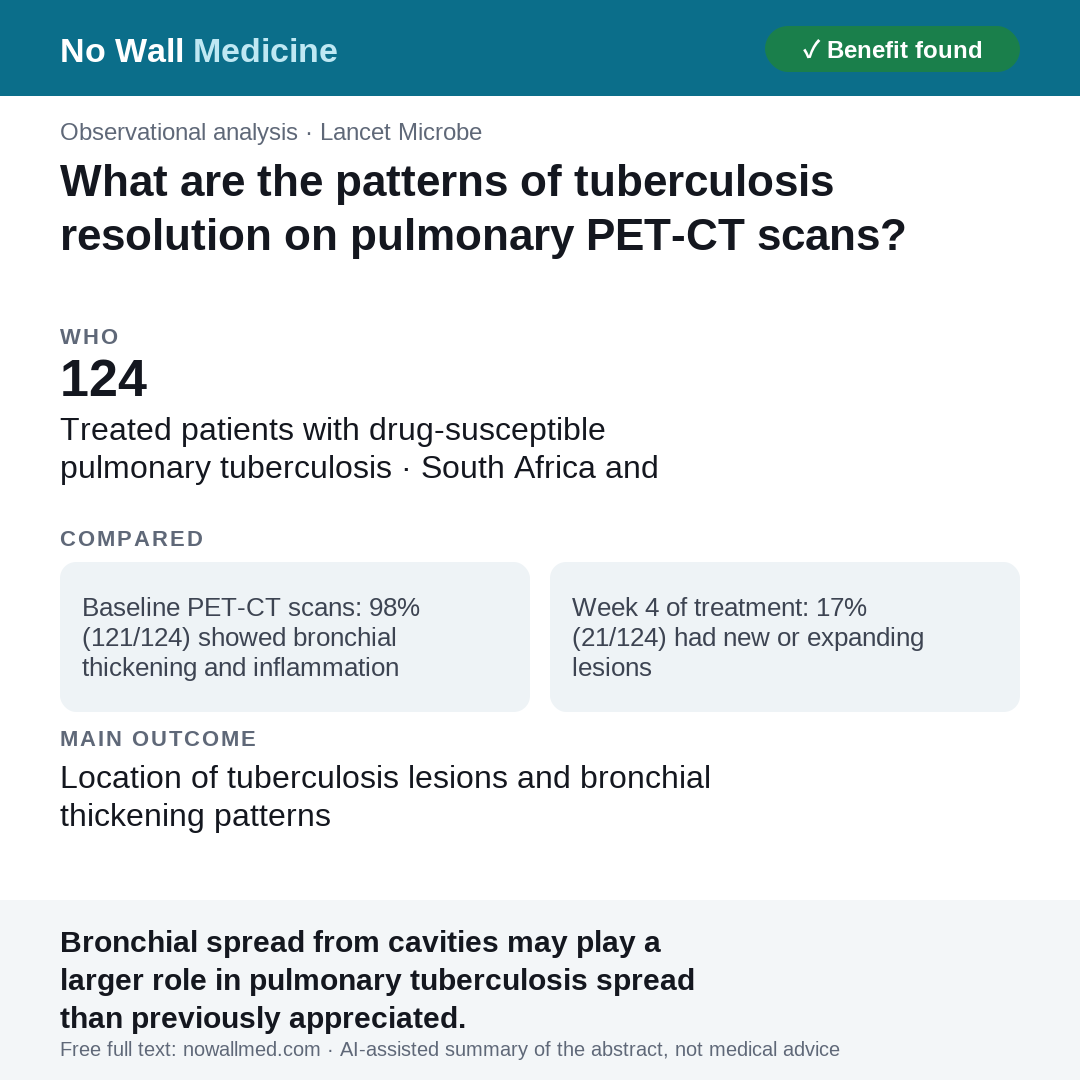
Radiological and functional evidence of the bronchial spread of tuberculosis: an observational analysis
Observational analysisBenefit found
What are the patterns of tuberculosis resolution on pulmonary PET-CT scans?
Who
124
Treated patients with drug-susceptible pulmonary tuberculosis · South Africa and China
Compared
Baseline PET-CT scans: 98% (121/124) showed bronchial thickening and inflammation
Week 4 of treatment: 17% (21/124) had new or expanding lesions
Main outcome
Location of tuberculosis lesions and bronchial thickening patterns
Bottom line: Bronchial spread from cavities may play a larger role in pulmonary tuberculosis spread than previously appreciated.
Funded by: Bill & Melinda Gates Foundation, EDCTP, China Ministry of Science and Technology, NSFC, NIH
Lancet Microbe · 2021-10-07Download image
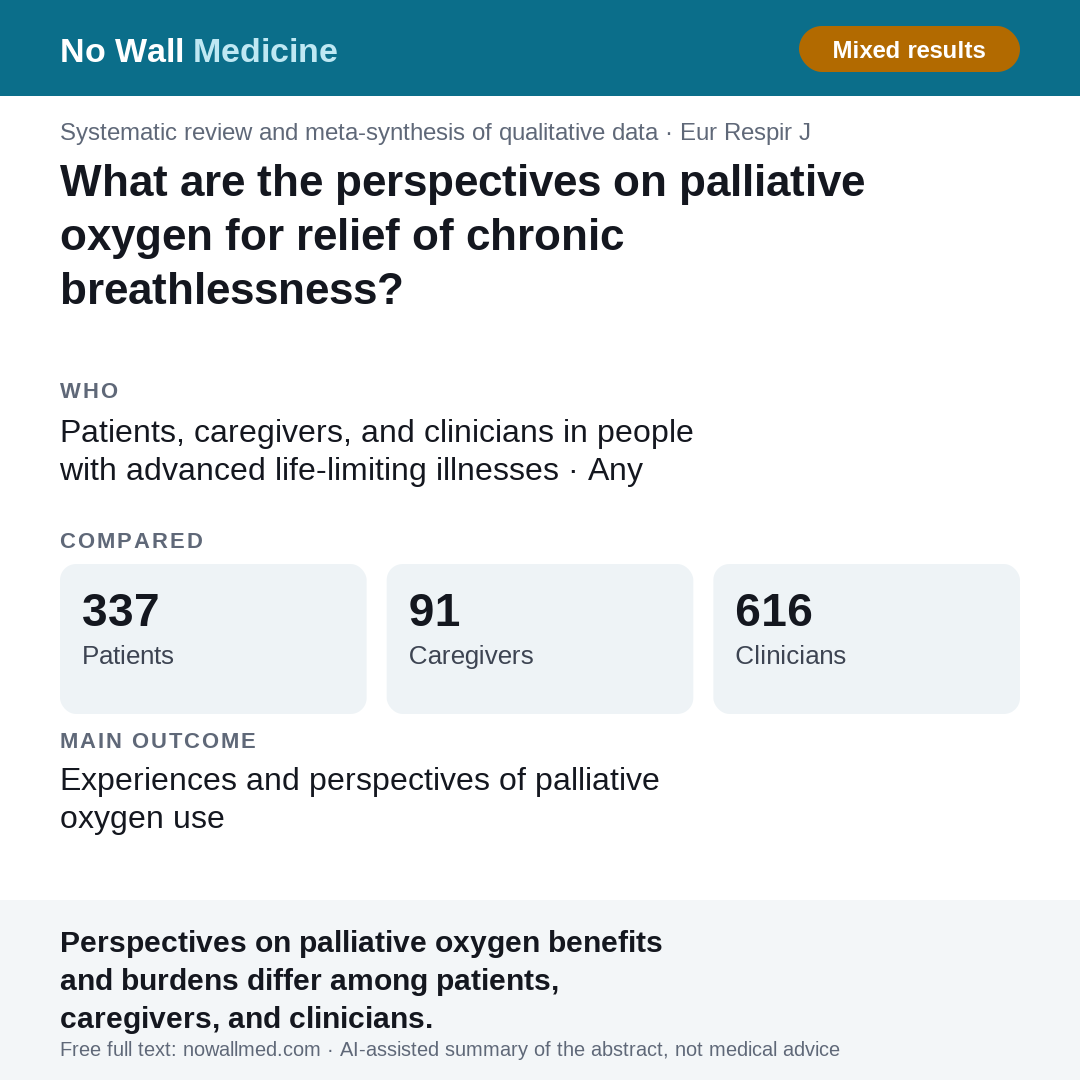
Perspectives on palliative oxygen for breathlessness: systematic review and meta-synthesis
Systematic review and meta-synthesis of qualitative dataMixed results
What are the perspectives on palliative oxygen for relief of chronic breathlessness?
Who
Patients, caregivers, and clinicians in people with advanced life-limiting illnesses · Any healthcare setting
Compared
337Patients
91Caregivers
616Clinicians
Main outcome
Experiences and perspectives of palliative oxygen use
Bottom line: Perspectives on palliative oxygen benefits and burdens differ among patients, caregivers, and clinicians.
Eur Respir J · 2021-10-07Download image
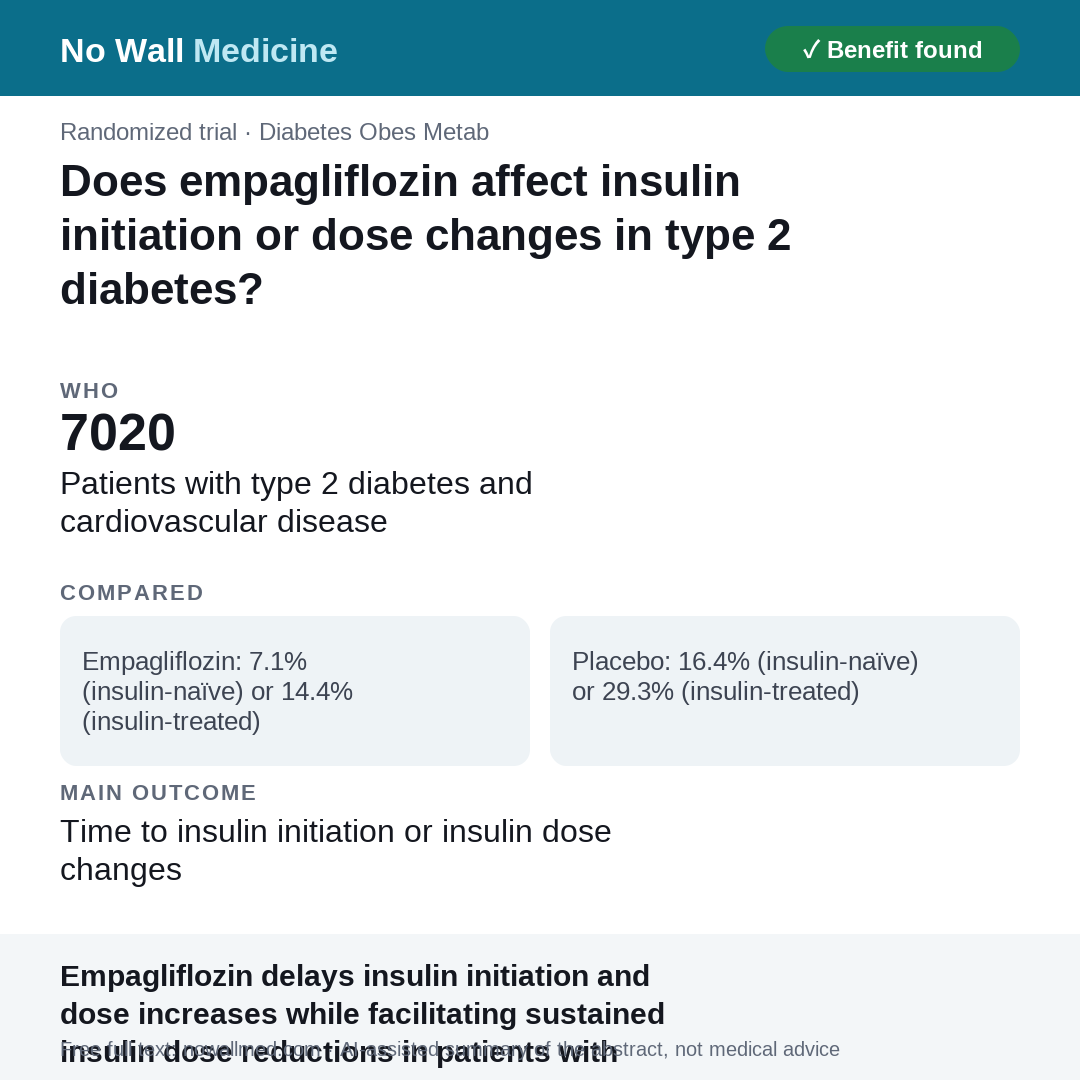
Effects of empagliflozin on insulin initiation or intensification in patients with type 2 diabetes and cardiovascular disease: Findings from the EMPA-REG OUTCOME trial
Randomized trialBenefit found
Does empagliflozin affect insulin initiation or dose changes in type 2 diabetes?
Who
7020
Patients with type 2 diabetes and cardiovascular disease
Compared
Empagliflozin: 7.1% (insulin-naïve) or 14.4% (insulin-treated)
Placebo: 16.4% (insulin-naïve) or 29.3% (insulin-treated)
Main outcome
Time to insulin initiation or insulin dose changes
Result: adjusted HR 0.40 (95% CI 0.32-0.49) for insulin initiation
Bottom line: Empagliflozin delays insulin initiation and dose increases while facilitating sustained insulin dose reductions in patients with type 2 diabetes.
Diabetes Obes Metab · 2021-10-07Download image
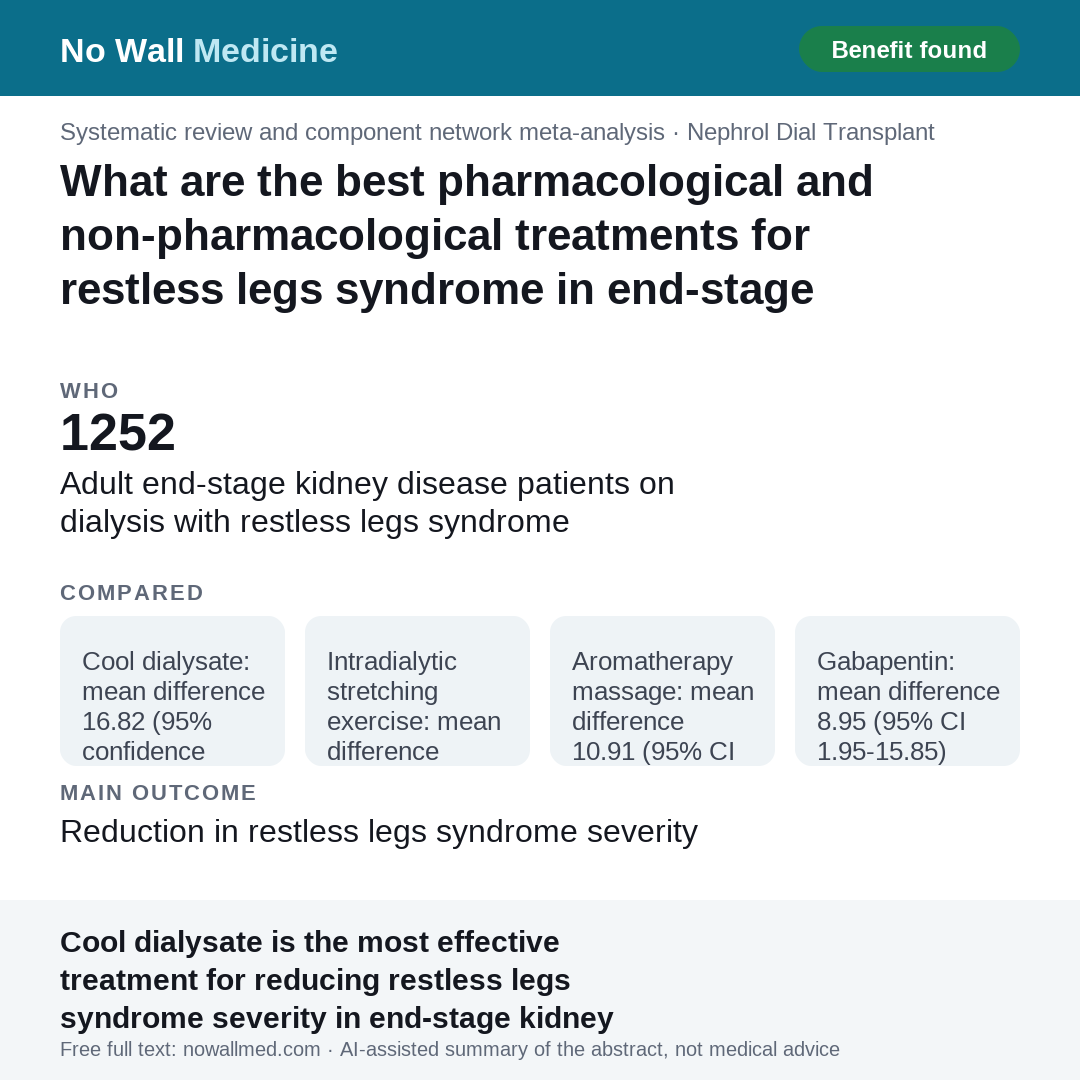
Pharmacological and non-pharmacological treatments for restless legs syndrome in end-stage kidney disease: a systematic review and component network meta-analysis
Systematic review and component network meta-analysisBenefit found
What are the best pharmacological and non-pharmacological treatments for restless legs syndrome in end-stage kidney disease?
Who
1252
Adult end-stage kidney disease patients on dialysis with restless legs syndrome
Compared
Cool dialysate: mean difference 16.82 (95% confidence interval 10.635-23.02)
Intradialytic stretching exercise: mean difference 12.00 (95% CI 7.04-16.97)
Aromatherapy massage: mean difference 10.91 (95% CI 6.96-14.85)
Gabapentin: mean difference 8.95 (95% CI 1.95-15.85)
Main outcome
Reduction in restless legs syndrome severity
Bottom line: Cool dialysate is the most effective treatment for reducing restless legs syndrome severity in end-stage kidney disease patients.
Limitation: Further parallel randomized controlled trials with sufficient sample sizes are required to evaluate long-term effects.
Nephrol Dial Transplant · 2021-10-07Download image
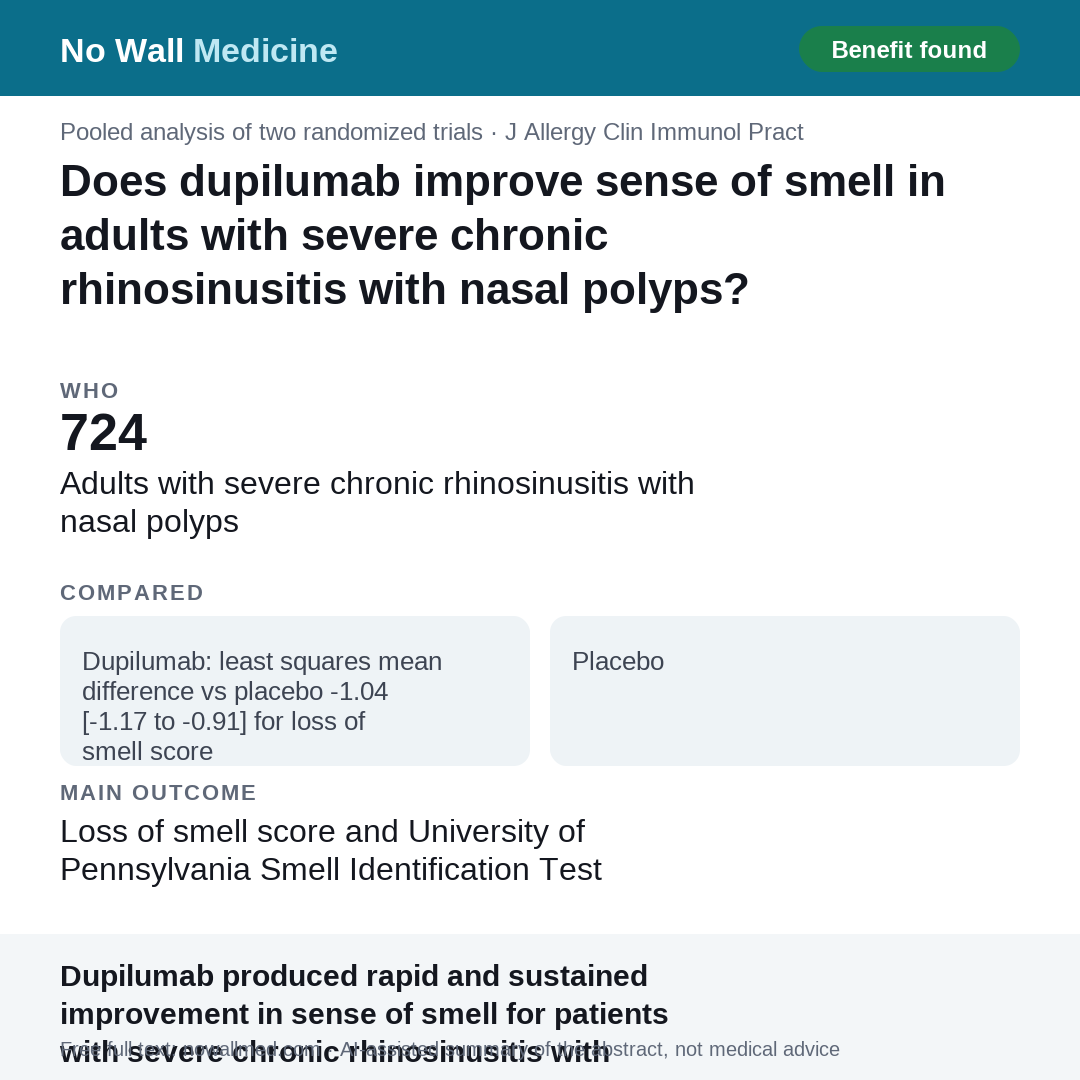
Olfactory Outcomes With Dupilumab in Chronic Rhinosinusitis With Nasal Polyps
Pooled analysis of two randomized trialsBenefit found
Does dupilumab improve sense of smell in adults with severe chronic rhinosinusitis with nasal polyps?
Who
724
Adults with severe chronic rhinosinusitis with nasal polyps
Compared
Dupilumab: least squares mean difference vs placebo -1.04 [-1.17 to -0.91] for loss of smell score
Placebo
Main outcome
Loss of smell score and University of Pennsylvania Smell Identification Test
Result: least squares mean difference vs placebo 10.57 [9.40-11.74] for UPSIT
Bottom line: Dupilumab produced rapid and sustained improvement in sense of smell for patients with severe chronic rhinosinusitis with nasal polyps.
J Allergy Clin Immunol Pract · 2021-10-07Download image
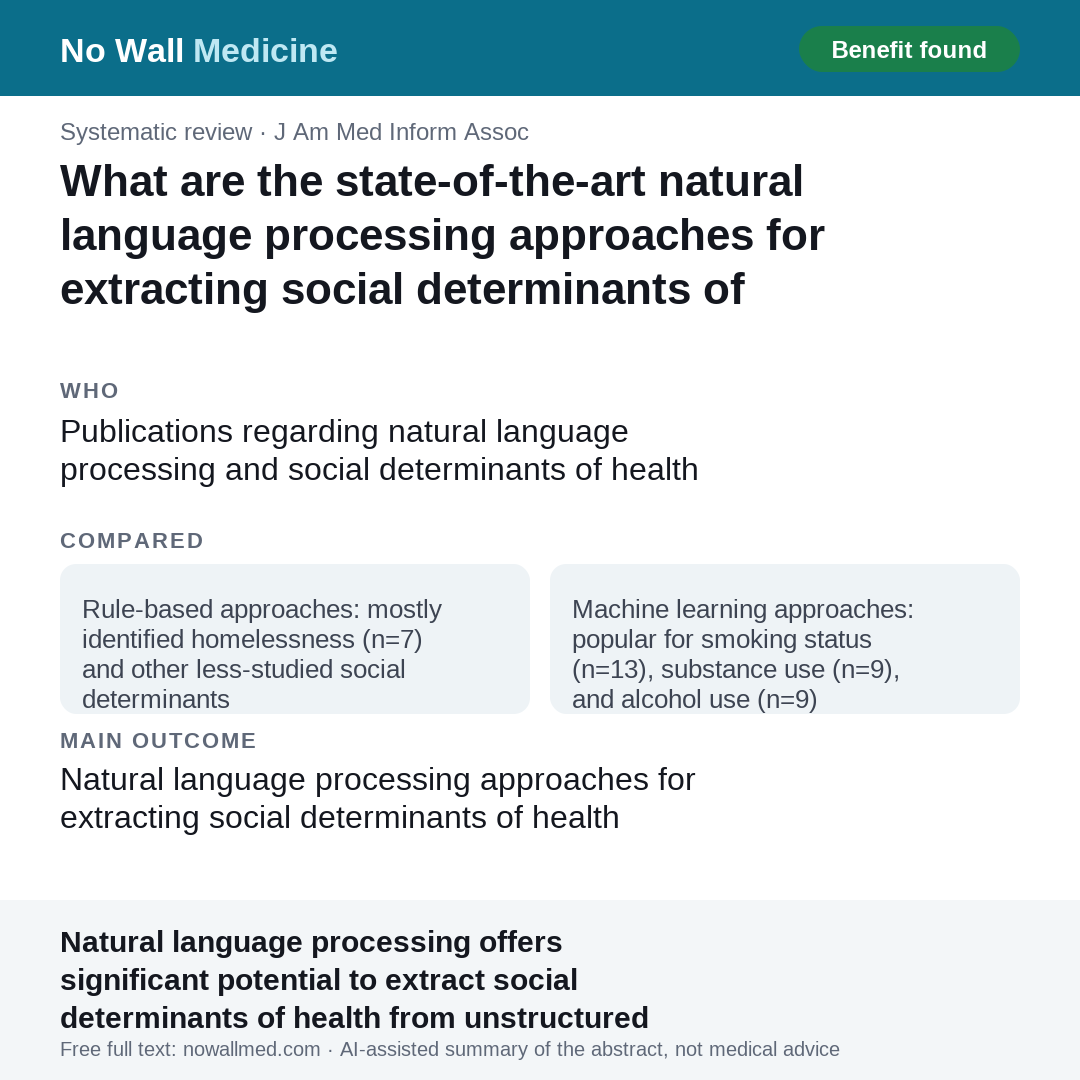
Extracting social determinants of health from electronic health records using natural language processing: a systematic review
Systematic reviewBenefit found
What are the state-of-the-art natural language processing approaches for extracting social determinants of health?
Who
Publications regarding natural language processing and social determinants of health
Compared
Rule-based approaches: mostly identified homelessness (n=7) and other less-studied social determinants
Machine learning approaches: popular for smoking status (n=13), substance use (n=9), and alcohol use (n=9)
Main outcome
Natural language processing approaches for extracting social determinants of health
Bottom line: Natural language processing offers significant potential to extract social determinants of health from unstructured clinical notes.
J Am Med Inform Assoc · 2021-10-07Download image
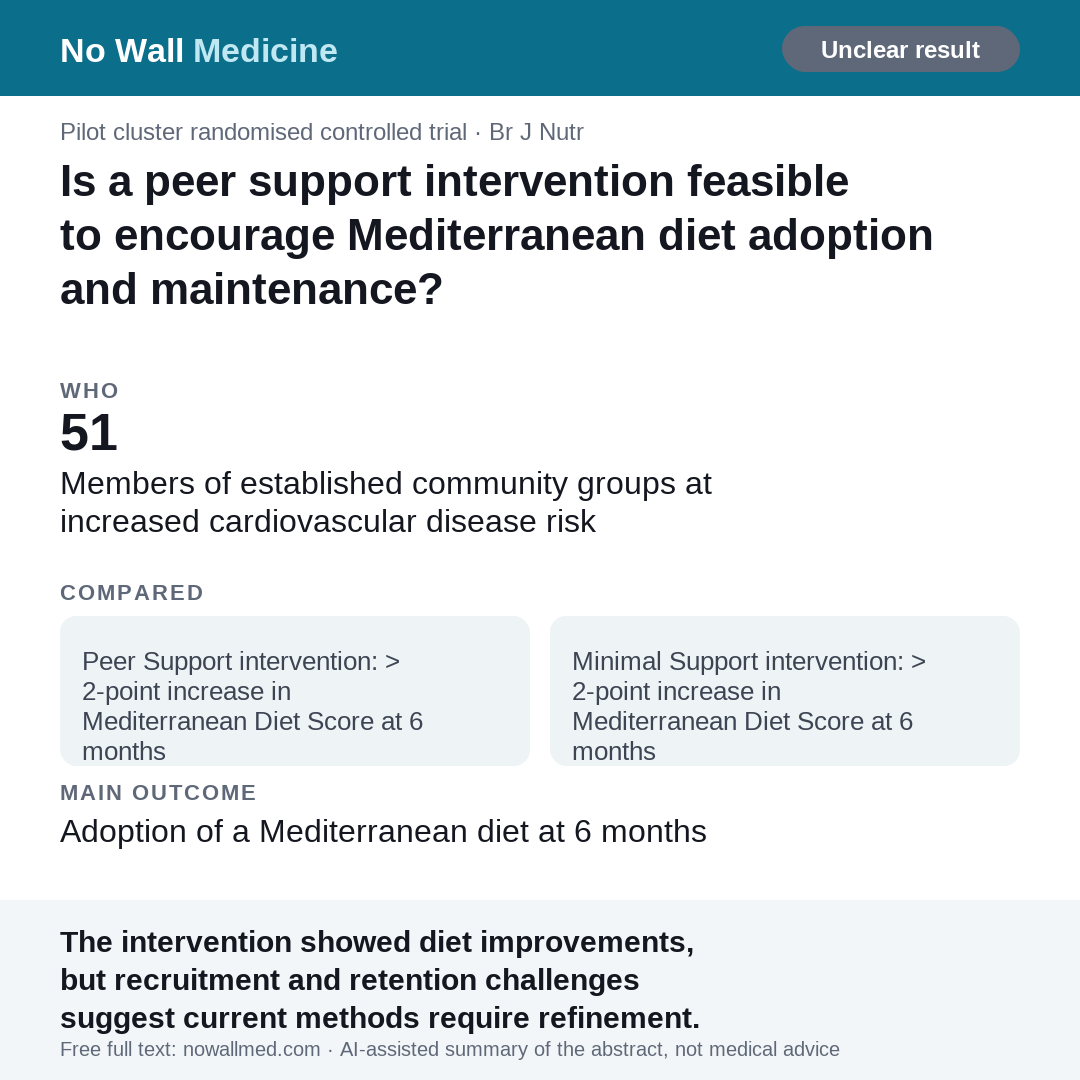
The feasibility of a peer support intervention to encourage adoption and maintenance of a Mediterranean diet in established community groups at increased CVD risk: the TEAM-MED EXTEND study: a pilot cluster randomised controlled trial
Pilot cluster randomised controlled trialUnclear result
Is a peer support intervention feasible to encourage Mediterranean diet adoption and maintenance?
Who
51
Members of established community groups at increased cardiovascular disease risk
Compared
Peer Support intervention: > 2-point increase in Mediterranean Diet Score at 6 months
Minimal Support intervention: > 2-point increase in Mediterranean Diet Score at 6 months
Main outcome
Adoption of a Mediterranean diet at 6 months
Bottom line: The intervention showed diet improvements, but recruitment and retention challenges suggest current methods require refinement.
Limitation: Recruitment and retention challenges led to a smaller sample than intended.
Br J Nutr · 2021-10-07Download image
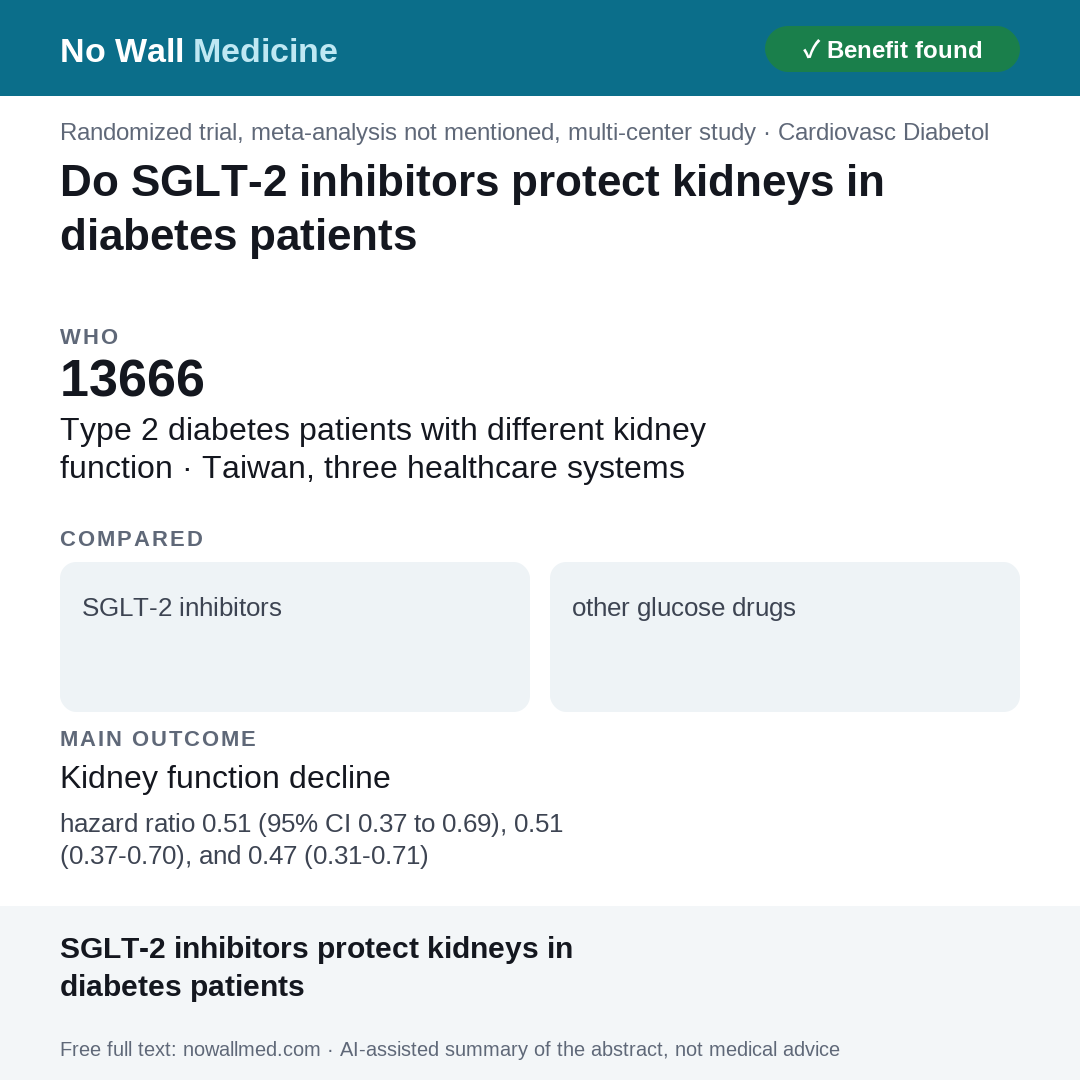
Renoprotective effect of SGLT-2 inhibitors among type 2 diabetes patients with different baseline kidney function: a multi-center study
Randomized trial, meta-analysis not mentioned, multi-center studyBenefit found
Do SGLT-2 inhibitors protect kidneys in diabetes patients
Who
13666
Type 2 diabetes patients with different kidney function · Taiwan, three healthcare systems
Compared
SGLT-2 inhibitors
other glucose drugs
Main outcome
Kidney function decline
Result: hazard ratio 0.51 (95% CI 0.37 to 0.69), 0.51 (0.37-0.70), and 0.47 (0.31-0.71)
Bottom line: SGLT-2 inhibitors protect kidneys in diabetes patients
Cardiovasc Diabetol · 2021-10-07Download image
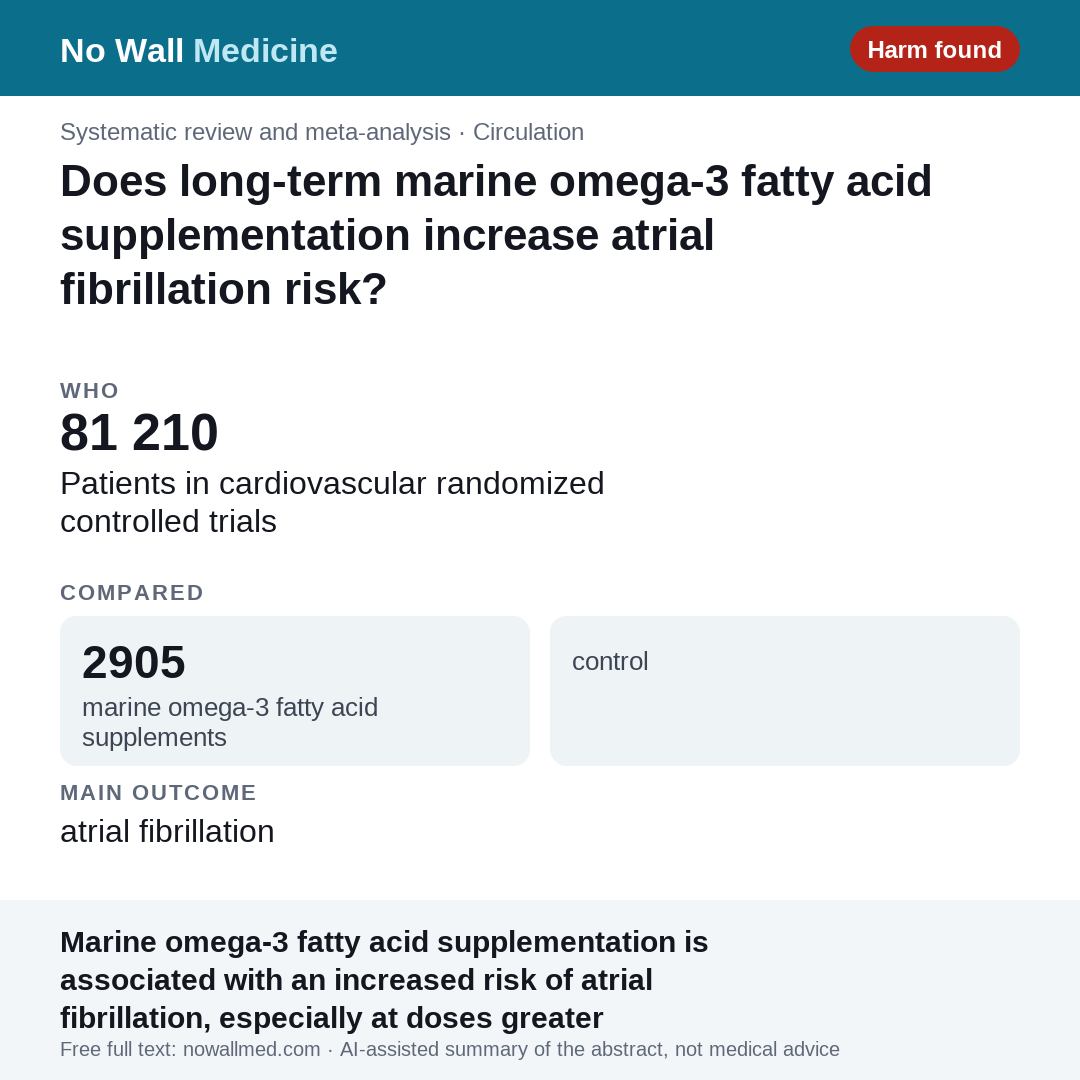
Effect of Long-Term Marine ɷ-3 Fatty Acids Supplementation on the Risk of Atrial Fibrillation in Randomized Controlled Trials of Cardiovascular Outcomes: A Systematic Review and Meta-Analysis
Systematic review and meta-analysisHarm found
Does long-term marine omega-3 fatty acid supplementation increase atrial fibrillation risk?
Who
81 210
Patients in cardiovascular randomized controlled trials
Compared
2905marine omega-3 fatty acid supplements
control
Main outcome
atrial fibrillation
Result: hazard ratio 1.25 (95% CI 1.07-1.46)
Bottom line: Marine omega-3 fatty acid supplementation is associated with an increased risk of atrial fibrillation, especially at doses greater than 1 gram per day.
Circulation · 2021-10-06Download image
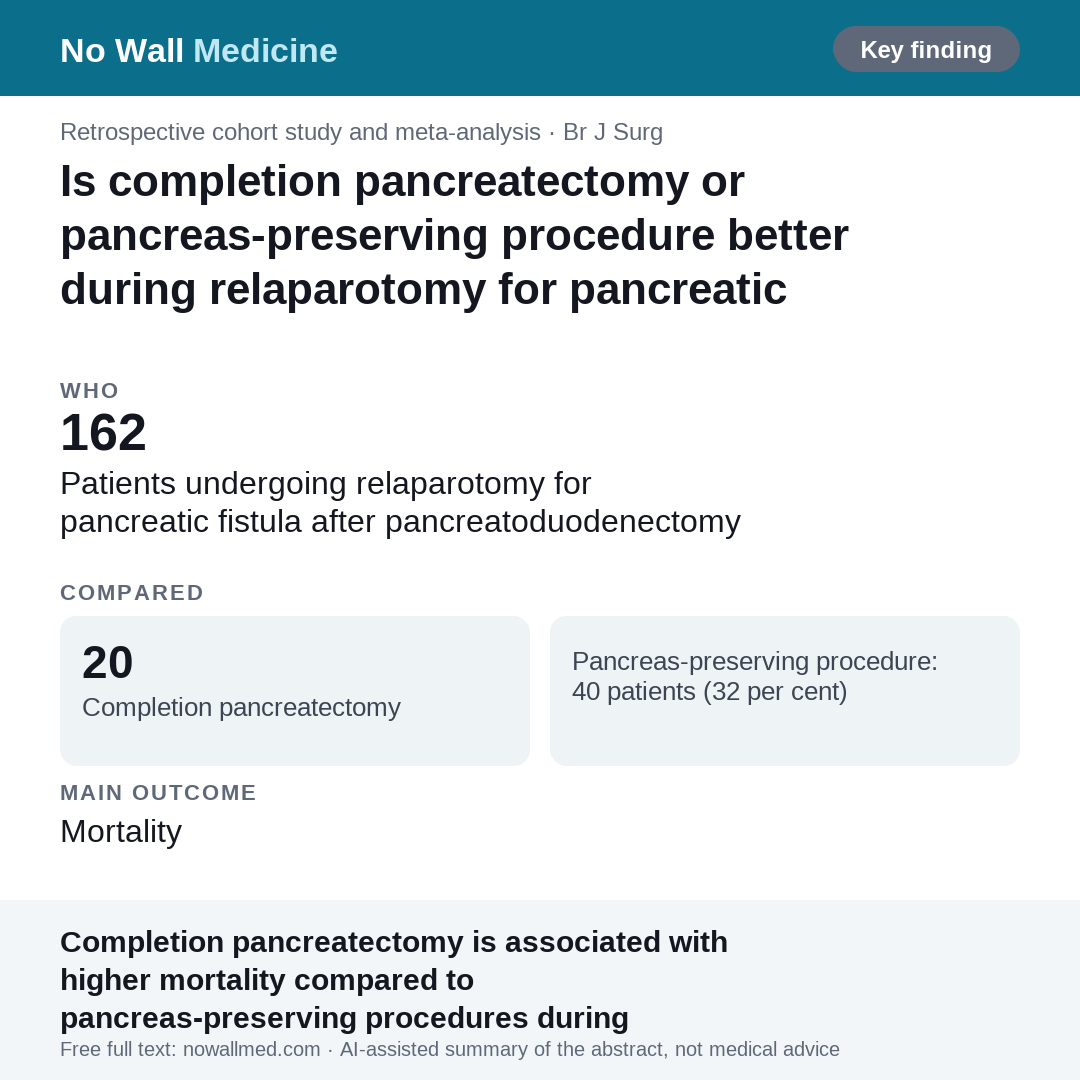
Completion pancreatectomy or a pancreas-preserving procedure during relaparotomy for pancreatic fistula after pancreatoduodenectomy: a multicentre cohort study and meta-analysis
Retrospective cohort study and meta-analysisKey finding
Is completion pancreatectomy or pancreas-preserving procedure better during relaparotomy for pancreatic fistula?
Who
162
Patients undergoing relaparotomy for pancreatic fistula after pancreatoduodenectomy · Nine institutions
Compared
20Completion pancreatectomy (56 per cent)
Pancreas-preserving procedure: 40 patients (32 per cent)
Main outcome
Mortality
Result: odds ratio 1.99, 95 per cent c.i. 1.03 to 3.84
Bottom line: Completion pancreatectomy is associated with higher mortality compared to pancreas-preserving procedures during relaparotomy for pancreatic fistula.
Br J Surg · 2021-10-06Download image
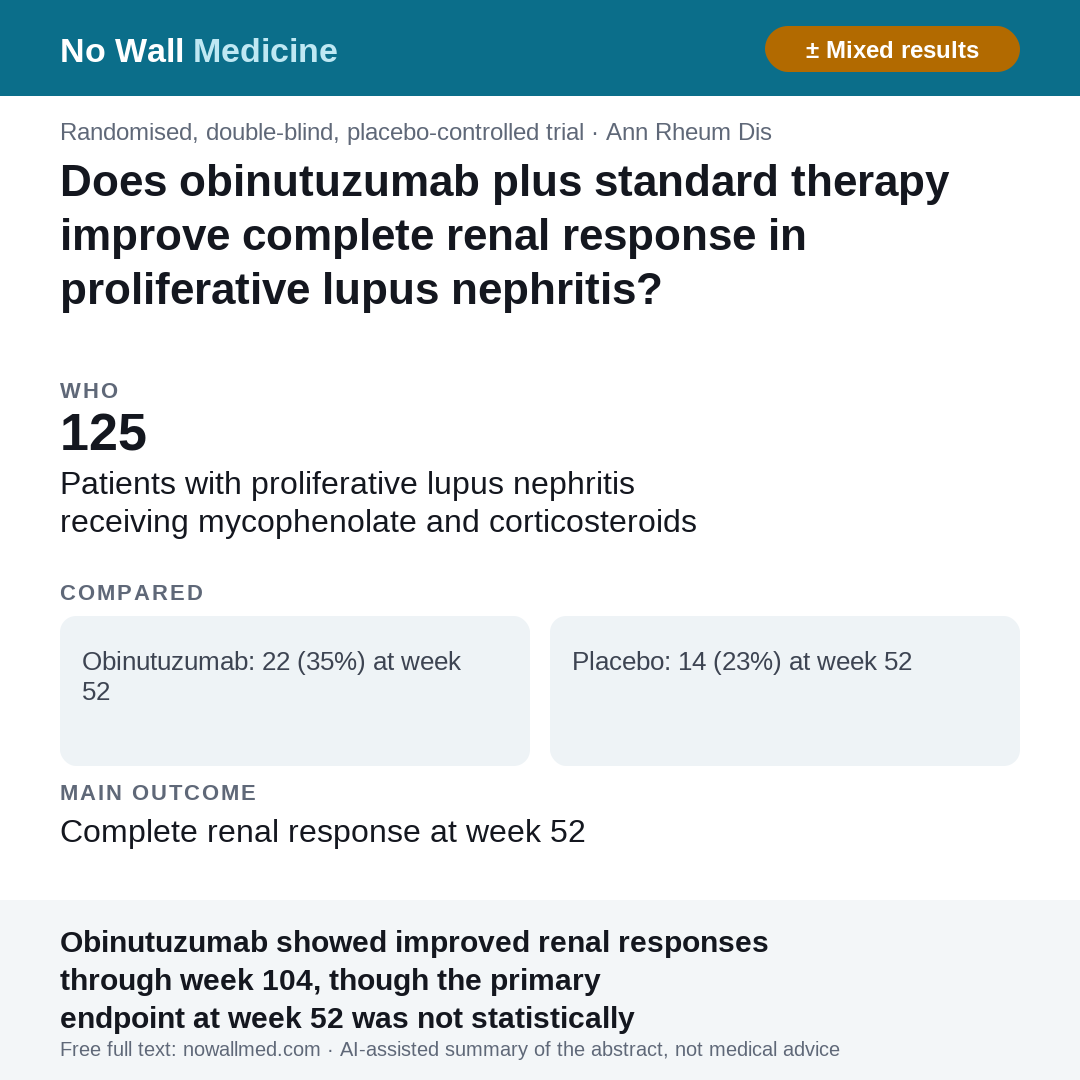
B-cell depletion with obinutuzumab for the treatment of proliferative lupus nephritis: a randomised, double-blind, placebo-controlled trial
Randomised, double-blind, placebo-controlled trialMixed results
Does obinutuzumab plus standard therapy improve complete renal response in proliferative lupus nephritis?
Who
125
Patients with proliferative lupus nephritis receiving mycophenolate and corticosteroids
Compared
Obinutuzumab: 22 (35%) at week 52
Placebo: 14 (23%) at week 52
Main outcome
Complete renal response at week 52
Result: percentage difference 12% (95% CI -3.4% to 28%)
Bottom line: Obinutuzumab showed improved renal responses through week 104, though the primary endpoint at week 52 was not statistically significant.
Ann Rheum Dis · 2021-10-06Download image