Visual abstracts
New randomized trials and meta-analyses from leading journals at a glance: who was studied, what was compared, and what was found. Every paper is free to read in full.
All specialtiesCardiology 4833Oncology 4115Gastroenterology & Hepatology 1934Infectious Disease 3825Neurology 1901Psychiatry & Mental Health 2256Pulmonology 2082Critical Care 1346Endocrinology & Diabetes 2572Pediatrics 2940Surgery 2525Orthopedics & Sports Medicine 926Neurosurgery 534Cardiothoracic & Vascular Surgery 671Plastic & Reconstructive Surgery 591Nephrology 1124Rheumatology 823Hematology 1104Dermatology 620Ophthalmology 543Obstetrics & Gynecology 1684Public & Global Health 1056Radiology & Imaging 641Anesthesiology 962Urology 754ENT (Otolaryngology) 503Emergency Medicine 489Allergy & Immunology 313Geriatrics 982Family Medicine & Primary Care 541Medical Genetics & Genomics 675Pathology & Laboratory Medicine 157Physical Medicine & Rehabilitation 751Palliative Care 424Nutrition 1580Digital Health & AI 2195General Medicine 321
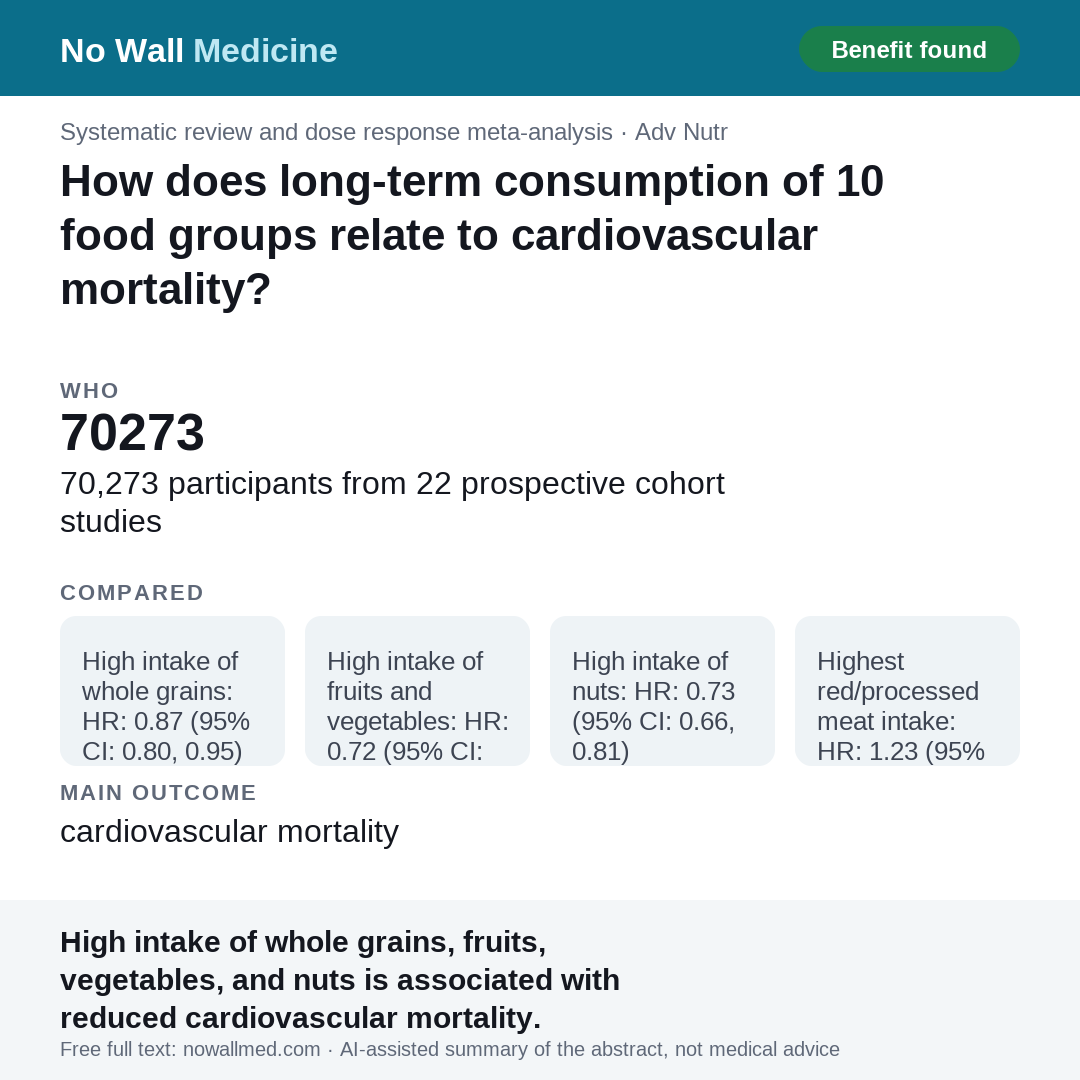
Long-Term Consumption of 10 Food Groups and Cardiovascular Mortality: A Systematic Review and Dose Response Meta-Analysis of Prospective Cohort Studies
Systematic review and dose response meta-analysisBenefit found
How does long-term consumption of 10 food groups relate to cardiovascular mortality?
Who
70273
70,273 participants from 22 prospective cohort studies
Compared
High intake of whole grains: HR: 0.87 (95% CI: 0.80, 0.95)
High intake of fruits and vegetables: HR: 0.72 (95% CI: 0.61, 0.85)
High intake of nuts: HR: 0.73 (95% CI: 0.66, 0.81)
Highest red/processed meat intake: HR: 1.23 (95% CI: 1.09, 1.39)
Main outcome
cardiovascular mortality
Bottom line: High intake of whole grains, fruits, vegetables, and nuts is associated with reduced cardiovascular mortality.
Limitation: More data on the long-term effects of legumes on cardiovascular mortality are encouraged.
Adv Nutr · 2022-12-22Download image
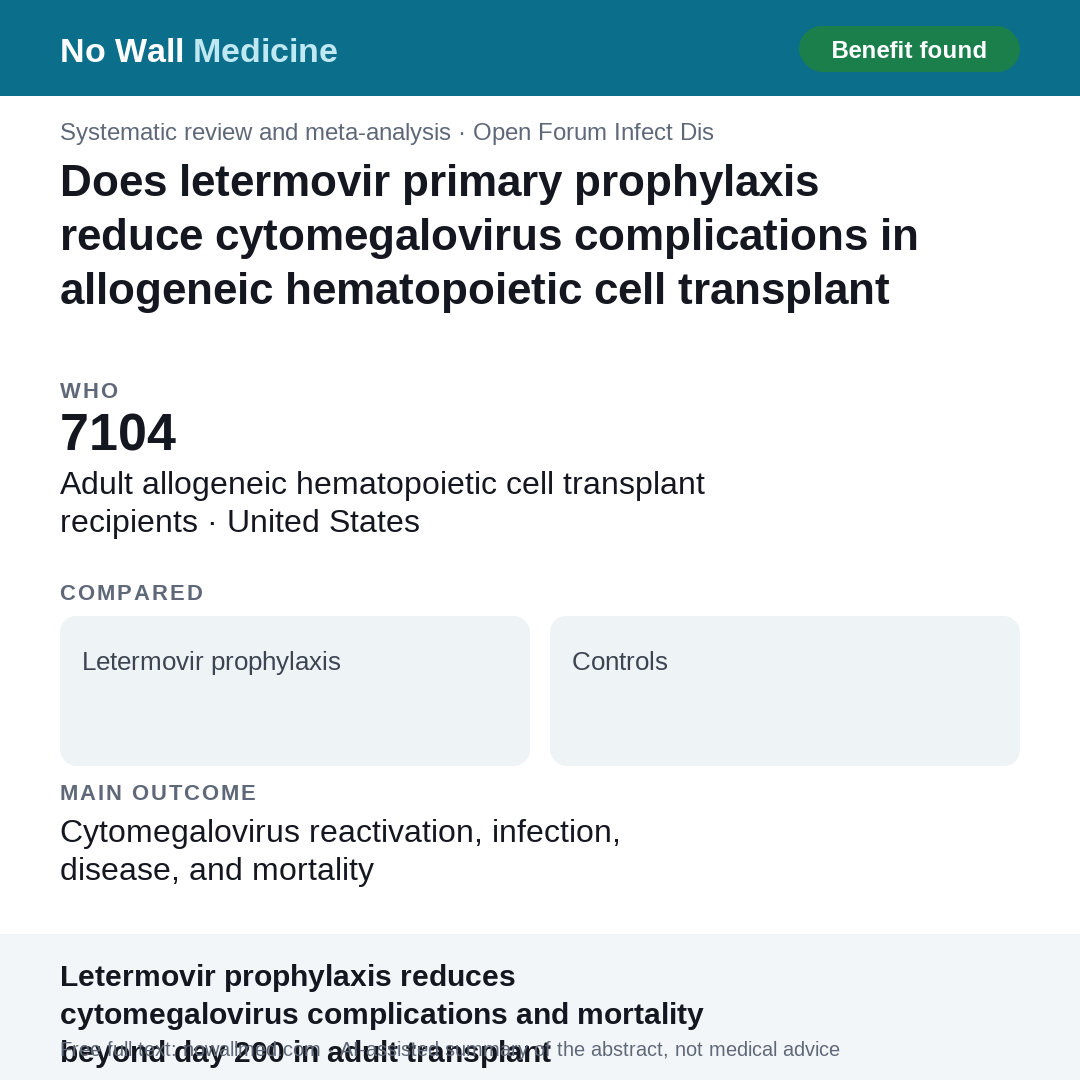
Real-World Outcomes Associated With Letermovir Use for Cytomegalovirus Primary Prophylaxis in Allogeneic Hematopoietic Cell Transplant Recipients: A Systematic Review and Meta-analysis of Observational Studies
Systematic review and meta-analysisBenefit found
Does letermovir primary prophylaxis reduce cytomegalovirus complications in allogeneic hematopoietic cell transplant recipients?
Who
7104
Adult allogeneic hematopoietic cell transplant recipients · United States
Compared
Letermovir prophylaxis
Controls
Main outcome
Cytomegalovirus reactivation, infection, disease, and mortality
Result: pooled odds ratio 0.13 and 0.24 for reactivation; 0.09 and 0.19 for infection; 0.31 and 0.35 for disease
Bottom line: Letermovir prophylaxis reduces cytomegalovirus complications and mortality beyond day 200 in adult transplant recipients.
Open Forum Infect Dis · 2022-12-22Download image
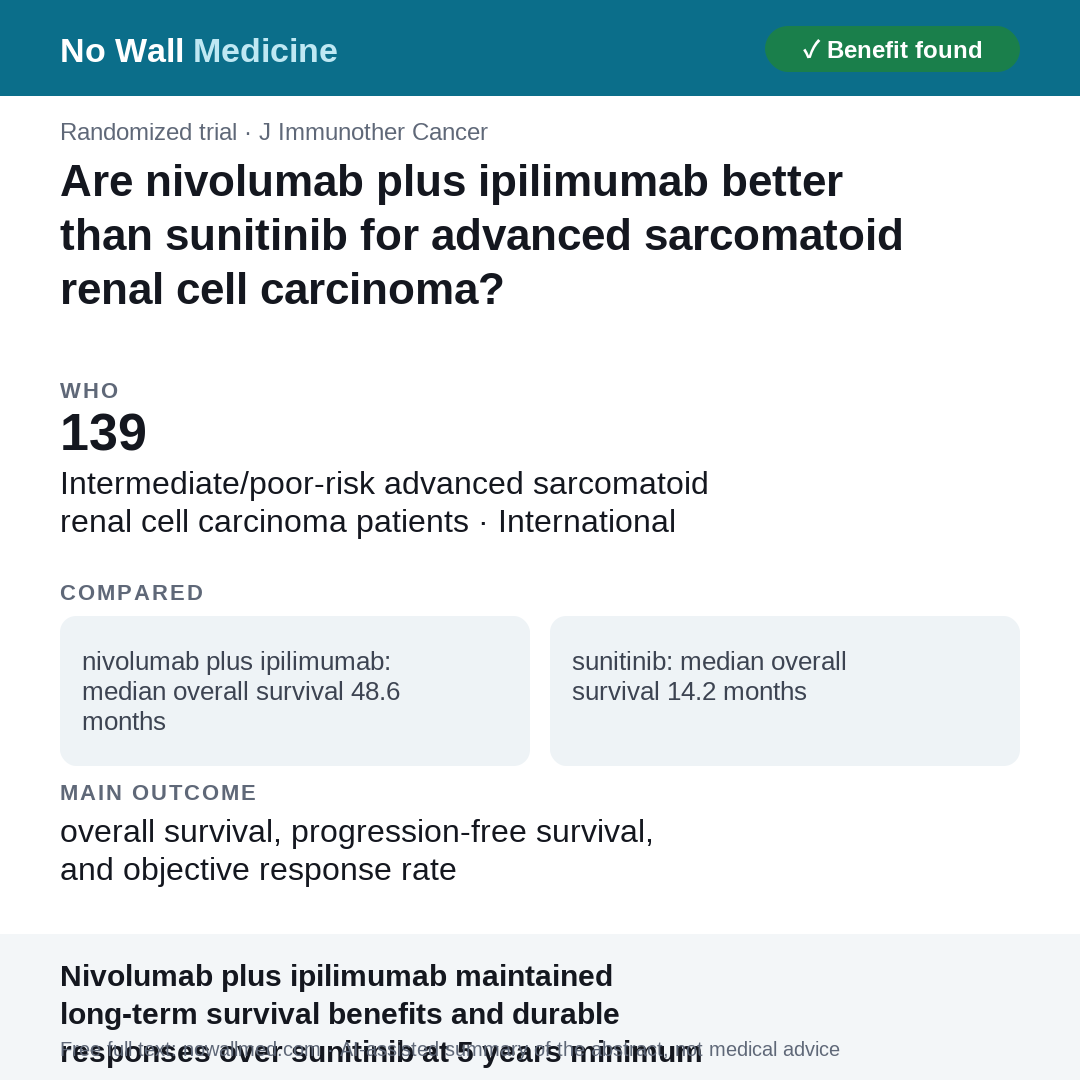
Long-term outcomes with nivolumab plus ipilimumab versus sunitinib in first-line treatment of patients with advanced sarcomatoid renal cell carcinoma
Randomized trialBenefit found
Are nivolumab plus ipilimumab better than sunitinib for advanced sarcomatoid renal cell carcinoma?
Who
139
Intermediate/poor-risk advanced sarcomatoid renal cell carcinoma patients · International Metastatic Renal Cell Carcinoma Database Consortium
Compared
nivolumab plus ipilimumab: median overall survival 48.6 months
sunitinib: median overall survival 14.2 months
Main outcome
overall survival, progression-free survival, and objective response rate
Result: hazard ratio 0.46
Bottom line: Nivolumab plus ipilimumab maintained long-term survival benefits and durable responses over sunitinib at 5 years minimum follow-up.
J Immunother Cancer · 2022-12-22Download image
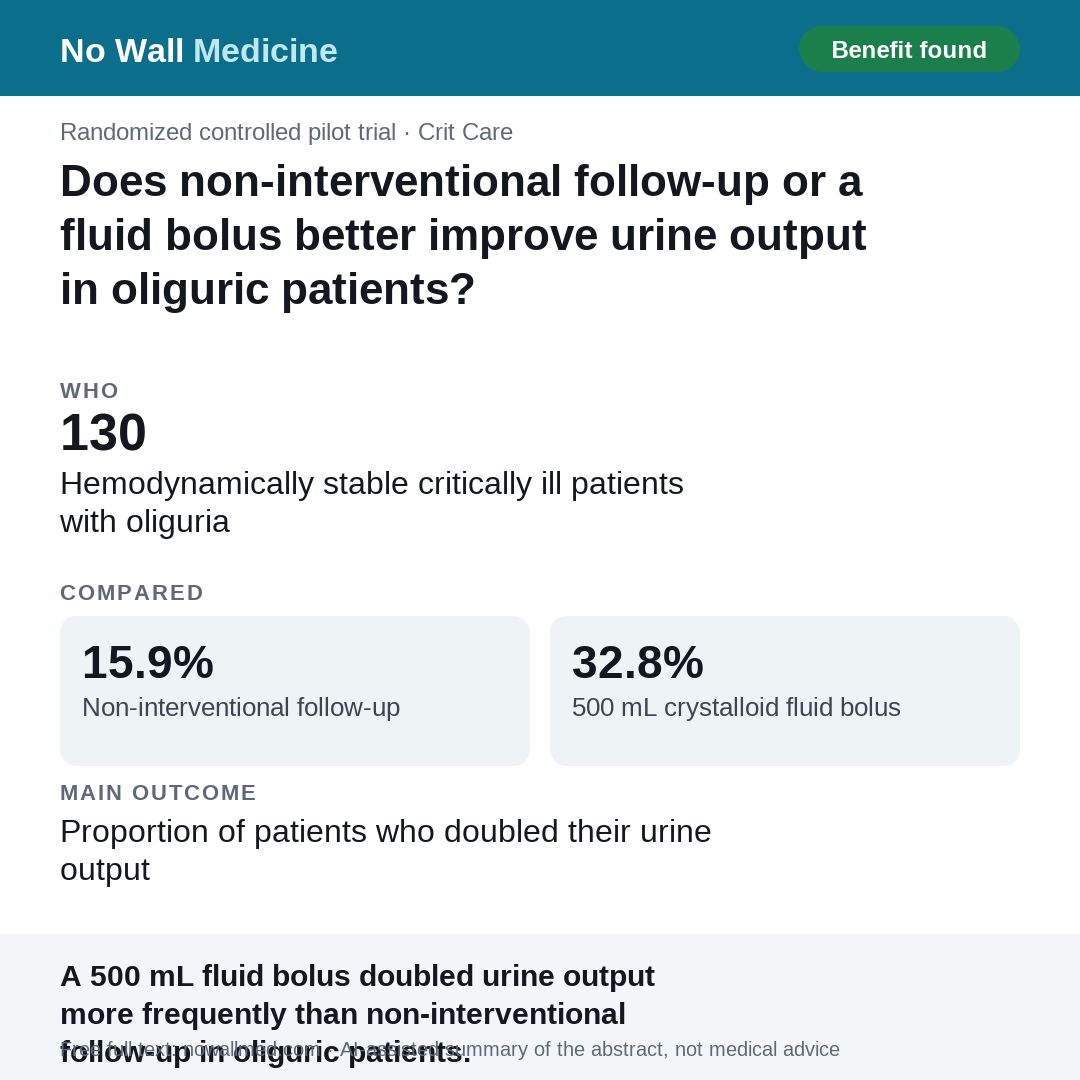
Non-interventional follow-up versus fluid bolus in RESPONSE to oliguria in hemodynamically stable critically ill patients: a randomized controlled pilot trial
Randomized controlled pilot trialBenefit found
Does non-interventional follow-up or a fluid bolus better improve urine output in oliguric patients?
Who
130
Hemodynamically stable critically ill patients with oliguria
Compared
15.9%Non-interventional follow-up
32.8%500 mL crystalloid fluid bolus
Main outcome
Proportion of patients who doubled their urine output
Result: risk ratio 0.49 (95% CI 0.23-0.71)
Bottom line: A 500 mL fluid bolus doubled urine output more frequently than non-interventional follow-up in oliguric patients.
Crit Care · 2022-12-22Download image
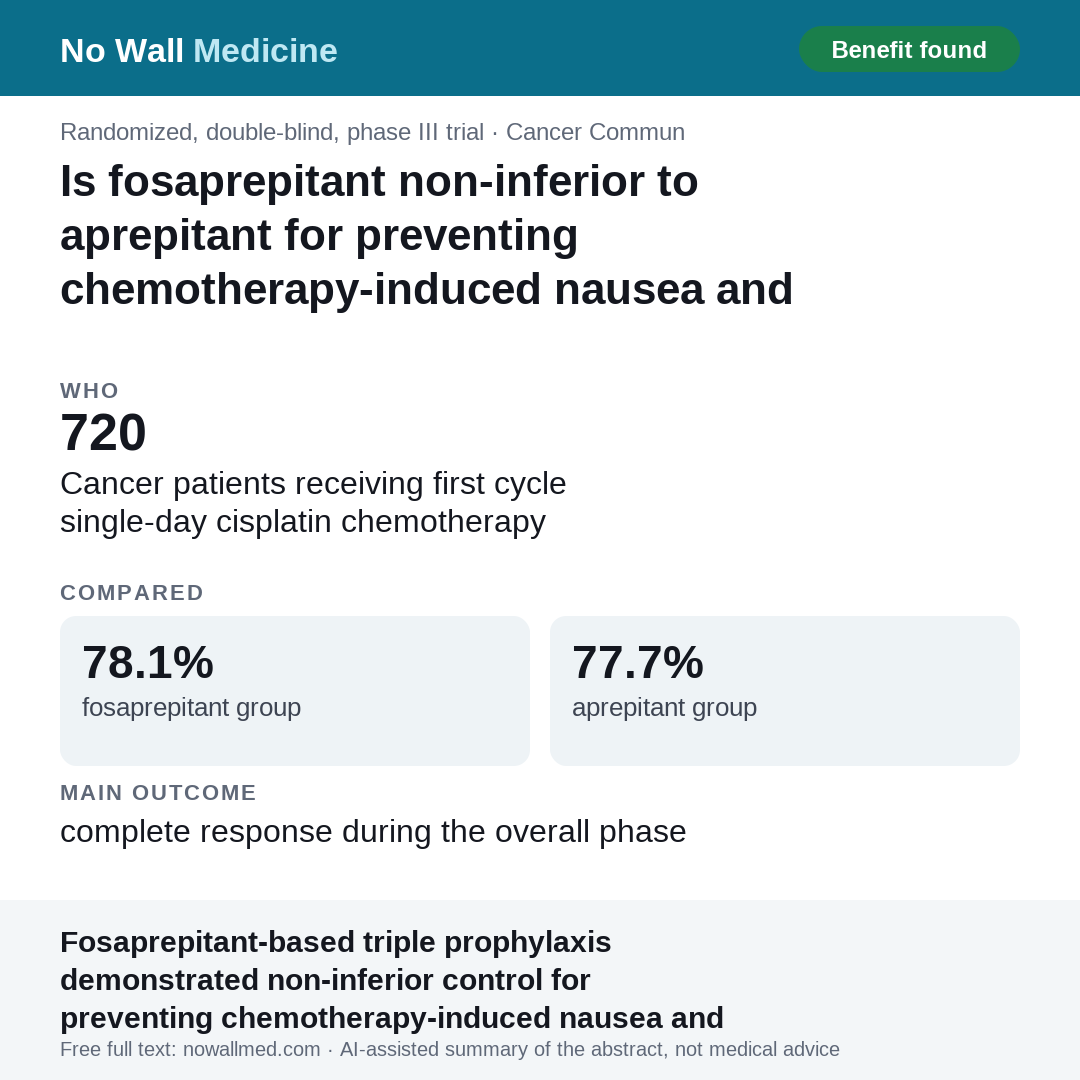
Validation of different personalized risk models of chemotherapy-induced nausea and vomiting: results of a randomized, double-blind, phase III trial of fosaprepitant for cancer patients treated with high-dose cisplatin
Randomized, double-blind, phase III trialBenefit found
Is fosaprepitant non-inferior to aprepitant for preventing chemotherapy-induced nausea and vomiting?
Who
720
Cancer patients receiving first cycle single-day cisplatin chemotherapy
Compared
78.1%fosaprepitant group
77.7%aprepitant group
Main outcome
complete response during the overall phase
Result: between-group difference of 0.4% (95% CI, -5.7% to 6.6%)
Bottom line: Fosaprepitant-based triple prophylaxis demonstrated non-inferior control for preventing chemotherapy-induced nausea and vomiting compared to aprepitant.
Cancer Commun · 2022-12-22Download image
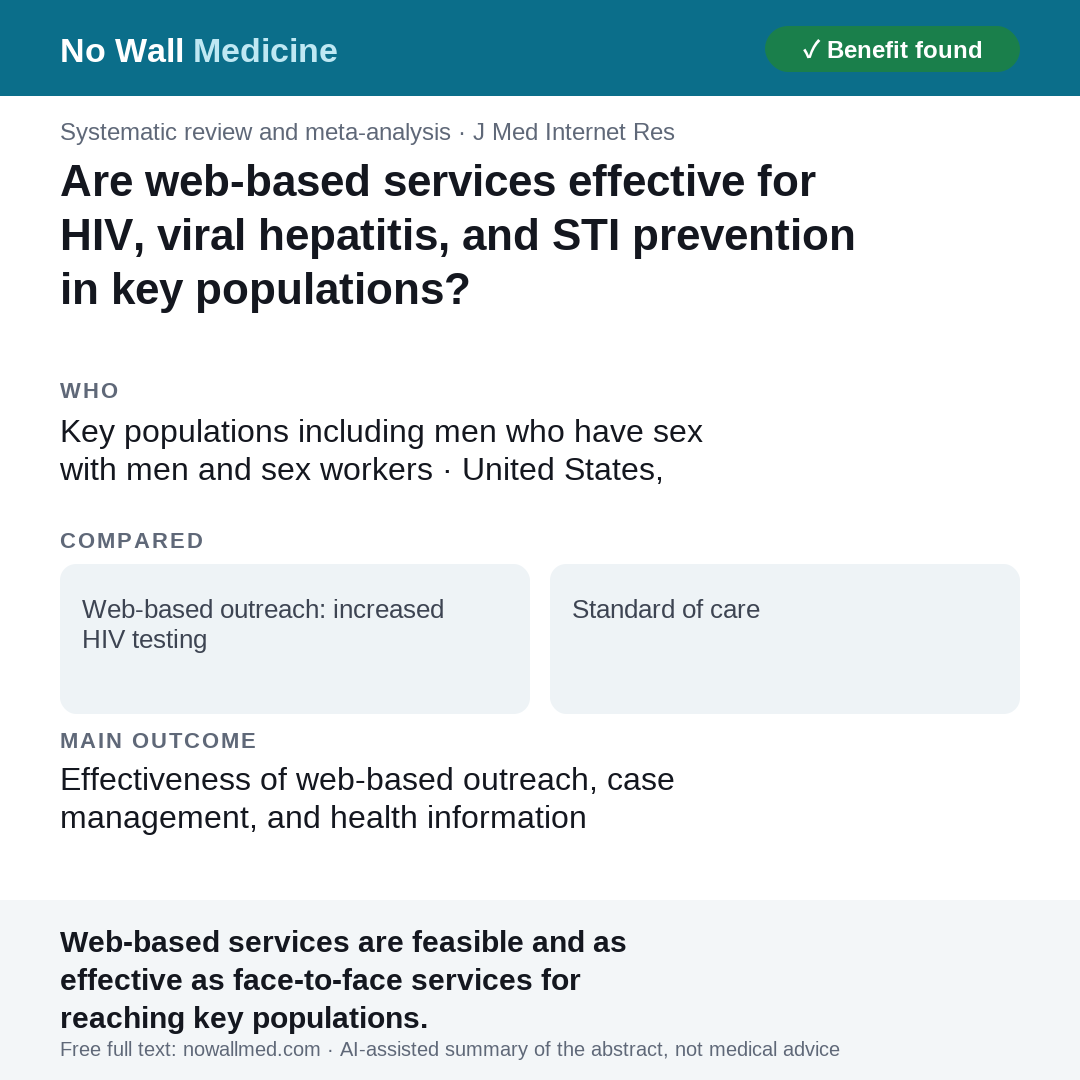
Web-Based Service Provision of HIV, Viral Hepatitis, and Sexually Transmitted Infection Prevention, Testing, Linkage, and Treatment for Key Populations: Systematic Review and Meta-analysis
Systematic review and meta-analysisBenefit found
Are web-based services effective for HIV, viral hepatitis, and STI prevention in key populations?
Who
Key populations including men who have sex with men and sex workers · United States, China, and Canada
Compared
Web-based outreach: increased HIV testing
Standard of care
Main outcome
Effectiveness of web-based outreach, case management, and health information
Result: relative risk 1.39 (95% CI 1.21-1.60)
Bottom line: Web-based services are feasible and as effective as face-to-face services for reaching key populations.
Limitation: More research is needed in low-resource settings and for infections other than HIV.
J Med Internet Res · 2022-12-22Download image
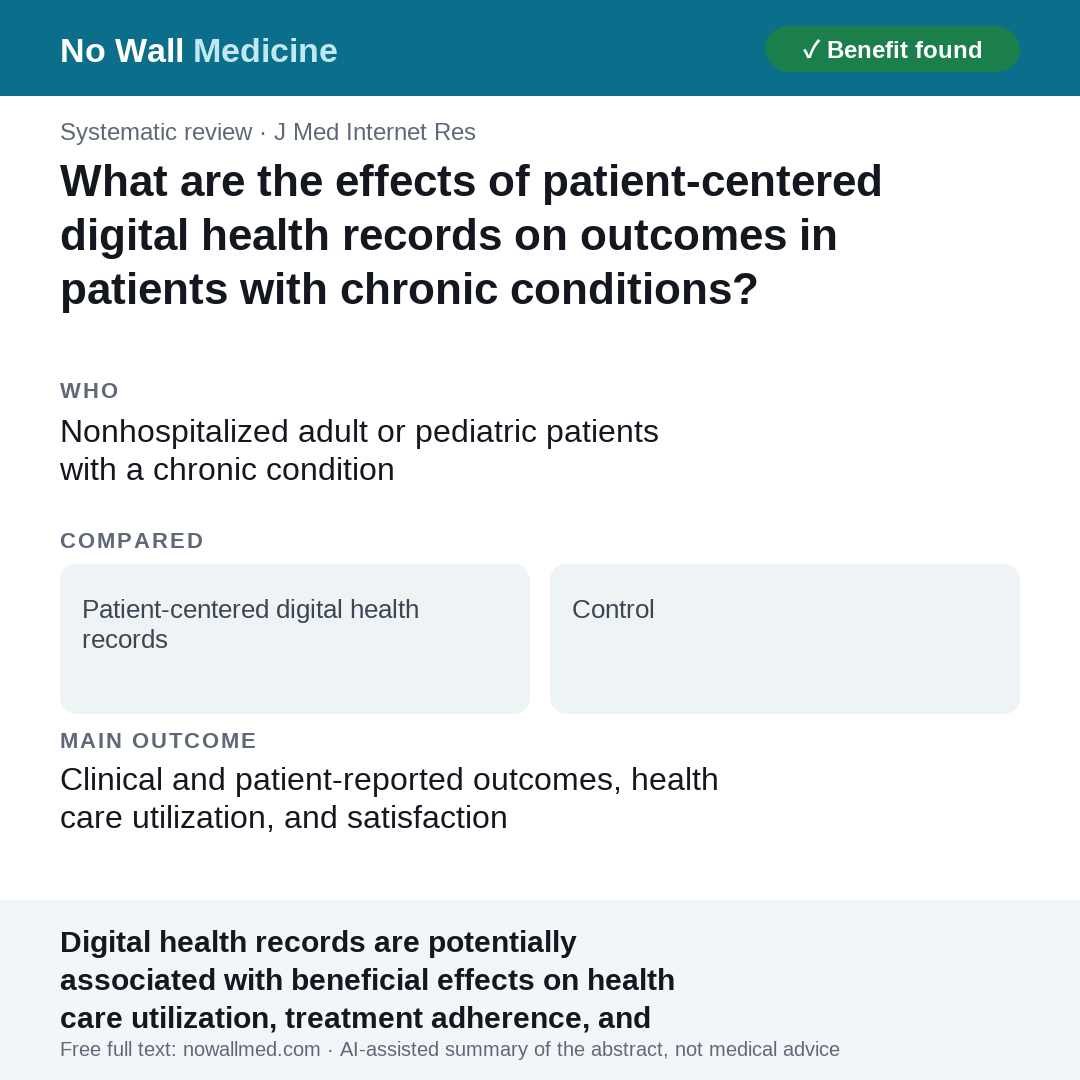
Patient-Centered Digital Health Records and Their Effects on Health Outcomes: Systematic Review
Systematic reviewBenefit found
What are the effects of patient-centered digital health records on outcomes in patients with chronic conditions?
Who
1639556
Nonhospitalized adult or pediatric patients with a chronic condition
Compared
Patient-centered digital health records
Control
Main outcome
Clinical and patient-reported outcomes, health care utilization, and satisfaction
Bottom line: Digital health records are potentially associated with beneficial effects on health care utilization, treatment adherence, and self-management.
Limitation: More studies of high methodological quality are required for firm conclusions.
J Med Internet Res · 2022-12-22Download image
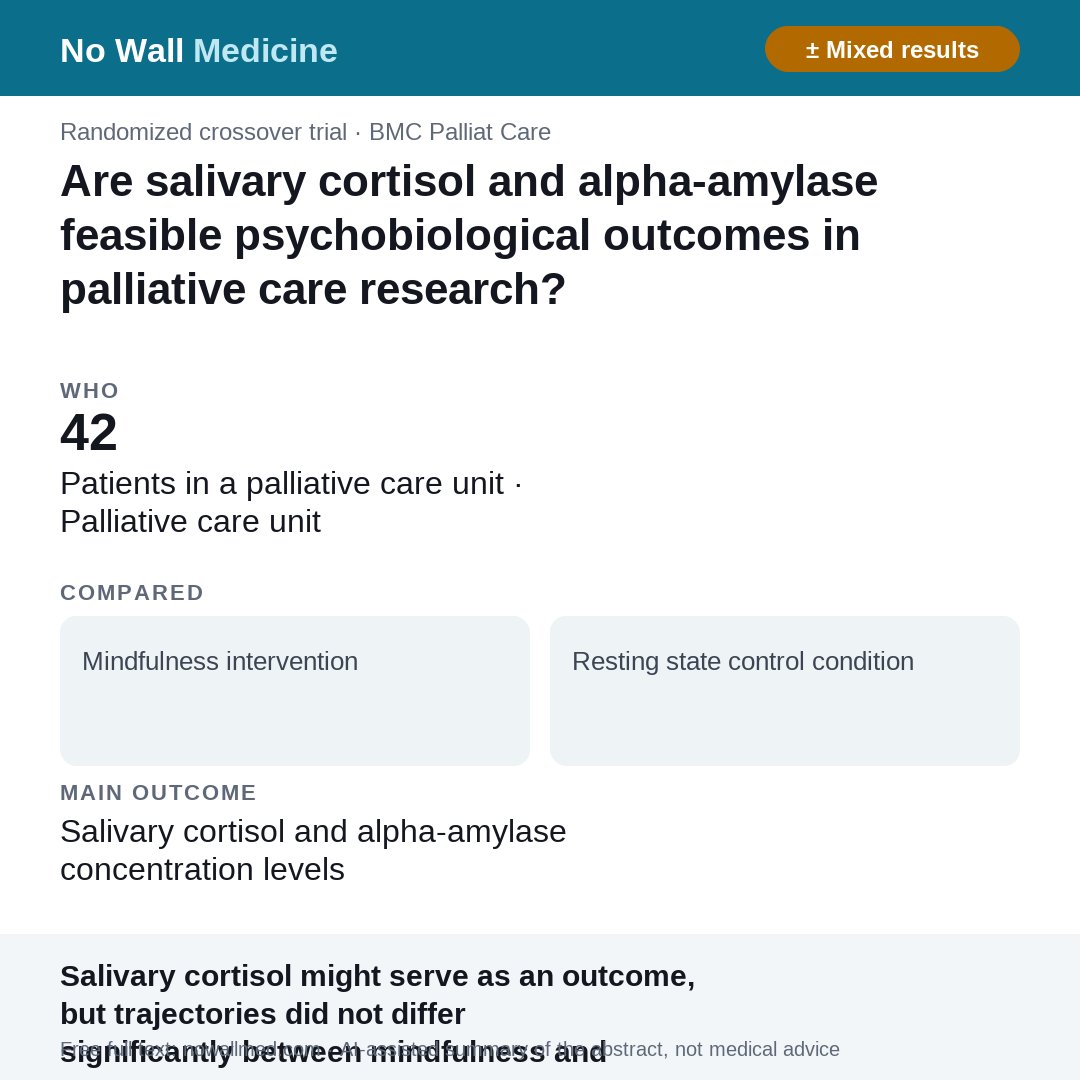
Characteristics of salivary cortisol and alpha-amylase as psychobiological study outcomes in palliative care research
Randomized crossover trialMixed results
Are salivary cortisol and alpha-amylase feasible psychobiological outcomes in palliative care research?
Who
42
Patients in a palliative care unit · Palliative care unit
Compared
Mindfulness intervention
Resting state control condition
Main outcome
Salivary cortisol and alpha-amylase concentration levels
Bottom line: Salivary cortisol might serve as an outcome, but trajectories did not differ significantly between mindfulness and control conditions.
Limitation: High attrition rates expected in patients with xerostomia or nausea.
BMC Palliat Care · 2022-12-22Download image
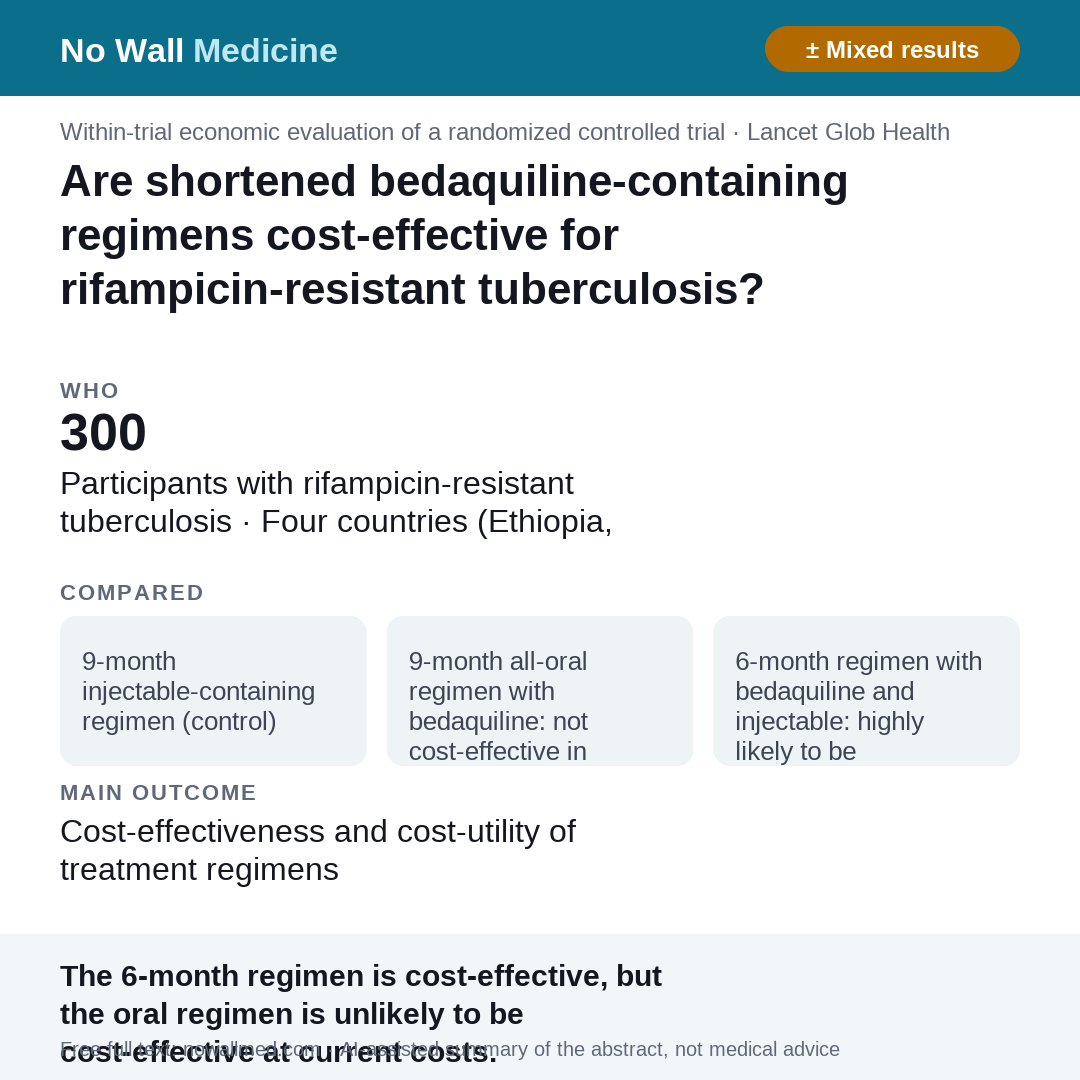
Economic evaluation of shortened, bedaquiline-containing treatment regimens for rifampicin-resistant tuberculosis (STREAM stage 2): a within-trial analysis of a randomised controlled trial
Within-trial economic evaluation of a randomized controlled trialMixed results
Are shortened bedaquiline-containing regimens cost-effective for rifampicin-resistant tuberculosis?
Who
300
Participants with rifampicin-resistant tuberculosis · Four countries (Ethiopia, India, Moldova, Uganda)
Compared
9-month injectable-containing regimen (control)
9-month all-oral regimen with bedaquiline: not cost-effective in Ethiopia, India, Moldova, and Uganda
6-month regimen with bedaquiline and injectable: highly likely to be cost-effective in Ethiopia and India
Main outcome
Cost-effectiveness and cost-utility of treatment regimens
Bottom line: The 6-month regimen is cost-effective, but the oral regimen is unlikely to be cost-effective at current costs.
Funded by: USAID and Janssen Research & Development
Lancet Glob Health · 2022-12-21Download image
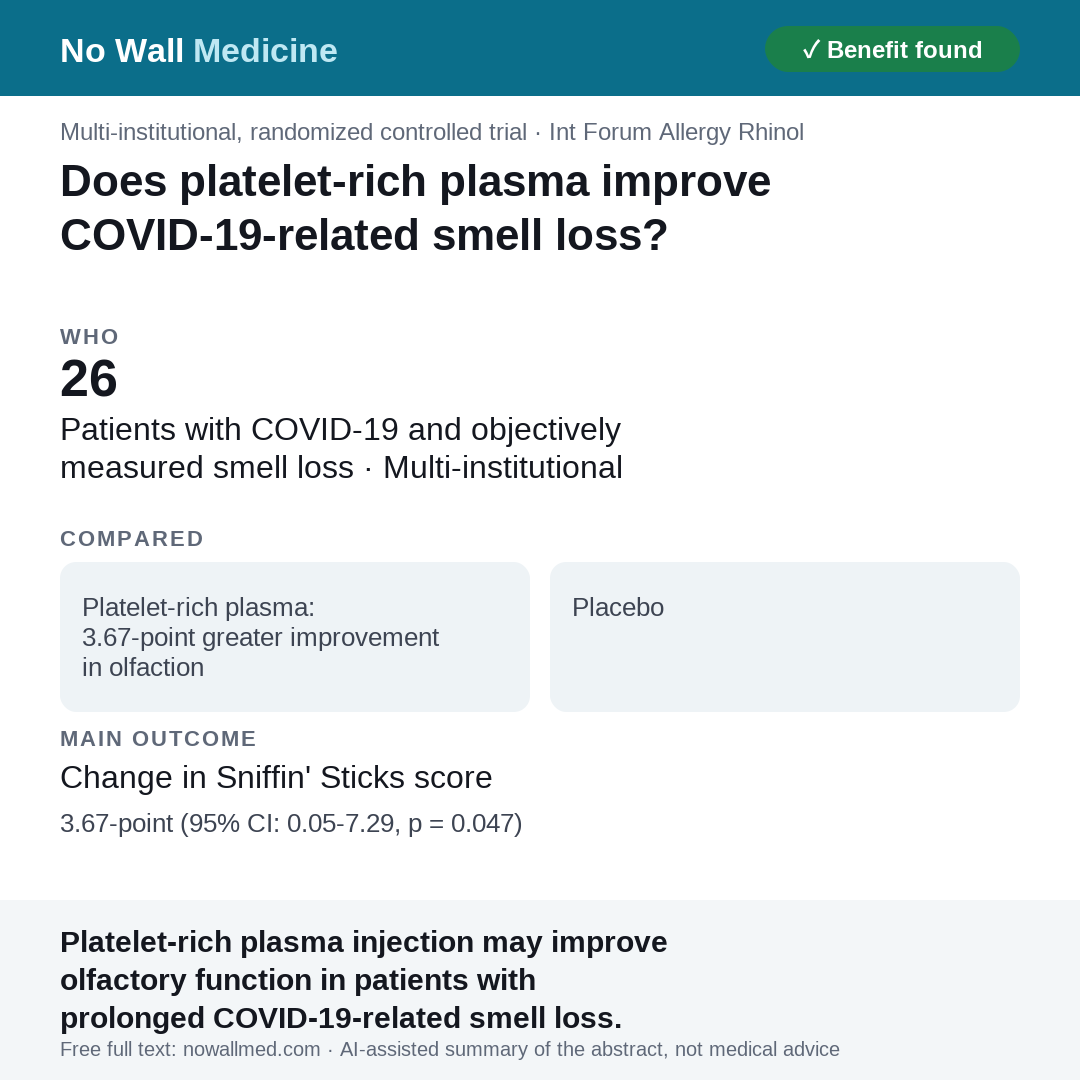
Use of platelet-rich plasma for COVID-19-related olfactory loss: a randomized controlled trial
Multi-institutional, randomized controlled trialBenefit found
Does platelet-rich plasma improve COVID-19-related smell loss?
Who
26
Patients with COVID-19 and objectively measured smell loss · Multi-institutional
Compared
Platelet-rich plasma: 3.67-point greater improvement in olfaction
Placebo
Main outcome
Change in Sniffin' Sticks score
Result: 3.67-point (95% CI: 0.05-7.29, p = 0.047)
Bottom line: Platelet-rich plasma injection may improve olfactory function in patients with prolonged COVID-19-related smell loss.
Int Forum Allergy Rhinol · 2022-12-21Download image
Safety and efficacy of avalglucosidase alfa in individuals with infantile-onset Pompe disease enrolled in the phase 2, open-label Mini-COMET study: The 6-month primary analysis report
Phase 2, open-label, ascending-dose, 3-cohort studyEarly signal
Is avalglucosidase alfa safe and effective in infantile-onset Pompe disease?
Who
22
Individuals with infantile-onset Pompe disease aged <18 years
Compared
20 mg/kg avalglucosidase alfa
40 mg/kg avalglucosidase alfa: Trends for better motor function from baseline to week 25
alglucosidase alfa
Main outcome
motor function
Bottom line: Avalglucosidase alfa showed positive clinical effects and trends for better motor function in infantile-onset Pompe disease.
Genet Med · 2022-12-21Download image

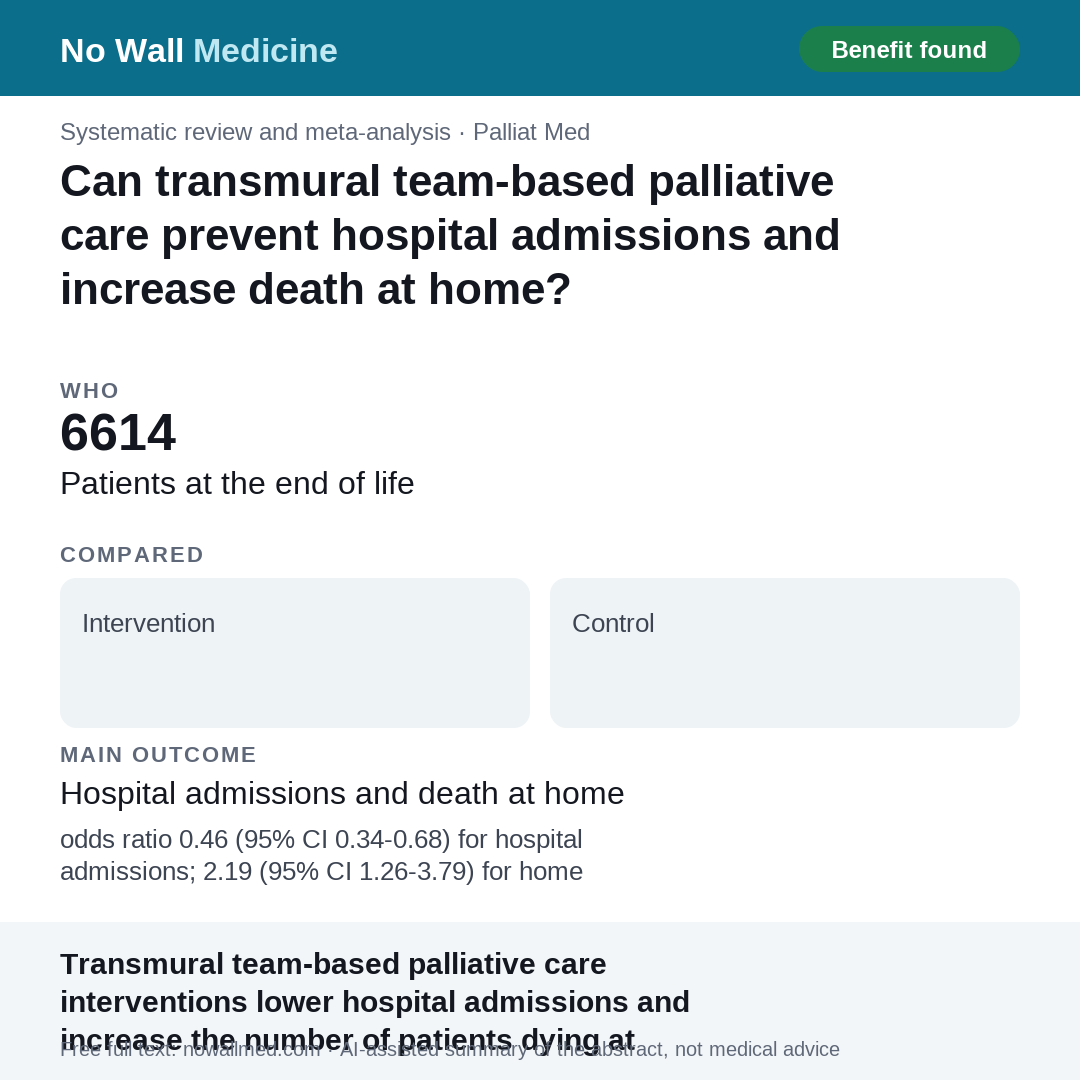
Effectiveness of transmural team-based palliative care in prevention of hospitalizations in patients at the end of life: A systematic review and meta-analysis
Systematic review and meta-analysisBenefit found
Can transmural team-based palliative care prevent hospital admissions and increase death at home?
Who
6614
Patients at the end of life
Compared
Intervention
Control
Main outcome
Hospital admissions and death at home
Result: odds ratio 0.46 (95% CI 0.34-0.68) for hospital admissions; 2.19 (95% CI 1.26-3.79) for home deaths
Bottom line: Transmural team-based palliative care interventions lower hospital admissions and increase the number of patients dying at home.
Limitation: High heterogeneity regarding intervention, study population, and follow-up time.
Palliat Med · 2022-12-21Download image
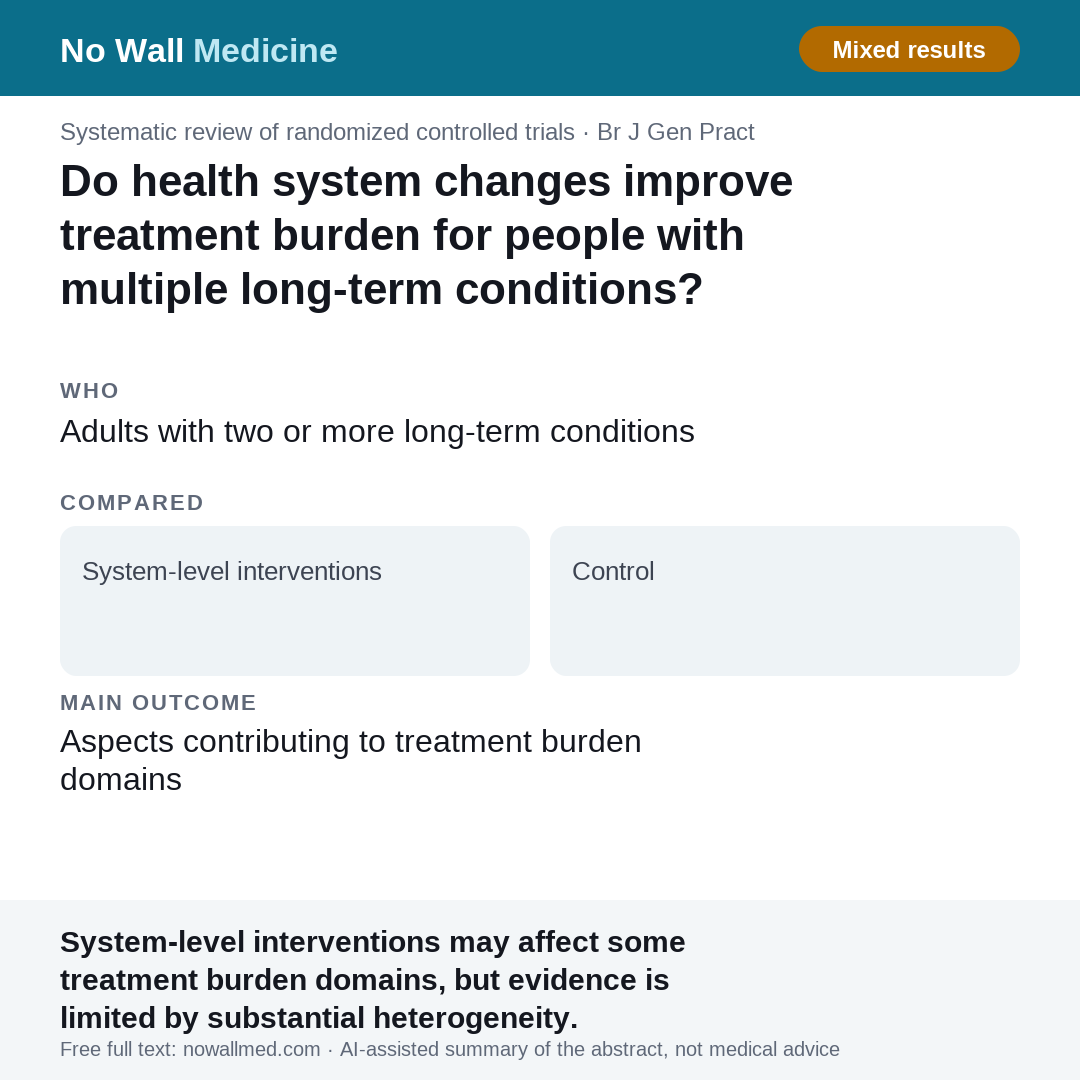
Influence of health-system change on treatment burden: a systematic review
Systematic review of randomized controlled trialsMixed results
Do health system changes improve treatment burden for people with multiple long-term conditions?
Who
Adults with two or more long-term conditions
Compared
System-level interventions
Control
Main outcome
Aspects contributing to treatment burden domains
Bottom line: System-level interventions may affect some treatment burden domains, but evidence is limited by substantial heterogeneity.
Limitation: Substantial heterogeneity and concern over bias limited the synthesis of results.
Br J Gen Pract · 2022-12-21Download image
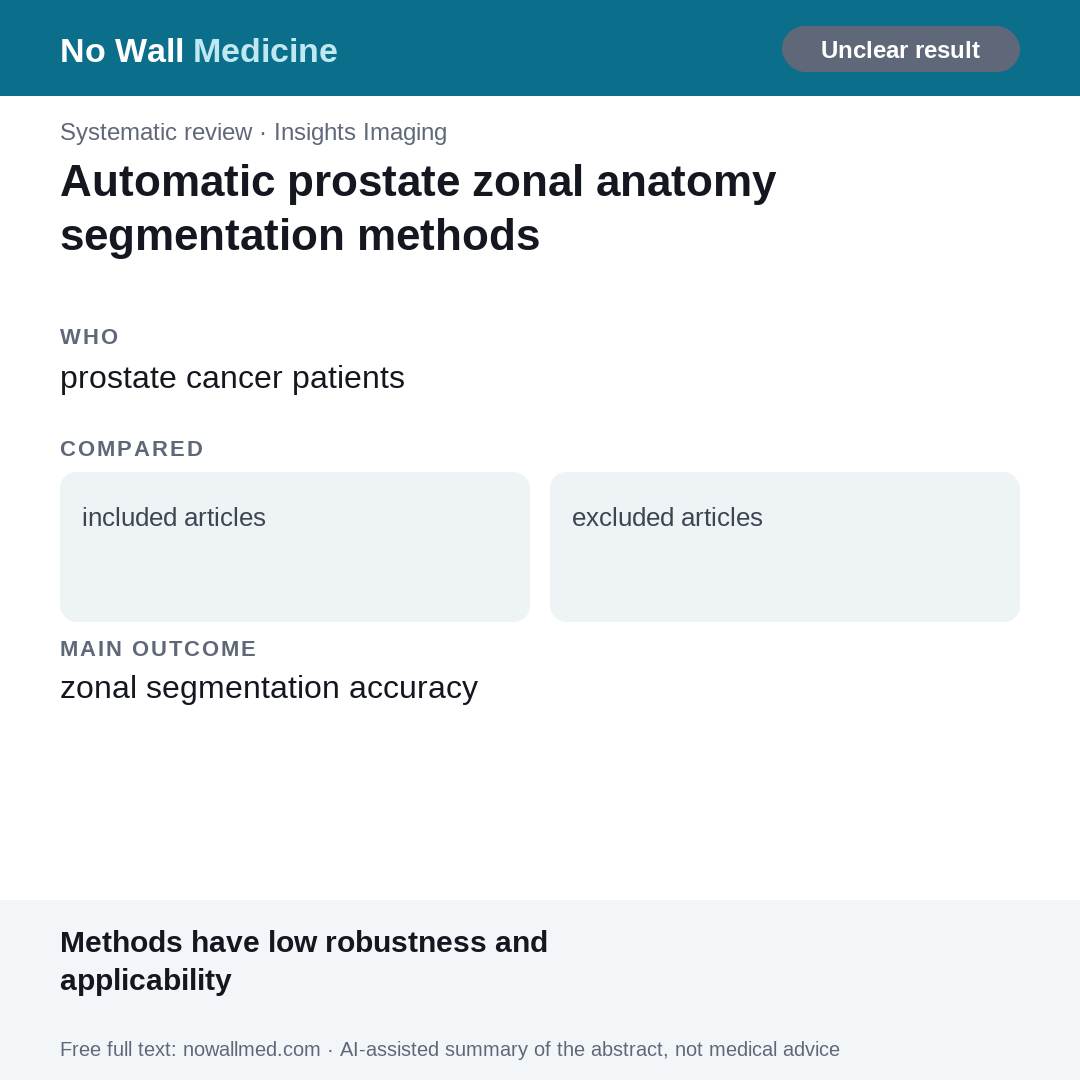
Automatic segmentation of prostate zonal anatomy on MRI: a systematic review of the literature
Systematic reviewUnclear result
Automatic prostate zonal anatomy segmentation methods
Who
prostate cancer patients
Compared
included articles
excluded articles
Main outcome
zonal segmentation accuracy
Bottom line: Methods have low robustness and applicability
Limitation: methodological flaws and biases
Insights Imaging · 2022-12-21Download image
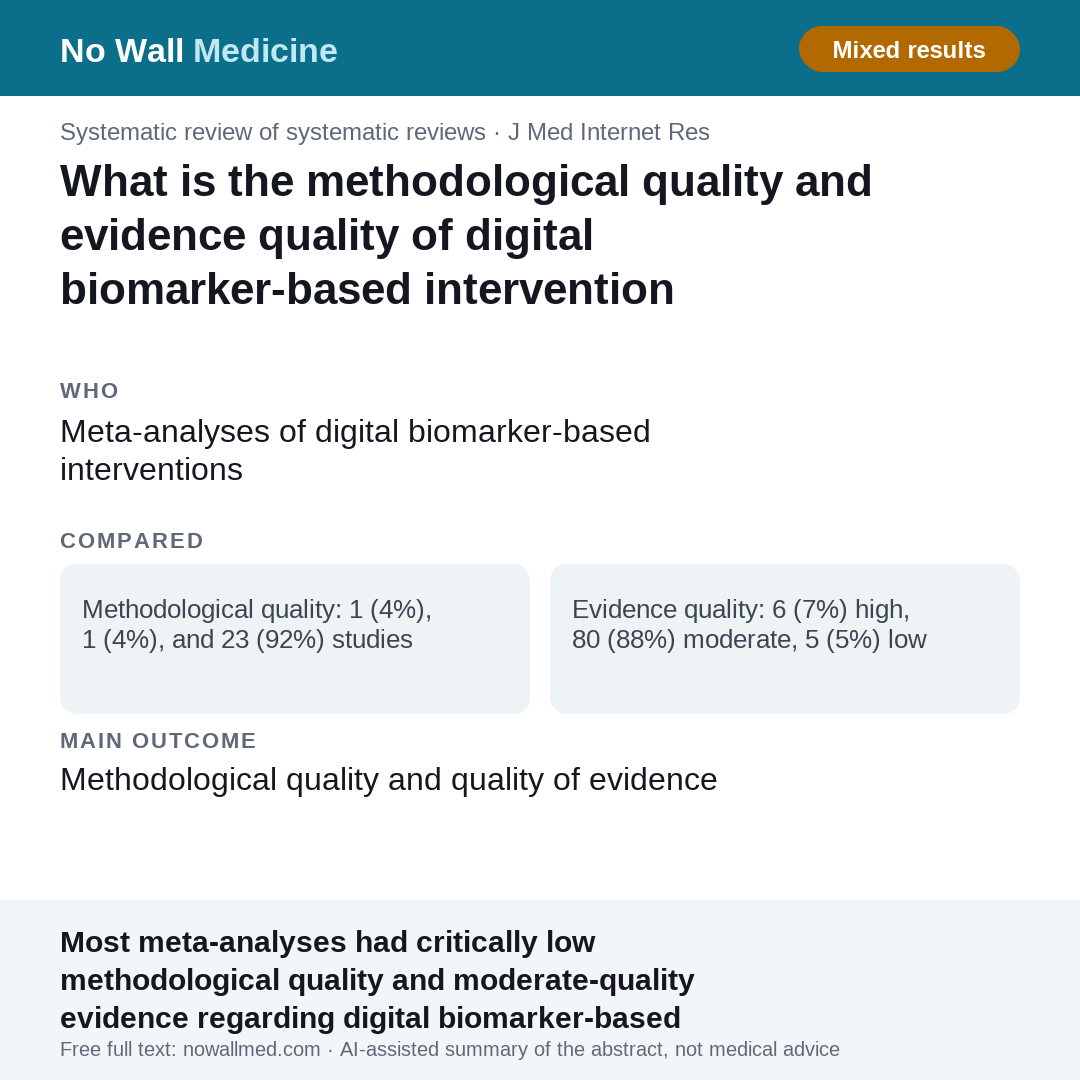
Digital Biomarker-Based Interventions: Systematic Review of Systematic Reviews
Systematic review of systematic reviewsMixed results
What is the methodological quality and evidence quality of digital biomarker-based intervention meta-analyses?
Who
Meta-analyses of digital biomarker-based interventions
Compared
Methodological quality: 1 (4%), 1 (4%), and 23 (92%) studies
Evidence quality: 6 (7%) high, 80 (88%) moderate, 5 (5%) low
Main outcome
Methodological quality and quality of evidence
Bottom line: Most meta-analyses had critically low methodological quality and moderate-quality evidence regarding digital biomarker-based interventions.
Limitation: The study was limited by a narrow time frame.
Funded by: National Research, Development and Innovation Fund of Hungary
J Med Internet Res · 2022-12-21Download image
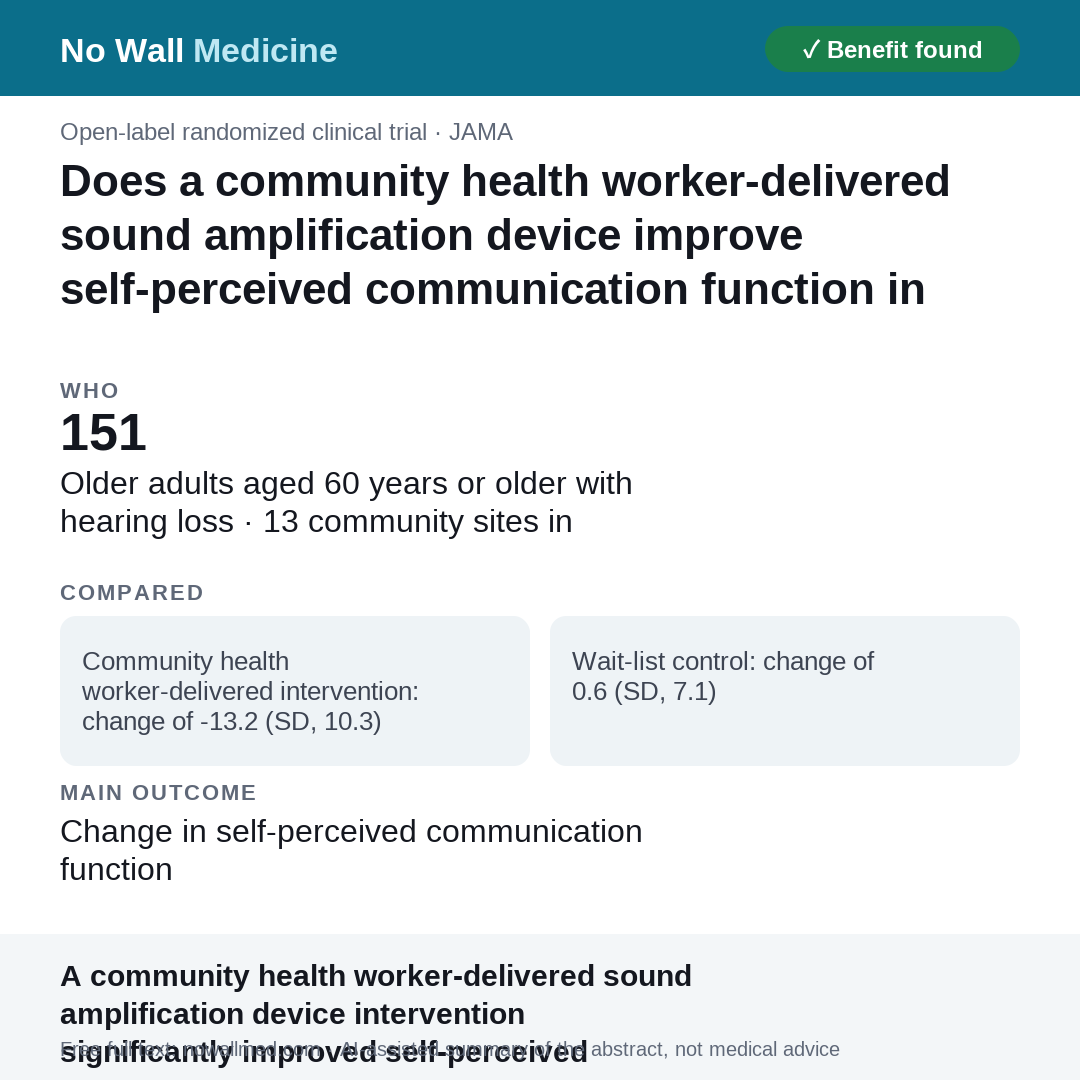
Effect of a Community Health Worker-Delivered Personal Sound Amplification Device on Self-Perceived Communication Function in Older Adults With Hearing Loss: A Randomized Clinical Trial
Open-label randomized clinical trialBenefit found
Does a community health worker-delivered sound amplification device improve self-perceived communication function in older adults?
Who
151
Older adults aged 60 years or older with hearing loss · 13 community sites in Baltimore, Maryland
Compared
Community health worker-delivered intervention: change of -13.2 (SD, 10.3)
Wait-list control: change of 0.6 (SD, 7.1)
Main outcome
Change in self-perceived communication function
Result: -12.98-point HHIE-S change (95% CI, -15.51 to -10.42)
Bottom line: A community health worker-delivered sound amplification device intervention significantly improved self-perceived communication function at 3 months.
Limitation: Findings are limited by the absence of a sham control.
JAMA · 2022-12-20Download image
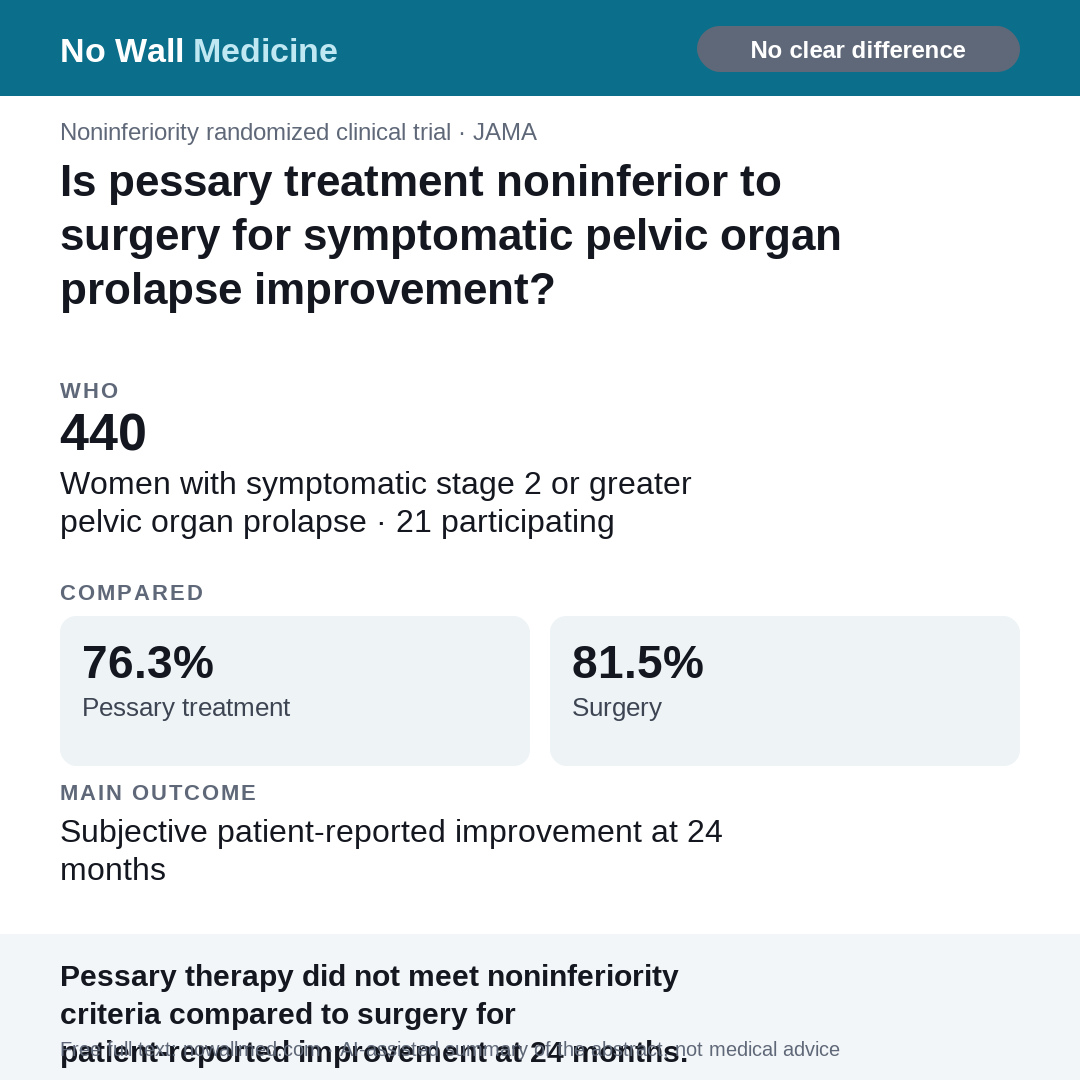
Effect of Pessary vs Surgery on Patient-Reported Improvement in Patients With Symptomatic Pelvic Organ Prolapse: A Randomized Clinical Trial
Noninferiority randomized clinical trialNo clear difference
Is pessary treatment noninferior to surgery for symptomatic pelvic organ prolapse improvement?
Who
440
Women with symptomatic stage 2 or greater pelvic organ prolapse · 21 participating hospitals in the Netherlands
Compared
76.3%Pessary treatment
81.5%Surgery
Main outcome
Subjective patient-reported improvement at 24 months
Result: risk difference, -6.1% [1-sided 95% CI, -12.7 to ∞]
Bottom line: Pessary therapy did not meet noninferiority criteria compared to surgery for patient-reported improvement at 24 months.
Limitation: Interpretation is limited by loss to follow-up and large amount of participant crossover from pessary to surgery.
JAMA · 2022-12-20Download image
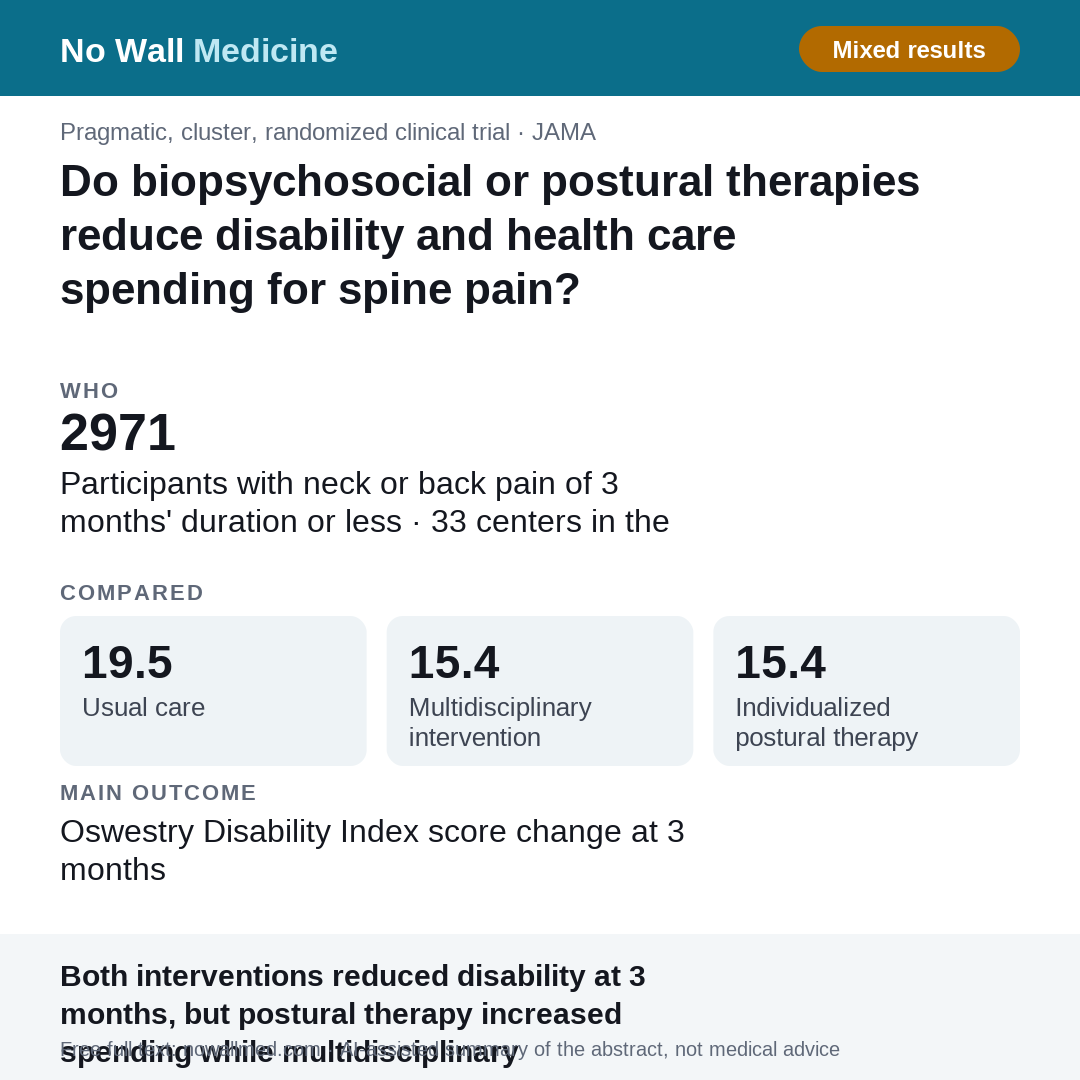
Effect of a Biopsychosocial Intervention or Postural Therapy on Disability and Health Care Spending Among Patients With Acute and Subacute Spine Pain: The SPINE CARE Randomized Clinical Trial
Pragmatic, cluster, randomized clinical trialMixed results
Do biopsychosocial or postural therapies reduce disability and health care spending for spine pain?
Who
2971
Participants with neck or back pain of 3 months' duration or less · 33 centers in the US
Compared
19.5Usual care
15.4Multidisciplinary intervention
15.4Individualized postural therapy
Main outcome
Oswestry Disability Index score change at 3 months
Result: -5.8 (95% CI, -7.7 to -3.9) for ICE and -4.3 (95% CI, -5.9 to -2.6) for IPT
Bottom line: Both interventions reduced disability at 3 months, but postural therapy increased spending while multidisciplinary intervention showed no significant spending difference.
JAMA · 2022-12-20Download image
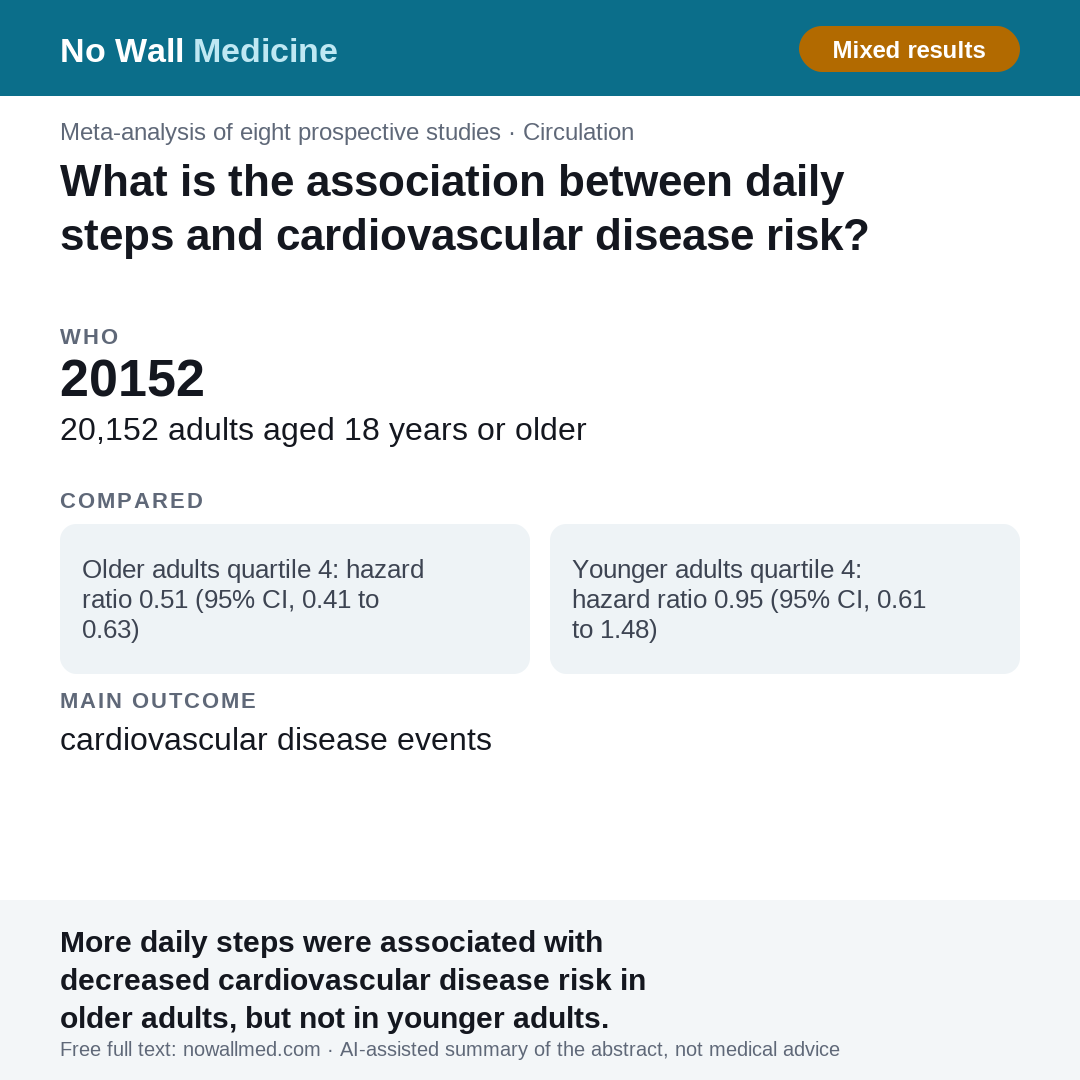
Prospective Association of Daily Steps With Cardiovascular Disease: A Harmonized Meta-Analysis
Meta-analysis of eight prospective studiesMixed results
What is the association between daily steps and cardiovascular disease risk?
Who
20152
20,152 adults aged 18 years or older
Compared
Older adults quartile 4: hazard ratio 0.51 (95% CI, 0.41 to 0.63)
Younger adults quartile 4: hazard ratio 0.95 (95% CI, 0.61 to 1.48)
Main outcome
cardiovascular disease events
Bottom line: More daily steps were associated with decreased cardiovascular disease risk in older adults, but not in younger adults.
Circulation · 2022-12-20Download image
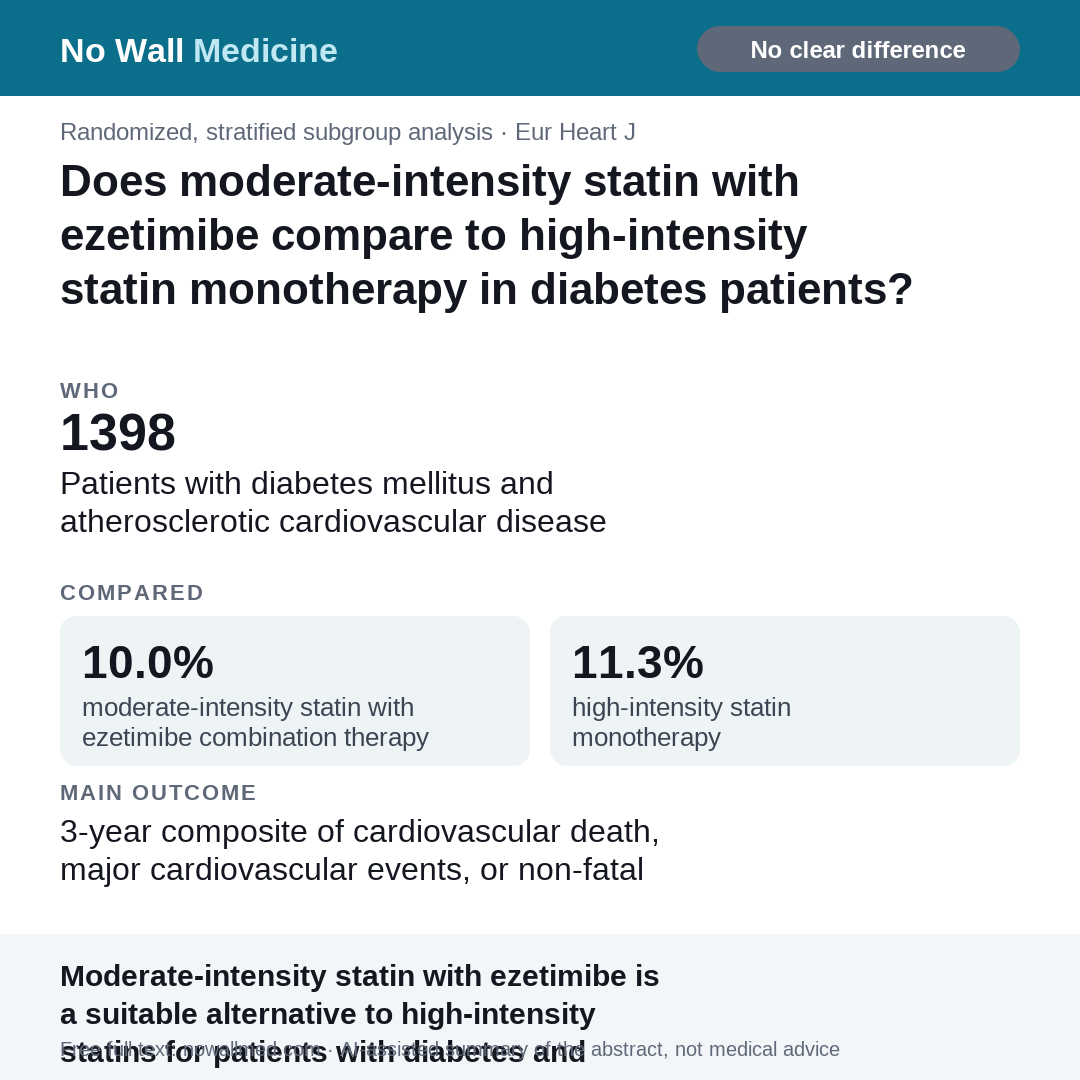
Moderate-intensity statin with ezetimibe vs. high-intensity statin in patients with diabetes and atherosclerotic cardiovascular disease in the RACING trial
Randomized, stratified subgroup analysisNo clear difference
Does moderate-intensity statin with ezetimibe compare to high-intensity statin monotherapy in diabetes patients?
Who
1398
Patients with diabetes mellitus and atherosclerotic cardiovascular disease
Compared
10.0%moderate-intensity statin with ezetimibe combination therapy
11.3%high-intensity statin monotherapy
Main outcome
3-year composite of cardiovascular death, major cardiovascular events, or non-fatal stroke
Result: hazard ratio 0.89 (95% confidence interval 0.64-1.22)
Bottom line: Moderate-intensity statin with ezetimibe is a suitable alternative to high-intensity statins for patients with diabetes and atherosclerotic cardiovascular disease.
Eur Heart J · 2022-12-20Download image