Visual abstracts
New randomized trials and meta-analyses from leading journals at a glance: who was studied, what was compared, and what was found. Every paper is free to read in full.
All specialtiesCardiology 4759Oncology 4063Gastroenterology & Hepatology 1906Infectious Disease 3754Neurology 1877Psychiatry & Mental Health 2228Pulmonology 2044Critical Care 1327Endocrinology & Diabetes 2534Pediatrics 2894Surgery 2490Orthopedics & Sports Medicine 918Neurosurgery 528Cardiothoracic & Vascular Surgery 658Plastic & Reconstructive Surgery 582Nephrology 1103Rheumatology 810Hematology 1091Dermatology 615Ophthalmology 534Obstetrics & Gynecology 1643Public & Global Health 1034Radiology & Imaging 634Anesthesiology 957Urology 748ENT (Otolaryngology) 492Emergency Medicine 480Allergy & Immunology 309Geriatrics 970Family Medicine & Primary Care 537Medical Genetics & Genomics 651Pathology & Laboratory Medicine 156Physical Medicine & Rehabilitation 741Palliative Care 422Nutrition 1549Digital Health & AI 2181General Medicine 317
Circulating inflammatory proteins associated with risks of schizophrenia, bipolar disorder, and major depressive disorder: a mendelian randomization study
Mendelian randomization studyMixed results
Do circulating inflammatory proteins have causal links to schizophrenia, bipolar disorder, and major depressive disorder?
Who
People of European ancestry · Psychiatric Genomics Consortium and FinnGen biobank
Compared
Elevated C-reactive protein: OR = 0.93
Elevated fractalkine: OR = 0.92
Elevated Delta and Notch-like epidermal growth factor-related receptor: OR = 1.07
Elevated eukaryotic translation initiation factor 4E-binding protein 1: OR = 1.09
Main outcome
Risk of schizophrenia, bipolar disorder, and major depressive disorder
Bottom line: Specific inflammatory proteins show causal associations with increased or decreased risks for schizophrenia, bipolar disorder, and major depressive disorder.
Limitation: Further experimental studies are warranted to elucidate the underlying biological mechanisms.
Transl Psychiatry · 2025-12-23Download image

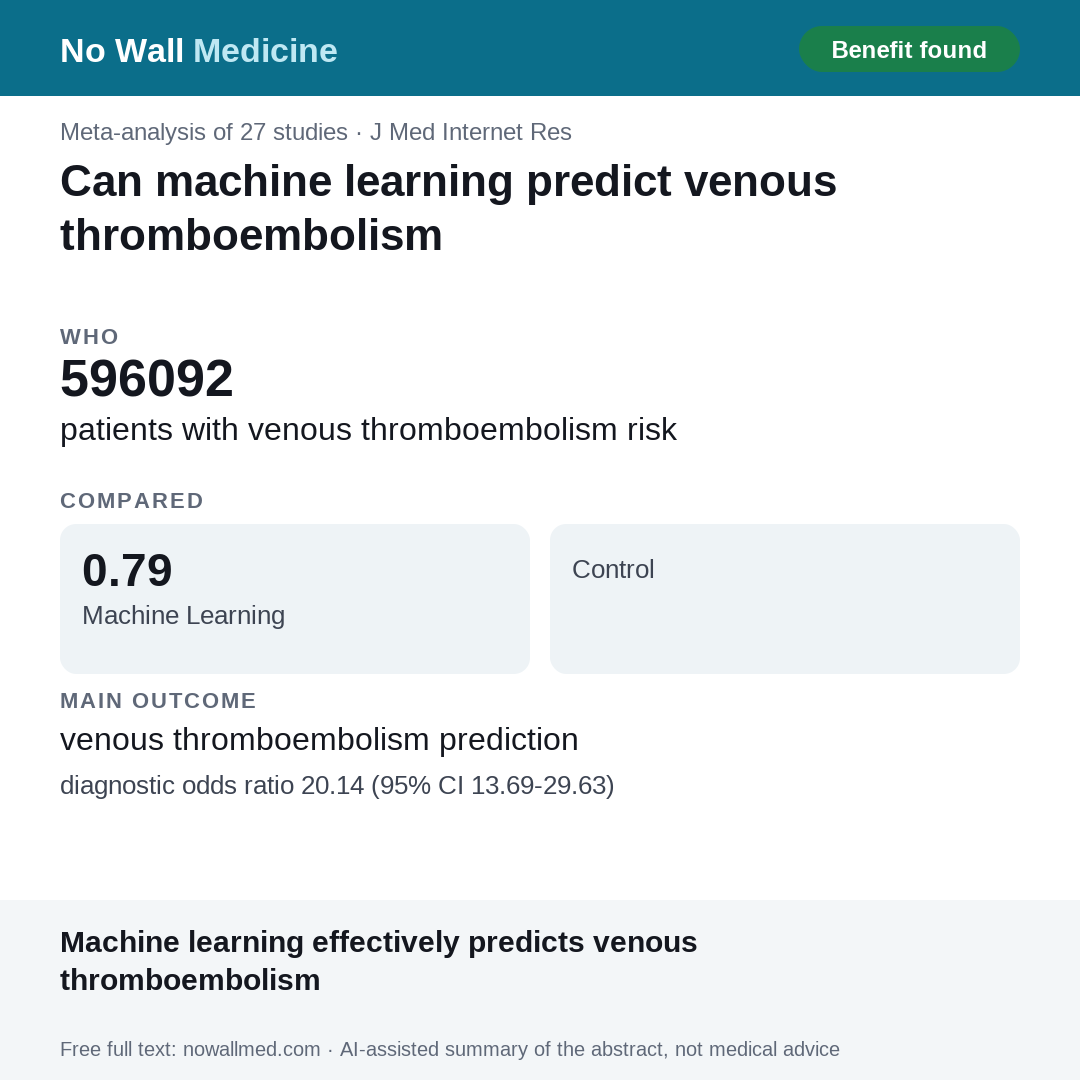
Machine Learning in the Prediction of Venous Thromboembolism: Systematic Review and Meta-Analysis
Meta-analysis of 27 studiesBenefit found
Can machine learning predict venous thromboembolism
Who
596092
patients with venous thromboembolism risk
Compared
0.79Machine Learning (95% CI 0.78-0.80)
Control
Main outcome
venous thromboembolism prediction
Result: diagnostic odds ratio 20.14 (95% CI 13.69-29.63)
Bottom line: Machine learning effectively predicts venous thromboembolism
Limitation: high risk of bias in most studies
J Med Internet Res · 2025-12-23Download image
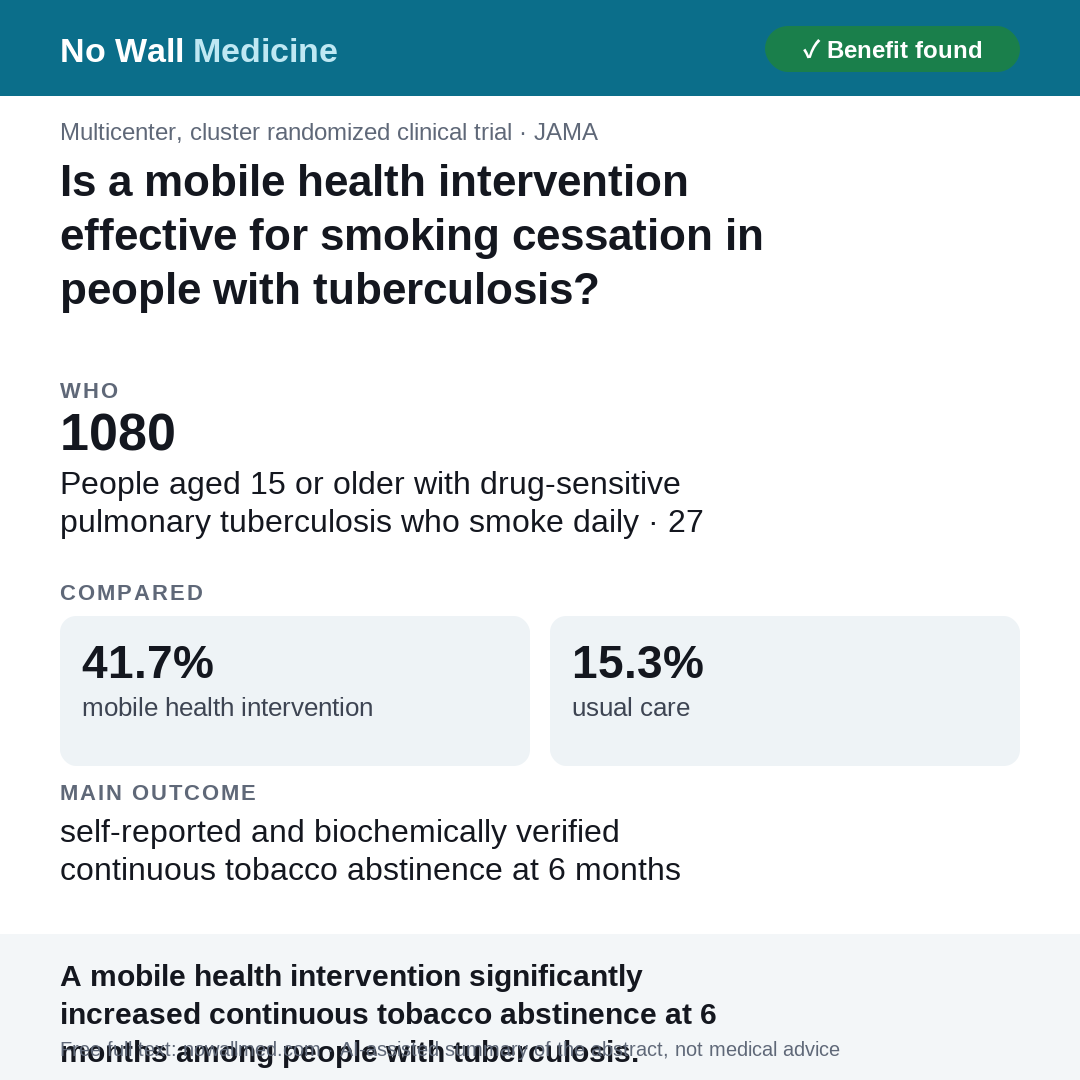
An mHealth (Mobile Health) Intervention for Smoking Cessation in People With Tuberculosis: A Cluster Randomized Clinical Trial
Multicenter, cluster randomized clinical trialBenefit found
Is a mobile health intervention effective for smoking cessation in people with tuberculosis?
Who
1080
People aged 15 or older with drug-sensitive pulmonary tuberculosis who smoke daily · 27 tuberculosis clinics in Bangladesh and Pakistan
Compared
41.7%mobile health intervention
15.3%usual care
Main outcome
self-reported and biochemically verified continuous tobacco abstinence at 6 months
Result: risk ratio 3.0 (95% CI 2.0-4.9)
Bottom line: A mobile health intervention significantly increased continuous tobacco abstinence at 6 months among people with tuberculosis.
JAMA · 2025-12-22Download image
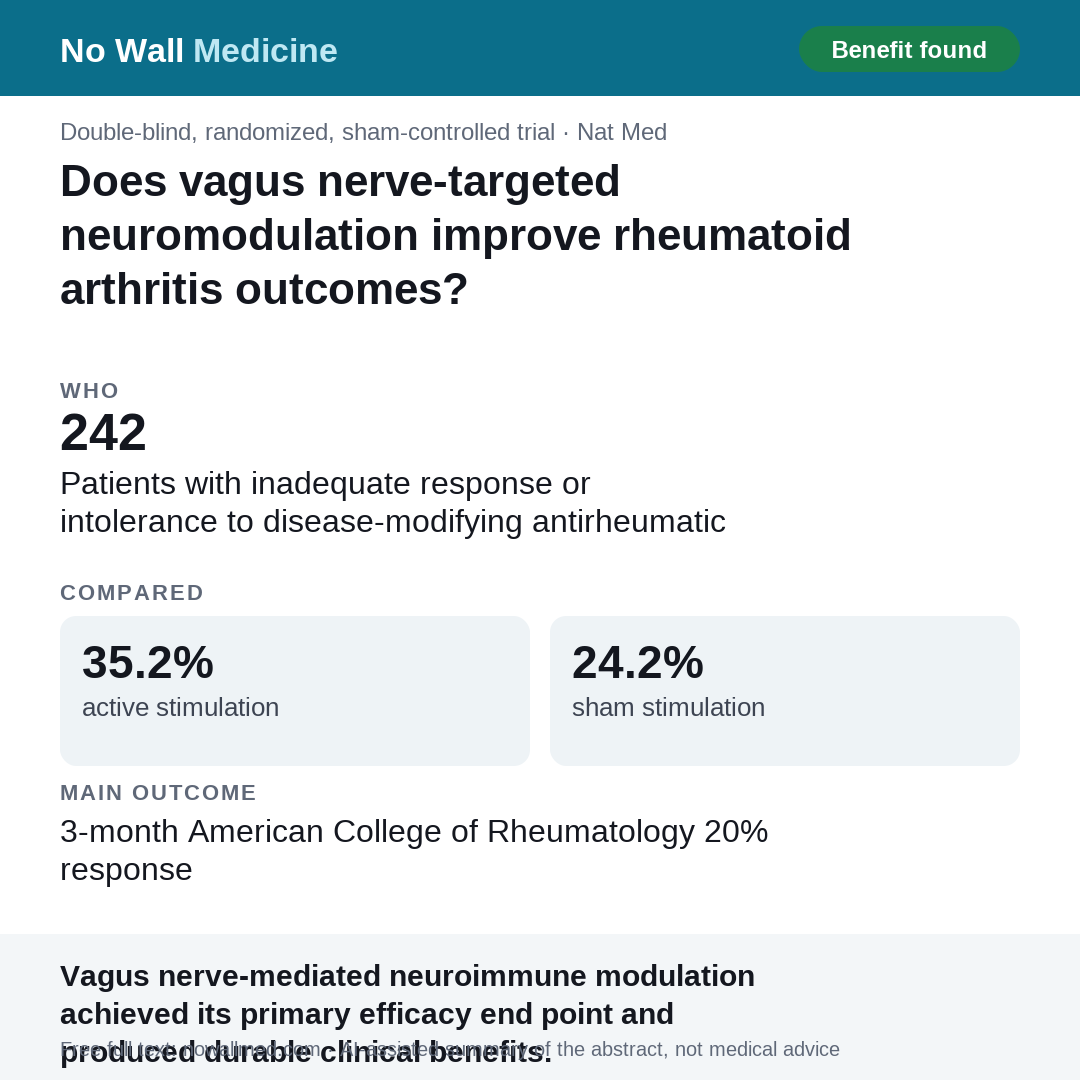
Vagus nerve-mediated neuroimmune modulation for rheumatoid arthritis: a pivotal randomized controlled trial
Double-blind, randomized, sham-controlled trialBenefit found
Does vagus nerve-targeted neuromodulation improve rheumatoid arthritis outcomes?
Who
242
Patients with inadequate response or intolerance to disease-modifying antirheumatic drugs
Compared
35.2%active stimulation
24.2%sham stimulation
Main outcome
3-month American College of Rheumatology 20% response
Bottom line: Vagus nerve-mediated neuroimmune modulation achieved its primary efficacy end point and produced durable clinical benefits.
Nat Med · 2025-12-22Download image
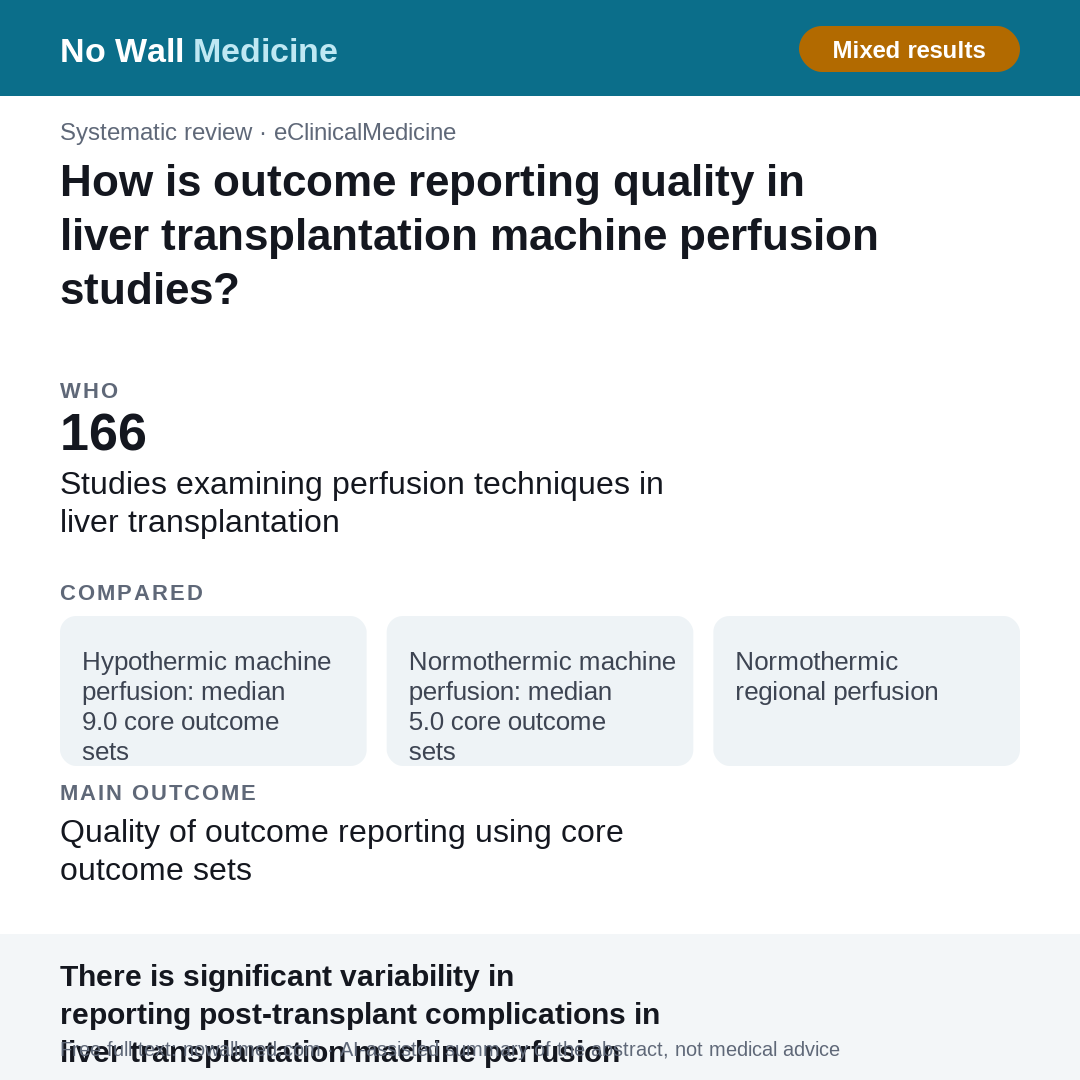
Outcome reporting for liver transplantation machine perfusion studies: a systematic review
Systematic reviewMixed results
How is outcome reporting quality in liver transplantation machine perfusion studies?
Who
166
Studies examining perfusion techniques in liver transplantation
Compared
Hypothermic machine perfusion: median 9.0 core outcome sets
Normothermic machine perfusion: median 5.0 core outcome sets
Normothermic regional perfusion
Main outcome
Quality of outcome reporting using core outcome sets
Bottom line: There is significant variability in reporting post-transplant complications in liver transplantation machine perfusion studies.
Limitation: Significant heterogeneity in outcome parameter definitions and time-points of assessment.
eClinicalMedicine · 2025-12-22Download image
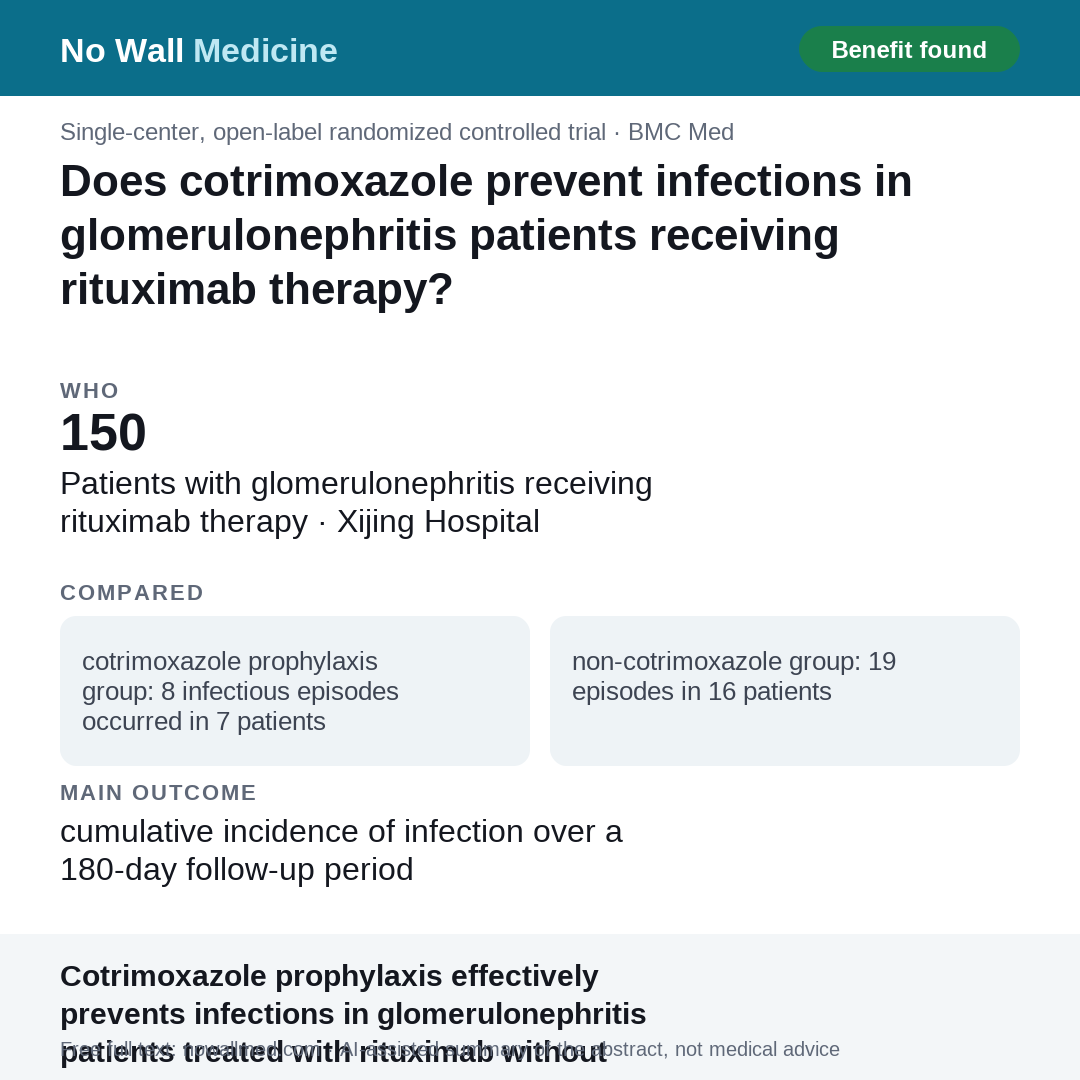
Cotrimoxazole for infection prevention in glomerulonephritis treated with rituximab: a randomized controlled trial
Single-center, open-label randomized controlled trialBenefit found
Does cotrimoxazole prevent infections in glomerulonephritis patients receiving rituximab therapy?
Who
150
Patients with glomerulonephritis receiving rituximab therapy · Xijing Hospital
Compared
cotrimoxazole prophylaxis group: 8 infectious episodes occurred in 7 patients
non-cotrimoxazole group: 19 episodes in 16 patients
Main outcome
cumulative incidence of infection over a 180-day follow-up period
Result: hazard ratio 0.39 (95% CI 0.17-0.88)
Bottom line: Cotrimoxazole prophylaxis effectively prevents infections in glomerulonephritis patients treated with rituximab without increasing serious adverse events.
Limitation: This study was a single-center investigation without a placebo control.
BMC Med · 2025-12-22Download image
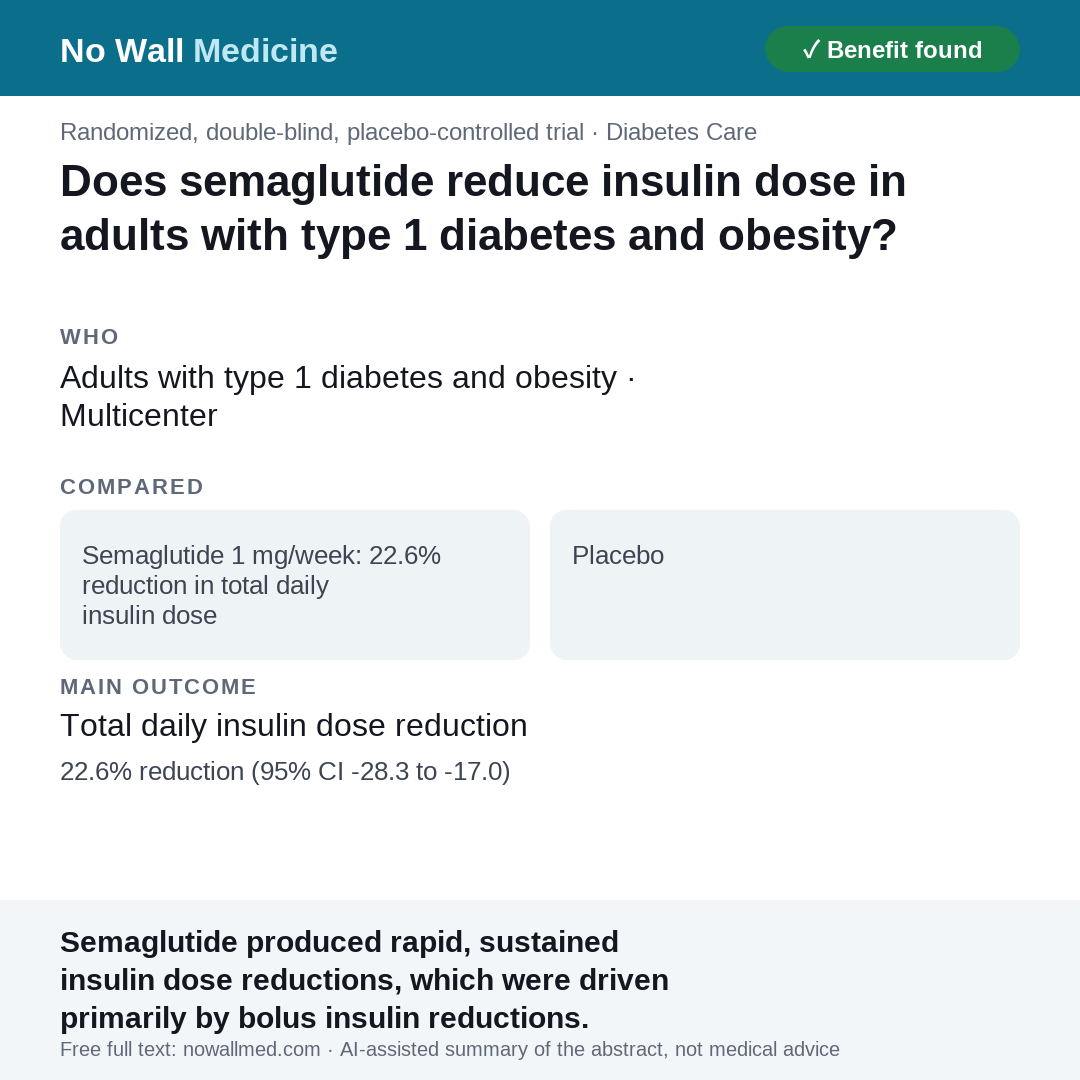
Effect of Semaglutide on Insulin Dose Reduction in Adults With Type 1 Diabetes and Obesity Using Automated Insulin Delivery Systems: ADJUST-T1D Post Hoc Analysis
Randomized, double-blind, placebo-controlled trialBenefit found
Does semaglutide reduce insulin dose in adults with type 1 diabetes and obesity?
Who
Adults with type 1 diabetes and obesity · Multicenter
Compared
Semaglutide 1 mg/week: 22.6% reduction in total daily insulin dose
Placebo
Main outcome
Total daily insulin dose reduction
Result: 22.6% reduction (95% CI -28.3 to -17.0)
Bottom line: Semaglutide produced rapid, sustained insulin dose reductions, which were driven primarily by bolus insulin reductions.
Diabetes Care · 2025-12-22Download image
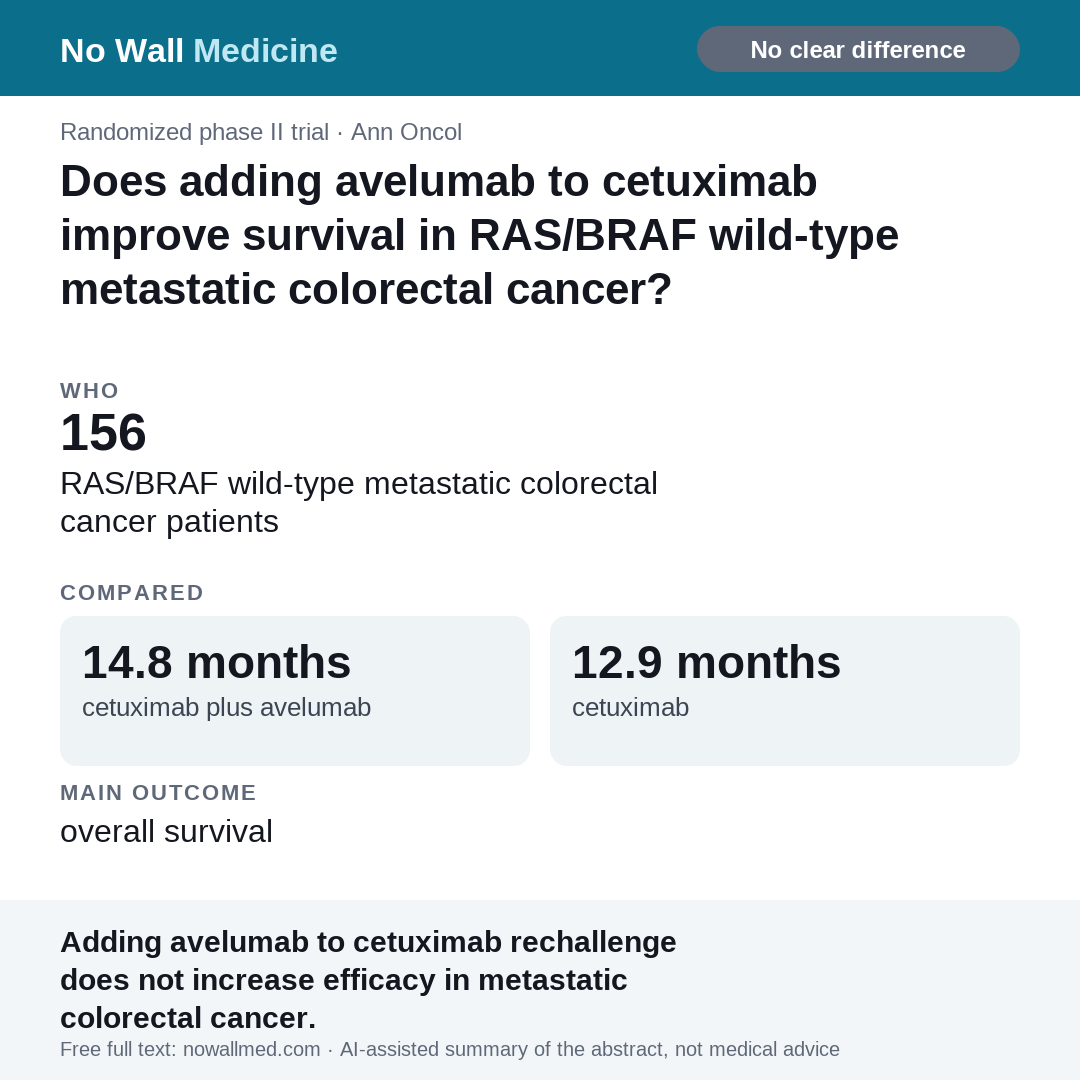
Cetuximab rechallenge in molecularly selected metastatic colorectal cancer: the randomized CAVE-2 GOIM trial
Randomized phase II trialNo clear difference
Does adding avelumab to cetuximab improve survival in RAS/BRAF wild-type metastatic colorectal cancer?
Who
156
RAS/BRAF wild-type metastatic colorectal cancer patients
Compared
14.8 monthscetuximab plus avelumab (95% CI 12.1-18.3 months)
12.9 monthscetuximab (95% CI 11 months-not evaluable)
Main outcome
overall survival
Result: hazard ratio 1.00 (95% CI 0.65-1.52)
Bottom line: Adding avelumab to cetuximab rechallenge does not increase efficacy in metastatic colorectal cancer.
Ann Oncol · 2025-12-22Download image
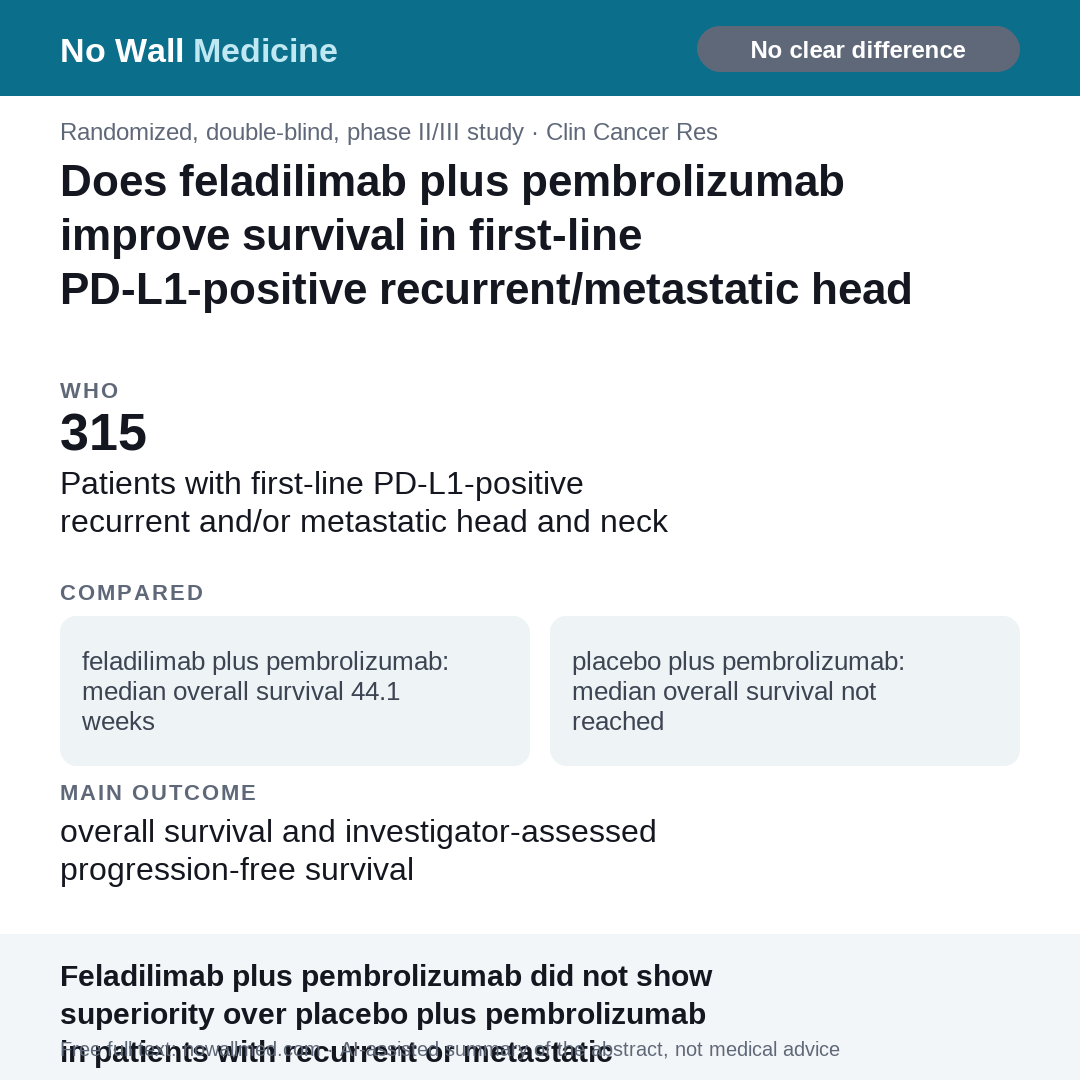
INDUCE-3: A Randomized Phase II/III Study of First-line Feladilimab plus Pembrolizumab in Patients with Recurrent/Metastatic Head and Neck Squamous Cell Carcinoma
Randomized, double-blind, phase II/III studyNo clear difference
Does feladilimab plus pembrolizumab improve survival in first-line PD-L1-positive recurrent/metastatic head and neck squamous cell carcinoma?
Who
315
Patients with first-line PD-L1-positive recurrent and/or metastatic head and neck squamous cell carcinoma
Compared
feladilimab plus pembrolizumab: median overall survival 44.1 weeks
placebo plus pembrolizumab: median overall survival not reached
Main outcome
overall survival and investigator-assessed progression-free survival
Result: adjusted hazard ratio 1.51 for overall survival
Bottom line: Feladilimab plus pembrolizumab did not show superiority over placebo plus pembrolizumab in patients with recurrent or metastatic head and neck squamous cell carcinoma.
Clin Cancer Res · 2025-12-22Download image
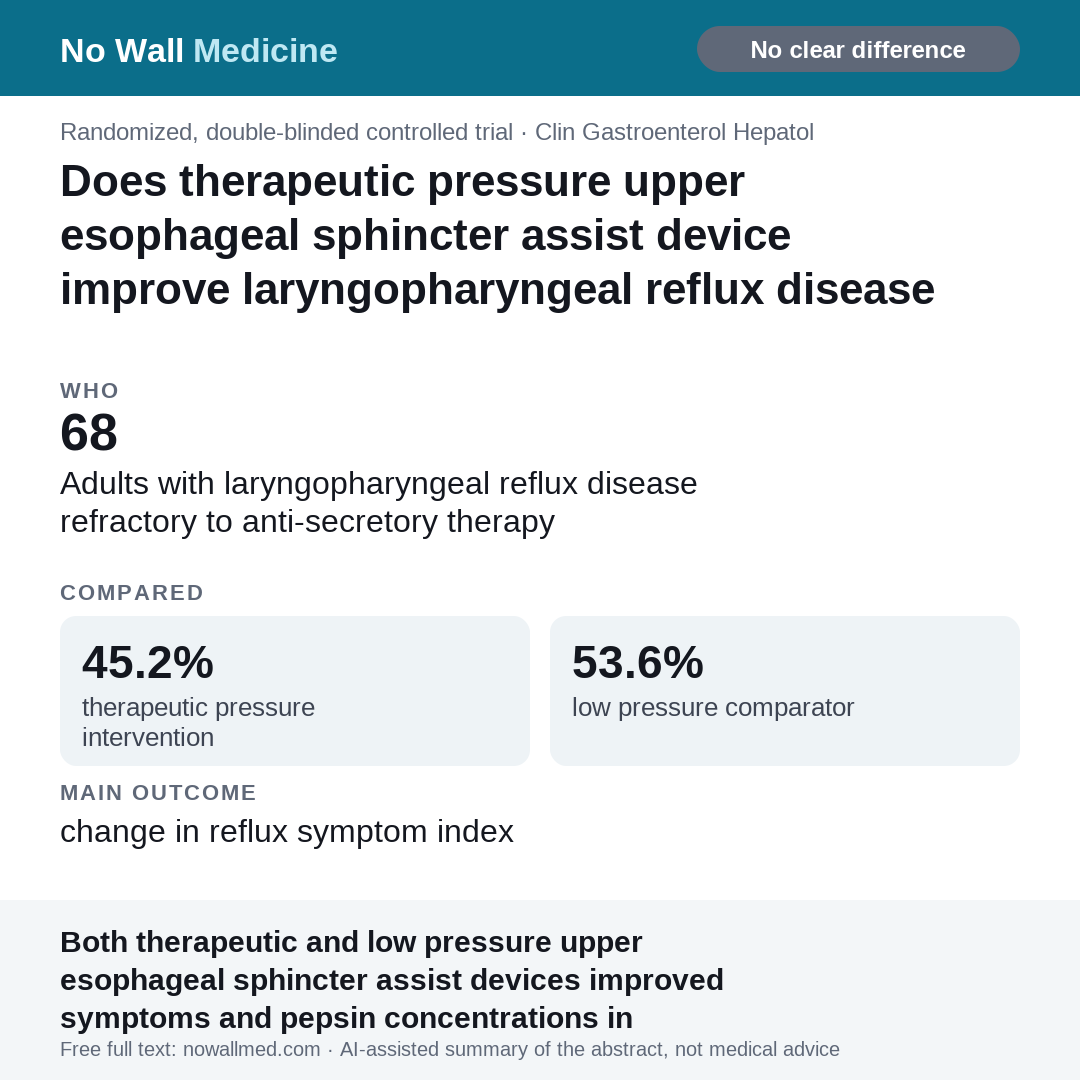
Randomized Controlled Trial of Upper Esophageal Sphincter Assist Device in Laryngopharyngeal Reflux Disease
Randomized, double-blinded controlled trialNo clear difference
Does therapeutic pressure upper esophageal sphincter assist device improve laryngopharyngeal reflux disease symptoms?
Who
68
Adults with laryngopharyngeal reflux disease refractory to anti-secretory therapy
Compared
45.2%therapeutic pressure intervention
53.6%low pressure comparator
Main outcome
change in reflux symptom index
Bottom line: Both therapeutic and low pressure upper esophageal sphincter assist devices improved symptoms and pepsin concentrations in patients.
Clin Gastroenterol Hepatol · 2025-12-22Download image
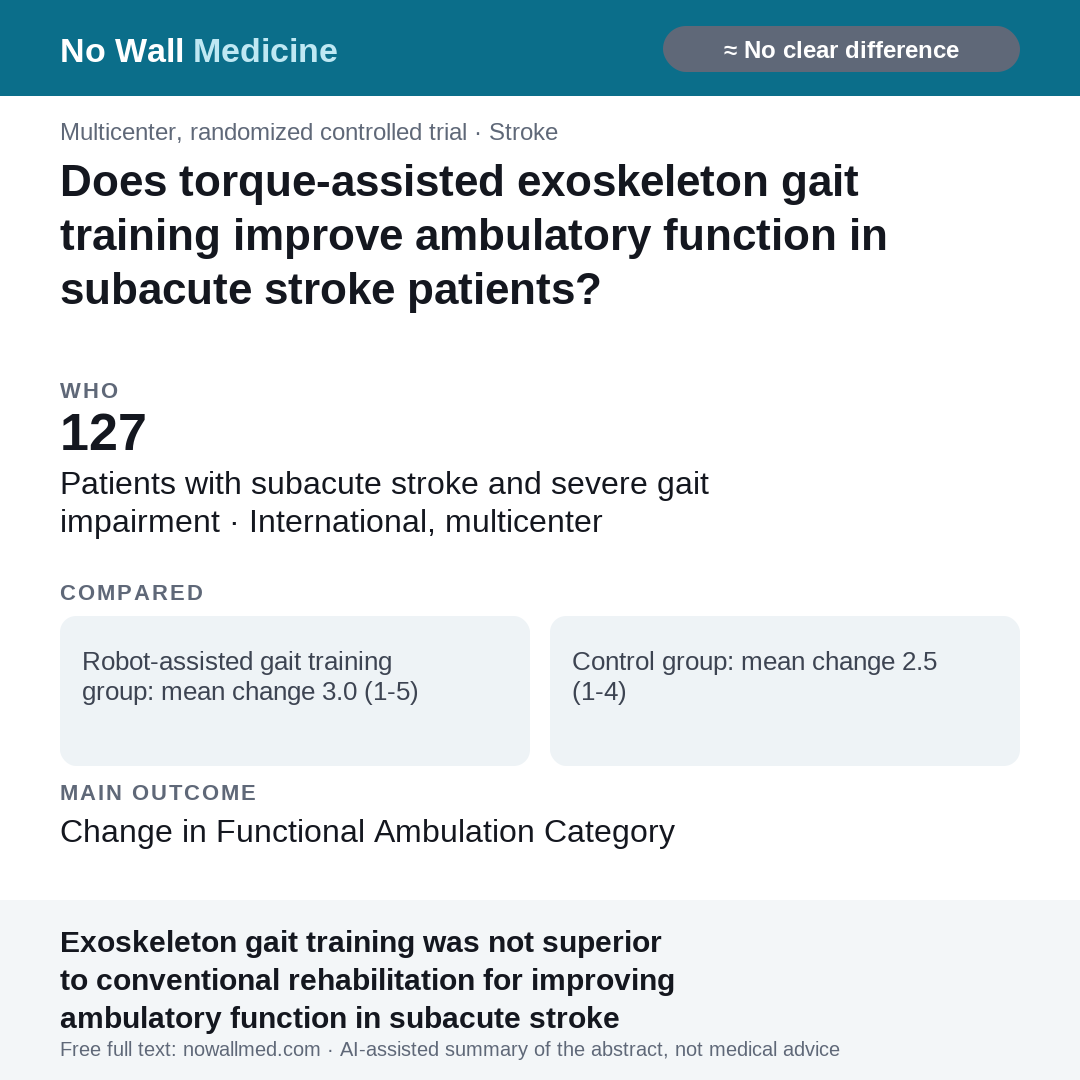
Efficacy of Wearable Exoskeleton for Gait Recovery in Patients With Stroke: A Multicenter Randomized Controlled Trial
Multicenter, randomized controlled trialNo clear difference
Does torque-assisted exoskeleton gait training improve ambulatory function in subacute stroke patients?
Who
127
Patients with subacute stroke and severe gait impairment · International, multicenter
Compared
Robot-assisted gait training group: mean change 3.0 (1-5)
Control group: mean change 2.5 (1-4)
Main outcome
Change in Functional Ambulation Category
Bottom line: Exoskeleton gait training was not superior to conventional rehabilitation for improving ambulatory function in subacute stroke patients.
Stroke · 2025-12-22Download image
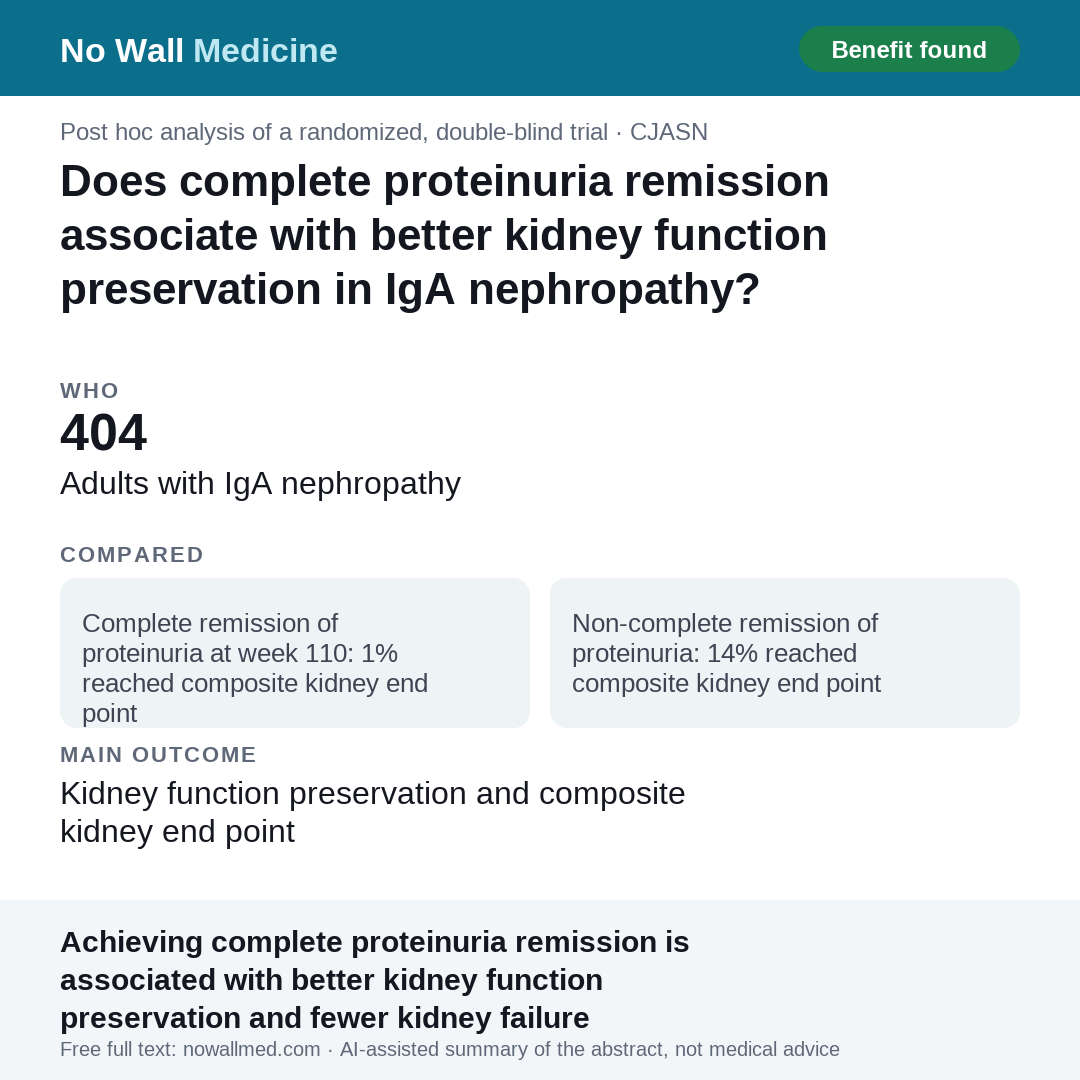
Association between Complete Proteinuria Remission and Kidney Function in the Phase 3 PROTECT Trial of Sparsentan in IgA Nephropathy
Post hoc analysis of a randomized, double-blind trialBenefit found
Does complete proteinuria remission associate with better kidney function preservation in IgA nephropathy?
Who
404
Adults with IgA nephropathy
Compared
Complete remission of proteinuria at week 110: 1% reached composite kidney end point
Non-complete remission of proteinuria: 14% reached composite kidney end point
Main outcome
Kidney function preservation and composite kidney end point
Bottom line: Achieving complete proteinuria remission is associated with better kidney function preservation and fewer kidney failure events.
CJASN · 2025-12-22Download image
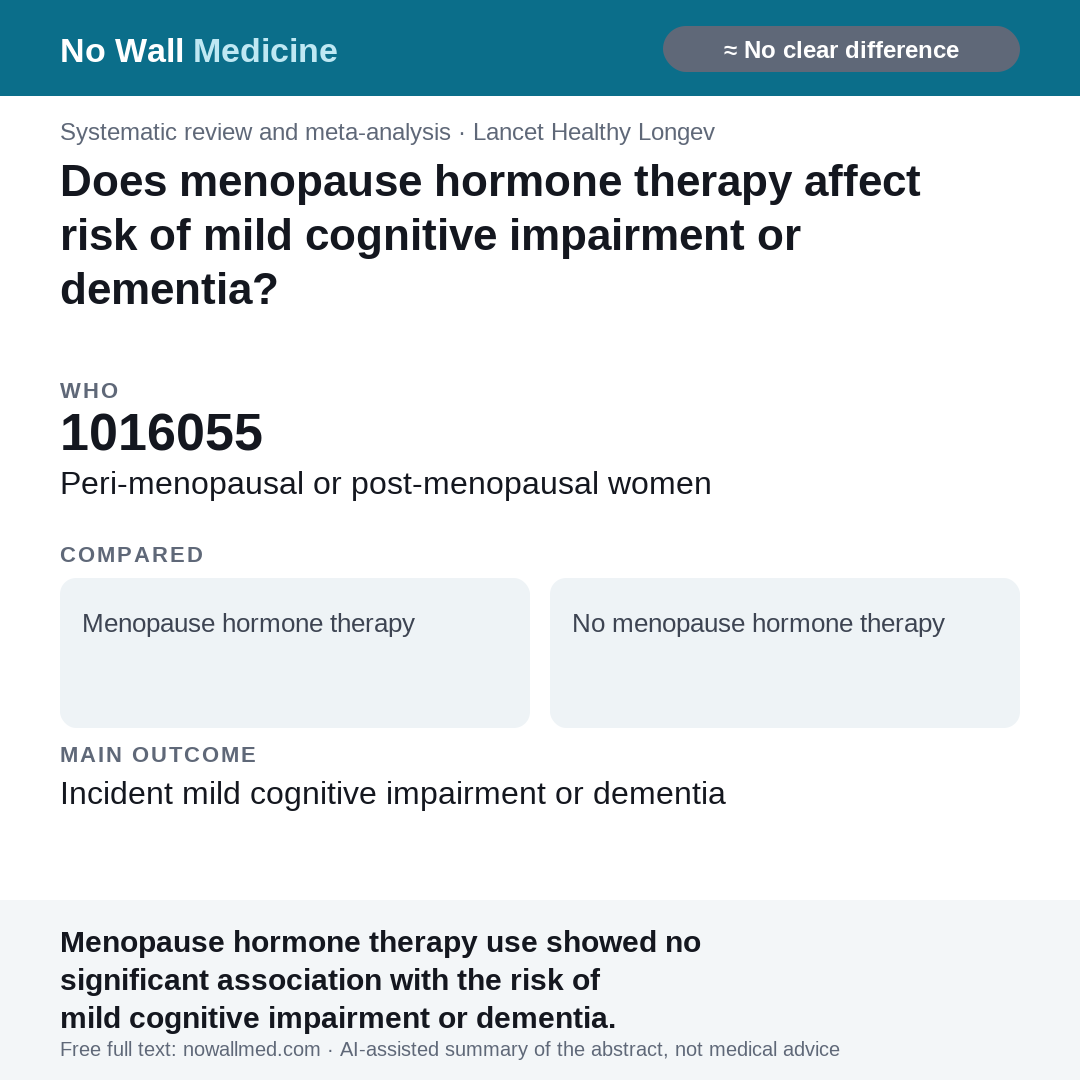
Menopause hormone therapy and risk of mild cognitive impairment or dementia: a systematic review and meta-analysis
Systematic review and meta-analysisNo clear difference
Does menopause hormone therapy affect risk of mild cognitive impairment or dementia?
Who
1016055
Peri-menopausal or post-menopausal women
Compared
Menopause hormone therapy
No menopause hormone therapy
Main outcome
Incident mild cognitive impairment or dementia
Bottom line: Menopause hormone therapy use showed no significant association with the risk of mild cognitive impairment or dementia.
Limitation: Certainty of evidence ranged from moderate to very low.
Funded by: The Public Health Agency of Canada
Lancet Healthy Longev · 2025-12-22Download image
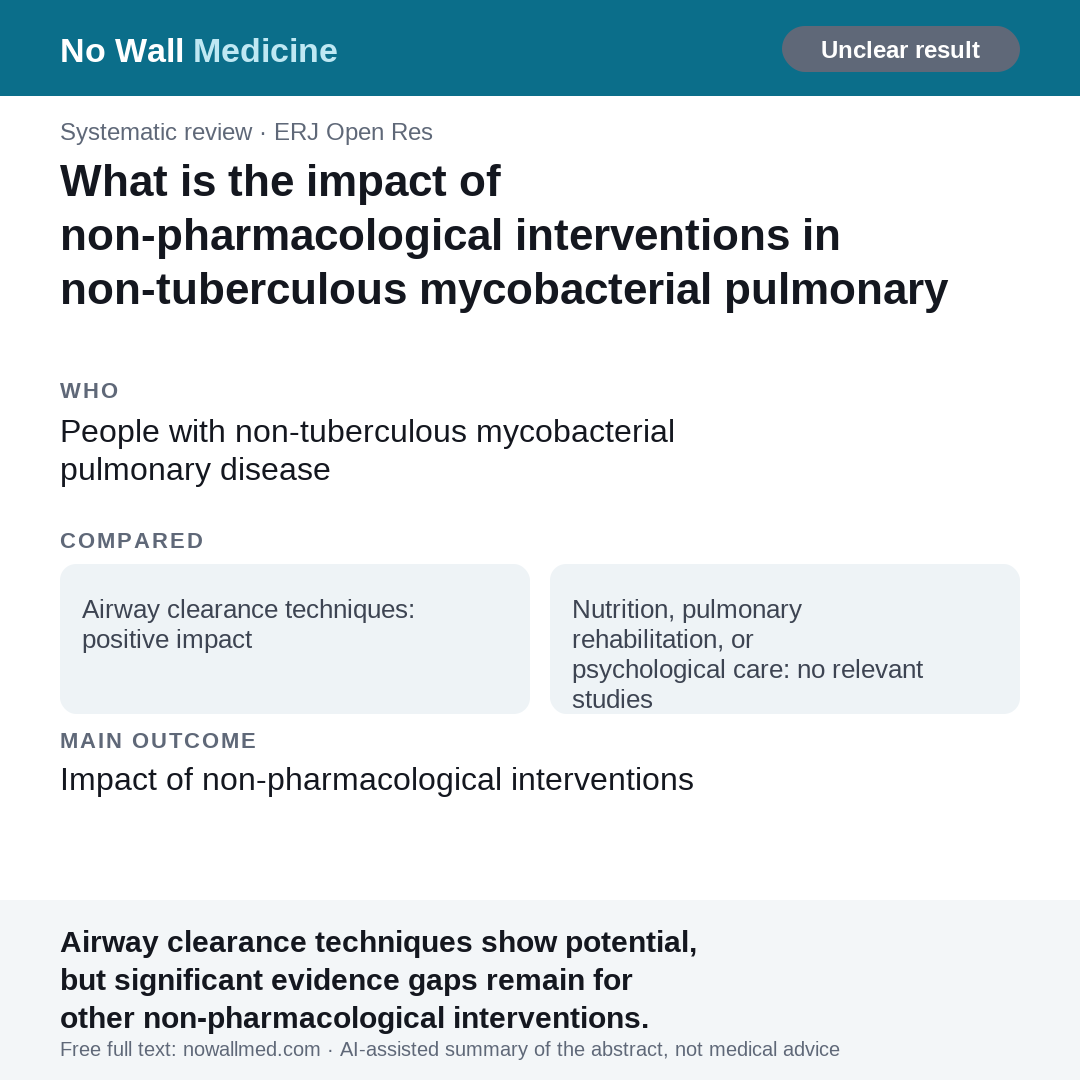
Optimising non-pharmacological interventions in people with non-tuberculous mycobacterial pulmonary disease: a systematic review
Systematic reviewUnclear result
What is the impact of non-pharmacological interventions in non-tuberculous mycobacterial pulmonary disease?
Who
People with non-tuberculous mycobacterial pulmonary disease
Compared
Airway clearance techniques: positive impact
Nutrition, pulmonary rehabilitation, or psychological care: no relevant studies
Main outcome
Impact of non-pharmacological interventions
Bottom line: Airway clearance techniques show potential, but significant evidence gaps remain for other non-pharmacological interventions.
Limitation: There was little evidence regarding the impact of non-pharmacological interventions in non-tuberculous mycobacterial pulmonary disease.
ERJ Open Res · 2025-12-22Download image
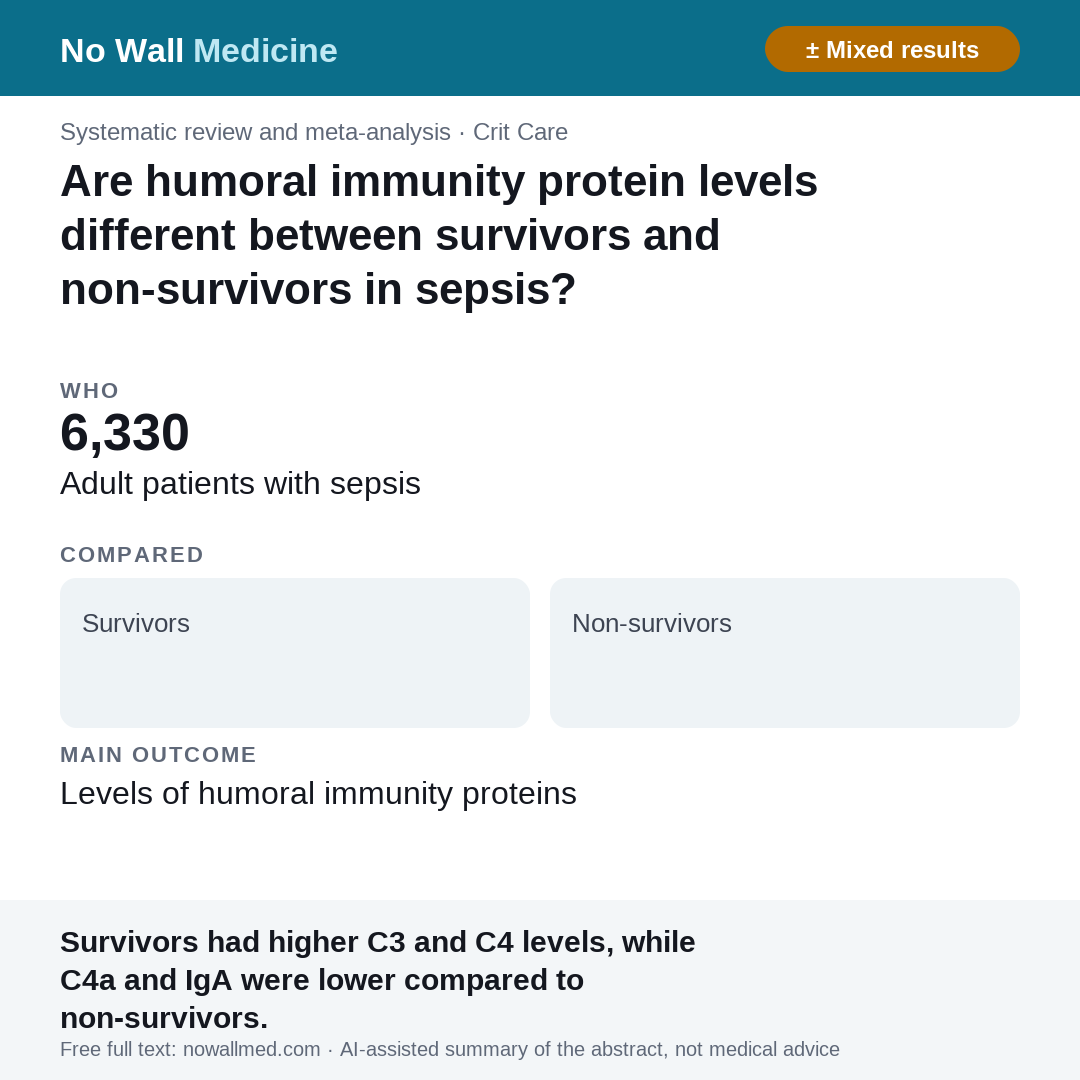
Systematic review and meta-analysis of humoral immunity proteins and mortality in sepsis
Systematic review and meta-analysisMixed results
Are humoral immunity protein levels different between survivors and non-survivors in sepsis?
Who
6,330
Adult patients with sepsis
Compared
Survivors
Non-survivors
Main outcome
Levels of humoral immunity proteins
Bottom line: Survivors had higher C3 and C4 levels, while C4a and IgA were lower compared to non-survivors.
Crit Care · 2025-12-22Download image
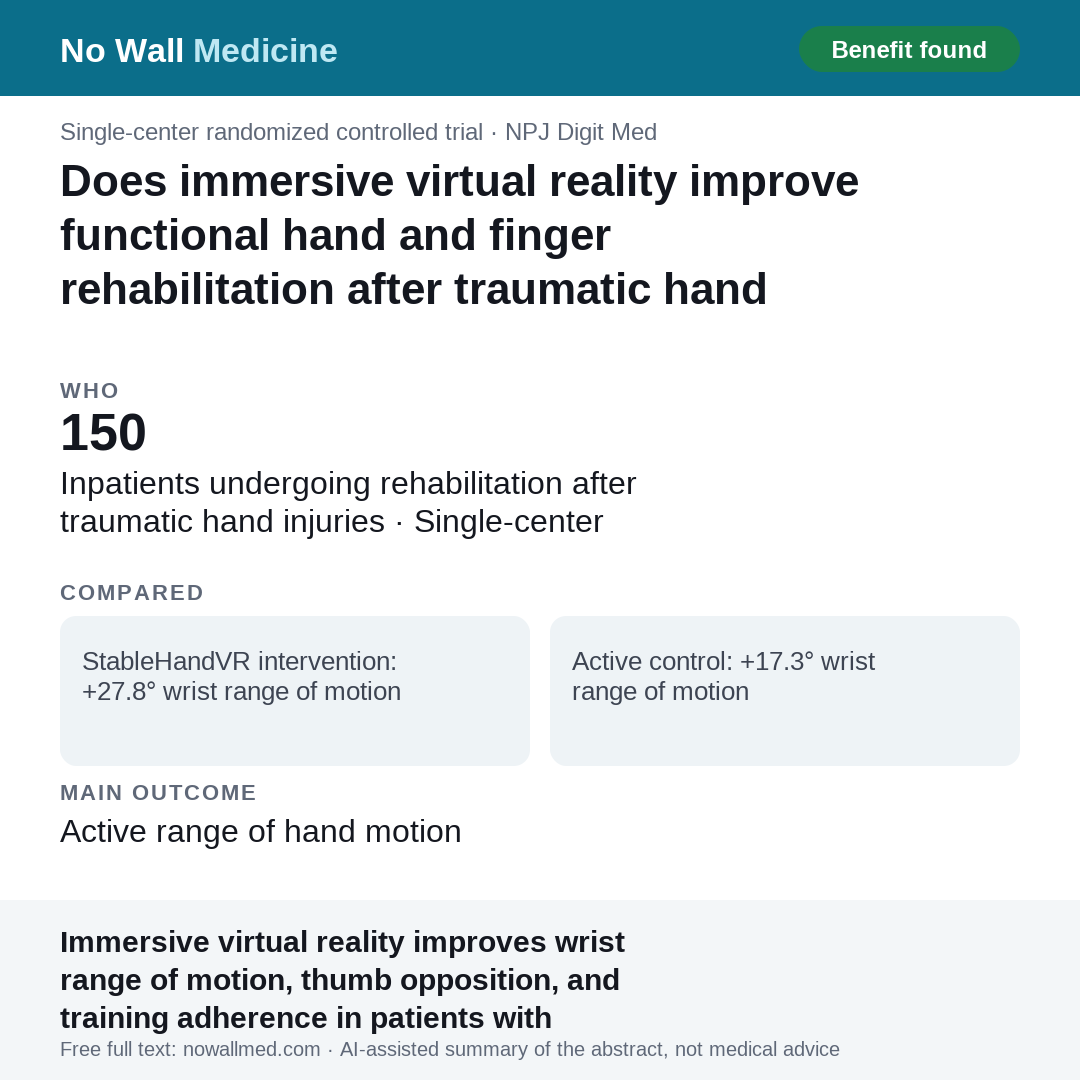
Immersive virtual reality for functional hand and finger rehabilitation: results from a randomized controlled trial in 150 patients after traumatic hand injuries
Single-center randomized controlled trialBenefit found
Does immersive virtual reality improve functional hand and finger rehabilitation after traumatic hand injuries?
Who
150
Inpatients undergoing rehabilitation after traumatic hand injuries · Single-center
Compared
StableHandVR intervention: +27.8° wrist range of motion
Active control: +17.3° wrist range of motion
Main outcome
Active range of hand motion
Result: wrist ROM +27.8° vs +17.3° (p < 0.001)
Bottom line: Immersive virtual reality improves wrist range of motion, thumb opposition, and training adherence in patients with traumatic hand injuries.
NPJ Digit Med · 2025-12-22Download image
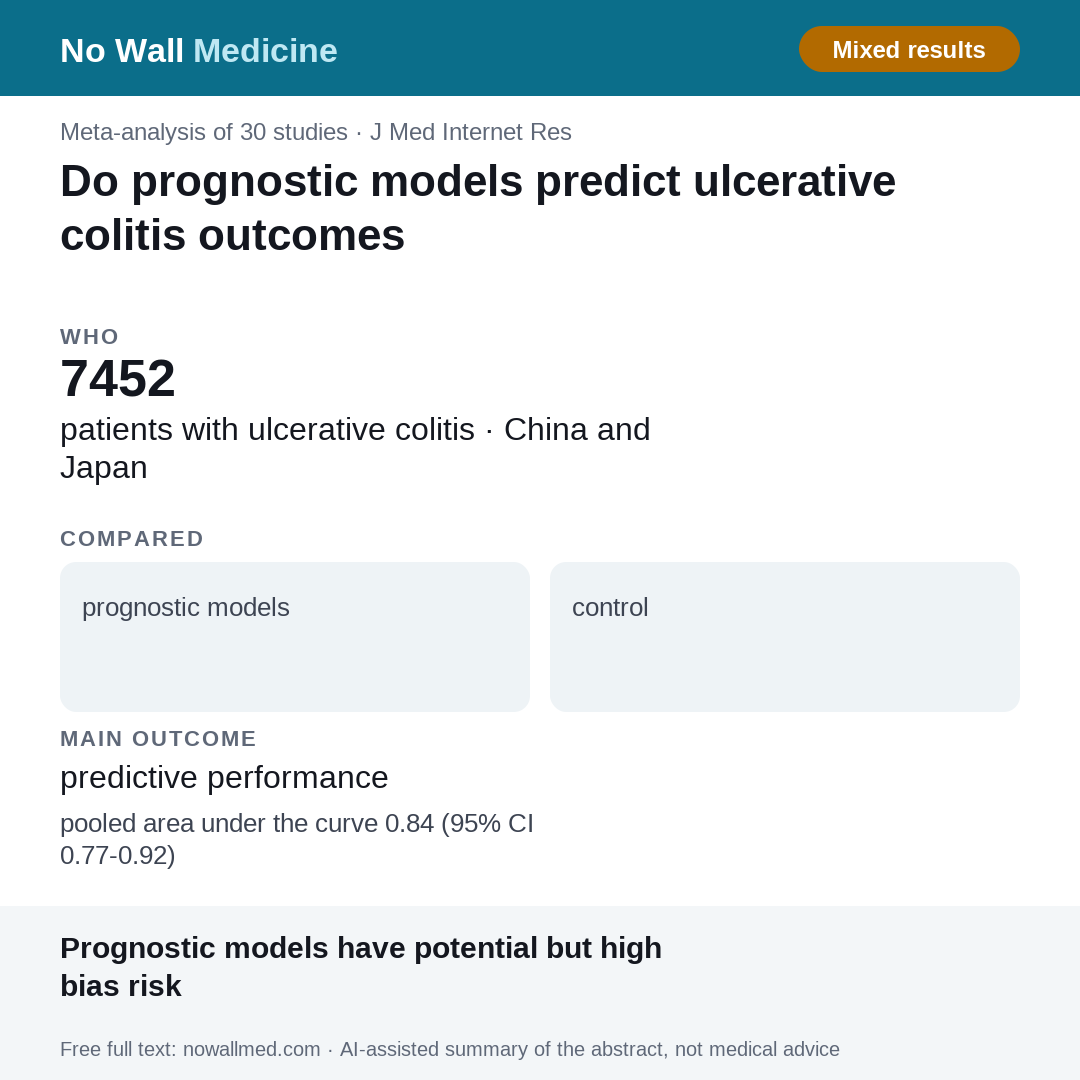
Prognostic Prediction Models for Ulcerative Colitis: Systematic Review and Meta-Analysis
Meta-analysis of 30 studiesMixed results
Do prognostic models predict ulcerative colitis outcomes
Who
7452
patients with ulcerative colitis · China and Japan
Compared
prognostic models
control
Main outcome
predictive performance
Result: pooled area under the curve 0.84 (95% CI 0.77-0.92)
Bottom line: Prognostic models have potential but high bias risk
Limitation: high risk of bias and limited generalizability
J Med Internet Res · 2025-12-22Download image
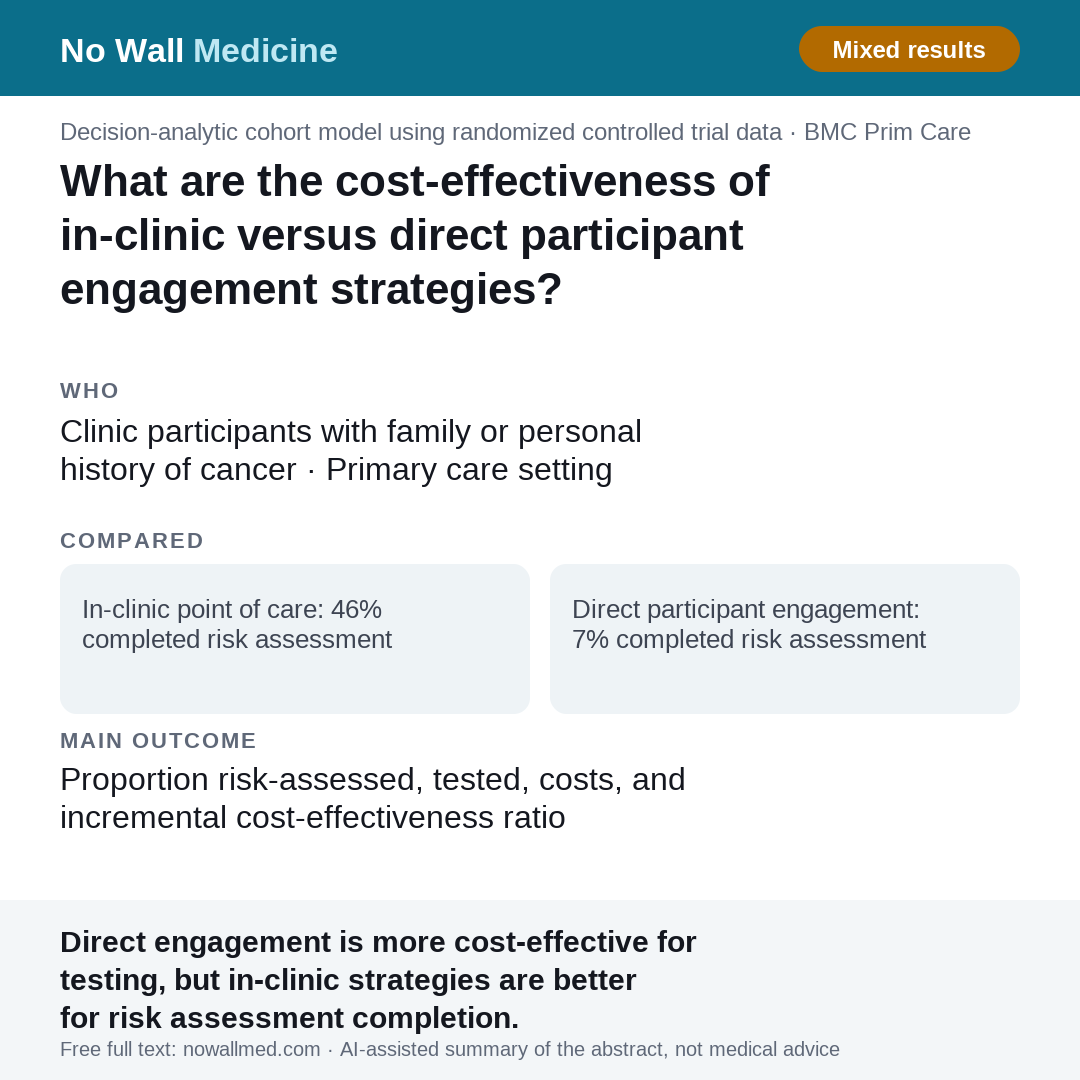
Cost-effectiveness of primary care-based risk assessment and hereditary cancer genetic testing
Decision-analytic cohort model using randomized controlled trial dataMixed results
What are the cost-effectiveness of in-clinic versus direct participant engagement strategies?
Who
Clinic participants with family or personal history of cancer · Primary care setting
Compared
In-clinic point of care: 46% completed risk assessment
Direct participant engagement: 7% completed risk assessment
Main outcome
Proportion risk-assessed, tested, costs, and incremental cost-effectiveness ratio
Result: ICER $152 (health-system) and $136 (limited societal) in favor of DPE
Bottom line: Direct engagement is more cost-effective for testing, but in-clinic strategies are better for risk assessment completion.
Limitation: Substantial uncertainty in results
BMC Prim Care · 2025-12-22Download image
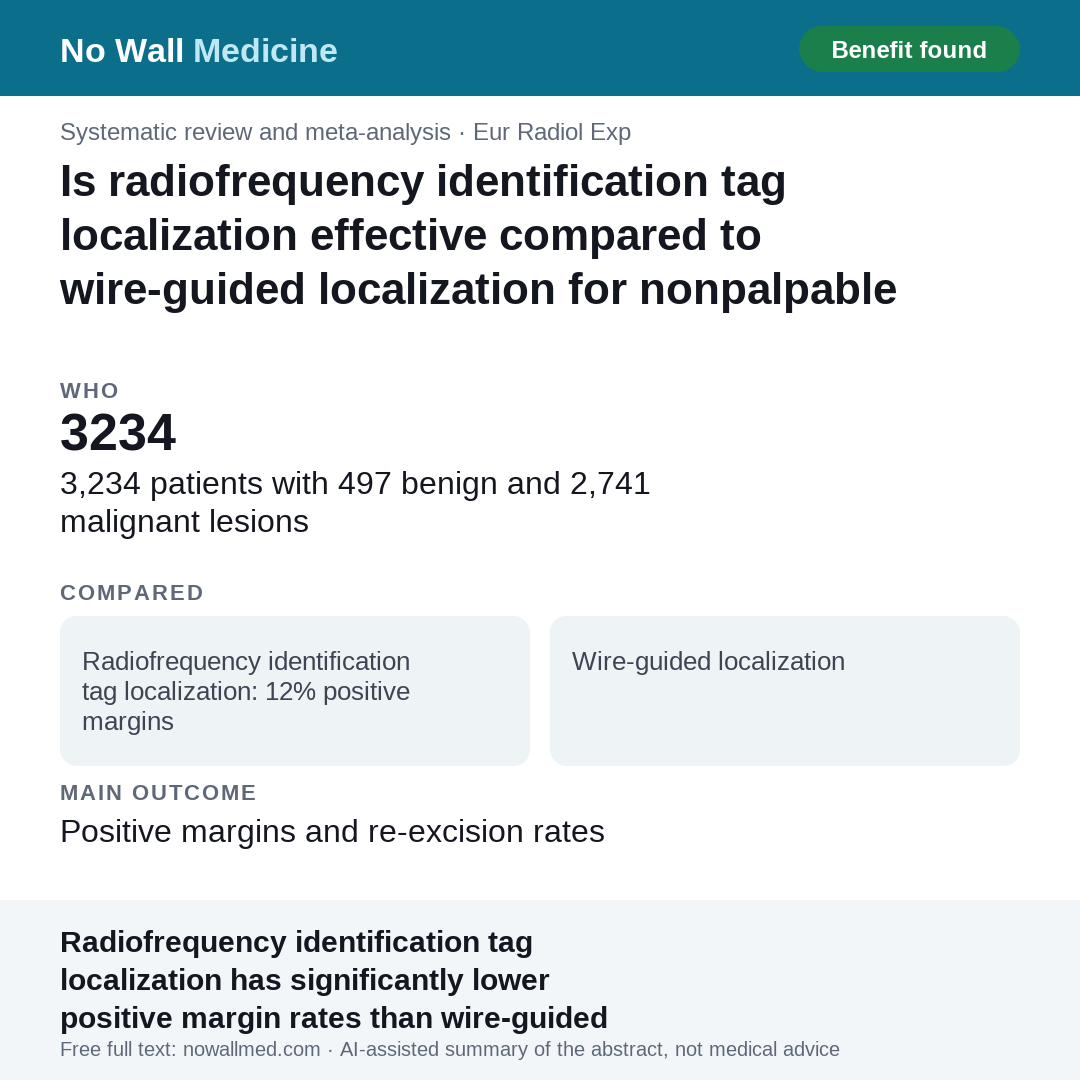
Radiofrequency identification tag localization of nonpalpable breast lesions: a systematic review and meta-analysis
Systematic review and meta-analysisBenefit found
Is radiofrequency identification tag localization effective compared to wire-guided localization for nonpalpable breast lesions?
Who
3234
3,234 patients with 497 benign and 2,741 malignant lesions
Compared
Radiofrequency identification tag localization: 12% positive margins
Wire-guided localization
Main outcome
Positive margins and re-excision rates
Result: odds ratio 0.71 (95% CI 0.54-0.95) for positive margins
Bottom line: Radiofrequency identification tag localization has significantly lower positive margin rates than wire-guided localization for nonpalpable breast lesions.
Limitation: Moderate bias was reported in 16/19 studies, serious bias in 3/19.
Eur Radiol Exp · 2025-12-22Download image
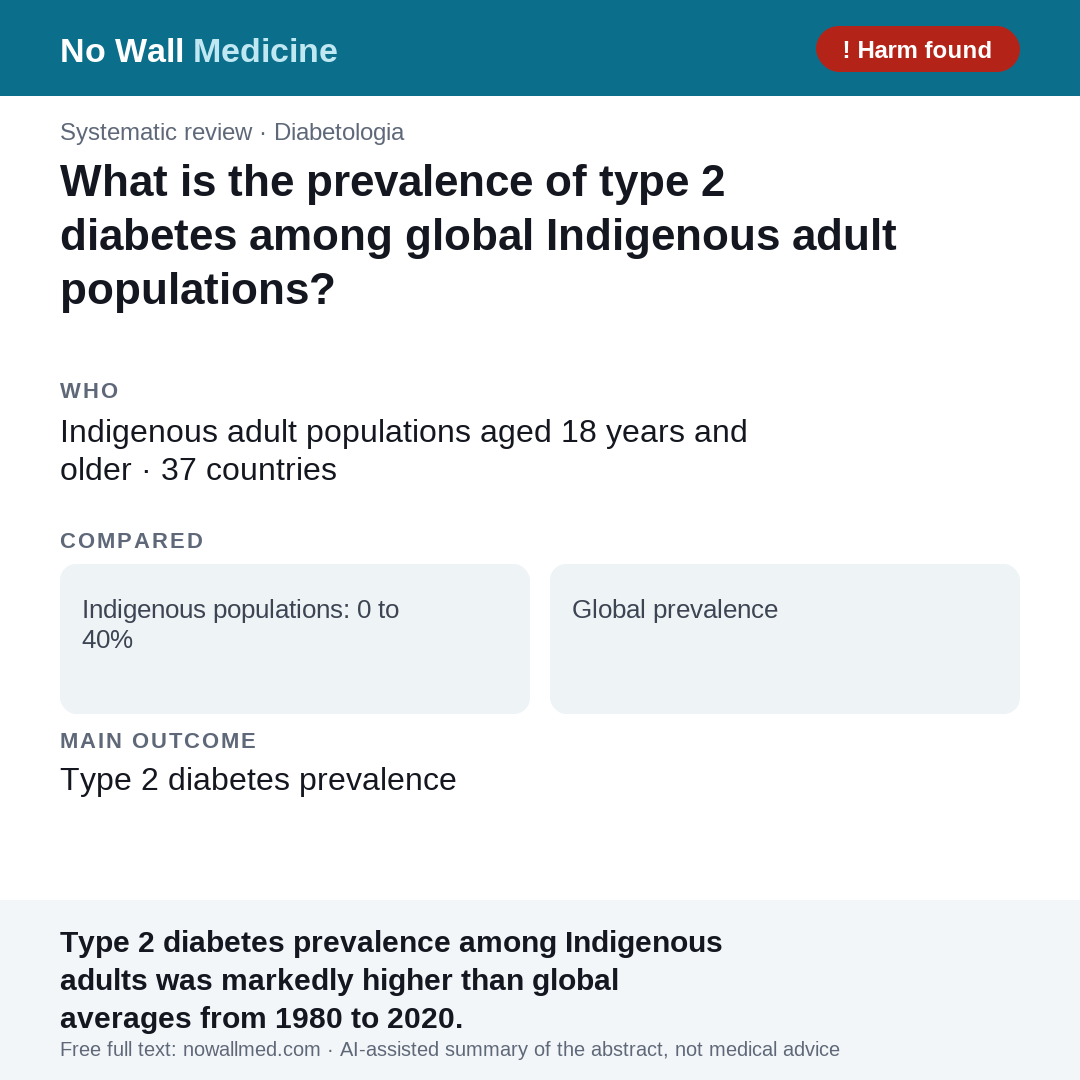
Prevalence of type 2 diabetes among global Indigenous adult populations: a systematic review
Systematic reviewHarm found
What is the prevalence of type 2 diabetes among global Indigenous adult populations?
Who
Indigenous adult populations aged 18 years and older · 37 countries
Compared
Indigenous populations: 0 to 40%
Global prevalence
Main outcome
Type 2 diabetes prevalence
Bottom line: Type 2 diabetes prevalence among Indigenous adults was markedly higher than global averages from 1980 to 2020.
Limitation: Potential publication bias, which may have led to fewer studies being included.
Diabetologia · 2025-12-21Download image