Visual abstracts
New randomized trials and meta-analyses from leading journals at a glance: who was studied, what was compared, and what was found. Every paper is free to read in full.
All specialtiesCardiology 4833Oncology 4115Gastroenterology & Hepatology 1934Infectious Disease 3825Neurology 1901Psychiatry & Mental Health 2256Pulmonology 2082Critical Care 1346Endocrinology & Diabetes 2572Pediatrics 2940Surgery 2525Orthopedics & Sports Medicine 926Neurosurgery 534Cardiothoracic & Vascular Surgery 671Plastic & Reconstructive Surgery 591Nephrology 1124Rheumatology 823Hematology 1104Dermatology 620Ophthalmology 543Obstetrics & Gynecology 1684Public & Global Health 1056Radiology & Imaging 641Anesthesiology 962Urology 754ENT (Otolaryngology) 503Emergency Medicine 489Allergy & Immunology 313Geriatrics 982Family Medicine & Primary Care 541Medical Genetics & Genomics 675Pathology & Laboratory Medicine 157Physical Medicine & Rehabilitation 751Palliative Care 424Nutrition 1580Digital Health & AI 2195General Medicine 321
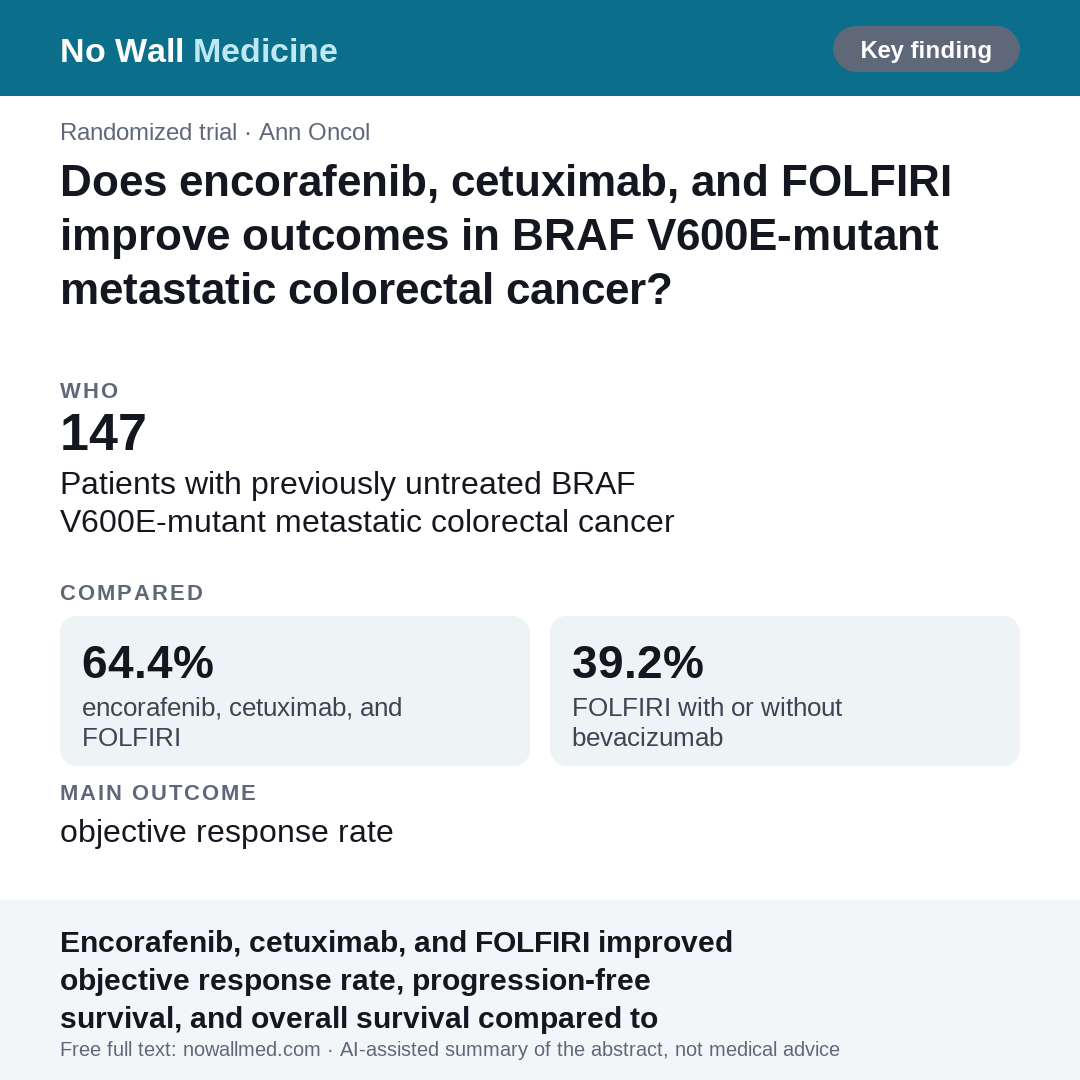
A randomised study of encorafenib, cetuximab, and FOLFIRI versus FOLFIRI with or without bevacizumab in BRAF V600E-mutant colorectal cancer: BREAKWATER Cohort 3
Randomized trialBenefit found
Does encorafenib, cetuximab, and FOLFIRI improve outcomes in BRAF V600E-mutant metastatic colorectal cancer?
Who
147
Patients with previously untreated BRAF V600E-mutant metastatic colorectal cancer
Compared
64.4%encorafenib, cetuximab, and FOLFIRI
39.2%FOLFIRI with or without bevacizumab
Main outcome
objective response rate
Result: hazard ratio 0.44 (95% CI 0.27-0.70)
Bottom line: Encorafenib, cetuximab, and FOLFIRI improved objective response rate, progression-free survival, and overall survival compared to control.
Ann Oncol · 2026-05-31Download image
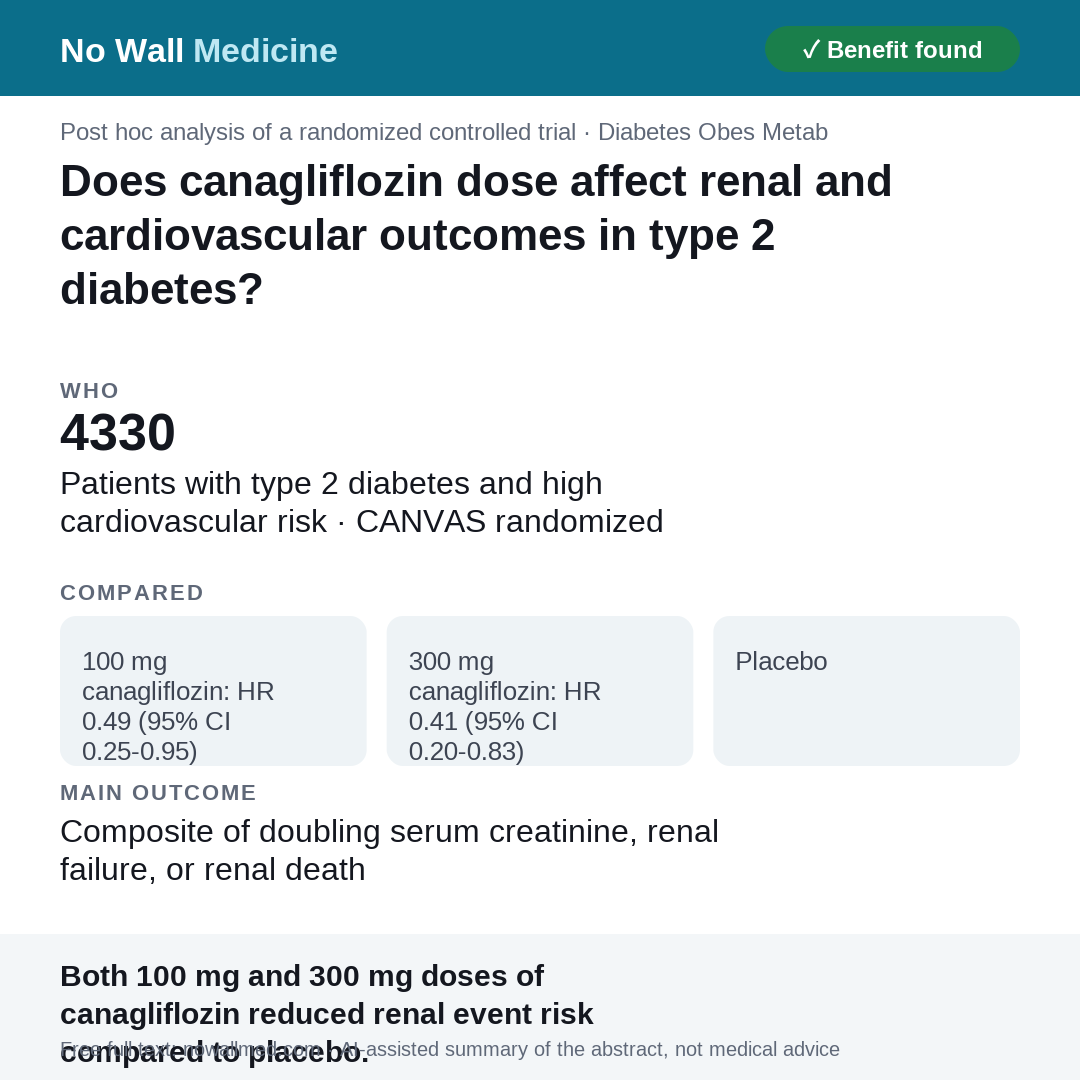
The Effect of Canagliflozin Dose on Renal and Cardiovascular Outcomes in Type 2 Diabetes and High Cardiovascular Risk
Post hoc analysis of a randomized controlled trialBenefit found
Does canagliflozin dose affect renal and cardiovascular outcomes in type 2 diabetes?
Who
4330
Patients with type 2 diabetes and high cardiovascular risk · CANVAS randomized controlled trial
Compared
100 mg canagliflozin: HR 0.49 (95% CI 0.25-0.95)
300 mg canagliflozin: HR 0.41 (95% CI 0.20-0.83)
Placebo
Main outcome
Composite of doubling serum creatinine, renal failure, or renal death
Result: hazard ratio 0.85; 95% confidence interval 0.38-1.89
Bottom line: Both 100 mg and 300 mg doses of canagliflozin reduced renal event risk compared to placebo.
Limitation: This was a post hoc analysis
Diabetes Obes Metab · 2026-05-31Download image
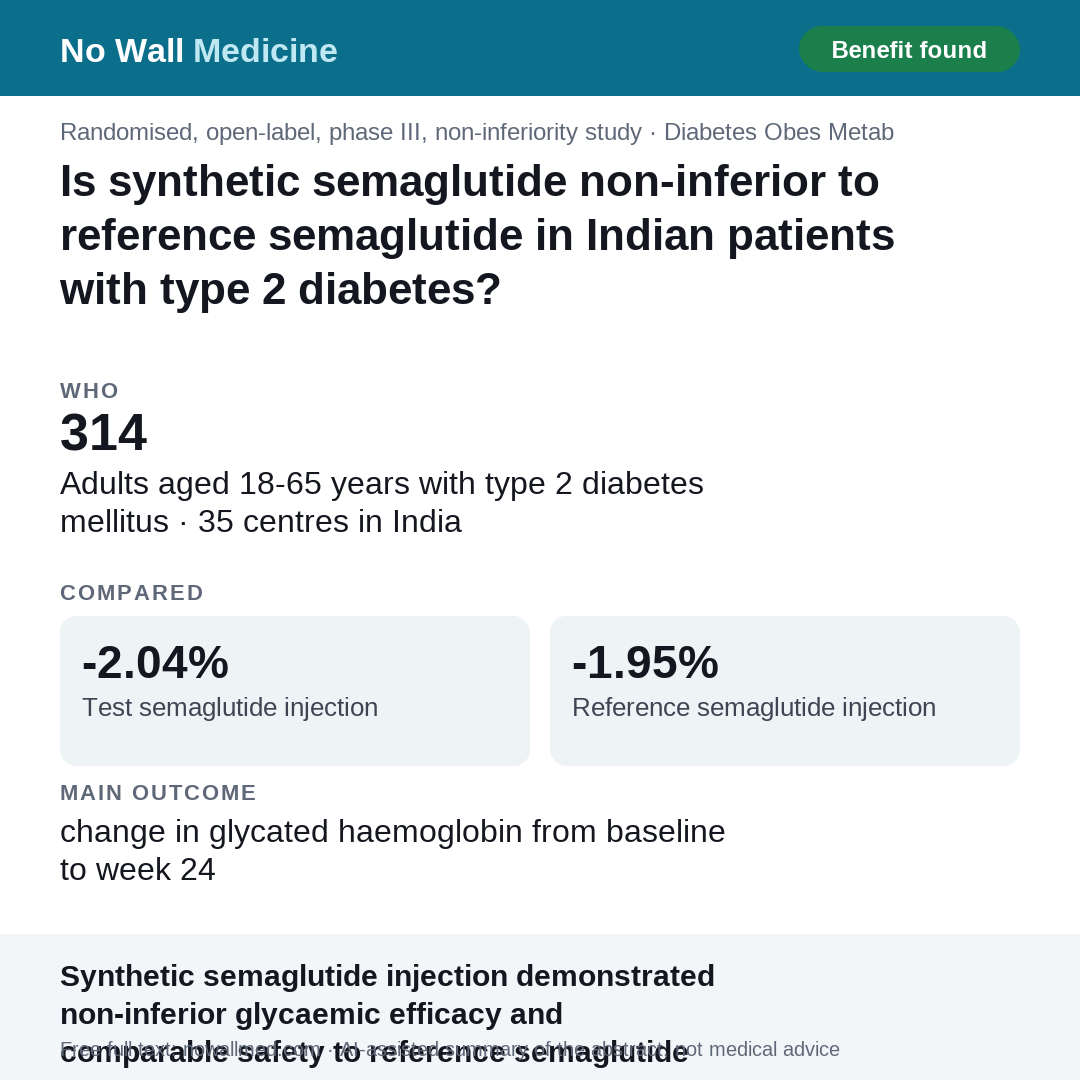
Semaglutide Injection in Indian Patients With Type 2 Diabetes Mellitus: A Randomised, Phase III, Active-Controlled Study
Randomised, open-label, phase III, non-inferiority studyBenefit found
Is synthetic semaglutide non-inferior to reference semaglutide in Indian patients with type 2 diabetes?
Who
314
Adults aged 18-65 years with type 2 diabetes mellitus · 35 centres in India
Compared
-2.04%Test semaglutide injection
-1.95%Reference semaglutide injection
Main outcome
change in glycated haemoglobin from baseline to week 24
Result: -0.09% (95% CI: -0.26 to 0.09)
Bottom line: Synthetic semaglutide injection demonstrated non-inferior glycaemic efficacy and comparable safety to reference semaglutide in Indian patients.
Diabetes Obes Metab · 2026-05-31Download image
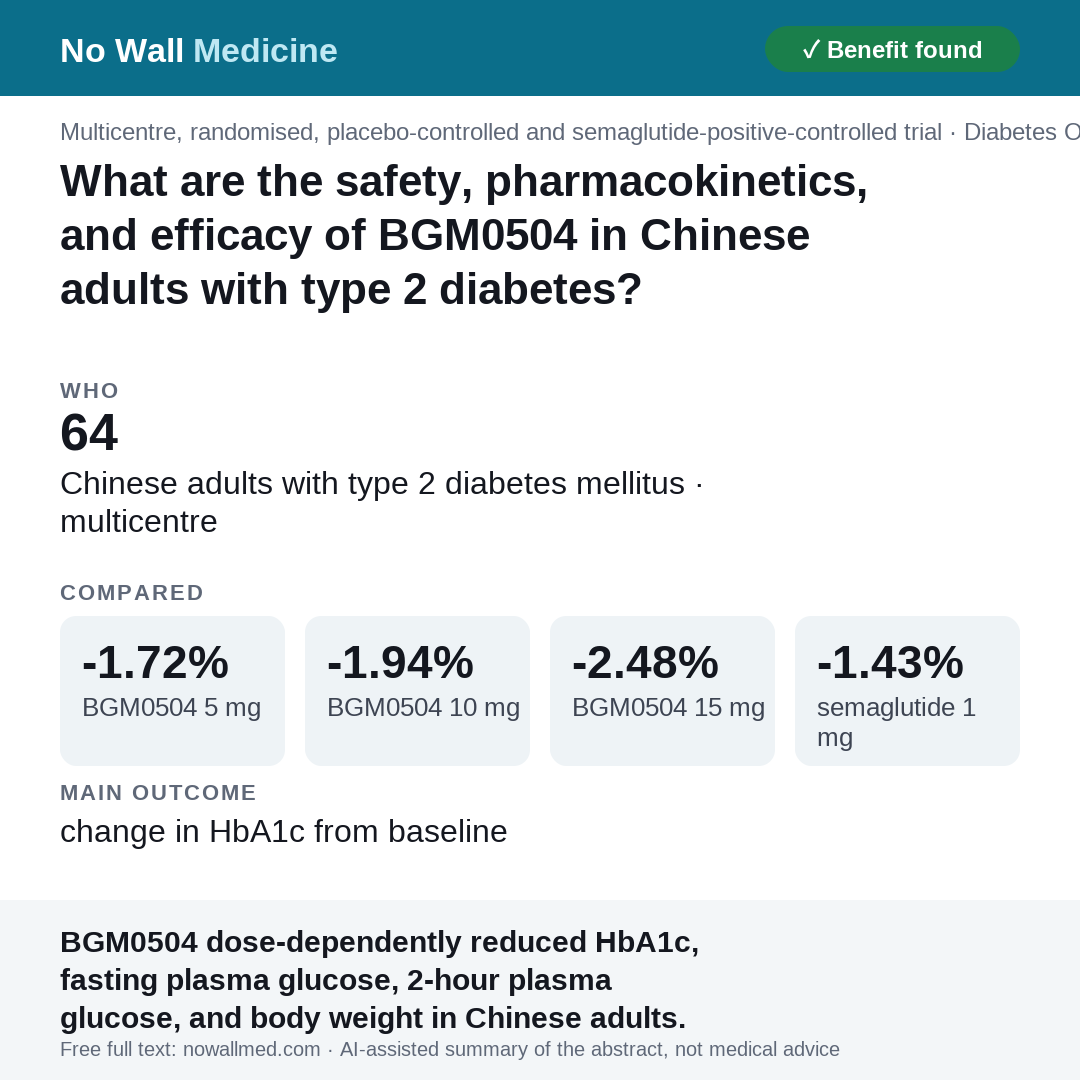
Evaluation of the Safety, Efficacy and Pharmacokinetics of BGM0504 in Chinese Adults With Type 2 Diabetes: A Multicentre, Randomised, Controlled and Double-Blind Phase II Trial
Multicentre, randomised, placebo-controlled and semaglutide-positive-controlled trialBenefit found
What are the safety, pharmacokinetics, and efficacy of BGM0504 in Chinese adults with type 2 diabetes?
Who
64
Chinese adults with type 2 diabetes mellitus · multicentre
Compared
-1.72%BGM0504 5 mg
-1.94%BGM0504 10 mg
-2.48%BGM0504 15 mg
-1.43%semaglutide 1 mg
Main outcome
change in HbA1c from baseline
Result: treatment differences versus placebo (LSM) ranging from -1.82% to -2.56%
Bottom line: BGM0504 dose-dependently reduced HbA1c, fasting plasma glucose, 2-hour plasma glucose, and body weight in Chinese adults.
Diabetes Obes Metab · 2026-05-31Download image
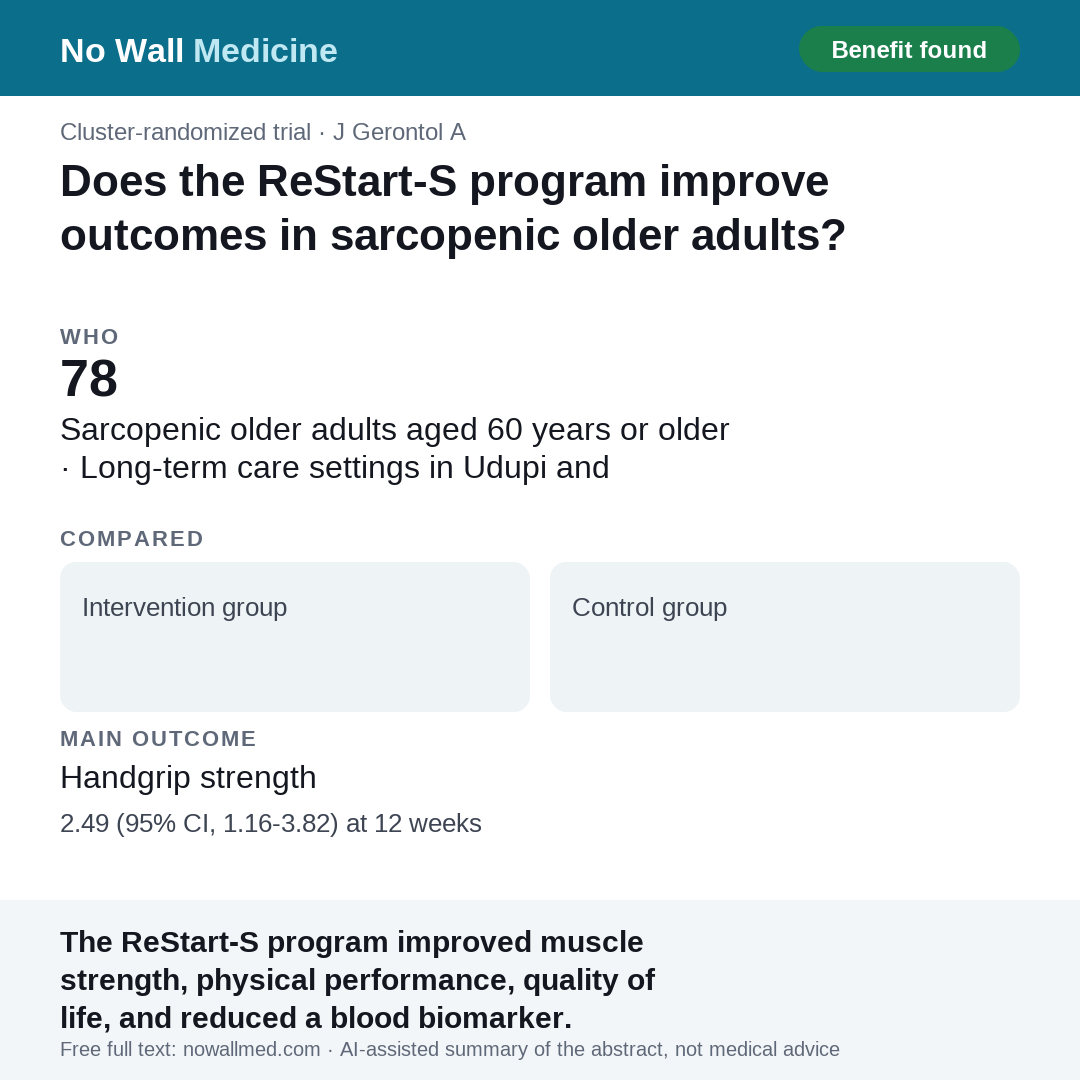
Cluster randomized trial of reablement strategies targeting sarcopenia (ReStart-S) in long-term care settings
Cluster-randomized trialBenefit found
Does the ReStart-S program improve outcomes in sarcopenic older adults?
Who
78
Sarcopenic older adults aged 60 years or older · Long-term care settings in Udupi and neighboring districts
Compared
Intervention group
Control group
Main outcome
Handgrip strength
Result: 2.49 (95% CI, 1.16-3.82) at 12 weeks
Bottom line: The ReStart-S program improved muscle strength, physical performance, quality of life, and reduced a blood biomarker.
J Gerontol A · 2026-05-31Download image
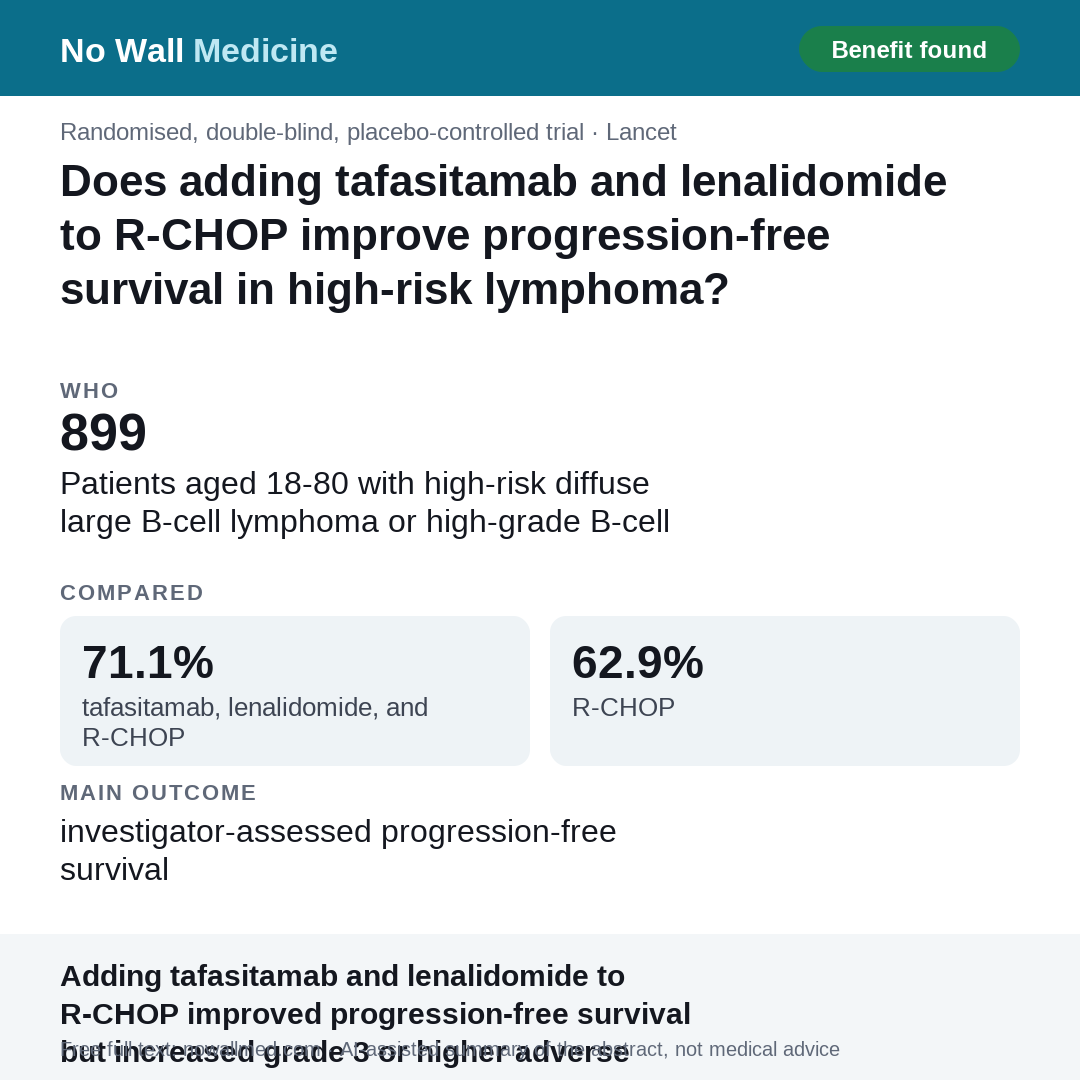
Tafasitamab plus lenalidomide and R-CHOP versus R-CHOP for first-line treatment of patients with high-risk diffuse large B-cell lymphoma (frontMIND): a global, phase 3, randomised, double-blind, placebo-controlled trial
Randomised, double-blind, placebo-controlled trialBenefit found
Does adding tafasitamab and lenalidomide to R-CHOP improve progression-free survival in high-risk lymphoma?
Who
899
Patients aged 18-80 with high-risk diffuse large B-cell lymphoma or high-grade B-cell lymphoma · 298 centres in North America, South America, Europe, and Asia-Pacific
Compared
71.1%tafasitamab, lenalidomide, and R-CHOP (66.3-75.4%)
62.9%R-CHOP (57.9-67.5%)
Main outcome
investigator-assessed progression-free survival
Result: hazard ratio 0.75 (95% CI 0.59 to 0.96)
Bottom line: Adding tafasitamab and lenalidomide to R-CHOP improved progression-free survival but increased grade 3 or higher adverse events.
Limitation: Overall survival data are immature; follow-up is ongoing.
Funded by: Incyte Corporation
Lancet · 2026-05-30Download image
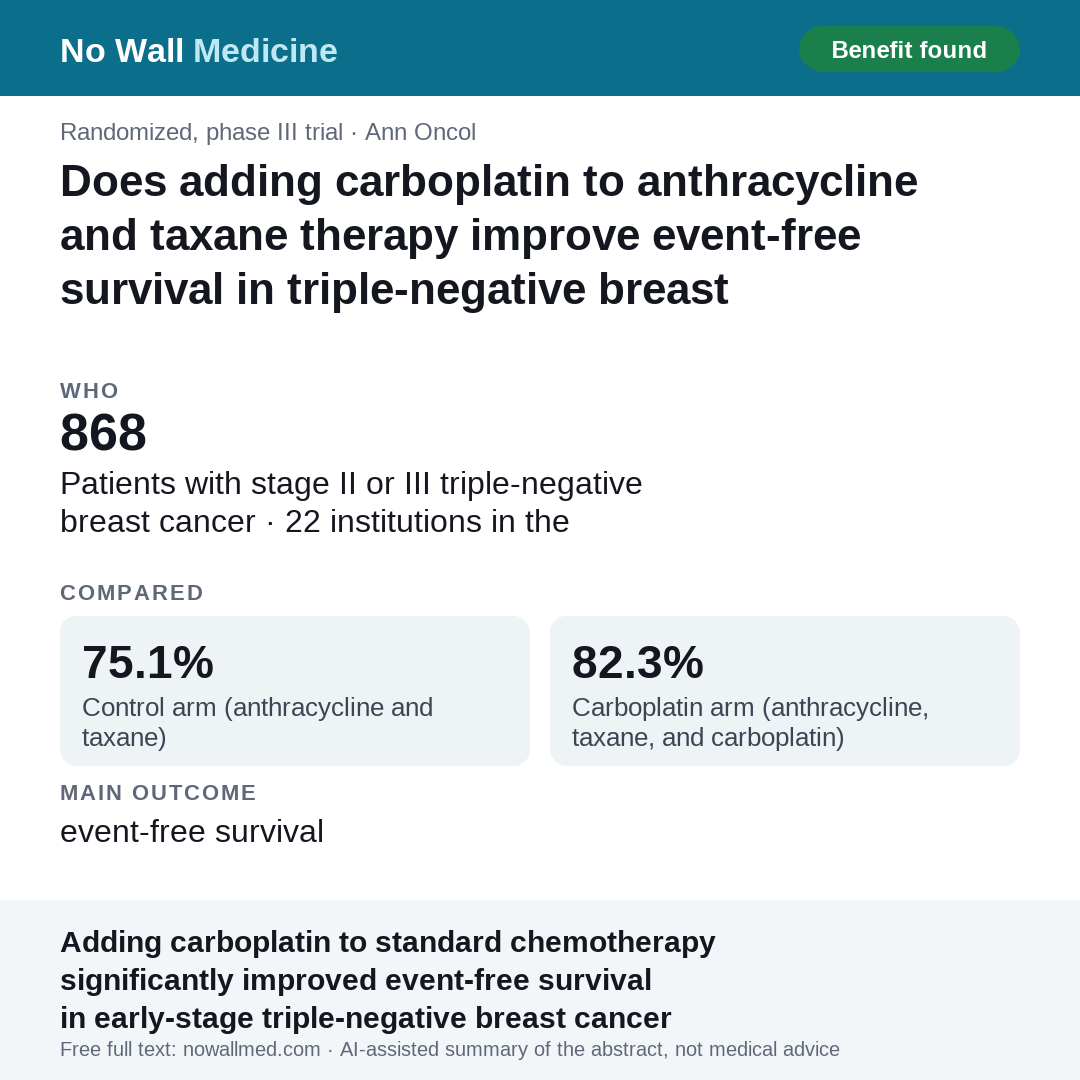
A randomized phase III trial of anthracyclines followed by taxane versus taxane plus carboplatin as (neo)adjuvant therapy in patients with triple-negative breast cancer: KCSG BR 15-1 PEARLY trial
Randomized, phase III trialBenefit found
Does adding carboplatin to anthracycline and taxane therapy improve event-free survival in triple-negative breast cancer?
Who
868
Patients with stage II or III triple-negative breast cancer · 22 institutions in the Republic of Korea
Compared
75.1%Control arm (anthracycline and taxane)
82.3%Carboplatin arm (anthracycline, taxane, and carboplatin)
Main outcome
event-free survival
Result: hazard ratio 0.67 (95% CI 0.49-0.92)
Bottom line: Adding carboplatin to standard chemotherapy significantly improved event-free survival in early-stage triple-negative breast cancer patients.
Ann Oncol · 2026-05-30Download image
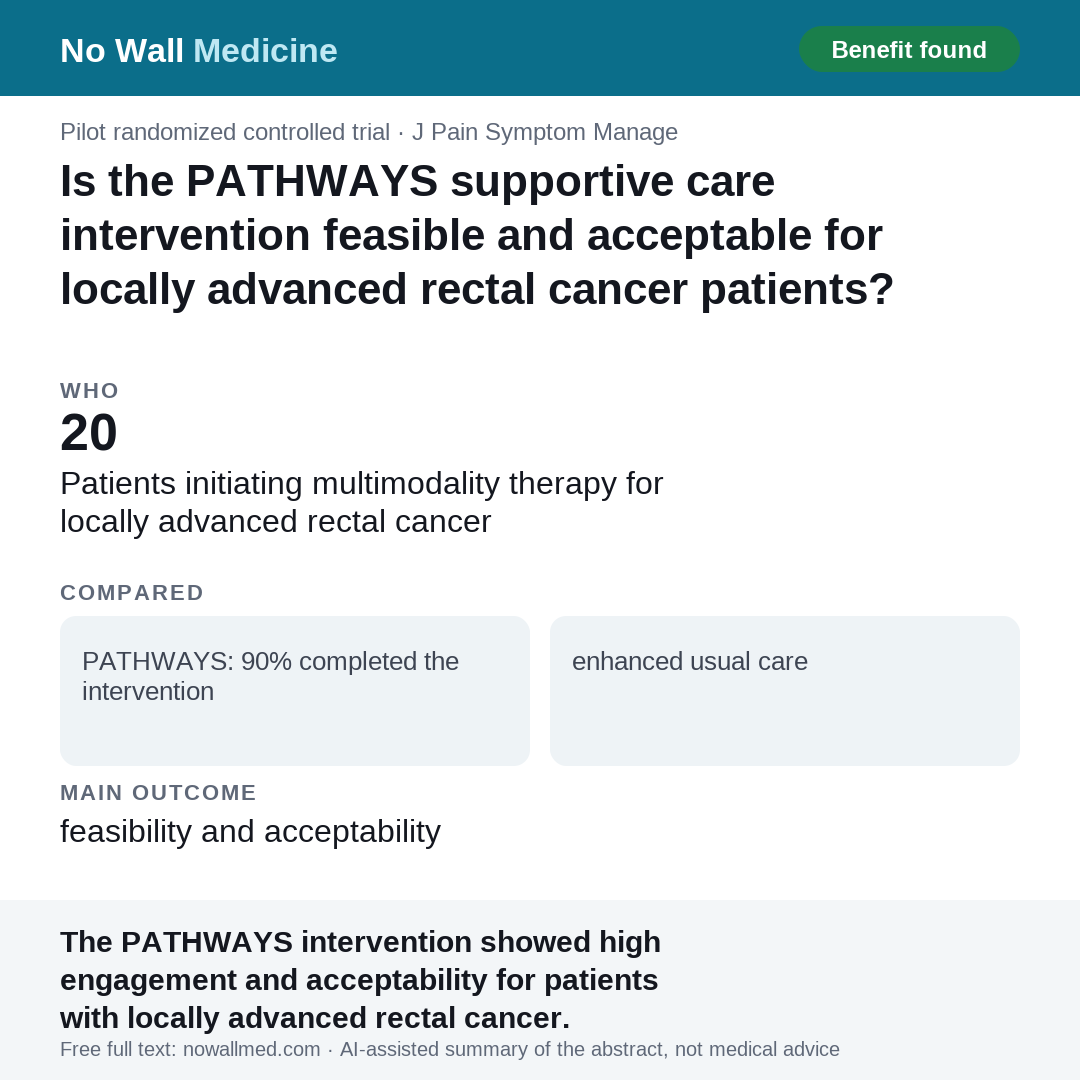
Pilot Randomized Trial of a Supportive Care Intervention for Patients With Locally Advanced Rectal Cancer
Pilot randomized controlled trialEarly signal
Is the PATHWAYS supportive care intervention feasible and acceptable for locally advanced rectal cancer patients?
Who
20
Patients initiating multimodality therapy for locally advanced rectal cancer
Compared
PATHWAYS: 90% completed the intervention
enhanced usual care
Main outcome
feasibility and acceptability
Bottom line: The PATHWAYS intervention showed high engagement and acceptability for patients with locally advanced rectal cancer.
J Pain Symptom Manage · 2026-05-30Download image
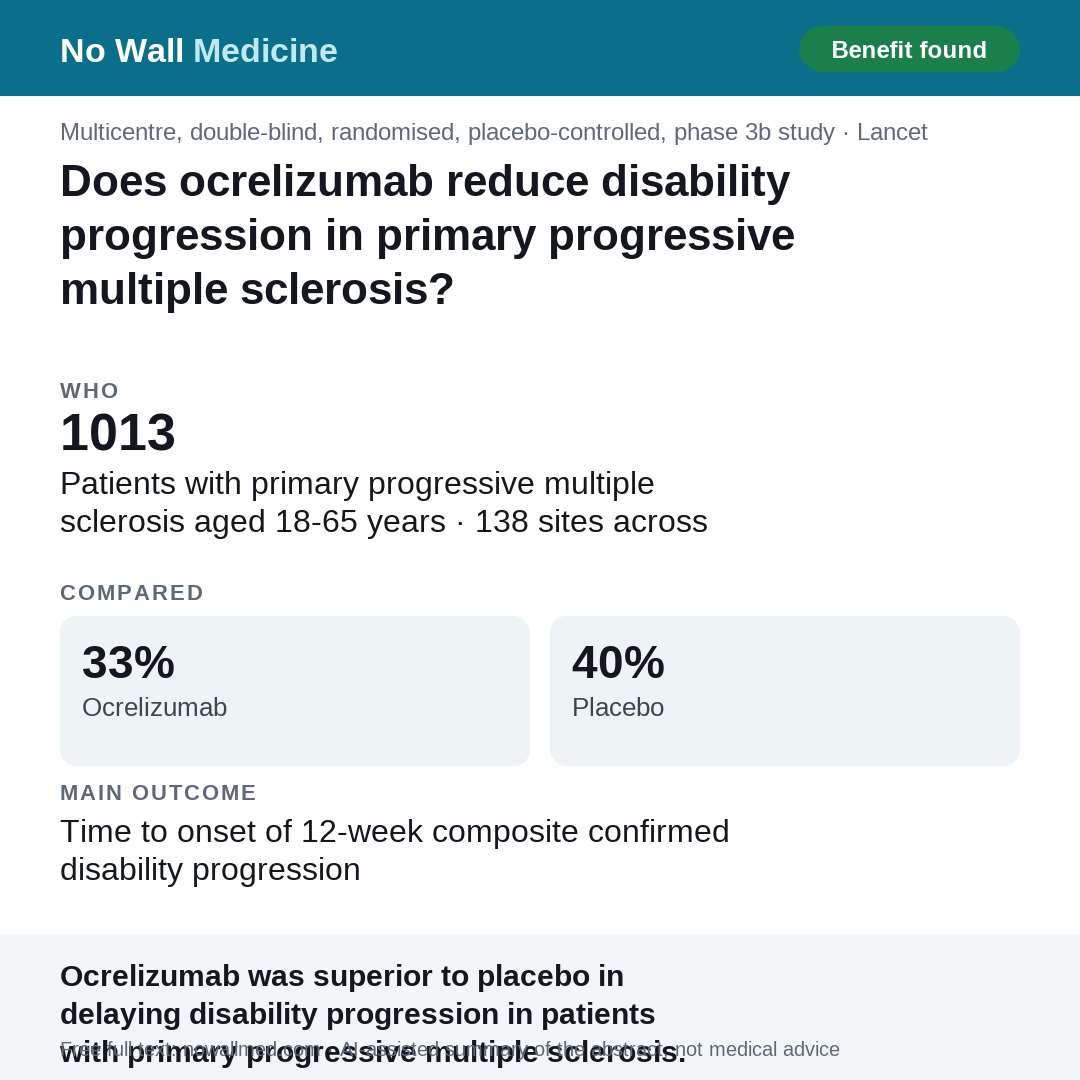
Efficacy and safety of ocrelizumab in primary progressive multiple sclerosis, including older patients and those with more advanced disease (ORATORIO-HAND): a multicentre, double-blind, randomised, placebo-controlled, phase 3b study
Multicentre, double-blind, randomised, placebo-controlled, phase 3b studyBenefit found
Does ocrelizumab reduce disability progression in primary progressive multiple sclerosis?
Who
1013
Patients with primary progressive multiple sclerosis aged 18-65 years · 138 sites across 22 countries
Compared
33%Ocrelizumab
40%Placebo
Main outcome
Time to onset of 12-week composite confirmed disability progression
Result: hazard ratio 0·70 (95% CI 0·57-0·86)
Bottom line: Ocrelizumab was superior to placebo in delaying disability progression in patients with primary progressive multiple sclerosis.
Funded by: F Hoffmann-La Roche
Lancet · 2026-05-29Download image
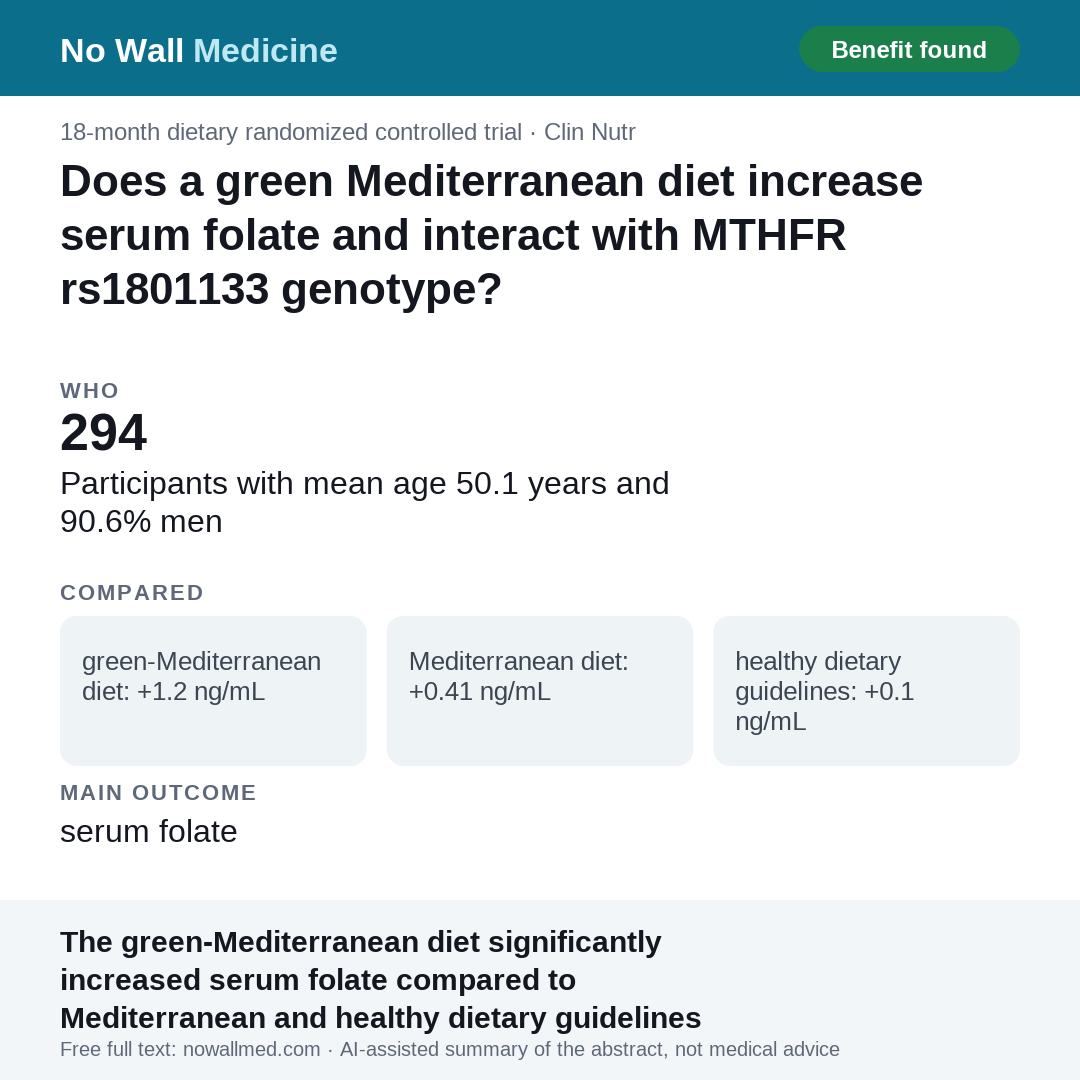
Effect of green mediterranean diet on serum folate and its interaction with genetic variation in folate metabolism: The DIRECT PLUS 18-month dietary randomized controlled trial
18-month dietary randomized controlled trialBenefit found
Does a green Mediterranean diet increase serum folate and interact with MTHFR rs1801133 genotype?
Who
294
Participants with mean age 50.1 years and 90.6% men
Compared
green-Mediterranean diet: +1.2 ng/mL
Mediterranean diet: +0.41 ng/mL
healthy dietary guidelines: +0.1 ng/mL
Main outcome
serum folate
Result: p < 0.05 between groups
Bottom line: The green-Mediterranean diet significantly increased serum folate compared to Mediterranean and healthy dietary guidelines diets.
Clin Nutr · 2026-05-29Download image
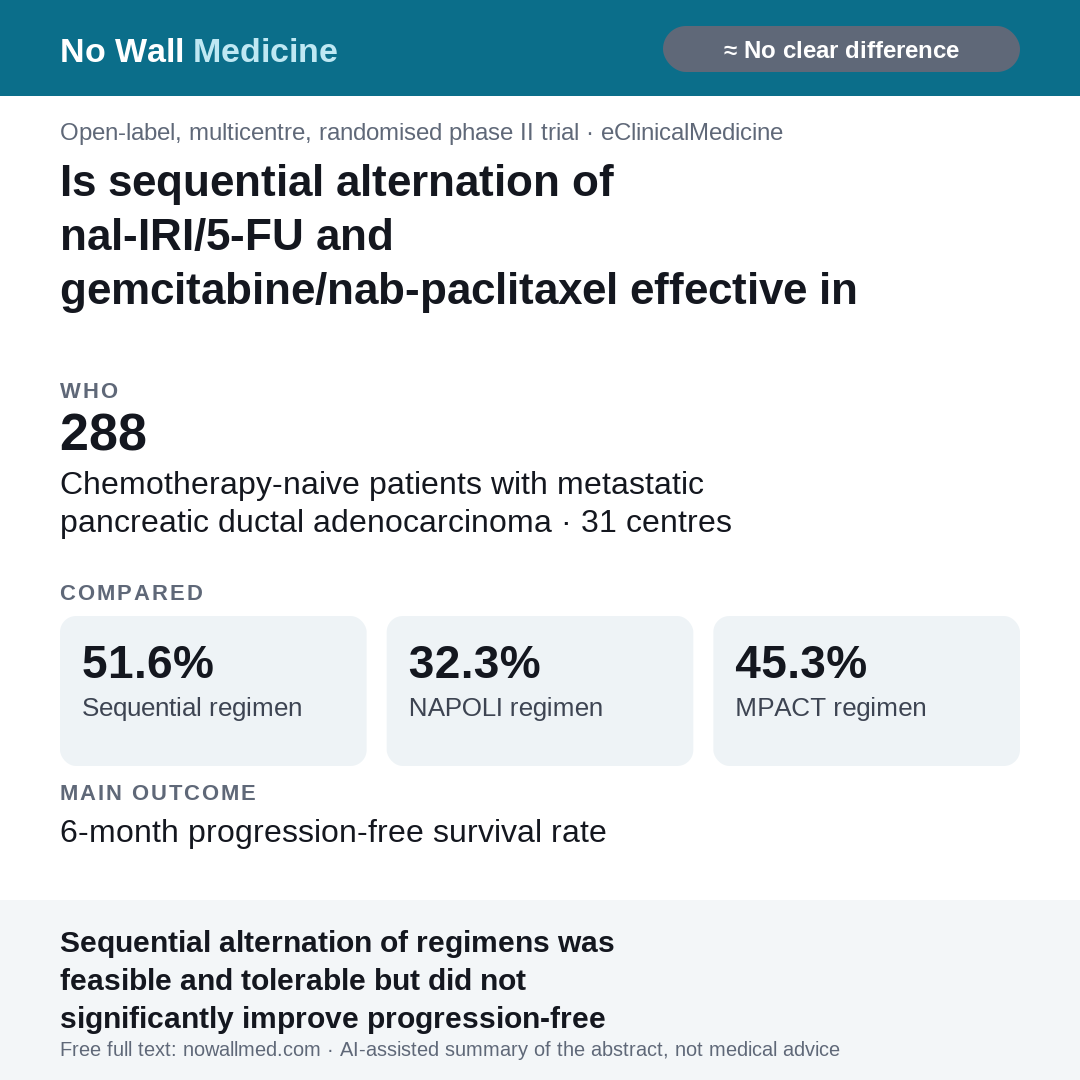
Sequential alternation of nal-IRI/5-FU and gemcitabine/nab-paclitaxel versus nal-IRI/5-FU versus gemcitabine/nab-paclitaxel in first-line metastatic pancreatic cancer: results of the randomized phase II PRODIGE 61-FUNGEMAX trial (France)
Open-label, multicentre, randomised phase II trialNo clear difference
Is sequential alternation of nal-IRI/5-FU and gemcitabine/nab-paclitaxel effective in first-line metastatic pancreatic cancer?
Who
288
Chemotherapy-naive patients with metastatic pancreatic ductal adenocarcinoma · 31 centres in France
Compared
51.6%Sequential regimen
32.3%NAPOLI regimen
45.3%MPACT regimen
Main outcome
6-month progression-free survival rate
Result: hazard ratio 0.76 (p = 0.072) for sequential vs MPACT
Bottom line: Sequential alternation of regimens was feasible and tolerable but did not significantly improve progression-free survival over MPACT.
Funded by: Fédération Francophone de Cancérologie Digestive and Servier
eClinicalMedicine · 2026-05-29Download image
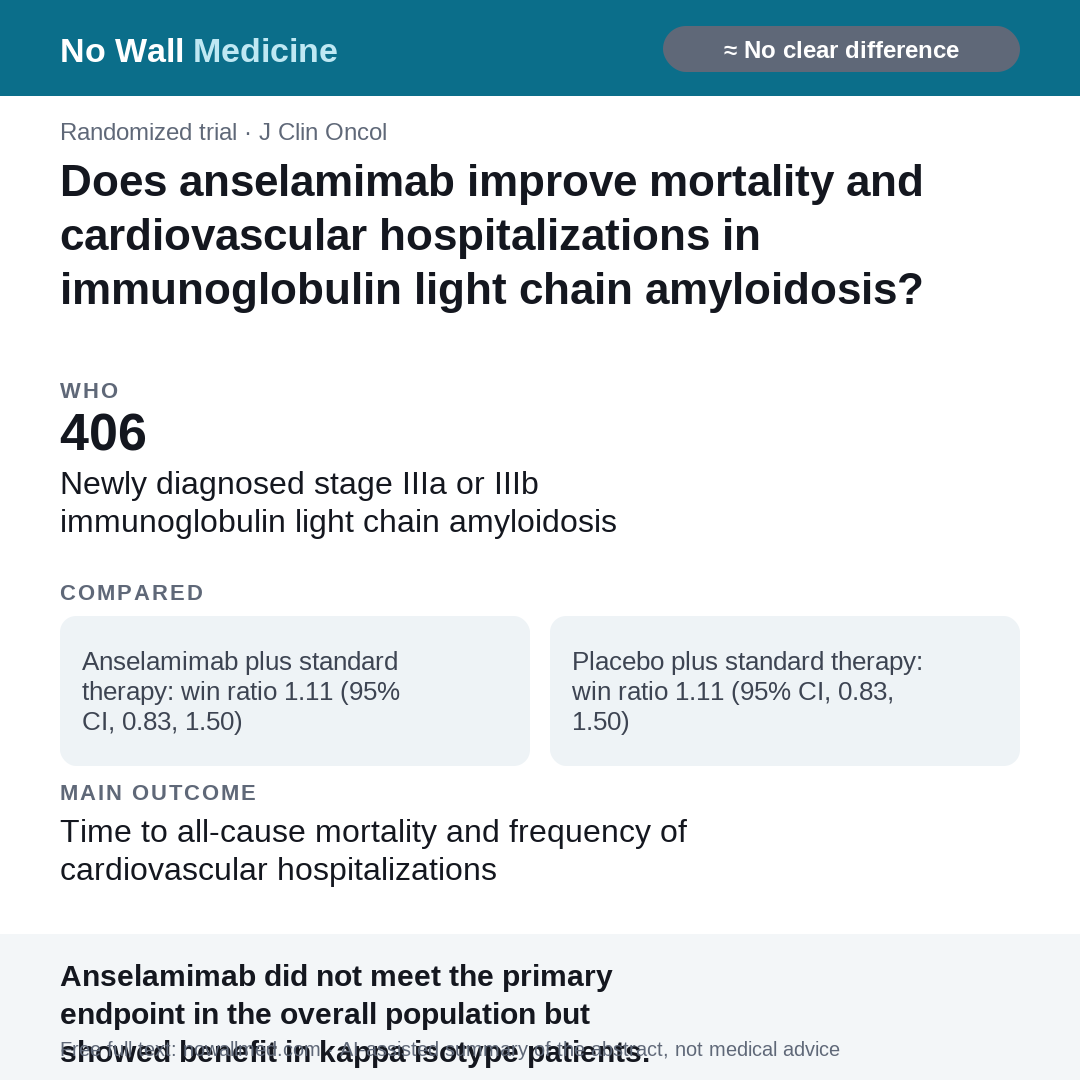
Efficacy and Safety of Anselamimab in Immunoglobulin Light Chain Amyloidosis: Results From the Randomized CARES Trials
Randomized trialNo clear difference
Does anselamimab improve mortality and cardiovascular hospitalizations in immunoglobulin light chain amyloidosis?
Who
406
Newly diagnosed stage IIIa or IIIb immunoglobulin light chain amyloidosis patients
Compared
Anselamimab plus standard therapy: win ratio 1.11 (95% CI, 0.83, 1.50)
Placebo plus standard therapy: win ratio 1.11 (95% CI, 0.83, 1.50)
Main outcome
Time to all-cause mortality and frequency of cardiovascular hospitalizations
Result: win ratio 1.11 (95% CI, 0.83, 1.50)
Bottom line: Anselamimab did not meet the primary endpoint in the overall population but showed benefit in kappa isotype patients.
J Clin Oncol · 2026-05-29Download image
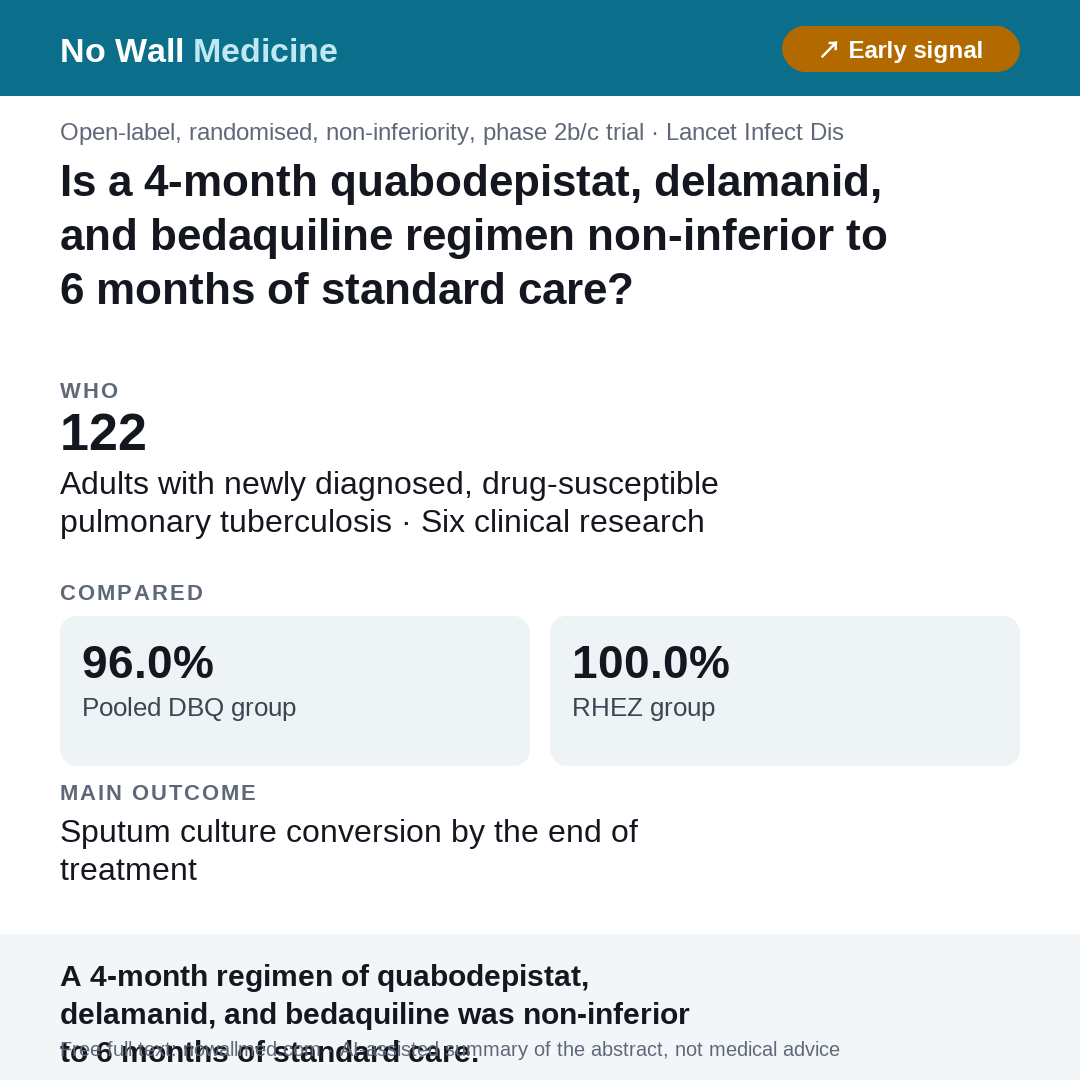
Efficacy and safety of a 4-month quabodepistat, delamanid, and bedaquiline regimen for drug-susceptible pulmonary tuberculosis: a multicentre, open-label, randomised, proof-of-concept, non-inferiority, phase 2b/c trial
Open-label, randomised, non-inferiority, phase 2b/c trialEarly signal
Is a 4-month quabodepistat, delamanid, and bedaquiline regimen non-inferior to 6 months of standard care?
Who
122
Adults with newly diagnosed, drug-susceptible pulmonary tuberculosis · Six clinical research sites in South Africa
Compared
96.0%Pooled DBQ group (96 of 100 participants)
100.0%RHEZ group (all 21 participants)
Main outcome
Sputum culture conversion by the end of treatment
Result: difference -4.0% (80% CI -7.4 to 3.4)
Bottom line: A 4-month regimen of quabodepistat, delamanid, and bedaquiline was non-inferior to 6 months of standard care.
Lancet Infect Dis · 2026-05-29Download image
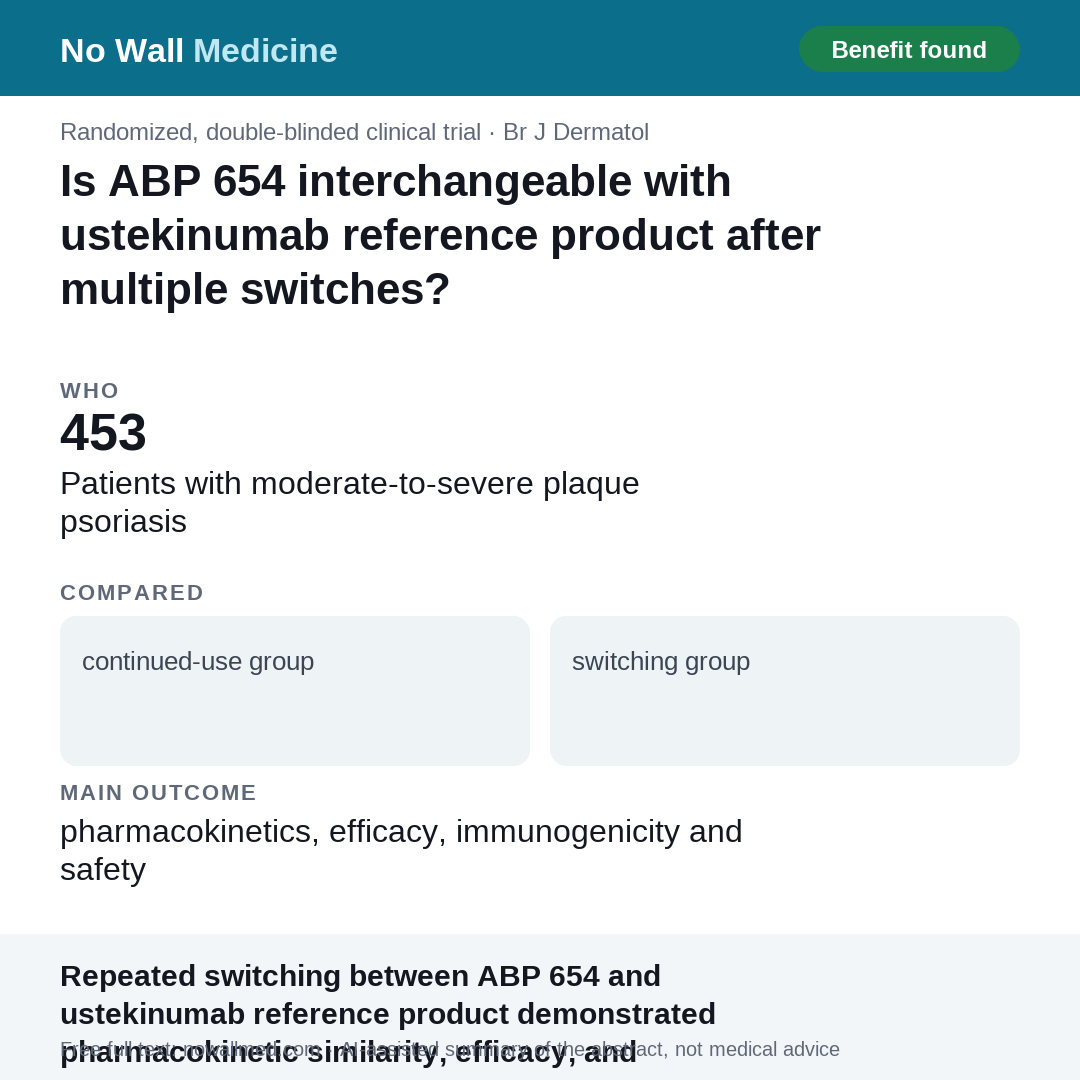
Repeated switching between biosimilar ABP 654 and reference ustekinumab in patients with moderate-to-severe plaque psoriasis: a randomized double-blinded clinical trial to support interchangeability
Randomized, double-blinded clinical trialBenefit found
Is ABP 654 interchangeable with ustekinumab reference product after multiple switches?
Who
453
Patients with moderate-to-severe plaque psoriasis
Compared
continued-use group
switching group
Main outcome
pharmacokinetics, efficacy, immunogenicity and safety
Result: AUCtau geometric mean ratio 0.93 (90% CI 0.89-0.98) and Cmax 0.95 (90% CI 0.90-1.00)
Bottom line: Repeated switching between ABP 654 and ustekinumab reference product demonstrated pharmacokinetic similarity, efficacy, and safety.
Br J Dermatol · 2026-05-29Download image
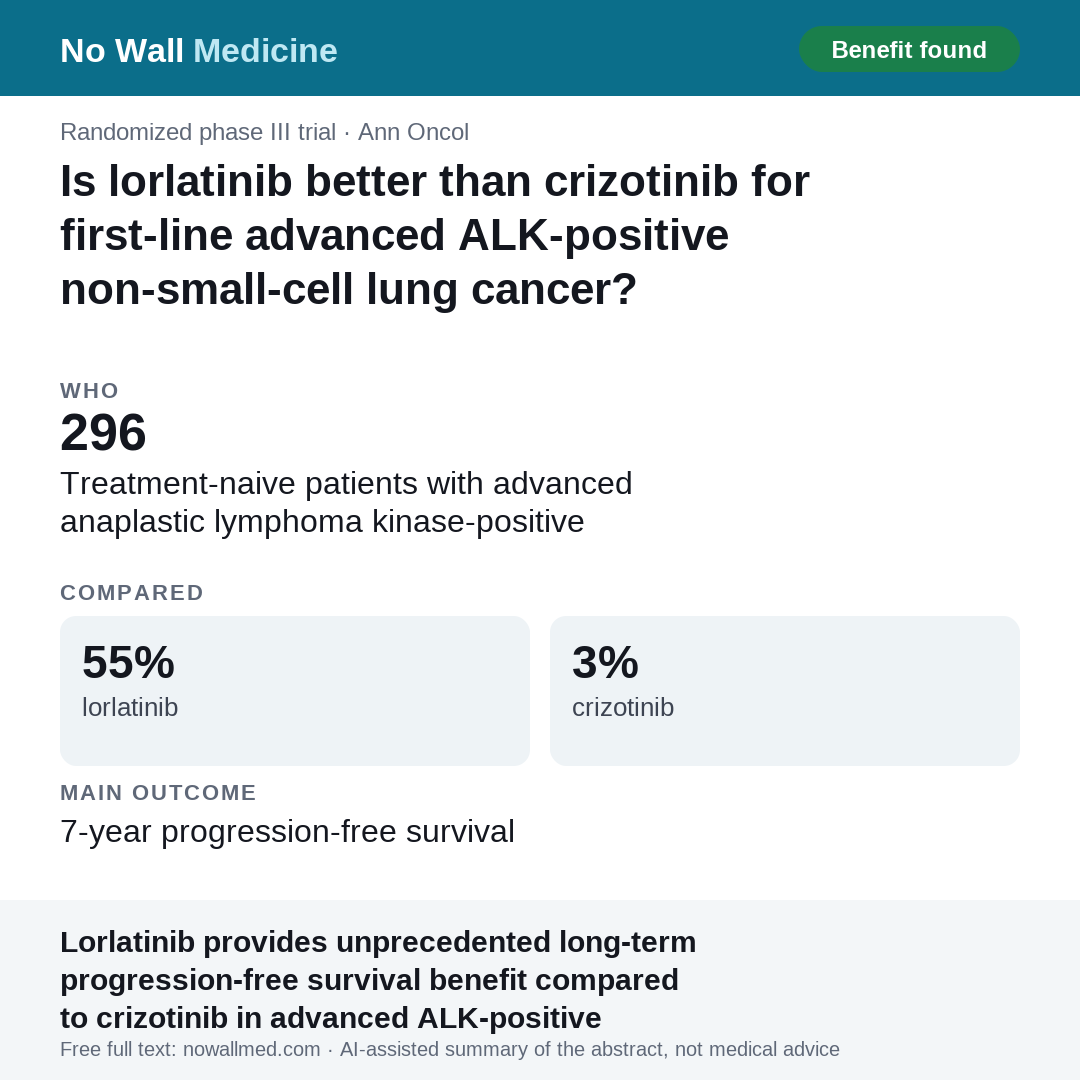
Lorlatinib versus crizotinib as first-line treatment for advanced ALK-positive non-small-cell lung cancer: 7-year update from the phase III CROWN study
Randomized phase III trialBenefit found
Is lorlatinib better than crizotinib for first-line advanced ALK-positive non-small-cell lung cancer?
Who
296
Treatment-naive patients with advanced anaplastic lymphoma kinase-positive non-small-cell lung cancer
Compared
55%lorlatinib
3%crizotinib
Main outcome
7-year progression-free survival
Result: hazard ratio 0.19 (95% CI 0.13 to 0.26)
Bottom line: Lorlatinib provides unprecedented long-term progression-free survival benefit compared to crizotinib in advanced ALK-positive non-small-cell lung cancer.
Ann Oncol · 2026-05-29Download image
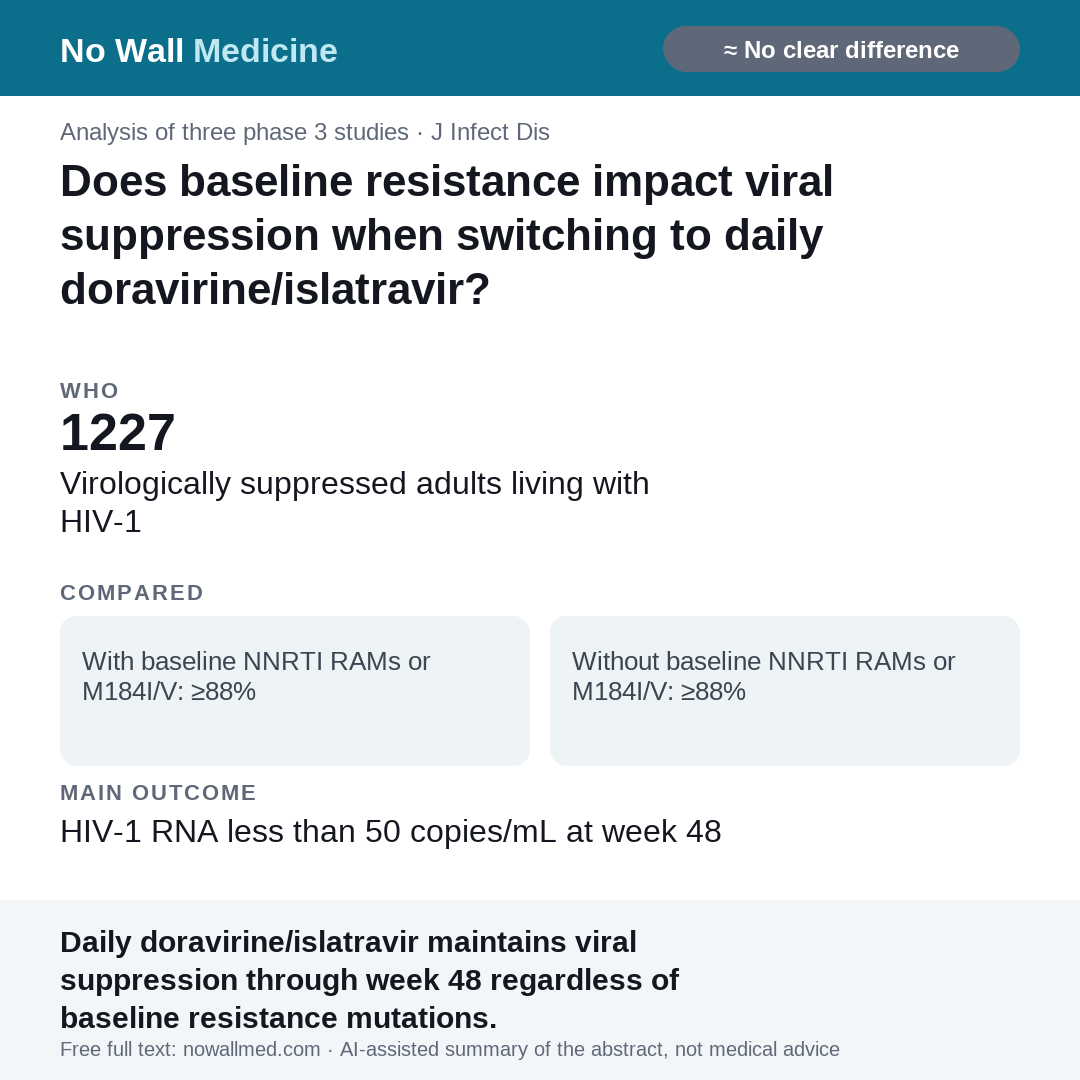
Switching to Daily Doravirine/Islatravir (100/0.25 mg) Maintains Viral Suppression Through Week 48 Despite Baseline Non-Nucleoside Reverse Transcriptase Inhibitor Resistance-Associated Mutations or M184I/V in Proviral DNA
Analysis of three phase 3 studiesNo clear difference
Does baseline resistance impact viral suppression when switching to daily doravirine/islatravir?
Who
1227
Virologically suppressed adults living with HIV-1
Compared
With baseline NNRTI RAMs or M184I/V: ≥88%
Without baseline NNRTI RAMs or M184I/V: ≥88%
Main outcome
HIV-1 RNA less than 50 copies/mL at week 48
Bottom line: Daily doravirine/islatravir maintains viral suppression through week 48 regardless of baseline resistance mutations.
J Infect Dis · 2026-05-29Download image
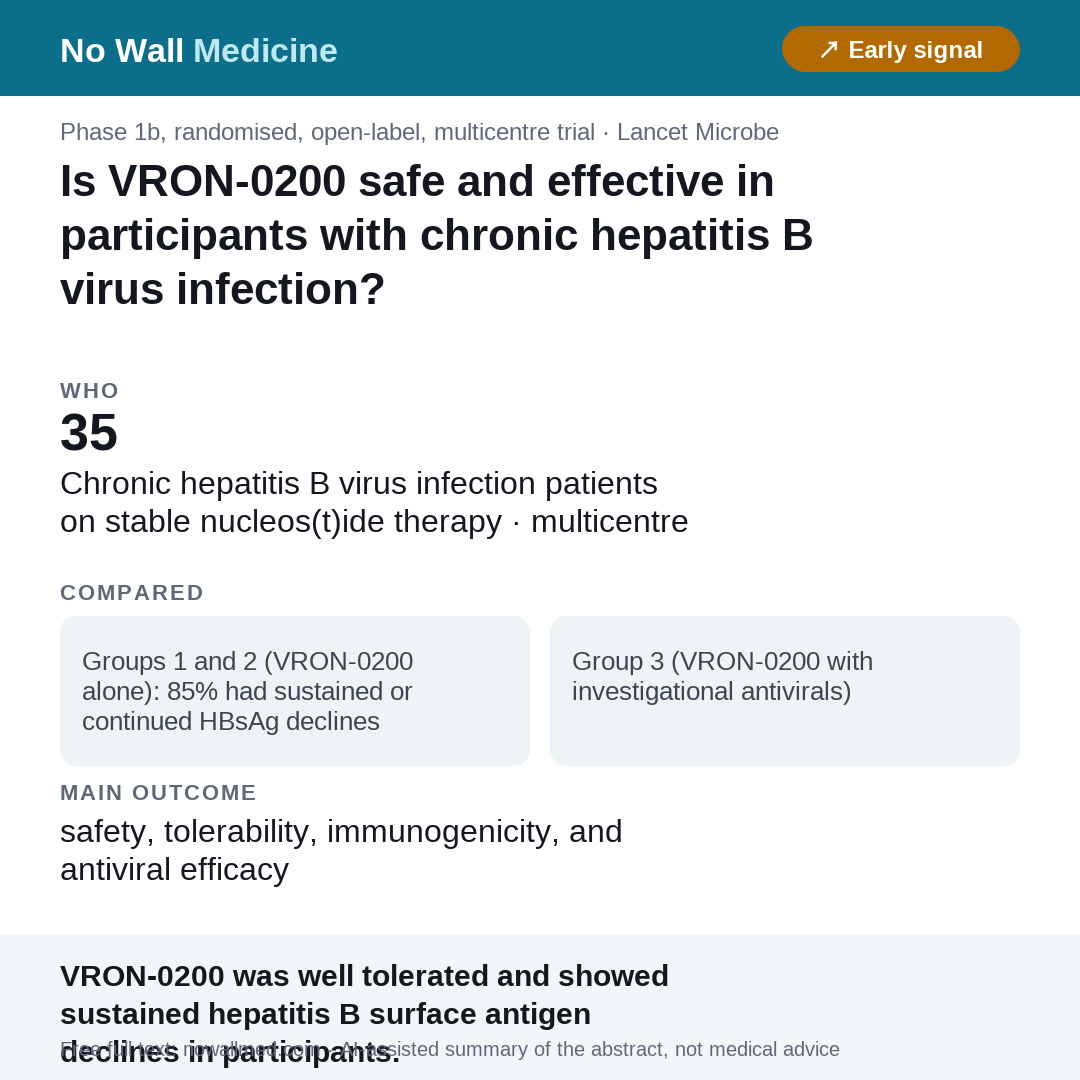
VRON-0200 alone and in combination with investigational antivirals for participants with chronic hepatitis B virus infection receiving stable nucleos(t)ide therapy: a phase 1b, randomised, open-label, multicentre trial
Phase 1b, randomised, open-label, multicentre trialEarly signal
Is VRON-0200 safe and effective in participants with chronic hepatitis B virus infection?
Who
35
Chronic hepatitis B virus infection patients on stable nucleos(t)ide therapy · multicentre trial
Compared
Groups 1 and 2 (VRON-0200 alone): 85% had sustained or continued HBsAg declines
Group 3 (VRON-0200 with investigational antivirals)
Main outcome
safety, tolerability, immunogenicity, and antiviral efficacy
Bottom line: VRON-0200 was well tolerated and showed sustained hepatitis B surface antigen declines in participants.
Lancet Microbe · 2026-05-29Download image
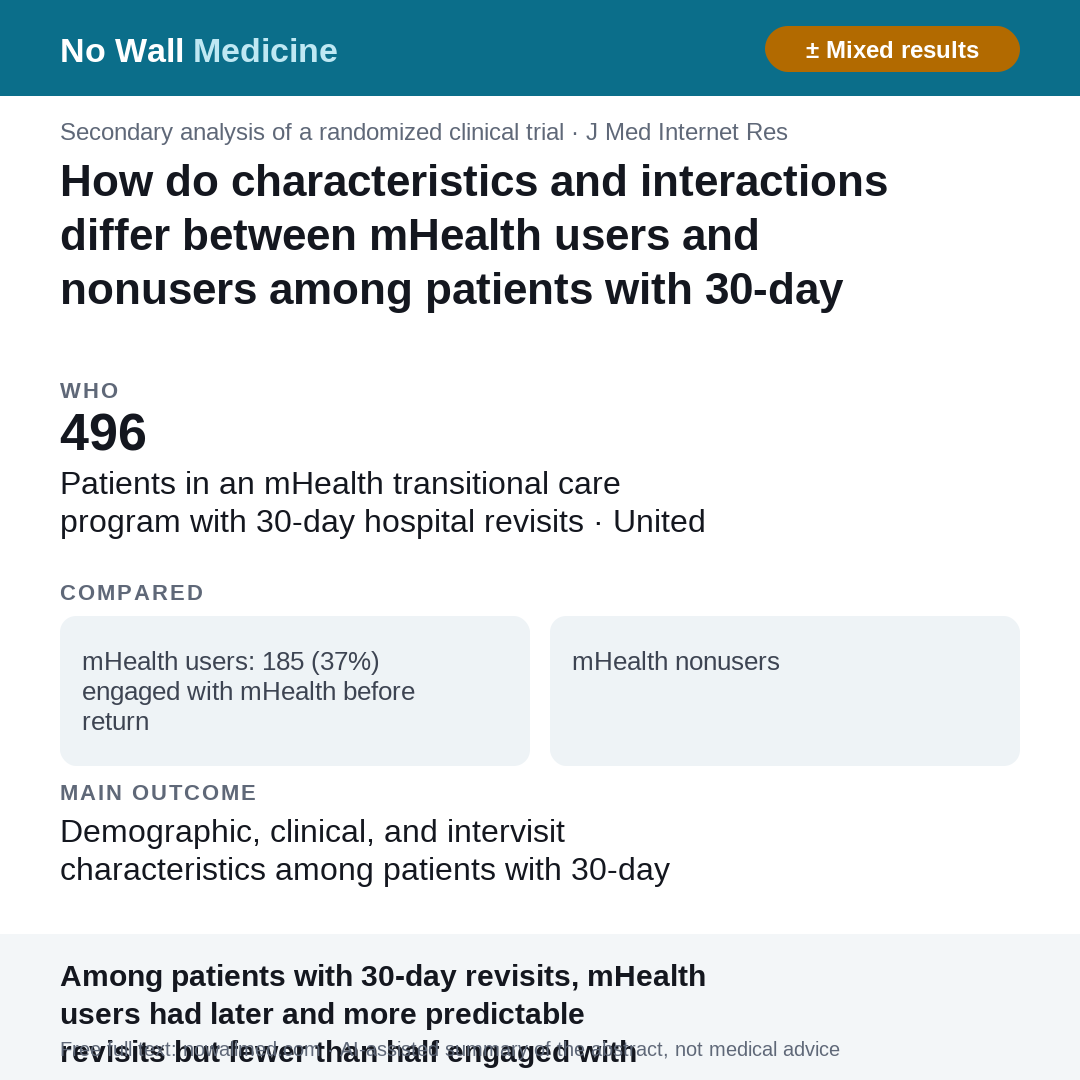
Understanding mHealth Engagement Among Patients With 30-Day Hospital Revisits: Secondary Analysis of a Randomized Clinical Trial
Secondary analysis of a randomized clinical trialMixed results
How do characteristics and interactions differ between mHealth users and nonusers among patients with 30-day hospital revisits?
Who
496
Patients in an mHealth transitional care program with 30-day hospital revisits · United States
Compared
mHealth users: 185 (37%) engaged with mHealth before return
mHealth nonusers
Main outcome
Demographic, clinical, and intervisit characteristics among patients with 30-day revisits
Bottom line: Among patients with 30-day revisits, mHealth users had later and more predictable revisits but fewer than half engaged with mHealth.
J Med Internet Res · 2026-05-29Download image
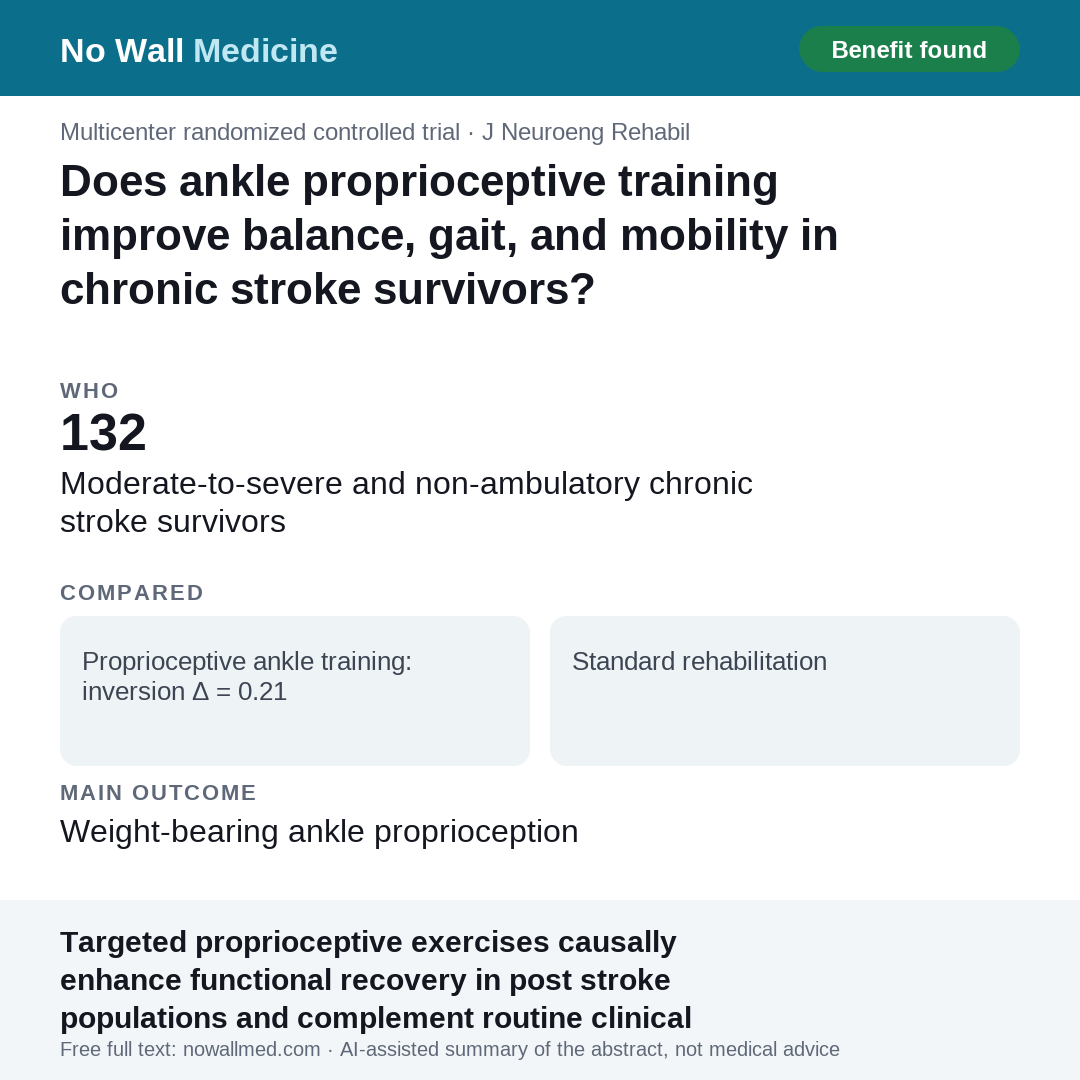
Targeted ankle proprioceptive training improves balance, gait, and functional mobility in chronic stroke survivors: a multicenter randomized controlled trial with longitudinal follow-up
Multicenter randomized controlled trialBenefit found
Does ankle proprioceptive training improve balance, gait, and mobility in chronic stroke survivors?
Who
132
Moderate-to-severe and non-ambulatory chronic stroke survivors
Compared
Proprioceptive ankle training: inversion Δ = 0.21
Standard rehabilitation
Main outcome
Weight-bearing ankle proprioception
Bottom line: Ankle proprioceptive training improves balance, gait, and mobility in chronic stroke survivors, with benefits sustained at 6-month follow-up.
J Neuroeng Rehabil · 2026-05-29Download image
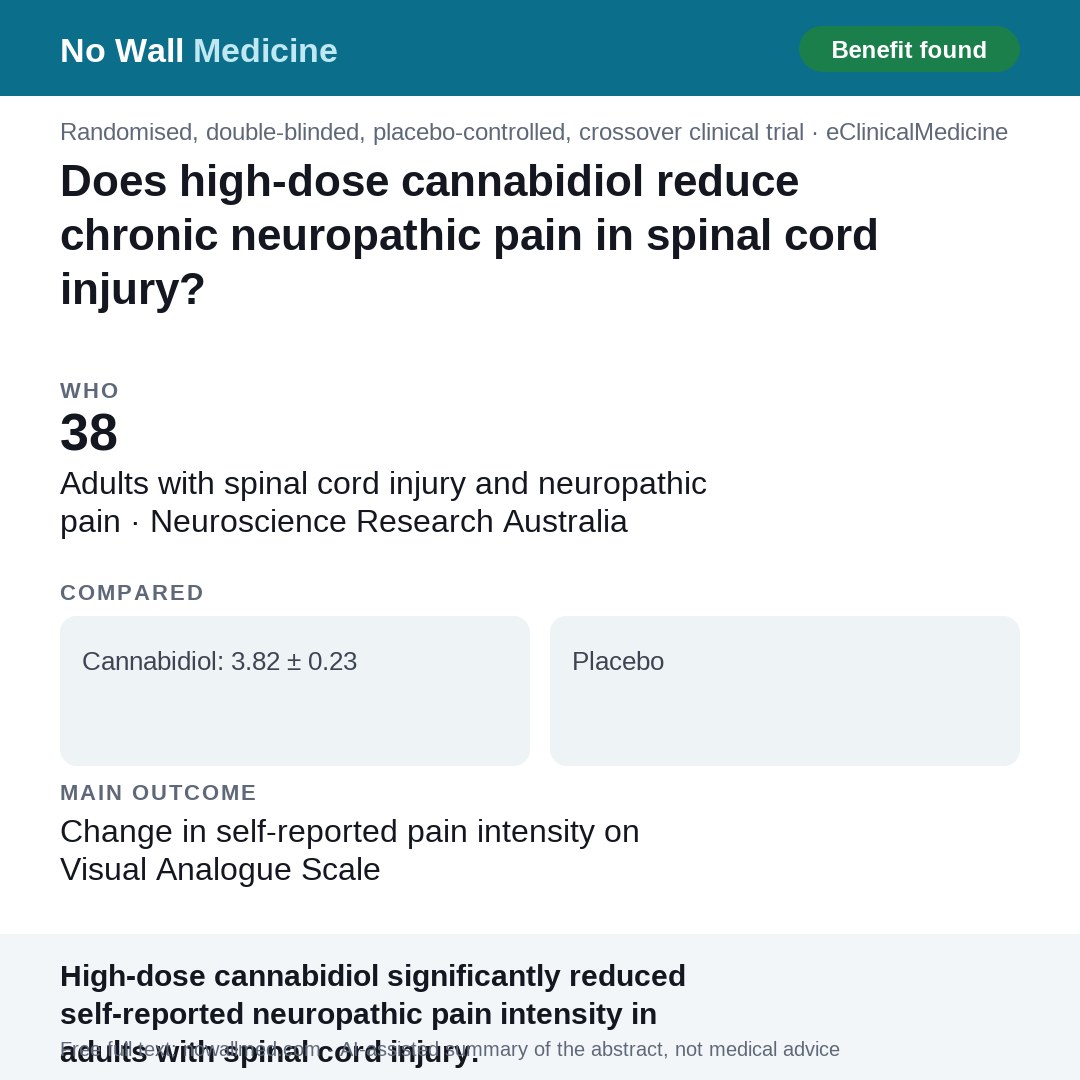
High-dose cannabidiol for chronic neuropathic pain associated with spinal cord injury: a randomised clinical trial
Randomised, double-blinded, placebo-controlled, crossover clinical trialBenefit found
Does high-dose cannabidiol reduce chronic neuropathic pain in spinal cord injury?
Who
38
Adults with spinal cord injury and neuropathic pain · Neuroscience Research Australia
Compared
Cannabidiol: 3.82 ± 0.23
Placebo
Main outcome
Change in self-reported pain intensity on Visual Analogue Scale
Result: mean difference -0.54 (95% CI -0.88 to -0.21)
Bottom line: High-dose cannabidiol significantly reduced self-reported neuropathic pain intensity in adults with spinal cord injury.
Funded by: NSW Health and the Lambert Initiative for Cannabinoid Therapeutics
eClinicalMedicine · 2026-05-28Download image