Visual abstracts
New randomized trials and meta-analyses from leading journals at a glance: who was studied, what was compared, and what was found. Every paper is free to read in full.
All specialtiesCardiology 4833Oncology 4115Gastroenterology & Hepatology 1934Infectious Disease 3825Neurology 1901Psychiatry & Mental Health 2256Pulmonology 2082Critical Care 1346Endocrinology & Diabetes 2572Pediatrics 2940Surgery 2525Orthopedics & Sports Medicine 926Neurosurgery 534Cardiothoracic & Vascular Surgery 671Plastic & Reconstructive Surgery 591Nephrology 1124Rheumatology 823Hematology 1104Dermatology 620Ophthalmology 543Obstetrics & Gynecology 1684Public & Global Health 1056Radiology & Imaging 641Anesthesiology 962Urology 754ENT (Otolaryngology) 503Emergency Medicine 489Allergy & Immunology 313Geriatrics 982Family Medicine & Primary Care 541Medical Genetics & Genomics 675Pathology & Laboratory Medicine 157Physical Medicine & Rehabilitation 751Palliative Care 424Nutrition 1580Digital Health & AI 2195General Medicine 321
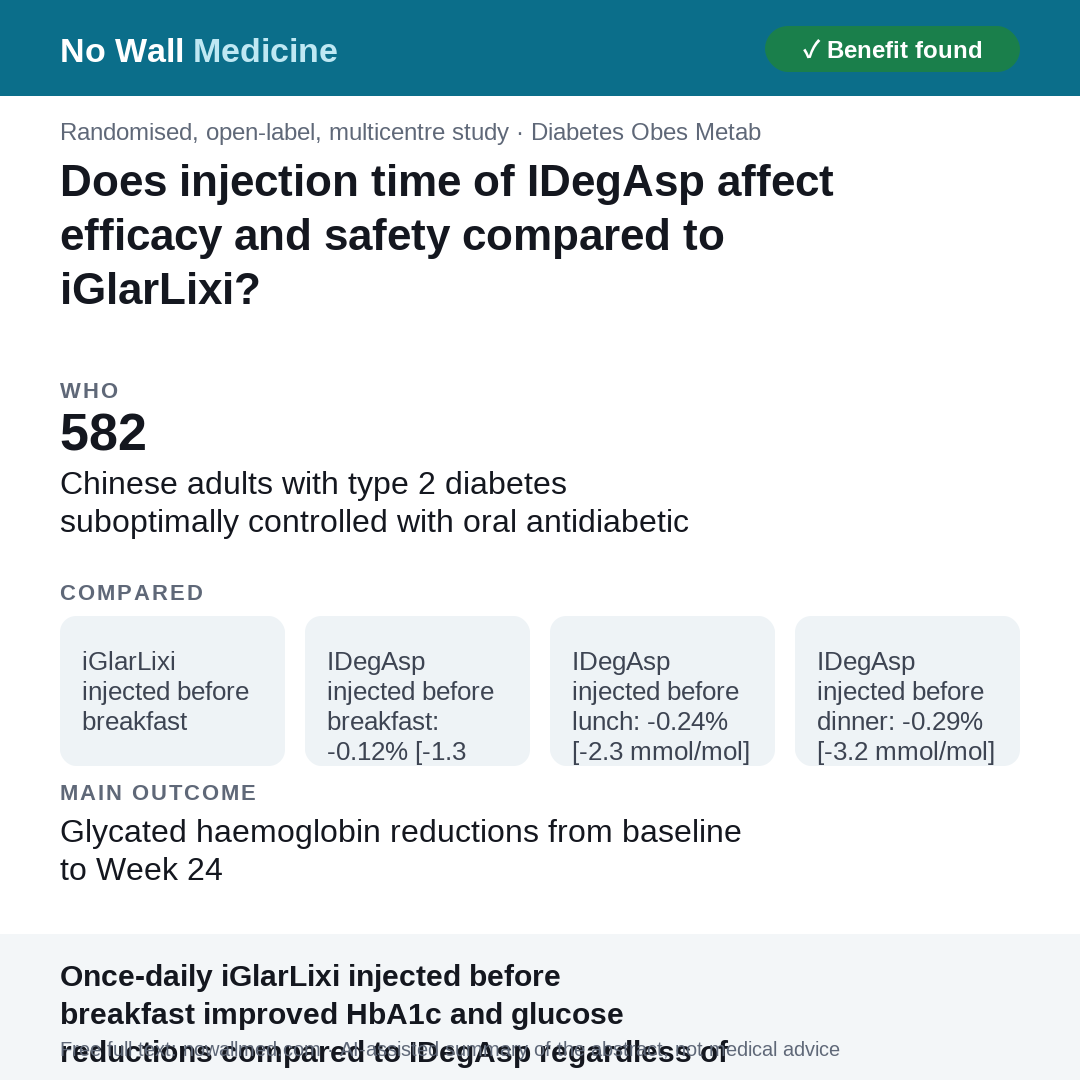
Impact of Time of Injection on the Efficacy and Safety of iGlarLixi Versus IDegAsp in Chinese People With Type 2 Diabetes: Exploratory Analysis of the Soli-D Study
Randomised, open-label, multicentre studyBenefit found
Does injection time of IDegAsp affect efficacy and safety compared to iGlarLixi?
Who
582
Chinese adults with type 2 diabetes suboptimally controlled with oral antidiabetic drugs · multicentre
Compared
iGlarLixi injected before breakfast
IDegAsp injected before breakfast: -0.12% [-1.3 mmol/mol]
IDegAsp injected before lunch: -0.24% [-2.3 mmol/mol]
IDegAsp injected before dinner: -0.29% [-3.2 mmol/mol]
Main outcome
Glycated haemoglobin reductions from baseline to Week 24
Bottom line: Once-daily iGlarLixi injected before breakfast improved HbA1c and glucose reductions compared to IDegAsp regardless of injection time.
Diabetes Obes Metab · 2026-05-25Download image
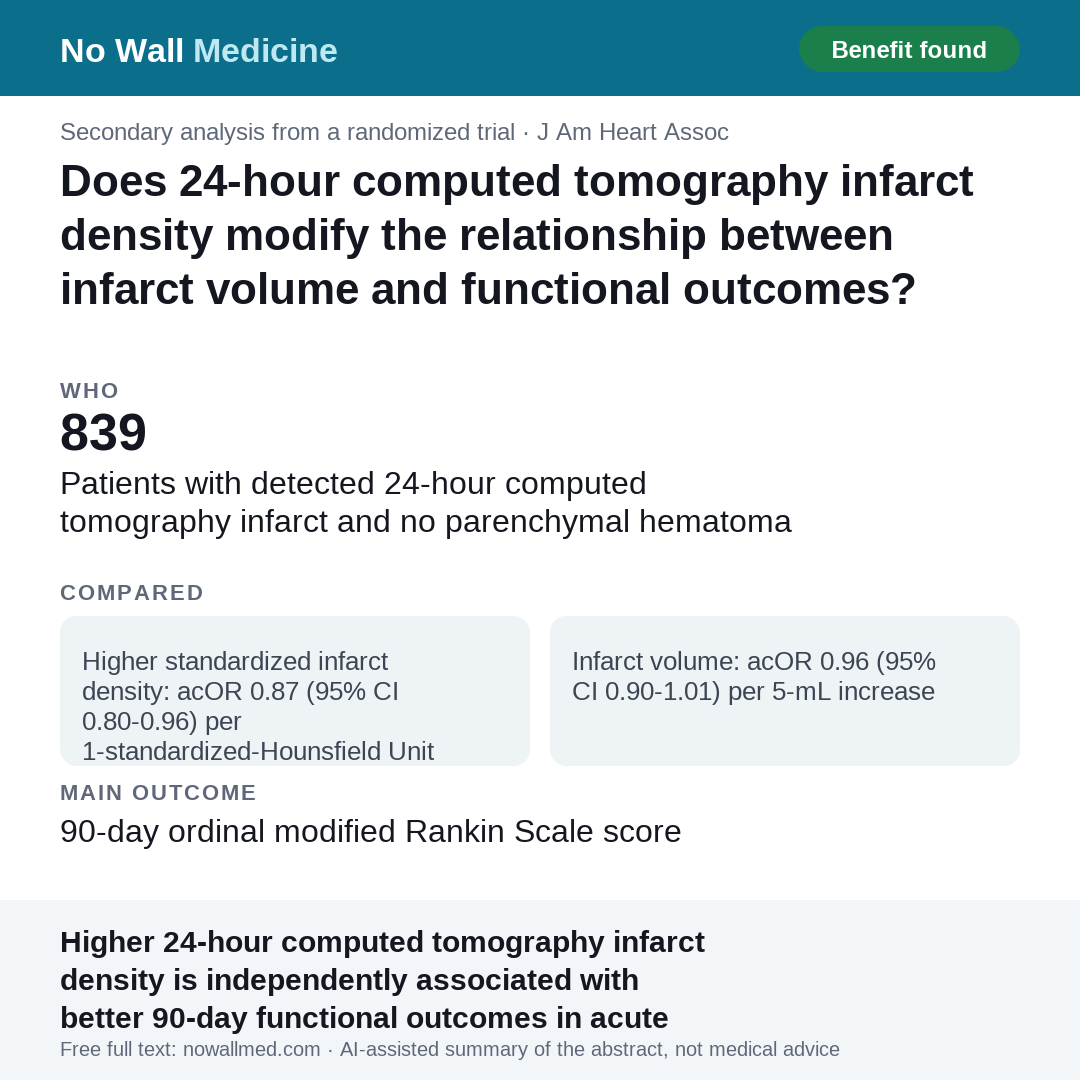
Association of 24-Hour Computed Tomography Infarct Density on Functional Outcomes in Stroke: Secondary Analysis From the AcT Trial
Secondary analysis from a randomized trialBenefit found
Does 24-hour computed tomography infarct density modify the relationship between infarct volume and functional outcomes?
Who
839
Patients with detected 24-hour computed tomography infarct and no parenchymal hematoma
Compared
Higher standardized infarct density: acOR 0.87 (95% CI 0.80-0.96) per 1-standardized-Hounsfield Unit increase
Infarct volume: acOR 0.96 (95% CI 0.90-1.01) per 5-mL increase
Main outcome
90-day ordinal modified Rankin Scale score
Result: acOR 0.87 (95% CI 0.80-0.96) per 1-standardized-Hounsfield Unit increase
Bottom line: Higher 24-hour computed tomography infarct density is independently associated with better 90-day functional outcomes in acute ischemic stroke.
J Am Heart Assoc · 2026-05-25Download image
Efficacy of Low-Voltage Area Ablation Across Substrate Size in Persistent Atrial Fibrillation: A Post Hoc Analysis of the SUPPRESS-AF Randomized Trial
Post hoc analysis of a randomized trialMixed results
Does adjunctive low-voltage area ablation efficacy depend on substrate size in persistent atrial fibrillation?
Who
341
Patients with persistent atrial fibrillation and left atrial low-voltage areas
Compared
Pulmonary vein isolation plus low-voltage area ablation: 34.7% in extensive low-voltage area group
Pulmonary vein isolation alone: 57.6% in extensive low-voltage area group
Main outcome
Recurrence of atrial fibrillation or atrial tachycardia within 1 year
Bottom line: Adjunctive low-voltage area ablation significantly reduces recurrence only in patients with extensive low-voltage areas.
Limitation: This is a post hoc analysis of the SUPPRESS-AF trial.
J Am Heart Assoc · 2026-05-25Download image

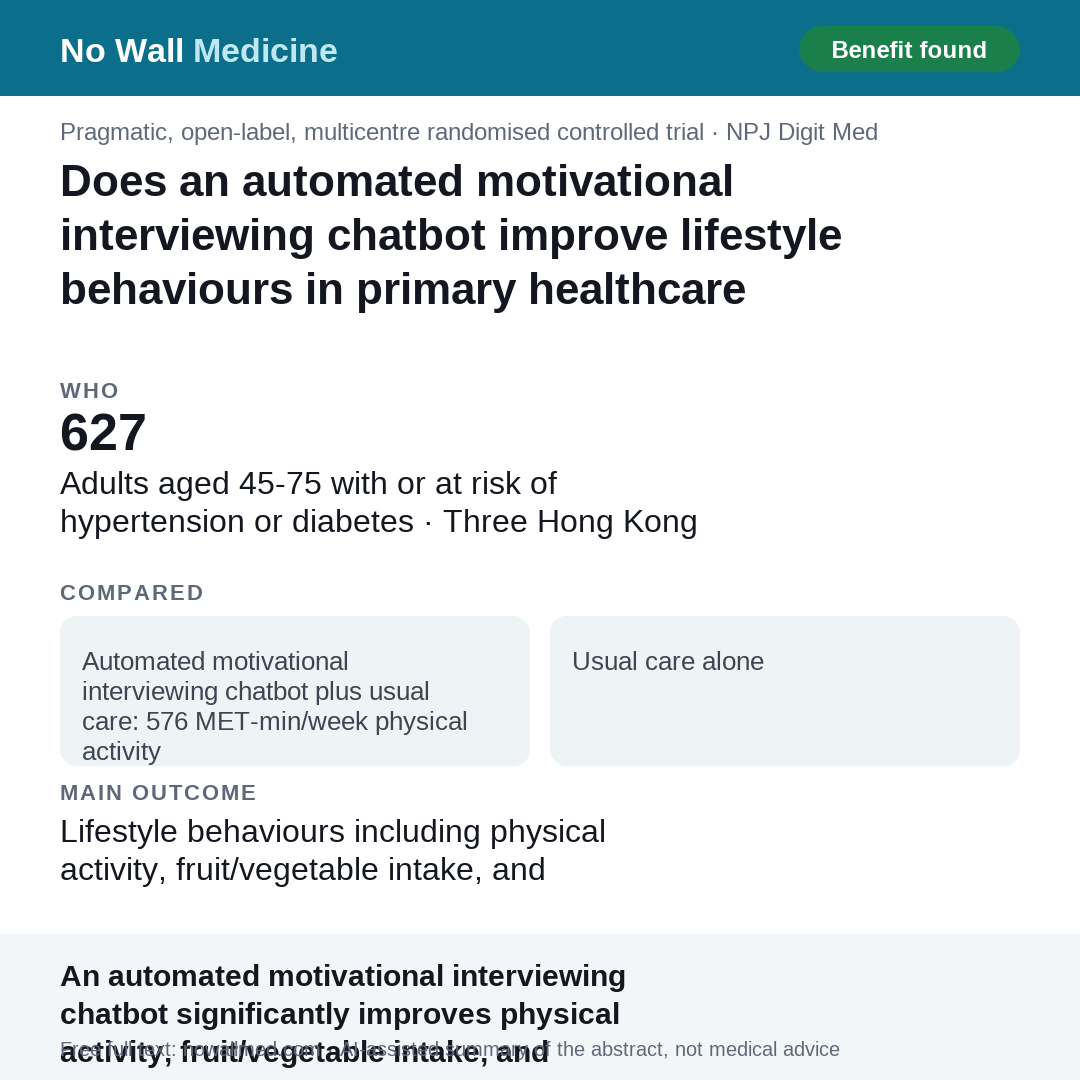
Motivational interviewing chatbot improves lifestyle in primary healthcare settings in a pragmatic randomised controlled trial
Pragmatic, open-label, multicentre randomised controlled trialBenefit found
Does an automated motivational interviewing chatbot improve lifestyle behaviours in primary healthcare settings?
Who
627
Adults aged 45-75 with or at risk of hypertension or diabetes · Three Hong Kong primary healthcare facilities
Compared
Automated motivational interviewing chatbot plus usual care: 576 MET-min/week physical activity
Usual care alone
Main outcome
Lifestyle behaviours including physical activity, fruit/vegetable intake, and committed action
Bottom line: An automated motivational interviewing chatbot significantly improves physical activity, fruit/vegetable intake, and committed action.
NPJ Digit Med · 2026-05-25Download image
Antibiotics for Delirium in Older Adults With No Clear Urinary Tract Infection: A Multicentre, Pragmatic, Randomized Trial-Vanguard Results
Randomized trialUnclear result
Do antibiotics help delirium in older adults
Who
30
Hospitalized adults aged 60 and older with delirium · Multiple sites
Compared
39%Antibiotics (delirium resolved by Day 7)
No antibiotics
Main outcome
Delirium resolution by Day 7
Bottom line: Antibiotics did not clearly help delirium
J Am Geriatr Soc · 2026-05-23Download image
A randomised clinical trial testing the safety of and metabolic responses to short-term duodenal infusion of recombinant RORDEP1 in healthy men
Randomised, placebo-controlled, crossover trialBenefit found
Is duodenal infusion of recombinant RORDEP1 safe and how does it affect metabolic responses?
Who
17
Seventeen healthy, normal-weight men aged 18 to 35 years · Gentofte Hospital, Denmark
Compared
recombinant RORDEP1: rise in plasma glucagon-like peptide-1, insulin and C-peptide
placebo
Main outcome
plasma concentrations of incretins and peptide YY
Bottom line: Short-term duodenal infusion of recombinant RORDEP1 is safe and improves insulin sensitivity and incretin responses in healthy men.
Funded by: EFSD/Lilly, RUCILP, and Novo Nordisk Foundation
Diabetologia · 2026-05-23Download image
Durability of response to icotrokinra for high-impact site psoriasis: 1-year ICONIC-TOTAL findings
Randomized, 2:1 trialBenefit found
What are the clinical response rates and safety of icotrokinra for high-impact site psoriasis through 1 year?
Who
311
Participants aged 12 years or older with high-impact site plaque psoriasis
Compared
Icotrokinra 200 mg: IGA 0/1 range: 67%-70%
Placebo
Main outcome
Clear or almost clear psoriasis at high-impact sites
Bottom line: Icotrokinra demonstrated high and durable rates of psoriasis clearance across high-impact sites with a favourable safety profile.
J Eur Acad Dermatol Venereol · 2026-05-23Download image
Responsiveness, Minimal Clinically Important Difference, and Predictive Validity of the ArmCAM in Stroke Rehabilitation: A Remotely Delivered Upper Extremity Function Assessment
Secondary analysis of a randomized controlled trialBenefit found
Is the Arm Capacity and Movement Test a valid remote assessment for stroke rehabilitation?
Who
62
Individuals with stroke undergoing rehabilitation therapy · Participants' homes
Compared
Pre-intervention
Post-intervention: SRM=0.92
Main outcome
Upper extremity motor function responsiveness and predictive validity
Bottom line: The Arm Capacity and Movement Test is a responsive and predictive remote assessment tool for stroke rehabilitation.
Arch Phys Med Rehabil · 2026-05-23Download image
Semaglutide versus placebo in individuals with poor weight loss after bariatric surgery: a double-blinded, randomized, placebo-controlled trial
Double-blinded, randomized, placebo-controlled trialBenefit found
Does semaglutide improve weight loss in individuals with poor response after bariatric surgery?
Who
63
Adults at least 1 year after gastric bypass or sleeve gastrectomy
Compared
semaglutide 2.4 mg: -18.0 (9.2)%
placebo: +0.4 (7.0)%
Main outcome
percentage weight loss after 68-week treatment
Result: -19.18 (95% confidence interval -23.4 to -14.8)
Bottom line: Semaglutide 2.4 mg results in substantial and clinically significant body weight reduction compared to placebo after bariatric surgery.
Nat Med · 2026-05-22Download image

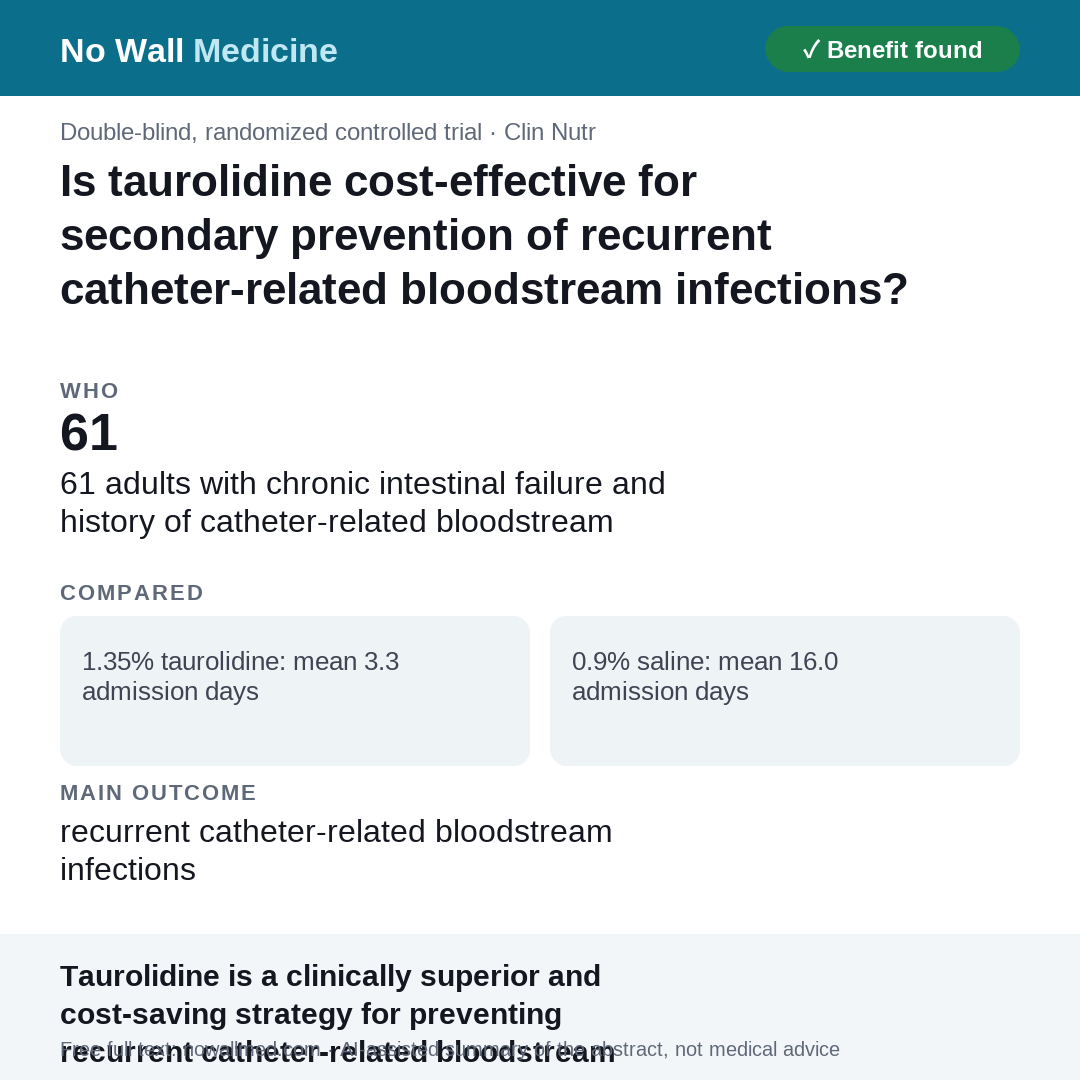
Cost-effectiveness of Taurolidine as secondary prevention of recurrent catheter-related bloodstream infections in patients with chronic intestinal failure: Findings from a randomized controlled trial
Double-blind, randomized controlled trialBenefit found
Is taurolidine cost-effective for secondary prevention of recurrent catheter-related bloodstream infections?
Who
61
61 adults with chronic intestinal failure and history of catheter-related bloodstream infections
Compared
1.35% taurolidine: mean 3.3 admission days
0.9% saline: mean 16.0 admission days
Main outcome
recurrent catheter-related bloodstream infections
Result: ratio: 0.23 (95% CI: 0.09-0.60)
Bottom line: Taurolidine is a clinically superior and cost-saving strategy for preventing recurrent catheter-related bloodstream infections in these patients.
Limitation: Need to evaluate taurolidine for primary prevention where early risk stratification remains challenging.
Clin Nutr · 2026-05-22Download image
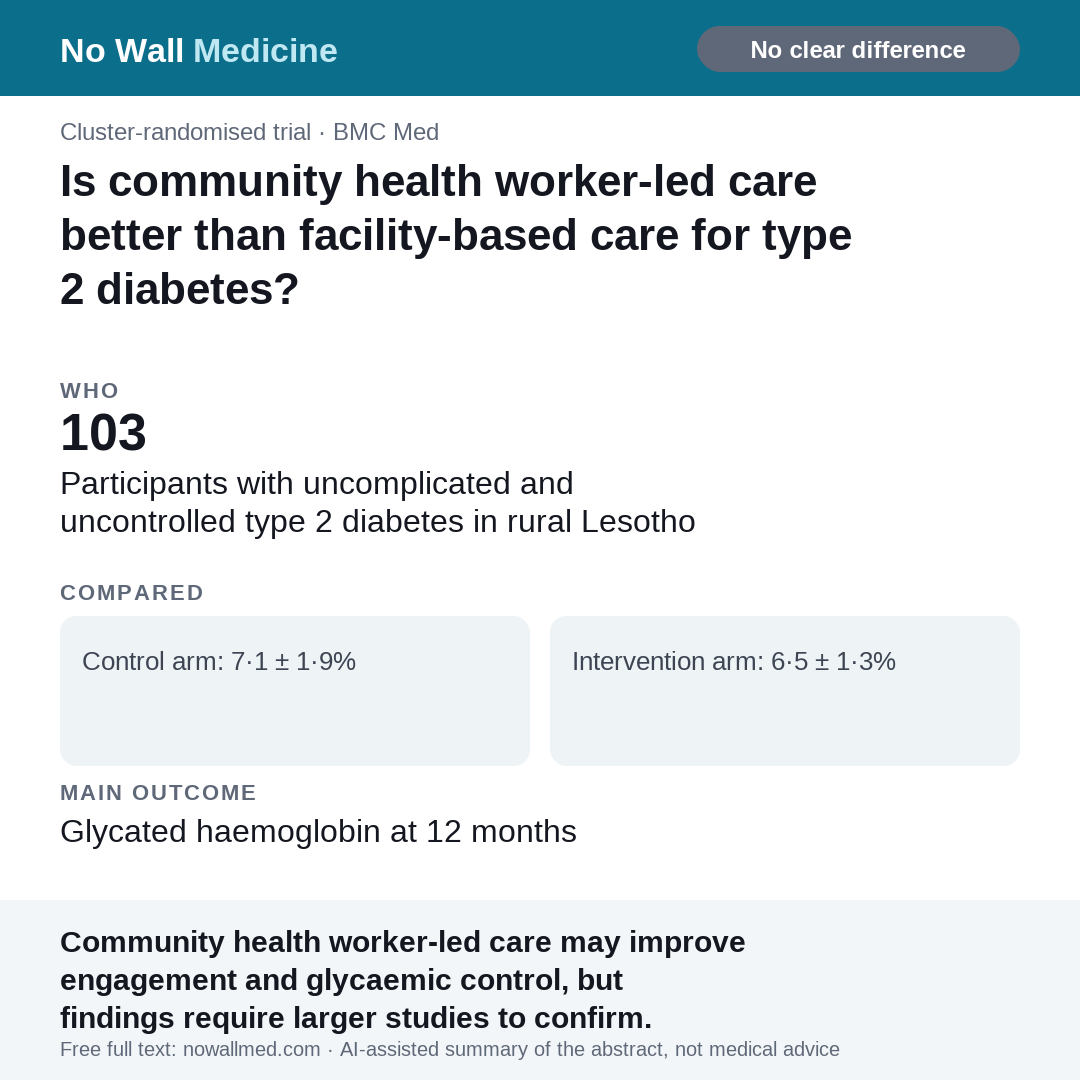
Community health worker-led versus facility-based type 2 diabetes care in rural Lesotho: a cluster-randomized trial within the ComBaCaL cohort study
Cluster-randomised trialNo clear difference
Is community health worker-led care better than facility-based care for type 2 diabetes?
Who
103
Participants with uncomplicated and uncontrolled type 2 diabetes in rural Lesotho · 103 rural villages in Lesotho
Compared
Control arm: 7·1 ± 1·9%
Intervention arm: 6·5 ± 1·3%
Main outcome
Glycated haemoglobin at 12 months
Result: adjusted mean difference -0·46%, 95%CI -1·14 to 0·22
Bottom line: Community health worker-led care may improve engagement and glycaemic control, but findings require larger studies to confirm.
BMC Med · 2026-05-22Download image
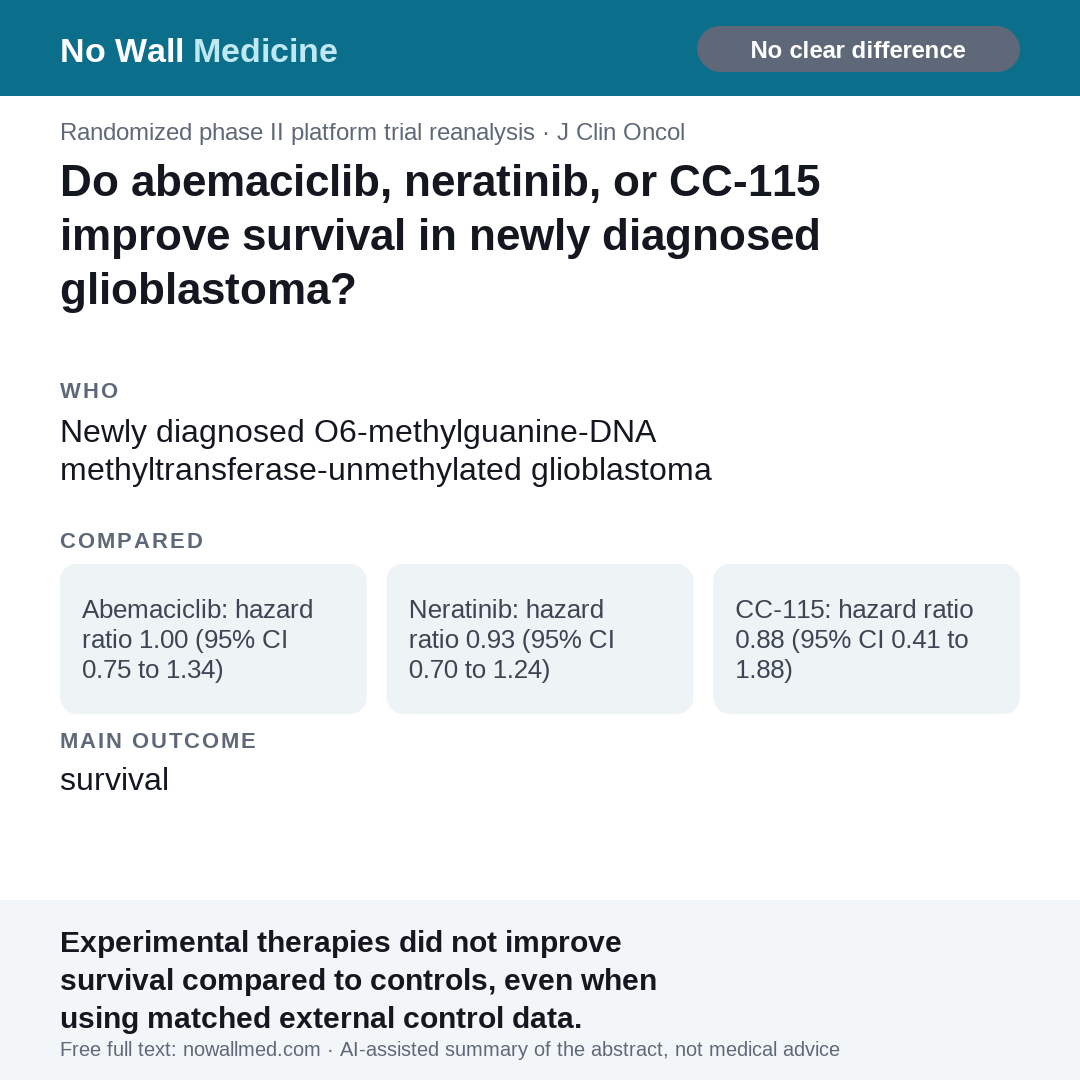
Treatment Effect Reanalysis of the Randomized Individual Screening Trial of Innovative Glioblastoma Therapy in Newly Diagnosed Glioblastoma With External Control Data
Randomized phase II platform trial reanalysisNo clear difference
Do abemaciclib, neratinib, or CC-115 improve survival in newly diagnosed glioblastoma?
Who
Newly diagnosed O6-methylguanine-DNA methyltransferase-unmethylated glioblastoma patients
Compared
Abemaciclib: hazard ratio 1.00 (95% CI 0.75 to 1.34)
Neratinib: hazard ratio 0.93 (95% CI 0.70 to 1.24)
CC-115: hazard ratio 0.88 (95% CI 0.41 to 1.88)
Main outcome
survival
Bottom line: Experimental therapies did not improve survival compared to controls, even when using matched external control data.
Limitation: Validity depends on availability of comprehensive and accurate data on all potential confounders.
J Clin Oncol · 2026-05-22Download image
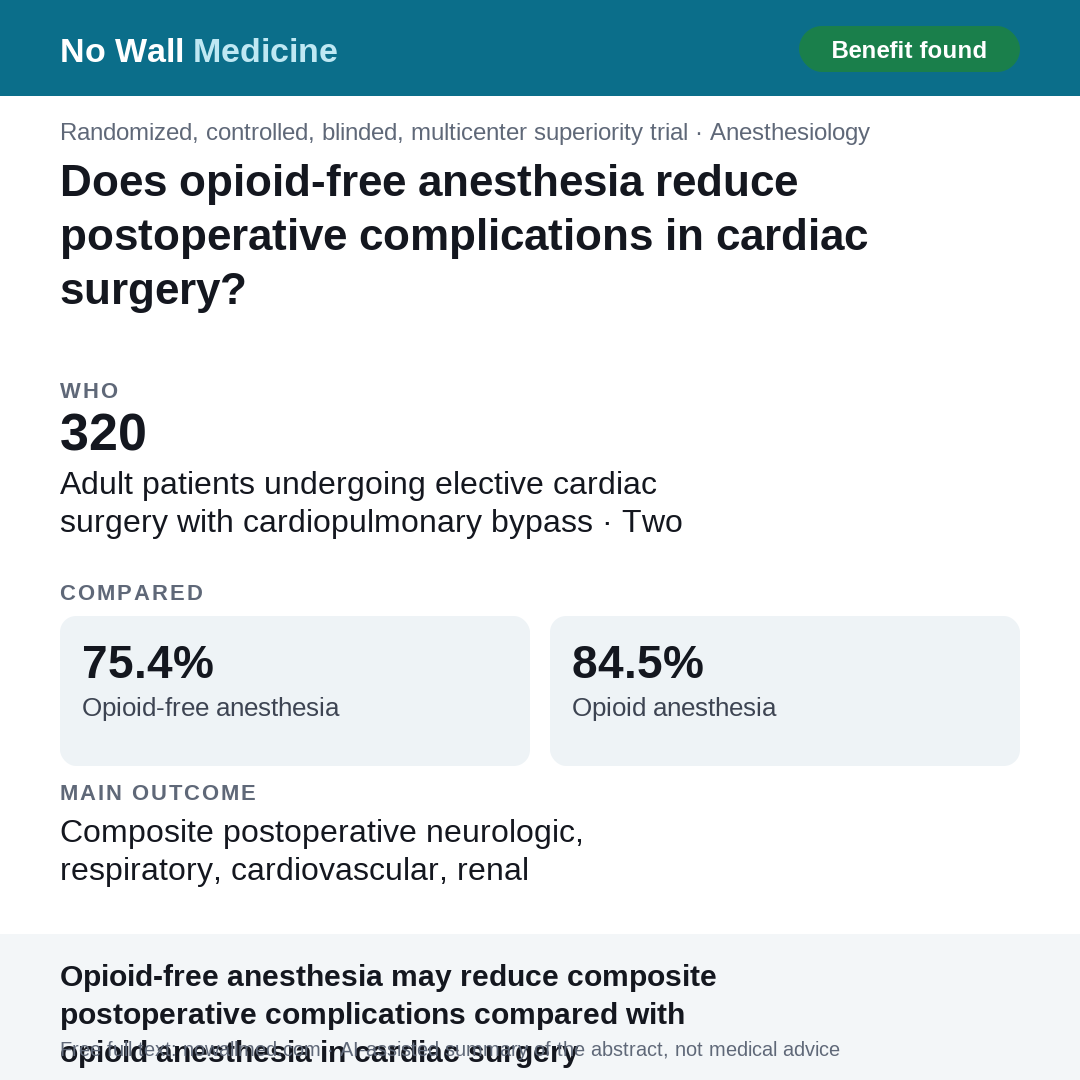
Opioid-free Anesthesia in Cardiac Surgery: The OFACAR Randomized Clinical Trial
Randomized, controlled, blinded, multicenter superiority trialBenefit found
Does opioid-free anesthesia reduce postoperative complications in cardiac surgery?
Who
320
Adult patients undergoing elective cardiac surgery with cardiopulmonary bypass · Two tertiary university hospitals in France
Compared
75.4%Opioid-free anesthesia
84.5%Opioid anesthesia
Main outcome
Composite postoperative neurologic, respiratory, cardiovascular, renal complications, or death
Result: risk ratio 0.90 (95% CI 0.80 to 0.99)
Bottom line: Opioid-free anesthesia may reduce composite postoperative complications compared with opioid anesthesia in cardiac surgery patients.
Limitation: The primary endpoint composite fragility index indicates results should be considered hypothesis generating.
Anesthesiology · 2026-05-22Download image
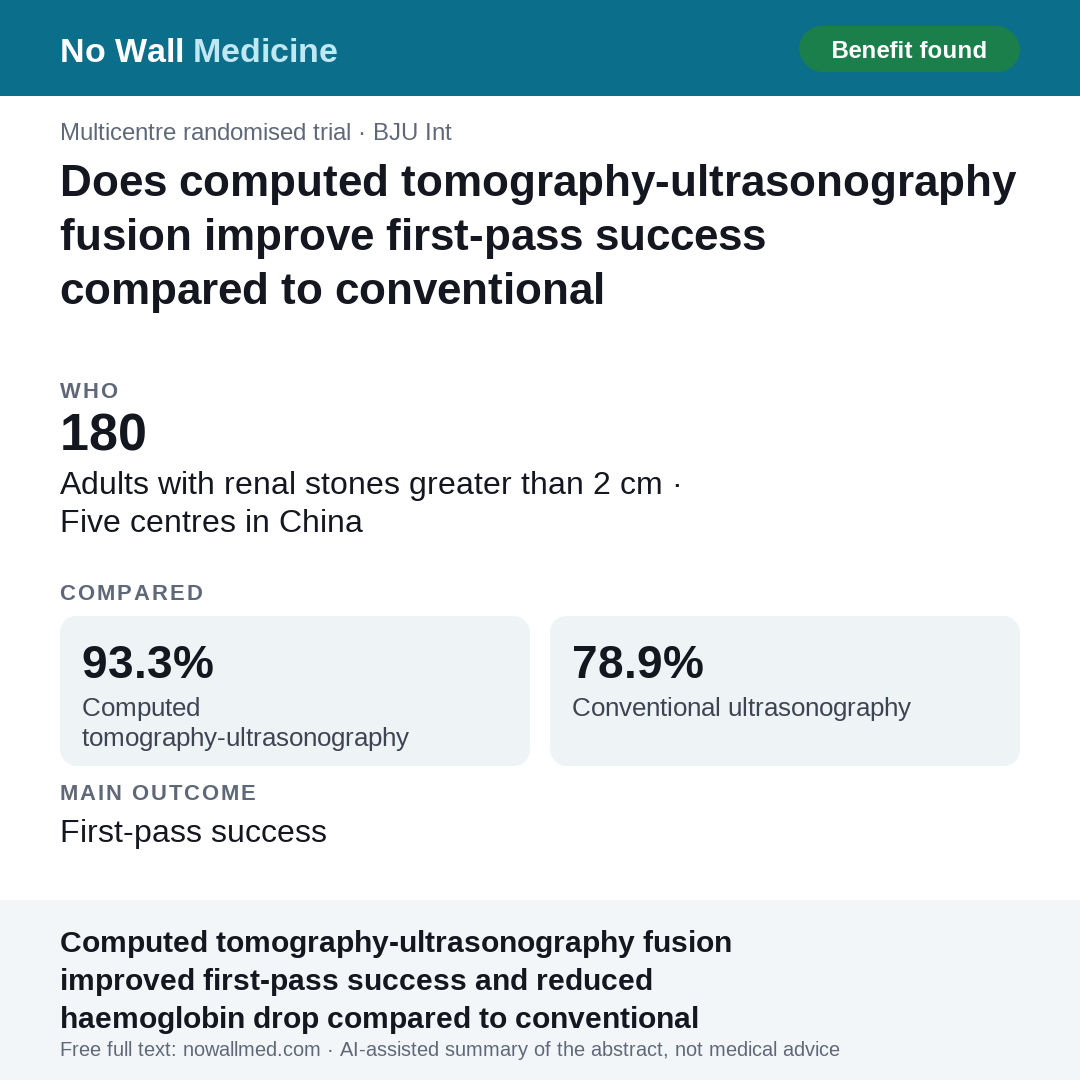
Computed tomography-ultrasonography (US) fusion for percutaneous nephrolithotomy access versus conventional US: A multicentre randomised trial
Multicentre randomised trialBenefit found
Does computed tomography-ultrasonography fusion improve first-pass success compared to conventional ultrasonography?
Who
180
Adults with renal stones greater than 2 cm · Five centres in China
Compared
93.3%Computed tomography-ultrasonography fusion
78.9%Conventional ultrasonography
Main outcome
First-pass success
Result: risk ratio 1.18 (95% CI 1.05-1.33)
Bottom line: Computed tomography-ultrasonography fusion improved first-pass success and reduced haemoglobin drop compared to conventional ultrasonography guidance.
BJU Int · 2026-05-22Download image
Estimated efficacy of the adjuvanted RSVPreF3 vaccine against diverse and worldwide predominant RSV strains, irrespective of RSV F protein variation: results of a post-hoc analysis from the AReSVi-006 trial
Post-hoc analysis of a phase 3 efficacy trialBenefit found
What is the efficacy of adjuvanted RSVPreF3 vaccine against diverse worldwide RSV strains?
Who
Adults aged 60 years or older · Not specified
Compared
Vaccinated
Placebo
Main outcome
Respiratory syncytial virus lower respiratory tract disease and acute respiratory illnesses
Bottom line: Adjuvanted RSVPreF3 vaccine efficacy is maintained across a broad set of globally circulating respiratory syncytial virus strains.
Funded by: GSK
eBioMedicine · 2026-05-22Download image

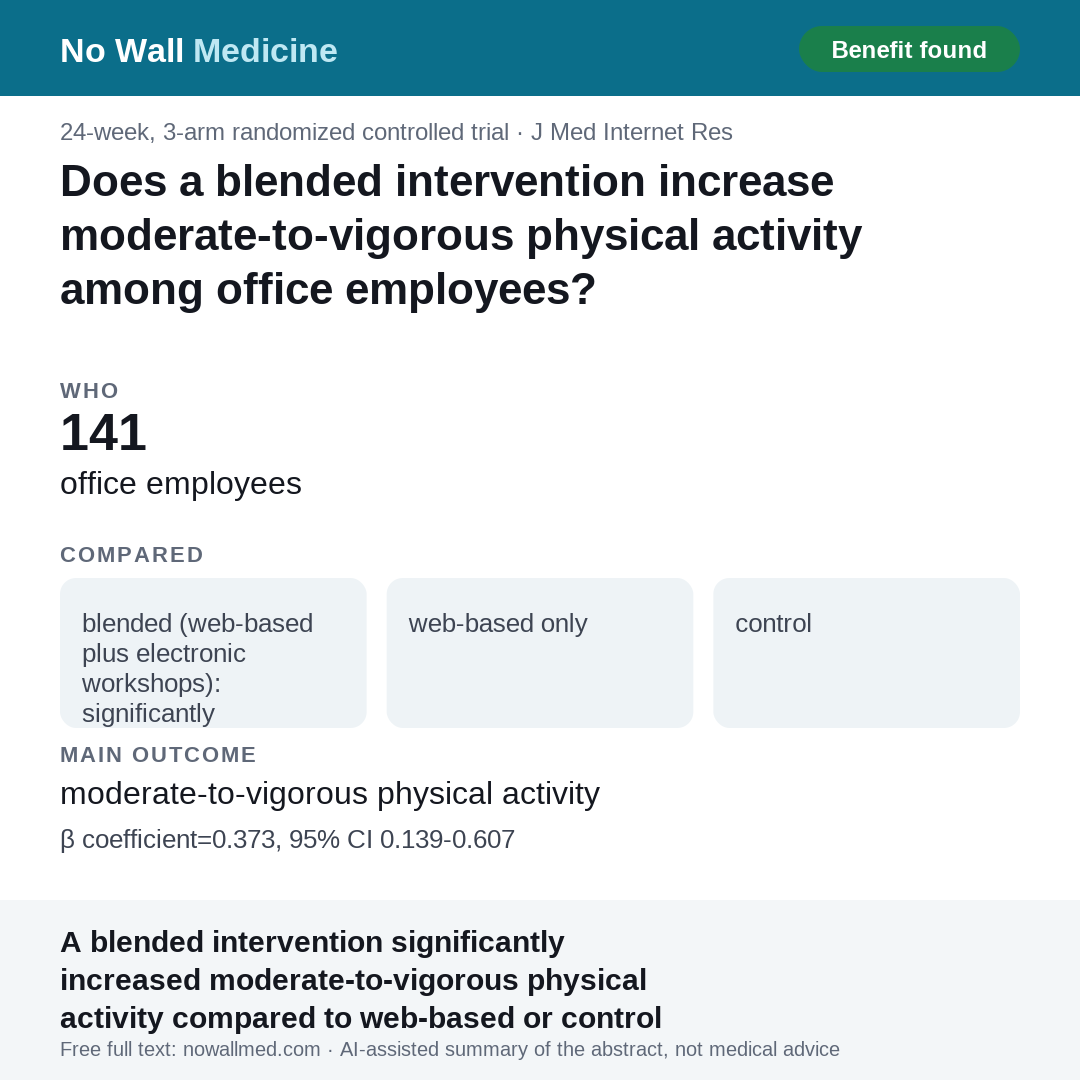
Effectiveness of a Blended Intervention to Promote Physical Activity Among Office Employees: Randomized Controlled Trial
24-week, 3-arm randomized controlled trialBenefit found
Does a blended intervention increase moderate-to-vigorous physical activity among office employees?
Who
141
office employees
Compared
blended (web-based plus electronic workshops): significantly greater MVPA increases
web-based only
control
Main outcome
moderate-to-vigorous physical activity
Result: β coefficient=0.373, 95% CI 0.139-0.607
Bottom line: A blended intervention significantly increased moderate-to-vigorous physical activity compared to web-based or control groups at 12 and 24 weeks.
J Med Internet Res · 2026-05-22Download image
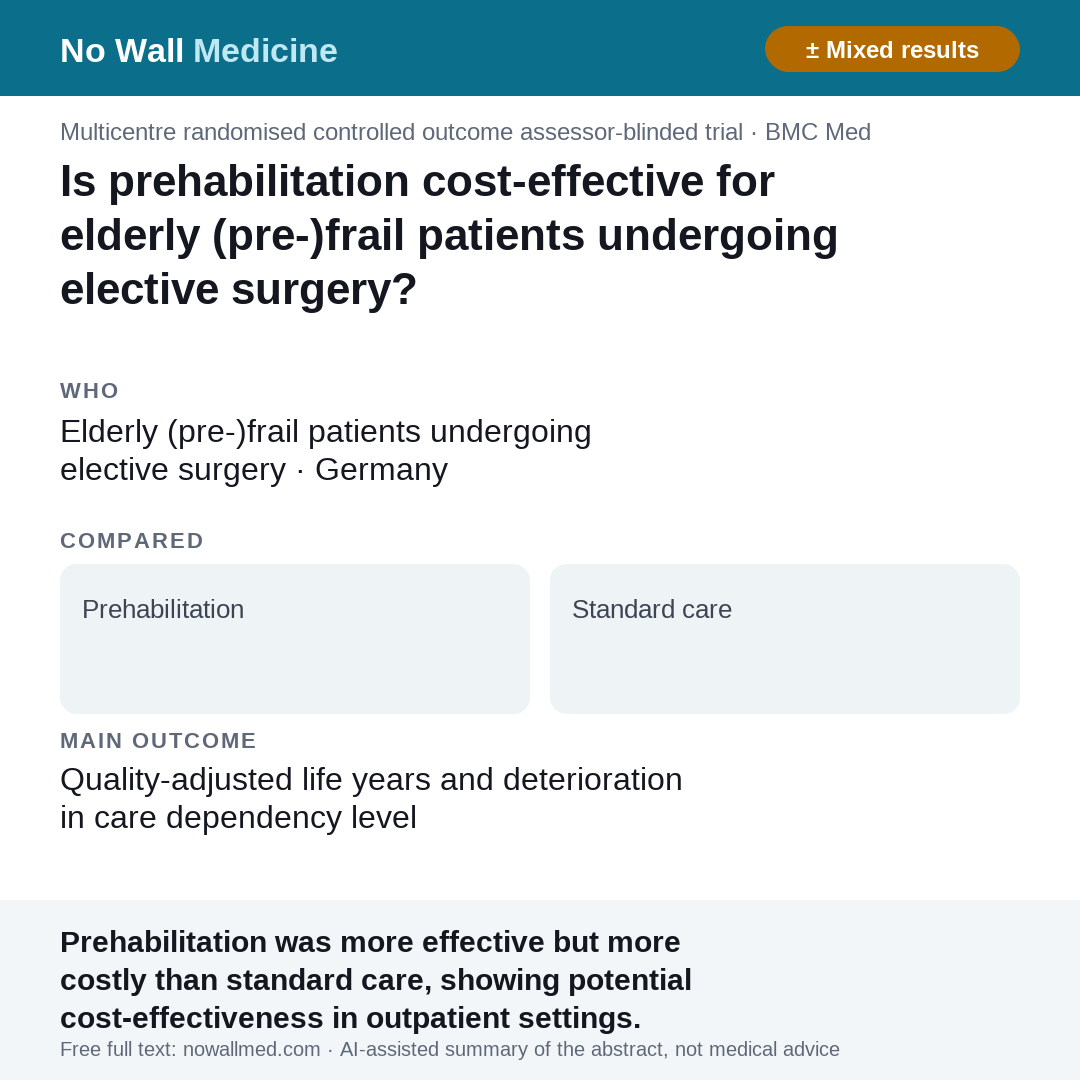
Cost-effectiveness of prehabilitation for elderly (pre-)frail patients prior to elective surgery compared to standard care - an economic evaluation from a societal perspective
Multicentre randomised controlled outcome assessor-blinded trialMixed results
Is prehabilitation cost-effective for elderly (pre-)frail patients undergoing elective surgery?
Who
Elderly (pre-)frail patients undergoing elective surgery · Germany
Compared
Prehabilitation
Standard care
Main outcome
Quality-adjusted life years and deterioration in care dependency level
Result: ICER 45,547 EUR per QALY gained
Bottom line: Prehabilitation was more effective but more costly than standard care, showing potential cost-effectiveness in outpatient settings.
BMC Med · 2026-05-21Download image
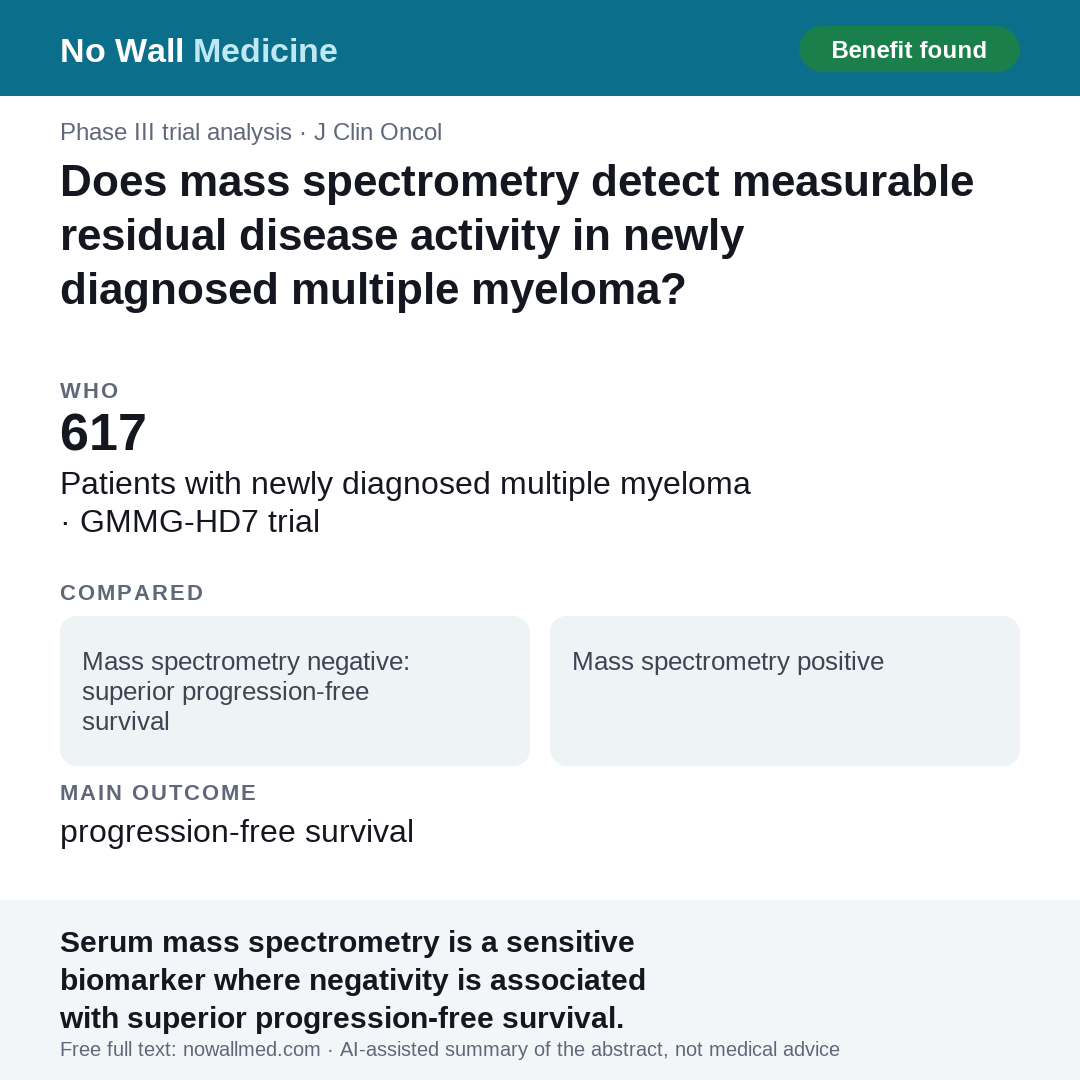
Peripheral Measurable Residual Disease Activity Assessment by MALDI-TOF Mass Spectrometry in Patients With Newly Diagnosed Multiple Myeloma in the Phase III GMMG-HD7 Trial
Phase III trial analysisBenefit found
Does mass spectrometry detect measurable residual disease activity in newly diagnosed multiple myeloma?
Who
617
Patients with newly diagnosed multiple myeloma · GMMG-HD7 trial
Compared
Mass spectrometry negative: superior progression-free survival
Mass spectrometry positive
Main outcome
progression-free survival
Result: hazard ratio 0.25 (95% CI 0.15 to 0.43)
Bottom line: Serum mass spectrometry is a sensitive biomarker where negativity is associated with superior progression-free survival.
J Clin Oncol · 2026-05-21Download image
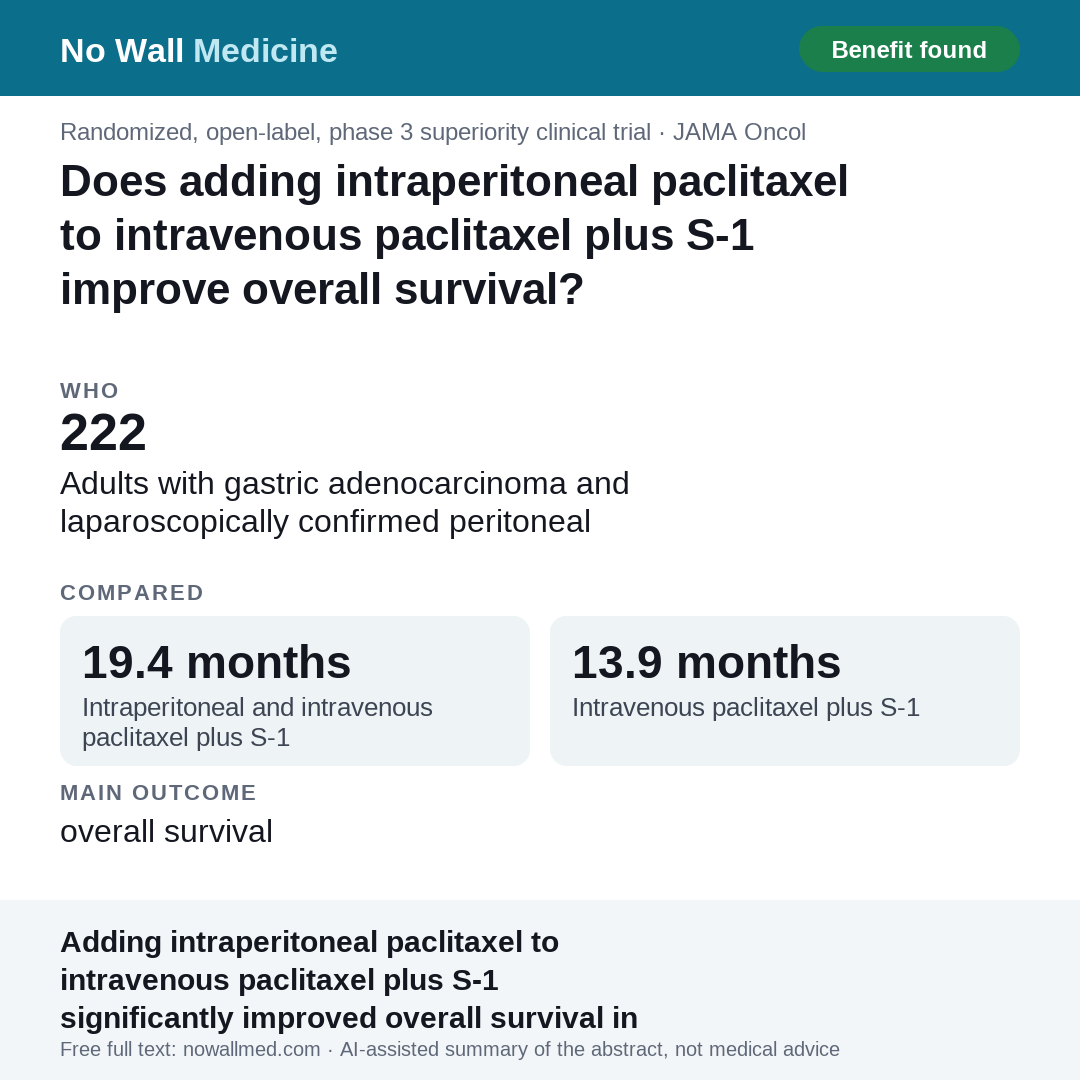
Intraperitoneal and Intravenous Paclitaxel Plus S-1 for Gastric Cancer With Peritoneal Metastasis: A Phase 3 Randomized Clinical Trial
Randomized, open-label, phase 3 superiority clinical trialBenefit found
Does adding intraperitoneal paclitaxel to intravenous paclitaxel plus S-1 improve overall survival?
Who
222
Adults with gastric adenocarcinoma and laparoscopically confirmed peritoneal metastasis · 9 hospitals in China
Compared
19.4 monthsIntraperitoneal and intravenous paclitaxel plus S-1 (95% CI, 17.1-22.9)
13.9 monthsIntravenous paclitaxel plus S-1 (95% CI, 10.3-16.1)
Main outcome
overall survival
Result: hazard ratio 0.67 (95% CI 0.50-0.90)
Bottom line: Adding intraperitoneal paclitaxel to intravenous paclitaxel plus S-1 significantly improved overall survival in gastric cancer with peritoneal metastasis.
JAMA Oncol · 2026-05-21Download image
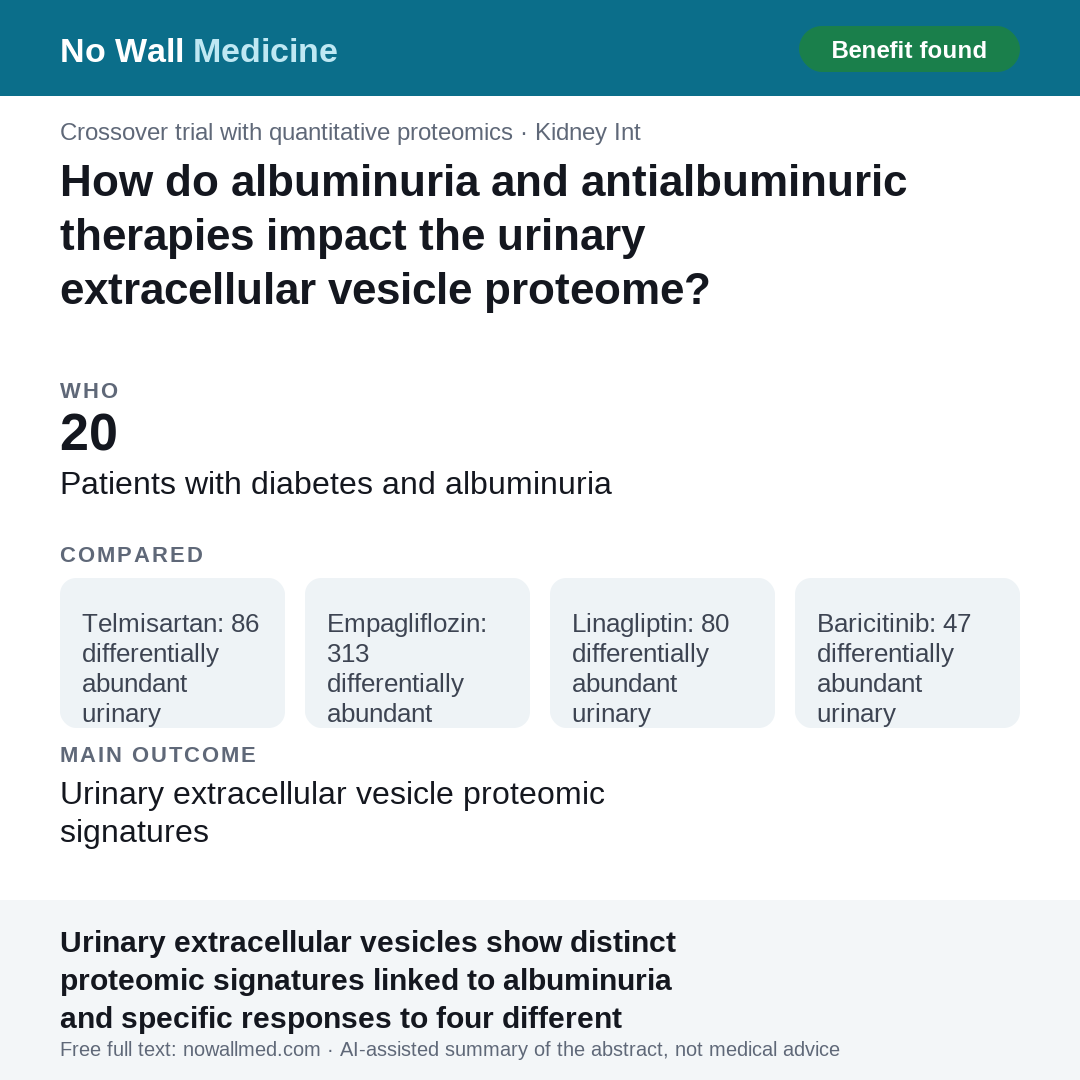
Distinct proteomic signatures of urinary extracellular vesicles link to albuminuria and treatment responses in diabetic kidney disease
Crossover trial with quantitative proteomicsBenefit found
How do albuminuria and antialbuminuric therapies impact the urinary extracellular vesicle proteome?
Who
20
Patients with diabetes and albuminuria
Compared
Telmisartan: 86 differentially abundant urinary extracellular vesicle proteins
Empagliflozin: 313 differentially abundant urinary extracellular vesicle proteins
Linagliptin: 80 differentially abundant urinary extracellular vesicle proteins
Baricitinib: 47 differentially abundant urinary extracellular vesicle proteins
Main outcome
Urinary extracellular vesicle proteomic signatures
Bottom line: Urinary extracellular vesicles show distinct proteomic signatures linked to albuminuria and specific responses to four different treatments.
Kidney Int · 2026-05-21Download image