Visual abstracts
New randomized trials and meta-analyses from leading journals at a glance: who was studied, what was compared, and what was found. Every paper is free to read in full.
All specialtiesCardiology 2849Oncology 2424Gastroenterology & Hepatology 1096Infectious Disease 1837Neurology 1150Psychiatry & Mental Health 1319Pulmonology 1195Critical Care 790Endocrinology & Diabetes 1461Pediatrics 1688Surgery 1488Orthopedics & Sports Medicine 517Neurosurgery 346Cardiothoracic & Vascular Surgery 320Plastic & Reconstructive Surgery 414Nephrology 597Rheumatology 433Hematology 624Dermatology 339Ophthalmology 321Obstetrics & Gynecology 940Public & Global Health 530Radiology & Imaging 403Anesthesiology 579Urology 479ENT (Otolaryngology) 327Emergency Medicine 317Allergy & Immunology 180Geriatrics 609Family Medicine & Primary Care 326Medical Genetics & Genomics 332Pathology & Laboratory Medicine 97Physical Medicine & Rehabilitation 454Palliative Care 250Nutrition 786Digital Health & AI 1353General Medicine 204
The general public's perceptions of advance care planning (ACP) in the Asia-Pacific region: a systematic review
Systematic reviewMixed results
What are the general public's perceptions of advance care planning in the Asia-Pacific region?
Who
14
General adult public in the Asia-Pacific region · Asia-Pacific region
Compared
General public awareness: relatively low
Advance directive completion: minimal
Main outcome
Awareness, attitudes, experiences, and expectations of advance care planning
Bottom line: Awareness of advance care planning is low despite the public believing it is necessary and important.
BMC Palliat Care · 2026-04-23Download image

Duration of anti-seizure medicines started for acute symptomatic seizures due to acute meningitis: a systematic review and meta-analysis
Systematic review and meta-analysisUnclear result
What is the optimal duration of anti-seizure medicines after acute symptomatic seizures from meningitis?
Who
People with meningitis experiencing acute symptomatic seizures
Compared
Cessation within 3 months
Cessation beyond 3 months
Main outcome
Seizure recurrence
Result: risk ratio 1.14 (95% CI, 0.26-5.01)
Bottom line: Evidence is inconclusive regarding whether early or late anti-seizure medicine cessation reduces seizure recurrence.
BMC Med · 2026-04-22Download image

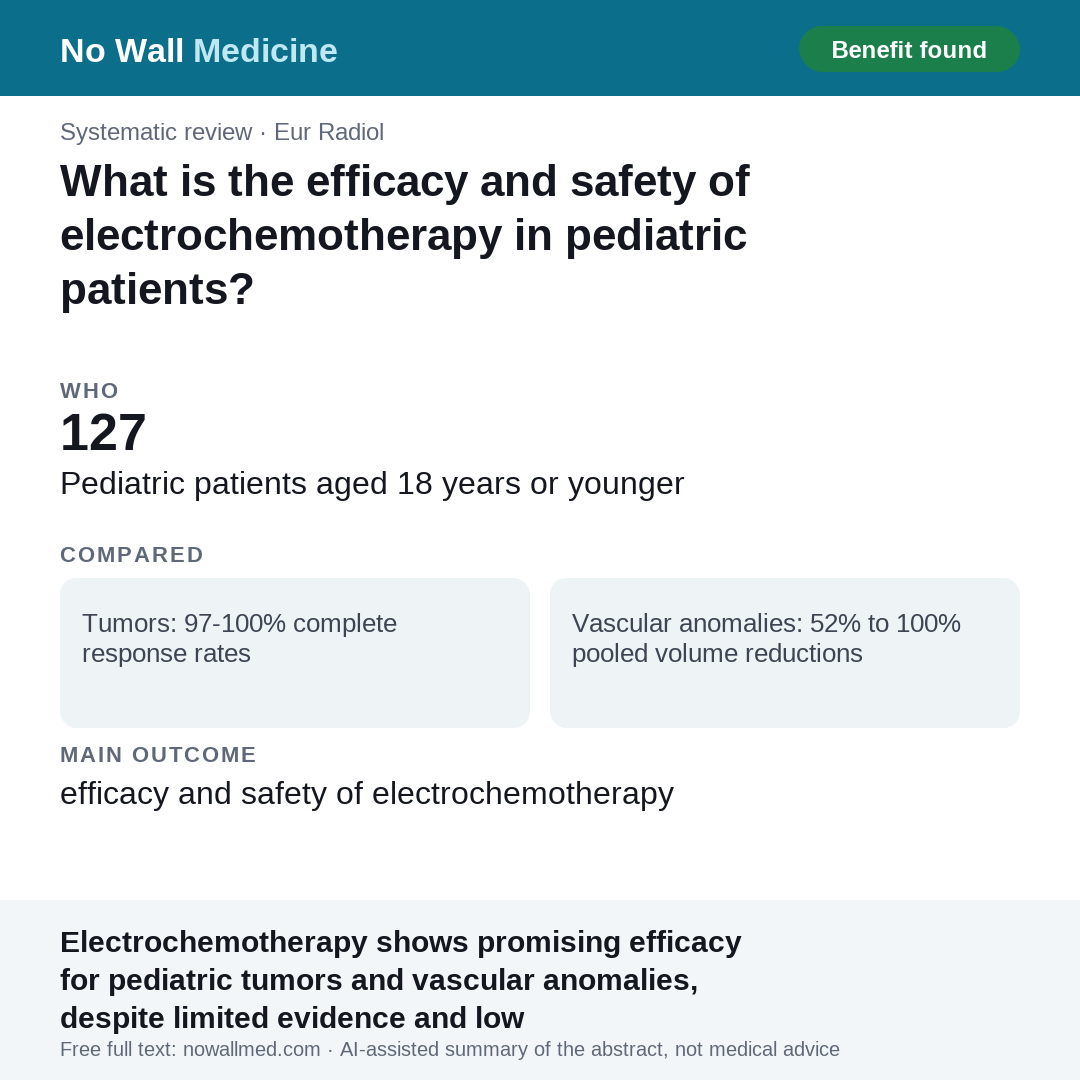
Electrochemotherapy in pediatrics: a systematic review
Systematic reviewBenefit found
What is the efficacy and safety of electrochemotherapy in pediatric patients?
Who
127
Pediatric patients aged 18 years or younger
Compared
Tumors: 97-100% complete response rates
Vascular anomalies: 52% to 100% pooled volume reductions
Main outcome
efficacy and safety of electrochemotherapy
Bottom line: Electrochemotherapy shows promising efficacy for pediatric tumors and vascular anomalies, despite limited evidence and low methodological quality.
Limitation: Low methodological quality, small sample sizes, and inconsistent reporting of multiple parameters.
Eur Radiol · 2026-04-22Download image
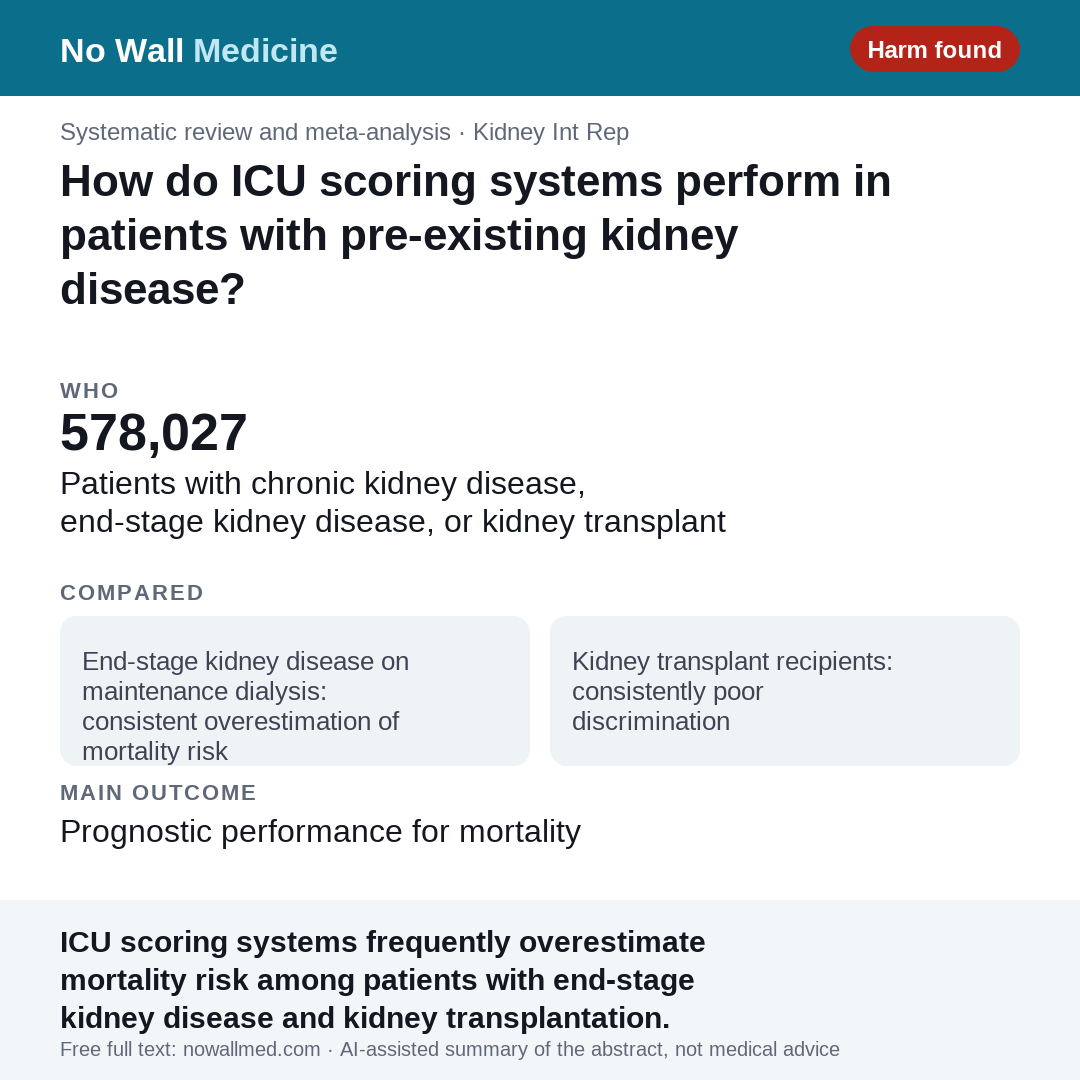
Systematic Review and Meta-Analysis of Intensive Care Unit Scoring Systems' Performance in Patients with Pre-Existing Kidney Disease
Systematic review and meta-analysisHarm found
How do ICU scoring systems perform in patients with pre-existing kidney disease?
Who
578,027
Patients with chronic kidney disease, end-stage kidney disease, or kidney transplant recipients
Compared
End-stage kidney disease on maintenance dialysis: consistent overestimation of mortality risk
Kidney transplant recipients: consistently poor discrimination
Main outcome
Prognostic performance for mortality
Bottom line: ICU scoring systems frequently overestimate mortality risk among patients with end-stage kidney disease and kidney transplantation.
Limitation: Data on patients with nondialysis chronic kidney disease were very limited.
Kidney Int Rep · 2026-04-22Download image
Ascorbic acid as an adjunct therapy for anemia in erythropoietin-treated hemodialysis patients: a systematic review and meta-analysis
Systematic review and meta-analysis of 14 studiesBenefit found
Does ascorbic acid improve hematologic and iron parameters in anemic hemodialysis patients?
Who
Adult anemic patients undergoing maintenance hemodialysis
Compared
Ascorbic acid
Control
Main outcome
Hemoglobin, ferritin, serum iron, transferrin saturation and total iron-binding capacity
Result: mean difference 0.94 g/dL (95% CI 0.57 to 1.31) for hemoglobin
Bottom line: Ascorbic acid supplementation may modestly improve hemoglobin, transferrin saturation, and reduce weight-adjusted erythropoietin requirements in hemodialysis patients.
Limitation: The certainty of evidence is low and long-term safety is unestablished.
Clin Kidney J · 2026-04-22Download image

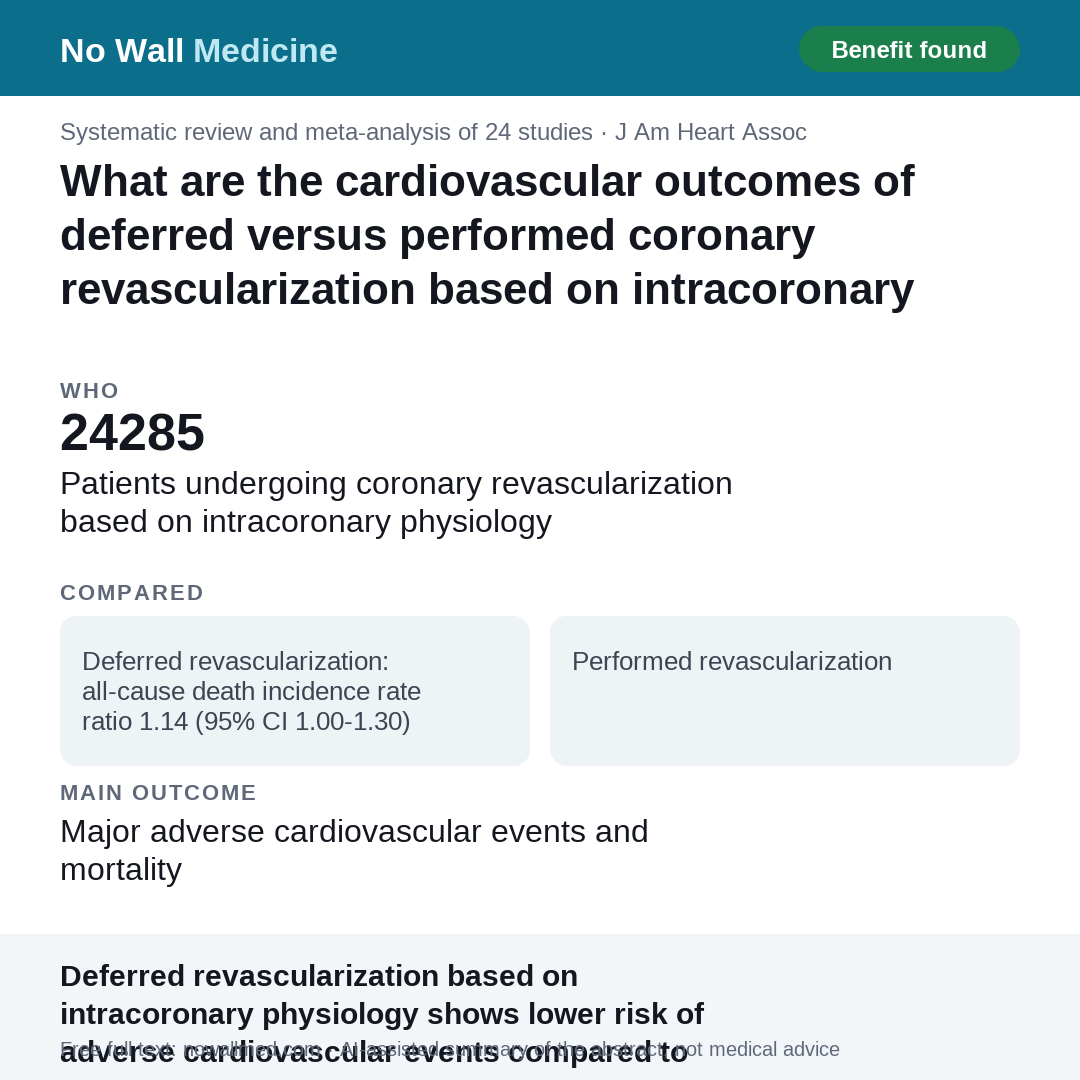
Cardiovascular Outcomes in Patients With Deferred and Performed Coronary Revascularization Based on Intracoronary Physiology: A Systematic Review and Meta-Analysis
Systematic review and meta-analysis of 24 studiesBenefit found
What are the cardiovascular outcomes of deferred versus performed coronary revascularization based on intracoronary physiology?
Who
24285
Patients undergoing coronary revascularization based on intracoronary physiology
Compared
Deferred revascularization: all-cause death incidence rate ratio 1.14 (95% CI 1.00-1.30)
Performed revascularization
Main outcome
Major adverse cardiovascular events and mortality
Result: incidence rate ratio 1.15 (95% CI 0.99-1.34) for major adverse cardiovascular events
Bottom line: Deferred revascularization based on intracoronary physiology shows lower risk of adverse cardiovascular events compared to performed revascularization.
J Am Heart Assoc · 2026-04-22Download image
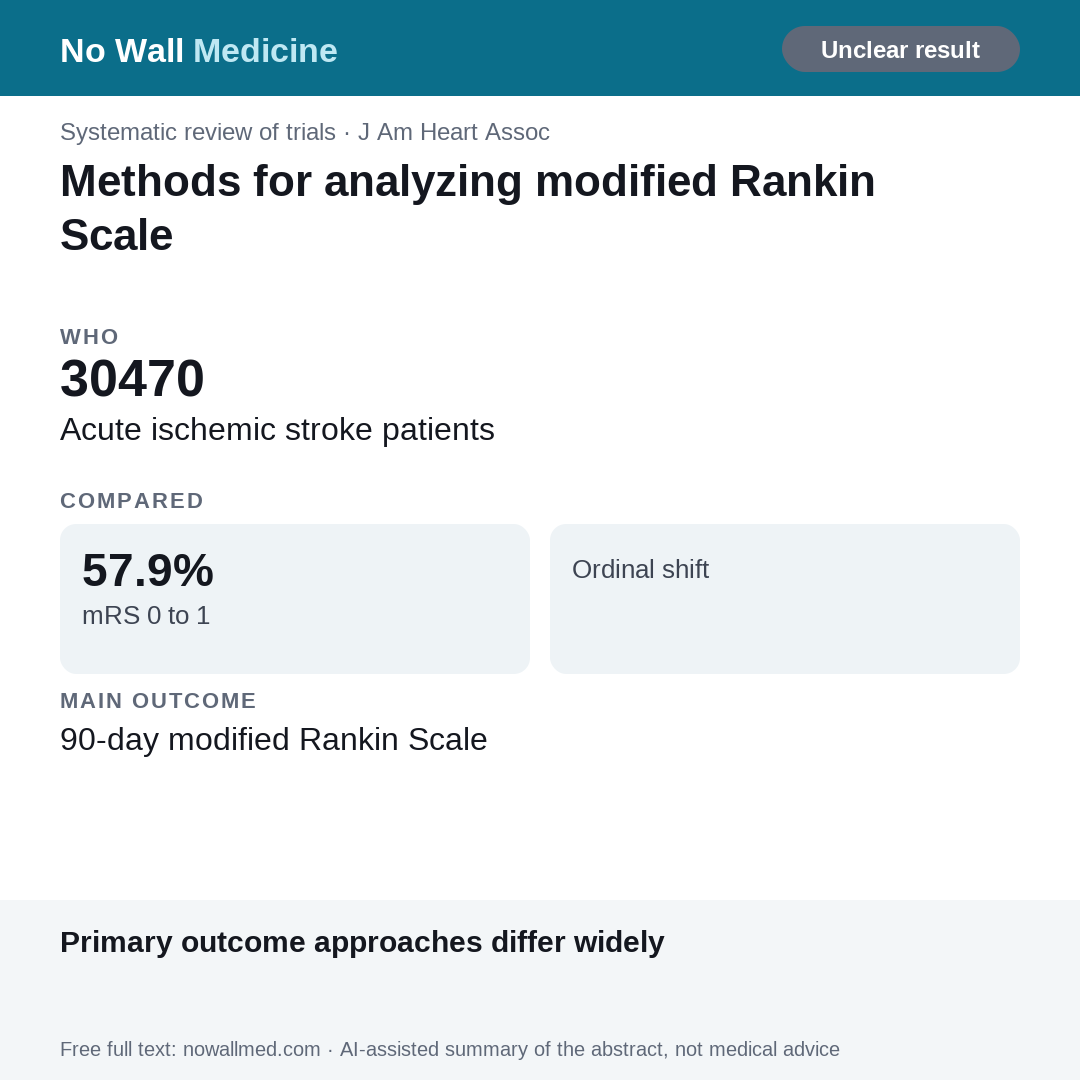
Methods for Analyzing the Modified Rankin Scale in Stroke Thrombolysis Trials: A Systematic Review and Methodological Framework
Systematic review of trialsUnclear result
Methods for analyzing modified Rankin Scale
Who
30470
Acute ischemic stroke patients
Compared
57.9%mRS 0 to 1
Ordinal shift
Main outcome
90-day modified Rankin Scale
Bottom line: Primary outcome approaches differ widely
J Am Heart Assoc · 2026-04-22Download image
Reconstructive Techniques and Outcomes for Large (≥4 cm) Peripheral Nerve Defects: A Meta-analysis
Meta-analysis of 24 trialsNo clear difference
Best technique for large nerve defects
Who
patients with peripheral nerve defects
Compared
various techniques
control
Main outcome
motor or sensory recovery
Bottom line: No technique is superior
Plast Reconstr Surg Glob Open · 2026-04-22Download image

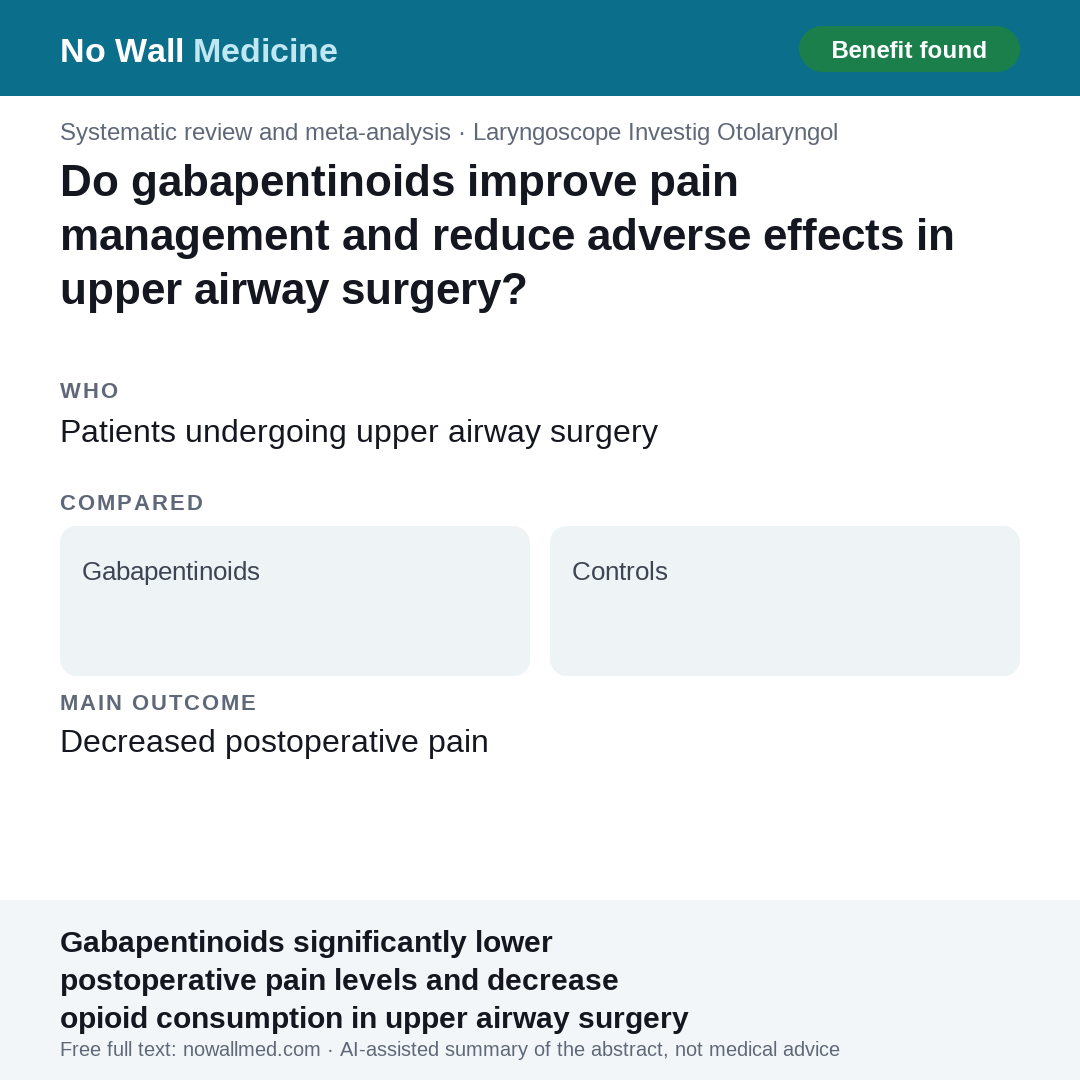
Gabapentinoids for Upper Airway Surgery Pain Management: Systematic Review and Meta-Analysis
Systematic review and meta-analysisBenefit found
Do gabapentinoids improve pain management and reduce adverse effects in upper airway surgery?
Who
Patients undergoing upper airway surgery
Compared
Gabapentinoids
Controls
Main outcome
Decreased postoperative pain
Bottom line: Gabapentinoids significantly lower postoperative pain levels and decrease opioid consumption in upper airway surgery patients.
Limitation: Need for larger cohorts, standardized protocols, and better blinding and objective measurements.
Laryngoscope Investig Otolaryngol · 2026-04-22Download image
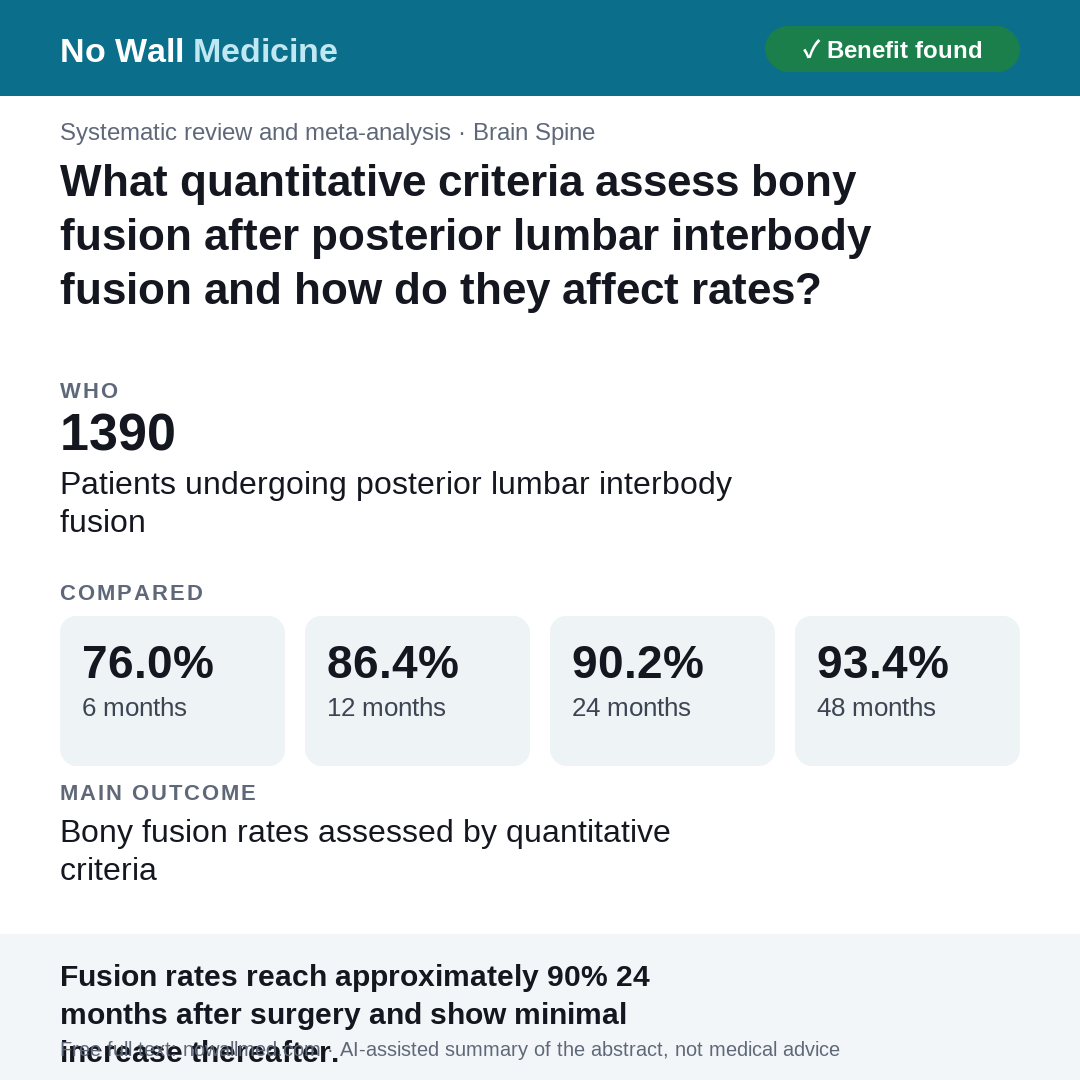
Evaluation of bony fusion after posterior lumbar interbody fusion: a systematic review and meta-analysis
Systematic review and meta-analysisBenefit found
What quantitative criteria assess bony fusion after posterior lumbar interbody fusion and how do they affect rates?
Who
1390
Patients undergoing posterior lumbar interbody fusion
Compared
76.0%6 months
86.4%12 months
90.2%24 months
93.4%48 months
Main outcome
Bony fusion rates assessed by quantitative criteria
Bottom line: Fusion rates reach approximately 90% 24 months after surgery and show minimal increase thereafter.
Brain Spine · 2026-04-22Download image
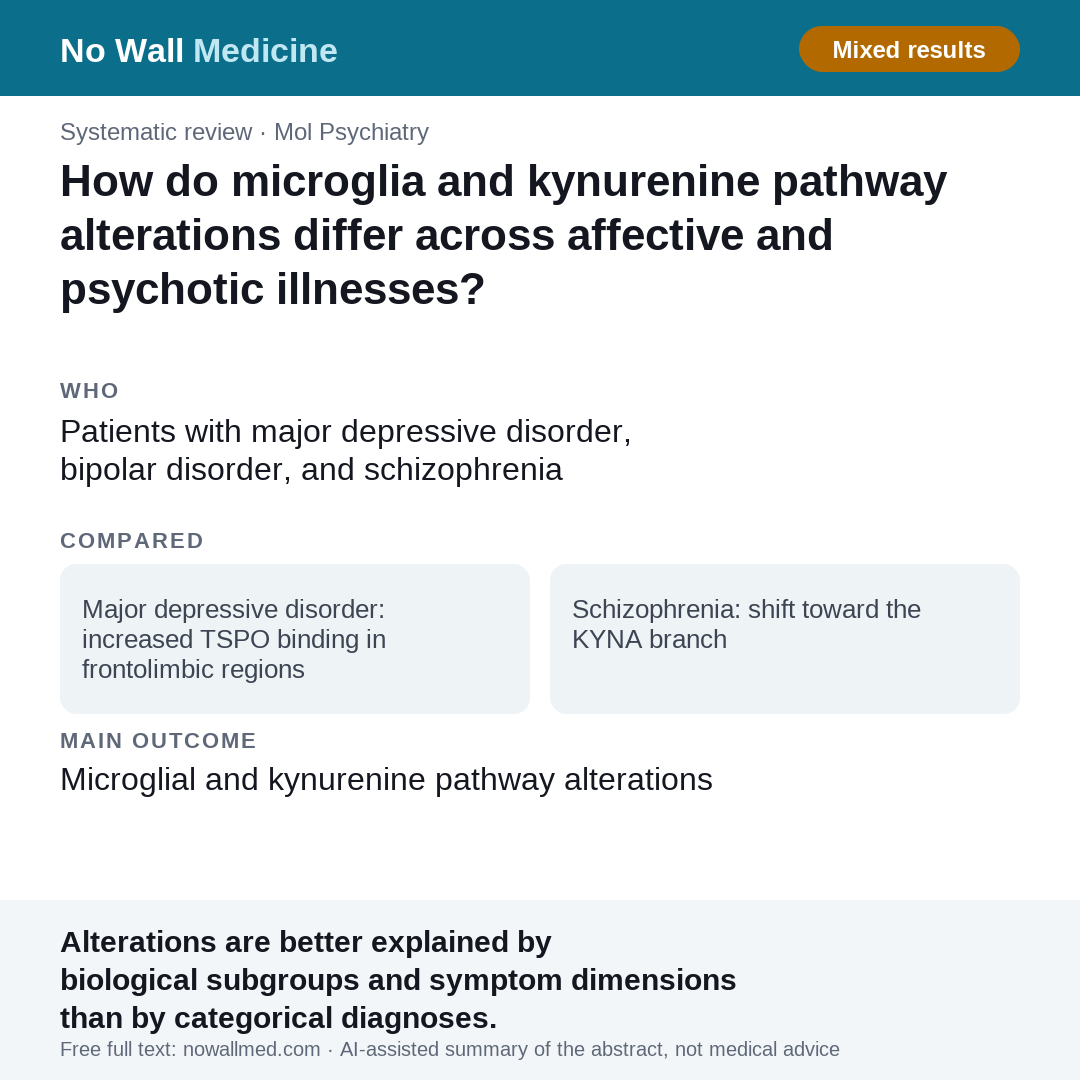
Multimodal microglial and kynurenine pathway alterations across the affective-psychosis spectrum: a systematic review of patterns, heterogeneity, and dimensional implications
Systematic reviewMixed results
How do microglia and kynurenine pathway alterations differ across affective and psychotic illnesses?
Who
Patients with major depressive disorder, bipolar disorder, and schizophrenia
Compared
Major depressive disorder: increased TSPO binding in frontolimbic regions
Schizophrenia: shift toward the KYNA branch
Main outcome
Microglial and kynurenine pathway alterations
Bottom line: Alterations are better explained by biological subgroups and symptom dimensions than by categorical diagnoses.
Limitation: Limited cellular specificity of TSPO-PET and small sample sizes in postmortem studies.
Mol Psychiatry · 2026-04-21Download image
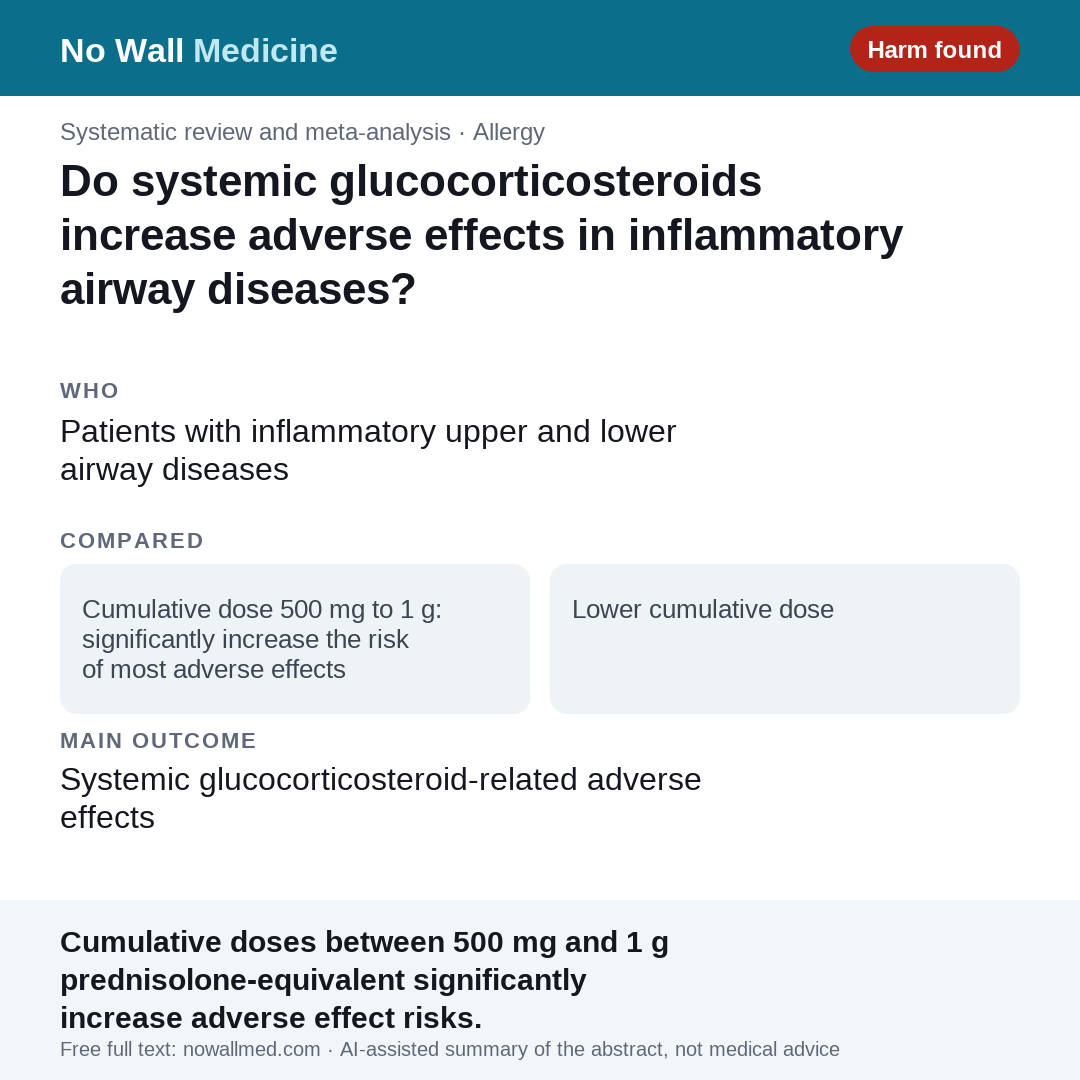
Meta-Analysis on the Harm of Systemic Glucocorticosteroids in Inflammatory Upper Airway Disease and Asthma: An EAACI Task Force
Systematic review and meta-analysisHarm found
Do systemic glucocorticosteroids increase adverse effects in inflammatory airway diseases?
Who
Patients with inflammatory upper and lower airway diseases
Compared
Cumulative dose 500 mg to 1 g: significantly increase the risk of most adverse effects
Lower cumulative dose
Main outcome
Systemic glucocorticosteroid-related adverse effects
Bottom line: Cumulative doses between 500 mg and 1 g prednisolone-equivalent significantly increase adverse effect risks.
Allergy · 2026-04-21Download image
Responsiveness and reliability of MRI in knee osteoarthritis: An updated meta-analysis
Meta-analysis of 145 studiesBenefit found
How reliable and responsive is magnetic resonance imaging for assessing knee osteoarthritis structural changes?
Who
Patients with knee osteoarthritis
Compared
2.7%Total cartilage volume reliability (95% CI: 1.9-3.8%)
3.0%Total cartilage thickness reliability (95% CI: 2.1-4.2%)
1.5%Total cartilage surface area reliability (95% CI: 0.9-2.7%)
Medial tibiofemoral cartilage thickness responsiveness: SRM=-0.350, 95% CI: -0.405 to -0.294
Main outcome
Reliability and responsiveness of magnetic resonance imaging for structural changes
Bottom line: Magnetic resonance imaging is highly reliable and responsive for monitoring structural changes in knee osteoarthritis.
Osteoarthritis Cartilage · 2026-04-21Download image

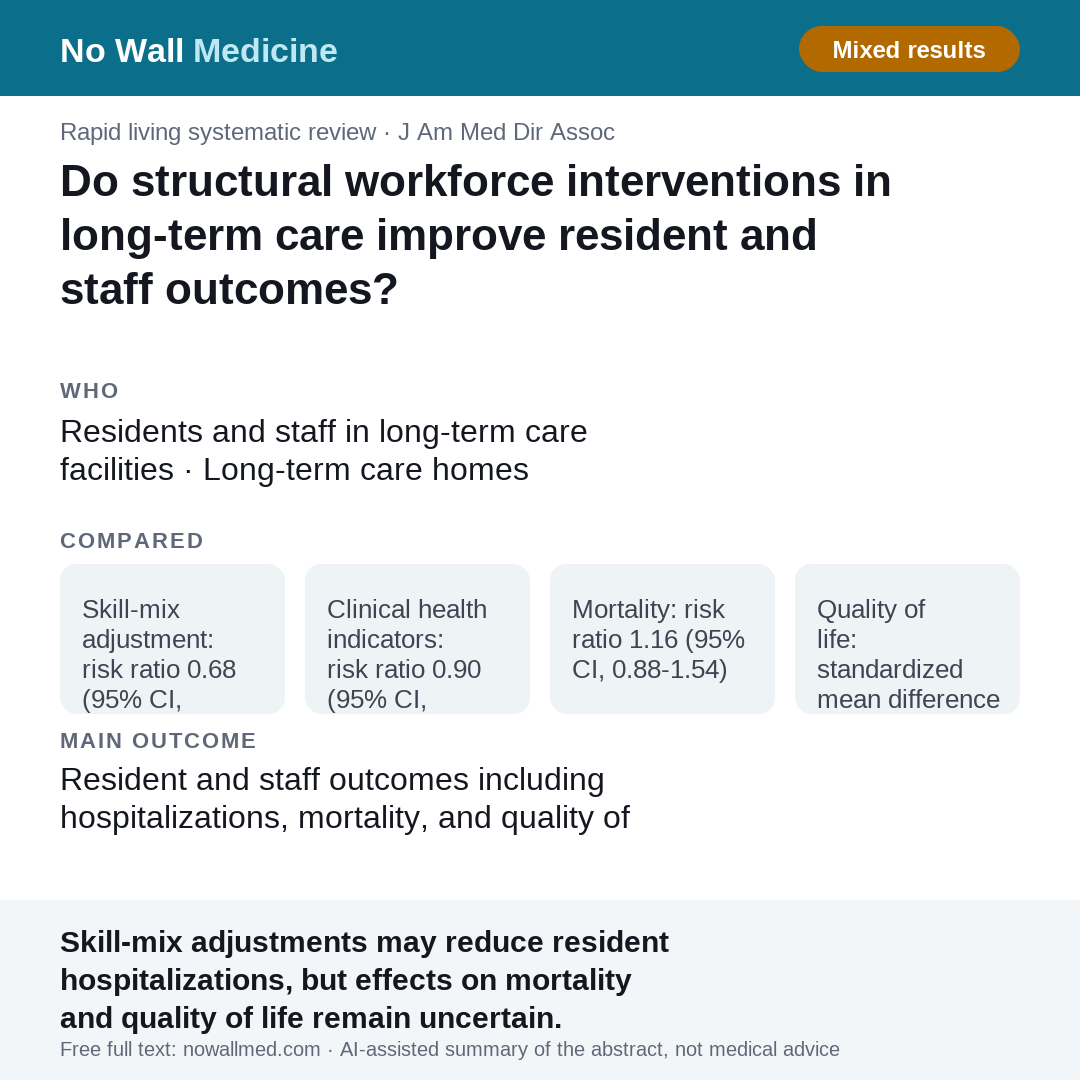
Effects of Structural Workforce Interventions on Resident and Staff Outcomes in Long-Term Care Facilities: A Rapid Living Systematic Review
Rapid living systematic reviewMixed results
Do structural workforce interventions in long-term care improve resident and staff outcomes?
Who
Residents and staff in long-term care facilities · Long-term care homes
Compared
Skill-mix adjustment: risk ratio 0.68 (95% CI, 0.51-0.91)
Clinical health indicators: risk ratio 0.90 (95% CI, 0.72-1.13)
Mortality: risk ratio 1.16 (95% CI, 0.88-1.54)
Quality of life: standardized mean difference -0.10 (95% CI, -0.22 to 0.03)
Main outcome
Resident and staff outcomes including hospitalizations, mortality, and quality of life
Result: risk ratio 0.68 (95% CI, 0.51-0.91) for hospitalizations
Bottom line: Skill-mix adjustments may reduce resident hospitalizations, but effects on mortality and quality of life remain uncertain.
Limitation: High risk of bias from deviations from intended interventions and selective outcome reporting.
J Am Med Dir Assoc · 2026-04-21Download image
Return on investment of community health workers in the United States: a systematic review
Systematic reviewBenefit found
What is the return on investment of community health worker programmes in the United States?
Who
2155
Forty-one distinct community health worker programmes across 23 states · United States
Compared
Community health worker programmes: median annual savings of $403,298
Investment cost: median inflation-adjusted annual programme cost was $155,275
Main outcome
Return on investment
Result: median ROI was $2.12 (interquartile range: 1.64-4.03) per dollar invested
Bottom line: Community health worker programmes in the United States demonstrate consistent, favourable financial returns.
Limitation: Most return on investment analyses used simple cost analysis rather than complex modelling.
Funded by: Centers for Disease Control and Prevention
Lancet Reg Health Am · 2026-04-21Download image

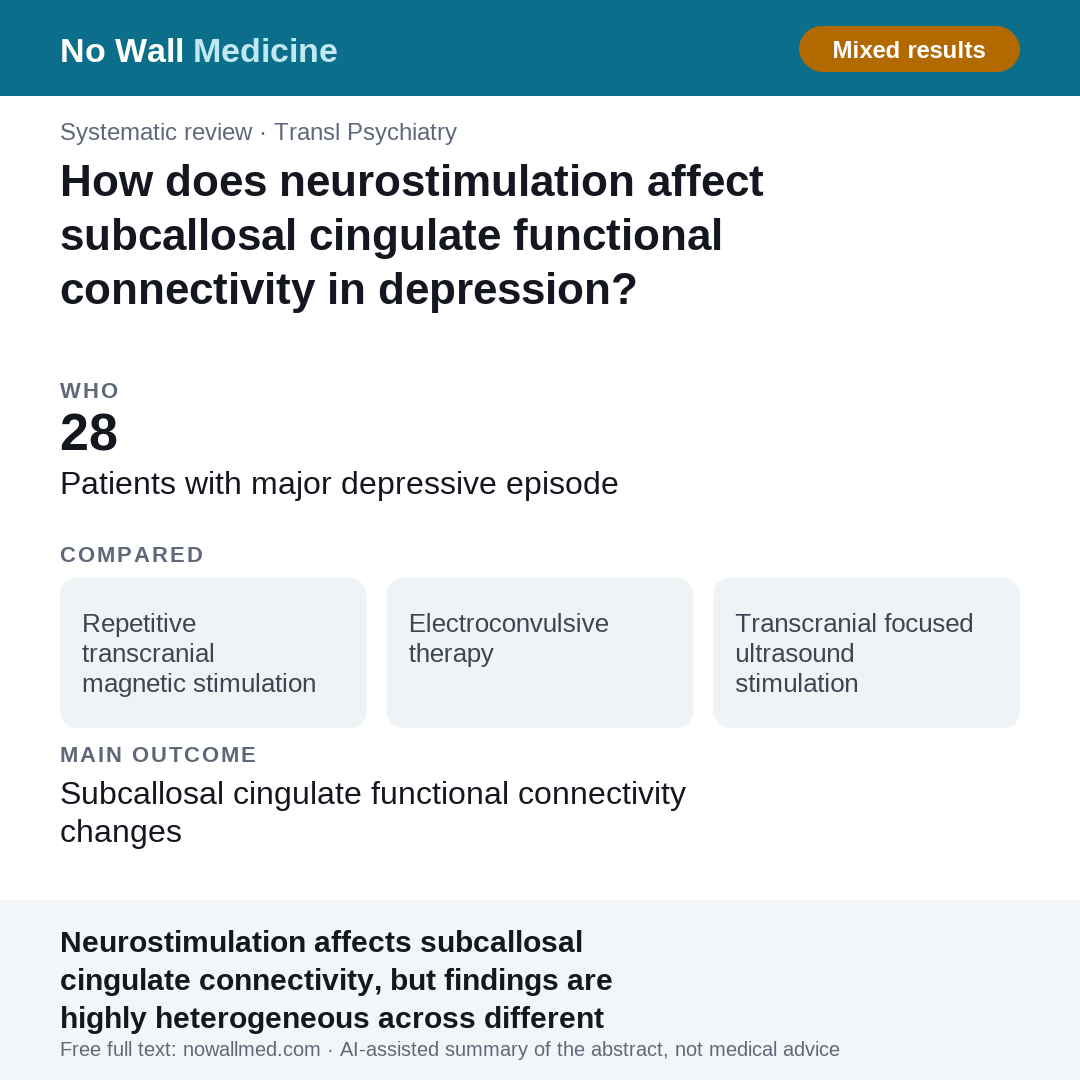
Subcallosal cingulate functional connectivity in depression: a systematic review of brain stimulation-induced changes and pretreatment connectivity predictors
Systematic reviewMixed results
How does neurostimulation affect subcallosal cingulate functional connectivity in depression?
Who
28
Patients with major depressive episode
Compared
Repetitive transcranial magnetic stimulation
Electroconvulsive therapy
Transcranial focused ultrasound stimulation
Main outcome
Subcallosal cingulate functional connectivity changes
Bottom line: Neurostimulation affects subcallosal cingulate connectivity, but findings are highly heterogeneous across different stimulation modalities.
Transl Psychiatry · 2026-04-21Download image
Craniofacial Fracture and Secretome: A Systematic Review
Systematic reviewBenefit found
Does secretome therapy enhance craniofacial bone regeneration in animal and human models?
Who
Human and animal models (dogs, rabbits, and rats)
Compared
Secretome therapy: expedited bone healing
Control
Main outcome
Craniofacial bone regeneration and healing
Bottom line: Secretome therapy enhances craniofacial bone healing by promoting key cytokines and facilitating repair.
Limitation: Further research with larger sample sizes and reduced risk of bias is needed.
Plast Reconstr Surg Glob Open · 2026-04-21Download image

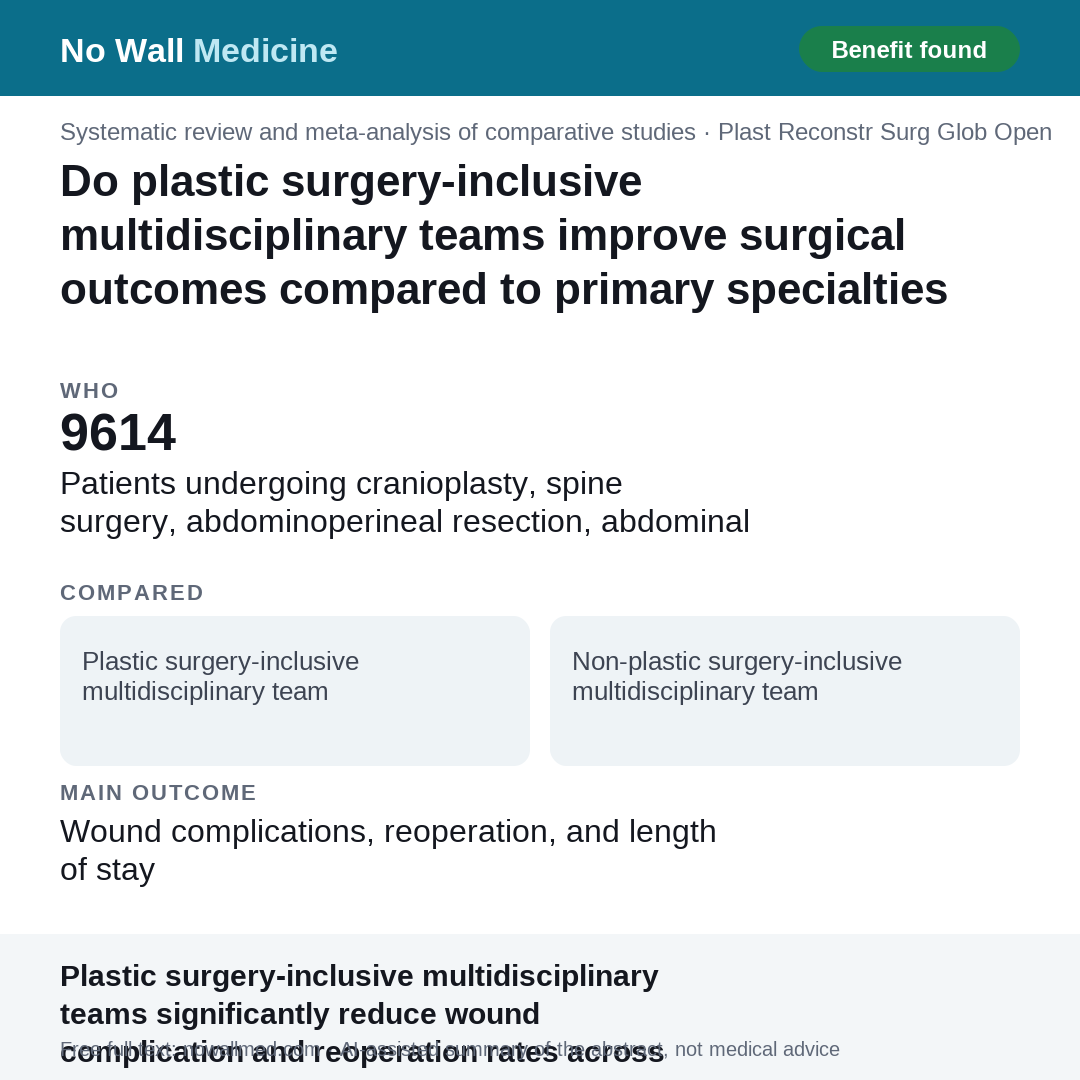
The Importance of Plastic Surgery in Multidisciplinary Teams: A Systematic Review and Meta-analysis of Comparative Studies
Systematic review and meta-analysis of comparative studiesBenefit found
Do plastic surgery-inclusive multidisciplinary teams improve surgical outcomes compared to primary specialties alone?
Who
9614
Patients undergoing cranioplasty, spine surgery, abdominoperineal resection, abdominal wall reconstruction, and extremity reconstruction
Compared
Plastic surgery-inclusive multidisciplinary team
Non-plastic surgery-inclusive multidisciplinary team
Main outcome
Wound complications, reoperation, and length of stay
Result: OR 0.65 (95% CI 0.47-0.90) for abdominoperineal resection wound complications
Bottom line: Plastic surgery-inclusive multidisciplinary teams significantly reduce wound complication and reoperation rates across complex surgical procedures.
Plast Reconstr Surg Glob Open · 2026-04-21Download image
Implementation of a kidney protection strategy to prevent acute kidney injury after major surgery in high-risk patients identified by biomarkers: a systematic review and individual participant data meta-analysis of randomized controlled trials
Systematic review and individual participant data meta-analysisBenefit found
Does a kidney protection strategy prevent moderate or severe acute kidney injury after major surgery?
Who
1851
High-risk patients after major surgery identified by renal biomarkers · Two single-center and two multinational-multicenter trials
Compared
Kidney protection strategy: 162/918 participants (17.7%)
Standard care: 252/929 participants (27.1%)
Main outcome
Moderate or severe acute kidney injury within 72 hours
Result: odds ratio 0.55 (95% CI 0.44-0.70)
Bottom line: A kidney protection strategy reduces moderate or severe acute kidney injury in high-risk patients after major surgery.
Limitation: The incremental clinical value of biomarker-guided selection itself remains uncertain.
Intensive Care Med · 2026-04-20Download image

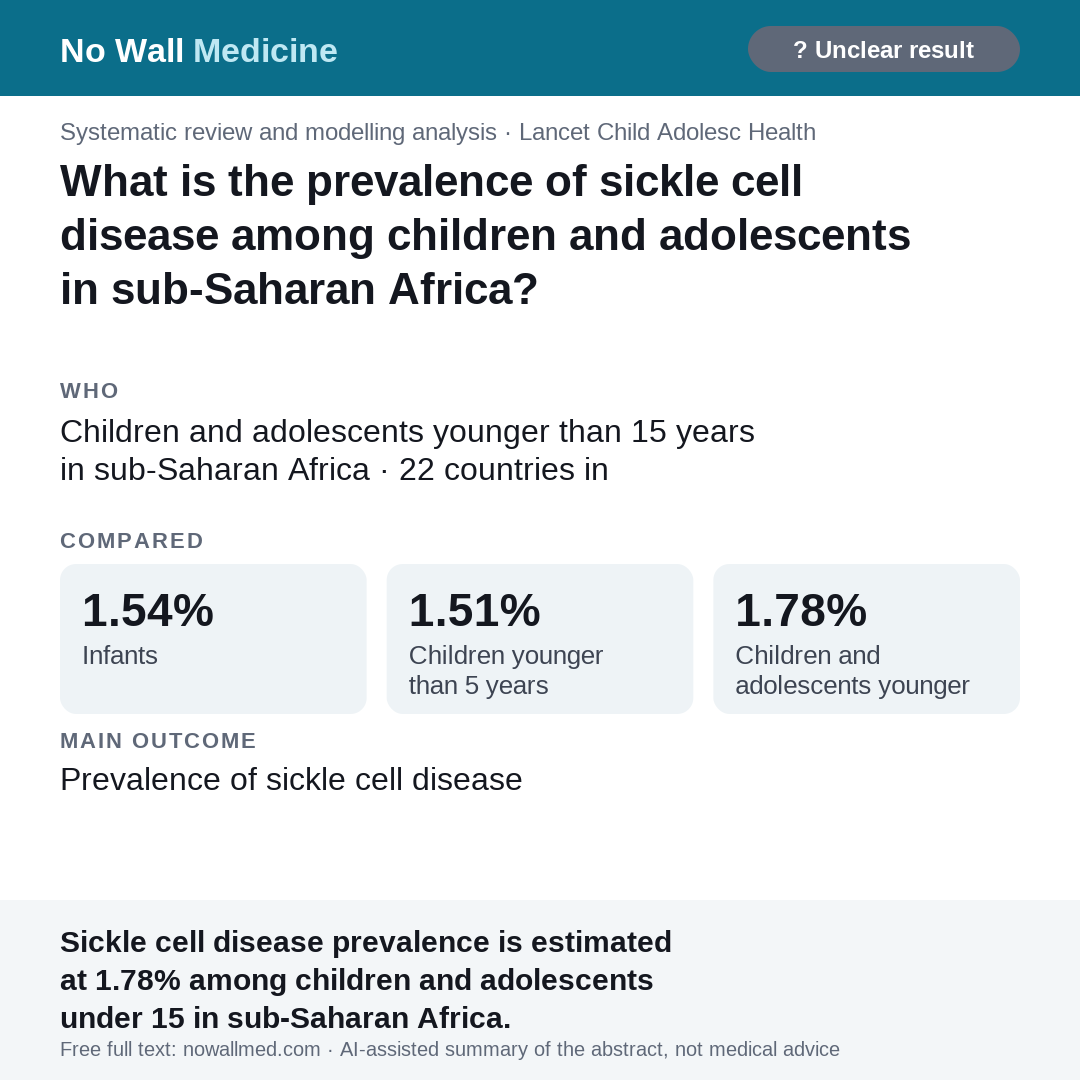
Prevalence estimates of sickle cell disease among children and adolescents in sub-Saharan Africa: a systematic review and modelling analysis
Systematic review and modelling analysisUnclear result
What is the prevalence of sickle cell disease among children and adolescents in sub-Saharan Africa?
Who
Children and adolescents younger than 15 years in sub-Saharan Africa · 22 countries in sub-Saharan Africa
Compared
1.54%Infants (95% CI 0.34-7.49)
1.51%Children younger than 5 years (0.35-6.72)
1.78%Children and adolescents younger than 15 years (0.21-12.09)
Main outcome
Prevalence of sickle cell disease
Bottom line: Sickle cell disease prevalence is estimated at 1.78% among children and adolescents under 15 in sub-Saharan Africa.
Lancet Child Adolesc Health · 2026-04-20Download image