Visual abstracts
New randomized trials and meta-analyses from leading journals at a glance: who was studied, what was compared, and what was found. Every paper is free to read in full.
All specialtiesCardiology 4877Oncology 4138Gastroenterology & Hepatology 1942Infectious Disease 3837Neurology 1905Psychiatry & Mental Health 2273Pulmonology 2143Critical Care 1365Endocrinology & Diabetes 2580Pediatrics 2980Surgery 2559Orthopedics & Sports Medicine 931Neurosurgery 537Cardiothoracic & Vascular Surgery 674Plastic & Reconstructive Surgery 591Nephrology 1133Rheumatology 823Hematology 1109Dermatology 621Ophthalmology 543Obstetrics & Gynecology 1686Public & Global Health 1058Radiology & Imaging 648Anesthesiology 986Urology 764ENT (Otolaryngology) 503Emergency Medicine 511Allergy & Immunology 313Geriatrics 981Family Medicine & Primary Care 562Medical Genetics & Genomics 676Pathology & Laboratory Medicine 159Physical Medicine & Rehabilitation 757Palliative Care 444Nutrition 1588Digital Health & AI 2201General Medicine 321
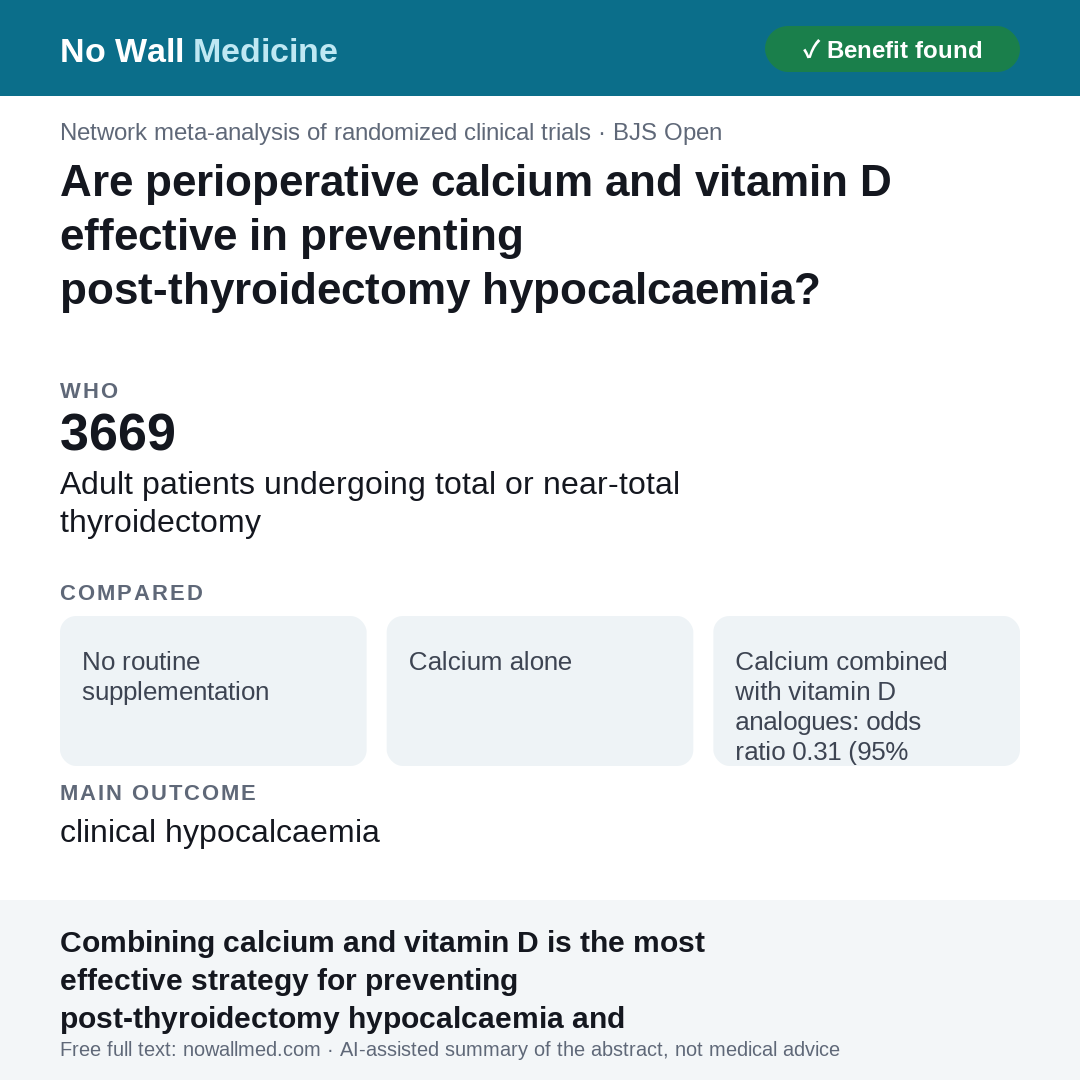
Effectiveness of perioperative calcium and vitamin D supplementation in preventing post-thyroidectomy hypocalcaemia: network meta-analysis of randomized trials
Network meta-analysis of randomized clinical trialsBenefit found
Are perioperative calcium and vitamin D effective in preventing post-thyroidectomy hypocalcaemia?
Who
3669
Adult patients undergoing total or near-total thyroidectomy
Compared
No routine supplementation
Calcium alone
Calcium combined with vitamin D analogues: odds ratio 0.31 (95% credible interval 0.17 to 0.51)
Main outcome
clinical hypocalcaemia
Result: odds ratio 0.31 (95% credible interval 0.17 to 0.51)
Bottom line: Combining calcium and vitamin D is the most effective strategy for preventing post-thyroidectomy hypocalcaemia and reducing intravenous calcium use.
Limitation: heterogeneity in supplementation protocols
BJS Open · 2026-07-03Download image
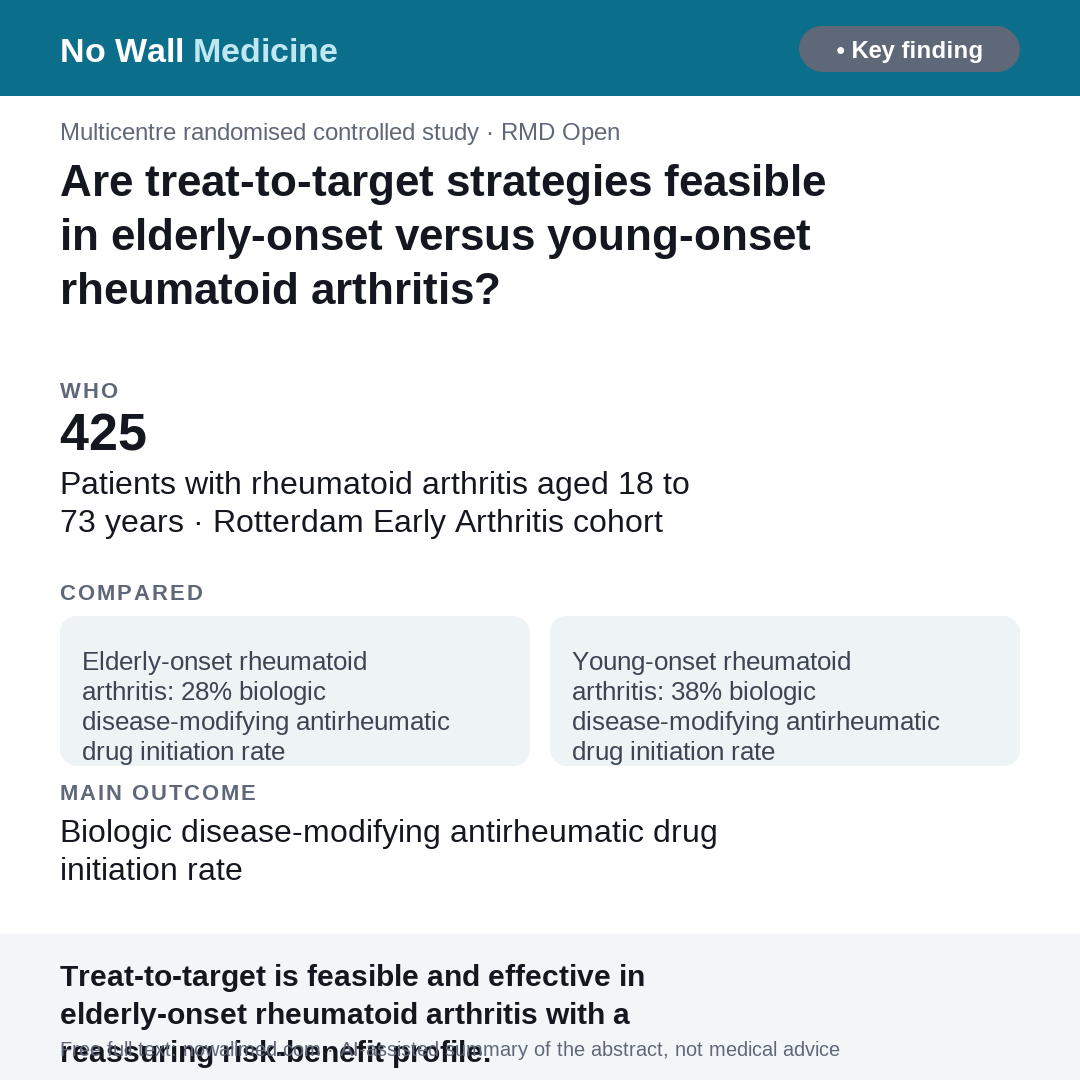
Treat-to-target strategies are feasible in elderly-onset rheumatoid arthritis given its reassuring risk-benefit profile
Multicentre randomised controlled studyBenefit found
Are treat-to-target strategies feasible in elderly-onset versus young-onset rheumatoid arthritis?
Who
425
Patients with rheumatoid arthritis aged 18 to 73 years · Rotterdam Early Arthritis cohort
Compared
Elderly-onset rheumatoid arthritis: 28% biologic disease-modifying antirheumatic drug initiation rate
Young-onset rheumatoid arthritis: 38% biologic disease-modifying antirheumatic drug initiation rate
Main outcome
Biologic disease-modifying antirheumatic drug initiation rate
Result: hazard ratio 0.7 (95% CI 0.4 to 1)
Bottom line: Treat-to-target is feasible and effective in elderly-onset rheumatoid arthritis with a reassuring risk-benefit profile.
RMD Open · 2026-07-03Download image
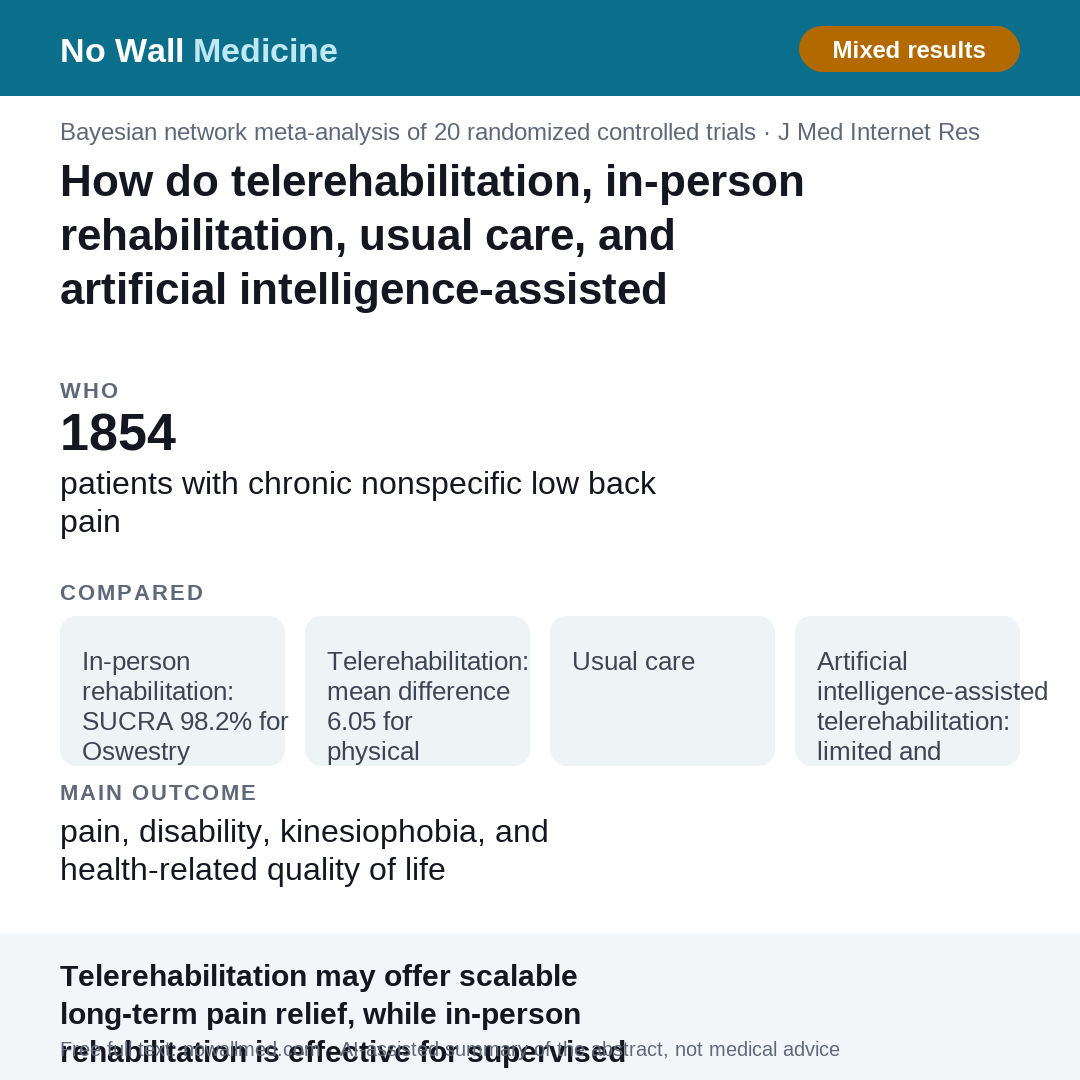
Comparative Effectiveness of AI-Assisted Telerehabilitation, Telerehabilitation, In-Person Care, and Usual Care for Chronic Nonspecific Low Back Pain: Bayesian Network Meta-Analysis
Bayesian network meta-analysis of 20 randomized controlled trialsMixed results
How do telerehabilitation, in-person rehabilitation, usual care, and artificial intelligence-assisted telerehabilitation compare for chronic nonspecific low back pain?
Who
1854
patients with chronic nonspecific low back pain
Compared
In-person rehabilitation: SUCRA 98.2% for Oswestry Disability Index at 4 weeks
Telerehabilitation: mean difference 6.05 for physical component summary score
Usual care
Artificial intelligence-assisted telerehabilitation: limited and descriptive
Main outcome
pain, disability, kinesiophobia, and health-related quality of life
Result: mean difference 6.05, 95% credible interval 2.89-9.22
Bottom line: Telerehabilitation may offer scalable long-term pain relief, while in-person rehabilitation is effective for supervised functional recovery.
Limitation: Evidence for artificial intelligence-assisted telerehabilitation remains limited and descriptive with low to very low certainty.
J Med Internet Res · 2026-07-03Download image
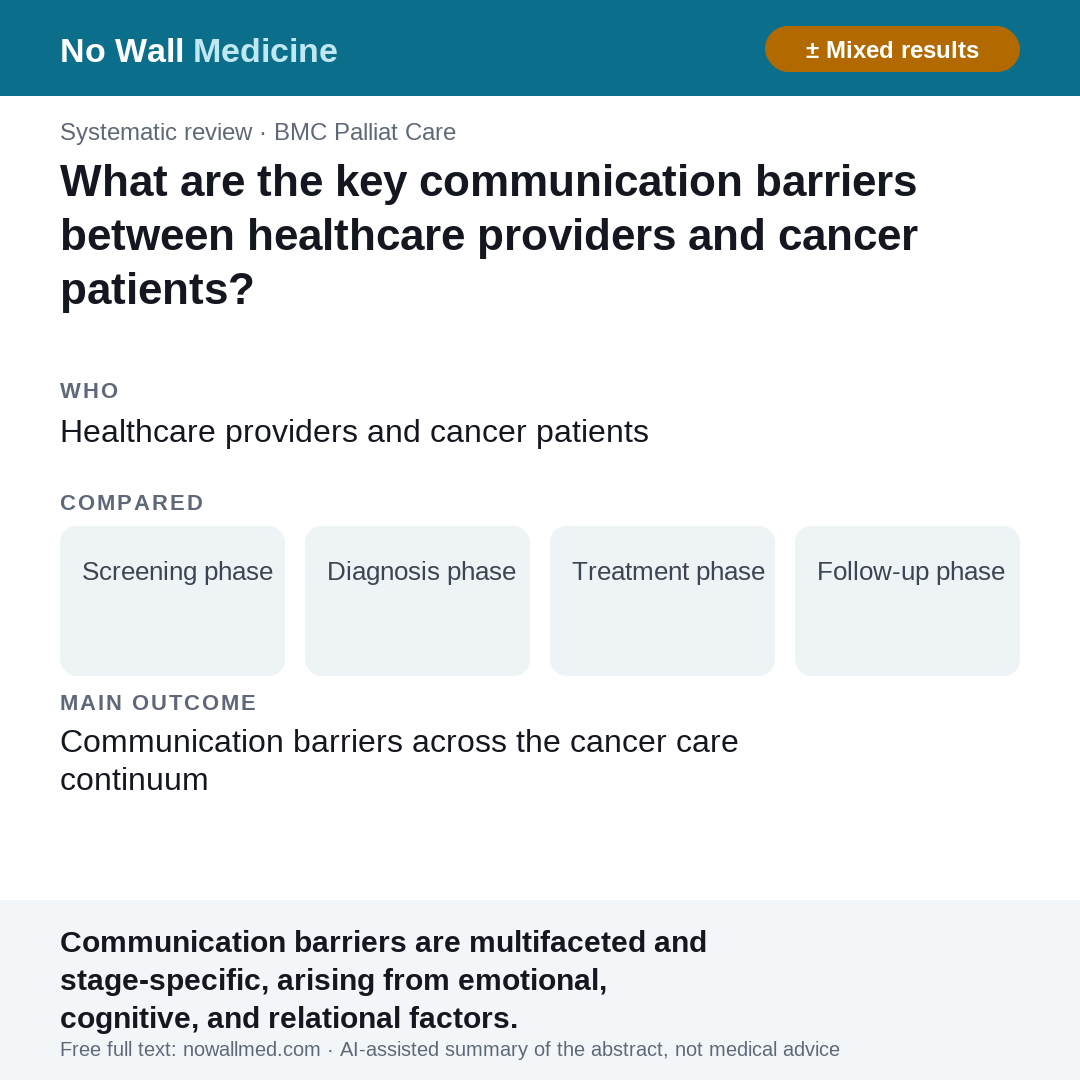
Key challenges in communication across milestones of cancer care continuum: a systematic review
Systematic reviewMixed results
What are the key communication barriers between healthcare providers and cancer patients?
Who
139
Healthcare providers and cancer patients
Compared
Screening phase
Diagnosis phase
Treatment phase
Follow-up phase
Main outcome
Communication barriers across the cancer care continuum
Bottom line: Communication barriers are multifaceted and stage-specific, arising from emotional, cognitive, and relational factors.
BMC Palliat Care · 2026-07-03Download image
Polypill for heart failure with reduced ejection fraction: the POLY-HF randomized trial
Open-label randomized trialBenefit found
Does a polypill strategy improve cardiac function in heart failure with reduced ejection fraction?
Who
212
Adults with heart failure and left ventricular ejection fraction ≤40% · Two centers
Compared
Polypill
Enhanced usual care
Main outcome
Ejection fraction assessed by cardiac magnetic resonance imaging
Result: between-group difference, 3.3 percentage points, 95% confidence interval, 0.2-6.4
Bottom line: A polypill strategy improved ejection fraction and reduced heart failure hospitalizations or emergency department visits compared to enhanced usual care.
Nat Med · 2026-07-02Download image

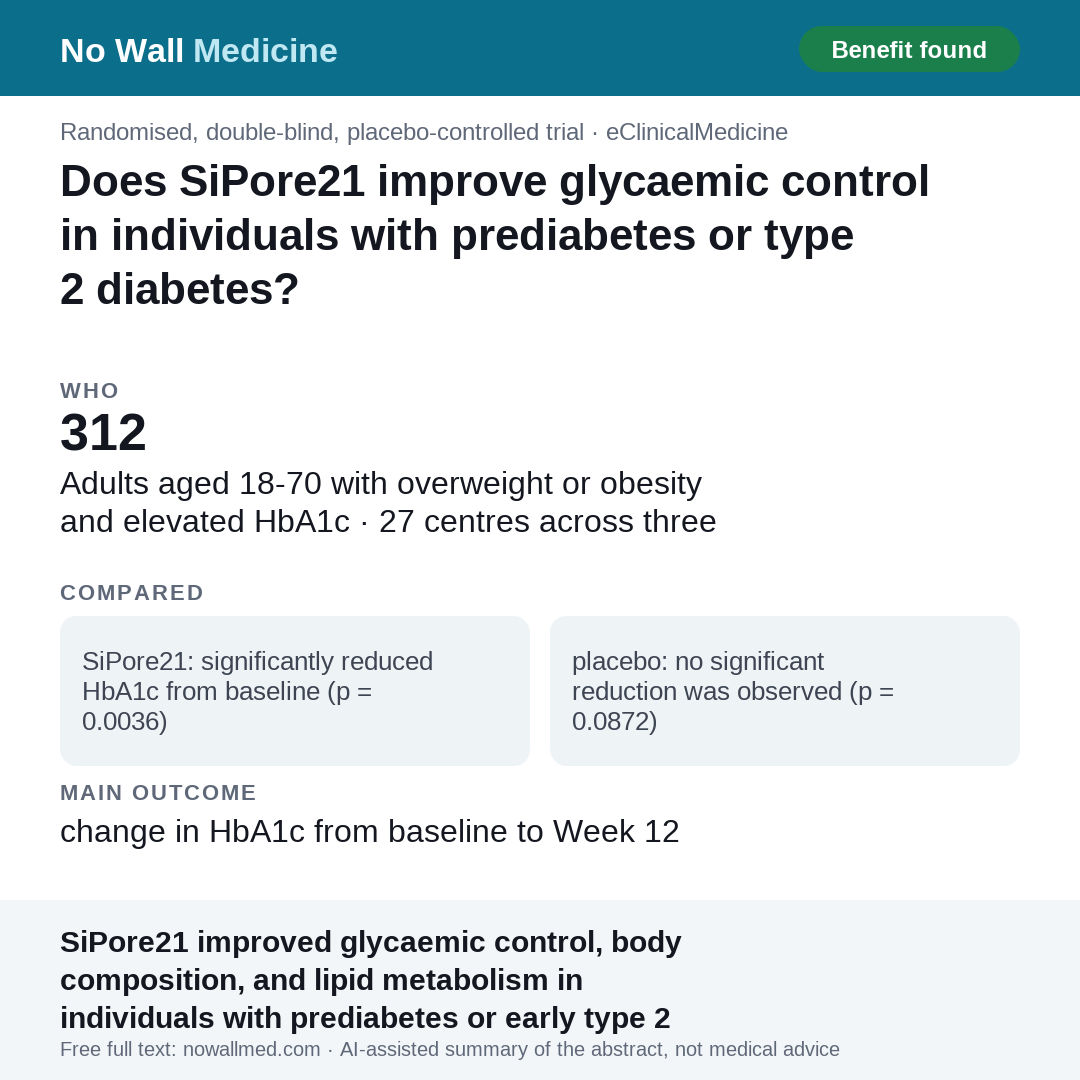
Effect of engineered mesoporous silica particles with tailored pore size on glycaemic control in individuals with prediabetes or type 2 diabetes: a randomised, double-blind, placebo-controlled SHINE trial
Randomised, double-blind, placebo-controlled trialBenefit found
Does SiPore21 improve glycaemic control in individuals with prediabetes or type 2 diabetes?
Who
312
Adults aged 18-70 with overweight or obesity and elevated HbA1c · 27 centres across three European countries
Compared
SiPore21: significantly reduced HbA1c from baseline (p = 0.0036)
placebo: no significant reduction was observed (p = 0.0872)
Main outcome
change in HbA1c from baseline to Week 12
Bottom line: SiPore21 improved glycaemic control, body composition, and lipid metabolism in individuals with prediabetes or early type 2 diabetes.
Funded by: Sigrid Therapeutics AB
eClinicalMedicine · 2026-07-02Download image
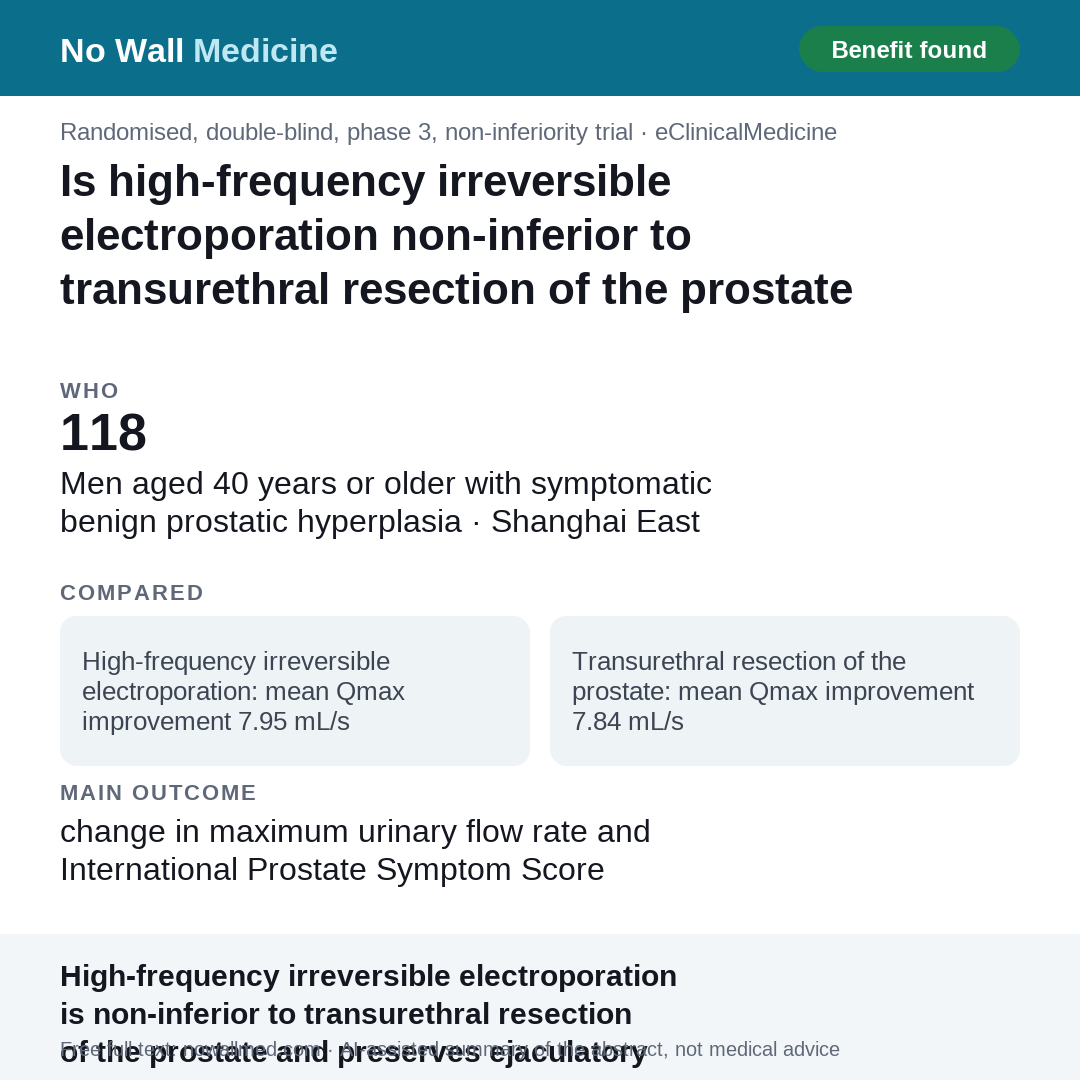
High-frequency irreversible electroporation versus transurethral resection of the prostate for benign prostatic hyperplasia (GIANT): a single-centre, randomised, double-blind, phase 3, non-inferiority trial
Randomised, double-blind, phase 3, non-inferiority trialBenefit found
Is high-frequency irreversible electroporation non-inferior to transurethral resection of the prostate for benign prostatic hyperplasia?
Who
118
Men aged 40 years or older with symptomatic benign prostatic hyperplasia · Shanghai East Hospital, China
Compared
High-frequency irreversible electroporation: mean Qmax improvement 7.95 mL/s
Transurethral resection of the prostate: mean Qmax improvement 7.84 mL/s
Main outcome
Change from baseline in maximum urinary flow rate and International Prostate Symptom Score
Result: adjusted difference 0.11 mL/s, 95% CI -2.52 to 2.73
Bottom line: High-frequency irreversible electroporation is non-inferior to transurethral resection of the prostate and preserves ejaculatory function.
Funded by: National Natural Science Foundation of China
eClinicalMedicine · 2026-07-02Download image
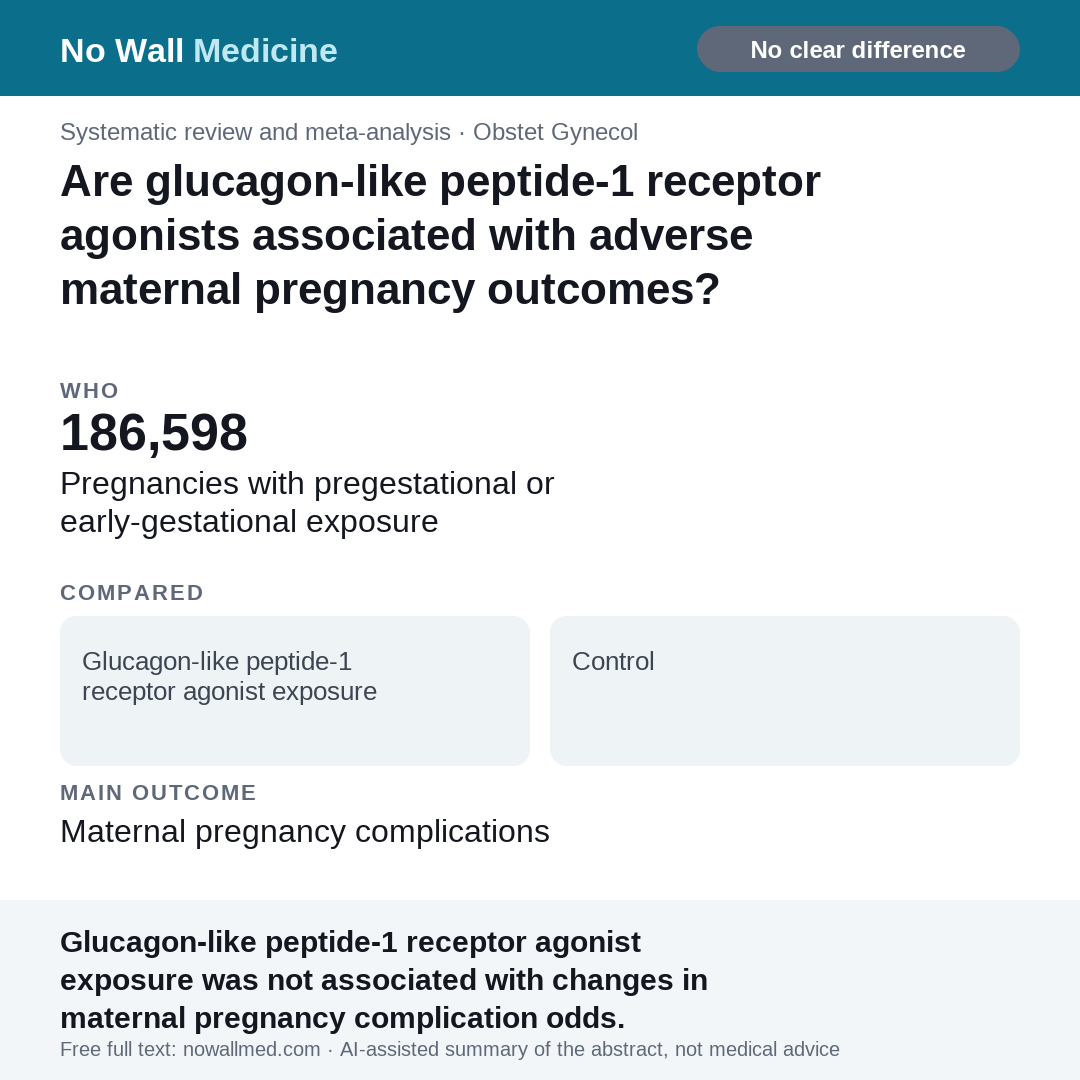
Glucagon-Like Peptide-1 Receptor Agonists and Risk of Adverse Maternal Pregnancy Outcomes: A Systematic Review and Meta-analysis
Systematic review and meta-analysisNo clear difference
Are glucagon-like peptide-1 receptor agonists associated with adverse maternal pregnancy outcomes?
Who
186,598
Pregnancies with pregestational or early-gestational exposure
Compared
Glucagon-like peptide-1 receptor agonist exposure
Control
Main outcome
Maternal pregnancy complications
Result: no statistically significant differences seen
Bottom line: Glucagon-like peptide-1 receptor agonist exposure was not associated with changes in maternal pregnancy complication odds.
Limitation: High heterogeneity due to differences in exposure, outcome definitions, and confounder control.
Obstet Gynecol · 2026-07-02Download image
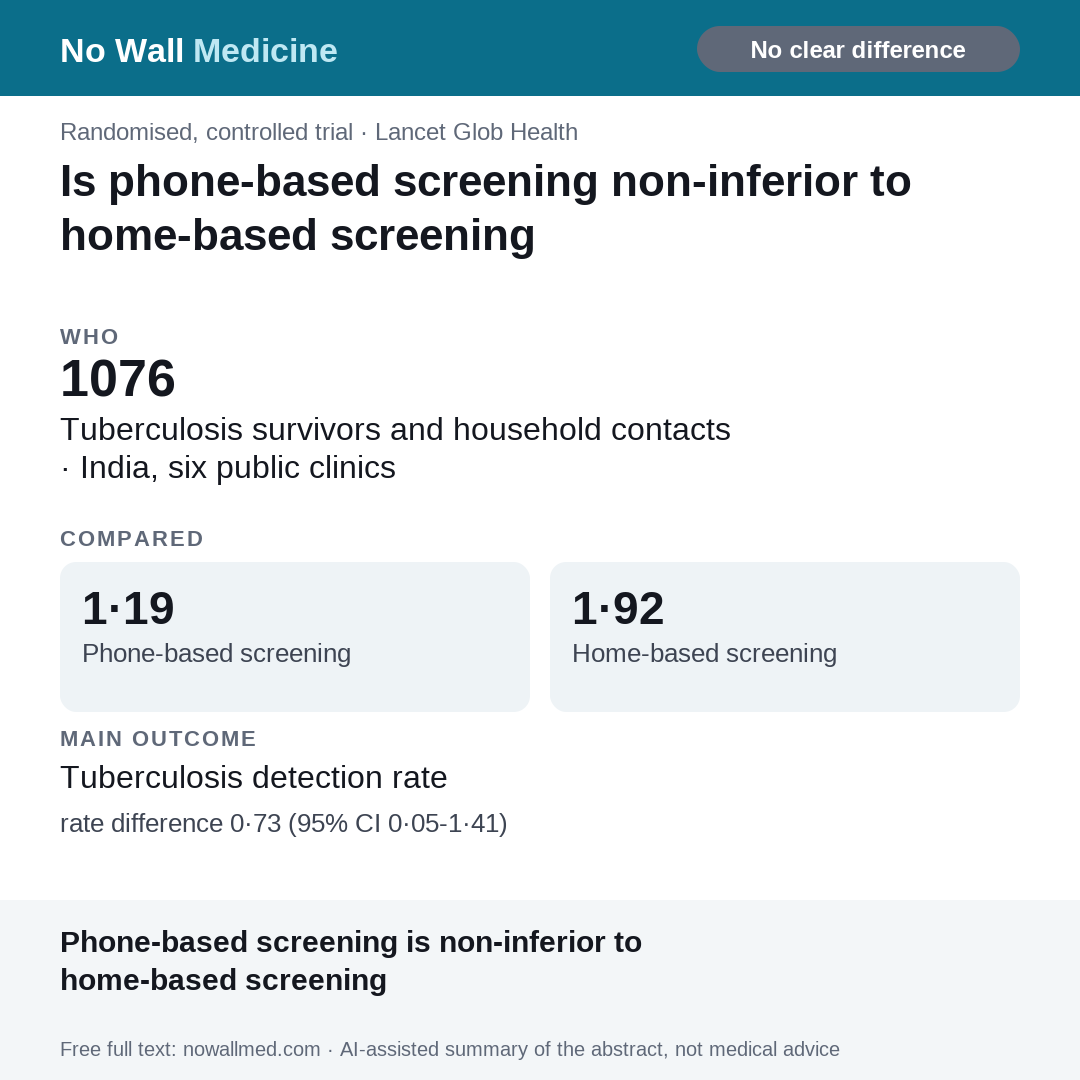
Phone-based screening versus home-based screening after tuberculosis in India (TB Aftermath): a multicentre, open-label, randomised, controlled, non-inferiority trial
Randomised, controlled trialNo clear difference
Is phone-based screening non-inferior to home-based screening
Who
1076
Tuberculosis survivors and household contacts · India, six public clinics
Compared
1·19Phone-based screening (95% CI 0·82-1·71)
1·92Home-based screening (1·37-2·45)
Main outcome
Tuberculosis detection rate
Result: rate difference 0·73 (95% CI 0·05-1·41)
Bottom line: Phone-based screening is non-inferior to home-based screening
Funded by: US National Institute of Allergy and Infectious Diseases
Lancet Glob Health · 2026-07-02Download image
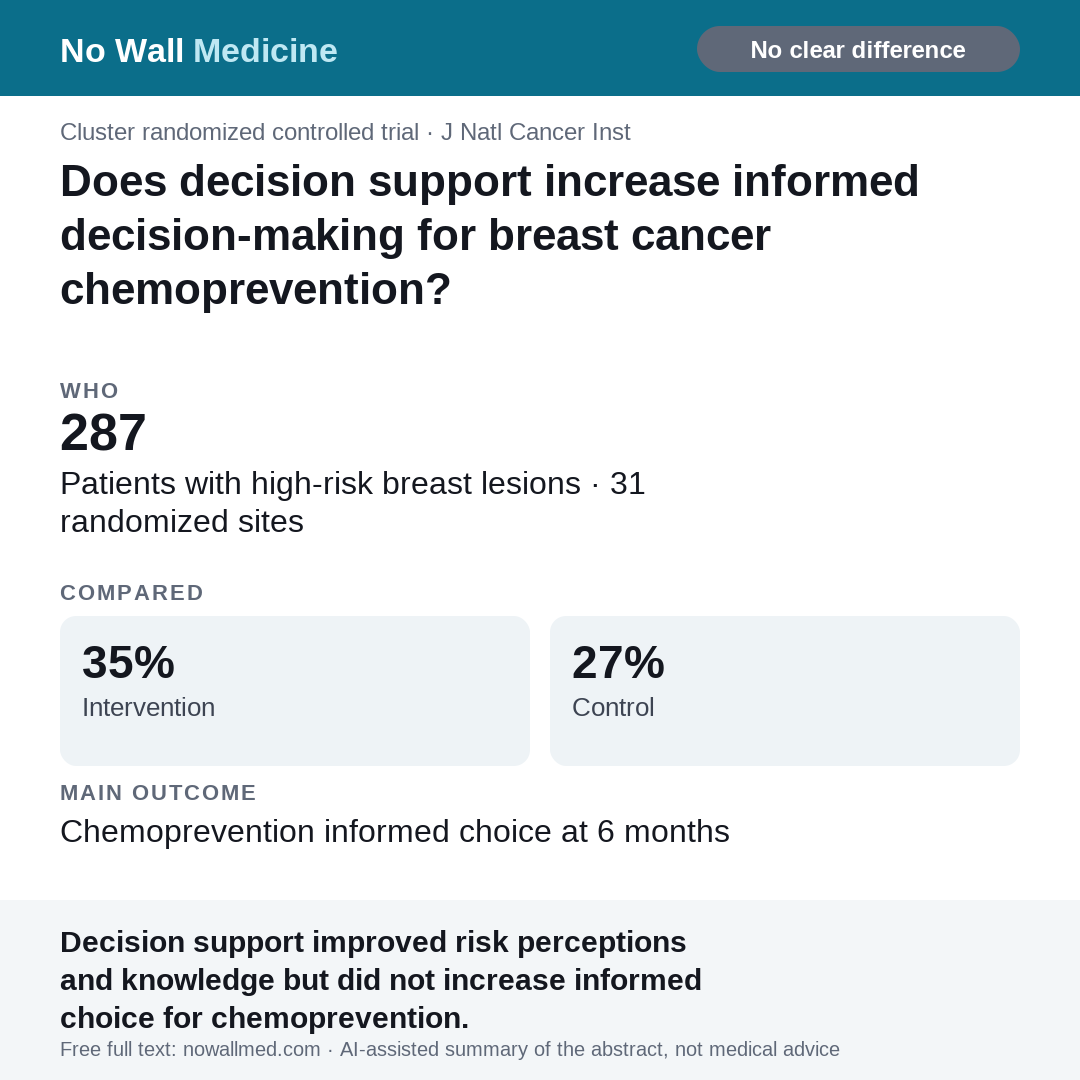
Cluster randomized controlled trial of decision support for breast cancer chemoprevention, MiCHOICE
Cluster randomized controlled trialNo clear difference
Does decision support increase informed decision-making for breast cancer chemoprevention?
Who
287
Patients with high-risk breast lesions · 31 randomized sites
Compared
35%Intervention (at 6 months)
27%Control (at 6 months)
Main outcome
Chemoprevention informed choice at 6 months
Bottom line: Decision support improved risk perceptions and knowledge but did not increase informed choice for chemoprevention.
J Natl Cancer Inst · 2026-07-02Download image
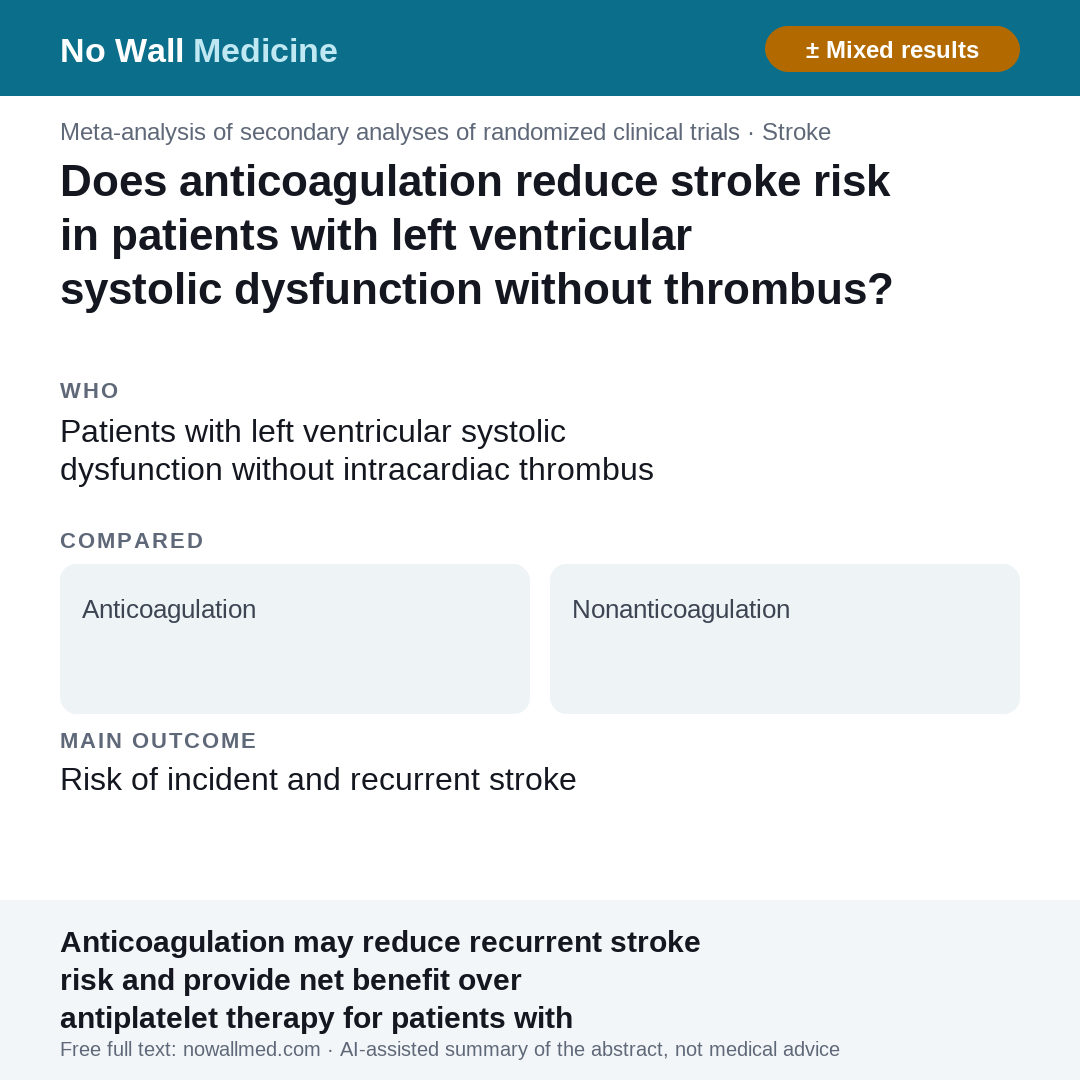
Management of Patients at Risk of Ischemic Stroke With Left Ventricular Systolic Dysfunction in the Absence of Intracardiac Thrombus: A Scientific Statement From the American Heart Association
Meta-analysis of secondary analyses of randomized clinical trialsMixed results
Does anticoagulation reduce stroke risk in patients with left ventricular systolic dysfunction without thrombus?
Who
Patients with left ventricular systolic dysfunction without intracardiac thrombus
Compared
Anticoagulation
Nonanticoagulation
Main outcome
Risk of incident and recurrent stroke
Bottom line: Anticoagulation may reduce recurrent stroke risk and provide net benefit over antiplatelet therapy for patients with stroke.
Limitation: The data supporting anticoagulation in these patients are limited.
Stroke · 2026-07-02Download image
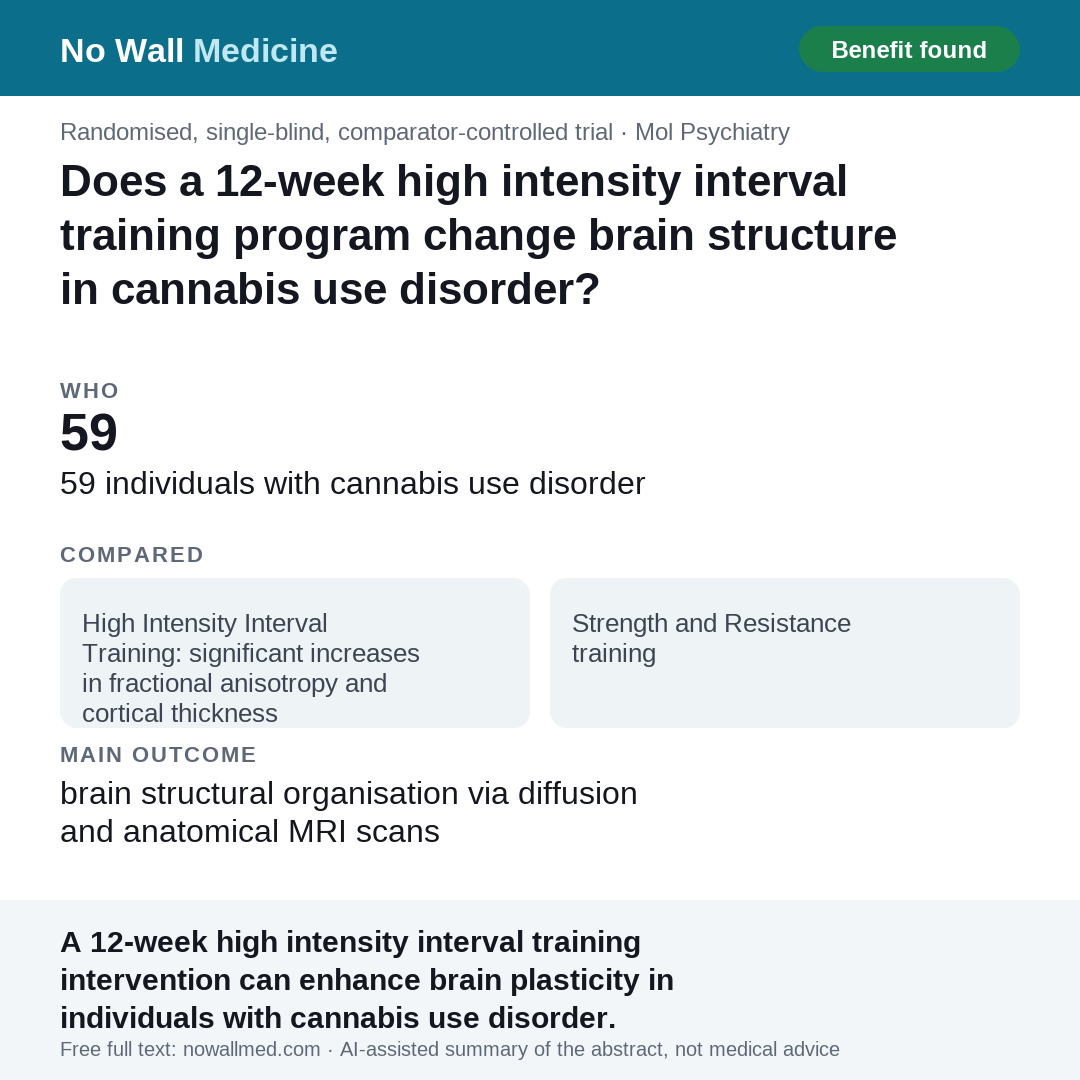
Exercise-induced brain changes in cannabis use disorder: a longitudinal MRI study of a 12-week supervised HIIT program
Randomised, single-blind, comparator-controlled trialBenefit found
Does a 12-week high intensity interval training program change brain structure in cannabis use disorder?
Who
59
59 individuals with cannabis use disorder
Compared
High Intensity Interval Training: significant increases in fractional anisotropy and cortical thickness
Strength and Resistance training
Main outcome
brain structural organisation via diffusion and anatomical MRI scans
Bottom line: A 12-week high intensity interval training intervention can enhance brain plasticity in individuals with cannabis use disorder.
Mol Psychiatry · 2026-07-02Download image
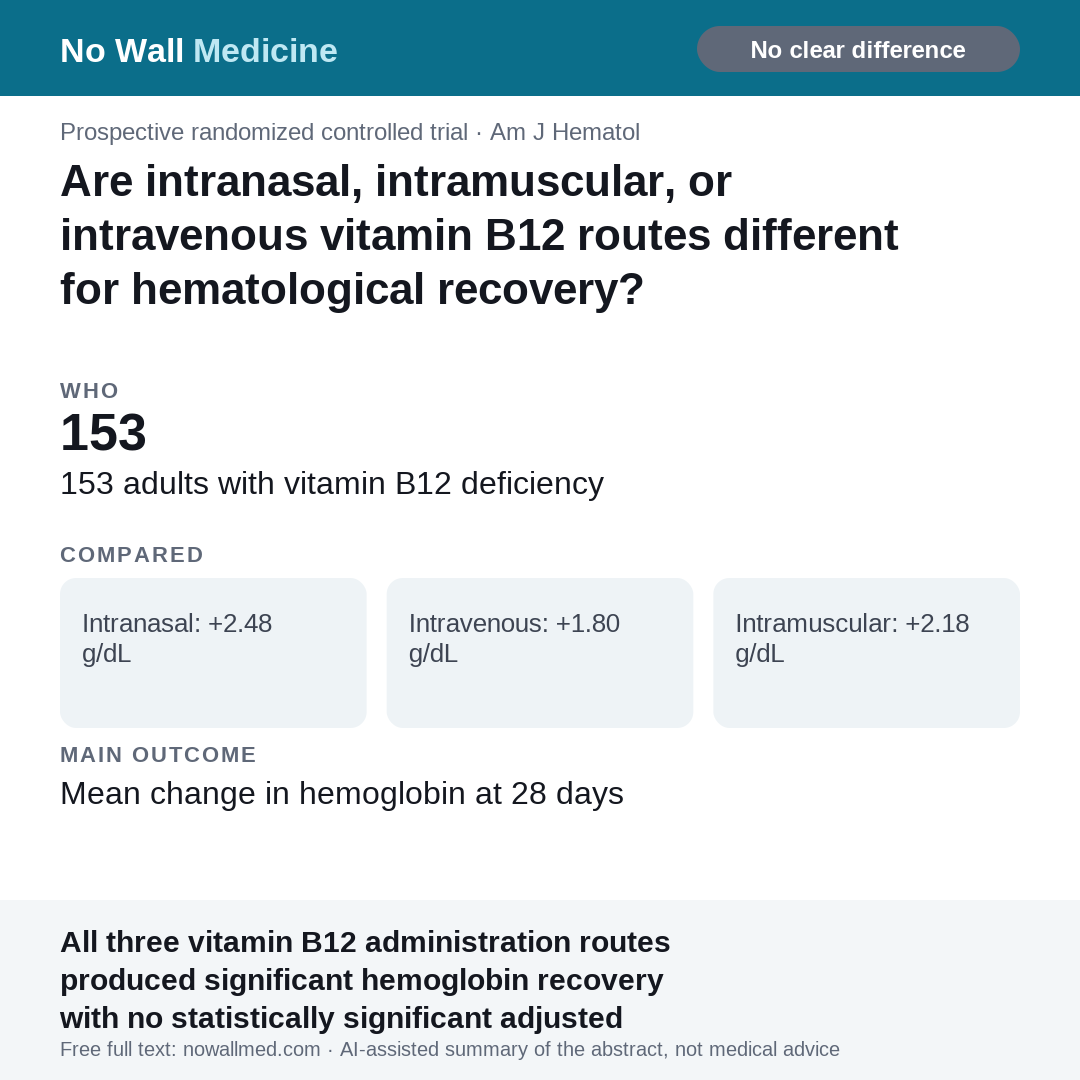
Comparative Efficacy of Intranasal, Intramuscular, and Intravenous Vitamin B12 Therapy for Hematological Recovery in Vitamin B12 Deficiency Anemia: A Randomized Controlled Trial
Prospective randomized controlled trialNo clear difference
Are intranasal, intramuscular, or intravenous vitamin B12 routes different for hematological recovery?
Who
153
153 adults with vitamin B12 deficiency
Compared
Intranasal: +2.48 g/dL
Intravenous: +1.80 g/dL
Intramuscular: +2.18 g/dL
Main outcome
Mean change in hemoglobin at 28 days
Bottom line: All three vitamin B12 administration routes produced significant hemoglobin recovery with no statistically significant adjusted differences.
Limitation: All conclusions are restricted to short-term hematological outcomes.
Am J Hematol · 2026-07-02Download image
From fetal life to adulthood: cardiometabolic health of offspring conceived by assisted reproductive technologies, a systematic review
Systematic reviewNo clear difference
What is the cardiometabolic health of offspring conceived by assisted reproductive technologies?
Who
Offspring conceived by assisted reproductive technologies
Compared
Assisted reproductive technologies offspring
Offspring conceived without assisted reproductive technologies
Main outcome
Cardiometabolic health across developmental stages
Bottom line: Assisted reproductive technologies show no major adverse cardiometabolic effects, though subtle cardiovascular differences may exist during childhood and adolescence.
Limitation: Long-term clinical significance of early-life subtle alterations remains uncertain.
Fertil Steril · 2026-07-02Download image

Novel PET tracers to distinguish the nature of residual masses after the completion of chemotherapy in metastatic testicular germ cell tumours: A systematic review
Systematic reviewUnclear result
Can novel PET tracers improve diagnostic accuracy for residual masses in testicular germ cell tumours?
Who
Patients with metastatic testicular germ cell tumours
Compared
Novel PET tracers
Fluorodeoxyglucose PET
Main outcome
Diagnostic accuracy in distinguishing viable tumour from necrosis or teratoma
Bottom line: Novel tracers like alpha v beta 3 and ghrelin show promise but require further clinical validation.
Limitation: Further clinical validation is required before routine implementation.
Eur J Nucl Med Mol Imaging · 2026-07-02Download image

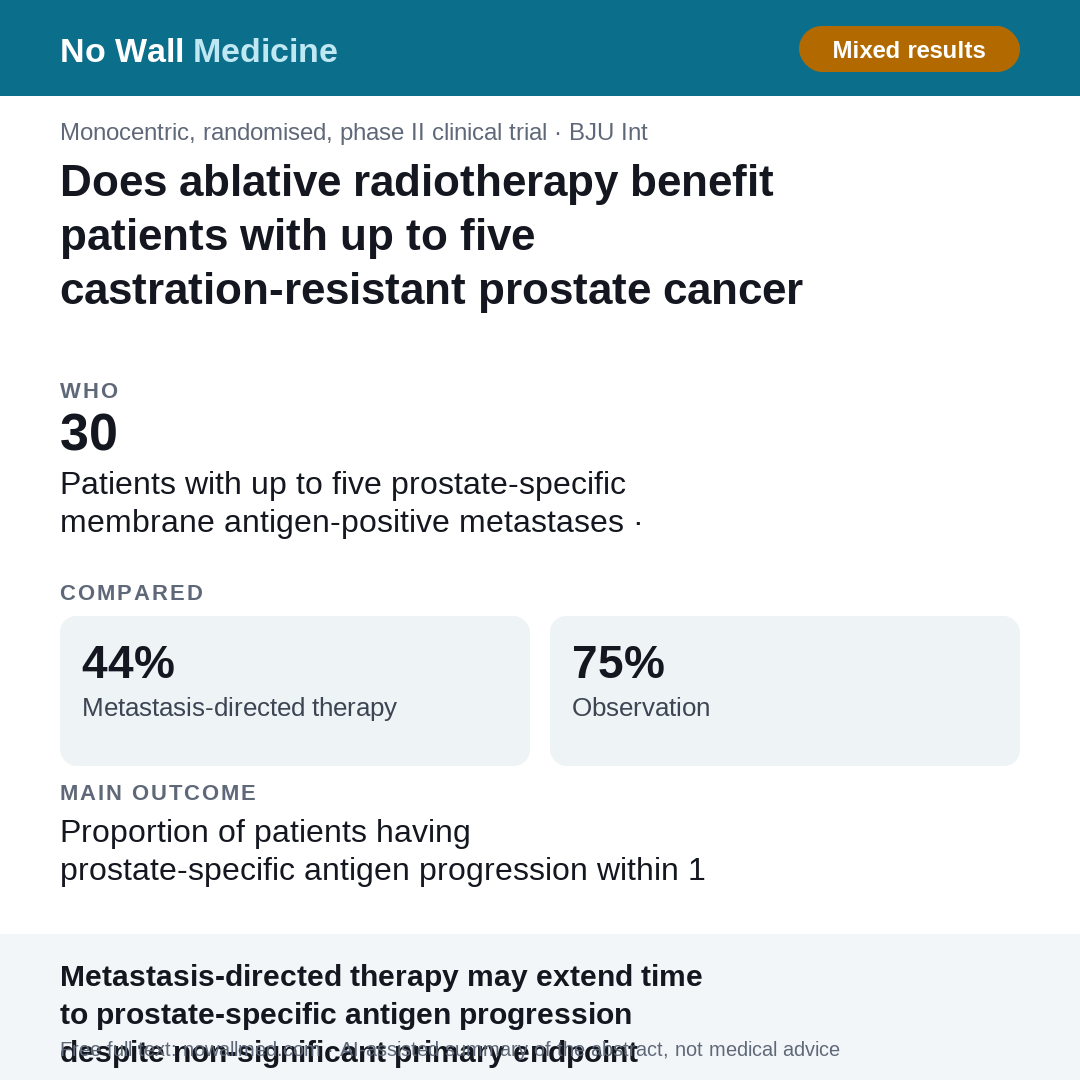
Ablative radiotherapy in castration-resistant prostate cancer
Monocentric, randomised, phase II clinical trialMixed results
Does ablative radiotherapy benefit patients with up to five castration-resistant prostate cancer metastases?
Who
30
Patients with up to five prostate-specific membrane antigen-positive metastases · Single-centre
Compared
44%Metastasis-directed therapy
75%Observation
Main outcome
Proportion of patients having prostate-specific antigen progression within 1 year
Bottom line: Metastasis-directed therapy may extend time to prostate-specific antigen progression despite non-significant primary endpoint results.
Limitation: Single-centre design and small sample size at interim analysis
Funded by: TU Dresden
BJU Int · 2026-07-02Download image
Measurement Tools for Radiation-Induced Fibrosis in Head and Neck Cancer: A Systematic Review
Systematic reviewBenefit found
What are the reliable and valid measurement tools for radiation-induced fibrosis in head and neck cancer?
Who
Patients with head and neck cancer
Compared
Patient-reported outcome measures: Neck Fibrosis Scale, HN-LEF Symptom Inventory, and LENT-SOMA demonstrated validity and reliability
Imaging modalities: Young's modulus was the only imaging tool demonstrating both validity and reliability
Main outcome
Reliability, validity, and clinical utility of fibrosis measurement tools
Bottom line: Subjective tools and Young's modulus imaging are reliable and valid for assessing radiation-induced fibrosis.
Limitation: Imaging studies had a higher risk of bias and methodological limitations remain.
Head Neck · 2026-07-02Download image

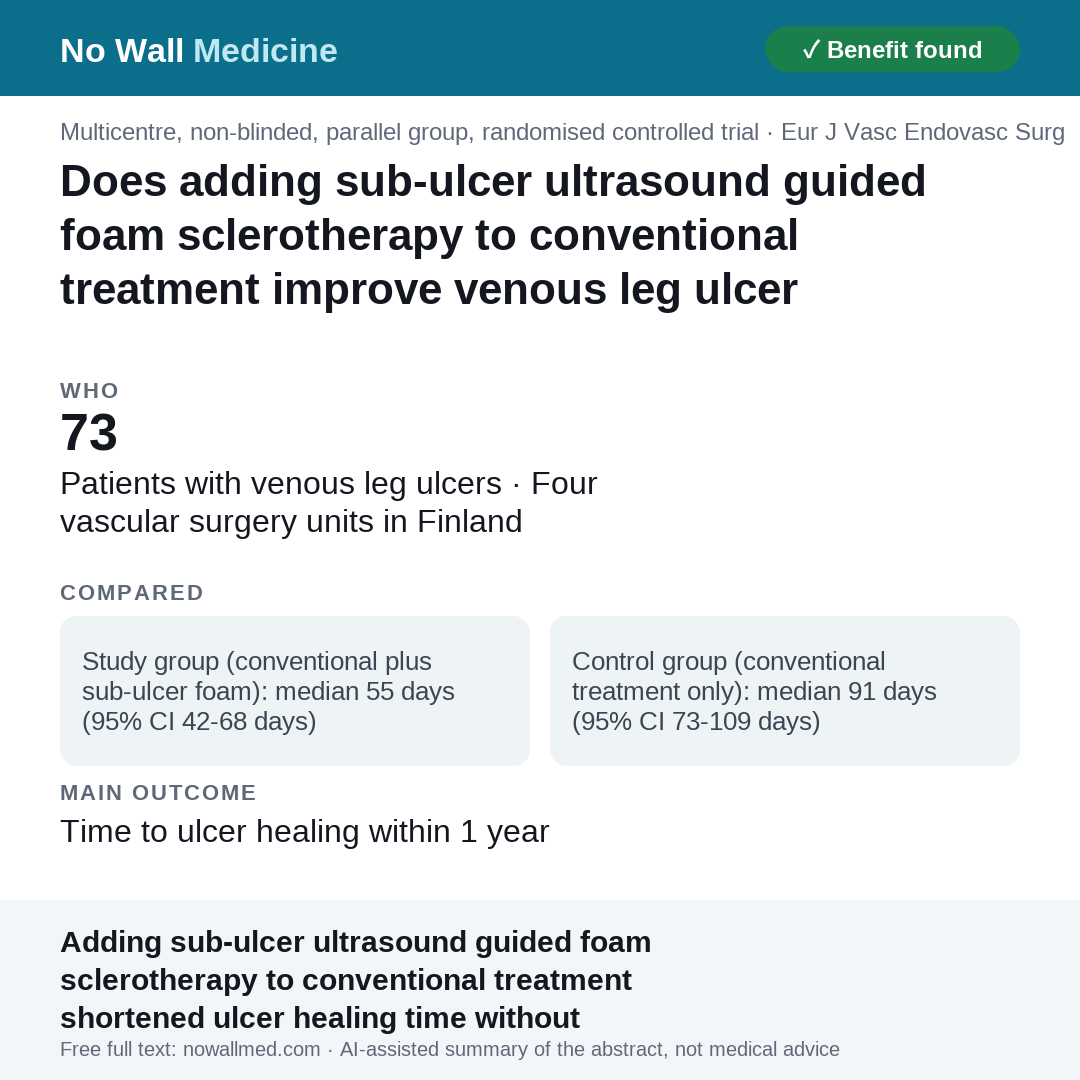
Sub-ulcer Ultrasound Guided Foam Sclerotherapy for Venous Leg Ulcers: Results of the FINNULCER Randomised Controlled Trial
Multicentre, non-blinded, parallel group, randomised controlled trialBenefit found
Does adding sub-ulcer ultrasound guided foam sclerotherapy to conventional treatment improve venous leg ulcer healing?
Who
73
Patients with venous leg ulcers · Four vascular surgery units in Finland
Compared
Study group (conventional plus sub-ulcer foam): median 55 days (95% CI 42-68 days)
Control group (conventional treatment only): median 91 days (95% CI 73-109 days)
Main outcome
Time to ulcer healing within 1 year
Result: hazard ratio 1.81 (95% CI 1.10-2.96)
Bottom line: Adding sub-ulcer ultrasound guided foam sclerotherapy to conventional treatment shortened ulcer healing time without increasing complication rates.
Eur J Vasc Endovasc Surg · 2026-07-02Download image
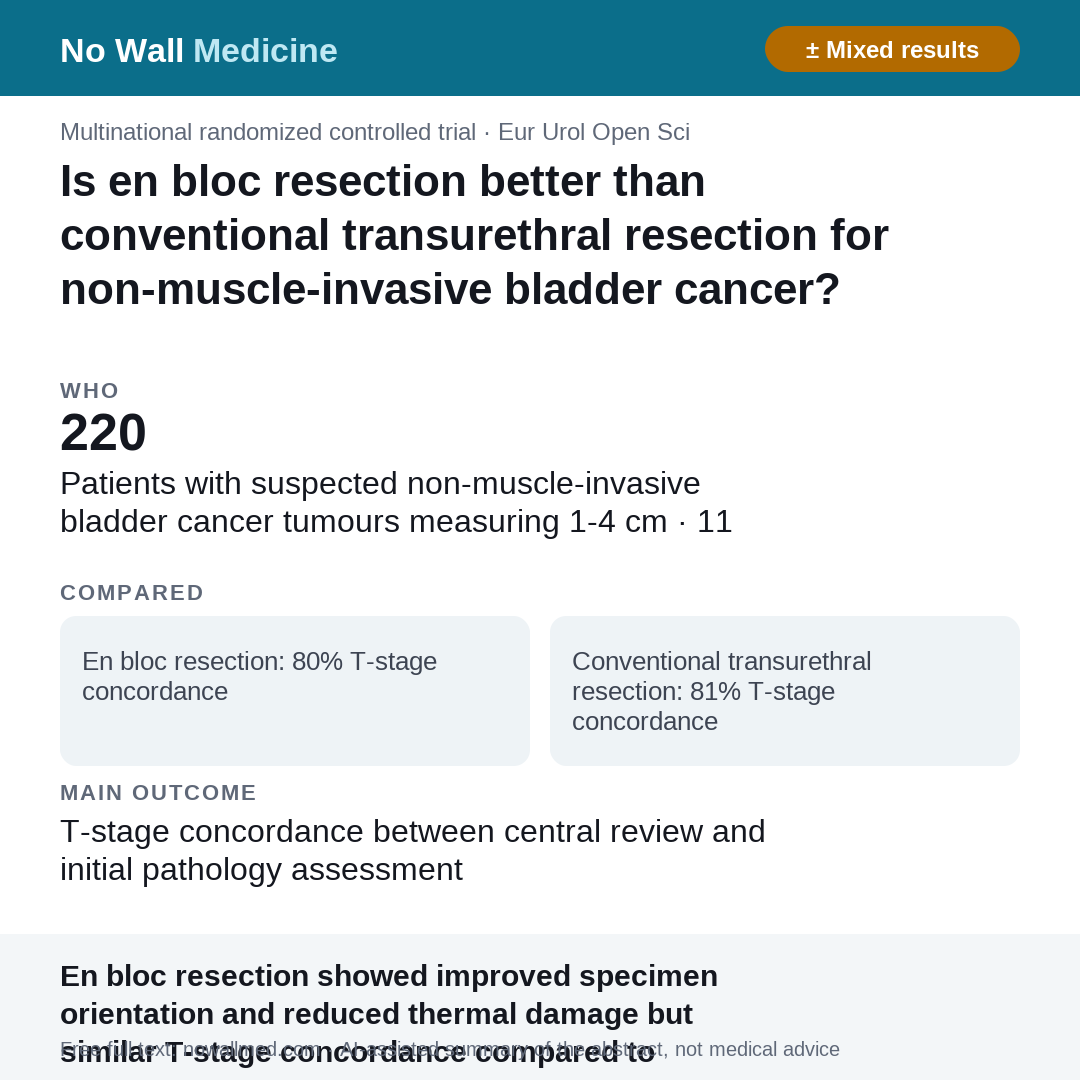
Histopathological Advantages of En Bloc Resection in Non-muscle-invasive Bladder Cancer: A Multinational Randomised Controlled Clinical Trial
Multinational randomized controlled trialMixed results
Is en bloc resection better than conventional transurethral resection for non-muscle-invasive bladder cancer?
Who
220
Patients with suspected non-muscle-invasive bladder cancer tumours measuring 1-4 cm · 11 sites in five countries
Compared
En bloc resection: 80% T-stage concordance
Conventional transurethral resection: 81% T-stage concordance
Main outcome
T-stage concordance between central review and initial pathology assessment
Result: -1.5% (95% CI, -12 to 9.3)
Bottom line: En bloc resection showed improved specimen orientation and reduced thermal damage but similar T-stage concordance compared to conventional resection.
Limitation: Lack of standardised specimen-handling procedures across sites leading to suboptimal preparation of some specimens.
Eur Urol Open Sci · 2026-07-02Download image
Eco-Focused Menu Labels on Full Meal Orders From Fast-Food Restaurants: A Randomized Clinical Trial
Randomized clinical trialMixed results
Do different ecolabel designs on fast-food menus affect meal healthfulness?
Who
6210
Nationally representative sample of adults in the United States · Online survey
Compared
Control: QR code: 49.25 [0.18] points
Traffic-light labels: 49.93 [0.18] points
Low-climate-impact labels
High-climate-impact labels
Main outcome
Healthfulness of meals based on modified Nutrient Profile Index score
Bottom line: Traffic-light labels promoted more healthful burger choices and lower greenhouse gas emissions without increasing costs.
JAMA Health Forum · 2026-07-02Download image