Visual abstracts
New randomized trials and meta-analyses from leading journals at a glance: who was studied, what was compared, and what was found. Every paper is free to read in full.
All specialtiesCardiology 4800Oncology 4084Gastroenterology & Hepatology 1917Infectious Disease 3789Neurology 1886Psychiatry & Mental Health 2240Pulmonology 2061Critical Care 1335Endocrinology & Diabetes 2553Pediatrics 2914Surgery 2500Orthopedics & Sports Medicine 923Neurosurgery 532Cardiothoracic & Vascular Surgery 665Plastic & Reconstructive Surgery 585Nephrology 1115Rheumatology 815Hematology 1099Dermatology 619Ophthalmology 539Obstetrics & Gynecology 1661Public & Global Health 1044Radiology & Imaging 637Anesthesiology 959Urology 751ENT (Otolaryngology) 497Emergency Medicine 484Allergy & Immunology 310Geriatrics 974Family Medicine & Primary Care 538Medical Genetics & Genomics 662Pathology & Laboratory Medicine 156Physical Medicine & Rehabilitation 746Palliative Care 422Nutrition 1566Digital Health & AI 2191General Medicine 319
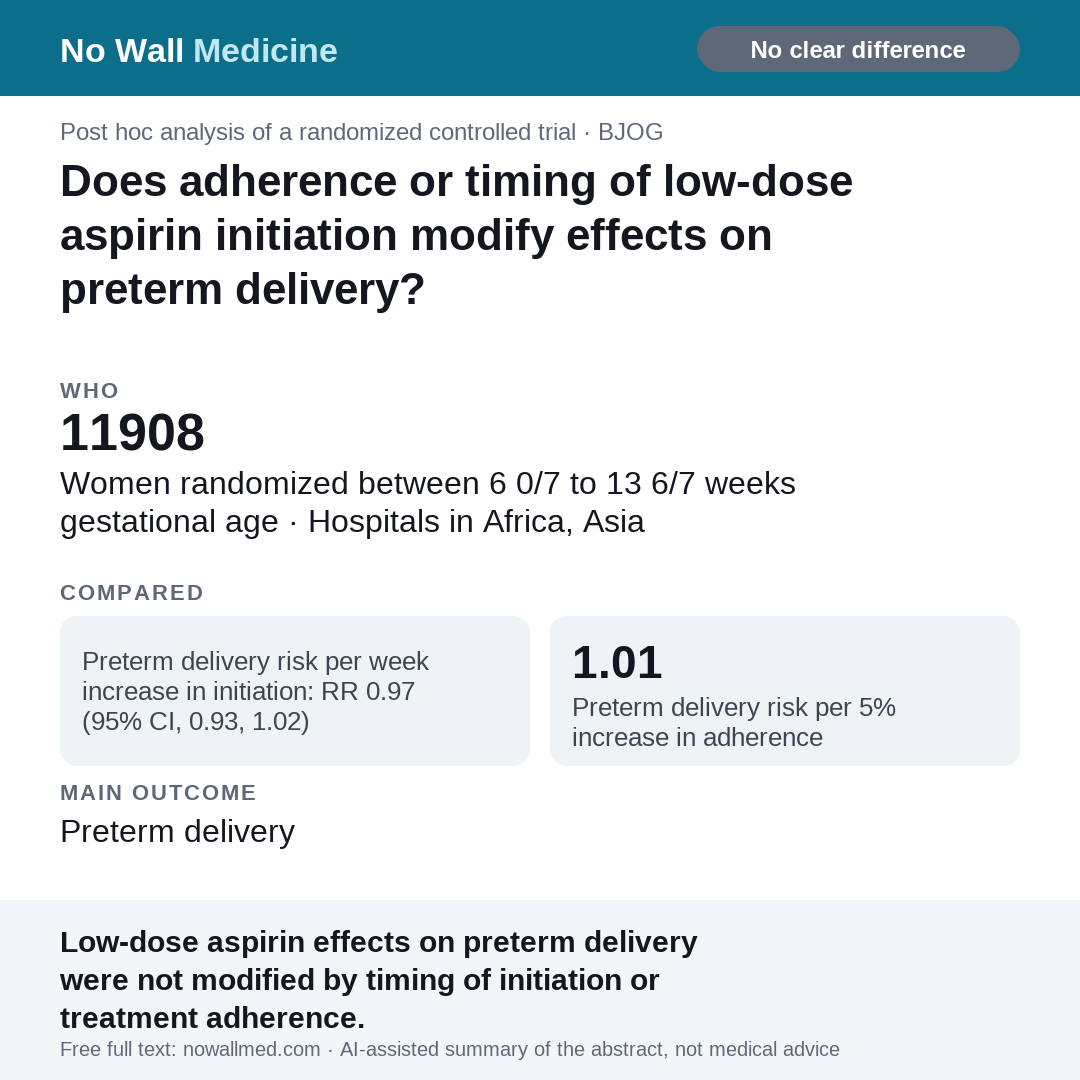
Does Adherence Modify Low-Dose Aspirin Effects in Pregnancy? Post Hoc Analysis From a Multi-Centre Trial
Post hoc analysis of a randomized controlled trialNo clear difference
Does adherence or timing of low-dose aspirin initiation modify effects on preterm delivery?
Who
11908
Women randomized between 6 0/7 to 13 6/7 weeks gestational age · Hospitals in Africa, Asia and Latin America
Compared
Preterm delivery risk per week increase in initiation: RR 0.97 (95% CI, 0.93, 1.02)
1.01Preterm delivery risk per 5% increase in adherence (0.99, 1.04)
Main outcome
Preterm delivery
Bottom line: Low-dose aspirin effects on preterm delivery were not modified by timing of initiation or treatment adherence.
BJOG · 2026-04-19Download image
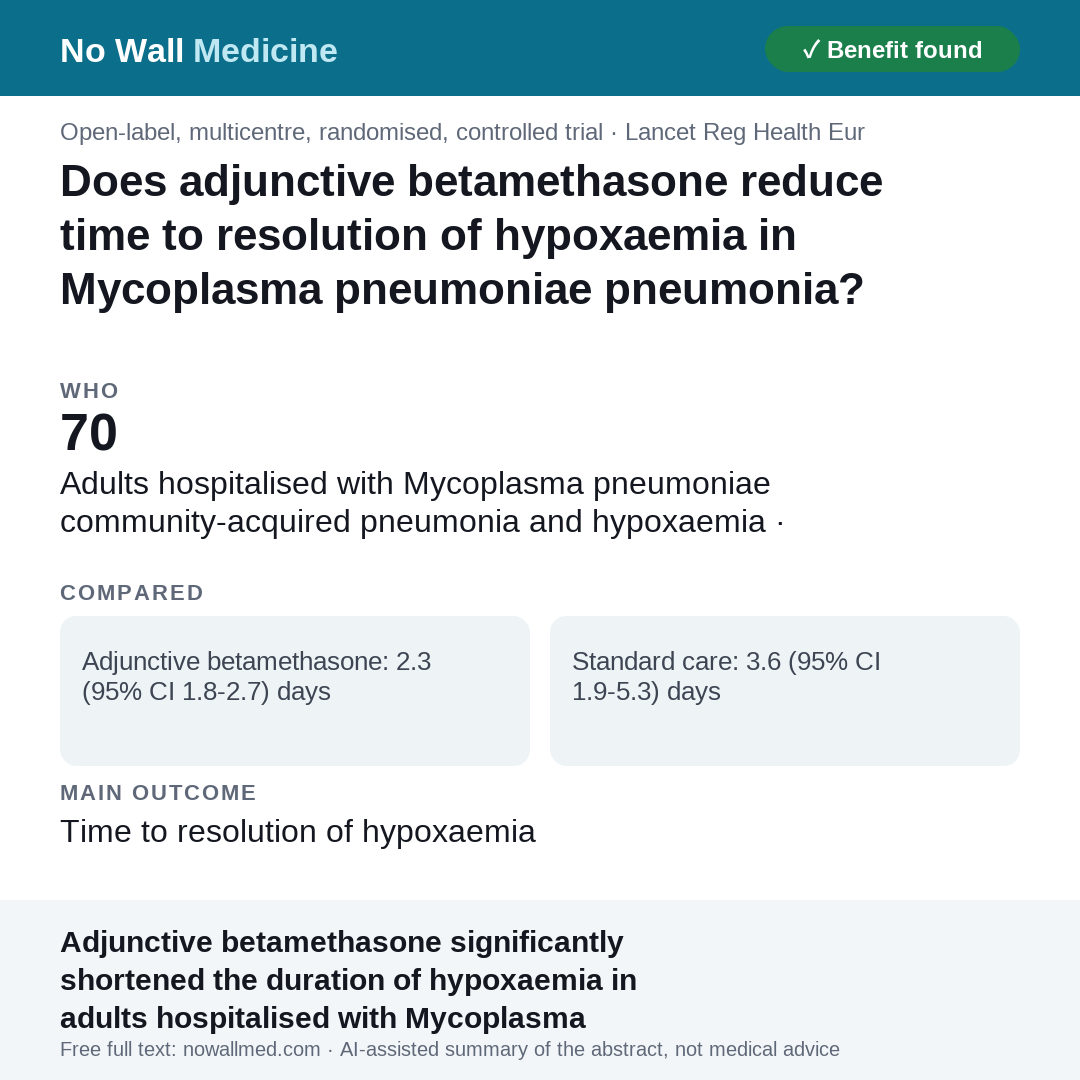
Adjunctive betamethasone treatment of hypoxaemic adults hospitalised with Mycoplasma pneumoniae community-acquired pneumonia: an open-label, multicentre, randomised, controlled trial
Open-label, multicentre, randomised, controlled trialBenefit found
Does adjunctive betamethasone reduce time to resolution of hypoxaemia in Mycoplasma pneumoniae pneumonia?
Who
70
Adults hospitalised with Mycoplasma pneumoniae community-acquired pneumonia and hypoxaemia · Eight Swedish hospitals
Compared
Adjunctive betamethasone: 2.3 (95% CI 1.8-2.7) days
Standard care: 3.6 (95% CI 1.9-5.3) days
Main outcome
Time to resolution of hypoxaemia
Result: hazard ratio 1.82 (95% CI 1.10-3.02)
Bottom line: Adjunctive betamethasone significantly shortened the duration of hypoxaemia in adults hospitalised with Mycoplasma pneumoniae community-acquired pneumonia.
Funded by: The Swedish Society of Medicine
Lancet Reg Health Eur · 2026-04-19Download image
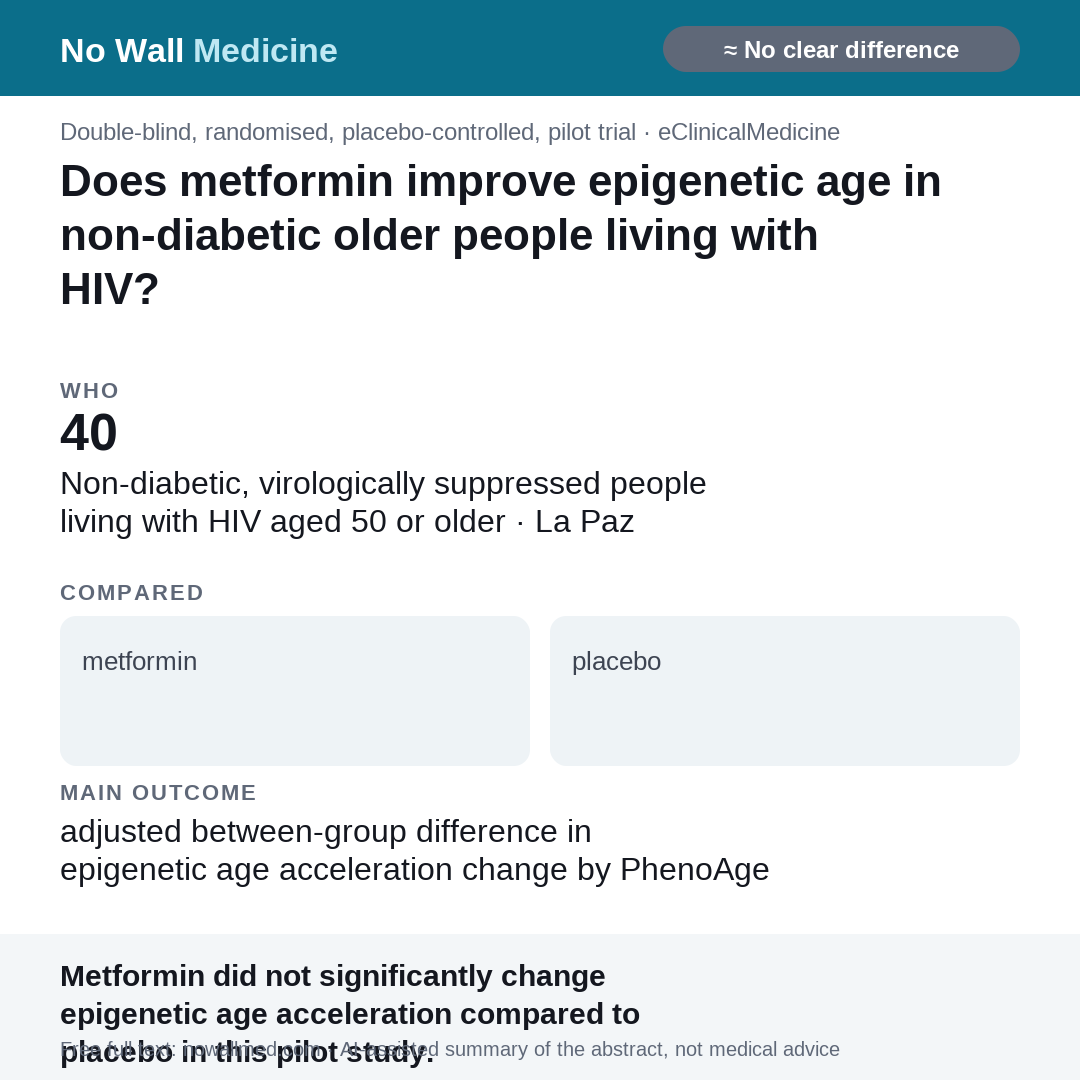
Metformin and epigenetic age in non-diabetic older people with HIV in Madrid (METFORAGING): a double-blind, randomised, placebo-controlled, pilot trial
Double-blind, randomised, placebo-controlled, pilot trialNo clear difference
Does metformin improve epigenetic age in non-diabetic older people living with HIV?
Who
40
Non-diabetic, virologically suppressed people living with HIV aged 50 or older · La Paz University Hospital, Madrid, Spain
Compared
metformin
placebo
Main outcome
adjusted between-group difference in epigenetic age acceleration change by PhenoAge clock
Result: -1.02 years (95% CI -5.30 to 3.26)
Bottom line: Metformin did not significantly change epigenetic age acceleration compared to placebo in this pilot study.
Funded by: Fondo de Investigaciones Sanitarias, Instituto de Salud Carlos III, and the European Union
eClinicalMedicine · 2026-04-18Download image
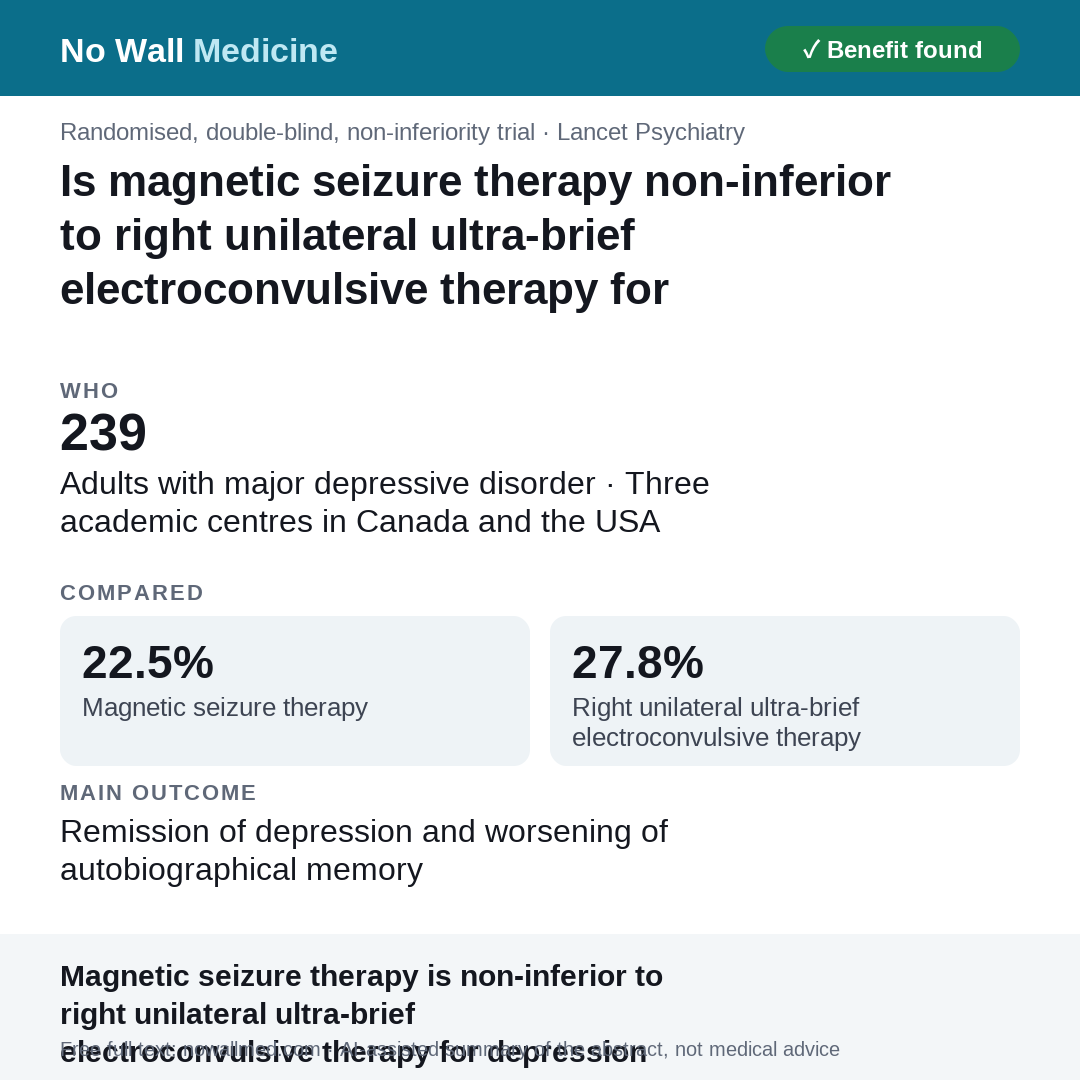
Confirmatory efficacy and safety trial of magnetic seizure therapy versus right unilateral ultra-brief electroconvulsive therapy in depression (CREST-MST): a randomised, double-blind, non-inferiority trial in Canada and the USA
Randomised, double-blind, non-inferiority trialBenefit found
Is magnetic seizure therapy non-inferior to right unilateral ultra-brief electroconvulsive therapy for depression?
Who
239
Adults with major depressive disorder · Three academic centres in Canada and the USA
Compared
22.5%Magnetic seizure therapy
27.8%Right unilateral ultra-brief electroconvulsive therapy
Main outcome
Remission of depression and worsening of autobiographical memory
Result: difference in remission rates 5.3% (95% CI -4.4 to 14.9)
Bottom line: Magnetic seizure therapy is non-inferior to right unilateral ultra-brief electroconvulsive therapy for depression remission and has better cognitive safety.
Funded by: National Institutes of Mental Health
Lancet Psychiatry · 2026-04-18Download image
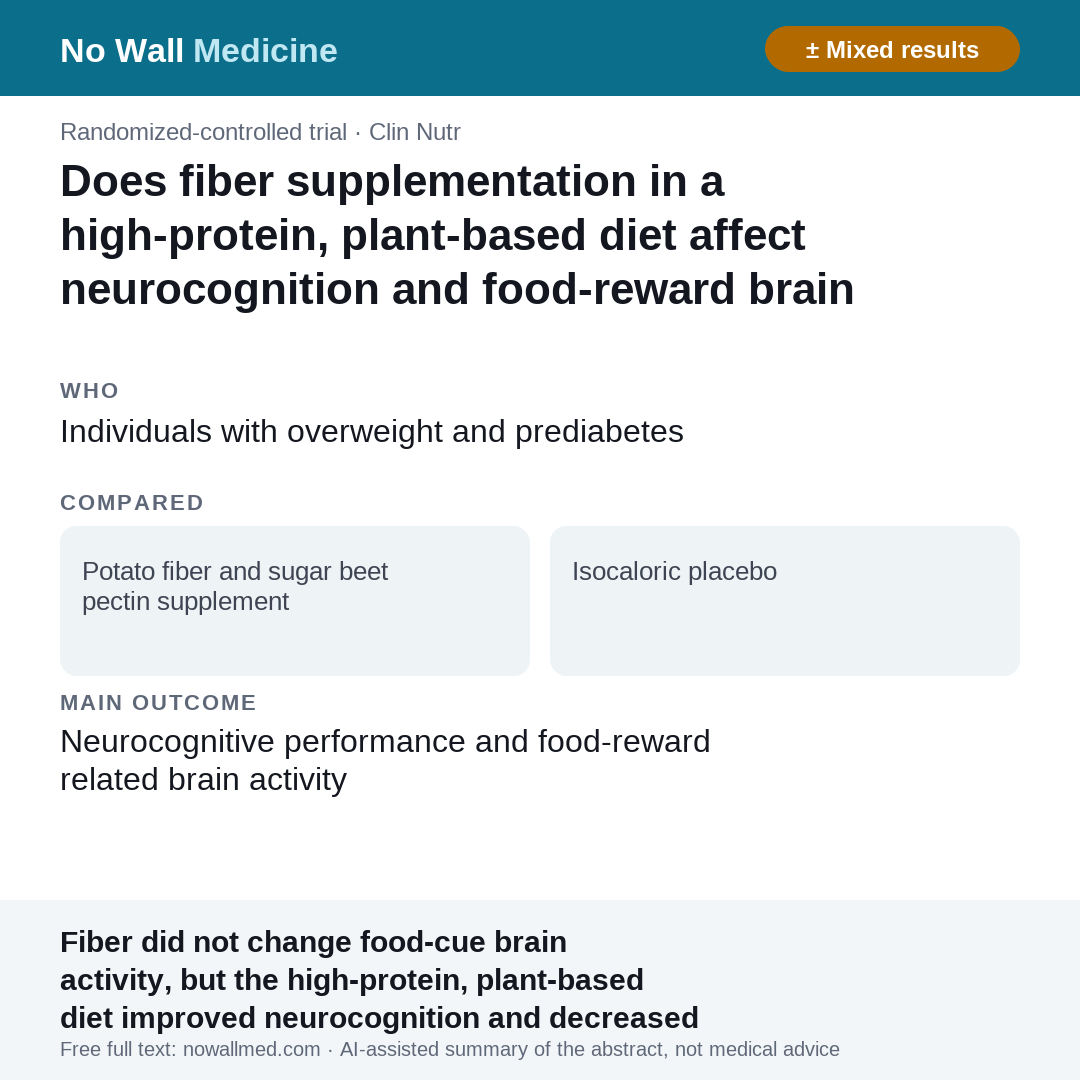
Neurocognition and food cue-related brain reactivity after fiber supplementation within a high-protein, plant-based diet in individuals with overweight and prediabetes: A randomized-controlled trial (the DISTAL-study)
Randomized-controlled trialMixed results
Does fiber supplementation in a high-protein, plant-based diet affect neurocognition and food-reward brain reactivity?
Who
Individuals with overweight and prediabetes
Compared
Potato fiber and sugar beet pectin supplement
Isocaloric placebo
Main outcome
Neurocognitive performance and food-reward related brain activity
Bottom line: Fiber did not change food-cue brain activity, but the high-protein, plant-based diet improved neurocognition and decreased hunger.
Clin Nutr · 2026-04-17Download image
Immunogenicity and Safety of Co-administration of Adjuvanted Respiratory Syncytial Virus Prefusion F Protein Vaccine With 20-Valent Pneumococcal Conjugate Vaccine in Adults Aged ≥60 Years: A Randomized, Non-inferiority Trial
Randomized, open-label, non-inferiority trialBenefit found
Is co-administration of RSV and pneumococcal vaccines non-inferior to sequential administration?
Who
1112
Adults aged 60 years or older · 38 centers in Belgium, Poland, Spain, and United States
Compared
Co-administration group
Control group
Main outcome
RSV-A and RSV-B neutralizing titers and PCV20 opsonophagocytic titers
Bottom line: Co-administration of RSV and pneumococcal vaccines is immunologically non-inferior and safe in older adults.
Clin Infect Dis · 2026-04-17Download image

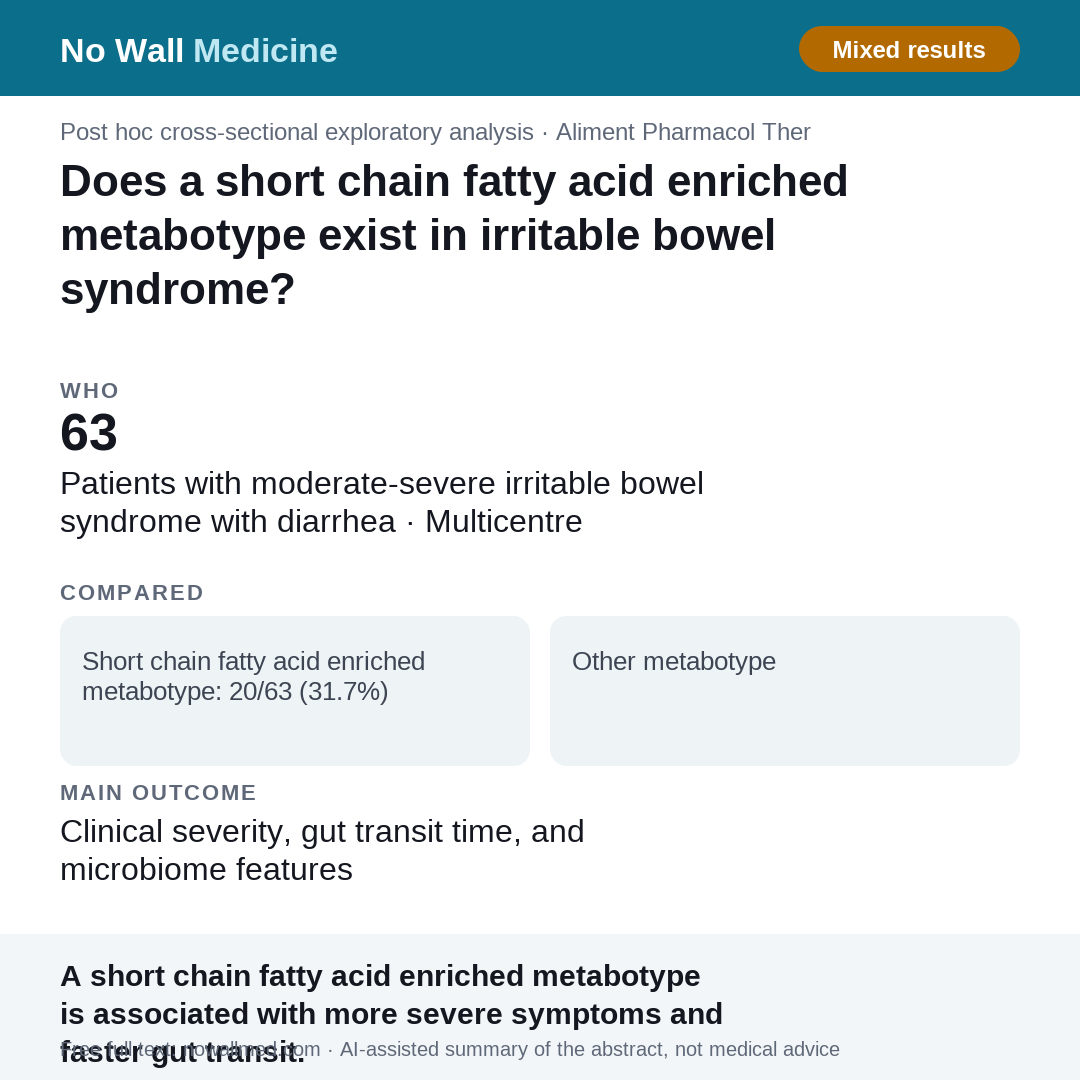
The Emerging Short Chain Fatty Acid Enriched Metabotype in Irritable Bowel Syndrome and Its Potential Clinical Relevance
Post hoc cross-sectional exploratory analysisMixed results
Does a short chain fatty acid enriched metabotype exist in irritable bowel syndrome?
Who
63
Patients with moderate-severe irritable bowel syndrome with diarrhea · Multicentre
Compared
Short chain fatty acid enriched metabotype: 20/63 (31.7%)
Other metabotype
Main outcome
Clinical severity, gut transit time, and microbiome features
Bottom line: A short chain fatty acid enriched metabotype is associated with more severe symptoms and faster gut transit.
Aliment Pharmacol Ther · 2026-04-17Download image
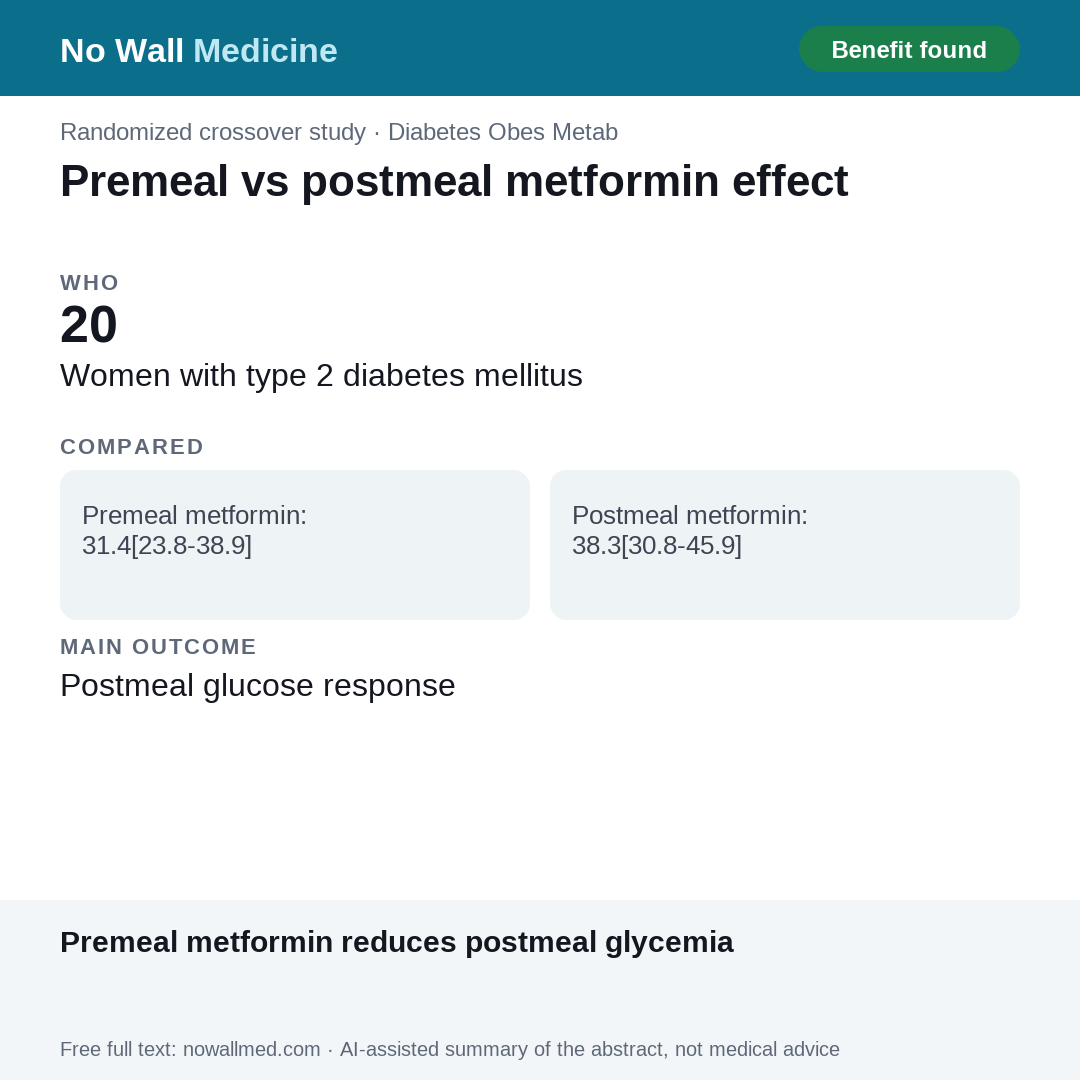
Effects of Premeal Versus Postmeal Metformin Administration on Postmeal Glycemic Control in Individuals With Type 2 Diabetes Mellitus: A Randomized, 8-Week Crossover Study
Randomized crossover studyBenefit found
Premeal vs postmeal metformin effect
Who
20
Women with type 2 diabetes mellitus
Compared
Premeal metformin: 31.4[23.8-38.9]
Postmeal metformin: 38.3[30.8-45.9]
Main outcome
Postmeal glucose response
Bottom line: Premeal metformin reduces postmeal glycemia
Diabetes Obes Metab · 2026-04-17Download image
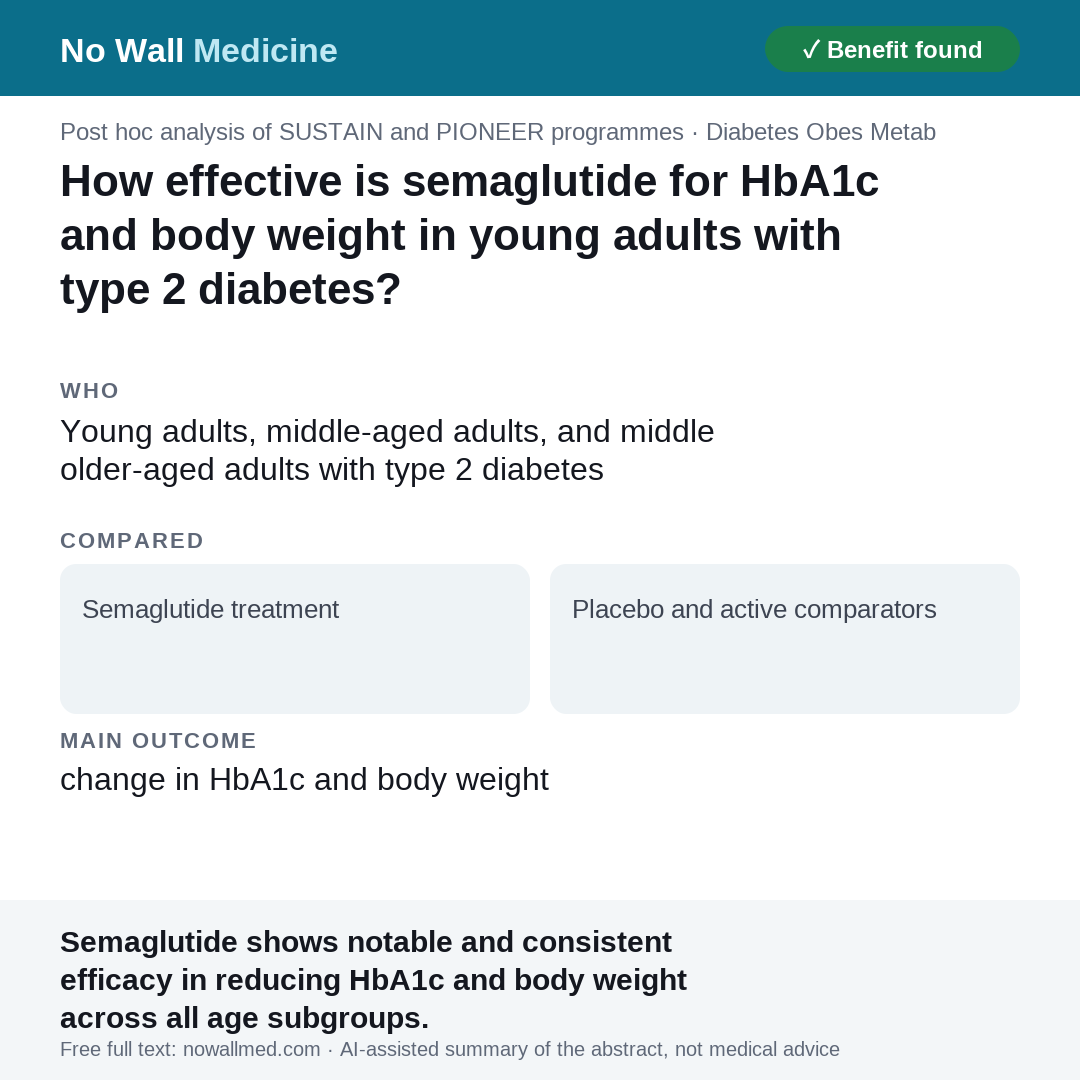
Semaglutide Treatment in Young Adults Living With Type 2 Diabetes: A Post Hoc Analysis From the SUSTAIN and PIONEER Clinical Trials
Post hoc analysis of SUSTAIN and PIONEER programmesBenefit found
How effective is semaglutide for HbA1c and body weight in young adults with type 2 diabetes?
Who
Young adults, middle-aged adults, and middle older-aged adults with type 2 diabetes
Compared
Semaglutide treatment
Placebo and active comparators
Main outcome
change in HbA1c and body weight
Bottom line: Semaglutide shows notable and consistent efficacy in reducing HbA1c and body weight across all age subgroups.
Diabetes Obes Metab · 2026-04-17Download image
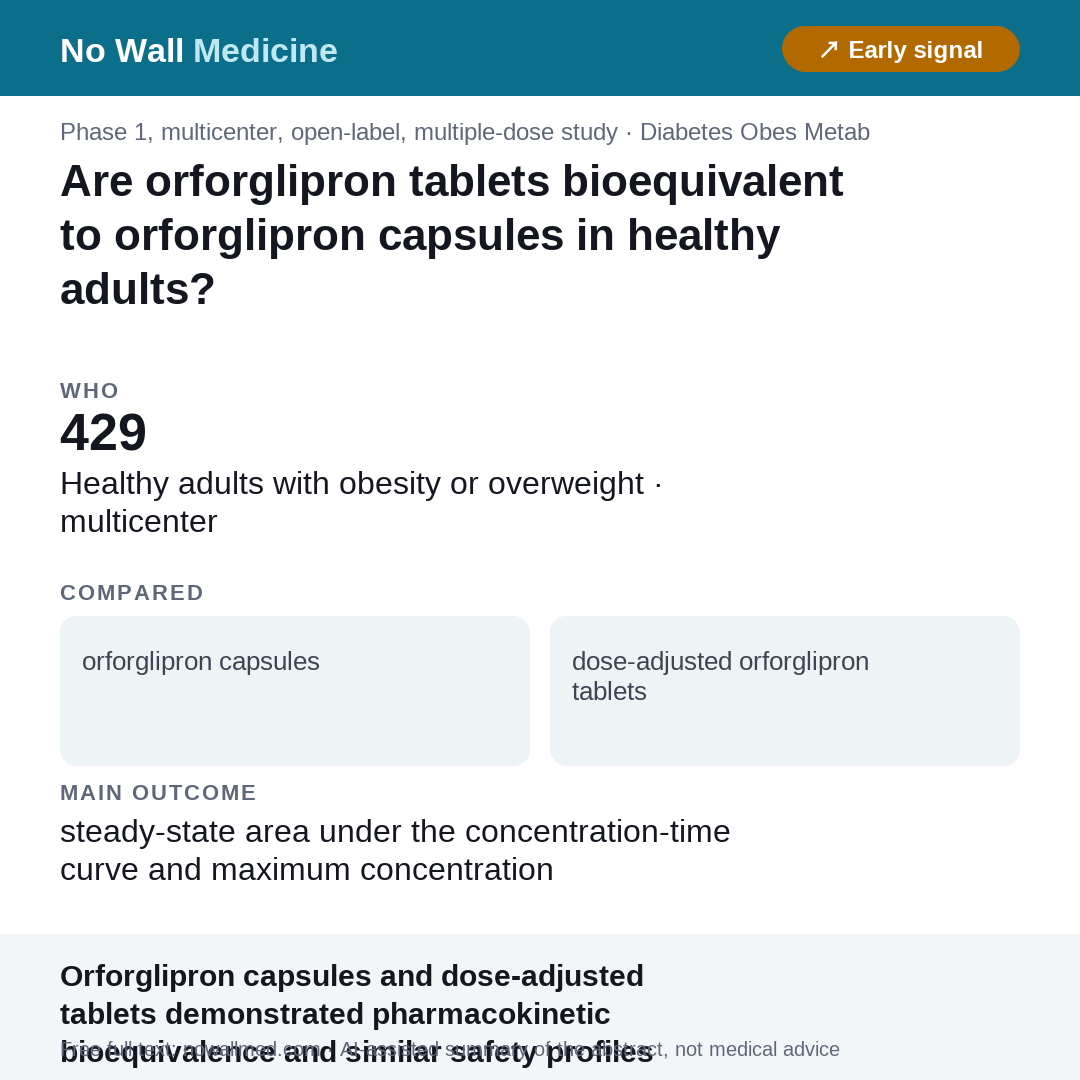
Pharmacokinetic Bioequivalence of Orforglipron Tablets and Capsules in Healthy Participants With Obesity or Overweight
Phase 1, multicenter, open-label, multiple-dose studyEarly signal
Are orforglipron tablets bioequivalent to orforglipron capsules in healthy adults?
Who
429
Healthy adults with obesity or overweight · multicenter
Compared
orforglipron capsules
dose-adjusted orforglipron tablets
Main outcome
steady-state area under the concentration-time curve and maximum concentration
Bottom line: Orforglipron capsules and dose-adjusted tablets demonstrated pharmacokinetic bioequivalence and similar safety profiles across all tested doses.
Diabetes Obes Metab · 2026-04-17Download image
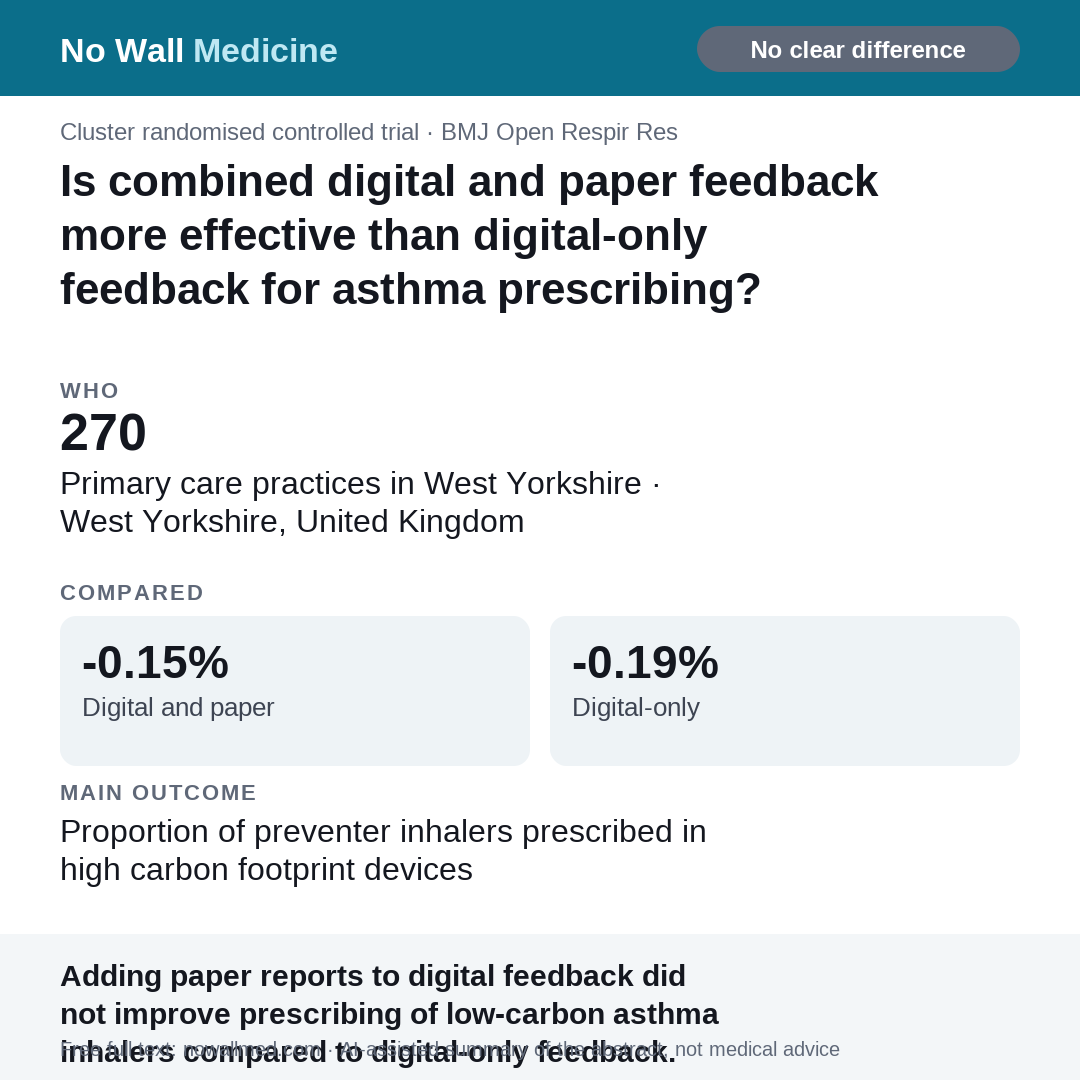
Comparing paper Letters in addition to Emailed Audit and feedback in Refining Asthma treatment to Improve clinical and environmental Results in primary care through a cluster randomised controlled trial: the CLEAR AIR study
Cluster randomised controlled trialNo clear difference
Is combined digital and paper feedback more effective than digital-only feedback for asthma prescribing?
Who
270
Primary care practices in West Yorkshire · West Yorkshire, United Kingdom
Compared
-0.15%Digital and paper
-0.19%Digital-only
Main outcome
Proportion of preventer inhalers prescribed in high carbon footprint devices
Result: risk ratio 1.00 (95% CI 0.98 to 1.03)
Bottom line: Adding paper reports to digital feedback did not improve prescribing of low-carbon asthma inhalers compared to digital-only feedback.
BMJ Open Respir Res · 2026-04-17Download image
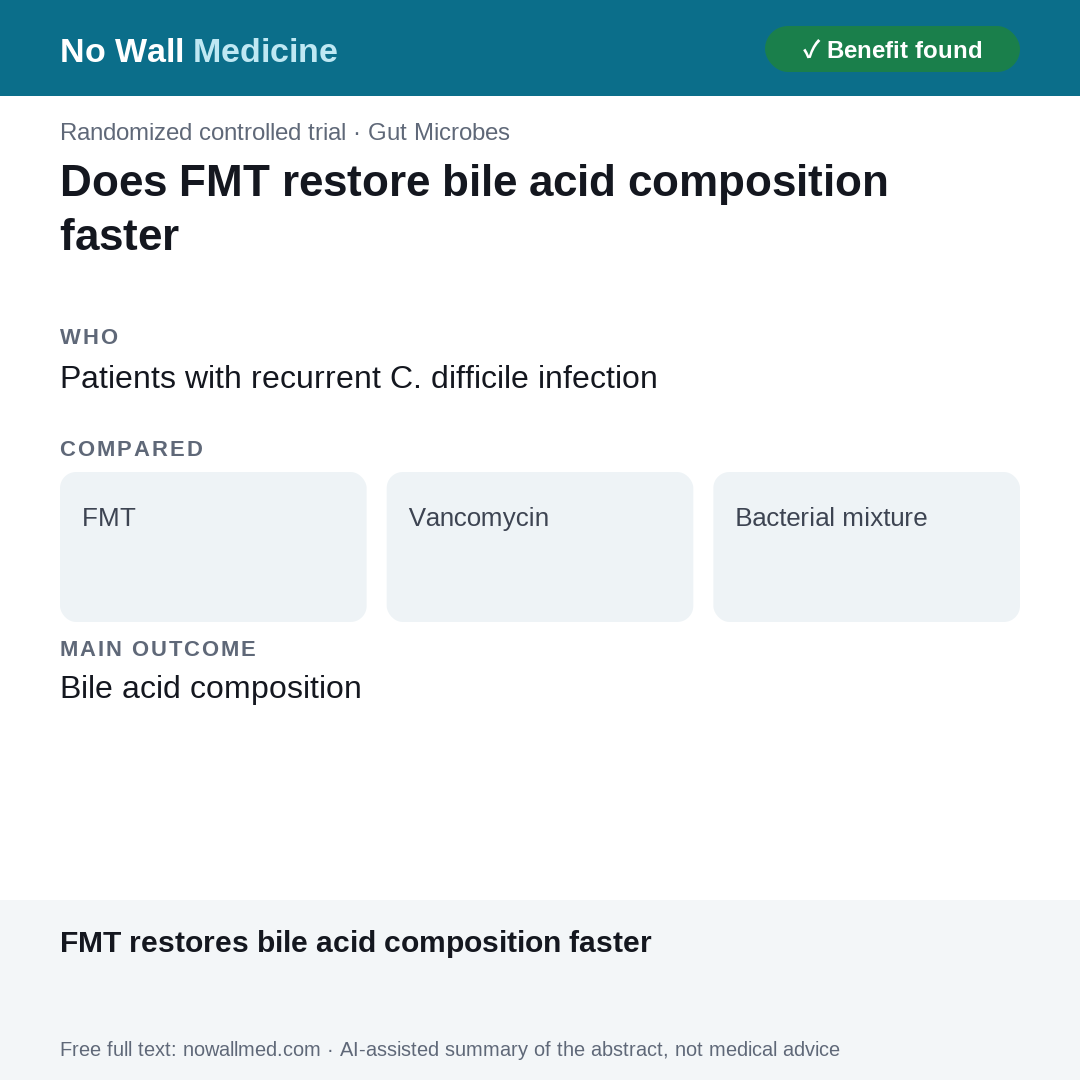
Re-establishing bile acid composition after treatment of recurrent Clostridioides difficile infection with fecal microbiota transplantation compared with oral vancomycin or a 12-strain bacterial mixture
Randomized controlled trialBenefit found
Does FMT restore bile acid composition faster
Who
Patients with recurrent C. difficile infection
Compared
FMT
Vancomycin
Bacterial mixture
Main outcome
Bile acid composition
Bottom line: FMT restores bile acid composition faster
Gut Microbes · 2026-04-17Download image
The Real-Time Support Role of Augmented Reality Technology in Shared Decision-Making in Neurosurgery Under the SEGUE Framework: Randomized Controlled Trial
Randomized controlled trialBenefit found
Does AR improve understanding in neurosurgery
Who
62
neurosurgery patients or representatives · single center
Compared
AR group: higher objective understanding
physical model: lower objective understanding
Main outcome
objective understanding
Bottom line: AR improves understanding and satisfaction
Limitation: single center, small sample
J Med Internet Res · 2026-04-17Download image

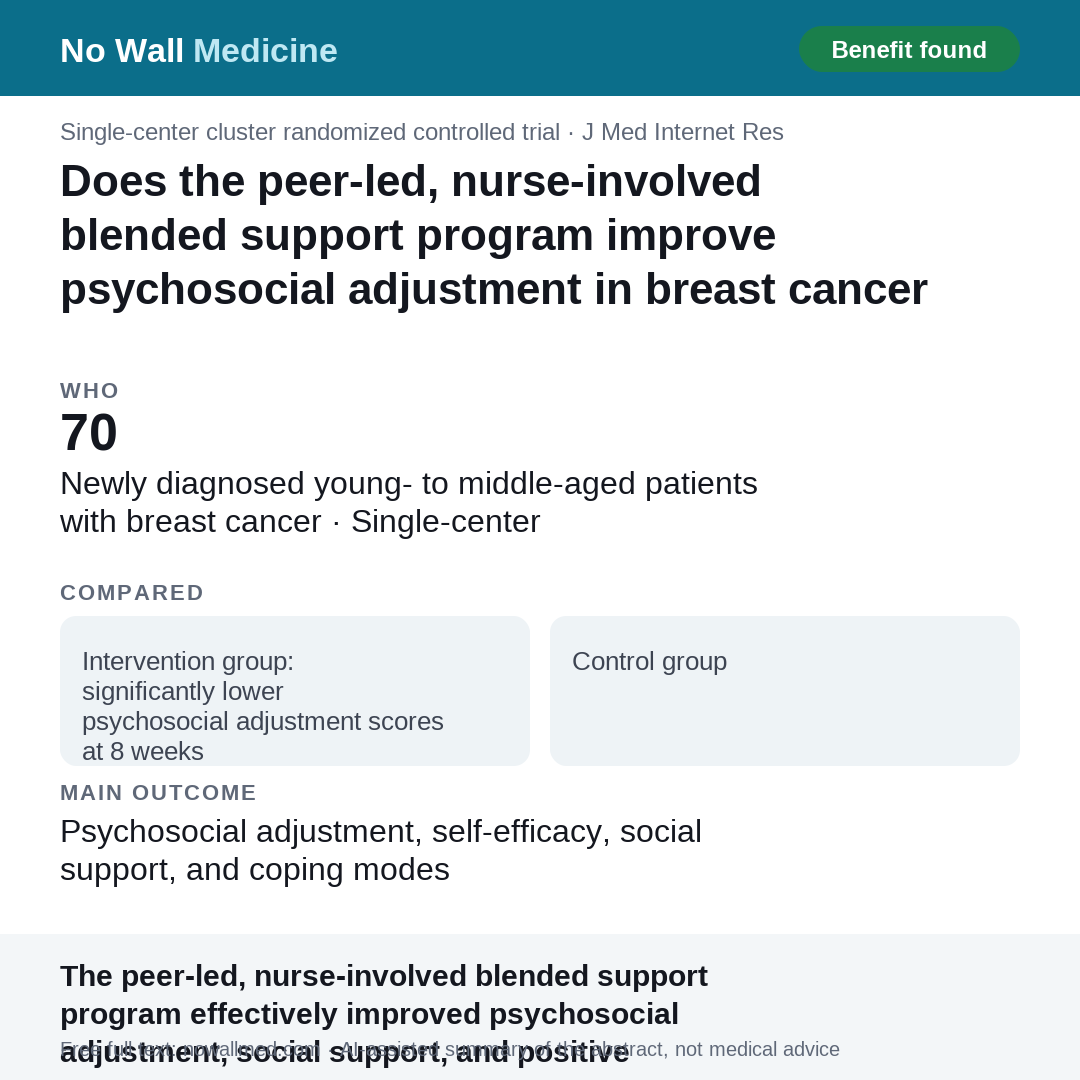
A Peer-Led, Nurse-Involved Blended Online and Offline Peer Support Program (PNO2PSP) for Psychosocial Adjustment in Young- to Middle-Aged Patients With Breast Cancer: Cluster Randomized Clinical Trial
Single-center cluster randomized controlled trialBenefit found
Does the peer-led, nurse-involved blended support program improve psychosocial adjustment in breast cancer patients?
Who
70
Newly diagnosed young- to middle-aged patients with breast cancer · Single-center
Compared
Intervention group: significantly lower psychosocial adjustment scores at 8 weeks and 12 weeks
Control group
Main outcome
Psychosocial adjustment, self-efficacy, social support, and coping modes
Bottom line: The peer-led, nurse-involved blended support program effectively improved psychosocial adjustment, social support, and positive coping in breast cancer patients.
J Med Internet Res · 2026-04-17Download image
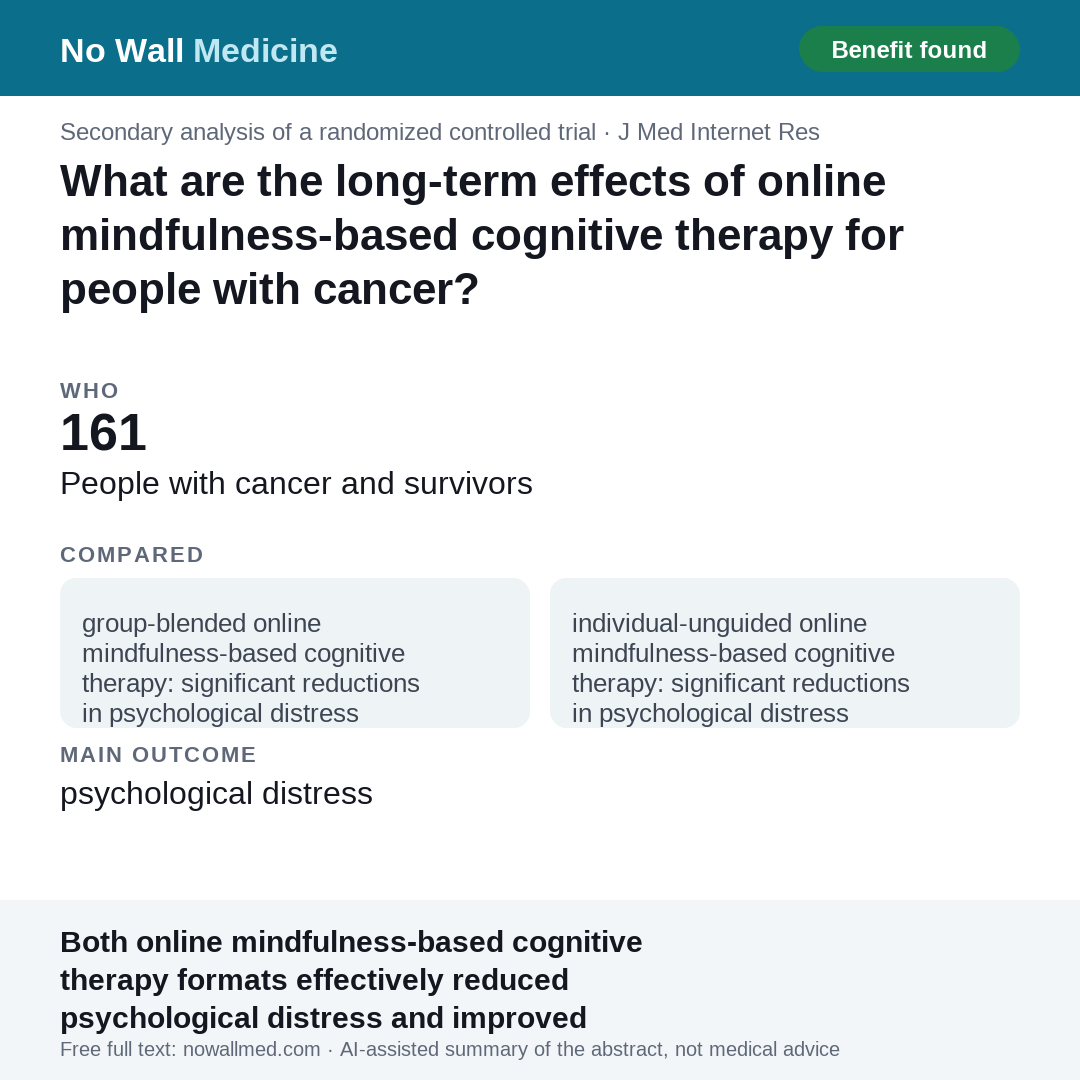
Long-Term Outcomes, Moderators, and Predictors in Online Mindfulness-Based Cognitive Therapy for People With Cancer: Secondary Analysis of a Randomized Controlled Trial
Secondary analysis of a randomized controlled trialBenefit found
What are the long-term effects of online mindfulness-based cognitive therapy for people with cancer?
Who
161
People with cancer and survivors
Compared
group-blended online mindfulness-based cognitive therapy: significant reductions in psychological distress
individual-unguided online mindfulness-based cognitive therapy: significant reductions in psychological distress
Main outcome
psychological distress
Bottom line: Both online mindfulness-based cognitive therapy formats effectively reduced psychological distress and improved well-being up to 9 months posttreatment.
Limitation: Larger, fully powered randomized controlled trials are needed to confirm these results.
J Med Internet Res · 2026-04-17Download image
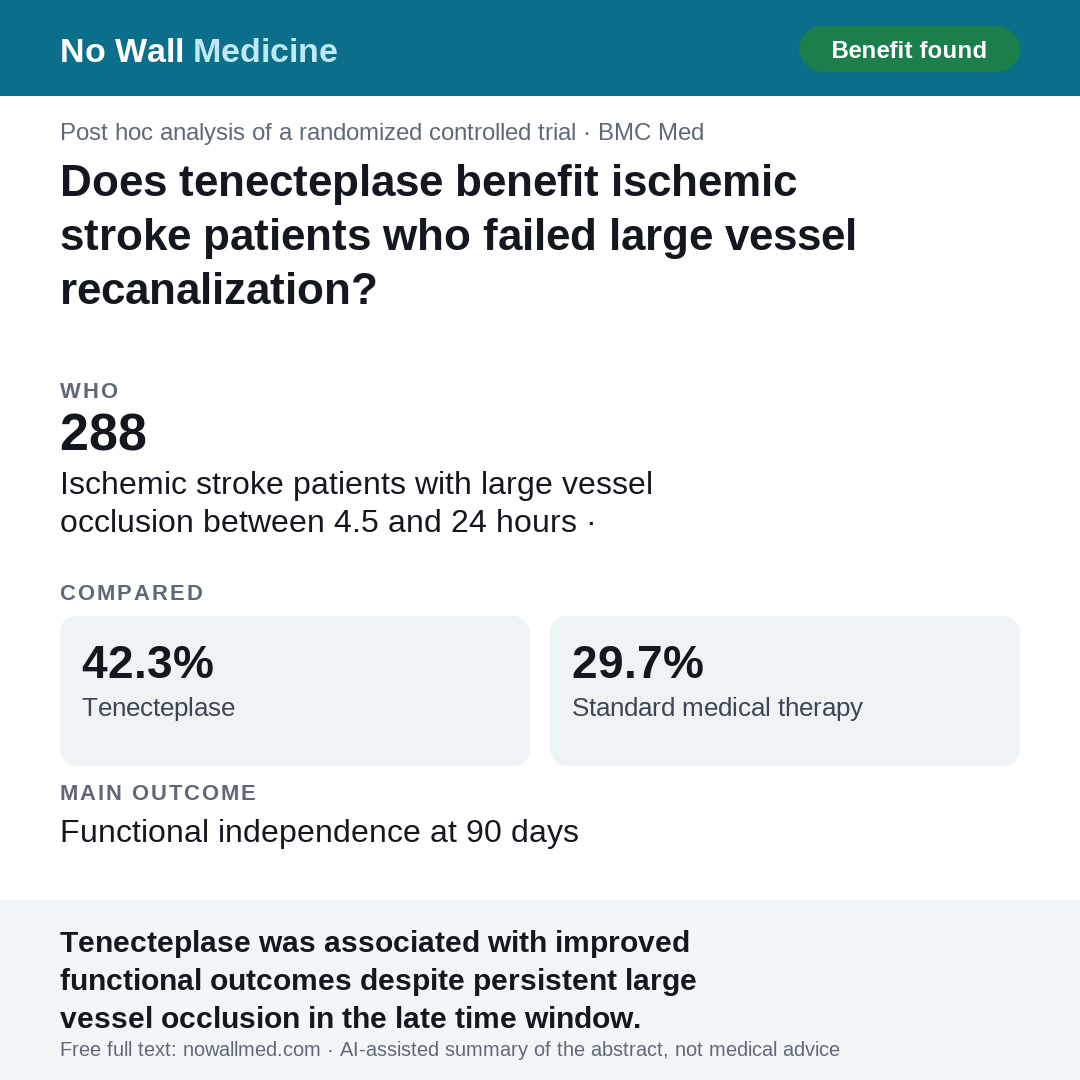
Clinical benefit of tenecteplase despite failed recanalization in late-window ischemic stroke: a post hoc analysis of the TRACE-3 trial
Post hoc analysis of a randomized controlled trialBenefit found
Does tenecteplase benefit ischemic stroke patients who failed large vessel recanalization?
Who
288
Ischemic stroke patients with large vessel occlusion between 4.5 and 24 hours · Multicenter
Compared
42.3%Tenecteplase
29.7%Standard medical therapy
Main outcome
Functional independence at 90 days
Result: adjusted risk ratio 1.37 (95% CI 1.00-1.86)
Bottom line: Tenecteplase was associated with improved functional outcomes despite persistent large vessel occlusion in the late time window.
BMC Med · 2026-04-16Download image
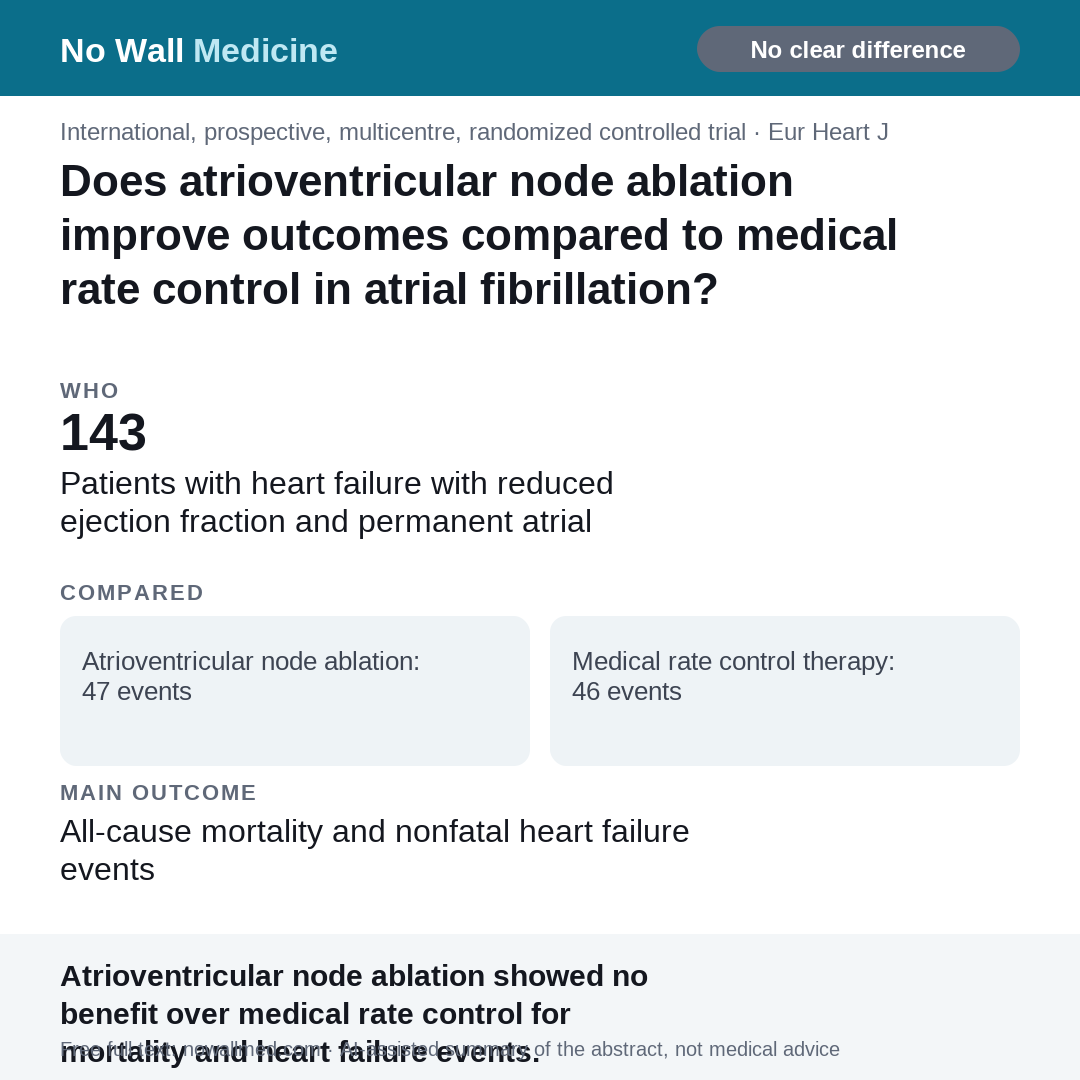
Cardiac resynchronization therapy with or without atrioventricular node ablation in atrial fibrillation: the CAAN-AF trial
International, prospective, multicentre, randomized controlled trialNo clear difference
Does atrioventricular node ablation improve outcomes compared to medical rate control in atrial fibrillation?
Who
143
Patients with heart failure with reduced ejection fraction and permanent atrial fibrillation · International, multicentre
Compared
Atrioventricular node ablation: 47 events
Medical rate control therapy: 46 events
Main outcome
All-cause mortality and nonfatal heart failure events
Result: incident rate ratio 1.16 (95% CI 0.60-2.24)
Bottom line: Atrioventricular node ablation showed no benefit over medical rate control for mortality and heart failure events.
Eur Heart J · 2026-04-16Download image
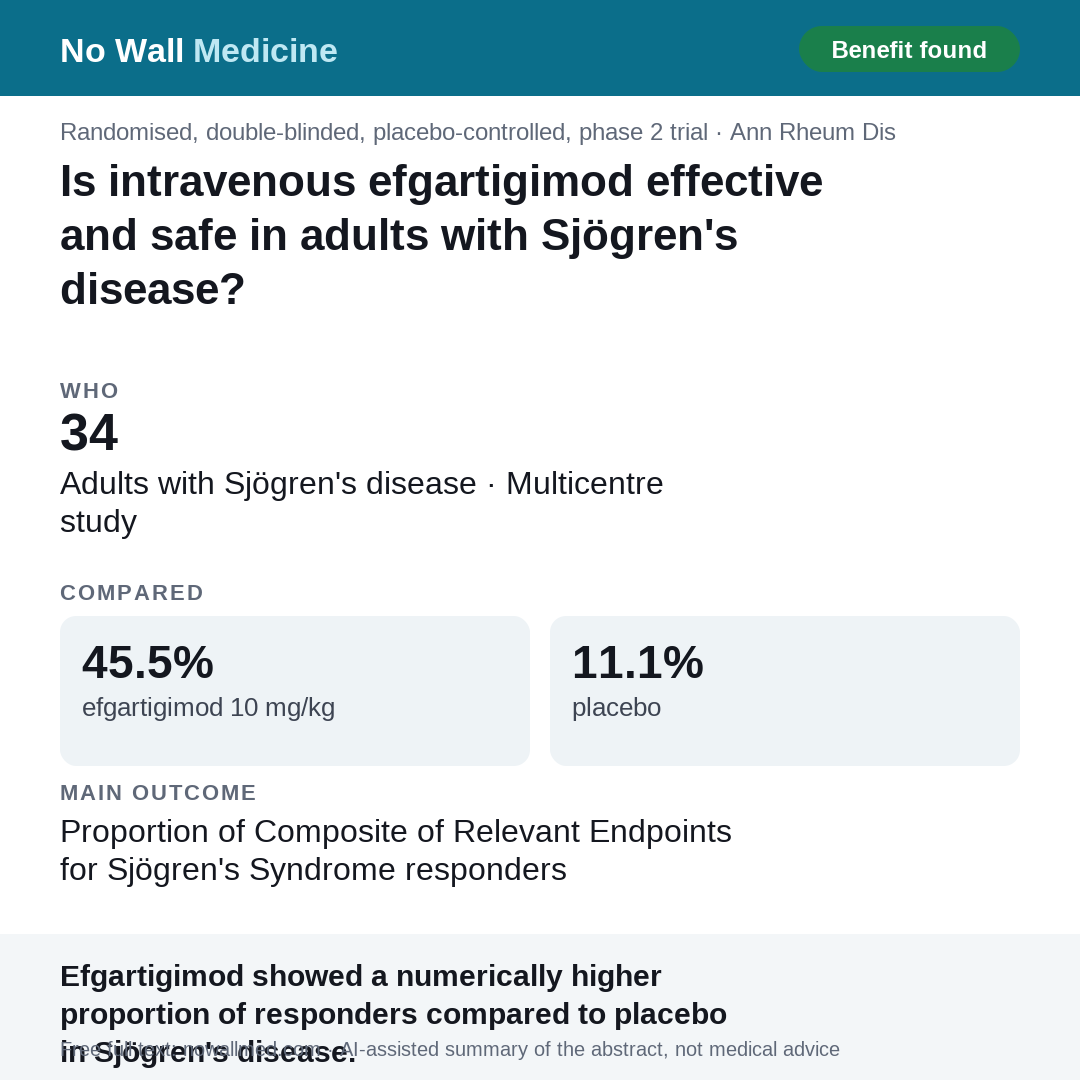
Efgartigimod in Sjögren's disease: a phase 2, randomised, placebo-controlled, parallel-group, double-blinded, proof-of-concept study (RHO)
Randomised, double-blinded, placebo-controlled, phase 2 trialBenefit found
Is intravenous efgartigimod effective and safe in adults with Sjögren's disease?
Who
34
Adults with Sjögren's disease · Multicentre study
Compared
45.5%efgartigimod 10 mg/kg
11.1%placebo
Main outcome
Proportion of Composite of Relevant Endpoints for Sjögren's Syndrome responders
Result: treatment difference 34.4%
Bottom line: Efgartigimod showed a numerically higher proportion of responders compared to placebo in Sjögren's disease.
Ann Rheum Dis · 2026-04-16Download image
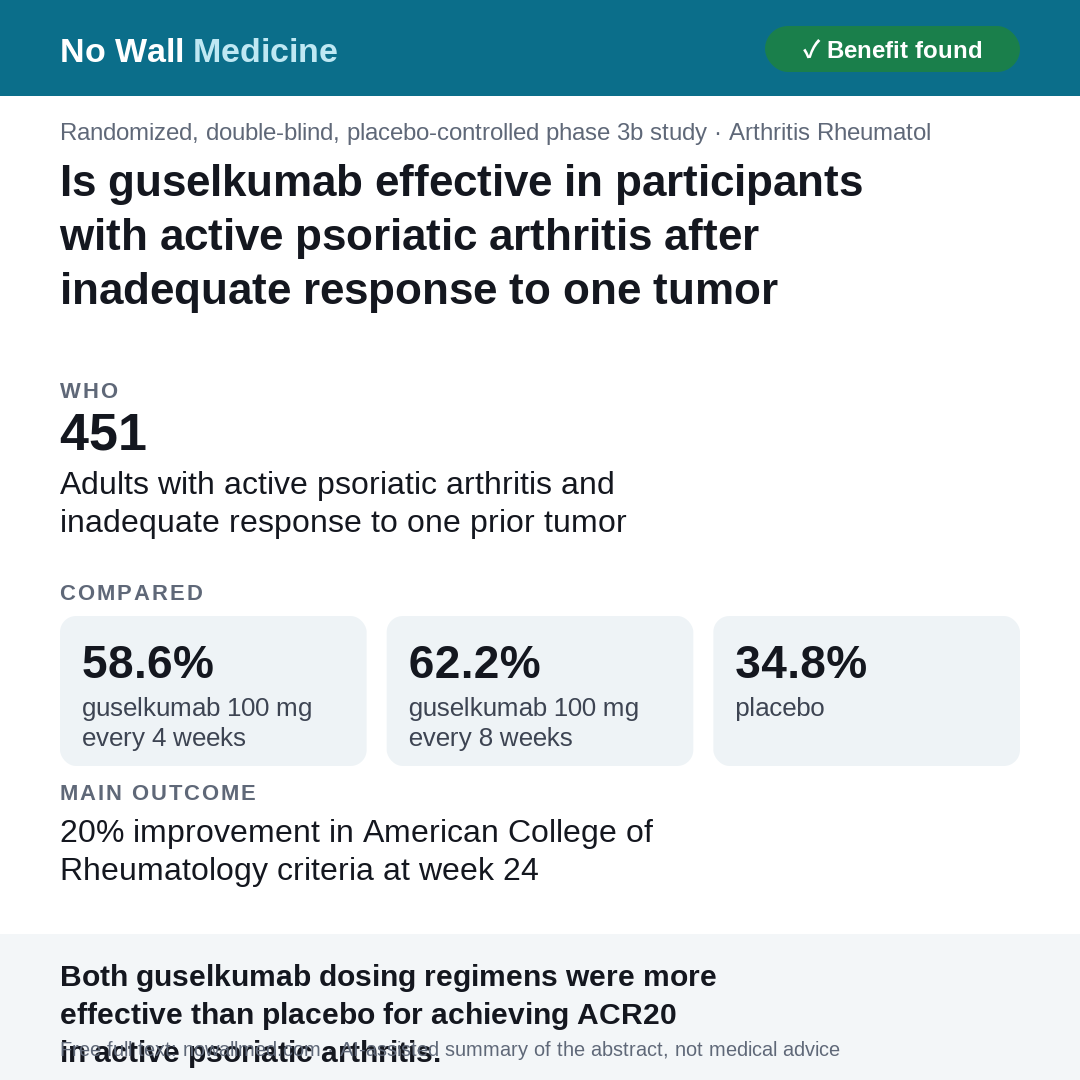
Efficacy and Safety of Guselkumab in Participants With Active Psoriatic Arthritis After Inadequate Response to One Prior Tumor Necrosis Factor Inhibitor: Week-24 Results of a Phase 3, Randomized, Placebo-Controlled Study
Randomized, double-blind, placebo-controlled phase 3b studyBenefit found
Is guselkumab effective in participants with active psoriatic arthritis after inadequate response to one tumor necrosis factor inhibitor?
Who
451
Adults with active psoriatic arthritis and inadequate response to one prior tumor necrosis factor inhibitor · multicenter
Compared
58.6%guselkumab 100 mg every 4 weeks
62.2%guselkumab 100 mg every 8 weeks
34.8%placebo
Main outcome
20% improvement in American College of Rheumatology criteria at week 24
Bottom line: Both guselkumab dosing regimens were more effective than placebo for achieving ACR20 in active psoriatic arthritis.
Arthritis Rheumatol · 2026-04-16Download image
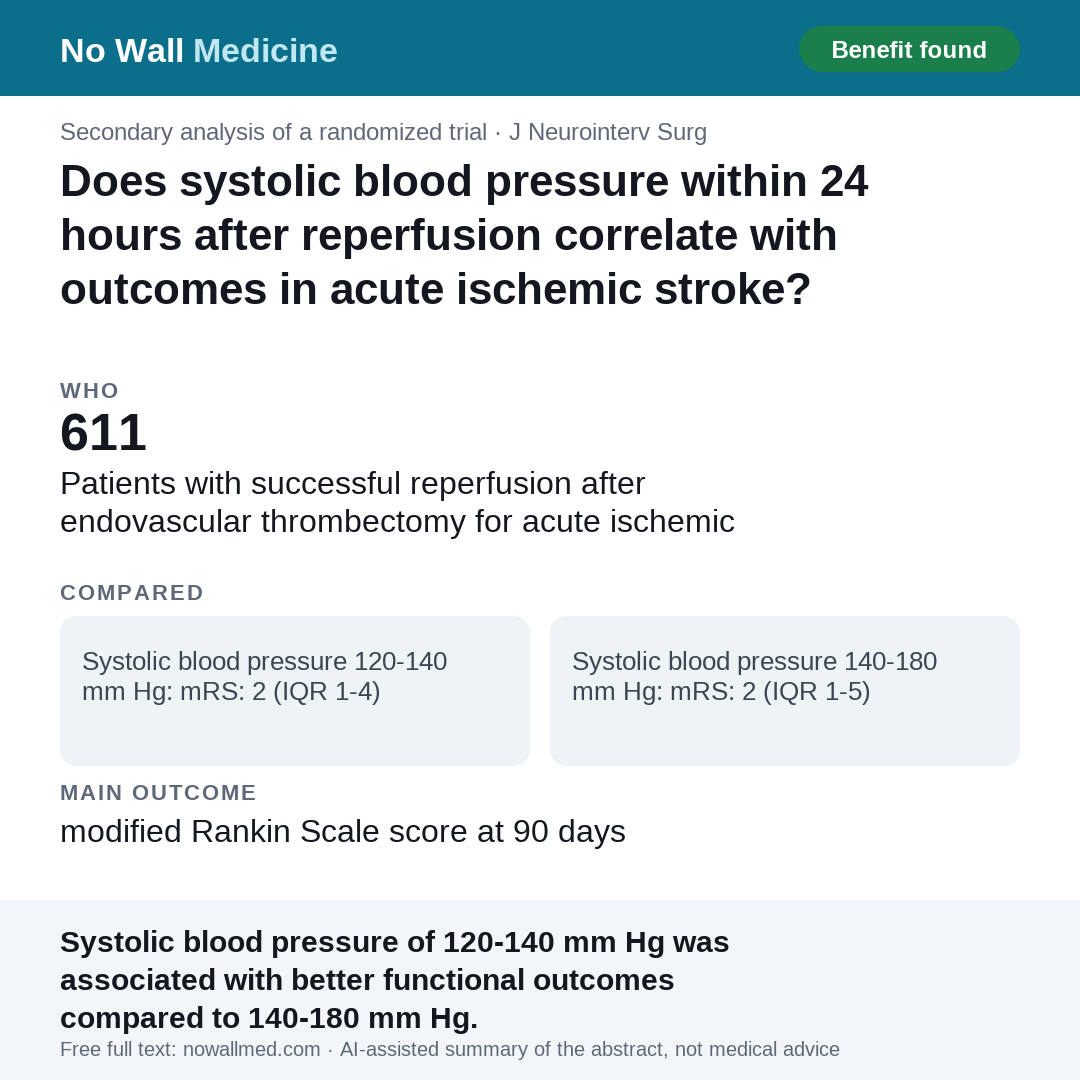
Systolic blood pressure within 24 hours after successful reperfusion correlates with outcomes in acute ischemic stroke: a secondary analysis of the EHCHANTED2/MT Trial
Secondary analysis of a randomized trialBenefit found
Does systolic blood pressure within 24 hours after reperfusion correlate with outcomes in acute ischemic stroke?
Who
611
Patients with successful reperfusion after endovascular thrombectomy for acute ischemic stroke
Compared
Systolic blood pressure 120-140 mm Hg: mRS: 2 (IQR 1-4)
Systolic blood pressure 140-180 mm Hg: mRS: 2 (IQR 1-5)
Main outcome
modified Rankin Scale score at 90 days
Result: adjusted OR 1.54 (95% CI 1.10 to 2.17)
Bottom line: Systolic blood pressure of 120-140 mm Hg was associated with better functional outcomes compared to 140-180 mm Hg.
J Neurointerv Surg · 2026-04-16Download image