Visual abstracts
New randomized trials and meta-analyses from leading journals at a glance: who was studied, what was compared, and what was found. Every paper is free to read in full.
All specialtiesCardiology 4877Oncology 4138Gastroenterology & Hepatology 1942Infectious Disease 3837Neurology 1905Psychiatry & Mental Health 2273Pulmonology 2143Critical Care 1365Endocrinology & Diabetes 2580Pediatrics 2980Surgery 2559Orthopedics & Sports Medicine 931Neurosurgery 537Cardiothoracic & Vascular Surgery 674Plastic & Reconstructive Surgery 591Nephrology 1133Rheumatology 823Hematology 1109Dermatology 621Ophthalmology 543Obstetrics & Gynecology 1686Public & Global Health 1058Radiology & Imaging 648Anesthesiology 986Urology 764ENT (Otolaryngology) 503Emergency Medicine 511Allergy & Immunology 313Geriatrics 981Family Medicine & Primary Care 562Medical Genetics & Genomics 676Pathology & Laboratory Medicine 159Physical Medicine & Rehabilitation 757Palliative Care 444Nutrition 1588Digital Health & AI 2201General Medicine 321
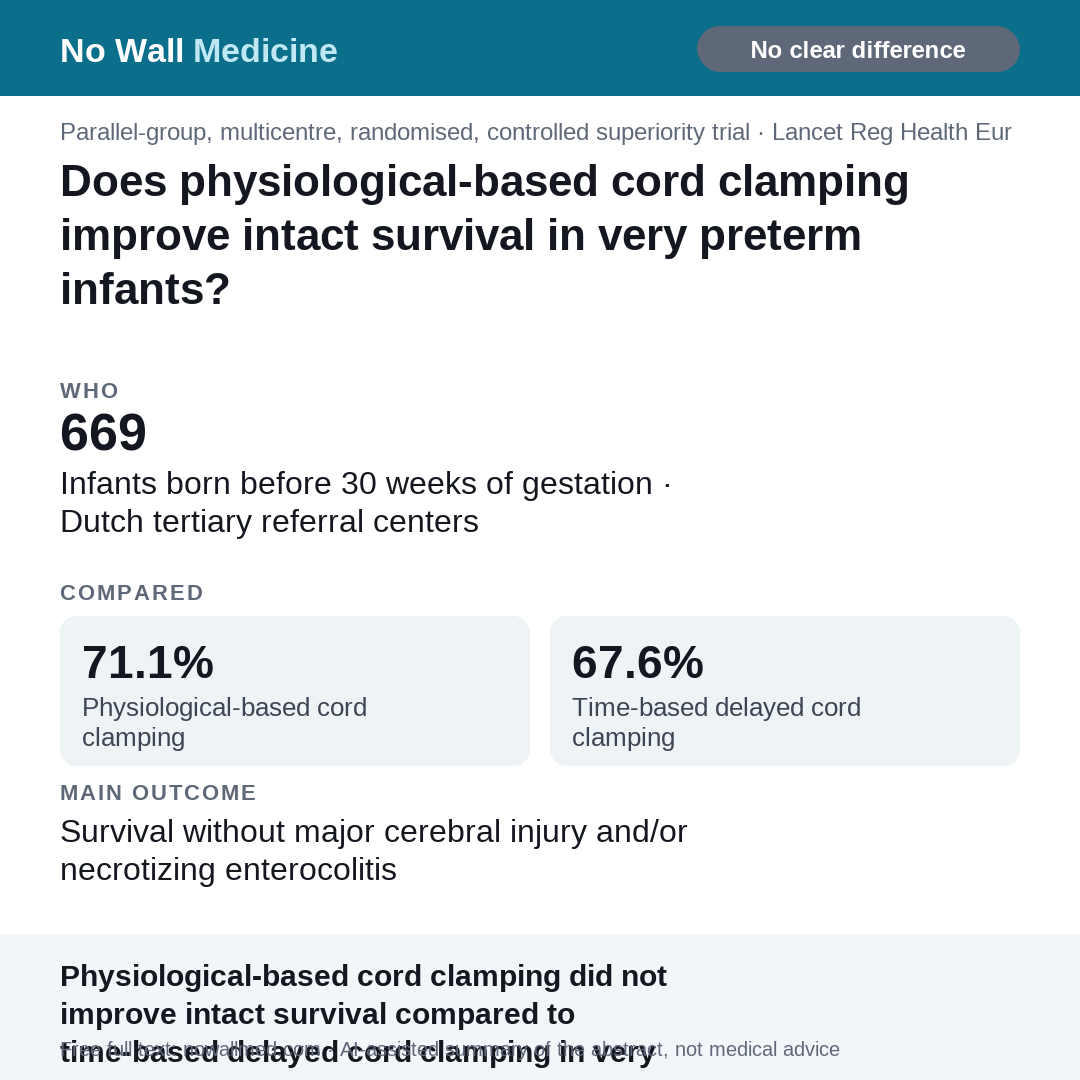
Physiological versus time based cord clamping in very preterm infants (ABC3): a parallel-group, multicentre, randomised, controlled superiority trial
Parallel-group, multicentre, randomised, controlled superiority trialNo clear difference
Does physiological-based cord clamping improve intact survival in very preterm infants?
Who
669
Infants born before 30 weeks of gestation · Dutch tertiary referral centers
Compared
71.1%Physiological-based cord clamping (241/339)
67.6%Time-based delayed cord clamping (223/330)
Main outcome
Survival without major cerebral injury and/or necrotizing enterocolitis
Result: odds ratio 1.18, 95% CI 0.84-1.66
Bottom line: Physiological-based cord clamping did not improve intact survival compared to time-based delayed cord clamping in very preterm infants.
Funded by: The Netherlands Organization for Health Research and Development
Lancet Reg Health Eur · 2024-12-04Download image
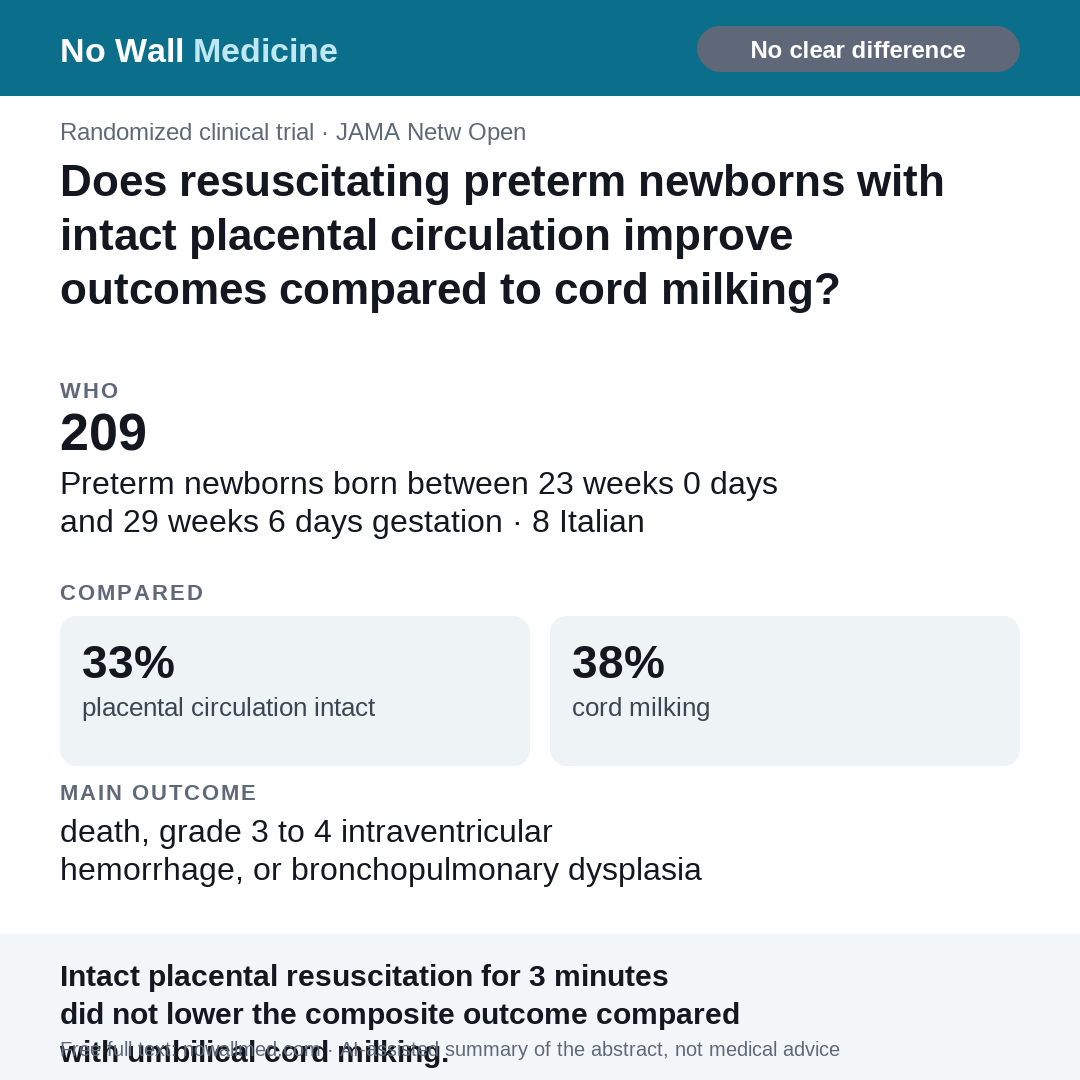
Resuscitation With Placental Circulation Intact Compared With Cord Milking: A Randomized Clinical Trial
Randomized clinical trialNo clear difference
Does resuscitating preterm newborns with intact placental circulation improve outcomes compared to cord milking?
Who
209
Preterm newborns born between 23 weeks 0 days and 29 weeks 6 days gestation · 8 Italian neonatal intensive care units
Compared
33%placental circulation intact
38%cord milking
Main outcome
death, grade 3 to 4 intraventricular hemorrhage, or bronchopulmonary dysplasia
Result: odds ratio, 0.83 (95% CI, 0.47-1.47)
Bottom line: Intact placental resuscitation for 3 minutes did not lower the composite outcome compared with umbilical cord milking.
JAMA Netw Open · 2024-12-02Download image
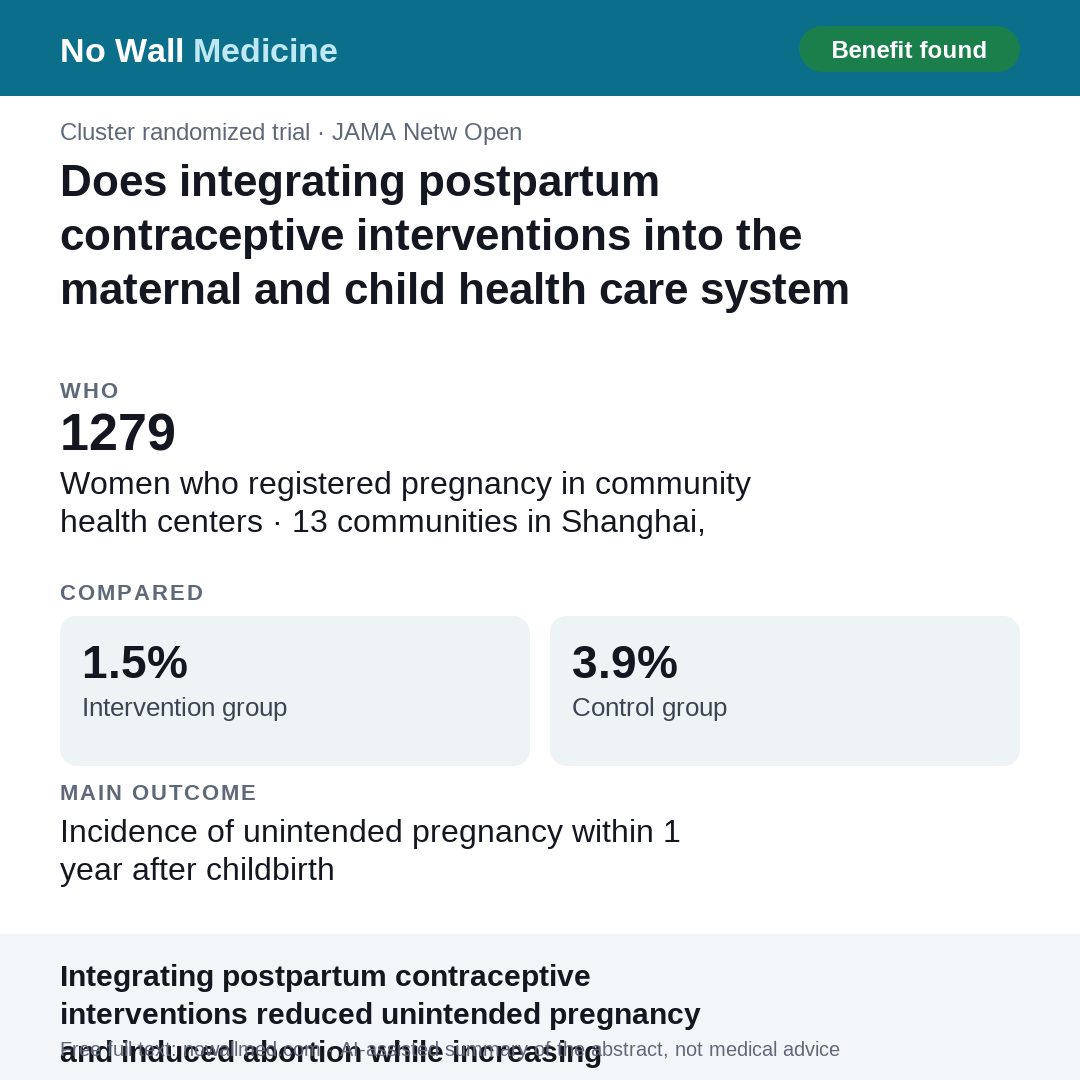
Integrating a Postpartum Contraception Intervention in the Maternal and Child Health Care System of China: A Randomized Clinical Trial
Cluster randomized trialBenefit found
Does integrating postpartum contraceptive interventions into the maternal and child health care system work?
Who
1279
Women who registered pregnancy in community health centers · 13 communities in Shanghai, China
Compared
1.5%Intervention group (8 participants)
3.9%Control group (18 participants)
Main outcome
Incidence of unintended pregnancy within 1 year after childbirth
Result: adjusted odds ratio 0.33 (95% CI 0.16-0.70)
Bottom line: Integrating postpartum contraceptive interventions reduced unintended pregnancy and induced abortion while increasing long-acting reversible contraception utilization.
JAMA Netw Open · 2024-12-02Download image
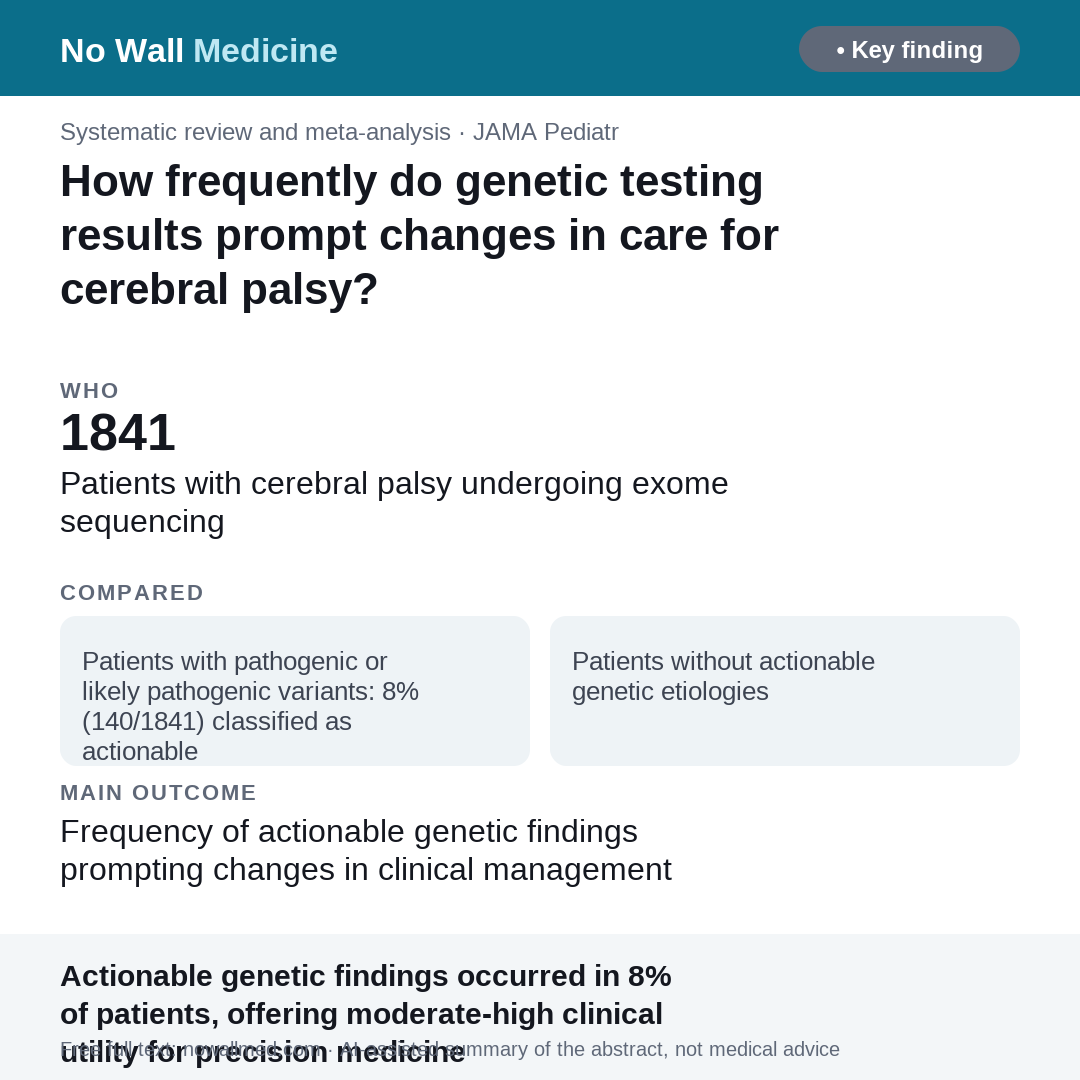
Clinical Actionability of Genetic Findings in Cerebral Palsy: A Systematic Review and Meta-Analysis
Systematic review and meta-analysisBenefit found
How frequently do genetic testing results prompt changes in care for cerebral palsy?
Who
1841
Patients with cerebral palsy undergoing exome sequencing
Compared
Patients with pathogenic or likely pathogenic variants: 8% (140/1841) classified as actionable
Patients without actionable genetic etiologies
Main outcome
Frequency of actionable genetic findings prompting changes in clinical management
Bottom line: Actionable genetic findings occurred in 8% of patients, offering moderate-high clinical utility for precision medicine interventions.
Limitation: The relatively limited evidence base underscores the need for additional research.
JAMA Pediatr · 2024-12-02Download image
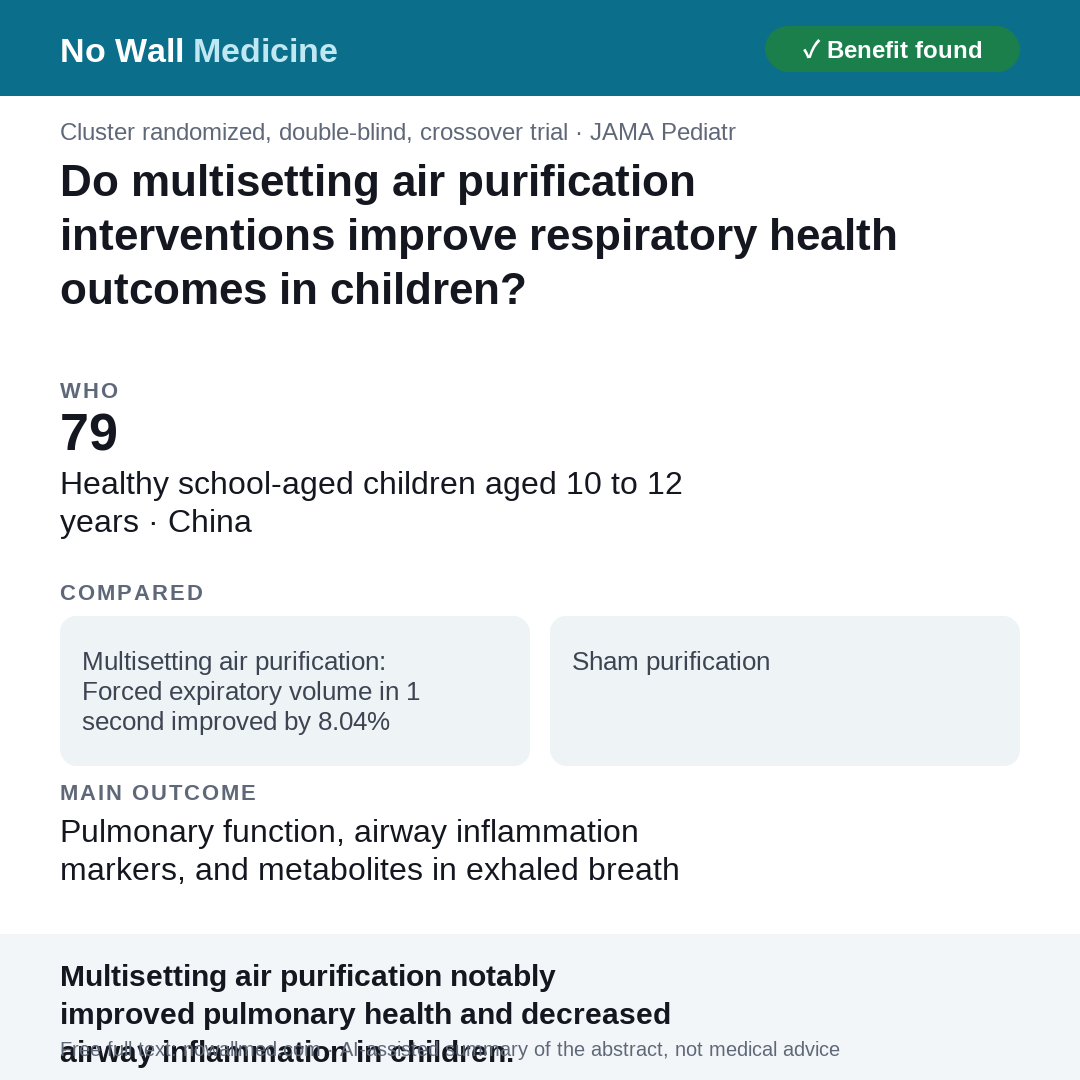
Respiratory Benefits of Multisetting Air Purification in Children: A Cluster Randomized Crossover Trial
Cluster randomized, double-blind, crossover trialBenefit found
Do multisetting air purification interventions improve respiratory health outcomes in children?
Who
79
Healthy school-aged children aged 10 to 12 years · China
Compared
Multisetting air purification: Forced expiratory volume in 1 second improved by 8.04%
Sham purification
Main outcome
Pulmonary function, airway inflammation markers, and metabolites in exhaled breath condensate
Result: forced expiratory volume in 1 second 8.04% (95% CI, 2.15%-13.93%)
Bottom line: Multisetting air purification notably improved pulmonary health and decreased airway inflammation in children.
JAMA Pediatr · 2024-12-02Download image
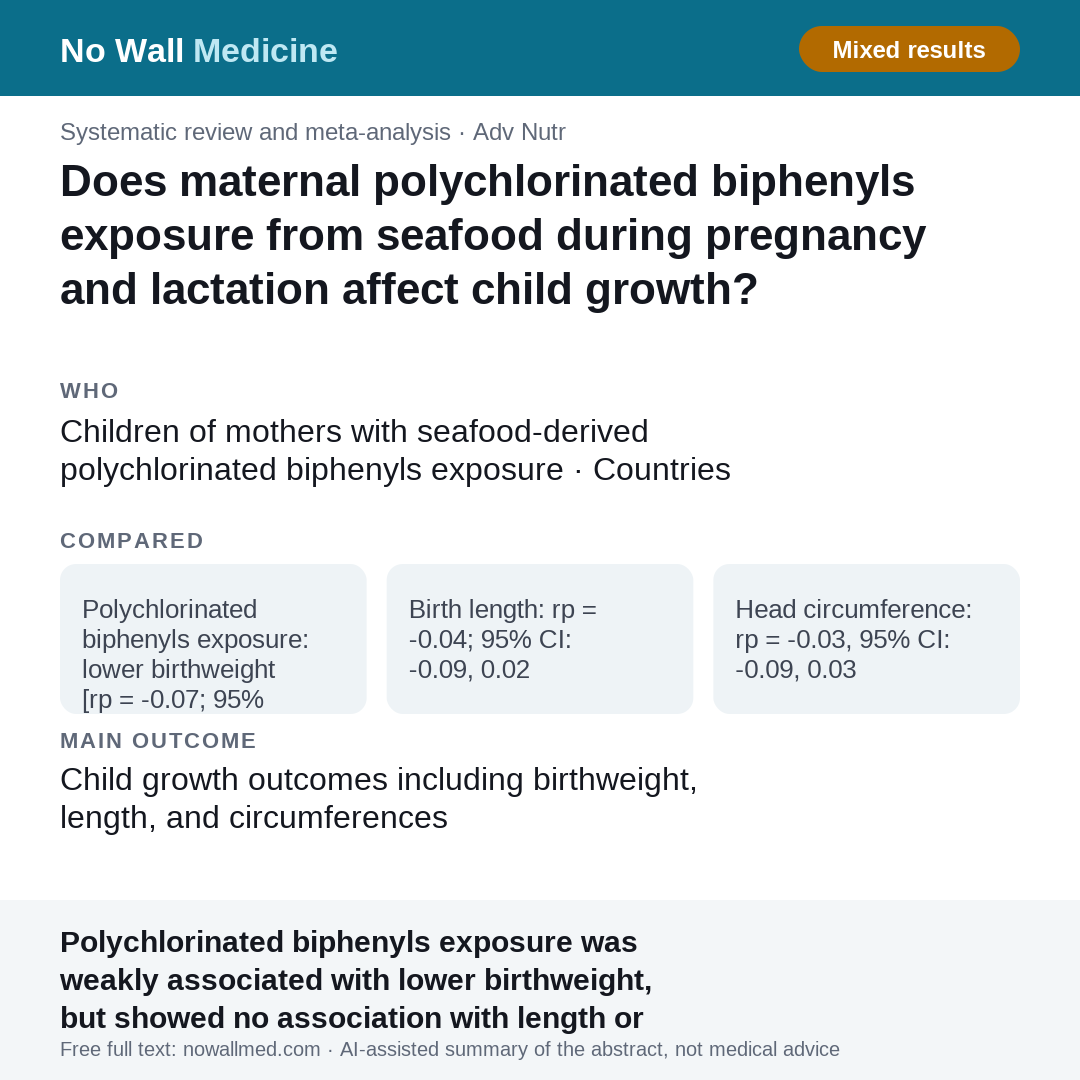
Associations Between Maternal Polychlorinated Biphenyls (PCBs) Exposure from Seafood Consumption during Pregnancy and Lactation and Child Growth: A Systematic Review and Meta-Analysis
Systematic review and meta-analysisMixed results
Does maternal polychlorinated biphenyls exposure from seafood during pregnancy and lactation affect child growth?
Who
Children of mothers with seafood-derived polychlorinated biphenyls exposure · Countries with a high Human Development Index
Compared
Polychlorinated biphenyls exposure: lower birthweight [rp = -0.07; 95% confidence interval (CI): -0.12, -0.02]
Birth length: rp = -0.04; 95% CI: -0.09, 0.02
Head circumference: rp = -0.03, 95% CI: -0.09, 0.03
Main outcome
Child growth outcomes including birthweight, length, and circumferences
Result: rp = -0.07; 95% confidence interval (CI): -0.12, -0.02 for birthweight
Bottom line: Polychlorinated biphenyls exposure was weakly associated with lower birthweight, but showed no association with length or head circumference.
Limitation: Low or very low certainty due to confounding, missing data, and exposure misclassification.
Adv Nutr · 2024-11-30Download image
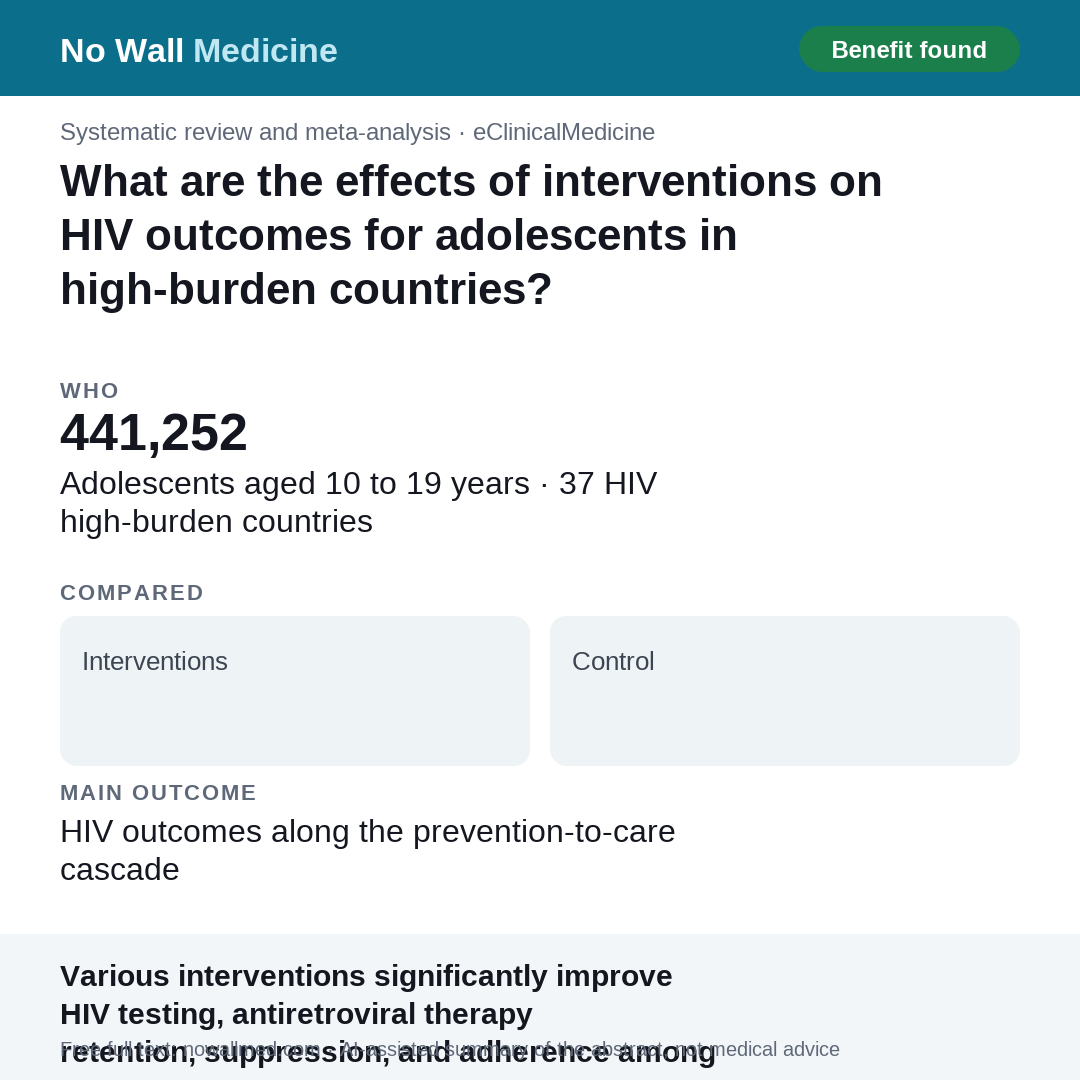
HIV interventions across the care continuum for adolescents in high-burden countries: a systematic review and meta-analysis
Systematic review and meta-analysisBenefit found
What are the effects of interventions on HIV outcomes for adolescents in high-burden countries?
Who
441,252
Adolescents aged 10 to 19 years · 37 HIV high-burden countries
Compared
Interventions
Control
Main outcome
HIV outcomes along the prevention-to-care cascade
Bottom line: Various interventions significantly improve HIV testing, antiretroviral therapy retention, suppression, and adherence among adolescents in high-burden countries.
Limitation: Strength of evidence is moderate to low due to considerable heterogeneity and limited included studies.
Funded by: UNICEF, AHISA, and US NIH
eClinicalMedicine · 2024-11-28Download image
Long-term (68 weeks) administration of nemolizumab in paediatric patients aged 6-12 years with atopic dermatitis with moderate-to-severe pruritus: efficacy and safety data from a phase III study
Randomized, placebo-controlled, double-blind parallel-group trialBenefit found
Is long-term nemolizumab administration effective and safe for paediatric atopic dermatitis patients?
Who
89
Japanese children aged 6-12 years with moderate-to-severe pruritus · Japan
Compared
Nemolizumab: mean percentage change in Average Pruritus Numerical Rating Scale score -65.9 (25.0)%
Placebo
Main outcome
Pruritus, atopic dermatitis signs, and quality of life
Bottom line: Long-term nemolizumab administration improves pruritus, skin symptoms, and quality of life in paediatric atopic dermatitis patients.
Br J Dermatol · 2024-11-28Download image

A Novel Y-Shaped Pegylated Recombinant Human Growth Hormone for Children With Growth Hormone Deficiency
Multicenter, randomized, controlled phase 3 clinical trialNo clear difference
Is weekly Pegpesen as effective as daily recombinant human growth hormone in children?
Who
391
Pediatric participants diagnosed with growth hormone deficiency · 23 centers in China
Compared
weekly Pegpesen: 9.910 cm/year
daily recombinant human growth hormone: 10.037 cm/year
Main outcome
growth velocity at 52 weeks
Result: least squares means difference -0.127 (95% CI, -0.4868 to 0.2332)
Bottom line: Weekly Pegpesen is noninferior to daily recombinant human growth hormone for treating children with growth hormone deficiency.
J Clin Endocrinol Metab · 2024-11-28Download image

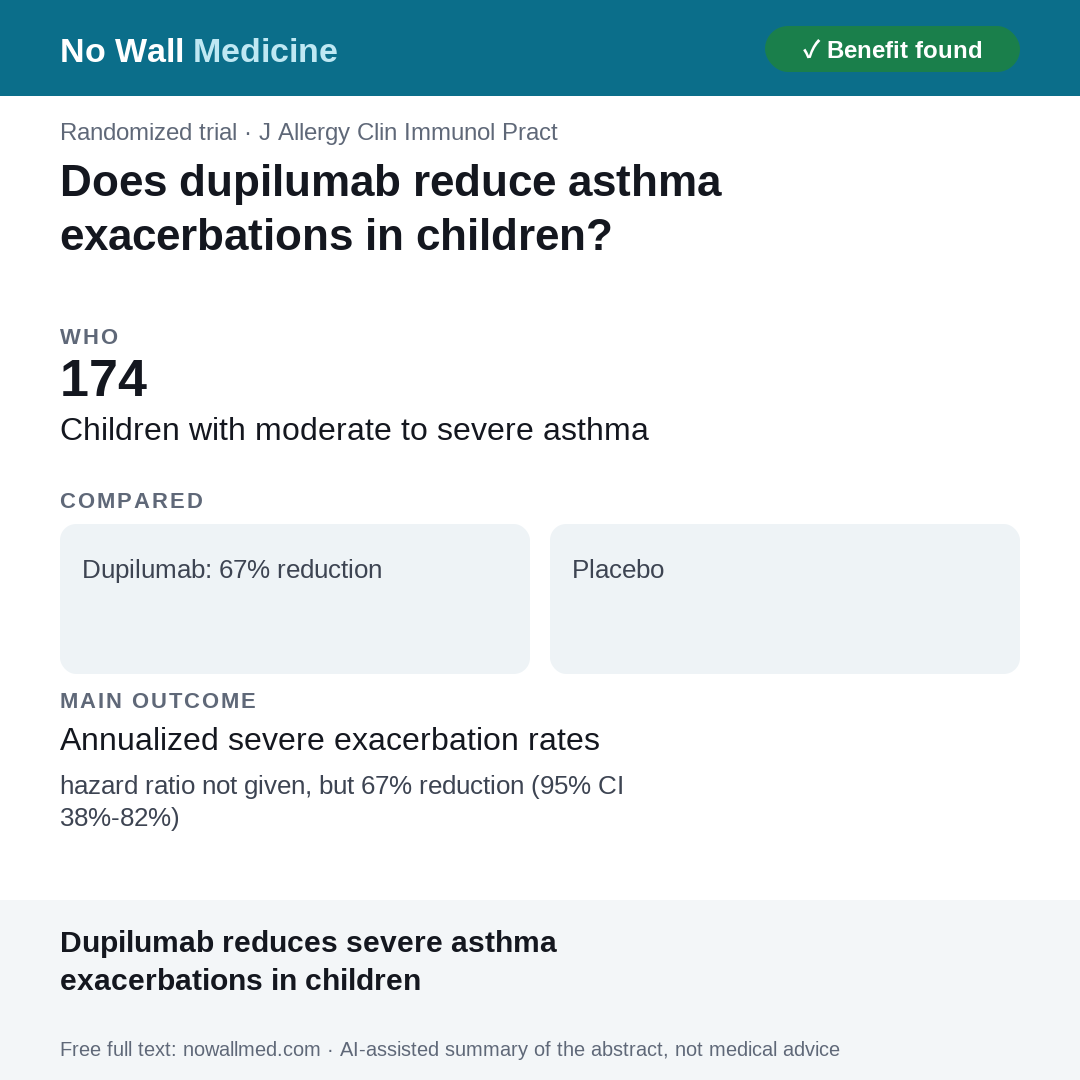
Dupilumab Efficacy and Safety in Children With Moderate to Severe Asthma and High Blood Eosinophils: A Post Hoc Analysis of VOYAGE
Randomized trialBenefit found
Does dupilumab reduce asthma exacerbations in children?
Who
174
Children with moderate to severe asthma
Compared
Dupilumab: 67% reduction
Placebo
Main outcome
Annualized severe exacerbation rates
Result: hazard ratio not given, but 67% reduction (95% CI 38%-82%)
Bottom line: Dupilumab reduces severe asthma exacerbations in children
J Allergy Clin Immunol Pract · 2024-11-28Download image
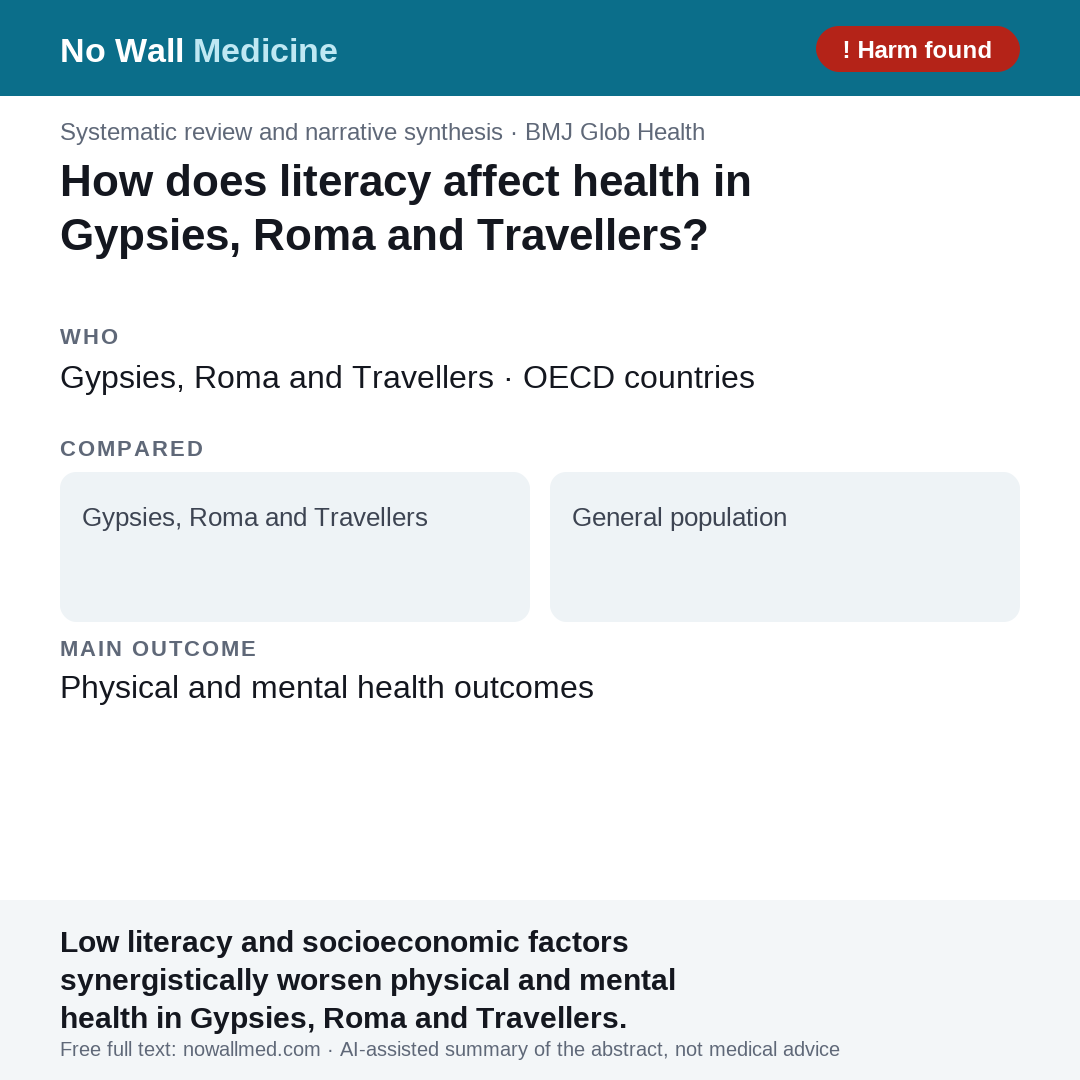
The effects of literacy on health in Gypsies, Roma and Travellers (GRT): a systematic review and narrative synthesis
Systematic review and narrative synthesisHarm found
How does literacy affect health in Gypsies, Roma and Travellers?
Who
Gypsies, Roma and Travellers · OECD countries
Compared
Gypsies, Roma and Travellers
General population
Main outcome
Physical and mental health outcomes
Bottom line: Low literacy and socioeconomic factors synergistically worsen physical and mental health in Gypsies, Roma and Travellers.
BMJ Glob Health · 2024-11-28Download image
Internet-Delivered Psychoeducation (SCOPE) for Transition-Aged Autistic Youth: Pragmatic Randomized Controlled Trial
Randomized controlled trialBenefit found
Is internet-delivered psychoeducation effective
Who
141
transition-aged autistic youth
Compared
SCOPE
active control
treatment as usual
Main outcome
autism knowledge and quality of life
Bottom line: Internet-delivered psychoeducation is effective
J Med Internet Res · 2024-11-28Download image

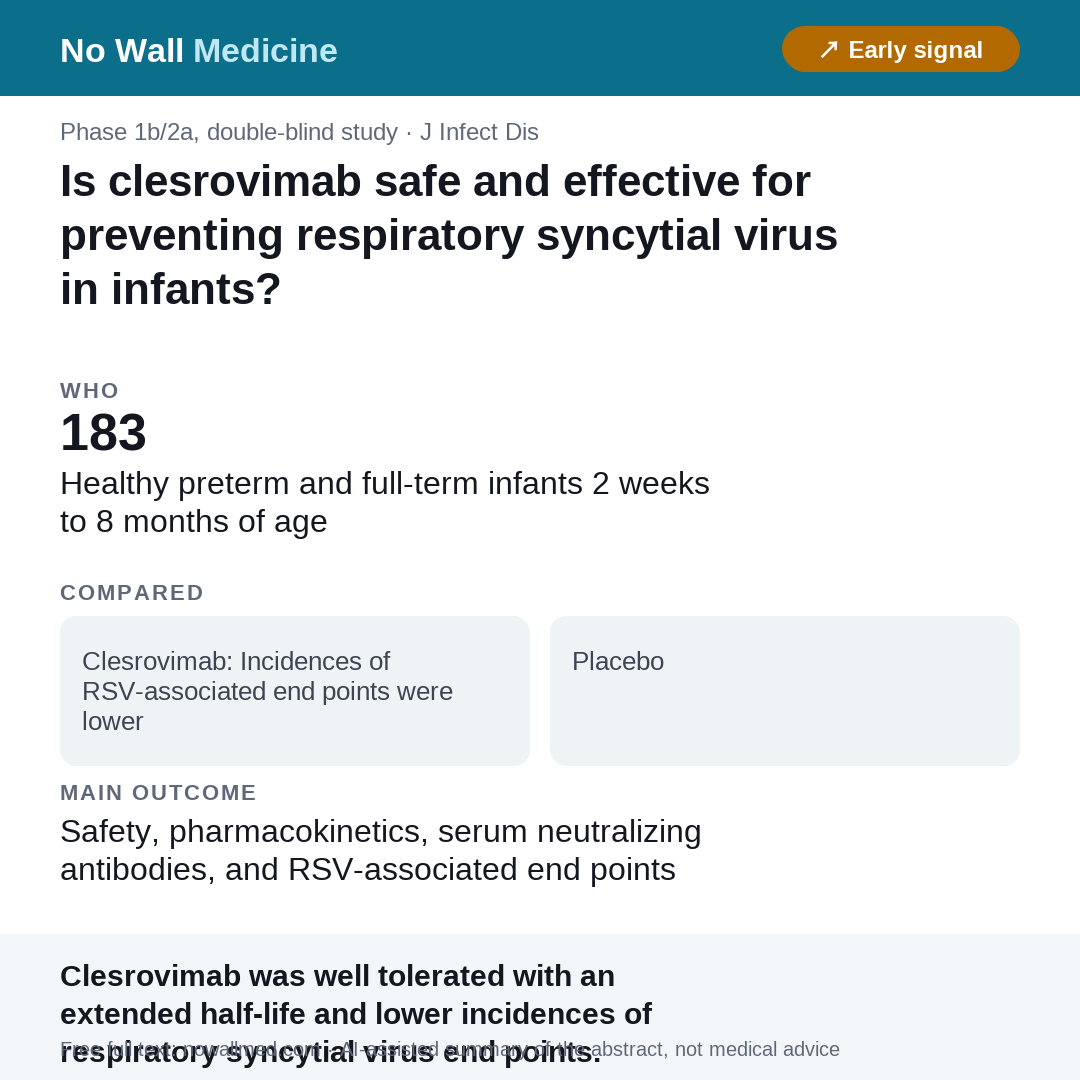
A Phase 1b/2a Trial of a Half-life Extended Respiratory Syncytial Virus Neutralizing Antibody, Clesrovimab, in Healthy Preterm and Full-term Infants
Phase 1b/2a, double-blind studyBenefit found
Is clesrovimab safe and effective for preventing respiratory syncytial virus in infants?
Who
183
Healthy preterm and full-term infants 2 weeks to 8 months of age
Compared
Clesrovimab: Incidences of RSV-associated end points were lower
Placebo
Main outcome
Safety, pharmacokinetics, serum neutralizing antibodies, and RSV-associated end points
Bottom line: Clesrovimab was well tolerated with an extended half-life and lower incidences of respiratory syncytial virus end points.
J Infect Dis · 2024-11-27Download image
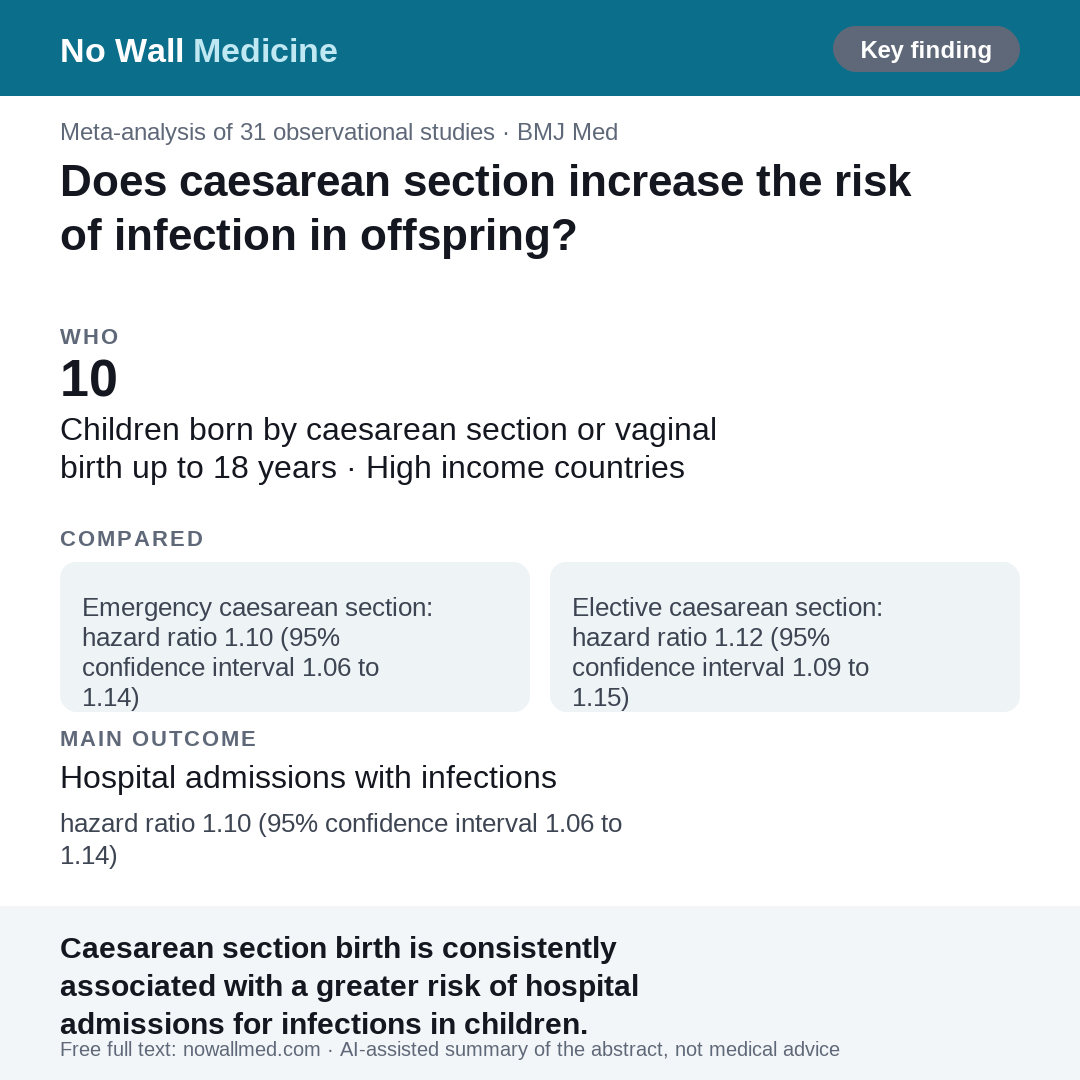
Caesarean section and risk of infection in offspring: systematic review and meta-analysis of observational studies
Meta-analysis of 31 observational studiesHarm found
Does caesarean section increase the risk of infection in offspring?
Who
10
Children born by caesarean section or vaginal birth up to 18 years · High income countries
Compared
Emergency caesarean section: hazard ratio 1.10 (95% confidence interval 1.06 to 1.14)
Elective caesarean section: hazard ratio 1.12 (95% confidence interval 1.09 to 1.15)
Main outcome
Hospital admissions with infections
Result: hazard ratio 1.10 (95% confidence interval 1.06 to 1.14)
Bottom line: Caesarean section birth is consistently associated with a greater risk of hospital admissions for infections in children.
Limitation: Potential for unmeasured confounding and scarcity of studies from low and middle income countries.
BMJ Med · 2024-11-27Download image
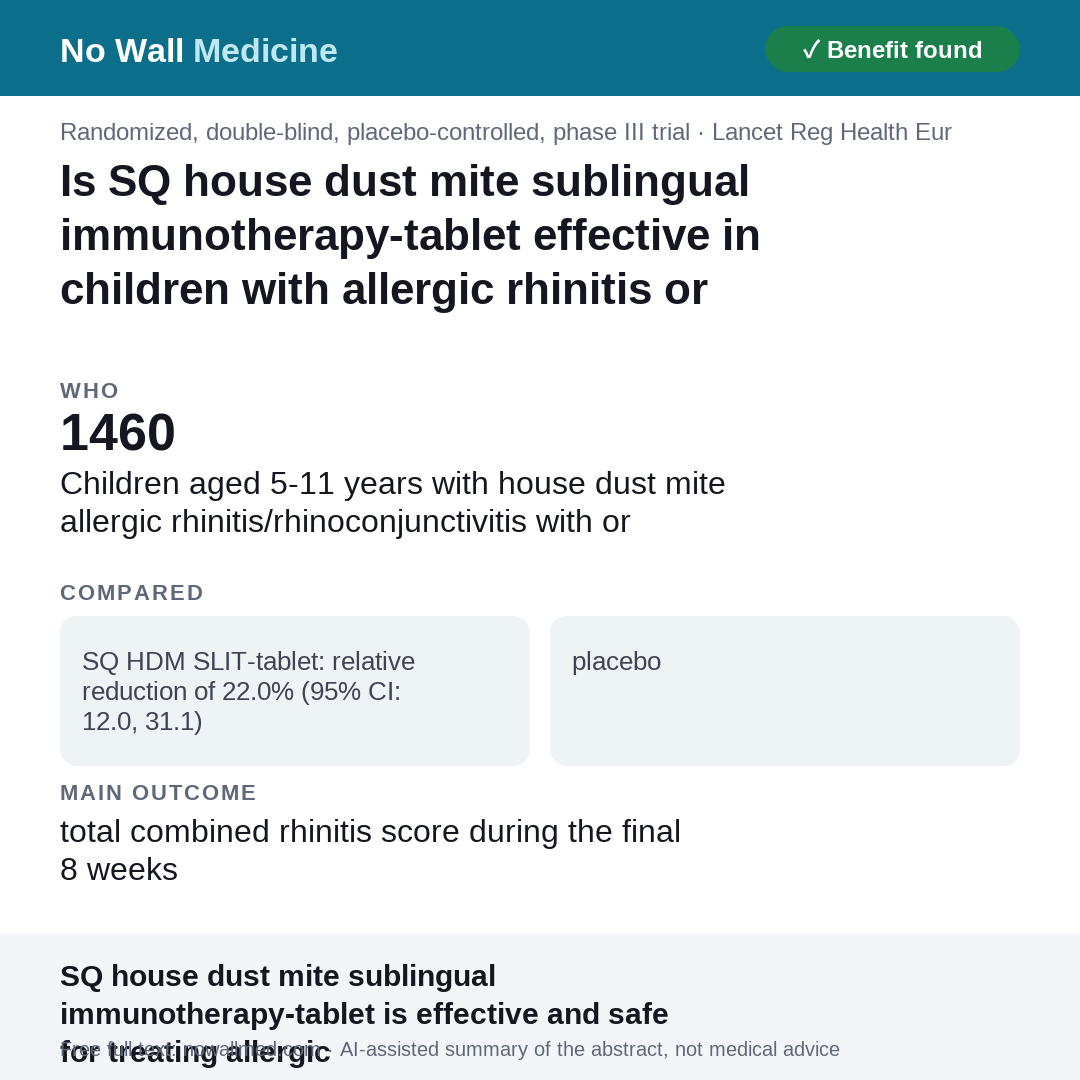
Efficacy and safety of SQ house dust mite sublingual immunotherapy-tablet (12 SQ-HDM) in children with allergic rhinitis/rhinoconjunctivitis with or without asthma (MT-12): a randomised, double-blind, placebo-controlled, phase III trial
Randomized, double-blind, placebo-controlled, phase III trialBenefit found
Is SQ house dust mite sublingual immunotherapy-tablet effective in children with allergic rhinitis or rhinoconjunctivitis?
Who
1460
Children aged 5-11 years with house dust mite allergic rhinitis/rhinoconjunctivitis with or without asthma
Compared
SQ HDM SLIT-tablet: relative reduction of 22.0% (95% CI: 12.0, 31.1)
placebo
Main outcome
total combined rhinitis score during the final 8 weeks
Result: absolute difference of 1.0 (95% CI: 0.5, 1.4; p < 0.0001)
Bottom line: SQ house dust mite sublingual immunotherapy-tablet is effective and safe for treating allergic rhinitis/rhinoconjunctivitis in children aged 5-11 years.
Funded by: ALK-Abellό, Hørsholm, Denmark
Lancet Reg Health Eur · 2024-11-26Download image
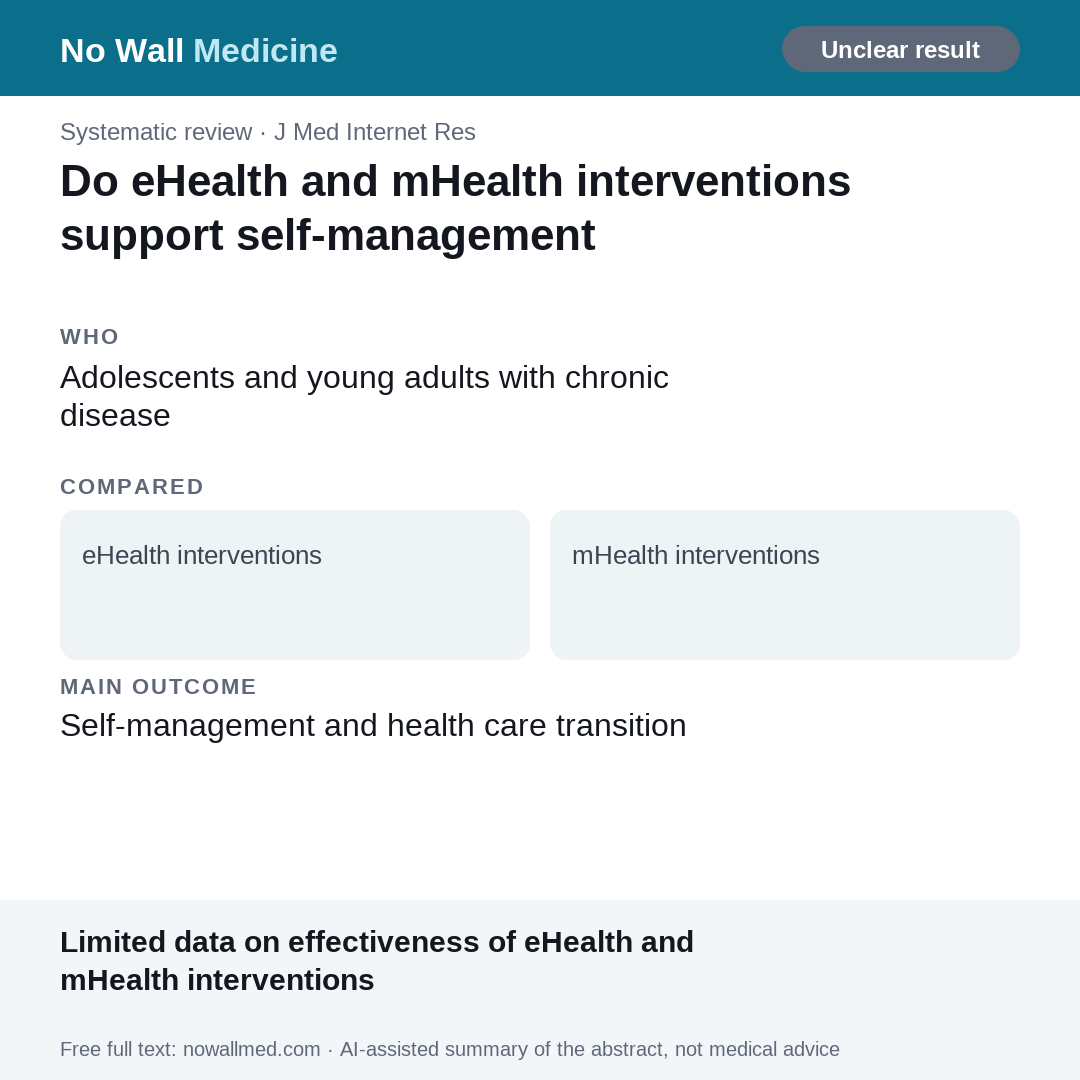
Usability and Effectiveness of eHealth and mHealth Interventions That Support Self-Management and Health Care Transition in Adolescents and Young Adults With Chronic Disease: Systematic Review
Systematic reviewUnclear result
Do eHealth and mHealth interventions support self-management
Who
22
Adolescents and young adults with chronic disease
Compared
eHealth interventions
mHealth interventions
Main outcome
Self-management and health care transition
Bottom line: Limited data on effectiveness of eHealth and mHealth interventions
Limitation: Limited data available
J Med Internet Res · 2024-11-26Download image
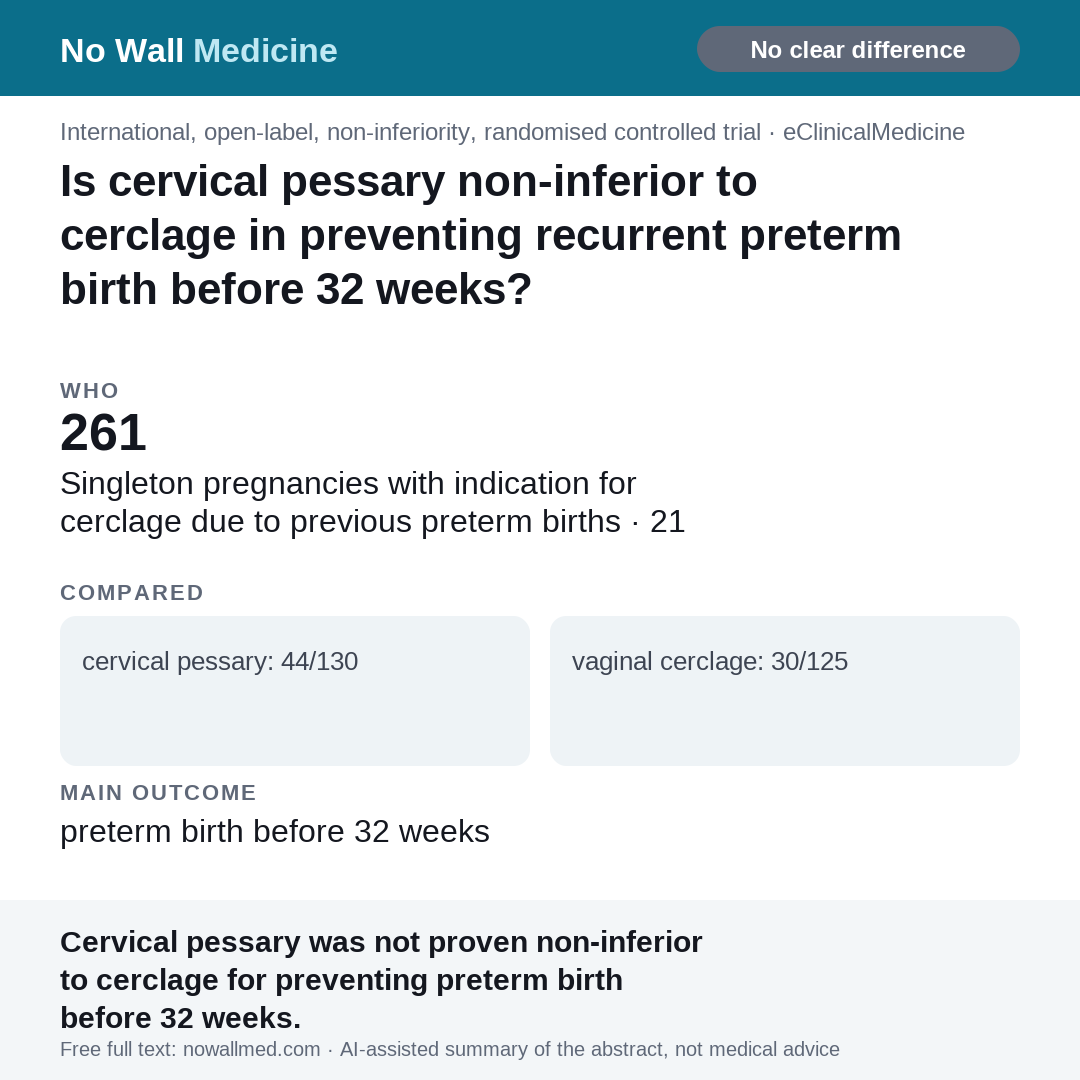
Pessary or cerclage (PC study) to prevent recurrent preterm birth: a non-inferiority, randomised controlled trial
International, open-label, non-inferiority, randomised controlled trialNo clear difference
Is cervical pessary non-inferior to cerclage in preventing recurrent preterm birth before 32 weeks?
Who
261
Singleton pregnancies with indication for cerclage due to previous preterm births · 21 hospitals
Compared
cervical pessary: 44/130
vaginal cerclage: 30/125
Main outcome
preterm birth before 32 weeks
Result: absolute risk difference 9.8% (95% CI -1.2 to 20.9)
Bottom line: Cervical pessary was not proven non-inferior to cerclage for preventing preterm birth before 32 weeks.
Funded by: ZonMw, a Dutch Organisation for Health Research and Development
eClinicalMedicine · 2024-11-25Download image
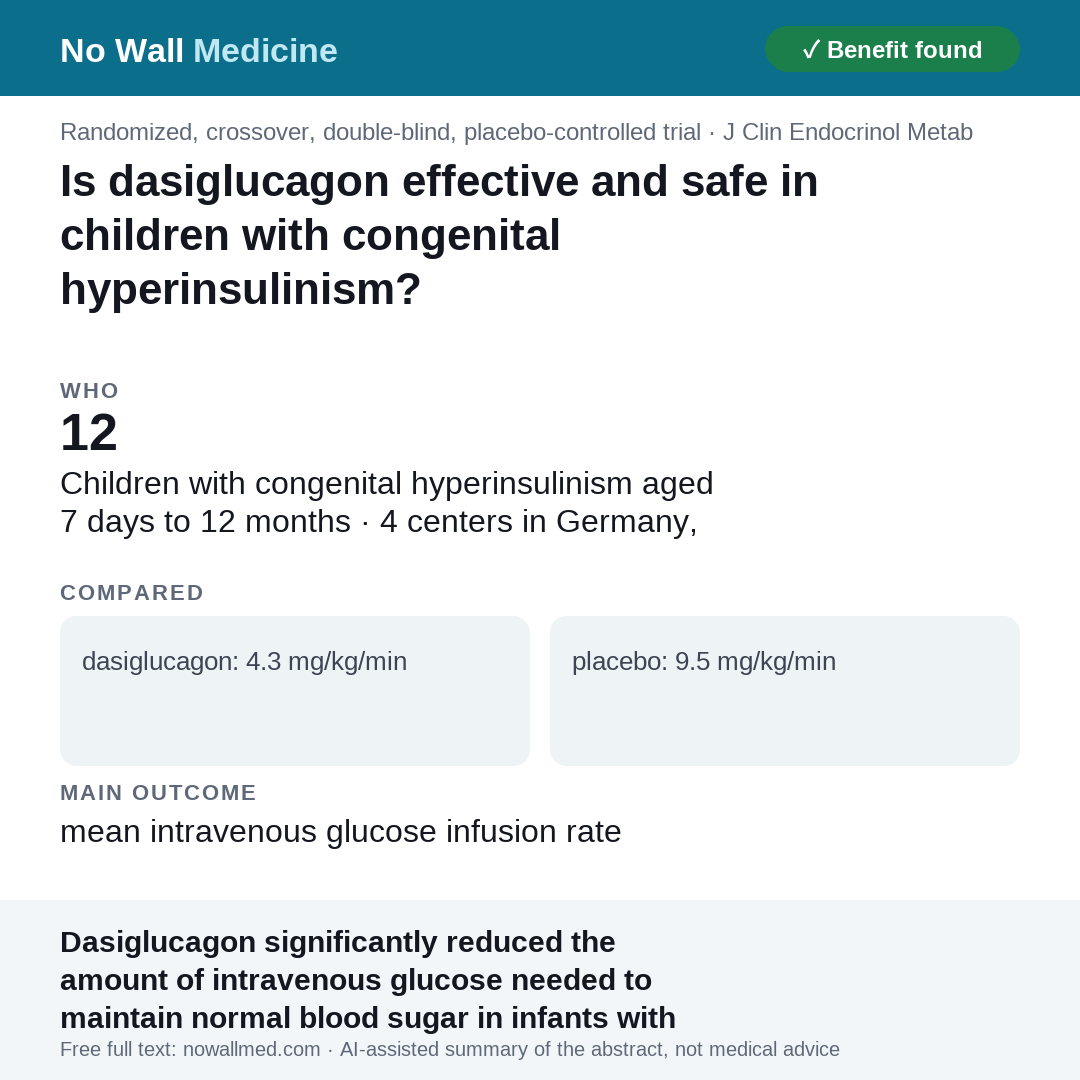
Dasiglucagon in Children With Congenital Hyperinsulinism Up to 1 Year of Age: Results From a Randomized Clinical Trial
Randomized, crossover, double-blind, placebo-controlled trialBenefit found
Is dasiglucagon effective and safe in children with congenital hyperinsulinism?
Who
12
Children with congenital hyperinsulinism aged 7 days to 12 months · 4 centers in Germany, United Kingdom, and United States
Compared
dasiglucagon: 4.3 mg/kg/min
placebo: 9.5 mg/kg/min
Main outcome
mean intravenous glucose infusion rate
Result: least-squares mean 4.3 mg/kg/min [95% CI, 1.04 to 7.60 mg/kg/min] vs 9.5 mg/kg/min [95% CI, 6.24 to 12.81 mg/kg/min]
Bottom line: Dasiglucagon significantly reduced the amount of intravenous glucose needed to maintain normal blood sugar in infants with congenital hyperinsulinism.
J Clin Endocrinol Metab · 2024-11-25Download image
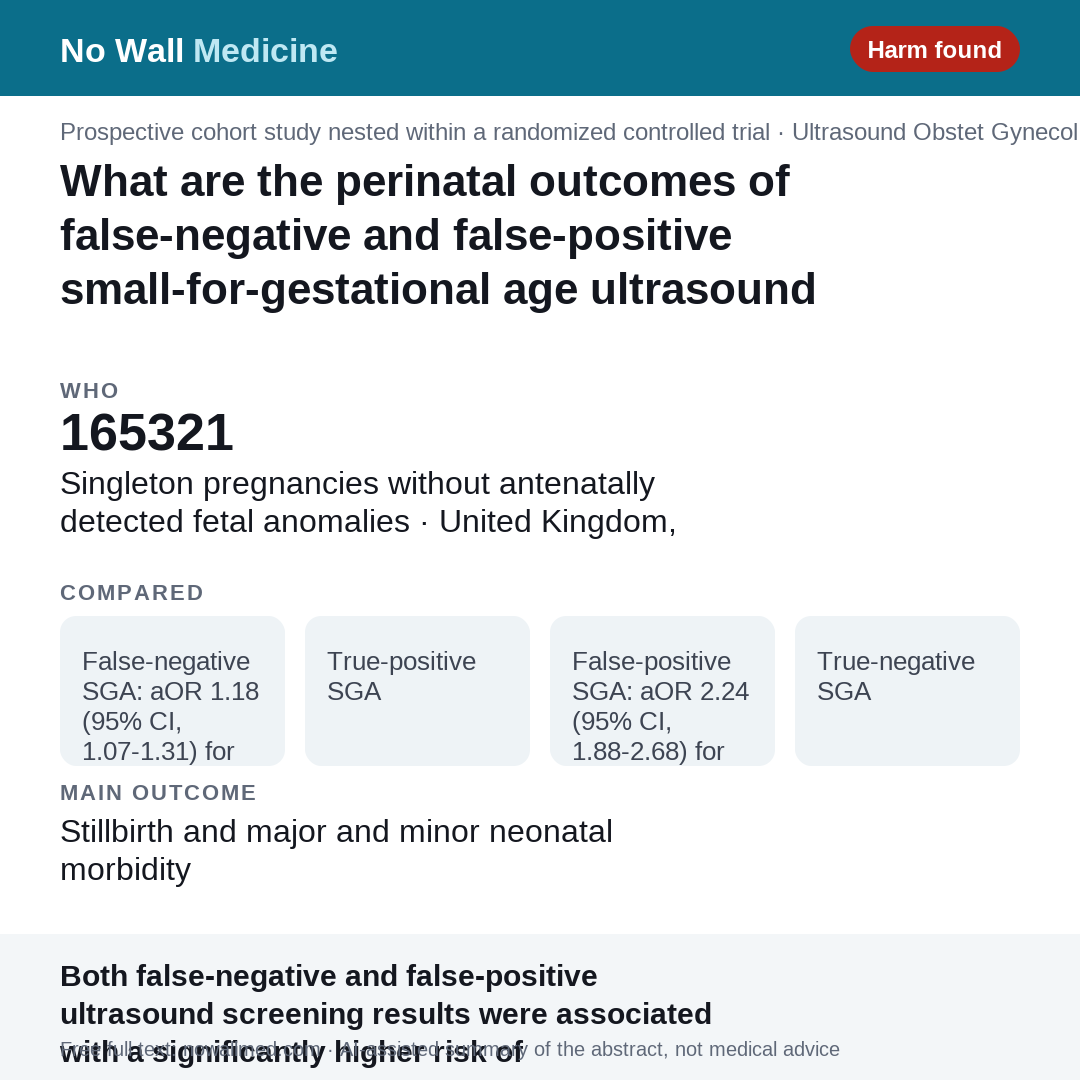
Perinatal outcomes after selective third-trimester ultrasound screening for small-for-gestational age: prospective cohort study nested within DESiGN randomized controlled trial
Prospective cohort study nested within a randomized controlled trialHarm found
What are the perinatal outcomes of false-negative and false-positive small-for-gestational age ultrasound screening?
Who
165321
Singleton pregnancies without antenatally detected fetal anomalies · United Kingdom, multicenter
Compared
False-negative SGA: aOR 1.18 (95% CI, 1.07-1.31) for stillbirth
True-positive SGA
False-positive SGA: aOR 2.24 (95% CI, 1.88-2.68) for stillbirth
True-negative SGA
Main outcome
Stillbirth and major and minor neonatal morbidity
Result: aOR 1.18 (95% CI, 1.07-1.31) for false-negative stillbirth; aOR 2.24 (95% CI, 1.88-2.68) for false-positive stillbirth
Bottom line: Both false-negative and false-positive ultrasound screening results were associated with a significantly higher risk of stillbirth.
Ultrasound Obstet Gynecol · 2024-11-25Download image
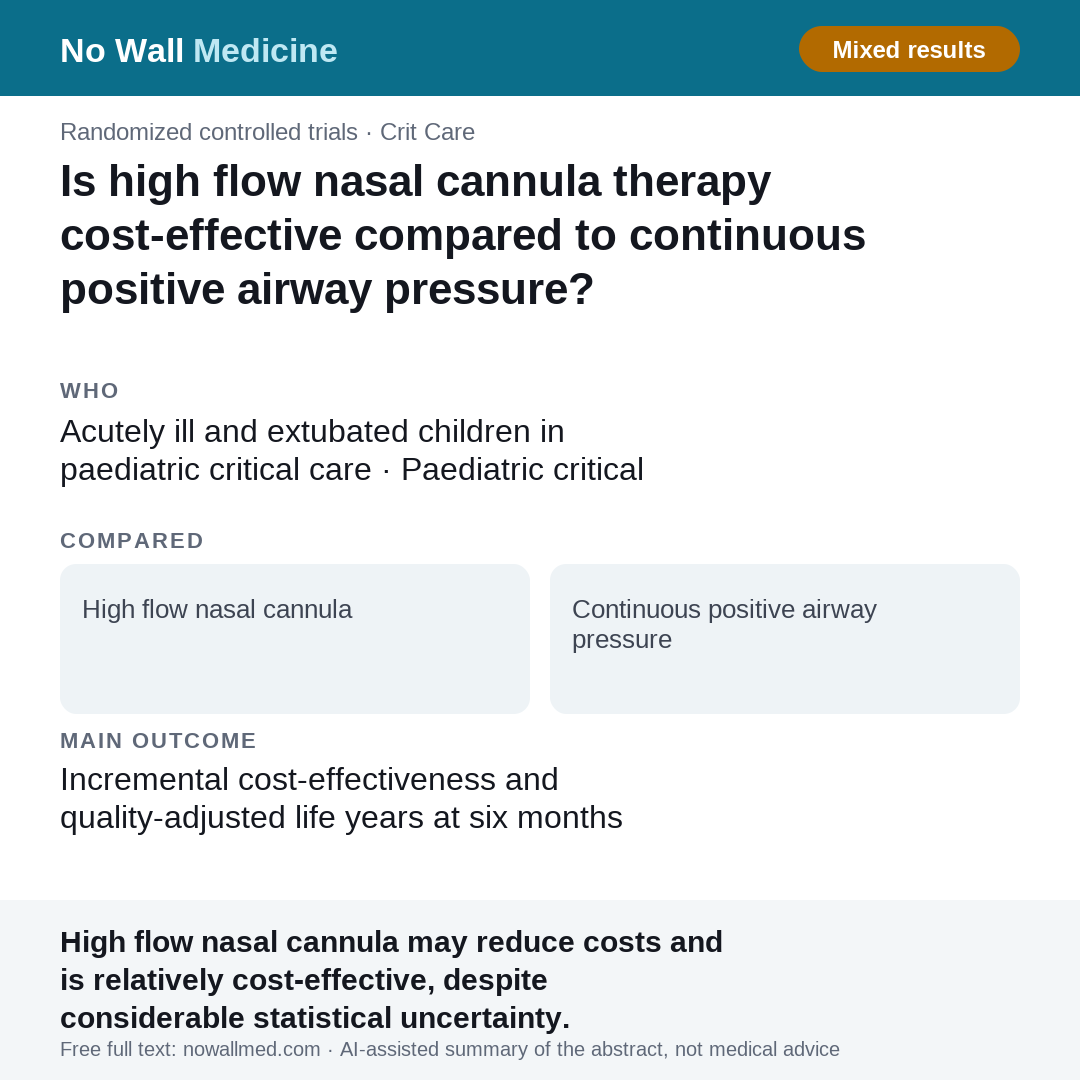
Cost-effectiveness of high flow nasal cannula therapy versus continuous positive airway pressure for non-invasive respiratory support in paediatric critical care
Randomized controlled trialsMixed results
Is high flow nasal cannula therapy cost-effective compared to continuous positive airway pressure?
Who
Acutely ill and extubated children in paediatric critical care · Paediatric critical care units
Compared
High flow nasal cannula
Continuous positive airway pressure
Main outcome
Incremental cost-effectiveness and quality-adjusted life years at six months
Result: incremental cost -£4565 (95% CI -£11,499 to £2368) and -£5702 (95% CI -£11,328 to -£75)
Bottom line: High flow nasal cannula may reduce costs and is relatively cost-effective, despite considerable statistical uncertainty.
Crit Care · 2024-11-25Download image