Visual abstracts
New randomized trials and meta-analyses from leading journals at a glance: who was studied, what was compared, and what was found. Every paper is free to read in full.
All specialtiesCardiology 4833Oncology 4115Gastroenterology & Hepatology 1934Infectious Disease 3825Neurology 1901Psychiatry & Mental Health 2256Pulmonology 2082Critical Care 1346Endocrinology & Diabetes 2572Pediatrics 2940Surgery 2525Orthopedics & Sports Medicine 926Neurosurgery 534Cardiothoracic & Vascular Surgery 671Plastic & Reconstructive Surgery 591Nephrology 1124Rheumatology 823Hematology 1104Dermatology 620Ophthalmology 543Obstetrics & Gynecology 1684Public & Global Health 1056Radiology & Imaging 641Anesthesiology 962Urology 754ENT (Otolaryngology) 503Emergency Medicine 489Allergy & Immunology 313Geriatrics 982Family Medicine & Primary Care 541Medical Genetics & Genomics 675Pathology & Laboratory Medicine 157Physical Medicine & Rehabilitation 751Palliative Care 424Nutrition 1580Digital Health & AI 2195General Medicine 321
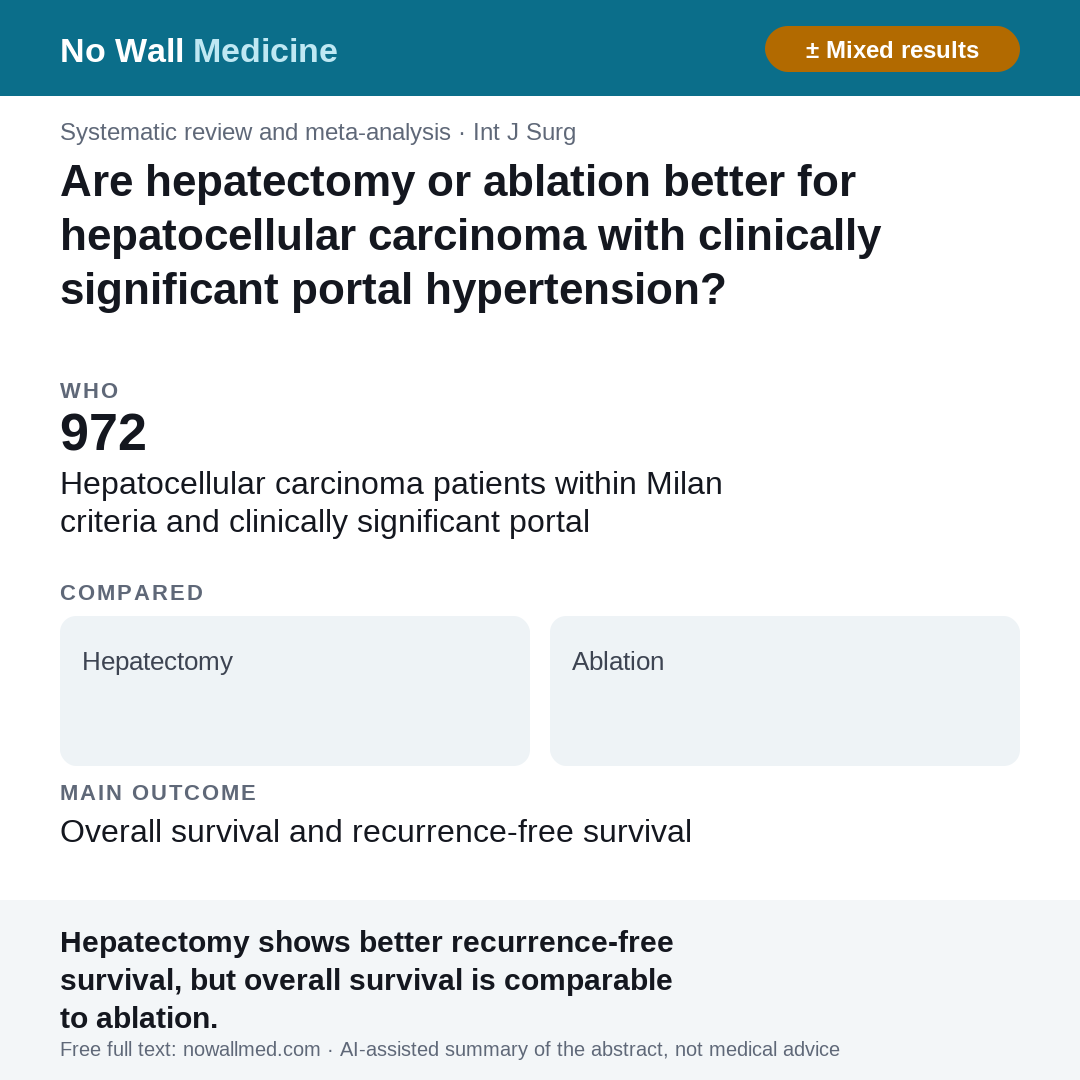
Survival and safety outcomes of hepatectomy versus ablation in hepatocellular carcinoma within Milan criteria and clinically significant portal hypertension: a systematic review and meta-analysis
Systematic review and meta-analysisMixed results
Are hepatectomy or ablation better for hepatocellular carcinoma with clinically significant portal hypertension?
Who
972
Hepatocellular carcinoma patients within Milan criteria and clinically significant portal hypertension
Compared
Hepatectomy
Ablation
Main outcome
Overall survival and recurrence-free survival
Result: hazard ratio 1.10 (95% CI: 0.76-1.61) for overall survival
Bottom line: Hepatectomy shows better recurrence-free survival, but overall survival is comparable to ablation.
Int J Surg · 2026-01-23Download image
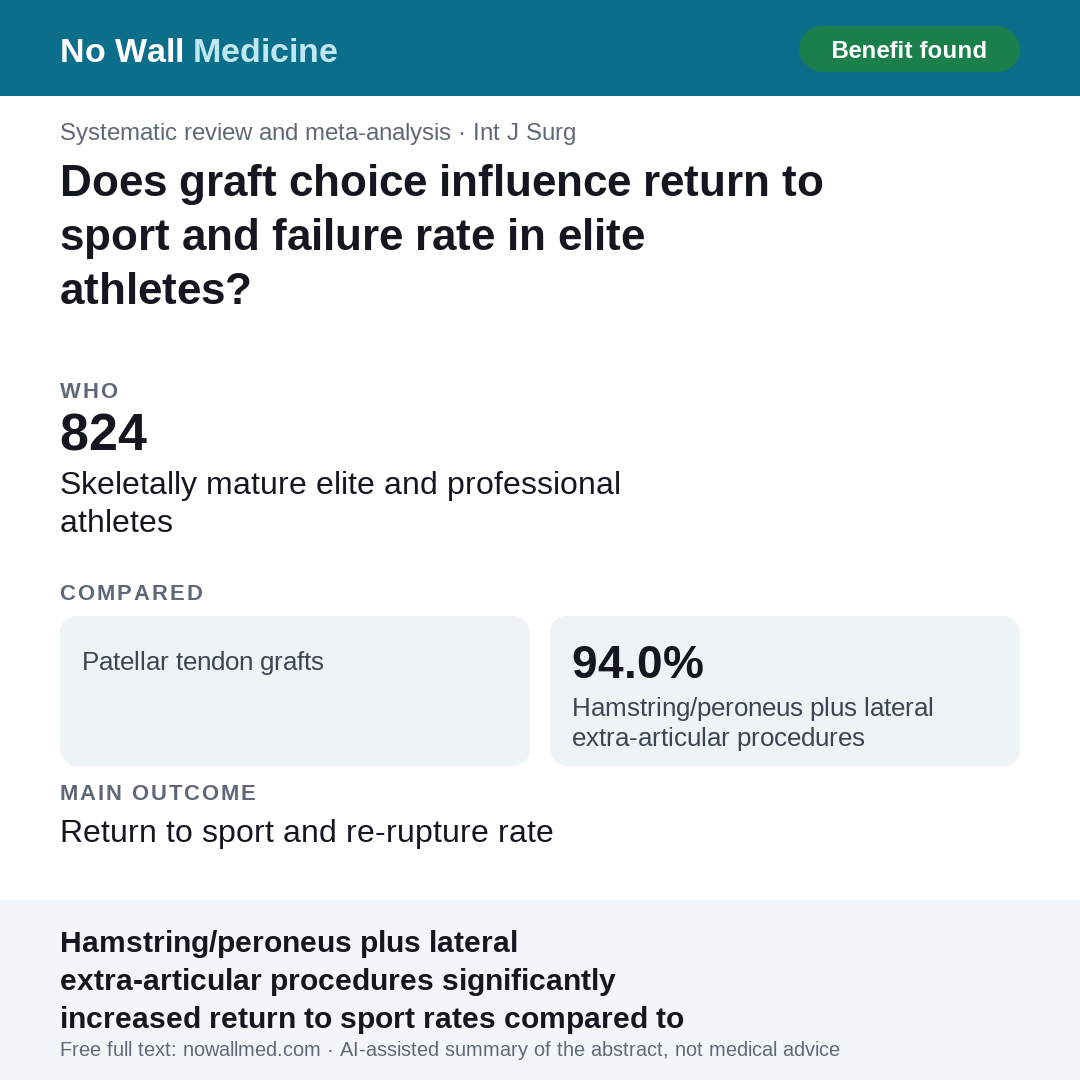
Anterior cruciate ligament reconstruction in elite and professional athletes: does graft choice influence return to sport and failure rate? A systematic review and meta-analysis
Systematic review and meta-analysisBenefit found
Does graft choice influence return to sport and failure rate in elite athletes?
Who
824
Skeletally mature elite and professional athletes
Compared
Patellar tendon grafts
94.0%Hamstring/peroneus plus lateral extra-articular procedures (95% CI, 85.5-97.6)
Main outcome
Return to sport and re-rupture rate
Result: OR, 3.52; 95% CI, 1.20-10.34
Bottom line: Hamstring/peroneus plus lateral extra-articular procedures significantly increased return to sport rates compared to patellar tendon grafts.
Int J Surg · 2026-01-23Download image
The Long-term Radiographic Fate of the Chronically ACL-Deficient Knee: A Systematic Review and Meta-analysis of Matched Cohort Studies
Systematic review and meta-analysisMixed results
Does chronic anterior cruciate ligament deficiency increase arthritis risk compared to reconstruction?
Who
1432
Patients with chronic anterior cruciate ligament deficiency and matched reconstruction controls
Compared
Chronically anterior cruciate ligament deficient: 18.1% moderate to severe arthritis
Anterior cruciate ligament reconstruction: 12.8% moderate to severe arthritis
Main outcome
Radiographic arthritis prevalence
Bottom line: Chronic deficiency may increase moderate to severe arthritis risk, but mild arthritis rates are similar to reconstruction.
Am J Sports Med · 2026-01-23Download image

Genetic risk factors for pneumonia differ by patient subgroup
Meta-analysis of biobanksMixed results
Genetic risk factors for pneumonia
Who
110881
General population and patient subgroups · FinnGen and Estonian biobank
Compared
Pneumonia cases
Controls
Main outcome
Pneumonia risk
Result: 12 genetic loci identified
Bottom line: Genetic risk factors differ by patient subgroup
Funded by: various sources
eBioMedicine · 2026-01-23Download image

Time matters for metas: a systematic review and meta-analysis of ect vs ketamine for depression incorporating time
Systematic review and meta-analysisBenefit found
Is electroconvulsive therapy more effective than ketamine for major depressive disorder?
Who
731
Participants diagnosed with major depressive disorder
Compared
Electroconvulsive therapy
Ketamine
Main outcome
Change in depression symptoms from baseline
Result: predicted SMD = 0.59 (95% CI -0.26 to 1.43) over four weeks
Bottom line: Electroconvulsive therapy resulted in a more rapid reduction of depressive symptoms compared to ketamine.
Transl Psychiatry · 2026-01-23Download image

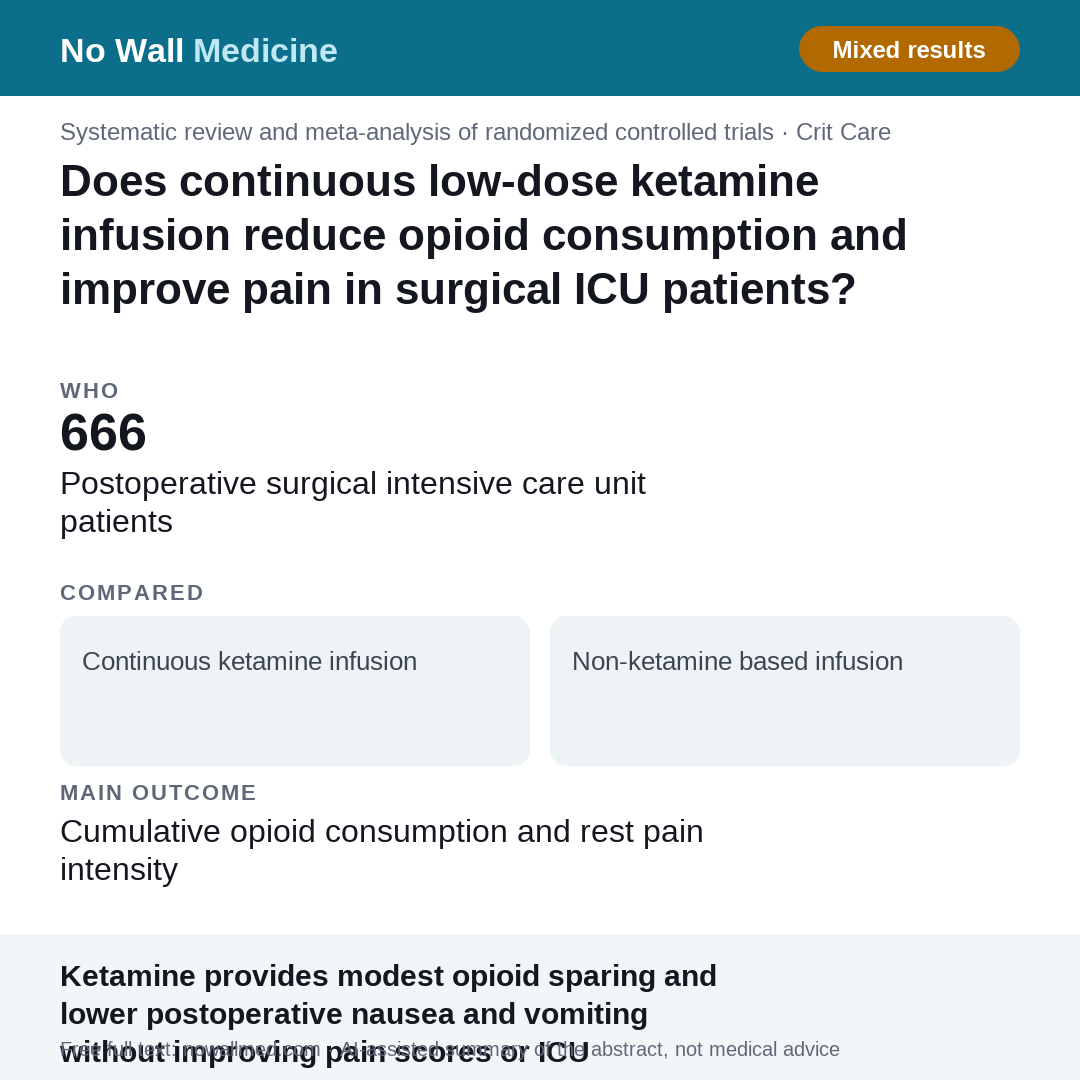
Continuous ketamine infusion for surgical patients in the intensive care unit: a systematic review and meta-analysis of randomized controlled trials with GRADE assessment
Systematic review and meta-analysis of randomized controlled trialsMixed results
Does continuous low-dose ketamine infusion reduce opioid consumption and improve pain in surgical ICU patients?
Who
666
Postoperative surgical intensive care unit patients
Compared
Continuous ketamine infusion
Non-ketamine based infusion
Main outcome
Cumulative opioid consumption and rest pain intensity
Result: mean difference -5.77 mg morphine equivalents (95% CI -6.32 to -5.23)
Bottom line: Ketamine provides modest opioid sparing and lower postoperative nausea and vomiting without improving pain scores or ICU recovery outcomes.
Limitation: GRADE evidence was low to very low for most outcomes.
Crit Care · 2026-01-23Download image
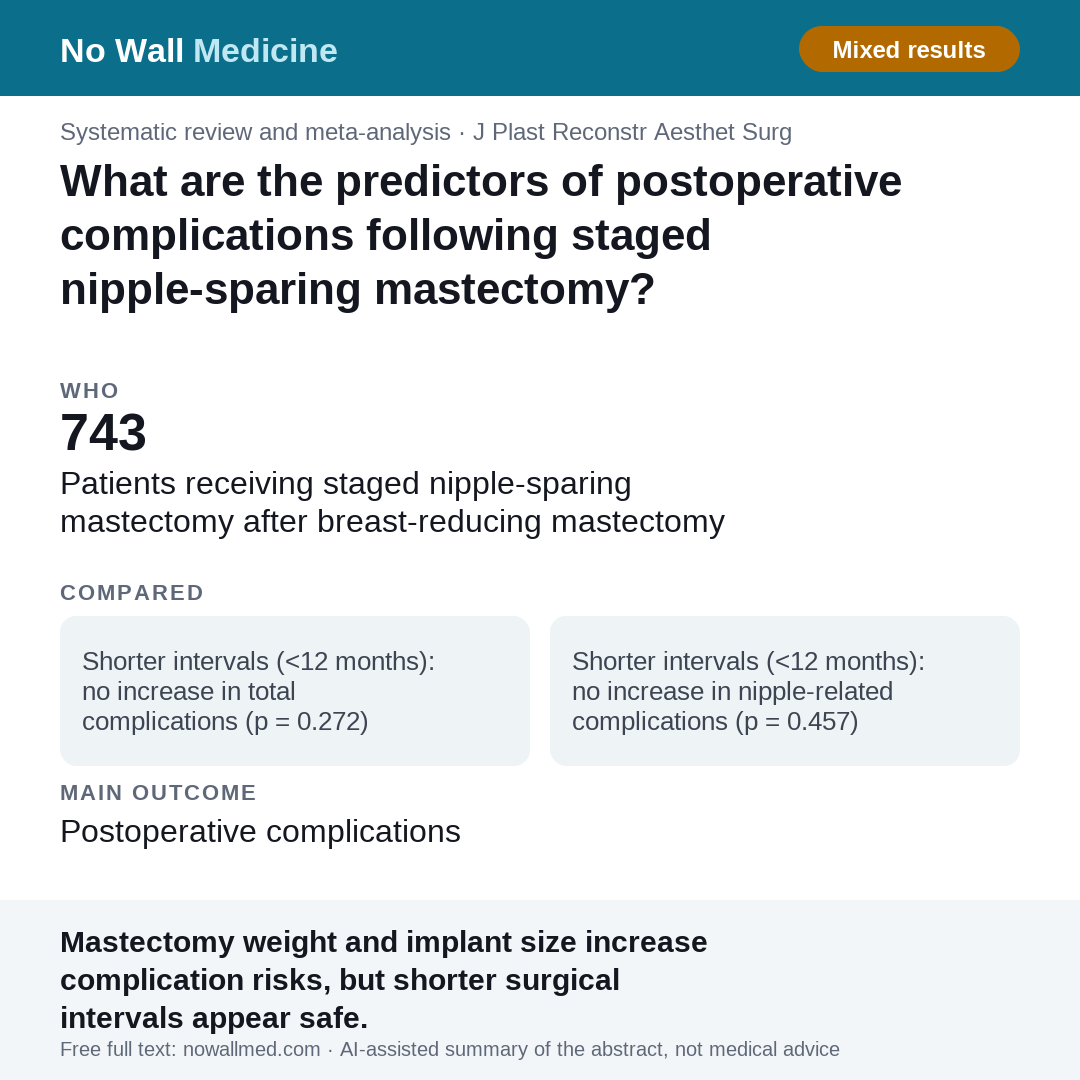
Predictors of postoperative complications following staged nipple-sparing mastectomy: A systematic review & meta-analysis
Systematic review and meta-analysisMixed results
What are the predictors of postoperative complications following staged nipple-sparing mastectomy?
Who
743
Patients receiving staged nipple-sparing mastectomy after breast-reducing mastectomy
Compared
Shorter intervals (<12 months): no increase in total complications (p = 0.272)
Shorter intervals (<12 months): no increase in nipple-related complications (p = 0.457)
Main outcome
Postoperative complications
Bottom line: Mastectomy weight and implant size increase complication risks, but shorter surgical intervals appear safe.
J Plast Reconstr Aesthet Surg · 2026-01-22Download image
Effectiveness and safety of high-intensity exercise in rheumatic diseases-friend or foe? A systematic review
Systematic review of 29 studiesBenefit found
Is high-intensity land-based exercise effective and safe for patients with inflammatory rheumatic diseases?
Who
Patients with inflammatory rheumatic and musculoskeletal diseases
Compared
High-intensity exercise
Control interventions
Main outcome
Disease activity, pain intensity, and impairment of function
Bottom line: High-intensity exercise is safe and may reduce pain and improve function in patients with inflammatory rheumatic diseases.
Limitation: Main limitations were in patient and clinician blinding.
Rheumatology · 2026-01-22Download image

The role of cytokines in septic myocardial dysfunction: a translational systematic review and meta-analysis
Translational systematic review and meta-analysisBenefit found
How do cytokines impact myocardial function in sepsis across different models?
Who
Cellular, animal, and human studies in sepsis
Compared
Cytokine exposure/presence: significant reduction in contractility in preclinical models
Control/Healthy
Main outcome
myocardial contractility
Bottom line: Cytokines contribute to septic myocardial dysfunction in preclinical models, though human data remain primarily observational.
Limitation: Clinical data remain observational.
Ann Intensive Care · 2026-01-22Download image

HIV-1 Prevalence and Oral Pre-Exposure Prophylaxis Effectiveness and Prevalence of Use Among Key Populations in High-Income Economies (2017-2023): A Systematic Review and Meta-Analysis of Real-World Studies
Systematic review and meta-analysisBenefit found
What are HIV-1 prevalence, oral pre-exposure prophylaxis effectiveness, and use among key populations?
Who
Key populations in high-income economies · 38 high-income economies
Compared
Key populations: 5.1% (95% confidence interval: 4.2%-6.1%) HIV-1 prevalence
PrEP users: <0.4% HIV-1 prevalence
Main outcome
HIV-1 prevalence, oral pre-exposure prophylaxis effectiveness, and prevalence of use
Bottom line: Oral pre-exposure prophylaxis shows high effectiveness with HIV-1 prevalence below 0.4% among users in key populations.
Open Forum Infect Dis · 2026-01-22Download image

A systematic review of AI for predicting glaucoma progression: challenges and recommendations towards clinical implementation
Systematic reviewUnclear result
Can AI predict glaucoma progression
Who
Glaucoma patients
Compared
AI models
Clinical practice
Main outcome
Glaucoma progression prediction
Bottom line: AI shows promise for predicting glaucoma progression
Limitation: Inconsistent reporting and poor generalisability
NPJ Digit Med · 2026-01-22Download image

Diagnostic Performance of Deep Learning and Radiomics in Extracranial Carotid Plaque Detection: Systematic Review and Meta-Analysis
Systematic review and meta-analysisBenefit found
What is the diagnostic efficacy of deep learning and radiomics for extracranial carotid plaques?
Who
17,246
Patients with extracranial carotid artery plaques
Compared
Deep learning and radiomics models: sensitivity 0.88 (95% CI 0.85-0.91)
Deep learning and radiomics models: specificity 0.89 (95% CI 0.85-0.92)
Main outcome
Diagnostic accuracy for extracranial carotid plaque detection
Result: area under the SROC curve 0.95 (95% CI 0.92-0.96)
Bottom line: Deep learning and radiomics models can effectively diagnose extracranial carotid plaques with high sensitivity and specificity.
Limitation: High heterogeneity and limited number of eligible studies for comprehensive subgroup analyses.
J Med Internet Res · 2026-01-22Download image

Meta-analysis of platelet-rich plasma for venous ulcers: Clinical efficacy and complications
Meta-analysis of 13 studiesBenefit found
Does platelet-rich plasma improve wound healing in venous leg ulcers compared to conventional treatments?
Who
554
Patients with venous leg ulcers
Compared
Platelet-rich plasma
Conventional treatments
Main outcome
Complete wound healing rates
Result: odds ratio 1.5 (95% CI 1.09-2.07)
Bottom line: Platelet-rich plasma is associated with improved healing outcomes and reduced ulcer recurrence in venous leg ulcers.
J Plast Reconstr Aesthet Surg · 2026-01-21Download image

GLP-1 receptor agonists and cardiovascular outcomes in Asian, Black or African American, and White populations: An updated meta-analysis including the SOUL trial
Meta-analysis of nine randomized placebo-controlled trialsBenefit found
Do glucagon-like peptide-1 receptor agonists reduce cardiovascular risk across different racial populations?
Who
Adults with type 2 diabetes or overweight/obesity
Compared
Asian populations: hazard ratio 0.73 (95% CI 0.63-0.85)
White populations: hazard ratio 0.86 (95% CI 0.81-0.91)
Black or African American populations: hazard ratio 0.88 (95% CI 0.67-1.15)
Main outcome
major adverse cardiovascular events
Result: ratio of hazard ratios Asian versus White 0.84 (95% CI 0.71-0.98)
Bottom line: Glucagon-like peptide-1 receptor agonists reduce cardiovascular risk, with significantly greater reduction observed in Asian populations.
Diabetes Obes Metab · 2026-01-21Download image

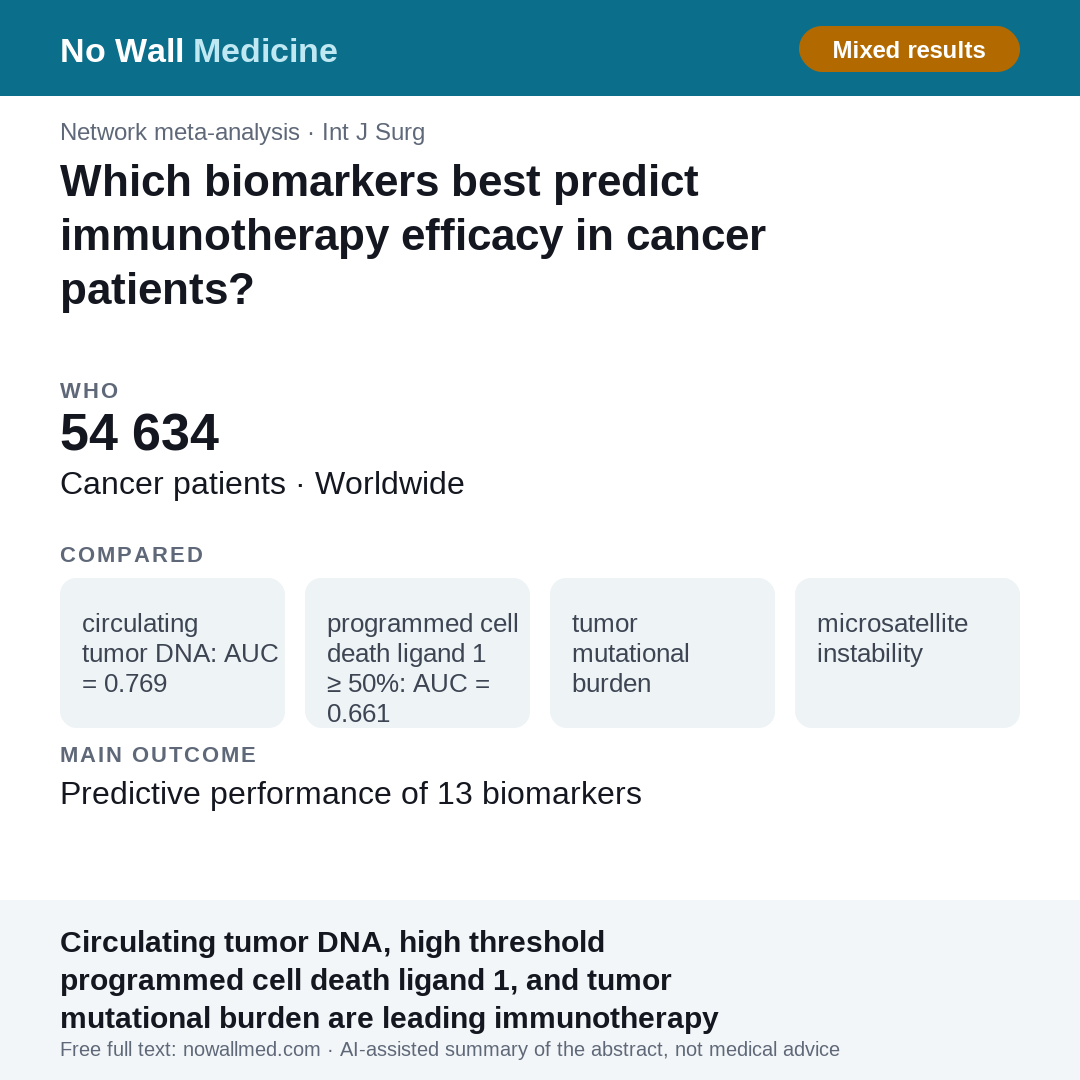
Comparative predictive value of immunotherapy biomarkers: a systematic review and network meta-analysis
Network meta-analysisMixed results
Which biomarkers best predict immunotherapy efficacy in cancer patients?
Who
54 634
Cancer patients · Worldwide
Compared
circulating tumor DNA: AUC = 0.769
programmed cell death ligand 1 ≥ 50%: AUC = 0.661
tumor mutational burden
microsatellite instability
Main outcome
Predictive performance of 13 biomarkers
Bottom line: Circulating tumor DNA, high threshold programmed cell death ligand 1, and tumor mutational burden are leading immunotherapy predictors.
Limitation: Future research must address heterogeneity and standardization to refine individualized immunotherapy strategies.
Int J Surg · 2026-01-21Download image
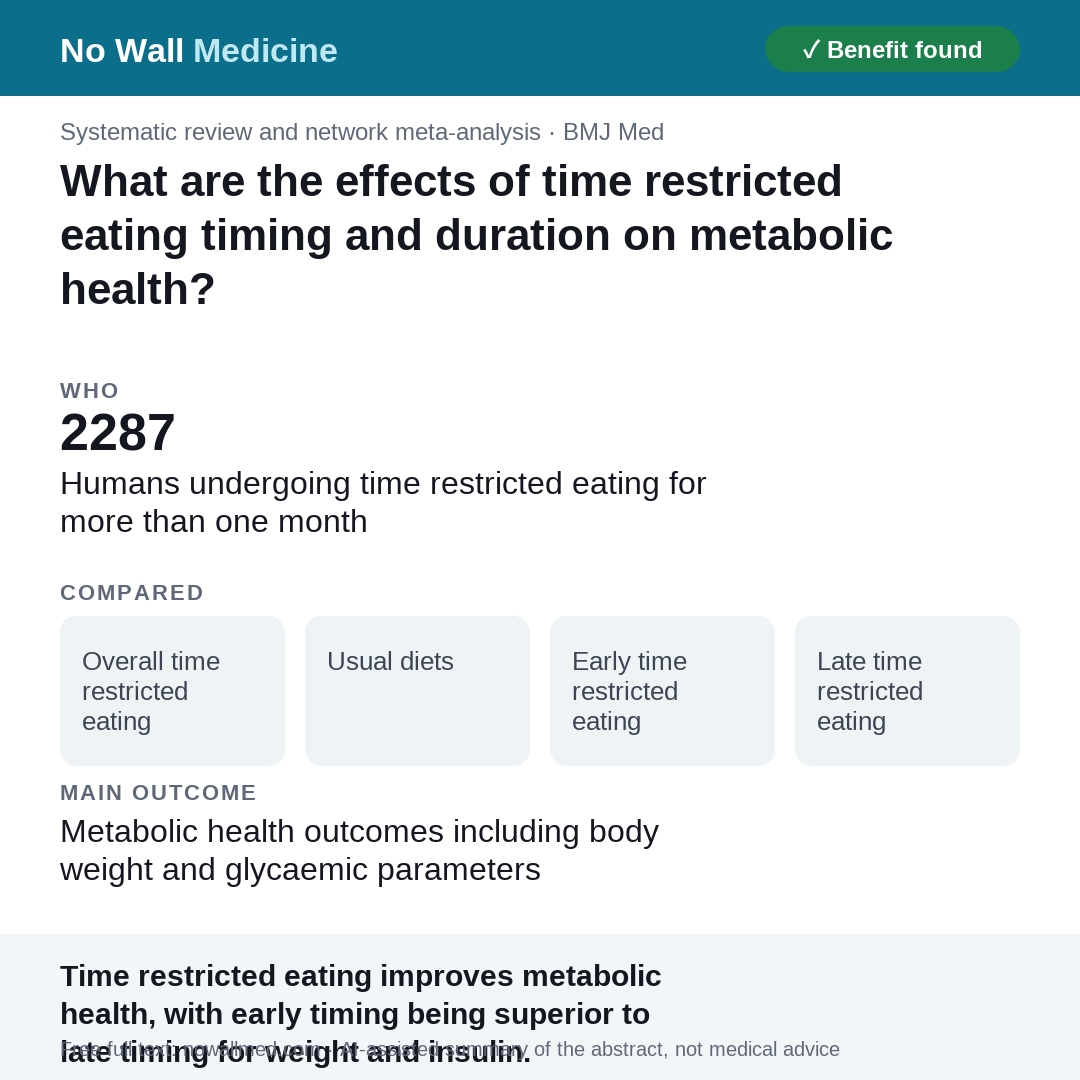
Effects of timing and eating duration of time restricted eating on metabolic outcomes: systematic review and network meta-analysis
Systematic review and network meta-analysisBenefit found
What are the effects of time restricted eating timing and duration on metabolic health?
Who
2287
Humans undergoing time restricted eating for more than one month
Compared
Overall time restricted eating
Usual diets
Early time restricted eating
Late time restricted eating
Main outcome
Metabolic health outcomes including body weight and glycaemic parameters
Result: mean difference -1.15 kg (95% confidence interval -1.86 to -0.45) for body weight
Bottom line: Time restricted eating improves metabolic health, with early timing being superior to late timing for weight and insulin.
Limitation: The association between eating duration and metabolic health outcomes was inconsistent.
BMJ Med · 2026-01-21Download image
Effectiveness of biologics for reducing occlusive mucus plugs in patients with severe asthma: a systematic review
Systematic review of randomized controlled trialsBenefit found
Do biologics reduce occlusive mucus plugs in patients with severe asthma?
Who
Patients with moderate-to-severe asthma
Compared
Biologics
Placebo
Main outcome
Mucus plug scores derived from computed tomography scans
Bottom line: Biologic treatment decreased mucus plug scores compared with placebo in patients with moderate-to-severe asthma.
Limitation: All studies showed residual plugs after biologic intervention.
Respir Res · 2026-01-21Download image

Communication Strategies to Promote Patient Engagement in Telemedicine: Systematic Review
Systematic reviewUnclear result
What communication strategies influence patient engagement in telemedicine provider-patient interactions?
Who
34
Empirical studies examining provider-patient interactions in telemedicine
Compared
Interpersonal strategies
Team-level strategies
System-level strategies
Main outcome
Communication strategies affecting patient engagement
Bottom line: Effective telemedicine engagement requires integrating interpersonal, team-level, and system-level communication strategies.
Limitation: Included studies predominantly used qualitative research methods to collect patient engagement data.
J Med Internet Res · 2026-01-21Download image

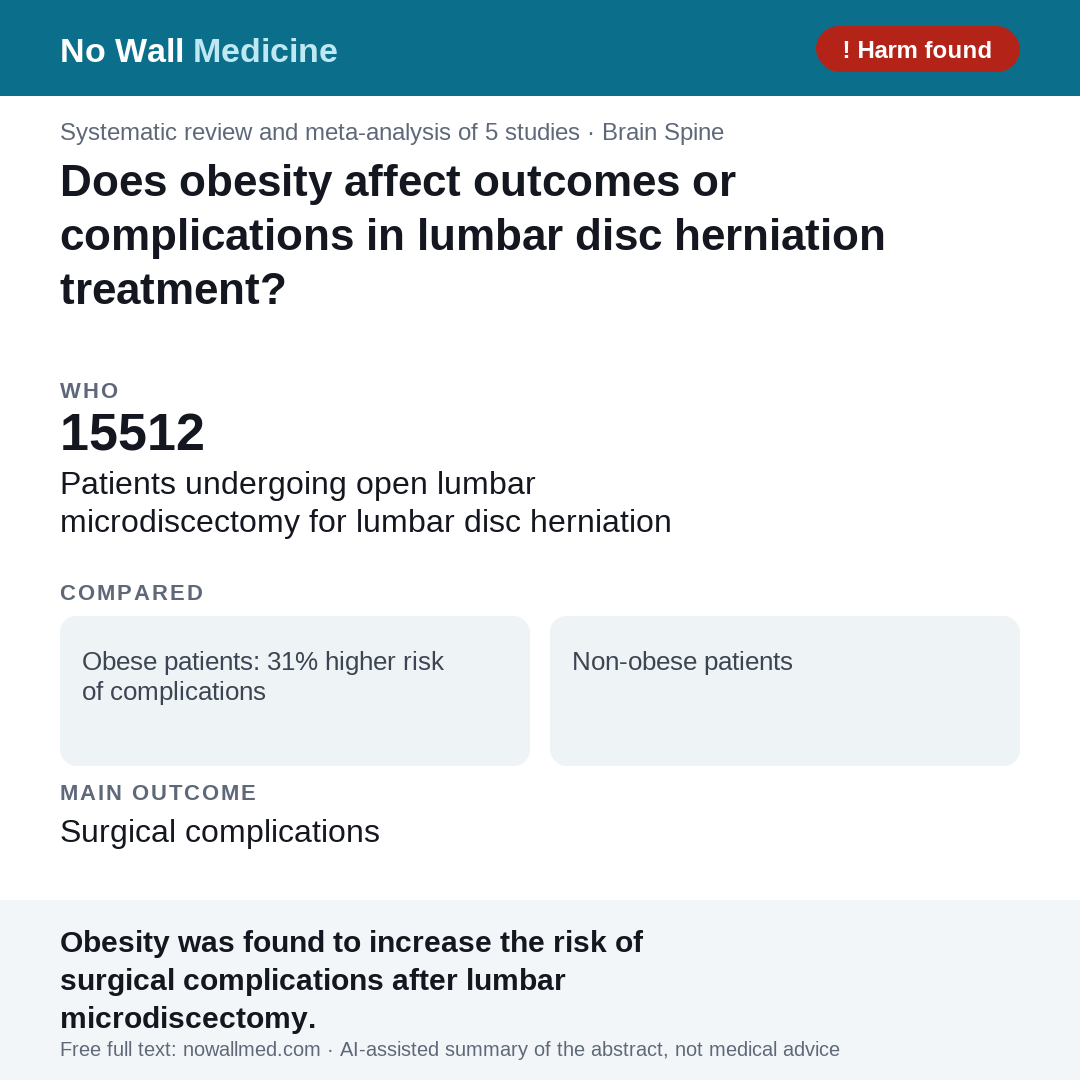
Does obesity affect outcomes or complications in the treatment of lumbar disc herniation after open lumbar microdiscectomy? A systematic review and meta-analysis
Systematic review and meta-analysisHarm found
Does obesity affect outcomes or complications after open lumbar microdiscectomy?
Who
15512
Patients undergoing open lumbar microdiscectomy
Compared
Obese patients: 31 % higher risk of complications
Non-obese patients
Main outcome
Surgical complications, leg pain, disability, and reoperation
Result: odds ratio 1.31 (95 % CI 1.06 to 1.61)
Bottom line: Obesity increases the risk of surgical complications after lumbar discectomy, though pain and disability outcomes remain similar.
Brain Spine · 2026-01-21Download image
Clinical Application of Galvanic Vestibular-Evoked Myogenic Potentials in Audiovestibular Disorders-A Systemic Review
Systematic reviewBenefit found
What is the clinical application of galvanic vestibular-evoked myogenic potentials in audiovestibular disorders?
Who
43
Articles from PubMed, Scopus, Embase, Google Scholar, and Cochrane Library · University hospital
Compared
Galvanic mode
Acoustic or vibratory mode
Main outcome
Clinical application of vestibular-evoked myogenic potential testing
Bottom line: Galvanic testing should accompany acoustic or vibratory stimuli to precisely delineate affected receptors in audiovestibular disorders.
J Otolaryngol Head Neck Surg · 2026-01-21Download image