Visual abstracts
New randomized trials and meta-analyses from leading journals at a glance: who was studied, what was compared, and what was found. Every paper is free to read in full.
All specialtiesCardiology 391Oncology 310Gastroenterology & Hepatology 156Infectious Disease 312Neurology 178Psychiatry & Mental Health 256Pulmonology 177Critical Care 122Endocrinology & Diabetes 233Pediatrics 183Surgery 123Orthopedics & Sports Medicine 73Neurosurgery 24Cardiothoracic & Vascular Surgery 47Plastic & Reconstructive Surgery 78Nephrology 76Rheumatology 78Hematology 91Dermatology 42Ophthalmology 62Obstetrics & Gynecology 118Public & Global Health 116Radiology & Imaging 35Anesthesiology 67Urology 90ENT (Otolaryngology) 47Emergency Medicine 39Allergy & Immunology 48Geriatrics 112Family Medicine & Primary Care 66Medical Genetics & Genomics 36Pathology & Laboratory Medicine 6Physical Medicine & Rehabilitation 94Palliative Care 59Nutrition 134Digital Health & AI 332General Medicine 46
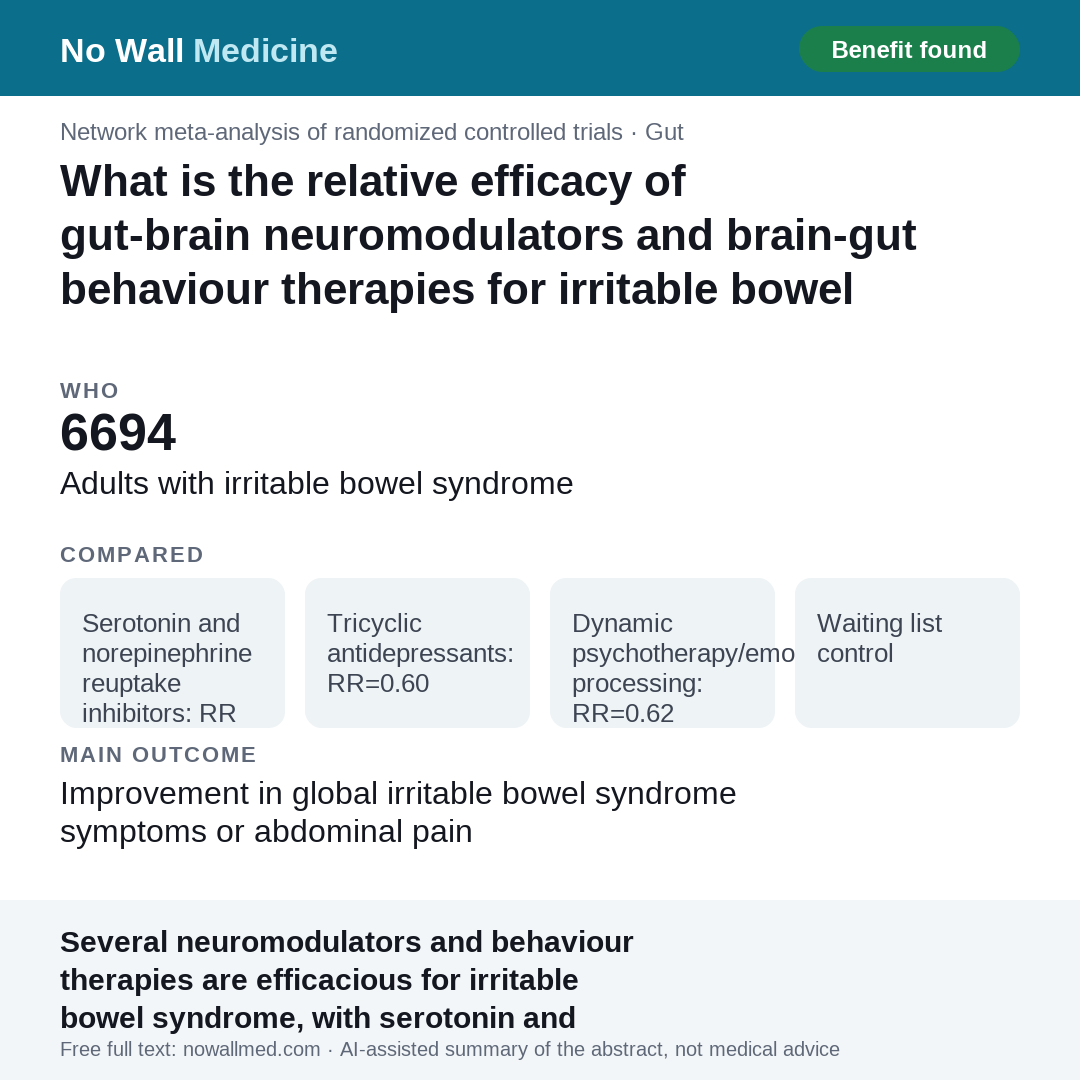
Efficacy of gut-brain neuromodulators and brain-gut behaviour therapies for irritable bowel syndrome: systematic review and network meta-analysis
Network meta-analysis of randomized controlled trialsBenefit found
What is the relative efficacy of gut-brain neuromodulators and brain-gut behaviour therapies for irritable bowel syndrome?
Who
6694
Adults with irritable bowel syndrome
Compared
Serotonin and norepinephrine reuptake inhibitors: RR of global IBS symptoms or abdominal pain not improving=0.49
Tricyclic antidepressants: RR=0.60
Dynamic psychotherapy/emotional processing: RR=0.62
Waiting list control
Main outcome
Improvement in global irritable bowel syndrome symptoms or abdominal pain
Result: RR of global IBS symptoms or abdominal pain not improving=0.49 (95% CI 0.32 to 0.75)
Bottom line: Several neuromodulators and behaviour therapies are efficacious for irritable bowel syndrome, with serotonin and norepinephrine reuptake inhibitors ranking first.
Limitation: No trials were at low risk of bias and overall certainty was low or very low.
Gut · 2026-06-26Download image
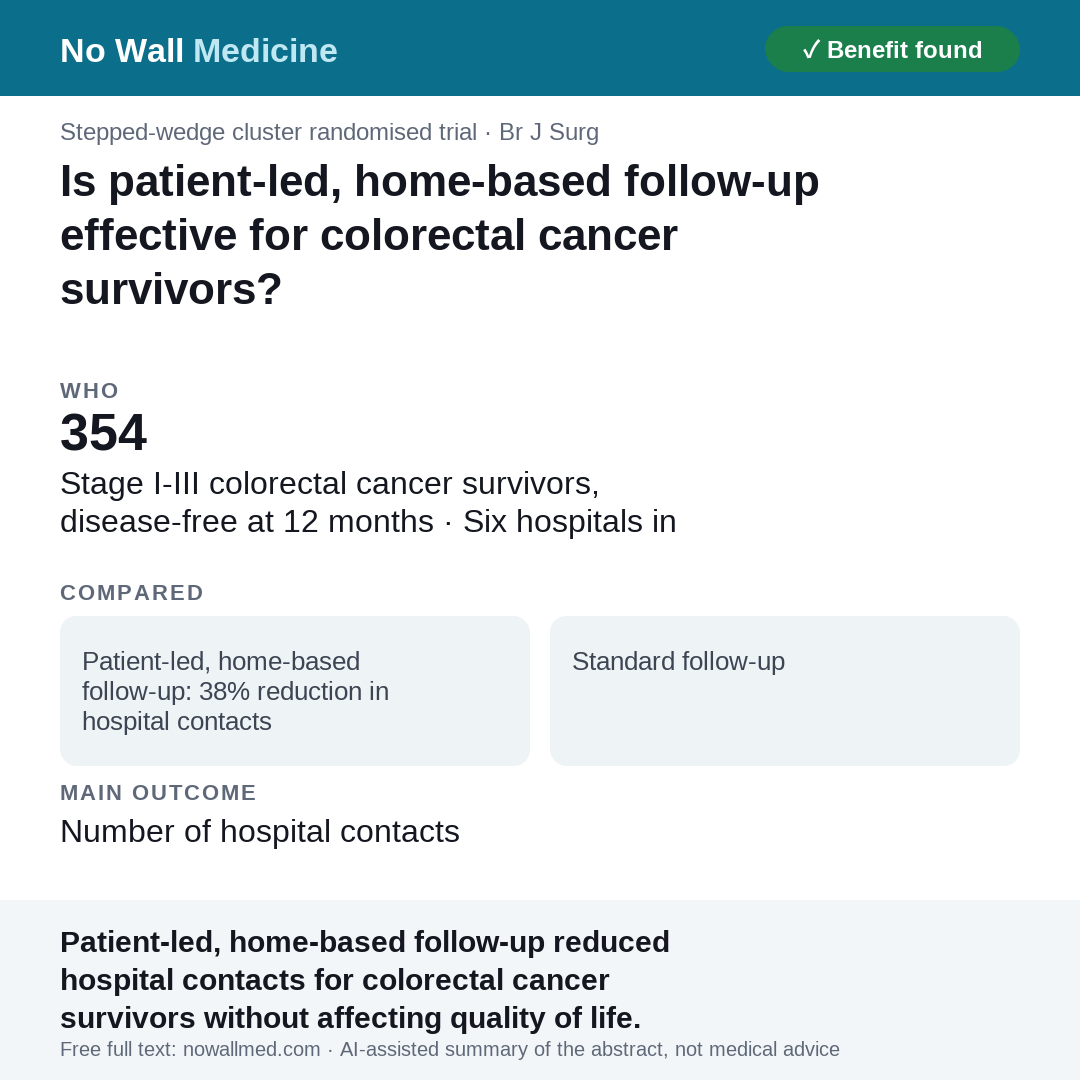
Patient-led, home-based follow-up for colorectal cancer: DISTANCE multicentre stepped-wedge cluster randomised trial
Stepped-wedge cluster randomised trialBenefit found
Is patient-led, home-based follow-up effective for colorectal cancer survivors?
Who
354
Stage I-III colorectal cancer survivors, disease-free at 12 months · Six hospitals in the Netherlands
Compared
Patient-led, home-based follow-up: 38% reduction in hospital contacts
Standard follow-up
Main outcome
Number of hospital contacts
Result: rate ratio 0.62 (95% c.i. 0.51 to 0.75)
Bottom line: Patient-led, home-based follow-up reduced hospital contacts for colorectal cancer survivors without affecting quality of life.
Br J Surg · 2026-06-26Download image
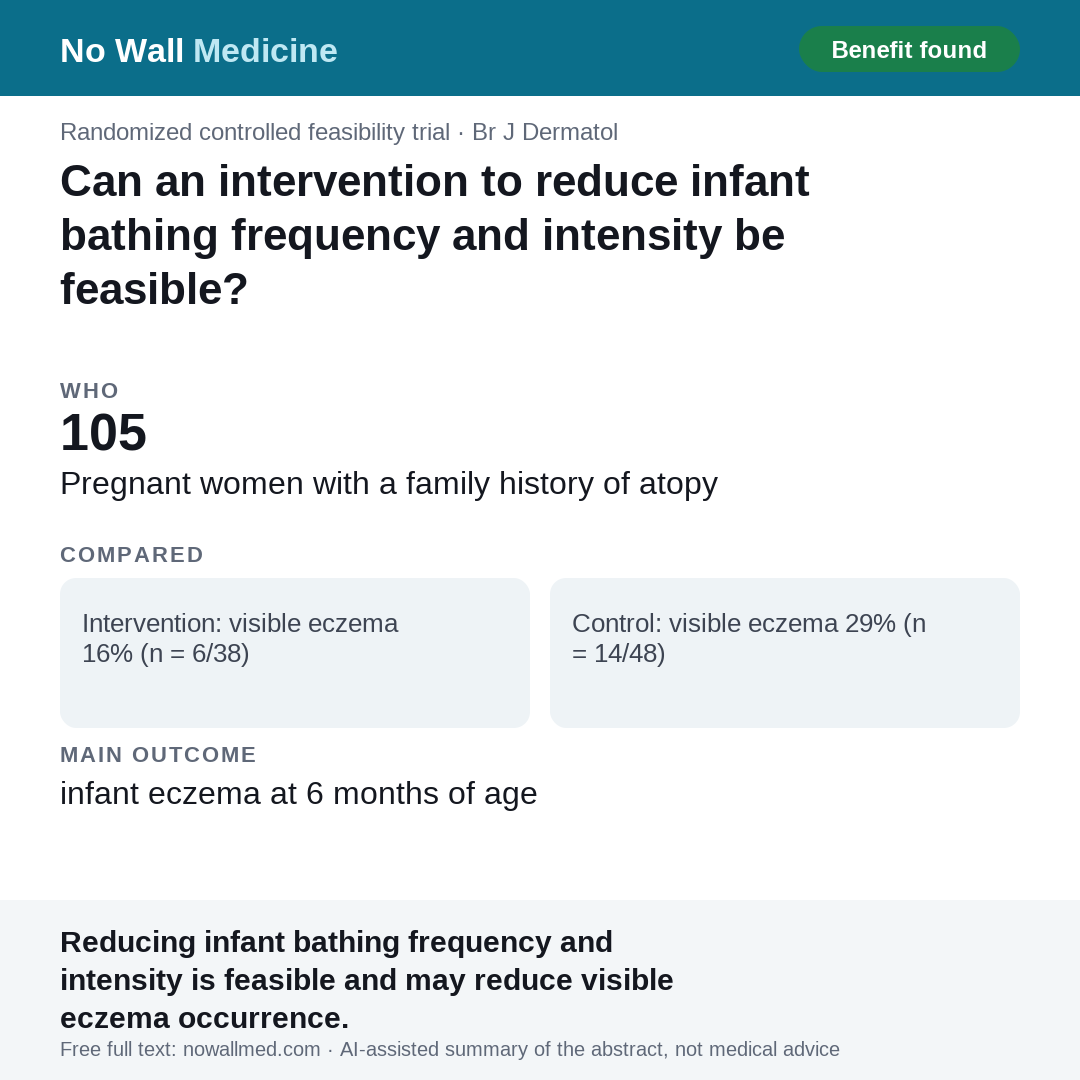
Randomized controlled feasibility trial of an intervention to reduce infant bathing
Randomized controlled feasibility trialBenefit found
Can an intervention to reduce infant bathing frequency and intensity be feasible?
Who
105
Pregnant women with a family history of atopy
Compared
Intervention: visible eczema 16% (n = 6/38)
Control: visible eczema 29% (n = 14/48)
Main outcome
infant eczema at 6 months of age
Bottom line: Reducing infant bathing frequency and intensity is feasible and may reduce visible eczema occurrence.
Br J Dermatol · 2026-06-26Download image
Artificial intelligence in genitourinary oncology: publication trends and systematic review
Systematic review and publication trend analysisBenefit found
What are the publication trends and current state of artificial intelligence in genitourinary oncology?
Who
1220
Articles related to artificial intelligence and genitourinary oncology
Compared
AI-based diagnostics: improved performance over conventional methods
AI in prognostication and treatment planning: improved gains in imaging interpretation and operational efficiency
Main outcome
Publication trends and randomized controlled trial results
Bottom line: Artificial intelligence research in genitourinary oncology is growing rapidly, showing promise in diagnostics, prognostication, and treatment planning.
Limitation: High-level evidence from randomized controlled trials remains limited.
BJU Int · 2026-06-26Download image

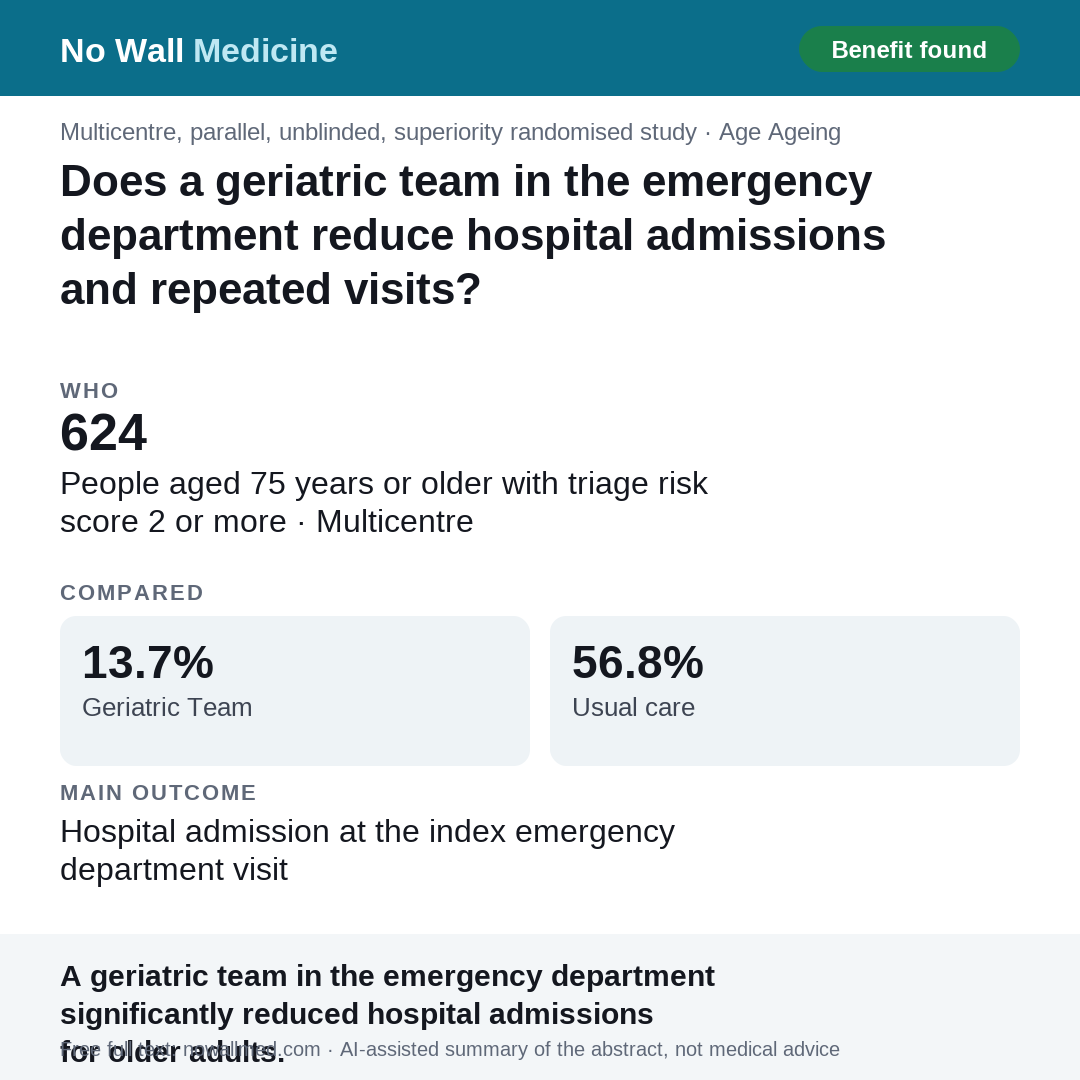
Geriatric team support in the emergency department-a randomised trial investigating the effects on hospital admission and community care in older adults (GerED-21)
Multicentre, parallel, unblinded, superiority randomised studyBenefit found
Does a geriatric team in the emergency department reduce hospital admissions and repeated visits?
Who
624
People aged 75 years or older with triage risk score 2 or more · Multicentre
Compared
13.7%Geriatric Team
56.8%Usual care
Main outcome
Hospital admission at the index emergency department visit
Bottom line: A geriatric team in the emergency department significantly reduced hospital admissions for older adults.
Age Ageing · 2026-06-26Download image
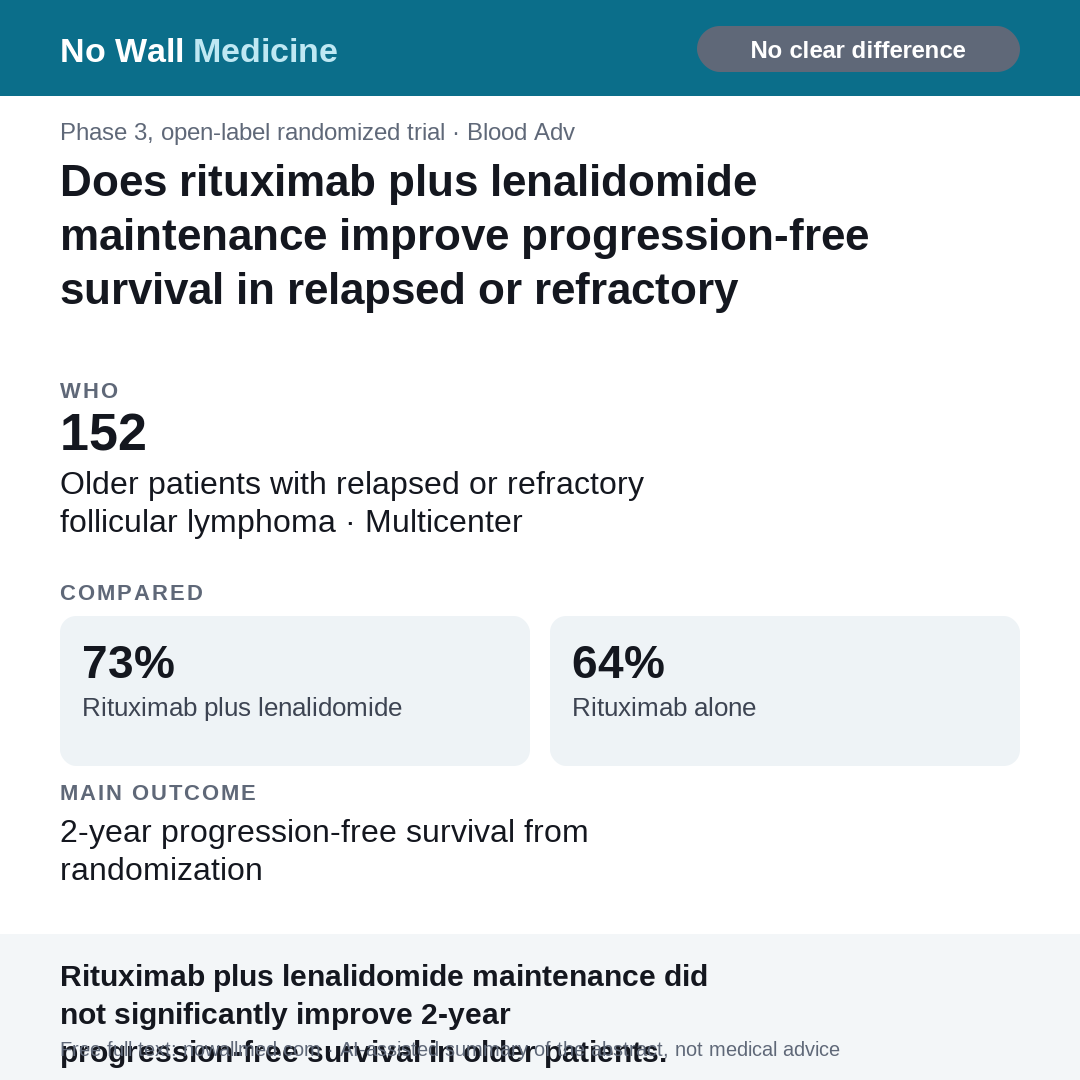
RENOIR phase 3 rituximab-lenalidomide vs rituximab as maintenance treatment in relapsed/refractory follicular lymphoma
Phase 3, open-label randomized trialNo clear difference
Does rituximab plus lenalidomide maintenance improve progression-free survival in relapsed or refractory follicular lymphoma?
Who
152
Older patients with relapsed or refractory follicular lymphoma · Multicenter
Compared
73%Rituximab plus lenalidomide
64%Rituximab alone
Main outcome
2-year progression-free survival from randomization
Bottom line: Rituximab plus lenalidomide maintenance did not significantly improve 2-year progression-free survival in older patients.
Blood Adv · 2026-06-26Download image
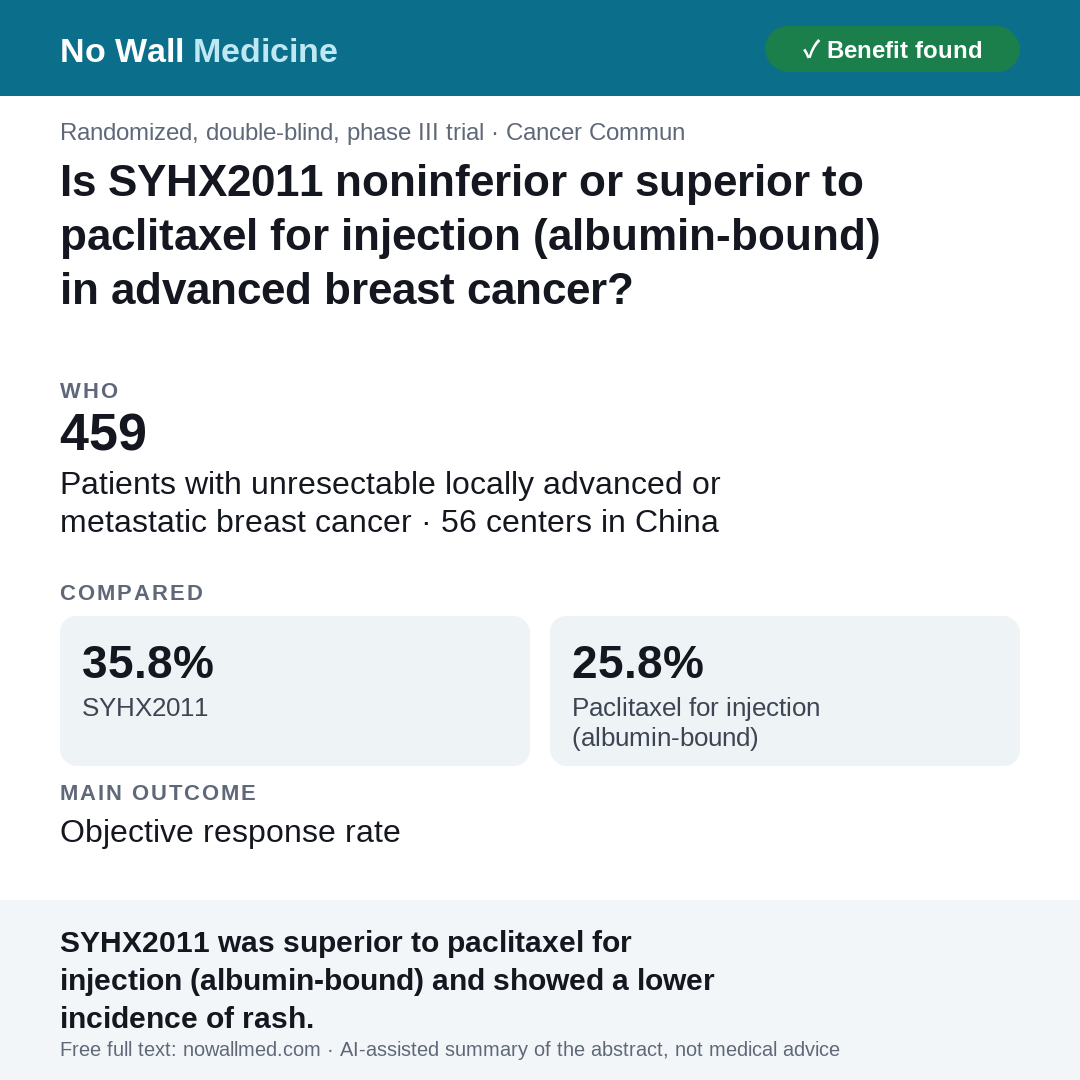
Albumin-Bound Paclitaxel (SYHX2011) in Patients with Advanced Breast Cancer: A Multicenter, Randomized, Double-Blind, Phase III Study
Randomized, double-blind, phase III trialBenefit found
Is SYHX2011 noninferior or superior to paclitaxel for injection (albumin-bound) in advanced breast cancer?
Who
459
Patients with unresectable locally advanced or metastatic breast cancer · 56 centers in China
Compared
35.8%SYHX2011 (95% CI 29.4% to 42.6%)
25.8%Paclitaxel for injection (albumin-bound) (95% CI 20.2% to 32.1%)
Main outcome
Objective response rate
Result: rate ratio = 1.38, 95% CI 1.04 to 1.84
Bottom line: SYHX2011 was superior to paclitaxel for injection (albumin-bound) and showed a lower incidence of rash.
Cancer Commun · 2026-06-26Download image
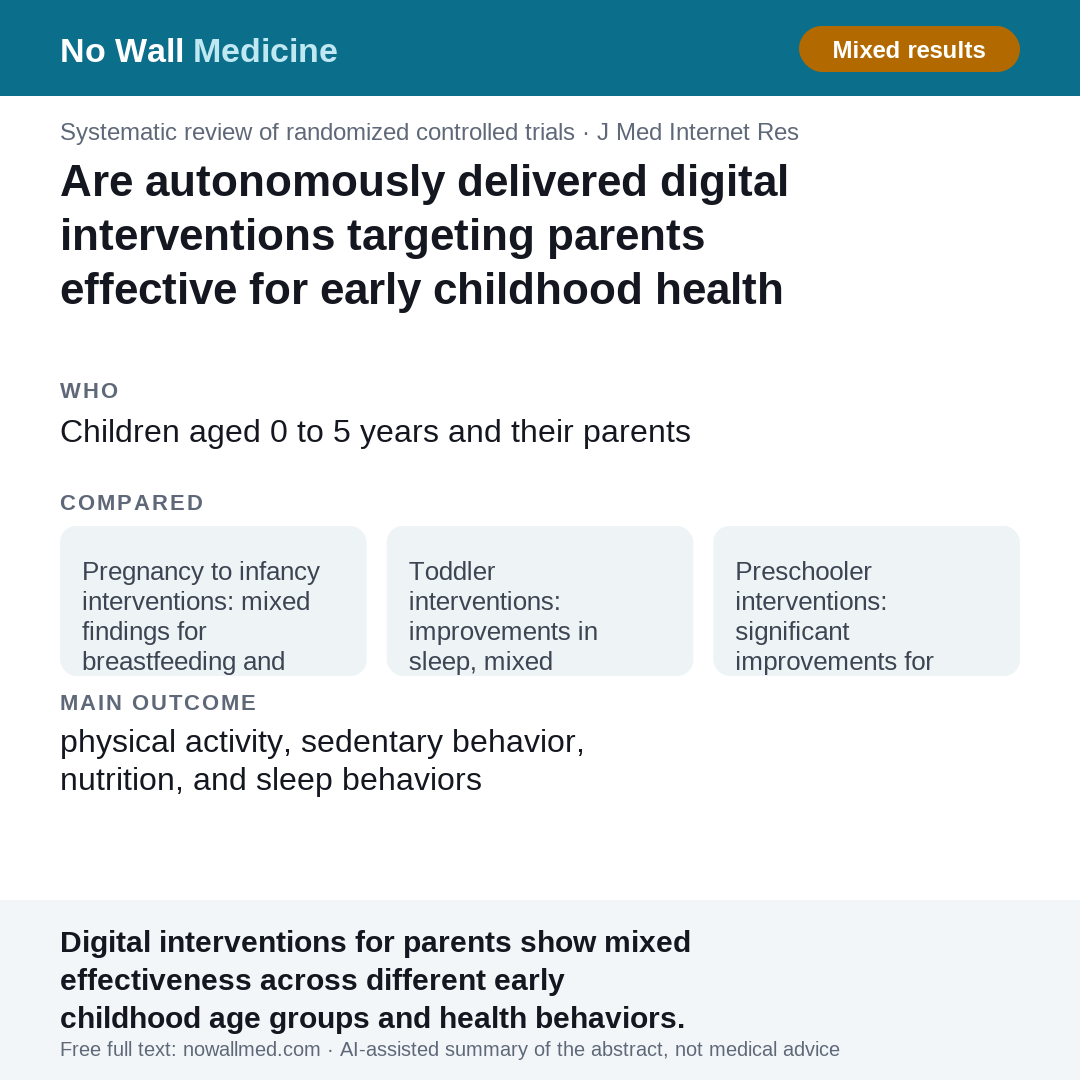
Digital Interventions Targeting Parents to Improve Early Childhood Movement, Nutrition, and Sleep Behaviors: Systematic Review
Systematic review of randomized controlled trialsMixed results
Are autonomously delivered digital interventions targeting parents effective for early childhood health behaviors?
Who
Children aged 0 to 5 years and their parents
Compared
Pregnancy to infancy interventions: mixed findings for breastfeeding and feeding practices
Toddler interventions: improvements in sleep, mixed findings for diet and screen time
Preschooler interventions: significant improvements for feeding practices and diet
Main outcome
physical activity, sedentary behavior, nutrition, and sleep behaviors
Bottom line: Digital interventions for parents show mixed effectiveness across different early childhood age groups and health behaviors.
Limitation: Heterogeneous designs, inconsistent outcome measures, and mixed risk-of-bias ratings across studies.
J Med Internet Res · 2026-06-26Download image
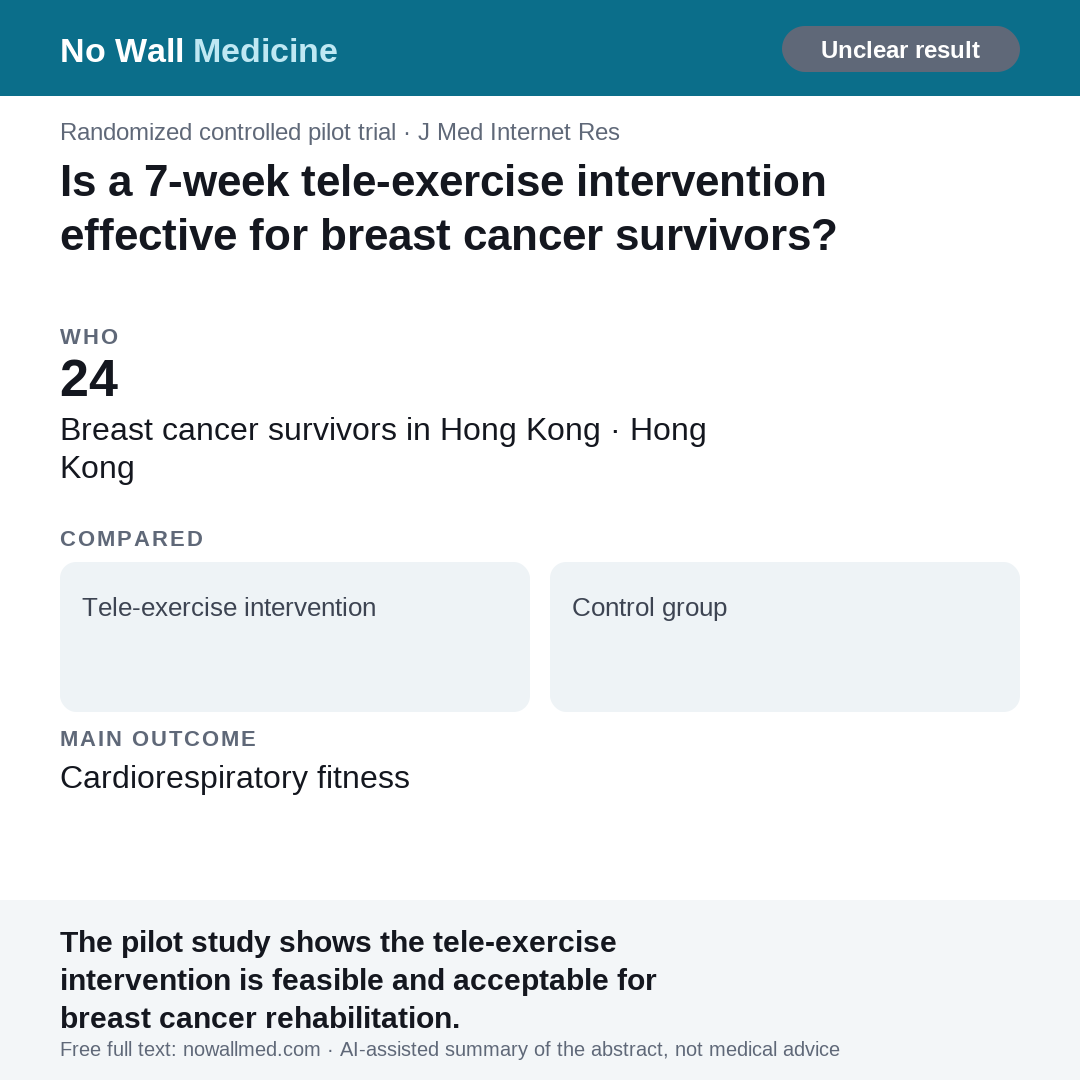
Effectiveness of a Home-Based and Group-Based Tele-Exercise Program for Breast Cancer Survivors: Pilot Randomized Controlled Trial
Randomized controlled pilot trialUnclear result
Is a 7-week tele-exercise intervention effective for breast cancer survivors?
Who
24
Breast cancer survivors in Hong Kong · Hong Kong
Compared
Tele-exercise intervention
Control group
Main outcome
Cardiorespiratory fitness
Bottom line: The pilot study shows the tele-exercise intervention is feasible and acceptable for breast cancer rehabilitation.
Limitation: Small sample size and need for a larger trial with longer follow-up.
J Med Internet Res · 2026-06-26Download image
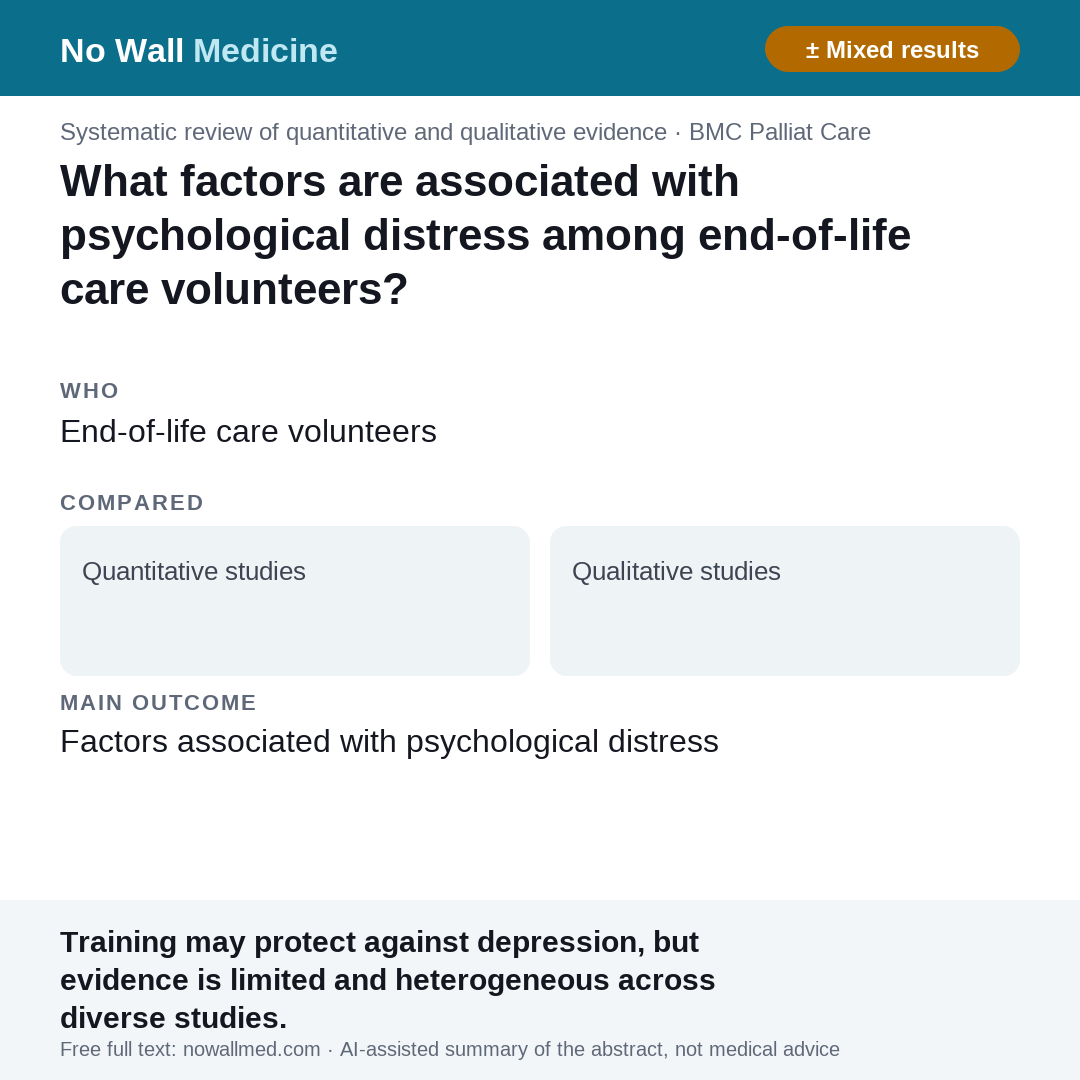
Factors associated with psychological distress among end-of-life care volunteers: a systematic review of quantitative and qualitative evidence
Systematic review of quantitative and qualitative evidenceMixed results
What factors are associated with psychological distress among end-of-life care volunteers?
Who
End-of-life care volunteers
Compared
Quantitative studies
Qualitative studies
Main outcome
Factors associated with psychological distress
Bottom line: Training may protect against depression, but evidence is limited and heterogeneous across diverse studies.
Limitation: Substantial heterogeneity and a small, methodologically diverse evidence base limit firm conclusions.
BMC Palliat Care · 2026-06-26Download image
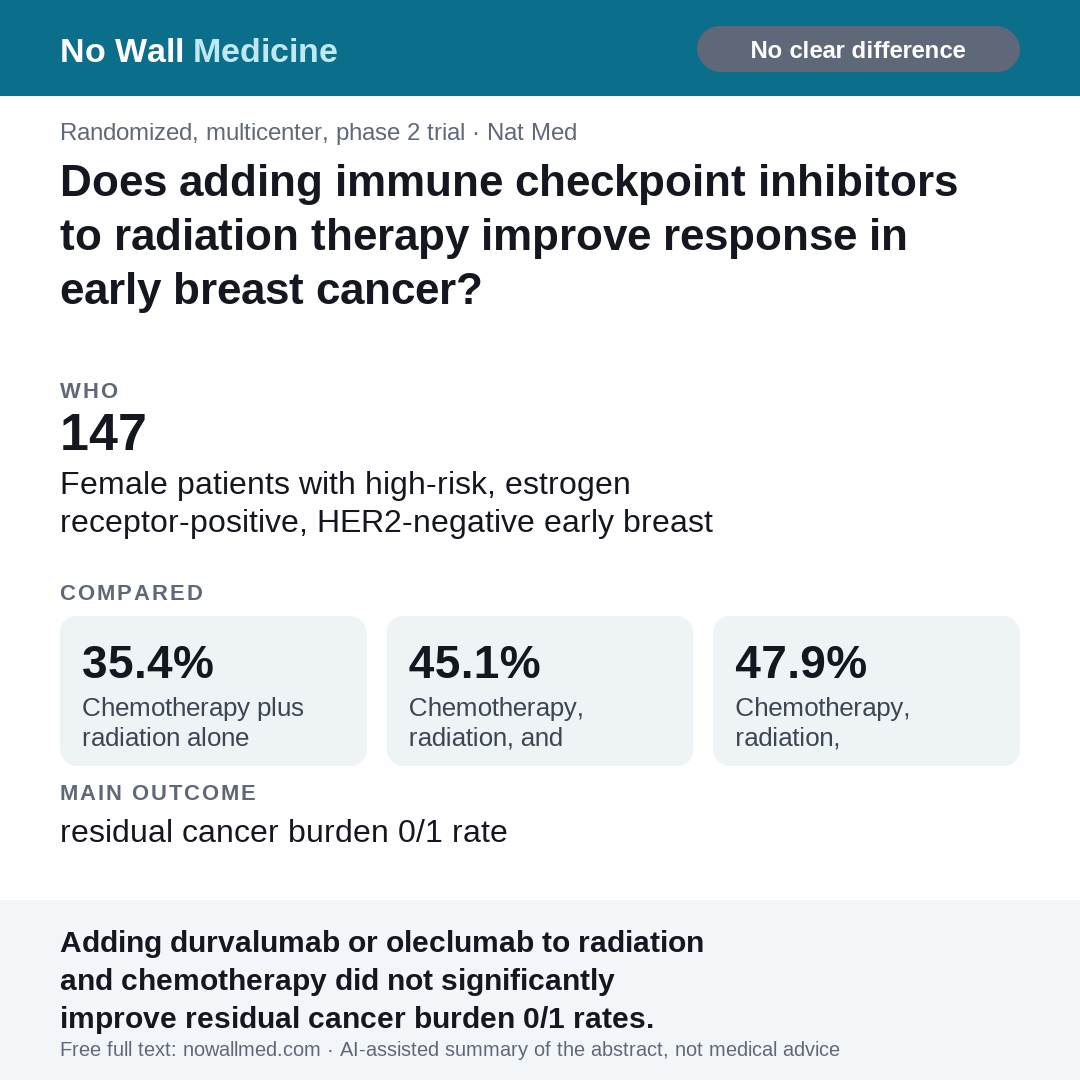
Neoadjuvant stereotactic body radiation therapy with durvalumab and oleclumab in ER+HER2- breast cancer: a randomized phase 2 trial
Randomized, multicenter, phase 2 trialNo clear difference
Does adding immune checkpoint inhibitors to radiation therapy improve response in early breast cancer?
Who
147
Female patients with high-risk, estrogen receptor-positive, HER2-negative early breast cancer · multicenter
Compared
35.4%Chemotherapy plus radiation alone
45.1%Chemotherapy, radiation, and durvalumab
47.9%Chemotherapy, radiation, durvalumab, and oleclumab
Main outcome
residual cancer burden 0/1 rate
Bottom line: Adding durvalumab or oleclumab to radiation and chemotherapy did not significantly improve residual cancer burden 0/1 rates.
Nat Med · 2026-06-25Download image
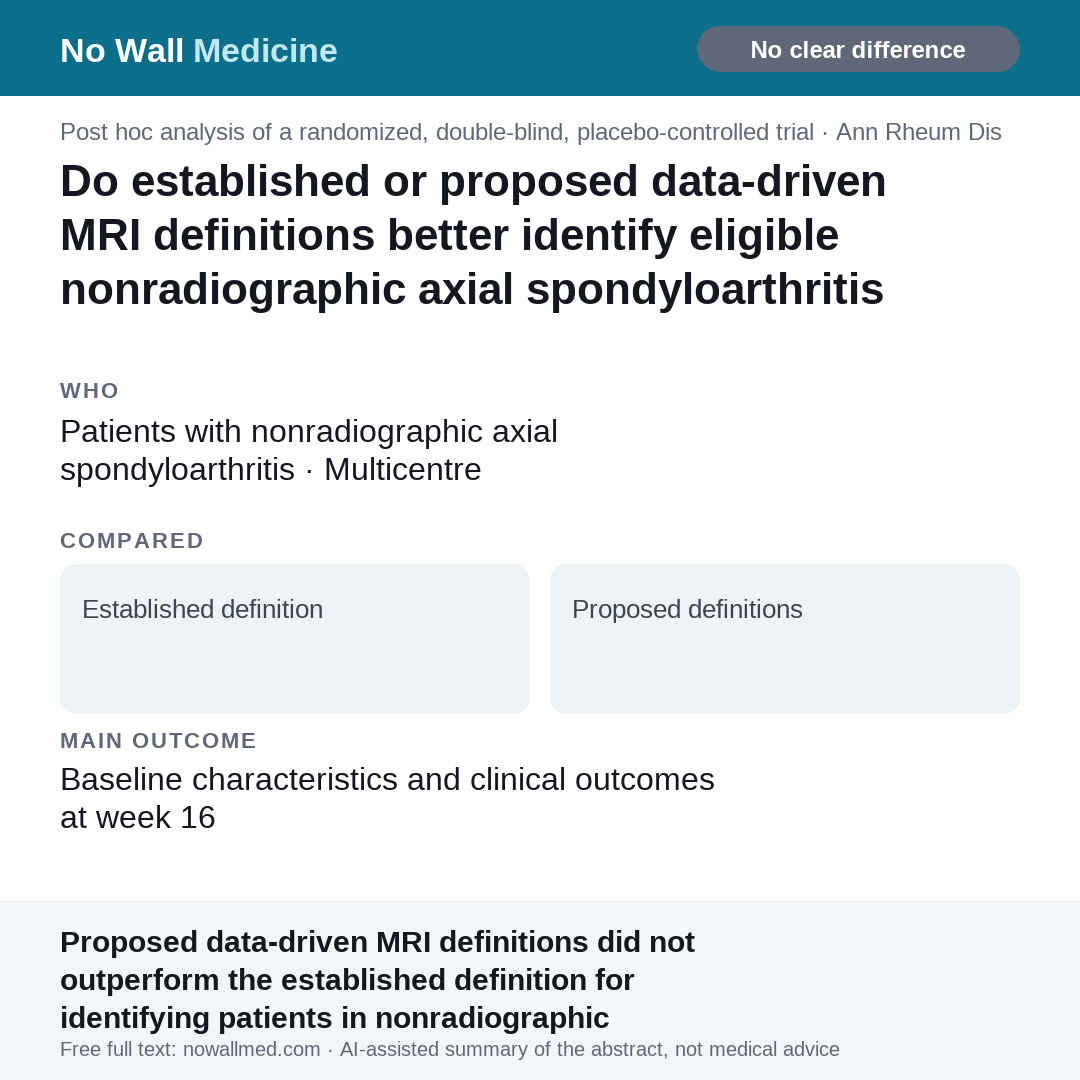
Comparison of the established ASAS definition and preliminary proposed data-driven cut-offs for inflammatory and structural MRI lesions in the sacroiliac joints for eligibility of patients with nonradiographic axial spondyloarthritis in clinical trials
Post hoc analysis of a randomized, double-blind, placebo-controlled trialNo clear difference
Do established or proposed data-driven MRI definitions better identify eligible nonradiographic axial spondyloarthritis patients?
Who
Patients with nonradiographic axial spondyloarthritis · Multicentre
Compared
Established definition
Proposed definitions
Main outcome
Baseline characteristics and clinical outcomes at week 16
Bottom line: Proposed data-driven MRI definitions did not outperform the established definition for identifying patients in nonradiographic axial spondyloarthritis.
Ann Rheum Dis · 2026-06-25Download image
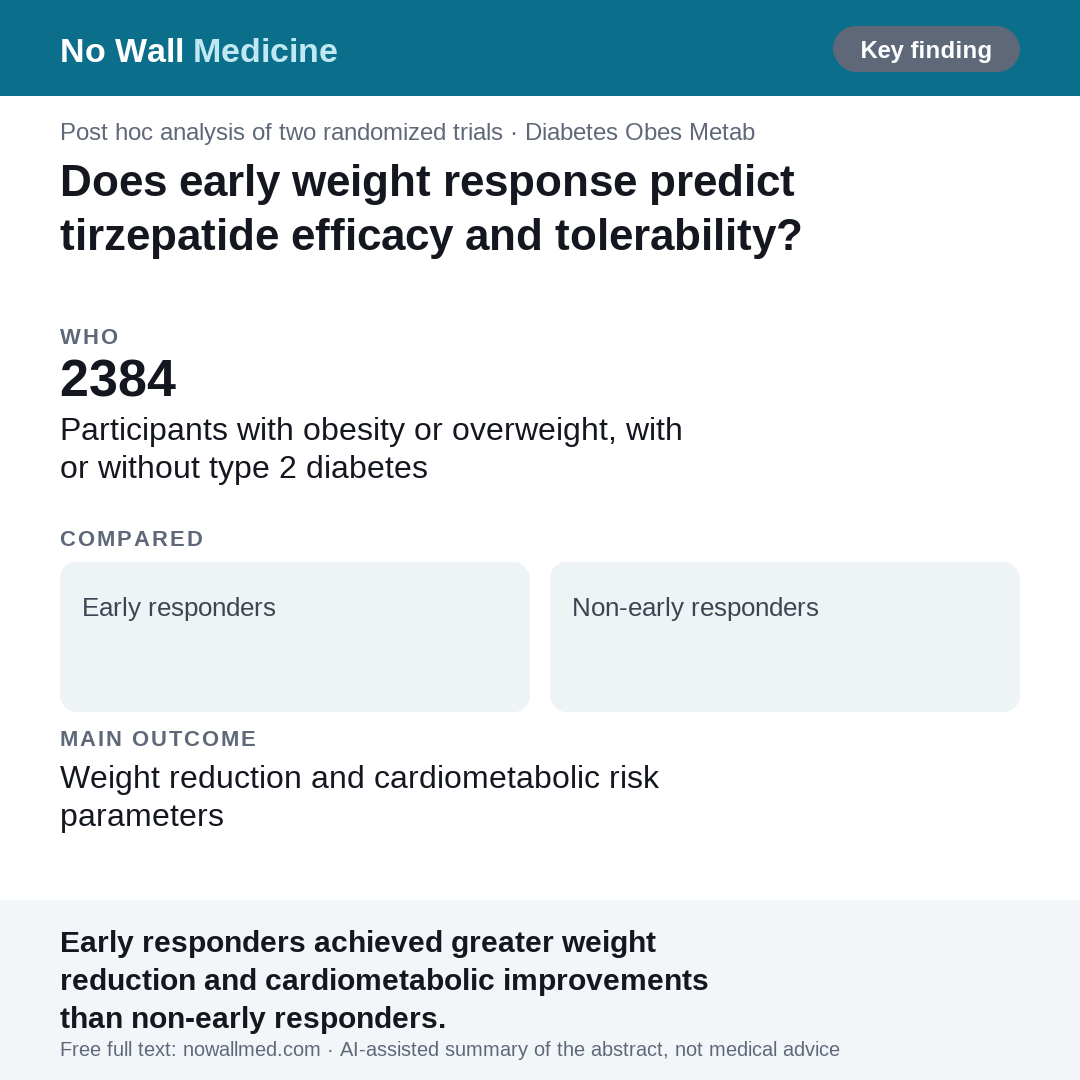
Tirzepatide Efficacy and Tolerability According to Early Weight Response: A Post Hoc Analysis of the SURMOUNT-1 and SURMOUNT-2 Trials
Post hoc exploratory analysis of phase 3 randomized trialsBenefit found
How does early weight response to tirzepatide affect weight reduction and cardiometabolic risk parameters?
Who
2384
Individuals with obesity or overweight with or without type 2 diabetes · multicentre
Compared
early responders: significantly greater improvements in weight reduction and cardiometabolic risk parameters
nonearly responders: clinically meaningful weight reduction and improvements in cardiometabolic risk parameters
Main outcome
weight reduction and cardiometabolic risk parameters
Bottom line: Tirzepatide treated participants with early weight response achieved greater weight reduction and cardiometabolic improvements than nonearly responders.
Limitation: This was a post hoc exploratory analysis
Diabetes Obes Metab · 2026-06-25Download image
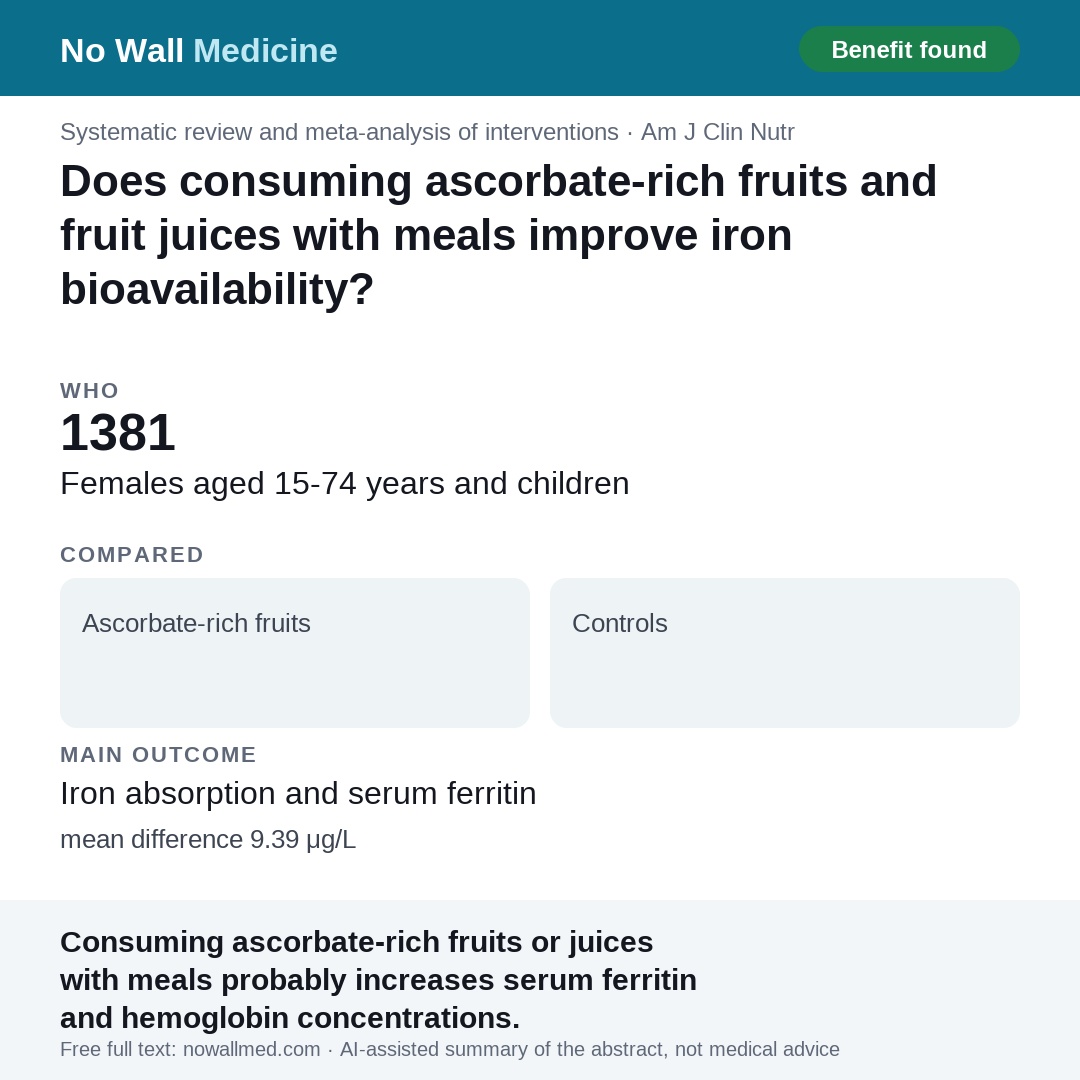
Does consuming ascorbate-rich fruits and fruit juices with meals improve iron bioavailability? A systematic review and meta-analysis of interventions
Systematic review and meta-analysis of interventionsBenefit found
Does consuming ascorbate-rich fruits or juices with meals improve iron bioavailability?
Who
1381
Females aged 15-74 years and children
Compared
Ascorbate-rich fruits or juices
Controls
Main outcome
Iron absorption and serum ferritin
Result: mean difference 9.39 μg/L for serum ferritin
Bottom line: Consuming ascorbate-rich fruits or juices probably increases serum ferritin and hemoglobin concentrations.
Limitation: Low certainty for iron absorption, iron balance, and plasma transferrin receptor results.
Am J Clin Nutr · 2026-06-25Download image
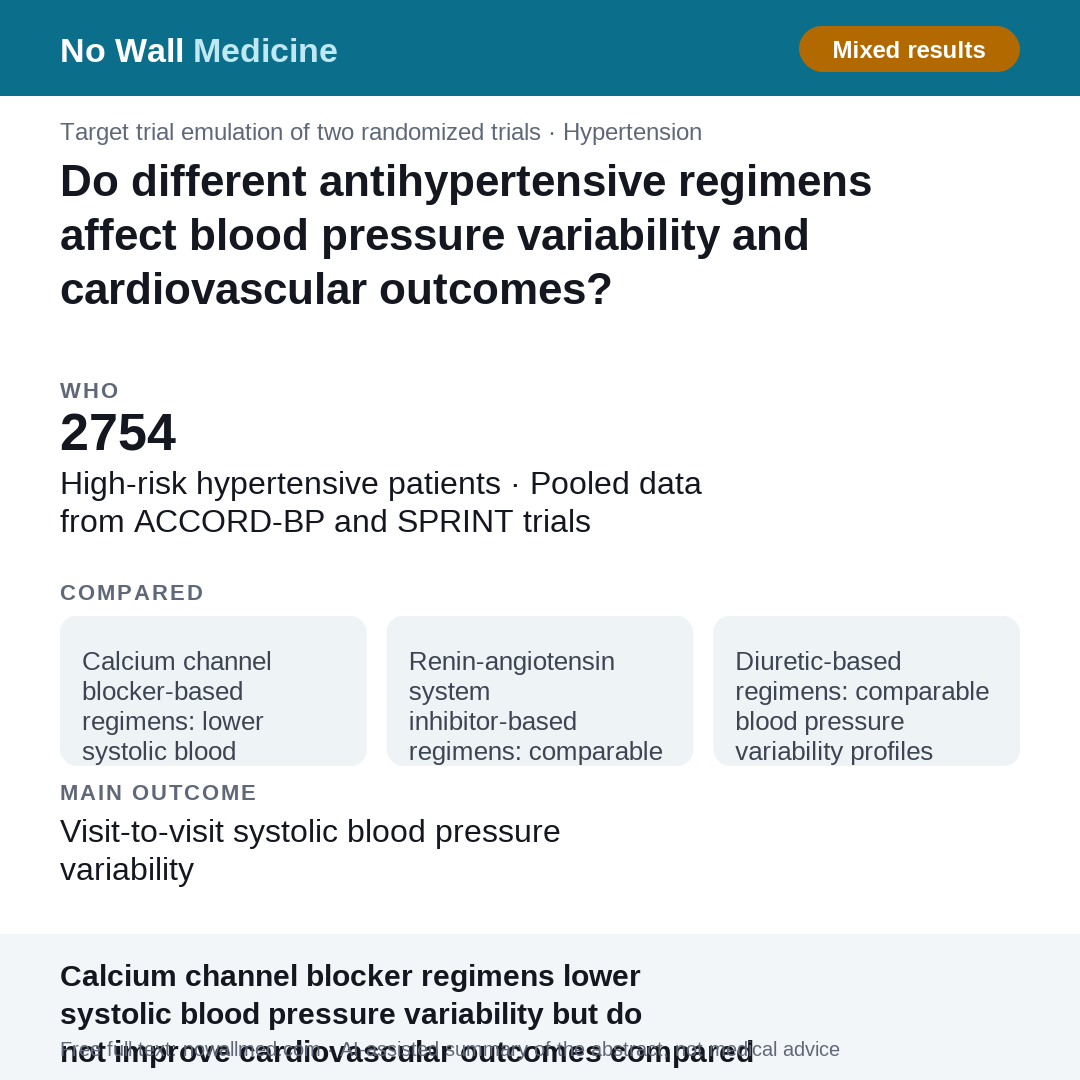
Blood Pressure Variability and Outcomes Across Antihypertensive Regimens
Target trial emulation of two randomized trialsMixed results
Do different antihypertensive regimens affect blood pressure variability and cardiovascular outcomes?
Who
2754
High-risk hypertensive patients · Pooled data from ACCORD-BP and SPRINT trials
Compared
Calcium channel blocker-based regimens: lower systolic blood pressure variability
Renin-angiotensin system inhibitor-based regimens: comparable blood pressure variability profiles
Diuretic-based regimens: comparable blood pressure variability profiles
Main outcome
Visit-to-visit systolic blood pressure variability
Result: β=-1.341 [95% CI, -1.930 to -0.752] for CCB versus RAS inhibitor monotherapy
Bottom line: Calcium channel blocker regimens lower systolic blood pressure variability but do not improve cardiovascular outcomes compared to other regimens.
Hypertension · 2026-06-25Download image
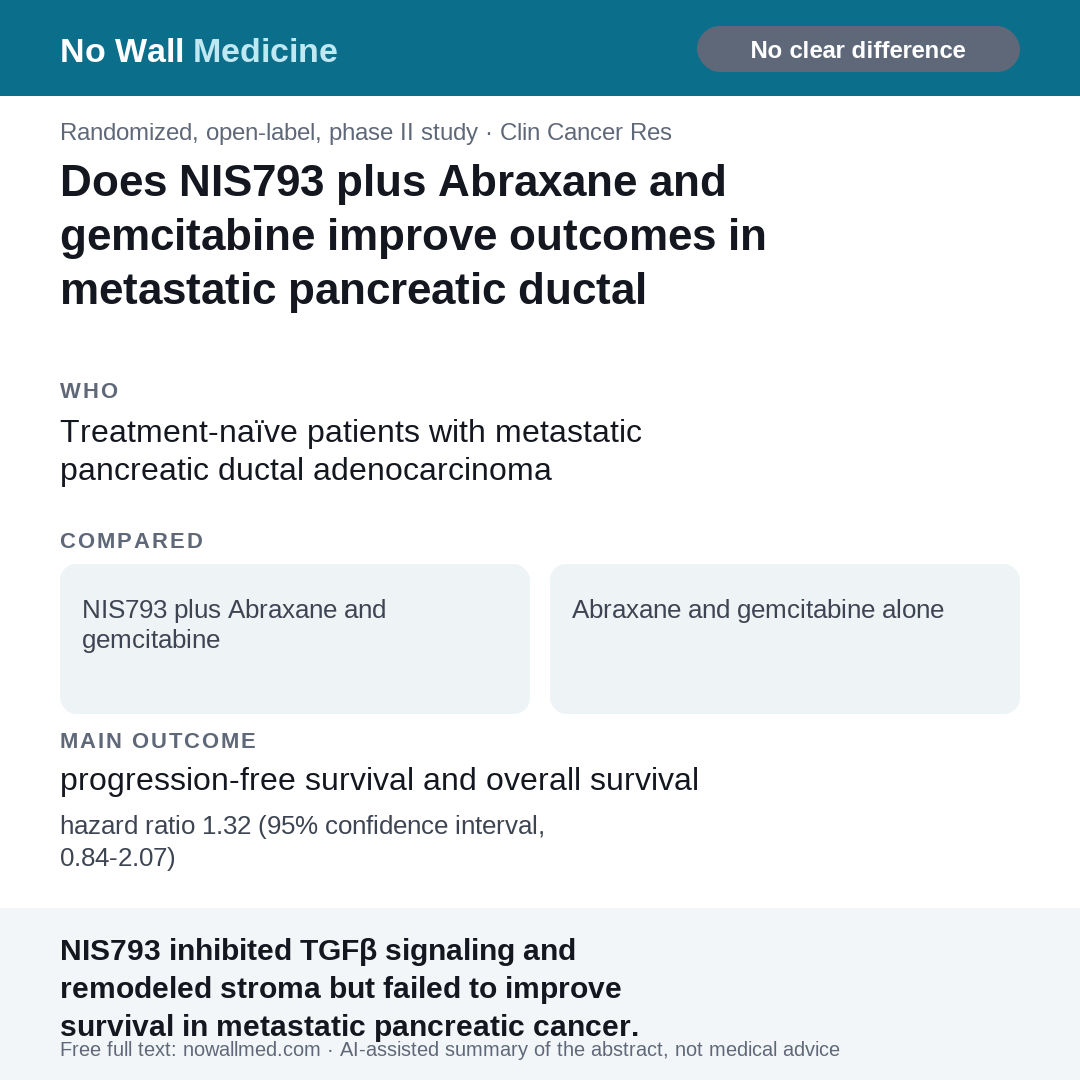
Biomarker Analysis from Patients with Metastatic PDAC Treated with TGFβ Antibody NIS793 plus Abraxane + Gemcitabine versus Abraxane + Gemcitabine Alone in a Phase II, Open-Label, Randomized Study
Randomized, open-label, phase II studyNo clear difference
Does NIS793 plus Abraxane and gemcitabine improve outcomes in metastatic pancreatic ductal adenocarcinoma?
Who
Treatment-naïve patients with metastatic pancreatic ductal adenocarcinoma
Compared
NIS793 plus Abraxane and gemcitabine
Abraxane and gemcitabine alone
Main outcome
progression-free survival and overall survival
Result: hazard ratio 1.32 (95% confidence interval, 0.84-2.07)
Bottom line: NIS793 inhibited TGFβ signaling and remodeled stroma but failed to improve survival in metastatic pancreatic cancer.
Clin Cancer Res · 2026-06-25Download image
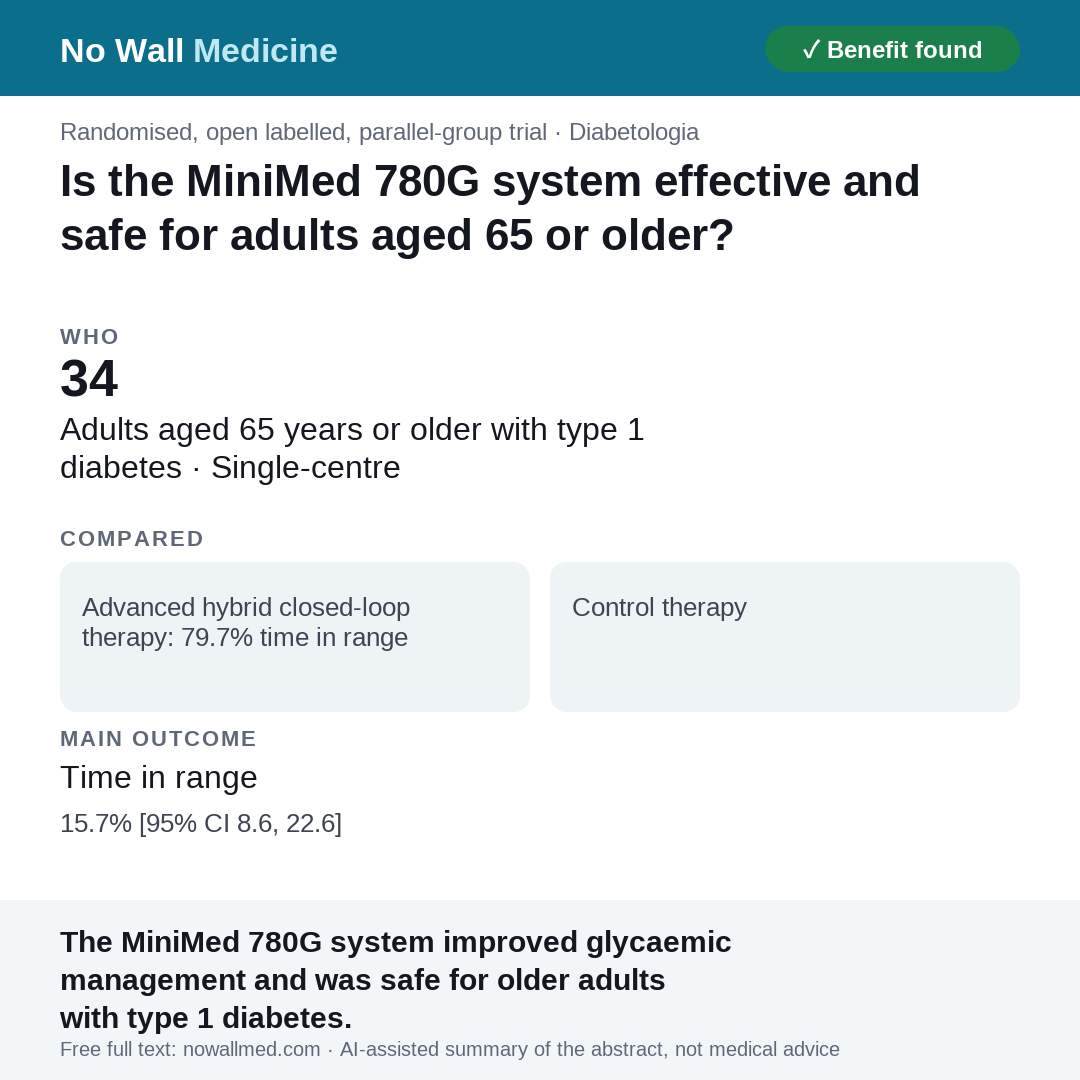
Metabolic and vascular outcomes after transition to the MiniMed 780G system in adults ≥65 years with type 1 diabetes: a randomised, single-centre study
Randomised, open labelled, parallel-group trialBenefit found
Is the MiniMed 780G system effective and safe for adults aged 65 or older?
Who
34
Adults aged 65 years or older with type 1 diabetes · Single-centre
Compared
Advanced hybrid closed-loop therapy: 79.7% time in range
Control therapy
Main outcome
Time in range
Result: 15.7% [95% CI 8.6, 22.6]
Bottom line: The MiniMed 780G system improved glycaemic management and was safe for older adults with type 1 diabetes.
Limitation: Outcome assessors were not masked and vascular function improvement was not statistically significant.
Diabetologia · 2026-06-25Download image
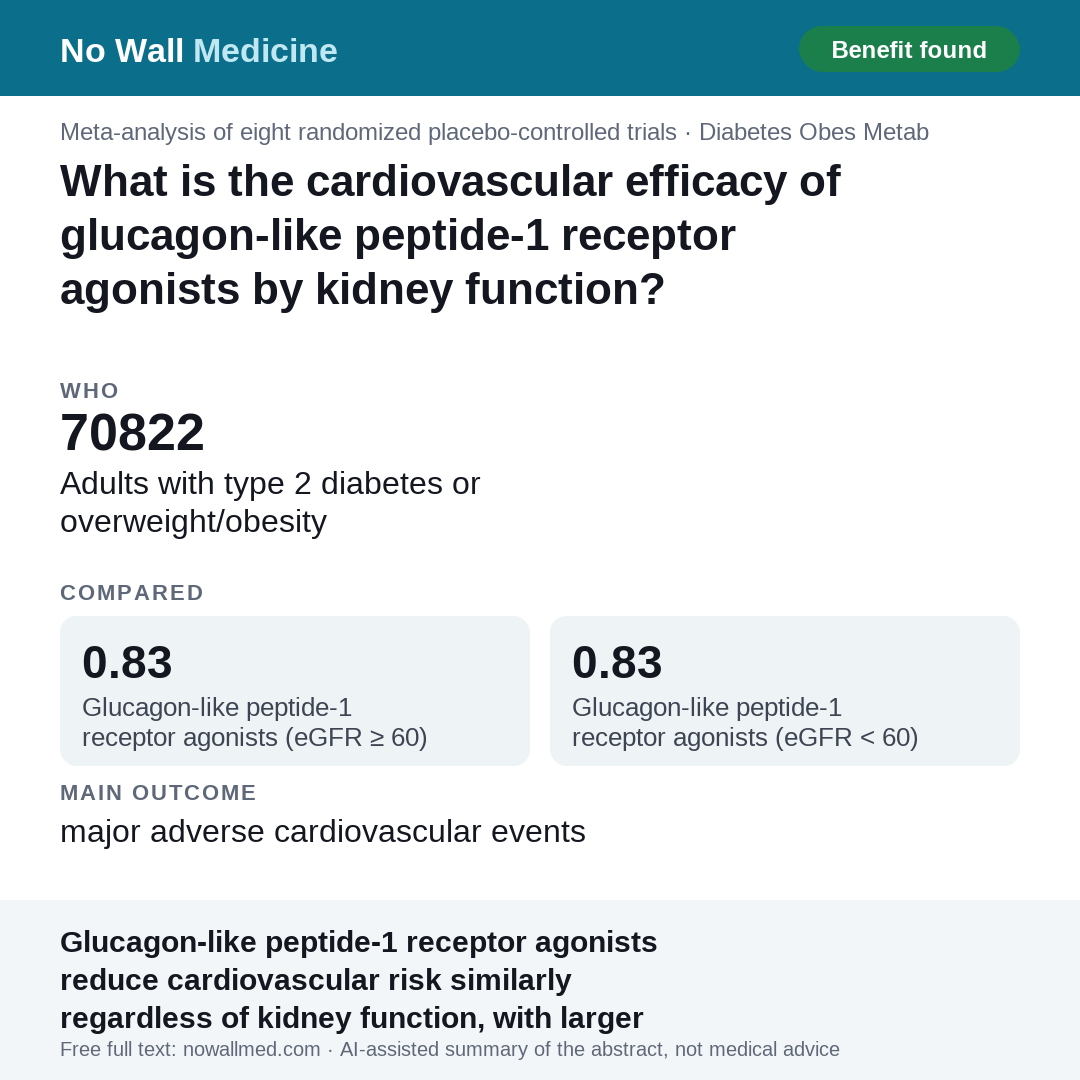
Cardiovascular Efficacy of GLP-1 Receptor Agonists by Kidney Function: An Updated Meta-Analysis of Randomized Trials Including the SOUL Trial
Meta-analysis of eight randomized placebo-controlled trialsBenefit found
What is the cardiovascular efficacy of glucagon-like peptide-1 receptor agonists by kidney function?
Who
70822
Adults with type 2 diabetes or overweight/obesity
Compared
0.83Glucagon-like peptide-1 receptor agonists (eGFR ≥ 60) (95% CI 0.77-0.90)
0.83Glucagon-like peptide-1 receptor agonists (eGFR < 60) (95% CI 0.74-0.93)
Main outcome
major adverse cardiovascular events
Result: ratio of hazard ratios 1.02 (95% CI 0.85-1.21)
Bottom line: Glucagon-like peptide-1 receptor agonists reduce cardiovascular risk similarly regardless of kidney function, with larger absolute benefits in lower kidney function.
Diabetes Obes Metab · 2026-06-25Download image
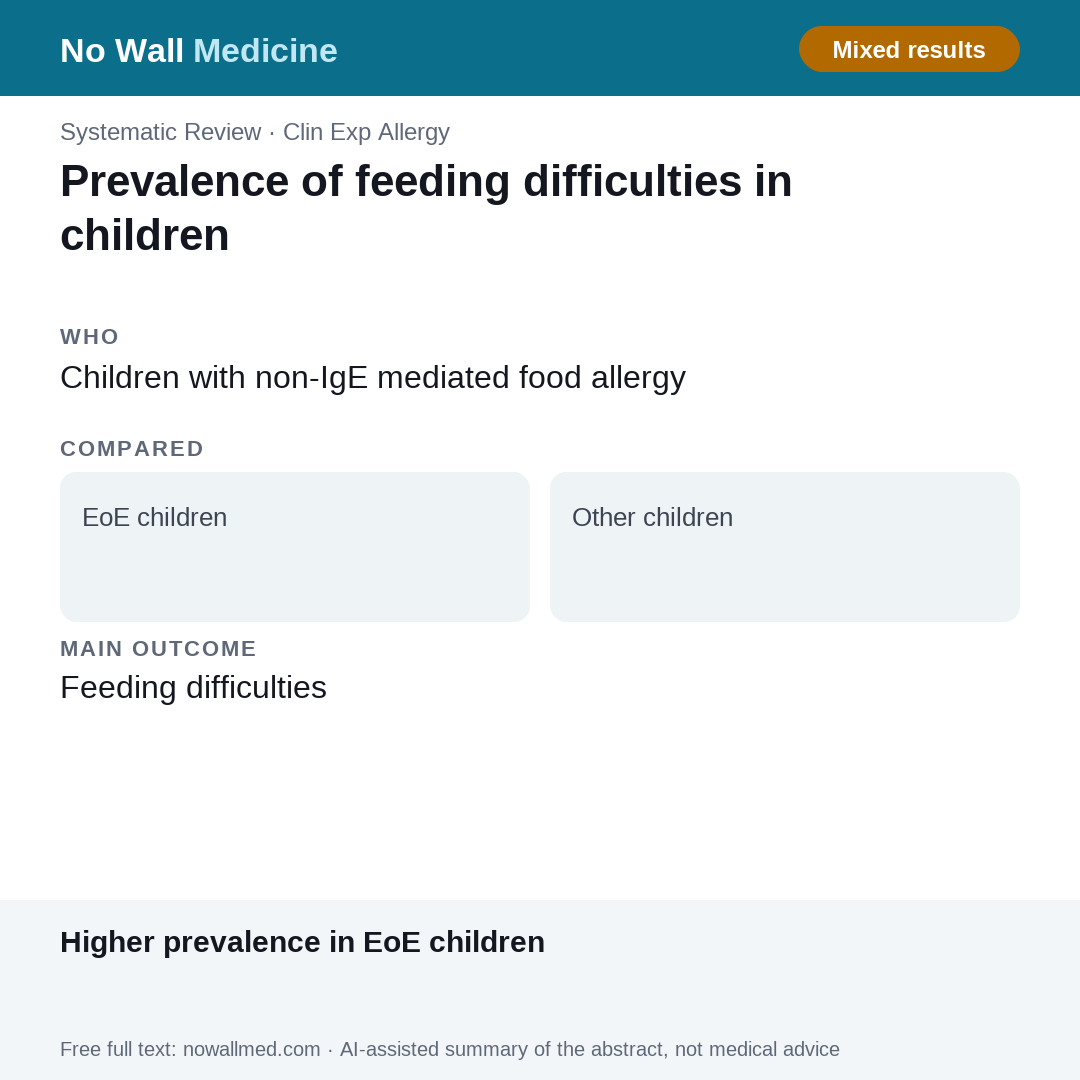
Prevalence of Feeding Difficulties in Children With Non-IgE Mediated Food Allergies: A Systematic Review
Systematic ReviewMixed results
Prevalence of feeding difficulties in children
Who
Children with non-IgE mediated food allergy
Compared
EoE children
Other children
Main outcome
Feeding difficulties
Bottom line: Higher prevalence in EoE children
Clin Exp Allergy · 2026-06-25Download image
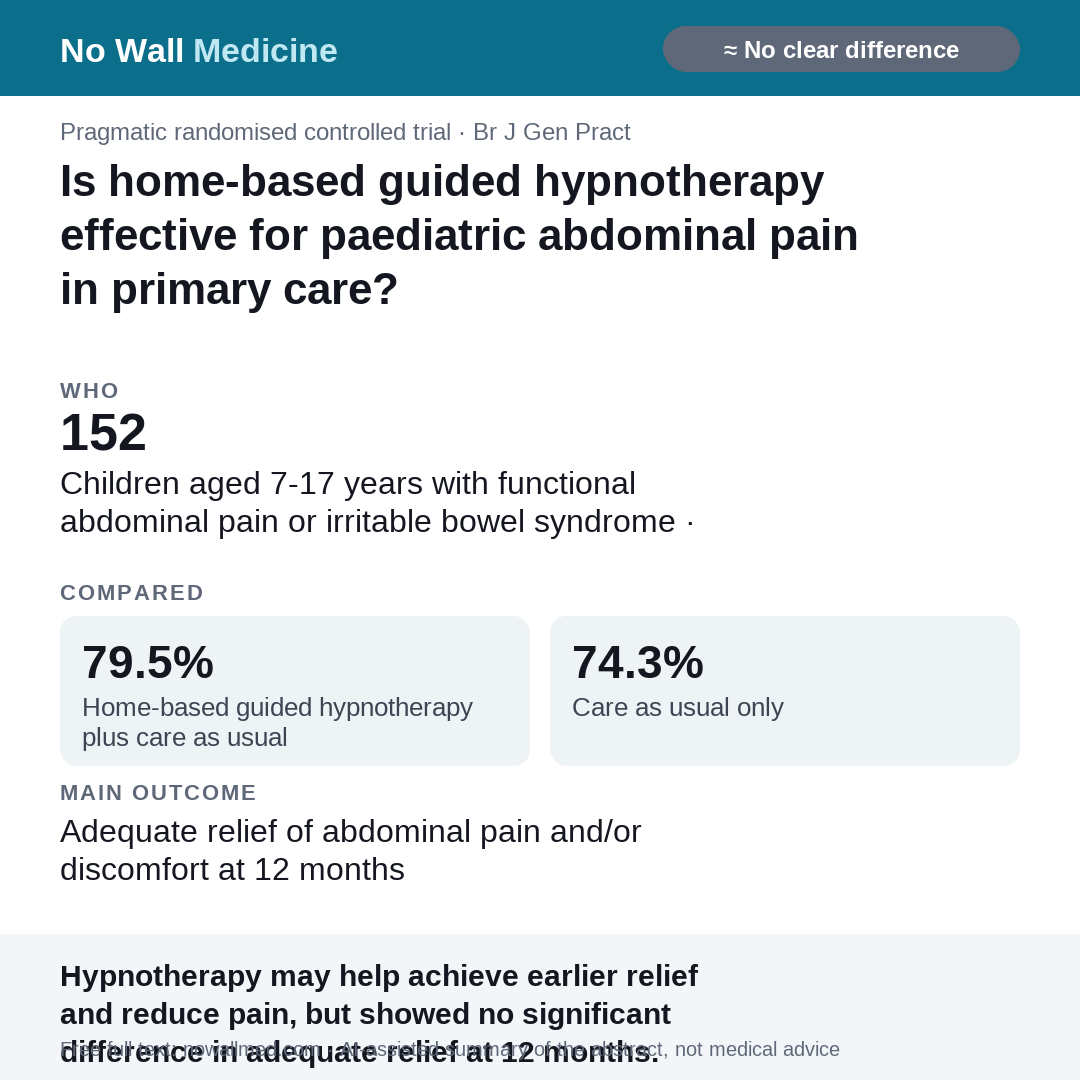
Effectiveness of hypnotherapy for paediatric abdominal pain in primary care: a randomised controlled trial
Pragmatic randomised controlled trialNo clear difference
Is home-based guided hypnotherapy effective for paediatric abdominal pain in primary care?
Who
152
Children aged 7-17 years with functional abdominal pain or irritable bowel syndrome · Dutch primary care
Compared
79.5%Home-based guided hypnotherapy plus care as usual (58/73 children)
74.3%Care as usual only (52/70 children)
Main outcome
Adequate relief of abdominal pain and/or discomfort at 12 months
Result: aOR 1.47 (90% CI 0.74 to 2.93)
Bottom line: Hypnotherapy may help achieve earlier relief and reduce pain, but showed no significant difference in adequate relief at 12 months.
Br J Gen Pract · 2026-06-25Download image