Visual abstracts
New randomized trials and meta-analyses from leading journals at a glance: who was studied, what was compared, and what was found. Every paper is free to read in full.
All specialtiesCardiology 4833Oncology 4115Gastroenterology & Hepatology 1934Infectious Disease 3825Neurology 1901Psychiatry & Mental Health 2256Pulmonology 2082Critical Care 1346Endocrinology & Diabetes 2572Pediatrics 2940Surgery 2525Orthopedics & Sports Medicine 926Neurosurgery 534Cardiothoracic & Vascular Surgery 671Plastic & Reconstructive Surgery 591Nephrology 1124Rheumatology 823Hematology 1104Dermatology 620Ophthalmology 543Obstetrics & Gynecology 1684Public & Global Health 1056Radiology & Imaging 641Anesthesiology 962Urology 754ENT (Otolaryngology) 503Emergency Medicine 489Allergy & Immunology 313Geriatrics 982Family Medicine & Primary Care 541Medical Genetics & Genomics 675Pathology & Laboratory Medicine 157Physical Medicine & Rehabilitation 751Palliative Care 424Nutrition 1580Digital Health & AI 2195General Medicine 321
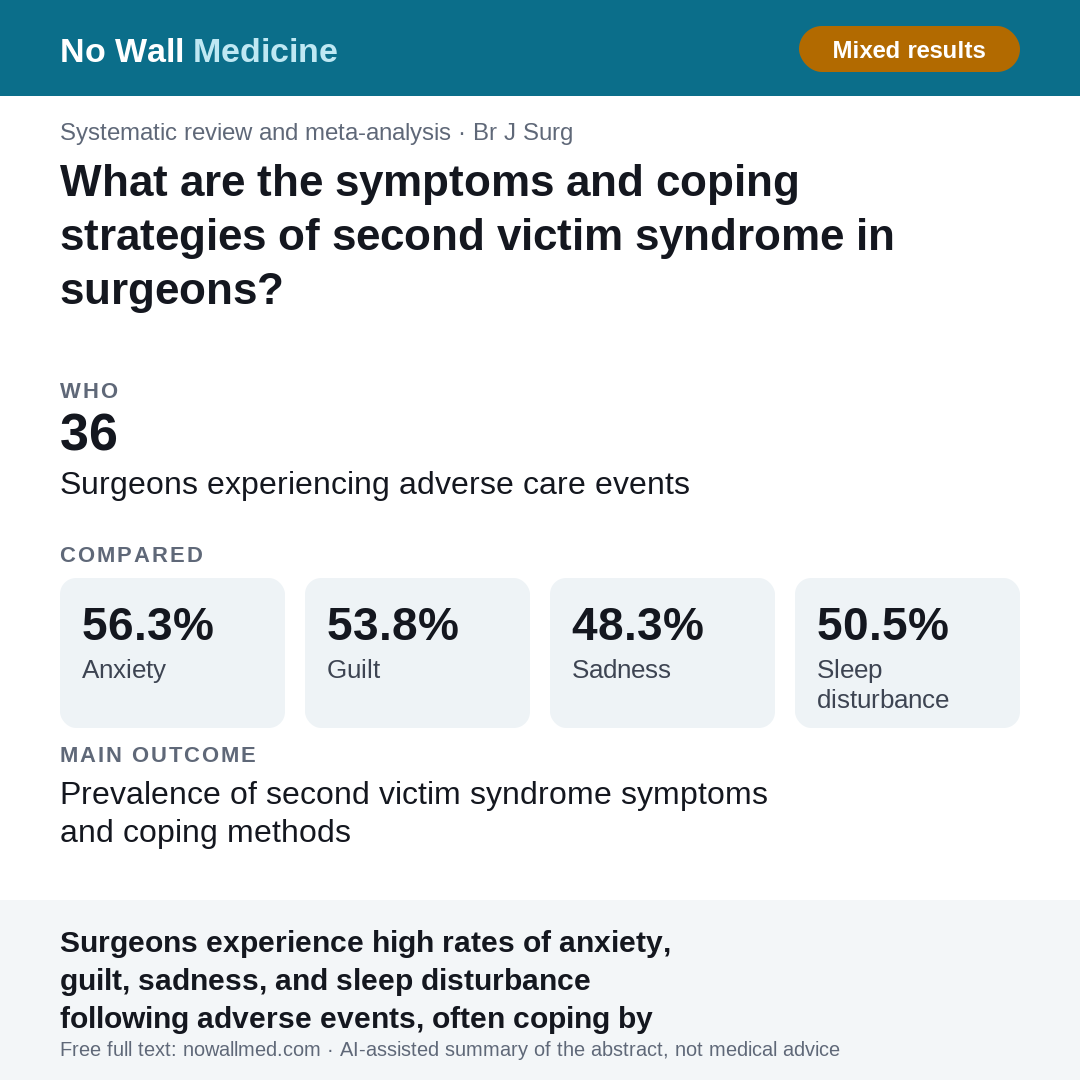
Second victim syndrome in surgeons: systematic review and meta-analysis of the impact of adverse events on surgeons
Systematic review and meta-analysisMixed results
What are the symptoms and coping strategies of second victim syndrome in surgeons?
Who
36
Surgeons experiencing adverse care events
Compared
56.3%Anxiety (95% c.i. 45.8% to 66.3%)
53.8%Guilt (95% c.i. 41.3% to 65.8%)
48.3%Sadness (95% c.i. 34.6% to 62.3%)
50.5%Sleep disturbance (95% c.i. 38.4% to 62.5%)
Main outcome
Prevalence of second victim syndrome symptoms and coping methods
Bottom line: Surgeons experience high rates of anxiety, guilt, sadness, and sleep disturbance following adverse events, often coping by talking to others.
Br J Surg · 2026-01-07Download image
Global estimates of tuberculosis incidence during pregnancy and postpartum: a rapid review and modelling analysis
Rapid review and modelling analysisHarm found
What are the global tuberculosis incidence rates during pregnancy and postpartum?
Who
Pregnant and postpartum women globally · Global
Compared
HIV-negative pregnant women: incidence rate ratio 1·34 (95% CI 1·17-1·54)
HIV-negative postpartum women: incidence rate ratio 1·91 (1·53-2·39)
HIV-positive pregnant women: incidence rate ratio 5·73 (95% CI 2·64-10·94)
HIV-positive postpartum women: incidence rate ratio 3·58 (0·85-9·63)
Main outcome
Tuberculosis incidence rate ratios
Bottom line: Pregnant and postpartum women face substantially increased tuberculosis risk, especially those living with HIV.
Funded by: UK Medical Research Council
Lancet Glob Health · 2026-01-07Download image

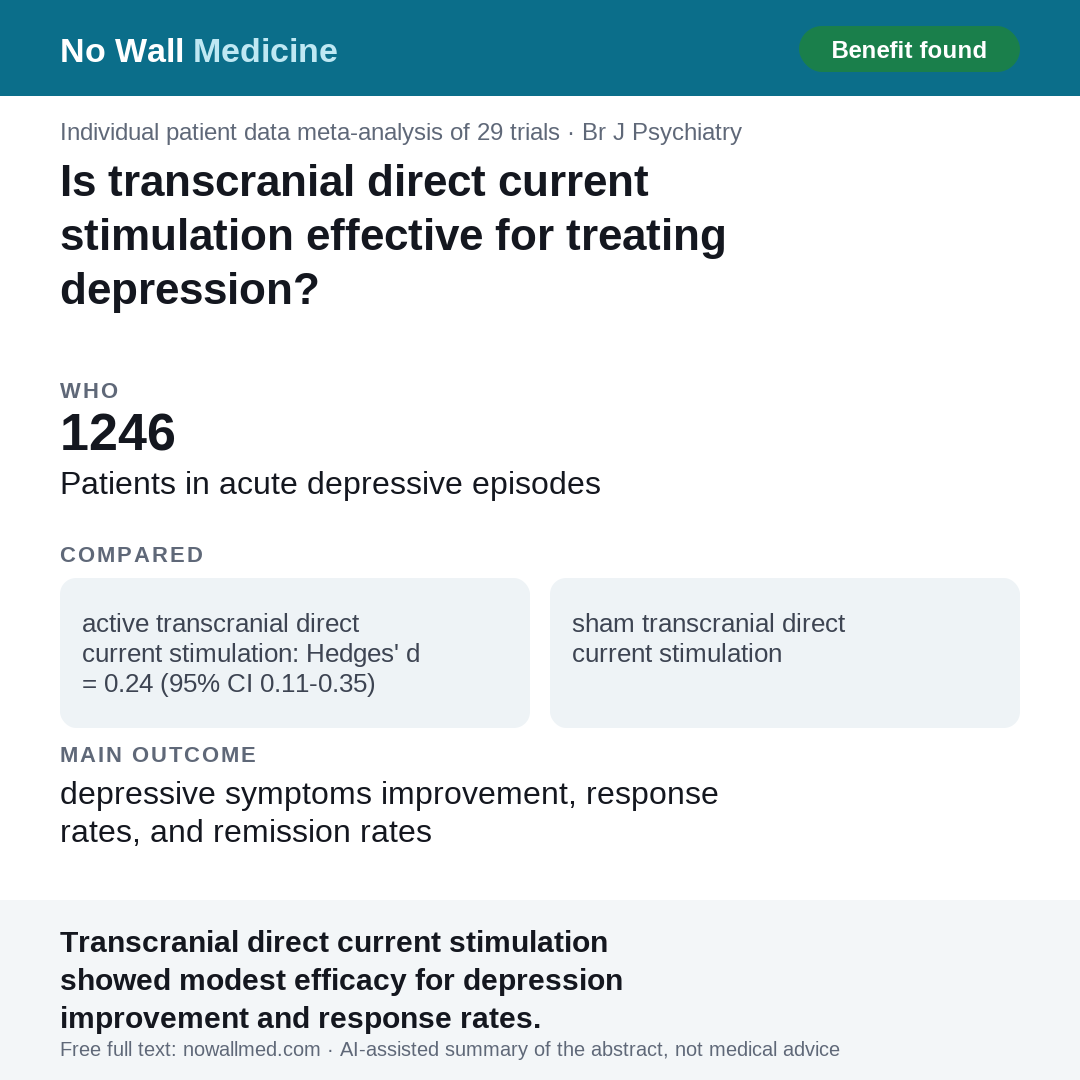
Efficacy of transcranial direct current stimulation for depression: individual patient data meta-analysis
Individual patient data meta-analysis of 29 trialsBenefit found
Is transcranial direct current stimulation effective for treating depression?
Who
1246
Patients in acute depressive episodes
Compared
active transcranial direct current stimulation: Hedges' d = 0.24 (95% CI 0.11-0.35)
sham transcranial direct current stimulation
Main outcome
depressive symptoms improvement, response rates, and remission rates
Result: Hedges' d = 0.24 (95% CI 0.11-0.35)
Bottom line: Transcranial direct current stimulation showed modest efficacy for depression improvement and response rates.
Limitation: Future research should clarify mechanisms and consider non-specific placebo effects.
Br J Psychiatry · 2026-01-07Download image
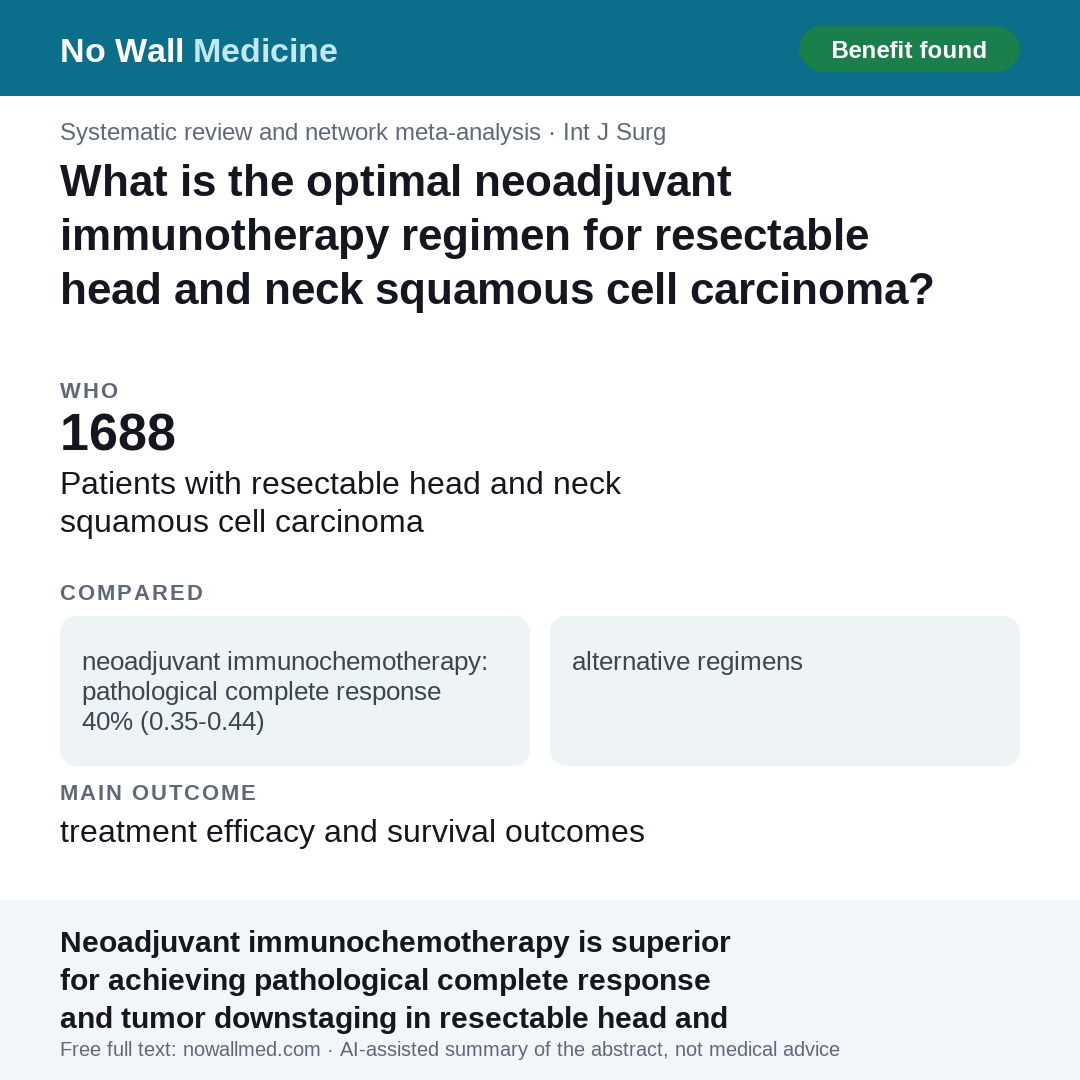
Evaluation of neoadjuvant immunotherapy regimens for head and neck squamous cell carcinoma: a systematic review and single-arm and network meta-analysis
Systematic review and network meta-analysisBenefit found
What is the optimal neoadjuvant immunotherapy regimen for resectable head and neck squamous cell carcinoma?
Who
1688
Patients with resectable head and neck squamous cell carcinoma
Compared
neoadjuvant immunochemotherapy: pathological complete response 40% (0.35-0.44)
alternative regimens
Main outcome
treatment efficacy and survival outcomes
Bottom line: Neoadjuvant immunochemotherapy is superior for achieving pathological complete response and tumor downstaging in resectable head and neck squamous cell carcinoma.
Int J Surg · 2026-01-07Download image
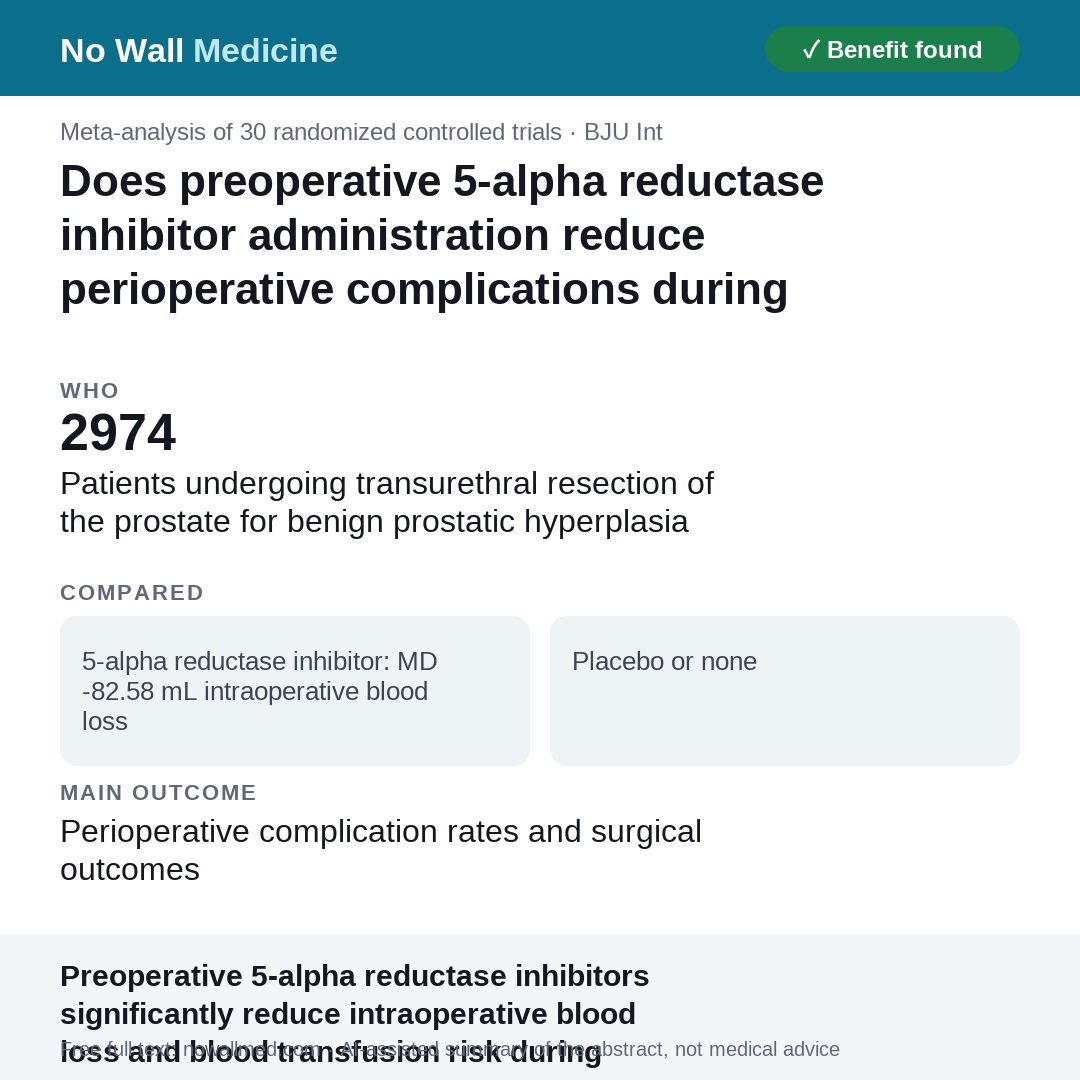
The role of 5-alpha reductase inhibitors in transurethral resection of the prostate: a meta-analysis of randomised controlled trials
Meta-analysis of 30 randomized controlled trialsBenefit found
Does preoperative 5-alpha reductase inhibitor administration reduce perioperative complications during transurethral resection of the prostate?
Who
2974
Patients undergoing transurethral resection of the prostate for benign prostatic hyperplasia
Compared
5-alpha reductase inhibitor: MD -82.58 mL intraoperative blood loss
Placebo or none
Main outcome
Perioperative complication rates and surgical outcomes
Result: mean difference -82.58 mL (95% CI -107.98 to -57.18) for intraoperative blood loss
Bottom line: Preoperative 5-alpha reductase inhibitors significantly reduce intraoperative blood loss and blood transfusion risk during transurethral resection of the prostate.
BJU Int · 2026-01-07Download image
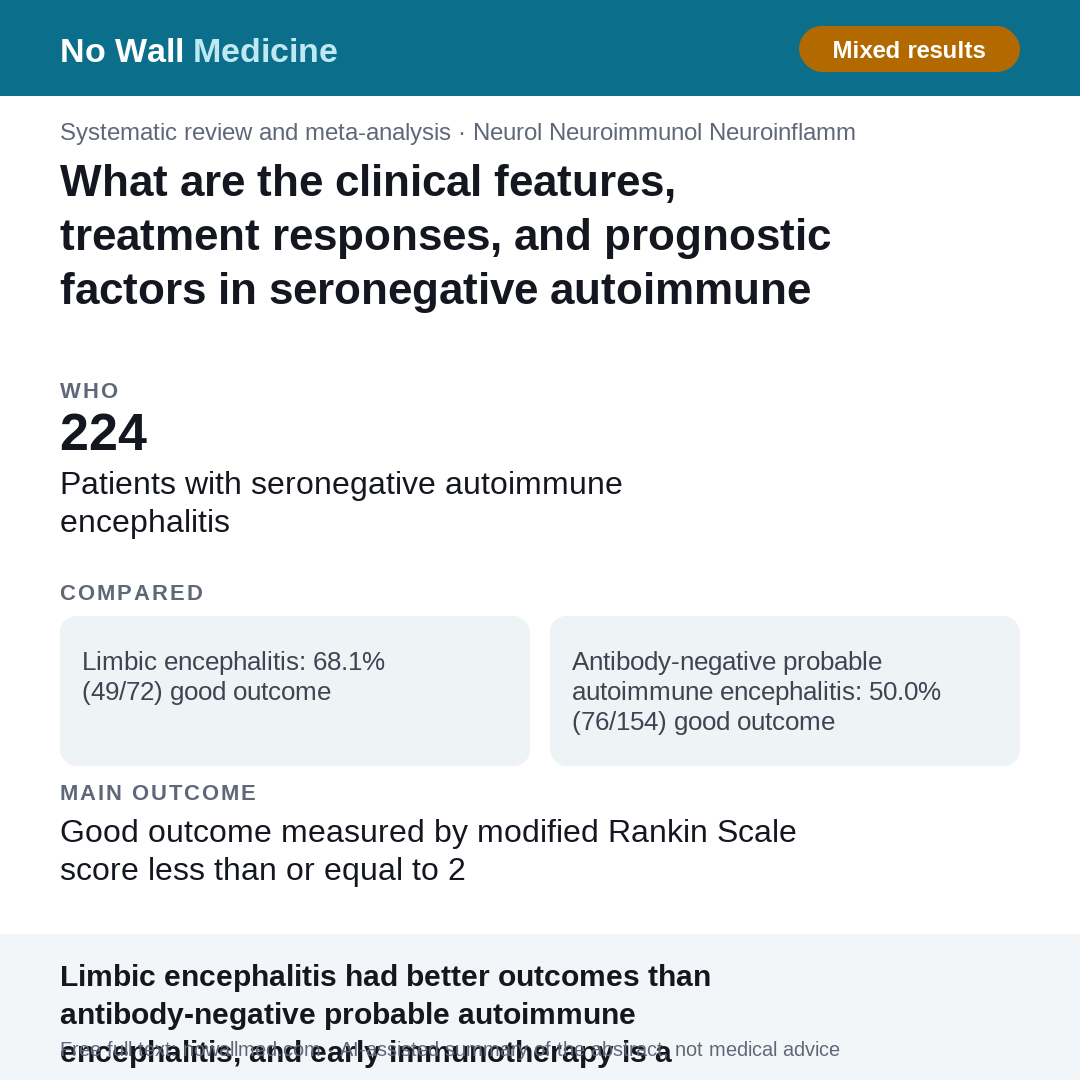
Systematic Review and Meta-Analysis of the Clinical Features Associated With Seronegative Autoimmune Encephalitis
Systematic review and meta-analysisMixed results
What are the clinical features, treatment responses, and prognostic factors in seronegative autoimmune encephalitis?
Who
224
Patients with seronegative autoimmune encephalitis
Compared
Limbic encephalitis: 68.1% (49/72) good outcome
Antibody-negative probable autoimmune encephalitis: 50.0% (76/154) good outcome
Main outcome
Good outcome measured by modified Rankin Scale score less than or equal to 2
Bottom line: Limbic encephalitis had better outcomes than antibody-negative probable autoimmune encephalitis, and early immunotherapy is a key modifiable factor.
Neurol Neuroimmunol Neuroinflamm · 2026-01-07Download image
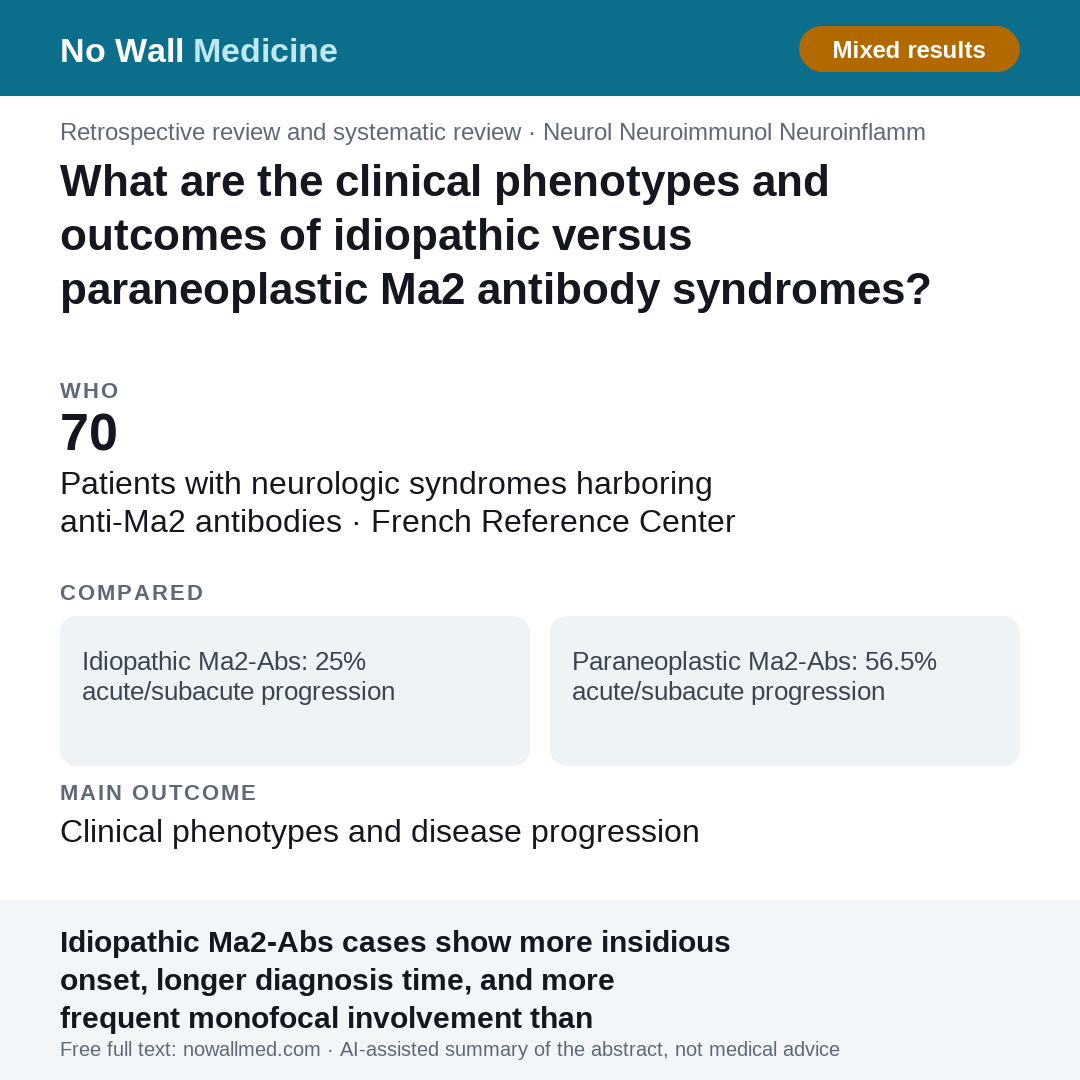
Relative Frequency and Distinctive Features of Anti-Ma2 Nonparaneoplastic Neurologic Disorders: A French Cohort Study
Retrospective review and systematic reviewMixed results
What are the clinical phenotypes and outcomes of idiopathic versus paraneoplastic Ma2 antibody syndromes?
Who
70
Patients with neurologic syndromes harboring anti-Ma2 antibodies · French Reference Center of Paraneoplastic Neurologic Syndromes
Compared
Idiopathic Ma2-Abs: 25% acute/subacute progression
Paraneoplastic Ma2-Abs: 56.5% acute/subacute progression
Main outcome
Clinical phenotypes and disease progression
Bottom line: Idiopathic Ma2-Abs cases show more insidious onset, longer diagnosis time, and more frequent monofocal involvement than paraneoplastic cases.
Limitation: Retrospective review of a single center database
Neurol Neuroimmunol Neuroinflamm · 2026-01-07Download image
Effectiveness of large language models in preoperative and discharge education: a systematic review based on an evaluation framework
Systematic reviewMixed results
How effective are large language models in preoperative and discharge education?
Who
Patients receiving preoperative and discharge education · Not specified
Compared
Large language model interventions
Conventional materials
Main outcome
Anxiety, satisfaction, pain, and recovery
Bottom line: Large language models may reduce anxiety and improve satisfaction, but show no significant difference in pain or recovery.
NPJ Digit Med · 2026-01-07Download image

Adoption of artificial intelligence in primary health care: systematic synthesis of stakeholder perspectives
Systematic synthesis of qualitative studiesMixed results
What are the stakeholder perspectives on adopting artificial intelligence in primary health care?
Who
23
Stakeholders including physicians, patients, and policymakers · Diverse regions including United Kingdom, United States, Australia, and Cameroon
Compared
Barriers: technical, organizational, policy, knowledge, and cultural
Facilitators: benefits, trust, support systems, and evidence
Main outcome
Stakeholder perspectives on artificial intelligence implementation in primary care
Bottom line: Artificial intelligence shows promise for efficiency but faces multifaceted barriers including technical, ethical, and organizational challenges.
Limitation: Future research should focus on longitudinal impacts and inclusive strategies.
BMC Prim Care · 2026-01-07Download image

Preoperative education for reducing patient anxiety in elective hip and knee arthroplasty - a systematic review and meta-analysis
Systematic review and meta-analysis of 19 randomized controlled trialsBenefit found
Does preoperative education reduce anxiety in elective hip and knee arthroplasty patients?
Who
Adults receiving elective hip or knee arthroplasty
Compared
Structured educational intervention
Routine preoperative consenting
Main outcome
Preoperative anxiety
Result: standardized mean difference -0.37 (95% CI -0.63 to -0.11)
Bottom line: Preoperative education provides small but significant reductions in patient anxiety, knowledge gaps, and postoperative pain.
Limitation: Inter-trial clinical heterogeneity and lack of trials with reproducibly described interventions.
Perioper Med · 2026-01-07Download image

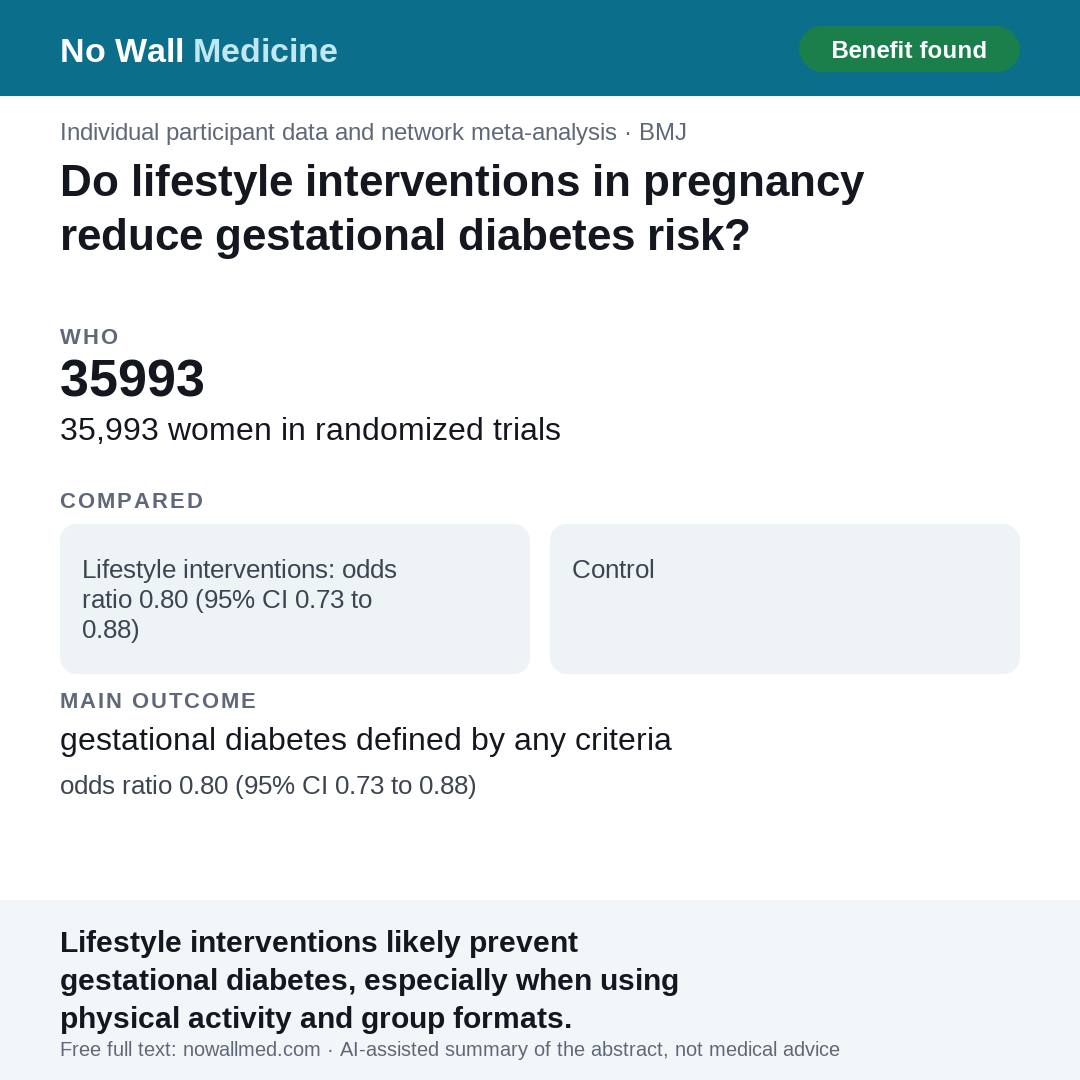
Effects of lifestyle interventions in pregnancy on gestational diabetes: individual participant data and network meta-analysis
Individual participant data and network meta-analysisBenefit found
Do lifestyle interventions in pregnancy reduce gestational diabetes risk?
Who
35993
35,993 women in randomized trials
Compared
Lifestyle interventions: odds ratio 0.80 (95% CI 0.73 to 0.88)
Control
Main outcome
gestational diabetes defined by any criteria
Result: odds ratio 0.80 (95% CI 0.73 to 0.88)
Bottom line: Lifestyle interventions likely prevent gestational diabetes, especially when using physical activity and group formats.
BMJ · 2026-01-06Download image
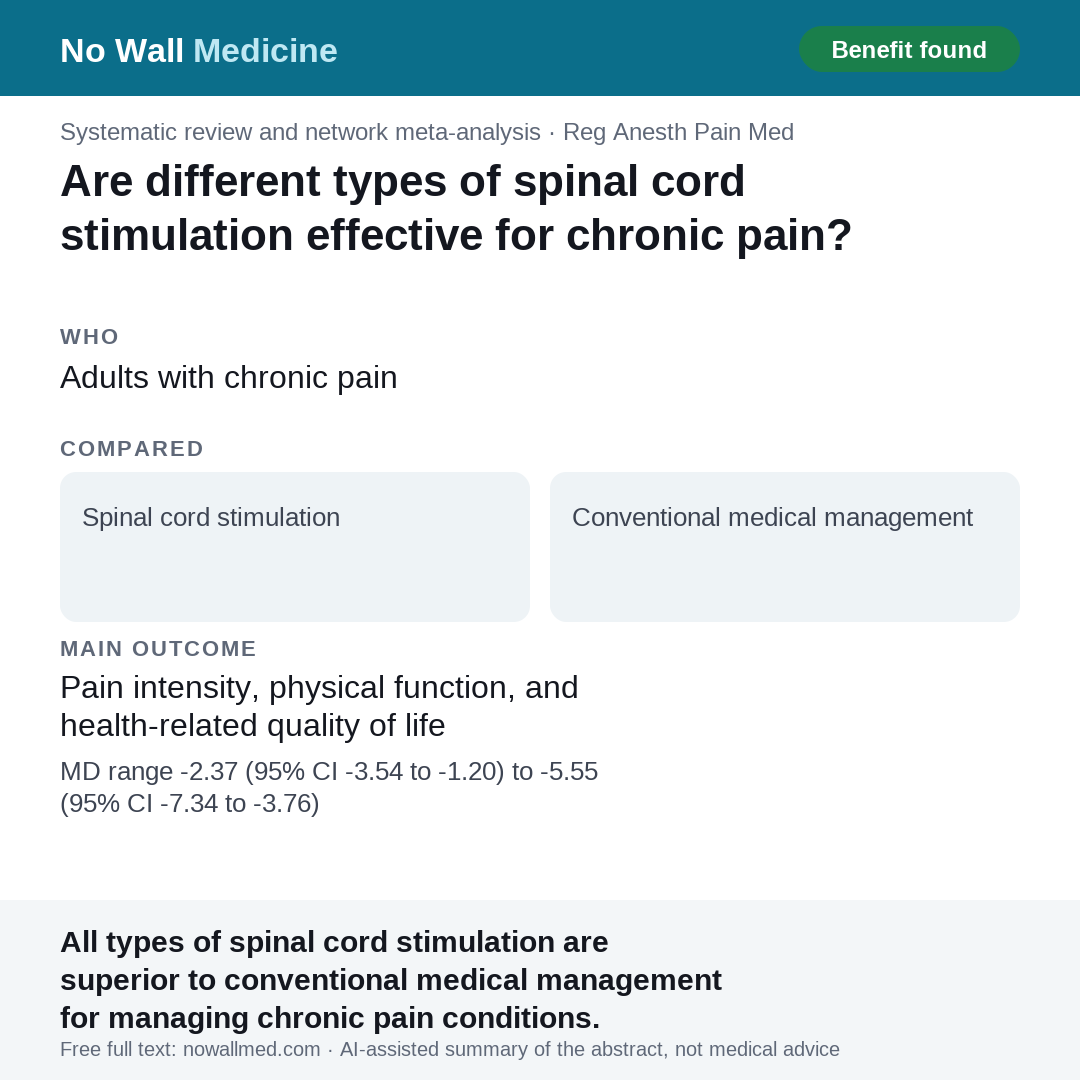
Systematic review and network meta-analysis of randomized trial evidence of spinal cord stimulation for chronic pain
Systematic review and network meta-analysisBenefit found
Are different types of spinal cord stimulation effective for chronic pain?
Who
Adults with chronic pain
Compared
Spinal cord stimulation
Conventional medical management
Main outcome
Pain intensity, physical function, and health-related quality of life
Result: MD range -2.37 (95% CI -3.54 to -1.20) to -5.55 (95% CI -7.34 to -3.76)
Bottom line: All types of spinal cord stimulation are superior to conventional medical management for managing chronic pain conditions.
Limitation: All but one trial was assessed as having a high risk of bias.
Reg Anesth Pain Med · 2026-01-06Download image
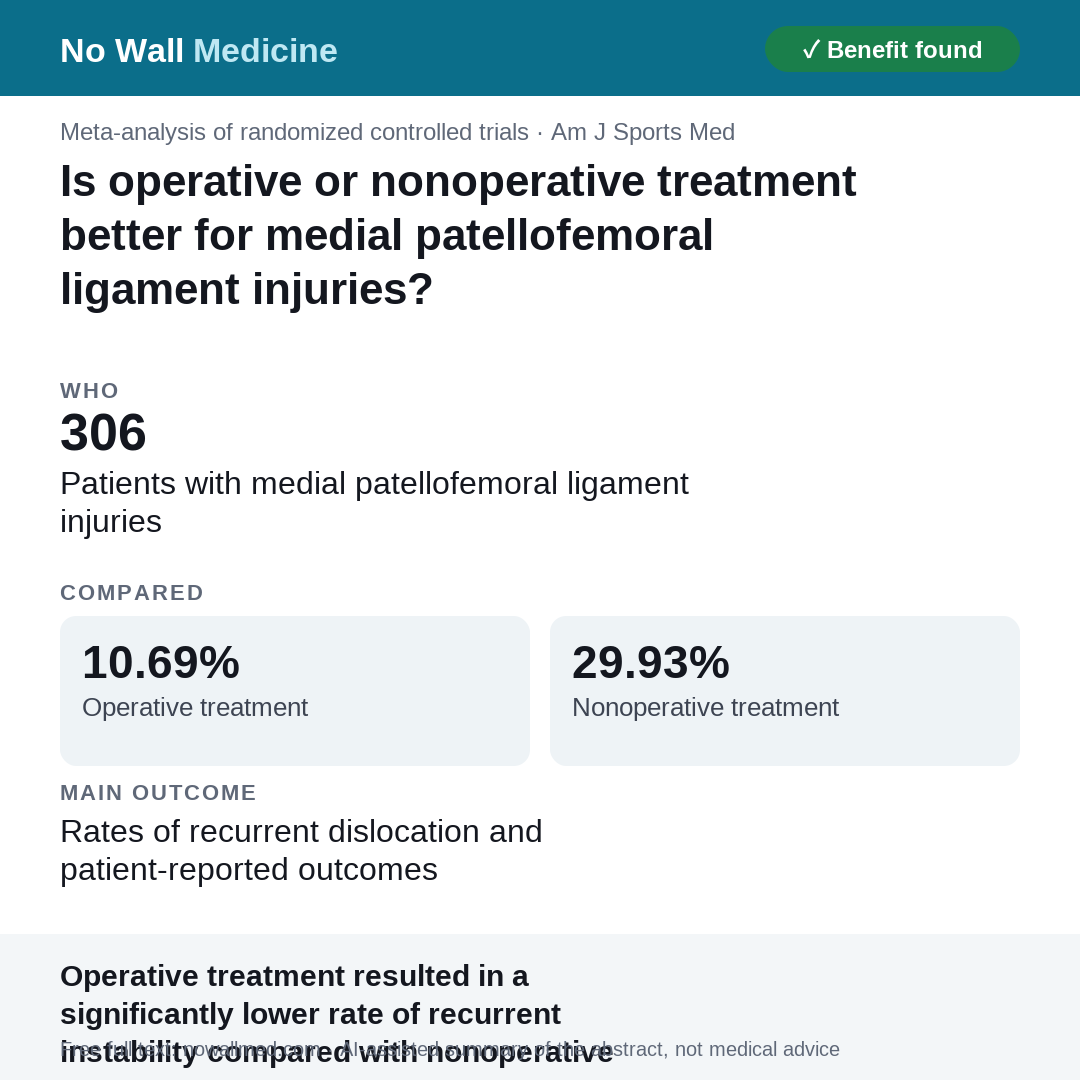
Operative Versus Nonoperative Treatment of Medial Patellofemoral Ligament Injuries: A Systematic Review and Meta-analysis of Randomized Controlled Trials With Trial Sequential Analysis
Meta-analysis of randomized controlled trialsBenefit found
Is operative or nonoperative treatment better for medial patellofemoral ligament injuries?
Who
306
Patients with medial patellofemoral ligament injuries
Compared
10.69%Operative treatment
29.93%Nonoperative treatment
Main outcome
Rates of recurrent dislocation and patient-reported outcomes
Result: relative risk 2.49 (95% CI 1.34-4.61)
Bottom line: Operative treatment resulted in a significantly lower rate of recurrent instability compared with nonoperative treatment.
Limitation: Trial sequential analysis suggested current volume of data is not sufficient for definitive conclusions.
Am J Sports Med · 2026-01-06Download image
Patients' and Physiotherapists' Perspectives on Group-Based Interventions: A Mixed Systematic Review
Mixed systematic reviewUnclear result
Factors influencing group-based physiotherapy interventions
Who
Patients and physiotherapists
Compared
Patients
Physiotherapists
Main outcome
Use and satisfaction with interventions
Bottom line: Peer support and group size influence experience
Arch Phys Med Rehabil · 2026-01-06Download image
Prevalence of suicidal ideation and suicide attempts among Iranian university students: systematic review and meta-analysis
Systematic review and meta-analysisUnclear result
What is the prevalence of suicidal ideation and suicide attempts among Iranian university students?
Who
Iranian university students · Iran
Compared
17%Suicidal ideation (95% CI: 13-21%)
3%12-month suicide attempts (95% CI: 2-4%)
8%Lifetime suicide attempts (95% CI: 6-10%)
Main outcome
Prevalence of suicidal ideation and suicide attempts
Bottom line: There is a high prevalence of suicidal ideation and suicide attempts among university students in Iran.
BJPsych Open · 2026-01-06Download image

Adoption of Internet of Things in Health Care: Weighted and Meta-Analytical Review of Theoretical Frameworks and Predictors
Meta-analysis and weighted review of quantitative studiesMixed results
What are the most influential predictors and theoretical frameworks for Internet of Things adoption in health care?
Who
115
Quantitative studies on Internet of Things health care adoption
Compared
Predictors of behavioral intention: attitude, performance expectancy, habit, self-efficacy, functional congruence, and benefits
Other promising predictors: social influence, facilitating conditions, trust, and aesthetic appeal
Main outcome
Predictors and theoretical frameworks explaining Internet of Things adoption
Bottom line: Integrating context-specific variables like trust into traditional frameworks enhances understanding of Internet of Things adoption in health care.
Limitation: High level of heterogeneity suggests a need to refine theoretical models for regional contexts.
J Med Internet Res · 2026-01-06Download image

Double reflex testing for anti-HDV antibody following an HBsAg-positive test result and HDV RNA in those anti-HDV positive: a global systematic review and meta-analysis
Systematic review and meta-analysisBenefit found
Does reflex testing increase uptake of anti-HDV and HDV RNA testing?
Who
Hepatitis B surface antigen positive individuals · Global, majority in high-income countries
Compared
Reflex testing: 97.1% anti-HDV testing uptake
Non-reflex testing: 39.7% anti-HDV testing uptake
Main outcome
Uptake of anti-HDV antibody and HDV RNA testing
Result: RR 2.55 (95% CI 1.62-4.05) for anti-HDV testing uptake
Bottom line: Reflex testing significantly increases anti-HDV antibody testing uptake with same day turnaround times.
Funded by: Guangzhou Science and Technology Project; National Key R&D Program; NIH; UNC; WHO
eClinicalMedicine · 2026-01-05Download image

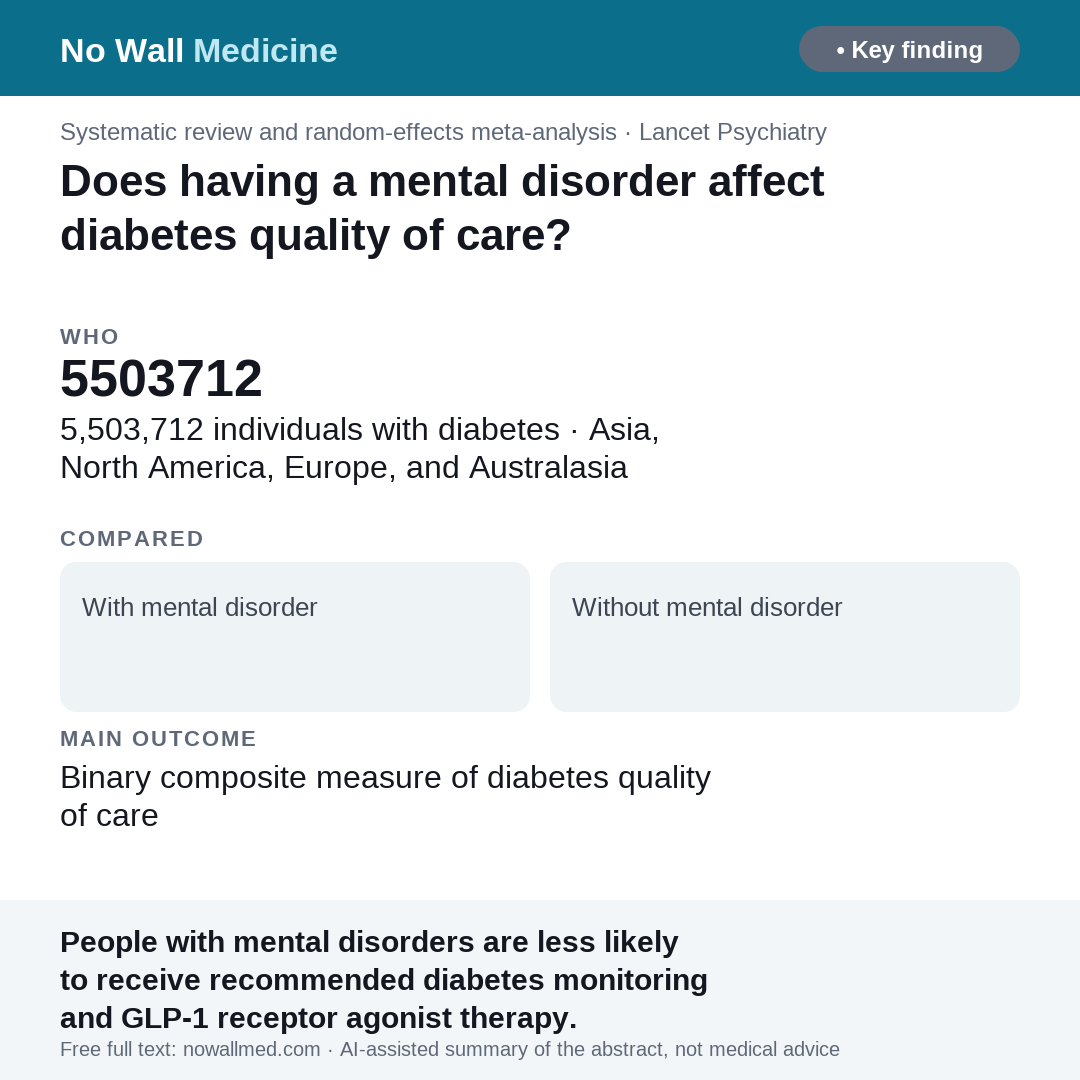
Disparities in diabetes treatment and monitoring for people with and without mental disorders: a systematic review and meta-analysis
Systematic review and random-effects meta-analysisHarm found
Does having a mental disorder affect diabetes quality of care?
Who
5503712
5,503,712 individuals with diabetes · Asia, North America, Europe, and Australasia
Compared
With mental disorder
Without mental disorder
Main outcome
Binary composite measure of diabetes quality of care
Result: odds ratio 0.81 (95% CI 0.70 to 0.94)
Bottom line: People with mental disorders are less likely to receive recommended diabetes monitoring and GLP-1 receptor agonist therapy.
Lancet Psychiatry · 2026-01-05Download image
High risk of massive hemorrhage and hysterectomy in patients with placenta previa accreta presenting with macroscopic hematuria
Systematic review and observational studyHarm found
What are the outcomes of macroscopic hematuria in placenta accreta spectrum?
Who
18
Pregnant patients with placenta accreta spectrum and macroscopic hematuria
Compared
Patients with macroscopic hematuria: 94.4% cesarean hysterectomy
Patients with macroscopic hematuria: 61.1% partial cystectomy
Main outcome
Perinatal outcomes and histopathologic findings
Bottom line: Prenatal macroscopic hematuria indicates high risk for massive hemorrhage, hysterectomy, and requires emergency preterm delivery.
AJOG · 2026-01-05Download image

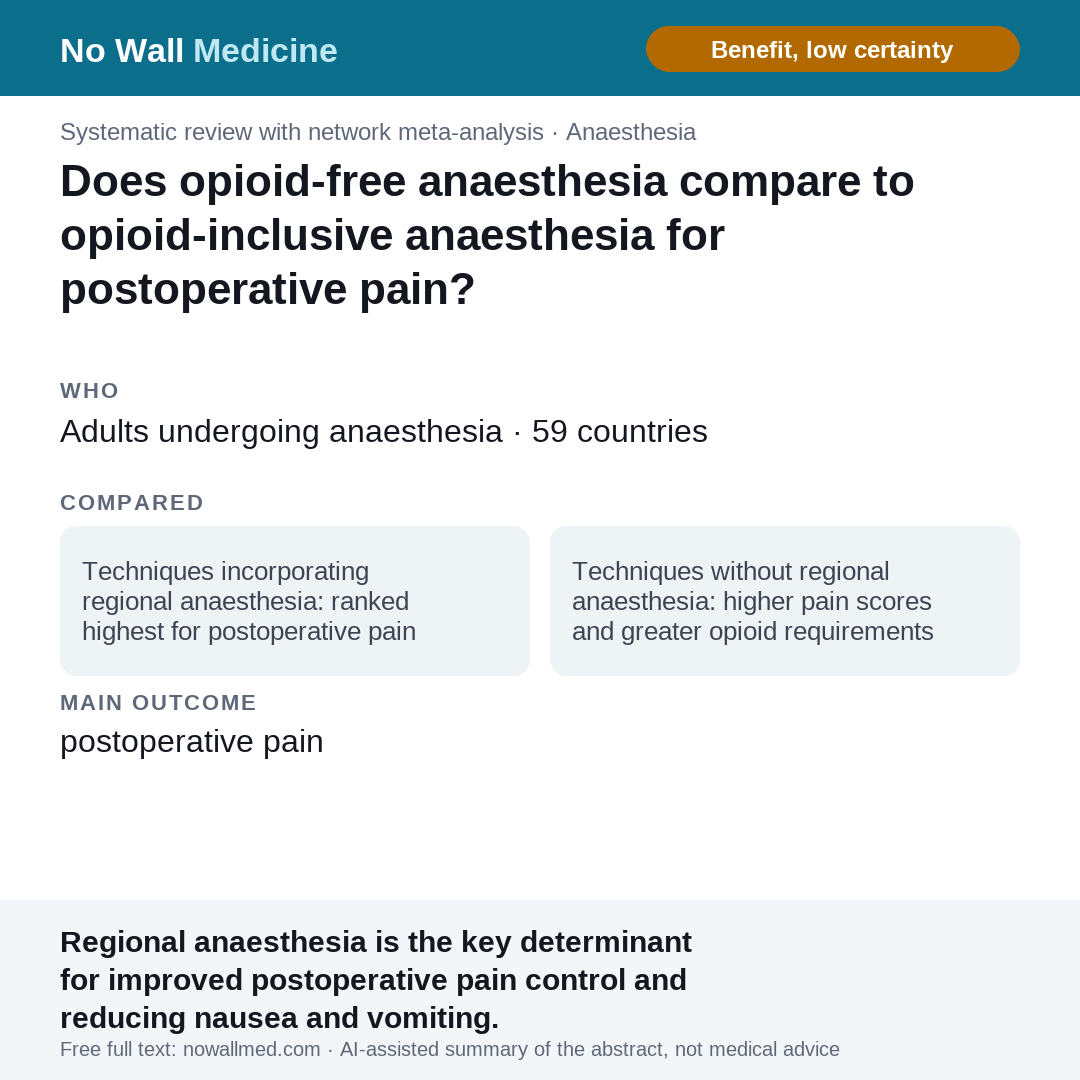
Opioid-free vs. opioid-inclusive anaesthesia with or without regional anaesthesia for postoperative pain: a systematic review with network meta-analysis of randomised controlled trials
Systematic review with network meta-analysisBenefit found
Does opioid-free anaesthesia compare to opioid-inclusive anaesthesia for postoperative pain?
Who
Adults undergoing anaesthesia · 59 countries
Compared
Techniques incorporating regional anaesthesia: ranked highest for postoperative pain
Techniques without regional anaesthesia: higher pain scores and greater opioid requirements
Main outcome
postoperative pain
Bottom line: Regional anaesthesia is the key determinant for improved postoperative pain control and reducing nausea and vomiting.
Limitation: low certainty for some surface under the cumulative ranking curve values
Anaesthesia · 2026-01-05Download image