Visual abstracts
New randomized trials and meta-analyses from leading journals at a glance: who was studied, what was compared, and what was found. Every paper is free to read in full.
All specialtiesCardiology 4877Oncology 4138Gastroenterology & Hepatology 1942Infectious Disease 3837Neurology 1905Psychiatry & Mental Health 2273Pulmonology 2143Critical Care 1365Endocrinology & Diabetes 2580Pediatrics 2980Surgery 2559Orthopedics & Sports Medicine 931Neurosurgery 537Cardiothoracic & Vascular Surgery 674Plastic & Reconstructive Surgery 591Nephrology 1133Rheumatology 823Hematology 1109Dermatology 621Ophthalmology 543Obstetrics & Gynecology 1686Public & Global Health 1058Radiology & Imaging 648Anesthesiology 986Urology 764ENT (Otolaryngology) 503Emergency Medicine 511Allergy & Immunology 313Geriatrics 981Family Medicine & Primary Care 562Medical Genetics & Genomics 676Pathology & Laboratory Medicine 159Physical Medicine & Rehabilitation 757Palliative Care 444Nutrition 1588Digital Health & AI 2201General Medicine 321
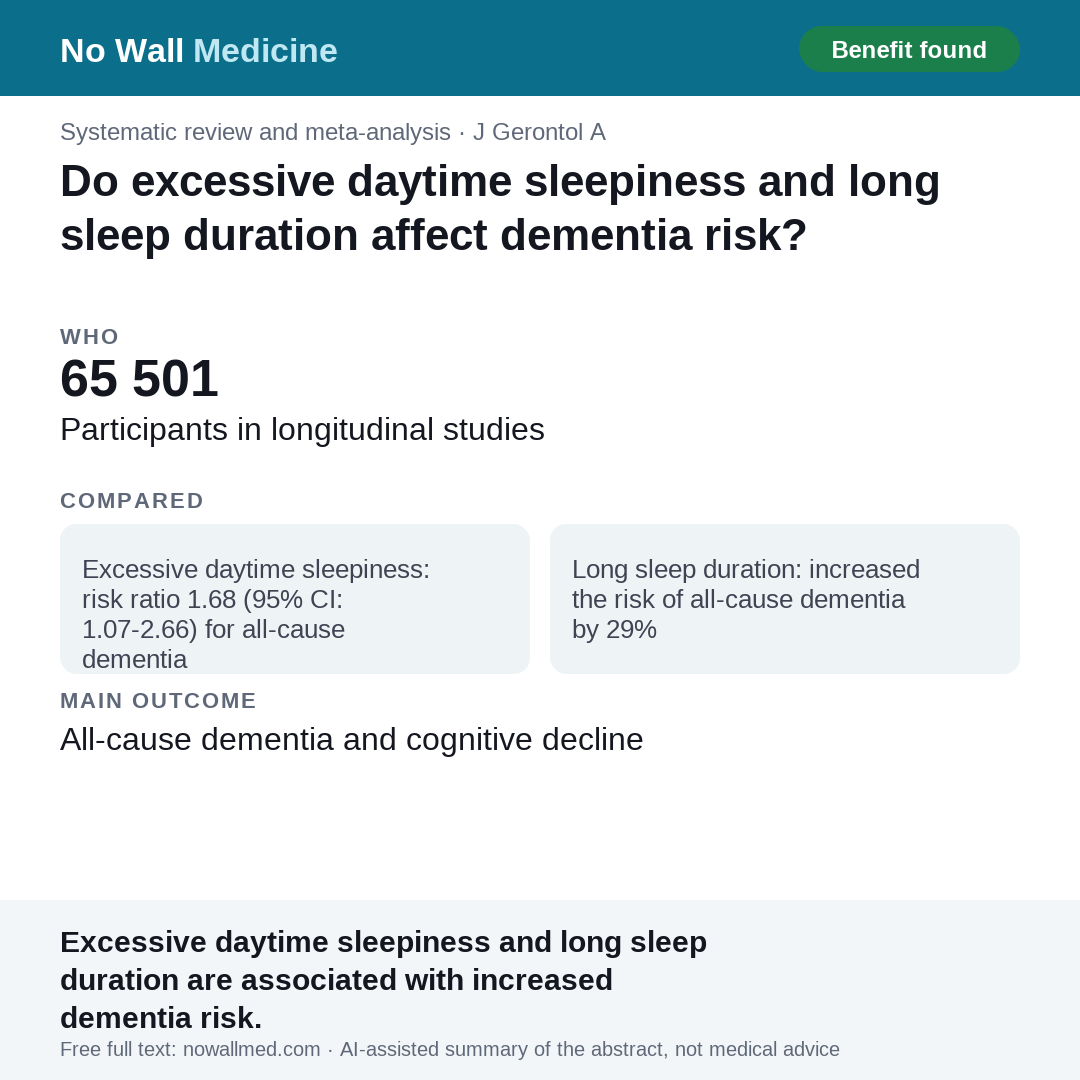
Effect of Excessive Daytime Sleepiness and Long Sleep Duration on All Cause Dementia: A Systematic Review and Meta-analysis
Systematic review and meta-analysisBenefit found
Do excessive daytime sleepiness and long sleep duration affect dementia risk?
Who
65 501
Participants in longitudinal studies
Compared
Excessive daytime sleepiness: risk ratio 1.68 (95% CI: 1.07-2.66) for all-cause dementia
Long sleep duration: increased the risk of all-cause dementia by 29%
Main outcome
All-cause dementia and cognitive decline
Bottom line: Excessive daytime sleepiness and long sleep duration are associated with increased dementia risk.
Limitation: It remains unclear whether these are independent risk factors or reflect the same underlying pathological process.
J Gerontol A · 2025-04-28Download image
Effect of prenatal multiple micronutrient supplementation compared with iron and folic acid supplementation on size at birth and subsequent growth through 24 mo of age: a systematic review and meta-analysis
Systematic review and meta-analysisBenefit found
Does prenatal multiple micronutrient supplementation improve infant growth compared to iron and folic acid?
Who
Infants of pregnant women receiving micronutrient supplementation
Compared
Multiple micronutrient supplementation
Iron and folic acid
Main outcome
Infant anthropometric outcomes at birth through 24 months
Result: risk ratio 0.86 (95% CI: 0.82, 0.91) for stunting at 3 mo
Bottom line: Prenatal multiple micronutrient supplementation improves size at birth and infant growth through 6 months of age.
Am J Clin Nutr · 2025-04-28Download image

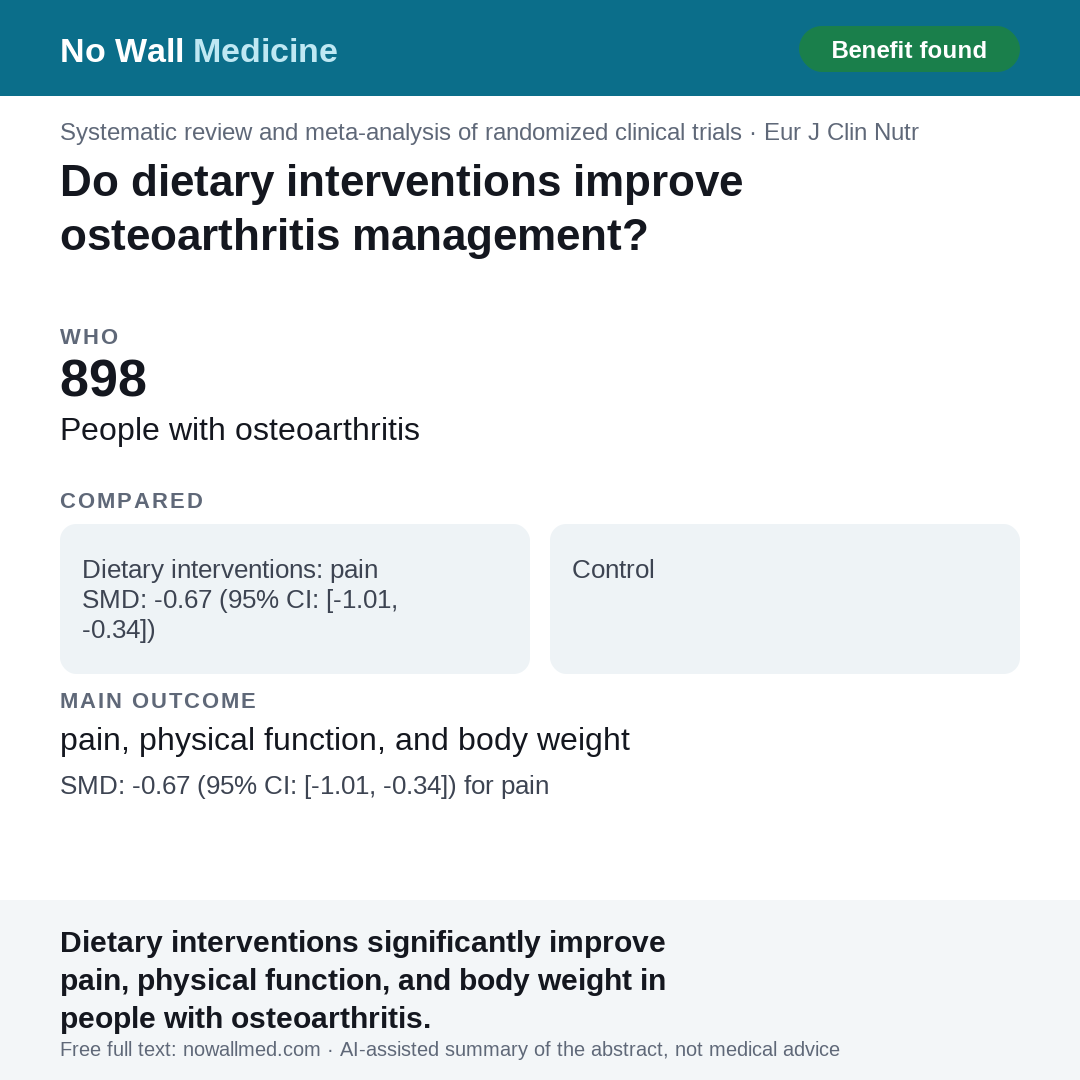
The effectiveness of dietary intervention in osteoarthritis management: a systematic review and meta-analysis of randomized clinical trials
Systematic review and meta-analysis of randomized clinical trialsBenefit found
Do dietary interventions improve osteoarthritis management?
Who
898
People with osteoarthritis
Compared
Dietary interventions: pain SMD: -0.67 (95% CI: [-1.01, -0.34])
Control
Main outcome
pain, physical function, and body weight
Result: SMD: -0.67 (95% CI: [-1.01, -0.34]) for pain
Bottom line: Dietary interventions significantly improve pain, physical function, and body weight in people with osteoarthritis.
Limitation: Specific dietary patterns require further investigation.
Eur J Clin Nutr · 2025-04-28Download image
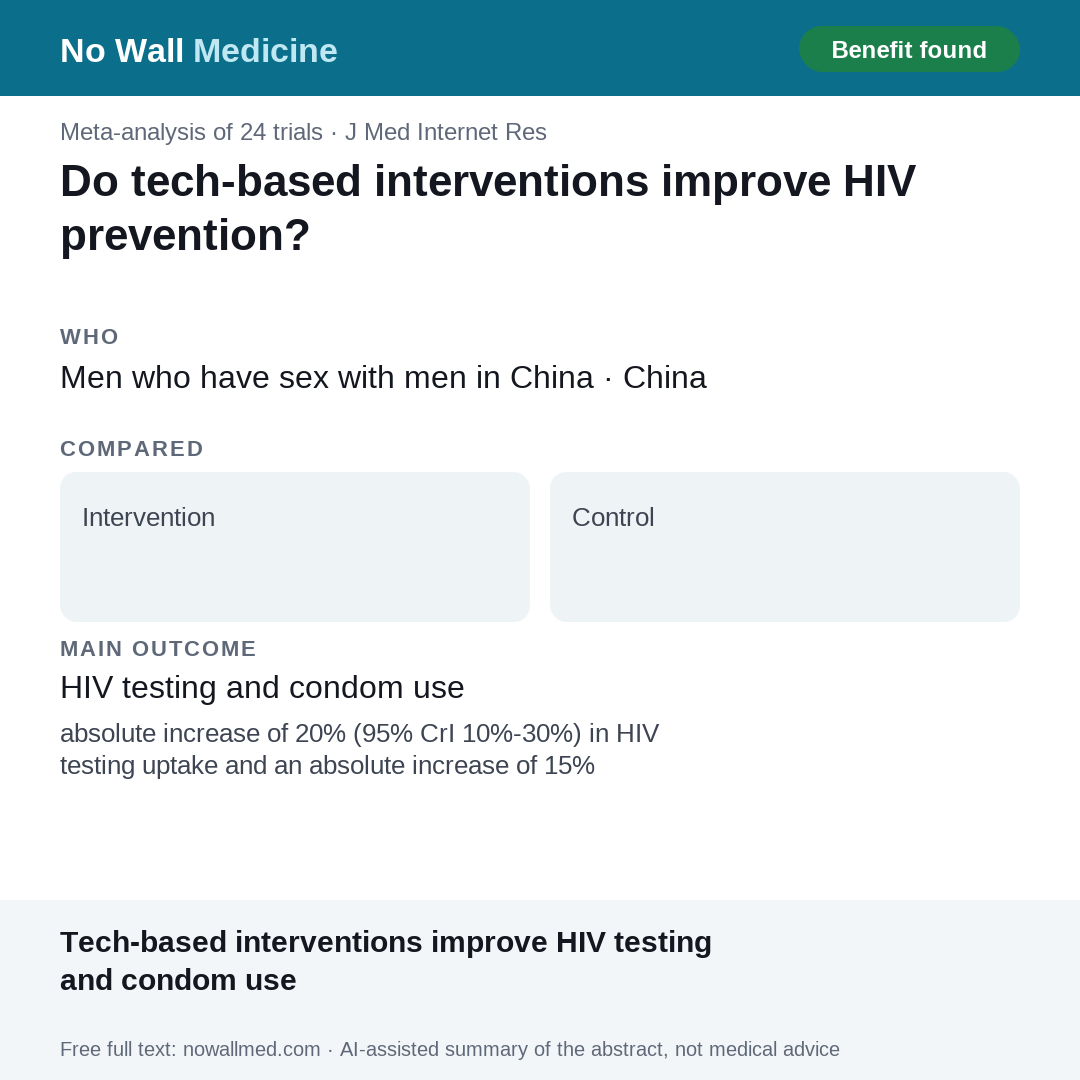
Technology-Based HIV Prevention Interventions for Men Who Have Sex With Men: Systematic Review and Meta-Analysis
Meta-analysis of 24 trialsBenefit found
Do tech-based interventions improve HIV prevention?
Who
Men who have sex with men in China · China
Compared
Intervention
Control
Main outcome
HIV testing and condom use
Result: absolute increase of 20% (95% CrI 10%-30%) in HIV testing uptake and an absolute increase of 15% (95% CrI 5%-26%) in consistent condom use
Bottom line: Tech-based interventions improve HIV testing and condom use
Limitation: Many studies lacked randomized designs or control groups
J Med Internet Res · 2025-04-28Download image
The benefits of early palliative care on psychological well-being, functional status, and health-related quality of life among cancer patients and their caregivers: a systematic review and meta-analysis
Systematic review and meta-analysisBenefit found
Does early palliative care improve outcomes for cancer patients and their caregivers?
Who
Cancer patients and their caregivers
Compared
Early palliative care: MD 2.45 (95% CI: 0.90; 4.01) for patient satisfaction
Usual care
Main outcome
Psychological, functional status, quality of life, and satisfaction
Result: MD -0.62 (95% CI: -1.02; -0.23) for anxiety in patients
Bottom line: Early palliative care reduces long term psychological burden and improves quality of life and satisfaction for cancer patients.
BMC Palliat Care · 2025-04-28Download image

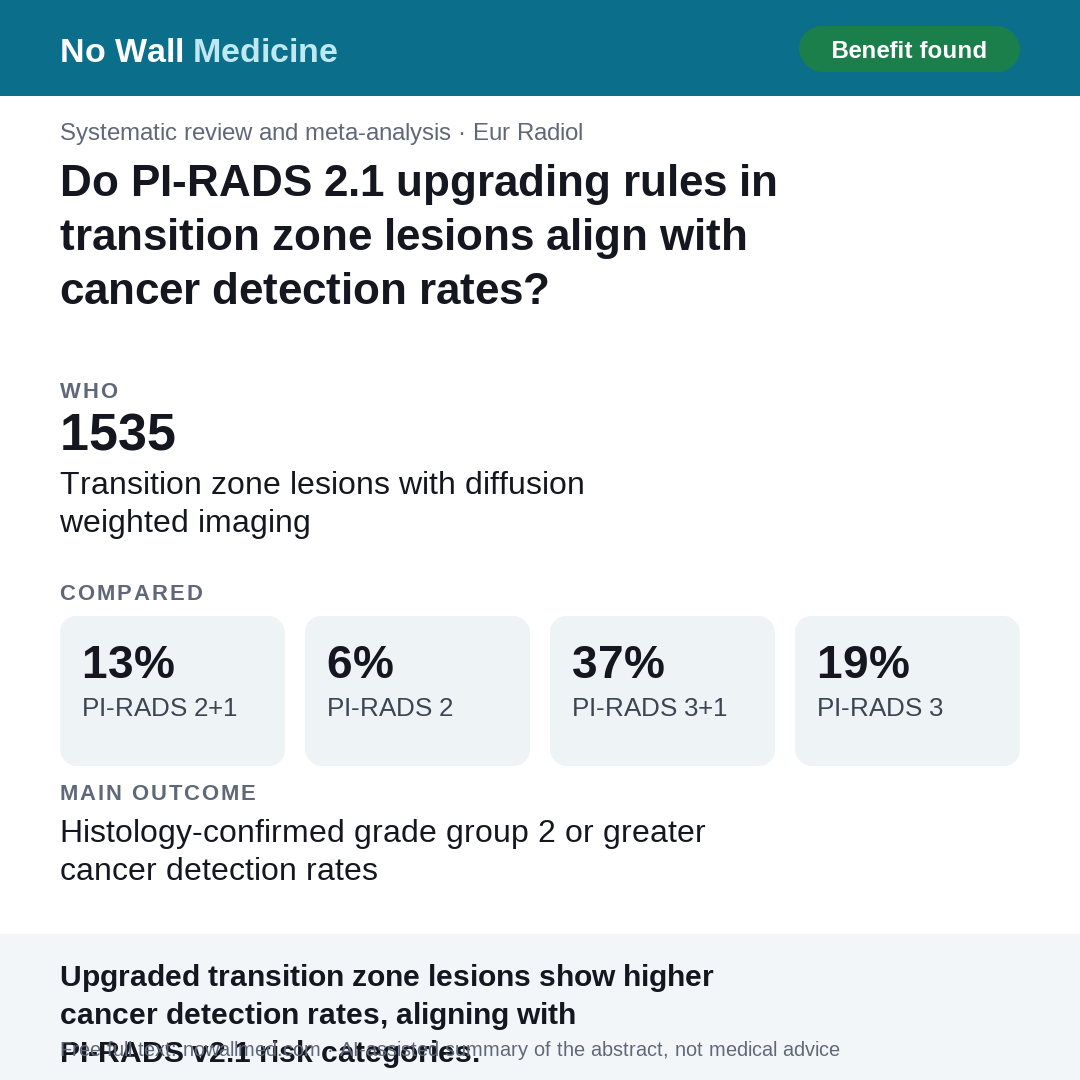
Detection rates for prostate cancer using PI-RADS 2.1 upgrading rules in transition zone lesions align with risk assessment categories: a systematic review and meta-analysis
Systematic review and meta-analysisBenefit found
Do PI-RADS 2.1 upgrading rules in transition zone lesions align with cancer detection rates?
Who
1535
Transition zone lesions with diffusion weighted imaging
Compared
13%PI-RADS 2+1 (6%-23%)
6%PI-RADS 2 (4%-10%)
37%PI-RADS 3+1 (24%-52%)
19%PI-RADS 3 (15%-25%)
Main outcome
Histology-confirmed grade group 2 or greater cancer detection rates
Result: OR 3.37 (1.53-7.44) for 2+1 vs 2; OR 2.67 (1.27-5.59) for 3+1 vs 3
Bottom line: Upgraded transition zone lesions show higher cancer detection rates, aligning with PI-RADS v2.1 risk categories.
Limitation: High rate of grade group 1 and benign findings emphasizes need to minimize overdiagnosis.
Eur Radiol · 2025-04-27Download image
Determining the Variability Associated with Visual Acuity and Refractive Error Measurements: A Systematic Review
Systematic reviewHarm found
What is the measurement variability of distance visual acuity and refractive error?
Who
Adults
Compared
Distance visual acuity: ±0.20 logarithm of the minimum angle of resolution
Refractive error: ±0.70 diopters
Main outcome
Limits of agreement for visual acuity and refractive error
Result: ±0.20 logMAR (95% CI, 0.17-0.23) and ±0.70 D (95% CI, 0.50-0.89)
Bottom line: Distance visual acuity and refractive error measurements show high variability, exceeding suggested clinical limits with very low certainty of evidence.
Limitation: Most studies had high or unclear risk of bias and certainty of evidence was very low.
Ophthalmology · 2025-04-26Download image

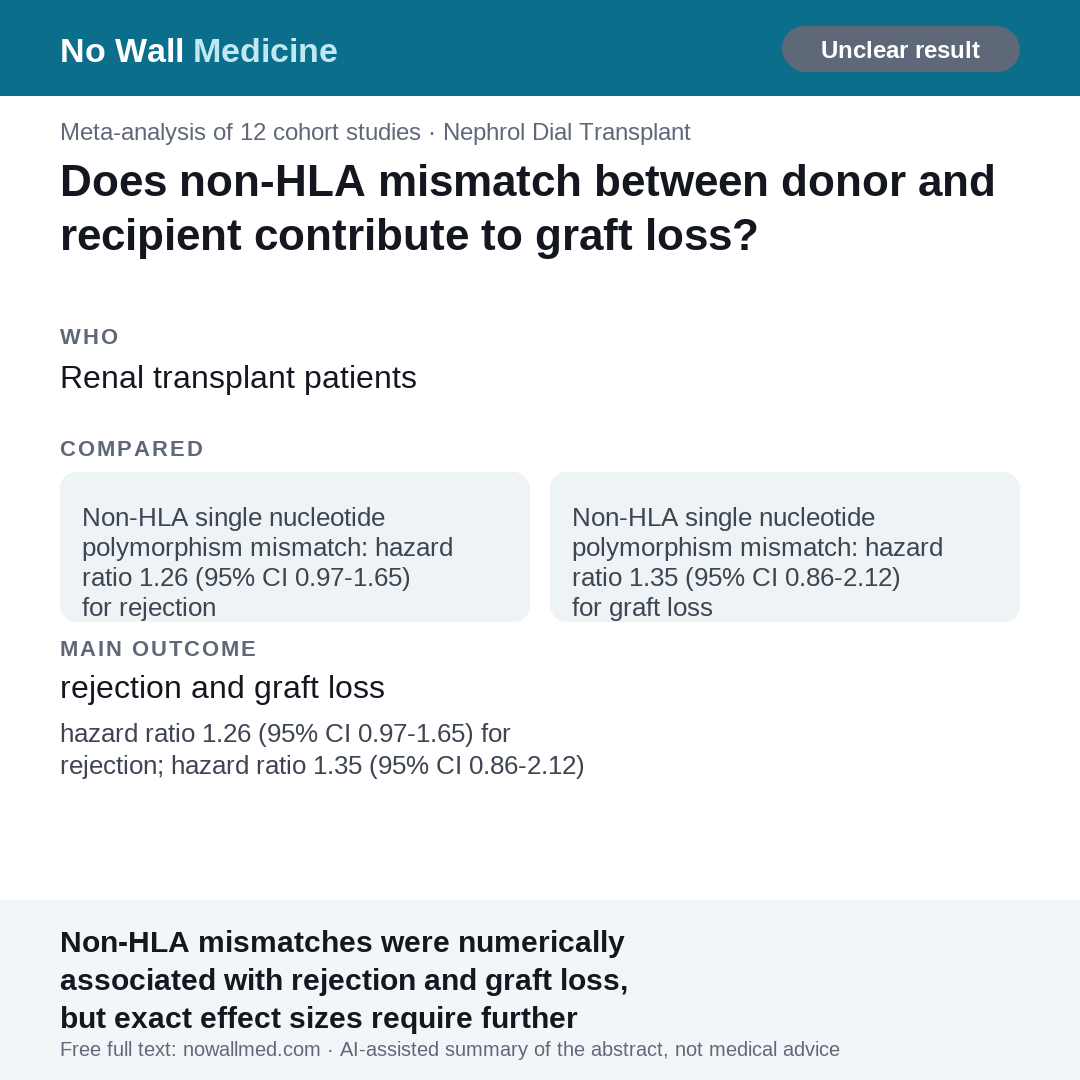
Genome-wide donor-recipient non-HLA mismatch and graft loss
Meta-analysis of 12 cohort studiesUnclear result
Does non-HLA mismatch between donor and recipient contribute to graft loss?
Who
Renal transplant patients
Compared
Non-HLA single nucleotide polymorphism mismatch: hazard ratio 1.26 (95% CI 0.97-1.65) for rejection
Non-HLA single nucleotide polymorphism mismatch: hazard ratio 1.35 (95% CI 0.86-2.12) for graft loss
Main outcome
rejection and graft loss
Result: hazard ratio 1.26 (95% CI 0.97-1.65) for rejection; hazard ratio 1.35 (95% CI 0.86-2.12) for graft loss
Bottom line: Non-HLA mismatches were numerically associated with rejection and graft loss, but exact effect sizes require further investigation.
Nephrol Dial Transplant · 2025-04-26Download image
Efficacy of combined targeted radionuclide therapy and immune checkpoint Inhibition in animal tumour models: a systematic review and meta-analysis of the literature
Systematic review and meta-analysisBenefit found
Is combined targeted radionuclide therapy and immune checkpoint inhibition effective in animal tumour models?
Who
Animal tumour models
Compared
Combined treatment: RMST ratio 1.96 [1.72-2.23], nAUC ratio 0.32 [0.25-0.42]
Untreated, TRT, and ICI monotherapy: RMST ratios 1.44 [1.34-1.55], 1.54 [1.38-1.72], nAUC ratios 0.49 [0.41-0.59], 0.41 [0.31-0.55]
Main outcome
Restricted mean survival time and normalized area under tumour growth curve
Result: RMST ratio 1.96 [1.72-2.23], 1.44 [1.34-1.55], 1.54 [1.38-1.72]; nAUC ratio 0.32 [0.25-0.42], 0.49 [0.41-0.59], 0.41 [0.31-0.55]
Bottom line: Combined targeted radionuclide therapy and immune checkpoint inhibition shows therapeutic potential in preclinical animal tumour models.
Limitation: Poor reporting in studies and high between-study heterogeneity.
Eur J Nucl Med Mol Imaging · 2025-04-26Download image

Ethnic inequalities in palliative care prescribing in high income countries - a rapid systematic review
Rapid systematic reviewHarm found
Are there ethnic inequalities in palliative care prescribing in high income countries?
Who
Adults residing in high income countries · United States
Compared
Minority populations: less likely to receive pain management medications
Non-Hispanic whites
Main outcome
Palliative care symptom management prescribing
Bottom line: Minority populations are less likely to receive pain management medications, particularly opioids, compared to non-Hispanic whites.
BMC Palliat Care · 2025-04-26Download image

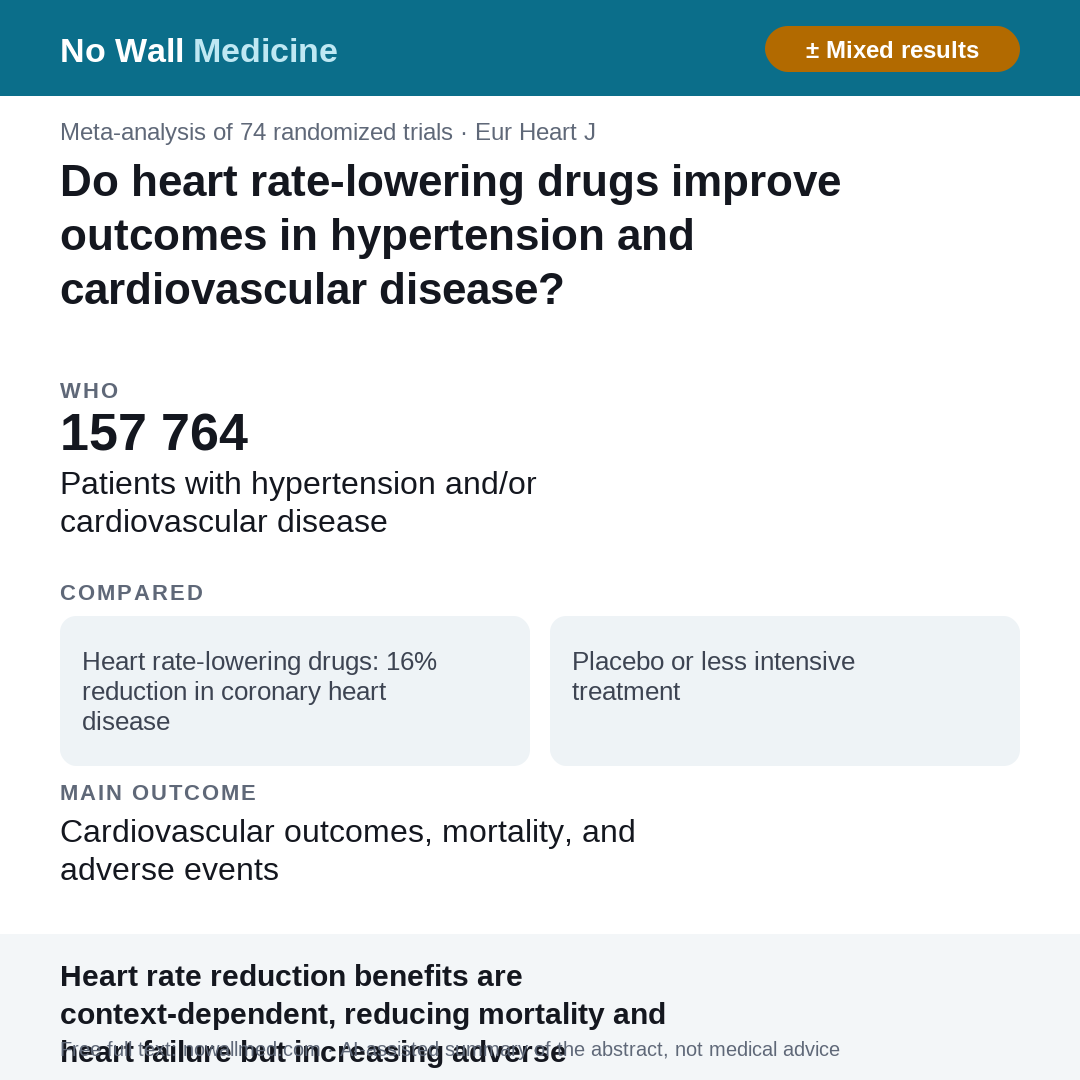
Heart rate-lowering drugs and outcomes in hypertension and/or cardiovascular disease: a meta-analysis
Meta-analysis of 74 randomized trialsMixed results
Do heart rate-lowering drugs improve outcomes in hypertension and cardiovascular disease?
Who
157 764
Patients with hypertension and/or cardiovascular disease
Compared
Heart rate-lowering drugs: 16% reduction in coronary heart disease
Placebo or less intensive treatment
Main outcome
Cardiovascular outcomes, mortality, and adverse events
Result: coronary heart disease reduction 16%, heart failure 9%, cardiovascular mortality 14%, all-cause mortality 13%
Bottom line: Heart rate reduction benefits are context-dependent, reducing mortality and heart failure but increasing adverse event-driven discontinuations.
Eur Heart J · 2025-04-25Download image
Efficacy and safety of intra-arterial thrombolysis after endovascular reperfusion for acute ischemic stroke: a systematic review and meta-analysis of randomized trials
Systematic review and meta-analysis of randomized trialsBenefit found
Does intra-arterial thrombolysis after endovascular reperfusion improve outcomes in acute ischemic stroke?
Who
2128
Patients with acute ischemic stroke due to large vessel occlusion
Compared
Endovascular thrombectomy plus intra-arterial thrombolysis
Endovascular thrombectomy only
Main outcome
Excellent functional outcome (modified Rankin Scale 0-1) at 90 days
Result: RR 1.23 (95% CI 1.11-1.36)
Bottom line: Adjunctive intra-arterial thrombolysis after successful endovascular thrombectomy enhances excellent functional outcomes without increasing hemorrhage or mortality.
Int J Surg · 2025-04-25Download image

Head-to-head comparison of fibroblast activation protein inhibitors (FAPI) radiopharmaceuticals and [18F]FDG in gynaecological malignancies: systematic literature review and meta-analysis
Systematic literature review and meta-analysisBenefit found
How do fibroblast activation protein inhibitors compare to 18F-FDG in gynaecological cancer imaging?
Who
Patients with gynaecological cancers
Compared
Fibroblast activation protein inhibitors: 95% sensitivity and 81% specificity for ovarian cancer primary tumour
18F-FDG: 92% sensitivity and 81% specificity for ovarian cancer primary tumour
Main outcome
Diagnostic performance of radiopharmaceuticals in gynaecological cancers
Bottom line: Fibroblast activation protein inhibitors are a promising alternative to 18F-FDG for imaging gynaecological cancers.
Limitation: Limited literature data and need for larger prospective studies.
Eur J Nucl Med Mol Imaging · 2025-04-25Download image

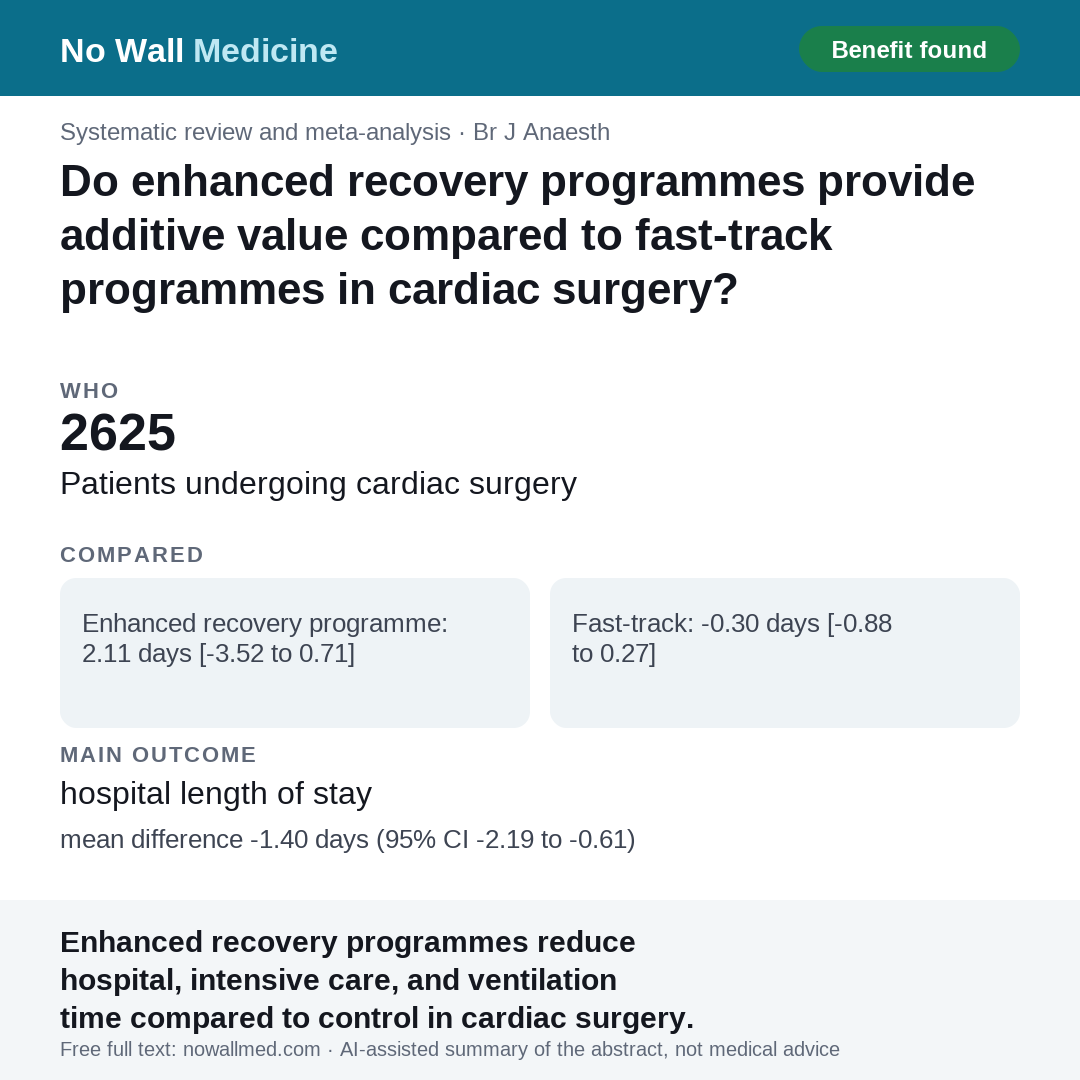
Efficacy of enhanced recovery programmes for cardiac surgery: a systematic review and meta-analysis
Systematic review and meta-analysisBenefit found
Do enhanced recovery programmes provide additive value compared to fast-track programmes in cardiac surgery?
Who
2625
Patients undergoing cardiac surgery
Compared
Enhanced recovery programme: 2.11 days [-3.52 to 0.71]
Fast-track: -0.30 days [-0.88 to 0.27]
Main outcome
hospital length of stay
Result: mean difference -1.40 days (95% CI -2.19 to -0.61)
Bottom line: Enhanced recovery programmes reduce hospital, intensive care, and ventilation time compared to control in cardiac surgery.
Br J Anaesth · 2025-04-25Download image
Seafood During Pregnancy and Lactation and Child Neurocognitive Development: A Systematic Review
Systematic reviewBenefit found
Does seafood consumption during pregnancy and lactation relate to child neurocognitive development?
Who
Children and adolescents aged 0-18 years
Compared
Higher seafood consumption: better social-emotional and behavioral development
Higher seafood consumption: better aggregate scores of development for those <4 y
Main outcome
child neurocognitive development
Bottom line: Seafood consumption during pregnancy may be associated with better social-emotional, behavioral, and aggregate developmental scores in children.
Limitation: The certainty of evidence was very low to moderate due to the lack of randomized controlled trials.
Adv Nutr · 2025-04-25Download image

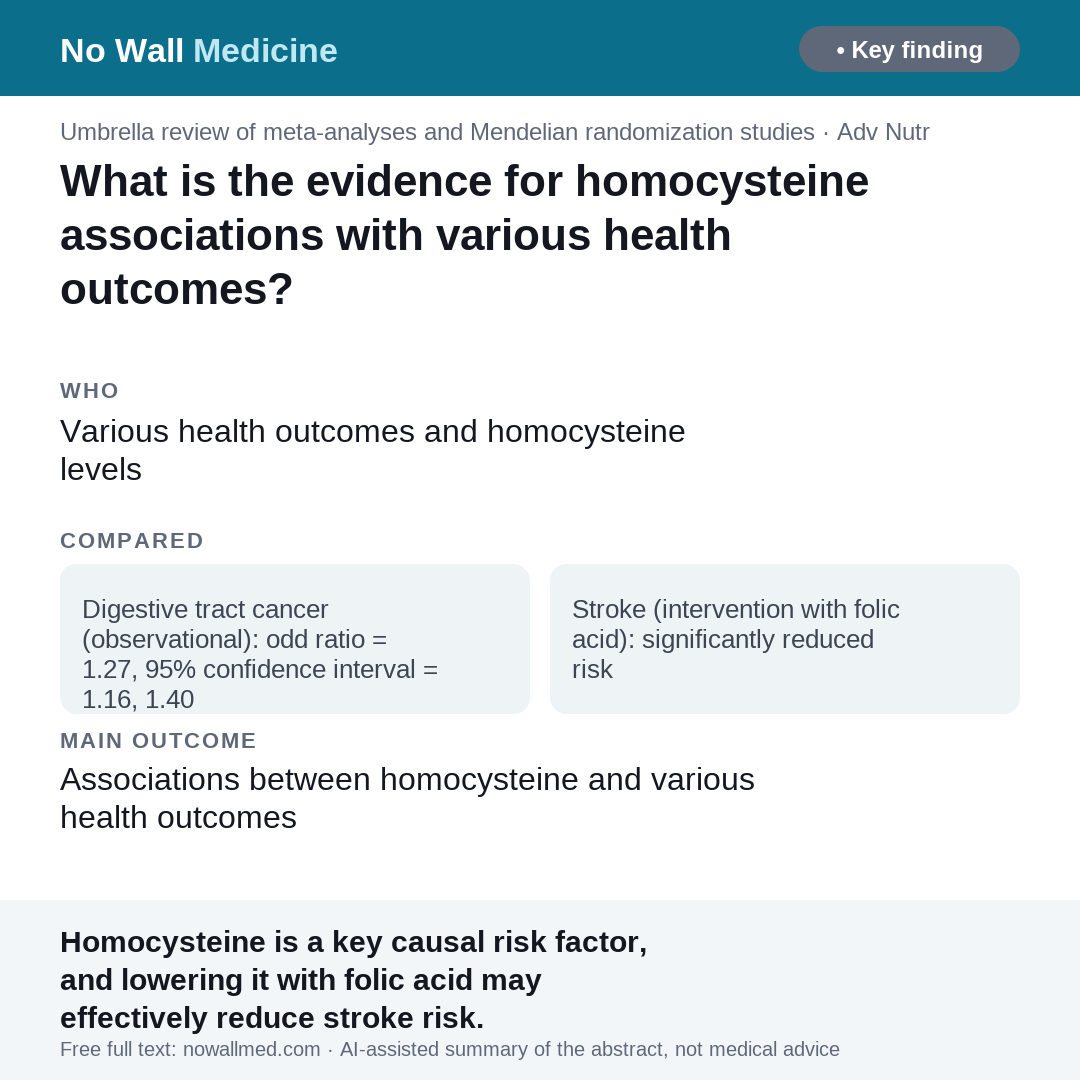
Homocysteine and Multiple Health Outcomes: An Outcome-Wide Umbrella Review of Meta-analyses and Mendelian Randomization Studies
Umbrella review of meta-analyses and Mendelian randomization studiesBenefit found
What is the evidence for homocysteine associations with various health outcomes?
Who
Various health outcomes and homocysteine levels
Compared
Digestive tract cancer (observational): odd ratio = 1.27, 95% confidence interval = 1.16, 1.40
Stroke (intervention with folic acid): significantly reduced risk
Main outcome
Associations between homocysteine and various health outcomes
Bottom line: Homocysteine is a key causal risk factor, and lowering it with folic acid may effectively reduce stroke risk.
Limitation: Homocysteine may not be causal for digestive tract cancer despite convincing observational evidence.
Adv Nutr · 2025-04-25Download image
Comparing Early National Institutes of Health Stroke Scale Versus 90-Day Modified Rankin Scale Outcomes in Acute Ischemic Stroke Trials: A Systematic Review and Analysis
Systematic review and analysisBenefit found
How does early National Institutes of Health Stroke Scale compare to 90-day modified Rankin Scale outcomes?
Who
44387
Patients in randomized clinical trials for acute ischemic stroke
Compared
24-hour National Institutes of Health Stroke Scale: 61/73 (83.6%) trials
90-day modified Rankin Scale
Main outcome
Agreement between trial results based on both scales
Result: Cohen's kappa 0.64 (95% CI 0.45-0.83)
Bottom line: 24-hour National Institutes of Health Stroke Scale scores show intermediate-to-good agreement with 90-day modified Rankin Scale trial results.
Limitation: Individual patient data showed that early National Institutes of Health Stroke Scale risks misclassifying around 1/4 patients.
J Am Heart Assoc · 2025-04-25Download image

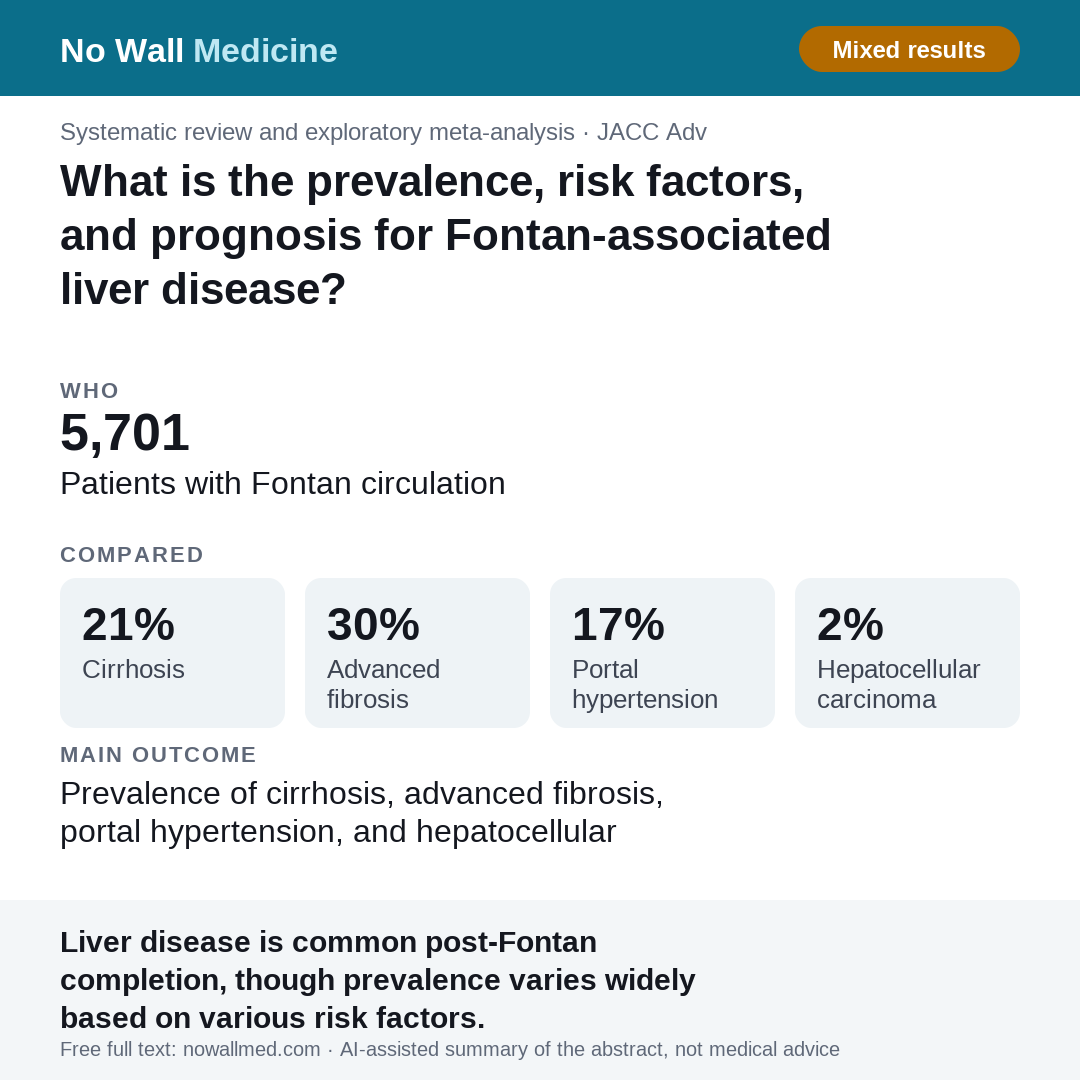
Prevalence, Risk Factors, and Prognosis for Fontan-Associated Liver Disease: A Systematic Review and Exploratory Meta-Analysis
Systematic review and exploratory meta-analysisMixed results
What is the prevalence, risk factors, and prognosis for Fontan-associated liver disease?
Who
5,701
Patients with Fontan circulation
Compared
21%Cirrhosis
30%Advanced fibrosis without cirrhosis
17%Portal hypertension
2%Hepatocellular carcinoma
Main outcome
Prevalence of cirrhosis, advanced fibrosis, portal hypertension, and hepatocellular carcinoma
Bottom line: Liver disease is common post-Fontan completion, though prevalence varies widely based on various risk factors.
Limitation: All estimates of Fontan-associated liver disease were highly heterogeneous.
JACC Adv · 2025-04-25Download image
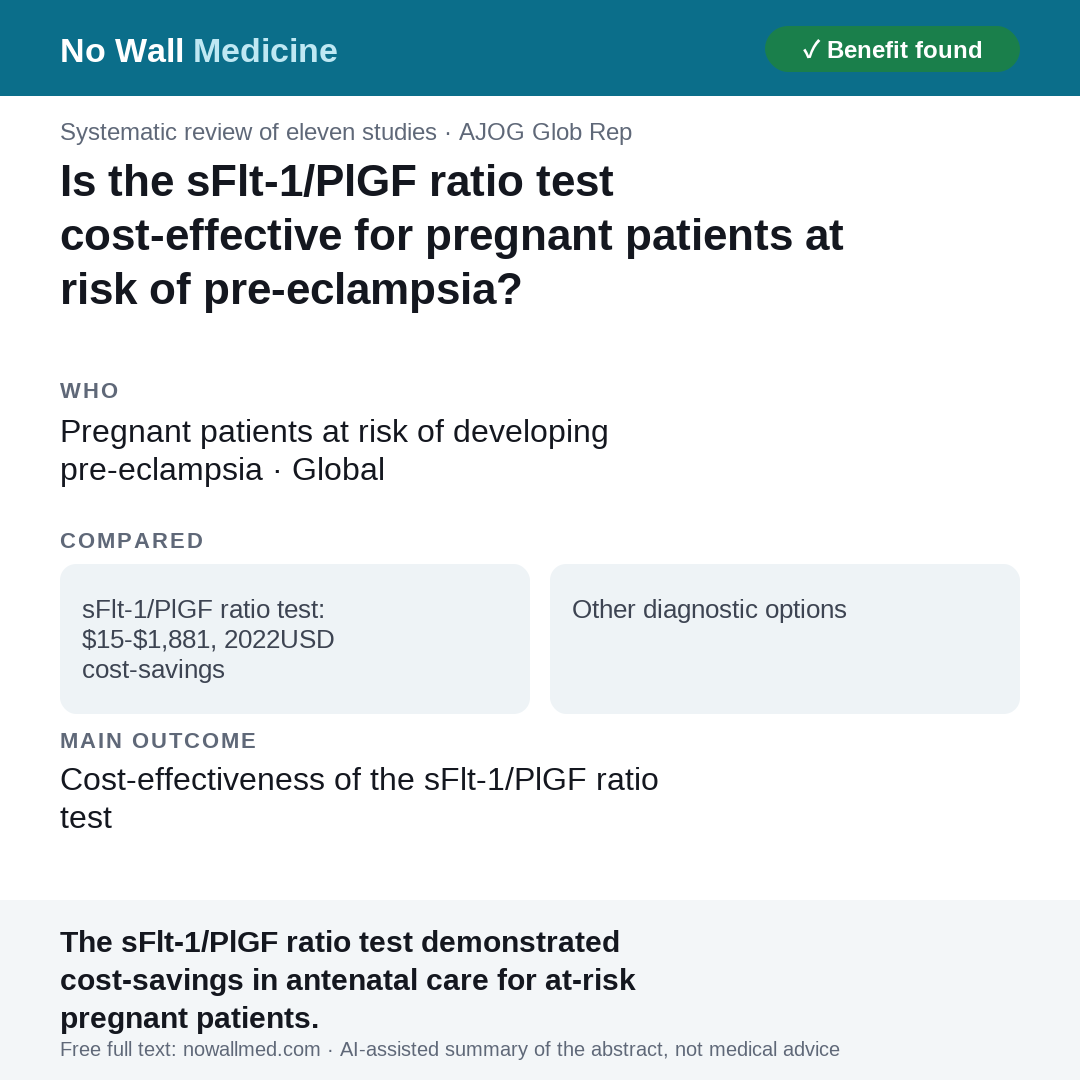
Cost-effectiveness of the sFlt-1/PlGF ratio test in pregnant patients with suspected pre-eclampsia: a systematic review
Systematic review of eleven studiesBenefit found
Is the sFlt-1/PlGF ratio test cost-effective for pregnant patients at risk of pre-eclampsia?
Who
Pregnant patients at risk of developing pre-eclampsia · Global
Compared
sFlt-1/PlGF ratio test: $15-$1,881, 2022USD cost-savings
Other diagnostic options
Main outcome
Cost-effectiveness of the sFlt-1/PlGF ratio test
Bottom line: The sFlt-1/PlGF ratio test demonstrated cost-savings in antenatal care for at-risk pregnant patients.
Limitation: Does not account for health outcome differences and long-term health care utilisation and expenditure.
AJOG Glob Rep · 2025-04-25Download image
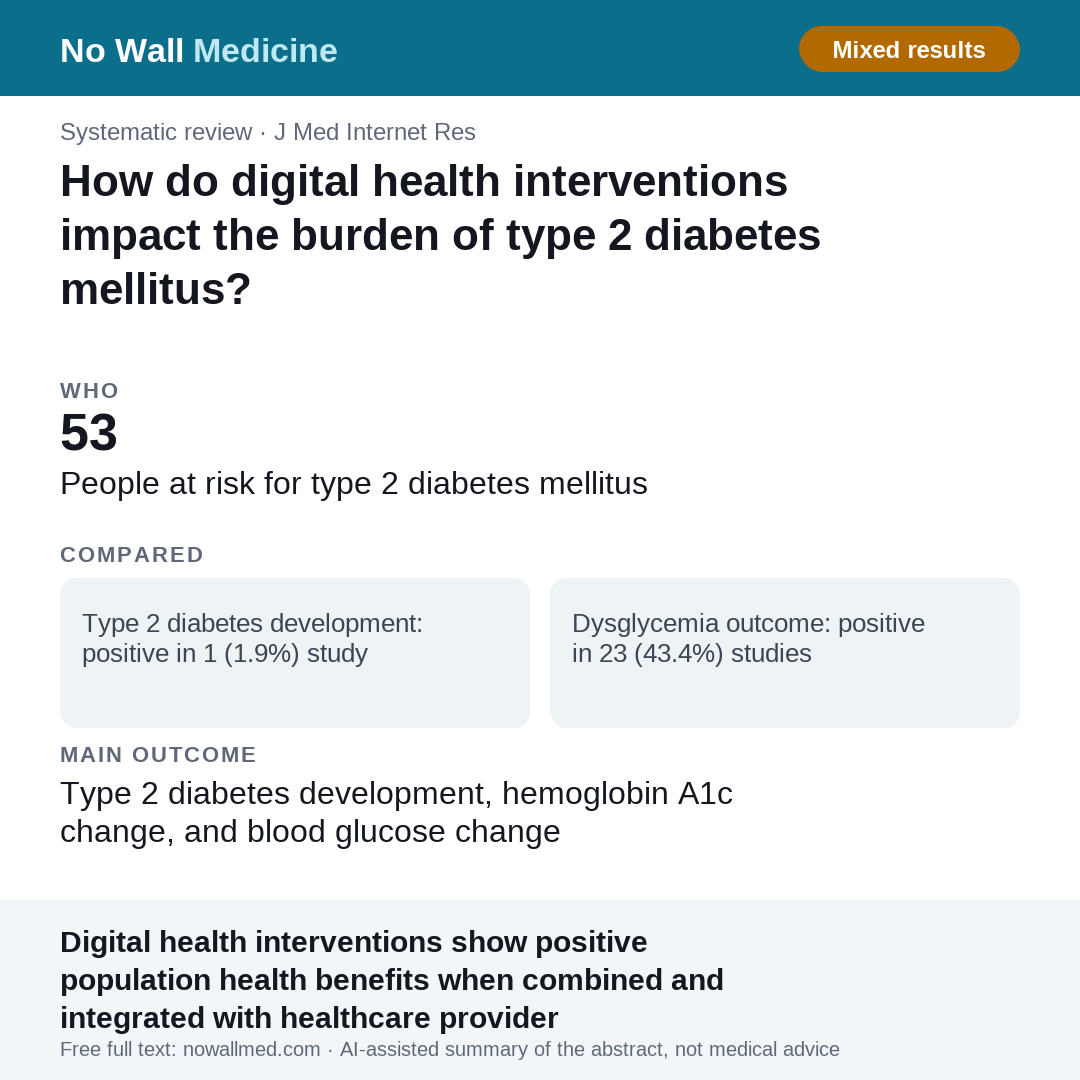
Digital Health Interventions to Prevent Type 2 Diabetes Mellitus: Systematic Review
Systematic reviewMixed results
How do digital health interventions impact the burden of type 2 diabetes mellitus?
Who
53
People at risk for type 2 diabetes mellitus
Compared
Type 2 diabetes development: positive in 1 (1.9%) study
Dysglycemia outcome: positive in 23 (43.4%) studies
Main outcome
Type 2 diabetes development, hemoglobin A1c change, and blood glucose change
Bottom line: Digital health interventions show positive population health benefits when combined and integrated with healthcare provider interaction.
Limitation: Insufficient studies reporting healthcare provider experience and healthcare costs.
J Med Internet Res · 2025-04-25Download image