Visual abstracts
New randomized trials and meta-analyses from leading journals at a glance: who was studied, what was compared, and what was found. Every paper is free to read in full.
All specialtiesCardiology 1027Oncology 925Gastroenterology & Hepatology 381Infectious Disease 710Neurology 440Psychiatry & Mental Health 542Pulmonology 455Critical Care 317Endocrinology & Diabetes 585Pediatrics 651Surgery 452Orthopedics & Sports Medicine 204Neurosurgery 149Cardiothoracic & Vascular Surgery 106Plastic & Reconstructive Surgery 169Nephrology 232Rheumatology 135Hematology 223Dermatology 99Ophthalmology 121Obstetrics & Gynecology 324Public & Global Health 197Radiology & Imaging 132Anesthesiology 190Urology 199ENT (Otolaryngology) 142Emergency Medicine 116Allergy & Immunology 70Geriatrics 212Family Medicine & Primary Care 135Medical Genetics & Genomics 109Pathology & Laboratory Medicine 31Physical Medicine & Rehabilitation 183Palliative Care 95Nutrition 273Digital Health & AI 542General Medicine 105
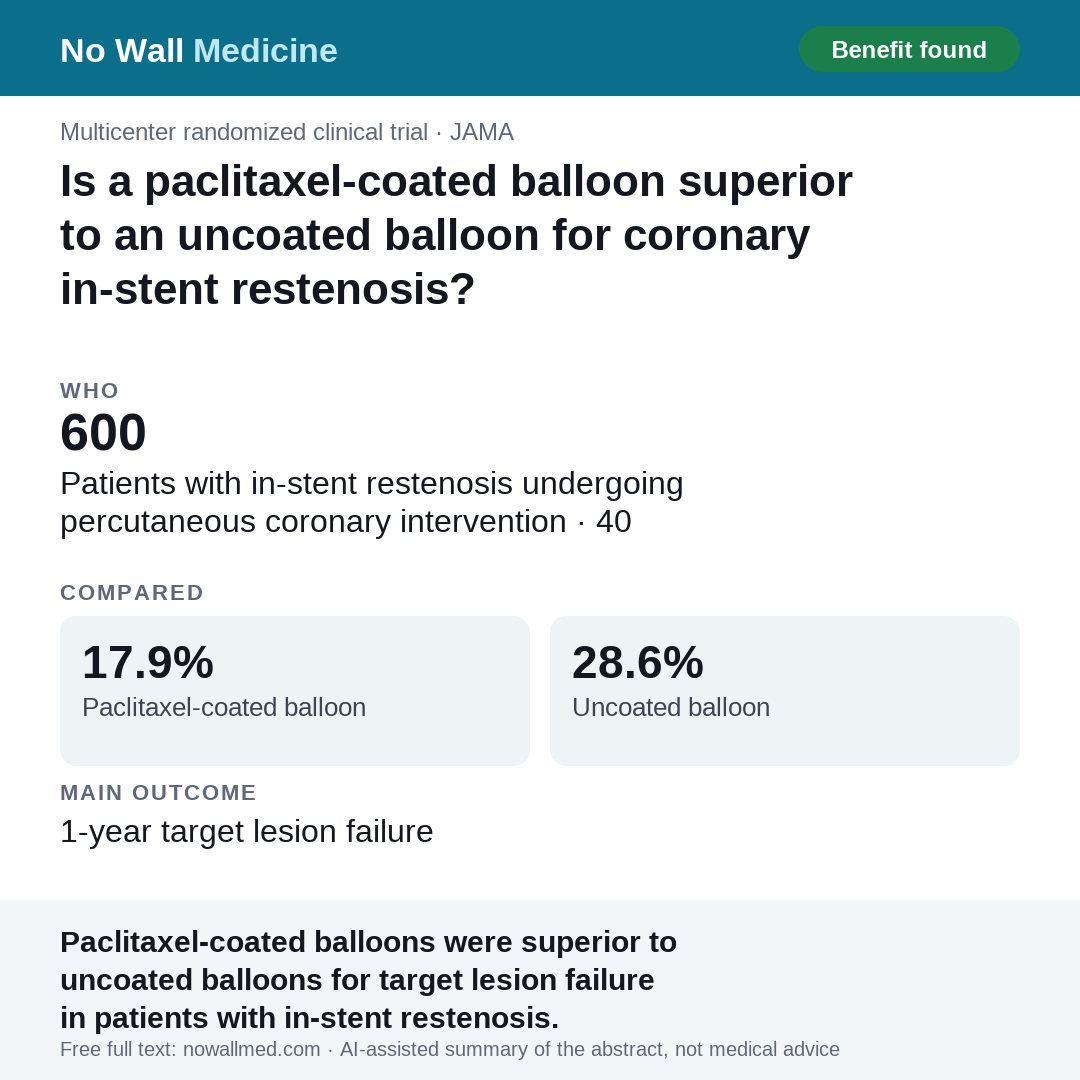
Paclitaxel-Coated Balloon vs Uncoated Balloon for Coronary In-Stent Restenosis: The AGENT IDE Randomized Clinical Trial
Multicenter randomized clinical trialBenefit found
Is a paclitaxel-coated balloon superior to an uncoated balloon for coronary in-stent restenosis?
Who
600
Patients with in-stent restenosis undergoing percutaneous coronary intervention · 40 centers across the United States
Compared
17.9%Paclitaxel-coated balloon
28.6%Uncoated balloon
Main outcome
1-year target lesion failure
Result: hazard ratio 0.59 (95% CI 0.42-0.84)
Bottom line: Paclitaxel-coated balloons were superior to uncoated balloons for target lesion failure in patients with in-stent restenosis.
JAMA · 2024-03-09Download image
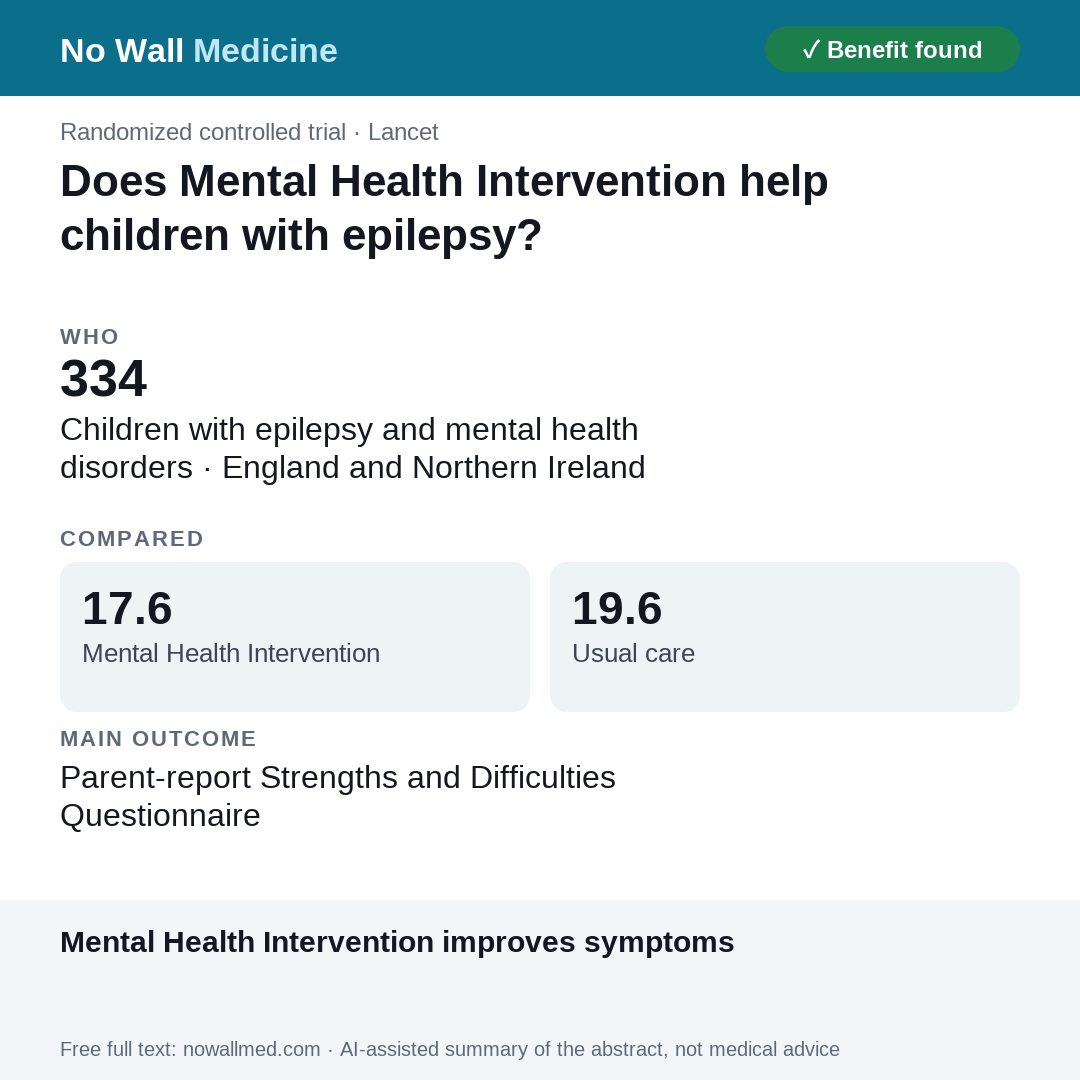
Clinical effectiveness of the psychological therapy Mental Health Intervention for Children with Epilepsy in addition to usual care compared with assessment-enhanced usual care alone: a multicentre, randomised controlled clinical trial in the UK
Randomized controlled trialBenefit found
Does Mental Health Intervention help children with epilepsy?
Who
334
Children with epilepsy and mental health disorders · England and Northern Ireland
Compared
17.6Mental Health Intervention (SD 6.3)
19.6Usual care (6.1)
Main outcome
Parent-report Strengths and Difficulties Questionnaire
Result: adjusted effect -1.7 (95% CI -2.8 to -0.5)
Bottom line: Mental Health Intervention improves symptoms
Funded by: UK National Institute for Health Research
Lancet · 2024-03-07Download image
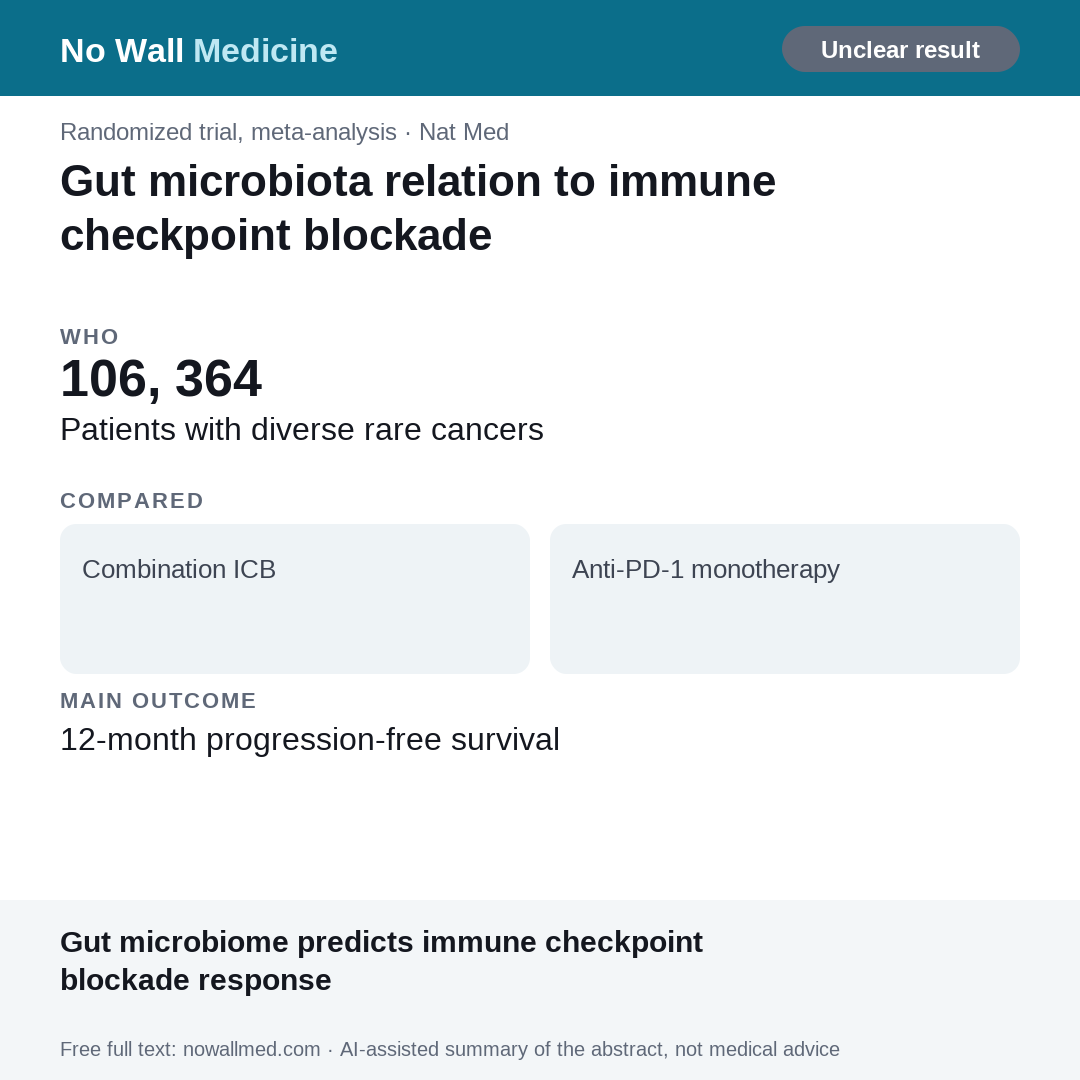
A gut microbial signature for combination immune checkpoint blockade across cancer types
Randomized trial, meta-analysisUnclear result
Gut microbiota relation to immune checkpoint blockade
Who
106, 364
Patients with diverse rare cancers
Compared
Combination ICB
Anti-PD-1 monotherapy
Main outcome
12-month progression-free survival
Bottom line: Gut microbiome predicts immune checkpoint blockade response
Nat Med · 2024-03-01Download image
Simple versus Radical Hysterectomy in Women with Low-Risk Cervical Cancer
Multicenter, randomized, noninferiority trialBenefit found
Is simple hysterectomy noninferior to radical hysterectomy for low-risk cervical cancer?
Who
700
Women with low-risk cervical cancer · Multicenter
Compared
2.17%Radical hysterectomy
2.52%Simple hysterectomy
Main outcome
Cancer recurrence in the pelvic area at 3 years
Result: absolute difference of 0.35 percentage points (90% confidence interval, -1.62 to 2.32)
Bottom line: Simple hysterectomy was not inferior to radical hysterectomy and had lower urinary incontinence and retention risks.
Funded by: Canadian Cancer Society and others
NEJM · 2024-02-28Download image

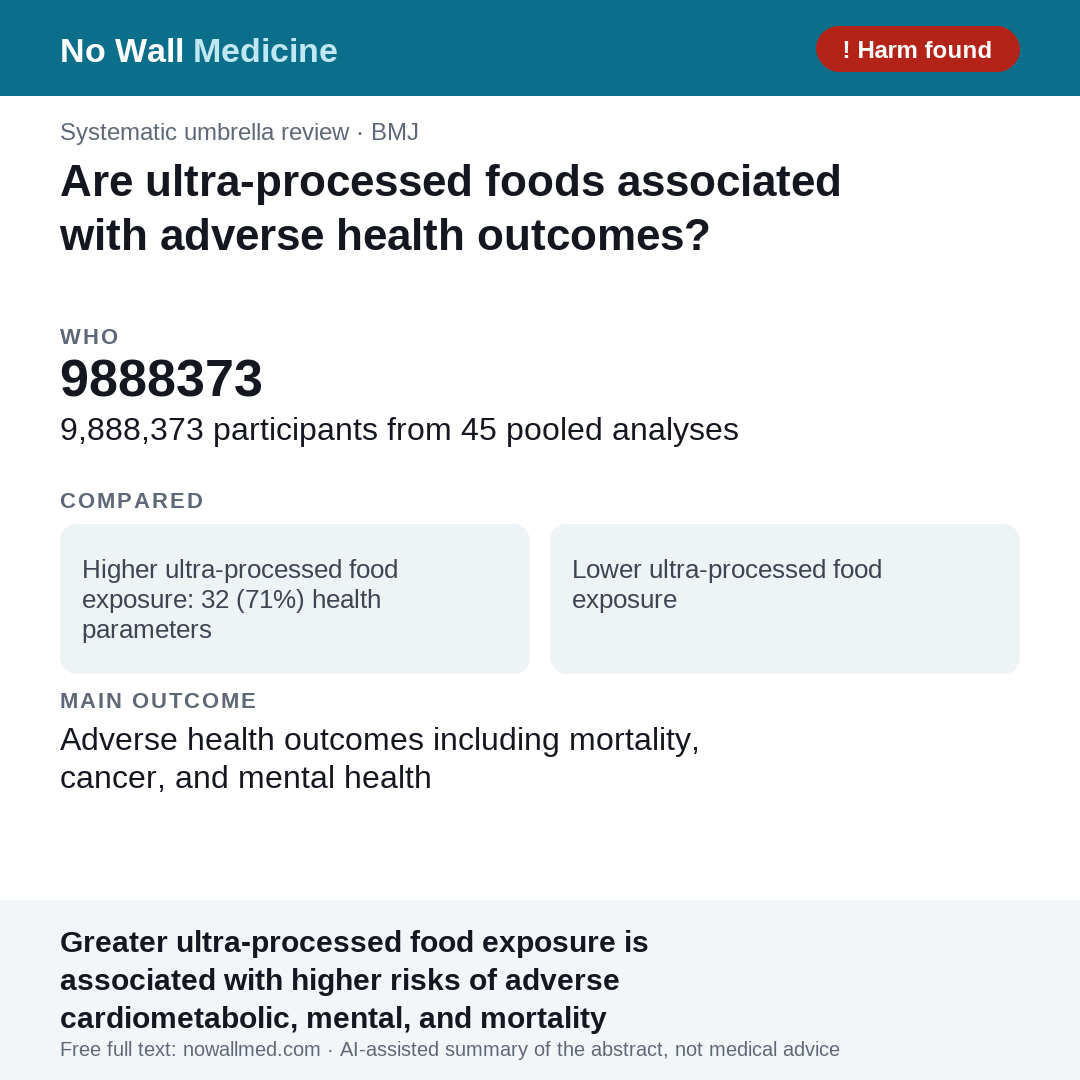
Ultra-processed food exposure and adverse health outcomes: umbrella review of epidemiological meta-analyses
Systematic umbrella reviewHarm found
Are ultra-processed foods associated with adverse health outcomes?
Who
9888373
9,888,373 participants from 45 pooled analyses
Compared
Higher ultra-processed food exposure: 32 (71%) health parameters
Lower ultra-processed food exposure
Main outcome
Adverse health outcomes including mortality, cancer, and mental health
Bottom line: Greater ultra-processed food exposure is associated with higher risks of adverse cardiometabolic, mental, and mortality outcomes.
BMJ · 2024-02-28Download image
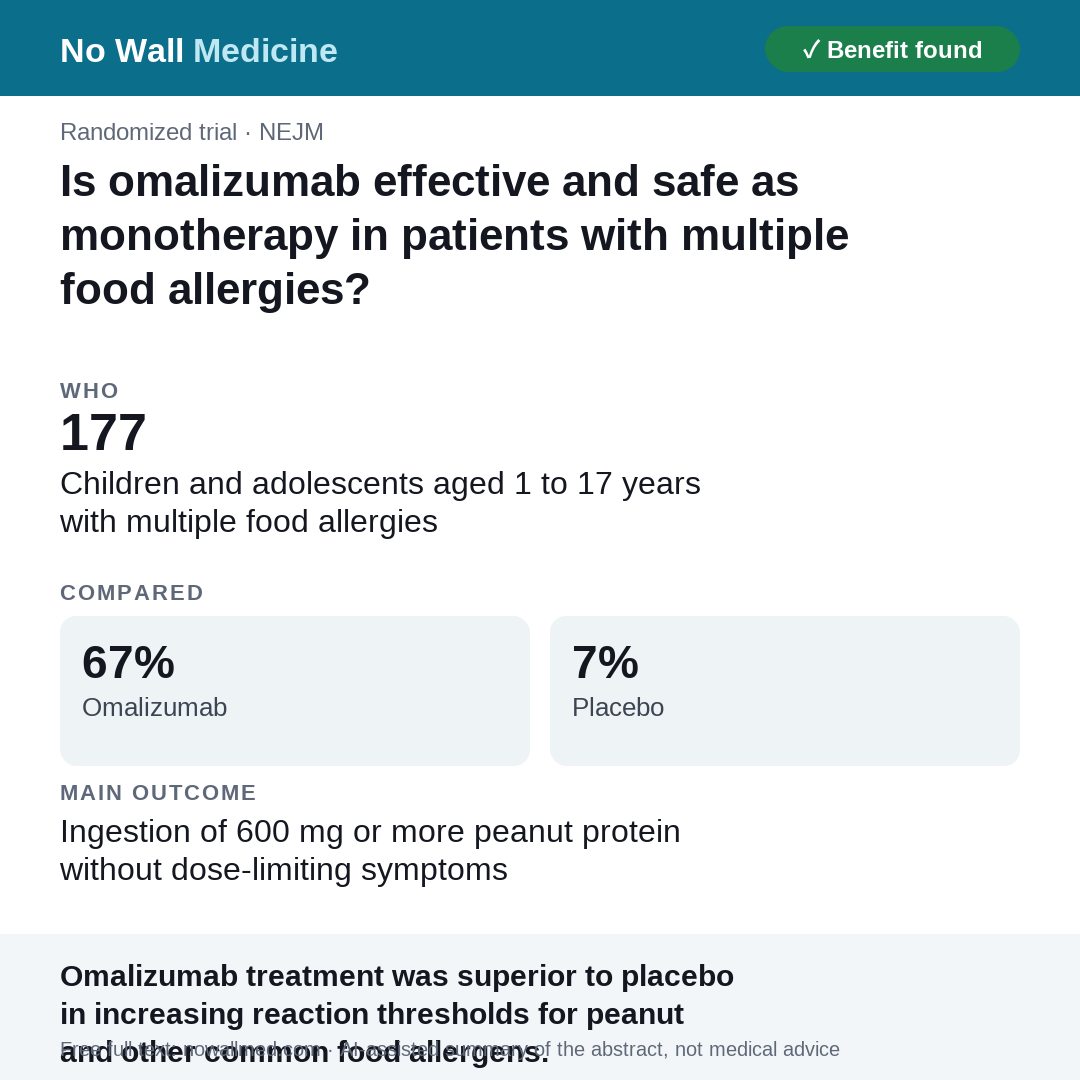
Omalizumab for the Treatment of Multiple Food Allergies
Randomized trialBenefit found
Is omalizumab effective and safe as monotherapy in patients with multiple food allergies?
Who
177
Children and adolescents aged 1 to 17 years with multiple food allergies
Compared
67%Omalizumab (79/118)
7%Placebo (4/59)
Main outcome
Ingestion of 600 mg or more peanut protein without dose-limiting symptoms
Bottom line: Omalizumab treatment was superior to placebo in increasing reaction thresholds for peanut and other common food allergens.
Funded by: National Institute of Allergy and Infectious Diseases and others
NEJM · 2024-02-25Download image
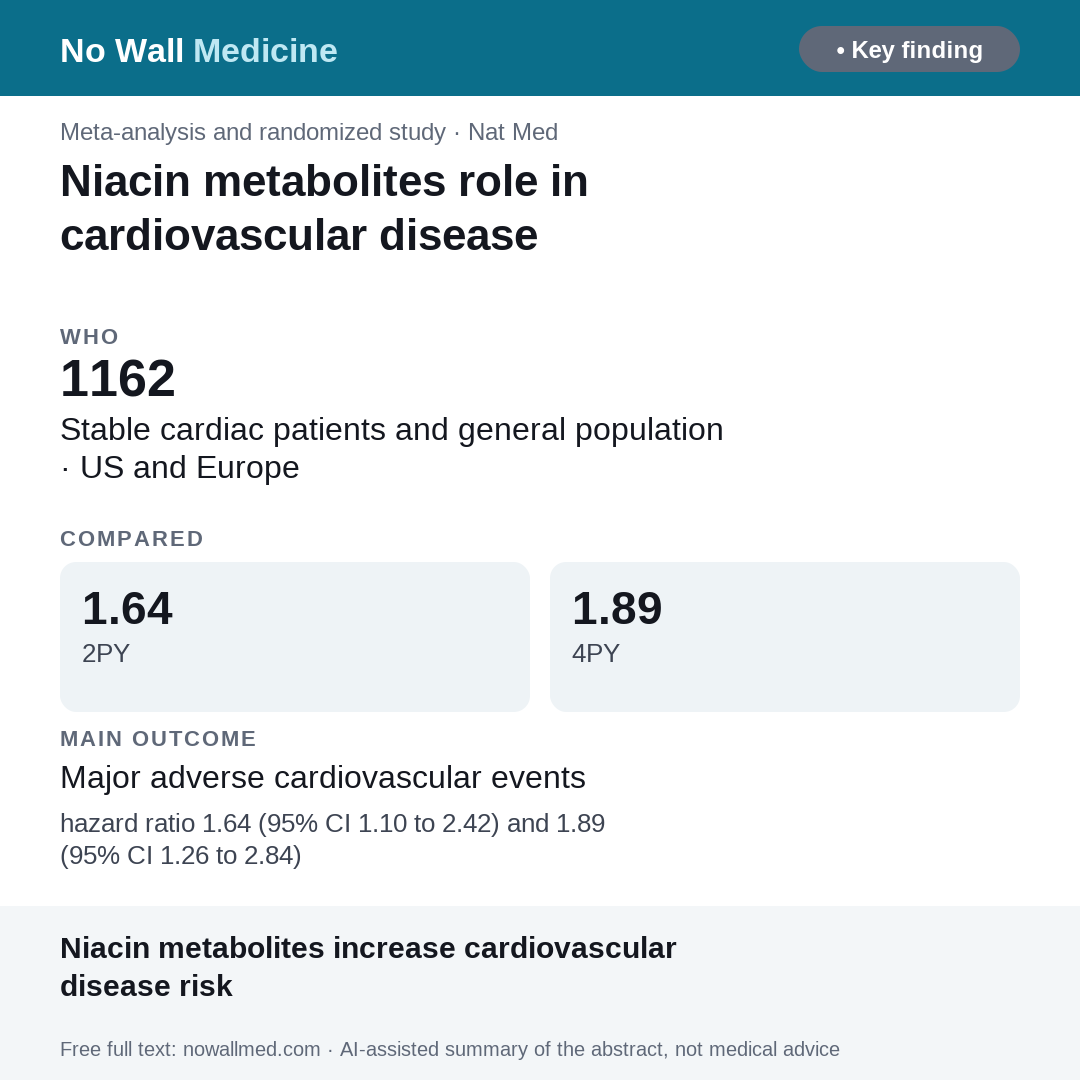
A terminal metabolite of niacin promotes vascular inflammation and contributes to cardiovascular disease risk
Meta-analysis and randomized trialHarm found
Niacin metabolites role in cardiovascular disease
Who
1162
Stable cardiac patients and general population · US and Europe
Compared
1.642PY (1.10-2.42)
1.894PY (1.26-2.84)
Main outcome
Major adverse cardiovascular events
Result: hazard ratio 1.64 (95% CI 1.10 to 2.42) and 1.89 (95% CI 1.26 to 2.84)
Bottom line: Niacin metabolites increase cardiovascular disease risk
Nat Med · 2024-02-19Download image
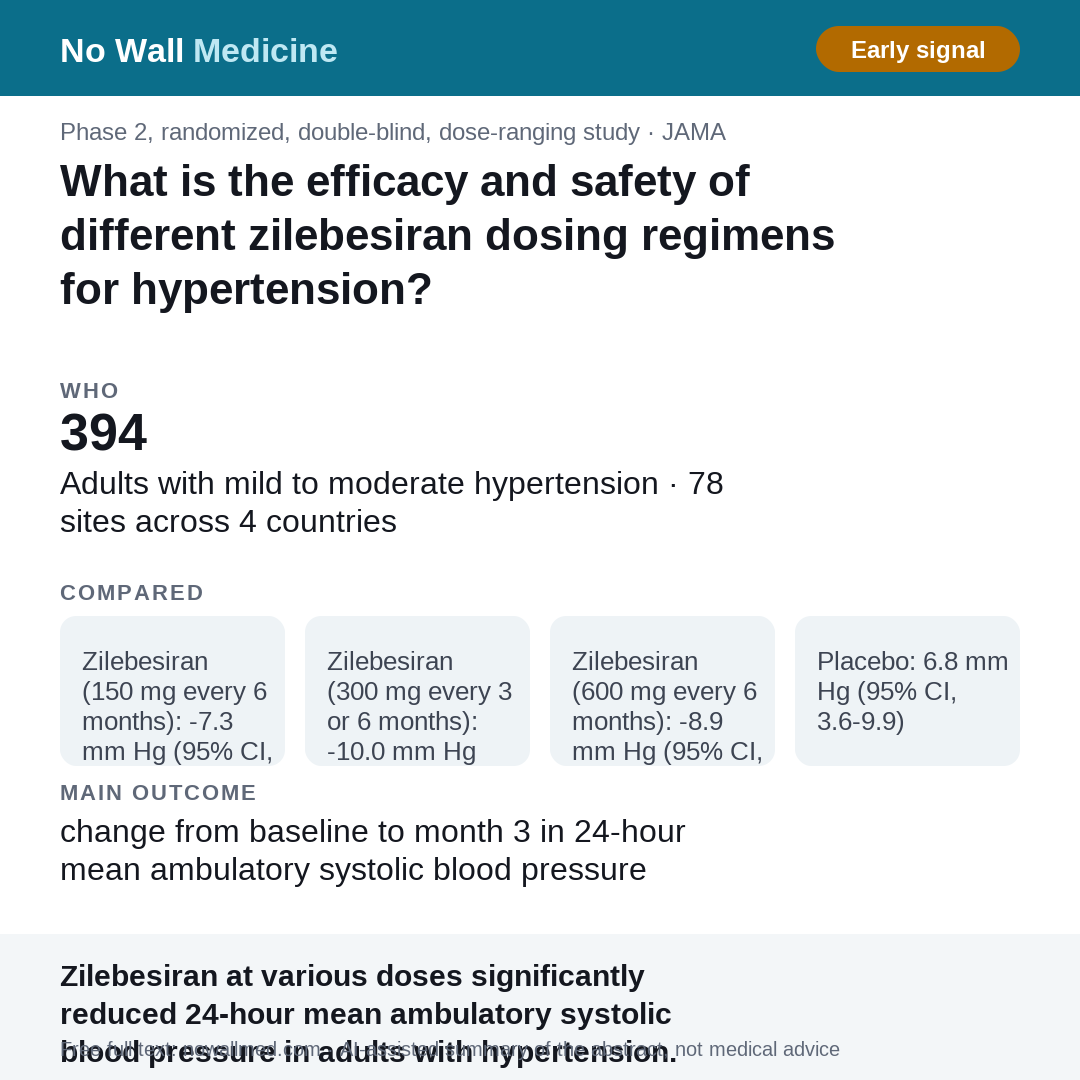
RNA Interference With Zilebesiran for Mild to Moderate Hypertension: The KARDIA-1 Randomized Clinical Trial
Phase 2, randomized, double-blind, dose-ranging studyBenefit found
What is the efficacy and safety of different zilebesiran dosing regimens for hypertension?
Who
394
Adults with mild to moderate hypertension · 78 sites across 4 countries
Compared
Zilebesiran (150 mg every 6 months): -7.3 mm Hg (95% CI, -10.3 to -4.4)
Zilebesiran (300 mg every 3 or 6 months): -10.0 mm Hg (95% CI, -12.0 to -7.9)
Zilebesiran (600 mg every 6 months): -8.9 mm Hg (95% CI, -11.9 to -6.0)
Placebo: 6.8 mm Hg (95% CI, 3.6-9.9)
Main outcome
change from baseline to month 3 in 24-hour mean ambulatory systolic blood pressure
Result: LSM differences vs placebo: -14.1 mm Hg (95% CI, -19.2 to -9.0) to -16.7 mm Hg (95% CI, -21.2 to -12.3)
Bottom line: Zilebesiran at various doses significantly reduced 24-hour mean ambulatory systolic blood pressure in adults with hypertension.
JAMA · 2024-02-16Download image
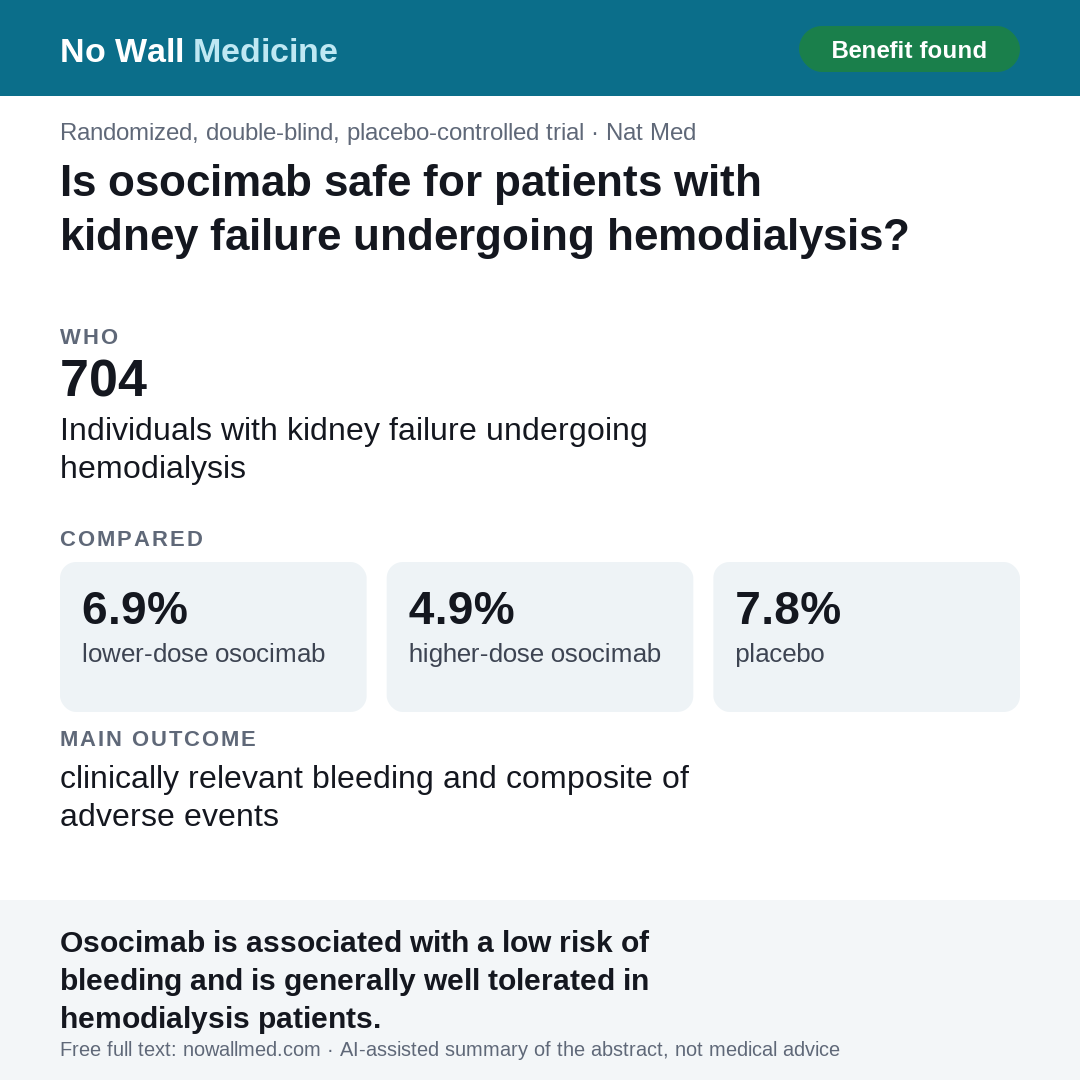
Anticoagulation with osocimab in patients with kidney failure undergoing hemodialysis: a randomized phase 2 trial
Randomized, double-blind, placebo-controlled trialBenefit found
Is osocimab safe for patients with kidney failure undergoing hemodialysis?
Who
704
Individuals with kidney failure undergoing hemodialysis
Compared
6.9%lower-dose osocimab
4.9%higher-dose osocimab
7.8%placebo
Main outcome
clinically relevant bleeding and composite of adverse events
Bottom line: Osocimab is associated with a low risk of bleeding and is generally well tolerated in hemodialysis patients.
Nat Med · 2024-02-16Download image
Anxiety-focused cognitive behavioral therapy delivered by non-specialists to prevent postnatal depression: a randomized, phase 3 trial
Phase 3, single-blind, randomized controlled trialBenefit found
Does anxiety-focused cognitive behavioral therapy by non-specialists prevent postnatal common mental disorders?
Who
755
Pregnant women with mild anxiety but no clinical depression · Pakistan
Compared
12%Happy Mother-Healthy Baby program
41%Enhanced care alone
Main outcome
Major depression, generalized anxiety disorder, or both at 6 weeks postpartum
Result: adjusted odds ratio 0.19 (95% CI 0.14-0.28)
Bottom line: Anxiety-focused cognitive behavioral therapy delivered by non-specialists during pregnancy reduces postpartum depression and anxiety.
Nat Med · 2024-02-16Download image

A first-in-class leucyl-tRNA synthetase inhibitor, ganfeborole, for rifampicin-susceptible tuberculosis: a phase 2a open-label, randomized trial
Phase 2a, open-label, randomized trialBenefit found
What is the early bactericidal activity and safety of ganfeborole for tuberculosis?
Who
75
Participants with untreated, rifampicin-susceptible pulmonary tuberculosis · single-center
Compared
ganfeborole (1/5/15/30 mg): numerical reductions in daily sputum-derived colony-forming units
standard of care
Main outcome
early bactericidal activity
Bottom line: Ganfeborole showed bactericidal activity and an acceptable safety profile in participants with rifampicin-susceptible pulmonary tuberculosis.
Nat Med · 2024-02-16Download image

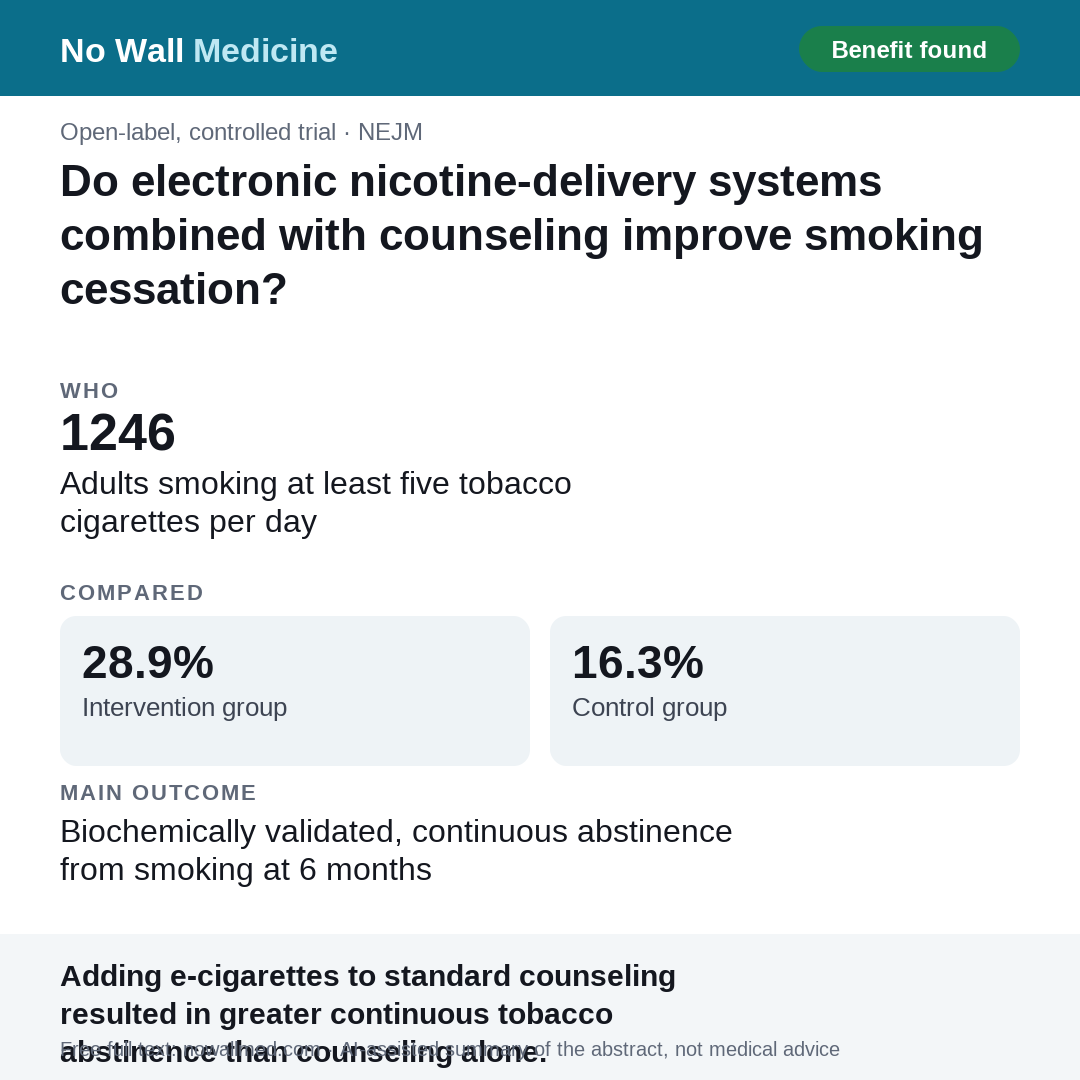
Electronic Nicotine-Delivery Systems for Smoking Cessation
Open-label, controlled trialBenefit found
Do electronic nicotine-delivery systems combined with counseling improve smoking cessation?
Who
1246
Adults smoking at least five tobacco cigarettes per day
Compared
28.9%Intervention group
16.3%Control group
Main outcome
Biochemically validated, continuous abstinence from smoking at 6 months
Result: relative risk, 1.77 (95% confidence interval, 1.43 to 2.20)
Bottom line: Adding e-cigarettes to standard counseling resulted in greater continuous tobacco abstinence than counseling alone.
Funded by: Swiss National Science Foundation and others
NEJM · 2024-02-14Download image
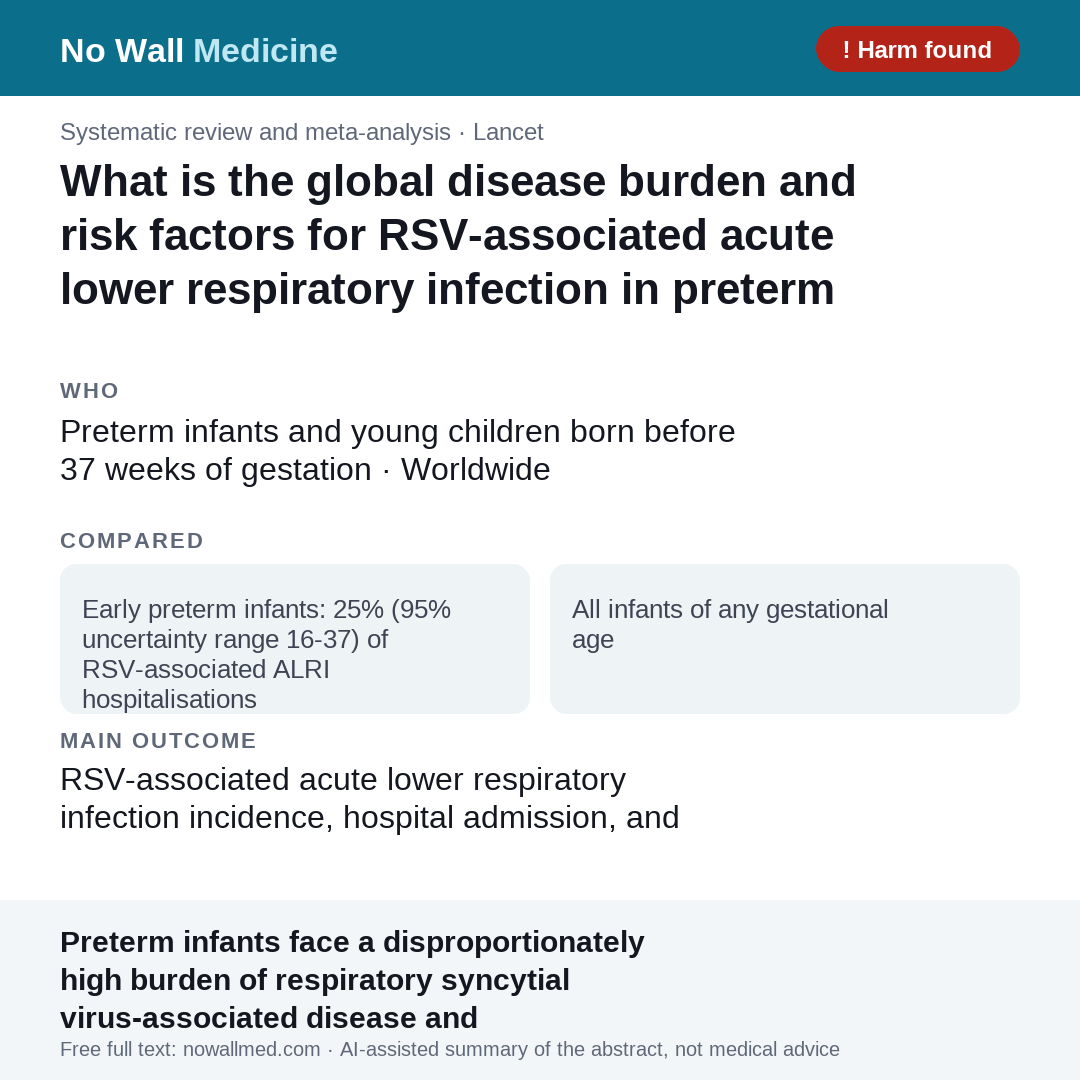
Global disease burden of and risk factors for acute lower respiratory infections caused by respiratory syncytial virus in preterm infants and young children in 2019: a systematic review and meta-analysis of aggregated and individual participant data
Systematic review and meta-analysisHarm found
What is the global disease burden and risk factors for RSV-associated acute lower respiratory infection in preterm infants?
Who
Preterm infants and young children born before 37 weeks of gestation · Worldwide
Compared
Early preterm infants: 25% (95% uncertainty range 16-37) of RSV-associated ALRI hospitalisations
All infants of any gestational age
Main outcome
RSV-associated acute lower respiratory infection incidence, hospital admission, and mortality
Result: rate ratio 2.26 (95% uncertainty range 1.27-3.98)
Bottom line: Preterm infants face a disproportionately high burden of respiratory syncytial virus-associated disease and hospitalisations worldwide.
Funded by: EU Innovative Medicines Initiative Respiratory Syncytial Virus Consortium in Europe
Lancet · 2024-02-14Download image
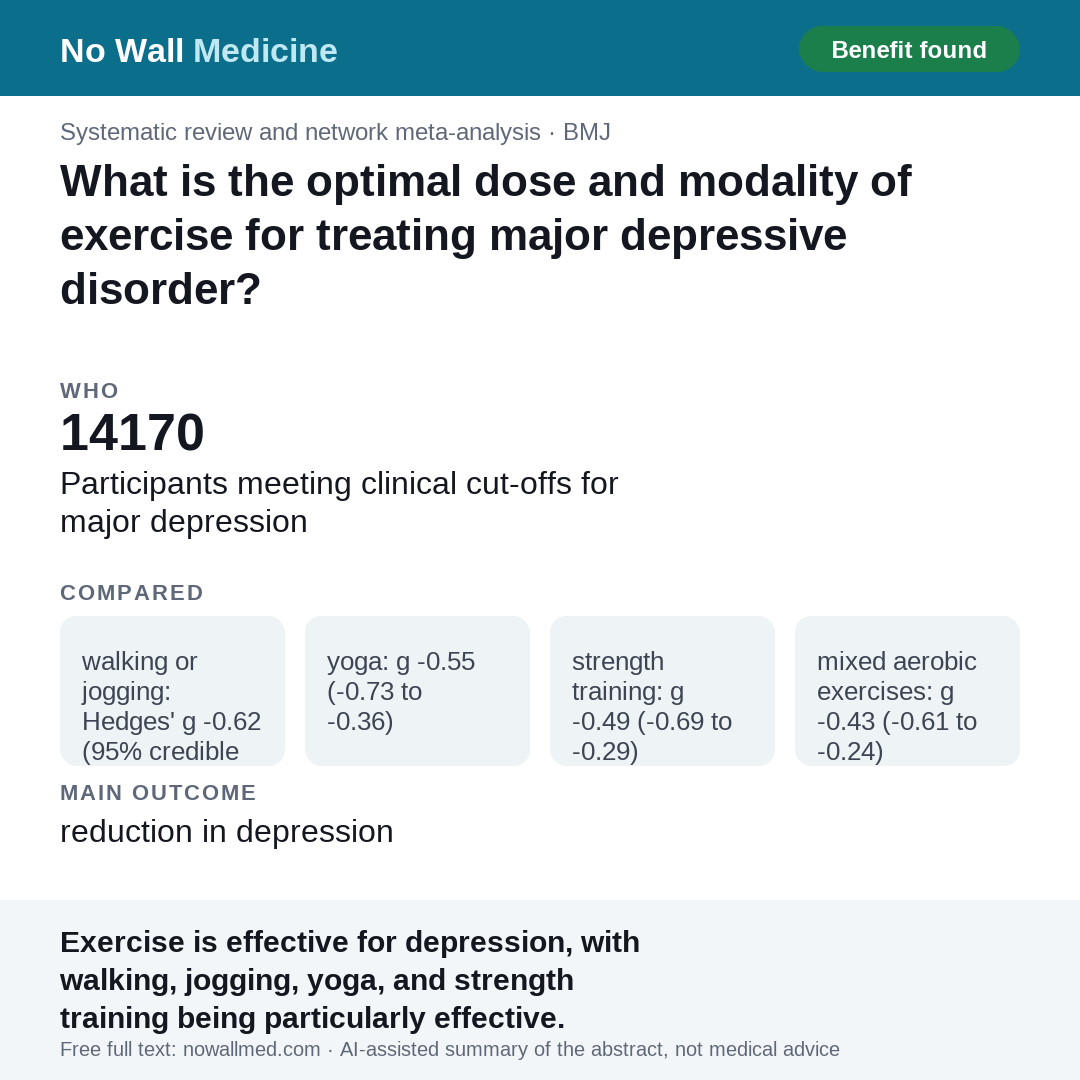
Effect of exercise for depression: systematic review and network meta-analysis of randomised controlled trials
Systematic review and network meta-analysisBenefit found
What is the optimal dose and modality of exercise for treating major depressive disorder?
Who
14170
Participants meeting clinical cut-offs for major depression
Compared
walking or jogging: Hedges' g -0.62 (95% credible interval -0.80 to -0.45)
yoga: g -0.55 (-0.73 to -0.36)
strength training: g -0.49 (-0.69 to -0.29)
mixed aerobic exercises: g -0.43 (-0.61 to -0.24)
Main outcome
reduction in depression
Bottom line: Exercise is effective for depression, with walking, jogging, yoga, and strength training being particularly effective.
Limitation: Only one study met the Cochrane criteria for low risk of bias.
BMJ · 2024-02-14Download image
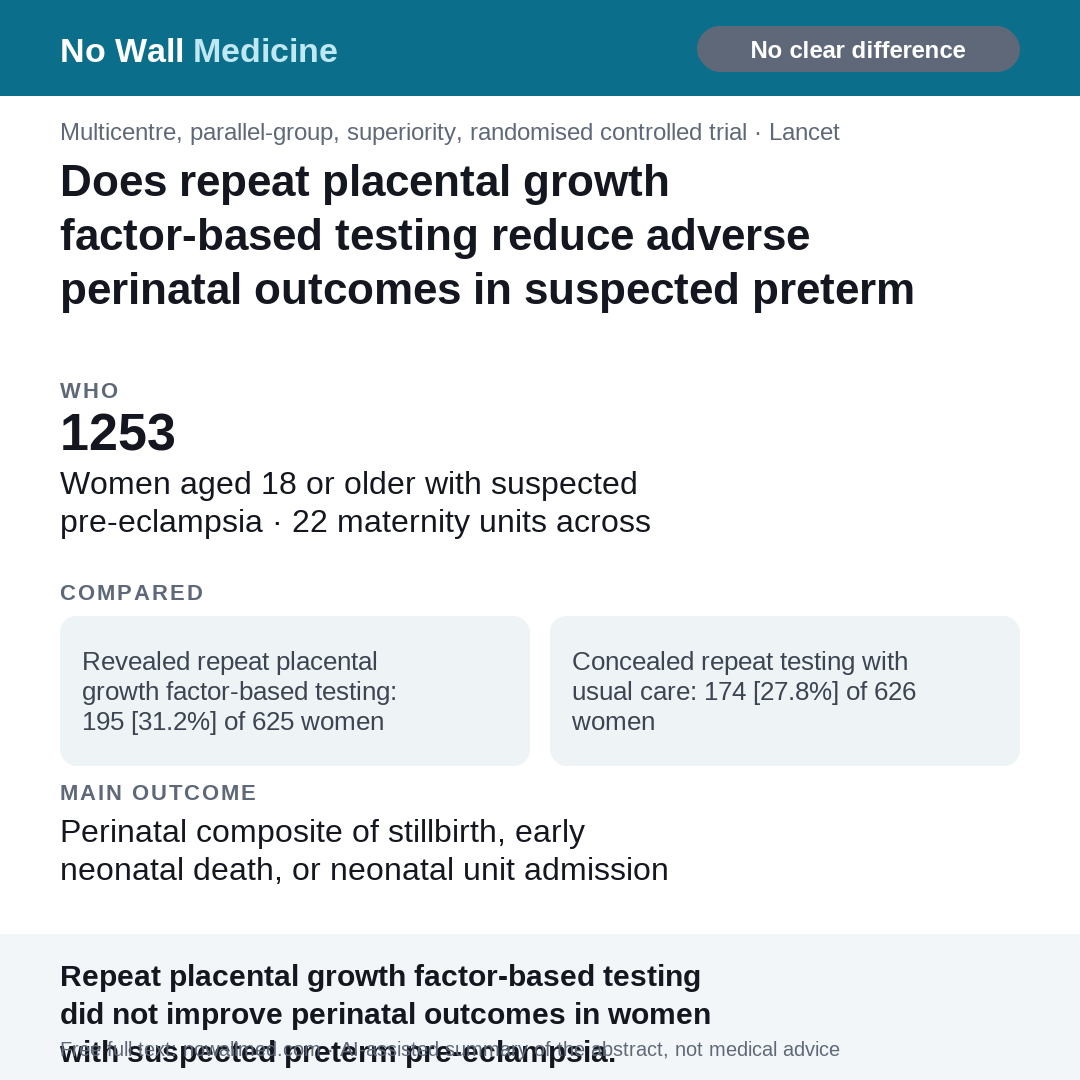
Repeat placental growth factor-based testing in women with suspected preterm pre-eclampsia (PARROT-2): a multicentre, parallel-group, superiority, randomised controlled trial
Multicentre, parallel-group, superiority, randomised controlled trialNo clear difference
Does repeat placental growth factor-based testing reduce adverse perinatal outcomes in suspected preterm pre-eclampsia?
Who
1253
Women aged 18 or older with suspected pre-eclampsia · 22 maternity units across England, Scotland, and Wales
Compared
Revealed repeat placental growth factor-based testing: 195 [31.2%] of 625 women
Concealed repeat testing with usual care: 174 [27.8%] of 626 women
Main outcome
Perinatal composite of stillbirth, early neonatal death, or neonatal unit admission
Result: relative risk 1.21 (95% CI 0.95-1.33)
Bottom line: Repeat placental growth factor-based testing did not improve perinatal outcomes in women with suspected preterm pre-eclampsia.
Funded by: Tommy's Charity, Jon Moulton Charitable Trust, and NIHR
Lancet · 2024-02-08Download image
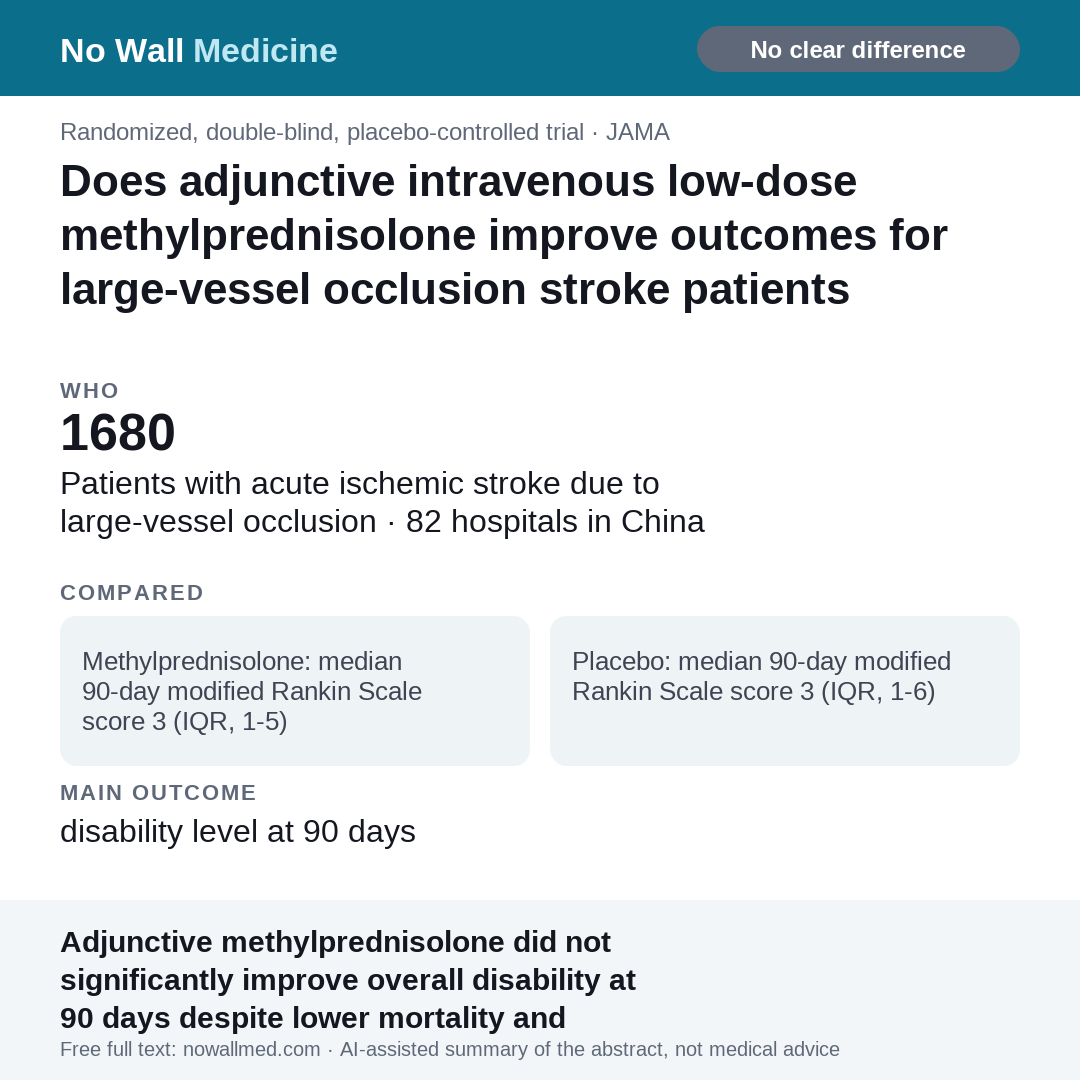
Methylprednisolone as Adjunct to Endovascular Thrombectomy for Large-Vessel Occlusion Stroke: The MARVEL Randomized Clinical Trial
Randomized, double-blind, placebo-controlled trialNo clear difference
Does adjunctive intravenous low-dose methylprednisolone improve outcomes for large-vessel occlusion stroke patients undergoing endovascular thrombectomy?
Who
1680
Patients with acute ischemic stroke due to large-vessel occlusion · 82 hospitals in China
Compared
Methylprednisolone: median 90-day modified Rankin Scale score 3 (IQR, 1-5)
Placebo: median 90-day modified Rankin Scale score 3 (IQR, 1-6)
Main outcome
disability level at 90 days
Result: adjusted generalized odds ratio 1.10 (95% CI, 0.96-1.25)
Bottom line: Adjunctive methylprednisolone did not significantly improve overall disability at 90 days despite lower mortality and hemorrhage rates.
JAMA · 2024-02-08Download image
Apixaban to Prevent Recurrence After Cryptogenic Stroke in Patients With Atrial Cardiopathy: The ARCADIA Randomized Clinical Trial
Multicenter, double-blind, phase 3 randomized clinical trialNo clear difference
Does apixaban prevent recurrent stroke compared to aspirin in cryptogenic stroke with atrial cardiopathy?
Who
1015
Patients with cryptogenic stroke and evidence of atrial cardiopathy · 185 sites in National Institutes of Health StrokeNet and Canadian Stroke Consortium
Compared
Apixaban: 40 patients (annualized rate, 4.4%)
Aspirin: 40 patients (annualized rate, 4.4%)
Main outcome
Recurrent stroke
Result: hazard ratio 1.00 (95% CI 0.64-1.55)
Bottom line: In patients with cryptogenic stroke and atrial cardiopathy, apixaban did not significantly reduce recurrent stroke risk compared with aspirin.
JAMA · 2024-02-07Download image

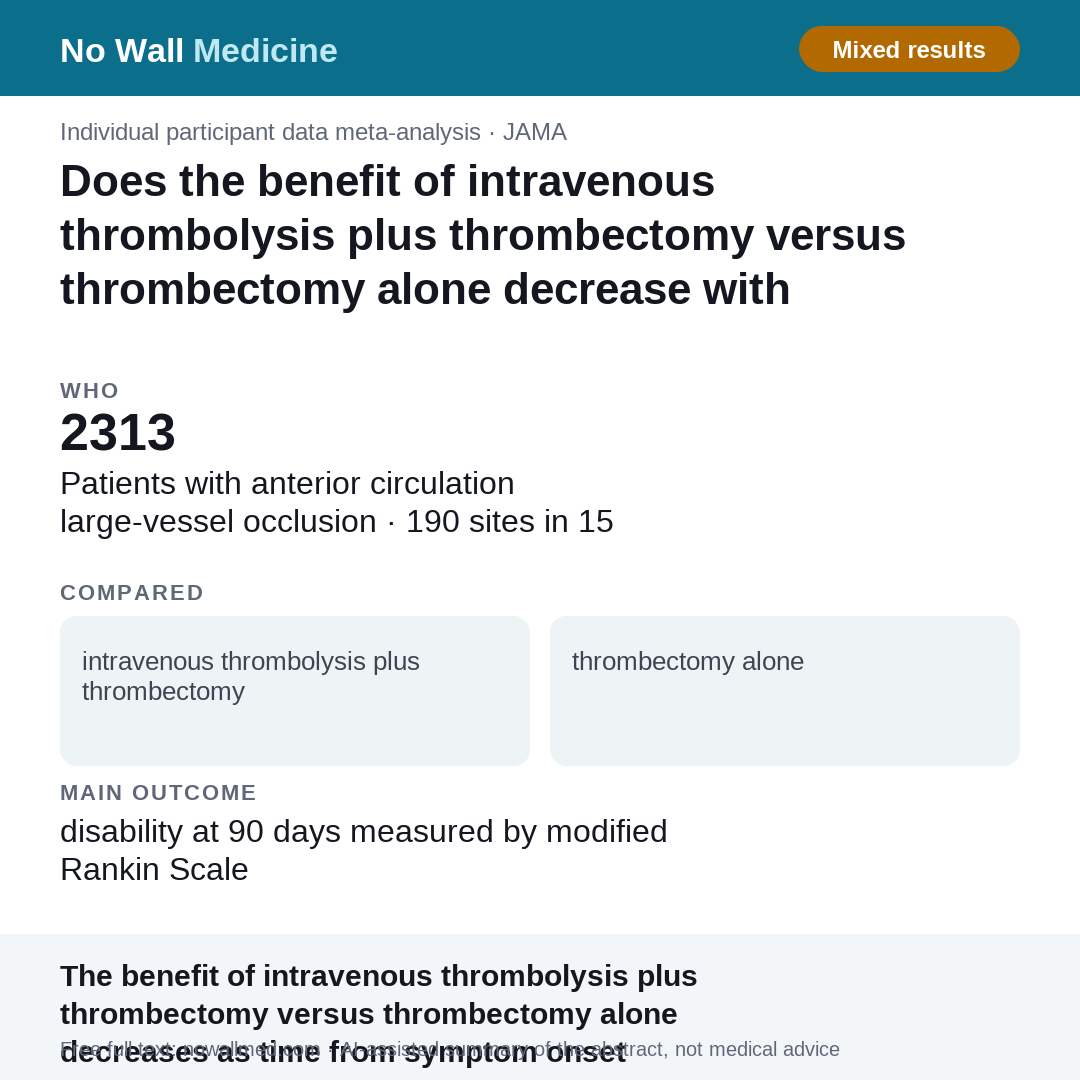
Time to Treatment With Intravenous Thrombolysis Before Thrombectomy and Functional Outcomes in Acute Ischemic Stroke: A Meta-Analysis
Individual participant data meta-analysisMixed results
Does the benefit of intravenous thrombolysis plus thrombectomy versus thrombectomy alone decrease with treatment time?
Who
2313
Patients with anterior circulation large-vessel occlusion · 190 sites in 15 countries
Compared
intravenous thrombolysis plus thrombectomy
thrombectomy alone
Main outcome
disability at 90 days measured by modified Rankin Scale
Result: ratio of adjusted common odds ratio per 1-hour delay 0.84 (95% CI 0.72 to 0.97)
Bottom line: The benefit of intravenous thrombolysis plus thrombectomy versus thrombectomy alone decreases as time from symptom onset increases.
JAMA · 2024-02-07Download image
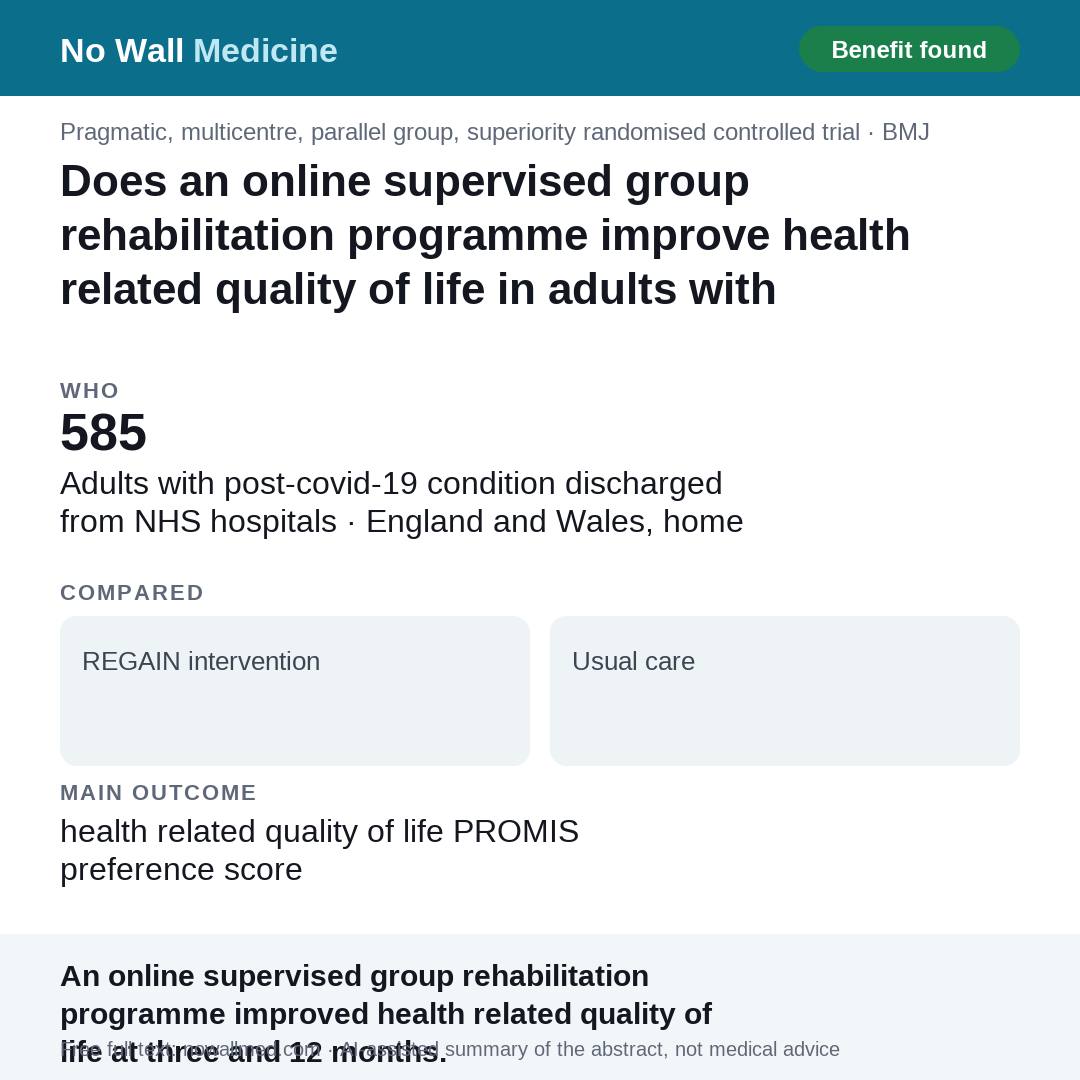
Clinical effectiveness of an online supervised group physical and mental health rehabilitation programme for adults with post-covid-19 condition (REGAIN study): multicentre randomised controlled trial
Pragmatic, multicentre, parallel group, superiority randomised controlled trialBenefit found
Does an online supervised group rehabilitation programme improve health related quality of life in adults with post-covid-19 condition?
Who
585
Adults with post-covid-19 condition discharged from NHS hospitals · England and Wales, home based interventions
Compared
REGAIN intervention
Usual care
Main outcome
health related quality of life PROMIS preference score
Result: adjusted mean difference 0.03 (95% confidence interval 0.01 to 0.05)
Bottom line: An online supervised group rehabilitation programme improved health related quality of life at three and 12 months.
BMJ · 2024-02-07Download image
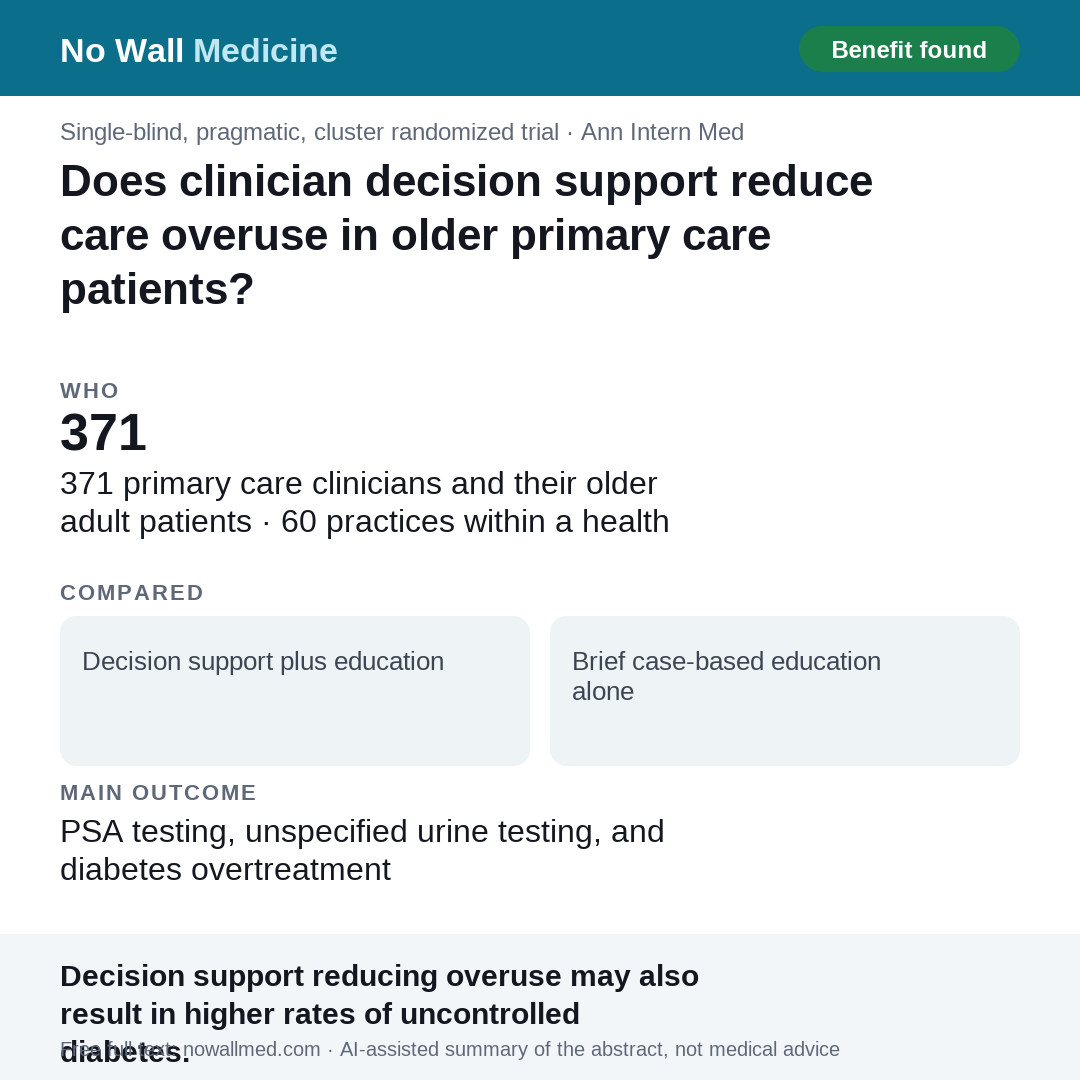
Reducing Care Overuse in Older Patients Using Professional Norms and Accountability : A Cluster Randomized Controlled Trial
Single-blind, pragmatic, cluster randomized trialBenefit found
Does clinician decision support reduce care overuse in older primary care patients?
Who
371
371 primary care clinicians and their older adult patients · 60 practices within a health system
Compared
Decision support plus education
Brief case-based education alone
Main outcome
PSA testing, unspecified urine testing, and diabetes overtreatment
Result: PSA testing -8.7 (95% CI -10.2 to -7.1); urine testing -5.5 (95% CI -7.0 to -3.6); diabetes overtreatment -1.4 (95% CI -2.9 to -0.03)
Bottom line: Decision support reducing overuse may also result in higher rates of uncontrolled diabetes.
Limitation: Single health system limits generalizability and electronic health data limit differentiation between overtesting and underdocumentation.
Funded by: National Institute on Aging
Ann Intern Med · 2024-02-06Download image