Visual abstracts
New randomized trials and meta-analyses from leading journals at a glance: who was studied, what was compared, and what was found. Every paper is free to read in full.
All specialtiesCardiology 4832Oncology 4114Gastroenterology & Hepatology 1934Infectious Disease 3824Neurology 1899Psychiatry & Mental Health 2256Pulmonology 2082Critical Care 1345Endocrinology & Diabetes 2572Pediatrics 2940Surgery 2525Orthopedics & Sports Medicine 926Neurosurgery 534Cardiothoracic & Vascular Surgery 671Plastic & Reconstructive Surgery 591Nephrology 1124Rheumatology 823Hematology 1104Dermatology 620Ophthalmology 543Obstetrics & Gynecology 1684Public & Global Health 1056Radiology & Imaging 641Anesthesiology 962Urology 754ENT (Otolaryngology) 503Emergency Medicine 489Allergy & Immunology 313Geriatrics 981Family Medicine & Primary Care 541Medical Genetics & Genomics 675Pathology & Laboratory Medicine 157Physical Medicine & Rehabilitation 751Palliative Care 424Nutrition 1580Digital Health & AI 2195General Medicine 321
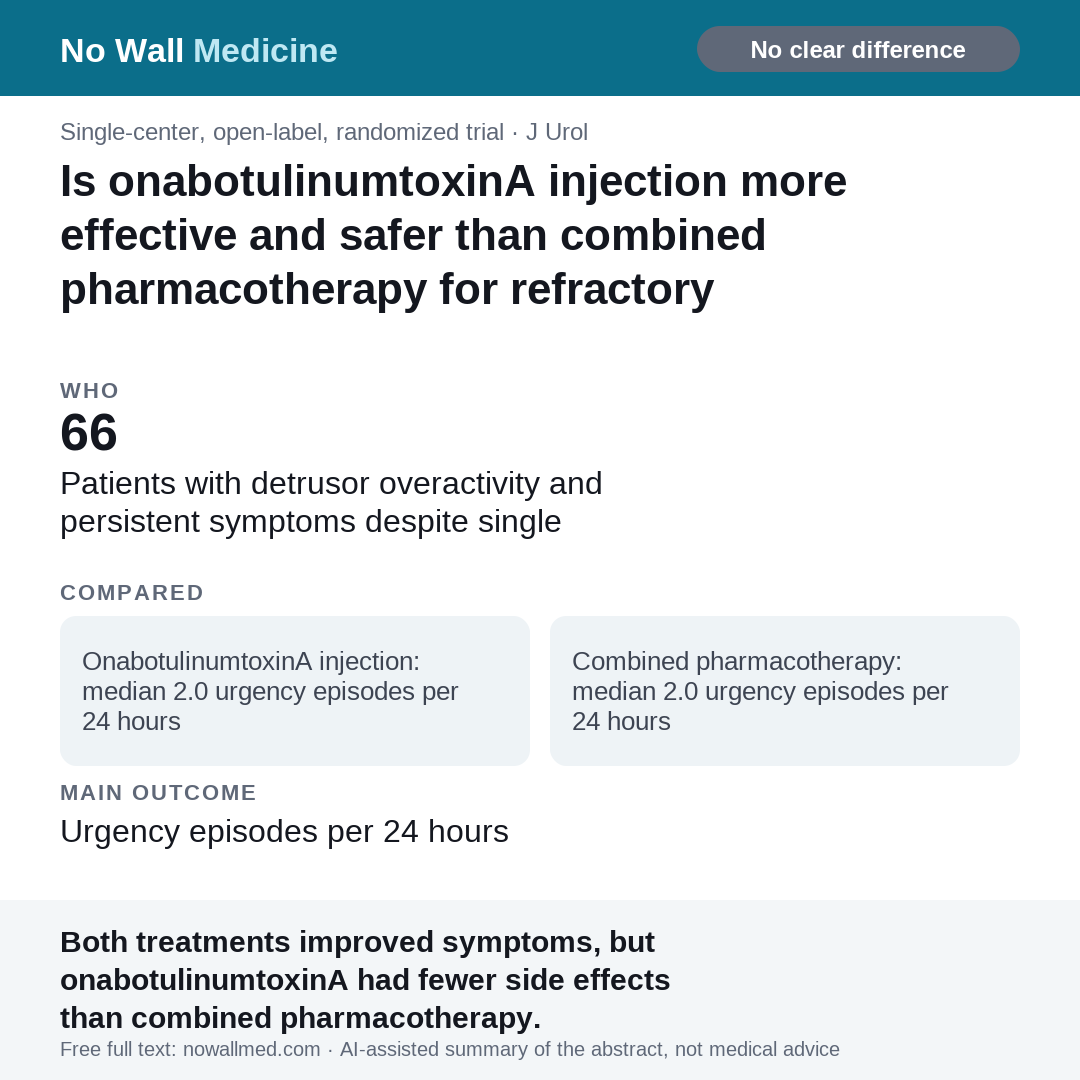
The Efficacy and Safety Between Intradetrusor OnabotulinumtoxinA Injection and Combined Pharmacotherapy in Patients With Refractory Overactive Bladder: A Randomized Controlled Trial
Single-center, open-label, randomized trialNo clear difference
Is onabotulinumtoxinA injection more effective and safer than combined pharmacotherapy for refractory overactive bladder?
Who
66
Patients with detrusor overactivity and persistent symptoms despite single pharmacotherapy · Single-center
Compared
OnabotulinumtoxinA injection: median 2.0 urgency episodes per 24 hours
Combined pharmacotherapy: median 2.0 urgency episodes per 24 hours
Main outcome
Urgency episodes per 24 hours
Result: mean difference -0.1 (95% CI: -1.5 to 1.4)
Bottom line: Both treatments improved symptoms, but onabotulinumtoxinA had fewer side effects than combined pharmacotherapy.
J Urol · 2025-07-01Download image
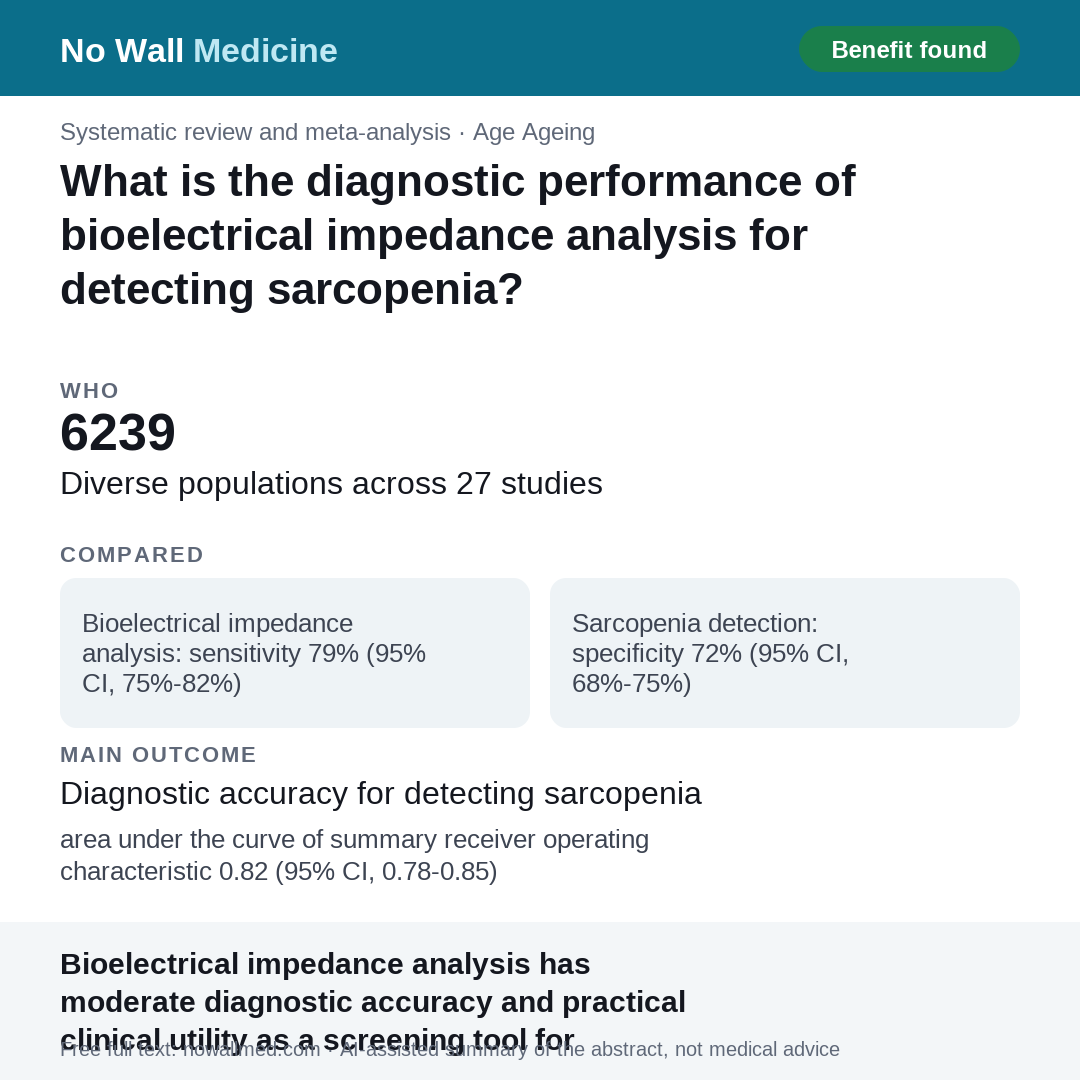
Bioelectrical impedance analysis for sarcopenia: a systematic review and meta-analysis of diagnostic accuracy
Systematic review and meta-analysisBenefit found
What is the diagnostic performance of bioelectrical impedance analysis for detecting sarcopenia?
Who
6239
Diverse populations across 27 studies
Compared
Bioelectrical impedance analysis: sensitivity 79% (95% CI, 75%-82%)
Sarcopenia detection: specificity 72% (95% CI, 68%-75%)
Main outcome
Diagnostic accuracy for detecting sarcopenia
Result: area under the curve of summary receiver operating characteristic 0.82 (95% CI, 0.78-0.85)
Bottom line: Bioelectrical impedance analysis has moderate diagnostic accuracy and practical clinical utility as a screening tool for sarcopenia.
Age Ageing · 2025-07-01Download image
Supporting clinical reasoning through visual summarization and presentation of patient data: a systematic review
Systematic reviewUnclear result
How are electronic health record data summarized and visualized to support clinical reasoning?
Who
112
Individual patient electronic health record data
Compared
Timeline-based presentations
Snapshot-based approaches
Main outcome
Data-information-visualization flows for clinical reasoning tasks
Bottom line: Visualization strategies like timelines and snapshots can support clinical reasoning through specific data-information-visualization flows.
J Am Med Inform Assoc · 2025-07-01Download image

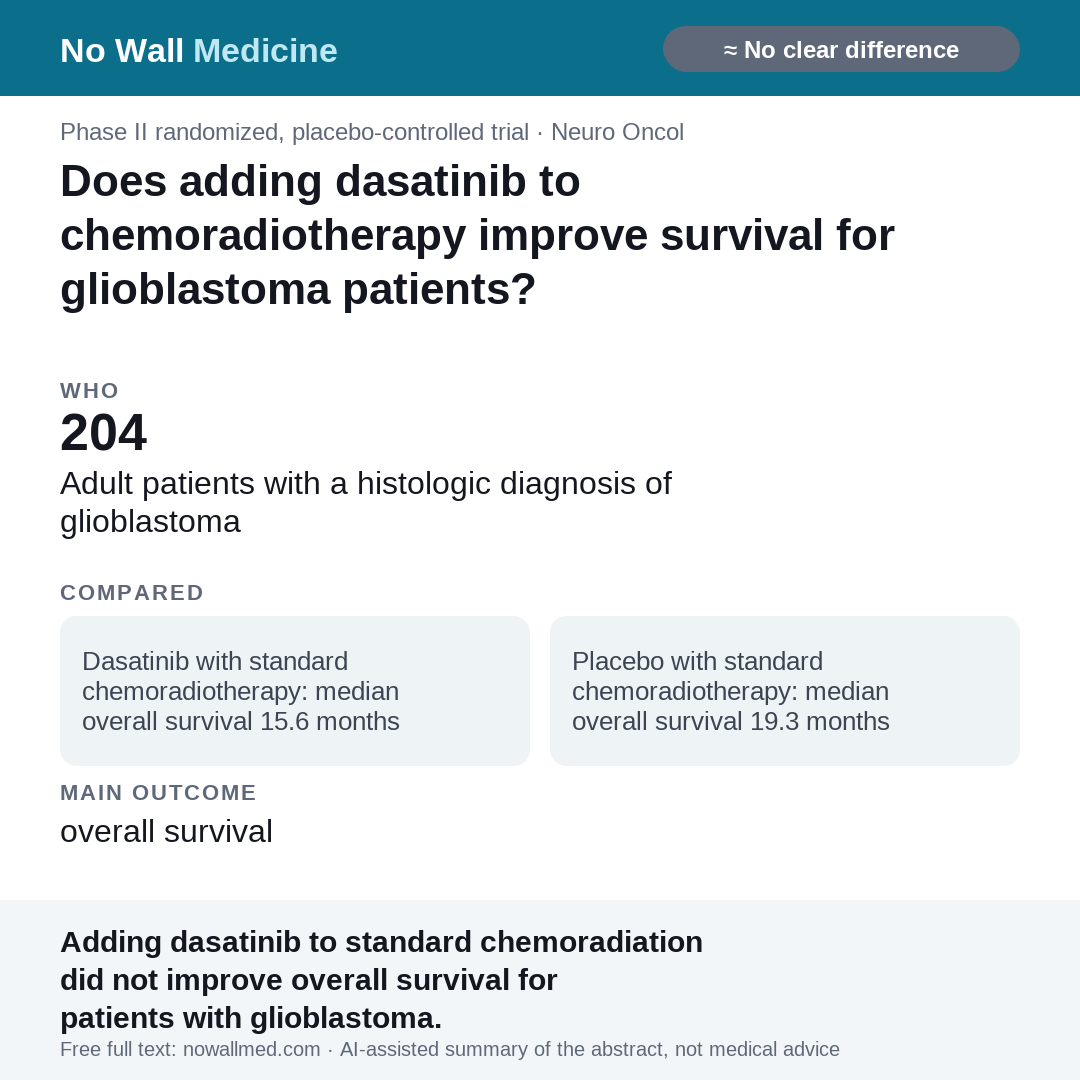
Final report on North Central Cancer Treatment Group N0877 (alliance): A phase II randomized, placebo-controlled trial of chemoradiotherapy with or without dasatinib for glioblastoma
Phase II randomized, placebo-controlled trialNo clear difference
Does adding dasatinib to chemoradiotherapy improve survival for glioblastoma patients?
Who
204
Adult patients with a histologic diagnosis of glioblastoma
Compared
Dasatinib with standard chemoradiotherapy: median overall survival 15.6 months
Placebo with standard chemoradiotherapy: median overall survival 19.3 months
Main outcome
overall survival
Result: hazard ratio 1.21 (95% CI 0.88-1.65)
Bottom line: Adding dasatinib to standard chemoradiation did not improve overall survival for patients with glioblastoma.
Neuro Oncol · 2025-07-01Download image
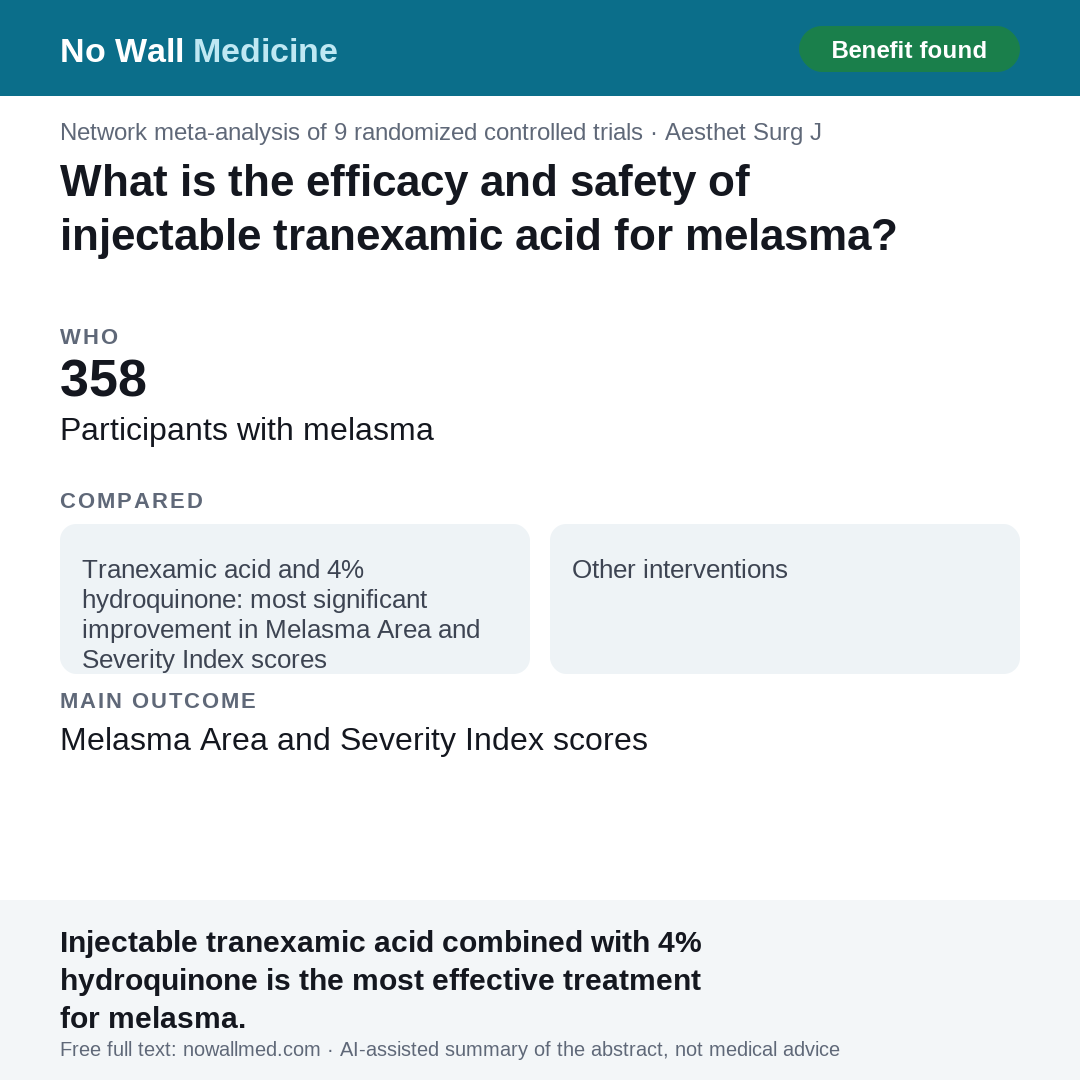
Comparative Efficacy and Safety of Injectable Tranexamic Acid Combination Therapies for Melasma: A Network Meta-analysis of Randomized Controlled Trials
Network meta-analysis of 9 randomized controlled trialsBenefit found
What is the efficacy and safety of injectable tranexamic acid for melasma?
Who
358
Participants with melasma
Compared
Tranexamic acid and 4% hydroquinone: most significant improvement in Melasma Area and Severity Index scores
Other interventions
Main outcome
Melasma Area and Severity Index scores
Bottom line: Injectable tranexamic acid combined with 4% hydroquinone is the most effective treatment for melasma.
Aesthet Surg J · 2025-07-01Download image
Systematic Review of Poly-4-Hydroxybutyrate in Modern Breast Surgery
Systematic reviewBenefit found
What are the outcomes and efficacy of poly-4-hydroxybutyrate in breast surgery?
Who
Patients undergoing reconstructive and aesthetic breast surgery · PubMed, EMBASE, and Cochrane databases
Compared
Poly-4-hydroxybutyrate: high rates of patient satisfaction and scaffold incorporation
Control
Main outcome
patient satisfaction, scaffold incorporation, and complication rates
Bottom line: Poly-4-hydroxybutyrate is a safe and efficacious adjunct in various breast surgery indications.
Aesthet Surg J · 2025-07-01Download image

Poly-L-Lactic Acid in Aesthetic Dermatology: A Decade Beyond Volume Restoration Toward Regenerative Biostimulation
Systematic reviewBenefit found
Poly-L-Lactic Acid effectiveness
Who
patients in aesthetic dermatology
Compared
Poly-L-Lactic Acid
control
Main outcome
skin quality improvement
Bottom line: Poly-L-Lactic Acid improves skin quality
Aesthet Surg J · 2025-07-01Download image

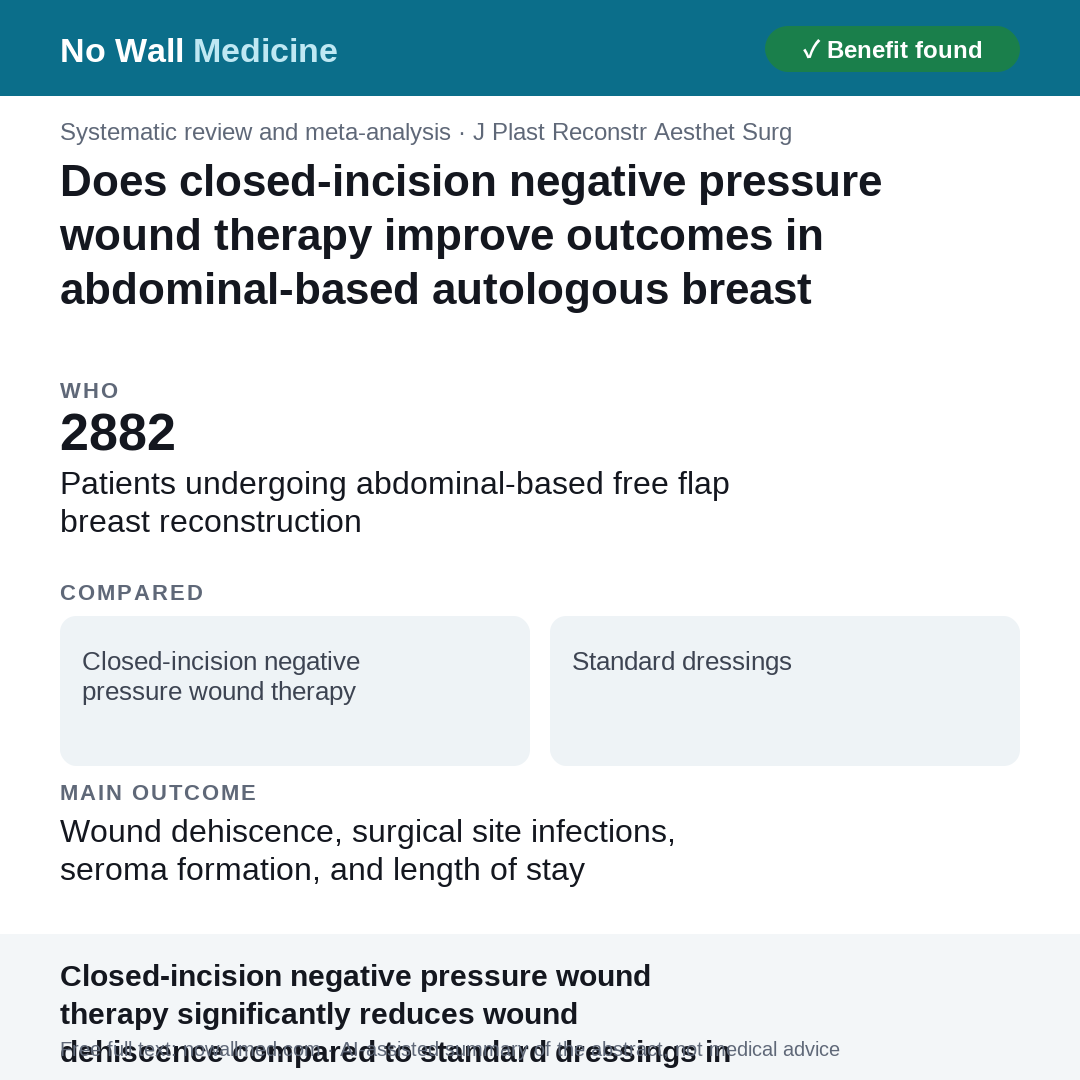
Efficacy of closed-incision negative pressure wound therapy in abdominal-based autologous breast reconstruction: A systematic review and meta-analysis
Systematic review and meta-analysisBenefit found
Does closed-incision negative pressure wound therapy improve outcomes in abdominal-based autologous breast reconstruction?
Who
2882
Patients undergoing abdominal-based free flap breast reconstruction
Compared
Closed-incision negative pressure wound therapy
Standard dressings
Main outcome
Wound dehiscence, surgical site infections, seroma formation, and length of stay
Result: odds ratio 0.58 (95% CI 0.42-0.79) for wound dehiscence
Bottom line: Closed-incision negative pressure wound therapy significantly reduces wound dehiscence compared to standard dressings in breast reconstruction.
Limitation: Further research involving larger, multicenter randomized controlled trials is necessary.
J Plast Reconstr Aesthet Surg · 2025-07-01Download image
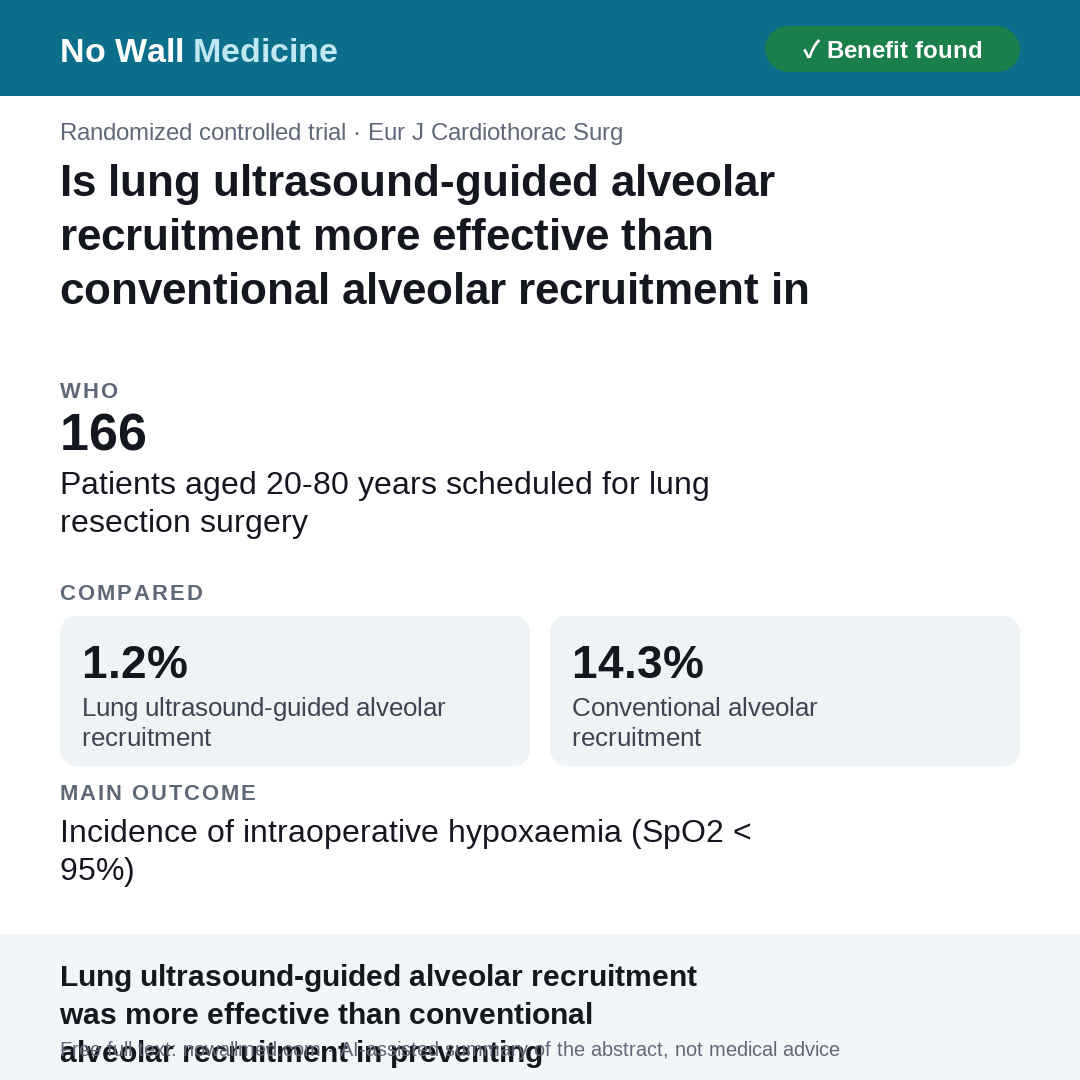
Effectiveness of ultrasound-guided alveolar recruitment in thoracic surgery with one-lung ventilation: a randomized-controlled trial
Randomized controlled trialBenefit found
Is lung ultrasound-guided alveolar recruitment more effective than conventional alveolar recruitment in thoracic surgery?
Who
166
Patients aged 20-80 years scheduled for lung resection surgery
Compared
1.2%Lung ultrasound-guided alveolar recruitment
14.3%Conventional alveolar recruitment
Main outcome
Incidence of intraoperative hypoxaemia (SpO2 < 95%)
Result: risk ratio 0.09 (95% CI 0.01-0.64)
Bottom line: Lung ultrasound-guided alveolar recruitment was more effective than conventional alveolar recruitment in preventing intraoperative hypoxaemia.
Eur J Cardiothorac Surg · 2025-07-01Download image
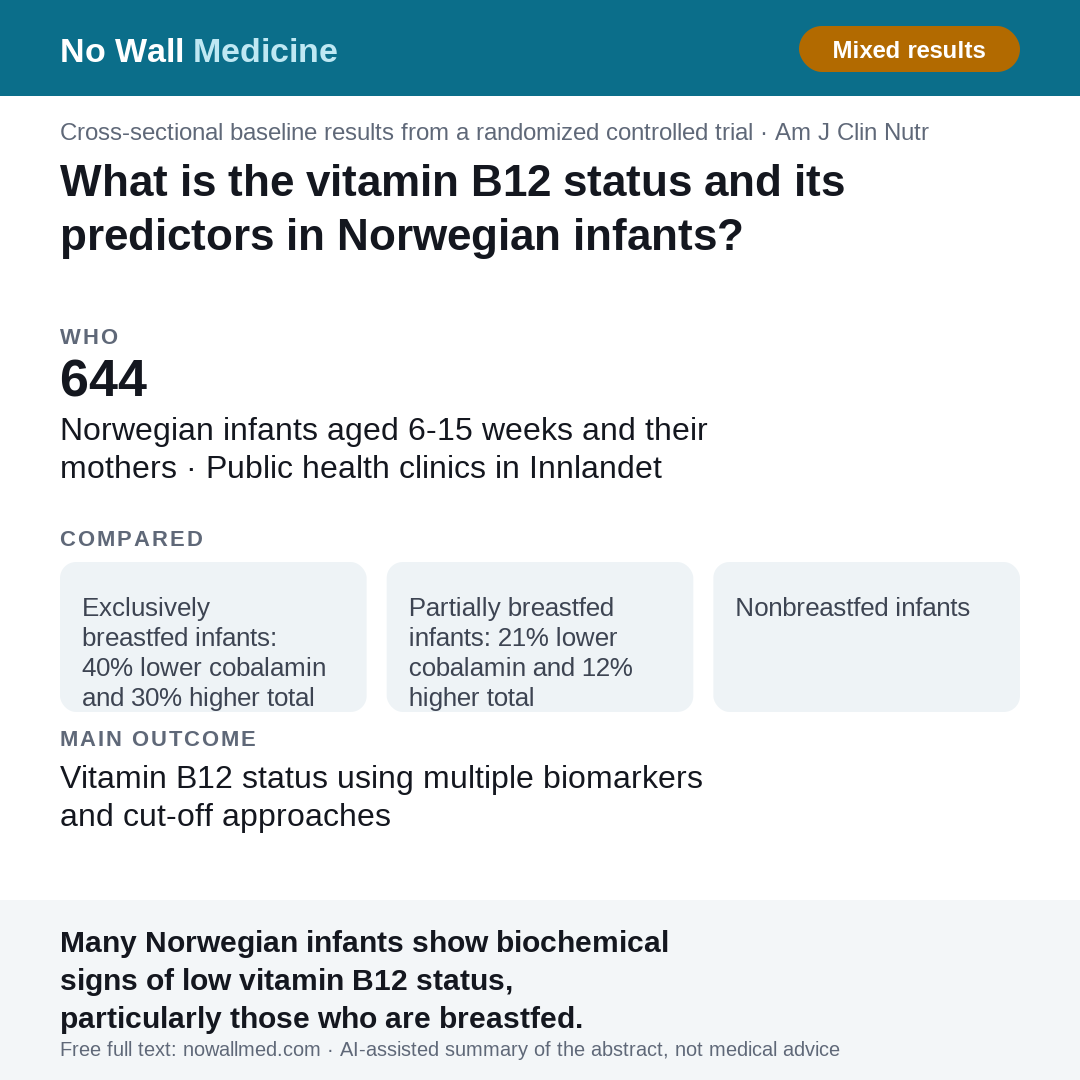
Infant vitamin B12 status and its predictors - cross-sectional baseline results from an ongoing randomized controlled trial
Cross-sectional baseline results from a randomized controlled trialMixed results
What is the vitamin B12 status and its predictors in Norwegian infants?
Who
644
Norwegian infants aged 6-15 weeks and their mothers · Public health clinics in Innlandet County, Norway
Compared
Exclusively breastfed infants: 40% lower cobalamin and 30% higher total homocysteine
Partially breastfed infants: 21% lower cobalamin and 12% higher total homocysteine
Nonbreastfed infants
Main outcome
Vitamin B12 status using multiple biomarkers and cut-off approaches
Bottom line: Many Norwegian infants show biochemical signs of low vitamin B12 status, particularly those who are breastfed.
Limitation: It is unclear whether these biomarker patterns have clinical significance.
Am J Clin Nutr · 2025-07-01Download image
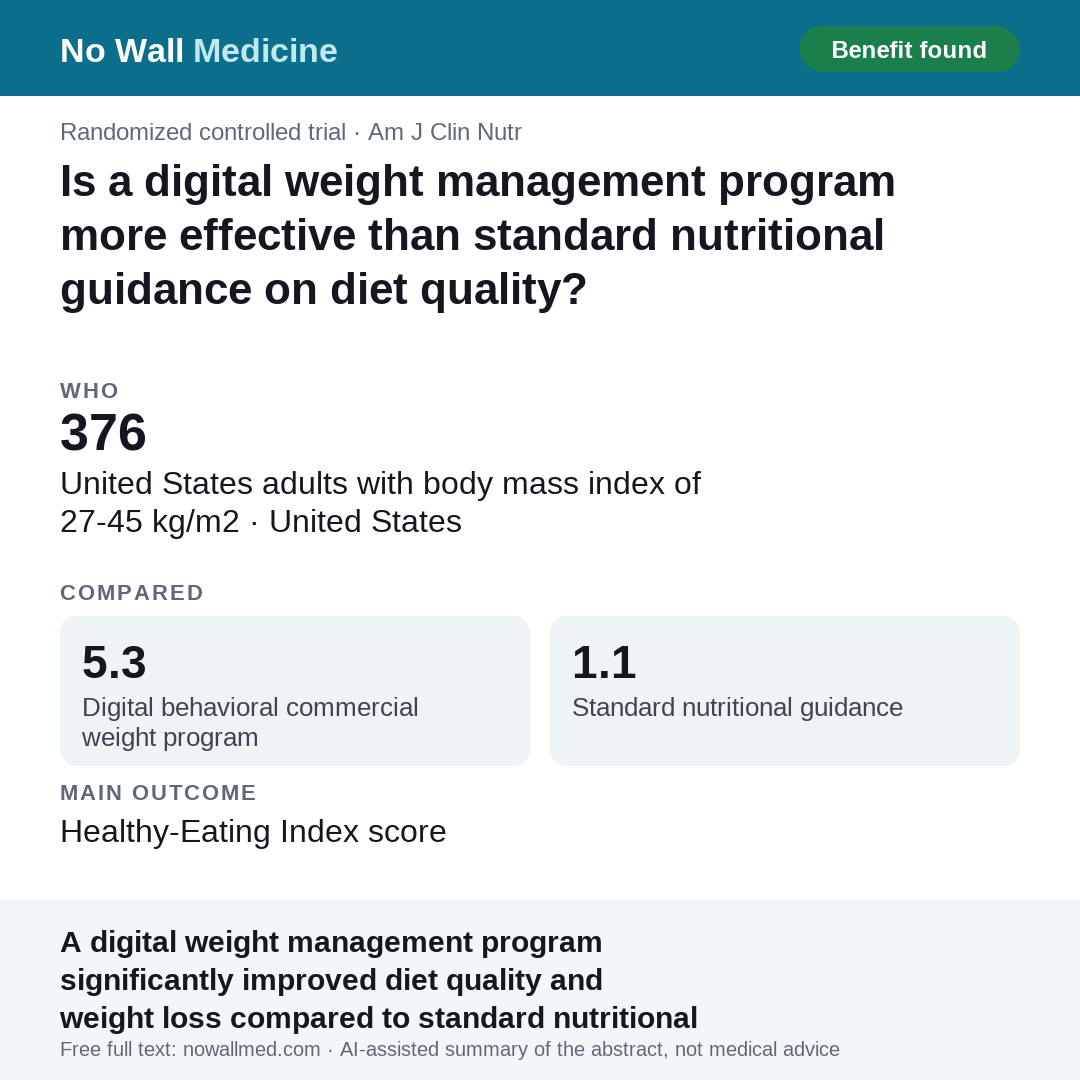
Effectiveness of a digital weight management program on diet quality: a randomized controlled trial
Randomized controlled trialBenefit found
Is a digital weight management program more effective than standard nutritional guidance on diet quality?
Who
376
United States adults with body mass index of 27-45 kg/m2 · United States
Compared
5.3Digital behavioral commercial weight program (standard error = 1.5)
1.1Standard nutritional guidance (1.4)
Main outcome
Healthy-Eating Index score
Result: between-group mean difference 4.2 (95% CI: 1.8, 6.6)
Bottom line: A digital weight management program significantly improved diet quality and weight loss compared to standard nutritional guidance.
Am J Clin Nutr · 2025-07-01Download image
Systematic Review of the Differential Effects of TGF-β1 in Ischemic and Hemorrhagic Preclinical Stroke Models
Systematic review of 89 animal studiesMixed results
What is the role of transforming growth factor beta 1 in ischemic and hemorrhagic stroke?
Who
89
Animal models of ischemic and hemorrhagic stroke
Compared
Ischemic stroke: protective in 76% of studies
Hemorrhagic stroke: protective in 33% of studies
Main outcome
Role of transforming growth factor beta 1 in stroke models
Bottom line: Transforming growth factor beta 1 is neuroprotective in ischemic stroke but potentially harmful in hemorrhagic stroke.
Limitation: Low compliance with SYRCLE guidelines and variable methodological approaches to stroke models.
J Am Heart Assoc · 2025-07-01Download image

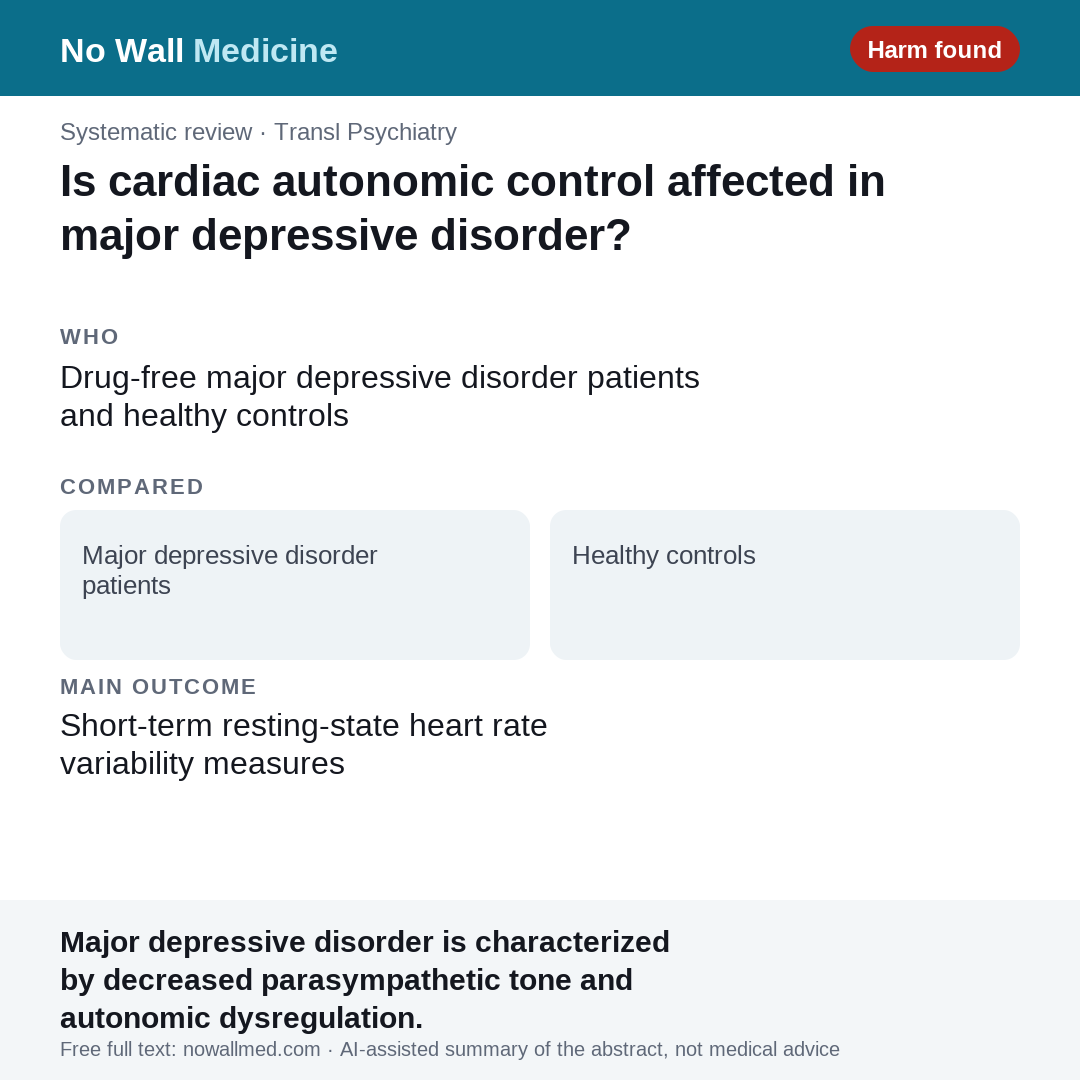
Is cardiac autonomic control affected in major depressive disorder? A systematic review of heart rate variability studies
Systematic reviewHarm found
Is cardiac autonomic control affected in major depressive disorder?
Who
Drug-free major depressive disorder patients and healthy controls
Compared
Major depressive disorder patients
Healthy controls
Main outcome
Short-term resting-state heart rate variability measures
Bottom line: Major depressive disorder is characterized by decreased parasympathetic tone and autonomic dysregulation.
Transl Psychiatry · 2025-07-01Download image
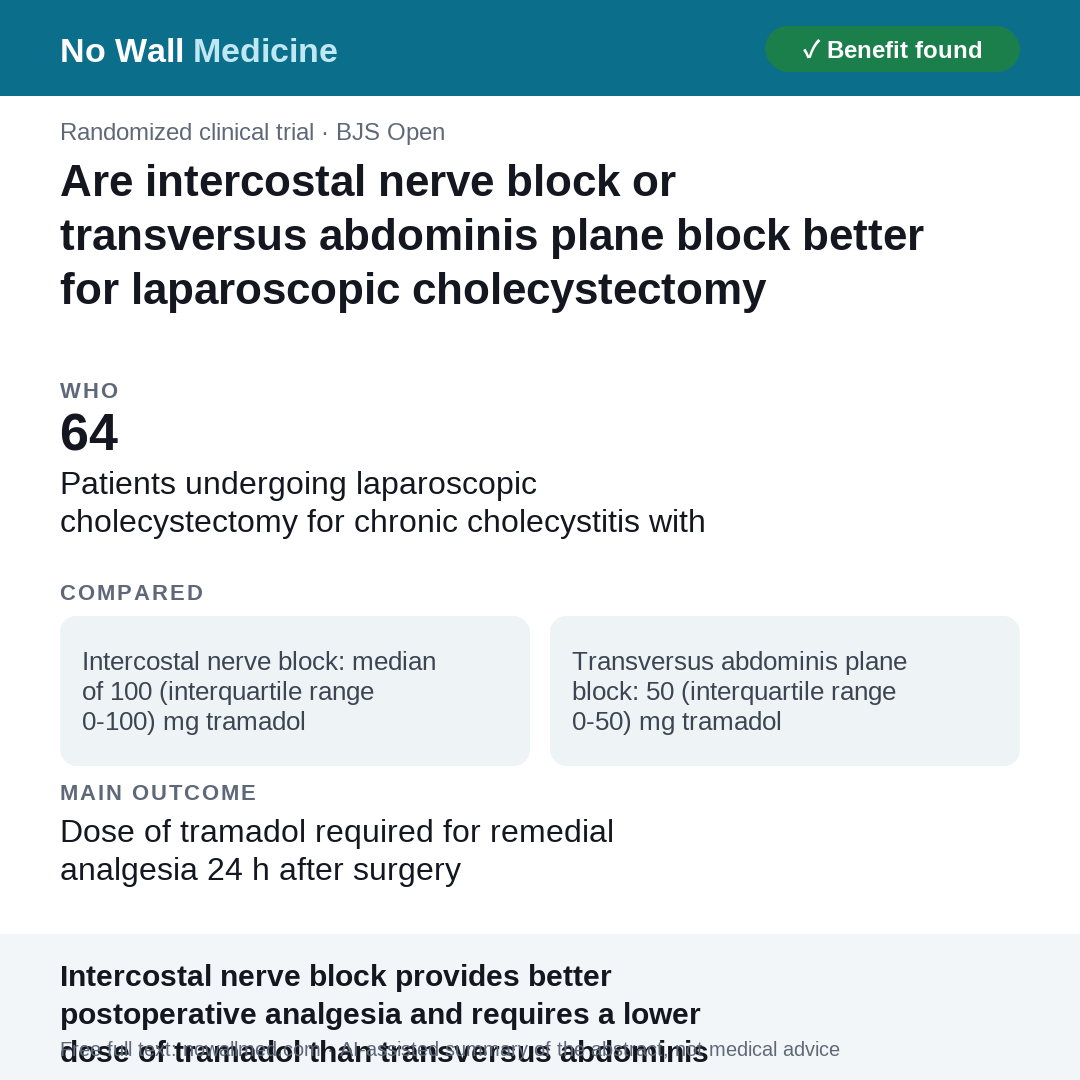
Comparison of postoperative analgesic effects of ultrasound-guided intercostal nerve block and transversus abdominis plane block in patients undergoing laparoscopic cholecystectomy: randomized clinical trial
Randomized clinical trialBenefit found
Are intercostal nerve block or transversus abdominis plane block better for laparoscopic cholecystectomy analgesia?
Who
64
Patients undergoing laparoscopic cholecystectomy for chronic cholecystitis with gallstones
Compared
Intercostal nerve block: median of 100 (interquartile range 0-100) mg tramadol
Transversus abdominis plane block: 50 (interquartile range 0-50) mg tramadol
Main outcome
Dose of tramadol required for remedial analgesia 24 h after surgery
Bottom line: Intercostal nerve block provides better postoperative analgesia and requires a lower dose of tramadol than transversus abdominis plane block.
BJS Open · 2025-07-01Download image
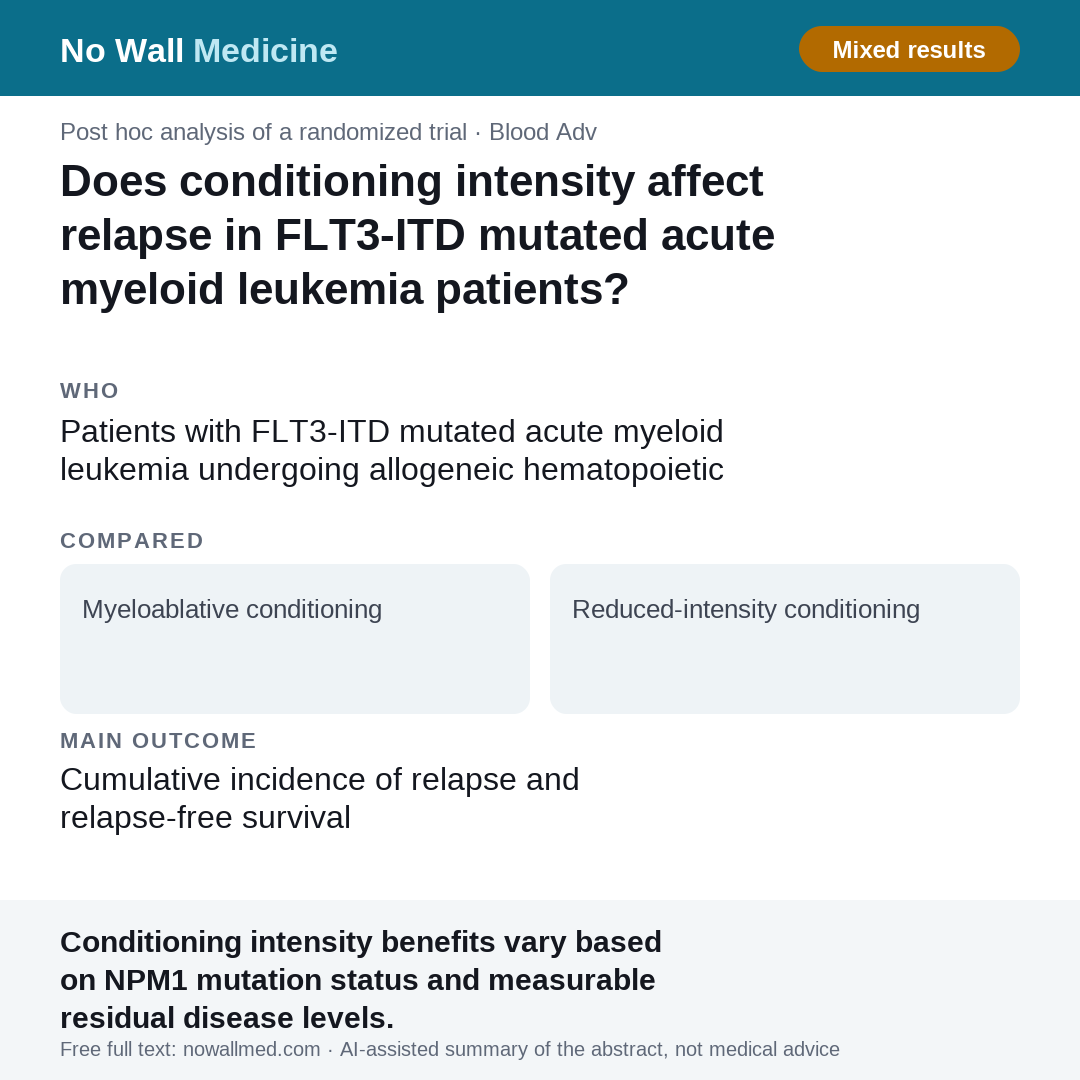
Impact of transplant conditioning, NPM1 mutations, and measurable residual disease in FLT3-ITD acute myeloid leukemia
Post hoc analysis of a randomized trialMixed results
Does conditioning intensity affect relapse in FLT3-ITD mutated acute myeloid leukemia patients?
Who
Patients with FLT3-ITD mutated acute myeloid leukemia undergoing allogeneic hematopoietic cell transplantation · Blood and Marrow Transplant Clinical Trials Network 1506
Compared
Myeloablative conditioning
Reduced-intensity conditioning
Main outcome
Cumulative incidence of relapse and relapse-free survival
Bottom line: Conditioning intensity benefits vary based on NPM1 mutation status and measurable residual disease levels.
Blood Adv · 2025-07-01Download image
Disparities in Breast Cancer-related Lymphedema: A Systematic Review of Inequities and Barriers in Care
Systematic reviewMixed results
What are the disparities and barriers surrounding breast cancer-related lymphedema care?
Who
39
Breast cancer survivors
Compared
High risk groups
Low risk groups
Main outcome
Disparities and barriers in diagnosis, education, and treatment accessibility
Bottom line: Disparities exist in breast cancer-related lymphedema care, particularly for younger non-White, rural, and low socioeconomic status women.
Plast Reconstr Surg Glob Open · 2025-07-01Download image

Using nudges with electronic health records systems to improve advance care planning: a systematic review
Systematic review of randomized controlled trialsBenefit found
Do electronic health record nudges improve advance care planning outcomes?
Who
27,556
Healthcare professionals and patients in healthcare settings
Compared
Electronic health record nudges
Non-electronic health record nudges
Main outcome
Advance care planning documentation and communication
Bottom line: Electronic health record nudges may improve advance care planning documentation and communication practices for seriously ill patients.
Limitation: Limited number of studies and high heterogeneity.
BMC Palliat Care · 2025-07-01Download image

Ethical aspects of limiting end-of-Life treatment of adult patients at the primary healthcare level in family and emergency medicine: a systematic review
Systematic reviewUnclear result
What are the ethical aspects and decision-making processes of limiting end-of-life treatment?
Who
Adult patients in family and emergency medicine · Primary healthcare level
Compared
Emergency medicine: rapid, protocol-driven processes, often constrained by time and workload
Family medicine: relied on longitudinal patient relationships and clinical judgment
Main outcome
Ethical considerations and decision-making processes regarding treatment limitation
Bottom line: End-of-life treatment limitation decisions are underexplored, especially in family medicine, requiring clearer guidelines and enhanced physician collaboration.
Limitation: Decisions regarding treatment limitations in primary care settings remain underexplored.
BMC Palliat Care · 2025-07-01Download image

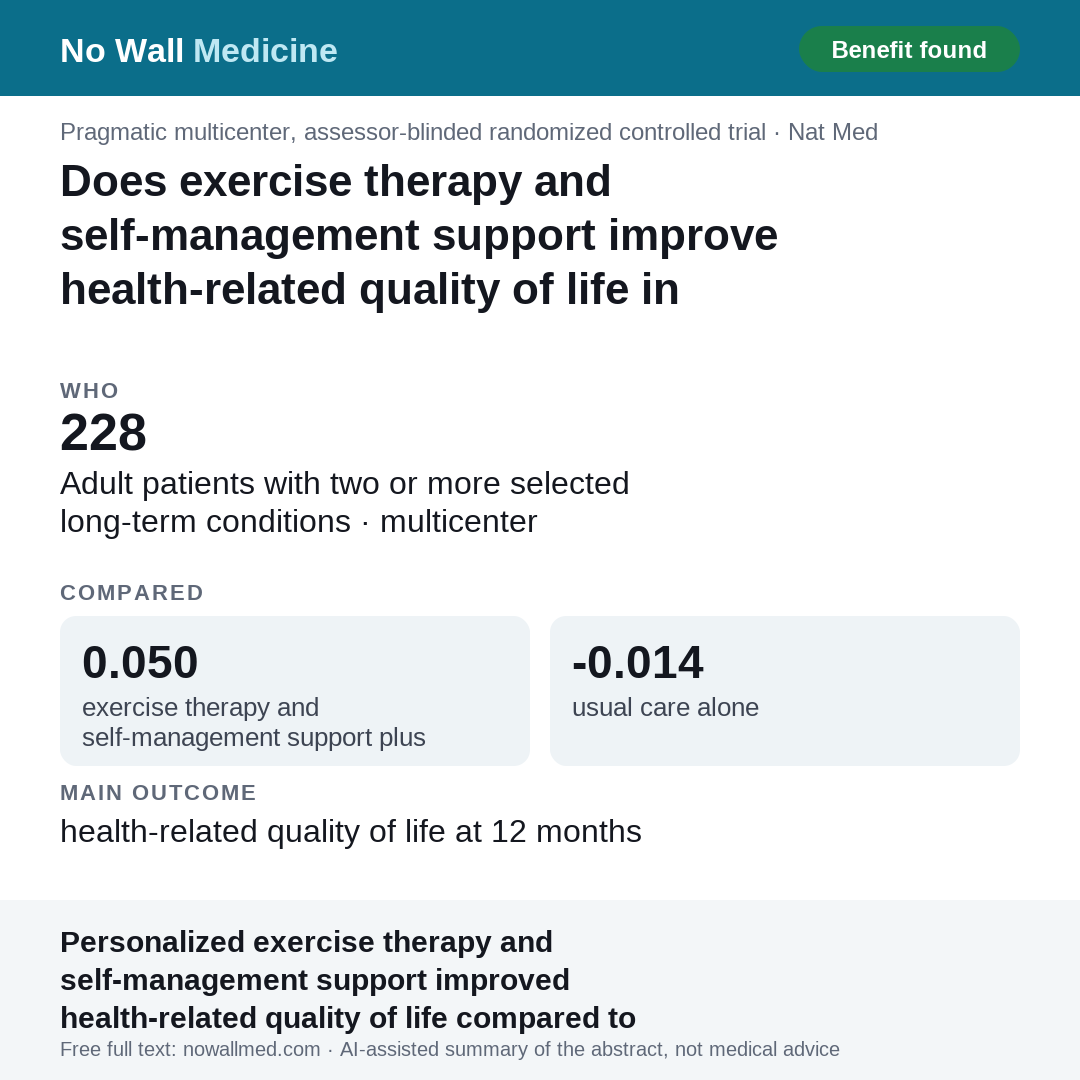
Exercise therapy and self-management support for individuals with multimorbidity: a randomized and controlled trial
Pragmatic multicenter, assessor-blinded randomized controlled trialBenefit found
Does exercise therapy and self-management support improve health-related quality of life in individuals with multimorbidity?
Who
228
Adult patients with two or more selected long-term conditions · multicenter
Compared
0.050exercise therapy and self-management support plus usual care
-0.014usual care alone
Main outcome
health-related quality of life at 12 months
Result: adjusted mean difference, 0.064 points (95% CI: 0.014-0.115)
Bottom line: Personalized exercise therapy and self-management support improved health-related quality of life compared to usual care alone in adults with multimorbidity.
Limitation: The clinical relevance of the results remains unclear.
Nat Med · 2025-06-30Download image
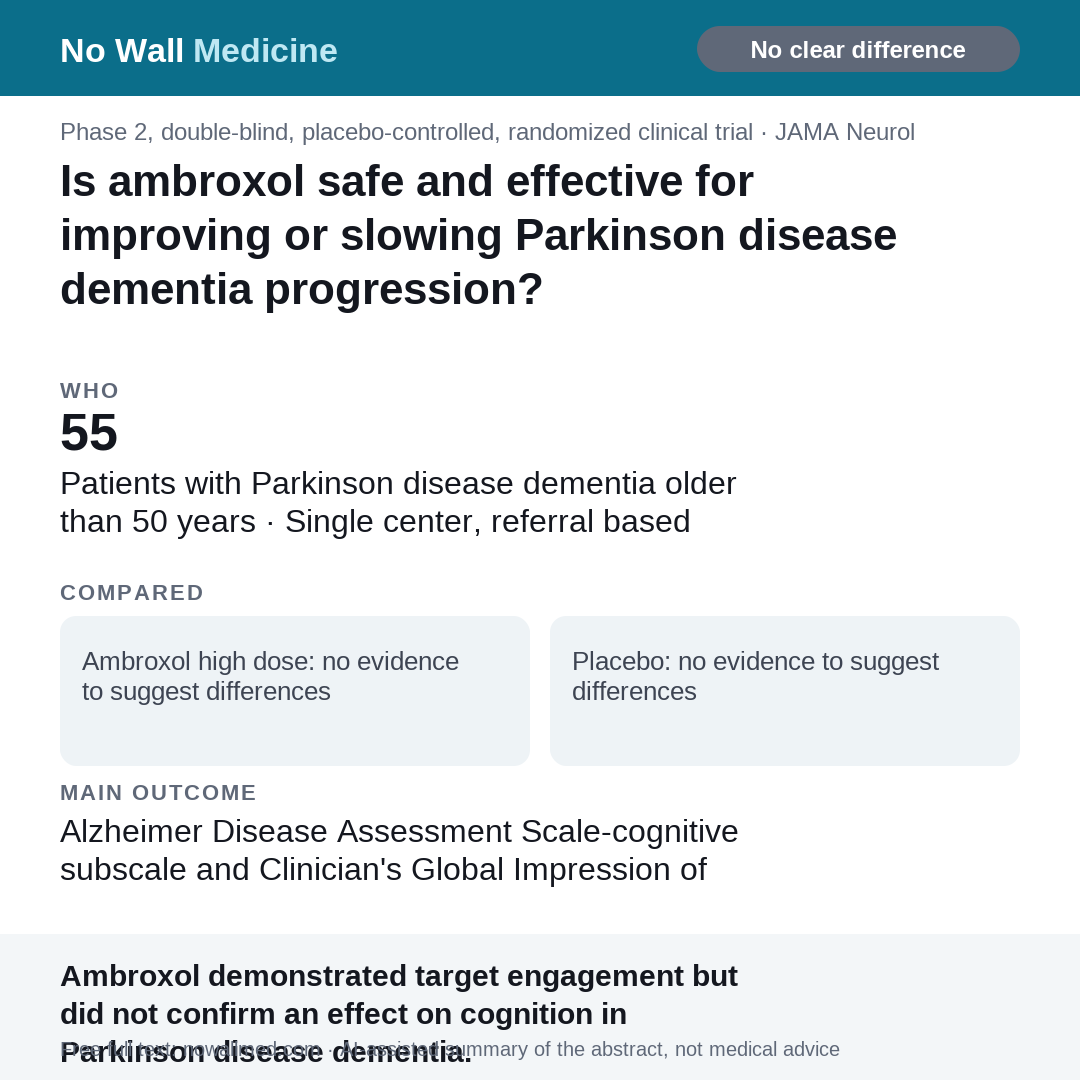
Ambroxol as a Treatment for Parkinson Disease Dementia: A Randomized Clinical Trial
Phase 2, double-blind, placebo-controlled, randomized clinical trialNo clear difference
Is ambroxol safe and effective for improving or slowing Parkinson disease dementia progression?
Who
55
Patients with Parkinson disease dementia older than 50 years · Single center, referral based
Compared
Ambroxol high dose: no evidence to suggest differences
Placebo: no evidence to suggest differences
Main outcome
Alzheimer Disease Assessment Scale-cognitive subscale and Clinician's Global Impression of Change
Bottom line: Ambroxol demonstrated target engagement but did not confirm an effect on cognition in Parkinson disease dementia.
JAMA Neurol · 2025-06-30Download image