Visual abstracts
New randomized trials and meta-analyses from leading journals at a glance: who was studied, what was compared, and what was found. Every paper is free to read in full.
All specialtiesCardiology 2226Oncology 1899Gastroenterology & Hepatology 840Infectious Disease 1399Neurology 902Psychiatry & Mental Health 1067Pulmonology 936Critical Care 621Endocrinology & Diabetes 1173Pediatrics 1300Surgery 1119Orthopedics & Sports Medicine 410Neurosurgery 275Cardiothoracic & Vascular Surgery 241Plastic & Reconstructive Surgery 341Nephrology 472Rheumatology 308Hematology 485Dermatology 260Ophthalmology 263Obstetrics & Gynecology 732Public & Global Health 419Radiology & Imaging 307Anesthesiology 443Urology 383ENT (Otolaryngology) 287Emergency Medicine 245Allergy & Immunology 136Geriatrics 474Family Medicine & Primary Care 258Medical Genetics & Genomics 239Pathology & Laboratory Medicine 74Physical Medicine & Rehabilitation 382Palliative Care 191Nutrition 590Digital Health & AI 1130General Medicine 170
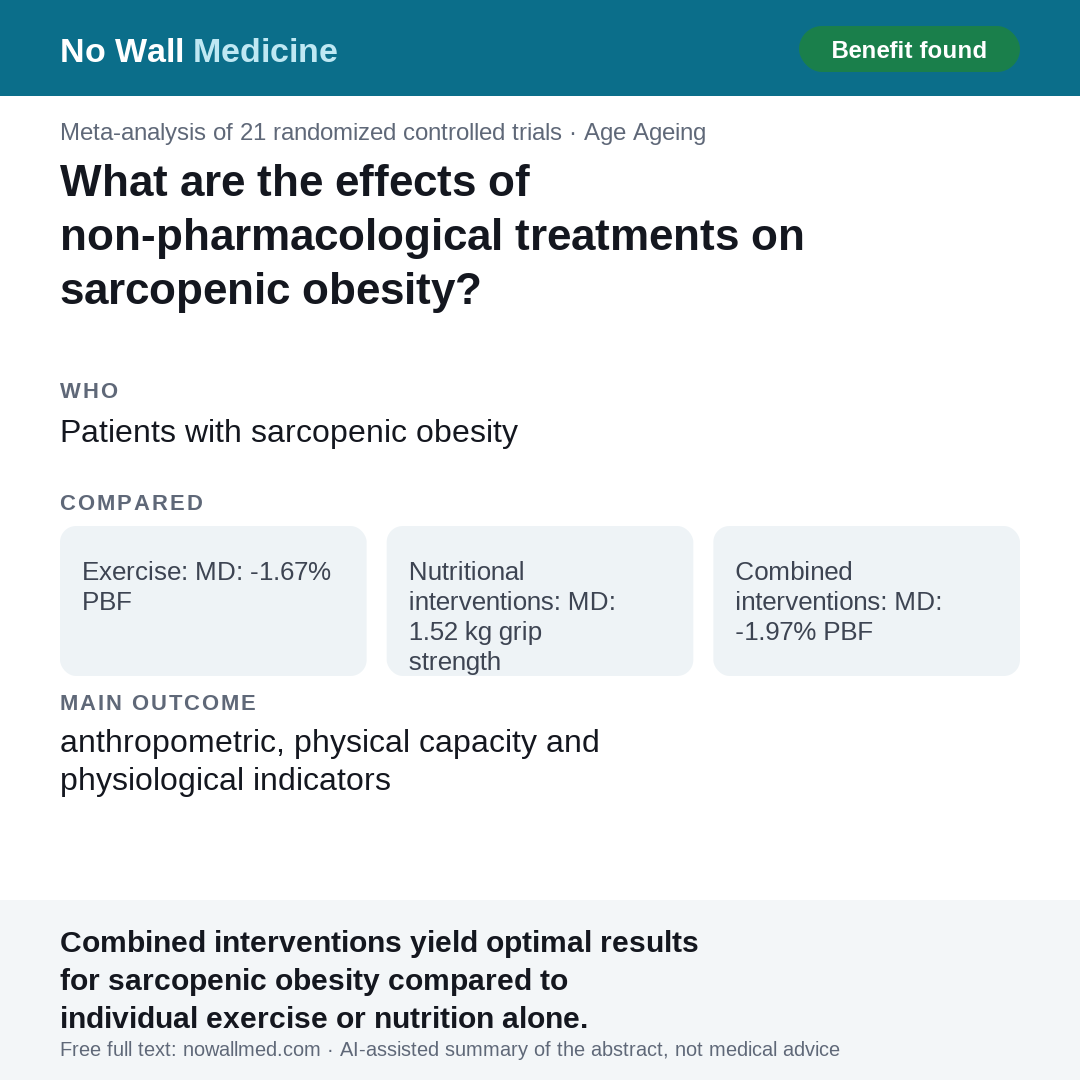
Non-pharmacological treatment strategies for anthropometric, physical capacity and physiological indicators among sarcopenic obesity patients: a systematic review of rigorous randomized controlled trials
Meta-analysis of 21 randomized controlled trialsBenefit found
What are the effects of non-pharmacological treatments on sarcopenic obesity?
Who
Patients with sarcopenic obesity
Compared
Exercise: MD: -1.67% PBF
Nutritional interventions: MD: 1.52 kg grip strength
Combined interventions: MD: -1.97% PBF
Main outcome
anthropometric, physical capacity and physiological indicators
Bottom line: Combined interventions yield optimal results for sarcopenic obesity compared to individual exercise or nutrition alone.
Limitation: Individual effects of exercise and nutrition are limited regarding muscle mass.
Age Ageing · 2024-12-22Download image
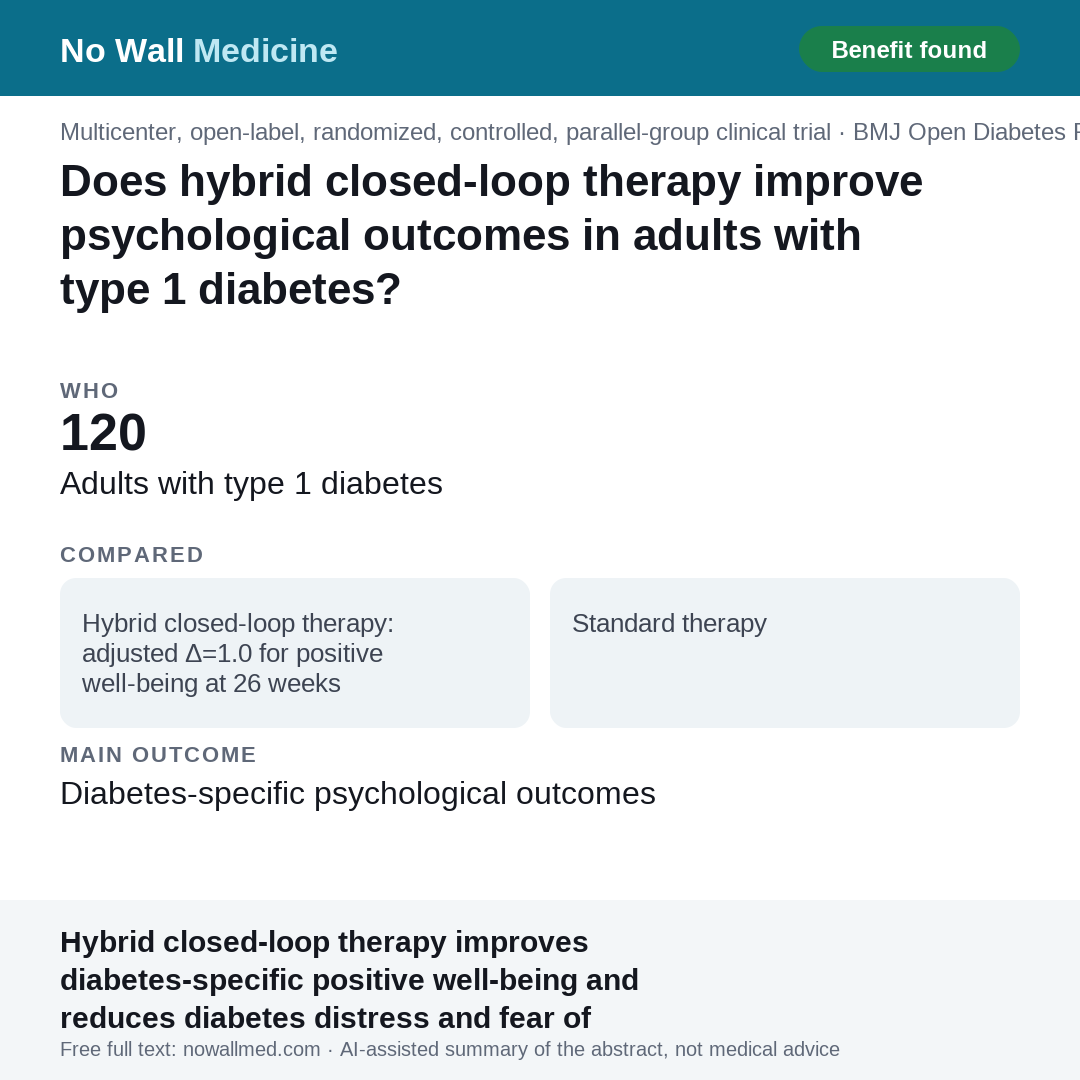
Six months of hybrid closed-loop therapy improves diabetes-specific positive well-being, and reduces diabetes distress and fear of hypoglycemia: secondary analysis of a randomized controlled trial
Multicenter, open-label, randomized, controlled, parallel-group clinical trialBenefit found
Does hybrid closed-loop therapy improve psychological outcomes in adults with type 1 diabetes?
Who
120
Adults with type 1 diabetes
Compared
Hybrid closed-loop therapy: adjusted Δ=1.0 for positive well-being at 26 weeks
Standard therapy
Main outcome
Diabetes-specific psychological outcomes
Bottom line: Hybrid closed-loop therapy improves diabetes-specific positive well-being and reduces diabetes distress and fear of hypoglycemia.
BMJ Open Diabetes Res Care · 2024-12-22Download image
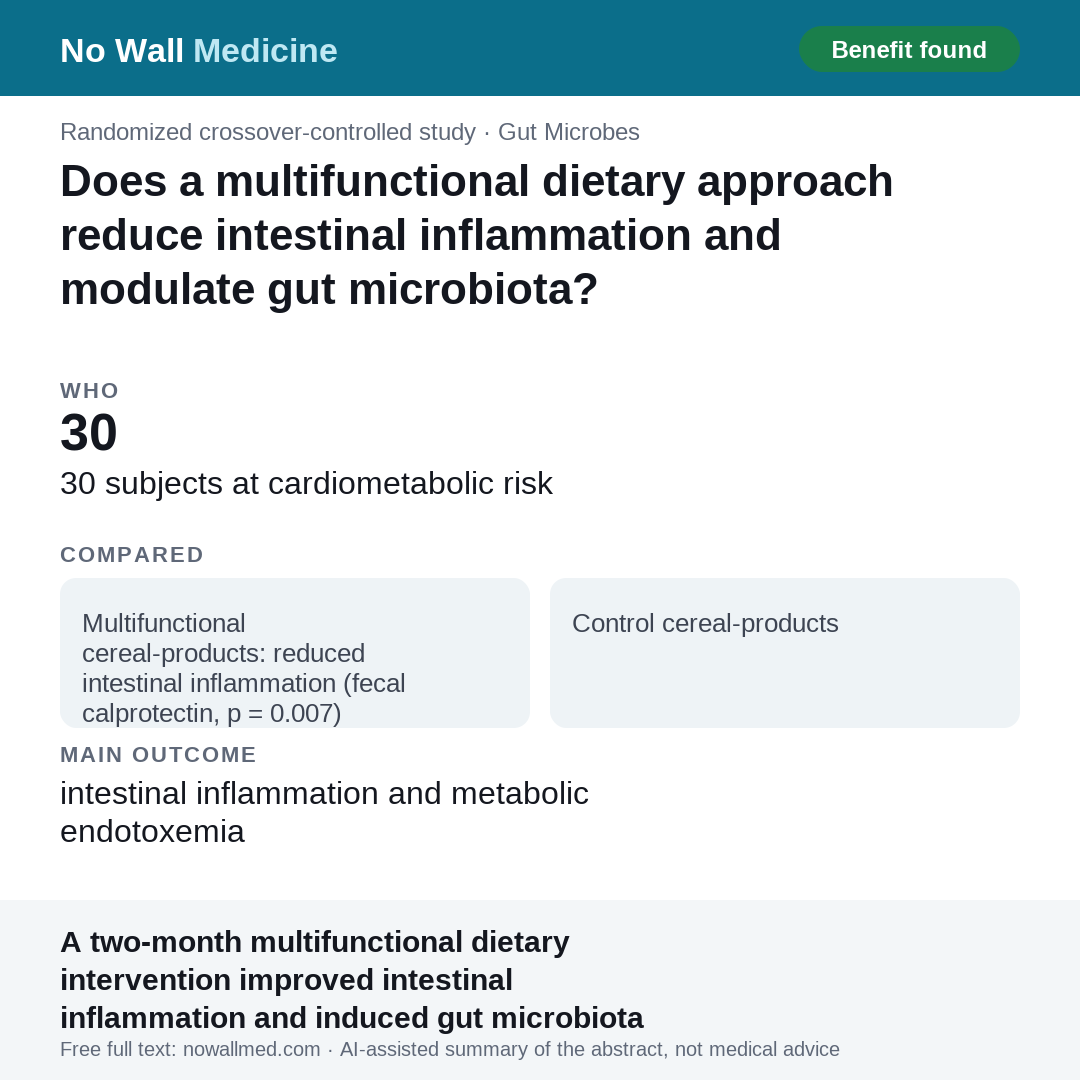
Multifunctional dietary approach reduces intestinal inflammation in relation with changes in gut microbiota composition in subjects at cardiometabolic risk: the SINFONI project
Randomized crossover-controlled studyBenefit found
Does a multifunctional dietary approach reduce intestinal inflammation and modulate gut microbiota?
Who
30
30 subjects at cardiometabolic risk
Compared
Multifunctional cereal-products: reduced intestinal inflammation (fecal calprotectin, p = 0.007)
Control cereal-products
Main outcome
intestinal inflammation and metabolic endotoxemia
Bottom line: A two-month multifunctional dietary intervention improved intestinal inflammation and induced gut microbiota modulation in subjects at cardiometabolic risk.
Gut Microbes · 2024-12-22Download image
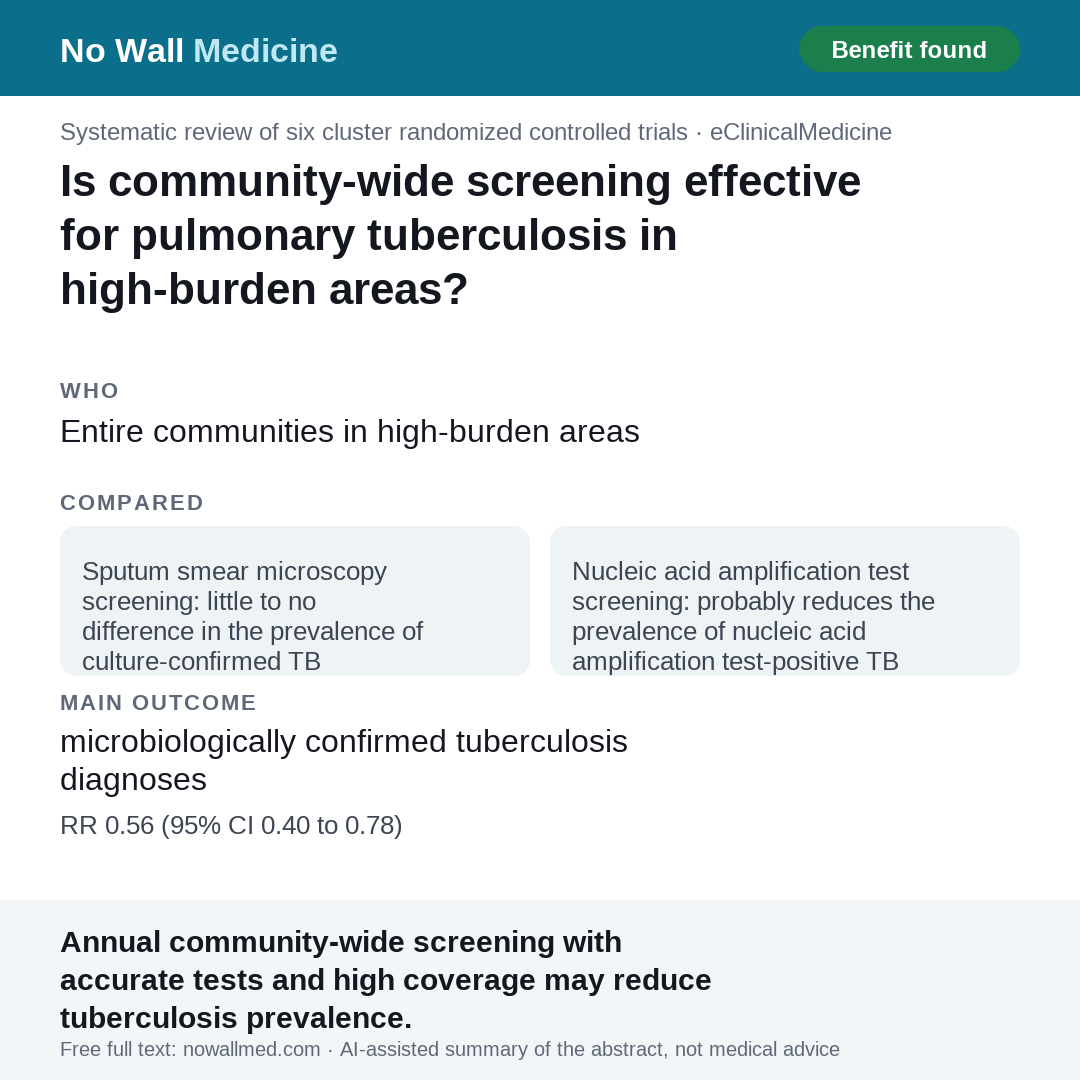
The effectiveness of community-wide screening for pulmonary tuberculosis: a systematic review
Systematic review of six cluster randomized controlled trialsBenefit found
Is community-wide screening effective for pulmonary tuberculosis in high-burden areas?
Who
Entire communities in high-burden areas
Compared
Sputum smear microscopy screening: little to no difference in the prevalence of culture-confirmed TB
Nucleic acid amplification test screening: probably reduces the prevalence of nucleic acid amplification test-positive TB
Main outcome
microbiologically confirmed tuberculosis diagnoses
Result: RR 0.56 (95% CI 0.40 to 0.78)
Bottom line: Annual community-wide screening with accurate tests and high coverage may reduce tuberculosis prevalence.
Limitation: Results were not pooled and evidence for symptom screening was very uncertain.
eClinicalMedicine · 2024-12-21Download image
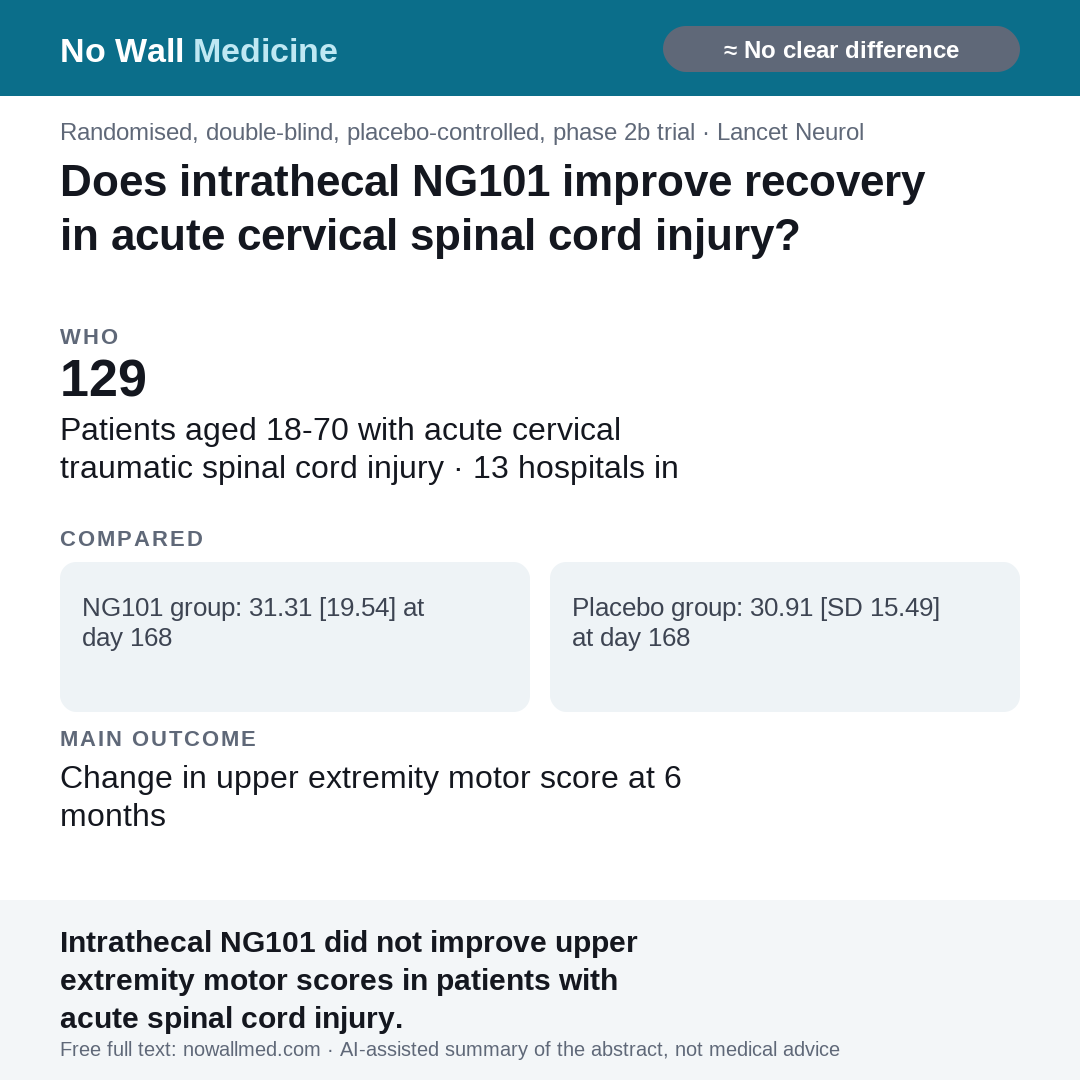
Safety and efficacy of intrathecal antibodies to Nogo-A in patients with acute cervical spinal cord injury: a randomised, double-blind, multicentre, placebo-controlled, phase 2b trial
Randomised, double-blind, placebo-controlled, phase 2b trialNo clear difference
Does intrathecal NG101 improve recovery in acute cervical spinal cord injury?
Who
129
Patients aged 18-70 with acute cervical traumatic spinal cord injury · 13 hospitals in Czech Republic, Germany, Spain, and Switzerland
Compared
NG101 group: 31.31 [19.54] at day 168
Placebo group: 30.91 [SD 15.49] at day 168
Main outcome
Change in upper extremity motor score at 6 months
Result: 1.37 (95% CI -1.44 to 4.18)
Bottom line: Intrathecal NG101 did not improve upper extremity motor scores in patients with acute spinal cord injury.
Funded by: EU program Horizon2020; Swiss State Secretariat; Wings for Life; Swiss Paraplegic Foundation; CeNeReg project
Lancet Neurol · 2024-12-21Download image
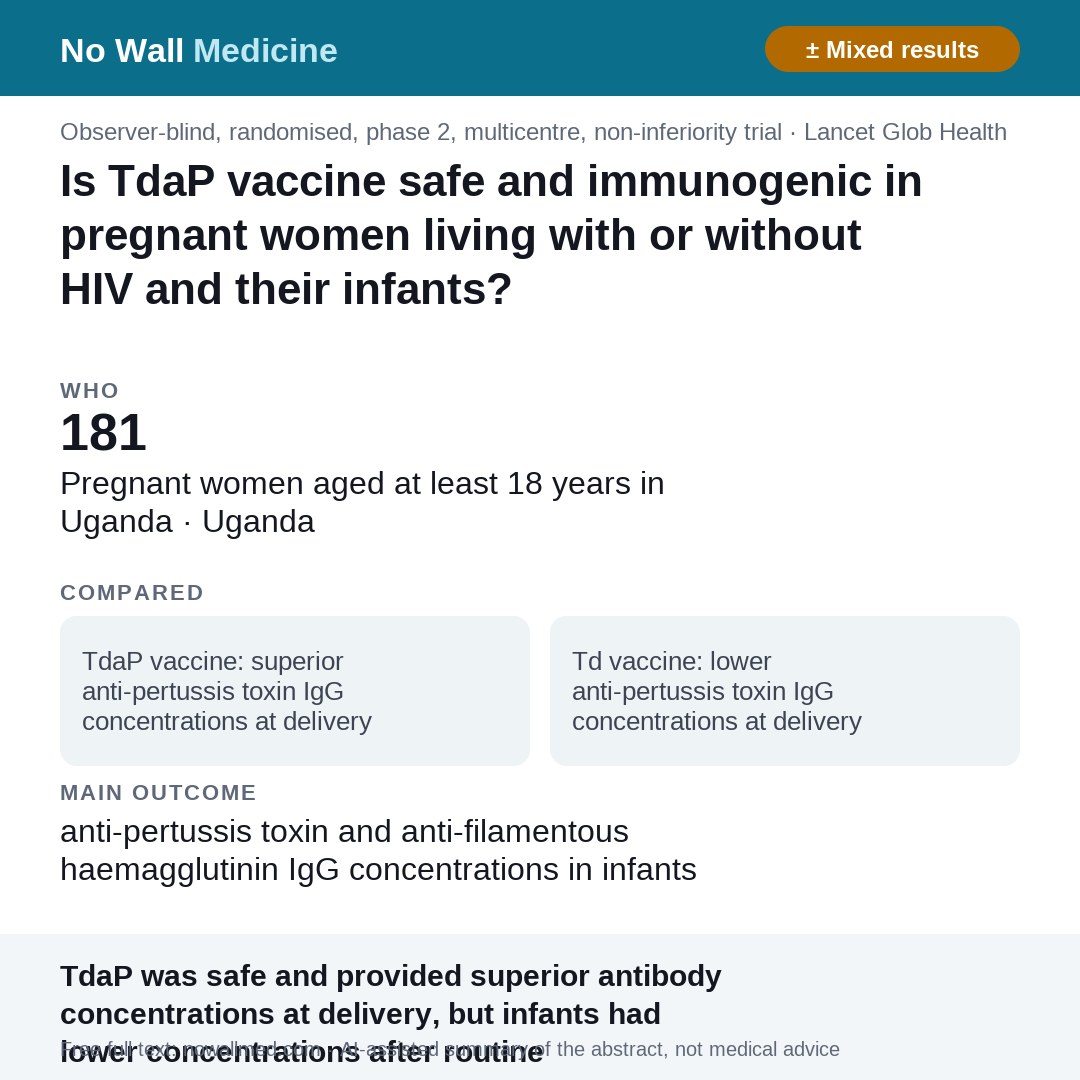
Safety and immunogenicity of an acellular pertussis vaccine containing genetically detoxified pertussis toxin administered to pregnant women living with and without HIV and their newborns (WoMANPOWER): a randomised controlled trial in Uganda
Observer-blind, randomised, phase 2, multicentre, non-inferiority trialMixed results
Is TdaP vaccine safe and immunogenic in pregnant women living with or without HIV and their infants?
Who
181
Pregnant women aged at least 18 years in Uganda · Uganda
Compared
TdaP vaccine: superior anti-pertussis toxin IgG concentrations at delivery
Td vaccine: lower anti-pertussis toxin IgG concentrations at delivery
Main outcome
anti-pertussis toxin and anti-filamentous haemagglutinin IgG concentrations in infants
Result: geometric mean ratio 9·61 (95% CI 5·21-17·74) for HIV-exposed uninfected infants
Bottom line: TdaP was safe and provided superior antibody concentrations at delivery, but infants had lower concentrations after routine whole-cell vaccination.
Funded by: Medical Research Council, Canadian Institutes of Health Research, British Columbia Children's Hospital
Lancet Glob Health · 2024-12-21Download image
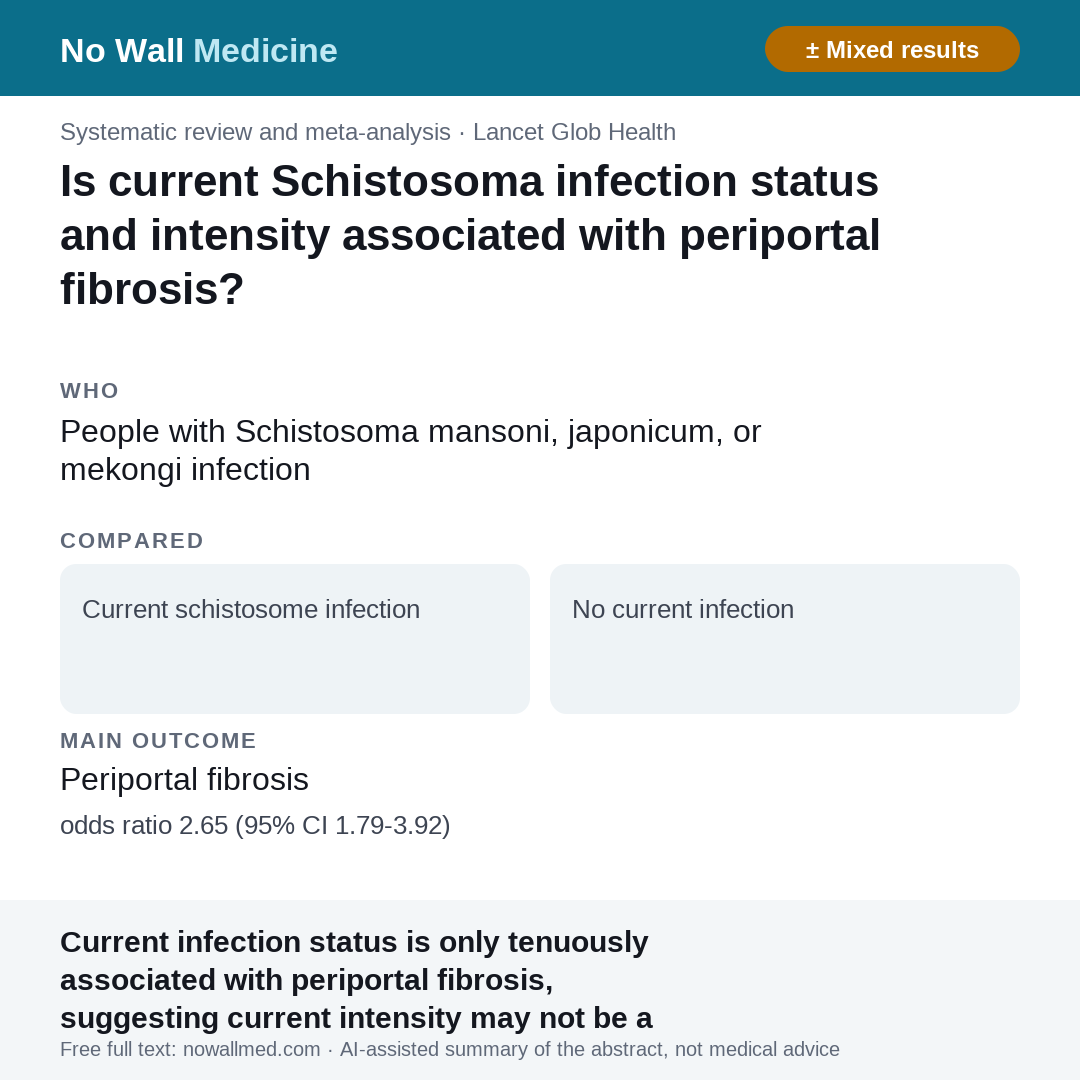
Association of current Schistosoma mansoni, Schistosoma japonicum, and Schistosoma mekongi infection status and intensity with periportal fibrosis: a systematic review and meta-analysis
Systematic review and meta-analysisMixed results
Is current Schistosoma infection status and intensity associated with periportal fibrosis?
Who
People with Schistosoma mansoni, japonicum, or mekongi infection
Compared
Current schistosome infection
No current infection
Main outcome
Periportal fibrosis
Result: odds ratio 2.65 (95% CI 1.79-3.92)
Bottom line: Current infection status is only tenuously associated with periportal fibrosis, suggesting current intensity may not be a reliable morbidity proxy.
Limitation: Associations depended on moderate to high risk of bias studies and high heterogeneity was present.
Funded by: Nuffield Department of Population Health, Wellcome Trust, and others
Lancet Glob Health · 2024-12-21Download image
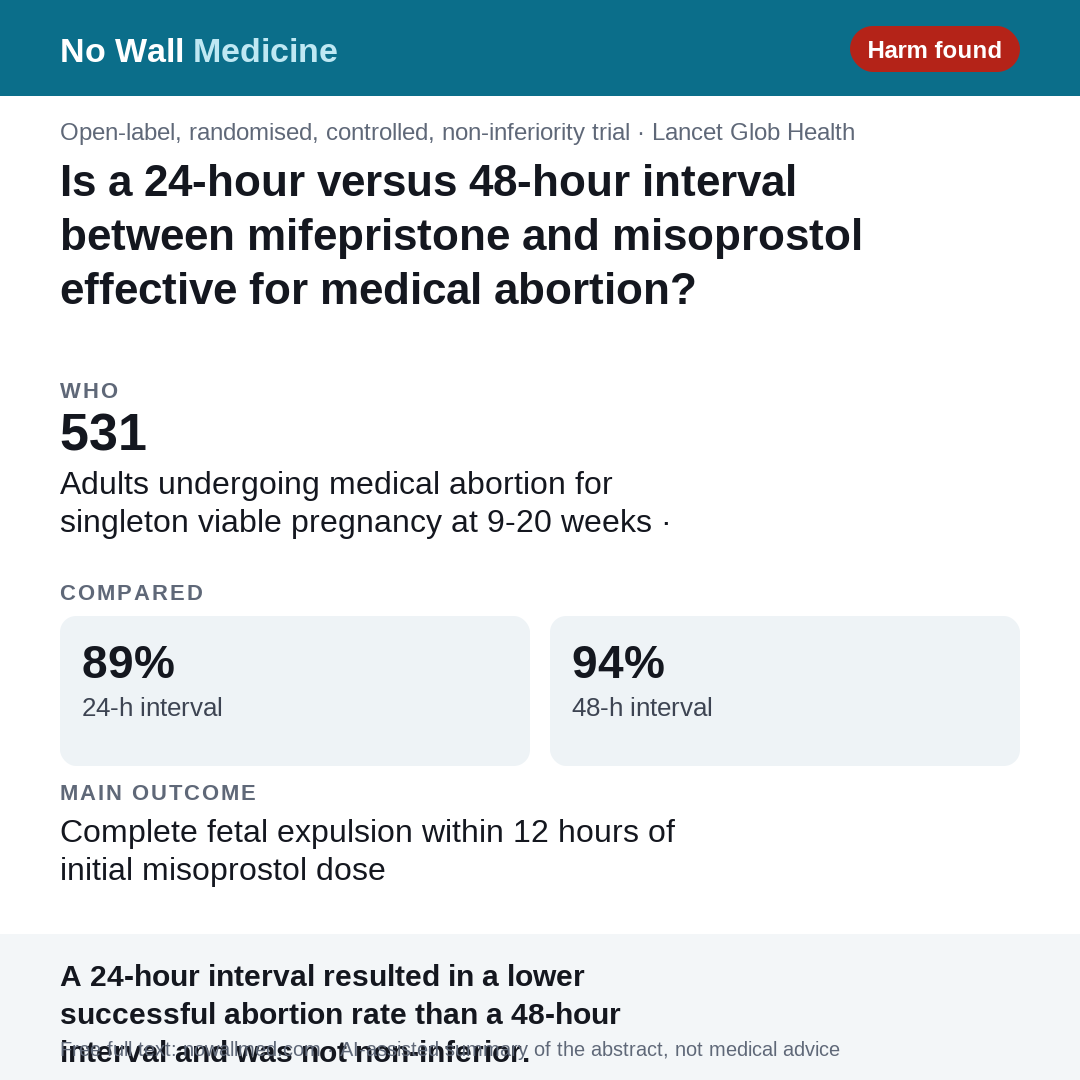
Effectiveness and acceptability of a 24-h interval versus a 48-h interval between mifepristone intake and misoprostol administration for in-hospital abortion at 9-20 gestational weeks: an international, open-label, randomised, controlled, non-inferiority trial
Open-label, randomised, controlled, non-inferiority trialHarm found
Is a 24-hour versus 48-hour interval between mifepristone and misoprostol effective for medical abortion?
Who
531
Adults undergoing medical abortion for singleton viable pregnancy at 9-20 weeks · Nine hospitals in India, Sweden, Thailand, and Viet Nam
Compared
89%24-h interval (236 of 266 participants)
94%48-h interval (248 of 265 participants)
Main outcome
Complete fetal expulsion within 12 hours of initial misoprostol dose
Result: odds ratio 0·54, 95% CI 0·29-1·00
Bottom line: A 24-hour interval resulted in a lower successful abortion rate than a 48-hour interval and was not non-inferior.
Funded by: Ministry of Foreign Affairs of the Netherlands
Lancet Glob Health · 2024-12-21Download image
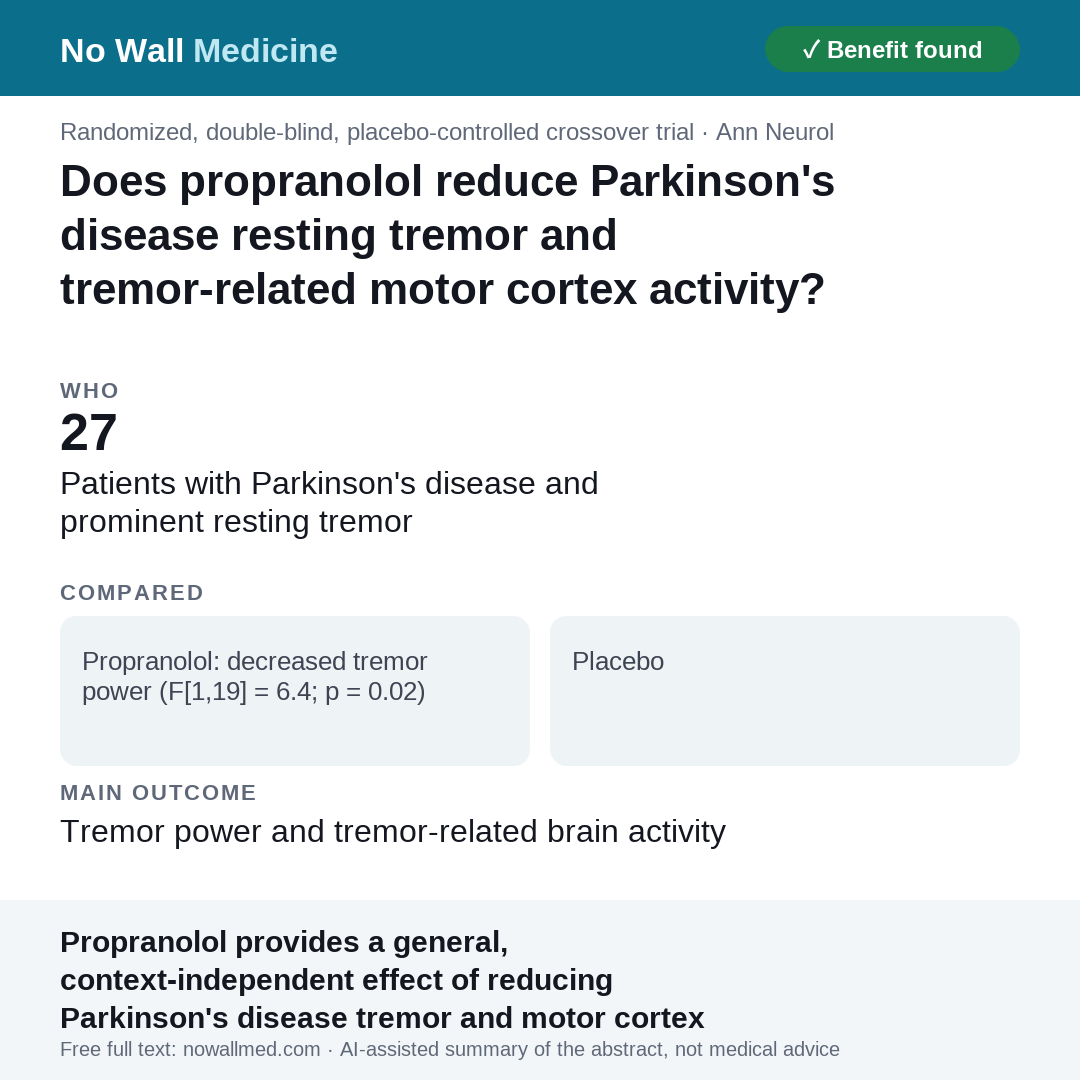
Propranolol Reduces Parkinson's Tremor and Inhibits Tremor-Related Activity in the Motor Cortex: A Placebo-Controlled Crossover Trial
Randomized, double-blind, placebo-controlled crossover trialBenefit found
Does propranolol reduce Parkinson's disease resting tremor and tremor-related motor cortex activity?
Who
27
Patients with Parkinson's disease and prominent resting tremor
Compared
Propranolol: decreased tremor power (F[1,19] = 6.4; p = 0.02)
Placebo
Main outcome
Tremor power and tremor-related brain activity
Result: Propranolol significantly reduced tremor-related activity in the motor cortex (F[1,21] = 5.3; p = 0.03)
Bottom line: Propranolol provides a general, context-independent effect of reducing Parkinson's disease tremor and motor cortex activity.
Ann Neurol · 2024-12-21Download image
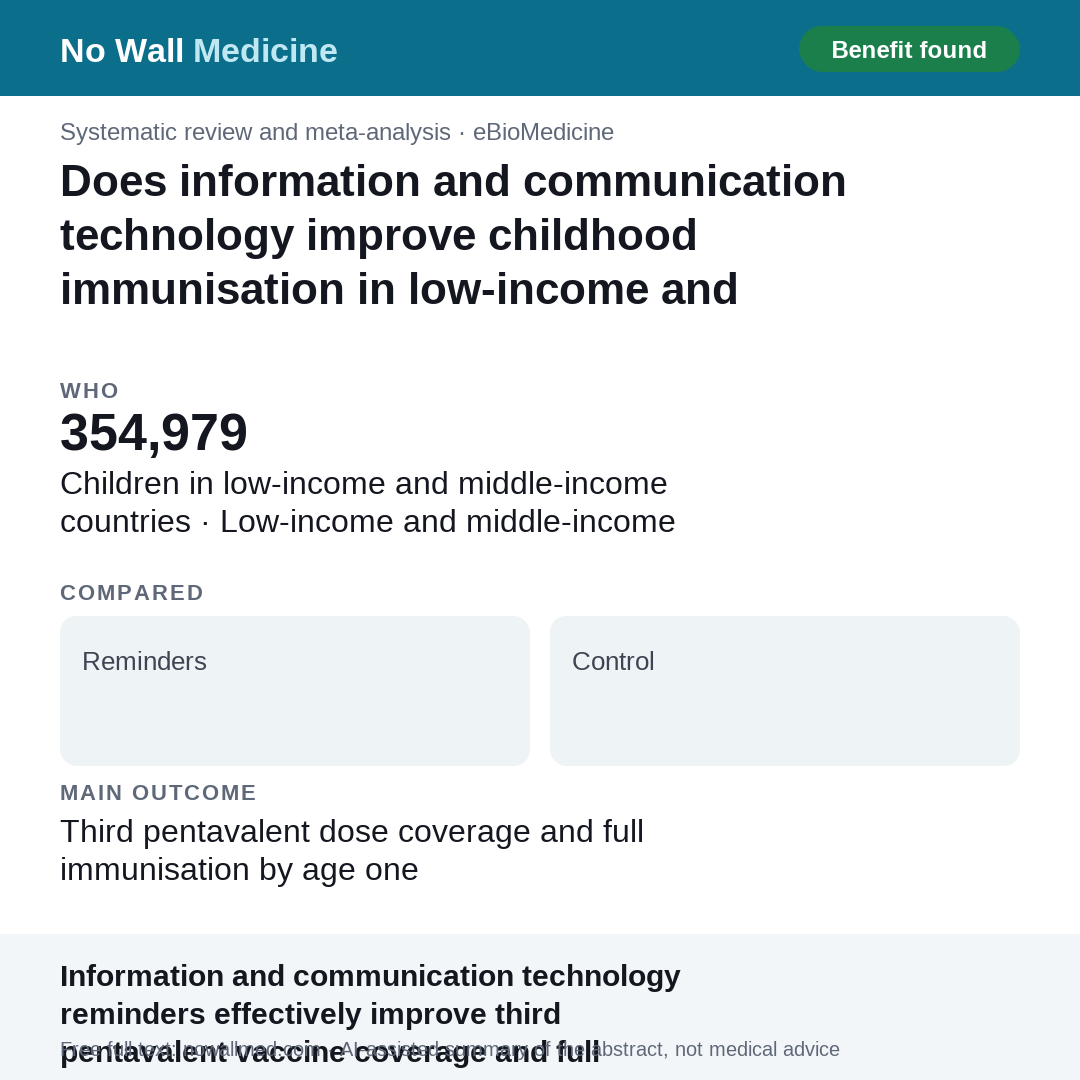
The impact of information and communication technology on immunisation and immunisation programmes in low-income and middle-income countries: a systematic review and meta-analysis
Systematic review and meta-analysisBenefit found
Does information and communication technology improve childhood immunisation in low-income and middle-income countries?
Who
354,979
Children in low-income and middle-income countries · Low-income and middle-income countries
Compared
Reminders
Control
Main outcome
Third pentavalent dose coverage and full immunisation by age one
Result: OR 2.32 (95% CI 1.34-4.03) for third pentavalent dose; OR 2.61 (95% CI 1.2-5.67) for full immunisation
Bottom line: Information and communication technology reminders effectively improve third pentavalent vaccine coverage and full immunisation rates in low-income and middle-income countries.
Limitation: Main concerns included unblinded outcome assessors, intervention providers, and higher risk of baseline differences in quasi-experimental studies.
Funded by: German Corporation for International Cooperation and Federal Ministry for Economic Cooperation and Development
eBioMedicine · 2024-12-21Download image
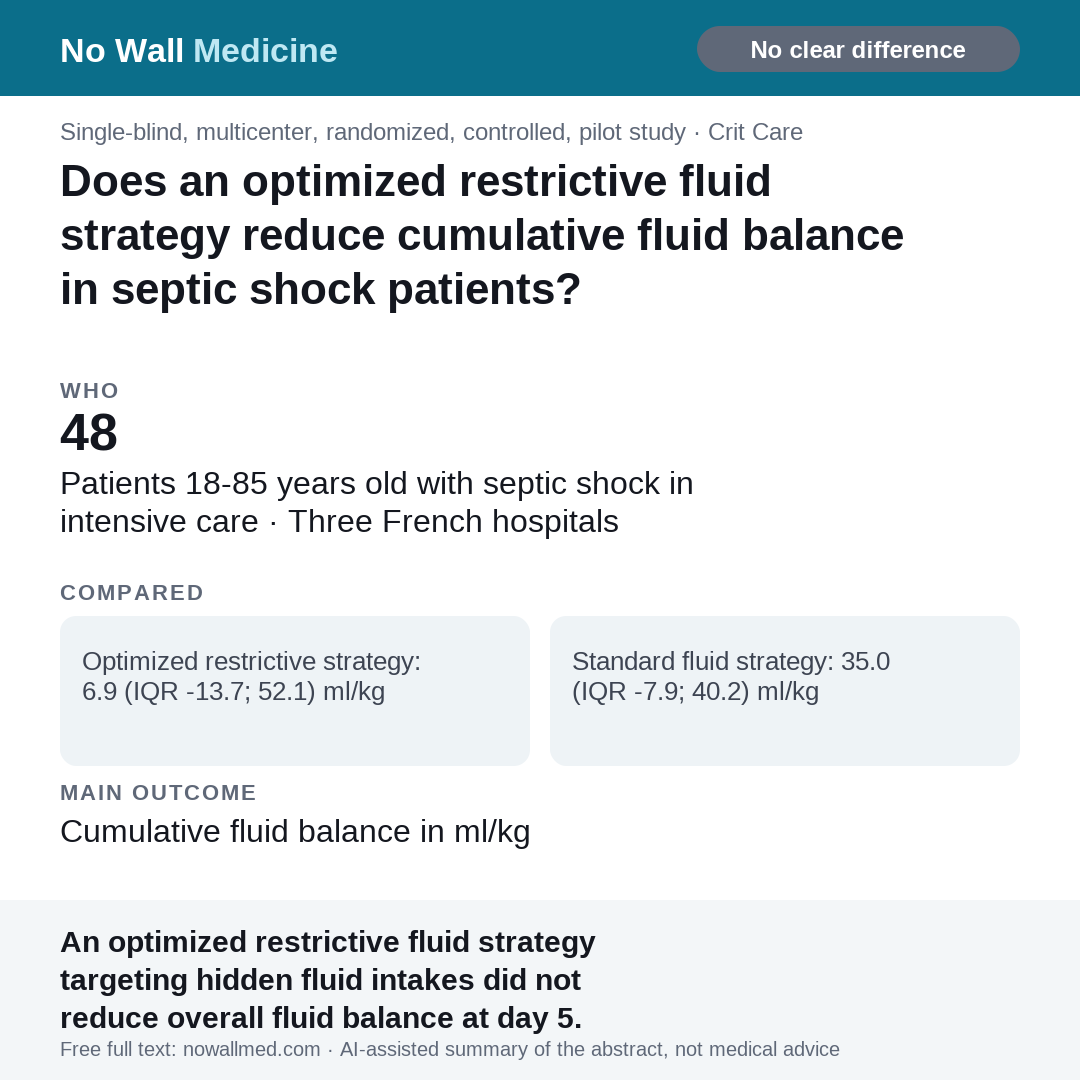
Impact on fluid balance of an optimized restrictive strategy targeting non-resuscitative fluids in intensive care patients with septic shock: a single-blind, multicenter, randomized, controlled, pilot study
Single-blind, multicenter, randomized, controlled, pilot studyNo clear difference
Does an optimized restrictive fluid strategy reduce cumulative fluid balance in septic shock patients?
Who
48
Patients 18-85 years old with septic shock in intensive care · Three French hospitals
Compared
Optimized restrictive strategy: 6.9 (IQR -13.7; 52.1) ml/kg
Standard fluid strategy: 35.0 (IQR -7.9; 40.2) ml/kg
Main outcome
Cumulative fluid balance in ml/kg
Result: absolute difference 13.2 [95%CI -15.2; 41.6]
Bottom line: An optimized restrictive fluid strategy targeting hidden fluid intakes did not reduce overall fluid balance at day 5.
Crit Care · 2024-12-21Download image
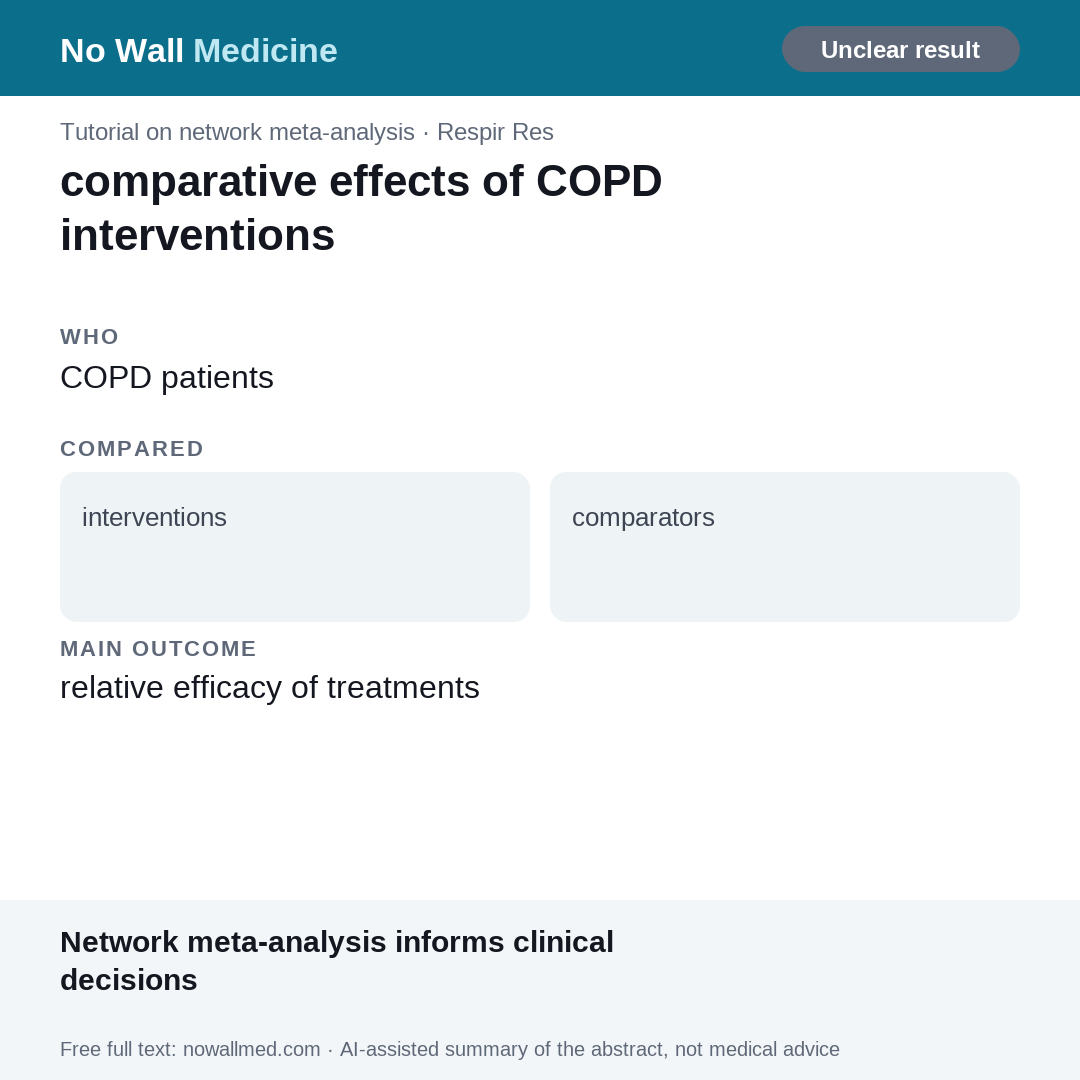
Assessing the comparative effects of interventions in COPD: a tutorial on network meta-analysis for clinicians
Tutorial on network meta-analysisUnclear result
comparative effects of COPD interventions
Who
COPD patients
Compared
interventions
comparators
Main outcome
relative efficacy of treatments
Bottom line: Network meta-analysis informs clinical decisions
Limitation: incorrect method choice
Respir Res · 2024-12-21Download image
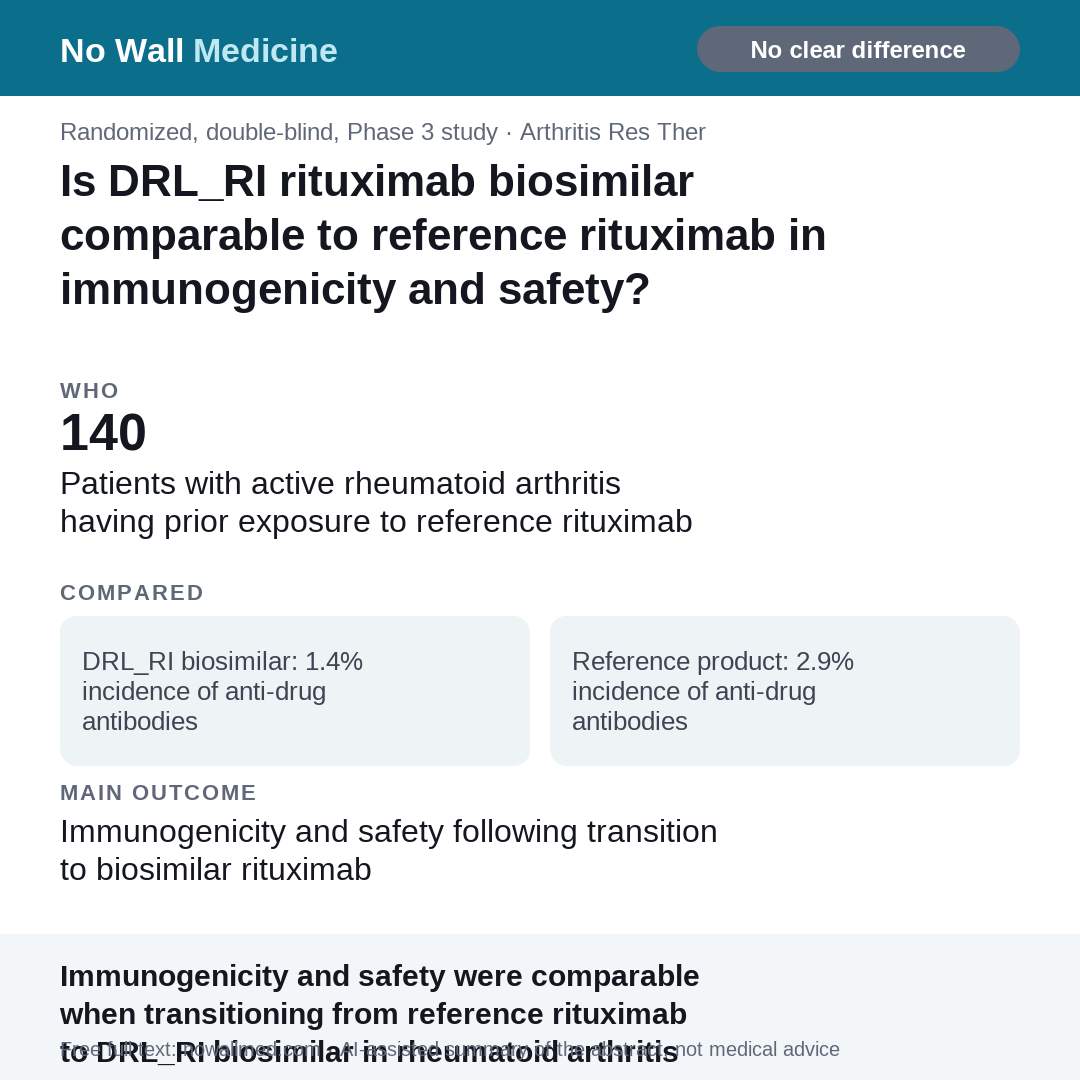
Comparing immunogenicity and safety following transition from reference rituximab to biosimilar rituximab (DRL_RI) in patients with rheumatoid arthritis: a randomized, double-blind, phase 3 study
Randomized, double-blind, Phase 3 studyNo clear difference
Is DRL_RI rituximab biosimilar comparable to reference rituximab in immunogenicity and safety?
Who
140
Patients with active rheumatoid arthritis having prior exposure to reference rituximab
Compared
DRL_RI biosimilar: 1.4% incidence of anti-drug antibodies
Reference product: 2.9% incidence of anti-drug antibodies
Main outcome
Immunogenicity and safety following transition to biosimilar rituximab
Bottom line: Immunogenicity and safety were comparable when transitioning from reference rituximab to DRL_RI biosimilar in rheumatoid arthritis patients.
Arthritis Res Ther · 2024-12-21Download image
Upper extremity function and disability recovery with vibration therapy after stroke: a systematic review and meta-analysis of RCTs
Systematic review and meta-analysis of randomized controlled trialsBenefit found
Does vibration therapy improve upper extremity motor impairment, function, and disability after stroke?
Who
1621
People with stroke and hemiplegia or hemiparesis
Compared
Vibration therapy
Control
Main outcome
Upper extremity motor impairment, function, and disability recovery
Result: SMD 1.19 for impairment, 0.62 for function, 1.01 for disability
Bottom line: Vibration therapy significantly improves upper extremity motor impairment, function, and disability recovery in people after stroke.
J Neuroeng Rehabil · 2024-12-21Download image

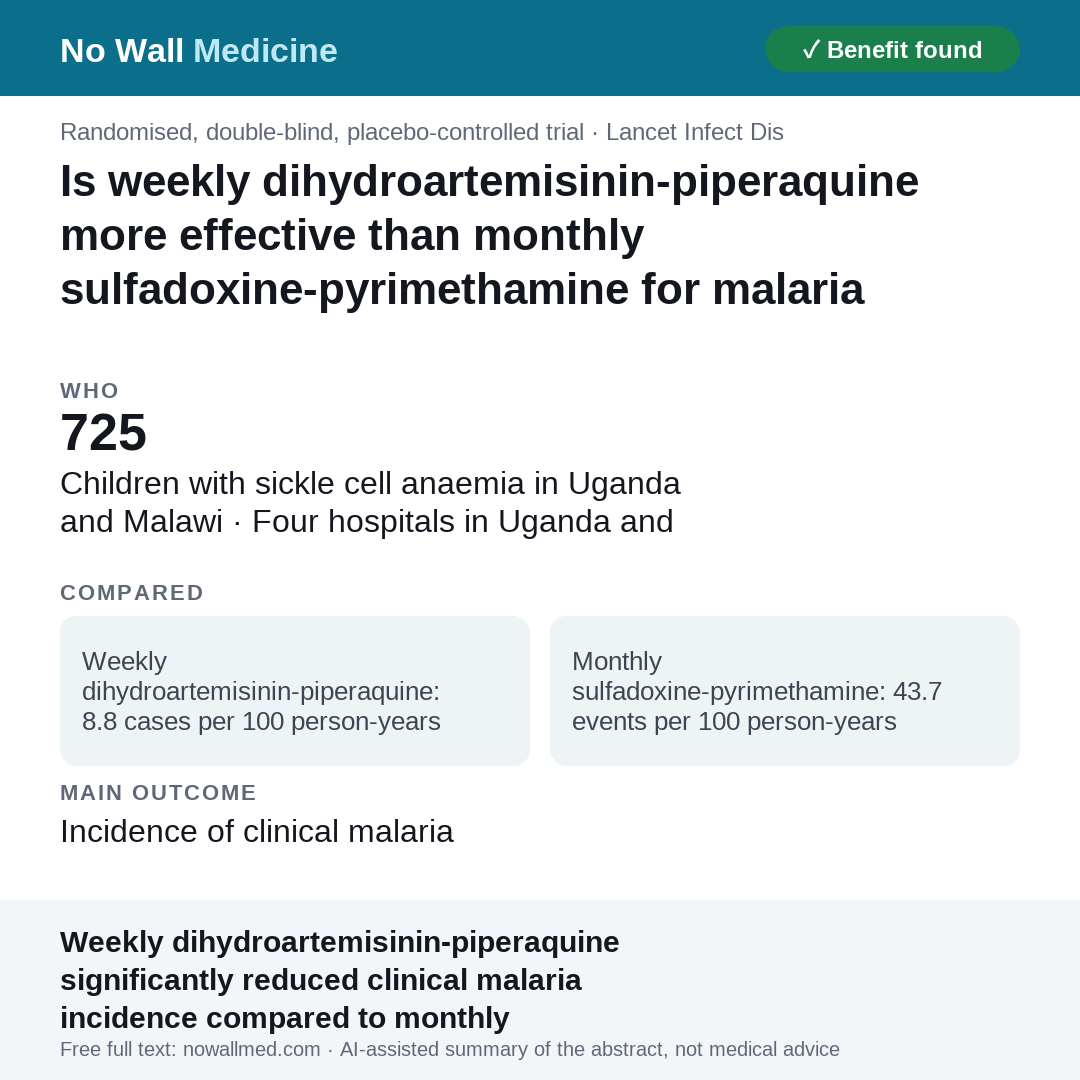
Weekly dihydroartemisinin-piperaquine versus monthly sulfadoxine-pyrimethamine for malaria chemoprevention in children with sickle cell anaemia in Uganda and Malawi (CHEMCHA): a randomised, double-blind, placebo-controlled trial
Randomised, double-blind, placebo-controlled trialBenefit found
Is weekly dihydroartemisinin-piperaquine more effective than monthly sulfadoxine-pyrimethamine for malaria chemoprevention?
Who
725
Children with sickle cell anaemia in Uganda and Malawi · Four hospitals in Uganda and Malawi
Compared
Weekly dihydroartemisinin-piperaquine: 8.8 cases per 100 person-years
Monthly sulfadoxine-pyrimethamine: 43.7 events per 100 person-years
Main outcome
Incidence of clinical malaria
Result: incidence rate ratio 0.20 (95% CI 0.14-0.30)
Bottom line: Weekly dihydroartemisinin-piperaquine significantly reduced clinical malaria incidence compared to monthly sulfadoxine-pyrimethamine in children with sickle cell anaemia.
Lancet Infect Dis · 2024-12-20Download image
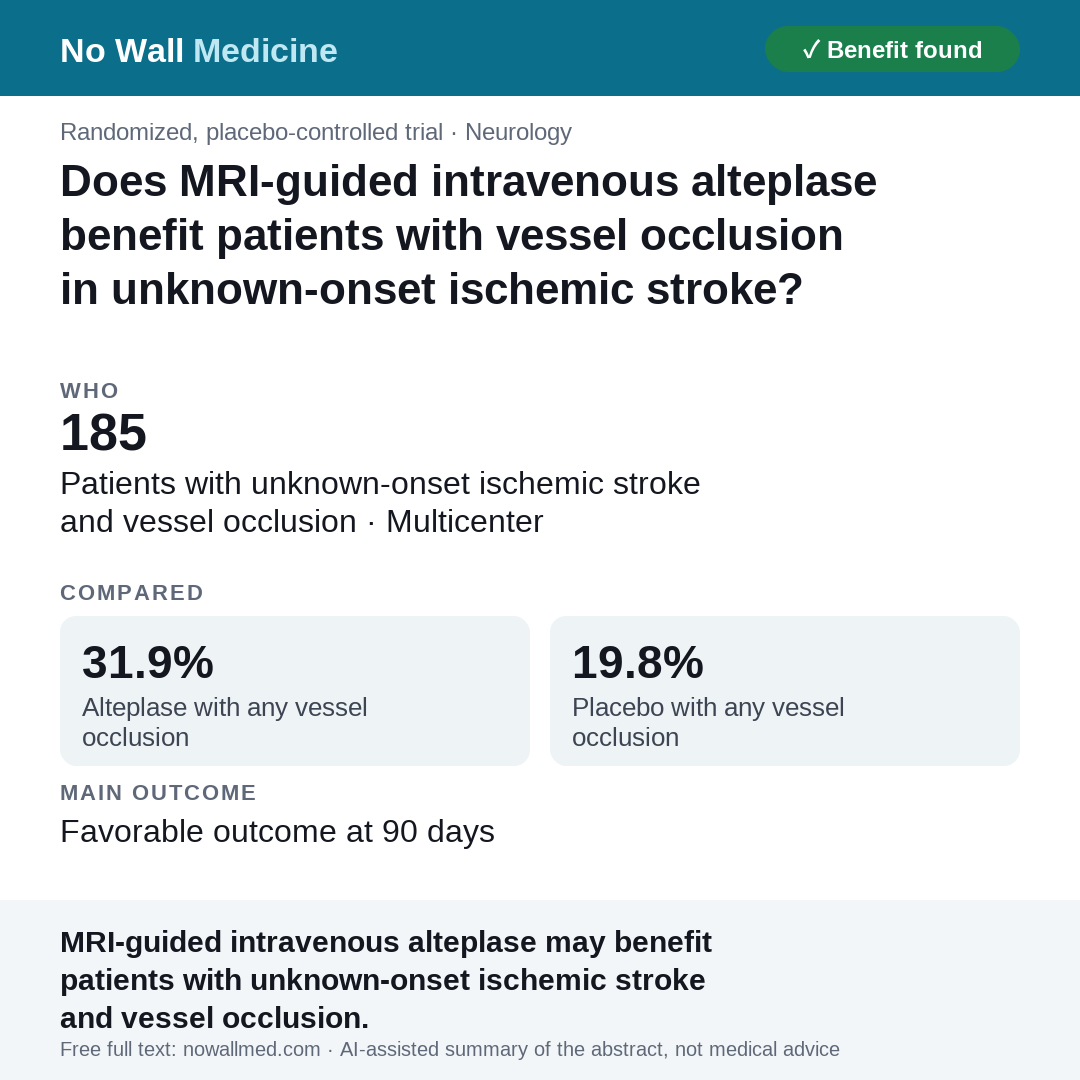
Effect of IV Thrombolysis With Alteplase in Patients With Vessel Occlusion in the WAKE-UP Trial
Randomized, placebo-controlled trialBenefit found
Does MRI-guided intravenous alteplase benefit patients with vessel occlusion in unknown-onset ischemic stroke?
Who
185
Patients with unknown-onset ischemic stroke and vessel occlusion · Multicenter
Compared
31.9%Alteplase with any vessel occlusion
19.8%Placebo with any vessel occlusion
Main outcome
Favorable outcome at 90 days
Result: adjusted odds ratio 2.04 (95% CI 1.00-4.18)
Bottom line: MRI-guided intravenous alteplase may benefit patients with unknown-onset ischemic stroke and vessel occlusion.
Neurology · 2024-12-20Download image
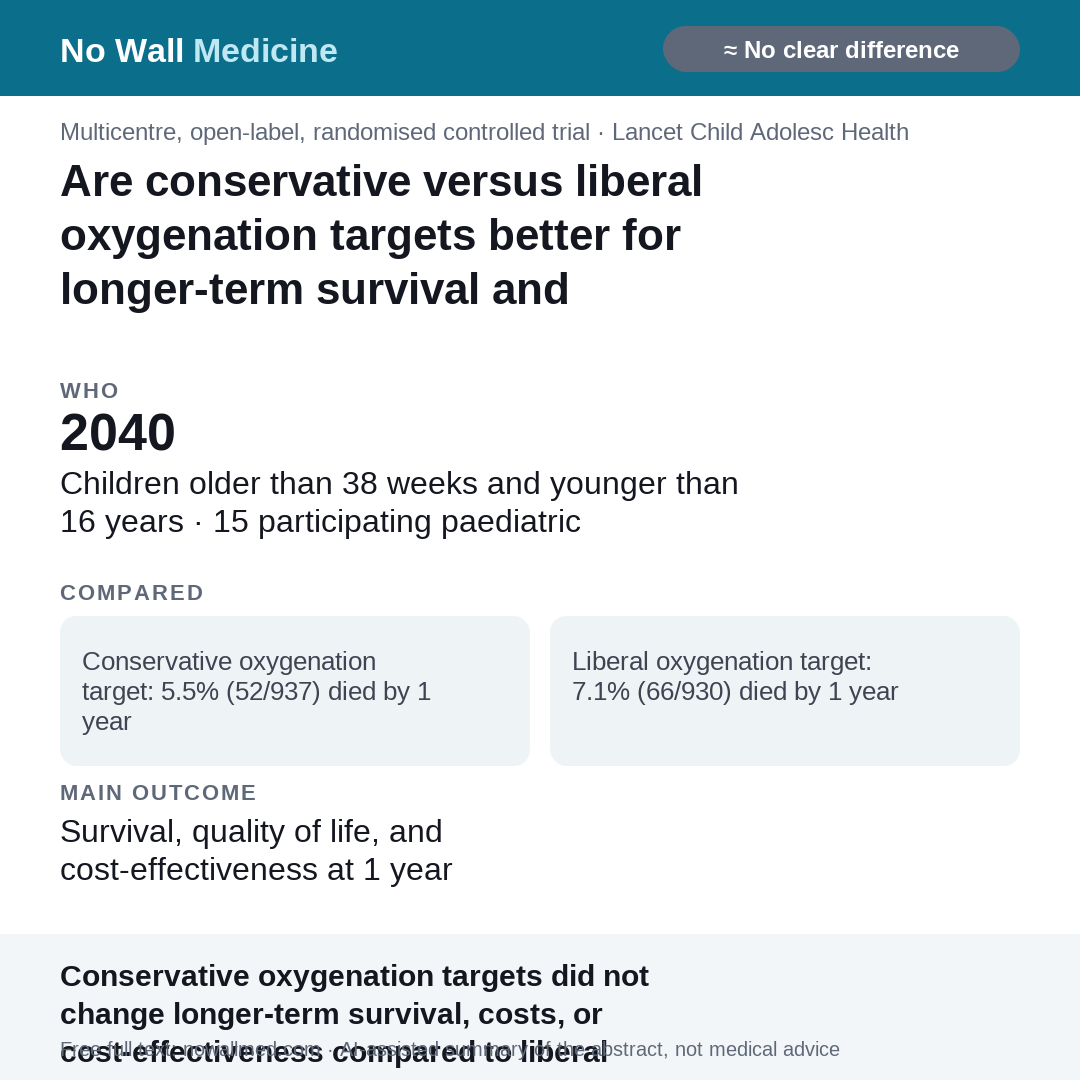
Longer-term survival, quality of life, and cost-effectiveness of conservative versus liberal oxygenation targets in critically ill children: a pre-specified analysis from Oxy-PICU, a multicentre, open, parallel-group, randomised controlled trial
Multicentre, open-label, randomised controlled trialNo clear difference
Are conservative versus liberal oxygenation targets better for longer-term survival and cost-effectiveness?
Who
2040
Children older than 38 weeks and younger than 16 years · 15 participating paediatric intensive care units in England and Scotland
Compared
Conservative oxygenation target: 5.5% (52/937) died by 1 year
Liberal oxygenation target: 7.1% (66/930) died by 1 year
Main outcome
Survival, quality of life, and cost-effectiveness at 1 year
Result: adjusted hazard ratio 0.77 (95% CI 0.53 to 1.10)
Bottom line: Conservative oxygenation targets did not change longer-term survival, costs, or cost-effectiveness compared to liberal oxygenation.
Funded by: UK National Institute for Health and Social Care Research
Lancet Child Adolesc Health · 2024-12-20Download image
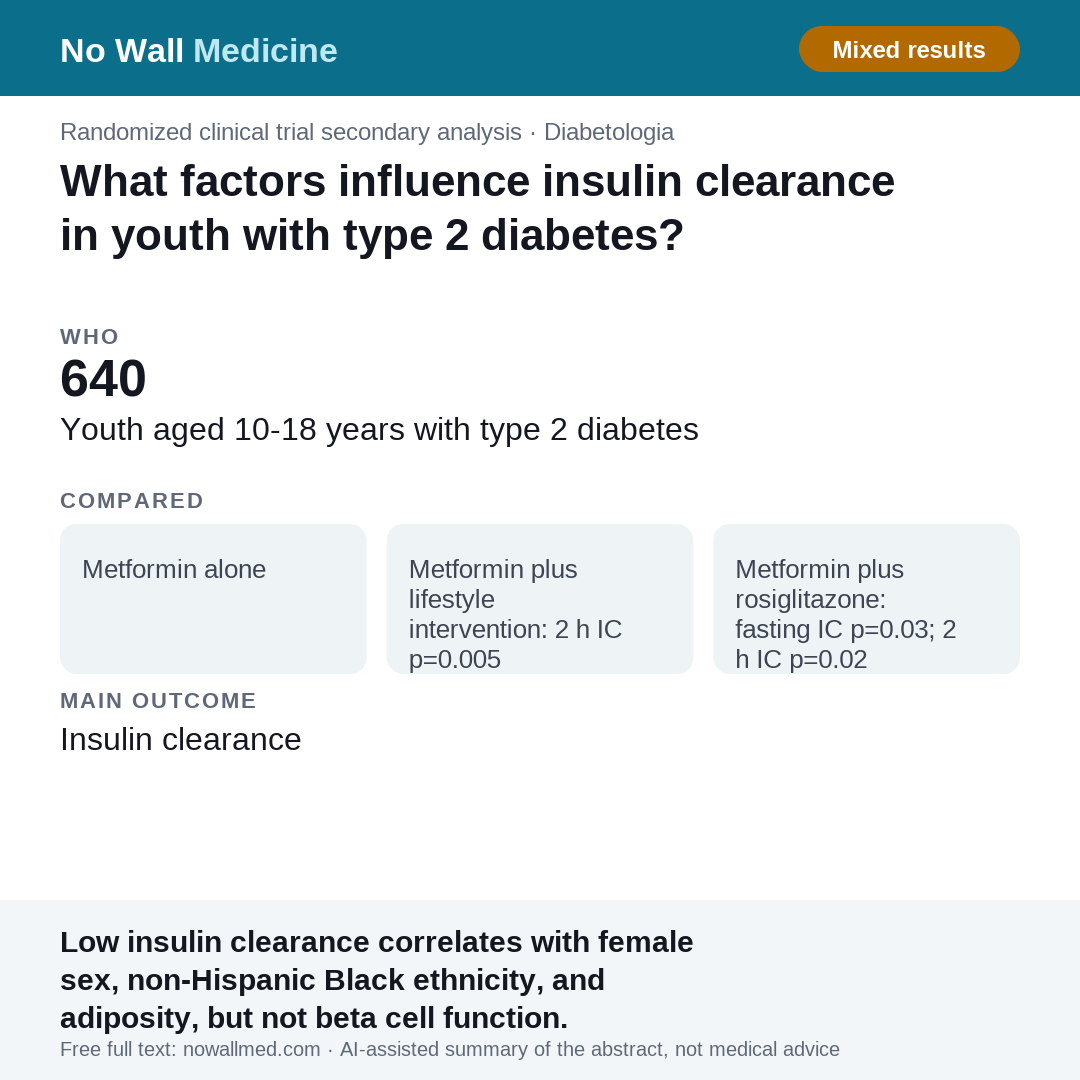
Insulin clearance at randomisation and in response to treatment in youth with type 2 diabetes: a secondary analysis of the TODAY randomised clinical trial
Randomized clinical trial secondary analysisMixed results
What factors influence insulin clearance in youth with type 2 diabetes?
Who
640
Youth aged 10-18 years with type 2 diabetes
Compared
Metformin alone
Metformin plus lifestyle intervention: 2 h IC p=0.005
Metformin plus rosiglitazone: fasting IC p=0.03; 2 h IC p=0.02
Main outcome
Insulin clearance
Bottom line: Low insulin clearance correlates with female sex, non-Hispanic Black ethnicity, and adiposity, but not beta cell function.
Diabetologia · 2024-12-20Download image
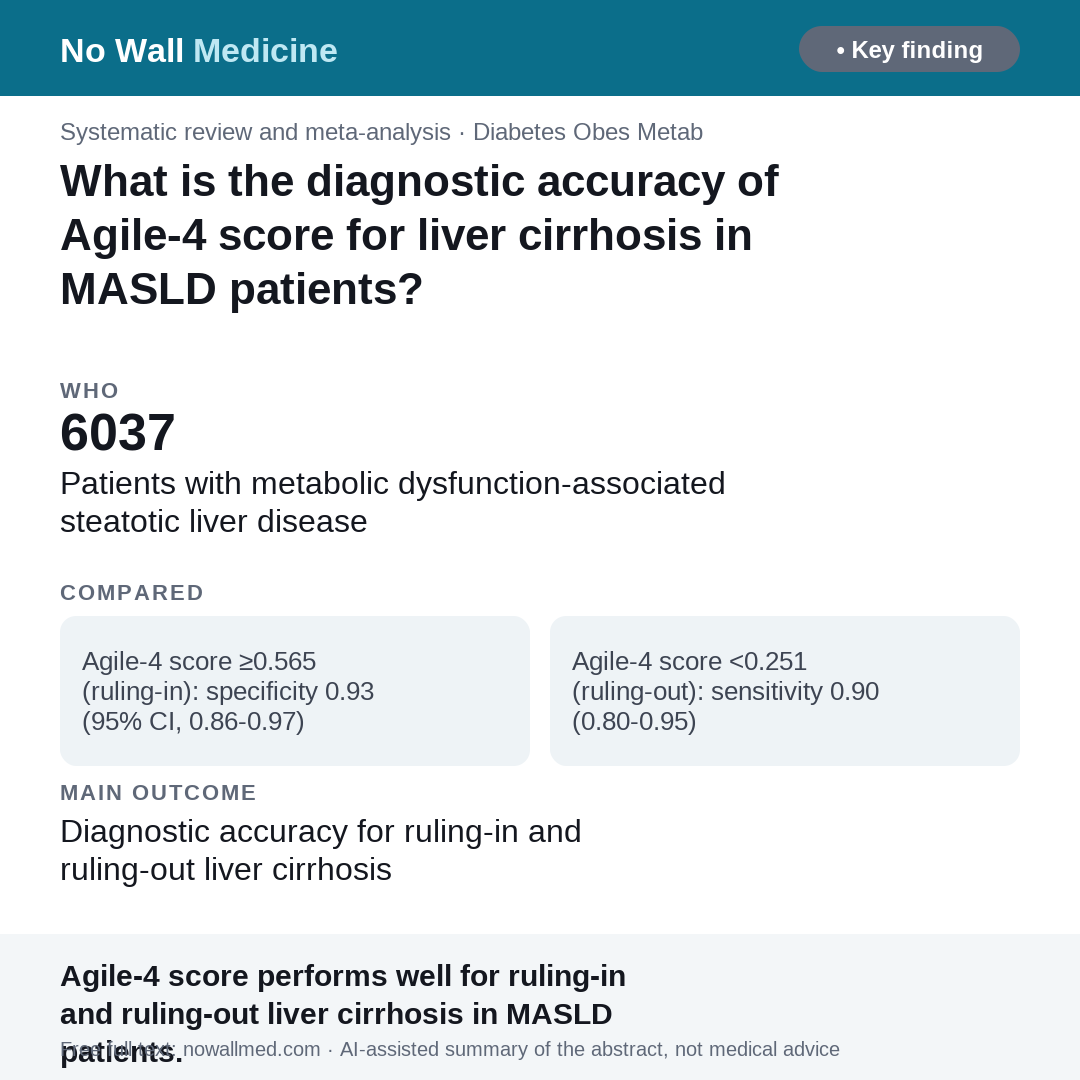
Diagnostic accuracy of Agile-4 score for liver cirrhosis in patients with metabolic dysfunction-associated steatotic liver disease. A systematic review and meta-analysis of diagnostic test accuracy studies
Systematic review and meta-analysisBenefit found
What is the diagnostic accuracy of Agile-4 score for liver cirrhosis in MASLD patients?
Who
6037
Patients with metabolic dysfunction-associated steatotic liver disease
Compared
Agile-4 score ≥0.565 (ruling-in): specificity 0.93 (95% CI, 0.86-0.97)
Agile-4 score <0.251 (ruling-out): sensitivity 0.90 (0.80-0.95)
Main outcome
Diagnostic accuracy for ruling-in and ruling-out liver cirrhosis
Bottom line: Agile-4 score performs well for ruling-in and ruling-out liver cirrhosis in MASLD patients.
Limitation: High or unclear risk for bias due to patient selection and blinding concerns.
Diabetes Obes Metab · 2024-12-20Download image
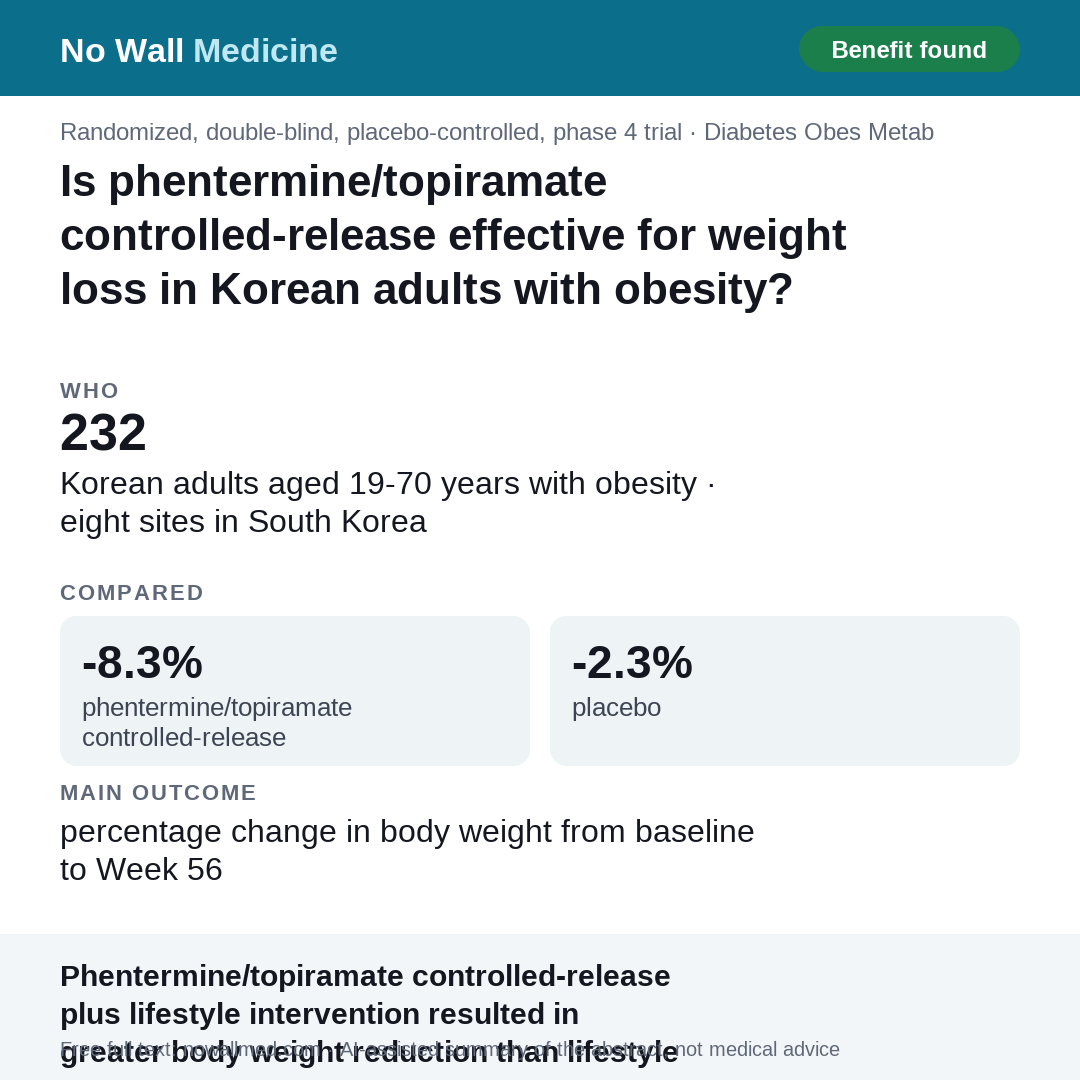
Evaluation of the efficacy and safety of controlled-release phentermine/topiramate in adults with obesity in Korea: A randomized, double-blind, placebo-controlled, phase 4 trial (QUEEN's study)
Randomized, double-blind, placebo-controlled, phase 4 trialBenefit found
Is phentermine/topiramate controlled-release effective for weight loss in Korean adults with obesity?
Who
232
Korean adults aged 19-70 years with obesity · eight sites in South Korea
Compared
-8.3%phentermine/topiramate controlled-release
-2.3%placebo
Main outcome
percentage change in body weight from baseline to Week 56
Result: treatment difference -6.1% (95% CI -7.7 to -4.5)
Bottom line: Phentermine/topiramate controlled-release plus lifestyle intervention resulted in greater body weight reduction than lifestyle intervention alone.
Diabetes Obes Metab · 2024-12-20Download image