Visual abstracts
New randomized trials and meta-analyses from leading journals at a glance: who was studied, what was compared, and what was found. Every paper is free to read in full.
All specialtiesCardiology 857Oncology 770Gastroenterology & Hepatology 311Infectious Disease 626Neurology 354Psychiatry & Mental Health 430Pulmonology 370Critical Care 260Endocrinology & Diabetes 484Pediatrics 542Surgery 351Orthopedics & Sports Medicine 166Neurosurgery 115Cardiothoracic & Vascular Surgery 87Plastic & Reconstructive Surgery 144Nephrology 197Rheumatology 108Hematology 183Dermatology 82Ophthalmology 97Obstetrics & Gynecology 266Public & Global Health 168Radiology & Imaging 105Anesthesiology 130Urology 162ENT (Otolaryngology) 115Emergency Medicine 103Allergy & Immunology 58Geriatrics 160Family Medicine & Primary Care 111Medical Genetics & Genomics 91Pathology & Laboratory Medicine 27Physical Medicine & Rehabilitation 149Palliative Care 81Nutrition 223Digital Health & AI 462General Medicine 101
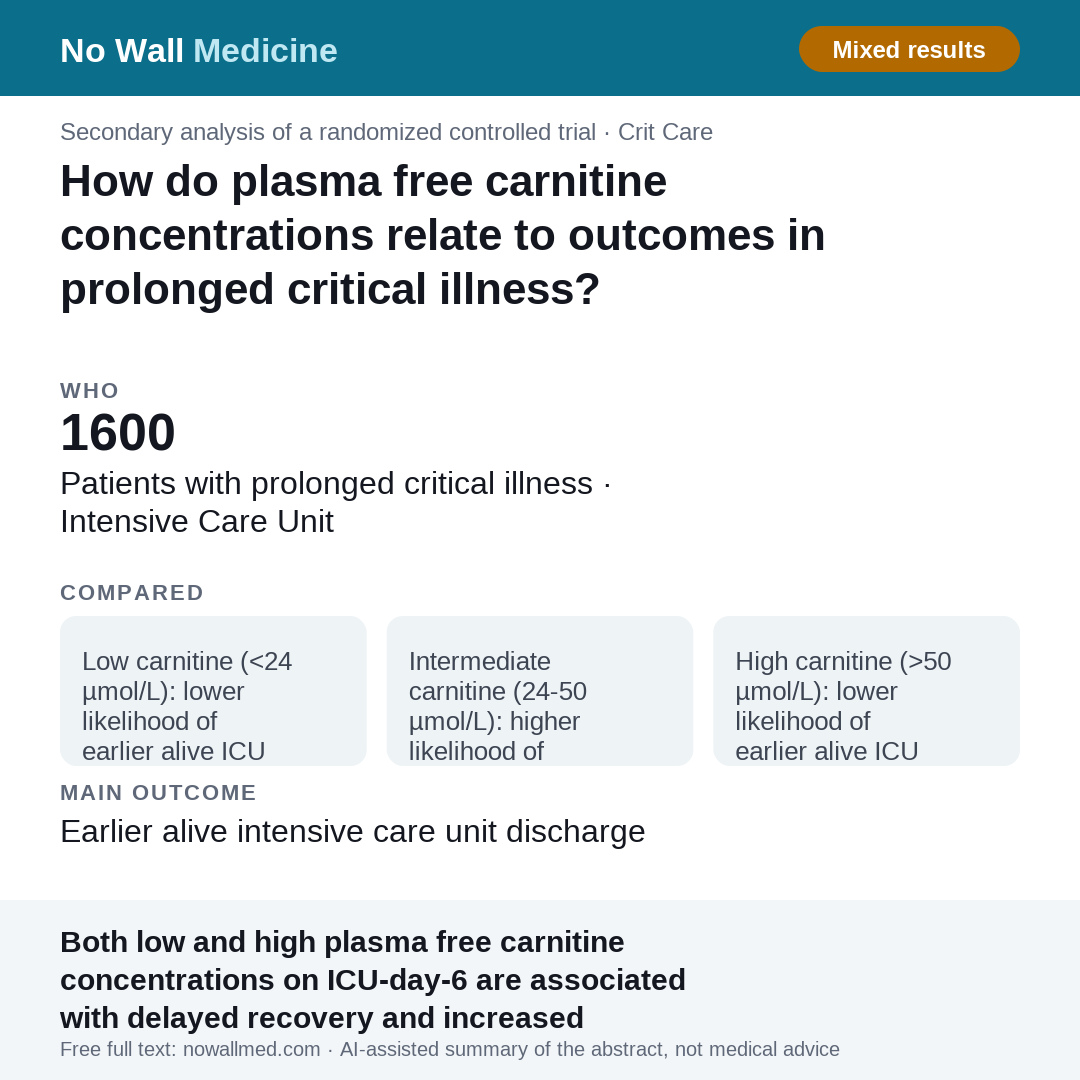
Abnormal carnitine concentrations in critical illness associated with compromised outcome
Secondary analysis of a randomized controlled trialMixed results
How do plasma free carnitine concentrations relate to outcomes in prolonged critical illness?
Who
1600
Patients with prolonged critical illness · Intensive Care Unit
Compared
Low carnitine (<24 µmol/L): lower likelihood of earlier alive ICU discharge
Intermediate carnitine (24-50 µmol/L): higher likelihood of earlier alive ICU discharge
High carnitine (>50 µmol/L): lower likelihood of earlier alive ICU discharge
Main outcome
Earlier alive intensive care unit discharge
Result: hazard ratio 0.97 (95% CI 0.95 to 0.99) per 10 µmol/L increase
Bottom line: Both low and high plasma free carnitine concentrations on ICU-day-6 are associated with delayed recovery and increased mortality.
Crit Care · 2026-01-22Download image
Effects of benfotiamine treatment over 12 months on morphometric, neurophysiological and clinical measures in type 2 diabetes patients with symptomatic polyneuropathy: a randomized, placebo-controlled, double-blind clinical trial (BOND study)
Randomized, double-blind, placebo-controlled trialNo clear difference
Does 12 months of benfotiamine treatment affect diabetic sensorimotor polyneuropathy measures?
Who
57
Participants with type 2 diabetes and mild-to-moderate symptomatic diabetic sensorimotor polyneuropathy
Compared
Benfotiamine 300 mg twice per day
Placebo
Main outcome
Change in corneal nerve fiber length from baseline to 12 months
Bottom line: Benfotiamine treatment for 12 months had no significant effects on morphometric, neurophysiological, or clinical measures of neuropathy.
BMJ Open Diabetes Res Care · 2026-01-22Download image

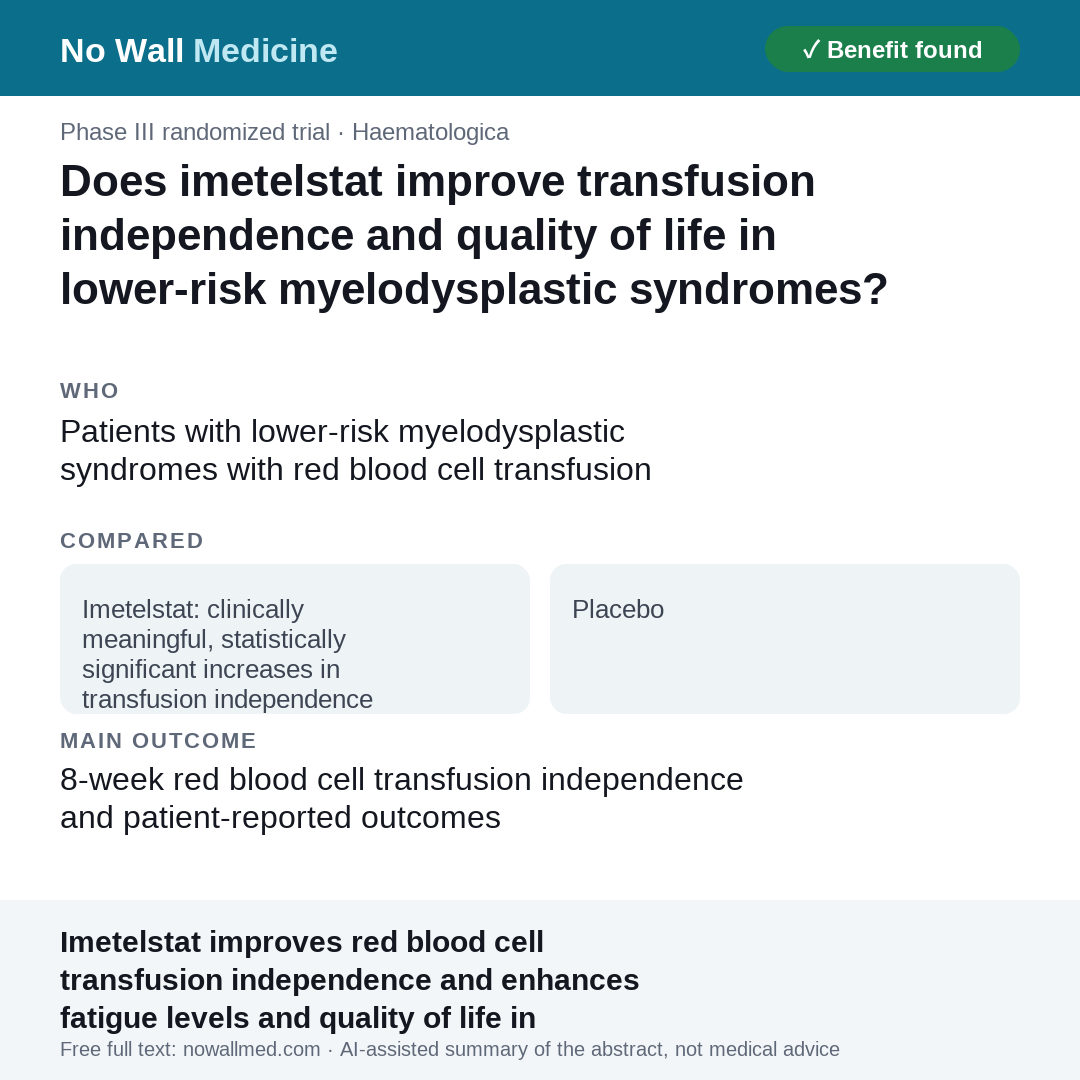
Imetelstat improves patient-reported outcomes and quality of life in lower-risk myelodysplastic syndromes: results from the phase III IMerge study
Phase III randomized trialBenefit found
Does imetelstat improve transfusion independence and quality of life in lower-risk myelodysplastic syndromes?
Who
Patients with lower-risk myelodysplastic syndromes with red blood cell transfusion dependency anemia
Compared
Imetelstat: clinically meaningful, statistically significant increases in transfusion independence
Placebo
Main outcome
8-week red blood cell transfusion independence and patient-reported outcomes
Bottom line: Imetelstat improves red blood cell transfusion independence and enhances fatigue levels and quality of life in patients.
Haematologica · 2026-01-22Download image
A systematic review of AI for predicting glaucoma progression: challenges and recommendations towards clinical implementation
Systematic reviewUnclear result
Can AI predict glaucoma progression
Who
Glaucoma patients
Compared
AI models
Clinical practice
Main outcome
Glaucoma progression prediction
Bottom line: AI shows promise for predicting glaucoma progression
Limitation: Inconsistent reporting and poor generalisability
NPJ Digit Med · 2026-01-22Download image

Diagnostic Performance of Deep Learning and Radiomics in Extracranial Carotid Plaque Detection: Systematic Review and Meta-Analysis
Systematic review and meta-analysisBenefit found
What is the diagnostic efficacy of deep learning and radiomics for extracranial carotid plaques?
Who
17,246
Patients with extracranial carotid artery plaques
Compared
Deep learning and radiomics models: sensitivity 0.88 (95% CI 0.85-0.91)
Deep learning and radiomics models: specificity 0.89 (95% CI 0.85-0.92)
Main outcome
Diagnostic accuracy for extracranial carotid plaque detection
Result: area under the SROC curve 0.95 (95% CI 0.92-0.96)
Bottom line: Deep learning and radiomics models can effectively diagnose extracranial carotid plaques with high sensitivity and specificity.
Limitation: High heterogeneity and limited number of eligible studies for comprehensive subgroup analyses.
J Med Internet Res · 2026-01-22Download image

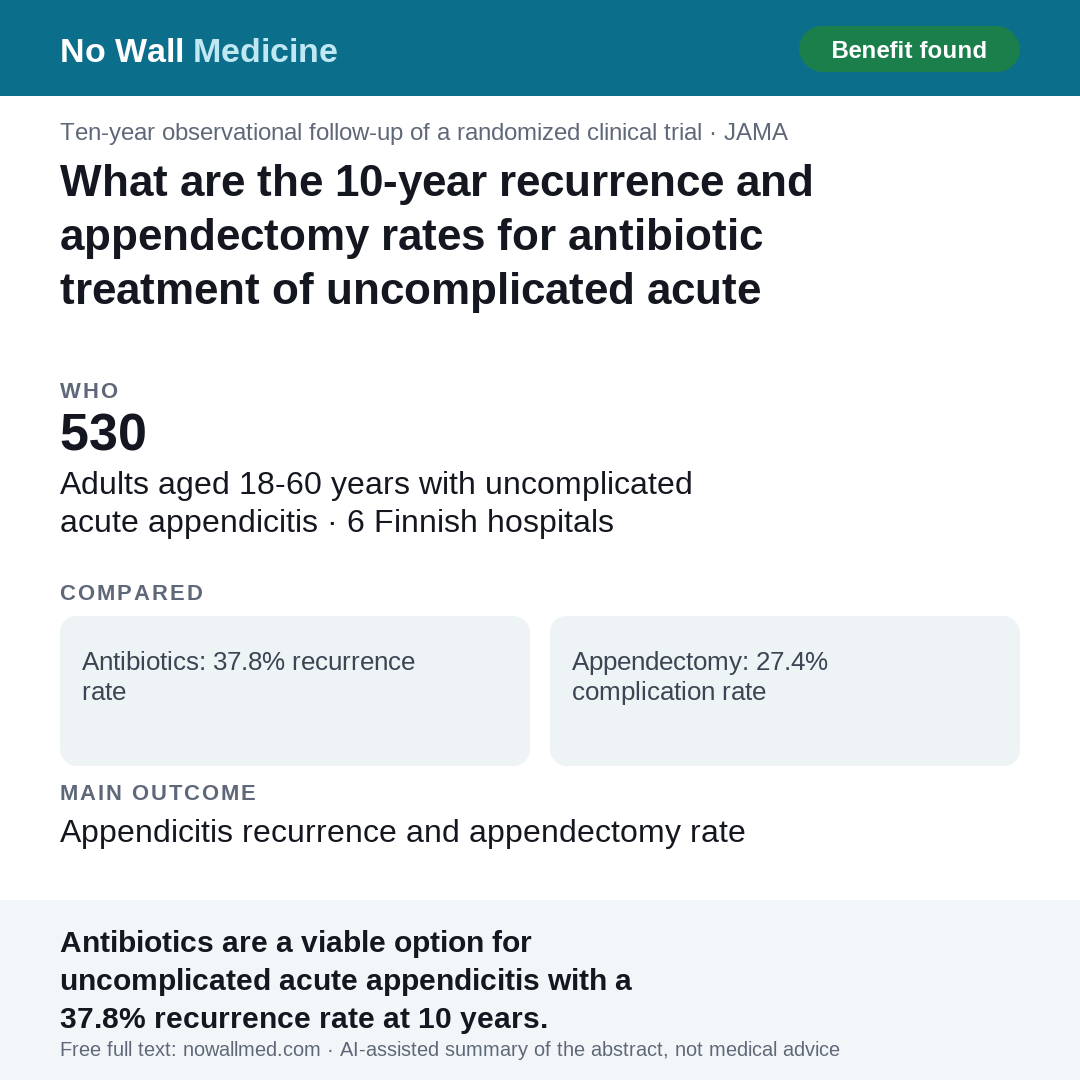
Antibiotic Therapy for Uncomplicated Acute Appendicitis: Ten-Year Follow-Up of the APPAC Randomized Clinical Trial
Ten-year observational follow-up of a randomized clinical trialBenefit found
What are the 10-year recurrence and appendectomy rates for antibiotic treatment of uncomplicated acute appendicitis?
Who
530
Adults aged 18-60 years with uncomplicated acute appendicitis · 6 Finnish hospitals
Compared
Antibiotics: 37.8% recurrence rate
Appendectomy: 27.4% complication rate
Main outcome
Appendicitis recurrence and appendectomy rate
Bottom line: Antibiotics are a viable option for uncomplicated acute appendicitis with a 37.8% recurrence rate at 10 years.
JAMA · 2026-01-21Download image
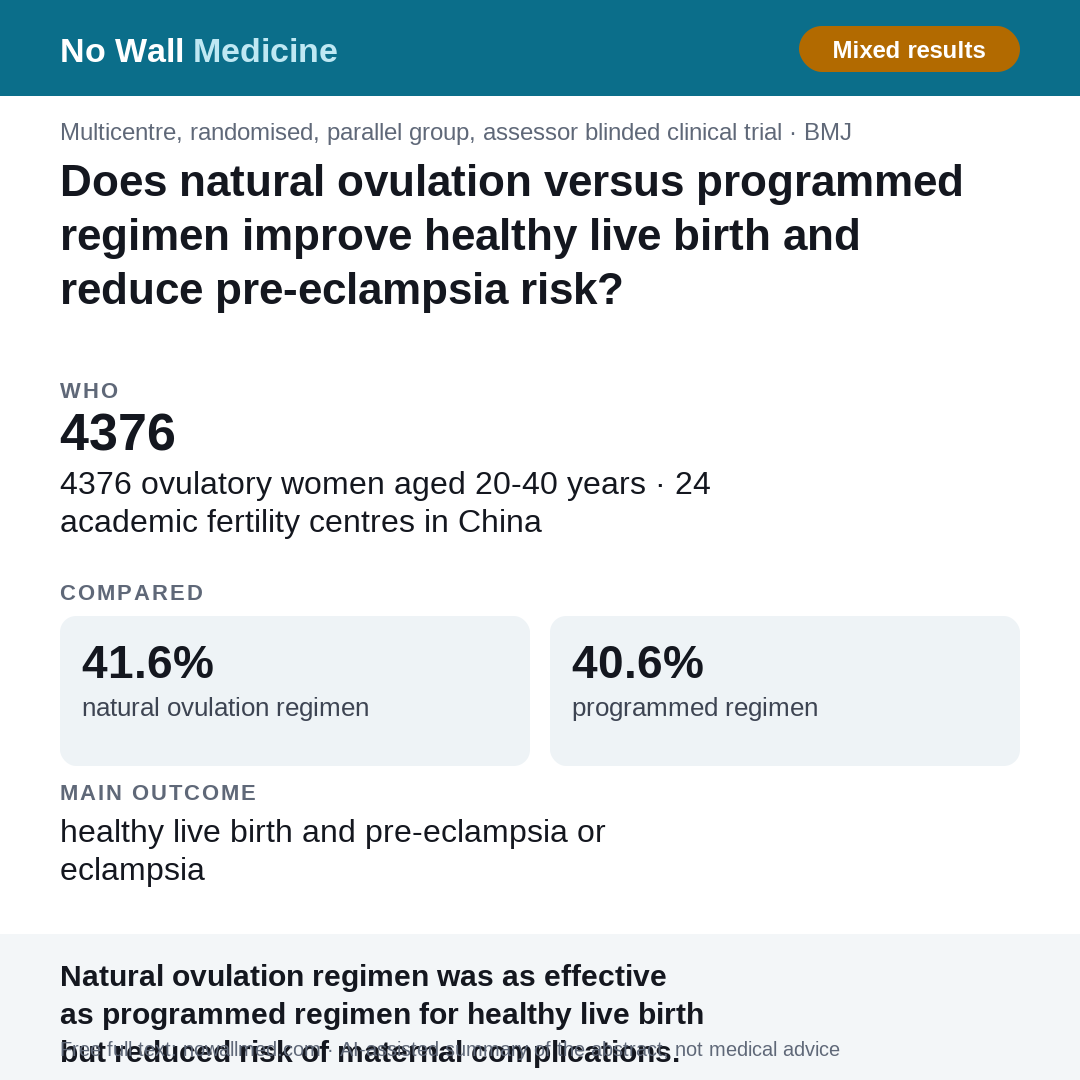
Natural ovulation versus programmed regimens before frozen embryo transfer in ovulatory women: multicentre, randomised clinical trial
Multicentre, randomised, parallel group, assessor blinded clinical trialMixed results
Does natural ovulation versus programmed regimen improve healthy live birth and reduce pre-eclampsia risk?
Who
4376
4376 ovulatory women aged 20-40 years · 24 academic fertility centres in China
Compared
41.6%natural ovulation regimen (910/2185)
40.6%programmed regimen (890/2191)
Main outcome
healthy live birth and pre-eclampsia or eclampsia
Result: relative ratio 1.03 (95% confidence interval (CI) 0.96 to 1.10)
Bottom line: Natural ovulation regimen was as effective as programmed regimen for healthy live birth but reduced risk of maternal complications.
BMJ · 2026-01-21Download image
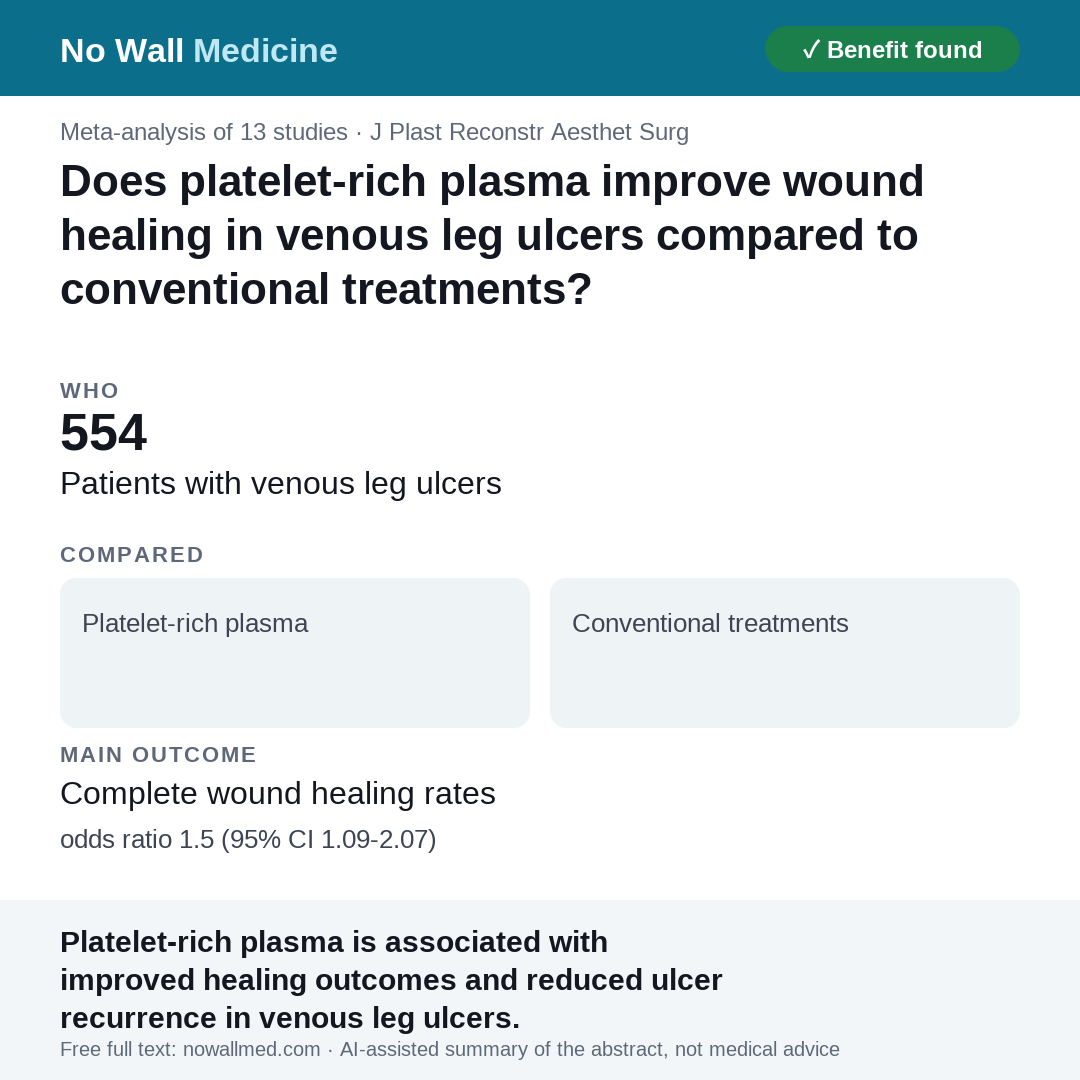
Meta-analysis of platelet-rich plasma for venous ulcers: Clinical efficacy and complications
Meta-analysis of 13 studiesBenefit found
Does platelet-rich plasma improve wound healing in venous leg ulcers compared to conventional treatments?
Who
554
Patients with venous leg ulcers
Compared
Platelet-rich plasma
Conventional treatments
Main outcome
Complete wound healing rates
Result: odds ratio 1.5 (95% CI 1.09-2.07)
Bottom line: Platelet-rich plasma is associated with improved healing outcomes and reduced ulcer recurrence in venous leg ulcers.
J Plast Reconstr Aesthet Surg · 2026-01-21Download image
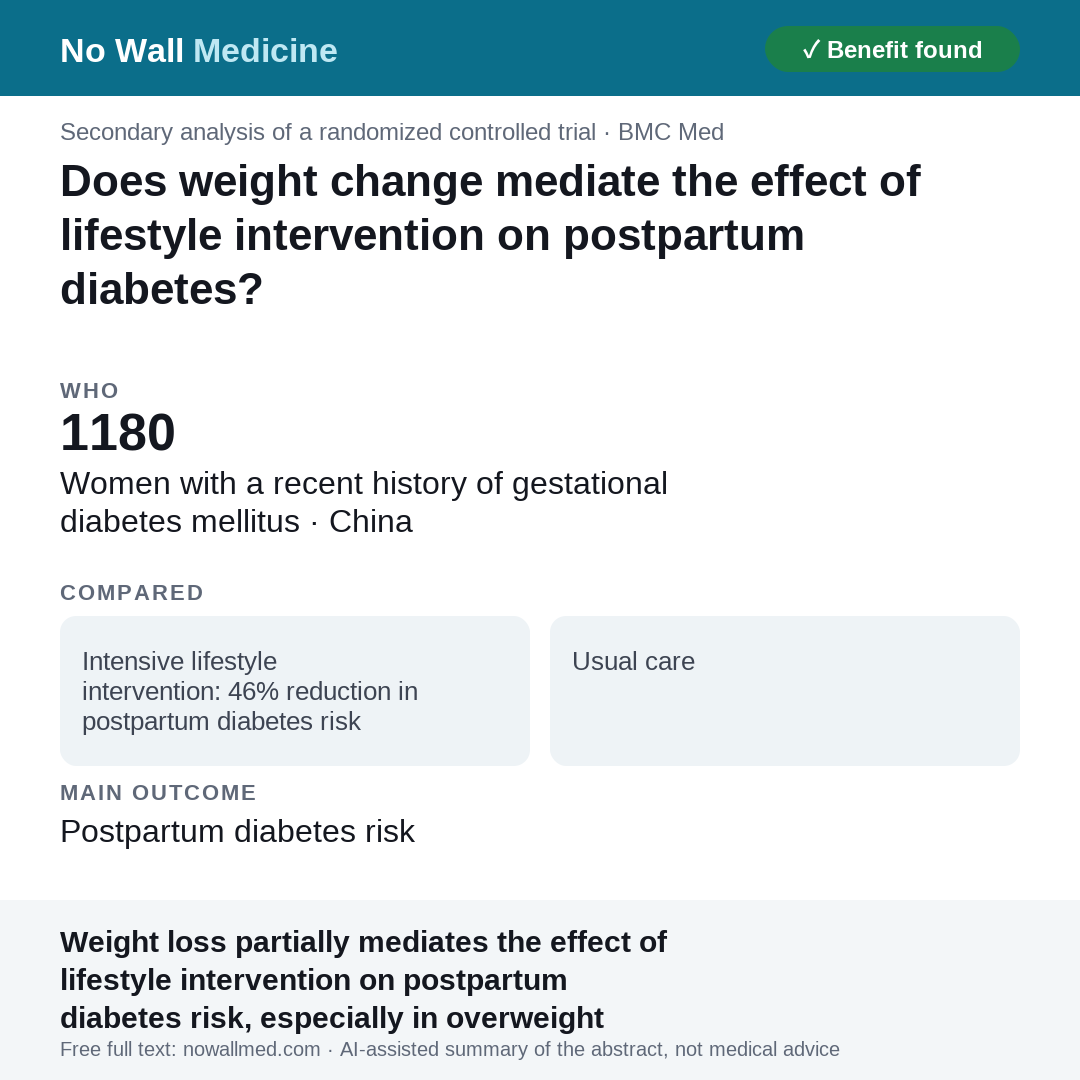
Weight change mediates the effect of lifestyle intervention on postpartum diabetes in women with prior gestational diabetes: a secondary analysis of a randomized clinical trial
Secondary analysis of a randomized controlled trialBenefit found
Does weight change mediate the effect of lifestyle intervention on postpartum diabetes?
Who
1180
Women with a recent history of gestational diabetes mellitus · China
Compared
Intensive lifestyle intervention: 46% reduction in postpartum diabetes risk
Usual care
Main outcome
Postpartum diabetes risk
Result: 13.0-18.8% mediation by weight indices
Bottom line: Weight loss partially mediates the effect of lifestyle intervention on postpartum diabetes risk, especially in overweight women.
BMC Med · 2026-01-21Download image
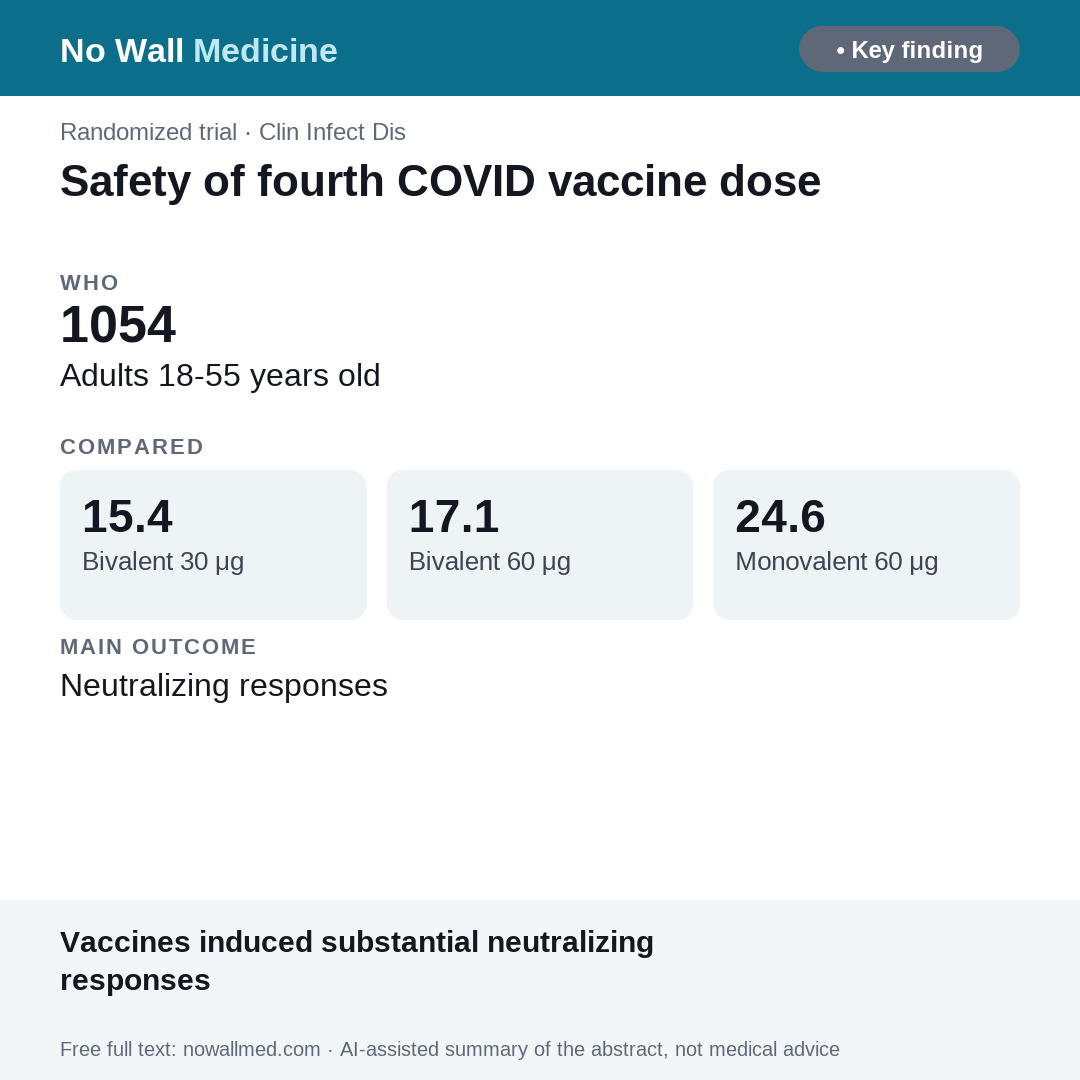
Safety and Immunogenicity of a Fourth Dose of Omicron BA.1-Adapted BNT162b2 COVID-19 Vaccines in Adults 18-55 Years Old
Randomized trialBenefit found
Safety of fourth COVID vaccine dose
Who
1054
Adults 18-55 years old
Compared
15.4Bivalent 30 μg (95% CI 12.4-19.2)
17.1Bivalent 60 μg (95% CI 13.7-21.4)
24.6Monovalent 60 μg (95% CI 19.3-31.4)
Main outcome
Neutralizing responses
Bottom line: Vaccines induced substantial neutralizing responses
Clin Infect Dis · 2026-01-21Download image
Effect of High-Dose Oral Insulin in Children With Stage 1 Type 1 Diabetes: The Fr1da Insulin Intervention Randomized Controlled Trial
Phase 2 randomized, placebo-controlled, double-blind trialNo clear difference
Does high-dose oral insulin prevent disease progression in children with stage 1 type 1 diabetes?
Who
220
Children with stage 1 type 1 diabetes
Compared
High-dose oral insulin: 46 participants developed dysglycemia or diabetes
Placebo: 41 participants developed dysglycemia or diabetes
Main outcome
Time to dysglycemia or clinical diabetes and immune response
Result: hazard ratio 1.07 (95% CI 0.66-1.73)
Bottom line: One year of high-dose oral insulin did not alter progression to diabetes or immune response in children.
Diabetes Care · 2026-01-21Download image

Weight gain, body composition, and metabolic parameters of dolutegravir-based antiretroviral therapy versus standard of care in children and adolescents: an ancillary analysis of the ODYSSEY trial
Open-label, randomised, non-inferiority trialMixed results
How does dolutegravir-based antiretroviral therapy compare to standard of care for anthropometric and metabolic outcomes?
Who
792
Children and adolescents living with HIV · 29 centres in eight countries
Compared
Dolutegravir
Standard of care
Main outcome
Anthropometric, body composition, and metabolic parameters
Bottom line: Dolutegravir showed similar body composition but lower cholesterol, triglycerides, and glucose compared to standard of care.
Lancet Child Adolesc Health · 2026-01-21Download image

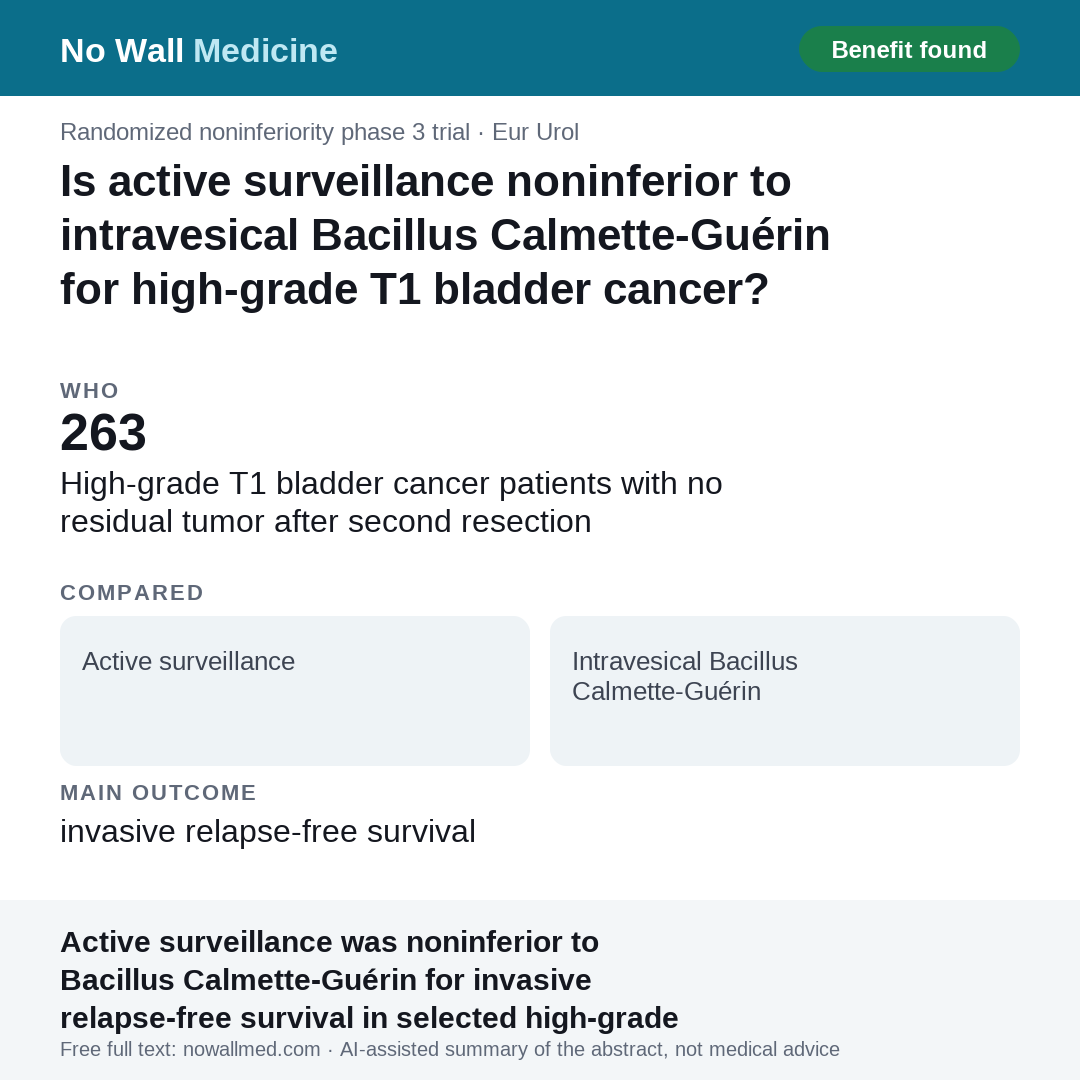
Active Surveillance Versus Intravesical Bacillus Calmette-Guérin for High-grade T1 Bladder Cancer with Negative Second Transurethral Resection: The Randomized Noninferiority Phase 3 JCOG1019 Trial
Randomized noninferiority phase 3 trialBenefit found
Is active surveillance noninferior to intravesical Bacillus Calmette-Guérin for high-grade T1 bladder cancer?
Who
263
High-grade T1 bladder cancer patients with no residual tumor after second resection
Compared
Active surveillance
Intravesical Bacillus Calmette-Guérin
Main outcome
invasive relapse-free survival
Result: hazard ratio 0.69 (90% confidence interval 0.44-1.08)
Bottom line: Active surveillance was noninferior to Bacillus Calmette-Guérin for invasive relapse-free survival in selected high-grade T1 bladder cancer patients.
Limitation: The protocol treatment in the control arm was not the current standard.
Eur Urol · 2026-01-21Download image
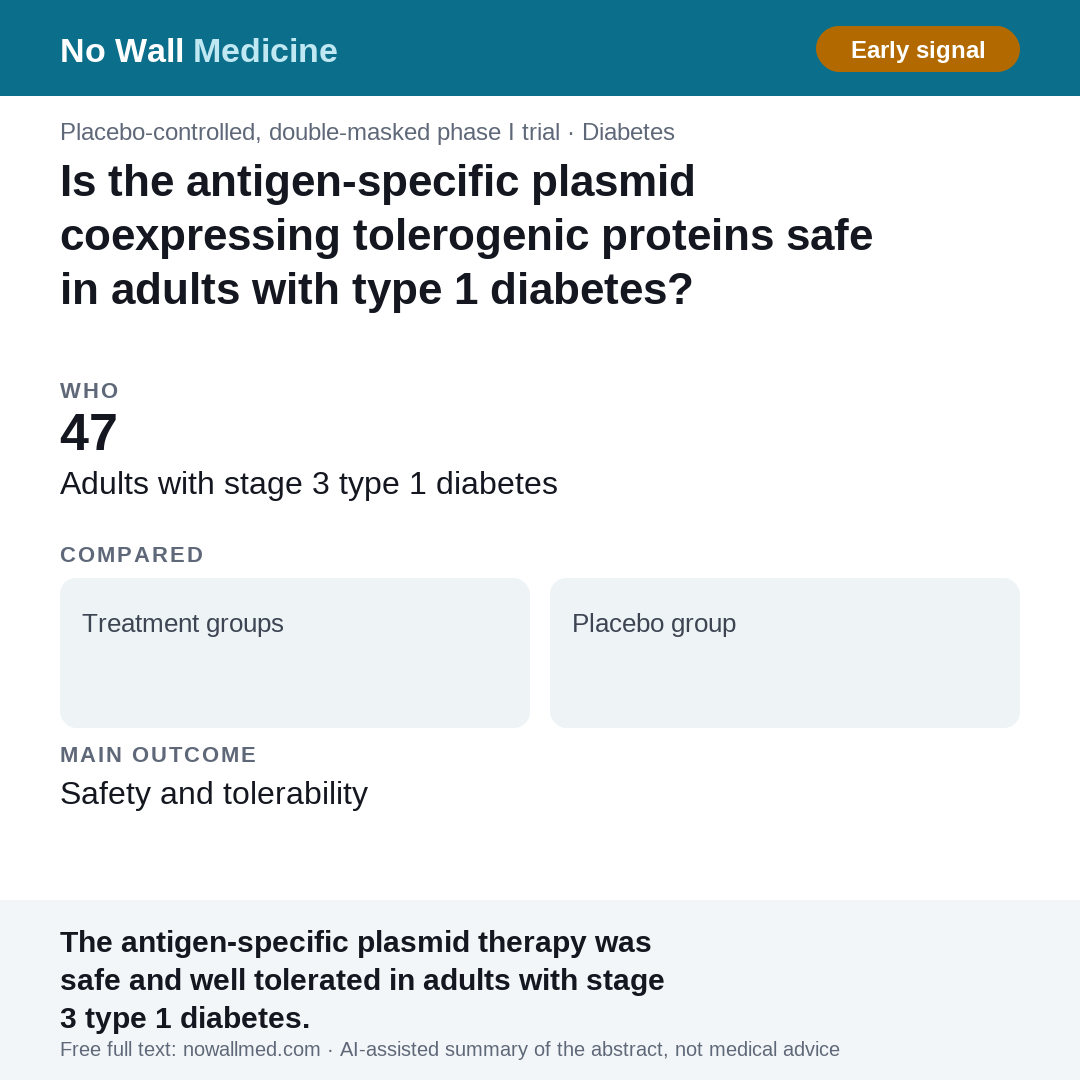
Phase I Clinical Trial of Islet Antigen-Specific Plasmid Coexpressing Tolerogenic Proteins Demonstrates Safety in Adults With Type 1 Diabetes
Placebo-controlled, double-masked phase I trialBenefit found
Is the antigen-specific plasmid coexpressing tolerogenic proteins safe in adults with type 1 diabetes?
Who
47
Adults with stage 3 type 1 diabetes
Compared
Treatment groups
Placebo group
Main outcome
Safety and tolerability
Bottom line: The antigen-specific plasmid therapy was safe and well tolerated in adults with stage 3 type 1 diabetes.
Limitation: Global or antigen-specific immune cell changes were not observed.
Diabetes · 2026-01-21Download image
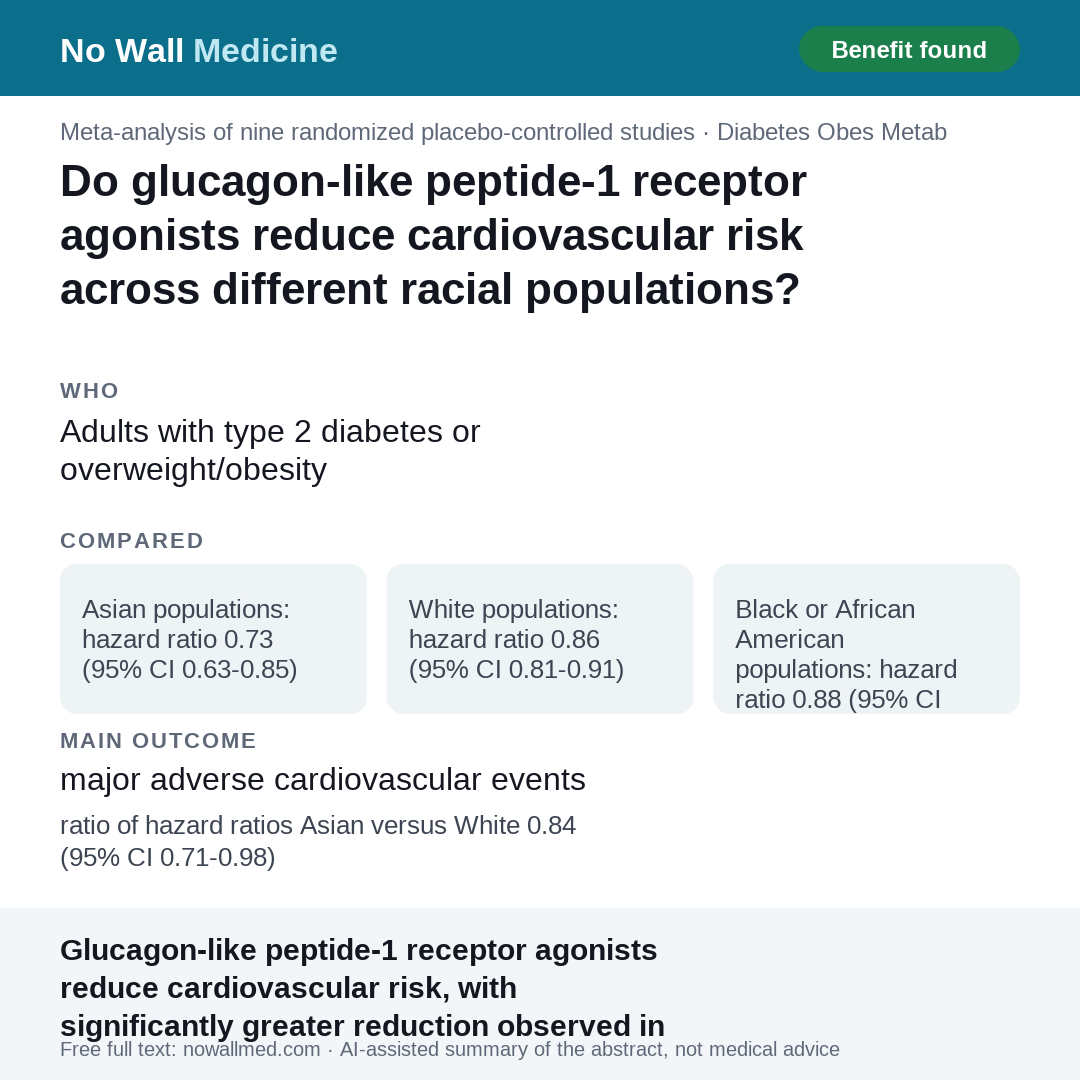
GLP-1 receptor agonists and cardiovascular outcomes in Asian, Black or African American, and White populations: An updated meta-analysis including the SOUL trial
Meta-analysis of nine randomized placebo-controlled trialsBenefit found
Do glucagon-like peptide-1 receptor agonists reduce cardiovascular risk across different racial populations?
Who
Adults with type 2 diabetes or overweight/obesity
Compared
Asian populations: hazard ratio 0.73 (95% CI 0.63-0.85)
White populations: hazard ratio 0.86 (95% CI 0.81-0.91)
Black or African American populations: hazard ratio 0.88 (95% CI 0.67-1.15)
Main outcome
major adverse cardiovascular events
Result: ratio of hazard ratios Asian versus White 0.84 (95% CI 0.71-0.98)
Bottom line: Glucagon-like peptide-1 receptor agonists reduce cardiovascular risk, with significantly greater reduction observed in Asian populations.
Diabetes Obes Metab · 2026-01-21Download image
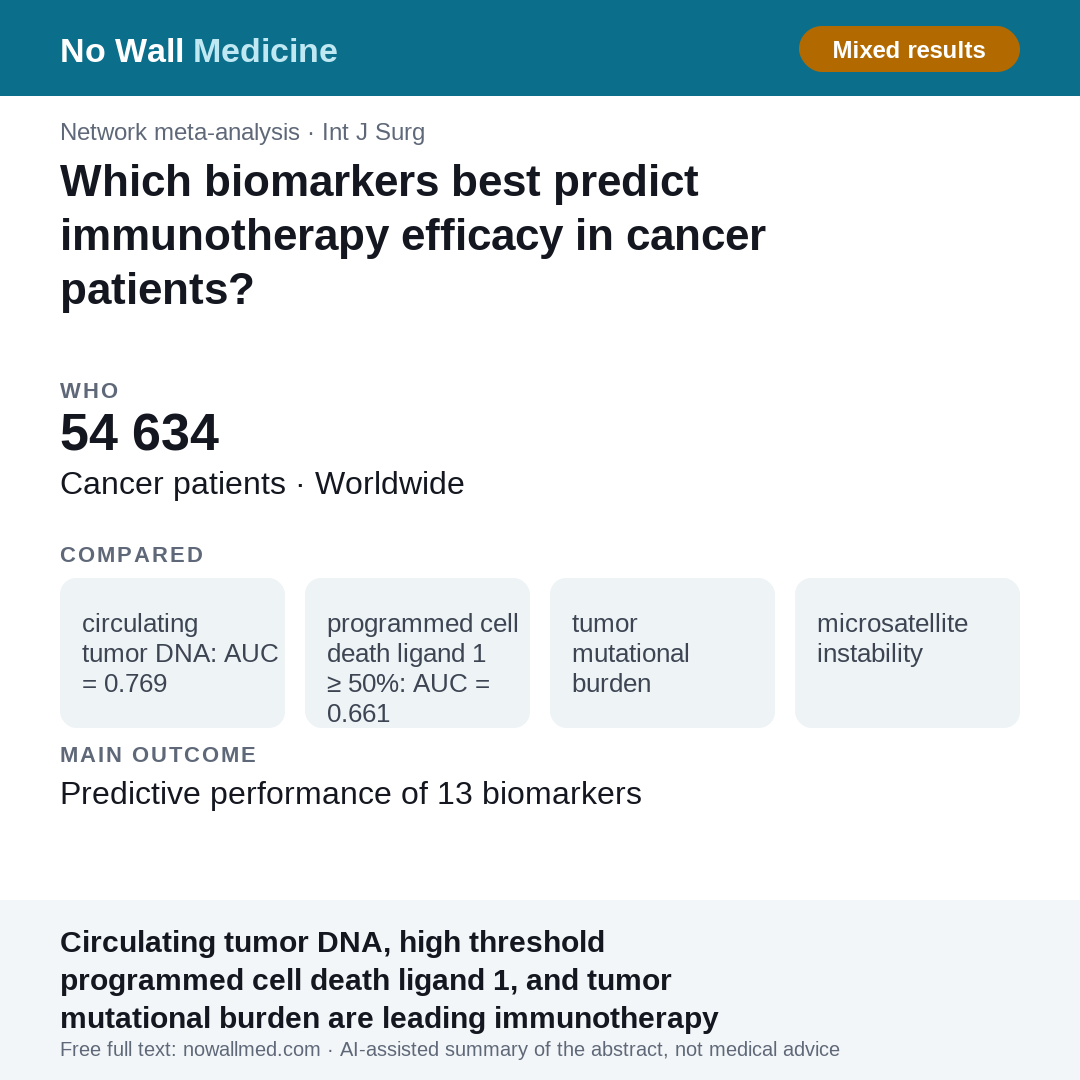
Comparative predictive value of immunotherapy biomarkers: a systematic review and network meta-analysis
Network meta-analysisMixed results
Which biomarkers best predict immunotherapy efficacy in cancer patients?
Who
54 634
Cancer patients · Worldwide
Compared
circulating tumor DNA: AUC = 0.769
programmed cell death ligand 1 ≥ 50%: AUC = 0.661
tumor mutational burden
microsatellite instability
Main outcome
Predictive performance of 13 biomarkers
Bottom line: Circulating tumor DNA, high threshold programmed cell death ligand 1, and tumor mutational burden are leading immunotherapy predictors.
Limitation: Future research must address heterogeneity and standardization to refine individualized immunotherapy strategies.
Int J Surg · 2026-01-21Download image
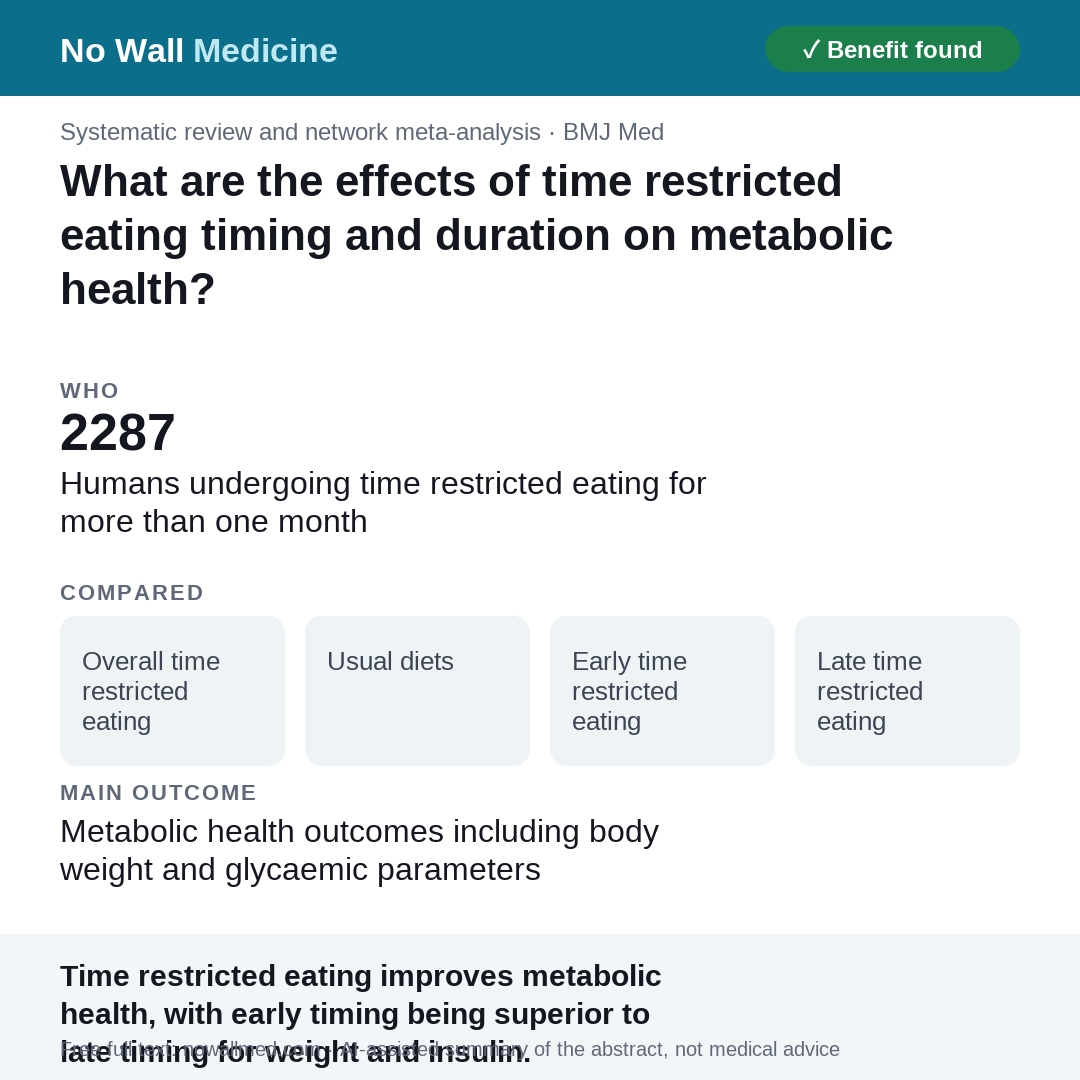
Effects of timing and eating duration of time restricted eating on metabolic outcomes: systematic review and network meta-analysis
Systematic review and network meta-analysisBenefit found
What are the effects of time restricted eating timing and duration on metabolic health?
Who
2287
Humans undergoing time restricted eating for more than one month
Compared
Overall time restricted eating
Usual diets
Early time restricted eating
Late time restricted eating
Main outcome
Metabolic health outcomes including body weight and glycaemic parameters
Result: mean difference -1.15 kg (95% confidence interval -1.86 to -0.45) for body weight
Bottom line: Time restricted eating improves metabolic health, with early timing being superior to late timing for weight and insulin.
Limitation: The association between eating duration and metabolic health outcomes was inconsistent.
BMJ Med · 2026-01-21Download image
Effectiveness of biologics for reducing occlusive mucus plugs in patients with severe asthma: a systematic review
Systematic review of randomized controlled trialsBenefit found
Do biologics reduce occlusive mucus plugs in patients with severe asthma?
Who
Patients with moderate-to-severe asthma
Compared
Biologics
Placebo
Main outcome
Mucus plug scores derived from computed tomography scans
Bottom line: Biologic treatment decreased mucus plug scores compared with placebo in patients with moderate-to-severe asthma.
Limitation: All studies showed residual plugs after biologic intervention.
Respir Res · 2026-01-21Download image

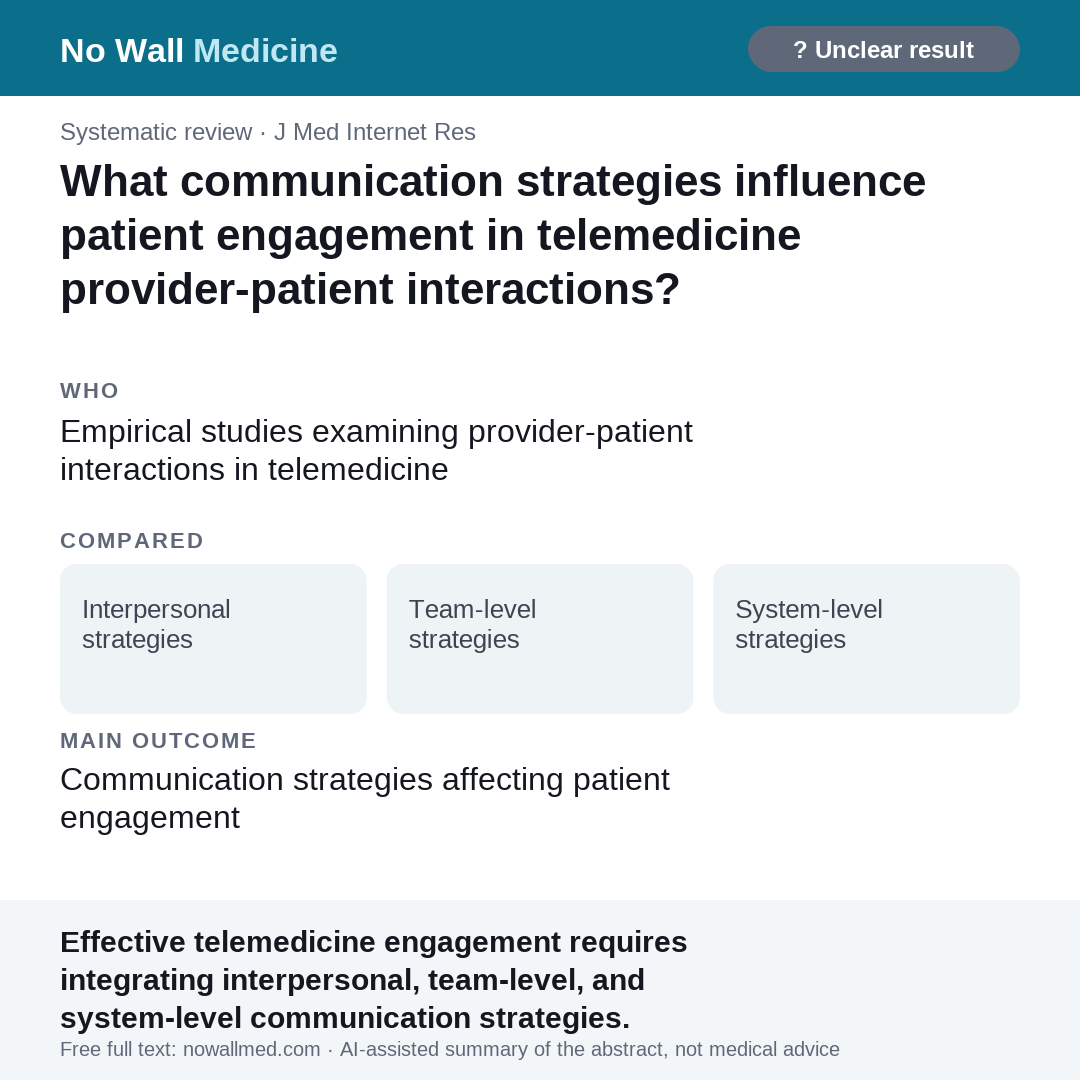
Communication Strategies to Promote Patient Engagement in Telemedicine: Systematic Review
Systematic reviewUnclear result
What communication strategies influence patient engagement in telemedicine provider-patient interactions?
Who
34
Empirical studies examining provider-patient interactions in telemedicine
Compared
Interpersonal strategies
Team-level strategies
System-level strategies
Main outcome
Communication strategies affecting patient engagement
Bottom line: Effective telemedicine engagement requires integrating interpersonal, team-level, and system-level communication strategies.
Limitation: Included studies predominantly used qualitative research methods to collect patient engagement data.
J Med Internet Res · 2026-01-21Download image
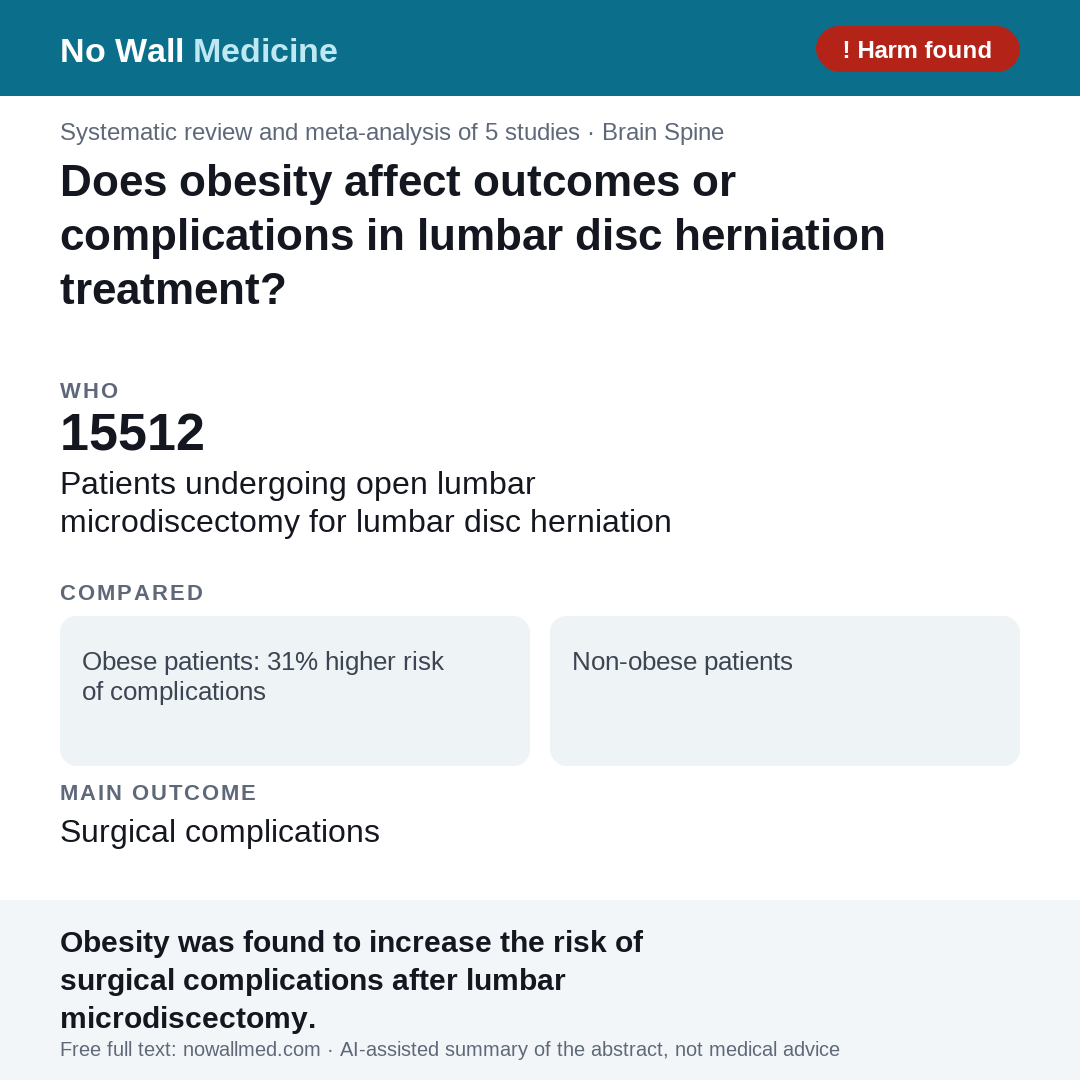
Does obesity affect outcomes or complications in the treatment of lumbar disc herniation after open lumbar microdiscectomy? A systematic review and meta-analysis
Systematic review and meta-analysisHarm found
Does obesity affect outcomes or complications after open lumbar microdiscectomy?
Who
15512
Patients undergoing open lumbar microdiscectomy
Compared
Obese patients: 31 % higher risk of complications
Non-obese patients
Main outcome
Surgical complications, leg pain, disability, and reoperation
Result: odds ratio 1.31 (95 % CI 1.06 to 1.61)
Bottom line: Obesity increases the risk of surgical complications after lumbar discectomy, though pain and disability outcomes remain similar.
Brain Spine · 2026-01-21Download image