Visual abstracts
New randomized trials and meta-analyses from leading journals at a glance: who was studied, what was compared, and what was found. Every paper is free to read in full.
All specialtiesCardiology 919Oncology 824Gastroenterology & Hepatology 340Infectious Disease 656Neurology 375Psychiatry & Mental Health 451Pulmonology 393Critical Care 272Endocrinology & Diabetes 501Pediatrics 575Surgery 370Orthopedics & Sports Medicine 168Neurosurgery 117Cardiothoracic & Vascular Surgery 88Plastic & Reconstructive Surgery 145Nephrology 205Rheumatology 111Hematology 196Dermatology 87Ophthalmology 107Obstetrics & Gynecology 279Public & Global Health 184Radiology & Imaging 111Anesthesiology 136Urology 172ENT (Otolaryngology) 117Emergency Medicine 104Allergy & Immunology 63Geriatrics 168Family Medicine & Primary Care 116Medical Genetics & Genomics 93Pathology & Laboratory Medicine 28Physical Medicine & Rehabilitation 149Palliative Care 82Nutrition 229Digital Health & AI 466General Medicine 105
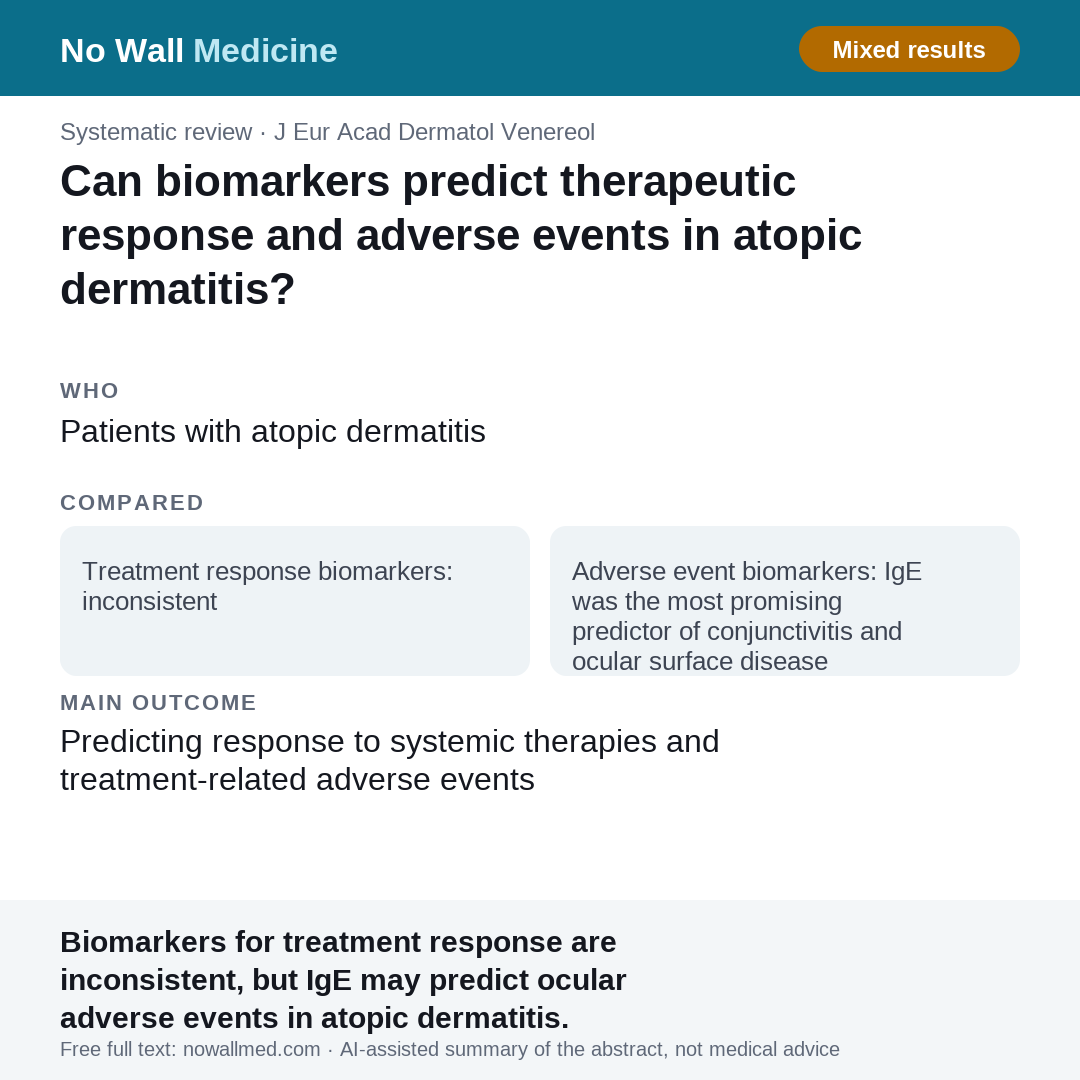
Biomarkers for therapeutic response and adverse outcomes in atopic dermatitis: A systematic review
Systematic reviewMixed results
Can biomarkers predict therapeutic response and adverse events in atopic dermatitis?
Who
Patients with atopic dermatitis
Compared
Treatment response biomarkers: inconsistent
Adverse event biomarkers: IgE was the most promising predictor of conjunctivitis and ocular surface disease
Main outcome
Predicting response to systemic therapies and treatment-related adverse events
Bottom line: Biomarkers for treatment response are inconsistent, but IgE may predict ocular adverse events in atopic dermatitis.
Limitation: Clinical heterogeneity and multifactorial aetiology complicate finding robust predictive biomarkers.
J Eur Acad Dermatol Venereol · 2026-01-31Download image
Cannabidiol blood metabolite levels after cannabidiol treatment are associated with broadband EEG changes and improvements in visuomotor and non-verbal cognitive abilities in boys with autism requiring higher levels of support
Double-blind, placebo-controlled, crossover Phase II Clinical TrialMixed results
Do cannabidiol metabolite levels associate with EEG changes and cognitive improvements in boys with autism?
Who
24
24 boys with autism spectrum disorder and higher support needs
Compared
Cannabidiol treatment
Placebo
Main outcome
Aperiodic EEG measures, receptive vocabulary, nonverbal intelligence, and visuomotor coordination
Bottom line: Cannabidiol metabolite levels associated with EEG changes and improvements in cognitive and visuomotor abilities in some children.
Transl Psychiatry · 2026-01-30Download image

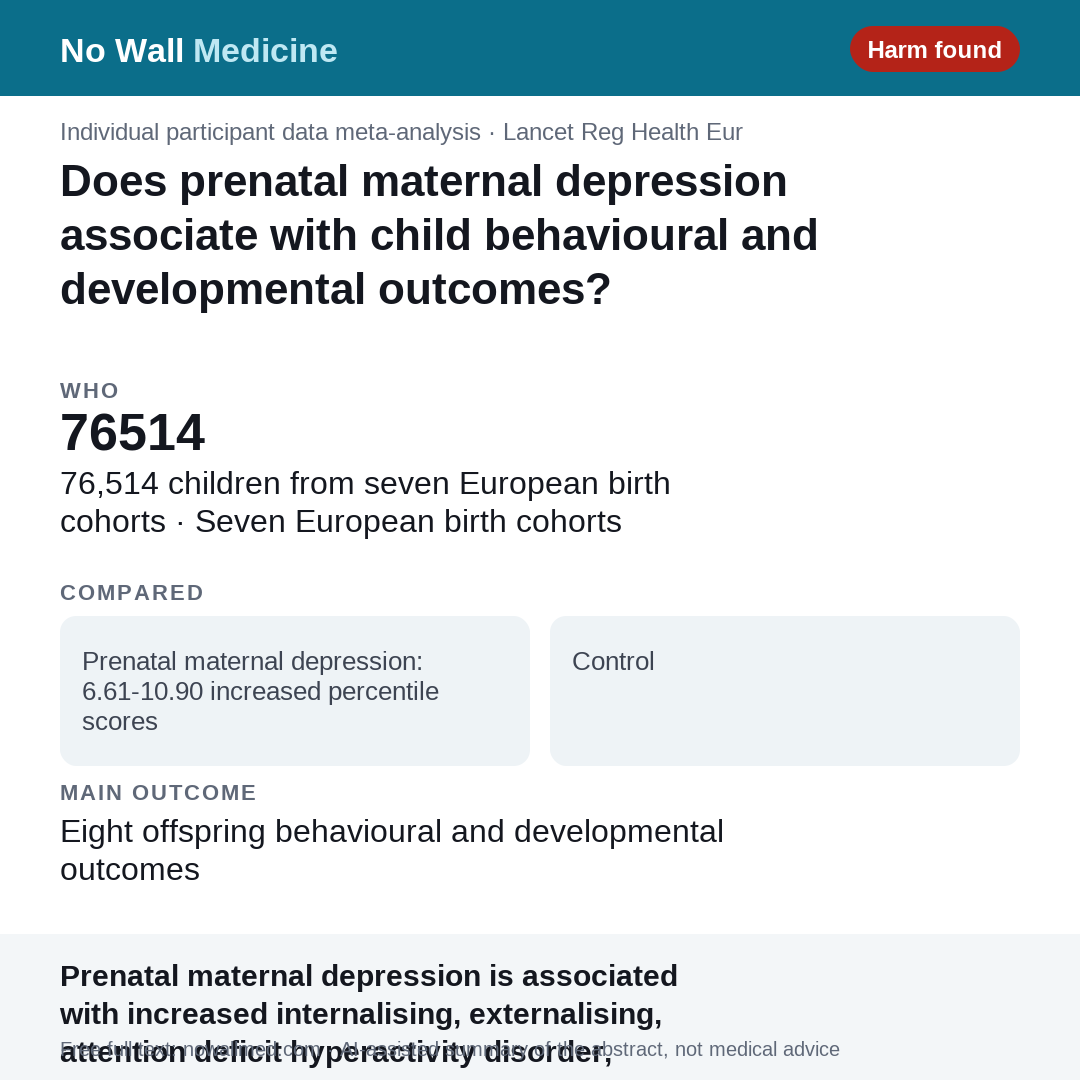
Prenatal maternal depression and child behavioural and developmental outcomes: an individual participant data meta-analysis in 76,514 children from the EU Child Cohort Network
Individual participant data meta-analysisHarm found
Does prenatal maternal depression associate with child behavioural and developmental outcomes?
Who
76514
76,514 children from seven European birth cohorts · Seven European birth cohorts
Compared
Prenatal maternal depression: 6.61-10.90 increased percentile scores
Control
Main outcome
Eight offspring behavioural and developmental outcomes
Bottom line: Prenatal maternal depression is associated with increased internalising, externalising, attention deficit hyperactivity disorder, and autism spectrum disorder symptoms.
Funded by: HappyMums Project, European Union
Lancet Reg Health Eur · 2026-01-29Download image
Efficacy and safety of non-pharmacological treatments for paediatric functional constipation: a systematic review and meta-analysis
Meta-analysis of 93 trialsBenefit found
Do non-pharmacological treatments work for pediatric constipation
Who
7787
children with functional constipation
Compared
abdominal stimulation
pelvic floor exercises
Main outcome
treatment success
Result: risk ratio 1.75 (95%CI 1.25 to 2.44)
Bottom line: Some non-pharmacological treatments show beneficial effects
BMJ Paediatr Open · 2026-01-28Download image

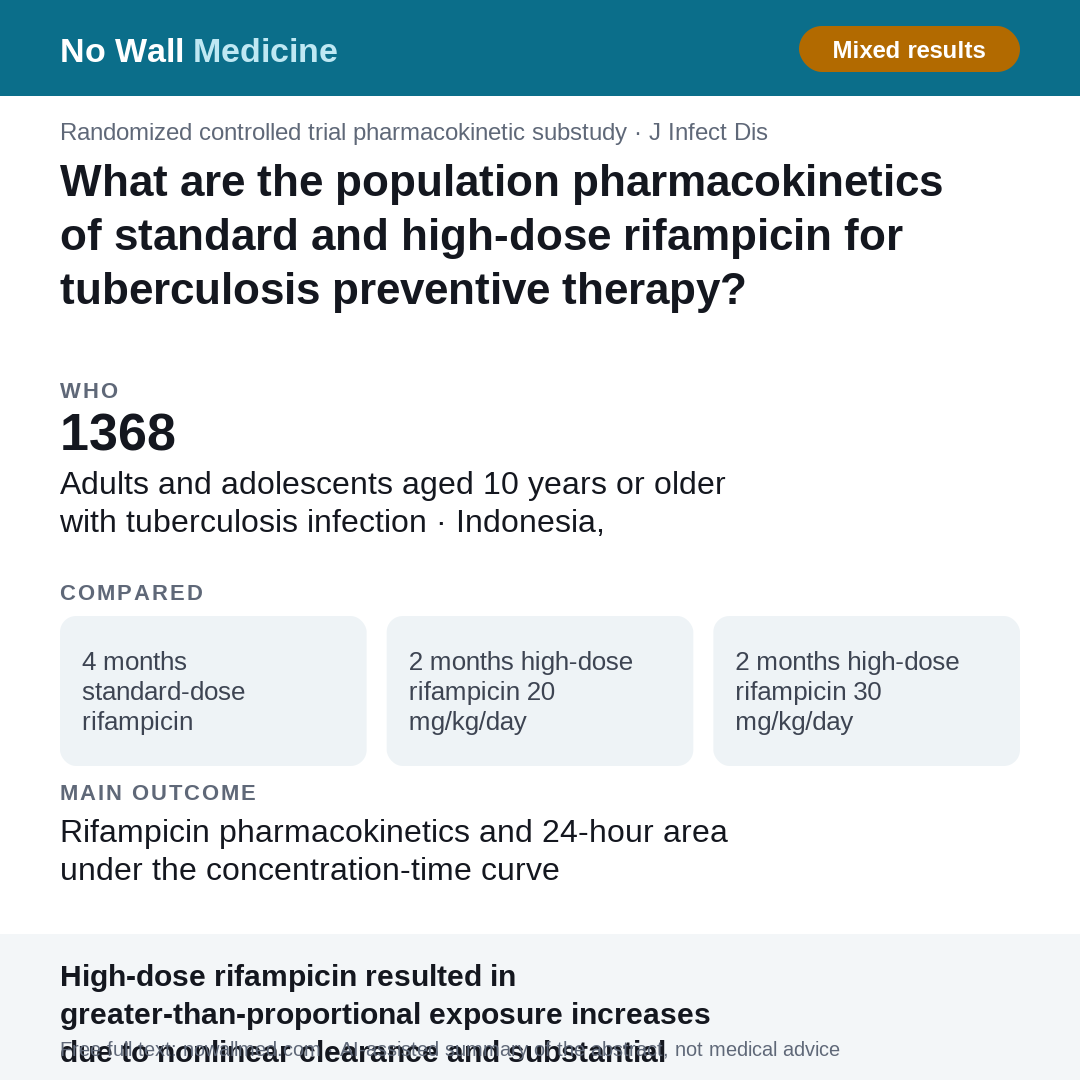
Population Pharmacokinetic Modeling of Standard- and High-Dose Rifampicin for Tuberculosis Preventive Therapy in the 2R2 Randomized Controlled Trial
Randomized controlled trial pharmacokinetic substudyMixed results
What are the population pharmacokinetics of standard and high-dose rifampicin for tuberculosis preventive therapy?
Who
1368
Adults and adolescents aged 10 years or older with tuberculosis infection · Indonesia, Canada, and Vietnam
Compared
4 months standard-dose rifampicin
2 months high-dose rifampicin 20 mg/kg/day
2 months high-dose rifampicin 30 mg/kg/day
Main outcome
Rifampicin pharmacokinetics and 24-hour area under the concentration-time curve
Bottom line: High-dose rifampicin resulted in greater-than-proportional exposure increases due to nonlinear clearance and substantial between-country variability.
Limitation: Substantial between-country variability may be due to unmeasured confounders.
J Infect Dis · 2026-01-27Download image
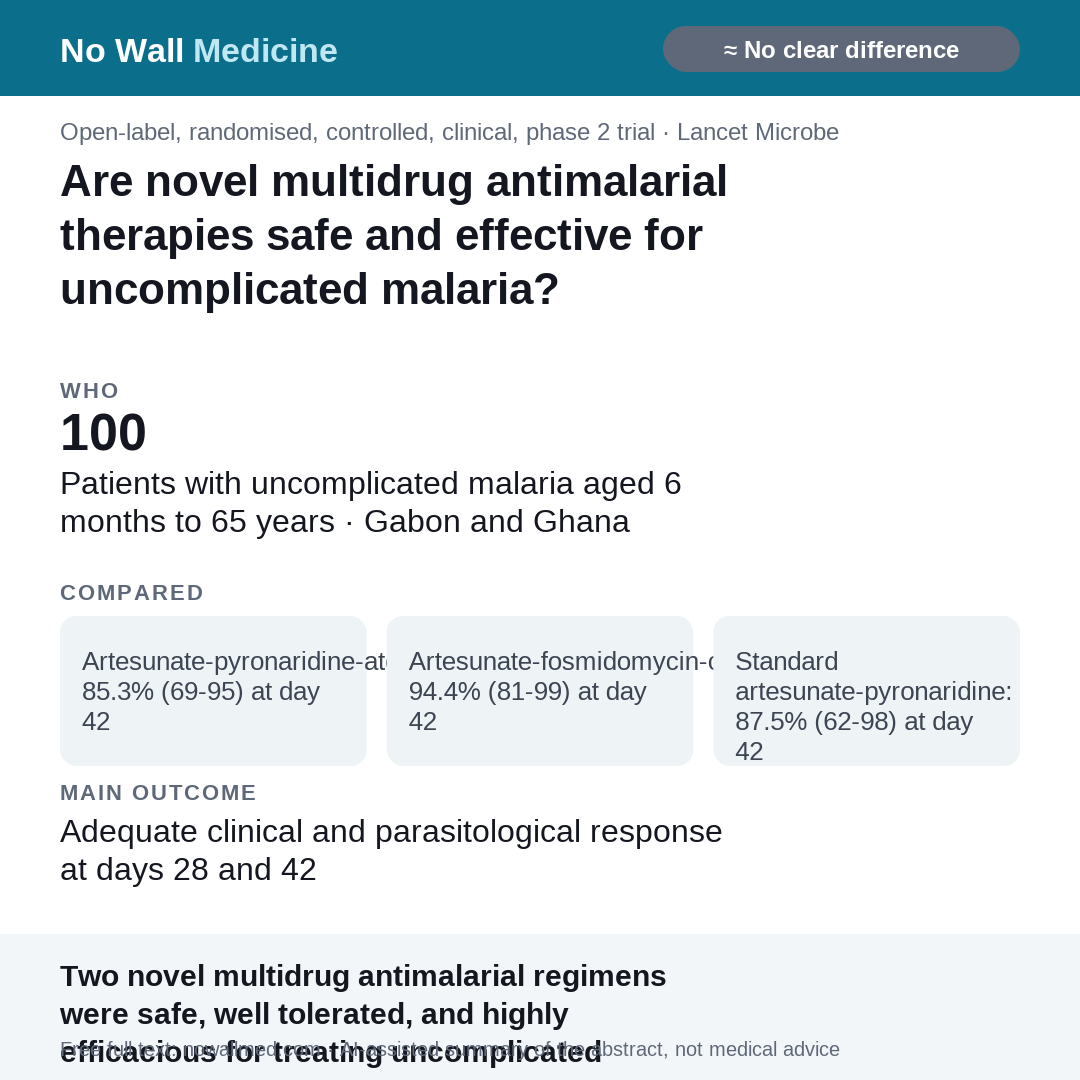
Artesunate-pyronaridine-atovaquone-proguanil and artesunate-fosmidomycin-clindamycin compared with standard artesunate-pyronaridine for the treatment of uncomplicated malaria (MultiMal): a randomised, controlled, clinical, phase 2 trial in Gabon and Ghana
Open-label, randomised, controlled, clinical, phase 2 trialNo clear difference
Are novel multidrug antimalarial therapies safe and effective for uncomplicated malaria?
Who
100
Patients with uncomplicated malaria aged 6 months to 65 years · Gabon and Ghana
Compared
Artesunate-pyronaridine-atovaquone-proguanil: 85.3% (69-95) at day 42
Artesunate-fosmidomycin-clindamycin: 94.4% (81-99) at day 42
Standard artesunate-pyronaridine: 87.5% (62-98) at day 42
Main outcome
Adequate clinical and parasitological response at days 28 and 42
Bottom line: Two novel multidrug antimalarial regimens were safe, well tolerated, and highly efficacious for treating uncomplicated malaria.
Lancet Microbe · 2026-01-27Download image
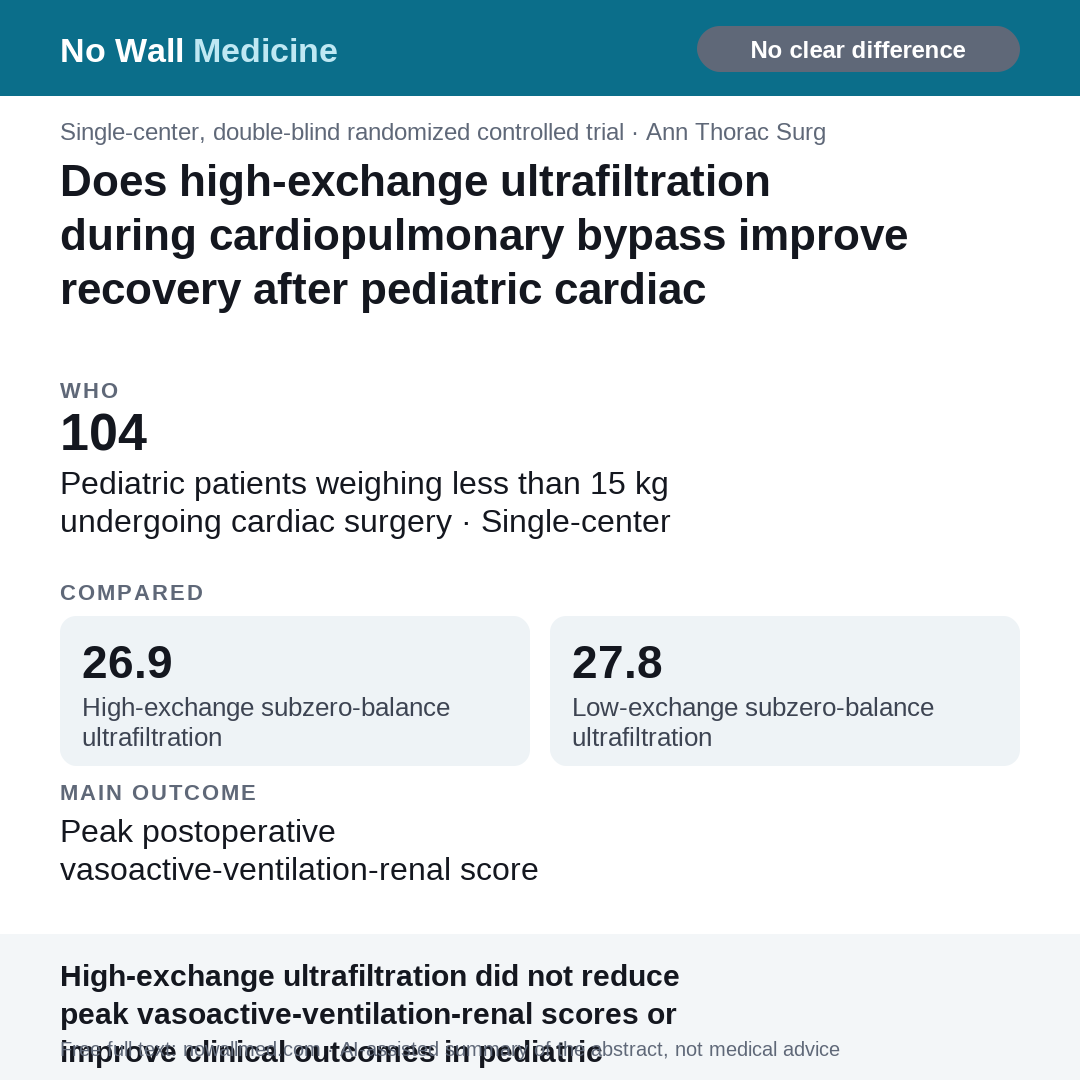
High-Exchange Ultrafiltration to Enhance Recovery After Pediatric Cardiac Surgery: The ULTRA Randomized Controlled Trial
Single-center, double-blind randomized controlled trialNo clear difference
Does high-exchange ultrafiltration during cardiopulmonary bypass improve recovery after pediatric cardiac surgery?
Who
104
Pediatric patients weighing less than 15 kg undergoing cardiac surgery · Single-center
Compared
26.9High-exchange subzero-balance ultrafiltration (2.1-77.9)
27.8Low-exchange subzero-balance ultrafiltration (0.8-76.7)
Main outcome
Peak postoperative vasoactive-ventilation-renal score
Bottom line: High-exchange ultrafiltration did not reduce peak vasoactive-ventilation-renal scores or improve clinical outcomes in pediatric cardiac surgery.
Ann Thorac Surg · 2026-01-27Download image
Pregnancy outcomes in women at high risk of preterm birth receiving a vaginal cervical cerclage with, or without, progesterone: A retrospective, secondary analysis of the C-STICH randomised controlled trial data
Retrospective, secondary analysis of a randomized controlled trialBenefit found
Does progesterone reduce pregnancy loss in women receiving vaginal cervical cerclage?
Who
1943
Women at high risk of preterm birth receiving vaginal cervical cerclage · 75 obstetric units in the United Kingdom
Compared
5.9%Progesterone (49/832)
8.3%No progesterone (91/1103)
Main outcome
Pregnancy loss including miscarriage and perinatal mortality
Result: adjusted risk ratio 0.70 (95% CI 0.50 to 0.99)
Bottom line: In women with vaginal cervical cerclage, adding progesterone was associated with a reduced risk of pregnancy loss.
Limitation: Nonrandomised trial design and unknown confounding relating to variation in progesterone use.
PLOS Med · 2026-01-23Download image

NICU Virtual Family-Centered Rounds: A Cluster Randomized Controlled Trial
Cluster randomized controlled trialBenefit found
Does offering virtual family-centered rounds in the neonatal intensive care unit improve outcomes?
Who
486
Families of hospitalized infants in a neonatal intensive care unit · Single-site neonatal intensive care unit
Compared
Virtual family-centered rounds: 4.62 (95% CI 3.40-6.28) unadjusted incidence rate ratio for parent attendance
Usual care
Main outcome
Family-centered rounds attendance and parental and neonatal outcomes
Result: unadjusted incidence rate ratio 4.62 (95% CI 3.40-6.28)
Bottom line: Virtual family-centered rounds increased parent attendance and reduced 30-day emergency department revisits among neonatal intensive care unit infants.
Pediatrics · 2026-01-23Download image

Post-mortem imaging in suspected child physical abuse: a systematic review
Systematic reviewBenefit found
What is the evidence for post-mortem radiologic imaging in suspected child physical abuse?
Who
Children with suspected physical abuse
Compared
Post-mortem radiography: detected subtle fractures
Post-mortem computed tomography: high-resolution assessment of injuries
Post-mortem magnetic resonance imaging: soft-tissue and intracranial detail
Main outcome
diagnostic yield of post-mortem imaging
Bottom line: Post-mortem imaging can reveal important injury patterns that may be overlooked by autopsy in child abuse cases.
Limitation: Study heterogeneity and moderate-to-high risk of bias in most studies.
Eur Radiol · 2026-01-23Download image

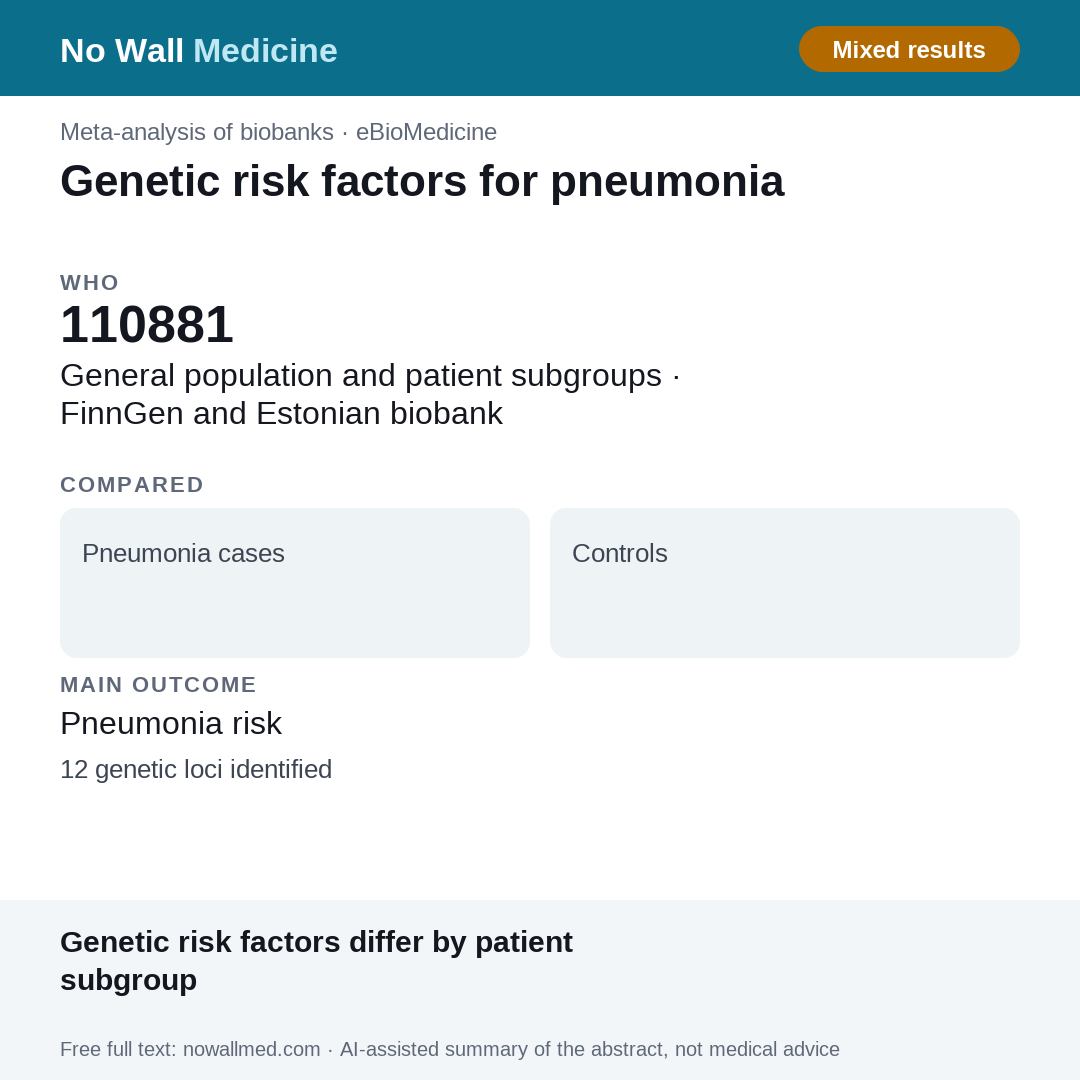
Genetic risk factors for pneumonia differ by patient subgroup
Meta-analysis of biobanksMixed results
Genetic risk factors for pneumonia
Who
110881
General population and patient subgroups · FinnGen and Estonian biobank
Compared
Pneumonia cases
Controls
Main outcome
Pneumonia risk
Result: 12 genetic loci identified
Bottom line: Genetic risk factors differ by patient subgroup
Funded by: various sources
eBioMedicine · 2026-01-23Download image
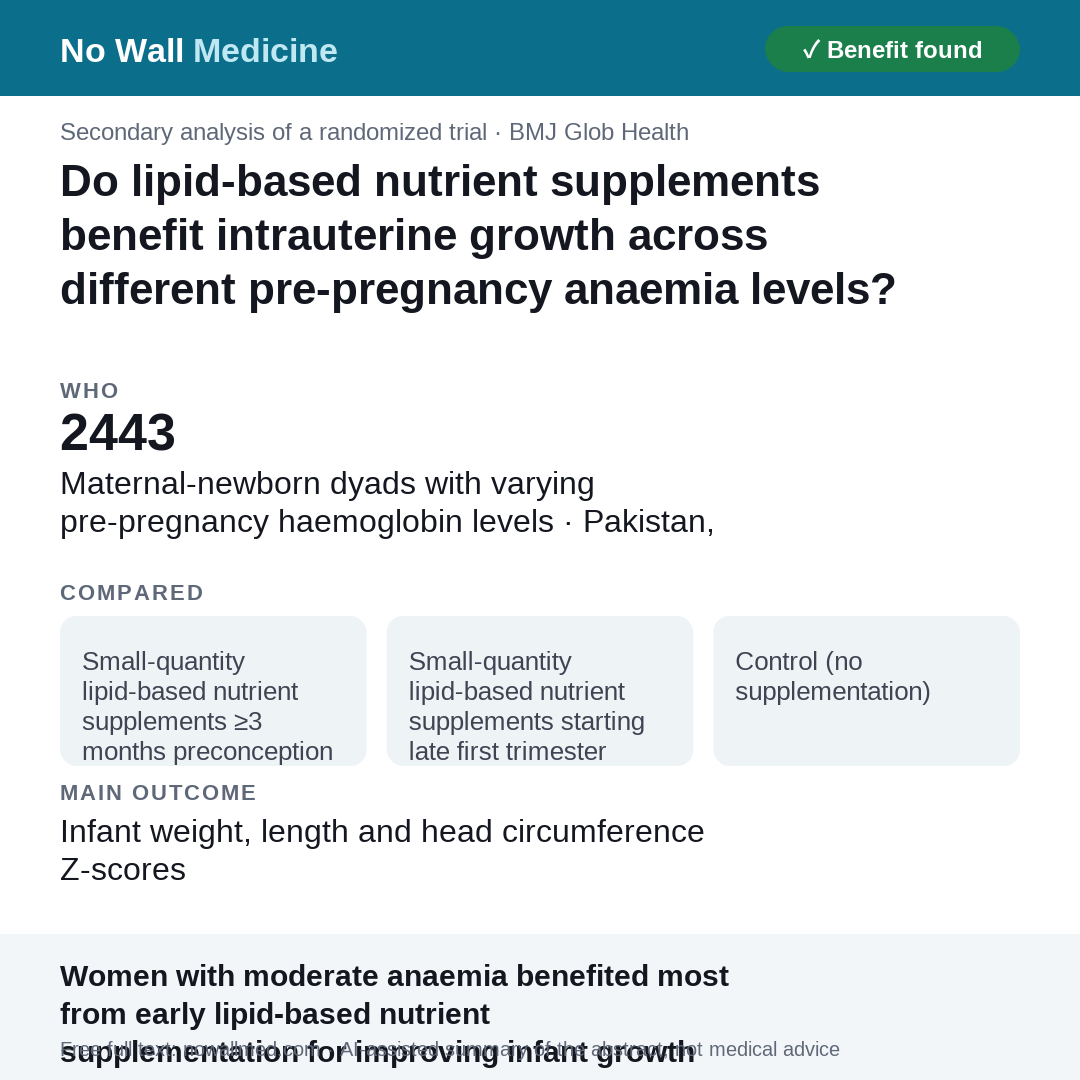
Women with moderate anaemia prior to conception benefited most from nutrition interventions: a secondary analysis of the Women First preconception maternal nutrition trial
Secondary analysis of a randomized trialBenefit found
Do lipid-based nutrient supplements benefit intrauterine growth across different pre-pregnancy anaemia levels?
Who
2443
Maternal-newborn dyads with varying pre-pregnancy haemoglobin levels · Pakistan, India, Guatemala and Democratic Republic of Congo
Compared
Small-quantity lipid-based nutrient supplements ≥3 months preconception
Small-quantity lipid-based nutrient supplements starting late first trimester
Control (no supplementation)
Main outcome
Infant weight, length and head circumference Z-scores
Bottom line: Women with moderate anaemia benefited most from early lipid-based nutrient supplementation for improving infant growth markers.
BMJ Glob Health · 2026-01-23Download image
Efficacy, safety, and tolerability of arbaclofen in Autistic children and adolescents, the AIMS-2-TRIALS-CT1: a randomized, double-blind, placebo-controlled phase II trial
Randomized, double-blind, placebo-controlled phase II trialMixed results
Is arbaclofen superior to placebo in improving social function in autistic children and adolescents?
Who
122
Autistic children and adolescents with fluent speech · 7 sites in Spain, United Kingdom and France
Compared
arbaclofen
placebo
Main outcome
Socialization domain of the Vineland Adaptive Behavior Scales change
Result: effect size 1.30 (95% CI: -2.6, 5.1)
Bottom line: Arbaclofen showed no significant effect on the primary outcome but improved several secondary measures and quality of life.
Funded by: Innovative Medicines Initiative 2 Joint Undertaking
eClinicalMedicine · 2026-01-22Download image

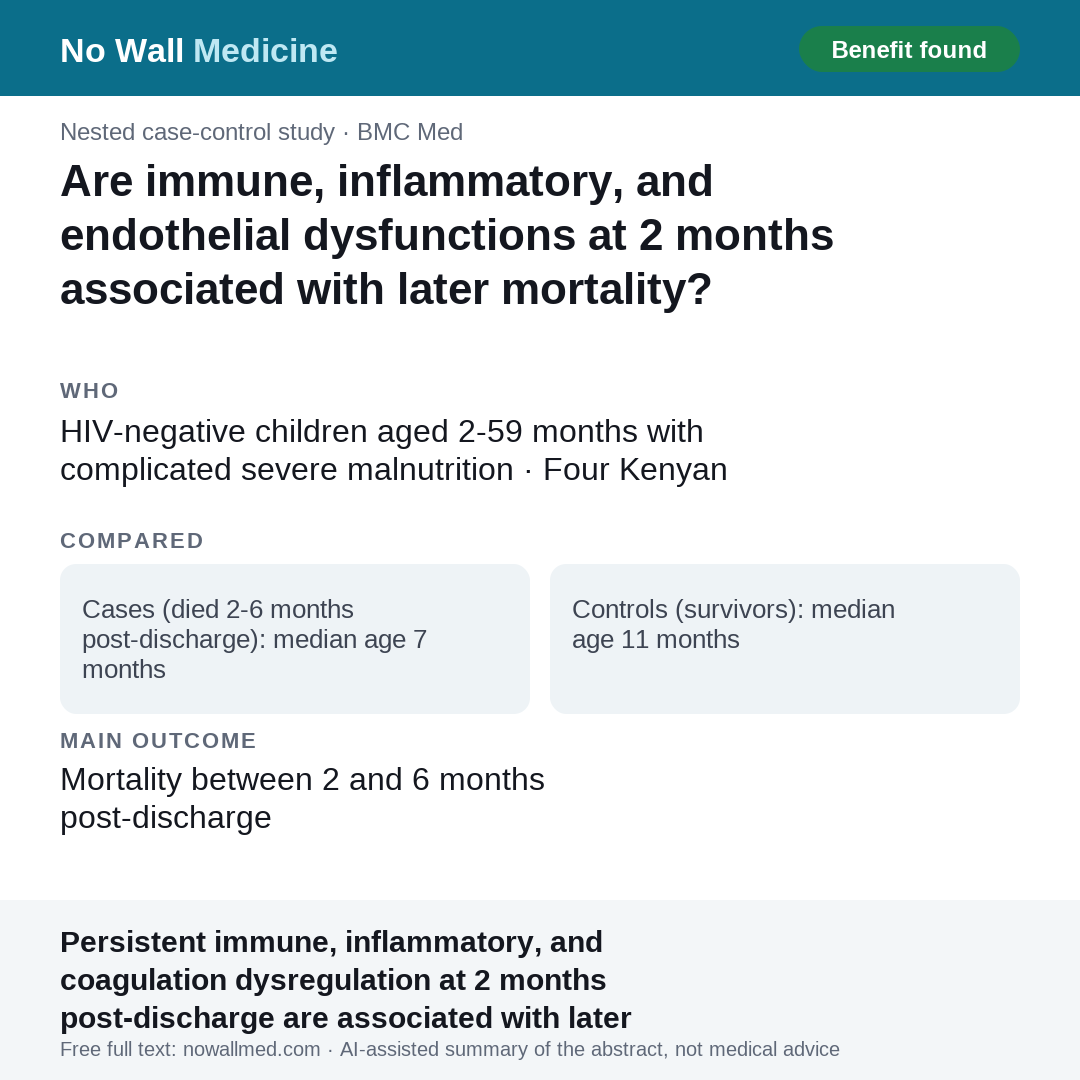
Persistent immune, coagulation and cardiac dysregulation are correlated with later post-discharge mortality in children with severe malnutrition
Nested case-control studyBenefit found
Are immune, inflammatory, and endothelial dysfunctions at 2 months associated with later mortality?
Who
HIV-negative children aged 2-59 months with complicated severe malnutrition · Four Kenyan hospitals
Compared
Cases (died 2-6 months post-discharge): median age 7 months
Controls (survivors): median age 11 months
Main outcome
Mortality between 2 and 6 months post-discharge
Bottom line: Persistent immune, inflammatory, and coagulation dysregulation at 2 months post-discharge are associated with later mortality in malnourished children.
BMC Med · 2026-01-22Download image
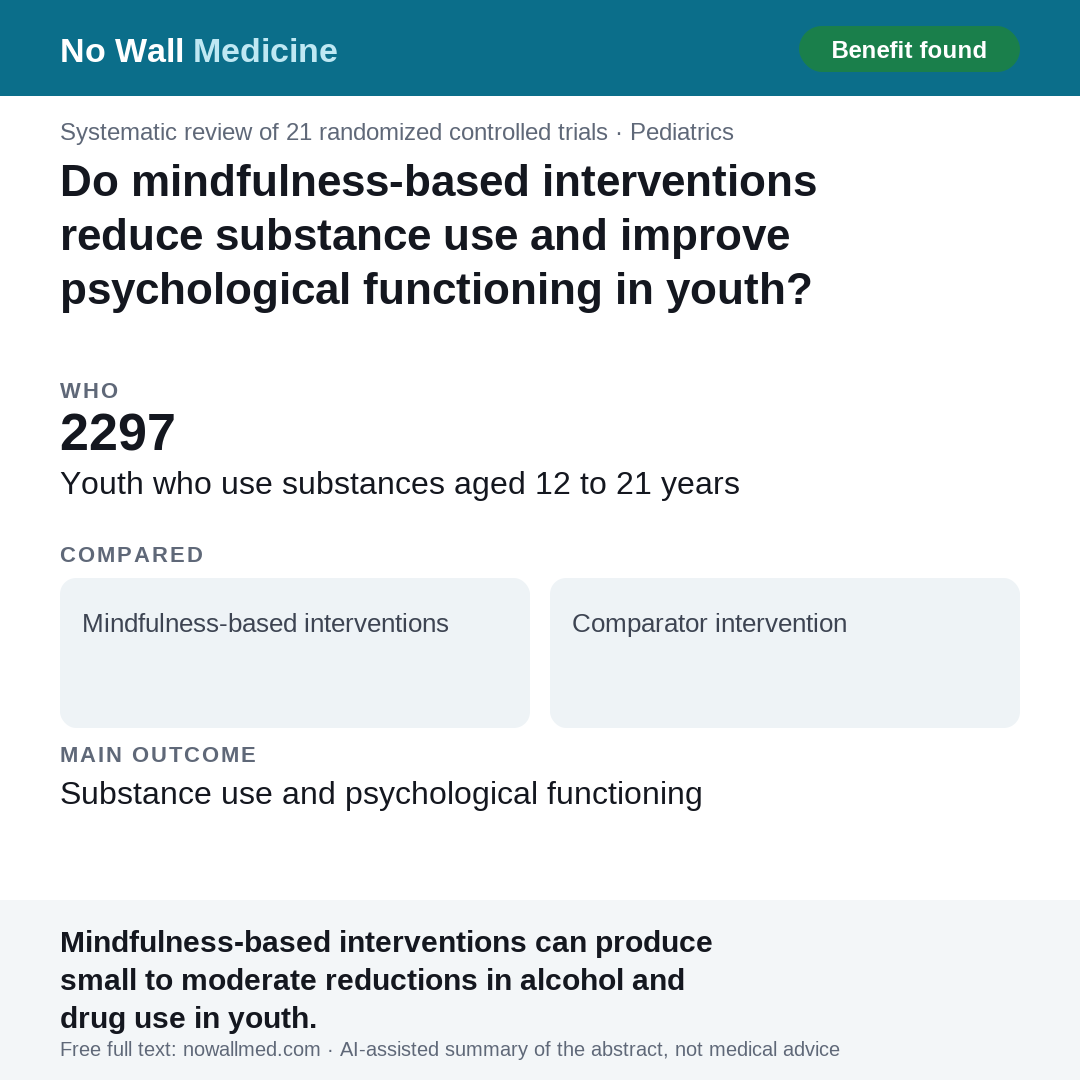
Mindfulness-Based Interventions for Adolescent Substance Use and Substance Use Disorders: A Systematic Review
Systematic review of 21 randomized controlled trialsBenefit found
Do mindfulness-based interventions reduce substance use and improve psychological functioning in youth?
Who
2297
Youth who use substances aged 12 to 21 years
Compared
Mindfulness-based interventions
Comparator intervention
Main outcome
Substance use and psychological functioning
Bottom line: Mindfulness-based interventions can produce small to moderate reductions in alcohol and drug use in youth.
Limitation: Heterogeneity of interventions and outcomes limited the ability to generalize findings.
Pediatrics · 2026-01-22Download image
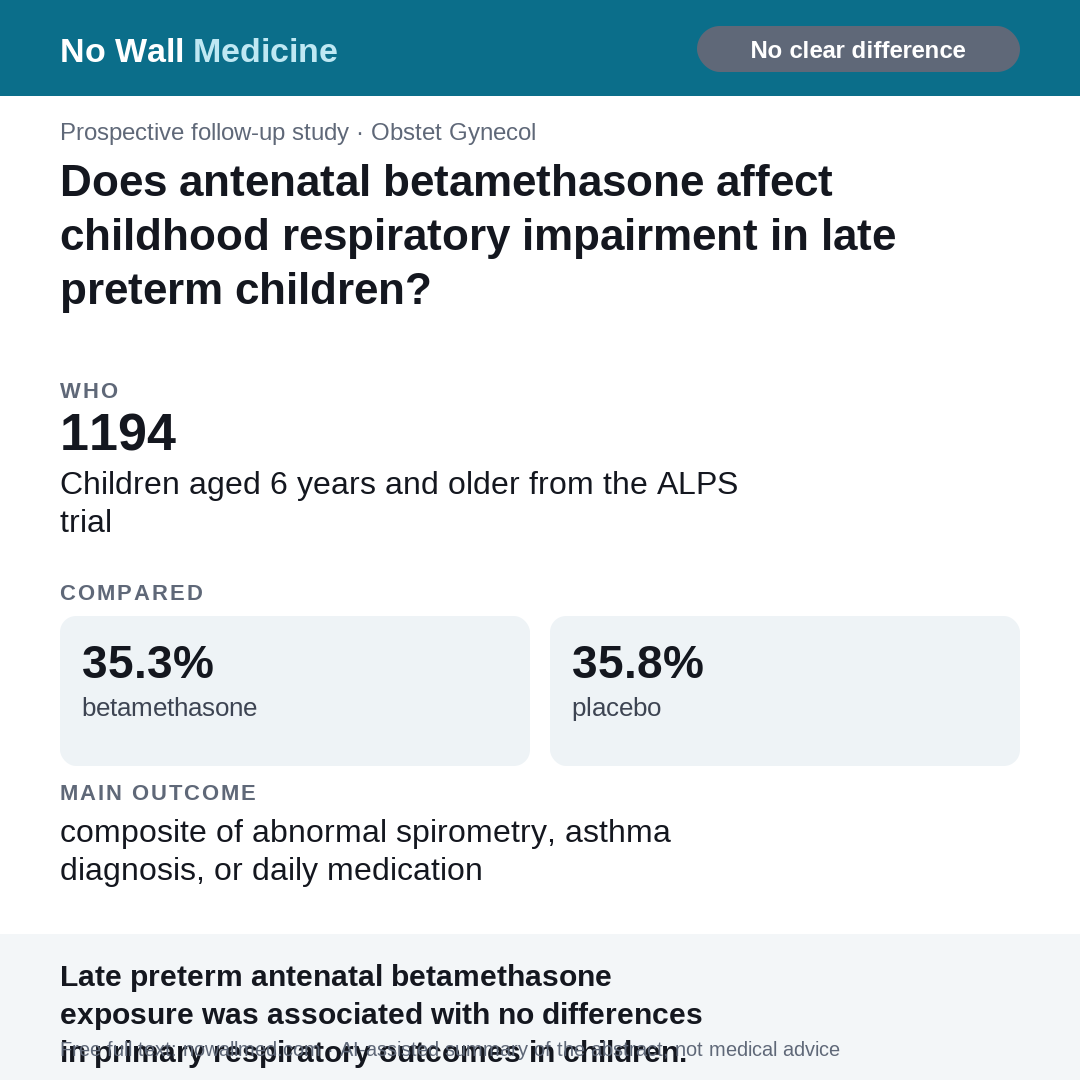
Childhood Pulmonary Outcomes After Late Preterm Antenatal Corticosteroids
Prospective follow-up studyNo clear difference
Does antenatal betamethasone affect childhood respiratory impairment in late preterm children?
Who
1194
Children aged 6 years and older from the ALPS trial
Compared
35.3%betamethasone
35.8%placebo
Main outcome
composite of abnormal spirometry, asthma diagnosis, or daily medication
Result: adjusted relative risk 1.02 (95% CI 0.87-1.18)
Bottom line: Late preterm antenatal betamethasone exposure was associated with no differences in primary respiratory outcomes in children.
Obstet Gynecol · 2026-01-22Download image
Effect of High-Dose Oral Insulin in Children With Stage 1 Type 1 Diabetes: The Fr1da Insulin Intervention Randomized Controlled Trial
Phase 2 randomized, placebo-controlled, double-blind trialNo clear difference
Does high-dose oral insulin prevent disease progression in children with stage 1 type 1 diabetes?
Who
220
Children with stage 1 type 1 diabetes
Compared
High-dose oral insulin: 46 participants developed dysglycemia or diabetes
Placebo: 41 participants developed dysglycemia or diabetes
Main outcome
Time to dysglycemia or clinical diabetes and immune response
Result: hazard ratio 1.07 (95% CI 0.66-1.73)
Bottom line: One year of high-dose oral insulin did not alter progression to diabetes or immune response in children.
Diabetes Care · 2026-01-21Download image

Weight gain, body composition, and metabolic parameters of dolutegravir-based antiretroviral therapy versus standard of care in children and adolescents: an ancillary analysis of the ODYSSEY trial
Open-label, randomised, non-inferiority trialMixed results
How does dolutegravir-based antiretroviral therapy compare to standard of care for anthropometric and metabolic outcomes?
Who
792
Children and adolescents living with HIV · 29 centres in eight countries
Compared
Dolutegravir
Standard of care
Main outcome
Anthropometric, body composition, and metabolic parameters
Bottom line: Dolutegravir showed similar body composition but lower cholesterol, triglycerides, and glucose compared to standard of care.
Lancet Child Adolesc Health · 2026-01-21Download image

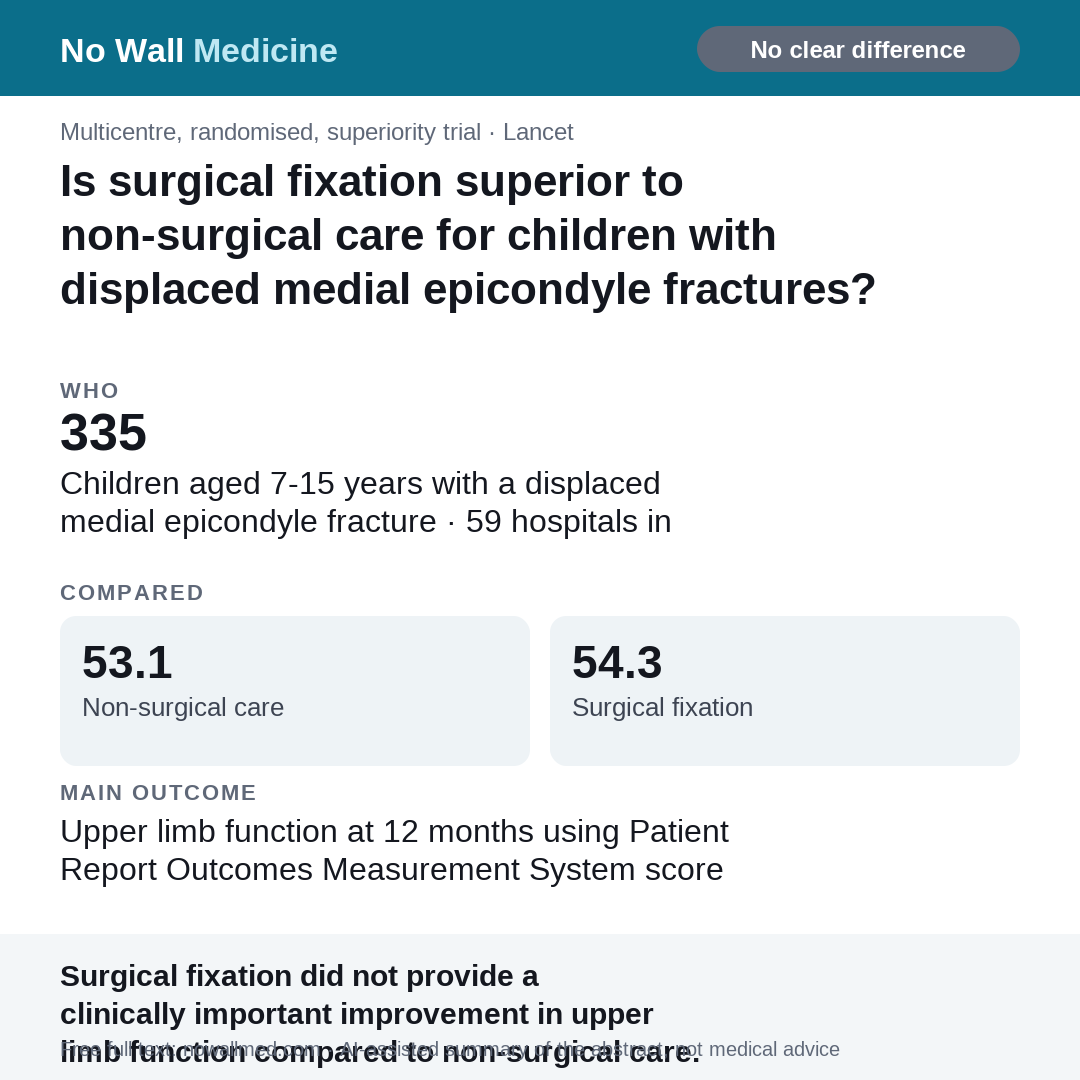
Surgical fixation versus non-surgical care for children with a displaced medial epicondyle fracture of the elbow (the SCIENCE study): a multicentre, randomised controlled, superiority trial and economic evaluation
Multicentre, randomised, superiority trialNo clear difference
Is surgical fixation superior to non-surgical care for children with displaced medial epicondyle fractures?
Who
335
Children aged 7-15 years with a displaced medial epicondyle fracture · 59 hospitals in the UK, Australia, and New Zealand
Compared
53.1Non-surgical care (SD 7.8)
54.3Surgical fixation (5.7)
Main outcome
Upper limb function at 12 months using Patient Report Outcomes Measurement System score
Result: mean treatment difference, 1.57 (95% CI -0.01 to 3.14)
Bottom line: Surgical fixation did not provide a clinically important improvement in upper limb function compared to non-surgical care.
Lancet · 2026-01-20Download image
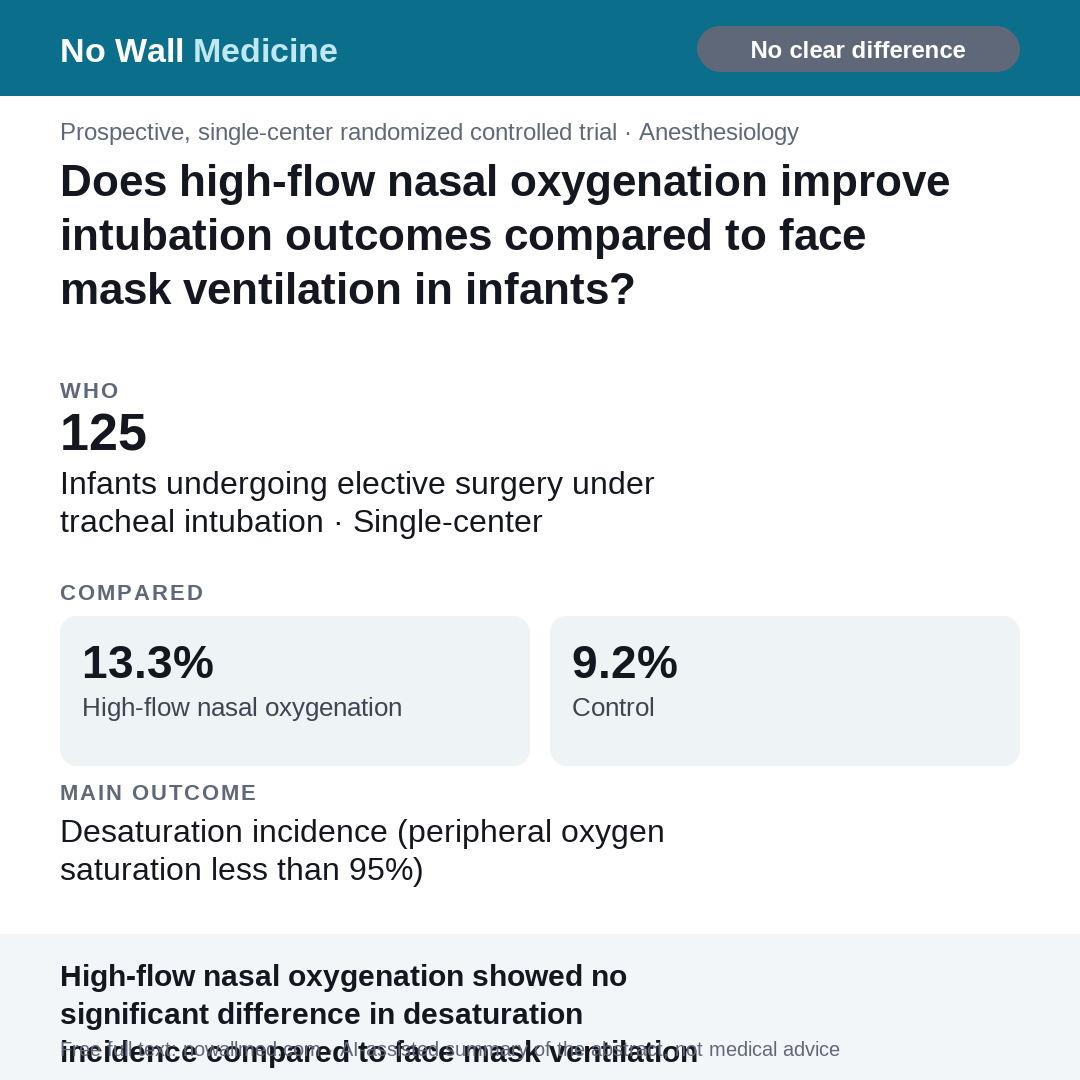
High-flow Nasal Oxygenation in Infants Undergoing Tracheal Intubation: A Single-center Randomized Controlled Trial
Prospective, single-center randomized controlled trialNo clear difference
Does high-flow nasal oxygenation improve intubation outcomes compared to face mask ventilation in infants?
Who
125
Infants undergoing elective surgery under tracheal intubation · Single-center
Compared
13.3%High-flow nasal oxygenation
9.2%Control
Main outcome
Desaturation incidence (peripheral oxygen saturation less than 95%)
Result: relative risk 1.44 (95% CI 0.53 to 3.92)
Bottom line: High-flow nasal oxygenation showed no significant difference in desaturation incidence compared to face mask ventilation in infants.
Anesthesiology · 2026-01-20Download image