Visual abstracts
New randomized trials and meta-analyses from leading journals at a glance: who was studied, what was compared, and what was found. Every paper is free to read in full.
All specialtiesCardiology 4877Oncology 4138Gastroenterology & Hepatology 1942Infectious Disease 3837Neurology 1905Psychiatry & Mental Health 2273Pulmonology 2143Critical Care 1365Endocrinology & Diabetes 2580Pediatrics 2980Surgery 2559Orthopedics & Sports Medicine 931Neurosurgery 537Cardiothoracic & Vascular Surgery 674Plastic & Reconstructive Surgery 591Nephrology 1133Rheumatology 823Hematology 1109Dermatology 621Ophthalmology 543Obstetrics & Gynecology 1686Public & Global Health 1058Radiology & Imaging 648Anesthesiology 986Urology 764ENT (Otolaryngology) 503Emergency Medicine 511Allergy & Immunology 313Geriatrics 981Family Medicine & Primary Care 562Medical Genetics & Genomics 676Pathology & Laboratory Medicine 159Physical Medicine & Rehabilitation 757Palliative Care 444Nutrition 1588Digital Health & AI 2201General Medicine 321
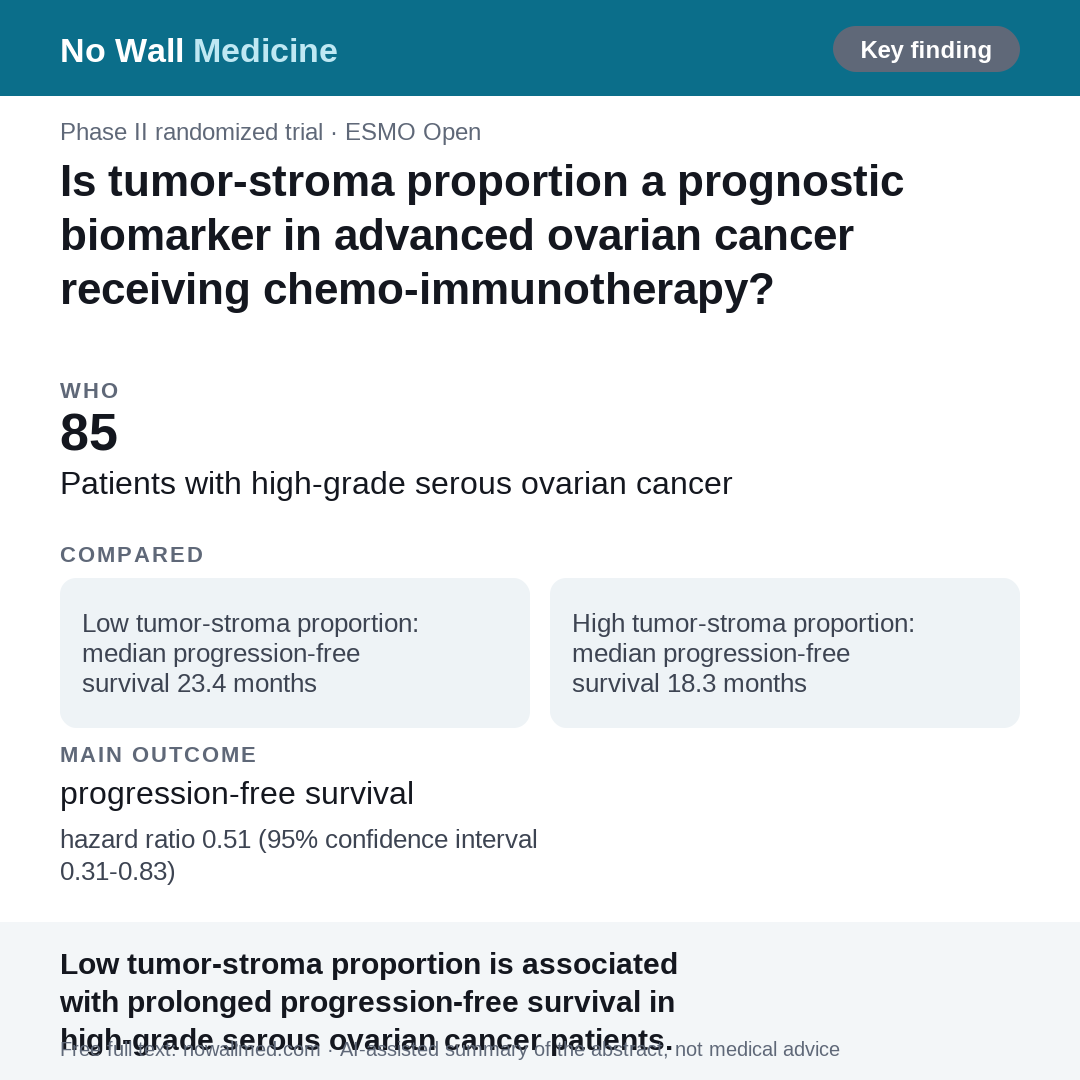
Tumor-stroma proportion on primary tumor as a prognostic biomarker in advanced ovarian cancer patients receiving chemo-immunotherapy as first-line therapy: analyses from the NeoPembrOV/GINECO phase II randomized trial
Phase II randomized trialBenefit found
Is tumor-stroma proportion a prognostic biomarker in advanced ovarian cancer receiving chemo-immunotherapy?
Who
85
Patients with high-grade serous ovarian cancer
Compared
Low tumor-stroma proportion: median progression-free survival 23.4 months
High tumor-stroma proportion: median progression-free survival 18.3 months
Main outcome
progression-free survival
Result: hazard ratio 0.51 (95% confidence interval 0.31-0.83)
Bottom line: Low tumor-stroma proportion is associated with prolonged progression-free survival in high-grade serous ovarian cancer patients.
ESMO Open · 2025-06-04Download image
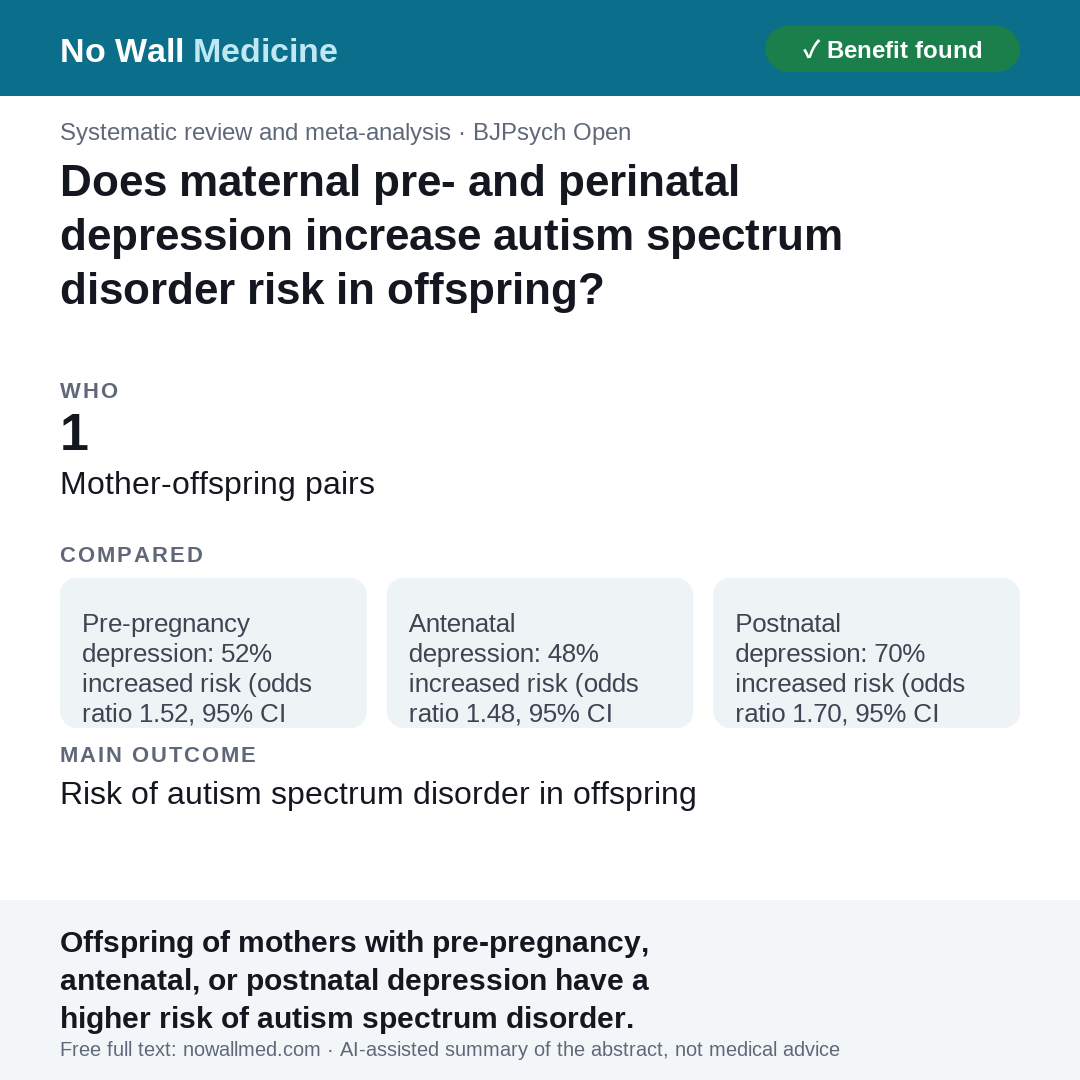
Maternal pre- and perinatal depression and the risk of autism spectrum disorders in offspring: systematic review and meta-analysis
Systematic review and meta-analysisBenefit found
Does maternal pre- and perinatal depression increase autism spectrum disorder risk in offspring?
Who
1
Mother-offspring pairs
Compared
Pre-pregnancy depression: 52% increased risk (odds ratio 1.52, 95% CI 1.13-1.90)
Antenatal depression: 48% increased risk (odds ratio 1.48, 95% CI 1.32-1.64)
Postnatal depression: 70% increased risk (odds ratio 1.70, 95% CI 1.41-1.99)
Main outcome
Risk of autism spectrum disorder in offspring
Bottom line: Offspring of mothers with pre-pregnancy, antenatal, or postnatal depression have a higher risk of autism spectrum disorder.
BJPsych Open · 2025-06-04Download image
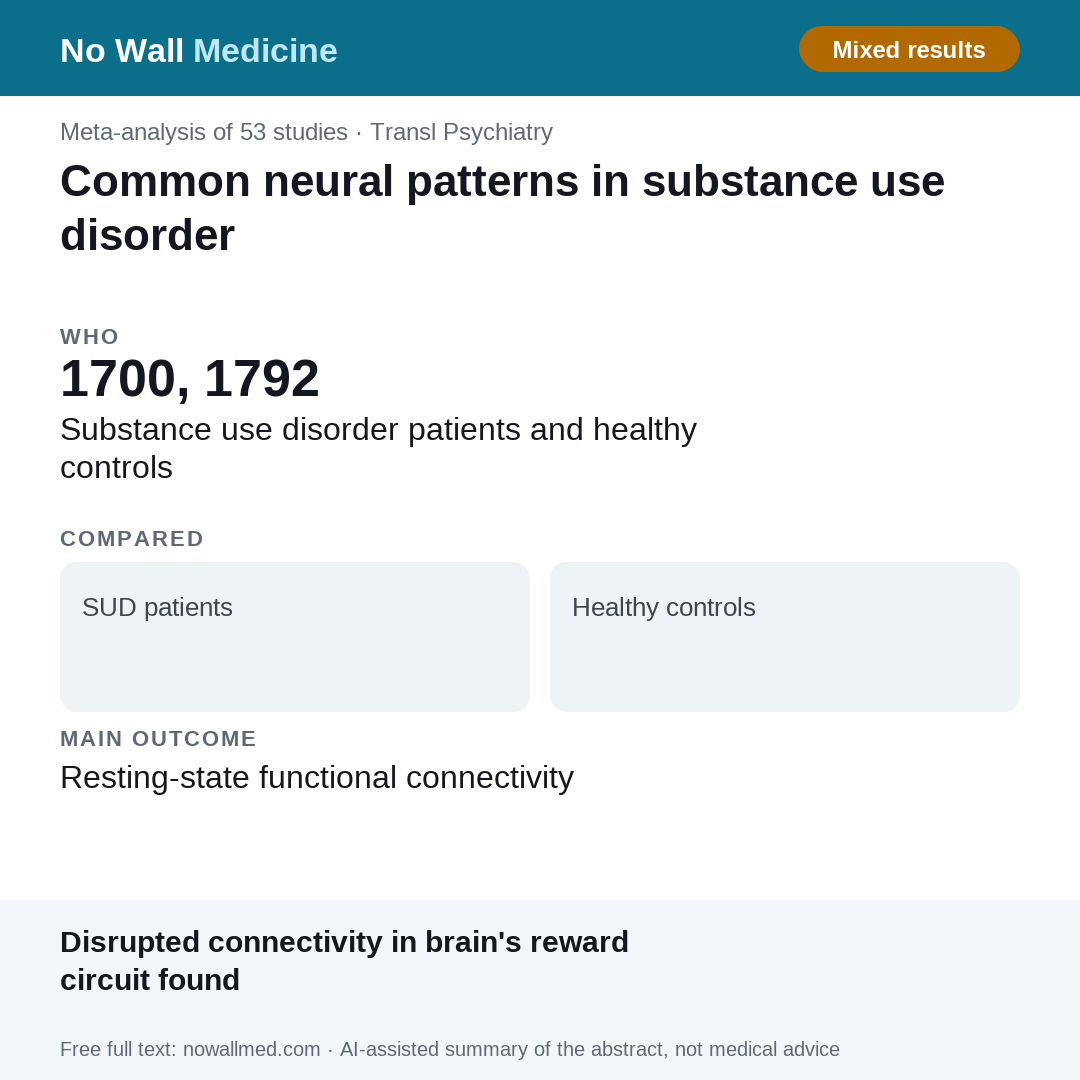
Common neural patterns of substance use disorder: a seed-based resting-state functional connectivity meta-analysis
Meta-analysis of 53 studiesMixed results
Common neural patterns in substance use disorder
Who
1700, 1792
Substance use disorder patients and healthy controls
Compared
SUD patients
Healthy controls
Main outcome
Resting-state functional connectivity
Bottom line: Disrupted connectivity in brain's reward circuit found
Transl Psychiatry · 2025-06-04Download image
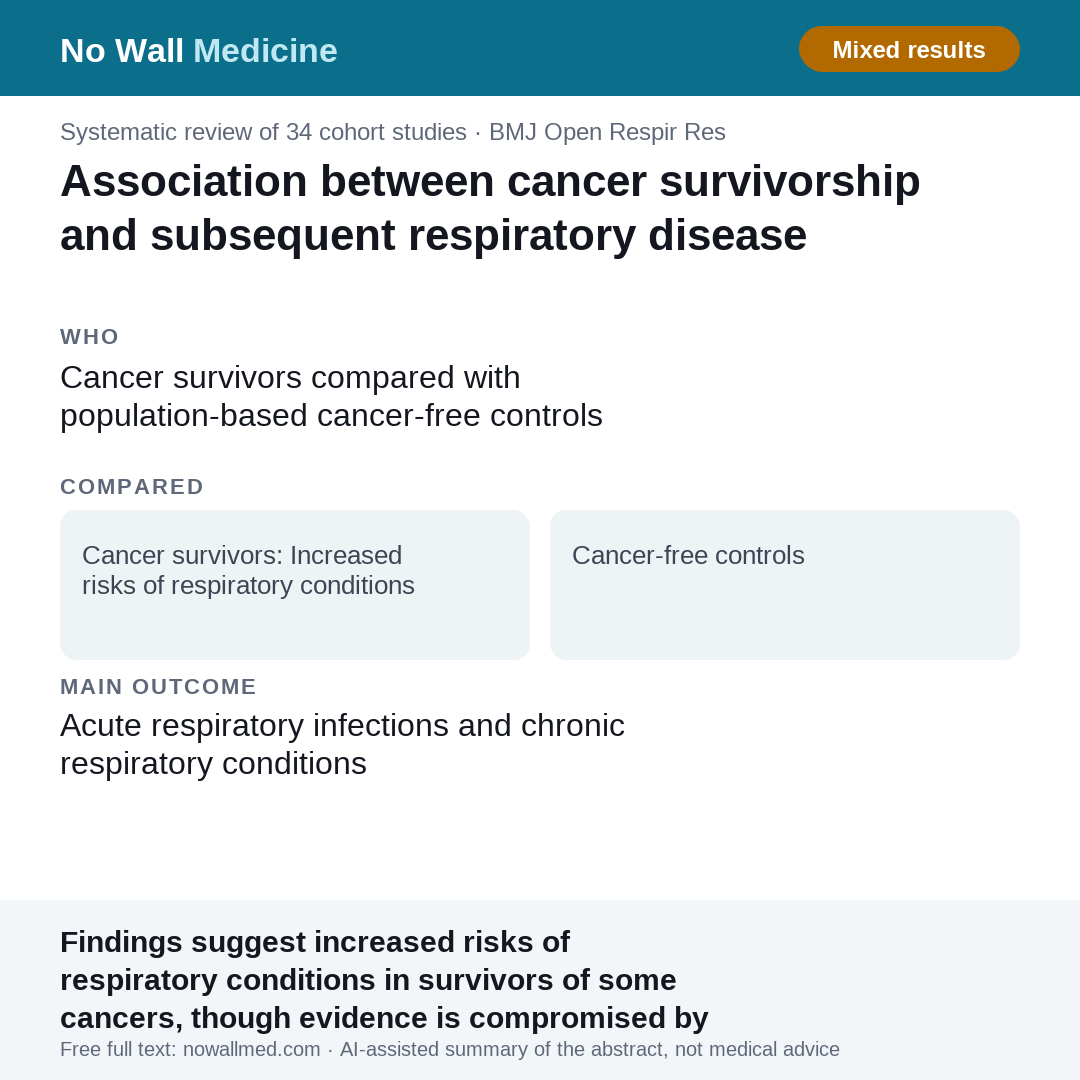
Associations between cancer survivorship and subsequent respiratory disease: a systematic literature review
Systematic literature review of cohort and case-control studiesBenefit found
Is there an association between cancer survivorship and subsequent respiratory disease?
Who
People with a history of cancer versus cancer-free controls
Compared
Cancer survivors
Cancer-free controls
Main outcome
Acute respiratory infections and chronic respiratory conditions
Bottom line: Cancer survivors face increased risks of acute respiratory infections and certain chronic respiratory conditions.
Limitation: Most studies were low quality due to lack of control for smoking.
BMJ Open Respir Res · 2025-06-04Download image
Knowledge Gain and the Impact of Stress in a Fully Immersive Virtual Reality-Based Medical Emergencies Training With Automated Feedback: Randomized Controlled Trial
Randomized, intraindividual crossover trialBenefit found
Does virtual reality training with automated feedback improve emergency medical competency compared to video seminars?
Who
72
72 senior medical students
Compared
Virtual reality training: mean 17.8%, SD 15.1%
Video seminars: mean 11.9%, SD 18%
Main outcome
Long-term knowledge gains
Result: difference: -5.9, 95% CI -11.5 to -0.4
Bottom line: Virtual reality training with automated feedback provides significantly higher long-term knowledge gains than traditional video seminars.
Limitation: Future research should investigate retention of practical skills and impact of repeated or team-based scenarios.
J Med Internet Res · 2025-06-04Download image

Dynamic Eyelid Reanimation in Facial Paralysis: A Systematic Review of Techniques and Outcomes
Systematic reviewBenefit found
What are the techniques and outcomes of dynamic eyelid reanimation in facial paralysis?
Who
Patients with facial nerve palsy
Compared
Dynamic eyelid reanimation
Static procedures
Main outcome
Functional and aesthetic outcomes
Bottom line: Dynamic reanimation provides better results than static procedures for facial paralysis eyelid reconstruction.
Plast Reconstr Surg Glob Open · 2025-06-04Download image

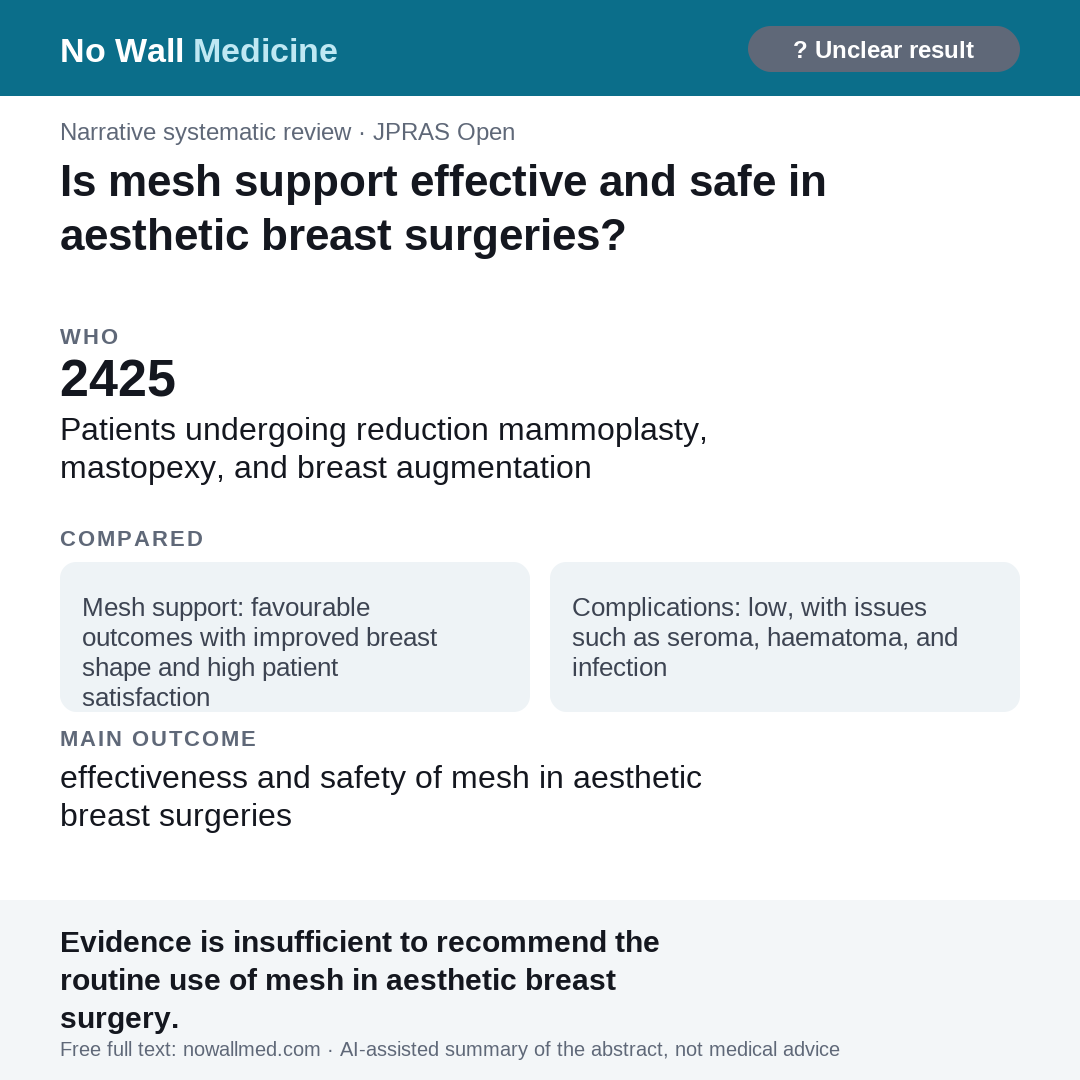
"A systematic review of mesh support of the breast in aesthetic breast surgery"
Narrative systematic reviewUnclear result
Is mesh support effective and safe in aesthetic breast surgeries?
Who
2425
Patients undergoing reduction mammoplasty, mastopexy, and breast augmentation
Compared
Mesh support: favourable outcomes with improved breast shape and high patient satisfaction
Complications: low, with issues such as seroma, haematoma, and infection
Main outcome
effectiveness and safety of mesh in aesthetic breast surgeries
Bottom line: Evidence is insufficient to recommend the routine use of mesh in aesthetic breast surgery.
Limitation: Studies were mostly retrospective case series and a few prospective observational studies.
JPRAS Open · 2025-06-04Download image
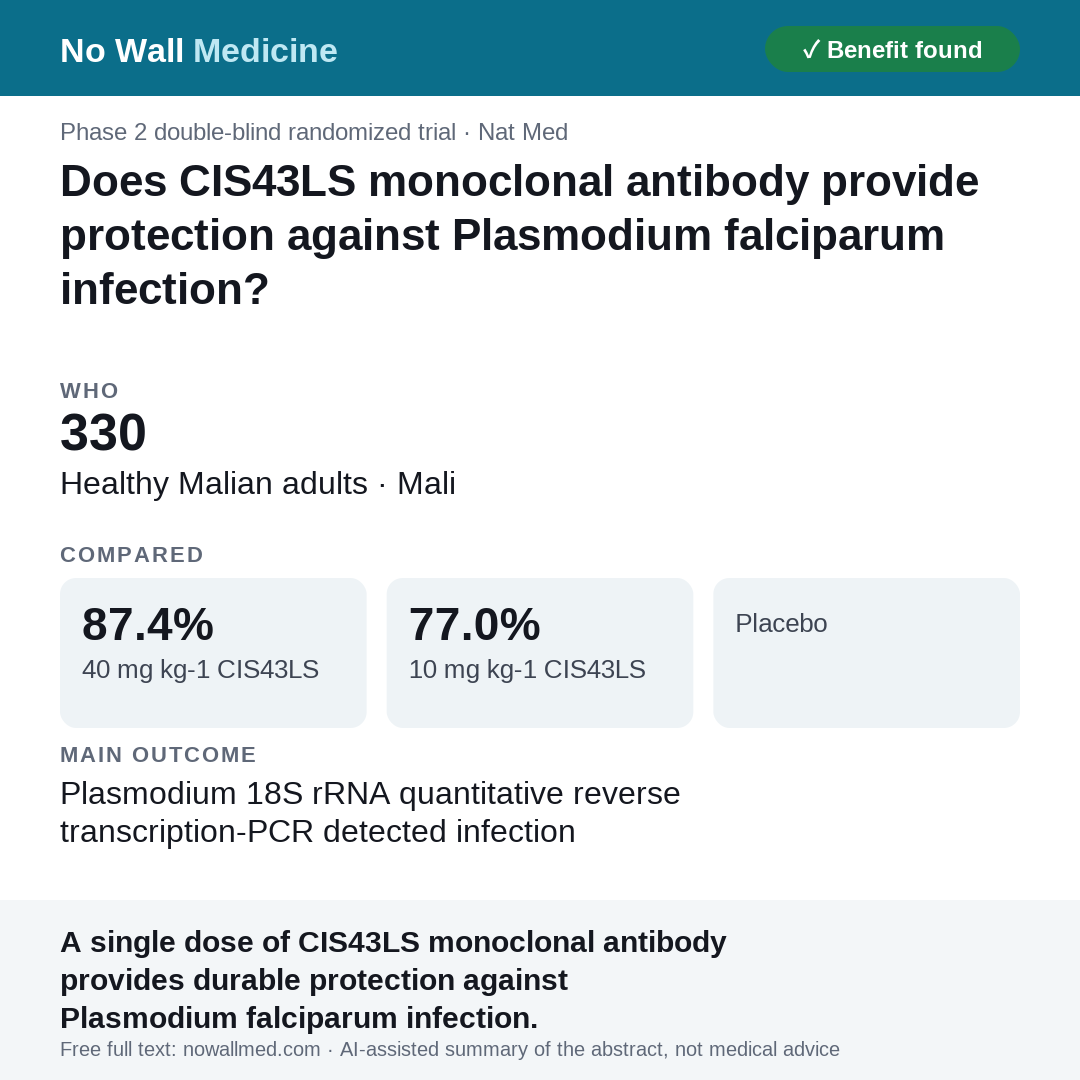
Anti-sporozoite monoclonal antibody for malaria prevention: secondary efficacy outcome of a phase 2 randomized trial
Phase 2 double-blind randomized trialBenefit found
Does CIS43LS monoclonal antibody provide protection against Plasmodium falciparum infection?
Who
330
Healthy Malian adults · Mali
Compared
87.4%40 mg kg-1 CIS43LS
77.0%10 mg kg-1 CIS43LS
Placebo
Main outcome
Plasmodium 18S rRNA quantitative reverse transcription-PCR detected infection
Result: 87.4% (adjusted 95% CI, 79.5-92.3) and 77.0% (adjusted 95% CI, 65.0-84.0)
Bottom line: A single dose of CIS43LS monoclonal antibody provides durable protection against Plasmodium falciparum infection.
Nat Med · 2025-06-03Download image
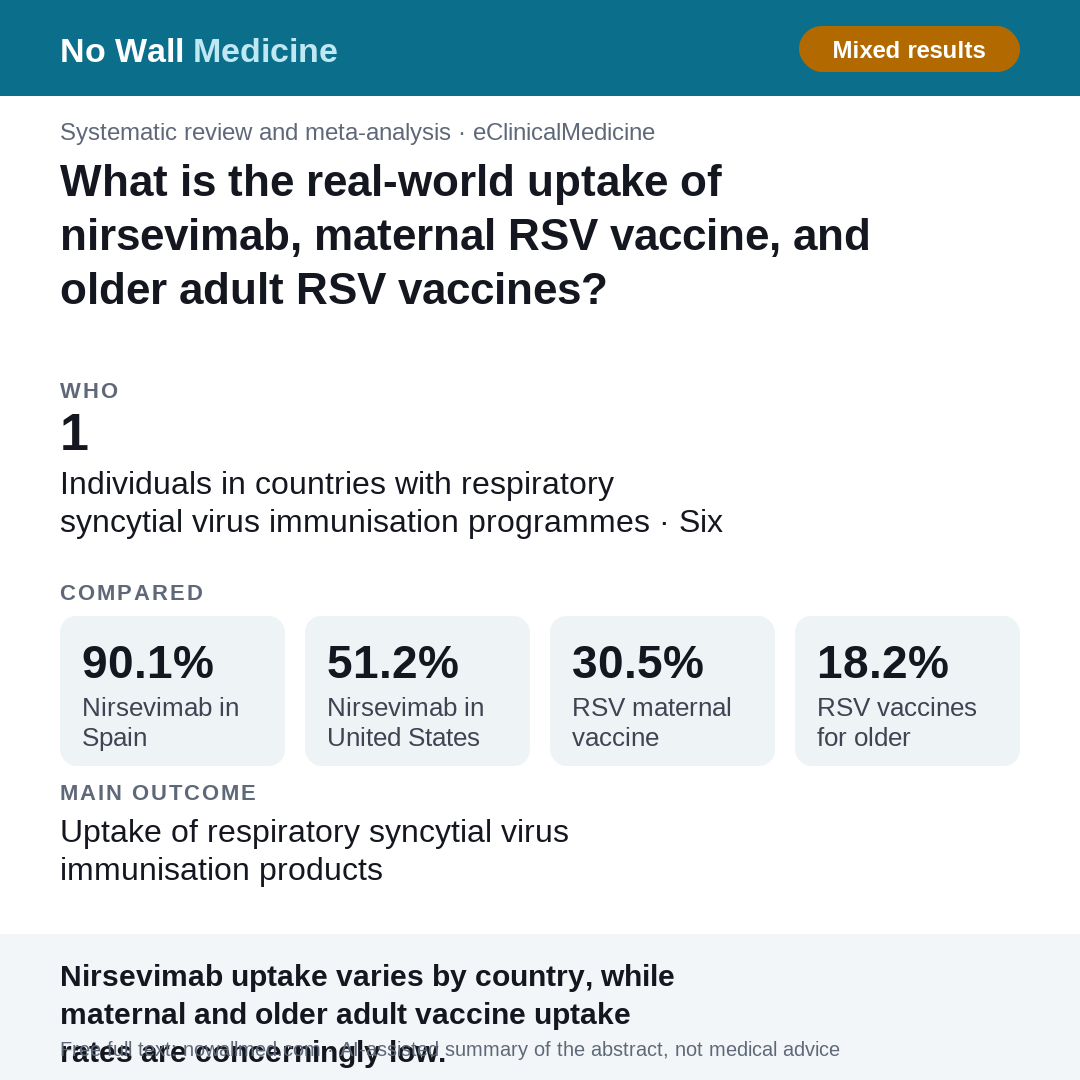
Real-world uptake of nirsevimab, RSV maternal vaccine, and RSV vaccines for older adults: a systematic review and meta-analysis
Systematic review and meta-analysisMixed results
What is the real-world uptake of nirsevimab, maternal RSV vaccine, and older adult RSV vaccines?
Who
1
Individuals in countries with respiratory syncytial virus immunisation programmes · Six countries
Compared
90.1%Nirsevimab in Spain (95% CI: 86.4-92.9)
51.2%Nirsevimab in United States (95% CI: 29.3-72.7)
30.5%RSV maternal vaccine (95% CI: 20.6-42.6)
18.2%RSV vaccines for older adults (95% CI: 10.8-28.9)
Main outcome
Uptake of respiratory syncytial virus immunisation products
Bottom line: Nirsevimab uptake varies by country, while maternal and older adult vaccine uptake rates are concerningly low.
Limitation: Limited number of studies and lack of more accurate data at national level
Funded by: Health Data Research UK, Inflammation and Immunity Driver Programme
eClinicalMedicine · 2025-06-03Download image
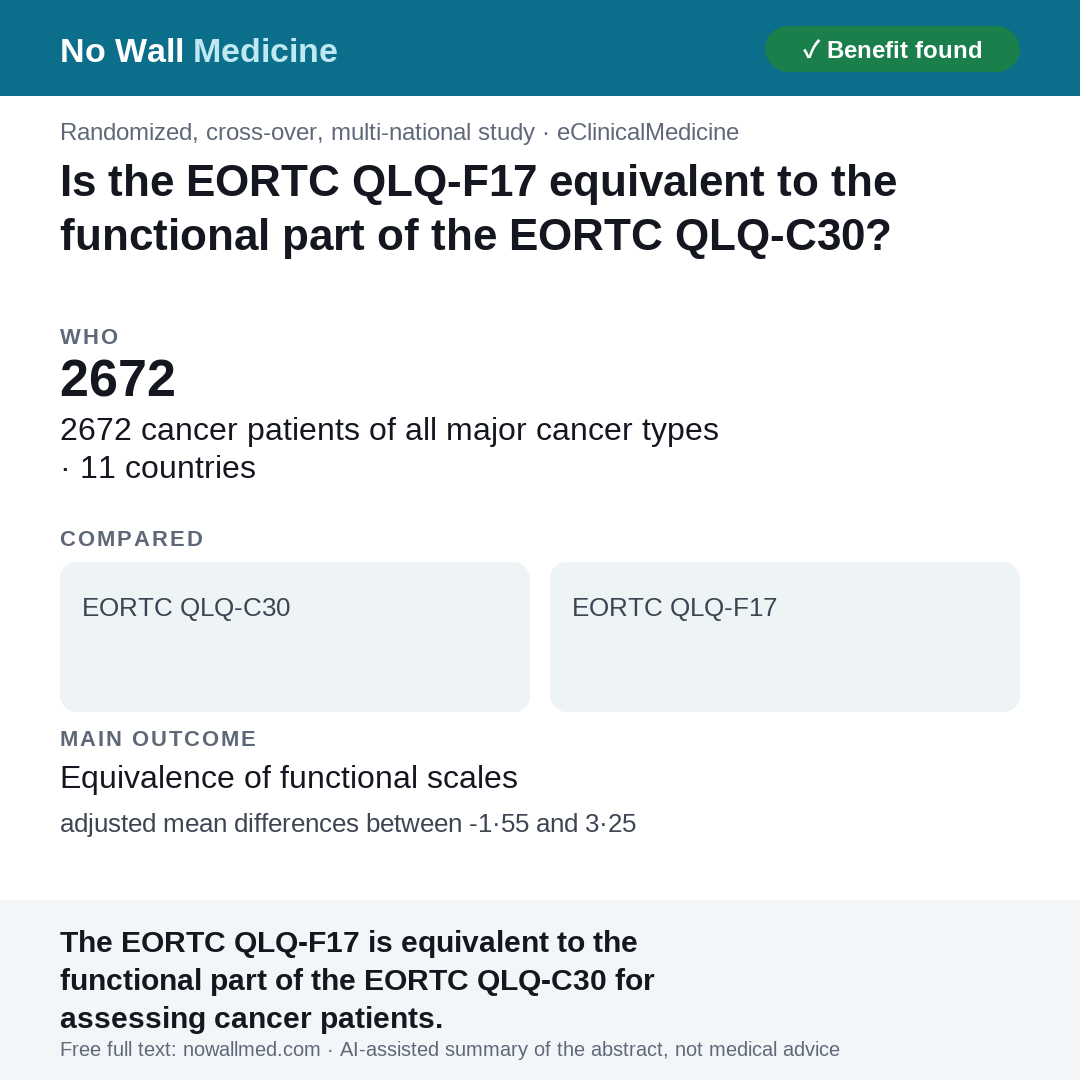
The EORTC QLQ-F17 as a shortened version of the EORTC QLQ-C30 to assess self-reported functioning in cancer patients: investigating equivalence and psychometric properties in a randomized cross-over trial
Randomized, cross-over, multi-national studyBenefit found
Is the EORTC QLQ-F17 equivalent to the functional part of the EORTC QLQ-C30?
Who
2672
2672 cancer patients of all major cancer types · 11 countries
Compared
EORTC QLQ-C30
EORTC QLQ-F17
Main outcome
Equivalence of functional scales
Result: adjusted mean differences between -1·55 and 3·25
Bottom line: The EORTC QLQ-F17 is equivalent to the functional part of the EORTC QLQ-C30 for assessing cancer patients.
Funded by: European Organisation for Research and Treatment of Cancer Quality of Life Group
eClinicalMedicine · 2025-06-03Download image
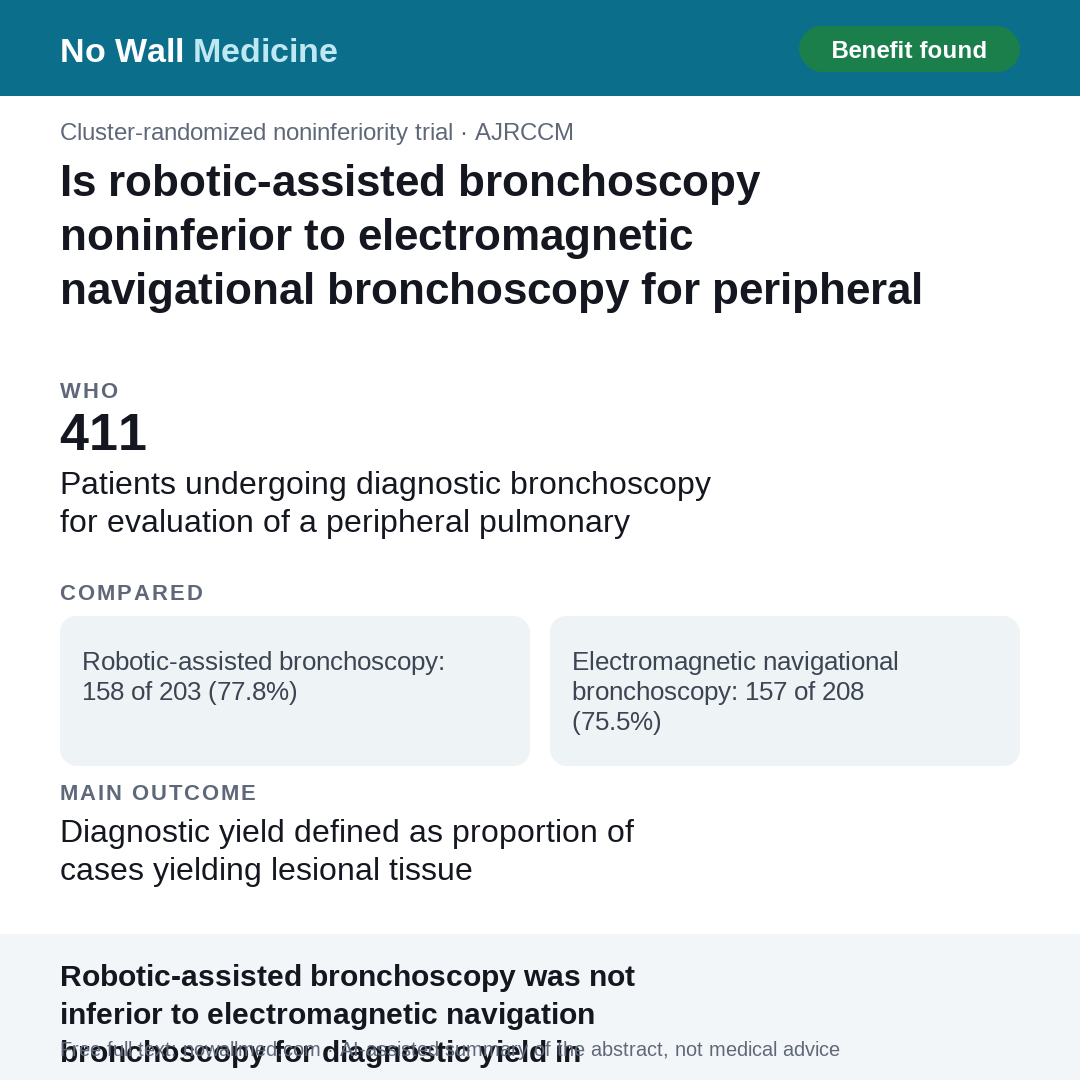
Robotic versus Electromagnetic Bronchoscopy for Peripheral Pulmonary Lesions: A Randomized Trial (RELIANT)
Cluster-randomized noninferiority trialBenefit found
Is robotic-assisted bronchoscopy noninferior to electromagnetic navigational bronchoscopy for peripheral pulmonary lesion evaluation?
Who
411
Patients undergoing diagnostic bronchoscopy for evaluation of a peripheral pulmonary lesion · Single-center
Compared
Robotic-assisted bronchoscopy: 158 of 203 (77.8%)
Electromagnetic navigational bronchoscopy: 157 of 208 (75.5%)
Main outcome
Diagnostic yield defined as proportion of cases yielding lesional tissue
Result: P value for noninferiority was 0.007
Bottom line: Robotic-assisted bronchoscopy was not inferior to electromagnetic navigation bronchoscopy for diagnostic yield in peripheral pulmonary lesions.
AJRCCM · 2025-06-03Download image
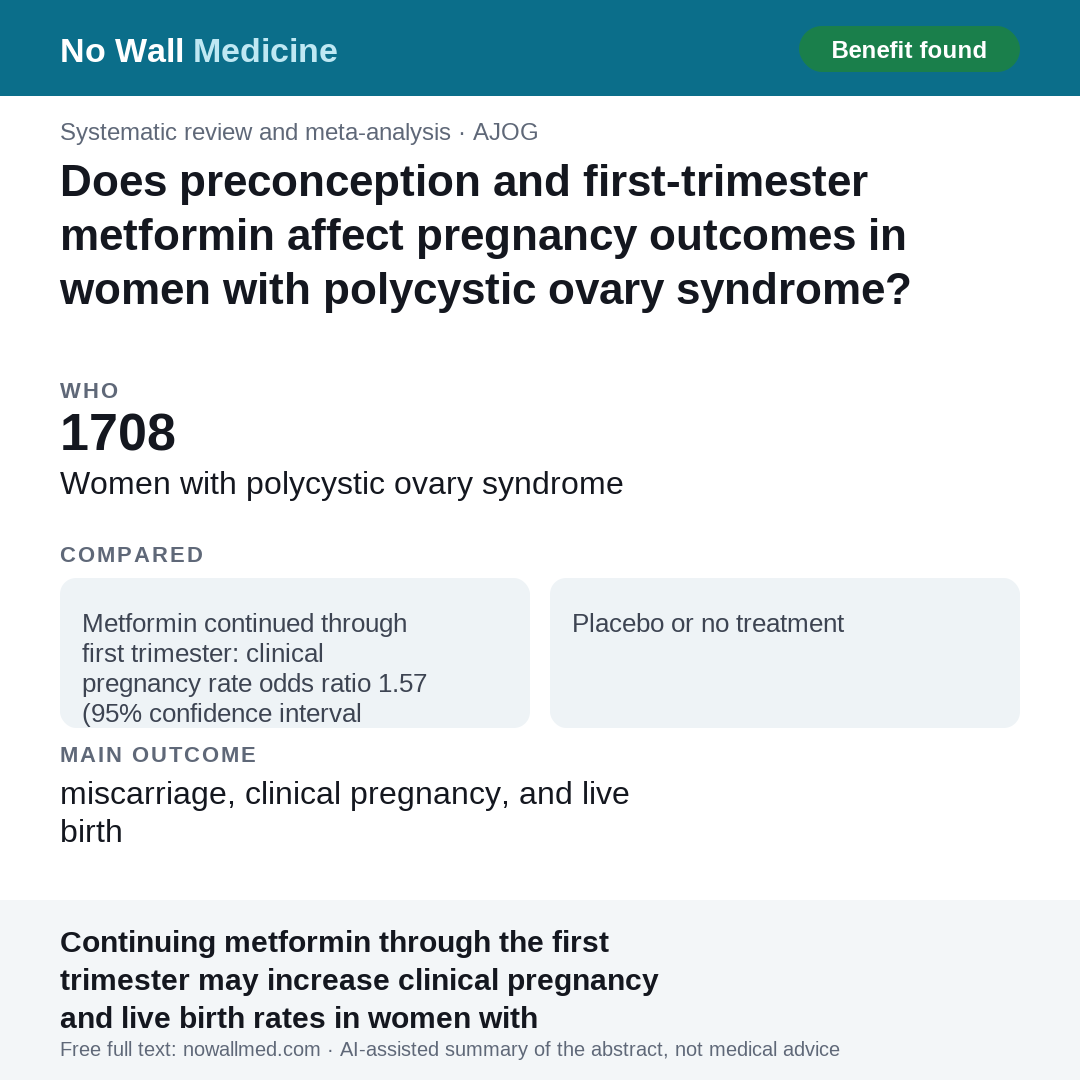
Preconception and first-trimester metformin on pregnancy outcomes in women with polycystic ovary syndrome: a systematic review and meta-analysis
Systematic review and meta-analysisBenefit found
Does preconception and first-trimester metformin affect pregnancy outcomes in women with polycystic ovary syndrome?
Who
1708
Women with polycystic ovary syndrome
Compared
Metformin continued through first trimester: clinical pregnancy rate odds ratio 1.57 (95% confidence interval 1.11-2.23)
Placebo or no treatment
Main outcome
miscarriage, clinical pregnancy, and live birth
Result: odds ratio 1.57 (95% confidence interval 1.11-2.23)
Bottom line: Continuing metformin through the first trimester may increase clinical pregnancy and live birth rates in women with polycystic ovary syndrome.
Limitation: All included studies were graded low to moderate quality.
AJOG · 2025-06-03Download image
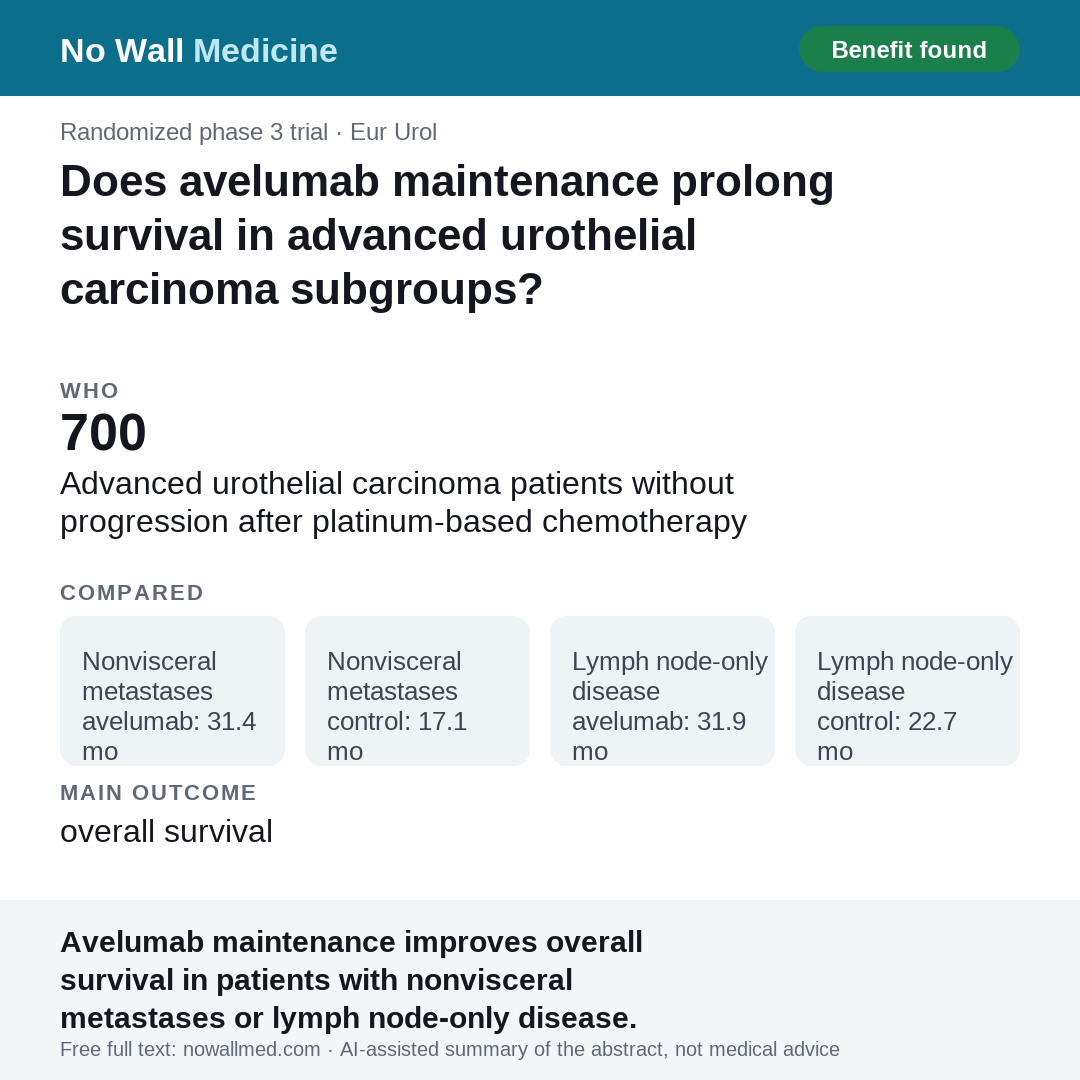
Avelumab First-line Maintenance for Advanced Urothelial Carcinoma: Long-term Outcomes from the JAVELIN Bladder 100 Trial in Patients with Nonvisceral or Lymph Node-only Disease
Randomized phase 3 trialBenefit found
Does avelumab maintenance prolong survival in advanced urothelial carcinoma subgroups?
Who
700
Advanced urothelial carcinoma patients without progression after platinum-based chemotherapy
Compared
Nonvisceral metastases avelumab: 31.4 mo
Nonvisceral metastases control: 17.1 mo
Lymph node-only disease avelumab: 31.9 mo
Lymph node-only disease control: 22.7 mo
Main outcome
overall survival
Result: hazard ratio 0.60 (95% CI 0.45-0.79) for nonvisceral metastases
Bottom line: Avelumab maintenance improves overall survival in patients with nonvisceral metastases or lymph node-only disease.
Limitation: Small sample sizes and the exploratory nature of analyses.
Eur Urol · 2025-06-03Download image
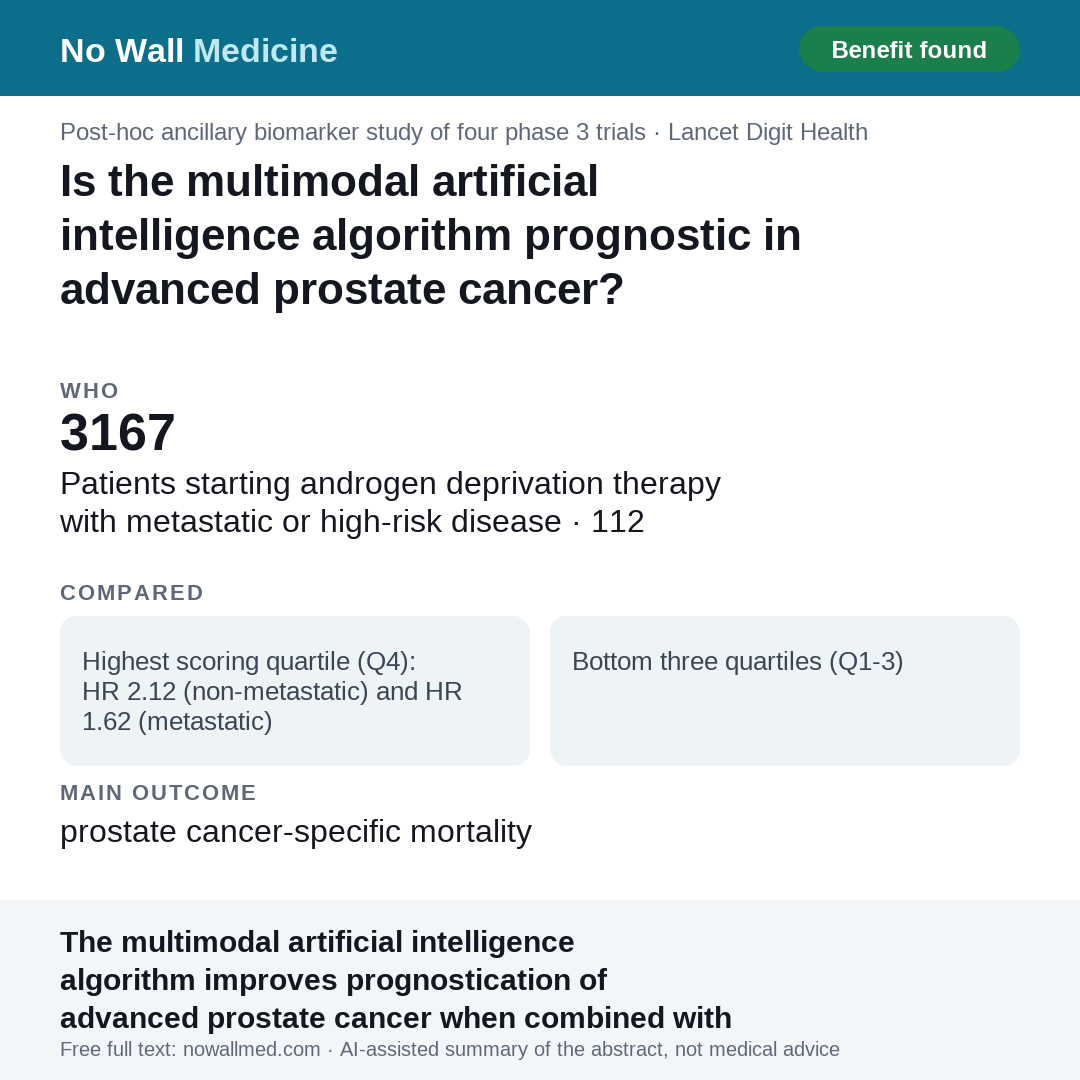
External validation of a digital pathology-based multimodal artificial intelligence-derived prognostic model in patients with advanced prostate cancer starting long-term androgen deprivation therapy: a post-hoc ancillary biomarker study of four phase 3 randomised controlled trials of the STAMPEDE platform protocol
Post-hoc ancillary biomarker study of four phase 3 trialsBenefit found
Is the multimodal artificial intelligence algorithm prognostic in advanced prostate cancer?
Who
3167
Patients starting androgen deprivation therapy with metastatic or high-risk disease · 112 sites
Compared
Highest scoring quartile (Q4): HR 2.12 (non-metastatic) and HR 1.62 (metastatic)
Bottom three quartiles (Q1-3)
Main outcome
prostate cancer-specific mortality
Result: hazard ratio 1.40 (95% CI 1.30-1.51)
Bottom line: The multimodal artificial intelligence algorithm improves prognostication of advanced prostate cancer when combined with disease burden.
Funded by: Prostate Cancer UK, UK Medical Research Council, Cancer Research UK
Lancet Digit Health · 2025-06-03Download image
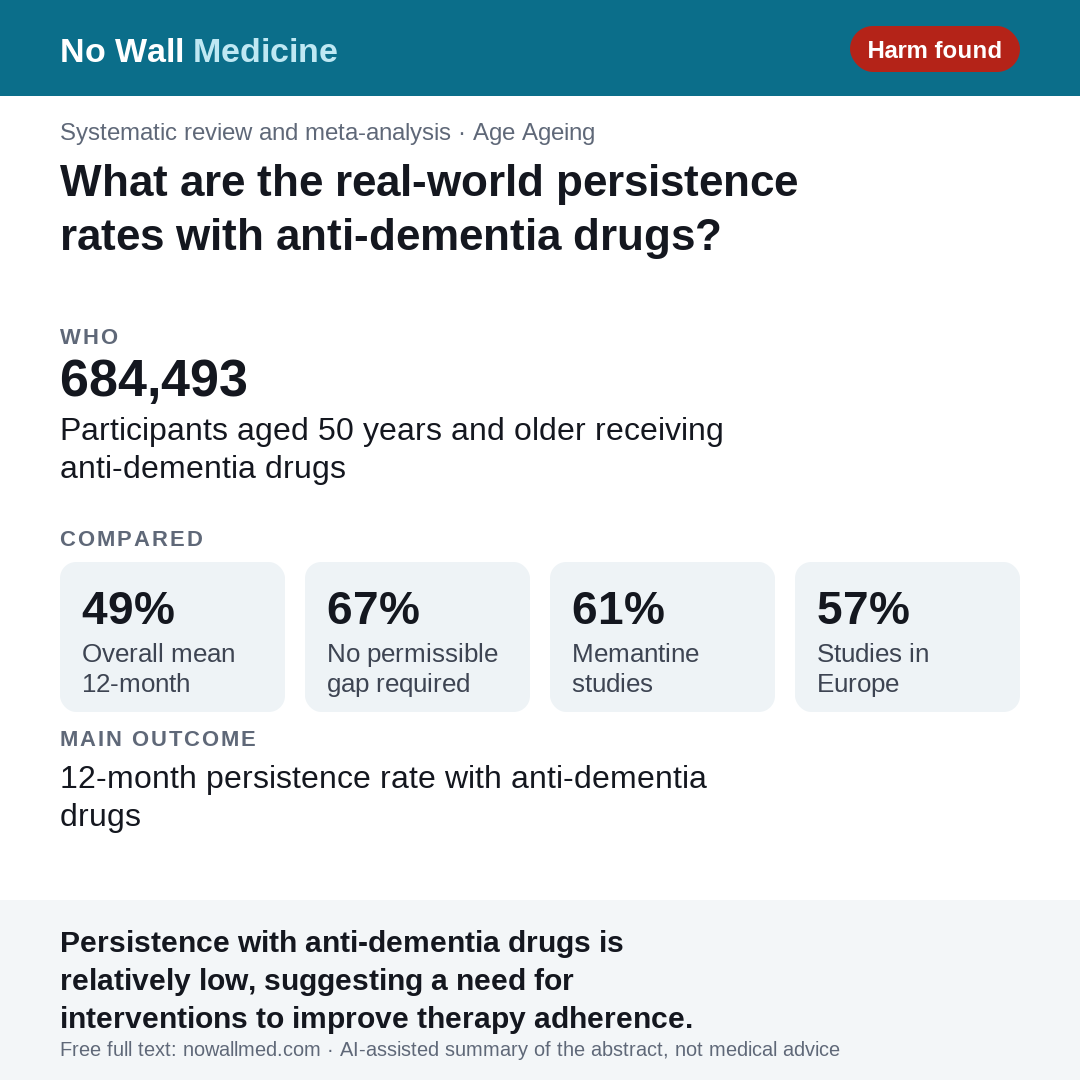
Persistence with anti-dementia medications: a systematic review and meta-analysis
Systematic review and meta-analysisHarm found
What are the real-world persistence rates with anti-dementia drugs?
Who
684,493
Participants aged 50 years and older receiving anti-dementia drugs
Compared
49%Overall mean 12-month persistence (95% CI: 42%-56%)
67%No permissible gap required (95% CI: 38%-90%)
61%Memantine studies (95% CI: 38%-82%)
57%Studies in Europe (95% CI: 43%-71%)
Main outcome
12-month persistence rate with anti-dementia drugs
Bottom line: Persistence with anti-dementia drugs is relatively low, suggesting a need for interventions to improve therapy adherence.
Limitation: Persistence rates varied according to the evaluation criteria used.
Age Ageing · 2025-06-03Download image
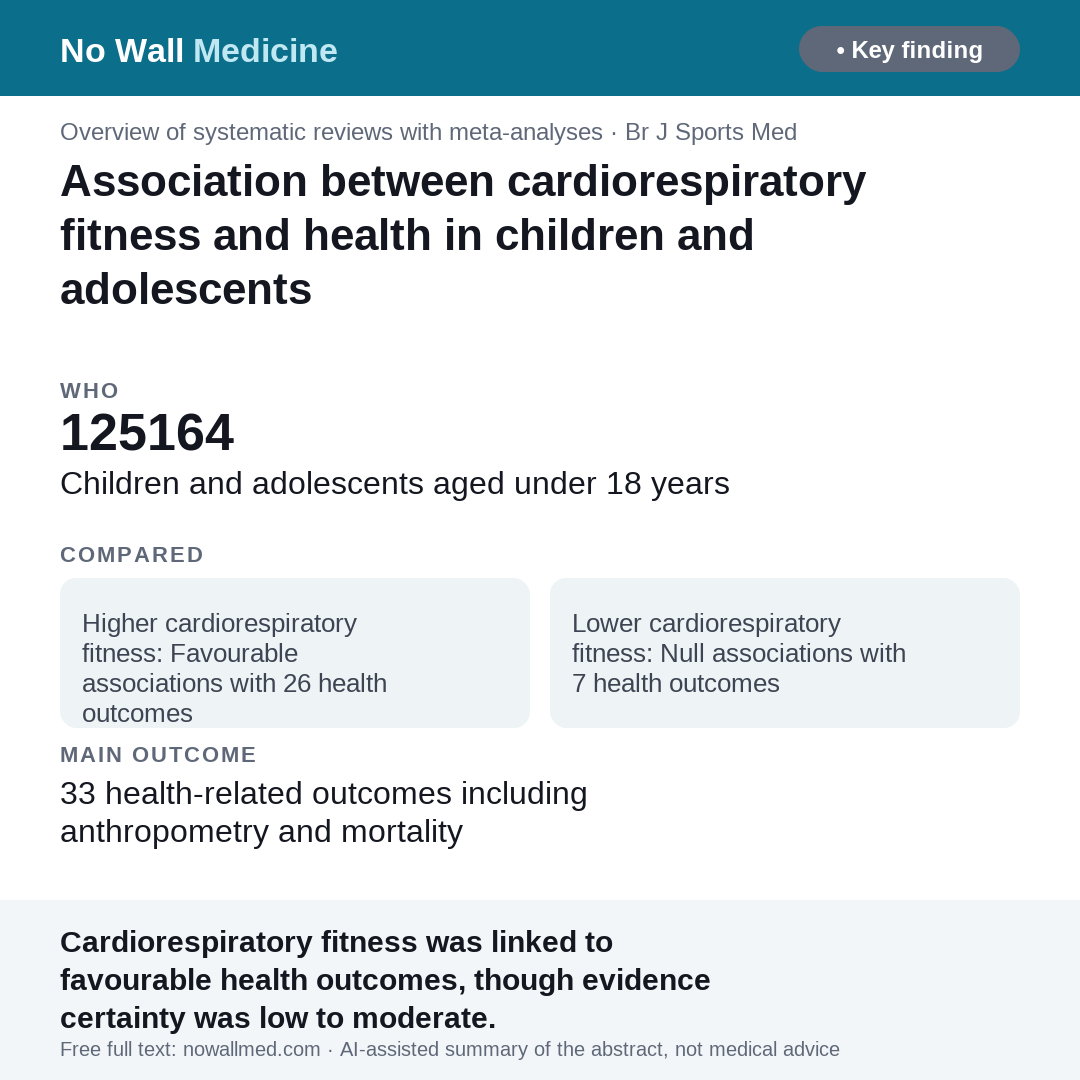
Cardiorespiratory fitness and health in children and adolescents: an overview of systematic reviews with meta-analyses representing over 125 000 observations covering 33 health-related outcomes
Overview of systematic reviews with meta-analysesBenefit found
What are the associations between cardiorespiratory fitness and health in children and adolescents?
Who
125164
Children and adolescents aged under 18 years
Compared
General populations: favourable (n=26) or null (n=7) associations
Newly diagnosed cancer vs healthy controls: mean difference=-19.6 mL/kg/min (95%CI: -21.4,-17.8)
Cystic fibrosis low vs high fitness: relative risk=4.9 (95%CI: 1.1, 22.1)
Main outcome
33 health-related outcomes
Bottom line: Cardiorespiratory fitness shows promising links to numerous health outcomes in paediatric populations, despite low certainty of evidence.
Br J Sports Med · 2025-06-03Download image
Effectiveness of exercise for improving cognition, memory and executive function: a systematic umbrella review and meta-meta-analysis
Systematic umbrella review and meta-meta-analysisBenefit found
Does exercise improve general cognition, memory and executive function across all populations?
Who
258279
All populations and ages
Compared
Exercise: SMD=0.42 for general cognition, 0.26 for memory, 0.24 for executive function
Control
Main outcome
General cognition, memory and executive function
Result: SMD=0.42 for general cognition, 0.26 for memory and 0.24 for executive function
Bottom line: Exercise provides strong evidence for improving general cognition, memory and executive function across all ages and populations.
Br J Sports Med · 2025-06-03Download image

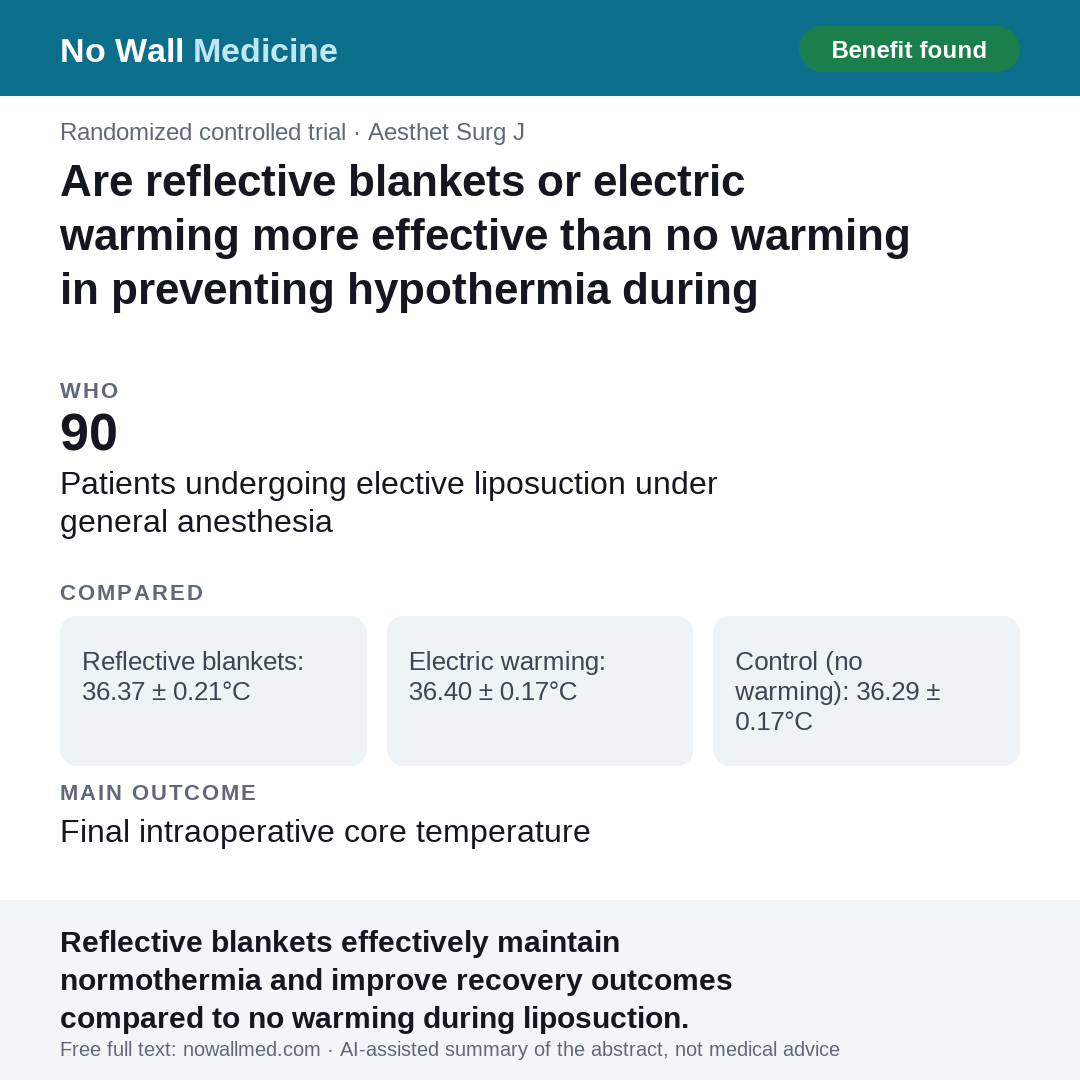
Reflective Blankets vs Electric Warming in Preventing Hypothermia During Liposuction: A Randomized Controlled Trial
Randomized controlled trialBenefit found
Are reflective blankets or electric warming more effective than no warming in preventing hypothermia during liposuction?
Who
90
Patients undergoing elective liposuction under general anesthesia
Compared
Reflective blankets: 36.37 ± 0.21°C
Electric warming: 36.40 ± 0.17°C
Control (no warming): 36.29 ± 0.17°C
Main outcome
Final intraoperative core temperature
Bottom line: Reflective blankets effectively maintain normothermia and improve recovery outcomes compared to no warming during liposuction.
Aesthet Surg J · 2025-06-03Download image
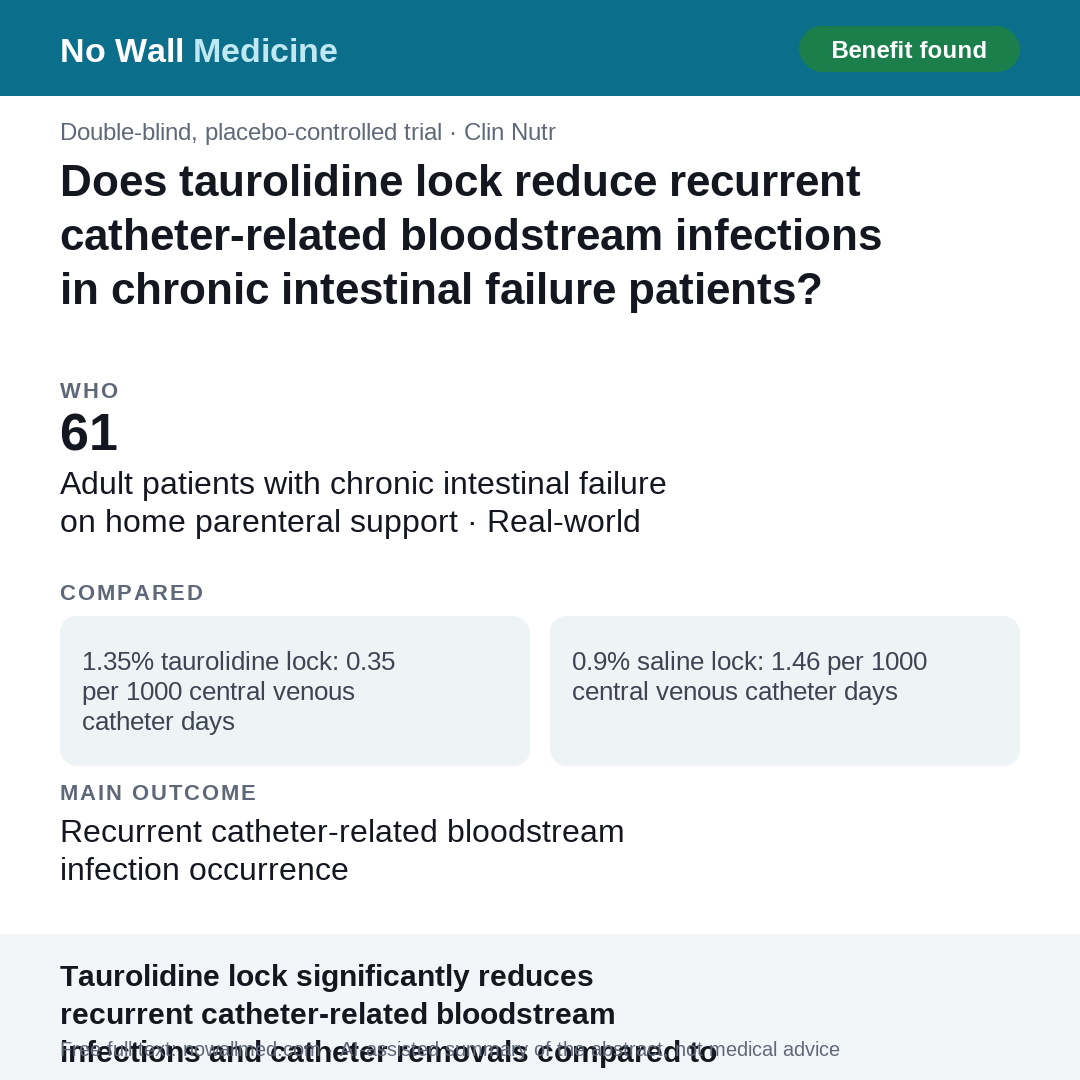
Taurolidine lock reduces recurrent catheter-related bloodstream infections in patients with chronic intestinal failure: A randomized, placebo-controlled trial in a real-world clinical setting
Double-blind, placebo-controlled trialBenefit found
Does taurolidine lock reduce recurrent catheter-related bloodstream infections in chronic intestinal failure patients?
Who
61
Adult patients with chronic intestinal failure on home parenteral support · Real-world clinical setting
Compared
1.35% taurolidine lock: 0.35 per 1000 central venous catheter days
0.9% saline lock: 1.46 per 1000 central venous catheter days
Main outcome
Recurrent catheter-related bloodstream infection occurrence
Result: hazard ratio 0.23 (95% CI 0.09-0.62)
Bottom line: Taurolidine lock significantly reduces recurrent catheter-related bloodstream infections and catheter removals compared to saline in chronic intestinal failure patients.
Clin Nutr · 2025-06-03Download image
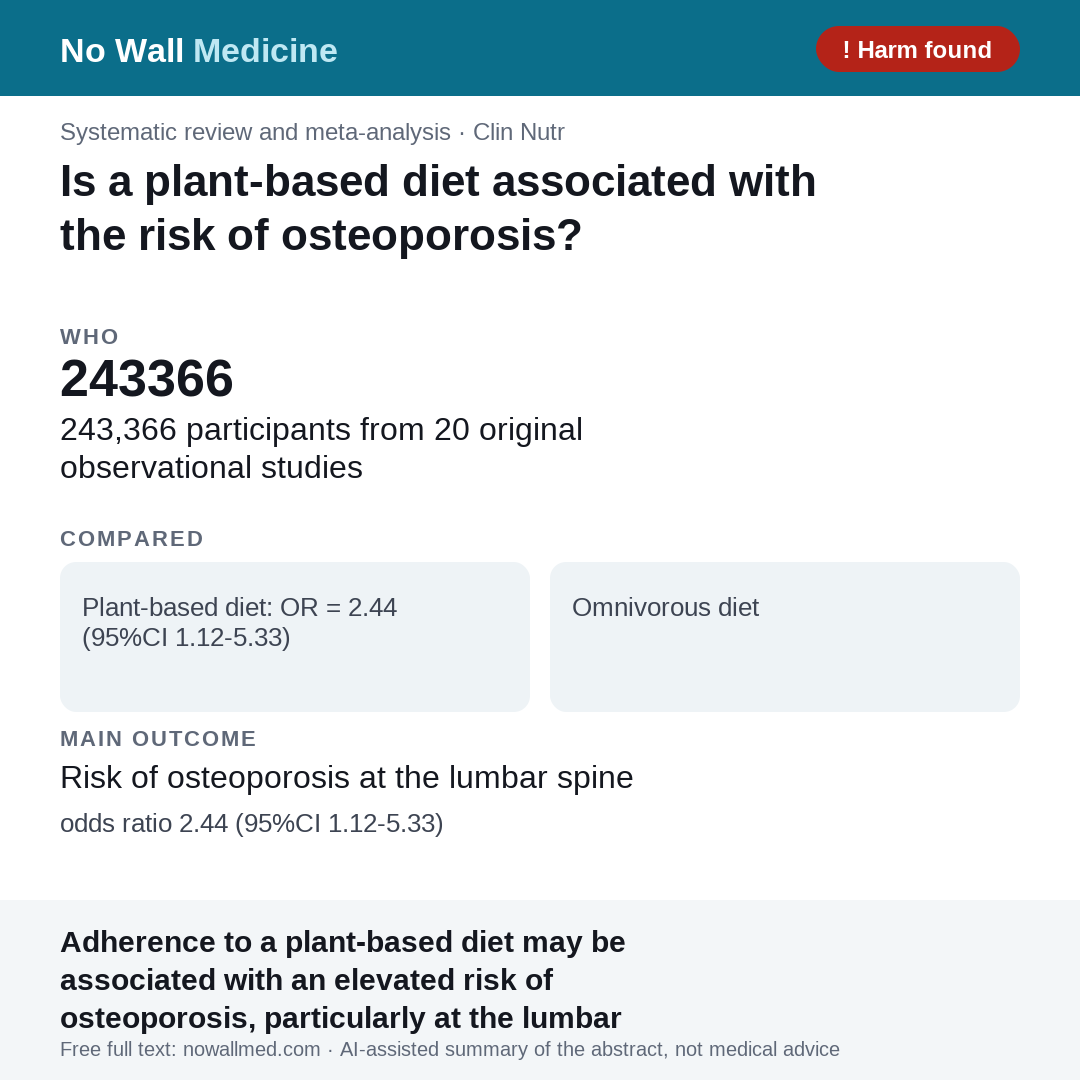
Plant-based diet and risk of osteoporosis: A systematic review and meta-analysis
Systematic review and meta-analysisHarm found
Is a plant-based diet associated with the risk of osteoporosis?
Who
243366
243,366 participants from 20 original observational studies
Compared
Plant-based diet: OR = 2.44 (95%CI 1.12-5.33)
Omnivorous diet
Main outcome
Risk of osteoporosis at the lumbar spine
Result: odds ratio 2.44 (95%CI 1.12-5.33)
Bottom line: Adherence to a plant-based diet may be associated with an elevated risk of osteoporosis, particularly at the lumbar spine.
Limitation: High heterogeneity observed across studies highlights the need for well-designed prospective studies.
Clin Nutr · 2025-06-03Download image