Visual abstracts
New randomized trials and meta-analyses from leading journals at a glance: who was studied, what was compared, and what was found. Every paper is free to read in full.
All specialtiesCardiology 847Oncology 766Gastroenterology & Hepatology 307Infectious Disease 626Neurology 353Psychiatry & Mental Health 430Pulmonology 368Critical Care 252Endocrinology & Diabetes 480Pediatrics 540Surgery 328Orthopedics & Sports Medicine 163Neurosurgery 100Cardiothoracic & Vascular Surgery 87Plastic & Reconstructive Surgery 132Nephrology 197Rheumatology 108Hematology 182Dermatology 80Ophthalmology 97Obstetrics & Gynecology 262Public & Global Health 167Radiology & Imaging 98Anesthesiology 117Urology 162ENT (Otolaryngology) 100Emergency Medicine 84Allergy & Immunology 58Geriatrics 160Family Medicine & Primary Care 111Medical Genetics & Genomics 91Pathology & Laboratory Medicine 24Physical Medicine & Rehabilitation 148Palliative Care 81Nutrition 223Digital Health & AI 460General Medicine 101
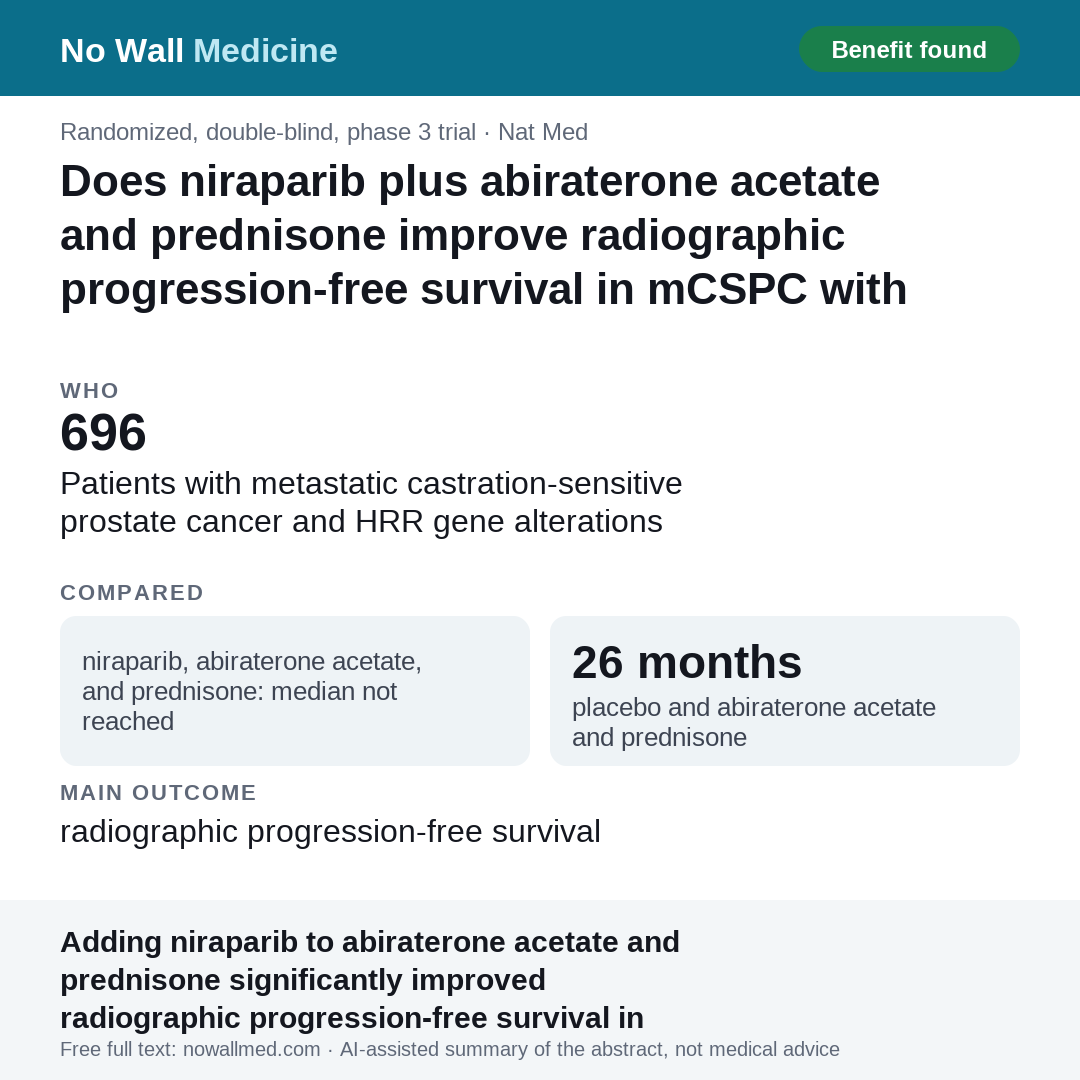
Niraparib and abiraterone acetate plus prednisone for HRR-deficient metastatic castration-sensitive prostate cancer: a randomized phase 3 trial
Randomized, double-blind, phase 3 trialBenefit found
Does niraparib plus abiraterone acetate and prednisone improve radiographic progression-free survival in mCSPC with HRR alterations?
Who
696
Patients with metastatic castration-sensitive prostate cancer and HRR gene alterations
Compared
niraparib, abiraterone acetate, and prednisone: median not reached
26 monthsplacebo and abiraterone acetate and prednisone
Main outcome
radiographic progression-free survival
Result: hazard ratio 0.63 (95% confidence interval: 0.49-0.80)
Bottom line: Adding niraparib to abiraterone acetate and prednisone significantly improved radiographic progression-free survival in patients with HRR-deficient metastatic castration-sensitive prostate cancer.
Nat Med · 2025-10-07Download image
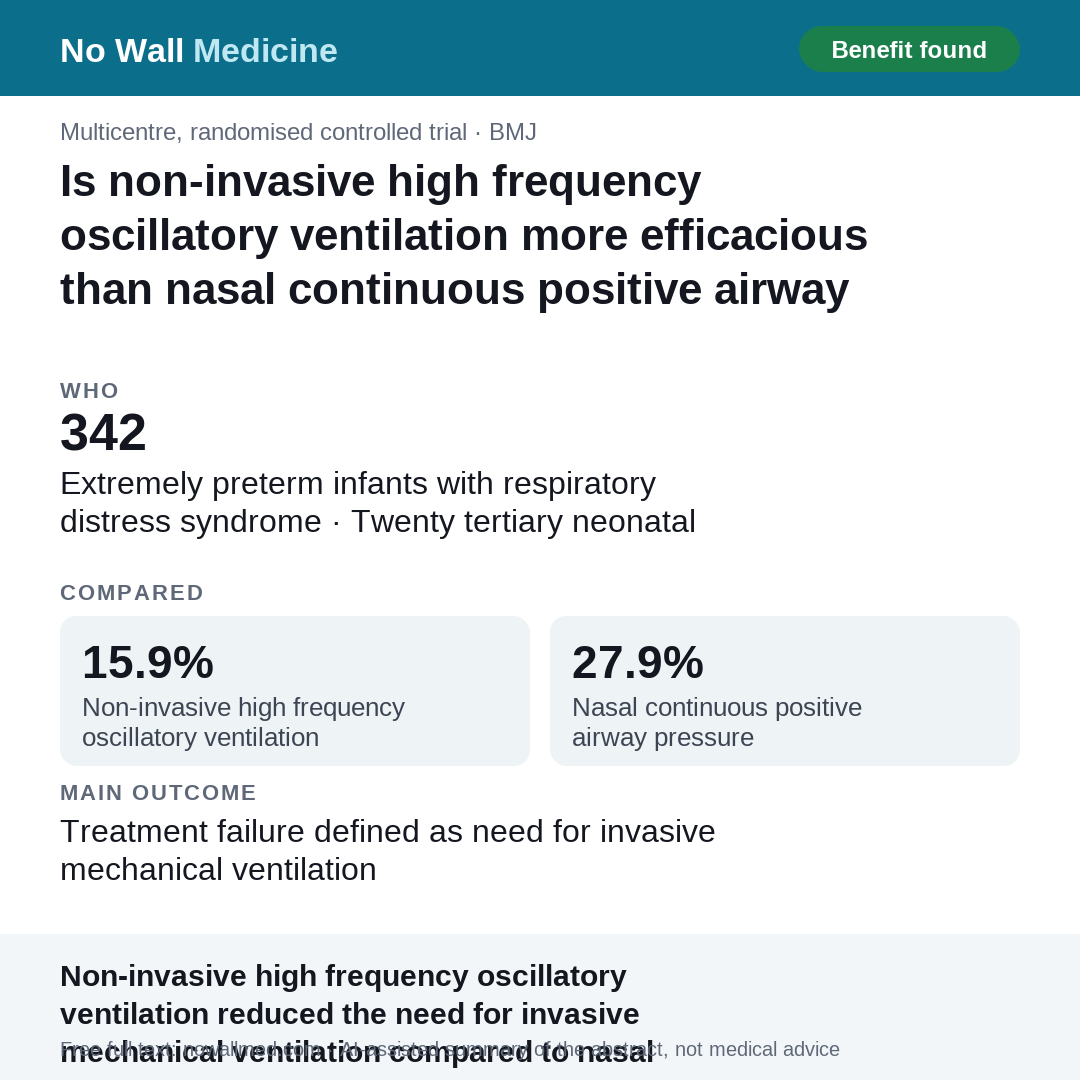
Non-invasive high frequency oscillatory ventilation for primary respiratory support in extremely preterm infants: multicentre randomised controlled trial
Multicentre, randomised controlled trialBenefit found
Is non-invasive high frequency oscillatory ventilation more efficacious than nasal continuous positive airway pressure?
Who
342
Extremely preterm infants with respiratory distress syndrome · Twenty tertiary neonatal intensive care units in China
Compared
15.9%Non-invasive high frequency oscillatory ventilation
27.9%Nasal continuous positive airway pressure
Main outcome
Treatment failure defined as need for invasive mechanical ventilation
Result: risk difference -12.0 percentage points, 95% confidence interval -20.7 to -3.4
Bottom line: Non-invasive high frequency oscillatory ventilation reduced the need for invasive mechanical ventilation compared to nasal continuous positive airway pressure.
BMJ · 2025-10-06Download image
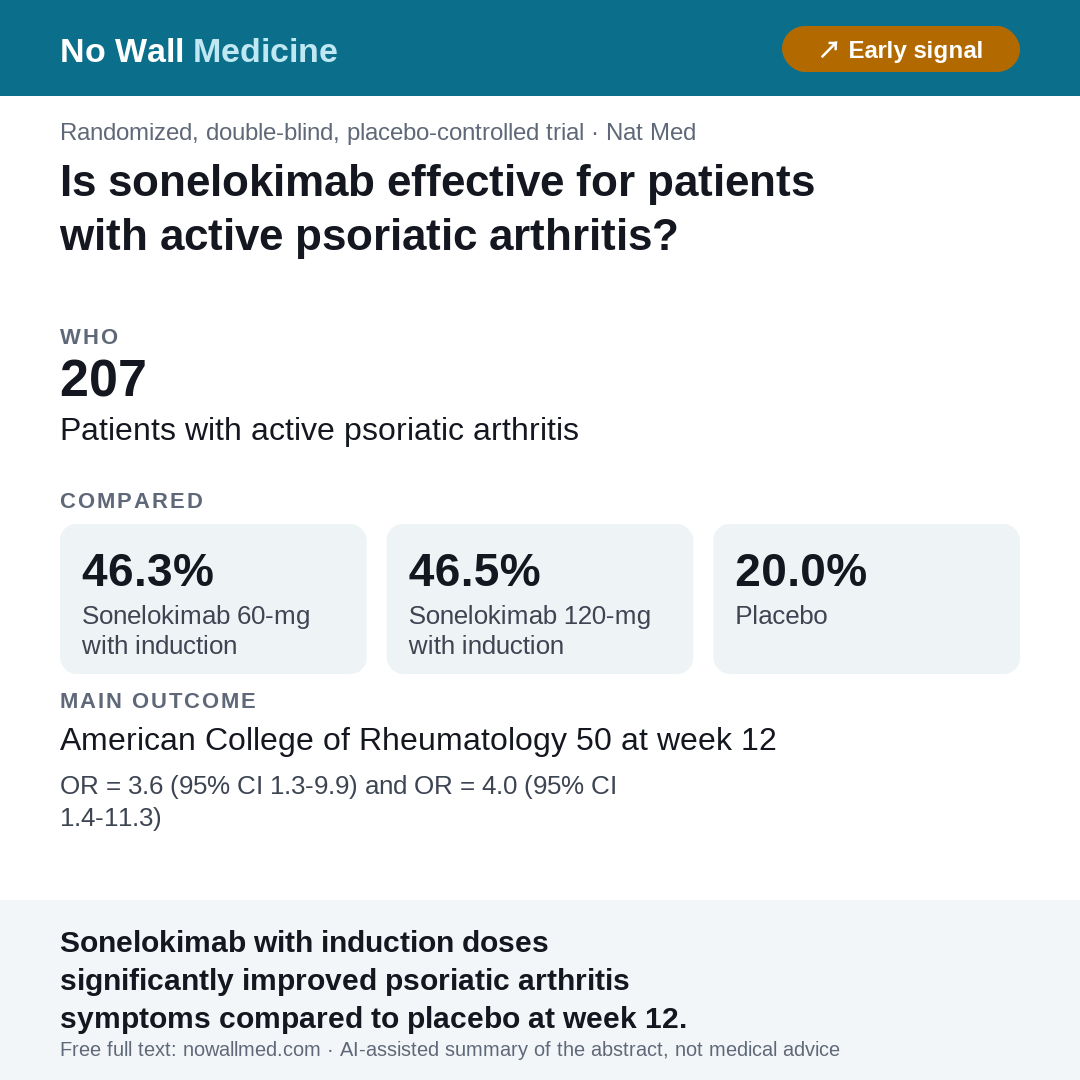
Sonelokimab, an IL-17A/IL-17F-inhibiting nanobody for active psoriatic arthritis: a randomized, placebo-controlled phase 2 trial
Randomized, double-blind, placebo-controlled trialBenefit found
Is sonelokimab effective for patients with active psoriatic arthritis?
Who
207
Patients with active psoriatic arthritis
Compared
46.3%Sonelokimab 60-mg with induction (19/41)
46.5%Sonelokimab 120-mg with induction (20/43)
20.0%Placebo (8/40)
Main outcome
American College of Rheumatology 50 at week 12
Result: OR = 3.6 (95% CI 1.3-9.9) and OR = 4.0 (95% CI 1.4-11.3)
Bottom line: Sonelokimab with induction doses significantly improved psoriatic arthritis symptoms compared to placebo at week 12.
Nat Med · 2025-10-06Download image
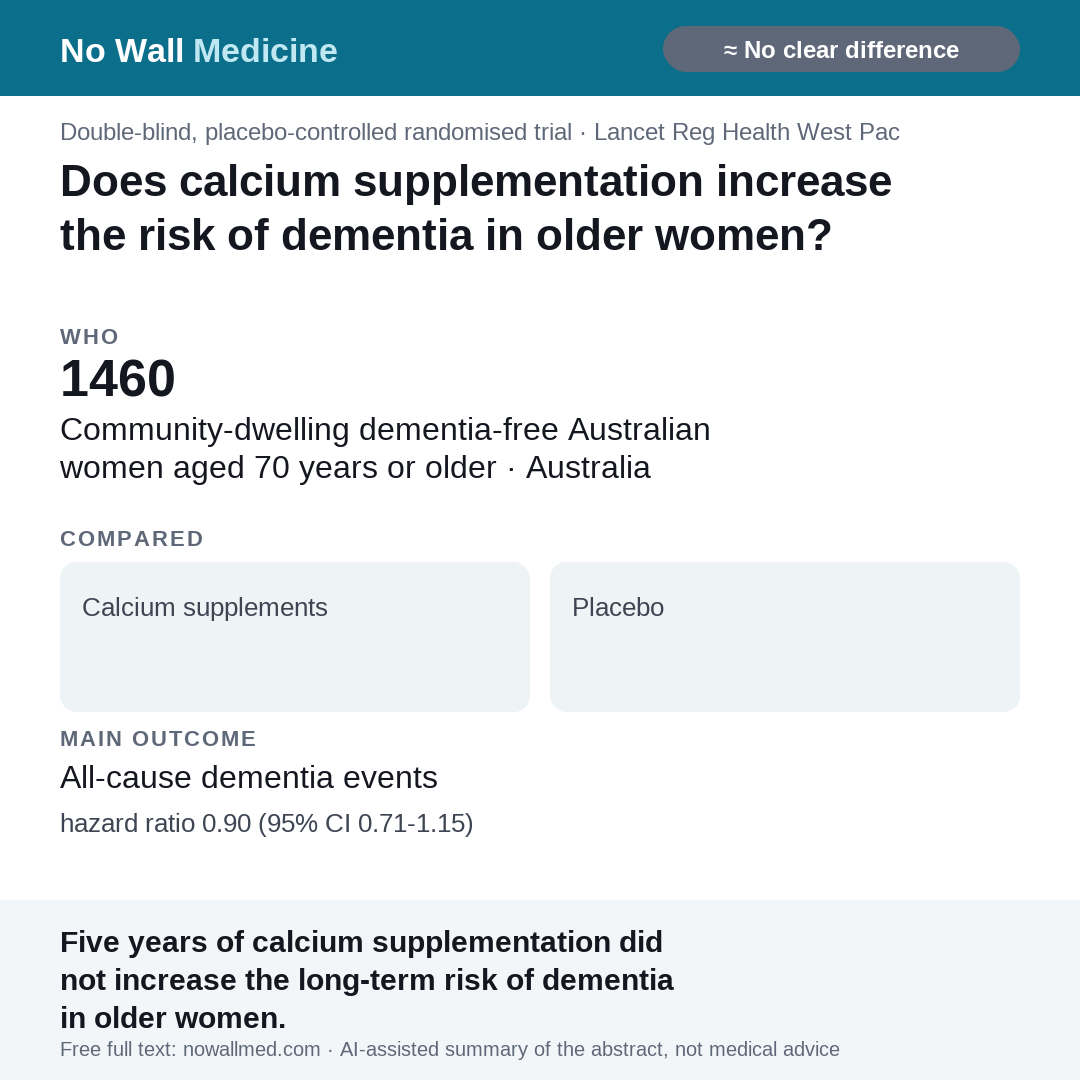
Calcium supplementation and the risk of dementia in the Perth Longitudinal Study of Aging Women: a post-hoc analysis of a randomised clinical trial for fracture prevention
Double-blind, placebo-controlled randomised trialNo clear difference
Does calcium supplementation increase the risk of dementia in older women?
Who
1460
Community-dwelling dementia-free Australian women aged 70 years or older · Australia
Compared
Calcium supplements
Placebo
Main outcome
All-cause dementia events
Result: hazard ratio 0.90 (95% CI 0.71-1.15)
Bottom line: Five years of calcium supplementation did not increase the long-term risk of dementia in older women.
Funded by: National Health and Medical Research Council of Australia
Lancet Reg Health West Pac · 2025-10-06Download image
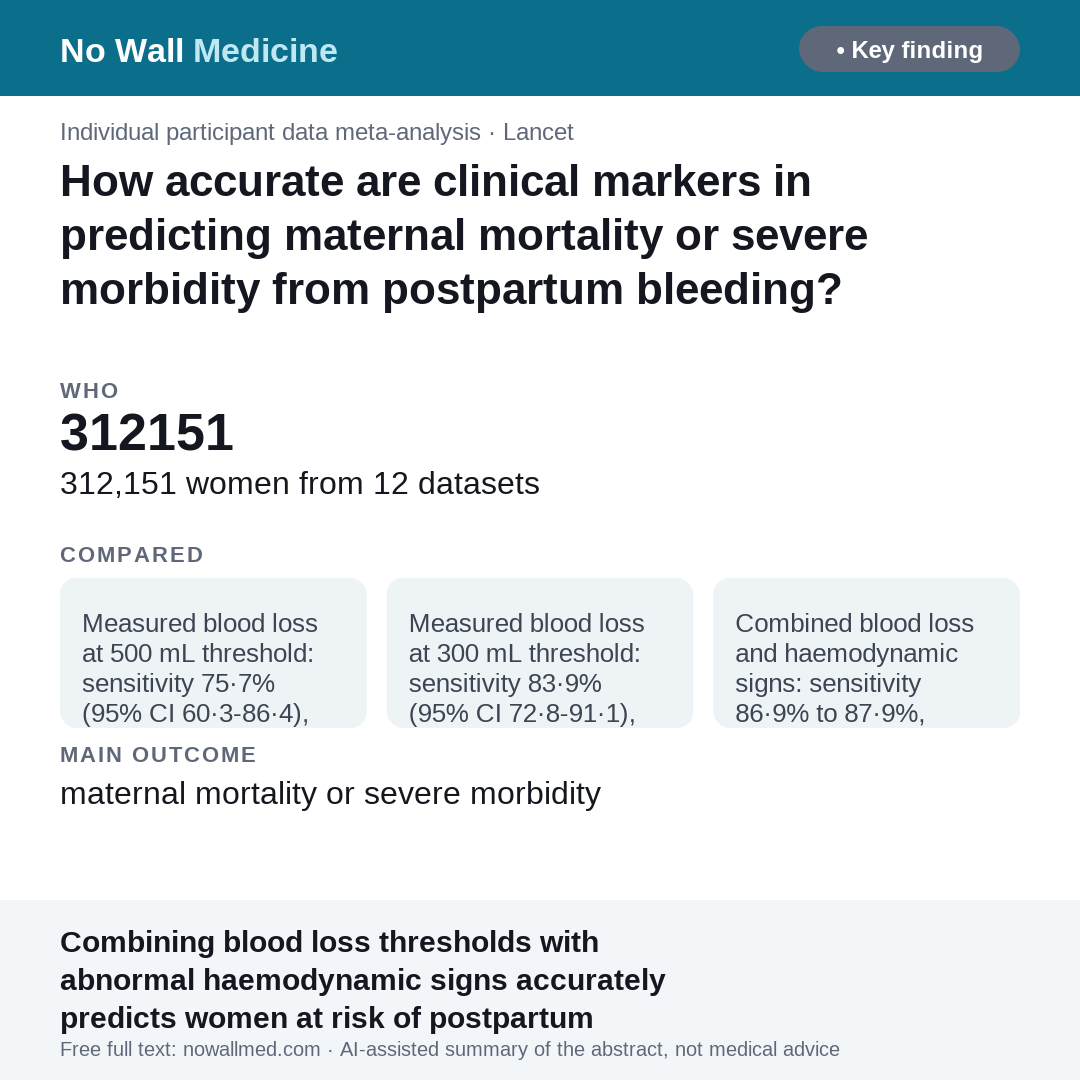
Prognostic accuracy of clinical markers of postpartum bleeding in predicting maternal mortality or severe morbidity: a WHO individual participant data meta-analysis
Individual participant data meta-analysisBenefit found
How accurate are clinical markers in predicting maternal mortality or severe morbidity from postpartum bleeding?
Who
312151
312,151 women from 12 datasets
Compared
Measured blood loss at 500 mL threshold: sensitivity 75·7% (95% CI 60·3-86·4), specificity 81·4% (95% CI 70·7-88·8)
Measured blood loss at 300 mL threshold: sensitivity 83·9% (95% CI 72·8-91·1), specificity 54·8% (95% CI 38·0-70·5)
Combined blood loss and haemodynamic signs: sensitivity 86·9% to 87·9%, specificity 66·6% to 76·1%
Main outcome
maternal mortality or severe morbidity
Bottom line: Combining blood loss thresholds with abnormal haemodynamic signs accurately predicts women at risk of postpartum bleeding complications.
Funded by: Gates Foundation and WHO Special Programme
Lancet · 2025-10-04Download image
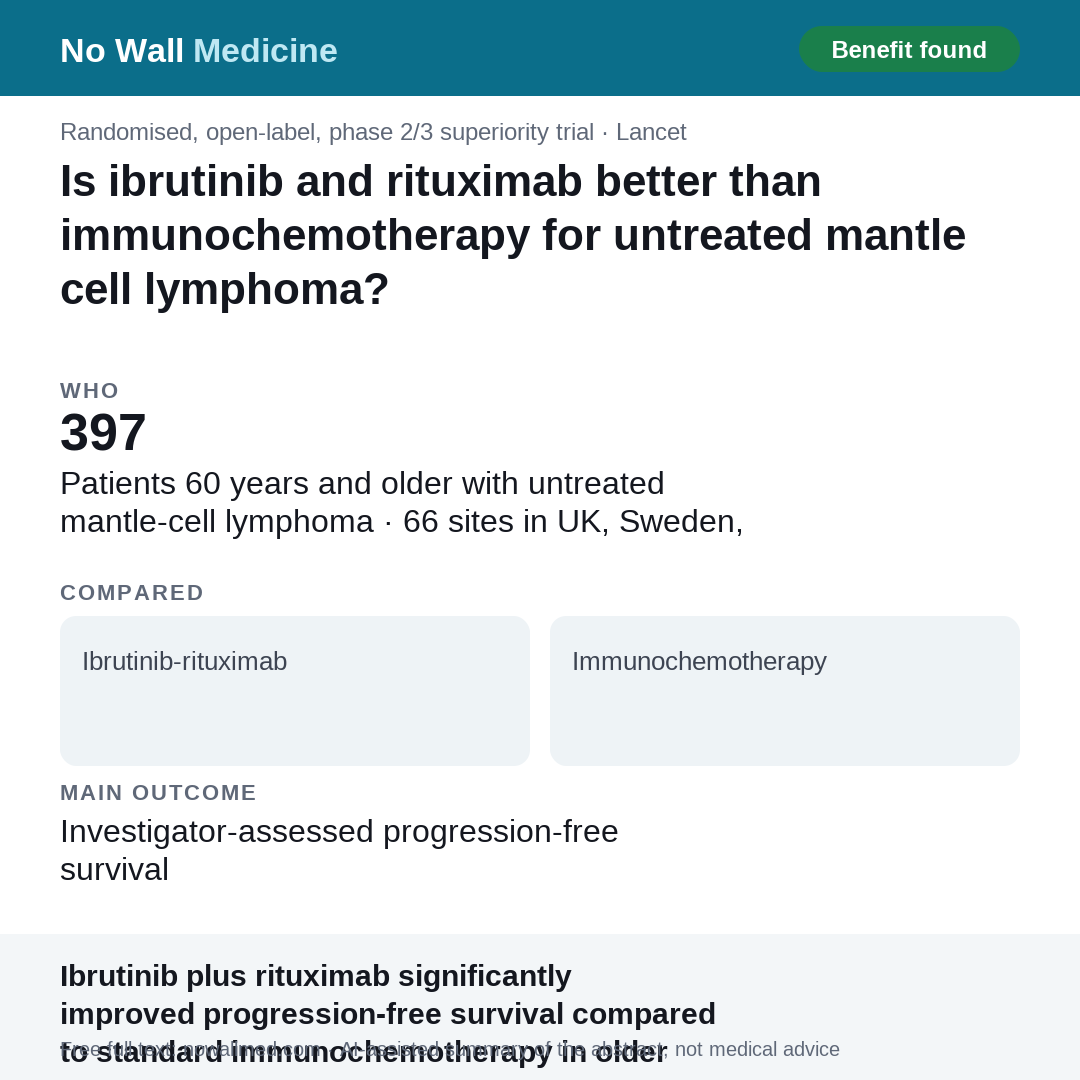
Ibrutinib and rituximab versus immunochemotherapy in patients with previously untreated mantle cell lymphoma (ENRICH): a randomised, open-label, phase 2/3 superiority trial
Randomised, open-label, phase 2/3 superiority trialBenefit found
Is ibrutinib and rituximab better than immunochemotherapy for untreated mantle cell lymphoma?
Who
397
Patients 60 years and older with untreated mantle-cell lymphoma · 66 sites in UK, Sweden, Norway, Finland, and Denmark
Compared
Ibrutinib-rituximab
Immunochemotherapy
Main outcome
Investigator-assessed progression-free survival
Result: hazard ratio 0·69 (95% CI 0·52-0·90)
Bottom line: Ibrutinib plus rituximab significantly improved progression-free survival compared to standard immunochemotherapy in older patients with untreated mantle-cell lymphoma.
Funded by: Cancer Research UK and Johnson and Johnson Pharmaceuticals
Lancet · 2025-10-03Download image
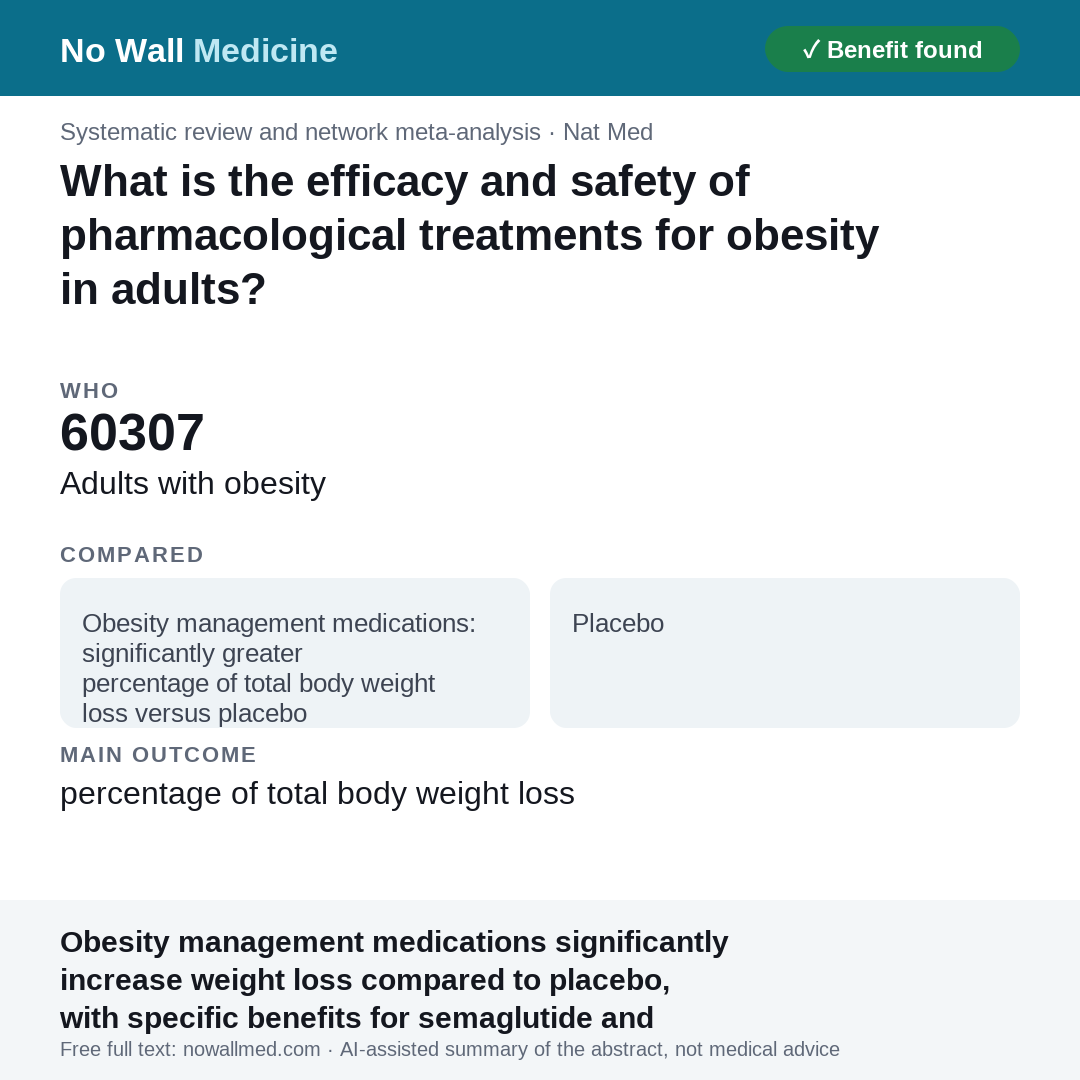
A systematic review and meta-analysis of the efficacy and safety of pharmacological treatments for obesity in adults
Systematic review and network meta-analysisBenefit found
What is the efficacy and safety of pharmacological treatments for obesity in adults?
Who
60307
Adults with obesity
Compared
Obesity management medications: significantly greater percentage of total body weight loss versus placebo
Placebo
Main outcome
percentage of total body weight loss
Bottom line: Obesity management medications significantly increase weight loss compared to placebo, with specific benefits for semaglutide and tirzepatide.
Nat Med · 2025-10-02Download image
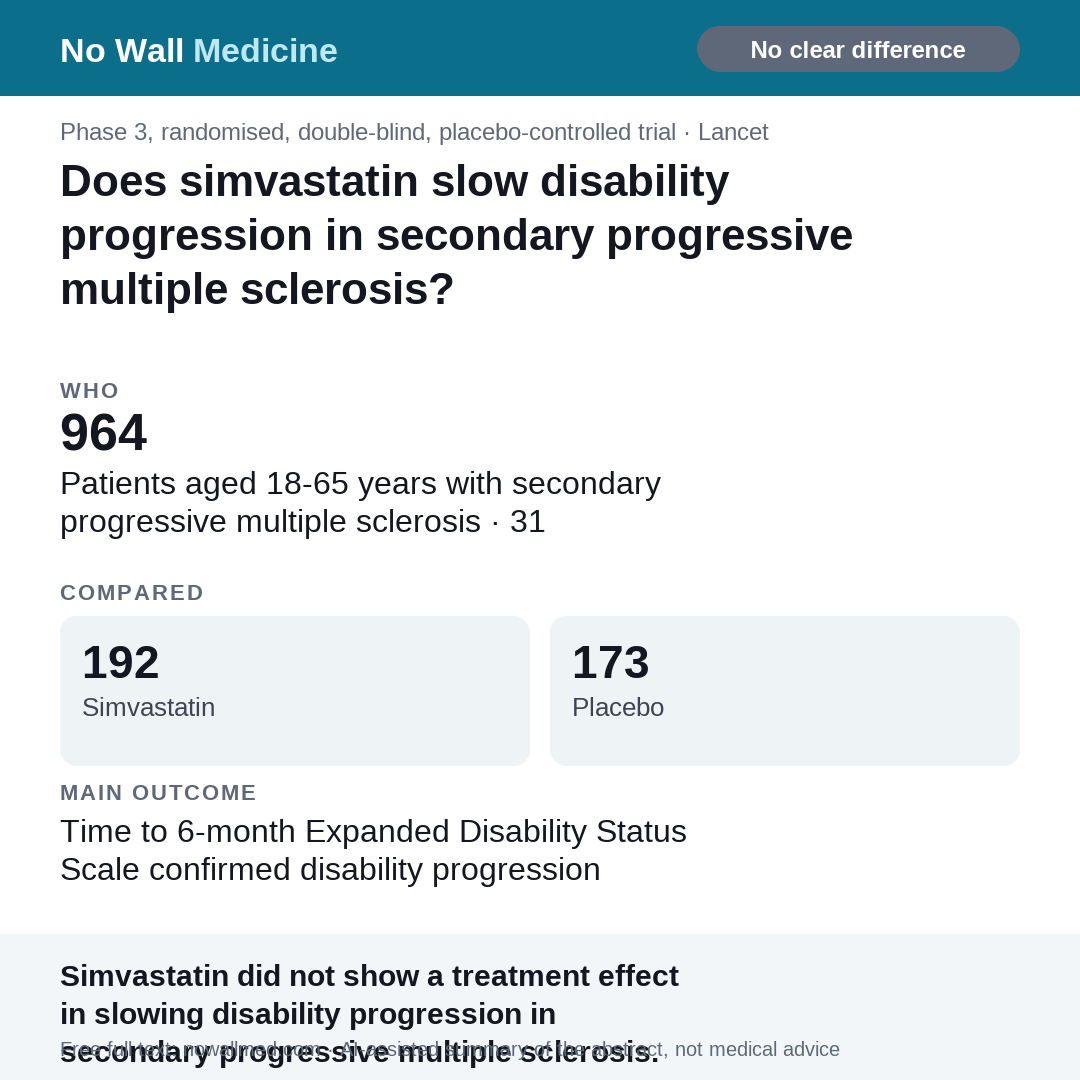
Effect of repurposed simvastatin on disability progression in secondary progressive multiple sclerosis (MS-STAT2): a phase 3, randomised, double-blind, placebo-controlled trial
Phase 3, randomised, double-blind, placebo-controlled trialNo clear difference
Does simvastatin slow disability progression in secondary progressive multiple sclerosis?
Who
964
Patients aged 18-65 years with secondary progressive multiple sclerosis · 31 neuroscience centres and district general hospitals in the UK
Compared
192Simvastatin (40%)
173Placebo (36%)
Main outcome
Time to 6-month Expanded Disability Status Scale confirmed disability progression
Result: adjusted hazard ratio 1·13 (95% CI 0·91 to 1·39)
Bottom line: Simvastatin did not show a treatment effect in slowing disability progression in secondary progressive multiple sclerosis.
Lancet · 2025-10-01Download image
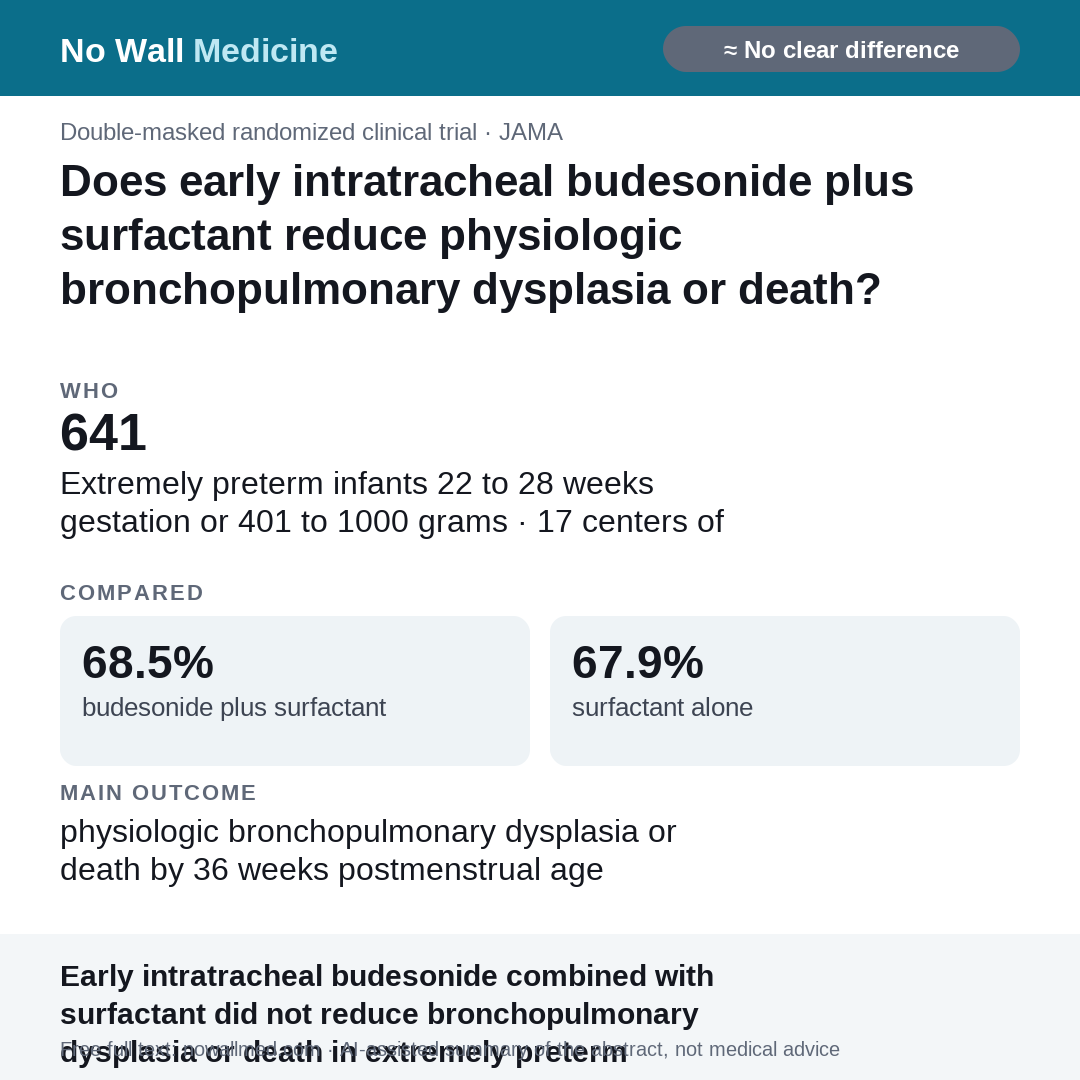
Early Intratracheal Budesonide to Reduce Bronchopulmonary Dysplasia in Extremely Preterm Infants: The Budesonide in Babies (BiB) Randomized Clinical Trial
Double-masked randomized clinical trialNo clear difference
Does early intratracheal budesonide plus surfactant reduce physiologic bronchopulmonary dysplasia or death?
Who
641
Extremely preterm infants 22 to 28 weeks gestation or 401 to 1000 grams · 17 centers of the United States Neonatal Research Network
Compared
68.5%budesonide plus surfactant
67.9%surfactant alone
Main outcome
physiologic bronchopulmonary dysplasia or death by 36 weeks postmenstrual age
Result: adjusted relative risk 1.00 (95% CI 0.90-1.11)
Bottom line: Early intratracheal budesonide combined with surfactant did not reduce bronchopulmonary dysplasia or death in extremely preterm infants.
JAMA · 2025-09-30Download image
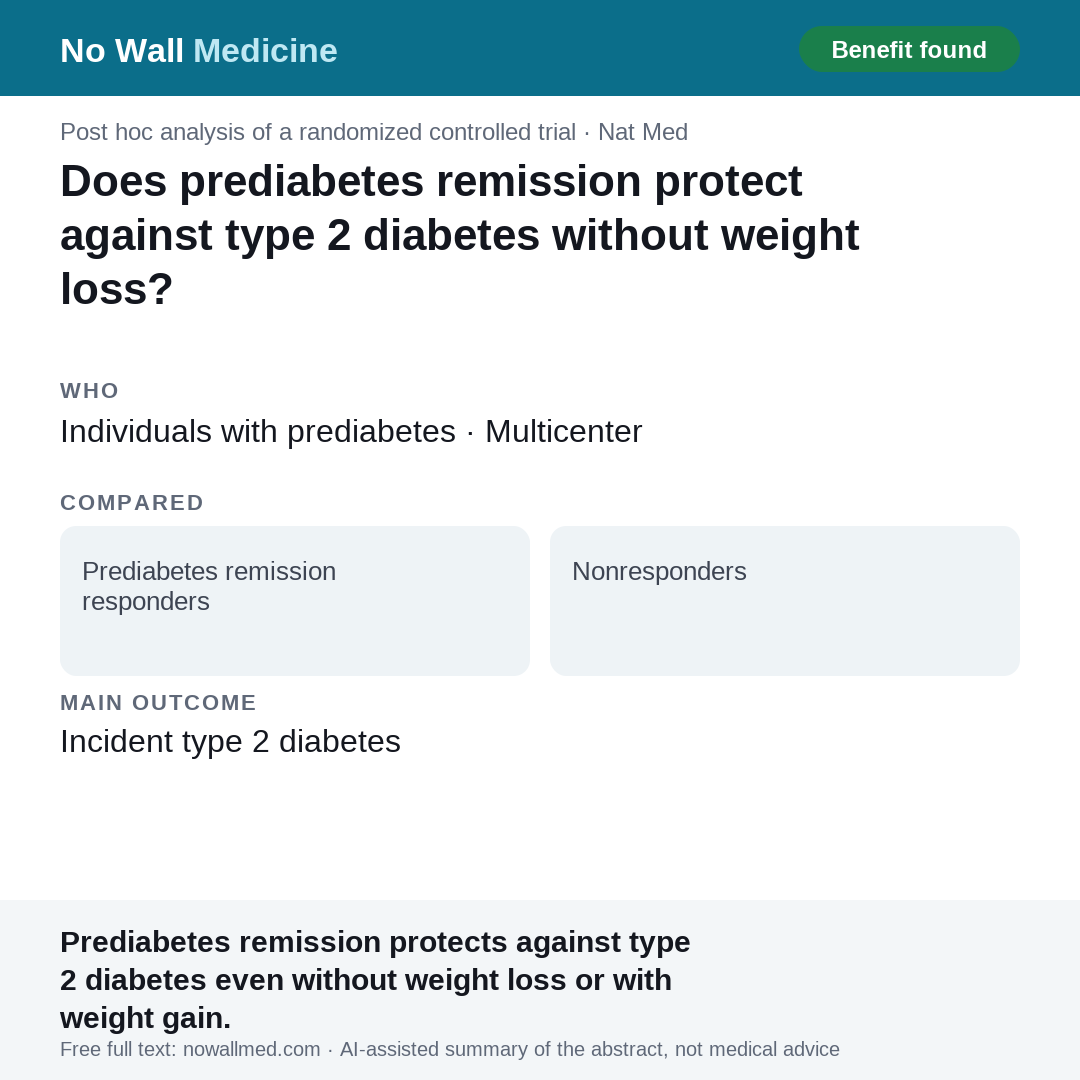
Prevention of type 2 diabetes through prediabetes remission without weight loss
Post hoc analysis of a randomized controlled trialBenefit found
Does prediabetes remission protect against type 2 diabetes without weight loss?
Who
Individuals with prediabetes · Multicenter
Compared
Prediabetes remission responders
Nonresponders
Main outcome
Incident type 2 diabetes
Bottom line: Prediabetes remission protects against type 2 diabetes even without weight loss or with weight gain.
Nat Med · 2025-09-29Download image
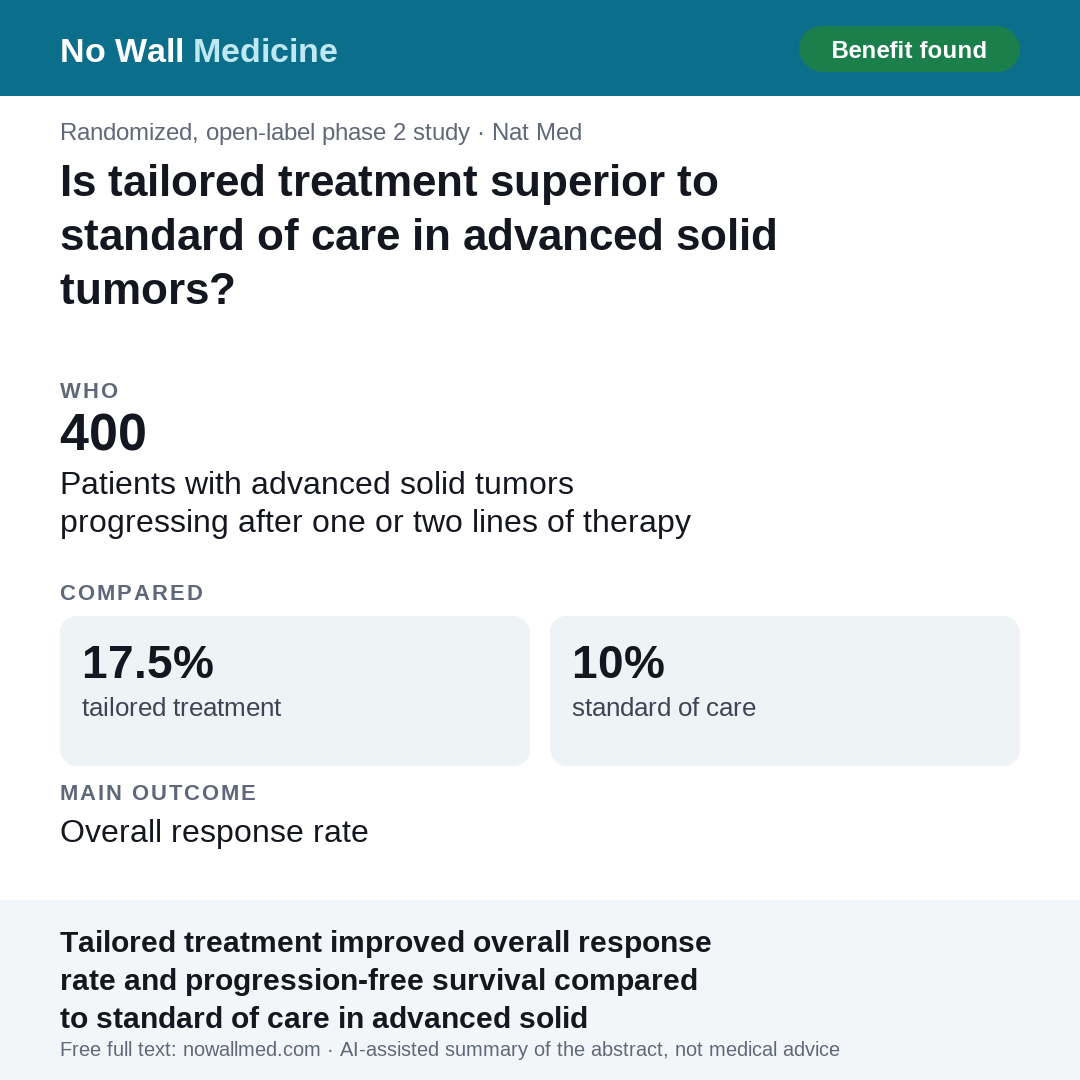
Genomically matched therapy in advanced solid tumors: the randomized phase 2 ROME trial
Randomized, open-label phase 2 studyBenefit found
Is tailored treatment superior to standard of care in advanced solid tumors?
Who
400
Patients with advanced solid tumors progressing after one or two lines of therapy · Multicenter
Compared
17.5%tailored treatment
10%standard of care
Main outcome
Overall response rate
Result: hazard ratio = 0.66 (0.53-0.82)
Bottom line: Tailored treatment improved overall response rate and progression-free survival compared to standard of care in advanced solid tumors.
Limitation: Median overall survival was similar, with a 52% crossover rate.
Nat Med · 2025-09-29Download image
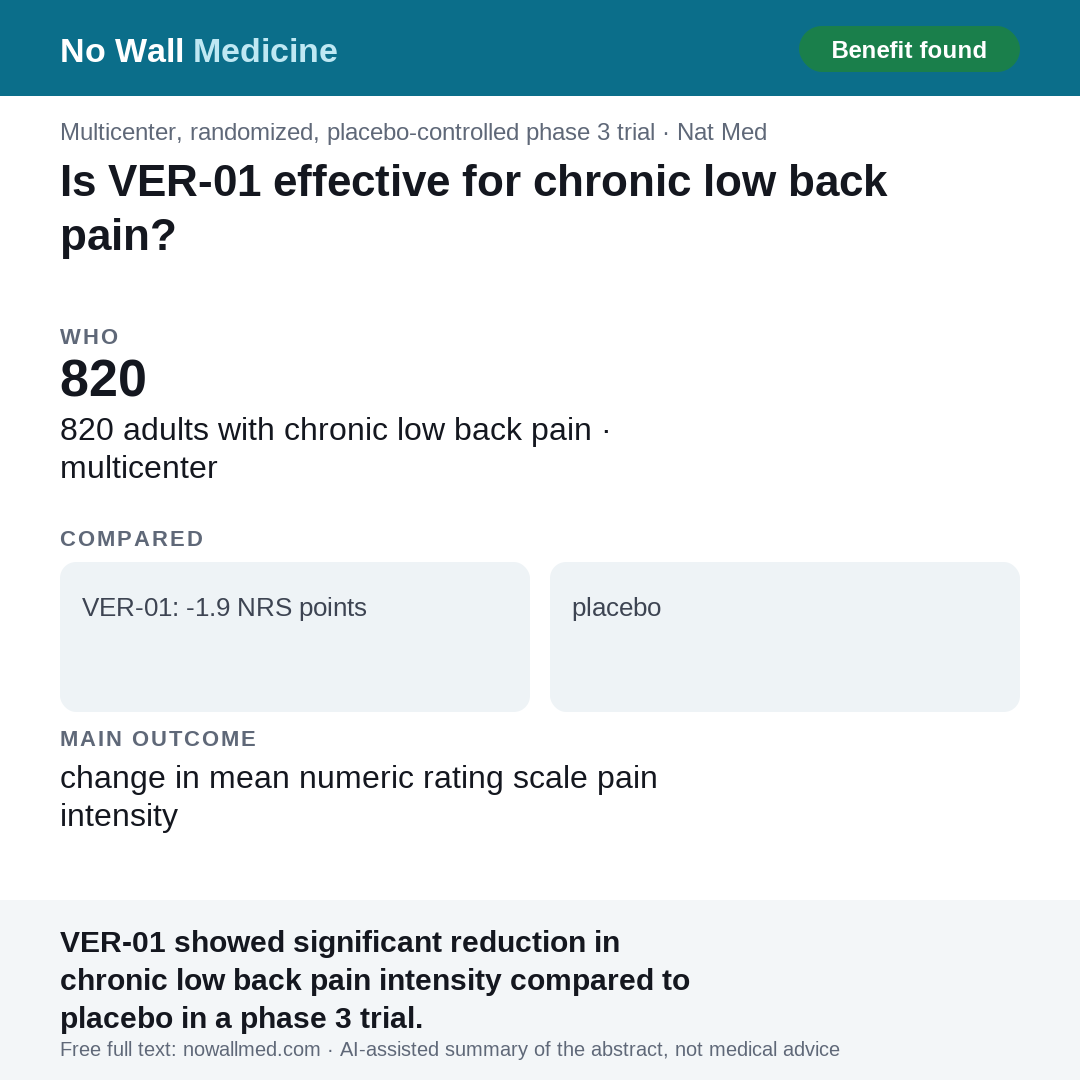
Full-spectrum extract from Cannabis sativa DKJ127 for chronic low back pain: a phase 3 randomized placebo-controlled trial
Multicenter, randomized, placebo-controlled phase 3 trialBenefit found
Is VER-01 effective for chronic low back pain?
Who
820
820 adults with chronic low back pain · multicenter
Compared
VER-01: -1.9 NRS points
placebo
Main outcome
change in mean numeric rating scale pain intensity
Result: mean difference -0.6 (95% CI -0.9 to -0.3)
Bottom line: VER-01 showed significant reduction in chronic low back pain intensity compared to placebo in a phase 3 trial.
Limitation: phase D did not meet its primary endpoint regarding time to treatment failure
Nat Med · 2025-09-29Download image
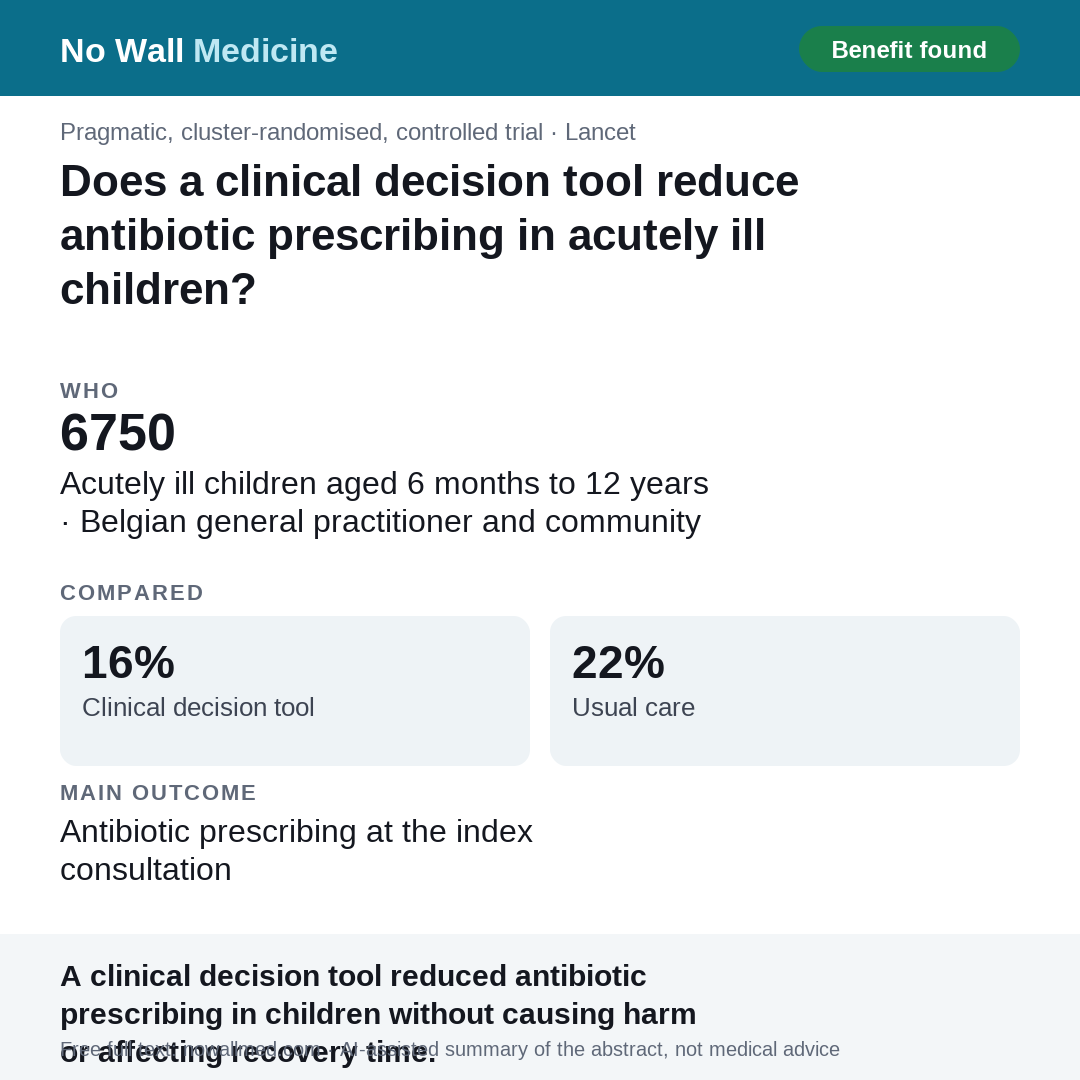
A clinical decision tool including a decision tree, point-of-care testing of CRP, and safety-netting advice to guide antibiotic prescribing in acutely ill children in primary care in Belgium (ARON): a pragmatic, cluster-randomised, controlled trial
Pragmatic, cluster-randomised, controlled trialBenefit found
Does a clinical decision tool reduce antibiotic prescribing in acutely ill children?
Who
6750
Acutely ill children aged 6 months to 12 years · Belgian general practitioner and community paediatrician practices
Compared
16%Clinical decision tool
22%Usual care
Main outcome
Antibiotic prescribing at the index consultation
Result: adjusted odds ratio 0·72 (95% CI 0·55-0·94)
Bottom line: A clinical decision tool reduced antibiotic prescribing in children without causing harm or affecting recovery time.
Funded by: Belgian Health Care Knowledge Centre
Lancet · 2025-09-25Download image
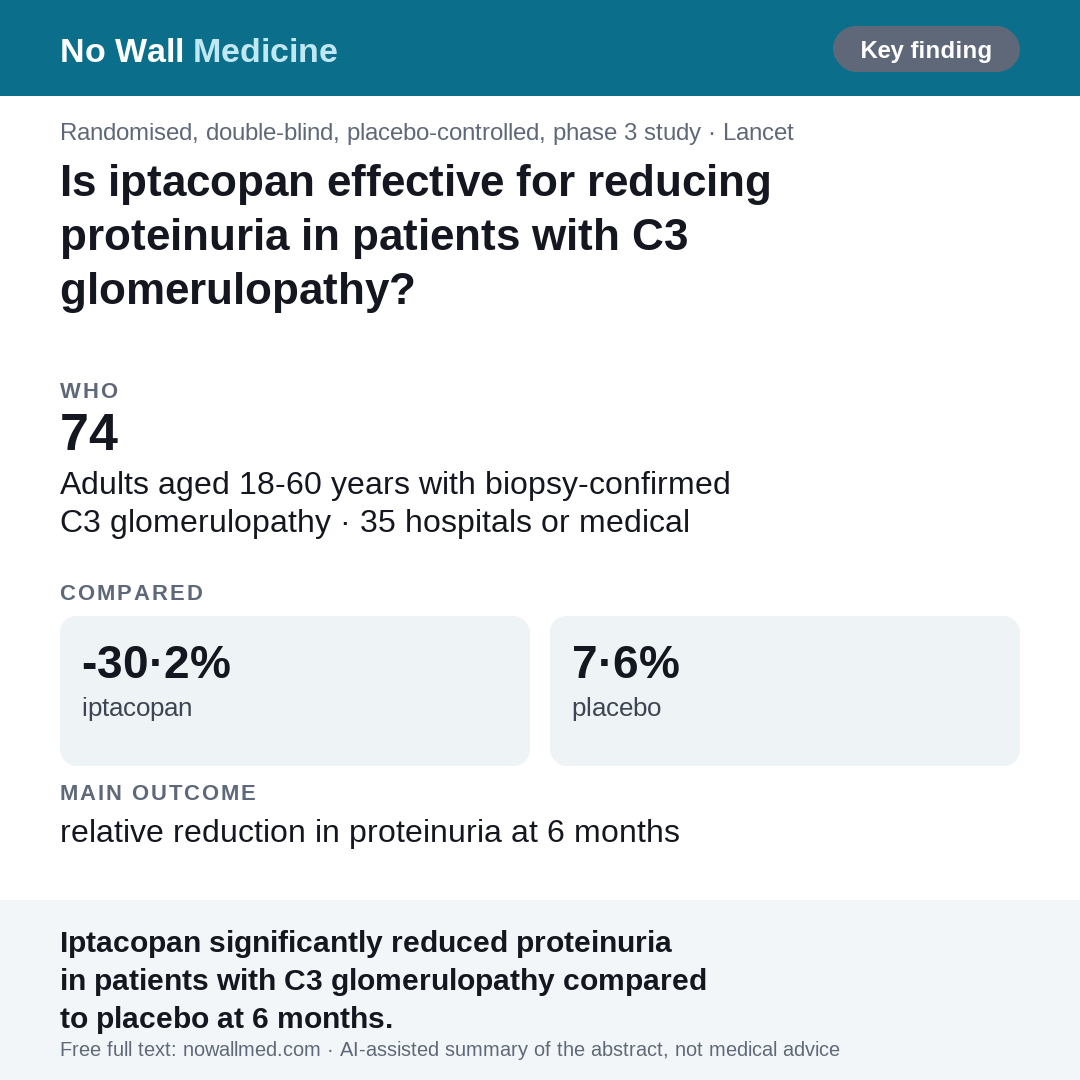
Oral iptacopan therapy in patients with C3 glomerulopathy: a randomised, double-blind, parallel group, multicentre, placebo-controlled, phase 3 study
Randomised, double-blind, placebo-controlled, phase 3 studyBenefit found
Is iptacopan effective for reducing proteinuria in patients with C3 glomerulopathy?
Who
74
Adults aged 18-60 years with biopsy-confirmed C3 glomerulopathy · 35 hospitals or medical centres in 18 countries
Compared
-30·2%iptacopan (95% CI -42·8 to -14·8)
7·6%placebo (-11·9 to 31·3)
Main outcome
relative reduction in proteinuria at 6 months
Result: 35·1% (13·8 to 51·1; p=0·0014)
Bottom line: Iptacopan significantly reduced proteinuria in patients with C3 glomerulopathy compared to placebo at 6 months.
Funded by: Novartis Pharma
Lancet · 2025-09-25Download image
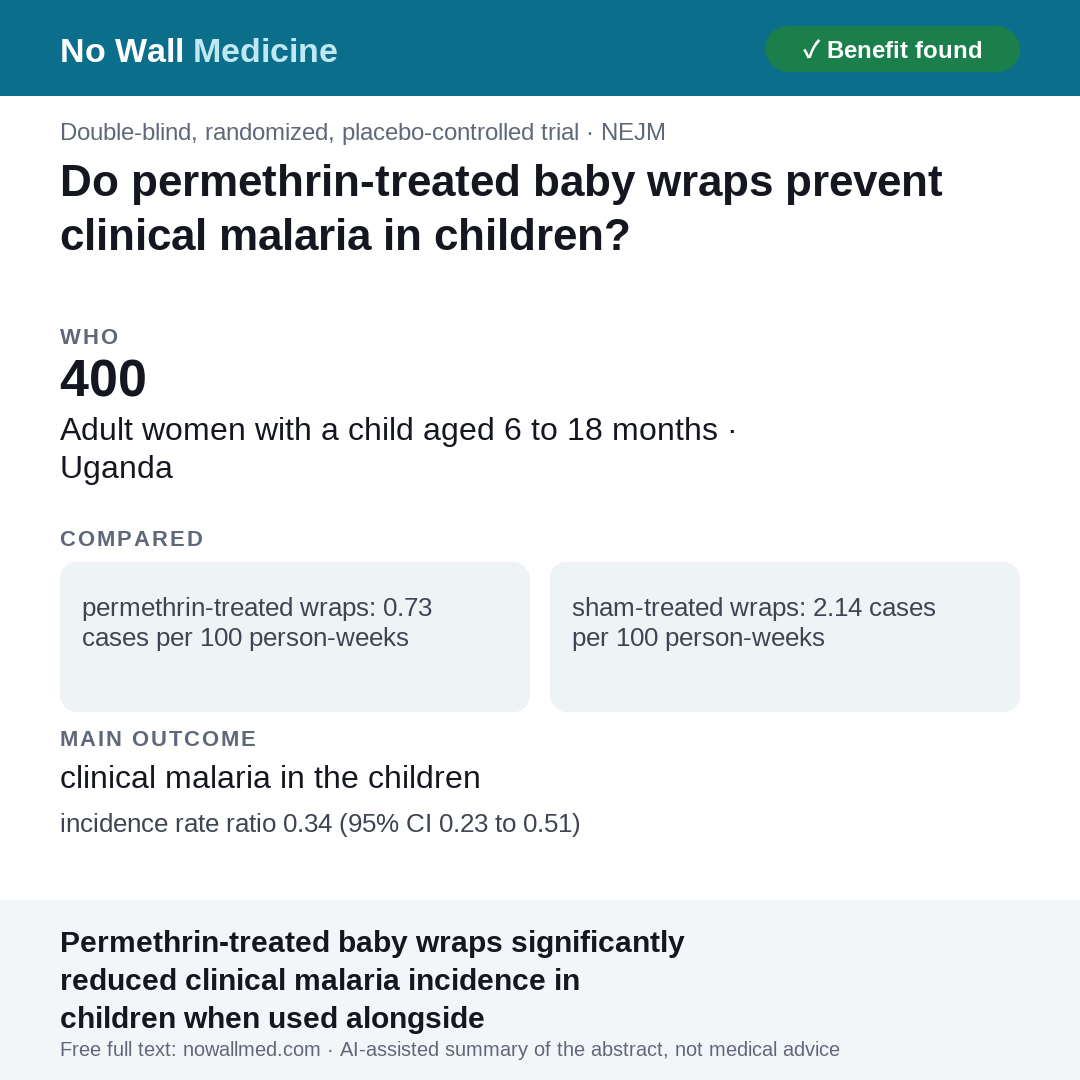
Permethrin-Treated Baby Wraps for the Prevention of Malaria
Double-blind, randomized, placebo-controlled trialBenefit found
Do permethrin-treated baby wraps prevent clinical malaria in children?
Who
400
Adult women with a child aged 6 to 18 months · Uganda
Compared
permethrin-treated wraps: 0.73 cases per 100 person-weeks
sham-treated wraps: 2.14 cases per 100 person-weeks
Main outcome
clinical malaria in the children
Result: incidence rate ratio 0.34 (95% CI 0.23 to 0.51)
Bottom line: Permethrin-treated baby wraps significantly reduced clinical malaria incidence in children when used alongside insecticide-treated bed nets.
Funded by: Doris Duke Foundation and others
NEJM · 2025-09-24Download image
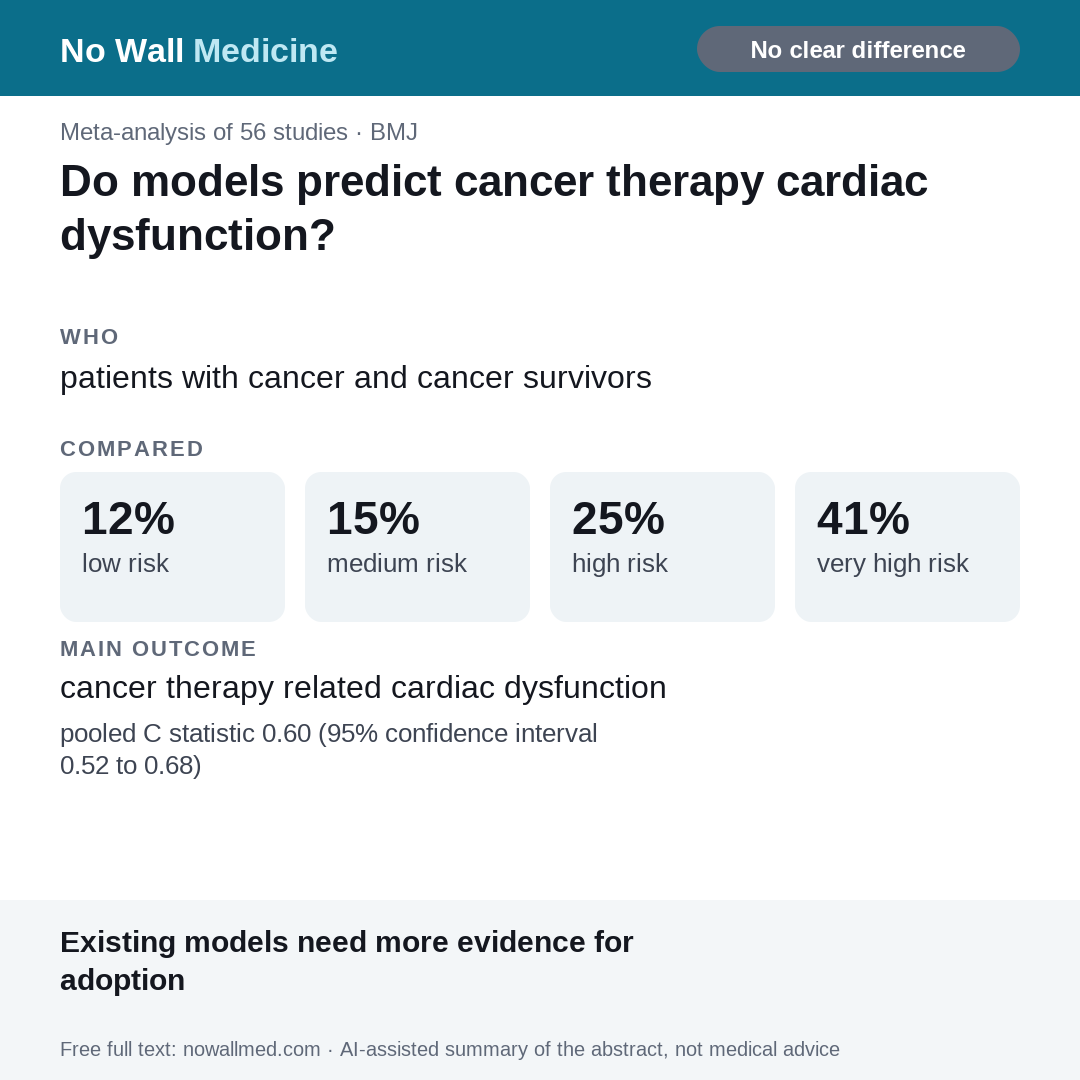
Risk prediction models for cancer therapy related cardiac dysfunction in patients with cancer and cancer survivors: systematic review and meta-analysis
Meta-analysis of 56 studiesNo clear difference
Do models predict cancer therapy cardiac dysfunction?
Who
patients with cancer and cancer survivors
Compared
12%low risk
15%medium risk
25%high risk
41%very high risk
Main outcome
cancer therapy related cardiac dysfunction
Result: pooled C statistic 0.60 (95% confidence interval 0.52 to 0.68)
Bottom line: Existing models need more evidence for adoption
Limitation: poor reporting and limited validation
BMJ · 2025-09-23Download image
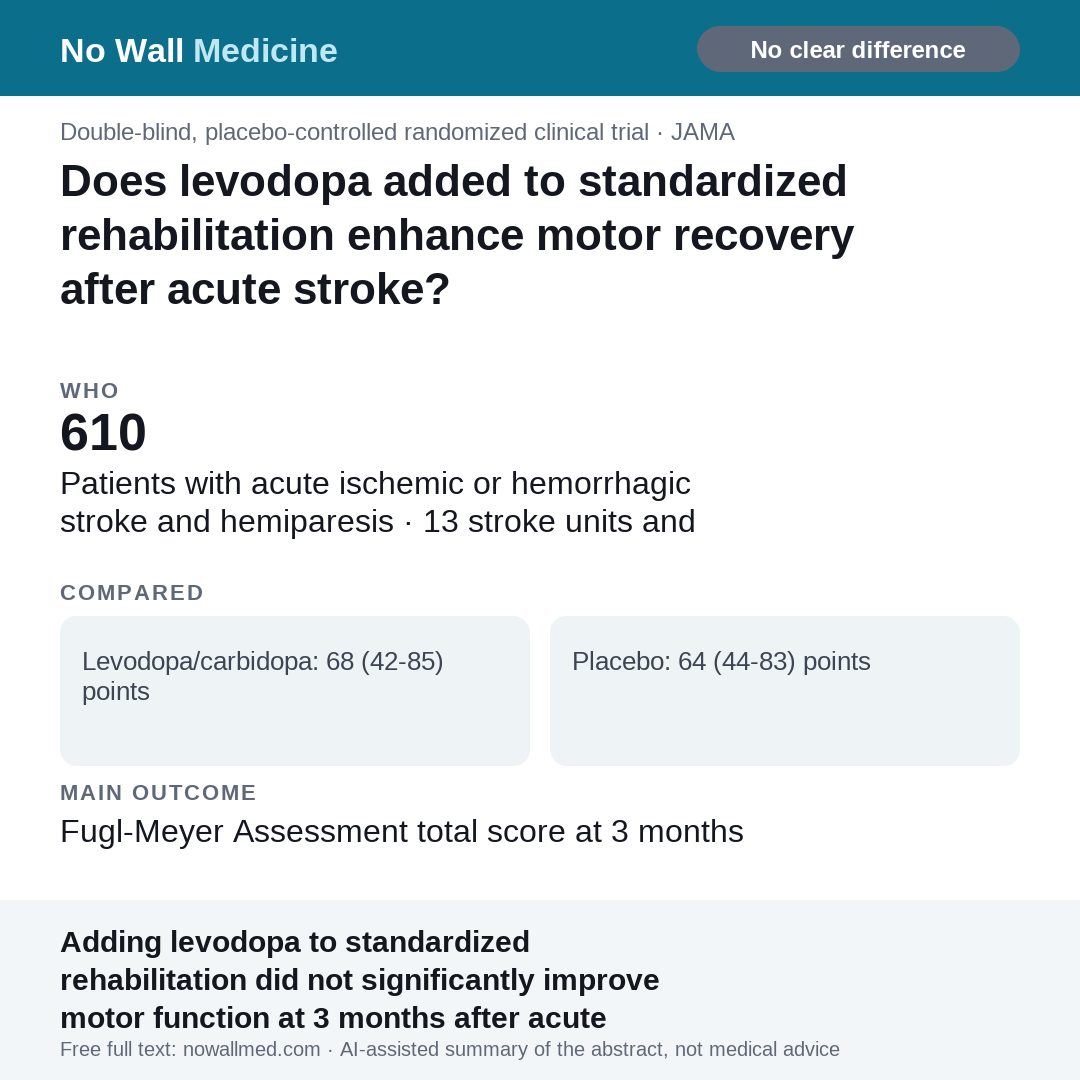
Levodopa Added to Stroke Rehabilitation: The ESTREL Randomized Clinical Trial
Double-blind, placebo-controlled randomized clinical trialNo clear difference
Does levodopa added to standardized rehabilitation enhance motor recovery after acute stroke?
Who
610
Patients with acute ischemic or hemorrhagic stroke and hemiparesis · 13 stroke units and 11 rehabilitation centers in Switzerland
Compared
Levodopa/carbidopa: 68 (42-85) points
Placebo: 64 (44-83) points
Main outcome
Fugl-Meyer Assessment total score at 3 months
Result: -0.90 points (95% CI, -3.78 to 1.98)
Bottom line: Adding levodopa to standardized rehabilitation did not significantly improve motor function at 3 months after acute stroke.
JAMA · 2025-09-22Download image
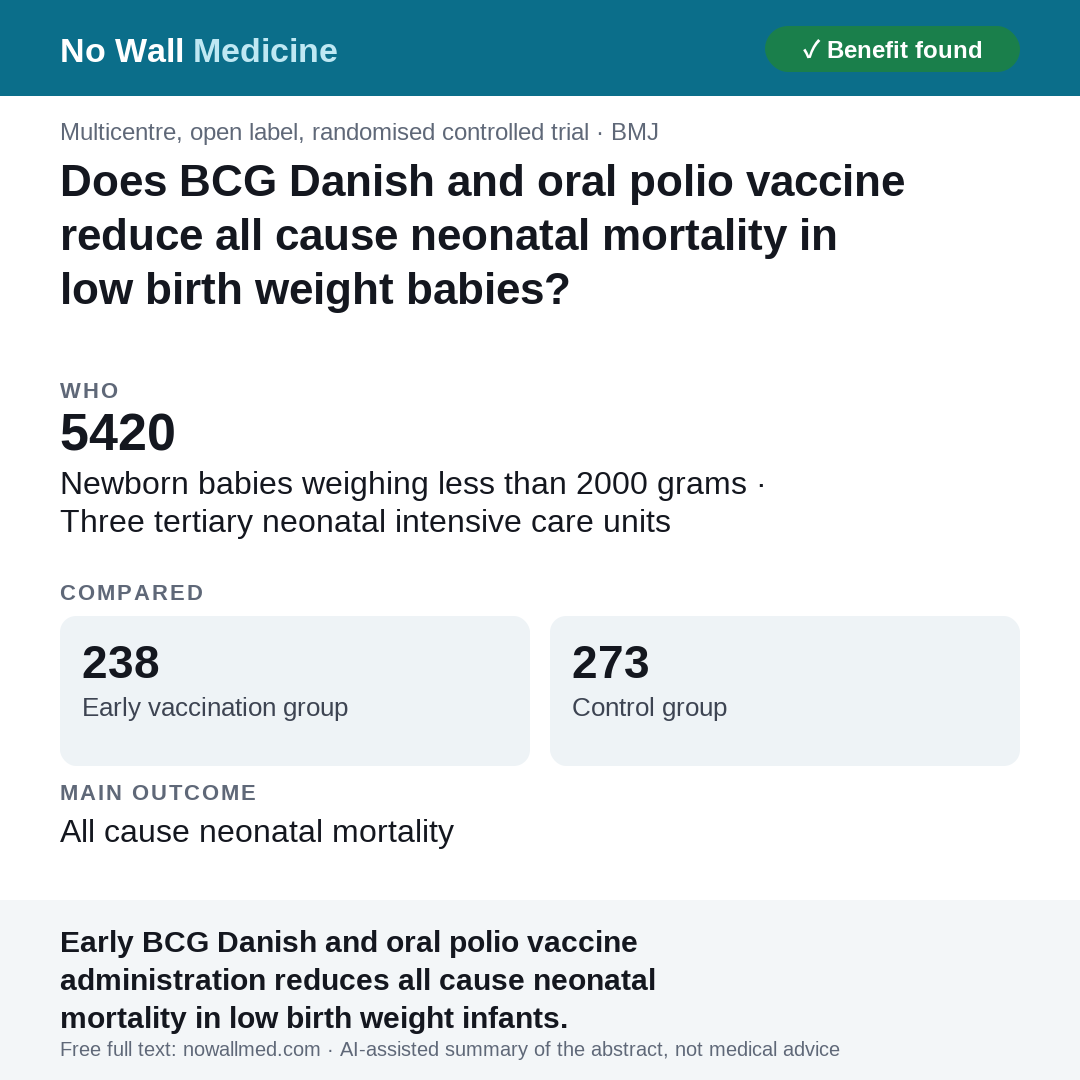
Effect of BCG Danish and oral polio vaccine on neonatal mortality in newborn babies weighing less than 2000 g in India: multicentre open label randomised controlled trial (BLOW2)
Multicentre, open label, randomised controlled trialBenefit found
Does BCG Danish and oral polio vaccine reduce all cause neonatal mortality in low birth weight babies?
Who
5420
Newborn babies weighing less than 2000 grams · Three tertiary neonatal intensive care units in southeast India
Compared
238Early vaccination group (8.8%)
273Control group (10.1%)
Main outcome
All cause neonatal mortality
Result: adjusted hazard ratio 0.83 (95% CI 0.69 to 0.98)
Bottom line: Early BCG Danish and oral polio vaccine administration reduces all cause neonatal mortality in low birth weight infants.
BMJ · 2025-09-22Download image
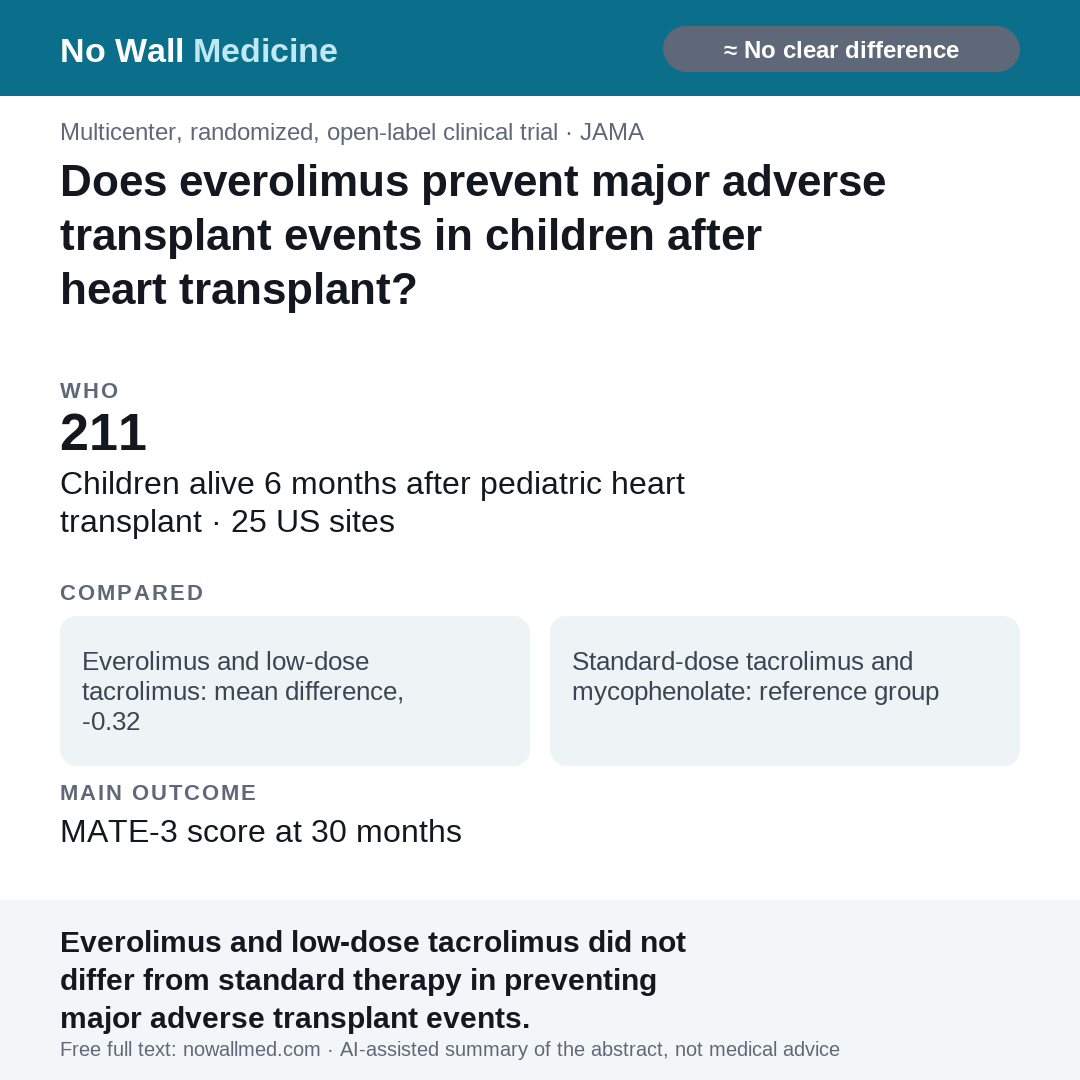
Everolimus and Low-Dose Tacrolimus After Heart Transplant in Children: A Randomized Clinical Trial
Multicenter, randomized, open-label, clinical trialNo clear difference
Is everolimus and low-dose tacrolimus safe and effective for preventing major adverse transplant events in children?
Who
211
Children alive 6 months after pediatric heart transplant · 25 US sites
Compared
everolimus and low-dose tacrolimus
standard-dose tacrolimus and mycophenolate mofetil
Main outcome
MATE-3 score (acute cellular rejection, CAV, and CKD)
Result: mean difference, -0.32 (95% CI, -0.90 to 0.20)
Bottom line: Everolimus and low-dose tacrolimus were safe and noninferior to standard therapy for preventing major adverse transplant events.
JAMA · 2025-09-17Download image
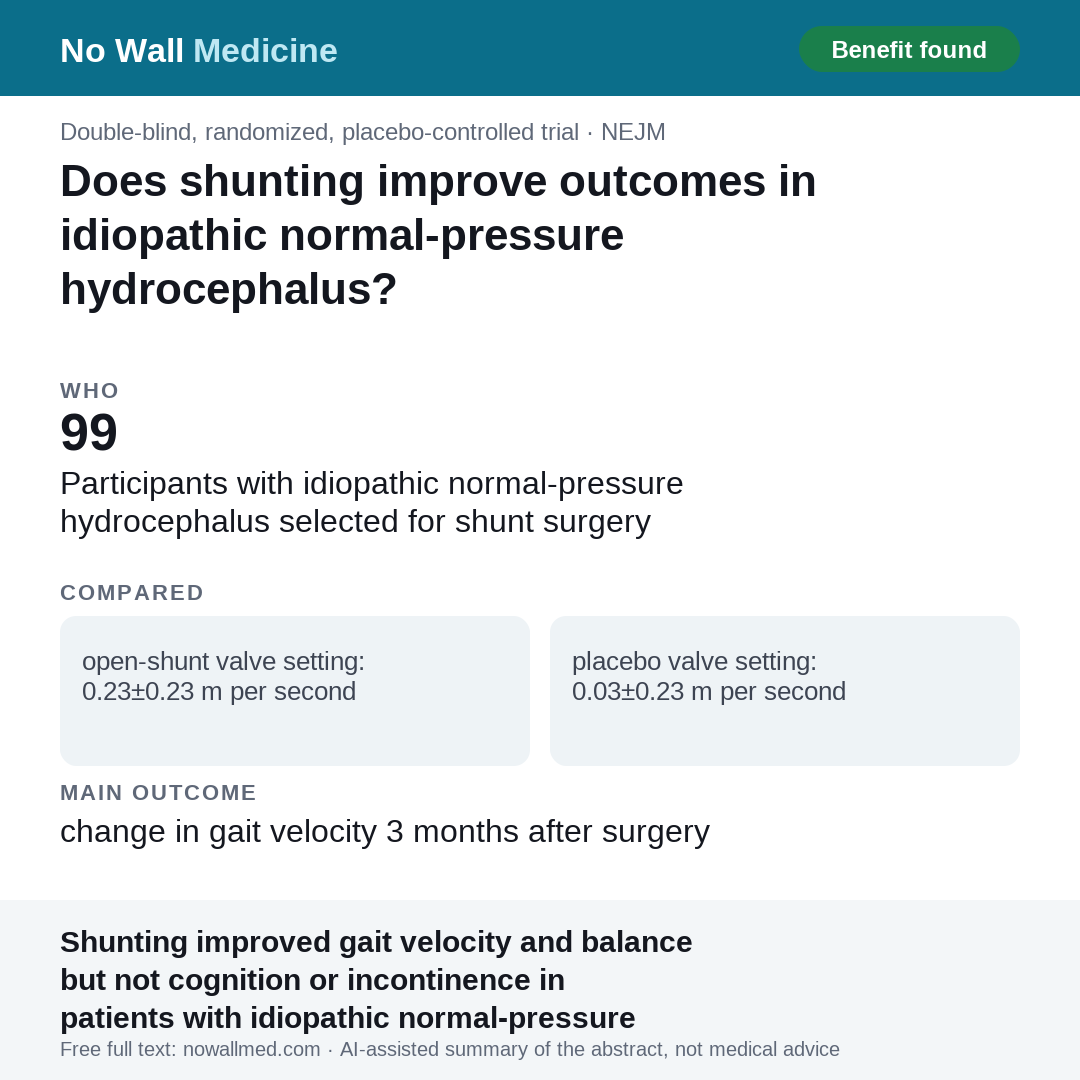
A Randomized Trial of Shunting for Idiopathic Normal-Pressure Hydrocephalus
Double-blind, randomized, placebo-controlled trialBenefit found
Does shunting improve outcomes in idiopathic normal-pressure hydrocephalus?
Who
99
Participants with idiopathic normal-pressure hydrocephalus selected for shunt surgery
Compared
open-shunt valve setting: 0.23±0.23 m per second
placebo valve setting: 0.03±0.23 m per second
Main outcome
change in gait velocity 3 months after surgery
Result: treatment difference of 0.21 m per second (95% confidence interval, 0.12 to 0.31)
Bottom line: Shunting improved gait velocity and balance but not cognition or incontinence in patients with idiopathic normal-pressure hydrocephalus.
Funded by: National Institute of Neurological Disorders and Stroke and Trial Innovation Network
NEJM · 2025-09-16Download image