Visual abstracts
New randomized trials and meta-analyses from leading journals at a glance: who was studied, what was compared, and what was found. Every paper is free to read in full.
All specialtiesCardiology 2211Oncology 1890Gastroenterology & Hepatology 834Infectious Disease 1390Neurology 894Psychiatry & Mental Health 1060Pulmonology 933Critical Care 614Endocrinology & Diabetes 1168Pediatrics 1288Surgery 1112Orthopedics & Sports Medicine 408Neurosurgery 272Cardiothoracic & Vascular Surgery 238Plastic & Reconstructive Surgery 339Nephrology 468Rheumatology 308Hematology 480Dermatology 257Ophthalmology 262Obstetrics & Gynecology 723Public & Global Health 414Radiology & Imaging 306Anesthesiology 438Urology 383ENT (Otolaryngology) 286Emergency Medicine 243Allergy & Immunology 136Geriatrics 469Family Medicine & Primary Care 254Medical Genetics & Genomics 238Pathology & Laboratory Medicine 74Physical Medicine & Rehabilitation 381Palliative Care 191Nutrition 588Digital Health & AI 1124General Medicine 166
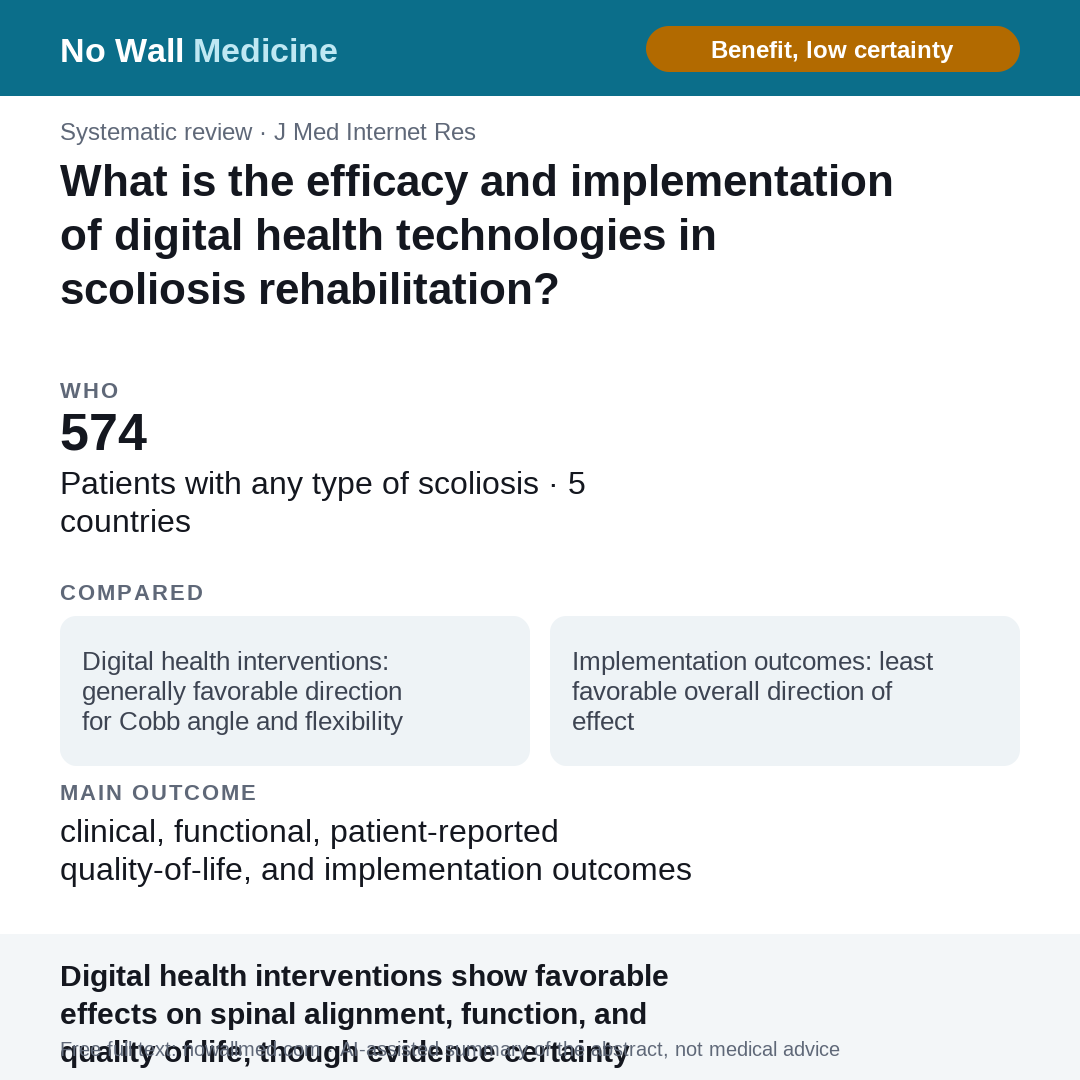
Application of Digital Health Technologies in Scoliosis Rehabilitation: Systematic Review Based on the Technology Classification Framework
Systematic reviewBenefit found
What is the efficacy and implementation of digital health technologies in scoliosis rehabilitation?
Who
574
Patients with any type of scoliosis · 5 countries
Compared
Digital health interventions: generally favorable direction for Cobb angle and flexibility
Implementation outcomes: least favorable overall direction of effect
Main outcome
clinical, functional, patient-reported quality-of-life, and implementation outcomes
Bottom line: Digital health interventions show favorable effects on spinal alignment, function, and quality of life, though evidence certainty is low.
Limitation: The overall certainty of evidence was low.
J Med Internet Res · 2026-08-28Download image
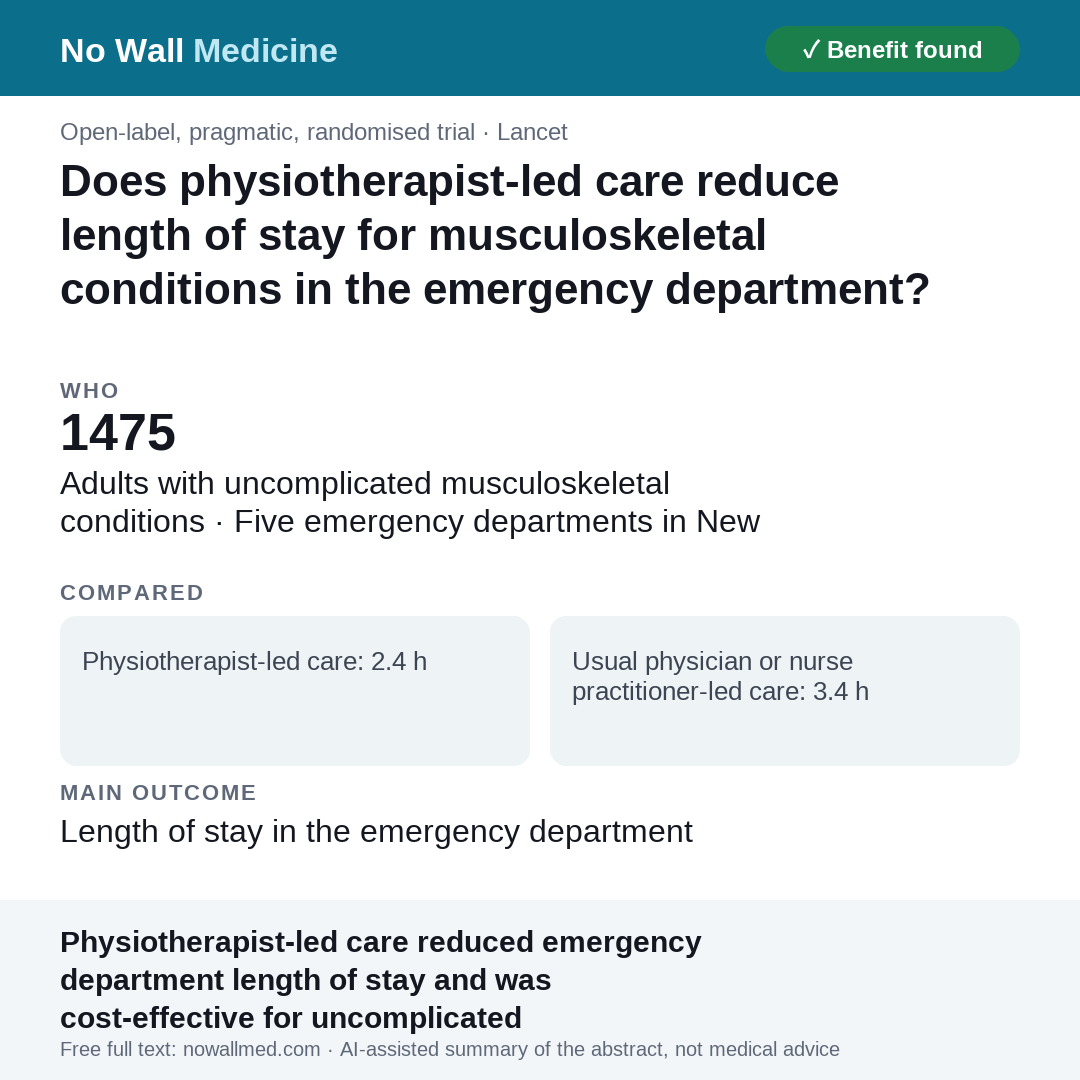
Physiotherapist-led care for musculoskeletal conditions in the emergency department (RESHAP-ED): a randomised controlled trial with economic evaluation
Open-label, pragmatic, randomised trialBenefit found
Does physiotherapist-led care reduce length of stay for musculoskeletal conditions in the emergency department?
Who
1475
Adults with uncomplicated musculoskeletal conditions · Five emergency departments in New South Wales, Australia
Compared
Physiotherapist-led care: 2.4 h
Usual physician or nurse practitioner-led care: 3.4 h
Main outcome
Length of stay in the emergency department
Result: -1.0 h (95% CI -1.2 to -0.8)
Bottom line: Physiotherapist-led care reduced emergency department length of stay and was cost-effective for uncomplicated musculoskeletal conditions.
Funded by: Medical Research Future Fund
Lancet · 2026-08-27Download image
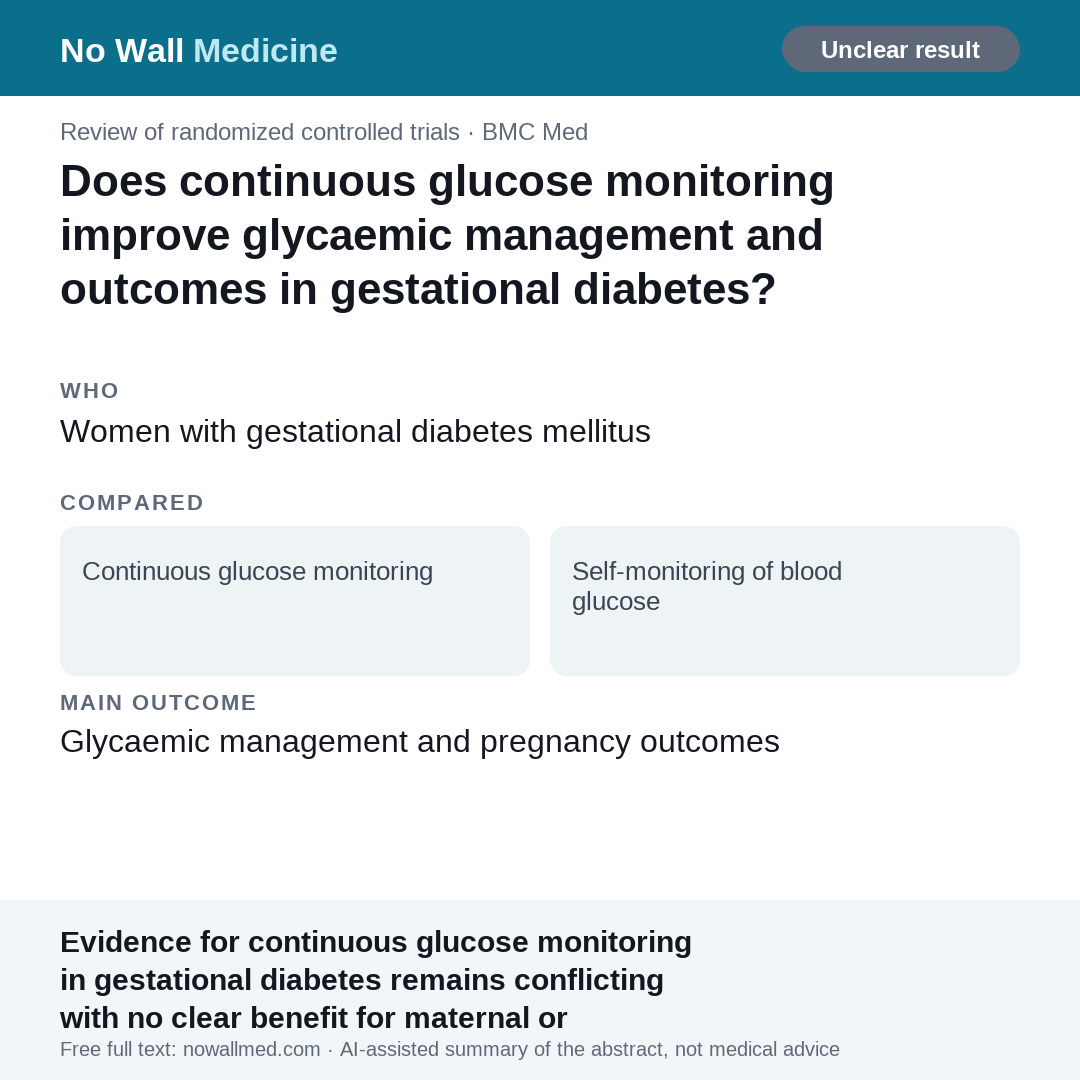
Conflicting evidence for continuous glucose monitoring in gestational diabetes: current challenges and the imperative for individual participant data meta-analysis
Review of randomized controlled trialsUnclear result
Does continuous glucose monitoring improve glycaemic management and outcomes in gestational diabetes?
Who
Women with gestational diabetes mellitus
Compared
Continuous glucose monitoring
Self-monitoring of blood glucose
Main outcome
Glycaemic management and pregnancy outcomes
Bottom line: Evidence for continuous glucose monitoring in gestational diabetes remains conflicting with no clear benefit for maternal or neonatal outcomes.
Limitation: Absence of validated continuous glucose monitoring-based glycaemic targets specific to gestational diabetes.
BMC Med · 2026-08-27Download image
Adherence to smartphone-delivered antimicrobial prescribing guidelines in hospitals in Lao PDR: A stepped-wedge cluster randomized controlled trial
Stepped-wedge cluster randomized controlled trialNo clear difference
Does a smartphone application improve adherence to antimicrobial prescribing guidelines compared to paper-based versions?
Who
3561
Hospitalized patients and outpatients in six hospitals in Laos · Six hospitals in Lao People's Democratic Republic
Compared
17.0%Paper-based guidelines (95% confidence interval [15.0,19])
25.6%Smartphone application (95% CI [23.1,28.3])
Main outcome
Adherence to antimicrobial prescribing guidelines
Result: adjusted odds ratio 1.26 (95% CI [0.8,1.9])
Bottom line: Smartphone-delivered antimicrobial prescribing guidelines did not improve adherence compared to paper-based versions in Lao hospitals.
Limitation: Prescriptions could not be reliably linked to individual prescribers to evaluate individual behavior changes.
PLOS Med · 2026-08-27Download image
Does acute pyelonephritis skew outcomes in registrational trials of novel antibiotics for complicated urinary tract infections? A systematic review and meta-analysis
Systematic review and meta-analysisBenefit found
Do outcomes differ between acute pyelonephritis and other complicated urinary tract infections?
Who
5,971
Patients with acute pyelonephritis or other complicated urinary tract infections
Compared
Acute pyelonephritis
Other complicated urinary tract infections
Main outcome
Clinical cure plus microbiologic eradication at test-of-cure
Result: risk ratio 1.12 (95% CI 1.03-1.23)
Bottom line: Acute pyelonephritis achieved higher cure rates at test-of-cure than other complicated urinary tract infections.
Limitation: Heterogeneity in definitions and limited stratified reporting reduce interstudy comparability.
Clin Infect Dis · 2026-08-27Download image

HFpEF-ABA Score and Finerenone in Patients With Heart Failure and Mildly Reduced or Preserved Ejection Fraction: Insights From the FINEARTS-HF Trial
Randomized, placebo-controlled trialBenefit found
Does finerenone effect vary according to the HFpEF-ABA score in heart failure patients?
Who
5,988
Patients with heart failure and left ventricular ejection fraction ≥40%
Compared
HFpEF-ABA score <75%
HFpEF-ABA score 75%-90%
HFpEF-ABA score >90%
Main outcome
heart failure outcomes
Bottom line: Finerenone reduced heart failure events consistently across all HFpEF-ABA score categories.
JACC Heart Fail · 2026-08-27Download image

Azithromycin enhances epithelial antiviral immunity in uncontrolled asthma: results from the AZIMUNE randomised controlled trial
Randomized, double-blind, placebo-controlled trialBenefit found
Does azithromycin enhance airway epithelial antiviral responses in uncontrolled asthma?
Who
40
Adults with uncontrolled asthma
Compared
Azithromycin: increased rhinovirus-induced concentrations of IFN-β (p=0.047) and IFN-λ (p=0.013)
Placebo: no change
Main outcome
airway epithelial antiviral responses and alarmin concentrations
Bottom line: Azithromycin enhances epithelial antiviral immunity and reduces interleukin-33 concentrations in response to rhinovirus in asthma.
Eur Respir J · 2026-08-27Download image
The efficacy of ketogenic interventions on neuropsychological & metabolic outcomes in serious mental illness & neurocognitive disorders: a systematic review & meta-analysis
Systematic review and meta-analysisBenefit found
Do ketogenic interventions improve neuropsychological and metabolic outcomes in serious mental illness and neurocognitive disorders?
Who
Individuals with serious mental illness and neurocognitive disorders
Compared
Neurocognitive disorders: cognitive performance: SMD 0.24
Neurocognitive disorders: body weight: MD -3.13 kg
Main outcome
Psychopathology, cognitive performance, body composition, metabolic parameters, and safety
Result: SMD 0.24 (95% CI 0.06 to 0.43) for cognitive performance
Bottom line: Ketogenic interventions provide modest cognitive and metabolic benefits in neurocognitive disorders, though evidence for serious mental illness is preliminary.
Limitation: Evidence in serious mental illness was largely limited to case reports and single-arm trials.
Transl Psychiatry · 2026-08-27Download image
Recombinant Influenza Vaccine and Influenza Outbreaks in US Nursing Homes: Results From a Pragmatic Cluster-Randomized Clinical Trial
Pragmatic cluster-randomized clinical trialBenefit found
Does recombinant influenza vaccine reduce influenza outbreaks in US nursing homes?
Who
Medicare-certified US nursing homes with 50 or more long-stay residents · United States nursing homes
Compared
Recombinant quadrivalent influenza vaccine: 36.6% laboratory-confirmed outbreaks in 2019-2020
Standard-dose egg-based inactivated quadrivalent influenza vaccine: 44.5% laboratory-confirmed outbreaks in 2019-2020
Main outcome
Facility-reported influenza outbreaks
Result: relative risk 0.82 (95% CI, 0.71-0.96)
Bottom line: Recombinant influenza vaccine reduced influenza outbreaks in nursing homes during seasons with moderate influenza activity.
Limitation: No significant differences were observed during the low-circulation 2020-2021 season.
Open Forum Infect Dis · 2026-08-27Download image
Comparative efficacy and safety of glucagon-like peptide 1 based drugs for weight loss in adults with overweight or obesity without diabetes: network meta-analysis of randomised controlled trials
Network meta-analysis of randomised controlled trialsBenefit found
Which glucagon-like peptide 1 based drugs are most effective for weight loss?
Who
24214
Adults with overweight or obesity without diabetes
Compared
-22.10%retatrutide (95% confidence interval -25.60% to -18.60%)
-19.28%tirzepatide (-20.39% to -18.16%)
-17.32%CagriSema (-19.32% to -15.32%)
placebo
Main outcome
weight loss
Bottom line: Next generation incretin based treatments achieved greater weight loss than conventional glucagon-like peptide 1 receptor agonists.
Limitation: Differences in tolerability, limited head-to-head evidence, and residual uncertainty.
BMJ Med · 2026-08-27Download image

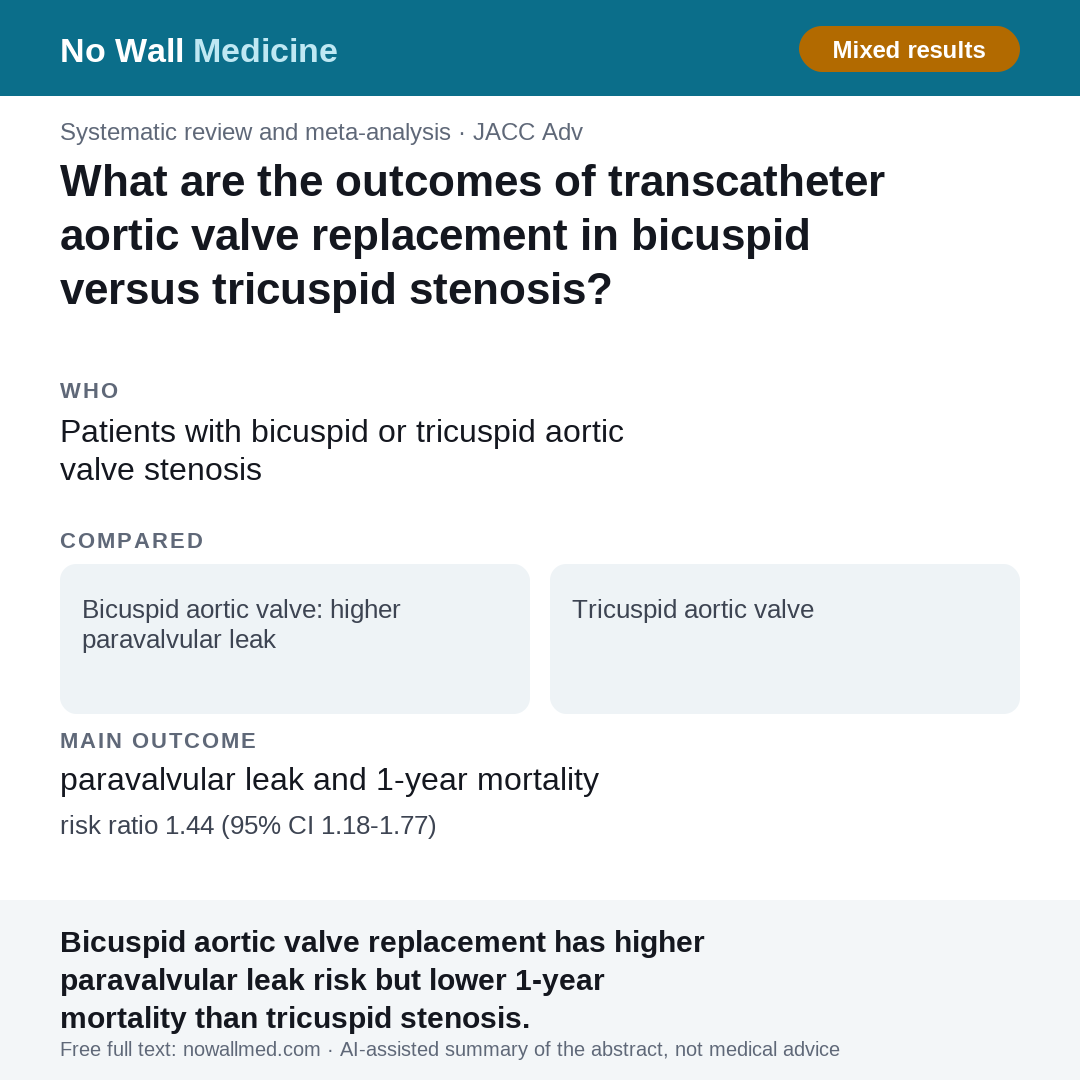
Transcatheter Aortic Valve Replacement for Severe Bicuspid Aortic Valve Stenosis: A Systematic Review and Meta-Analysis
Systematic review and meta-analysisMixed results
What are the outcomes of transcatheter aortic valve replacement in bicuspid versus tricuspid aortic valve stenosis?
Who
Patients with bicuspid or tricuspid aortic valve stenosis
Compared
Bicuspid aortic valve: higher paravalvular leak (RR: 1.44; 95% CI: 1.18-1.77)
Tricuspid aortic valve
Main outcome
paravalvular leak, aortic root injury, stroke, and mortality
Result: RR: 1.44 (95% CI: 1.18-1.77) for paravalvular leak
Bottom line: Bicuspid aortic valve replacement has higher procedural risks but lower 1-year mortality compared to tricuspid aortic valve replacement.
JACC Adv · 2026-08-27Download image
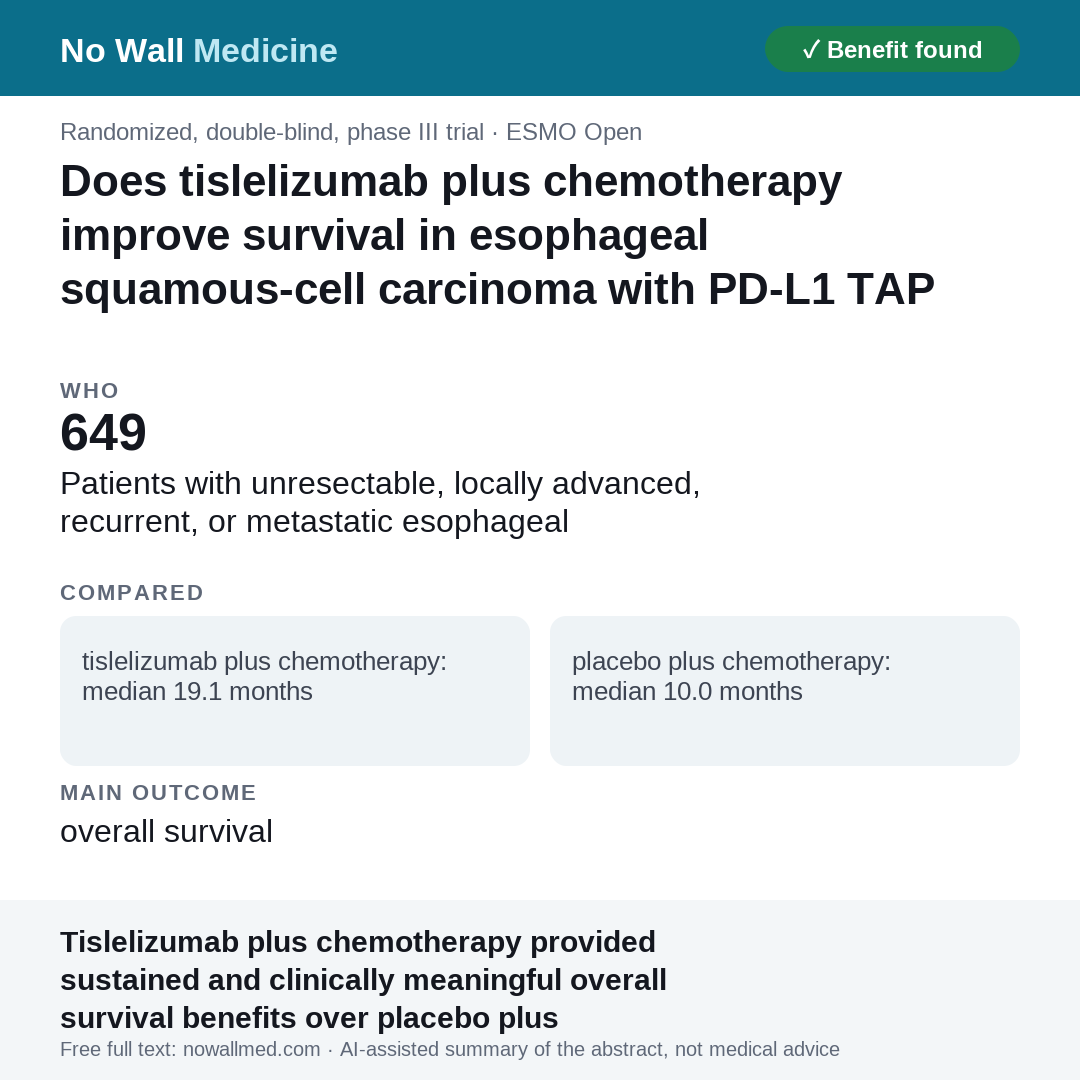
Tislelizumab plus chemotherapy for advanced or metastatic esophageal squamous-cell carcinoma in patients with PD-L1 Tumor Area Positivity score ≥5%: a post hoc, exploratory, long-term follow-up of RATIONALE-306☆
Randomized, double-blind, phase III trialBenefit found
Does tislelizumab plus chemotherapy improve survival in esophageal squamous-cell carcinoma with PD-L1 TAP score ≥5%?
Who
649
Patients with unresectable, locally advanced, recurrent, or metastatic esophageal squamous-cell carcinoma
Compared
tislelizumab plus chemotherapy: median 19.1 months
placebo plus chemotherapy: median 10.0 months
Main outcome
overall survival
Result: hazard ratio 0.61
Bottom line: Tislelizumab plus chemotherapy provided sustained and clinically meaningful overall survival benefits over placebo plus chemotherapy.
ESMO Open · 2026-08-27Download image
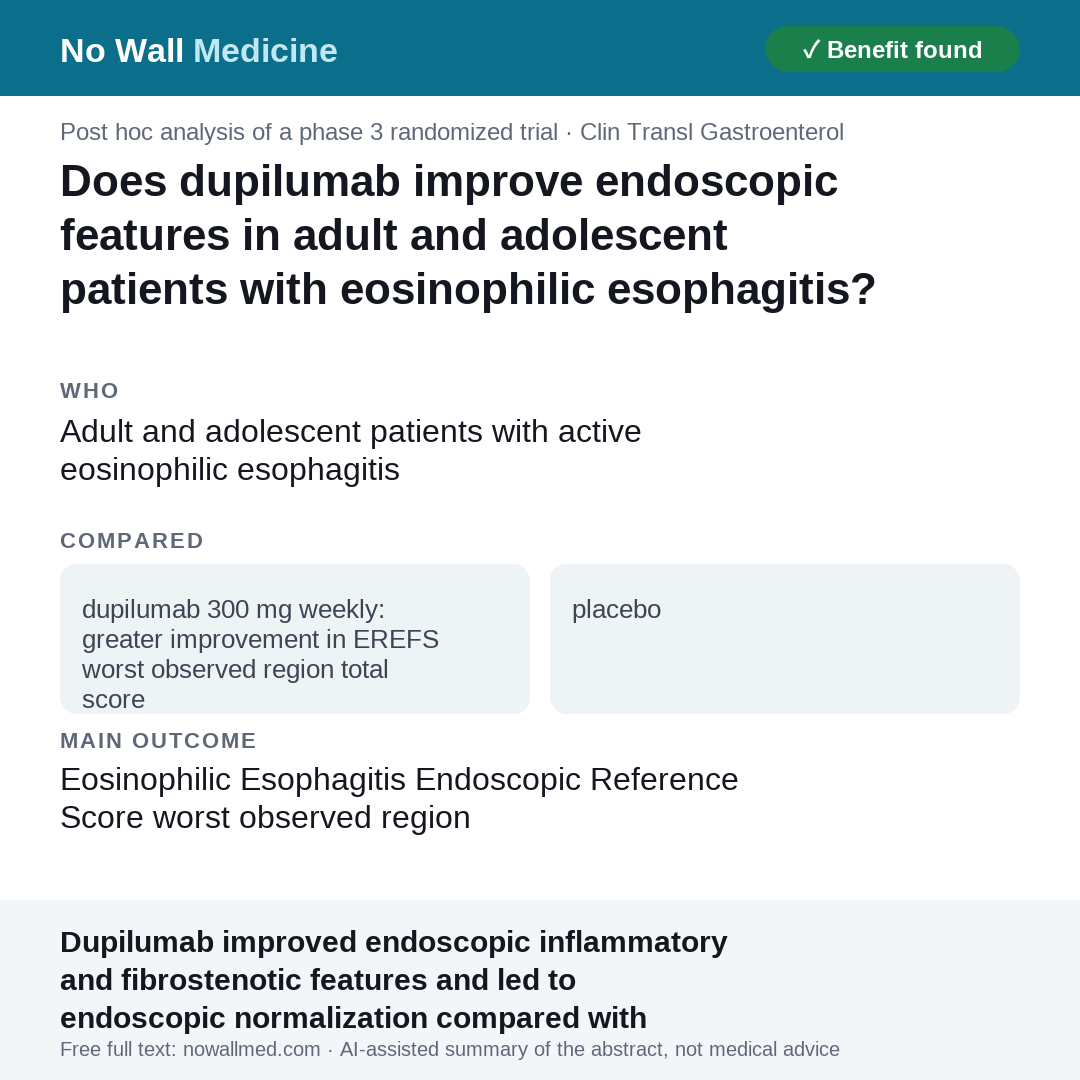
Dupilumab Improves Endoscopic Features in Adult and Adolescent Patients with Eosinophilic Esophagitis: Post Hoc Analysis of LIBERTY EoE TREET Study
Post hoc analysis of a phase 3 randomized trialBenefit found
Does dupilumab improve endoscopic features in adult and adolescent patients with eosinophilic esophagitis?
Who
Adult and adolescent patients with active eosinophilic esophagitis
Compared
dupilumab 300 mg weekly: greater improvement in EREFS worst observed region total score
placebo
Main outcome
Eosinophilic Esophagitis Endoscopic Reference Score worst observed region
Result: least squares mean difference -2.17 (95% CI -2.59 to -1.75)
Bottom line: Dupilumab improved endoscopic inflammatory and fibrostenotic features and led to endoscopic normalization compared with placebo.
Clin Transl Gastroenterol · 2026-08-27Download image
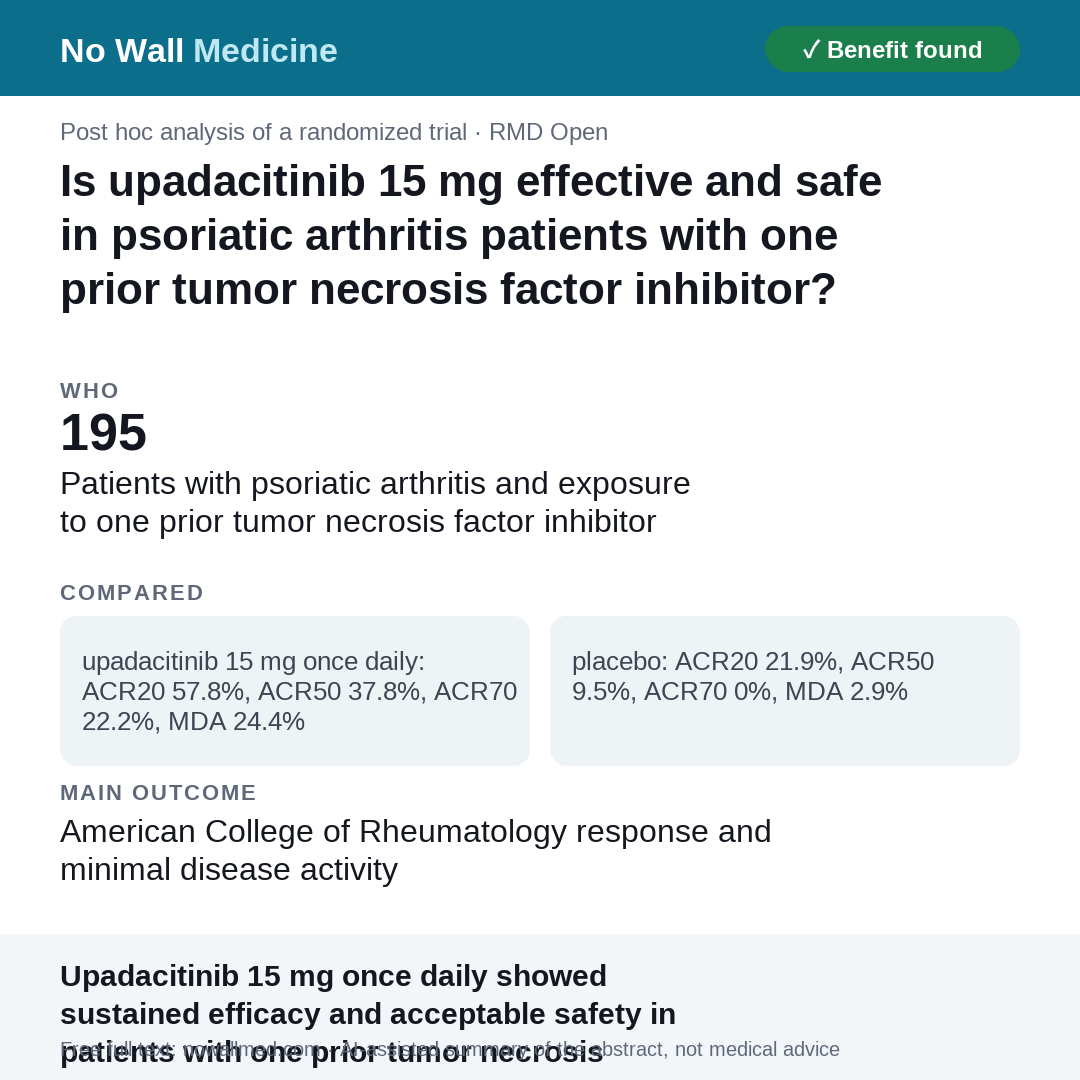
Efficacy and safety of upadacitinib in patients with psoriatic arthritis and exposure to one anti-TNF: post hoc analysis of SELECT-PsA 2
Post hoc analysis of a randomized trialBenefit found
Is upadacitinib 15 mg effective and safe in psoriatic arthritis patients with one prior tumor necrosis factor inhibitor?
Who
195
Patients with psoriatic arthritis and exposure to one prior tumor necrosis factor inhibitor
Compared
upadacitinib 15 mg once daily: ACR20 57.8%, ACR50 37.8%, ACR70 22.2%, MDA 24.4%
placebo: ACR20 21.9%, ACR50 9.5%, ACR70 0%, MDA 2.9%
Main outcome
American College of Rheumatology response and minimal disease activity
Bottom line: Upadacitinib 15 mg once daily showed sustained efficacy and acceptable safety in patients with one prior tumor necrosis factor inhibitor.
RMD Open · 2026-08-27Download image
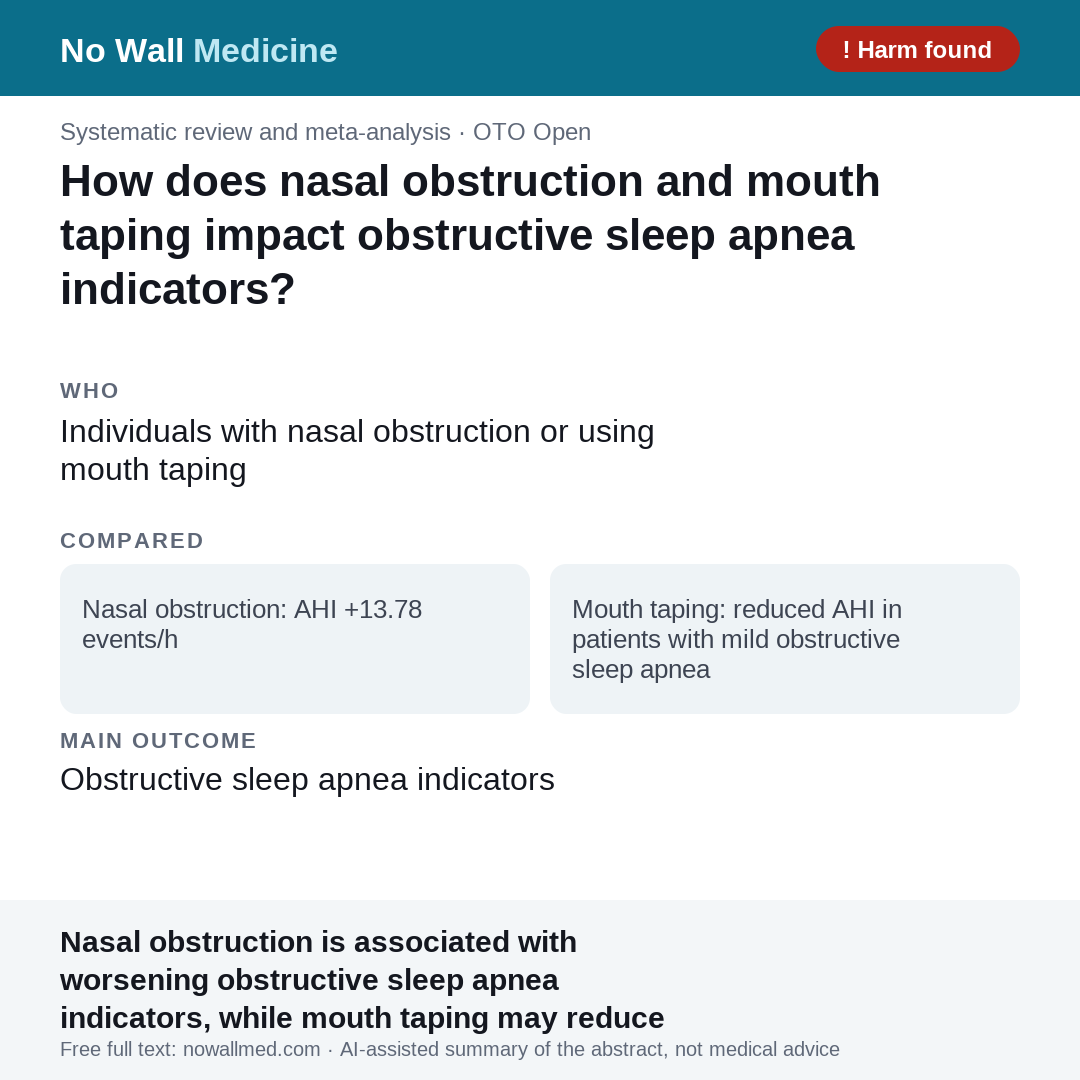
Impact of Nasal Obstruction and Mouth Taping on Sleep Apnea Indicators: Systematic Review and Meta-Analysis
Systematic review and meta-analysisHarm found
How does nasal obstruction and mouth taping impact obstructive sleep apnea indicators?
Who
Individuals with nasal obstruction or using mouth taping
Compared
Nasal obstruction: AHI +13.78 events/h
Mouth taping: reduced AHI in patients with mild obstructive sleep apnea
Main outcome
Obstructive sleep apnea indicators
Bottom line: Nasal obstruction is associated with worsening obstructive sleep apnea indicators, while mouth taping may reduce apnea in mild cases.
Limitation: The heterogeneity among studies limits the generalizability of these data.
OTO Open · 2026-08-27Download image
A multi-faceted hospital-based intervention for intrapartum care in sub-Saharan Africa: a stepped-wedge cluster-randomized trial
Stepped-wedge cluster-randomized trialBenefit found
Does the multi-faceted ALERT intervention reduce early perinatal mortality and morbidity?
Who
134,630
Women and neonates in sub-Saharan African hospitals · 16 hospitals in Benin, Malawi, Tanzania and Uganda
Compared
Intervention
Control
Main outcome
Early perinatal mortality (fresh stillbirth and 24h neonatal mortality)
Result: adjusted odds ratio 0.78 (95% confidence interval 0.65-0.94)
Bottom line: The multi-faceted ALERT intervention was associated with 22% lower odds of early perinatal mortality.
Limitation: The study only included 16 hospitals.
Nat Med · 2026-08-26Download image

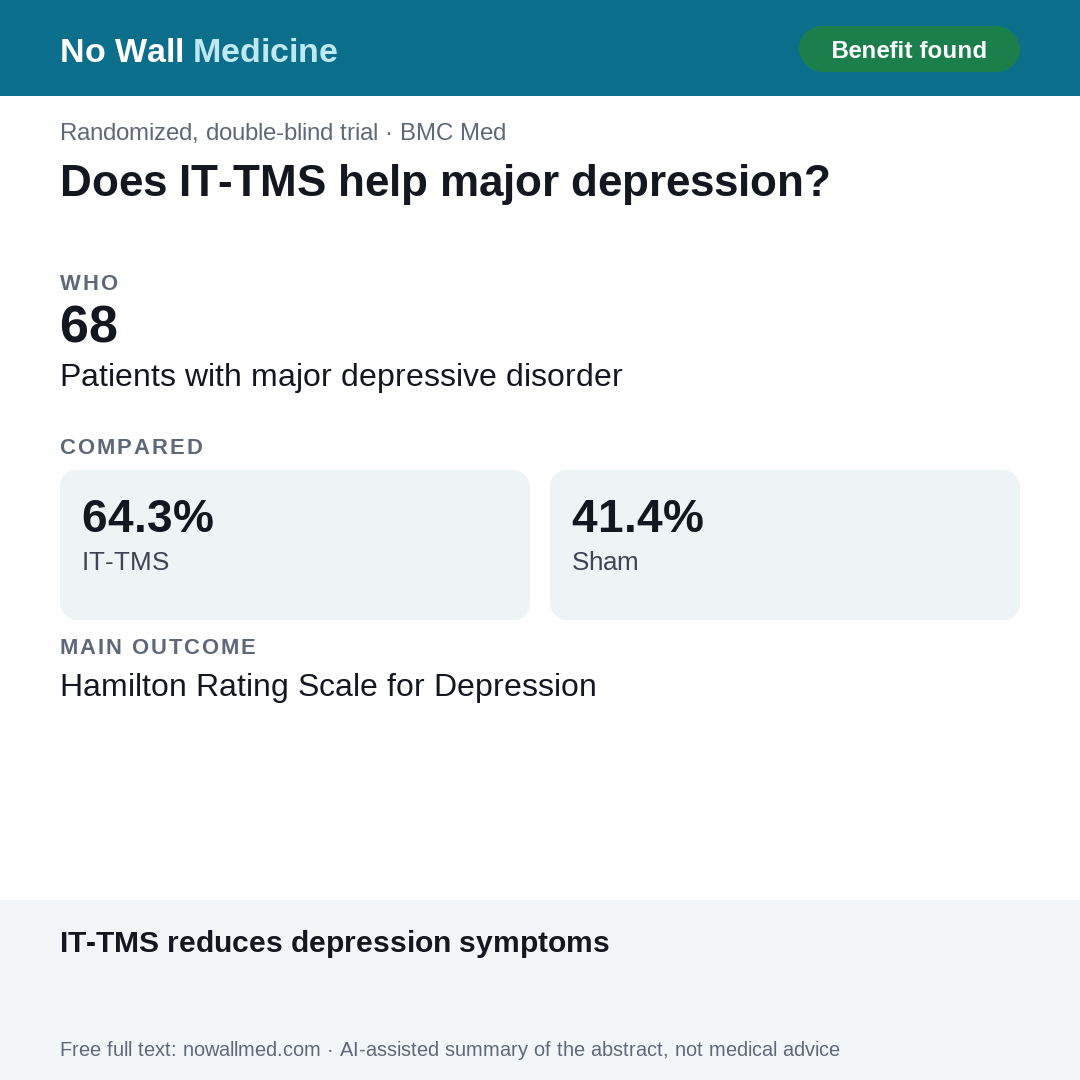
Safety and efficacy of individualized target transcranial magnetic stimulation for major depressive disorder based on DLPFC-pgACC functional connectivity: a randomized, sham-controlled clinical trial
Randomized, double-blind trialBenefit found
Does IT-TMS help major depression?
Who
68
Patients with major depressive disorder
Compared
64.3%IT-TMS (95% CI: 55.9-72.7)
41.4%Sham (95% CI: 33.9-48.8)
Main outcome
Hamilton Rating Scale for Depression
Bottom line: IT-TMS reduces depression symptoms
BMC Med · 2026-08-26Download image
Secondary prevention of cancer therapy-induced thrombocytopenia with hetrombopag in breast cancer: a multicenter, randomized, exploratory phase II trial
Multicenter, randomized, exploratory phase II trialBenefit found
Is hetrombopag effective for managing and preventing cancer therapy-induced thrombocytopenia in breast cancer?
Who
66
Breast cancer patients with platelet counts < 50 × 10⁹/L · Multicenter
Compared
87.9%hetrombopag (29/33)
81.8%subcutaneous recombinant human thrombopoietin (27/33)
Main outcome
Response rate during the thrombocytopenia treatment phase
Bottom line: Hetrombopag is a promising and well-tolerated strategy for managing cancer therapy-induced thrombocytopenia in breast cancer patients.
BMC Med · 2026-08-26Download image

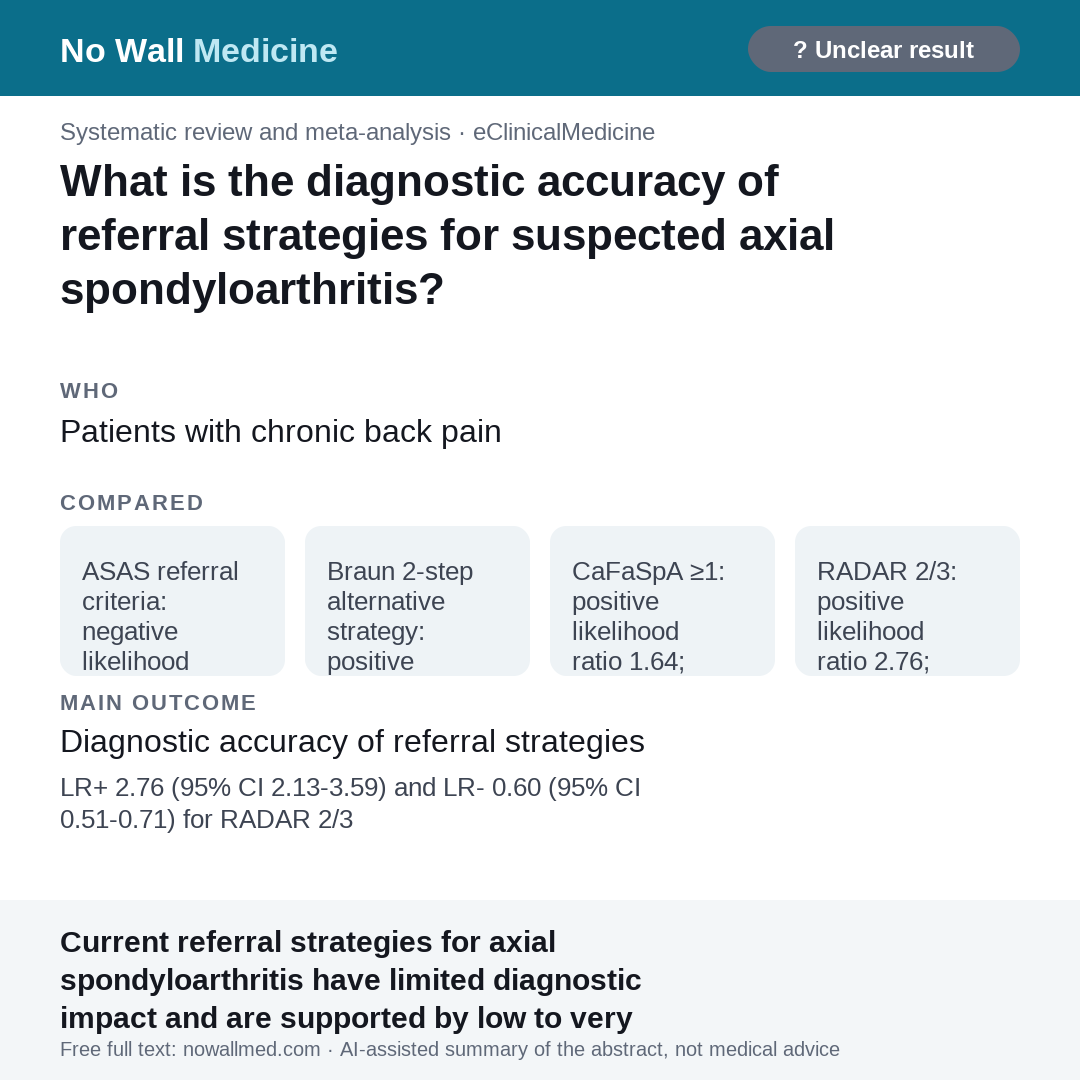
Performance of referral strategies for patients with suspected axial spondyloarthritis: a systematic review with meta-analysis
Systematic review and meta-analysisUnclear result
What is the diagnostic accuracy of referral strategies for suspected axial spondyloarthritis?
Who
Patients with chronic back pain
Compared
ASAS referral criteria: negative likelihood ratio 0.18
Braun 2-step alternative strategy: positive likelihood ratio 2.02; negative likelihood ratio 0.38
CaFaSpA ≥1: positive likelihood ratio 1.64; negative likelihood ratio 0.43
RADAR 2/3: positive likelihood ratio 2.76; negative likelihood ratio 0.60
Main outcome
Diagnostic accuracy of referral strategies
Result: LR+ 2.76 (95% CI 2.13-3.59) and LR- 0.60 (95% CI 0.51-0.71) for RADAR 2/3
Bottom line: Current referral strategies for axial spondyloarthritis have limited diagnostic impact and are supported by low to very low-certainty evidence.
Limitation: Risk of bias was high across all strategies, resulting in low to very low certainty of evidence.
eClinicalMedicine · 2026-08-26Download image
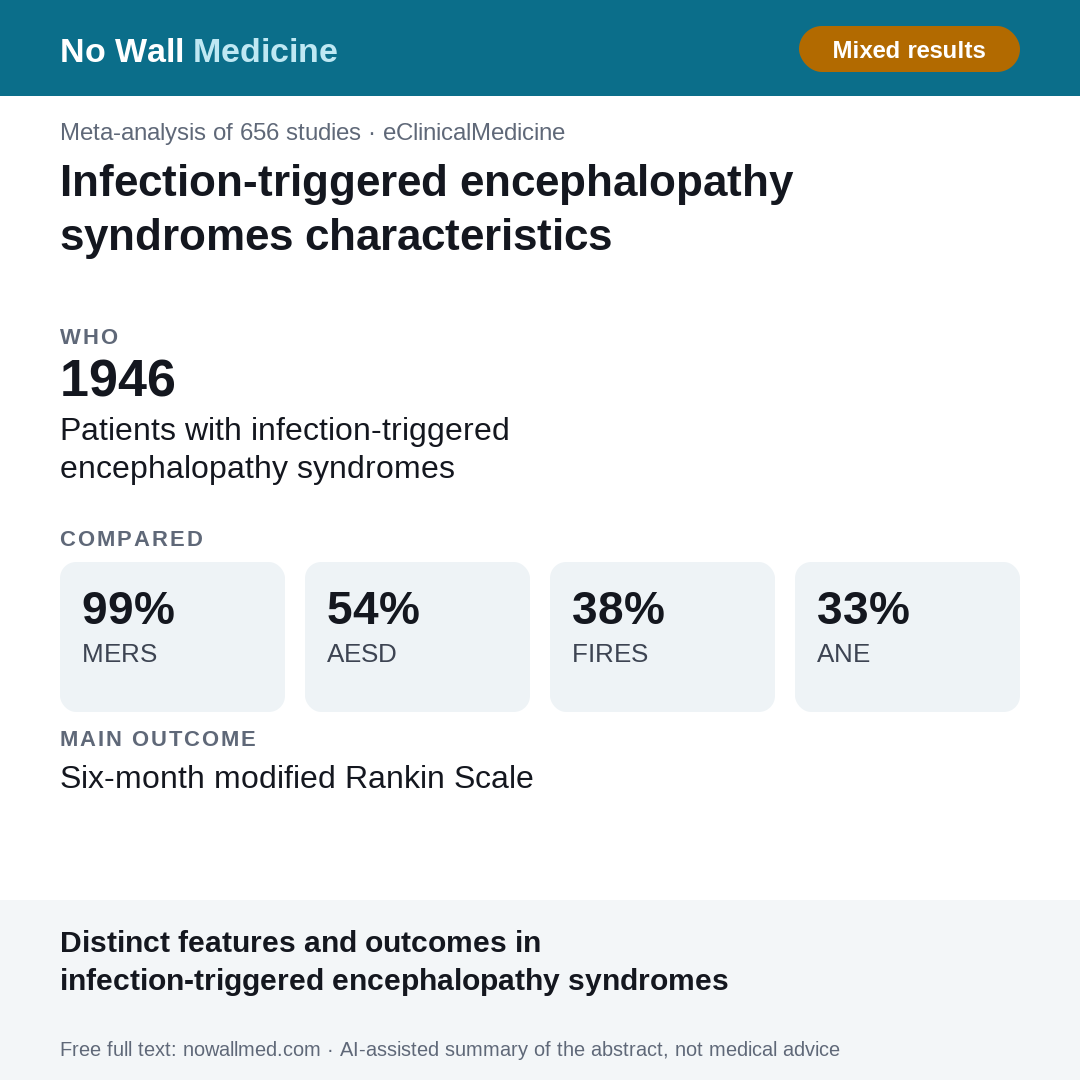
Infection-triggered encephalopathy syndromes: a meta-analysis of clinical characteristics and outcomes in 1946 cases
Meta-analysis of 656 studiesMixed results
Infection-triggered encephalopathy syndromes characteristics
Who
1946
Patients with infection-triggered encephalopathy syndromes
Compared
99%MERS (95% CI 97-100; 323/326)
54%AESD (95% CI 44-64; 50/93)
38%FIRES (95% CI 33-44; 120/314)
33%ANE (95% CI 27-38; 88/269)
Main outcome
Six-month modified Rankin Scale
Bottom line: Distinct features and outcomes in infection-triggered encephalopathy syndromes
Funded by: No funding received
eClinicalMedicine · 2026-08-26Download image