Visual abstracts
New randomized trials and meta-analyses from leading journals at a glance: who was studied, what was compared, and what was found. Every paper is free to read in full.
All specialtiesCardiology 2346Oncology 2009Gastroenterology & Hepatology 884Infectious Disease 1457Neurology 941Psychiatry & Mental Health 1111Pulmonology 984Critical Care 651Endocrinology & Diabetes 1231Pediatrics 1372Surgery 1190Orthopedics & Sports Medicine 426Neurosurgery 292Cardiothoracic & Vascular Surgery 255Plastic & Reconstructive Surgery 358Nephrology 491Rheumatology 333Hematology 503Dermatology 272Ophthalmology 274Obstetrics & Gynecology 770Public & Global Health 431Radiology & Imaging 324Anesthesiology 474Urology 395ENT (Otolaryngology) 303Emergency Medicine 266Allergy & Immunology 145Geriatrics 502Family Medicine & Primary Care 274Medical Genetics & Genomics 254Pathology & Laboratory Medicine 75Physical Medicine & Rehabilitation 398Palliative Care 200Nutrition 619Digital Health & AI 1166General Medicine 173
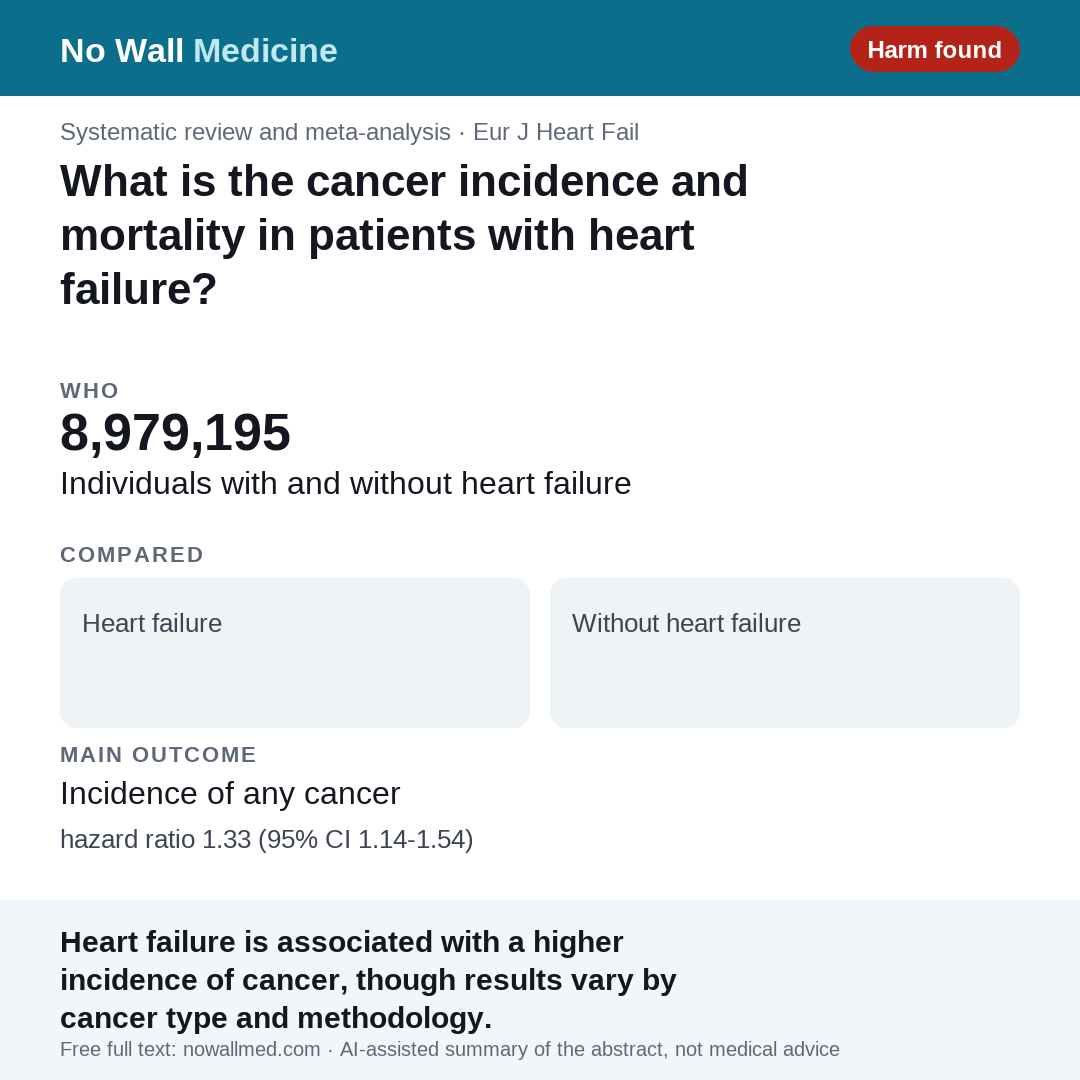
Heart Failure and Cancer: Incidence and Mortality Patterns, A Systematic Review and Meta-analysis
Systematic review and meta-analysisHarm found
What is the cancer incidence and mortality in patients with heart failure?
Who
8,979,195
Individuals with and without heart failure
Compared
Heart failure
Without heart failure
Main outcome
Incidence of any cancer
Result: hazard ratio 1.33 (95% CI 1.14-1.54)
Bottom line: Heart failure is associated with a higher incidence of cancer, though results vary by cancer type and methodology.
Limitation: Substantial heterogeneity and mortality data were sparse and heterogeneous.
Eur J Heart Fail · 2026-08-25Download image
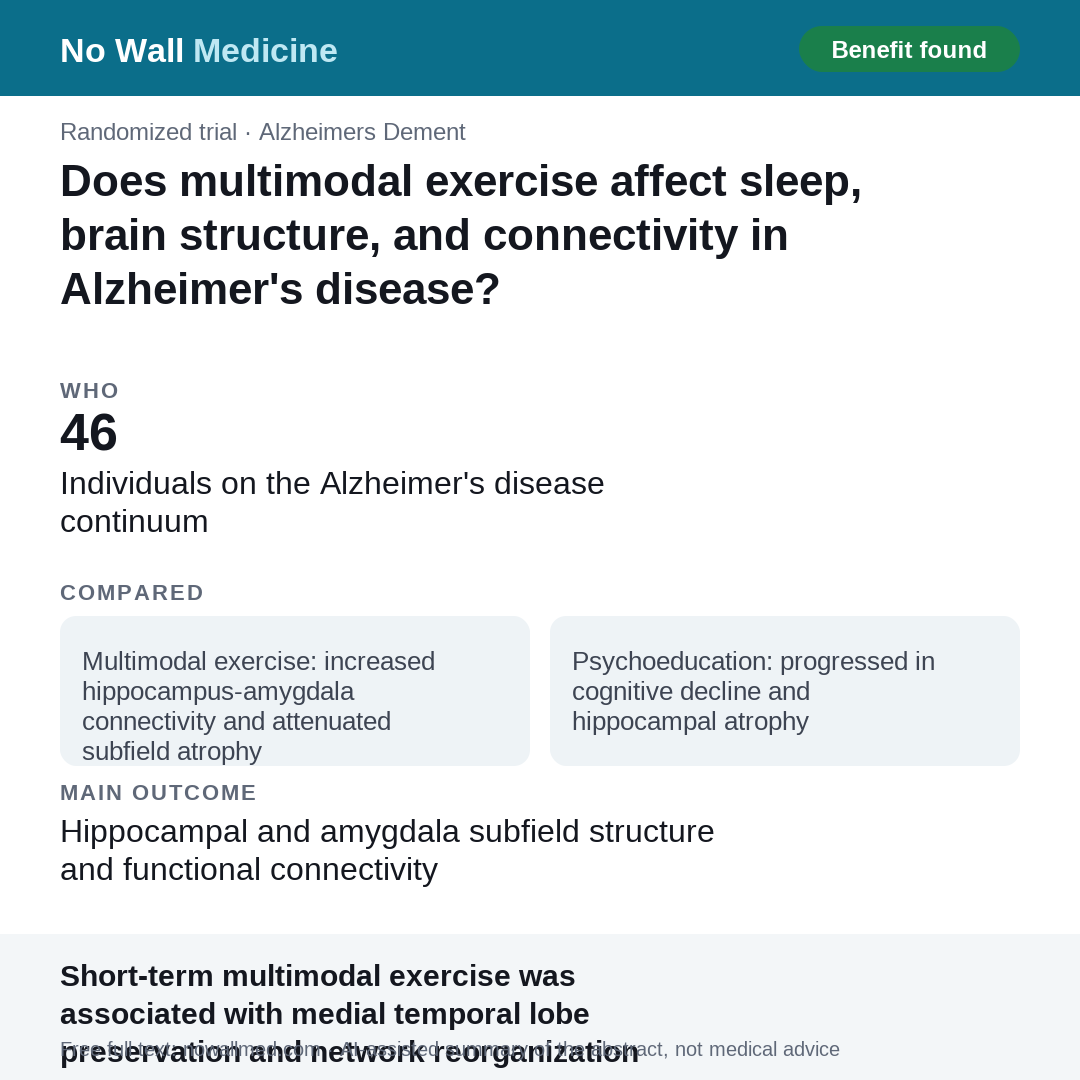
Longitudinal effects of physical activity on sleep in association with hippocampal-amygdala subfield structure and functional connectivity in Alzheimer's disease
Randomized trialBenefit found
Does multimodal exercise affect sleep, brain structure, and connectivity in Alzheimer's disease?
Who
46
Individuals on the Alzheimer's disease continuum
Compared
Multimodal exercise: increased hippocampus-amygdala connectivity and attenuated subfield atrophy
Psychoeducation: progressed in cognitive decline and hippocampal atrophy
Main outcome
Hippocampal and amygdala subfield structure and functional connectivity
Bottom line: Short-term multimodal exercise was associated with medial temporal lobe preservation and network reorganization linked to sleep.
Alzheimers Dement · 2026-08-25Download image
The role of antifactor Xa monitoring in the dosing and administration of low-molecular-weight heparins in pregnancy: a systematic review and meta-analysis
Meta-analysis of 94 studiesUnclear result
LMWH dosing in pregnancy safety
Who
5007
pregnant women with mechanical heart valves or at risk of venous thromboembolism
Compared
Fixed dose
Weight-based dose
Anti-Xa-monitored dose
Main outcome
thromboembolic complications and major bleeding
Bottom line: LMWH dosing methods have overlapping event rates
Limitation: small sample sizes and low certainty of evidence
J Thromb Haemost · 2026-08-25Download image

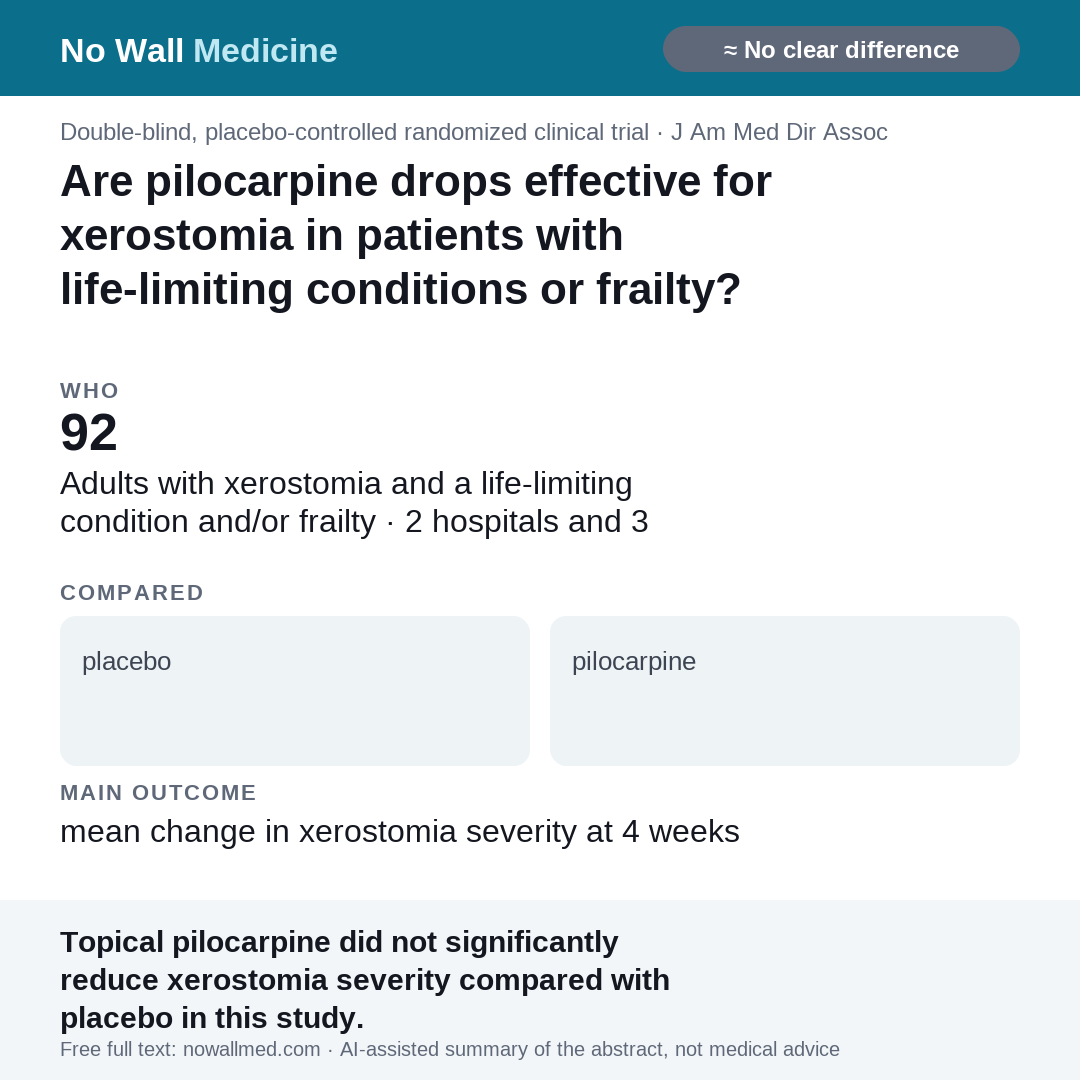
Pilocarpine Drops for Xerostomia in Patients With a Life-Limiting Condition or Frailty: A Double-Blind Placebo-Controlled Randomized Clinical Trial
Double-blind, placebo-controlled randomized clinical trialNo clear difference
Are pilocarpine drops effective for xerostomia in patients with life-limiting conditions or frailty?
Who
92
Adults with xerostomia and a life-limiting condition and/or frailty · 2 hospitals and 3 nursing homes in the Netherlands
Compared
placebo
pilocarpine
Main outcome
mean change in xerostomia severity at 4 weeks
Result: adjusted β = -0.37; (95% CI, -1.31 to 0.58)
Bottom line: Topical pilocarpine did not significantly reduce xerostomia severity compared with placebo in this study.
Limitation: The current study was underpowered.
J Am Med Dir Assoc · 2026-08-25Download image
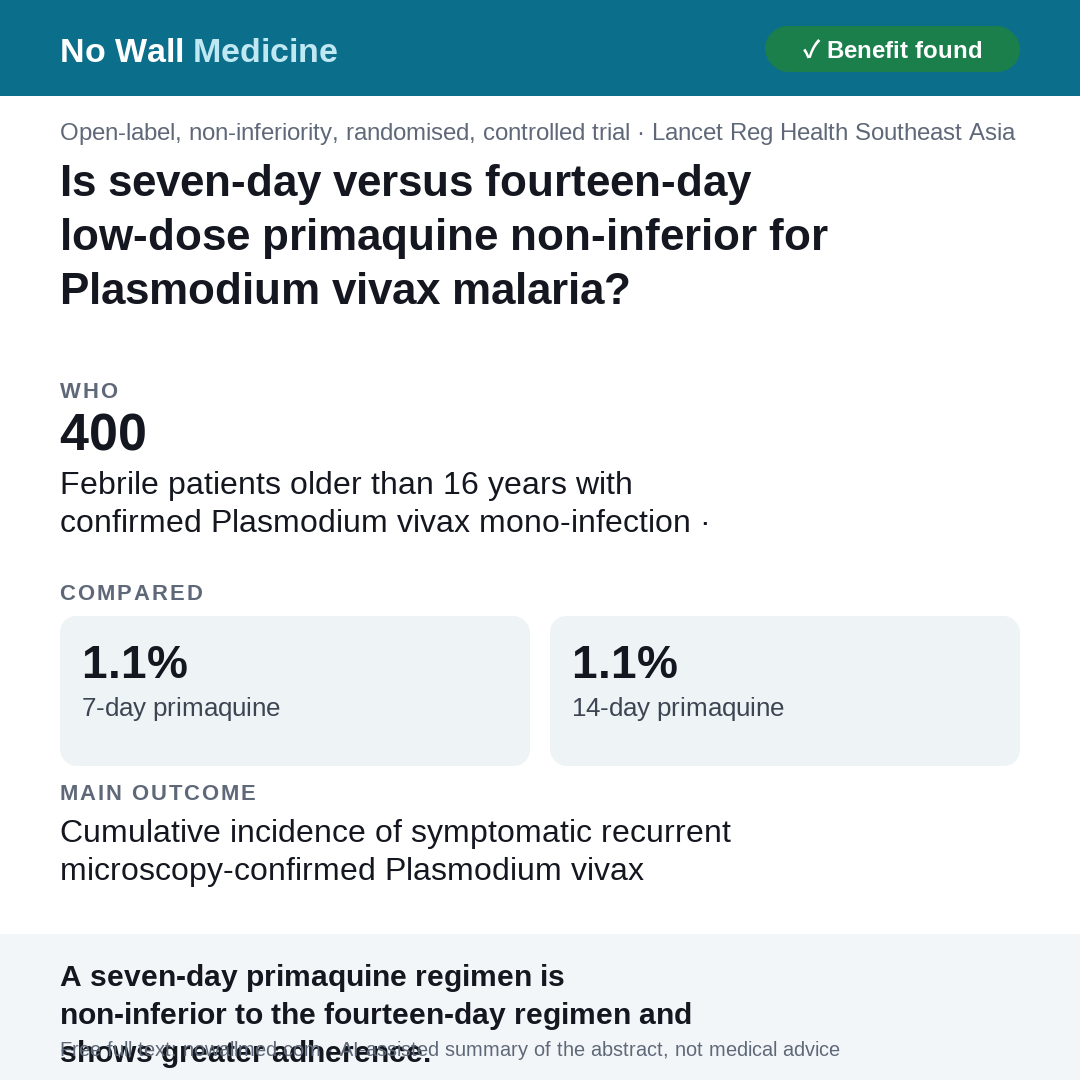
Seven-day versus fourteen-day low-dose primaquine for Plasmodium vivax malaria in India: an open-label, non-inferiority, randomised, controlled trial
Open-label, non-inferiority, randomised, controlled trialBenefit found
Is seven-day versus fourteen-day low-dose primaquine non-inferior for Plasmodium vivax malaria?
Who
400
Febrile patients older than 16 years with confirmed Plasmodium vivax mono-infection · Two sites in India
Compared
1.1%7-day primaquine (95% CI 0.0-4.1)
1.1%14-day primaquine (95% CI 0.0-4.4)
Main outcome
Cumulative incidence of symptomatic recurrent microscopy-confirmed Plasmodium vivax parasitaemia
Bottom line: A seven-day primaquine regimen is non-inferior to the fourteen-day regimen and shows greater adherence.
Limitation: The overall number of recurrences was lower than anticipated, limiting the precision of the estimates.
Funded by: Infectious Diseases Data Observatory and Bill & Melinda Gates Foundation
Lancet Reg Health Southeast Asia · 2026-08-25Download image
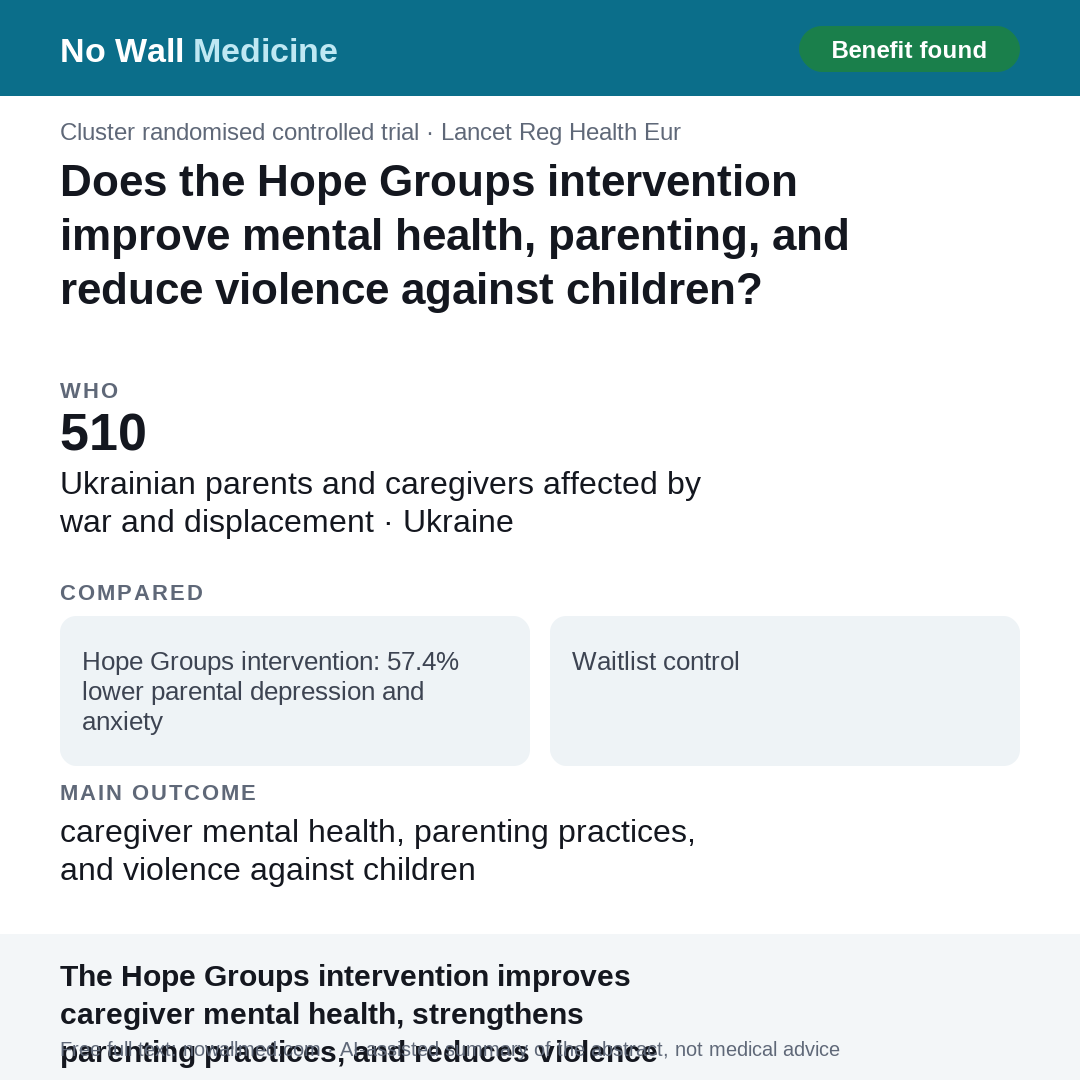
Effectiveness of the hope groups intervention on mental health, parenting practices, and violence against children among Ukrainian parents and caregivers affected by war and displacement: a cluster randomised controlled trial
Cluster randomised controlled trialBenefit found
Does the Hope Groups intervention improve mental health, parenting, and reduce violence against children?
Who
510
Ukrainian parents and caregivers affected by war and displacement · Ukraine
Compared
Hope Groups intervention: 57.4% lower parental depression and anxiety
Waitlist control
Main outcome
caregiver mental health, parenting practices, and violence against children
Result: β = -2.85; 95% CI = -3.49, -2.22; β = -0.5; 95% CI = -0.64, -0.36; β = 1.32, 95% CI = 0.92, 1.71
Bottom line: The Hope Groups intervention improves caregiver mental health, strengthens parenting practices, and reduces violence against children during war.
Funded by: Global Parenting Initiative, Moderna Foundation, and World Without Orphans
Lancet Reg Health Eur · 2026-08-25Download image
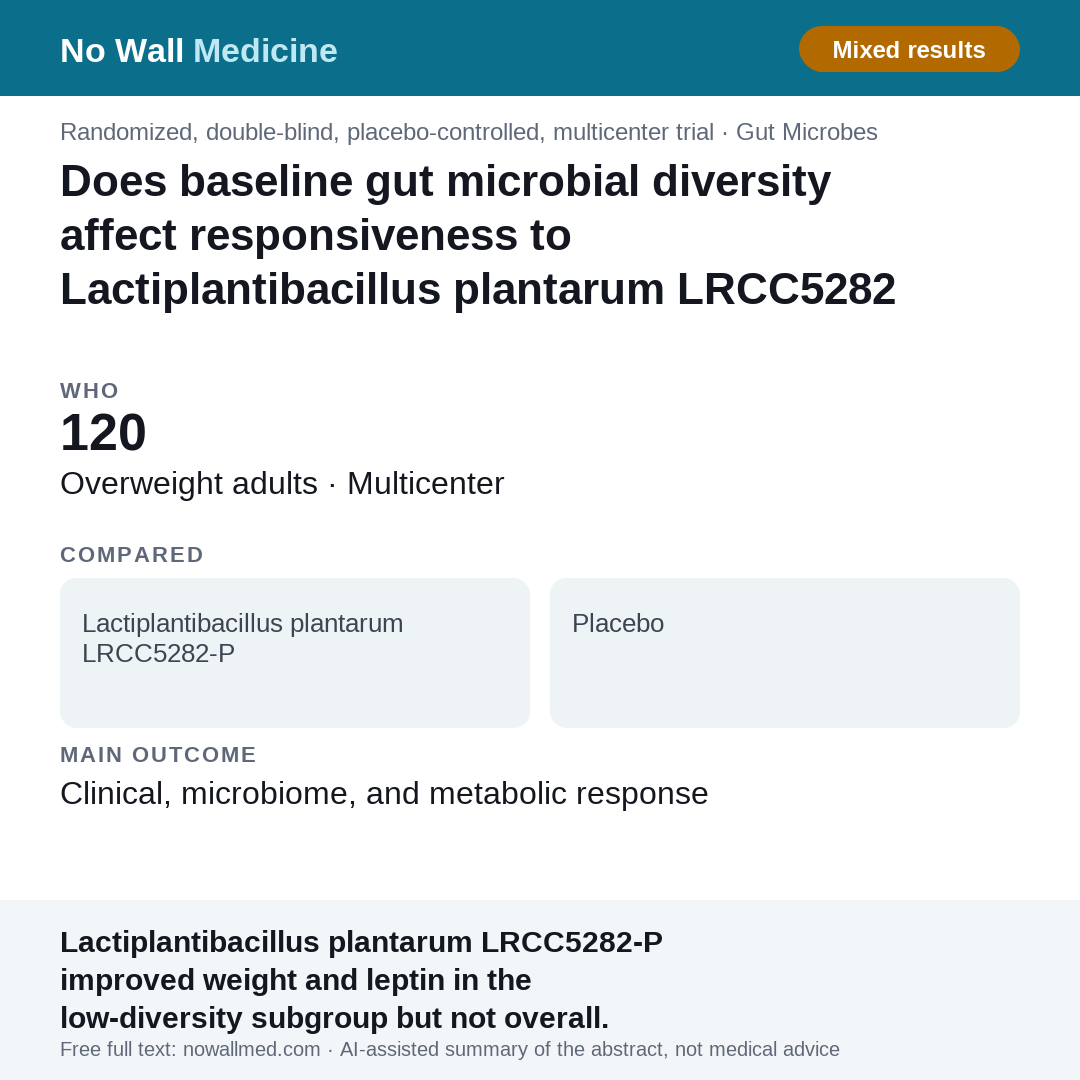
Gut microbial diversity at baseline conditions the clinical, microbiome, and metabolic response to paraprobiotic Lactiplantibacillus plantarum LRCC5282 in overweight adults
Randomized, double-blind, placebo-controlled, multicenter trialMixed results
Does baseline gut microbial diversity affect responsiveness to Lactiplantibacillus plantarum LRCC5282 in overweight adults?
Who
120
Overweight adults · Multicenter
Compared
Lactiplantibacillus plantarum LRCC5282-P
Placebo
Main outcome
Clinical, microbiome, and metabolic response
Bottom line: Lactiplantibacillus plantarum LRCC5282-P improved weight and leptin in the low-diversity subgroup but not overall.
Limitation: Further studies are warranted to elucidate the biological pathways underlying this responsiveness.
Gut Microbes · 2026-08-25Download image
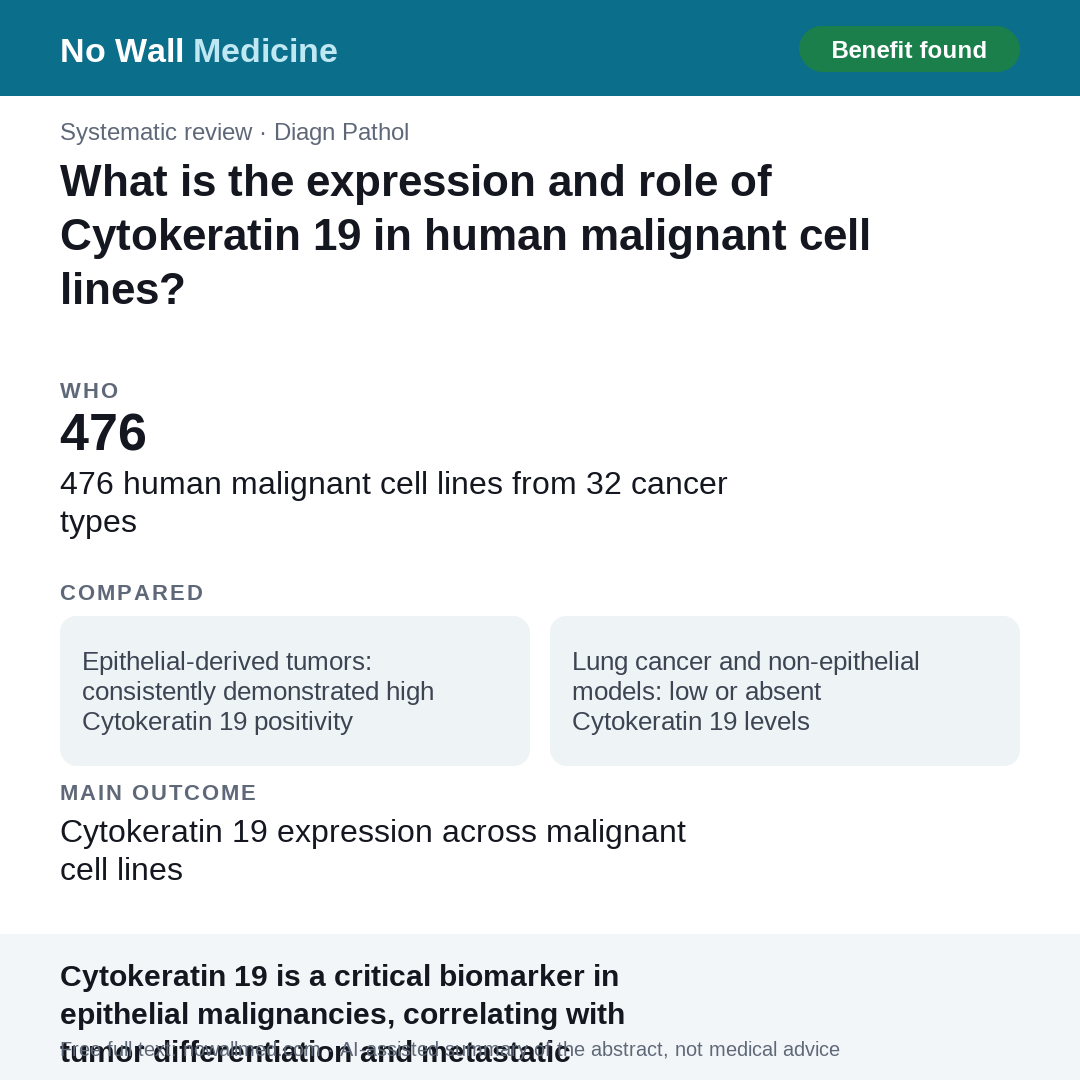
Cytokeratin 19 role in malignancy: a systematic review
Systematic reviewBenefit found
What is the expression and role of Cytokeratin 19 in human malignant cell lines?
Who
476
476 human malignant cell lines from 32 cancer types
Compared
Epithelial-derived tumors: consistently demonstrated high Cytokeratin 19 positivity
Lung cancer and non-epithelial models: low or absent Cytokeratin 19 levels
Main outcome
Cytokeratin 19 expression across malignant cell lines
Bottom line: Cytokeratin 19 is a critical biomarker in epithelial malignancies, correlating with tumor differentiation and metastatic behavior.
Diagn Pathol · 2026-08-25Download image
Surgery for craniocervical instability and spinal cord compression in children with Mucopolysaccharidosis type IV: A systematic review
Systematic reviewNo clear difference
What are the effects of age and fixation type on craniocervical bony fusion?
Who
114
Children with Mucopolysaccharidosis type IV and craniocervical instability
Compared
Rigid fixation
Non-rigid fixation
Main outcome
Craniocervical bony fusion and neurological outcomes
Result: OR 2.44 (95% CI 0.24-330.60)
Bottom line: Fusion and neurological outcomes were reasonably favorable despite technical challenges in children with Mucopolysaccharidosis type IV.
Brain Spine · 2026-08-25Download image
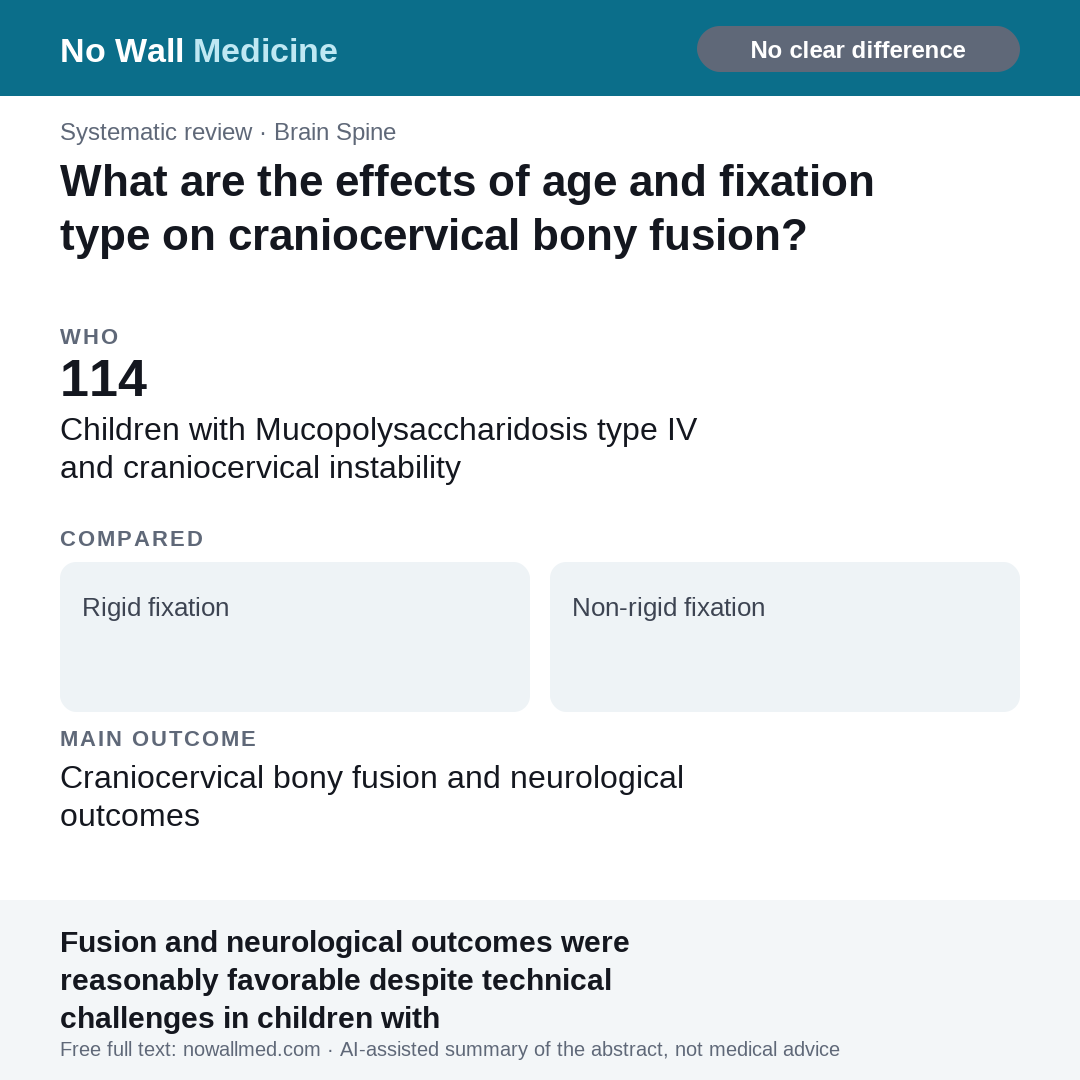
Indications, safety and aesthetic outcomes of autologous conversion after implant-based breast reconstruction failure: A systematic review and meta-analysis
Systematic review and meta-analysisNo clear difference
What are the indications, safety, and aesthetic outcomes of autologous conversion after implant-based breast reconstruction failure?
Who
1304
Patients undergoing implant removal followed by autologous reconstruction after mastectomy
Compared
Autologous conversion: major complication rate 10.8% (95% CI, [8.12-14.19])
Primary autologous breast reconstruction
Main outcome
Surgical safety including major postoperative complications and total flap loss
Result: RR 1.68 (95% CI 0.70 to 4.01)
Bottom line: Autologous conversion after implant-based breast reconstruction failure shows low flap loss and acceptable complication rates.
JPRAS Open · 2026-08-25Download image
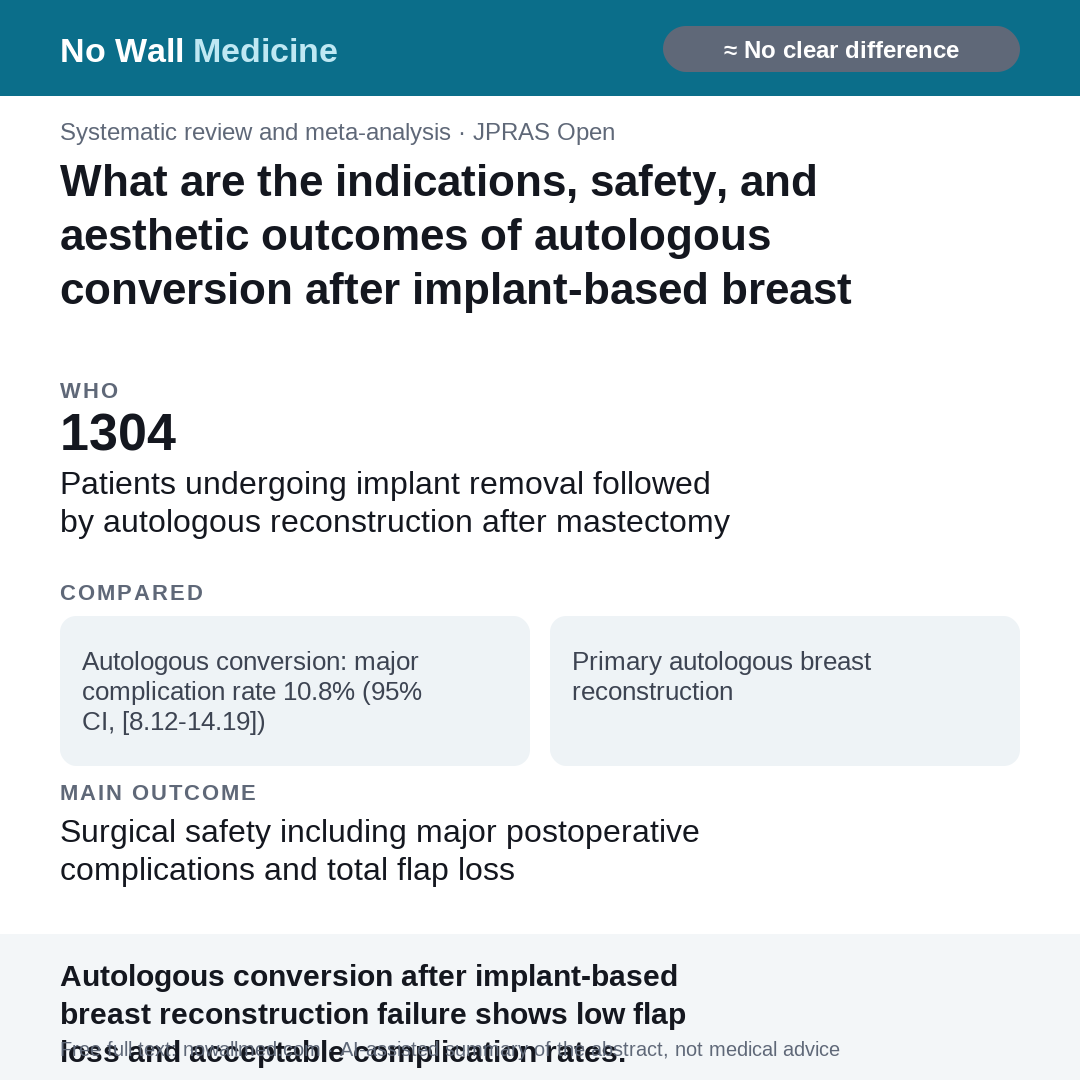
Mechanisms of Benefit in Geriatric Assessment (GA): Approach-Oriented Coping Mediates Outcomes of a GA-Guided Supportive Care Intervention (GAIN-S)
Secondary analysis of a randomized controlled trialBenefit found
Do coping strategies mediate outcomes of a geriatric assessment guided supportive care intervention?
Who
77
Older adults aged 65 years or older with metastatic cancer · Multiple cancer centers in Brazil
Compared
Usual care
Tailored multidisciplinary telehealth geriatric assessment and management intervention
Main outcome
Instrumental Activities of Daily Living, depressive symptoms, and quality of life
Bottom line: Improvements in approach-oriented coping partially mediated improvements in quality of life and depressive symptoms.
J Am Geriatr Soc · 2026-08-24Download image
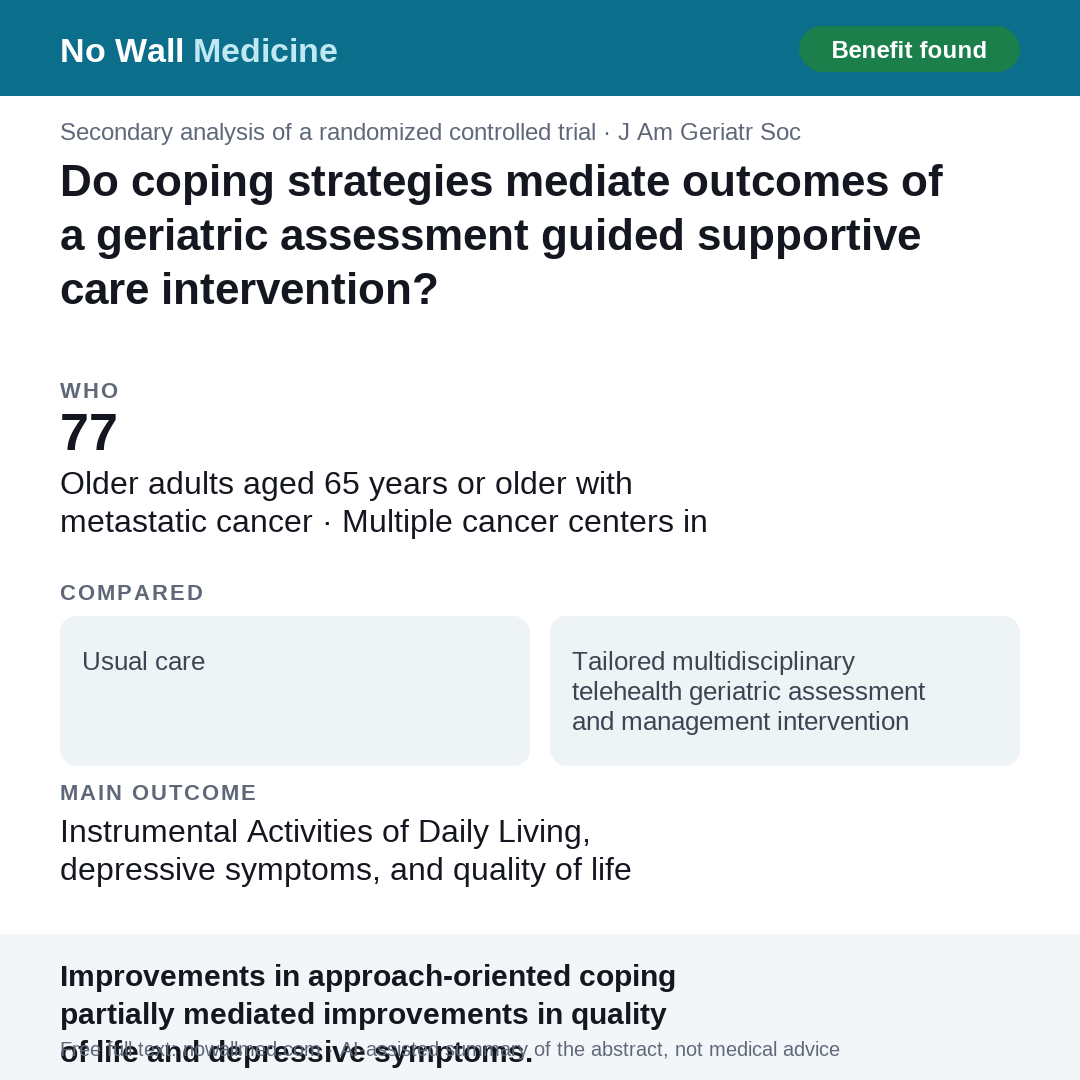
Meta-Analysis: Enhanced Liver Fibrosis (ELF) Test for Identifying Significant Fibrosis, Advanced Fibrosis, and Cirrhosis in Patients With Metabolic Dysfunction-Associated Steatotic Liver Disease
Meta-analysis of 34 studiesBenefit found
What are the optimal Enhanced Liver Fibrosis test cutoffs for MASLD fibrosis stages?
Who
37
Patients with metabolic dysfunction-associated steatotic liver disease
Compared
Significant fibrosis (F2): AUROC 9.37 (95% CI 0.818 [0.781-0.850])
Advanced fibrosis (F3): AUROC 9.64 (95% CI 0.818 [0.782-0.850])
Cirrhosis (F4): AUROC 9.99 (95% CI 0.774 [0.711-0.827])
Main outcome
Diagnostic accuracy of Enhanced Liver Fibrosis test cutoffs
Bottom line: Enhanced Liver Fibrosis test cutoffs can identify significant, advanced fibrosis, and cirrhosis in MASLD patients.
Aliment Pharmacol Ther · 2026-08-24Download image
Daratumumab, lenalidomide, and dexamethasone in transplant-ineligible newly diagnosed multiple myeloma: MAIA final survival analysis
Randomized trialBenefit found
Does daratumumab, lenalidomide, and dexamethasone improve overall survival in transplant-ineligible newly diagnosed multiple myeloma?
Who
737
Transplant-ineligible newly diagnosed multiple myeloma patients
Compared
90.3 monthsDaratumumab, lenalidomide, and dexamethasone
64.1 monthsLenalidomide and dexamethasone
Main outcome
Overall survival
Result: hazard ratio 0.67 (95% CI 0.55-0.82)
Bottom line: Daratumumab, lenalidomide, and dexamethasone significantly improved overall survival in transplant-ineligible newly diagnosed multiple myeloma.
Leukemia · 2026-08-24Download image
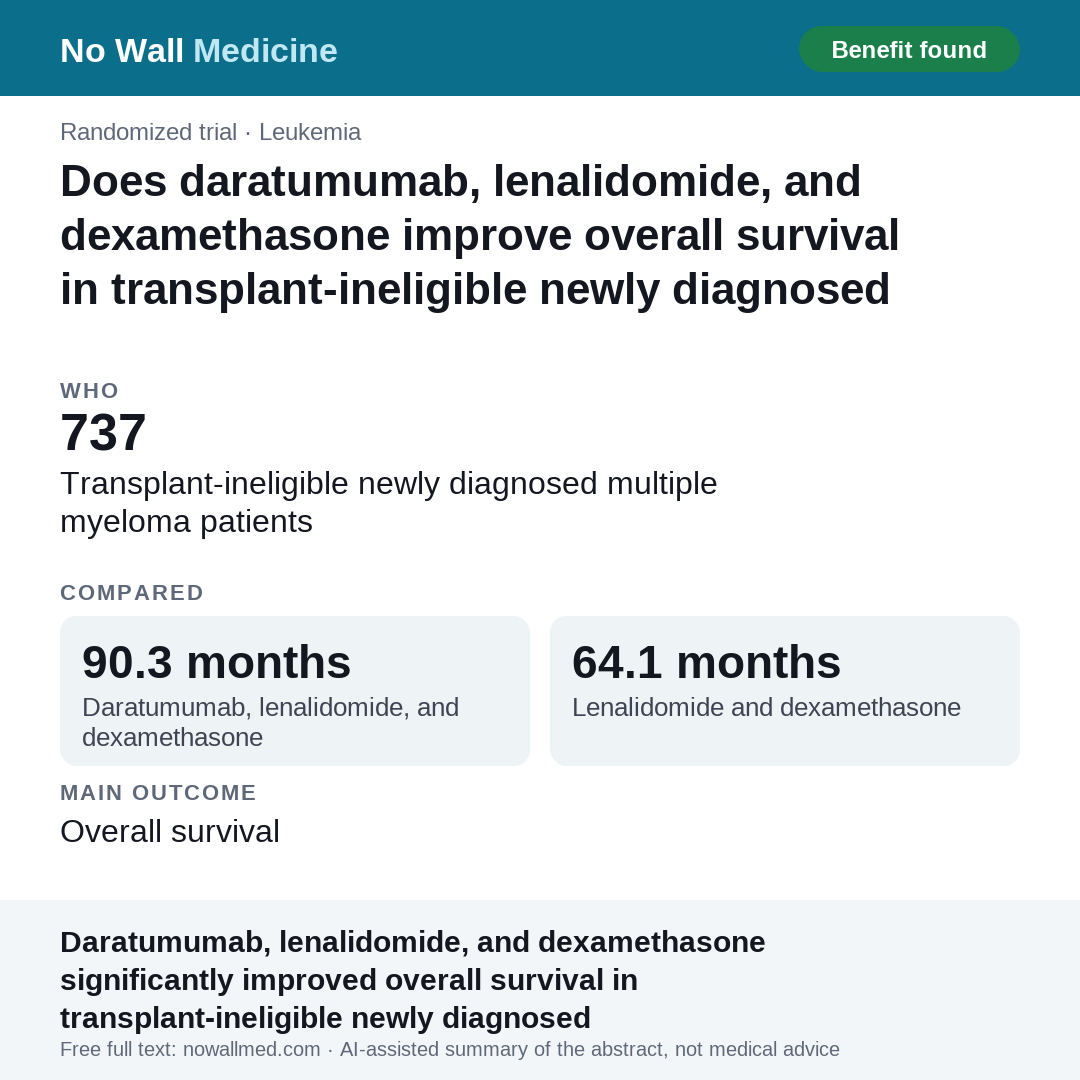
Adjuvant alectinib versus chemotherapy in resected ALK-positive non-small-cell lung cancer (ALINA): health-related quality-of-life and safety outcomes from a randomised, open-label, phase 3 trial
Randomised, open-label, phase 3 trialBenefit found
Are adjuvant alectinib and chemotherapy safe and effective for health-related quality-of-life in resected ALK-positive NSCLC?
Who
257
Patients with resected, ALK-positive, stage IB to IIIA non-small-cell lung cancer · Global
Compared
Alectinib: 7% serious treatment-related adverse events
Chemotherapy: 7% serious treatment-related adverse events
Main outcome
Safety and health-related quality-of-life
Bottom line: Adjuvant alectinib showed a manageable safety profile and maintained improved health-related quality-of-life over 2 years of treatment.
Funded by: F Hoffmann-La Roche
Lancet Oncol · 2026-08-24Download image
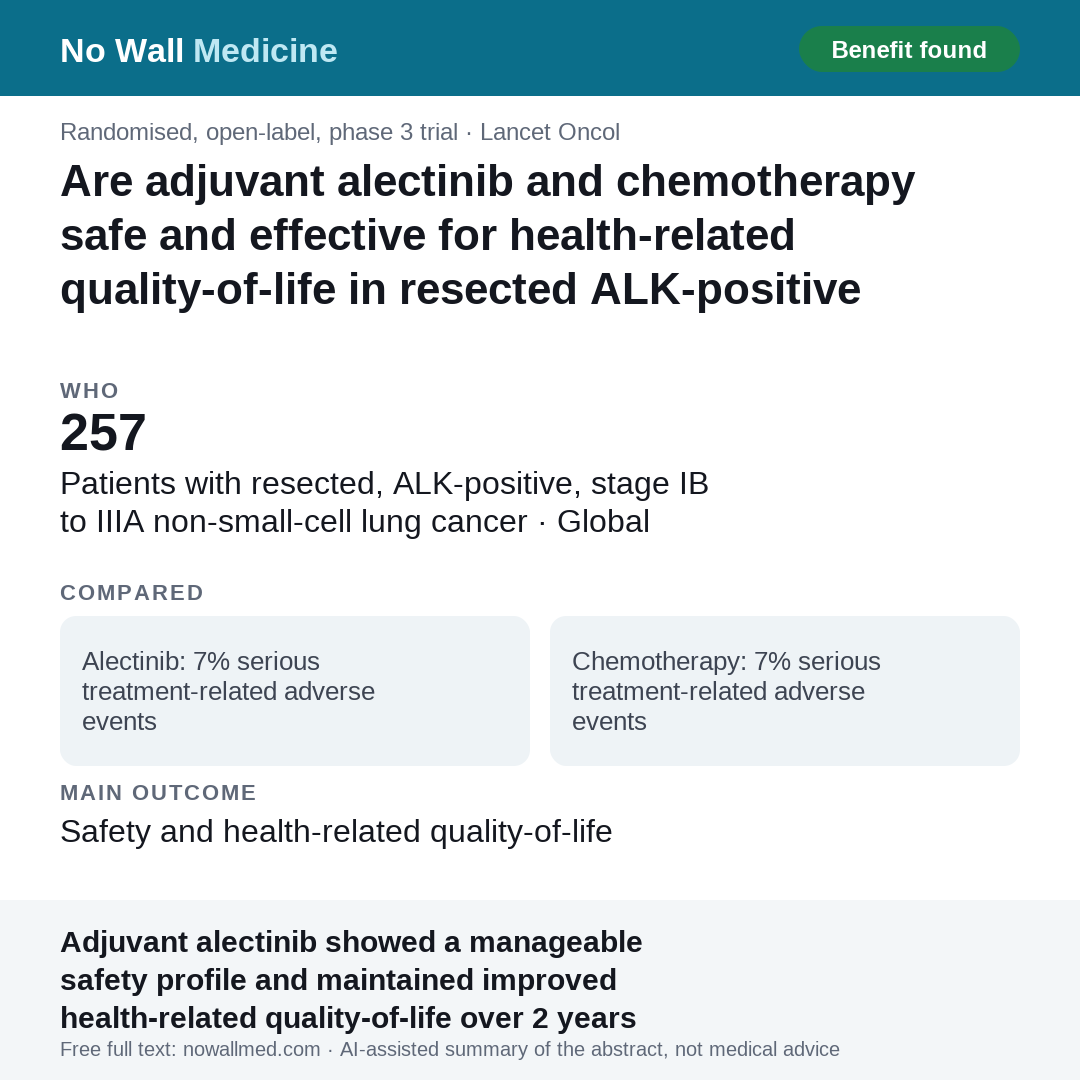
Sustained benefit of adjuvant olaparib in women with germline BRCA1- and BRCA2-associated high-risk HER2-negative early breast cancer: updated results from the OlympiA phase III trial
Randomized phase III trialBenefit found
Does adjuvant olaparib improve survival in high-risk HER2-negative early breast cancer with BRCA mutations?
Who
1836
Women with BRCA1 or BRCA2 germline variants and high-risk HER2-negative early breast cancer
Compared
87.5%Olaparib
83.2%Placebo
Main outcome
invasive disease-free survival, distant disease-free survival, and overall survival
Result: hazard ratio 0.72 (95% CI 0.56-0.93) for overall survival
Bottom line: One year of adjuvant olaparib provides sustained improvements in invasive disease-free, distant disease-free, and overall survival.
Ann Oncol · 2026-08-24Download image
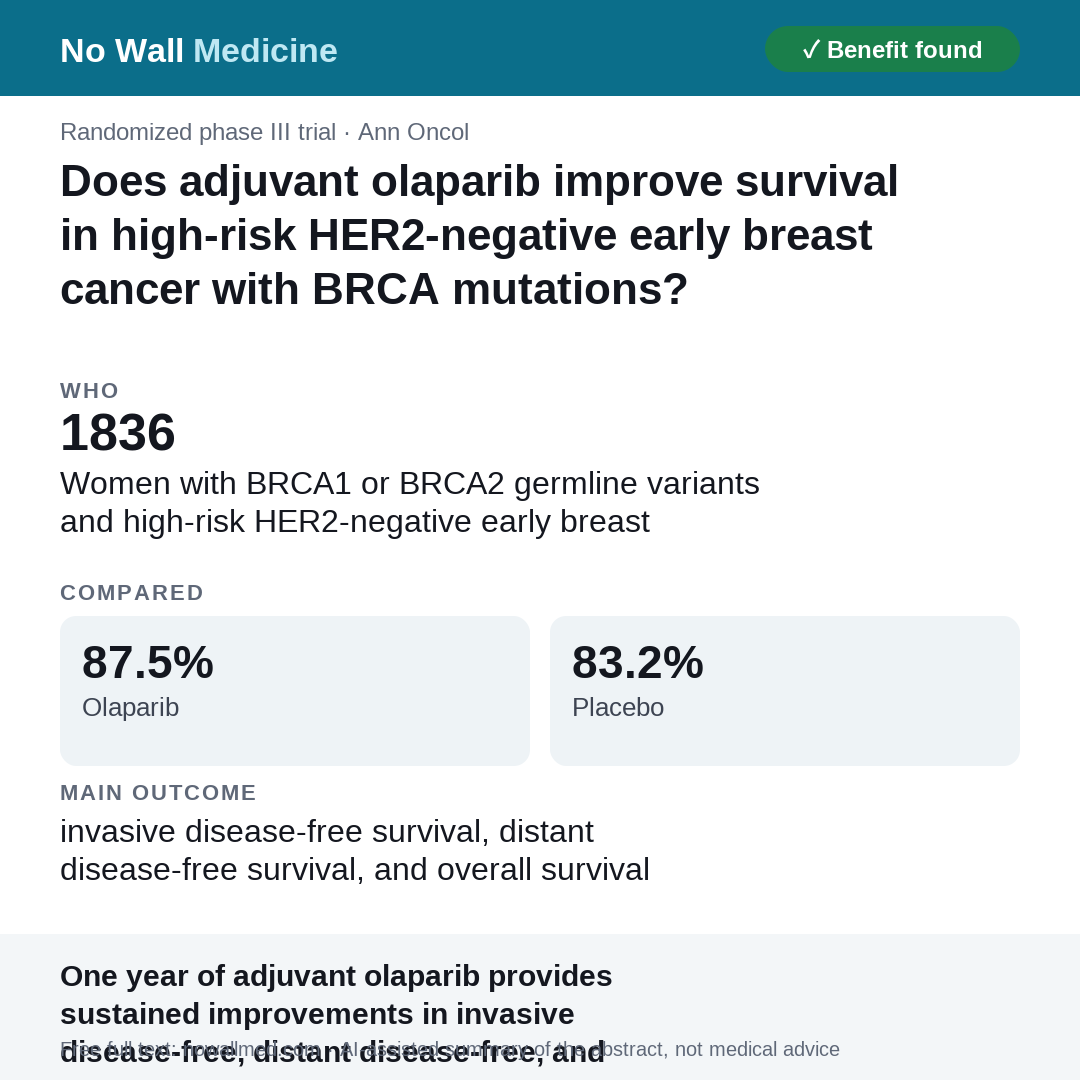
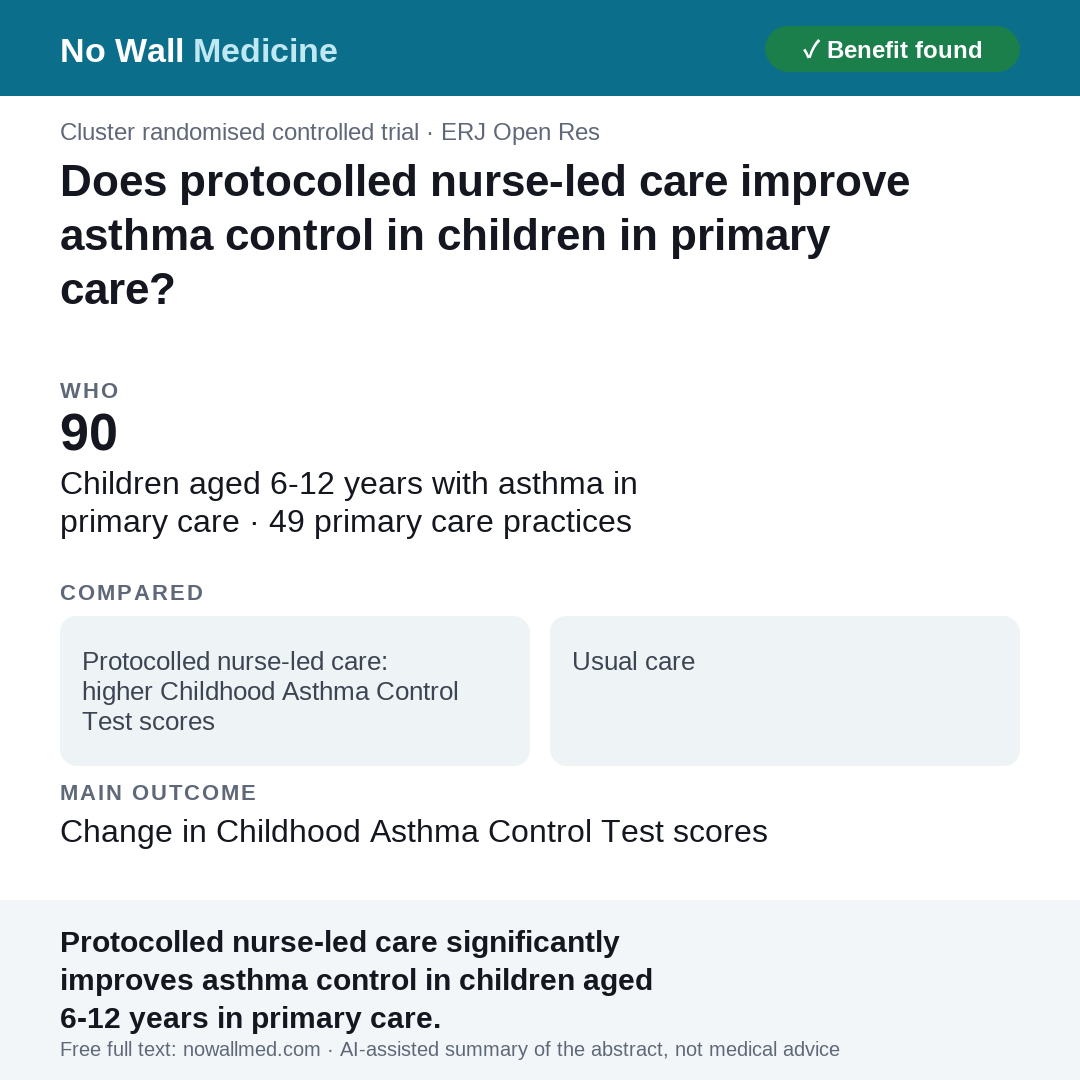
Nurse-led care for children with asthma in primary care: results of a randomised controlled trial
Cluster randomised controlled trialBenefit found
Does protocolled nurse-led care improve asthma control in children in primary care?
Who
90
Children aged 6-12 years with asthma in primary care · 49 primary care practices
Compared
Protocolled nurse-led care: higher Childhood Asthma Control Test scores
Usual care
Main outcome
Change in Childhood Asthma Control Test scores
Bottom line: Protocolled nurse-led care significantly improves asthma control in children aged 6-12 years in primary care.
ERJ Open Res · 2026-08-24Download image
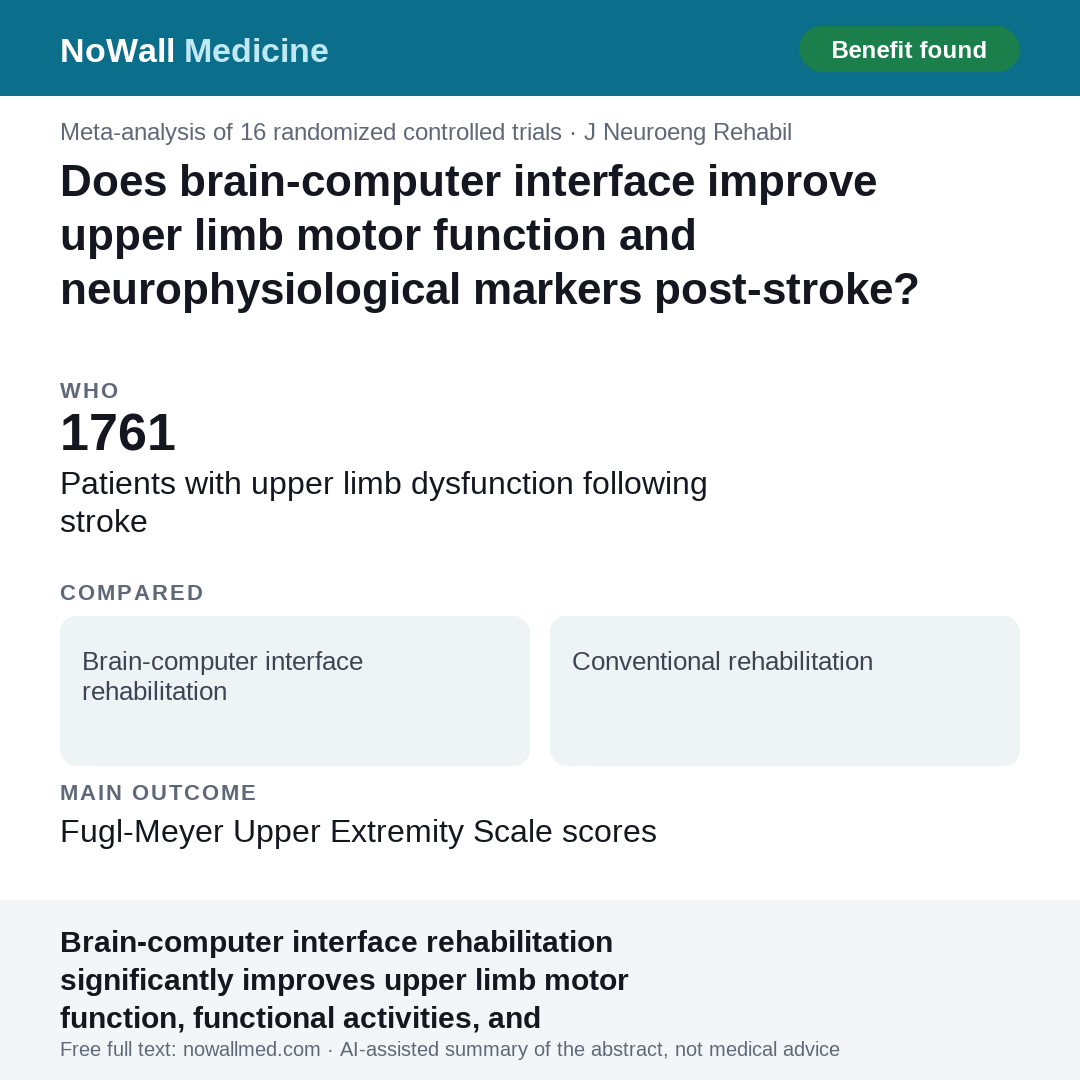
Brain-computer interface for upper limb functional recovery post-stroke: a meta-analysis of improvement in upper limb motor function and changes in neurophysiological markers
Meta-analysis of 16 randomized controlled trialsBenefit found
Does brain-computer interface rehabilitation improve upper limb motor function compared to conventional rehabilitation in stroke patients?
Who
1761
Patients with upper limb dysfunction following stroke
Compared
Brain-computer interface rehabilitation
Conventional rehabilitation
Main outcome
Fugl-Meyer Upper Extremity Scale scores
Result: standardized mean difference 0.49 (95% CI 0.26 to 0.73)
Bottom line: Brain-computer interface rehabilitation improves upper limb motor function, functional activities, neurophysiological markers, and activities of daily living performance.
J Neuroeng Rehabil · 2026-08-24Download image
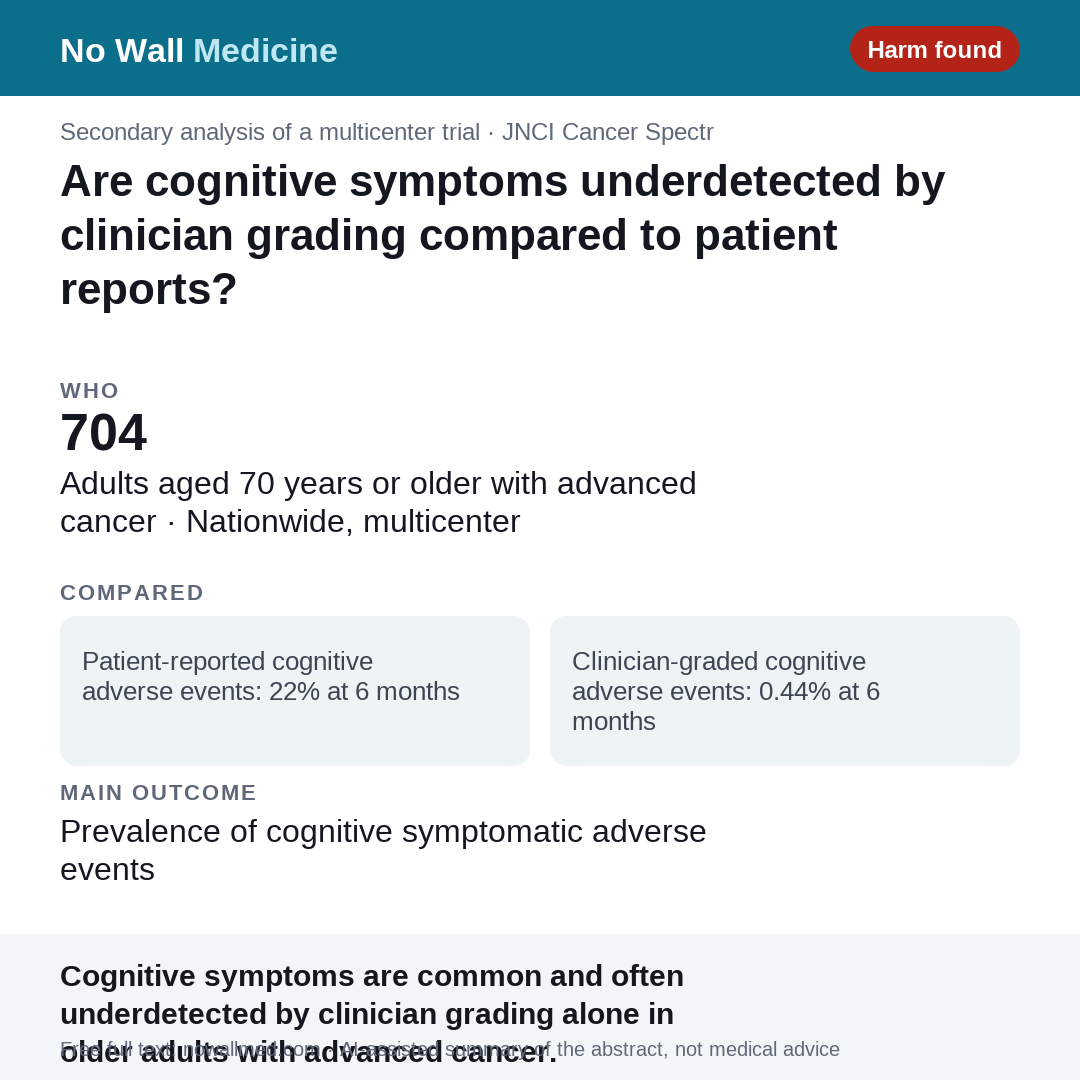
Prevalence of patient-reported and clinician-graded cognitive symptomatic adverse events in older patients with advanced cancer
Secondary analysis of a multicenter trialHarm found
Are cognitive symptoms underdetected by clinician grading compared to patient reports?
Who
704
Adults aged 70 years or older with advanced cancer · Nationwide, multicenter
Compared
Patient-reported cognitive adverse events: 22% at 6 months
Clinician-graded cognitive adverse events: 0.44% at 6 months
Main outcome
Prevalence of cognitive symptomatic adverse events
Bottom line: Cognitive symptoms are common and often underdetected by clinician grading alone in older adults with advanced cancer.
JNCI Cancer Spectr · 2026-08-24Download image
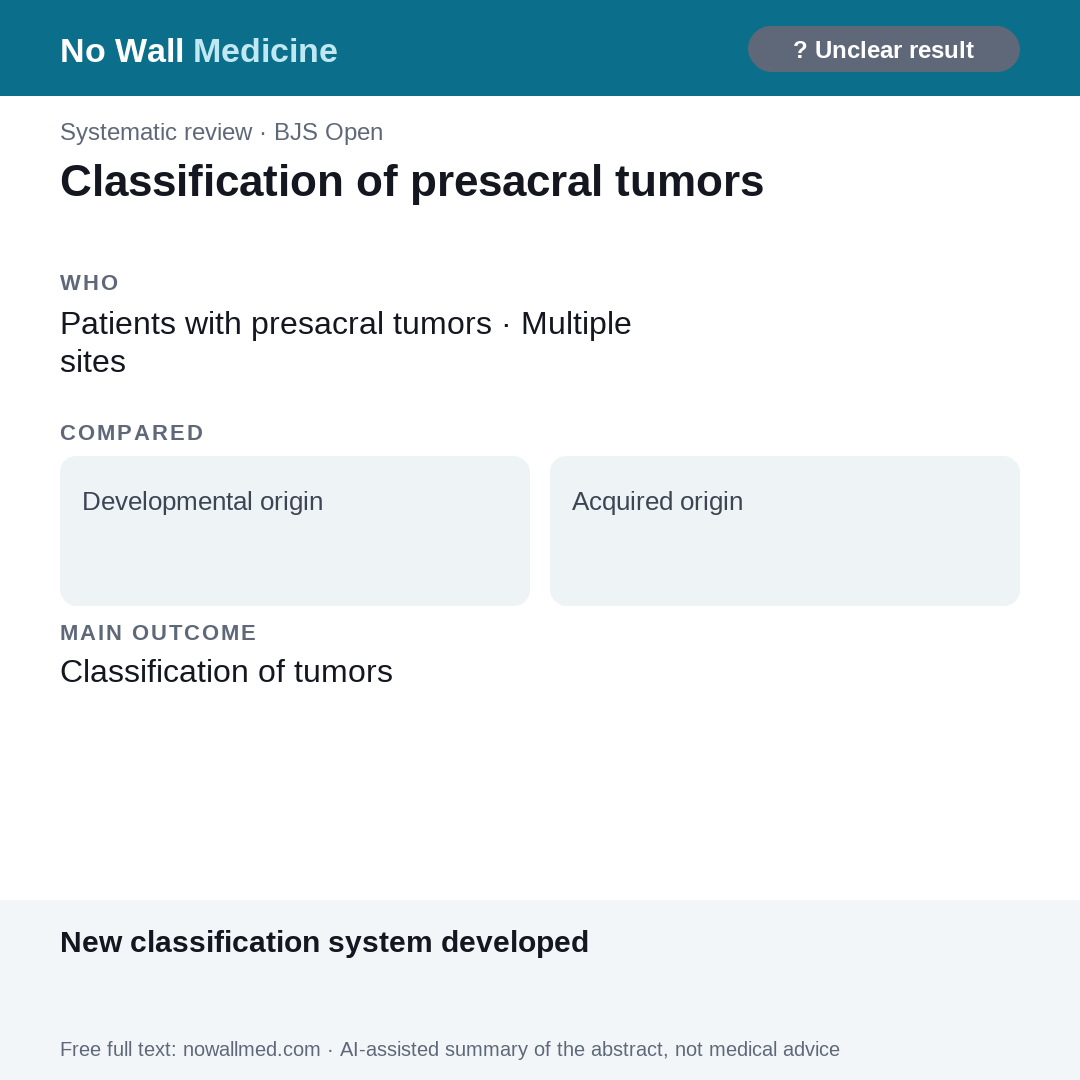
Mayo Clinic classification of presacral tumors: evolution of classifications and systematic review of pathologies
Systematic reviewUnclear result
Classification of presacral tumors
Who
Patients with presacral tumors · Multiple sites
Compared
Developmental origin
Acquired origin
Main outcome
Classification of tumors
Bottom line: New classification system developed
BJS Open · 2026-08-24Download image
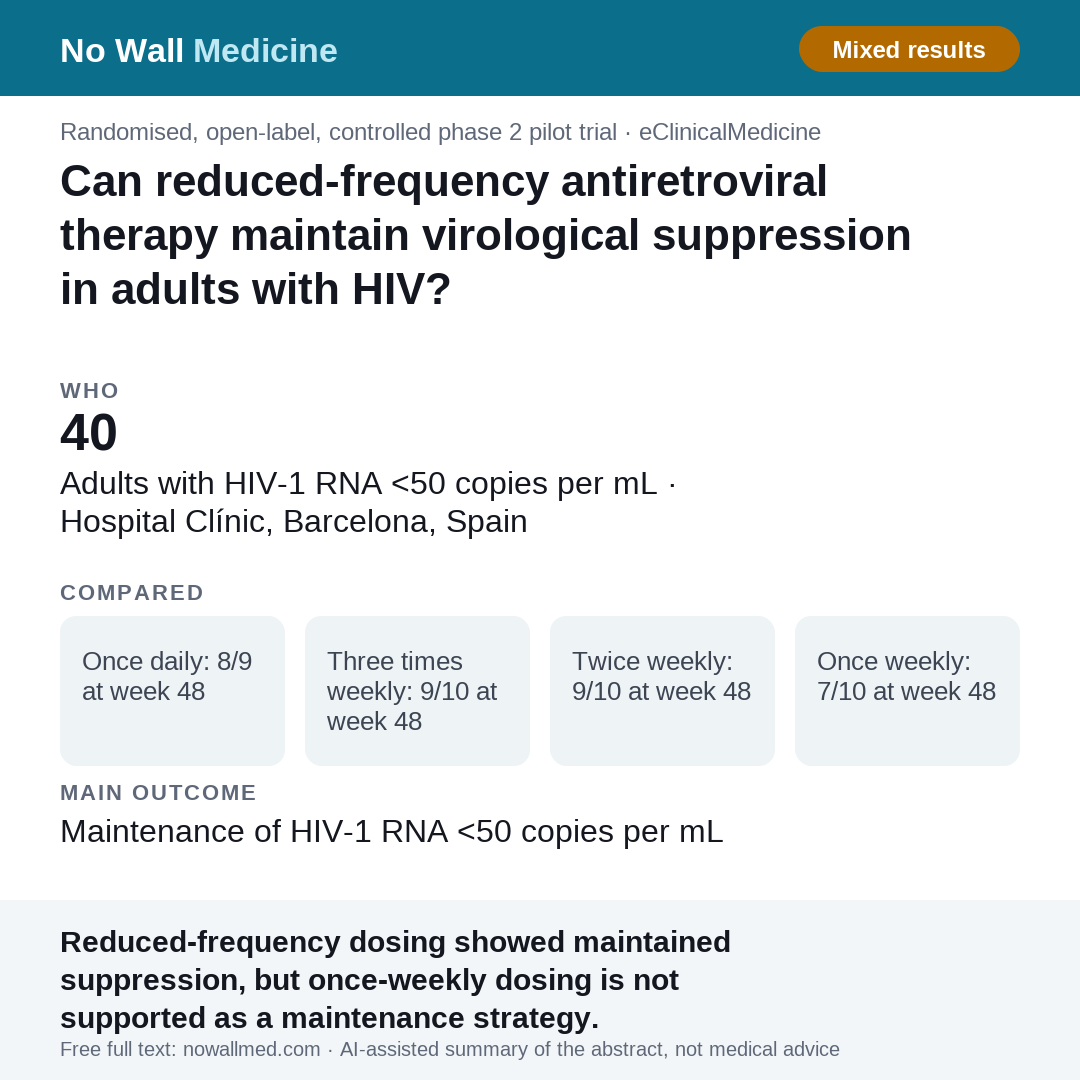
Reduced-frequency bictegravir, emtricitabine, and tenofovir alafenamide in virologically suppressed adults with HIV: a single-centre randomised phase 2 pilot trial in Spain
Randomised, open-label, controlled phase 2 pilot trialMixed results
Can reduced-frequency antiretroviral therapy maintain virological suppression in adults with HIV?
Who
40
Adults with HIV-1 RNA <50 copies per mL · Hospital Clínic, Barcelona, Spain
Compared
Once daily: 8/9 at week 48
Three times weekly: 9/10 at week 48
Twice weekly: 9/10 at week 48
Once weekly: 7/10 at week 48
Main outcome
Maintenance of HIV-1 RNA <50 copies per mL
Bottom line: Reduced-frequency dosing showed maintained suppression, but once-weekly dosing is not supported as a maintenance strategy.
Funded by: Instituto de Salud Carlos
eClinicalMedicine · 2026-08-23Download image