Visual abstracts
New randomized trials and meta-analyses from leading journals at a glance: who was studied, what was compared, and what was found. Every paper is free to read in full.
All specialtiesCardiology 3990Oncology 3398Gastroenterology & Hepatology 1577Infectious Disease 2943Neurology 1572Psychiatry & Mental Health 1872Pulmonology 1712Critical Care 1119Endocrinology & Diabetes 2054Pediatrics 2393Surgery 2109Orthopedics & Sports Medicine 756Neurosurgery 457Cardiothoracic & Vascular Surgery 497Plastic & Reconstructive Surgery 534Nephrology 883Rheumatology 656Hematology 891Dermatology 504Ophthalmology 434Obstetrics & Gynecology 1390Public & Global Health 787Radiology & Imaging 543Anesthesiology 802Urology 642ENT (Otolaryngology) 432Emergency Medicine 426Allergy & Immunology 250Geriatrics 828Family Medicine & Primary Care 475Medical Genetics & Genomics 543Pathology & Laboratory Medicine 138Physical Medicine & Rehabilitation 609Palliative Care 357Nutrition 1208Digital Health & AI 1845General Medicine 277
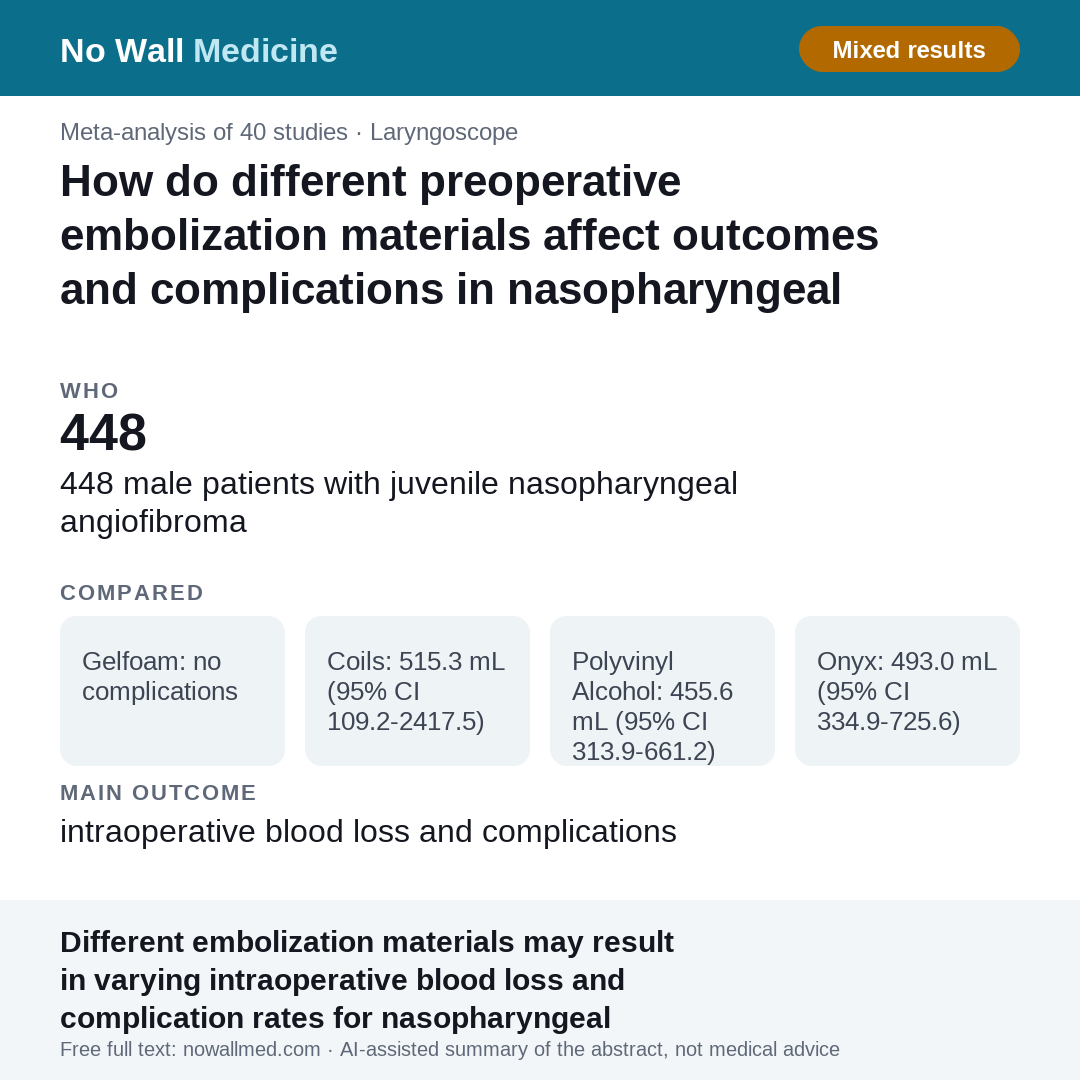
Materials Employed in Preoperative Embolization for Nasopharyngeal Angiofibroma: A Meta-Analysis
Meta-analysis of 40 studiesMixed results
How do different preoperative embolization materials affect outcomes and complications in nasopharyngeal angiofibroma?
Who
448
448 male patients with juvenile nasopharyngeal angiofibroma
Compared
Gelfoam: no complications
Coils: 515.3 mL (95% CI 109.2-2417.5)
Polyvinyl Alcohol: 455.6 mL (95% CI 313.9-661.2)
Onyx: 493.0 mL (95% CI 334.9-725.6)
Main outcome
intraoperative blood loss and complications
Bottom line: Different embolization materials may result in varying intraoperative blood loss and complication rates for nasopharyngeal angiofibroma treatment.
Limitation: Additional studies should be conducted to rigorously evaluate the differences.
Laryngoscope · 2025-08-22Download image
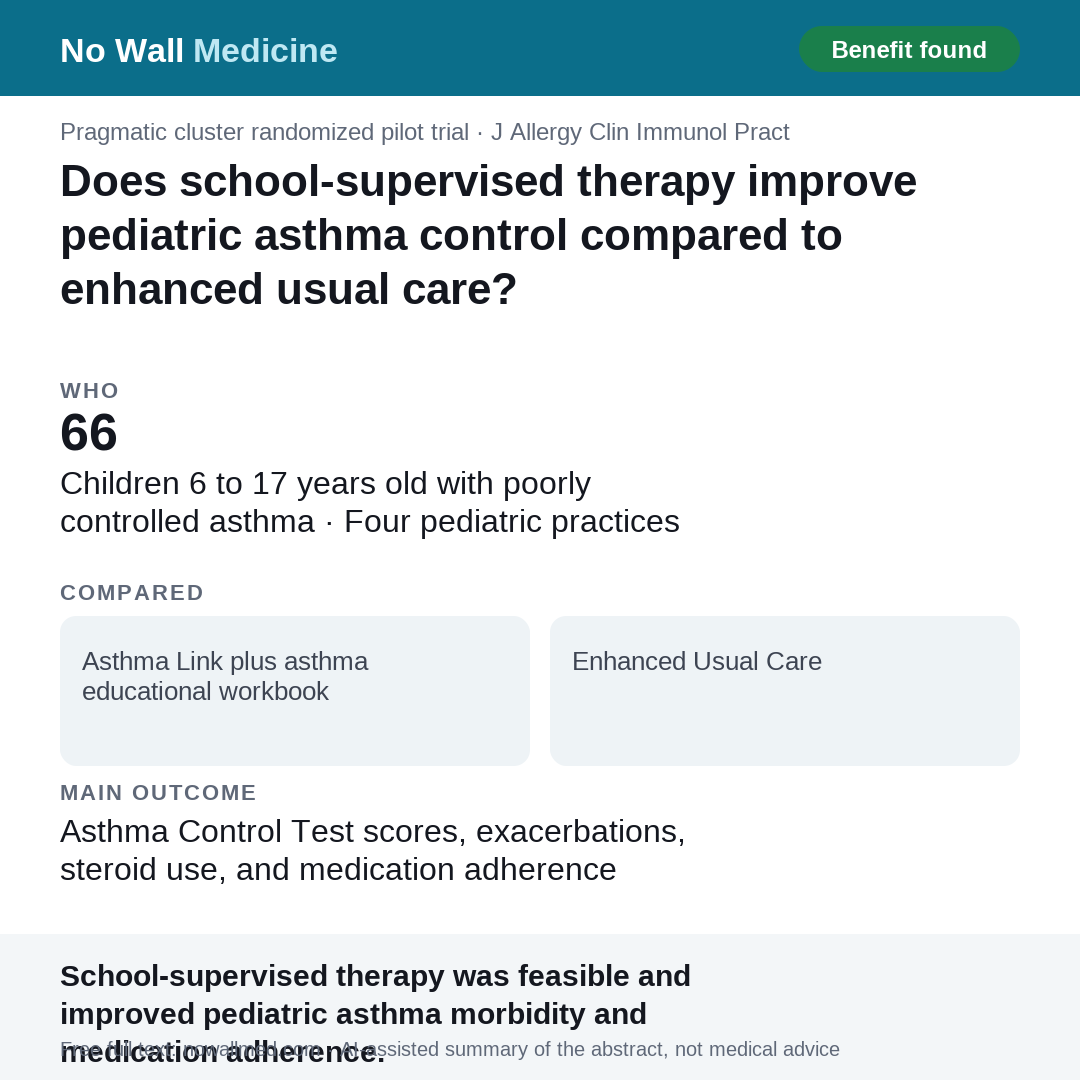
A Pilot Pragmatic Cluster Randomized Trial of School-Supervised Therapy to Improve Pediatric Asthma Control
Pragmatic cluster randomized pilot trialBenefit found
Does school-supervised therapy improve pediatric asthma control compared to enhanced usual care?
Who
66
Children 6 to 17 years old with poorly controlled asthma · Four pediatric practices
Compared
Asthma Link plus asthma educational workbook
Enhanced Usual Care
Main outcome
Asthma Control Test scores, exacerbations, steroid use, and medication adherence
Bottom line: School-supervised therapy was feasible and improved pediatric asthma morbidity and medication adherence.
J Allergy Clin Immunol Pract · 2025-08-22Download image
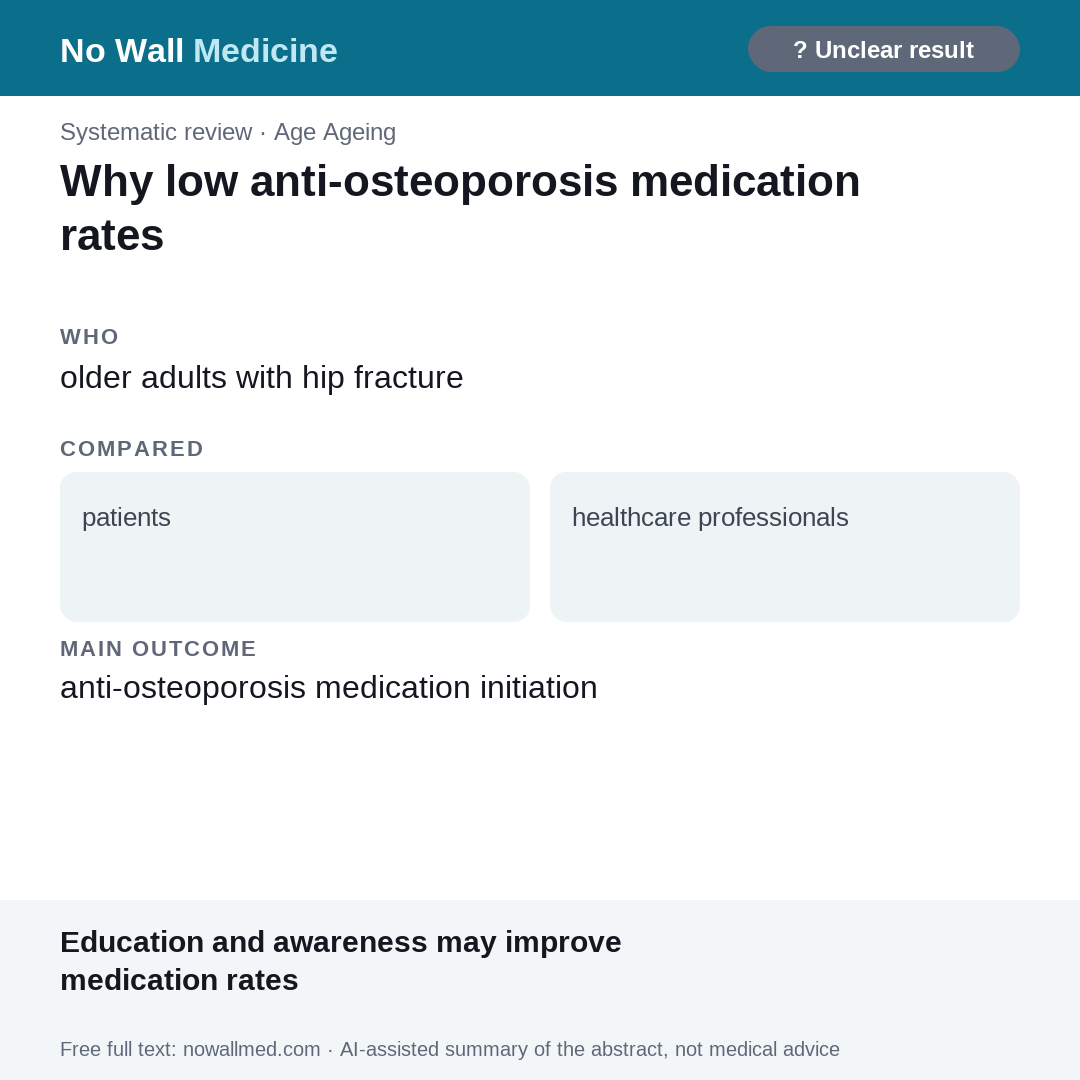
Initiation of anti-osteoporosis medication following hip fracture in older adults: a systematic review and thematic synthesis of qualitative studies from patient and healthcare professional perspectives
Systematic reviewUnclear result
Why low anti-osteoporosis medication rates
Who
older adults with hip fracture
Compared
patients
healthcare professionals
Main outcome
anti-osteoporosis medication initiation
Bottom line: Education and awareness may improve medication rates
Age Ageing · 2025-08-22Download image
Longitudinal Computed Tomography Indicates No Negative Impact of OnabotulinumtoxinA on Mandibular Bone Density in a 12-Month, Double-Blind, Randomized, Repeat Treatment, Placebo-Controlled Study in Healthy Adults With Masseter Muscle Prominence
Double-blind, placebo-controlled, randomized trialNo clear difference
Does onabotulinumtoxinA affect mandibular bone density in adults with masseter muscle prominence?
Who
123
Healthy adults with masseter muscle prominence
Compared
onabotulinumtoxinA: no clinically significant changes
placebo: no clinically significant changes
Main outcome
mandibular bone density in condyle, premolar area, or ramus
Bottom line: One or two bilateral masseter treatments with onabotulinumtoxinA did not negatively impact mandibular bone density over one year.
Aesthet Surg J · 2025-08-22Download image

Telehealth in palliative care settings: A systematic review of argument-based ethics literature
Systematic reviewMixed results
Is telepalliative care ethical
Who
palliative care patients
Compared
telepalliative care
in-person care
Main outcome
ethical considerations
Bottom line: Telepalliative care has benefits and risks
Limitation: lack of standards for argument-based literature
Palliat Med · 2025-08-22Download image

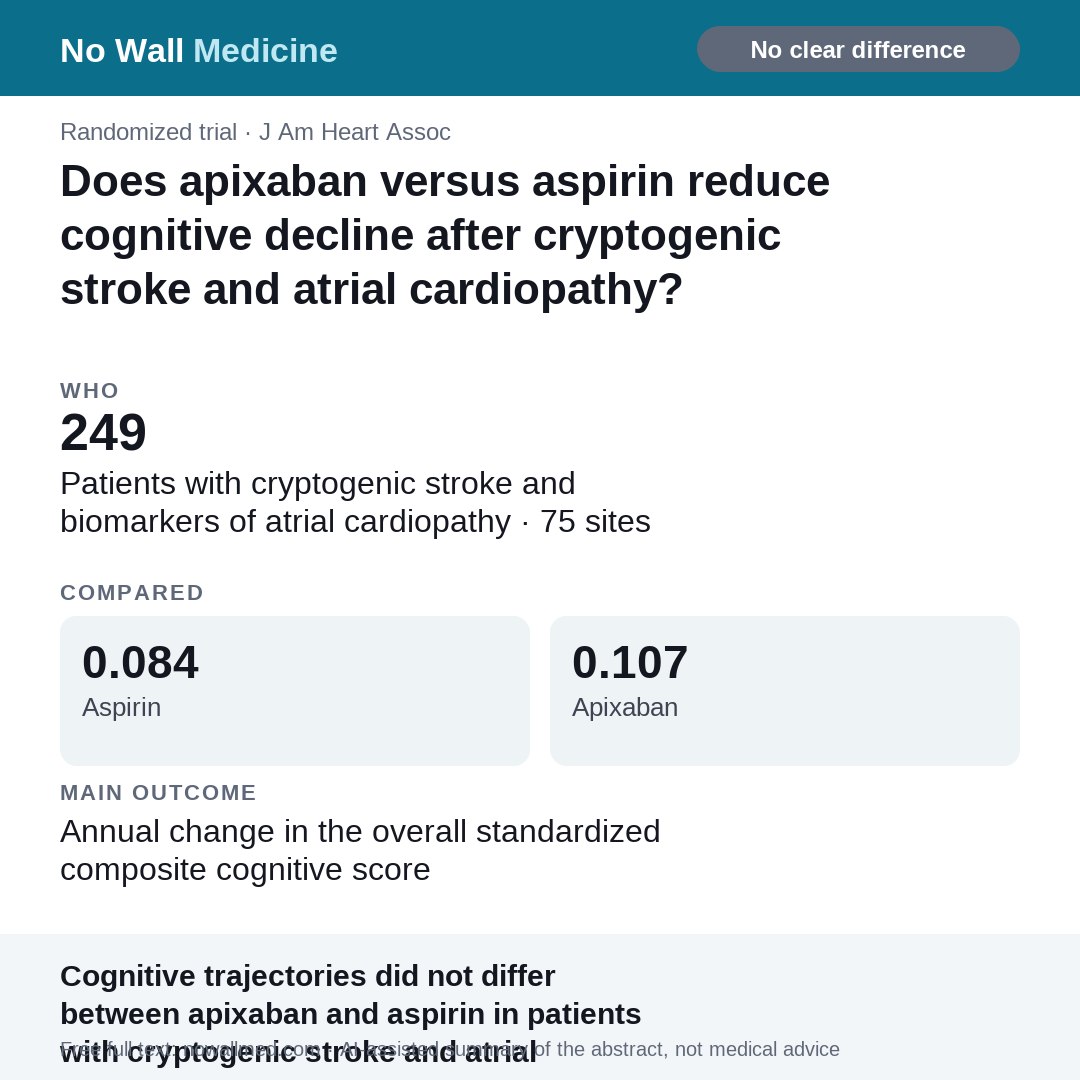
Apixaban Versus Aspirin to Reduce Cognitive Decline After Cryptogenic Stroke and Atrial Cardiopathy: ARCADIA-Cognition Study
Randomized trialNo clear difference
Does apixaban versus aspirin reduce cognitive decline after cryptogenic stroke and atrial cardiopathy?
Who
249
Patients with cryptogenic stroke and biomarkers of atrial cardiopathy · 75 sites
Compared
0.084Aspirin (95% CI, 0.017-0.149)
0.107Apixaban (95% CI, 0.041-0.174)
Main outcome
Annual change in the overall standardized composite cognitive score
Bottom line: Cognitive trajectories did not differ between apixaban and aspirin in patients with cryptogenic stroke and atrial cardiopathy.
J Am Heart Assoc · 2025-08-22Download image
Ticagrelor Paradox: Systematic Review and Network Meta-Analysis
Network meta-analysis of 12 randomized trialsMixed results
How do ticagrelor, prasugrel, and clopidogrel compare for cardiovascular outcomes and bleeding?
Who
52415
Patients receiving dual antiplatelet therapy
Compared
ticagrelor
clopidogrel
prasugrel
Main outcome
major adverse cardiovascular events, mortality, myocardial infarction, stent thrombosis, and bleeding
Result: cardiovascular mortality hazard ratio 0.83 (95% CI, 0.72-0.96) with PLATO included
Bottom line: The PLATO trial significantly impacts pooled estimates, potentially overstating the benefits of ticagrelor compared to clopidogrel.
Limitation: The findings are substantially impacted by the inclusion of the PLATO trial results.
J Am Heart Assoc · 2025-08-22Download image

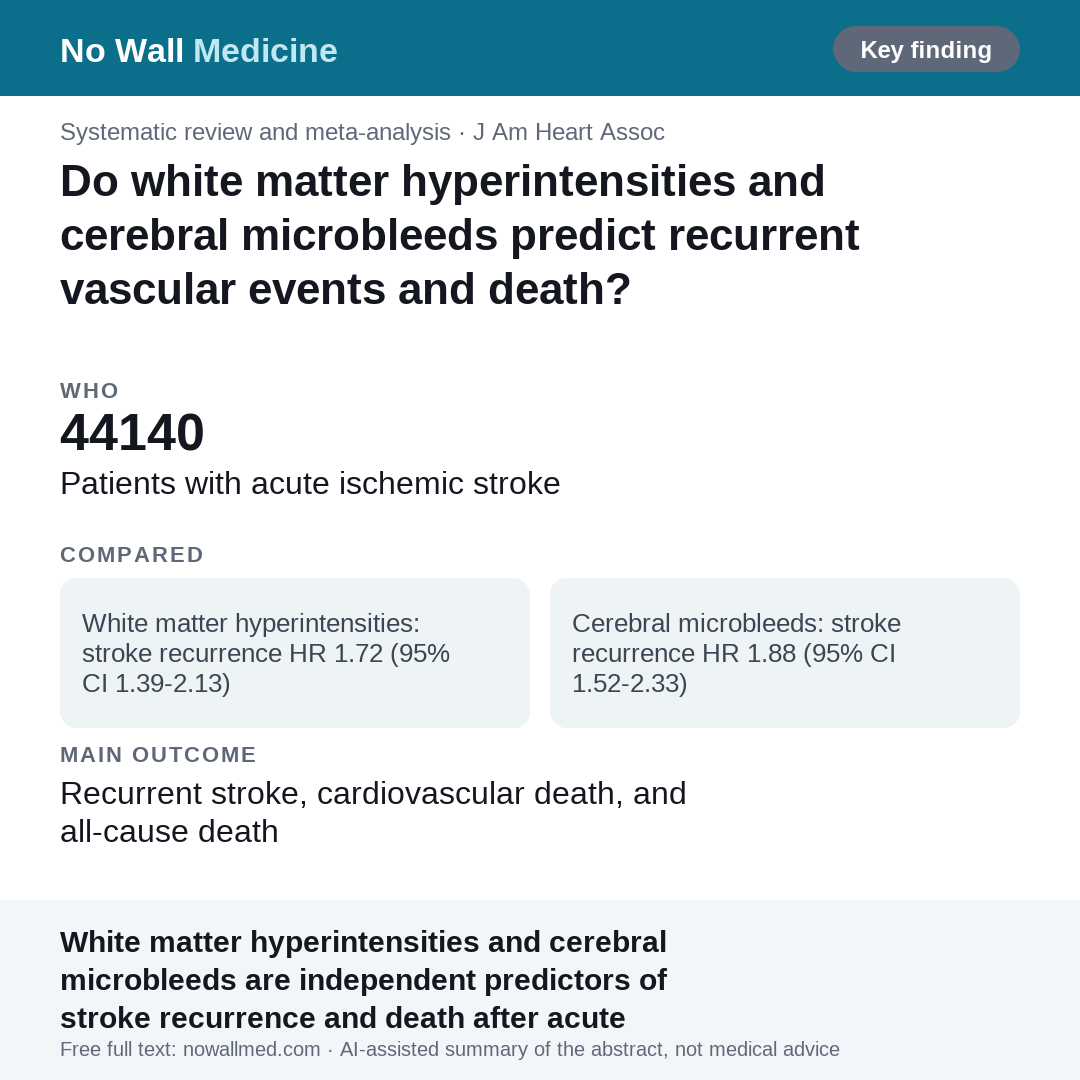
Cerebral Small-Vessel Disease Markers on Magnetic Resonance Imaging as Predictors of Recurrent Vascular Events and Death in Ischemic Stroke: A Systematic Review and Meta-Analysis
Systematic review and meta-analysisBenefit found
Do white matter hyperintensities and cerebral microbleeds predict recurrent vascular events and death?
Who
44140
Patients with acute ischemic stroke
Compared
White matter hyperintensities: stroke recurrence HR 1.72 (95% CI 1.39-2.13)
Cerebral microbleeds: stroke recurrence HR 1.88 (95% CI 1.52-2.33)
Main outcome
Recurrent stroke, cardiovascular death, and all-cause death
Bottom line: White matter hyperintensities and cerebral microbleeds are independent predictors of stroke recurrence and death after acute ischemic stroke.
J Am Heart Assoc · 2025-08-22Download image
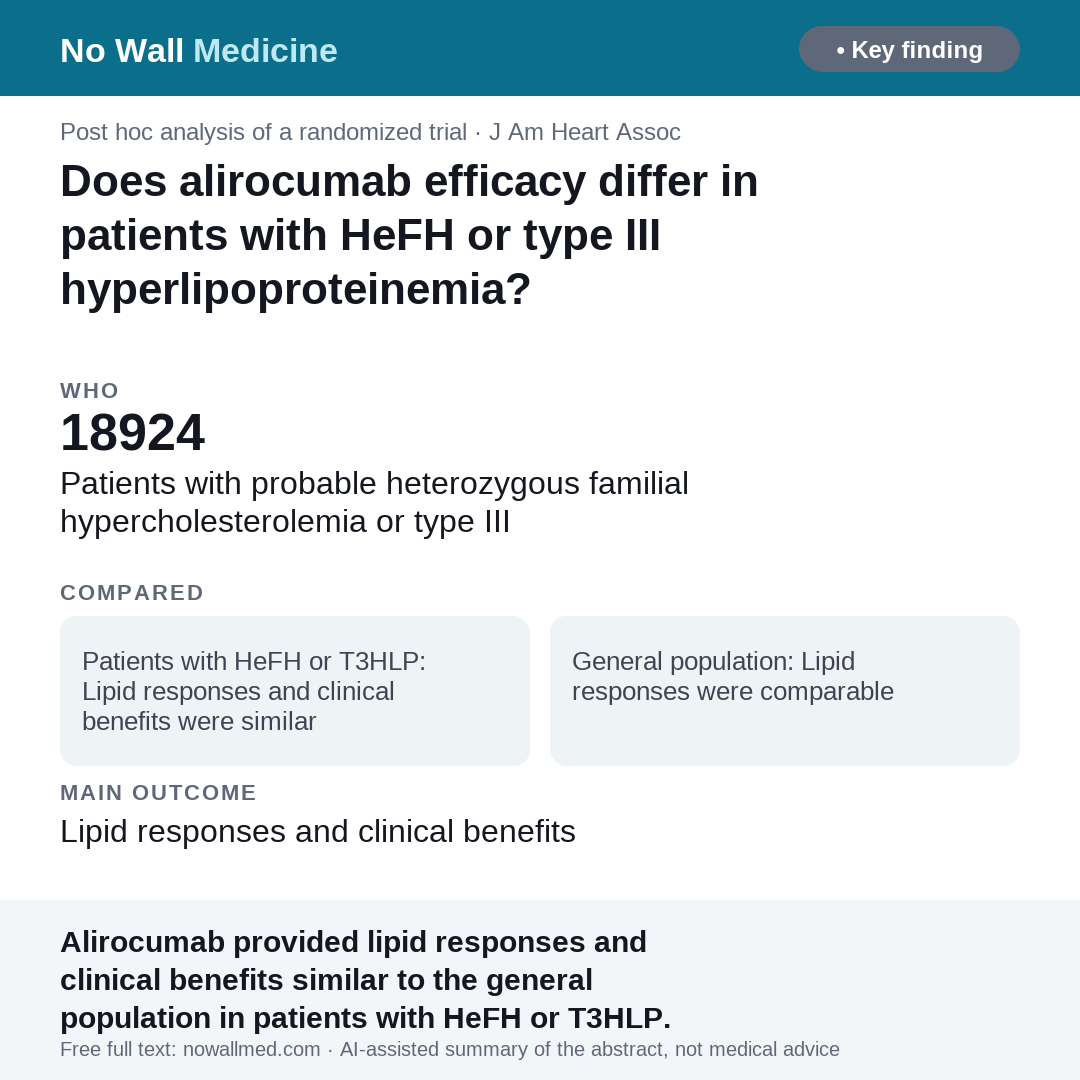
Effect of PCSK9 Inhibition With Alirocumab in Patients With Probable Familial Hypercholesterolemia or Type III Hyperlipoproteinemia: Results From the ODYSSEY OUTCOMES Trial
Post hoc analysis of a randomized trialBenefit found
Does alirocumab efficacy differ in patients with HeFH or type III hyperlipoproteinemia?
Who
18924
Patients with probable heterozygous familial hypercholesterolemia or type III hyperlipoproteinemia
Compared
Patients with HeFH or T3HLP: Lipid responses and clinical benefits were similar
General population: Lipid responses were comparable
Main outcome
Lipid responses and clinical benefits
Bottom line: Alirocumab provided lipid responses and clinical benefits similar to the general population in patients with HeFH or T3HLP.
J Am Heart Assoc · 2025-08-22Download image
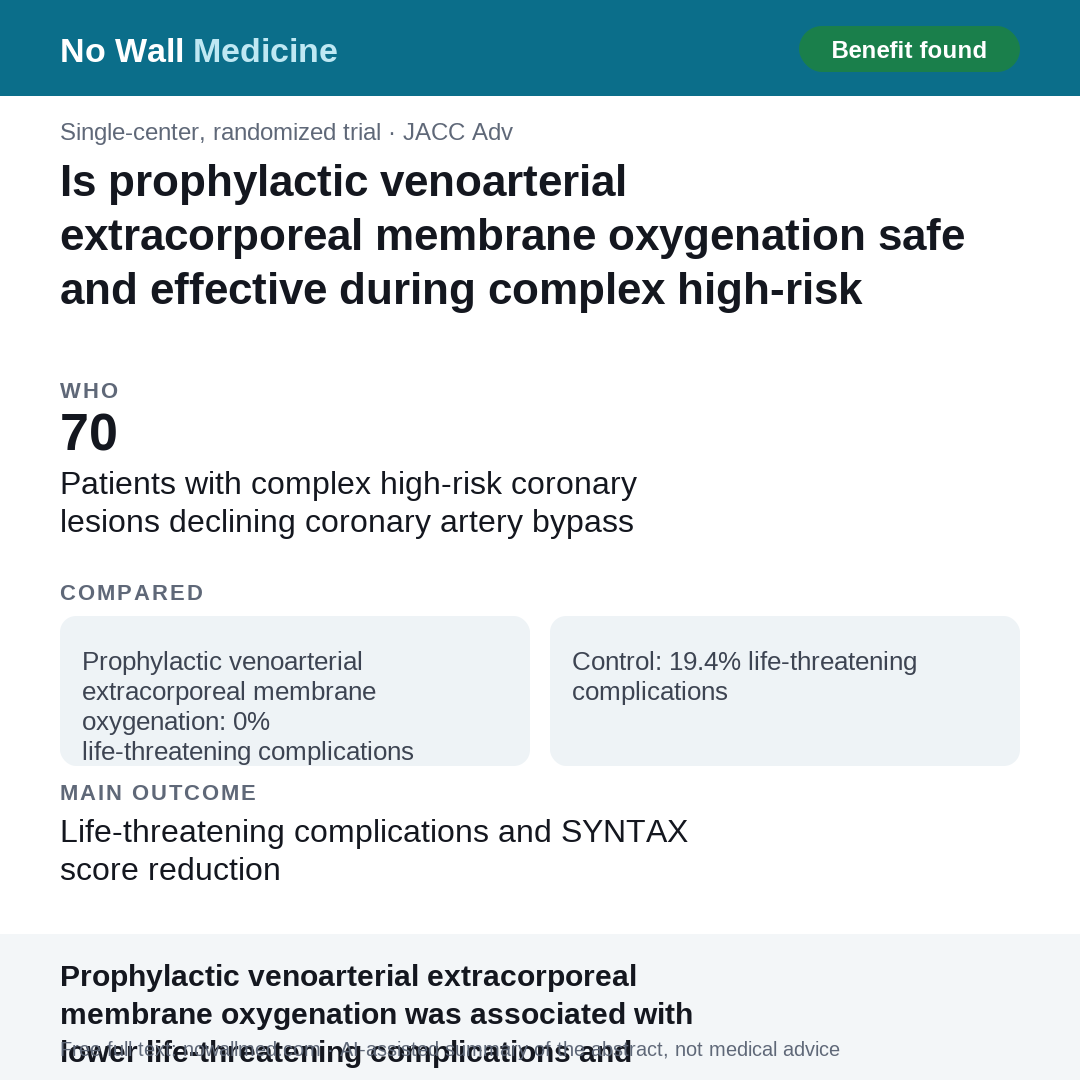
Prophylactic VA-ECMO During Complex High-Risk PCI: A Randomized Controlled Trial
Single-center, randomized trialBenefit found
Is prophylactic venoarterial extracorporeal membrane oxygenation safe and effective during complex high-risk percutaneous coronary intervention?
Who
70
Patients with complex high-risk coronary lesions declining coronary artery bypass grafting · Single-center
Compared
Prophylactic venoarterial extracorporeal membrane oxygenation: 0% life-threatening complications
Control: 19.4% life-threatening complications
Main outcome
Life-threatening complications and SYNTAX score reduction
Bottom line: Prophylactic venoarterial extracorporeal membrane oxygenation was associated with lower life-threatening complications and larger SYNTAX score reduction.
Limitation: Larger studies are needed to further define optimal management strategies.
JACC Adv · 2025-08-22Download image
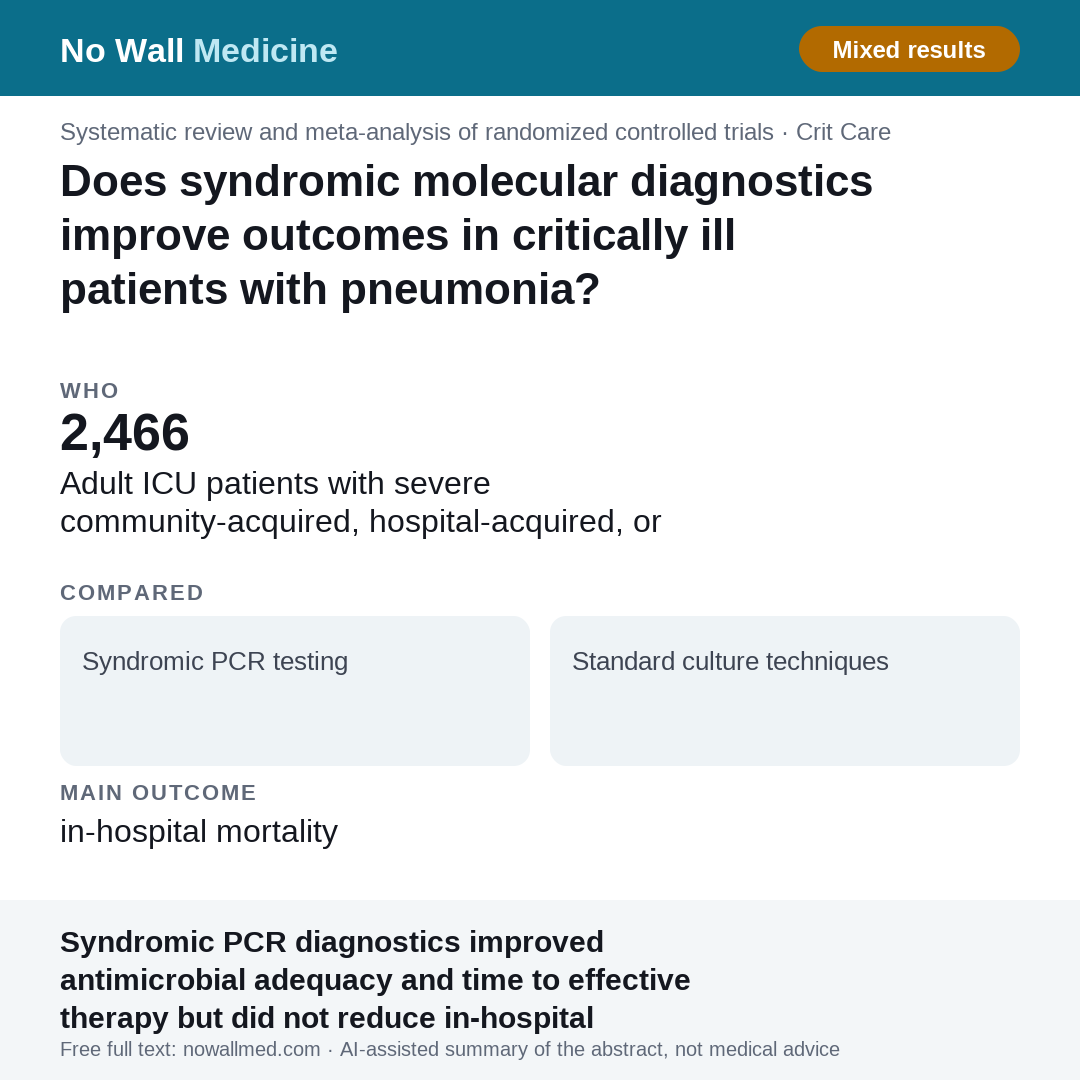
Impact of syndromic molecular diagnostics on antimicrobial adequacy and time to therapy in critically ill patients with pneumonia: a systematic review and meta-analysis of randomized trials
Systematic review and meta-analysis of randomized controlled trialsMixed results
Does syndromic molecular diagnostics improve outcomes in critically ill patients with pneumonia?
Who
2,466
Adult ICU patients with severe community-acquired, hospital-acquired, or ventilator-associated pneumonia
Compared
Syndromic PCR testing
Standard culture techniques
Main outcome
in-hospital mortality
Result: relative risk 1.04 (95% CI 0.90–1.21)
Bottom line: Syndromic PCR diagnostics improved antimicrobial adequacy and time to effective therapy but did not reduce in-hospital mortality.
Crit Care · 2025-08-22Download image
Healthcare costs after sepsis: a systematic review
Systematic review of 23 observational studiesHarm found
What are the post-hospitalization healthcare costs among adults who survived sepsis?
Who
Adults living in developed nations who survived sepsis · Developed nations
Compared
Sepsis survivors year one: $28,719 (IQR $21,715)
Sepsis survivors year two: $22,460 (IQR $14,407)
Sepsis survivor readmission: $20,320 (IQR $4,889)
Main outcome
Post-hospitalization healthcare costs
Bottom line: Sepsis survivors incur high healthcare costs that can persist for years after discharge from initial hospitalization.
Crit Care · 2025-08-22Download image

The Accuracy of Artificial Intelligence-Based Models Applied to 12-Lead Electrocardiograms for the Diagnosis of Acute Coronary Syndrome: A Systematic Review
Systematic reviewBenefit found
Can AI diagnose acute coronary syndrome?
Who
24
Adults with suspected acute coronary syndrome
Compared
AI models: 68% to 98%
Clinicians
Main outcome
Diagnostic accuracy
Bottom line: AI models show high diagnostic accuracy
Limitation: High risk of bias in some studies
JACEP Open · 2025-08-22Download image

The prevalence and risk of mortality associated with antimicrobial resistance within nosocomial settings-a global systematic review and meta-analysis of over 20,000 patients
Systematic review and meta-analysisHarm found
What is the prevalence and mortality risk of antimicrobial resistance in hospital settings?
Who
20,658
Hospitalised patients with antimicrobial resistant organisms · 18 countries
Compared
36.5%Antimicrobial resistant organisms (95% CI: 29%-44%)
Non-antimicrobial resistant organisms
Main outcome
Prevalence of antimicrobial resistance and mortality risk
Result: adjusted pooled risk ratio 1.58 (95% CI 1.33-1.87)
Bottom line: Antimicrobial resistance is highly prevalent in hospitals and is associated with increased in-hospital mortality.
Limitation: No data from Africa, Middle-East, Russia, or India; low certainty of evidence for mortality.
Funded by: Pacific Life
eClinicalMedicine · 2025-08-21Download image

Therapeutic efficacy of Cyclosporine A in recurrent spontaneous abortion: a meta-analysis and network meta-analysis incorporating Chinese and English language studies
Meta-analysis and network meta-analysisBenefit found
Is cyclosporine A based therapy effective for managing recurrent spontaneous abortion?
Who
3556
Patients with recurrent spontaneous abortion · China and Iran
Compared
Cyclosporine A treated
Non-Cyclosporine A treated
Main outcome
Miscarriage rate and live birth rate
Result: OR, 0.37 [95% CI, 0.25-0.56] for miscarriage rate
Bottom line: Cyclosporine A therapy improves pregnancy outcomes in recurrent spontaneous abortion, especially when combined with other treatments.
Limitation: Findings require further multi-center prospective testing at an international level.
Funded by: National Natural Science Foundation of China and others
eClinicalMedicine · 2025-08-21Download image

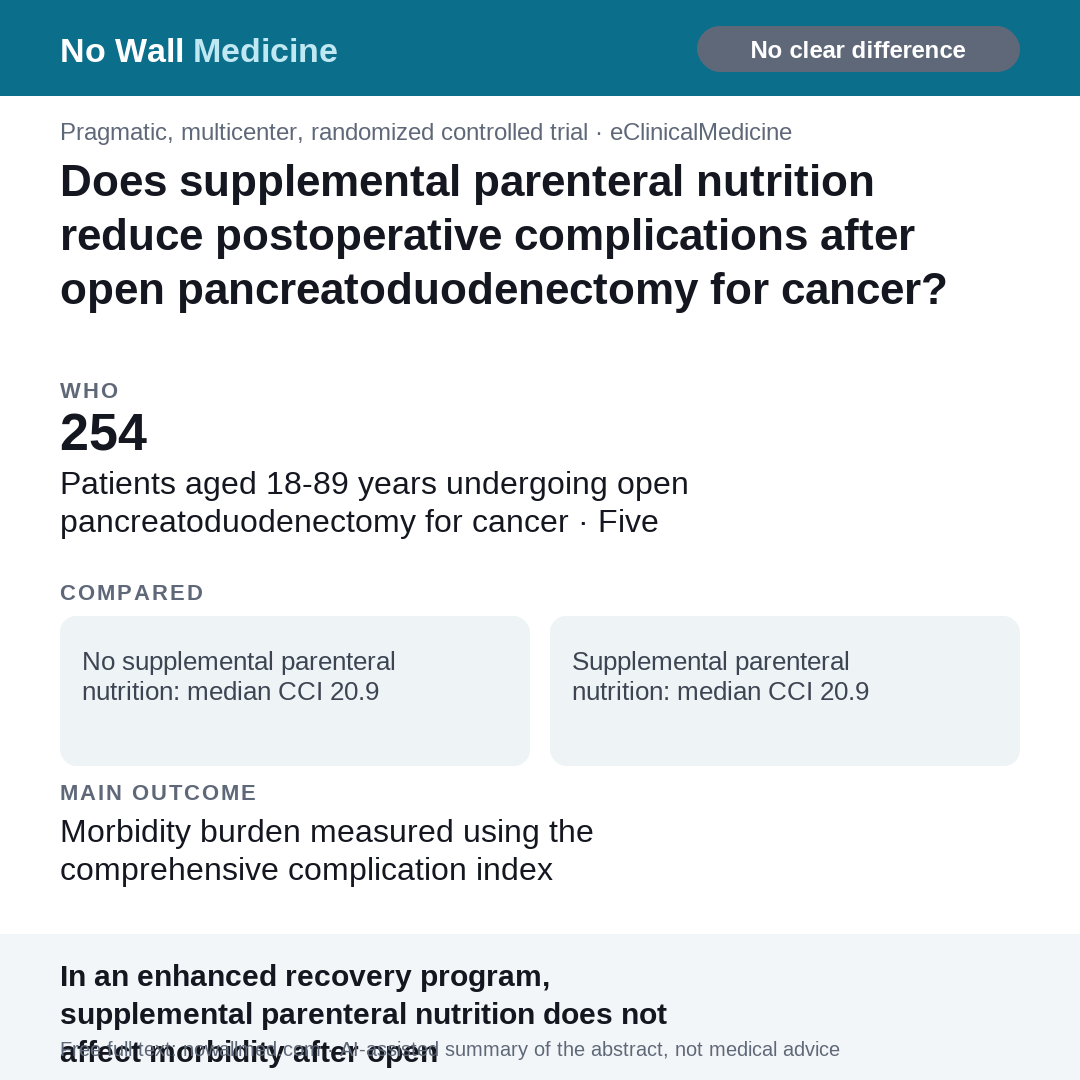
Supplemental parenteral nutrition within an enhanced recovery program for open pancreatoduodenectomy for cancer: a pragmatic, multicenter, randomized controlled trial
Pragmatic, multicenter, randomized controlled trialNo clear difference
Does supplemental parenteral nutrition reduce postoperative complications after open pancreatoduodenectomy for cancer?
Who
254
Patients aged 18-89 years undergoing open pancreatoduodenectomy for cancer · Five centers in Italy
Compared
No supplemental parenteral nutrition: median CCI 20.9
Supplemental parenteral nutrition: median CCI 20.9
Main outcome
Morbidity burden measured using the comprehensive complication index
Result: median difference 0 (95% CI -1.07 to 1.7)
Bottom line: In an enhanced recovery program, supplemental parenteral nutrition does not affect morbidity after open pancreatoduodenectomy.
Limitation: Results do not apply to severely malnourished patients or with critical comorbidities.
Funded by: Italian Society for Artificial Nutrition and Metabolism and Baxter Italia S.p.A
eClinicalMedicine · 2025-08-21Download image
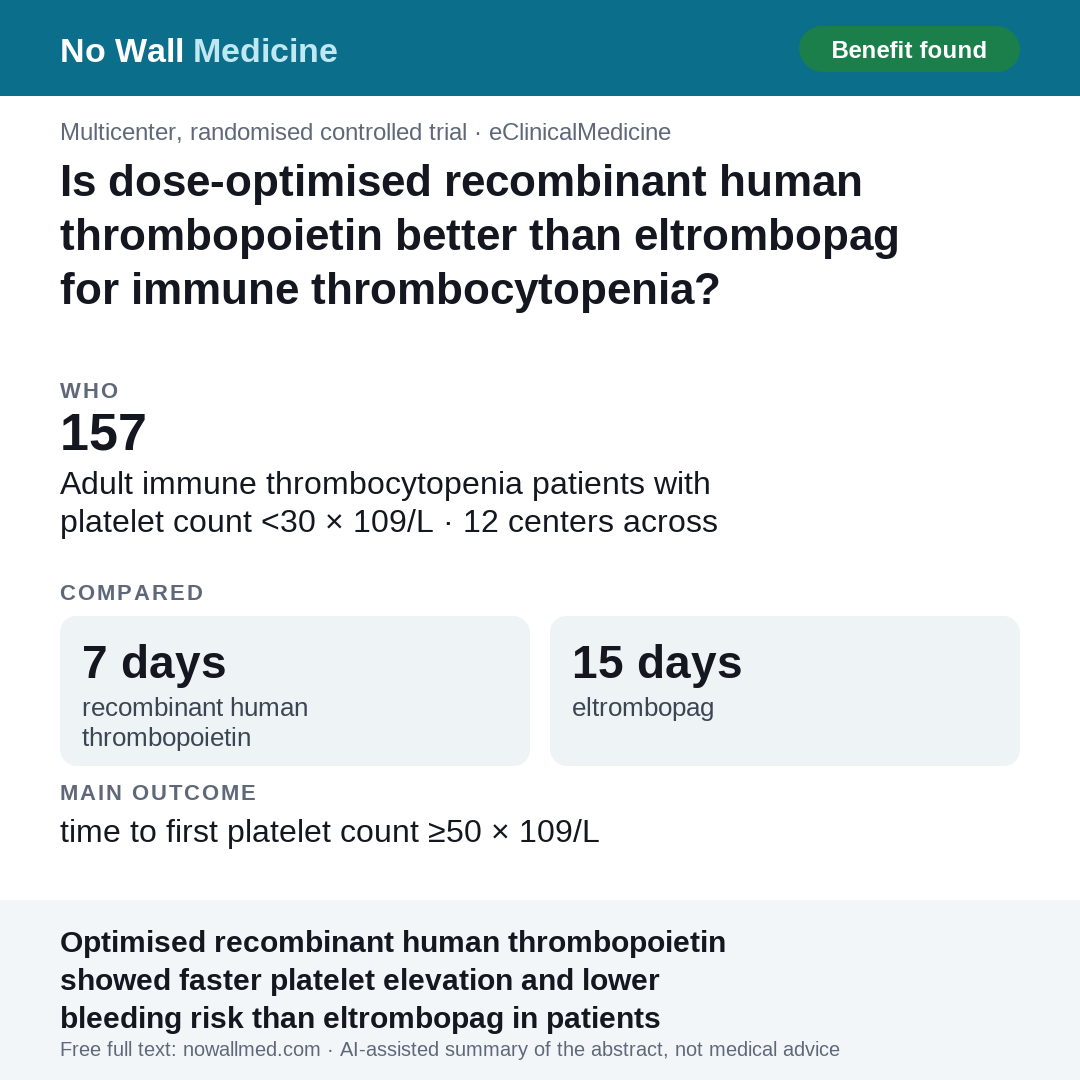
Dose-optimised recombinant human thrombopoietin versus eltrombopag in patients with immune thrombocytopenia: a multicenter, randomised controlled trial (The TE-ITP Study)
Multicenter, randomised controlled trialBenefit found
Is dose-optimised recombinant human thrombopoietin better than eltrombopag for immune thrombocytopenia?
Who
157
Adult immune thrombocytopenia patients with platelet count <30 × 109/L · 12 centers across China
Compared
7 daysrecombinant human thrombopoietin (95% CI 6.0-7.0)
15 dayseltrombopag (95% CI 9.0-25.0)
Main outcome
time to first platelet count ≥50 × 109/L
Result: OR 0.523, 95% CI 0.360-0.758
Bottom line: Optimised recombinant human thrombopoietin showed faster platelet elevation and lower bleeding risk than eltrombopag in patients with immune thrombocytopenia.
eClinicalMedicine · 2025-08-21Download image
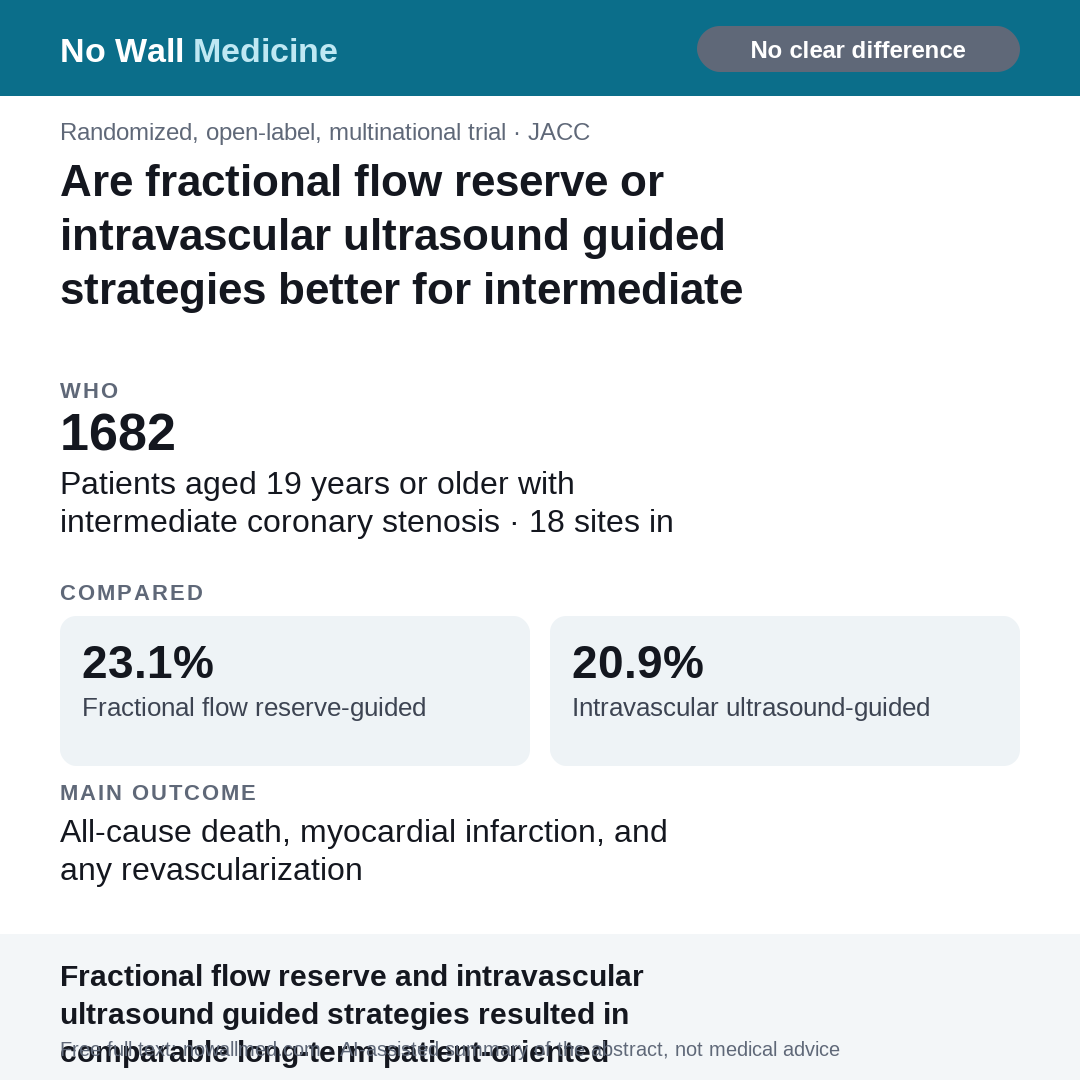
Long-Term Outcomes After Fractional Flow Reserve vs Intravascular Ultrasound to Guide PCI: The FLAVOUR Trial Extended Follow-Up
Randomized, open-label, multinational trialNo clear difference
Are fractional flow reserve or intravascular ultrasound guided strategies better for intermediate coronary stenosis?
Who
1682
Patients aged 19 years or older with intermediate coronary stenosis · 18 sites in Korea and China
Compared
23.1%Fractional flow reserve-guided
20.9%Intravascular ultrasound-guided
Main outcome
All-cause death, myocardial infarction, and any revascularization
Result: hazard ratio 1.15 (95% CI 0.93 to 1.42)
Bottom line: Fractional flow reserve and intravascular ultrasound guided strategies resulted in comparable long-term patient-oriented composite outcomes.
JACC · 2025-08-21Download image
Clinical Outcomes of Conduction System Pacing vs Right Ventricular Septal Pacing in Atrioventricular Block: The CSPACE Randomized Controlled Trial
Randomized controlled trialBenefit found
Are conduction system pacing or right ventricular septal pacing better for atrioventricular block?
Who
202
Patients with atrioventricular block without cardiac resynchronization therapy indication
Compared
Conduction system pacing: 7.17 events per 100 person-years
Right ventricular septal pacing: 20.69 events per 100 person-years
Main outcome
Composite of pacing-induced cardiomyopathy, biventricular cardiac resynchronization therapy upgrade, heart failure hospitalization, and mortality
Result: hazard ratio 0.35 (95% CI 0.19-0.64)
Bottom line: Conduction system pacing was superior to right ventricular septal pacing for reducing composite clinical outcomes in atrioventricular block.
JACC · 2025-08-21Download image

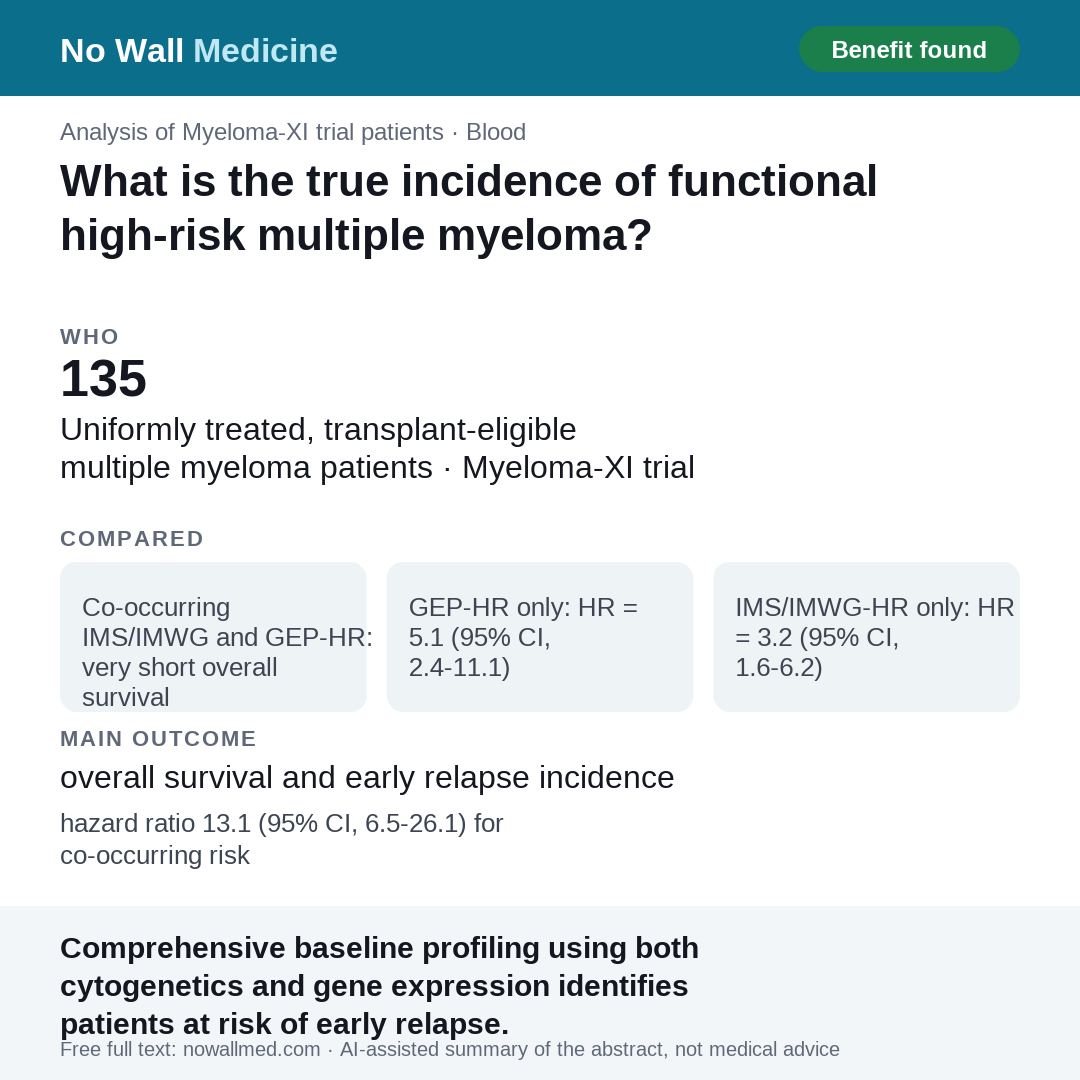
Challenging the concept of functional high-risk myeloma through transcriptional and genetic profiling
Analysis of Myeloma-XI trial patientsBenefit found
What is the true incidence of functional high-risk multiple myeloma?
Who
135
Uniformly treated, transplant-eligible multiple myeloma patients · Myeloma-XI trial
Compared
Co-occurring IMS/IMWG and GEP-HR: very short overall survival
GEP-HR only: HR = 5.1 (95% CI, 2.4-11.1)
IMS/IMWG-HR only: HR = 3.2 (95% CI, 1.6-6.2)
Main outcome
overall survival and early relapse incidence
Result: hazard ratio 13.1 (95% CI, 6.5-26.1) for co-occurring risk
Bottom line: Comprehensive baseline profiling using both cytogenetics and gene expression identifies patients at risk of early relapse.
Blood · 2025-08-21Download image