Visual abstracts
New randomized trials and meta-analyses from leading journals at a glance: who was studied, what was compared, and what was found. Every paper is free to read in full.
All specialtiesCardiology 4877Oncology 4138Gastroenterology & Hepatology 1942Infectious Disease 3837Neurology 1905Psychiatry & Mental Health 2273Pulmonology 2143Critical Care 1365Endocrinology & Diabetes 2580Pediatrics 2980Surgery 2559Orthopedics & Sports Medicine 931Neurosurgery 537Cardiothoracic & Vascular Surgery 674Plastic & Reconstructive Surgery 591Nephrology 1133Rheumatology 823Hematology 1109Dermatology 621Ophthalmology 543Obstetrics & Gynecology 1686Public & Global Health 1058Radiology & Imaging 648Anesthesiology 986Urology 764ENT (Otolaryngology) 503Emergency Medicine 511Allergy & Immunology 313Geriatrics 981Family Medicine & Primary Care 562Medical Genetics & Genomics 676Pathology & Laboratory Medicine 159Physical Medicine & Rehabilitation 757Palliative Care 444Nutrition 1588Digital Health & AI 2201General Medicine 321
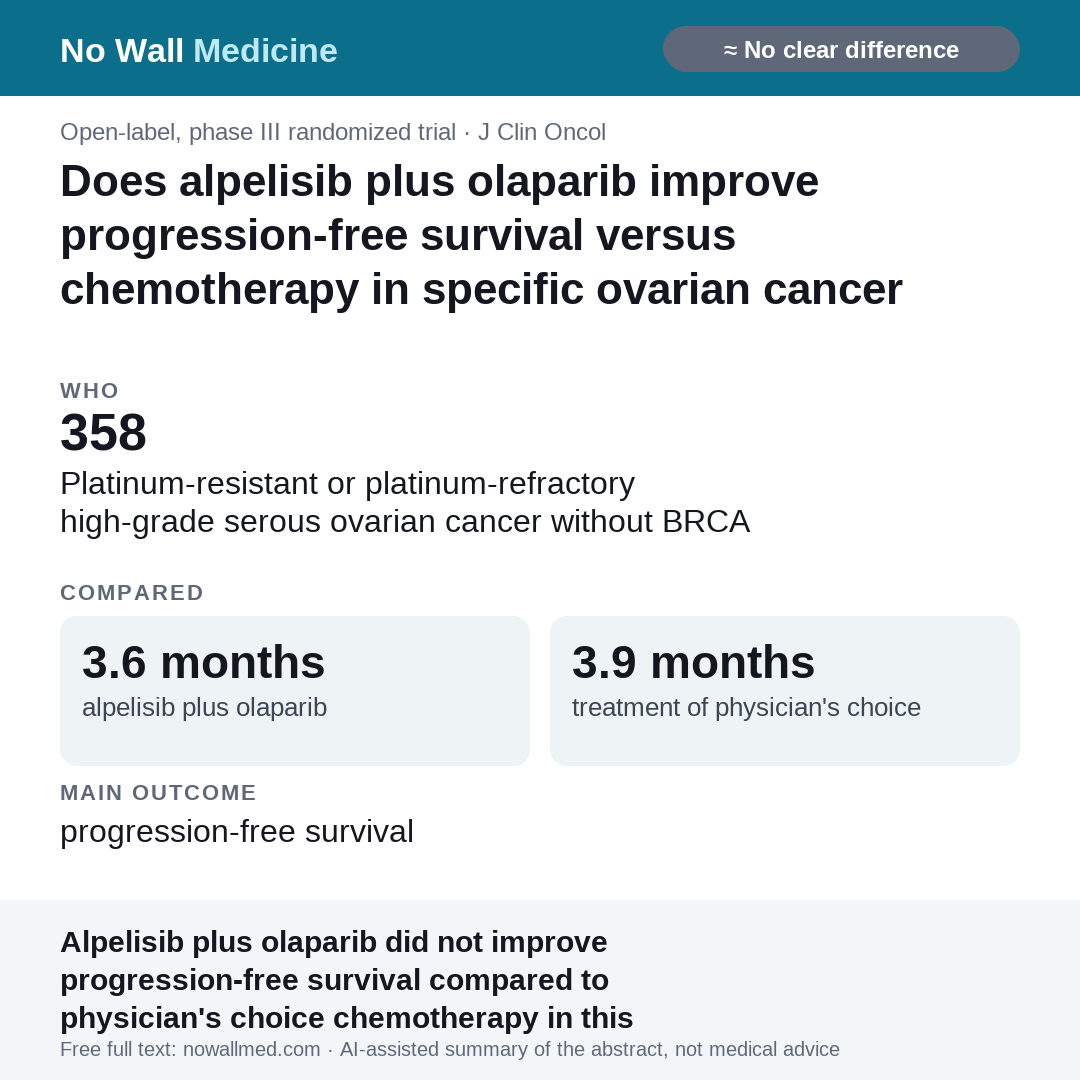
Primary Analysis of EPIK-O/ENGOT-ov61: Alpelisib Plus Olaparib Versus Chemotherapy in Platinum-Resistant or Platinum-Refractory High-Grade Serous Ovarian Cancer Without BRCA Mutation
Open-label, phase III randomized trialNo clear difference
Does alpelisib plus olaparib improve progression-free survival versus chemotherapy in specific ovarian cancer patients?
Who
358
Platinum-resistant or platinum-refractory high-grade serous ovarian cancer without BRCA mutation
Compared
3.6 monthsalpelisib plus olaparib
3.9 monthstreatment of physician's choice
Main outcome
progression-free survival
Result: hazard ratio 1.14 (95% CI 0.88 to 1.48)
Bottom line: Alpelisib plus olaparib did not improve progression-free survival compared to physician's choice chemotherapy in this patient population.
J Clin Oncol · 2025-07-23Download image
Estimating the annual number of hepatitis C virus infections through vertical transmission at country, regional, and global levels: a data synthesis study
Data synthesis studyUnclear result
What is the annual number of vertical hepatitis C virus infections globally?
Who
Children born to women with hepatitis C virus infection · Global, regional, and country levels
Compared
Annual global vertical hepatitis C infections: 73 862 (95% UI 69 808-78 279)
Children alive with hepatitis C at 5 years: 23 120 (20 596-25 813)
Main outcome
Annual number of vertical hepatitis C virus infections
Bottom line: An estimated 73 862 vertical hepatitis C infections occur annually, with 23 120 children remaining infected at age 5.
Limitation: Data on the safety of hepatitis C treatments in pregnant women are required.
Lancet Gastroenterol Hepatol · 2025-07-23Download image

Immunogenicity and Safety of Heterologous Versus Homologous Prime-Boost Regimens With BBIBP-CorV and Ad26.COV2.S COVID-19 Vaccines: A Multicentric, Randomized, Observer-Blinded Non-inferiority Trial in Madagascar and Mozambique
Randomized, observer-blinded, non-inferiority trialMixed results
Is heterologous prime-boost vaccination non-inferior to homologous regimens for immunogenicity and safety?
Who
369
Adults aged 18-65 years · Madagascar and Mozambique
Compared
802.7BBIBP-CorV, Ad26.COV2.S (95% CI: 635.3-1014.3)
202.6BBIBP-CorV, BBIBP-CorV (95% CI: 150.8-272.1)
603.6Ad26.COV2.S, BBIBP-CorV (95% CI: 446.1-816.7)
725.7placebo, Ad26.COV2.S (95% CI: 539.5-976.1)
Main outcome
geometric mean titers of anti-SARS-CoV-2 neutralizing antibodies against Omicron BA.1
Result: adjusted GMR 4.2 (2-sided 95% CI: 2.9-5.9) for A1 versus A2
Bottom line: The non-inferiority criterion was met only for the BBIBP-CorV and Ad26.COV2.S regimen compared to BBIBP-CorV twice.
Clin Infect Dis · 2025-07-23Download image

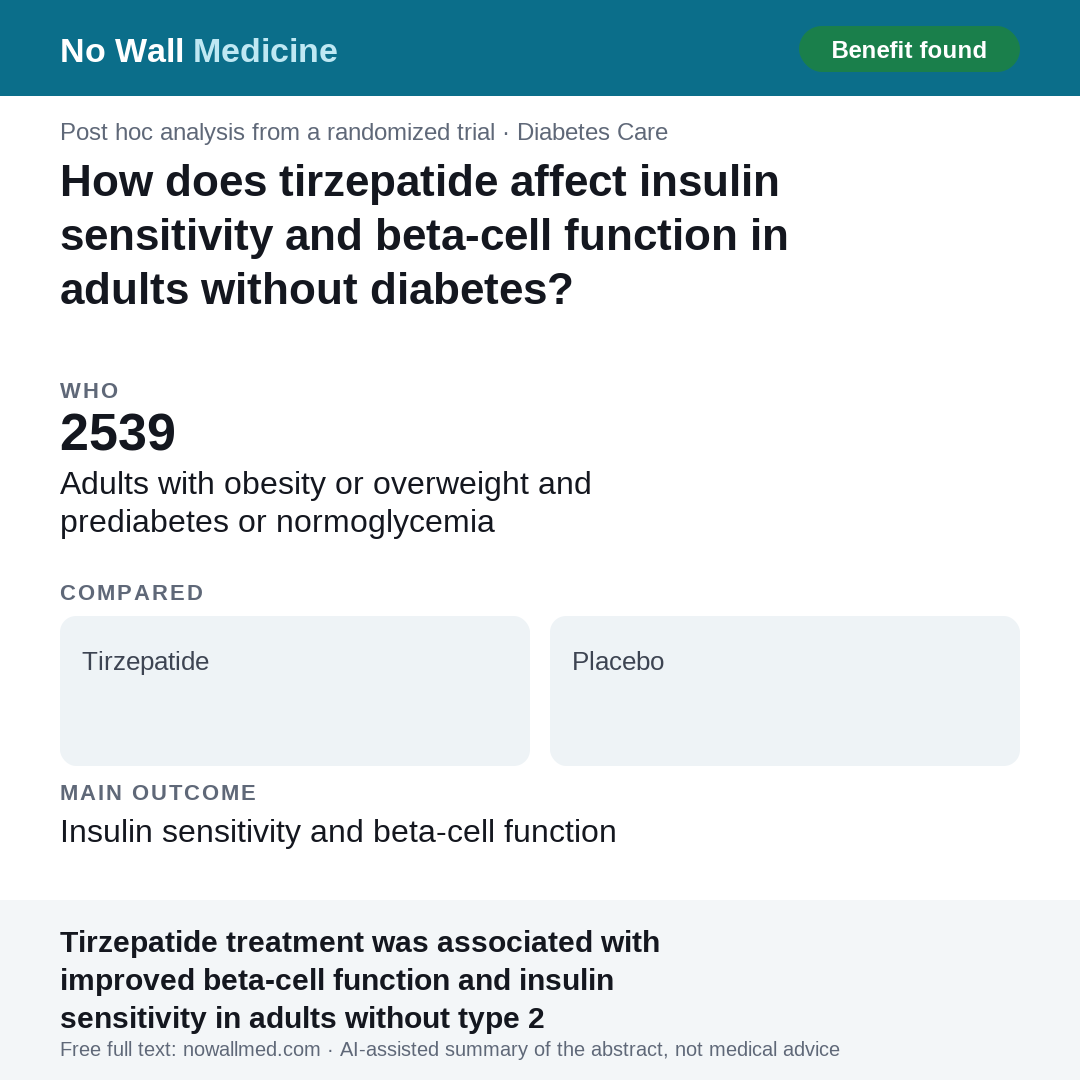
Tirzepatide Treatment and Associated Changes in β-Cell Function and Insulin Sensitivity in People With Obesity or Overweight With Prediabetes or Normoglycemia: A Post Hoc Analysis From the SURMOUNT-1 Trial
Post hoc analysis from a randomized trialBenefit found
How does tirzepatide affect insulin sensitivity and beta-cell function in adults without diabetes?
Who
2539
Adults with obesity or overweight and prediabetes or normoglycemia
Compared
Tirzepatide
Placebo
Main outcome
Insulin sensitivity and beta-cell function
Bottom line: Tirzepatide treatment was associated with improved beta-cell function and insulin sensitivity in adults without type 2 diabetes.
Diabetes Care · 2025-07-23Download image
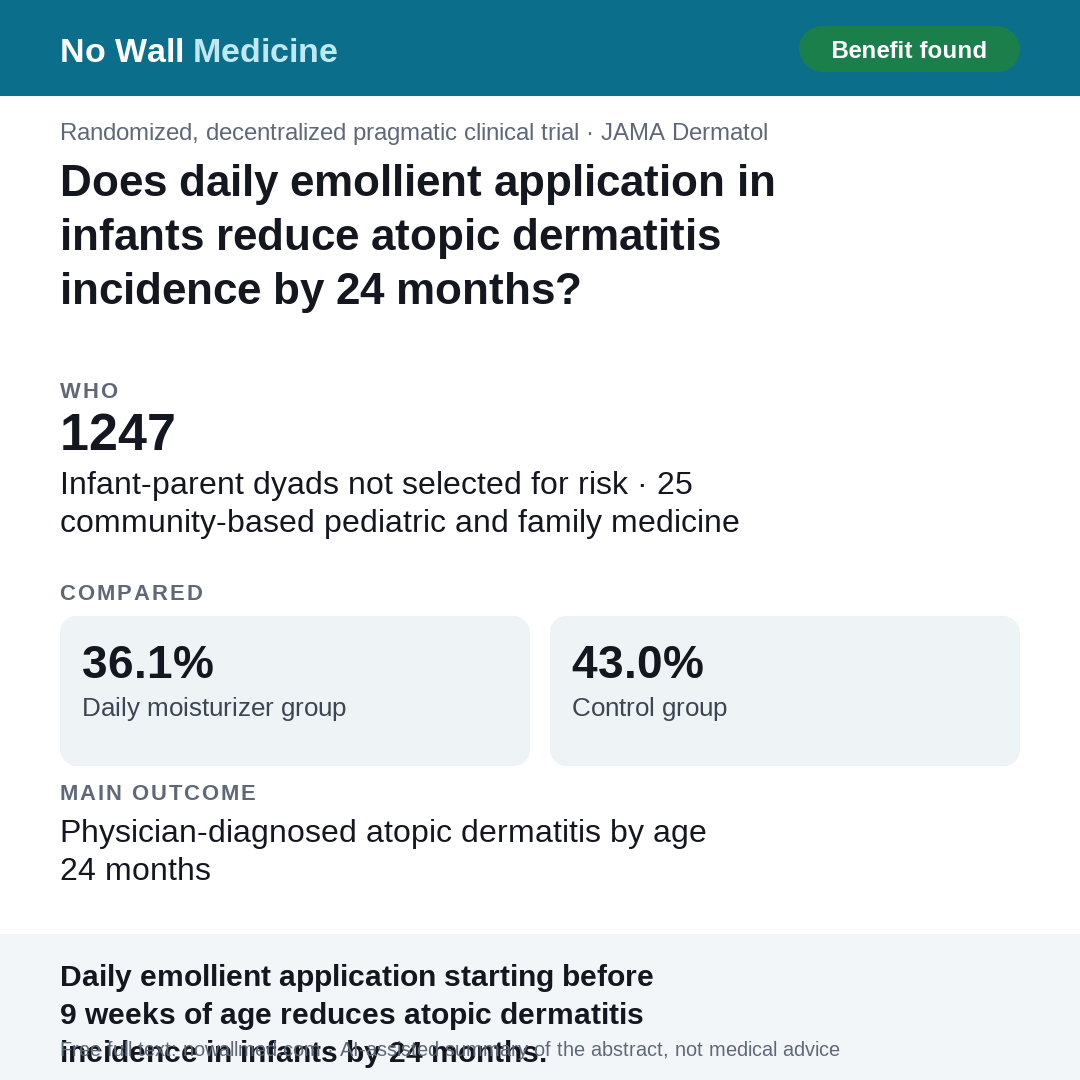
Emollients to Prevent Pediatric Eczema: A Randomized Clinical Trial
Randomized, decentralized pragmatic clinical trialBenefit found
Does daily emollient application in infants reduce atopic dermatitis incidence by 24 months?
Who
1247
Infant-parent dyads not selected for risk · 25 community-based pediatric and family medicine clinics
Compared
36.1%Daily moisturizer group
43.0%Control group
Main outcome
Physician-diagnosed atopic dermatitis by age 24 months
Result: relative risk 0.84 (95% CI, 0.73-0.97)
Bottom line: Daily emollient application starting before 9 weeks of age reduces atopic dermatitis incidence in infants by 24 months.
JAMA Dermatol · 2025-07-23Download image
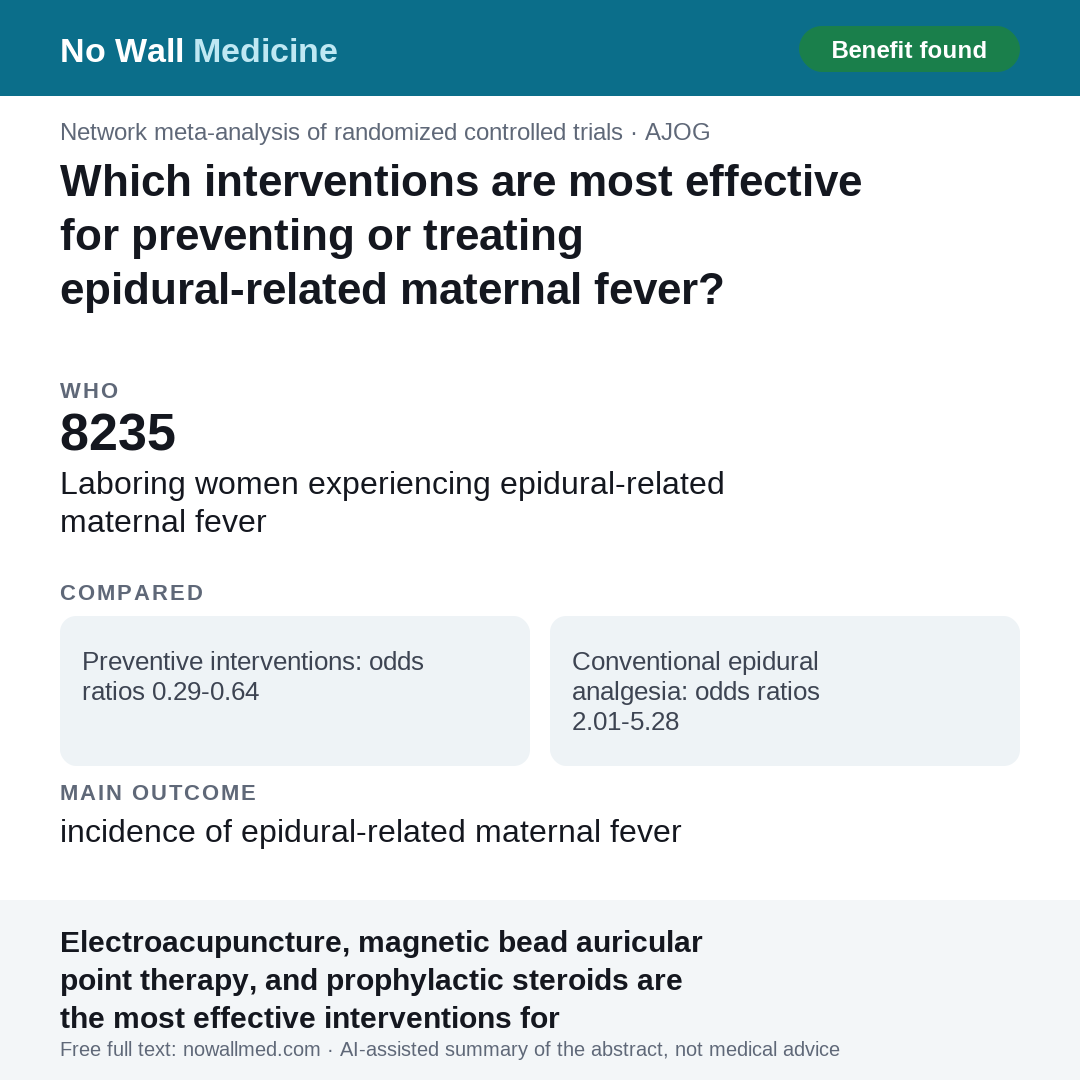
Comparative effectiveness of diverse strategies for the prevention or treatment of epidural-related maternal fever: a systematic review and network meta-analysis of randomized controlled trials
Network meta-analysis of randomized controlled trialsBenefit found
Which interventions are most effective for preventing or treating epidural-related maternal fever?
Who
8235
Laboring women experiencing epidural-related maternal fever
Compared
Preventive interventions: odds ratios 0.29-0.64
Conventional epidural analgesia: odds ratios 2.01-5.28
Main outcome
incidence of epidural-related maternal fever
Bottom line: Electroacupuncture, magnetic bead auricular point therapy, and prophylactic steroids are the most effective interventions for preventing epidural-related maternal fever.
AJOG · 2025-07-23Download image
Daily steps and health outcomes in adults: a systematic review and dose-response meta-analysis
Systematic review and dose-response meta-analysisBenefit found
What is the dose-response relationship between daily steps and health outcomes in adults?
Who
Adults
Compared
2000 steps per day
7000 steps per day: 47% lower risk of all-cause mortality
Main outcome
Various health outcomes including mortality, disease incidence, and falls
Result: hazard ratio 0.53 (95% CI 0.46-0.60) for all-cause mortality
Bottom line: Walking 7000 steps per day is associated with significantly lower risks of mortality, disease, and falls compared to 2000 steps.
Limitation: Small number of studies for most outcomes, lack of age-specific analysis, and potential residual confounding.
Funded by: National Health and Medical Research Council, New South Wales Health, and Ian Potter Foundation
Lancet Public Health · 2025-07-23Download image

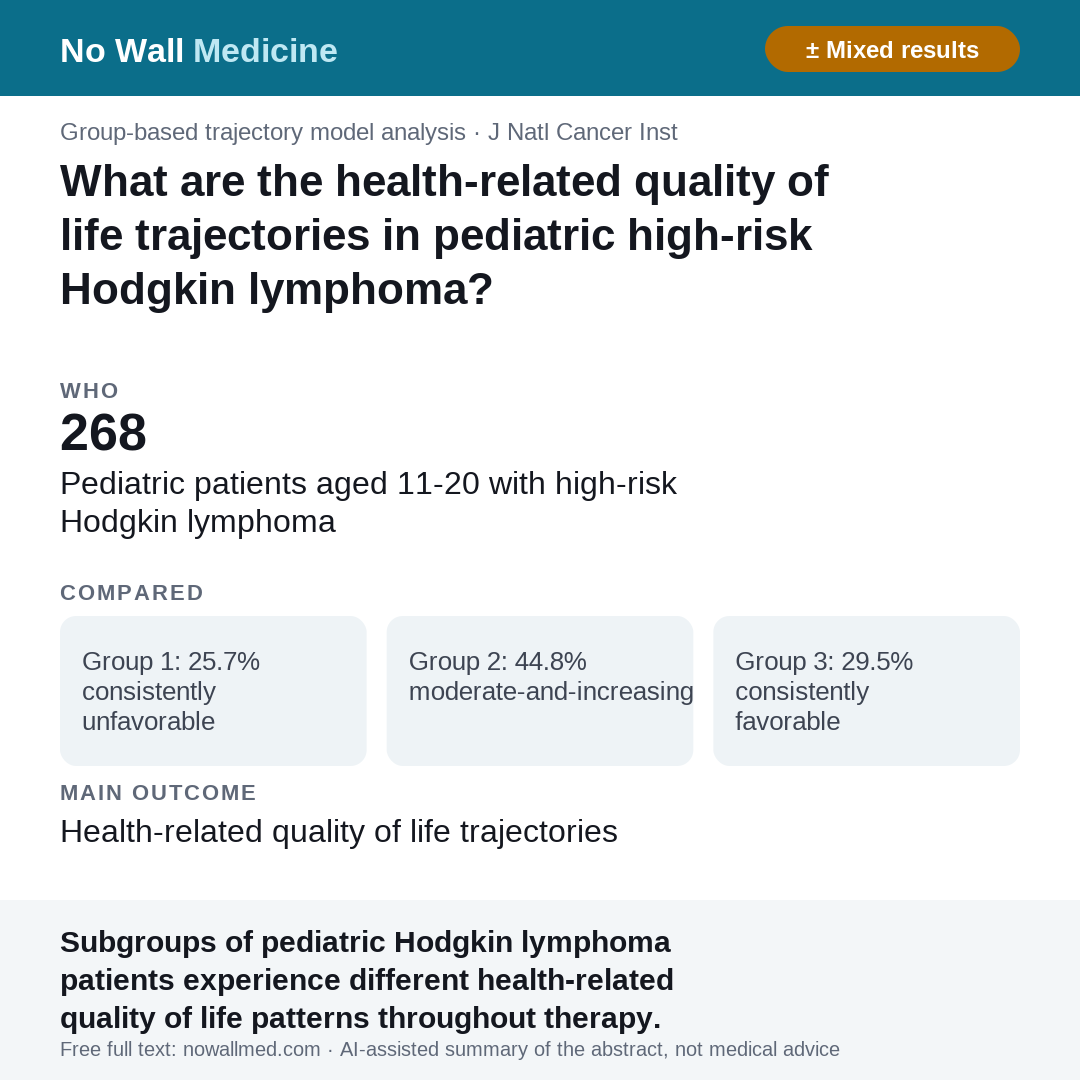
Group-based trajectories of health-related quality of life among pediatric patients with high-risk Hodgkin lymphoma
Group-based trajectory model analysisMixed results
What are the health-related quality of life trajectories in pediatric high-risk Hodgkin lymphoma?
Who
268
Pediatric patients aged 11-20 with high-risk Hodgkin lymphoma
Compared
Group 1: 25.7% consistently unfavorable
Group 2: 44.8% moderate-and-increasing
Group 3: 29.5% consistently favorable
Main outcome
Health-related quality of life trajectories
Bottom line: Subgroups of pediatric Hodgkin lymphoma patients experience different health-related quality of life patterns throughout therapy.
J Natl Cancer Inst · 2025-07-23Download image
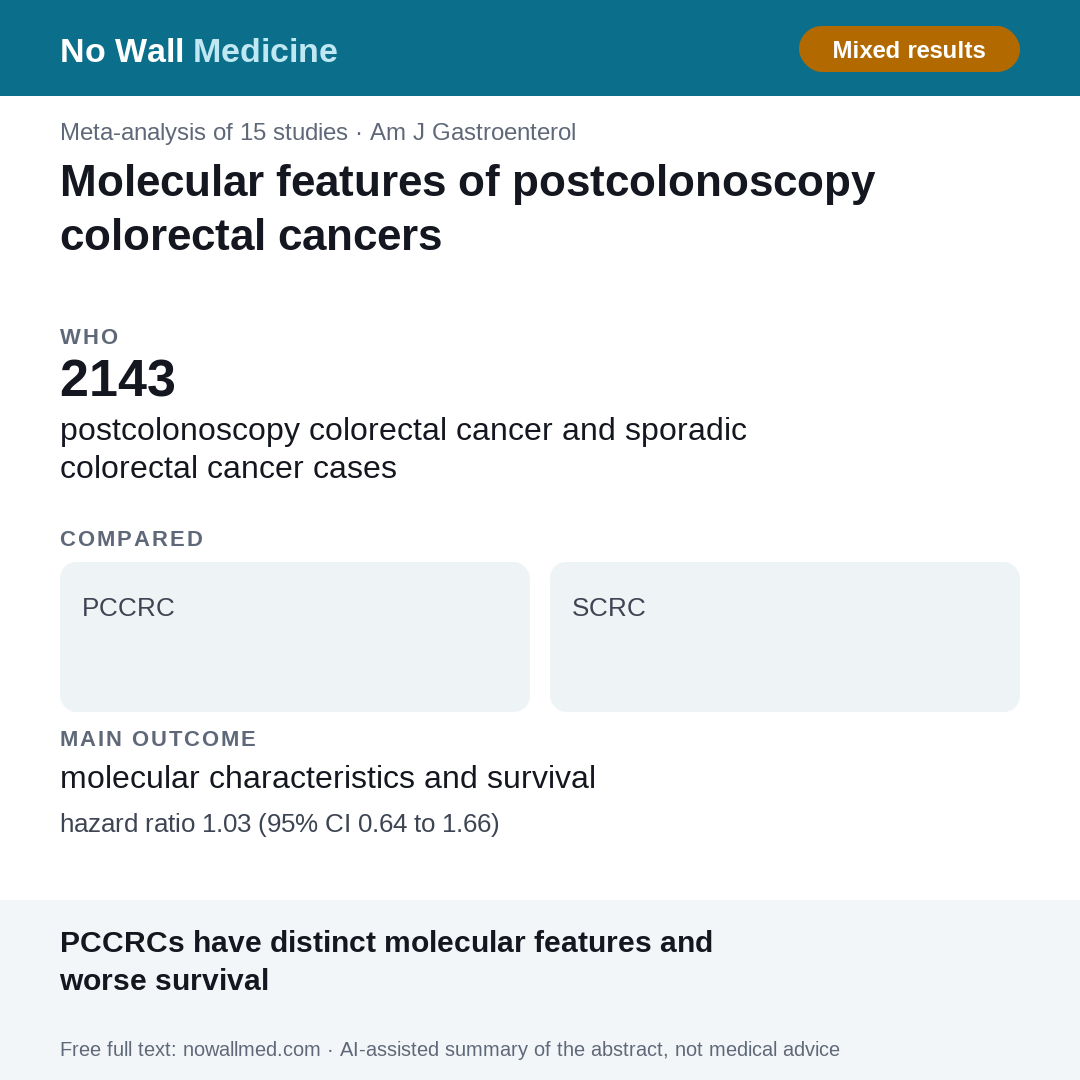
Predominant Serrated Molecular Signature in Postcolonoscopy Colorectal Cancer: A Systematic Review and Meta-Analysis
Meta-analysis of 15 studiesMixed results
Molecular features of postcolonoscopy colorectal cancers
Who
2143
postcolonoscopy colorectal cancer and sporadic colorectal cancer cases
Compared
PCCRC
SCRC
Main outcome
molecular characteristics and survival
Result: hazard ratio 1.03 (95% CI 0.64 to 1.66)
Bottom line: PCCRCs have distinct molecular features and worse survival
Am J Gastroenterol · 2025-07-23Download image
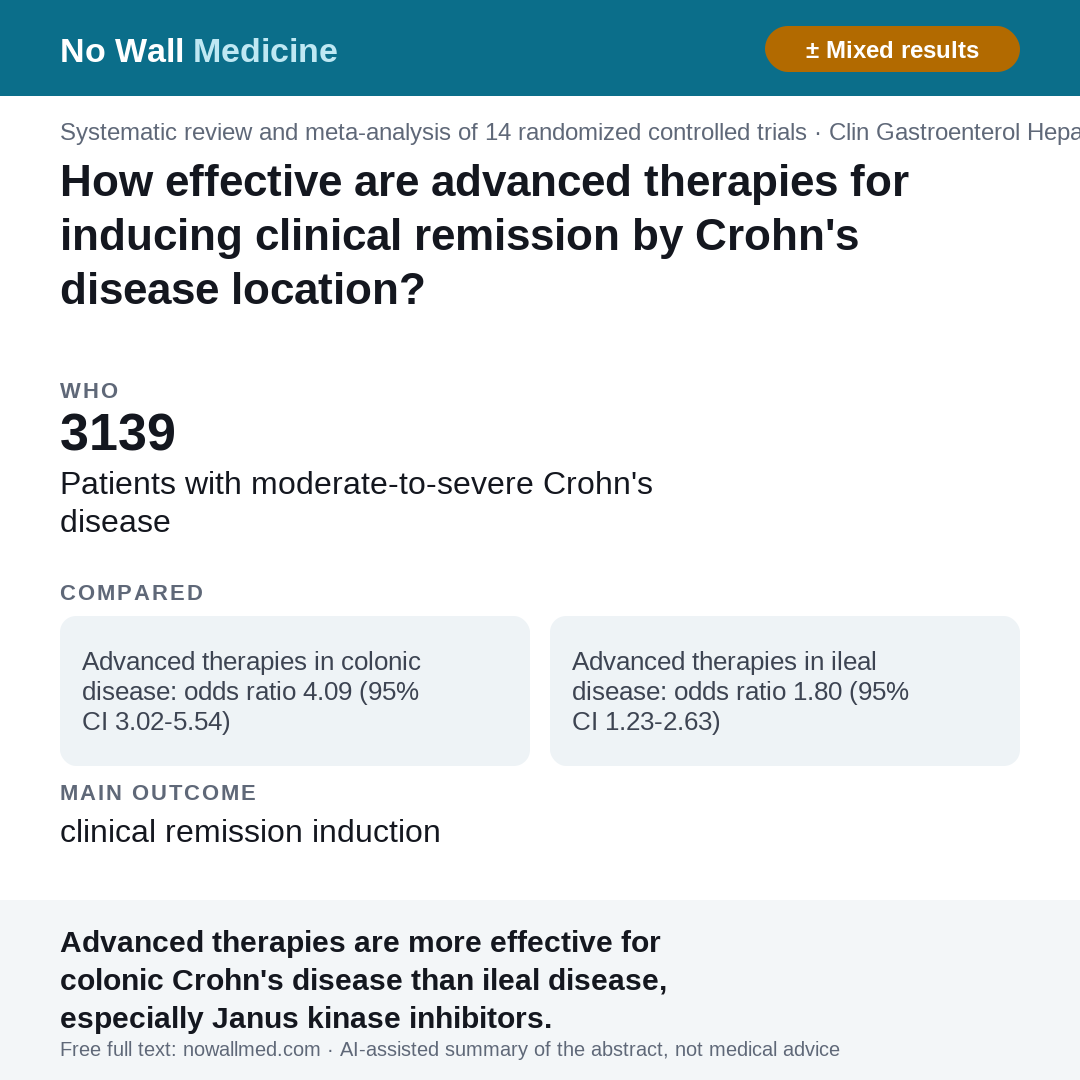
Efficacy of Advanced Therapies in Achieving Remission by Disease Location in Crohn's Disease: A Systematic Review and Meta-analysis
Systematic review and meta-analysis of 14 randomized controlled trialsMixed results
How effective are advanced therapies for inducing clinical remission by Crohn's disease location?
Who
3139
Patients with moderate-to-severe Crohn's disease
Compared
Advanced therapies in colonic disease: odds ratio 4.09 (95% CI 3.02-5.54)
Advanced therapies in ileal disease: odds ratio 1.80 (95% CI 1.23-2.63)
Main outcome
clinical remission induction
Result: odds ratio 4.09 (95% CI 3.02-5.54) vs 1.80 (95% CI 1.23-2.63)
Bottom line: Advanced therapies are more effective for colonic Crohn's disease than ileal disease, especially Janus kinase inhibitors.
Limitation: All analyses had minimal to moderate heterogeneity.
Clin Gastroenterol Hepatol · 2025-07-23Download image
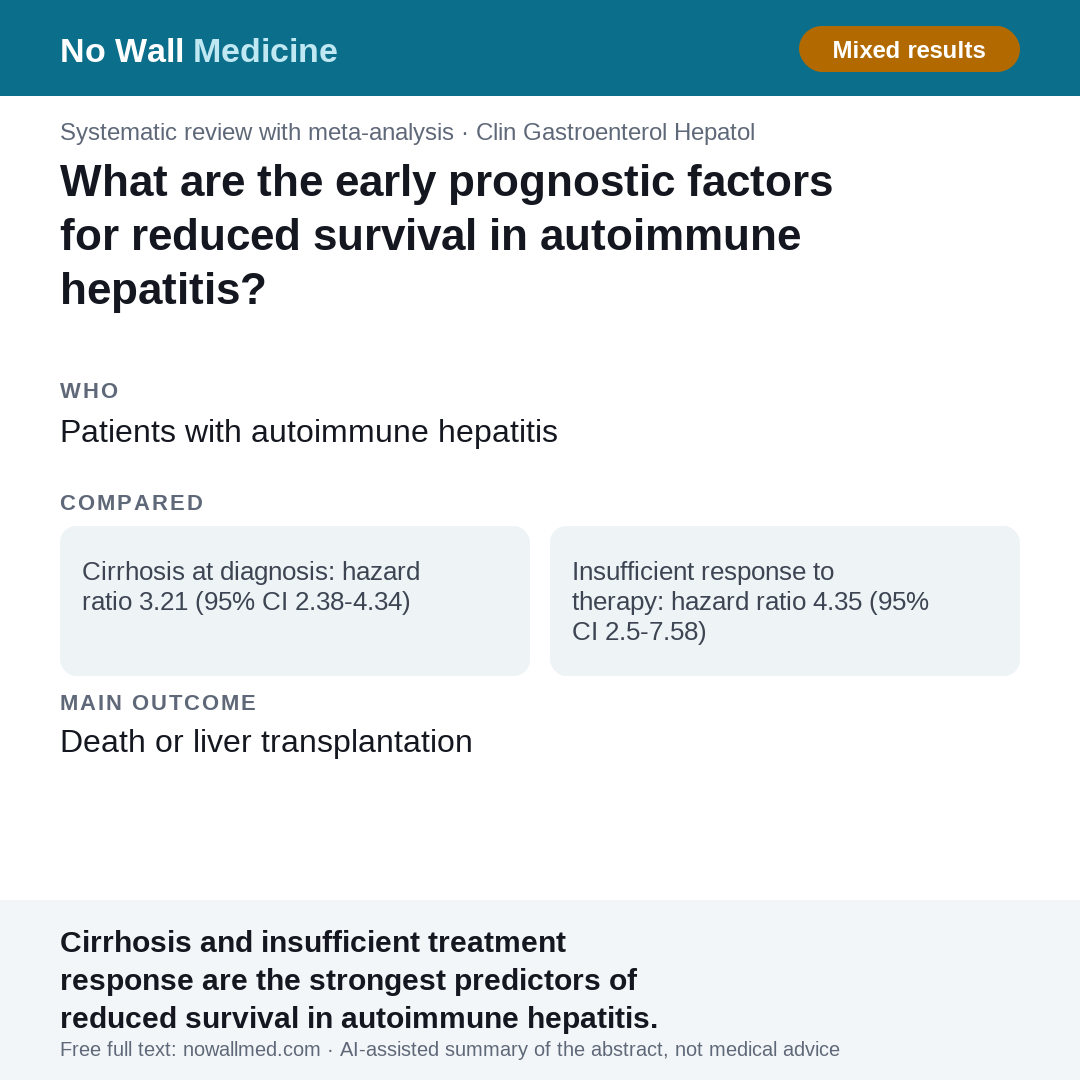
Early Prognostic Factors for Reduced Survival in Autoimmune Hepatitis: A Systematic Review With Meta-Analysis
Systematic review with meta-analysisMixed results
What are the early prognostic factors for reduced survival in autoimmune hepatitis?
Who
Patients with autoimmune hepatitis
Compared
Cirrhosis at diagnosis: hazard ratio 3.21 (95% CI 2.38-4.34)
Insufficient response to therapy: hazard ratio 4.35 (95% CI 2.5-7.58)
Main outcome
Death or liver transplantation
Bottom line: Cirrhosis and insufficient treatment response are the strongest predictors of reduced survival in autoimmune hepatitis.
Clin Gastroenterol Hepatol · 2025-07-23Download image
Global Trends in Antimicrobial Resistance Among Cirrhosis Patients With Bacteremia: A Systematic Review and Meta-analysis
Systematic review and meta-analysisMixed results
What are the global trends in antimicrobial resistance among cirrhosis patients with bacteremia?
Who
5610
Patients with cirrhosis and bacteremia · Global
Compared
31%Multidrug-resistant infections (95% CI, 19%-44%)
14%Extended-spectrum beta-lactamase-producing Escherichia coli (95% CI, 7%-22%)
Main outcome
Antimicrobial resistance proportions among bacterial pathogens
Bottom line: Cirrhosis patients face significant global antimicrobial resistance, with varying patterns across different geographic regions.
Clin Gastroenterol Hepatol · 2025-07-23Download image

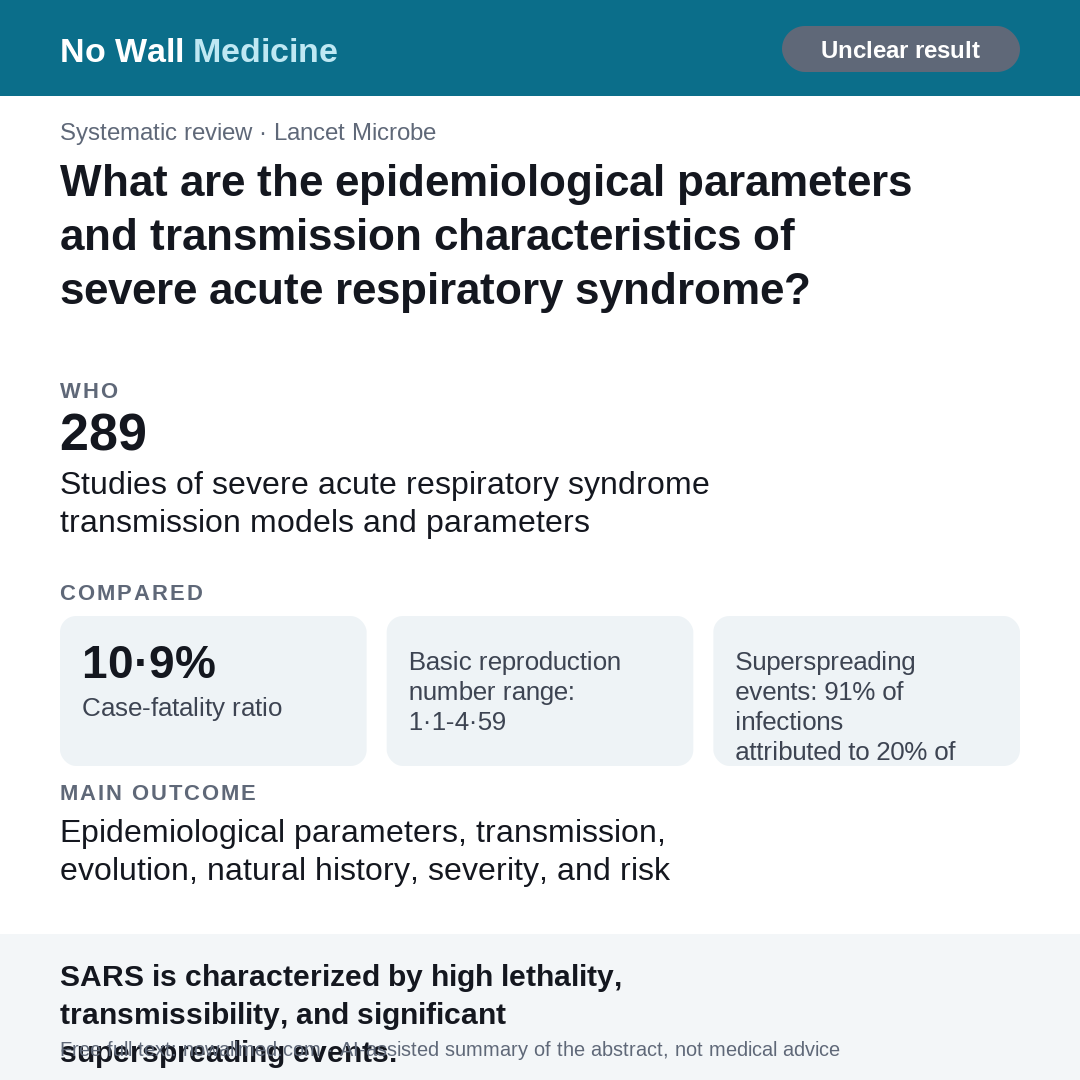
Severe acute respiratory syndrome (SARS) mathematical models and disease parameters: a systematic review
Systematic reviewUnclear result
What are the epidemiological parameters and transmission characteristics of severe acute respiratory syndrome?
Who
289
Studies of severe acute respiratory syndrome transmission models and parameters
Compared
10·9%Case-fatality ratio
Basic reproduction number range: 1·1-4·59
Superspreading events: 91% of infections attributed to 20% of individuals
Main outcome
Epidemiological parameters, transmission, evolution, natural history, severity, and risk factors
Bottom line: SARS is characterized by high lethality, transmissibility, and significant superspreading events.
Limitation: The natural history of SARS was poorly characterised, except for incubation and hospitalization delays.
Lancet Microbe · 2025-07-23Download image
Medical Thoracoscopy With vs Without Prior Artificial Pneumothorax for Patients With Minimal or Absent Pleural Effusion
Multicenter randomized noninferiority trialBenefit found
Is nonartificial pneumothorax noninferior to artificial pneumothorax for pleural access success?
Who
204
Patients with minimal or absent pleural effusion requiring medical thoracoscopy · Multicenter
Compared
78.4%Artificial pneumothorax
95.0%Nonartificial pneumothorax
Main outcome
Pleural access success rate
Result: difference, 16.6% [one-sided lower 97.5% CI, 7.6%]
Bottom line: Nonartificial pneumothorax is noninferior and potentially superior to artificial pneumothorax for pleural access success.
Chest · 2025-07-23Download image

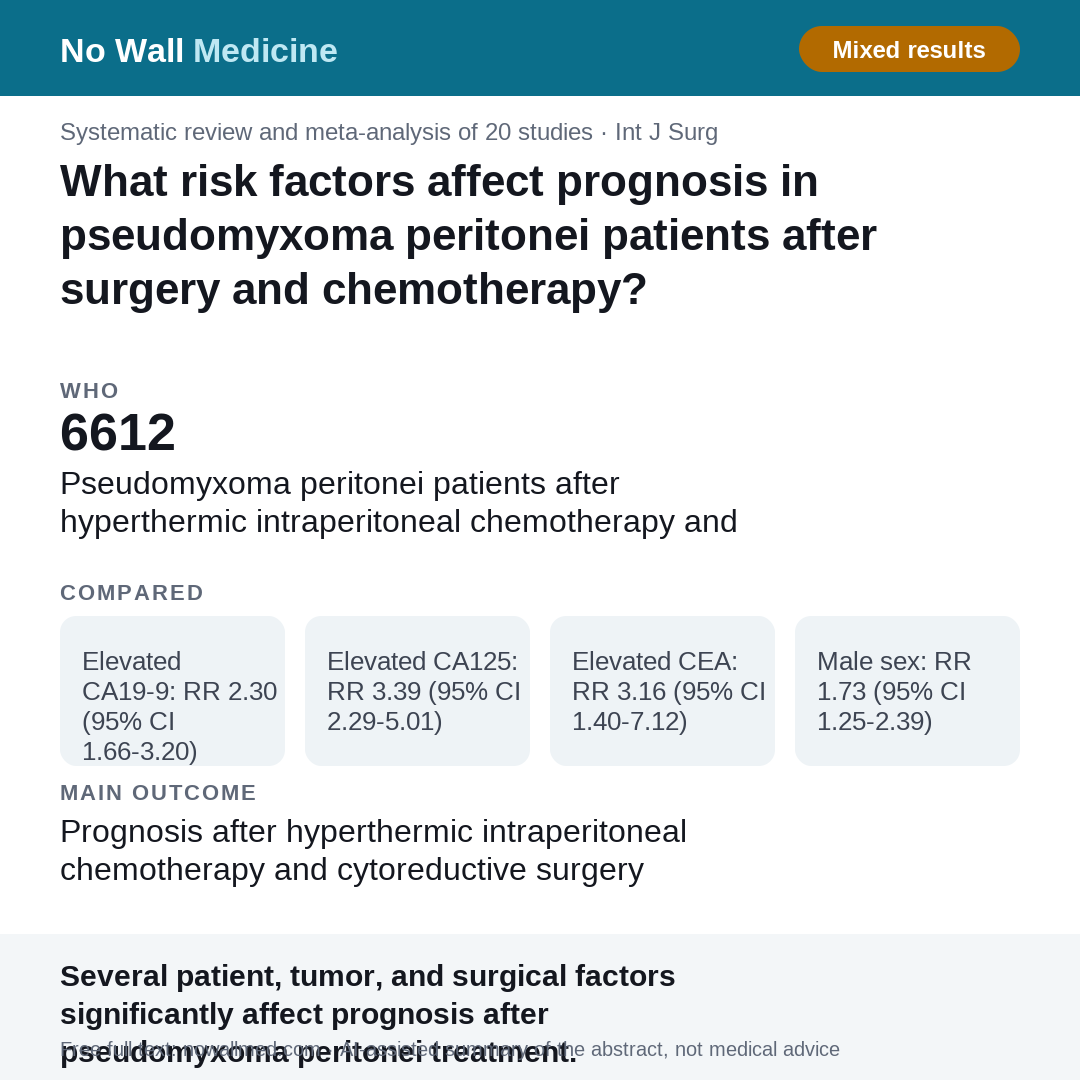
Risk factors affecting prognosis in pseudomyxoma peritonei patients after hyperthermic intraperitoneal chemotherapy and cytoreductive surgery: a systematic review and meta-analysis
Systematic review and meta-analysis of 20 studiesMixed results
What risk factors affect prognosis in pseudomyxoma peritonei patients after surgery and chemotherapy?
Who
6612
Pseudomyxoma peritonei patients after hyperthermic intraperitoneal chemotherapy and cytoreductive surgery
Compared
Elevated CA19-9: RR 2.30 (95% CI 1.66-3.20)
Elevated CA125: RR 3.39 (95% CI 2.29-5.01)
Elevated CEA: RR 3.16 (95% CI 1.40-7.12)
Male sex: RR 1.73 (95% CI 1.25-2.39)
Main outcome
Prognosis after hyperthermic intraperitoneal chemotherapy and cytoreductive surgery
Bottom line: Several patient, tumor, and surgical factors significantly affect prognosis after pseudomyxoma peritonei treatment.
Int J Surg · 2025-07-23Download image
A comparative analysis of tip-bendable suction ureteral access sheath versus traditional sheath in retrograde intrarenal stone surgery: a systematic review and meta-analysis of comparative studies
Systematic review and meta-analysisBenefit found
Is tip-bendable suction ureteral access sheath better than traditional sheath in stone surgery?
Who
1981
Patients undergoing retrograde intrarenal stone surgery
Compared
Tip-bendable suction ureteral access sheath
Traditional ureteral access sheath
Main outcome
Stone-free rates and complication rates
Result: immediate stone-free rate RR 1.57 (95% CI 1.18-2.09)
Bottom line: Tip-bendable suction ureteral access sheaths improve stone-free rates and reduce complication rates compared to traditional sheaths.
Int J Surg · 2025-07-23Download image

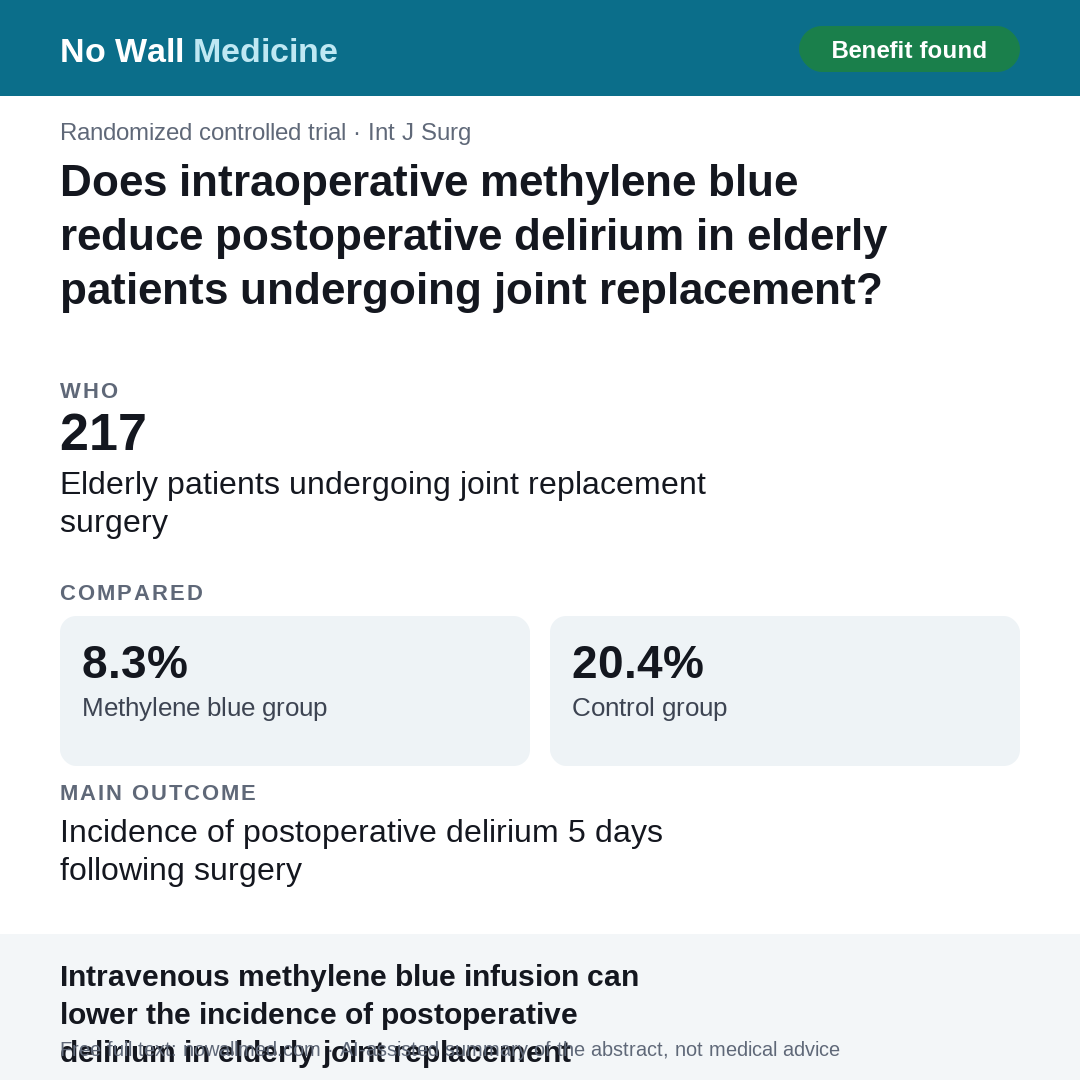
Effect of intraoperative methylene blue on postoperative delirium in elderly patients undergoing joint replacement: a randomized controlled trial
Randomized controlled trialBenefit found
Does intraoperative methylene blue reduce postoperative delirium in elderly patients undergoing joint replacement?
Who
217
Elderly patients undergoing joint replacement surgery
Compared
8.3%Methylene blue group
20.4%Control group
Main outcome
Incidence of postoperative delirium 5 days following surgery
Result: hazard ratio 0.39 (95% confidence interval: 0.173-0.858)
Bottom line: Intravenous methylene blue infusion can lower the incidence of postoperative delirium in elderly joint replacement patients.
Int J Surg · 2025-07-23Download image
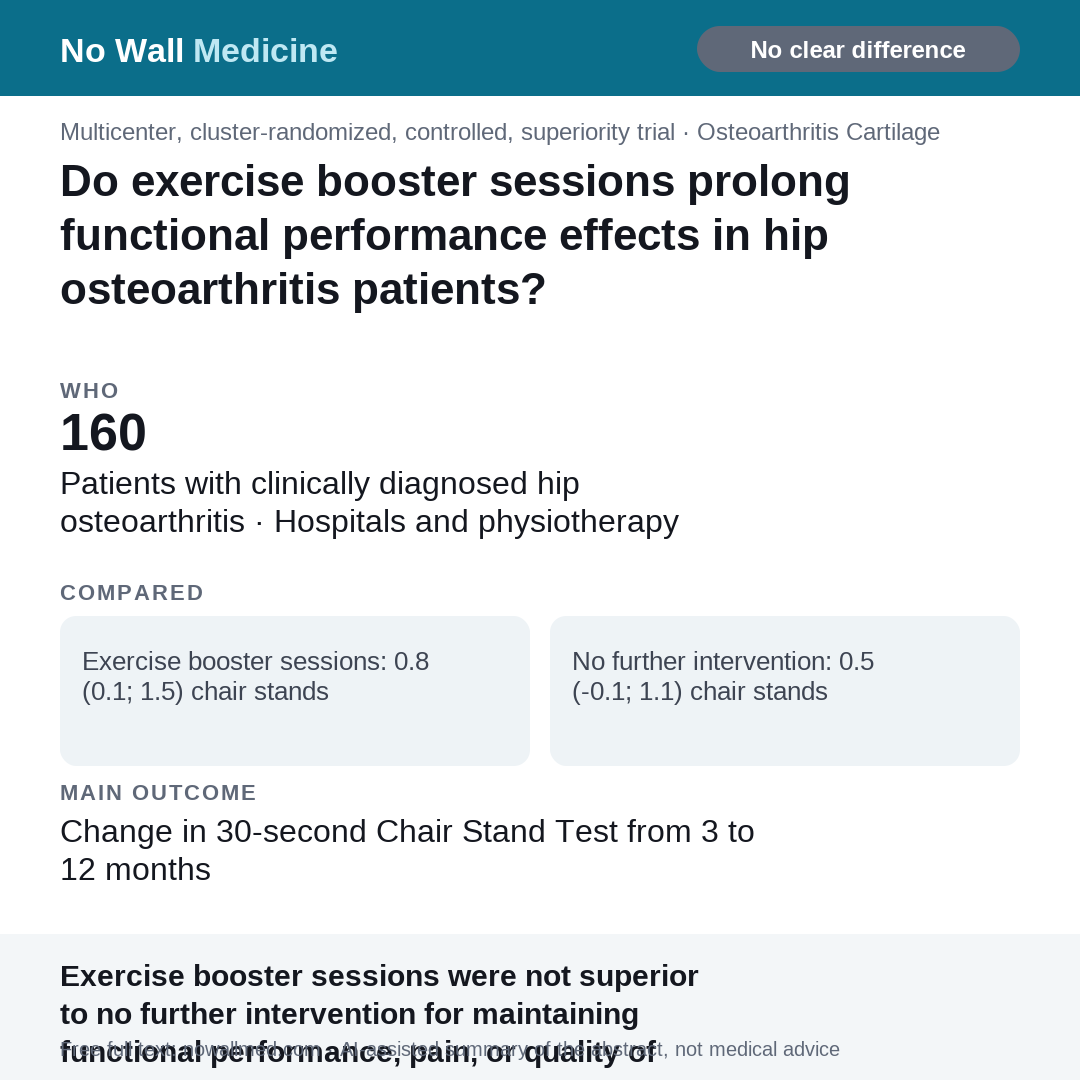
Booster sessions for maintaining the effect of neuromuscular exercise and progressive resistance training in hip osteoarthritis: 12-month follow-up from a multicenter cluster-randomized controlled trial
Multicenter, cluster-randomized, controlled, superiority trialNo clear difference
Do exercise booster sessions prolong functional performance effects in hip osteoarthritis patients?
Who
160
Patients with clinically diagnosed hip osteoarthritis · Hospitals and physiotherapy clinics
Compared
Exercise booster sessions: 0.8 (0.1; 1.5) chair stands
No further intervention: 0.5 (-0.1; 1.1) chair stands
Main outcome
Change in 30-second Chair Stand Test from 3 to 12 months
Result: difference: 0.3 [-0.6; 1.2]
Bottom line: Exercise booster sessions were not superior to no further intervention for maintaining functional performance, pain, or quality of life.
Osteoarthritis Cartilage · 2025-07-23Download image
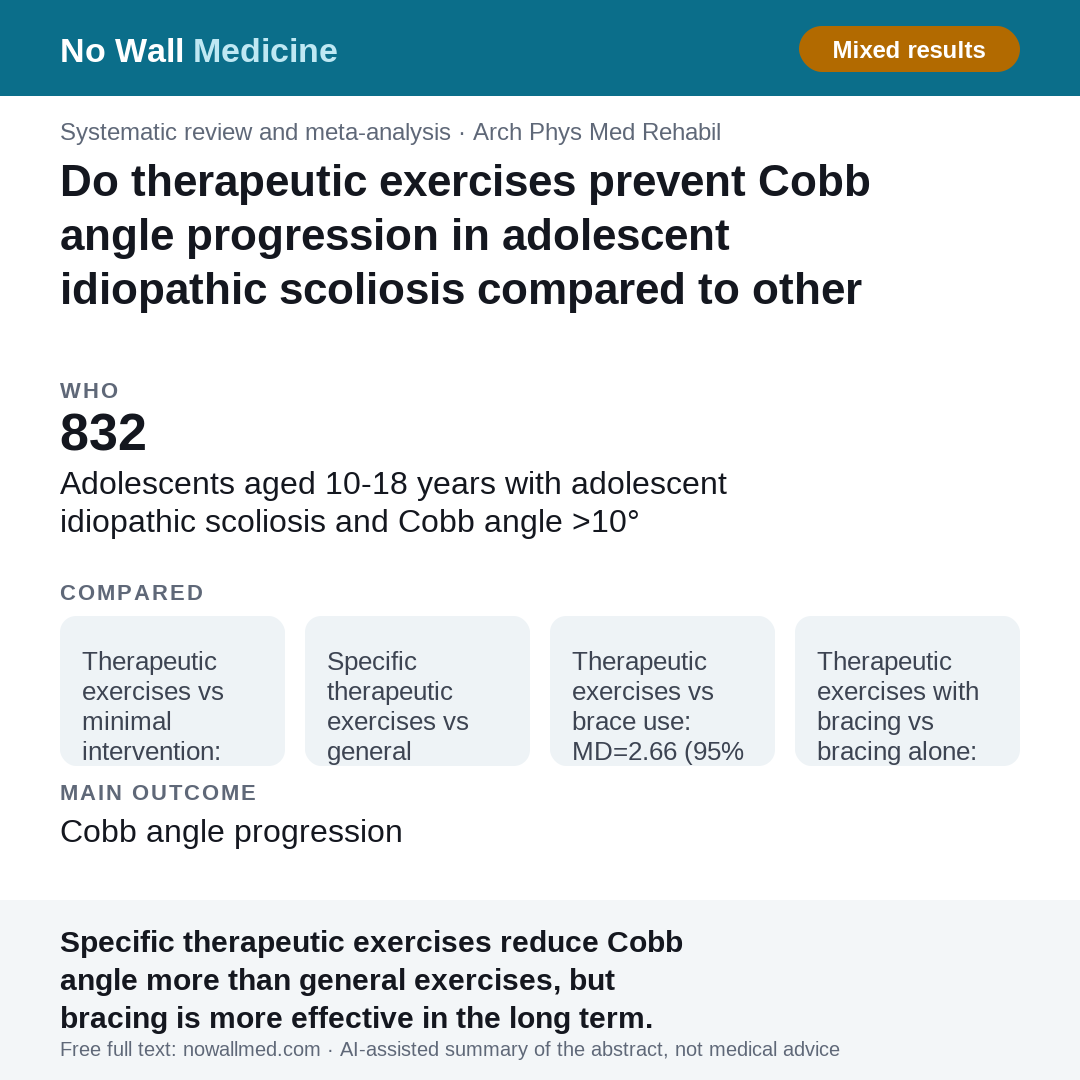
Impact of Therapeutic Exercises Versus General Conservative Modalities and Brace on the Progression of Adolescent Idiopathic Scoliosis: Systematic Review and Meta-analysis
Systematic review and meta-analysisMixed results
Do therapeutic exercises prevent Cobb angle progression in adolescent idiopathic scoliosis compared to other treatments?
Who
832
Adolescents aged 10-18 years with adolescent idiopathic scoliosis and Cobb angle >10°
Compared
Therapeutic exercises vs minimal intervention: mean difference -1.33 (95% CI -4.87 to 2.22)
Specific therapeutic exercises vs general exercises: MD=-6.00 (95% CI, -6.88 to -5.12) long term
Therapeutic exercises vs brace use: MD=2.66 (95% CI, 0.18-5.14) long term
Therapeutic exercises with bracing vs bracing alone: MD=2.25 (95% CI, -3.86 to -0.63) short term
Main outcome
Cobb angle progression
Bottom line: Specific therapeutic exercises reduce Cobb angle more than general exercises, but bracing is more effective in the long term.
Limitation: Further high-quality trials are needed to establish optimal treatment protocols.
Arch Phys Med Rehabil · 2025-07-23Download image
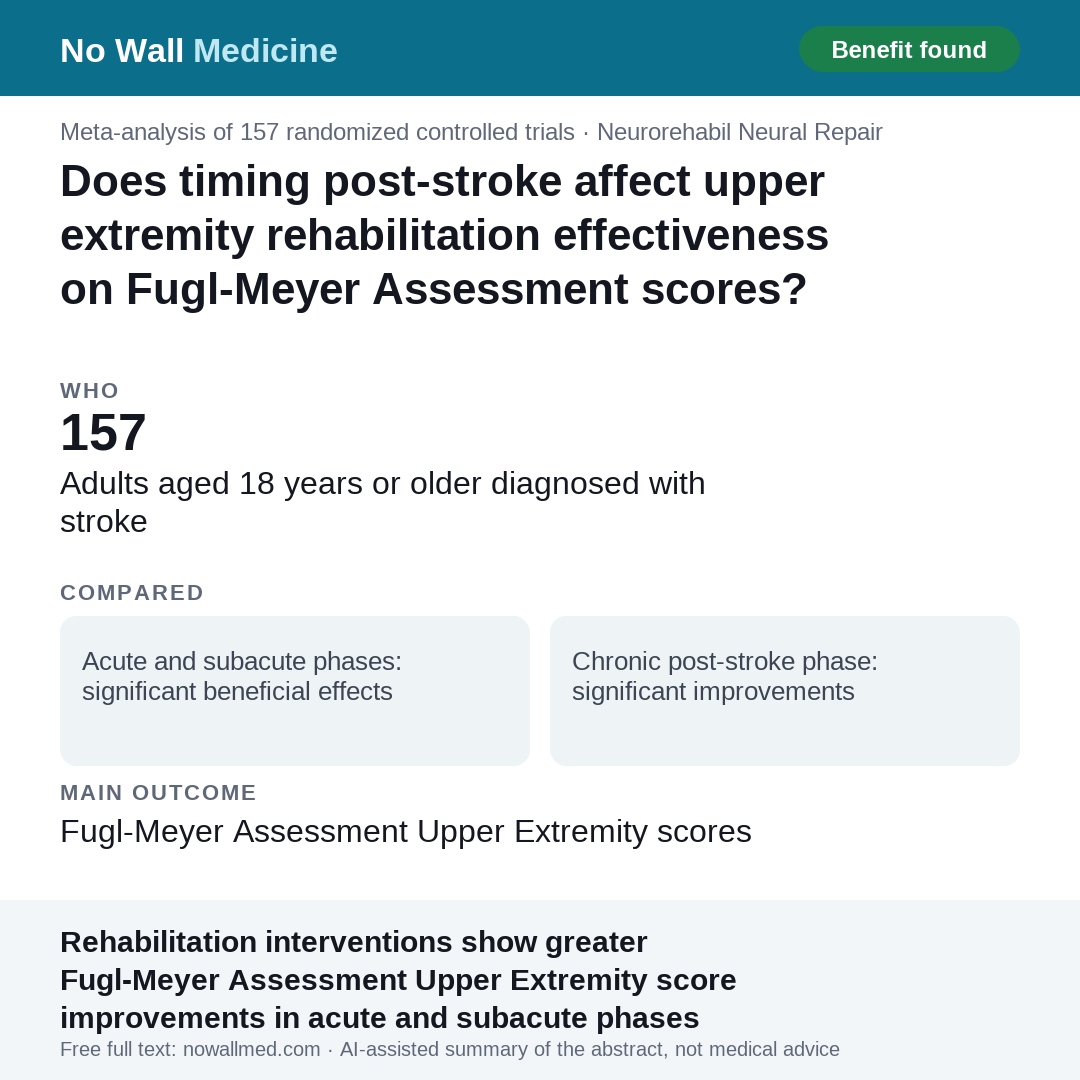
Time Post-Stroke and Upper Extremity Stroke Motor Recovery Rehabilitation: A Meta-Analysis
Meta-analysis of 157 randomized controlled trialsBenefit found
Does timing post-stroke affect upper extremity rehabilitation effectiveness on Fugl-Meyer Assessment scores?
Who
157
Adults aged 18 years or older diagnosed with stroke
Compared
Acute and subacute phases: significant beneficial effects
Chronic post-stroke phase: significant improvements
Main outcome
Fugl-Meyer Assessment Upper Extremity scores
Bottom line: Rehabilitation interventions show greater Fugl-Meyer Assessment Upper Extremity score improvements in acute and subacute phases than chronic phases.
Neurorehabil Neural Repair · 2025-07-23Download image