Visual abstracts
New randomized trials and meta-analyses from leading journals at a glance: who was studied, what was compared, and what was found. Every paper is free to read in full.
All specialtiesCardiology 4877Oncology 4138Gastroenterology & Hepatology 1942Infectious Disease 3837Neurology 1905Psychiatry & Mental Health 2273Pulmonology 2143Critical Care 1365Endocrinology & Diabetes 2580Pediatrics 2980Surgery 2559Orthopedics & Sports Medicine 931Neurosurgery 537Cardiothoracic & Vascular Surgery 674Plastic & Reconstructive Surgery 591Nephrology 1133Rheumatology 823Hematology 1109Dermatology 621Ophthalmology 543Obstetrics & Gynecology 1686Public & Global Health 1058Radiology & Imaging 648Anesthesiology 986Urology 764ENT (Otolaryngology) 503Emergency Medicine 511Allergy & Immunology 313Geriatrics 981Family Medicine & Primary Care 562Medical Genetics & Genomics 676Pathology & Laboratory Medicine 159Physical Medicine & Rehabilitation 757Palliative Care 444Nutrition 1588Digital Health & AI 2201General Medicine 321
Neuroimaging for prognosis of central nervous system infections: a systematic review and meta-analysis
Systematic review and meta-analysisBenefit found
Does neuroimaging provide prognostic value in patients with central nervous system infections?
Who
6,434
Patients with all-type central nervous system infections
Compared
Presence of neuroimaging features
Absence of neuroimaging features
Main outcome
unfavorable outcome and mortality
Result: Abnormal MRI odds ratio 3.55 (95%CI 1.81-6.96)
Bottom line: Neuroimaging features like abnormal MRI, brain ischemia, and hydrocephalus are associated with unfavorable outcomes in central nervous system infections.
Ann Intensive Care · 2025-07-16Download image

Economic costs of health and social care for a child with a life-limiting condition in their last year of life: a systematic review
Systematic reviewUnclear result
What are the economic costs of health and social care for children with life-limiting conditions?
Who
Children with a life-limiting condition in their last year of life
Compared
Younger children: more intensive and higher cost care
Specialist paediatric palliative care: overall lower costs
Main outcome
Economic costs of health and social care services
Bottom line: Reliable economic cost estimates could not be determined due to limited and heterogenic data.
Limitation: Limited and heterogenic data prevented a reliable robust estimate of economic costs.
BMJ Paediatr Open · 2025-07-16Download image

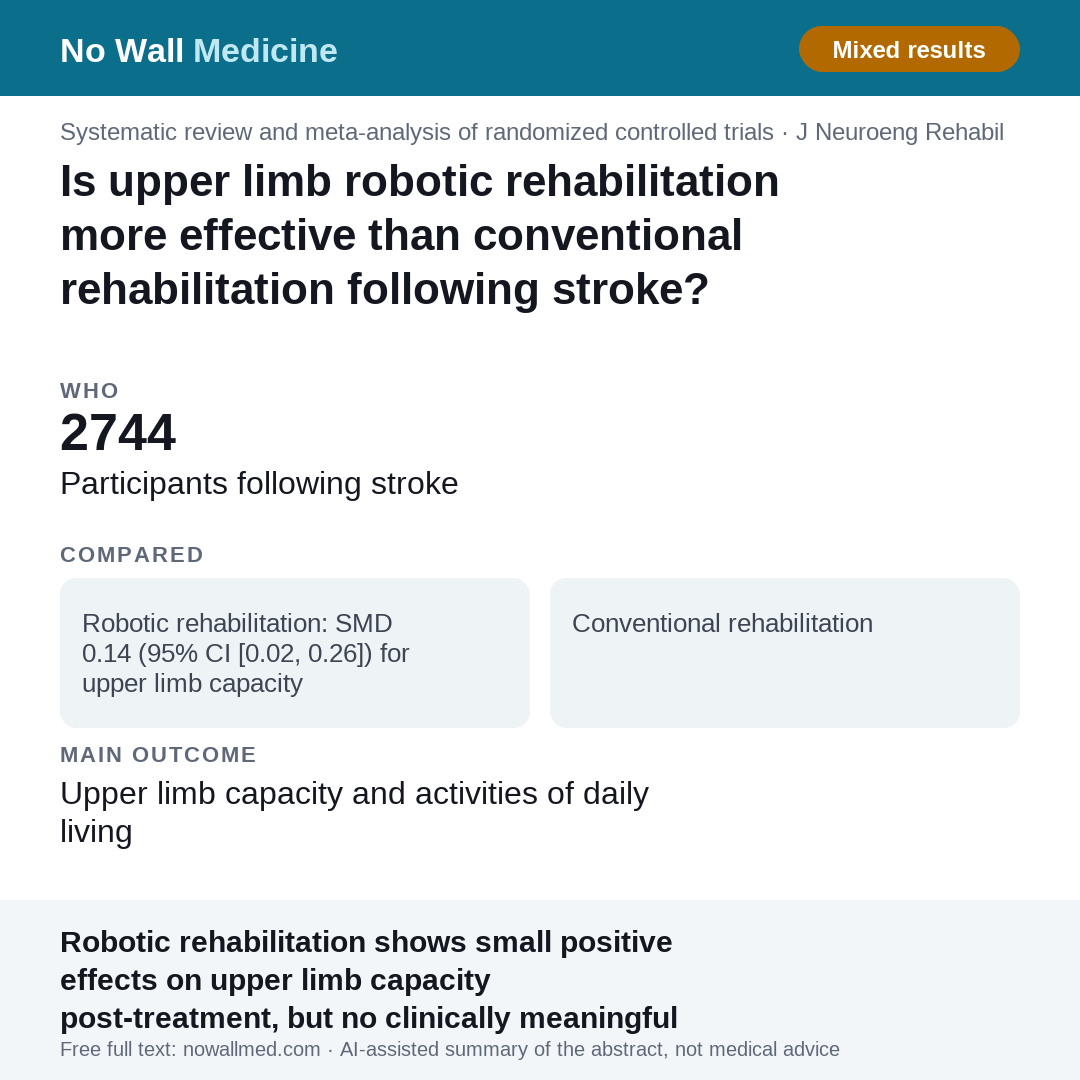
Upper limb robotic rehabilitation following stroke: a systematic review and meta-analysis investigating efficacy and the influence of device features and program parameters
Systematic review and meta-analysis of randomized controlled trialsMixed results
Is upper limb robotic rehabilitation more effective than conventional rehabilitation following stroke?
Who
2744
Participants following stroke
Compared
Robotic rehabilitation: SMD 0.14 (95% CI [0.02, 0.26]) for upper limb capacity
Conventional rehabilitation
Main outcome
Upper limb capacity and activities of daily living
Result: SMD 0.14 (95% CI [0.02, 0.26])
Bottom line: Robotic rehabilitation shows small positive effects on upper limb capacity post-treatment, but no clinically meaningful improvements in capacity or activities of daily living.
J Neuroeng Rehabil · 2025-07-16Download image
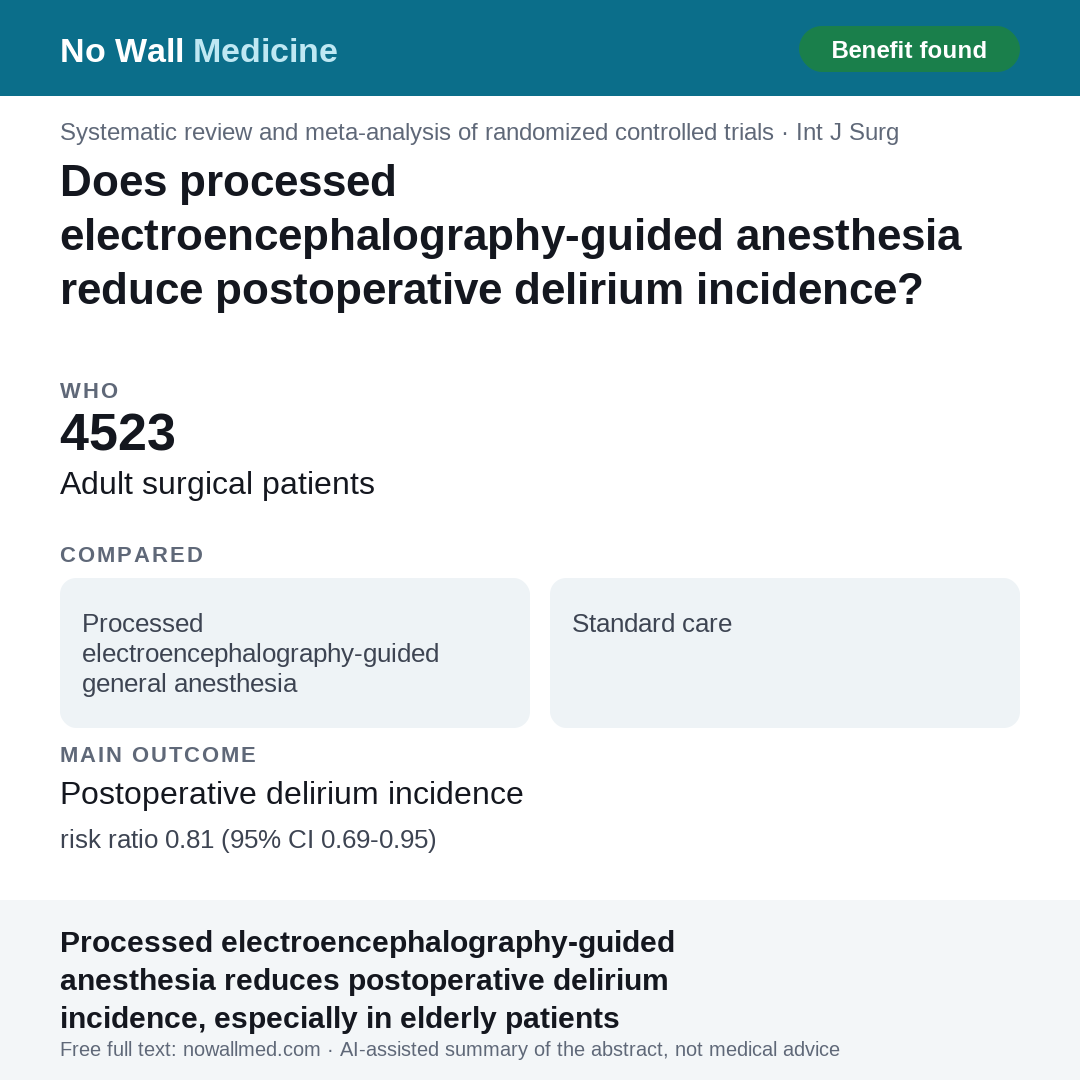
Effect of processed electroencephalography-guided anesthesia on postoperative delirium: an updated systematic review and meta-analysis
Systematic review and meta-analysis of randomized controlled trialsBenefit found
Does processed electroencephalography-guided anesthesia reduce postoperative delirium incidence?
Who
4523
Adult surgical patients
Compared
Processed electroencephalography-guided general anesthesia
Standard care
Main outcome
Postoperative delirium incidence
Result: risk ratio 0.81 (95% CI 0.69-0.95)
Bottom line: Processed electroencephalography-guided anesthesia reduces postoperative delirium incidence, especially in elderly patients and non-cardiac surgeries.
Limitation: Effectiveness may vary due to differences in practice, anesthetic protocols, and cultural factors.
Int J Surg · 2025-07-15Download image
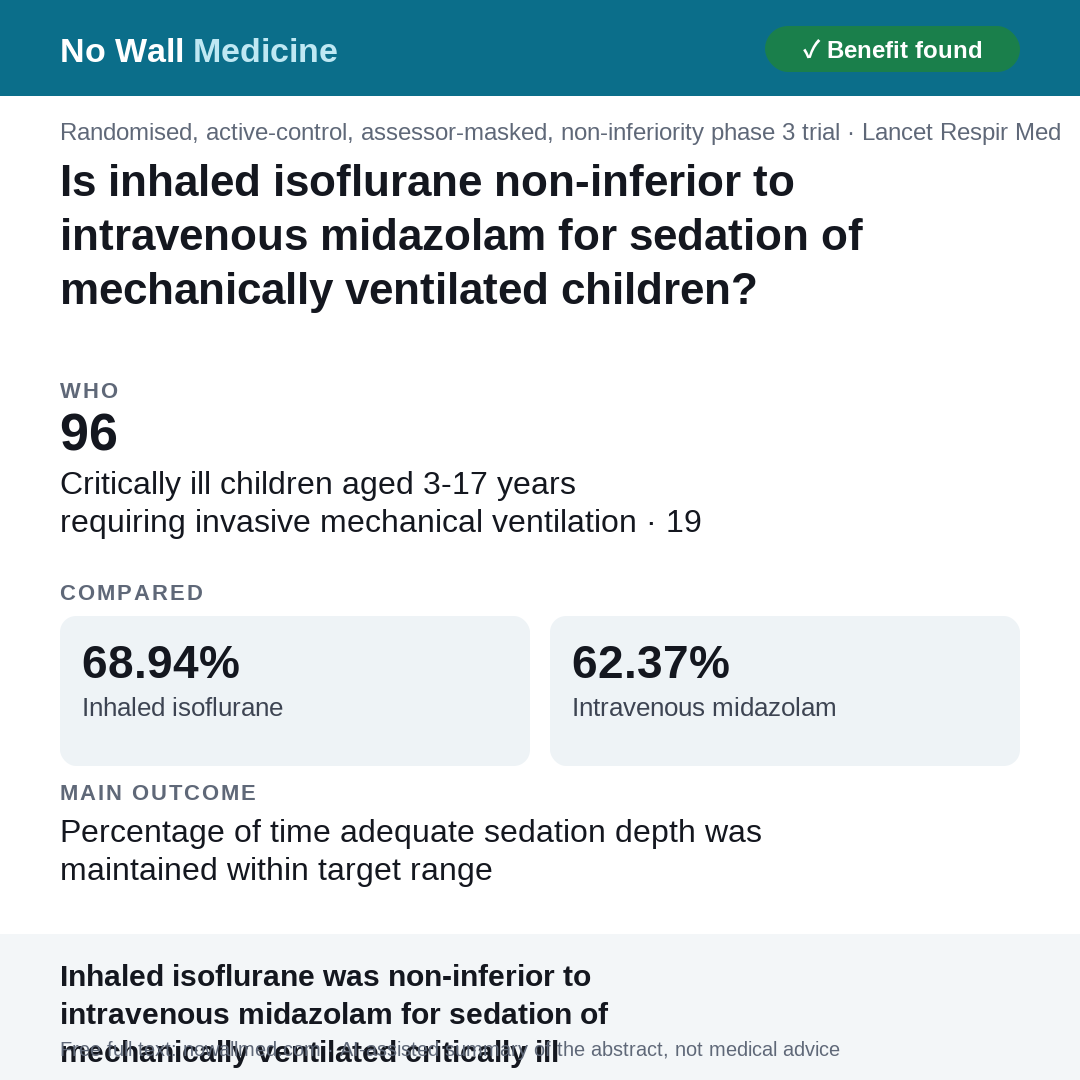
Inhaled isoflurane for sedation of mechanically ventilated children in intensive care (IsoCOMFORT): a multicentre, randomised, active-control, assessor-masked, non-inferiority phase 3 trial
Randomised, active-control, assessor-masked, non-inferiority phase 3 trialBenefit found
Is inhaled isoflurane non-inferior to intravenous midazolam for sedation of mechanically ventilated children?
Who
96
Critically ill children aged 3-17 years requiring invasive mechanical ventilation · 19 paediatric intensive care units in Spain, France, Germany, and UK
Compared
68.94%Inhaled isoflurane (95% CI 52.83-85.05)
62.37%Intravenous midazolam (44.70-80.04)
Main outcome
Percentage of time adequate sedation depth was maintained within target range
Result: least-squares mean difference 6.57 percentage points (95% CI -8.99 to 22.13)
Bottom line: Inhaled isoflurane was non-inferior to intravenous midazolam for sedation of mechanically ventilated critically ill children.
Funded by: Sedana Medical, Stockholm, Sweden
Lancet Respir Med · 2025-07-15Download image
Factors Influencing Quality of Life After Intensive Care: A Systematic Review and Meta-Analysis
Systematic review and meta-analysisMixed results
What factors influence quality of life in patients after intensive care?
Who
17298
post-intensive care unit patients
Compared
58.835Overall quality of life score (95% CI, 52.935-64.735)
49.517Physical component summary score (95% CI, 45.781-53.253)
53.509Mental component summary score (95% CI, 50.301-56.718)
Main outcome
quality of life levels and influencing factors
Bottom line: Post-intensive care quality of life is moderate, with physical health more impaired than mental health.
Crit Care Med · 2025-07-15Download image

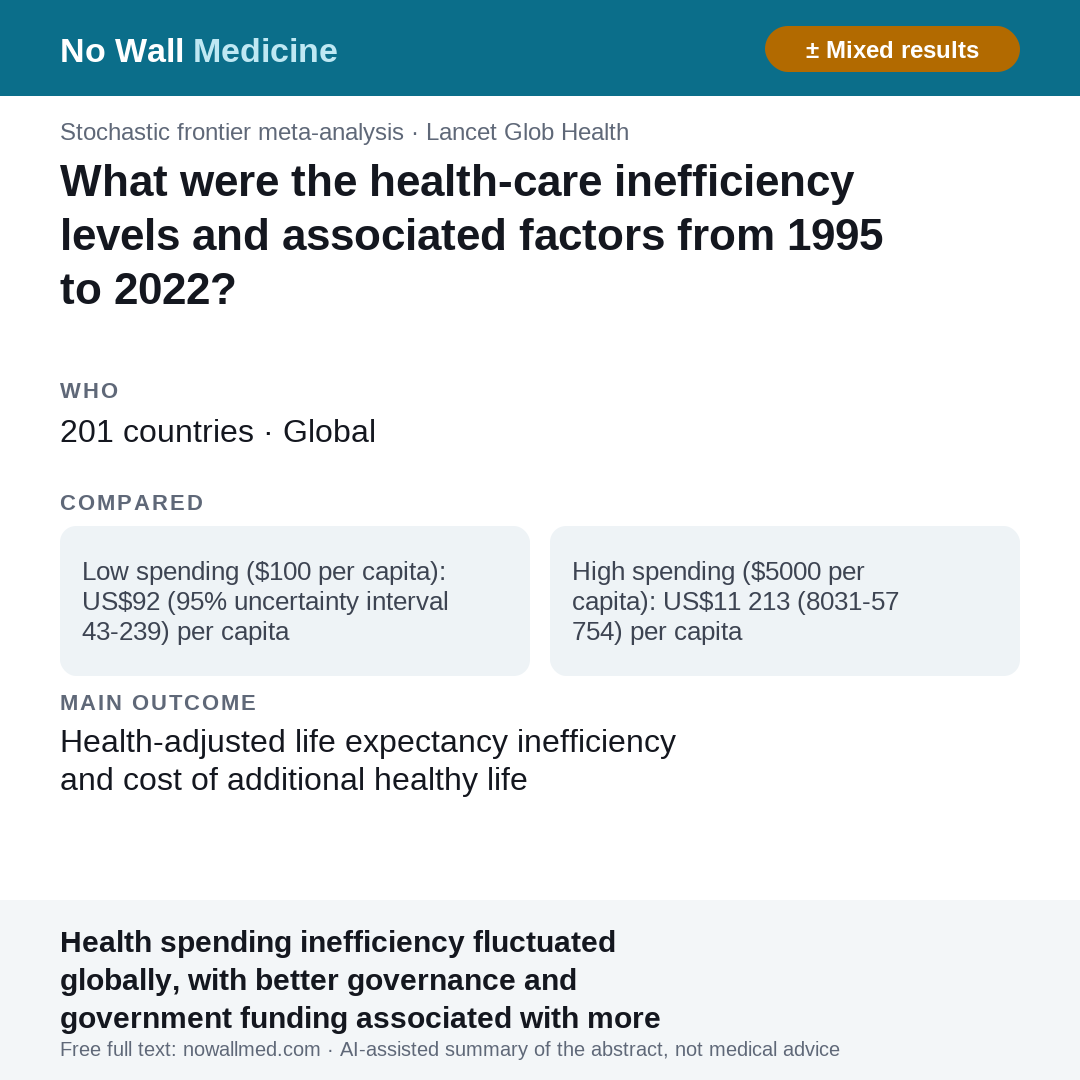
Global, regional, and national health-care inefficiency and associated factors in 201 countries, 1995-2022: a stochastic frontier meta-analysis for the Global Burden of Disease Study 2023
Stochastic frontier meta-analysisMixed results
What were the health-care inefficiency levels and associated factors from 1995 to 2022?
Who
201 countries · Global
Compared
Low spending ($100 per capita): US$92 (95% uncertainty interval 43-239) per capita
High spending ($5000 per capita): US$11 213 (8031-57 754) per capita
Main outcome
Health-adjusted life expectancy inefficiency and cost of additional healthy life
Bottom line: Health spending inefficiency fluctuated globally, with better governance and government funding associated with more efficient health-care spending.
Funded by: Bill & Melinda Gates Foundation
Lancet Glob Health · 2025-07-15Download image
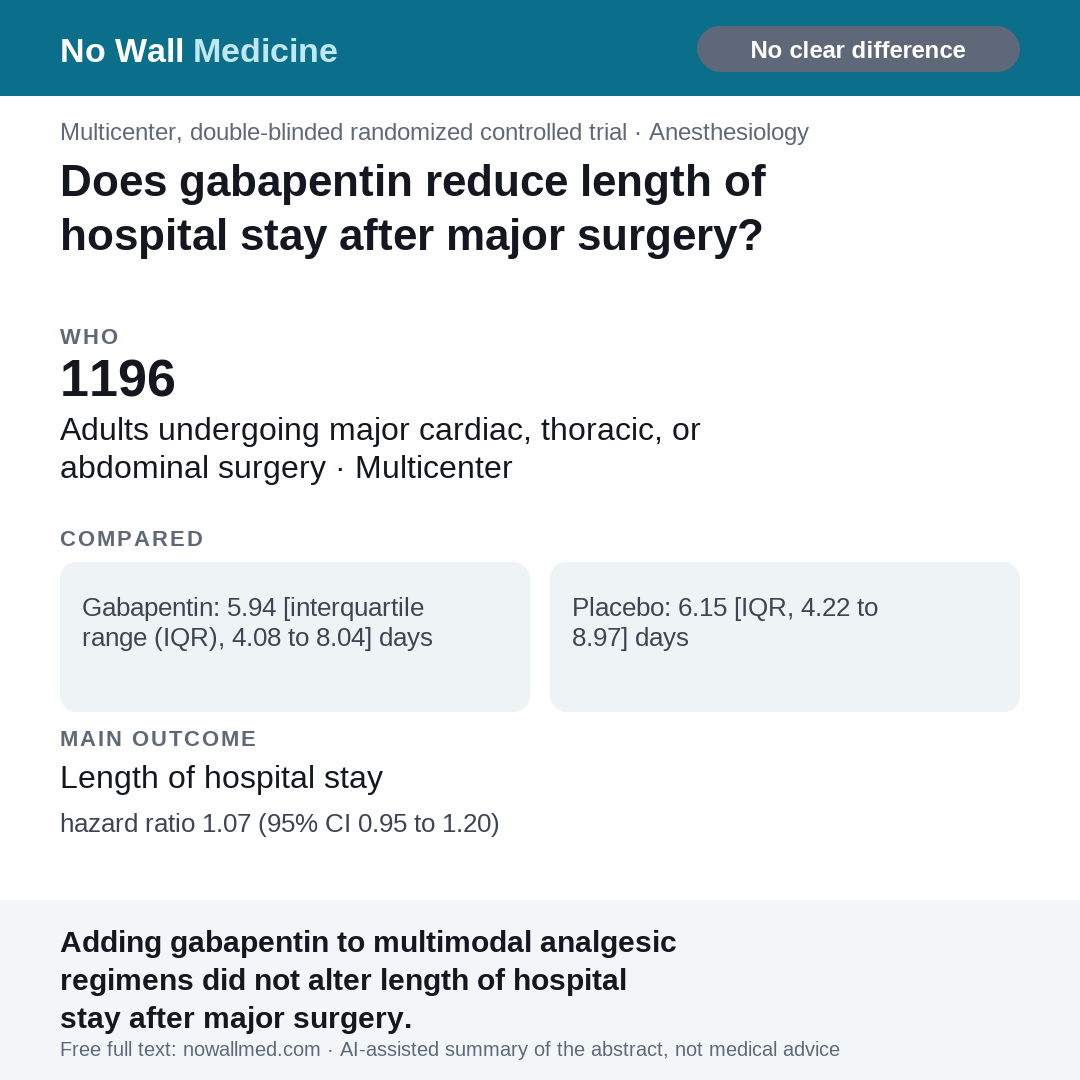
Gabapentin for Pain Management after Major Surgery: A Placebo-controlled, Double-blinded, Randomized Clinical Trial (the GAP Study)
Multicenter, double-blinded randomized controlled trialNo clear difference
Does gabapentin reduce length of hospital stay after major surgery?
Who
1196
Adults undergoing major cardiac, thoracic, or abdominal surgery · Multicenter
Compared
Gabapentin: 5.94 [interquartile range (IQR), 4.08 to 8.04] days
Placebo: 6.15 [IQR, 4.22 to 8.97] days
Main outcome
Length of hospital stay
Result: hazard ratio 1.07 (95% CI 0.95 to 1.20)
Bottom line: Adding gabapentin to multimodal analgesic regimens did not alter length of hospital stay after major surgery.
Anesthesiology · 2025-07-15Download image
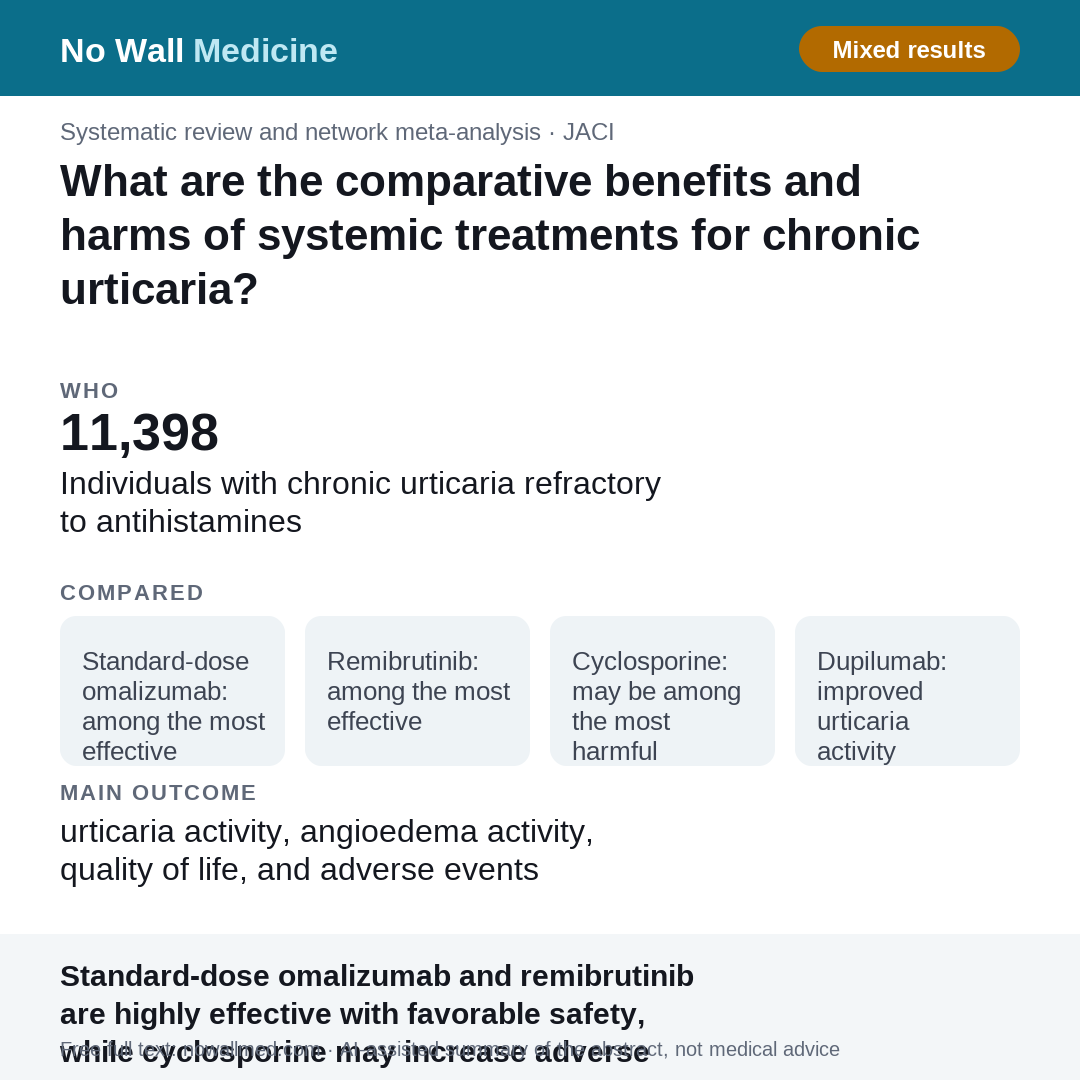
Comparative efficacy and safety of biologics and systemic immunomodulatory treatments for chronic urticaria: Systematic review and network meta-analysis
Systematic review and network meta-analysisMixed results
What are the comparative benefits and harms of systemic treatments for chronic urticaria?
Who
11,398
Individuals with chronic urticaria refractory to antihistamines
Compared
Standard-dose omalizumab: among the most effective
Remibrutinib: among the most effective
Cyclosporine: may be among the most harmful
Dupilumab: improved urticaria activity
Main outcome
urticaria activity, angioedema activity, quality of life, and adverse events
Bottom line: Standard-dose omalizumab and remibrutinib are highly effective with favorable safety, while cyclosporine may increase adverse events.
Limitation: The safety profile of remibrutinib is less certain.
JACI · 2025-07-15Download image
Cardio-microcurrent device treatment for heart failure with reduced ejection fraction: Results from the C-MIC II open-label randomized controlled trial
Open-label randomized controlled trialBenefit found
Does cardio-microcurrent device treatment improve outcomes in heart failure patients?
Who
70
Ambulatory patients with non-ischaemic dilated cardiomyopathy and reduced ejection fraction
Compared
C-MIC device
control
Main outcome
change in left ventricular ejection fraction at 6 months
Result: mean difference: 5.1% (95% confidence interval 3.1-7.1%)
Bottom line: The C-MIC device improved ejection fraction, symptoms, functional capacity, and quality of life in heart failure patients.
Eur J Heart Fail · 2025-07-15Download image

Efficacy and safety of earlier switching to an oral antibiotic therapy for the treatment of Gram-positive bloodstream infections: a systematic review and meta-analysis
Systematic review and meta-analysisBenefit found
Is early switching to oral antibiotics effective for Gram-positive bloodstream infections?
Who
6015
Patients with Gram-positive bloodstream infections
Compared
Oral switch
Intravenous therapy
Main outcome
Treatment failure, mortality, recurrence, readmission, stay, and adverse events
Result: 30-day mortality OR 0.33 (95% CI 0.13, 0.83); 90-day mortality OR 0.59 (95% CI 0.36, 0.97)
Bottom line: Switching from intravenous to oral therapy reduces mortality and hospital stay for Gram-positive bloodstream infections.
J Antimicrob Chemother · 2025-07-15Download image

Regional effects of gantenerumab on neuroimaging biomarkers in the DIAN-TU-001 trial
Randomized trialMixed results
How does gantenerumab affect neuroimaging biomarkers in dominantly inherited Alzheimer's disease?
Who
92
Carriers with dominantly inherited Alzheimer's disease
Compared
Gantenerumab: significantly reduced Pittsburgh compound-B positron emission tomography uptake
Placebo
Main outcome
Amyloid removal, glucose metabolism, and atrophy
Bottom line: Gantenerumab significantly reduced amyloid burden in most brain regions but showed no changes in glucose metabolism or atrophy.
Alzheimers Dement · 2025-07-15Download image

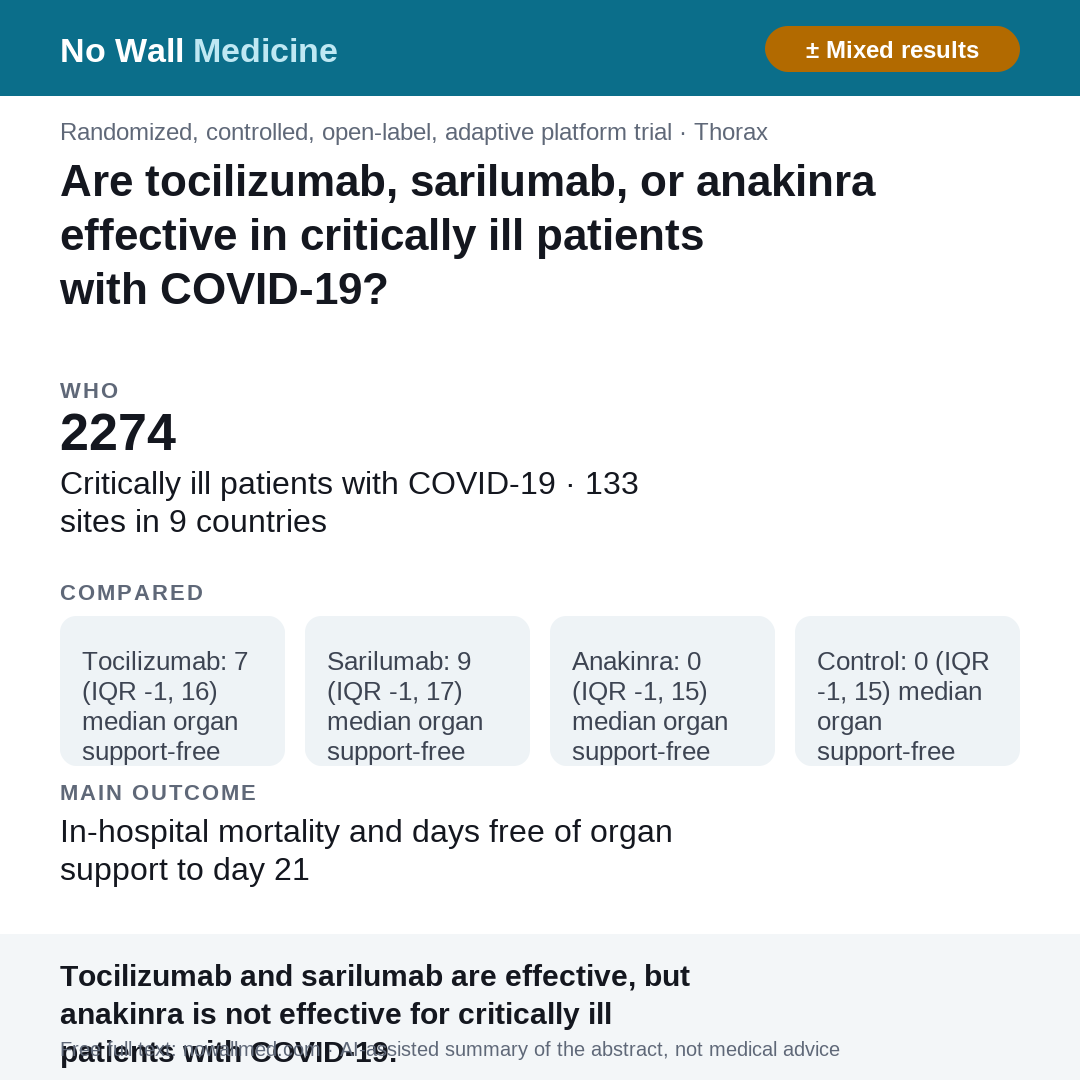
Tocilizumab, sarilumab and anakinra in critically ill patients with COVID-19: a randomised, controlled, open-label, adaptive platform trial
Randomized, controlled, open-label, adaptive platform trialMixed results
Are tocilizumab, sarilumab, or anakinra effective in critically ill patients with COVID-19?
Who
2274
Critically ill patients with COVID-19 · 133 sites in 9 countries
Compared
Tocilizumab: 7 (IQR -1, 16) median organ support-free days
Sarilumab: 9 (IQR -1, 17) median organ support-free days
Anakinra: 0 (IQR -1, 15) median organ support-free days
Control: 0 (IQR -1, 15) median organ support-free days
Main outcome
In-hospital mortality and days free of organ support to day 21
Result: adjusted ORs 1.46 (95% CrI 1.13, 1.87), 1.50 (95% CrI 1.13, 2.00) and 0.99 (95% CrI 0.74, 1.35)
Bottom line: Tocilizumab and sarilumab are effective, but anakinra is not effective for critically ill patients with COVID-19.
Thorax · 2025-07-15Download image
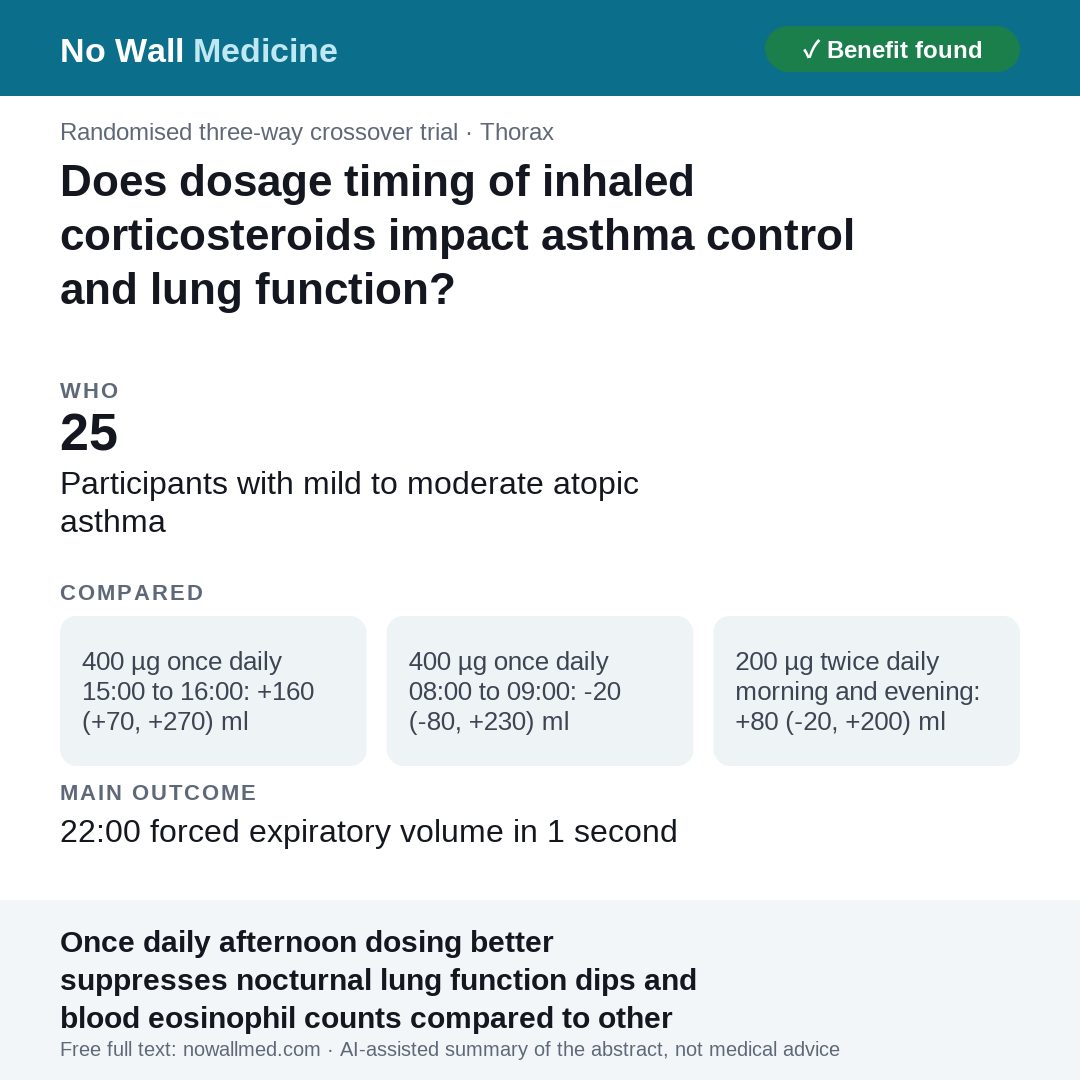
The impact of dosage timing for inhaled corticosteroids in asthma: a randomised three-way crossover trial
Randomised three-way crossover trialBenefit found
Does dosage timing of inhaled corticosteroids impact asthma control and lung function?
Who
25
Participants with mild to moderate atopic asthma
Compared
400 µg once daily 15:00 to 16:00: +160 (+70, +270) ml
400 µg once daily 08:00 to 09:00: -20 (-80, +230) ml
200 µg twice daily morning and evening: +80 (-20, +200) ml
Main outcome
22:00 forced expiratory volume in 1 second
Bottom line: Once daily afternoon dosing better suppresses nocturnal lung function dips and blood eosinophil counts compared to other regimens.
Thorax · 2025-07-15Download image
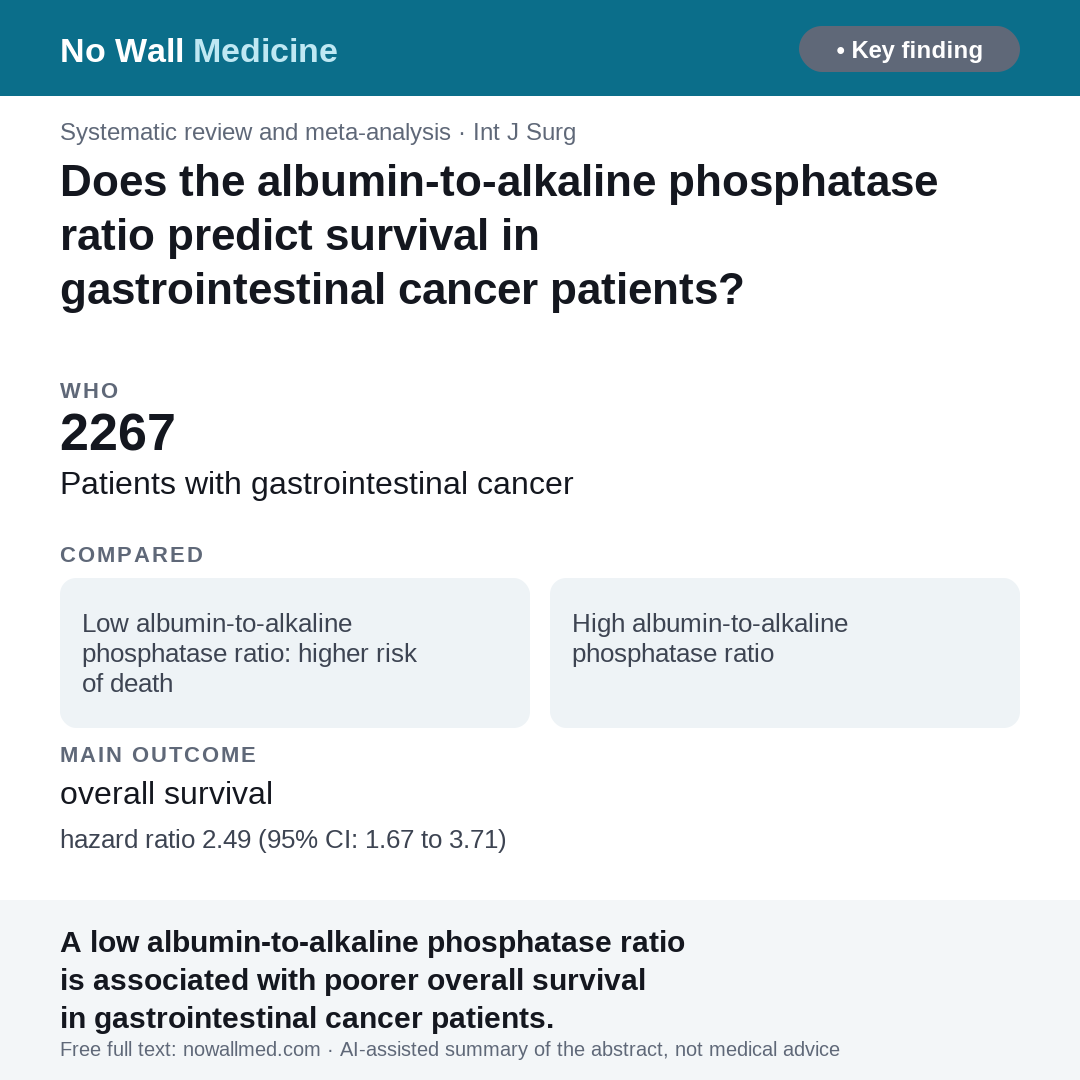
Prognostic significance of the albumin-to-alkaline phosphatase ratio in gastrointestinal cancer patients: a systematic review and meta-analysis
Systematic review and meta-analysisBenefit found
Does the albumin-to-alkaline phosphatase ratio predict survival in gastrointestinal cancer patients?
Who
2267
Patients with gastrointestinal cancer
Compared
Low albumin-to-alkaline phosphatase ratio: higher risk of death
High albumin-to-alkaline phosphatase ratio
Main outcome
overall survival
Result: hazard ratio 2.49 (95% CI: 1.67 to 3.71)
Bottom line: A low albumin-to-alkaline phosphatase ratio is associated with poorer overall survival in gastrointestinal cancer patients.
Limitation: Publication bias was detected in the overall survival meta-analysis.
Int J Surg · 2025-07-15Download image
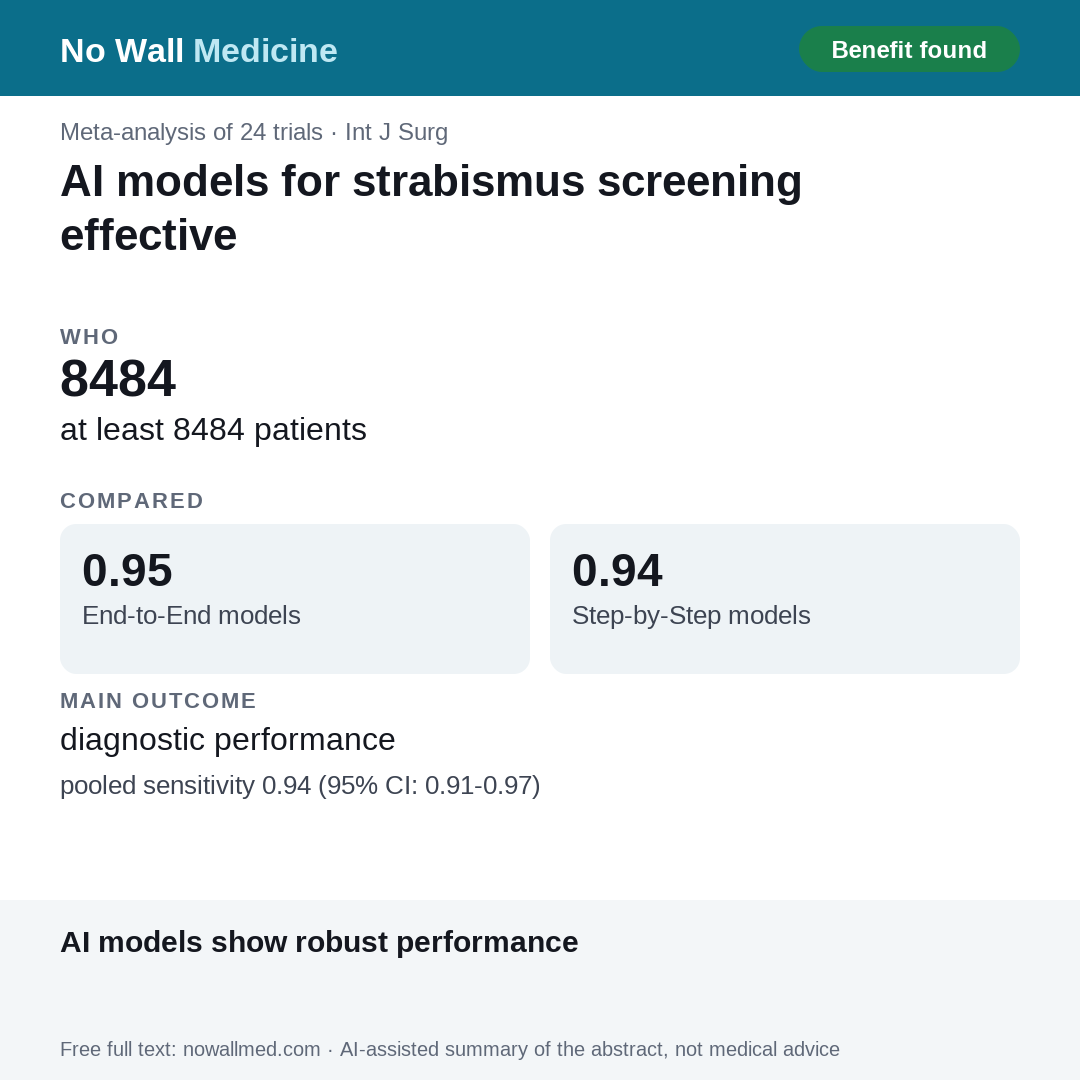
Systematic review and meta-analysis of artificial intelligence models for strabismus screening: methodological insights and future directions
Meta-analysis of 24 trialsBenefit found
AI models for strabismus screening effective
Who
8484
at least 8484 patients
Compared
0.95End-to-End models (0.91-0.97)
0.94Step-by-Step models (0.85-0.97)
Main outcome
diagnostic performance
Result: pooled sensitivity 0.94 (95% CI: 0.91-0.97)
Bottom line: AI models show robust performance
Limitation: low risk of bias except index test
Int J Surg · 2025-07-15Download image
Effectiveness and Safety of RHA3 vs a Comparator Product for Lip Augmentation: A Randomized, Controlled, Prospective, Multicenter Clinical Study
Randomized, controlled, double-blinded, multicenter clinical studyBenefit found
Is RHA3 as effective as a comparator for lip augmentation?
Who
202
Patients seeking lip augmentation in the United States · Multicenter
Compared
RHA3
Comparator
Main outcome
Teoxane Lip Fullness Scale at 12 weeks
Bottom line: RHA3 was noninferior to the comparator, providing sustained lip volume enhancement and high patient satisfaction.
Aesthet Surg J · 2025-07-15Download image

The 2018 World Cancer Research Fund/American Institute for Cancer Research Score and Cancer Risk: results from the diabetes prevention program outcomes study
Observational follow-up of a randomized clinical trialBenefit found
Does alignment with cancer prevention recommendations reduce incident lifestyle-related cancer risk?
Who
3000
Adults with prediabetes
Compared
1-unit score improvement from 0 to 1 year: 14% lower risk
Time-dependent scores: 9% lower risk
Main outcome
Incident lifestyle-related cancer
Result: hazard ratio 0.86 (95% CI 0.76, 0.97)
Bottom line: Improving lifestyle score alignment from year 0 to 1 is associated with lower lifestyle-related cancer risk.
Am J Clin Nutr · 2025-07-15Download image

Plasma chylomicron-rich lipidomic and fatty acid profile following a meat or analog meal in healthy males: A randomized controlled trial
Randomized crossover trialMixed results
How do meat or plant-based meat alternatives affect postprandial lipid and fatty acid profiles?
Who
27
Healthy males
Compared
Grain-fed beef and lamb: significantly lower triglyceride response in plasma compared to plant-based meat alternatives
Plant-based meat alternatives: higher triglyceride response in plasma
Main outcome
fatty acid distribution, lipidome, and plasma lipids
Bottom line: Meat meals showed subtle differences in lipid responses compared to plant-based meat alternatives.
Am J Clin Nutr · 2025-07-15Download image

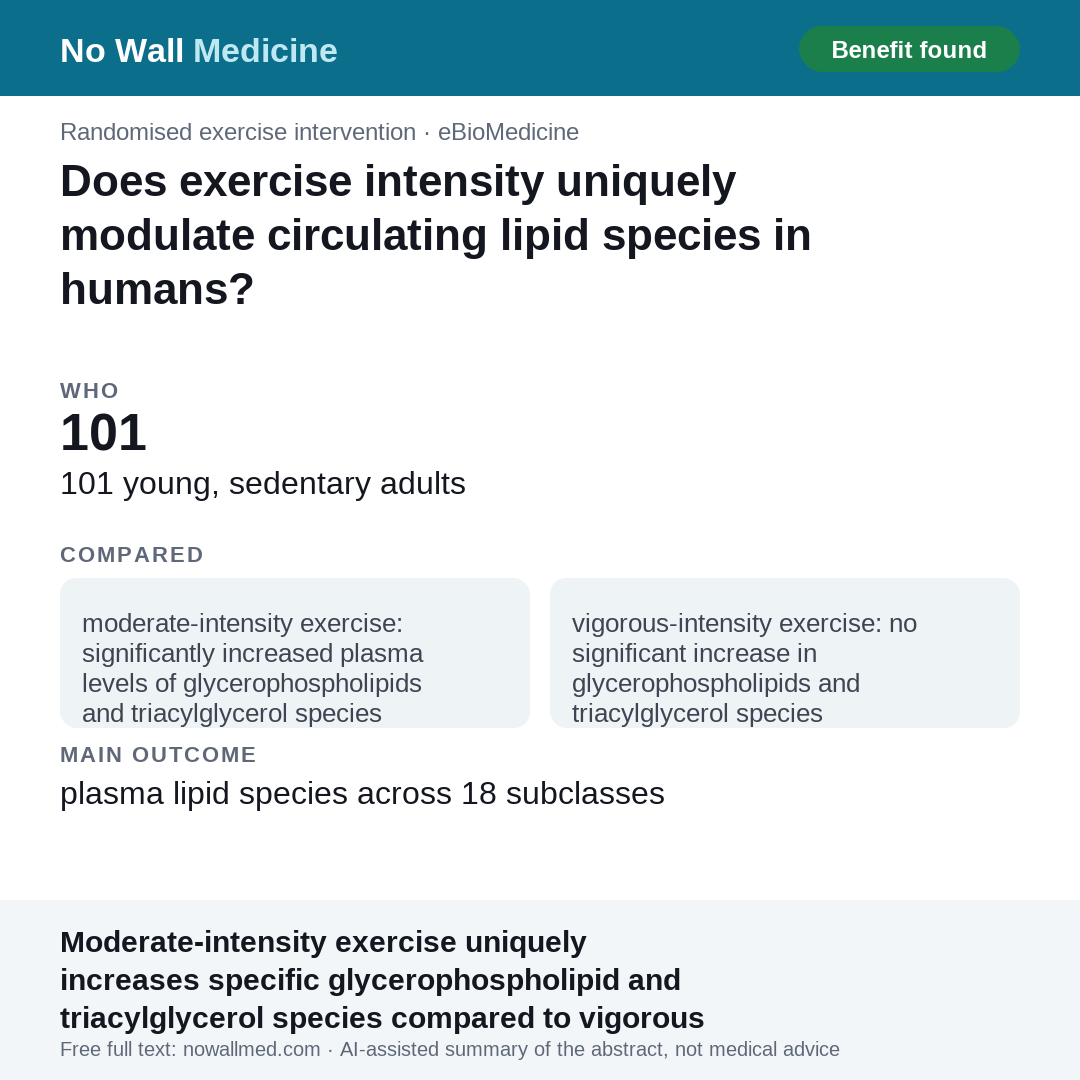
Moderate-intensity exercise training uniquely modulates circulating lipid species beyond classical lipid levels in humans
Randomised exercise interventionBenefit found
Does exercise intensity uniquely modulate circulating lipid species in humans?
Who
101
101 young, sedentary adults
Compared
moderate-intensity exercise: significantly increased plasma levels of glycerophospholipids and triacylglycerol species
vigorous-intensity exercise: no significant increase in glycerophospholipids and triacylglycerol species
Main outcome
plasma lipid species across 18 subclasses
Bottom line: Moderate-intensity exercise uniquely increases specific glycerophospholipid and triacylglycerol species compared to vigorous intensity.
Funded by: Junta de Andalucía, ERDF, Spanish Ministry of Economy, AstraZeneca HealthCare Foundation
eBioMedicine · 2025-07-15Download image