Visual abstracts
New randomized trials and meta-analyses from leading journals at a glance: who was studied, what was compared, and what was found. Every paper is free to read in full.
All specialtiesCardiology 4877Oncology 4138Gastroenterology & Hepatology 1942Infectious Disease 3837Neurology 1905Psychiatry & Mental Health 2273Pulmonology 2143Critical Care 1365Endocrinology & Diabetes 2580Pediatrics 2980Surgery 2559Orthopedics & Sports Medicine 931Neurosurgery 537Cardiothoracic & Vascular Surgery 674Plastic & Reconstructive Surgery 591Nephrology 1133Rheumatology 823Hematology 1109Dermatology 621Ophthalmology 543Obstetrics & Gynecology 1686Public & Global Health 1058Radiology & Imaging 648Anesthesiology 986Urology 764ENT (Otolaryngology) 503Emergency Medicine 511Allergy & Immunology 313Geriatrics 981Family Medicine & Primary Care 562Medical Genetics & Genomics 676Pathology & Laboratory Medicine 159Physical Medicine & Rehabilitation 757Palliative Care 444Nutrition 1588Digital Health & AI 2201General Medicine 321
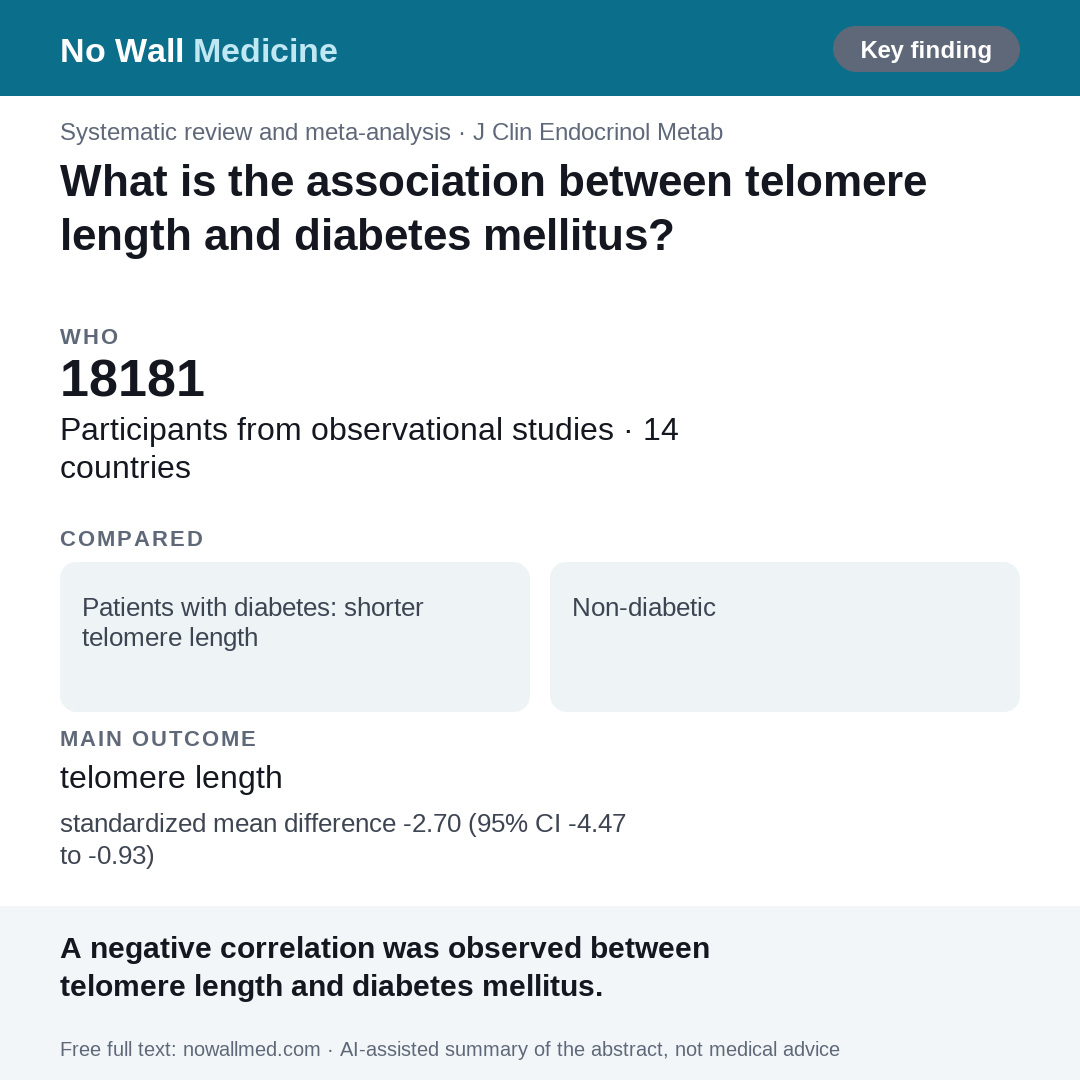
The Association Between Telomere Length and Diabetes Mellitus: Accumulated Evidence From Observational Studies
Systematic review and meta-analysisHarm found
What is the association between telomere length and diabetes mellitus?
Who
18181
Participants from observational studies · 14 countries
Compared
Patients with diabetes: shorter telomere length
Non-diabetic
Main outcome
telomere length
Result: standardized mean difference -2.70 (95% CI -4.47 to -0.93)
Bottom line: A negative correlation was observed between telomere length and diabetes mellitus.
J Clin Endocrinol Metab · 2024-08-01Download image
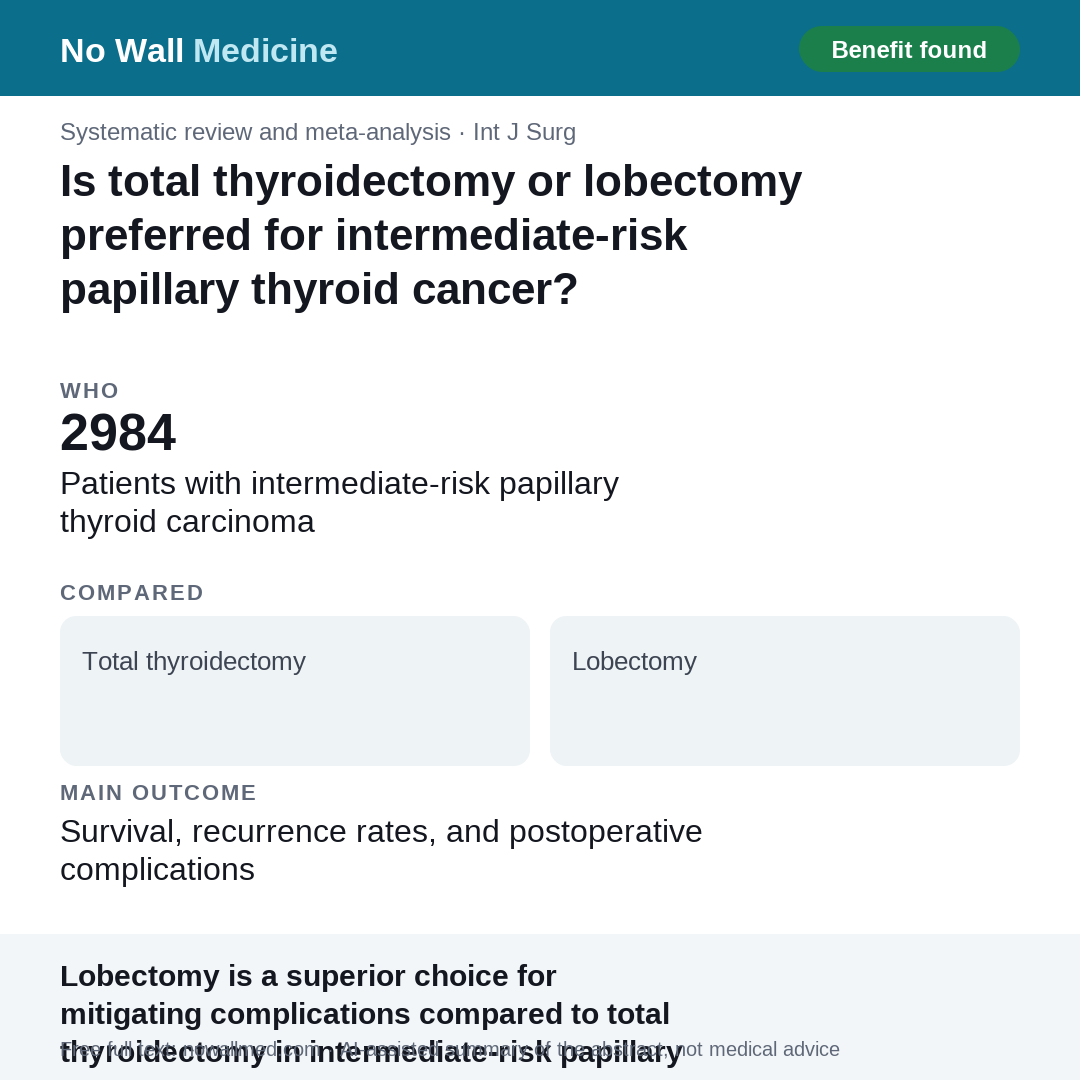
The preferred surgical choice for intermediate-risk papillary thyroid cancer: total thyroidectomy or lobectomy? A systematic review and meta-analysis
Systematic review and meta-analysisBenefit found
Is total thyroidectomy or lobectomy preferred for intermediate-risk papillary thyroid cancer?
Who
2984
Patients with intermediate-risk papillary thyroid carcinoma
Compared
Total thyroidectomy
Lobectomy
Main outcome
Survival, recurrence rates, and postoperative complications
Result: risk ratio 0.32 (95% CI 0.24-0.44)
Bottom line: Lobectomy is a superior choice for mitigating complications compared to total thyroidectomy in intermediate-risk papillary thyroid cancer.
Int J Surg · 2024-08-01Download image
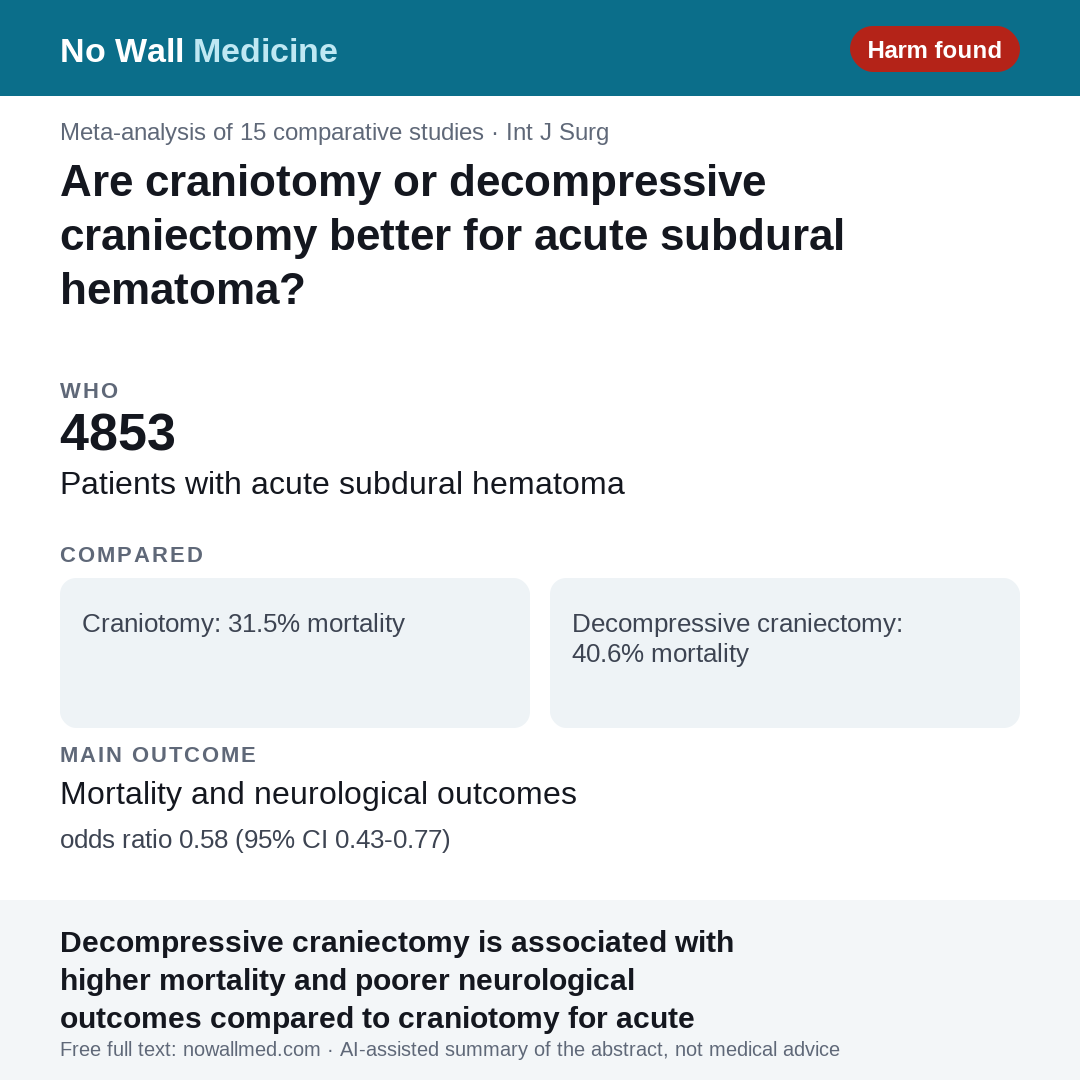
Comparison of craniotomy and decompressive craniectomy for acute subdural hematoma: a meta-analysis of comparative study
Meta-analysis of 15 comparative studiesHarm found
Are craniotomy or decompressive craniectomy better for acute subdural hematoma?
Who
4853
Patients with acute subdural hematoma
Compared
Craniotomy: 31.5% mortality
Decompressive craniectomy: 40.6% mortality
Main outcome
Mortality and neurological outcomes
Result: odds ratio 0.58 (95% CI 0.43-0.77)
Bottom line: Decompressive craniectomy is associated with higher mortality and poorer neurological outcomes compared to craniotomy for acute subdural hematoma.
Int J Surg · 2024-08-01Download image
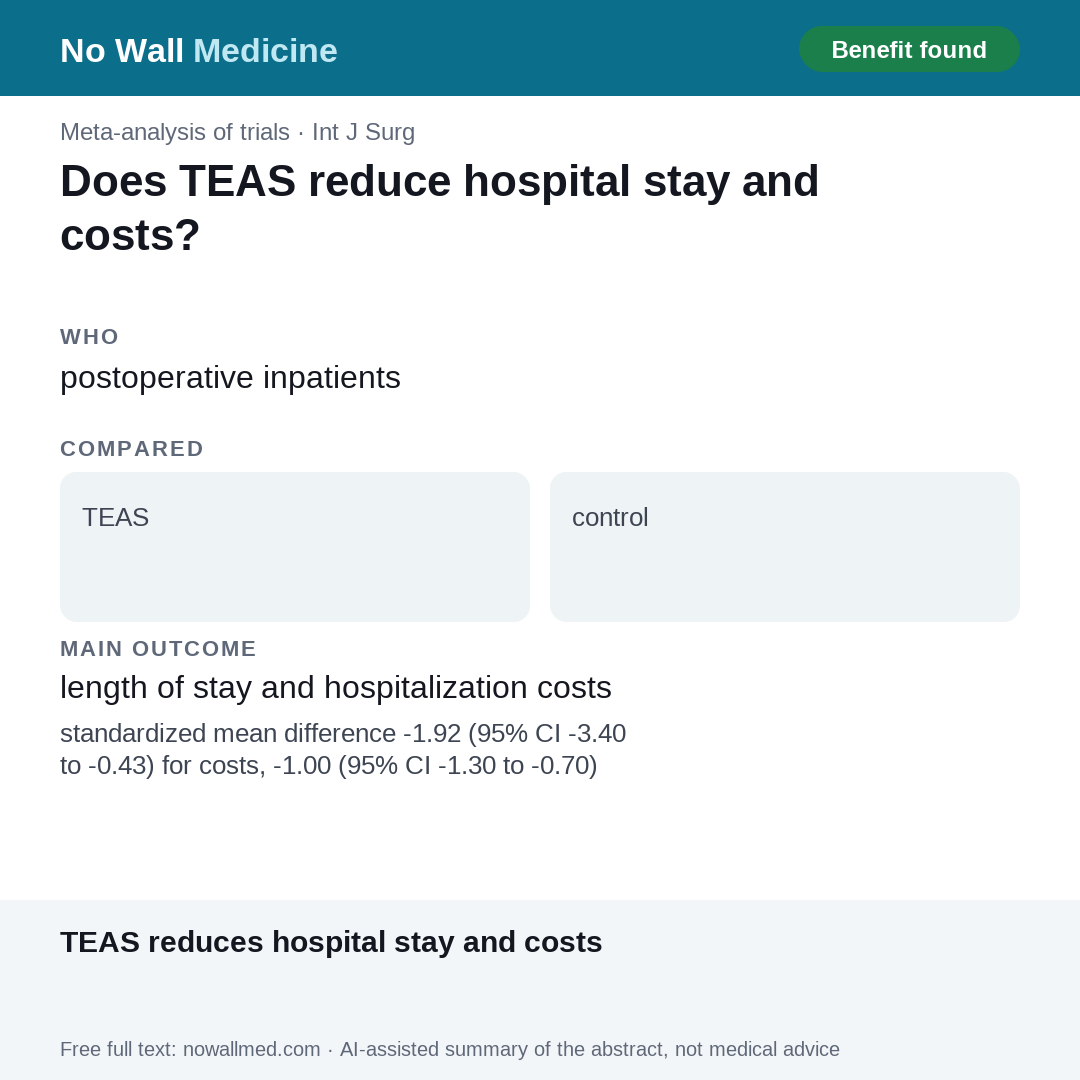
Transcutaneous electrical acupoint stimulation reduces postoperative patients' length of stay and hospitalization costs: a systematic review and meta-analysis
Meta-analysis of trialsBenefit found
Does TEAS reduce hospital stay and costs?
Who
postoperative inpatients
Compared
TEAS
control
Main outcome
length of stay and hospitalization costs
Result: standardized mean difference -1.92 (95% CI -3.40 to -0.43) for costs, -1.00 (95% CI -1.30 to -0.70) for LOS, -0.70 (95% CI -0.91 to -0.49) for postoperative LOS
Bottom line: TEAS reduces hospital stay and costs
Limitation: bias and heterogeneity
Int J Surg · 2024-08-01Download image
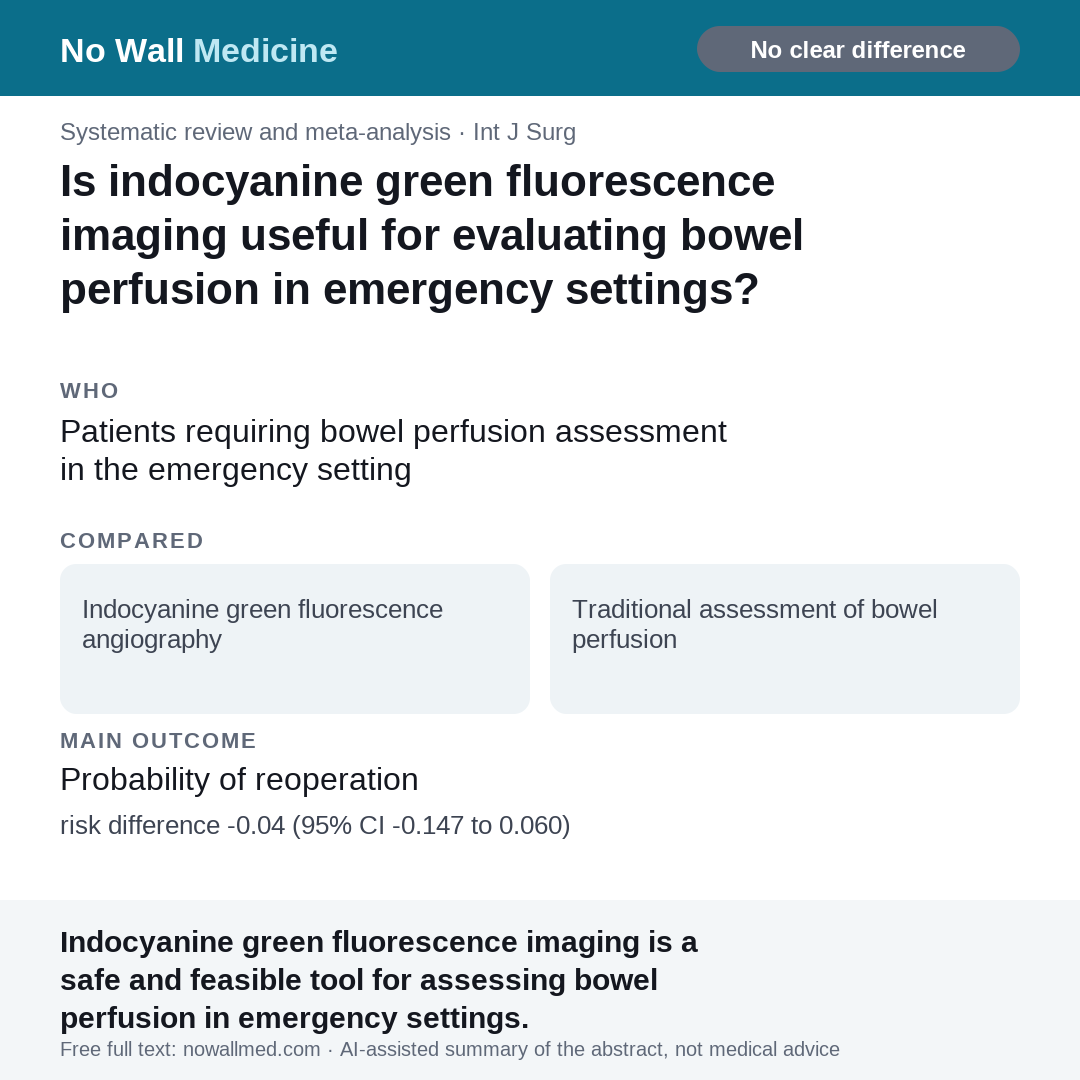
Usefulness of fluorescence imaging with indocyanine green for evaluation of bowel perfusion in the urgency setting: a systematic review and meta-analysis
Systematic review and meta-analysisNo clear difference
Is indocyanine green fluorescence imaging useful for evaluating bowel perfusion in emergency settings?
Who
Patients requiring bowel perfusion assessment in the emergency setting
Compared
Indocyanine green fluorescence angiography
Traditional assessment of bowel perfusion
Main outcome
Probability of reoperation
Result: risk difference -0.04 (95% CI -0.147 to 0.060)
Bottom line: Indocyanine green fluorescence imaging is a safe and feasible tool for assessing bowel perfusion in emergency settings.
Limitation: Heterogeneity was not negligible with a 59.9% of the I2 index.
Int J Surg · 2024-08-01Download image
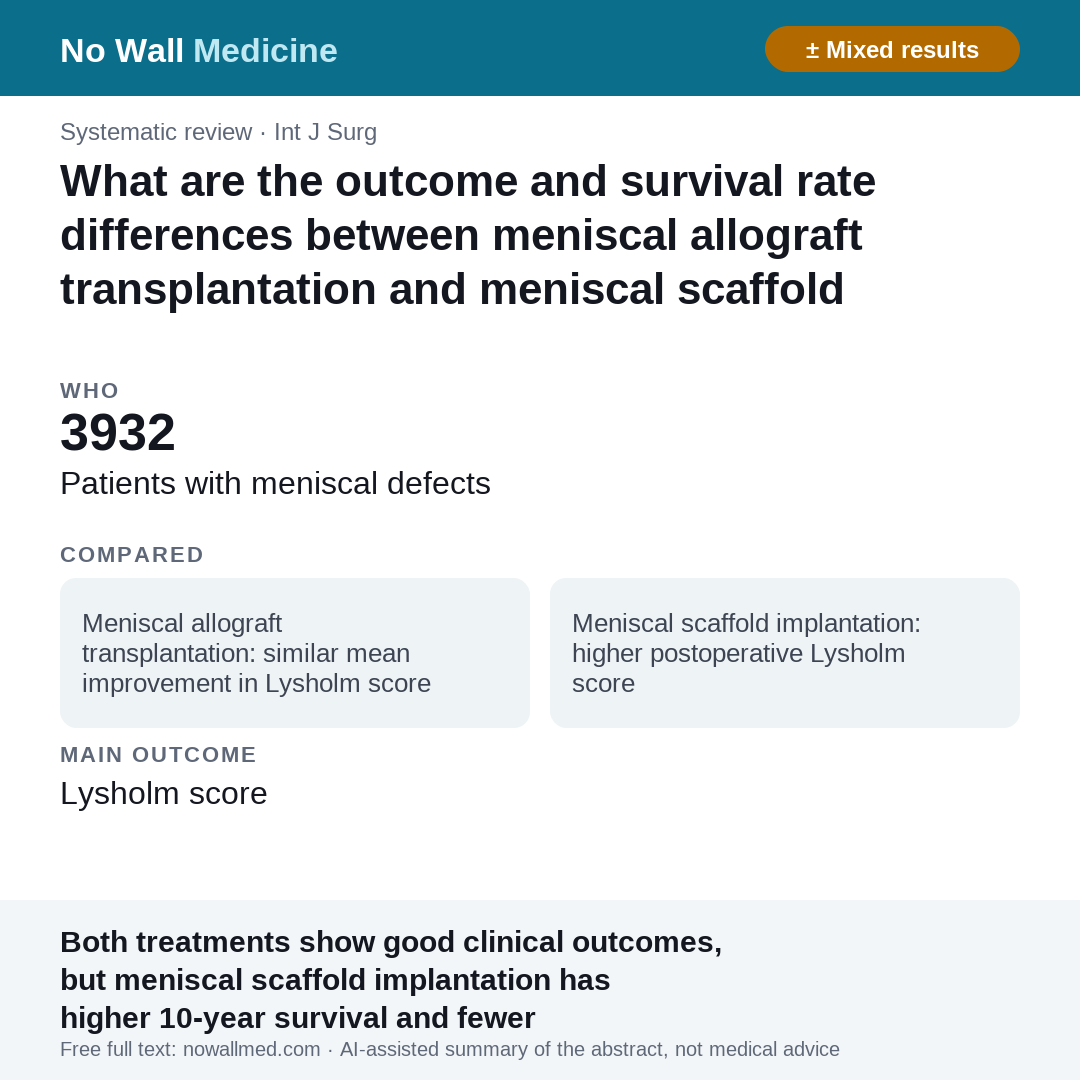
Outcome comparison of meniscal allograft transplantation (MAT) and meniscal scaffold implantation (MSI): a systematic review
Systematic reviewMixed results
What are the outcome and survival rate differences between meniscal allograft transplantation and meniscal scaffold implantation?
Who
3932
Patients with meniscal defects
Compared
Meniscal allograft transplantation: similar mean improvement in Lysholm score
Meniscal scaffold implantation: higher postoperative Lysholm score
Main outcome
Lysholm score
Bottom line: Both treatments show good clinical outcomes, but meniscal scaffold implantation has higher 10-year survival and fewer complications.
Int J Surg · 2024-08-01Download image
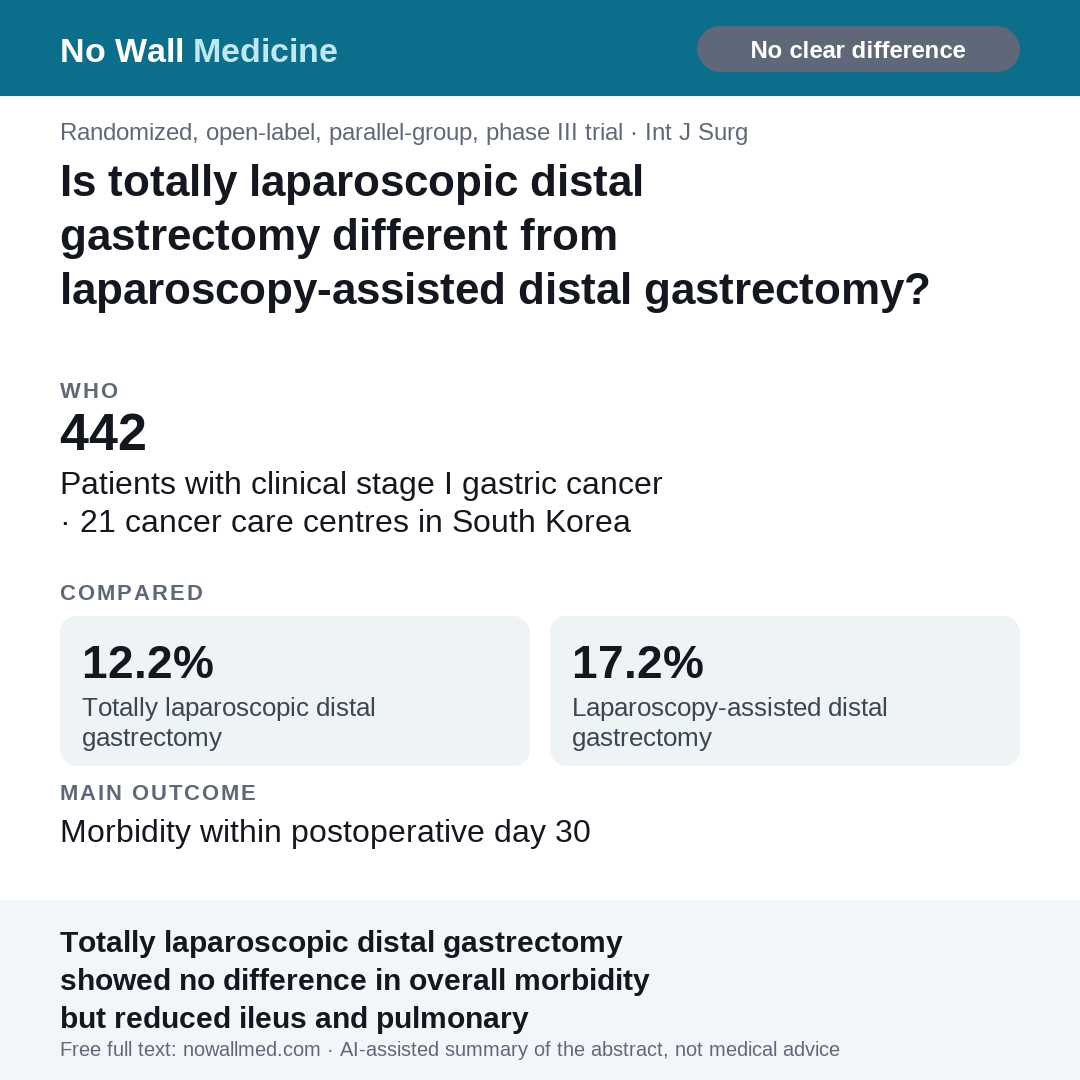
Totally laparoscopic versus laparoscopy-assisted distal gastrectomy: the KLASS-07: a randomized controlled trial
Randomized, open-label, parallel-group, phase III trialNo clear difference
Is totally laparoscopic distal gastrectomy different from laparoscopy-assisted distal gastrectomy?
Who
442
Patients with clinical stage I gastric cancer · 21 cancer care centres in South Korea
Compared
12.2%Totally laparoscopic distal gastrectomy
17.2%Laparoscopy-assisted distal gastrectomy
Main outcome
Morbidity within postoperative day 30
Bottom line: Totally laparoscopic distal gastrectomy showed no difference in overall morbidity but reduced ileus and pulmonary complications.
Int J Surg · 2024-08-01Download image
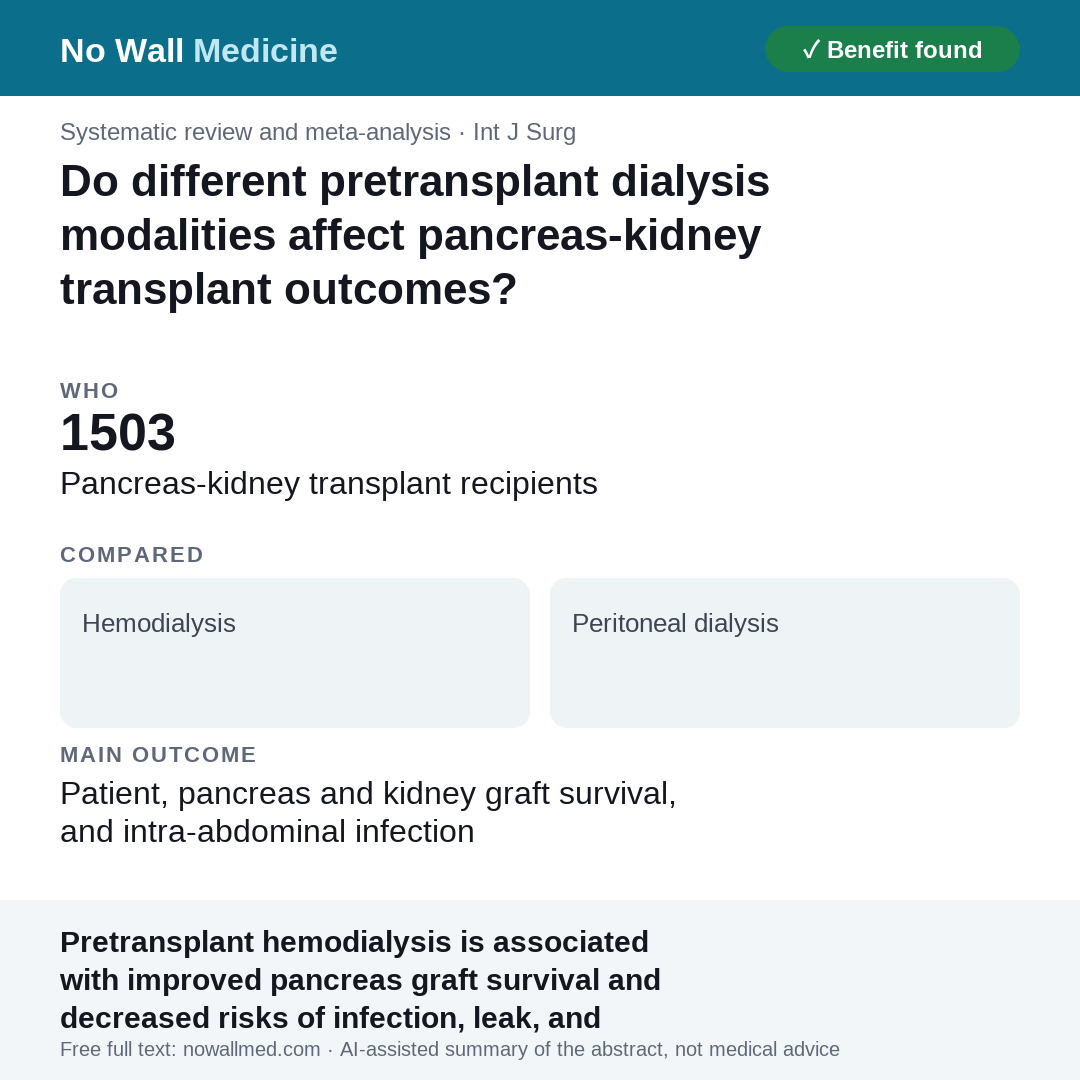
Effect of pretransplant dialysis modalities on pancreas-kidney transplant outcomes: a systematic review and meta-analysis
Systematic review and meta-analysisBenefit found
Do different pretransplant dialysis modalities affect pancreas-kidney transplant outcomes?
Who
1503
Pancreas-kidney transplant recipients
Compared
Hemodialysis
Peritoneal dialysis
Main outcome
Patient, pancreas and kidney graft survival, and intra-abdominal infection
Result: hazard ratio 0.71 (95% confidence interval: 0.51-0.99)
Bottom line: Pretransplant hemodialysis is associated with improved pancreas graft survival and decreased risks of infection, leak, and thrombosis.
Limitation: Well-designed prospective studies are needed to confirm these findings.
Int J Surg · 2024-08-01Download image
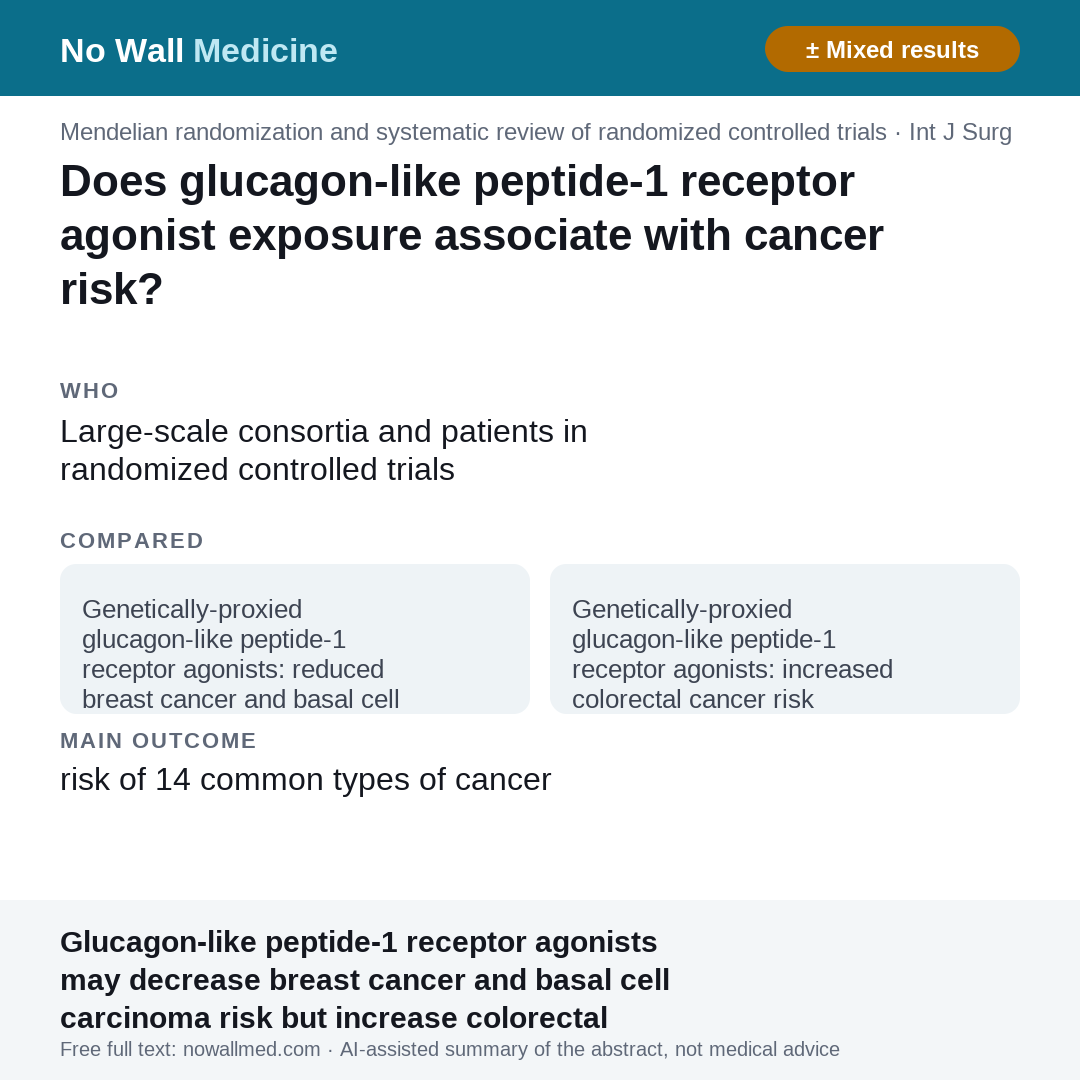
Association of glucagon-like peptide-1 receptor agonists with risk of cancers-evidence from a drug target Mendelian randomization and clinical trials
Mendelian randomization and systematic review of randomized controlled trialsMixed results
Does glucagon-like peptide-1 receptor agonist exposure associate with cancer risk?
Who
Large-scale consortia and patients in randomized controlled trials
Compared
Genetically-proxied glucagon-like peptide-1 receptor agonists: reduced breast cancer and basal cell carcinoma risk
Genetically-proxied glucagon-like peptide-1 receptor agonists: increased colorectal cancer risk
Main outcome
risk of 14 common types of cancer
Bottom line: Glucagon-like peptide-1 receptor agonists may decrease breast cancer and basal cell carcinoma risk but increase colorectal cancer risk.
Limitation: Larger sample sizes of randomized controlled trials with long-term follow-up are necessary.
Int J Surg · 2024-08-01Download image
Diagnostic accuracy of artificial intelligence assisted clinical imaging in the detection of oral potentially malignant disorders and oral cancer: a systematic review and meta-analysis
Systematic review and meta-analysisBenefit found
How accurate is artificial intelligence in detecting oral potentially malignant disorders and oral cancer?
Who
Patients with oral potentially malignant disorders and oral cancerous lesions
Compared
Artificial intelligence screening: sensitivity 89.9% (95% CI 0.866-0.925)
Normal mucosa
Main outcome
Diagnostic accuracy of artificial intelligence algorithms
Result: diagnostic odds ratio 68.438 (95% CI 39.484-118.623)
Bottom line: Artificial intelligence shows excellent diagnostic performance for detecting oral potentially malignant disorders and oral cancer.
Int J Surg · 2024-08-01Download image

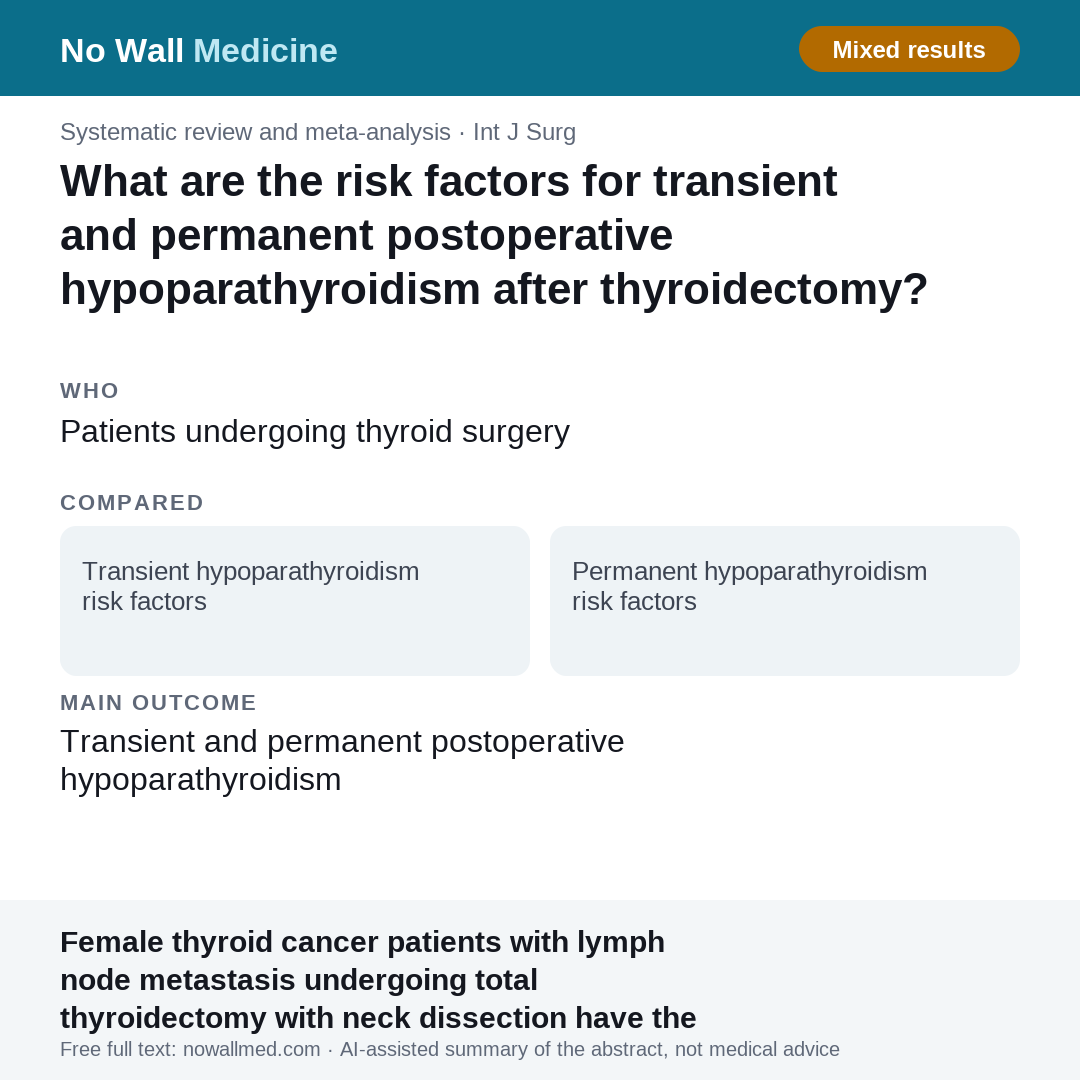
Risk factors of transient and permanent hypoparathyroidism after thyroidectomy: a systematic review and meta-analysis
Systematic review and meta-analysisMixed results
What are the risk factors for transient and permanent postoperative hypoparathyroidism after thyroidectomy?
Who
Patients undergoing thyroid surgery
Compared
Transient hypoparathyroidism risk factors
Permanent hypoparathyroidism risk factors
Main outcome
Transient and permanent postoperative hypoparathyroidism
Bottom line: Female thyroid cancer patients with lymph node metastasis undergoing total thyroidectomy with neck dissection have the highest risk.
Int J Surg · 2024-08-01Download image
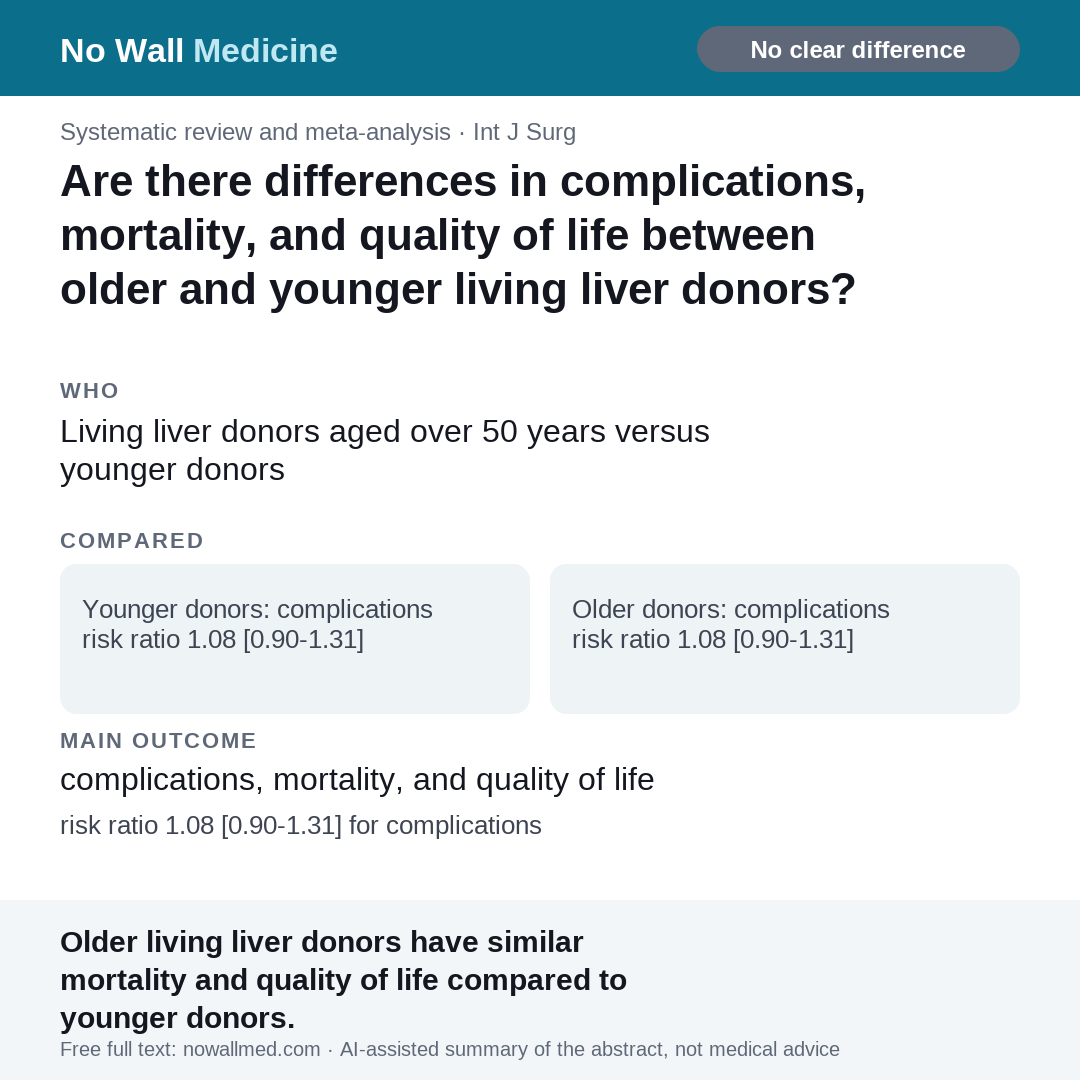
Older living liver donors can enlarge the donor pool: a systematic review and meta-analysis
Systematic review and meta-analysisNo clear difference
Are there differences in complications, mortality, and quality of life between older and younger living liver donors?
Who
Living liver donors aged over 50 years versus younger donors
Compared
Younger donors: complications risk ratio 1.08 [0.90-1.31]
Older donors: complications risk ratio 1.08 [0.90-1.31]
Main outcome
complications, mortality, and quality of life
Result: risk ratio 1.08 [0.90-1.31] for complications
Bottom line: Older living liver donors have similar mortality and quality of life compared to younger donors.
Int J Surg · 2024-08-01Download image
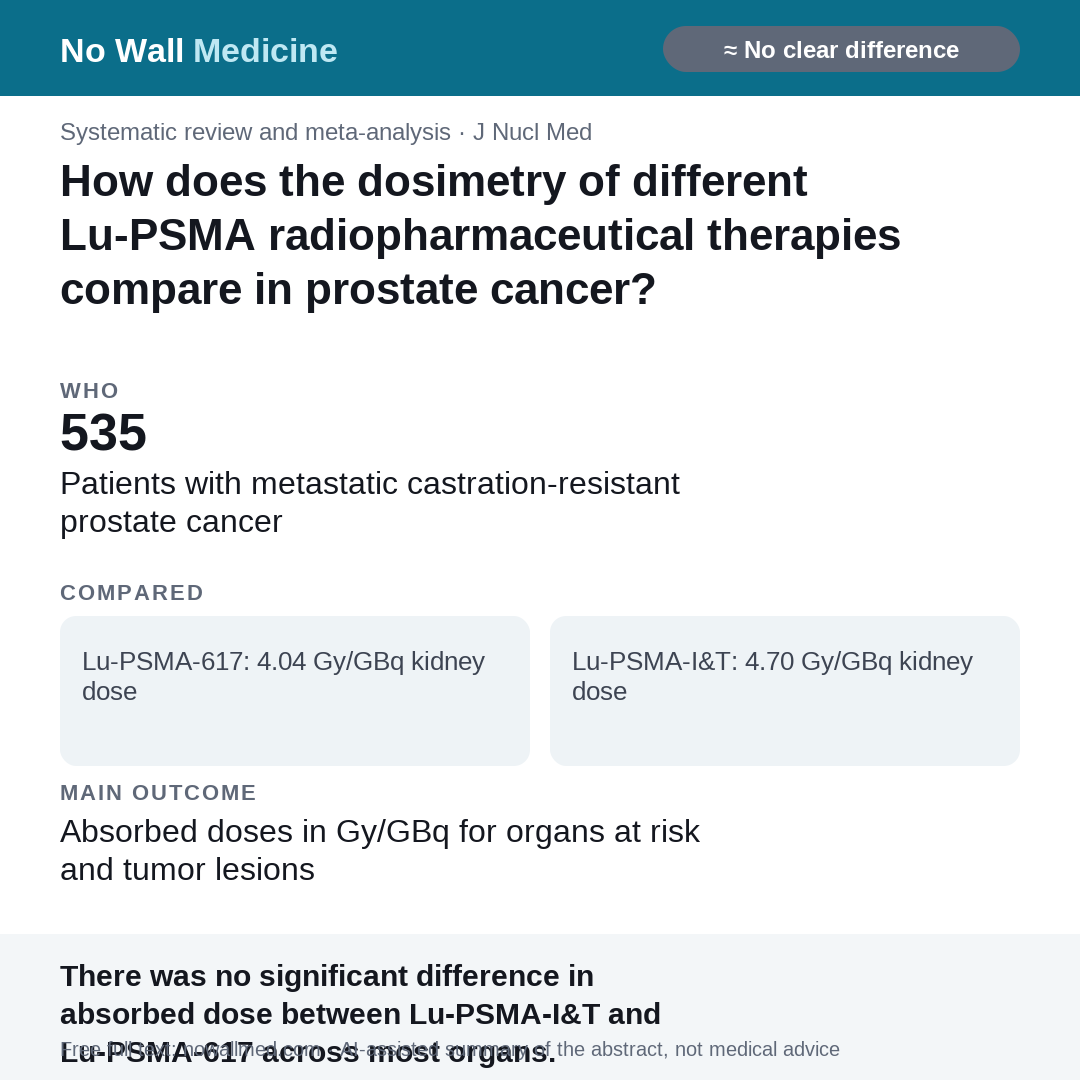
Dosimetry of [177Lu]Lu-PSMA-Targeted Radiopharmaceutical Therapies in Patients with Prostate Cancer: A Comparative Systematic Review and Metaanalysis
Systematic review and meta-analysisNo clear difference
How does the dosimetry of different Lu-PSMA radiopharmaceutical therapies compare in prostate cancer?
Who
535
Patients with metastatic castration-resistant prostate cancer
Compared
Lu-PSMA-617: 4.04 Gy/GBq kidney dose
Lu-PSMA-I&T: 4.70 Gy/GBq kidney dose
Main outcome
Absorbed doses in Gy/GBq for organs at risk and tumor lesions
Bottom line: There was no significant difference in absorbed dose between Lu-PSMA-I&T and Lu-PSMA-617 across most organs.
Limitation: The dosimetry methodologies were strikingly heterogeneous among studies, emphasizing the need for standardization.
J Nucl Med · 2024-08-01Download image
Approaches to improving mental healthcare for autistic people: systematic review
Co-produced systematic reviewUnclear result
What strategies improve mental healthcare access, experiences, and outcomes for autistic adults?
Who
Autistic adults
Compared
Adapted mental health interventions
Service improvements
Bespoke mental health interventions
Main outcome
Acceptability, feasibility, and effectiveness of mental healthcare strategies
Bottom line: Many strategies are feasible and acceptable, but there is no conclusive evidence on their effectiveness.
Limitation: Important research gaps remain regarding effectiveness.
BJPsych Open · 2024-08-01Download image

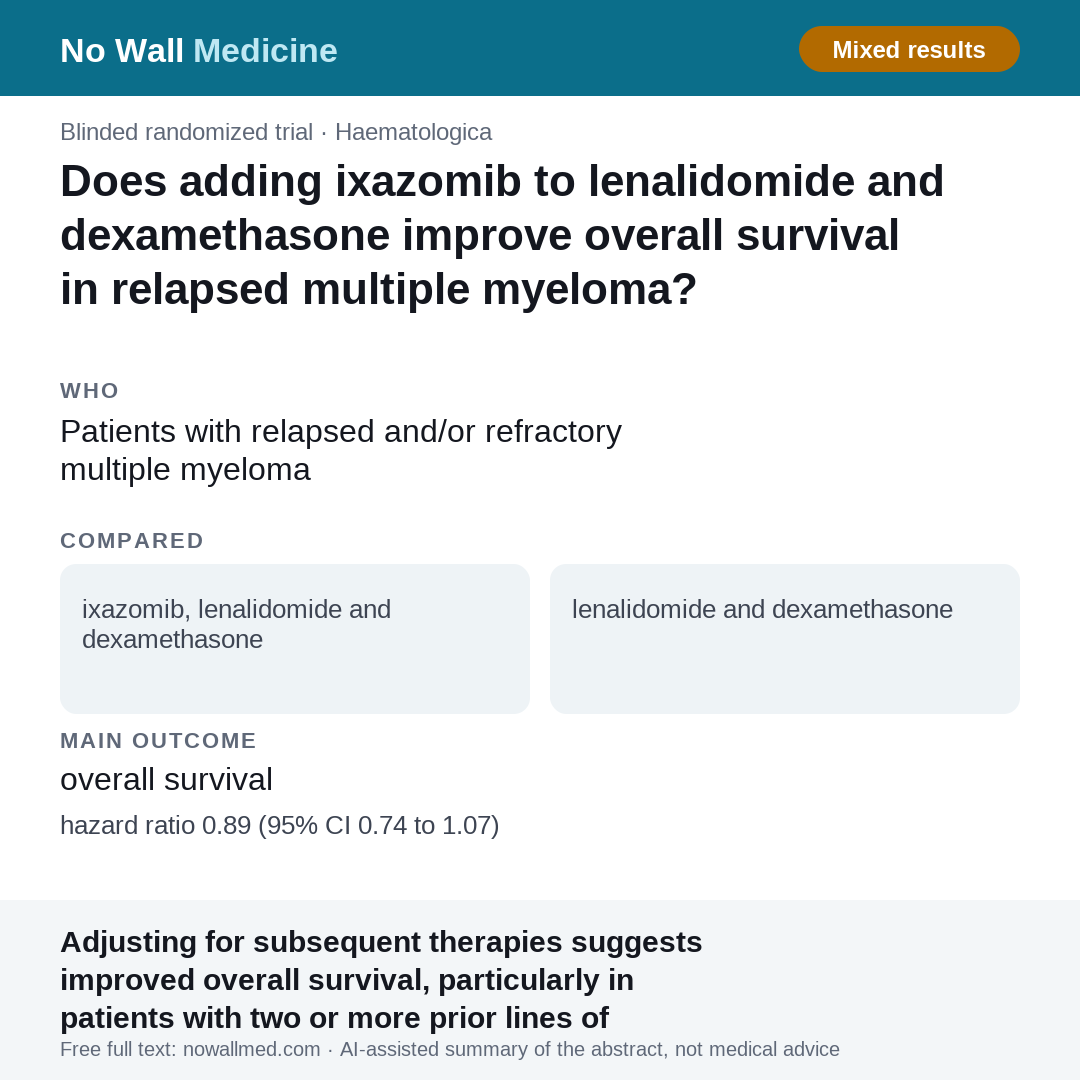
Adjusting for subsequent therapies in the TOURMALINE-MM1 study shows clinically meaningful improvement in overall survival with addition of ixazomib to lenalidomide and dexamethasone
Blinded randomized trialMixed results
Does adding ixazomib to lenalidomide and dexamethasone improve overall survival in relapsed multiple myeloma?
Who
Patients with relapsed and/or refractory multiple myeloma
Compared
ixazomib, lenalidomide and dexamethasone
lenalidomide and dexamethasone
Main outcome
overall survival
Result: hazard ratio 0.89 (95% CI 0.74 to 1.07)
Bottom line: Adjusting for subsequent therapies suggests improved overall survival, particularly in patients with two or more prior lines of therapy.
Limitation: Subsequent therapies and newer modes of therapy can complicate the interpretation of overall survival.
Haematologica · 2024-08-01Download image
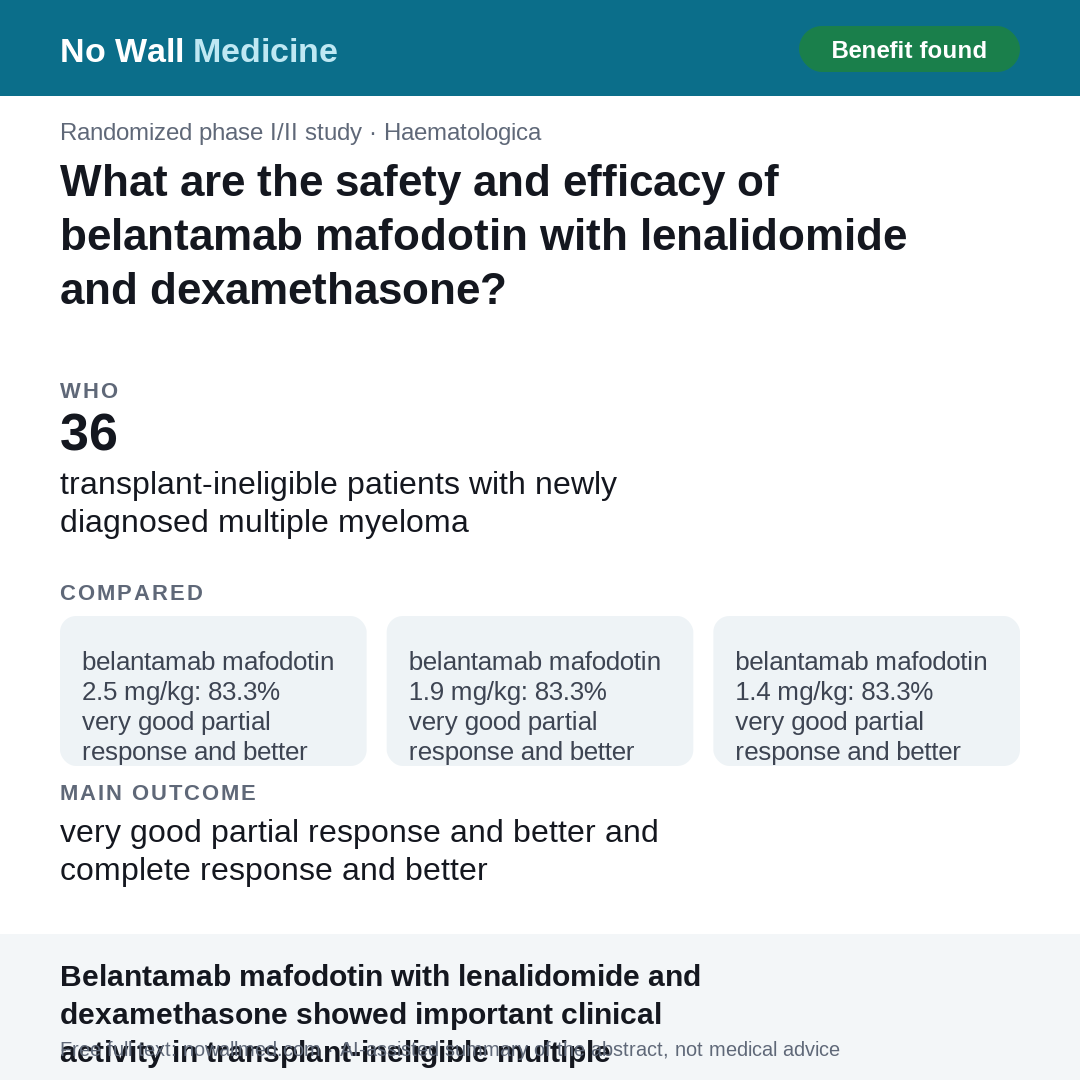
Belantamab mafodotin, lenalidomide and dexamethasone in transplant-ineligible patients with newly diagnosed multiple myeloma: part 1 results of a phase I/II study
Randomized phase I/II studyBenefit found
What are the safety and efficacy of belantamab mafodotin with lenalidomide and dexamethasone?
Who
36
transplant-ineligible patients with newly diagnosed multiple myeloma
Compared
belantamab mafodotin 2.5 mg/kg: 83.3% very good partial response and better
belantamab mafodotin 1.9 mg/kg: 83.3% very good partial response and better
belantamab mafodotin 1.4 mg/kg: 83.3% very good partial response and better
Main outcome
very good partial response and better and complete response and better
Bottom line: Belantamab mafodotin with lenalidomide and dexamethasone showed important clinical activity in transplant-ineligible multiple myeloma patients.
Haematologica · 2024-08-01Download image
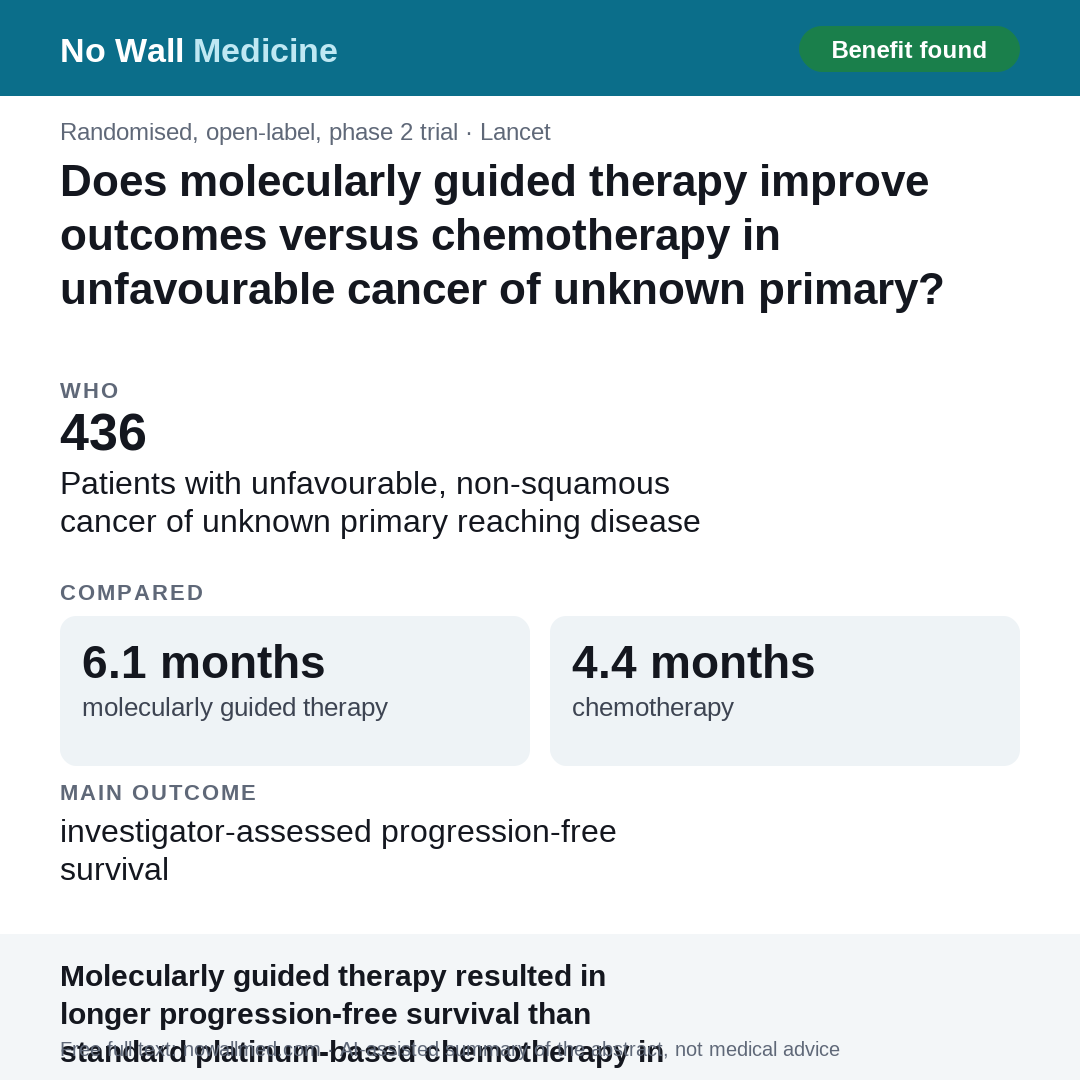
Molecularly guided therapy versus chemotherapy after disease control in unfavourable cancer of unknown primary (CUPISCO): an open-label, randomised, phase 2 study
Randomised, open-label, phase 2 trialBenefit found
Does molecularly guided therapy improve outcomes versus chemotherapy in unfavourable cancer of unknown primary?
Who
436
Patients with unfavourable, non-squamous cancer of unknown primary reaching disease control · 159 sites in 34 countries outside the USA
Compared
6.1 monthsmolecularly guided therapy (95% CI 4.7-6.5)
4.4 monthschemotherapy (4.1-5.6)
Main outcome
investigator-assessed progression-free survival
Result: hazard ratio 0.72 (95% CI 0.56-0.92)
Bottom line: Molecularly guided therapy resulted in longer progression-free survival than standard platinum-based chemotherapy in patients with unfavourable cancer of unknown primary.
Funded by: F Hoffmann-La Roche
Lancet · 2024-07-31Download image
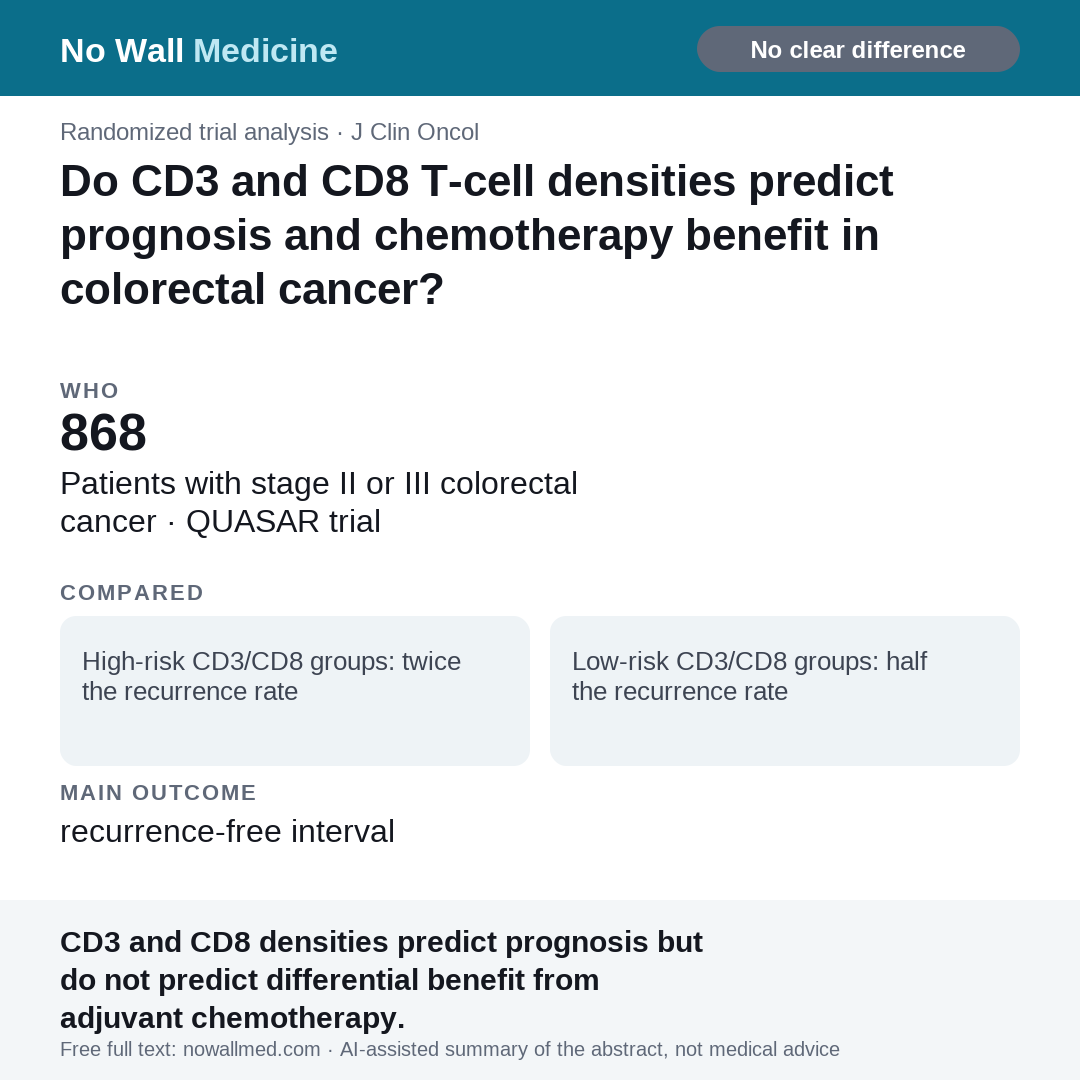
Evaluation of CD3 and CD8 T-Cell Immunohistochemistry for Prognostication and Prediction of Benefit From Adjuvant Chemotherapy in Early-Stage Colorectal Cancer Within the QUASAR Trial
Randomized trial analysisNo clear difference
Do CD3 and CD8 T-cell densities predict prognosis and chemotherapy benefit in colorectal cancer?
Who
868
Patients with stage II or III colorectal cancer · QUASAR trial
Compared
High-risk CD3/CD8 groups: twice the recurrence rate
Low-risk CD3/CD8 groups: half the recurrence rate
Main outcome
recurrence-free interval
Bottom line: CD3 and CD8 densities predict prognosis but do not predict differential benefit from adjuvant chemotherapy.
J Clin Oncol · 2024-07-31Download image
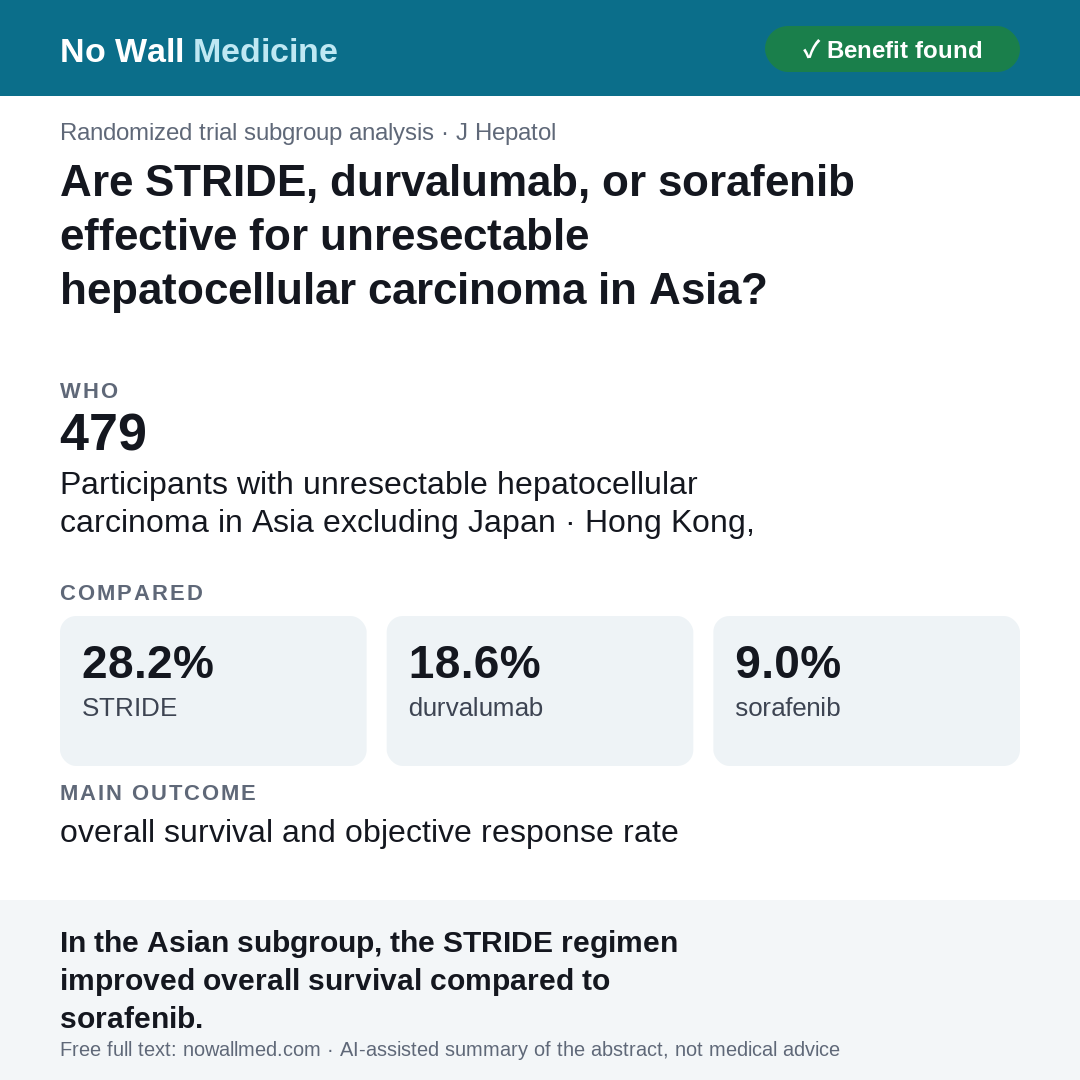
Outcomes in the Asian subgroup of the phase III randomised HIMALAYA study of tremelimumab plus durvalumab in unresectable hepatocellular carcinoma
Randomized trial subgroup analysisBenefit found
Are STRIDE, durvalumab, or sorafenib effective for unresectable hepatocellular carcinoma in Asia?
Who
479
Participants with unresectable hepatocellular carcinoma in Asia excluding Japan · Hong Kong, India, South Korea, Taiwan, Thailand, and Vietnam
Compared
28.2%STRIDE
18.6%durvalumab
9.0%sorafenib
Main outcome
overall survival and objective response rate
Result: hazard ratio 0.68 (95% CI 0.52-0.89)
Bottom line: In the Asian subgroup, the STRIDE regimen improved overall survival compared to sorafenib.
J Hepatol · 2024-07-31Download image
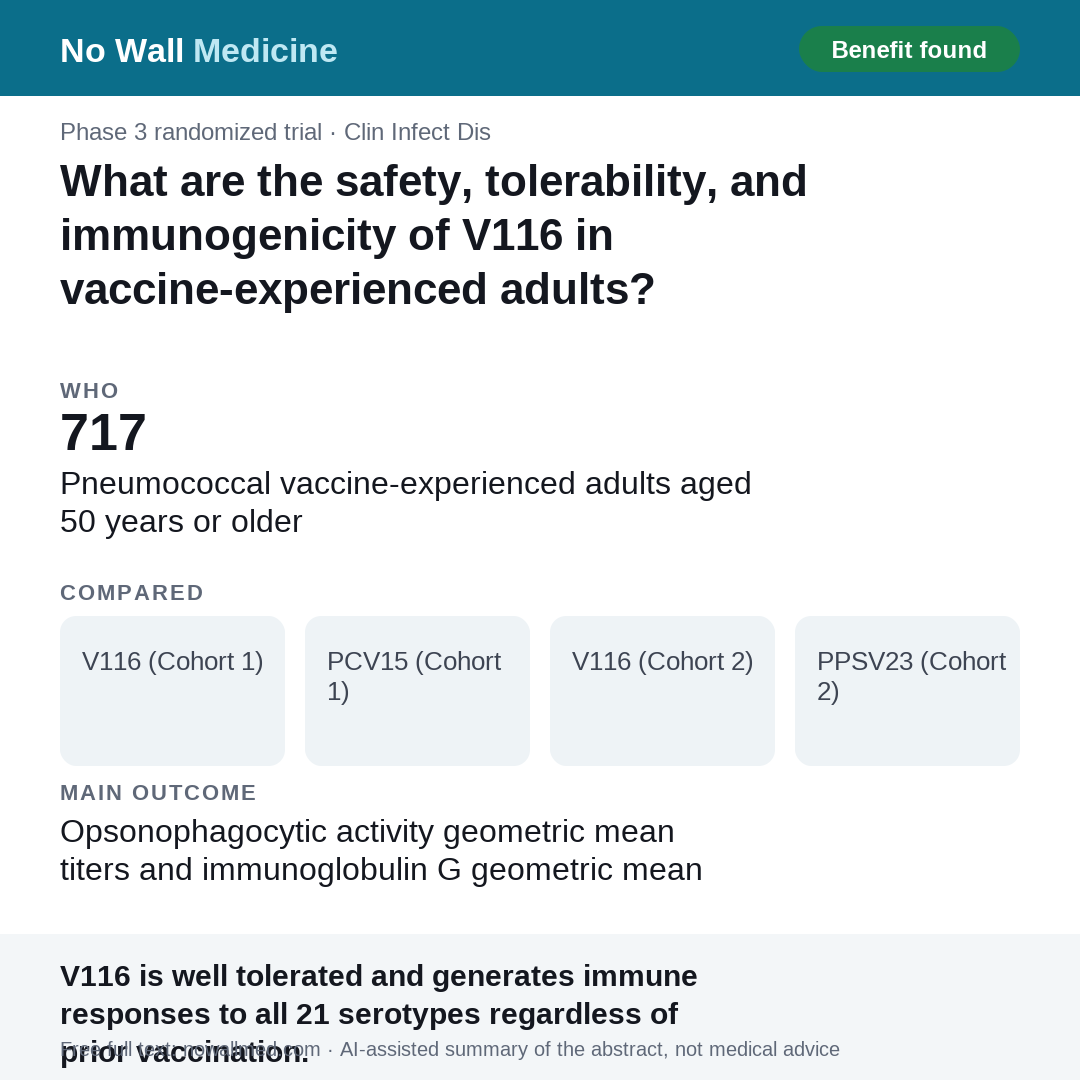
A Phase 3 Clinical Study to Evaluate the Safety, Tolerability, and Immunogenicity of V116 in Pneumococcal Vaccine-Experienced Adults 50 Years of Age or Older (STRIDE-6)
Phase 3 randomized trialBenefit found
What are the safety, tolerability, and immunogenicity of V116 in vaccine-experienced adults?
Who
717
Pneumococcal vaccine-experienced adults aged 50 years or older
Compared
V116 (Cohort 1)
PCV15 (Cohort 1)
V116 (Cohort 2)
PPSV23 (Cohort 2)
Main outcome
Opsonophagocytic activity geometric mean titers and immunoglobulin G geometric mean concentrations
Bottom line: V116 is well tolerated and generates immune responses to all 21 serotypes regardless of prior vaccination.
Clin Infect Dis · 2024-07-31Download image