Visual abstracts
New randomized trials and meta-analyses from leading journals at a glance: who was studied, what was compared, and what was found. Every paper is free to read in full.
All specialtiesCardiology 4877Oncology 4138Gastroenterology & Hepatology 1942Infectious Disease 3837Neurology 1905Psychiatry & Mental Health 2273Pulmonology 2143Critical Care 1365Endocrinology & Diabetes 2580Pediatrics 2980Surgery 2559Orthopedics & Sports Medicine 931Neurosurgery 537Cardiothoracic & Vascular Surgery 674Plastic & Reconstructive Surgery 591Nephrology 1133Rheumatology 823Hematology 1109Dermatology 621Ophthalmology 543Obstetrics & Gynecology 1686Public & Global Health 1058Radiology & Imaging 648Anesthesiology 986Urology 764ENT (Otolaryngology) 503Emergency Medicine 511Allergy & Immunology 313Geriatrics 981Family Medicine & Primary Care 562Medical Genetics & Genomics 676Pathology & Laboratory Medicine 159Physical Medicine & Rehabilitation 757Palliative Care 444Nutrition 1588Digital Health & AI 2201General Medicine 321
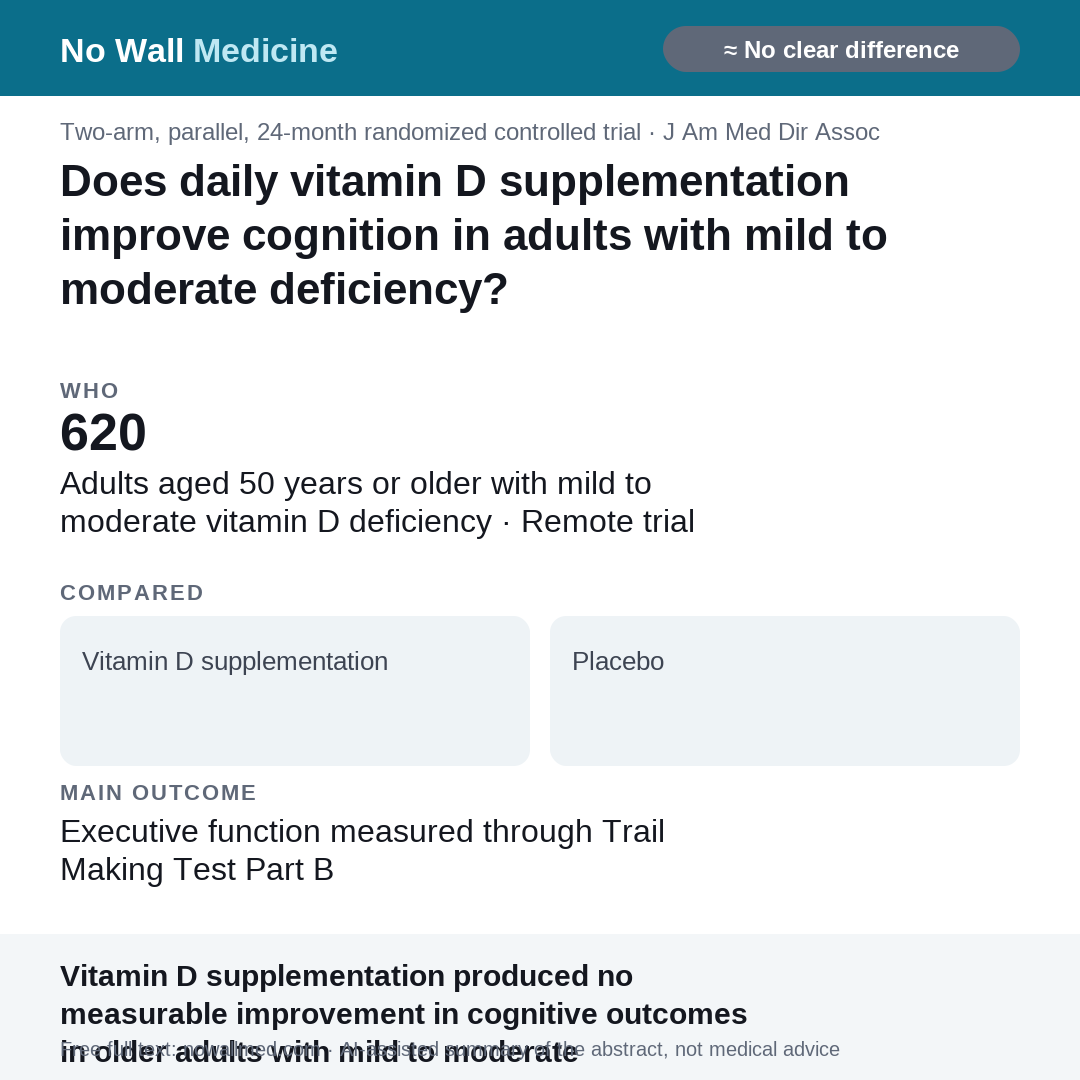
Impact of Vitamin D Supplementation on Cognition in Adults With Mild to Moderate Vitamin D Deficiency: Outcomes From the VitaMIND Randomized Controlled Trial
Two-arm, parallel, 24-month randomized controlled trialNo clear difference
Does daily vitamin D supplementation improve cognition in adults with mild to moderate deficiency?
Who
620
Adults aged 50 years or older with mild to moderate vitamin D deficiency · Remote trial completed from home
Compared
Vitamin D supplementation
Placebo
Main outcome
Executive function measured through Trail Making Test Part B
Result: between-group difference, 5770; 95% CI, -2189 to 13,730
Bottom line: Vitamin D supplementation produced no measurable improvement in cognitive outcomes in older adults with mild to moderate vitamin D deficiency.
J Am Med Dir Assoc · 2025-06-24Download image
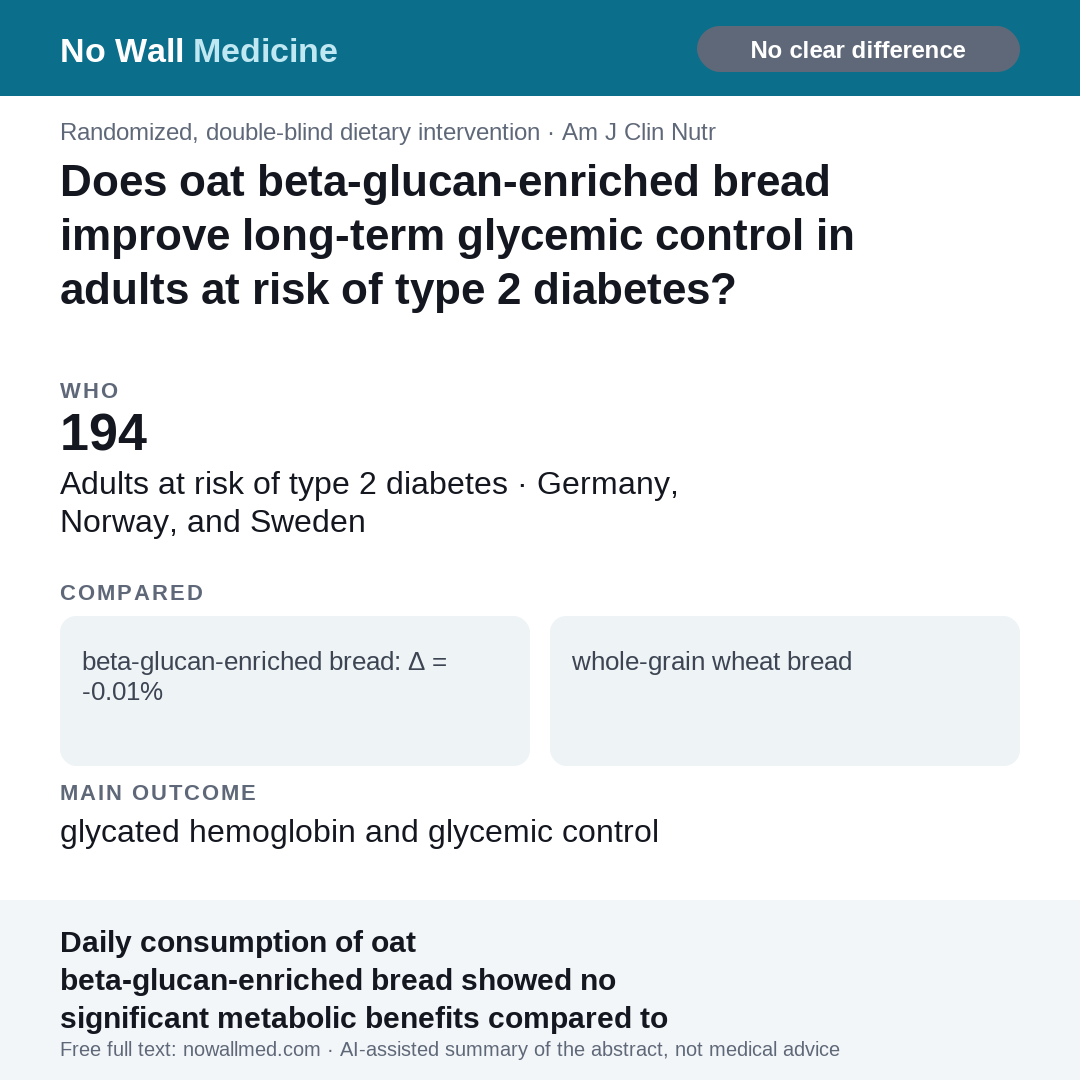
Effectiveness of regular oat β-glucan-enriched bread compared with whole-grain wheat bread on long-term glycemic control in adults at risk of type 2 diabetes: a randomized controlled trial
Randomized, double-blind dietary interventionNo clear difference
Does oat beta-glucan-enriched bread improve long-term glycemic control in adults at risk of type 2 diabetes?
Who
194
Adults at risk of type 2 diabetes · Germany, Norway, and Sweden
Compared
beta-glucan-enriched bread: Δ = -0.01%
whole-grain wheat bread
Main outcome
glycated hemoglobin and glycemic control
Result: Δ = -0.01%, 95% confidence interval (CI): -0.03, 0.06
Bottom line: Daily consumption of oat beta-glucan-enriched bread showed no significant metabolic benefits compared to whole-grain wheat bread.
Am J Clin Nutr · 2025-06-24Download image
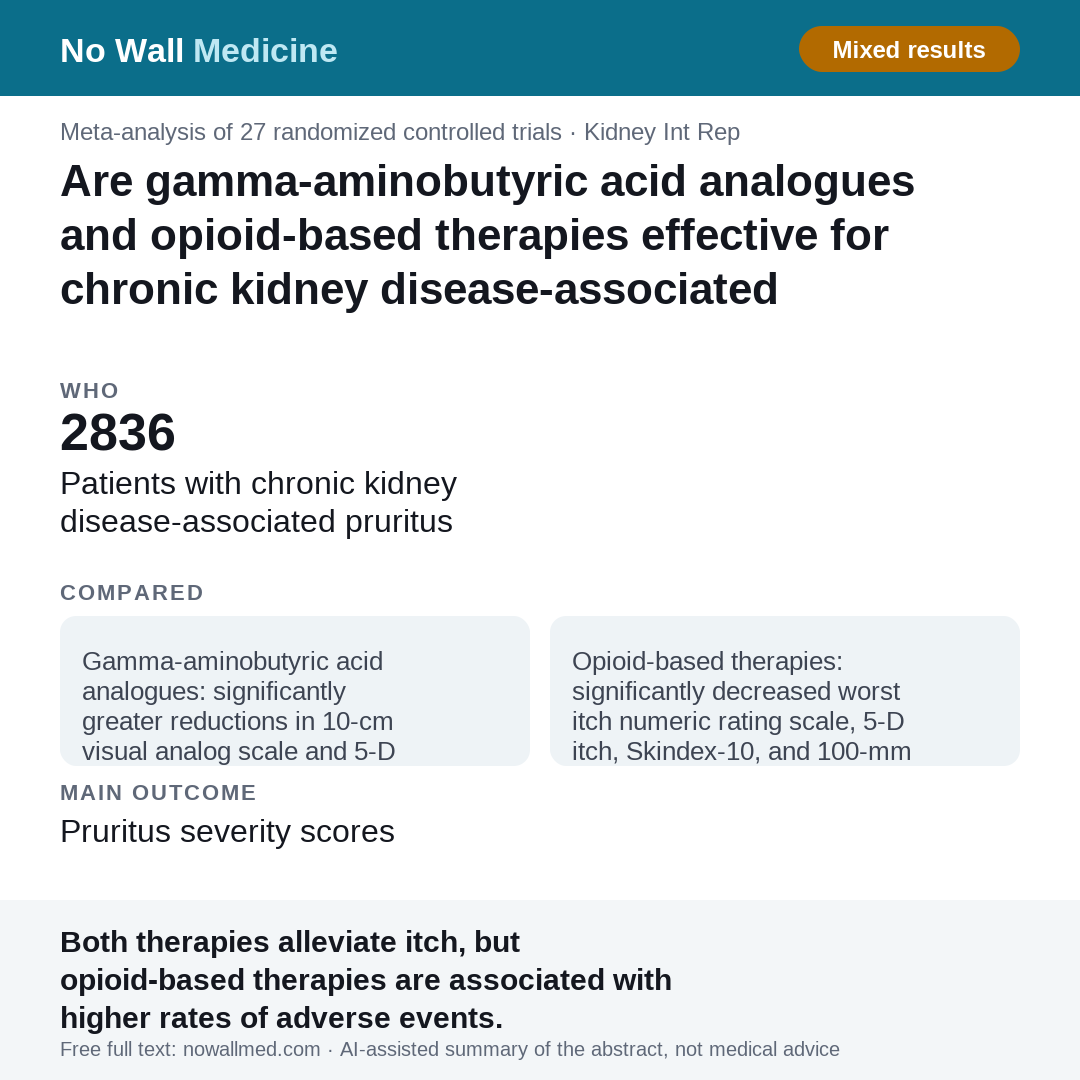
Meta-Analysis of Randomized Controlled Trials on Gamma-Aminobutyric Acid Analogues and Opioid-Based Therapies for CKD-Associated Pruritus
Meta-analysis of 27 randomized controlled trialsMixed results
Are gamma-aminobutyric acid analogues and opioid-based therapies effective for chronic kidney disease-associated pruritus?
Who
2836
Patients with chronic kidney disease-associated pruritus
Compared
Gamma-aminobutyric acid analogues: significantly greater reductions in 10-cm visual analog scale and 5-D itch scores
Opioid-based therapies: significantly decreased worst itch numeric rating scale, 5-D itch, Skindex-10, and 100-mm visual analog scale
Main outcome
Pruritus severity scores
Bottom line: Both therapies alleviate itch, but opioid-based therapies are associated with higher rates of adverse events.
Limitation: Substantial heterogeneity observed in most of the results.
Kidney Int Rep · 2025-06-24Download image
Comparative efficacy and safety of daridorexant, lemborexant, and suvorexant for insomnia: a systematic review and network meta-analysis
Network meta-analysis of eight randomized controlled trialsBenefit found
What is the efficacy and safety of daridorexant, lemborexant, and suvorexant for insomnia?
Who
5198
5198 adults with insomnia
Compared
Active treatments: outperformed placebo in terms of all efficacy outcomes
Placebo
Main outcome
subjective time to sleep onset at month 1
Result: standardized mean difference (95% CI) ranged from -0.430 (-0.568, -0.292) to -0.164 (-0.296, -0.031)
Bottom line: All dual orexin receptor antagonists outperformed placebo for insomnia efficacy outcomes in adults.
Transl Psychiatry · 2025-06-24Download image
Microbiome compositional changes and clonal engraftment in a phase 3 trial of fecal microbiota, live-jslm for recurrent Clostridioides difficile infection
Phase 3 clinical trialBenefit found
How does fecal microbiota, live-jslm affect gut microbiome composition and clonal engraftment?
Who
Participants with recurrent Clostridioides difficile infection
Compared
Fecal microbiota, live-jslm
Placebo
Main outcome
Gut microbiome compositions and engraftment of bacterial clonal populations
Bottom line: Fecal microbiota, live-jslm shifts gut microbiota toward healthy compositions and enables clonal engraftment in responders.
Gut Microbes · 2025-06-24Download image

Optimizing Costs in Plastic Surgery: A Systematic Review of Time-driven Activity-based Costing Applications
Systematic reviewBenefit found
Cost optimization in plastic surgery
Who
plastic surgery patients
Compared
TDABC
traditional costing
Main outcome
cost optimization
Bottom line: TDABC optimizes costs in plastic surgery
Plast Reconstr Surg Glob Open · 2025-06-24Download image
Collaboration on the optimal timing of anticoagulation after ischaemic stroke and atrial fibrillation: a systematic review and prospective individual participant data meta-analysis of randomised controlled trials (CATALYST)
Systematic review and prospective individual participant data meta-analysisBenefit found
Does early versus later direct oral anticoagulant initiation reduce stroke recurrence in acute ischaemic stroke and atrial fibrillation?
Who
5441
People with acute ischaemic stroke and atrial fibrillation
Compared
57Early direct oral anticoagulant initiation (≤4 days) (2·1%)
83Later direct oral anticoagulant initiation (≥5 days) (3·0%)
Main outcome
Composite of recurrent ischaemic stroke, symptomatic intracerebral haemorrhage, or unclassified stroke within 30 days
Result: odds ratio 0·70 (95% CI 0·50-0·98)
Bottom line: Early direct oral anticoagulant initiation within 4 days reduces the risk of recurrent stroke or symptomatic intracerebral haemorrhage.
Funded by: British Heart Foundation, National Institute for Health and Care Research, Swiss National Science Foundation
Lancet · 2025-06-23Download image
An adaptive AI-based virtual reality sports system for adolescents with excess body weight: a randomized controlled trial
Randomized controlled trialBenefit found
Does an adaptive AI-based virtual reality sports system reduce fat mass in adolescents?
Who
227
Adolescents with excess body weight
Compared
REVERIE table tennis or soccer: mean -4.28 kg (95% confidence interval -6.35 to -2.22)
Physical table tennis or soccer: mean -5.06 kg (95% CI -7.13 to -2.98)
Control
Main outcome
Fat mass
Result: mean -4.28 kg (95% confidence interval -6.35 to -2.22)
Bottom line: Virtual reality sports effectively reduce fat mass and improve cognitive health in adolescents with excess body weight.
Nat Med · 2025-06-23Download image
Abelacimab Versus Rivaroxaban in Patients With Atrial Fibrillation on Antiplatelet Therapy: A Prespecified Analysis of the AZALEA-TIMI 71 Trial
Randomized trial, prespecified analysisBenefit found
Does abelacimab reduce bleeding compared to rivaroxaban in atrial fibrillation patients on antiplatelet therapy?
Who
1287
Patients with atrial fibrillation
Compared
Rivaroxaban: 10.6 per 100 patient-years
Abelacimab 90 mg: 2.5 per 100 patient-years
Abelacimab 150 mg: 3.5 per 100 patient-years
Main outcome
Major or clinically relevant nonmajor bleeding
Result: adjusted hazard ratio 0.26 (95% CI 0.10-0.70) and 0.30 (95% CI 0.12-0.74)
Bottom line: Abelacimab consistently reduced major or clinically relevant nonmajor bleeding compared to rivaroxaban regardless of concomitant antiplatelet therapy use.
Circulation · 2025-06-23Download image
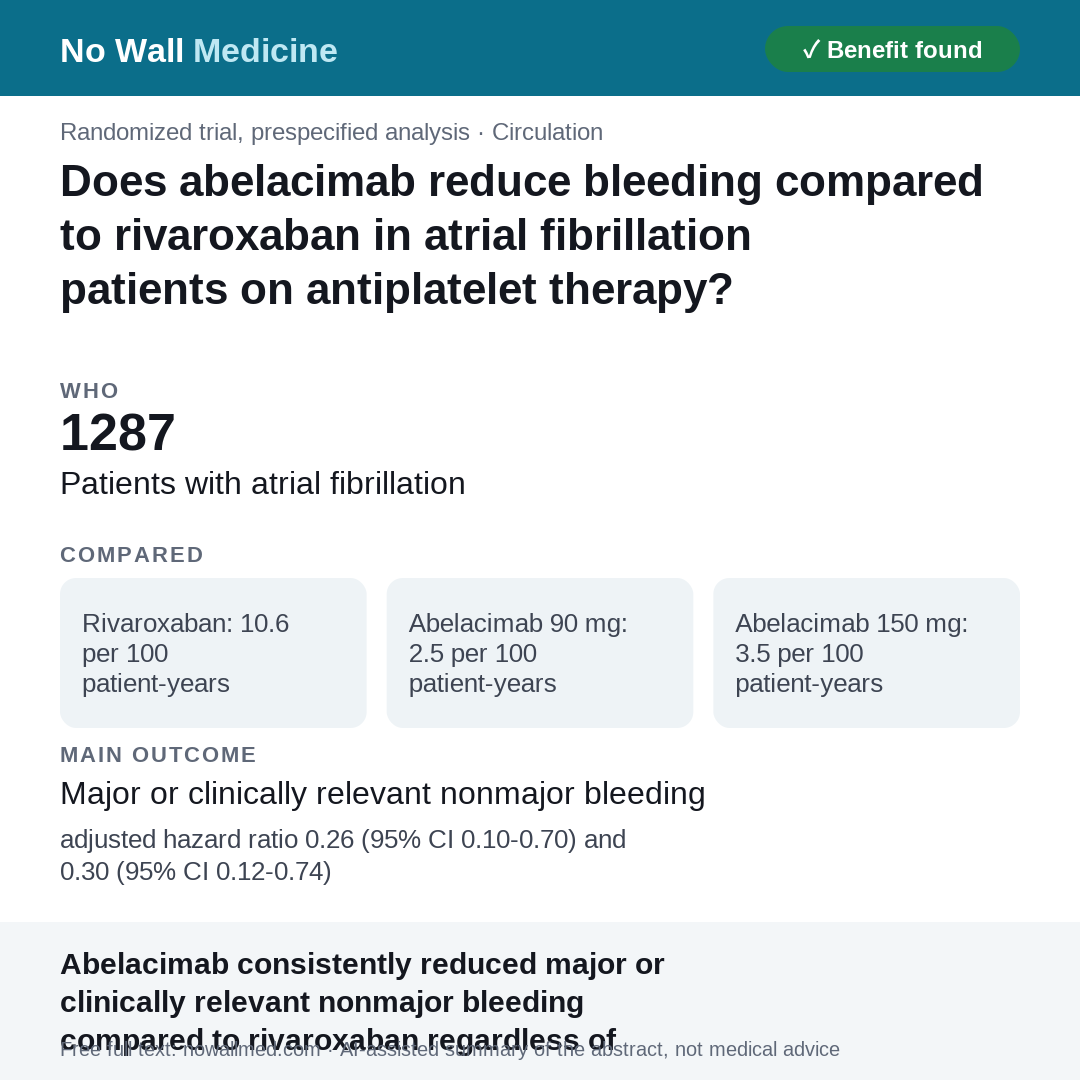
Multisite Randomized Trial of Inpatient Palliative Care Intervention for Patients Undergoing Hematopoietic Stem Cell Transplantation
Randomized trialBenefit found
Does palliative care improve quality of life
Who
360
Adults undergoing hematopoietic stem cell transplantation · Three academic institutions
Compared
6.3Palliative care
Usual care
Main outcome
Quality of life
Result: adjusted mean difference 6.3
Bottom line: Palliative care improves quality of life
J Clin Oncol · 2025-06-23Download image
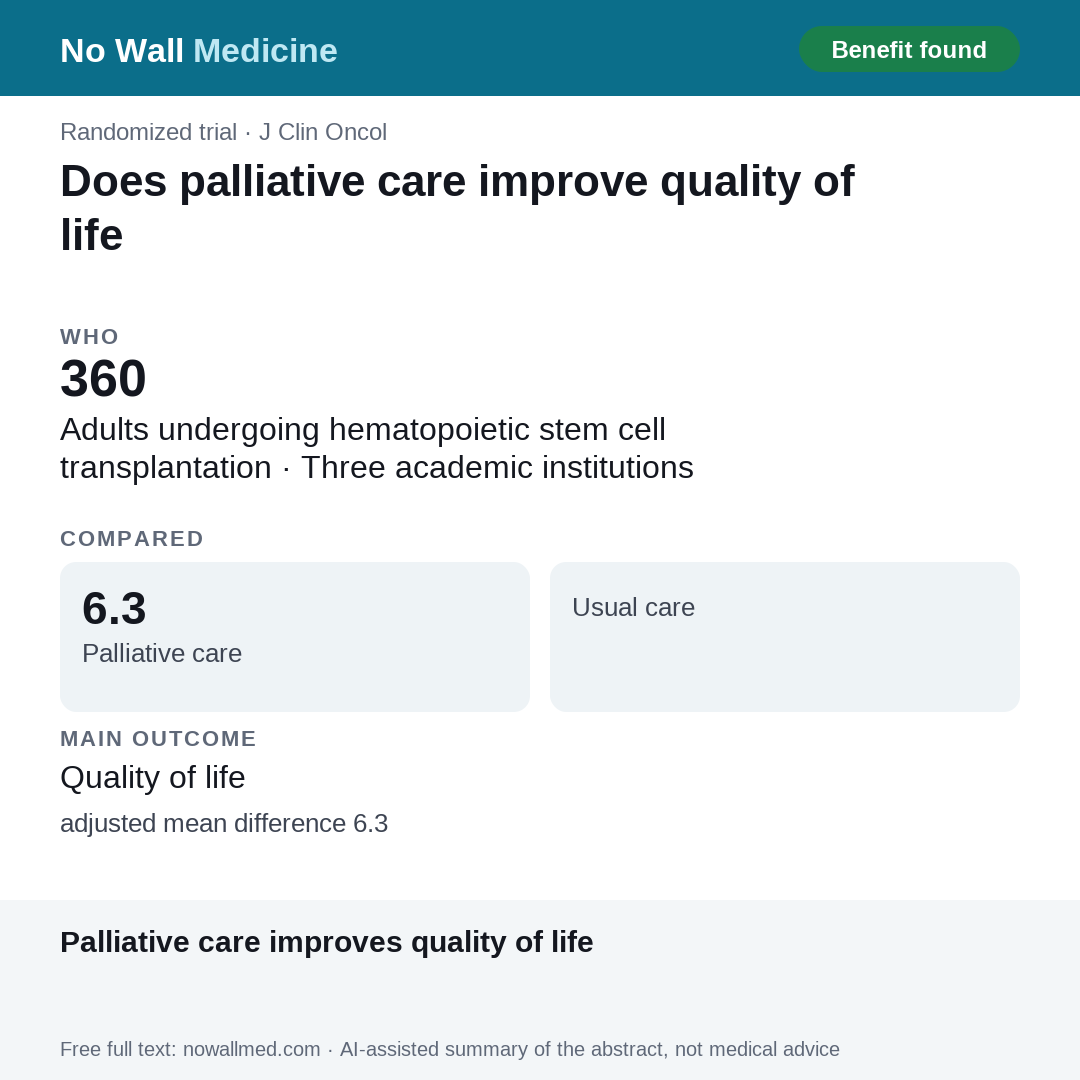
Outcomes of Solid Organ Transplant Recipients With Advanced Cancers Receiving Immune Checkpoint Inhibitors: A Systematic Review and Individual Participant Data Meta-Analysis
Systematic review and individual participant data meta-analysisMixed results
What are the cancer and patient survival outcomes for solid organ transplant recipients receiving immune checkpoint inhibitors?
Who
343
Solid organ transplant recipients with advanced-stage cancers
Compared
Cutaneous squamous cell carcinoma: 61.0% (95% CI, 45.5%-76.4%) objective response
Melanoma: 48.5% (95% CI, 26.8%-70.3%) objective response
Other solid organ cancers: 26.9% (95% CI, 14.5%-39.3%) objective response
Main outcome
Time to cancer-related death
Result: 52.8% (95% CI, 43.9%-61.6%) died of cancers within 3 years
Bottom line: Cancer outcomes vary by type, with cutaneous squamous cell carcinoma showing higher response rates than melanoma or other solid organ cancers.
JAMA Oncol · 2025-06-23Download image
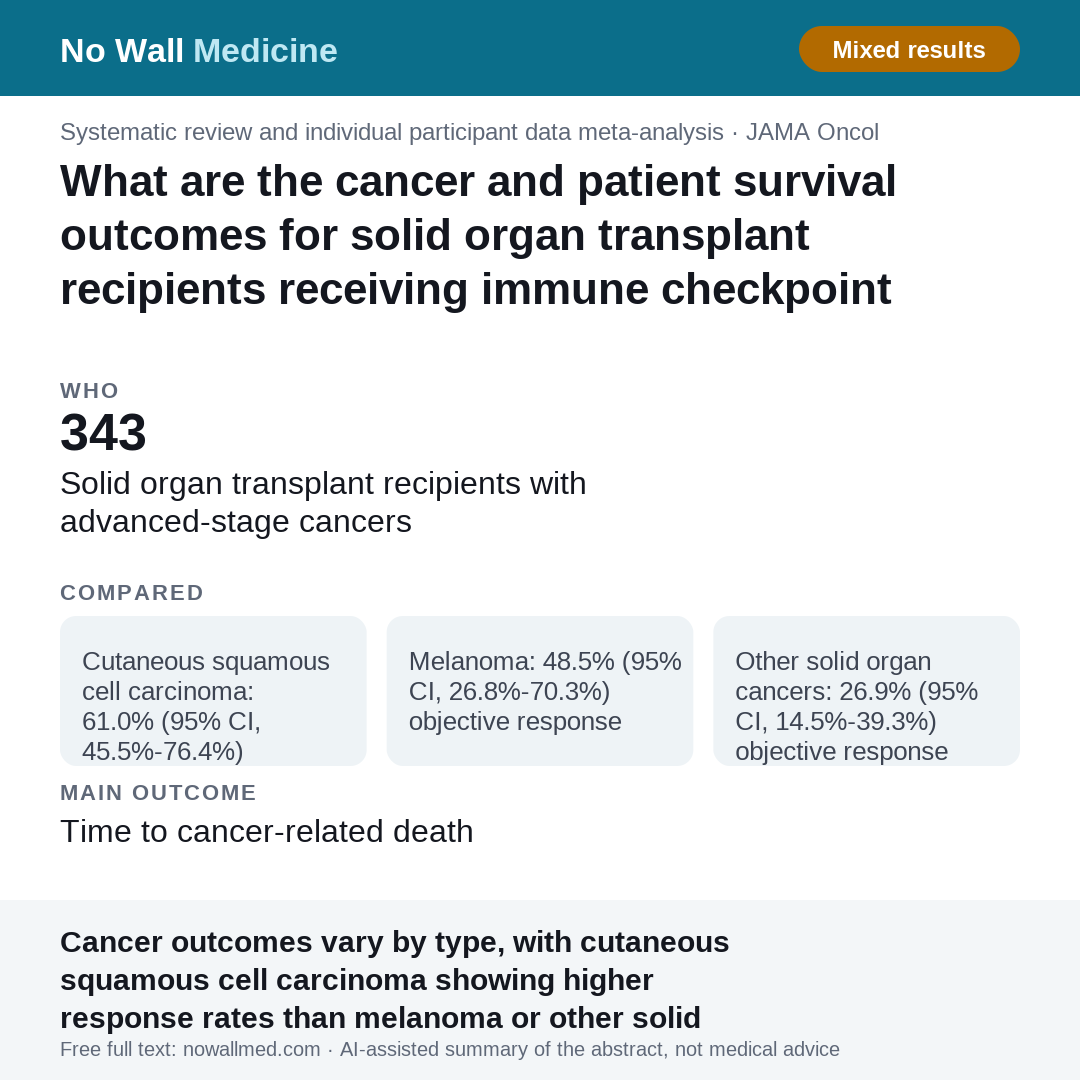
Cardiovascular Outcomes and Efficacy of the PCSK9 Inhibitor Evolocumab in Individuals With Type 1 Diabetes: Insights From the FOURIER Trial
Randomized trialUnclear result
Does intensive LDL cholesterol lowering with evolocumab benefit individuals with type 1 diabetes?
Who
27564
Participants with atherosclerotic cardiovascular disease on statins
Compared
Evolocumab in type 1 diabetes: hazard ratio 0.66 (95% CI 0.32-1.38)
20.4%Placebo in type 1 diabetes
Main outcome
cardiovascular death, myocardial infarction, stroke, unstable angina, or coronary revascularization
Result: hazard ratio 0.66 (95% CI 0.32-1.38)
Bottom line: Intensive LDL cholesterol lowering may provide substantial clinical benefit in individuals with type 1 diabetes and atherosclerotic cardiovascular disease.
Diabetes Care · 2025-06-23Download image
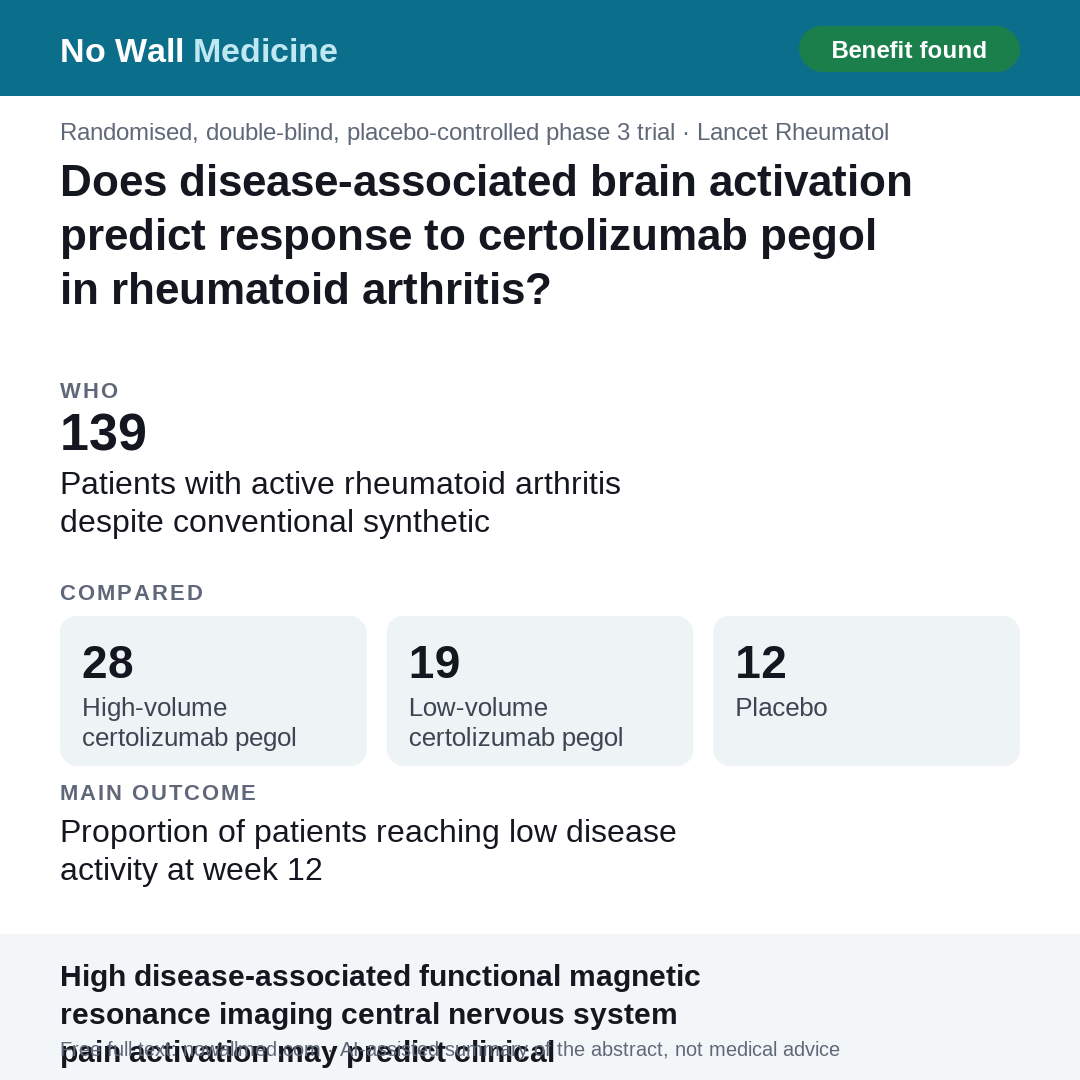
Disease-associated brain activation predicts clinical response to TNF inhibition in rheumatoid arthritis (PreCePra): a randomised, multicentre, double-blind, placebo-controlled phase 3 study
Randomised, double-blind, placebo-controlled phase 3 trialBenefit found
Does disease-associated brain activation predict response to certolizumab pegol in rheumatoid arthritis?
Who
139
Patients with active rheumatoid arthritis despite conventional synthetic disease-modifying antirheumatic drug use · Six rheumatology centres in Germany, Portugal, and Serbia
Compared
28High-volume certolizumab pegol (57%)
19Low-volume certolizumab pegol (44%)
12Placebo (26%)
Main outcome
Proportion of patients reaching low disease activity at week 12
Bottom line: High disease-associated functional magnetic resonance imaging central nervous system pain activation may predict clinical response to certolizumab pegol.
Funded by: UCB Biopharma
Lancet Rheumatol · 2025-06-23Download image
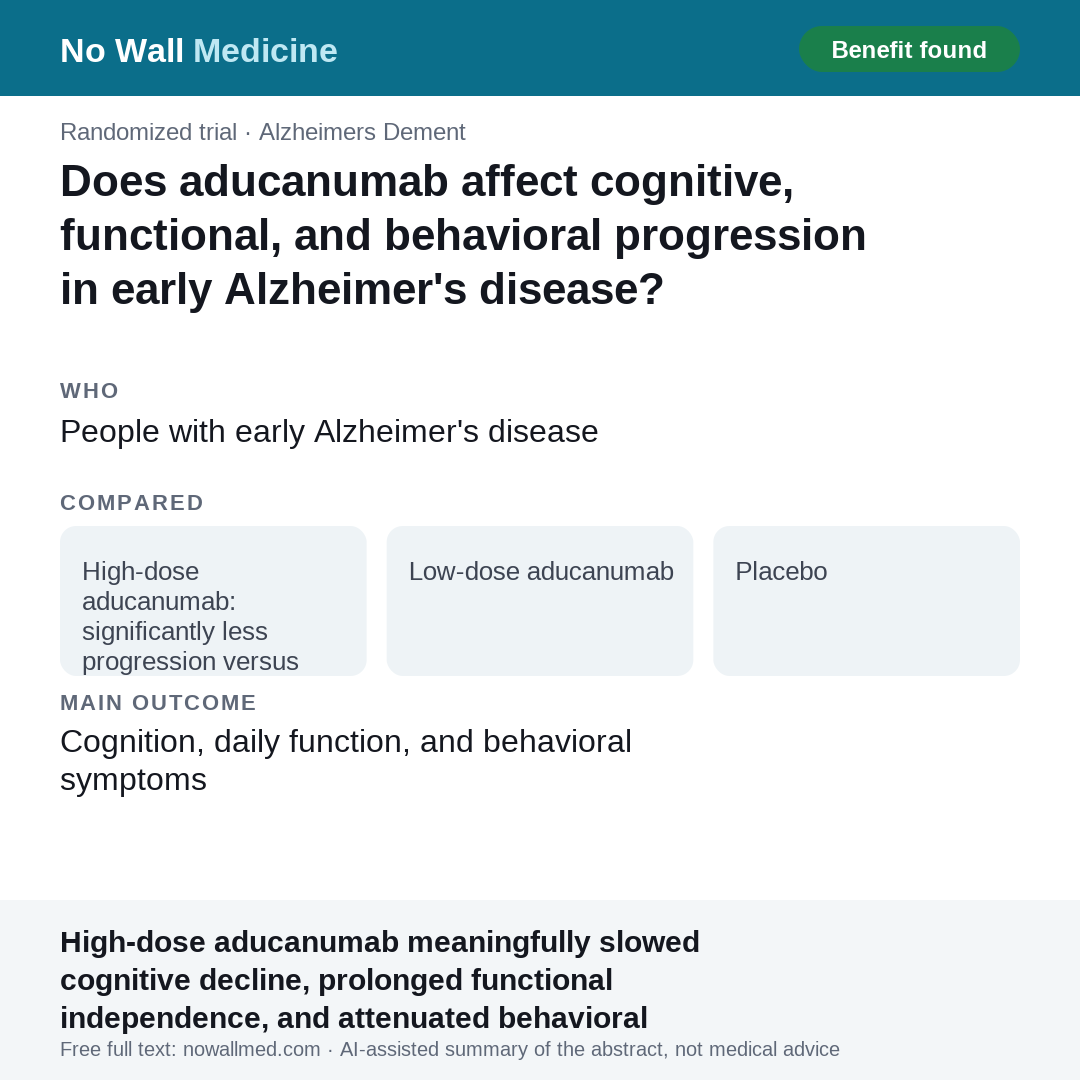
Evaluation of cognitive, functional, and behavioral effects observed in EMERGE, a phase 3 trial of aducanumab in people with early Alzheimer's disease
Randomized trialBenefit found
Does aducanumab affect cognitive, functional, and behavioral progression in early Alzheimer's disease?
Who
People with early Alzheimer's disease
Compared
High-dose aducanumab: significantly less progression versus placebo on all prespecified clinical endpoints
Low-dose aducanumab
Placebo
Main outcome
Cognition, daily function, and behavioral symptoms
Bottom line: High-dose aducanumab meaningfully slowed cognitive decline, prolonged functional independence, and attenuated behavioral symptoms in early Alzheimer's disease.
Alzheimers Dement · 2025-06-23Download image
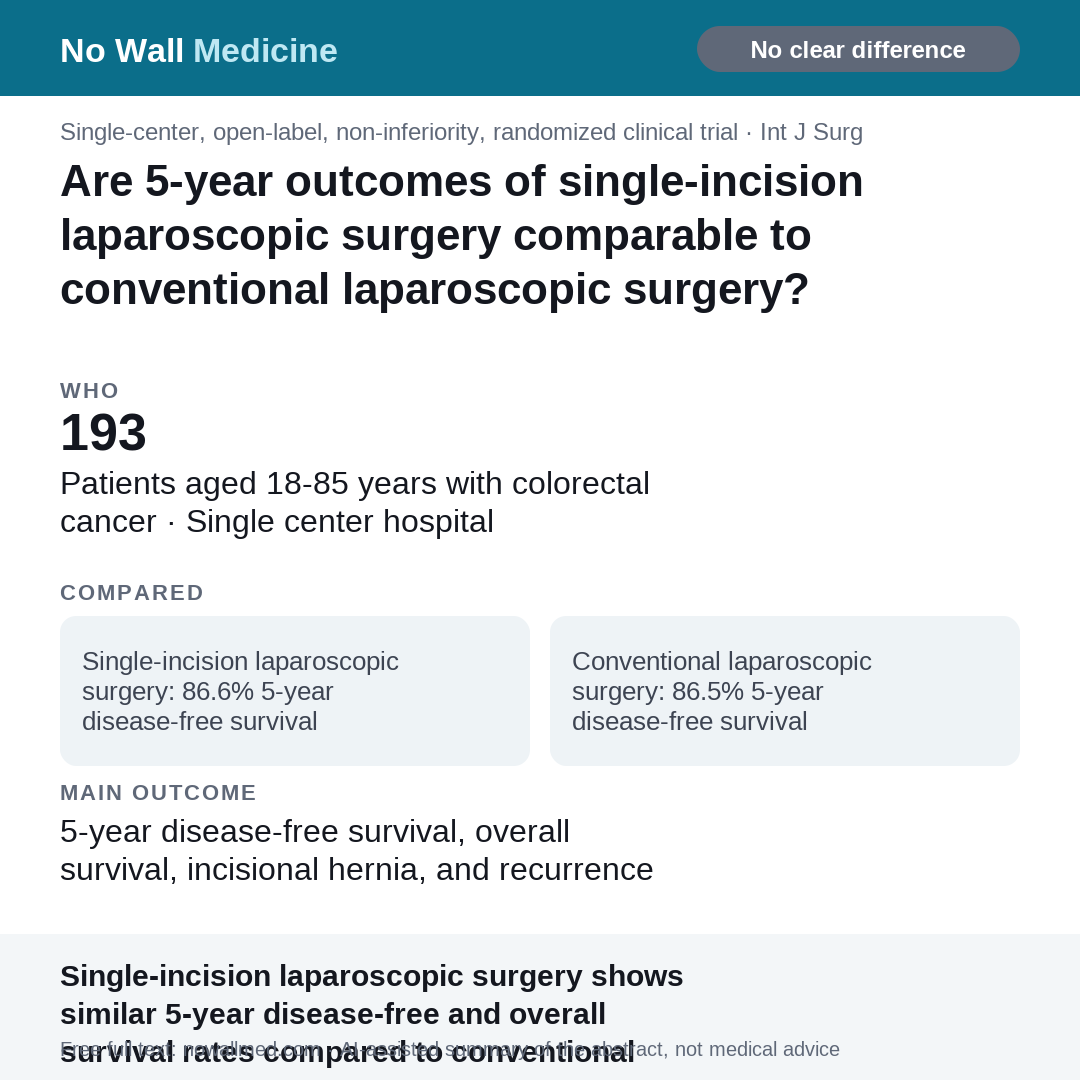
Long-term outcomes of single-incision laparoscopic surgery for colorectal cancer, a single-center, open-label, randomized controlled trial
Single-center, open-label, non-inferiority, randomized clinical trialNo clear difference
Are 5-year outcomes of single-incision laparoscopic surgery comparable to conventional laparoscopic surgery?
Who
193
Patients aged 18-85 years with colorectal cancer · Single center hospital
Compared
Single-incision laparoscopic surgery: 86.6% 5-year disease-free survival
Conventional laparoscopic surgery: 86.5% 5-year disease-free survival
Main outcome
5-year disease-free survival, overall survival, incisional hernia, and recurrence patterns
Result: hazard ratio 1.03 (95% CI 0.47-2.21)
Bottom line: Single-incision laparoscopic surgery shows similar 5-year disease-free and overall survival rates compared to conventional laparoscopic surgery.
Int J Surg · 2025-06-23Download image
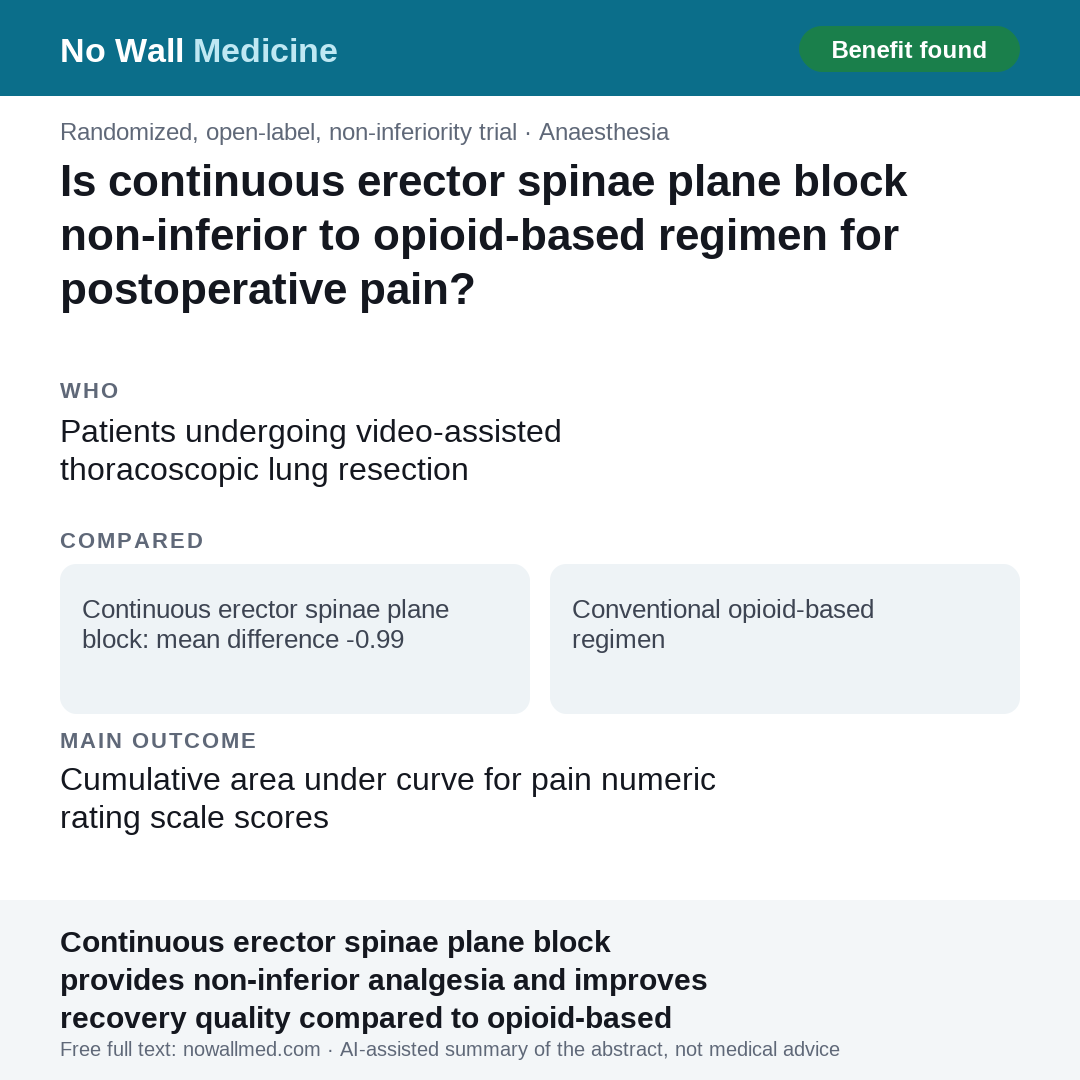
Analgesic efficacy of continuous erector spinae plane block vs. opioid-based regimen for postoperative pain management following video-assisted thoracoscopic lung resection: a prospective, randomised, open-label, non-inferiority trial
Randomized, open-label, non-inferiority trialBenefit found
Is continuous erector spinae plane block non-inferior to opioid-based regimen for postoperative pain?
Who
Patients undergoing video-assisted thoracoscopic lung resection
Compared
Continuous erector spinae plane block: mean difference -0.99
Conventional opioid-based regimen
Main outcome
Cumulative area under curve for pain numeric rating scale scores
Result: mean difference -0.99 (95%CI -11.97 to 9.98)
Bottom line: Continuous erector spinae plane block provides non-inferior analgesia and improves recovery quality compared to opioid-based regimens.
Anaesthesia · 2025-06-23Download image
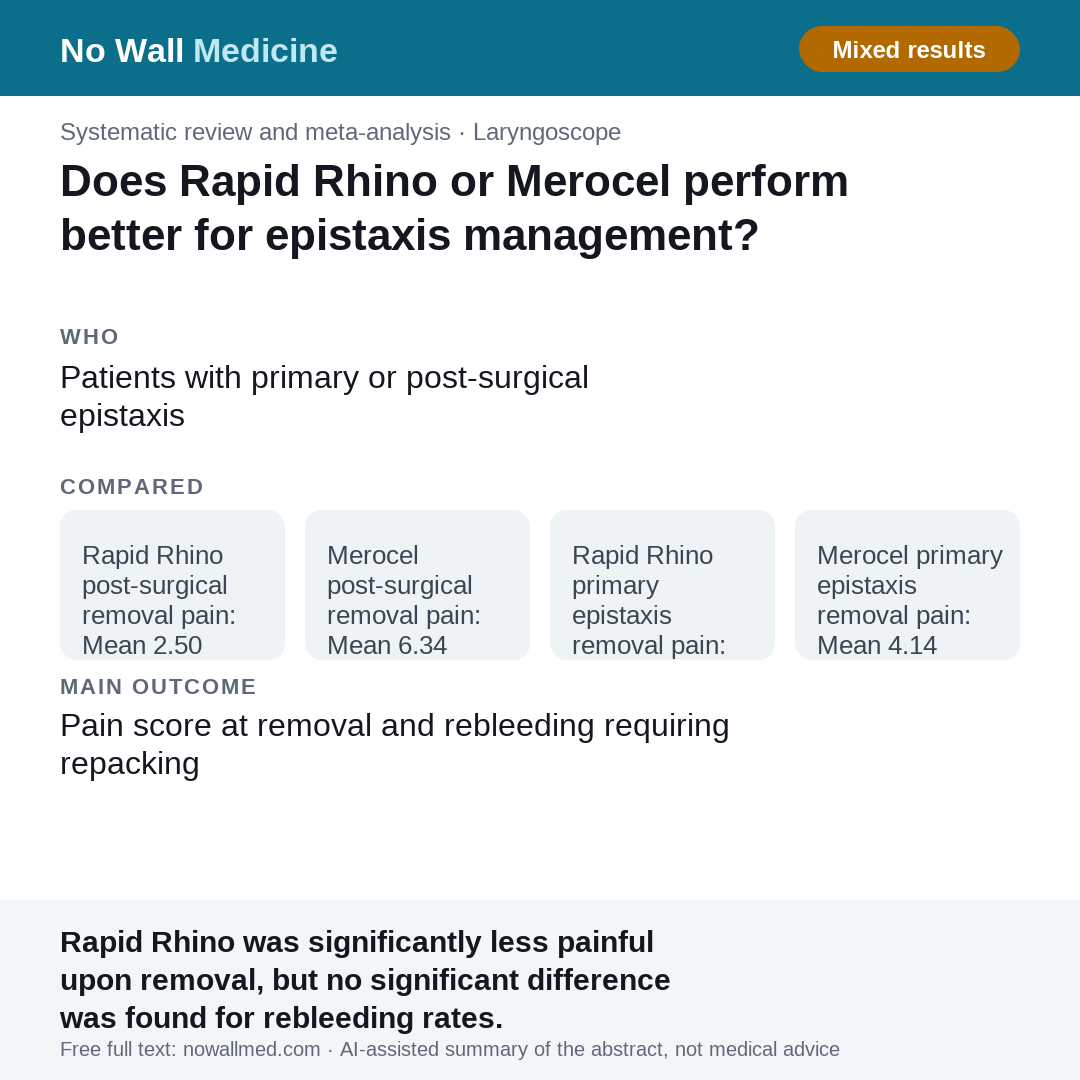
Does Choice of Nasal Pack Matter? A Systematic Review and Meta-Analysis of Merocel and Rapid Rhino
Systematic review and meta-analysisMixed results
Does Rapid Rhino or Merocel perform better for epistaxis management?
Who
Patients with primary or post-surgical epistaxis
Compared
Rapid Rhino post-surgical removal pain: Mean 2.50 [1.72, 3.28]
Merocel post-surgical removal pain: Mean 6.34 [5.58, 7.10]
Rapid Rhino primary epistaxis removal pain: Mean 2.28 [0.95, 3.61]
Merocel primary epistaxis removal pain: Mean 4.14 [3.31, 4.97]
Main outcome
Pain score at removal and rebleeding requiring repacking
Bottom line: Rapid Rhino was significantly less painful upon removal, but no significant difference was found for rebleeding rates.
Laryngoscope · 2025-06-23Download image
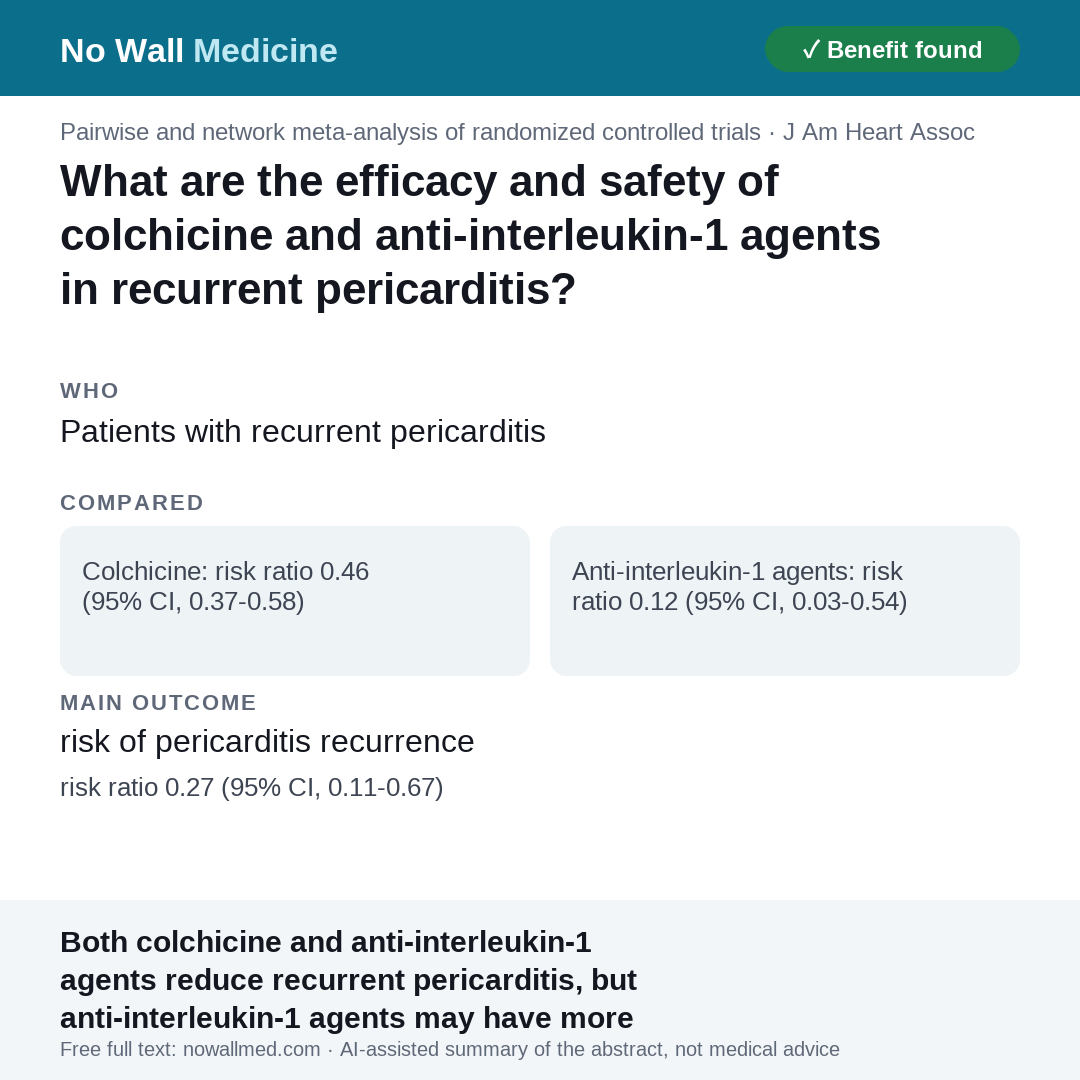
Comparative Efficacy and Safety of Colchicine and Anti-Interleukin-1 Agents in Recurrent Pericarditis: A Pairwise and Network Meta-Analysis of Randomized Controlled Trials
Pairwise and network meta-analysis of randomized controlled trialsBenefit found
What are the efficacy and safety of colchicine and anti-interleukin-1 agents in recurrent pericarditis?
Who
6
Patients with recurrent pericarditis
Compared
Colchicine: risk ratio 0.46 (95% CI, 0.37-0.58)
Anti-interleukin-1 agents: risk ratio 0.12 (95% CI, 0.03-0.54)
Main outcome
risk of pericarditis recurrence
Result: risk ratio 0.27 (95% CI, 0.11-0.67)
Bottom line: Both colchicine and anti-interleukin-1 agents reduce recurrent pericarditis, but anti-interleukin-1 agents may have more frequent adverse events.
Limitation: evidence on serious adverse events remains inconclusive
J Am Heart Assoc · 2025-06-23Download image
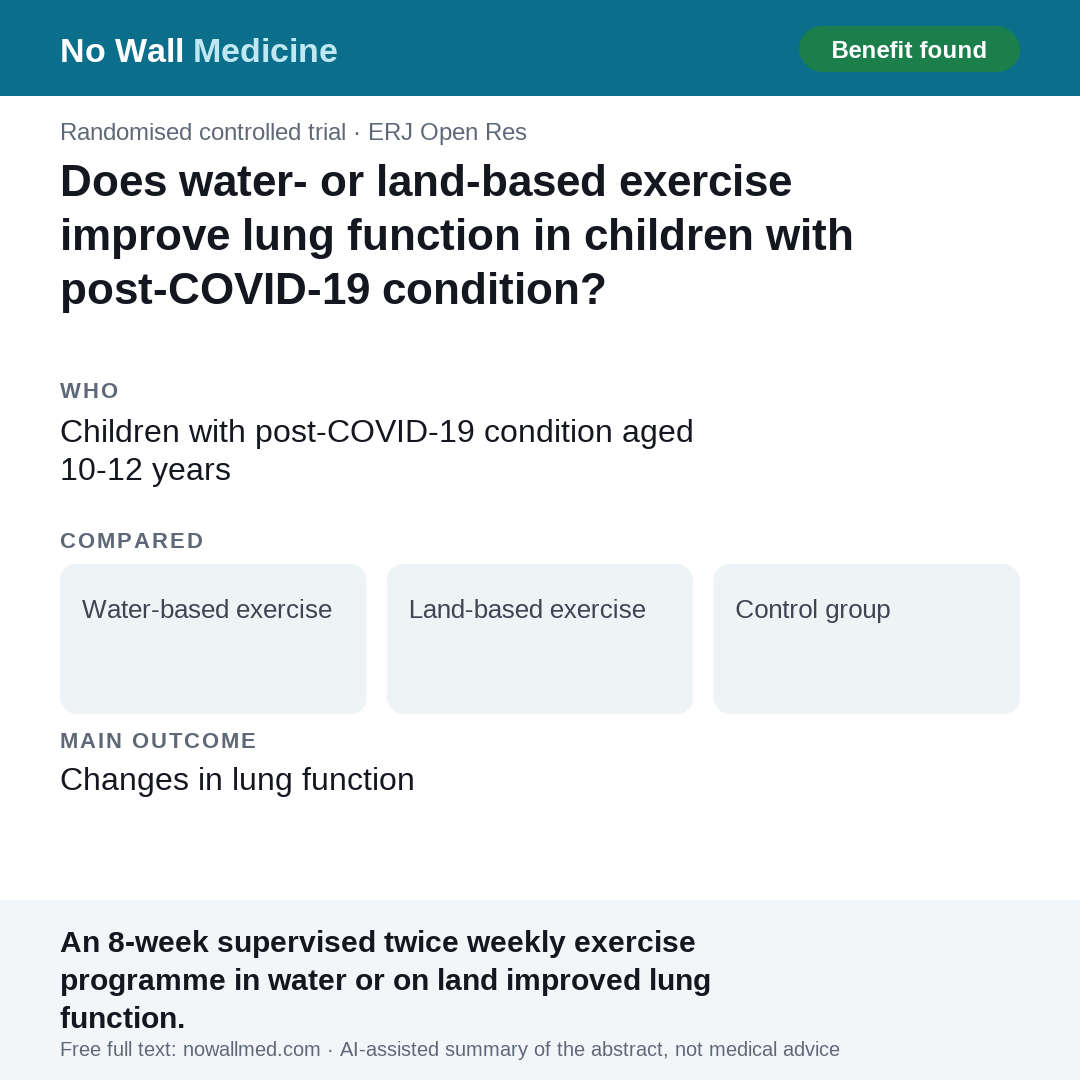
Effect of water- and land-based exercise on lung function in children with post-COVID-19 condition: secondary results from a randomised controlled trial
Randomised controlled trialBenefit found
Does water- or land-based exercise improve lung function in children with post-COVID-19 condition?
Who
Children with post-COVID-19 condition aged 10-12 years
Compared
Water-based exercise
Land-based exercise
Control group
Main outcome
Changes in lung function
Bottom line: An 8-week supervised twice weekly exercise programme in water or on land improved lung function.
ERJ Open Res · 2025-06-23Download image
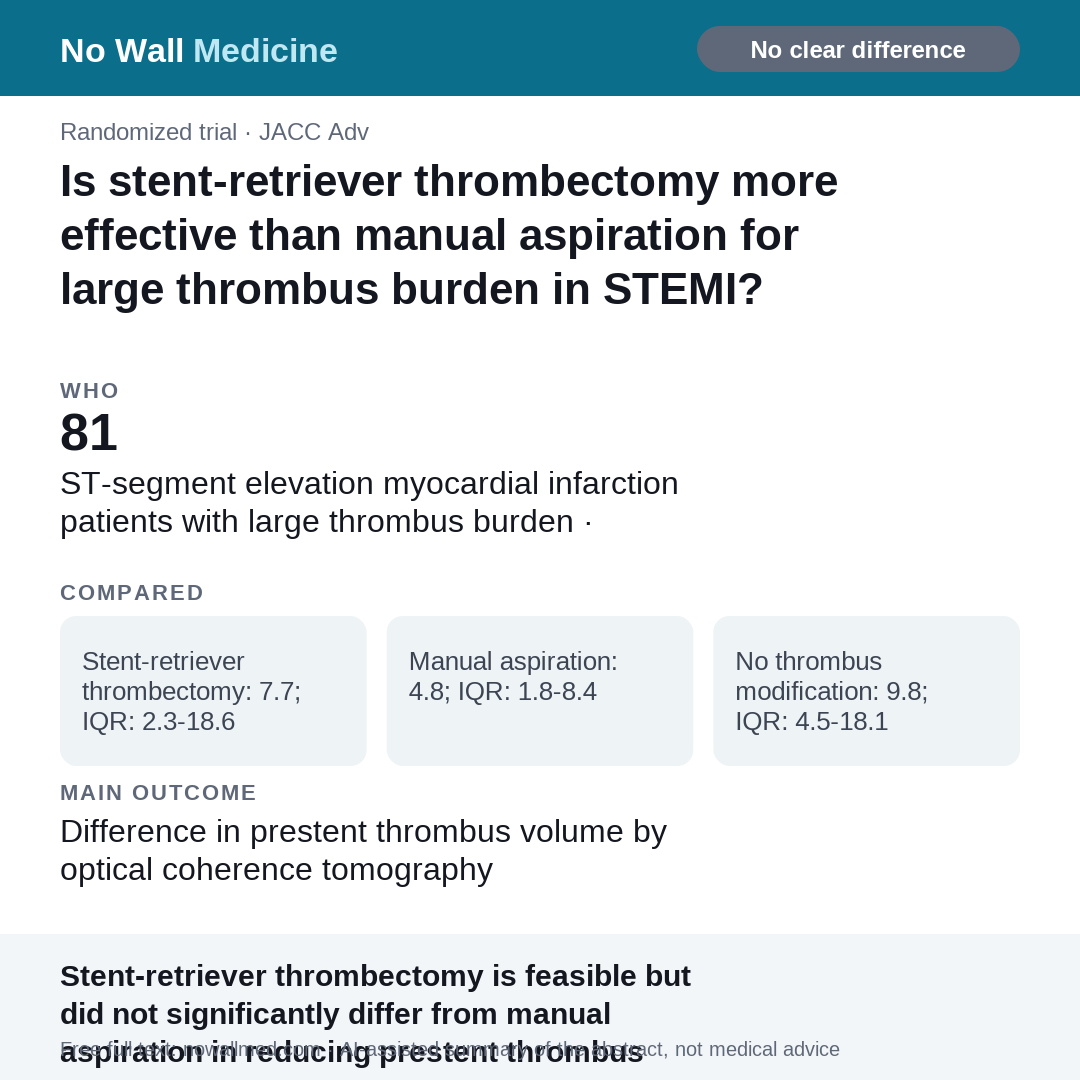
Stent-Retriever Thrombectomy in STEMI With Large Thrombus Burden: The RETRIEVE AMI Randomized Trial
Randomized trialNo clear difference
Is stent-retriever thrombectomy more effective than manual aspiration for large thrombus burden in STEMI?
Who
81
ST-segment elevation myocardial infarction patients with large thrombus burden · Single-center study
Compared
Stent-retriever thrombectomy: 7.7; IQR: 2.3-18.6
Manual aspiration: 4.8; IQR: 1.8-8.4
No thrombus modification: 9.8; IQR: 4.5-18.1
Main outcome
Difference in prestent thrombus volume by optical coherence tomography
Bottom line: Stent-retriever thrombectomy is feasible but did not significantly differ from manual aspiration in reducing prestent thrombus volume.
Limitation: Larger multicenter studies using optical coherence tomography-based criteria are needed to minimize variability.
JACC Adv · 2025-06-23Download image