Visual abstracts
New randomized trials and meta-analyses from leading journals at a glance: who was studied, what was compared, and what was found. Every paper is free to read in full.
All specialtiesCardiology 4800Oncology 4084Gastroenterology & Hepatology 1917Infectious Disease 3789Neurology 1886Psychiatry & Mental Health 2240Pulmonology 2061Critical Care 1335Endocrinology & Diabetes 2553Pediatrics 2914Surgery 2500Orthopedics & Sports Medicine 923Neurosurgery 532Cardiothoracic & Vascular Surgery 665Plastic & Reconstructive Surgery 585Nephrology 1115Rheumatology 815Hematology 1099Dermatology 619Ophthalmology 539Obstetrics & Gynecology 1661Public & Global Health 1044Radiology & Imaging 637Anesthesiology 959Urology 751ENT (Otolaryngology) 497Emergency Medicine 484Allergy & Immunology 310Geriatrics 974Family Medicine & Primary Care 538Medical Genetics & Genomics 662Pathology & Laboratory Medicine 156Physical Medicine & Rehabilitation 746Palliative Care 422Nutrition 1566Digital Health & AI 2191General Medicine 319
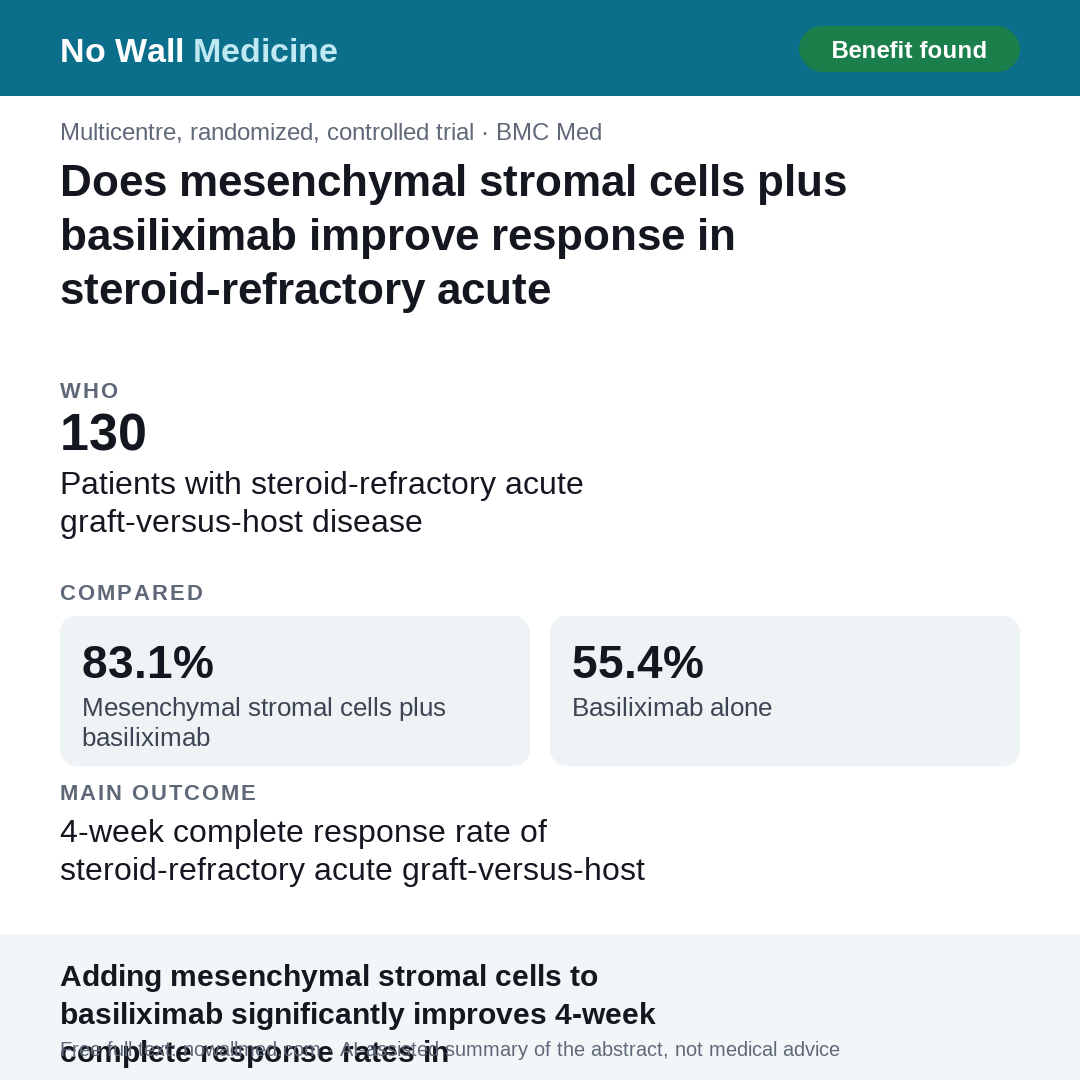
Mesenchymal stromal cells plus basiliximab improve the response of steroid-refractory acute graft-versus-host disease as a second-line therapy: a multicentre, randomized, controlled trial
Multicentre, randomized, controlled trialBenefit found
Does mesenchymal stromal cells plus basiliximab improve response in steroid-refractory acute graft-versus-host disease?
Who
130
Patients with steroid-refractory acute graft-versus-host disease
Compared
83.1%Mesenchymal stromal cells plus basiliximab
55.4%Basiliximab alone
Main outcome
4-week complete response rate of steroid-refractory acute graft-versus-host disease
Bottom line: Adding mesenchymal stromal cells to basiliximab significantly improves 4-week complete response rates in steroid-refractory acute graft-versus-host disease.
BMC Med · 2024-02-27Download image
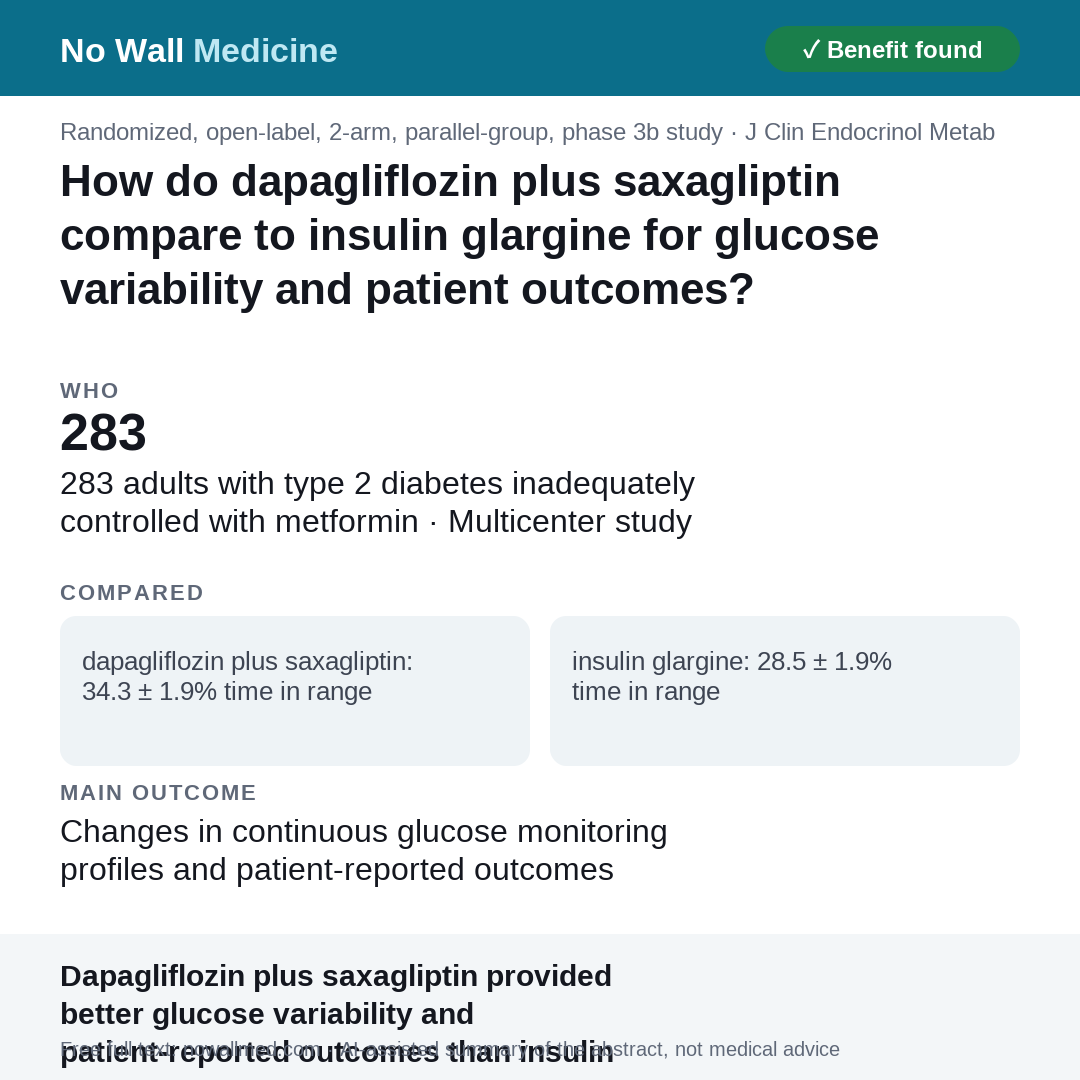
Continuous Glucose Monitoring Profiles and Health Outcomes After Dapagliflozin Plus Saxagliptin vs Insulin Glargine
Randomized, open-label, 2-arm, parallel-group, phase 3b studyBenefit found
How do dapagliflozin plus saxagliptin compare to insulin glargine for glucose variability and patient outcomes?
Who
283
283 adults with type 2 diabetes inadequately controlled with metformin · Multicenter study in 11 countries
Compared
dapagliflozin plus saxagliptin: 34.3 ± 1.9% time in range
insulin glargine: 28.5 ± 1.9% time in range
Main outcome
Changes in continuous glucose monitoring profiles and patient-reported outcomes
Result: mean difference in HbA1c decreases -0.12% (95% CI -0.37 to 0.12%)
Bottom line: Dapagliflozin plus saxagliptin provided better glucose variability and patient-reported outcomes than insulin glargine despite similar HbA1c reduction.
J Clin Endocrinol Metab · 2024-02-27Download image
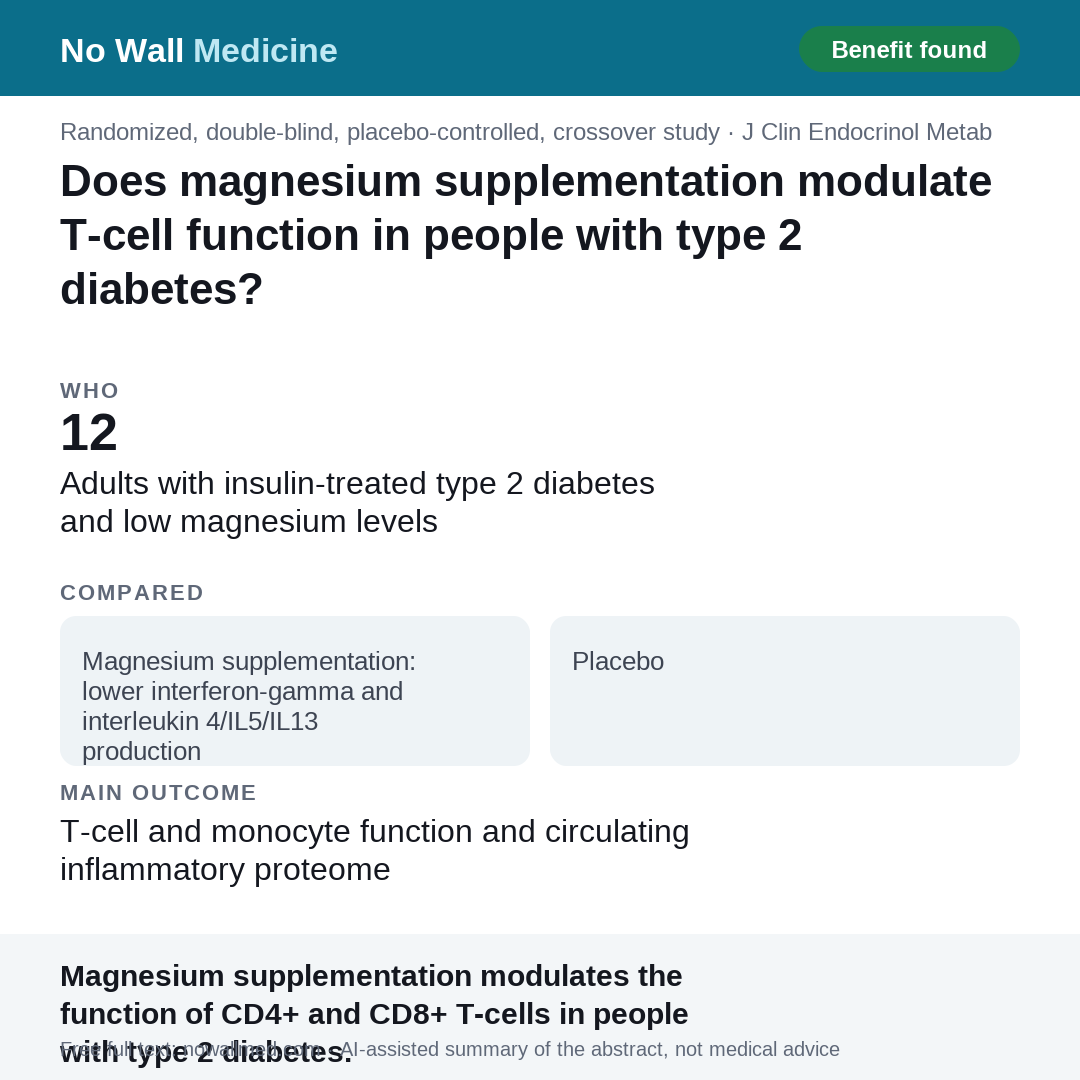
Magnesium Supplementation Modulates T-cell Function in People with Type 2 Diabetes and Low Serum Magnesium Levels
Randomized, double-blind, placebo-controlled, crossover studyBenefit found
Does magnesium supplementation modulate T-cell function in people with type 2 diabetes?
Who
12
Adults with insulin-treated type 2 diabetes and low magnesium levels
Compared
Magnesium supplementation: lower interferon-gamma and interleukin 4/IL5/IL13 production
Placebo
Main outcome
T-cell and monocyte function and circulating inflammatory proteome
Bottom line: Magnesium supplementation modulates the function of CD4+ and CD8+ T-cells in people with type 2 diabetes.
J Clin Endocrinol Metab · 2024-02-27Download image
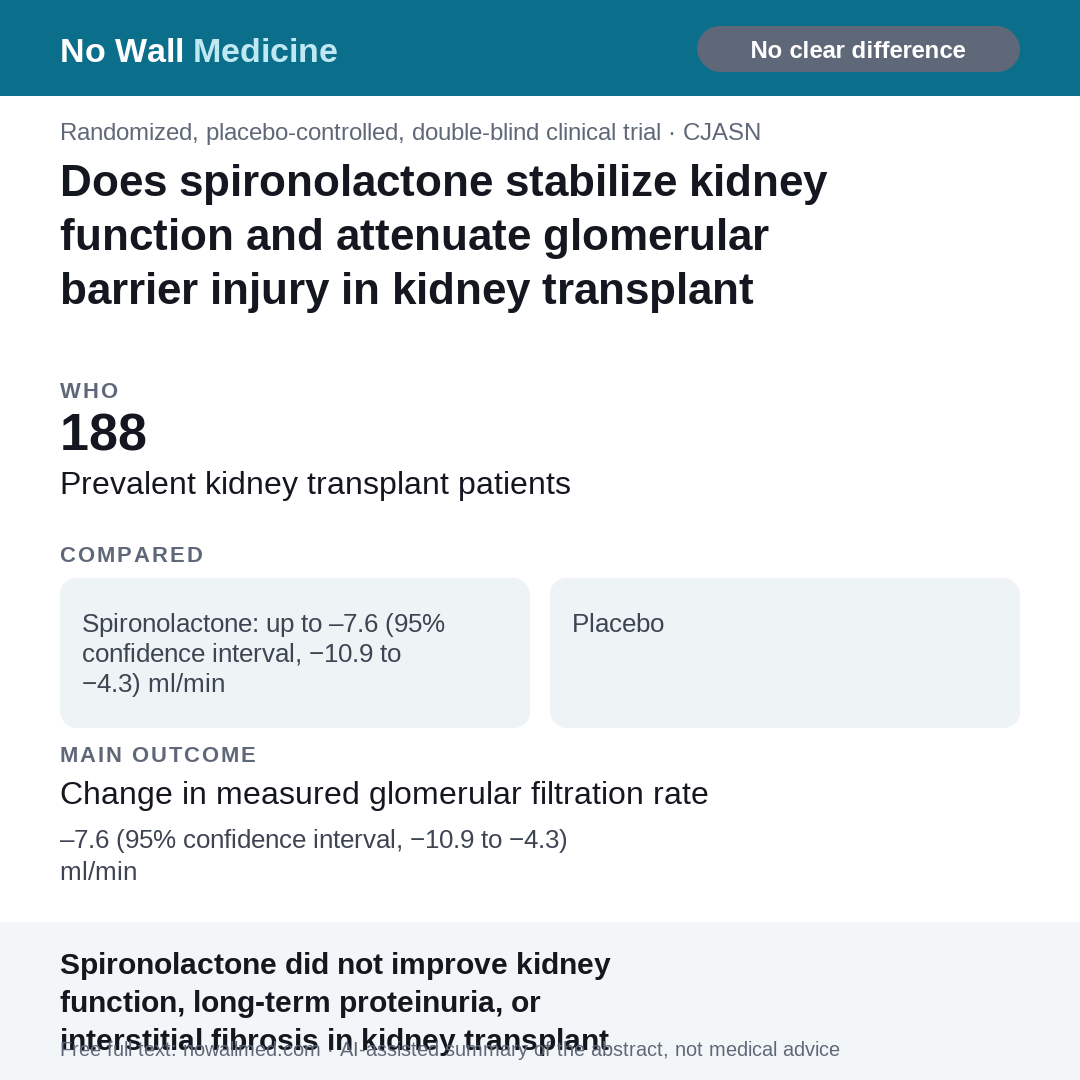
Effect of Spironolactone on Kidney Function in Kidney Transplant Recipients (the SPIREN trial): A Randomized Placebo-Controlled Clinical Trial
Randomized, placebo-controlled, double-blind clinical trialNo clear difference
Does spironolactone stabilize kidney function and attenuate glomerular barrier injury in kidney transplant patients?
Who
188
Prevalent kidney transplant patients
Compared
Spironolactone: up to –7.6 (95% confidence interval, −10.9 to −4.3) ml/min
Placebo
Main outcome
Change in measured glomerular filtration rate
Result: –7.6 (95% confidence interval, −10.9 to −4.3) ml/min
Bottom line: Spironolactone did not improve kidney function, long-term proteinuria, or interstitial fibrosis in kidney transplant patients.
CJASN · 2024-02-27Download image
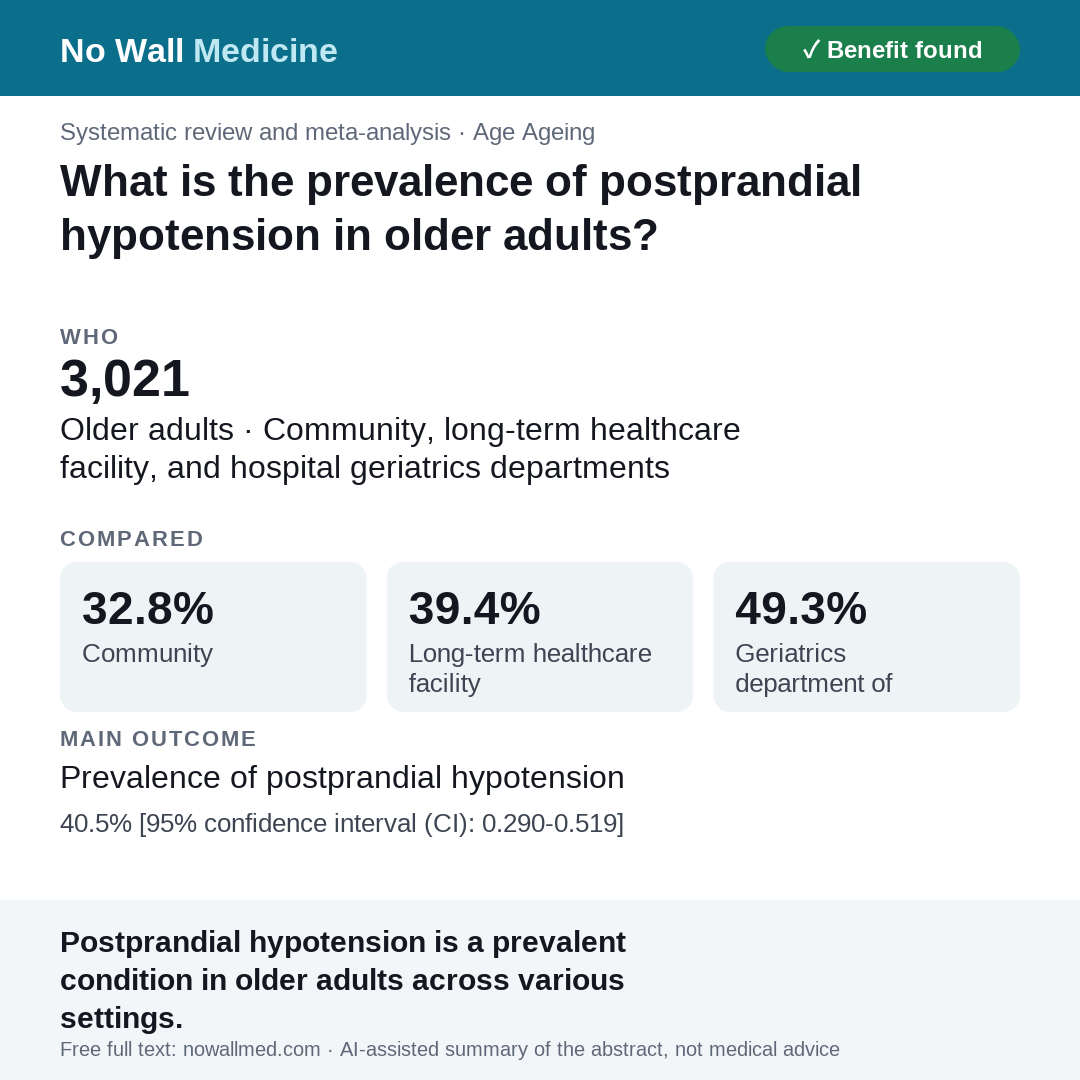
Prevalence of postprandial hypotension in older adults: a systematic review and meta-analysis
Systematic review and meta-analysisBenefit found
What is the prevalence of postprandial hypotension in older adults?
Who
3,021
Older adults · Community, long-term healthcare facility, and hospital geriatrics departments
Compared
32.8%Community (95% CI: 0.078-0.647)
39.4%Long-term healthcare facility (95% CI: 0.254-0.610)
49.3%Geriatrics department of hospitals (95% CI: 0.357-0.630)
Main outcome
Prevalence of postprandial hypotension
Result: 40.5% [95% confidence interval (CI): 0.290-0.519]
Bottom line: Postprandial hypotension is a prevalent condition in older adults across various settings.
Limitation: Significant heterogeneity due to different ages, sex, blood pressure levels, and diagnostic criteria.
Age Ageing · 2024-02-27Download image
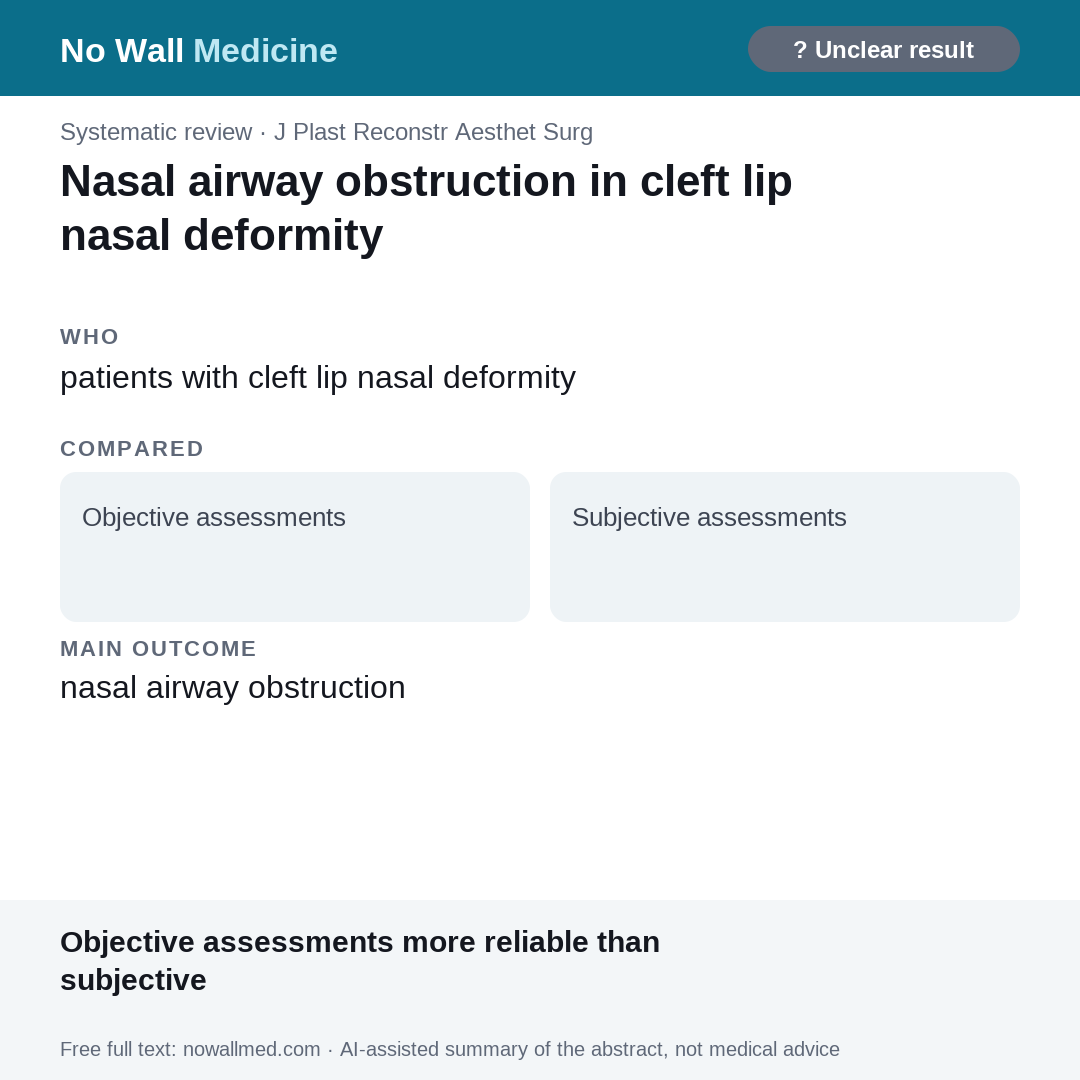
Nasal airway obstruction in patients with cleft lip nasal deformity: A systematic review
Systematic reviewUnclear result
Nasal airway obstruction in cleft lip nasal deformity
Who
patients with cleft lip nasal deformity
Compared
Objective assessments
Subjective assessments
Main outcome
nasal airway obstruction
Bottom line: Objective assessments more reliable than subjective
J Plast Reconstr Aesthet Surg · 2024-02-27Download image
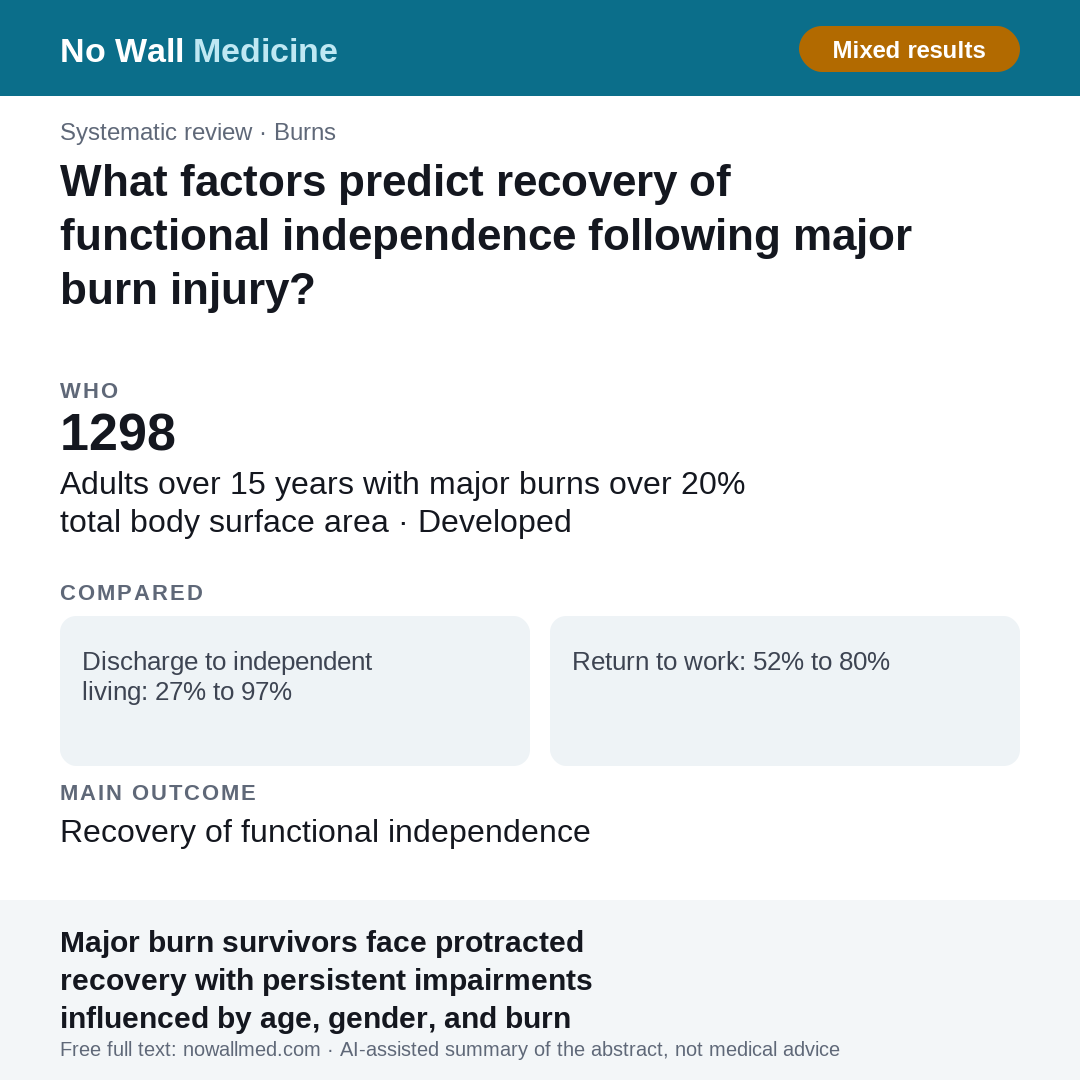
Recovery of functional independence following major burn: A systematic review
Systematic reviewMixed results
What factors predict recovery of functional independence following major burn injury?
Who
1298
Adults over 15 years with major burns over 20% total body surface area · Developed specialised burn services
Compared
Discharge to independent living: 27% to 97%
Return to work: 52% to 80%
Main outcome
Recovery of functional independence
Bottom line: Major burn survivors face protracted recovery with persistent impairments influenced by age, gender, and burn severity.
Burns · 2024-02-27Download image
Varenicline solution nasal spray for dry eye disease in Chinese patients: a randomized phase 3 trial
Randomized, multicenter, double-masked, phase 3 clinical trialBenefit found
Is varenicline solution nasal spray effective for dry eye disease in Chinese patients?
Who
340
Chinese patients with dry eye disease · 20 hospitals across China
Compared
35.8%varenicline solution nasal spray (63/176)
17.7%vehicle (29/164)
Main outcome
percentage of subjects achieving ≥10 mm improvement in Schirmer's Test Score
Result: stratified odds ratio: 2.67, 95% CI: 1.570-4.533
Bottom line: Varenicline solution nasal spray significantly improved Schirmer's Test Score in Chinese patients with dry eye disease.
Funded by: Jixing Pharmaceutical Co. Ltd.
Lancet Reg Health West Pac · 2024-02-27Download image
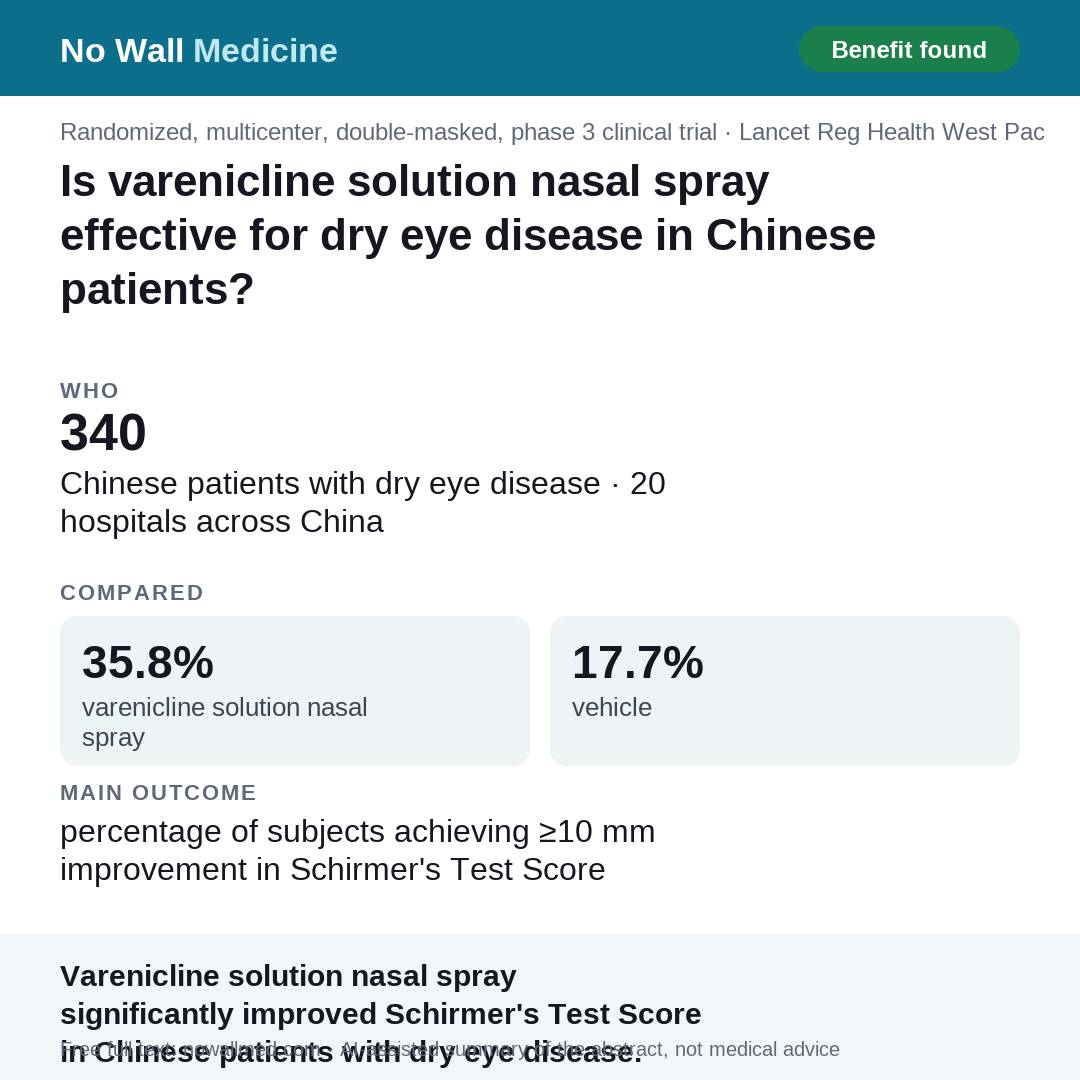
Blood Pressure and Heart Rate Variability and the Impact on Pregnancy Outcomes: A Systematic Review
Systematic reviewHarm found
Does long-term blood pressure variability associate with adverse maternal and perinatal outcomes in pregnancy?
Who
138 949
Pregnant women
Compared
Higher blood pressure variability: gestational hypertension odds ratio range 1.40-2.15
Lower blood pressure variability
Main outcome
Adverse maternal and perinatal outcomes
Bottom line: Greater long-term blood pressure variability is associated with increased maternal and fetal adverse outcomes.
Limitation: No studies reported heart rate variability and its association with pregnancy outcomes.
J Am Heart Assoc · 2024-02-27Download image
CT and MRI radiomics of bone and soft-tissue sarcomas: an updated systematic review of reproducibility and validation strategies
Systematic reviewBenefit found
What are the reproducibility and validation strategies in bone and soft-tissue sarcoma radiomics?
Who
55
Radiomics studies of bone and soft-tissue sarcomas · EMBASE and PubMed databases
Compared
59%Studies with feature reproducibility analysis
69%Studies with clinical model validation
Main outcome
Radiomic feature reproducibility and model validation strategies
Bottom line: Recent studies show improved methodological reporting of feature reproducibility and model validation compared to studies published before 2020.
Insights Imaging · 2024-02-27Download image

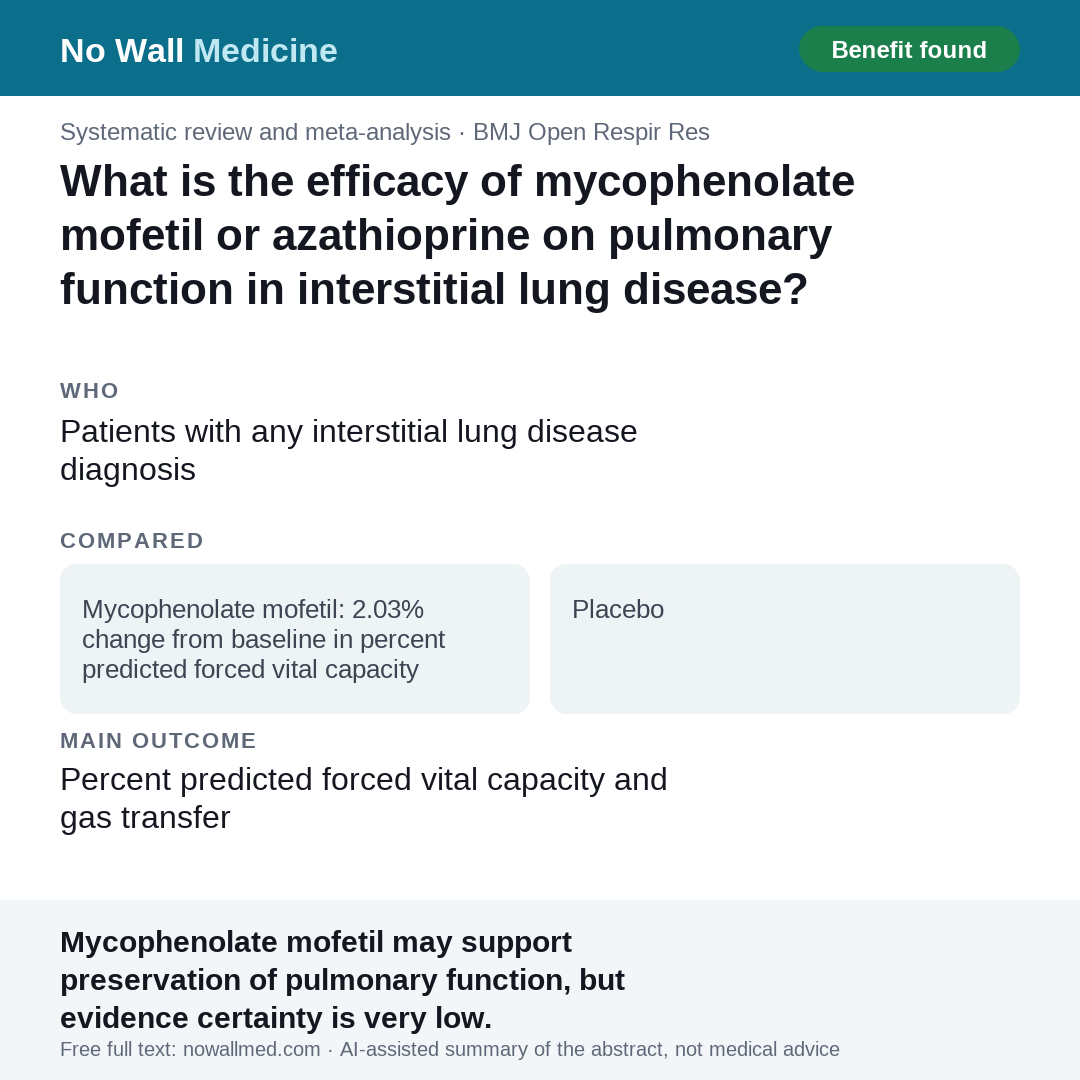
Mycophenolate and azathioprine efficacy in interstitial lung disease: a systematic review and meta-analysis
Systematic review and meta-analysisBenefit found
What is the efficacy of mycophenolate mofetil or azathioprine on pulmonary function in interstitial lung disease?
Who
Patients with any interstitial lung disease diagnosis
Compared
Mycophenolate mofetil: 2.03% change from baseline in percent predicted forced vital capacity
Placebo
Main outcome
Percent predicted forced vital capacity and gas transfer
Result: percent predicted forced vital capacity 2.03% (95% CI 0.65 to 3.42)
Bottom line: Mycophenolate mofetil may support preservation of pulmonary function, but evidence certainty is very low.
Limitation: Limited randomized controlled trials and very low certainty of evidence.
BMJ Open Respir Res · 2024-02-27Download image
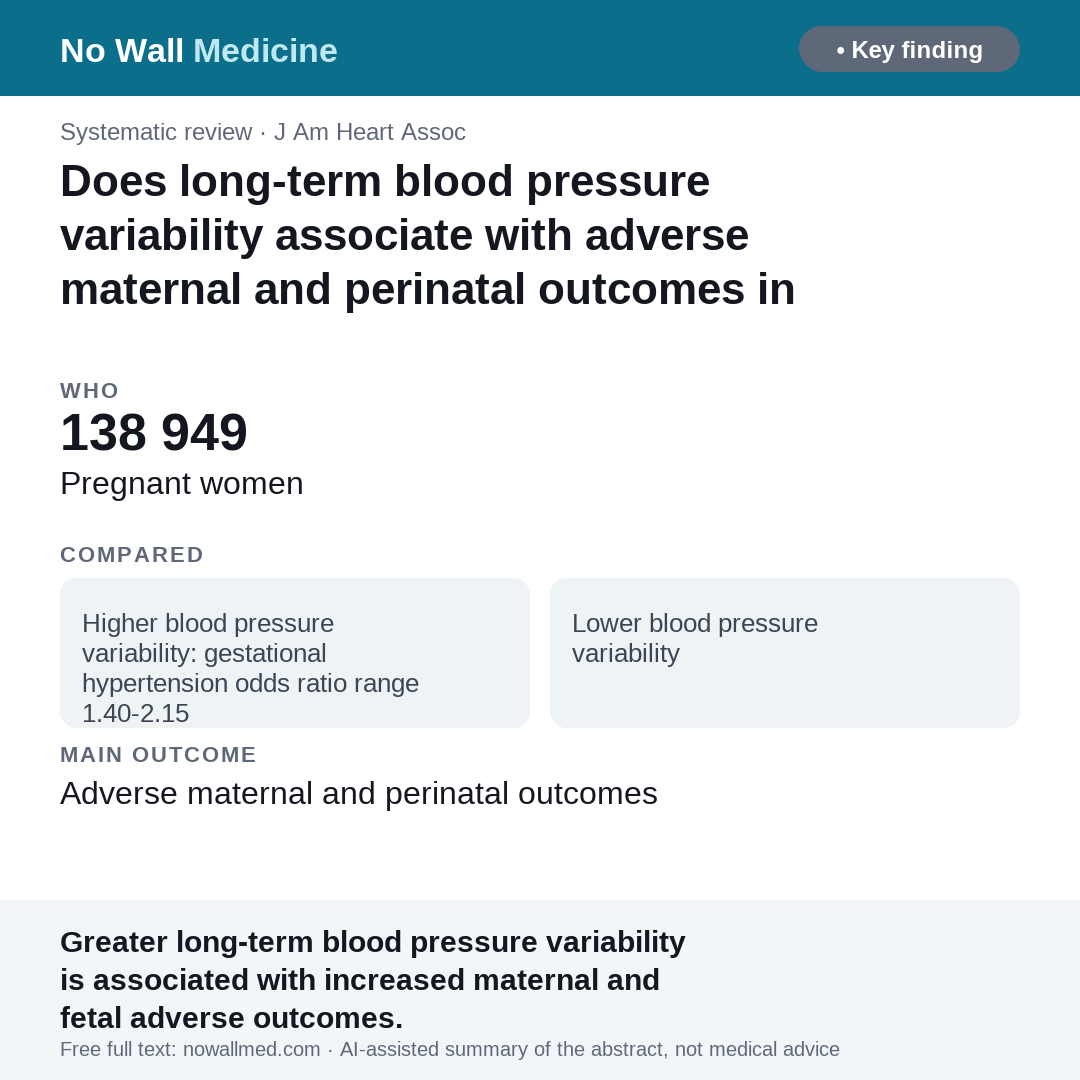
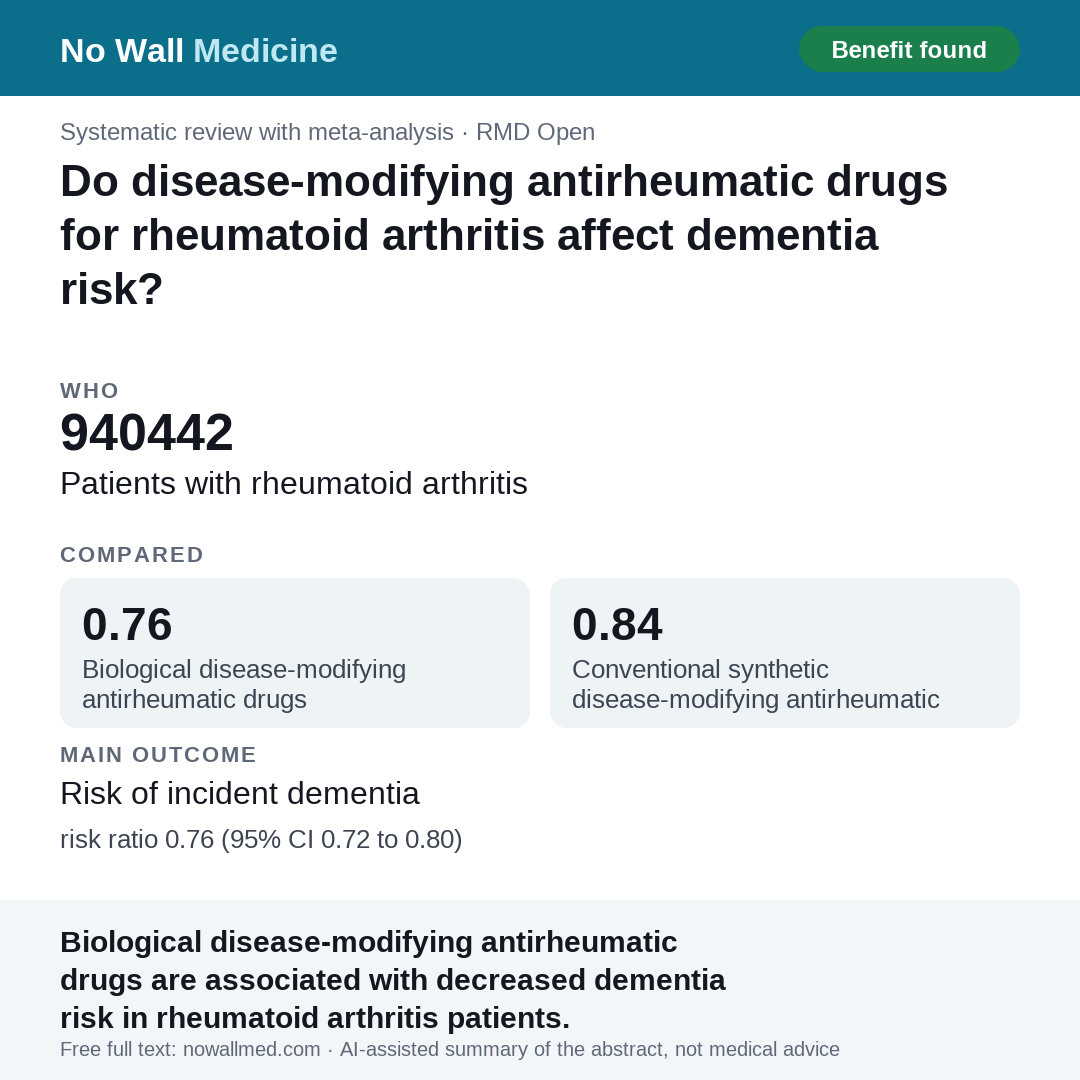
Association between disease-modifying antirheumatic drugs for rheumatoid arthritis and risk of incident dementia: a systematic review with meta-analysis
Systematic review with meta-analysisBenefit found
Do disease-modifying antirheumatic drugs for rheumatoid arthritis affect dementia risk?
Who
940442
Patients with rheumatoid arthritis
Compared
0.76Biological disease-modifying antirheumatic drugs (95% CI 0.72 to 0.80)
0.84Conventional synthetic disease-modifying antirheumatic drugs (95% CI 0.59 to 1.20)
Main outcome
Risk of incident dementia
Result: risk ratio 0.76 (95% CI 0.72 to 0.80)
Bottom line: Biological disease-modifying antirheumatic drugs are associated with decreased dementia risk in rheumatoid arthritis patients.
Limitation: Controlled clinical trials on tumor necrosis factor inhibitors are necessary to test neuroprotective potentials.
RMD Open · 2024-02-27Download image
Chatbots That Deliver Contraceptive Support: Systematic Review
Systematic review of 15 sourcesUnclear result
Do chatbots improve contraceptive knowledge, attitudes, and behaviors?
Who
Users of chatbots offering contraceptive information and services
Compared
Chatbot users: no effect on intention to use contraception
Control or alternative
Main outcome
Contraceptive knowledge, attitudes, and behaviors
Bottom line: Limited and conflicting evidence suggests chatbots have no effect on intention to use contraception.
Limitation: Limited evidence, lack of formal evaluation, and lack of standardized definition of chatbot.
J Med Internet Res · 2024-02-27Download image

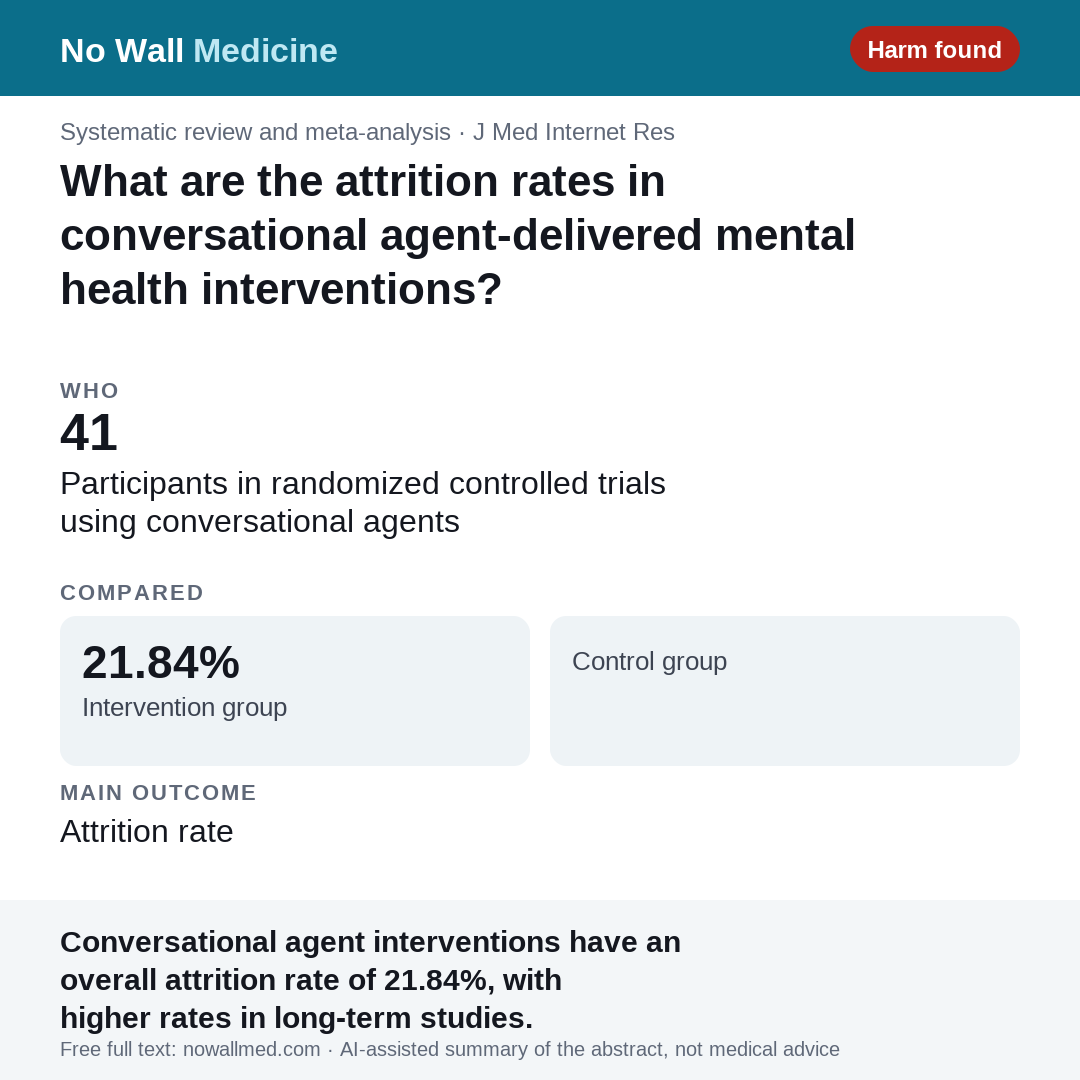
Attrition in Conversational Agent-Delivered Mental Health Interventions: Systematic Review and Meta-Analysis
Systematic review and meta-analysisHarm found
What are the attrition rates in conversational agent-delivered mental health interventions?
Who
41
Participants in randomized controlled trials using conversational agents
Compared
21.84%Intervention group (95% CI 16.74%-27.36%)
Control group
Main outcome
Attrition rate
Result: log odds ratio 1.33 (95% CI 1.08-1.65) for long-term studies
Bottom line: Conversational agent interventions have an overall attrition rate of 21.84%, with higher rates in long-term studies.
Limitation: High heterogeneities made it difficult to generalize the findings.
J Med Internet Res · 2024-02-27Download image
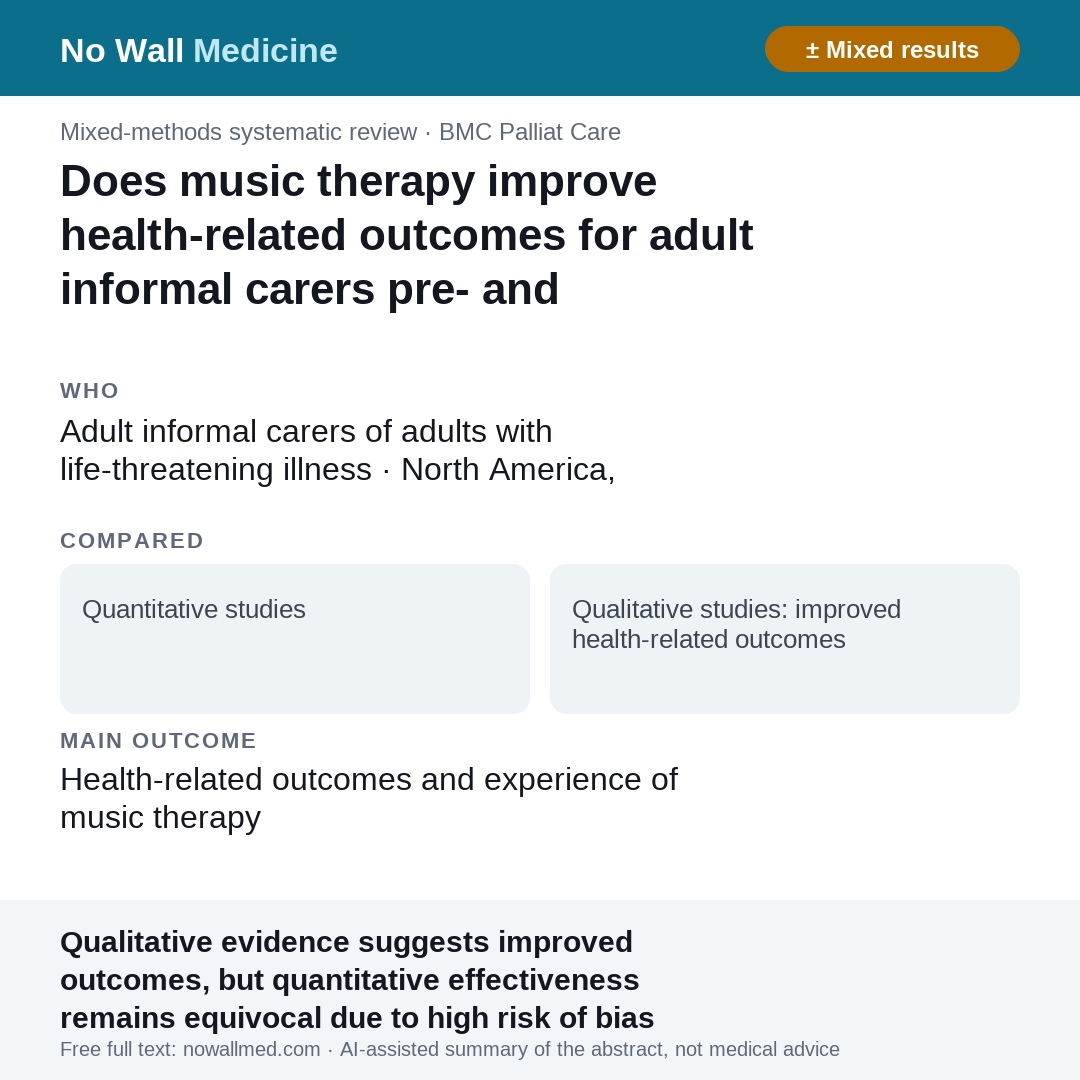
Music therapy for supporting informal carers of adults with life-threatening illness pre- and post-bereavement; a mixed-methods systematic review
Mixed-methods systematic reviewMixed results
Does music therapy improve health-related outcomes for adult informal carers pre- and post-bereavement?
Who
34
Adult informal carers of adults with life-threatening illness · North America, Australia, and Europe
Compared
Quantitative studies
Qualitative studies: improved health-related outcomes
Main outcome
Health-related outcomes and experience of music therapy
Bottom line: Qualitative evidence suggests improved outcomes, but quantitative effectiveness remains equivocal due to high risk of bias and small samples.
Limitation: High risk of bias, small samples in quantitative studies, and limited studies including those bereaved.
BMC Palliat Care · 2024-02-27Download image
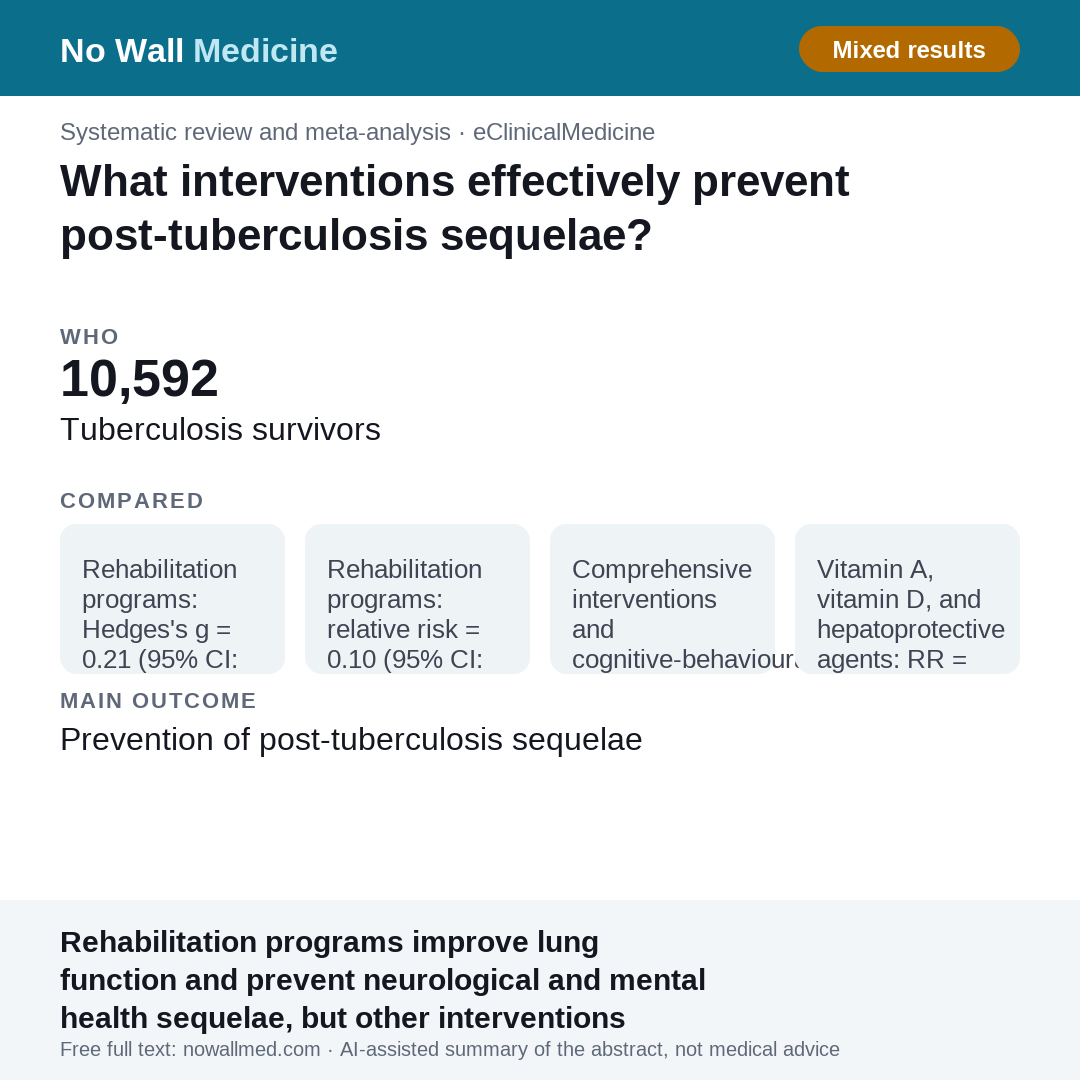
Interventions to prevent post-tuberculosis sequelae: a systematic review and meta-analysis
Systematic review and meta-analysisMixed results
What interventions effectively prevent post-tuberculosis sequelae?
Who
10,592
Tuberculosis survivors
Compared
Rehabilitation programs: Hedges's g = 0.21 (95% CI: 0.03, 0.39) for lung function
Rehabilitation programs: relative risk = 0.10 (95% CI: 0.02, 0.42) for neurological sequelae
Comprehensive interventions and cognitive-behavioural therapy: Hedges's g = -1.89 (95% CI: -3.77, -0.01) for mental health disorders
Vitamin A, vitamin D, and hepatoprotective agents: RR = 0.90 (95% CI: 0.52, 1.57) for liver sequelae
Main outcome
Prevention of post-tuberculosis sequelae
Bottom line: Rehabilitation programs improve lung function and prevent neurological and mental health sequelae, but other interventions show limited effectiveness.
Funded by: Healy Medical Research Raine Foundation, Curtin, and Australian NHMRC
eClinicalMedicine · 2024-02-26Download image
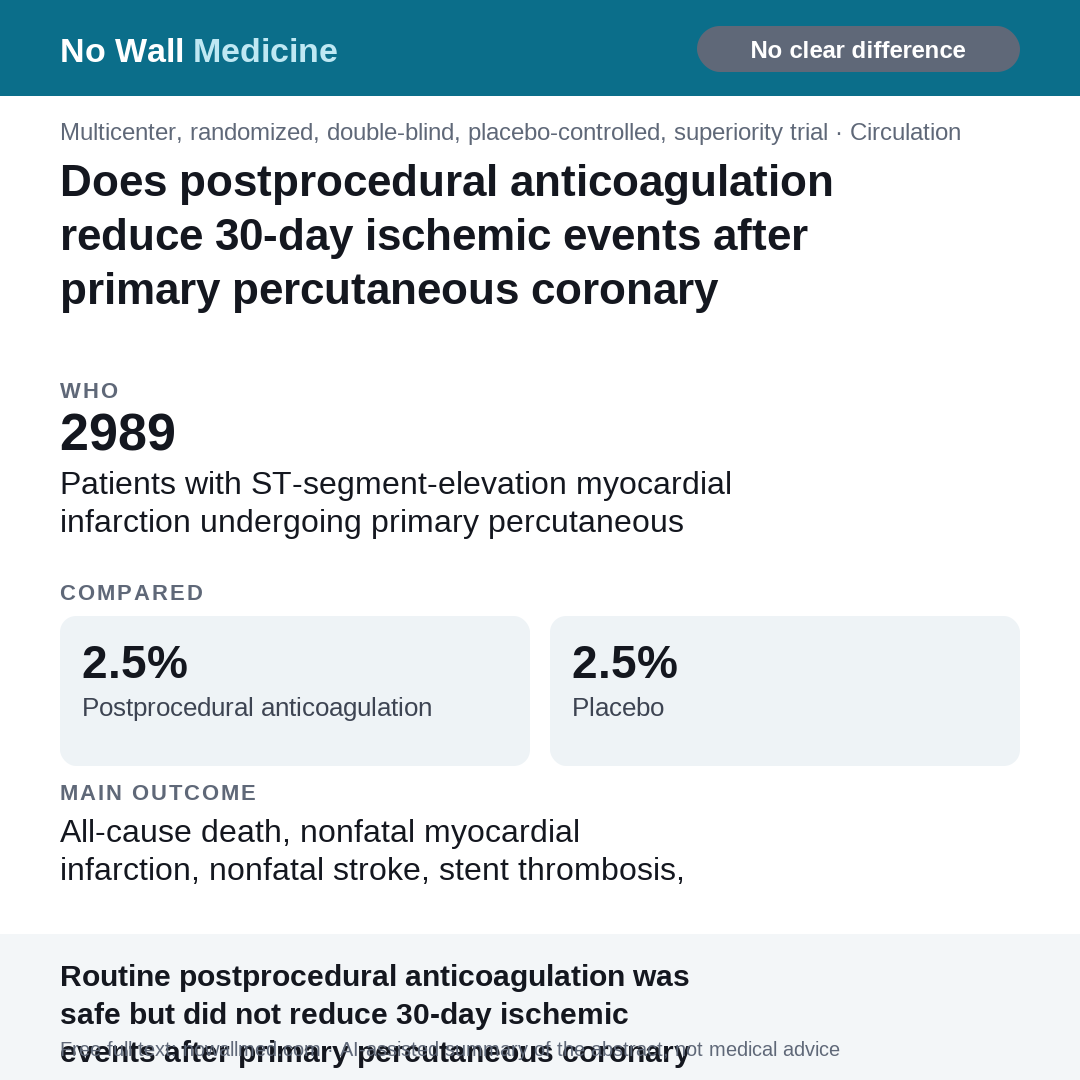
Postprocedural Anticoagulation After Primary Percutaneous Coronary Intervention for ST-Segment-Elevation Myocardial Infarction: A Multicenter, Randomized, Double-Blind Trial
Multicenter, randomized, double-blind, placebo-controlled, superiority trialNo clear difference
Does postprocedural anticoagulation reduce 30-day ischemic events after primary percutaneous coronary intervention?
Who
2989
Patients with ST-segment-elevation myocardial infarction undergoing primary percutaneous coronary intervention · 53 centers in China
Compared
2.5%Postprocedural anticoagulation
2.5%Placebo
Main outcome
All-cause death, nonfatal myocardial infarction, nonfatal stroke, stent thrombosis, or urgent revascularization
Result: hazard ratio 1.00 (95% CI 0.63 to 1.57)
Bottom line: Routine postprocedural anticoagulation was safe but did not reduce 30-day ischemic events after primary percutaneous coronary intervention.
Circulation · 2024-02-26Download image
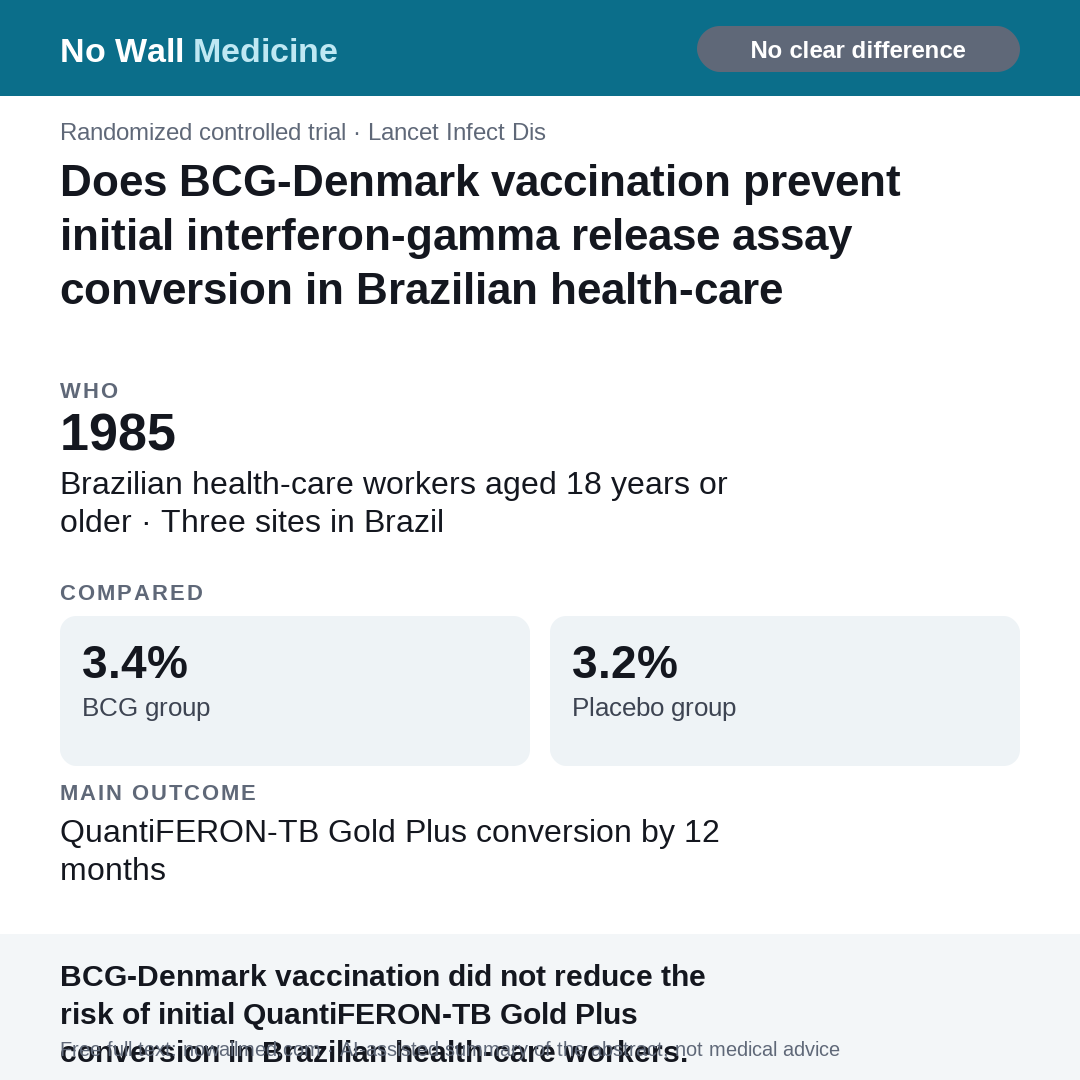
Effect of BCG vaccination against Mycobacterium tuberculosis infection in adult Brazilian health-care workers: a nested clinical trial
Randomized controlled trialNo clear difference
Does BCG-Denmark vaccination prevent initial interferon-gamma release assay conversion in Brazilian health-care workers?
Who
1985
Brazilian health-care workers aged 18 years or older · Three sites in Brazil
Compared
3.4%BCG group
3.2%Placebo group
Main outcome
QuantiFERON-TB Gold Plus conversion by 12 months
Result: risk ratio 1.09 (95% CI 0.67-1.77)
Bottom line: BCG-Denmark vaccination did not reduce the risk of initial QuantiFERON-TB Gold Plus conversion in Brazilian health-care workers.
Funded by: Bill & Melinda Gates Foundation and others
Lancet Infect Dis · 2024-02-26Download image
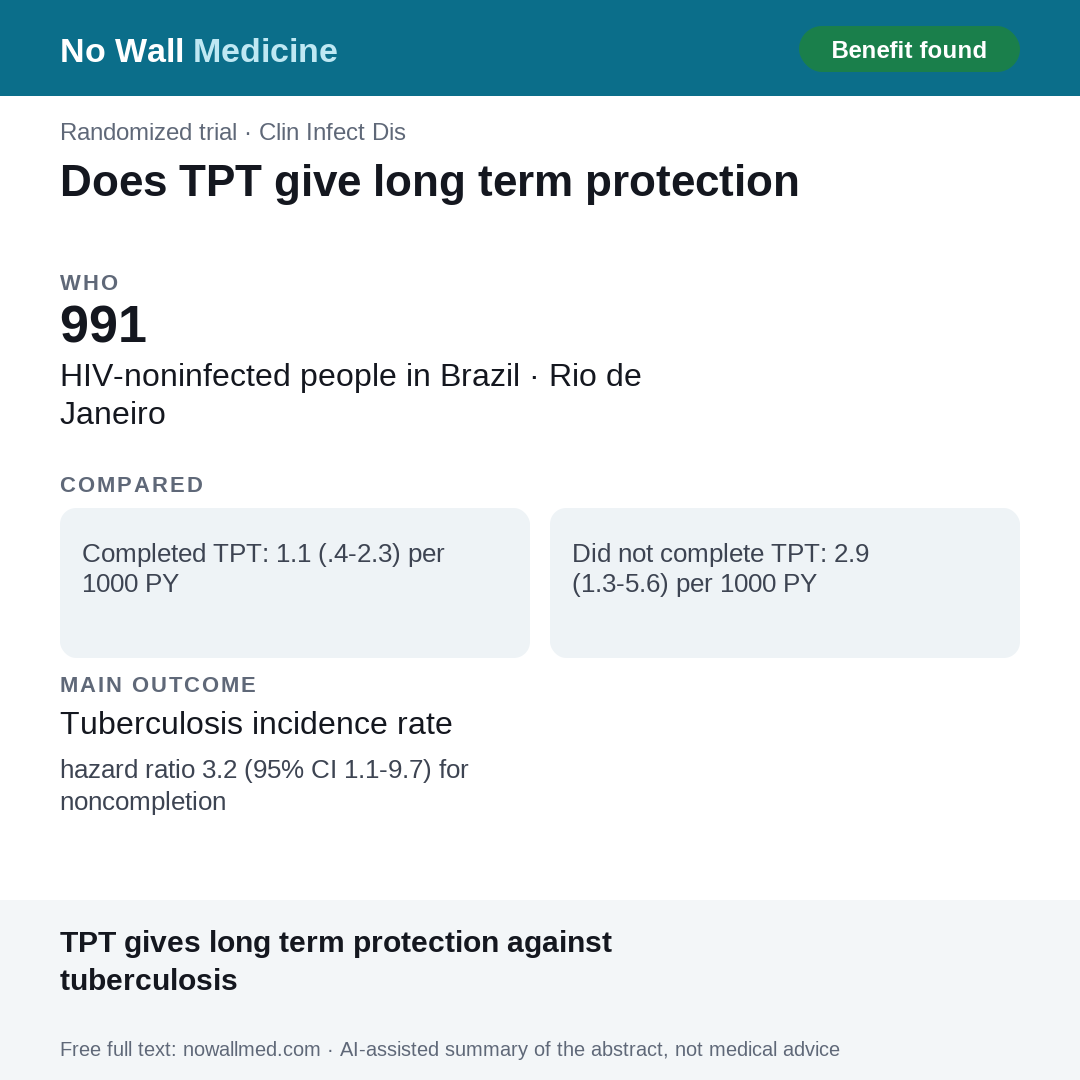
Long-Term Protective Effect of Tuberculosis Preventive Therapy in a Medium/High Tuberculosis Incidence Setting
Randomized trialBenefit found
Does TPT give long term protection
Who
991
HIV-noninfected people in Brazil · Rio de Janeiro
Compared
Completed TPT: 1.1 (.4-2.3) per 1000 PY
Did not complete TPT: 2.9 (1.3-5.6) per 1000 PY
Main outcome
Tuberculosis incidence rate
Result: hazard ratio 3.2 (95% CI 1.1-9.7) for noncompletion
Bottom line: TPT gives long term protection against tuberculosis
Clin Infect Dis · 2024-02-26Download image
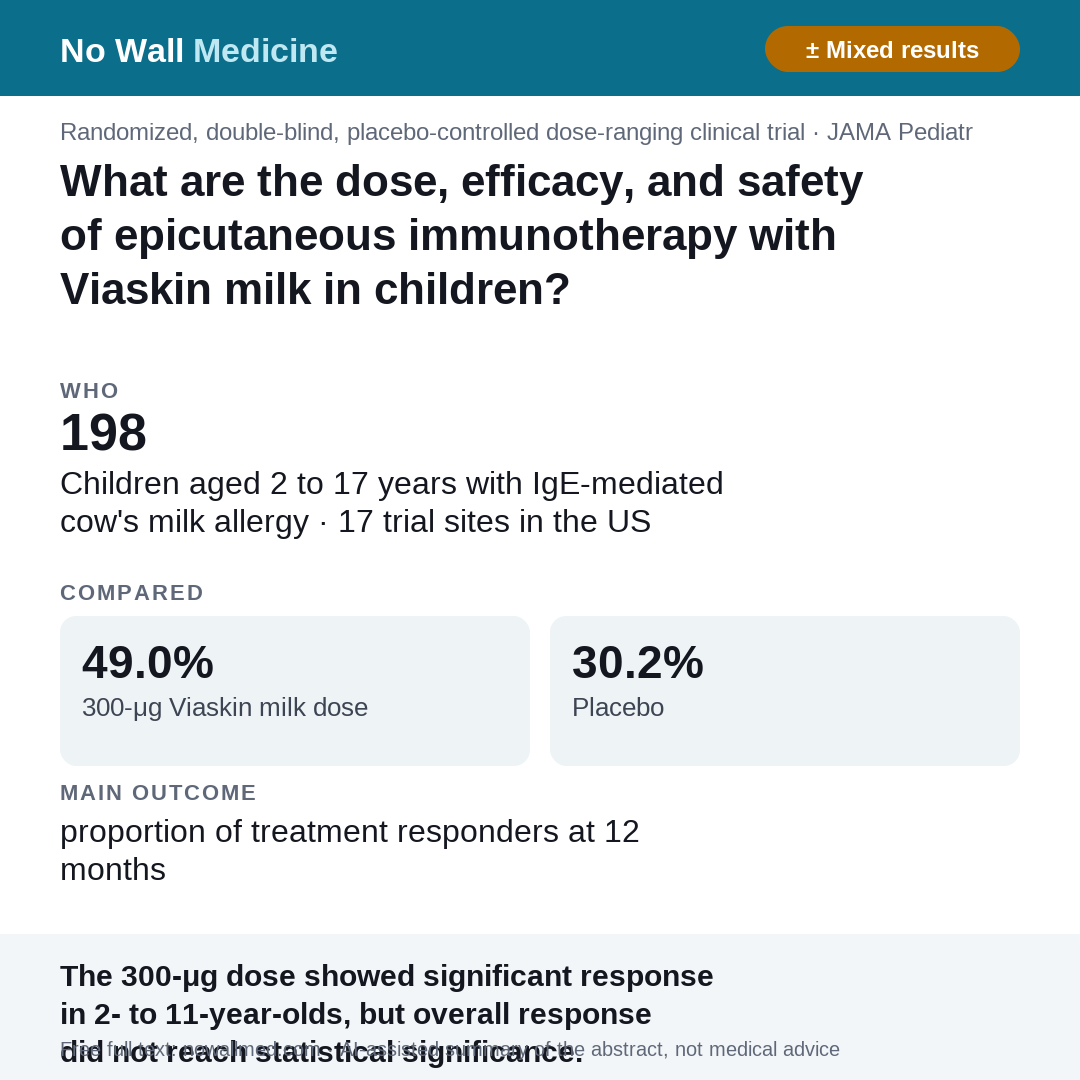
Varying Doses of Epicutaneous Immunotherapy With Viaskin Milk vs Placebo in Children With Cow's Milk Allergy: A Randomized Clinical Trial
Randomized, double-blind, placebo-controlled dose-ranging clinical trialMixed results
What are the dose, efficacy, and safety of epicutaneous immunotherapy with Viaskin milk in children?
Who
198
Children aged 2 to 17 years with IgE-mediated cow's milk allergy · 17 trial sites in the US and Canada
Compared
49.0%300-μg Viaskin milk dose
30.2%Placebo
Main outcome
proportion of treatment responders at 12 months
Result: odds ratio 2.19 (95% CI 0.91-5.41)
Bottom line: The 300-μg dose showed significant response in 2- to 11-year-olds, but overall response did not reach statistical significance.
JAMA Pediatr · 2024-02-26Download image