Visual abstracts
New randomized trials and meta-analyses from leading journals at a glance: who was studied, what was compared, and what was found. Every paper is free to read in full.
All specialtiesCardiology 2396Oncology 2055Gastroenterology & Hepatology 919Infectious Disease 1497Neurology 955Psychiatry & Mental Health 1130Pulmonology 1006Critical Care 667Endocrinology & Diabetes 1255Pediatrics 1410Surgery 1222Orthopedics & Sports Medicine 439Neurosurgery 295Cardiothoracic & Vascular Surgery 260Plastic & Reconstructive Surgery 362Nephrology 500Rheumatology 342Hematology 519Dermatology 275Ophthalmology 281Obstetrics & Gynecology 785Public & Global Health 436Radiology & Imaging 328Anesthesiology 484Urology 405ENT (Otolaryngology) 305Emergency Medicine 273Allergy & Immunology 148Geriatrics 507Family Medicine & Primary Care 282Medical Genetics & Genomics 257Pathology & Laboratory Medicine 77Physical Medicine & Rehabilitation 402Palliative Care 204Nutrition 629Digital Health & AI 1185General Medicine 177
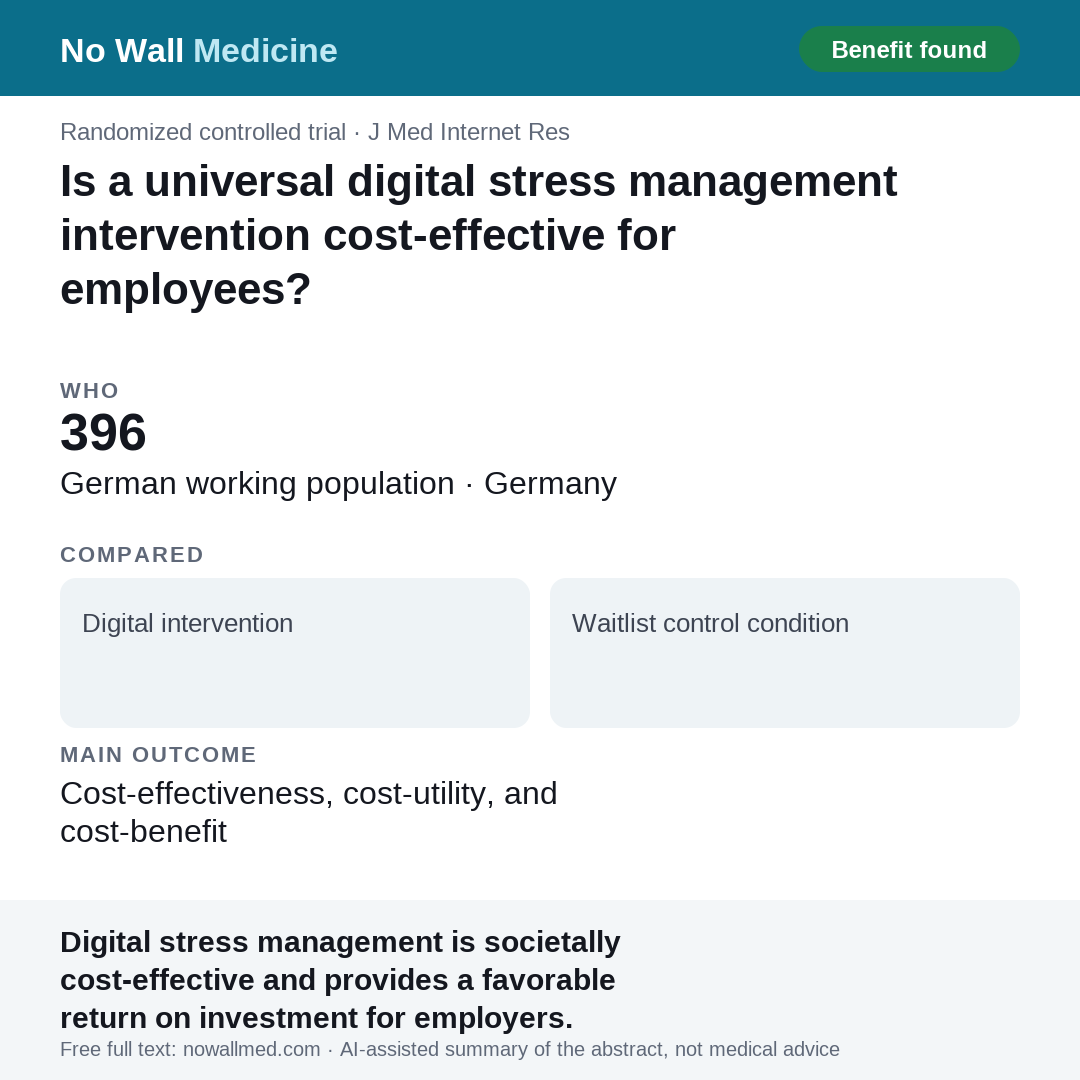
A Universal Digital Stress Management Intervention for Employees: Randomized Controlled Trial with Health-Economic Evaluation
Randomized controlled trialBenefit found
Is a universal digital stress management intervention cost-effective for employees?
Who
396
German working population · Germany
Compared
Digital intervention
Waitlist control condition
Main outcome
Cost-effectiveness, cost-utility, and cost-benefit
Bottom line: Digital stress management is societally cost-effective and provides a favorable return on investment for employers.
J Med Internet Res · 2024-10-22Download image
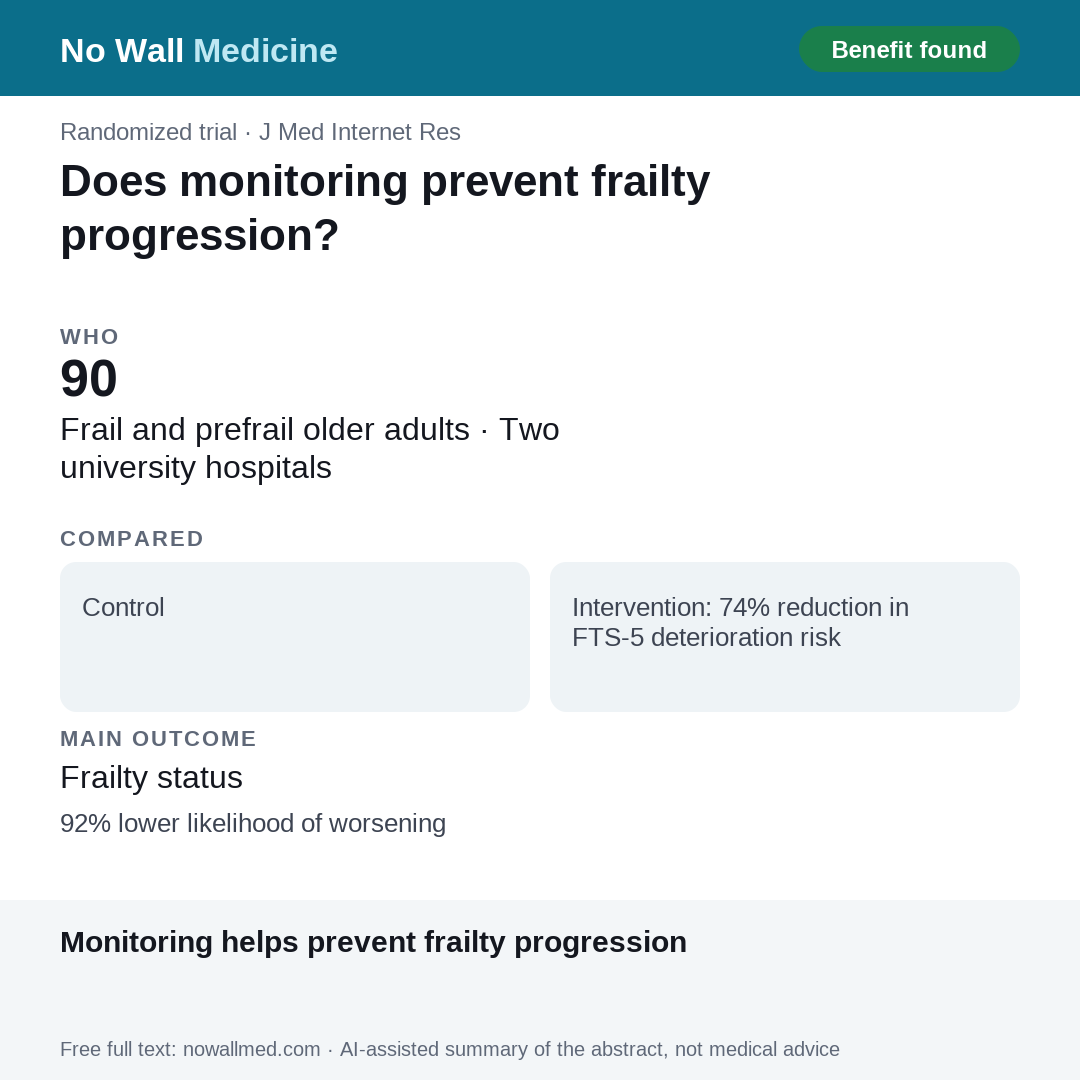
Effects of Monitoring Frailty Through a Mobile/Web-Based Application and a Sensor Kit to Prevent Functional Decline in Frail and Prefrail Older Adults: FACET (Frailty Care and Well Function) Pilot Randomized Controlled Trial
Randomized trialBenefit found
Does monitoring prevent frailty progression?
Who
90
Frail and prefrail older adults · Two university hospitals
Compared
Control
Intervention: 74% reduction in FTS-5 deterioration risk
Main outcome
Frailty status
Result: 92% lower likelihood of worsening
Bottom line: Monitoring helps prevent frailty progression
J Med Internet Res · 2024-10-22Download image
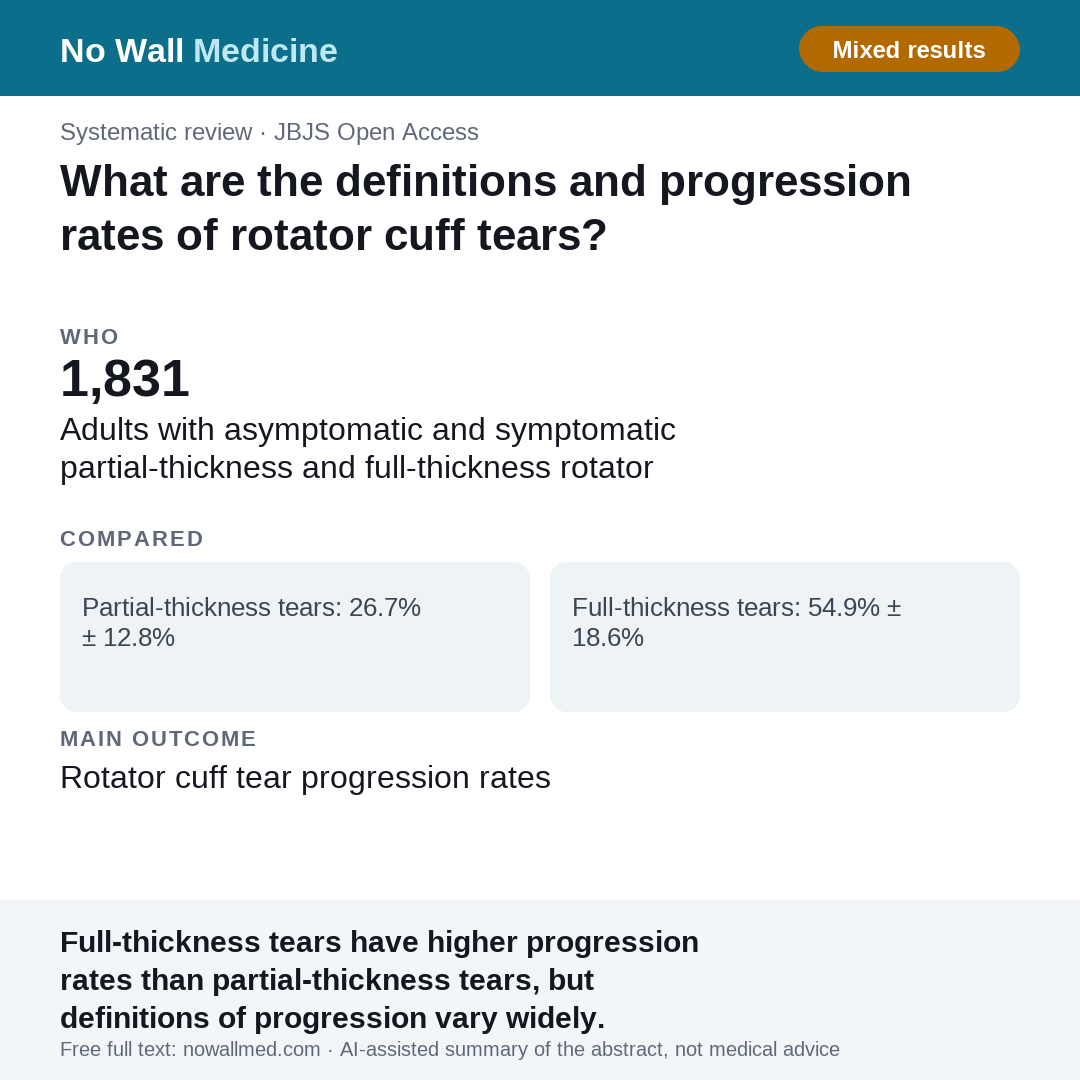
Disparities in Rotator Cuff Tear Progression Definitions and Rates: A Systematic Review
Systematic reviewMixed results
What are the definitions and progression rates of rotator cuff tears?
Who
1,831
Adults with asymptomatic and symptomatic partial-thickness and full-thickness rotator cuff tears
Compared
Partial-thickness tears: 26.7% ± 12.8%
Full-thickness tears: 54.9% ± 18.6%
Main outcome
Rotator cuff tear progression rates
Bottom line: Full-thickness tears have higher progression rates than partial-thickness tears, but definitions of progression vary widely.
Limitation: Lack of a clinically relevant and standardized definition of rotator cuff tear progression.
JBJS Open Access · 2024-10-22Download image
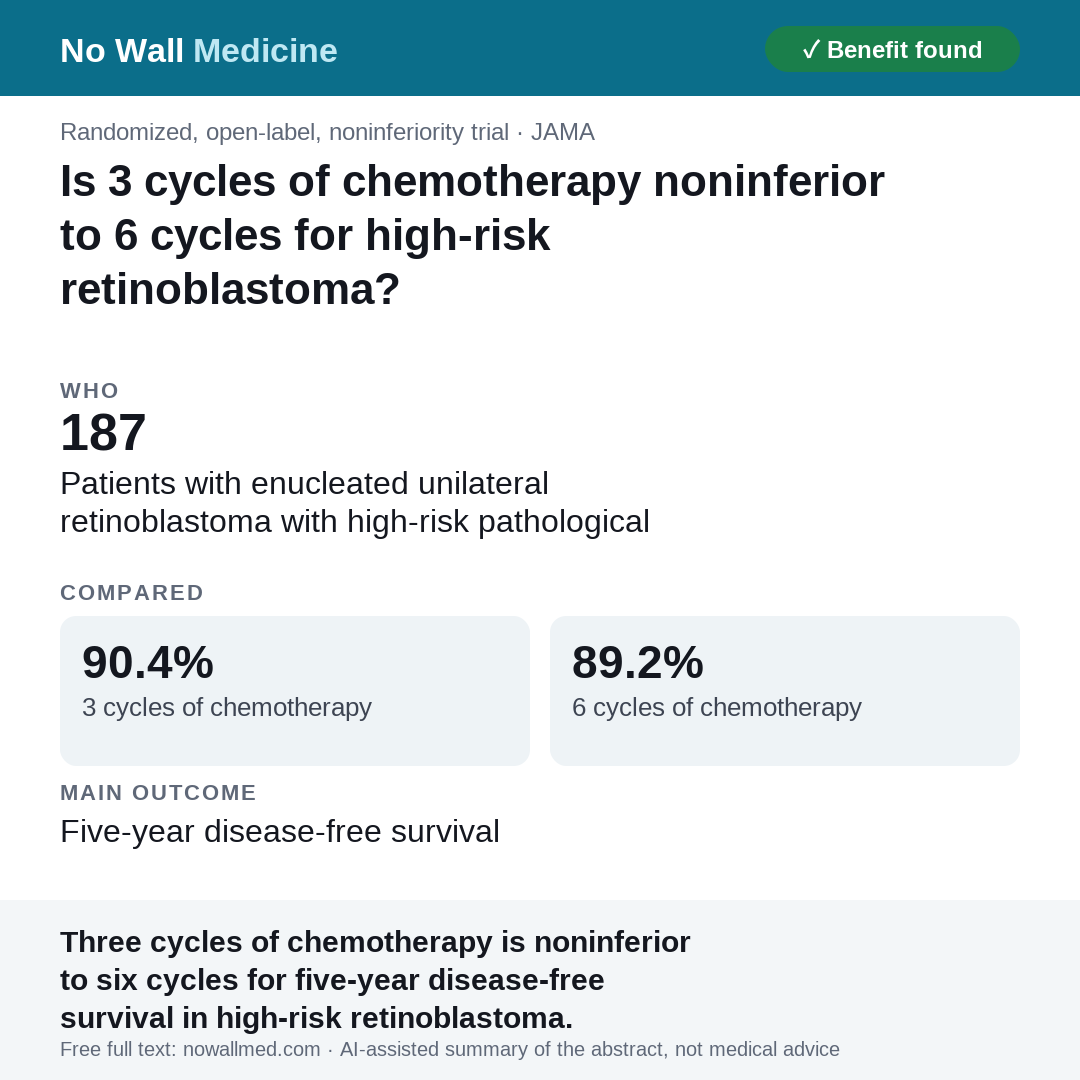
Three vs 6 Cycles of Chemotherapy for High-Risk Retinoblastoma: A Randomized Clinical Trial
Randomized, open-label, noninferiority trialBenefit found
Is 3 cycles of chemotherapy noninferior to 6 cycles for high-risk retinoblastoma?
Who
187
Patients with enucleated unilateral retinoblastoma with high-risk pathological features · 2 premier eye centers in China
Compared
90.4%3 cycles of chemotherapy
89.2%6 cycles of chemotherapy
Main outcome
Five-year disease-free survival
Result: difference, 1.2% (95% CI, -7.5% to 9.8%)
Bottom line: Three cycles of chemotherapy is noninferior to six cycles for five-year disease-free survival in high-risk retinoblastoma.
JAMA · 2024-10-21Download image
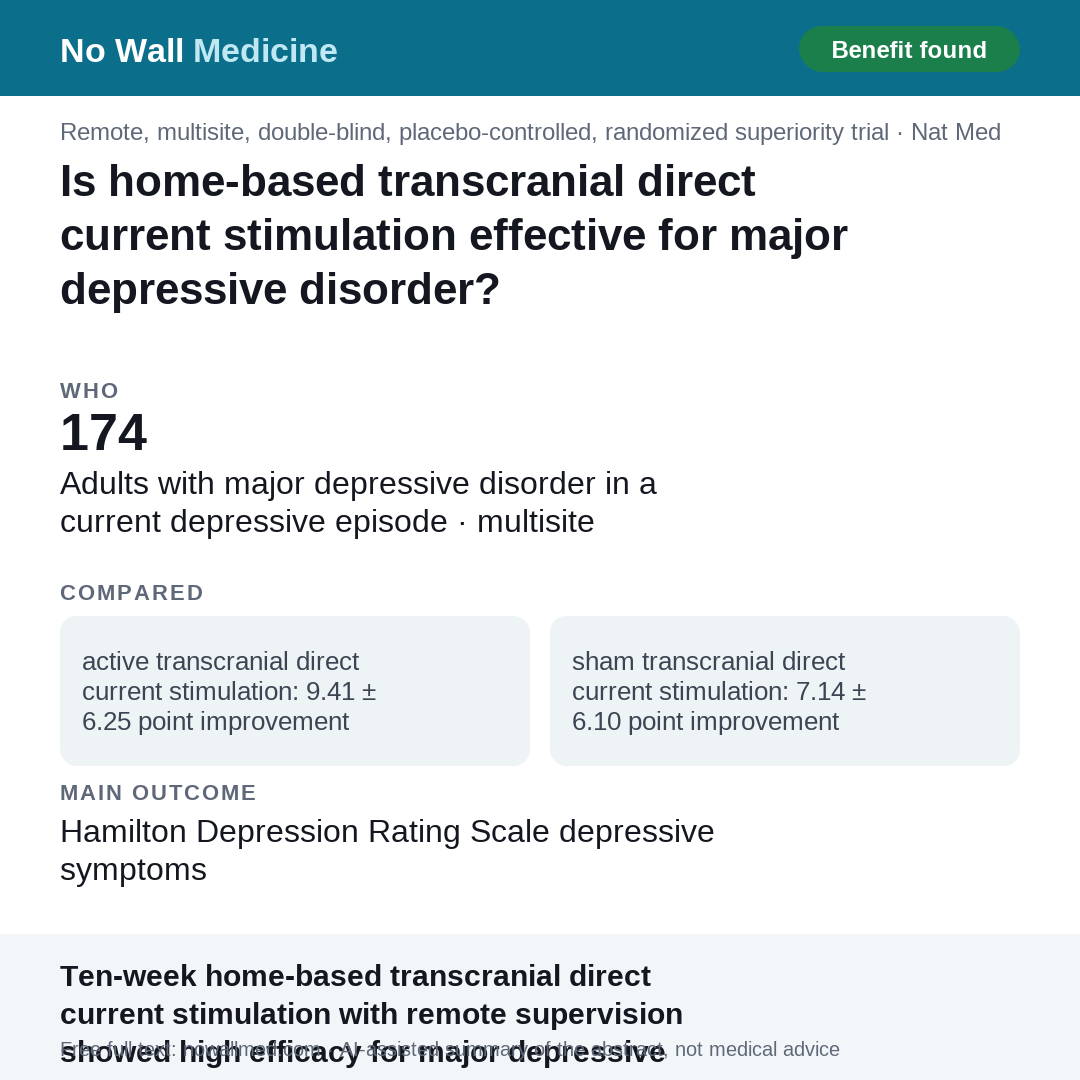
Home-based transcranial direct current stimulation treatment for major depressive disorder: a fully remote phase 2 randomized sham-controlled trial
Remote, multisite, double-blind, placebo-controlled, randomized superiority trialBenefit found
Is home-based transcranial direct current stimulation effective for major depressive disorder?
Who
174
Adults with major depressive disorder in a current depressive episode · multisite
Compared
active transcranial direct current stimulation: 9.41 ± 6.25 point improvement
sham transcranial direct current stimulation: 7.14 ± 6.10 point improvement
Main outcome
Hamilton Depression Rating Scale depressive symptoms
Result: 95% confidence interval = 0.51-4.01, P = 0.012
Bottom line: Ten-week home-based transcranial direct current stimulation with remote supervision showed high efficacy for major depressive disorder.
Nat Med · 2024-10-21Download image
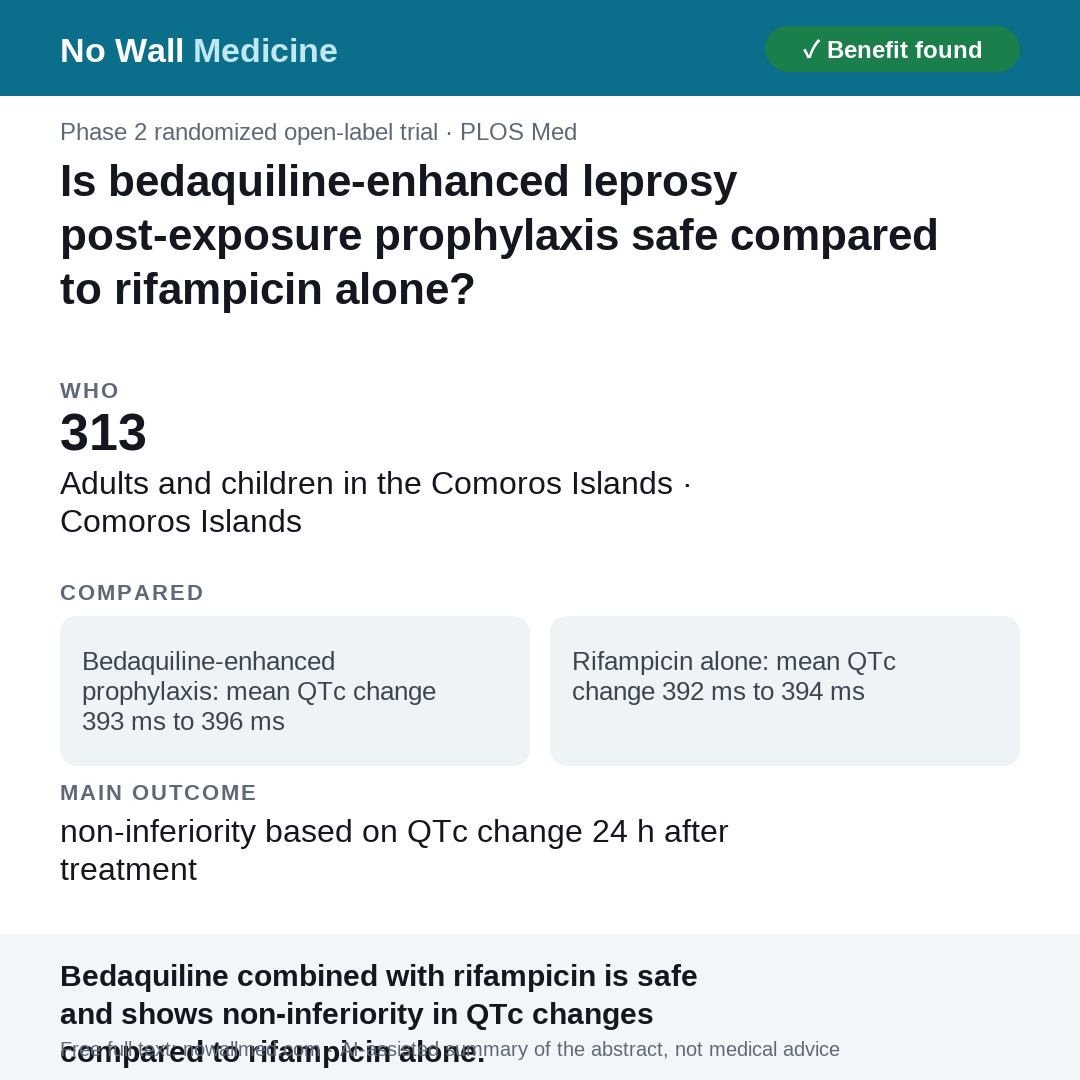
Safety of single-dose bedaquiline combined with rifampicin for leprosy post-exposure prophylaxis: A Phase 2 randomized non-inferiority trial in the Comoros Islands
Phase 2 randomized open-label trialBenefit found
Is bedaquiline-enhanced leprosy post-exposure prophylaxis safe compared to rifampicin alone?
Who
313
Adults and children in the Comoros Islands · Comoros Islands
Compared
Bedaquiline-enhanced prophylaxis: mean QTc change 393 ms to 396 ms
Rifampicin alone: mean QTc change 392 ms to 394 ms
Main outcome
non-inferiority based on QTc change 24 h after treatment
Result: difference between arms 1.8 ms, 95% CI -1.8, 5.3
Bottom line: Bedaquiline combined with rifampicin is safe and shows non-inferiority in QTc changes compared to rifampicin alone.
Limitation: false elevation of ALT/AST during adult recruitment due to a technical error
PLOS Med · 2024-10-21Download image
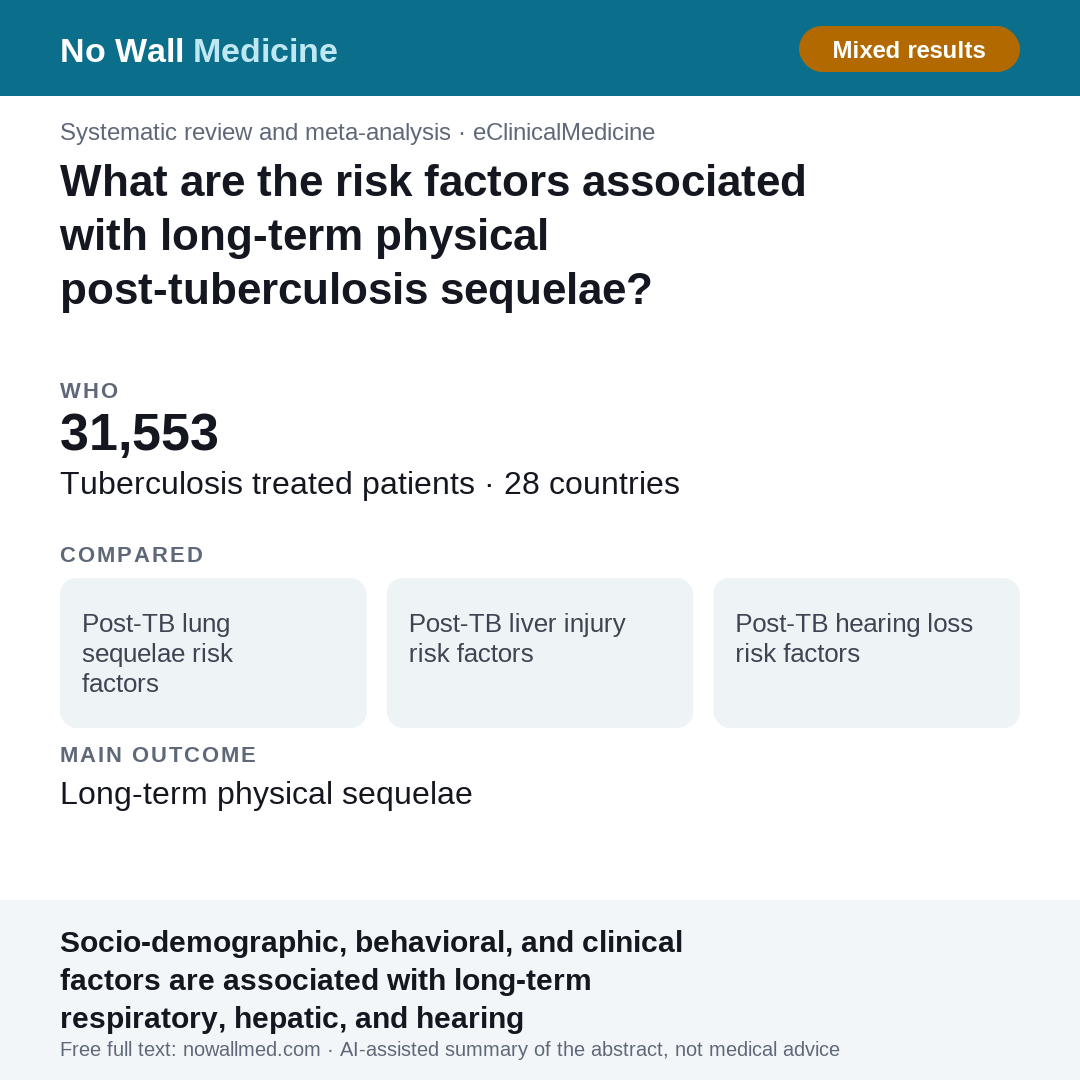
Risk factors associated with post-tuberculosis sequelae: a systematic review and meta-analysis
Systematic review and meta-analysisMixed results
What are the risk factors associated with long-term physical post-tuberculosis sequelae?
Who
31,553
Tuberculosis treated patients · 28 countries
Compared
Post-TB lung sequelae risk factors
Post-TB liver injury risk factors
Post-TB hearing loss risk factors
Main outcome
Long-term physical sequelae
Bottom line: Socio-demographic, behavioral, and clinical factors are associated with long-term respiratory, hepatic, and hearing impairments after tuberculosis.
Funded by: Healy Medical Research Raine Foundation, Australian National Health and Medical Research Council, Curtin University
eClinicalMedicine · 2024-10-21Download image
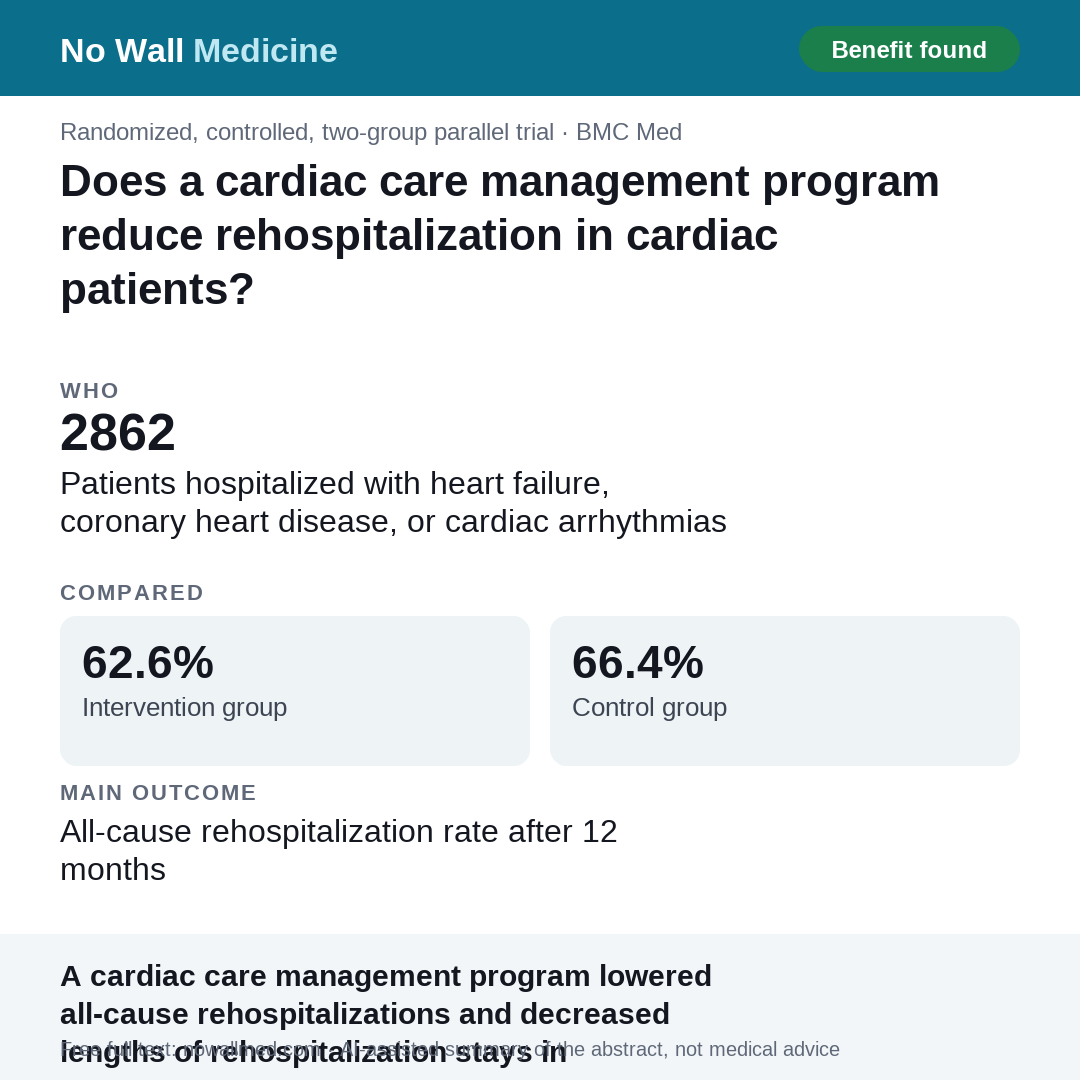
Reducing rehospitalization in cardiac patients: a randomized, controlled trial of a cardiac care management program ("Cardiolotse") in Germany
Randomized, controlled, two-group parallel trialBenefit found
Does a cardiac care management program reduce rehospitalization in cardiac patients?
Who
2862
Patients hospitalized with heart failure, coronary heart disease, or cardiac arrhythmias · Eight sites of a hospital group in Berlin, Germany
Compared
62.6%Intervention group
66.4%Control group
Main outcome
All-cause rehospitalization rate after 12 months
Bottom line: A cardiac care management program lowered all-cause rehospitalizations and decreased lengths of rehospitalization stays in cardiac patients.
BMC Med · 2024-10-21Download image
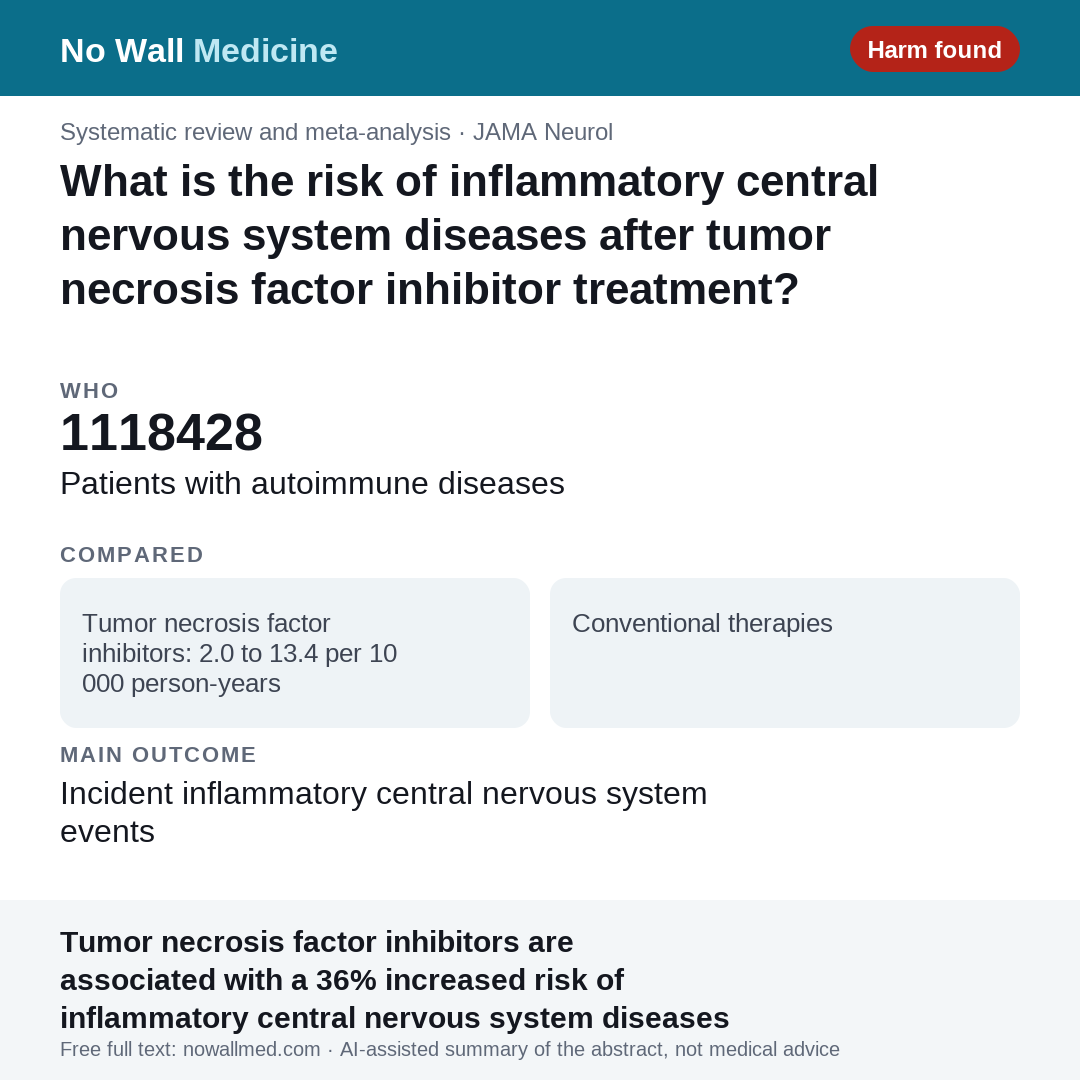
Risk of Inflammatory Central Nervous System Diseases After Tumor Necrosis Factor-Inhibitor Treatment for Autoimmune Diseases: A Systematic Review and Meta-Analysis
Systematic review and meta-analysisHarm found
What is the risk of inflammatory central nervous system diseases after tumor necrosis factor inhibitor treatment?
Who
1118428
Patients with autoimmune diseases
Compared
Tumor necrosis factor inhibitors: 2.0 to 13.4 per 10 000 person-years
Conventional therapies
Main outcome
Incident inflammatory central nervous system events
Result: risk ratio 1.36 (95% CI 1.01-1.84)
Bottom line: Tumor necrosis factor inhibitors are associated with a 36% increased risk of inflammatory central nervous system diseases compared to conventional therapies.
JAMA Neurol · 2024-10-21Download image
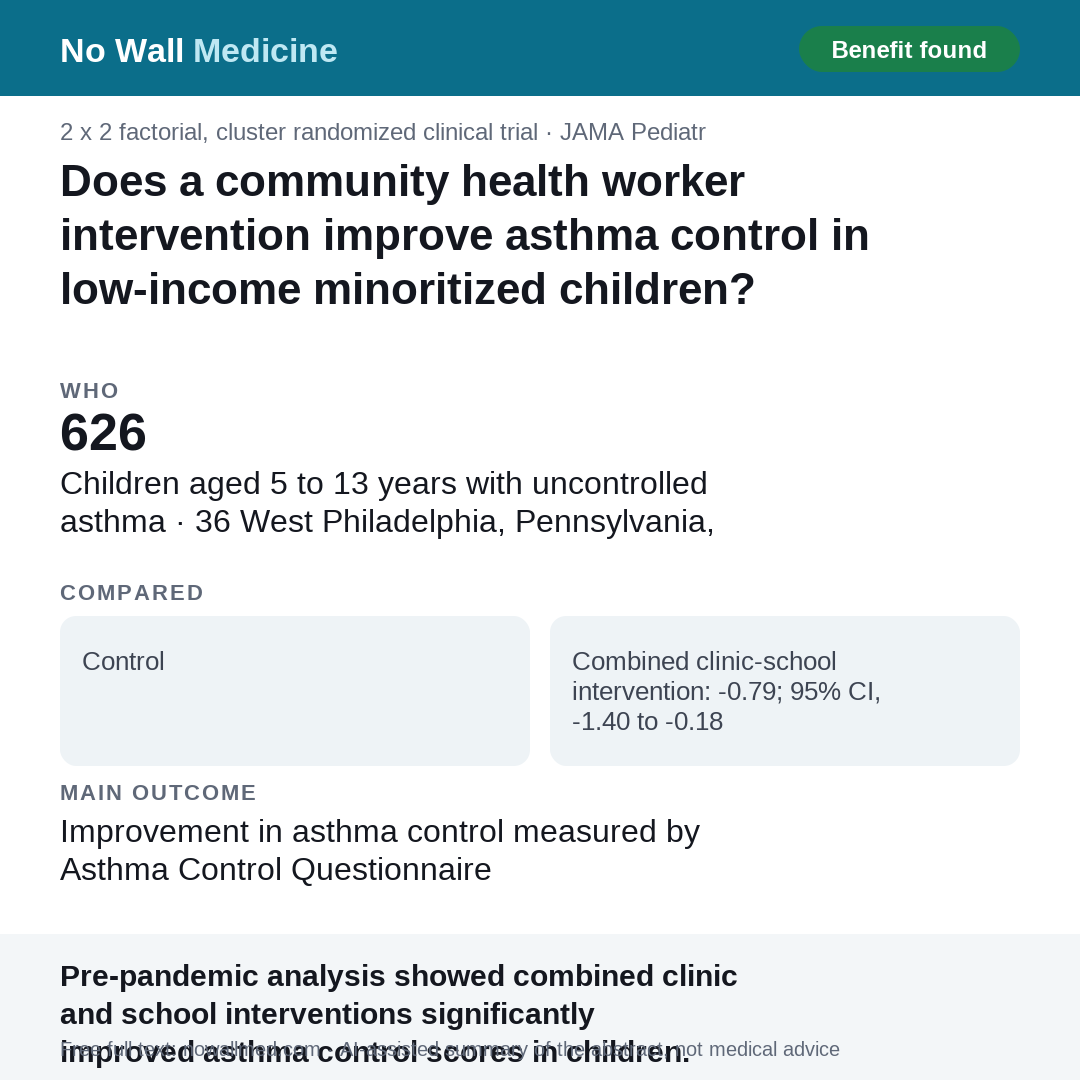
Community Health Workers Linking Clinics and Schools and Asthma Control: A Randomized Clinical Trial
2 x 2 factorial, cluster randomized clinical trialBenefit found
Does a community health worker intervention improve asthma control in low-income minoritized children?
Who
626
Children aged 5 to 13 years with uncontrolled asthma · 36 West Philadelphia, Pennsylvania, public and charter schools
Compared
Control
Combined clinic-school intervention: -0.79; 95% CI, -1.40 to -0.18
Main outcome
Improvement in asthma control measured by Asthma Control Questionnaire
Result: -0.79; 95% CI, -1.40 to -0.18
Bottom line: Pre-pandemic analysis showed combined clinic and school interventions significantly improved asthma control scores in children.
Limitation: Primary care and school interventions were dramatically disrupted by the COVID-19 pandemic.
JAMA Pediatr · 2024-10-21Download image
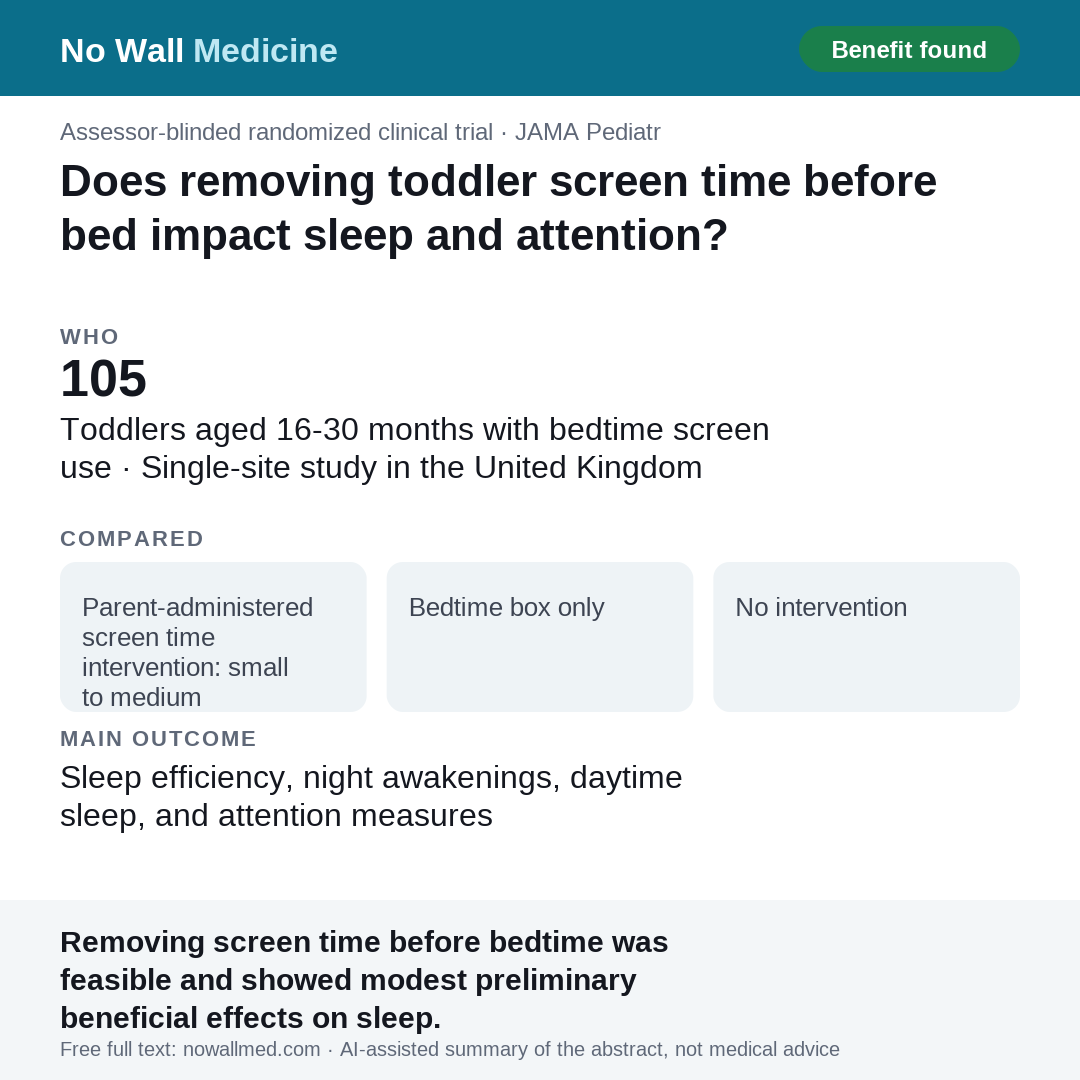
Toddler Screen Use Before Bed and Its Effect on Sleep and Attention: A Randomized Clinical Trial
Assessor-blinded randomized clinical trialBenefit found
Does removing toddler screen time before bed impact sleep and attention?
Who
105
Toddlers aged 16-30 months with bedtime screen use · Single-site study in the United Kingdom
Compared
Parent-administered screen time intervention: small to medium improvements in sleep efficiency
Bedtime box only
No intervention
Main outcome
Sleep efficiency, night awakenings, daytime sleep, and attention measures
Result: Cohen d 0.56 (95% CI, 0.17-0.96) for sleep efficiency vs BB only
Bottom line: Removing screen time before bedtime was feasible and showed modest preliminary beneficial effects on sleep.
JAMA Pediatr · 2024-10-21Download image
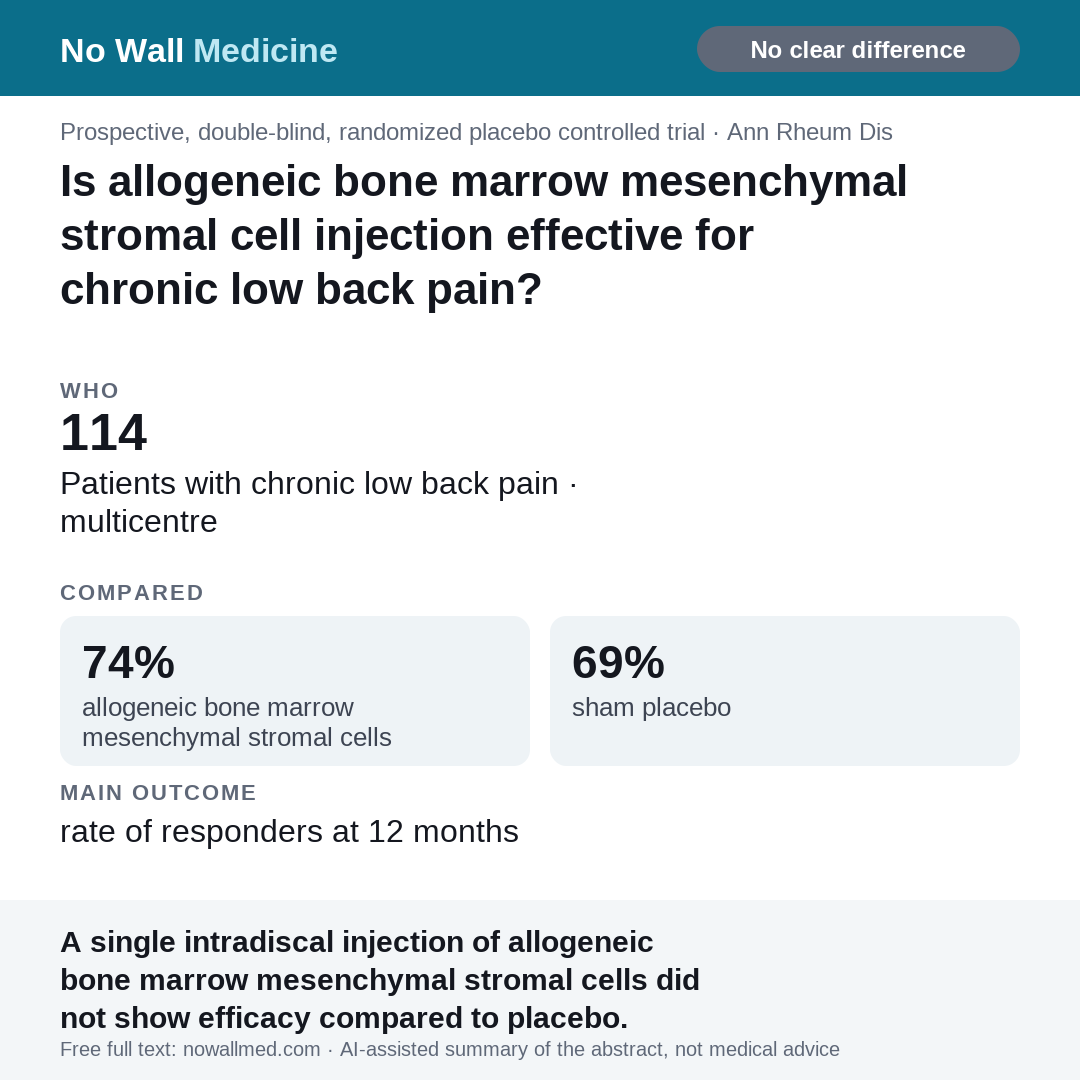
Allogenic bone marrow-derived mesenchymal stromal cell-based therapy for patients with chronic low back pain: a prospective, multicentre, randomised placebo controlled trial (RESPINE study)
Prospective, double-blind, randomized placebo controlled trialNo clear difference
Is allogeneic bone marrow mesenchymal stromal cell injection effective for chronic low back pain?
Who
114
Patients with chronic low back pain · multicentre
Compared
74%allogeneic bone marrow mesenchymal stromal cells
69%sham placebo
Main outcome
rate of responders at 12 months
Bottom line: A single intradiscal injection of allogeneic bone marrow mesenchymal stromal cells did not show efficacy compared to placebo.
Ann Rheum Dis · 2024-10-21Download image
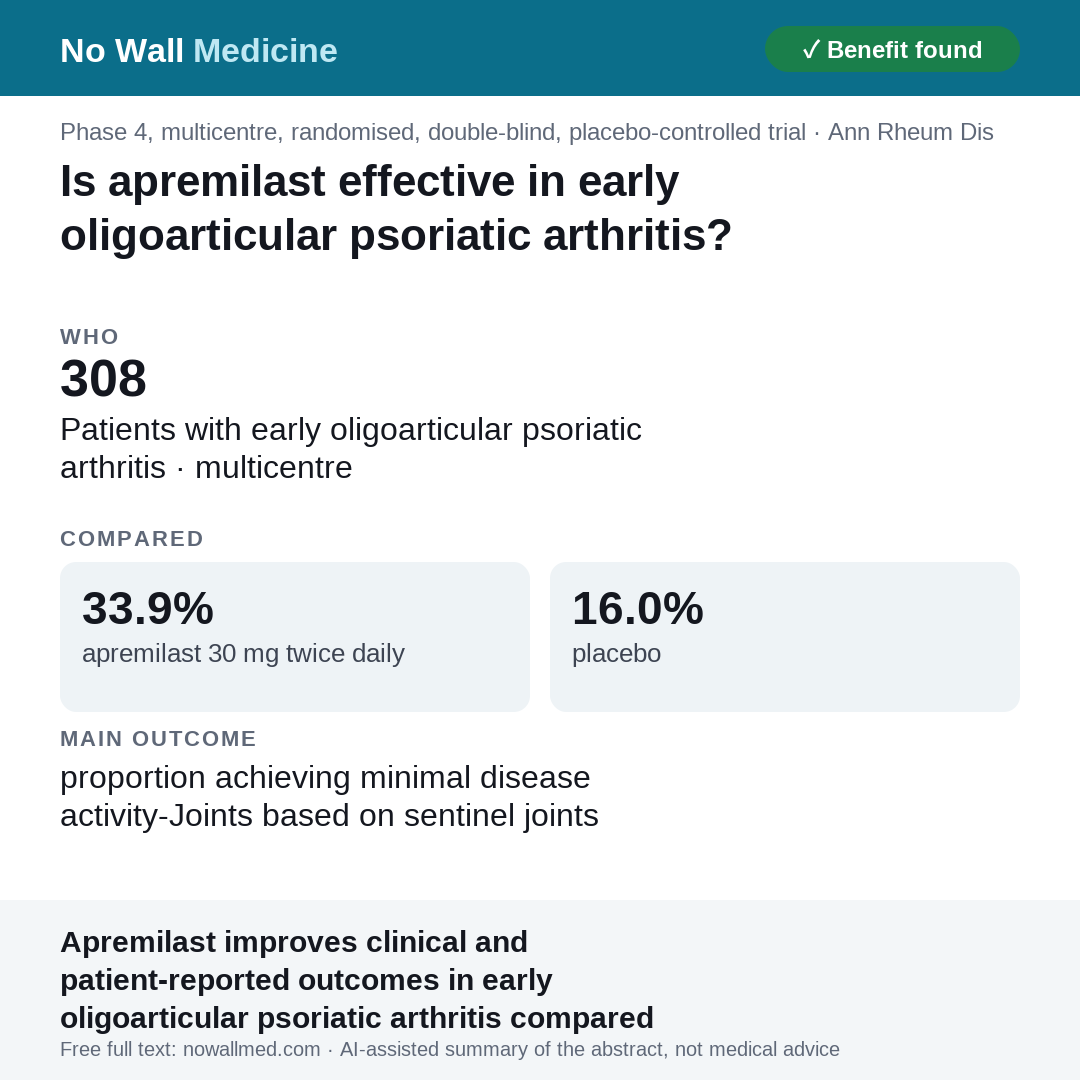
Treatment of early oligoarticular psoriatic arthritis with apremilast: primary outcomes at week 16 from the FOREMOST randomised controlled trial
Phase 4, multicentre, randomised, double-blind, placebo-controlled trialBenefit found
Is apremilast effective in early oligoarticular psoriatic arthritis?
Who
308
Patients with early oligoarticular psoriatic arthritis · multicentre
Compared
33.9%apremilast 30 mg twice daily
16.0%placebo
Main outcome
proportion achieving minimal disease activity-Joints based on sentinel joints
Bottom line: Apremilast improves clinical and patient-reported outcomes in early oligoarticular psoriatic arthritis compared to placebo.
Ann Rheum Dis · 2024-10-21Download image
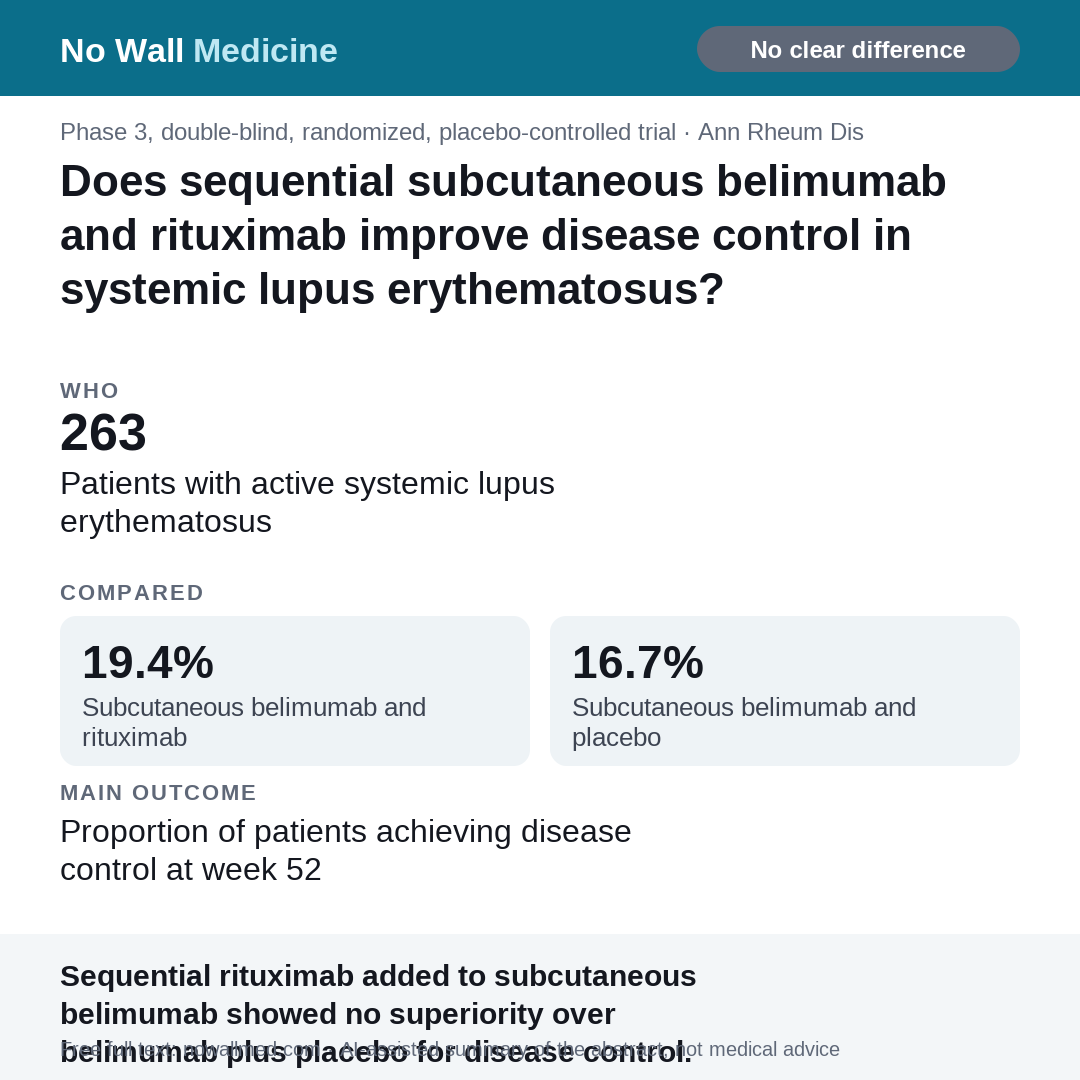
Efficacy and safety of sequential therapy with subcutaneous belimumab and one cycle of rituximab in patients with systemic lupus erythematosus: the phase 3, randomised, placebo-controlled BLISS-BELIEVE study
Phase 3, double-blind, randomized, placebo-controlled trialNo clear difference
Does sequential subcutaneous belimumab and rituximab improve disease control in systemic lupus erythematosus?
Who
263
Patients with active systemic lupus erythematosus
Compared
19.4%Subcutaneous belimumab and rituximab (28/144)
16.7%Subcutaneous belimumab and placebo (12/72)
Main outcome
Proportion of patients achieving disease control at week 52
Result: odds ratio 1.27 (95% CI 0.60 to 2.71)
Bottom line: Sequential rituximab added to subcutaneous belimumab showed no superiority over belimumab plus placebo for disease control.
Ann Rheum Dis · 2024-10-21Download image
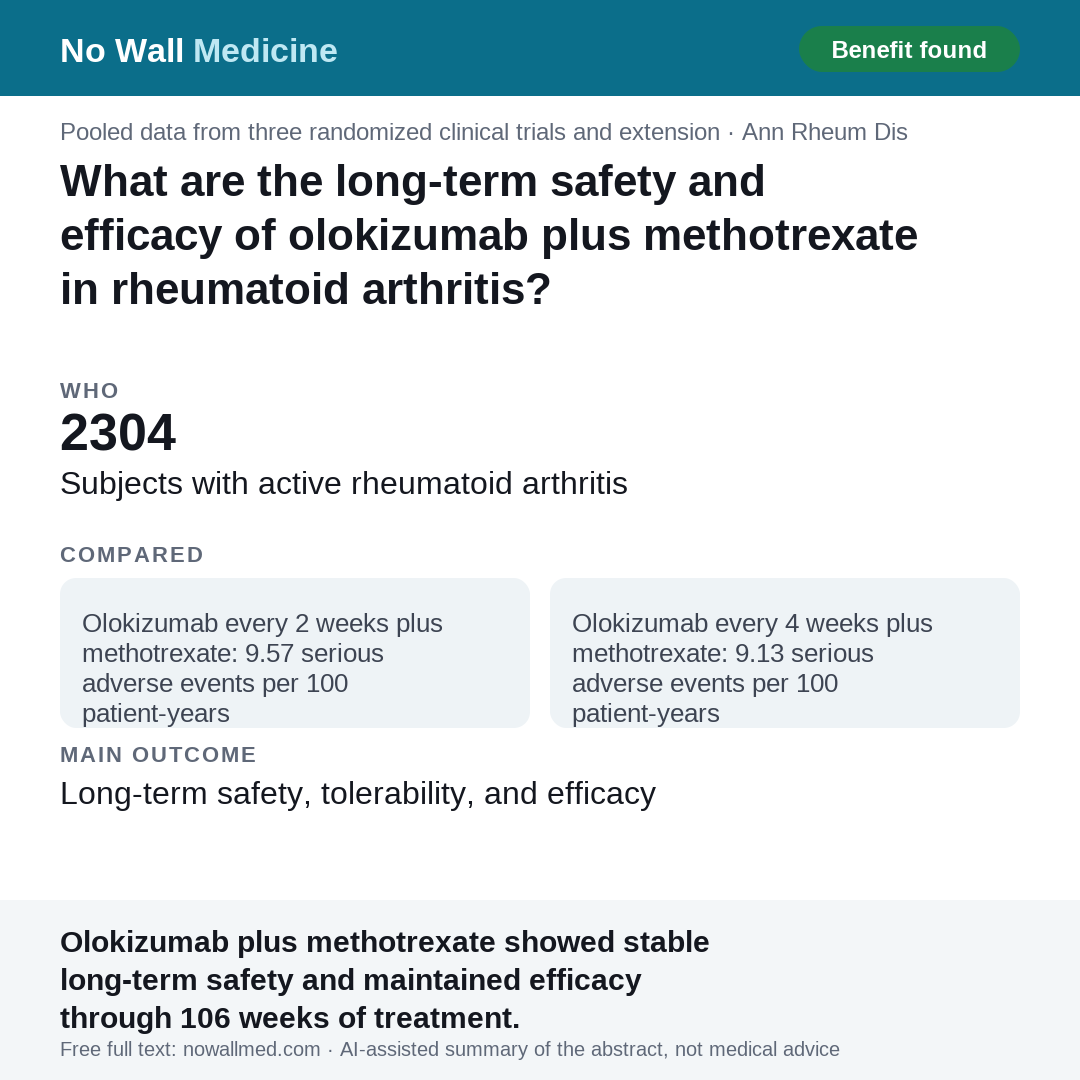
Olokizumab plus methotrexate: safety and efficacy over 106 weeks of treatment
Pooled data from three randomized clinical trials and extensionBenefit found
What are the long-term safety and efficacy of olokizumab plus methotrexate in rheumatoid arthritis?
Who
2304
Subjects with active rheumatoid arthritis
Compared
Olokizumab every 2 weeks plus methotrexate: 9.57 serious adverse events per 100 patient-years
Olokizumab every 4 weeks plus methotrexate: 9.13 serious adverse events per 100 patient-years
Main outcome
Long-term safety, tolerability, and efficacy
Bottom line: Olokizumab plus methotrexate showed stable long-term safety and maintained efficacy through 106 weeks of treatment.
Ann Rheum Dis · 2024-10-21Download image
Management of systemic lupus erythematosus: a systematic literature review informing the 2023 update of the EULAR recommendations
Systematic literature reviewMixed results
What is the best management for systemic lupus erythematosus based on new evidence?
Who
Patients with systemic lupus erythematosus · Medline and Cochrane Library databases
Compared
Anifrolumab
Standard of care
Belimumab and voclosporin
Main outcome
Disease control and response rates in lupus erythematosus
Bottom line: Anifrolumab, belimumab, and voclosporin show efficacy in specific lupus manifestations compared to standard care.
Limitation: The majority of identified articles were observational studies of low or moderate quality.
Ann Rheum Dis · 2024-10-21Download image

Gut Microbiota Features in Relation to Fecal Microbiota Transplantation Outcome in Ulcerative Colitis: A Systematic Review and Meta-Analysis
Systematic review and meta-analysisMixed results
How do gut microbiota features relate to fecal microbiota transplantation outcomes in ulcerative colitis?
Who
Patients with ulcerative colitis
Compared
Higher microbial alpha-diversity: associated with better clinical response rates
Low-diversity composition: associated with clinical response shift
Main outcome
clinical response rates to fecal microbiota transplantation
Bottom line: Higher microbial diversity and specific butyrate-producing species are associated with better clinical response to fecal microbiota transplantation.
Clin Gastroenterol Hepatol · 2024-10-21Download image

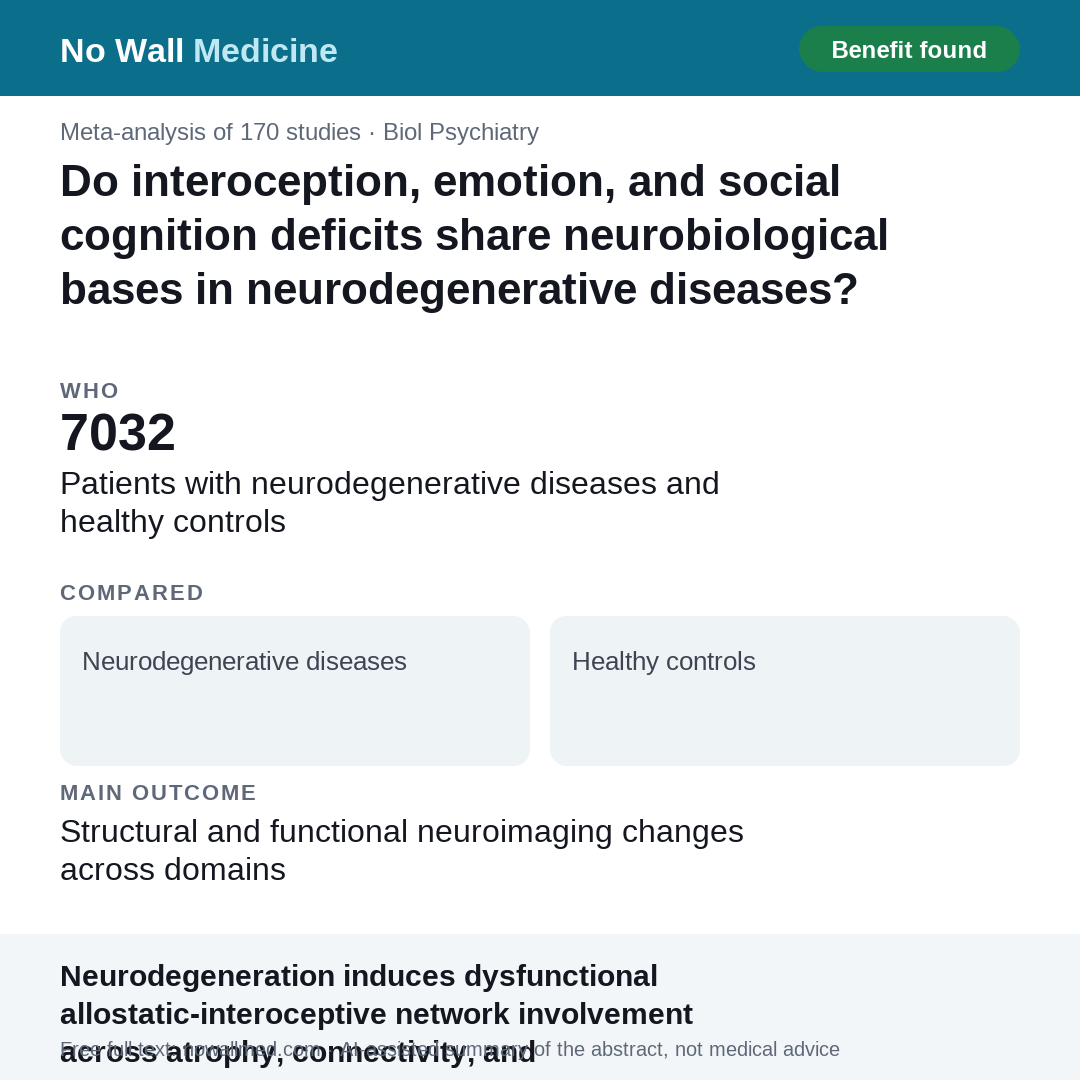
Neuroimaging Meta-Analyses Reveal Convergence of Interoception, Emotion, and Social Cognition Across Neurodegenerative Diseases
Meta-analysis of 170 studiesBenefit found
Do interoception, emotion, and social cognition deficits share neurobiological bases in neurodegenerative diseases?
Who
7032
Patients with neurodegenerative diseases and healthy controls
Compared
Neurodegenerative diseases
Healthy controls
Main outcome
Structural and functional neuroimaging changes across domains
Bottom line: Neurodegeneration induces dysfunctional allostatic-interoceptive network involvement across atrophy, connectivity, and metabolism.
Biol Psychiatry · 2024-10-21Download image
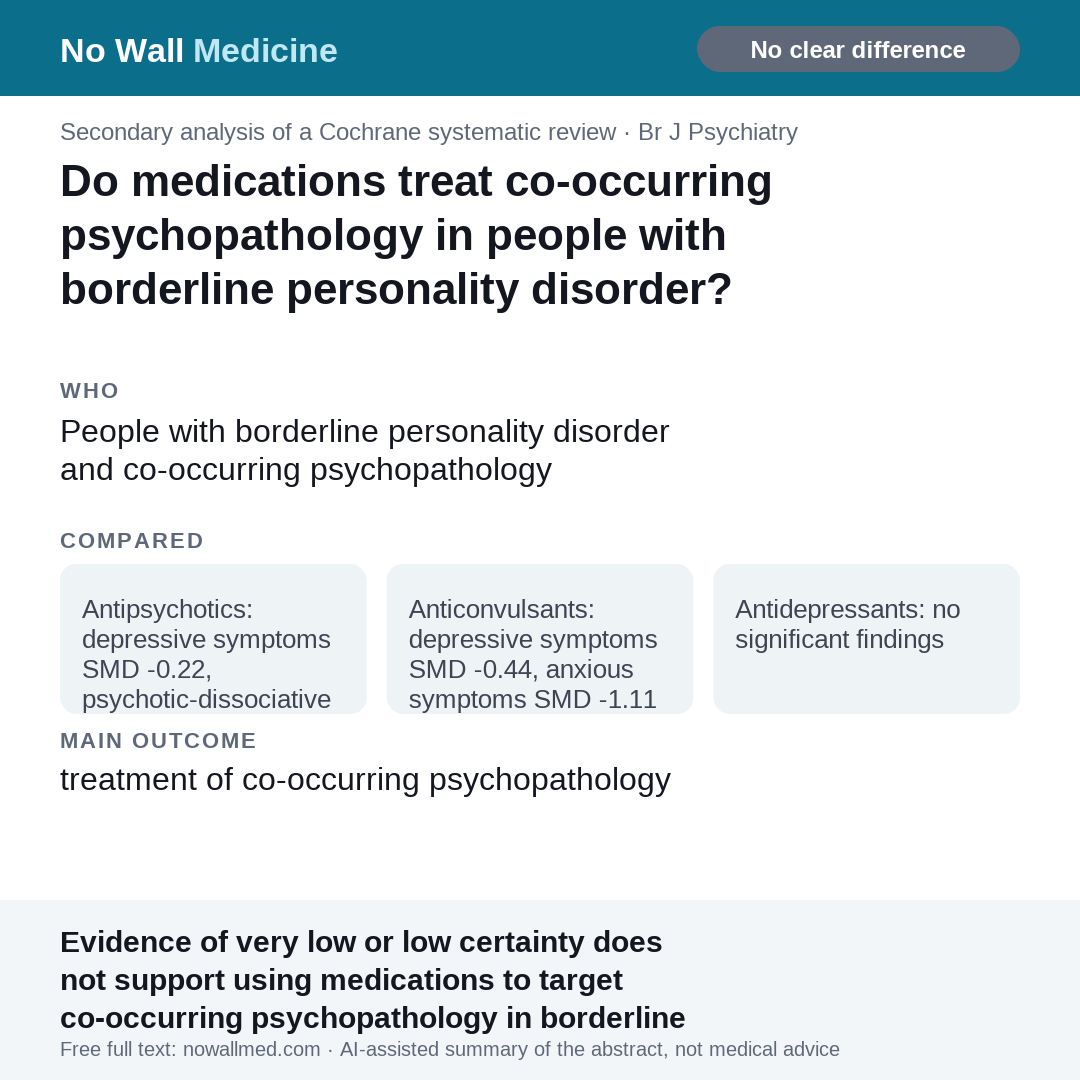
Pharmacological interventions for co-occurring psychopathology in people with borderline personality disorder: secondary analysis of the Cochrane systematic review with meta-analyses
Secondary analysis of a Cochrane systematic reviewNo clear difference
Do medications treat co-occurring psychopathology in people with borderline personality disorder?
Who
People with borderline personality disorder and co-occurring psychopathology
Compared
Antipsychotics: depressive symptoms SMD -0.22, psychotic-dissociative symptoms SMD -0.28
Anticonvulsants: depressive symptoms SMD -0.44, anxious symptoms SMD -1.11
Antidepressants: no significant findings
Main outcome
treatment of co-occurring psychopathology
Bottom line: Evidence of very low or low certainty does not support using medications to target co-occurring psychopathology in borderline personality disorder.
Br J Psychiatry · 2024-10-21Download image
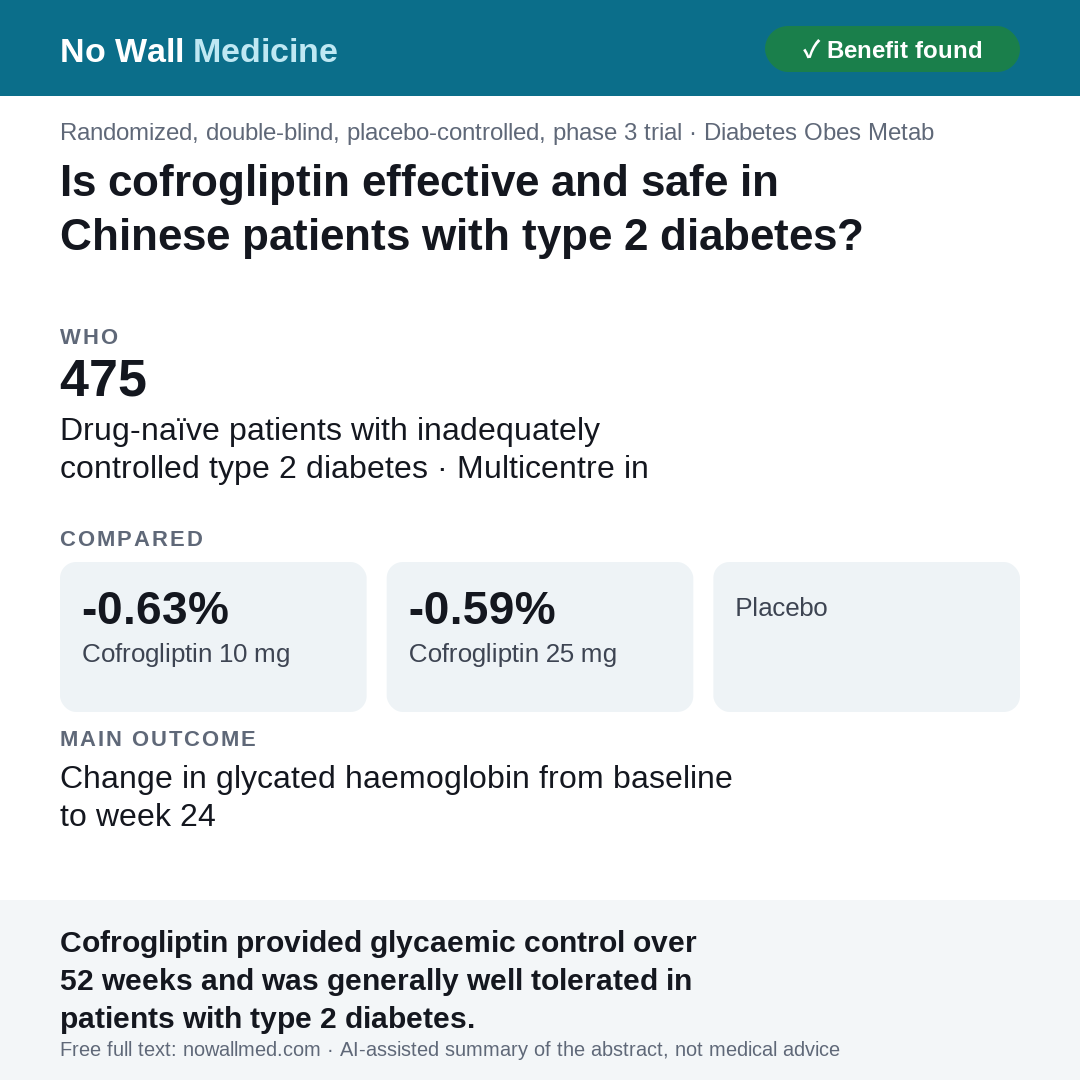
Efficacy and safety of cofrogliptin once every 2 weeks in Chinese patients with type 2 diabetes: A randomized, double-blind, placebo-controlled, phase 3 trial
Randomized, double-blind, placebo-controlled, phase 3 trialBenefit found
Is cofrogliptin effective and safe in Chinese patients with type 2 diabetes?
Who
475
Drug-naïve patients with inadequately controlled type 2 diabetes · Multicentre in China
Compared
-0.63%Cofrogliptin 10 mg (-0.81, -0.46)
-0.59%Cofrogliptin 25 mg (-0.77, -0.42)
Placebo
Main outcome
Change in glycated haemoglobin from baseline to week 24
Result: LS mean difference versus placebo: -0.63% (-0.81, -0.46) and -0.59% (-0.77, -0.42)
Bottom line: Cofrogliptin provided glycaemic control over 52 weeks and was generally well tolerated in patients with type 2 diabetes.
Diabetes Obes Metab · 2024-10-21Download image