Visual abstracts
New randomized trials and meta-analyses from leading journals at a glance: who was studied, what was compared, and what was found. Every paper is free to read in full.
All specialtiesCardiology 4765Oncology 4048Gastroenterology & Hepatology 1906Infectious Disease 3759Neurology 1874Psychiatry & Mental Health 2217Pulmonology 2046Critical Care 1323Endocrinology & Diabetes 2545Pediatrics 2891Surgery 2482Orthopedics & Sports Medicine 917Neurosurgery 526Cardiothoracic & Vascular Surgery 657Plastic & Reconstructive Surgery 574Nephrology 1108Rheumatology 810Hematology 1090Dermatology 611Ophthalmology 532Obstetrics & Gynecology 1646Public & Global Health 1037Radiology & Imaging 620Anesthesiology 958Urology 745ENT (Otolaryngology) 494Emergency Medicine 481Allergy & Immunology 309Geriatrics 973Family Medicine & Primary Care 534Medical Genetics & Genomics 659Pathology & Laboratory Medicine 156Physical Medicine & Rehabilitation 736Palliative Care 421Nutrition 1561Digital Health & AI 2136General Medicine 316
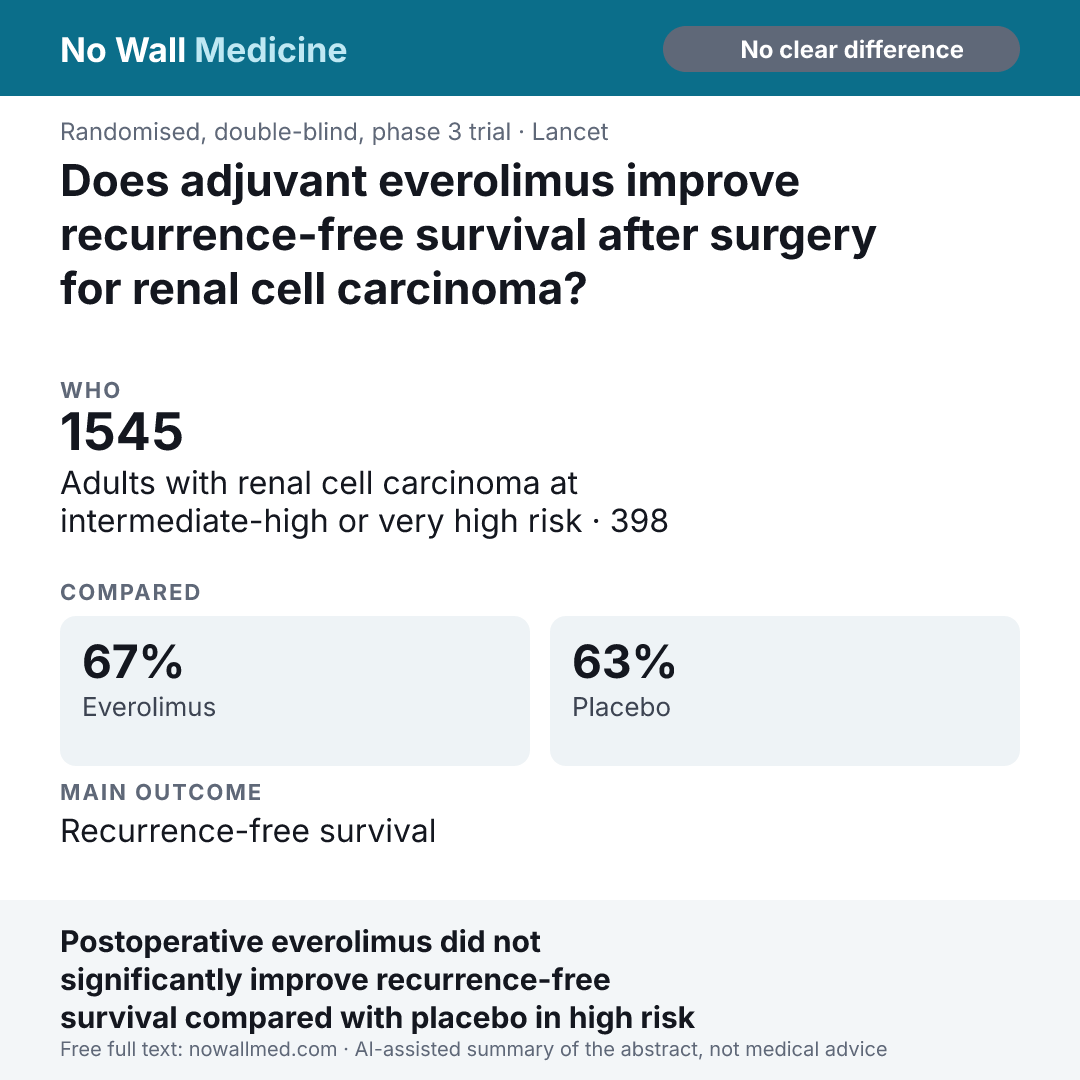
Adjuvant everolimus after surgery for renal cell carcinoma (EVEREST): a double-blind, placebo-controlled, randomised, phase 3 trial
Randomised, double-blind, phase 3 trialNo clear difference
Does adjuvant everolimus improve recurrence-free survival after surgery for renal cell carcinoma?
Who
1545
Adults with renal cell carcinoma at intermediate-high or very high risk · 398 academic and community institution centres in the USA
Compared
67%Everolimus (5-year recurrence-free survival)
63%Placebo (5-year recurrence-free survival)
Main outcome
Recurrence-free survival
Result: hazard ratio 0.85, 95% CI 0.72-1.00
Bottom line: Postoperative everolimus did not significantly improve recurrence-free survival compared with placebo in high risk renal cell carcinoma patients.
Funded by: US National Institutes of Health, National Cancer Institute, Novartis Pharmaceuticals Corporation
Lancet · 2023-07-28 · Save PNG
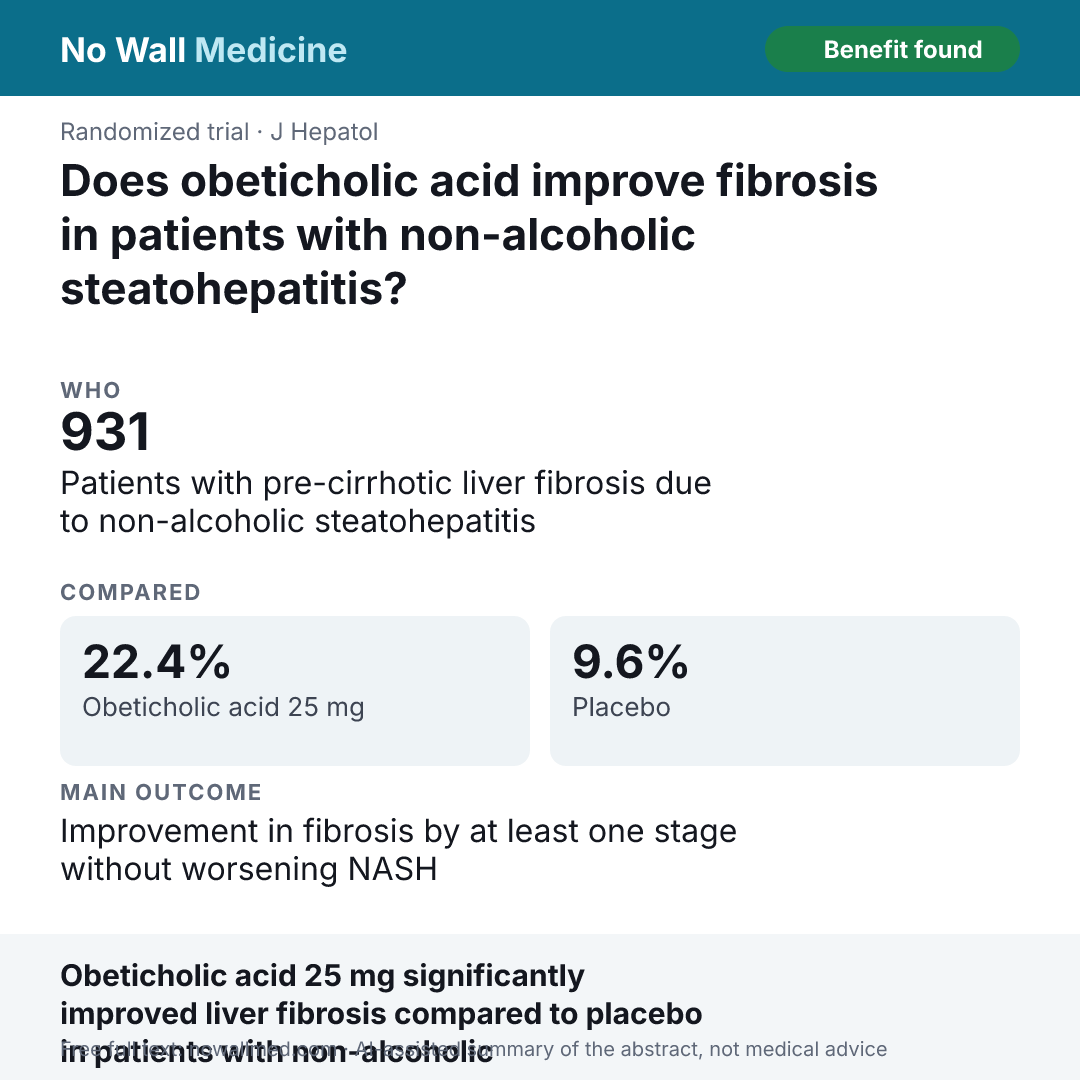
Results from a new efficacy and safety analysis of the REGENERATE trial of obeticholic acid for treatment of pre-cirrhotic fibrosis due to non-alcoholic steatohepatitis
Randomized trialBenefit found
Does obeticholic acid improve fibrosis in patients with non-alcoholic steatohepatitis?
Who
931
Patients with pre-cirrhotic liver fibrosis due to non-alcoholic steatohepatitis
Compared
22.4%Obeticholic acid 25 mg
9.6%Placebo
Main outcome
Improvement in fibrosis by at least one stage without worsening NASH
Bottom line: Obeticholic acid 25 mg significantly improved liver fibrosis compared to placebo in patients with non-alcoholic steatohepatitis.
J Hepatol · 2023-07-28 · Save PNG
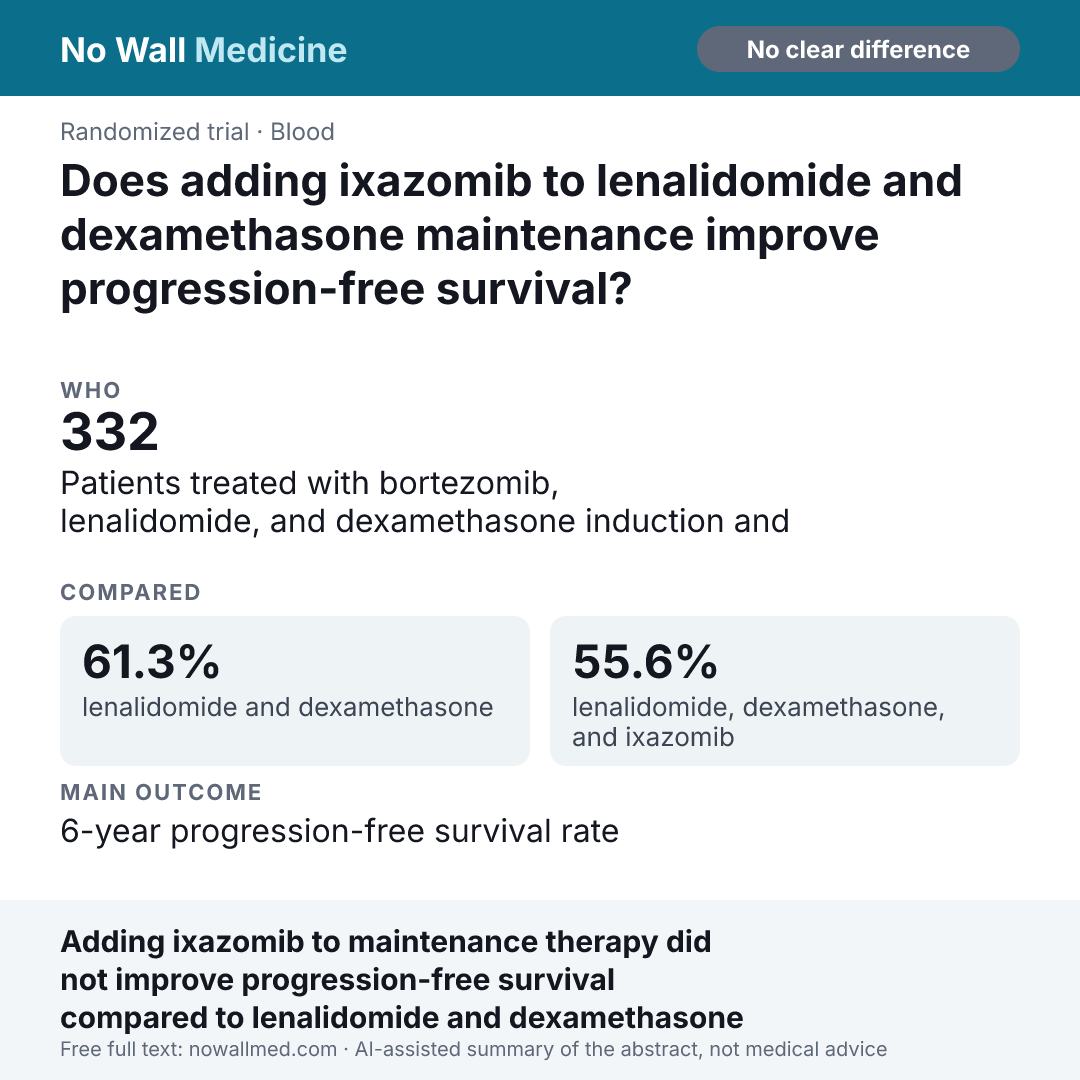
Lenalidomide and dexamethasone maintenance with or without ixazomib, tailored by residual disease status in myeloma
Randomized trialNo clear difference
Does adding ixazomib to lenalidomide and dexamethasone maintenance improve progression-free survival?
Who
332
Patients treated with bortezomib, lenalidomide, and dexamethasone induction and transplant
Compared
61.3%lenalidomide and dexamethasone
55.6%lenalidomide, dexamethasone, and ixazomib
Main outcome
6-year progression-free survival rate
Result: hazard ratio 1.136 (95% confidence interval 0.809-1.603)
Bottom line: Adding ixazomib to maintenance therapy did not improve progression-free survival compared to lenalidomide and dexamethasone alone.
Blood · 2023-07-28 · Save PNG
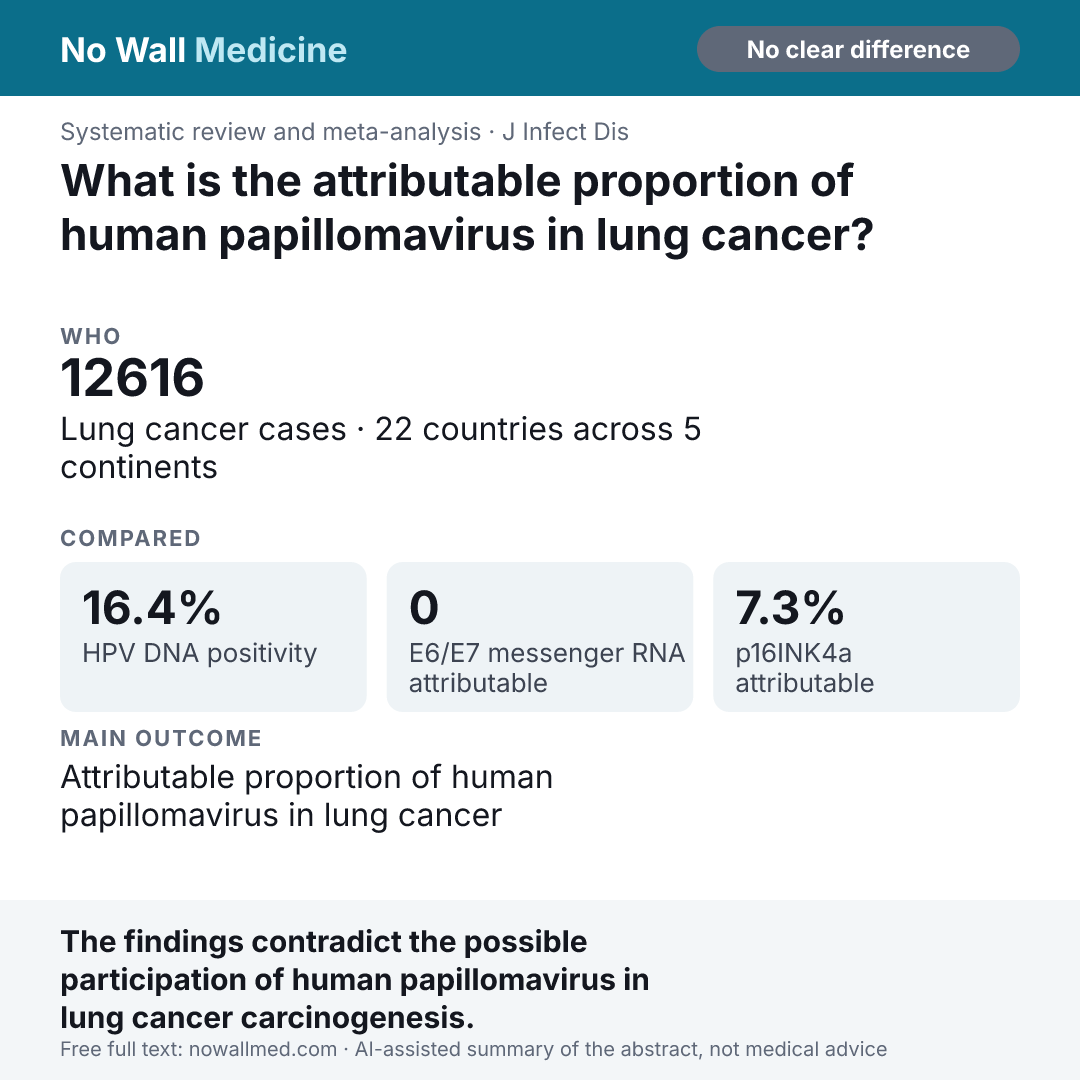
Detection of Human Papillomavirus DNA, E6/E7 Messenger RNA, and p16INK4a in Lung Cancer: A Systematic Review and Meta-analysis
Systematic review and meta-analysisNo clear difference
What is the attributable proportion of human papillomavirus in lung cancer?
Who
12616
Lung cancer cases · 22 countries across 5 continents
Compared
16.4%HPV DNA positivity (95% confidence interval, 12.7%-20.5%)
0E6/E7 messenger RNA attributable proportion
7.3%p16INK4a attributable proportion
Main outcome
Attributable proportion of human papillomavirus in lung cancer
Bottom line: The findings contradict the possible participation of human papillomavirus in lung cancer carcinogenesis.
J Infect Dis · 2023-07-28 · Save PNG
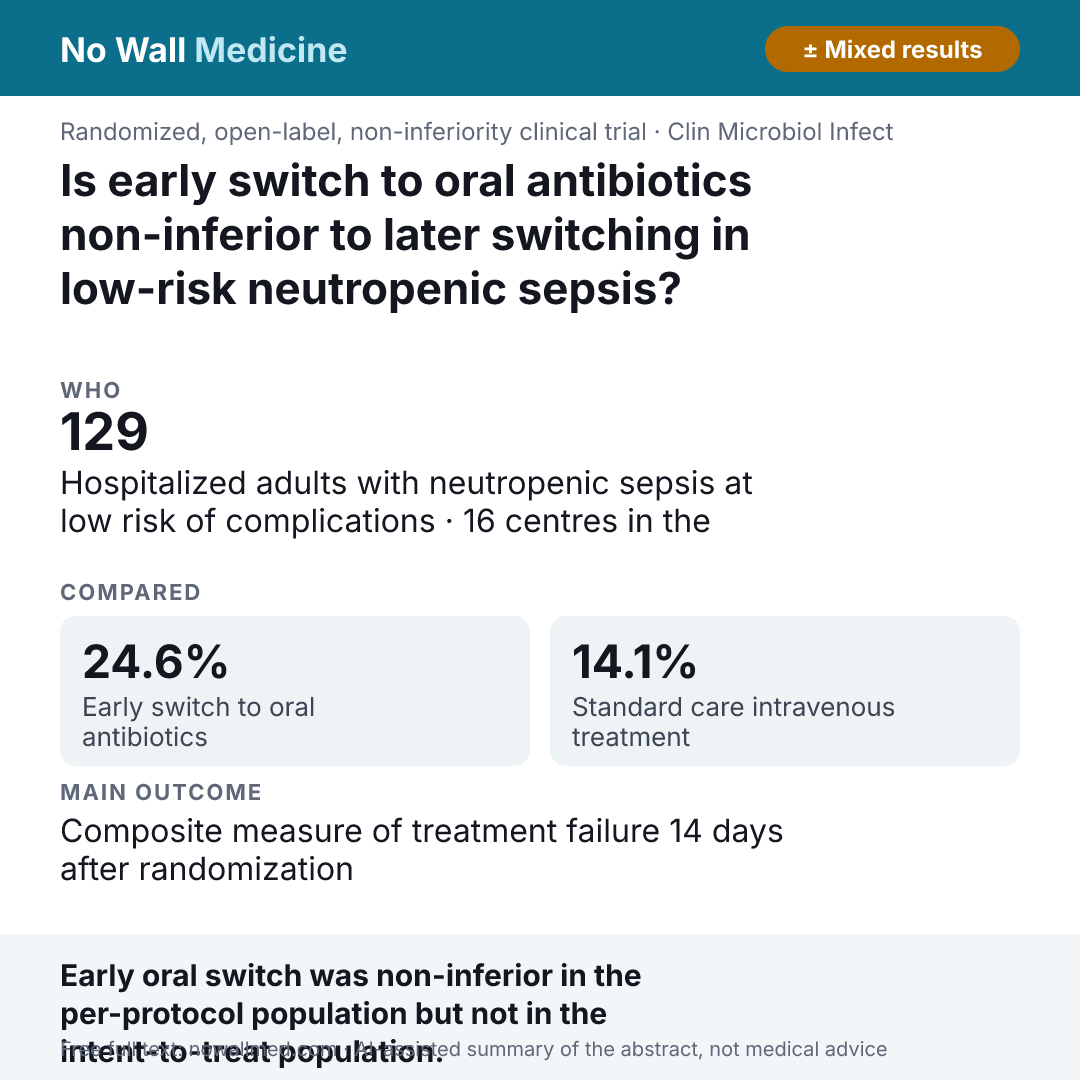
Early switch to oral antibiotic therapy in patients with low-risk neutropenic sepsis (EASI-SWITCH): a randomized non-inferiority trial
Randomized, open-label, non-inferiority clinical trialMixed results
Is early switch to oral antibiotics non-inferior to later switching in low-risk neutropenic sepsis?
Who
129
Hospitalized adults with neutropenic sepsis at low risk of complications · 16 centres in the United Kingdom
Compared
24.6%Early switch to oral antibiotics (15/61)
14.1%Standard care intravenous treatment (9/64)
Main outcome
Composite measure of treatment failure 14 days after randomization
Result: risk difference 10.5% (1-sided 95% CI, -∞% to 22%)
Bottom line: Early oral switch was non-inferior in the per-protocol population but not in the intent-to-treat population.
Clin Microbiol Infect · 2023-07-28 · Save PNG
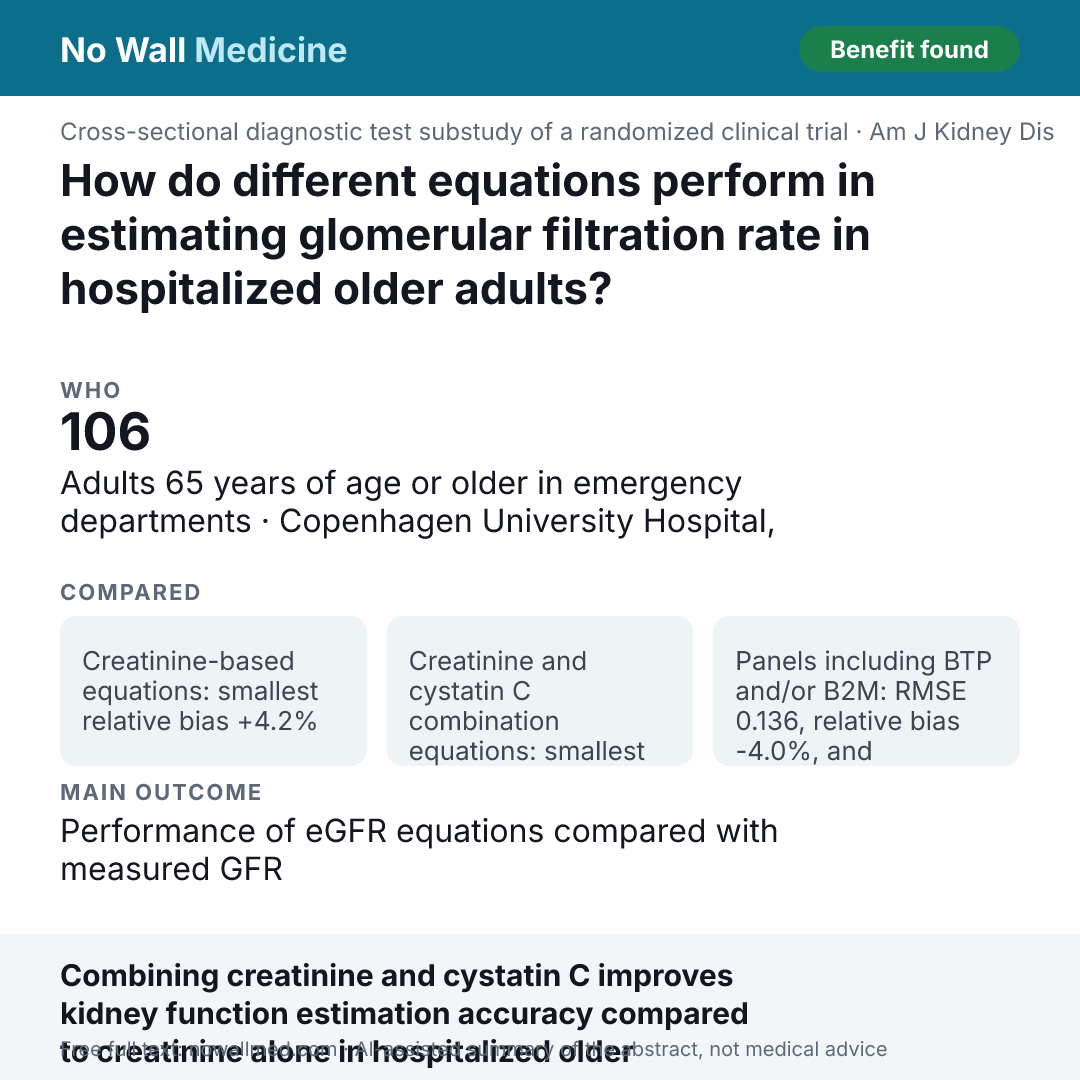
Performance of Panel-Estimated GFR Among Hospitalized Older Adults
Cross-sectional diagnostic test substudy of a randomized clinical trialBenefit found
How do different equations perform in estimating glomerular filtration rate in hospitalized older adults?
Who
106
Adults 65 years of age or older in emergency departments · Copenhagen University Hospital, Denmark
Compared
Creatinine-based equations: smallest relative bias +4.2%
Creatinine and cystatin C combination equations: smallest relative bias -3.4%, inaccuracy 3.8%, and RMSE 0.139
Panels including BTP and/or B2M: RMSE 0.136, relative bias -4.0%, and inaccuracy 5.7%
Main outcome
Performance of eGFR equations compared with measured GFR
Bottom line: Combining creatinine and cystatin C improves kidney function estimation accuracy compared to creatinine alone in hospitalized older adults.
Limitation: Only White patients were included and filtration marker concentration can be affected by volume status.
Funded by: Amgros I/S and Capital Region of Denmark
Am J Kidney Dis · 2023-07-28 · Save PNG
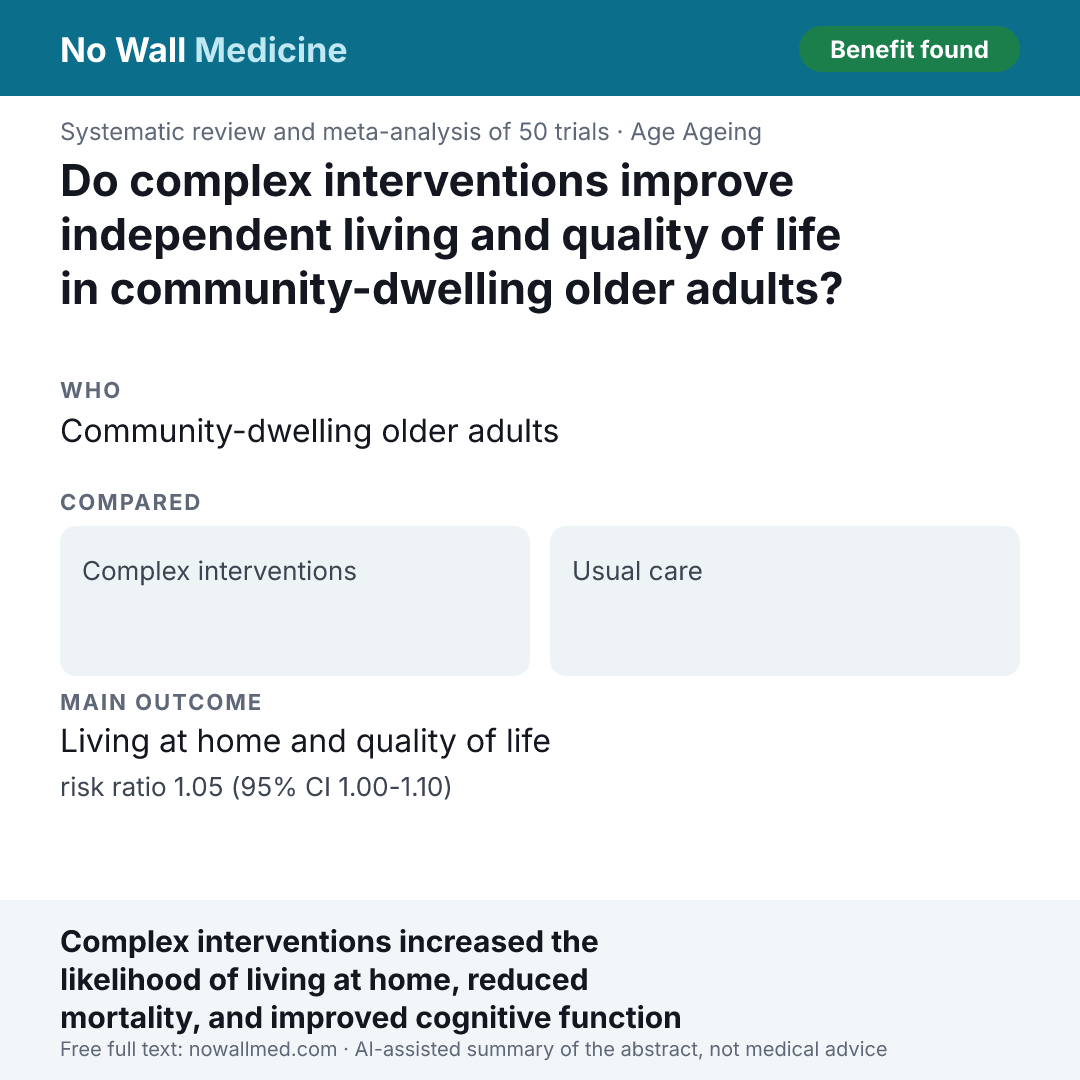
Complex interventions for improving independent living and quality of life amongst community-dwelling older adults: a systematic review and meta-analysis
Systematic review and meta-analysis of 50 trialsBenefit found
Do complex interventions improve independent living and quality of life in community-dwelling older adults?
Who
Community-dwelling older adults
Compared
Complex interventions
Usual care
Main outcome
Living at home and quality of life
Result: risk ratio 1.05 (95% CI 1.00-1.10)
Bottom line: Complex interventions increased the likelihood of living at home, reduced mortality, and improved cognitive function and activities of daily living.
Age Ageing · 2023-07-28 · Save PNG
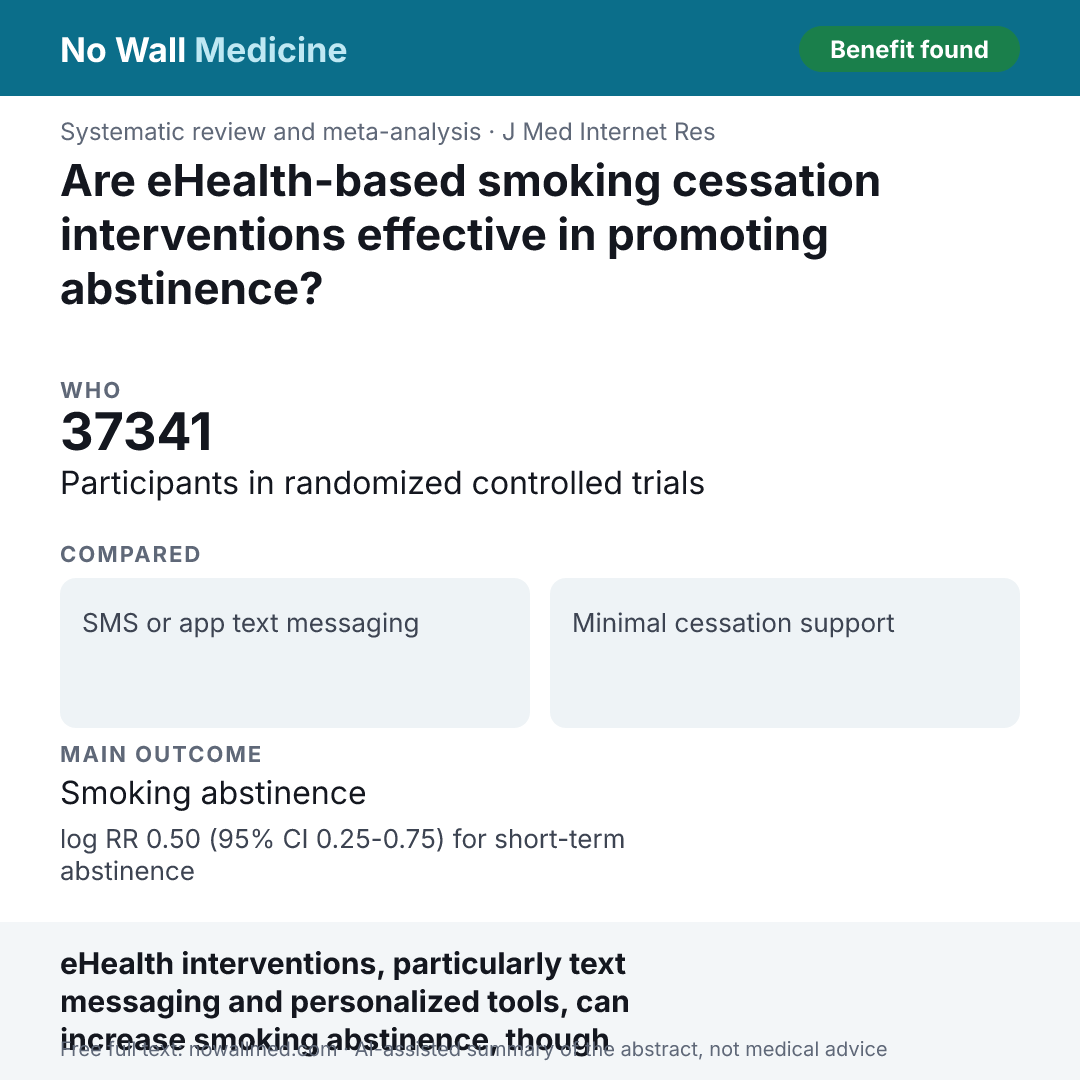
Effectiveness of eHealth Smoking Cessation Interventions: Systematic Review and Meta-Analysis
Systematic review and meta-analysisBenefit found
Are eHealth-based smoking cessation interventions effective in promoting abstinence?
Who
37341
Participants in randomized controlled trials
Compared
SMS or app text messaging
Minimal cessation support
Main outcome
Smoking abstinence
Result: log RR 0.50 (95% CI 0.25-0.75) for short-term abstinence
Bottom line: eHealth interventions, particularly text messaging and personalized tools, can increase smoking abstinence, though effectiveness may diminish over time.
J Med Internet Res · 2023-07-28 · Save PNG
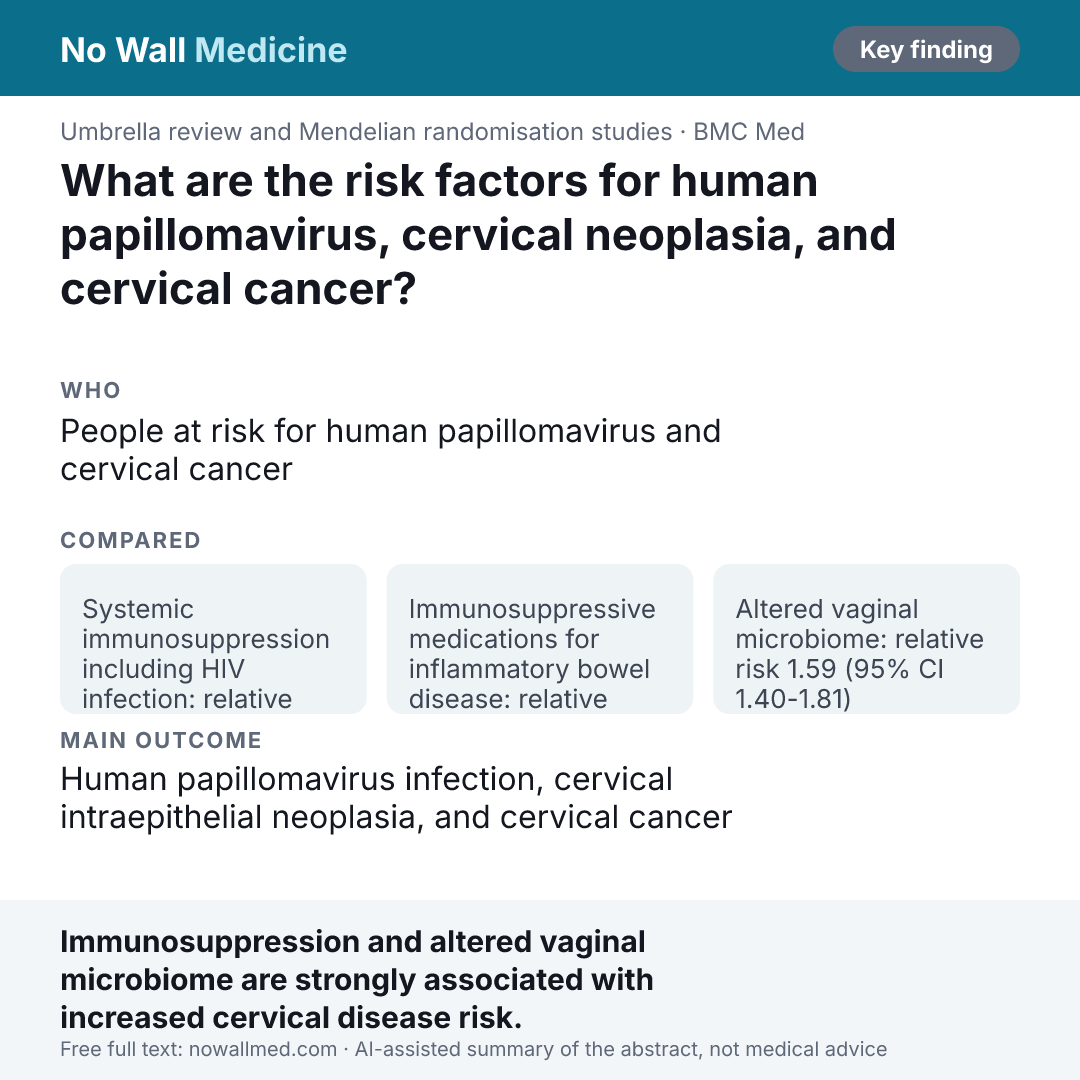
Risk factors for human papillomavirus infection, cervical intraepithelial neoplasia and cervical cancer: an umbrella review and follow-up Mendelian randomisation studies
Umbrella review and Mendelian randomisation studiesKey finding
What are the risk factors for human papillomavirus, cervical neoplasia, and cervical cancer?
Who
People at risk for human papillomavirus and cervical cancer
Compared
Systemic immunosuppression including HIV infection: relative risk 2.20 (95% CI 1.89-2.54)
Immunosuppressive medications for inflammatory bowel disease: relative risk 1.33 (95% CI 1.27-1.39)
Altered vaginal microbiome: relative risk 1.59 (95% CI 1.40-1.81)
Main outcome
Human papillomavirus infection, cervical intraepithelial neoplasia, and cervical cancer
Bottom line: Immunosuppression and altered vaginal microbiome are strongly associated with increased cervical disease risk.
Limitation: Observational evidence can hide different inherent biases.
BMC Med · 2023-07-27 · Save PNG
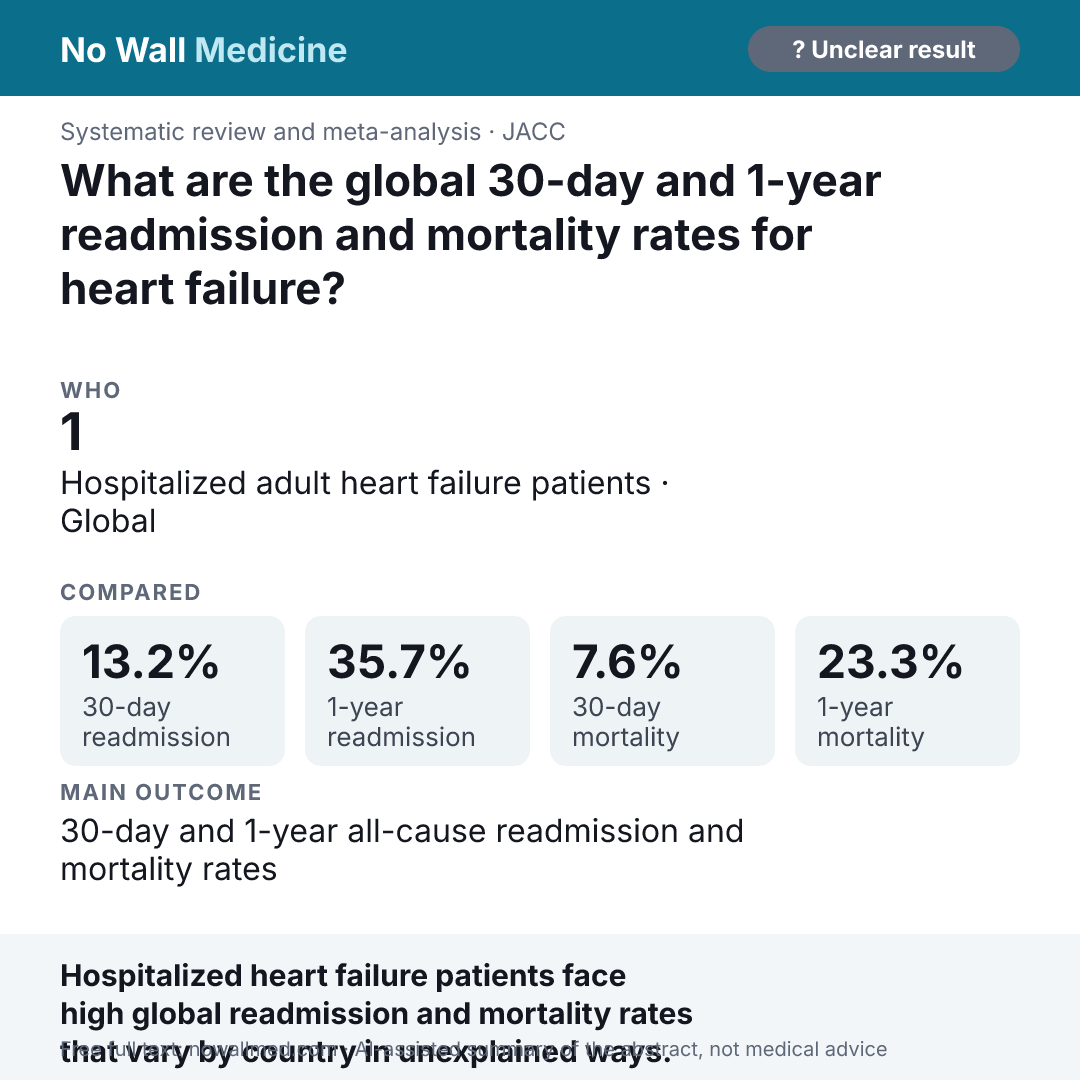
Global Comparison of Readmission Rates for Patients With Heart Failure
Systematic review and meta-analysisUnclear result
What are the global 30-day and 1-year readmission and mortality rates for heart failure?
Who
1
Hospitalized adult heart failure patients · Global
Compared
13.2%30-day readmission (95% CI: 10.5%-16.1%)
35.7%1-year readmission (95% CI: 27.1%-44.9%)
7.6%30-day mortality (95% CI: 6.1%-9.3%)
23.3%1-year mortality (95% CI: 20.8%-25.9%)
Main outcome
30-day and 1-year all-cause readmission and mortality rates
Bottom line: Hospitalized heart failure patients face high global readmission and mortality rates that vary by country in unexplained ways.
Limitation: Substantial variation in risk across countries was unexplained by economic or healthcare expenditure factors.
JACC · 2023-07-27 · Save PNG
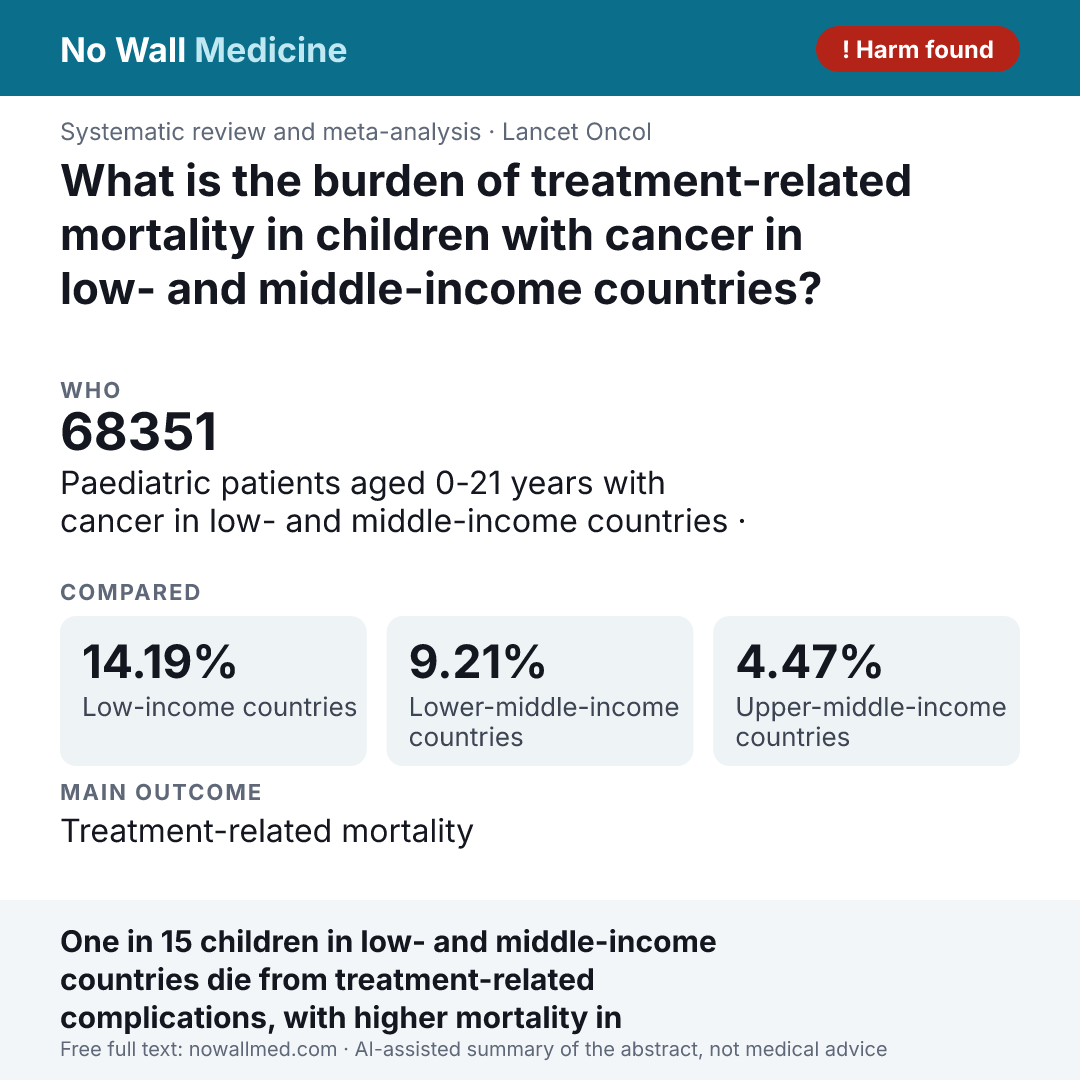
Treatment-related mortality in children with cancer in low-income and middle-income countries: a systematic review and meta-analysis
Systematic review and meta-analysisHarm found
What is the burden of treatment-related mortality in children with cancer in low- and middle-income countries?
Who
68351
Paediatric patients aged 0-21 years with cancer in low- and middle-income countries · Low-income and middle-income countries
Compared
14.19%Low-income countries (95% CI 9.65-18.73)
9.21%Lower-middle-income countries (7.93-10.49)
4.47%Upper-middle-income countries (3.42-5.53)
Main outcome
Treatment-related mortality
Result: 6.82% (95% CI 5.99-7.64)
Bottom line: One in 15 children in low- and middle-income countries die from treatment-related complications, with higher mortality in lower-income nations.
Funded by: American Lebanese Syrian Associated Charities and National Cancer Institute
Lancet Oncol · 2023-07-27 · Save PNG
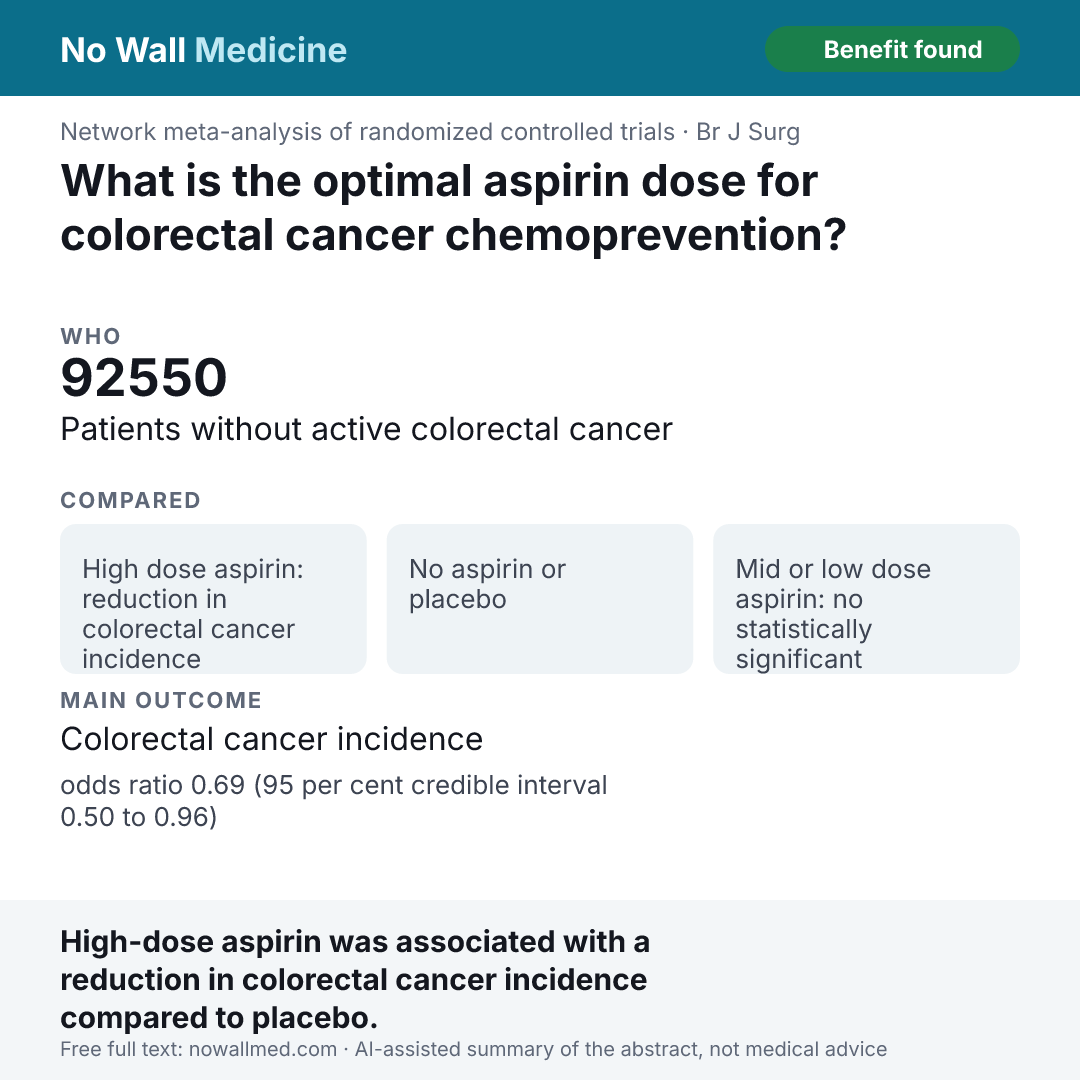
Aspirin chemoprevention in colorectal cancer: network meta-analysis of low, moderate, and high doses
Network meta-analysis of randomized controlled trialsBenefit found
What is the optimal aspirin dose for colorectal cancer chemoprevention?
Who
92550
Patients without active colorectal cancer
Compared
High dose aspirin: reduction in colorectal cancer incidence
No aspirin or placebo
Mid or low dose aspirin: no statistically significant difference
Main outcome
Colorectal cancer incidence
Result: odds ratio 0.69 (95 per cent credible interval 0.50 to 0.96)
Bottom line: High-dose aspirin was associated with a reduction in colorectal cancer incidence compared to placebo.
Limitation: This was based on a limited number of trials.
Br J Surg · 2023-07-27 · Save PNG
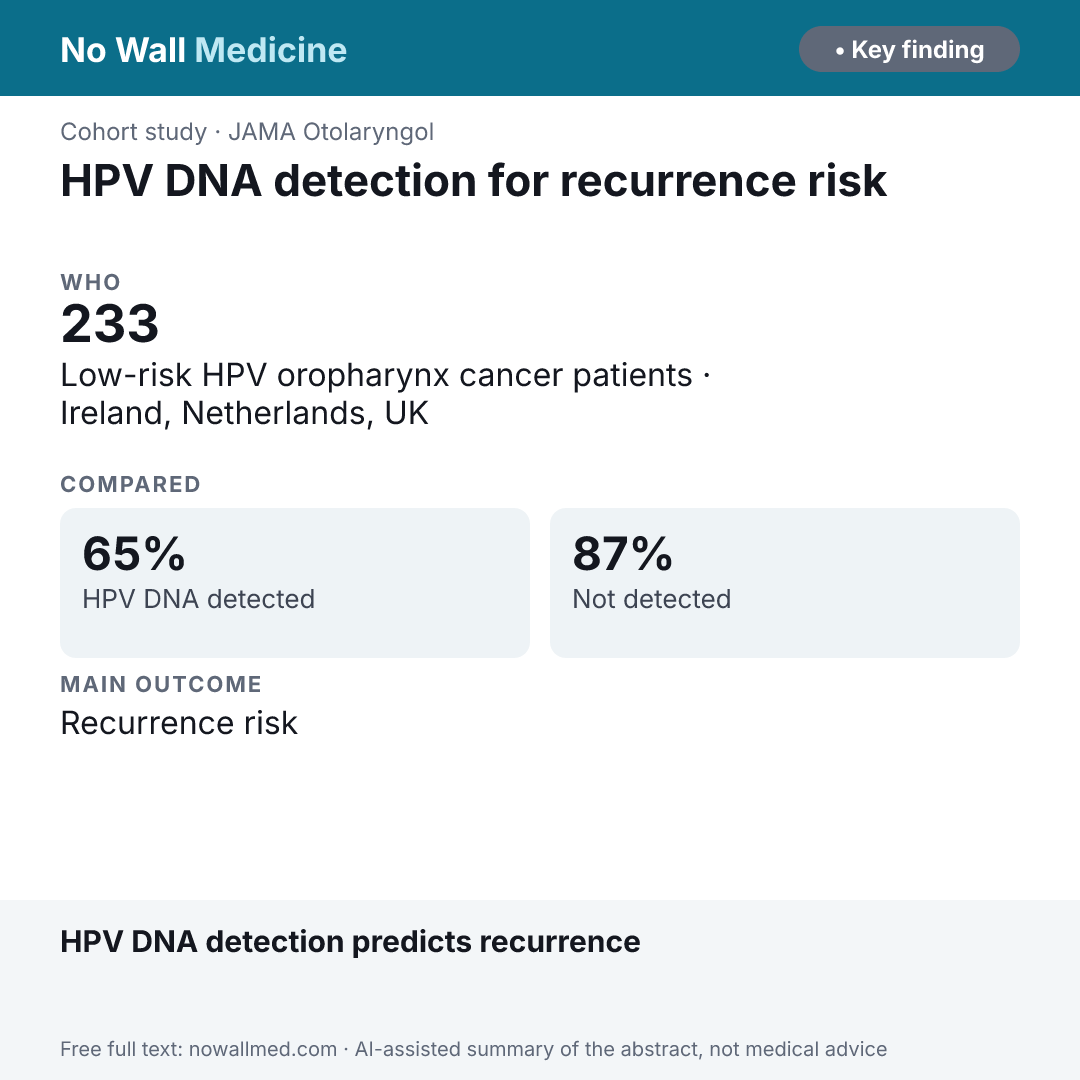
Lead Time to Recurrence After Posttreatment Plasma and Saliva HPV DNA Testing in Patients With Low-Risk HPV Oropharynx Cancer
Cohort studyKey finding
HPV DNA detection for recurrence risk
Who
233
Low-risk HPV oropharynx cancer patients · Ireland, Netherlands, UK
Compared
65%HPV DNA detected
87%Not detected
Main outcome
Recurrence risk
Bottom line: HPV DNA detection predicts recurrence
JAMA Otolaryngol · 2023-07-27 · Save PNG
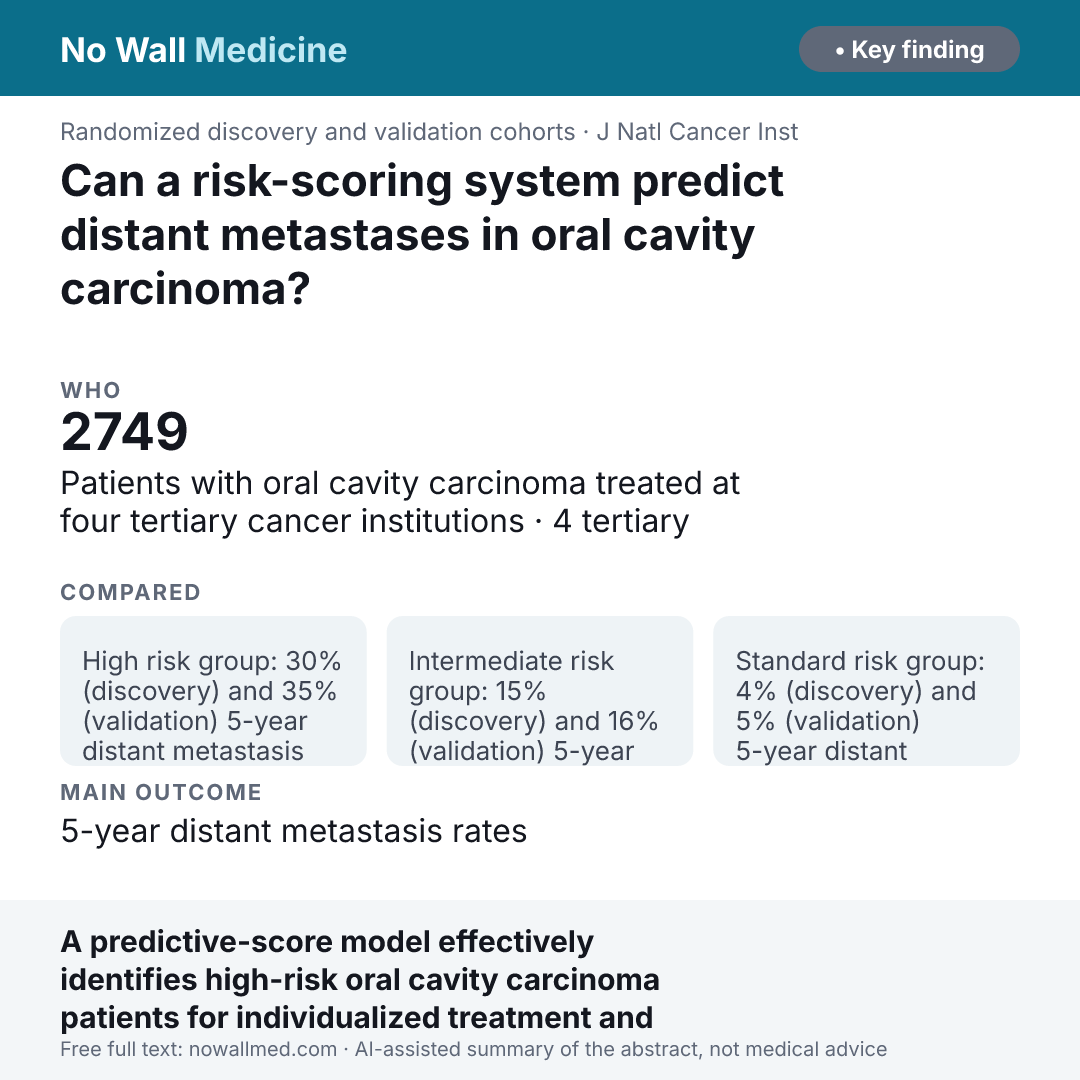
Individualized risk assessment of distant metastases in oral cavity carcinoma: a validated predictive-score model
Randomized discovery and validation cohortsKey finding
Can a risk-scoring system predict distant metastases in oral cavity carcinoma?
Who
2749
Patients with oral cavity carcinoma treated at four tertiary cancer institutions · 4 tertiary cancer institutions
Compared
High risk group: 30% (discovery) and 35% (validation) 5-year distant metastasis rates
Intermediate risk group: 15% (discovery) and 16% (validation) 5-year distant metastasis rates
Standard risk group: 4% (discovery) and 5% (validation) 5-year distant metastasis rates
Main outcome
5-year distant metastasis rates
Bottom line: A predictive-score model effectively identifies high-risk oral cavity carcinoma patients for individualized treatment and surveillance strategies.
J Natl Cancer Inst · 2023-07-27 · Save PNG
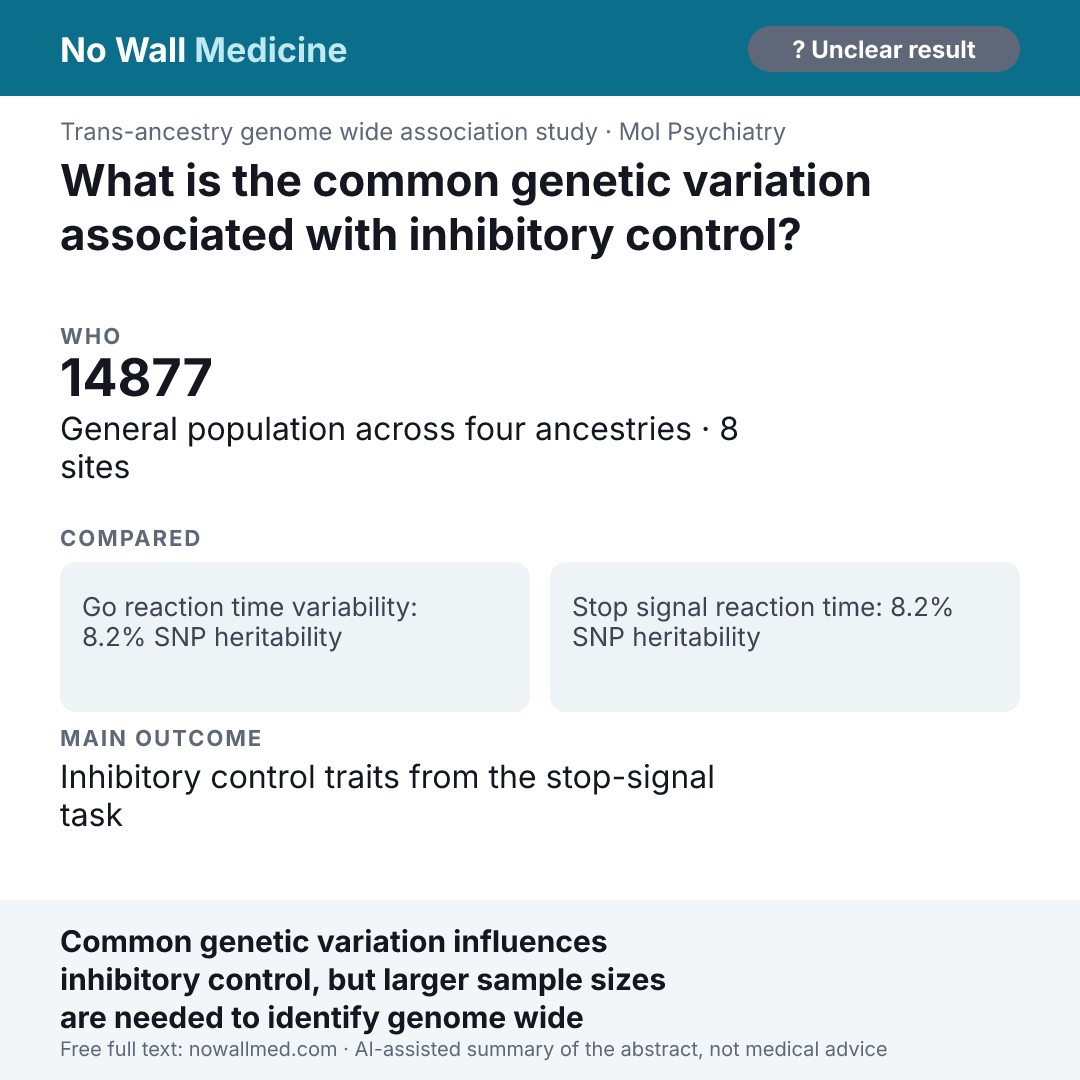
Trans-ancestry meta-analysis of genome wide association studies of inhibitory control
Trans-ancestry genome wide association studyUnclear result
What is the common genetic variation associated with inhibitory control?
Who
14877
General population across four ancestries · 8 sites
Compared
Go reaction time variability: 8.2% SNP heritability
Stop signal reaction time: 8.2% SNP heritability
Main outcome
Inhibitory control traits from the stop-signal task
Bottom line: Common genetic variation influences inhibitory control, but larger sample sizes are needed to identify genome wide significant associations.
Limitation: Larger sample sizes are necessary to robustly identify associations.
Mol Psychiatry · 2023-07-27 · Save PNG
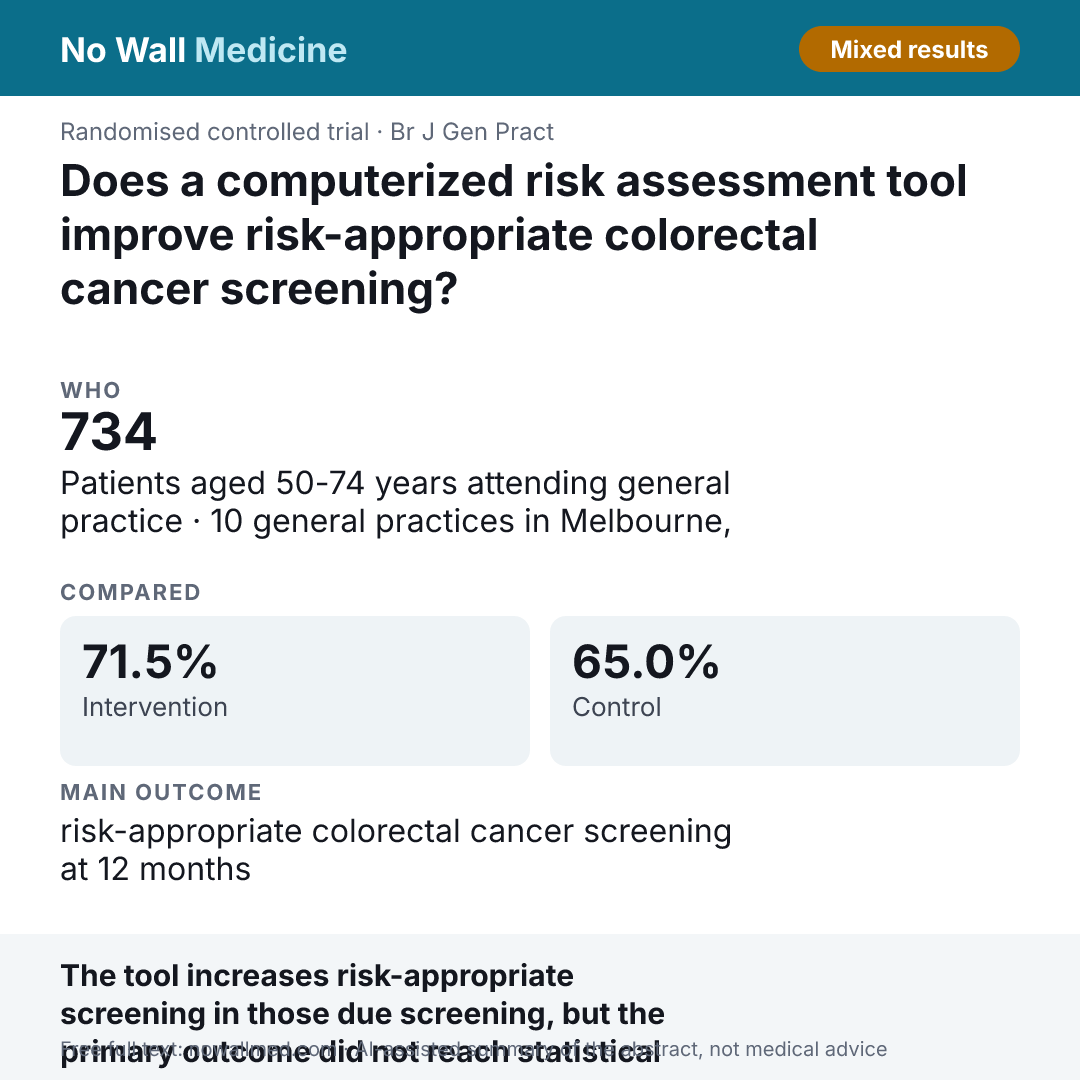
Heterogeneity of treatment effects by risk in pulmonary arterial hypertension
Meta-analysis of 18 randomized clinical trialsMixed results
Does disease severity modify response to therapy in pulmonary arterial hypertension?
Who
6561
Patients with pulmonary arterial hypertension · United States Food and Drug Administration submitted trials
Compared
Higher baseline risk: no difference in change in 6-min walk distance
Lower baseline risk
Main outcome
change in 6-min walk distance, clinical worsening, and time to clinical worsening
Result: 12.49 m (95% CI 5.86-19.12 m) greater treatment effect per 3-point REVEAL 2.0 score increase
Bottom line: Predicted risk of 1-year mortality modifies treatment effect on 6-minute walk distance but not clinical worsening.
Eur Respir J · 2023-07-27 · Save PNG
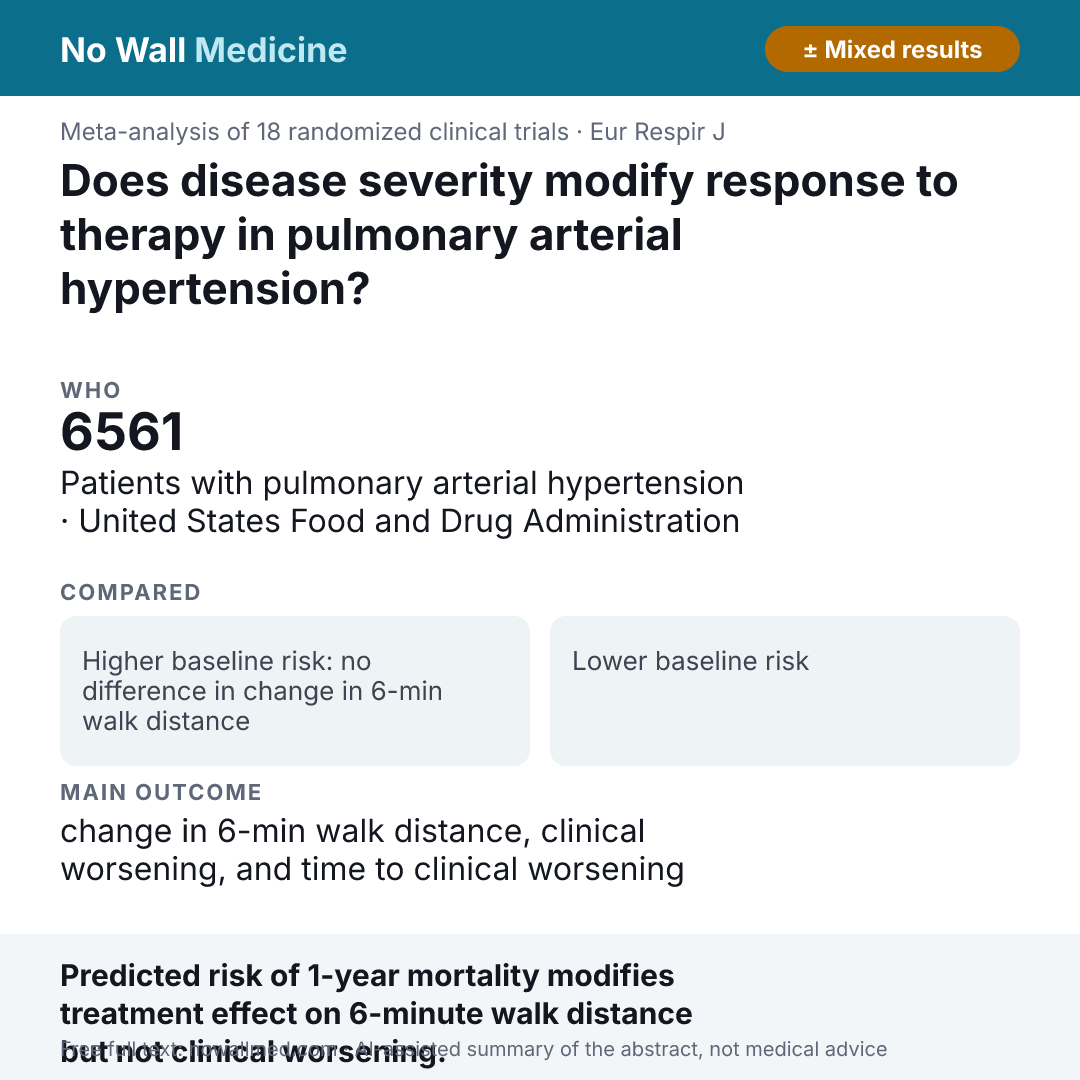
Efficacy and Safety of Burosumab in X-linked Hypophosphatemia
Meta-analysis of 8 trialsBenefit found
Efficacy and safety of burosumab in X-linked hypophosphatemia patients
Who
Patients with X-linked hypophosphatemia
Compared
0.52 mg/dLBurosumab
Control
Main outcome
Serum phosphorus level
Result: 0.52 mg/dL, 95% CI 0.24-0.80 mg/dL
Bottom line: Burosumab increased serum phosphorus levels and did not significantly increase adverse events.
J Clin Endocrinol Metab · 2023-07-27 · Save PNG
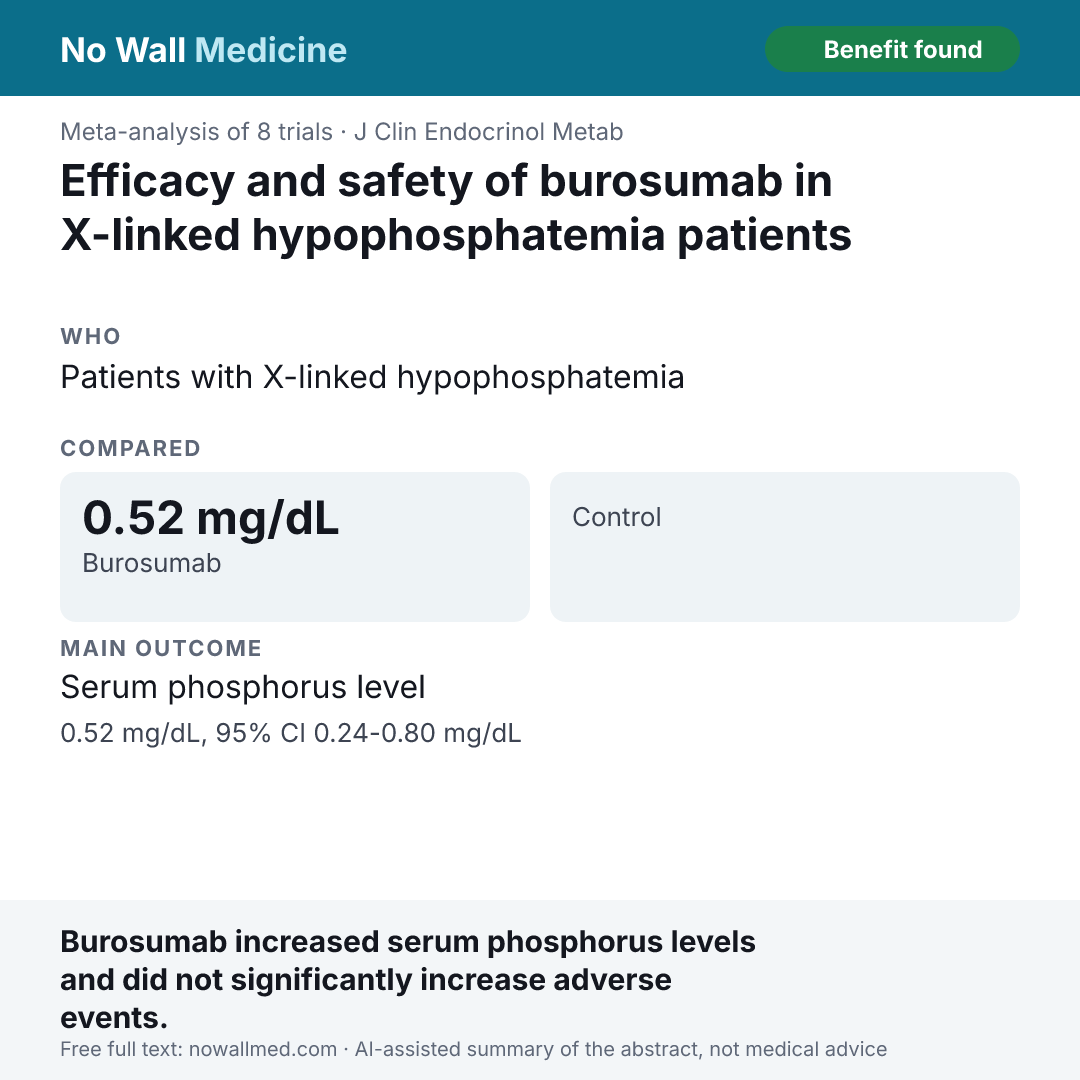
The MAGIC algorithm probability (MAP)-guided preemptive therapy of acute graft versus host disease with methylprednisolone: A randomized controlled trial
Randomized controlled trialBenefit found
Does MAP-guided preemptive methylprednisolone therapy reduce acute graft versus host disease?
Who
Intermediate- or high-risk patients after allogeneic hematopoietic stem cell transplantation
Compared
Methylprednisolone group: 35.5% ± 8.6%
Control group: 66.7% ± 7.9%
Low-risk group: 31.7% ± 7.3%
Main outcome
100-day cumulative incidence of grade 2 or higher acute graft versus host disease
Bottom line: MAP-guided preemptive methylprednisolone therapy significantly reduced grade 2 or higher acute graft versus host disease incidence.
Am J Hematol · 2023-07-27 · Save PNG
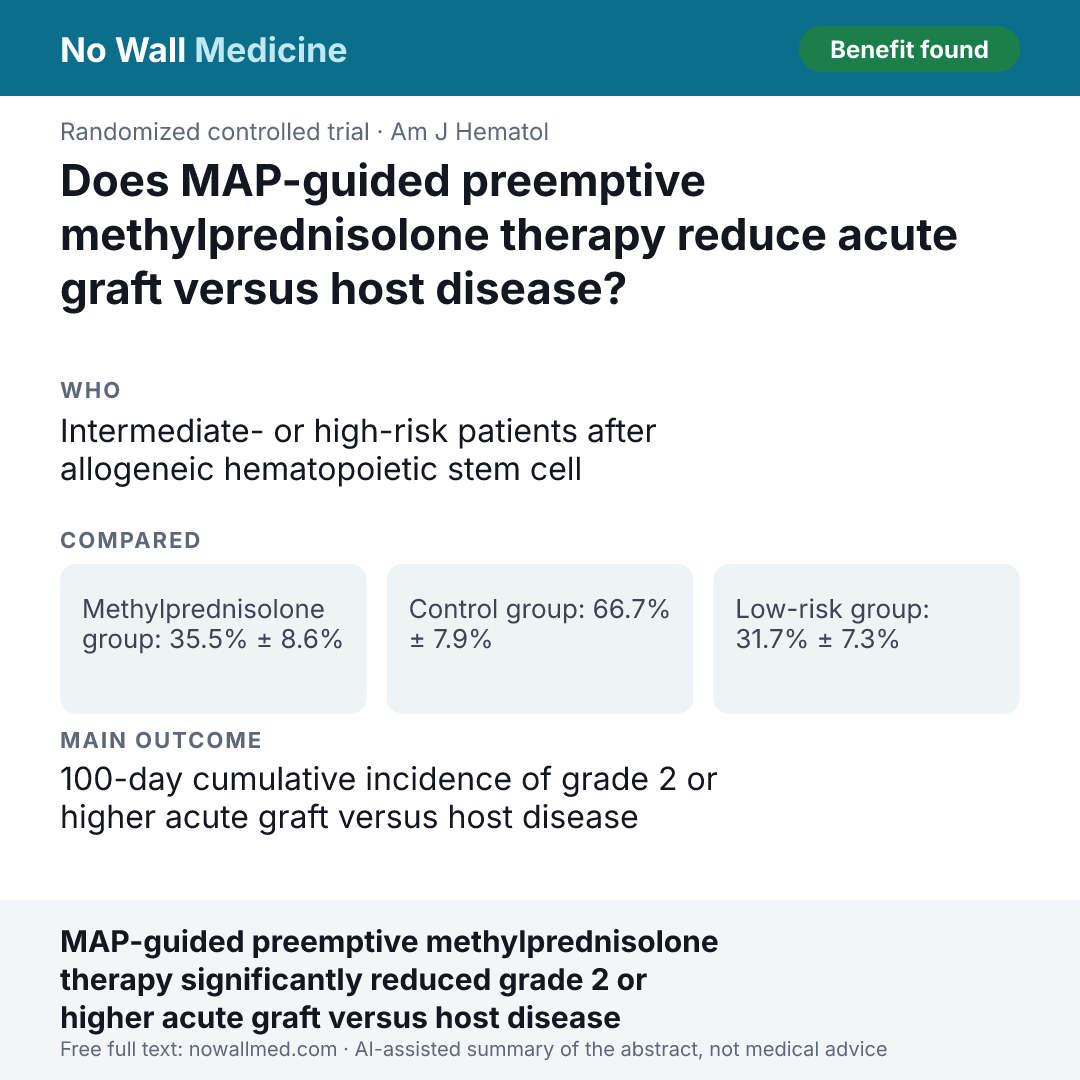
The Colorectal cancer RISk Prediction (CRISP) trial: a randomised controlled trial of a decision support tool for risk-stratified colorectal cancer screening
Randomised controlled trialMixed results
Does a computerized risk assessment tool improve risk-appropriate colorectal cancer screening?
Who
734
Patients aged 50-74 years attending general practice · 10 general practices in Melbourne, Australia
Compared
71.5%Intervention
65.0%Control
Main outcome
risk-appropriate colorectal cancer screening at 12 months
Result: odds ratio 1.36, 95% CI 0.99 to 1.86
Bottom line: The tool increases risk-appropriate screening in those due screening, but the primary outcome did not reach statistical significance.
Br J Gen Pract · 2023-07-27 · Save PNG
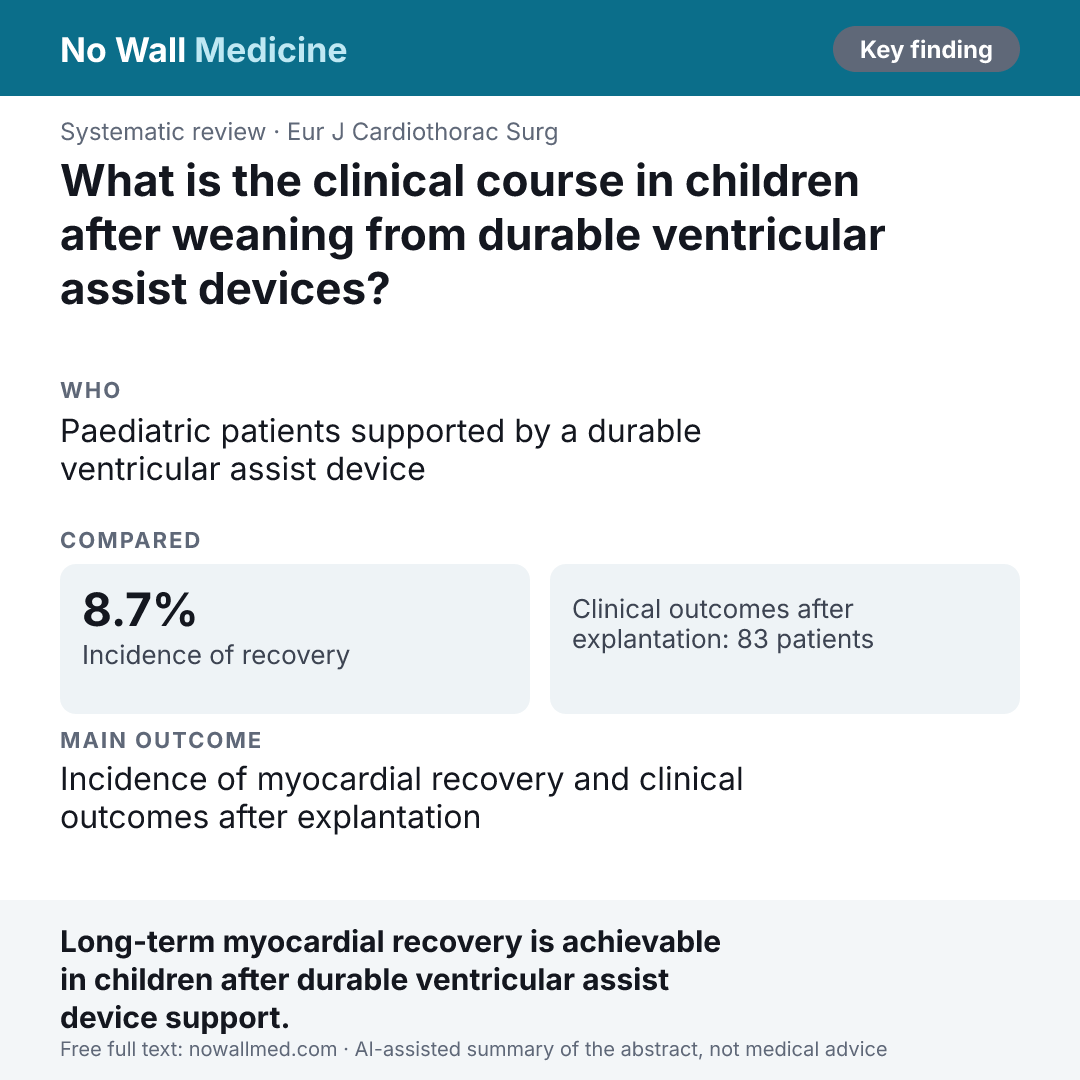
Myocardial recovery in children supported with a durable ventricular assist device-a systematic review
Systematic reviewKey finding
What is the clinical course in children after weaning from durable ventricular assist devices?
Who
Paediatric patients supported by a durable ventricular assist device
Compared
8.7%Incidence of recovery (81/928)
Clinical outcomes after explantation: 83 patients
Main outcome
Incidence of myocardial recovery and clinical outcomes after explantation
Bottom line: Long-term myocardial recovery is achievable in children after durable ventricular assist device support.
Limitation: The interactions among patient, device, time, and hospital-related factors are not fully understood.
Eur J Cardiothorac Surg · 2023-07-27 · Save PNG