Visual abstracts
New randomized trials and meta-analyses from leading journals at a glance: who was studied, what was compared, and what was found. Every paper is free to read in full.
All specialtiesCardiology 2647Oncology 2244Gastroenterology & Hepatology 1013Infectious Disease 1664Neurology 1052Psychiatry & Mental Health 1234Pulmonology 1111Critical Care 728Endocrinology & Diabetes 1368Pediatrics 1547Surgery 1347Orthopedics & Sports Medicine 483Neurosurgery 322Cardiothoracic & Vascular Surgery 287Plastic & Reconstructive Surgery 398Nephrology 548Rheumatology 400Hematology 573Dermatology 310Ophthalmology 306Obstetrics & Gynecology 862Public & Global Health 485Radiology & Imaging 366Anesthesiology 527Urology 438ENT (Otolaryngology) 316Emergency Medicine 294Allergy & Immunology 170Geriatrics 568Family Medicine & Primary Care 302Medical Genetics & Genomics 301Pathology & Laboratory Medicine 82Physical Medicine & Rehabilitation 434Palliative Care 234Nutrition 704Digital Health & AI 1272General Medicine 191
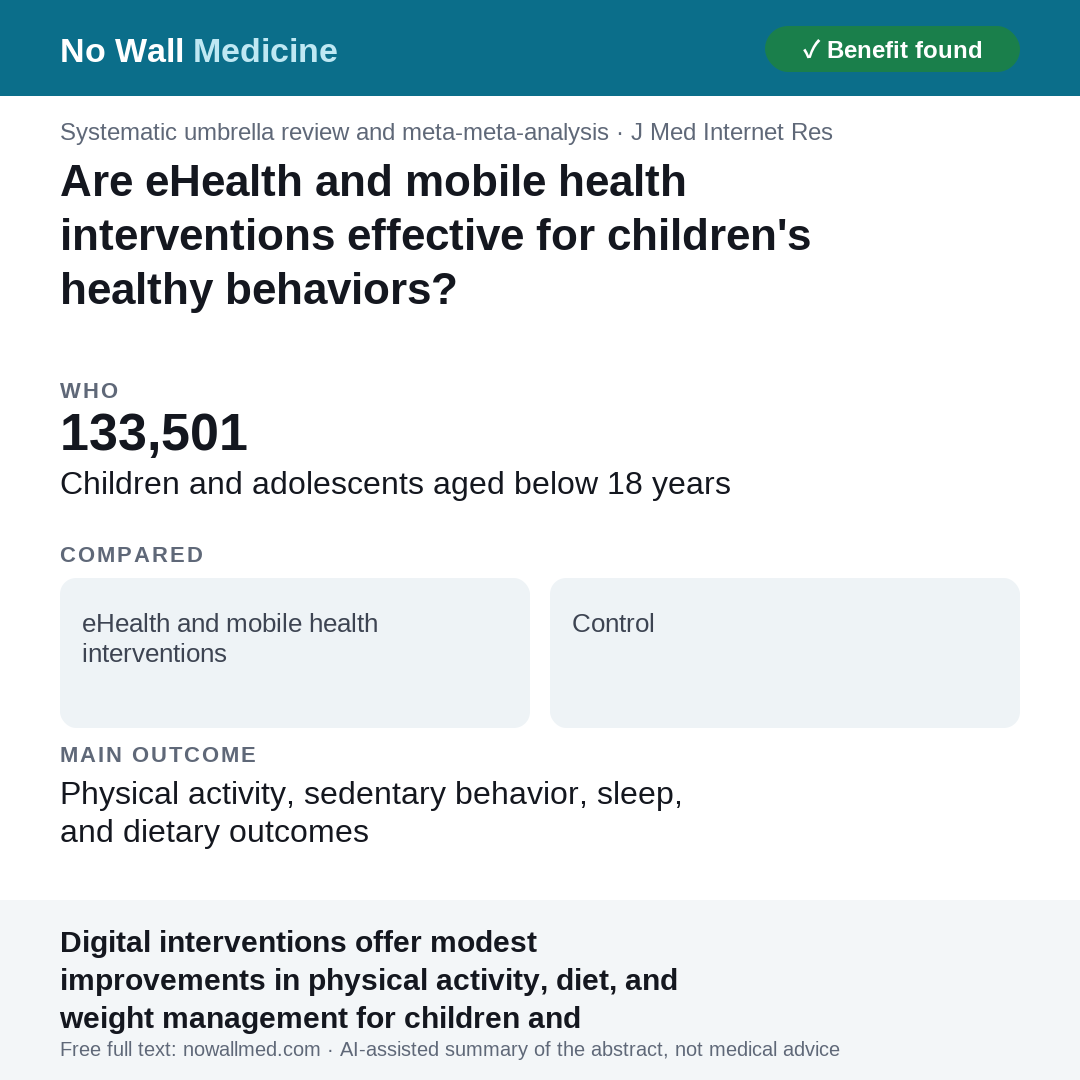
Lifestyle eHealth and mHealth Interventions for Children and Adolescents: Systematic Umbrella Review and Meta-Meta-Analysis
Systematic umbrella review and meta-meta-analysisBenefit found
Are eHealth and mobile health interventions effective for children's healthy behaviors?
Who
133,501
Children and adolescents aged below 18 years
Compared
eHealth and mobile health interventions
Control
Main outcome
Physical activity, sedentary behavior, sleep, and dietary outcomes
Result: SMD 0.18 (95% CI 0.09-0.27) for moderate to vigorous physical activity
Bottom line: Digital interventions offer modest improvements in physical activity, diet, and weight management for children and adolescents.
J Med Internet Res · 2025-10-17Download image
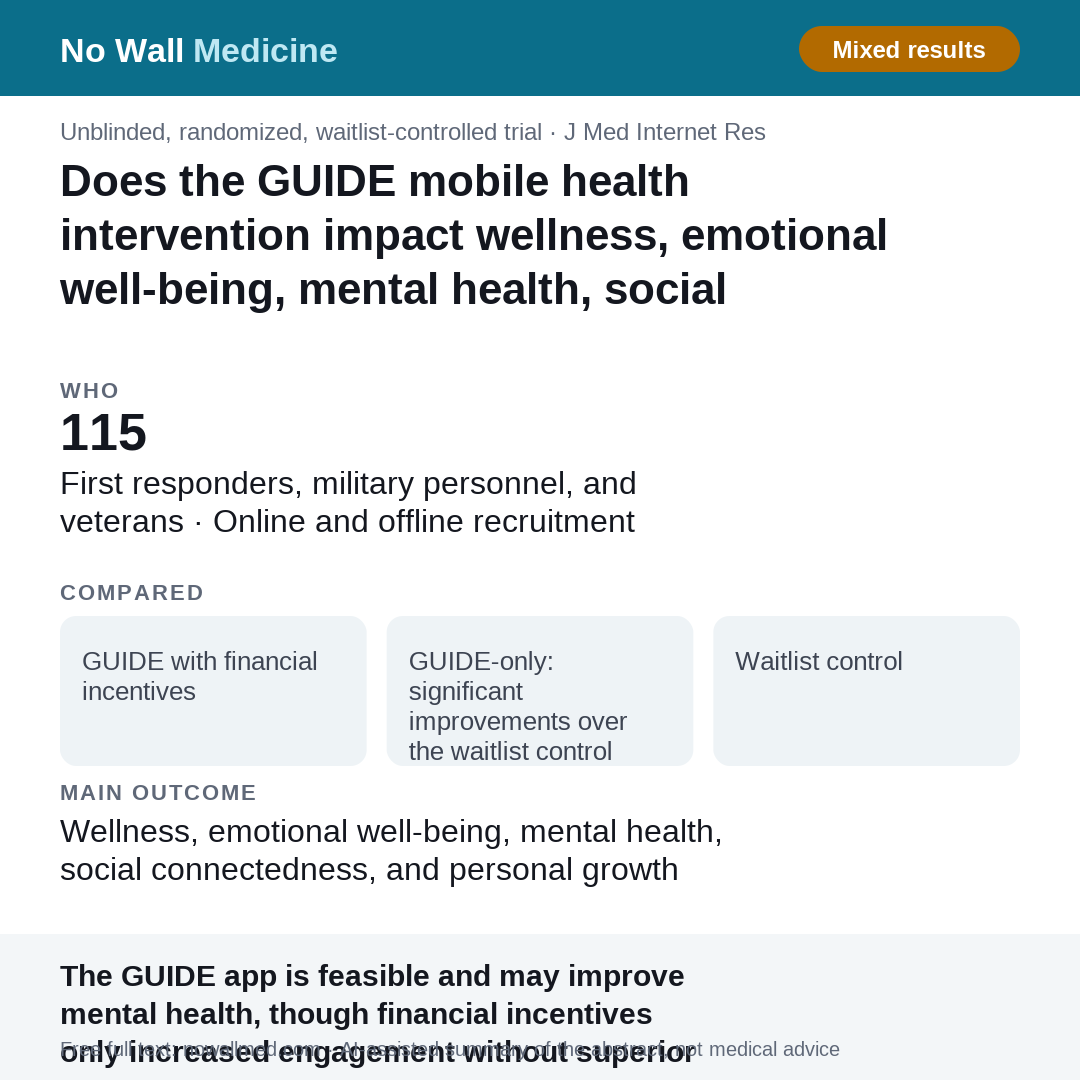
Evaluating a Mobile Health Intervention (GUIDE App) for First Responders, Military Personnel, and Veterans: Randomized Controlled Trial
Unblinded, randomized, waitlist-controlled trialMixed results
Does the GUIDE mobile health intervention impact wellness, emotional well-being, mental health, social connectedness, and personal growth?
Who
115
First responders, military personnel, and veterans · Online and offline recruitment
Compared
GUIDE with financial incentives
GUIDE-only: significant improvements over the waitlist control group in wellness (d=0.05-0.31), emotional well-being (d=0.06-0.31), depression (d=-0.30), and anxiety (d=-0.29)
Waitlist control
Main outcome
Wellness, emotional well-being, mental health, social connectedness, and personal growth
Bottom line: The GUIDE app is feasible and may improve mental health, though financial incentives only increased engagement without superior clinical outcomes.
Limitation: Future research should assess whether improvements are sustained in the long term.
J Med Internet Res · 2025-10-17Download image
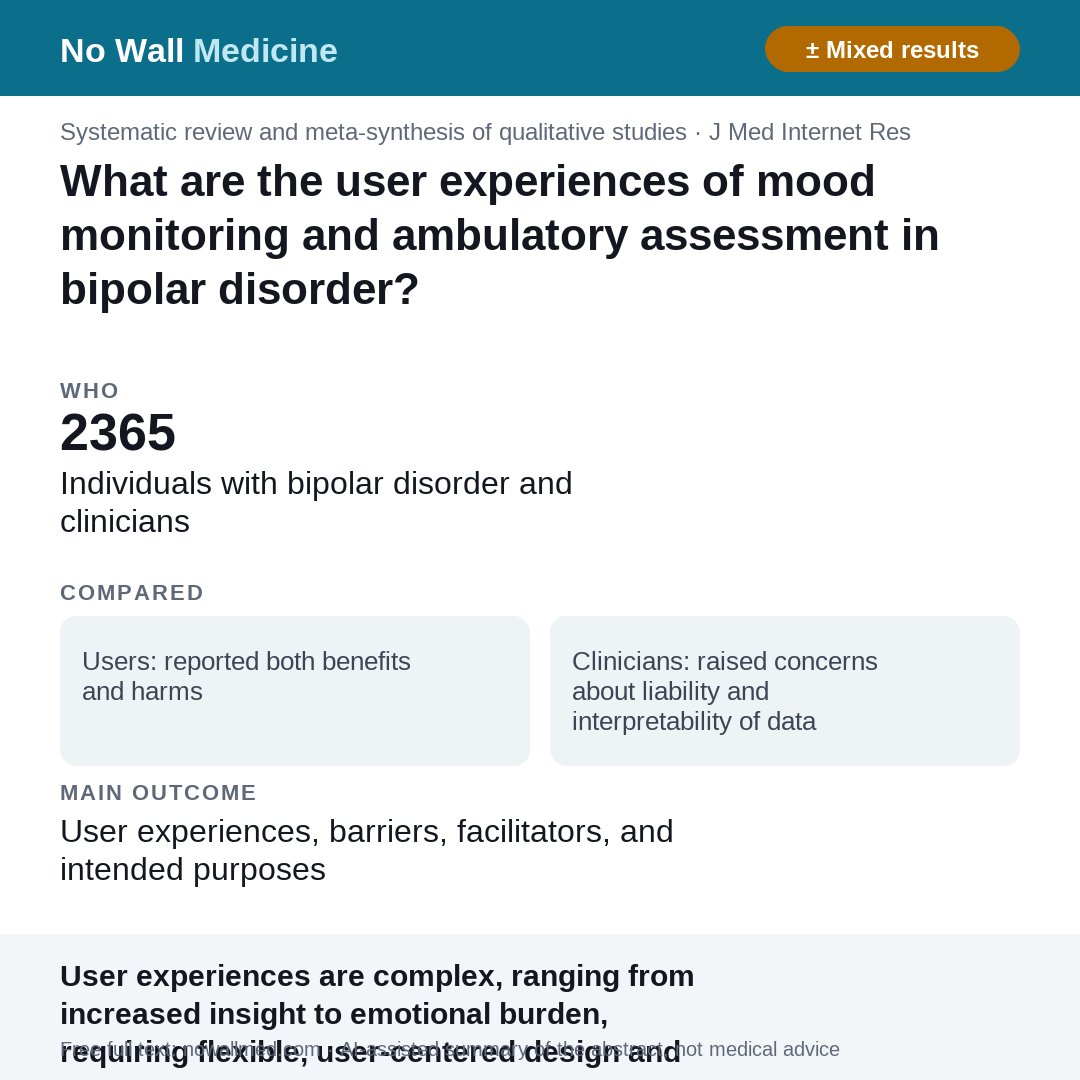
The User Experience of Ambulatory Assessment and Mood Monitoring in Bipolar Disorder: Systematic Review and Meta-Synthesis of Qualitative Studies
Systematic review and meta-synthesis of qualitative studiesMixed results
What are the user experiences of mood monitoring and ambulatory assessment in bipolar disorder?
Who
2365
Individuals with bipolar disorder and clinicians
Compared
Users: reported both benefits and harms
Clinicians: raised concerns about liability and interpretability of data
Main outcome
User experiences, barriers, facilitators, and intended purposes
Bottom line: User experiences are complex, ranging from increased insight to emotional burden, requiring flexible, user-centered design and personalization.
J Med Internet Res · 2025-10-17Download image
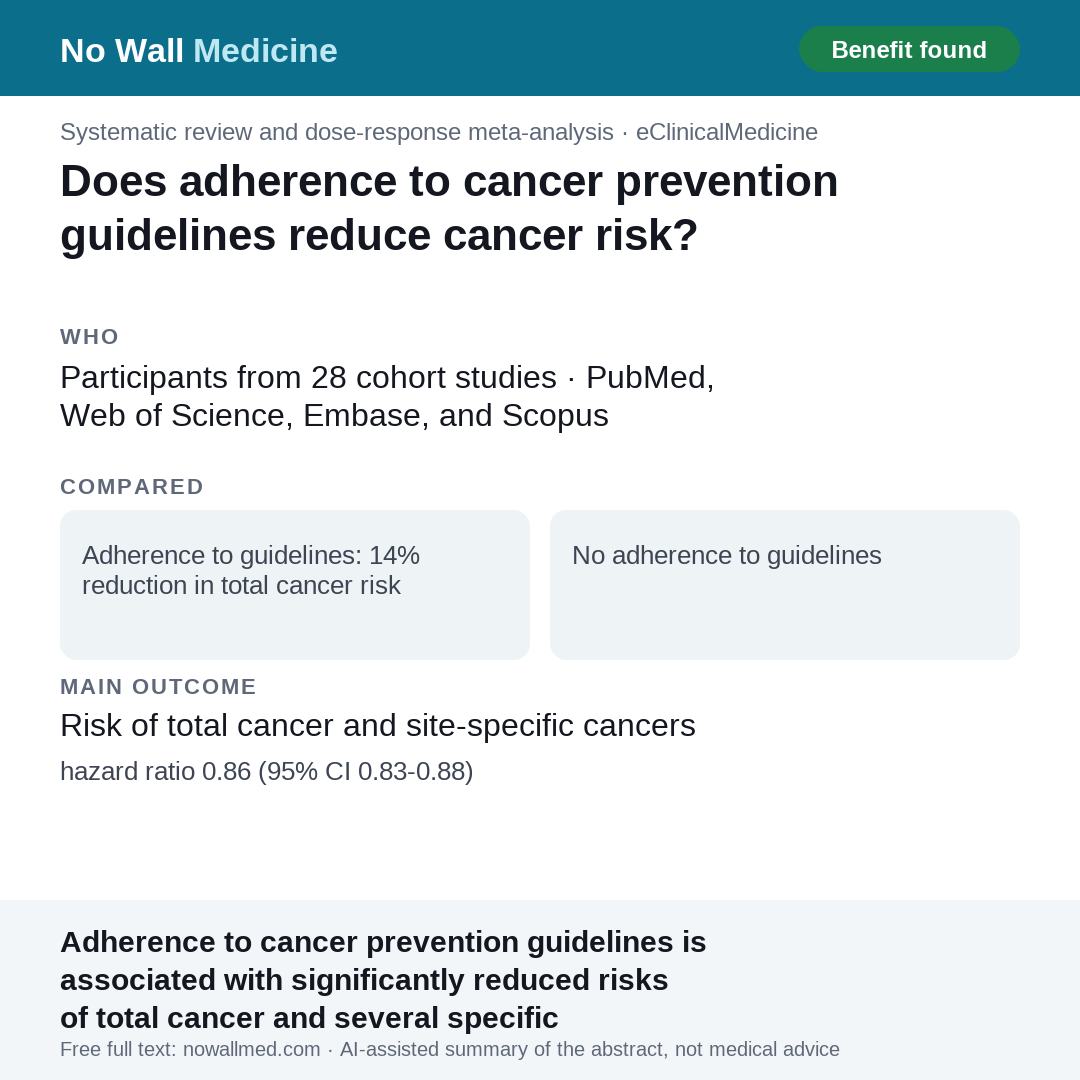
Association between adherence to cancer prevention guidelines and cancer risk: a comprehensive systematic review and dose-response meta-analysis of cohort studies
Systematic review and dose-response meta-analysisBenefit found
Does adherence to cancer prevention guidelines reduce cancer risk?
Who
Participants from 28 cohort studies · PubMed, Web of Science, Embase, and Scopus
Compared
Adherence to guidelines: 14% reduction in total cancer risk
No adherence to guidelines
Main outcome
Risk of total cancer and site-specific cancers
Result: hazard ratio 0.86 (95% CI 0.83-0.88)
Bottom line: Adherence to cancer prevention guidelines is associated with significantly reduced risks of total cancer and several specific cancers.
Limitation: Further research is needed to elucidate associations with a broader spectrum of cancers, particularly in Asian populations.
Funded by: National Research Foundation of Korea
eClinicalMedicine · 2025-10-16Download image
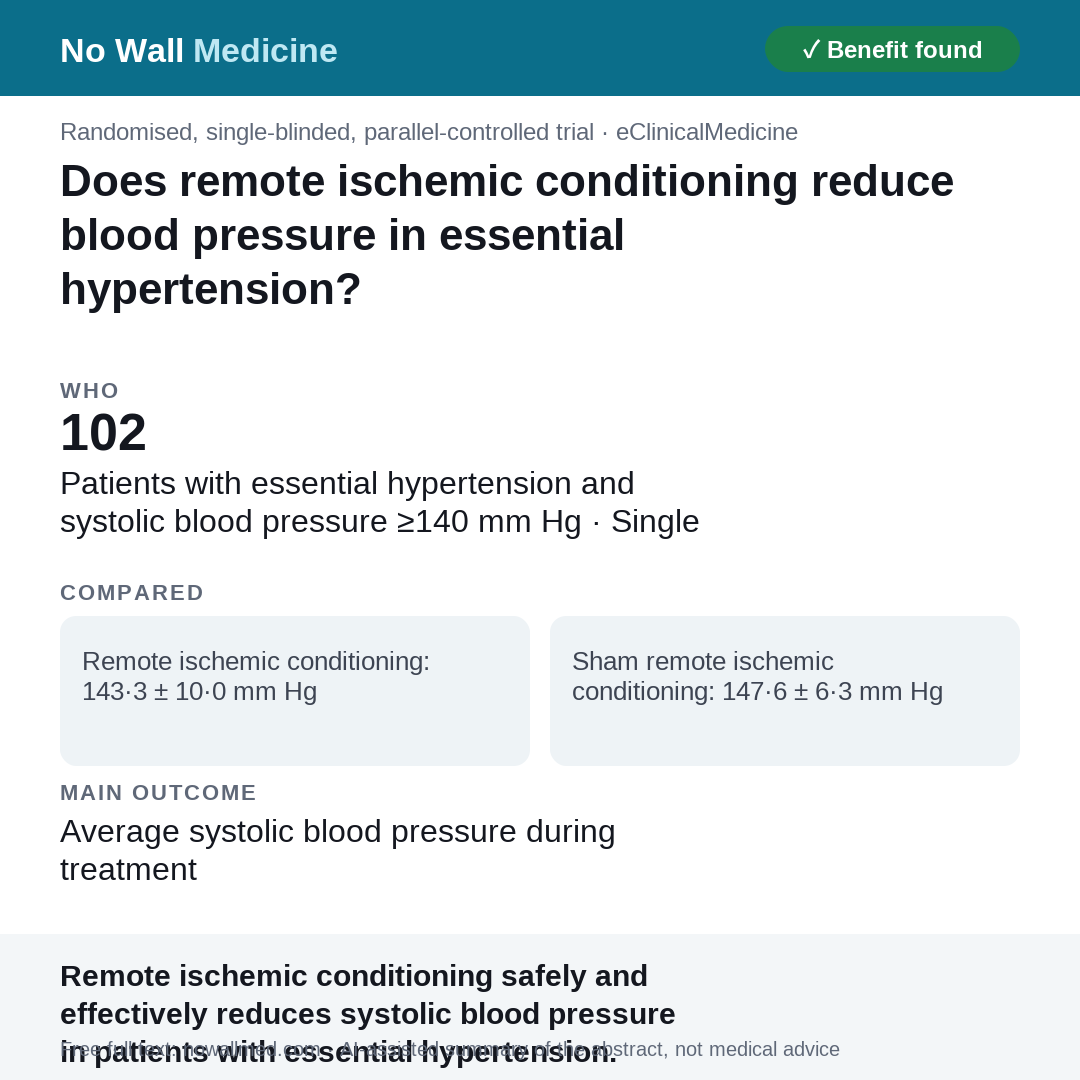
Efficacy of remote ischemic conditioning on blood pressure in essential hypertension in China (RICBP-EH): a randomised, controlled, parallel-group trial
Randomised, single-blinded, parallel-controlled trialBenefit found
Does remote ischemic conditioning reduce blood pressure in essential hypertension?
Who
102
Patients with essential hypertension and systolic blood pressure ≥140 mm Hg · Single centre in Changchun, China
Compared
Remote ischemic conditioning: 143·3 ± 10·0 mm Hg
Sham remote ischemic conditioning: 147·6 ± 6·3 mm Hg
Main outcome
Average systolic blood pressure during treatment
Result: -4·8 mm Hg [95% CI, -6·9, -2·7 mm Hg]
Bottom line: Remote ischemic conditioning safely and effectively reduces systolic blood pressure in patients with essential hypertension.
Limitation: Further research is warranted to explore the underlying mechanisms of blood pressure-lowering effects.
Funded by: National Natural Science Foundation of China and others
eClinicalMedicine · 2025-10-16Download image
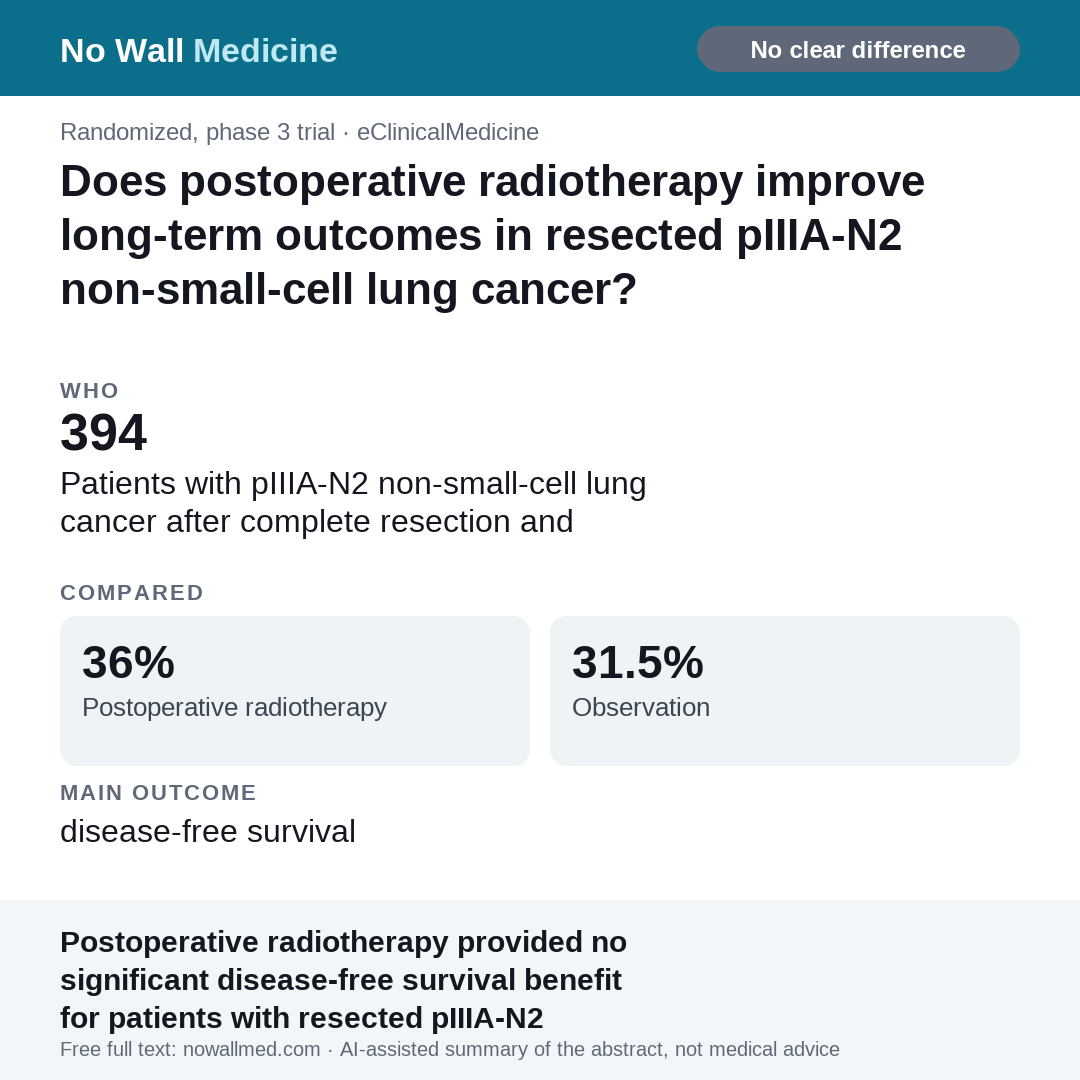
Long-term outcomes of postoperative radiotherapy for patients with pIIIA-N2 non-small-cell lung cancer after complete resection and adjuvant chemotherapy (PORT-C): a single-centre, randomized, phase 3 trial
Randomized, phase 3 trialNo clear difference
Does postoperative radiotherapy improve long-term outcomes in resected pIIIA-N2 non-small-cell lung cancer?
Who
394
Patients with pIIIA-N2 non-small-cell lung cancer after complete resection and chemotherapy · Single-centre
Compared
36%Postoperative radiotherapy (95% CI, 28.9%-43.1%)
31.5%Observation (95% CI, 24.6%-38.4%)
Main outcome
disease-free survival
Result: hazard ratio 0.90 (95% CI 0.70-1.12)
Bottom line: Postoperative radiotherapy provided no significant disease-free survival benefit for patients with resected pIIIA-N2 non-small-cell lung cancer.
Funded by: National Key R&D Program of China and others
eClinicalMedicine · 2025-10-16Download image
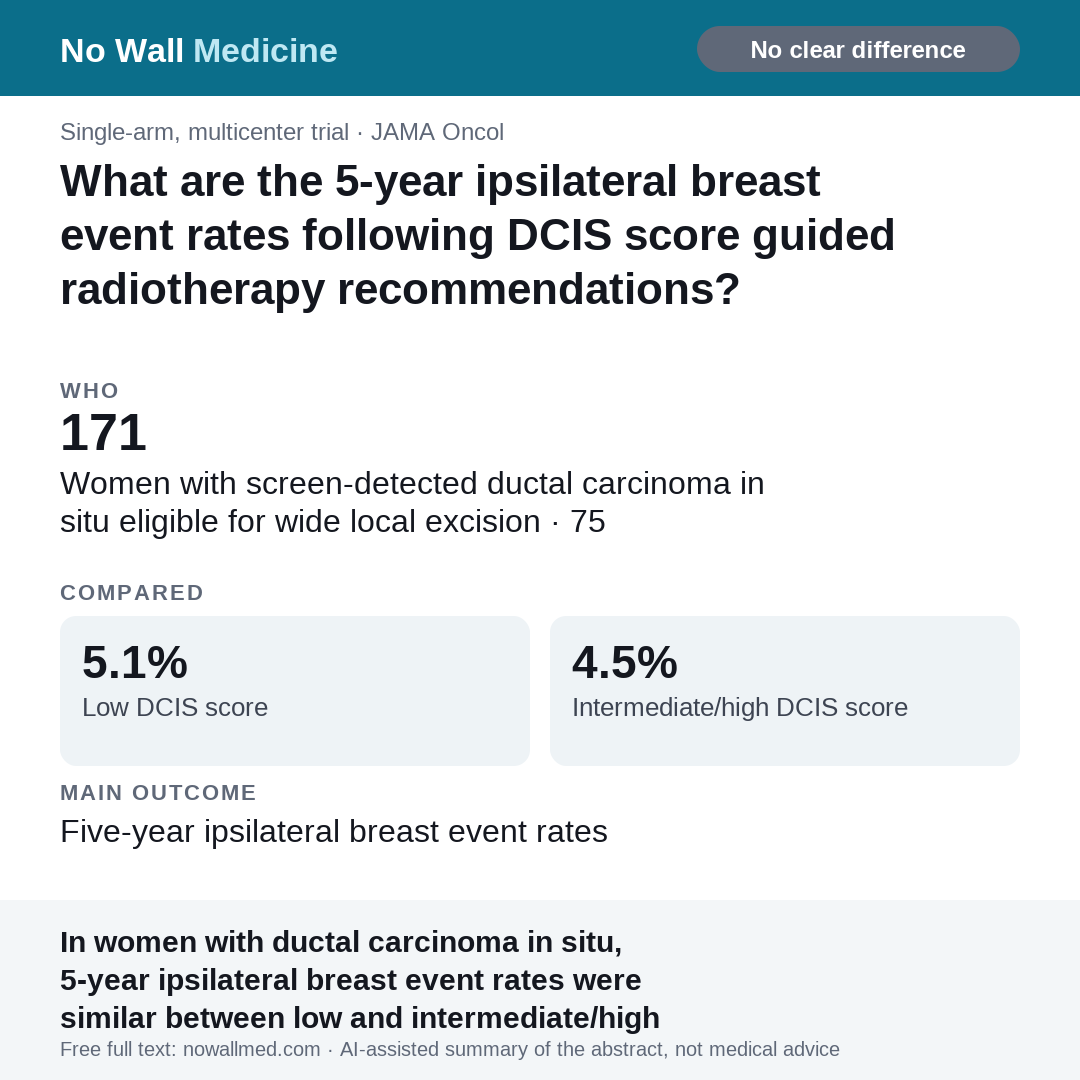
Radiotherapy With a 12-Gene Expression Assay for Ductal Carcinoma In Situ: A Randomized Clinical Trial
Single-arm, multicenter trialNo clear difference
What are the 5-year ipsilateral breast event rates following DCIS score guided radiotherapy recommendations?
Who
171
Women with screen-detected ductal carcinoma in situ eligible for wide local excision · 75 institutions within the Eastern Cooperative Oncology Group-American College of Radiology Imaging Network
Compared
5.1%Low DCIS score (95% CI, 1.9%-12.9%)
4.5%Intermediate/high DCIS score (95% CI, 1.7%-11.7%)
Main outcome
Five-year ipsilateral breast event rates
Bottom line: In women with ductal carcinoma in situ, 5-year ipsilateral breast event rates were similar between low and intermediate/high DCIS scores.
Limitation: Despite a limited sample size, these data potentially provide support, although confirmatory studies are needed.
JAMA Oncol · 2025-10-16Download image
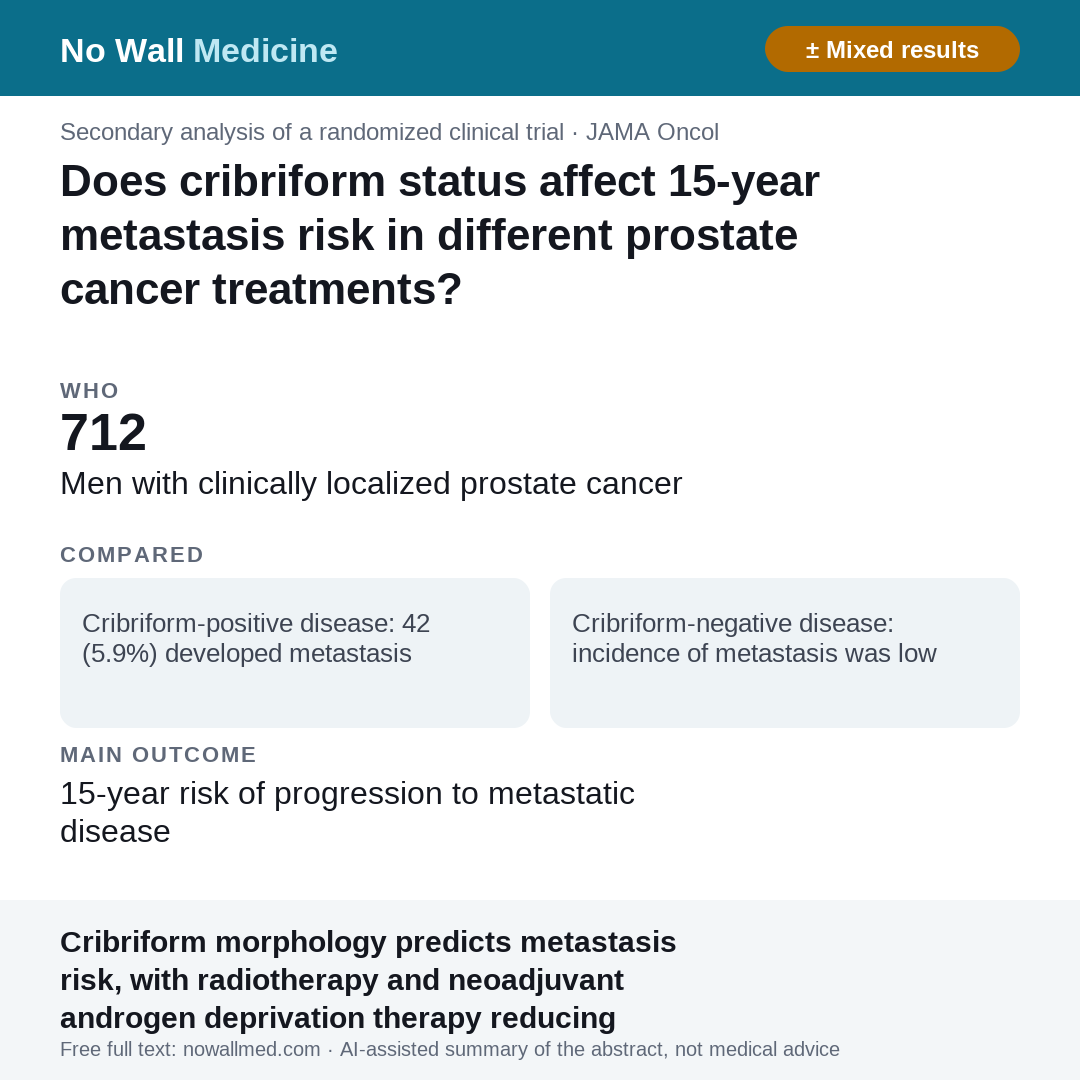
Active Monitoring, Surgery, and Radiotherapy for Cribriform-Positive and Cribriform-Negative Prostate Cancer: A Secondary Analysis of the PROTECT Randomized Clinical Trial
Secondary analysis of a randomized clinical trialMixed results
Does cribriform status affect 15-year metastasis risk in different prostate cancer treatments?
Who
712
Men with clinically localized prostate cancer
Compared
Cribriform-positive disease: 42 (5.9%) developed metastasis
Cribriform-negative disease: incidence of metastasis was low
Main outcome
15-year risk of progression to metastatic disease
Result: hazard ratio 3.61 (95% CI 1.60-8.11)
Bottom line: Cribriform morphology predicts metastasis risk, with radiotherapy and neoadjuvant androgen deprivation therapy reducing long-term risk.
JAMA Oncol · 2025-10-16Download image
Effects of Semaglutide on Cognitive Function in People With HIV: A Randomized, Controlled Trial
Randomized, double-blind, placebo-controlled phase 2b clinical trialBenefit found
Does semaglutide affect cognitive function in people with human immunodeficiency virus?
Who
108
People with human immunodeficiency virus on antiretroviral therapy
Compared
Semaglutide: significantly increased visuospatial, naming/language, and delayed recall scores
Placebo
Main outcome
change in cognitive function at 32 weeks
Bottom line: Semaglutide may improve visuospatial cognitive function in people with human immunodeficiency virus through effects on inflammation.
Clin Infect Dis · 2025-10-16Download image

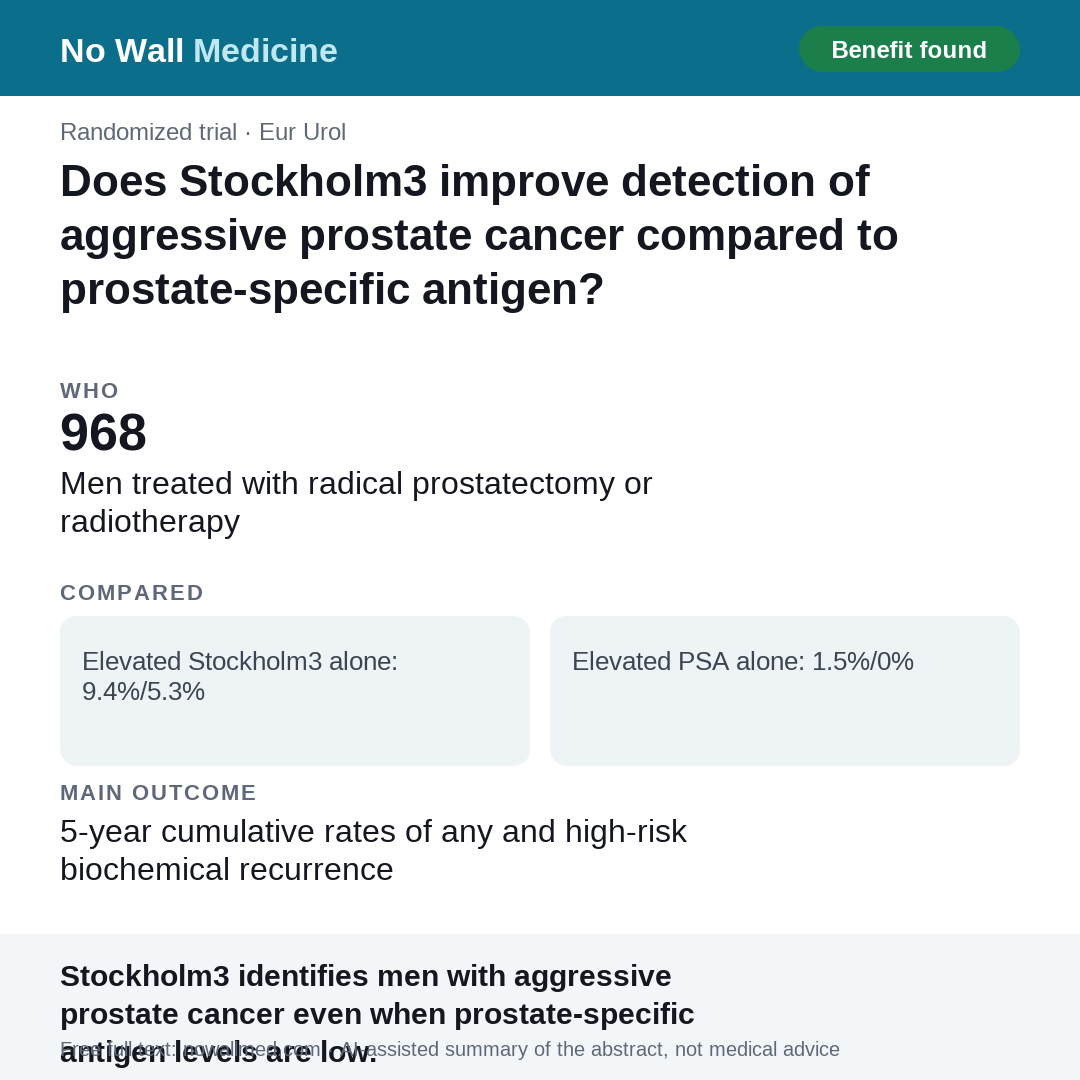
Stockholm3 Versus Prostate-specific Antigen in Prostate Cancer Screening: 9-year Outcomes Demonstrating Improved Detection of Aggressive Cancers and Reduced Overdiagnosis from the STHLM3 Trial
Randomized trialBenefit found
Does Stockholm3 improve detection of aggressive prostate cancer compared to prostate-specific antigen?
Who
968
Men treated with radical prostatectomy or radiotherapy
Compared
Elevated Stockholm3 alone: 9.4%/5.3%
Elevated PSA alone: 1.5%/0%
Main outcome
5-year cumulative rates of any and high-risk biochemical recurrence
Result: hazard ratio 8.8 (95% confidence interval 1.06-72) for high-risk BCR
Bottom line: Stockholm3 identifies men with aggressive prostate cancer even when prostate-specific antigen levels are low.
Eur Urol · 2025-10-16Download image
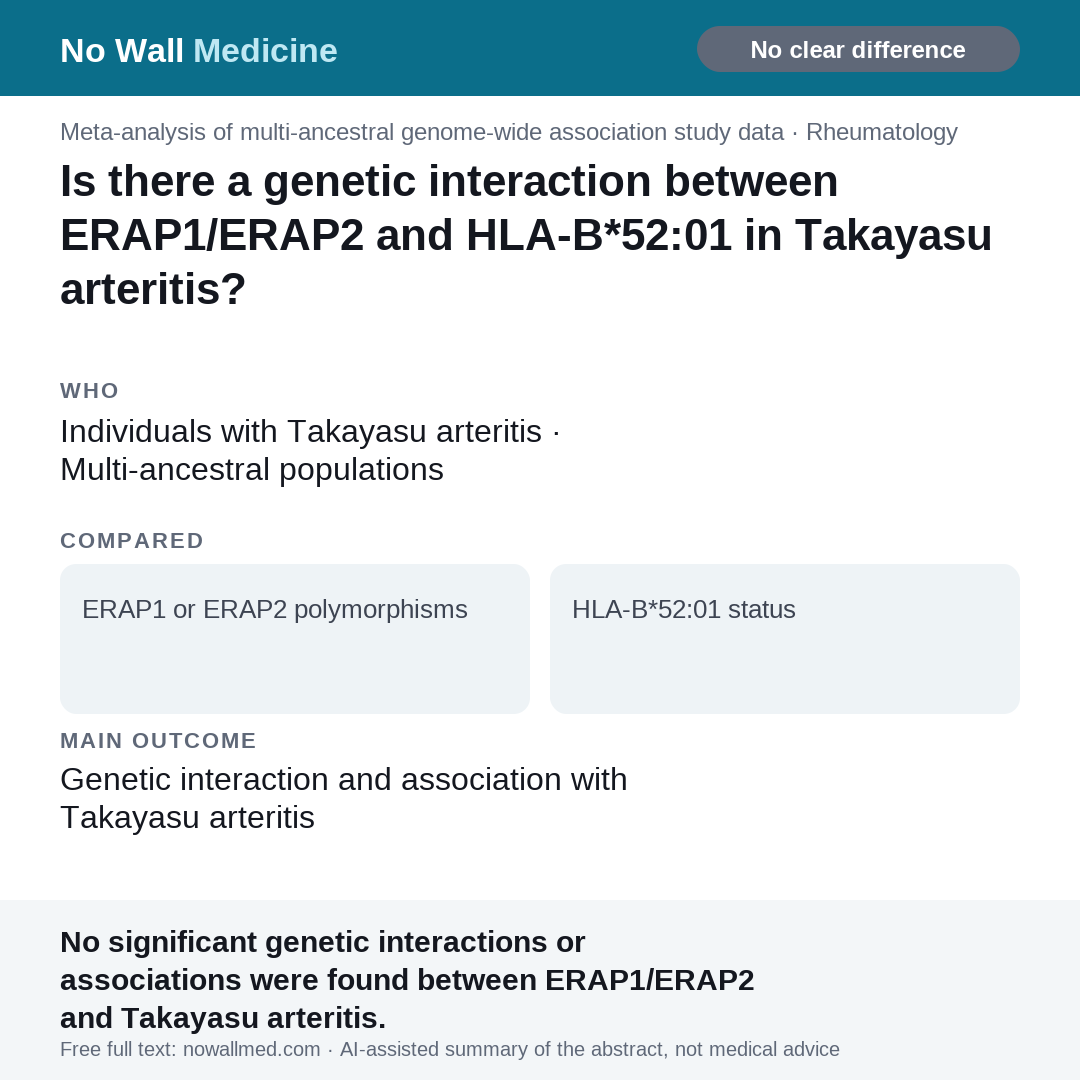
Exploring the genetic interaction between ERAP1/ERAP2 and HLA-B*52:01 in Takayasu arteritis
Meta-analysis of multi-ancestral genome-wide association study dataNo clear difference
Is there a genetic interaction between ERAP1/ERAP2 and HLA-B*52:01 in Takayasu arteritis?
Who
Individuals with Takayasu arteritis · Multi-ancestral populations
Compared
ERAP1 or ERAP2 polymorphisms
HLA-B*52:01 status
Main outcome
Genetic interaction and association with Takayasu arteritis
Bottom line: No significant genetic interactions or associations were found between ERAP1/ERAP2 and Takayasu arteritis.
Rheumatology · 2025-10-16Download image
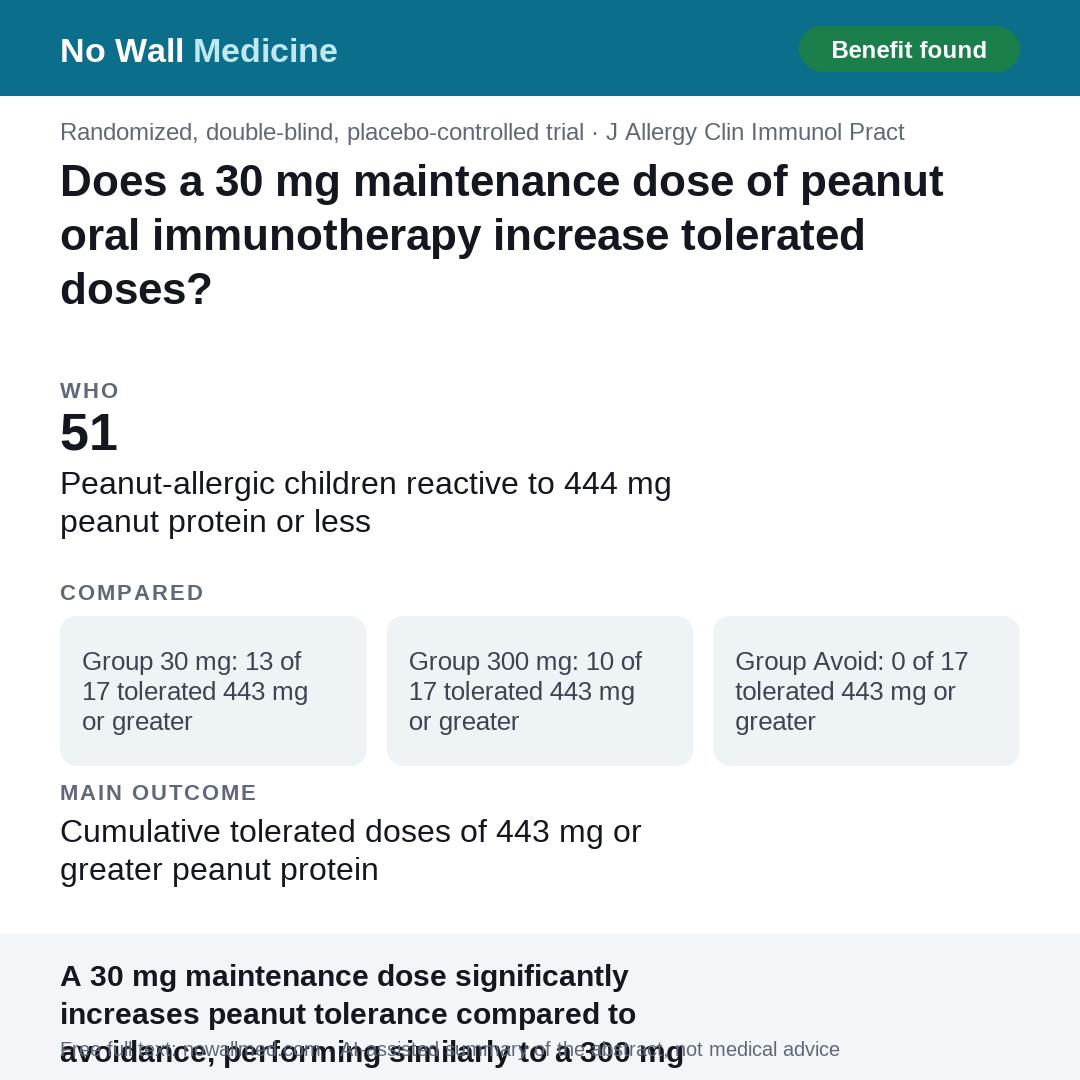
Peanut Oral Immunotherapy Using 30 and 300 mg Maintenance Doses
Randomized, double-blind, placebo-controlled trialBenefit found
Does a 30 mg maintenance dose of peanut oral immunotherapy increase tolerated doses?
Who
51
Peanut-allergic children reactive to 444 mg peanut protein or less
Compared
Group 30 mg: 13 of 17 tolerated 443 mg or greater
Group 300 mg: 10 of 17 tolerated 443 mg or greater
Group Avoid: 0 of 17 tolerated 443 mg or greater
Main outcome
Cumulative tolerated doses of 443 mg or greater peanut protein
Bottom line: A 30 mg maintenance dose significantly increases peanut tolerance compared to avoidance, performing similarly to a 300 mg dose.
J Allergy Clin Immunol Pract · 2025-10-16Download image
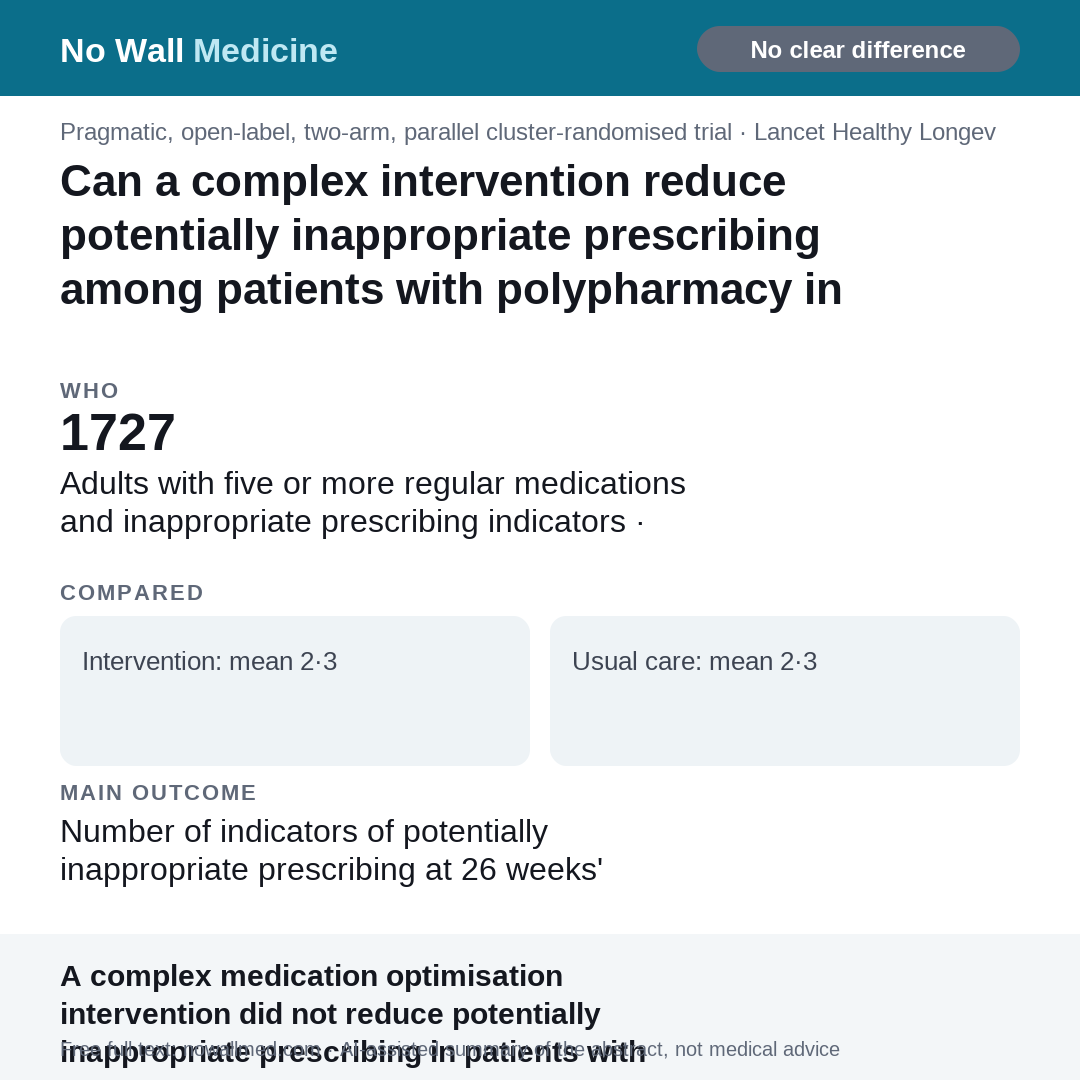
Optimising polypharmacy management in primary care through general practitioner-pharmacist collaboration, informatics, and enhancing clinician engagement: the IMPPP cluster-randomised trial
Pragmatic, open-label, two-arm, parallel cluster-randomised trialNo clear difference
Can a complex intervention reduce potentially inappropriate prescribing among patients with polypharmacy in primary care?
Who
1727
Adults with five or more regular medications and inappropriate prescribing indicators · United Kingdom general practices
Compared
Intervention: mean 2·3
Usual care: mean 2·3
Main outcome
Number of indicators of potentially inappropriate prescribing at 26 weeks' follow-up
Result: difference in means -0·007 (95% CI -0·21 to 0·20)
Bottom line: A complex medication optimisation intervention did not reduce potentially inappropriate prescribing in patients with polypharmacy.
Funded by: National Institute for Health and Care Research
Lancet Healthy Longev · 2025-10-16Download image
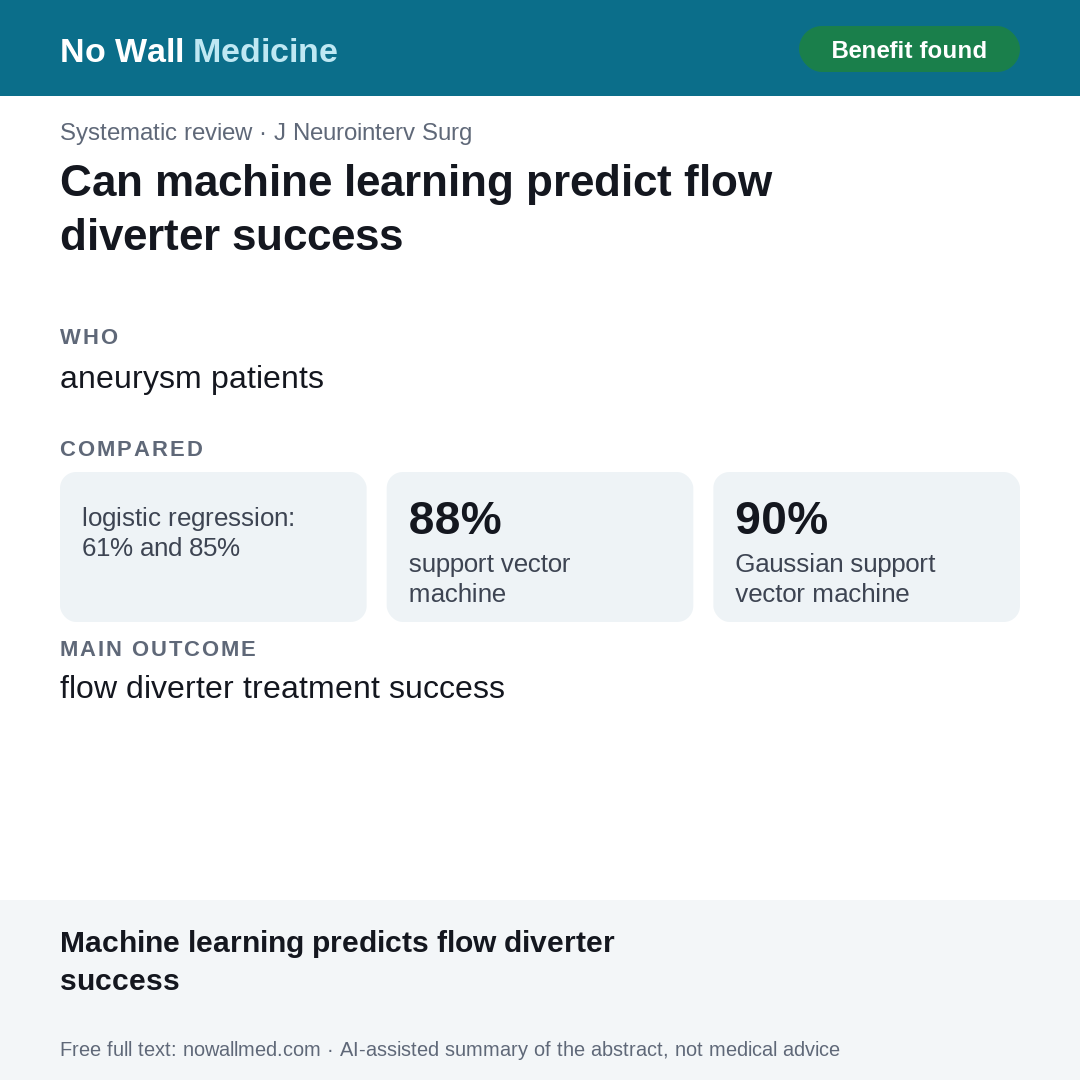
What can we learn from machine learning studies on flow diverter aneurysm embolization? A systematic review
Systematic reviewBenefit found
Can machine learning predict flow diverter success
Who
aneurysm patients
Compared
logistic regression: 61% and 85%
88%support vector machine
90%Gaussian support vector machine
Main outcome
flow diverter treatment success
Bottom line: Machine learning predicts flow diverter success
J Neurointerv Surg · 2025-10-16Download image
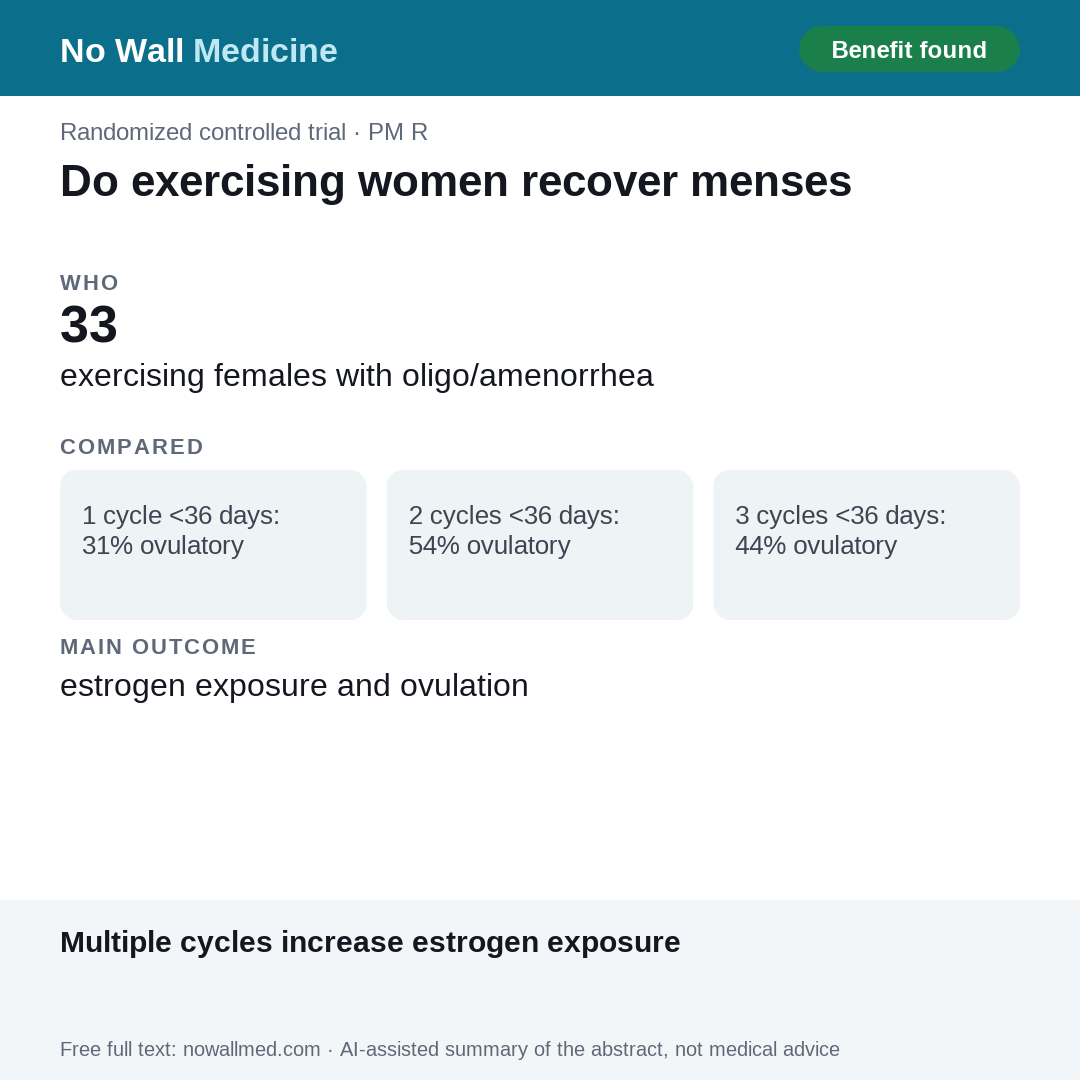
Multiple eumenorrheic cycles are necessary to observe a significant increase in estrogen exposure and ovulation in exercising women with functional hypothalamic oligo/amenorrhea undergoing a nutritional intervention: Insights from the REFUEL study
Randomized controlled trialBenefit found
Do exercising women recover menses
Who
33
exercising females with oligo/amenorrhea
Compared
1 cycle <36 days: 31% ovulatory
2 cycles <36 days: 54% ovulatory
3 cycles <36 days: 44% ovulatory
Main outcome
estrogen exposure and ovulation
Bottom line: Multiple cycles increase estrogen exposure
PM R · 2025-10-16Download image
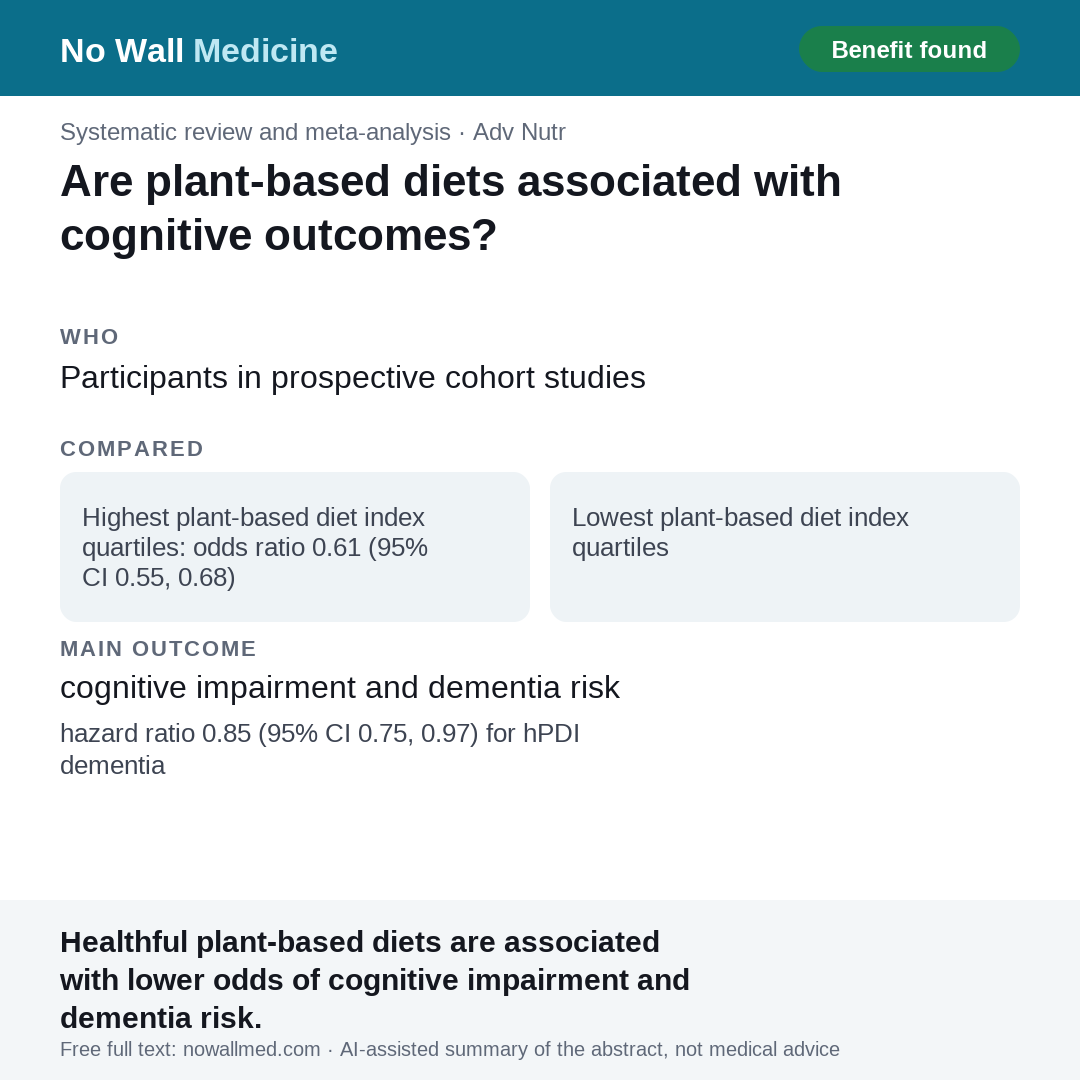
Plant-Based Diets and Cognitive Outcomes: A Systematic Review and Meta-analysis
Systematic review and meta-analysisBenefit found
Are plant-based diets associated with cognitive outcomes?
Who
Participants in prospective cohort studies
Compared
Highest plant-based diet index quartiles: odds ratio 0.61 (95% CI 0.55, 0.68)
Lowest plant-based diet index quartiles
Main outcome
cognitive impairment and dementia risk
Result: hazard ratio 0.85 (95% CI 0.75, 0.97) for hPDI dementia
Bottom line: Healthful plant-based diets are associated with lower odds of cognitive impairment and dementia risk.
Limitation: Findings across individual studies were inconsistent.
Adv Nutr · 2025-10-16Download image
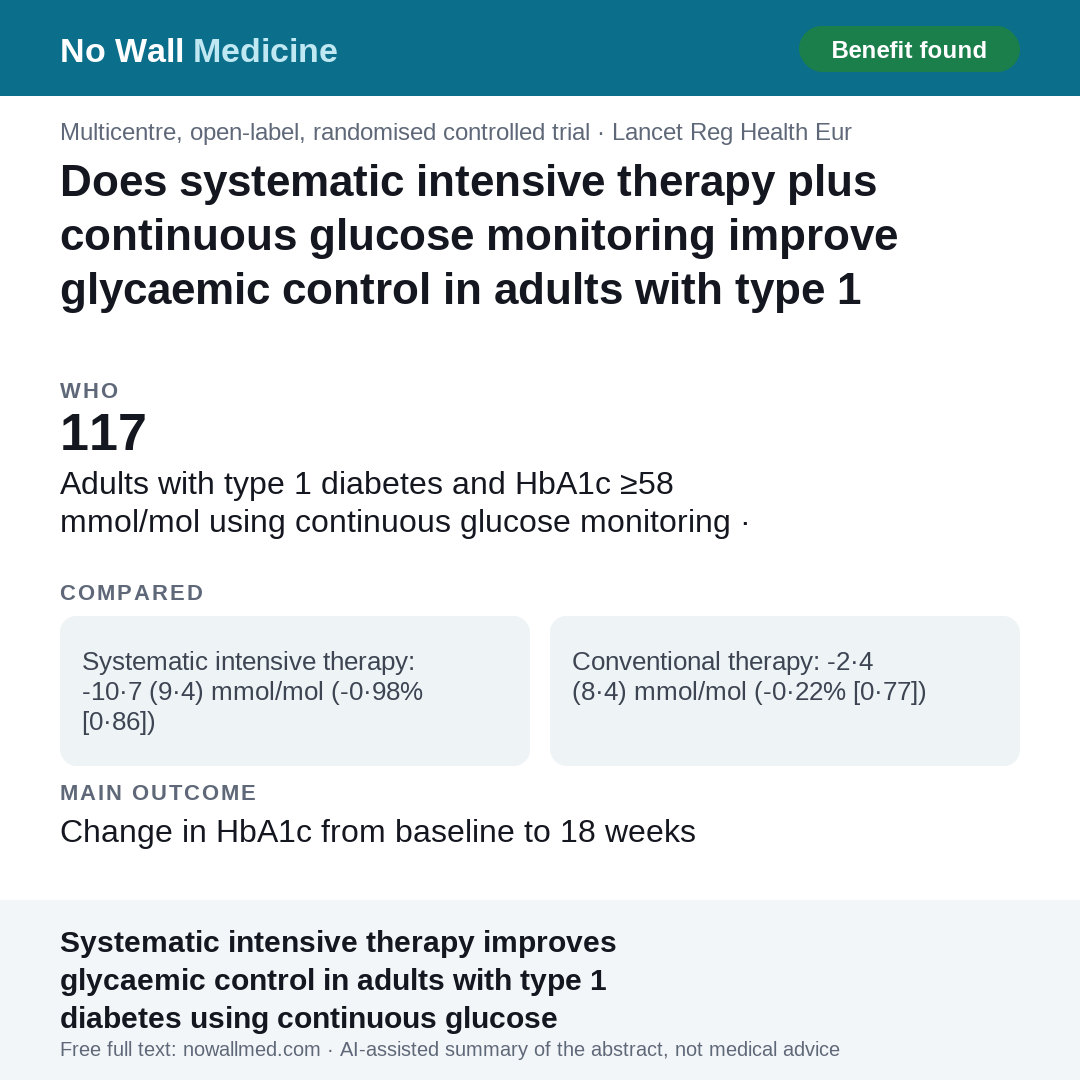
Systematic intensive therapy in addition to continuous glucose monitoring in adults with type 1 diabetes: a multicentre, open-label, randomised controlled trial
Multicentre, open-label, randomised controlled trialBenefit found
Does systematic intensive therapy plus continuous glucose monitoring improve glycaemic control in adults with type 1 diabetes?
Who
117
Adults with type 1 diabetes and HbA1c ≥58 mmol/mol using continuous glucose monitoring · Eight sites in Sweden and Norway
Compared
Systematic intensive therapy: -10·7 (9·4) mmol/mol (-0·98% [0·86])
Conventional therapy: -2·4 (8·4) mmol/mol (-0·22% [0·77])
Main outcome
Change in HbA1c from baseline to 18 weeks
Result: adjusted mean difference of -8·3 mmol/mol (95% CI -11·2 to -5·5)
Bottom line: Systematic intensive therapy improves glycaemic control in adults with type 1 diabetes using continuous glucose monitoring.
Funded by: Swedish state, Region Västra Götaland, and Swedish Diabetes Foundation
Lancet Reg Health Eur · 2025-10-16Download image
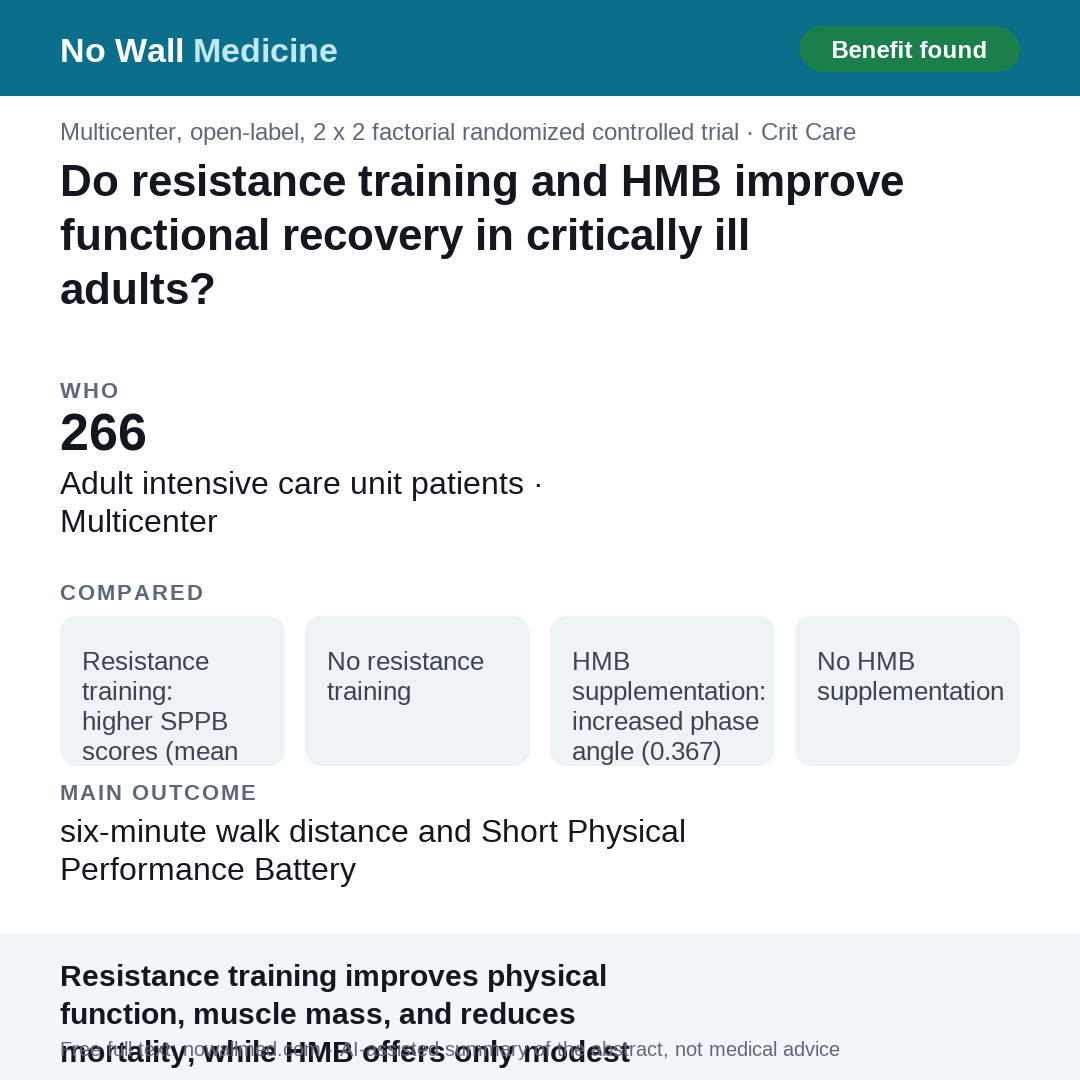
Resistance training and β-hydroxy-β-methylbutyrate for functional recovery in critical illness: a multicenter 2 × 2 factorial randomized trial
Multicenter, open-label, 2 x 2 factorial randomized controlled trialBenefit found
Do resistance training and HMB improve functional recovery in critically ill adults?
Who
266
Adult intensive care unit patients · Multicenter
Compared
Resistance training: higher SPPB scores (mean difference:1.32 points)
No resistance training
HMB supplementation: increased phase angle (0.367)
No HMB supplementation
Main outcome
six-minute walk distance and Short Physical Performance Battery
Result: mean difference:1.32 points; P = 0.003
Bottom line: Resistance training improves physical function, muscle mass, and reduces mortality, while HMB offers only modest benefits.
Crit Care · 2025-10-16Download image
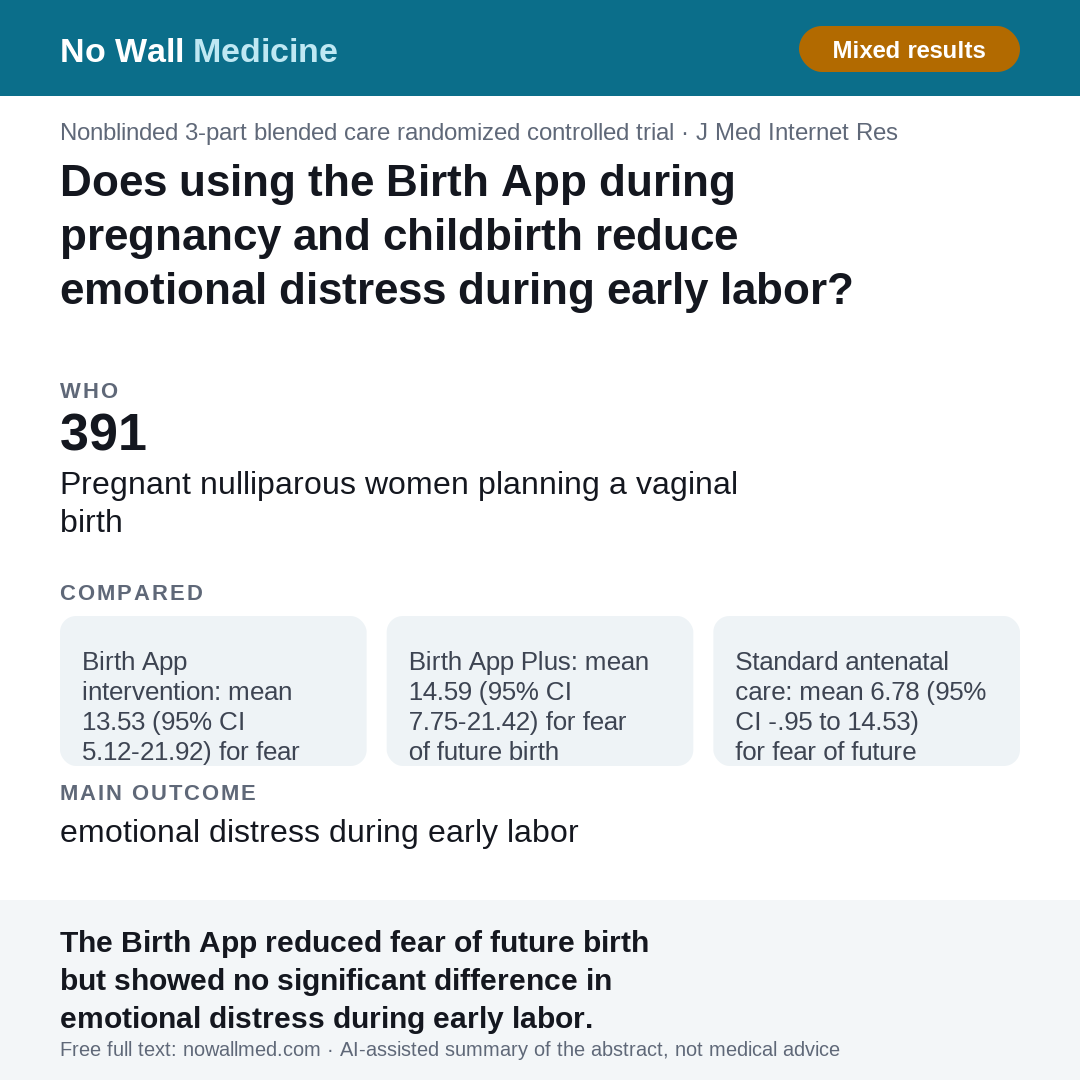
Testing the ELSA Birth App During Pregnancy and Labor for Primiparous Women: Randomized Controlled Trial
Nonblinded 3-part blended care randomized controlled trialMixed results
Does using the Birth App during pregnancy and childbirth reduce emotional distress during early labor?
Who
391
Pregnant nulliparous women planning a vaginal birth
Compared
Birth App intervention: mean 13.53 (95% CI 5.12-21.92) for fear of future birth
Birth App Plus: mean 14.59 (95% CI 7.75-21.42) for fear of future birth
Standard antenatal care: mean 6.78 (95% CI -.95 to 14.53) for fear of future birth
Main outcome
emotional distress during early labor
Bottom line: The Birth App reduced fear of future birth but showed no significant difference in emotional distress during early labor.
Limitation: The study was nonblinded and focused on women with spontaneous onset of labor for primary outcomes.
J Med Internet Res · 2025-10-16Download image
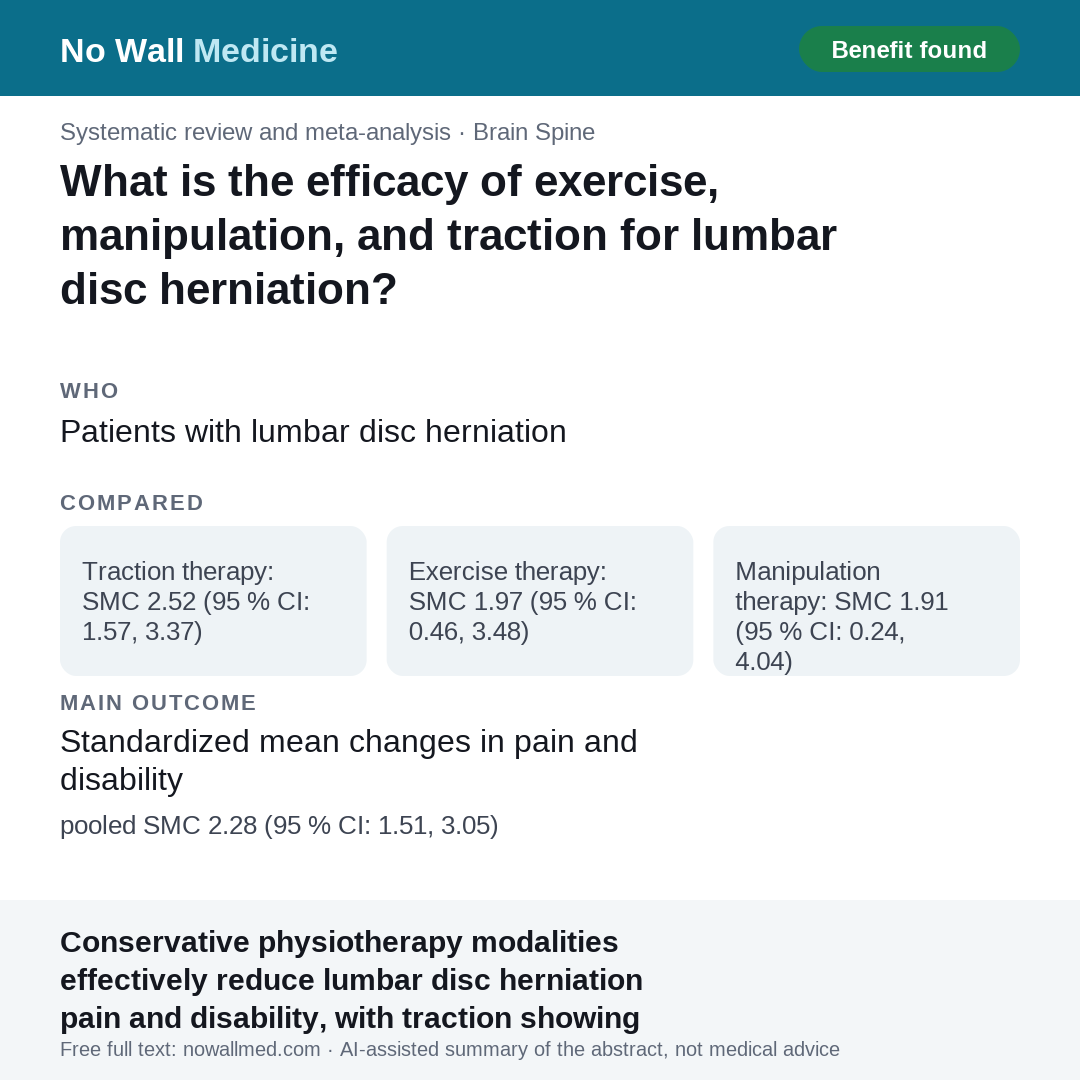
Exercise, manipulation and traction physiotherapy in the conservative management of lumbar disc herniation: A systematic review and meta-analysis
Systematic review and meta-analysisBenefit found
What is the efficacy of exercise, manipulation, and traction for lumbar disc herniation?
Who
Patients with lumbar disc herniation
Compared
Traction therapy: SMC 2.52 (95 % CI: 1.57, 3.37)
Exercise therapy: SMC 1.97 (95 % CI: 0.46, 3.48)
Manipulation therapy: SMC 1.91 (95 % CI: 0.24, 4.04)
Main outcome
Standardized mean changes in pain and disability
Result: pooled SMC 2.28 (95 % CI: 1.51, 3.05)
Bottom line: Conservative physiotherapy modalities effectively reduce lumbar disc herniation pain and disability, with traction showing the largest effect.
Limitation: High heterogeneity and limited quantitative evidence for subgroup differentiation.
Brain Spine · 2025-10-16Download image