Visual abstracts
New randomized trials and meta-analyses from leading journals at a glance: who was studied, what was compared, and what was found. Every paper is free to read in full.
All specialtiesCardiology 3113Oncology 2636Gastroenterology & Hepatology 1199Infectious Disease 2052Neurology 1239Psychiatry & Mental Health 1457Pulmonology 1301Critical Care 877Endocrinology & Diabetes 1563Pediatrics 1851Surgery 1632Orthopedics & Sports Medicine 553Neurosurgery 368Cardiothoracic & Vascular Surgery 359Plastic & Reconstructive Surgery 446Nephrology 653Rheumatology 483Hematology 689Dermatology 371Ophthalmology 344Obstetrics & Gynecology 1031Public & Global Health 580Radiology & Imaging 435Anesthesiology 637Urology 520ENT (Otolaryngology) 341Emergency Medicine 342Allergy & Immunology 197Geriatrics 653Family Medicine & Primary Care 353Medical Genetics & Genomics 372Pathology & Laboratory Medicine 103Physical Medicine & Rehabilitation 489Palliative Care 268Nutrition 864Digital Health & AI 1473General Medicine 218
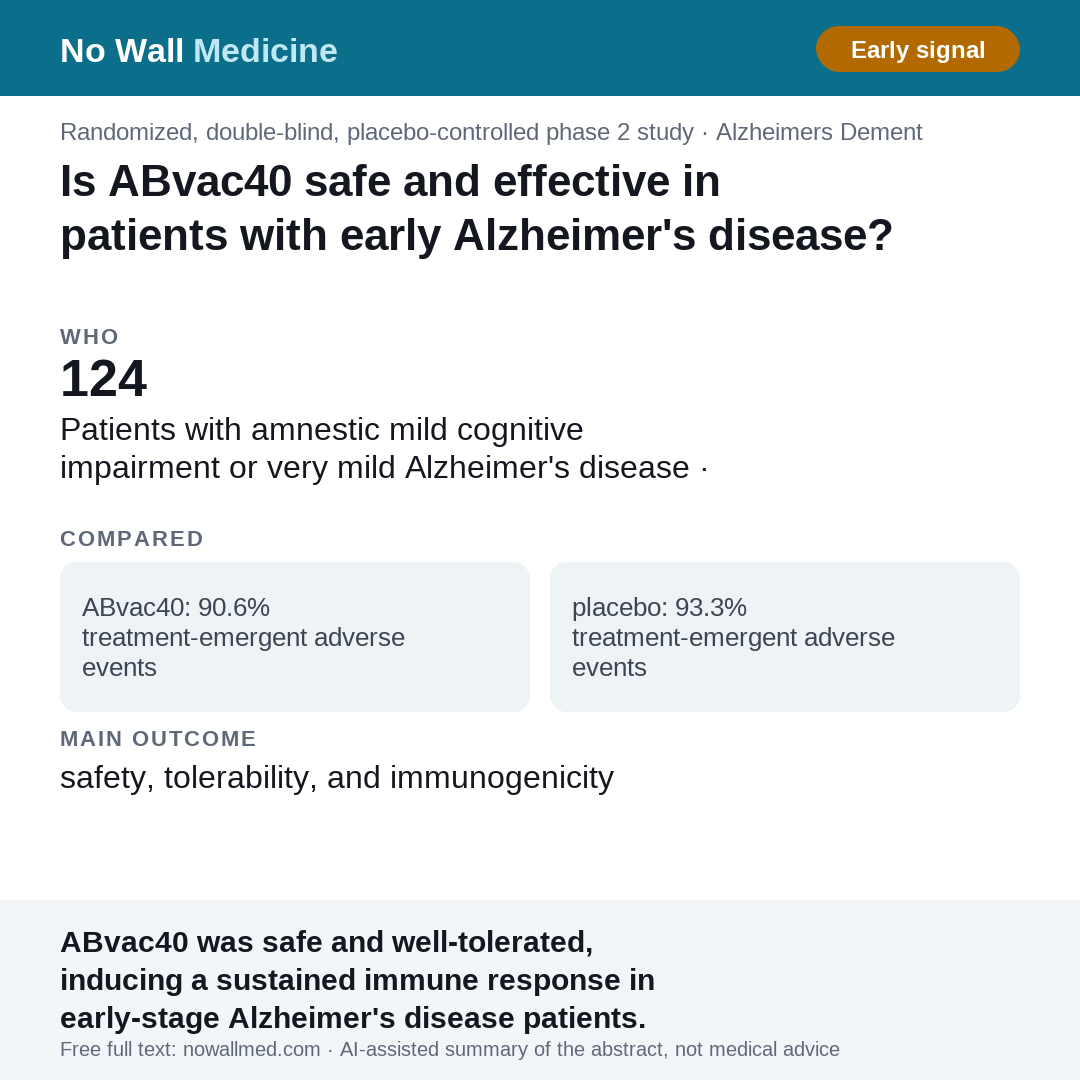
Safety, tolerability, immunogenicity, and efficacy of ABvac40 active immunotherapy against Aβ40 in patients with mild cognitive impairment or very mild Alzheimer's disease: A randomized, double-blind, placebo-controlled phase 2 study
Randomized, double-blind, placebo-controlled phase 2 studyBenefit found
Is ABvac40 safe and effective in patients with early Alzheimer's disease?
Who
124
Patients with amnestic mild cognitive impairment or very mild Alzheimer's disease · multicenter
Compared
ABvac40: 90.6% treatment-emergent adverse events
placebo: 93.3% treatment-emergent adverse events
Main outcome
safety, tolerability, and immunogenicity
Bottom line: ABvac40 was safe and well-tolerated, inducing a sustained immune response in early-stage Alzheimer's disease patients.
Alzheimers Dement · 2025-10-08Download image
Effect modifiers of the MIND diet for cognition in older adults: The MIND diet trial
Randomized trialBenefit found
Do participant characteristics modify the effect of the MIND diet on cognition?
Who
604
Overweight or obese adults aged 65 to 85 years
Compared
MIND diet: 0.040 standardized units per year (BMI ≥ 35 kg/m2)
Control diet
Main outcome
Annual change in a global cognition score
Result: 0.040 (standard error = 0.017, p = 0.018) for BMI ≥ 35 kg/m2
Bottom line: The MIND diet may provide cognitive benefits specifically for individuals with a body mass index ≥ 35 kg/m2.
Alzheimers Dement · 2025-10-08Download image

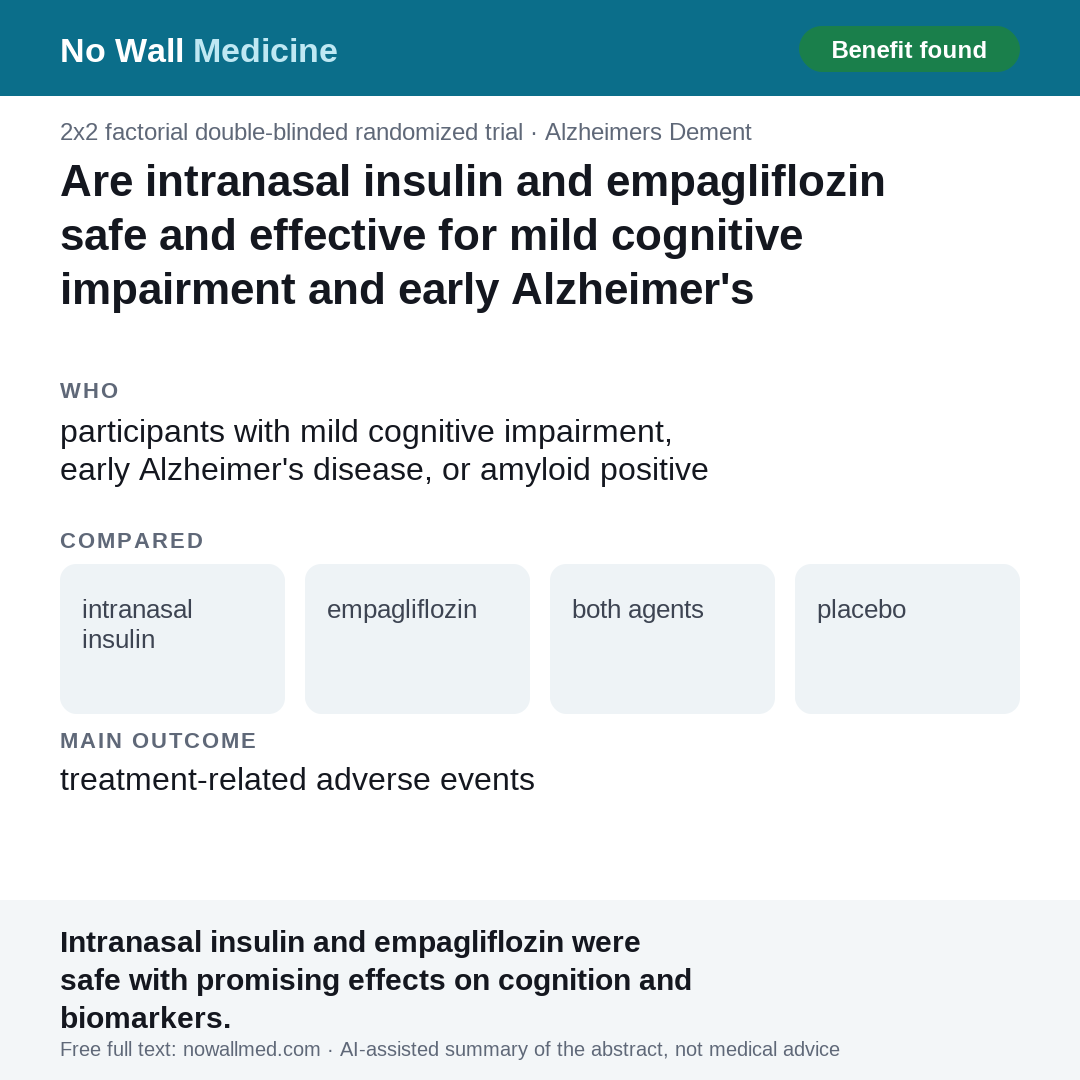
A phase 2A/B randomized trial of metabolic modulators intranasal insulin and empagliflozin for MCI and early AD
2x2 factorial double-blinded randomized trialBenefit found
Are intranasal insulin and empagliflozin safe and effective for mild cognitive impairment and early Alzheimer's disease?
Who
participants with mild cognitive impairment, early Alzheimer's disease, or amyloid positive
Compared
intranasal insulin
empagliflozin
both agents
placebo
Main outcome
treatment-related adverse events
Bottom line: Intranasal insulin and empagliflozin were safe with promising effects on cognition and biomarkers.
Alzheimers Dement · 2025-10-08Download image
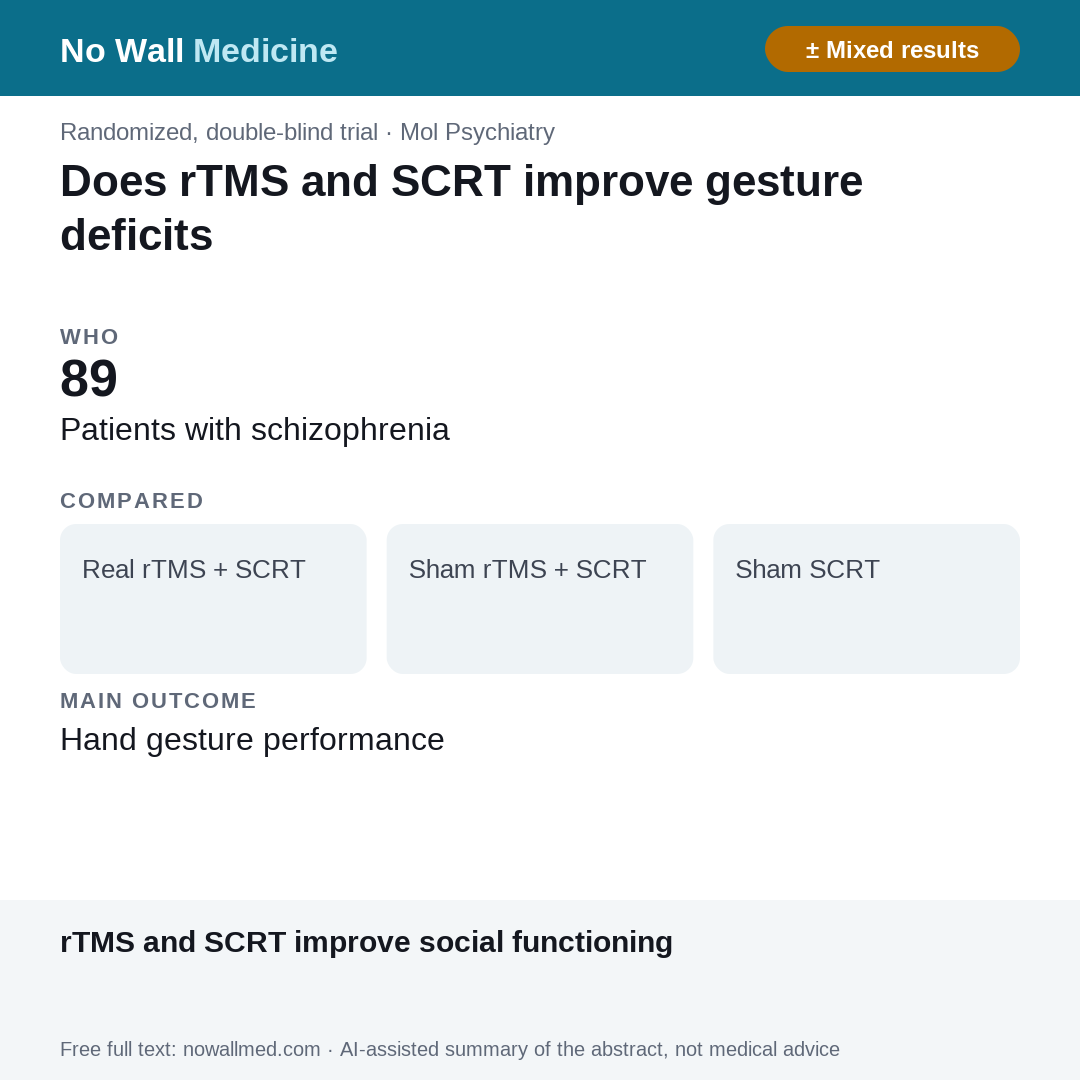
Gesture deficits in psychosis and the combination of group psychotherapy and transcranial magnetic stimulation: A randomized clinical trial
Randomized, double-blind trialMixed results
Does rTMS and SCRT improve gesture deficits
Who
89
Patients with schizophrenia
Compared
Real rTMS + SCRT
Sham rTMS + SCRT
Sham SCRT
Main outcome
Hand gesture performance
Bottom line: rTMS and SCRT improve social functioning
Mol Psychiatry · 2025-10-08Download image
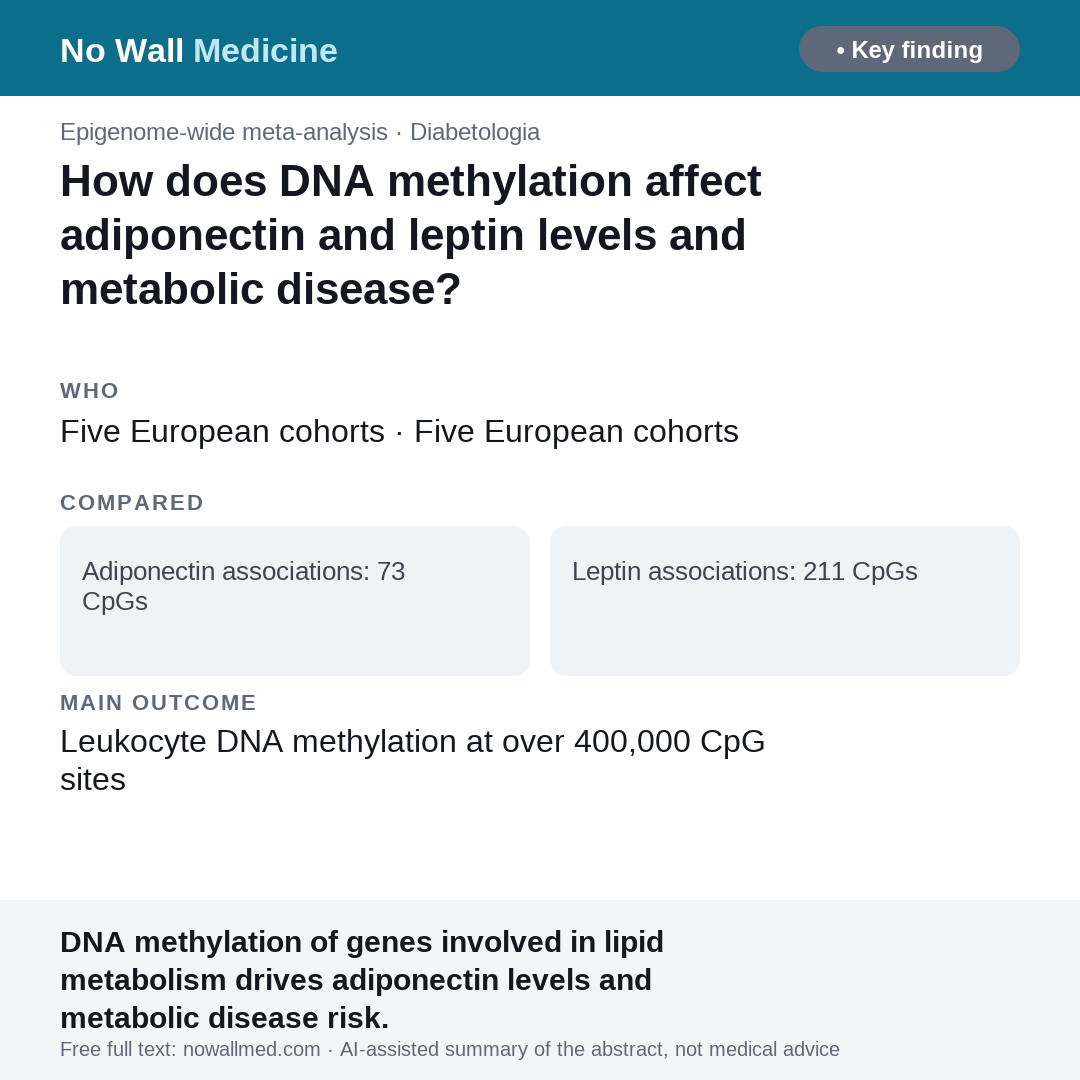
DNA methylation of genes involved in lipid metabolism drives adiponectin levels and metabolic disease
Epigenome-wide meta-analysisBenefit found
How does DNA methylation affect adiponectin and leptin levels and metabolic disease?
Who
Five European cohorts · Five European cohorts
Compared
Adiponectin associations: 73 CpGs
Leptin associations: 211 CpGs
Main outcome
Leukocyte DNA methylation at over 400,000 CpG sites
Bottom line: DNA methylation of genes involved in lipid metabolism drives adiponectin levels and metabolic disease risk.
Diabetologia · 2025-10-08Download image
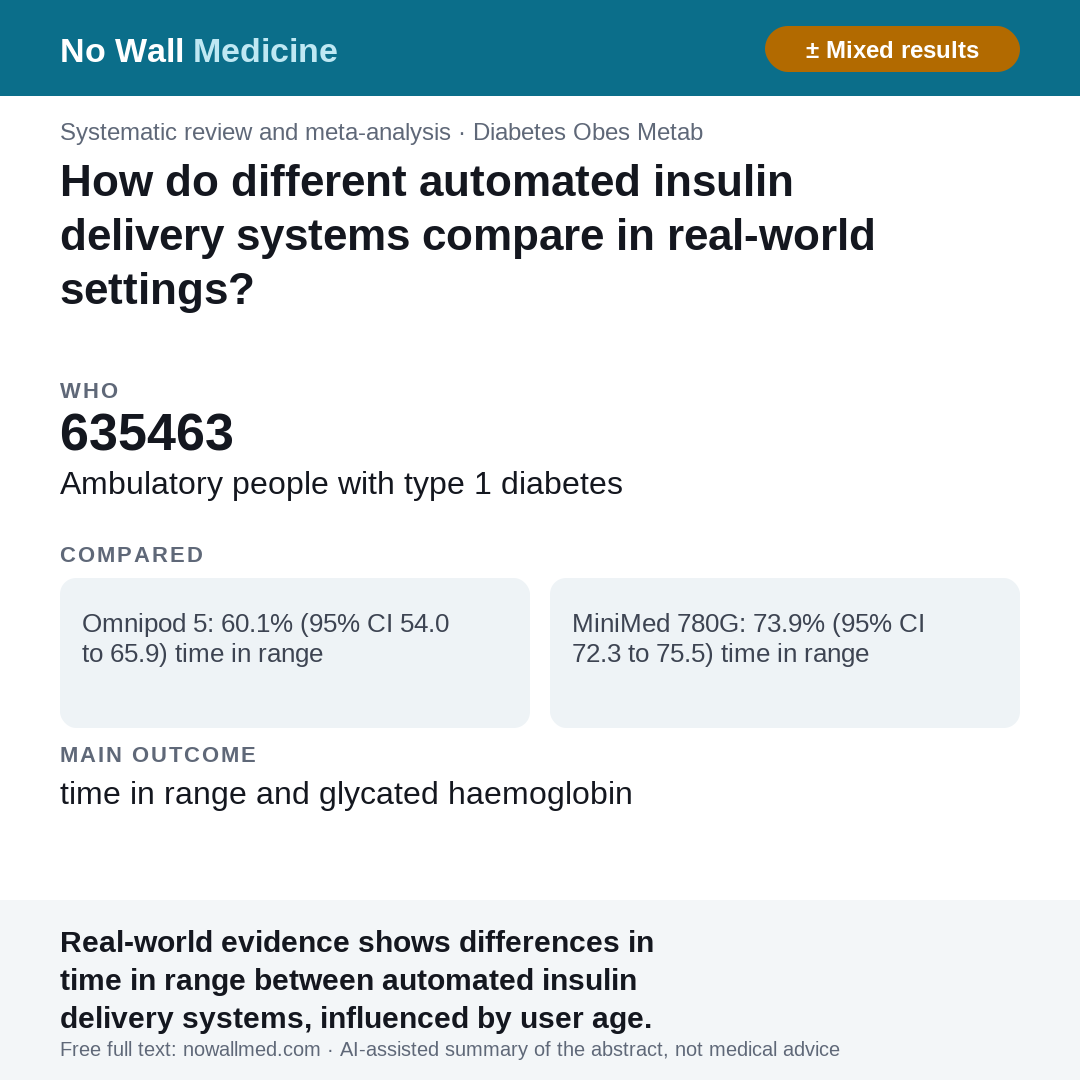
A systematic literature review and meta-analysis of real-world evidence on commercially available automated insulin delivery systems in people with type 1 diabetes
Systematic review and meta-analysisMixed results
How do different automated insulin delivery systems compare in real-world settings?
Who
635463
Ambulatory people with type 1 diabetes
Compared
Omnipod 5: 60.1% (95% CI 54.0 to 65.9) time in range
MiniMed 780G: 73.9% (95% CI 72.3 to 75.5) time in range
Main outcome
time in range and glycated haemoglobin
Bottom line: Real-world evidence shows differences in time in range between automated insulin delivery systems, influenced by user age.
Limitation: Results must be interpreted cautiously given challenges and potential biases with real-world evidence.
Diabetes Obes Metab · 2025-10-08Download image
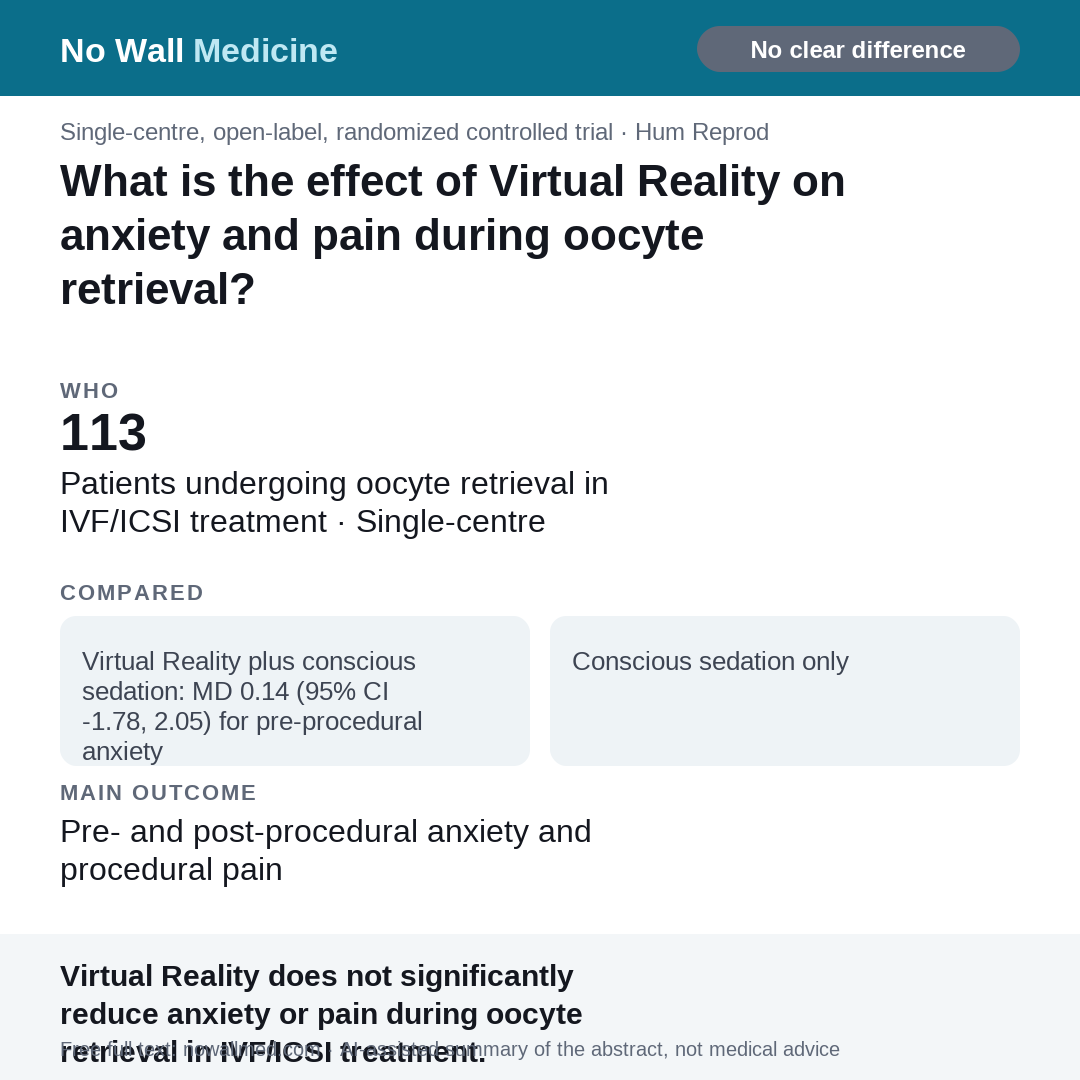
No anxiety or pain reduction by Virtual Reality during oocyte retrieval in IVF/ICSI treatment: results of a randomized controlled trial
Single-centre, open-label, randomized controlled trialNo clear difference
What is the effect of Virtual Reality on anxiety and pain during oocyte retrieval?
Who
113
Patients undergoing oocyte retrieval in IVF/ICSI treatment · Single-centre
Compared
Virtual Reality plus conscious sedation: MD 0.14 (95% CI -1.78, 2.05) for pre-procedural anxiety
Conscious sedation only
Main outcome
Pre- and post-procedural anxiety and procedural pain
Result: MD 0.14 (95% CI -1.78, 2.05) for pre-procedural anxiety
Bottom line: Virtual Reality does not significantly reduce anxiety or pain during oocyte retrieval in IVF/ICSI treatment.
Limitation: Virtual Reality might only be effective for a certain group of patients or specific procedure durations.
Funded by: ZonMw, Implementation and Scale-up Coaching, and Theramex
Hum Reprod · 2025-10-08Download image
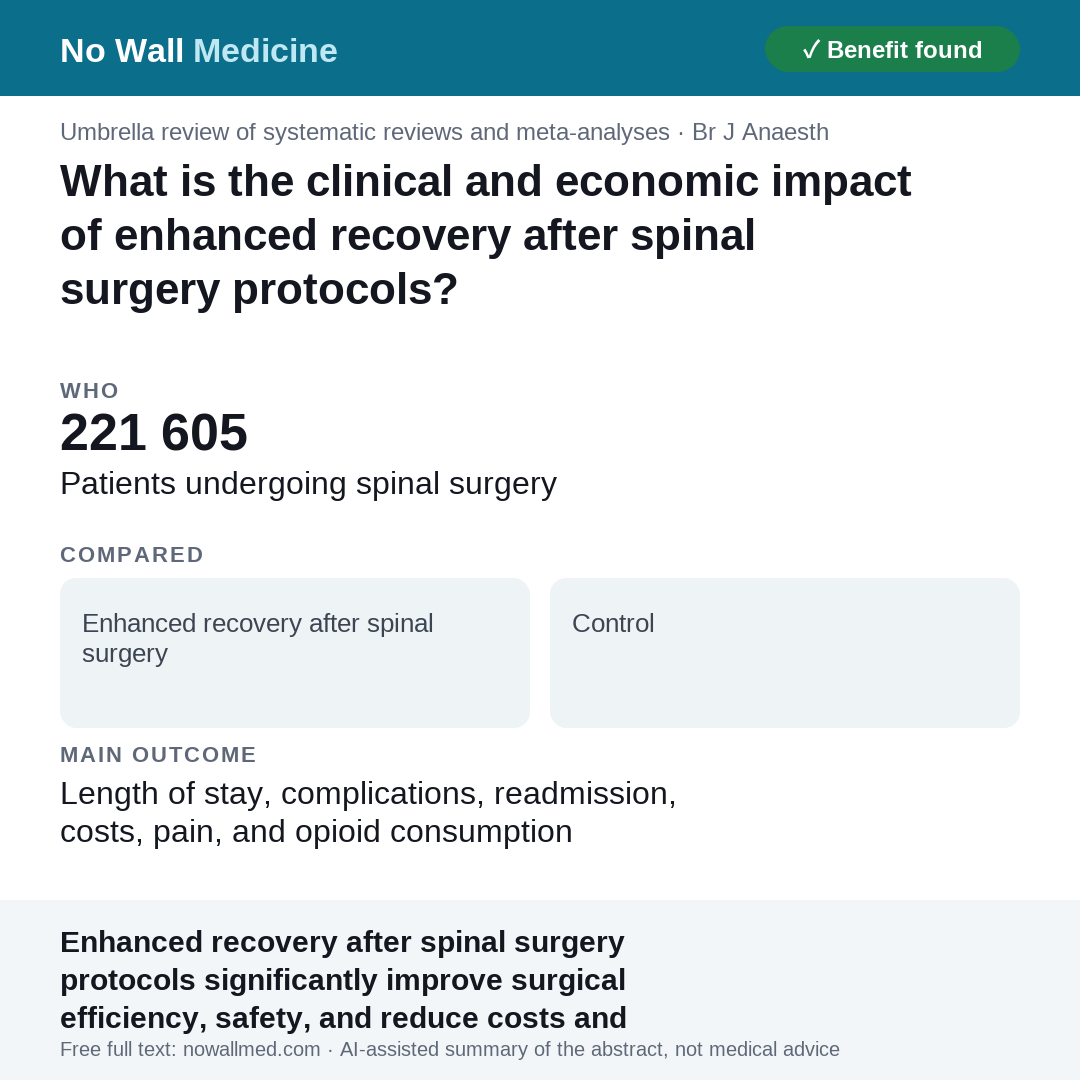
Optimising postoperative spine outcomes: an umbrella review of enhanced recovery after spinal surgery (ERASS) protocols
Umbrella review of systematic reviews and meta-analysesBenefit found
What is the clinical and economic impact of enhanced recovery after spinal surgery protocols?
Who
221 605
Patients undergoing spinal surgery
Compared
Enhanced recovery after spinal surgery
Control
Main outcome
Length of stay, complications, readmission, costs, pain, and opioid consumption
Result: length of stay -1.55 days (95% CI -1.83 to -1.27 days); postoperative complications relative risk 0.61 (95% CI 0.52-0.72); opioid consumption -7.26 mg morphine equivalents (95% CI -10.82 to -3.70 mg); healthcare costs -$1029.41 (95% CI -$1630.17 to -$428.65)
Bottom line: Enhanced recovery after spinal surgery protocols significantly improve surgical efficiency, safety, and reduce costs and opioid consumption.
Limitation: High heterogeneity was observed, reflecting protocol and design variation.
Br J Anaesth · 2025-10-08Download image
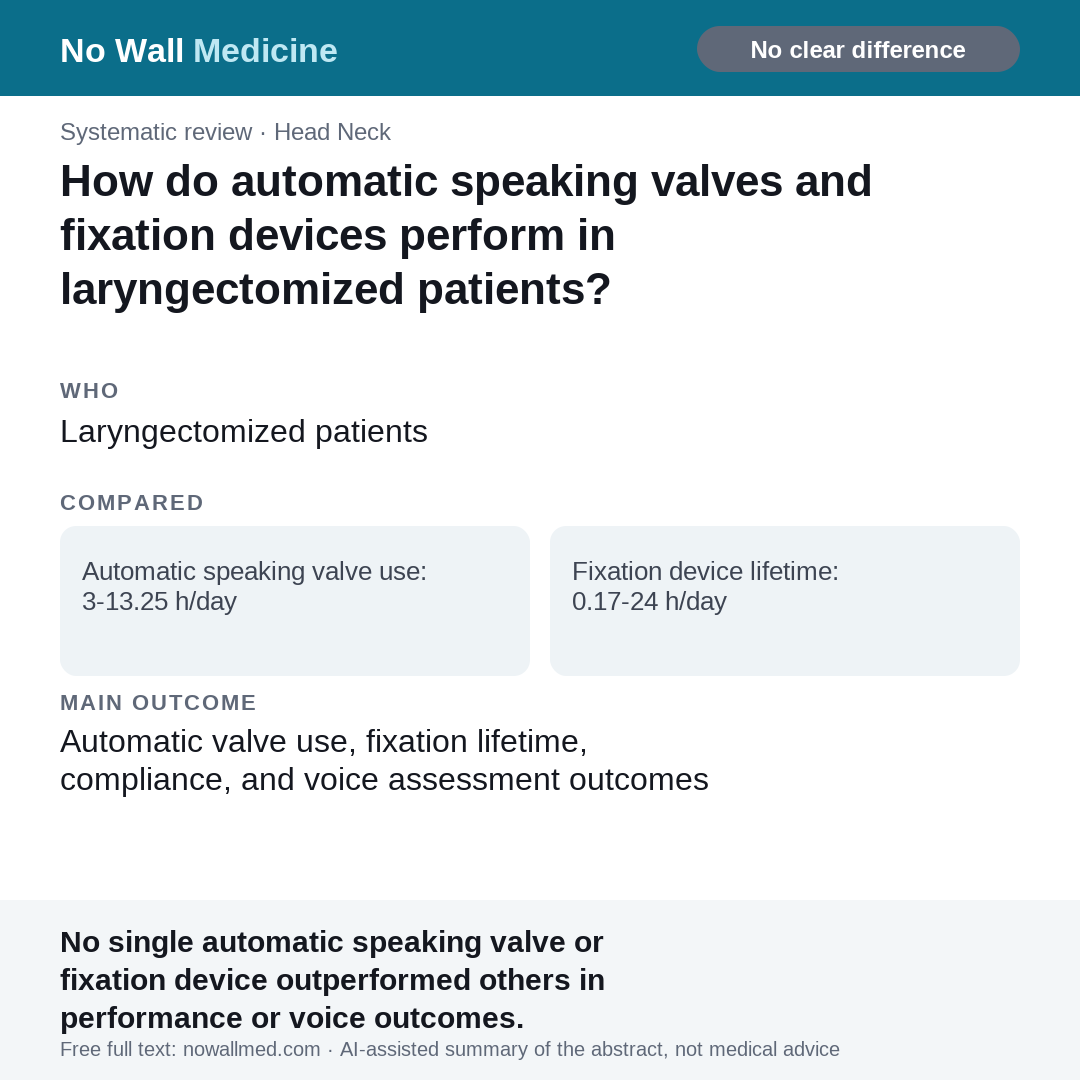
The Performance of Automatic Speaking Valves and Fixation Devices Enabling Hands-Free Speech Following Total Laryngectomy-A Systematic Review
Systematic reviewNo clear difference
How do automatic speaking valves and fixation devices perform in laryngectomized patients?
Who
Laryngectomized patients
Compared
Automatic speaking valve use: 3-13.25 h/day
Fixation device lifetime: 0.17-24 h/day
Main outcome
Automatic valve use, fixation lifetime, compliance, and voice assessment outcomes
Bottom line: No single automatic speaking valve or fixation device outperformed others in performance or voice outcomes.
Head Neck · 2025-10-08Download image
Effect of a Home-Based Exercise Program on Muscle Mass, Fatigue, and Health-Related Quality of Life Among Patients with Oral Cancer: A Randomized Trial
Randomized trialMixed results
Does a home-based exercise program reduce muscle mass loss and fatigue in oral cancer patients?
Who
119
Patients with oral cancer
Compared
exercise group: increased physical activity
control group
Main outcome
muscle mass, fatigue, and health-related quality of life
Bottom line: A home-based exercise program increased physical activity but showed no difference in muscle mass between groups.
Head Neck · 2025-10-08Download image

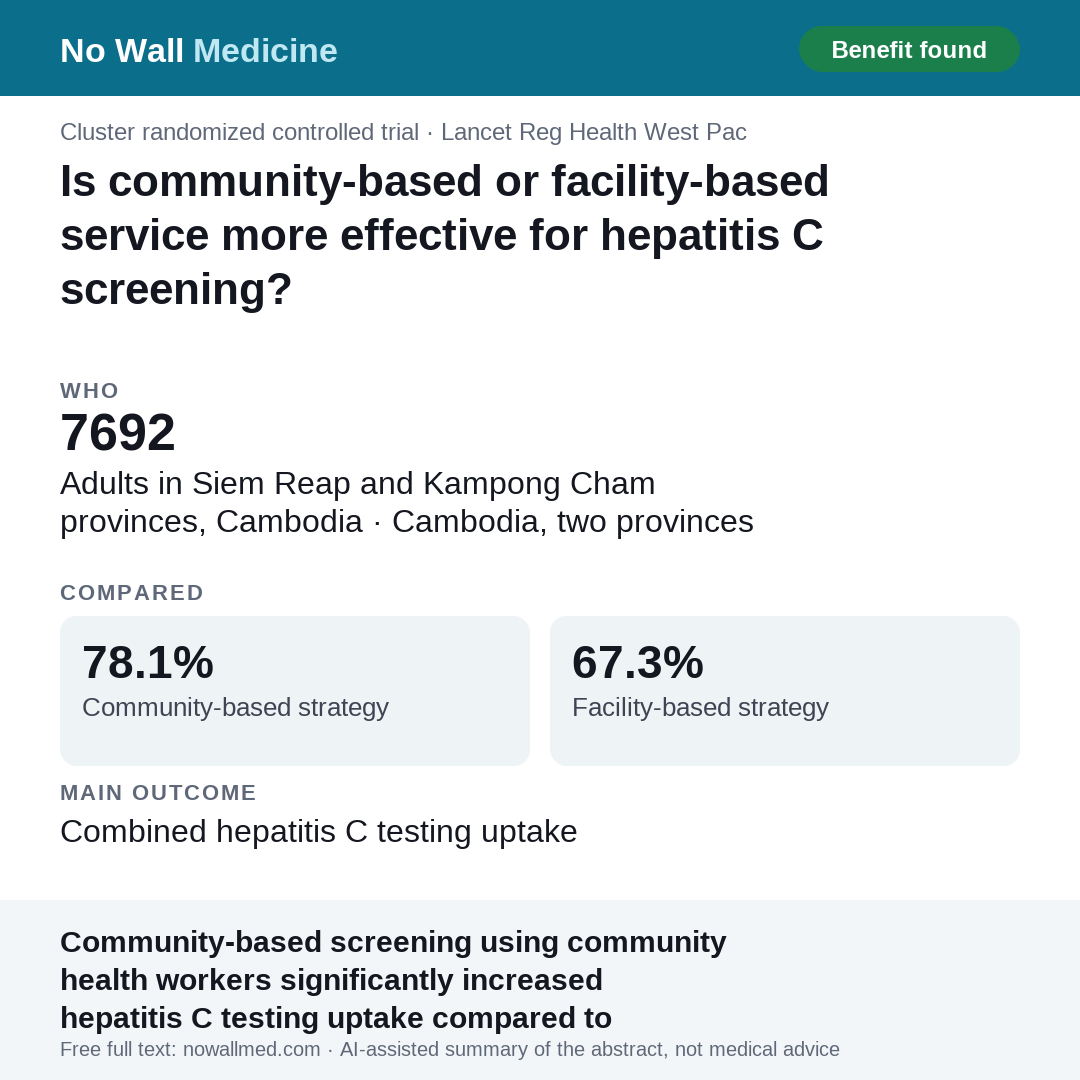
Community-based versus facility-based services to improve hepatitis C screening in Cambodia: a cluster randomized controlled trial (ANRS 12384 Cam-C study)
Cluster randomized controlled trialBenefit found
Is community-based or facility-based service more effective for hepatitis C screening?
Who
7692
Adults in Siem Reap and Kampong Cham provinces, Cambodia · Cambodia, two provinces
Compared
78.1%Community-based strategy
67.3%Facility-based strategy
Main outcome
Combined hepatitis C testing uptake
Result: odds ratio 2.18 (95% CI 1.28 to 3.73)
Bottom line: Community-based screening using community health workers significantly increased hepatitis C testing uptake compared to facility-based services.
Funded by: ANRS MIE
Lancet Reg Health West Pac · 2025-10-08Download image
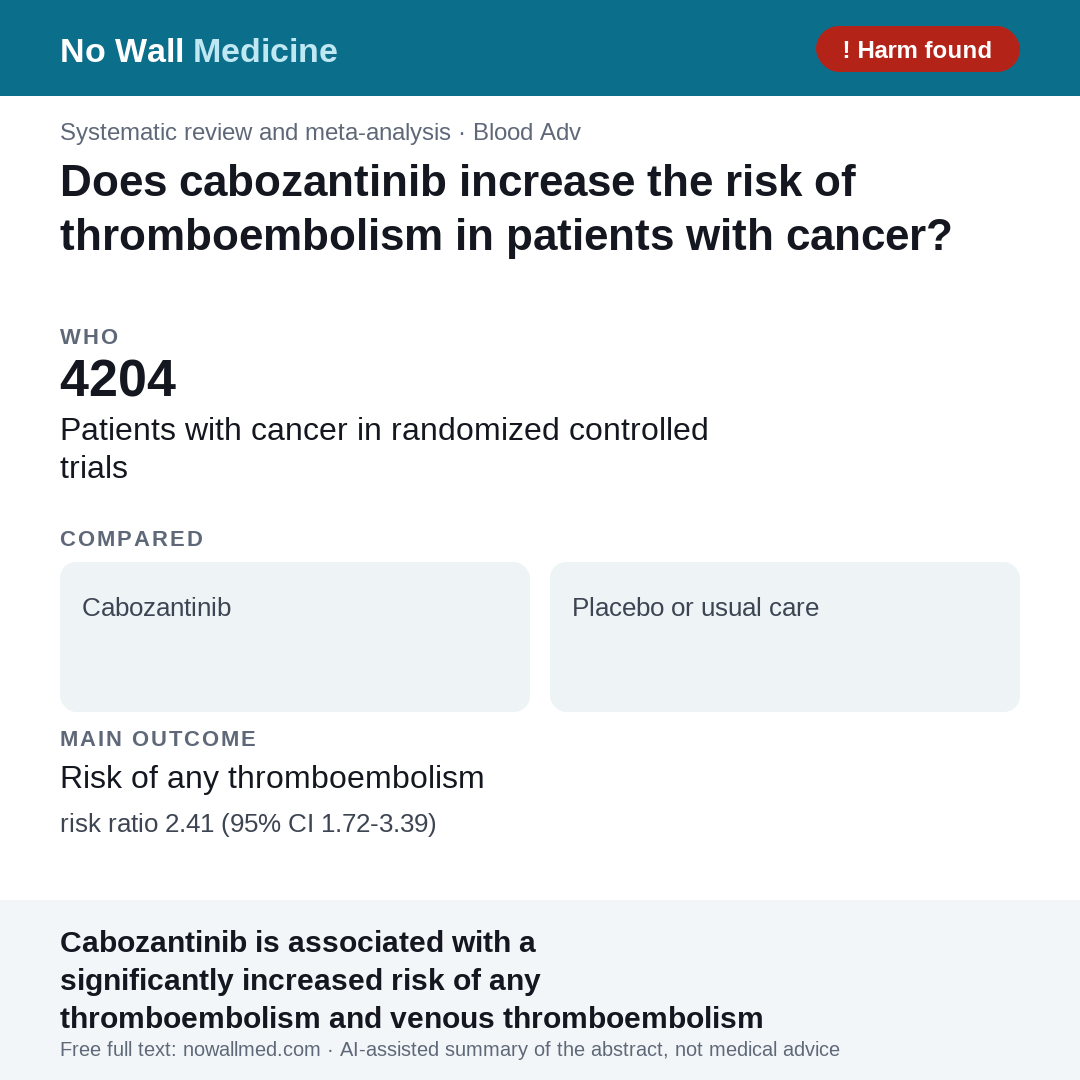
Cabozantinib and thromboembolism in patients with cancer: a systematic review, meta-analysis, and retrospective study
Systematic review and meta-analysisHarm found
Does cabozantinib increase the risk of thromboembolism in patients with cancer?
Who
4204
Patients with cancer in randomized controlled trials
Compared
Cabozantinib
Placebo or usual care
Main outcome
Risk of any thromboembolism
Result: risk ratio 2.41 (95% CI 1.72-3.39)
Bottom line: Cabozantinib is associated with a significantly increased risk of any thromboembolism and venous thromboembolism in cancer patients.
Blood Adv · 2025-10-08Download image
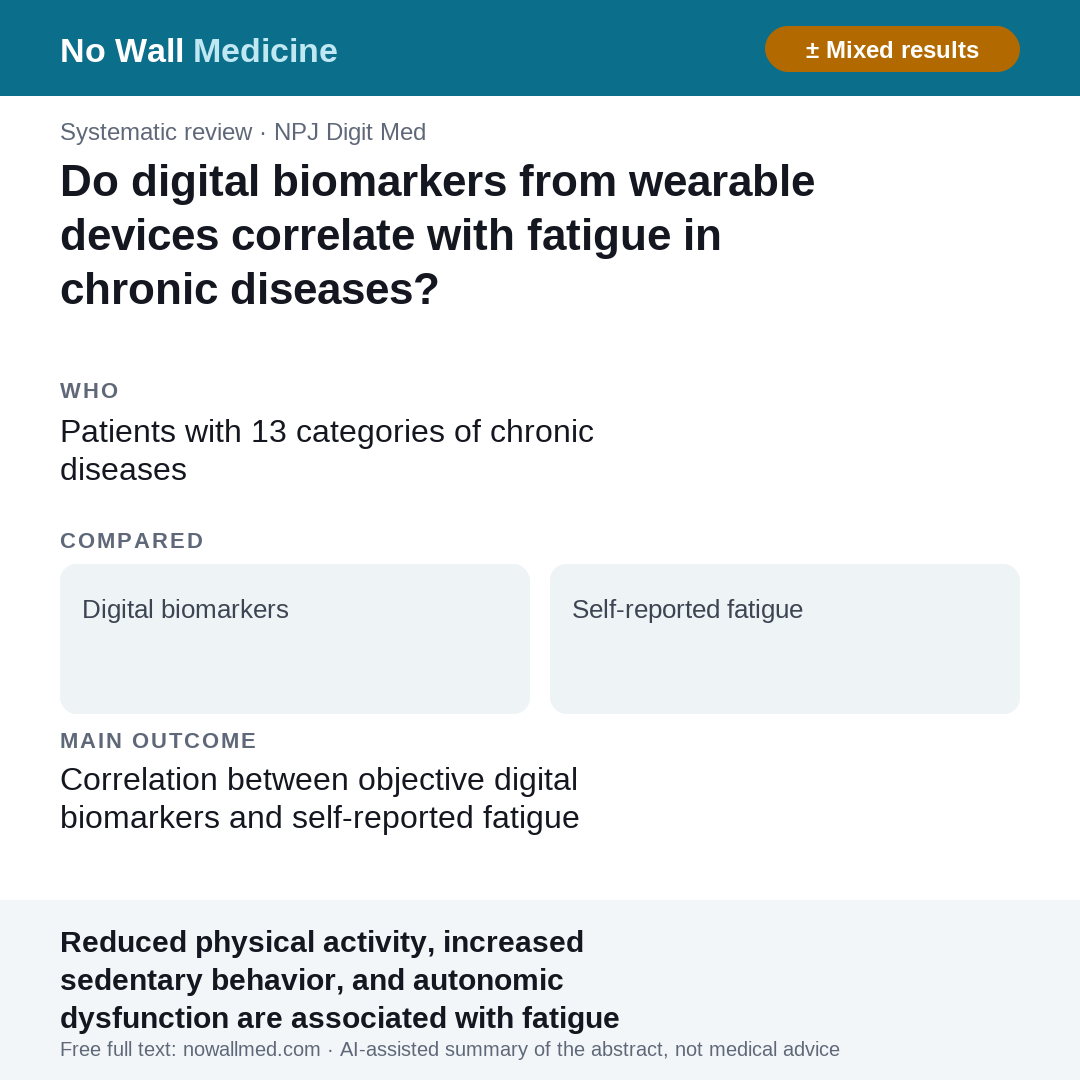
Systematic review: digital biomarkers of fatigue in chronic diseases
Systematic reviewMixed results
Do digital biomarkers from wearable devices correlate with fatigue in chronic diseases?
Who
Patients with 13 categories of chronic diseases
Compared
Digital biomarkers
Self-reported fatigue
Main outcome
Correlation between objective digital biomarkers and self-reported fatigue
Bottom line: Reduced physical activity, increased sedentary behavior, and autonomic dysfunction are associated with fatigue across multiple chronic diseases.
NPJ Digit Med · 2025-10-08Download image
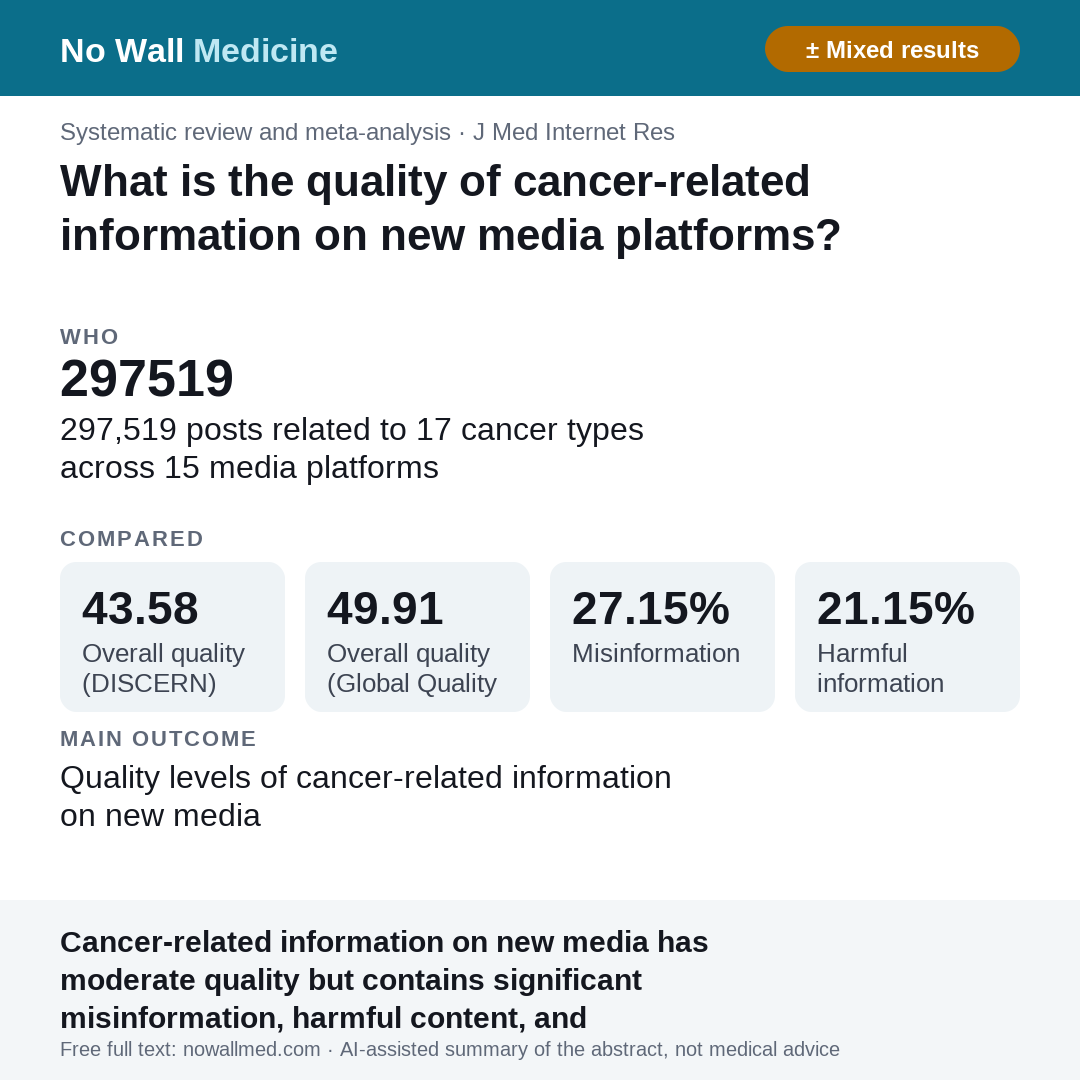
Quality of Cancer-Related Information on New Media (2014-2023): Systematic Review and Meta-Analysis
Systematic review and meta-analysisMixed results
What is the quality of cancer-related information on new media platforms?
Who
297519
297,519 posts related to 17 cancer types across 15 media platforms
Compared
43.58Overall quality (DISCERN) (95% CI 37.80-49.35)
49.91Overall quality (Global Quality Score) (95% CI 43.31-56.50)
27.15%Misinformation (95% CI 21.36-33.35)
21.15%Harmful information (95% CI 8.96-36.50)
Main outcome
Quality levels of cancer-related information on new media
Bottom line: Cancer-related information on new media has moderate quality but contains significant misinformation, harmful content, and commercial bias.
Limitation: High heterogeneity across most outcomes (I²>75%)
J Med Internet Res · 2025-10-08Download image
Clinical utility of diffusion tensor imaging in sport-related concussion: a systematic review
Systematic reviewUnclear result
What is the clinical utility of diffusion tensor imaging in sport-related concussion?
Who
26
Subjects with sport-related concussion
Compared
Acute injury: heterogenous changes in diffusion tensor imaging parameters
Chronic injury: reduced fractional anisotropy and elevated mean diffusivity
Main outcome
diffusion tensor imaging parameters
Bottom line: Diffusion tensor imaging shows heterogeneous changes in acute injury and more consistent alterations in chronic injury.
BJR Open · 2025-10-08Download image

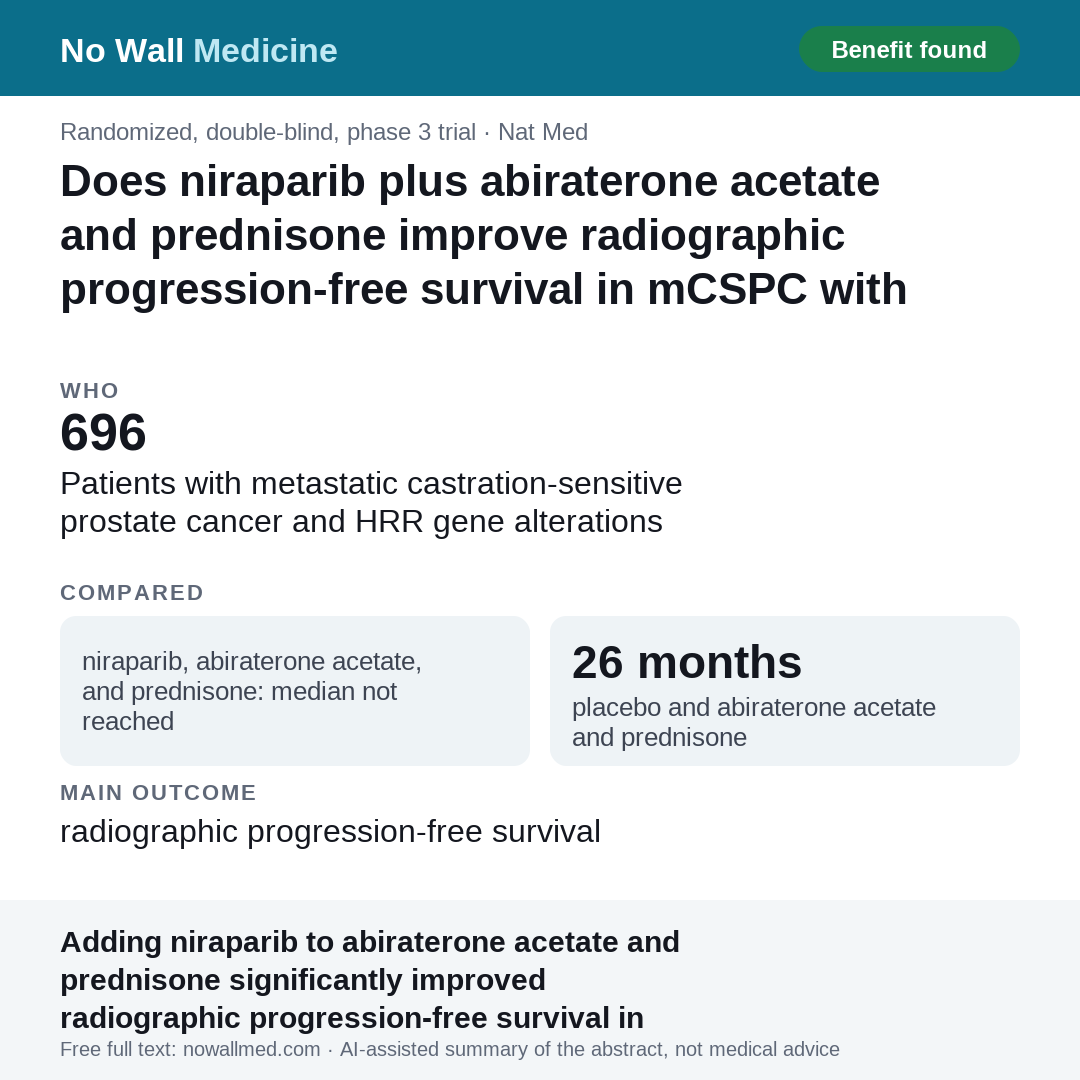
Niraparib and abiraterone acetate plus prednisone for HRR-deficient metastatic castration-sensitive prostate cancer: a randomized phase 3 trial
Randomized, double-blind, phase 3 trialBenefit found
Does niraparib plus abiraterone acetate and prednisone improve radiographic progression-free survival in mCSPC with HRR alterations?
Who
696
Patients with metastatic castration-sensitive prostate cancer and HRR gene alterations
Compared
niraparib, abiraterone acetate, and prednisone: median not reached
26 monthsplacebo and abiraterone acetate and prednisone
Main outcome
radiographic progression-free survival
Result: hazard ratio 0.63 (95% confidence interval: 0.49-0.80)
Bottom line: Adding niraparib to abiraterone acetate and prednisone significantly improved radiographic progression-free survival in patients with HRR-deficient metastatic castration-sensitive prostate cancer.
Nat Med · 2025-10-07Download image
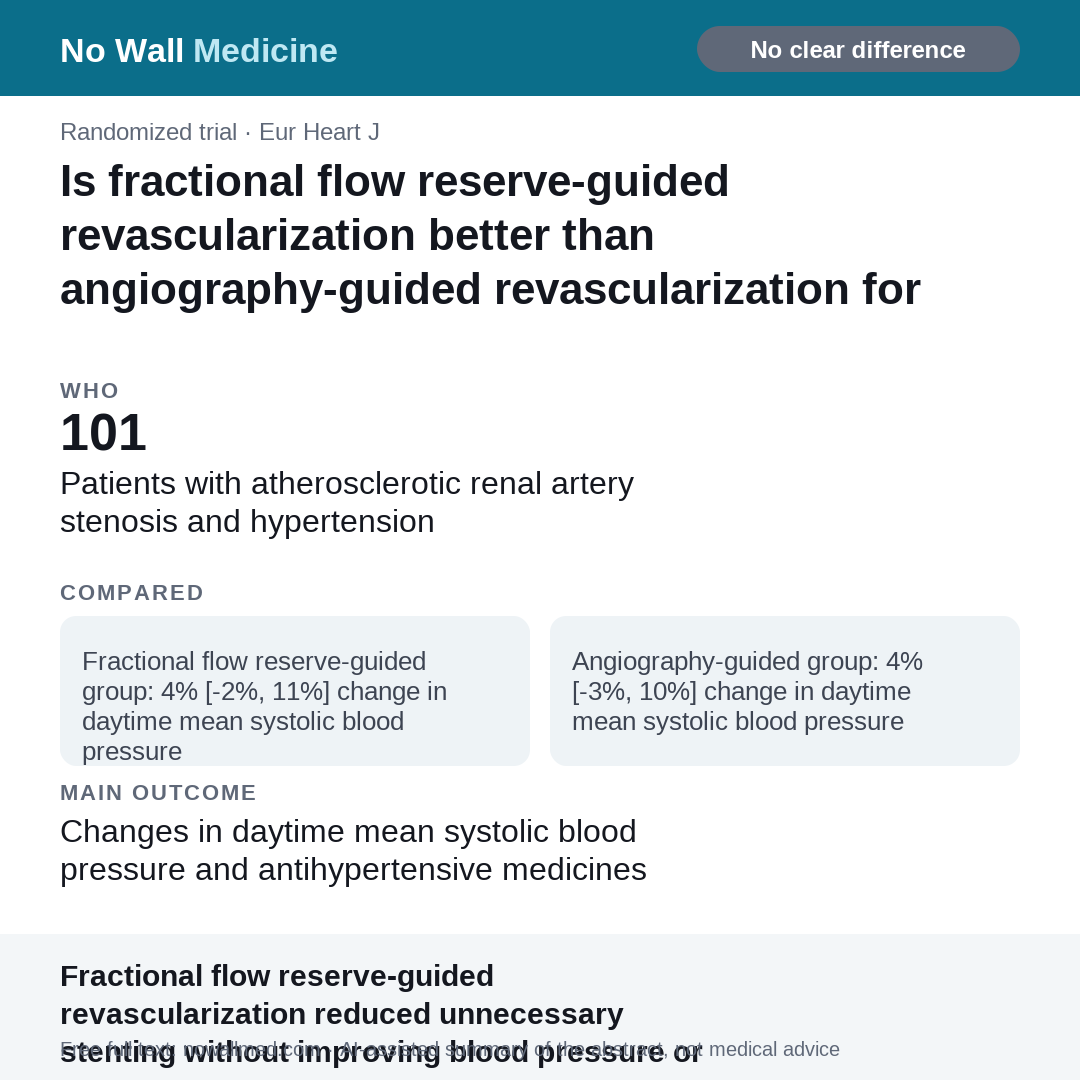
Fractional flow reserve-guided renal artery stenting in atherosclerotic renovascular hypertension: the FAIR randomized trial
Randomized trialNo clear difference
Is fractional flow reserve-guided revascularization better than angiography-guided revascularization for atherosclerotic renal artery stenosis?
Who
101
Patients with atherosclerotic renal artery stenosis and hypertension
Compared
Fractional flow reserve-guided group: 4% [-2%, 11%] change in daytime mean systolic blood pressure
Angiography-guided group: 4% [-3%, 10%] change in daytime mean systolic blood pressure
Main outcome
Changes in daytime mean systolic blood pressure and antihypertensive medicines
Bottom line: Fractional flow reserve-guided revascularization reduced unnecessary stenting without improving blood pressure or medication reduction compared to angiography guidance.
Eur Heart J · 2025-10-07Download image
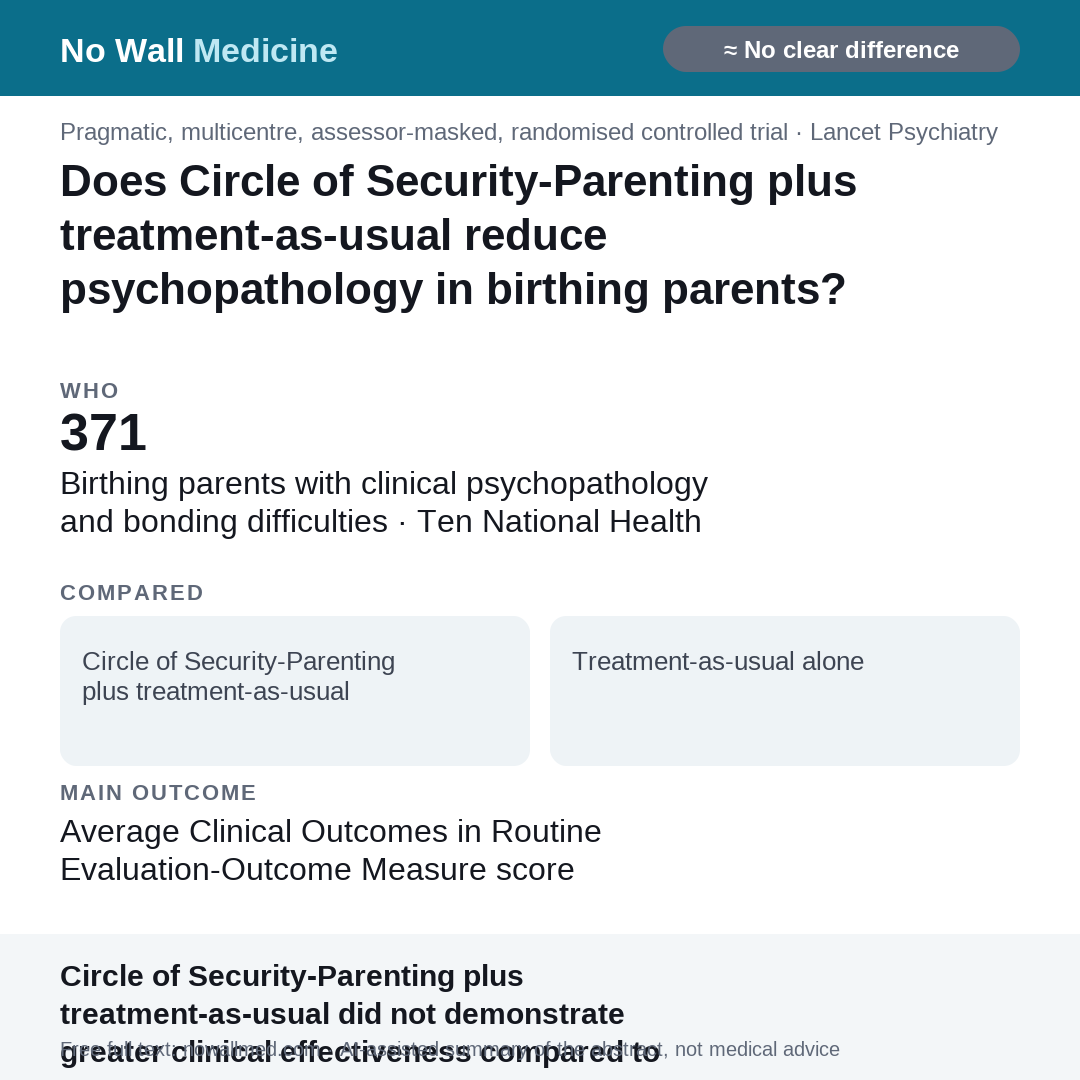
Clinical effectiveness of the Circle of Security-Parenting group intervention for birthing parents in perinatal mental health services in England (COSI): a pragmatic, multicentre, assessor-masked, randomised controlled trial
Pragmatic, multicentre, assessor-masked, randomised controlled trialNo clear difference
Does Circle of Security-Parenting plus treatment-as-usual reduce psychopathology in birthing parents?
Who
371
Birthing parents with clinical psychopathology and bonding difficulties · Ten National Health Service Trusts across England
Compared
Circle of Security-Parenting plus treatment-as-usual
Treatment-as-usual alone
Main outcome
Average Clinical Outcomes in Routine Evaluation-Outcome Measure score
Result: -1·41 (95% CI -5·11 to 2·28)
Bottom line: Circle of Security-Parenting plus treatment-as-usual did not demonstrate greater clinical effectiveness compared to treatment-as-usual alone.
Lancet Psychiatry · 2025-10-07Download image
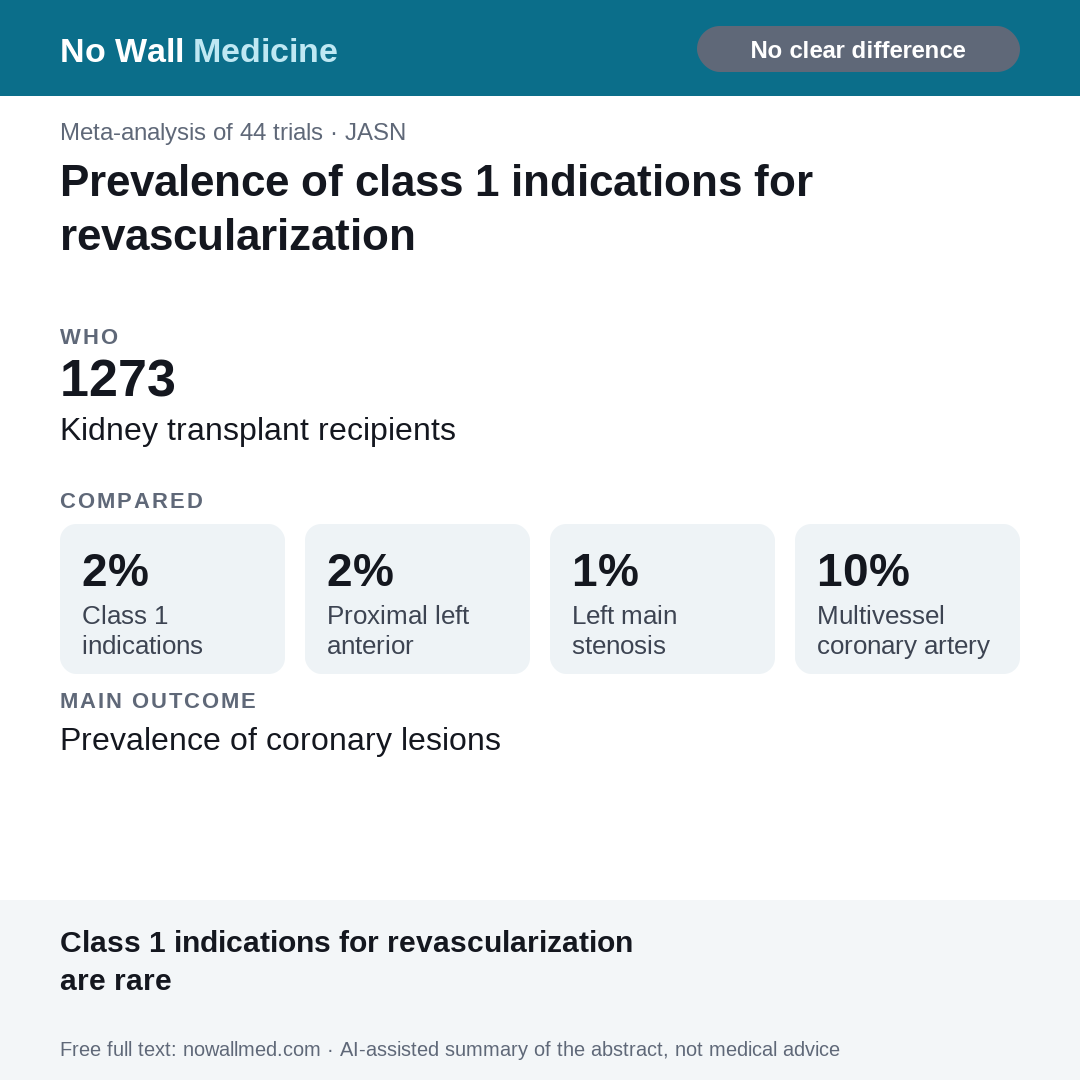
Class 1 Indications for Coronary Revascularization Identified in Prekidney Transplant Screening
Meta-analysis of 44 trialsNo clear difference
Prevalence of class 1 indications for revascularization
Who
1273
Kidney transplant recipients
Compared
2%Class 1 indications
2%Proximal left anterior descending disease
1%Left main stenosis
10%Multivessel coronary artery disease
Main outcome
Prevalence of coronary lesions
Bottom line: Class 1 indications for revascularization are rare
JASN · 2025-10-07Download image
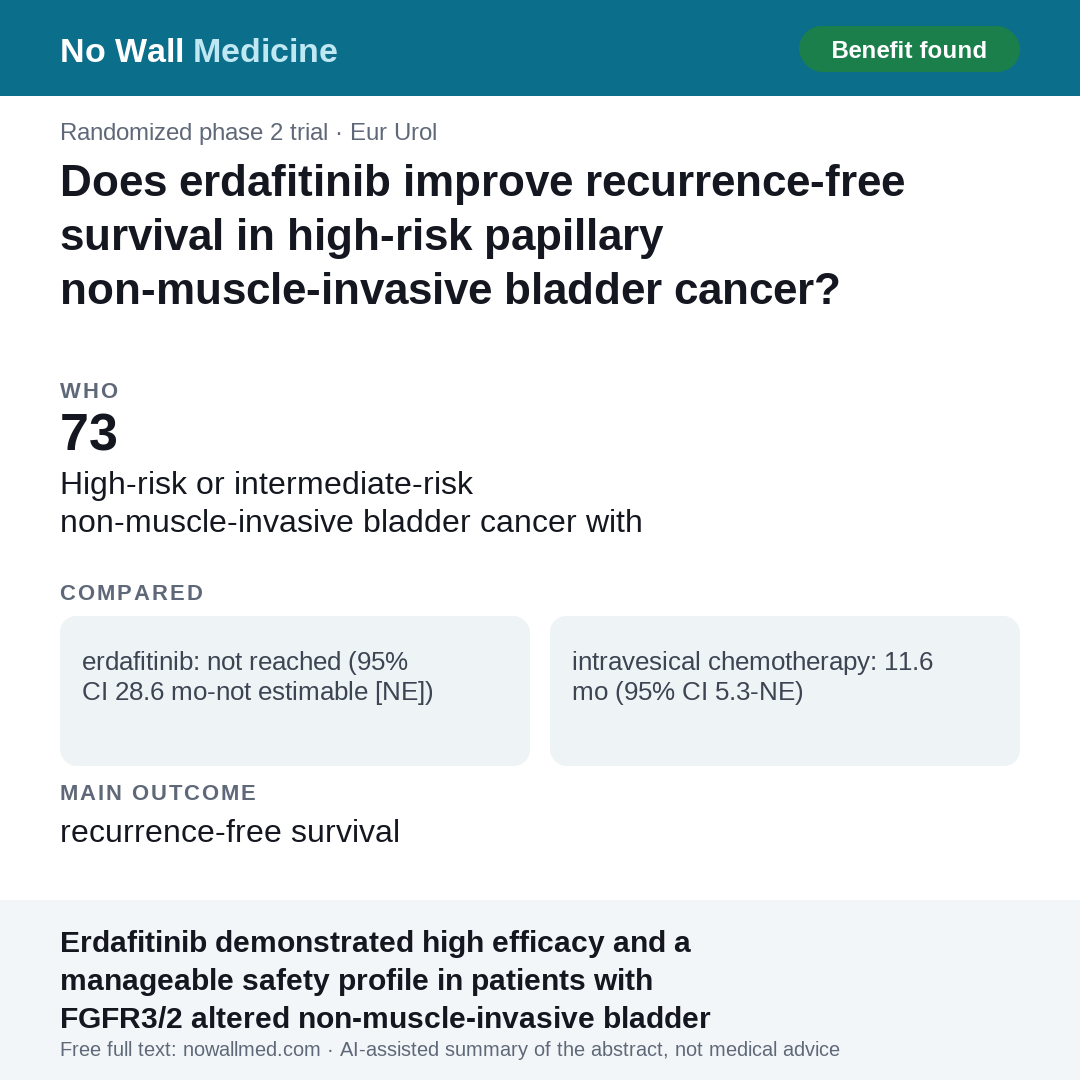
Erdafitinib in Patients with High- and Intermediate-risk Non-muscle-invasive Bladder Cancer: Final Analysis of THOR-2 Study
Randomized phase 2 trialBenefit found
Does erdafitinib improve recurrence-free survival in high-risk papillary non-muscle-invasive bladder cancer?
Who
73
High-risk or intermediate-risk non-muscle-invasive bladder cancer with FGFR3/2 alterations
Compared
erdafitinib: not reached (95% CI 28.6 mo-not estimable [NE])
intravesical chemotherapy: 11.6 mo (95% CI 5.3-NE)
Main outcome
recurrence-free survival
Result: hazard ratio 0.28 (95% CI 0.13-0.61)
Bottom line: Erdafitinib demonstrated high efficacy and a manageable safety profile in patients with FGFR3/2 altered non-muscle-invasive bladder cancer.
Limitation: Early termination in cohort 1 and small sample size that precluded prespecified hypothesis testing.
Eur Urol · 2025-10-07Download image