Visual abstracts
New randomized trials and meta-analyses from leading journals at a glance: who was studied, what was compared, and what was found. Every paper is free to read in full.
All specialtiesCardiology 3534Oncology 3030Gastroenterology & Hepatology 1393Infectious Disease 2482Neurology 1425Psychiatry & Mental Health 1673Pulmonology 1515Critical Care 1013Endocrinology & Diabetes 1808Pediatrics 2147Surgery 1869Orthopedics & Sports Medicine 655Neurosurgery 417Cardiothoracic & Vascular Surgery 423Plastic & Reconstructive Surgery 492Nephrology 767Rheumatology 569Hematology 795Dermatology 438Ophthalmology 392Obstetrics & Gynecology 1214Public & Global Health 682Radiology & Imaging 495Anesthesiology 724Urology 582ENT (Otolaryngology) 388Emergency Medicine 382Allergy & Immunology 219Geriatrics 750Family Medicine & Primary Care 408Medical Genetics & Genomics 452Pathology & Laboratory Medicine 114Physical Medicine & Rehabilitation 551Palliative Care 326Nutrition 1062Digital Health & AI 1658General Medicine 253
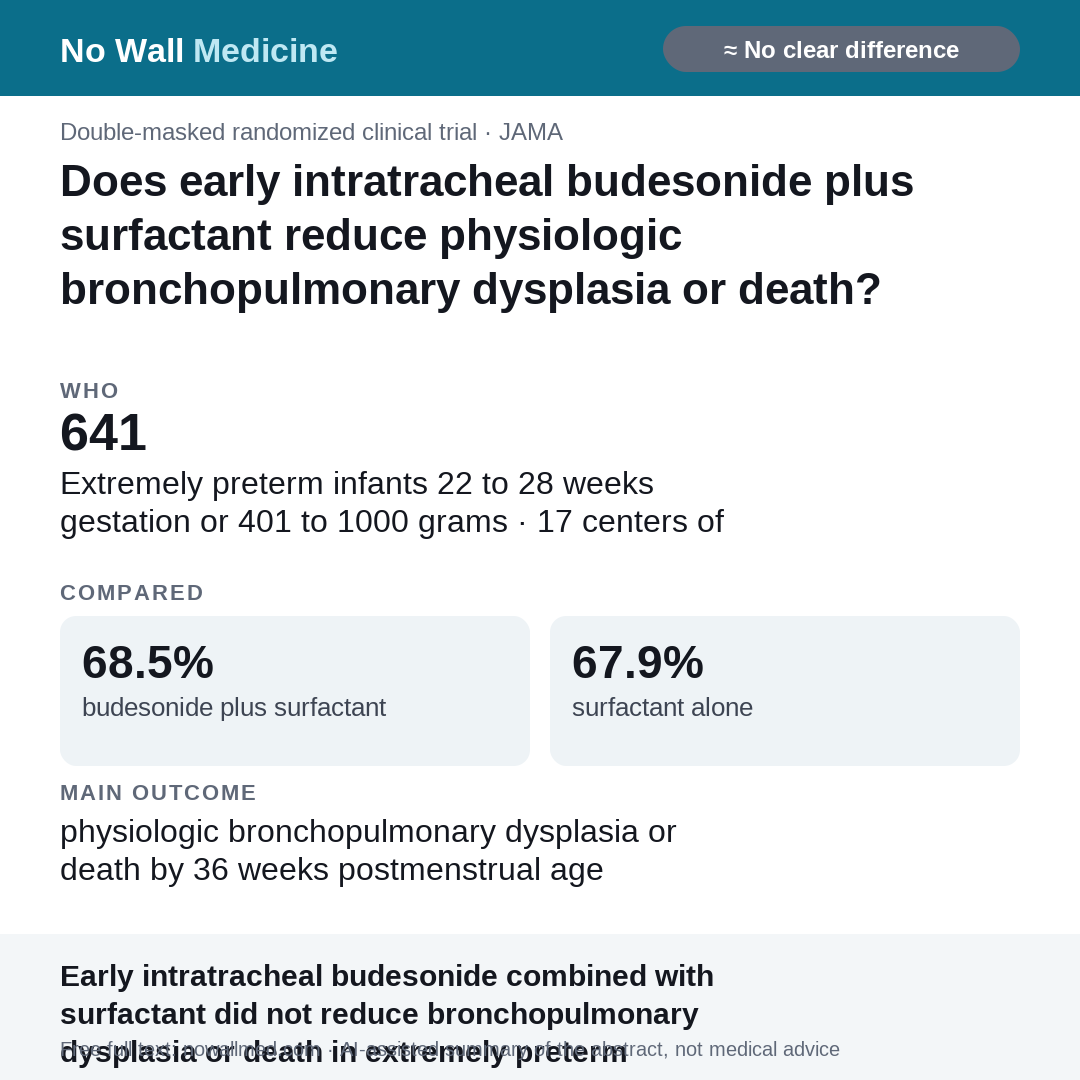
Early Intratracheal Budesonide to Reduce Bronchopulmonary Dysplasia in Extremely Preterm Infants: The Budesonide in Babies (BiB) Randomized Clinical Trial
Double-masked randomized clinical trialNo clear difference
Does early intratracheal budesonide plus surfactant reduce physiologic bronchopulmonary dysplasia or death?
Who
641
Extremely preterm infants 22 to 28 weeks gestation or 401 to 1000 grams · 17 centers of the United States Neonatal Research Network
Compared
68.5%budesonide plus surfactant
67.9%surfactant alone
Main outcome
physiologic bronchopulmonary dysplasia or death by 36 weeks postmenstrual age
Result: adjusted relative risk 1.00 (95% CI 0.90-1.11)
Bottom line: Early intratracheal budesonide combined with surfactant did not reduce bronchopulmonary dysplasia or death in extremely preterm infants.
JAMA · 2025-09-30Download image
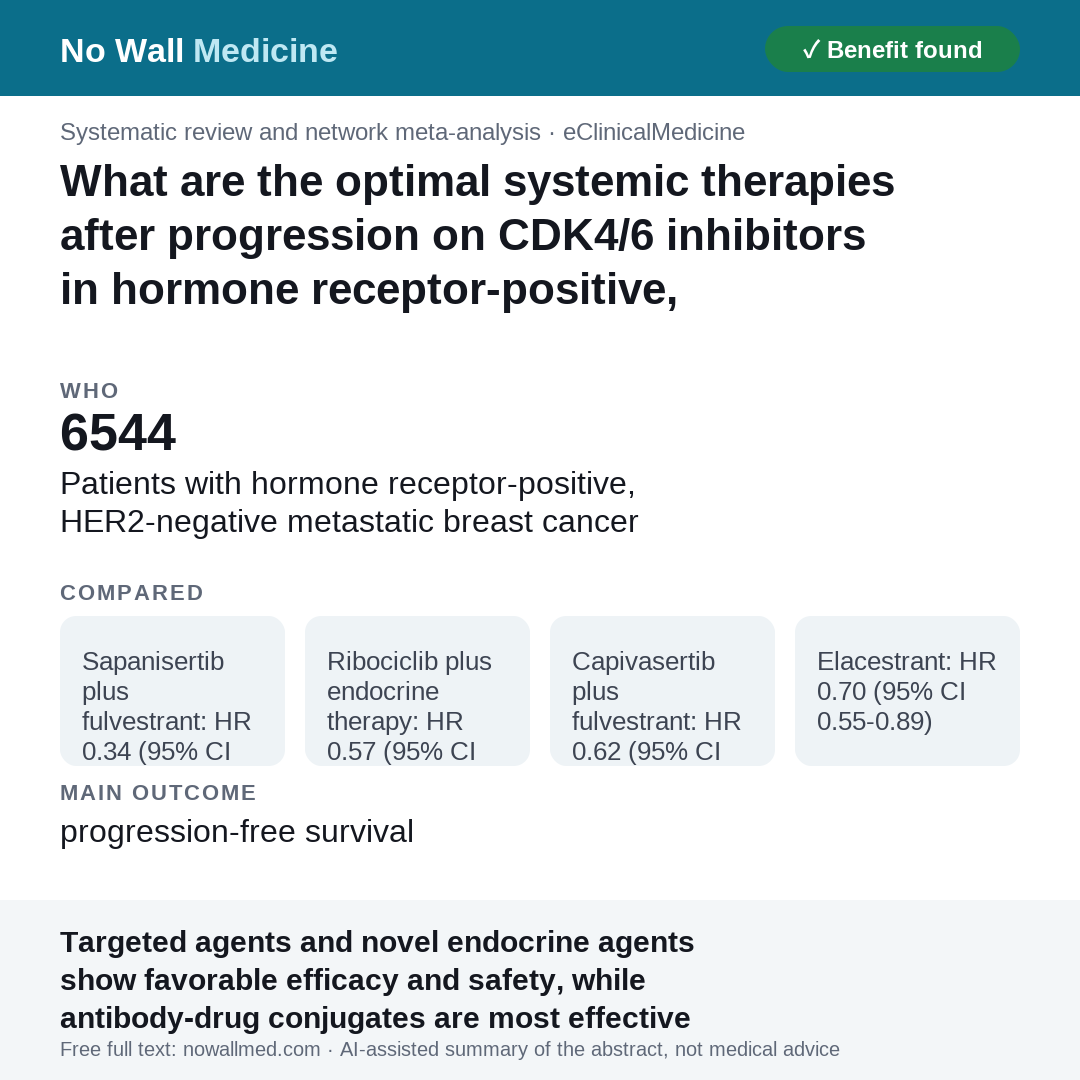
Efficacy and safety of systemic therapies following progression on CDK4/6 inhibitors in patients with HR+/HER2- metastatic breast cancer: a systematic review and network meta-analysis
Systematic review and network meta-analysisBenefit found
What are the optimal systemic therapies after progression on CDK4/6 inhibitors in hormone receptor-positive, HER2-negative metastatic breast cancer?
Who
6544
Patients with hormone receptor-positive, HER2-negative metastatic breast cancer progressing on CDK4/6 inhibitor therapy
Compared
Sapanisertib plus fulvestrant: HR 0.34 (95% CI 0.14-0.82)
Ribociclib plus endocrine therapy: HR 0.57 (95% CI 0.39-0.84)
Capivasertib plus fulvestrant: HR 0.62 (95% CI 0.51-0.75)
Elacestrant: HR 0.70 (95% CI 0.55-0.89)
Main outcome
progression-free survival
Result: HR 0.34 (95% CI 0.14-0.82) for sapanisertib plus fulvestrant
Bottom line: Targeted agents and novel endocrine agents show favorable efficacy and safety, while antibody-drug conjugates are most effective when chemotherapy is required.
Funded by: Italian Ministry of University and Research and European Union
eClinicalMedicine · 2025-09-30Download image
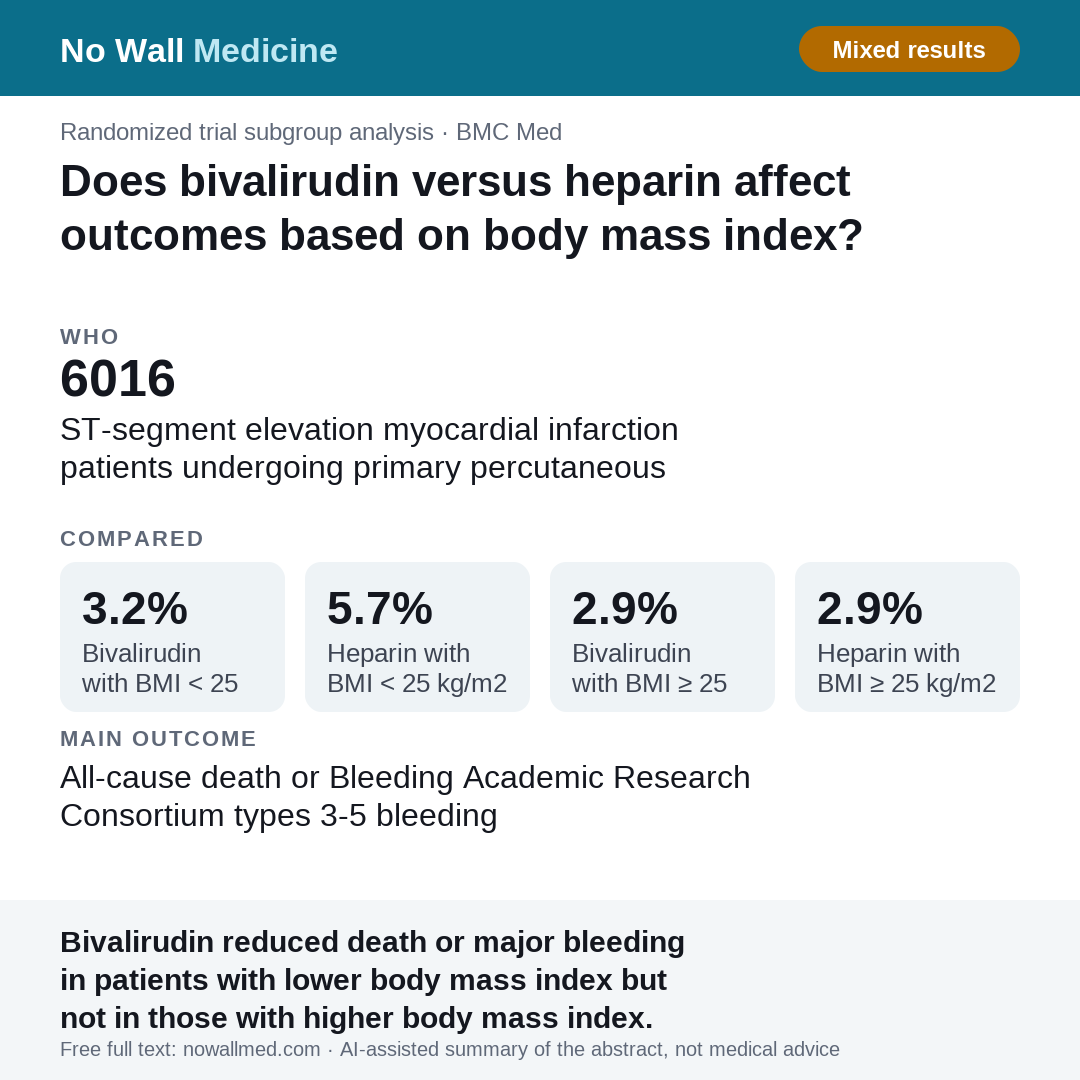
BMI differences on anticoagulation with bivalirudin vs. heparin during primary PCI: a BRIGHT-4 subanalysis
Randomized trial subgroup analysisMixed results
Does bivalirudin versus heparin affect outcomes based on body mass index?
Who
6016
ST-segment elevation myocardial infarction patients undergoing primary percutaneous coronary intervention
Compared
3.2%Bivalirudin with BMI < 25 kg/m2
5.7%Heparin with BMI < 25 kg/m2
2.9%Bivalirudin with BMI ≥ 25 kg/m2
2.9%Heparin with BMI ≥ 25 kg/m2
Main outcome
All-cause death or Bleeding Academic Research Consortium types 3-5 bleeding
Result: adjusted HR 0.56 (95% CI 0.40-0.79) for BMI < 25
Bottom line: Bivalirudin reduced death or major bleeding in patients with lower body mass index but not in those with higher body mass index.
Limitation: The difference in outcomes between BMI groups was no longer significant after adjusting for confounders.
BMC Med · 2025-09-30Download image
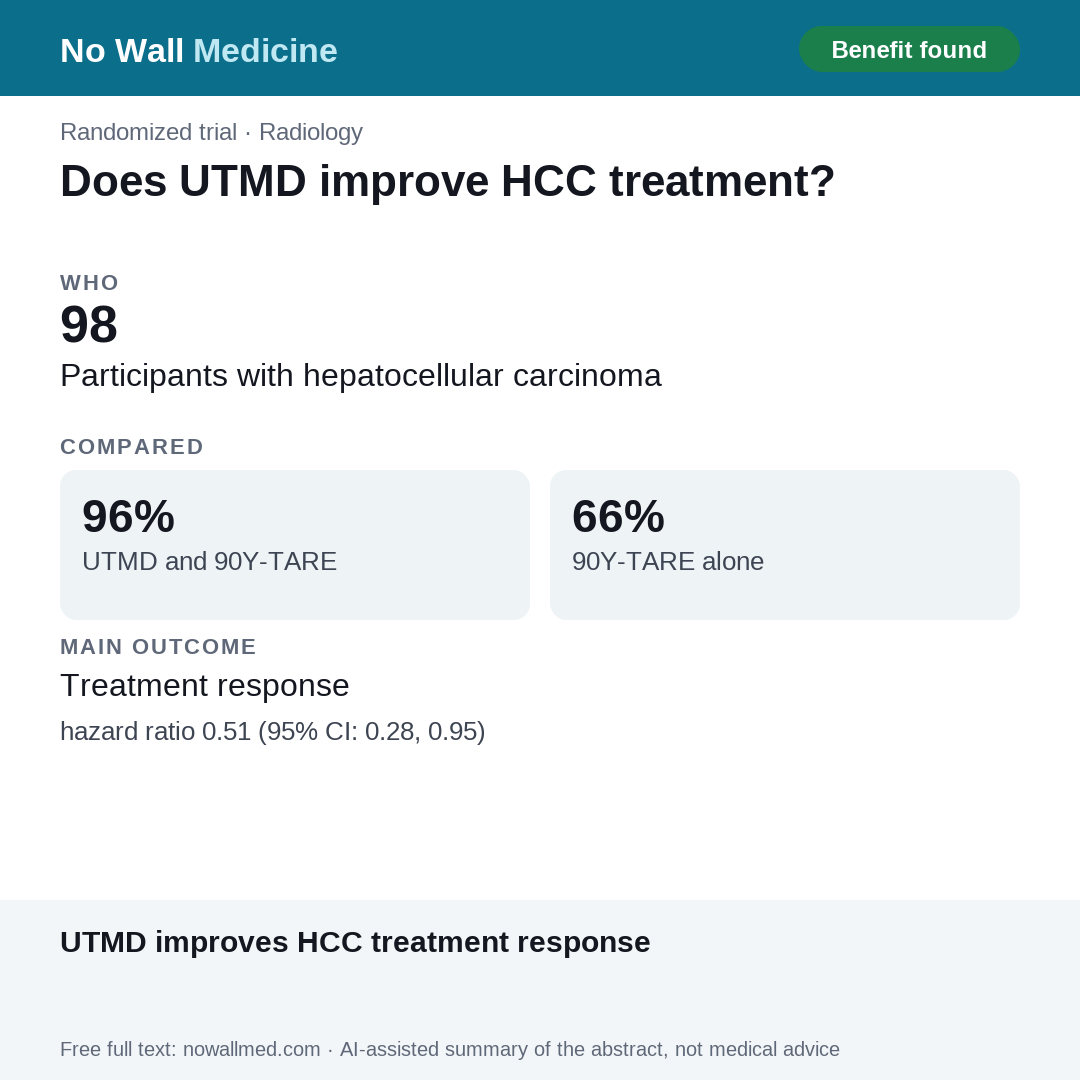
Microbubble-based Radiosensitization of Hepatocellular Carcinoma: Evaluation of Safety and Efficacy in a Phase II Randomized Trial
Randomized trialBenefit found
Does UTMD improve HCC treatment?
Who
98
Participants with hepatocellular carcinoma
Compared
96%UTMD and 90Y-TARE (46/48)
66%90Y-TARE alone (33/50)
Main outcome
Treatment response
Result: hazard ratio 0.51 (95% CI: 0.28, 0.95)
Bottom line: UTMD improves HCC treatment response
Radiology · 2025-09-30Download image
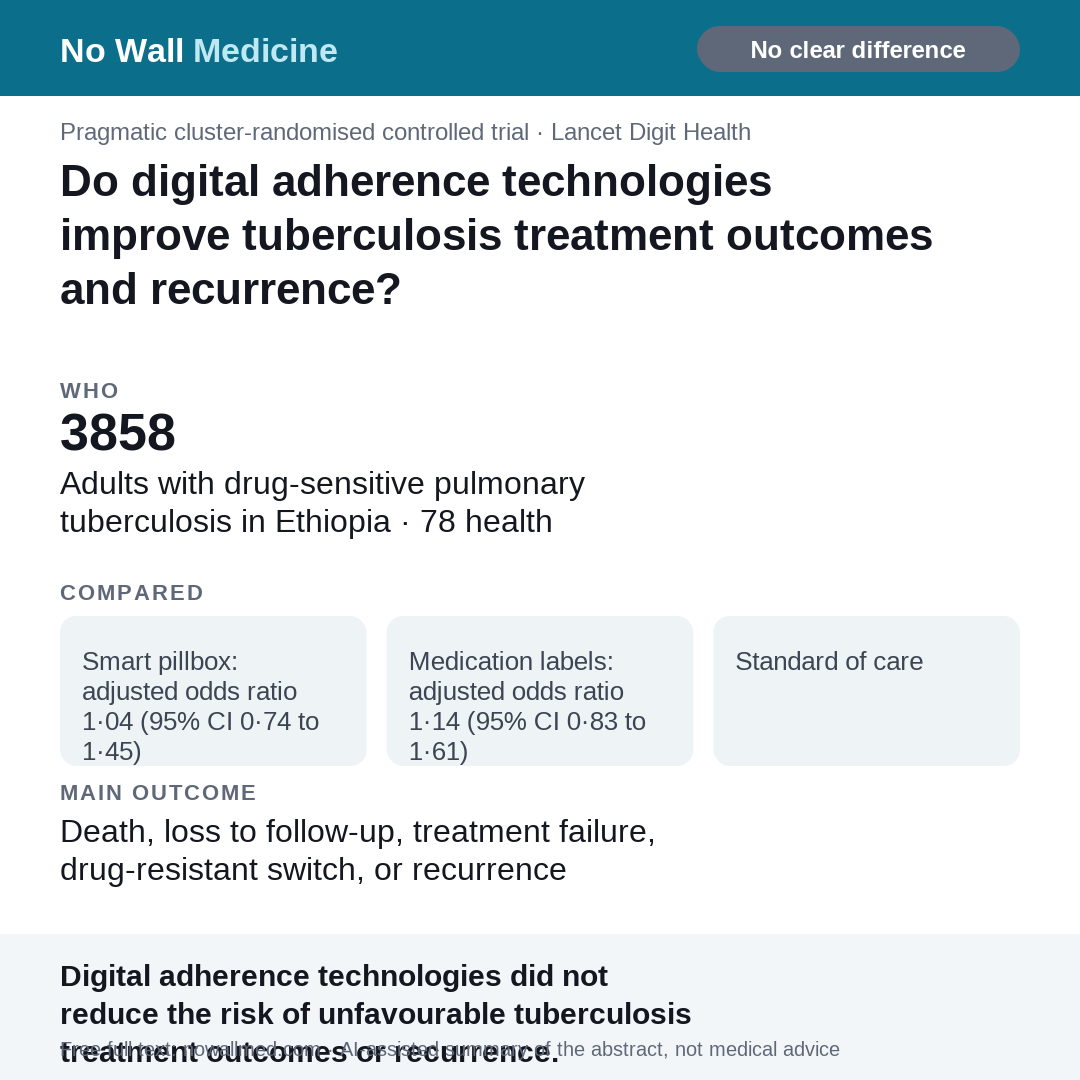
Digital adherence technology interventions to reduce poor end-of-treatment outcomes and recurrence among adults with drug-sensitive tuberculosis in Ethiopia: a three-arm, pragmatic, cluster-randomised, controlled trial
Pragmatic cluster-randomised controlled trialNo clear difference
Do digital adherence technologies improve tuberculosis treatment outcomes and recurrence?
Who
3858
Adults with drug-sensitive pulmonary tuberculosis in Ethiopia · 78 health facilities in Ethiopia
Compared
Smart pillbox: adjusted odds ratio 1·04 (95% CI 0·74 to 1·45)
Medication labels: adjusted odds ratio 1·14 (95% CI 0·83 to 1·61)
Standard of care
Main outcome
Death, loss to follow-up, treatment failure, drug-resistant switch, or recurrence
Result: adjusted odds ratio 1·04 (95% CI 0·74 to 1·45)
Bottom line: Digital adherence technologies did not reduce the risk of unfavourable tuberculosis treatment outcomes or recurrence.
Funded by: Unitaid
Lancet Digit Health · 2025-09-30Download image
Effects of a virtual iSupport Program on carers and people with dementia
Pragmatic randomized controlled trialBenefit found
Does a virtual iSupport Program benefit carers and people living with dementia?
Who
149
Carers of people living with dementia · Four organizations
Compared
Intervention group: 60% lower hospital admission rate
Usual care group
Main outcome
Quality of life and secondary clinical outcomes
Bottom line: The virtual iSupport Program improved carer quality of life and reduced hospital admissions for people living with dementia.
Alzheimers Dement · 2025-09-30Download image

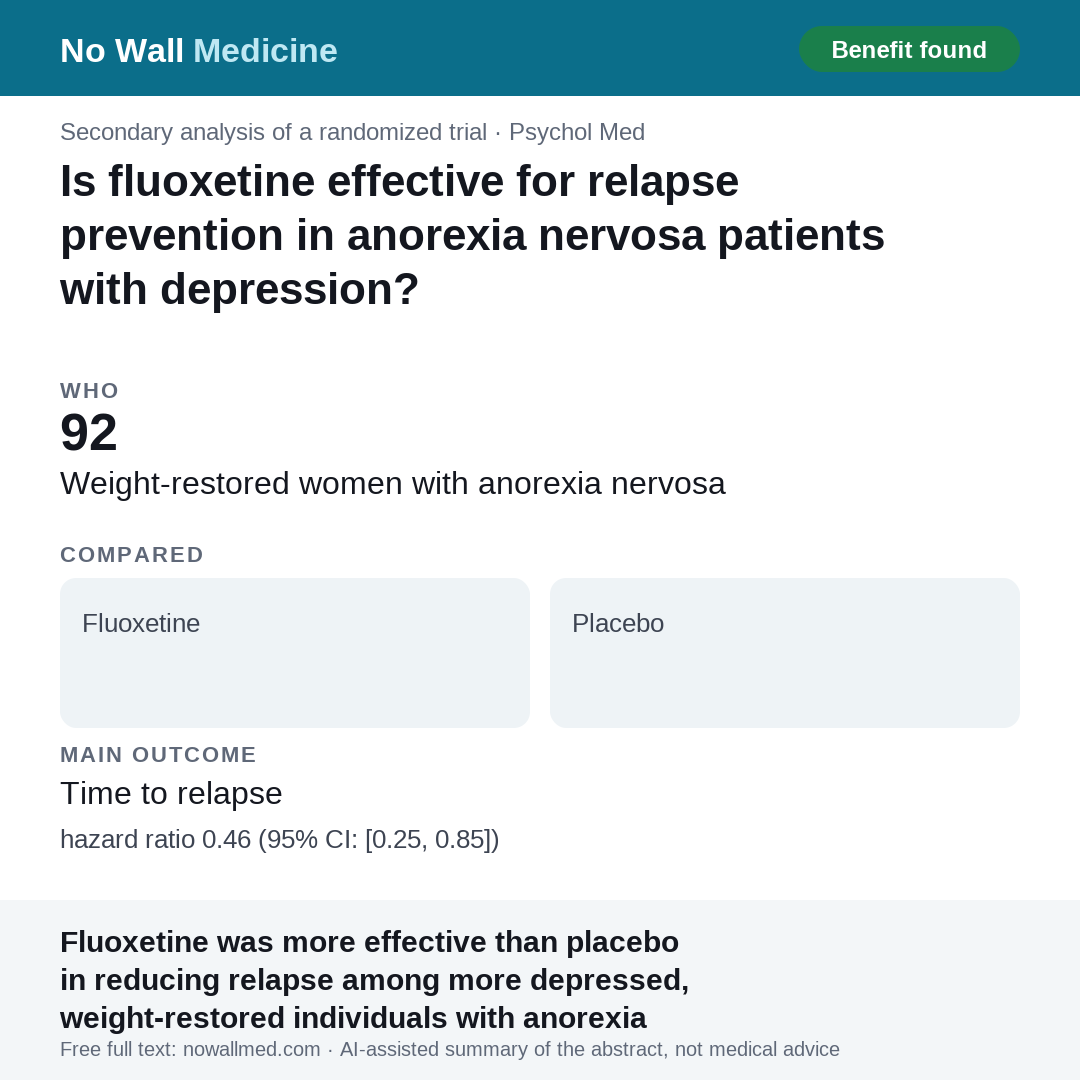
Fluoxetine for anorexia nervosa after weight restoration: moderation of effect by depression
Secondary analysis of a randomized trialBenefit found
Is fluoxetine effective for relapse prevention in anorexia nervosa patients with depression?
Who
92
Weight-restored women with anorexia nervosa
Compared
Fluoxetine
Placebo
Main outcome
Time to relapse
Result: hazard ratio 0.46 (95% CI: [0.25, 0.85])
Bottom line: Fluoxetine was more effective than placebo in reducing relapse among more depressed, weight-restored individuals with anorexia nervosa.
Limitation: These results require replication
Psychol Med · 2025-09-30Download image
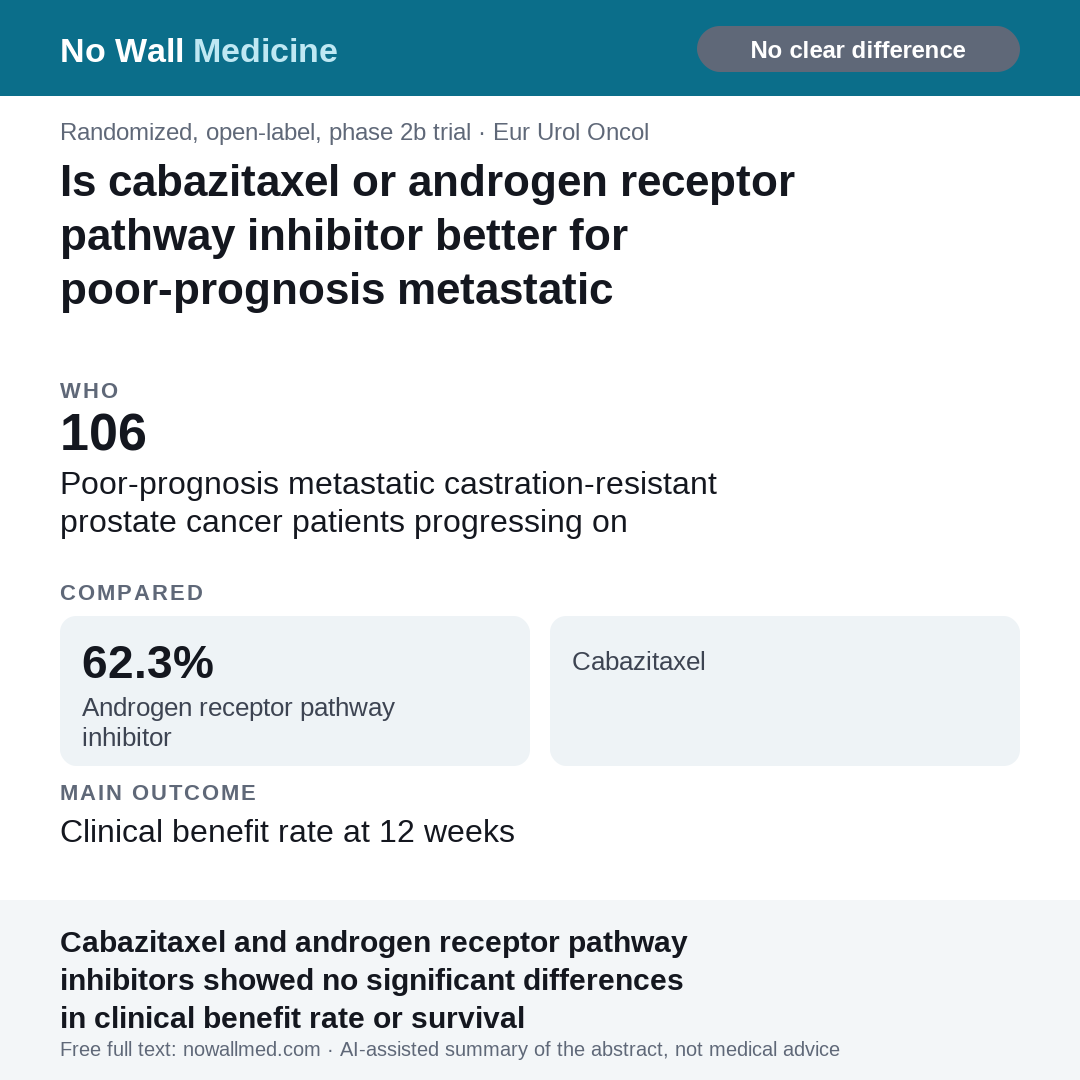
Cabazitaxel Versus Abiraterone or Enzalutamide for Poor-prognosis Metastatic Castration-resistant Prostate Cancer After Docetaxel: A Phase 2 Trial with a Circulating Tumor DNA Analysis
Randomized, open-label, phase 2b trialNo clear difference
Is cabazitaxel or androgen receptor pathway inhibitor better for poor-prognosis metastatic castration-resistant prostate cancer?
Who
106
Poor-prognosis metastatic castration-resistant prostate cancer patients progressing on docetaxel · Multicenter
Compared
62.3%Androgen receptor pathway inhibitor (66/106)
Cabazitaxel
Main outcome
Clinical benefit rate at 12 weeks
Bottom line: Cabazitaxel and androgen receptor pathway inhibitors showed no significant differences in clinical benefit rate or survival endpoints.
Eur Urol Oncol · 2025-09-30Download image
A Systematic Review of Nonsugar Sweeteners and Cancer Epidemiology Studies
Systematic review of epidemiology studiesNo clear difference
Do nonsugar sweeteners increase the risk of any cancer type?
Who
All types of cancer and various nonsugar sweeteners
Compared
Nonsugar sweeteners
No association found
Main outcome
Risk of all types of cancer
Bottom line: Epidemiology evidence does not support associations between any nonsugar sweetener and any cancer type.
Limitation: Self-reported intake leads to exposure misclassification and potential recall bias.
Adv Nutr · 2025-09-30Download image
Improving support for people with mental health problems in China: a cluster randomised controlled trial of culturally adapted Mental Health First Aid training
Wait-list pilot cluster randomized controlled trialBenefit found
Does culturally adapted Mental Health First Aid training improve support for mental health problems?
Who
146
Participants in Shanghai health services, workplaces and community settings · 3 settings in Shanghai
Compared
Mental Health First Aid Training for China: 8.19 [95% CI 4.05-12.34] at T2
Wait-list control group
Main outcome
Participant intended actions towards a person in mental health crisis
Result: 8.19 [95% CI 4.05-12.34]; p < 0.001
Bottom line: Culturally adapted Mental Health First Aid training improved intended actions for people experiencing mental health problems.
Funded by: National Health and Medical Research Council
Lancet Reg Health West Pac · 2025-09-30Download image

Genome-wide association study of susceptibility to acute respiratory distress syndrome
Genome-wide association studyMixed results
Genetic risk for acute respiratory distress syndrome
Who
716
patients with acute respiratory distress syndrome and at-risk controls · three independent studies
Compared
ARDS cases
at-risk controls
Main outcome
acute respiratory distress syndrome risk
Result: association with HMGCR variant
Bottom line: Common variant near HMGCR linked to ARDS risk
Funded by: Wellcome Trust and others
eBioMedicine · 2025-09-30Download image
Serum Transthyretin as Prognostic Biomarker for Cardiovascular Events and Mortality: A Systematic Review and Meta-Analysis
Systematic review and meta-analysisBenefit found
Do serum transthyretin levels predict cardiovascular events and mortality?
Who
83929
83,929 participants, 50.5% females, mean age 61.45 years
Compared
Low serum transthyretin
Comparison group
Main outcome
cardiovascular events, heart failure, and mortality
Result: hazard ratio 1.54 (95% CI 1.30-1.83) for cardiovascular events
Bottom line: Low serum transthyretin levels predict increased risk of cardiovascular events, heart failure, and all-cause or cardiovascular mortality.
JACC Adv · 2025-09-30Download image
Cardiovascular and renal outcomes of dual combination therapies with glucagon-like peptide-1 receptor agonists and sodium-glucose transport protein 2 inhibitors: a systematic review and meta-analysis
Systematic review and meta-analysisBenefit found
Do combination therapies with GLP-1RA, SGLT2i, or finerenone reduce cardiorenal outcomes?
Who
Patients with type 2 diabetes
Compared
GLP-1RA and SGLT2i combination: HR 0.59 (95% CI 0.47-0.75) for MACE
SGLT2i monotherapy
Main outcome
Major adverse cardiac events and renal outcomes
Result: HR 0.59 (95% CI 0.47-0.75) for MACE
Bottom line: Combination therapy with GLP-1RA, SGLT2i, or finerenone provides cardiorenal protection beyond monotherapy in type 2 diabetes.
Cardiovasc Diabetol · 2025-09-30Download image
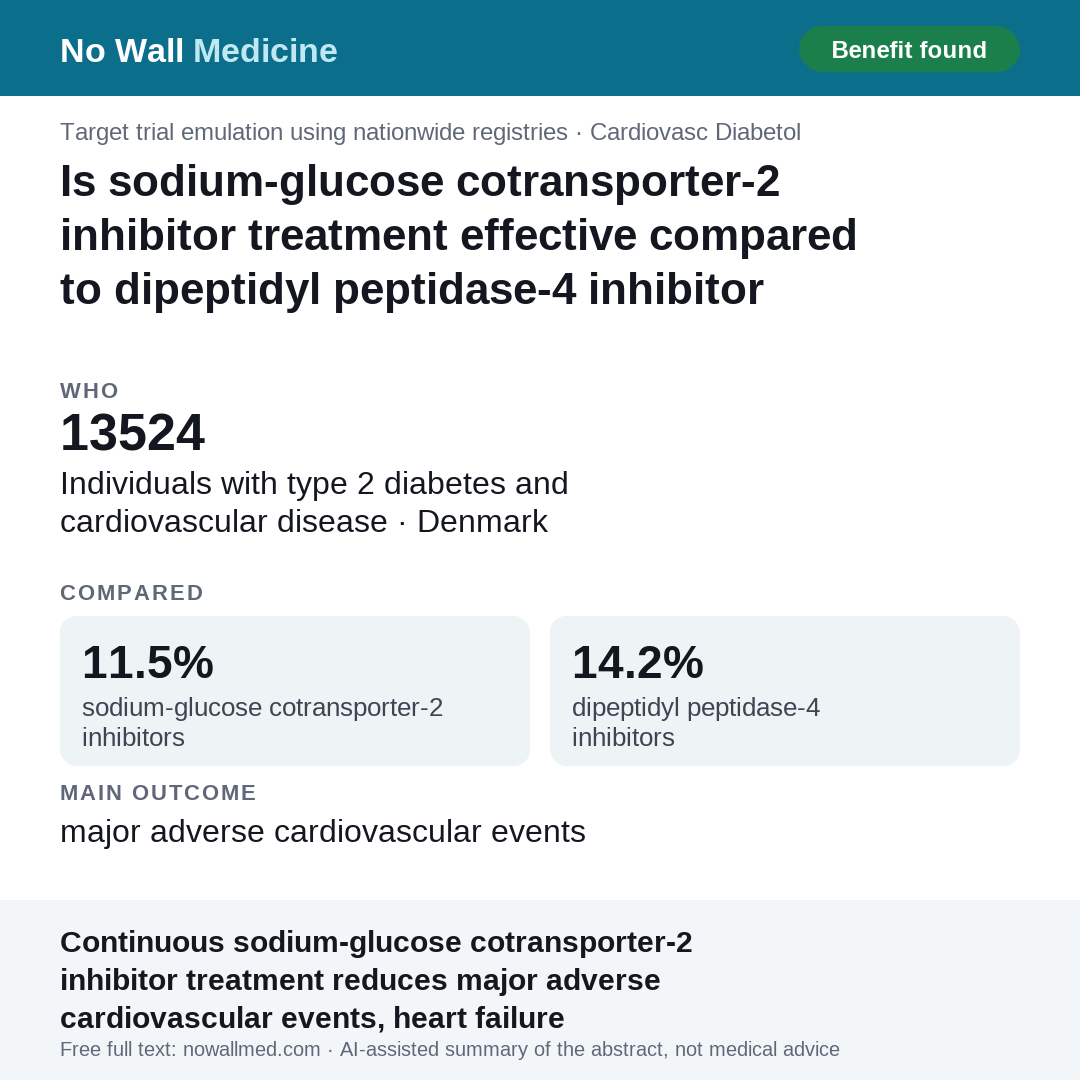
Type 2 diabetes, sodium-glucose cotransporter-2 inhibitors and cardiovascular outcomes: real world evidence versus a randomised clinical trial
Target trial emulation using nationwide registriesBenefit found
Is sodium-glucose cotransporter-2 inhibitor treatment effective compared to dipeptidyl peptidase-4 inhibitor treatment?
Who
13524
Individuals with type 2 diabetes and cardiovascular disease · Denmark
Compared
11.5%sodium-glucose cotransporter-2 inhibitors
14.2%dipeptidyl peptidase-4 inhibitors
Main outcome
major adverse cardiovascular events
Result: risk-difference: 2.8 percentage-points, 95% CI: 1.1-4.4%
Bottom line: Continuous sodium-glucose cotransporter-2 inhibitor treatment reduces major adverse cardiovascular events, heart failure hospitalizations, and mortality in real-world practice.
Cardiovasc Diabetol · 2025-09-30Download image
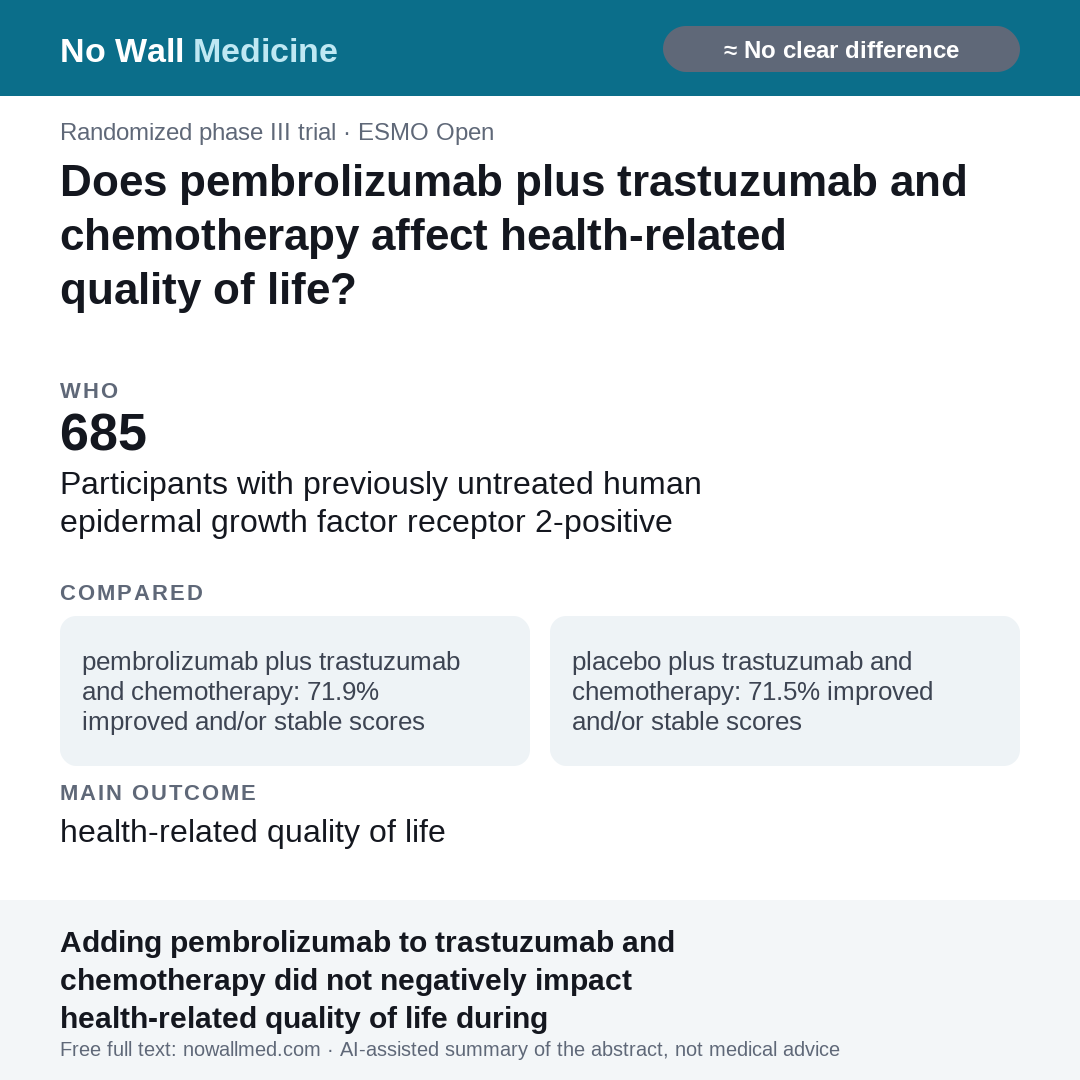
Pembrolizumab with trastuzumab and chemotherapy for HER2-positive advanced gastric cancer: health-related quality-of-life analysis from the randomized KEYNOTE-811 trial
Randomized phase III trialNo clear difference
Does pembrolizumab plus trastuzumab and chemotherapy affect health-related quality of life?
Who
685
Participants with previously untreated human epidermal growth factor receptor 2-positive advanced gastric cancer
Compared
pembrolizumab plus trastuzumab and chemotherapy: 71.9% improved and/or stable scores
placebo plus trastuzumab and chemotherapy: 71.5% improved and/or stable scores
Main outcome
health-related quality of life
Result: least squares mean difference -1.16 (95% CI -4.23 to 1.91)
Bottom line: Adding pembrolizumab to trastuzumab and chemotherapy did not negatively impact health-related quality of life during treatment.
ESMO Open · 2025-09-30Download image
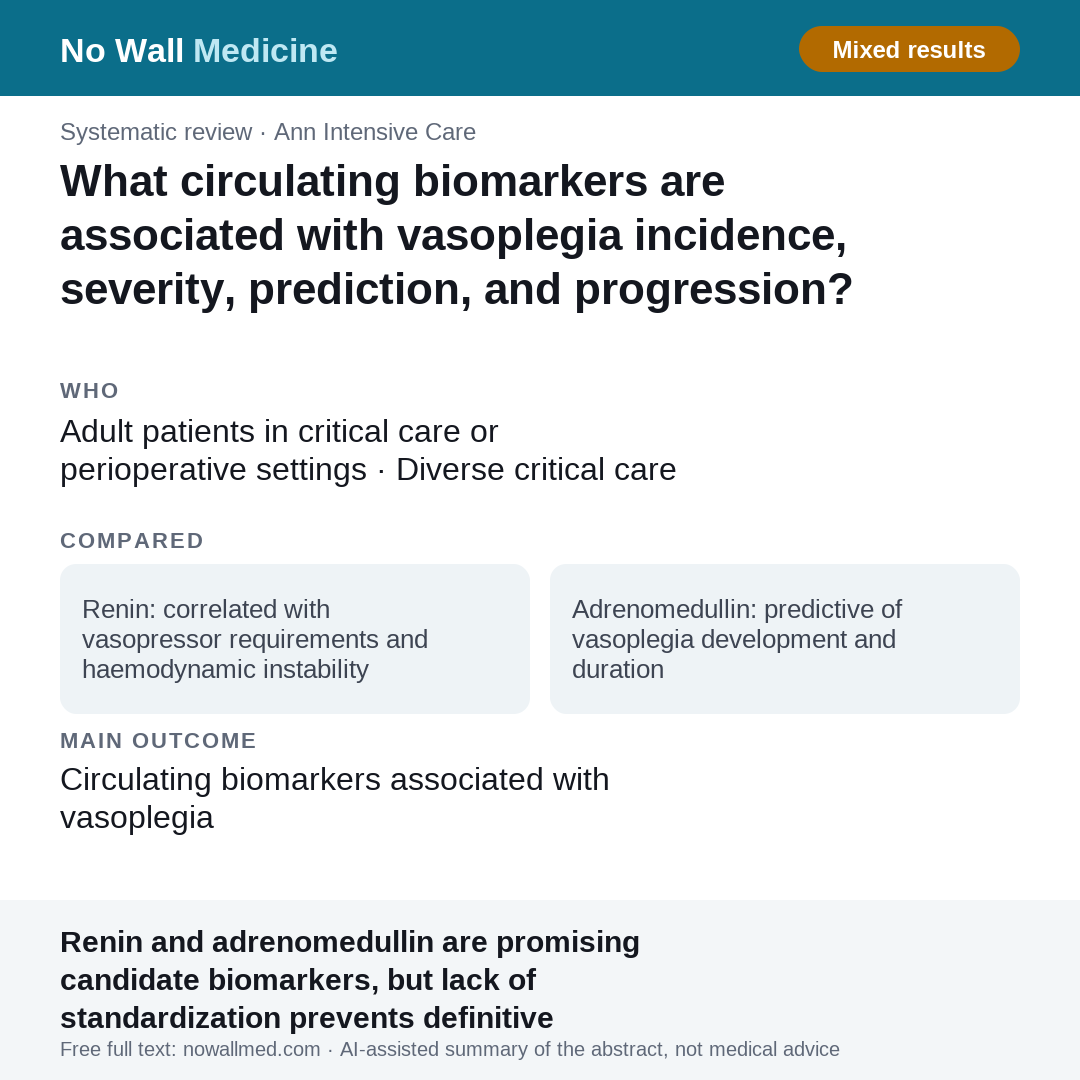
Circulating biomarkers of vasoplegia: a systematic review
Systematic reviewMixed results
What circulating biomarkers are associated with vasoplegia incidence, severity, prediction, and progression?
Who
Adult patients in critical care or perioperative settings · Diverse critical care and perioperative settings
Compared
Renin: correlated with vasopressor requirements and haemodynamic instability
Adrenomedullin: predictive of vasoplegia development and duration
Main outcome
Circulating biomarkers associated with vasoplegia
Bottom line: Renin and adrenomedullin are promising candidate biomarkers, but lack of standardization prevents definitive comparative analysis.
Limitation: Heterogeneity in definitions, biomarker measurement, and diagnostic criteria precluded meta-analysis.
Ann Intensive Care · 2025-09-30Download image
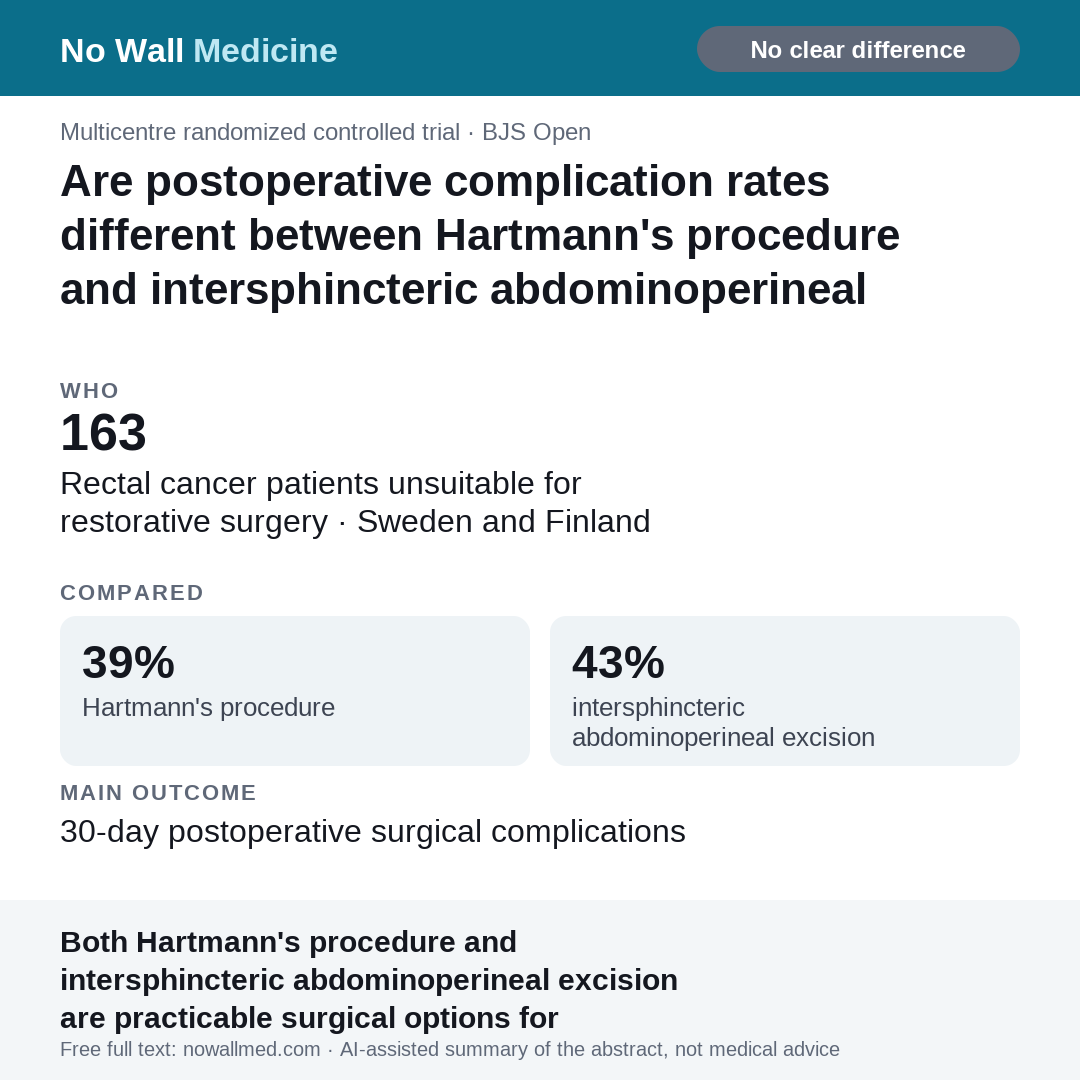
Postoperative complications in Hartmann's procedure versus intersphincteric abdominoperineal excision in rectal cancer: randomized clinical trial (HAPIrect)
Multicentre randomized controlled trialNo clear difference
Are postoperative complication rates different between Hartmann's procedure and intersphincteric abdominoperineal excision?
Who
163
Rectal cancer patients unsuitable for restorative surgery · Sweden and Finland
Compared
39%Hartmann's procedure
43%intersphincteric abdominoperineal excision
Main outcome
30-day postoperative surgical complications
Result: odds ratio 0.83 (95% confidence interval 0.44 to 1.54)
Bottom line: Both Hartmann's procedure and intersphincteric abdominoperineal excision are practicable surgical options for patients unsuitable for anastomosis.
BJS Open · 2025-09-30Download image
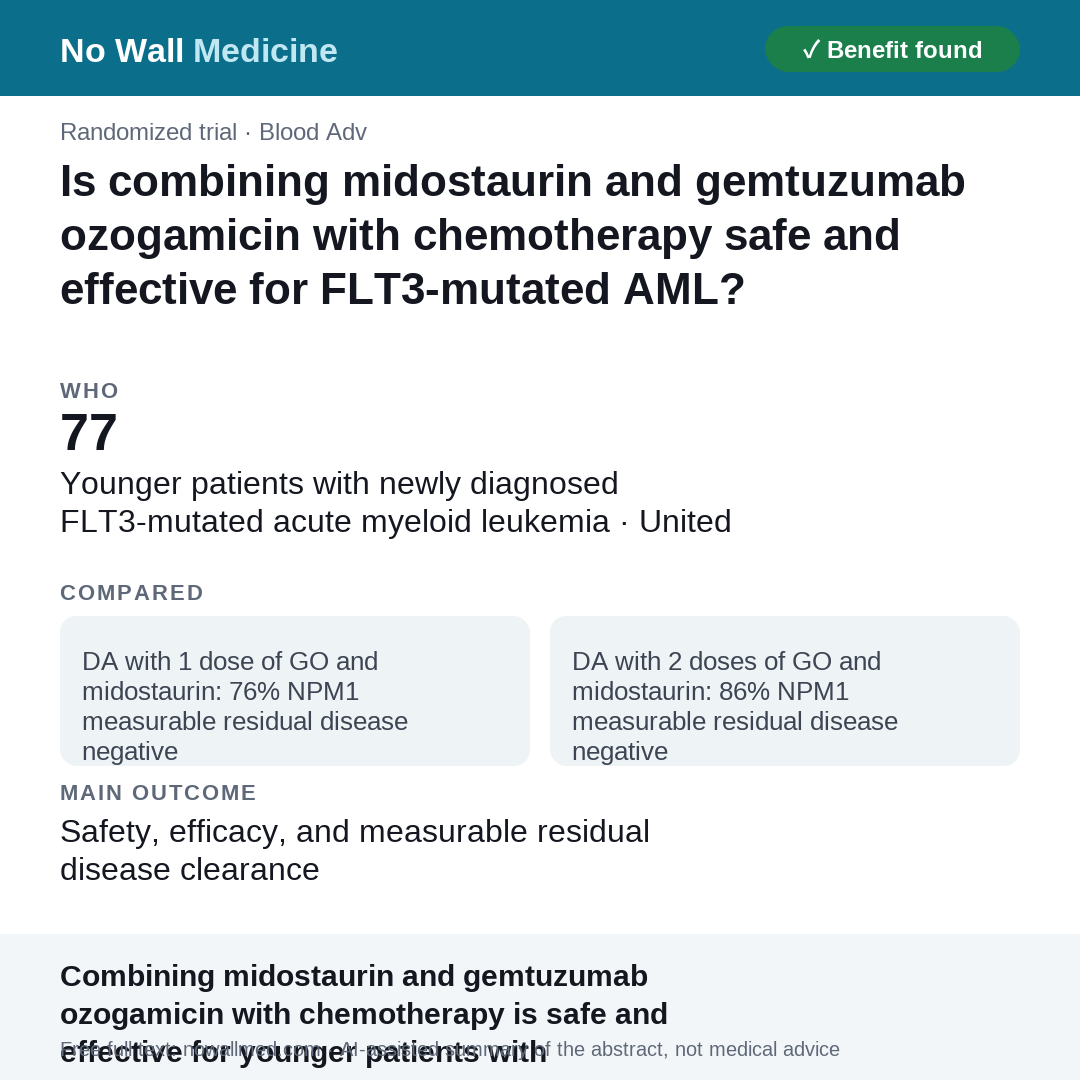
Safety and efficacy of combining midostaurin and gemtuzumab ozogamicin with induction chemotherapy in FLT3-mutated AML
Randomized trialBenefit found
Is combining midostaurin and gemtuzumab ozogamicin with chemotherapy safe and effective for FLT3-mutated AML?
Who
77
Younger patients with newly diagnosed FLT3-mutated acute myeloid leukemia · United Kingdom
Compared
DA with 1 dose of GO and midostaurin: 76% NPM1 measurable residual disease negative
DA with 2 doses of GO and midostaurin: 86% NPM1 measurable residual disease negative
Main outcome
Safety, efficacy, and measurable residual disease clearance
Bottom line: Combining midostaurin and gemtuzumab ozogamicin with chemotherapy is safe and effective for younger patients with FLT3-mutated acute myeloid leukemia.
Blood Adv · 2025-09-30Download image
A systematic review of real-world gait-related digital mobility outcomes in Parkinson's disease
Systematic reviewBenefit found
What is the clinical utility of real-world digital mobility outcomes in Parkinson's disease?
Who
People with Parkinson's disease · Eight databases searched
Compared
Parkinson's disease
Controls
Main outcome
Real-world gait-based digital mobility outcomes
Bottom line: Real-world digital mobility outcomes offer valuable insight into Parkinson's disease mobility.
NPJ Digit Med · 2025-09-30Download image

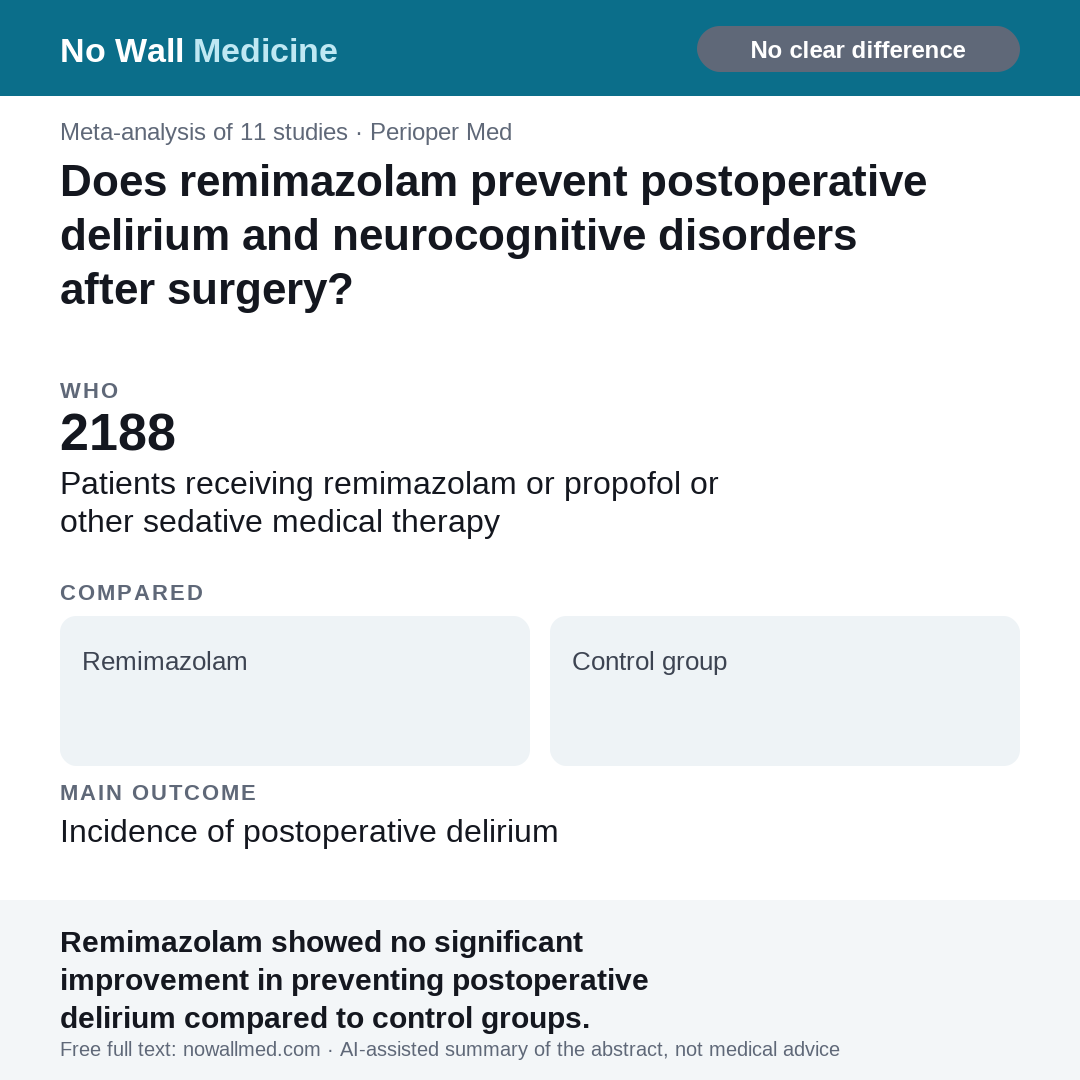
Perioperative remimazolam administration to prevent delirium and neurocognitive disorders after surgery: a systematic review and meta-analysis
Meta-analysis of 11 studiesNo clear difference
Does remimazolam prevent postoperative delirium and neurocognitive disorders after surgery?
Who
2188
Patients receiving remimazolam or propofol or other sedative medical therapy
Compared
Remimazolam
Control group
Main outcome
Incidence of postoperative delirium
Result: OR = 0.79, 95% CI 0.53-1.17
Bottom line: Remimazolam showed no significant improvement in preventing postoperative delirium compared to control groups.
Limitation: Further prospective studies are needed to confirm effects on postoperative cognitive dysfunction.
Perioper Med · 2025-09-30Download image