Visual abstracts
New randomized trials and meta-analyses from leading journals at a glance: who was studied, what was compared, and what was found. Every paper is free to read in full.
All specialtiesCardiology 857Oncology 770Gastroenterology & Hepatology 311Infectious Disease 626Neurology 354Psychiatry & Mental Health 430Pulmonology 370Critical Care 260Endocrinology & Diabetes 484Pediatrics 542Surgery 351Orthopedics & Sports Medicine 166Neurosurgery 115Cardiothoracic & Vascular Surgery 87Plastic & Reconstructive Surgery 144Nephrology 197Rheumatology 108Hematology 183Dermatology 82Ophthalmology 97Obstetrics & Gynecology 266Public & Global Health 168Radiology & Imaging 105Anesthesiology 130Urology 162ENT (Otolaryngology) 115Emergency Medicine 103Allergy & Immunology 58Geriatrics 160Family Medicine & Primary Care 111Medical Genetics & Genomics 91Pathology & Laboratory Medicine 27Physical Medicine & Rehabilitation 149Palliative Care 81Nutrition 223Digital Health & AI 462General Medicine 101
Diabetes self-management education and its association with hospital admissions and premature mortality: A scoping review and meta-analysis
Scoping review and meta-analysisMixed results
Does diabetes self-management education reduce hospital admissions and premature mortality in adults?
Who
Adults with type 2 diabetes
Compared
Diabetes self-management education
Control
Main outcome
Hospital admissions and premature mortality
Result: RR 0.55, 95% CI 0.47-0.63
Bottom line: Diabetes self-management education may reduce mortality risk but does not show a significant reduction in hospital admissions.
Diabetes Obes Metab · 2025-11-24Download image

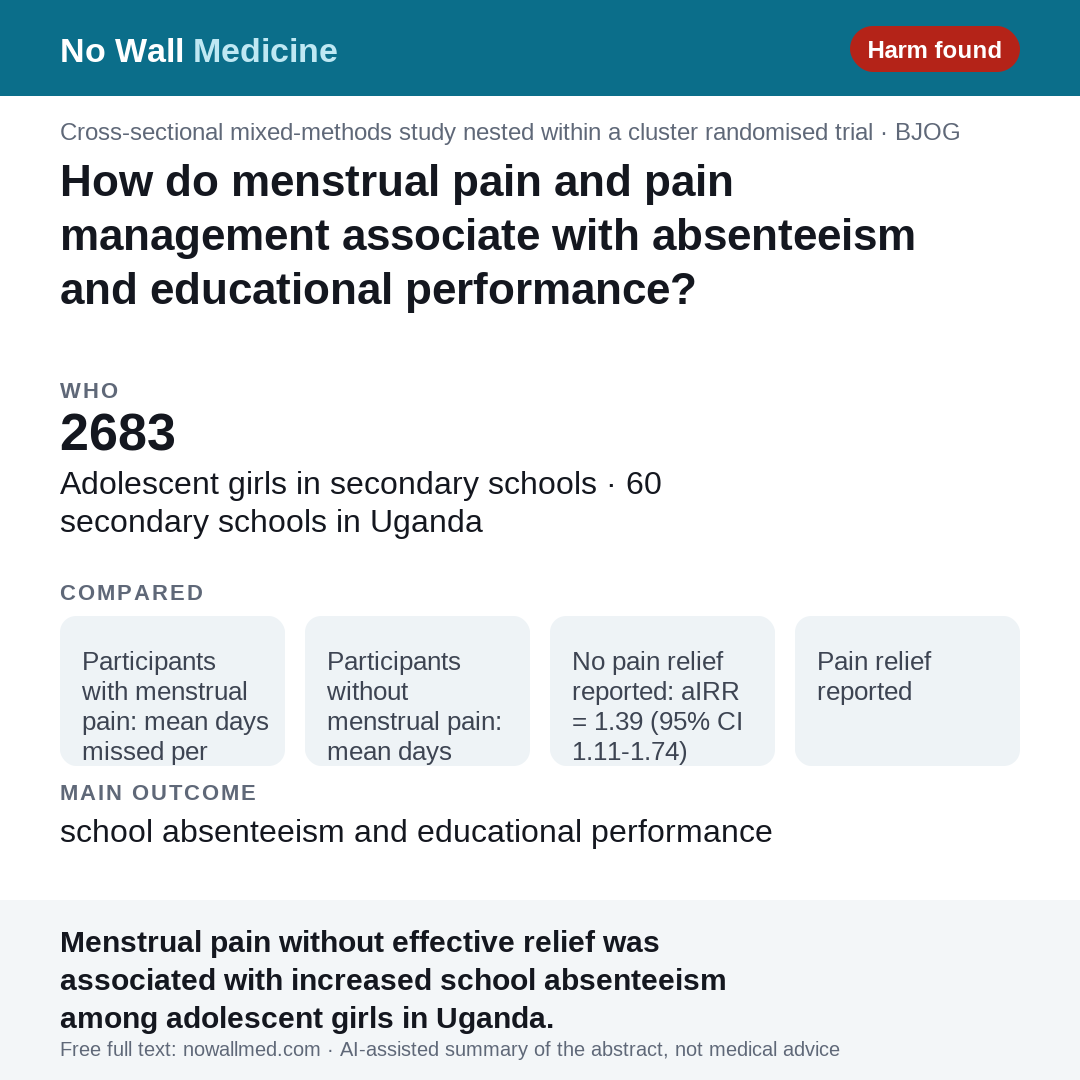
Menstrual Pain Management, School Absenteeism and Educational Performance Among Adolescent Students: Cross-Sectional Mixed-Methods Analysis Nested Within a Cluster Randomised Trial
Cross-sectional mixed-methods study nested within a cluster randomised trialHarm found
How do menstrual pain and pain management associate with absenteeism and educational performance?
Who
2683
Adolescent girls in secondary schools · 60 secondary schools in Uganda
Compared
Participants with menstrual pain: mean days missed per month 2.1
Participants without menstrual pain: mean days missed per month 1.4
No pain relief reported: aIRR = 1.39 (95% CI 1.11-1.74)
Pain relief reported
Main outcome
school absenteeism and educational performance
Result: adjusted incidence rate ratio 1.46 (95% CI 1.30-1.65)
Bottom line: Menstrual pain without effective relief was associated with increased school absenteeism among adolescent girls in Uganda.
BJOG · 2025-11-24Download image
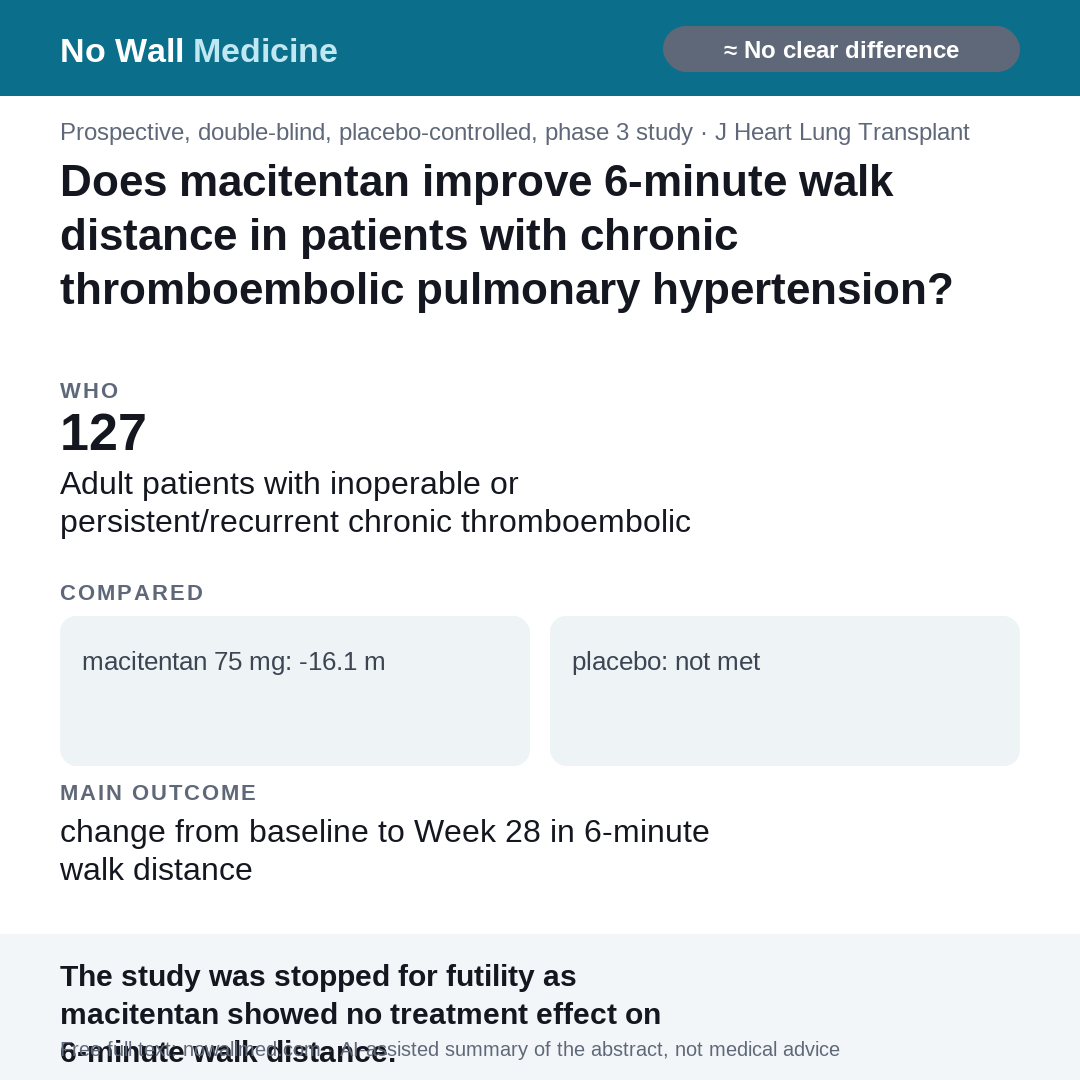
Results of the MACiTEPH study of macitentan for the treatment of inoperable or persistent/recurrent chronic thromboembolic pulmonary hypertension
Prospective, double-blind, placebo-controlled, phase 3 studyNo clear difference
Does macitentan improve 6-minute walk distance in patients with chronic thromboembolic pulmonary hypertension?
Who
127
Adult patients with inoperable or persistent/recurrent chronic thromboembolic pulmonary hypertension
Compared
macitentan 75 mg: -16.1 m
placebo: not met
Main outcome
change from baseline to Week 28 in 6-minute walk distance
Result: 95% confidence limit: -32.3, 0.16
Bottom line: The study was stopped for futility as macitentan showed no treatment effect on 6-minute walk distance.
J Heart Lung Transplant · 2025-11-24Download image
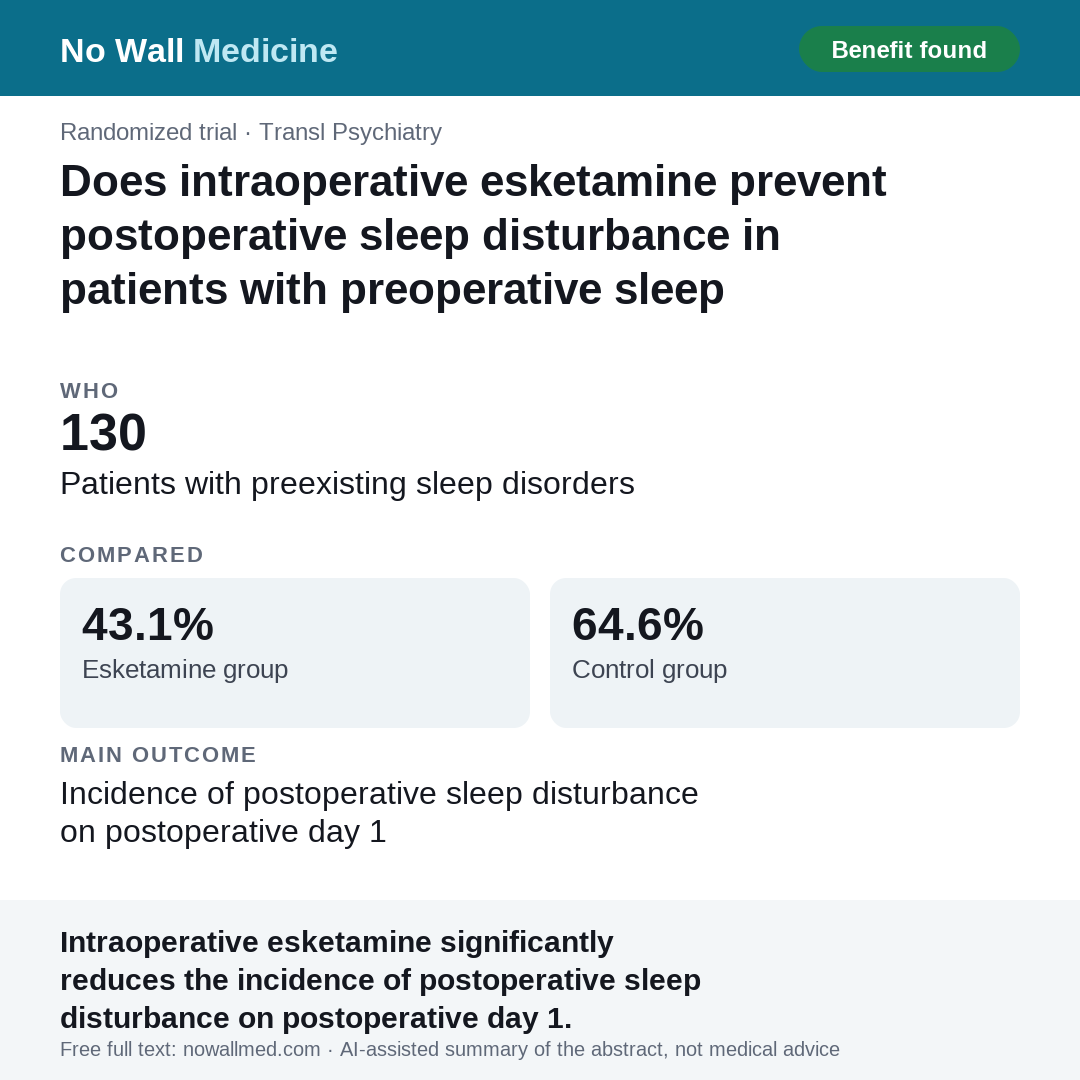
Esketamine prevents postoperative sleep disturbance in patients with preoperative sleep disorders: a role for oral microbiota
Randomized trialBenefit found
Does intraoperative esketamine prevent postoperative sleep disturbance in patients with preoperative sleep disorders?
Who
130
Patients with preexisting sleep disorders
Compared
43.1%Esketamine group
64.6%Control group
Main outcome
Incidence of postoperative sleep disturbance on postoperative day 1
Result: odds ratio 0.414 (P = 0.014)
Bottom line: Intraoperative esketamine significantly reduces the incidence of postoperative sleep disturbance on postoperative day 1.
Transl Psychiatry · 2025-11-24Download image
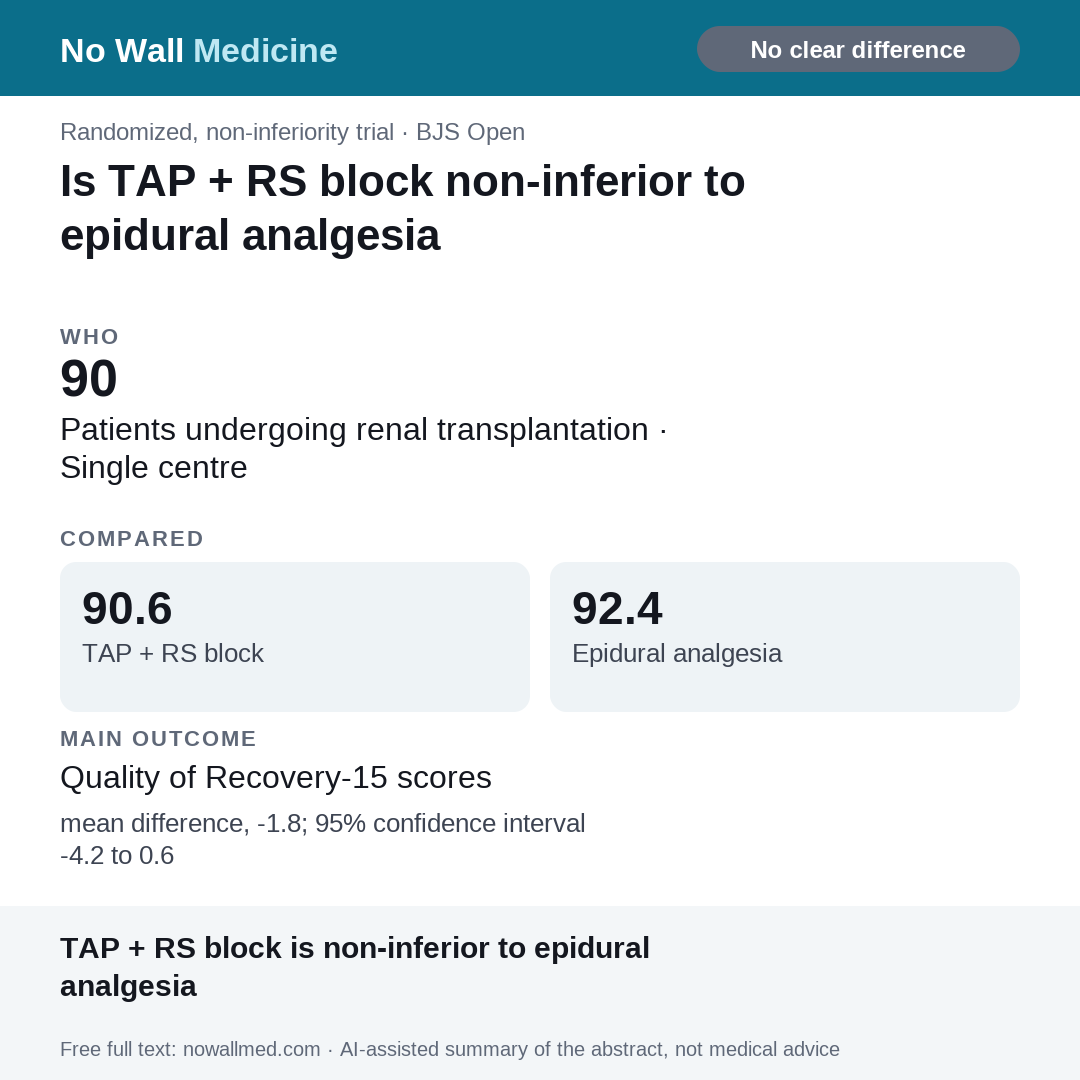
Combined transversus abdominis plane and rectus sheath blocks with patient-controlled intravenous analgesia versus epidural analgesia for kidney transplantation: randomized, non-inferiority clinical trial
Randomized, non-inferiority trialNo clear difference
Is TAP + RS block non-inferior to epidural analgesia
Who
90
Patients undergoing renal transplantation · Single centre
Compared
90.6TAP + RS block (5.0)
92.4Epidural analgesia (6.4)
Main outcome
Quality of Recovery-15 scores
Result: mean difference, -1.8; 95% confidence interval -4.2 to 0.6
Bottom line: TAP + RS block is non-inferior to epidural analgesia
BJS Open · 2025-11-24Download image
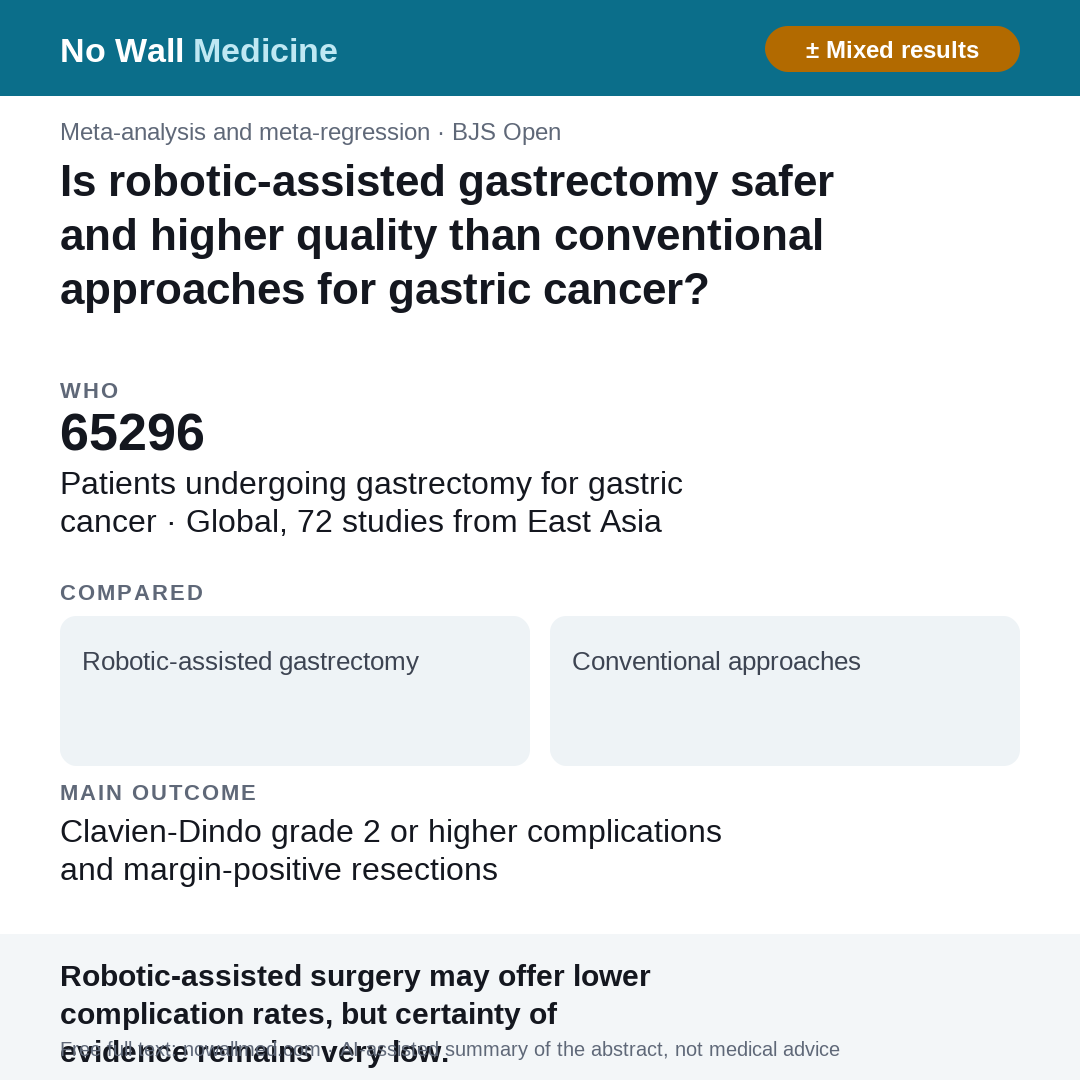
Evaluating safety and quality of robotic-assisted gastric cancer surgery: meta-analysis and meta-regression
Meta-analysis and meta-regressionMixed results
Is robotic-assisted gastrectomy safer and higher quality than conventional approaches for gastric cancer?
Who
65296
Patients undergoing gastrectomy for gastric cancer · Global, 72 studies from East Asia
Compared
Robotic-assisted gastrectomy
Conventional approaches
Main outcome
Clavien-Dindo grade 2 or higher complications and margin-positive resections
Result: odds ratio 0.74 (95% c.i. 0.64 to 0.86) for complications
Bottom line: Robotic-assisted surgery may offer lower complication rates, but certainty of evidence remains very low.
Limitation: Certainty of evidence was very low for both outcomes and most studies were non-randomized.
BJS Open · 2025-11-24Download image
Transanal versus transabdominal total mesorectal excision for rectal cancer in minimally invasive surgery: meta-analysis
Meta-analysis of 65 studiesMixed results
Is transanal total mesorectal excision better than laparoscopic or robotic total mesorectal excision?
Who
13 972
Participants with rectal cancer
Compared
Transanal total mesorectal excision: lower conversion rates, improved TME completeness, lower CRM positivity, reduced local recurrence, improved overall survival, higher major low anterior resection syndrome
Laparoscopic or robotic total mesorectal excision
Main outcome
Surgical, pathological, oncological, and functional outcomes
Result: hazard ratio 0.80 (95% c.i. 0.70 to 0.91)
Bottom line: Transanal total mesorectal excision improves oncological outcomes but increases the risk of major low anterior resection syndrome.
BJS Open · 2025-11-24Download image

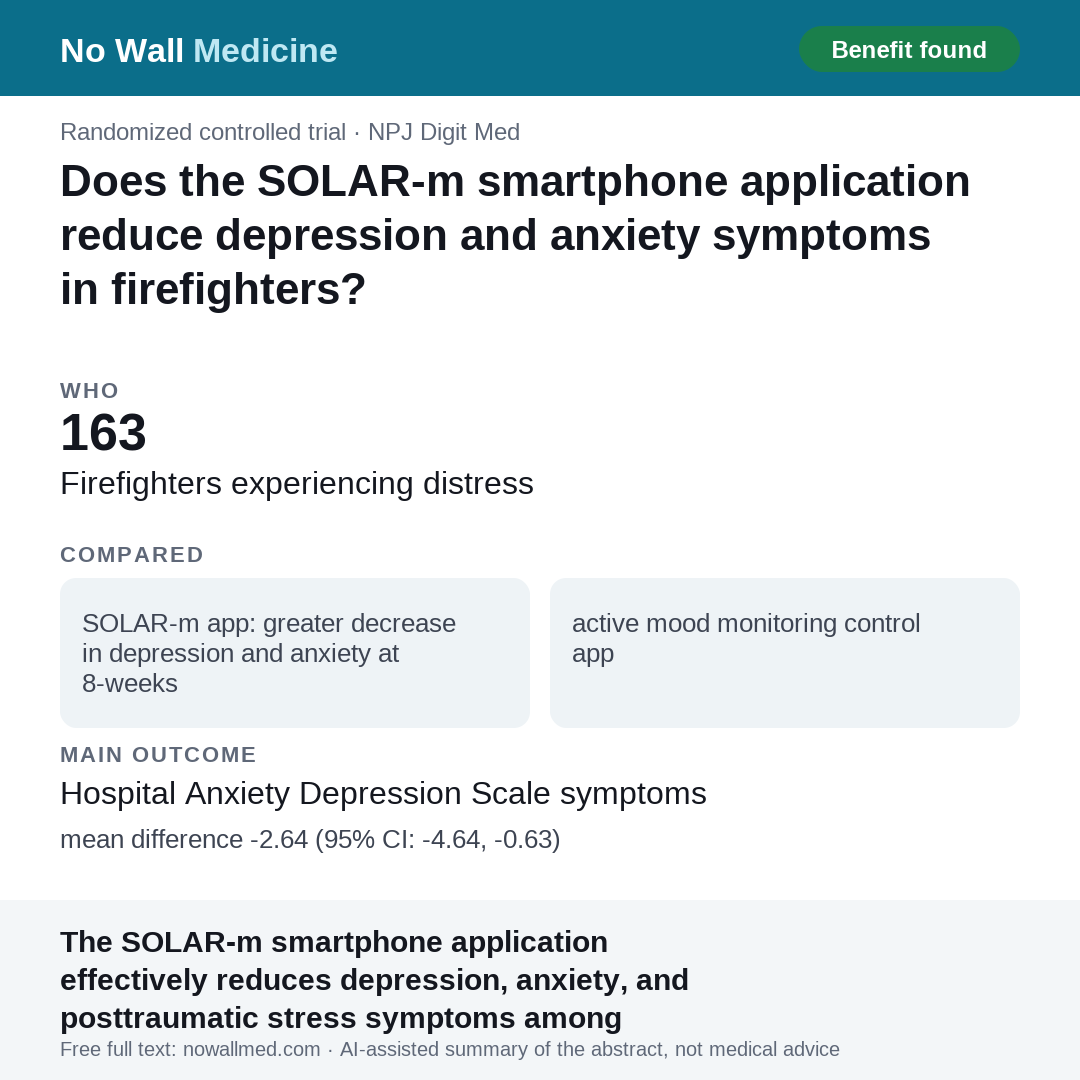
A randomized controlled trial of a trauma-informed smartphone application in reducing firefighters' mental health symptoms
Randomized controlled trialBenefit found
Does the SOLAR-m smartphone application reduce depression and anxiety symptoms in firefighters?
Who
163
Firefighters experiencing distress
Compared
SOLAR-m app: greater decrease in depression and anxiety at 8-weeks
active mood monitoring control app
Main outcome
Hospital Anxiety Depression Scale symptoms
Result: mean difference -2.64 (95% CI: -4.64, -0.63)
Bottom line: The SOLAR-m smartphone application effectively reduces depression, anxiety, and posttraumatic stress symptoms among firefighters.
NPJ Digit Med · 2025-11-24Download image
Deep Learning-Assisted Automated Diagnosis of Osteoporosis Based on Computed Tomography Scans: Systematic Review and Meta-Analysis
Systematic review and meta-analysisBenefit found
What is the diagnostic performance of deep learning models for osteoporosis using computed tomography scans?
Who
29,808
Adult participants who underwent computed tomography scans
Compared
Deep learning models: sensitivity 0.88 (95% CI 0.85-0.91)
Deep learning models: specificity 0.94 (95% CI 0.91-0.96)
Main outcome
Diagnostic performance for osteoporosis diagnosis
Result: area under the curve 0.96 (95% CI 0.93-0.97)
Bottom line: Deep learning models using computed tomography scans show promising diagnostic performance for identifying osteoporosis.
Limitation: Substantial heterogeneity, limited external validation, and incomplete end-to-end pipelines constrain generalizability.
J Med Internet Res · 2025-11-24Download image

The impact of non-invasive brain-computer interface technology on the therapeutic effect of patients with spinal cord injury: a summary of evidence based on meta-analysis
Meta-analysis of 9 studiesBenefit found
Does non-invasive brain-computer interface technology improve functions in spinal cord injury patients?
Who
109
Patients with spinal cord injury
Compared
Non-invasive brain-computer interface
Control group
Main outcome
Motor, sensory, and activities of daily living functions
Result: SMD 0.72 (95% CI 0.35 to 1.09) for motor function
Bottom line: Non-invasive brain-computer interface technology shows potential to improve motor, sensory, and daily living functions in spinal cord injury patients.
Limitation: Current evidence remains limited and conclusions are preliminary and hypothetical.
J Neuroeng Rehabil · 2025-11-24Download image

Extended reality for perforator visualization in deep inferior epigastric perforator autologous breast reconstruction: A systematic review
Systematic reviewBenefit found
Does extended reality improve perforator vessel visualization in autologous breast reconstruction?
Who
Patients undergoing deep inferior epigastric perforator flap breast reconstruction
Compared
Extended reality: perforator identification rate 61.7 % to 100 %
Handheld Doppler ultrasound: 20 min intraoperative perforator localization time
Main outcome
Perforator identification rate and intraoperative localization time
Bottom line: Extended reality may assist surgeons in perforator visualization and reduce intraoperative localization time during breast reconstruction.
Limitation: Small, low-quality studies and lack of comparison with computed tomography angiography.
JPRAS Open · 2025-11-24Download image

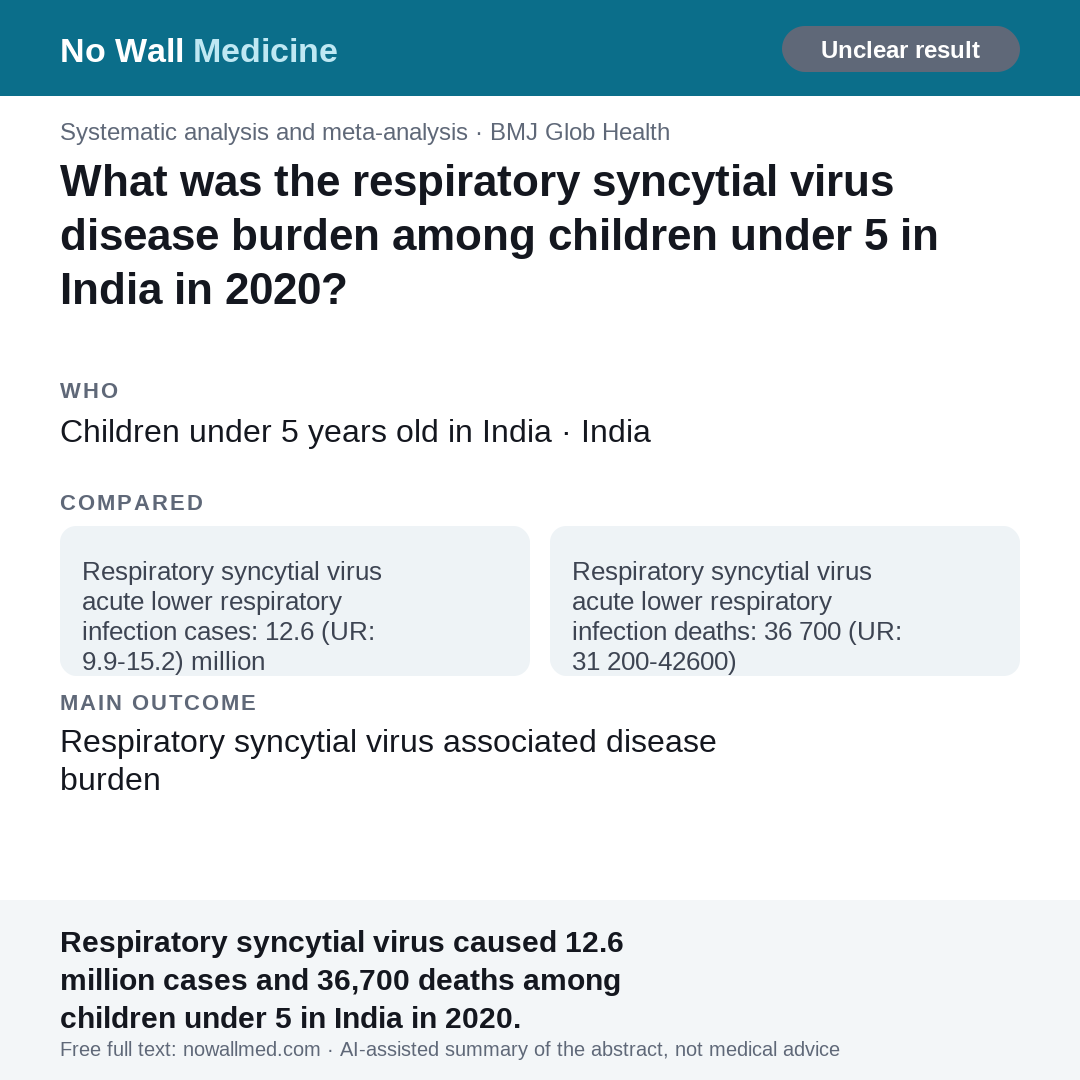
Disease burden due to respiratory syncytial virus infection among under-5 children of India for 2020: a multiplicative model using meta-estimates
Systematic analysis and meta-analysisUnclear result
What was the respiratory syncytial virus disease burden among children under 5 in India in 2020?
Who
Children under 5 years old in India · India
Compared
Respiratory syncytial virus acute lower respiratory infection cases: 12.6 (UR: 9.9-15.2) million
Respiratory syncytial virus acute lower respiratory infection deaths: 36 700 (UR: 31 200-42600)
Main outcome
Respiratory syncytial virus associated disease burden
Bottom line: Respiratory syncytial virus caused 12.6 million cases and 36,700 deaths among children under 5 in India in 2020.
Limitation: Limited data availability for early infancy, high-risk groups, and poor geographical representativeness.
BMJ Glob Health · 2025-11-23Download image
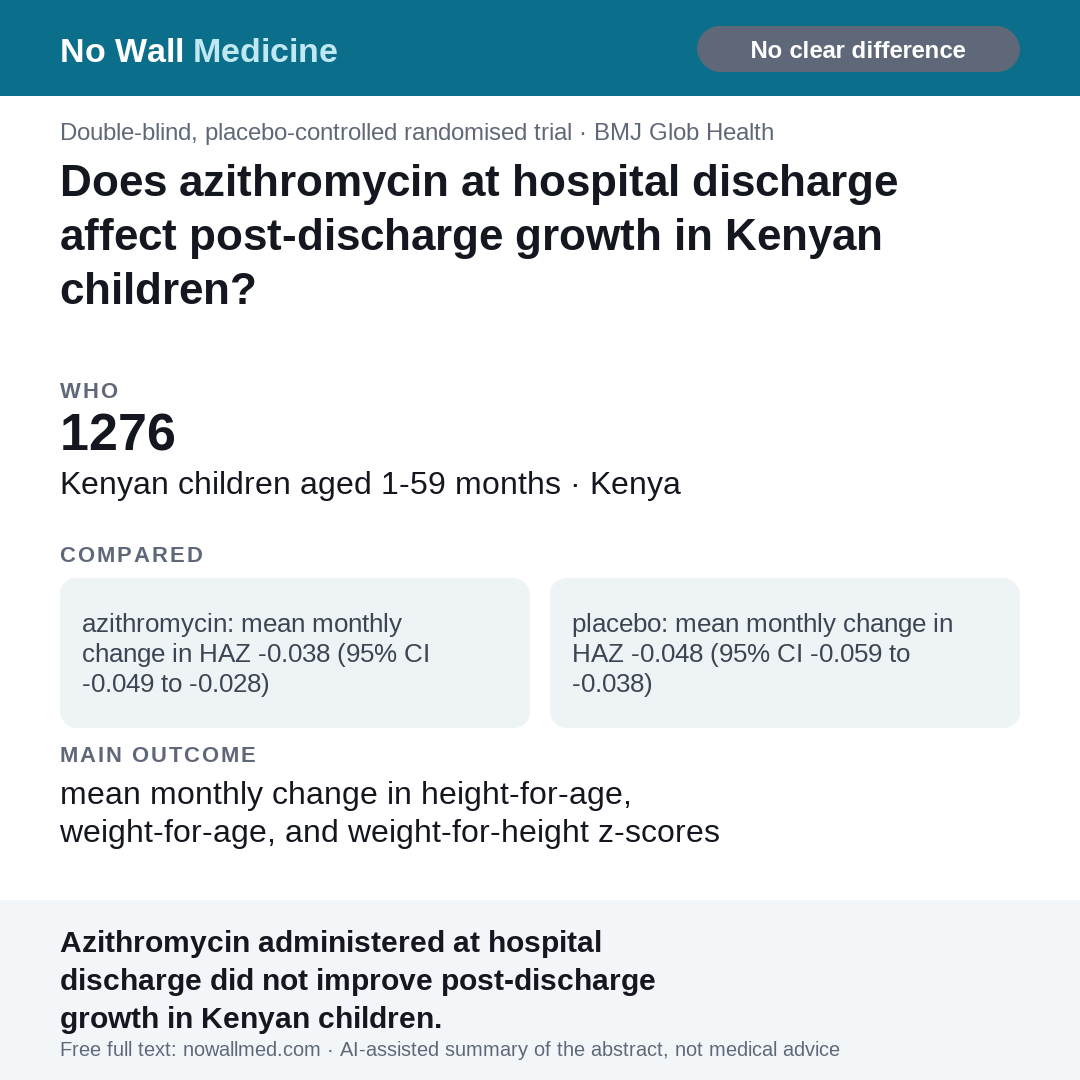
Effect of azithromycin on post-discharge growth in Kenyan children
Double-blind, placebo-controlled randomised trialNo clear difference
Does azithromycin at hospital discharge affect post-discharge growth in Kenyan children?
Who
1276
Kenyan children aged 1-59 months · Kenya
Compared
azithromycin: mean monthly change in HAZ -0.038 (95% CI -0.049 to -0.028)
placebo: mean monthly change in HAZ -0.048 (95% CI -0.059 to -0.038)
Main outcome
mean monthly change in height-for-age, weight-for-age, and weight-for-height z-scores
Result: mean difference: HAZ, 0.010 (95% CI -0.005 to 0.025)
Bottom line: Azithromycin administered at hospital discharge did not improve post-discharge growth in Kenyan children.
BMJ Glob Health · 2025-11-23Download image
Mortality effect of higher versus lower blood pressure targets in vasodilatory shock: an updated systematic review and meta-analysis
Systematic review and meta-analysis of randomized controlled trialsHarm found
Do higher versus lower mean arterial pressure targets affect mortality in vasodilatory shock?
Who
3,873
Adult patients with vasodilatory shock
Compared
Higher mean arterial pressure target: 10% increase in 28-day mortality
Lower mean arterial pressure target
Main outcome
all-cause mortality
Result: risk ratio 1.10 (95% CI 1.01-1.19)
Bottom line: Higher mean arterial pressure targets are associated with increased mortality compared with lower targets in patients with vasodilatory shock.
Crit Care · 2025-11-23Download image

Systematic review of national and international clinical practice guidelines for management of preterm prelabor rupture of membranes
Systematic review of clinical practice guidelinesMixed results
What are the areas of consensus and inconsistency in clinical practice guidelines for preterm prelabor rupture of membranes?
Who
Patients with preterm prelabor rupture of membranes
Compared
Consensus areas: prophylactic antibiotics and antenatal corticosteroids between 24 and 34 weeks' gestation
Inconsistent areas: antibiotic regimens, corticosteroid use in late preterm/previable gestations, and timing of birth
Main outcome
Management recommendations for preterm prelabor rupture of membranes
Bottom line: Guidelines agree on certain treatments but lack international consensus on antibiotic regimens, corticosteroid use, and birth timing.
AJOG · 2025-11-22Download image

Endoscopic Response to Subcutaneous Infliximab by Disease Location: A Post Hoc Analysis of the LIBERTY-CD Study
Post hoc analysis of a randomized trialBenefit found
Is subcutaneous infliximab effective for Crohn's disease based on disease location?
Who
329
Patients with moderately to severely active Crohn's disease
Compared
Subcutaneous infliximab
Placebo
Main outcome
Endoscopic response at week 54
Bottom line: Subcutaneous infliximab maintenance therapy was effective regardless of disease location, including the terminal ileum.
Clin Gastroenterol Hepatol · 2025-11-22Download image

Global and regional knowledge of antibiotic use and resistance among the general public: a systematic review and meta-analysis
Systematic review and meta-analysisMixed results
What is the global and regional knowledge of antibiotic use and resistance among the public?
Who
227
The general public · 98 countries
Compared
73.2%Correct understanding antibiotics effective against bacteria (95% CI, 70.2-76.0)
42.1%Recognized antibiotics ineffective against viral infections (95% CI, 39.2-44.9)
72.5%Aware unnecessary use reduces effectiveness (95% CI, 69.9-75.0)
39.1%Aware resistant bacteria can spread person to person (95% CI, 33.7-44.6)
Main outcome
Public knowledge of antibiotic use and resistance
Bottom line: Public understanding is insufficient regarding antibiotic ineffectiveness against viruses and the transmission of antibiotic-resistant bacteria.
Clin Microbiol Infect · 2025-11-22Download image

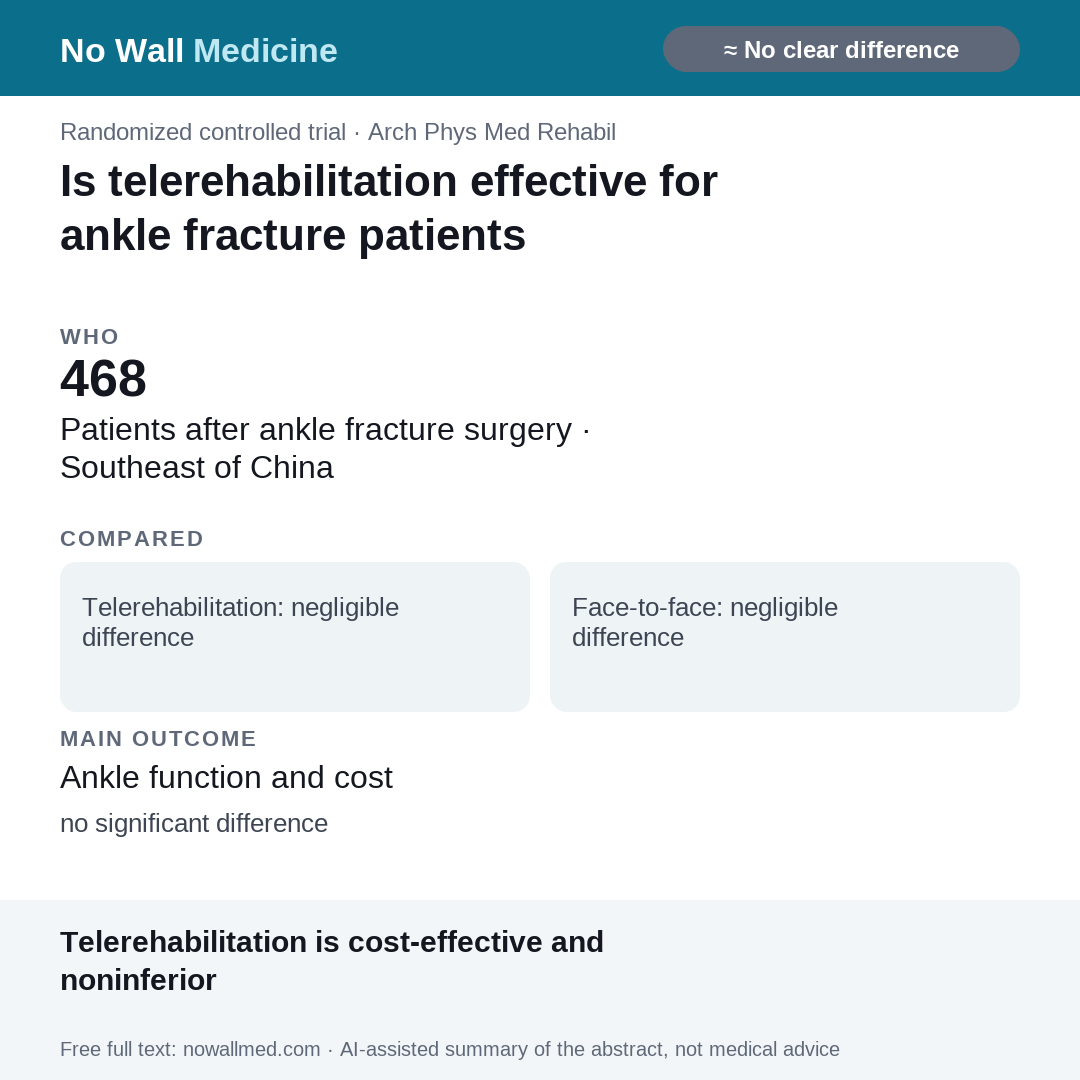
Telerehabilitation for Patients After ORIF for Ankle Fracture: A Noninferiority Randomized Controlled Trial
Randomized controlled trialNo clear difference
Is telerehabilitation effective for ankle fracture patients
Who
468
Patients after ankle fracture surgery · Southeast of China
Compared
Telerehabilitation: negligible difference
Face-to-face: negligible difference
Main outcome
Ankle function and cost
Result: no significant difference
Bottom line: Telerehabilitation is cost-effective and noninferior
Arch Phys Med Rehabil · 2025-11-22Download image
Comparison between optimized bismuth quadruple therapy and standard clarithromycin-based triple therapy for first-line Helicobacter pylori eradication: a double-blind randomized controlled trial
Randomized, double-blind clinical trialBenefit found
Is optimized bismuth quadruple therapy better than standard clarithromycin-based triple therapy for Helicobacter pylori eradication?
Who
127
Treatment-naïve individuals with confirmed active Helicobacter pylori · Chile
Compared
95%Optimized bismuth quadruple therapy (60/63)
81%Standard triple therapy (52/64)
Main outcome
Successful Helicobacter pylori eradication at least 4 weeks post-treatment
Result: 95% CI 86%-99% vs 81% (52/64) [70%-89%], p = 0.033
Bottom line: Optimized bismuth quadruple therapy provides higher Helicobacter pylori eradication rates than standard triple therapy without increasing adverse events.
Funded by: FONDECYT, ANID-FONDAP, and Horizon 2020 program
Lancet Reg Health Am · 2025-11-22Download image

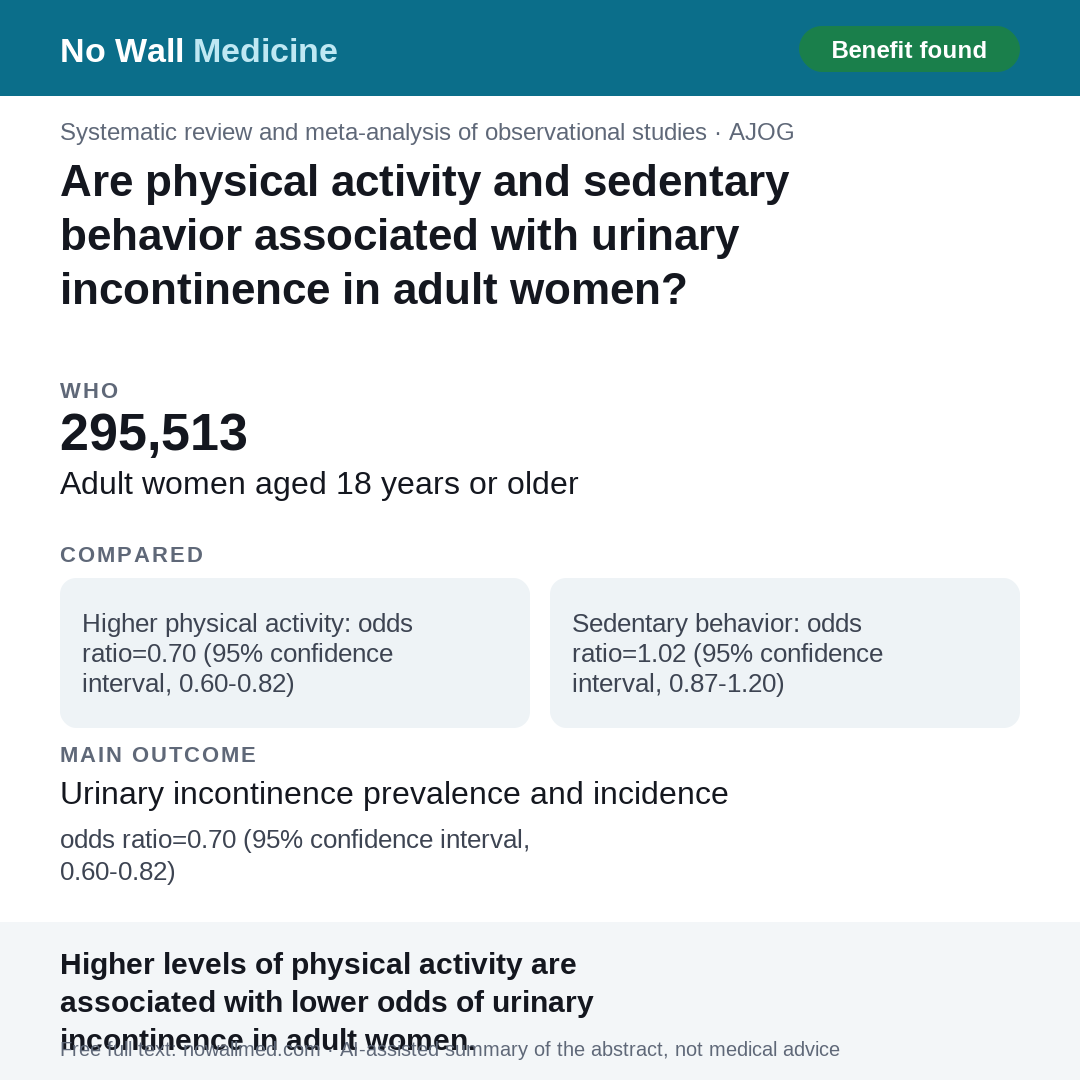
Association of physical activity and sedentary behavior with urinary incontinence in adult women: a systematic review and meta-analysis of observational studies
Systematic review and meta-analysis of observational studiesBenefit found
Are physical activity and sedentary behavior associated with urinary incontinence in adult women?
Who
295,513
Adult women aged 18 years or older
Compared
Higher physical activity: odds ratio=0.70 (95% confidence interval, 0.60-0.82)
Sedentary behavior: odds ratio=1.02 (95% confidence interval, 0.87-1.20)
Main outcome
Urinary incontinence prevalence and incidence
Result: odds ratio=0.70 (95% confidence interval, 0.60-0.82)
Bottom line: Higher levels of physical activity are associated with lower odds of urinary incontinence in adult women.
Limitation: Robust longitudinal and intervention studies using objective measures are warranted.
AJOG · 2025-11-21Download image