Visual abstracts
New randomized trials and meta-analyses from leading journals at a glance: who was studied, what was compared, and what was found. Every paper is free to read in full.
All specialtiesCardiology 4867Oncology 4123Gastroenterology & Hepatology 1937Infectious Disease 3824Neurology 1893Psychiatry & Mental Health 2266Pulmonology 2139Critical Care 1363Endocrinology & Diabetes 2572Pediatrics 2972Surgery 2551Orthopedics & Sports Medicine 929Neurosurgery 533Cardiothoracic & Vascular Surgery 673Plastic & Reconstructive Surgery 588Nephrology 1117Rheumatology 821Hematology 1104Dermatology 620Ophthalmology 543Obstetrics & Gynecology 1685Public & Global Health 1057Radiology & Imaging 647Anesthesiology 985Urology 762ENT (Otolaryngology) 501Emergency Medicine 508Allergy & Immunology 312Geriatrics 976Family Medicine & Primary Care 562Medical Genetics & Genomics 675Pathology & Laboratory Medicine 157Physical Medicine & Rehabilitation 755Palliative Care 443Nutrition 1583Digital Health & AI 2189General Medicine 319
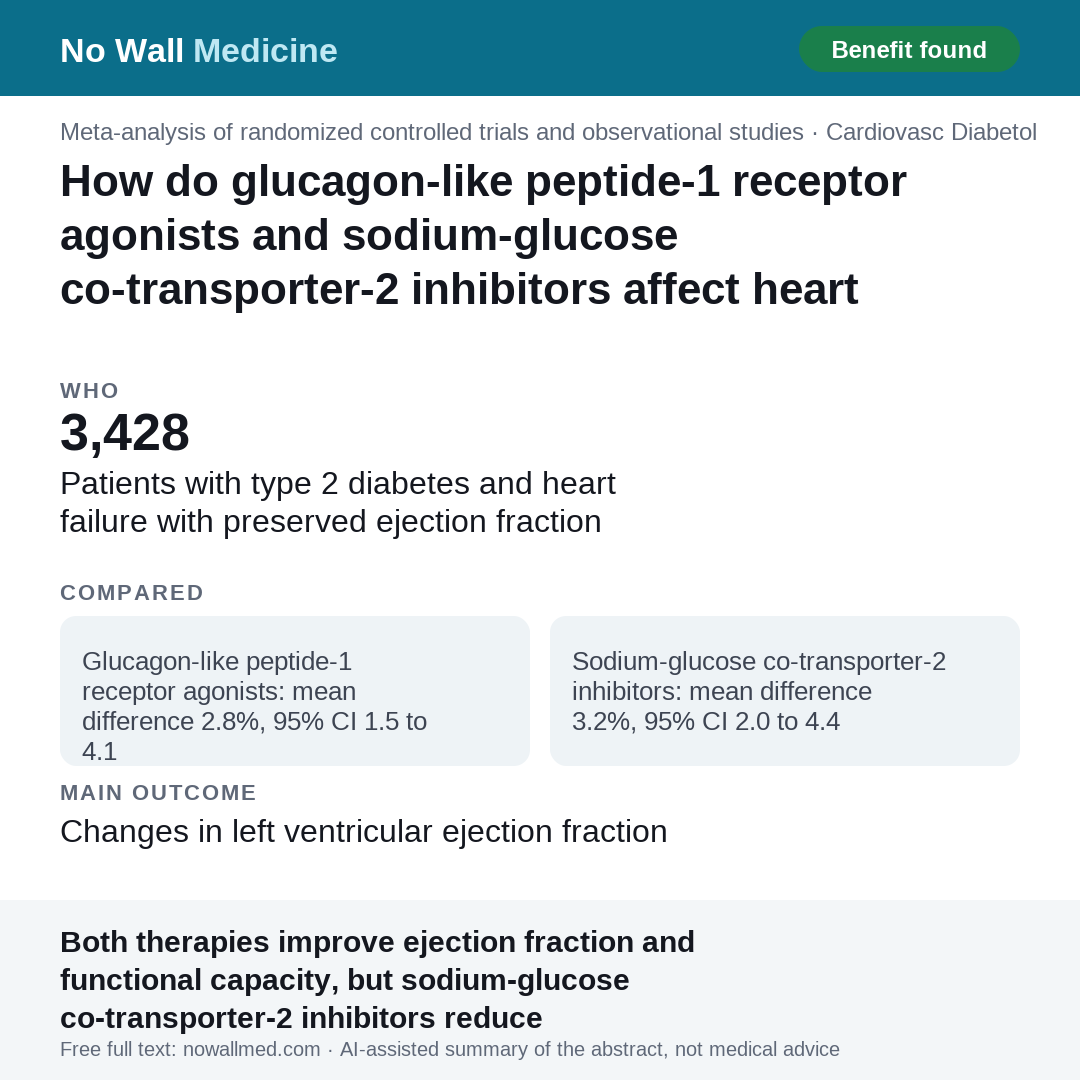
Comparative effects of glucagon-like peptide-1 receptor agonists and sodium-glucose co-transporter-2 inhibitors on heart failure with preserved ejection fraction in diabetic patients: a meta-analysis
Meta-analysis of randomized controlled trials and observational studiesBenefit found
How do glucagon-like peptide-1 receptor agonists and sodium-glucose co-transporter-2 inhibitors affect heart failure?
Who
3,428
Patients with type 2 diabetes and heart failure with preserved ejection fraction
Compared
Glucagon-like peptide-1 receptor agonists: mean difference 2.8%, 95% CI 1.5 to 4.1
Sodium-glucose co-transporter-2 inhibitors: mean difference 3.2%, 95% CI 2.0 to 4.4
Main outcome
Changes in left ventricular ejection fraction
Result: not explicitly pooled for a single effect estimate
Bottom line: Both therapies improve ejection fraction and functional capacity, but sodium-glucose co-transporter-2 inhibitors reduce myocardial fibrosis more effectively.
Limitation: Further research is needed on long-term outcomes and potential combined therapy effects.
Cardiovasc Diabetol · 2024-08-31Download image
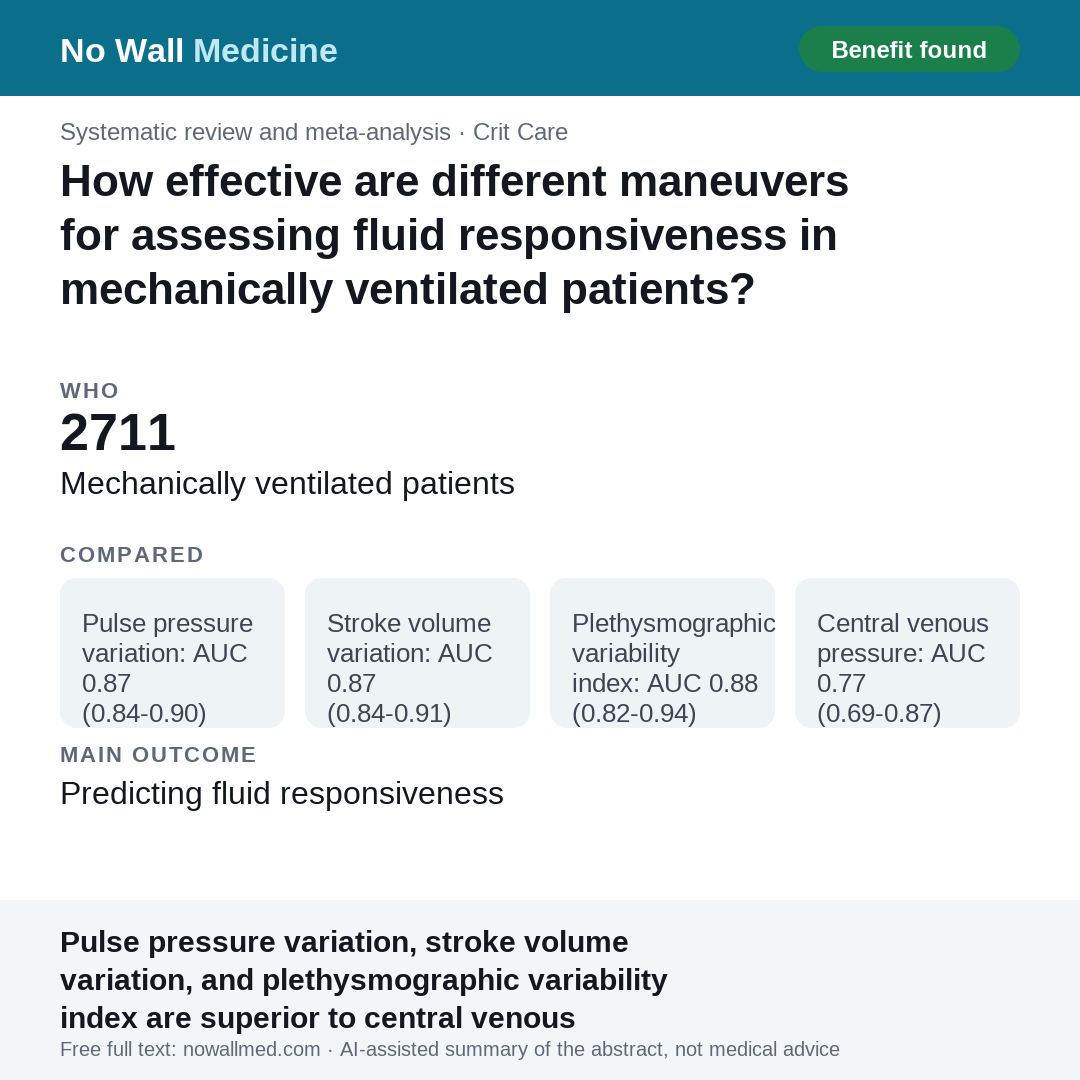
Assessment of fluid responsiveness using pulse pressure variation, stroke volume variation, plethysmographic variability index, central venous pressure, and inferior vena cava variation in patients undergoing mechanical ventilation: a systematic review and meta-analysis
Systematic review and meta-analysisBenefit found
How effective are different maneuvers for assessing fluid responsiveness in mechanically ventilated patients?
Who
2711
Mechanically ventilated patients
Compared
Pulse pressure variation: AUC 0.87 (0.84-0.90)
Stroke volume variation: AUC 0.87 (0.84-0.91)
Plethysmographic variability index: AUC 0.88 (0.82-0.94)
Central venous pressure: AUC 0.77 (0.69-0.87)
Main outcome
Predicting fluid responsiveness
Bottom line: Pulse pressure variation, stroke volume variation, and plethysmographic variability index are superior to central venous pressure and inferior vena cava variation.
Limitation: There is no data supporting any of the mentioned maneuvers as being the best.
Crit Care · 2024-08-31Download image
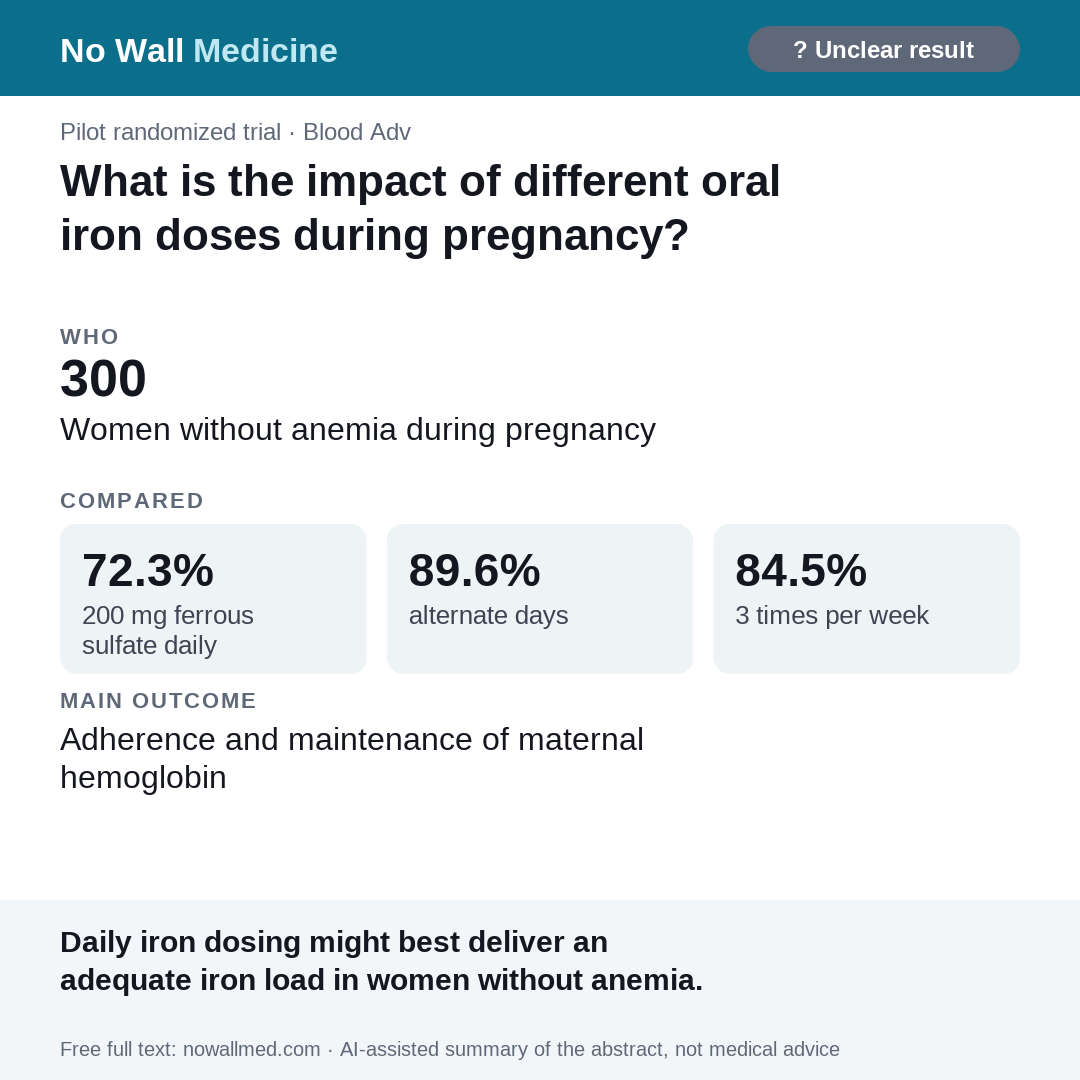
The impact of different doses of oral iron supplementation during pregnancy: a pilot randomized trial
Pilot randomized trialUnclear result
What is the impact of different oral iron doses during pregnancy?
Who
300
Women without anemia during pregnancy
Compared
72.3%200 mg ferrous sulfate daily
89.6%alternate days
84.5%3 times per week
Main outcome
Adherence and maintenance of maternal hemoglobin
Bottom line: Daily iron dosing might best deliver an adequate iron load in women without anemia.
Blood Adv · 2024-08-31Download image
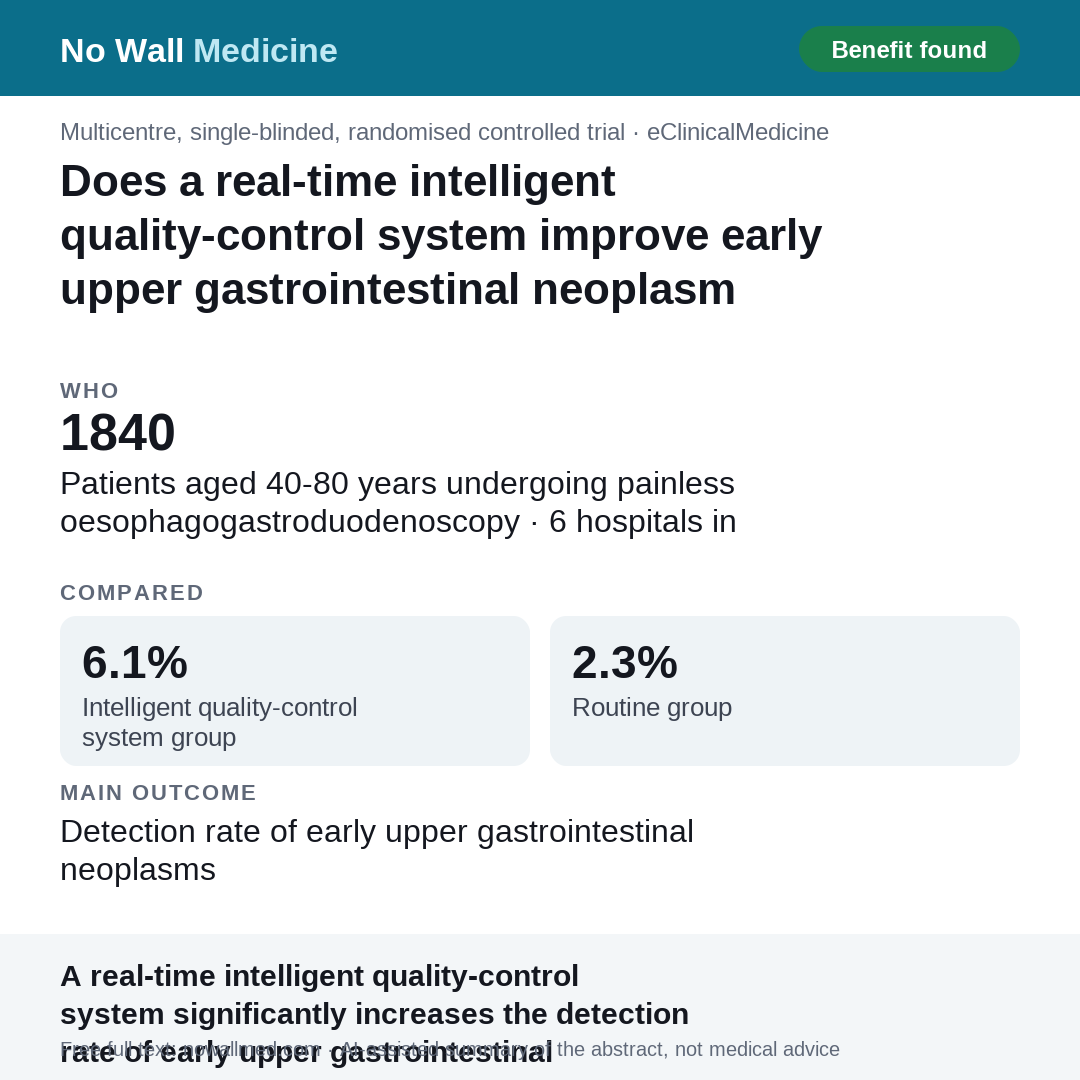
Efficacy of a real-time intelligent quality-control system for the detection of early upper gastrointestinal neoplasms: a multicentre, single-blinded, randomised controlled trial
Multicentre, single-blinded, randomised controlled trialBenefit found
Does a real-time intelligent quality-control system improve early upper gastrointestinal neoplasm detection?
Who
1840
Patients aged 40-80 years undergoing painless oesophagogastroduodenoscopy · 6 hospitals in China
Compared
6.1%Intelligent quality-control system group (56/914)
2.3%Routine group (21/915)
Main outcome
Detection rate of early upper gastrointestinal neoplasms
Result: not explicitly provided as a single pooled ratio for the primary outcome
Bottom line: A real-time intelligent quality-control system significantly increases the detection rate of early upper gastrointestinal neoplasms.
Limitation: The effectiveness in real-world clinical settings needs a larger population validation.
Funded by: National Natural Science Foundation of China and others
eClinicalMedicine · 2024-08-30Download image
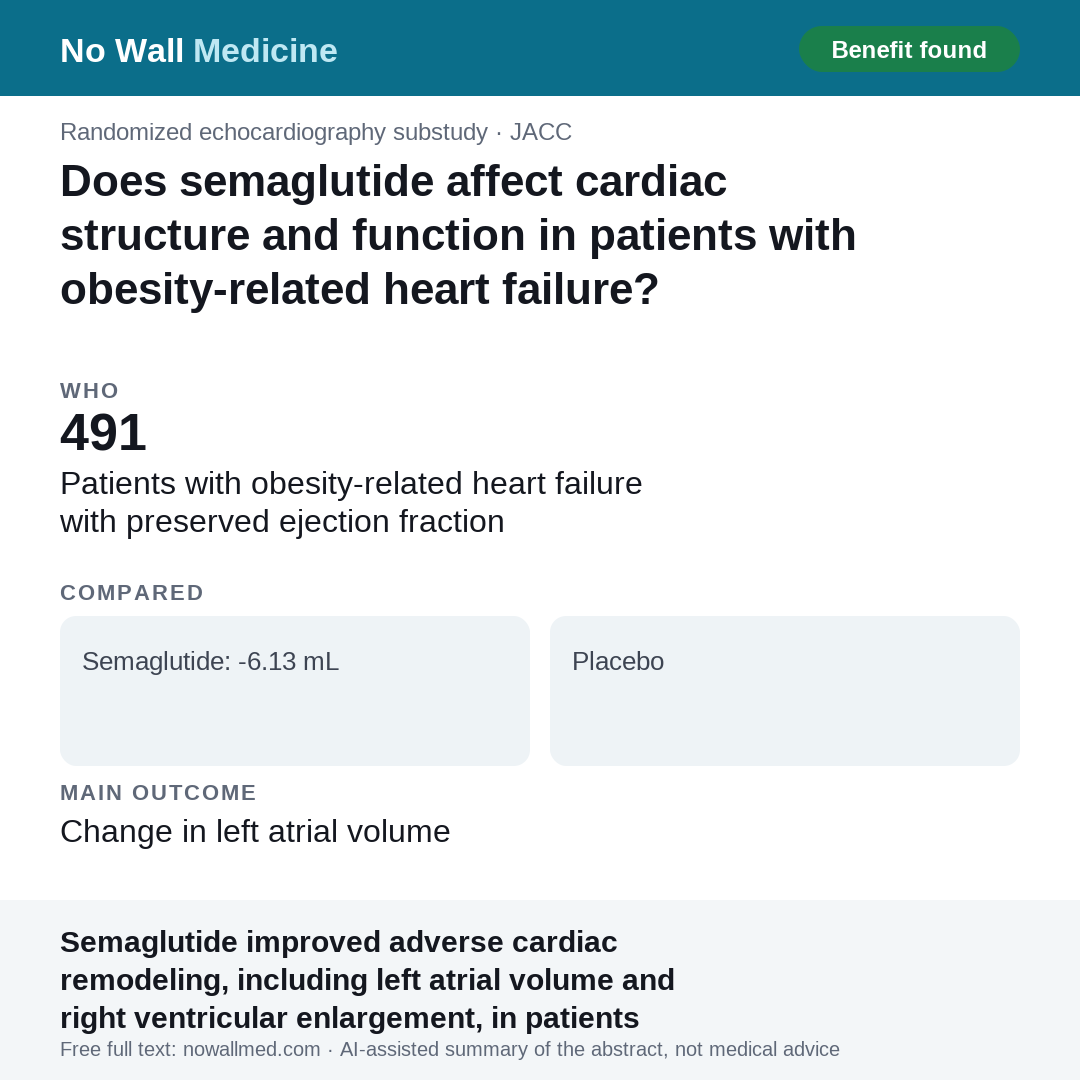
Effect of Semaglutide on Cardiac Structure and Function in Patients With Obesity-Related Heart Failure
Randomized echocardiography substudyBenefit found
Does semaglutide affect cardiac structure and function in patients with obesity-related heart failure?
Who
491
Patients with obesity-related heart failure with preserved ejection fraction
Compared
Semaglutide: -6.13 mL
Placebo
Main outcome
Change in left atrial volume
Result: estimated mean difference -6.13 mL (95% CI -9.85 to -2.41 mL)
Bottom line: Semaglutide improved adverse cardiac remodeling, including left atrial volume and right ventricular enlargement, in patients with obesity-related heart failure.
JACC · 2024-08-30Download image
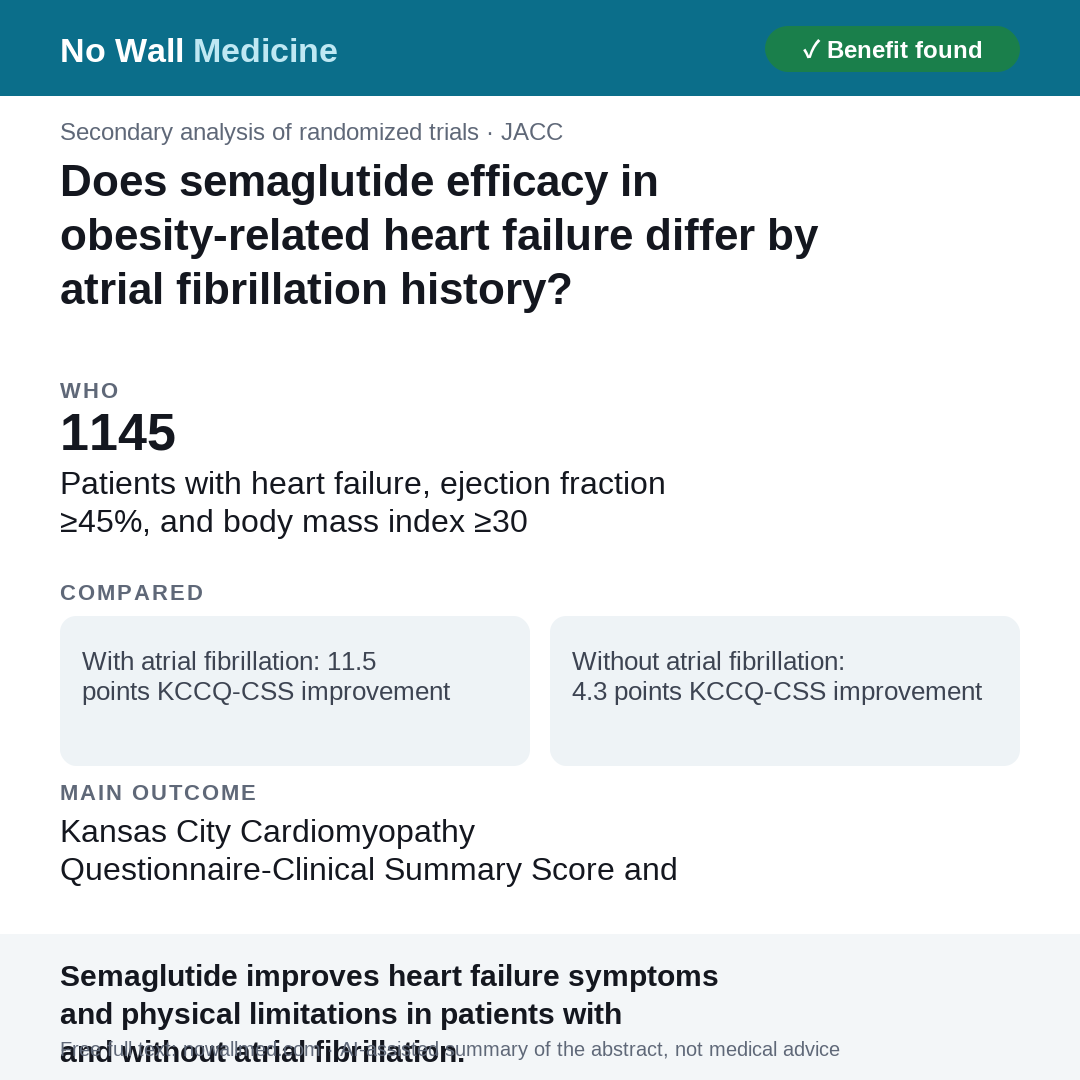
Atrial Fibrillation and Semaglutide Effects in Obesity-Related Heart Failure With Preserved Ejection Fraction: STEP-HFpEF Program
Secondary analysis of randomized trialsBenefit found
Does semaglutide efficacy in obesity-related heart failure differ by atrial fibrillation history?
Who
1145
Patients with heart failure, ejection fraction ≥45%, and body mass index ≥30
Compared
With atrial fibrillation: 11.5 points KCCQ-CSS improvement
Without atrial fibrillation: 4.3 points KCCQ-CSS improvement
Main outcome
Kansas City Cardiomyopathy Questionnaire-Clinical Summary Score and hierarchical composite endpoint
Result: win ratio 2.25 (95% CI 1.79 to 2.83) vs 1.30 (95% CI 1.06 to 1.59)
Bottom line: Semaglutide improves heart failure symptoms and physical limitations in patients with and without atrial fibrillation.
JACC · 2024-08-30Download image
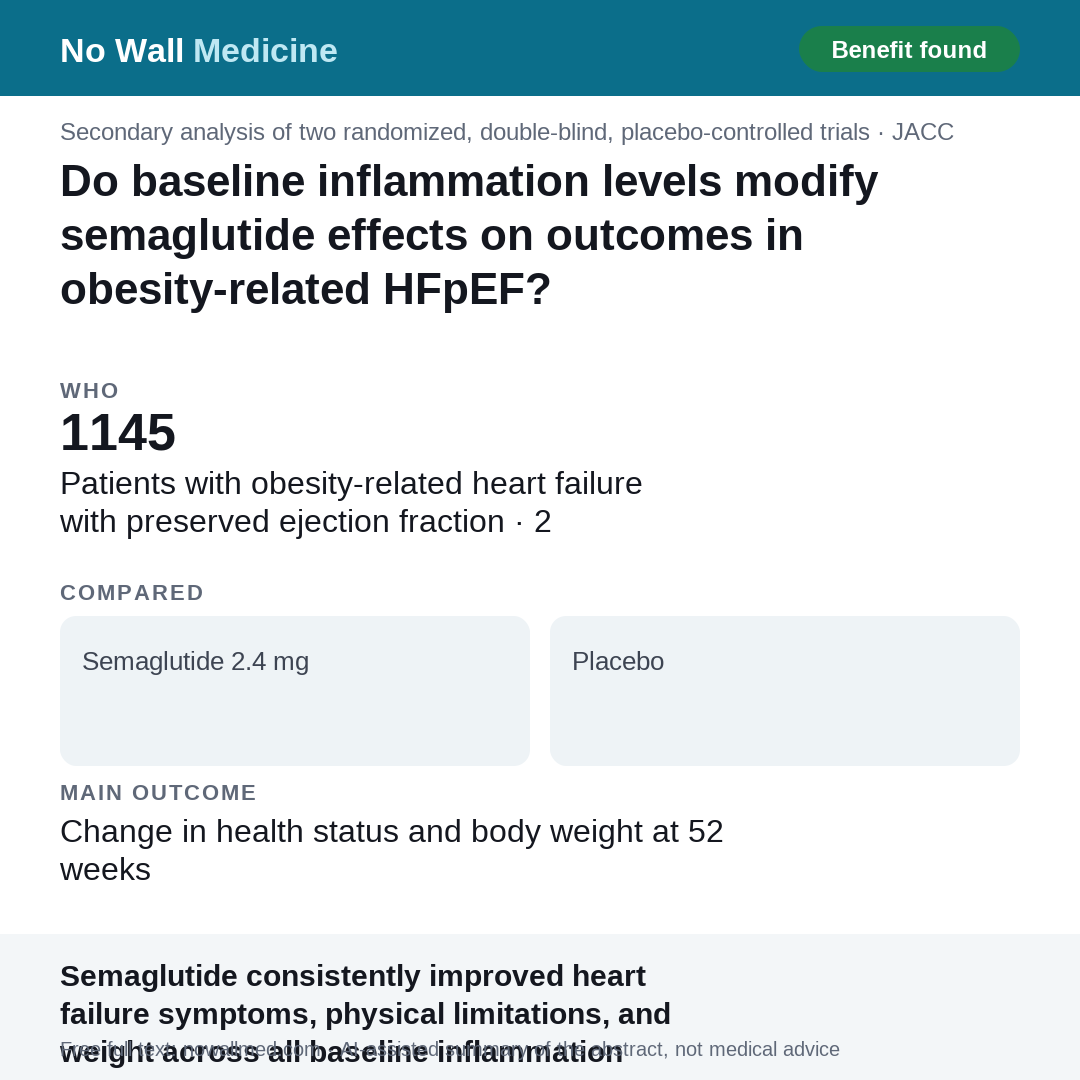
Inflammation in Obesity-Related HFpEF: The STEP-HFpEF Program
Secondary analysis of two randomized, double-blind, placebo-controlled trialsBenefit found
Do baseline inflammation levels modify semaglutide effects on outcomes in obesity-related HFpEF?
Who
1145
Patients with obesity-related heart failure with preserved ejection fraction · 2 international sites
Compared
Semaglutide 2.4 mg
Placebo
Main outcome
Change in health status and body weight at 52 weeks
Bottom line: Semaglutide consistently improved heart failure symptoms, physical limitations, and weight across all baseline inflammation levels.
JACC · 2024-08-30Download image
The Effect of Semaglutide on Mortality and COVID-19-Related Deaths: An Analysis From the SELECT Trial
Randomized trialBenefit found
Does semaglutide 2.4 mg affect all-cause, cardiovascular, and non-cardiovascular mortality?
Who
17604
Participants aged 45 or older with overweight or obesity and established cardiovascular disease without diabetes
Compared
Semaglutide 2.4 mg: lower rates of all-cause death
Placebo
Main outcome
all-cause death, cardiovascular death, and non-cardiovascular death
Result: hazard ratio 0.81 (95% CI 0.71-0.93)
Bottom line: Semaglutide 2.4 mg reduced all-cause mortality, cardiovascular death, and non-cardiovascular death in patients with obesity and cardiovascular disease.
JACC · 2024-08-30Download image

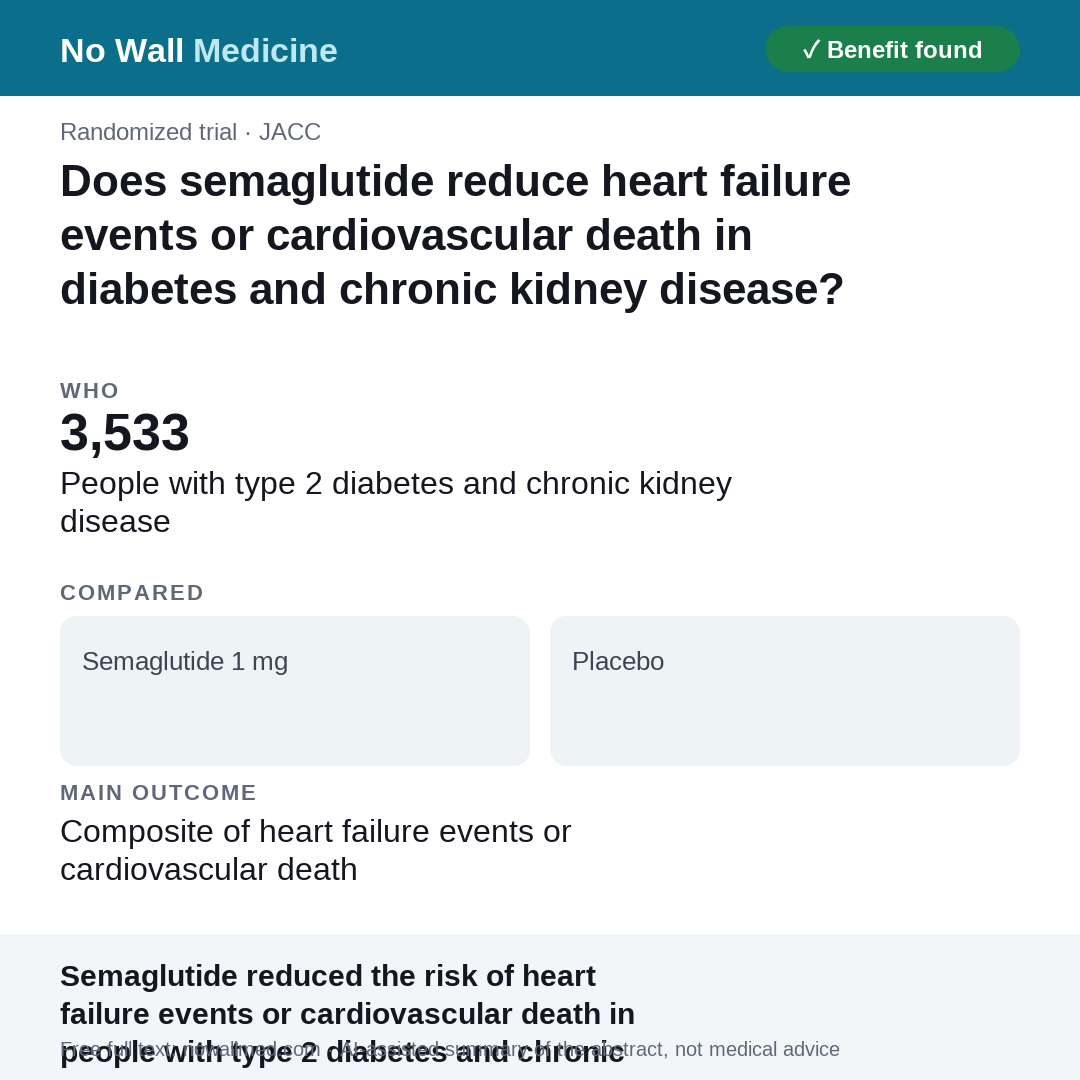
Effects of Semaglutide on Heart Failure Outcomes in Diabetes and Chronic Kidney Disease in the FLOW Trial
Randomized trialBenefit found
Does semaglutide reduce heart failure events or cardiovascular death in diabetes and chronic kidney disease?
Who
3,533
People with type 2 diabetes and chronic kidney disease
Compared
Semaglutide 1 mg
Placebo
Main outcome
Composite of heart failure events or cardiovascular death
Result: hazard ratio 0.73 (95% CI 0.62 to 0.87)
Bottom line: Semaglutide reduced the risk of heart failure events or cardiovascular death in people with type 2 diabetes and chronic kidney disease.
JACC · 2024-08-30Download image
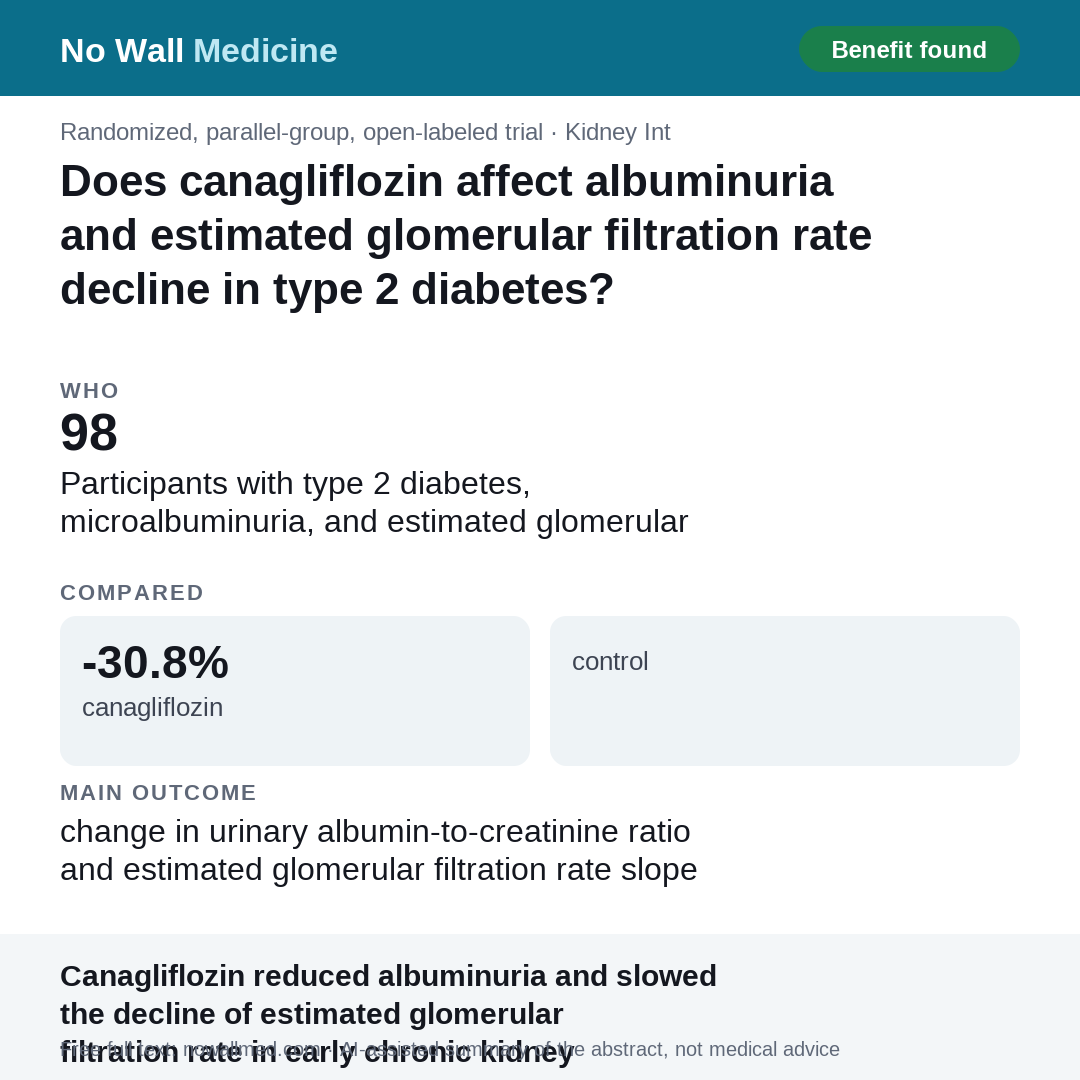
A randomized, open-label, clinical trial examined the effects of canagliflozin on albuminuria and eGFR decline using an individual pre-intervention eGFR slope
Randomized, parallel-group, open-labeled trialBenefit found
Does canagliflozin affect albuminuria and estimated glomerular filtration rate decline in type 2 diabetes?
Who
98
Participants with type 2 diabetes, microalbuminuria, and estimated glomerular filtration rate at least 45
Compared
-30.8%canagliflozin (95% confidence interval -42.6 to -16.8)
control
Main outcome
change in urinary albumin-to-creatinine ratio and estimated glomerular filtration rate slope
Result: 4.4 (1.6 to 7.3) ml/min/1.73 m2 per year
Bottom line: Canagliflozin reduced albuminuria and slowed the decline of estimated glomerular filtration rate in early chronic kidney disease.
Kidney Int · 2024-08-30Download image
Qualitative evaluation of the SHARING Choices trial of primary care advance care planning for adults with and without dementia
Qualitative evaluation of a pragmatic trialMixed results
What were the experiences with the SHARING Choices advance care planning intervention?
Who
Older adults with and without dementia, facilitators, and clinicians · Primary care
Compared
ACP facilitators, clinicians, and managers: mostly positive perceptions
Patients and families: generally did not recall the intervention
Main outcome
Implementation experiences and perceptions
Bottom line: Facilitators and clinicians had positive perceptions, but engaging patients with dementia and families was more challenging.
J Am Geriatr Soc · 2024-08-30Download image

Rationale and design of RESILIENCE: A prospective randomized clinical trial evaluating remote ischaemic conditioning for the prevention of anthracycline cardiotoxicity
Multinational, prospective, phase II, double-blind, sham-controlled, randomized clinical trialUnclear result
Does remote ischaemic conditioning prevent anthracycline cardiotoxicity in lymphoma patients?
Who
Lymphoma patients receiving at least 5 chemotherapy cycles including anthracyclines · Multinational
Compared
weekly remote ischaemic conditioning
sham
Main outcome
absolute change from baseline in cardiac magnetic resonance left ventricular ejection fraction
Bottom line: The RESILIENCE trial is designed to evaluate if remote ischaemic conditioning prevents anthracycline cardiotoxicity.
Eur J Heart Fail · 2024-08-30Download image

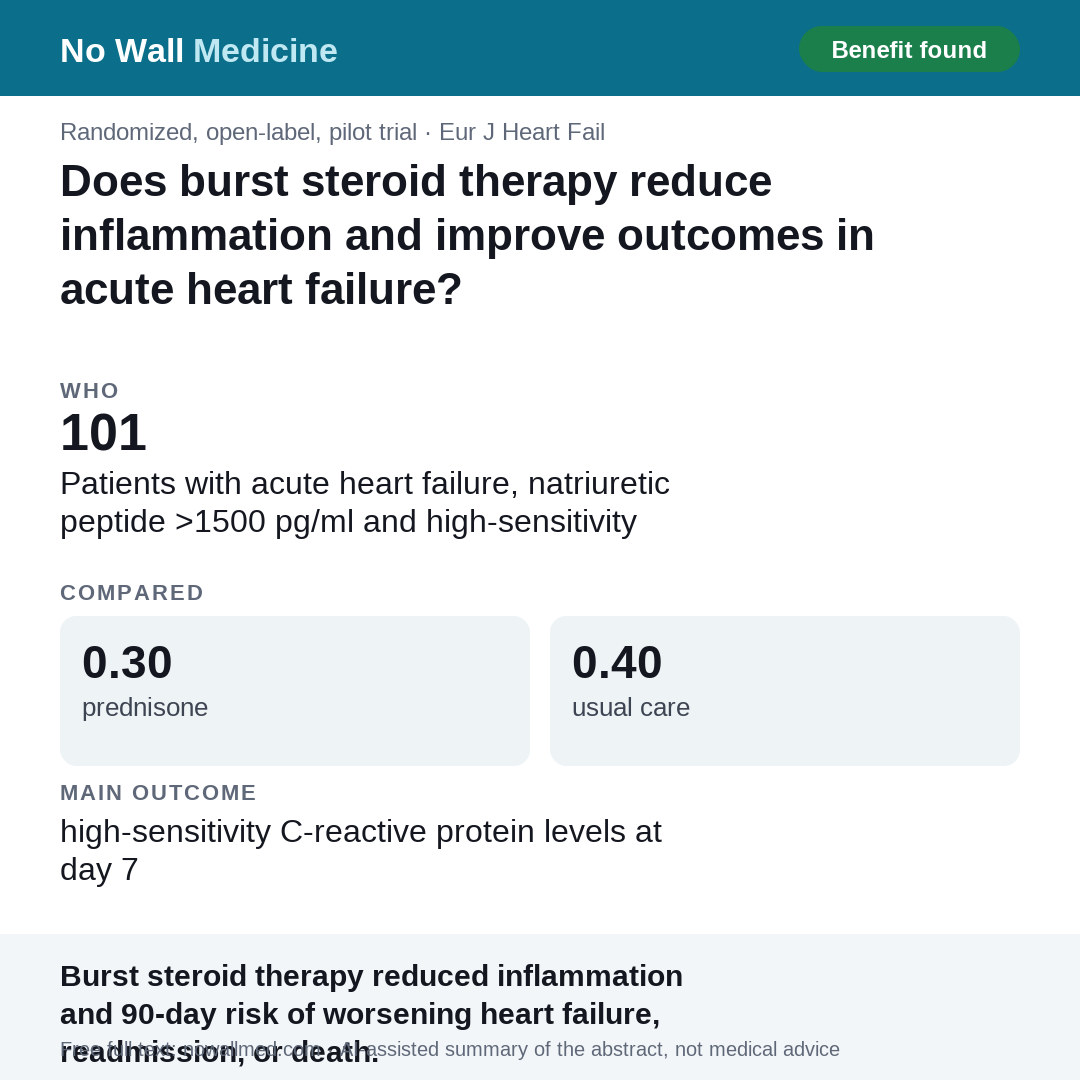
Burst steroid therapy for acute heart failure: The CORTAHF randomized, open-label, pilot trial
Randomized, open-label, pilot trialBenefit found
Does burst steroid therapy reduce inflammation and improve outcomes in acute heart failure?
Who
101
Patients with acute heart failure, natriuretic peptide >1500 pg/ml and high-sensitivity C-reactive protein >20 mg/L
Compared
0.30prednisone (adjusted geometric mean ratio)
0.40usual care (adjusted geometric mean ratio)
Main outcome
high-sensitivity C-reactive protein levels at day 7
Result: hazard ratio 0.31 (95% CI 0.11-0.86)
Bottom line: Burst steroid therapy reduced inflammation and 90-day risk of worsening heart failure, readmission, or death.
Eur J Heart Fail · 2024-08-30Download image
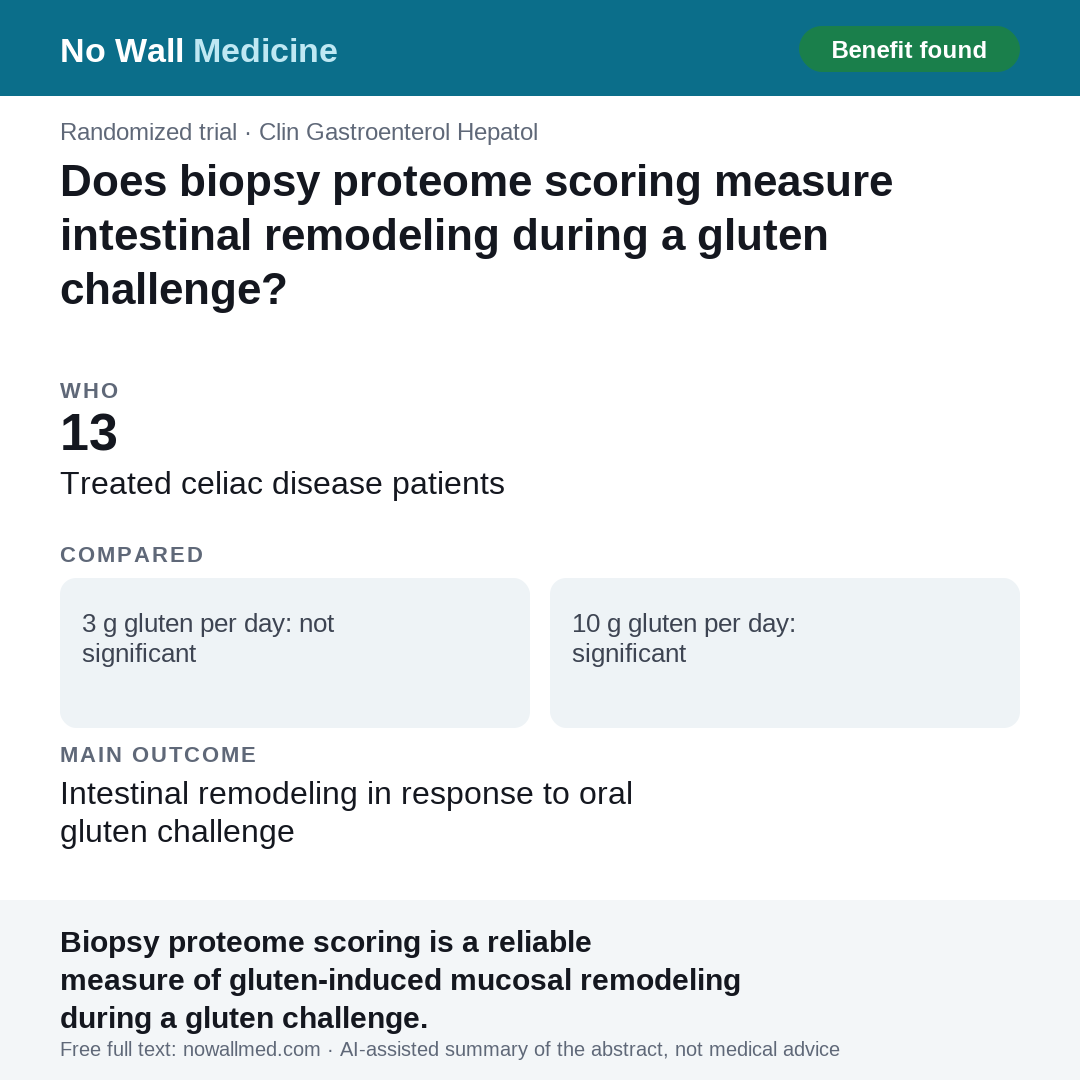
Biopsy Proteome Score Performs Well as an Effect Measure in a Gluten Challenge Trial of Celiac Disease
Randomized trialBenefit found
Does biopsy proteome scoring measure intestinal remodeling during a gluten challenge?
Who
13
Treated celiac disease patients
Compared
3 g gluten per day: not significant
10 g gluten per day: significant
Main outcome
Intestinal remodeling in response to oral gluten challenge
Bottom line: Biopsy proteome scoring is a reliable measure of gluten-induced mucosal remodeling during a gluten challenge.
Clin Gastroenterol Hepatol · 2024-08-30Download image
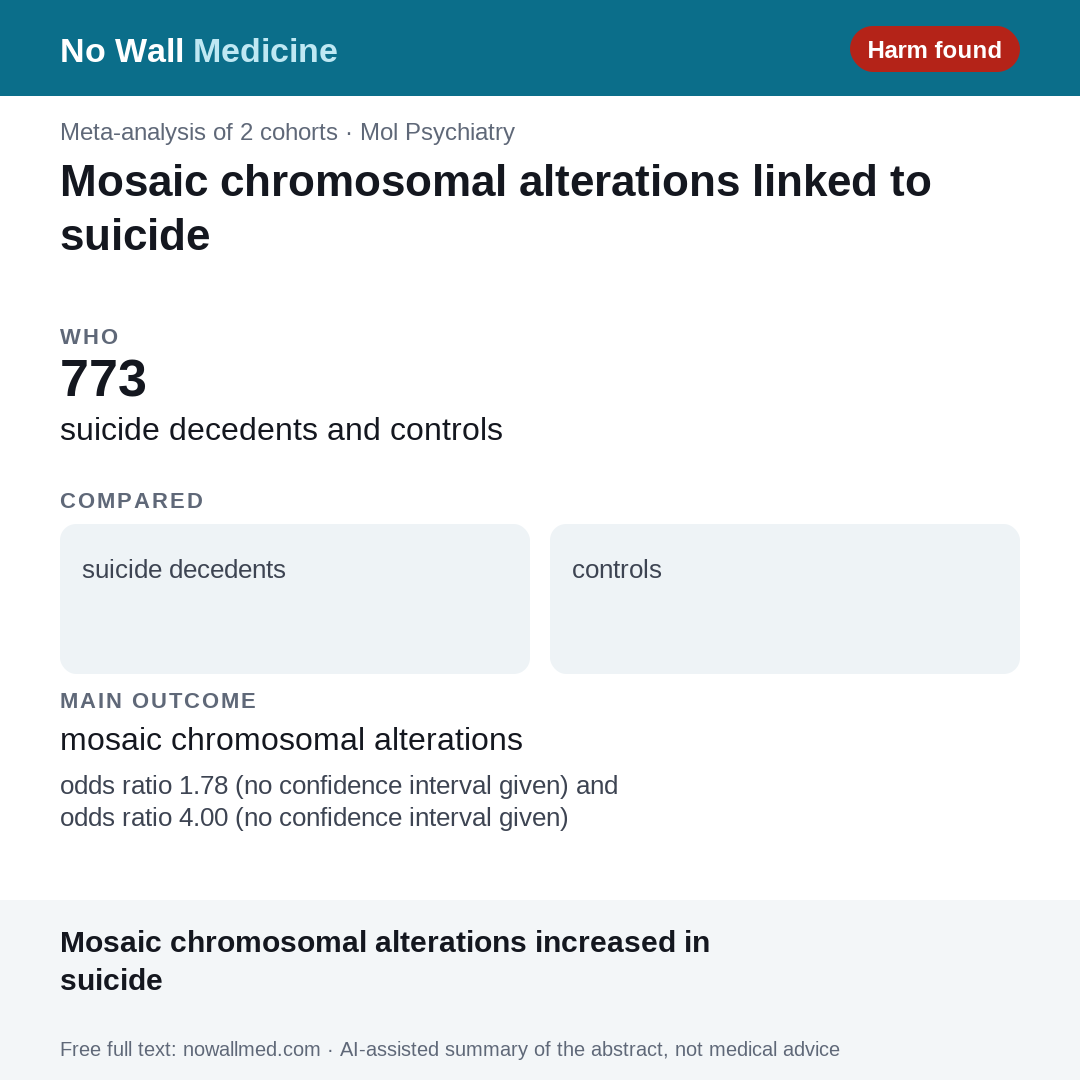
Increased somatic mosaicism in autosomal and X chromosomes for suicide death
Meta-analysis of 2 cohortsHarm found
Mosaic chromosomal alterations linked to suicide
Who
773
suicide decedents and controls
Compared
suicide decedents
controls
Main outcome
mosaic chromosomal alterations
Result: odds ratio 1.78 (no confidence interval given) and odds ratio 4.00 (no confidence interval given)
Bottom line: Mosaic chromosomal alterations increased in suicide
Mol Psychiatry · 2024-08-30Download image
Mindfulness Meditation and Placebo Modulate Distinct Multivariate Neural Signatures to Reduce Pain
Analysis of 2 randomized clinical trialsBenefit found
Does mindfulness meditation engage distinct brain mechanisms from placebo to reduce pain?
Who
115
115 healthy participants
Compared
mindfulness meditation: significantly greater reductions in pain intensity and pain unpleasantness
placebo-cream conditioning: significantly lowered the placebo-based signature
sham mindfulness meditation
book-listening control
Main outcome
multivariate pattern analysis pain signatures
Bottom line: Mindfulness meditation and placebo engage distinct neural pain signatures to reduce pain intensity and unpleasantness.
Biol Psychiatry · 2024-08-30Download image

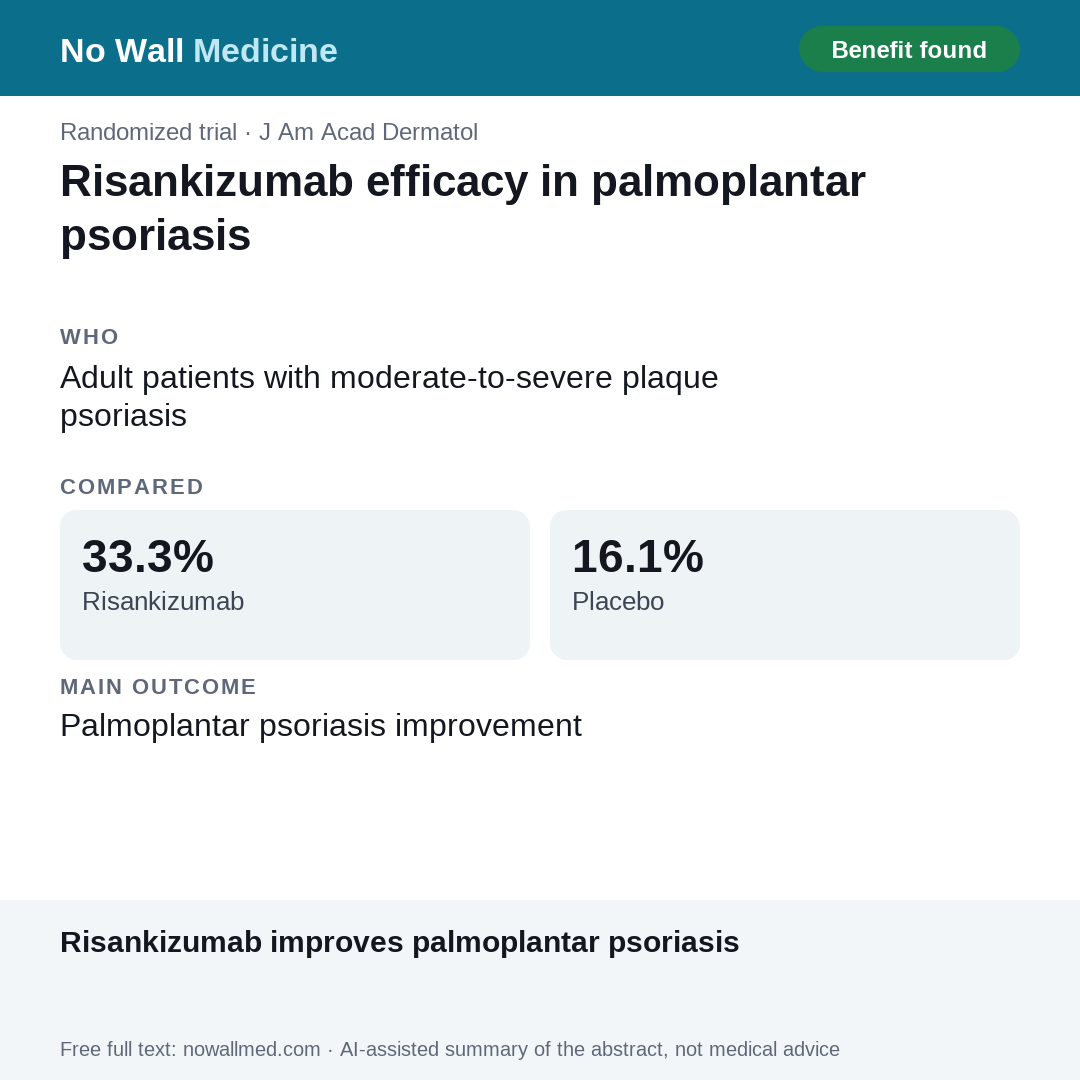
A randomized phase 3b study evaluating the safety and efficacy of risankizumab in adult patients with moderate-to-severe plaque psoriasis with non-pustular palmoplantar involvement
Randomized trialBenefit found
Risankizumab efficacy in palmoplantar psoriasis
Who
Adult patients with moderate-to-severe plaque psoriasis
Compared
33.3%Risankizumab
16.1%Placebo
Main outcome
Palmoplantar psoriasis improvement
Bottom line: Risankizumab improves palmoplantar psoriasis
Limitation: No biologic comparator
J Am Acad Dermatol · 2024-08-30Download image
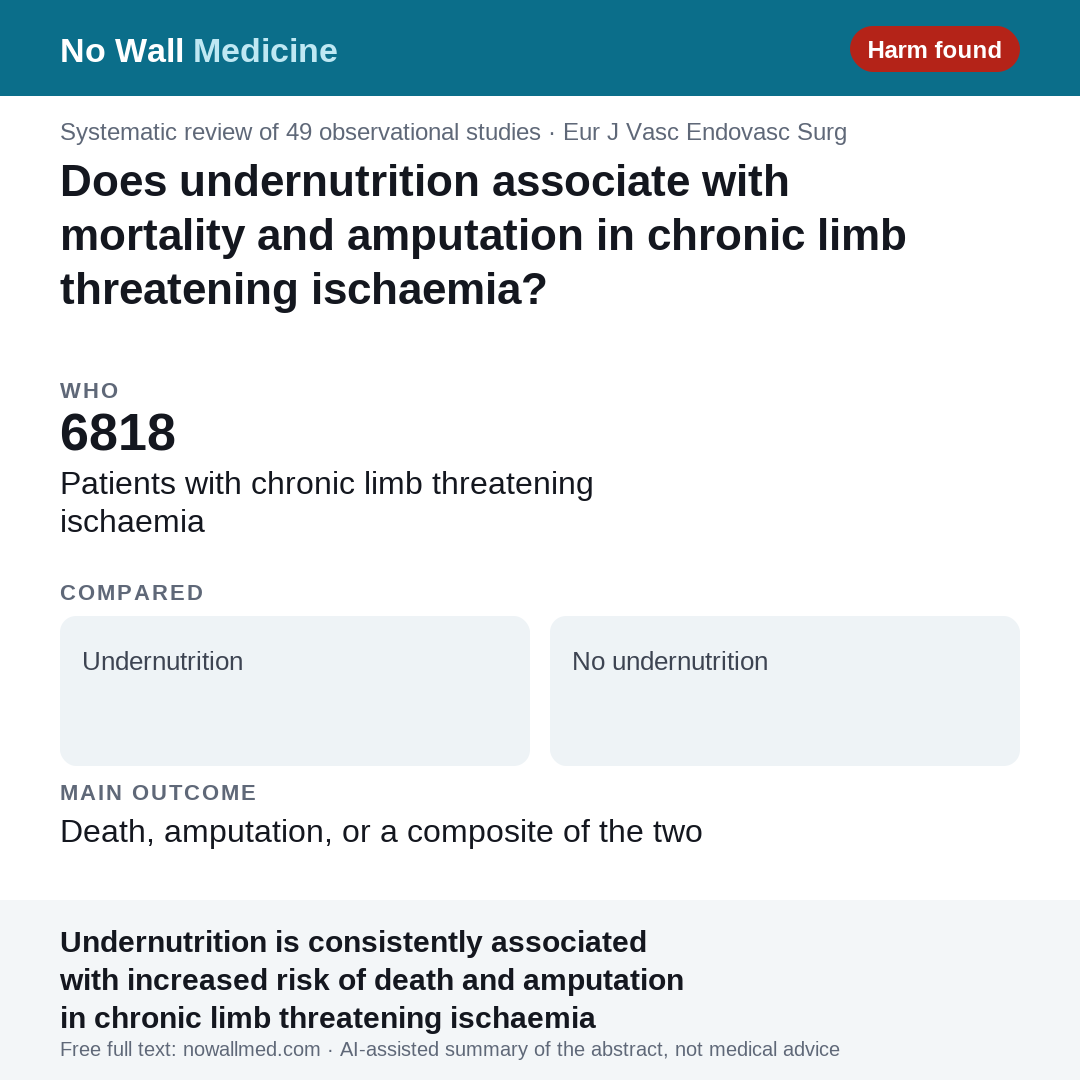
Association Between Undernutrition and Mortality and Amputation Outcomes in Chronic Limb Threatening Ischaemia: A Systematic Review
Systematic review of 49 observational studiesHarm found
Does undernutrition associate with mortality and amputation in chronic limb threatening ischaemia?
Who
6818
Patients with chronic limb threatening ischaemia
Compared
Undernutrition
No undernutrition
Main outcome
Death, amputation, or a composite of the two
Bottom line: Undernutrition is consistently associated with increased risk of death and amputation in chronic limb threatening ischaemia patients.
Limitation: The quality of evidence was poor, and certainty of evidence very low.
Eur J Vasc Endovasc Surg · 2024-08-30Download image
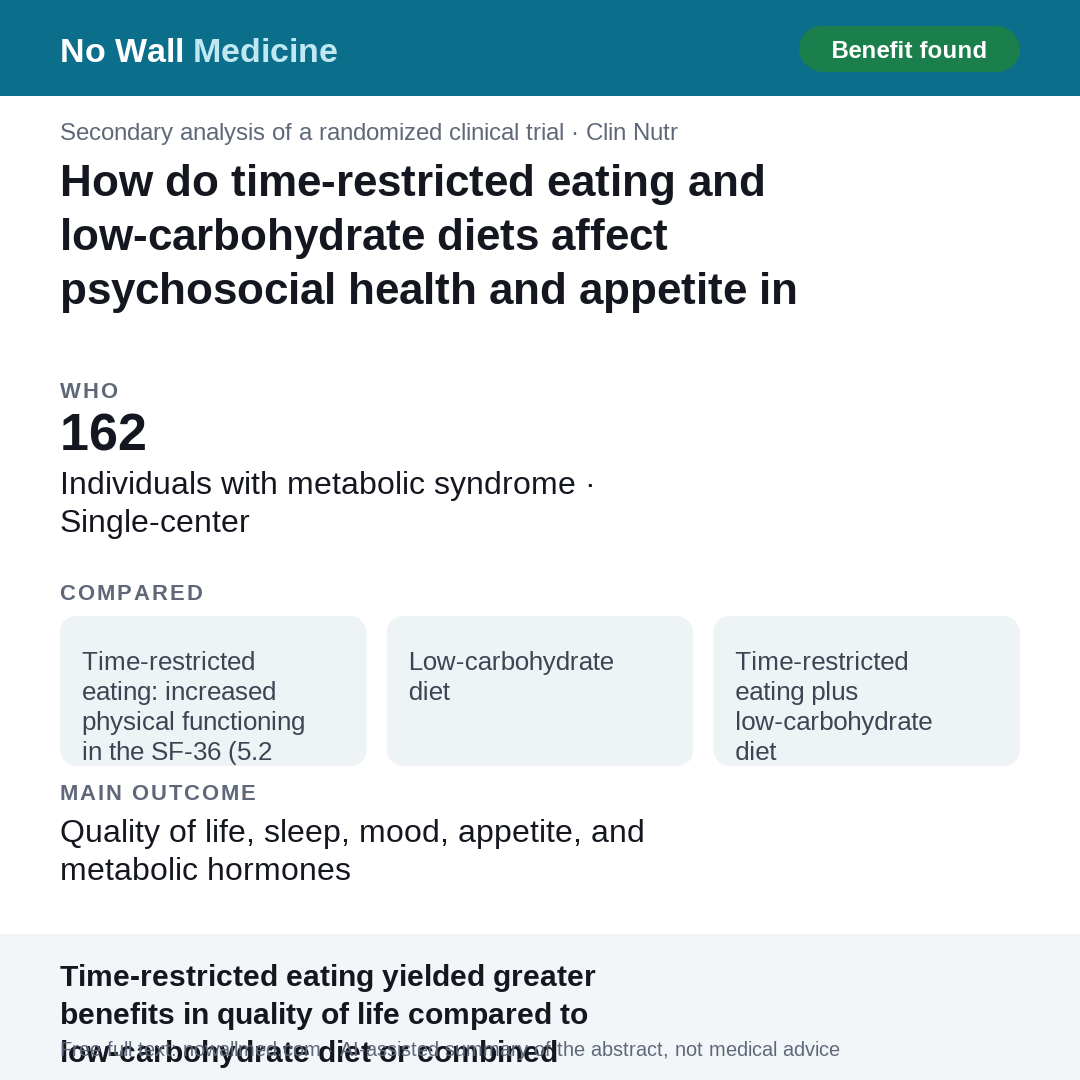
Effects of time-restricted eating and low-carbohydrate diet on psychosocial health and appetite in individuals with metabolic syndrome: A secondary analysis of a randomized controlled trial
Secondary analysis of a randomized clinical trialBenefit found
How do time-restricted eating and low-carbohydrate diets affect psychosocial health and appetite in metabolic syndrome?
Who
162
Individuals with metabolic syndrome · Single-center
Compared
Time-restricted eating: increased physical functioning in the SF-36 (5.2 [95% CI, 1.9 to 8.5])
Low-carbohydrate diet
Time-restricted eating plus low-carbohydrate diet
Main outcome
Quality of life, sleep, mood, appetite, and metabolic hormones
Bottom line: Time-restricted eating yielded greater benefits in quality of life compared to low-carbohydrate diet or combined interventions.
Clin Nutr · 2024-08-30Download image
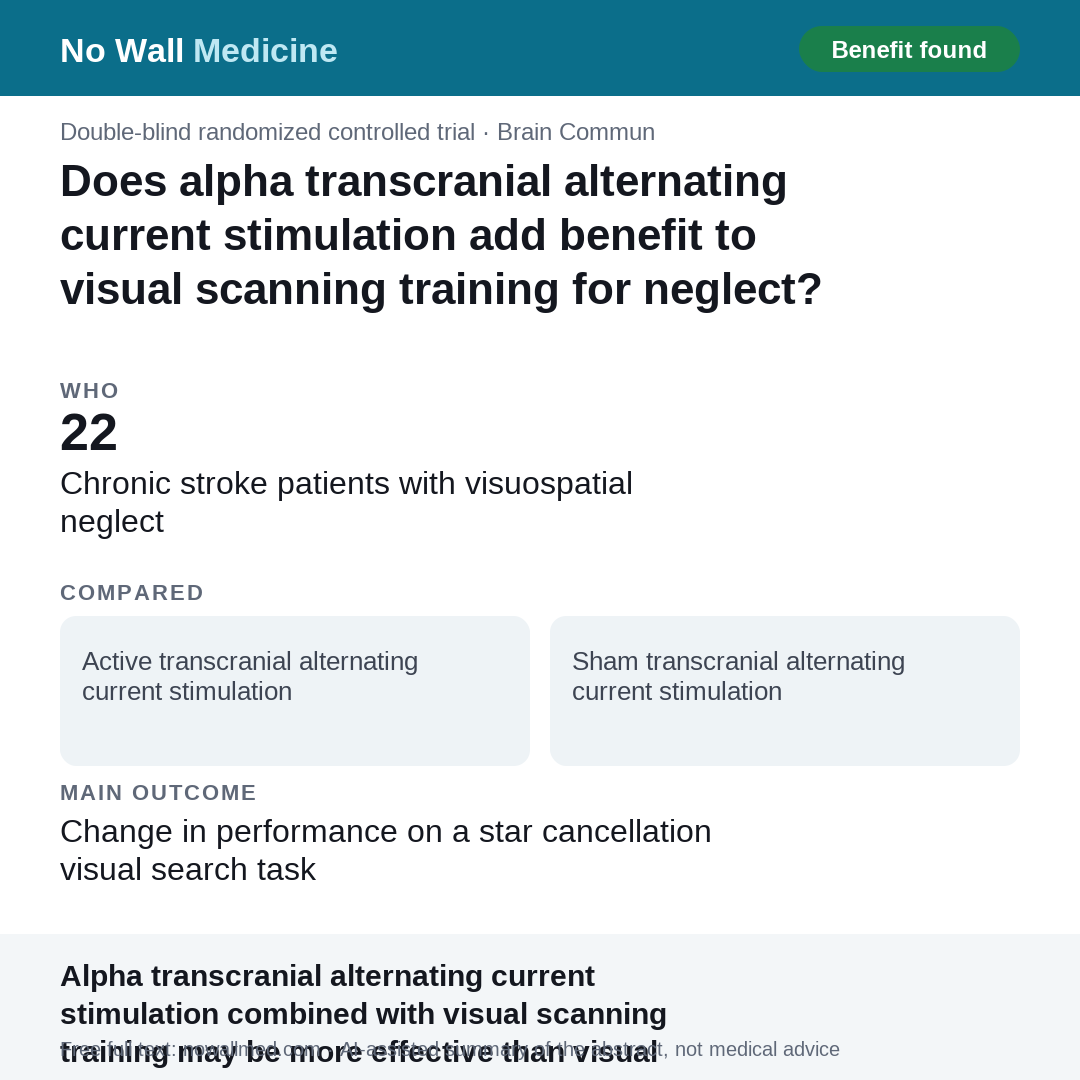
Alpha transcranial alternating current stimulation as add-on to neglect training: a randomized trial
Double-blind randomized controlled trialBenefit found
Does alpha transcranial alternating current stimulation add benefit to visual scanning training for neglect?
Who
22
Chronic stroke patients with visuospatial neglect
Compared
Active transcranial alternating current stimulation
Sham transcranial alternating current stimulation
Main outcome
Change in performance on a star cancellation visual search task
Bottom line: Alpha transcranial alternating current stimulation combined with visual scanning training may be more effective than visual scanning training alone.
Brain Commun · 2024-08-30Download image