Visual abstracts
New randomized trials and meta-analyses from leading journals at a glance: who was studied, what was compared, and what was found. Every paper is free to read in full.
All specialtiesCardiology 4877Oncology 4138Gastroenterology & Hepatology 1942Infectious Disease 3837Neurology 1905Psychiatry & Mental Health 2273Pulmonology 2143Critical Care 1365Endocrinology & Diabetes 2580Pediatrics 2980Surgery 2559Orthopedics & Sports Medicine 931Neurosurgery 537Cardiothoracic & Vascular Surgery 674Plastic & Reconstructive Surgery 591Nephrology 1133Rheumatology 823Hematology 1109Dermatology 621Ophthalmology 543Obstetrics & Gynecology 1686Public & Global Health 1058Radiology & Imaging 648Anesthesiology 986Urology 764ENT (Otolaryngology) 503Emergency Medicine 511Allergy & Immunology 313Geriatrics 981Family Medicine & Primary Care 562Medical Genetics & Genomics 676Pathology & Laboratory Medicine 159Physical Medicine & Rehabilitation 757Palliative Care 444Nutrition 1588Digital Health & AI 2201General Medicine 321
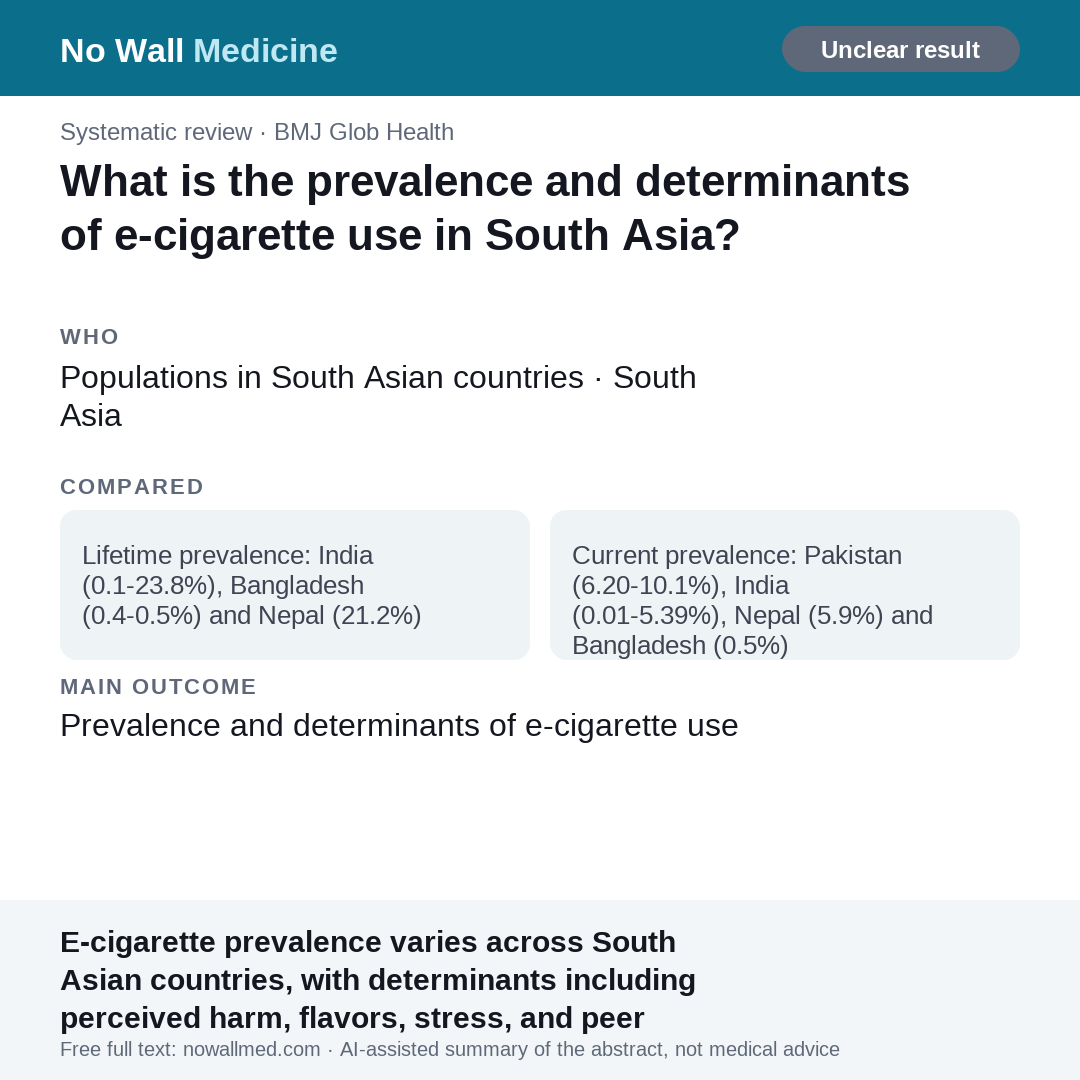
Prevalence and determinants of e-cigarette use in South Asia: a systematic review
Systematic reviewUnclear result
What is the prevalence and determinants of e-cigarette use in South Asia?
Who
Populations in South Asian countries · South Asia
Compared
Lifetime prevalence: India (0.1-23.8%), Bangladesh (0.4-0.5%) and Nepal (21.2%)
Current prevalence: Pakistan (6.20-10.1%), India (0.01-5.39%), Nepal (5.9%) and Bangladesh (0.5%)
Main outcome
Prevalence and determinants of e-cigarette use
Bottom line: E-cigarette prevalence varies across South Asian countries, with determinants including perceived harm, flavors, stress, and peer influence.
Limitation: Empirical evidence is limited to specific sociodemographic, socioeconomic and geographical regions in South Asia.
BMJ Glob Health · 2025-09-03Download image
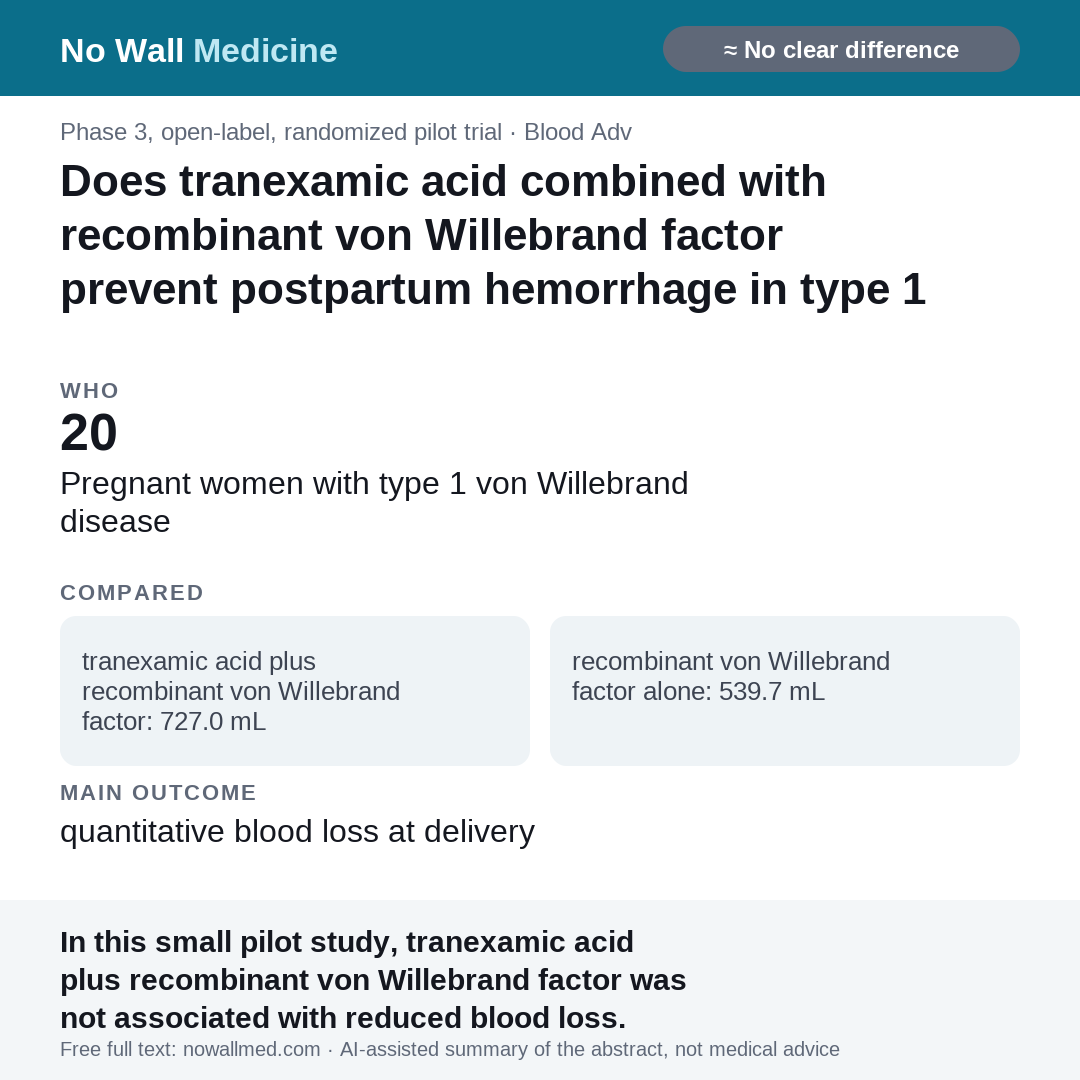
Impact of tranexamic acid on postpartum hemorrhage in type 1 von Willebrand disease treated with recombinant VWF
Phase 3, open-label, randomized pilot trialNo clear difference
Does tranexamic acid combined with recombinant von Willebrand factor prevent postpartum hemorrhage in type 1 von Willebrand disease?
Who
20
Pregnant women with type 1 von Willebrand disease
Compared
tranexamic acid plus recombinant von Willebrand factor: 727.0 mL
recombinant von Willebrand factor alone: 539.7 mL
Main outcome
quantitative blood loss at delivery
Bottom line: In this small pilot study, tranexamic acid plus recombinant von Willebrand factor was not associated with reduced blood loss.
Blood Adv · 2025-09-03Download image
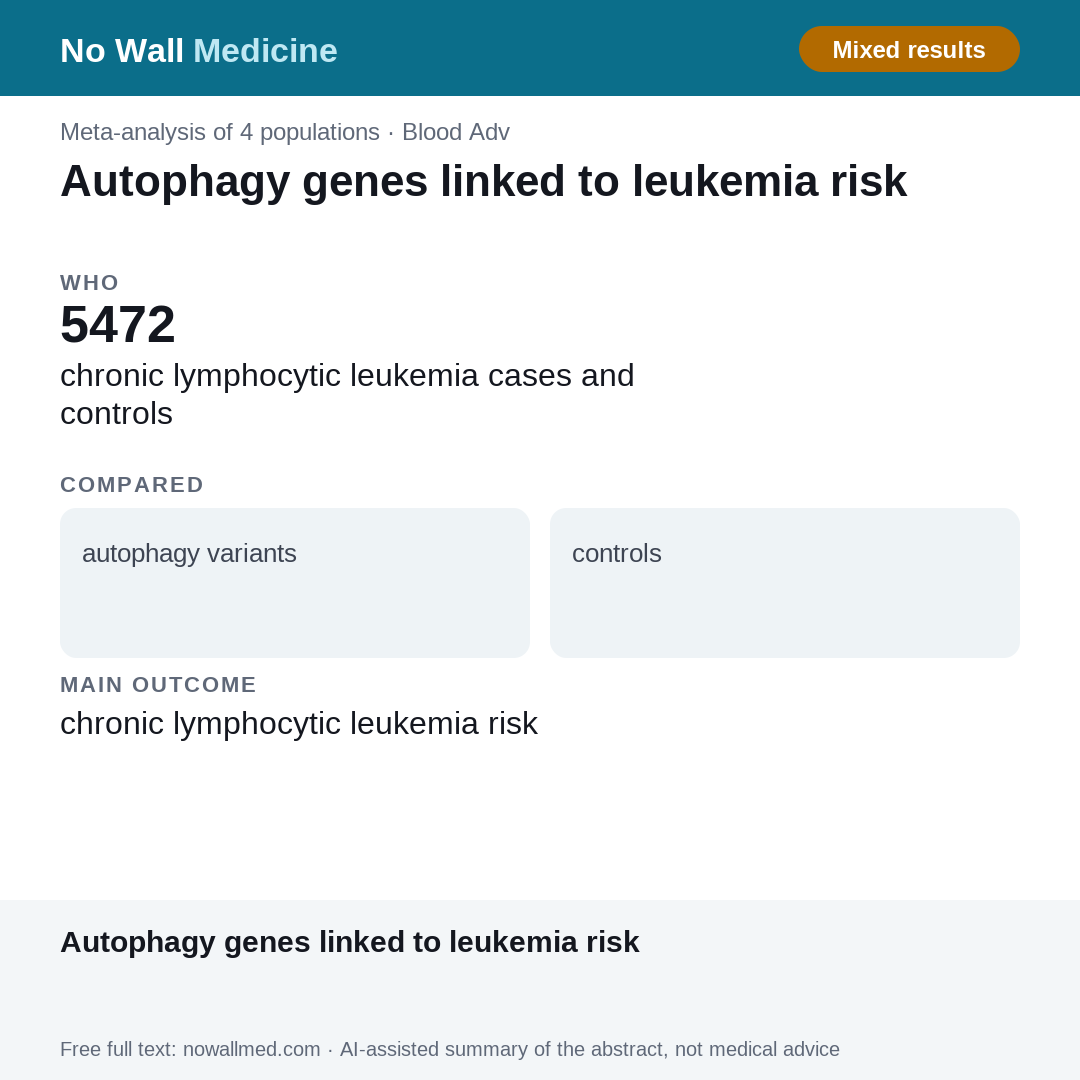
Identification of 4 autophagy-related genetic variants as risk factors for chronic lymphocytic leukemia
Meta-analysis of 4 populationsMixed results
Autophagy genes linked to leukemia risk
Who
5472
chronic lymphocytic leukemia cases and controls
Compared
autophagy variants
controls
Main outcome
chronic lymphocytic leukemia risk
Bottom line: Autophagy genes linked to leukemia risk
Blood Adv · 2025-09-03Download image
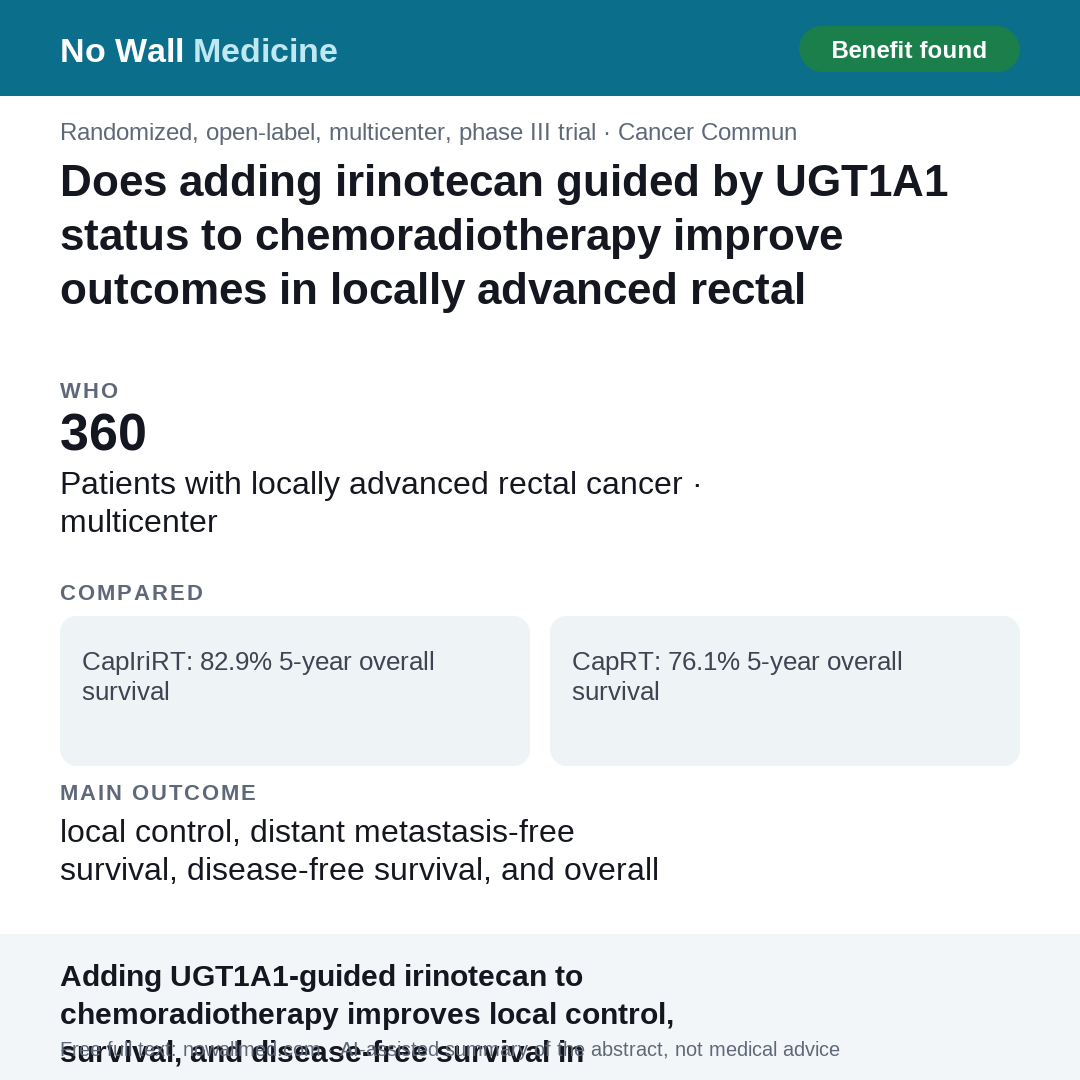
Neoadjuvant chemoradiotherapy with capecitabine and irinotecan guided by UGT1A1 status in patients with locally advanced rectal cancer: 5-year update of the CinClare trial
Randomized, open-label, multicenter, phase III trialBenefit found
Does adding irinotecan guided by UGT1A1 status to chemoradiotherapy improve outcomes in locally advanced rectal cancer?
Who
360
Patients with locally advanced rectal cancer · multicenter
Compared
CapIriRT: 82.9% 5-year overall survival
CapRT: 76.1% 5-year overall survival
Main outcome
local control, distant metastasis-free survival, disease-free survival, and overall survival
Bottom line: Adding UGT1A1-guided irinotecan to chemoradiotherapy improves local control, survival, and disease-free survival in locally advanced rectal cancer.
Cancer Commun · 2025-09-03Download image
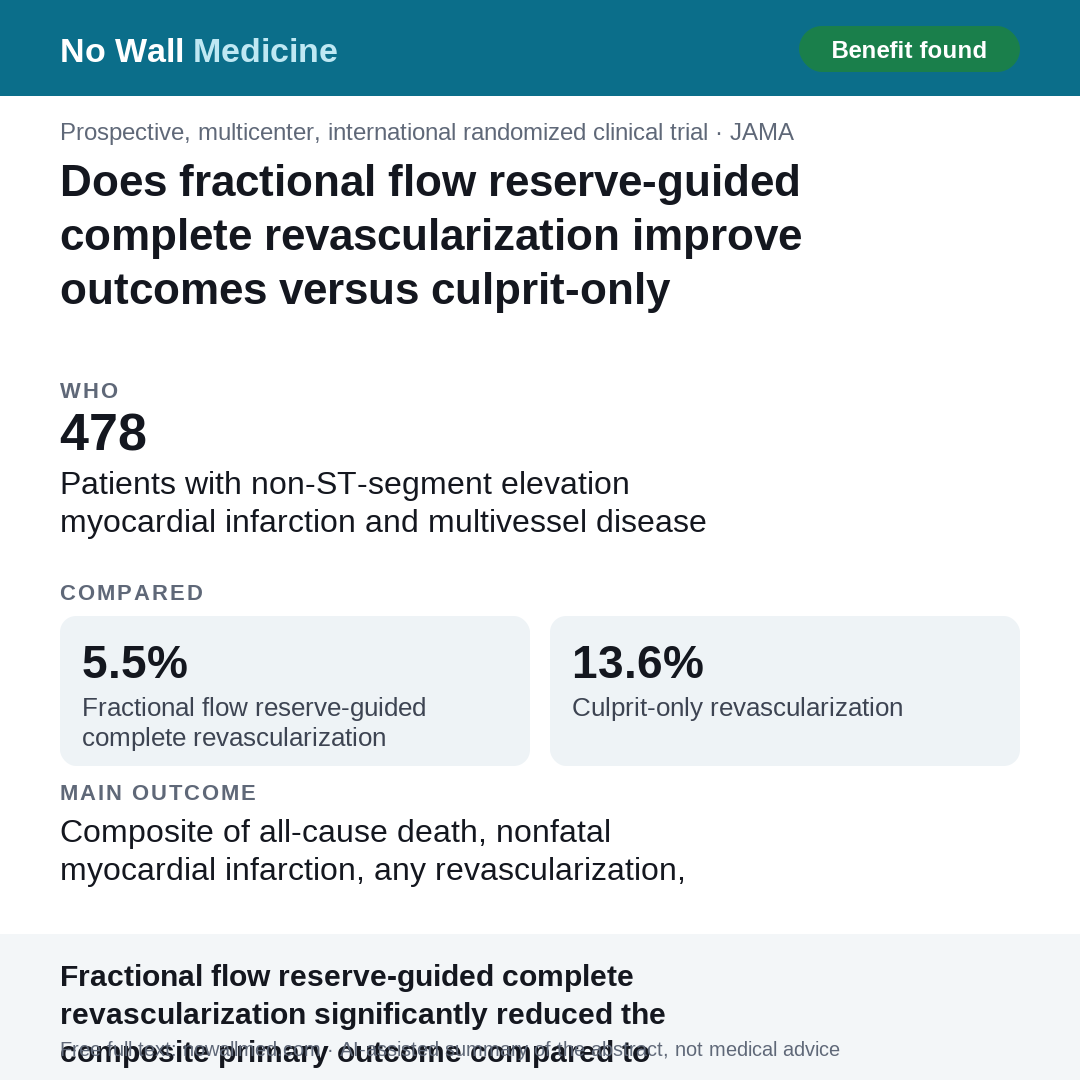
Fractional Flow Reserve-Guided Complete vs Culprit-Only Revascularization in Non-ST-Elevation Myocardial Infarction and Multivessel Disease: The SLIM Randomized Clinical Trial
Prospective, multicenter, international randomized clinical trialBenefit found
Does fractional flow reserve-guided complete revascularization improve outcomes versus culprit-only revascularization in NSTEMI patients?
Who
478
Patients with non-ST-segment elevation myocardial infarction and multivessel disease · 9 hospitals in Europe
Compared
5.5%Fractional flow reserve-guided complete revascularization
13.6%Culprit-only revascularization
Main outcome
Composite of all-cause death, nonfatal myocardial infarction, any revascularization, and stroke
Result: hazard ratio 0.38 (95% CI 0.20-0.72)
Bottom line: Fractional flow reserve-guided complete revascularization significantly reduced the composite primary outcome compared to culprit-only revascularization at 1 year.
JAMA · 2025-09-02Download image
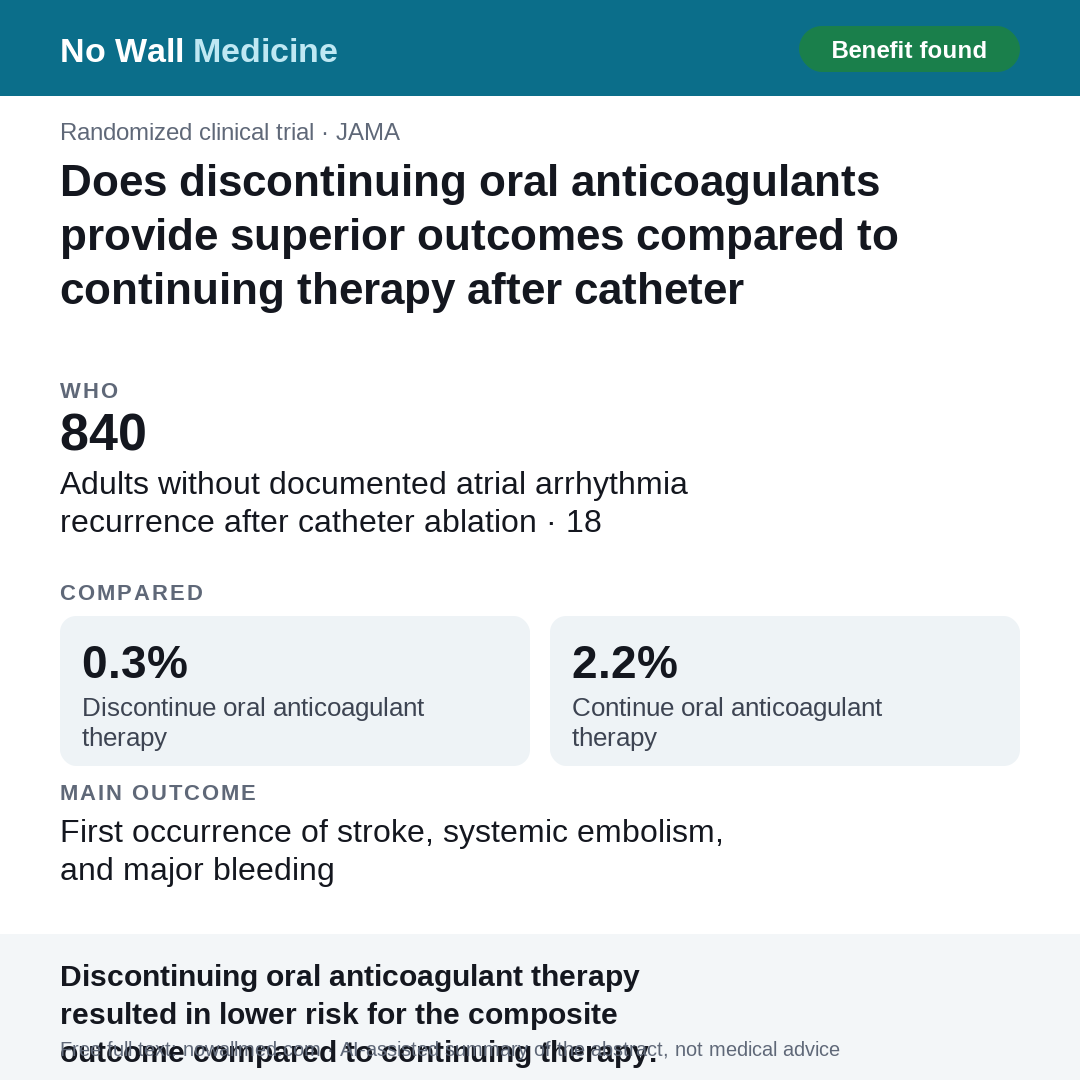
Long-Term Anticoagulation Discontinuation After Catheter Ablation for Atrial Fibrillation: The ALONE-AF Randomized Clinical Trial
Randomized clinical trialBenefit found
Does discontinuing oral anticoagulants provide superior outcomes compared to continuing therapy after catheter ablation?
Who
840
Adults without documented atrial arrhythmia recurrence after catheter ablation · 18 hospitals in South Korea
Compared
0.3%Discontinue oral anticoagulant therapy
2.2%Continue oral anticoagulant therapy
Main outcome
First occurrence of stroke, systemic embolism, and major bleeding
Result: absolute difference, -1.9 percentage points (95% CI, -3.5 to -0.3)
Bottom line: Discontinuing oral anticoagulant therapy resulted in lower risk for the composite outcome compared to continuing therapy.
JAMA · 2025-09-02Download image
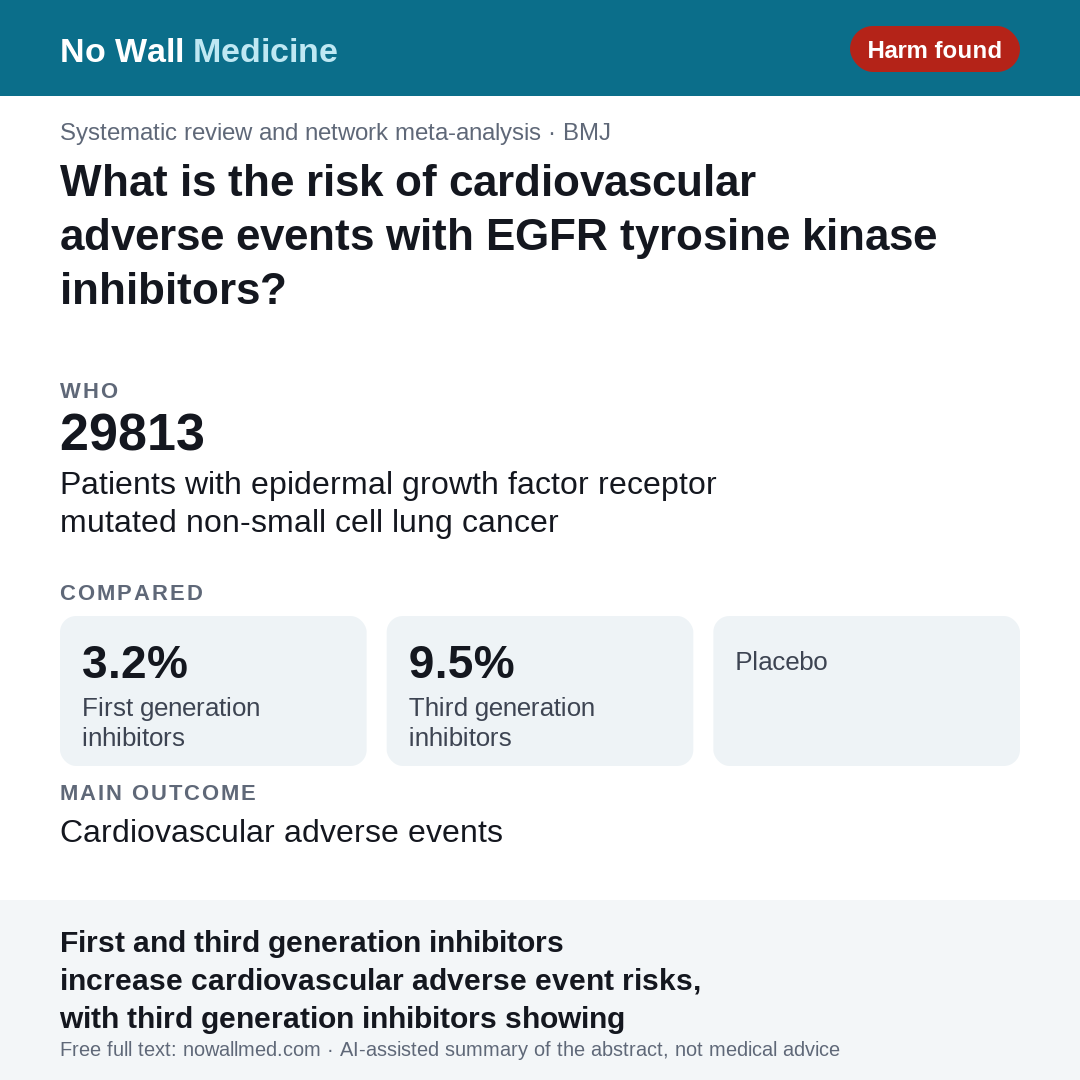
Cardiovascular adverse events associated with epidermal growth factor receptor tyrosine kinase inhibitors in EGFR-mutated non-small cell lung cancer: systematic review and network meta-analysis
Systematic review and network meta-analysisHarm found
What is the risk of cardiovascular adverse events with EGFR tyrosine kinase inhibitors?
Who
29813
Patients with epidermal growth factor receptor mutated non-small cell lung cancer
Compared
3.2%First generation inhibitors
9.5%Third generation inhibitors
Placebo
Main outcome
Cardiovascular adverse events
Result: odds ratio 2.18 (95% confidence interval 1.46 to 3.27)
Bottom line: First and third generation inhibitors increase cardiovascular adverse event risks, with third generation inhibitors showing higher risks than first generation.
BMJ · 2025-09-02Download image
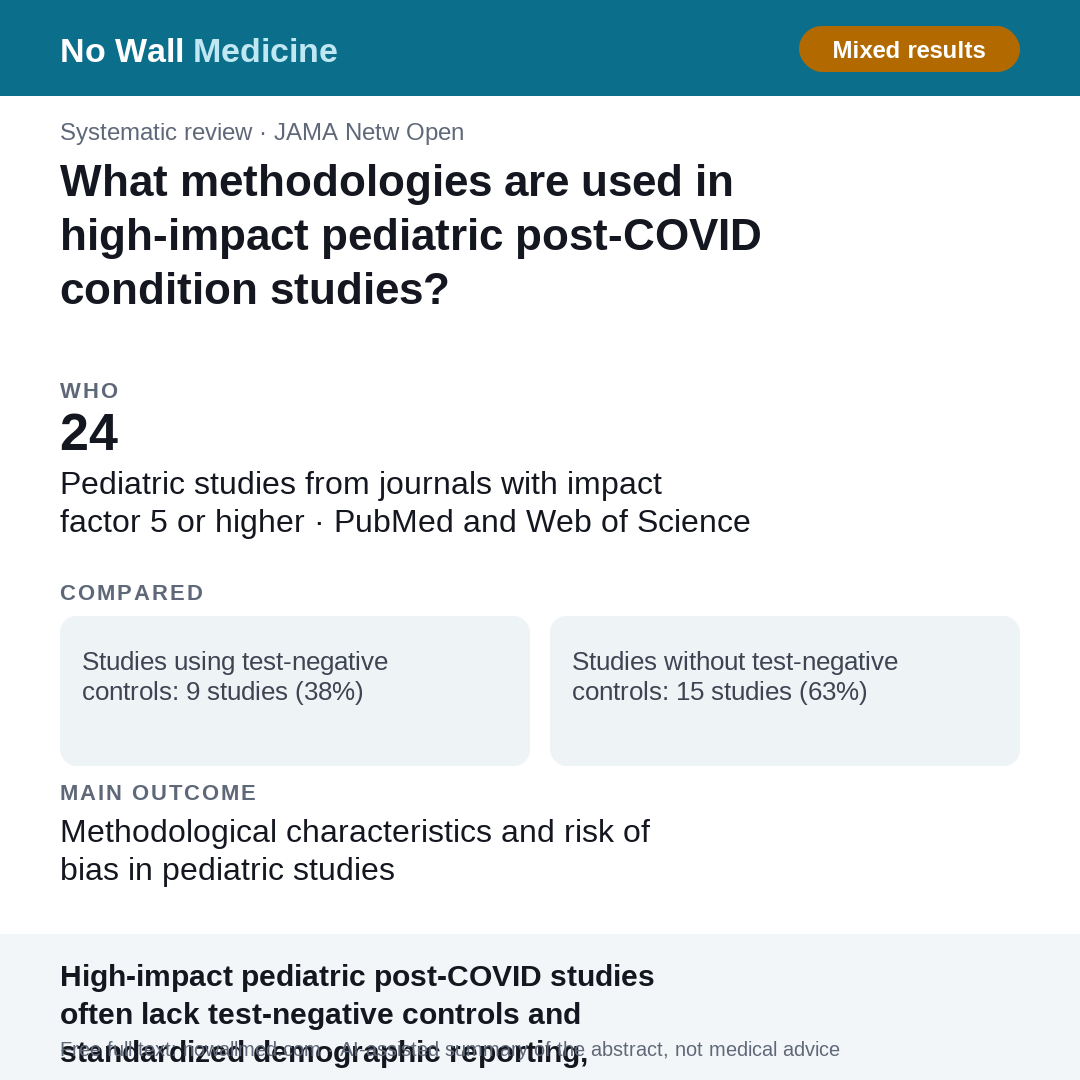
Methods of Pediatric Post-COVID Condition Studies in High-Impact Journals: A Systematic Review
Systematic reviewMixed results
What methodologies are used in high-impact pediatric post-COVID condition studies?
Who
24
Pediatric studies from journals with impact factor 5 or higher · PubMed and Web of Science
Compared
Studies using test-negative controls: 9 studies (38%)
Studies without test-negative controls: 15 studies (63%)
Main outcome
Methodological characteristics and risk of bias in pediatric studies
Bottom line: High-impact pediatric post-COVID studies often lack test-negative controls and standardized demographic reporting, necessitating more rigorous prospective designs.
Limitation: Small median sample sizes and inconsistent reporting of psychiatric history, comorbidities, and body mass index.
JAMA Netw Open · 2025-09-02Download image
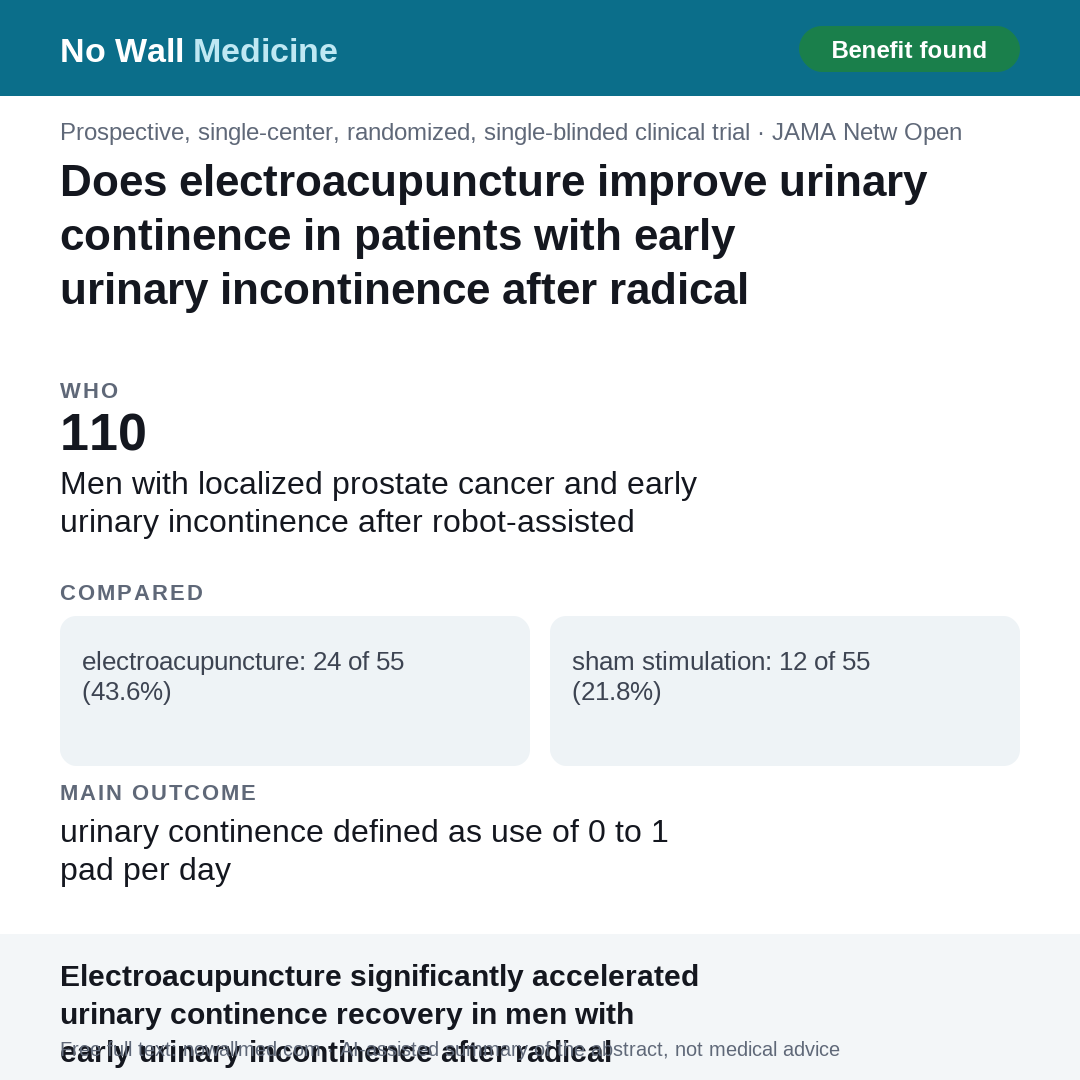
Electroacupuncture in Patients With Early Urinary Incontinence After Radical Prostatectomy: A Randomized Clinical Trial
Prospective, single-center, randomized, single-blinded clinical trialBenefit found
Does electroacupuncture improve urinary continence in patients with early urinary incontinence after radical prostatectomy?
Who
110
Men with localized prostate cancer and early urinary incontinence after robot-assisted radical prostatectomy · Nanjing Drum Tower Hospital, China
Compared
electroacupuncture: 24 of 55 (43.6%)
sham stimulation: 12 of 55 (21.8%)
Main outcome
urinary continence defined as use of 0 to 1 pad per day
Result: relative risk 2.00 (95% CI 1.12-3.59)
Bottom line: Electroacupuncture significantly accelerated urinary continence recovery in men with early urinary incontinence after radical prostatectomy.
JAMA Netw Open · 2025-09-02Download image
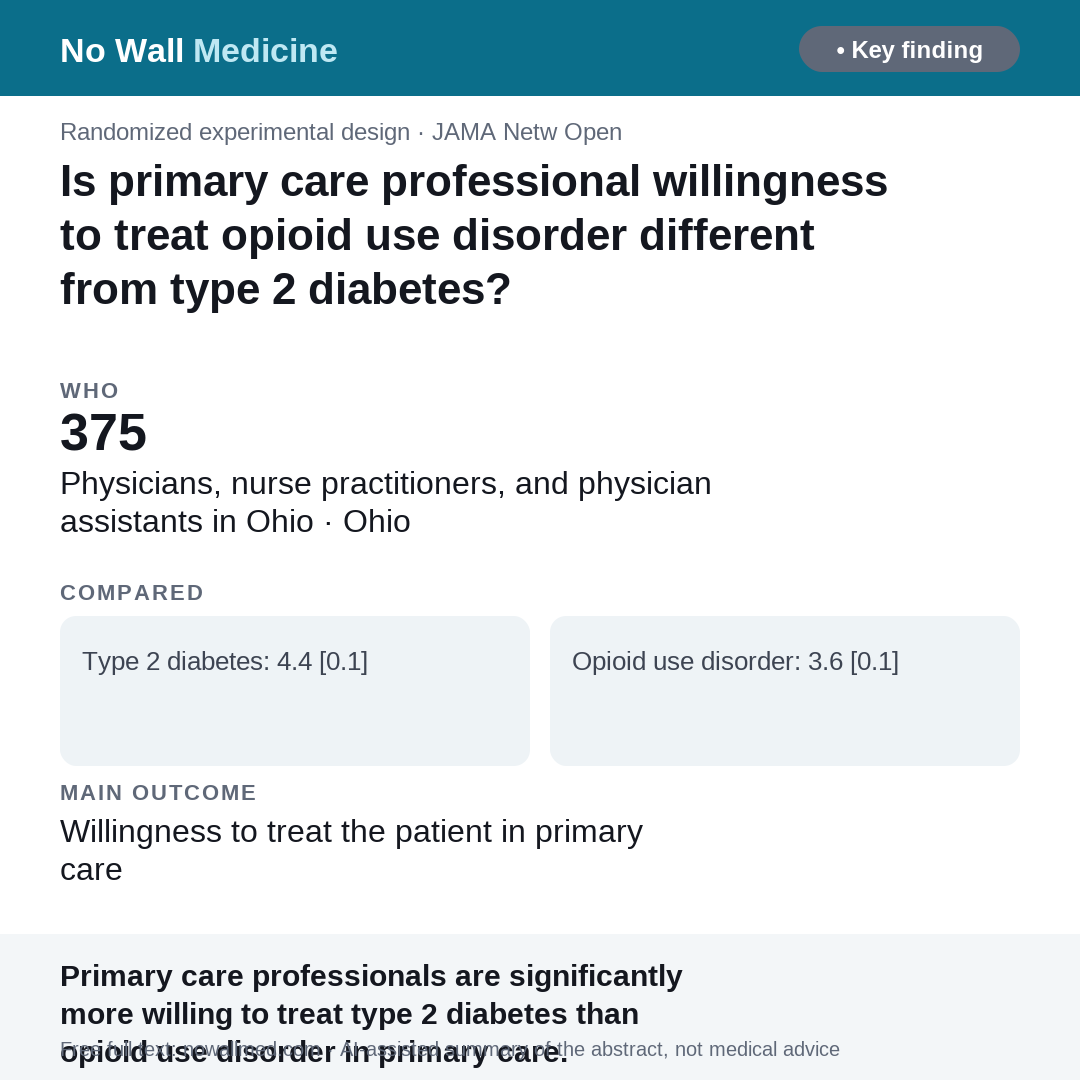
Health Care Professional Willingness to Treat Opioid Use Disorder vs Type 2 Diabetes in Primary Care
Randomized experimental designHarm found
Is primary care professional willingness to treat opioid use disorder different from type 2 diabetes?
Who
375
Physicians, nurse practitioners, and physician assistants in Ohio · Ohio
Compared
Type 2 diabetes: 4.4 [0.1]
Opioid use disorder: 3.6 [0.1]
Main outcome
Willingness to treat the patient in primary care
Bottom line: Primary care professionals are significantly more willing to treat type 2 diabetes than opioid use disorder in primary care.
JAMA Netw Open · 2025-09-02Download image
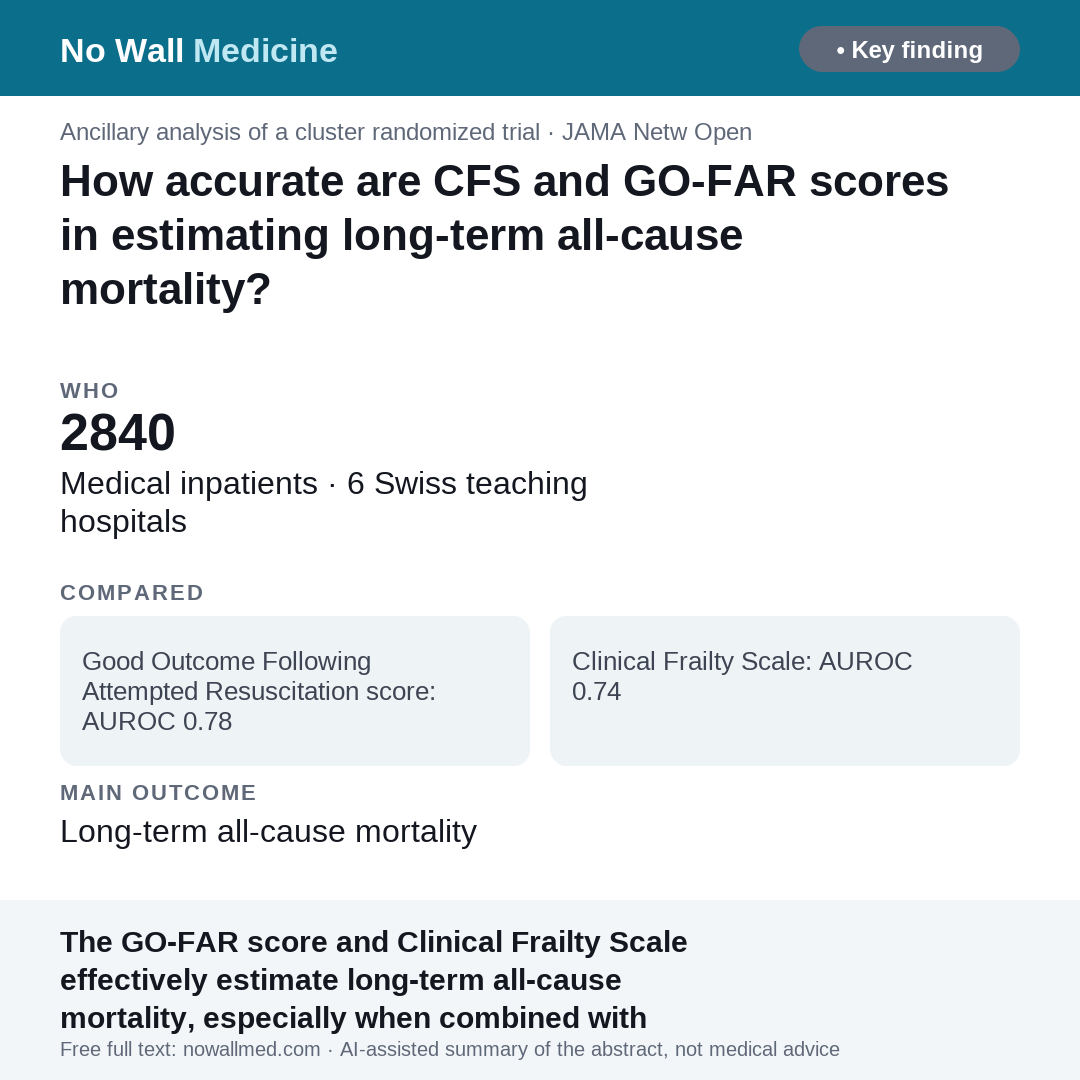
Good Outcome Following Attempted Resuscitation Score and Clinical Frailty Scale for Estimating Long-Term Mortality: An Ancillary Study of the CLEAR Randomized Clinical Trial
Ancillary analysis of a cluster randomized trialBenefit found
How accurate are CFS and GO-FAR scores in estimating long-term all-cause mortality?
Who
2840
Medical inpatients · 6 Swiss teaching hospitals
Compared
Good Outcome Following Attempted Resuscitation score: AUROC 0.78
Clinical Frailty Scale: AUROC 0.74
Main outcome
Long-term all-cause mortality
Result: combined regression model AUROC 0.87
Bottom line: The GO-FAR score and Clinical Frailty Scale effectively estimate long-term all-cause mortality, especially when combined with Charlson Comorbidity Index.
JAMA Netw Open · 2025-09-02Download image
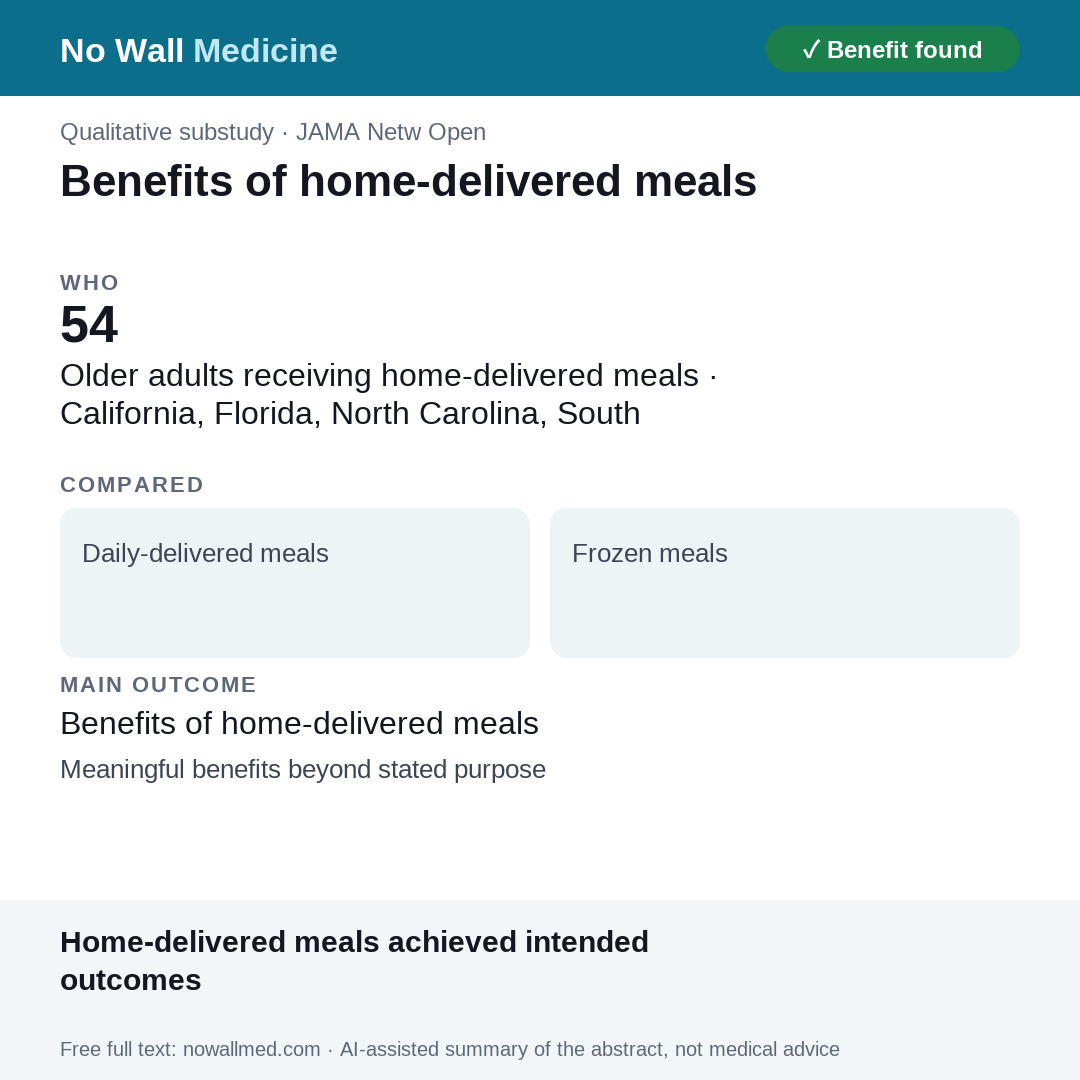
Home-Delivered Nutrition Services for Older Adults Under the Older Americans Act
Qualitative substudyBenefit found
Benefits of home-delivered meals
Who
54
Older adults receiving home-delivered meals · California, Florida, North Carolina, South Carolina, Texas
Compared
Daily-delivered meals
Frozen meals
Main outcome
Benefits of home-delivered meals
Result: Meaningful benefits beyond stated purpose
Bottom line: Home-delivered meals achieved intended outcomes
JAMA Netw Open · 2025-09-02Download image
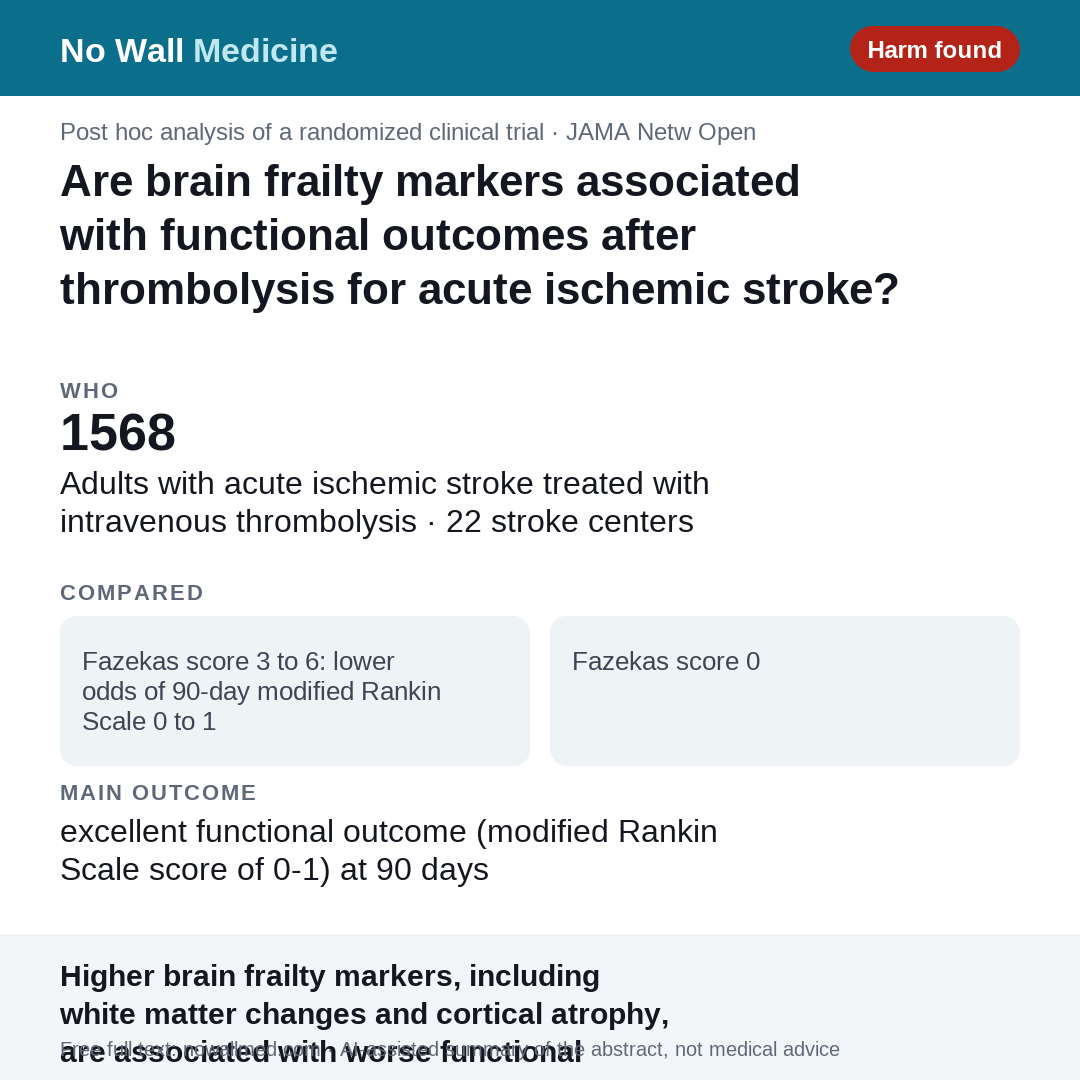
Brain Frailty and Functional Outcomes After Thrombolysis for Acute Ischemic Stroke
Post hoc analysis of a randomized clinical trialHarm found
Are brain frailty markers associated with functional outcomes after thrombolysis for acute ischemic stroke?
Who
1568
Adults with acute ischemic stroke treated with intravenous thrombolysis · 22 stroke centers across Canada
Compared
Fazekas score 3 to 6: lower odds of 90-day modified Rankin Scale 0 to 1
Fazekas score 0
Main outcome
excellent functional outcome (modified Rankin Scale score of 0-1) at 90 days
Result: adjusted odds ratio 0.40 (95% CI 0.24-0.65)
Bottom line: Higher brain frailty markers, including white matter changes and cortical atrophy, are associated with worse functional outcomes after thrombolysis.
JAMA Netw Open · 2025-09-02Download image
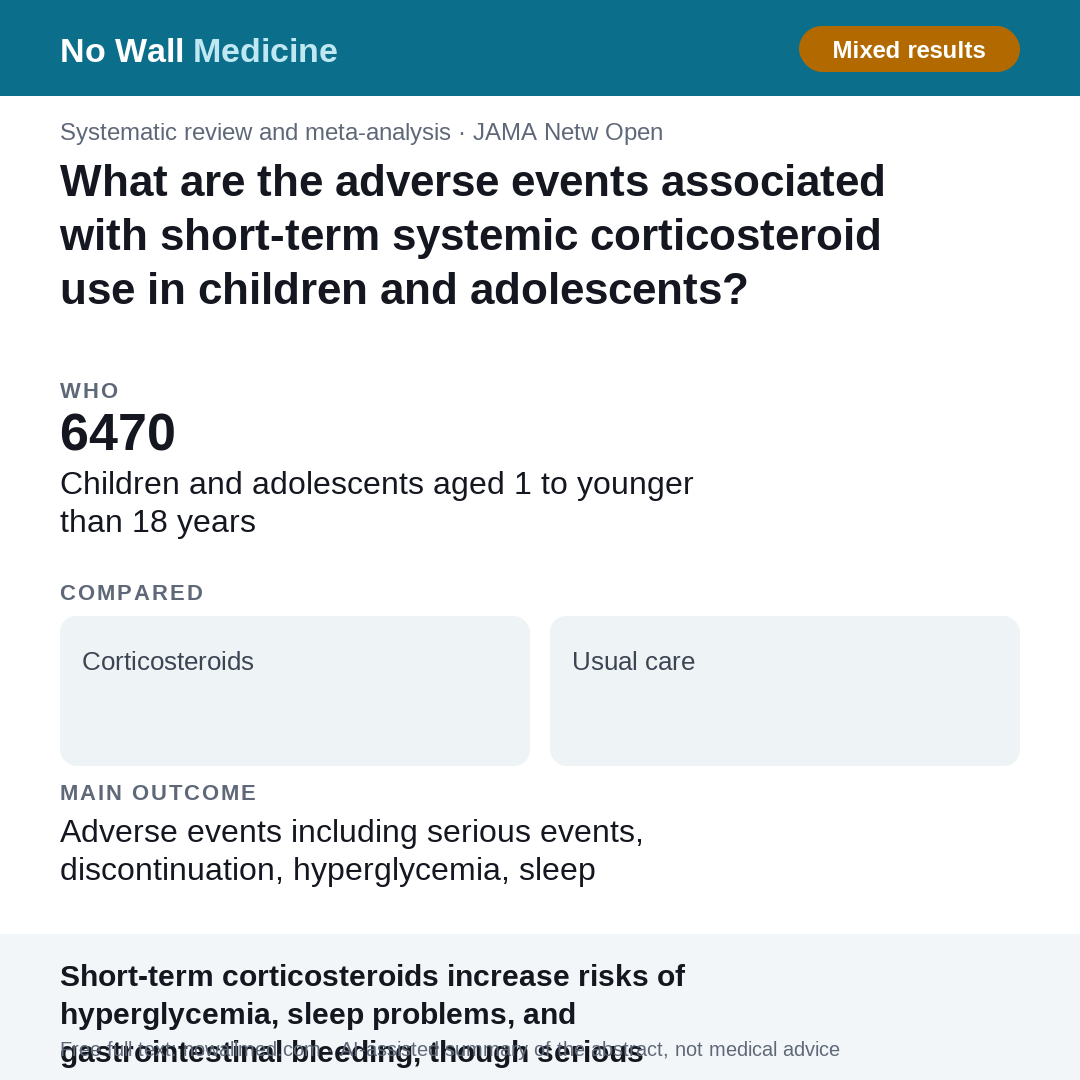
Adverse Events Following Short-Course Systemic Corticosteroids Among Children and Adolescents: A Systematic Review and Meta-Analysis
Systematic review and meta-analysisMixed results
What are the adverse events associated with short-term systemic corticosteroid use in children and adolescents?
Who
6470
Children and adolescents aged 1 to younger than 18 years
Compared
Corticosteroids
Usual care
Main outcome
Adverse events including serious events, discontinuation, hyperglycemia, sleep disturbances, behavior changes, and gastrointestinal bleeding
Result: hyperglycemia RD 38 more AEs per 1000 patients (95% CI 11 to 64 more)
Bottom line: Short-term corticosteroids increase risks of hyperglycemia, sleep problems, and gastrointestinal bleeding, though serious adverse events were not significantly increased.
Limitation: Further research is needed to obtain better quality of evidence.
JAMA Netw Open · 2025-09-02Download image
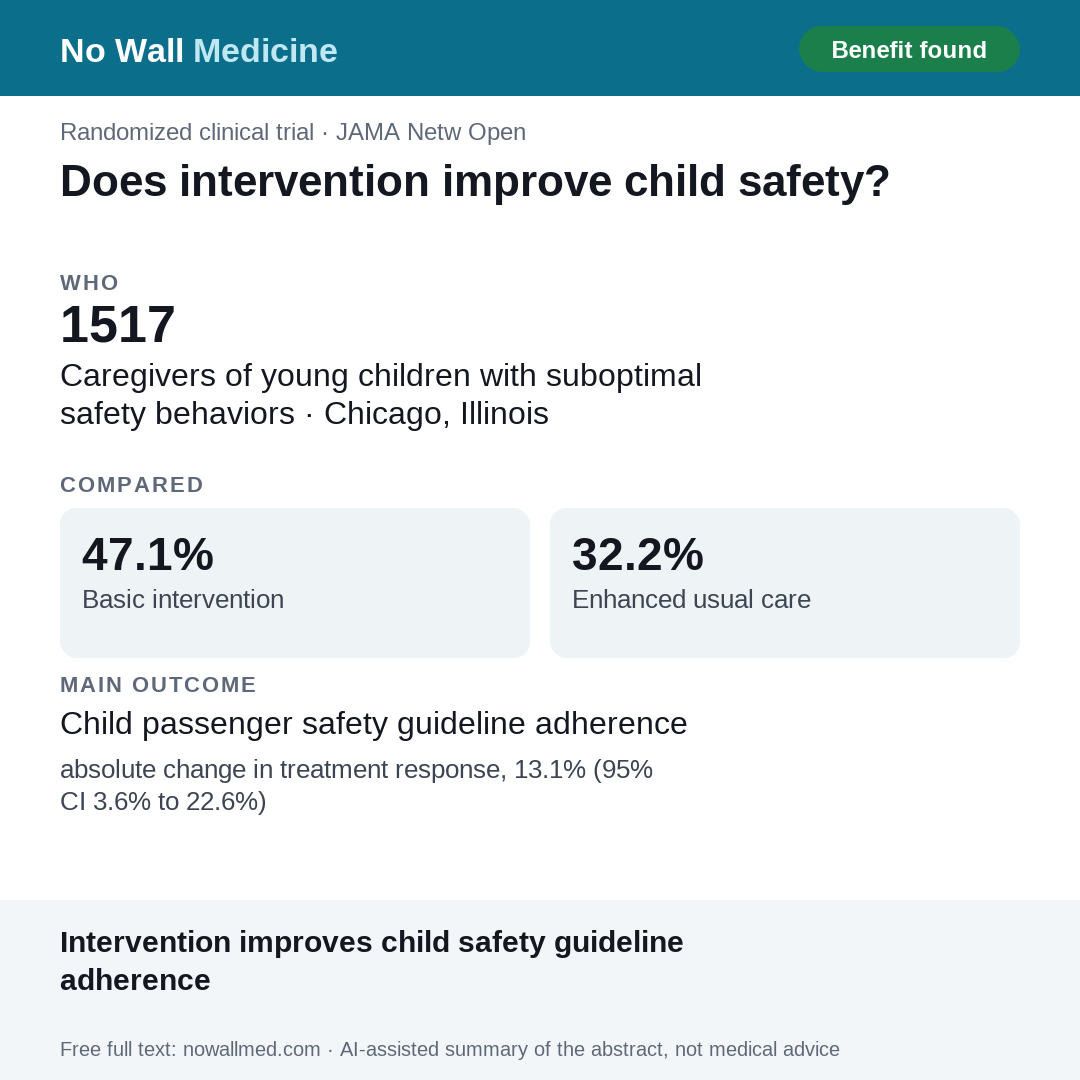
Multimodal Intervention and Child Passenger Safety Guideline Adherence in Young Children: A Sequential, Multiple-Assignment, Randomized Clinical Trial
Randomized clinical trialBenefit found
Does intervention improve child safety?
Who
1517
Caregivers of young children with suboptimal safety behaviors · Chicago, Illinois
Compared
47.1%Basic intervention (131/278)
32.2%Enhanced usual care (38/118)
Main outcome
Child passenger safety guideline adherence
Result: absolute change in treatment response, 13.1% (95% CI 3.6% to 22.6%)
Bottom line: Intervention improves child safety guideline adherence
JAMA Netw Open · 2025-09-02Download image
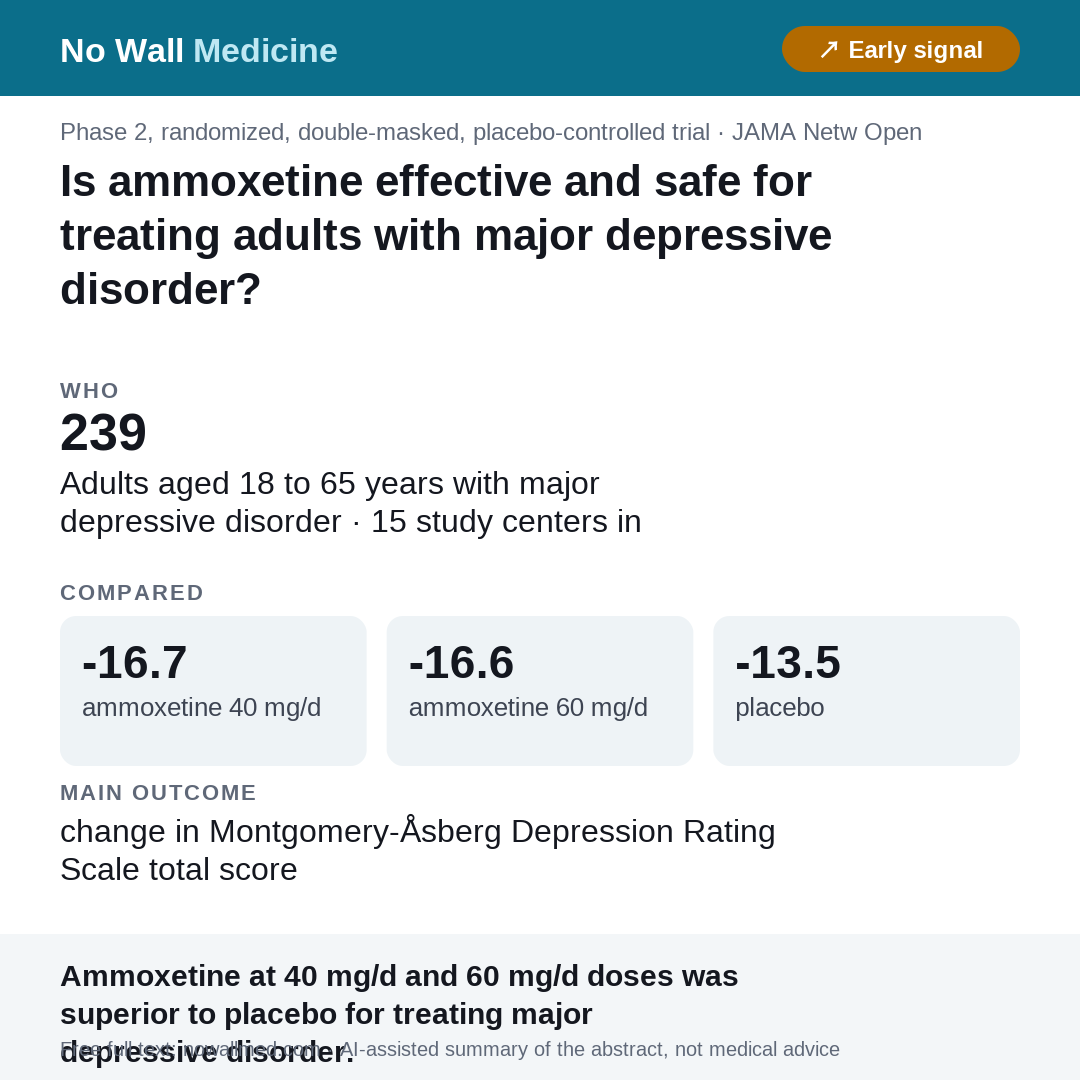
Antioxidant Treatment and the Chance to Conceive in Men Seeking Fertility Care: The SUMMER Randomized Clinical Trial
Multicenter, double-blind, placebo-controlled randomized clinical trialNo clear difference
Does antioxidant supplement treatment improve semen quality and pregnancy rates in men seeking fertility care?
Who
1171
Men aged 18 to 50 years and female partners aged 18 to 43 years · 21 hospitals and private fertility clinics in the Netherlands
Compared
Antioxidant supplement: 193 of 571 [33.8%]
Placebo: 208 of 555 [37.5%]
Main outcome
Ongoing pregnancy conceived within 6 months after randomization
Result: adjusted odds ratio 0.85 (95% CI, 0.66-1.09)
Bottom line: Antioxidant supplement treatment did not improve ongoing pregnancy rates compared to a placebo in men seeking fertility care.
JAMA Netw Open · 2025-09-02Download image
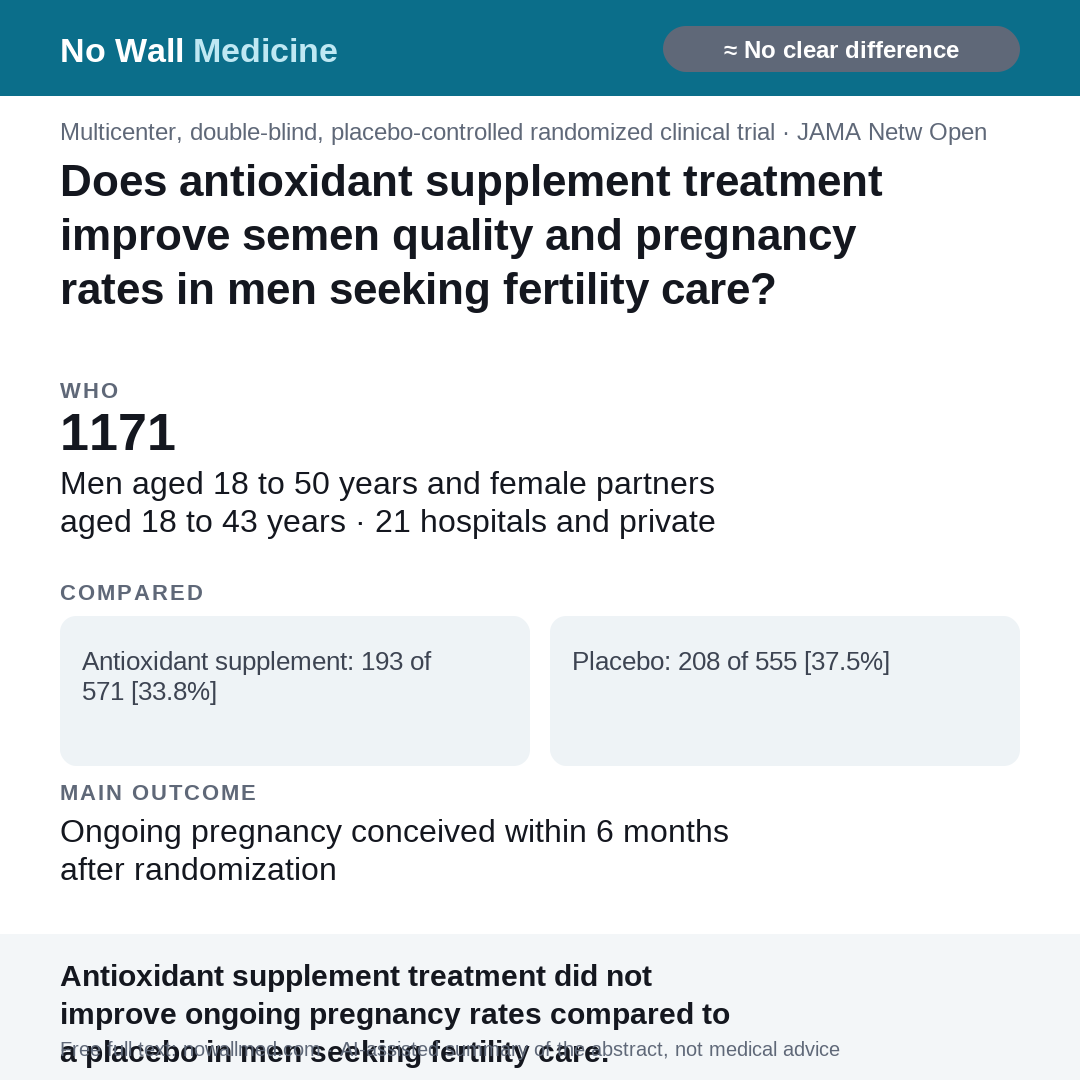
Eye Movement Desensitization and Reprocessing Therapy in Persons With Personality Disorders: A Randomized Clinical Trial
Single-blind, randomized clinical trialBenefit found
Is eye movement desensitization and reprocessing therapy effective in reducing personality disorder symptoms?
Who
159
Patients with personality disorders · 2 clinics in the Netherlands
Compared
Eye movement desensitization and reprocessing therapy: 44.1% remission
Waiting-list control
Main outcome
Personality disorder symptoms
Bottom line: Eye movement desensitization and reprocessing therapy significantly reduced personality disorder symptoms compared to a waiting list.
JAMA Netw Open · 2025-09-02Download image
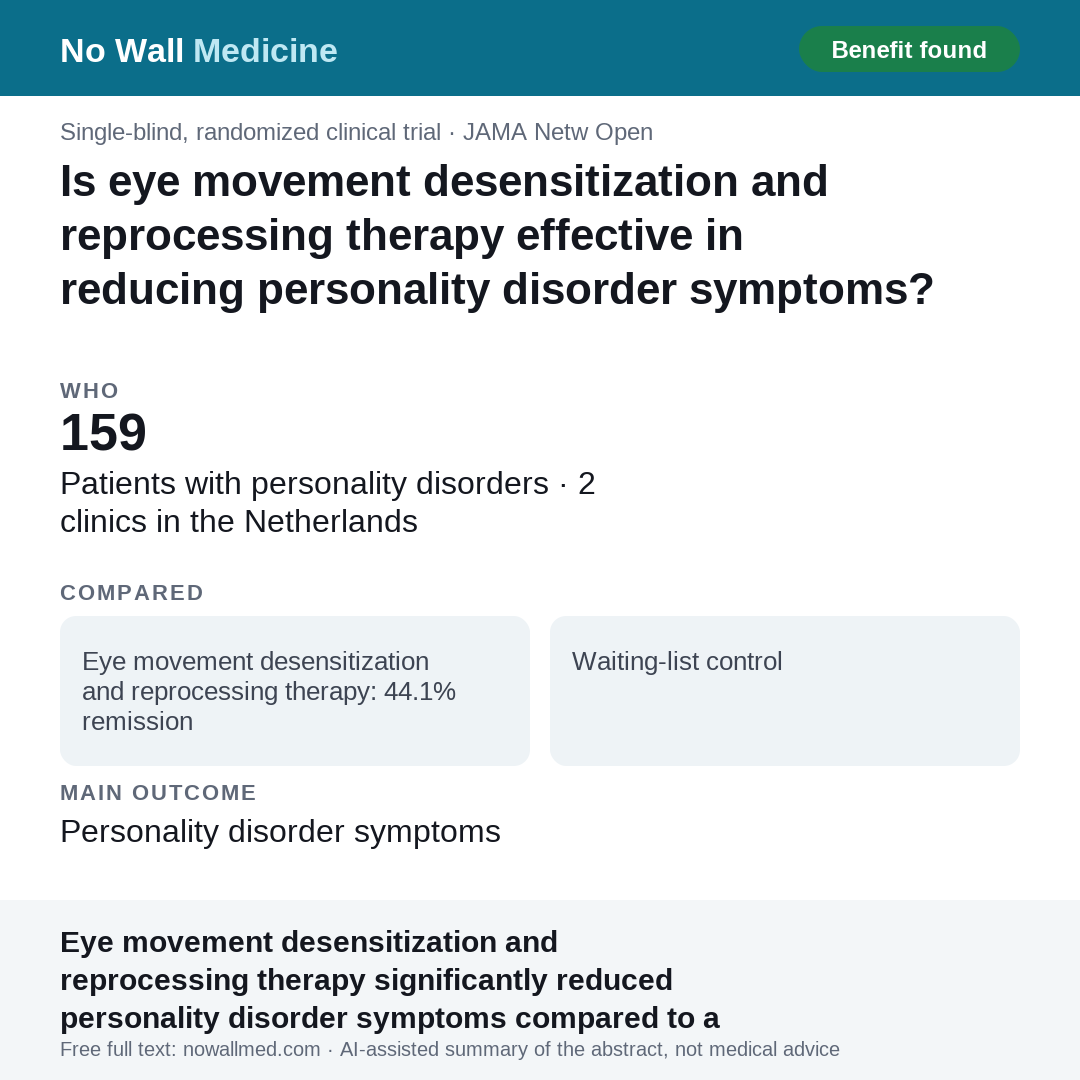
Checklist-Guided Code Status Discussions in Patients for Whom Cardiopulmonary Resuscitation Is Considered Futile: An Analysis of a Randomized Clinical Trial
Multicenter randomized clinical trialMixed results
Does a structured communication approach affect code status decisions and quality-of-care measures?
Who
177
Medical inpatients for whom cardiopulmonary resuscitation was considered futile · 6 Swiss teaching hospitals
Compared
Checklist group: 79 of 89 [89%]
Usual care group: 72 of 88 [82%]
Main outcome
Code status decisions and preference for intensive care unit admission
Result: odds ratio 1.76 (95% CI 0.75-4.12)
Bottom line: Checklist-guided discussions reduced intensive care unit admission preference and physician challenge without affecting patient psychological burden.
JAMA Netw Open · 2025-09-02Download image
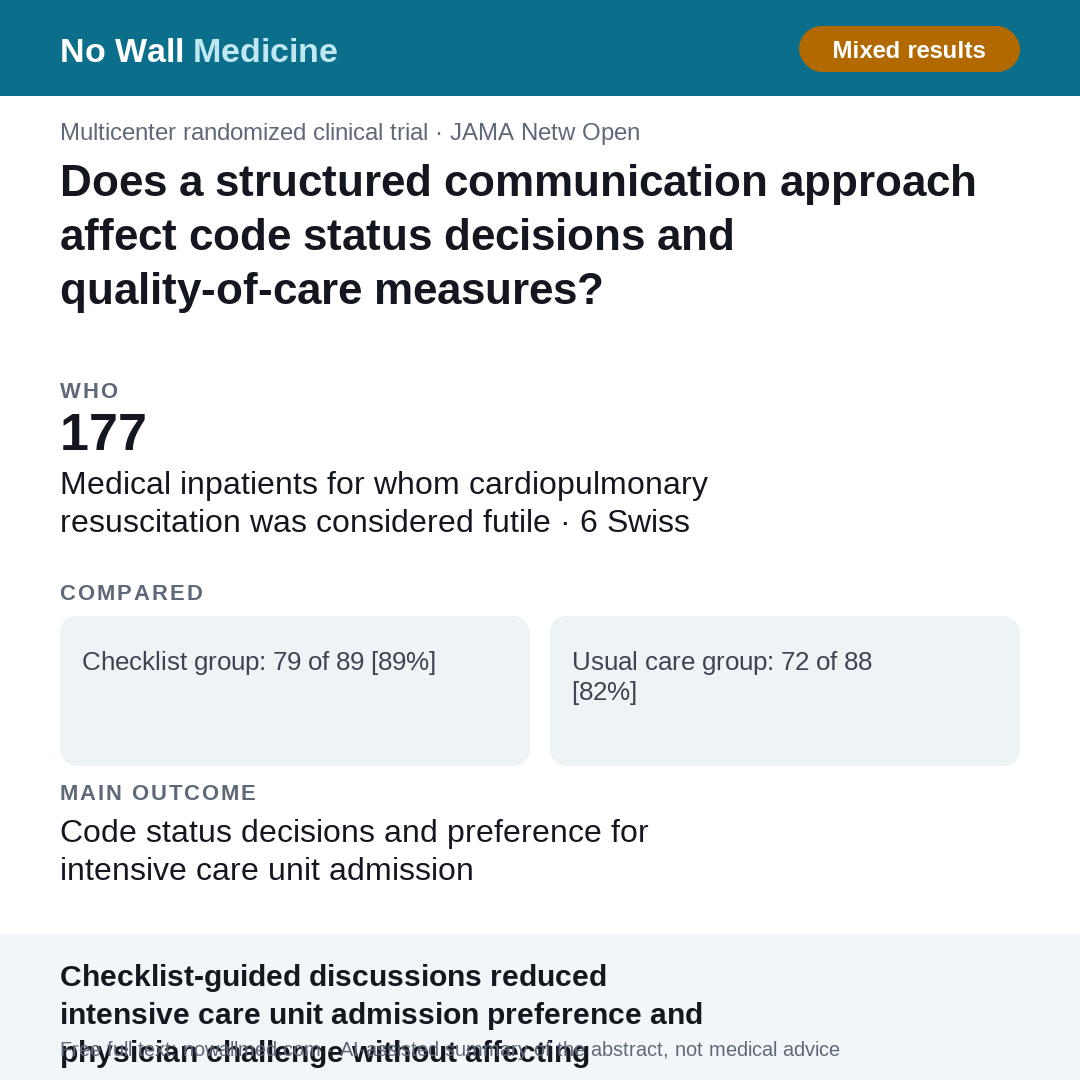
Efficacy and Safety of Ammoxetine in Major Depressive Disorder: A Randomized Clinical Trial
Phase 2, randomized, double-masked, placebo-controlled trialBenefit found
Is ammoxetine effective and safe for treating adults with major depressive disorder?
Who
239
Adults aged 18 to 65 years with major depressive disorder · 15 study centers in China
Compared
-16.7ammoxetine 40 mg/d (1.3)
-16.6ammoxetine 60 mg/d (1.3)
-13.5placebo (1.3)
Main outcome
change in Montgomery-Åsberg Depression Rating Scale total score
Result: -3.3 (97.3 CI, -6.3 to -0.3) for ammoxetine 40 mg/d
Bottom line: Ammoxetine at 40 mg/d and 60 mg/d doses was superior to placebo for treating major depressive disorder.
JAMA Netw Open · 2025-09-02Download image
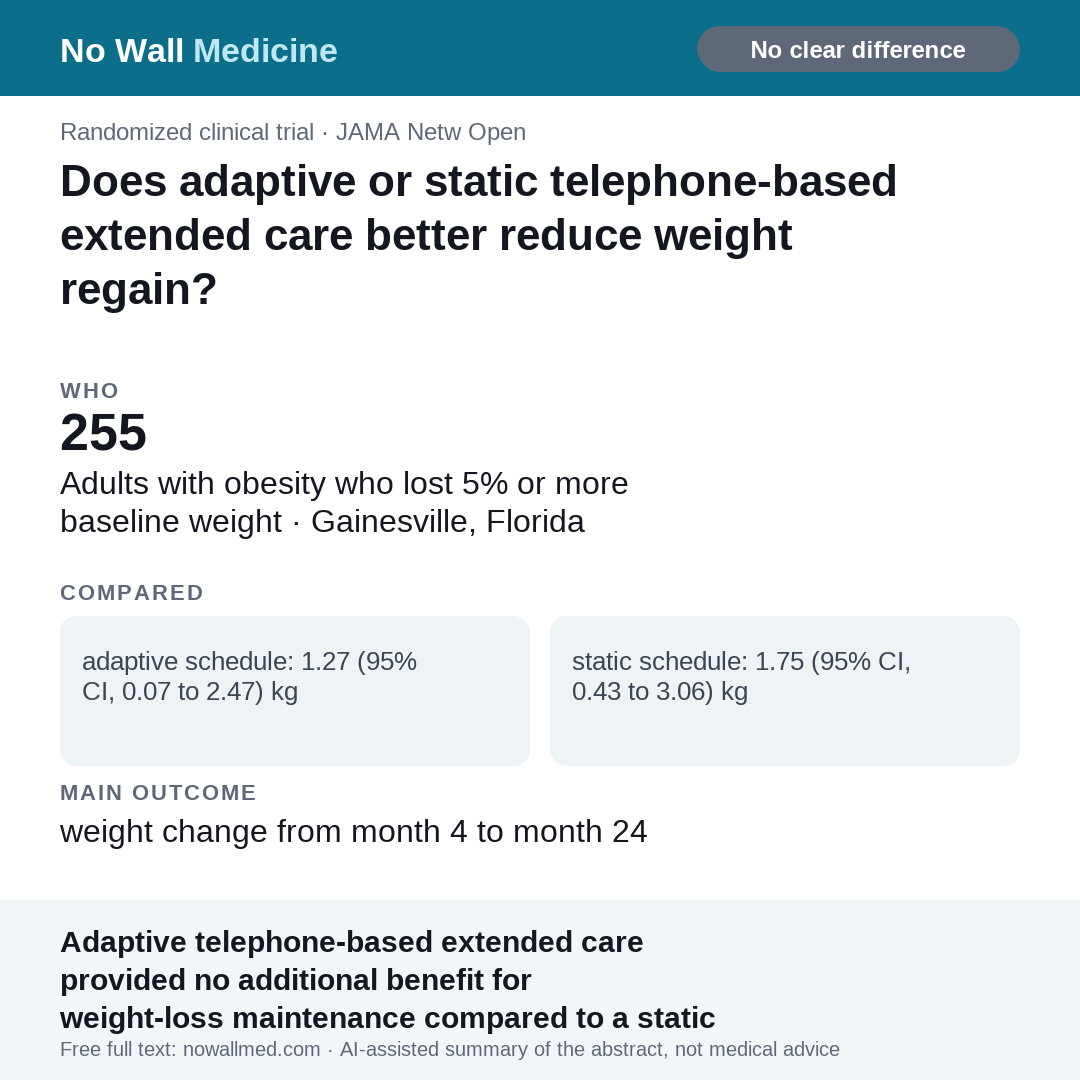
Adaptive vs Monthly Support for Weight-Loss Maintenance: A Randomized Clinical Trial
Randomized clinical trialNo clear difference
Does adaptive or static telephone-based extended care better reduce weight regain?
Who
255
Adults with obesity who lost 5% or more baseline weight · Gainesville, Florida
Compared
adaptive schedule: 1.27 (95% CI, 0.07 to 2.47) kg
static schedule: 1.75 (95% CI, 0.43 to 3.06) kg
Main outcome
weight change from month 4 to month 24
Bottom line: Adaptive telephone-based extended care provided no additional benefit for weight-loss maintenance compared to a static monthly schedule.
JAMA Netw Open · 2025-09-02Download image