Visual abstracts
New randomized trials and meta-analyses from leading journals at a glance: who was studied, what was compared, and what was found. Every paper is free to read in full.
All specialtiesCardiology 4763Oncology 4042Gastroenterology & Hepatology 1902Infectious Disease 3756Neurology 1872Psychiatry & Mental Health 2214Pulmonology 2042Critical Care 1319Endocrinology & Diabetes 2544Pediatrics 2889Surgery 2479Orthopedics & Sports Medicine 917Neurosurgery 525Cardiothoracic & Vascular Surgery 656Plastic & Reconstructive Surgery 574Nephrology 1107Rheumatology 810Hematology 1090Dermatology 611Ophthalmology 532Obstetrics & Gynecology 1645Public & Global Health 1037Radiology & Imaging 617Anesthesiology 957Urology 745ENT (Otolaryngology) 494Emergency Medicine 481Allergy & Immunology 309Geriatrics 972Family Medicine & Primary Care 533Medical Genetics & Genomics 659Pathology & Laboratory Medicine 156Physical Medicine & Rehabilitation 734Palliative Care 421Nutrition 1560Digital Health & AI 2133General Medicine 318
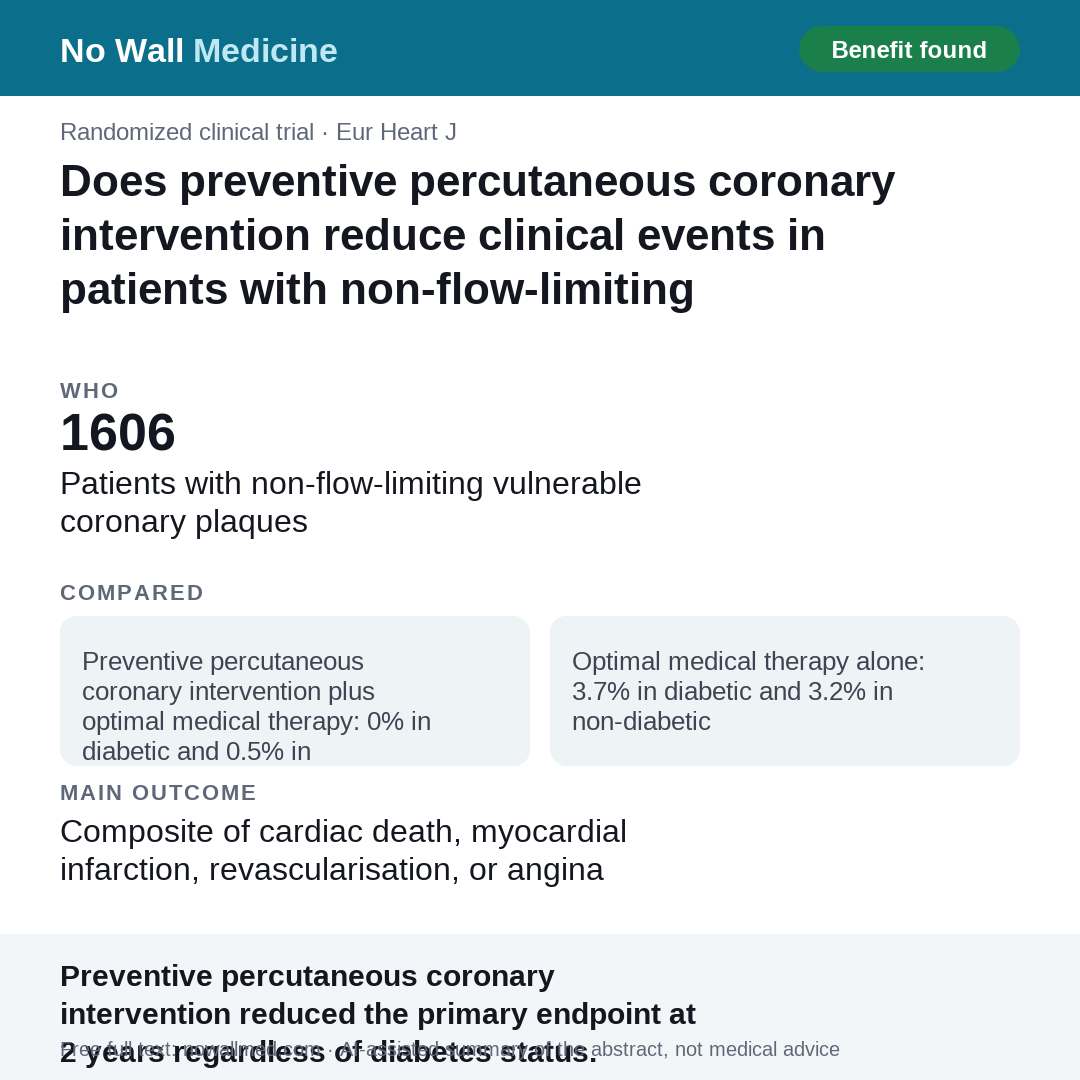
Preventive percutaneous coronary intervention for non-flow-limiting vulnerable atherosclerotic coronary plaques in diabetes: the PREVENT trial
Randomized clinical trialBenefit found
Does preventive percutaneous coronary intervention reduce clinical events in patients with non-flow-limiting vulnerable plaques?
Who
1606
Patients with non-flow-limiting vulnerable coronary plaques
Compared
Preventive percutaneous coronary intervention plus optimal medical therapy: 0% in diabetic and 0.5% in non-diabetic
Optimal medical therapy alone: 3.7% in diabetic and 3.2% in non-diabetic
Main outcome
Composite of cardiac death, myocardial infarction, revascularisation, or angina hospitalization
Result: hazard ratio 0.16 (95% confidence interval 0.05-0.55)
Bottom line: Preventive percutaneous coronary intervention reduced the primary endpoint at 2 years regardless of diabetes status.
Eur Heart J · 2025-05-29Download image
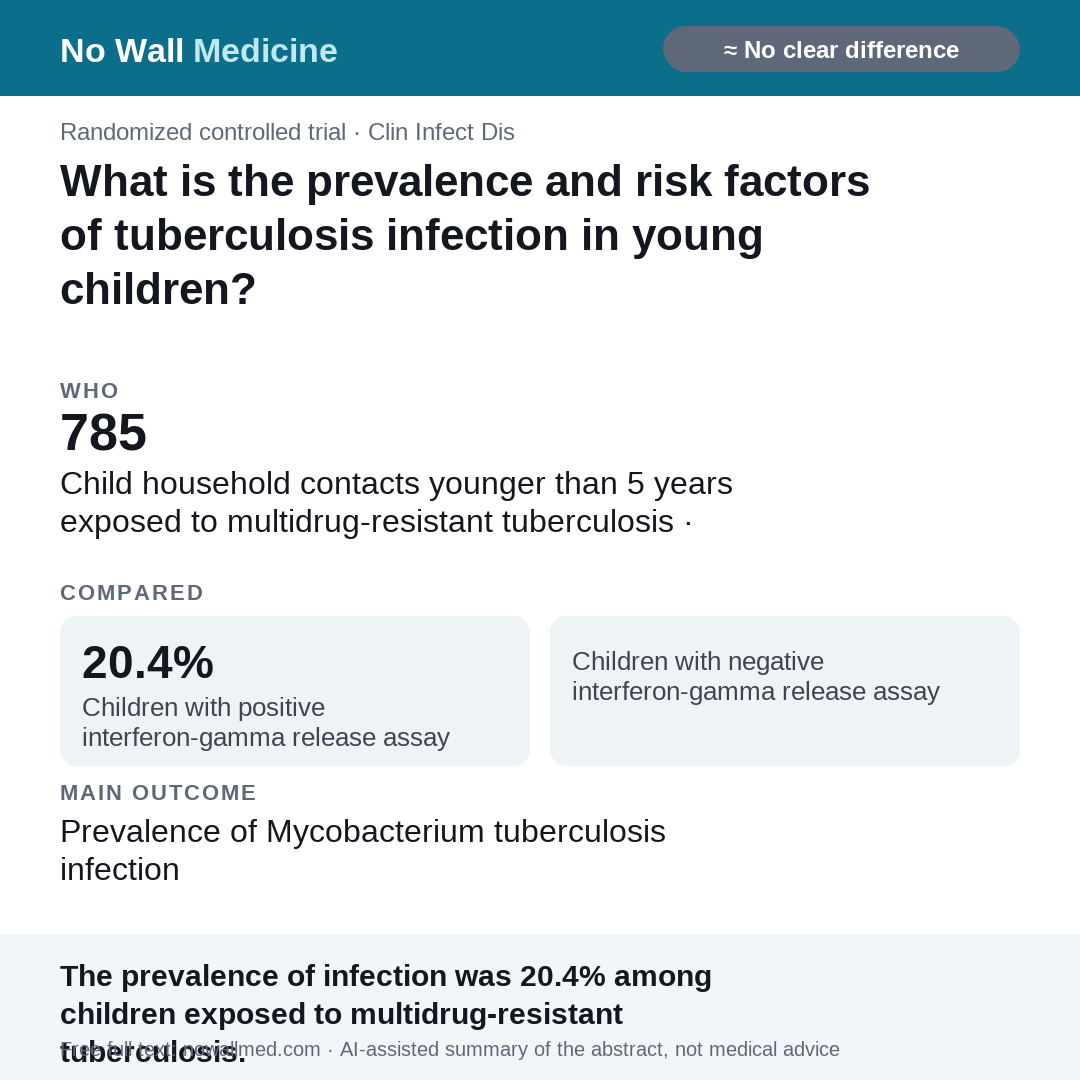
Risk of Tuberculosis Infection in Young Children Exposed to Multidrug-resistant Tuberculosis in the TB-CHAMP Multi-site Randomized Controlled Trial
Randomized controlled trialNo clear difference
What is the prevalence and risk factors of tuberculosis infection in young children?
Who
785
Child household contacts younger than 5 years exposed to multidrug-resistant tuberculosis · Multi-site
Compared
20.4%Children with positive interferon-gamma release assay (160/785)
Children with negative interferon-gamma release assay
Main outcome
Prevalence of Mycobacterium tuberculosis infection
Bottom line: The prevalence of infection was 20.4% among children exposed to multidrug-resistant tuberculosis.
Limitation: Possible test limitations or improved diagnosis and treatment of multidrug-resistant tuberculosis.
Clin Infect Dis · 2025-05-29Download image
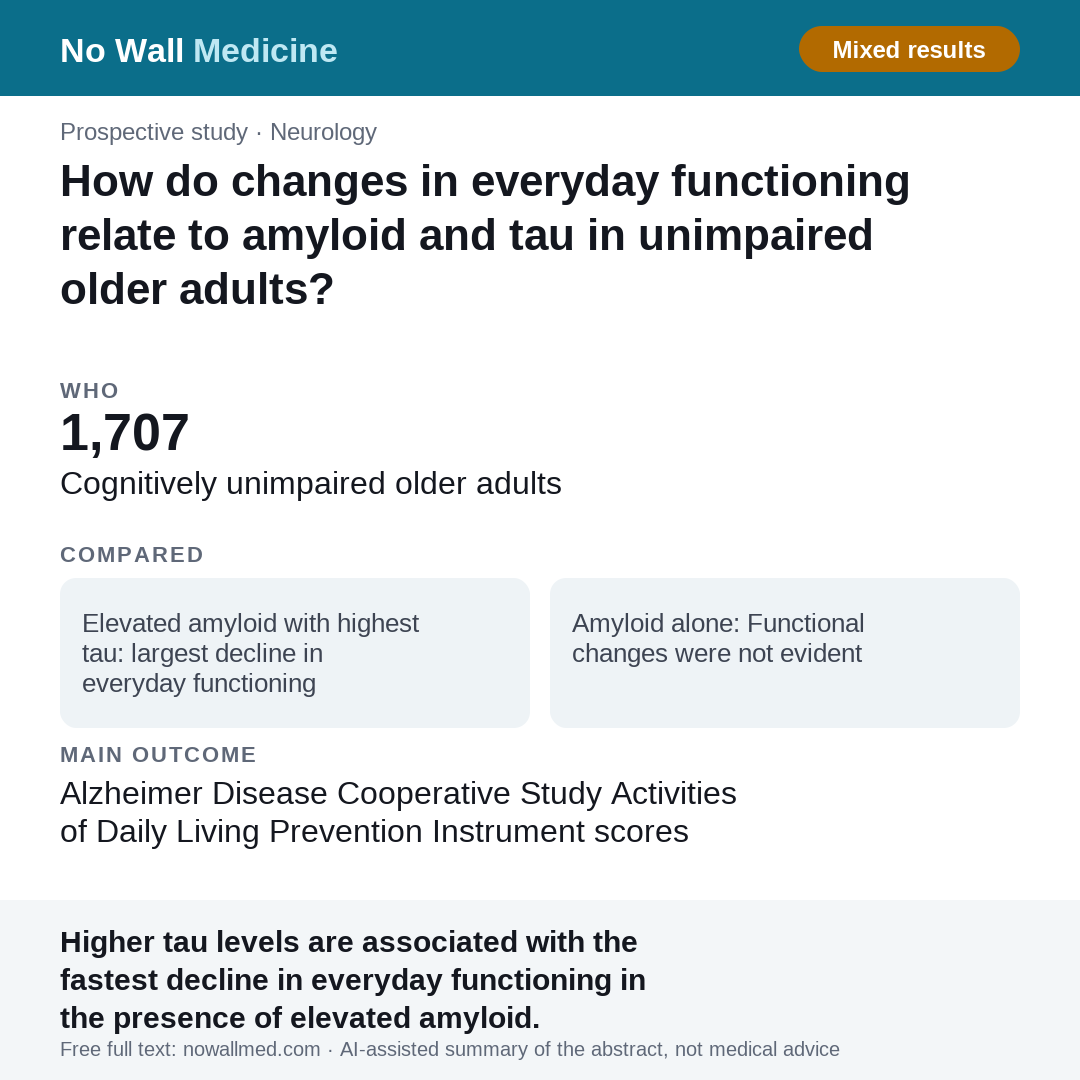
Changes in Daily Functioning in Association With Tau and Amyloid Among Unimpaired Older Adults With and Without Elevated Amyloid
Prospective studyMixed results
How do changes in everyday functioning relate to amyloid and tau in unimpaired older adults?
Who
1,707
Cognitively unimpaired older adults
Compared
Elevated amyloid with highest tau: largest decline in everyday functioning
Amyloid alone: Functional changes were not evident
Main outcome
Alzheimer Disease Cooperative Study Activities of Daily Living Prevention Instrument scores
Bottom line: Higher tau levels are associated with the fastest decline in everyday functioning in the presence of elevated amyloid.
Neurology · 2025-05-29Download image
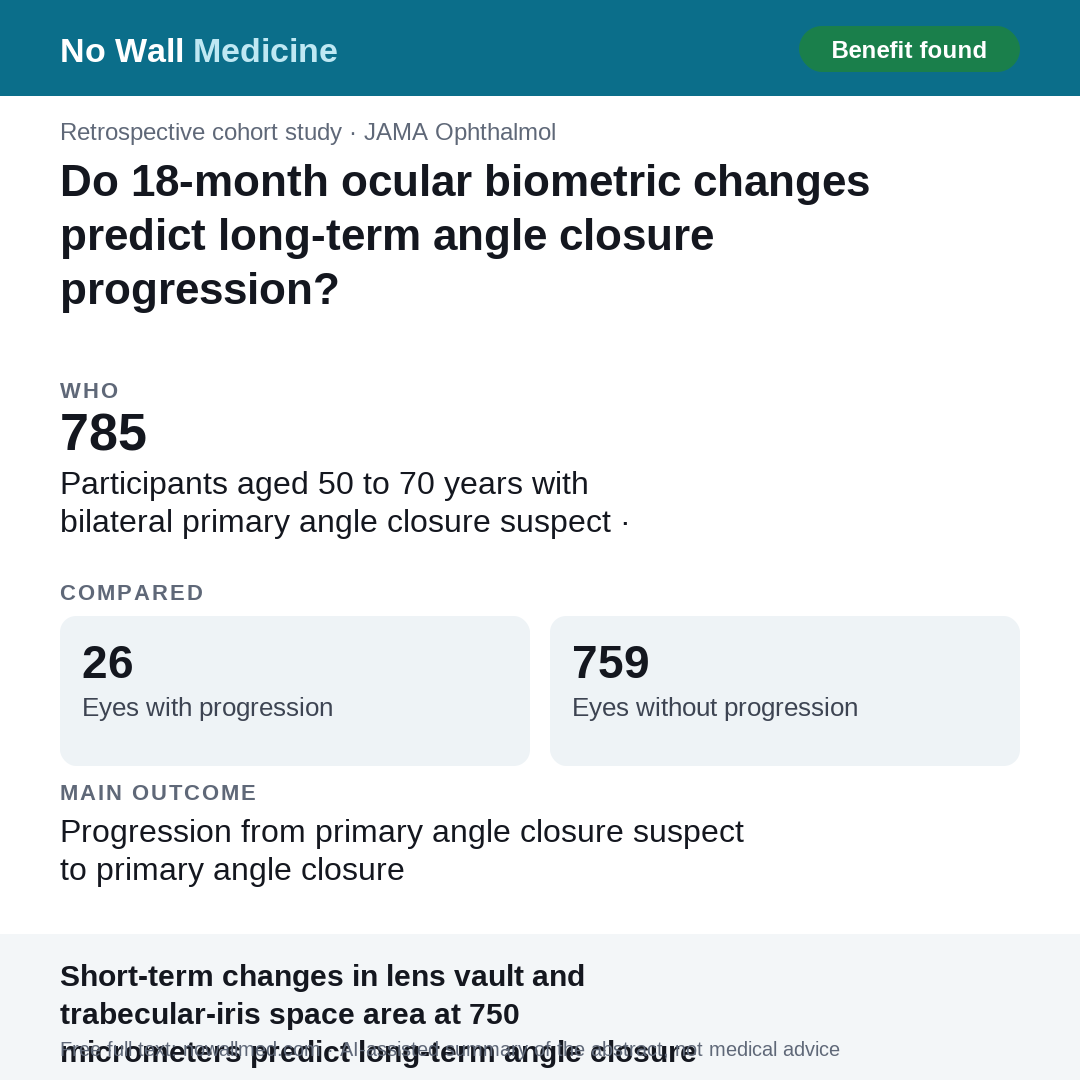
Short-Term Ocular Biometric Changes as Predictors of Long-Term Angle Closure Progression
Retrospective cohort studyKey finding
Do 18-month ocular biometric changes predict long-term angle closure progression?
Who
785
Participants aged 50 to 70 years with bilateral primary angle closure suspect · Zhongshan Angle Closure Prevention Trial
Compared
26Eyes with progression
759Eyes without progression
Main outcome
Progression from primary angle closure suspect to primary angle closure
Result: hazard ratio 1.28 per -0.01 mm2 (95% CI 1.09-1.50)
Bottom line: Short-term changes in lens vault and trabecular-iris space area at 750 micrometers predict long-term angle closure progression.
JAMA Ophthalmol · 2025-05-29Download image
Mepolizumab Improves Histologic Severity as Measured by the EoEHSS in Adolescents and Adults With Eosinophilic Oesophagitis in a Multicenter, Randomised, Double-Blind, Placebo-Controlled Clinical Trial
Randomized, double-blind, placebo-controlled clinical trialBenefit found
Does mepolizumab improve histologic severity in adolescents and adults with eosinophilic oesophagitis?
Who
Adolescents and adults with eosinophilic oesophagitis · Multicenter
Compared
Mepolizumab 300 mg: grade 0.39 ± 0.14
Placebo: grade 0.56 ± 0.21
Main outcome
Eosinophilic oesophagitis Histologic Scoring System grade and stage
Bottom line: Mepolizumab significantly lowered eosinophilic oesophagitis histologic scoring system grade and stage compared to placebo.
Limitation: Improvement was primarily limited to the eosinophil-dependent histologic scoring system features.
Aliment Pharmacol Ther · 2025-05-29Download image

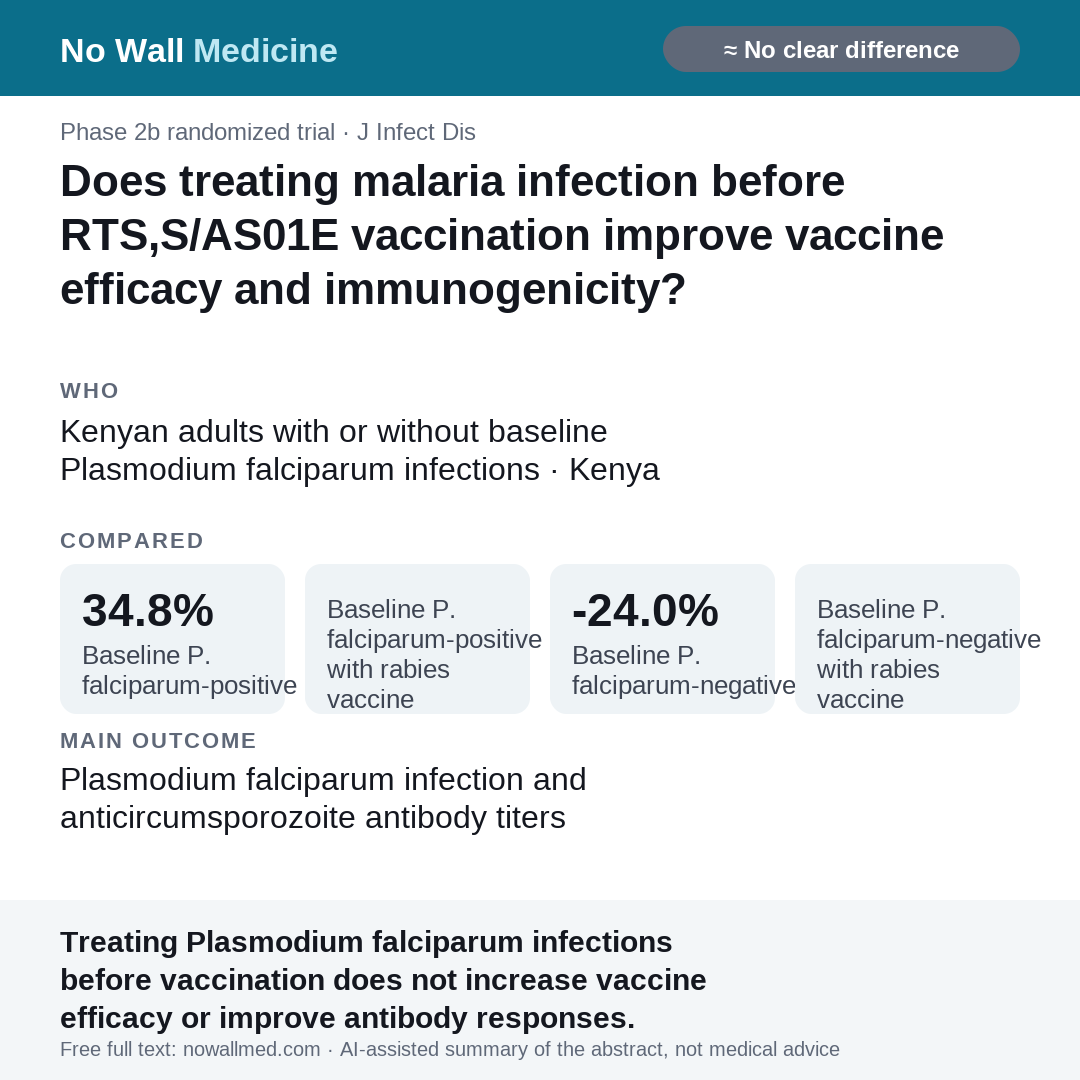
Efficacy of RTS,S/AS01E Only Seen in Baseline Parasitemic and Not Baseline Aparasitemic Plasmodium falciparum-Exposed, Drug-Treated Kenyan Adults
Phase 2b randomized trialNo clear difference
Does treating malaria infection before RTS,S/AS01E vaccination improve vaccine efficacy and immunogenicity?
Who
Kenyan adults with or without baseline Plasmodium falciparum infections · Kenya
Compared
34.8%Baseline P. falciparum-positive with RTS,S/AS01E (95% CI 8.9% to 53.4%)
Baseline P. falciparum-positive with rabies vaccine
-24.0%Baseline P. falciparum-negative with RTS,S/AS01E (95% CI -97% to 22.4%)
Baseline P. falciparum-negative with rabies vaccine
Main outcome
Plasmodium falciparum infection and anticircumsporozoite antibody titers
Bottom line: Treating Plasmodium falciparum infections before vaccination does not increase vaccine efficacy or improve antibody responses.
J Infect Dis · 2025-05-29Download image
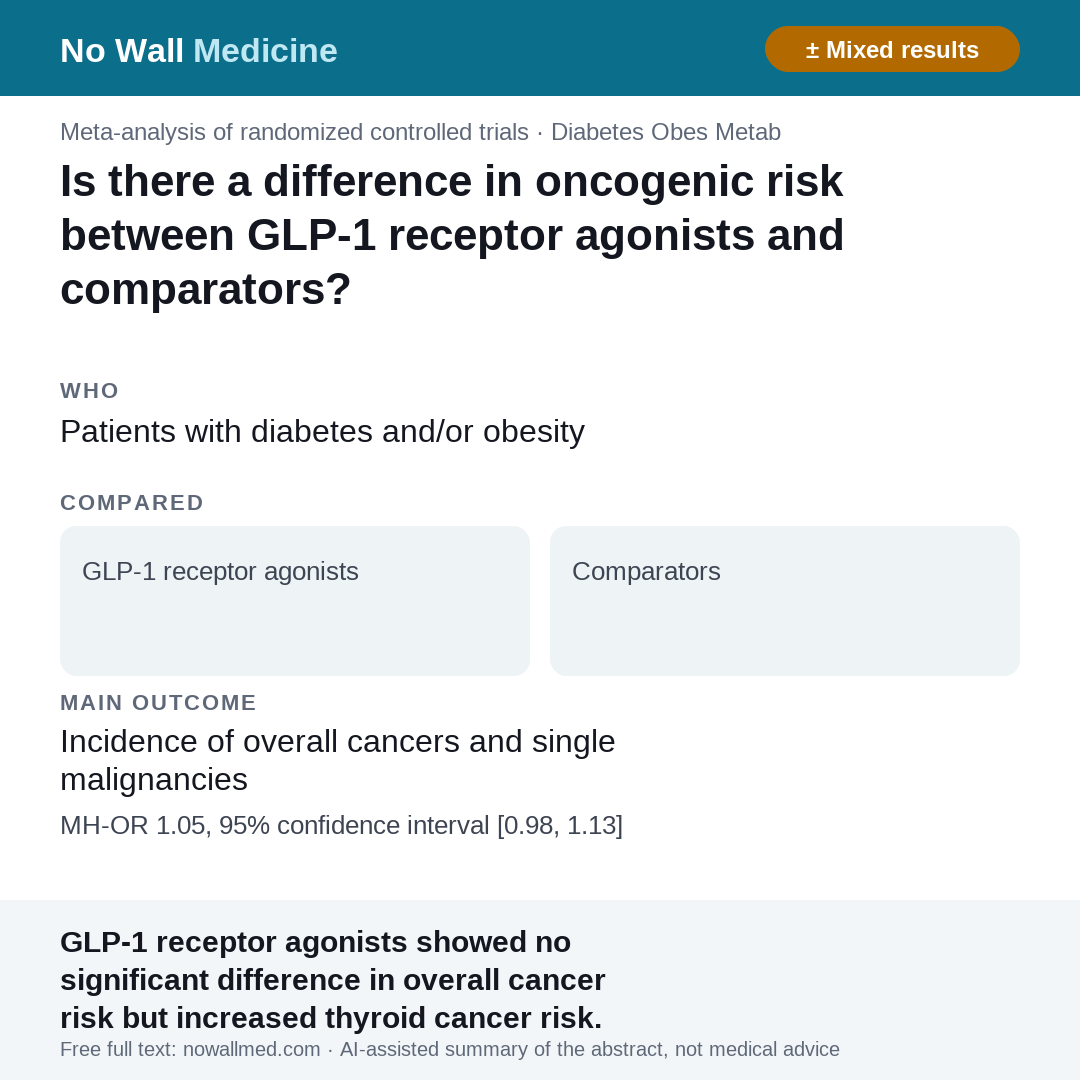
GLP-1 receptor agonists and the risk for cancer: A meta-analysis of randomized controlled trials
Meta-analysis of randomized controlled trialsMixed results
Is there a difference in oncogenic risk between GLP-1 receptor agonists and comparators?
Who
Patients with diabetes and/or obesity
Compared
GLP-1 receptor agonists
Comparators
Main outcome
Incidence of overall cancers and single malignancies
Result: MH-OR 1.05, 95% confidence interval [0.98, 1.13]
Bottom line: GLP-1 receptor agonists showed no significant difference in overall cancer risk but increased thyroid cancer risk.
Diabetes Obes Metab · 2025-05-29Download image
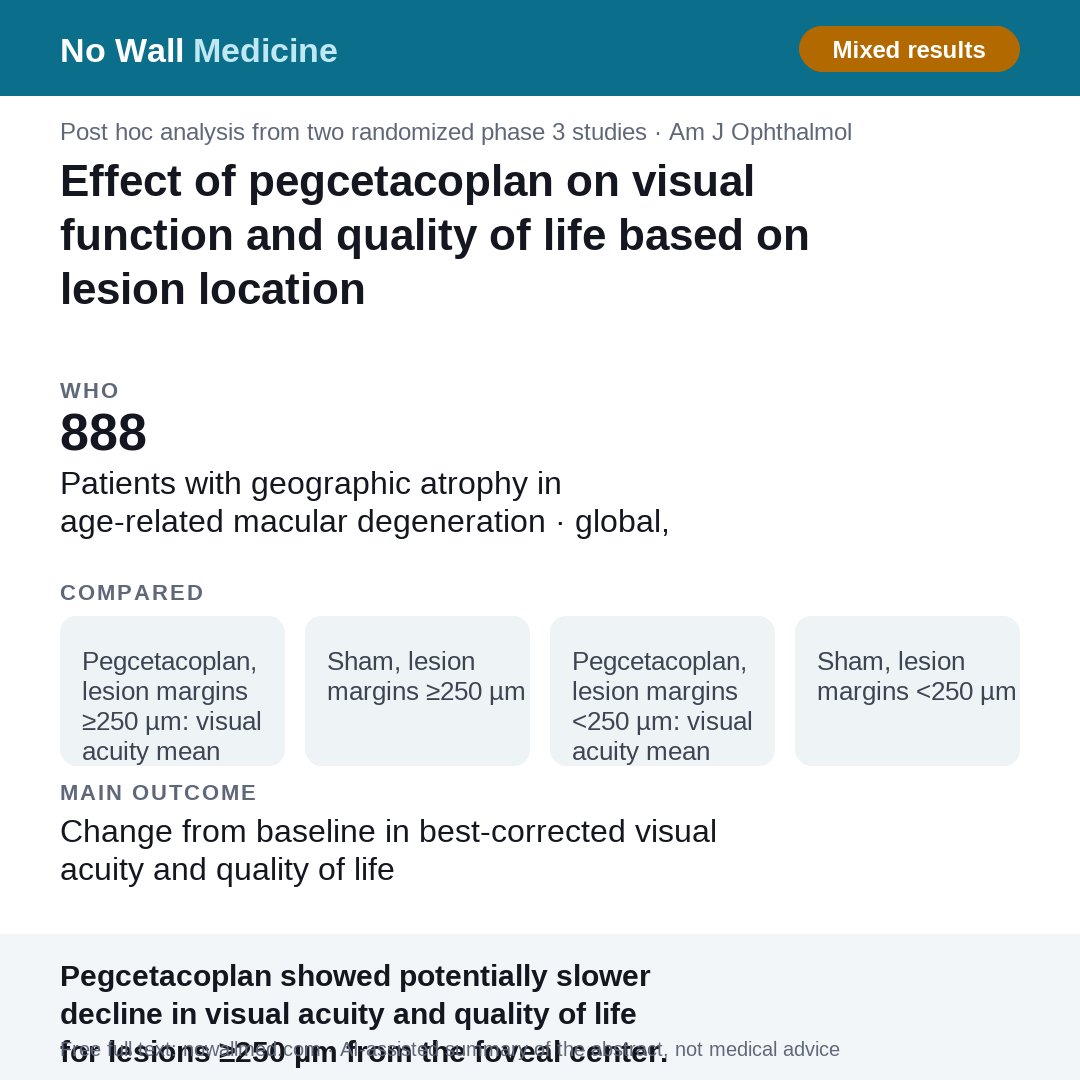
Visual Acuity and Quality of Life Outcomes With Pegcetacoplan Treatment: A Post Hoc Analysis From the OAKS and DERBY Trials
Post hoc analysis from two randomized phase 3 studiesMixed results
Effect of pegcetacoplan on visual function and quality of life based on lesion location
Who
888
Patients with geographic atrophy in age-related macular degeneration · global, multicenter
Compared
Pegcetacoplan, lesion margins ≥250 µm: visual acuity mean +5.6 [SE 3.2]
Sham, lesion margins ≥250 µm
Pegcetacoplan, lesion margins <250 µm: visual acuity mean -1.6 [SE 1.1]
Sham, lesion margins <250 µm
Main outcome
Change from baseline in best-corrected visual acuity and quality of life
Bottom line: Pegcetacoplan showed potentially slower decline in visual acuity and quality of life for lesions ≥250 µm from the foveal center.
Am J Ophthalmol · 2025-05-29Download image
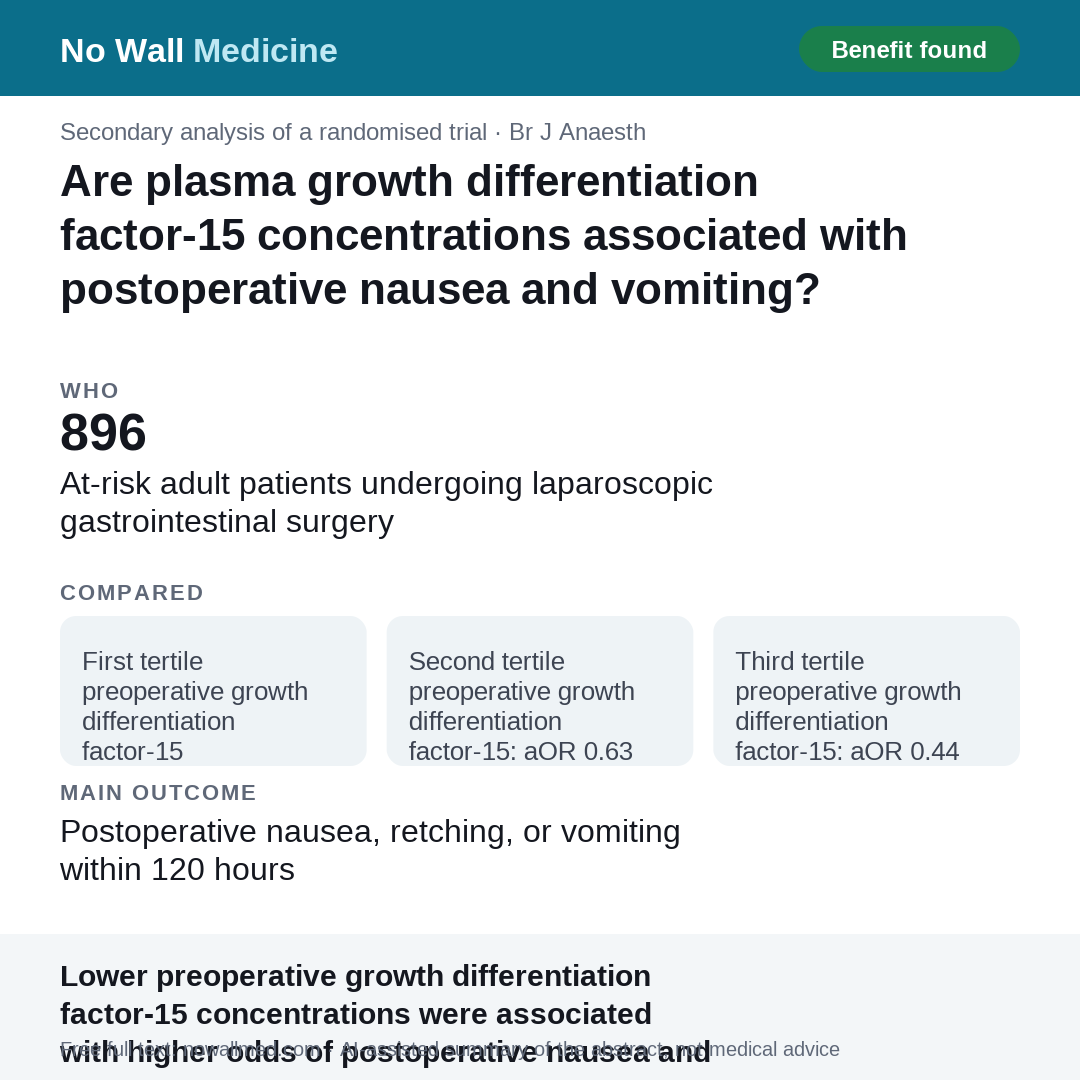
Association between plasma growth differentiation factor-15 and postoperative nausea and vomiting incidence and severity: a secondary analysis of a randomised trial
Secondary analysis of a randomised trialBenefit found
Are plasma growth differentiation factor-15 concentrations associated with postoperative nausea and vomiting?
Who
896
At-risk adult patients undergoing laparoscopic gastrointestinal surgery
Compared
First tertile preoperative growth differentiation factor-15
Second tertile preoperative growth differentiation factor-15: aOR 0.63 (95% CI 0.44-0.91)
Third tertile preoperative growth differentiation factor-15: aOR 0.44 (95% CI 0.30-0.64)
Main outcome
Postoperative nausea, retching, or vomiting within 120 hours
Result: aOR 0.44 (95% CI 0.30-0.64)
Bottom line: Lower preoperative growth differentiation factor-15 concentrations were associated with higher odds of postoperative nausea and vomiting.
Br J Anaesth · 2025-05-29Download image
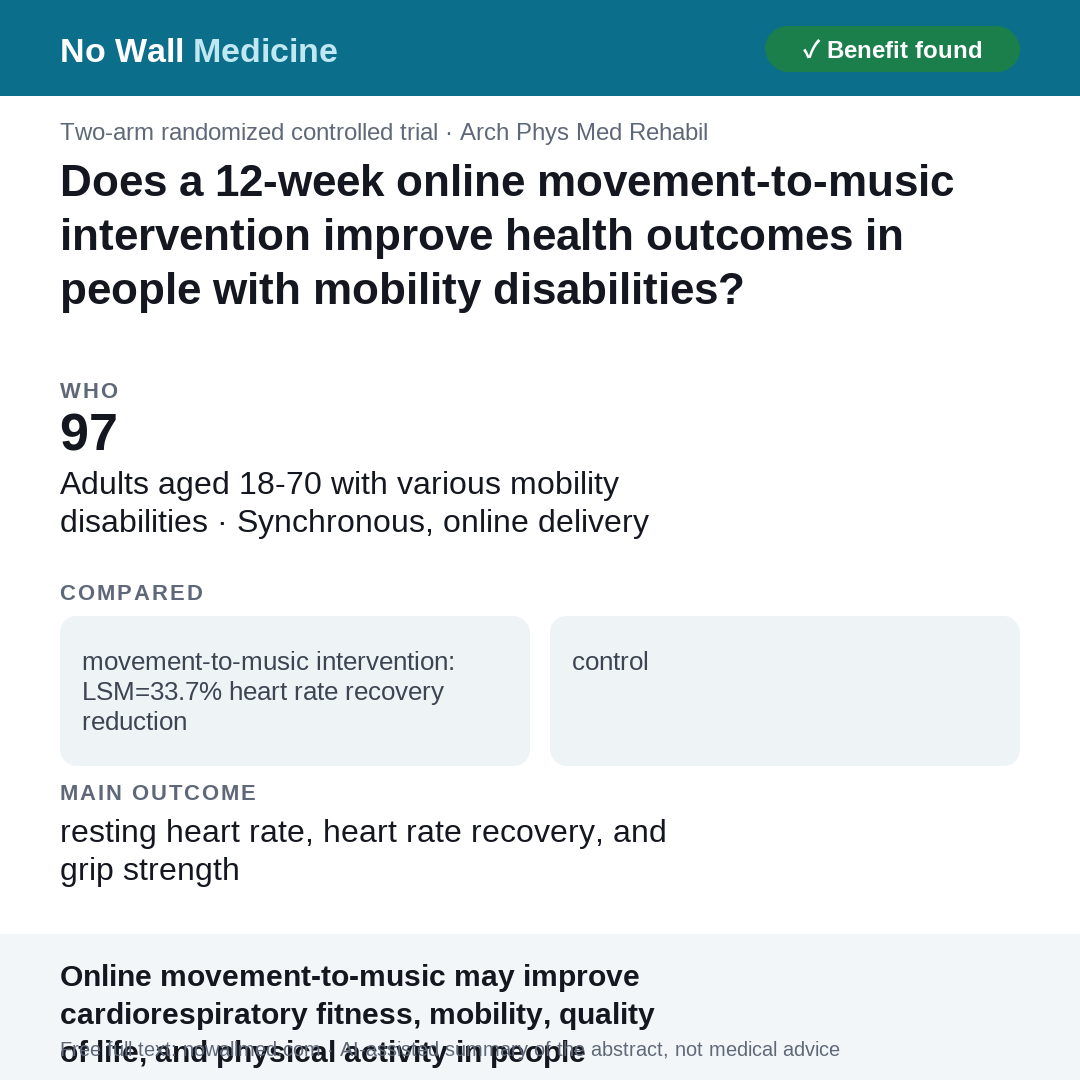
Effects of a Teleexercise Movement-to-Music Intervention on Health Outcomes in Individuals With Mobility Disabilities: A Randomized Controlled Trial
Two-arm randomized controlled trialBenefit found
Does a 12-week online movement-to-music intervention improve health outcomes in people with mobility disabilities?
Who
97
Adults aged 18-70 with various mobility disabilities · Synchronous, online delivery over Zoom
Compared
movement-to-music intervention: LSM=33.7% heart rate recovery reduction
control
Main outcome
resting heart rate, heart rate recovery, and grip strength
Bottom line: Online movement-to-music may improve cardiorespiratory fitness, mobility, quality of life, and physical activity in people with mobility disabilities.
Arch Phys Med Rehabil · 2025-05-29Download image
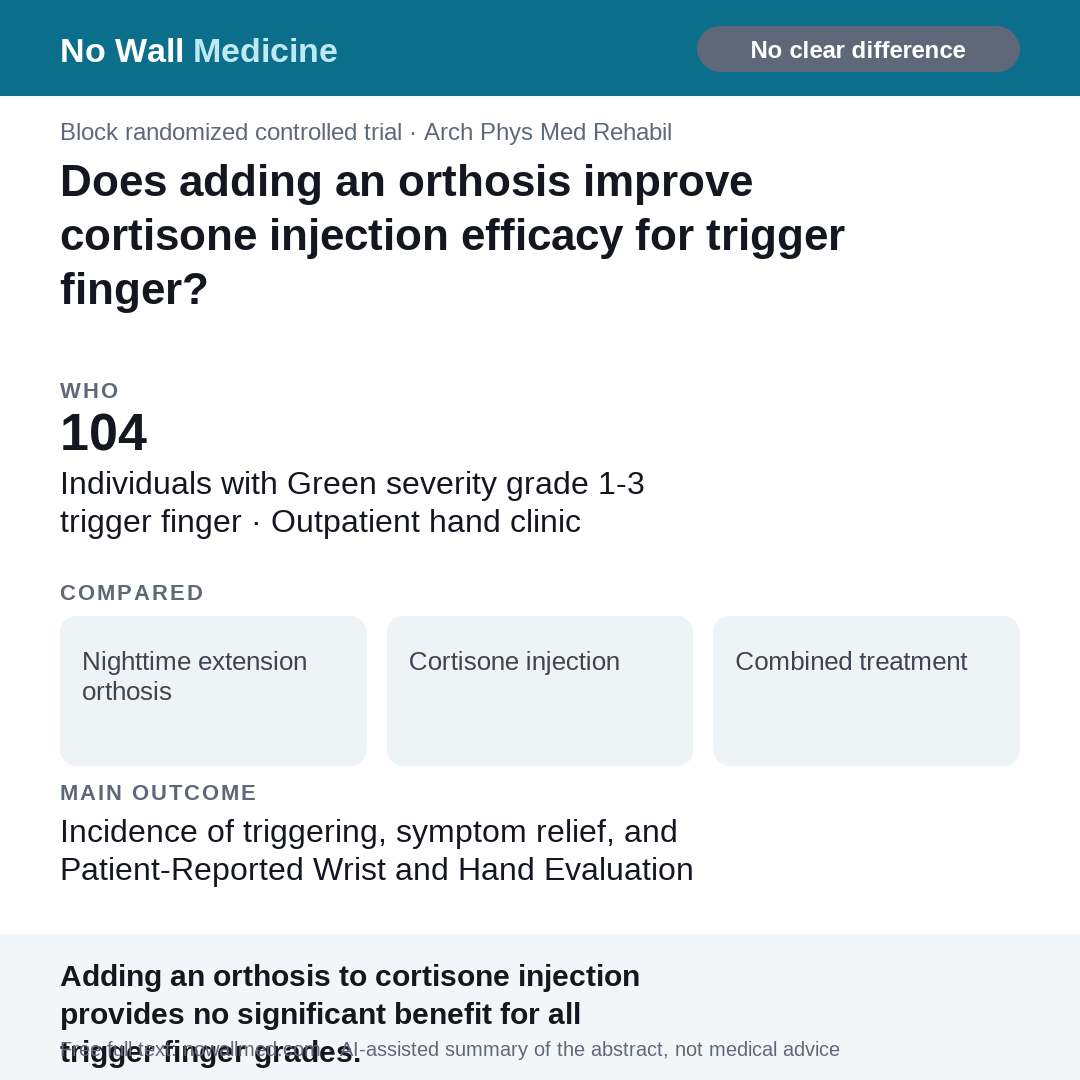
Does Orthosis Improve Outcomes of Conservative Treatment in Trigger Fingers? A 3-Arm Prospective Randomized Controlled Trial
Block randomized controlled trialNo clear difference
Does adding an orthosis improve cortisone injection efficacy for trigger finger?
Who
104
Individuals with Green severity grade 1-3 trigger finger · Outpatient hand clinic
Compared
Nighttime extension orthosis
Cortisone injection
Combined treatment
Main outcome
Incidence of triggering, symptom relief, and Patient-Reported Wrist and Hand Evaluation
Bottom line: Adding an orthosis to cortisone injection provides no significant benefit for all trigger finger grades.
Arch Phys Med Rehabil · 2025-05-29Download image
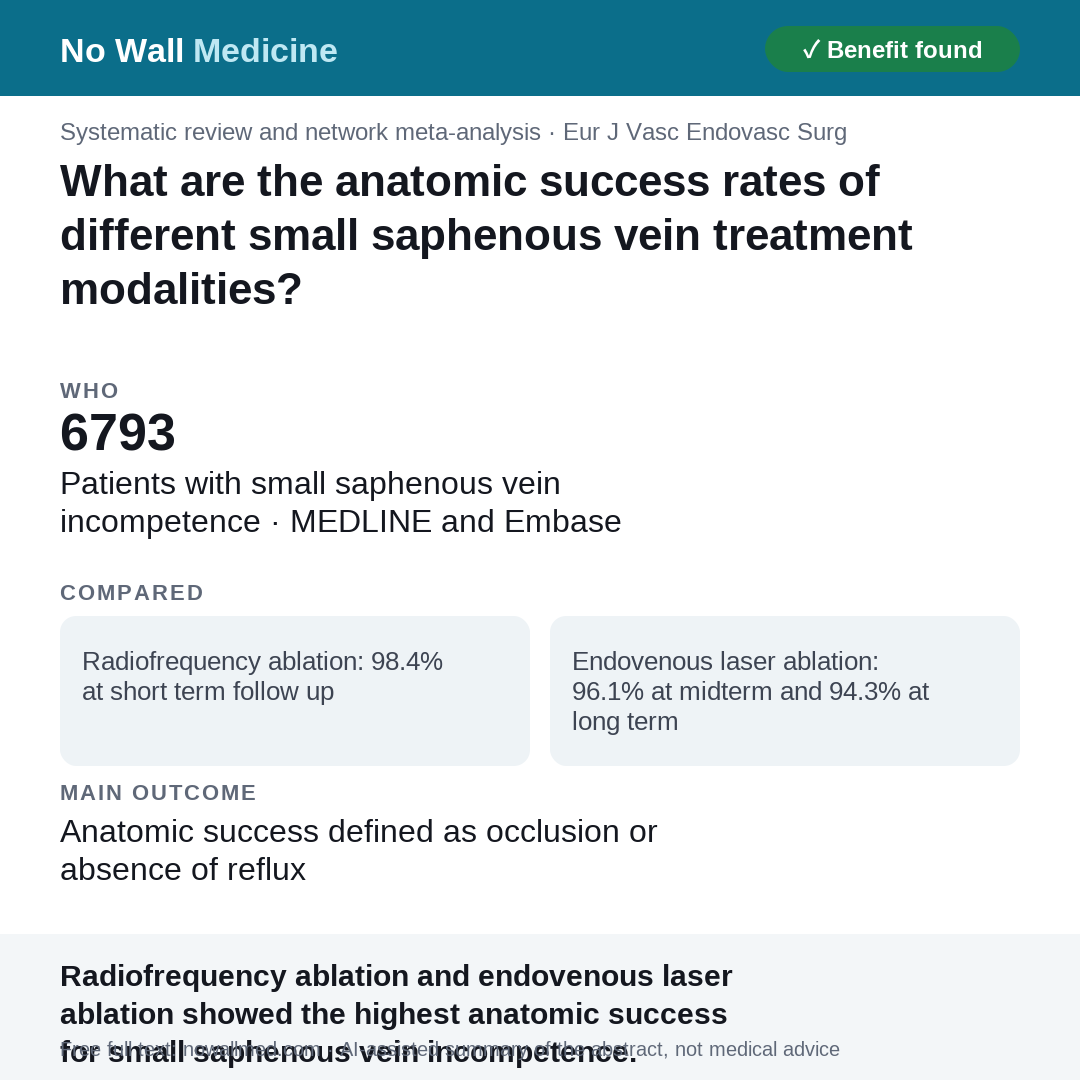
Anatomic Success of Treatment Modalities for Small Saphenous Vein Incompetence: A Systematic Review and Network Meta-analysis
Systematic review and network meta-analysisBenefit found
What are the anatomic success rates of different small saphenous vein treatment modalities?
Who
6793
Patients with small saphenous vein incompetence · MEDLINE and Embase
Compared
Radiofrequency ablation: 98.4% at short term follow up
Endovenous laser ablation: 96.1% at midterm and 94.3% at long term
Main outcome
Anatomic success defined as occlusion or absence of reflux
Bottom line: Radiofrequency ablation and endovenous laser ablation showed the highest anatomic success for small saphenous vein incompetence.
Limitation: Most network estimates were of low or very low GRADE quality.
Eur J Vasc Endovasc Surg · 2025-05-29Download image
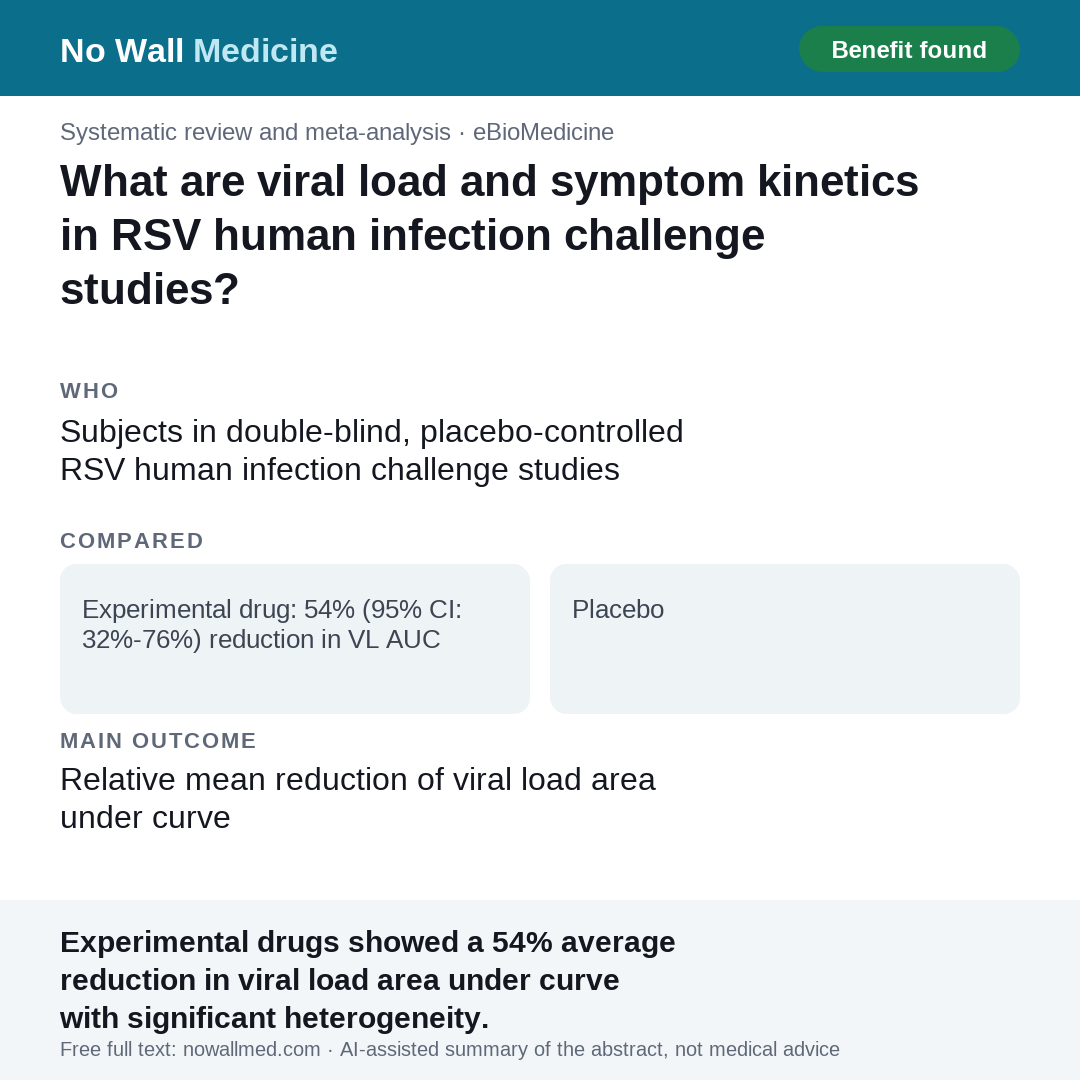
Role of human infection challenge studies (HICs) in drug development for respiratory syncytial virus (RSV): systematic review and meta-analysis
Systematic review and meta-analysisBenefit found
What are viral load and symptom kinetics in RSV human infection challenge studies?
Who
Subjects in double-blind, placebo-controlled RSV human infection challenge studies
Compared
Experimental drug: 54% (95% CI: 32%-76%) reduction in VL AUC
Placebo
Main outcome
Relative mean reduction of viral load area under curve
Result: 54% (95% CI: 32%-76%)
Bottom line: Experimental drugs showed a 54% average reduction in viral load area under curve with significant heterogeneity.
Funded by: Pfizer Inc.
eBioMedicine · 2025-05-29Download image
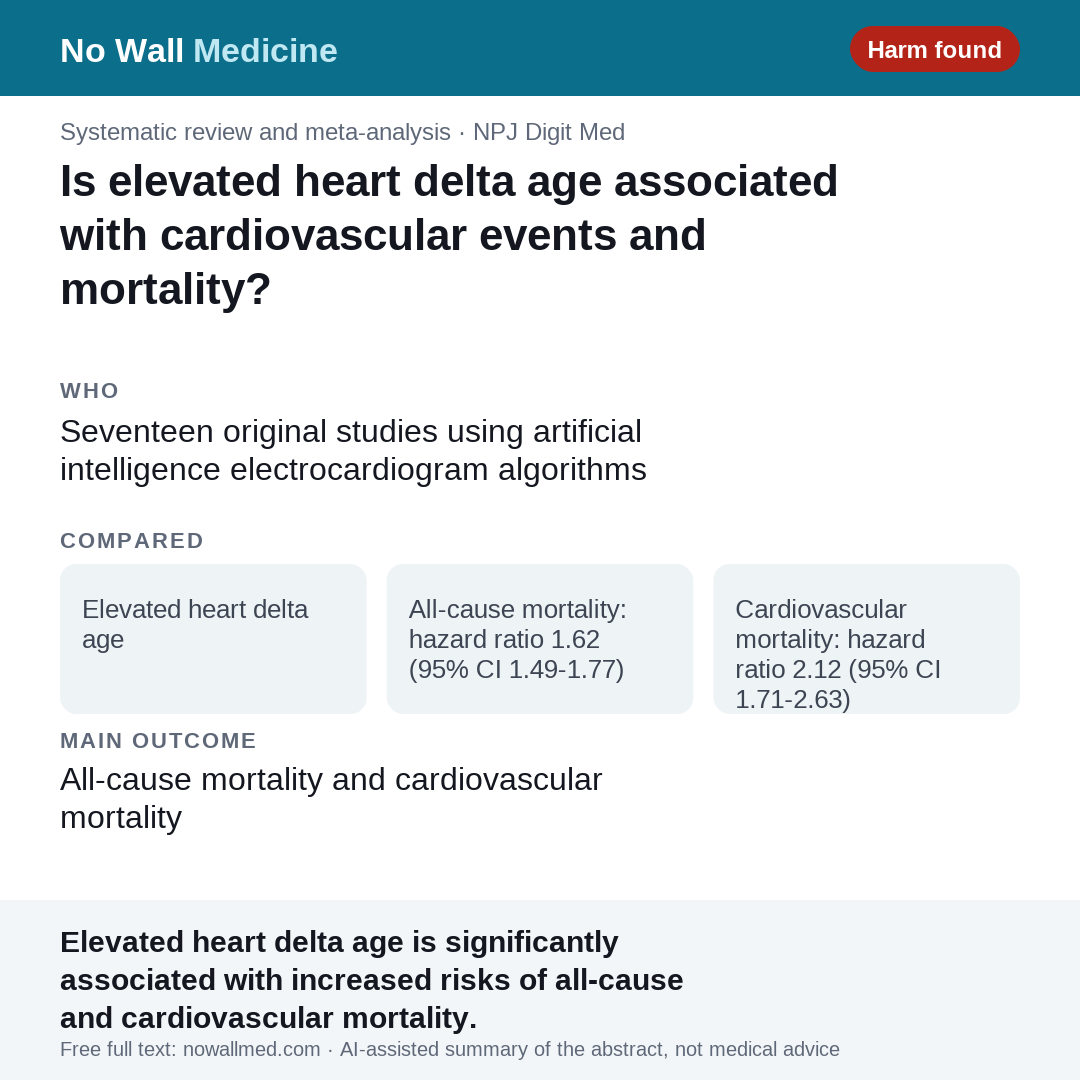
Determinants of artificial intelligence electrocardiogram-derived age and its association with cardiovascular events and mortality: a systematic review and meta-analysis
Systematic review and meta-analysisHarm found
Is elevated heart delta age associated with cardiovascular events and mortality?
Who
Seventeen original studies using artificial intelligence electrocardiogram algorithms
Compared
Elevated heart delta age
All-cause mortality: hazard ratio 1.62 (95% CI 1.49-1.77)
Cardiovascular mortality: hazard ratio 2.12 (95% CI 1.71-2.63)
Main outcome
All-cause mortality and cardiovascular mortality
Result: hazard ratio 1.62 (95% CI 1.49-1.77) for all-cause mortality; hazard ratio 2.12 (95% CI 1.71-2.63) for cardiovascular mortality
Bottom line: Elevated heart delta age is significantly associated with increased risks of all-cause and cardiovascular mortality.
NPJ Digit Med · 2025-05-29Download image
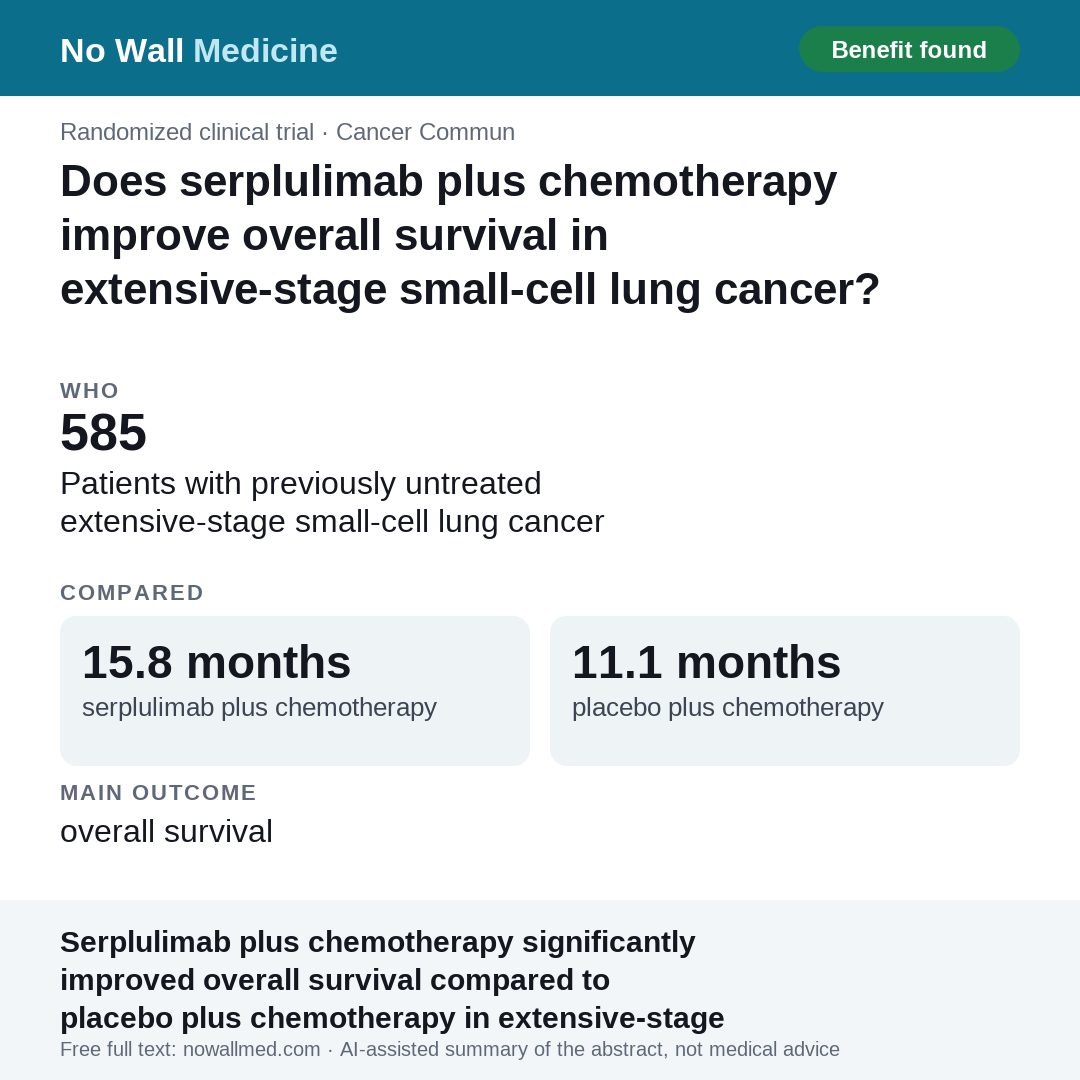
First-line serplulimab plus chemotherapy in extensive-stage small-cell lung cancer: Updated results and biomarker analysis from the ASTRUM-005 randomized clinical trial
Randomized clinical trialBenefit found
Does serplulimab plus chemotherapy improve overall survival in extensive-stage small-cell lung cancer?
Who
585
Patients with previously untreated extensive-stage small-cell lung cancer
Compared
15.8 monthsserplulimab plus chemotherapy
11.1 monthsplacebo plus chemotherapy
Main outcome
overall survival
Result: hazard ratio 0.62 (95% confidence interval 0.50-0.76)
Bottom line: Serplulimab plus chemotherapy significantly improved overall survival compared to placebo plus chemotherapy in extensive-stage small-cell lung cancer.
Cancer Commun · 2025-05-29Download image
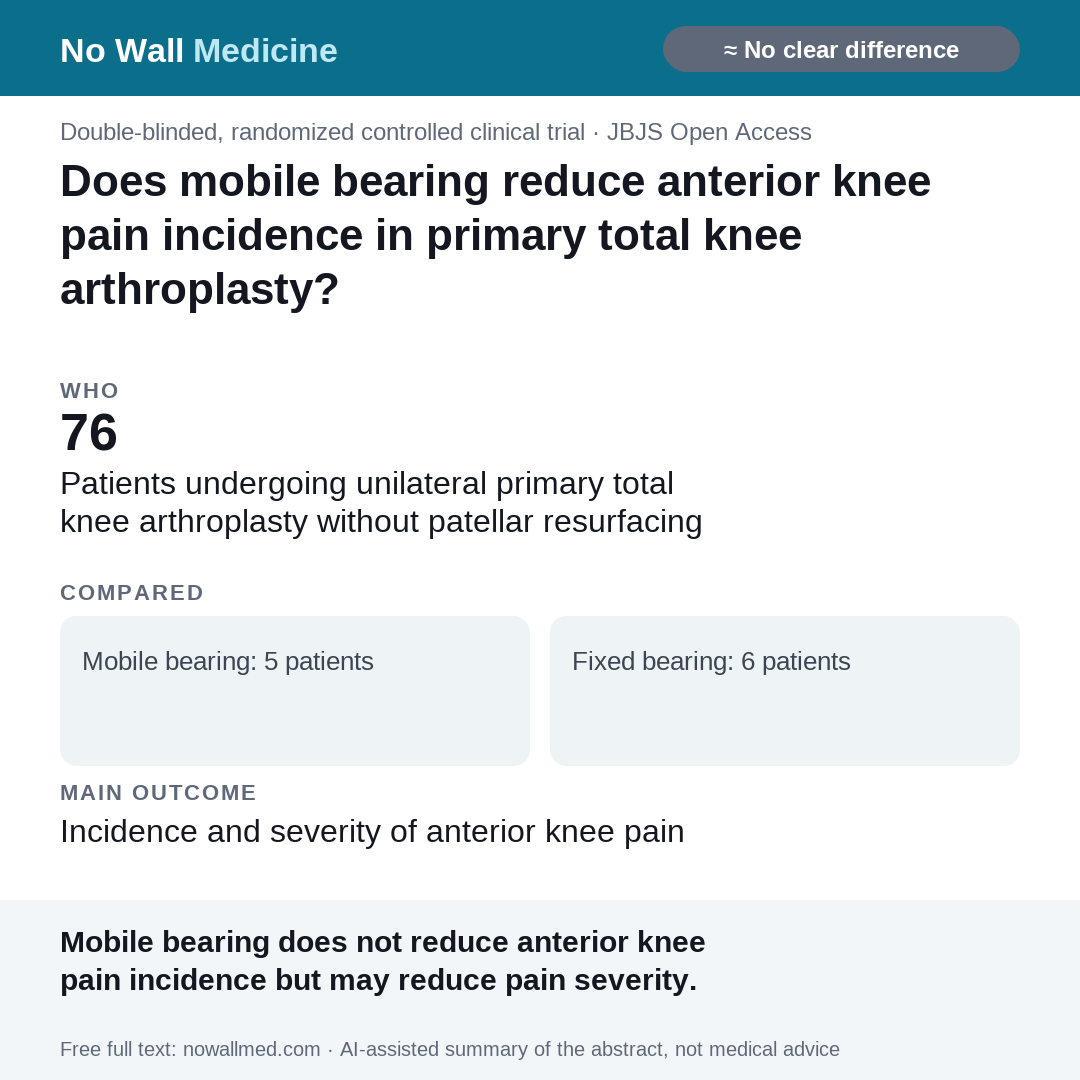
Effect of Using Mobile Bearing on the Incidence of Anterior Knee Pain in Primary Total Knee Arthroplasty Without Patellar Resurfacing: A Randomized Controlled Clinical Trial
Double-blinded, randomized controlled clinical trialNo clear difference
Does mobile bearing reduce anterior knee pain incidence in primary total knee arthroplasty?
Who
76
Patients undergoing unilateral primary total knee arthroplasty without patellar resurfacing
Compared
Mobile bearing: 5 patients
Fixed bearing: 6 patients
Main outcome
Incidence and severity of anterior knee pain
Bottom line: Mobile bearing does not reduce anterior knee pain incidence but may reduce pain severity.
Limitation: Further studies are needed to determine the causes of anterior knee pain.
JBJS Open Access · 2025-05-29Download image
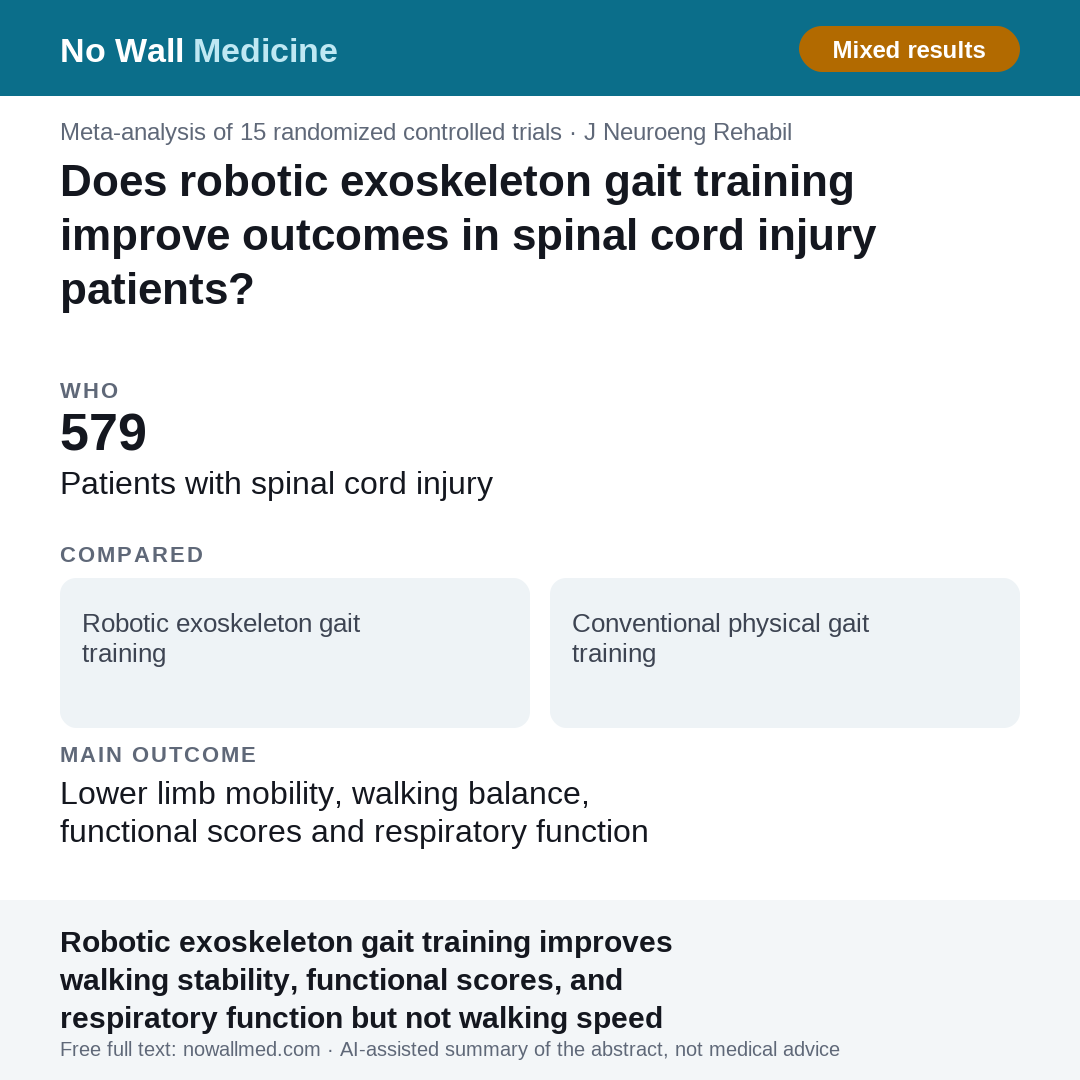
Comparative efficacy of robotic exoskeleton and conventional gait training in patients with spinal cord injury: a meta-analysis of randomized controlled trials
Meta-analysis of 15 randomized controlled trialsMixed results
Does robotic exoskeleton gait training improve outcomes in spinal cord injury patients?
Who
579
Patients with spinal cord injury
Compared
Robotic exoskeleton gait training
Conventional physical gait training
Main outcome
Lower limb mobility, walking balance, functional scores and respiratory function
Bottom line: Robotic exoskeleton gait training improves walking stability, functional scores, and respiratory function but not walking speed or distance.
J Neuroeng Rehabil · 2025-05-29Download image
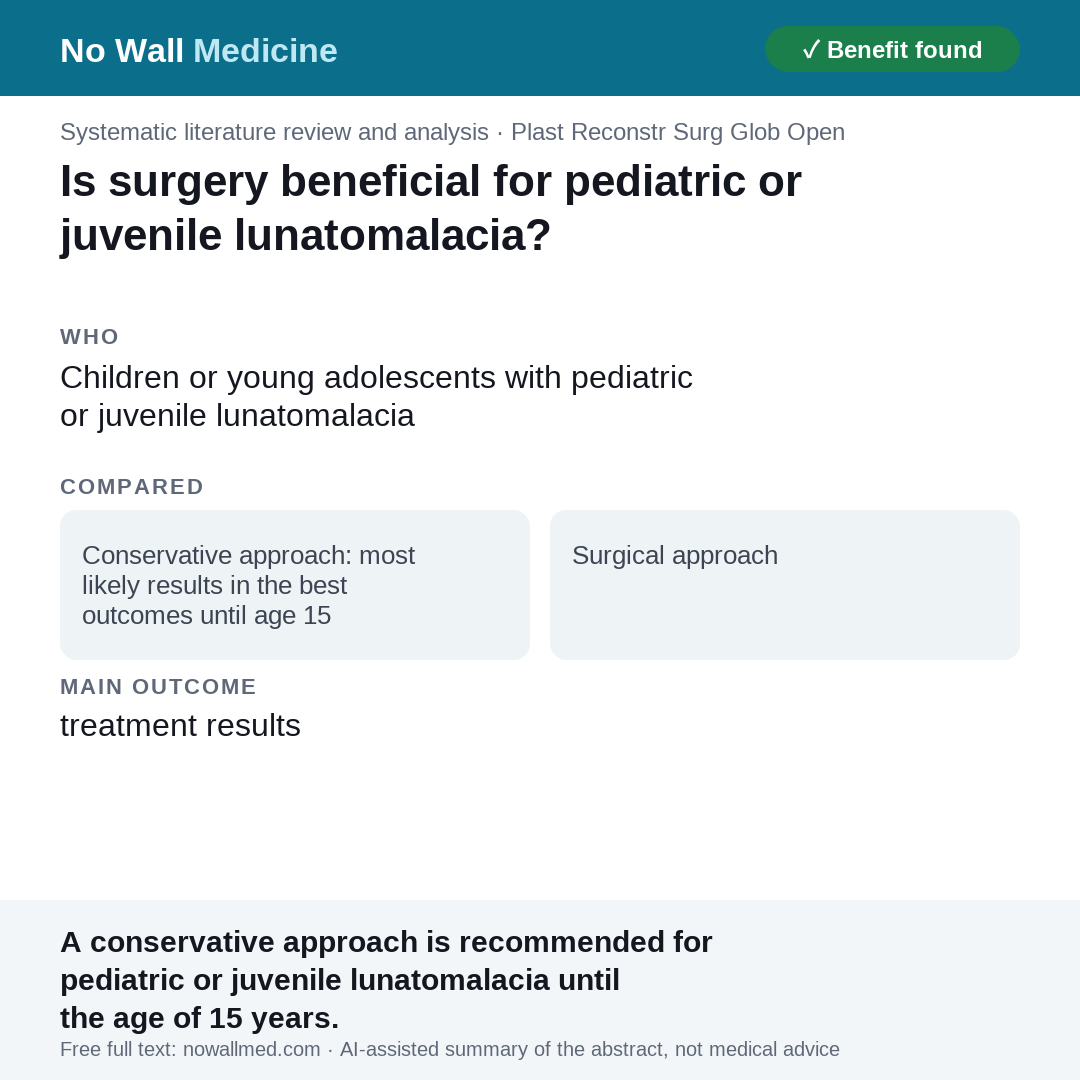
Pediatric and Juvenile Lunatomalacia: To Treat Surgically or Not? A Systematic Review and Personal Experience
Systematic literature review and analysisBenefit found
Is surgery beneficial for pediatric or juvenile lunatomalacia?
Who
Children or young adolescents with pediatric or juvenile lunatomalacia
Compared
Conservative approach: most likely results in the best outcomes until age 15
Surgical approach
Main outcome
treatment results
Bottom line: A conservative approach is recommended for pediatric or juvenile lunatomalacia until the age of 15 years.
Plast Reconstr Surg Glob Open · 2025-05-29Download image
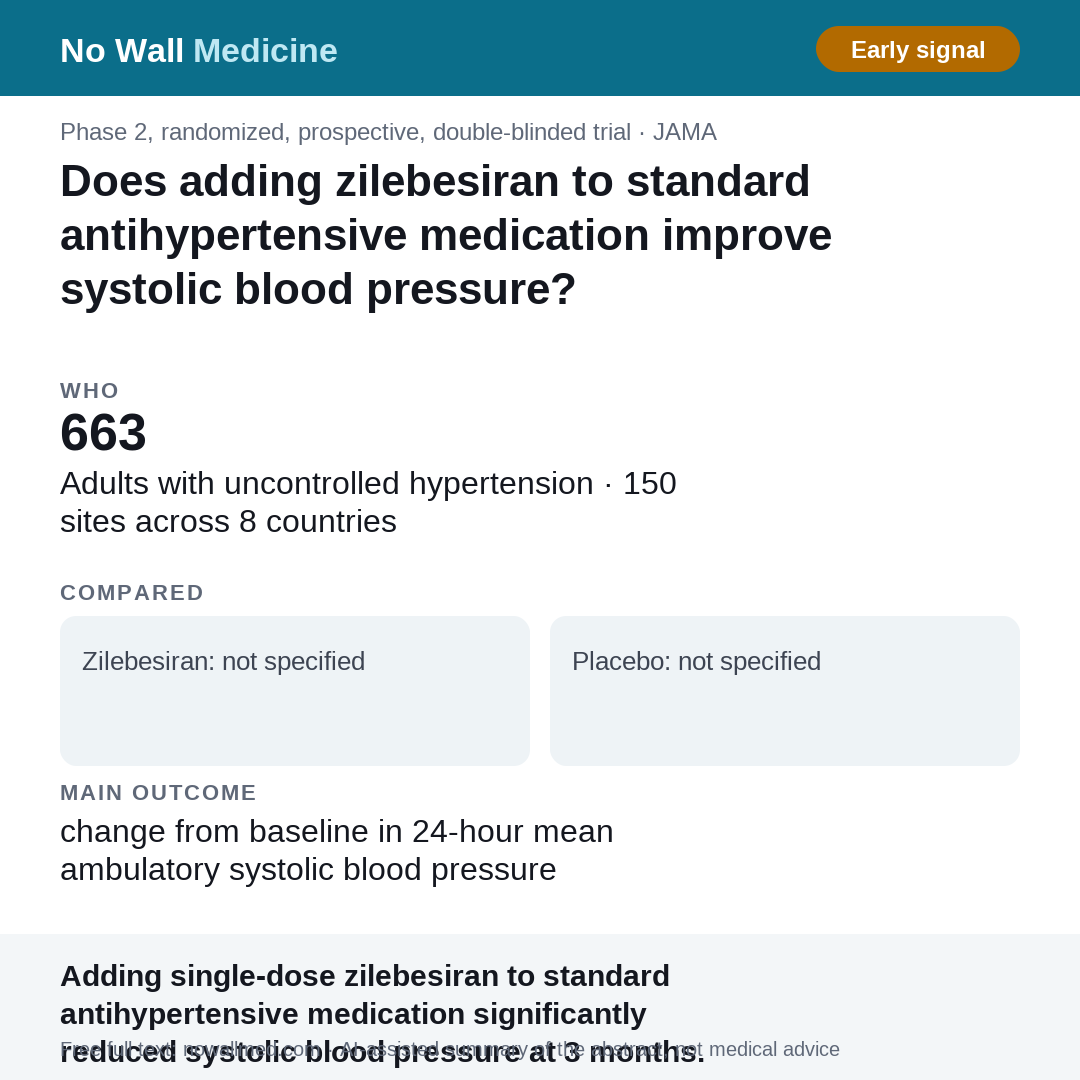
Add-On Treatment With Zilebesiran for Inadequately Controlled Hypertension: The KARDIA-2 Randomized Clinical Trial
Phase 2, randomized, prospective, double-blinded trialEarly signal
Does adding zilebesiran to standard antihypertensive medication improve systolic blood pressure?
Who
663
Adults with uncontrolled hypertension · 150 sites across 8 countries
Compared
Zilebesiran: not specified
Placebo: not specified
Main outcome
change from baseline in 24-hour mean ambulatory systolic blood pressure
Result: -12.1 mm Hg (95% CI, -16.5 to -7.6)
Bottom line: Adding single-dose zilebesiran to standard antihypertensive medication significantly reduced systolic blood pressure at 3 months.
JAMA · 2025-05-28Download image
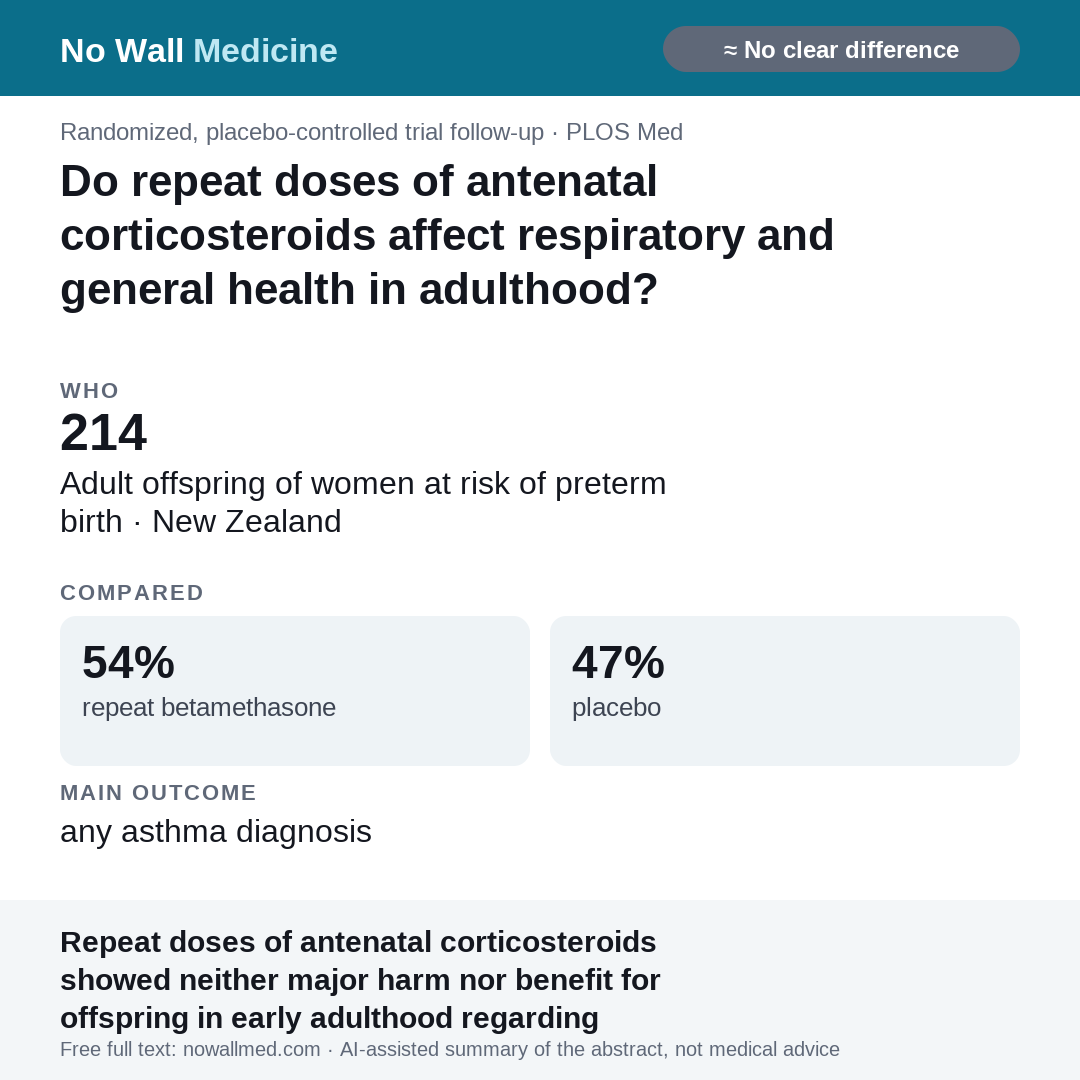
Twenty-year outcomes after repeat doses of antenatal corticosteroids prior to 32 weeks' gestation: Follow-up of a randomised clinical trial
Randomized, placebo-controlled trial follow-upNo clear difference
Do repeat doses of antenatal corticosteroids affect respiratory and general health in adulthood?
Who
214
Adult offspring of women at risk of preterm birth · New Zealand
Compared
54%repeat betamethasone
47%placebo
Main outcome
any asthma diagnosis
Result: risk ratio 1.13, 95% confidence interval, 0.87, 1.46
Bottom line: Repeat doses of antenatal corticosteroids showed neither major harm nor benefit for offspring in early adulthood regarding asthma.
Limitation: Smaller effects cannot be excluded and follow-up of adult offspring from other trials is recommended.
PLOS Med · 2025-05-28Download image