Visual abstracts
New randomized trials and meta-analyses from leading journals at a glance: who was studied, what was compared, and what was found. Every paper is free to read in full.
All specialtiesCardiology 4877Oncology 4138Gastroenterology & Hepatology 1942Infectious Disease 3837Neurology 1905Psychiatry & Mental Health 2273Pulmonology 2143Critical Care 1365Endocrinology & Diabetes 2580Pediatrics 2980Surgery 2558Orthopedics & Sports Medicine 931Neurosurgery 537Cardiothoracic & Vascular Surgery 674Plastic & Reconstructive Surgery 591Nephrology 1133Rheumatology 823Hematology 1109Dermatology 621Ophthalmology 543Obstetrics & Gynecology 1686Public & Global Health 1058Radiology & Imaging 648Anesthesiology 986Urology 764ENT (Otolaryngology) 503Emergency Medicine 511Allergy & Immunology 313Geriatrics 981Family Medicine & Primary Care 562Medical Genetics & Genomics 676Pathology & Laboratory Medicine 159Physical Medicine & Rehabilitation 757Palliative Care 444Nutrition 1588Digital Health & AI 2201General Medicine 321
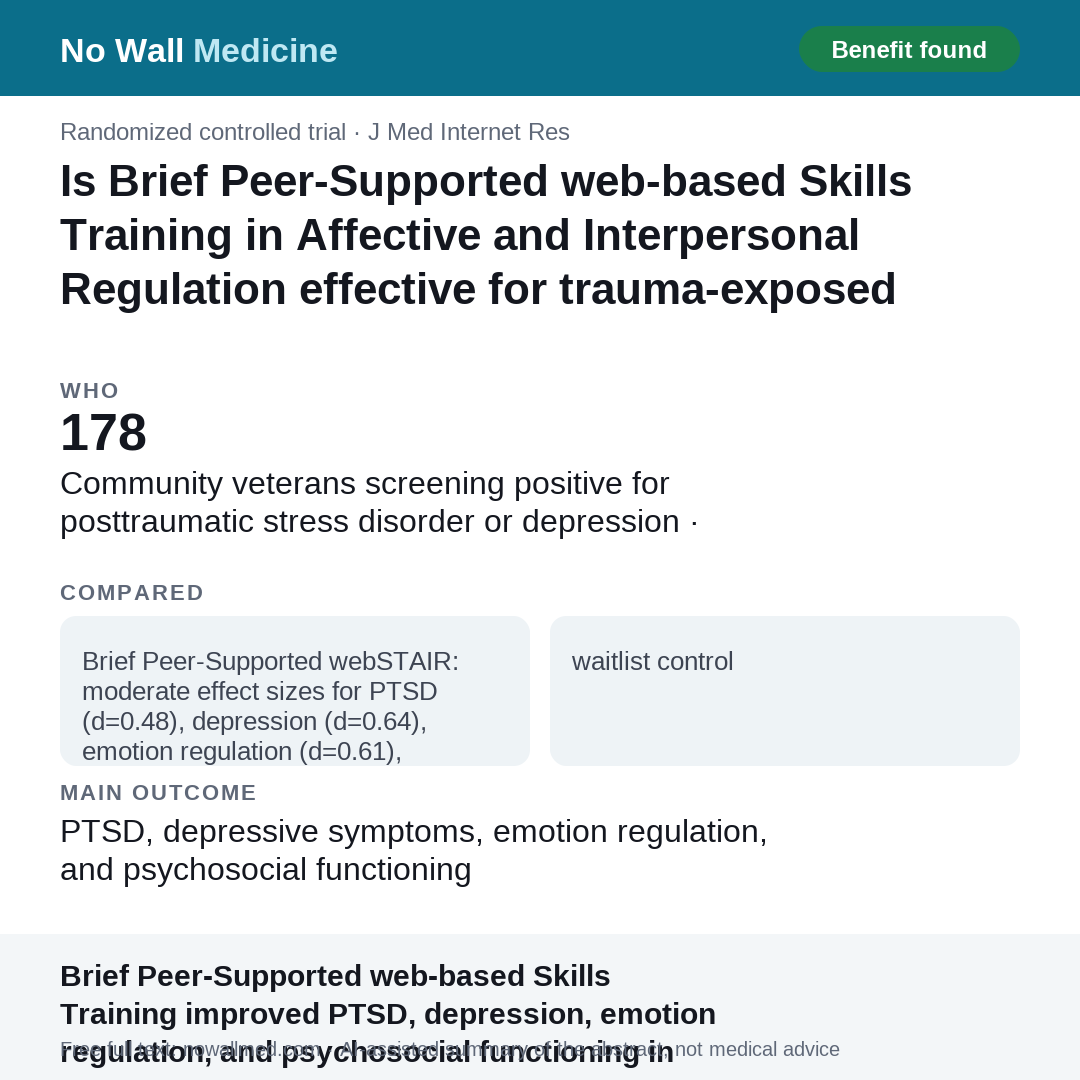
Brief Peer-Supported Web-Based Skills Training in Affective and Interpersonal Regulation (BPS webSTAIR) for Trauma-Exposed Veterans in the Community: Randomized Controlled Trial
Randomized controlled trialBenefit found
Is Brief Peer-Supported web-based Skills Training in Affective and Interpersonal Regulation effective for trauma-exposed veterans?
Who
178
Community veterans screening positive for posttraumatic stress disorder or depression · Community
Compared
Brief Peer-Supported webSTAIR: moderate effect sizes for PTSD (d=0.48), depression (d=0.64), emotion regulation (d=0.61), and functional impairment (d=0.61)
waitlist control
Main outcome
PTSD, depressive symptoms, emotion regulation, and psychosocial functioning
Bottom line: Brief Peer-Supported web-based Skills Training improved PTSD, depression, emotion regulation, and psychosocial functioning in community veterans.
Limitation: Investigation among other populations is necessary to evaluate the generalizability of the findings.
J Med Internet Res · 2024-10-02Download image
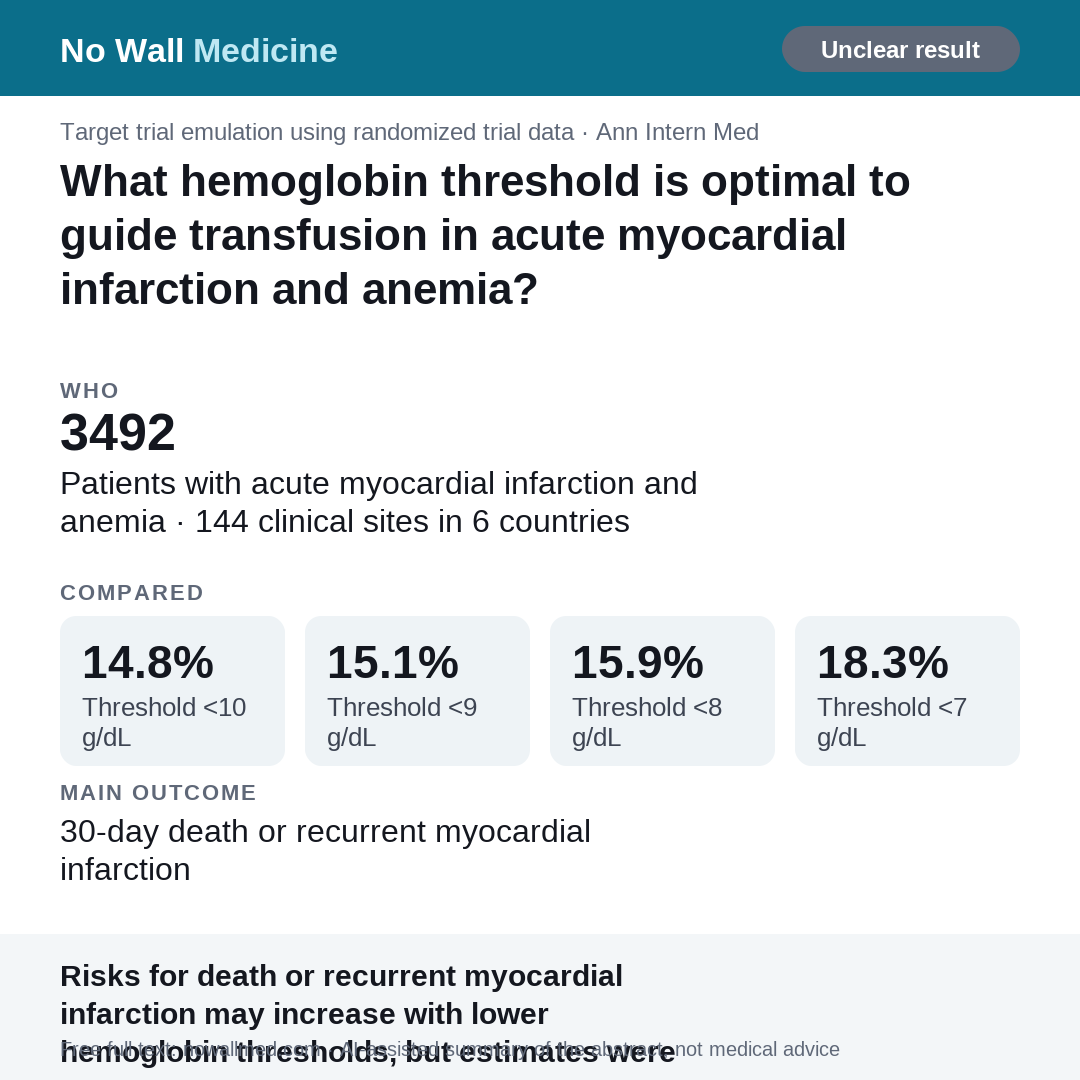
Effect of Four Hemoglobin Transfusion Threshold Strategies in Patients With Acute Myocardial Infarction and Anemia : A Target Trial Emulation Using MINT Trial Data
Target trial emulation using randomized trial dataUnclear result
What hemoglobin threshold is optimal to guide transfusion in acute myocardial infarction and anemia?
Who
3492
Patients with acute myocardial infarction and anemia · 144 clinical sites in 6 countries
Compared
14.8%Threshold <10 g/dL (95% CI, 11.8% to 18.4%)
15.1%Threshold <9 g/dL (CI, 11.7% to 18.2%)
15.9%Threshold <8 g/dL (CI, 12.4% to 19.0%)
18.3%Threshold <7 g/dL (CI, 14.6% to 22.0%)
Main outcome
30-day death or recurrent myocardial infarction
Bottom line: Risks for death or recurrent myocardial infarction may increase with lower hemoglobin thresholds, but estimates were imprecise.
Limitation: Unmeasured confounding may have persisted despite adjustment.
Funded by: National Heart, Lung, and Blood Institute
Ann Intern Med · 2024-10-01Download image
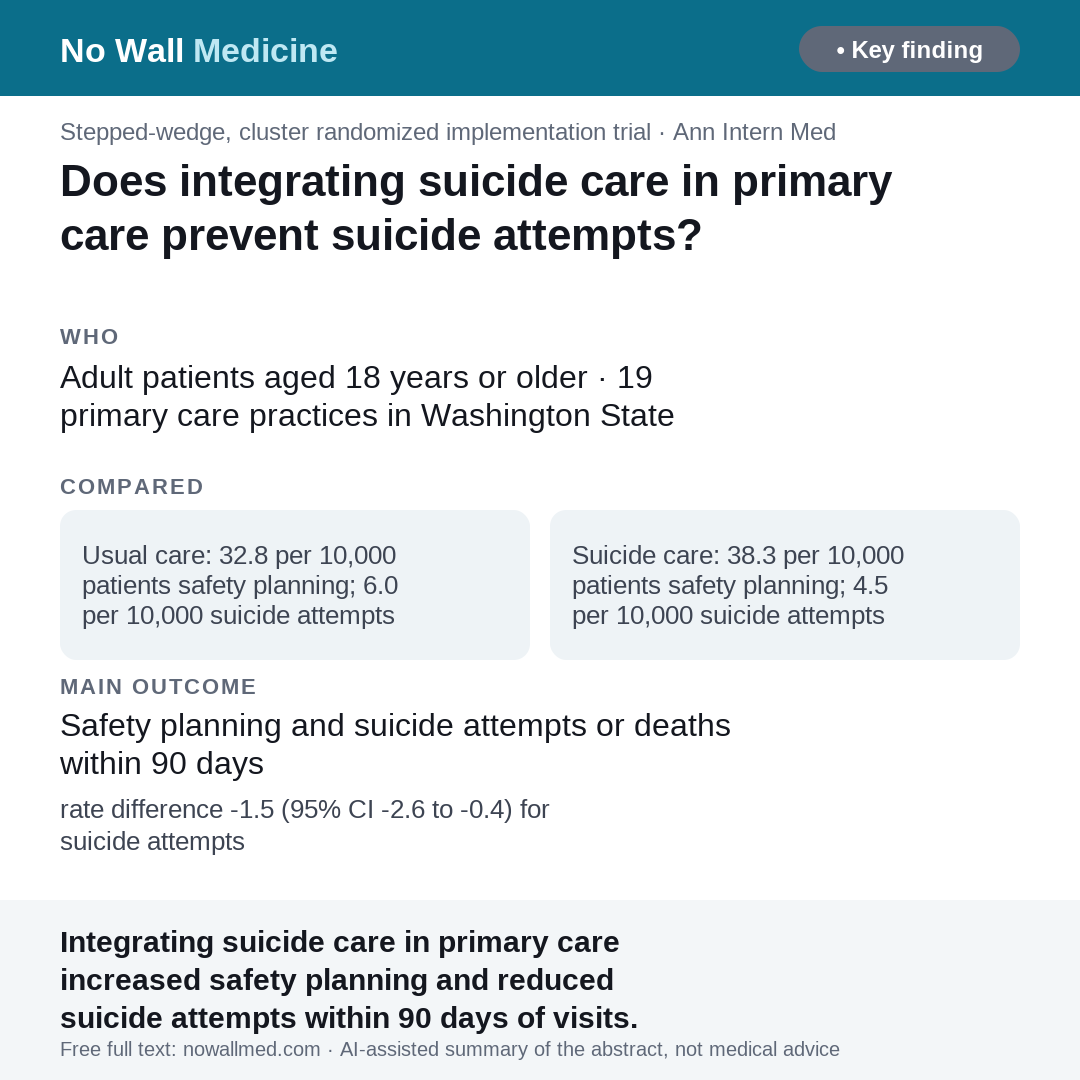
Effectiveness of Integrating Suicide Care in Primary Care : Secondary Analysis of a Stepped-Wedge, Cluster Randomized Implementation Trial
Stepped-wedge, cluster randomized implementation trialBenefit found
Does integrating suicide care in primary care prevent suicide attempts?
Who
Adult patients aged 18 years or older · 19 primary care practices in Washington State
Compared
Usual care: 32.8 per 10,000 patients safety planning; 6.0 per 10,000 suicide attempts
Suicide care: 38.3 per 10,000 patients safety planning; 4.5 per 10,000 suicide attempts
Main outcome
Safety planning and suicide attempts or deaths within 90 days
Result: rate difference -1.5 (95% CI -2.6 to -0.4) for suicide attempts
Bottom line: Integrating suicide care in primary care increased safety planning and reduced suicide attempts within 90 days of visits.
Limitation: Suicide care was implemented in combination with care for depression and substance use.
Funded by: National Institute of Mental Health
Ann Intern Med · 2024-10-01Download image
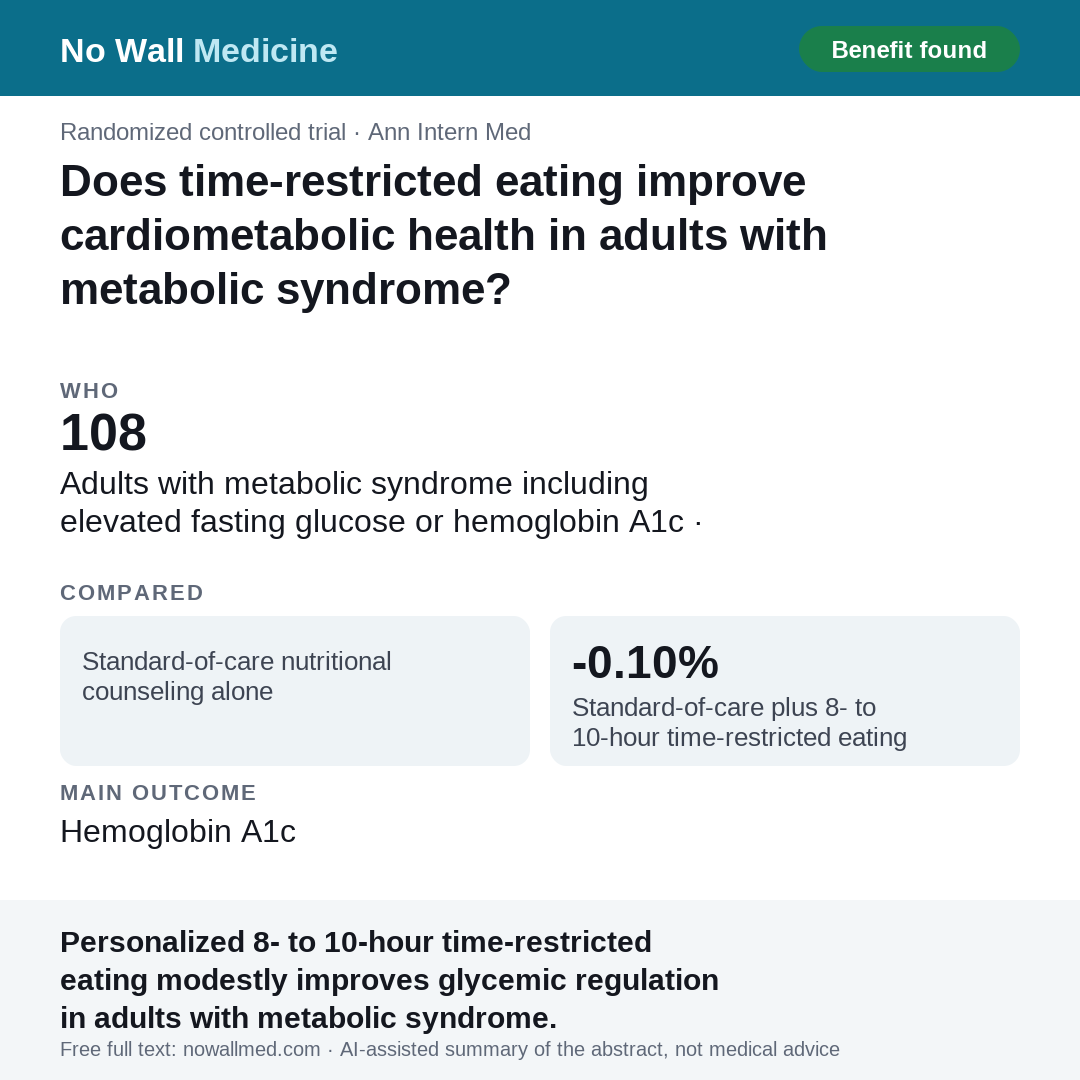
Time-Restricted Eating in Adults With Metabolic Syndrome : A Randomized Controlled Trial
Randomized controlled trialBenefit found
Does time-restricted eating improve cardiometabolic health in adults with metabolic syndrome?
Who
108
Adults with metabolic syndrome including elevated fasting glucose or hemoglobin A1c · Clinical research institute
Compared
Standard-of-care nutritional counseling alone
-0.10%Standard-of-care plus 8- to 10-hour time-restricted eating (95% CI, -0.19% to -0.003%)
Main outcome
Hemoglobin A1c
Result: -0.10% (95% CI, -0.19% to -0.003%)
Bottom line: Personalized 8- to 10-hour time-restricted eating modestly improves glycemic regulation in adults with metabolic syndrome.
Limitation: Short duration, self-reported diet, and potential for multiple elements affecting outcomes.
Funded by: National Institutes of Health
Ann Intern Med · 2024-10-01Download image
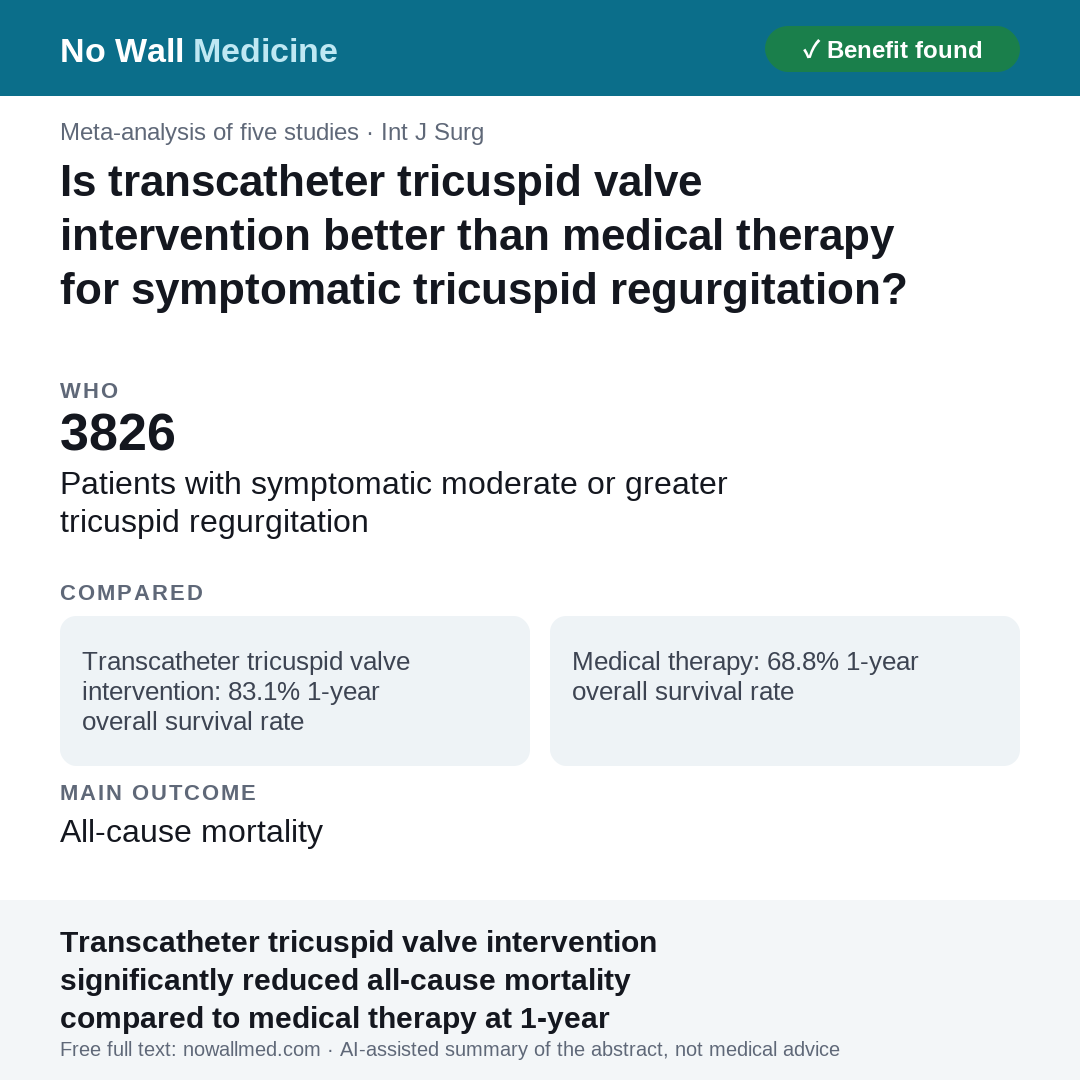
Transcatheter tricuspid valve intervention versus medical therapy for symptomatic tricuspid regurgitation: a meta-analysis of reconstructed time-to-event data
Meta-analysis of five studiesBenefit found
Is transcatheter tricuspid valve intervention better than medical therapy for symptomatic tricuspid regurgitation?
Who
3826
Patients with symptomatic moderate or greater tricuspid regurgitation
Compared
Transcatheter tricuspid valve intervention: 83.1% 1-year overall survival rate
Medical therapy: 68.8% 1-year overall survival rate
Main outcome
All-cause mortality
Result: hazard ratio 0.54 (95% CI: 0.39-0.74)
Bottom line: Transcatheter tricuspid valve intervention significantly reduced all-cause mortality compared to medical therapy at 1-year follow-up.
Int J Surg · 2024-10-01Download image
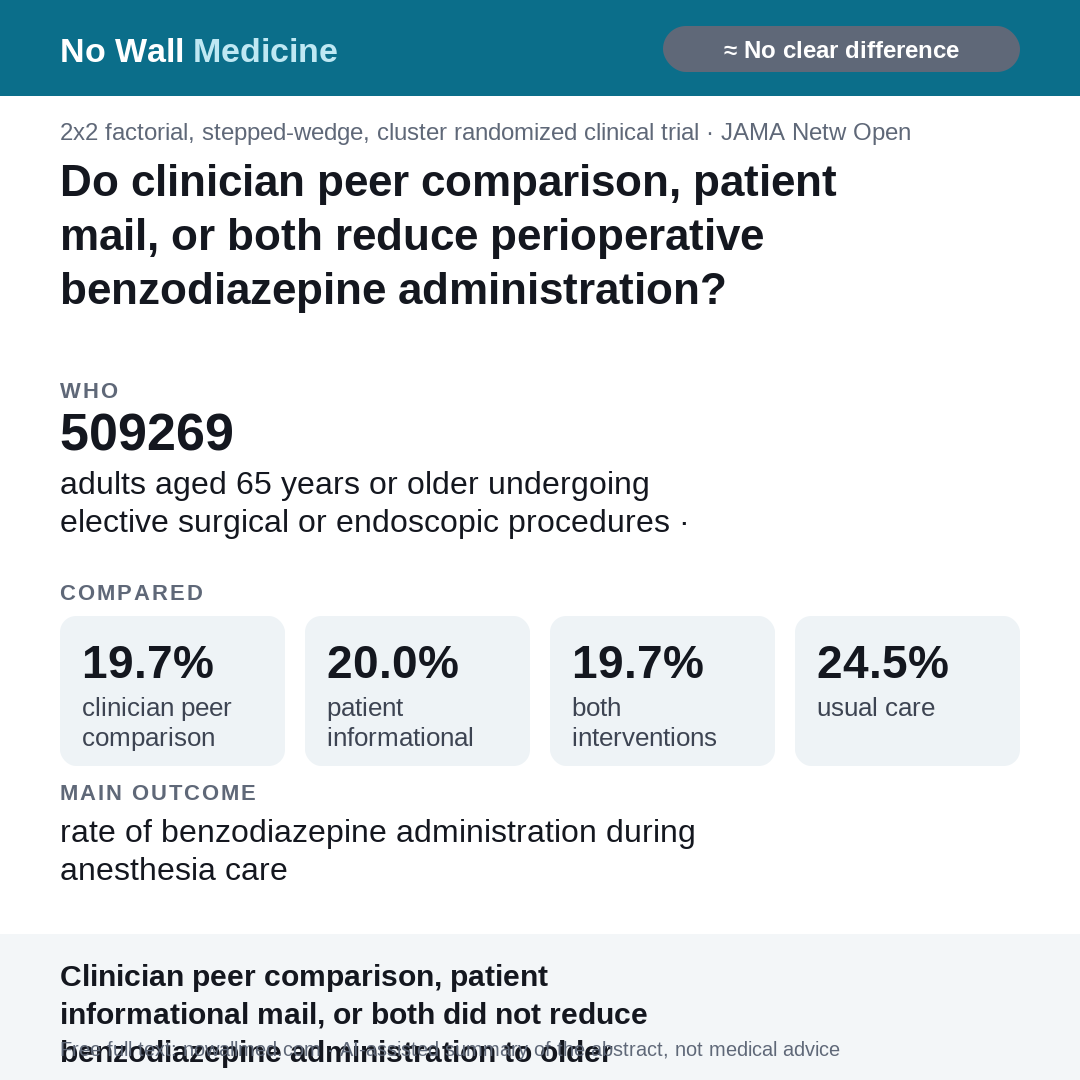
Strategies to Limit Benzodiazepine Use in Anesthesia for Older Adults: A Randomized Clinical Trial
2x2 factorial, stepped-wedge, cluster randomized clinical trialNo clear difference
Do clinician peer comparison, patient mail, or both reduce perioperative benzodiazepine administration?
Who
509269
adults aged 65 years or older undergoing elective surgical or endoscopic procedures · 415 hospitals, surgery centers, and physician offices in 8 US states
Compared
19.7%clinician peer comparison
20.0%patient informational mail
19.7%both interventions
24.5%usual care
Main outcome
rate of benzodiazepine administration during anesthesia care
Result: odds ratio 1.02 (95% CI 0.98-1.07) for clinician peer comparison; 1.01 (95% CI 0.96-1.05) for patient mail; 1.11 (95% CI 1.05-1.16) for combined
Bottom line: Clinician peer comparison, patient informational mail, or both did not reduce benzodiazepine administration to older patients compared with usual care.
JAMA Netw Open · 2024-10-01Download image
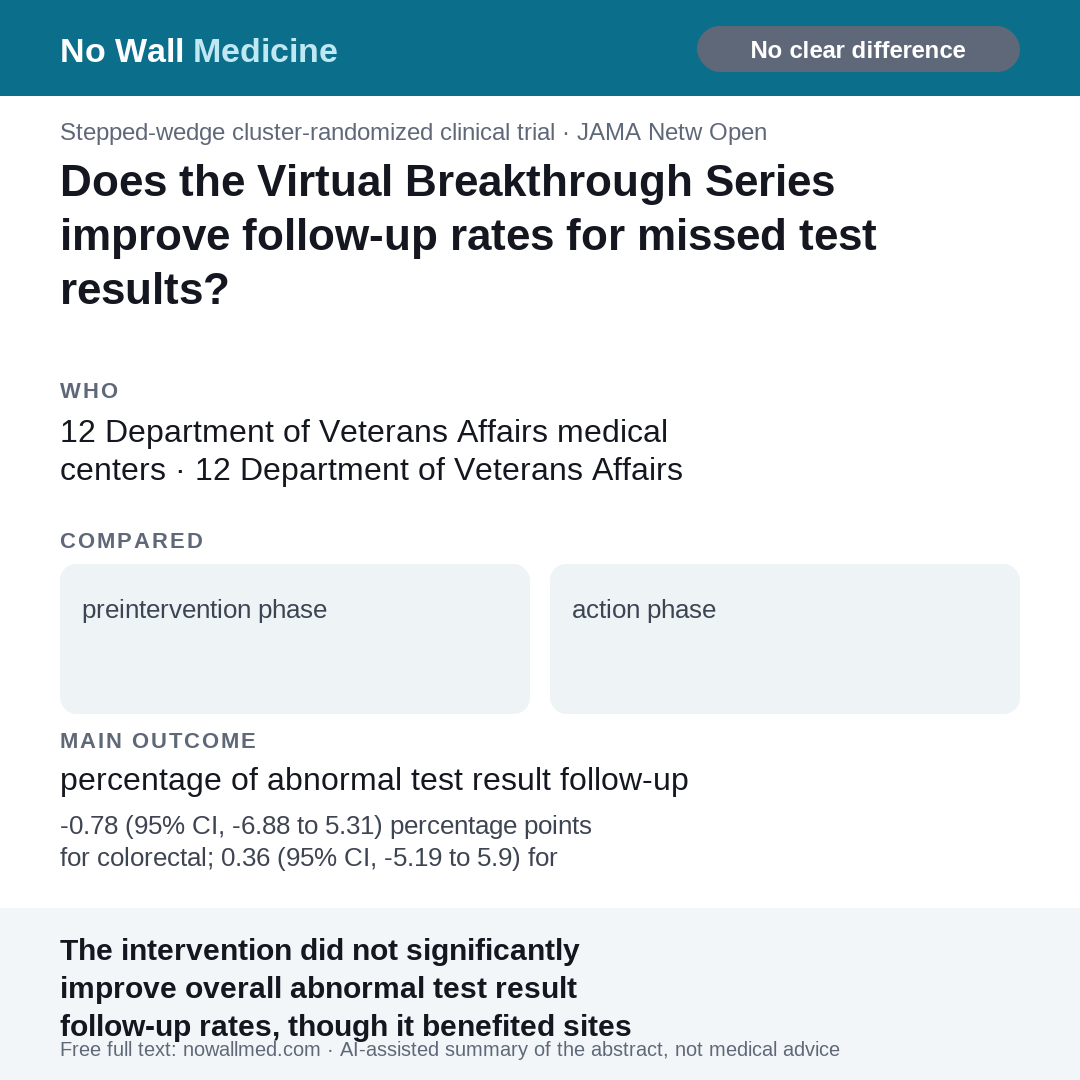
A Virtual Breakthrough Series Collaborative for Missed Test Results: A Stepped-Wedge Cluster-Randomized Clinical Trial
Stepped-wedge cluster-randomized clinical trialNo clear difference
Does the Virtual Breakthrough Series improve follow-up rates for missed test results?
Who
12 Department of Veterans Affairs medical centers · 12 Department of Veterans Affairs medical centers
Compared
preintervention phase
action phase
Main outcome
percentage of abnormal test result follow-up
Result: -0.78 (95% CI, -6.88 to 5.31) percentage points for colorectal; 0.36 (95% CI, -5.19 to 5.9) for lung
Bottom line: The intervention did not significantly improve overall abnormal test result follow-up rates, though it benefited sites with low baseline performance.
JAMA Netw Open · 2024-10-01Download image
Community Paramedicine Program in Social Housing and Health Service Utilization: A Cluster Randomized Clinical Trial
Open-label, pragmatic cluster randomized clinical trialNo clear difference
Does community paramedicine at clinic affect individual-level health service utilization?
Who
3695
Residents 55 years or older in social housing buildings · 30 social housing buildings in Ontario, Canada
Compared
Community Paramedicine at Clinic: 24.1% (445/1849) emergency department visits via ambulance
Usual care: 25.1% (463/1846) emergency department visits via ambulance
Main outcome
Emergency department visits via ambulance
Result: adjusted odds ratio 0.97 (95% CI, 0.89-1.05)
Bottom line: The community paramedicine program did not reduce emergency department visits via ambulance but increased primary care and home care connections.
JAMA Netw Open · 2024-10-01Download image
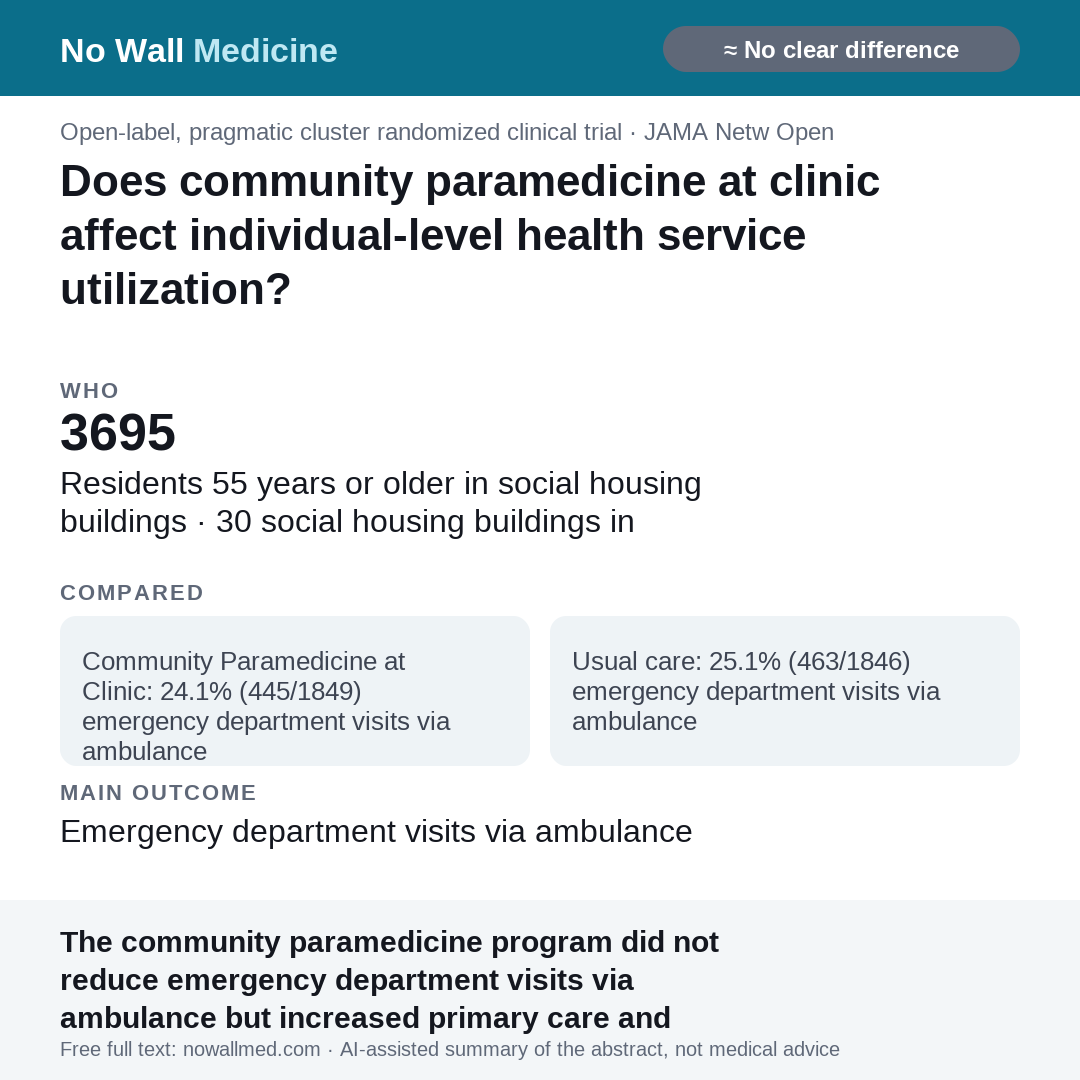
Nurse Telephone Support for Caregivers of Older Adults at Hospital Discharge: A Randomized Clinical Trial
Multicenter, parallel, 2-group randomized clinical trialNo clear difference
Does the FECH+ program improve health-related quality of life for caregivers of older adults?
Who
547
Caregivers aged 18+ providing weekly care for patients aged 70+ · 3 hospitals in 2 states in Australia
Compared
Intervention (FECH+ program)
Control (Usual care)
Main outcome
Caregivers' health-related quality of life at 6 months after discharge
Result: difference in AQOL-8D score, 0.01 (95% CI, -0.02 to 0.03)
Bottom line: Nurse telephone support did not significantly improve caregivers' health-related quality of life at 6 months after hospital discharge.
JAMA Netw Open · 2024-10-01Download image
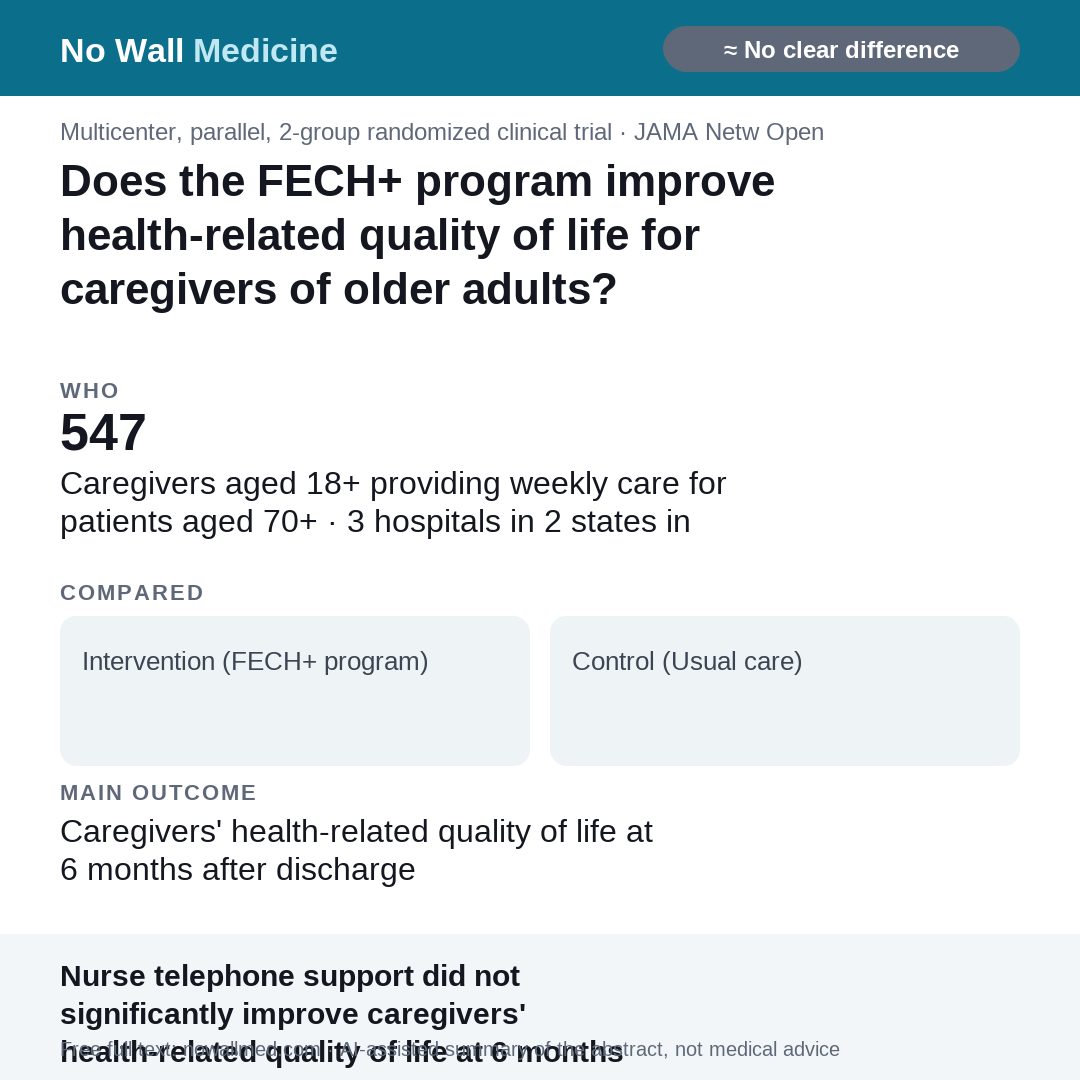
Prognostic Factors in Limited-Stage Small Cell Lung Cancer: A Secondary Analysis of CALGB 30610-RTOG 0538
Post hoc secondary analysis of a randomized clinical trialMixed results
What factors are associated with survival outcomes in limited-stage small cell lung cancer?
Who
638
Adults with limited-stage small cell lung cancer · 186 unique treatment sites
Compared
Twice daily radiation therapy
Once daily radiation therapy
Main outcome
Progression-free survival and overall survival
Bottom line: Female sex and younger age associated with improved survival, while advanced nodal stage and lower volume centers associated with worse outcomes.
JAMA Netw Open · 2024-10-01Download image
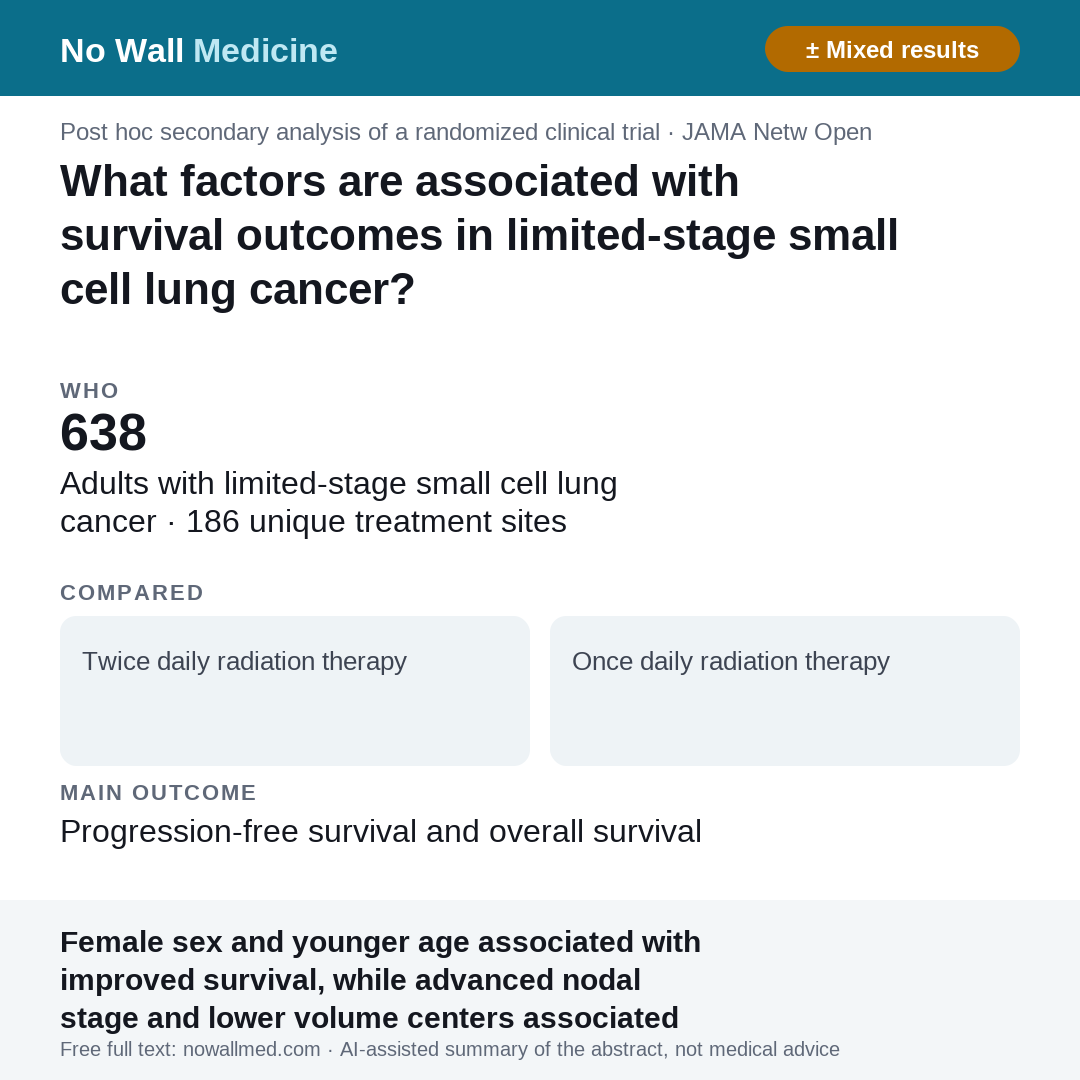
Safety of Simultaneous Vaccination With Adjuvanted Zoster Vaccine and Adjuvanted Influenza Vaccine: A Randomized Clinical Trial
Randomized blinded clinical trialNo clear difference
Is simultaneous administration of RZV and aIIV4 safe compared to RZV and HD-IIV4?
Who
267
Community-dwelling adults aged 65 years or older · 2 centers in the US
Compared
11.5%Simultaneous RZV and aIIV4 (15 of 115)
12.5%Simultaneous RZV and HD-IIV4 (17 of 119)
Main outcome
Proportion of participants with 1 or more severe solicited reactions
Result: absolute difference, -1.0% (95% CI, -8.9% to 7.1%)
Bottom line: Simultaneous administration of adjuvanted zoster vaccine and adjuvanted influenza vaccine is safe in older adults.
JAMA Netw Open · 2024-10-01Download image
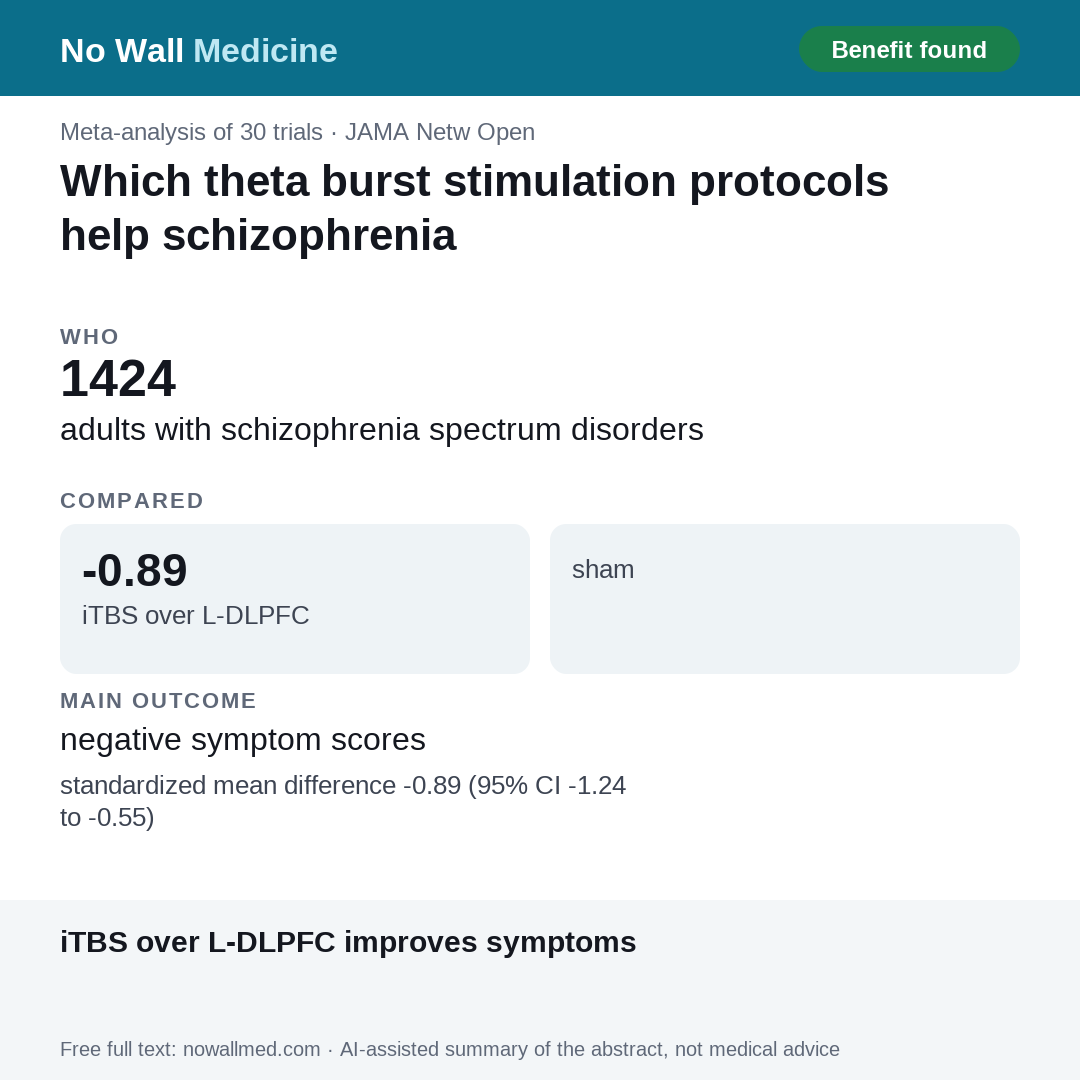
Theta Burst Stimulation Protocols for Schizophrenia: A Systematic Review and Network Meta-Analysis
Meta-analysis of 30 trialsBenefit found
Which theta burst stimulation protocols help schizophrenia
Who
1424
adults with schizophrenia spectrum disorders
Compared
-0.89iTBS over L-DLPFC (SMD)
sham
Main outcome
negative symptom scores
Result: standardized mean difference -0.89 (95% CI -1.24 to -0.55)
Bottom line: iTBS over L-DLPFC improves symptoms
Limitation: further research needed
JAMA Netw Open · 2024-10-01Download image
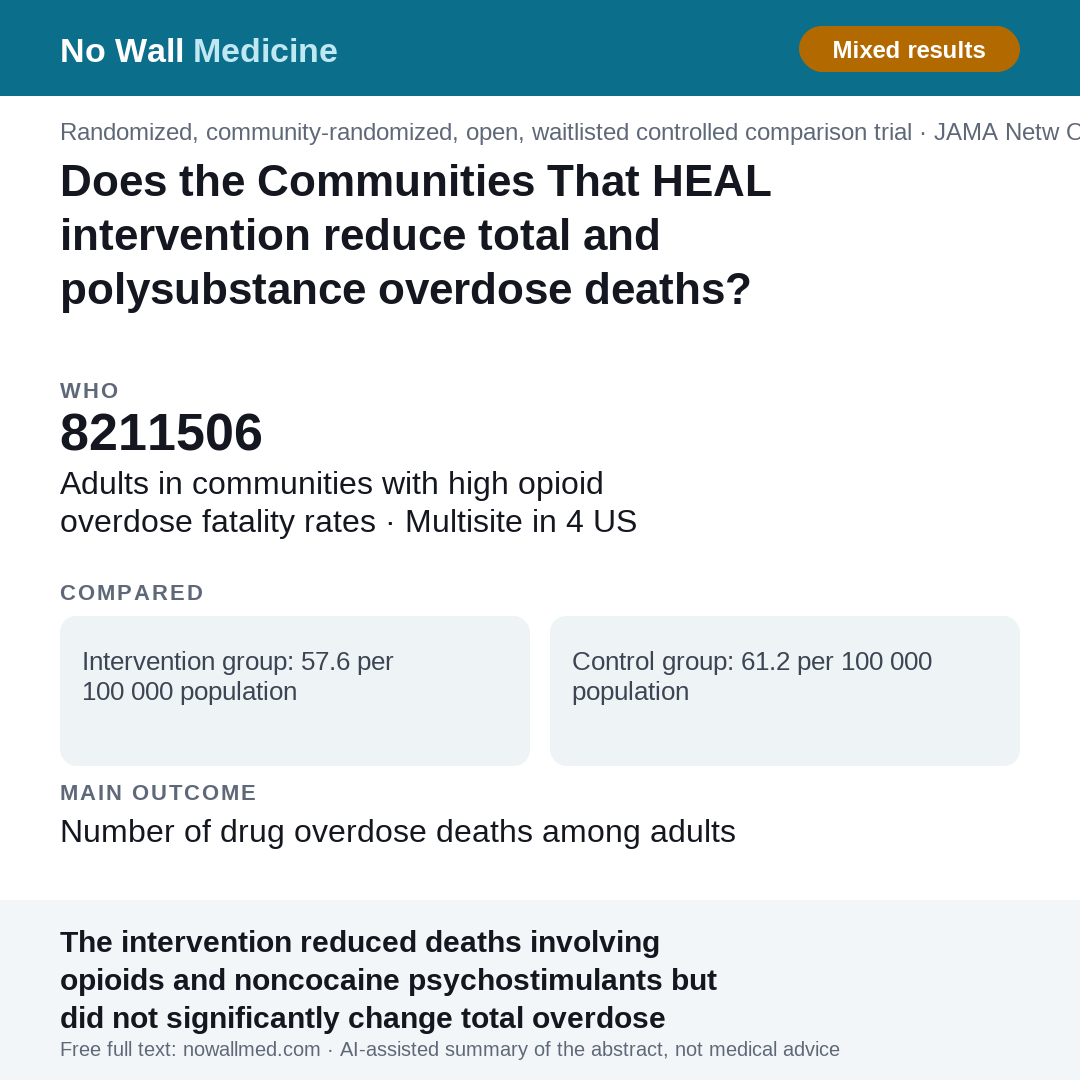
Communities That HEAL Intervention and Mortality Including Polysubstance Overdose Deaths: A Randomized Clinical Trial
Randomized, community-randomized, open, waitlisted controlled comparison trialMixed results
Does the Communities That HEAL intervention reduce total and polysubstance overdose deaths?
Who
8211506
Adults in communities with high opioid overdose fatality rates · Multisite in 4 US states
Compared
Intervention group: 57.6 per 100 000 population
Control group: 61.2 per 100 000 population
Main outcome
Number of drug overdose deaths among adults
Result: adjusted rate ratio 0.92 (95% CI 0.78-1.07)
Bottom line: The intervention reduced deaths involving opioids and noncocaine psychostimulants but did not significantly change total overdose deaths.
JAMA Netw Open · 2024-10-01Download image
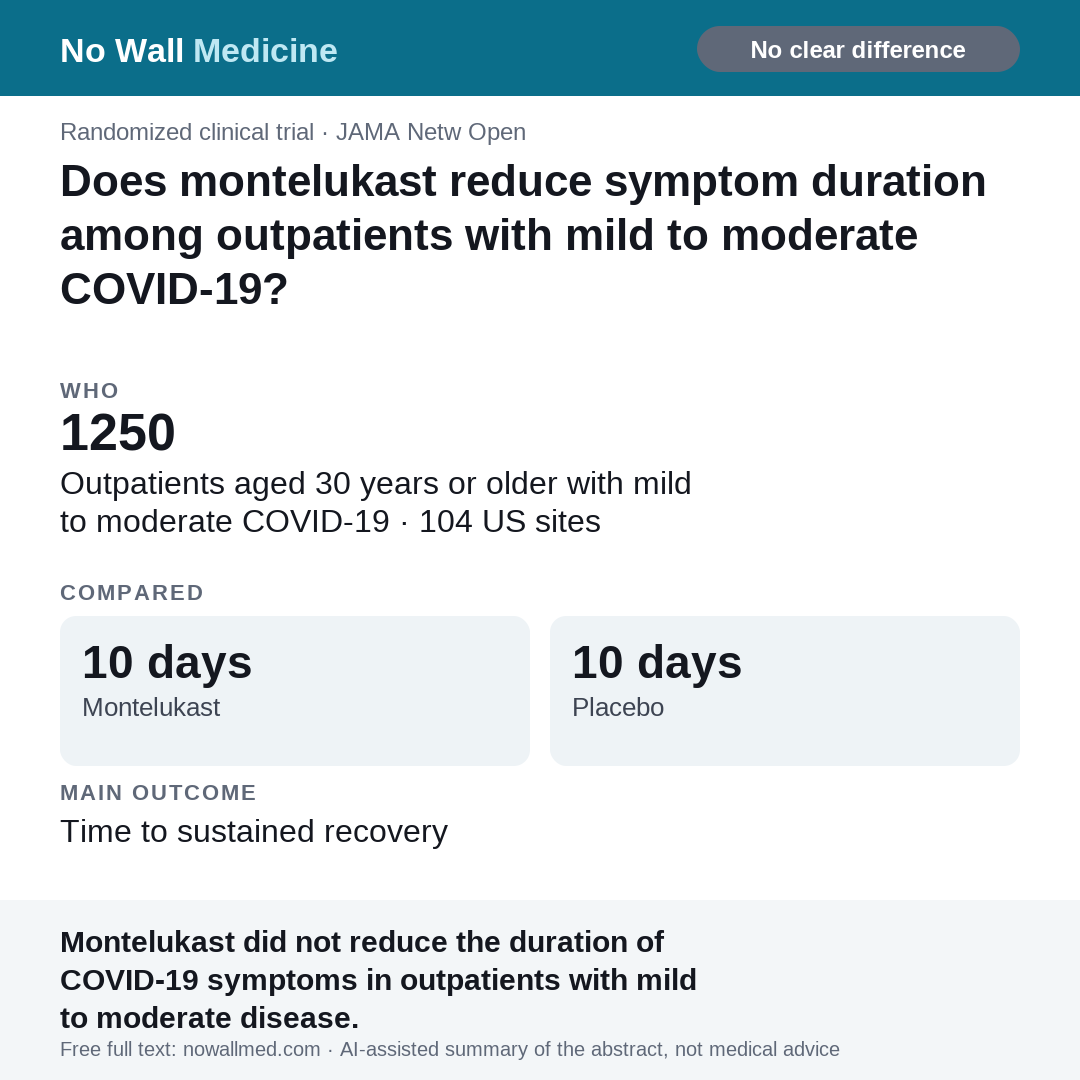
Time to Sustained Recovery Among Outpatients With COVID-19 Receiving Montelukast vs Placebo: The ACTIV-6 Randomized Clinical Trial
Randomized clinical trialNo clear difference
Does montelukast reduce symptom duration among outpatients with mild to moderate COVID-19?
Who
1250
Outpatients aged 30 years or older with mild to moderate COVID-19 · 104 US sites
Compared
10 daysMontelukast (95% CI, 10-11 days)
10 daysPlacebo (95% CI, 10-11 days)
Main outcome
Time to sustained recovery
Result: adjusted hazard ratio 1.02 (95% credible interval 0.92-1.12)
Bottom line: Montelukast did not reduce the duration of COVID-19 symptoms in outpatients with mild to moderate disease.
JAMA Netw Open · 2024-10-01Download image
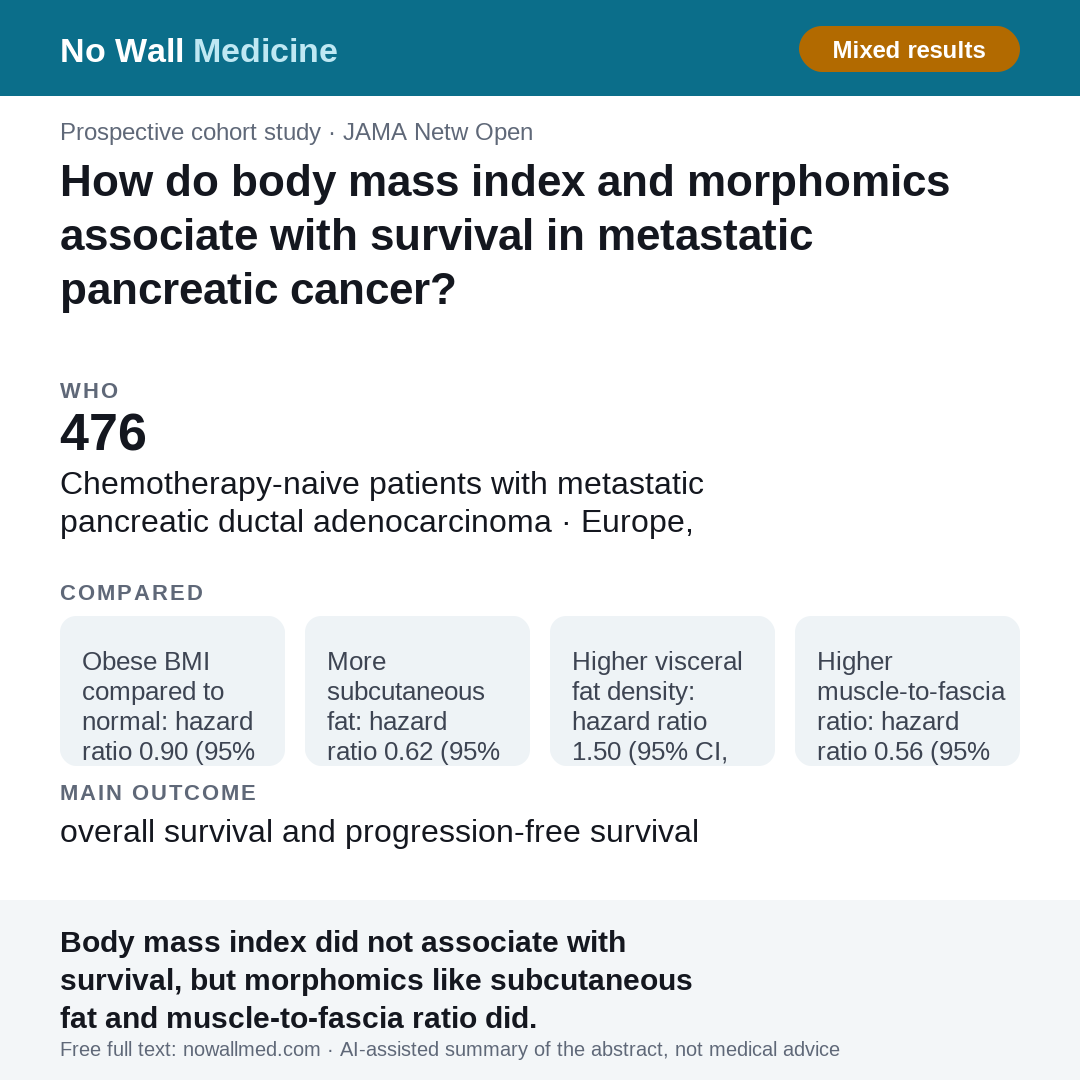
Morphomics, Survival, and Metabolites in Patients With Metastatic Pancreatic Cancer
Prospective cohort studyMixed results
How do body mass index and morphomics associate with survival in metastatic pancreatic cancer?
Who
476
Chemotherapy-naive patients with metastatic pancreatic ductal adenocarcinoma · Europe, Israel, Korea, and the US
Compared
Obese BMI compared to normal: hazard ratio 0.90 (95% CI, 0.67-1.22)
More subcutaneous fat: hazard ratio 0.62 (95% CI, 0.41-0.94)
Higher visceral fat density: hazard ratio 1.50 (95% CI, 1.12-2.00)
Higher muscle-to-fascia ratio: hazard ratio 0.56 (95% CI, 0.41-0.75)
Main outcome
overall survival and progression-free survival
Result: hazard ratio 0.90 (95% CI, 0.67-1.22) for BMI
Bottom line: Body mass index did not associate with survival, but morphomics like subcutaneous fat and muscle-to-fascia ratio did.
JAMA Netw Open · 2024-10-01Download image
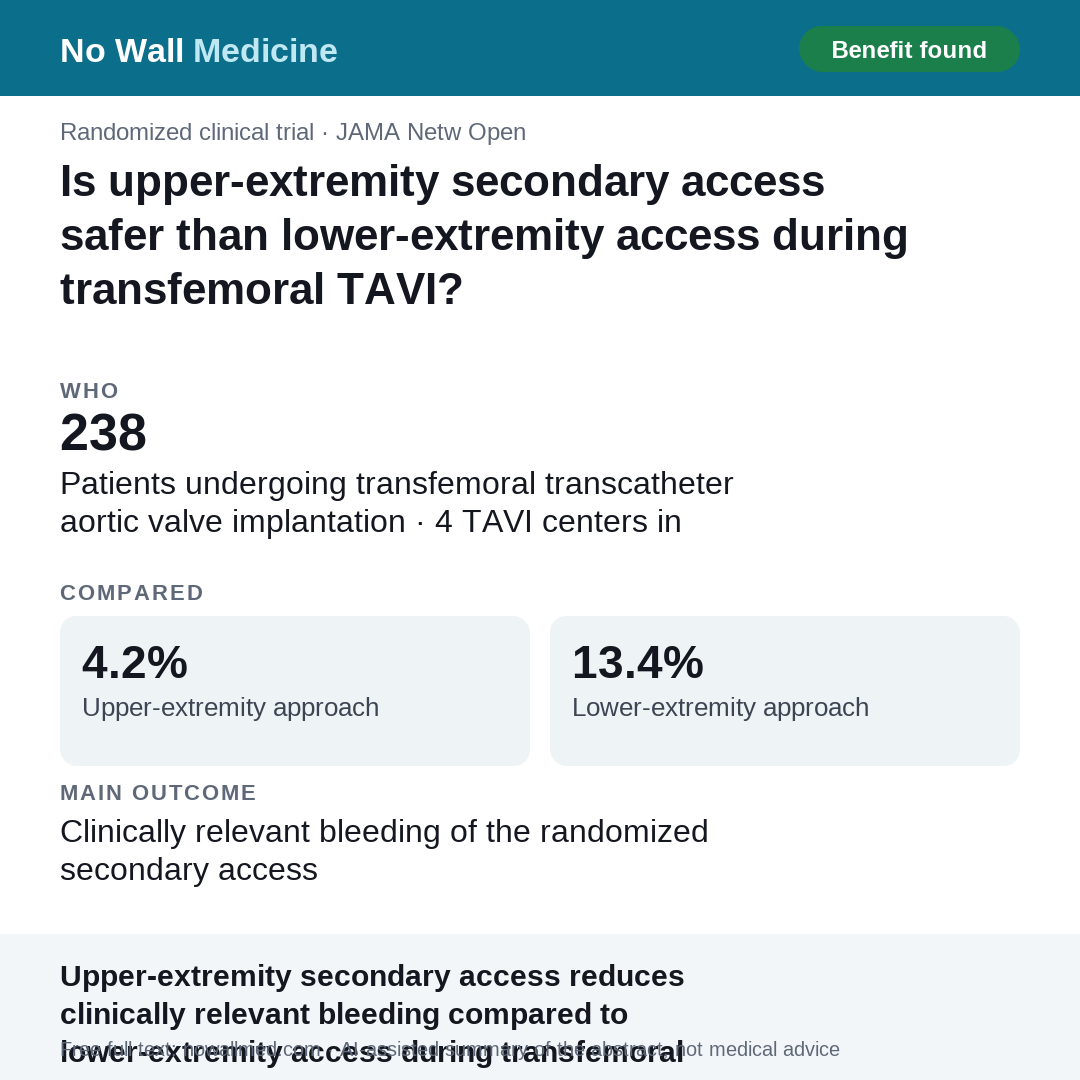
Upper- vs Lower-Extremity Secondary Access During Transcatheter Aortic Valve Implantation: A Randomized Clinical Trial
Randomized clinical trialBenefit found
Is upper-extremity secondary access safer than lower-extremity access during transfemoral TAVI?
Who
238
Patients undergoing transfemoral transcatheter aortic valve implantation · 4 TAVI centers in the Netherlands
Compared
4.2%Upper-extremity approach
13.4%Lower-extremity approach
Main outcome
Clinically relevant bleeding of the randomized secondary access
Result: odds ratio 0.28 (95% CI 0.10-0.80)
Bottom line: Upper-extremity secondary access reduces clinically relevant bleeding compared to lower-extremity access during transfemoral TAVI.
JAMA Netw Open · 2024-10-01Download image
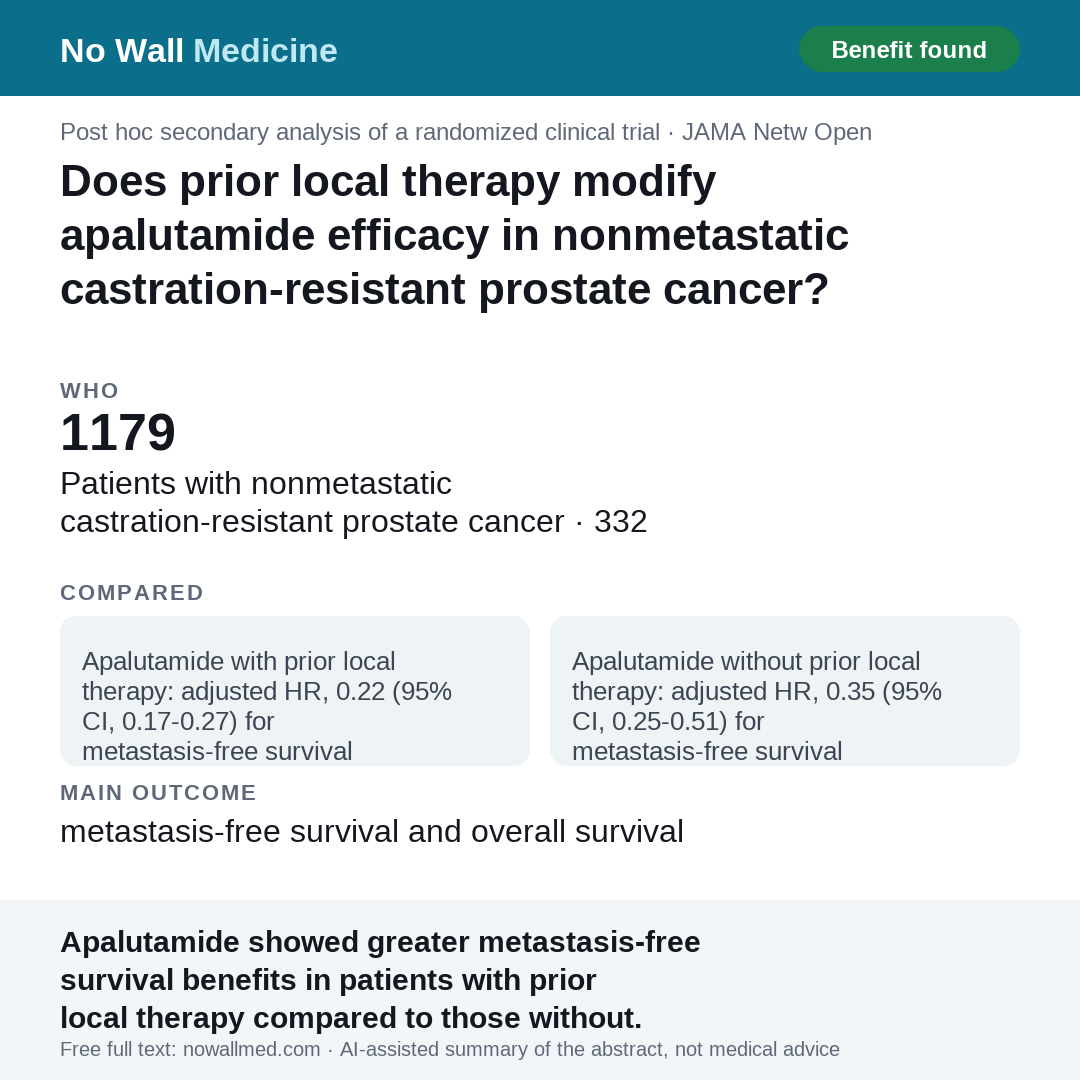
Prior Local Therapy and First-Line Apalutamide in Patients With Nonmetastatic Castration-Resistant Prostate Cancer: A Secondary Analysis of the SPARTAN Randomized Clinical Trial
Post hoc secondary analysis of a randomized clinical trialBenefit found
Does prior local therapy modify apalutamide efficacy in nonmetastatic castration-resistant prostate cancer?
Who
1179
Patients with nonmetastatic castration-resistant prostate cancer · 332 sites in 26 countries
Compared
Apalutamide with prior local therapy: adjusted HR, 0.22 (95% CI, 0.17-0.27) for metastasis-free survival
Apalutamide without prior local therapy: adjusted HR, 0.35 (95% CI, 0.25-0.51) for metastasis-free survival
Main outcome
metastasis-free survival and overall survival
Result: adjusted HR, 0.22 (95% CI, 0.17-0.27) for metastasis-free survival with prior local therapy
Bottom line: Apalutamide showed greater metastasis-free survival benefits in patients with prior local therapy compared to those without.
Limitation: This was a post hoc secondary analysis; further studies are needed to validate these findings.
JAMA Netw Open · 2024-10-01Download image
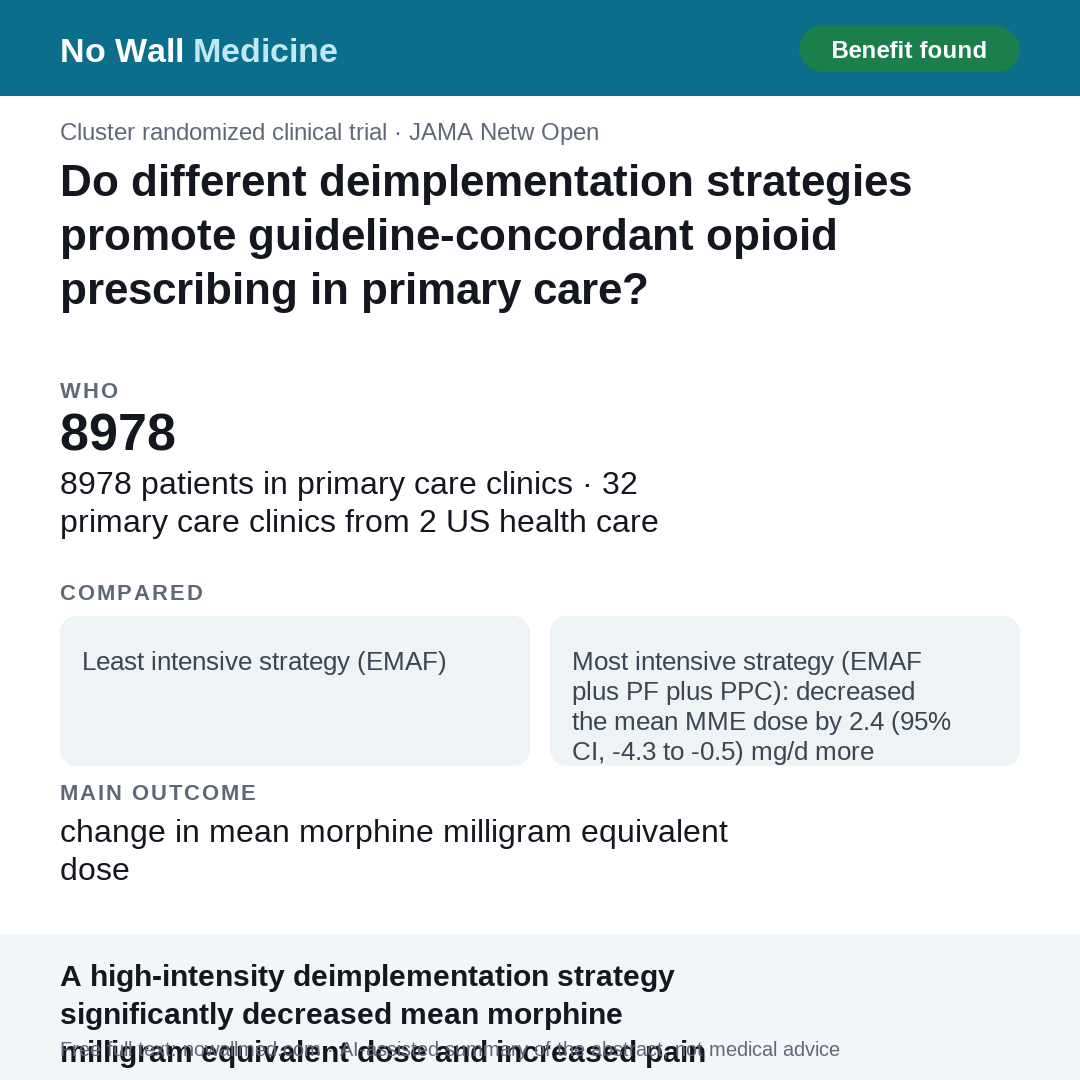
Strategies to Deimplement Opioid Prescribing in Primary Care: A Cluster Randomized Clinical Trial
Cluster randomized clinical trialBenefit found
Do different deimplementation strategies promote guideline-concordant opioid prescribing in primary care?
Who
8978
8978 patients in primary care clinics · 32 primary care clinics from 2 US health care systems
Compared
Least intensive strategy (EMAF)
Most intensive strategy (EMAF plus PF plus PPC): decreased the mean MME dose by 2.4 (95% CI, -4.3 to -0.5) mg/d more
Main outcome
change in mean morphine milligram equivalent dose
Result: -2.4 mg/d (95% CI, -4.3 to -0.5)
Bottom line: A high-intensity deimplementation strategy significantly decreased mean morphine milligram equivalent dose and increased pain screening in primary care.
JAMA Netw Open · 2024-10-01Download image
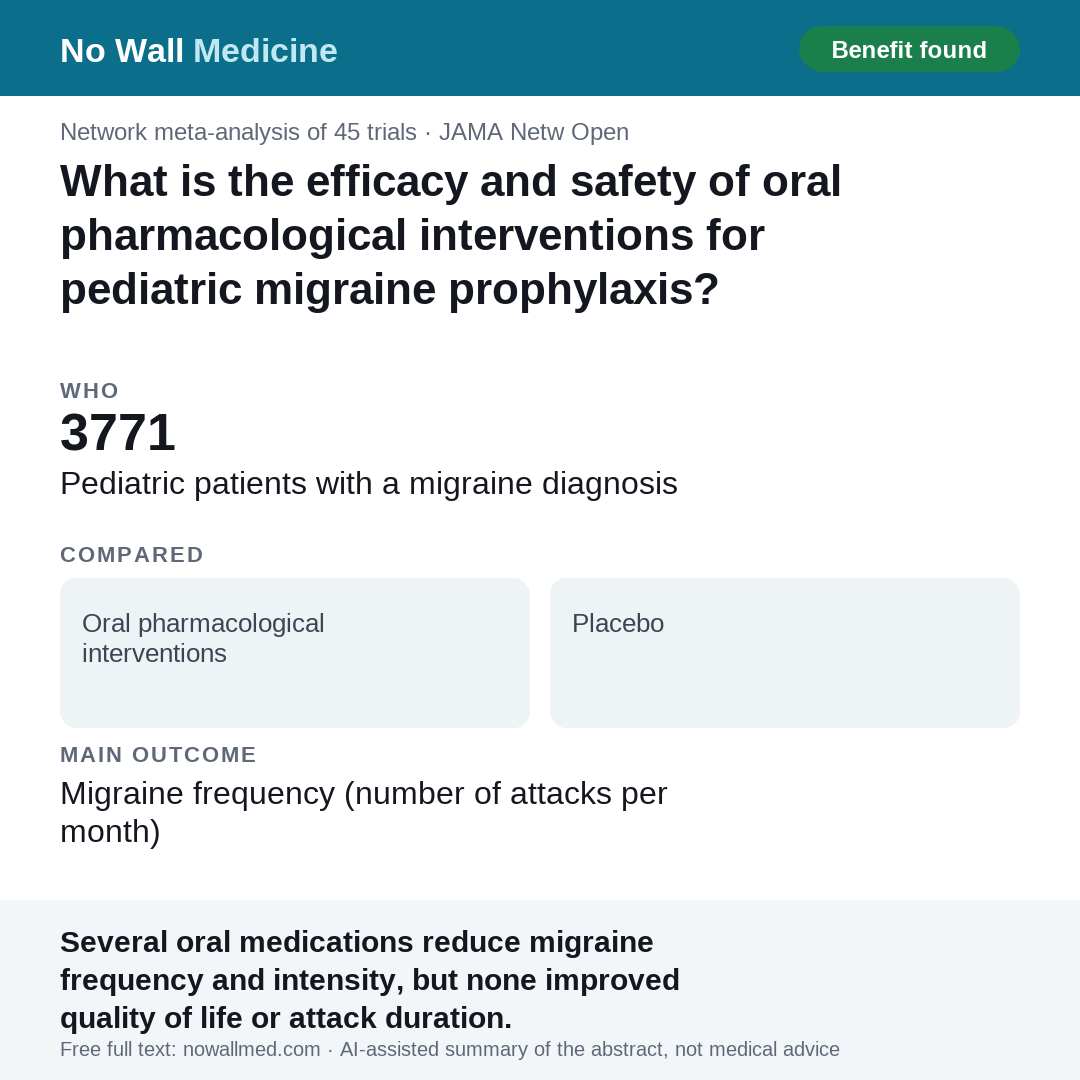
Preventive Medications in Pediatric Migraine: A Network Meta-Analysis
Network meta-analysis of 45 trialsBenefit found
What is the efficacy and safety of oral pharmacological interventions for pediatric migraine prophylaxis?
Who
3771
Pediatric patients with a migraine diagnosis
Compared
Oral pharmacological interventions
Placebo
Main outcome
Migraine frequency (number of attacks per month)
Result: pregabalin ratio of means 0.38 (95% CI, 0.18-0.79)
Bottom line: Several oral medications reduce migraine frequency and intensity, but none improved quality of life or attack duration.
Limitation: More studies are required for a robust conclusion regarding some drugs.
JAMA Netw Open · 2024-10-01Download image
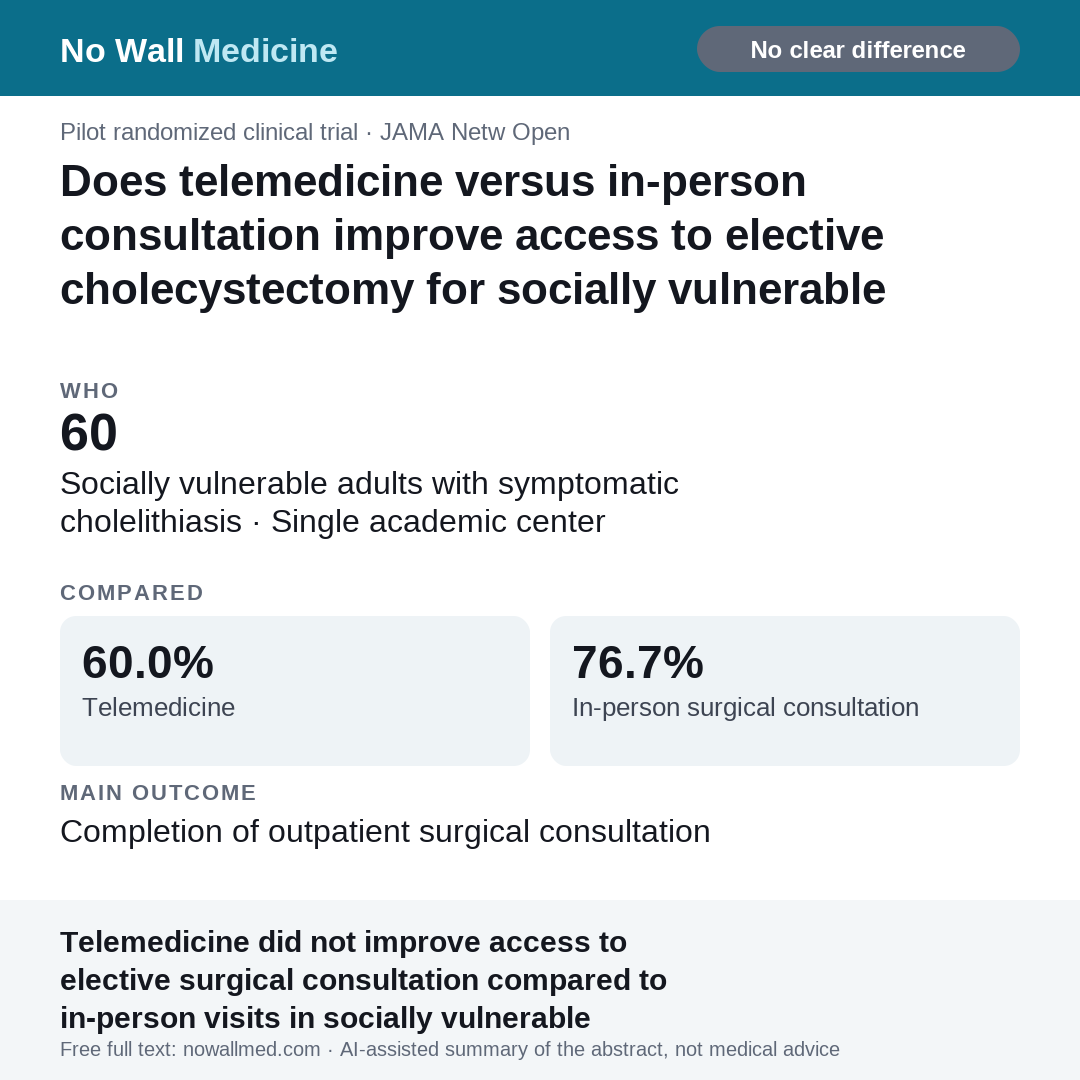
Telemedicine and Access to Elective Cholecystectomy for Socially Vulnerable Adults: A Pilot Randomized Clinical Trial
Pilot randomized clinical trialNo clear difference
Does telemedicine versus in-person consultation improve access to elective cholecystectomy for socially vulnerable adults?
Who
60
Socially vulnerable adults with symptomatic cholelithiasis · Single academic center
Compared
60.0%Telemedicine
76.7%In-person surgical consultation
Main outcome
Completion of outpatient surgical consultation
Bottom line: Telemedicine did not improve access to elective surgical consultation compared to in-person visits in socially vulnerable adults.
Limitation: Future large-scale studies are needed to identify possible barriers to virtual health care.
JAMA Netw Open · 2024-10-01Download image