Visual abstracts
New randomized trials and meta-analyses from leading journals at a glance: who was studied, what was compared, and what was found. Every paper is free to read in full.
All specialtiesCardiology 4877Oncology 4138Gastroenterology & Hepatology 1942Infectious Disease 3837Neurology 1905Psychiatry & Mental Health 2273Pulmonology 2143Critical Care 1365Endocrinology & Diabetes 2580Pediatrics 2980Surgery 2559Orthopedics & Sports Medicine 931Neurosurgery 537Cardiothoracic & Vascular Surgery 674Plastic & Reconstructive Surgery 591Nephrology 1133Rheumatology 823Hematology 1109Dermatology 621Ophthalmology 543Obstetrics & Gynecology 1686Public & Global Health 1058Radiology & Imaging 648Anesthesiology 986Urology 764ENT (Otolaryngology) 503Emergency Medicine 511Allergy & Immunology 313Geriatrics 981Family Medicine & Primary Care 562Medical Genetics & Genomics 676Pathology & Laboratory Medicine 159Physical Medicine & Rehabilitation 757Palliative Care 444Nutrition 1588Digital Health & AI 2201General Medicine 321
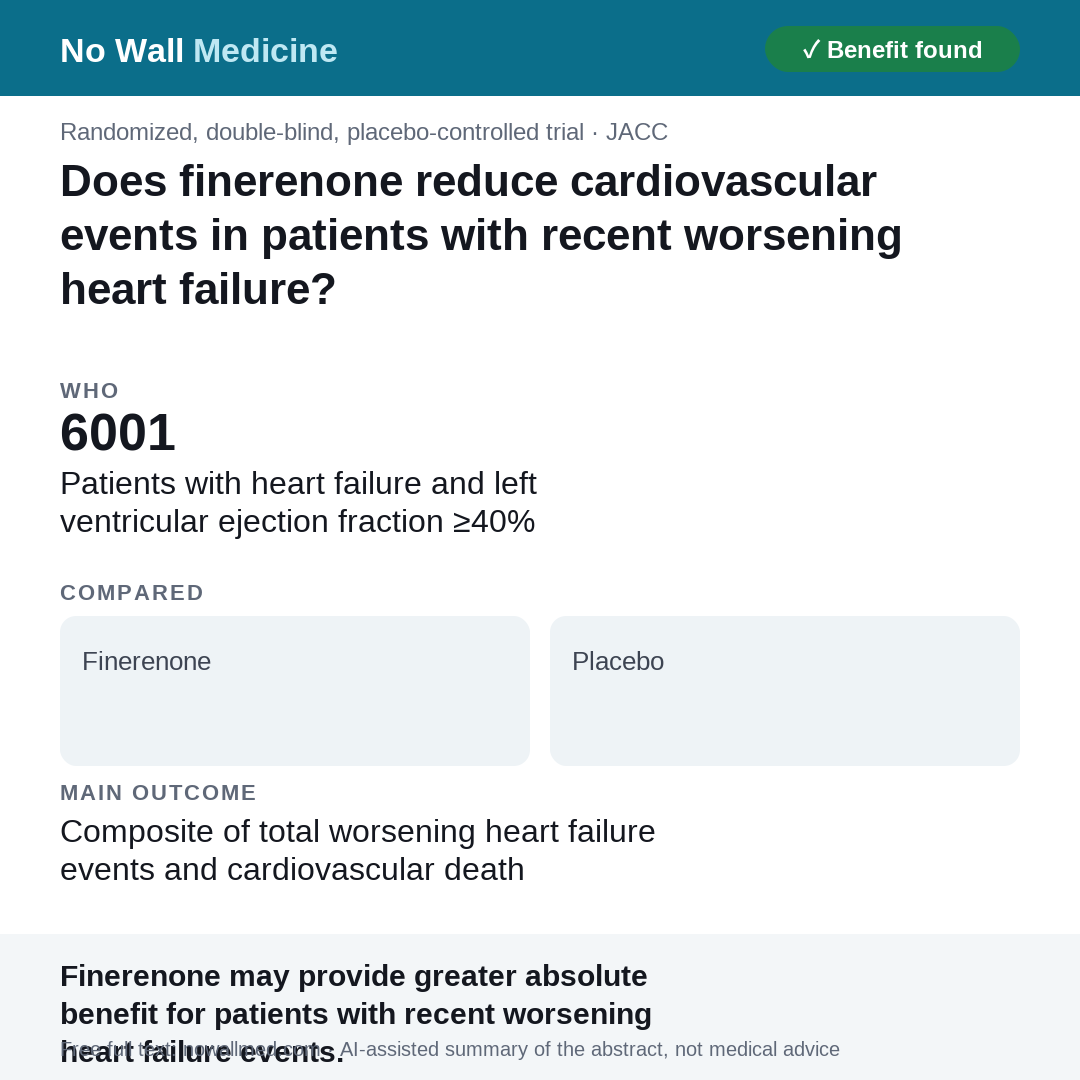
Finerenone in Patients With a Recent Worsening Heart Failure Event: The FINEARTS-HF Trial
Randomized, double-blind, placebo-controlled trialBenefit found
Does finerenone reduce cardiovascular events in patients with recent worsening heart failure?
Who
6001
Patients with heart failure and left ventricular ejection fraction ≥40%
Compared
Finerenone
Placebo
Main outcome
Composite of total worsening heart failure events and cardiovascular death
Result: RR 0.74 (95% CI 0.57-0.95) for within 7 days
Bottom line: Finerenone may provide greater absolute benefit for patients with recent worsening heart failure events.
Limitation: No definitive treatment-by-time interaction could be confirmed (P = 0.07).
JACC · 2024-09-29Download image
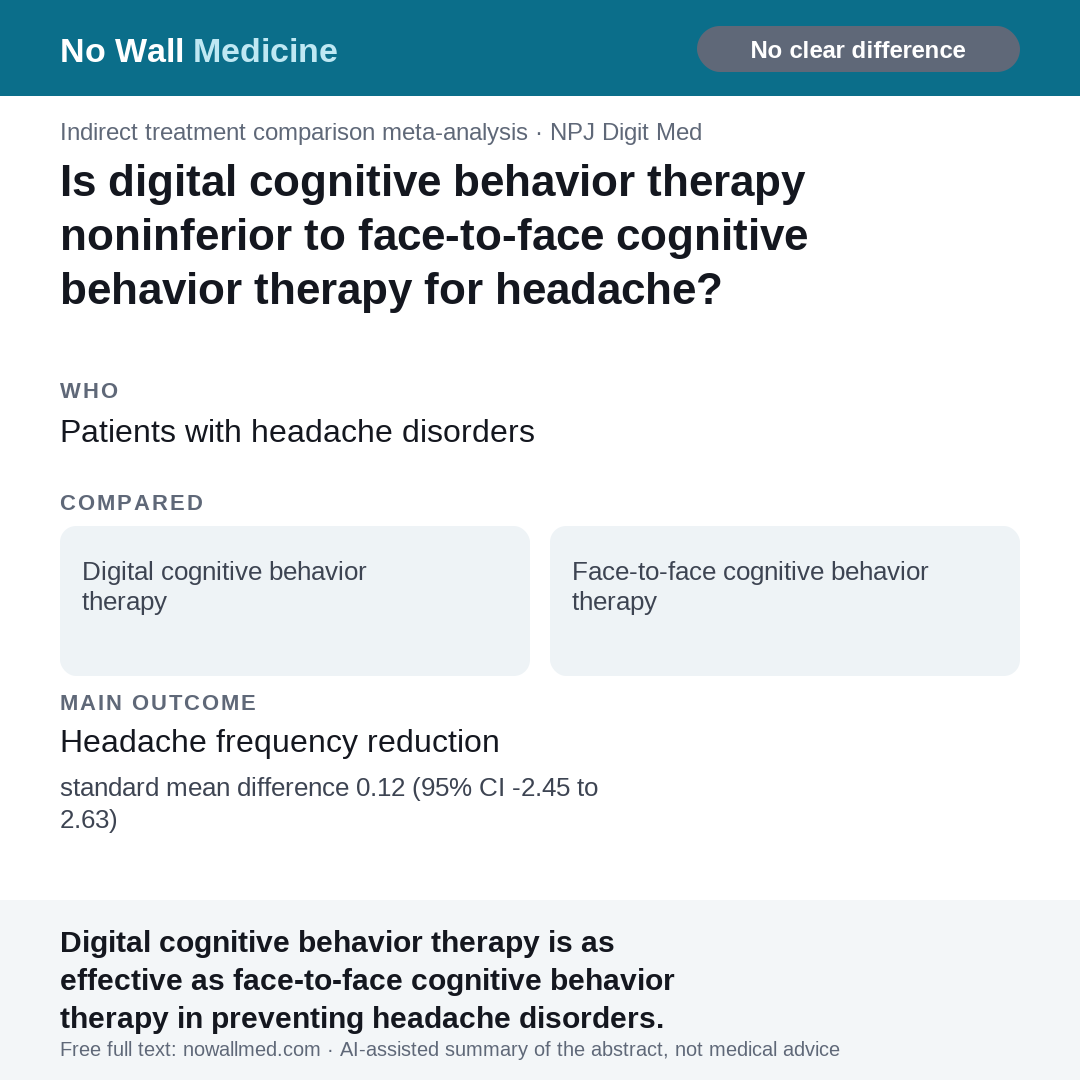
An indirect treatment comparison meta-analysis of digital versus face-to-face cognitive behavior therapy for headache
Indirect treatment comparison meta-analysisNo clear difference
Is digital cognitive behavior therapy noninferior to face-to-face cognitive behavior therapy for headache?
Who
Patients with headache disorders
Compared
Digital cognitive behavior therapy
Face-to-face cognitive behavior therapy
Main outcome
Headache frequency reduction
Result: standard mean difference 0.12 (95% CI -2.45 to 2.63)
Bottom line: Digital cognitive behavior therapy is as effective as face-to-face cognitive behavior therapy in preventing headache disorders.
Limitation: High heterogeneity and most included studies focused on migraine prevention.
NPJ Digit Med · 2024-09-29Download image
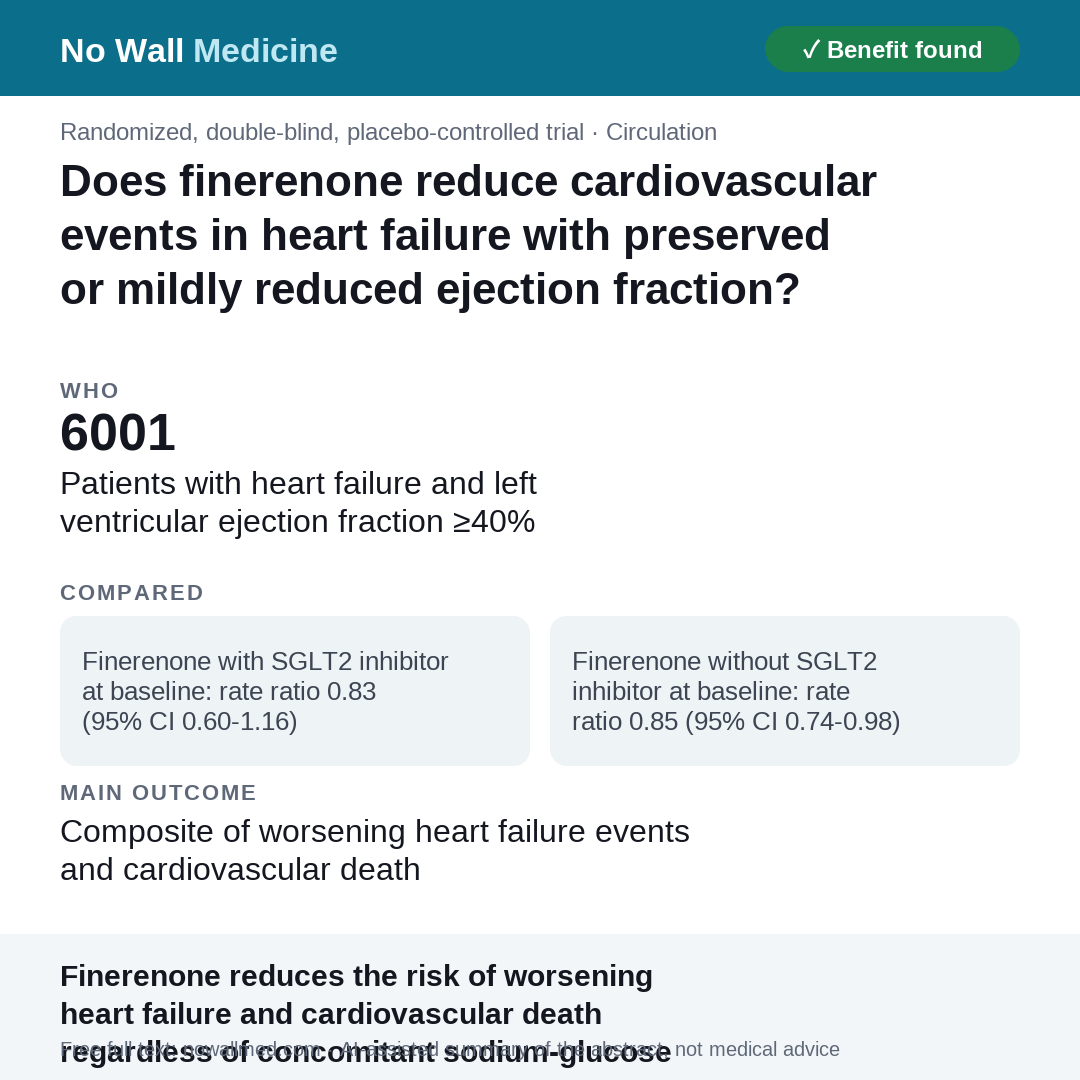
Effects of the Nonsteroidal MRA Finerenone With and Without Concomitant SGLT2 Inhibitor Use in Heart Failure
Randomized, double-blind, placebo-controlled trialBenefit found
Does finerenone reduce cardiovascular events in heart failure with preserved or mildly reduced ejection fraction?
Who
6001
Patients with heart failure and left ventricular ejection fraction ≥40%
Compared
Finerenone with SGLT2 inhibitor at baseline: rate ratio 0.83 (95% CI 0.60-1.16)
Finerenone without SGLT2 inhibitor at baseline: rate ratio 0.85 (95% CI 0.74-0.98)
Main outcome
Composite of worsening heart failure events and cardiovascular death
Result: rate ratio 0.83 (95% CI 0.60-1.16) and 0.85 (95% CI 0.74-0.98)
Bottom line: Finerenone reduces the risk of worsening heart failure and cardiovascular death regardless of concomitant sodium-glucose cotransporter-2 inhibitor use.
Circulation · 2024-09-28Download image
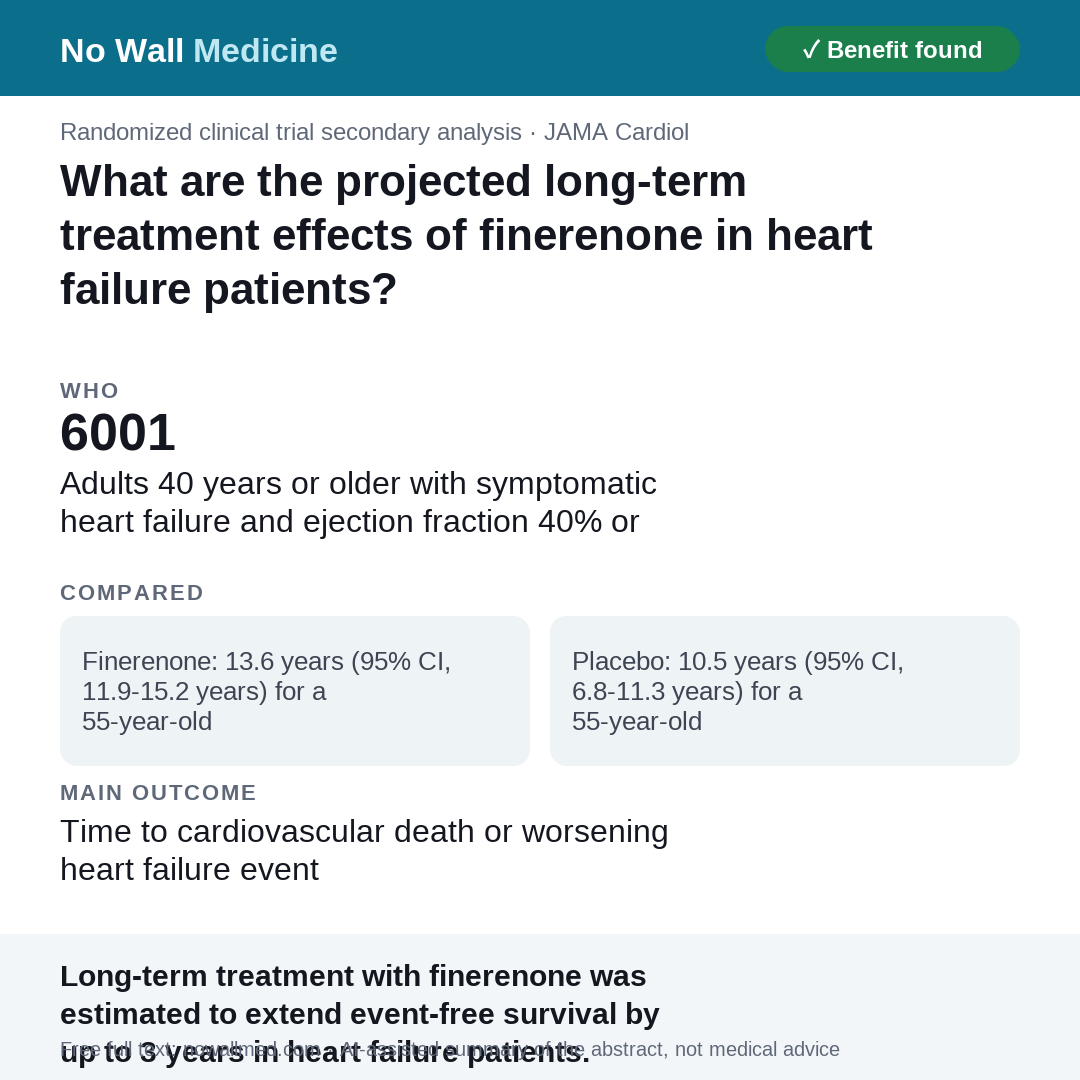
Estimated Long-Term Benefits of Finerenone in Heart Failure: A Prespecified Secondary Analysis of the FINEARTS-HF Randomized Clinical Trial
Randomized clinical trial secondary analysisBenefit found
What are the projected long-term treatment effects of finerenone in heart failure patients?
Who
6001
Adults 40 years or older with symptomatic heart failure and ejection fraction 40% or greater · 653 sites in 37 countries
Compared
Finerenone: 13.6 years (95% CI, 11.9-15.2 years) for a 55-year-old
Placebo: 10.5 years (95% CI, 6.8-11.3 years) for a 55-year-old
Main outcome
Time to cardiovascular death or worsening heart failure event
Result: gain in event-free survival of 3.1 years (95% CI, 0.8-5.4 years)
Bottom line: Long-term treatment with finerenone was estimated to extend event-free survival by up to 3 years in heart failure patients.
JAMA Cardiol · 2024-09-28Download image
The association between maternal immune activation and brain structure and function in human offspring: a systematic review
Systematic reviewMixed results
Does maternal immune activation associate with offspring brain structure and function?
Who
Human offspring of mothers with maternal immune activation
Compared
Severe infections (HIV and Zika virus): various types of cerebral lesions
Less severe infections and chronic inflammation: generally inconsistent findings
Main outcome
child structural and functional brain development
Bottom line: Severe infections like HIV and Zika virus associate with cerebral lesions, but other exposures show inconsistent brain development findings.
Mol Psychiatry · 2024-09-28Download image

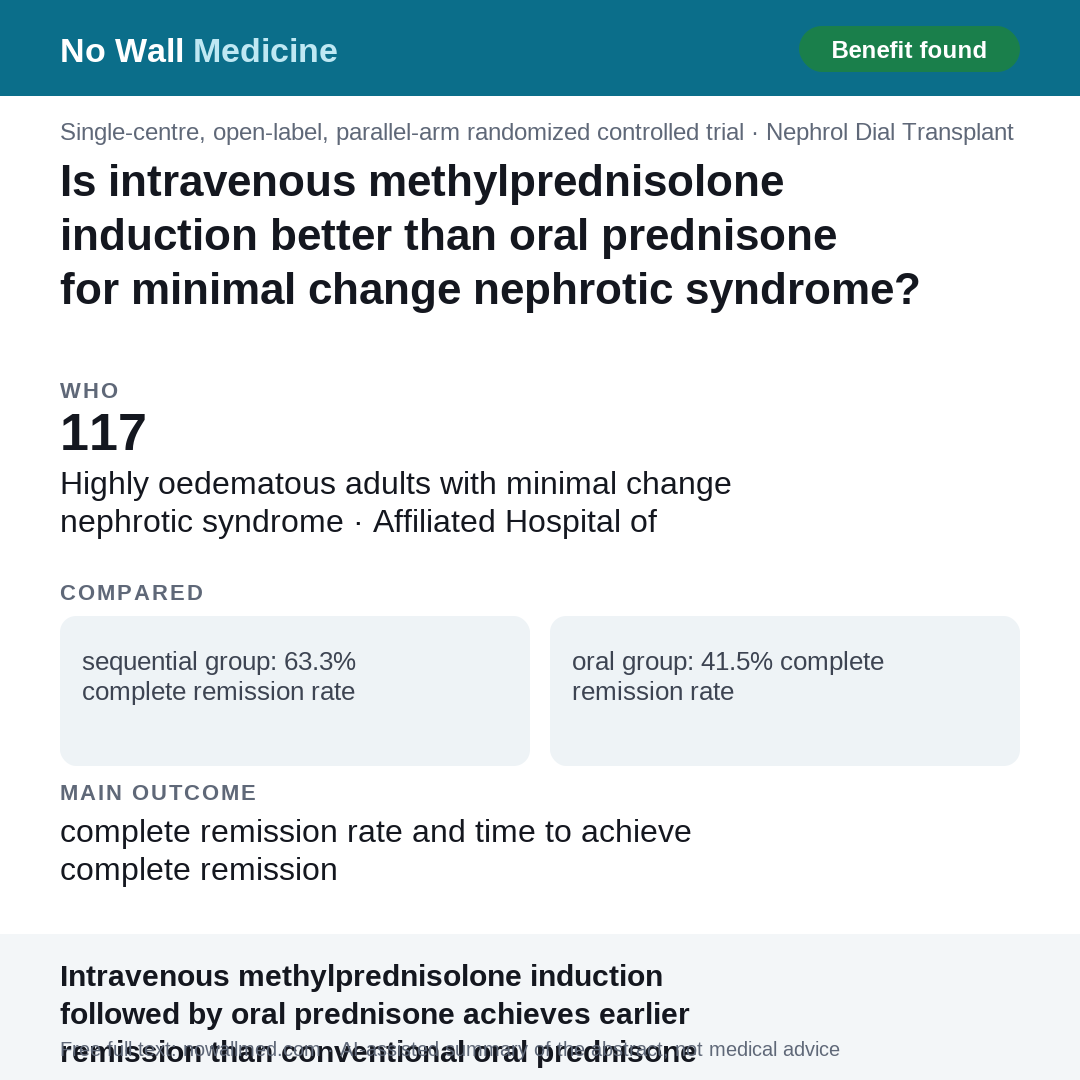
Intravenous methylprednisolone for nephrotic syndrome with minimal change lesions in adults: a randomized controlled trial
Single-centre, open-label, parallel-arm randomized controlled trialBenefit found
Is intravenous methylprednisolone induction better than oral prednisone for minimal change nephrotic syndrome?
Who
117
Highly oedematous adults with minimal change nephrotic syndrome · Affiliated Hospital of Guangdong Medical University
Compared
sequential group: 63.3% complete remission rate
oral group: 41.5% complete remission rate
Main outcome
complete remission rate and time to achieve complete remission
Result: 14.0 days [95% confidence interval (CI) 13.5-14.5] versus 16.0 days [95% CI 12.7-19.3]
Bottom line: Intravenous methylprednisolone induction followed by oral prednisone achieves earlier remission than conventional oral prednisone in highly oedematous patients.
Nephrol Dial Transplant · 2024-09-28Download image
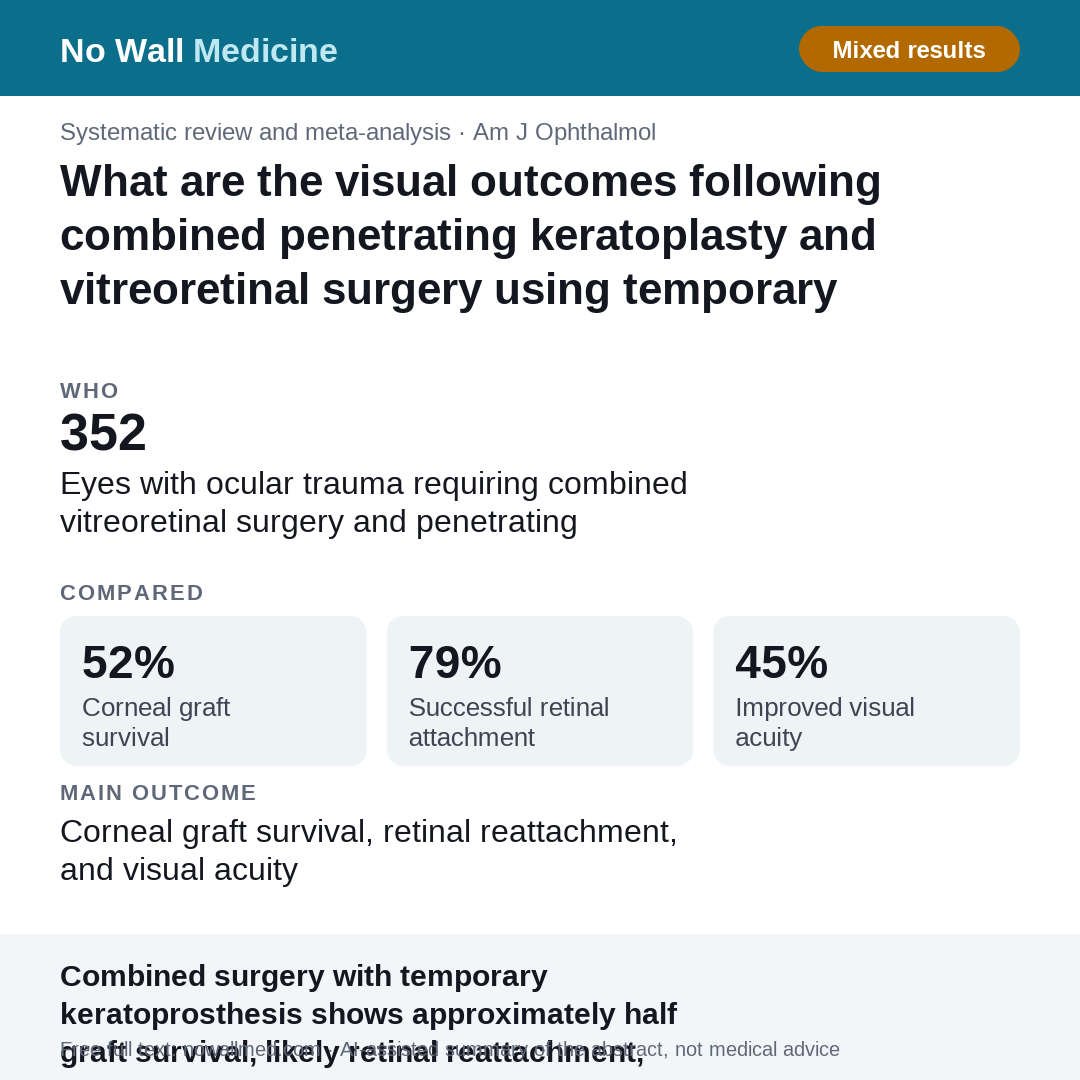
Temporary Keratoprosthesis and Primary Corneal Graft for Ocular Trauma: A Systematic Review and Meta-Analysis
Systematic review and meta-analysisMixed results
What are the visual outcomes following combined penetrating keratoplasty and vitreoretinal surgery using temporary keratoprosthesis?
Who
352
Eyes with ocular trauma requiring combined vitreoretinal surgery and penetrating keratoplasty
Compared
52%Corneal graft survival (95% CI 0.41-0.62)
79%Successful retinal attachment (95% CI 0.73-0.84)
45%Improved visual acuity (95% CI 0.32-0.59)
Main outcome
Corneal graft survival, retinal reattachment, and visual acuity
Bottom line: Combined surgery with temporary keratoprosthesis shows approximately half graft survival, likely retinal reattachment, and improved visual acuity in some patients.
Limitation: All included studies were retrospective and nonrandomized.
Am J Ophthalmol · 2024-09-28Download image
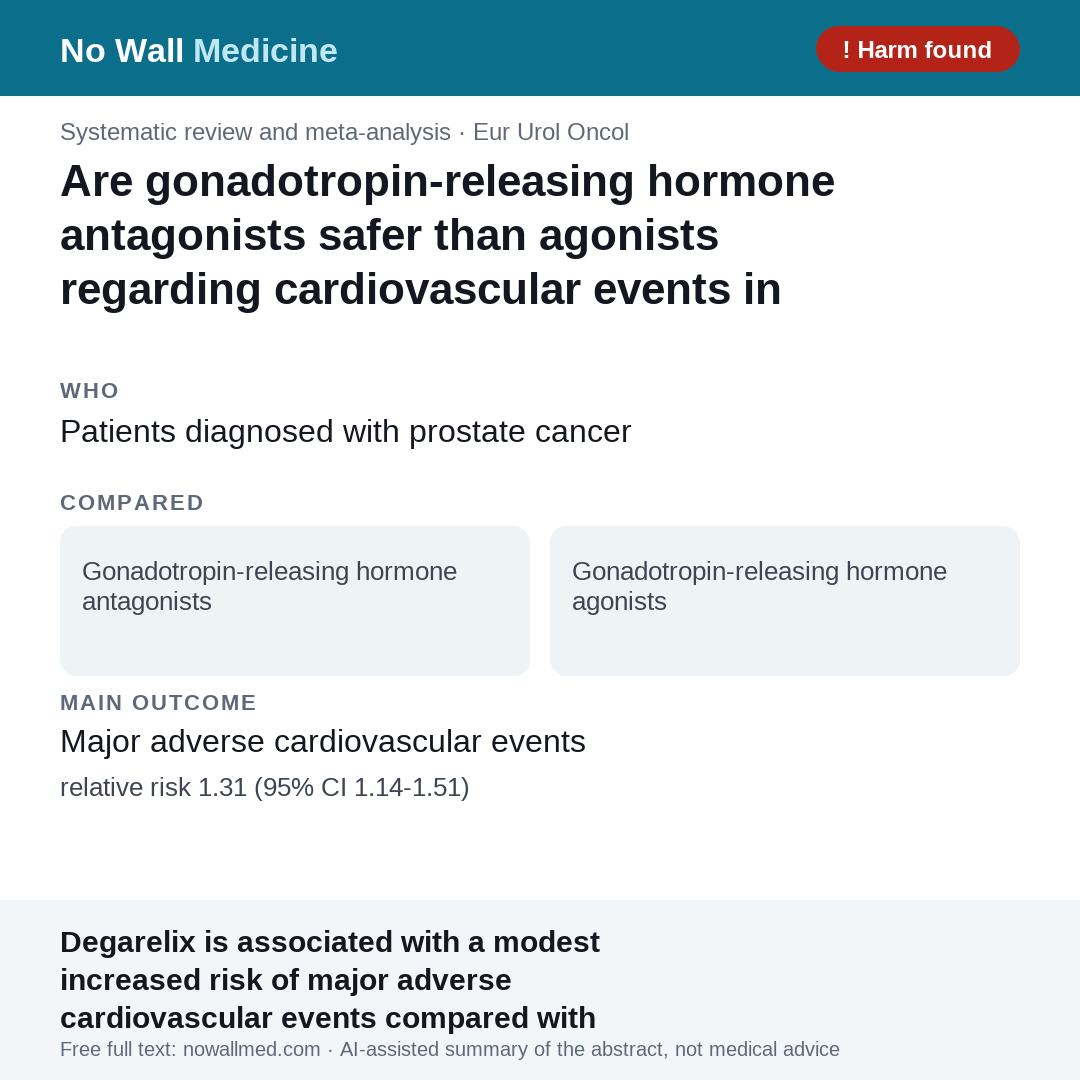
Comparative Cardiovascular Safety of Gonadotropin-releasing Hormone Antagonists and Agonists Among Patients Diagnosed with Prostate Cancer: A Systematic Review and Meta-analysis of Real-world Evidence Studies
Systematic review and meta-analysisHarm found
Are gonadotropin-releasing hormone antagonists safer than agonists regarding cardiovascular events in prostate cancer?
Who
Patients diagnosed with prostate cancer
Compared
Gonadotropin-releasing hormone antagonists
Gonadotropin-releasing hormone agonists
Main outcome
Major adverse cardiovascular events
Result: relative risk 1.31 (95% CI 1.14-1.51)
Bottom line: Degarelix is associated with a modest increased risk of major adverse cardiovascular events compared with agonists.
Limitation: Residual confounding due to the treatment of high-risk patients with degarelix may account for these findings.
Eur Urol Oncol · 2024-09-28Download image
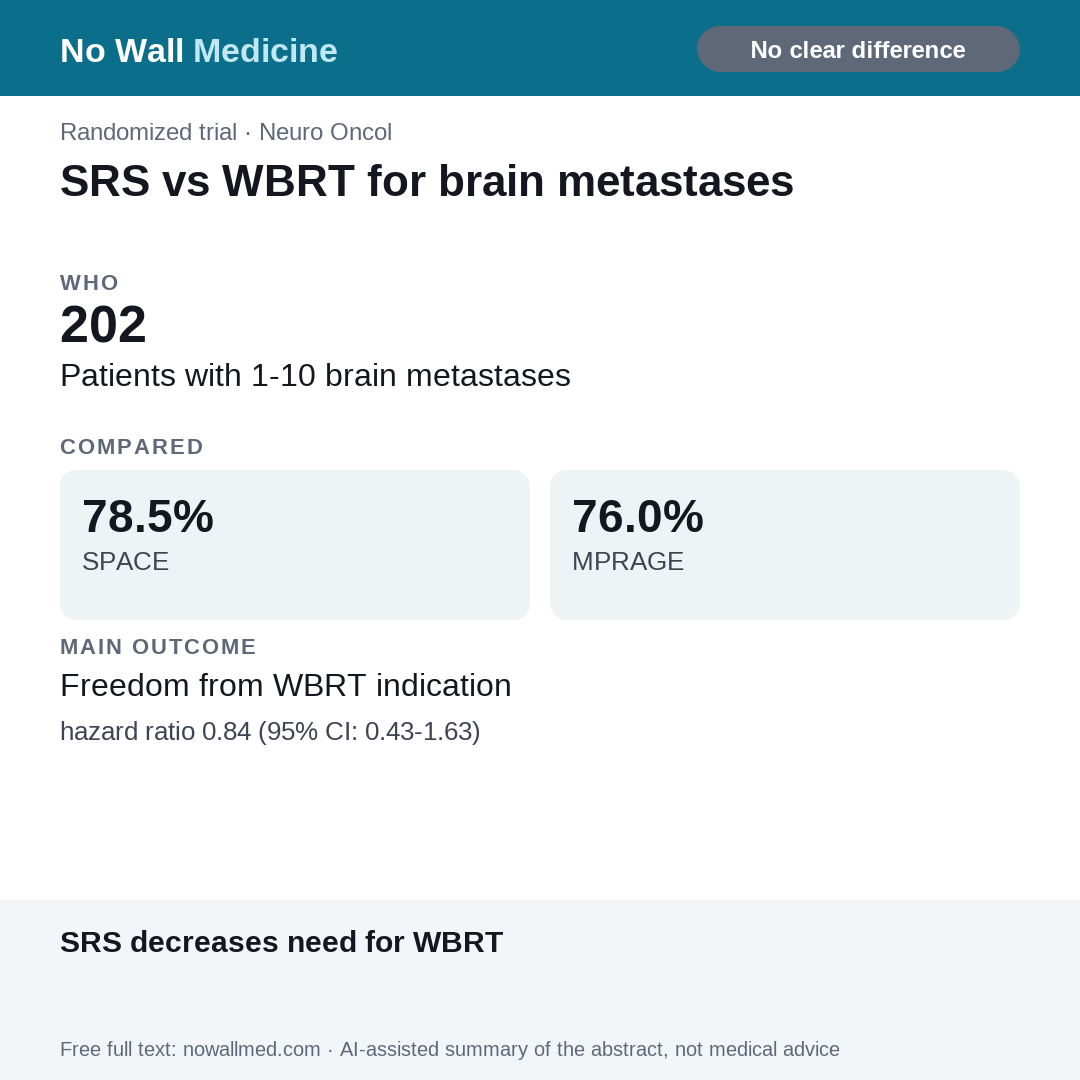
Stereotactic radiosurgery for 1-10 brain metastases to avoid whole-brain radiotherapy: Results of the CYBER-SPACE randomized phase 2 trial
Randomized trialNo clear difference
SRS vs WBRT for brain metastases
Who
202
Patients with 1-10 brain metastases
Compared
78.5%SPACE (95% CI: 66.7%-86.5%)
76.0%MPRAGE (95% CI: 65.2%-83.9%)
Main outcome
Freedom from WBRT indication
Result: hazard ratio 0.84 (95% CI: 0.43-1.63)
Bottom line: SRS decreases need for WBRT
Neuro Oncol · 2024-09-28Download image
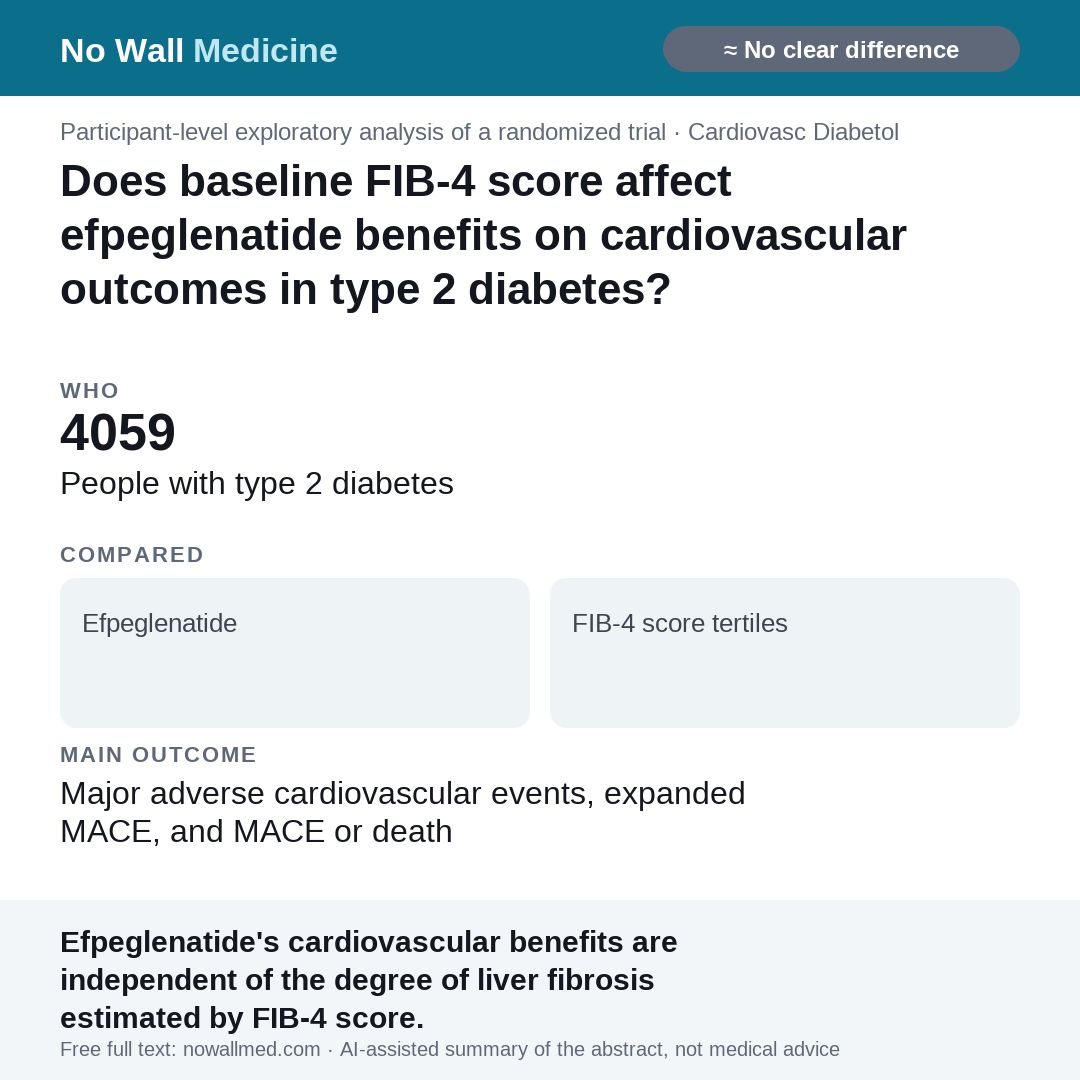
Impact of baseline FIB-4 score on efpeglenatide benefits on cardiovascular outcomes in people with type 2 diabetes: a participant-level exploratory analysis of the AMPLITUDE-O trial
Participant-level exploratory analysis of a randomized trialNo clear difference
Does baseline FIB-4 score affect efpeglenatide benefits on cardiovascular outcomes in type 2 diabetes?
Who
4059
People with type 2 diabetes
Compared
Efpeglenatide
FIB-4 score tertiles
Main outcome
Major adverse cardiovascular events, expanded MACE, and MACE or death
Result: MACE hazard ratio 1.00 (95% CI 0.89 to 1.13)
Bottom line: Efpeglenatide's cardiovascular benefits are independent of the degree of liver fibrosis estimated by FIB-4 score.
Cardiovasc Diabetol · 2024-09-28Download image
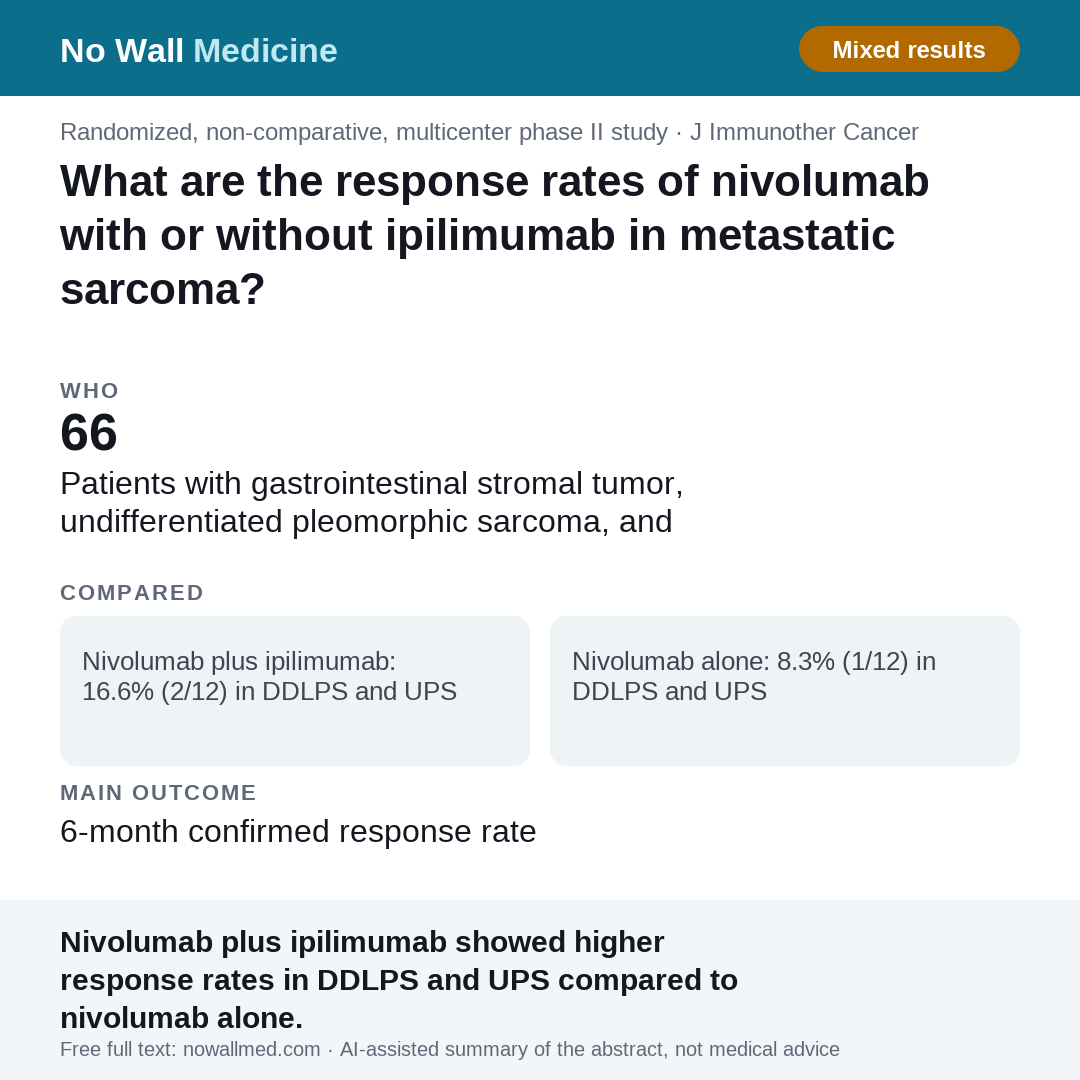
A multicenter, randomized, non-comparative, phase II study of nivolumab ± ipilimumab for patients with metastatic sarcoma (Alliance A091401): expansion cohorts and correlative analyses
Randomized, non-comparative, multicenter phase II studyMixed results
What are the response rates of nivolumab with or without ipilimumab in metastatic sarcoma?
Who
66
Patients with gastrointestinal stromal tumor, undifferentiated pleomorphic sarcoma, and dedifferentiated liposarcoma · Multicenter
Compared
Nivolumab plus ipilimumab: 16.6% (2/12) in DDLPS and UPS
Nivolumab alone: 8.3% (1/12) in DDLPS and UPS
Main outcome
6-month confirmed response rate
Bottom line: Nivolumab plus ipilimumab showed higher response rates in DDLPS and UPS compared to nivolumab alone.
J Immunother Cancer · 2024-09-28Download image
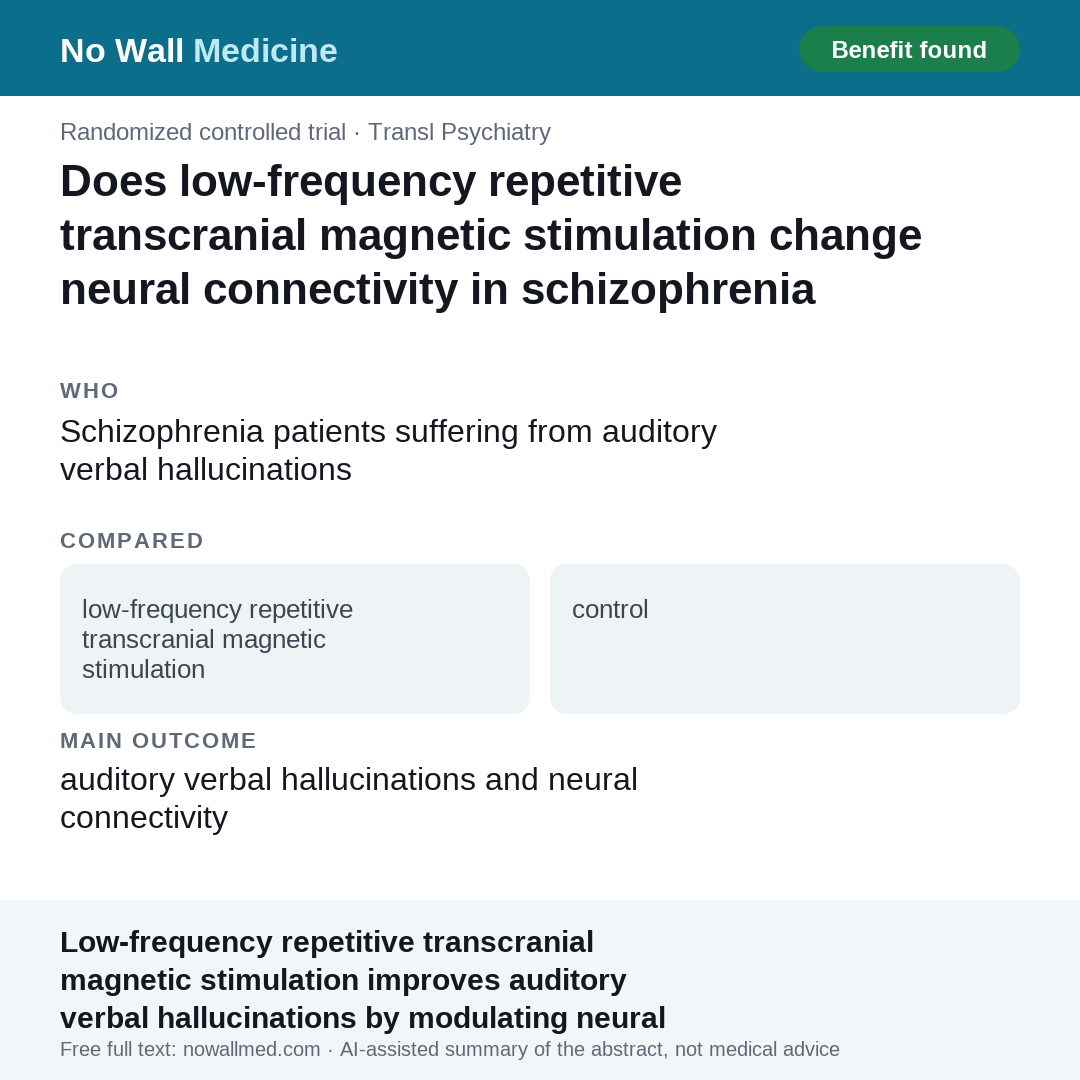
Targeting auditory verbal hallucinations in schizophrenia: effective connectivity changes induced by low-frequency rTMS
Randomized controlled trialBenefit found
Does low-frequency repetitive transcranial magnetic stimulation change neural connectivity in schizophrenia patients with auditory verbal hallucinations?
Who
Schizophrenia patients suffering from auditory verbal hallucinations
Compared
low-frequency repetitive transcranial magnetic stimulation
control
Main outcome
auditory verbal hallucinations and neural connectivity
Bottom line: Low-frequency repetitive transcranial magnetic stimulation improves auditory verbal hallucinations by modulating neural connectivity in schizophrenia patients.
Transl Psychiatry · 2024-09-28Download image
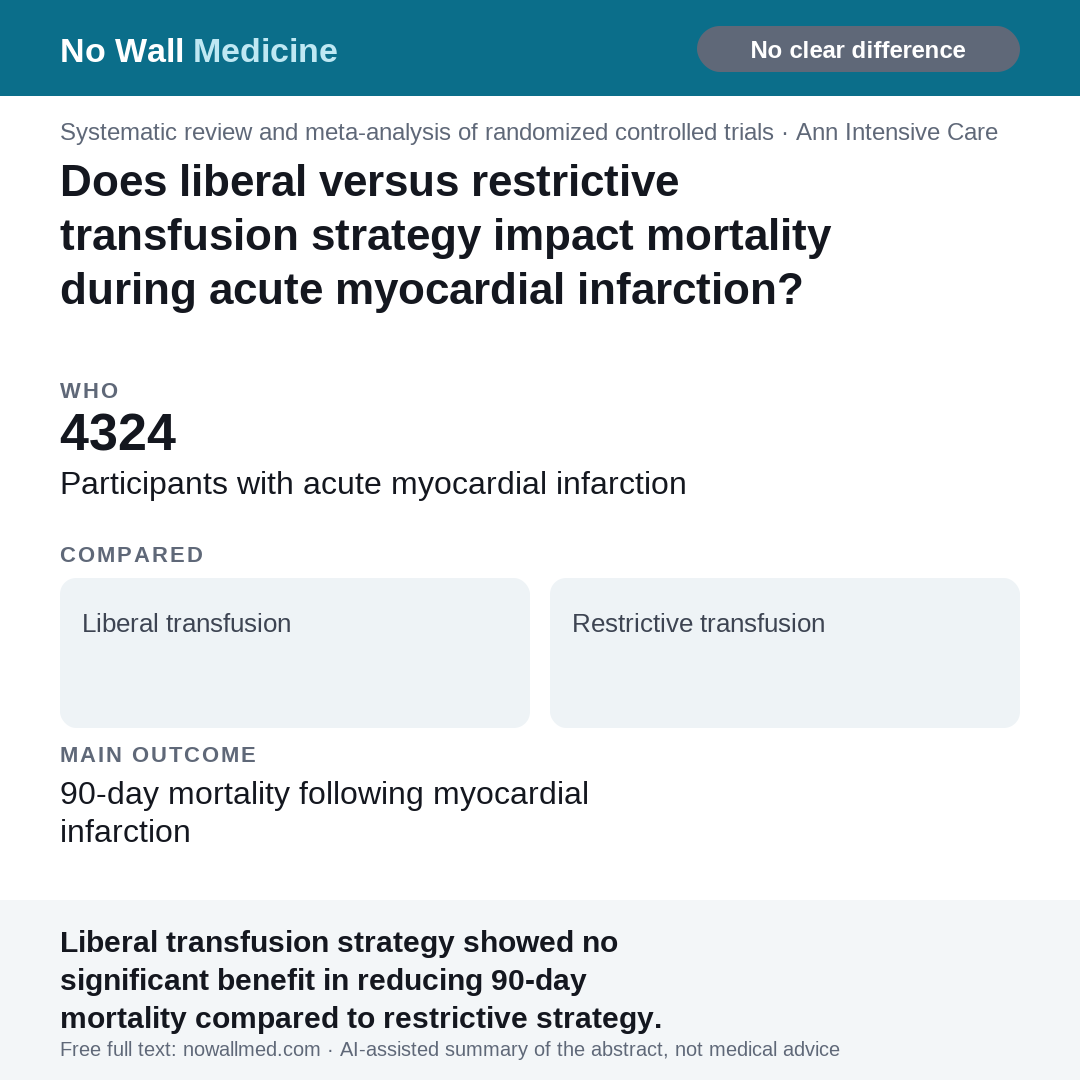
Liberal versus restrictive transfusion strategies in acute myocardial infarction: a systematic review and comparative frequentist and Bayesian meta-analysis of randomized controlled trials
Systematic review and meta-analysis of randomized controlled trialsNo clear difference
Does liberal versus restrictive transfusion strategy impact mortality during acute myocardial infarction?
Who
4324
Participants with acute myocardial infarction
Compared
Liberal transfusion
Restrictive transfusion
Main outcome
90-day mortality following myocardial infarction
Result: risk ratio 1.13 (95% CI 0.67 to 1.91)
Bottom line: Liberal transfusion strategy showed no significant benefit in reducing 90-day mortality compared to restrictive strategy.
Limitation: Low certainty of evidence and results for composite outcomes were driven by a single study.
Ann Intensive Care · 2024-09-28Download image
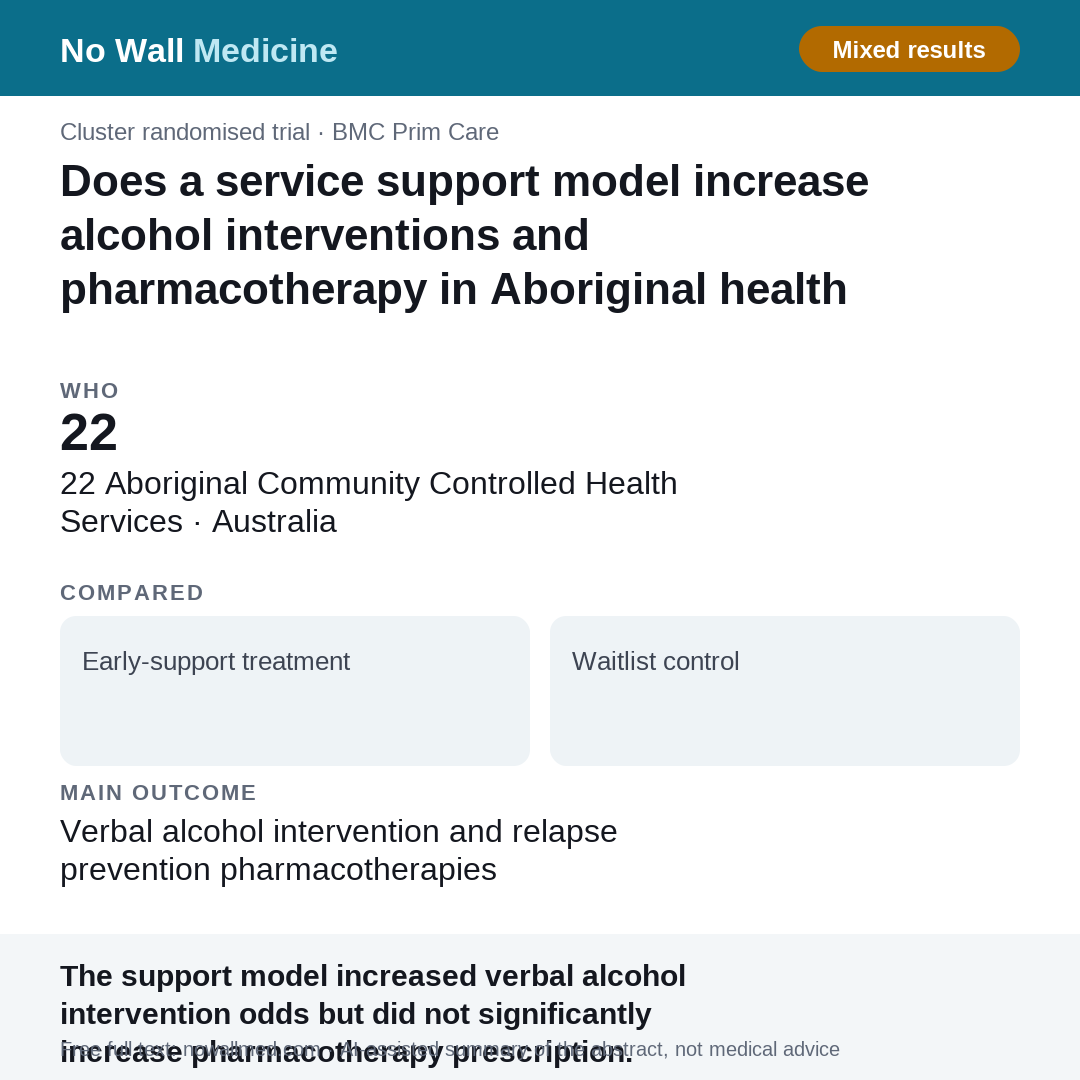
Supporting alcohol brief interventions and pharmacotherapy provision in Australian First Nations primary care: exploratory analysis of a cluster randomised trial
Cluster randomised trialMixed results
Does a service support model increase alcohol interventions and pharmacotherapy in Aboriginal health services?
Who
22
22 Aboriginal Community Controlled Health Services · Australia
Compared
Early-support treatment
Waitlist control
Main outcome
Verbal alcohol intervention and relapse prevention pharmacotherapies
Result: odds ratio 7.60 (95% CI 5.54 to 10.42) for verbal intervention
Bottom line: The support model increased verbal alcohol intervention odds but did not significantly increase pharmacotherapy prescription.
Limitation: Data likely underestimates treatment rates due to documentation barriers and different software usage.
BMC Prim Care · 2024-09-28Download image
Integrated model of secondary fracture prevention in primary care (INTERCEPT): protocol for a cluster randomised controlled multicentre trial
Cluster randomised controlled trialUnclear result
Does an integrated model of secondary fracture prevention improve osteoporosis investigation and treatment?
Who
Patients with a potential osteoporotic fracture in metropolitan Sydney · Metropolitan Sydney, Australia
Compared
Intervention
Usual care
Main outcome
Proportion undergoing bone density scan and/or filling osteo-protective prescription
Bottom line: This protocol describes a trial to evaluate an integrated model for improving osteoporosis care in primary care.
BMC Prim Care · 2024-09-28Download image

Methaemoglobin as a surrogate marker of primaquine antihypnozoite activity in Plasmodium vivax malaria: A systematic review and individual patient data meta-analysis
Meta-analysis of 8 trialsBenefit found
Methaemoglobin as surrogate for primaquine activity
Who
1747
Patients with Plasmodium vivax malaria · 8 countries, 24 sites
Compared
Primaquine treatment
Control
Main outcome
Plasmodium vivax recurrence
Result: hazard ratio 0.70 (95% CI 0.57 to 0.86)
Bottom line: Higher methaemoglobin reduces recurrence risk
Limitation: Cannot distinguish recrudescence, reinfection, relapse
PLOS Med · 2024-09-27Download image

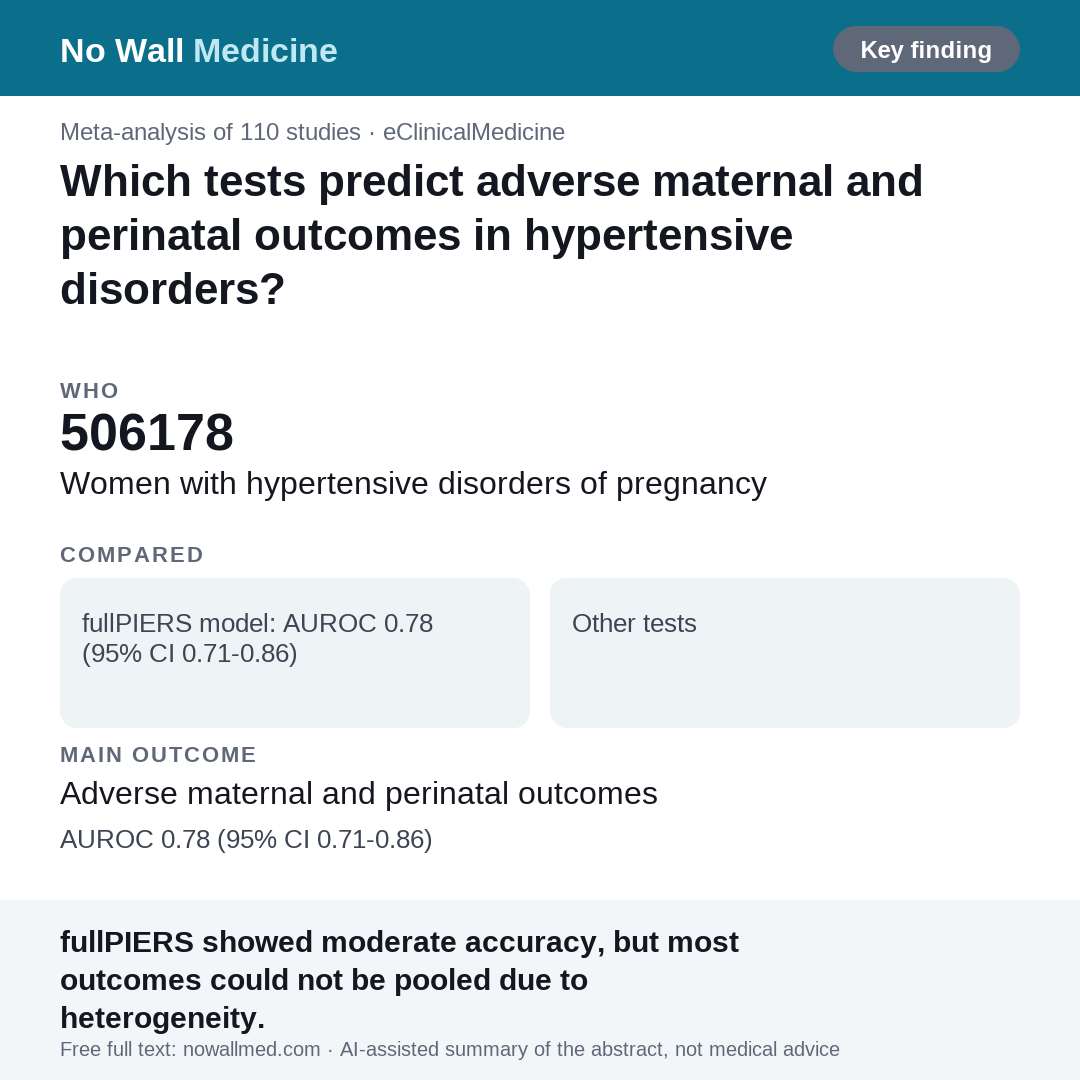
Prediction of adverse maternal and perinatal outcomes associated with pre-eclampsia and hypertensive disorders of pregnancy: a systematic review and meta-analysis
Meta-analysis of 110 studiesMixed results
Can tests predict pregnancy complications?
Who
506178
women with hypertensive disorders of pregnancy
Compared
0.78fullPIERS model (95% CI 0.71-0.86)
sFlt-1/PlGF ratio
Main outcome
adverse maternal and perinatal outcomes
Result: AUROC 0.78 (95% CI 0.71-0.86)
Bottom line: Some tests show promise in predicting complications
Limitation: heterogeneity in populations and tests
Funded by: Swedish Research Council
eClinicalMedicine · 2024-09-27Download image
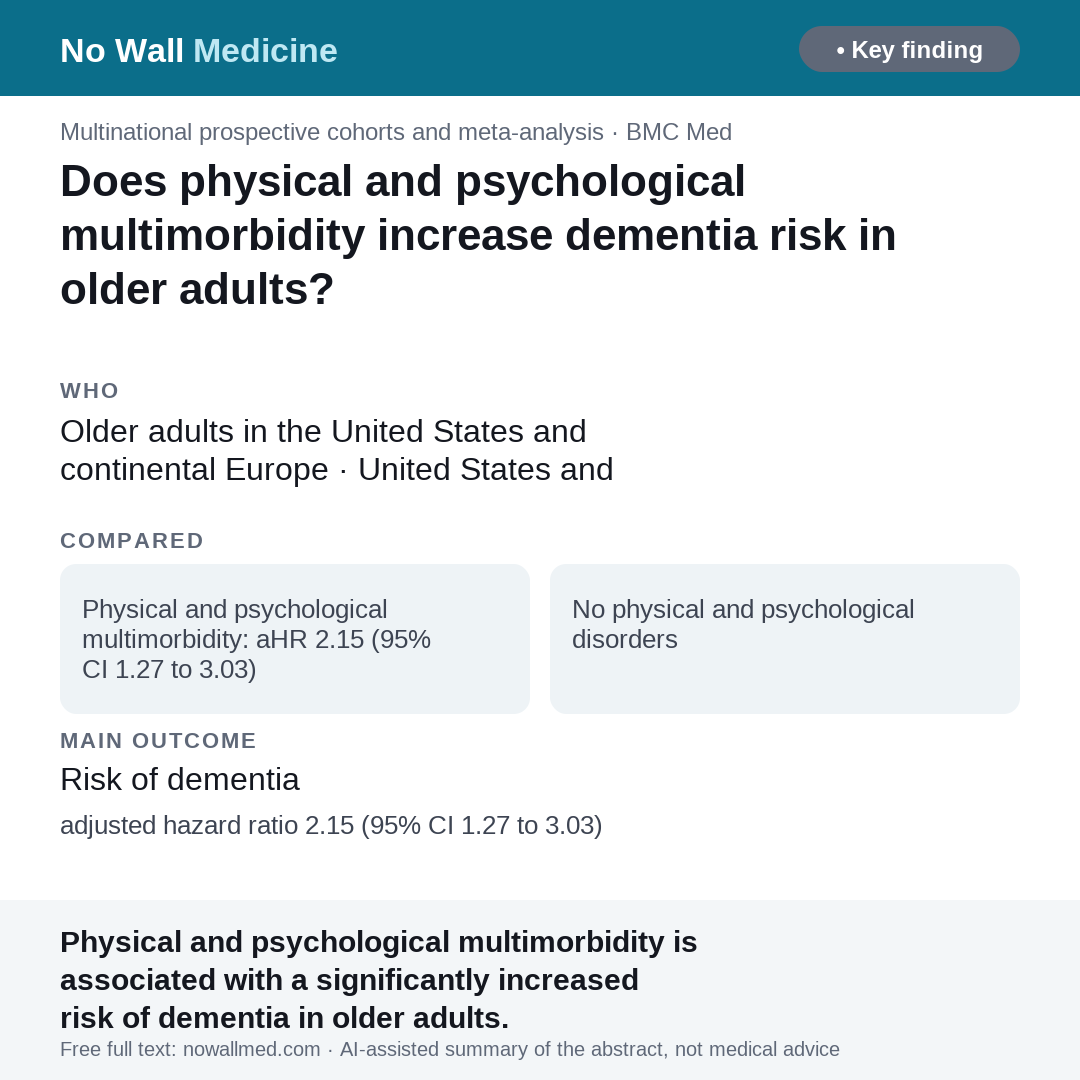
Effects of physical and psychological multimorbidity on the risk of dementia: multinational prospective cohorts and a meta-analysis
Multinational prospective cohorts and meta-analysisHarm found
Does physical and psychological multimorbidity increase dementia risk in older adults?
Who
Older adults in the United States and continental Europe · United States and continental Europe
Compared
Physical and psychological multimorbidity: aHR 2.15 (95% CI 1.27 to 3.03)
No physical and psychological disorders
Main outcome
Risk of dementia
Result: adjusted hazard ratio 2.15 (95% CI 1.27 to 3.03)
Bottom line: Physical and psychological multimorbidity is associated with a significantly increased risk of dementia in older adults.
BMC Med · 2024-09-27Download image
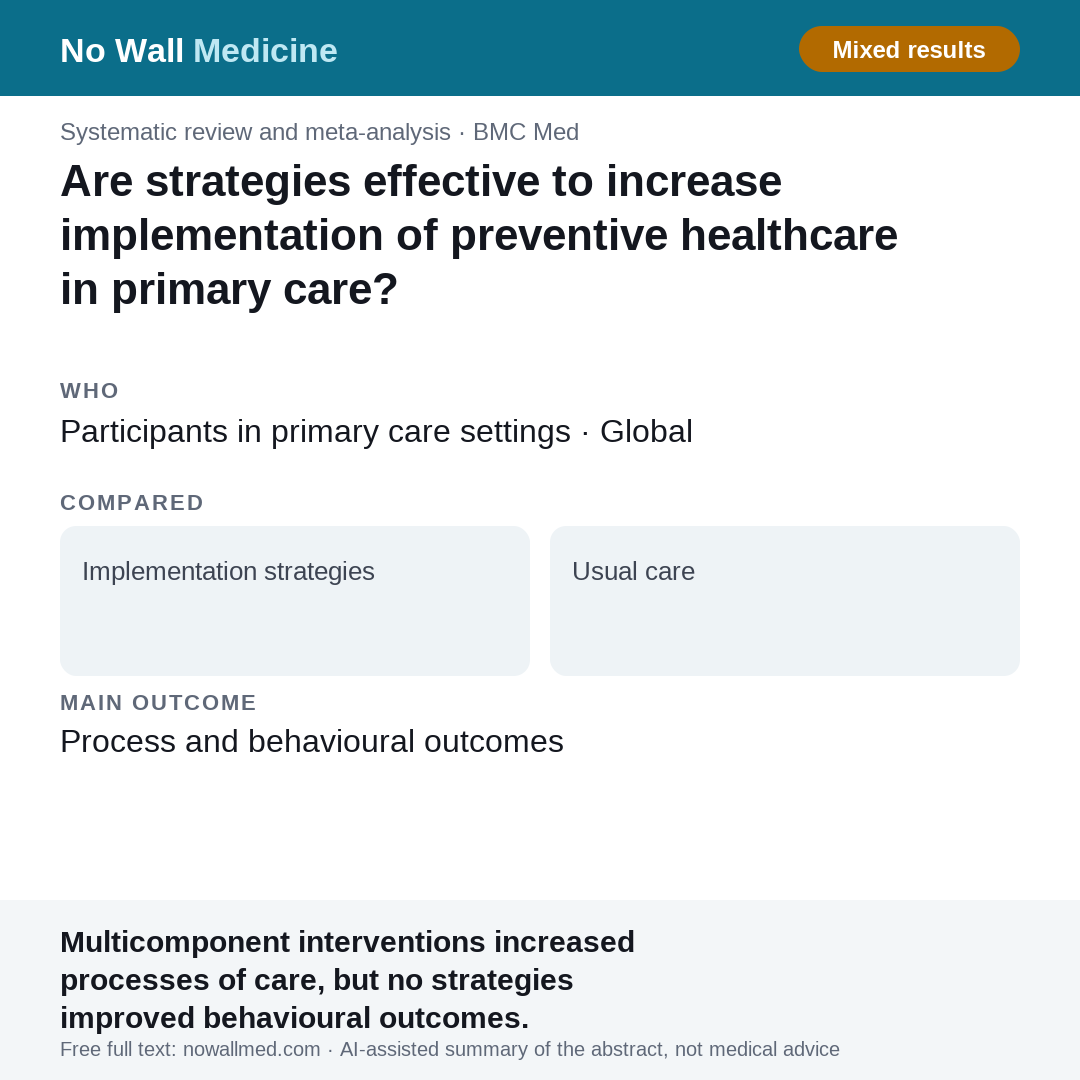
Strategies to improve the implementation of preventive care in primary care: a systematic review and meta-analysis
Systematic review and meta-analysisMixed results
Are strategies effective to increase implementation of preventive healthcare in primary care?
Who
Participants in primary care settings · Global
Compared
Implementation strategies
Usual care
Main outcome
Process and behavioural outcomes
Bottom line: Multicomponent interventions increased processes of care, but no strategies improved behavioural outcomes.
Limitation: High statistical heterogeneity and many studies did not account for clustering.
BMC Med · 2024-09-27Download image
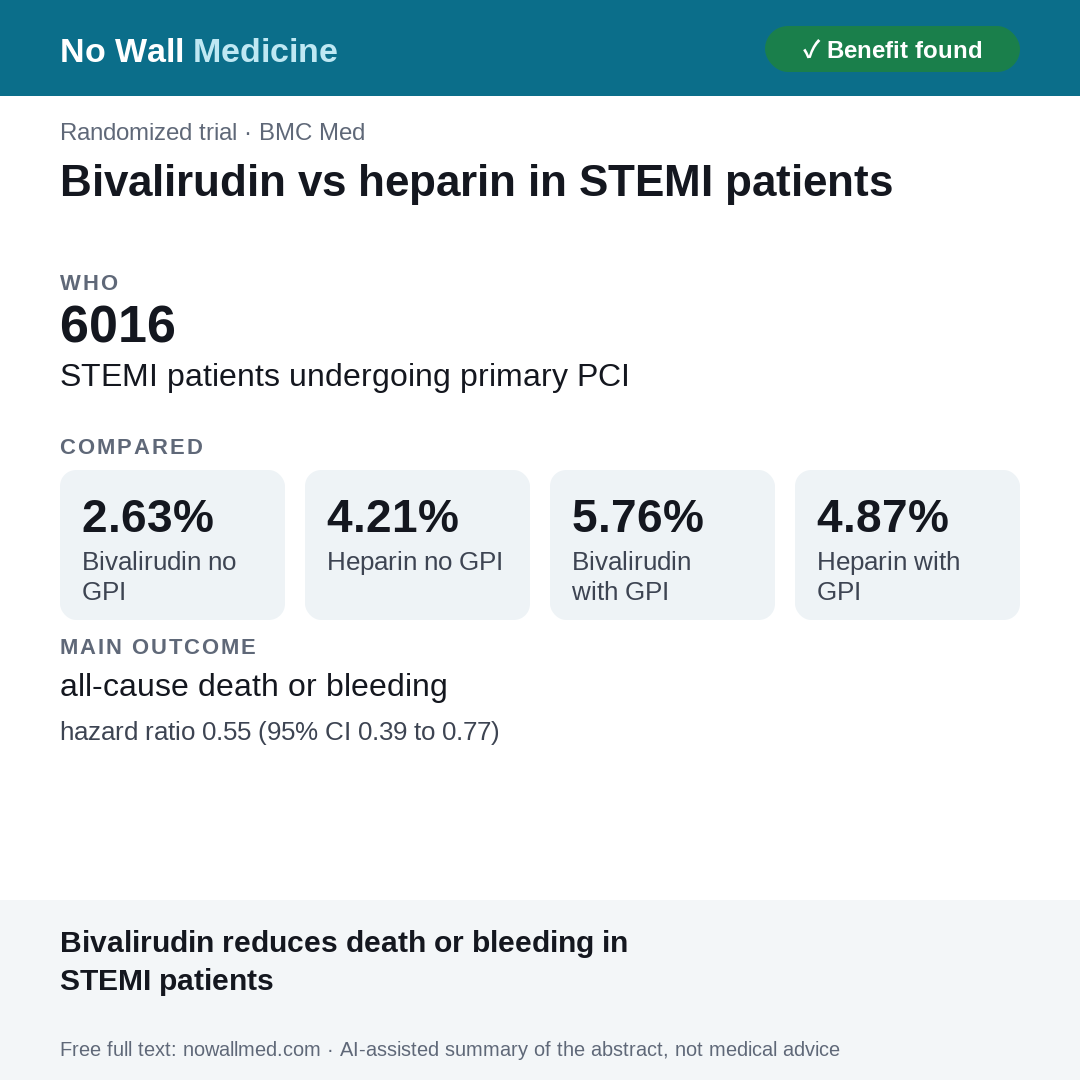
Bivalirudin versus heparin in patients with or without bail-out GPI use: a pre-specified subgroup analysis from the BRIGHT-4 trial
Randomized trialBenefit found
Bivalirudin vs heparin in STEMI patients
Who
6016
STEMI patients undergoing primary PCI
Compared
2.63%Bivalirudin no GPI
4.21%Heparin no GPI
5.76%Bivalirudin with GPI
4.87%Heparin with GPI
Main outcome
all-cause death or bleeding
Result: hazard ratio 0.55 (95% CI 0.39 to 0.77)
Bottom line: Bivalirudin reduces death or bleeding in STEMI patients
BMC Med · 2024-09-27Download image