Visual abstracts
New randomized trials and meta-analyses from leading journals at a glance: who was studied, what was compared, and what was found. Every paper is free to read in full.
All specialtiesCardiology 4877Oncology 4138Gastroenterology & Hepatology 1942Infectious Disease 3837Neurology 1905Psychiatry & Mental Health 2273Pulmonology 2143Critical Care 1365Endocrinology & Diabetes 2580Pediatrics 2980Surgery 2559Orthopedics & Sports Medicine 931Neurosurgery 537Cardiothoracic & Vascular Surgery 674Plastic & Reconstructive Surgery 591Nephrology 1133Rheumatology 823Hematology 1109Dermatology 621Ophthalmology 543Obstetrics & Gynecology 1686Public & Global Health 1058Radiology & Imaging 648Anesthesiology 986Urology 764ENT (Otolaryngology) 503Emergency Medicine 511Allergy & Immunology 313Geriatrics 981Family Medicine & Primary Care 562Medical Genetics & Genomics 676Pathology & Laboratory Medicine 159Physical Medicine & Rehabilitation 757Palliative Care 444Nutrition 1588Digital Health & AI 2201General Medicine 321
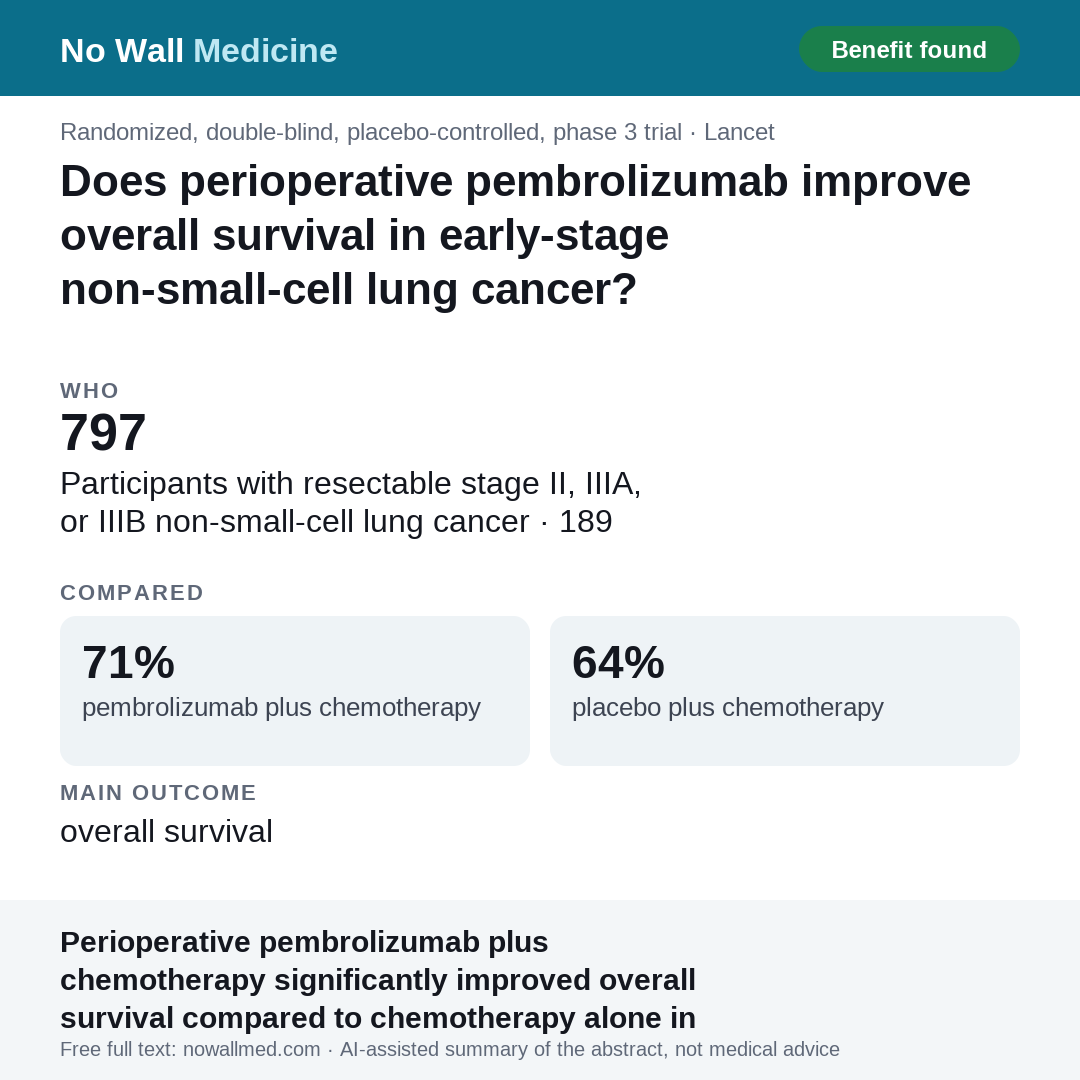
Neoadjuvant pembrolizumab plus chemotherapy followed by adjuvant pembrolizumab compared with neoadjuvant chemotherapy alone in patients with early-stage non-small-cell lung cancer (KEYNOTE-671): a randomised, double-blind, placebo-controlled, phase 3 trial
Randomized, double-blind, placebo-controlled, phase 3 trialBenefit found
Does perioperative pembrolizumab improve overall survival in early-stage non-small-cell lung cancer?
Who
797
Participants with resectable stage II, IIIA, or IIIB non-small-cell lung cancer · 189 medical centres
Compared
71%pembrolizumab plus chemotherapy (95% CI 66-76)
64%placebo plus chemotherapy (58-69)
Main outcome
overall survival
Result: hazard ratio 0·72 (95% CI 0·56-0·93)
Bottom line: Perioperative pembrolizumab plus chemotherapy significantly improved overall survival compared to chemotherapy alone in resectable early-stage non-small-cell lung cancer.
Funded by: Merck Sharp & Dohme
Lancet · 2024-09-14Download image
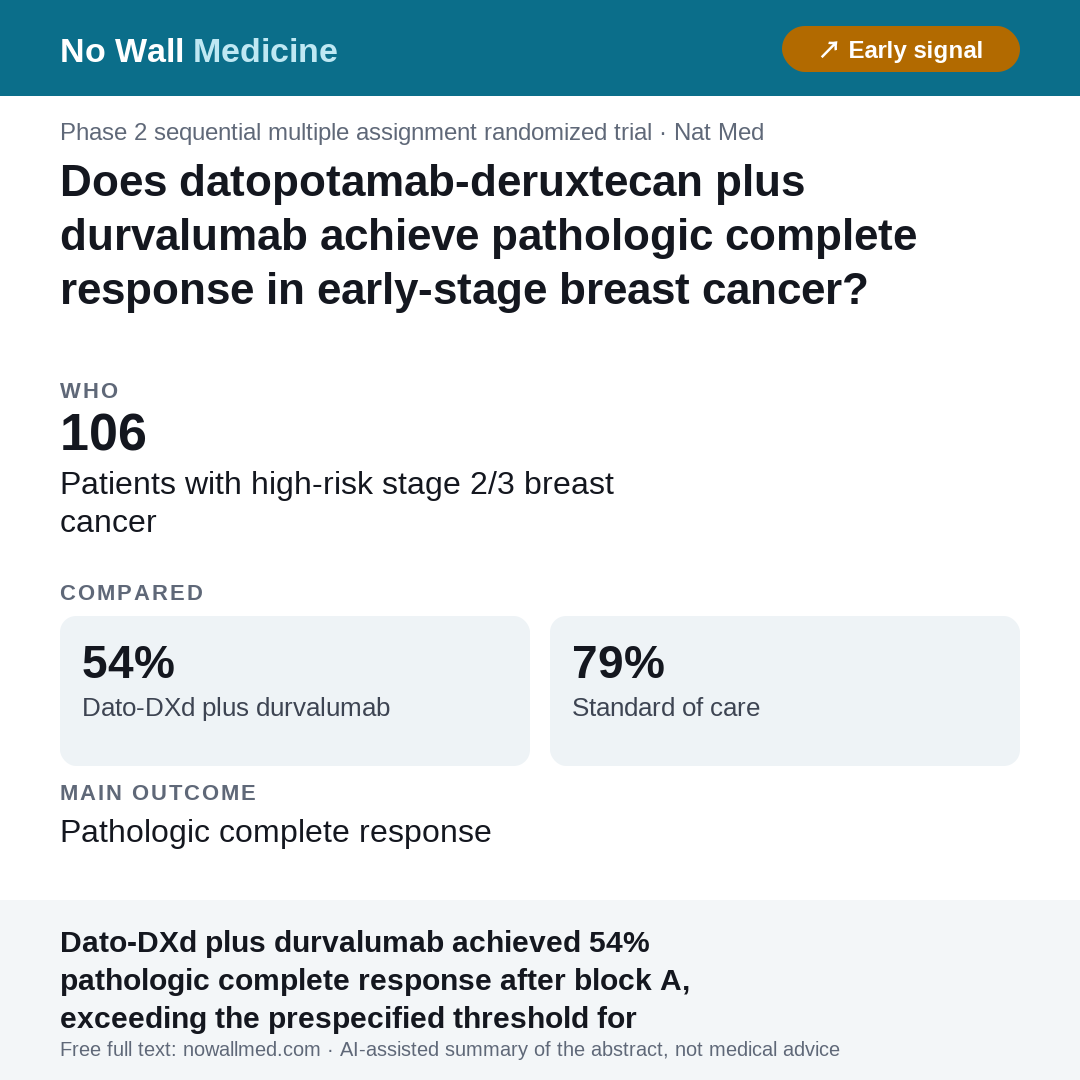
Datopotamab-deruxtecan plus durvalumab in early-stage breast cancer: the sequential multiple assignment randomized I-SPY2.2 phase 2 trial
Phase 2 neoadjuvant sequential multiple assignment randomization trialBenefit found
Is datopotamab-deruxtecan plus durvalumab effective in high-risk stage 2/3 breast cancer?
Who
106
High-risk stage 2/3 breast cancer patients
Compared
Dato-DXd/durvalumab in immune-positive subtype: 54% after block A
79%Standard of care expected rate
Main outcome
pathologic complete response rate
Bottom line: Datopotamab-deruxtecan plus durvalumab is a promising combination that may eliminate standard chemotherapy in immune-positive breast cancer subtypes.
Nat Med · 2024-09-14Download image
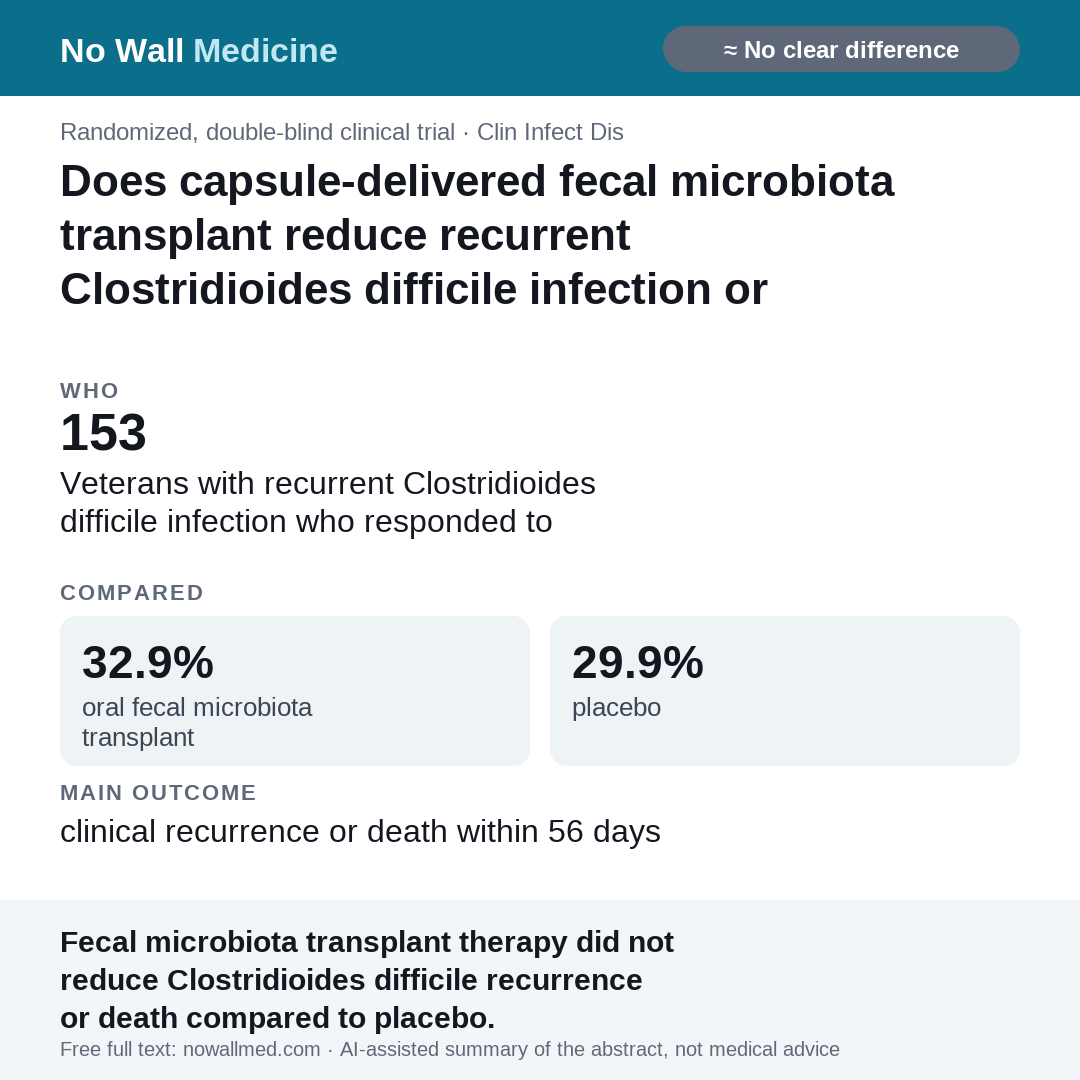
A Randomized Controlled Trial of Efficacy and Safety of Fecal Microbiota Transplant for Preventing Recurrent Clostridioides difficile Infection
Randomized, double-blind clinical trialNo clear difference
Does capsule-delivered fecal microbiota transplant reduce recurrent Clostridioides difficile infection or death?
Who
153
Veterans with recurrent Clostridioides difficile infection who responded to antibiotic treatment · Veterans Health Administration system
Compared
32.9%oral fecal microbiota transplant
29.9%placebo
Main outcome
clinical recurrence or death within 56 days
Result: absolute difference, 3.0% (95% confidence interval, -11.7% to 17.7%)
Bottom line: Fecal microbiota transplant therapy did not reduce Clostridioides difficile recurrence or death compared to placebo.
Clin Infect Dis · 2024-09-14Download image
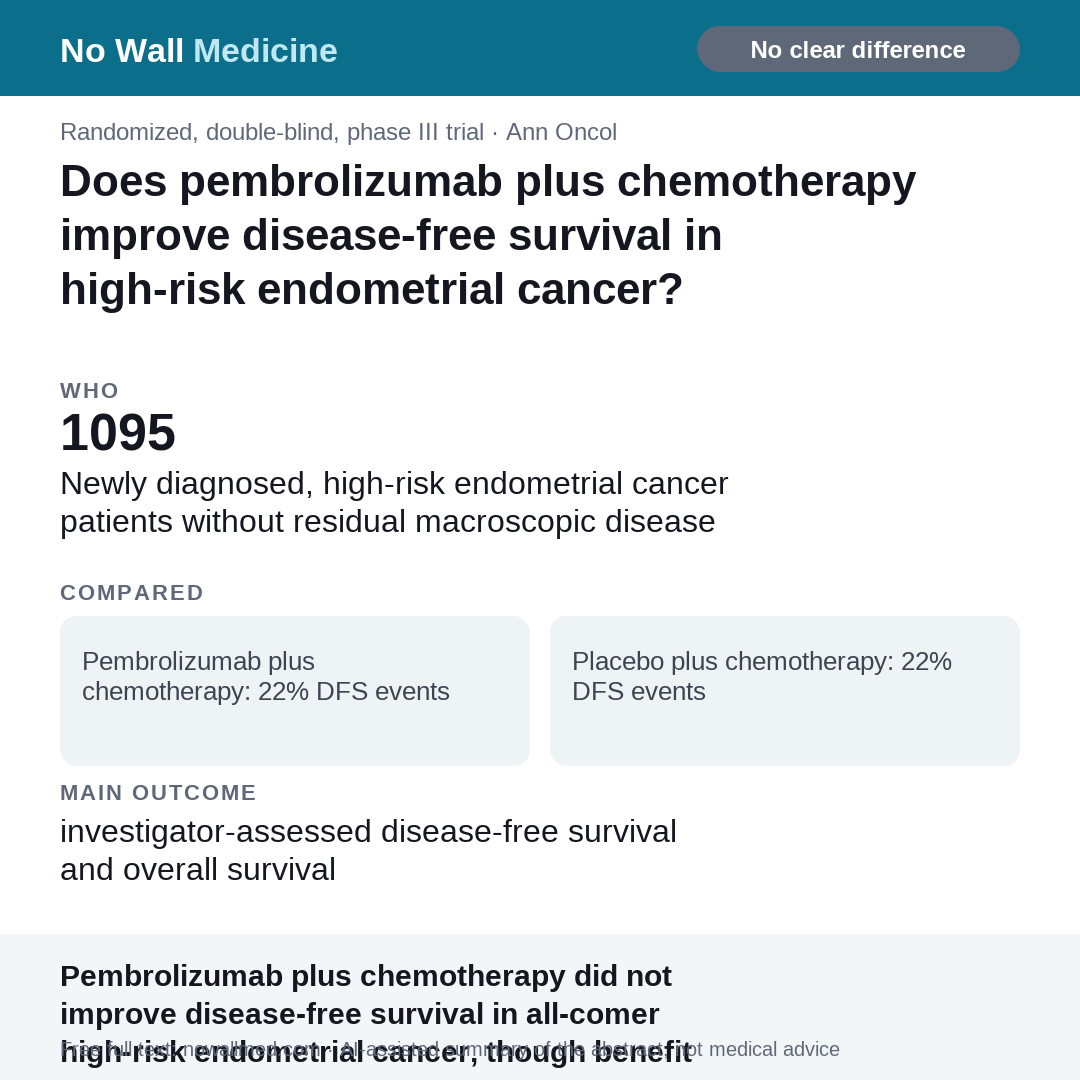
ENGOT-en11/GOG-3053/KEYNOTE-B21: a randomised, double-blind, phase III study of pembrolizumab or placebo plus adjuvant chemotherapy with or without radiotherapy in patients with newly diagnosed, high-risk endometrial cancer
Randomized, double-blind, phase III trialNo clear difference
Does pembrolizumab plus chemotherapy improve disease-free survival in high-risk endometrial cancer?
Who
1095
Newly diagnosed, high-risk endometrial cancer patients without residual macroscopic disease
Compared
Pembrolizumab plus chemotherapy: 22% DFS events
Placebo plus chemotherapy: 22% DFS events
Main outcome
investigator-assessed disease-free survival and overall survival
Result: hazard ratio 1.02 (95% CI 0.79-1.32)
Bottom line: Pembrolizumab plus chemotherapy did not improve disease-free survival in all-comer high-risk endometrial cancer, though benefit was seen in dMMR tumors.
Ann Oncol · 2024-09-14Download image
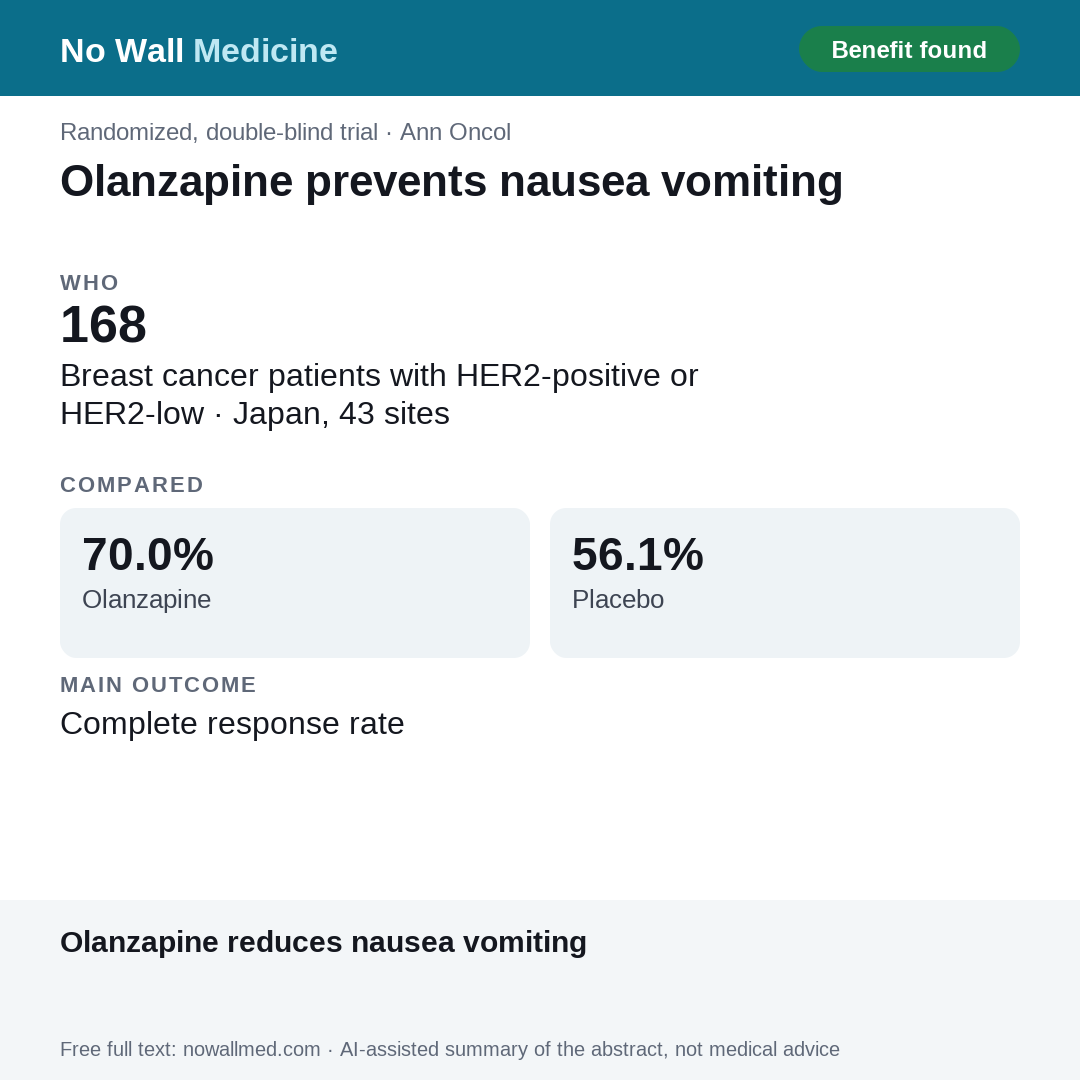
A randomized, double-blind, placebo-controlled phase II study of olanzapine-based prophylactic antiemetic therapy for delayed and persistent nausea and vomiting in patients with HER2-positive or HER2-low breast cancer treated with trastuzumab deruxtecan: ERICA study (WJOG14320B)
Randomized, double-blind trialBenefit found
Olanzapine prevents nausea vomiting
Who
168
Breast cancer patients with HER2-positive or HER2-low · Japan, 43 sites
Compared
70.0%Olanzapine
56.1%Placebo
Main outcome
Complete response rate
Bottom line: Olanzapine reduces nausea vomiting
Ann Oncol · 2024-09-14Download image
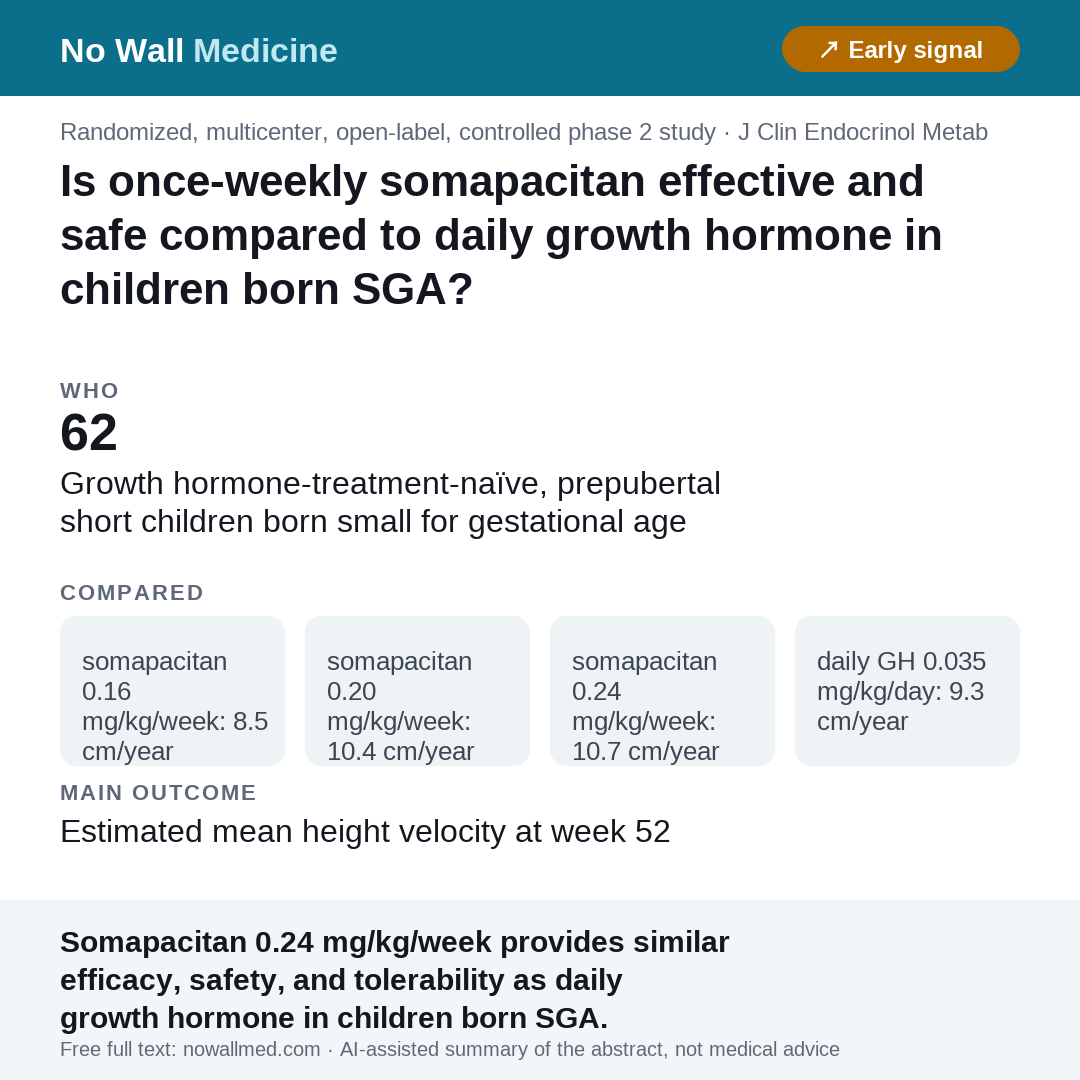
Somapacitan in Children Born SGA: 52-Week Efficacy, Safety, and IGF-I Response Results From the Phase 2 REAL5 Study
Randomized, multicenter, open-label, controlled phase 2 studyBenefit found
Is once-weekly somapacitan effective and safe compared to daily growth hormone in children born SGA?
Who
62
Growth hormone-treatment-naïve, prepubertal short children born small for gestational age · 38 sites across 12 countries
Compared
somapacitan 0.16 mg/kg/week: 8.5 cm/year
somapacitan 0.20 mg/kg/week: 10.4 cm/year
somapacitan 0.24 mg/kg/week: 10.7 cm/year
daily GH 0.035 mg/kg/day: 9.3 cm/year
Main outcome
Estimated mean height velocity at week 52
Bottom line: Somapacitan 0.24 mg/kg/week provides similar efficacy, safety, and tolerability as daily growth hormone in children born SGA.
J Clin Endocrinol Metab · 2024-09-14Download image
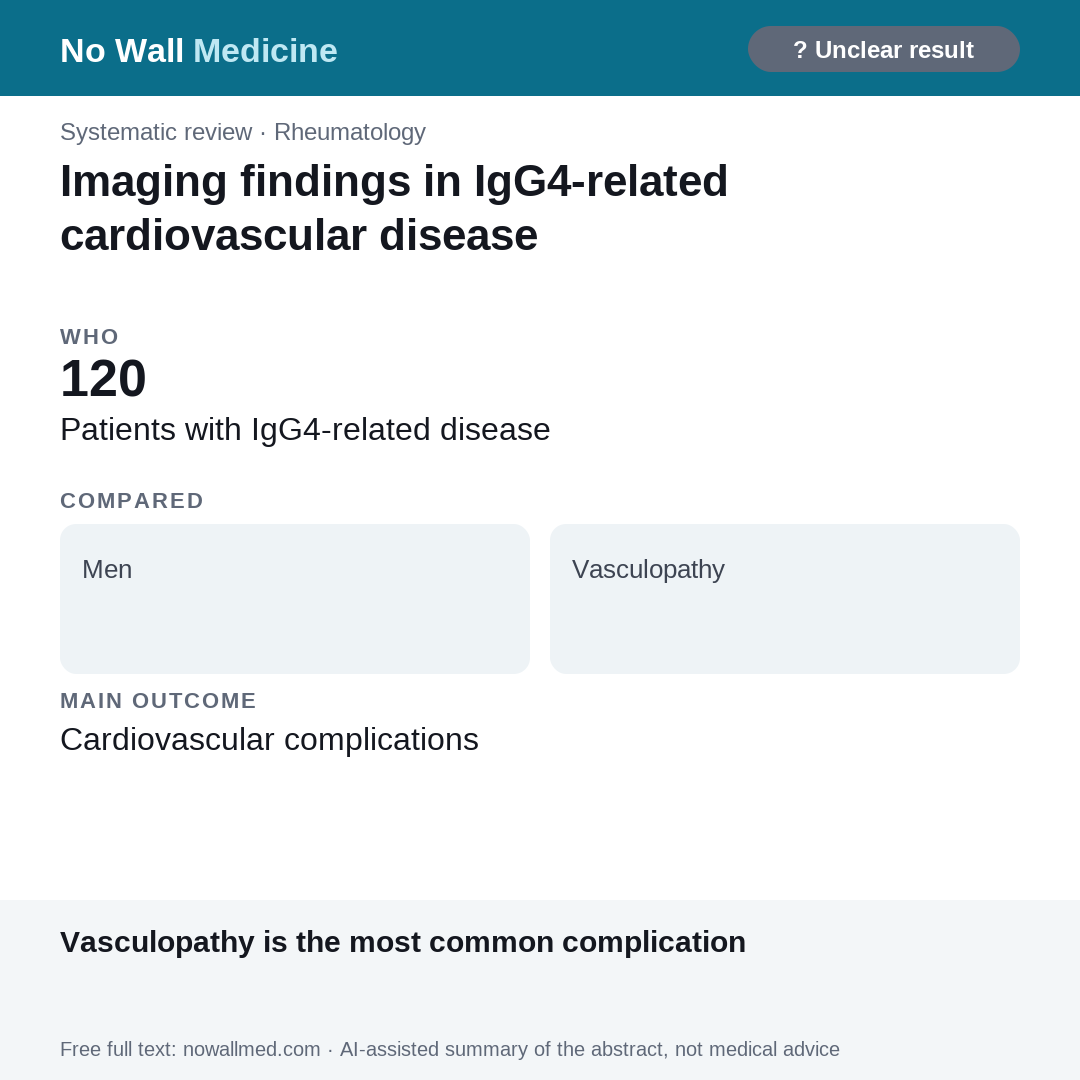
Imaging findings in cardiovascular involvements of IgG4-related disease: a systematic review study
Systematic reviewUnclear result
Imaging findings in IgG4-related cardiovascular disease
Who
120
Patients with IgG4-related disease
Compared
Men
Vasculopathy
Main outcome
Cardiovascular complications
Bottom line: Vasculopathy is the most common complication
Rheumatology · 2024-09-14Download image
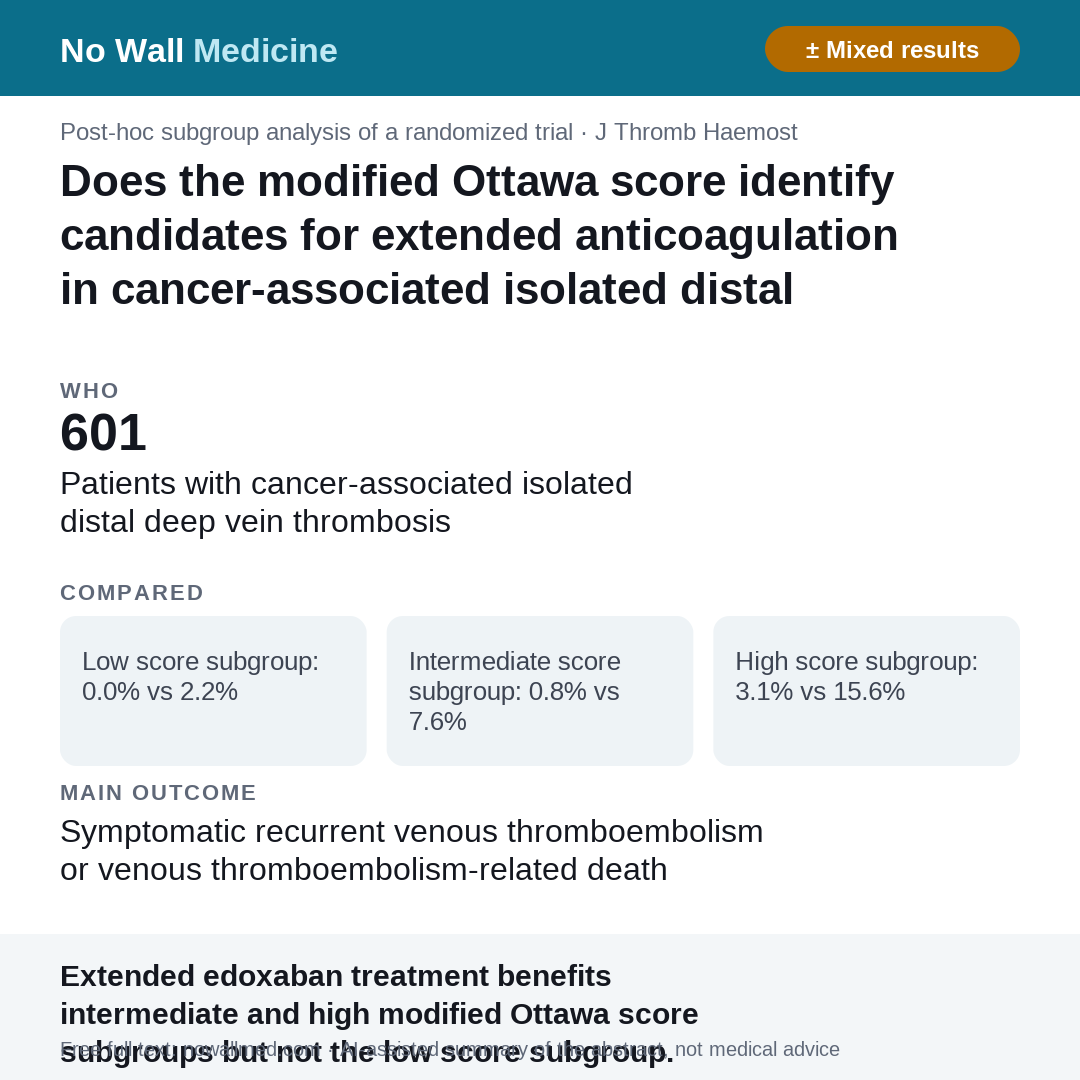
Utility of the modified Ottawa score for identification of more preferable candidates of extended anticoagulation therapy in cancer-associated isolated distal deep vein thrombosis: insight from the ONCO DVT Study
Post-hoc subgroup analysis of a randomized trialMixed results
Does the modified Ottawa score identify candidates for extended anticoagulation in cancer-associated isolated distal deep vein thrombosis?
Who
601
Patients with cancer-associated isolated distal deep vein thrombosis
Compared
Low score subgroup: 0.0% vs 2.2%
Intermediate score subgroup: 0.8% vs 7.6%
High score subgroup: 3.1% vs 15.6%
Main outcome
Symptomatic recurrent venous thromboembolism or venous thromboembolism-related death
Bottom line: Extended edoxaban treatment benefits intermediate and high modified Ottawa score subgroups but not the low score subgroup.
Limitation: This was a post-hoc subgroup analysis
J Thromb Haemost · 2024-09-14Download image
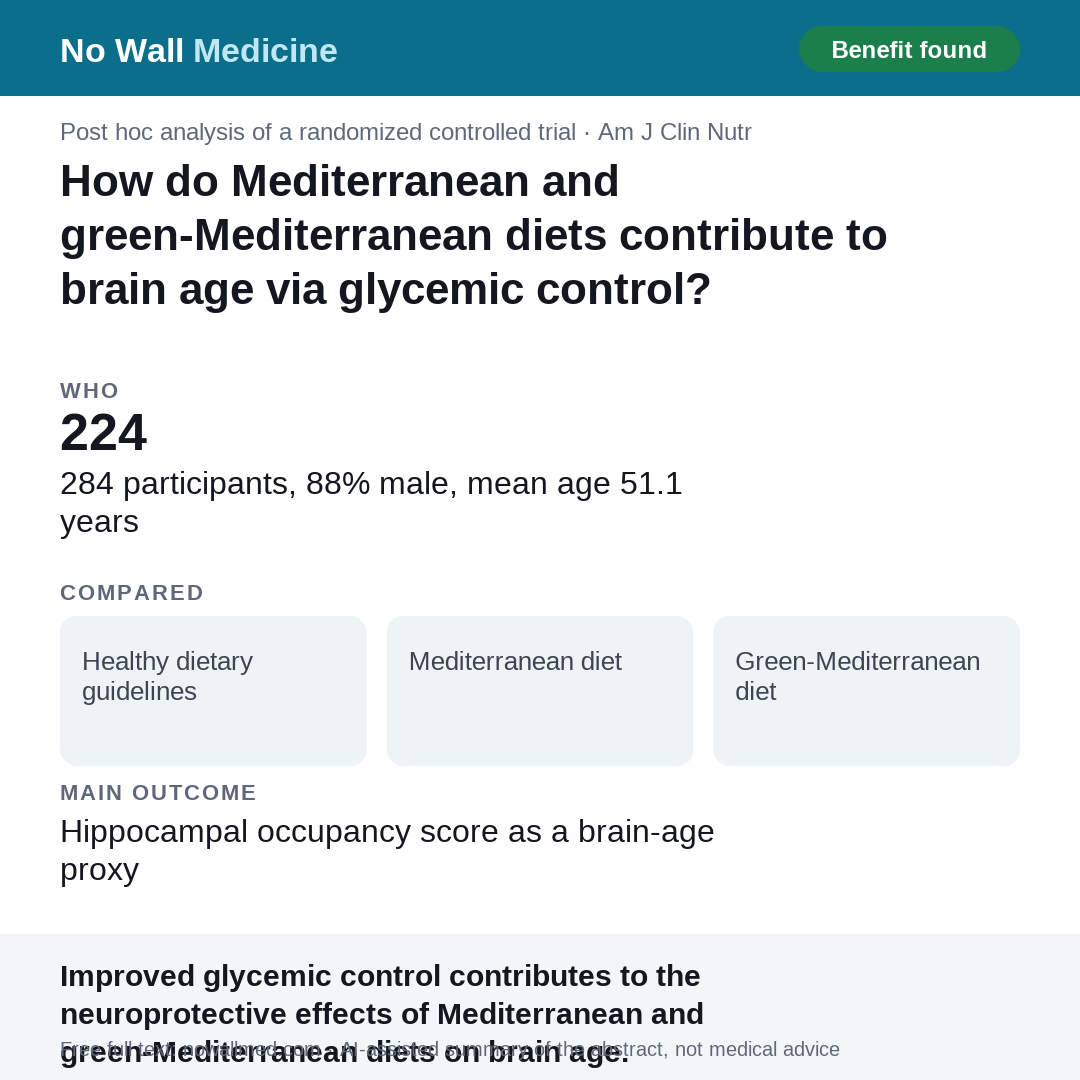
Glycemic control contributes to the neuroprotective effects of Mediterranean and green-Mediterranean diets on brain age: the DIRECT PLUS brain-magnetic resonance imaging randomized controlled trial
Post hoc analysis of a randomized controlled trialBenefit found
How do Mediterranean and green-Mediterranean diets contribute to brain age via glycemic control?
Who
224
284 participants, 88% male, mean age 51.1 years
Compared
Healthy dietary guidelines
Mediterranean diet
Green-Mediterranean diet
Main outcome
Hippocampal occupancy score as a brain-age proxy
Result: improved HbA1c (β = -0.254; 95% CI: -0.392, -0.117)
Bottom line: Improved glycemic control contributes to the neuroprotective effects of Mediterranean and green-Mediterranean diets on brain age.
Am J Clin Nutr · 2024-09-14Download image
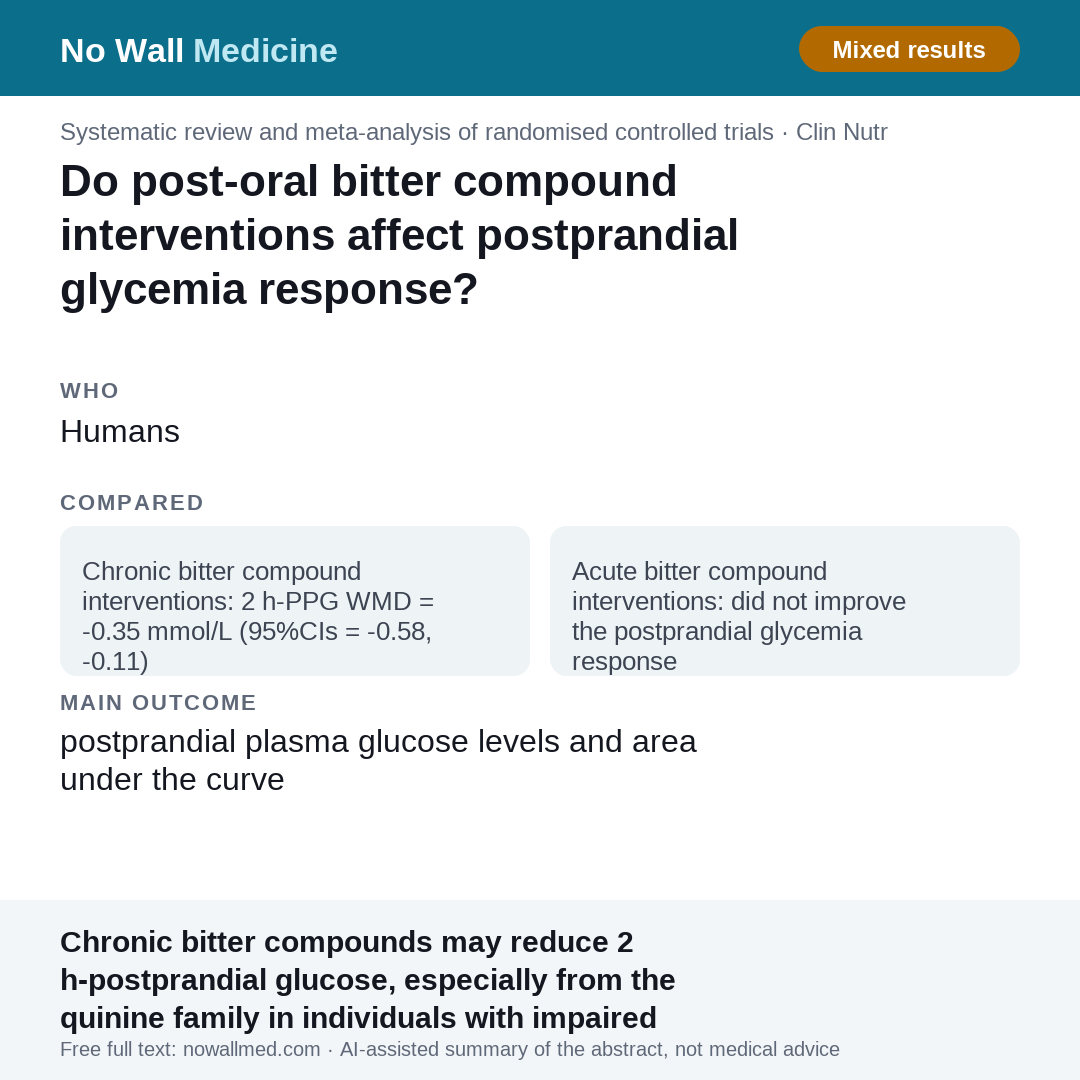
The effect of post-oral bitter compound interventions on the postprandial glycemia response: A systematic review and meta-analysis of randomised controlled trials
Systematic review and meta-analysis of randomised controlled trialsMixed results
Do post-oral bitter compound interventions affect postprandial glycemia response?
Who
Humans
Compared
Chronic bitter compound interventions: 2 h-PPG WMD = -0.35 mmol/L (95%CIs = -0.58, -0.11)
Acute bitter compound interventions: did not improve the postprandial glycemia response
Main outcome
postprandial plasma glucose levels and area under the curve
Bottom line: Chronic bitter compounds may reduce 2 h-postprandial glucose, especially from the quinine family in individuals with impaired glycemia.
Limitation: the very low quality of the evidence
Clin Nutr · 2024-09-14Download image
Orexin receptor antagonists in the treatment of insomnia associated with psychiatric disorders: a systematic review
Systematic reviewUnclear result
Are dual orexin receptor antagonists effective for insomnia comorbid with psychiatric disorders?
Who
Patients with insomnia comorbid with psychiatric disorders
Compared
Dual orexin receptor antagonists
Primary insomnia
Main outcome
Effectiveness and safety for treating comorbid insomnia
Bottom line: Dual orexin receptor antagonists may be as effective and safe for psychiatric comorbid insomnia as for primary insomnia.
Limitation: The evidence is limited to a few small studies.
Transl Psychiatry · 2024-09-14Download image

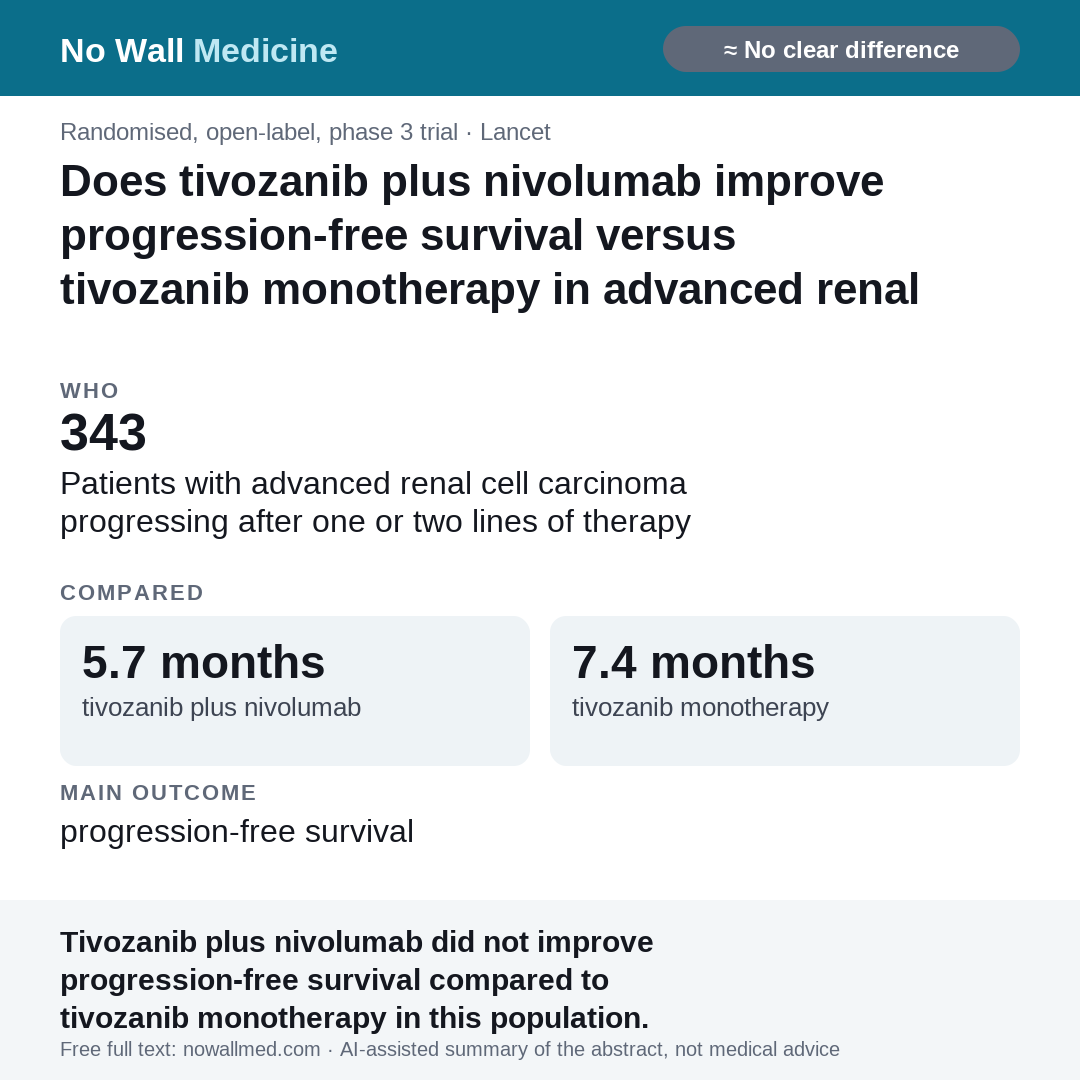
Tivozanib plus nivolumab versus tivozanib monotherapy in patients with renal cell carcinoma following an immune checkpoint inhibitor: results of the phase 3 TiNivo-2 Study
Randomised, open-label, phase 3 trialNo clear difference
Does tivozanib plus nivolumab improve progression-free survival versus tivozanib monotherapy in advanced renal cell carcinoma?
Who
343
Patients with advanced renal cell carcinoma progressing after one or two lines of therapy · 190 sites across 16 countries
Compared
5.7 monthstivozanib plus nivolumab (95% CI 4.0-7.4)
7.4 monthstivozanib monotherapy (5.6-9.2)
Main outcome
progression-free survival
Result: hazard ratio 1.10, 95% CI 0.84-1.43
Bottom line: Tivozanib plus nivolumab did not improve progression-free survival compared to tivozanib monotherapy in this population.
Funded by: Aveo Pharmaceuticals
Lancet · 2024-09-13Download image
The cost-effectiveness of preventing, diagnosing, and treating postpartum haemorrhage: A systematic review of economic evaluations
Systematic review of economic evaluationsBenefit found
What is the cost-effectiveness of postpartum haemorrhage prevention, diagnosis, and treatment interventions?
Who
56
Postpartum patients requiring prevention, detection, or management of postpartum haemorrhage · High, middle, and low-income countries
Compared
Tranexamic acid for treatment: better health outcomes and cost savings, or better health outcomes at acceptable costs
Care bundles: better health outcomes and cost savings, or better health outcomes at acceptable costs
Main outcome
Cost-effectiveness of postpartum haemorrhage interventions
Bottom line: Tranexamic acid and care bundles show supportive cost-effectiveness evidence for managing postpartum haemorrhage across various settings.
Limitation: No ideal setting was chosen, so a transferability assessment was not undertaken.
PLOS Med · 2024-09-13Download image
Schizophrenia is associated with altered DNA methylation variance
Meta-analysisBenefit found
Is schizophrenia associated with altered blood DNA methylation variance?
Who
Individuals with schizophrenia and non-psychiatric controls · Three cohorts
Compared
Schizophrenia: 213 variably methylated positions
Non-psychiatric controls
Main outcome
Blood DNA methylation variance
Bottom line: Schizophrenia is associated with significant changes in DNA methylation variance, potentially contributing to individual heterogeneity.
Mol Psychiatry · 2024-09-13Download image
Acne and the cutaneous microbiome: A systematic review of mechanisms and implications for treatments
Systematic review and meta-analysisMixed results
What is the relationship between acne and the cutaneous microbiome and current treatments?
Who
Patients with acne vulgaris
Compared
Benzoyl peroxide: significant change in diversity
Other existing therapeutics
Main outcome
Changes in cutaneous microbiome diversity, abundance, and composition
Bottom line: Benzoyl peroxide significantly changes microbiome diversity, but microbiome involvement in acne is complex and requires personalized approaches.
Limitation: Heterogeneity of study types and microbiome classifications limiting the analysis
J Eur Acad Dermatol Venereol · 2024-09-13Download image

The Dermatology Life Quality Index (DLQI) used as the benchmark in validation of 101 quality-of-life instruments: A systematic review
Systematic reviewBenefit found
How is the Dermatology Life Quality Index used to validate other quality-of-life measures?
Who
30727
30,727 patients with 41 diseases · 34 different countries
Compared
80Dermatology-specific quality-of-life measures
21Generic measures
Main outcome
Validation of patient-reported outcome and quality-of-life measures
Bottom line: The Dermatology Life Quality Index serves as a central benchmark for validating various dermatology and generic quality-of-life instruments.
J Eur Acad Dermatol Venereol · 2024-09-13Download image
Comparative efficacy of balanced crystalloids versus 0.9% saline on delayed graft function and perioperative outcomes in kidney transplantation: a meta-analysis of randomised controlled trials
Meta-analysis of 11 randomized controlled trialsBenefit found
Do balanced crystalloids versus 0.9% saline reduce delayed graft function in kidney transplantation?
Who
1717
Adult participants undergoing kidney transplantation
Compared
Balanced crystalloids
0.9% saline
Main outcome
Incidence of delayed graft function
Result: risk ratio 0.82 (95% CI: 0.69 to 0.98)
Bottom line: Balanced crystalloid intravenous fluid therapy reduced delayed graft function incidence compared with 0.9% saline in kidney transplantation.
Limitation: Effects on vasopressor requirements, length of hospital stay, and serum creatinine were uncertain.
Br J Anaesth · 2024-09-13Download image
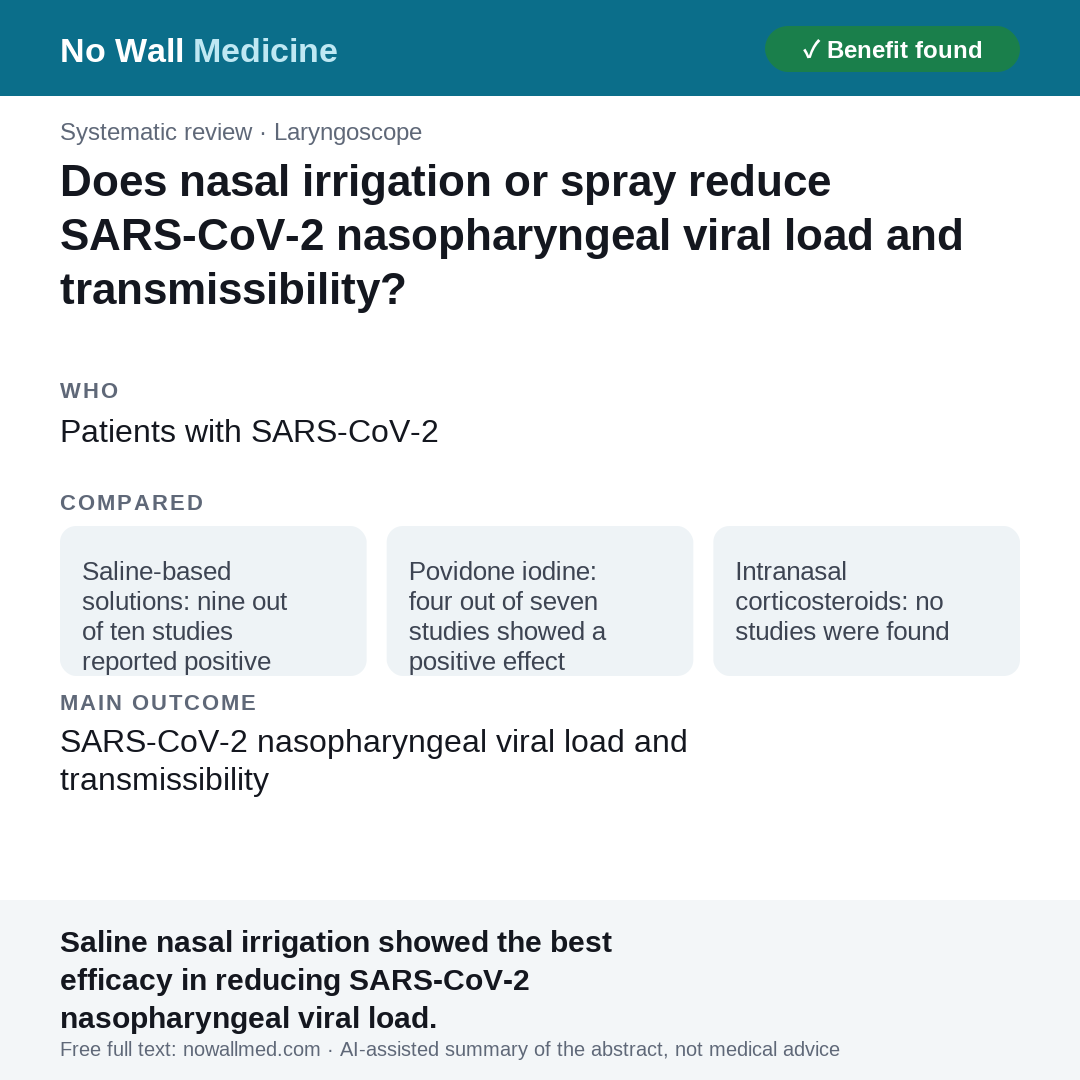
Washing Illness Away: A Systematic Review of the Impact of Nasal Irrigation and Spray on COVID-19
Systematic reviewBenefit found
Does nasal irrigation or spray reduce SARS-CoV-2 nasopharyngeal viral load and transmissibility?
Who
Patients with SARS-CoV-2
Compared
Saline-based solutions: nine out of ten studies reported positive effects
Povidone iodine: four out of seven studies showed a positive effect
Intranasal corticosteroids: no studies were found
Main outcome
SARS-CoV-2 nasopharyngeal viral load and transmissibility
Bottom line: Saline nasal irrigation showed the best efficacy in reducing SARS-CoV-2 nasopharyngeal viral load.
Limitation: Results for povidone iodine were heterogeneous and data on intranasal corticosteroids were unavailable.
Laryngoscope · 2024-09-13Download image
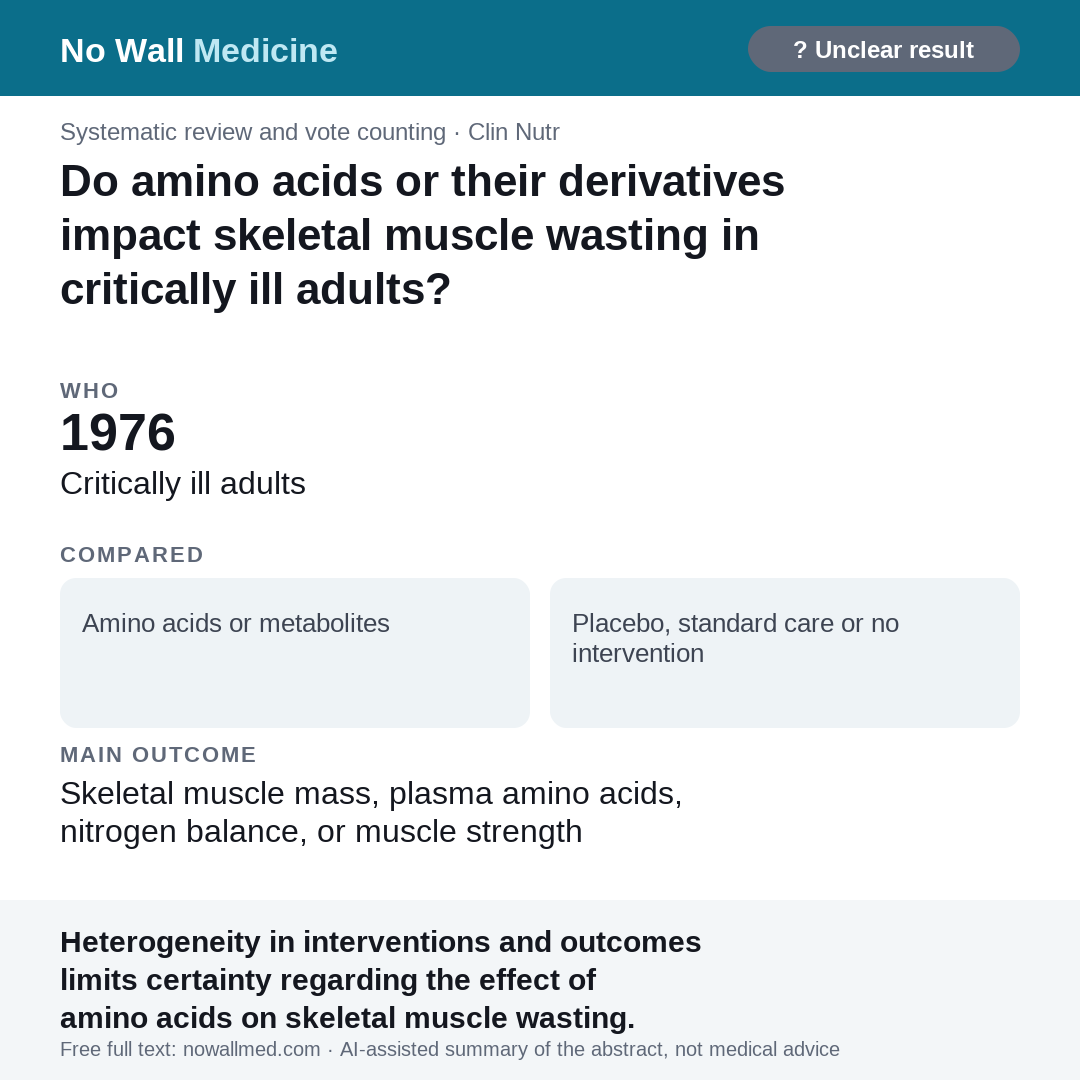
A systematic review to assess the impact of amino acids or their derivatives on skeletal muscle wasting in critically ill patients
Systematic review and vote countingUnclear result
Do amino acids or their derivatives impact skeletal muscle wasting in critically ill adults?
Who
1976
Critically ill adults
Compared
Amino acids or metabolites
Placebo, standard care or no intervention
Main outcome
Skeletal muscle mass, plasma amino acids, nitrogen balance, or muscle strength
Bottom line: Heterogeneity in interventions and outcomes limits certainty regarding the effect of amino acids on skeletal muscle wasting.
Limitation: Heterogeneity in the type of intervention used and outcome assessment precluded meta-analysis.
Clin Nutr · 2024-09-13Download image
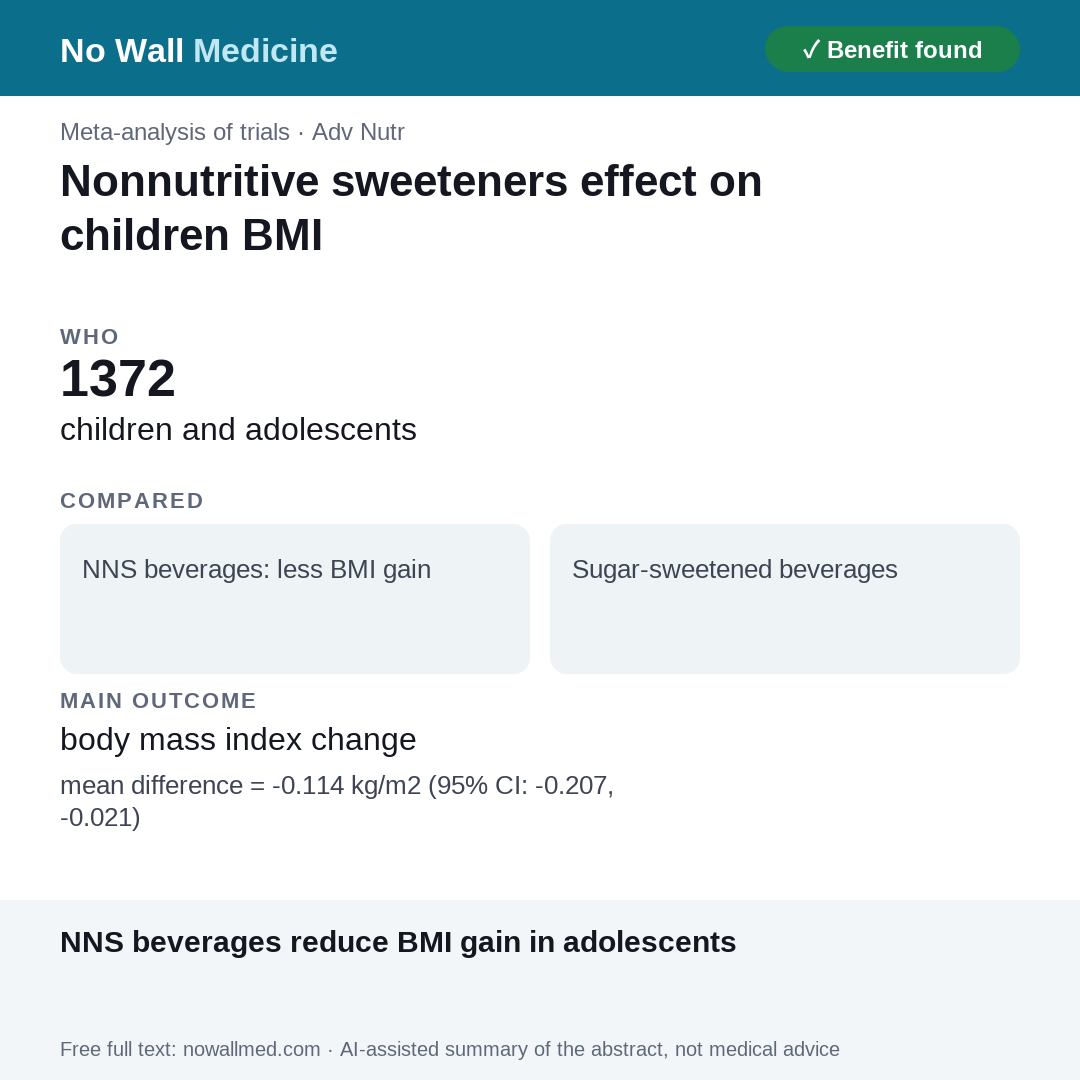
Effects of Nonnutritive Sweeteners on the BMI of Children and Adolescents: A Systematic Review and Meta-Analysis of Randomized Controlled Trials and Prospective Cohort Studies
Meta-analysis of trialsBenefit found
Nonnutritive sweeteners effect on children BMI
Who
1372
children and adolescents
Compared
NNS beverages: less BMI gain
Sugar-sweetened beverages
Main outcome
body mass index change
Result: mean difference = -0.114 kg/m2 (95% CI: -0.207, -0.021)
Bottom line: NNS beverages reduce BMI gain in adolescents
Adv Nutr · 2024-09-13Download image