Visual abstracts
New randomized trials and meta-analyses from leading journals at a glance: who was studied, what was compared, and what was found. Every paper is free to read in full.
All specialtiesCardiology 842Oncology 763Gastroenterology & Hepatology 307Infectious Disease 626Neurology 350Psychiatry & Mental Health 430Pulmonology 366Critical Care 245Endocrinology & Diabetes 480Pediatrics 536Surgery 324Orthopedics & Sports Medicine 162Neurosurgery 93Cardiothoracic & Vascular Surgery 87Plastic & Reconstructive Surgery 124Nephrology 197Rheumatology 108Hematology 182Dermatology 80Ophthalmology 97Obstetrics & Gynecology 261Public & Global Health 167Radiology & Imaging 98Anesthesiology 114Urology 162ENT (Otolaryngology) 91Emergency Medicine 73Allergy & Immunology 58Geriatrics 160Family Medicine & Primary Care 111Medical Genetics & Genomics 91Pathology & Laboratory Medicine 24Physical Medicine & Rehabilitation 148Palliative Care 81Nutrition 223Digital Health & AI 460General Medicine 101
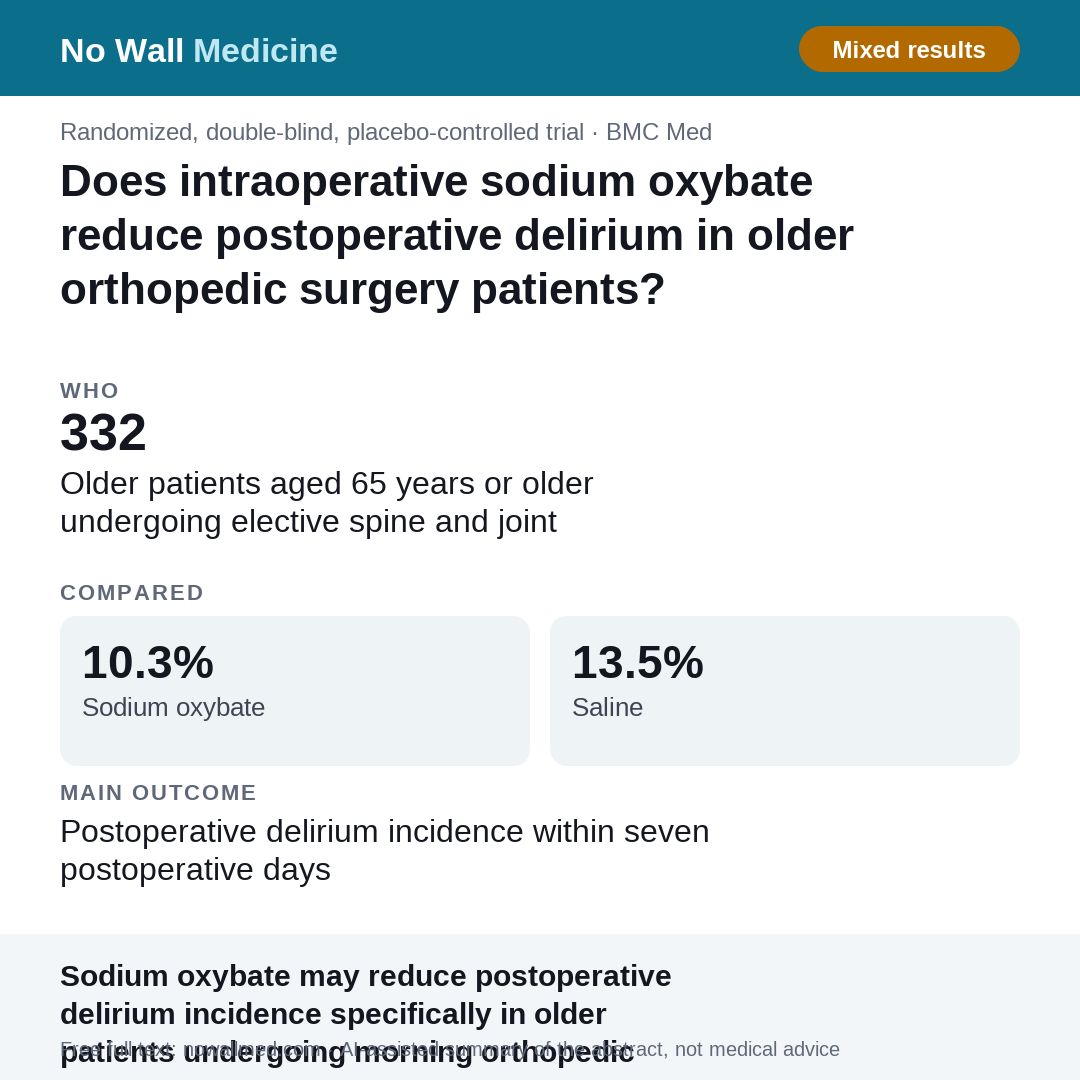
Prophylactic effect of intraoperative sodium oxybate on postoperative delirium in older patients undergoing major orthopedic surgery: a randomized clinical trial
Randomized, double-blind, placebo-controlled trialMixed results
Does intraoperative sodium oxybate reduce postoperative delirium in older orthopedic surgery patients?
Who
332
Older patients aged 65 years or older undergoing elective spine and joint replacement surgery
Compared
10.3%Sodium oxybate
13.5%Saline
Main outcome
Postoperative delirium incidence within seven postoperative days
Result: relative risk 0.395 (95% CI 0.161-0.968) in morning surgery subgroup
Bottom line: Sodium oxybate may reduce postoperative delirium incidence specifically in older patients undergoing morning orthopedic surgery.
BMC Med · 2025-12-31Download image
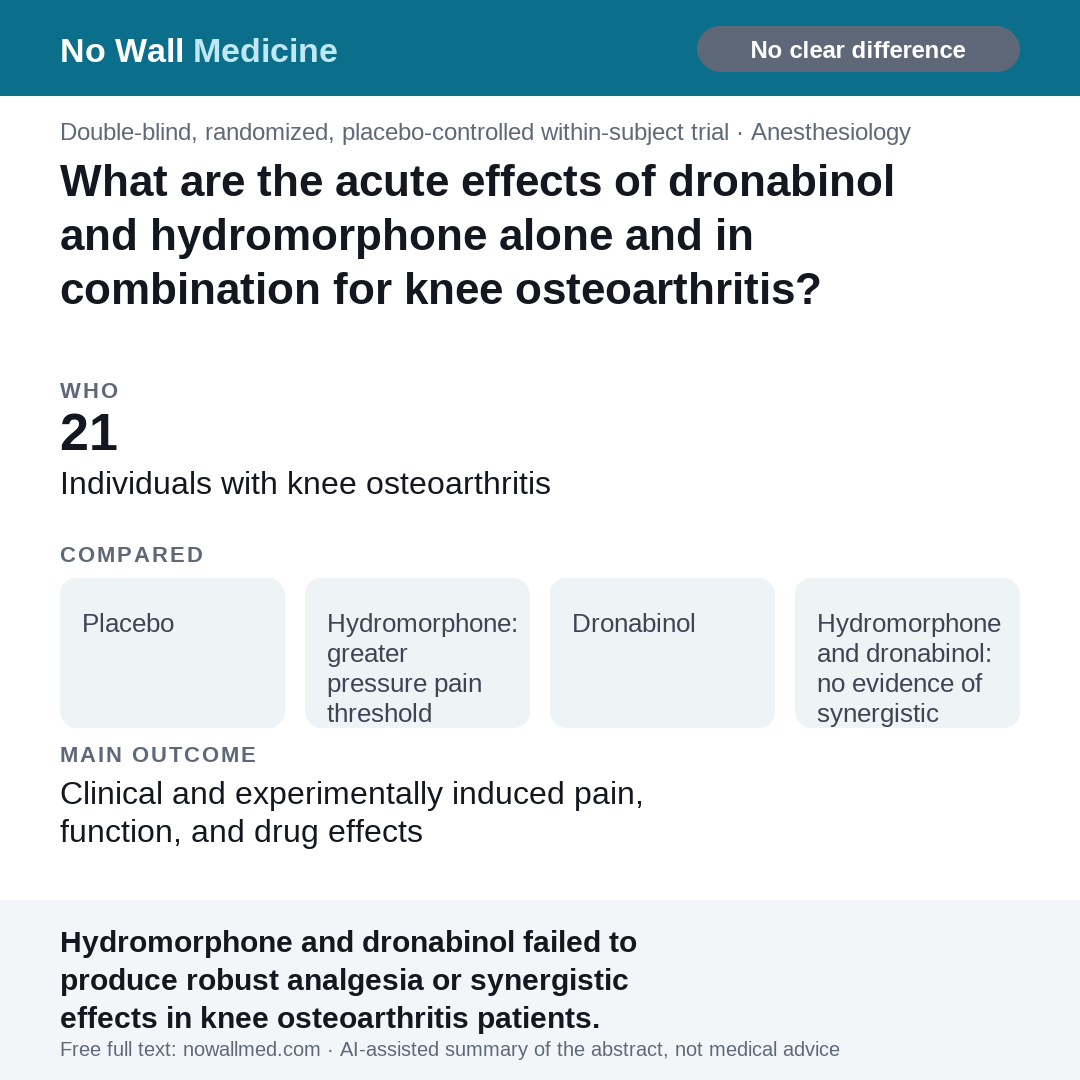
Evaluating the Acute Effects of the Cannabinoid Dronabinol and the Opioid Hydromorphone Alone and in Combination: A Double-blind, Randomized, Placebo-controlled Trial in Knee Osteoarthritis
Double-blind, randomized, placebo-controlled within-subject trialNo clear difference
What are the acute effects of dronabinol and hydromorphone alone and in combination for knee osteoarthritis?
Who
21
Individuals with knee osteoarthritis
Compared
Placebo
Hydromorphone: greater pressure pain threshold analgesia than dronabinol
Dronabinol
Hydromorphone and dronabinol: no evidence of synergistic analgesic effects
Main outcome
Clinical and experimentally induced pain, function, and drug effects
Bottom line: Hydromorphone and dronabinol failed to produce robust analgesia or synergistic effects in knee osteoarthritis patients.
Anesthesiology · 2025-12-31Download image
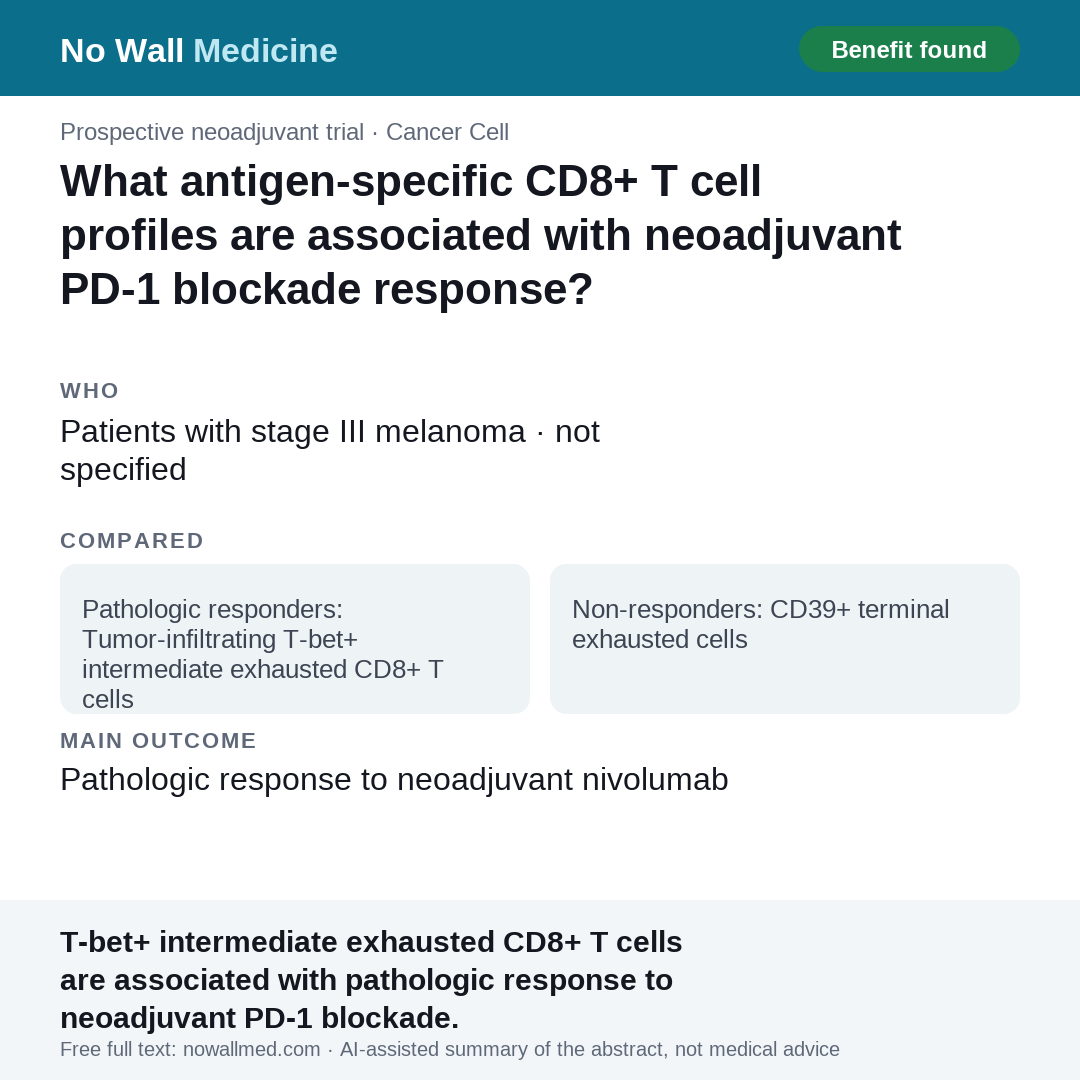
Antigen-specific profiling identifies T-bet+ melanoma-specific CD8+ T cells associated with response to neoadjuvant PD-1 blockade
Prospective neoadjuvant trialBenefit found
What antigen-specific CD8+ T cell profiles are associated with neoadjuvant PD-1 blockade response?
Who
Patients with stage III melanoma · not specified
Compared
Pathologic responders: Tumor-infiltrating T-bet+ intermediate exhausted CD8+ T cells
Non-responders: CD39+ terminal exhausted cells
Main outcome
Pathologic response to neoadjuvant nivolumab
Bottom line: T-bet+ intermediate exhausted CD8+ T cells are associated with pathologic response to neoadjuvant PD-1 blockade.
Cancer Cell · 2025-12-31Download image
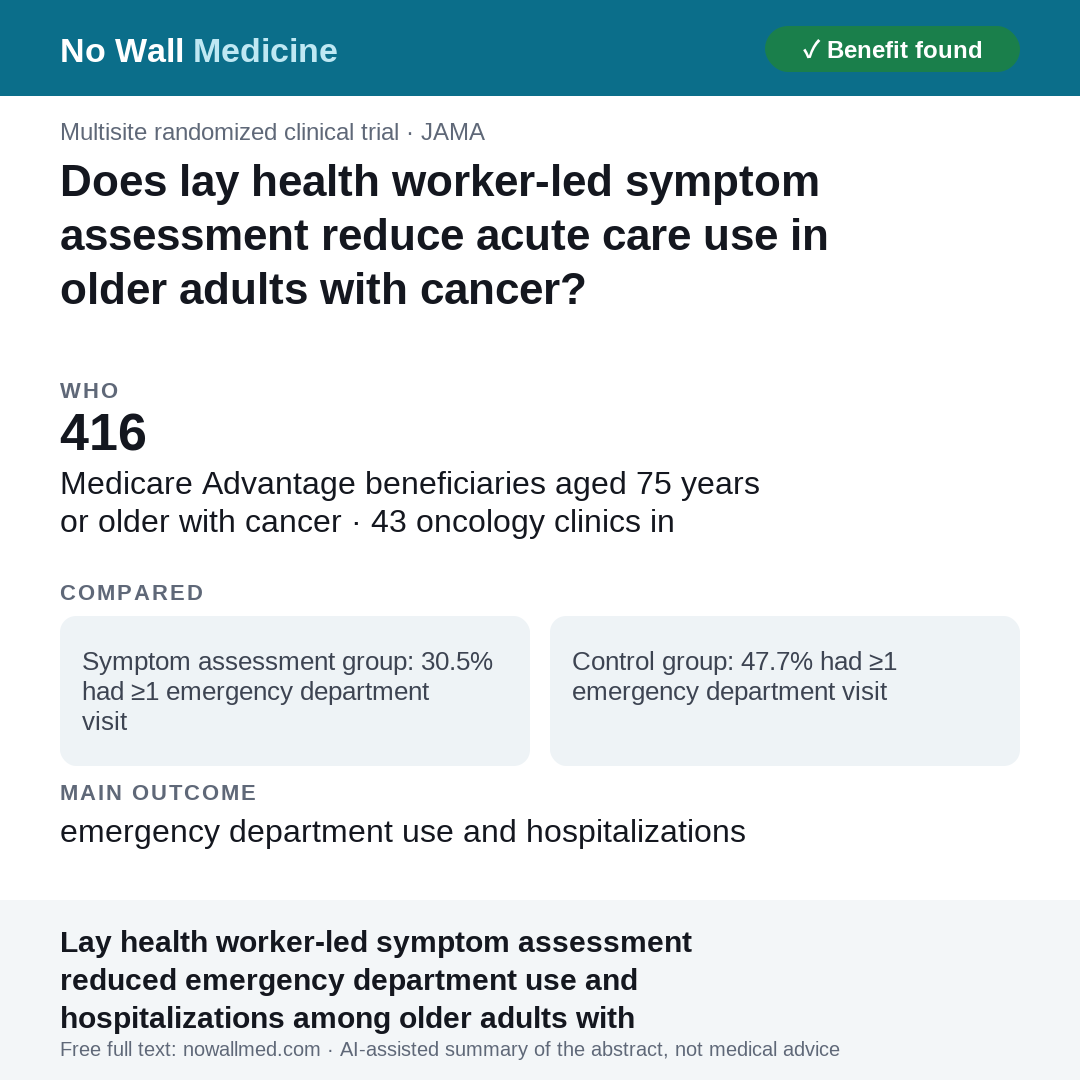
A Lay Health Worker-Led Symptom Intervention and Acute Care Use in Older Adults With Cancer: A Randomized Clinical Trial
Multisite randomized clinical trialBenefit found
Does lay health worker-led symptom assessment reduce acute care use in older adults with cancer?
Who
416
Medicare Advantage beneficiaries aged 75 years or older with cancer · 43 oncology clinics in California and Arizona
Compared
Symptom assessment group: 30.5% had ≥1 emergency department visit
Control group: 47.7% had ≥1 emergency department visit
Main outcome
emergency department use and hospitalizations
Result: adjusted odds ratio 0.47 (95% CI, 0.32-0.71)
Bottom line: Lay health worker-led symptom assessment reduced emergency department use and hospitalizations among older adults with cancer.
JAMA · 2025-12-30Download image
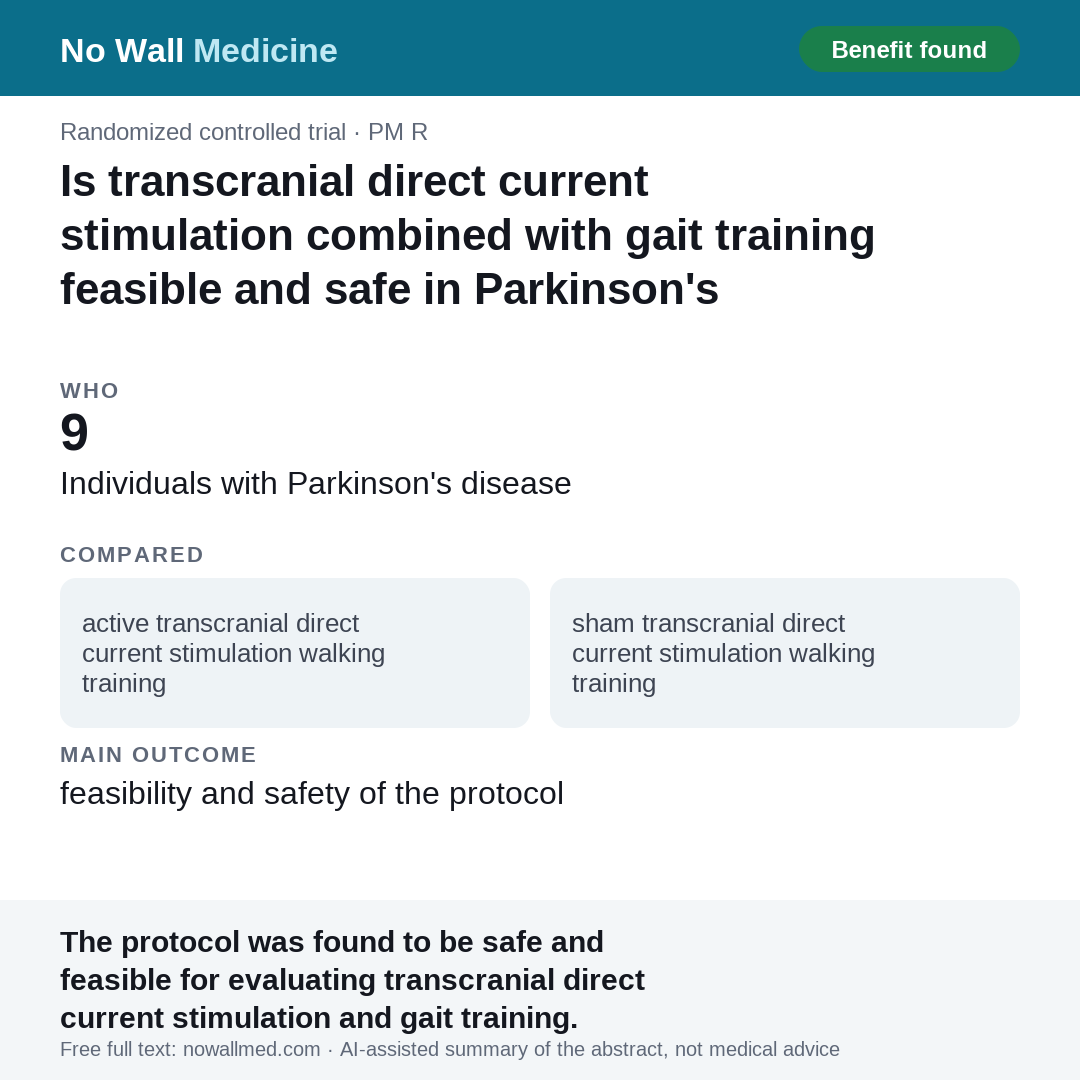
Feasibility randomized controlled trial of transcranial direct current stimulation (tDCS) to reduce falls in Parkinson's disease
Randomized controlled trialBenefit found
Is transcranial direct current stimulation combined with gait training feasible and safe in Parkinson's disease?
Who
9
Individuals with Parkinson's disease
Compared
active transcranial direct current stimulation walking training
sham transcranial direct current stimulation walking training
Main outcome
feasibility and safety of the protocol
Bottom line: The protocol was found to be safe and feasible for evaluating transcranial direct current stimulation and gait training.
PM R · 2025-12-30Download image
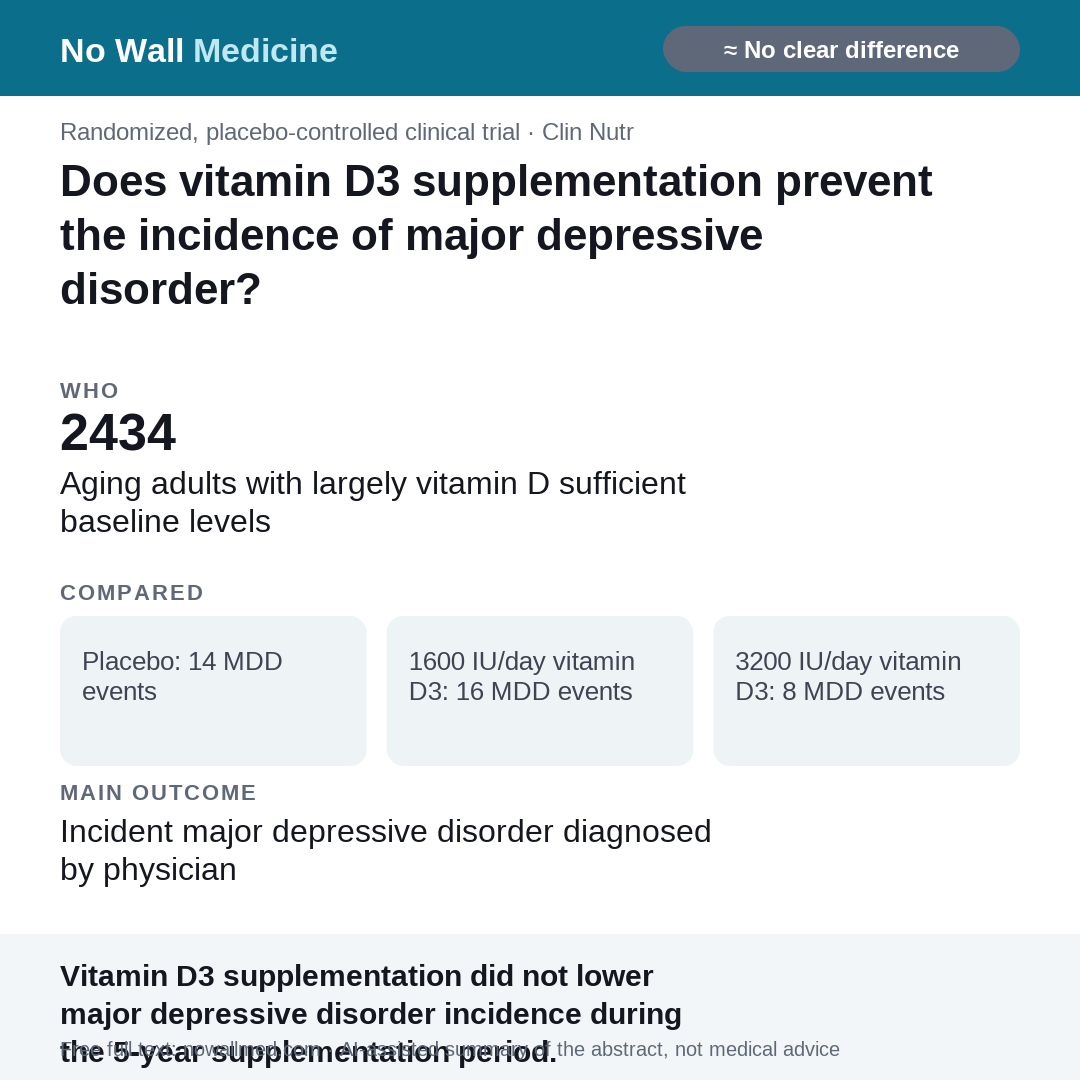
Vitamin D supplementation and incidence of major depressive disorder - A randomized clinical trial
Randomized, placebo-controlled clinical trialNo clear difference
Does vitamin D3 supplementation prevent the incidence of major depressive disorder?
Who
2434
Aging adults with largely vitamin D sufficient baseline levels
Compared
Placebo: 14 MDD events
1600 IU/day vitamin D3: 16 MDD events
3200 IU/day vitamin D3: 8 MDD events
Main outcome
Incident major depressive disorder diagnosed by physician
Result: hazard ratio 0.78 (95% CI 0.35-1.71) for 1600 IU/day
Bottom line: Vitamin D3 supplementation did not lower major depressive disorder incidence during the 5-year supplementation period.
Clin Nutr · 2025-12-30Download image
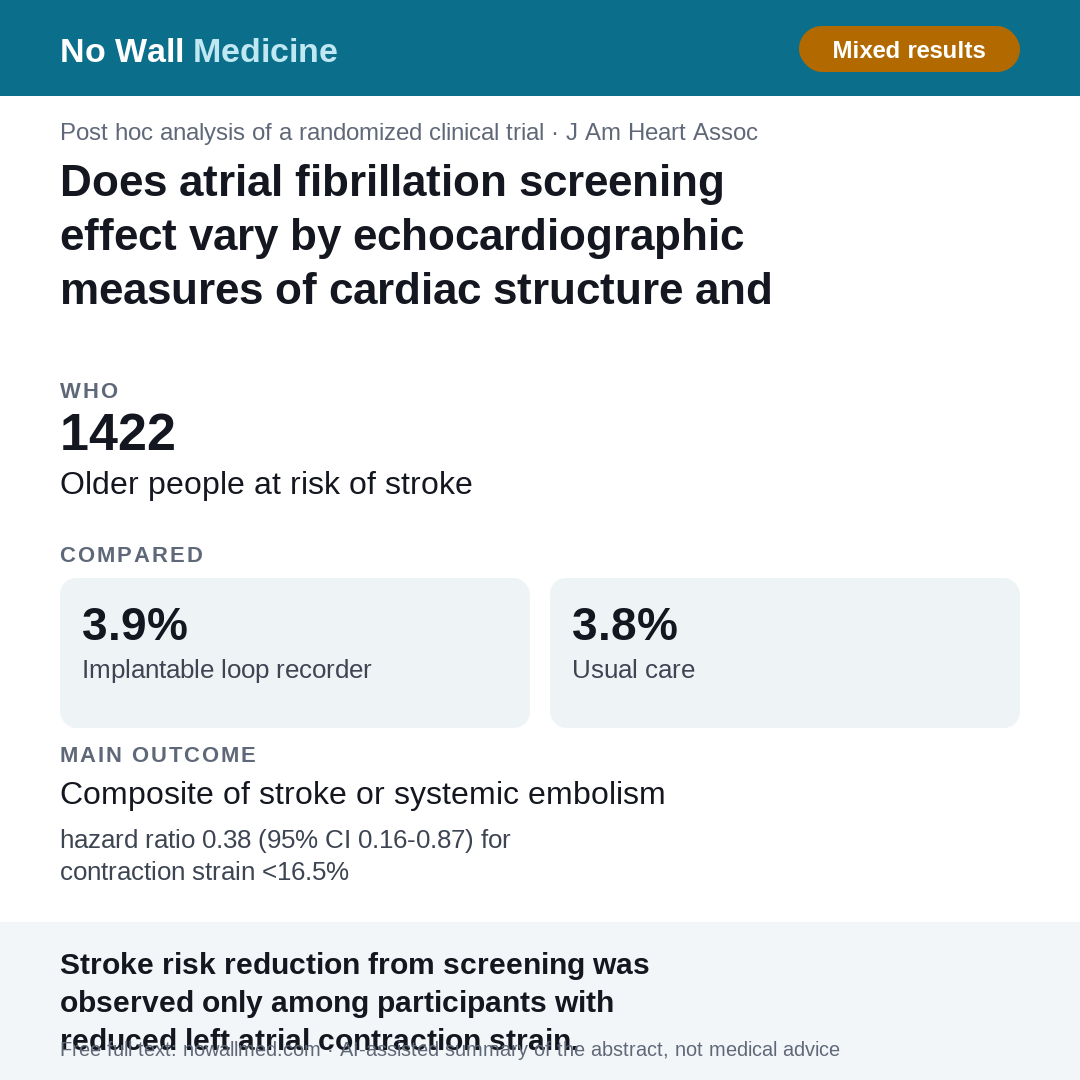
Effects of Atrial Fibrillation Screening According to Echocardiographic Measures of Cardiac Structure and Function: A Post Hoc Analysis of the LOOP Randomized Clinical Trial
Post hoc analysis of a randomized clinical trialMixed results
Does atrial fibrillation screening effect vary by echocardiographic measures of cardiac structure and function?
Who
1422
Older people at risk of stroke
Compared
3.9%Implantable loop recorder
3.8%Usual care
Main outcome
Composite of stroke or systemic embolism
Result: hazard ratio 0.38 (95% CI 0.16-0.87) for contraction strain <16.5%
Bottom line: Stroke risk reduction from screening was observed only among participants with reduced left atrial contraction strain.
Limitation: This was a post hoc analysis of a subset of the trial population.
J Am Heart Assoc · 2025-12-30Download image
Echocardiographic Results of Transcatheter Versus Surgical Aortic Valve Replacement in Women With Severe Aortic Stenosis: The RHEIA Trial
Randomized trial substudyMixed results
How do echocardiographic findings compare between transcatheter and surgical aortic valve replacement in women?
Who
420
Women with severe aortic stenosis · 48 European centers
Compared
Transcatheter aortic valve implantation: 45.3% residual left ventricular hypertrophy at 1 year
Surgical aortic valve replacement: 28.6% residual left ventricular hypertrophy at 1 year
Main outcome
Echocardiographic findings including valve hemodynamics and cardiac remodeling
Bottom line: Both treatments show excellent hemodynamics, but surgical replacement better reduces left ventricular hypertrophy while transcatheter implantation improves right ventricular function.
J Am Heart Assoc · 2025-12-30Download image

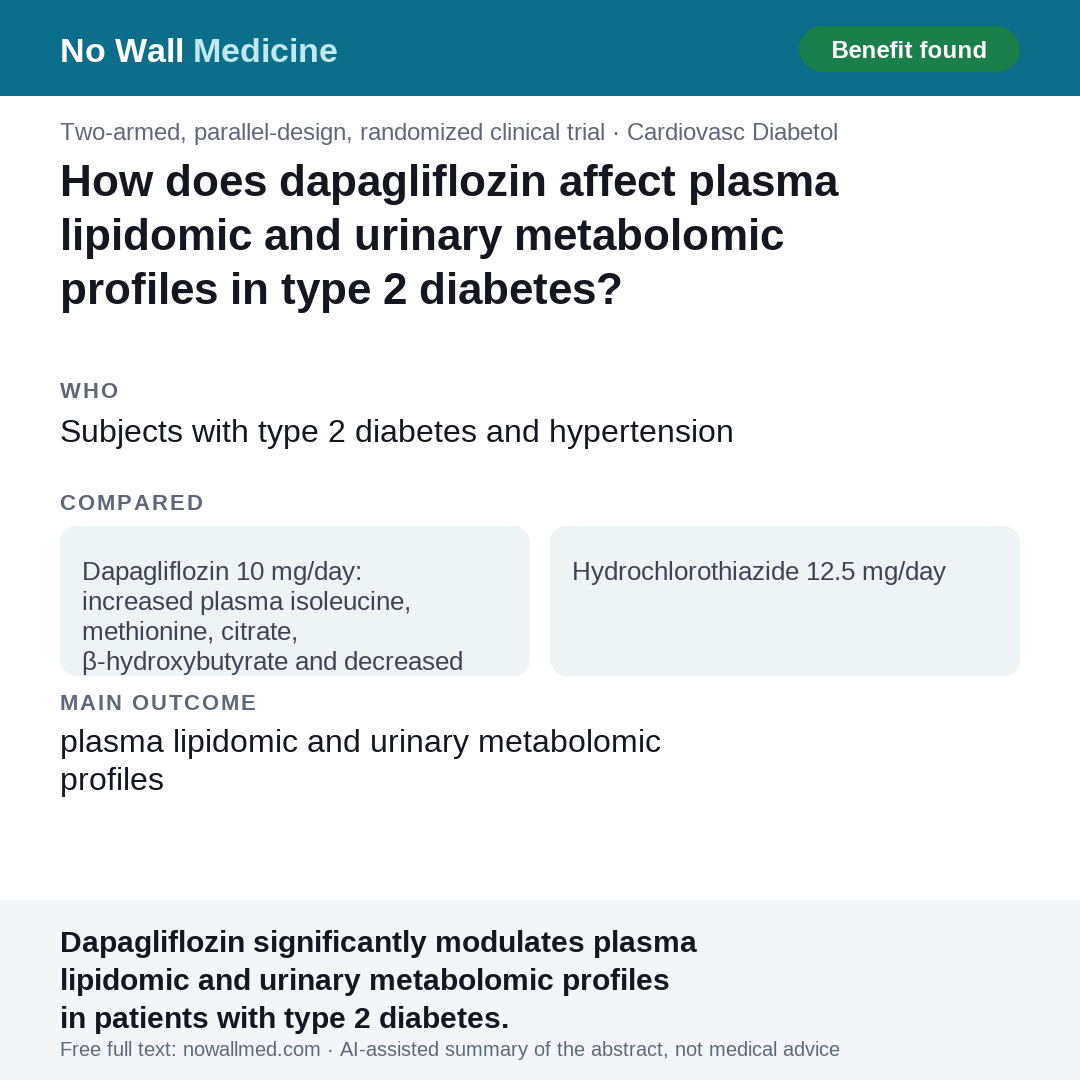
Dapagliflozin modulates plasma lipidomic profile and urinary metabolite excretion in type 2 diabetes
Two-armed, parallel-design, randomized clinical trialBenefit found
How does dapagliflozin affect plasma lipidomic and urinary metabolomic profiles in type 2 diabetes?
Who
Subjects with type 2 diabetes and hypertension
Compared
Dapagliflozin 10 mg/day: increased plasma isoleucine, methionine, citrate, β-hydroxybutyrate and decreased lactate
Hydrochlorothiazide 12.5 mg/day
Main outcome
plasma lipidomic and urinary metabolomic profiles
Bottom line: Dapagliflozin significantly modulates plasma lipidomic and urinary metabolomic profiles in patients with type 2 diabetes.
Cardiovasc Diabetol · 2025-12-30Download image
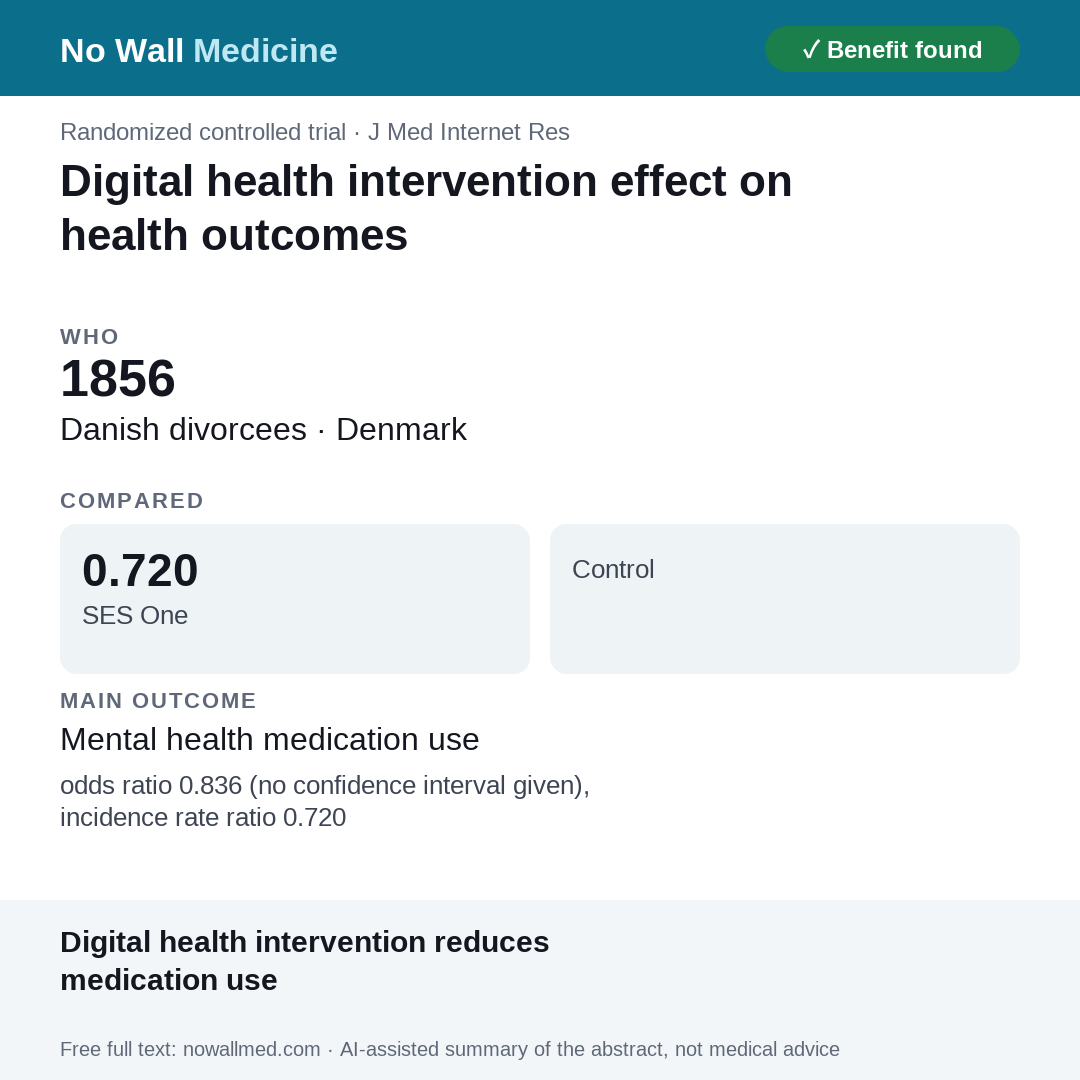
Digital Health Intervention for and Long-Term Health Outcomes of a Divorce Cohort With Linked Danish Data: 5-Year Posttrial Follow-Up of a Randomized Controlled Trial
Randomized controlled trialBenefit found
Digital health intervention effect on health outcomes
Who
1856
Danish divorcees · Denmark
Compared
0.720SES One
Control
Main outcome
Mental health medication use
Result: odds ratio 0.836 (no confidence interval given), incidence rate ratio 0.720
Bottom line: Digital health intervention reduces medication use
J Med Internet Res · 2025-12-30Download image
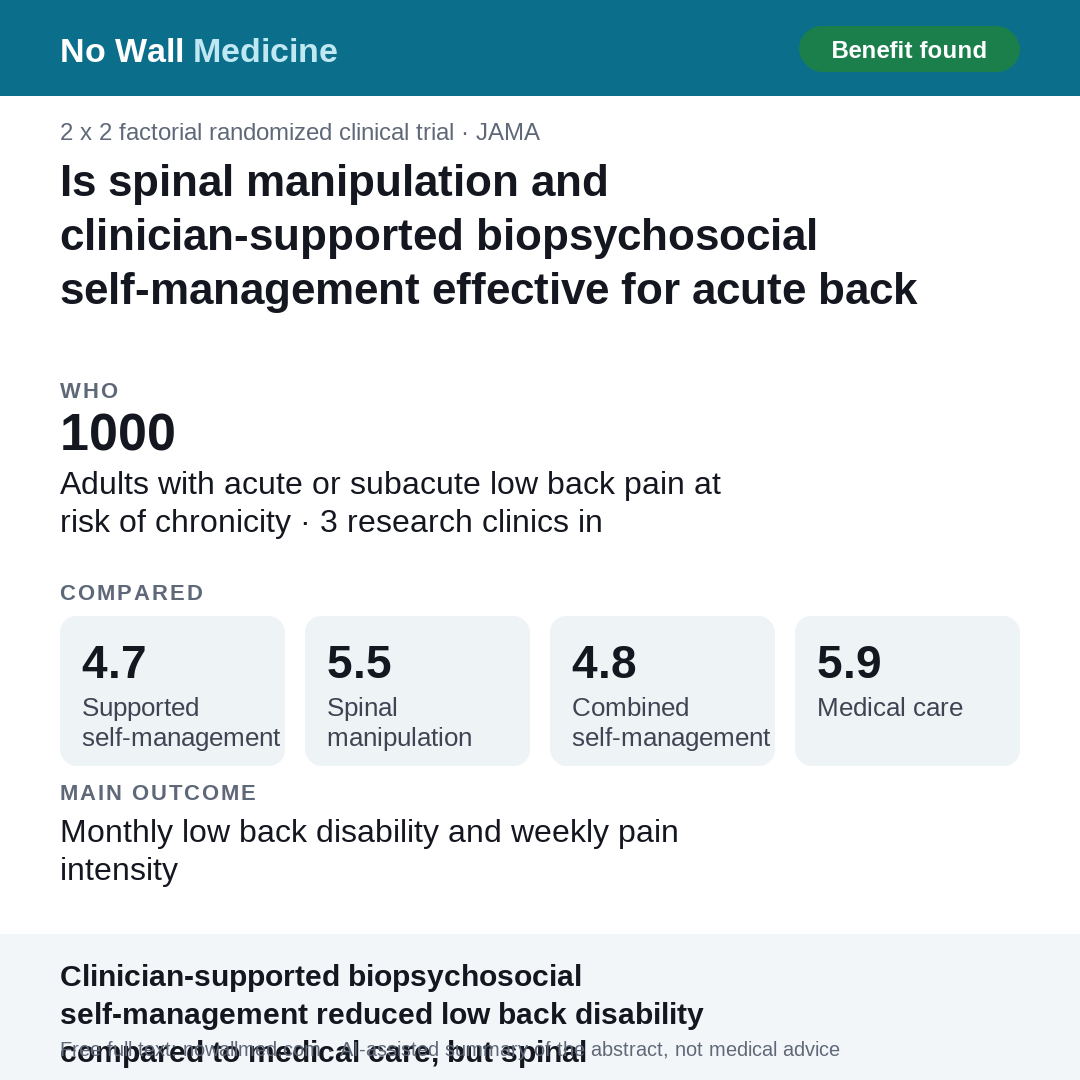
Spinal Manipulation and Clinician-Supported Biopsychosocial Self-Management for Acute Back Pain: The PACBACK Randomized Clinical Trial
2 x 2 factorial randomized clinical trialBenefit found
Is spinal manipulation and clinician-supported biopsychosocial self-management effective for acute back pain?
Who
1000
Adults with acute or subacute low back pain at risk of chronicity · 3 research clinics in Minnesota and Pittsburgh
Compared
4.7Supported self-management
5.5Spinal manipulation
4.8Combined self-management and spinal manipulation
5.9Medical care
Main outcome
Monthly low back disability and weekly pain intensity
Result: mean difference -1.2 (95% CI -1.9 to -0.5) for supported self-management
Bottom line: Clinician-supported biopsychosocial self-management reduced low back disability compared to medical care, but spinal manipulation alone did not.
JAMA · 2025-12-29Download image
Feasibility testing and preliminary trial of a crisis planning and monitoring intervention to reduce compulsory readmissions: the FINCH Study
Feasibility randomized controlled trialBenefit found
Is a crisis planning and monitoring intervention feasible to reduce compulsory psychiatric readmissions?
Who
80
Participants recruited towards the end of compulsory hospital admissions · Three areas of England
Compared
Experimental group: 66% received at least three intervention sessions
Control group
Main outcome
Compulsory admission and secondary outcomes
Bottom line: The crisis planning and monitoring intervention was found to be acceptable and feasible for reducing compulsory admissions.
Limitation: High level of persistence, flexibility, and considerable time were needed to deliver it.
BMC Med · 2025-12-29Download image

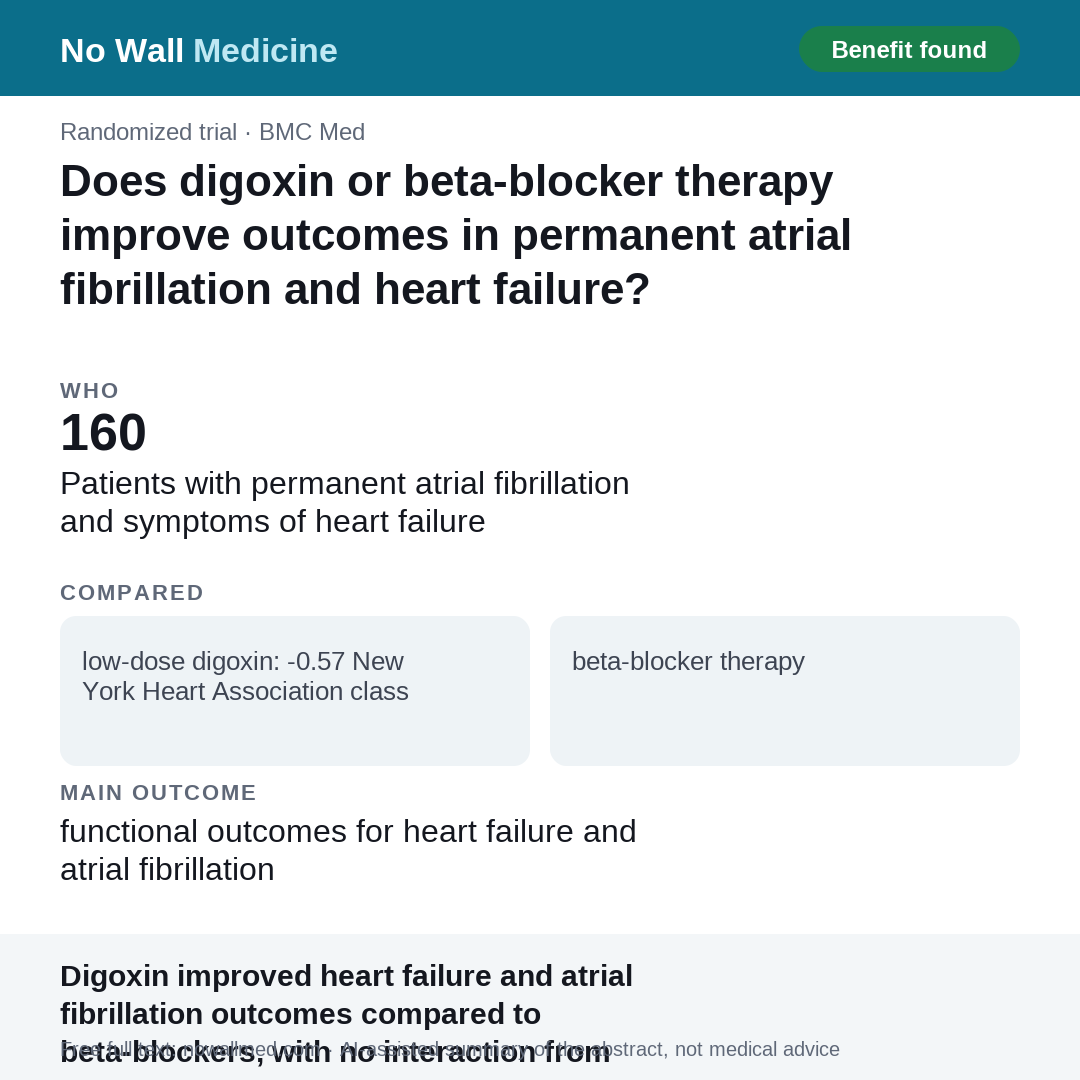
Quantification and impact of circulating cardiotonic steroids in the RATE-AF randomised trial of patients with atrial fibrillation and heart failure
Randomized trialBenefit found
Does digoxin or beta-blocker therapy improve outcomes in permanent atrial fibrillation and heart failure?
Who
160
Patients with permanent atrial fibrillation and symptoms of heart failure
Compared
low-dose digoxin: -0.57 New York Heart Association class
beta-blocker therapy
Main outcome
functional outcomes for heart failure and atrial fibrillation
Result: hazard ratio -0.57 (95% CI -0.82 to -0.32)
Bottom line: Digoxin improved heart failure and atrial fibrillation outcomes compared to beta-blockers, with no interaction from endogenous cardiotonic steroids.
Limitation: limited by low circulating levels of cardiotonic steroids
BMC Med · 2025-12-29Download image
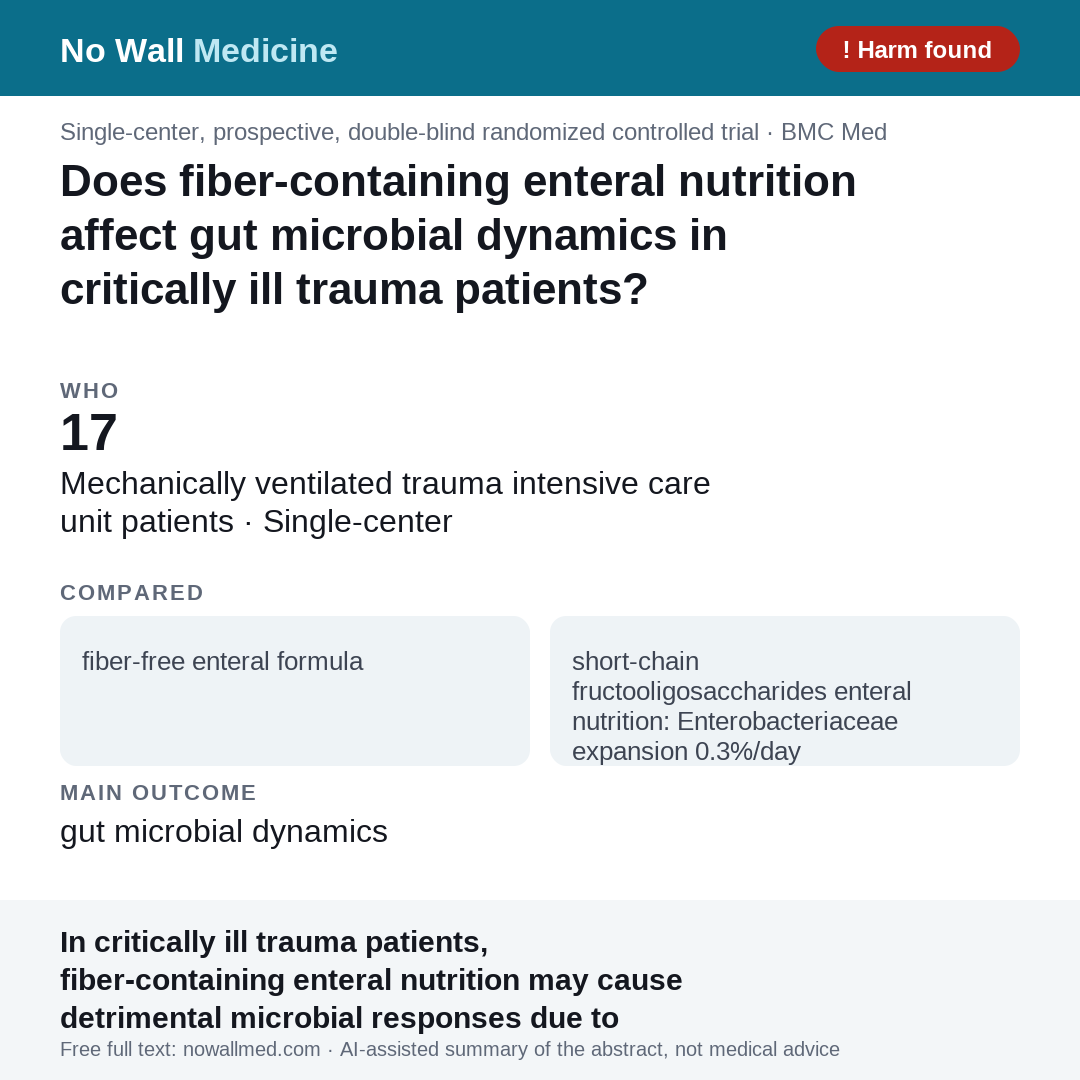
Impact of fiber-containing enteral nutrition on microbial community dynamics in critically ill trauma patients: a pilot-randomized trial
Single-center, prospective, double-blind randomized controlled trialHarm found
Does fiber-containing enteral nutrition affect gut microbial dynamics in critically ill trauma patients?
Who
17
Mechanically ventilated trauma intensive care unit patients · Single-center
Compared
fiber-free enteral formula
short-chain fructooligosaccharides enteral nutrition: Enterobacteriaceae expansion 0.3%/day
Main outcome
gut microbial dynamics
Bottom line: In critically ill trauma patients, fiber-containing enteral nutrition may cause detrimental microbial responses due to antibiotic exposure.
BMC Med · 2025-12-29Download image
Sirtuins and regulatory miRNAs as epigenetic determinants of empagliflozin-mediated recovery after acute myocardial infarction
Clinical study with baseline and 26-week follow-upBenefit found
How do empagliflozin and placebo affect sirtuin and microRNA expression after acute myocardial infarction?
Who
227
Patients with acute myocardial infarction
Compared
Empagliflozin: higher SIRT6 (p < 0.001) and lower SIRT4 (p = 0.018)
Placebo: reduction in SIRT6 expression (p = 0.006)
Main outcome
Sirtuin and microRNA expression and left ventricular ejection fraction change
Bottom line: Empagliflozin modulates sirtuin and microRNA expression and baseline markers can predict left ventricular ejection fraction improvement.
Cardiovasc Diabetol · 2025-12-29Download image

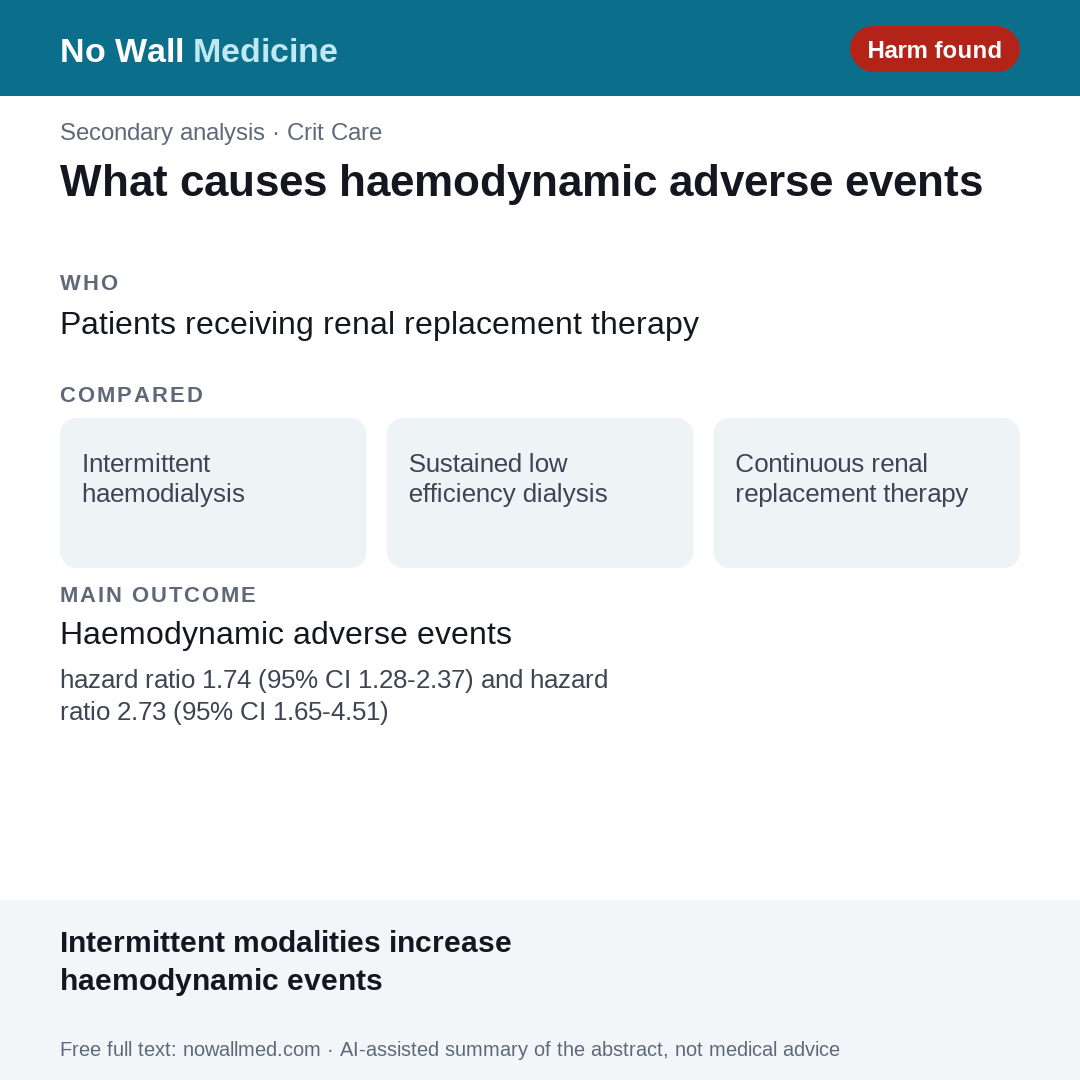
Factors associated with adverse haemodynamic events during the STARRT-AKI trial: a post-hoc secondary analysis
Secondary analysisHarm found
What causes haemodynamic adverse events
Who
Patients receiving renal replacement therapy
Compared
Intermittent haemodialysis
Sustained low efficiency dialysis
Continuous renal replacement therapy
Main outcome
Haemodynamic adverse events
Result: hazard ratio 1.74 (95% CI 1.28-2.37) and hazard ratio 2.73 (95% CI 1.65-4.51)
Bottom line: Intermittent modalities increase haemodynamic events
Crit Care · 2025-12-29Download image
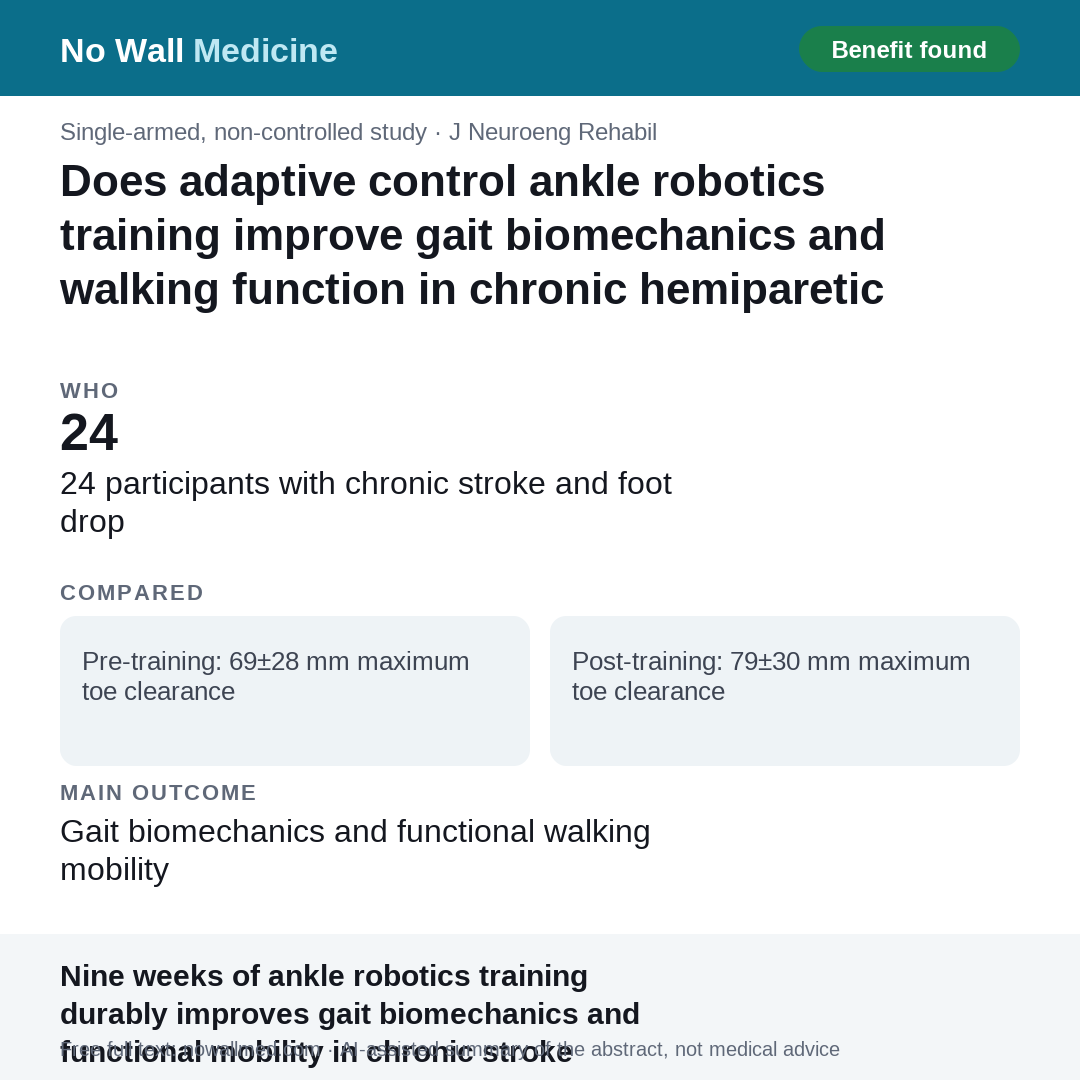
Adaptive control ankle robotics training durably improves gait biomechanics in chronic hemiparetic stroke and footdrop
Single-armed, non-controlled studyBenefit found
Does adaptive control ankle robotics training improve gait biomechanics and walking function in chronic hemiparetic stroke?
Who
24
24 participants with chronic stroke and foot drop
Compared
Pre-training: 69±28 mm maximum toe clearance
Post-training: 79±30 mm maximum toe clearance
Main outcome
Gait biomechanics and functional walking mobility
Bottom line: Nine weeks of ankle robotics training durably improves gait biomechanics and functional mobility in chronic stroke patients.
J Neuroeng Rehabil · 2025-12-29Download image
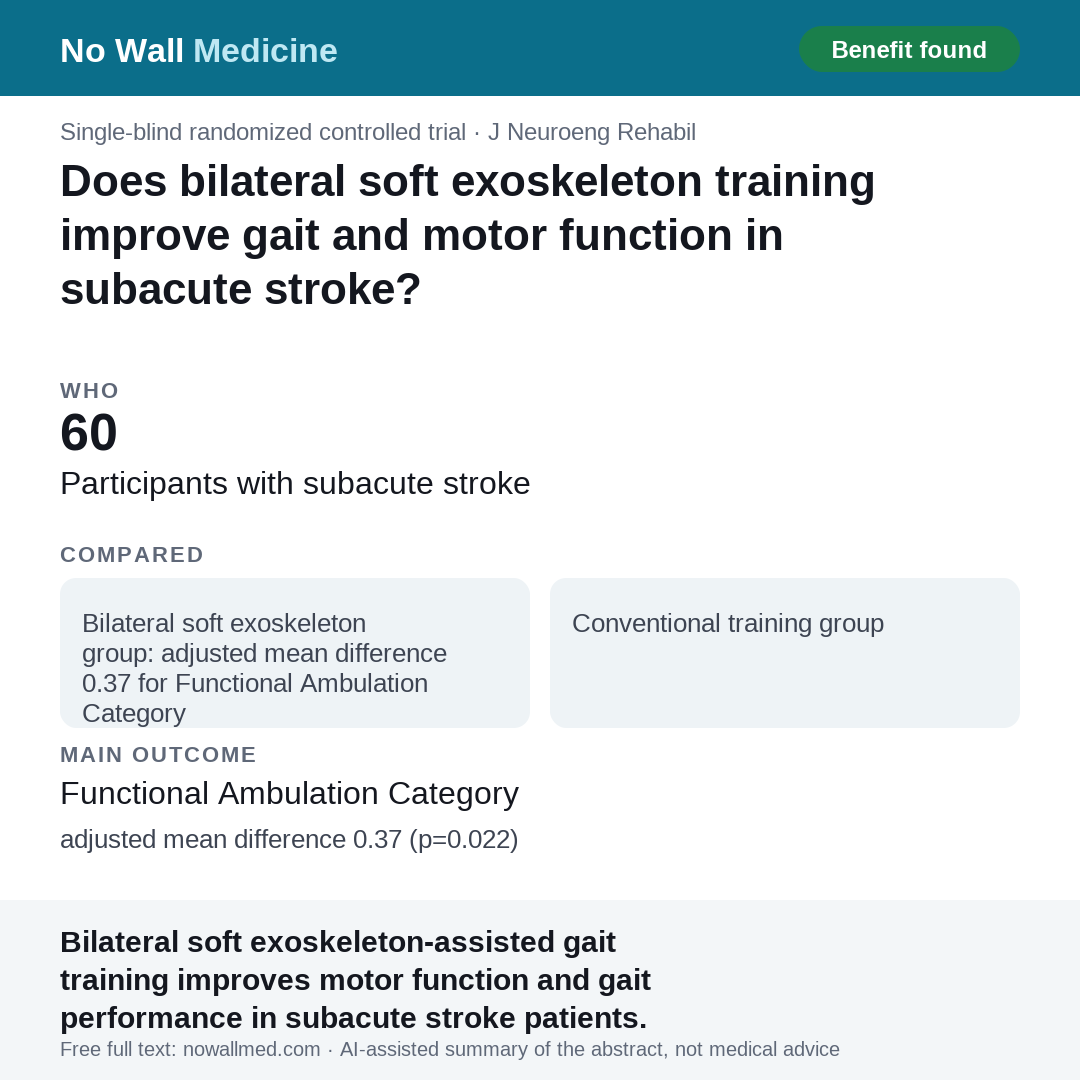
Efficacy of bilateral soft exoskeleton training for people with subacute stroke: a randomized controlled trial
Single-blind randomized controlled trialBenefit found
Does bilateral soft exoskeleton training improve gait and motor function in subacute stroke?
Who
60
Participants with subacute stroke
Compared
Bilateral soft exoskeleton group: adjusted mean difference 0.37 for Functional Ambulation Category
Conventional training group
Main outcome
Functional Ambulation Category
Result: adjusted mean difference 0.37 (p=0.022)
Bottom line: Bilateral soft exoskeleton-assisted gait training improves motor function and gait performance in subacute stroke patients.
Limitation: Further studies with larger cohorts and longer follow-up are needed.
J Neuroeng Rehabil · 2025-12-28Download image
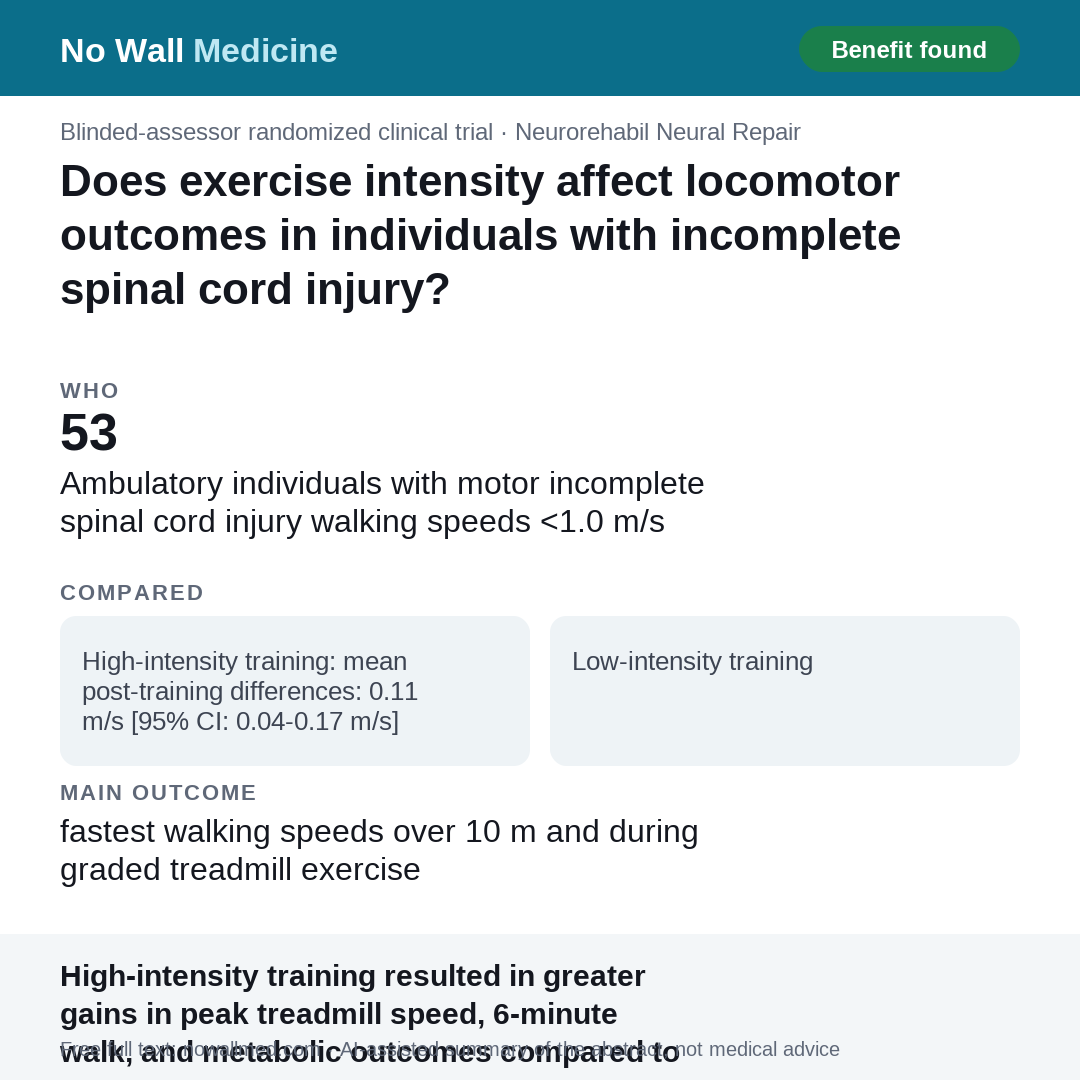
Higher Intensity Walking Training in Individuals With Chronic Motor Incomplete Spinal Cord Injury: A Randomized Clinical Trial
Blinded-assessor randomized clinical trialBenefit found
Does exercise intensity affect locomotor outcomes in individuals with incomplete spinal cord injury?
Who
53
Ambulatory individuals with motor incomplete spinal cord injury walking speeds <1.0 m/s
Compared
High-intensity training: mean post-training differences: 0.11 m/s [95% CI: 0.04-0.17 m/s]
Low-intensity training
Main outcome
fastest walking speeds over 10 m and during graded treadmill exercise
Result: mean differences: 0.25 m/s [0.15-0.34 m/s]
Bottom line: High-intensity training resulted in greater gains in peak treadmill speed, 6-minute walk, and metabolic outcomes compared to low-intensity training.
Neurorehabil Neural Repair · 2025-12-27Download image
Community and Academic Synergy for Cancer Survivorship Care Delivery Enhancement (Project CASCADE): a study protocol for a pragmatic, stepped-wedge, cluster-randomized trial in Texas primary care community health centers
Stepped-wedge, cluster-randomized trialUnclear result
Does a multi-component primary care intervention improve cancer survivorship care delivery?
Who
Cancer survivors in Texas community health centers · 8 Texas community health center sites
Compared
Intervention
Control
Main outcome
Screening for second primary cancers and clinician knowledge
Bottom line: This study protocol describes a trial to test a primary care-based survivorship care delivery intervention.
BMC Prim Care · 2025-12-27Download image
