Visual abstracts
New randomized trials and meta-analyses from leading journals at a glance: who was studied, what was compared, and what was found. Every paper is free to read in full.
All specialtiesCardiology 4877Oncology 4138Gastroenterology & Hepatology 1942Infectious Disease 3837Neurology 1905Psychiatry & Mental Health 2273Pulmonology 2143Critical Care 1365Endocrinology & Diabetes 2580Pediatrics 2980Surgery 2559Orthopedics & Sports Medicine 931Neurosurgery 537Cardiothoracic & Vascular Surgery 674Plastic & Reconstructive Surgery 591Nephrology 1133Rheumatology 823Hematology 1109Dermatology 621Ophthalmology 543Obstetrics & Gynecology 1686Public & Global Health 1058Radiology & Imaging 648Anesthesiology 986Urology 764ENT (Otolaryngology) 503Emergency Medicine 511Allergy & Immunology 313Geriatrics 981Family Medicine & Primary Care 562Medical Genetics & Genomics 676Pathology & Laboratory Medicine 159Physical Medicine & Rehabilitation 757Palliative Care 444Nutrition 1588Digital Health & AI 2201General Medicine 321
Visual Acuity Outcomes After Trans-scleral Cyclophotocoagulation: A Systematic Review and Meta-analysis
Systematic review and meta-analysisNo clear difference
What are the best-corrected visual acuity outcomes following trans-scleral cyclophotocoagulation in refractory glaucoma patients?
Who
6331
Patients with refractory glaucoma
Compared
Preoperative: 1.11 logMAR (SE = 0.02)
Post procedure: 1.12 logMAR (SE = 0.02)
Main outcome
best-corrected visual acuity
Result: mean difference: -0.10 logMAR, 95% CI = -0.22 to 0.01
Bottom line: Trans-scleral cyclophotocoagulation showed no significant decrease in best-corrected visual acuity in patients with refractory glaucoma.
Limitation: Substantial heterogeneity and observational nature of most studies.
Am J Ophthalmol · 2025-09-05Download image

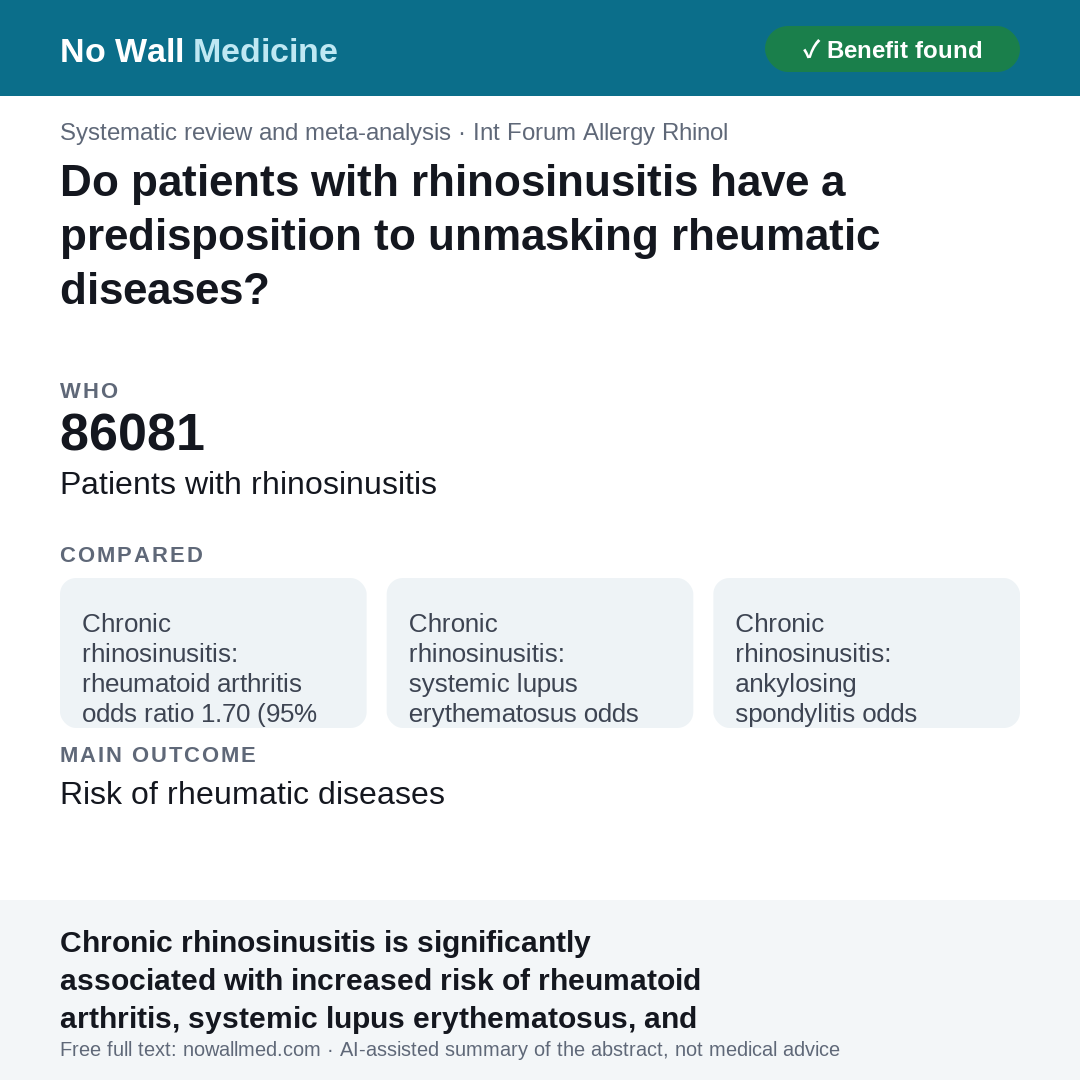
The Risk of Rheumatic Disorders Among Patients With Rhinosinusitis: A Systematic Review and Meta-Analysis
Systematic review and meta-analysisBenefit found
Do patients with rhinosinusitis have a predisposition to unmasking rheumatic diseases?
Who
86081
Patients with rhinosinusitis
Compared
Chronic rhinosinusitis: rheumatoid arthritis odds ratio 1.70 (95% CI: 1.44-2.00)
Chronic rhinosinusitis: systemic lupus erythematosus odds ratio 1.61 (95% CI: 1.25-2.08)
Chronic rhinosinusitis: ankylosing spondylitis odds ratio 1.48 (95% CI: 1.26-1.72)
Main outcome
Risk of rheumatic diseases
Bottom line: Chronic rhinosinusitis is significantly associated with increased risk of rheumatoid arthritis, systemic lupus erythematosus, and ankylosing spondylitis.
Int Forum Allergy Rhinol · 2025-09-05Download image
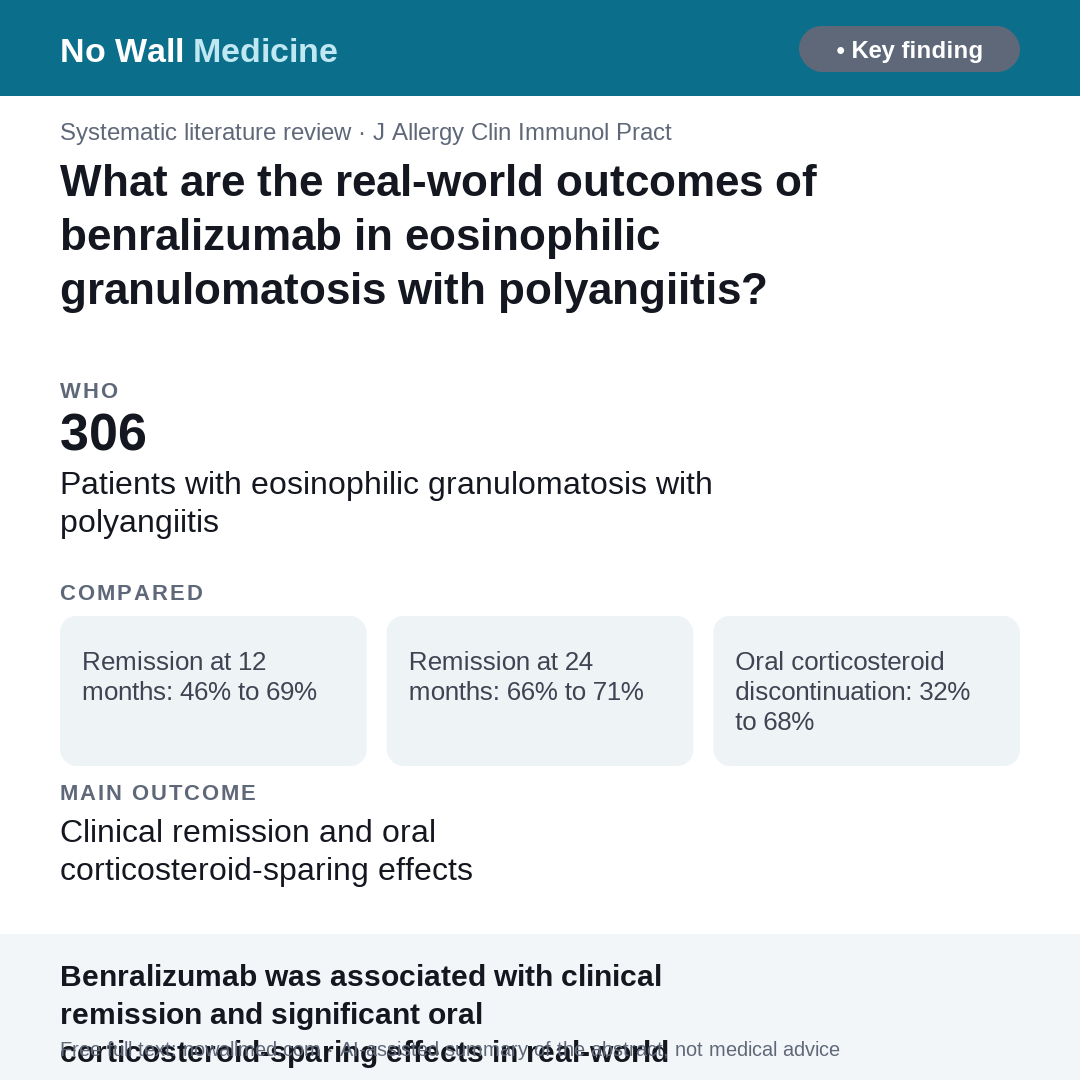
Systematic Literature Review of Real-World Outcomes of Benralizumab in Eosinophilic Granulomatosis With Polyangiitis
Systematic literature reviewBenefit found
What are the real-world outcomes of benralizumab in eosinophilic granulomatosis with polyangiitis?
Who
306
Patients with eosinophilic granulomatosis with polyangiitis
Compared
Remission at 12 months: 46% to 69%
Remission at 24 months: 66% to 71%
Oral corticosteroid discontinuation: 32% to 68%
Main outcome
Clinical remission and oral corticosteroid-sparing effects
Bottom line: Benralizumab was associated with clinical remission and significant oral corticosteroid-sparing effects in real-world eosinophilic granulomatosis with polyangiitis patients.
Limitation: Limited clinical trial data available to complement real-world findings.
J Allergy Clin Immunol Pract · 2025-09-05Download image
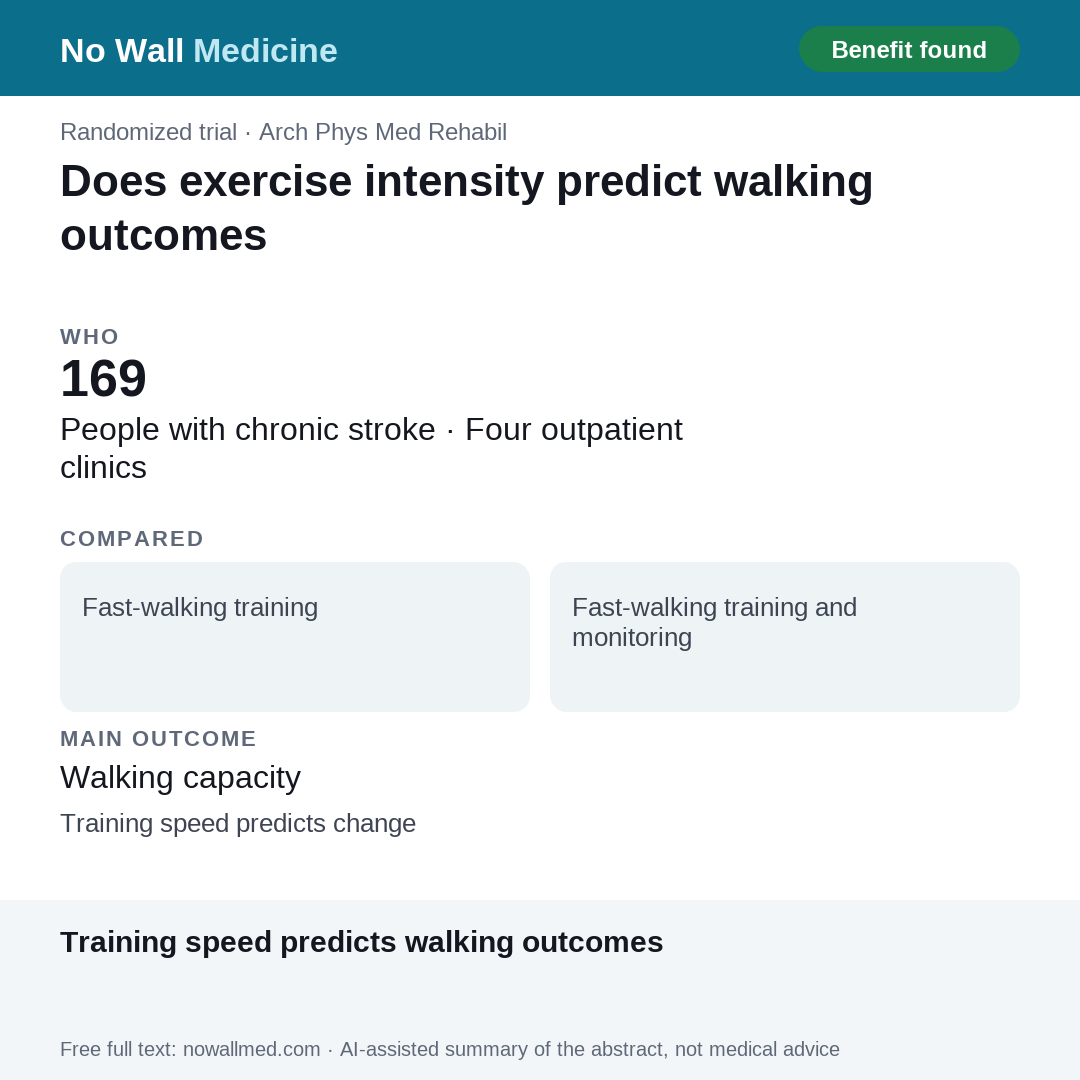
Quantifying Exercise Intensity to Predict Changes in Walking Capacity in Individuals with Chronic Stroke
Randomized trialBenefit found
Does exercise intensity predict walking outcomes
Who
169
People with chronic stroke · Four outpatient clinics
Compared
Fast-walking training
Fast-walking training and monitoring
Main outcome
Walking capacity
Result: Training speed predicts change
Bottom line: Training speed predicts walking outcomes
Arch Phys Med Rehabil · 2025-09-05Download image
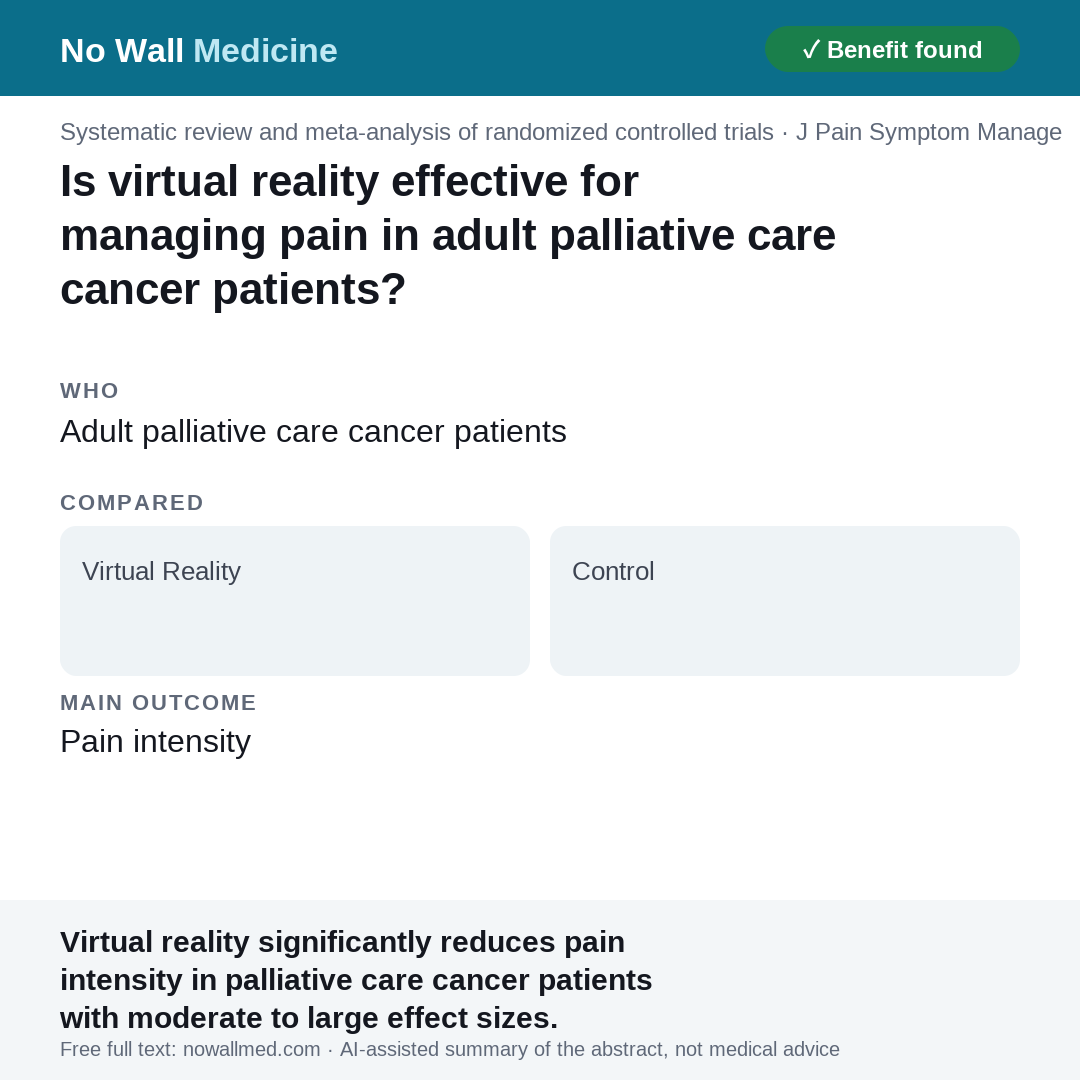
Efficacy of Virtual Reality in Managing Pain for Patients in Palliative Care: A Systematic Review and Meta-Analysis
Systematic review and meta-analysis of randomized controlled trialsBenefit found
Is virtual reality effective for managing pain in adult palliative care cancer patients?
Who
Adult palliative care cancer patients
Compared
Virtual Reality
Control
Main outcome
Pain intensity
Bottom line: Virtual reality significantly reduces pain intensity in palliative care cancer patients with moderate to large effect sizes.
J Pain Symptom Manage · 2025-09-05Download image
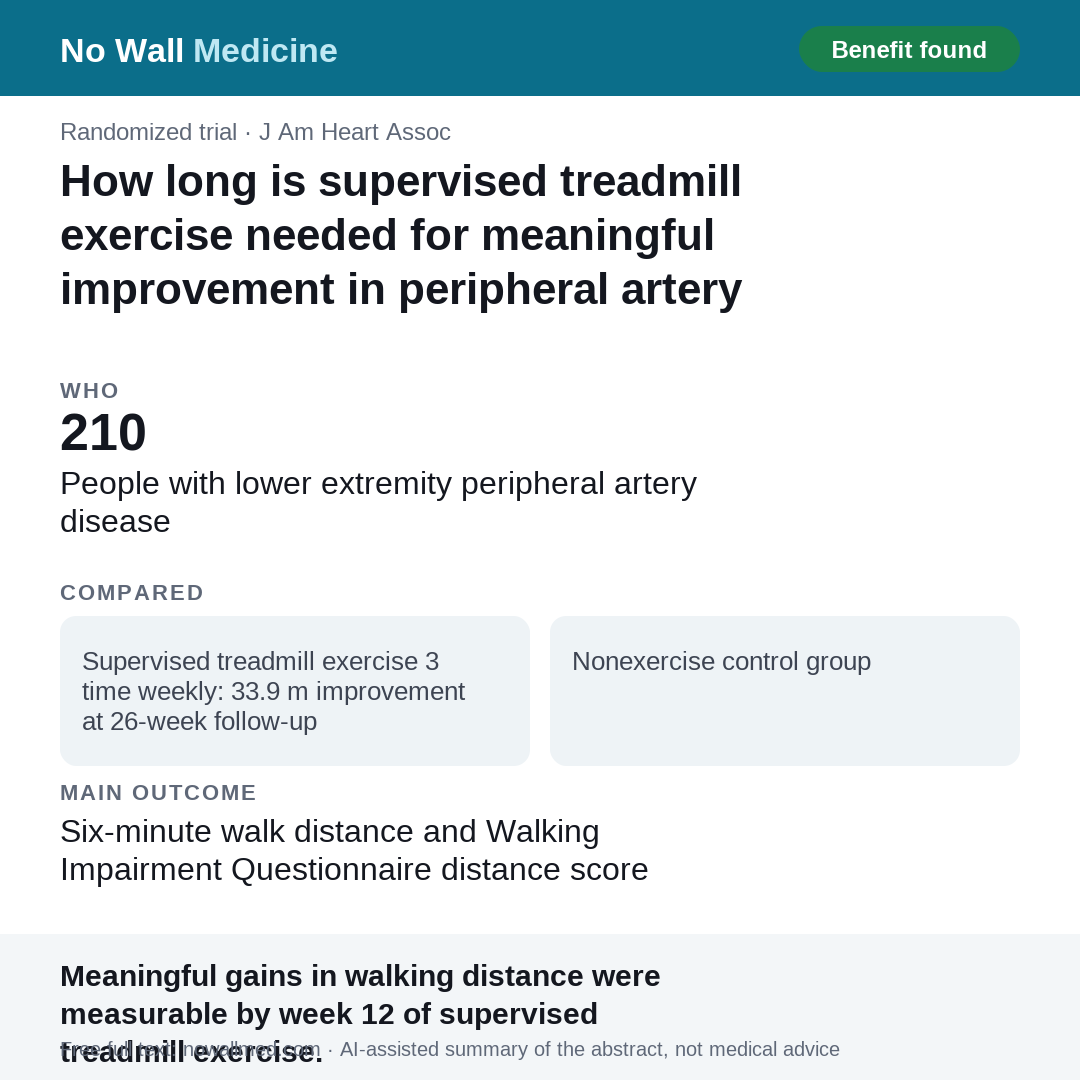
Duration of Supervised Exercise Necessary for Meaningful Improvement in Peripheral Artery Disease
Randomized trialBenefit found
How long is supervised treadmill exercise needed for meaningful improvement in peripheral artery disease?
Who
210
People with lower extremity peripheral artery disease
Compared
Supervised treadmill exercise 3 time weekly: 33.9 m improvement at 26-week follow-up
Nonexercise control group
Main outcome
Six-minute walk distance and Walking Impairment Questionnaire distance score
Bottom line: Meaningful gains in walking distance were measurable by week 12 of supervised treadmill exercise.
J Am Heart Assoc · 2025-09-05Download image
Association Between Pulse Pressure and Structural Brain Changes in Aging: A Systematic Review and Meta-Analysis of Cross-Sectional and Longitudinal Studies
Systematic review and meta-analysisMixed results
Is pulse pressure associated with age-related structural brain changes?
Who
20000
Adult populations
Compared
Standard deviation increase in pulse pressure: 0.02 (95% CI, 0.007-0.038) for gray matter volume
Standard deviation increase in pulse pressure: 0.06 (95% CI, 0.021-0.093) for white matter hyperintensities
Standard deviation increase in pulse pressure: odds ratio of 1.11 (95% CI, 1.03-1.20) for silent brain lesions
Main outcome
Structural brain changes including volumes and white matter hyperintensities
Bottom line: Pulse pressure is positively associated with gray matter volume, white matter hyperintensities, and silent brain lesions in cross-sectional studies.
Limitation: Inconsistent findings were reported for total brain volume and white matter hyperintensities in longitudinal studies.
J Am Heart Assoc · 2025-09-05Download image

Women and clinicians' views, preferences and experiences of caesarean section and vaginal birth in India: a qualitative substudy of the 'Misoprostol or Oxytocin for Labour Induction' (MOLI) trial
Qualitative substudy of a randomized controlled trialMixed results
What are women and clinicians' views and preferences regarding caesarean section and vaginal birth?
Who
53
High-risk women and clinicians in two government hospitals · Two government hospitals in Maharashtra state, India
Compared
Women: strongly preferred vaginal birth
Clinicians: felt labour and vaginal birth were often risky
Main outcome
Views, preferences and experiences of mode of birth
Bottom line: Women prefer vaginal birth but accept caesarean for fetal safety, while clinicians prioritize fetal safety due to perceived risks.
BMJ Glob Health · 2025-09-05Download image

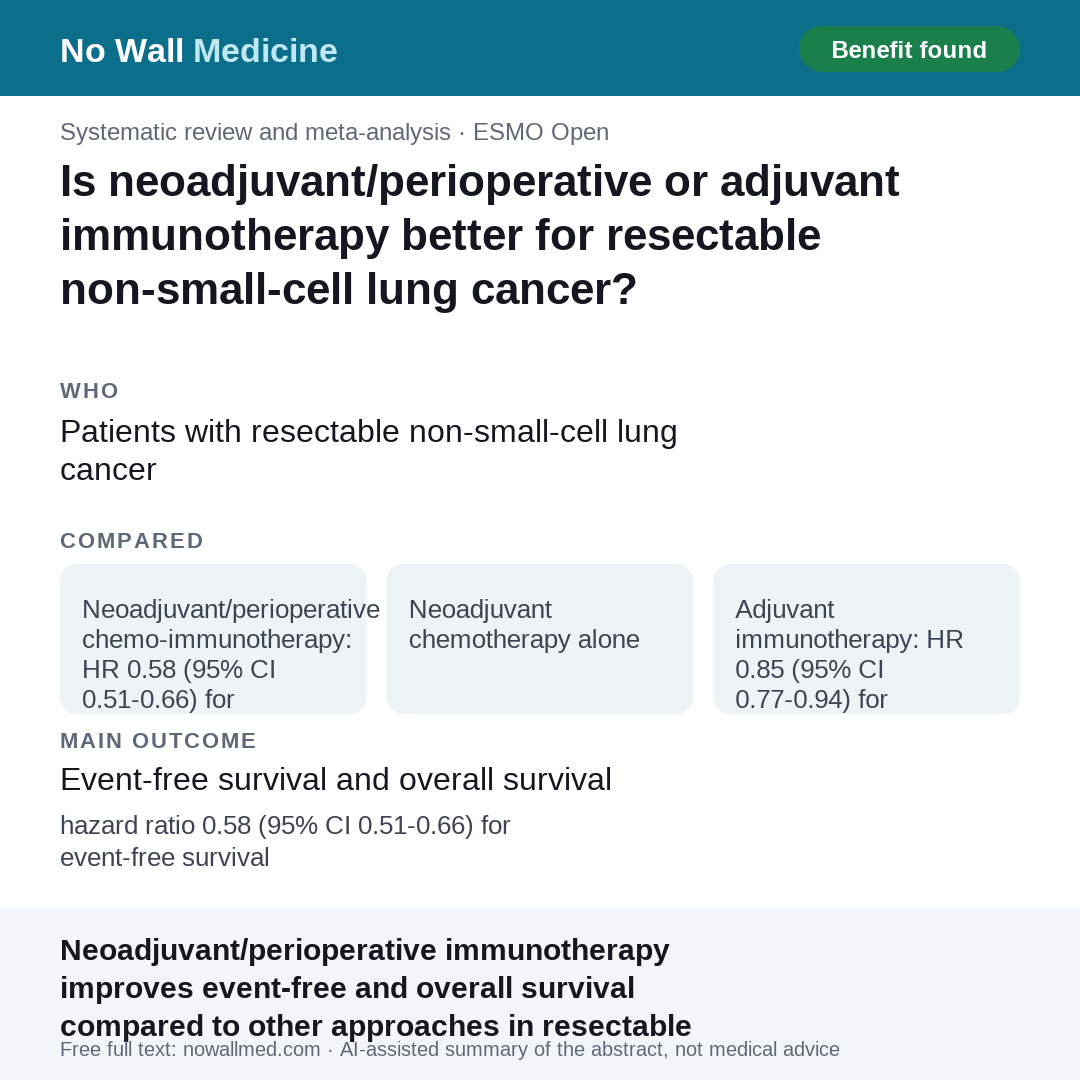
Immunotherapy for resectable NSCLC: neoadjuvant/perioperative followed by surgery over surgery followed by adjuvant. Systematic review and meta-analysis with subgroup analyses
Systematic review and meta-analysisBenefit found
Is neoadjuvant/perioperative or adjuvant immunotherapy better for resectable non-small-cell lung cancer?
Who
Patients with resectable non-small-cell lung cancer
Compared
Neoadjuvant/perioperative chemo-immunotherapy: HR 0.58 (95% CI 0.51-0.66) for event-free survival
Neoadjuvant chemotherapy alone
Adjuvant immunotherapy: HR 0.85 (95% CI 0.77-0.94) for event-free survival
Main outcome
Event-free survival and overall survival
Result: hazard ratio 0.58 (95% CI 0.51-0.66) for event-free survival
Bottom line: Neoadjuvant/perioperative immunotherapy improves event-free and overall survival compared to other approaches in resectable non-small-cell lung cancer.
ESMO Open · 2025-09-05Download image
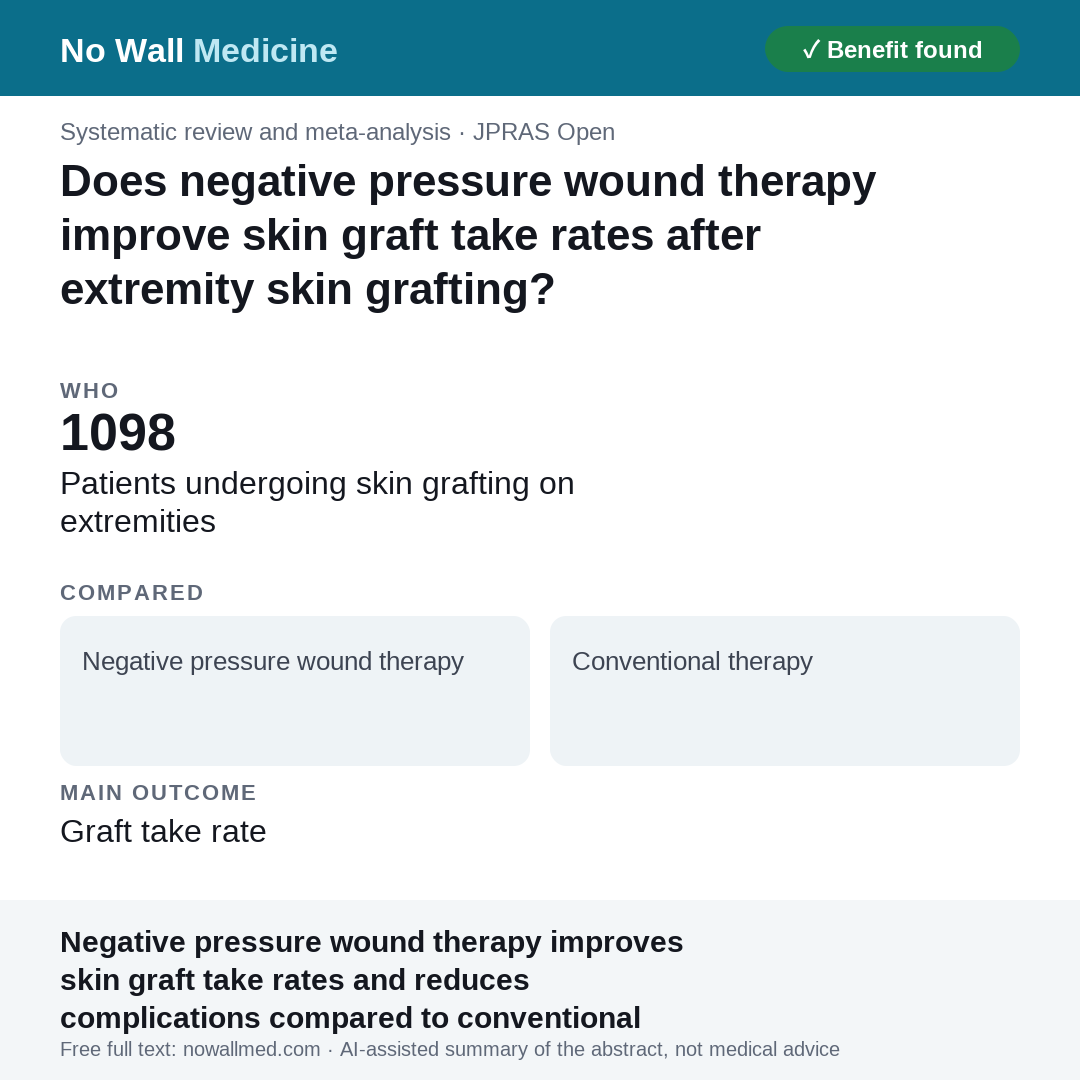
Efficacy and safety of combined negative pressure therapy after skin grafting on limbs: A systematic review and meta-analysis
Systematic review and meta-analysisBenefit found
Does negative pressure wound therapy improve skin graft take rates after extremity skin grafting?
Who
1098
Patients undergoing skin grafting on extremities
Compared
Negative pressure wound therapy
Conventional therapy
Main outcome
Graft take rate
Result: mean difference 11.04 (95% CI 5.57 to 16.51)
Bottom line: Negative pressure wound therapy improves skin graft take rates and reduces complications compared to conventional therapy.
Limitation: Optimal negative pressure and application on upper extremities require further investigation.
JPRAS Open · 2025-09-05Download image
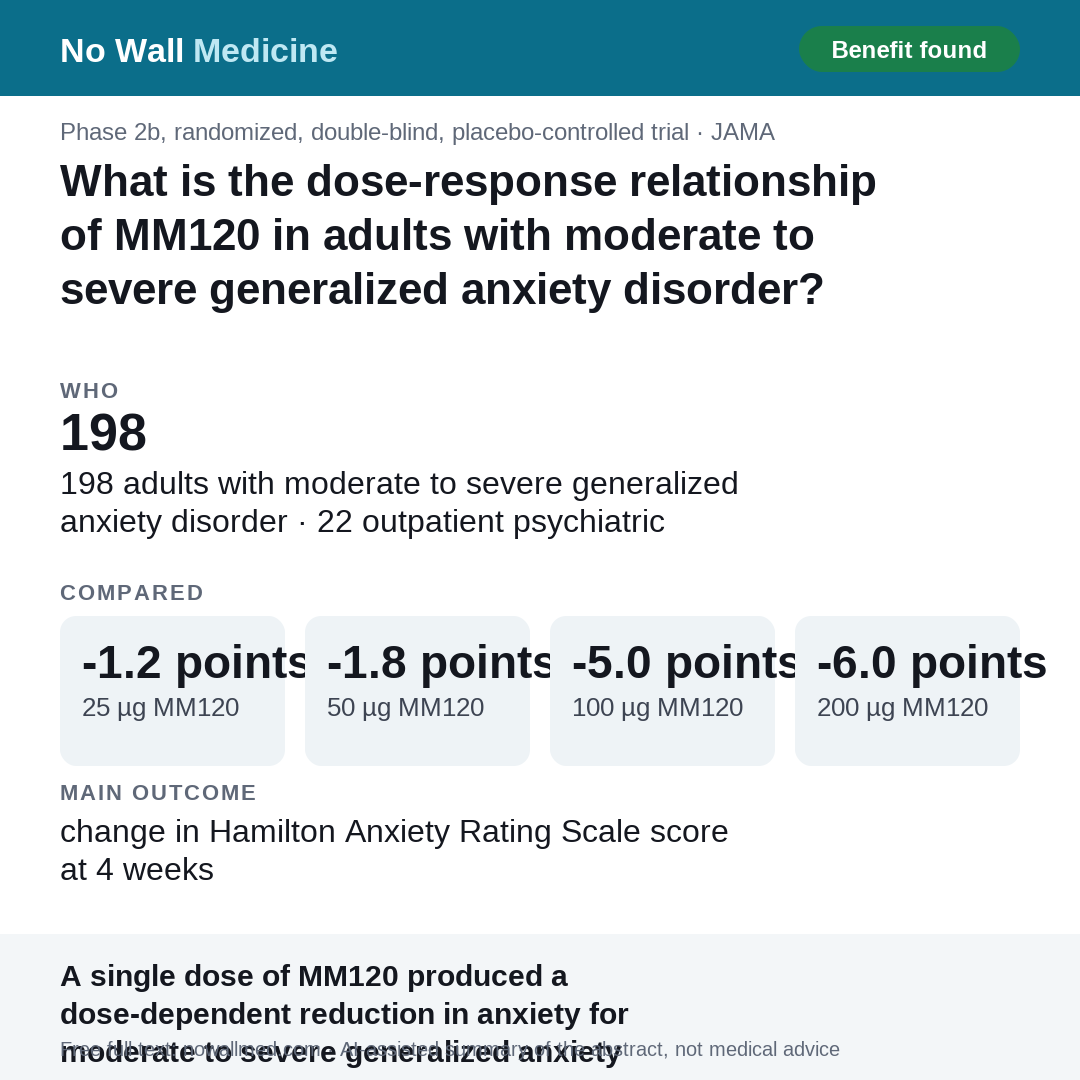
Single Treatment With MM120 (Lysergide) in Generalized Anxiety Disorder: A Randomized Clinical Trial
Phase 2b, randomized, double-blind, placebo-controlled trialBenefit found
What is the dose-response relationship of MM120 in adults with moderate to severe generalized anxiety disorder?
Who
198
198 adults with moderate to severe generalized anxiety disorder · 22 outpatient psychiatric research sites in the US
Compared
-1.2 points25 µg MM120 (95% CI, -6.0 to 3.5 points)
-1.8 points50 µg MM120 (95% CI, -7.6 to 4.0 points)
-5.0 points100 µg MM120 (95% CI, -9.6 to -0.4 points)
-6.0 points200 µg MM120 (95% CI, -9.8 to -2.0 points)
Main outcome
change in Hamilton Anxiety Rating Scale score at 4 weeks
Result: -5.0 points (95% CI, -9.6 to -0.4 points) for 100 µg
Bottom line: A single dose of MM120 produced a dose-dependent reduction in anxiety for moderate to severe generalized anxiety disorder.
JAMA · 2025-09-04Download image
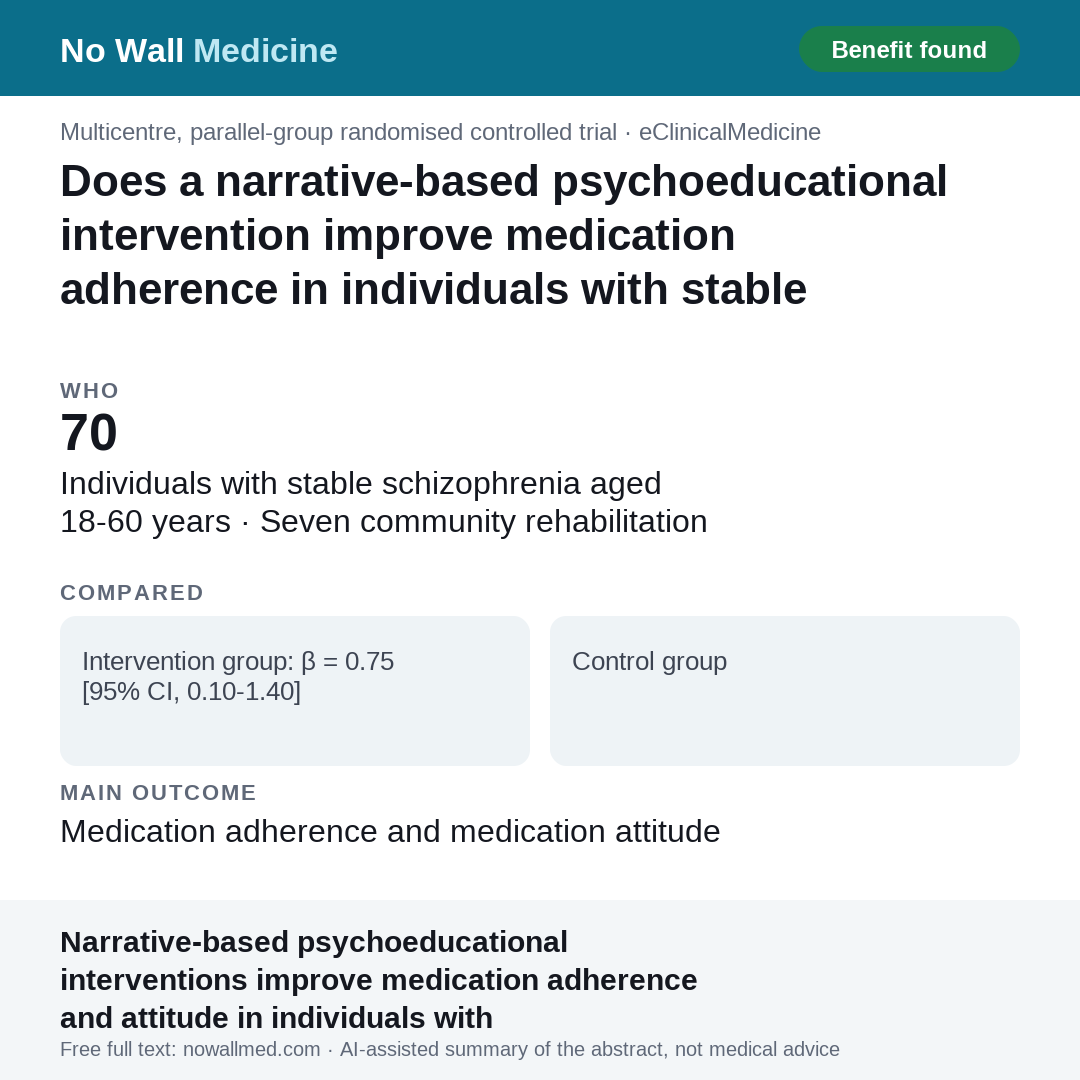
Effects of a narrative-based psychoeducational intervention on medication adherence in individuals with schizophrenia: a multicentre, parallel-group randomised controlled trial
Multicentre, parallel-group randomised controlled trialBenefit found
Does a narrative-based psychoeducational intervention improve medication adherence in individuals with stable schizophrenia?
Who
70
Individuals with stable schizophrenia aged 18-60 years · Seven community rehabilitation centres
Compared
Intervention group: β = 0.75 [95% CI, 0.10-1.40]
Control group
Main outcome
Medication adherence and medication attitude
Result: β = 0.75 [95% CI, 0.10-1.40]
Bottom line: Narrative-based psychoeducational interventions improve medication adherence and attitude in individuals with schizophrenia with sustained effects.
Funded by: Shanghai Municipal Science and Technology Commission and Shanghai Jiao Tong University
eClinicalMedicine · 2025-09-04Download image
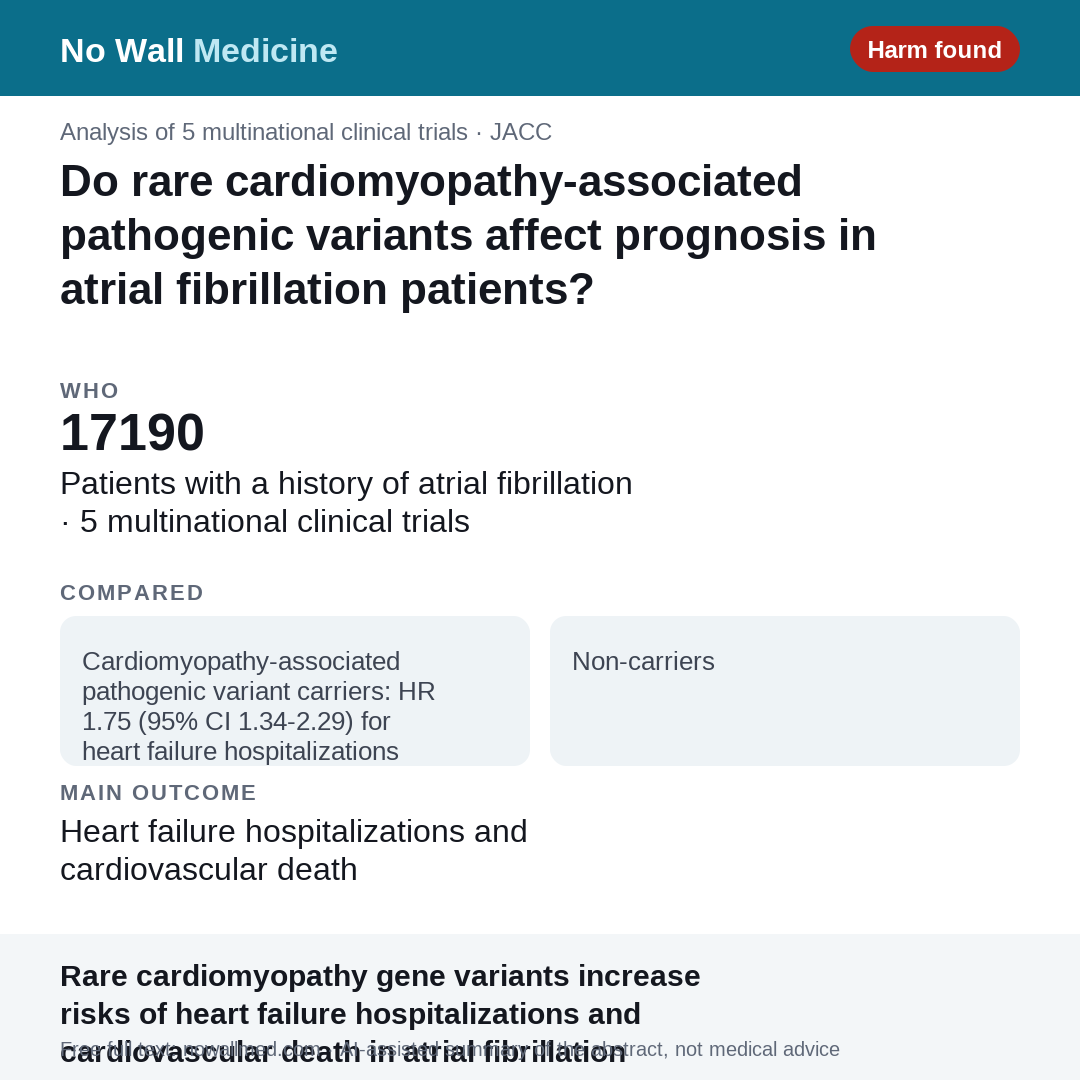
Pathogenic Cardiomyopathy-Associated Gene Variants and Prognosis in Atrial Fibrillation: Results in 18,000 Clinical Trial Participants
Analysis of 5 multinational clinical trialsHarm found
Do rare cardiomyopathy-associated pathogenic variants affect prognosis in atrial fibrillation patients?
Who
17190
Patients with a history of atrial fibrillation · 5 multinational clinical trials
Compared
Cardiomyopathy-associated pathogenic variant carriers: HR 1.75 (95% CI 1.34-2.29) for heart failure hospitalizations
Non-carriers
Main outcome
Heart failure hospitalizations and cardiovascular death
Result: hazard ratio 1.75 (95% CI 1.34-2.29) for heart failure hospitalizations
Bottom line: Rare cardiomyopathy gene variants increase risks of heart failure hospitalizations and cardiovascular death in atrial fibrillation patients.
JACC · 2025-09-04Download image
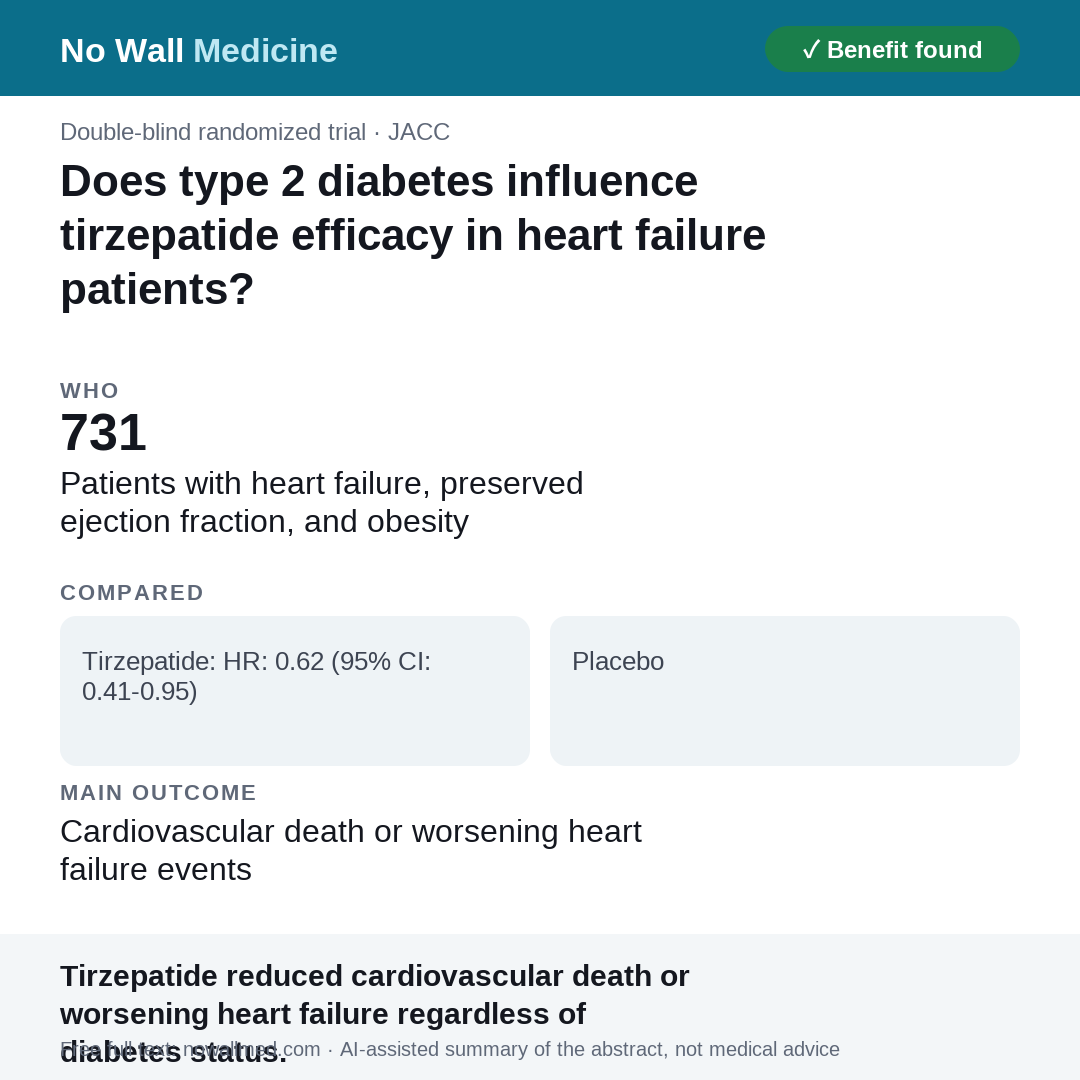
Influence of Type 2 Diabetes on the Effects of Tirzepatide in Patients With Heart Failure and a Preserved Ejection Fraction With Obesity: A Prespecified Stratification-Based Analysis
Double-blind randomized trialBenefit found
Does type 2 diabetes influence tirzepatide efficacy in heart failure patients?
Who
731
Patients with heart failure, preserved ejection fraction, and obesity
Compared
Tirzepatide: HR: 0.62 (95% CI: 0.41-0.95)
Placebo
Main outcome
Cardiovascular death or worsening heart failure events
Result: hazard ratio 0.62 (95% CI 0.41-0.95)
Bottom line: Tirzepatide reduced cardiovascular death or worsening heart failure regardless of diabetes status.
JACC · 2025-09-04Download image
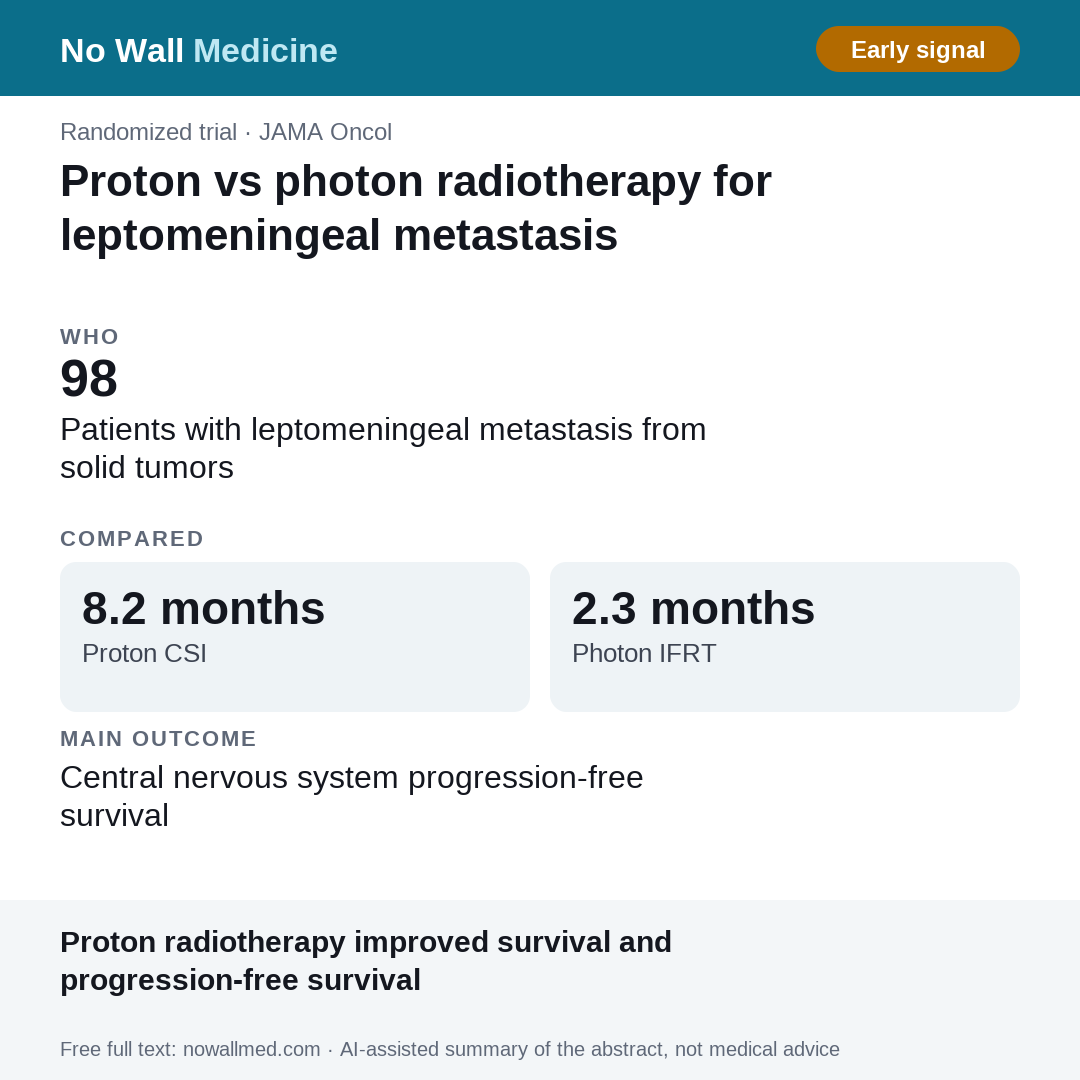
Proton Craniospinal Irradiation for Patients With Leptomeningeal Metastasis: A Randomized Clinical Trial
Randomized trialBenefit found
Proton vs photon radiotherapy for leptomeningeal metastasis
Who
98
Patients with leptomeningeal metastasis from solid tumors
Compared
8.2 monthsProton CSI
2.3 monthsPhoton IFRT
Main outcome
Central nervous system progression-free survival
Result: hazard ratio not given, but median CNS-PFS 8.2 vs 2.3 months
Bottom line: Proton radiotherapy improved survival and progression-free survival
JAMA Oncol · 2025-09-04Download image
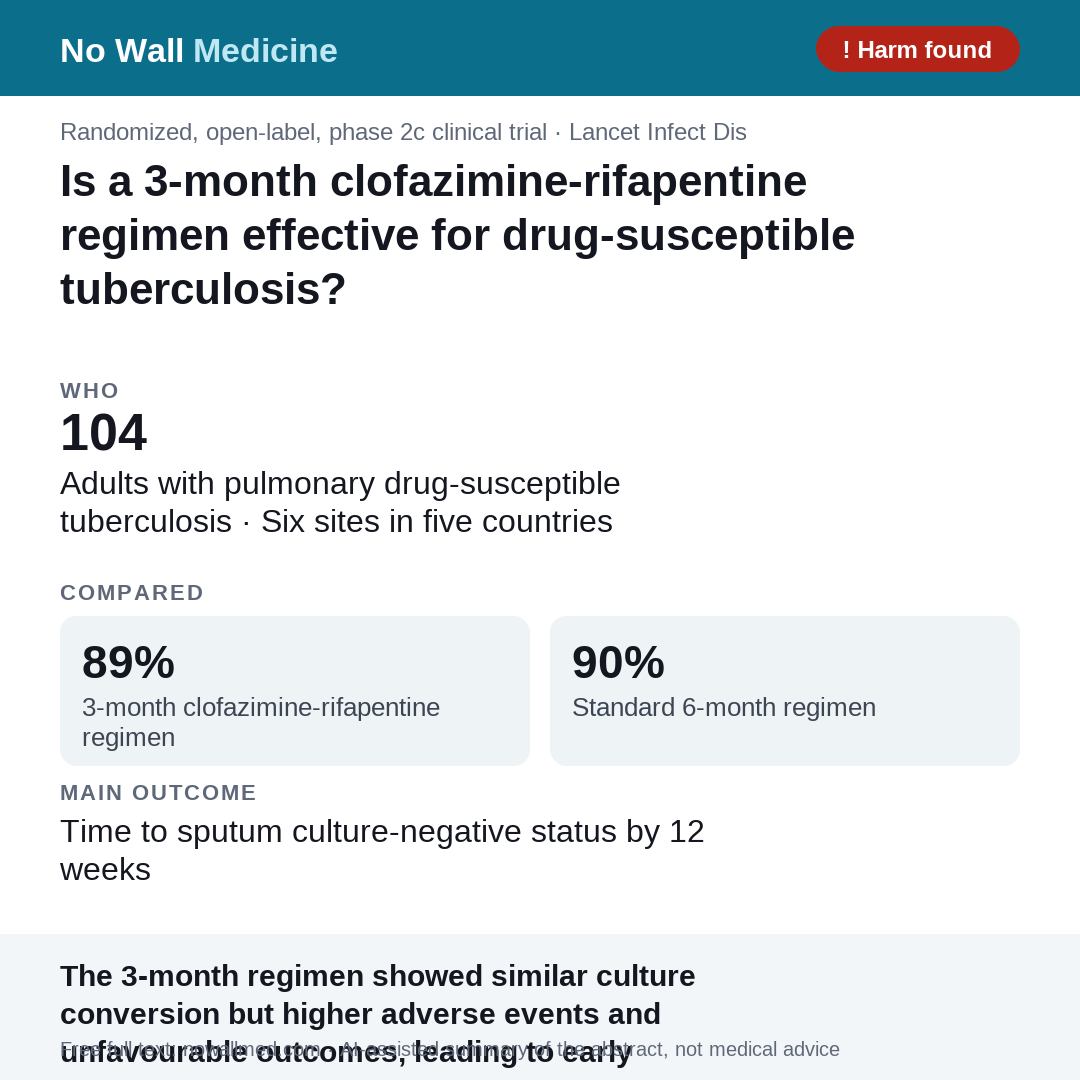
A 3-month clofazimine-rifapentine-containing regimen for drug-susceptible tuberculosis versus standard of care (Clo-Fast): a randomised, open-label, phase 2c clinical trial
Randomized, open-label, phase 2c clinical trialHarm found
Is a 3-month clofazimine-rifapentine regimen effective for drug-susceptible tuberculosis?
Who
104
Adults with pulmonary drug-susceptible tuberculosis · Six sites in five countries
Compared
89%3-month clofazimine-rifapentine regimen (49/55)
90%Standard 6-month regimen (28/31)
Main outcome
Time to sputum culture-negative status by 12 weeks
Result: adjusted hazard ratio 1·21 (90% CI 0·82-1·79)
Bottom line: The 3-month regimen showed similar culture conversion but higher adverse events and unfavourable outcomes, leading to early trial termination.
Lancet Infect Dis · 2025-09-04Download image
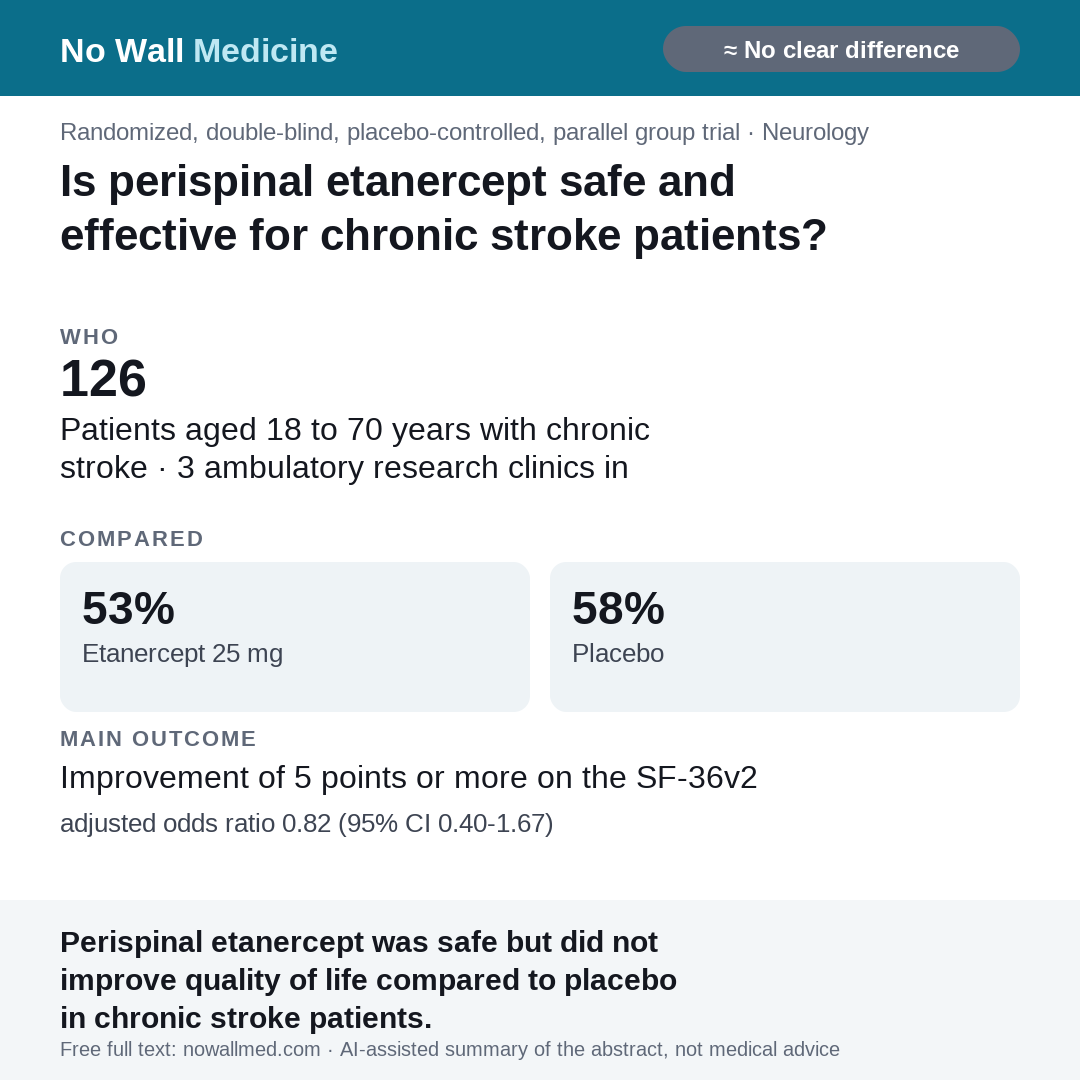
Safety and Efficacy of Perispinal Etanercept for Chronic Stroke: A Randomized Clinical Trial
Randomized, double-blind, placebo-controlled, parallel group trialNo clear difference
Is perispinal etanercept safe and effective for chronic stroke patients?
Who
126
Patients aged 18 to 70 years with chronic stroke · 3 ambulatory research clinics in Australia and New Zealand
Compared
53%Etanercept 25 mg (33/63)
58%Placebo (36/63)
Main outcome
Improvement of 5 points or more on the SF-36v2
Result: adjusted odds ratio 0.82 (95% CI 0.40-1.67)
Bottom line: Perispinal etanercept was safe but did not improve quality of life compared to placebo in chronic stroke patients.
Neurology · 2025-09-04Download image
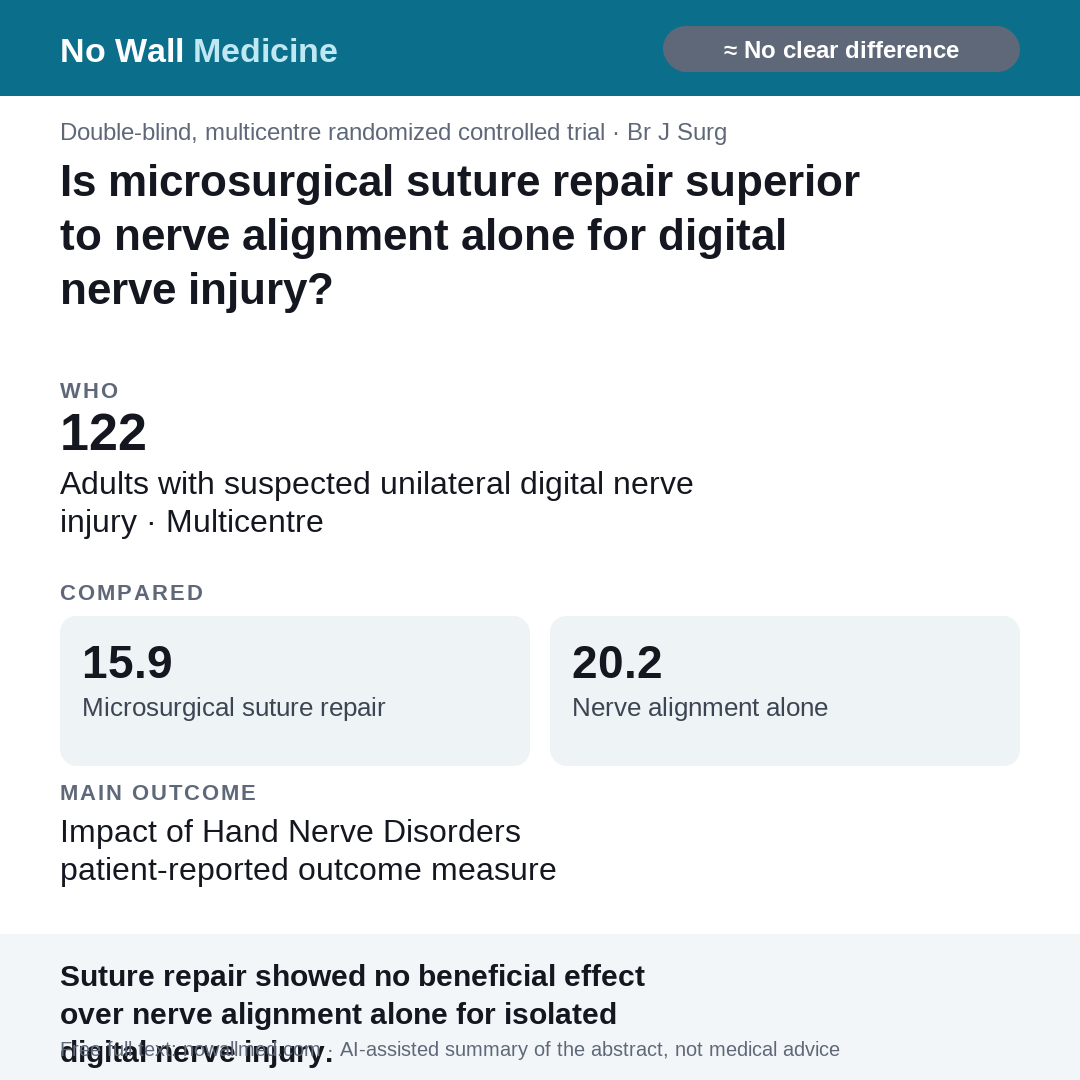
The NEON (Nerve rEpair Or Not) trial: a randomized controlled trial of microsurgical repair versus nerve alignment for digital nerve injury
Double-blind, multicentre randomized controlled trialNo clear difference
Is microsurgical suture repair superior to nerve alignment alone for digital nerve injury?
Who
122
Adults with suspected unilateral digital nerve injury · Multicentre
Compared
15.9Microsurgical suture repair
20.2Nerve alignment alone
Main outcome
Impact of Hand Nerve Disorders patient-reported outcome measure
Result: 95% c.i. [-0.9, 10.8]
Bottom line: Suture repair showed no beneficial effect over nerve alignment alone for isolated digital nerve injury.
Funded by: NIHR Health Technology Assessment
Br J Surg · 2025-09-04Download image
A Meta-Analysis of Sex-Based Differences in Health Service Use for Persons Living With Dementia Between 2018 and 2020 in Four Canadian Provinces
Random-effect meta-analysisMixed results
Are there sex-based differences in health service use for persons living with dementia?
Who
Community-dwelling persons aged 65 and older with dementia · Four Canadian provinces
Compared
Females
Males: higher rates of other specialists' visits, emergency department visits, and all-cause hospitalizations
Main outcome
Ambulatory and acute care service use
Bottom line: Males with dementia had higher rates of specialist, emergency department, and hospitalization use than females.
J Am Geriatr Soc · 2025-09-04Download image

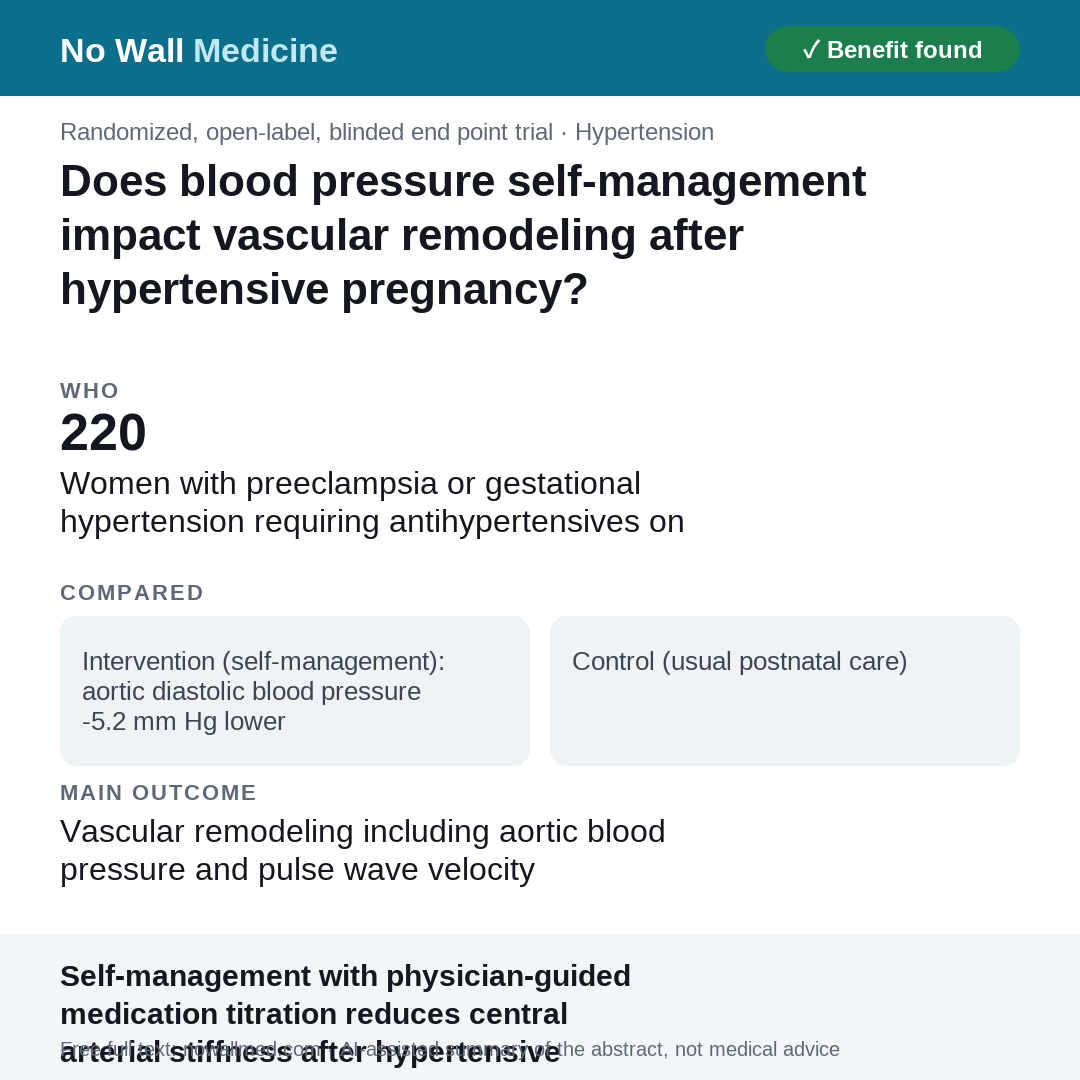
Impact of Blood Pressure Self-Management on Vascular Remodeling After Hypertensive Pregnancy
Randomized, open-label, blinded end point trialBenefit found
Does blood pressure self-management impact vascular remodeling after hypertensive pregnancy?
Who
220
Women with preeclampsia or gestational hypertension requiring antihypertensives on discharge · Single United Kingdom hospital
Compared
Intervention (self-management): aortic diastolic blood pressure -5.2 mm Hg lower
Control (usual postnatal care)
Main outcome
Vascular remodeling including aortic blood pressure and pulse wave velocity
Result: aortic diastolic blood pressure -5.2 mm Hg lower ([95% CI, -8.0 to -2.2])
Bottom line: Self-management with physician-guided medication titration reduces central arterial stiffness after hypertensive pregnancy.
Hypertension · 2025-09-04Download image