Visual abstracts
New randomized trials and meta-analyses from leading journals at a glance: who was studied, what was compared, and what was found. Every paper is free to read in full.
All specialtiesCardiology 1367Oncology 1224Gastroenterology & Hepatology 493Infectious Disease 893Neurology 567Psychiatry & Mental Health 683Pulmonology 589Critical Care 404Endocrinology & Diabetes 754Pediatrics 819Surgery 648Orthopedics & Sports Medicine 261Neurosurgery 186Cardiothoracic & Vascular Surgery 155Plastic & Reconstructive Surgery 215Nephrology 289Rheumatology 183Hematology 286Dermatology 144Ophthalmology 156Obstetrics & Gynecology 433Public & Global Health 270Radiology & Imaging 176Anesthesiology 264Urology 255ENT (Otolaryngology) 187Emergency Medicine 152Allergy & Immunology 91Geriatrics 287Family Medicine & Primary Care 174Medical Genetics & Genomics 144Pathology & Laboratory Medicine 42Physical Medicine & Rehabilitation 242Palliative Care 123Nutrition 359Digital Health & AI 713General Medicine 123
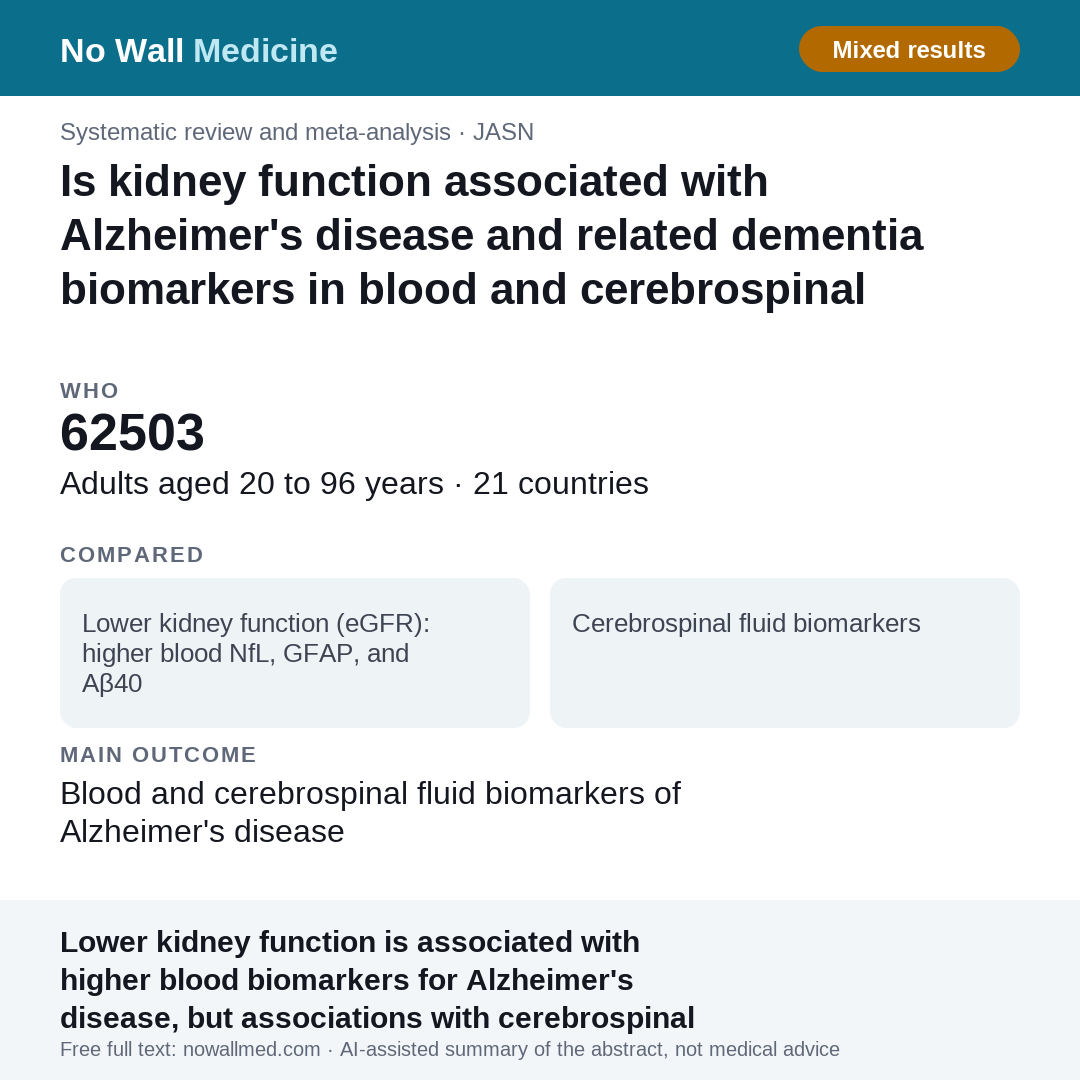
Kidney Function and Blood and Cerebrospinal Fluid Biomarkers in Alzheimer's Disease and Related Dementias: Systematic Review and Meta-Analysis
Systematic review and meta-analysisMixed results
Is kidney function associated with Alzheimer's disease and related dementia biomarkers in blood and cerebrospinal fluid?
Who
62503
Adults aged 20 to 96 years · 21 countries
Compared
Lower kidney function (eGFR): higher blood NfL, GFAP, and Aβ40
Cerebrospinal fluid biomarkers
Main outcome
Blood and cerebrospinal fluid biomarkers of Alzheimer's disease
Result: every 1 ml/min per 1.73 m2 lower eGFR was associated with 0.19 pg/ml higher NfL (95% CI, 0.12 to 0.25), 0.11 pg/ml higher GFAP (95% CI, 0.04 to 0.18), and 0.29 pg/ml higher Aβ40 (95% CI, 0.01 to 0.56)
Bottom line: Lower kidney function is associated with higher blood biomarkers for Alzheimer's disease, but associations with cerebrospinal fluid biomarkers were inconsistent.
JASN · 2026-01-26Download image
Global epidemiology and mortality trends of necrotizing fasciitis: a systematic review and meta-analysis with a focus on monomicrobial Gram-negative infections
Systematic review and meta-analysisMixed results
What are the global distribution and mortality trends of monomicrobial Gram-negative necrotizing fasciitis?
Who
6740
Patients with necrotizing fasciitis · Global
Compared
12%Monomicrobial Gram-negative before 2000
18%Monomicrobial Gram-negative from 2000 onward
28%Monomicrobial Gram-negative mortality before 2000
22%Monomicrobial Gram-negative mortality from 2000 onward
Main outcome
Proportion of monomicrobial Gram-negative cases and in-hospital mortality
Bottom line: Monomicrobial Gram-negative necrotizing fasciitis is increasing in proportion with persistently high in-hospital mortality rates.
Int J Surg · 2026-01-26Download image

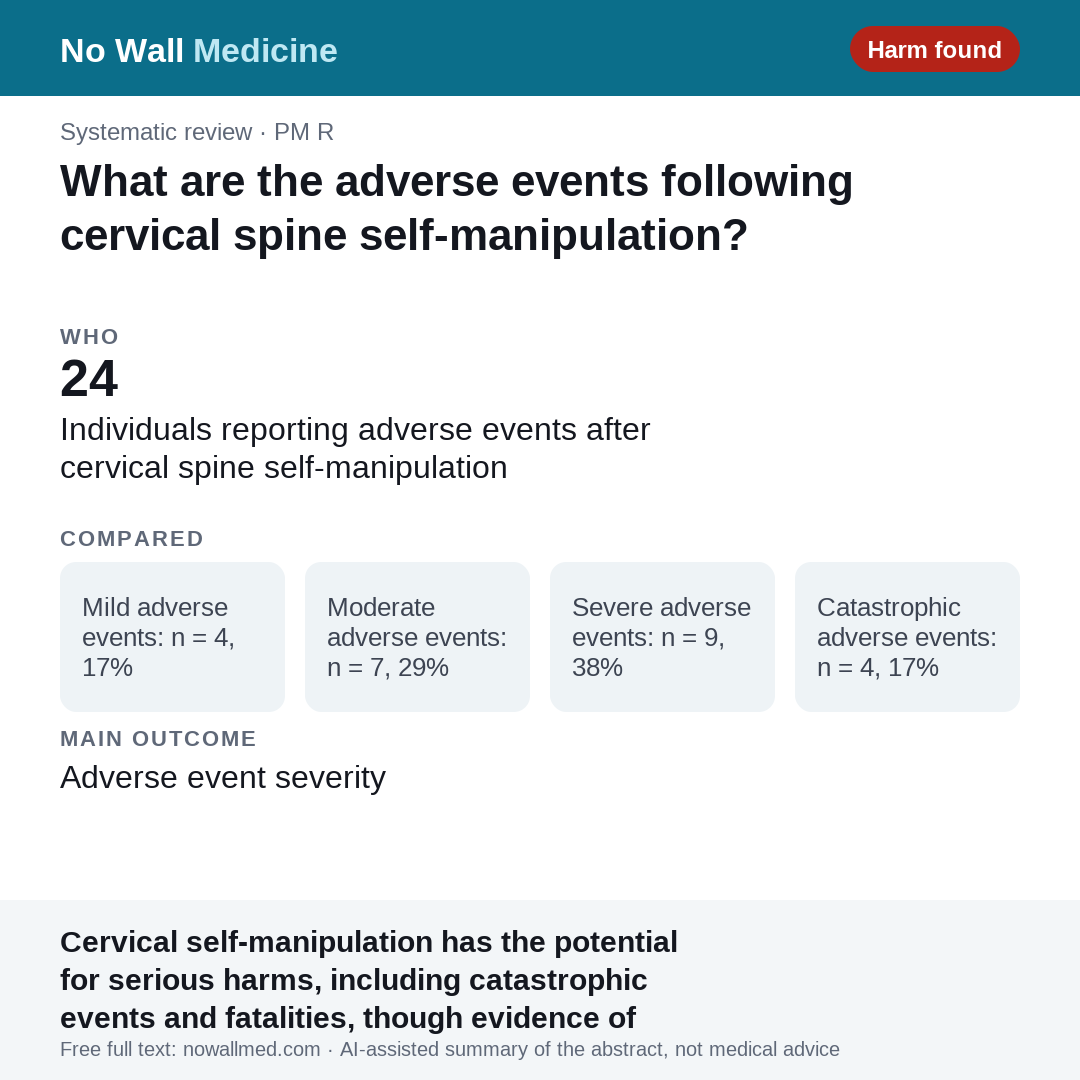
Adverse events following cervical spine self-manipulation: A systematic review
Systematic reviewHarm found
What are the adverse events following cervical spine self-manipulation?
Who
24
Individuals reporting adverse events after cervical spine self-manipulation
Compared
Mild adverse events: n = 4, 17%
Moderate adverse events: n = 7, 29%
Severe adverse events: n = 9, 38%
Catastrophic adverse events: n = 4, 17%
Main outcome
Adverse event severity
Bottom line: Cervical self-manipulation has the potential for serious harms, including catastrophic events and fatalities, though evidence of commonality is lacking.
Limitation: With very low certainty, the practice has the potential for serious harms.
PM R · 2026-01-26Download image
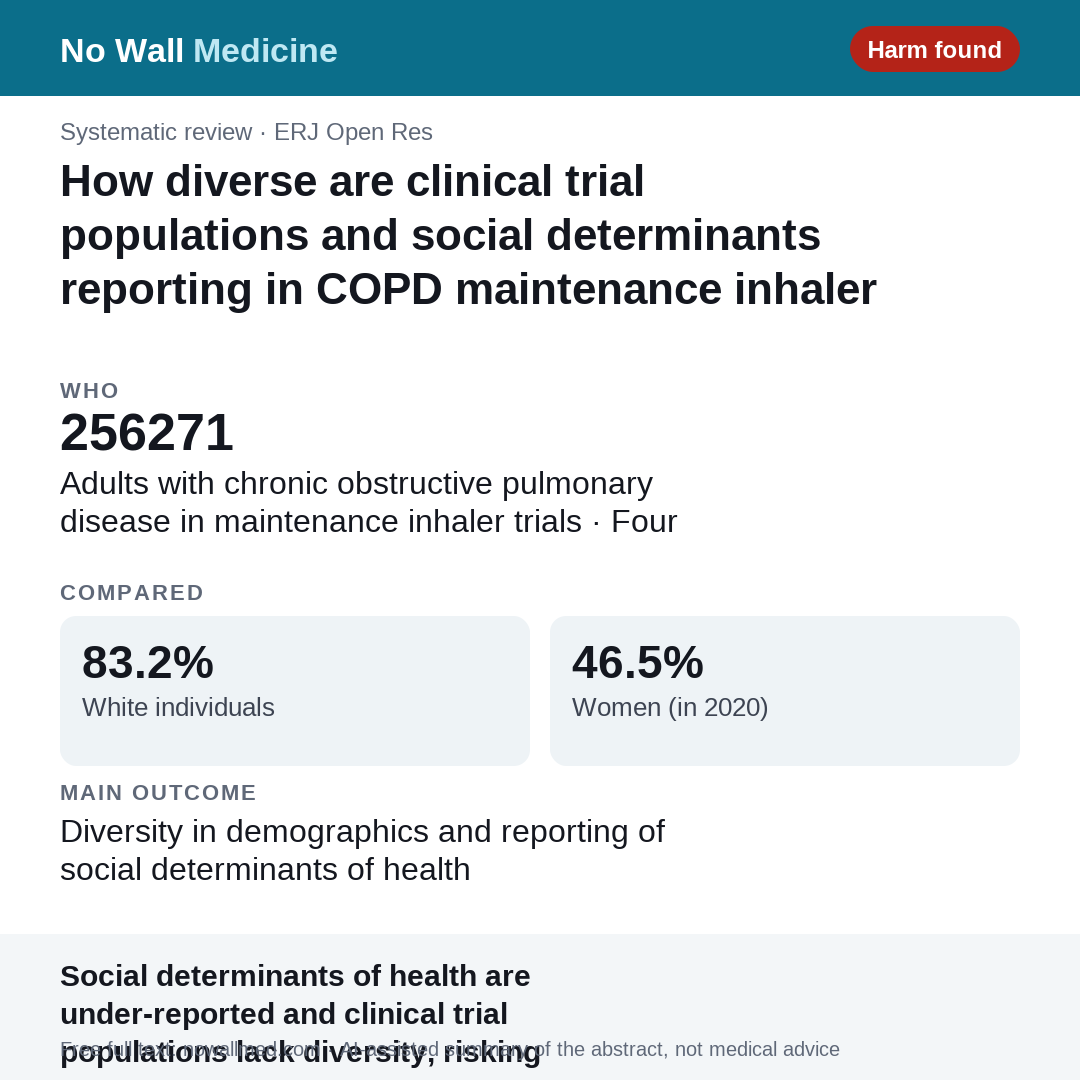
Diversity and inclusivity in clinical trial populations for maintenance inhaler therapy in people with COPD: a systematic review
Systematic reviewHarm found
How diverse are clinical trial populations and social determinants reporting in COPD maintenance inhaler trials?
Who
256271
Adults with chronic obstructive pulmonary disease in maintenance inhaler trials · Four clinical trial databases
Compared
83.2%White individuals (130086)
46.5%Women (in 2020)
Main outcome
Diversity in demographics and reporting of social determinants of health
Bottom line: Social determinants of health are under-reported and clinical trial populations lack diversity, risking suboptimal care for diverse groups.
ERJ Open Res · 2026-01-26Download image
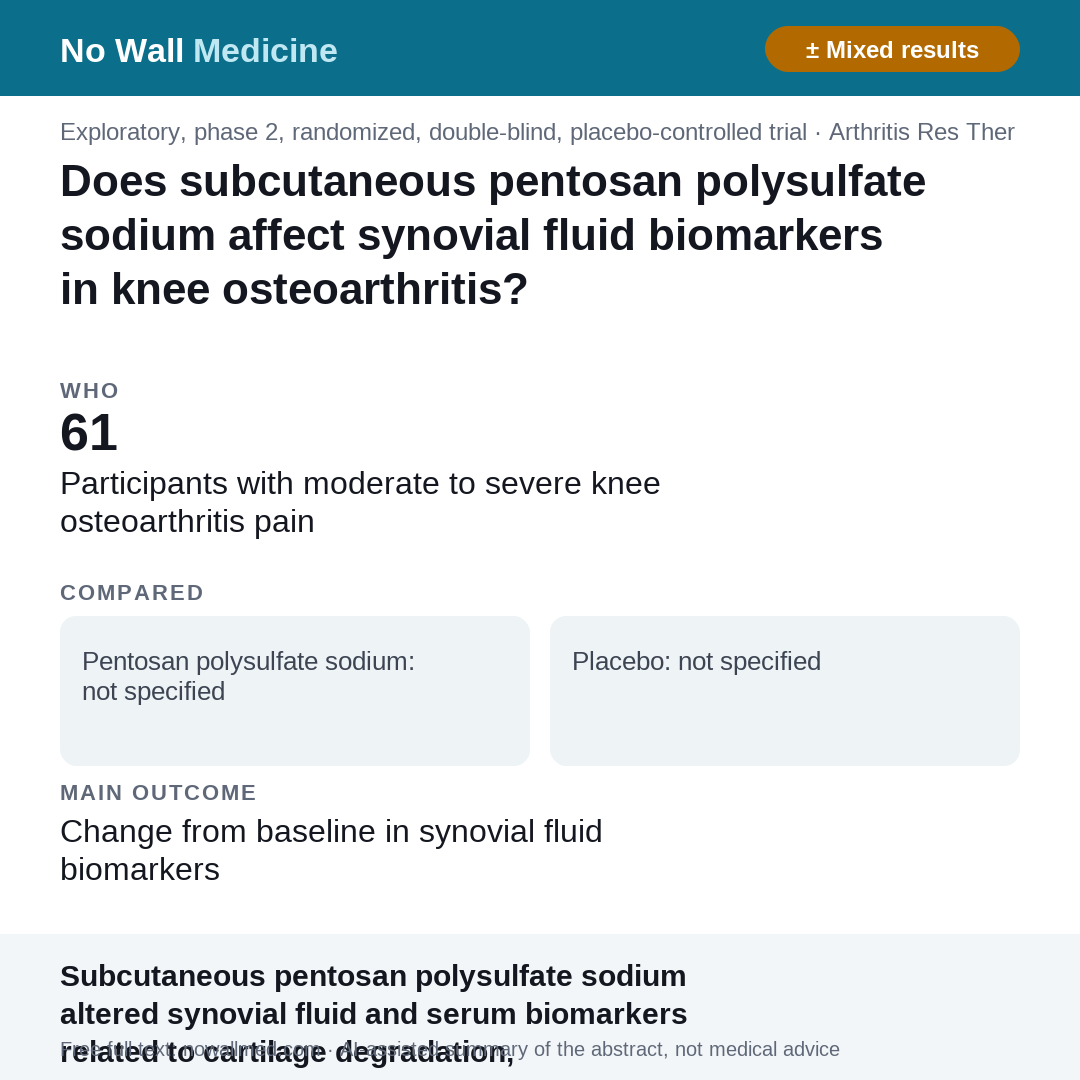
Effects of pentosan polysulfate sodium on synovial fluid biomarkers in moderate to severe knee osteoarthritis: an exploratory, phase 2, randomized, double-blind, placebo-controlled trial
Exploratory, phase 2, randomized, double-blind, placebo-controlled trialMixed results
Does subcutaneous pentosan polysulfate sodium affect synovial fluid biomarkers in knee osteoarthritis?
Who
61
Participants with moderate to severe knee osteoarthritis pain
Compared
Pentosan polysulfate sodium: not specified
Placebo: not specified
Main outcome
Change from baseline in synovial fluid biomarkers
Result: ARGS decreased -74.01% (-137.57, -10.45; p=0.024) at Day 168
Bottom line: Subcutaneous pentosan polysulfate sodium altered synovial fluid and serum biomarkers related to cartilage degradation, inflammation, and pain.
Arthritis Res Ther · 2026-01-26Download image
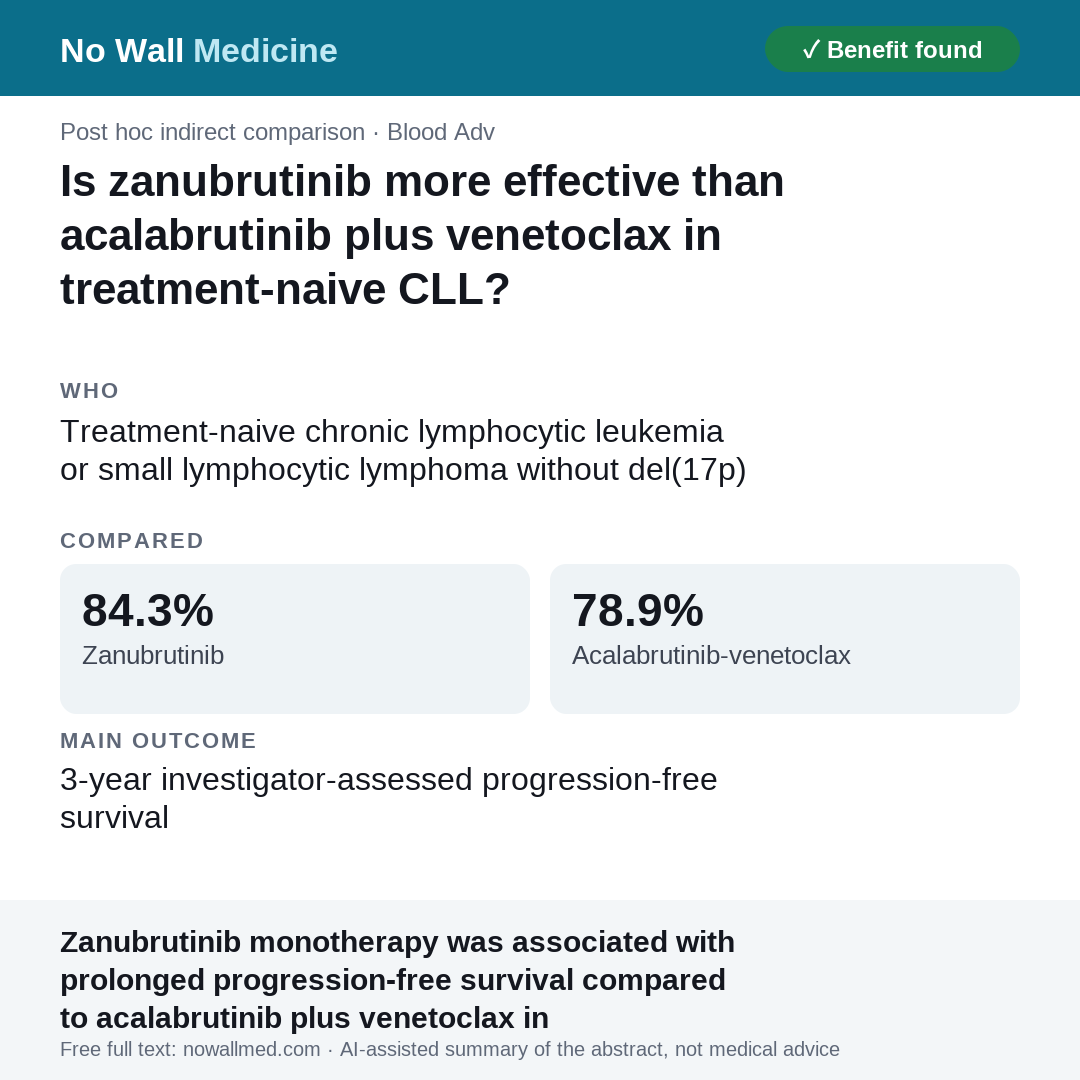
An indirect comparison of zanubrutinib vs acalabrutinib plus venetoclax in patients with treatment-naive CLL
Post hoc indirect comparisonBenefit found
Is zanubrutinib more effective than acalabrutinib plus venetoclax in treatment-naive CLL?
Who
Treatment-naive chronic lymphocytic leukemia or small lymphocytic lymphoma without del(17p)
Compared
84.3%Zanubrutinib
78.9%Acalabrutinib-venetoclax
Main outcome
3-year investigator-assessed progression-free survival
Result: hazard ratio 0.45 (95% CI 0.23-0.88)
Bottom line: Zanubrutinib monotherapy was associated with prolonged progression-free survival compared to acalabrutinib plus venetoclax in treatment-naive patients.
Blood Adv · 2026-01-26Download image
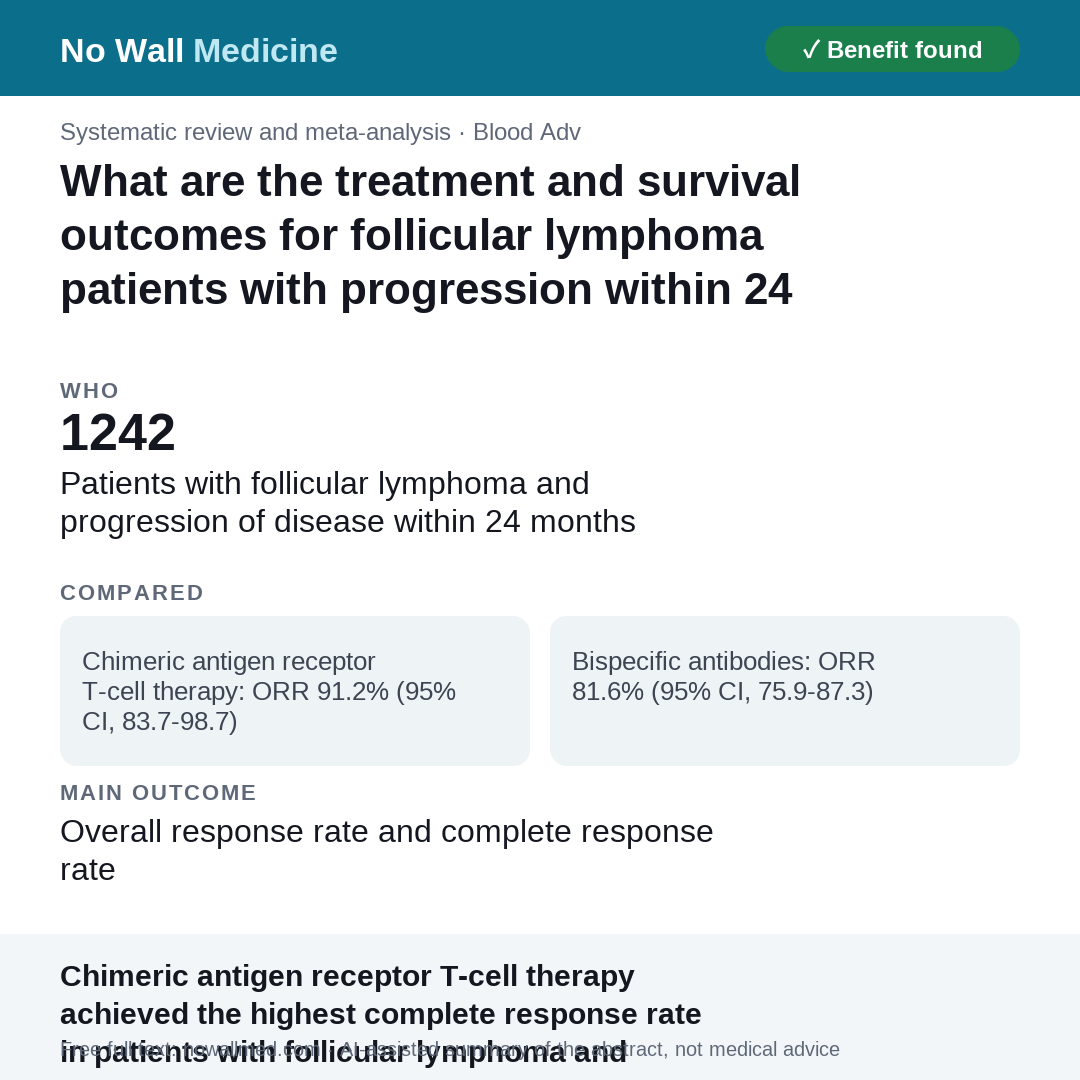
Treatment and survival outcomes for patients with follicular lymphoma and POD24: a systematic review and meta-analysis
Systematic review and meta-analysisBenefit found
What are the treatment and survival outcomes for follicular lymphoma patients with progression within 24 months?
Who
1242
Patients with follicular lymphoma and progression of disease within 24 months
Compared
Chimeric antigen receptor T-cell therapy: ORR 91.2% (95% CI, 83.7-98.7)
Bispecific antibodies: ORR 81.6% (95% CI, 75.9-87.3)
Main outcome
Overall response rate and complete response rate
Bottom line: Chimeric antigen receptor T-cell therapy achieved the highest complete response rate in patients with follicular lymphoma and progression within 24 months.
Blood Adv · 2026-01-26Download image
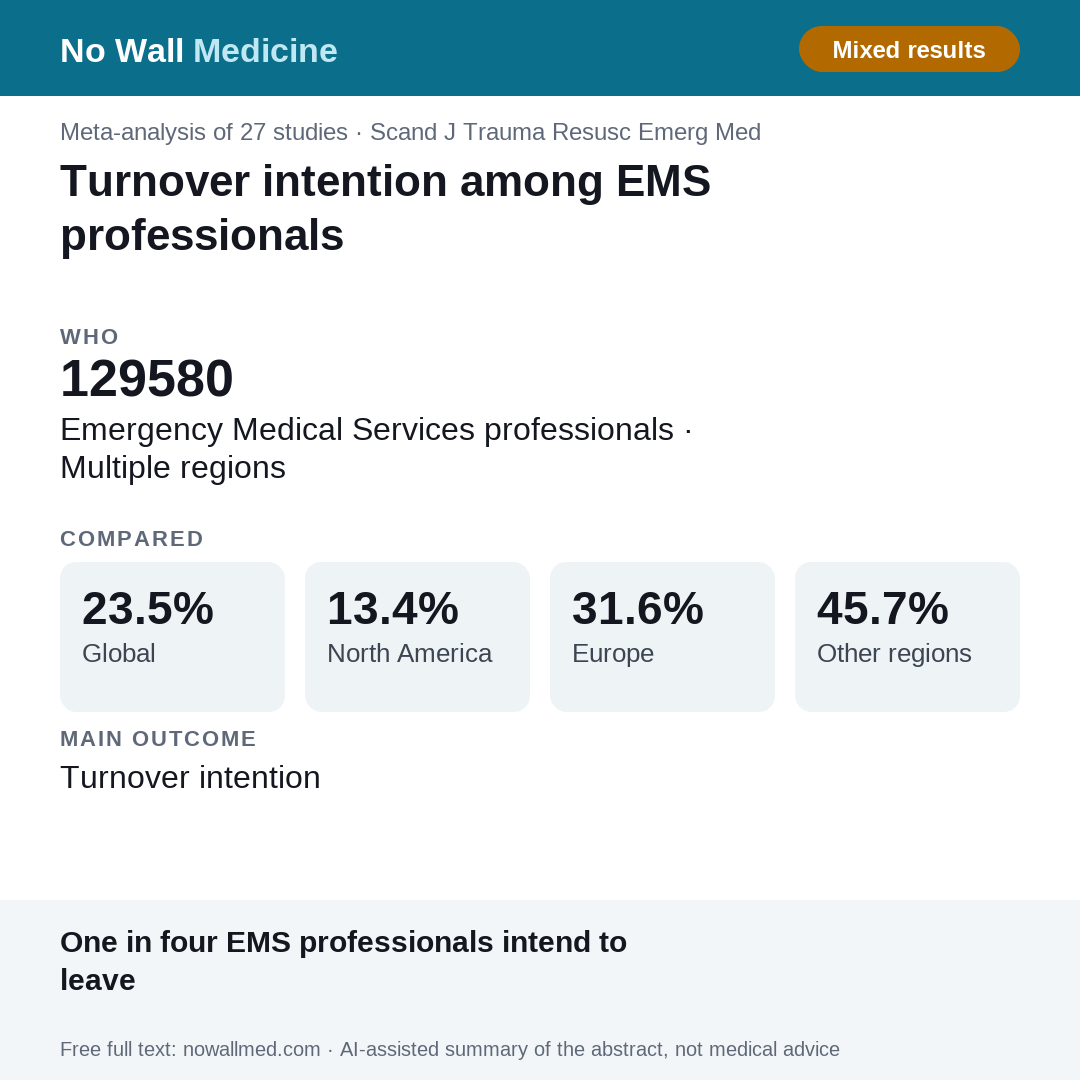
Turnover intention and its predictors among Emergency Medical Services (EMS) professionals: a systematic review and meta-analysis
Meta-analysis of 27 studiesMixed results
Turnover intention among EMS professionals
Who
129580
Emergency Medical Services professionals · Multiple regions
Compared
23.5%Global (95% CI: 16.6%-32.1%)
13.4%North America
31.6%Europe
45.7%Other regions
Main outcome
Turnover intention
Bottom line: One in four EMS professionals intend to leave
Scand J Trauma Resusc Emerg Med · 2026-01-26Download image
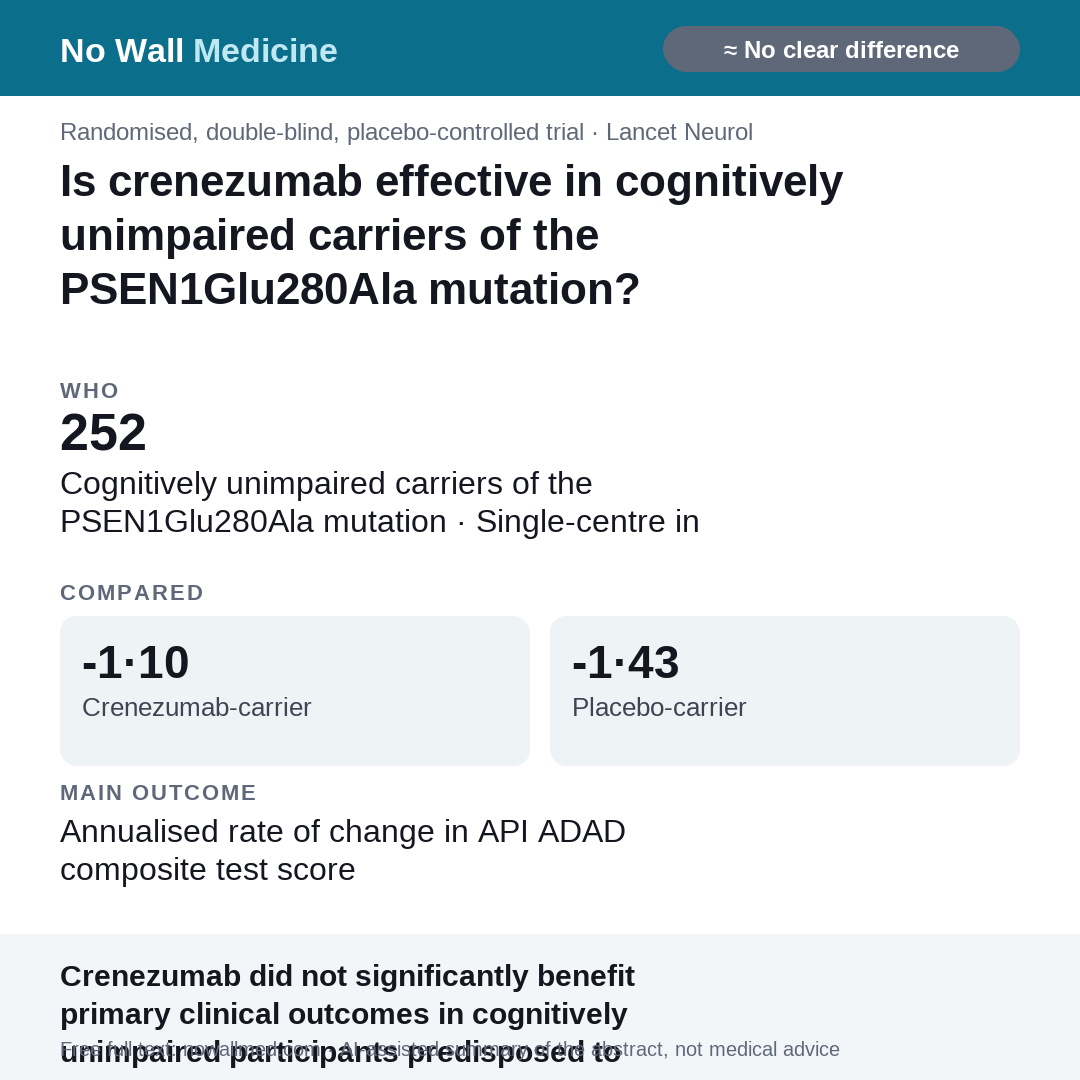
Safety and efficacy of crenezumab in cognitively unimpaired carriers of the PSEN1Glu280Ala mutation at risk for autosomal-dominant Alzheimer's disease in Colombia (API ADAD Colombia Trial): a phase 2, randomised, double-blind, placebo-controlled trial
Randomised, double-blind, placebo-controlled trialNo clear difference
Is crenezumab effective in cognitively unimpaired carriers of the PSEN1Glu280Ala mutation?
Who
252
Cognitively unimpaired carriers of the PSEN1Glu280Ala mutation · Single-centre in Medellín, Colombia
Compared
-1·10Crenezumab-carrier (SE 0·29)
-1·43Placebo-carrier (0·29)
Main outcome
Annualised rate of change in API ADAD composite test score
Result: between-group difference 0·33 (95% CI -0·48 to 1·13)
Bottom line: Crenezumab did not significantly benefit primary clinical outcomes in cognitively unimpaired participants predisposed to autosomal-dominant Alzheimer's disease.
Funded by: US National Institute on Aging (NIA), Banner Alzheimer's Institute
Lancet Neurol · 2026-01-25Download image
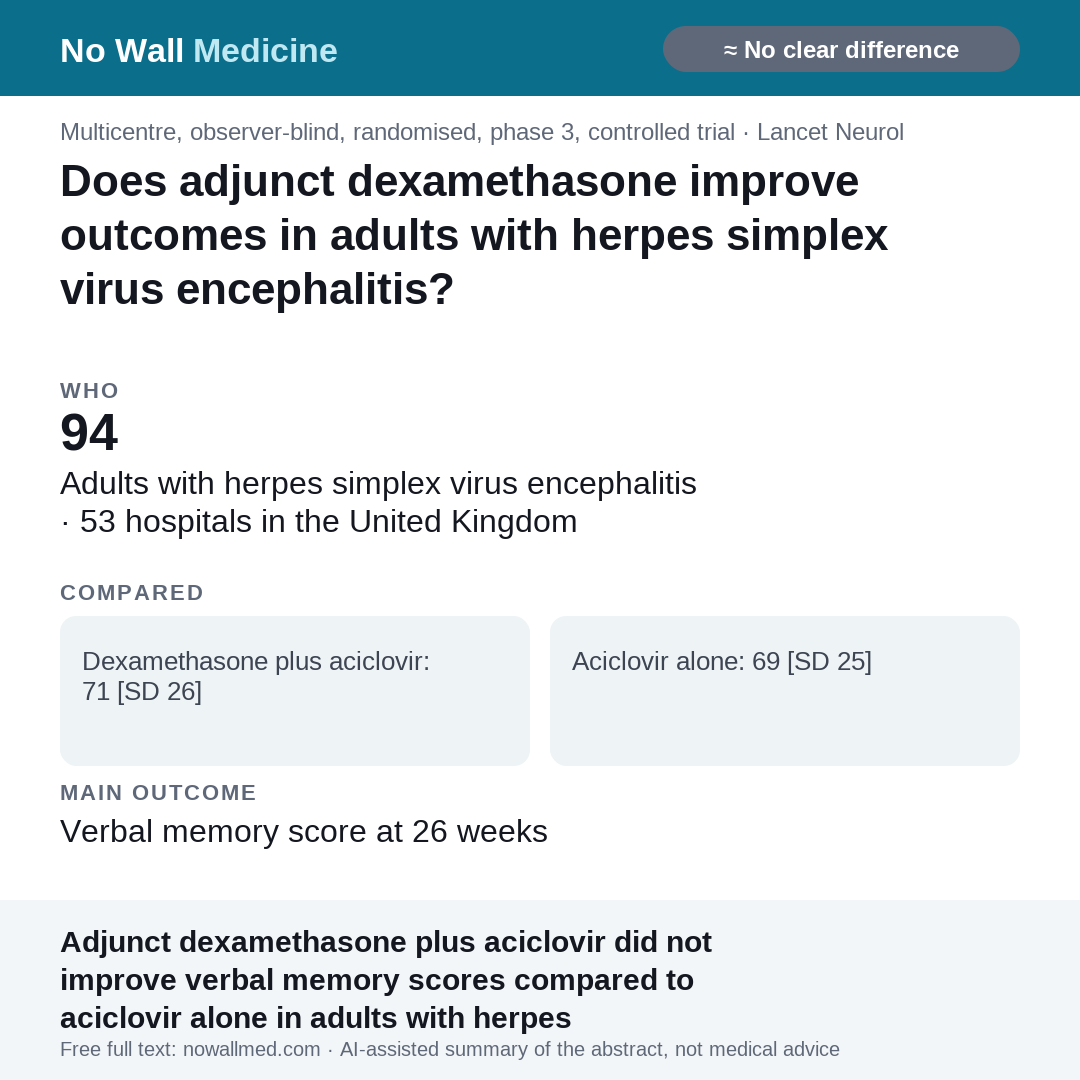
Safety and efficacy of adjunct dexamethasone in adults with herpes simplex virus encephalitis in the UK (DexEnceph): a multicentre, observer-blind, randomised, phase 3, controlled trial
Multicentre, observer-blind, randomised, phase 3, controlled trialNo clear difference
Does adjunct dexamethasone improve outcomes in adults with herpes simplex virus encephalitis?
Who
94
Adults with herpes simplex virus encephalitis · 53 hospitals in the United Kingdom
Compared
Dexamethasone plus aciclovir: 71 [SD 26]
Aciclovir alone: 69 [SD 25]
Main outcome
Verbal memory score at 26 weeks
Result: adjusted difference 1·77 (95% CI -9·57 to 13·12)
Bottom line: Adjunct dexamethasone plus aciclovir did not improve verbal memory scores compared to aciclovir alone in adults with herpes simplex virus encephalitis.
Funded by: National Institute for Health and Care Research
Lancet Neurol · 2026-01-25Download image
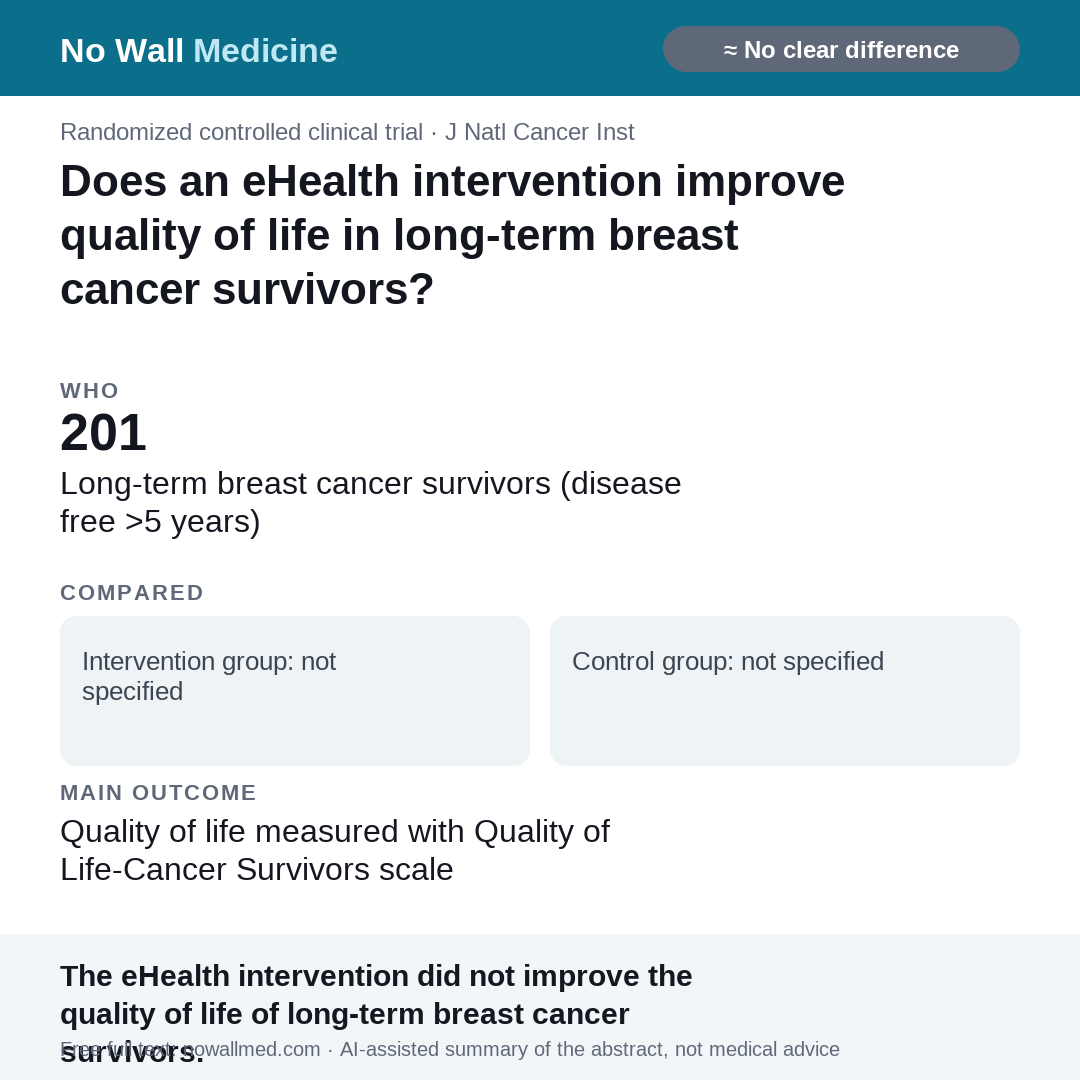
EHealth intervention for quality of life in long-term breast cancer survivors: randomized controlled trial
Randomized controlled clinical trialNo clear difference
Does an eHealth intervention improve quality of life in long-term breast cancer survivors?
Who
201
Long-term breast cancer survivors (disease free >5 years)
Compared
Intervention group: not specified
Control group: not specified
Main outcome
Quality of life measured with Quality of Life-Cancer Survivors scale
Result: difference-in-differences = 0.11 (95% confidence interval = -0.10 to 0.32)
Bottom line: The eHealth intervention did not improve the quality of life of long-term breast cancer survivors.
J Natl Cancer Inst · 2026-01-25Download image
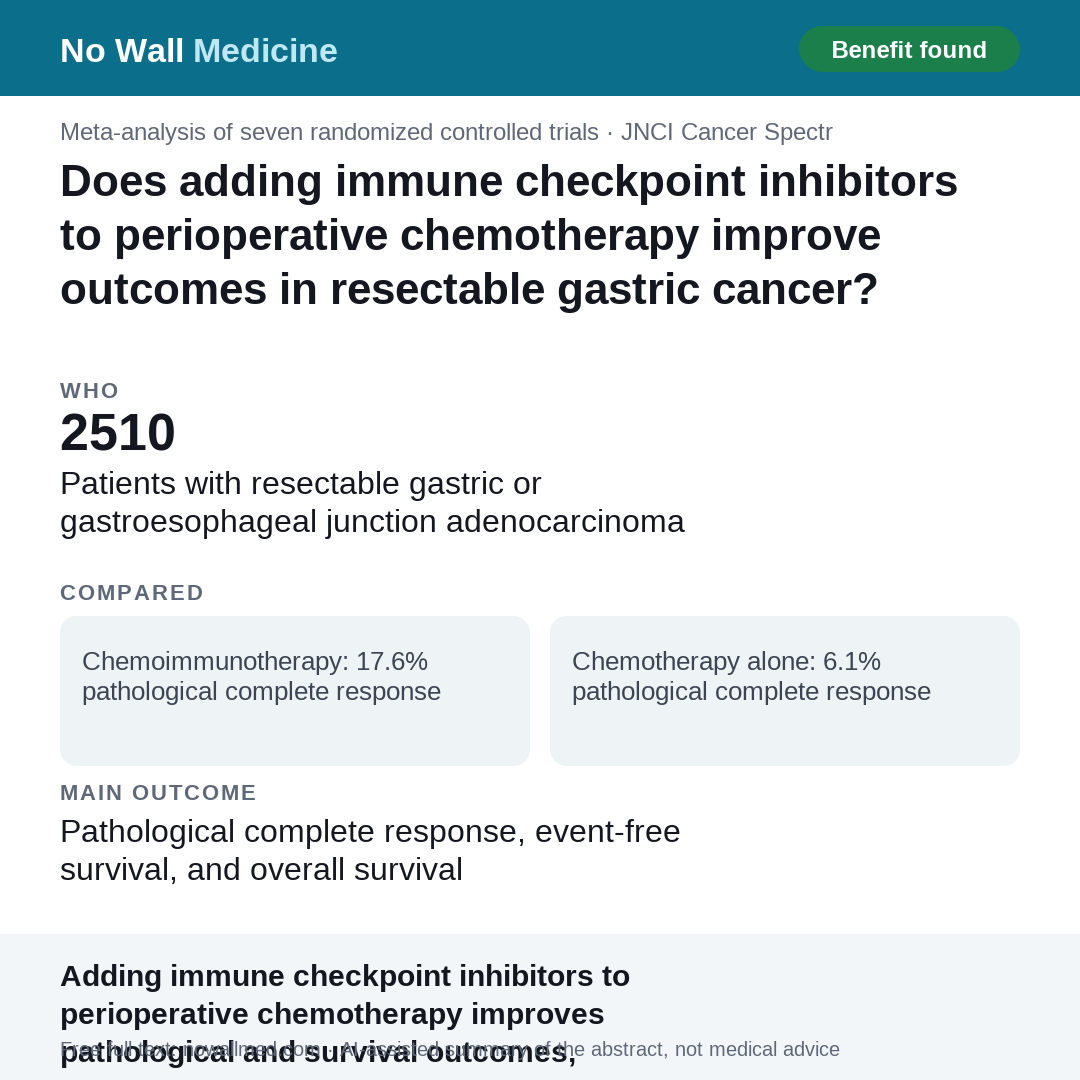
Perioperative chemoimmunotherapy for patients with gastric or gastroesophageal junction cancer: a systematic review and meta-analysis
Meta-analysis of seven randomized controlled trialsBenefit found
Does adding immune checkpoint inhibitors to perioperative chemotherapy improve outcomes in resectable gastric cancer?
Who
2510
Patients with resectable gastric or gastroesophageal junction adenocarcinoma
Compared
Chemoimmunotherapy: 17.6% pathological complete response
Chemotherapy alone: 6.1% pathological complete response
Main outcome
Pathological complete response, event-free survival, and overall survival
Result: hazard ratio 0.76 (95% CI 0.66 to 0.86) for event-free survival
Bottom line: Adding immune checkpoint inhibitors to perioperative chemotherapy improves pathological and survival outcomes, especially in PD-L1 positive patients.
JNCI Cancer Spectr · 2026-01-25Download image
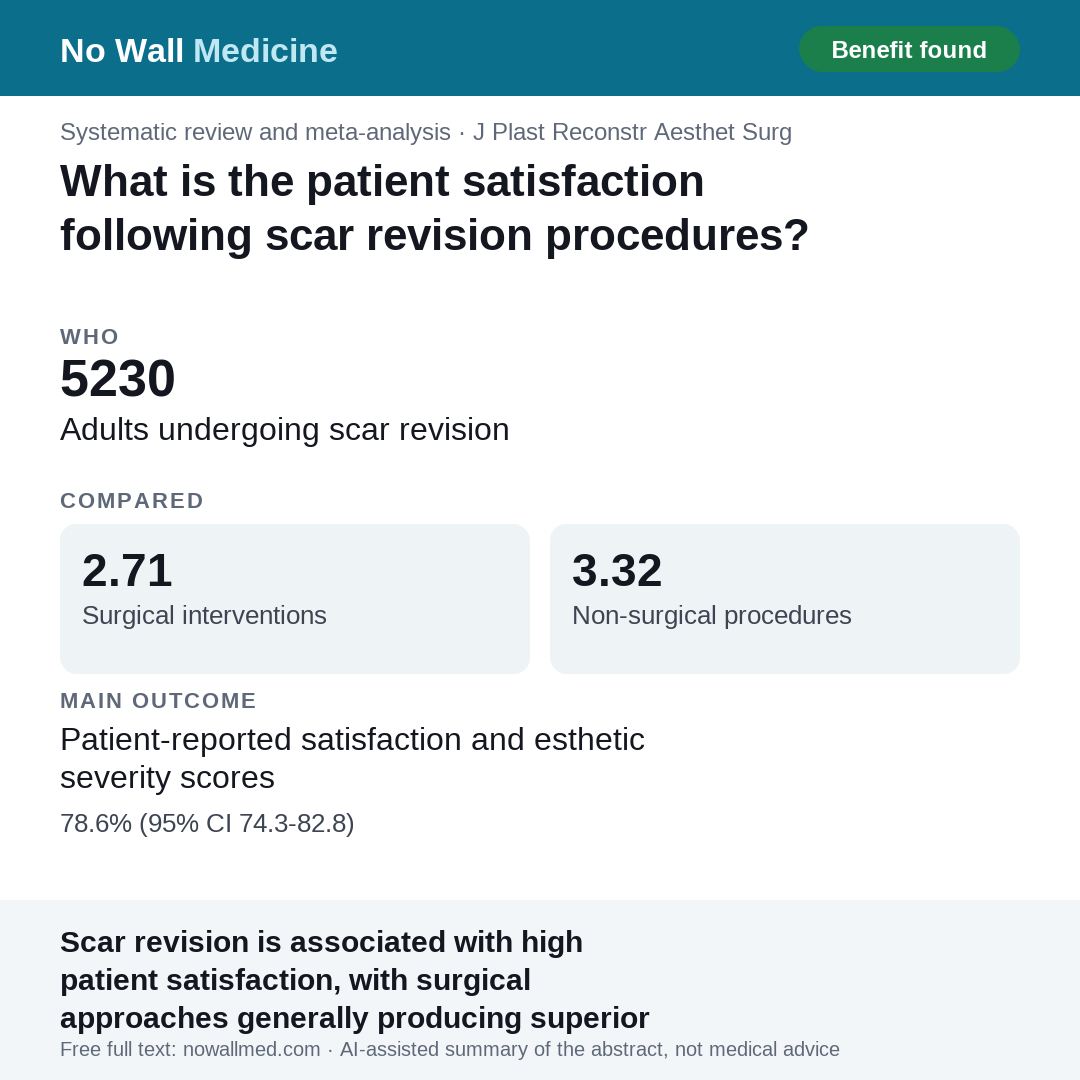
Patient satisfaction following scar revision: A systematic review and meta-analysis
Systematic review and meta-analysisBenefit found
What is the patient satisfaction following scar revision procedures?
Who
5230
Adults undergoing scar revision
Compared
2.71Surgical interventions (95% CI 2.32-3.11)
3.32Non-surgical procedures (95% CI 2.92-3.71)
Main outcome
Patient-reported satisfaction and esthetic severity scores
Result: 78.6% (95% CI 74.3-82.8)
Bottom line: Scar revision is associated with high patient satisfaction, with surgical approaches generally producing superior patient-reported outcomes.
Limitation: Need for standardized patient-reported outcome measures and improved reporting of psychosocial factors.
J Plast Reconstr Aesthet Surg · 2026-01-24Download image
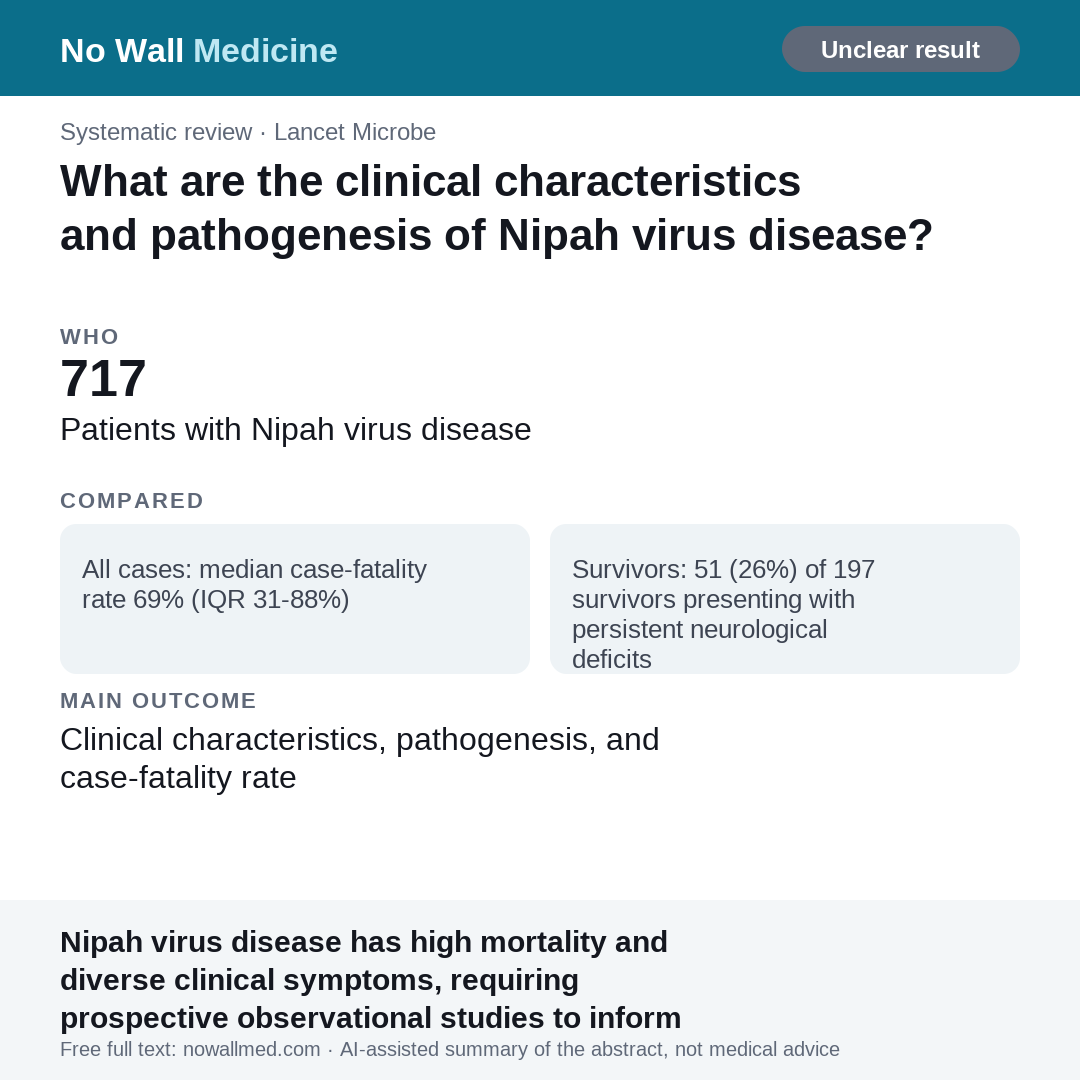
Interpreting the natural history and pathogenesis of Nipah virus disease through clinical data, to inform clinical trial design: a systematic review
Systematic reviewUnclear result
What are the clinical characteristics and pathogenesis of Nipah virus disease?
Who
717
Patients with Nipah virus disease
Compared
All cases: median case-fatality rate 69% (IQR 31-88%)
Survivors: 51 (26%) of 197 survivors presenting with persistent neurological deficits
Main outcome
Clinical characteristics, pathogenesis, and case-fatality rate
Bottom line: Nipah virus disease has high mortality and diverse clinical symptoms, requiring prospective observational studies to inform future clinical trials.
Limitation: Clinical management varied widely, with incomplete reporting limiting insights.
Lancet Microbe · 2026-01-24Download image
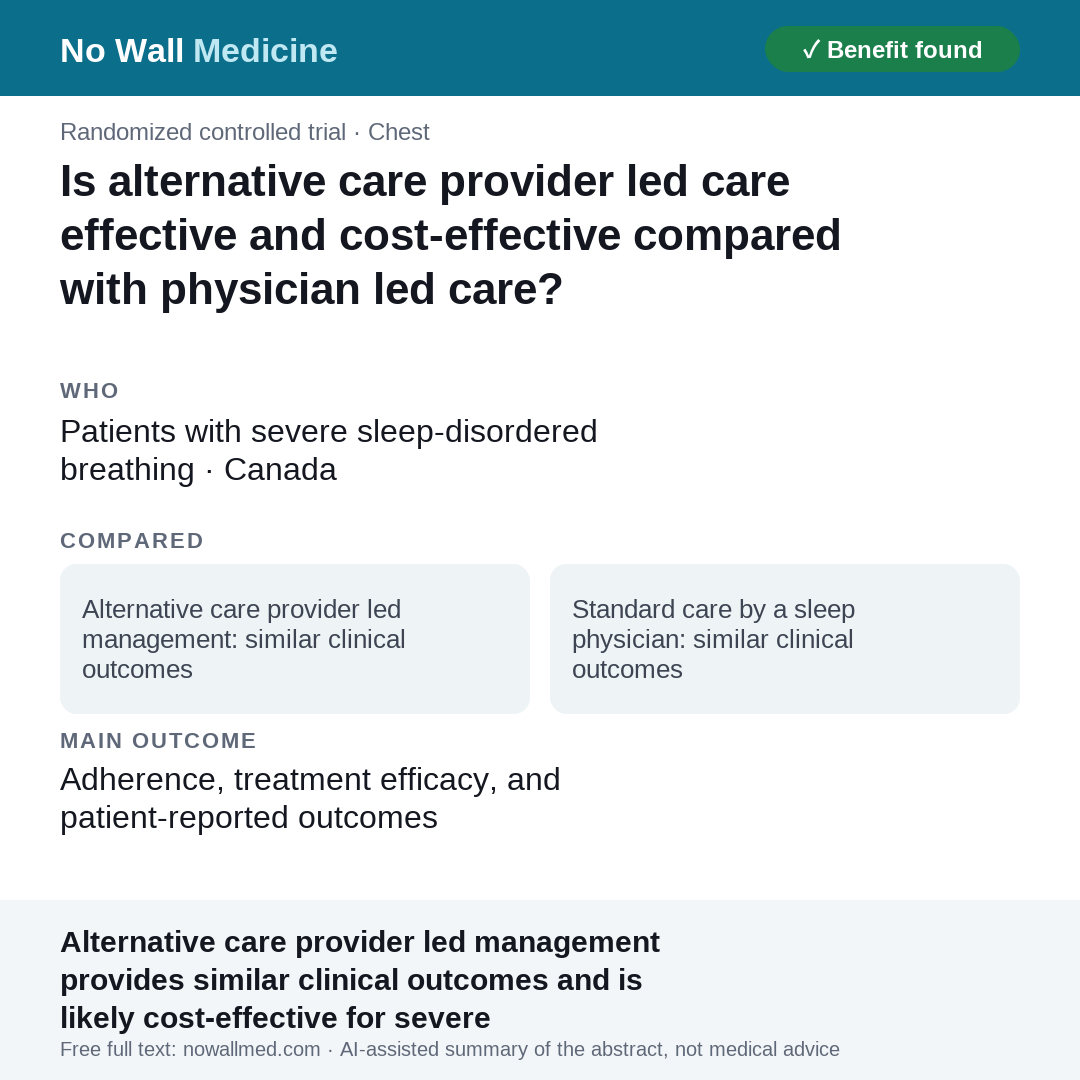
Twelve-Month Follow-Up and Economic Evaluation of an Alternative Care Provider Clinic for Severe Sleep-Disordered Breathing
Randomized controlled trialBenefit found
Is alternative care provider led care effective and cost-effective compared with physician led care?
Who
Patients with severe sleep-disordered breathing · Canada
Compared
Alternative care provider led management: similar clinical outcomes
Standard care by a sleep physician: similar clinical outcomes
Main outcome
Adherence, treatment efficacy, and patient-reported outcomes
Result: -$34,580 per quality-adjusted life year
Bottom line: Alternative care provider led management provides similar clinical outcomes and is likely cost-effective for severe sleep-disordered breathing.
Chest · 2026-01-24Download image
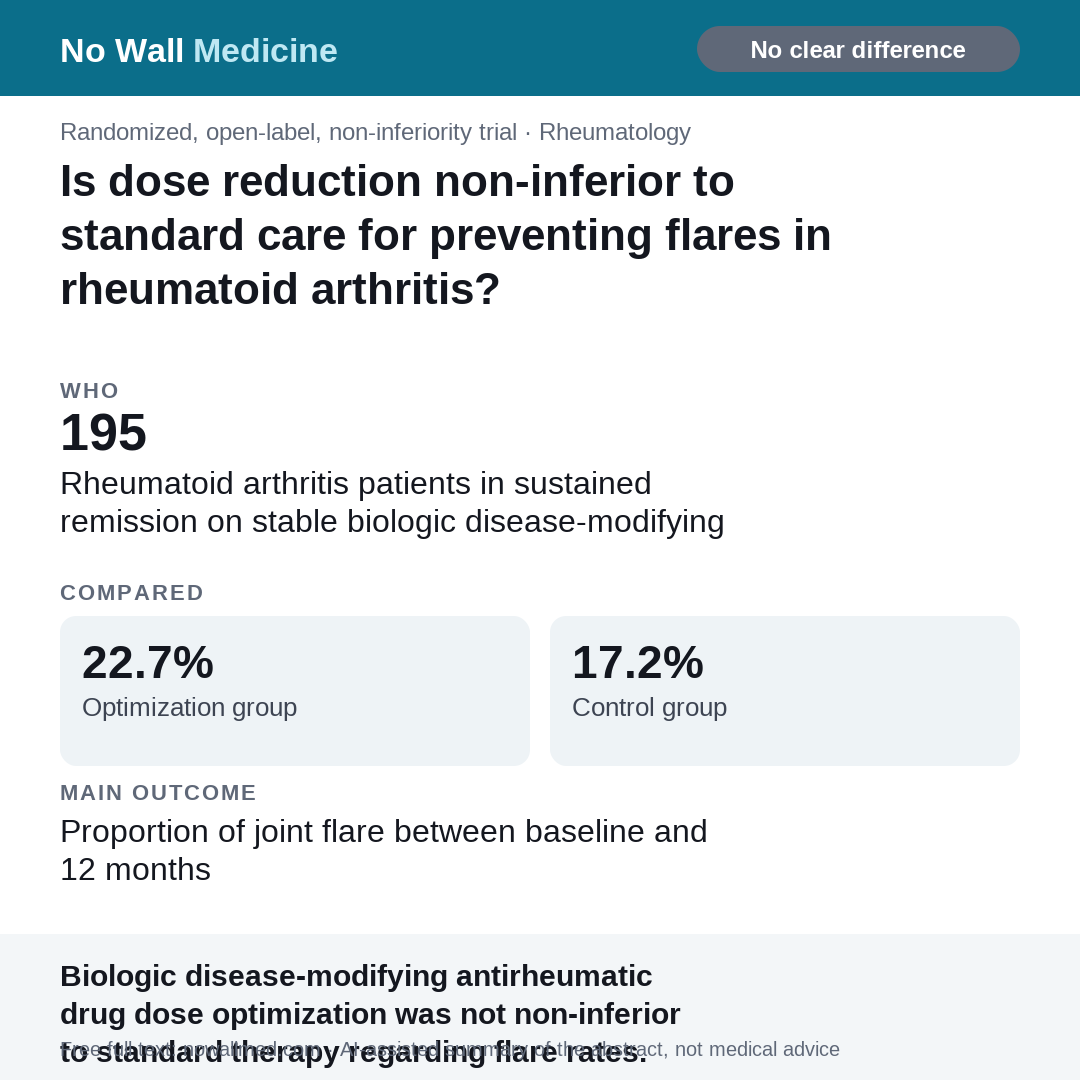
Clinical and molecular data to predict flares in DMARD optimization in rheumatoid arthritis: a randomized, controlled, open-label, non-inferiority trial
Randomized, open-label, non-inferiority trialNo clear difference
Is dose reduction non-inferior to standard care for preventing flares in rheumatoid arthritis?
Who
195
Rheumatoid arthritis patients in sustained remission on stable biologic disease-modifying antirheumatic drug therapy · Five hospitals in Spain
Compared
22.7%Optimization group
17.2%Control group
Main outcome
Proportion of joint flare between baseline and 12 months
Result: risk difference -5.5% (95% CI: -16.8% to 5.7%)
Bottom line: Biologic disease-modifying antirheumatic drug dose optimization was not non-inferior to standard therapy regarding flare rates.
Rheumatology · 2026-01-24Download image
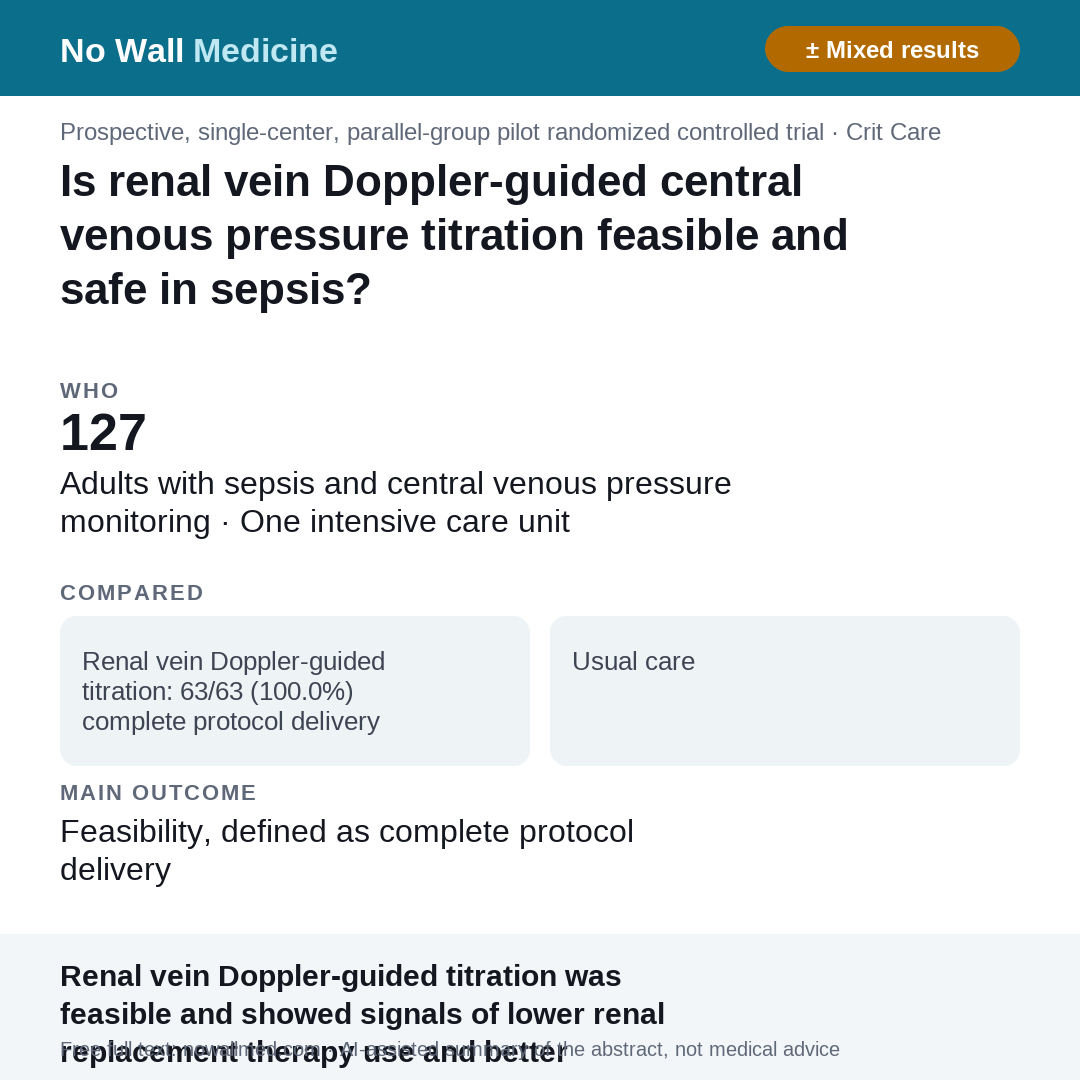
Impact of renal vein doppler ultrasound-guided CVP titration in sepsis: a pilot randomized controlled trial
Prospective, single-center, parallel-group pilot randomized controlled trialMixed results
Is renal vein Doppler-guided central venous pressure titration feasible and safe in sepsis?
Who
127
Adults with sepsis and central venous pressure monitoring · One intensive care unit
Compared
Renal vein Doppler-guided titration: 63/63 (100.0%) complete protocol delivery
Usual care
Main outcome
Feasibility, defined as complete protocol delivery
Result: RR 0.41 (95% CI 0.17–0.98) for renal replacement therapy initiation
Bottom line: Renal vein Doppler-guided titration was feasible and showed signals of lower renal replacement therapy use and better hemodynamic de-escalation.
Crit Care · 2026-01-24Download image
The diagnostic accuracy of wearable digital technology in detecting fertility window and menstrual cycles: a systematic review and Bayesian network meta-analysis
Systematic review and Bayesian network meta-analysisBenefit found
What is the diagnostic accuracy of wearable digital technology for monitoring fertility windows?
Who
Women monitoring fertility windows and menstrual cycles
Compared
Wearable digital technology: pooled accuracy of 0.88 (95% CI: 0.86-0.90)
Conventional methods
Main outcome
Diagnostic accuracy of wearable digital technology
Result: pooled accuracy 0.88 (95% CI: 0.86-0.90)
Bottom line: Wearable digital technology shows promise for tracking fertility windows and optimizing pregnancy planning.
NPJ Digit Med · 2026-01-24Download image

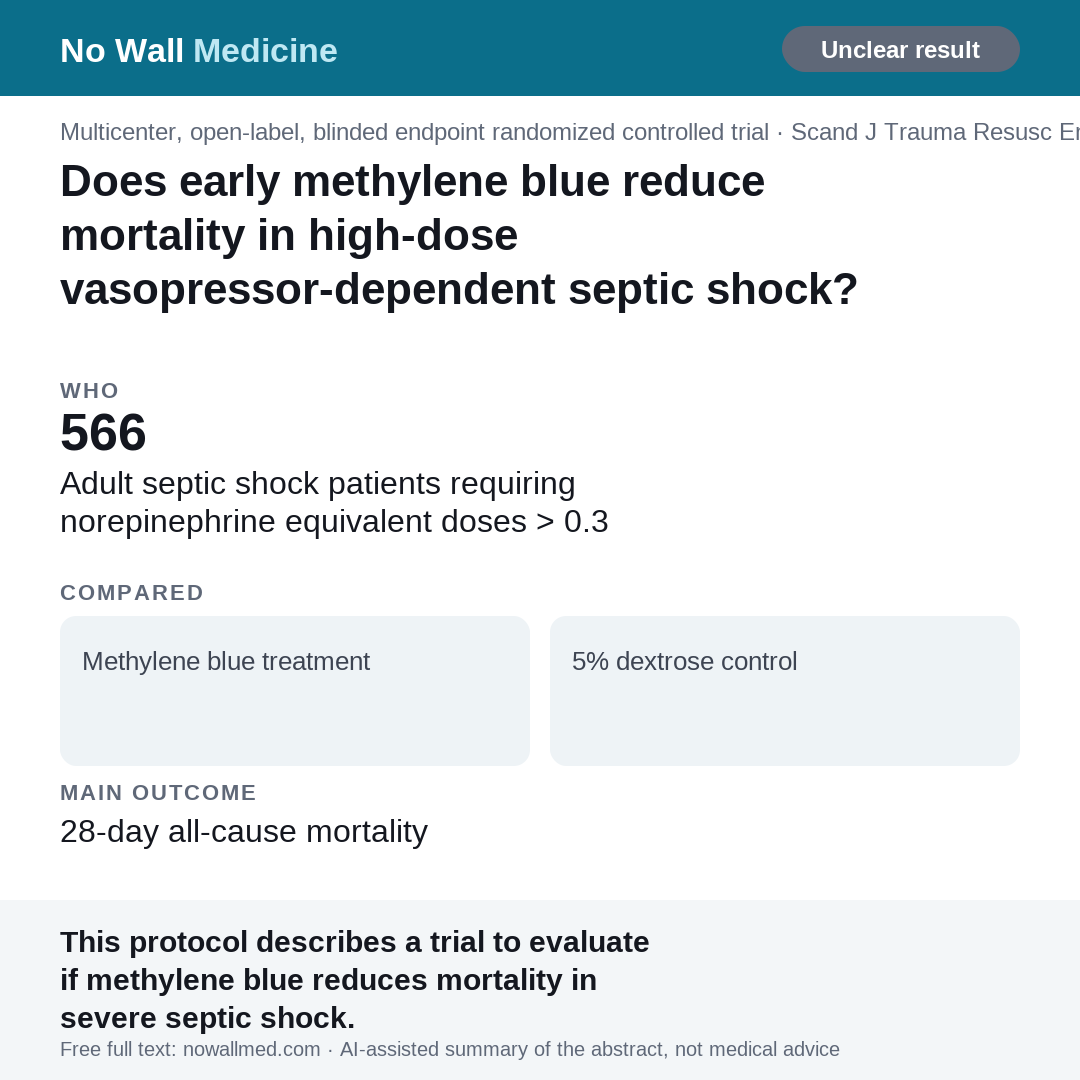
Early Methylene Blue for Mortality Reduction in High-Dose VasoPREssor-Dependent Septic Shock (EMPRESS): protocol for a multicenter randomized controlled trial
Multicenter, open-label, blinded endpoint randomized controlled trialUnclear result
Does early methylene blue reduce mortality in high-dose vasopressor-dependent septic shock?
Who
566
Adult septic shock patients requiring norepinephrine equivalent doses > 0.3 μg/kg/min · Multiple centers in China
Compared
Methylene blue treatment
5% dextrose control
Main outcome
28-day all-cause mortality
Bottom line: This protocol describes a trial to evaluate if methylene blue reduces mortality in severe septic shock.
Scand J Trauma Resusc Emerg Med · 2026-01-24Download image
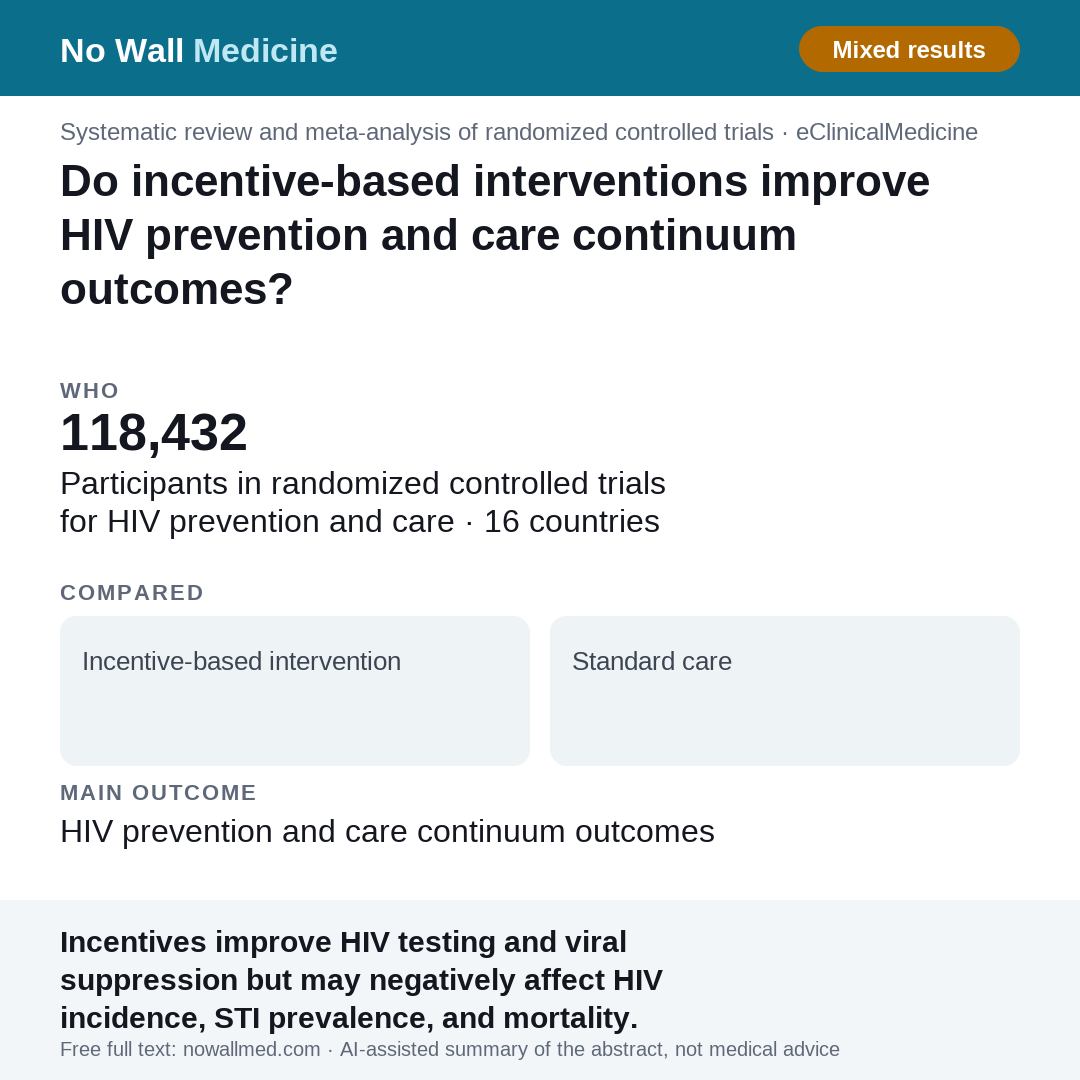
Incentive-based interventions to improve HIV prevention and care continuum: a global systematic review and meta-analysis
Systematic review and meta-analysis of randomized controlled trialsMixed results
Do incentive-based interventions improve HIV prevention and care continuum outcomes?
Who
118,432
Participants in randomized controlled trials for HIV prevention and care · 16 countries
Compared
Incentive-based intervention
Standard care
Main outcome
HIV prevention and care continuum outcomes
Result: risk ratio 1.83 (95% CI 1.31-2.54) for HIV testing uptakes
Bottom line: Incentives improve HIV testing and viral suppression but may negatively affect HIV incidence, STI prevalence, and mortality.
Limitation: Inconsistency between incentive types, implementation duration, and country income levels.
Funded by: National Natural Science Foundation of China and Guangdong Province
eClinicalMedicine · 2026-01-23Download image